Real head-to-head · same prompt, one shot
GPT-5.6 Sol vs MiMo-V2.6 Pro
OpenAI's flagship — the Sun of the 5.6 lineup. vs Open weights that score level with Opus 5 on agents, for cents.
Head-to-head verdict: GPT-5.6 Sol wins 27–12 with 11 ties.
What I tested — same prompt, two models
I run the same fixed prompt set through every new model the day it drops — same string, one shot, single HTML file out — and I score the result 0–10 on whether it ran, how close it hit the brief, and how good it looked. Below is what came out when I gave the exact same prompts to GPT-5.6 Sol and MiMo-V2.6 Pro, side by side, on 50 shared tasks inside the Agent Operating System.
Both models were given identical prompts inside the Agent Operating System — no help, no iteration, no "best of N" tricks. I run each prompt once, save the HTML file the model produces, and score it 0–10 on whether it ran, how close it hit the brief, and how good it looked. The scoring is mine. The verdicts below are pulled from my source comparison guides at agentos.guide where I publish every score and the reasoning behind it.
GPT-5.6 Sol · Benched on GoldieBench as the flagship Sol at medium reasoning, one-shot, then headless-playtested. In the Agent OS it's the top tier of a routed stack — Sol on the hard calls, Terra for the bulk, Luna for the everyday 90%.
MiMo-V2.6 Pro · Benched on all 50 GoldieBench tasks through OpenRouter at the model's default reasoning effort: one-shot build, real rendered poster, Opus 4.8 vision judge, game tasks skill-infused. No retries, no hand fixes; the broken builds are scored as they shipped.
Side-by-side on 50 shared tasks
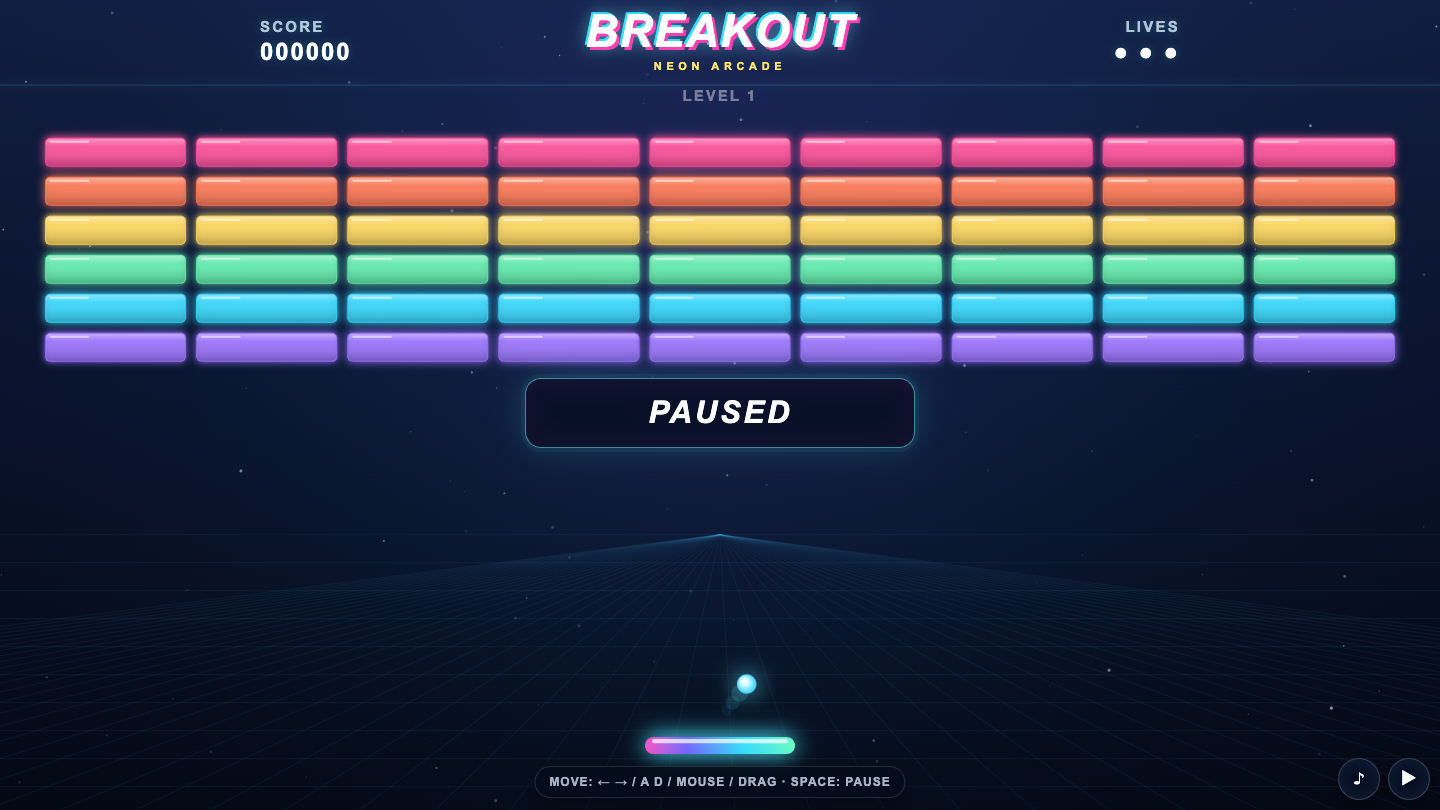
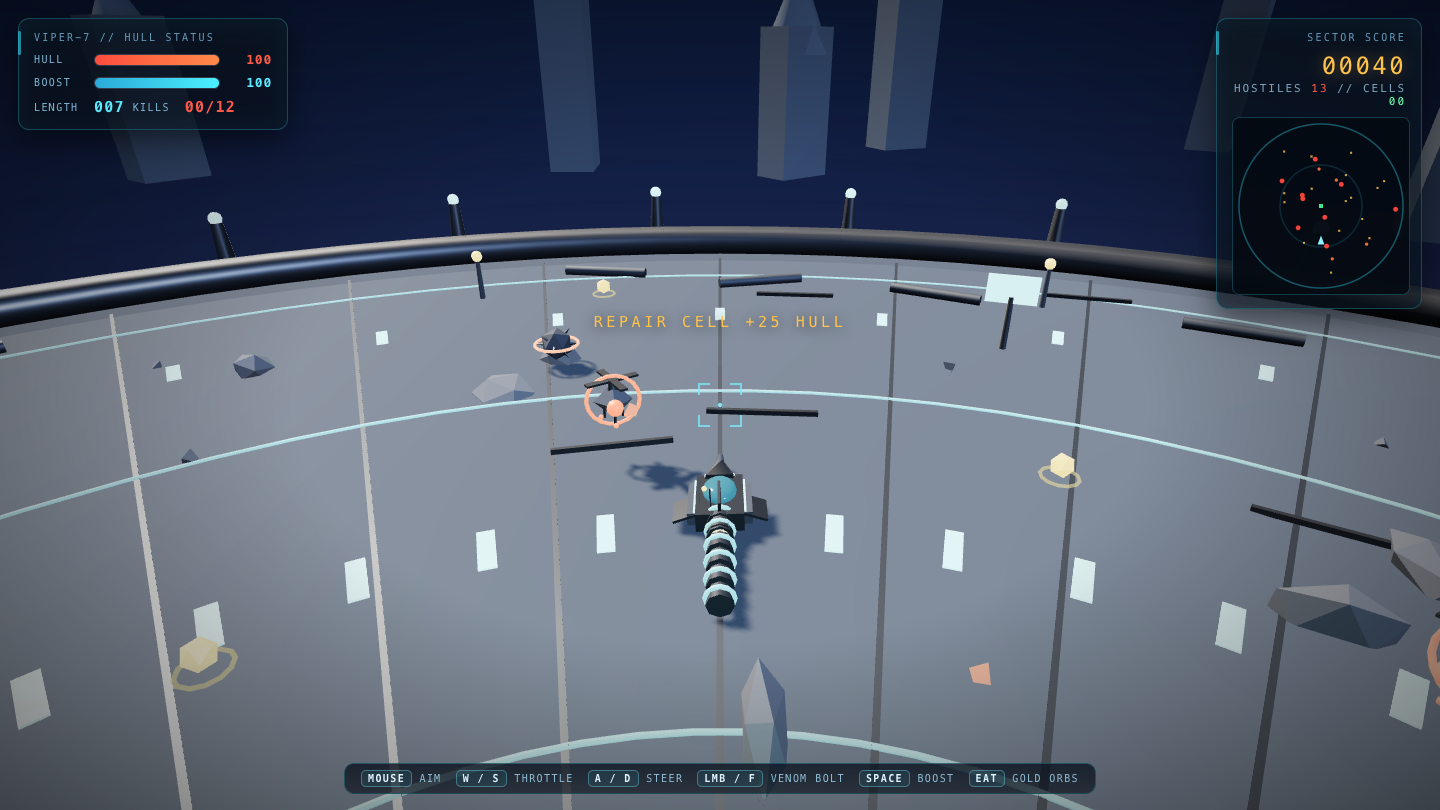
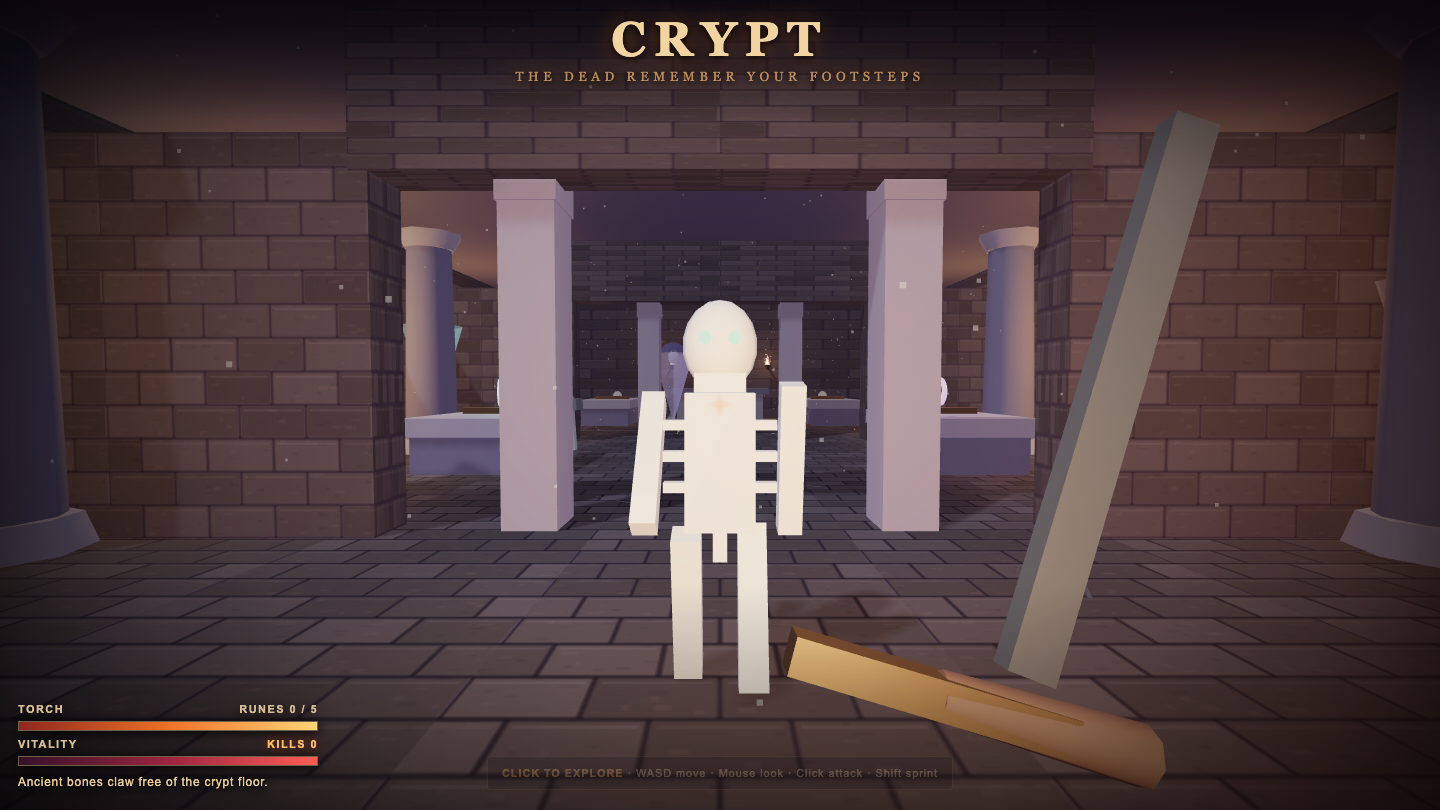
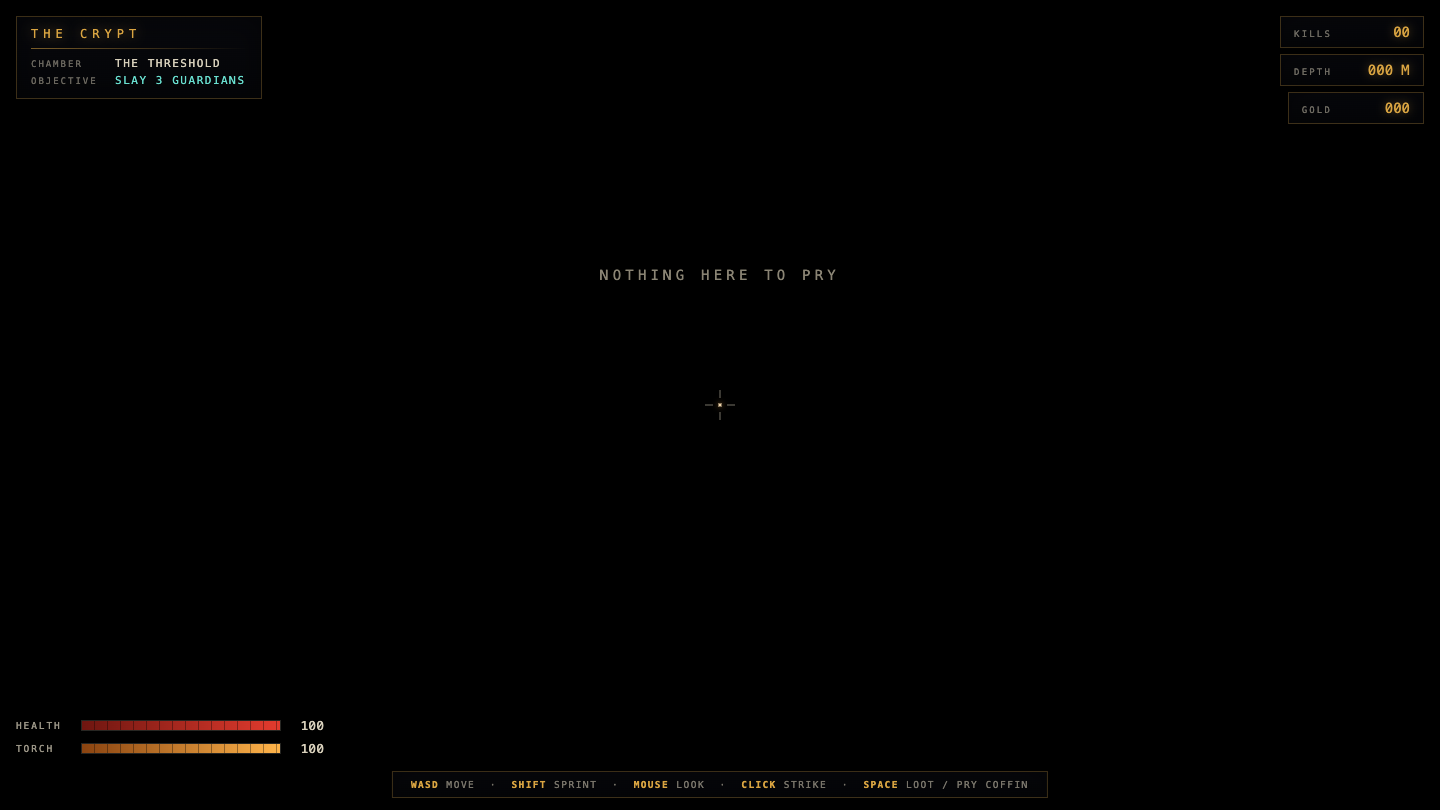
Click any cell to play that model's actual one-shot attempt. Medals are derived from my 0–10 scores per task (highest = 🥇, second = 🥈, third = 🥉).
Task ↓
GPT-5.6 Sol
MiMo-V2.6 Pro
Game
Game
Game
Game
Game
Game
Game
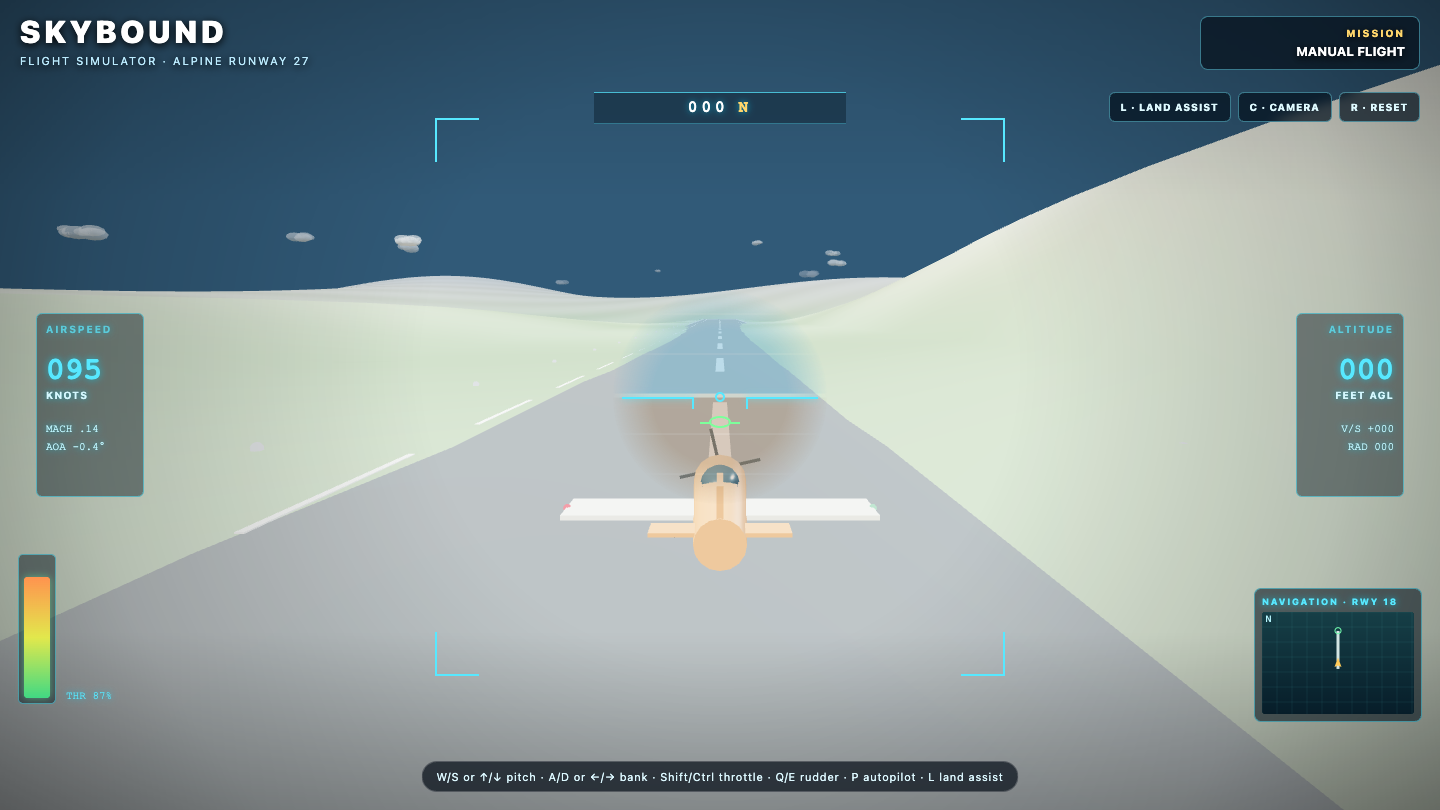
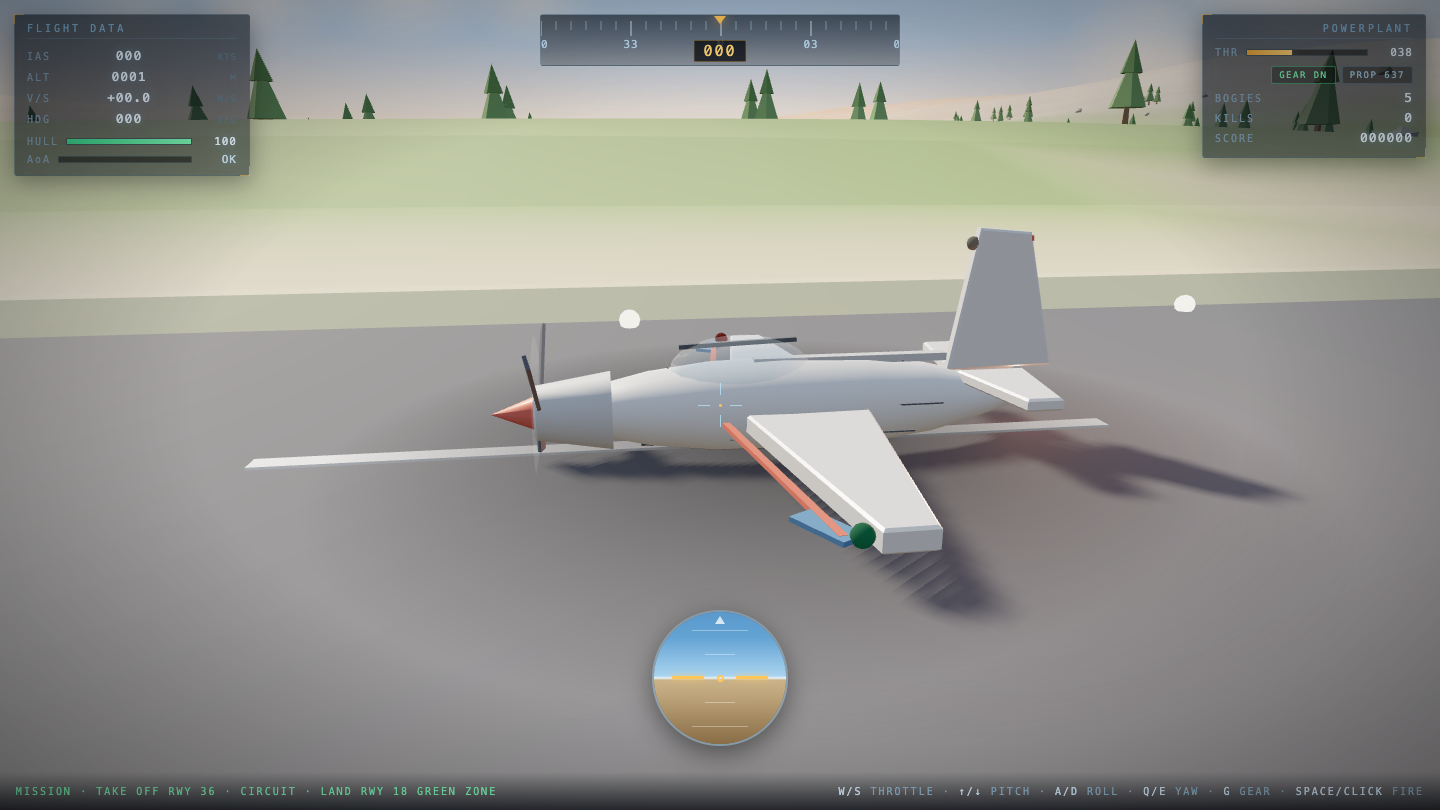
Game
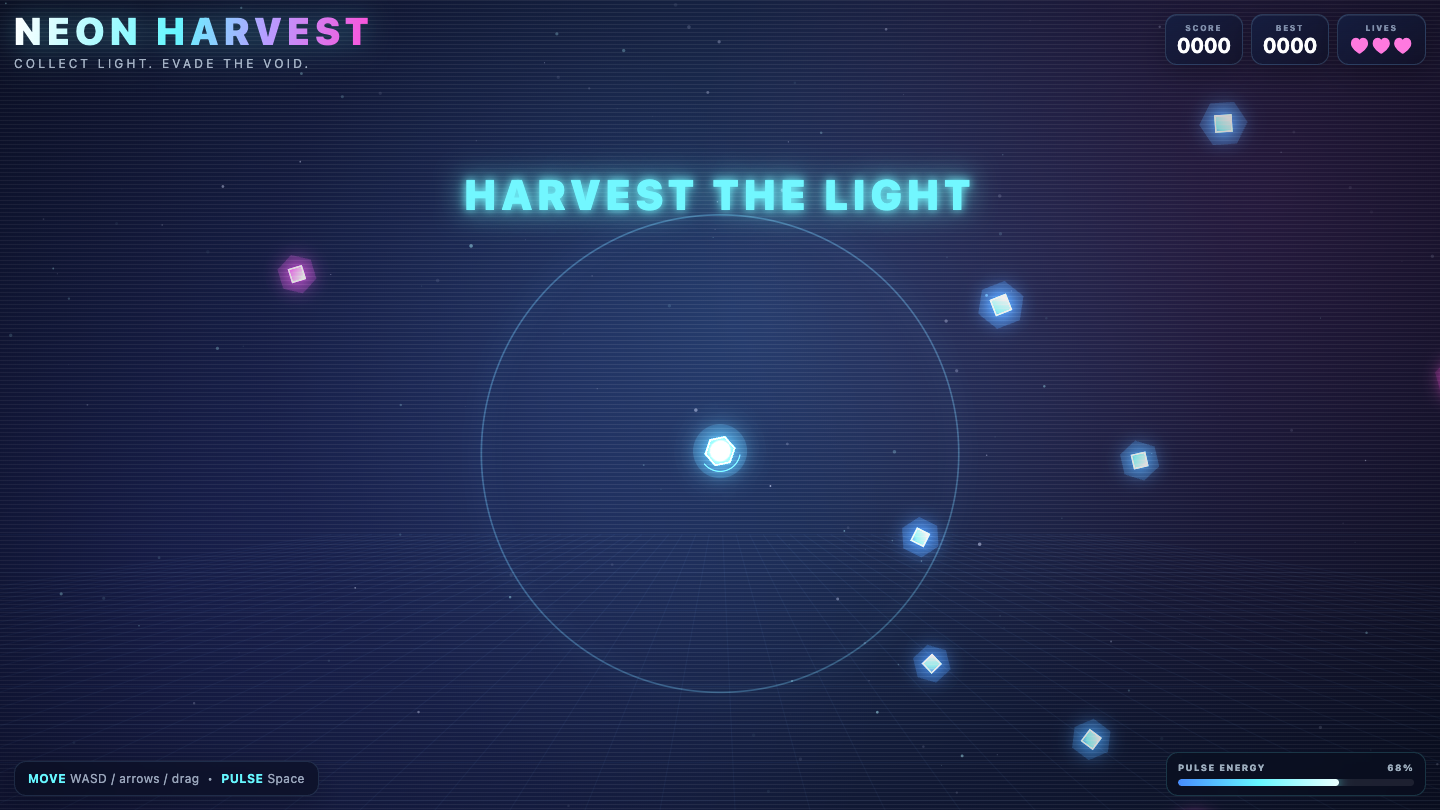
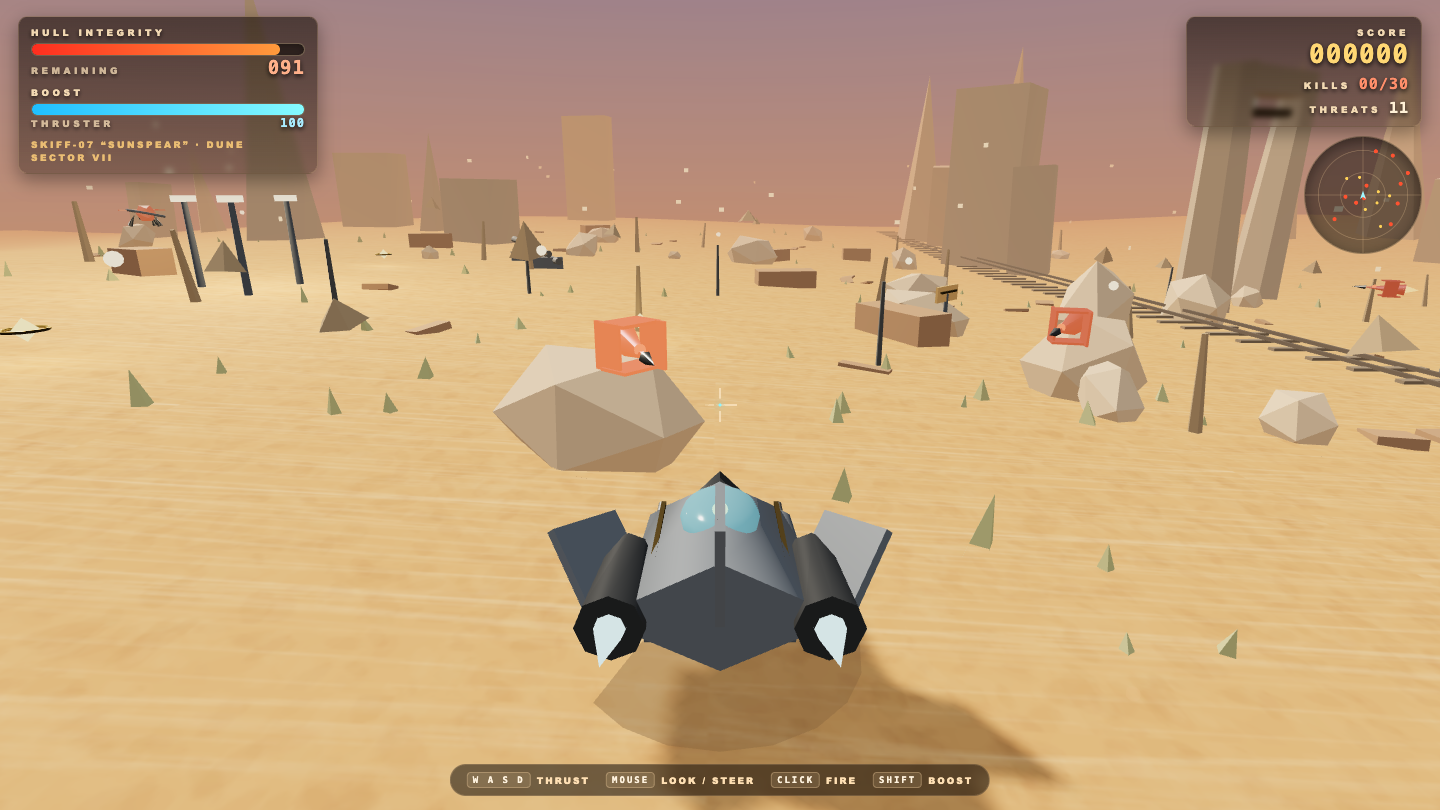
Game
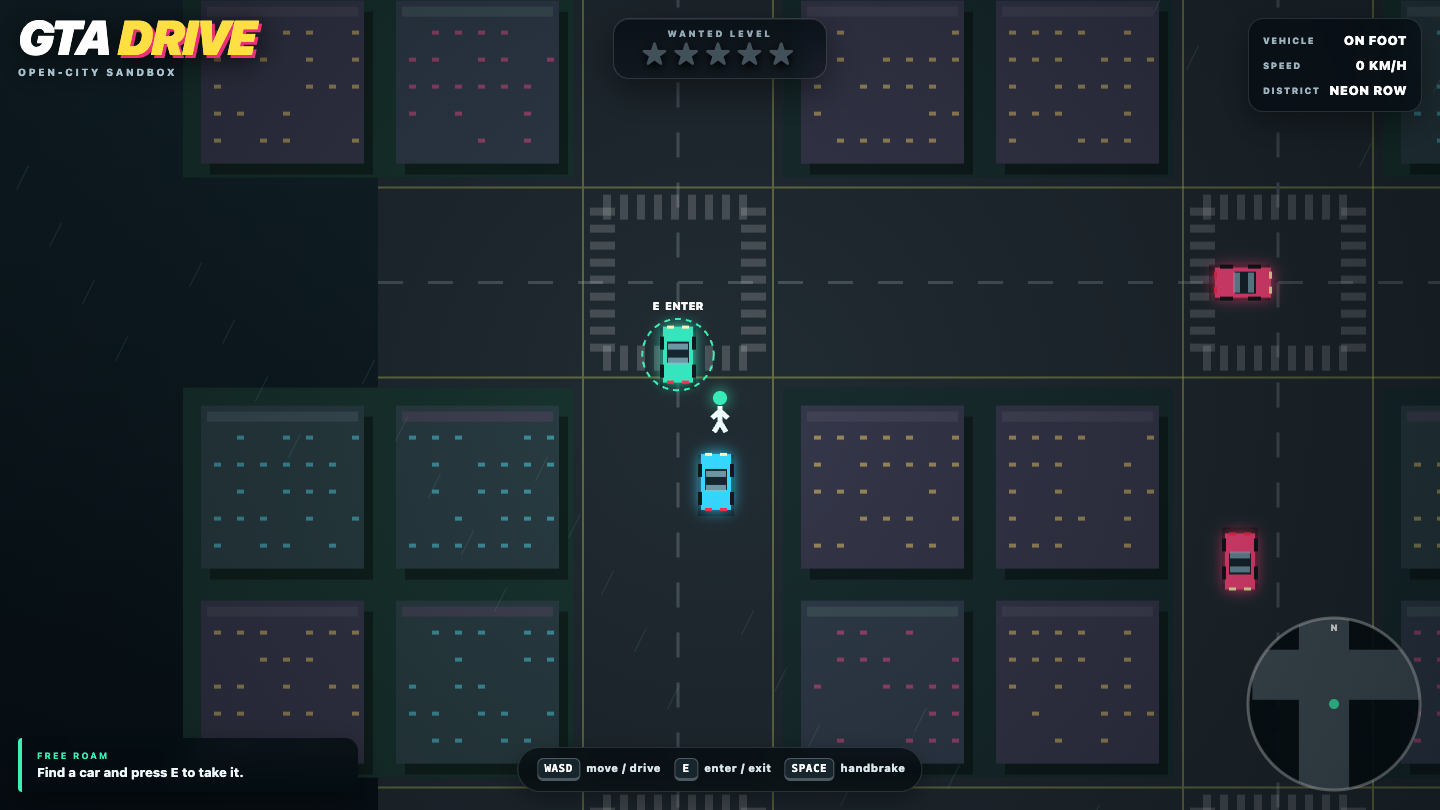
Game
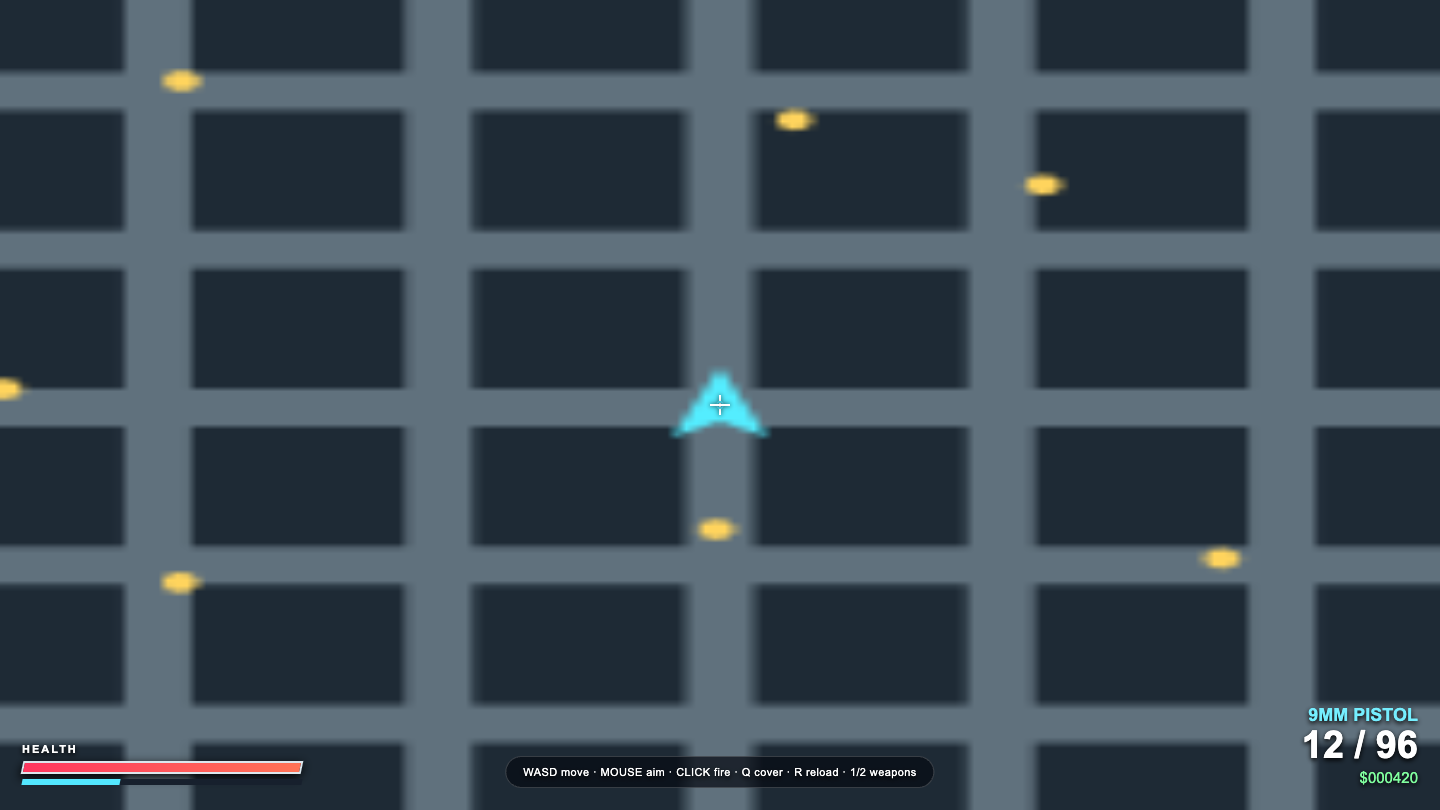
Game
Game
Game
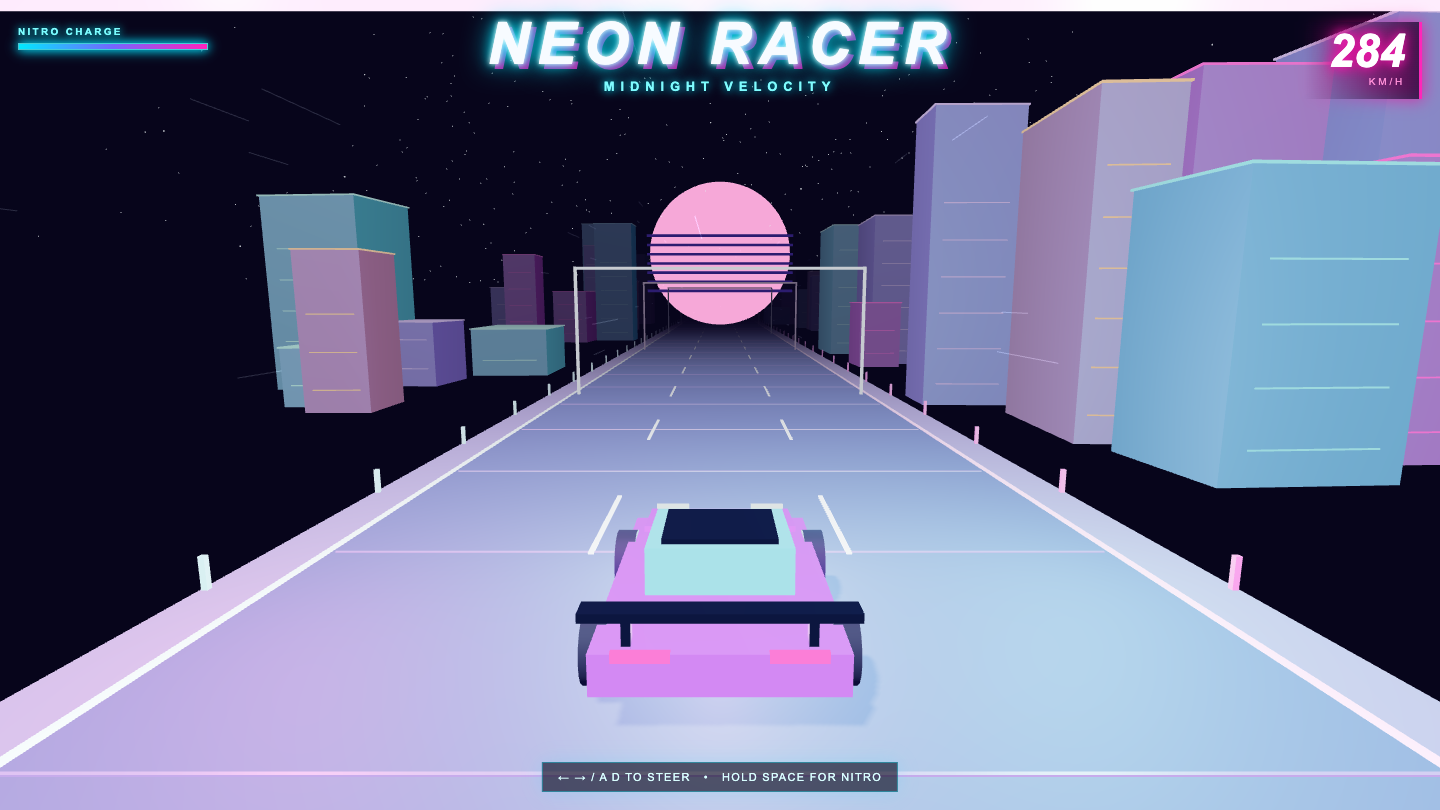
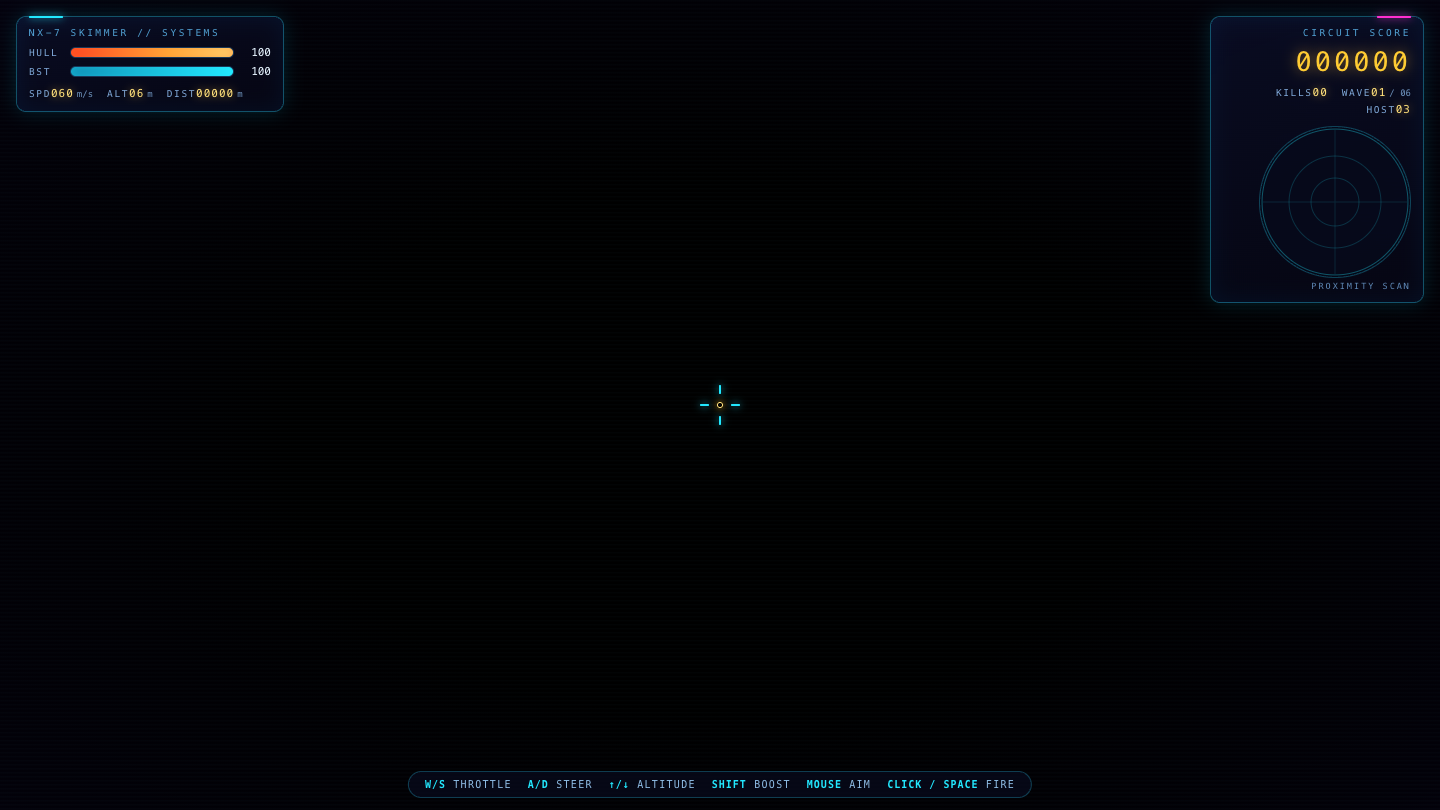
Game
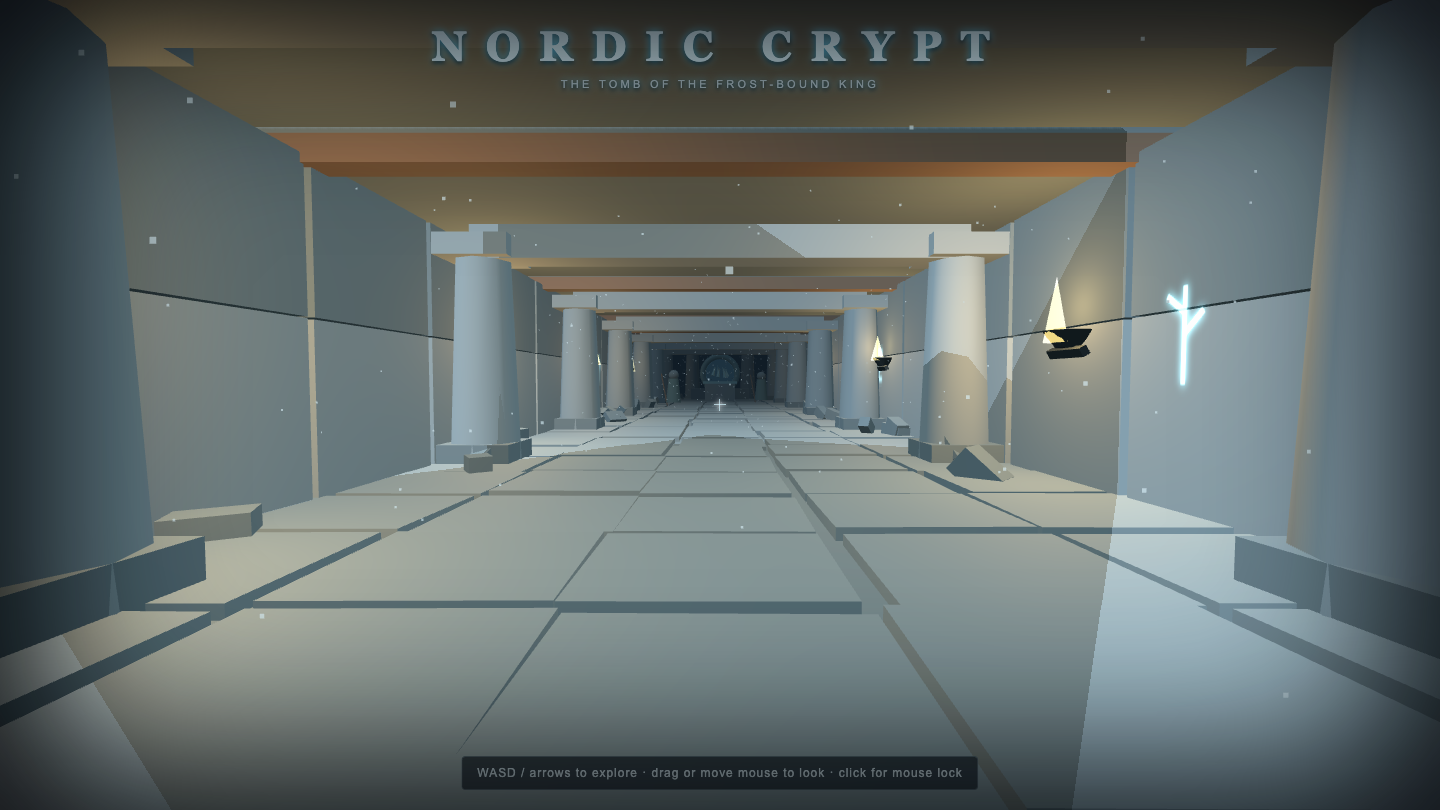
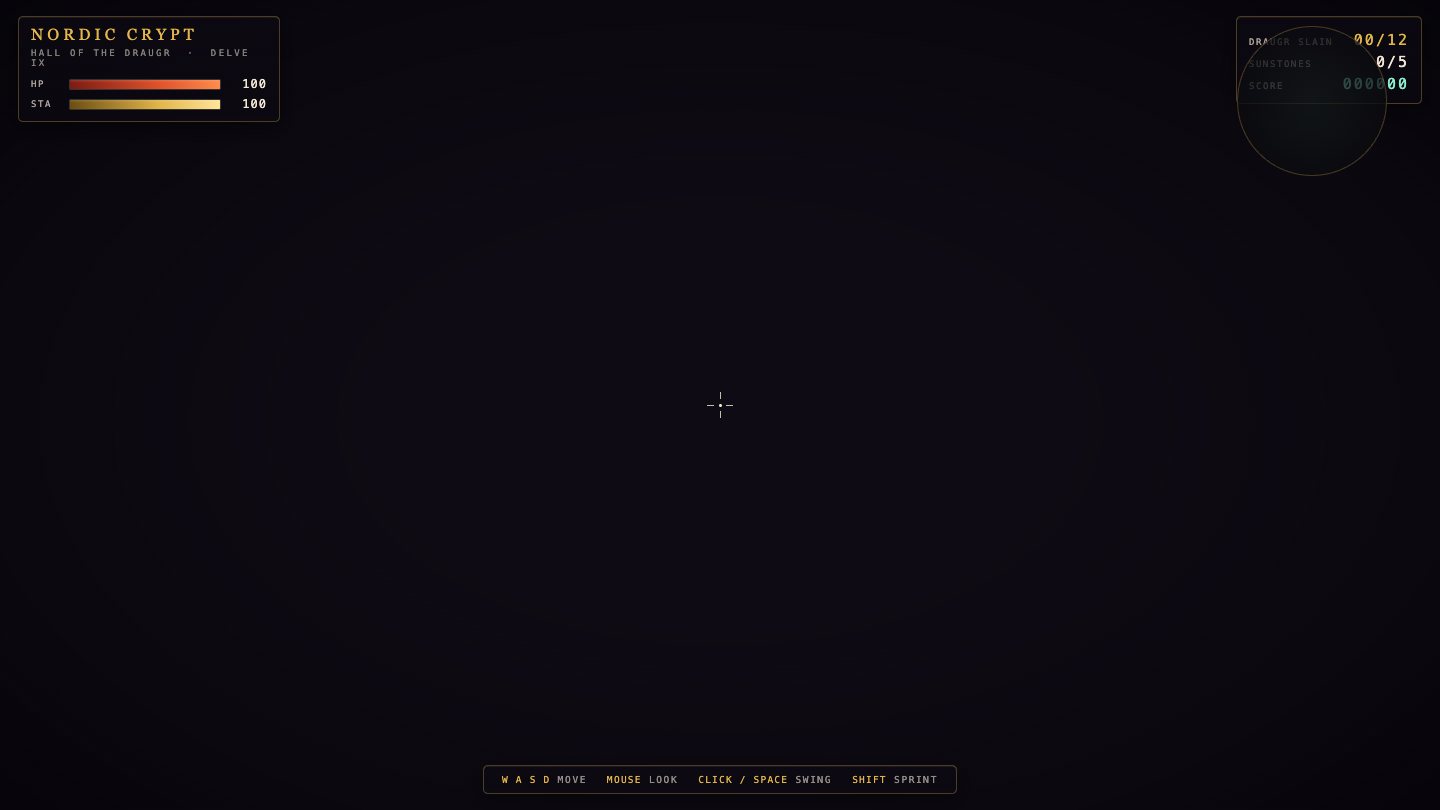
Game
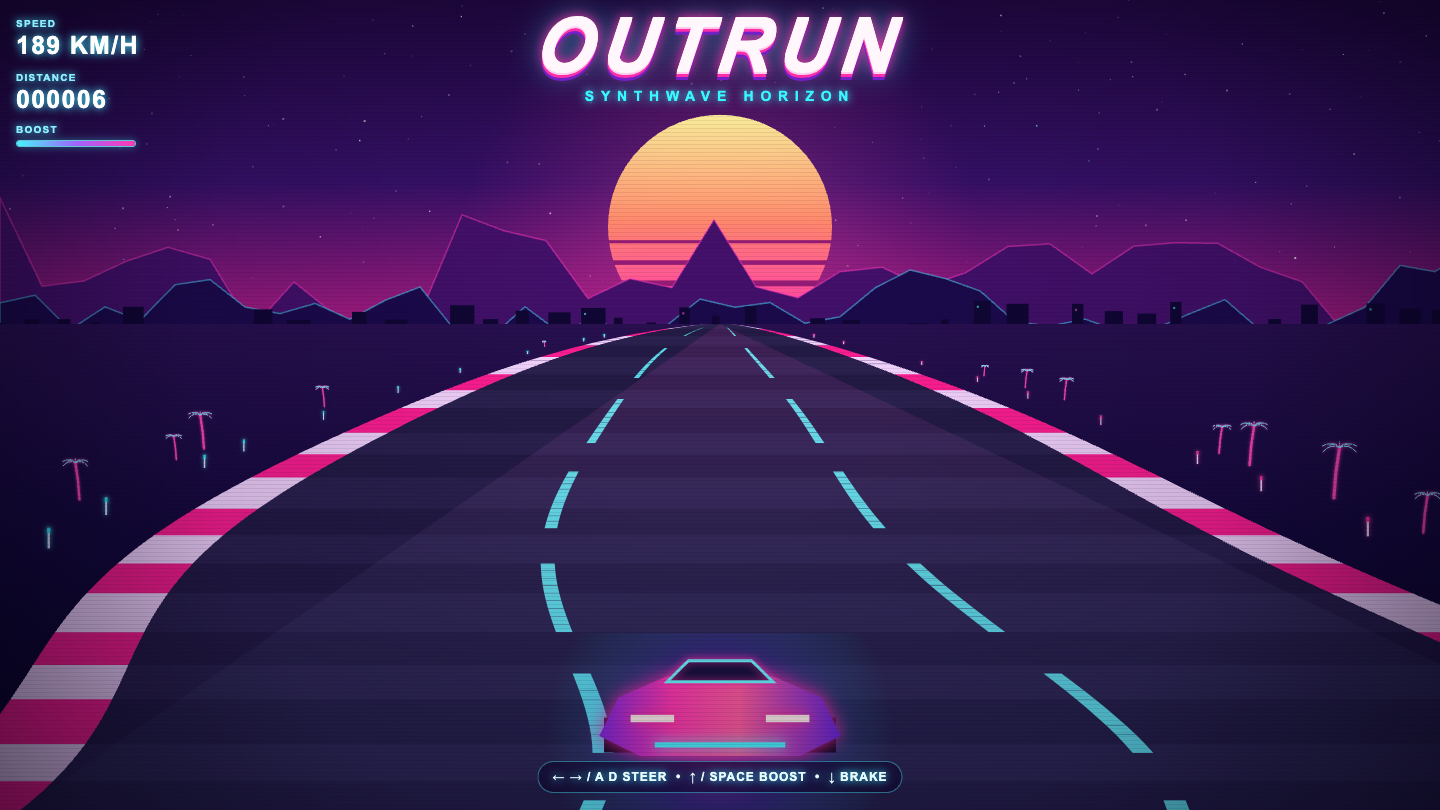
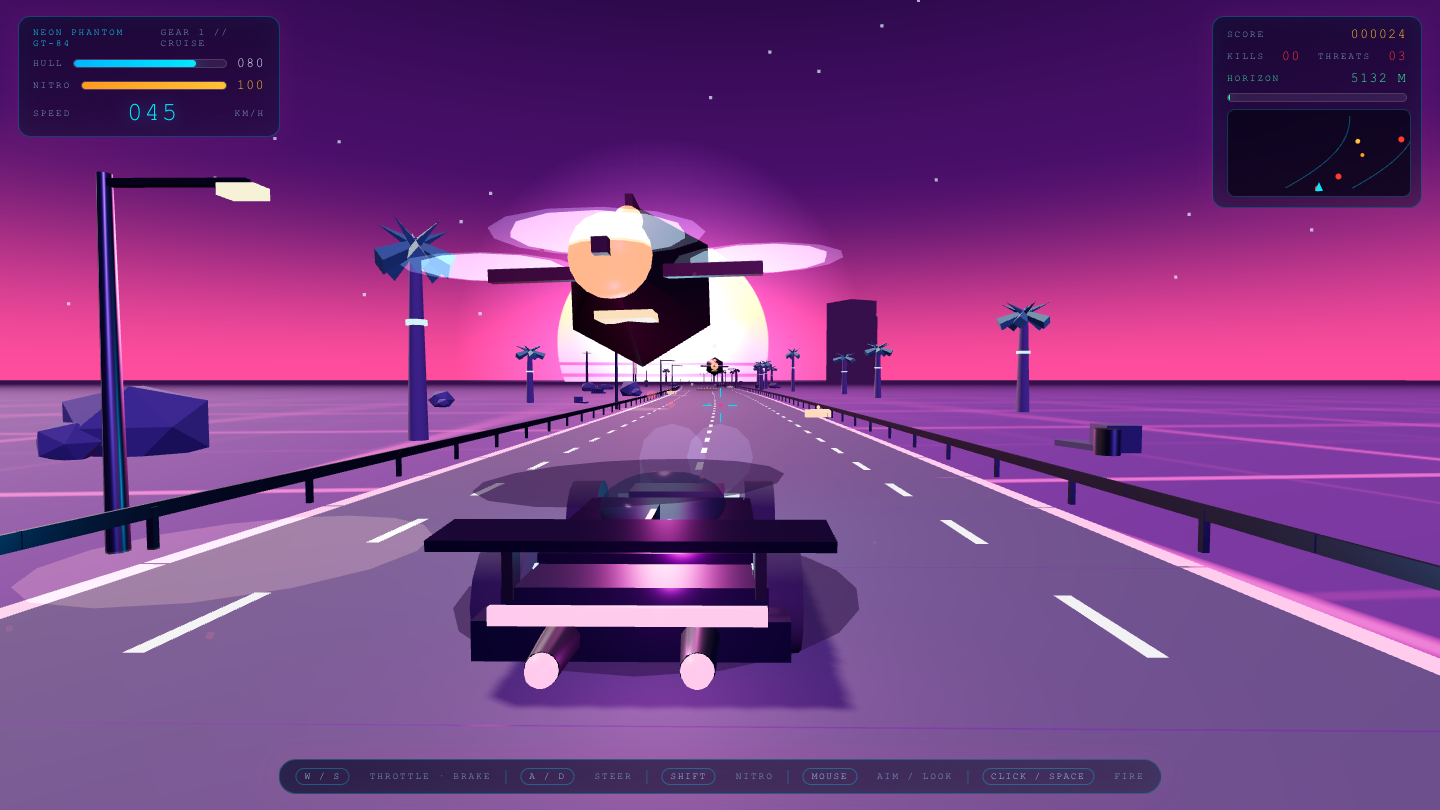
Game
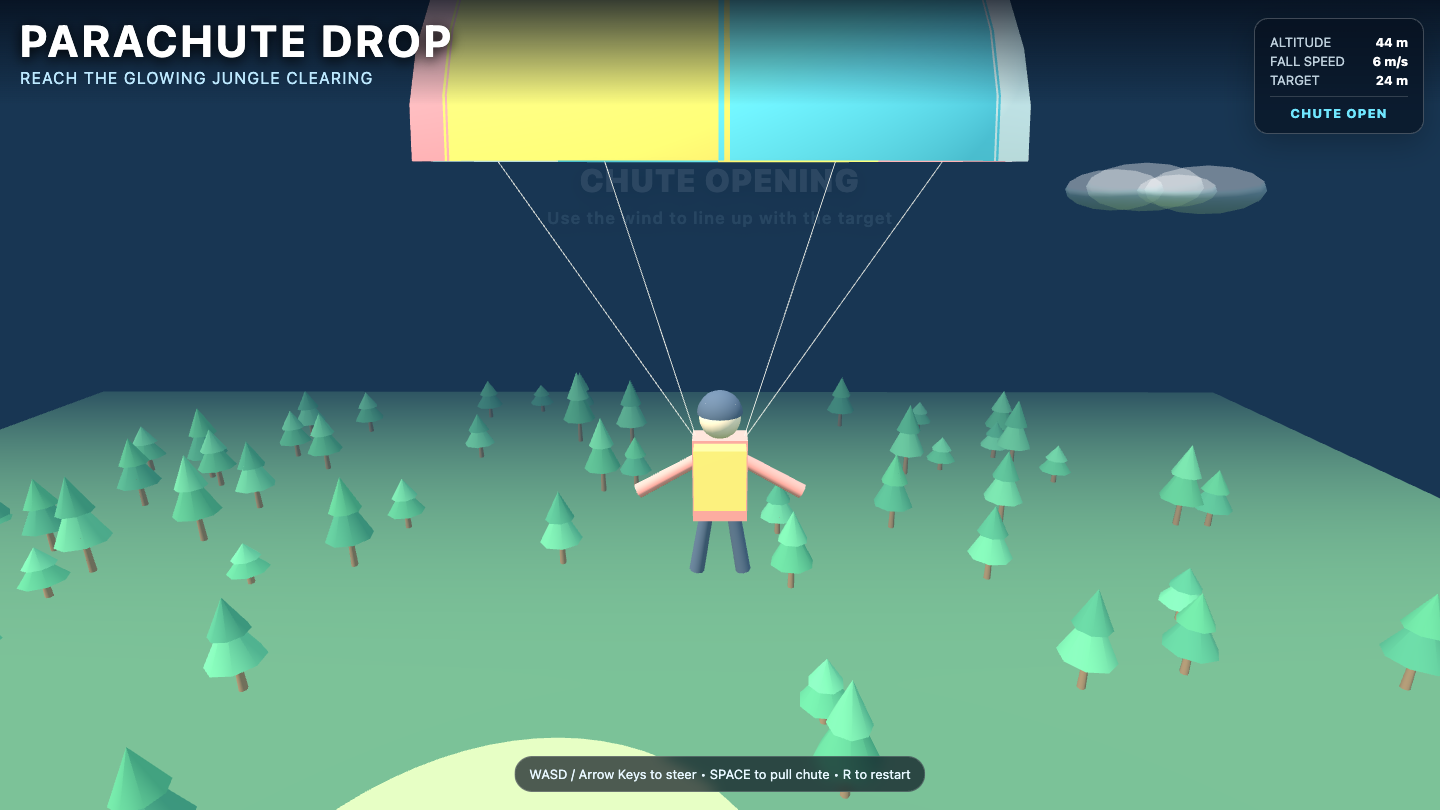
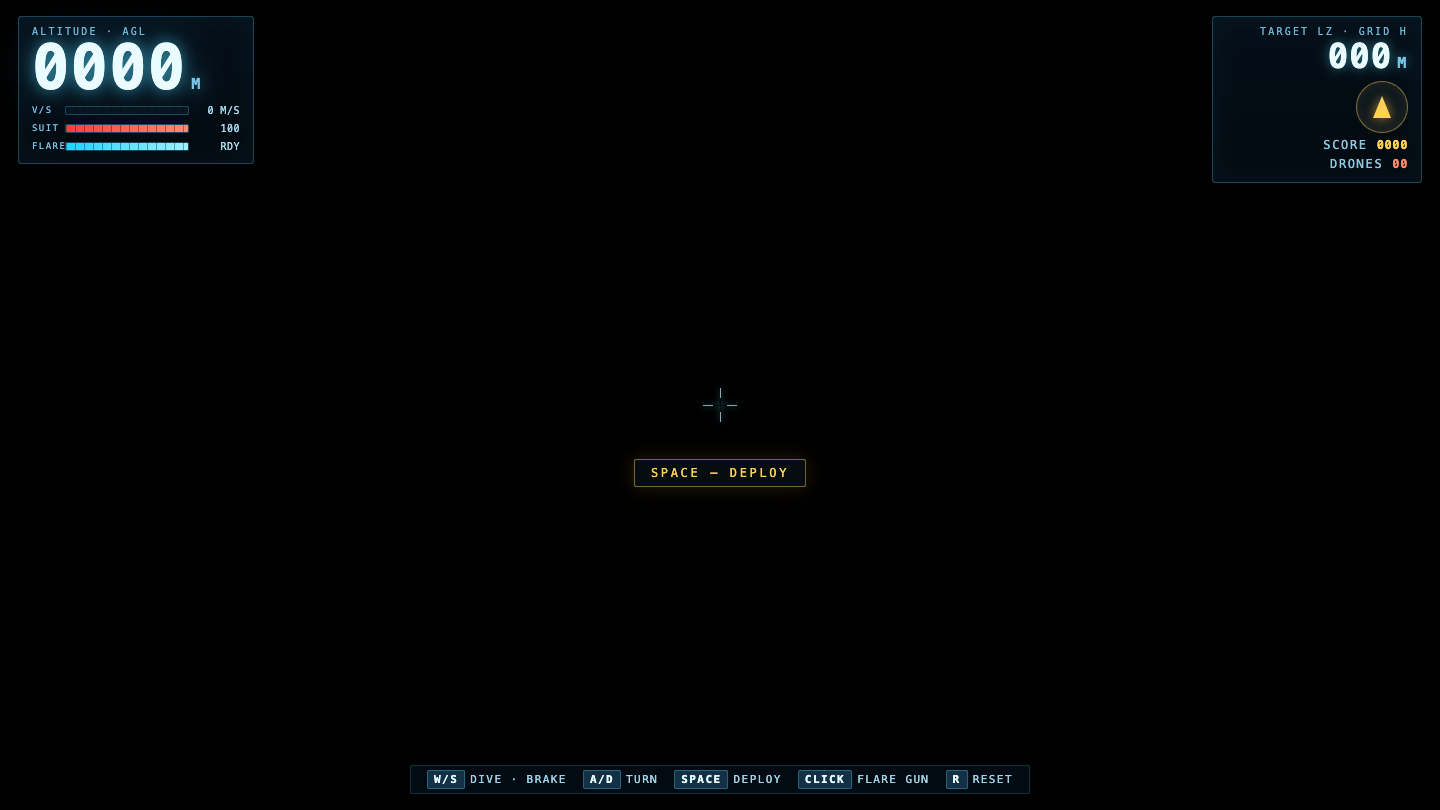
Game
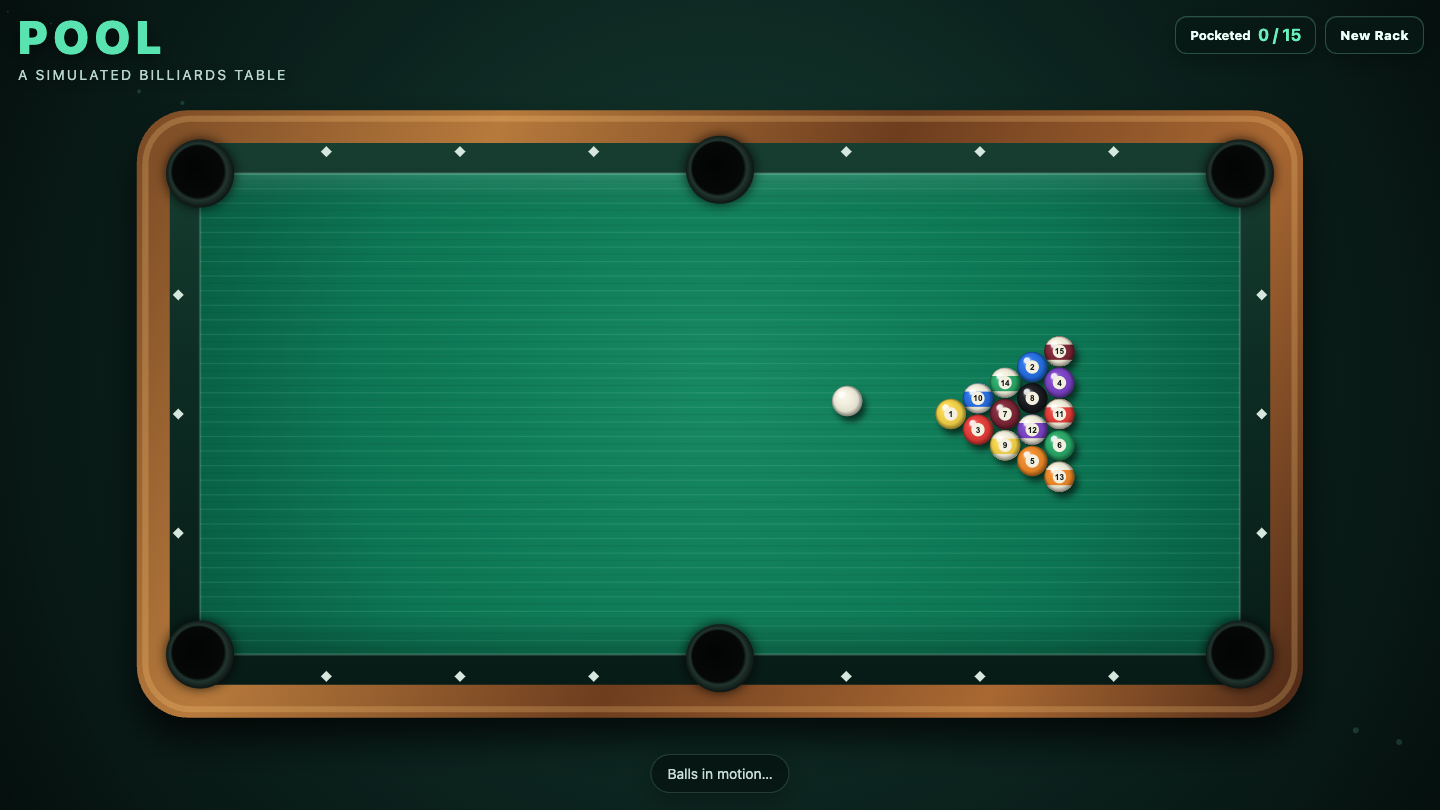
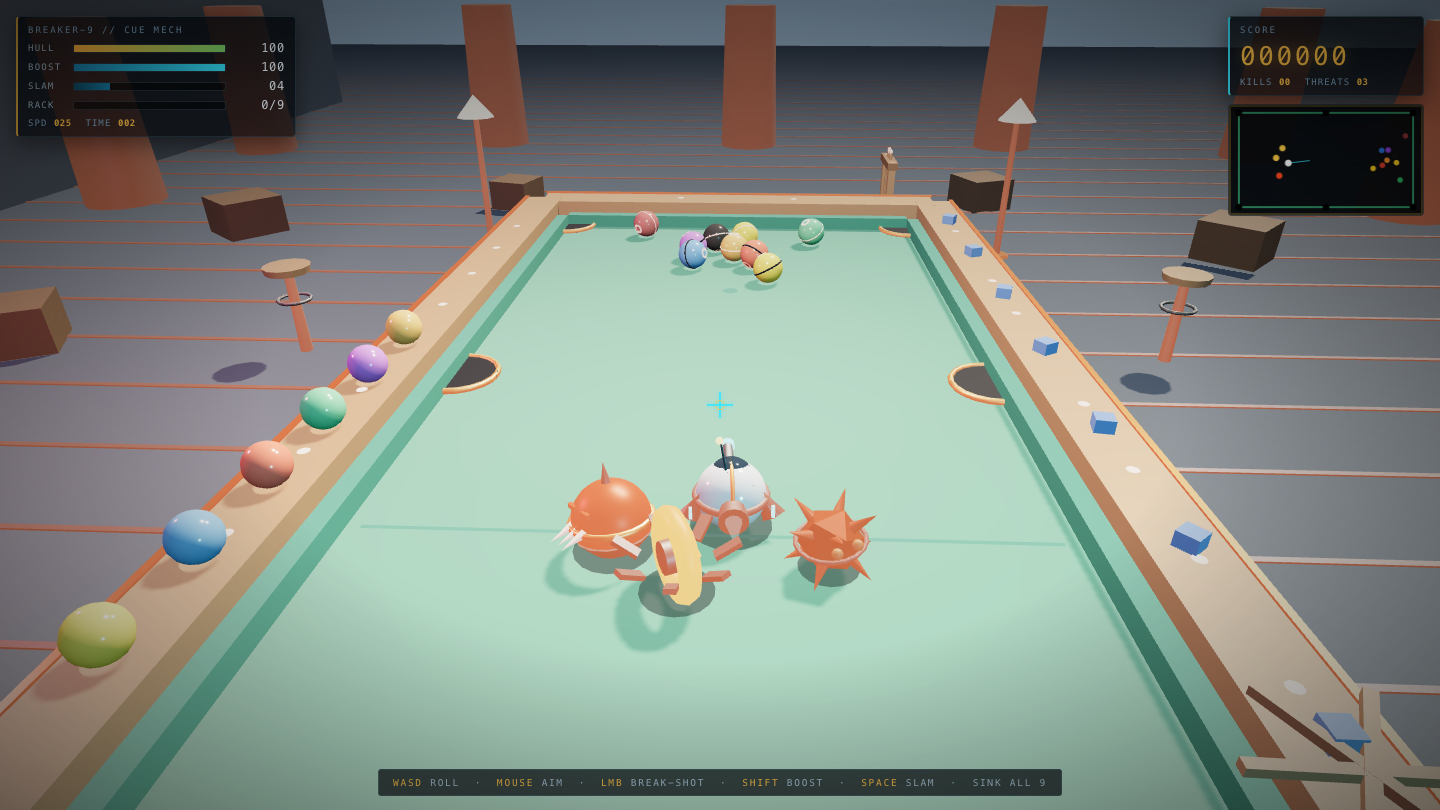
Game
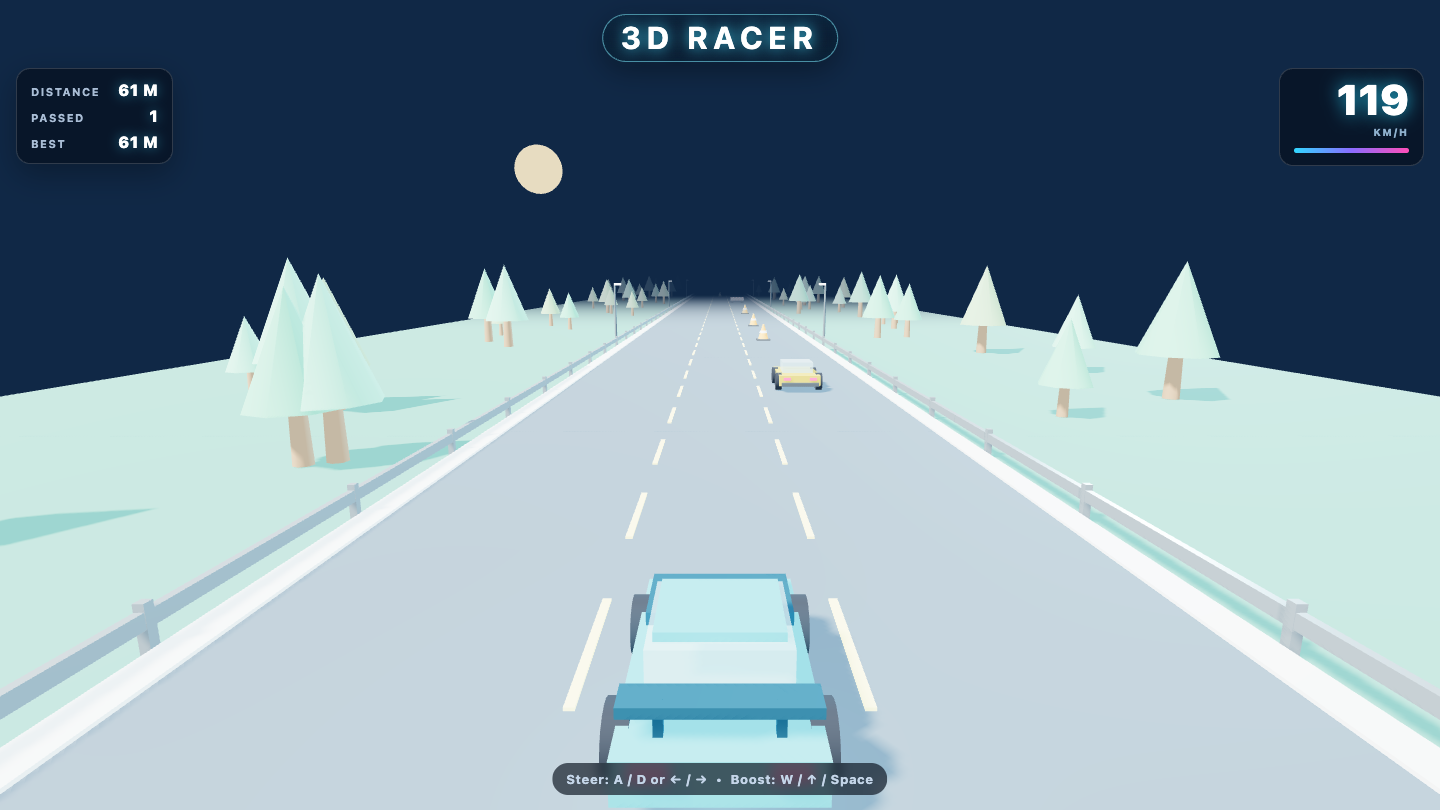
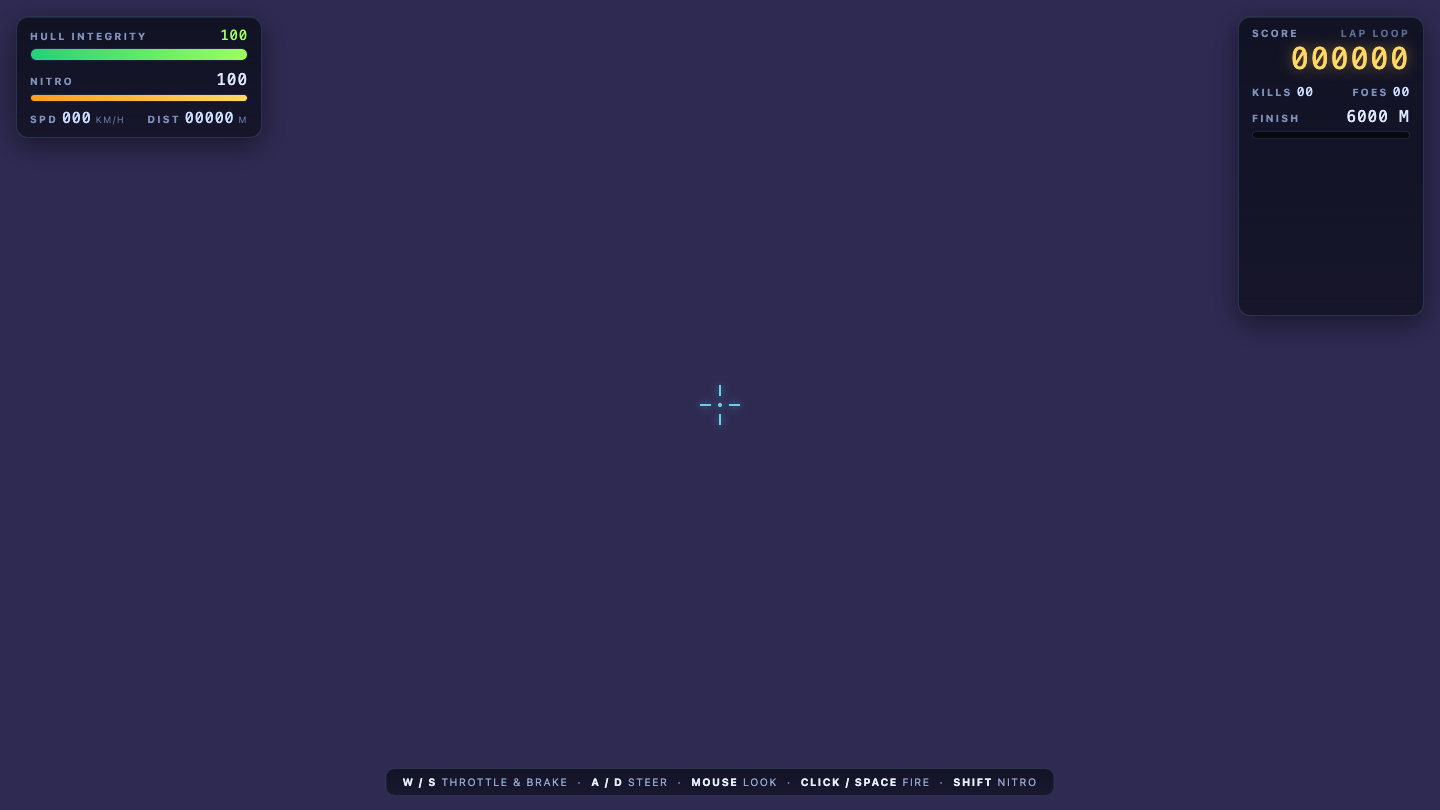
Game
Game
Game
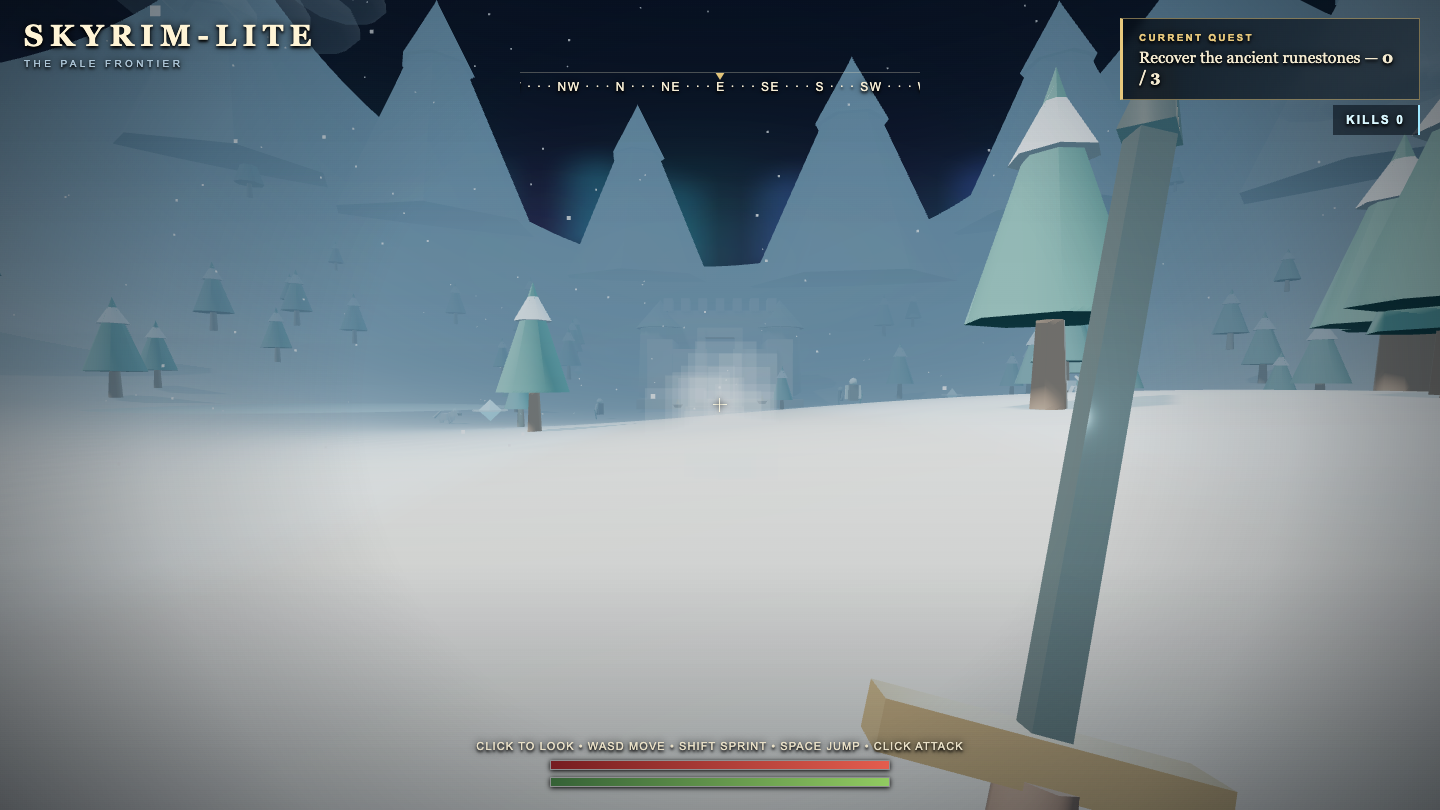
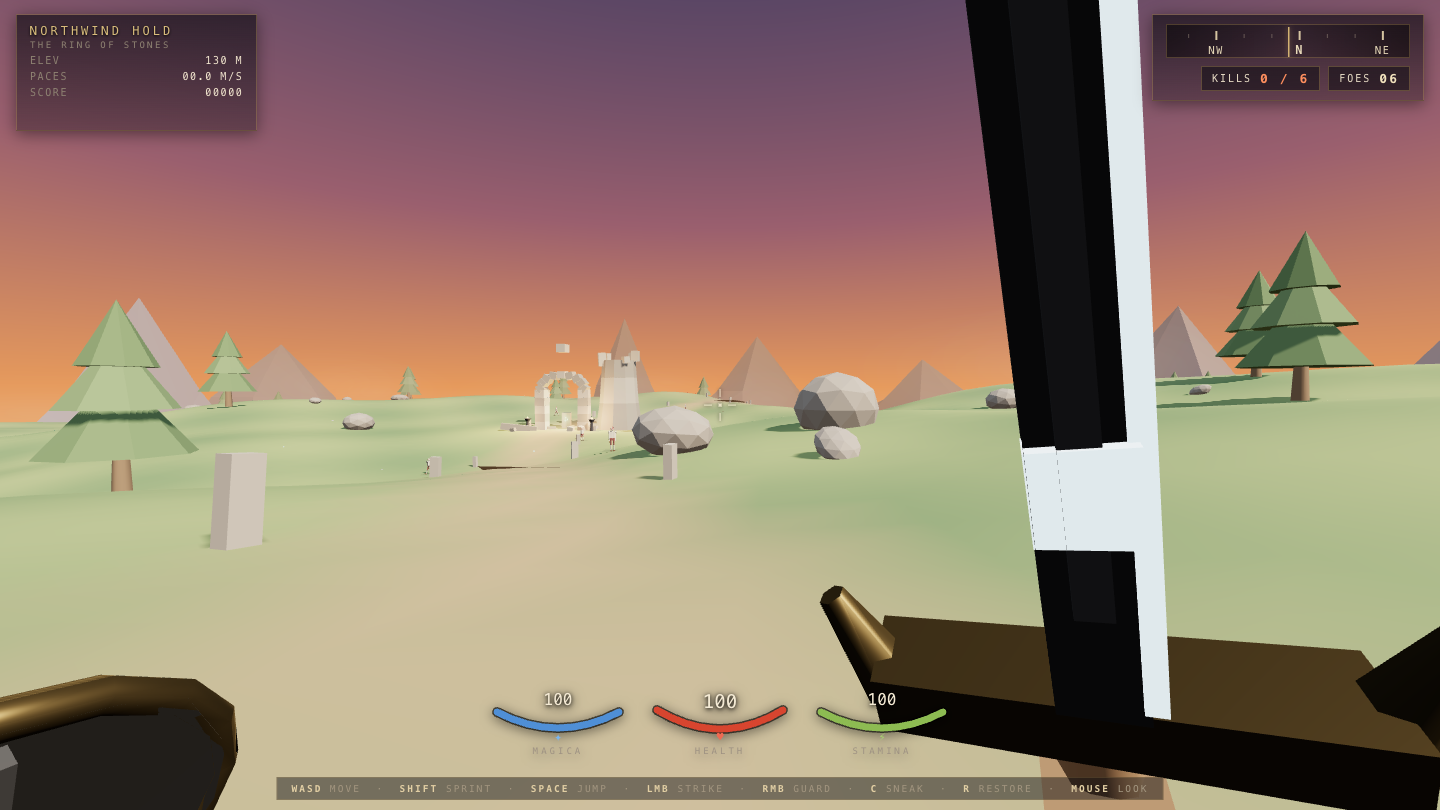
Game
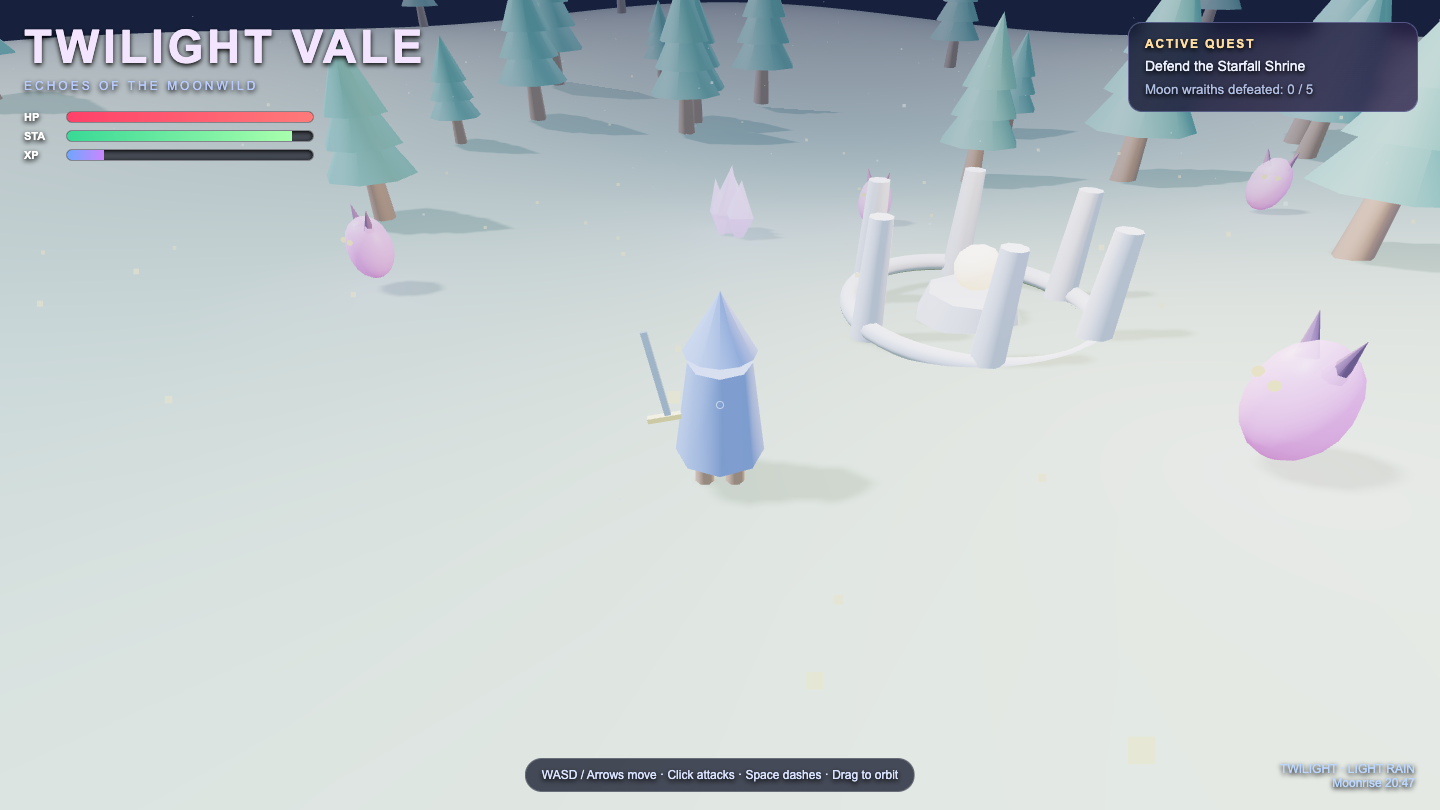
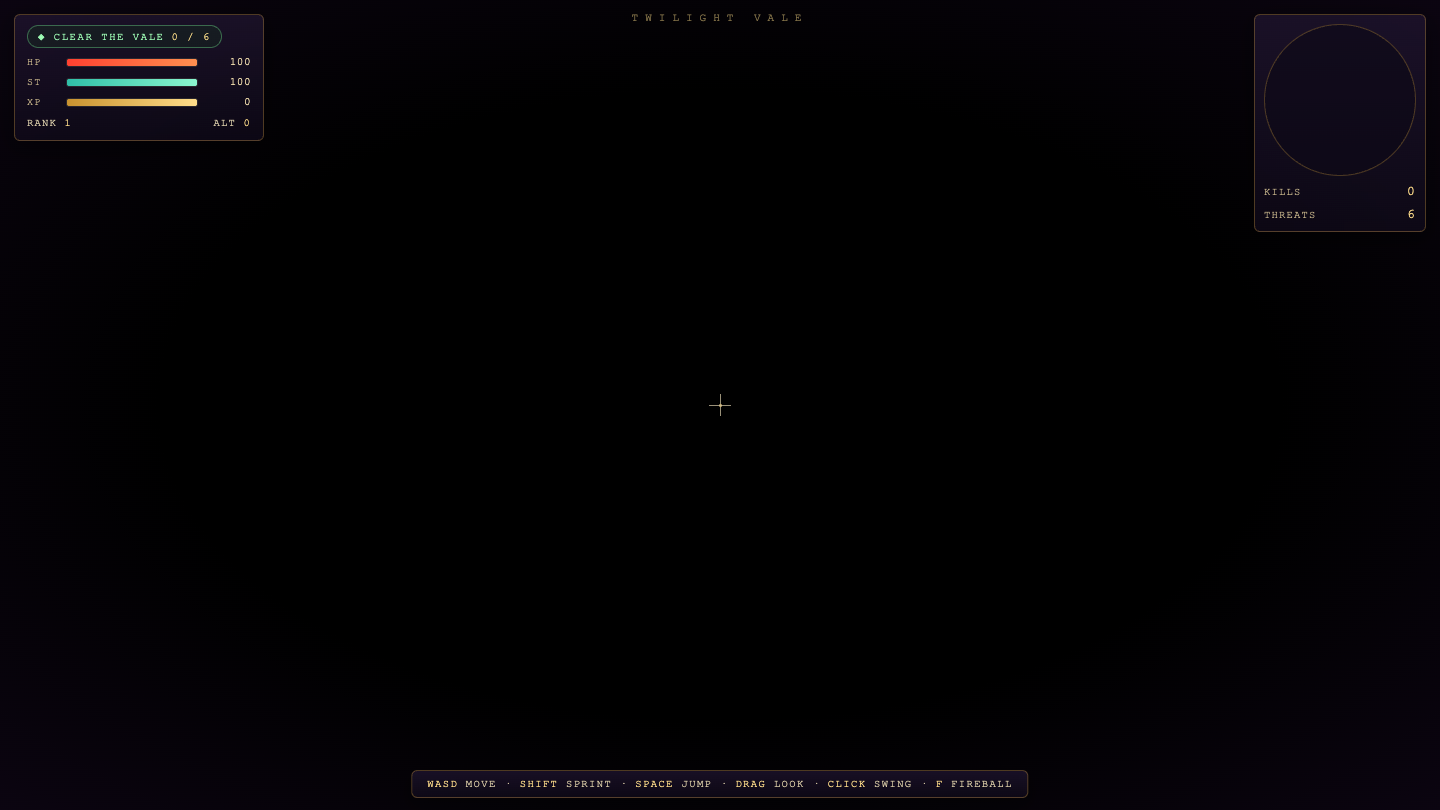
Game
Other
Where GPT-5.6 Sol beat MiMo-V2.6 Pro
The tasks where I gave GPT-5.6 Sol a higher 0–10 score on the same prompt — with the actual commentary from my source guides.
Solar
Sim
GPT-5.6 Sol 8.6
·
MiMo-V2.6 Pro 1.5
(+7.1)
· polished orbital atlas
What I saw: Strong 3D render with glowing sun, distinct textured planets, asteroid belt, tilted Keplerian orbits, and a polished glass UI with live date/speed and info panel — clearly on-brief and shippable. Minor nit: labels crowd near the inner planets, but overall it beats the field's best.
Rpg
Game
GPT-5.6 Sol 8.4
·
MiMo-V2.6 Pro 1.5
(+6.9)
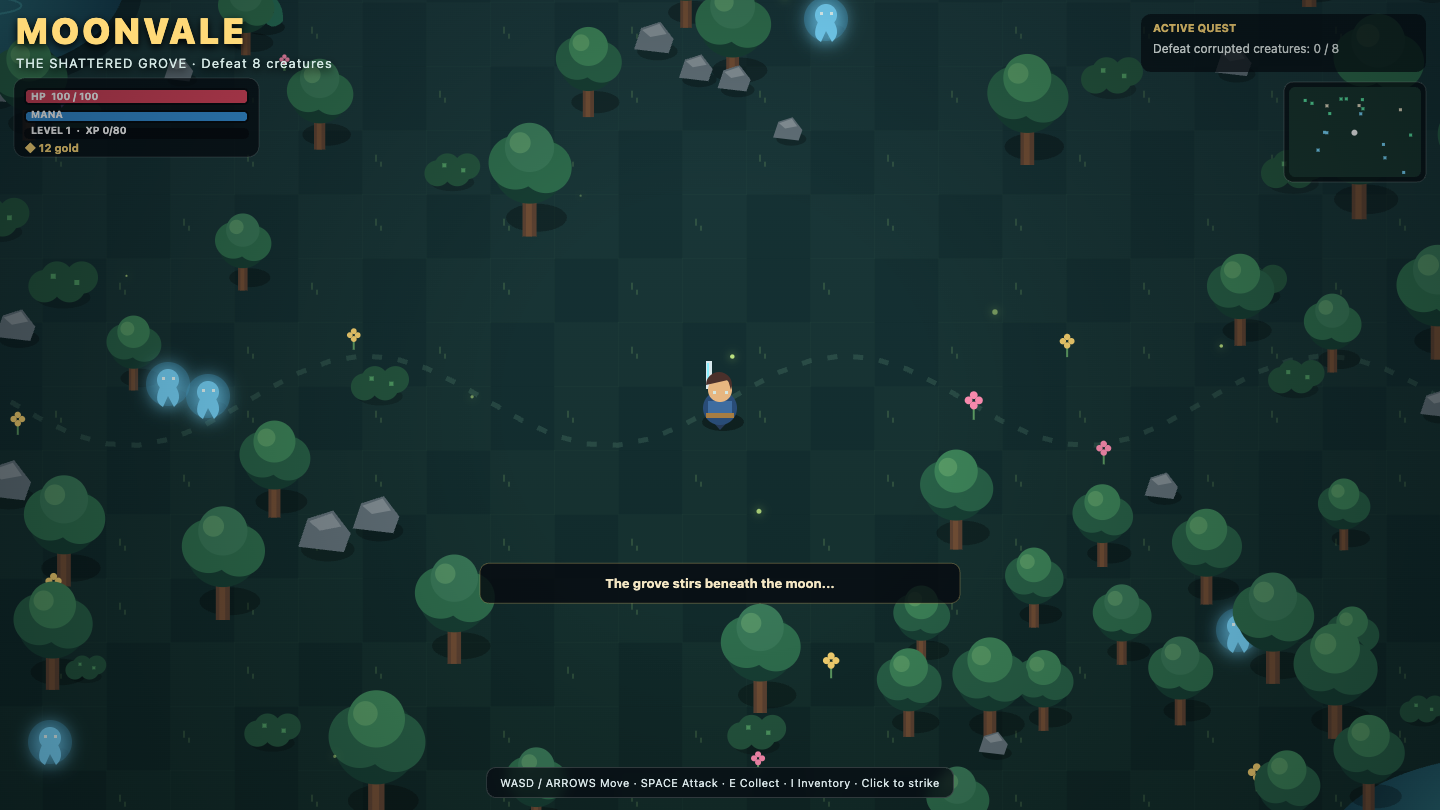
· Polished moonlit grove
What I saw: Strong render: cohesive moonlit forest with layered trees/rocks/flowers, wandering wisp enemies, a clean HUD (HP/mana/XP/gold), quest tracker, minimap, and full control legend — clearly on-brief with combat, inventory, and loot systems in source. Slightly generic character sprite…
Synthwave
Visual
GPT-5.6 Sol 8.7
·
MiMo-V2.6 Pro 3.0
(+5.7)
· textbook synthwave sunset
What I saw: Nails every synthwave cue — striped sunset, layered neon mountains, twinkling stars, glowing perspective grid with a clean vanishing point and steer/pulse interactivity — with polished typography and gradients; only nit is the paused status showing on capture, otherwise a textboo…
Fluid
Sim
GPT-5.6 Sol 8.6
·
MiMo-V2.6 Pro 3.0
(+5.6)
· swirling vortex flow
What I saw: Gorgeous swirling vortex of multicolored particle trails around a glowing core — the cyan/violet/pink palette, additive-blended trails, and clean UI chrome (title, metrics, custom cursor) make it genuinely polished and clearly on-brief. Not a literal Navier-Stokes fluid sim but t…
Doom
Game
GPT-5.6 Sol 8.4
·
MiMo-V2.6 Pro 3.0
(+5.4)
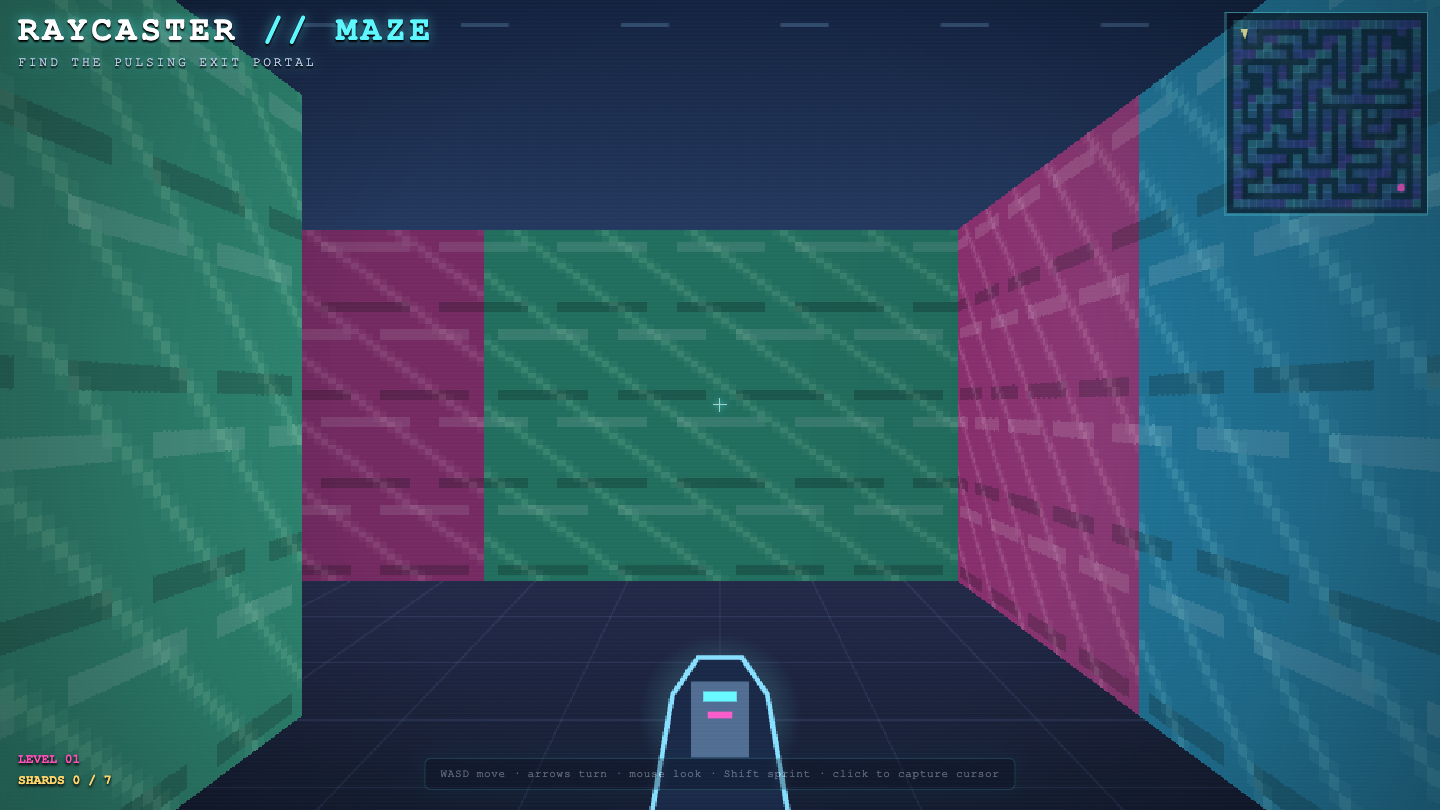
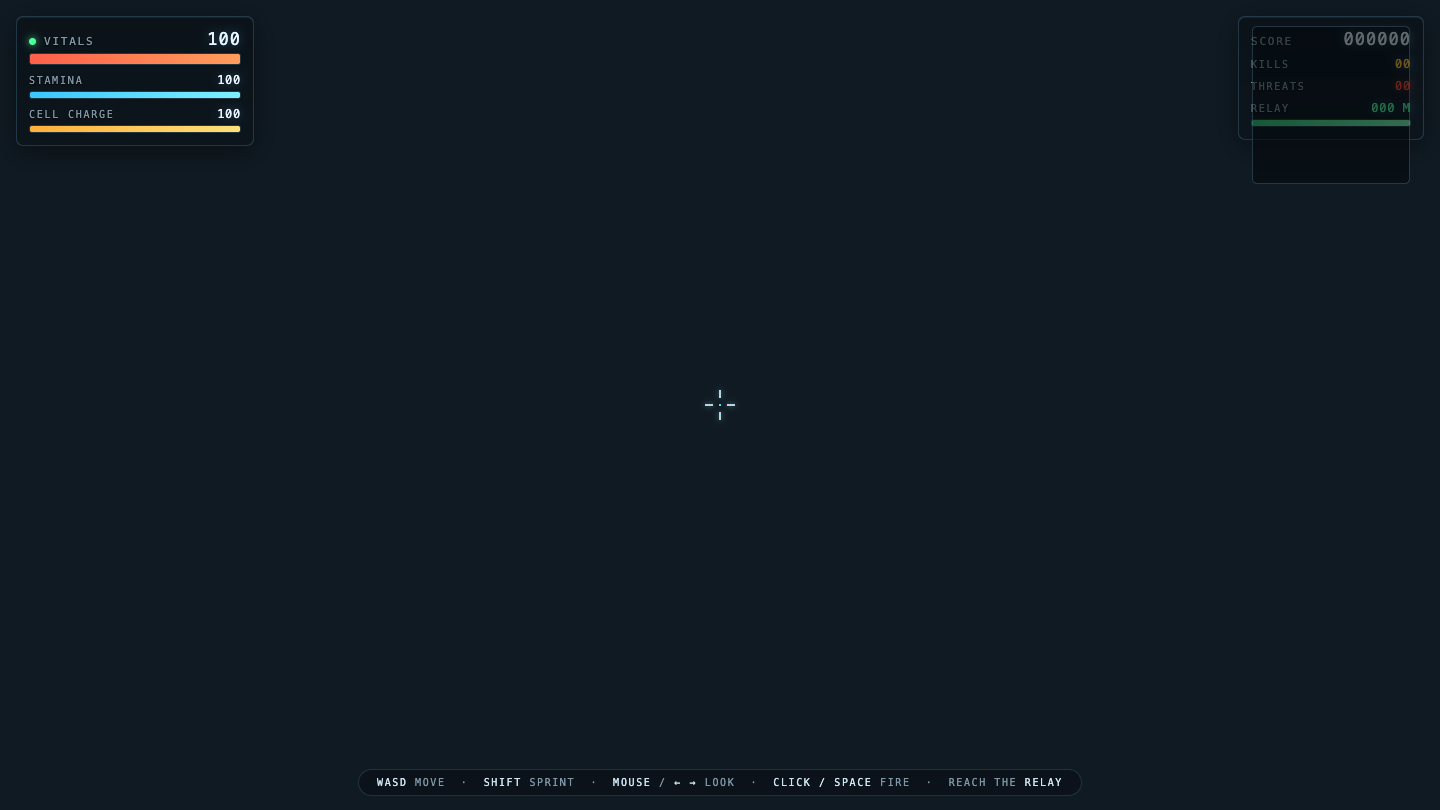
· polished demon raycaster
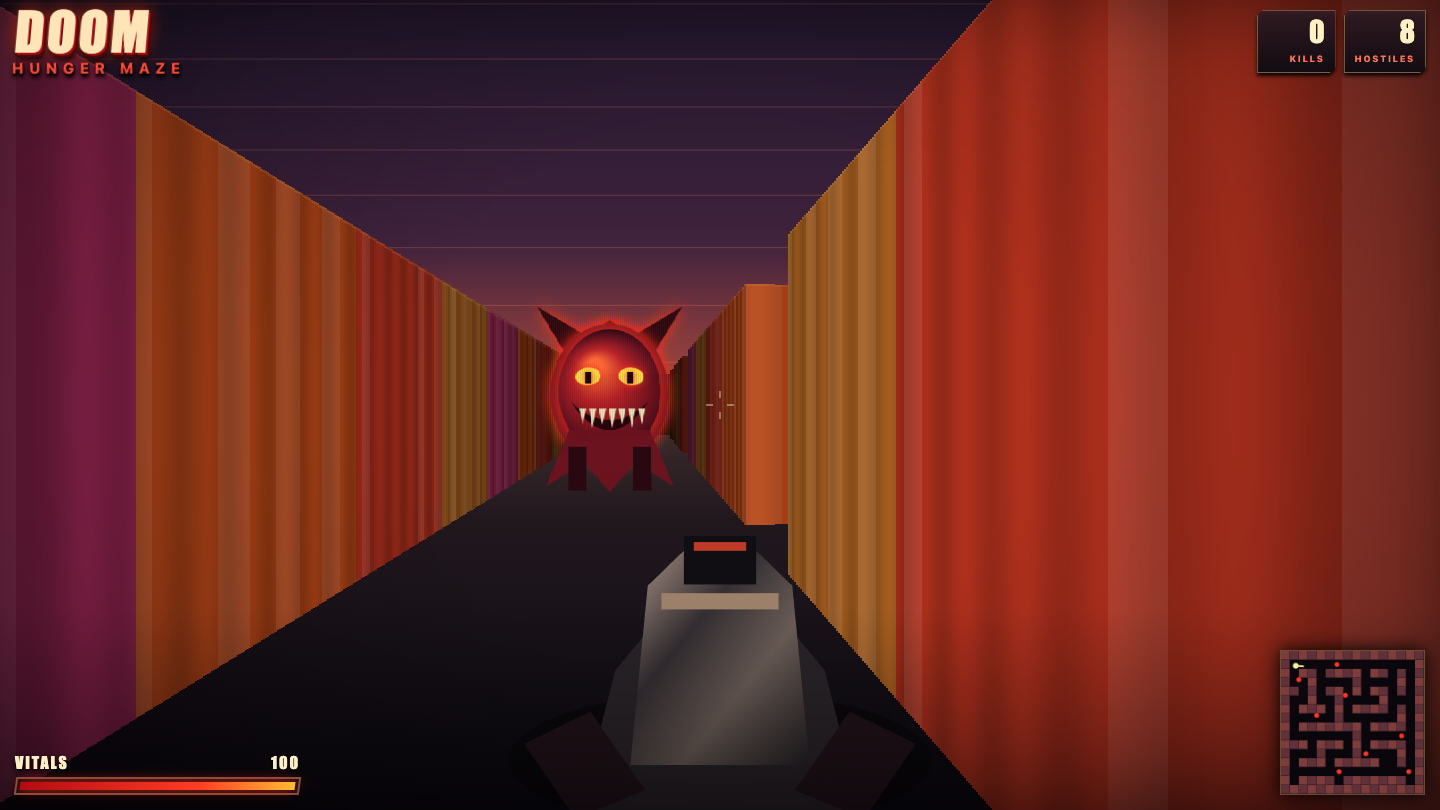
What I saw: Clean raycaster with atmospheric red-lit corridors, a well-drawn menacing demon sprite with glowing eyes and teeth, weapon viewmodel, minimap with hostile dots, and a cohesive DOOM HUD; slightly below the top only for the somewhat cartoonish monster and gradient walls that read m…
Where MiMo-V2.6 Pro beat GPT-5.6 Sol
The tasks where I gave MiMo-V2.6 Pro a higher 0–10 score on the same prompt — with the actual commentary from my source guides.
Voxel
Visual
MiMo-V2.6 Pro 5.5
·
GPT-5.6 Sol 3.5
(+2.0)
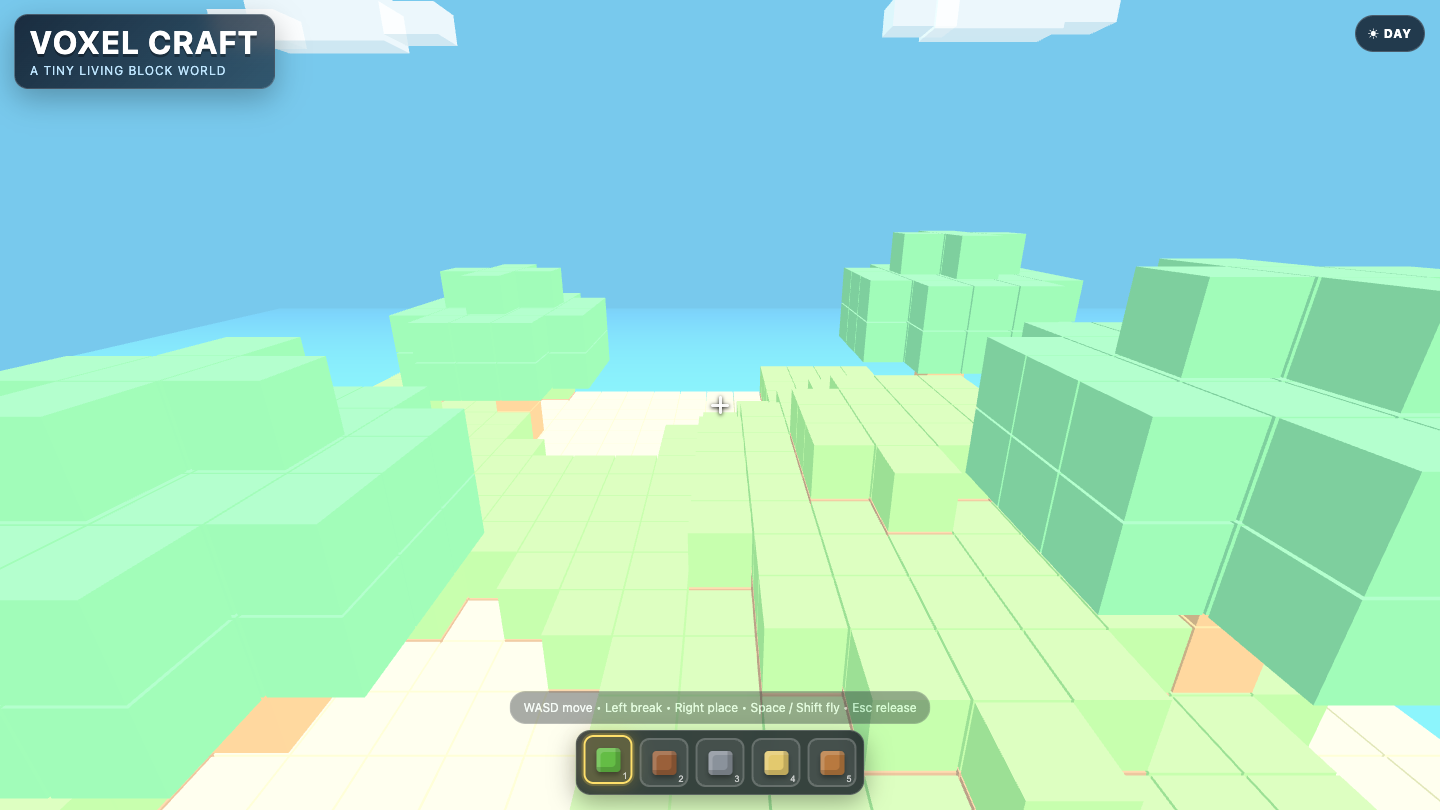
What I saw: Renders a clean voxel block-world with proper cubes, water, sand islands and cacti plus floating clouds, but this seed generated an almost entirely water map with barely any terrain relief, so it reads as a flat blue slab rather than a compelling landscape; the UI overlay is also…
Terrain
Visual
MiMo-V2.6 Pro 8.4
·
GPT-5.6 Sol 7.4
(+1.0)
· lush forested island
What I saw: Strong on-brief render — a lush low-poly island with snow-capped peaks, dense forests, rocks, and a wireframe overlay, plus a polished glassy HUD with rich parameters and live readouts. The wireframe/mesh showing through the terrain surface looks slightly buggy and the water lily…
Lavalamp
Visual
MiMo-V2.6 Pro 8.7
·
GPT-5.6 Sol 7.8
(+0.9)
· raymarched lava lamp
What I saw: Gorgeous raymarched metaball lava lamp with a proper glass vessel, cap, base, warm bulb glow and molten blobs at varied heights — clearly reads as an authentic lava lamp; the classic silhouette, glass refraction and polished typography make this a top-tier entry.
Reactiondiff
Sim
MiMo-V2.6 Pro 8.6
·
GPT-5.6 Sol 8.0
(+0.6)
· GPU Gray-Scott polish
What I saw: Renders a gorgeous, clearly organic Gray-Scott pattern with glowing coral blobs and rings on a GPU sim at 70fps, plus a fully-realized glass control panel with named presets, f/k sliders, palettes and interaction hints. Strong on-brief execution with excellent visual polish; only…
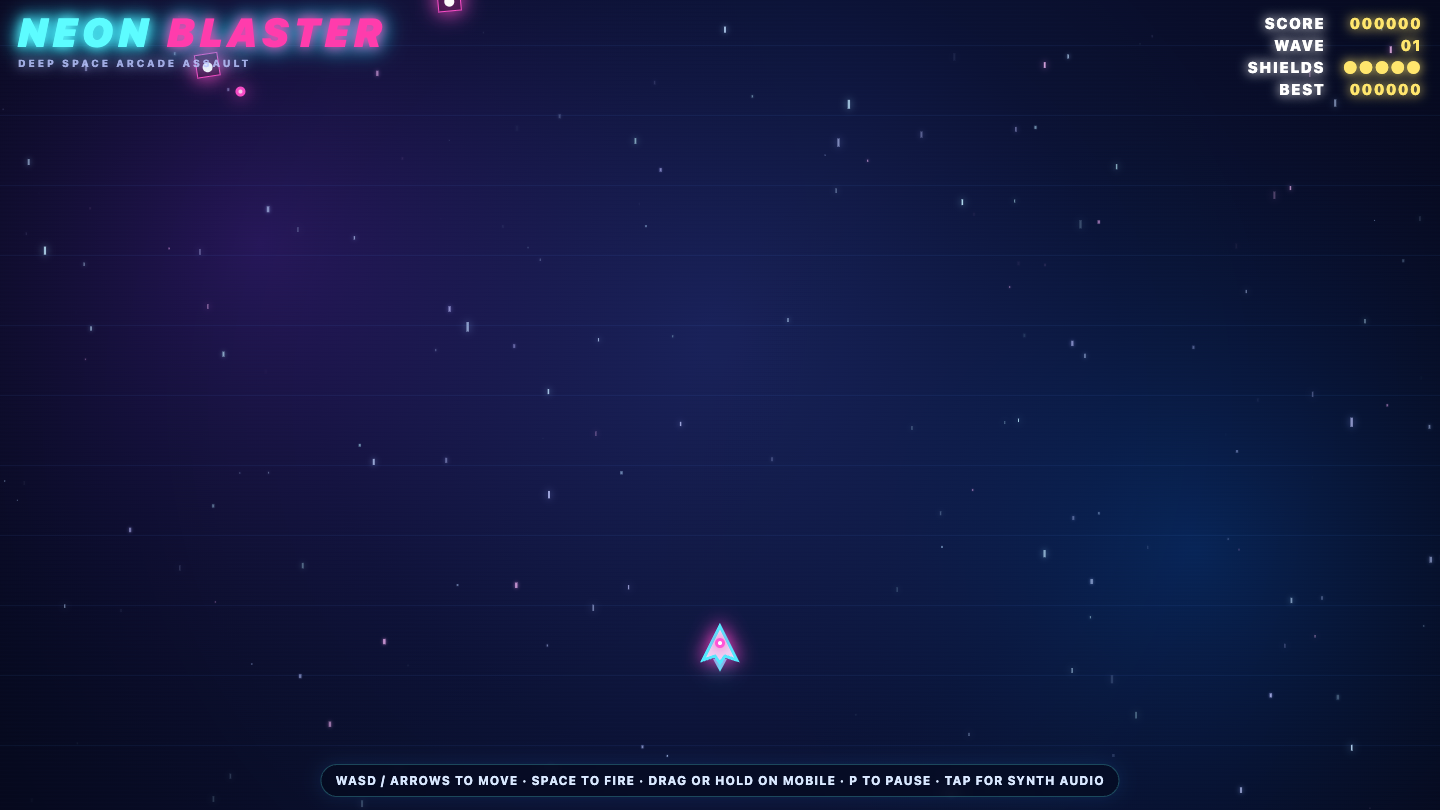
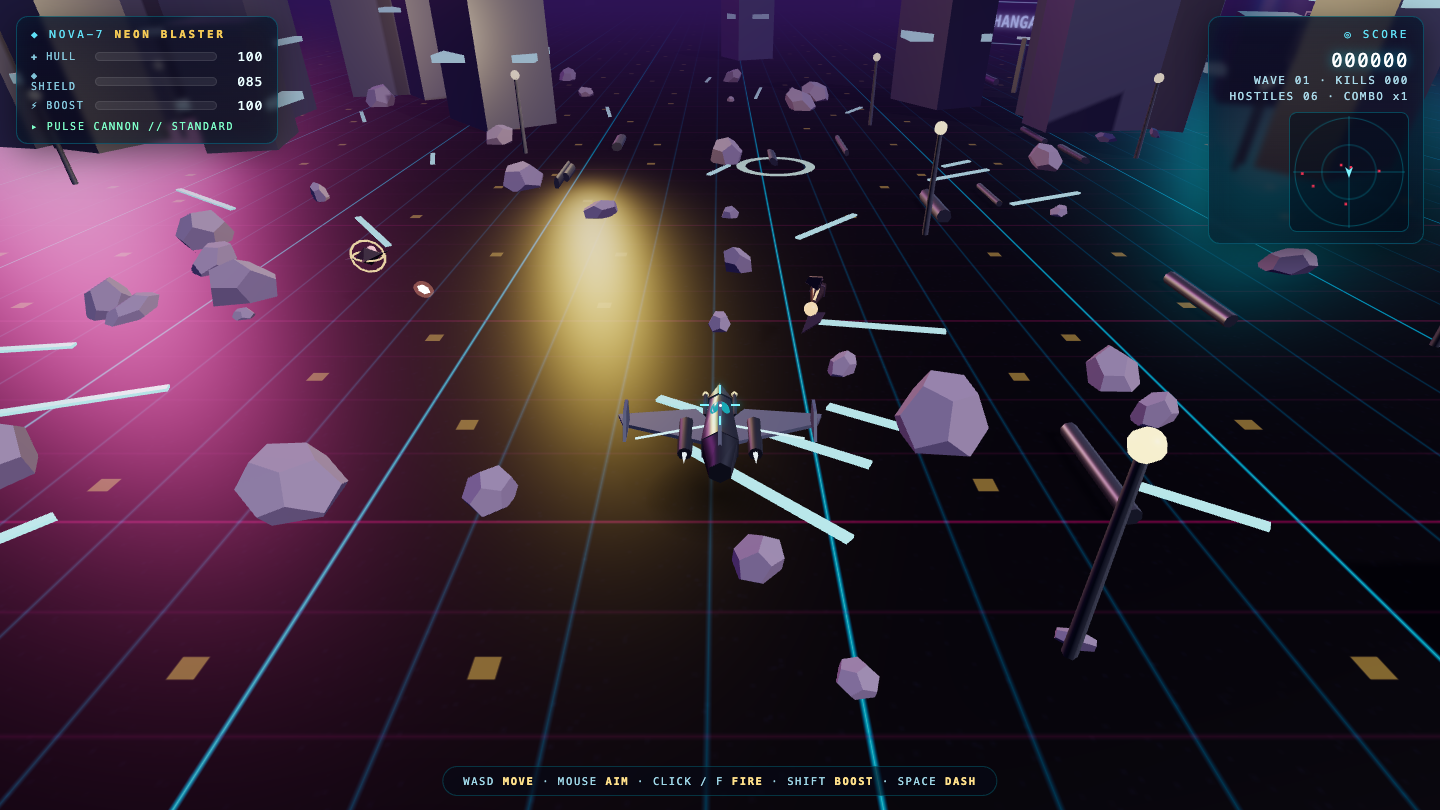
Neonblaster
Game
MiMo-V2.6 Pro 8.7
·
GPT-5.6 Sol 8.3
(+0.4)
· 3D neon top-shooter
What I saw: Renders a gorgeous 3D synthwave arena with detailed ship, glowing perspective grid, floating debris, and a fully polished HUD (hull/shield/boost meters, radar, boss bar, combo) backed by scheduled synth music and juicy SFX. Strong on-brief execution that rivals the field best; on…
Strengths & weaknesses I logged
GPT-5.6 Sol
Strengths
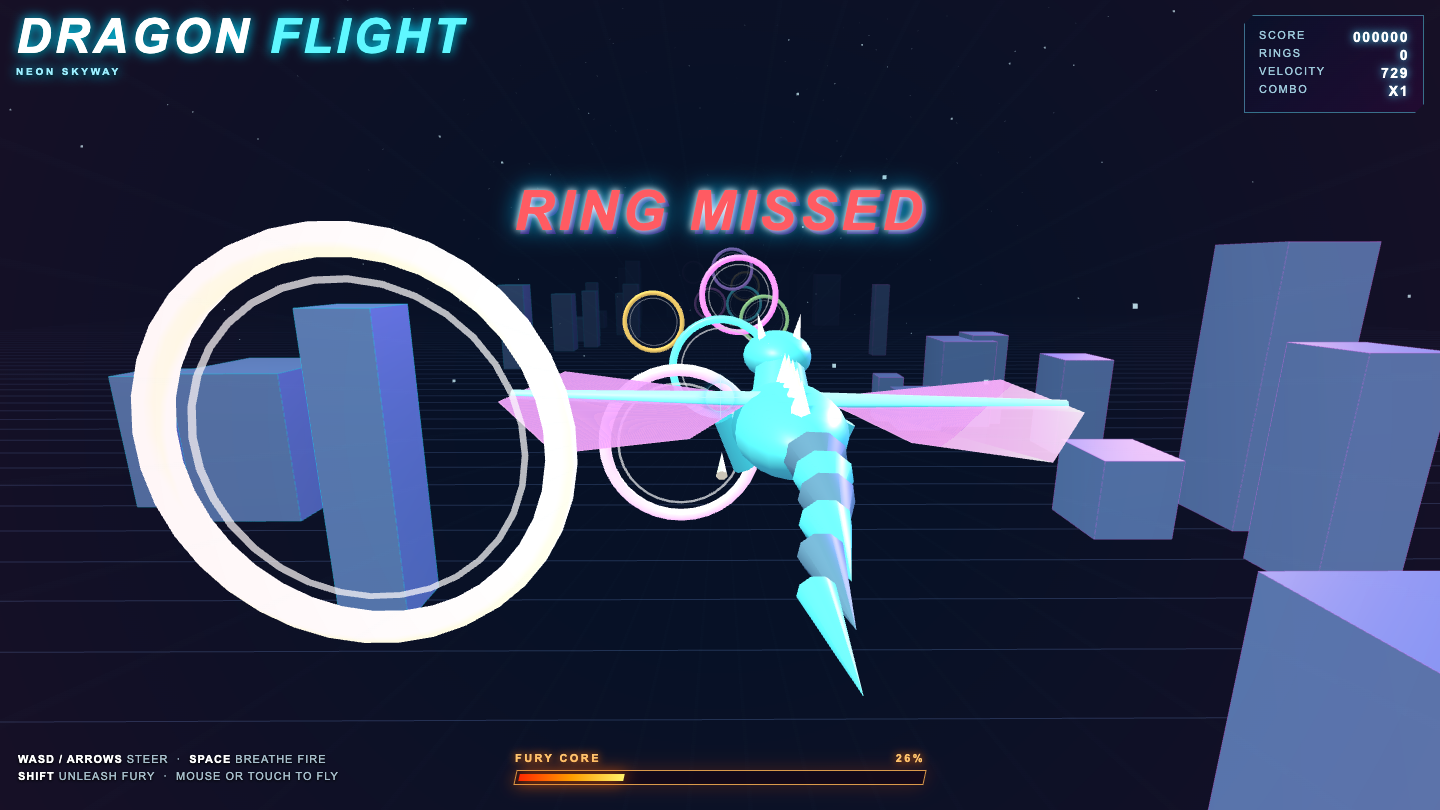
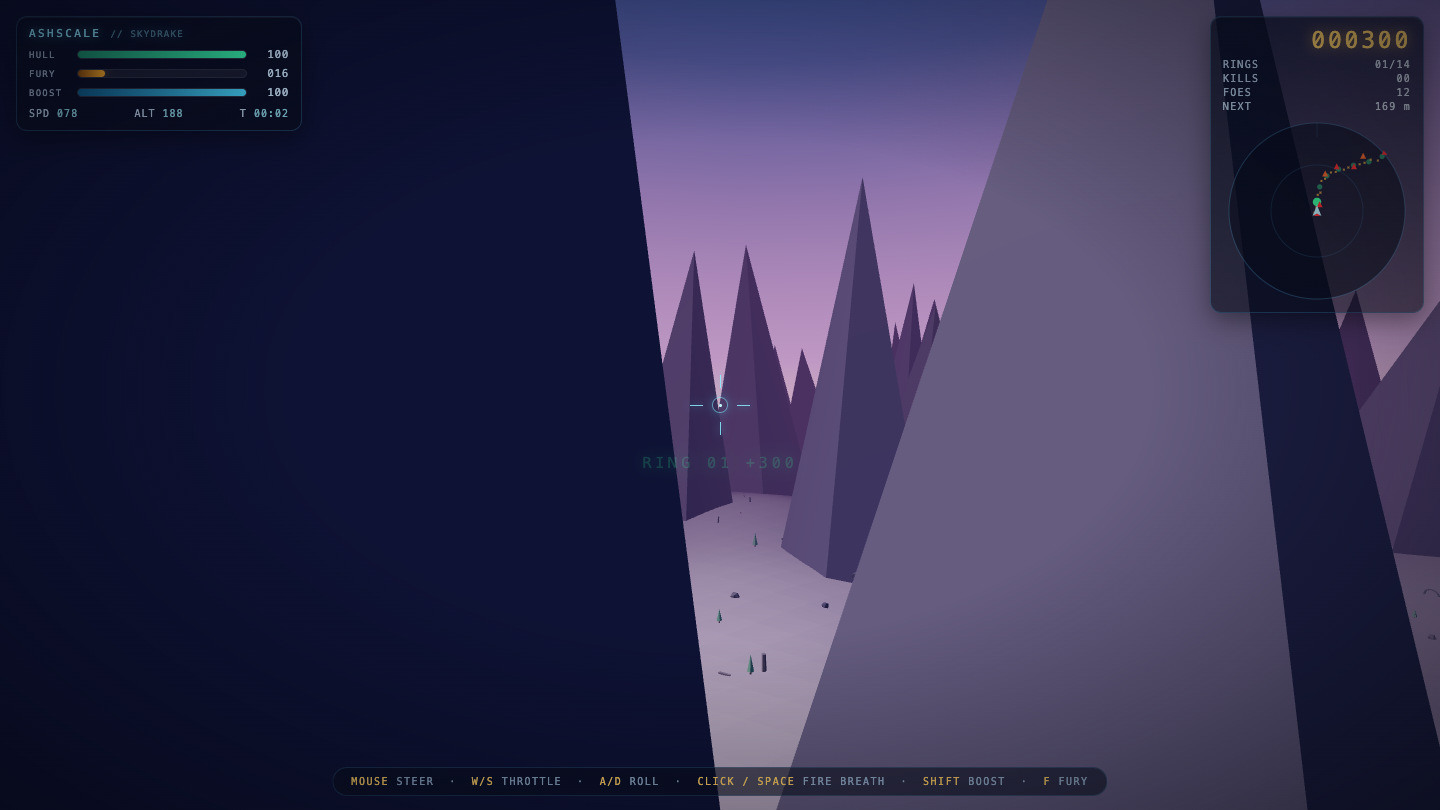
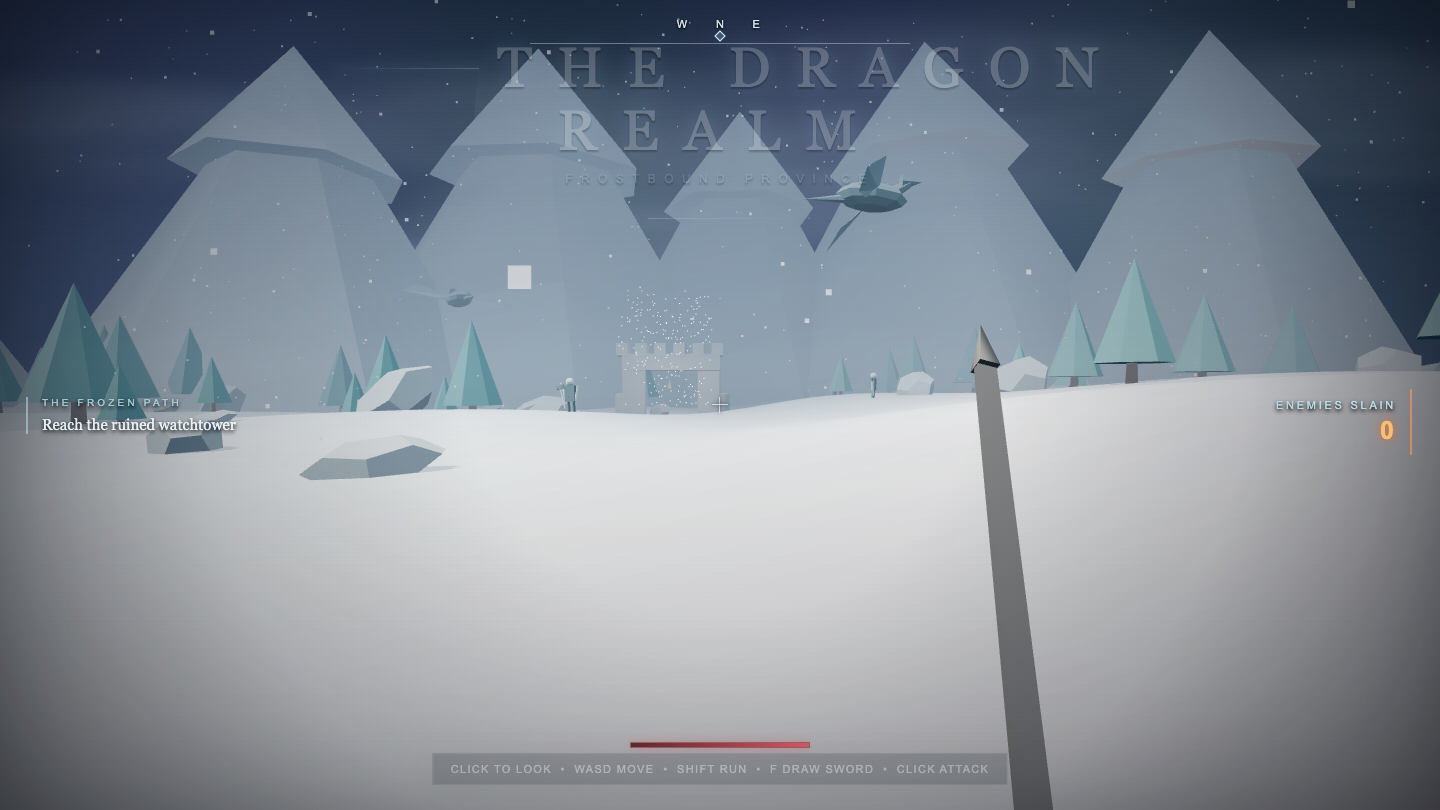
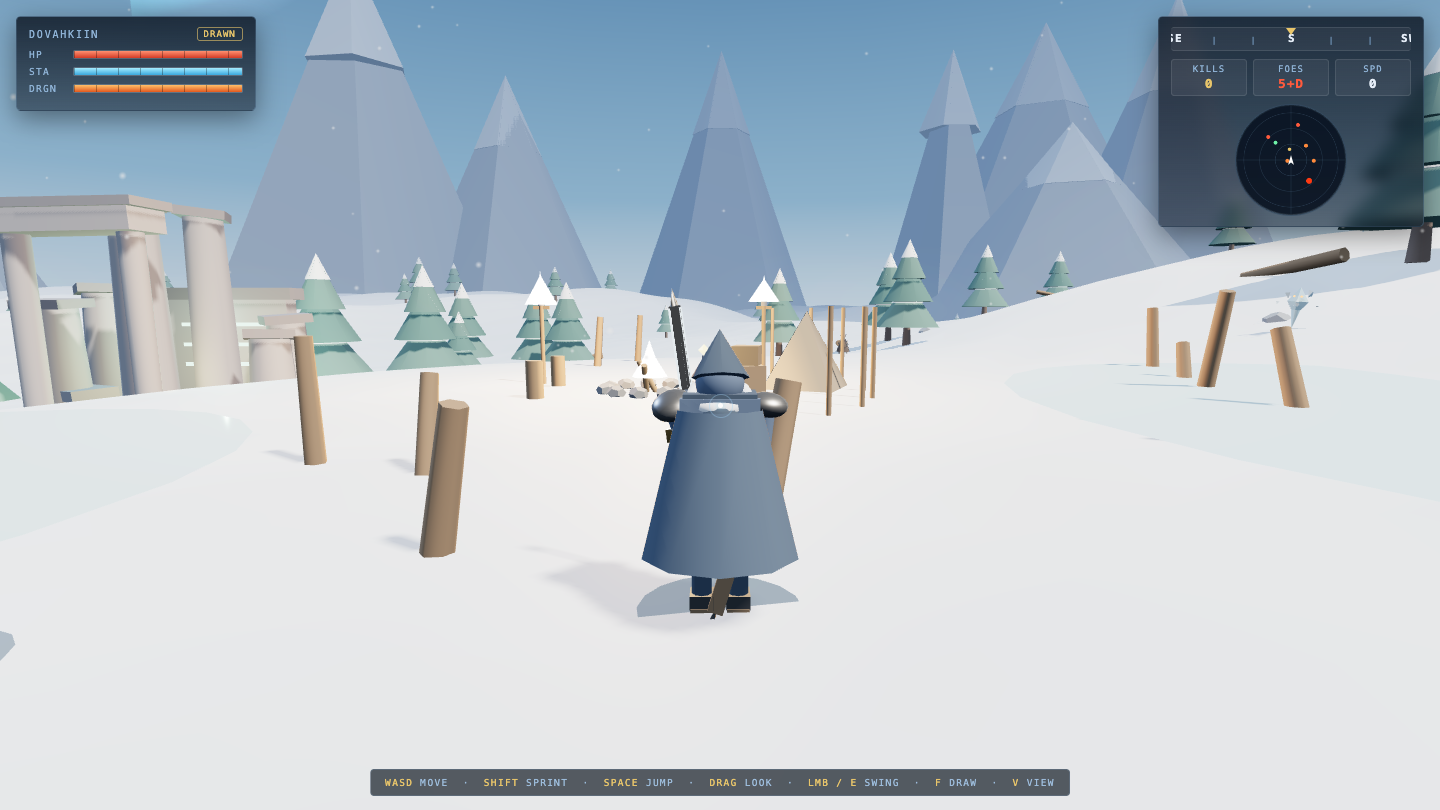
- Strong one-shot 3D games — Dragon Realm, Doom raycaster and Skyrim-lite all judged task winners
- Whole 5.6 lineup rated High capability, even the small Luna/Terra tiers — a first for OpenAI
- Huge ~1.05M-token context on every tier, plus a low-to-high reasoning-effort dial
Trade-offs
- Priciest tier on the bench at $30/M output — only worth routing the hardest 10% of work to Sol
- Reasoning can eat the token budget on big open-world briefs (one 0-byte failure until the budget was raised, then it built clean)
MiMo-V2.6 Pro
Strengths
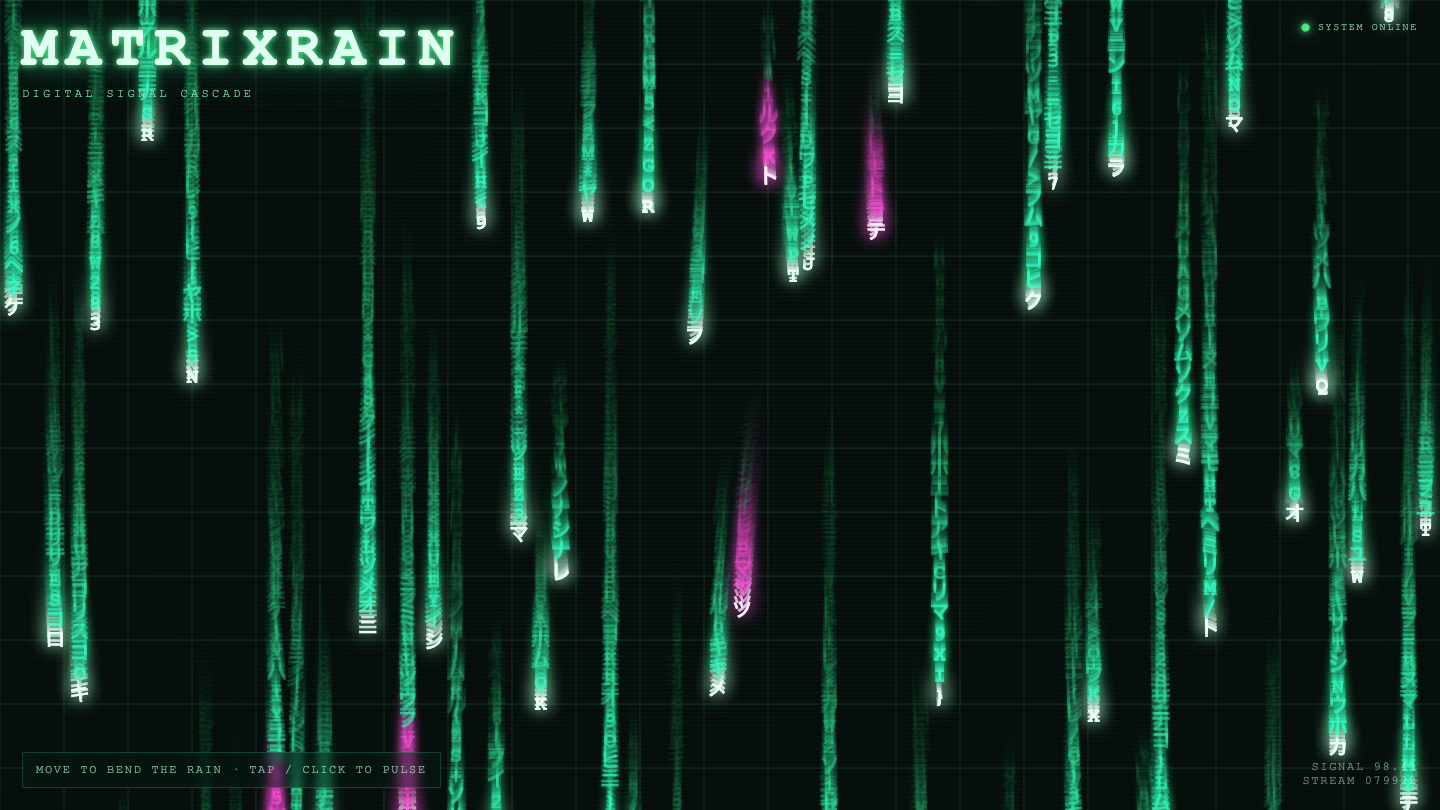
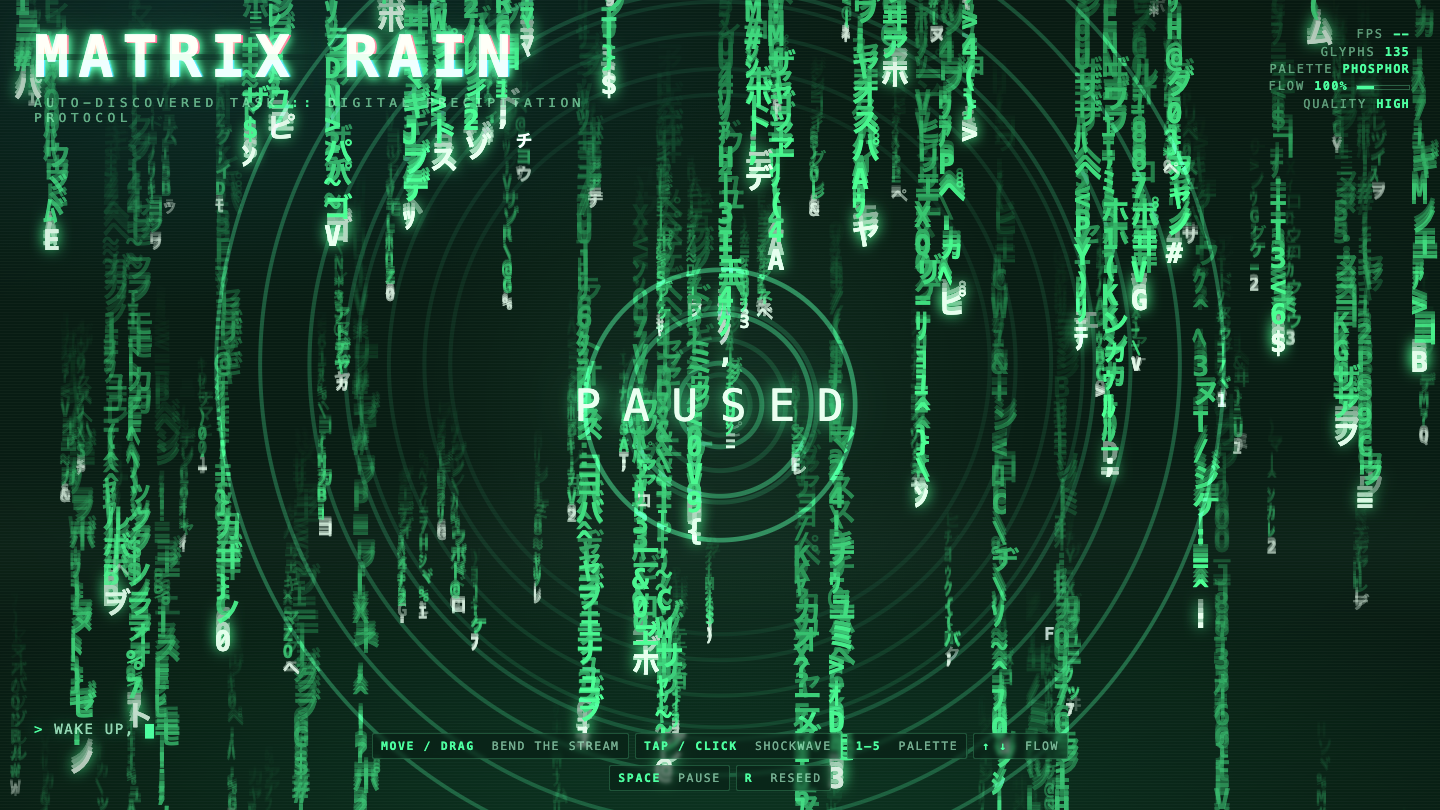
- Simulations and visual pieces are top-tier one-shots: the black hole lensing scored 9.0 and the matrix rain, lava lamp, ocean waves, web desktop, boids and galaxy all landed 8.6 or higher
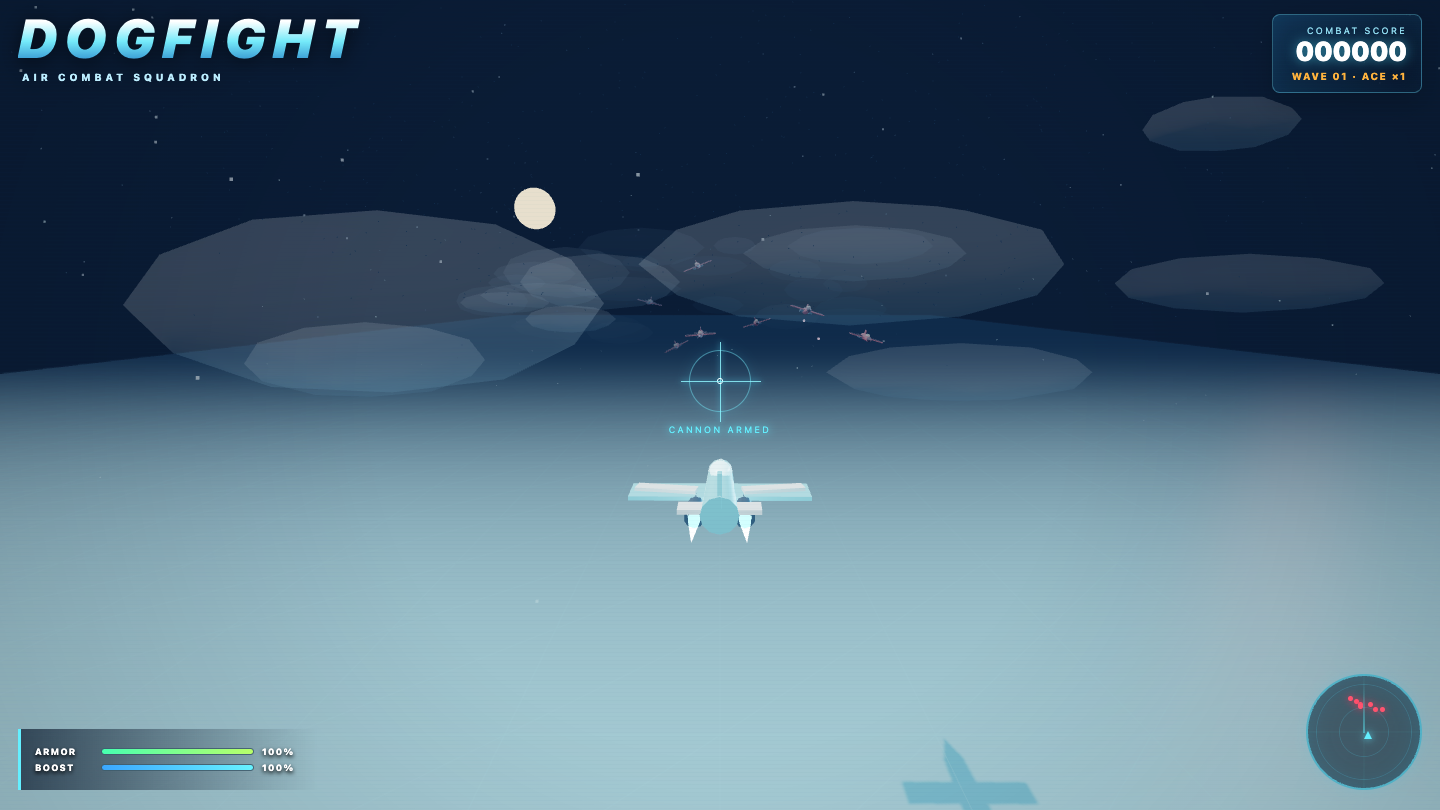
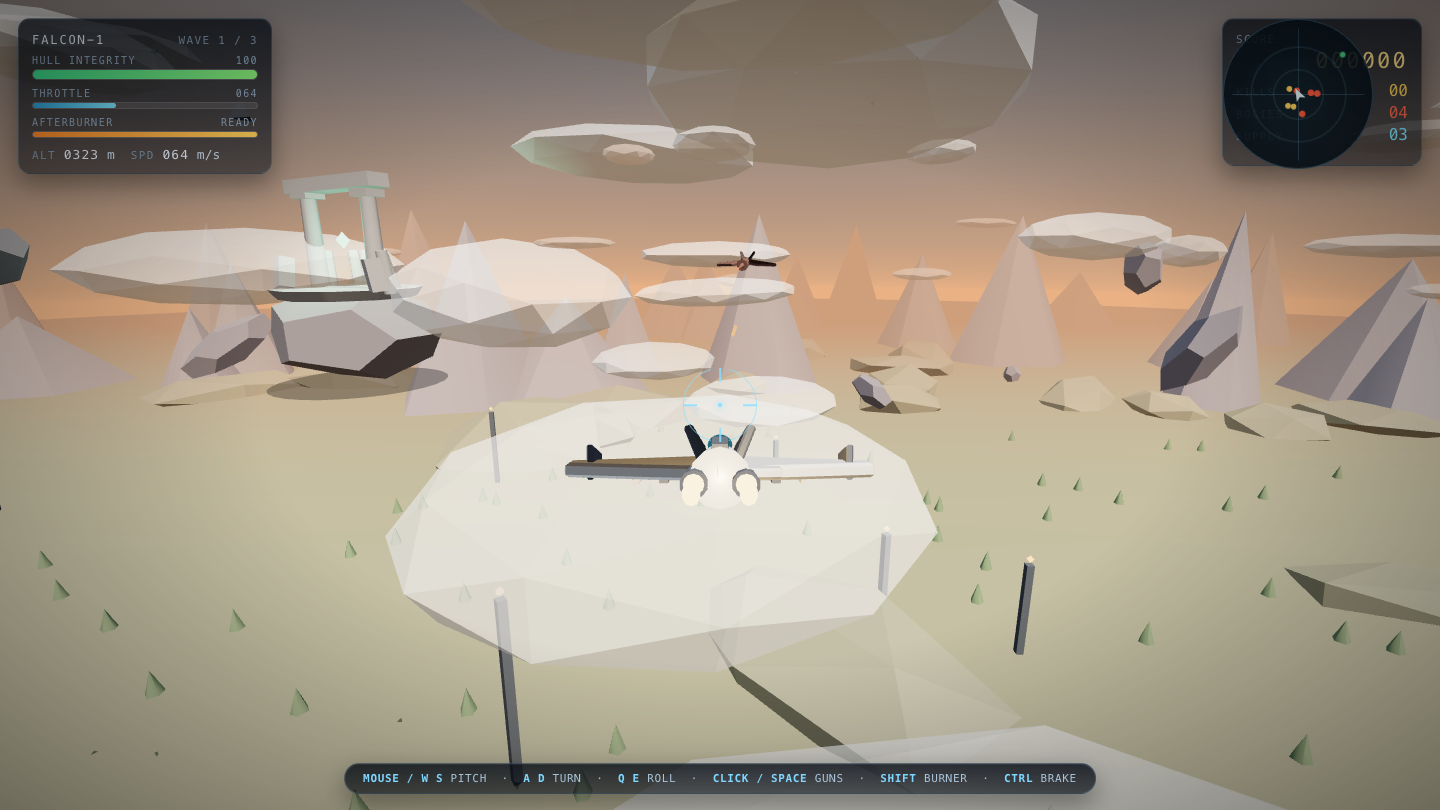
- Strong flight and driving output when the build holds together: a polished 3D dogfight (8.6), a flight sim (8.4) and the synthwave outrun (8.4)
- Big, complete files: builds ran 30 to 70 KB with full HUDs, control hints and settings panels
- The weights are MIT and on Hugging Face, so the same model can run on your own hardware
Trade-offs
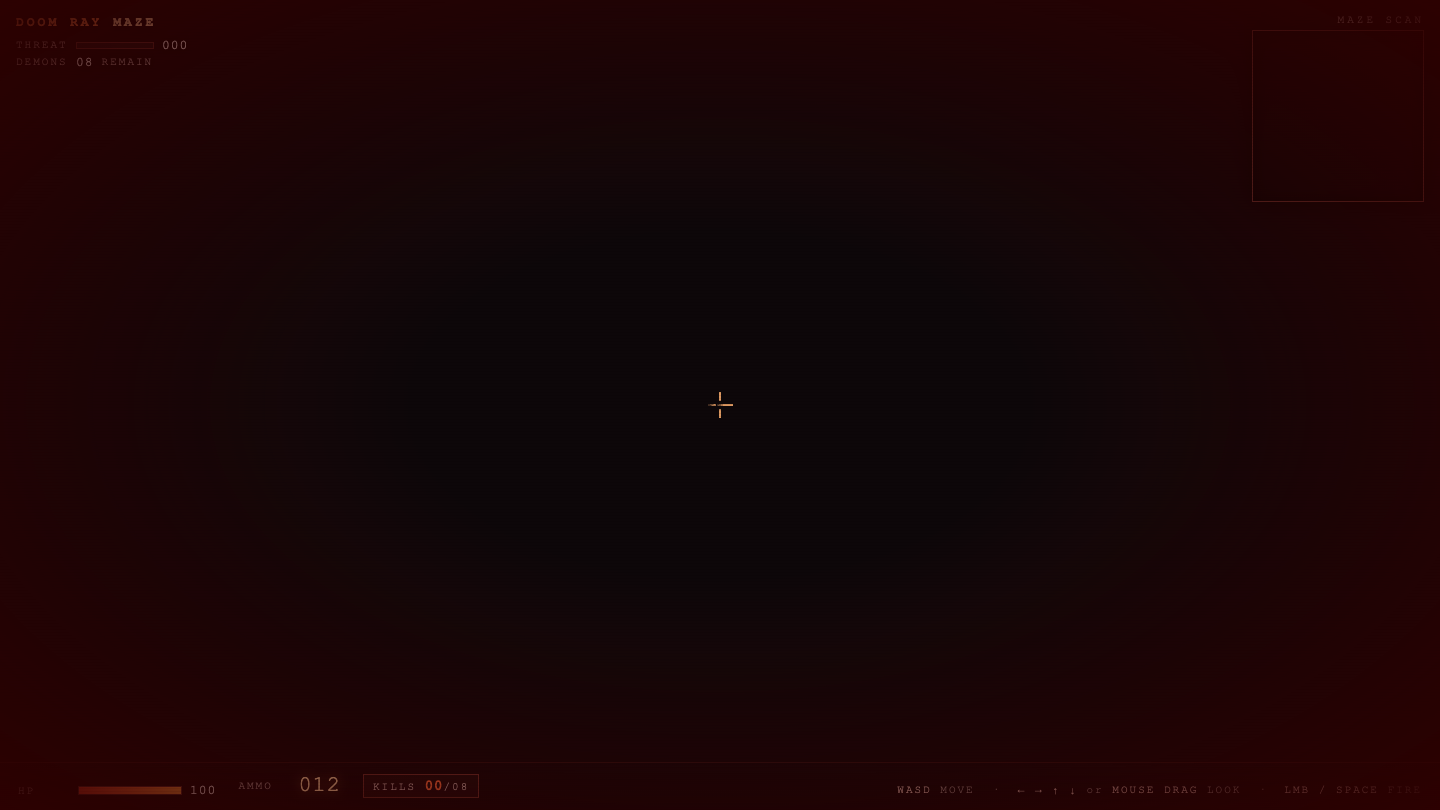
- 18 of 50 builds scored under 5: long game files shipped with garbled tokens (a stray 'martin' or 'martial' identifier breaks the whole script), uninitialised references and bad canvas values, so the HUD paints but the 3D scene stays black
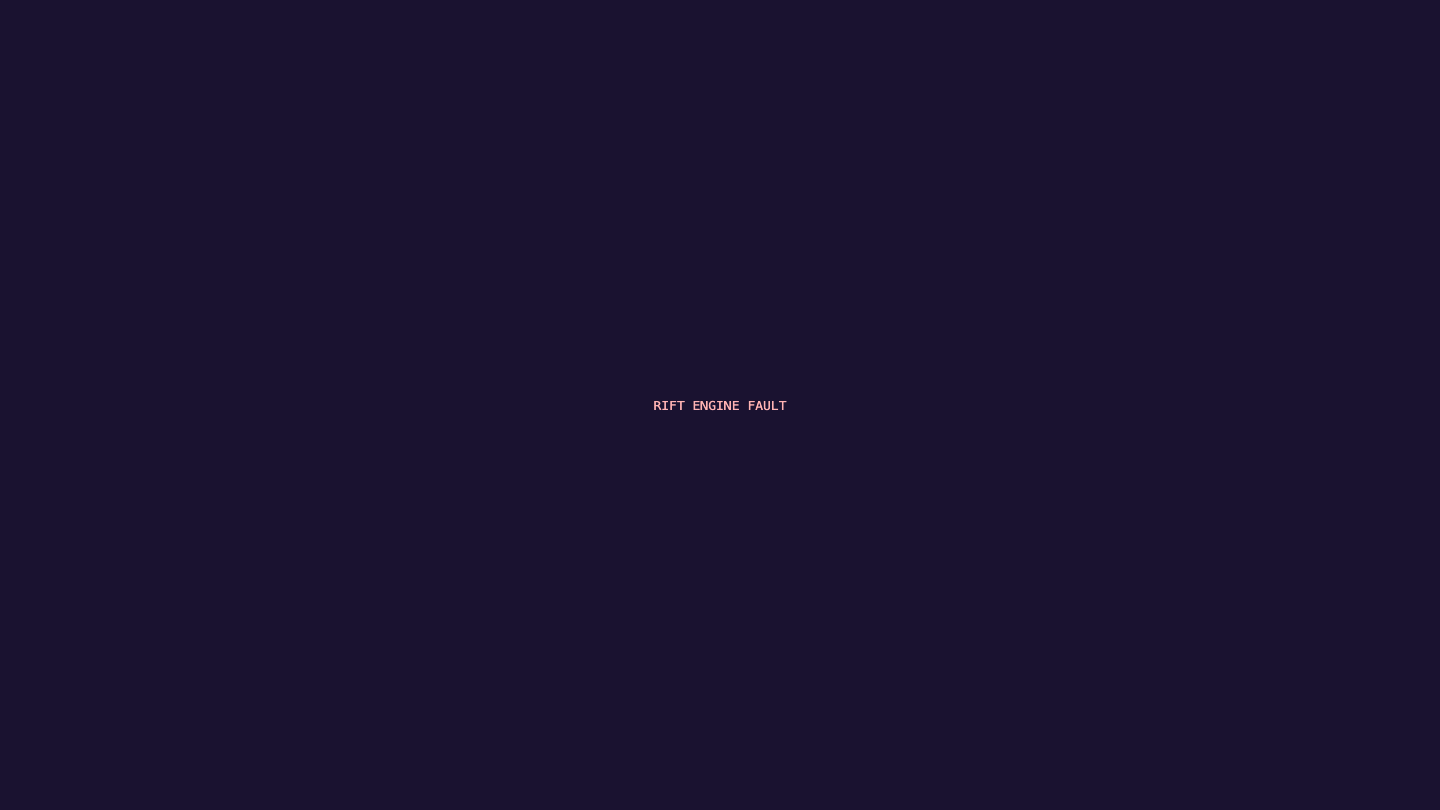
- Two hard crashes: the RPG threw an engine fault on load and the solar system rendered nothing at all
- It reasons for a long time at default effort: builds took 5 to 60 minutes each through OpenRouter
Pricing & context — the spec sheet
| Spec | GPT-5.6 Sol | MiMo-V2.6 Pro |
|---|---|---|
| Vendor | OpenAI | Xiaomi |
| Context window | 1,050,000 tokens | 1,000,000 tokens |
| Price | $5 / $30 per M | $0.435 in / $0.87 out per M tokens |
| Pricing detail | GPT-5.6 shipped as three models — Luna ($1/$6 per M), Terra ($2.50/$15) and Sol ($5/$30) — each with a same-price pro variant that ships a higher default reasoning effort. All share a ~1.05M-token context window and are rated High capability. Benched here on the flagship, Sol, at medium reasoning effort via OpenRouter. | Xiaomi's September 2026 open-weight flagship (MIT licence, 1.02T total / 42B active parameters). $0.435 per million input tokens and $0.87 per million output on OpenRouter, with cache hits at a fraction of a cent, which is roughly a quarter of Grok 4.7 and a twentieth of the closed frontier models it scores level with on agent benchmarks. |
| Release | 2026-07 | 2026-09 |
| Bench coverage | 50/50 scored · avg 8.16/10 | 50/50 scored · avg 6.35/10 |
The verdict — which should you pick?
Across 50 scored shared tasks, GPT-5.6 Sol averaged 8.16/10, beating MiMo-V2.6 Pro's 6.35/10 by 1.81 points. Pick GPT-5.6 Sol when the build has to ship on the first prompt and you can afford the trade-offs in the comparison below.
If you only run one of these inside your stack, the head-to-head average above is the call. If you can run both, my honest play is to wire GPT-5.6 Sol and MiMo-V2.6 Pro both into the Agent Operating System and dispatch each from the kanban by task type — the hardest reasoning and code where being right beats being cheap → GPT-5.6 Sol, simulations, shaders and visual scenes in one shot, at a fraction of frontier prices → MiMo-V2.6 Pro. That's the same setup I run for the 4,000+ founders inside the AI Profit Boardroom.
FAQ — GPT-5.6 Sol vs MiMo-V2.6 Pro
Which is better, GPT-5.6 Sol or MiMo-V2.6 Pro?
On Goldie Bench, GPT-5.6 Sol averages 8.16/10 across the shared tasks, with 2 gold, 9 silver, 10 bronze overall. MiMo-V2.6 Pro averages 6.35/10, with 5 gold, 8 silver, 4 bronze. GPT-5.6 Sol wins the head-to-head 27–12.
How much does GPT-5.6 Sol cost vs MiMo-V2.6 Pro?
GPT-5.6 Sol: GPT-5.6 shipped as three models — Luna ($1/$6 per M), Terra ($2.50/$15) and Sol ($5/$30) — each with a same-price pro variant that ships a higher default reasoning effort. All share a ~1.05M-token context window and are rated High capability. Benched here on the flagship, Sol, at medium reasoning effort via OpenRouter. MiMo-V2.6 Pro: Xiaomi's September 2026 open-weight flagship (MIT licence, 1.02T total / 42B active parameters). $0.435 per million input tokens and $0.87 per million output on OpenRouter, with cache hits at a fraction of a cent, which is roughly a quarter of Grok 4.7 and a twentieth of the closed frontier models it scores level with on agent benchmarks.
What's the context window for GPT-5.6 Sol vs MiMo-V2.6 Pro?
GPT-5.6 Sol has a 1,050,000 tokens context window. MiMo-V2.6 Pro has a 1,000,000 tokens context window.
When should I pick GPT-5.6 Sol over MiMo-V2.6 Pro?
Pick GPT-5.6 Sol for: The hardest reasoning and code where being right beats being cheap; One-shot game/sim prototypes you want shippable on the first prompt; The flagship slot in a routed Agent OS — Sol for the hard 10%, Luna/Terra for the rest. The trade-off is the weaknesses we logged on the bench: Priciest tier on the bench at $30/M output — only worth routing the hardest 10% of work to Sol; Reasoning can eat the token budget on big open-world briefs (one 0-byte failure until the budget was raised, then it built clean).
When should I pick MiMo-V2.6 Pro over GPT-5.6 Sol?
Pick MiMo-V2.6 Pro for: Simulations, shaders and visual scenes in one shot, at a fraction of frontier prices; High-volume agent work where an open, MIT-licensed model matters; Pair it with a self-fix loop for games: the failures are single broken tokens, not missing ideas. The trade-off is the weaknesses we logged on the bench: 18 of 50 builds scored under 5: long game files shipped with garbled tokens (a stray 'martin' or 'martial' identifier breaks the whole script), uninitialised references and bad canvas values, so the HUD paints but the 3D scene stays black; Two hard crashes: the RPG threw an engine fault on load and the solar system rendered nothing at all; It reasons for a long time at default effort: builds took 5 to 60 minutes each through OpenRouter.
How does Goldie Bench score GPT-5.6 Sol vs MiMo-V2.6 Pro?
Every demo on this page was built by Julian Goldie inside the Agent Operating System — same fixed prompt for both models, one shot, single HTML file out. Each result gets a 0–10 score on whether it ran, how close it hit the brief, and how good it looked. The highest score on each task gets gold; second gets silver; third gets bronze. See methodology for full provenance.
Related comparisons
Other head-to-heads using the same scoring system:
GPT-5.6 Sol vs Fusion MiMo-V2.6 Pro vs Fusion GPT-5.6 Sol vs Claude Opus 5 MiMo-V2.6 Pro vs Claude Opus 5 GPT-5.6 Sol vs Hermes MoA MiMo-V2.6 Pro vs Hermes MoA GPT-5.6 Sol vs Claude Fable 5 MiMo-V2.6 Pro vs Claude Fable 5Full model pages: GPT-5.6 Sol · MiMo-V2.6 Pro · back to the leaderboard
The same stack Julian uses
Run this stack yourself.
Every demo on this bench was built inside the Agent Operating System — one prompt, one shot, single HTML file out. The Agent OS, the prompts, the templates, the weekly walkthroughs and 4,000+ founders shipping with it every day all live inside the AI Profit Boardroom.
4,000+founders
258documented wins
38countries
$59/momonthly