Arcade
Arcade — classic arcade-style game (pick: tetris, breakout, snake).
What I asked each model — the Arcade prompt
Every model on this page got this exact prompt inside the Agent Operating System: Arcade — classic arcade-style game (pick: tetris, breakout, snake).
Single HTML file out. No iteration. No examples in the system prompt. Whatever each model produced on the first run is what's on this page. 26 frontier models have attempted it so far: Claude Fable 5, Fugu Ultra, Fugu Ultra 1.1, Fugu Mini, Fusion, Gemini 3.6 Flash, GLM-5.2, GPT-5.6 Sol, Grok, Grok 4.6, Inkling, Kimi K2.7, Kimi K3, MiniMax M3, Hermes MoA, Muse Spark 1.2, Opus 4.8, Claude Opus 5, Qwen 3.8, Qwen 3.7, Claude Sonnet 5, DeepSeek V4 Pro, DeepSeek V4 Flash, Kimi K2.7 · Fast, Kimi K2.7 · No-Think, Kimi K2.7 · Quality.
Why this task matters. Arcade is a textbook test of game-class capability — the kind of build that exposes whether a model is doing pattern-matching or actual reasoning. A model that ships this in one shot is usually safe to wire into your agent loop for harder tasks of the same shape.
How each model handled Arcade
Ranked by my 0–10 score from the source comparison guides on agentos.guide. Click any to play the actual one-shot HTML the model produced.
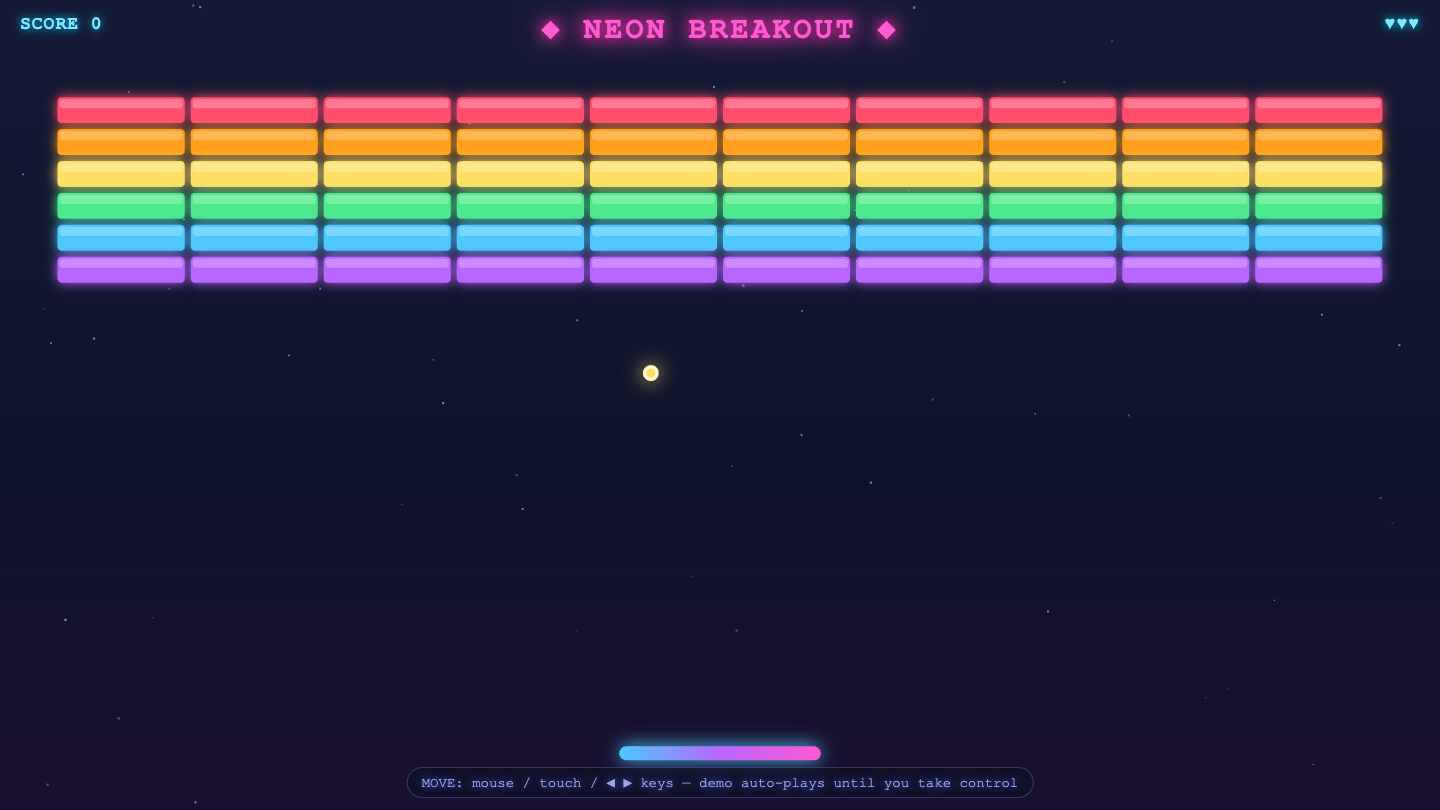
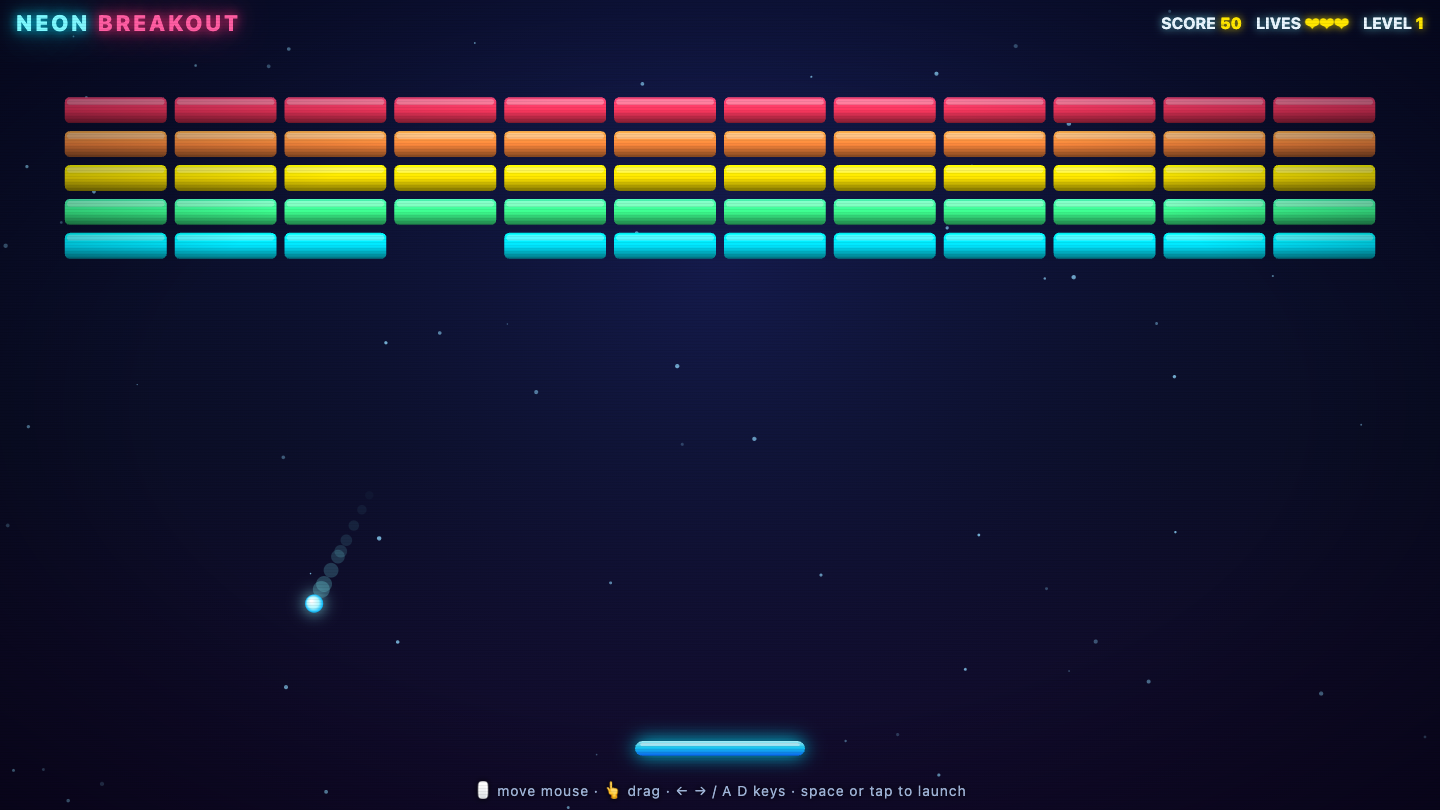
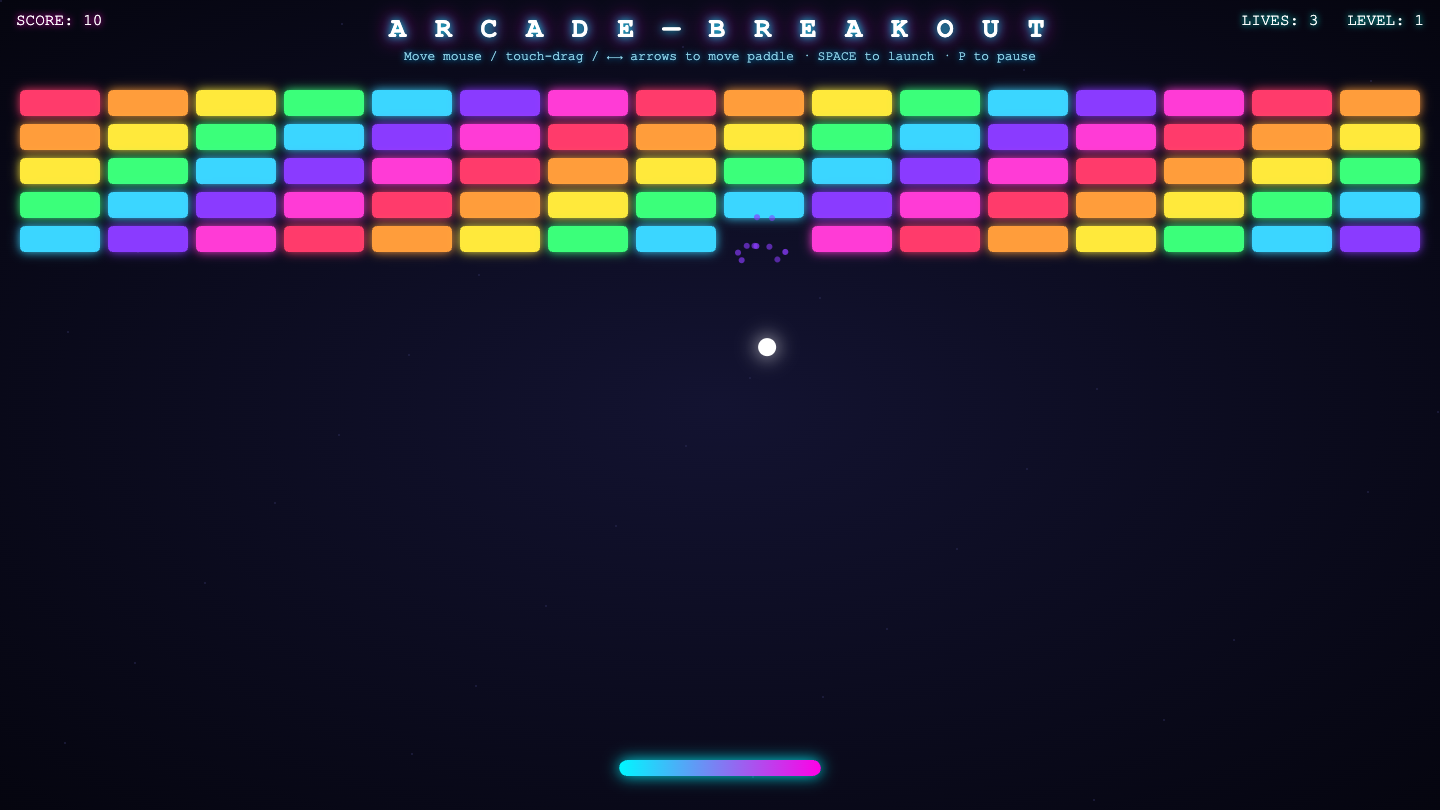
What I saw: Clean, polished neon breakout with glowing rainbow bricks, gradient paddle, twinkling starfield, particle effects, autopilot demo, multi-input controls and level progression — strong and shippable. Slightly generic layout and the ball missed rendering its shadow badge in this frame keep it just under the top tier.
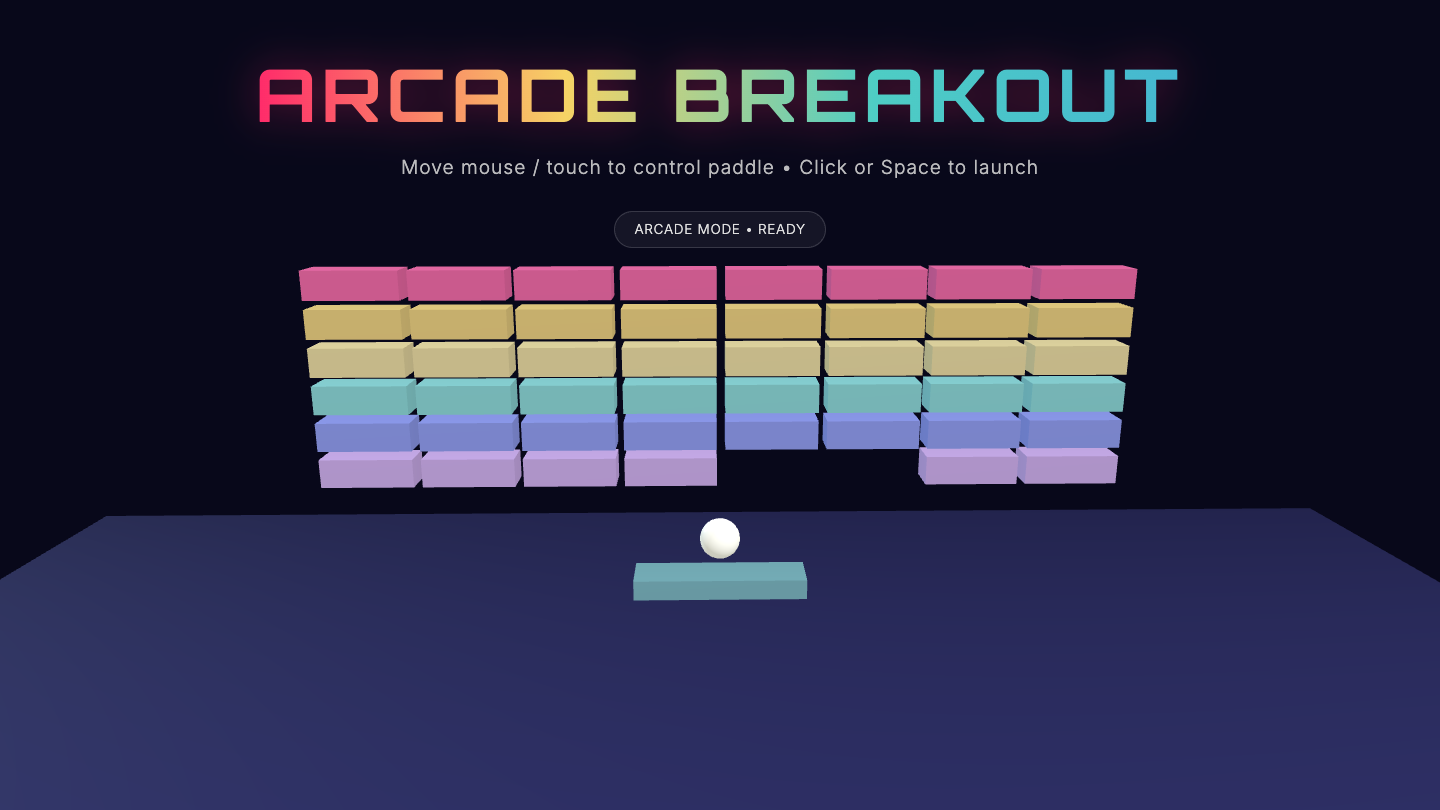
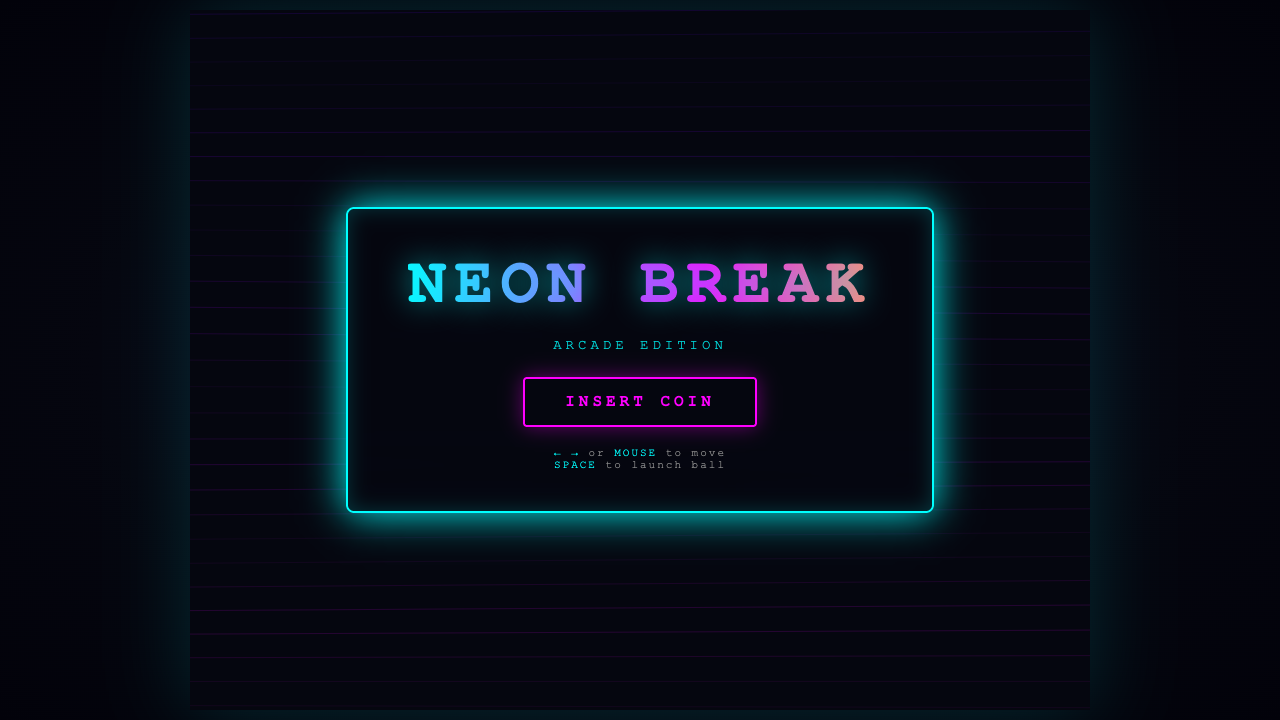
What I saw: Ultra v2 — Breakout-style. Smoke-test MAYBE (0.4% diff) — runs but generic click+WASD didn't trigger strong motion; paddle may need mouse-move.
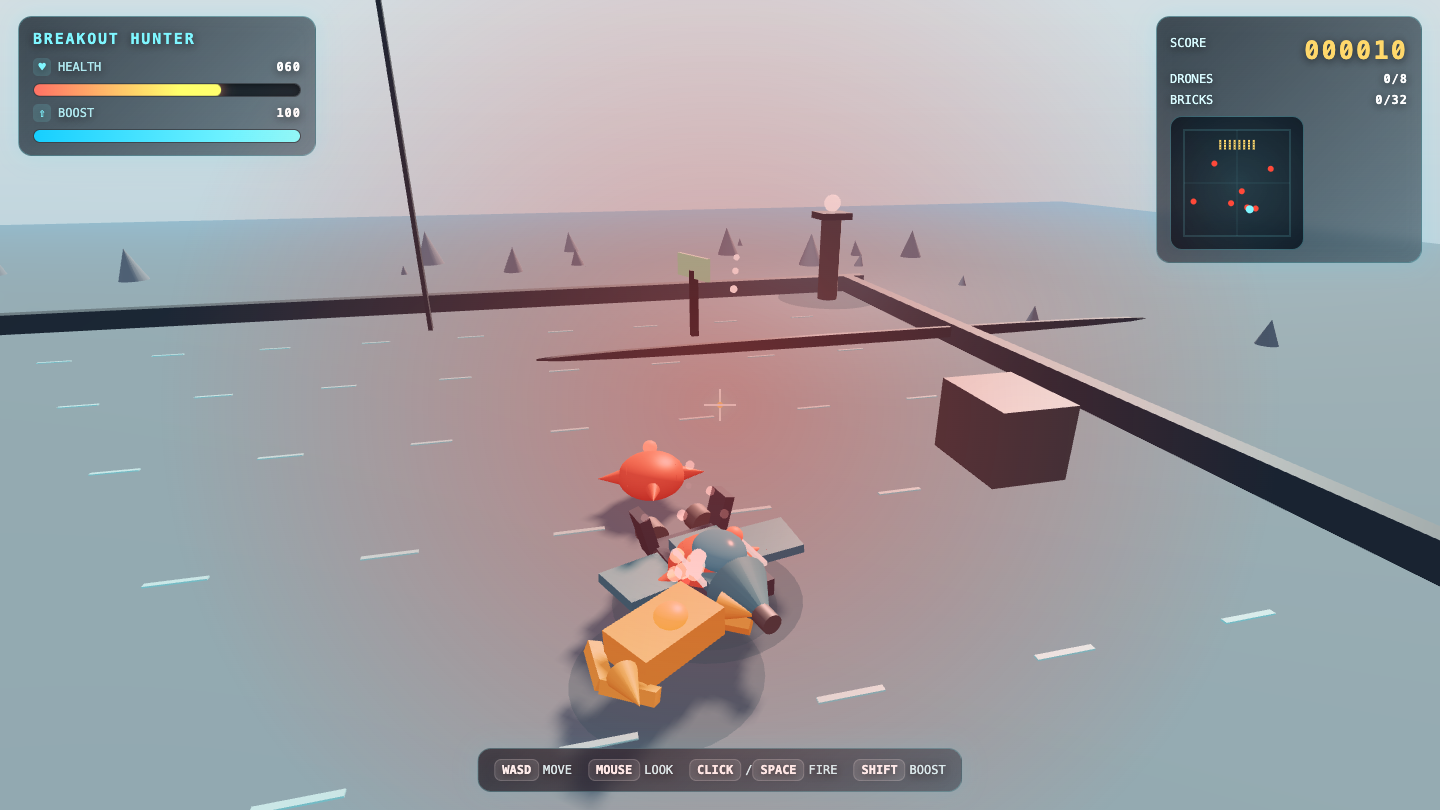
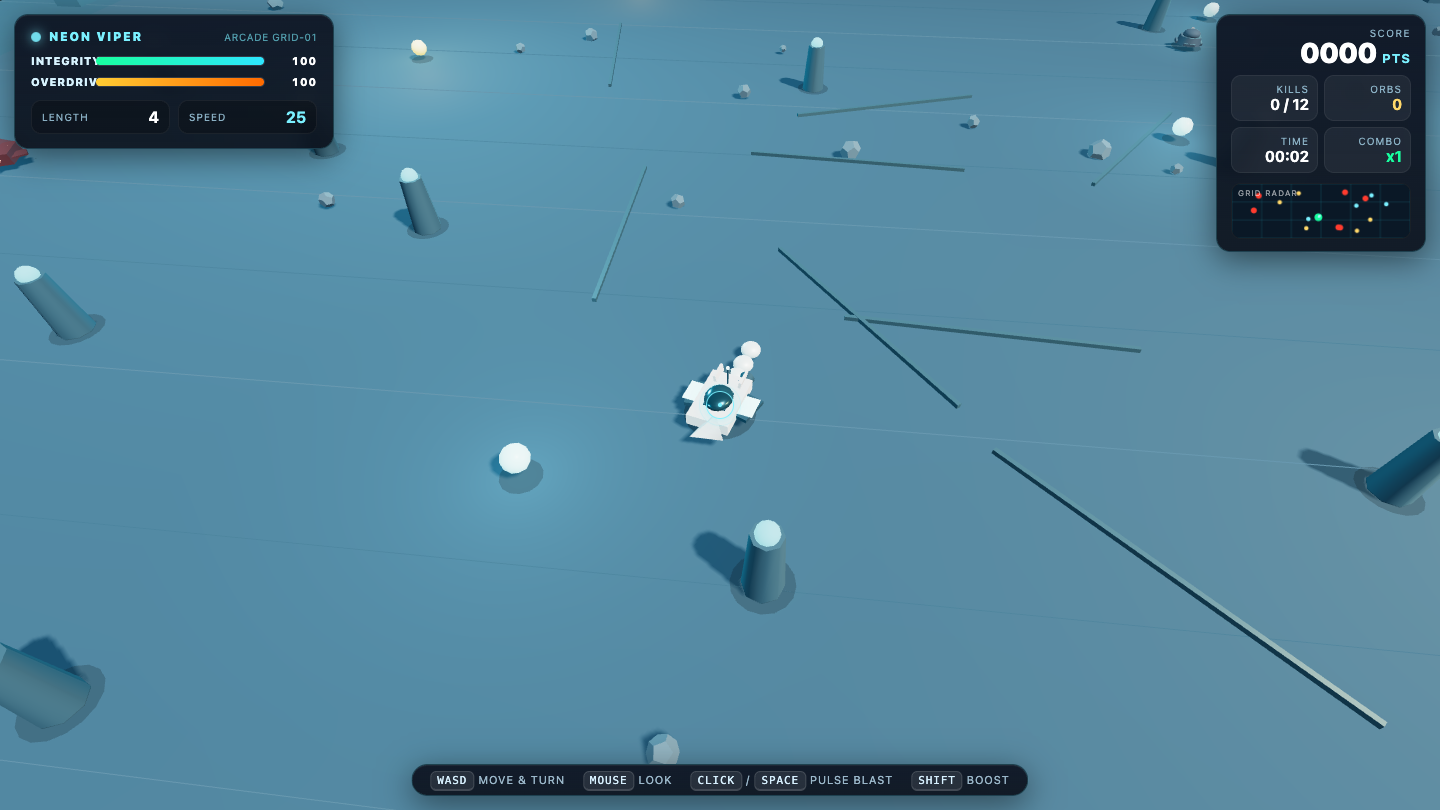
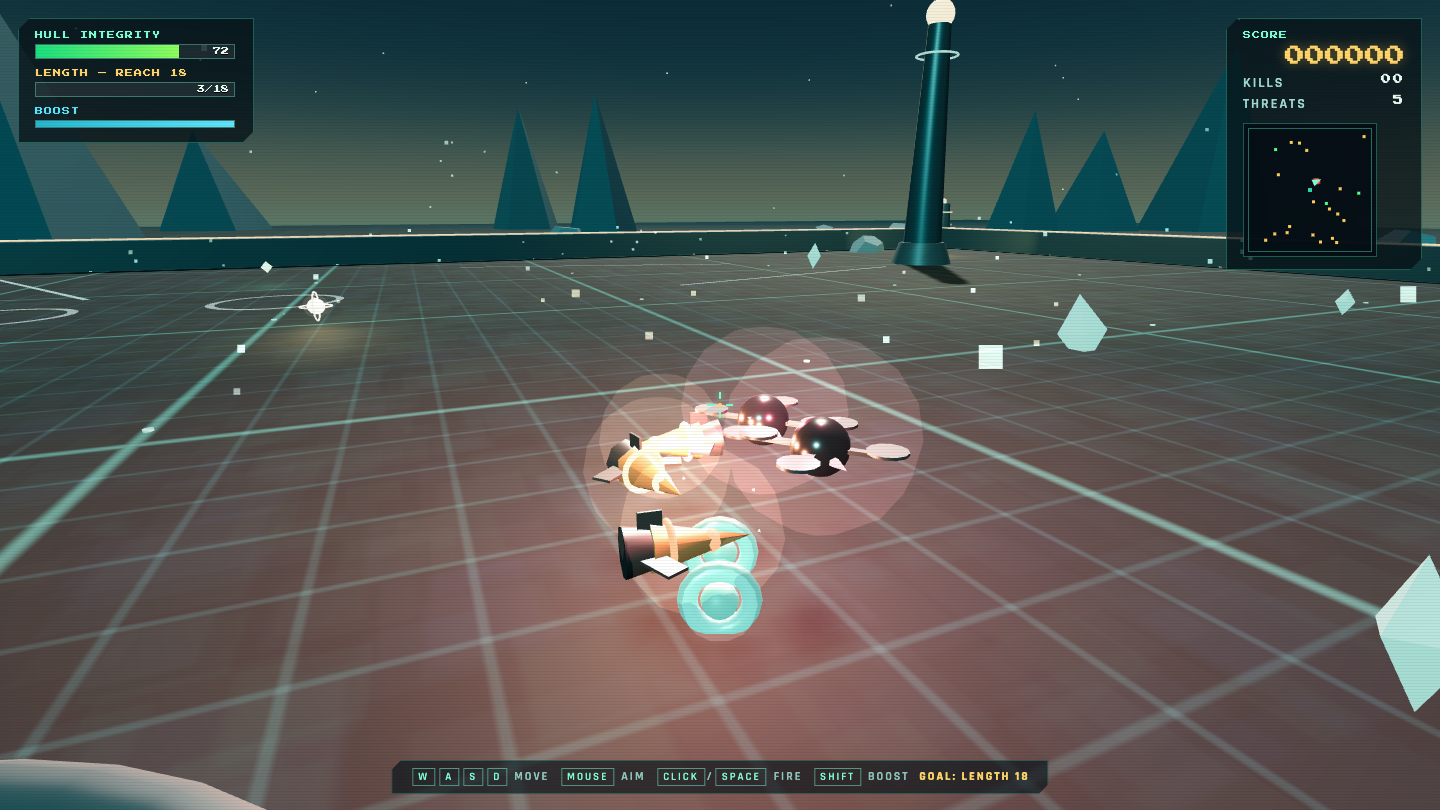
What I saw: The brief asked for a classic arcade game (tetris/breakout/snake); this is a 3D flying-shooter titled 'Breakout Hunter' with drones and radar — polished HUD and clean low-poly visuals, but it completely misses the arcade brief and there's no actual breakout/paddle/brick gameplay visible despite the label. Strong presentation, wrong genre.
What I saw: 55KB Breakout-style — paddle, ball, brick wall, particles, score HUD. Smoke-test PASS (large pixel diff after input).
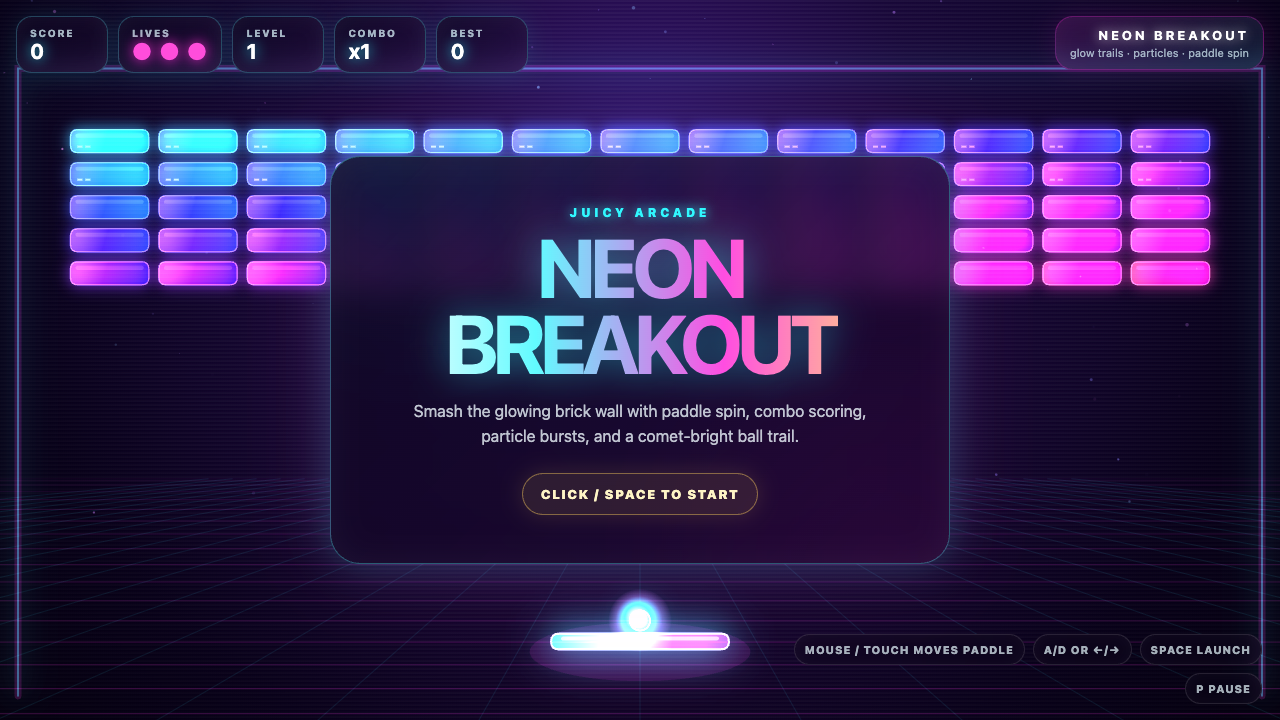
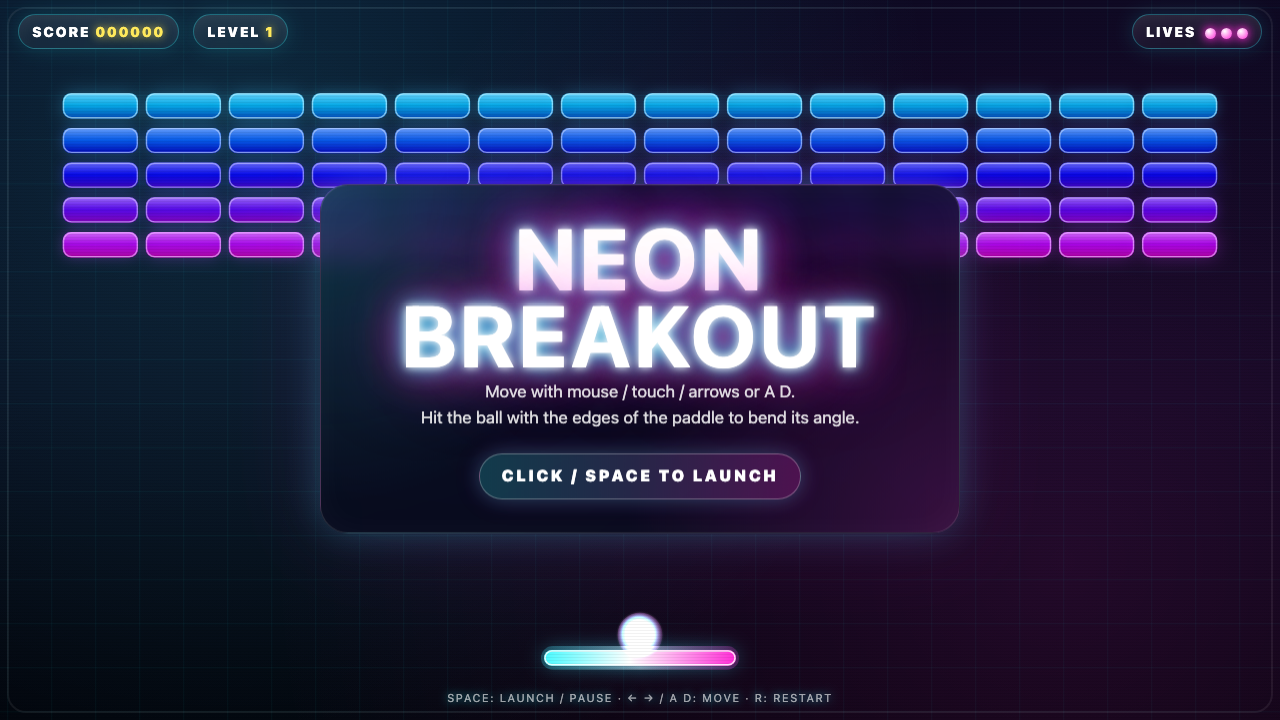
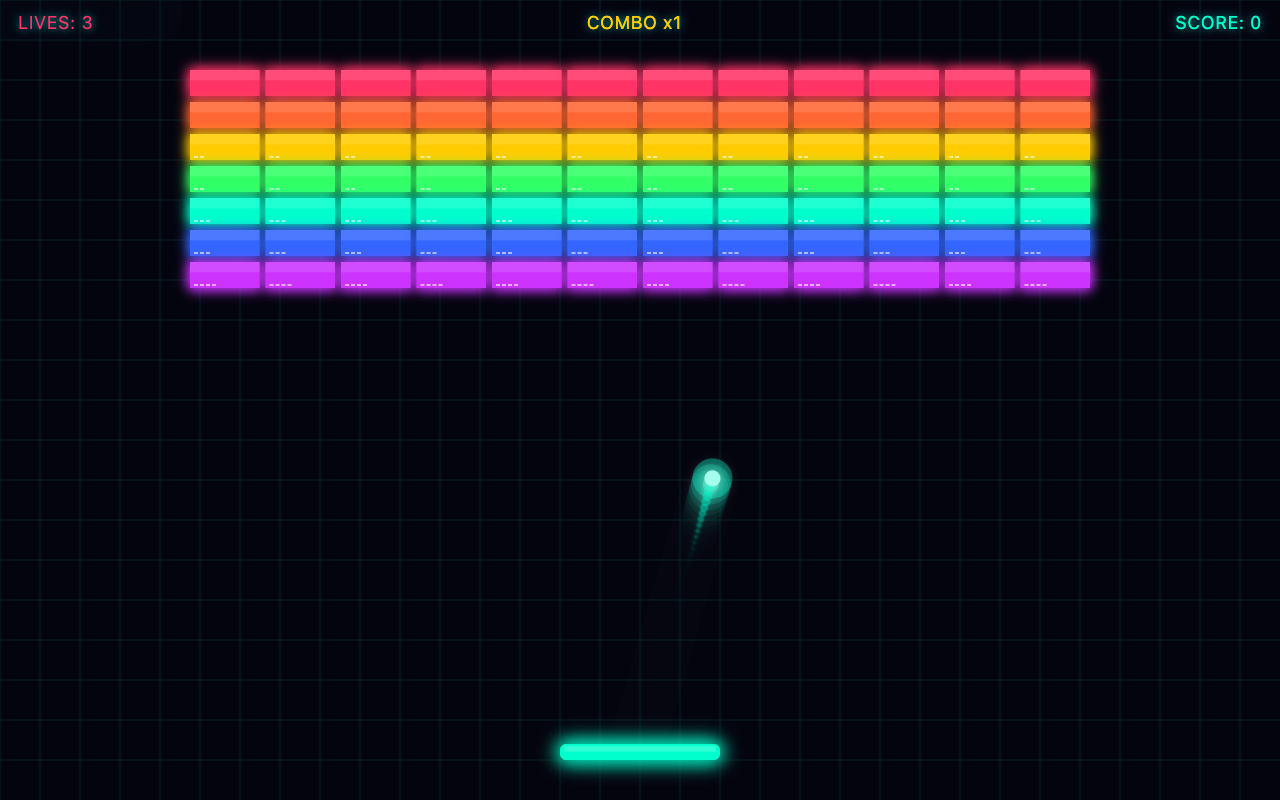
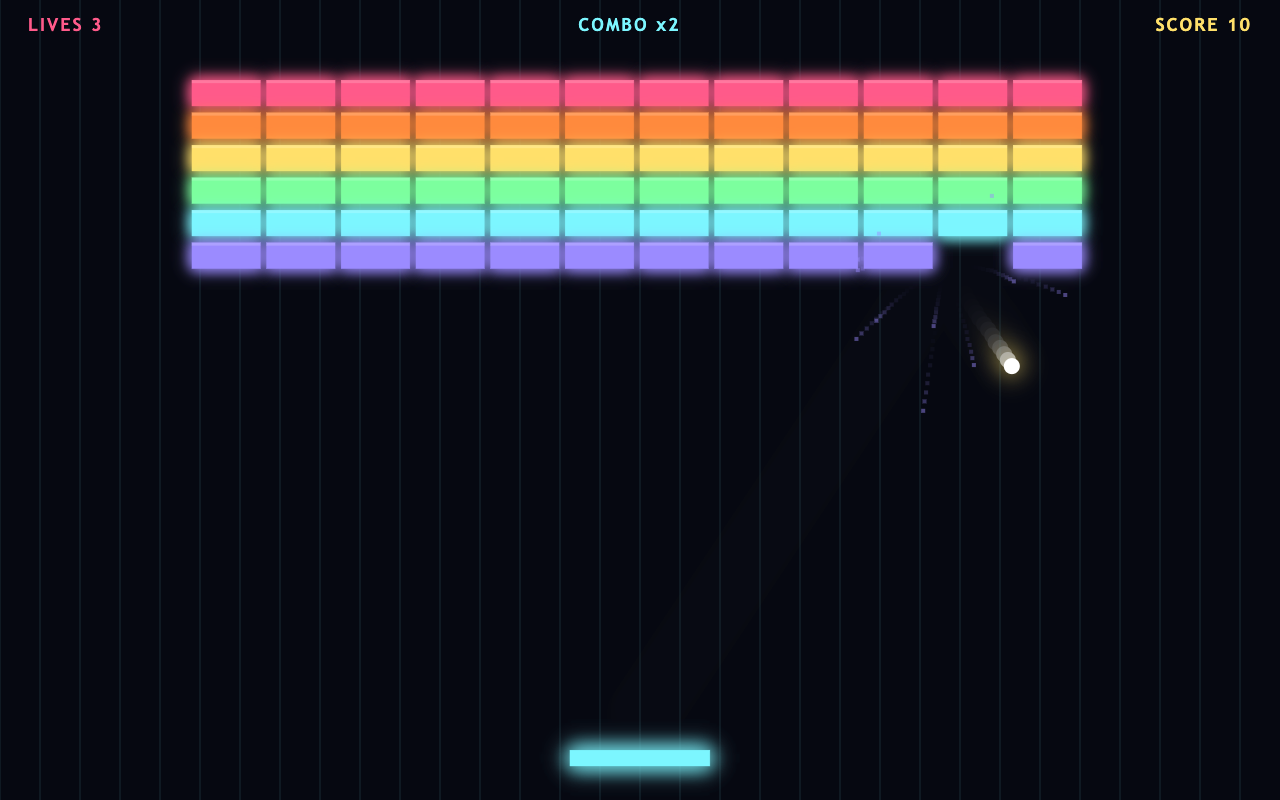
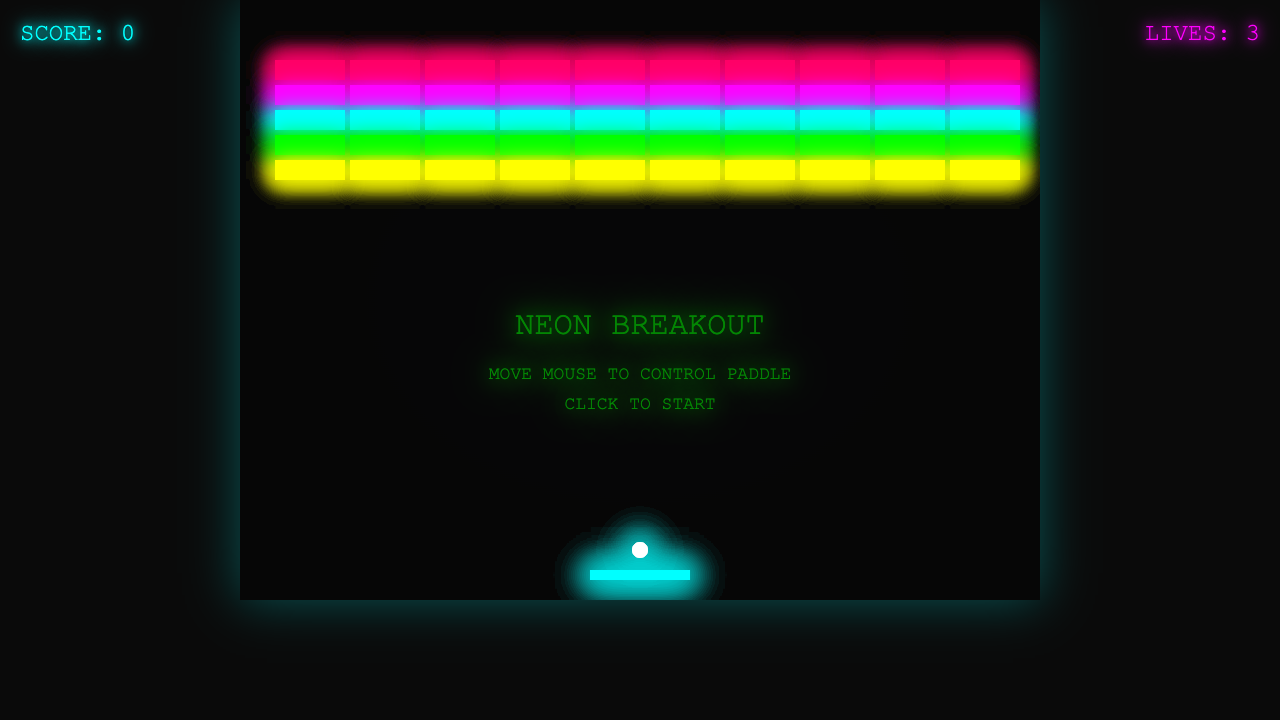
What I saw: Neon Breakout with combo system, lives-dot indicators, floating-card overlay animation, full pill HUD. Custom cursor, mobile pointer support, particle juice. Tied with Opus on game-feel.
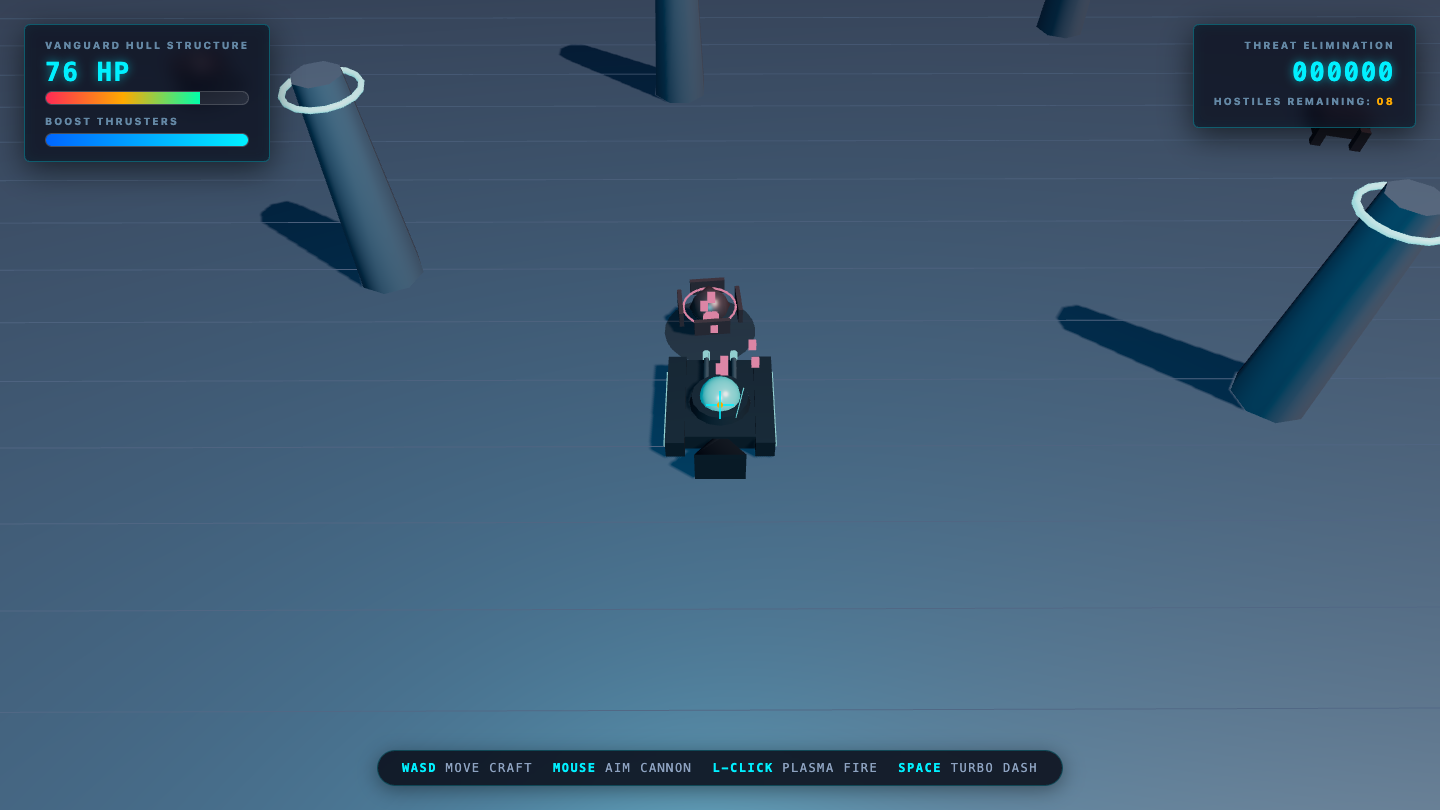
What I saw: Strong polished HUD, clean 3D player craft with visible enemy and combat systems (projectiles, HP damage taken at 88), but it ignored the brief entirely — this is a twin-stick shooter, not a classic arcade pick (tetris/breakout/snake), and the scene reads sparse with only one enemy visible.
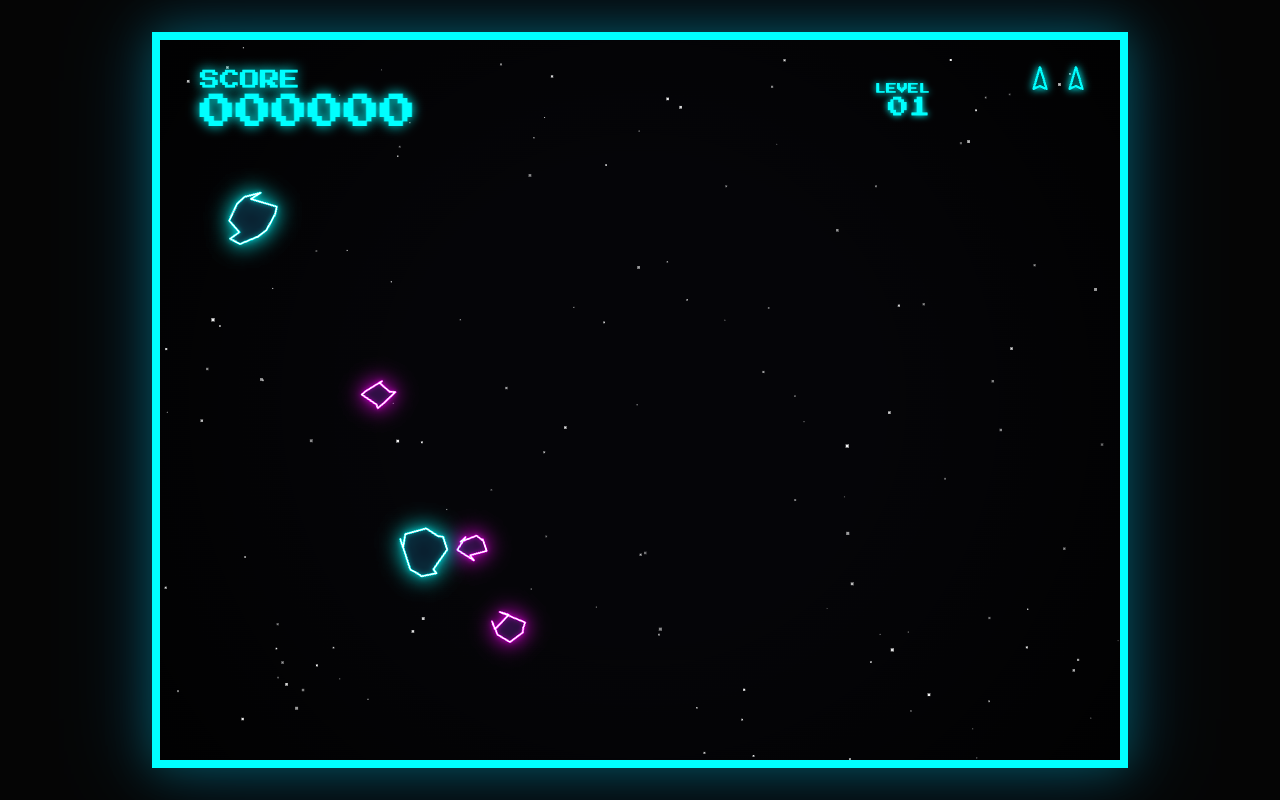
What I saw: All three shipped a genuinely juicy game. Opus's breakout had the most game-feel — particle bursts and a live combo. Kimi's breakout was clean and solid. GLM went its own way with fullscreen neon asteroids. The closest of the practical five.
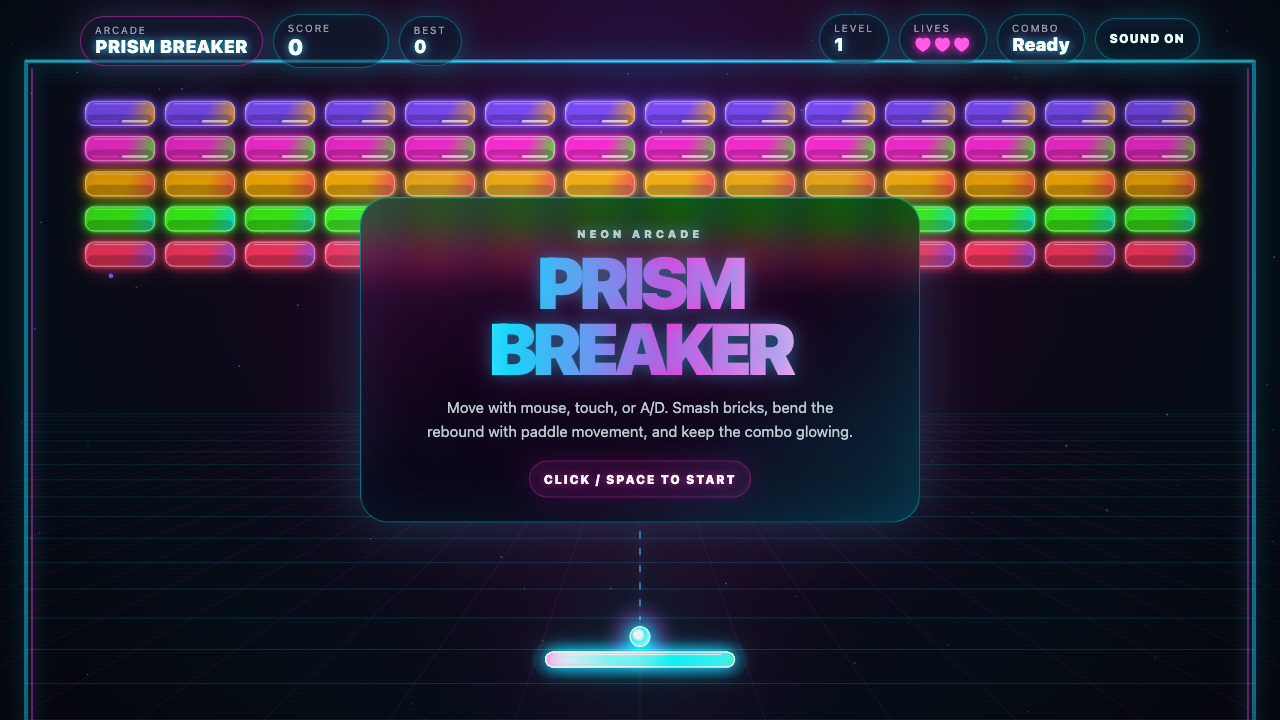
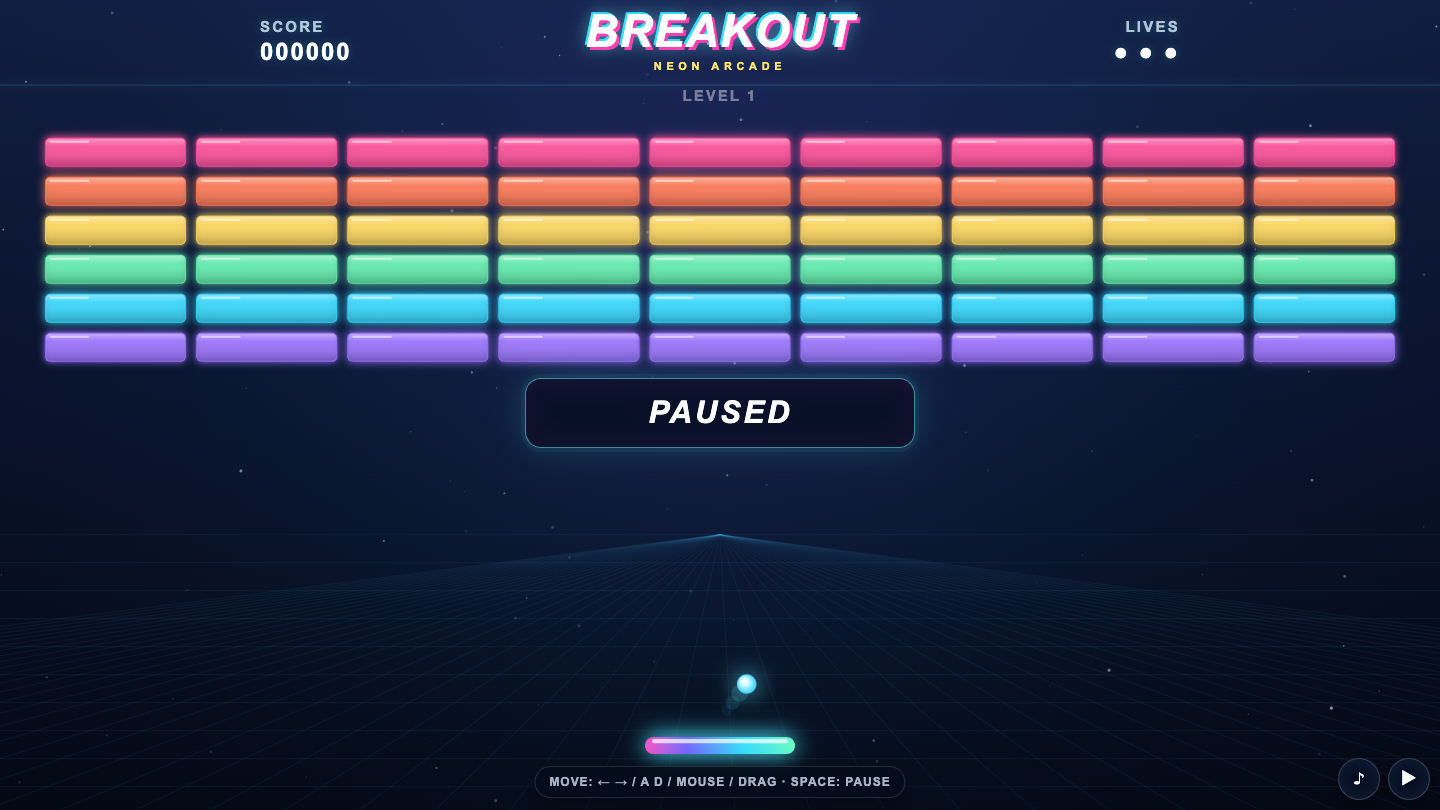
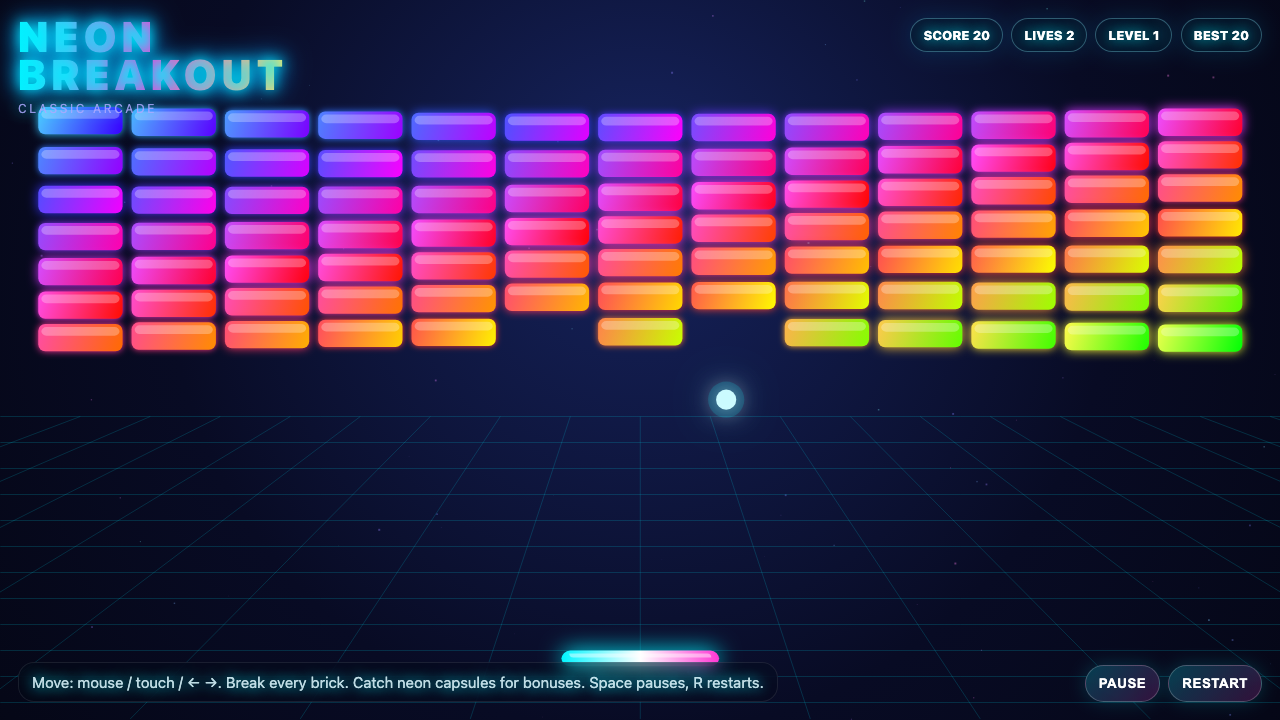
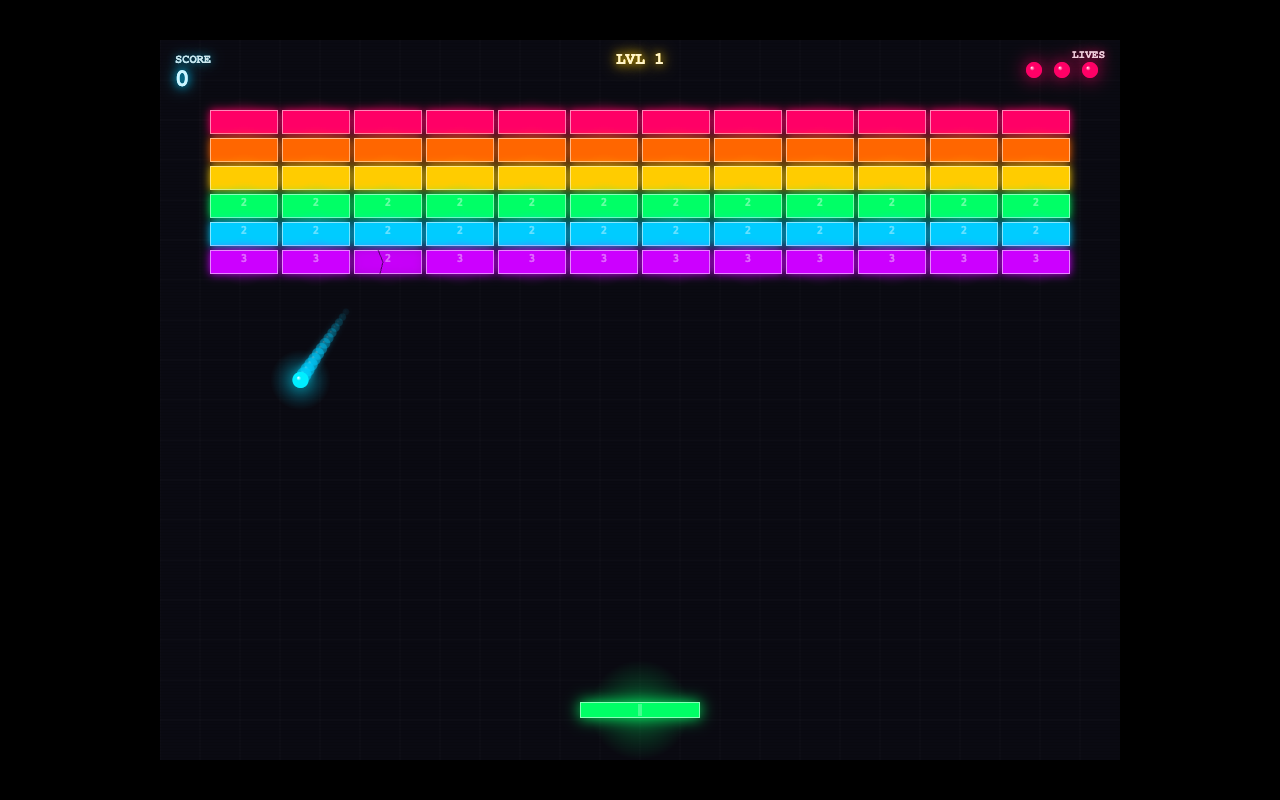
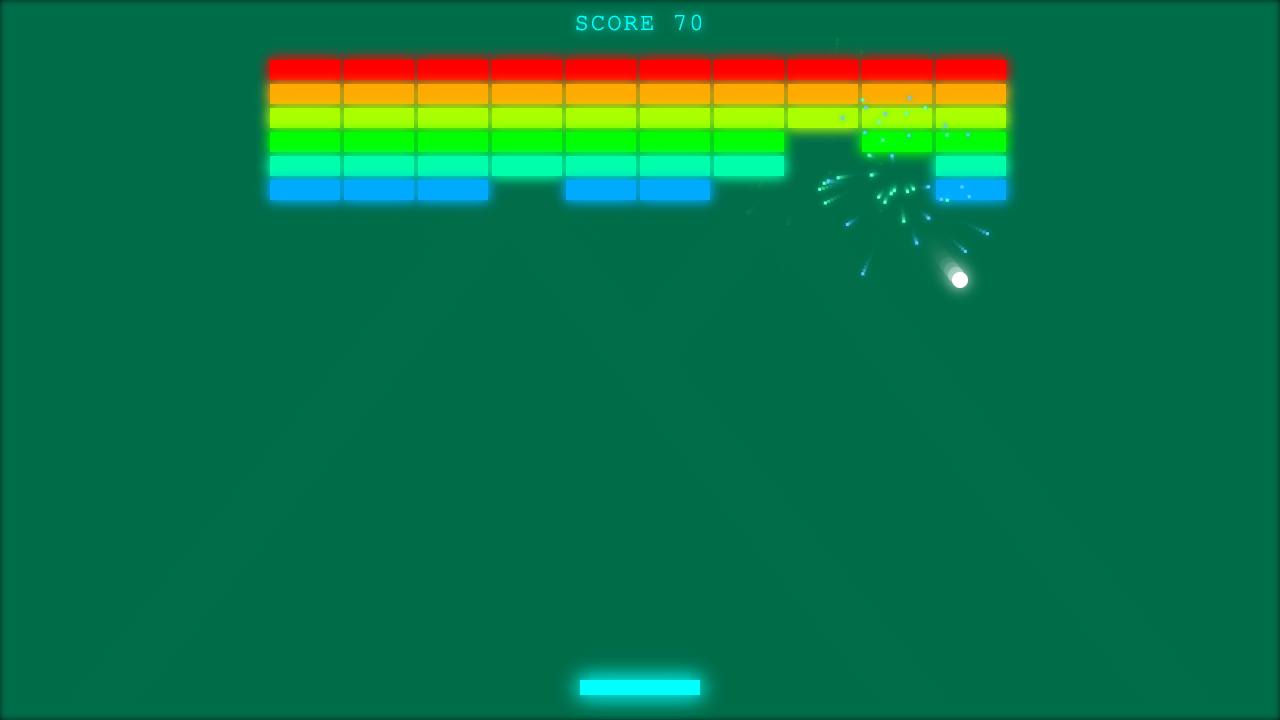
What I saw: Gorgeous, fully-rendered neon breakout with rainbow brick grid, glowing paddle/ball, retro perspective grid floor, and clean HUD/controls/pause overlay — strong arcade identity backed by solid physics, DPR scaling, particles and audio. Polish and cohesion put it at the top of the field.
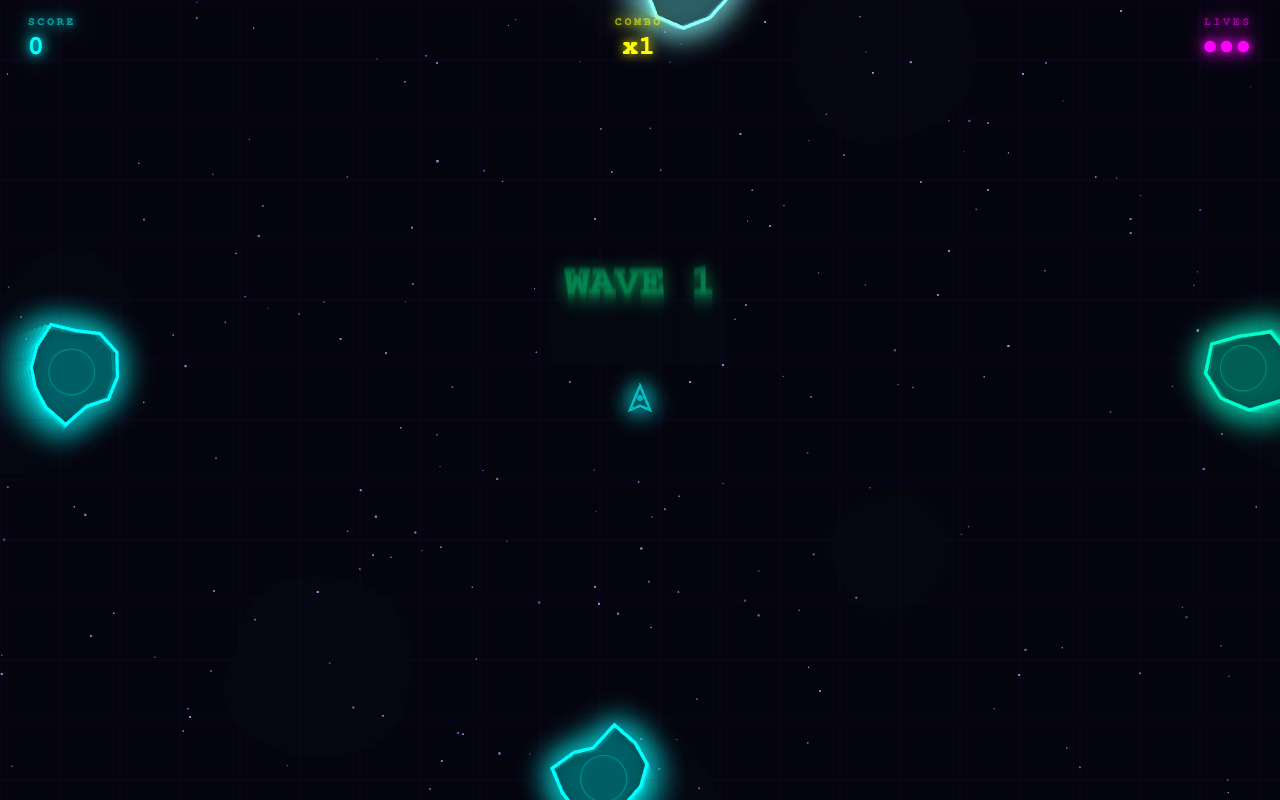
What I saw: A crisp neon Asteroids — glowing ship, lives, score, drifting rocks, real sound. Shippable straight out of one prompt.
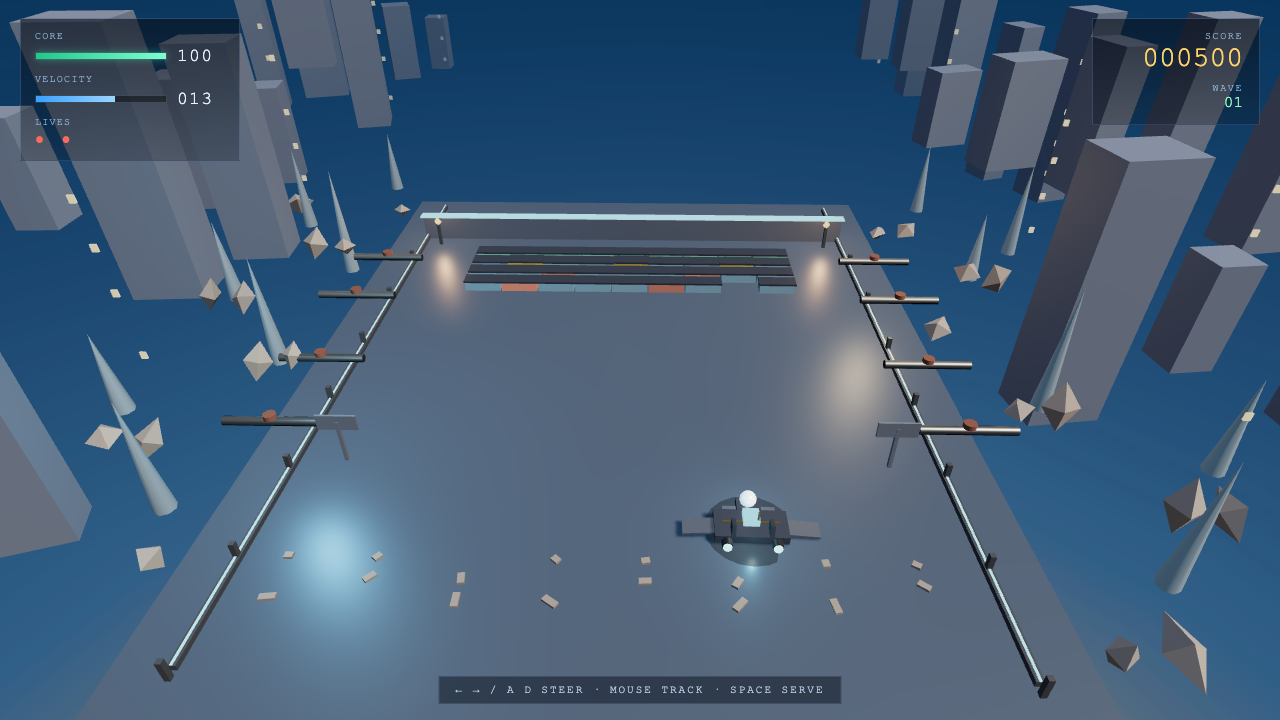
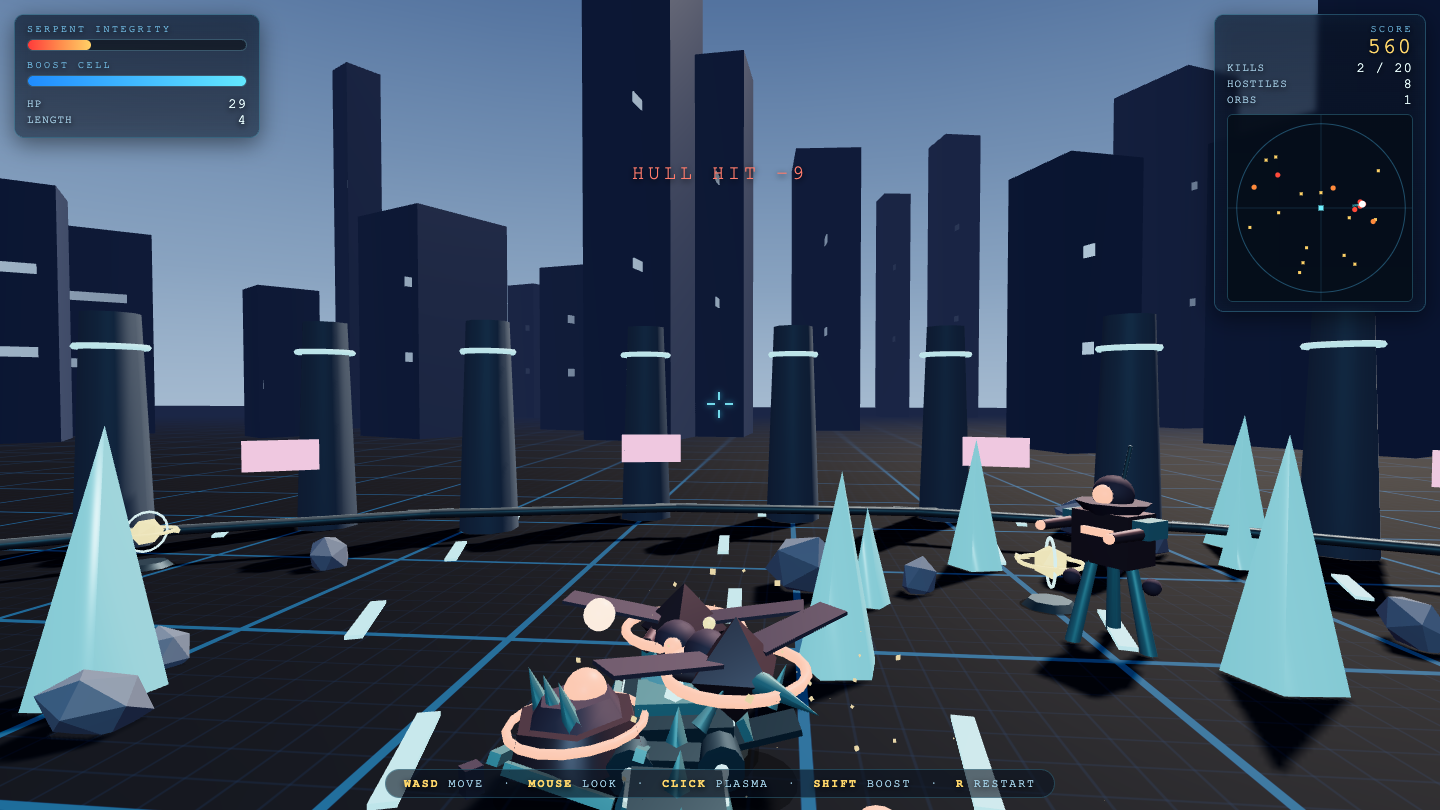
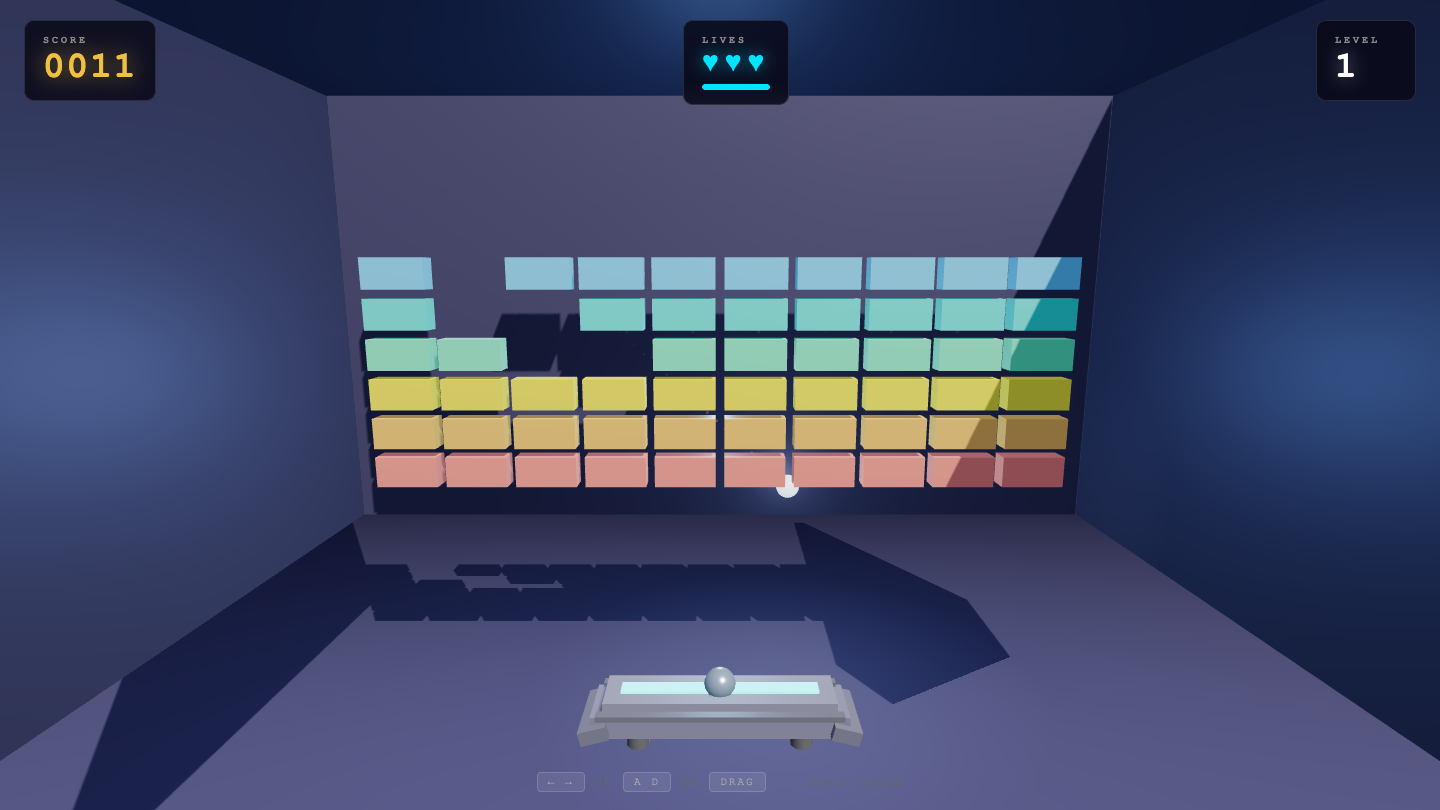
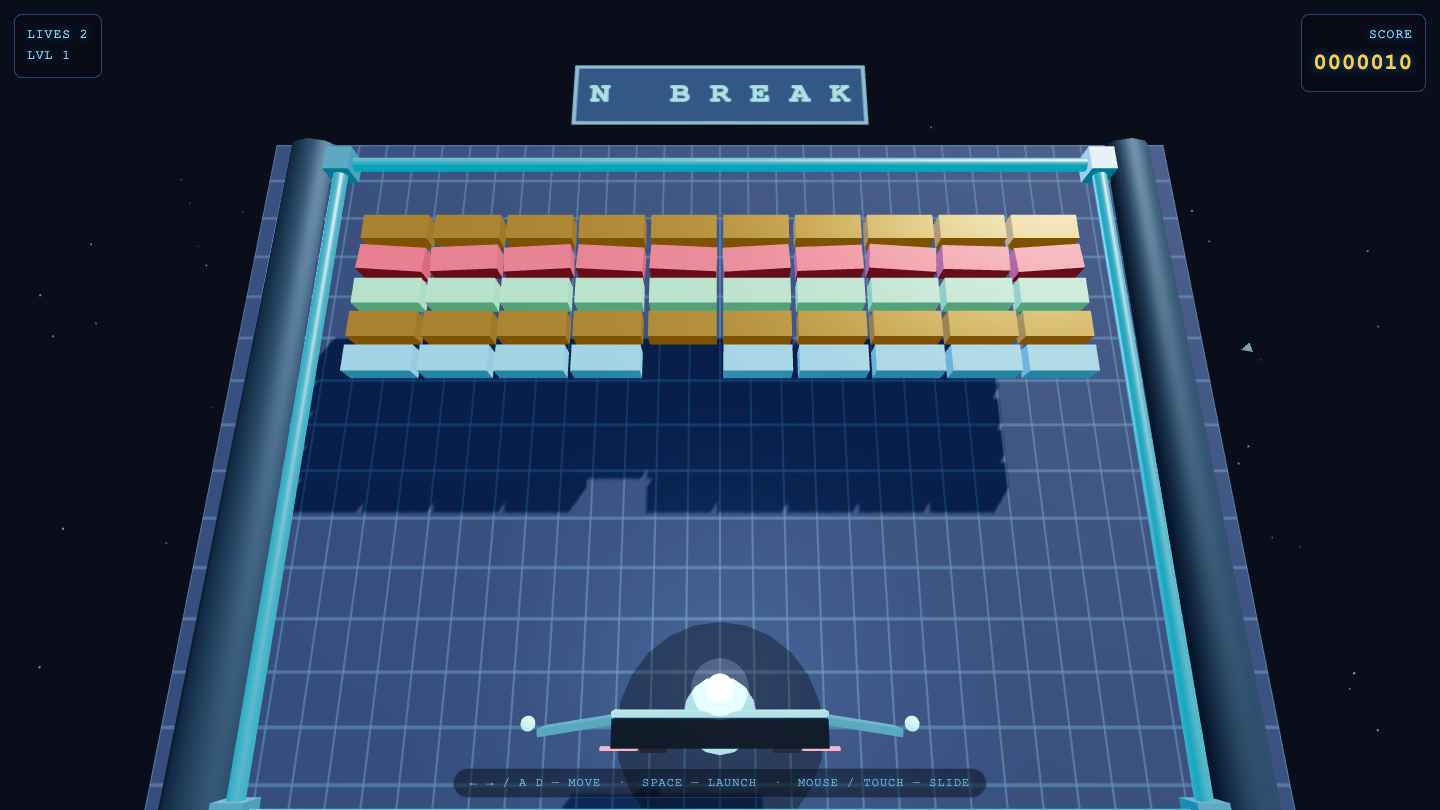
What I saw: Strong: a fully-rendered 3D breakout with atmospheric cityscape, glowing rails, detailed paddle craft, brick grid, active ball with particle trail, and polished HUD (core/velocity/lives/score/wave). Weak: perspective makes the brick field feel small and the 3D angle slightly complicates gameplay readability, but the execution is ambitious and cohesive.
The winner on Arcade
Grok 4.6 took gold on this task. 3D breakout cityscape.
What I saw: Strong: a fully-rendered 3D breakout with atmospheric cityscape, glowing rails, detailed paddle craft, brick grid, active ball with particle trail, and polished HUD (core/velocity/lives/score/wave). Weak: perspective makes the brick field feel small and the 3D angle slightly complicates gameplay readability, but the execution is ambitious and cohesive.
See Grok 4.6's full model card: /models/grok46. Direct head-to-head against the runner-up: Grok 4.6 vs GPT-5.6 Sol.
Every attempt — live, playable
Side by side. Click any tile to run that model's actual one-shot HTML in a new tab.
 ▶ LIVE
 ▶ LIVE
 ▶ LIVE
 ▶ LIVE
 ▶ LIVE
 ▶ LIVE
 ▶ LIVE
 ▶ LIVE
 ▶ LIVE
 ▶ LIVE
 ▶ LIVE
 ▶ LIVE
 ▶ LIVE
 ▶ LIVE
 ▶ LIVE
 ▶ LIVE
 ▶ LIVE
 ▶ LIVE
 ▶ LIVE
 ▶ LIVE
 ▶ LIVE
 ▶ LIVE
 ▶ LIVE
 ▶ LIVE
 ▶ LIVE
 ▶ LIVE
How I scored Arcade — methodology
Three axes, 0–10 each, averaged. Runs: drop the .html in a browser; if it opens to a broken page, it scores zero. Hits the brief: did the model ship the thing the prompt asked for, or a different thing it found easier. Looks good: visual polish, motion, interactivity — where most of the gap between gold and silver lives.
My scores trace back to the source comparison guides on agentos.guide. See the full methodology page for data provenance, including which source guide each cell's score came from.
Related
More game benchmarks: all tasks in the Game category · See the best AI model for Arcade · Back to the leaderboard
Run this stack yourself.
Every demo on this bench was built inside the Agent Operating System — one prompt, one shot, single HTML file out. The Agent OS, the prompts, the templates, the weekly walkthroughs and 4,000+ founders shipping with it every day all live inside the AI Profit Boardroom.