Real head-to-head · same prompt, one shot
Hermes MoA vs MiMo-V2.6 Pro
A panel of frontier models, merged by a chair. The model doesn't matter — the system does. vs Open weights that score level with Opus 5 on agents, for cents.
Head-to-head verdict: Hermes MoA wins 27–13 with 7 ties.
What I tested — same prompt, two models
I run the same fixed prompt set through every new model the day it drops — same string, one shot, single HTML file out — and I score the result 0–10 on whether it ran, how close it hit the brief, and how good it looked. Below is what came out when I gave the exact same prompts to Hermes MoA and MiMo-V2.6 Pro, side by side, on 47 shared tasks inside the Agent Operating System.
Both models were given identical prompts inside the Agent Operating System — no help, no iteration, no "best of N" tricks. I run each prompt once, save the HTML file the model produces, and score it 0–10 on whether it ran, how close it hit the brief, and how good it looked. The scoring is mine. The verdicts below are pulled from my source comparison guides at agentos.guide where I publish every score and the reasoning behind it.
Hermes MoA · Run from the Mixture tab in the Hermes Agent OS. On this bench the panel built each demo and the aggregator merged the best of every draft.
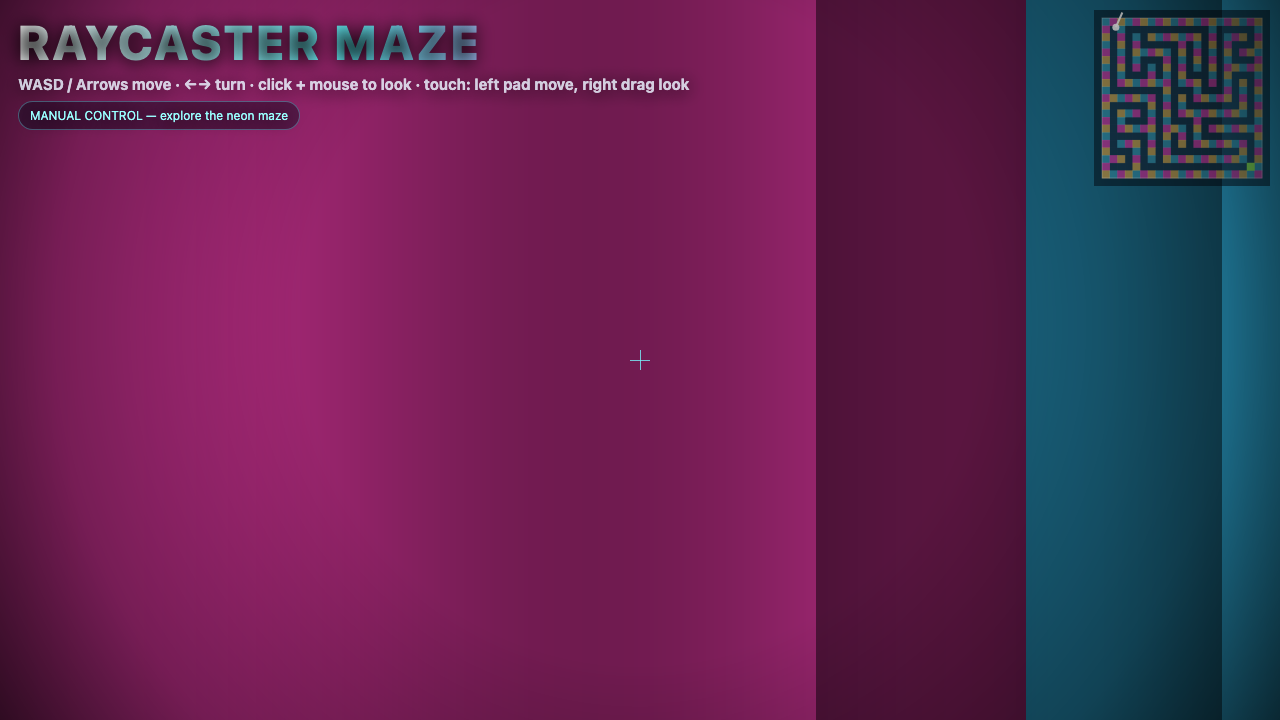
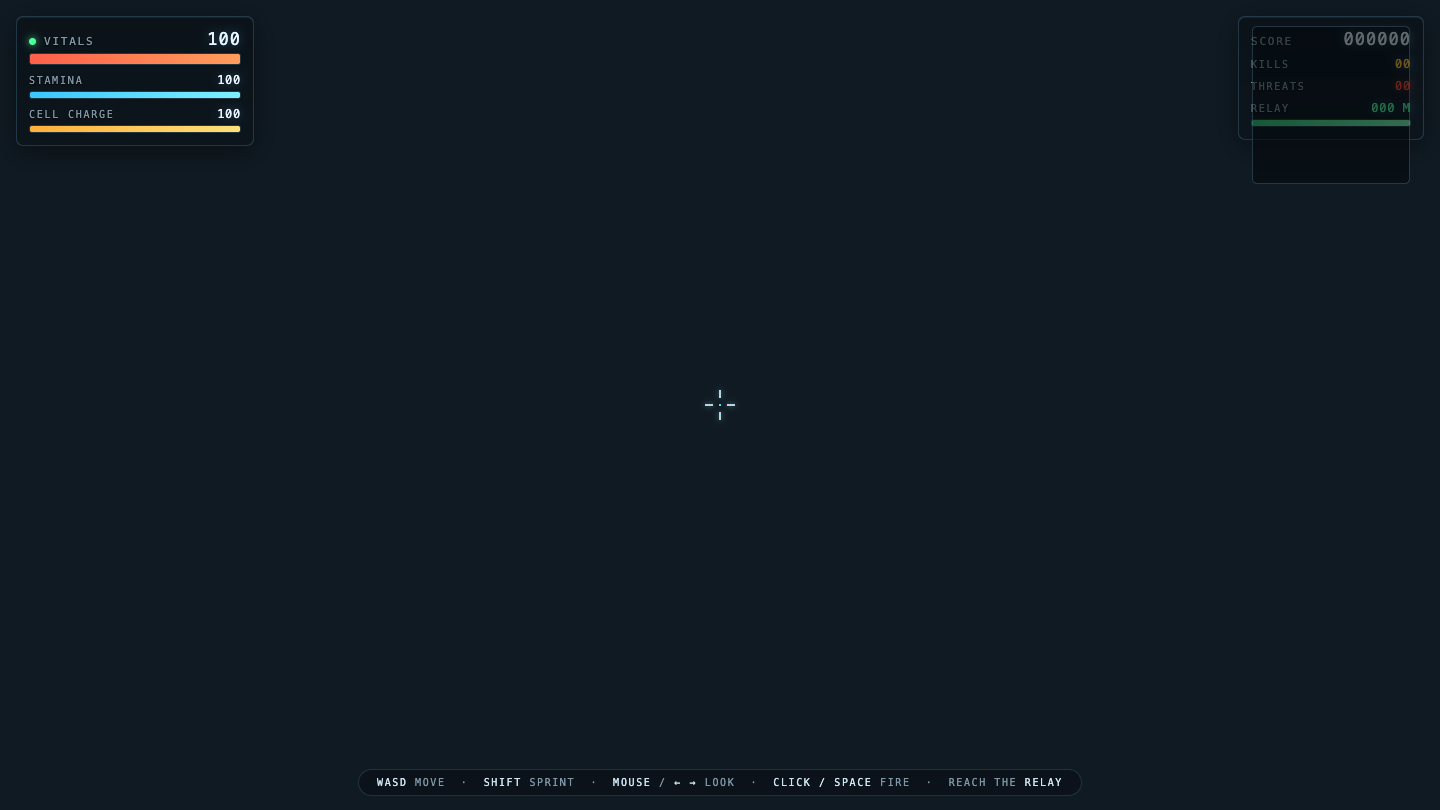
MiMo-V2.6 Pro · Benched on all 50 GoldieBench tasks through OpenRouter at the model's default reasoning effort: one-shot build, real rendered poster, Opus 4.8 vision judge, game tasks skill-infused. No retries, no hand fixes; the broken builds are scored as they shipped.
Side-by-side on 50 shared tasks
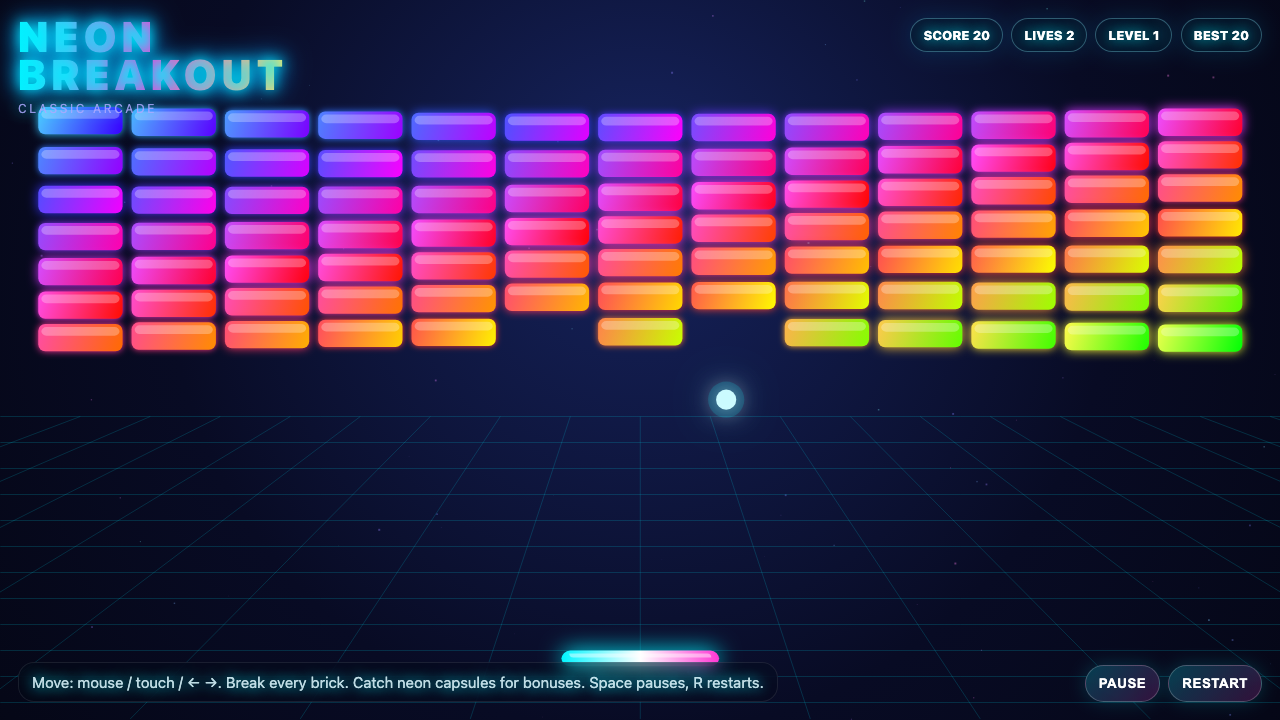
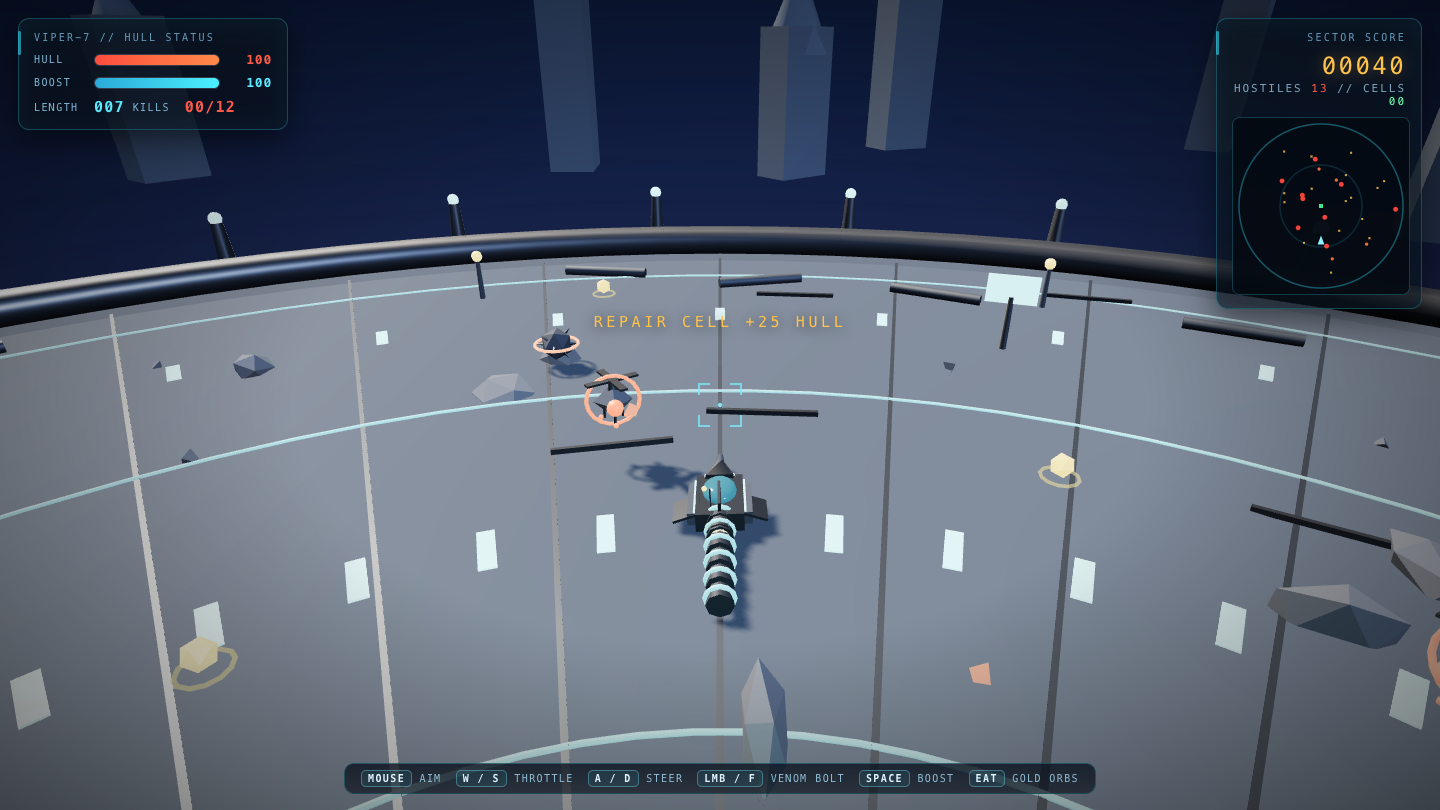
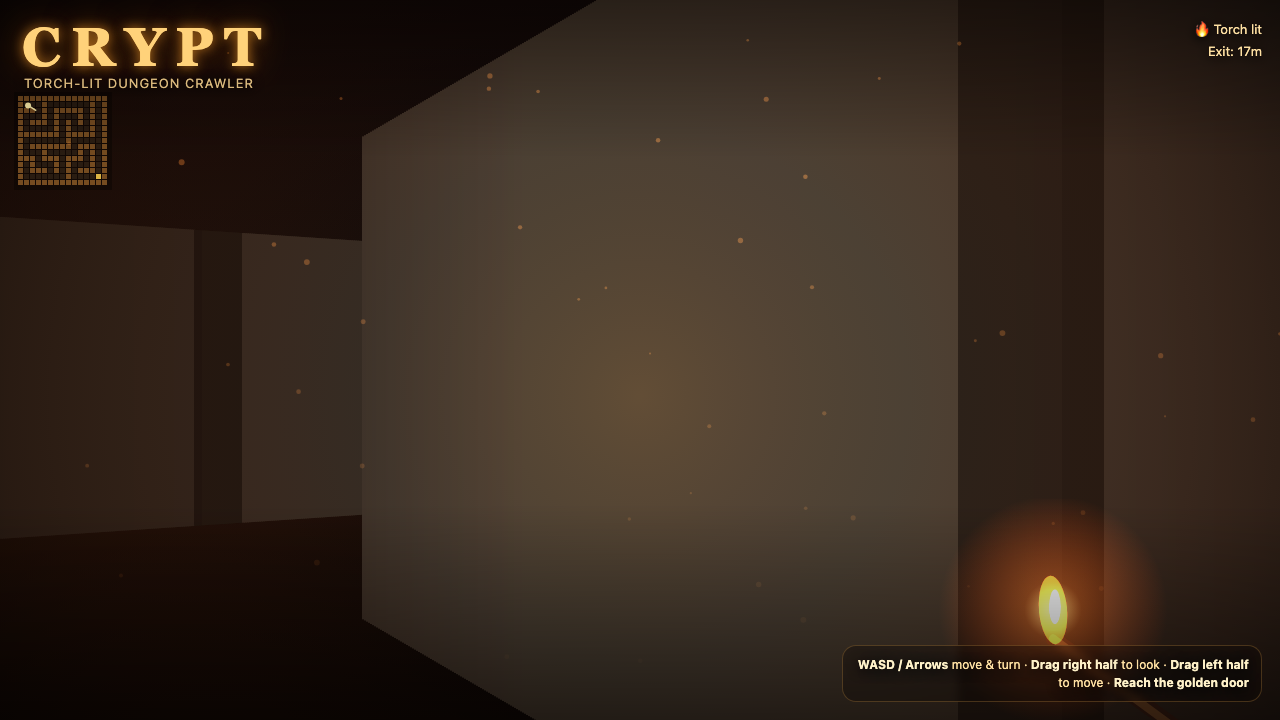
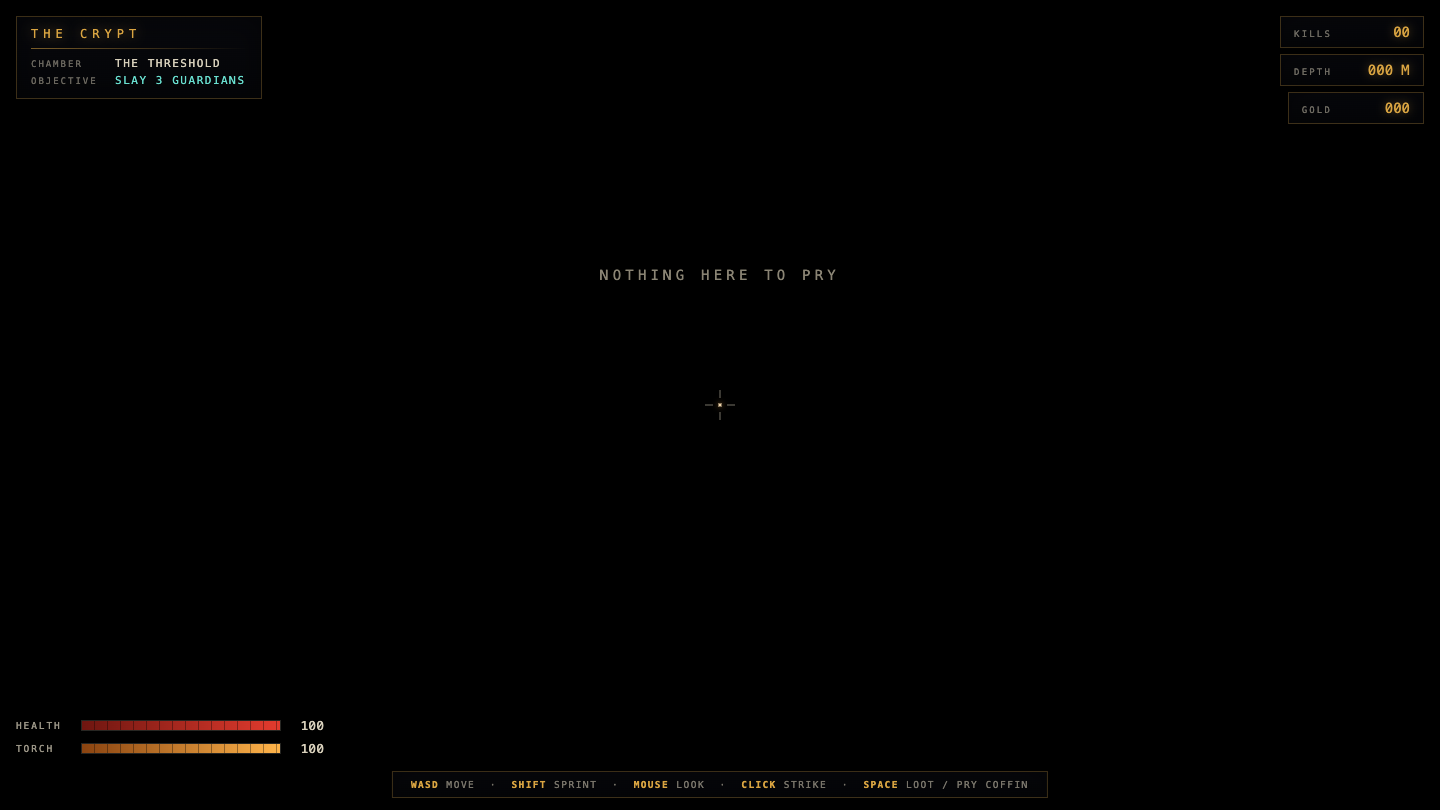
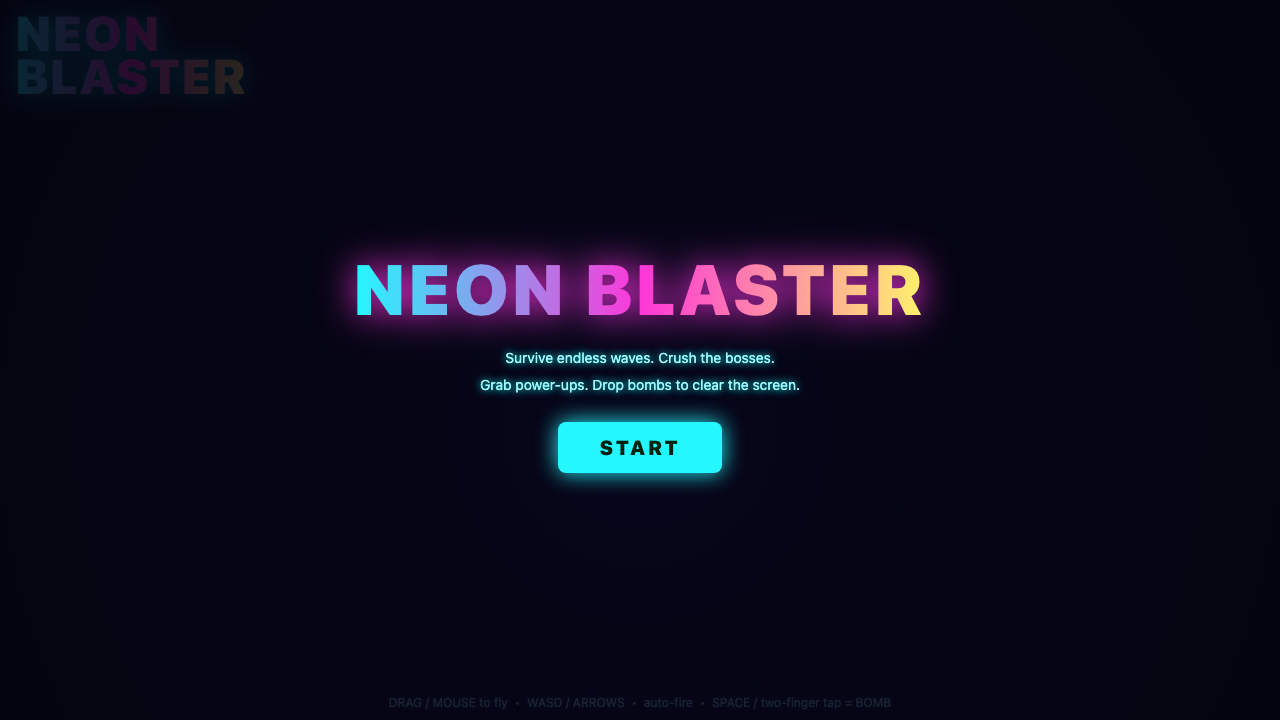
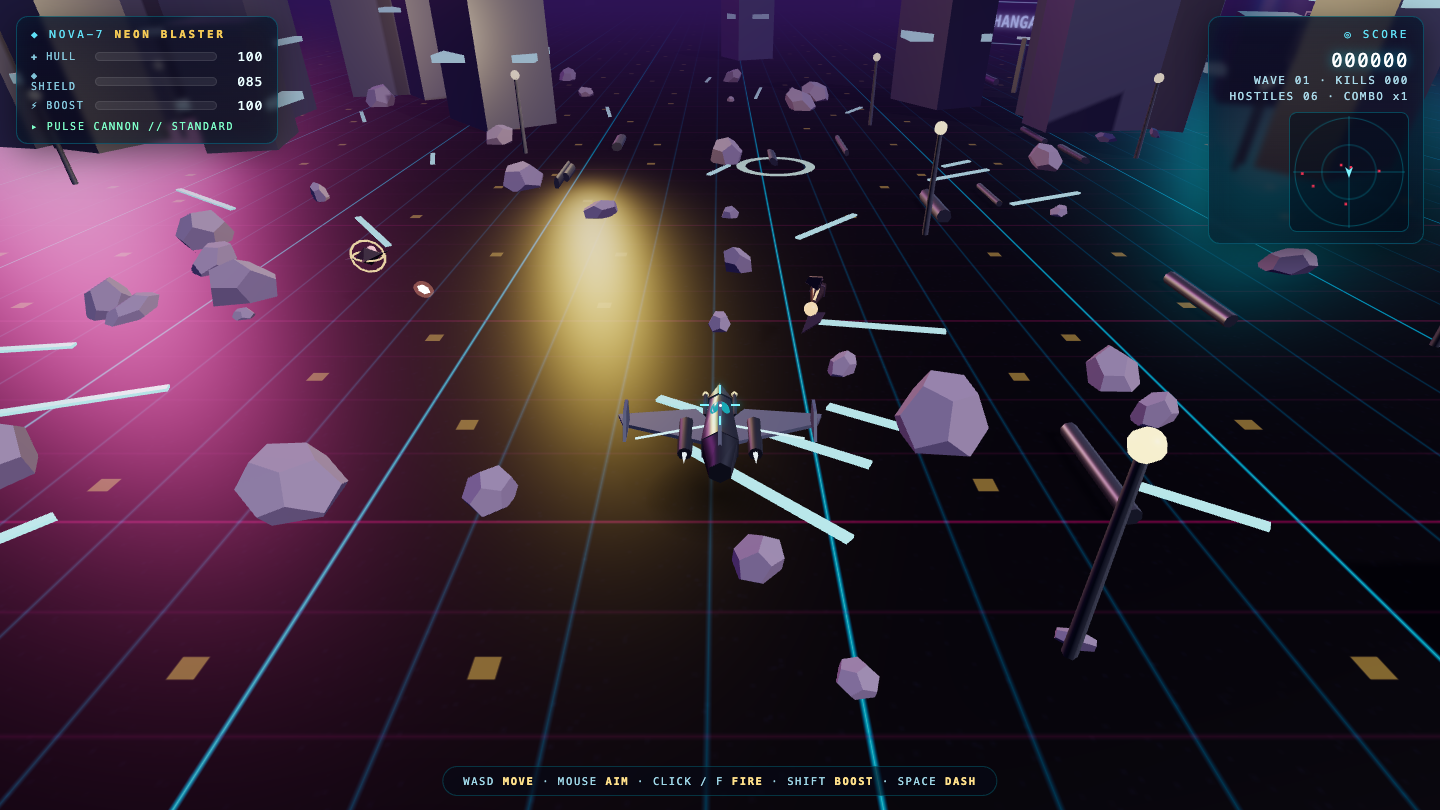
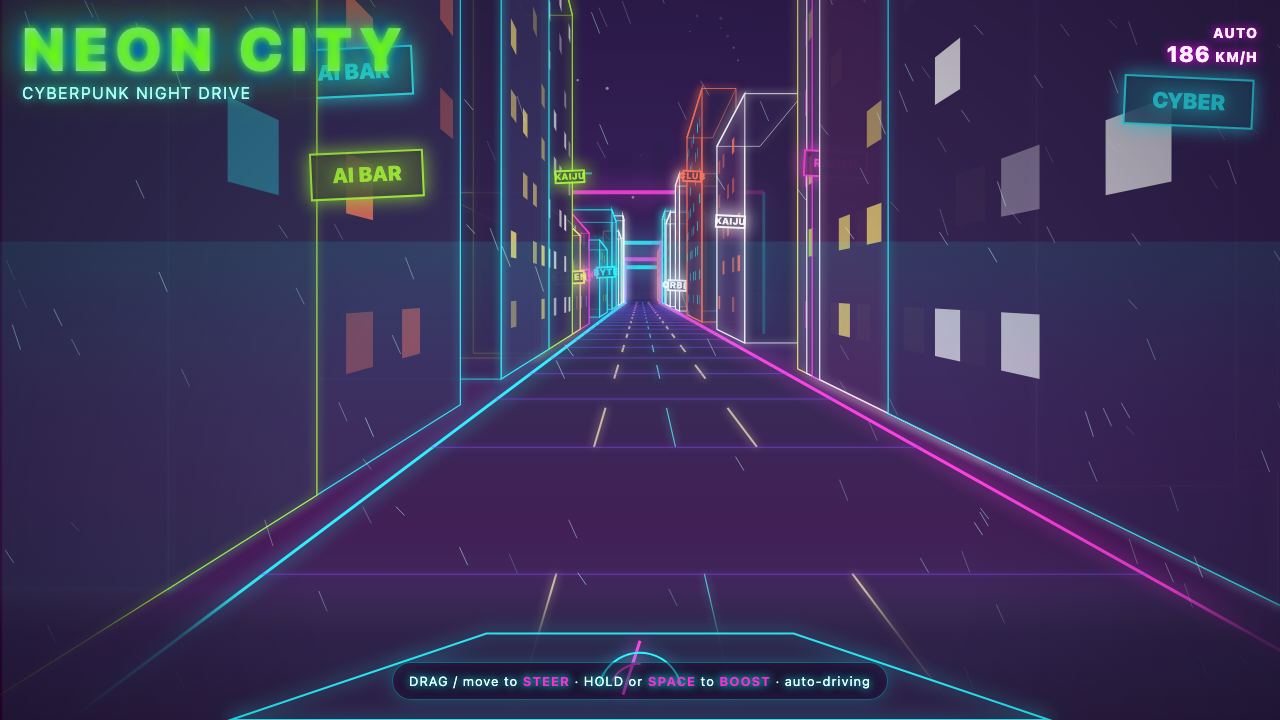
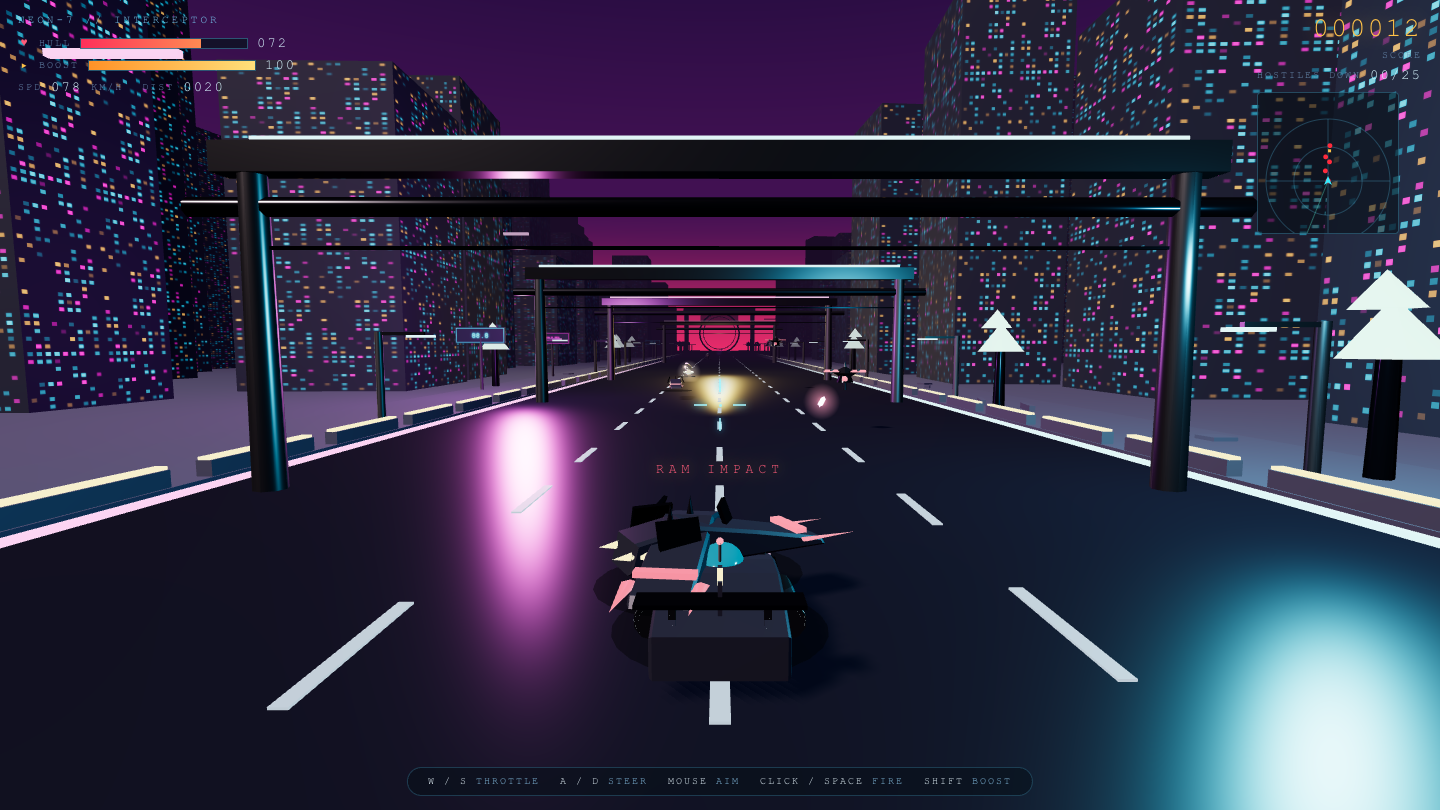
Click any cell to play that model's actual one-shot attempt. Medals are derived from my 0–10 scores per task (highest = 🥇, second = 🥈, third = 🥉).
Task ↓
Hermes MoA
MiMo-V2.6 Pro
Game
Game
Game
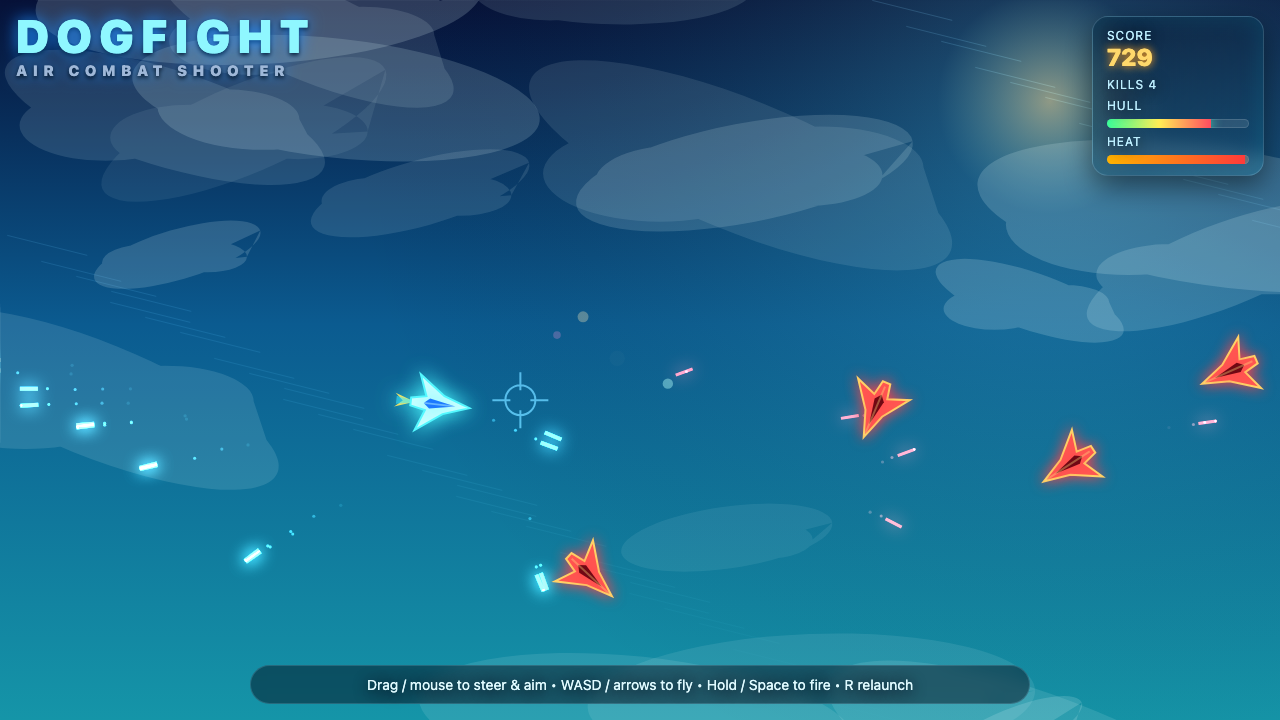
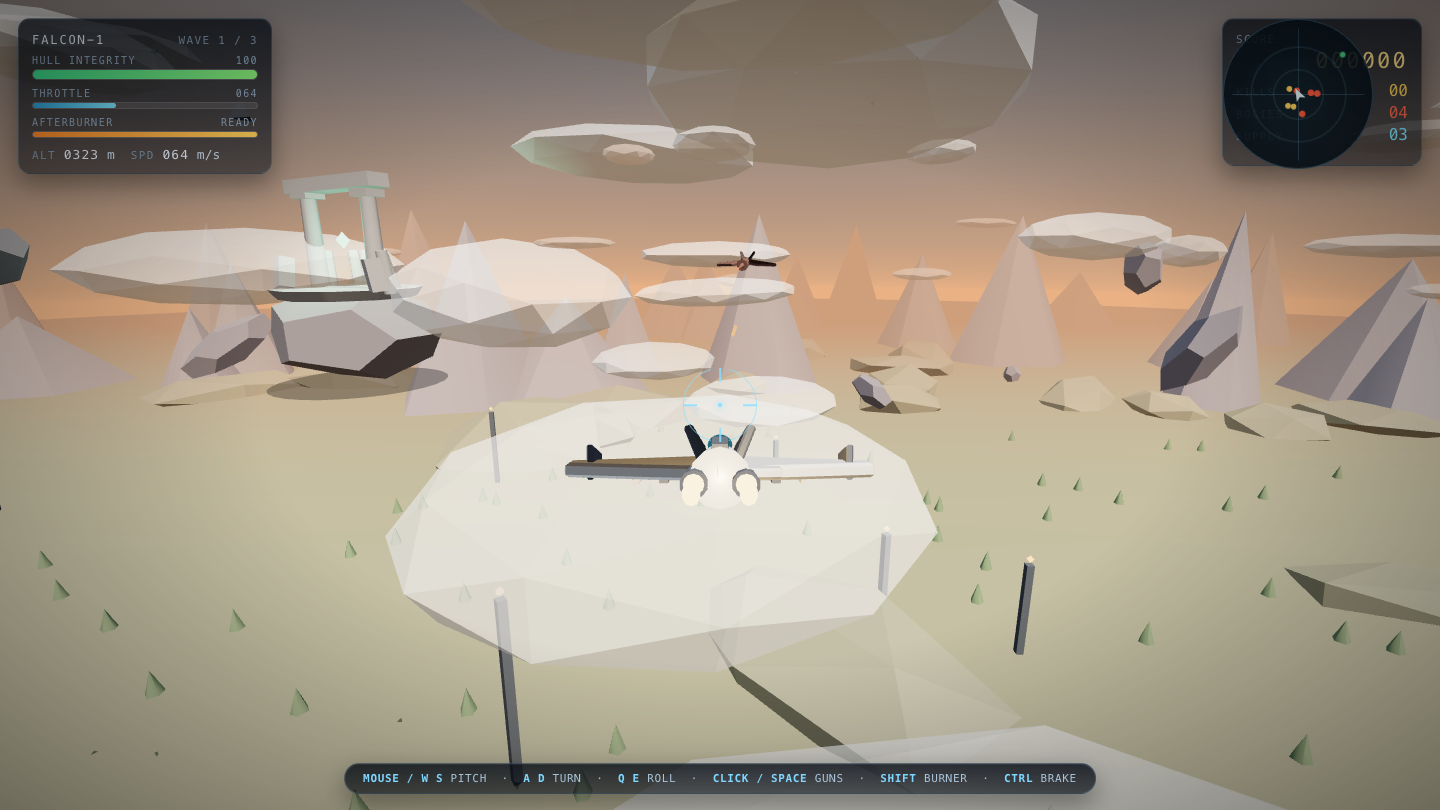
Game
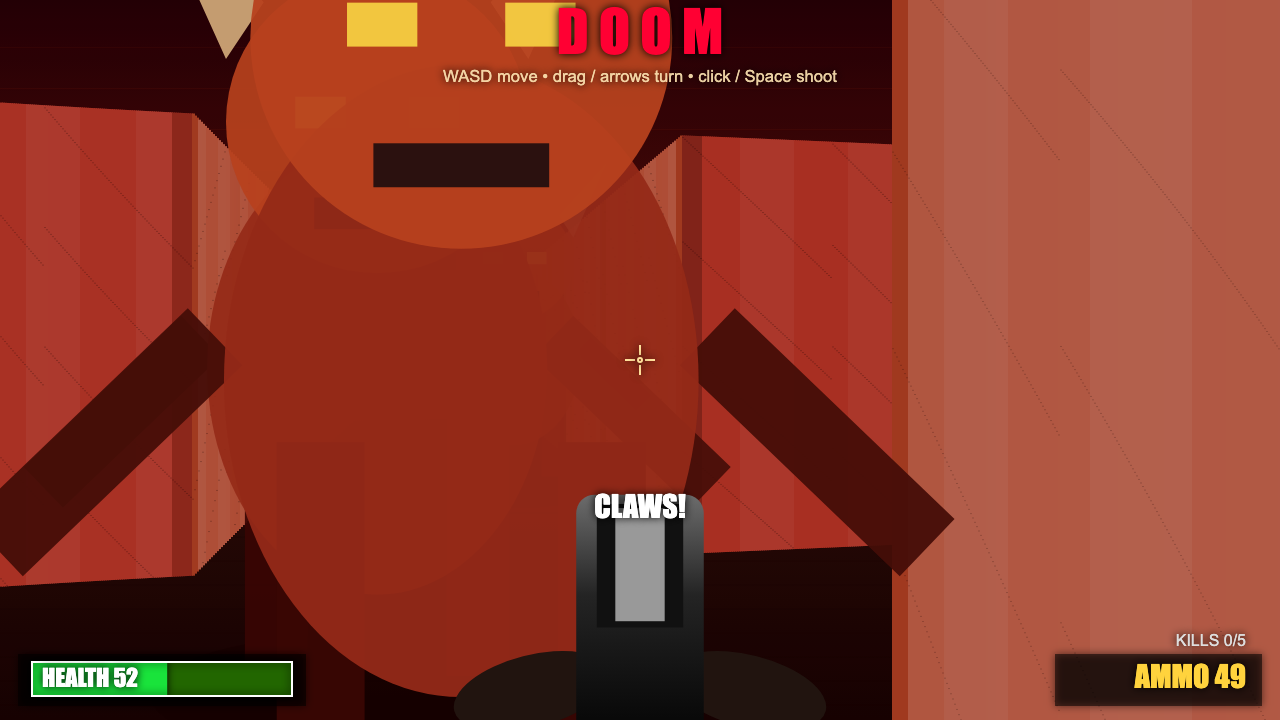
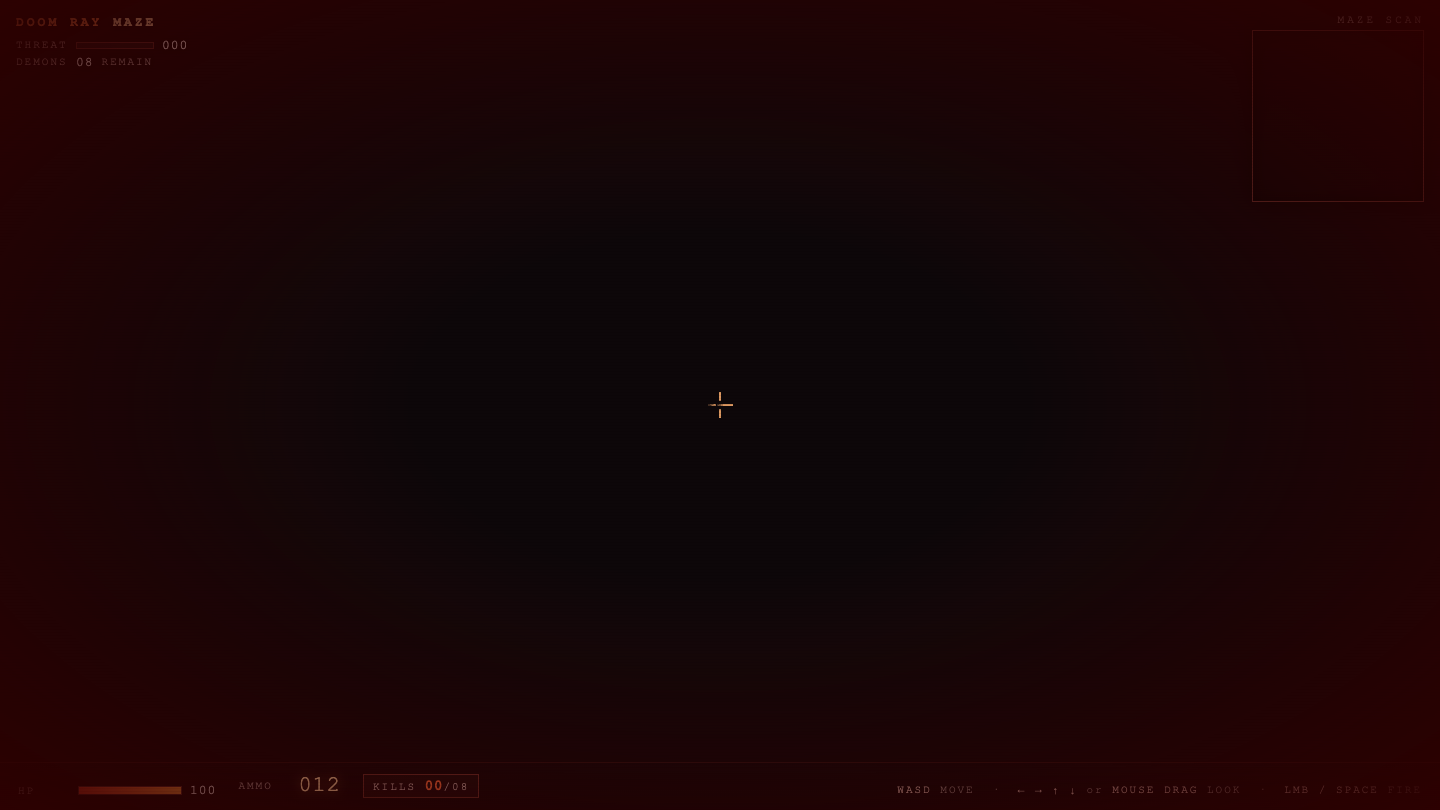
Game
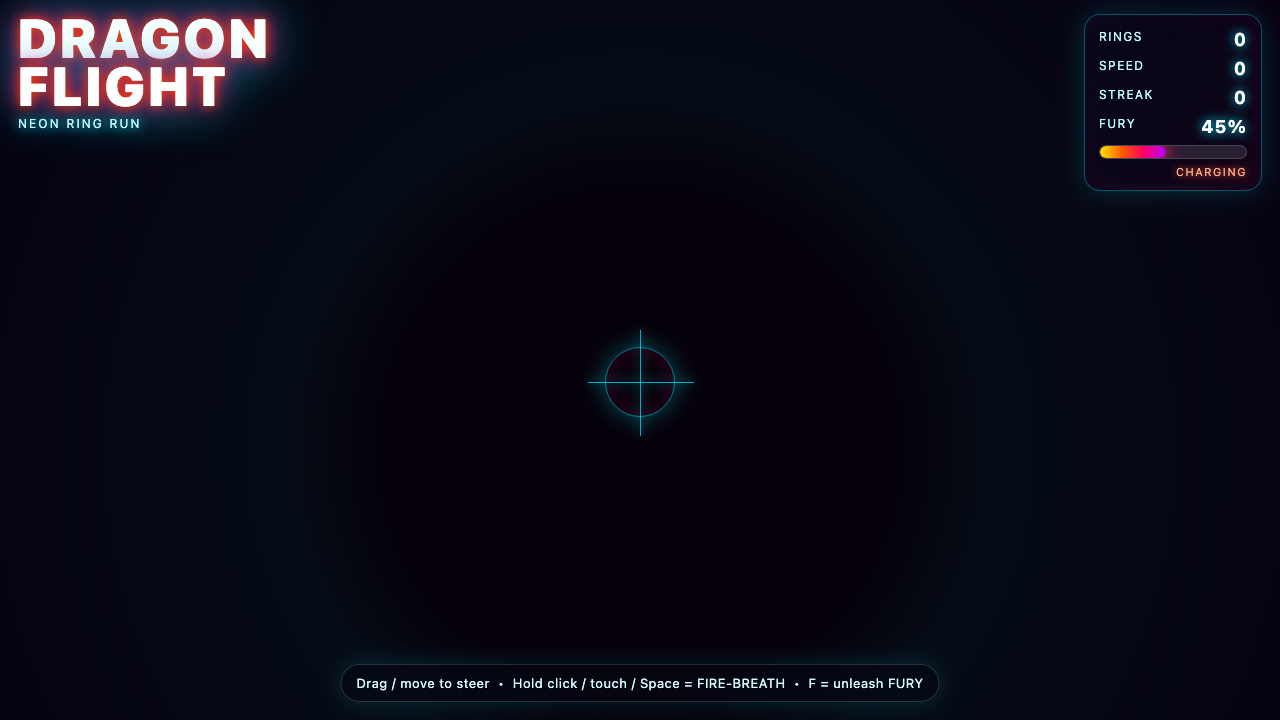
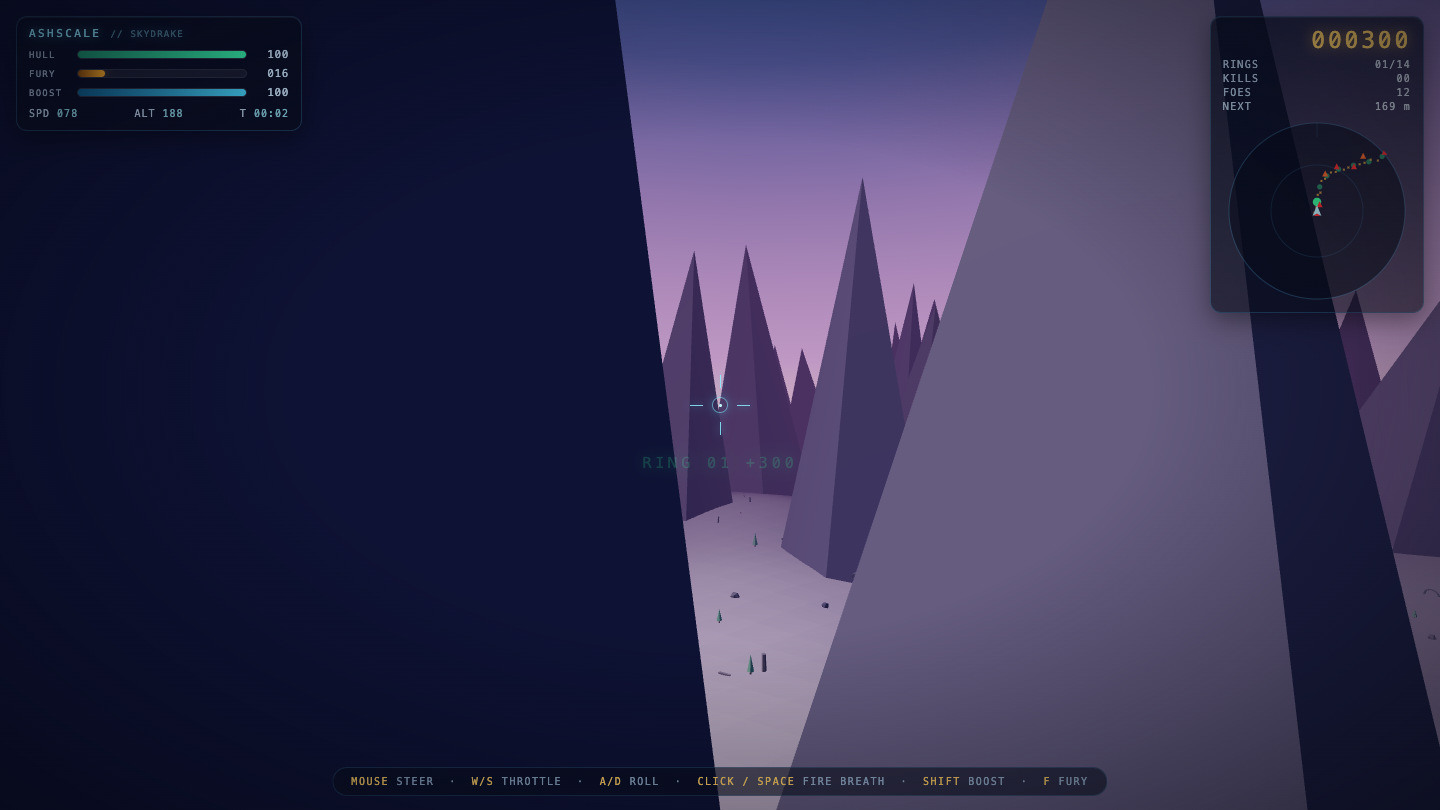
Game
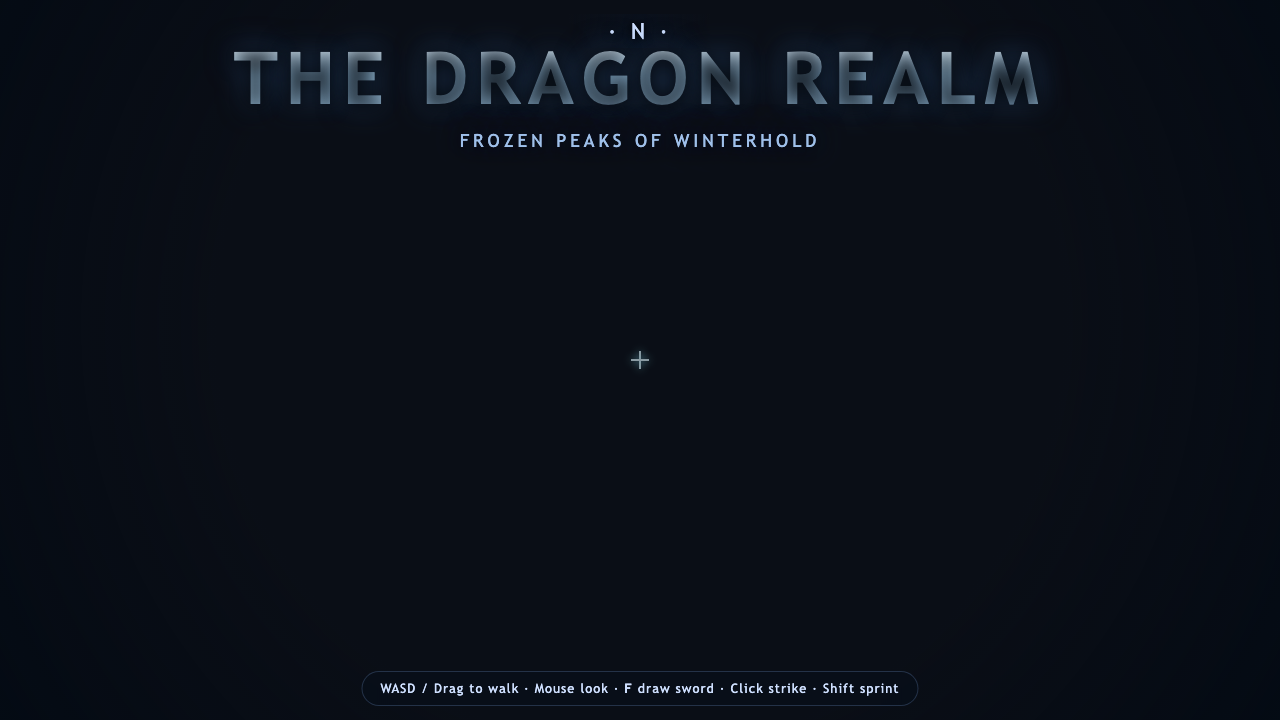
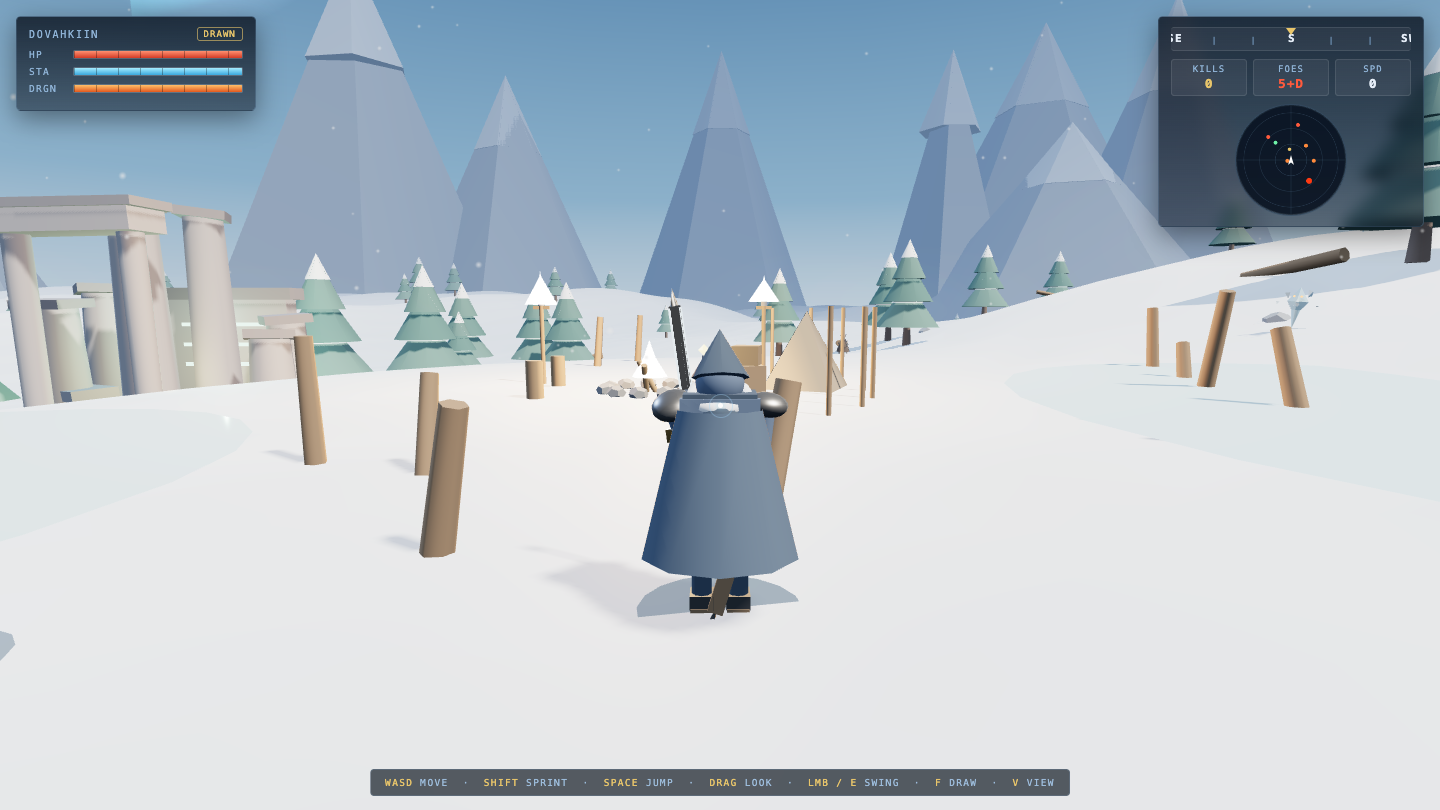
Game
Game
Game
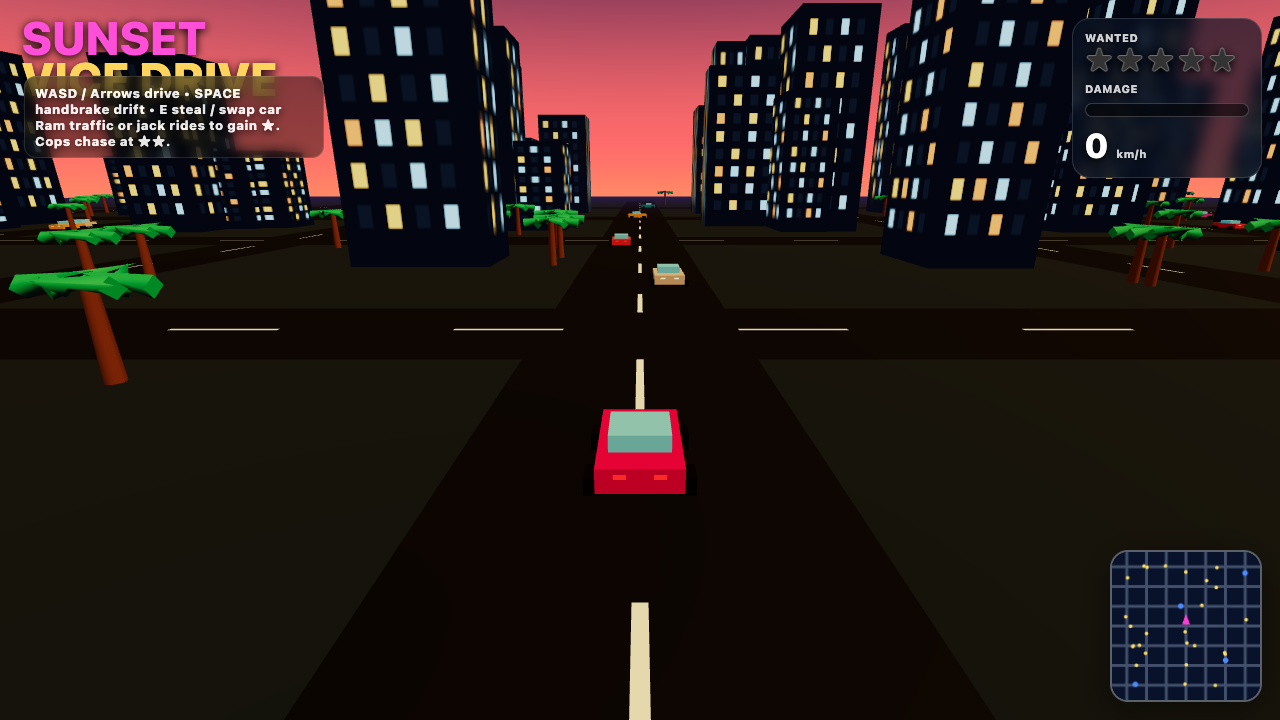
Game
Game
Game
Game
Game
Game
Game
Game
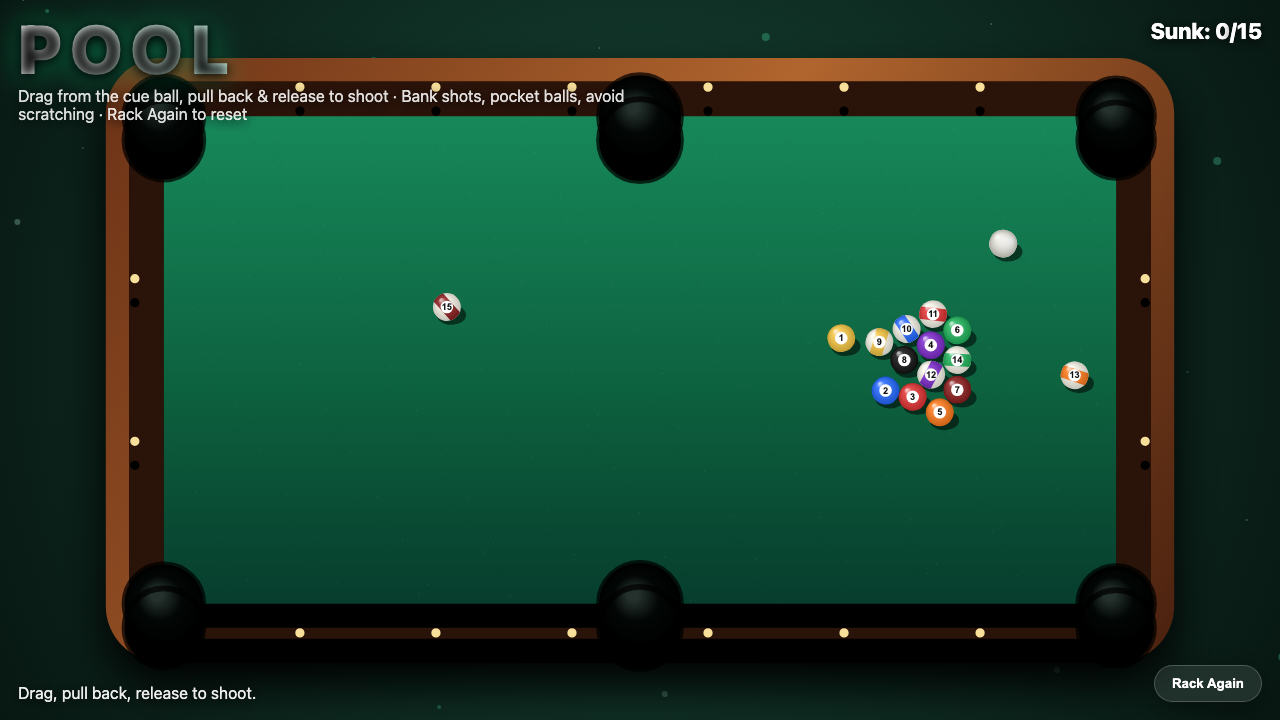
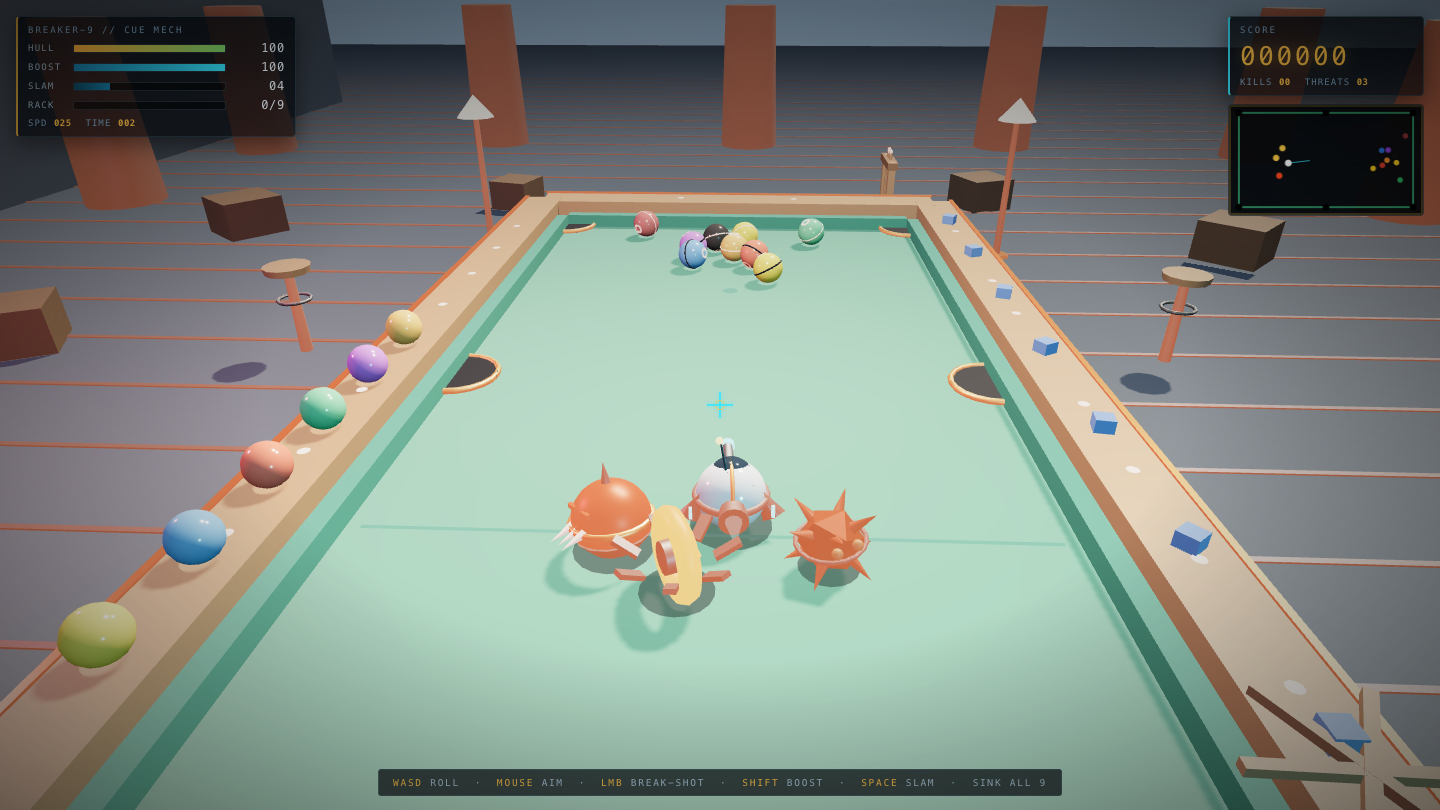
Game
Game
Game
Game
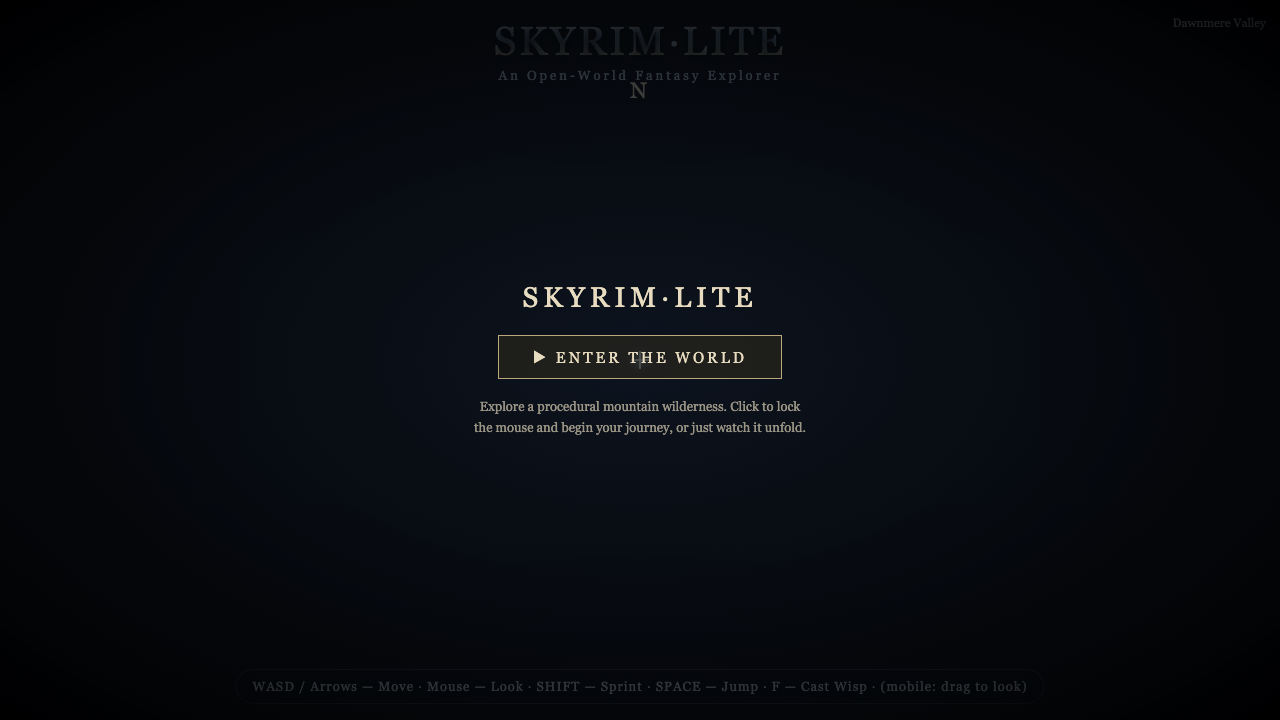
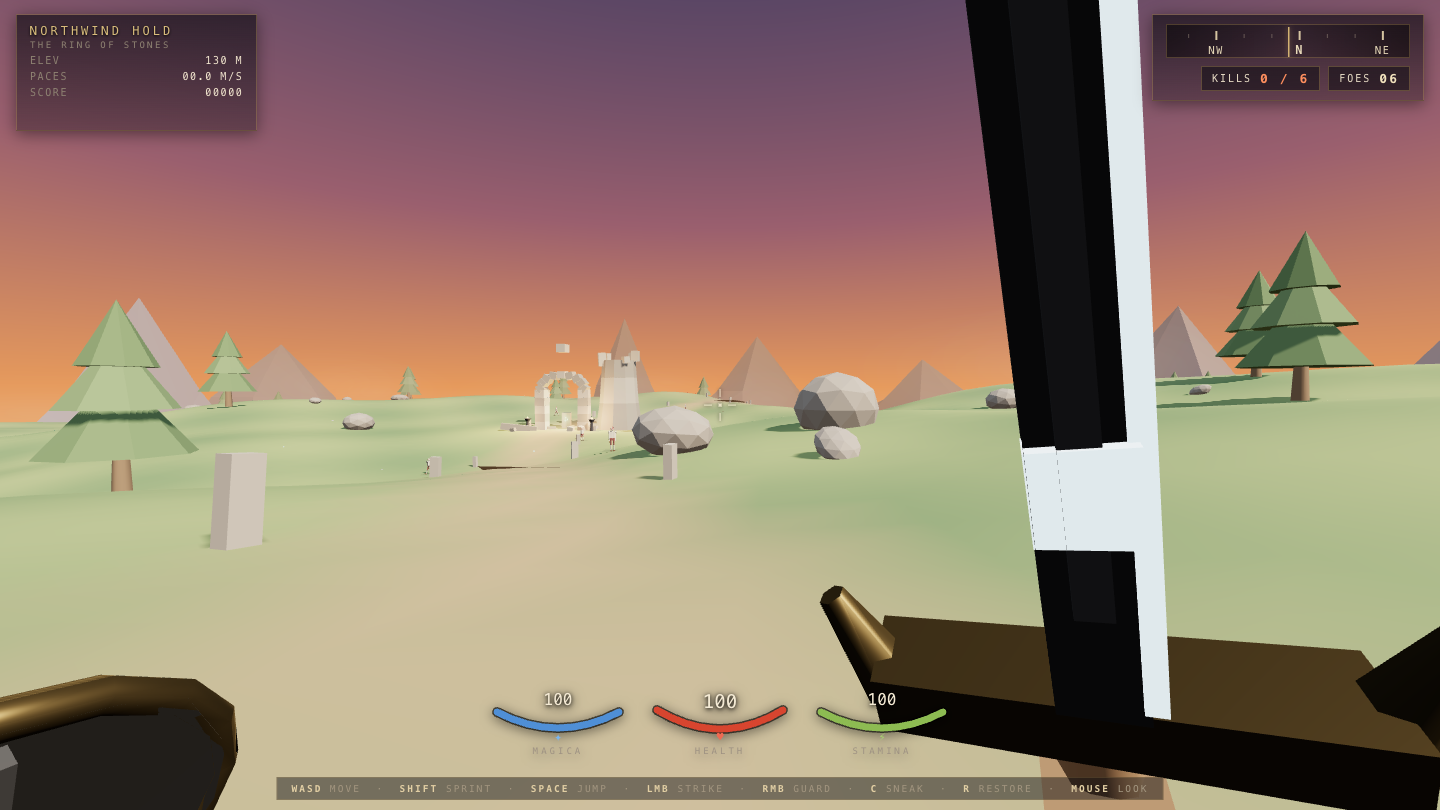
Game
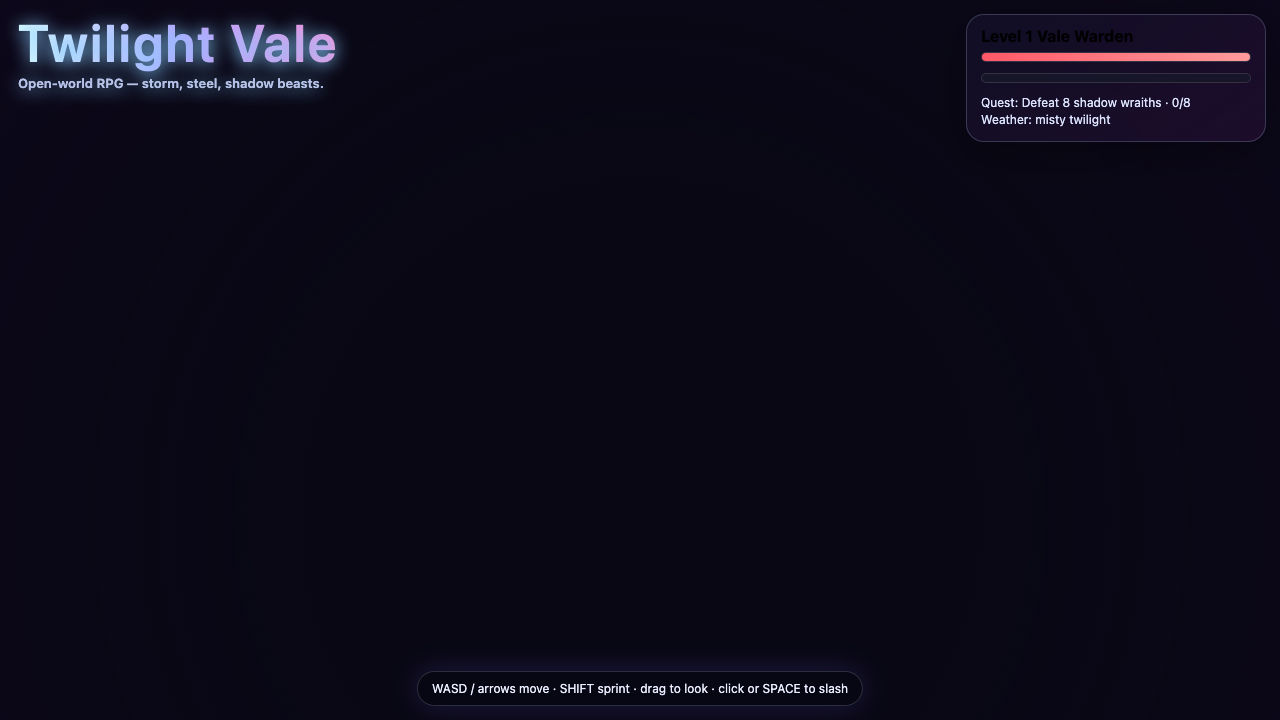
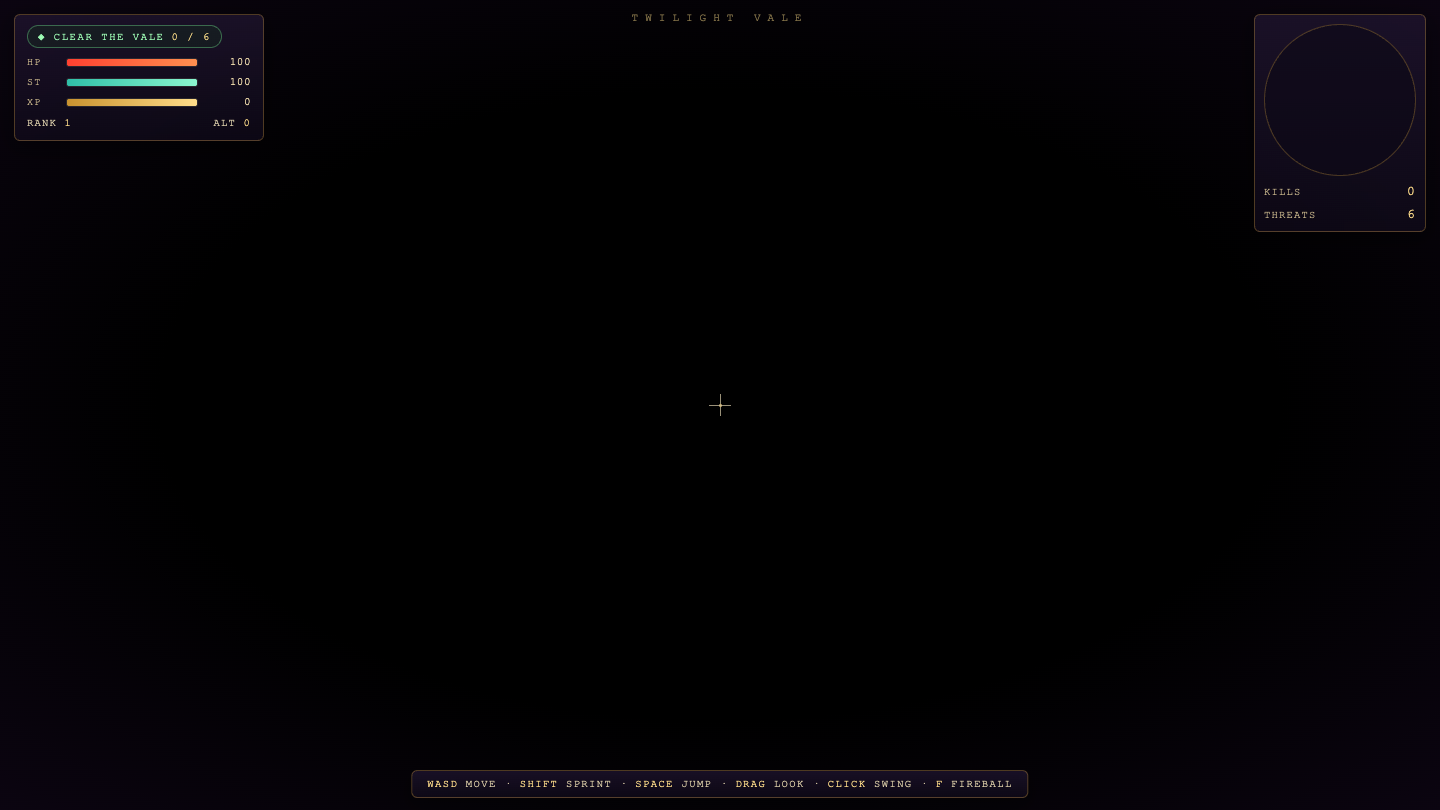
Game
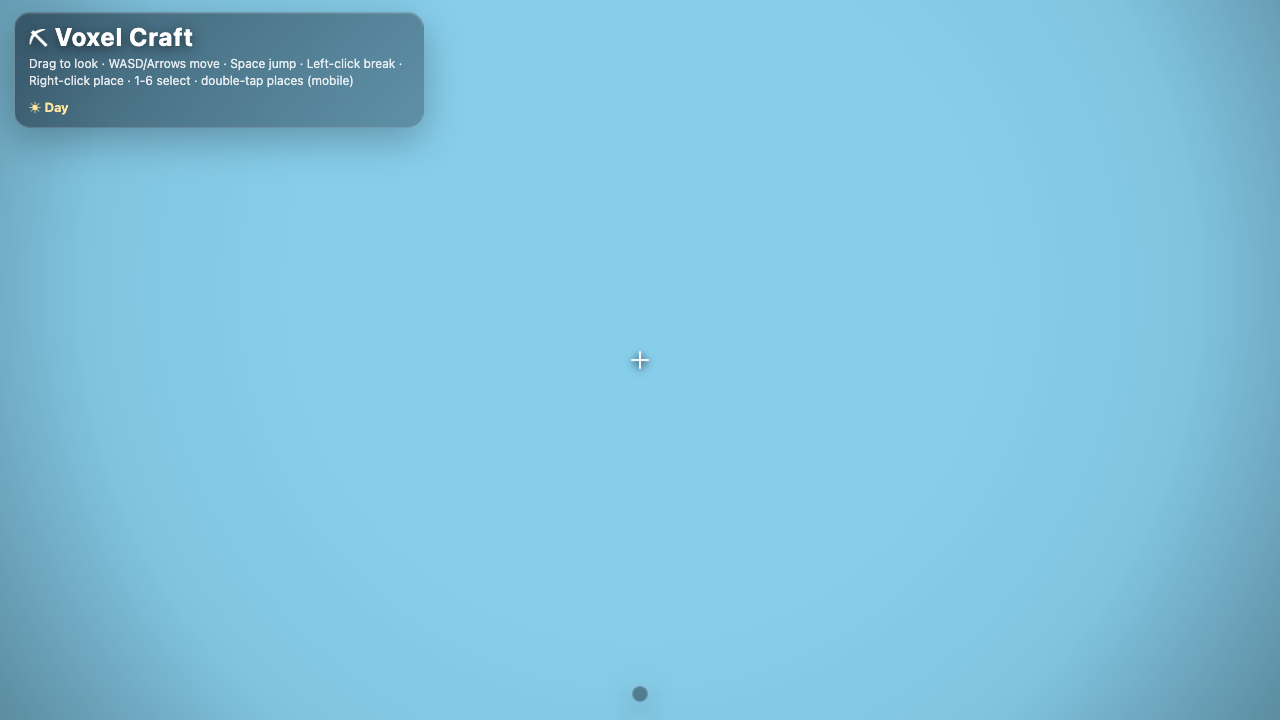
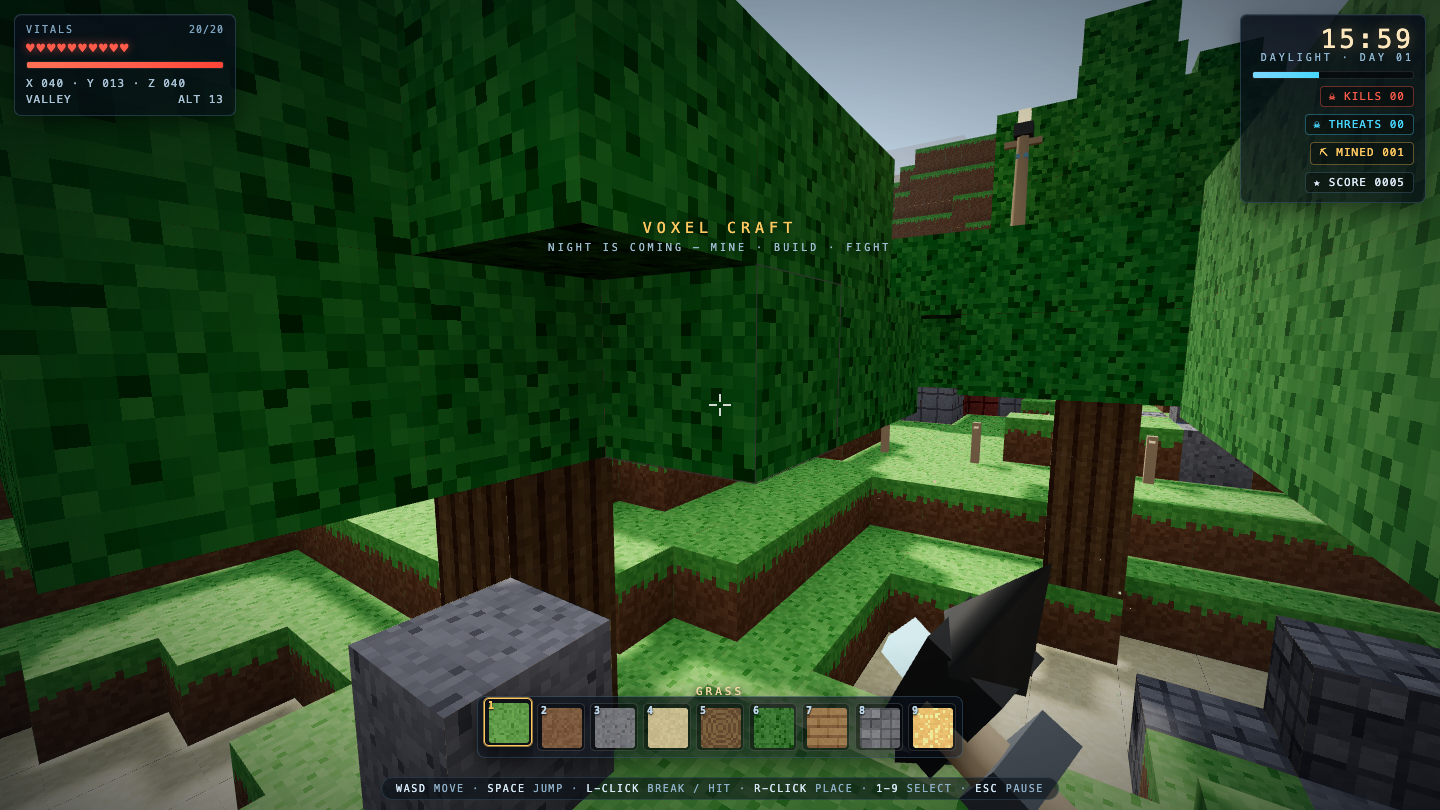
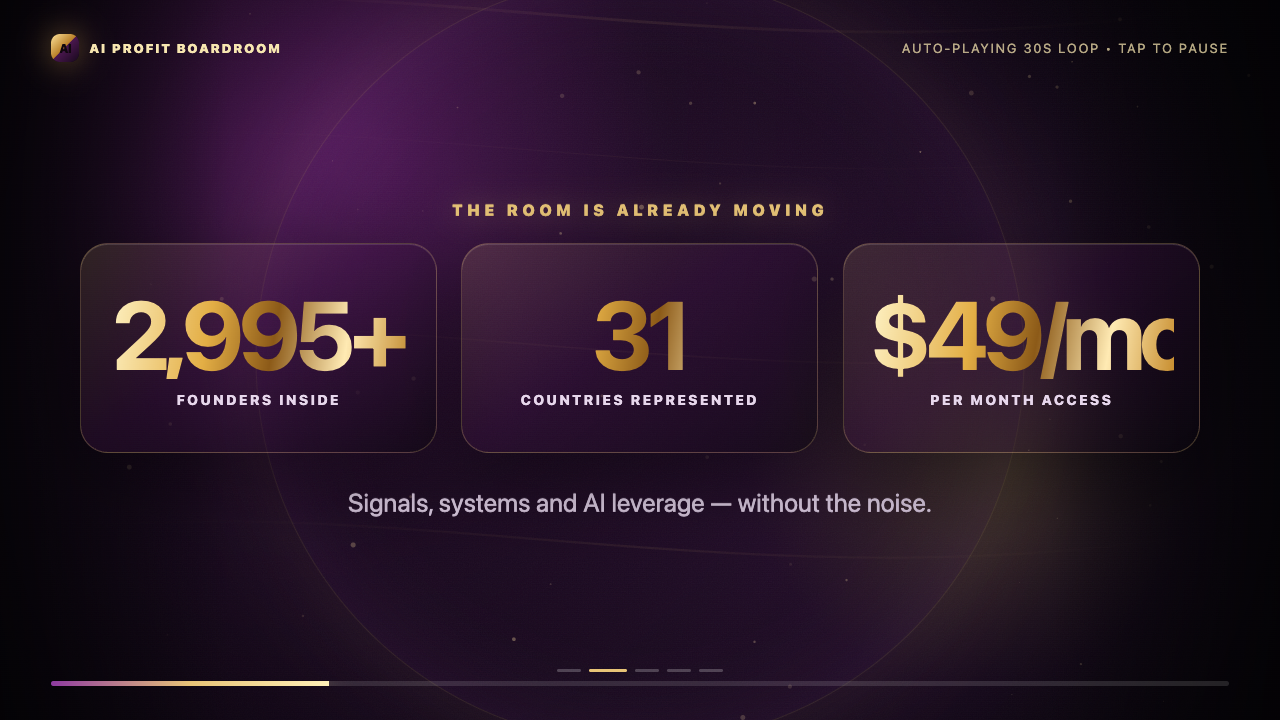
Page
Where Hermes MoA beat MiMo-V2.6 Pro
The tasks where I gave Hermes MoA a higher 0–10 score on the same prompt — with the actual commentary from my source guides.
Rpg
Game
Hermes MoA 8.6
·
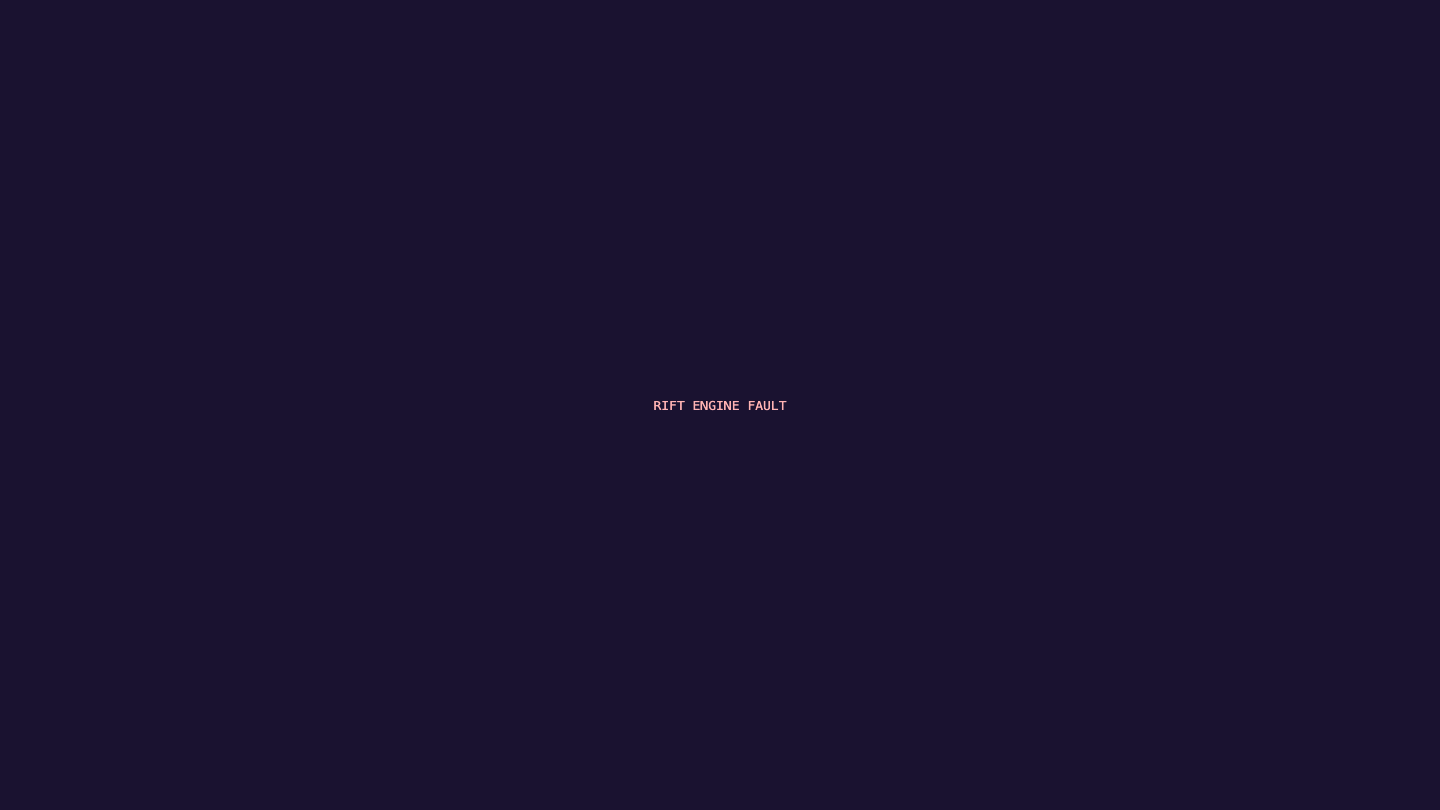
MiMo-V2.6 Pro 1.5
(+7.1)
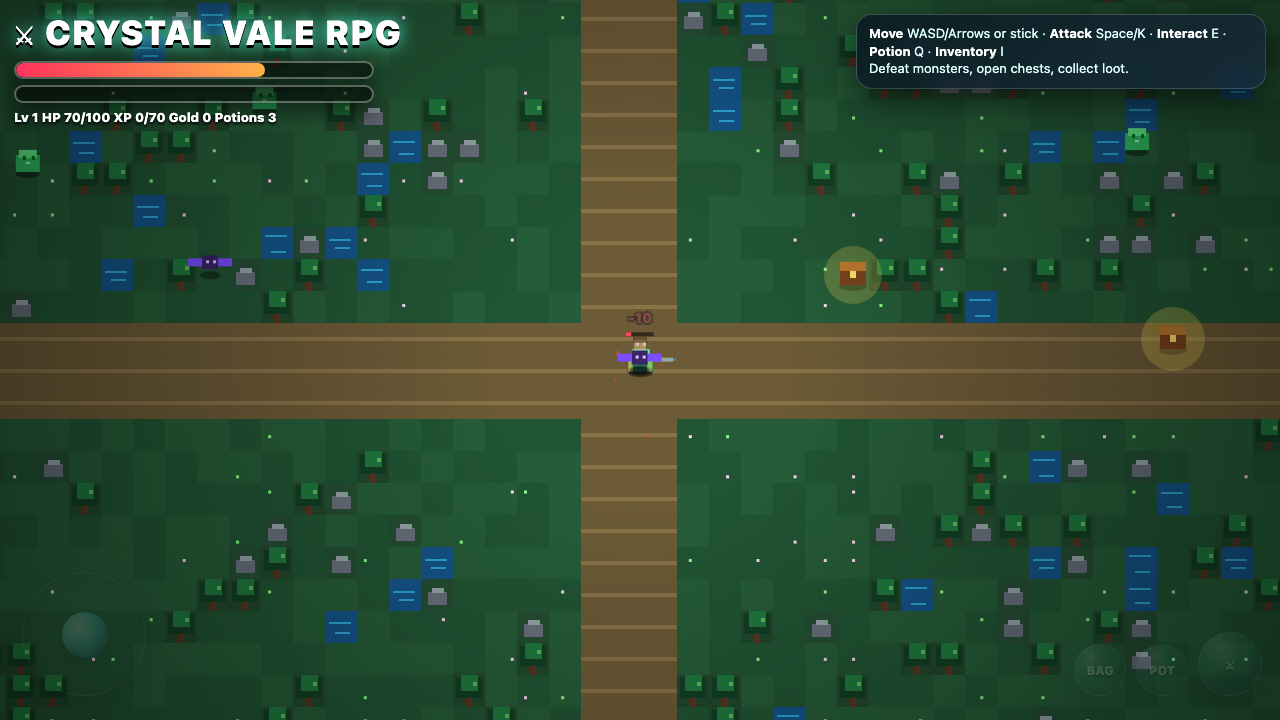
What I saw: Polished top-down RPG with procedural tilemap, collision, wandering/chasing enemies (slime/bat), chests, loot, leveling with HP scaling, potions, particle bursts, floating combat text, full inventory UI, and proper mobile joystick+buttons — denser and more game-feel-complete than…
Solar
Sim
Hermes MoA 8.6
·
MiMo-V2.6 Pro 1.5
(+7.1)
What I saw: Genuinely the most astronomically accurate solar attempt on the bench — real J2000 Keplerian elements with eccentricity/inclination, √AU compression, proper orbit solving, banded gas-giant textures, dual rings, asteroid belt, and a polished glass UI with focus/info cards; edges o…
Doom
Game
Hermes MoA 8.6
·
MiMo-V2.6 Pro 3.0
(+5.6)
What I saw: A complete, polished raycaster that nails the Doom screenshot framing — corridor with imps dead ahead, detailed canvas-drawn imp sprites with bob/flash/death states, muzzle flash, screen-shake kick, hit-scan with line-of-sight checks, and a clean DOOM-branded HUD with health/ammo…
Synthwave
Visual
Hermes MoA 8.6
·
MiMo-V2.6 Pro 3.0
(+5.6)
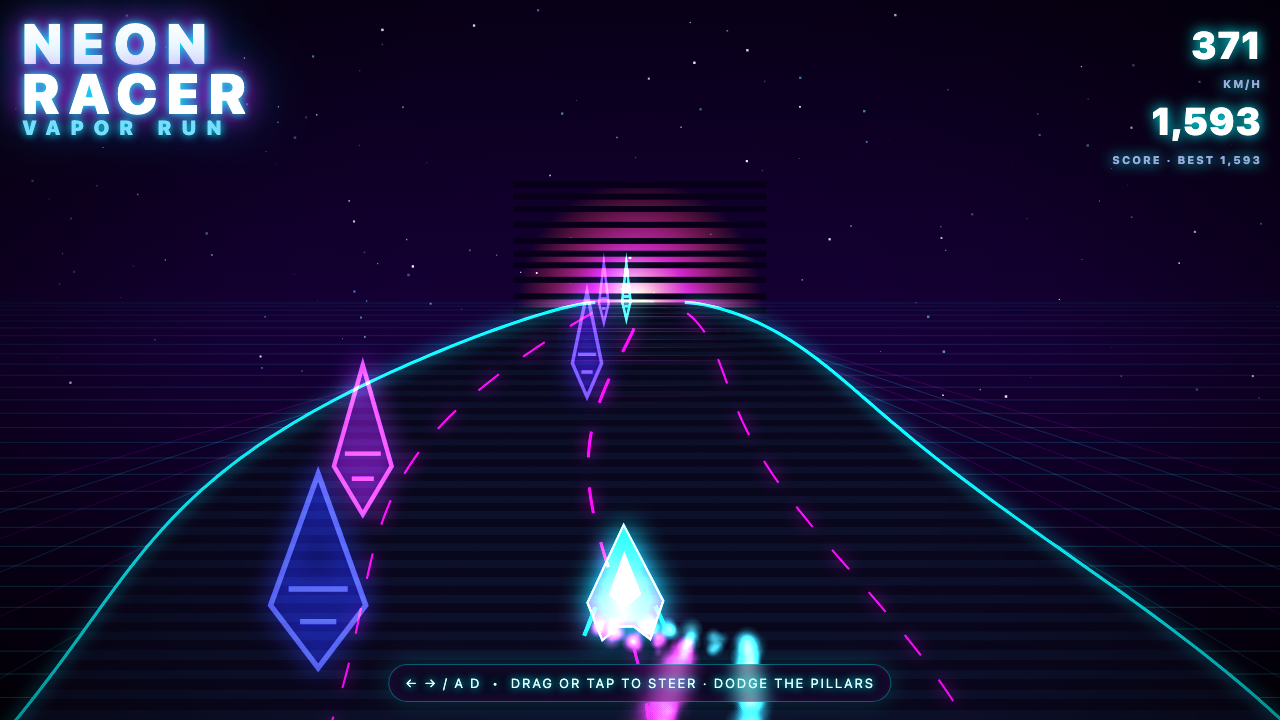
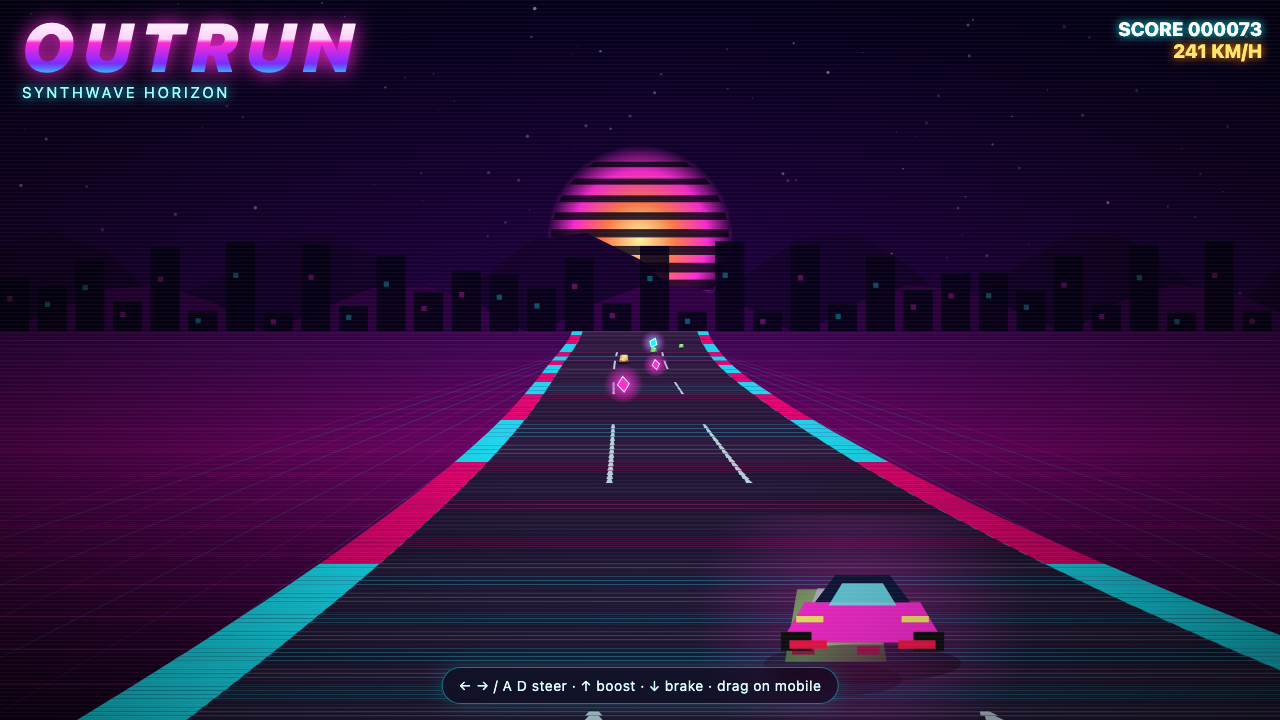
What I saw: A polished pure-canvas synthwave scene with a proper banded scanline sun, layered mountains, neon perspective grid with hyperdrive boost, bezier palm silhouettes, twinkling parallax stars, and CRT scanline/vignette post — richer and more atmospheric than Opus 4.8/Fusion's three.j…
Raycaster
Game
Hermes MoA 8.4
·
MiMo-V2.6 Pro 3.0
(+5.4)
What I saw: Polished neon raycaster with recursive-backtracker maze gen, DDA casting, distance fog + edge shading, animated exit beacon, regenerating mazes, full mobile touch joystick, and an auto-tour idle mode — more feature-complete than SOLO Opus 4.8 (8.0) and edges close to Fusion/Kimi …
Where MiMo-V2.6 Pro beat Hermes MoA
The tasks where I gave MiMo-V2.6 Pro a higher 0–10 score on the same prompt — with the actual commentary from my source guides.
Flightsim
Game
MiMo-V2.6 Pro 8.4
·
Hermes MoA 6.5
(+1.9)
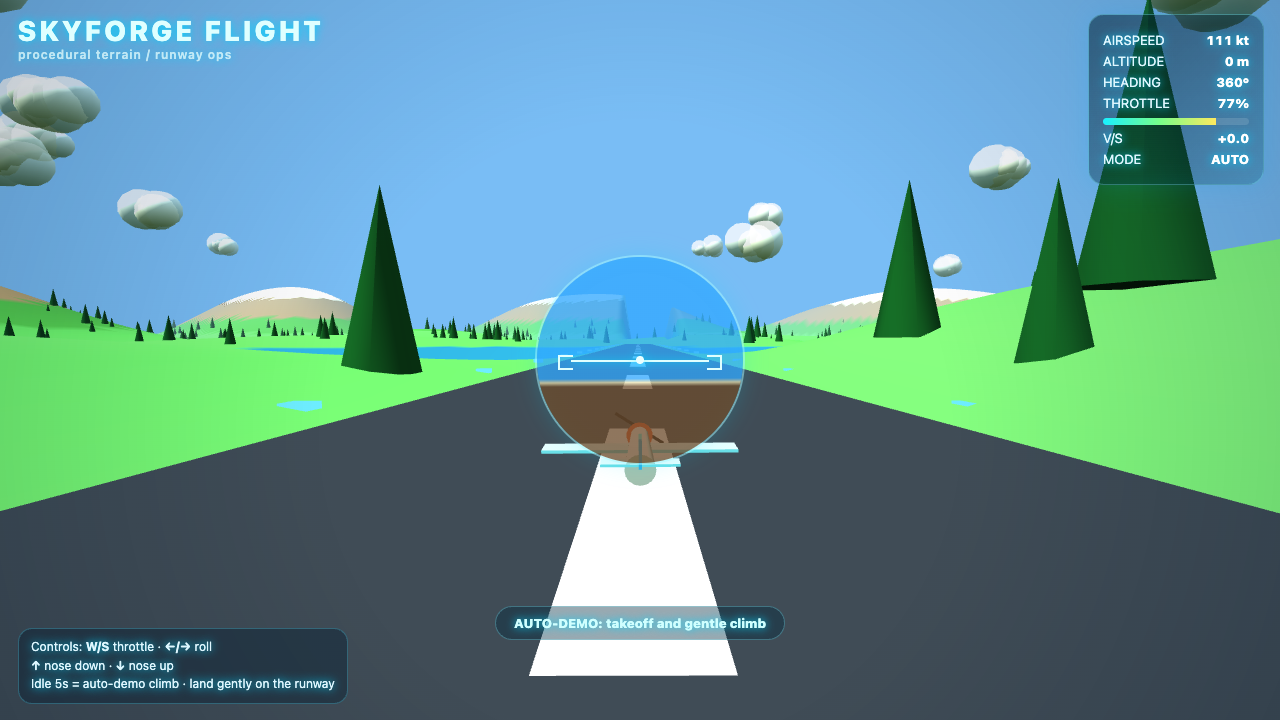
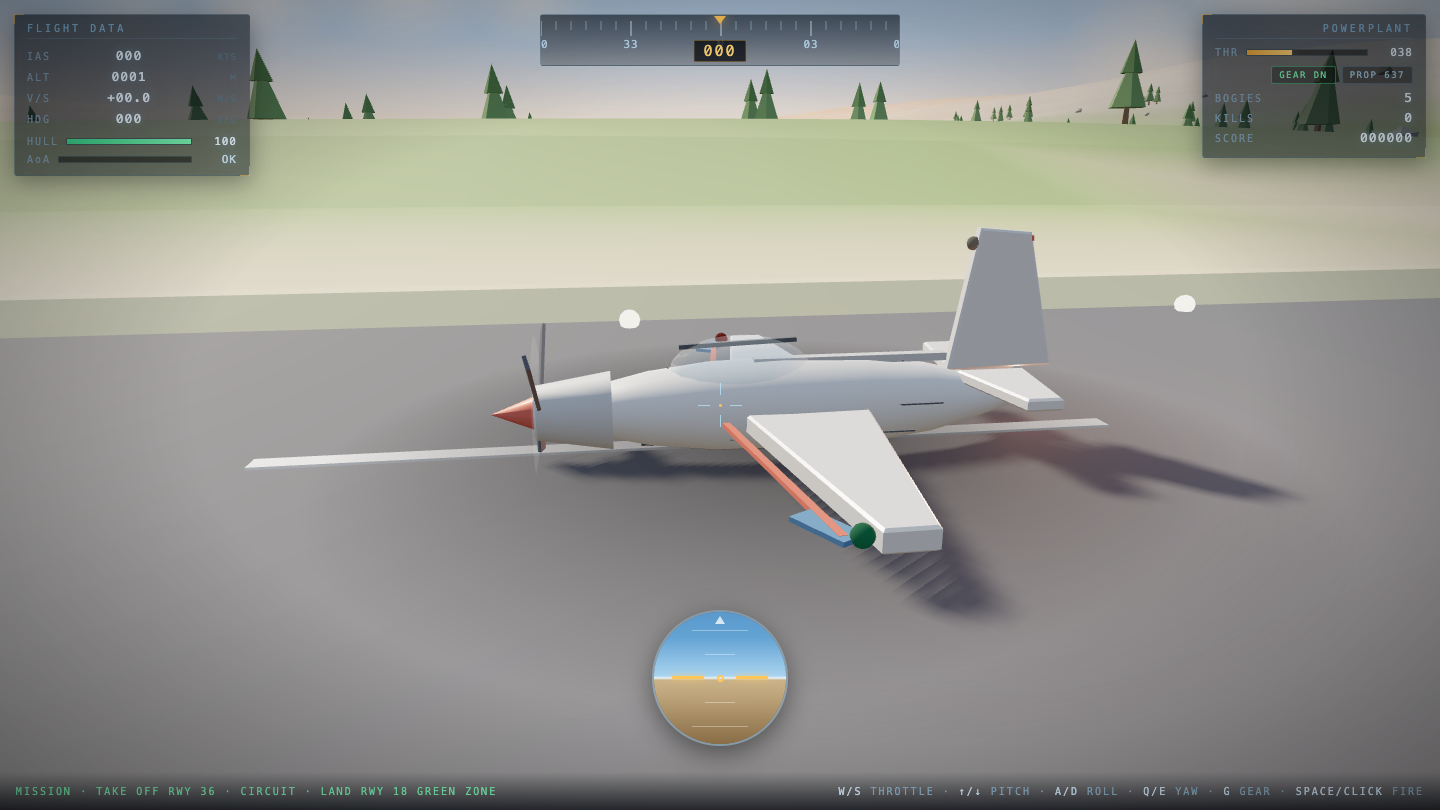
What I saw: Strong render with a detailed 3D aircraft, textured terrain with trees, and a polished full HUD (heading tape, attitude ball, flight data, powerplant, mission strip) that clearly matches the takeoff/circuit/land brief. Slight concern that the model looks slightly odd from this re…
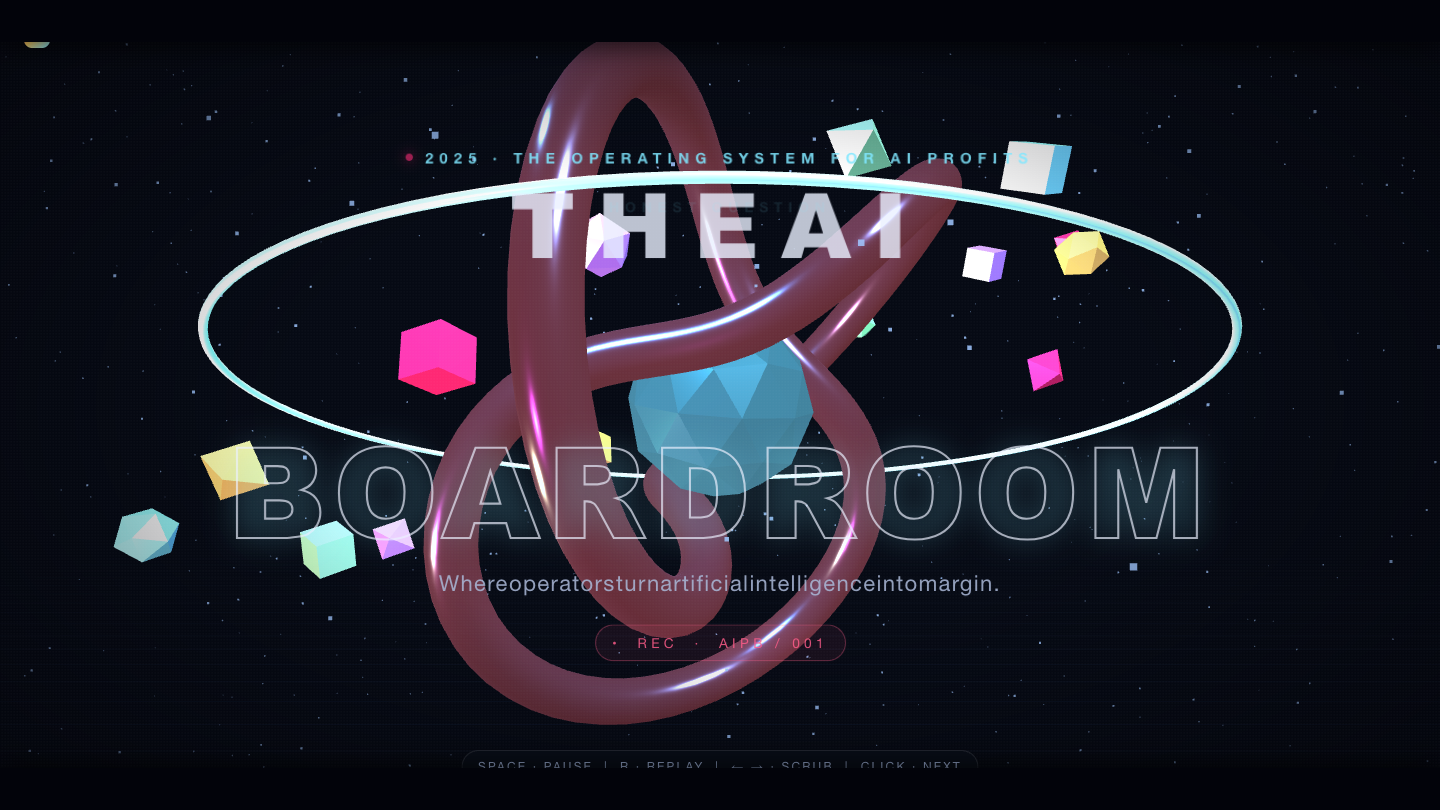
Aipbpromo
Page
MiMo-V2.6 Pro 7.8
·
Hermes MoA 7.0
(+0.8)
What I saw: Strong cinematic opening with 3D torus knot, orbiting geometry, star field, letterbox bars and full HUD scaffolding (progress, timecode, scrub controls) show real Remotion-style ambition; but the busy 3D shape collides with the 'THE AI BOARDROOK' title hurting legibility, and the…
Dragonrealm
Game
MiMo-V2.6 Pro 8.4
·
Hermes MoA 7.8
(+0.6)
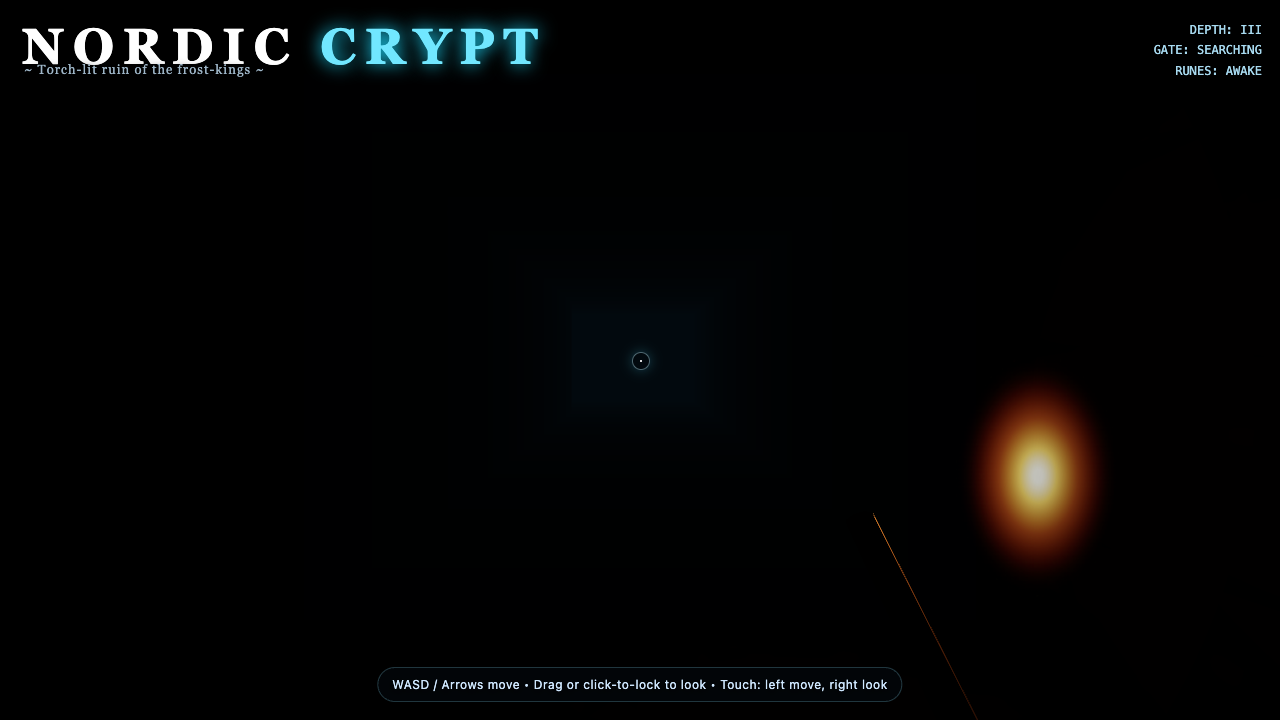
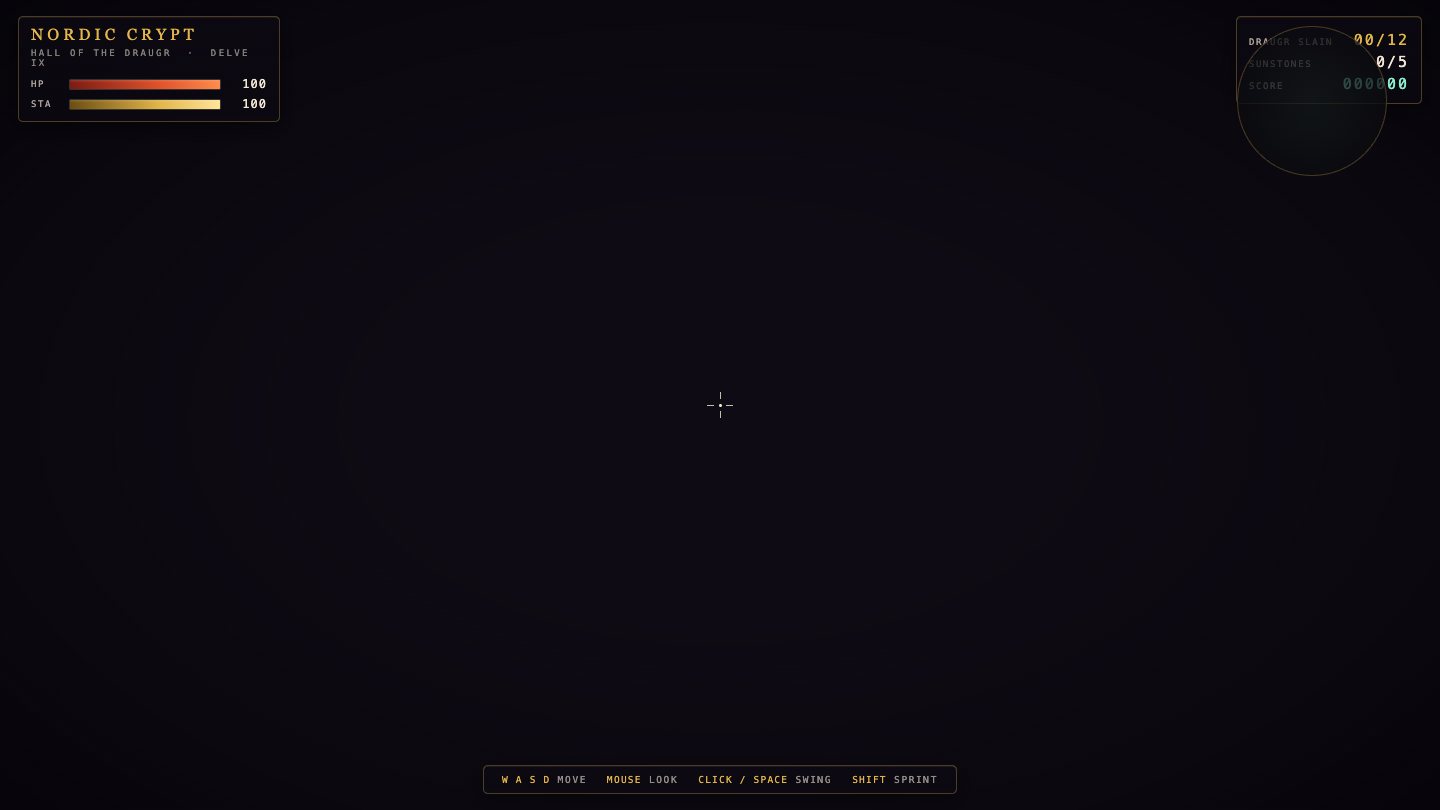
What I saw: Strong, polished frozen open world with a well-crafted cloaked Dovahkiin character, sword on back, snowy peaks, pines, ruins and tents, plus a cohesive HUD (status bars, compass, radial minimap with foe blips, controls). Slight blemishes: the minimap panel text is clipped ('SI', …
Blackhole
Sim
MiMo-V2.6 Pro 9.0
·
Hermes MoA 8.4
(+0.6)
· physically-accurate lensing
What I saw: Stunning null-geodesic ray-traced render with convincing photon ring, Doppler-beamed disk warping over/under the shadow, and a swirling lensed starfield — the physics HUD (photon sphere, ISCO, critical curve) is grounded and the whole thing reads at 60fps. Ties the field best; on…
Galaxy
Sim
MiMo-V2.6 Pro 8.6
·
Hermes MoA 8.3
(+0.3)
· Cinematic swirling galaxy
What I saw: Gorgeous rendered galaxy with a glowing gold core fading through magenta to blue rim, a puffed halo, deep starfield, and a polished gradient-title UI with clear controls and live star/stir meters. Strong on-brief swirl interactivity and depth; a slightly diffuse core bloom is the…
Strengths & weaknesses I logged
Hermes MoA
Strengths
- On GoldieBench, the MoA panel's galaxy edged solo Opus 4.8 — 8.6 vs 8.5 — with a denser 24k-particle spiral (the system beats the model)
- Two gold + one silver across its first three one-shot builds (galaxy, fireworks, arcade)
- Vendor-agnostic — swap any OpenRouter model into a panel or aggregator slot without touching the workflow
Trade-offs
- Latency is the panel's slowest draft plus the aggregator pass — ~110–140s per single-file build vs a solo model's one call
- Costs more per task than any single model (every panel slot + the aggregator are separate calls)
- Only 3 of 42 bench tasks run so far — a representative slice, not the full board
MiMo-V2.6 Pro
Strengths
- Simulations and visual pieces are top-tier one-shots: the black hole lensing scored 9.0 and the matrix rain, lava lamp, ocean waves, web desktop, boids and galaxy all landed 8.6 or higher
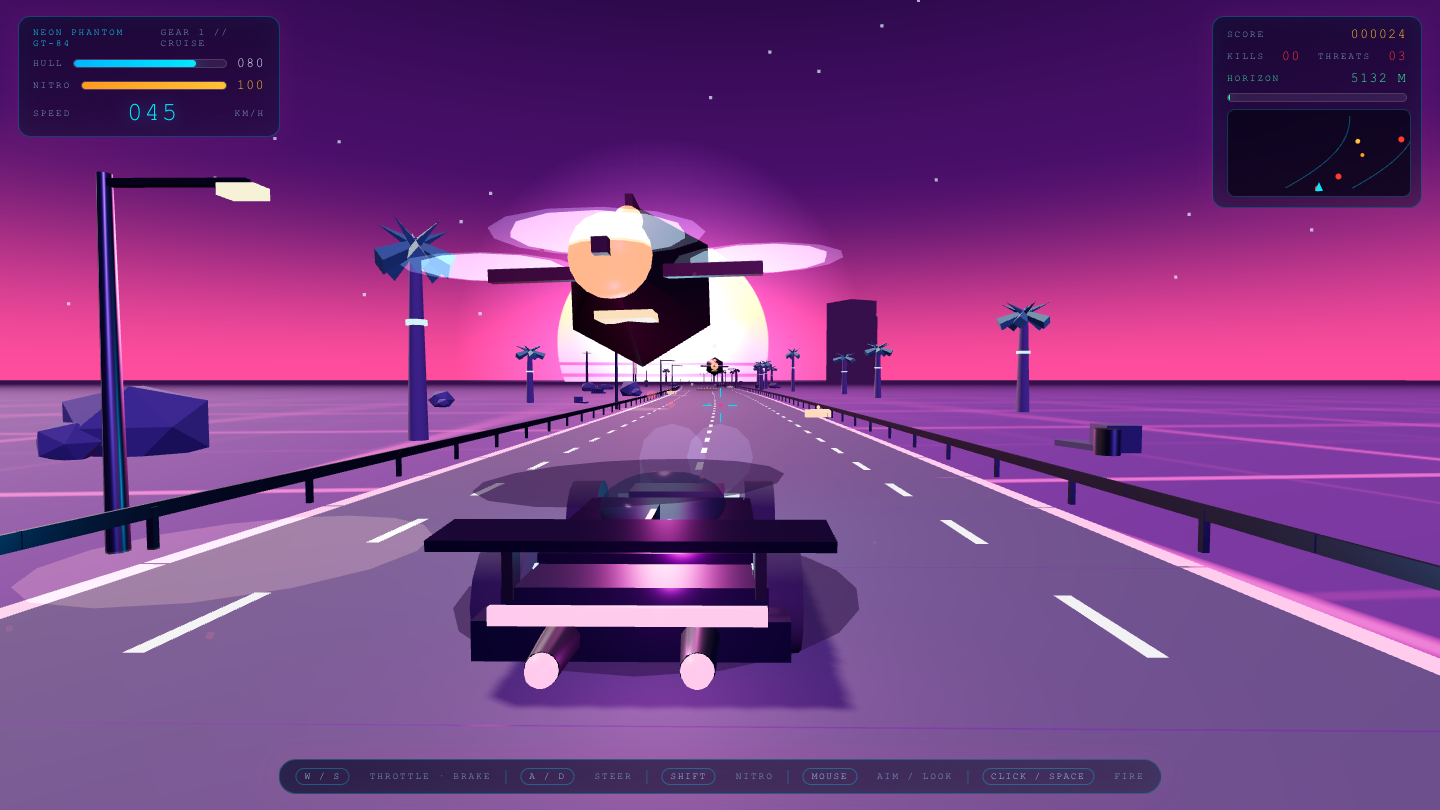
- Strong flight and driving output when the build holds together: a polished 3D dogfight (8.6), a flight sim (8.4) and the synthwave outrun (8.4)
- Big, complete files: builds ran 30 to 70 KB with full HUDs, control hints and settings panels
- The weights are MIT and on Hugging Face, so the same model can run on your own hardware
Trade-offs
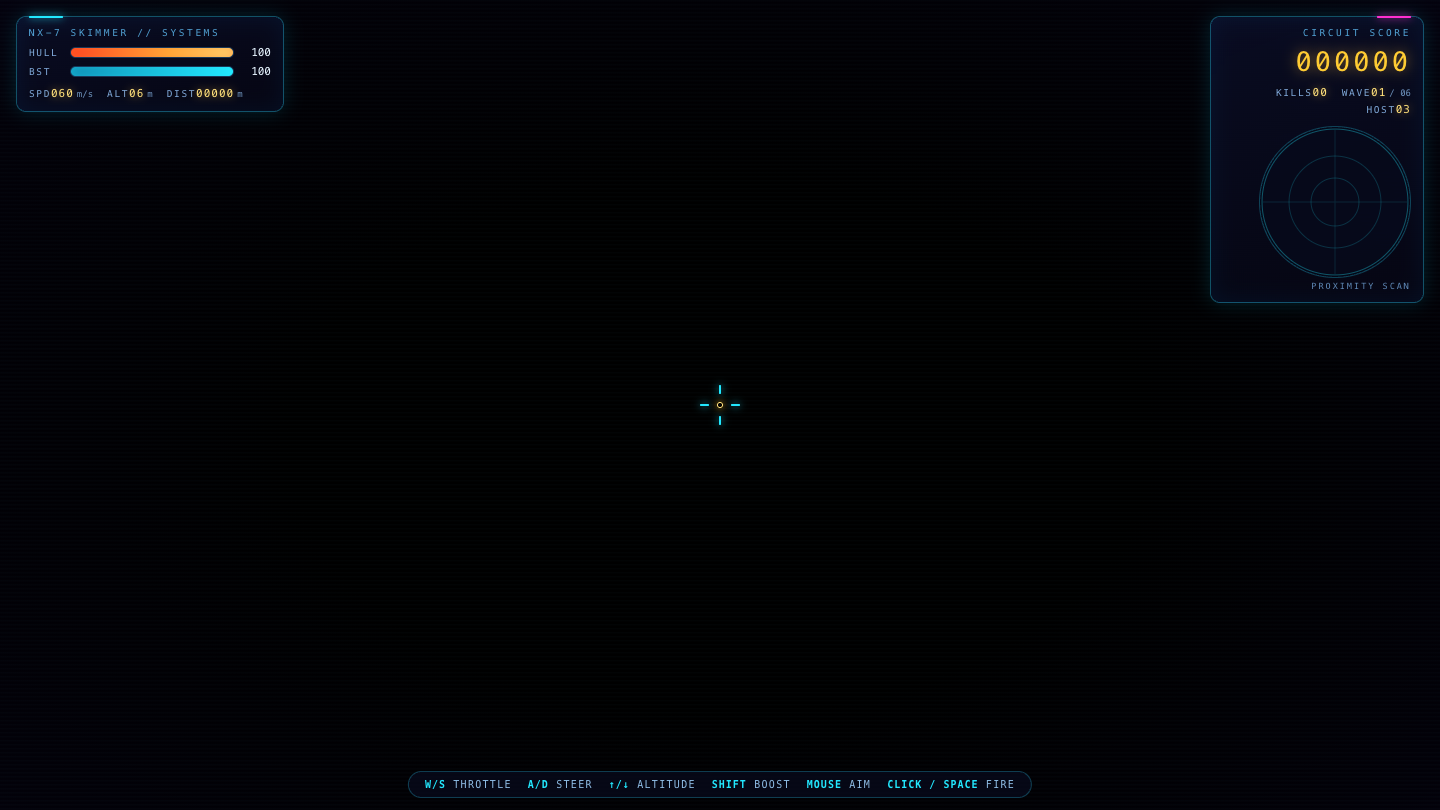
- 18 of 50 builds scored under 5: long game files shipped with garbled tokens (a stray 'martin' or 'martial' identifier breaks the whole script), uninitialised references and bad canvas values, so the HUD paints but the 3D scene stays black
- Two hard crashes: the RPG threw an engine fault on load and the solar system rendered nothing at all
- It reasons for a long time at default effort: builds took 5 to 60 minutes each through OpenRouter
Pricing & context — the spec sheet
| Spec | Hermes MoA | MiMo-V2.6 Pro |
|---|---|---|
| Vendor | Hermes · Mixture of Agents | Xiaomi |
| Context window | Varies — the sum of the panel models' contexts (Opus 4.8 + GPT-5.5) | 1,000,000 tokens |
| Price | Panel + aggregator calls (via OpenRouter) | $0.435 in / $0.87 out per M tokens |
| Pricing detail | Hermes Mixture of Agents dispatches one prompt to a configurable panel of frontier models in parallel, then a named aggregator reads every draft and writes one better final answer. Default panel: Claude Opus 4.8 + GPT-5.5, aggregated by Opus 4.8 — all via the OpenRouter key. Unlike a black-box ensemble, every slot is yours to swap from the Mixture tab in the Agent OS. | Xiaomi's September 2026 open-weight flagship (MIT licence, 1.02T total / 42B active parameters). $0.435 per million input tokens and $0.87 per million output on OpenRouter, with cache hits at a fraction of a cent, which is roughly a quarter of Grok 4.7 and a twentieth of the closed frontier models it scores level with on agent benchmarks. |
| Release | 2026-06-28 | 2026-09 |
| Bench coverage | 47/47 scored · avg 8.17/10 | 50/50 scored · avg 6.35/10 |
The verdict — which should you pick?
Across 47 scored shared tasks, Hermes MoA averaged 8.17/10, beating MiMo-V2.6 Pro's 6.33/10 by 1.84 points. Pick Hermes MoA when the build has to ship on the first prompt and you can afford the trade-offs in the comparison below.
If you only run one of these inside your stack, the head-to-head average above is the call. If you can run both, my honest play is to wire Hermes MoA and MiMo-V2.6 Pro both into the Agent Operating System and dispatch each from the kanban by task type — high-stakes single prompts where ensemble quality beats single-model speed → Hermes MoA, simulations, shaders and visual scenes in one shot, at a fraction of frontier prices → MiMo-V2.6 Pro. That's the same setup I run for the 4,000+ founders inside the AI Profit Boardroom.
FAQ — Hermes MoA vs MiMo-V2.6 Pro
Which is better, Hermes MoA or MiMo-V2.6 Pro?
On Goldie Bench, Hermes MoA averages 8.17/10 across the shared tasks, with 3 gold, 10 silver, 2 bronze overall. MiMo-V2.6 Pro averages 6.33/10, with 5 gold, 8 silver, 4 bronze. Hermes MoA wins the head-to-head 27–13.
How much does Hermes MoA cost vs MiMo-V2.6 Pro?
Hermes MoA: Hermes Mixture of Agents dispatches one prompt to a configurable panel of frontier models in parallel, then a named aggregator reads every draft and writes one better final answer. Default panel: Claude Opus 4.8 + GPT-5.5, aggregated by Opus 4.8 — all via the OpenRouter key. Unlike a black-box ensemble, every slot is yours to swap from the Mixture tab in the Agent OS. MiMo-V2.6 Pro: Xiaomi's September 2026 open-weight flagship (MIT licence, 1.02T total / 42B active parameters). $0.435 per million input tokens and $0.87 per million output on OpenRouter, with cache hits at a fraction of a cent, which is roughly a quarter of Grok 4.7 and a twentieth of the closed frontier models it scores level with on agent benchmarks.
What's the context window for Hermes MoA vs MiMo-V2.6 Pro?
Hermes MoA has a Varies — the sum of the panel models' contexts (Opus 4.8 + GPT-5.5) context window. MiMo-V2.6 Pro has a 1,000,000 tokens context window.
When should I pick Hermes MoA over MiMo-V2.6 Pro?
Pick Hermes MoA for: High-stakes single prompts where ensemble quality beats single-model speed; Squeezing frontier-plus output from models you already have while Fable 5 / GPT-5.6 are still in preview; Production agents that want a configurable panel + vendor-redundancy on every call. The trade-off is the weaknesses we logged on the bench: Latency is the panel's slowest draft plus the aggregator pass — ~110–140s per single-file build vs a solo model's one call; Costs more per task than any single model (every panel slot + the aggregator are separate calls); Only 3 of 42 bench tasks run so far — a representative slice, not the full board.
When should I pick MiMo-V2.6 Pro over Hermes MoA?
Pick MiMo-V2.6 Pro for: Simulations, shaders and visual scenes in one shot, at a fraction of frontier prices; High-volume agent work where an open, MIT-licensed model matters; Pair it with a self-fix loop for games: the failures are single broken tokens, not missing ideas. The trade-off is the weaknesses we logged on the bench: 18 of 50 builds scored under 5: long game files shipped with garbled tokens (a stray 'martin' or 'martial' identifier breaks the whole script), uninitialised references and bad canvas values, so the HUD paints but the 3D scene stays black; Two hard crashes: the RPG threw an engine fault on load and the solar system rendered nothing at all; It reasons for a long time at default effort: builds took 5 to 60 minutes each through OpenRouter.
How does Goldie Bench score Hermes MoA vs MiMo-V2.6 Pro?
Every demo on this page was built by Julian Goldie inside the Agent Operating System — same fixed prompt for both models, one shot, single HTML file out. Each result gets a 0–10 score on whether it ran, how close it hit the brief, and how good it looked. The highest score on each task gets gold; second gets silver; third gets bronze. See methodology for full provenance.
Related comparisons
Other head-to-heads using the same scoring system:
Hermes MoA vs Fusion MiMo-V2.6 Pro vs Fusion Hermes MoA vs Claude Opus 5 MiMo-V2.6 Pro vs Claude Opus 5 Hermes MoA vs GPT-5.6 Sol MiMo-V2.6 Pro vs GPT-5.6 Sol Hermes MoA vs Claude Fable 5 MiMo-V2.6 Pro vs Claude Fable 5Full model pages: Hermes MoA · MiMo-V2.6 Pro · back to the leaderboard
The same stack Julian uses
Run this stack yourself.
Every demo on this bench was built inside the Agent Operating System — one prompt, one shot, single HTML file out. The Agent OS, the prompts, the templates, the weekly walkthroughs and 4,000+ founders shipping with it every day all live inside the AI Profit Boardroom.
4,000+founders
258documented wins
38countries
$59/momonthly