Real head-to-head · same prompt, one shot
Hermes MoA vs GPT-5.6 Sol
A panel of frontier models, merged by a chair. The model doesn't matter — the system does. vs OpenAI's flagship — the Sun of the 5.6 lineup.
Head-to-head verdict: tied 19–19.
What I tested — same prompt, two models
I run the same fixed prompt set through every new model the day it drops — same string, one shot, single HTML file out — and I score the result 0–10 on whether it ran, how close it hit the brief, and how good it looked. Below is what came out when I gave the exact same prompts to Hermes MoA and GPT-5.6 Sol, side by side, on 47 shared tasks inside the Agent Operating System.
Both models were given identical prompts inside the Agent Operating System — no help, no iteration, no "best of N" tricks. I run each prompt once, save the HTML file the model produces, and score it 0–10 on whether it ran, how close it hit the brief, and how good it looked. The scoring is mine. The verdicts below are pulled from my source comparison guides at agentos.guide where I publish every score and the reasoning behind it.
Hermes MoA · Run from the Mixture tab in the Hermes Agent OS. On this bench the panel built each demo and the aggregator merged the best of every draft.
GPT-5.6 Sol · Benched on GoldieBench as the flagship Sol at medium reasoning, one-shot, then headless-playtested. In the Agent OS it's the top tier of a routed stack — Sol on the hard calls, Terra for the bulk, Luna for the everyday 90%.
Side-by-side on 50 shared tasks
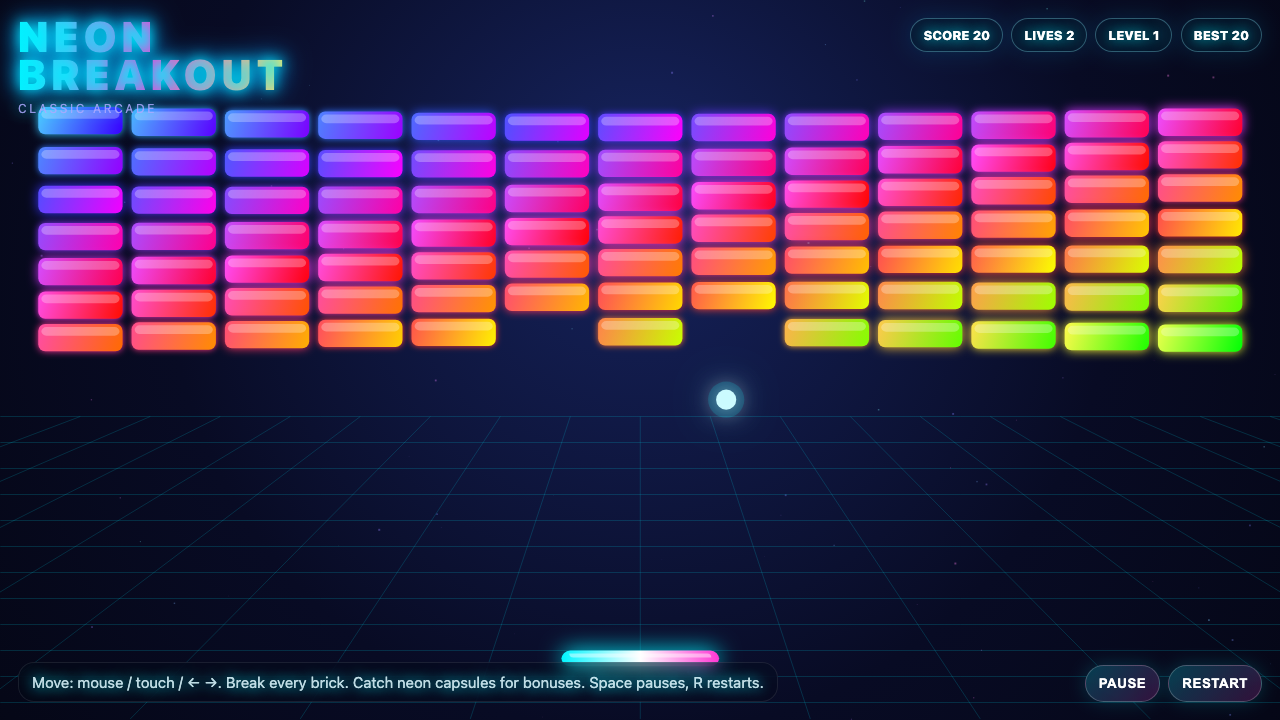
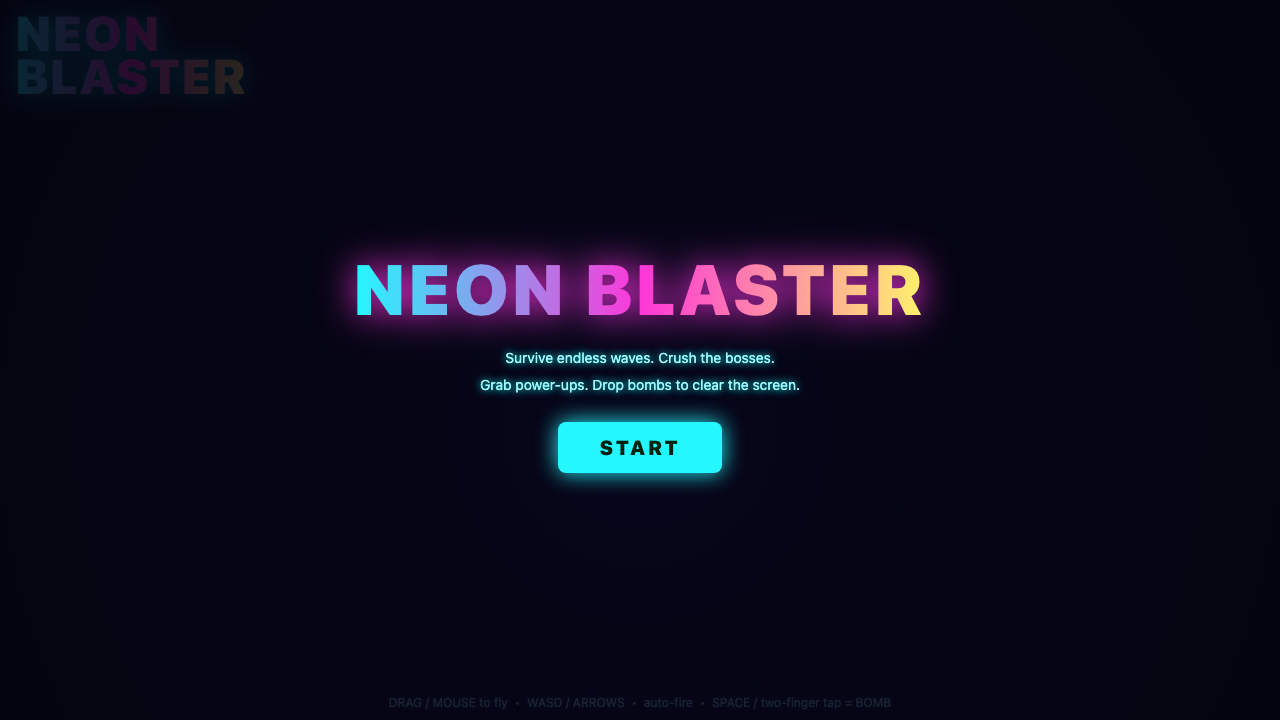
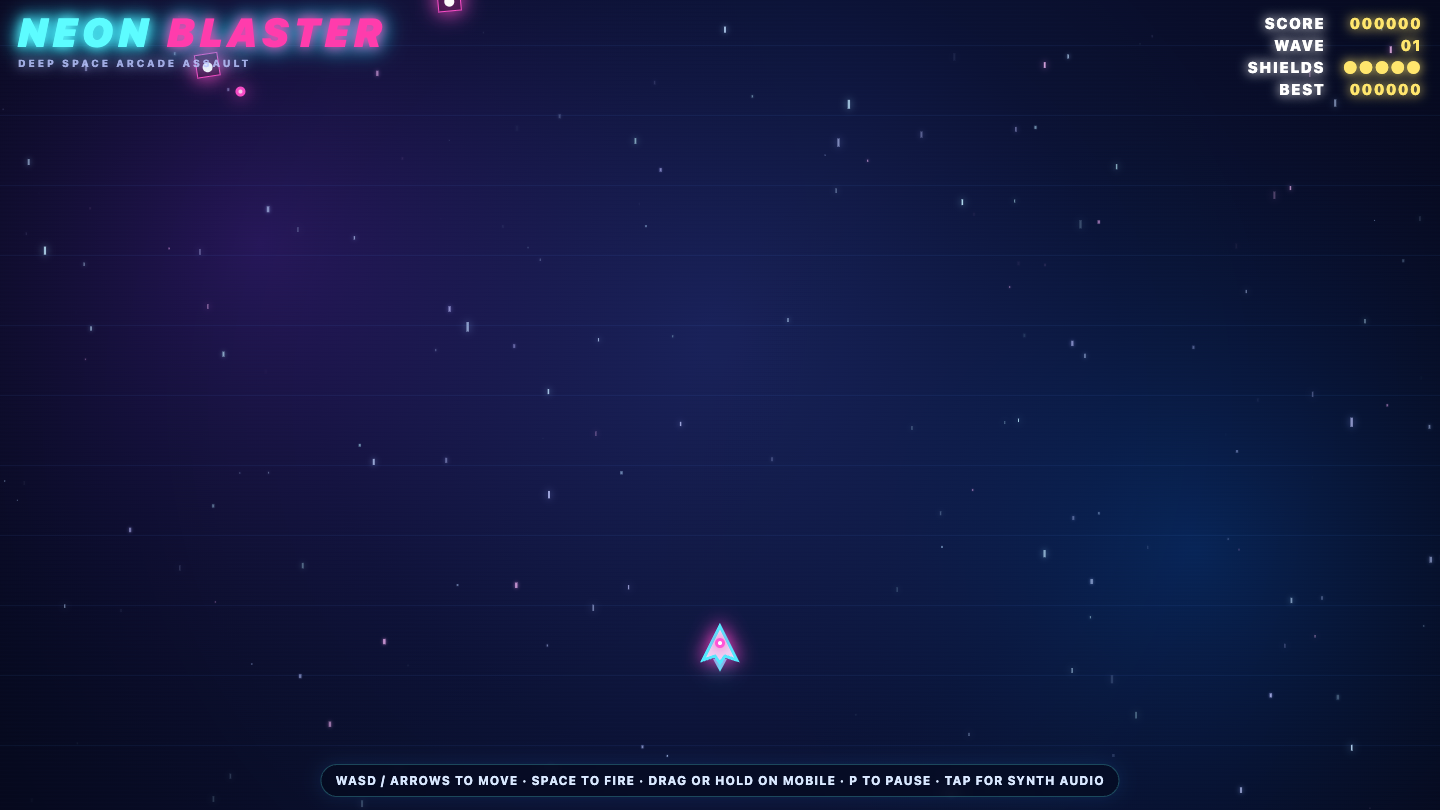
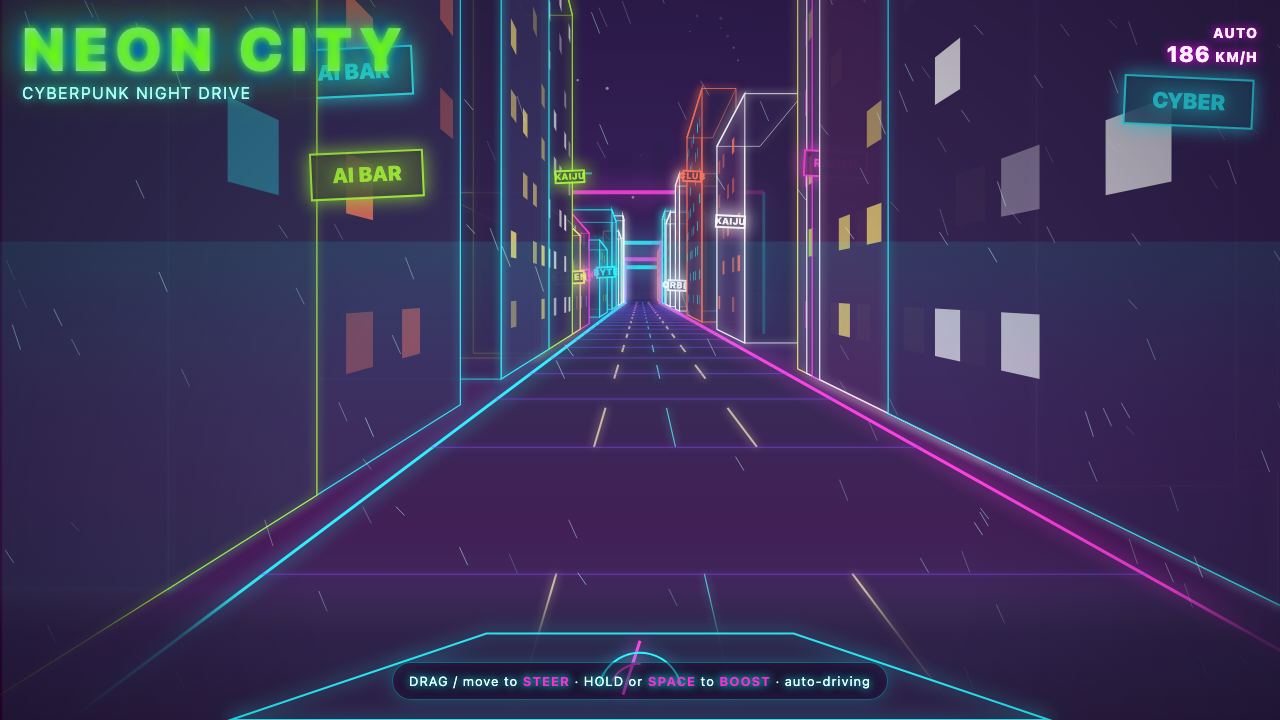
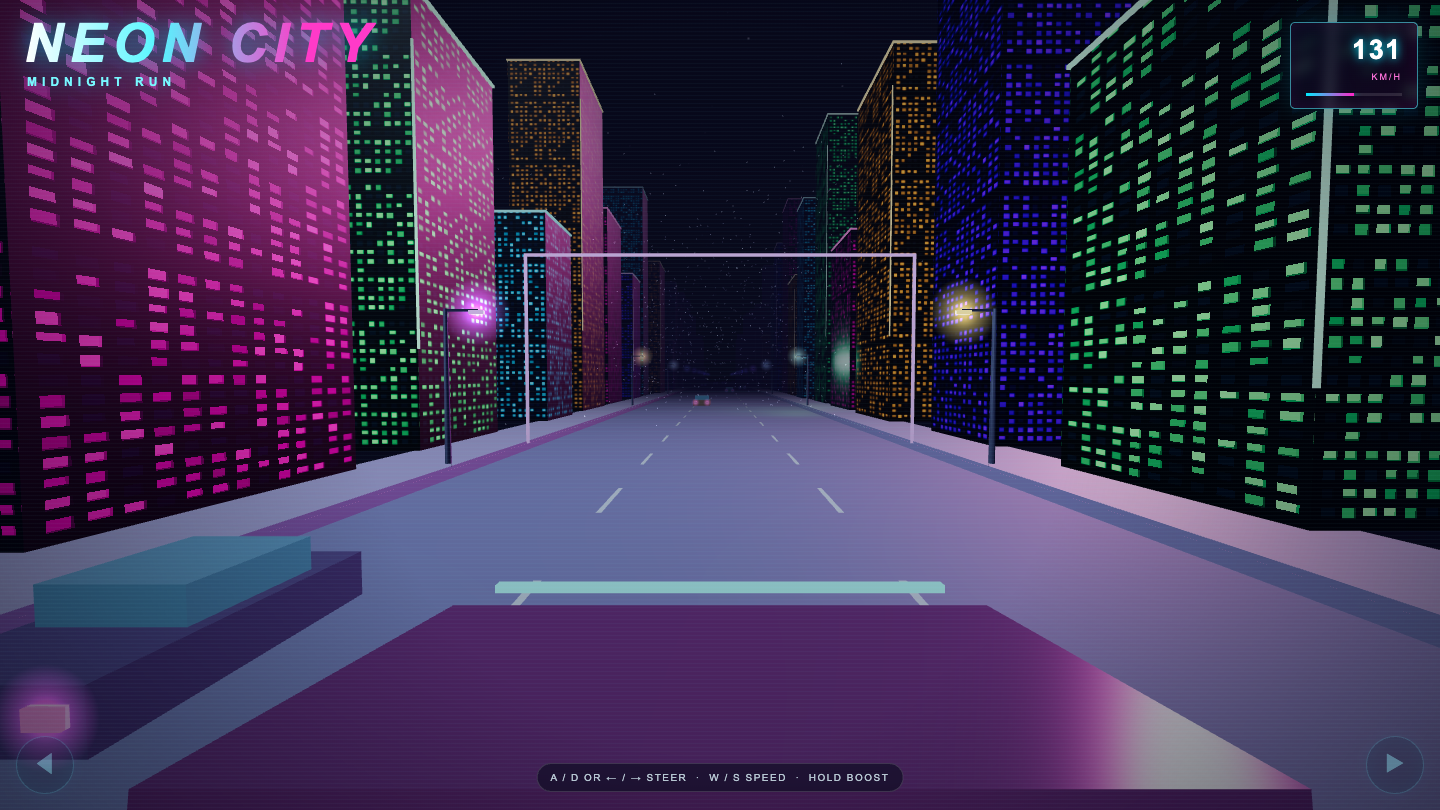
Click any cell to play that model's actual one-shot attempt. Medals are derived from my 0–10 scores per task (highest = 🥇, second = 🥈, third = 🥉).
Task ↓
Hermes MoA
GPT-5.6 Sol
Game
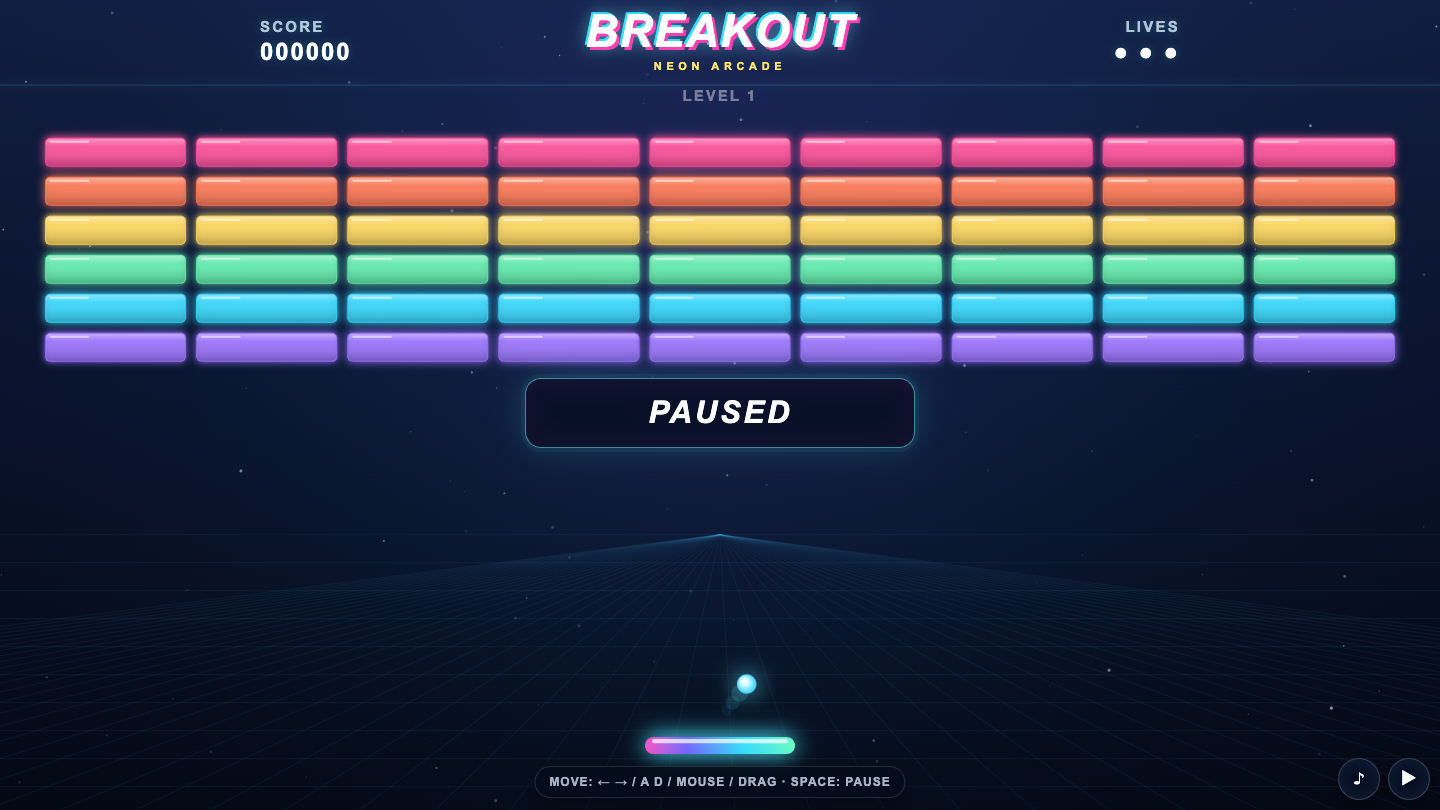
Game
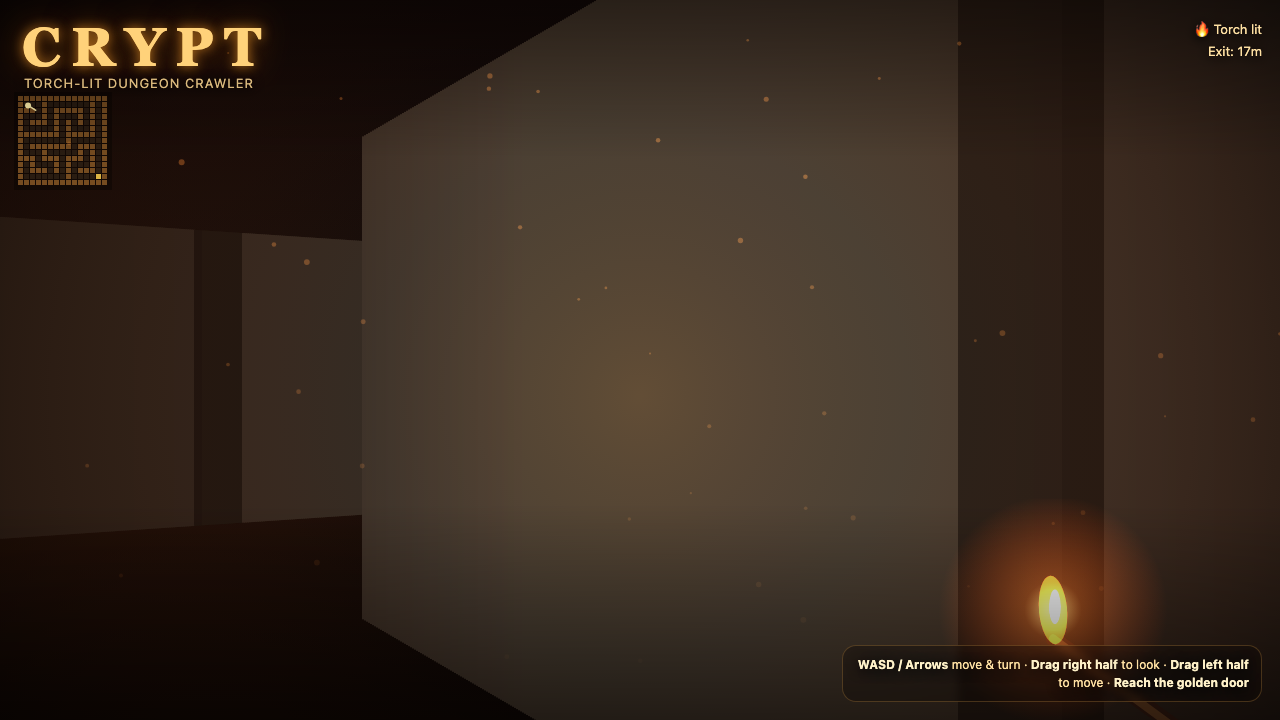
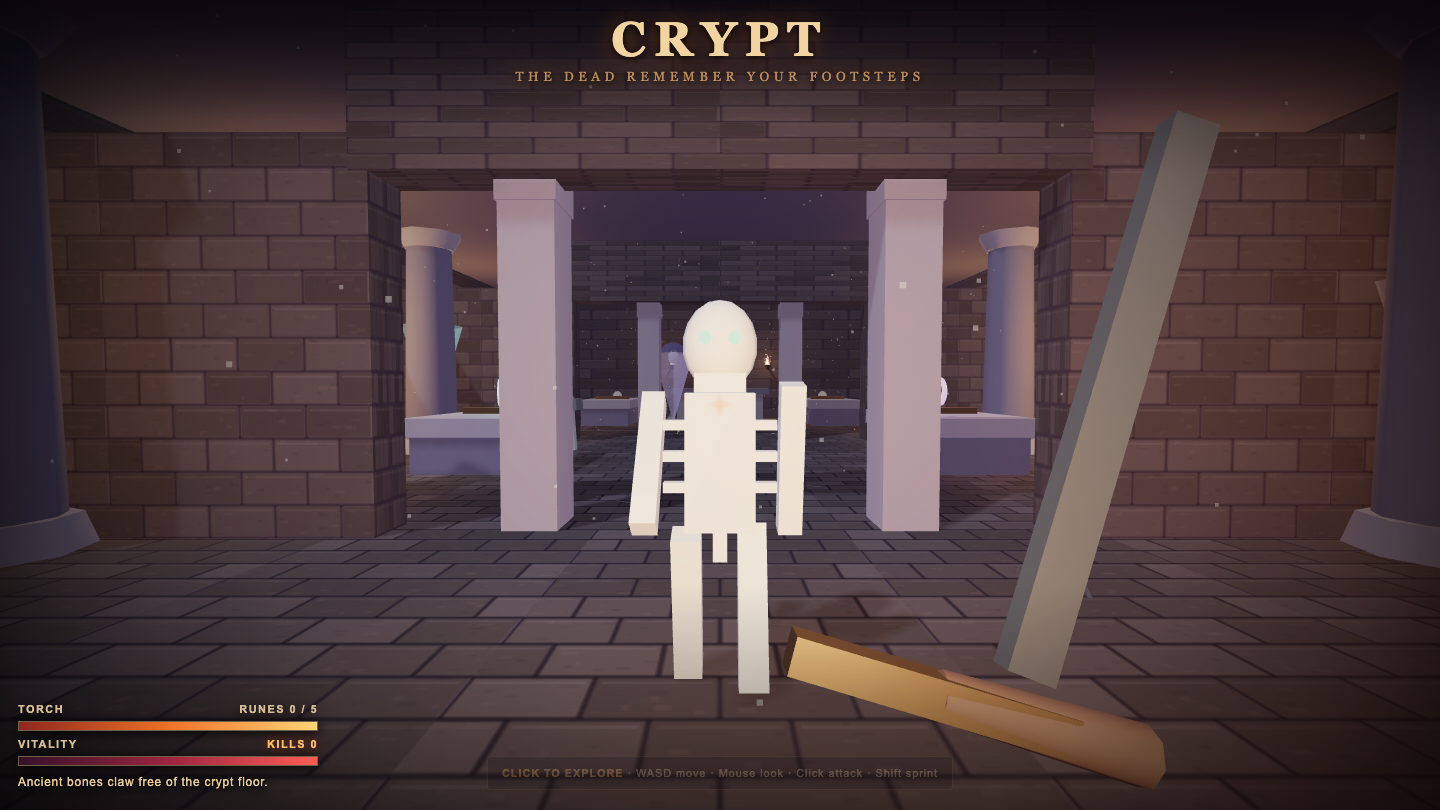
Game
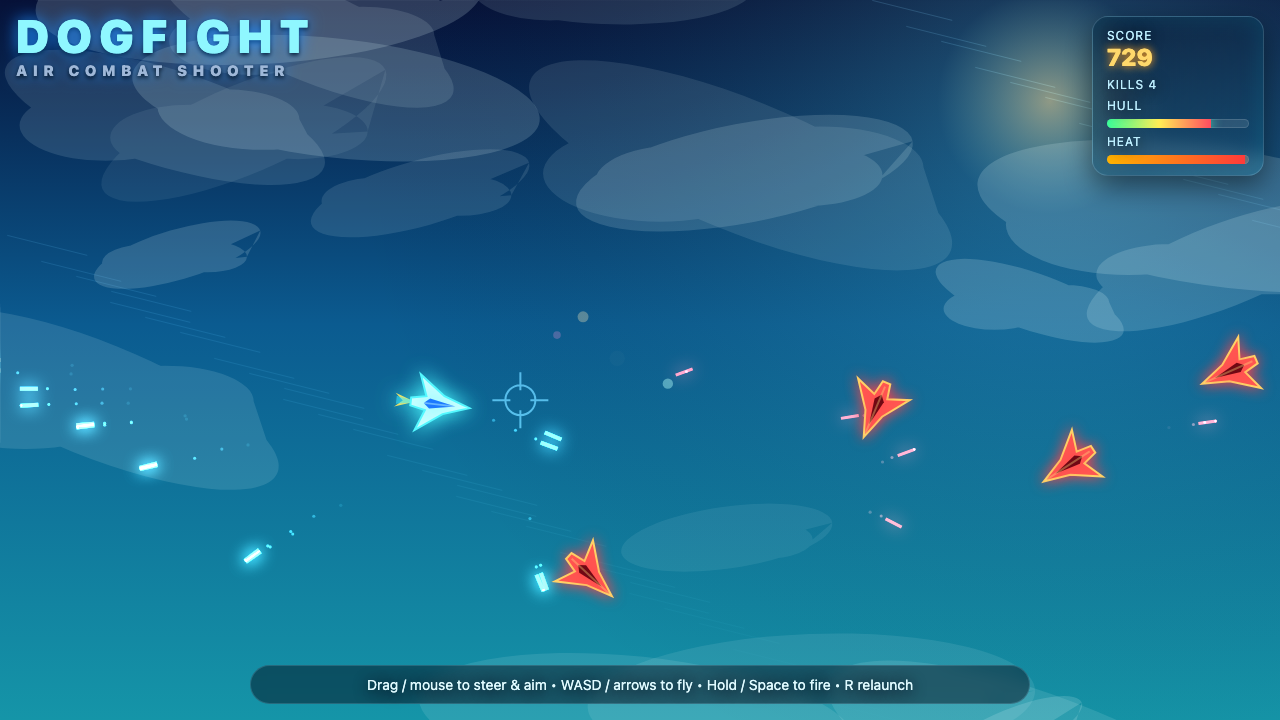
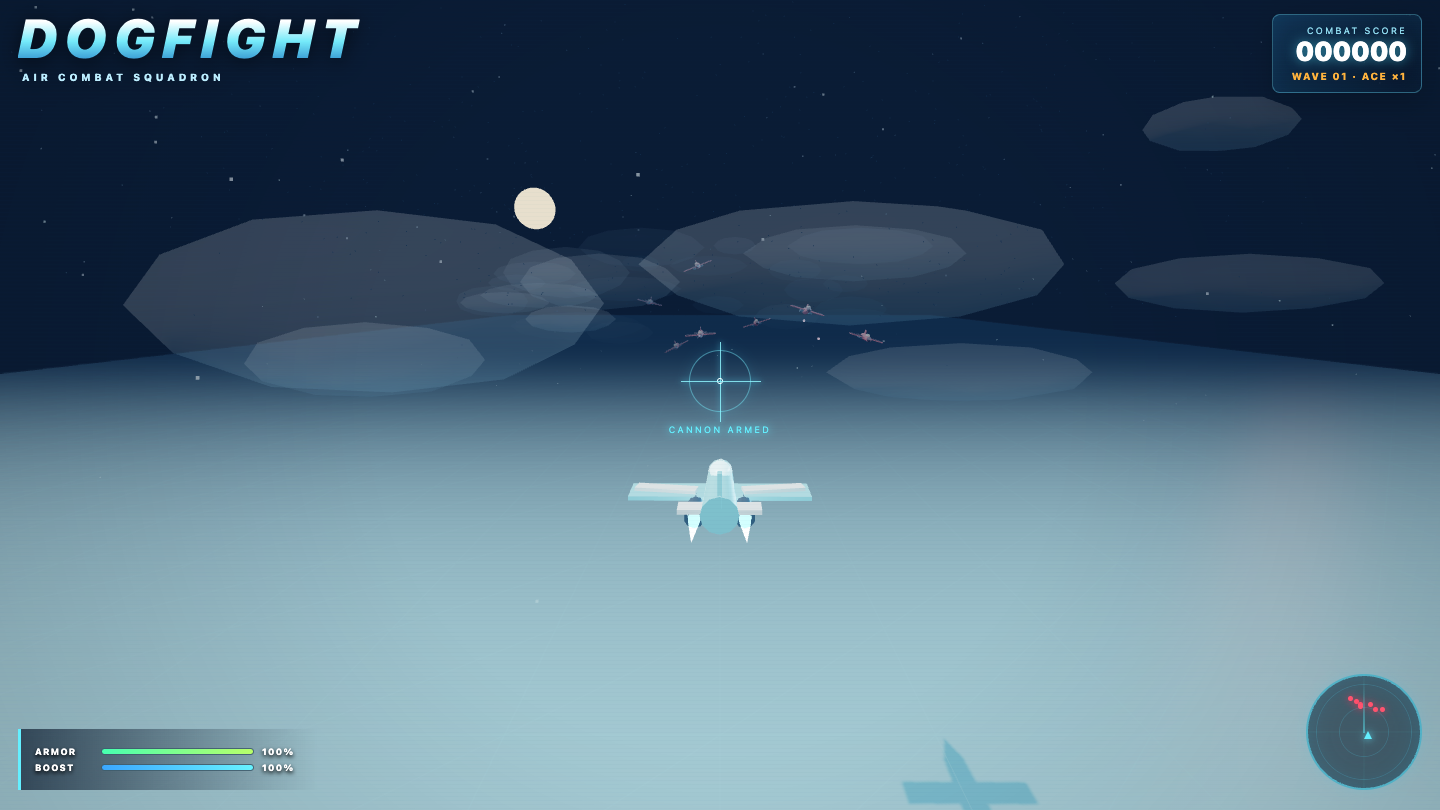
Game
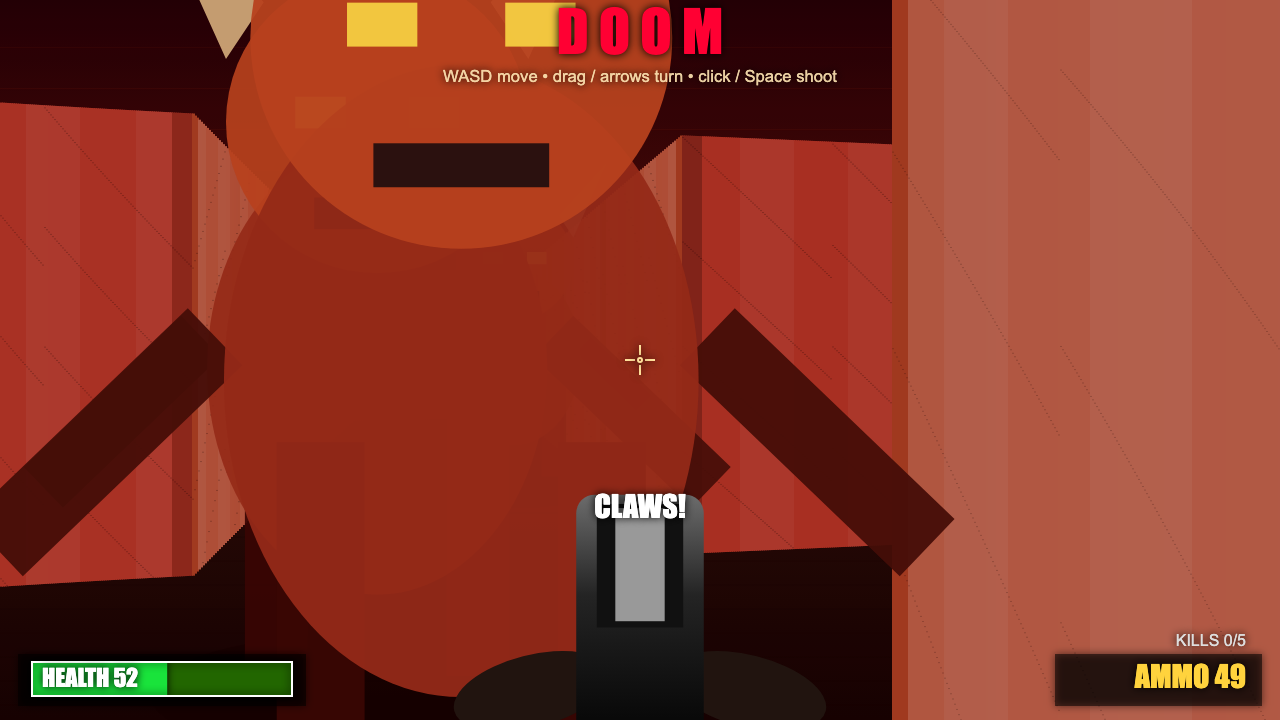
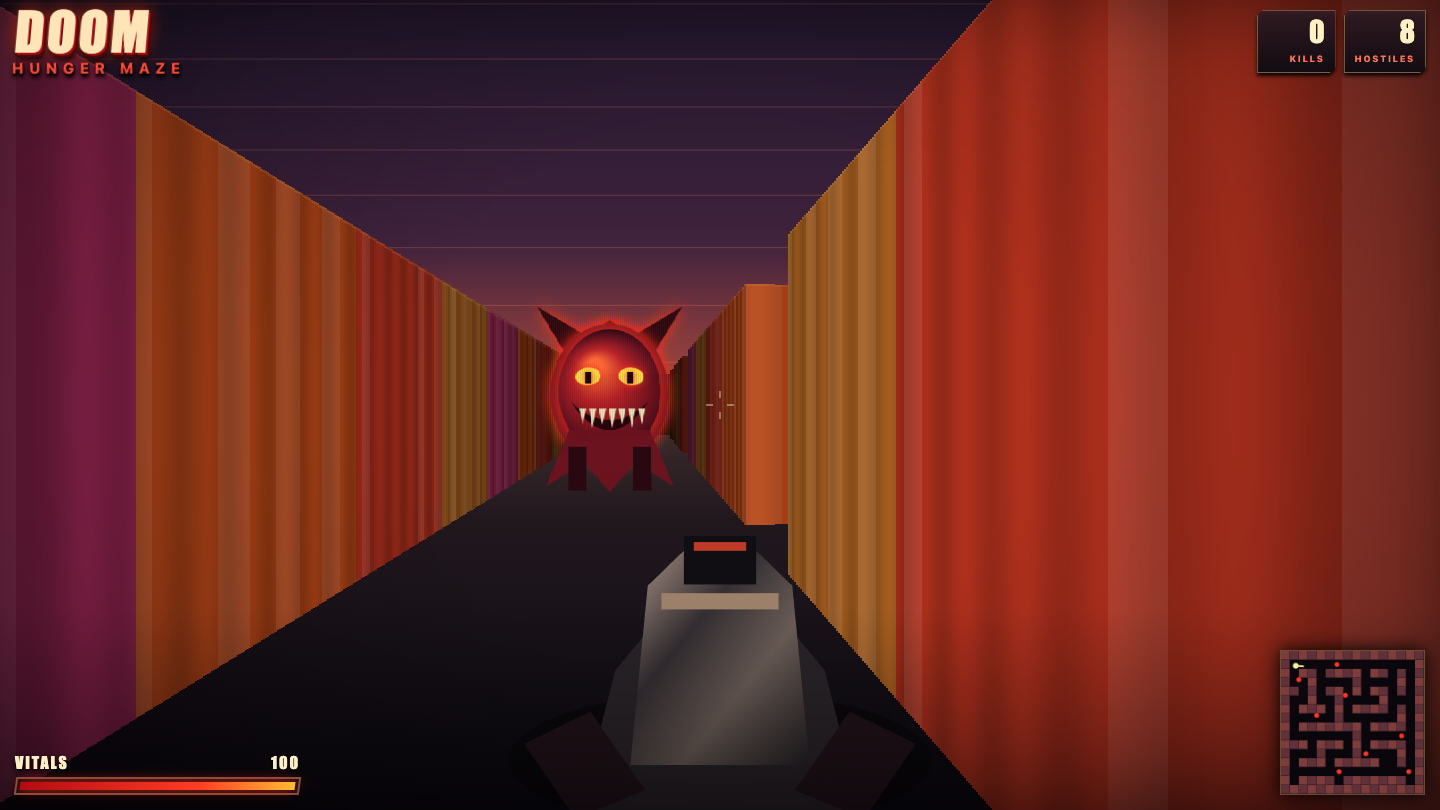
Game
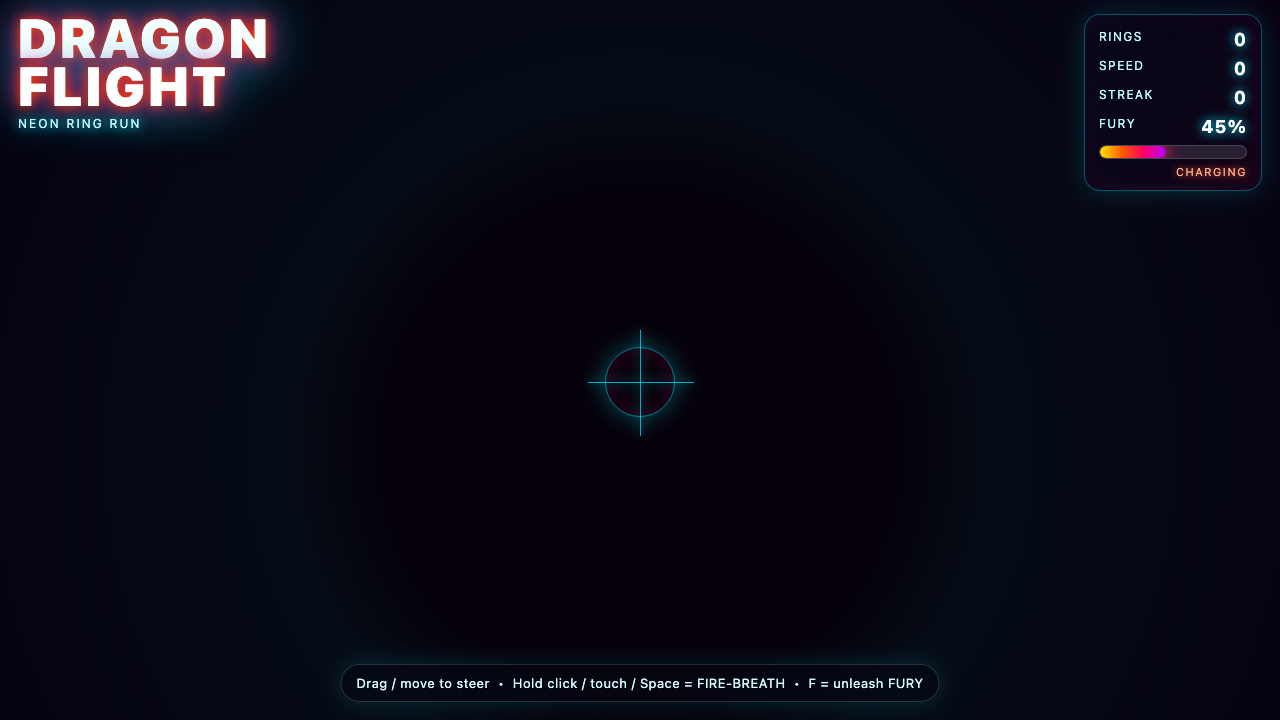
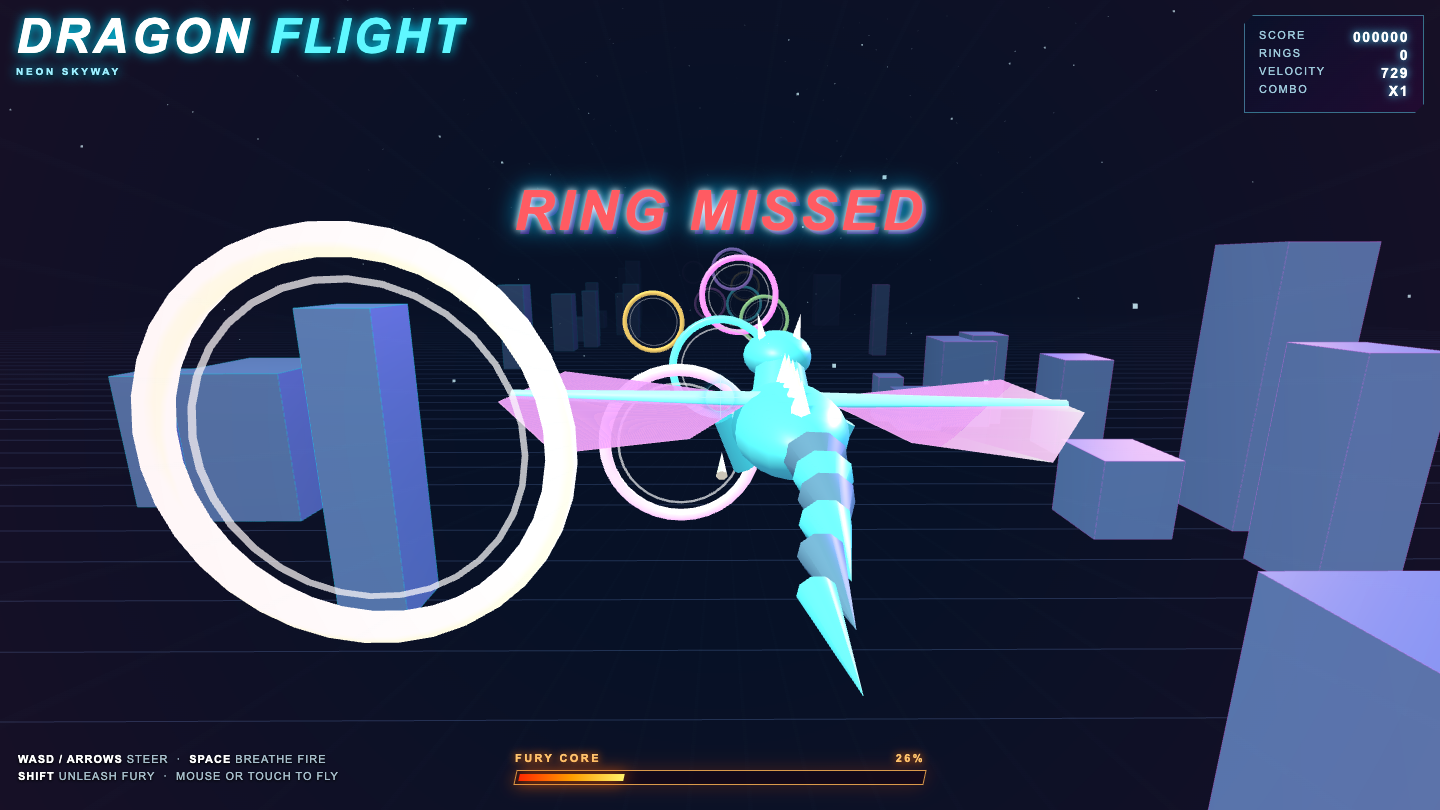
Game
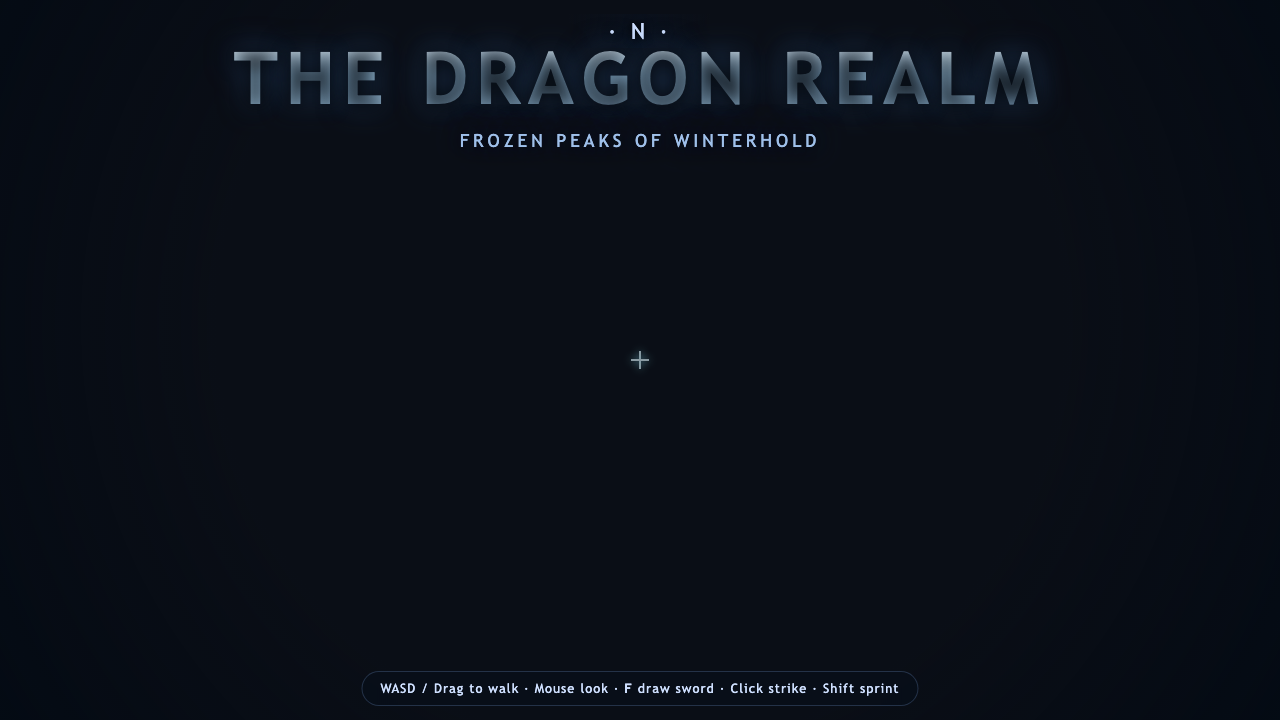
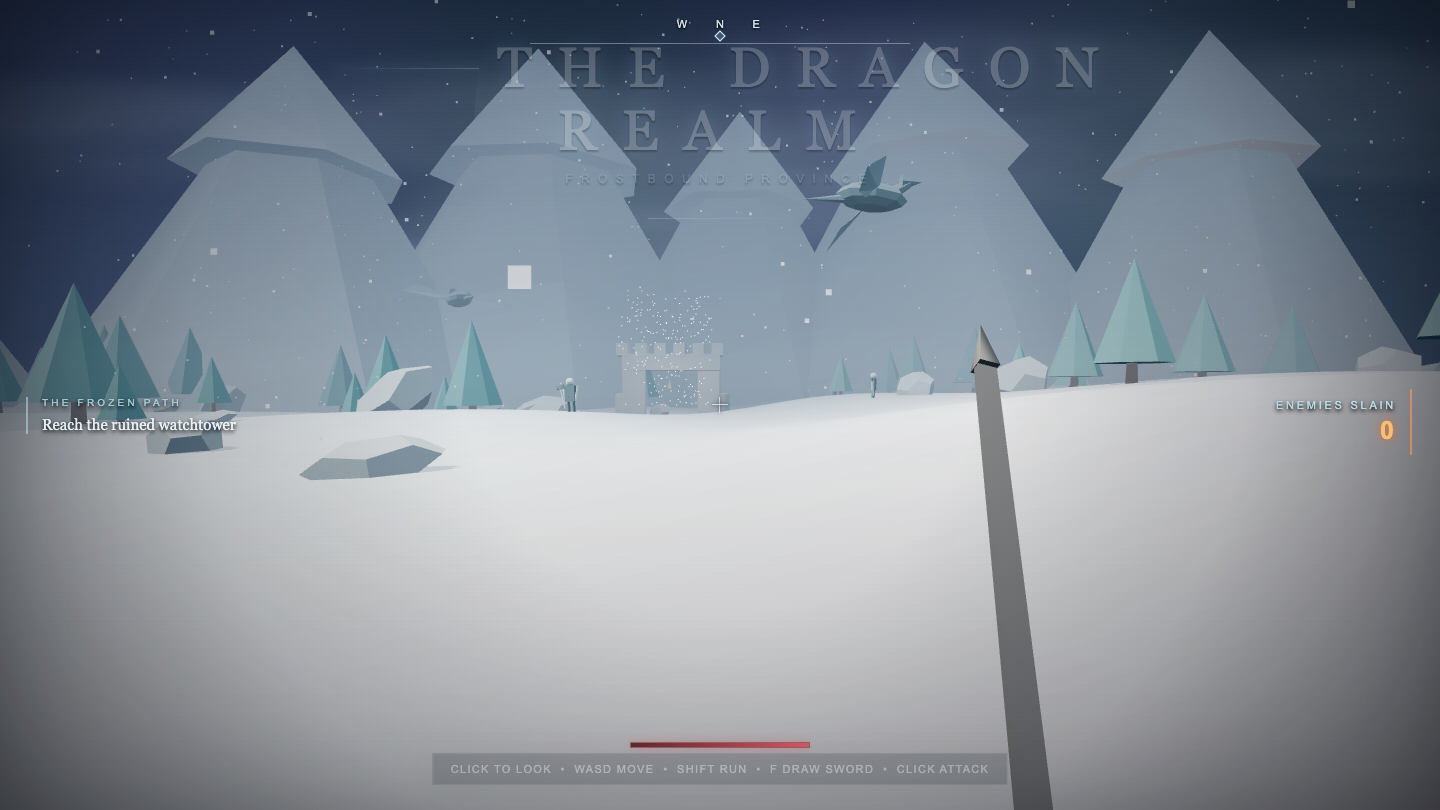
Game
Game
Game
Game
Game
Game
Game
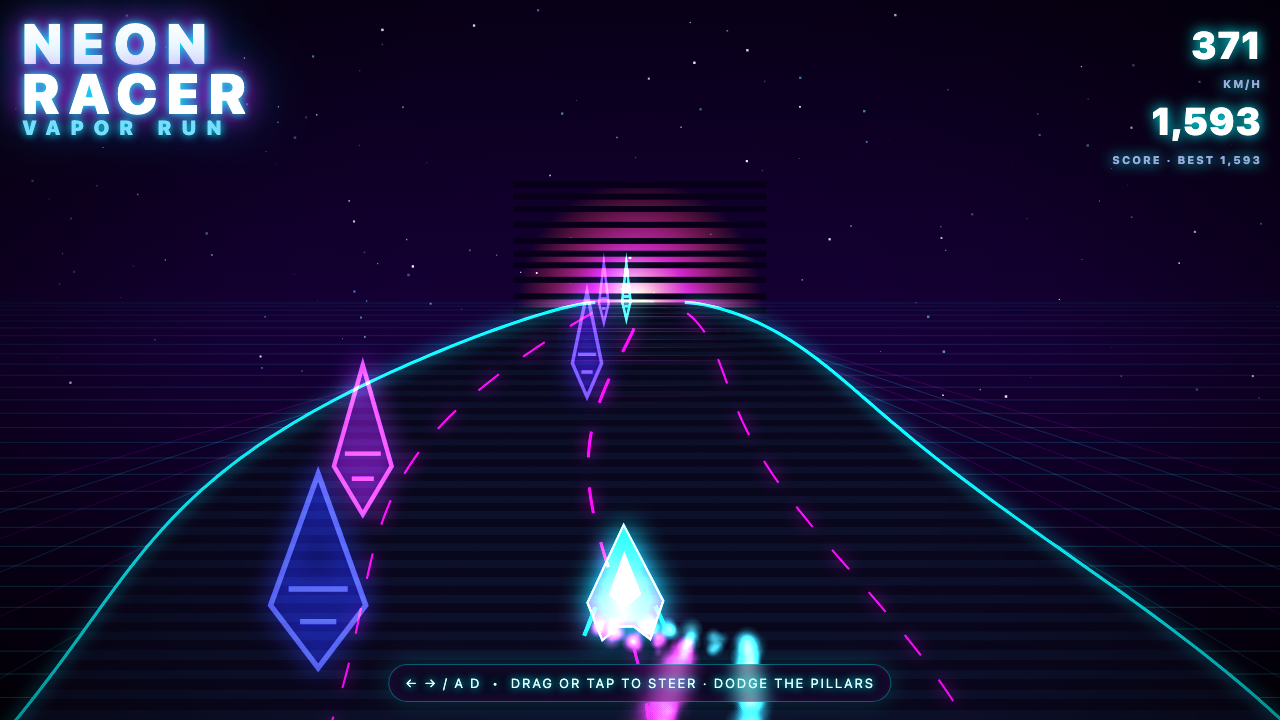
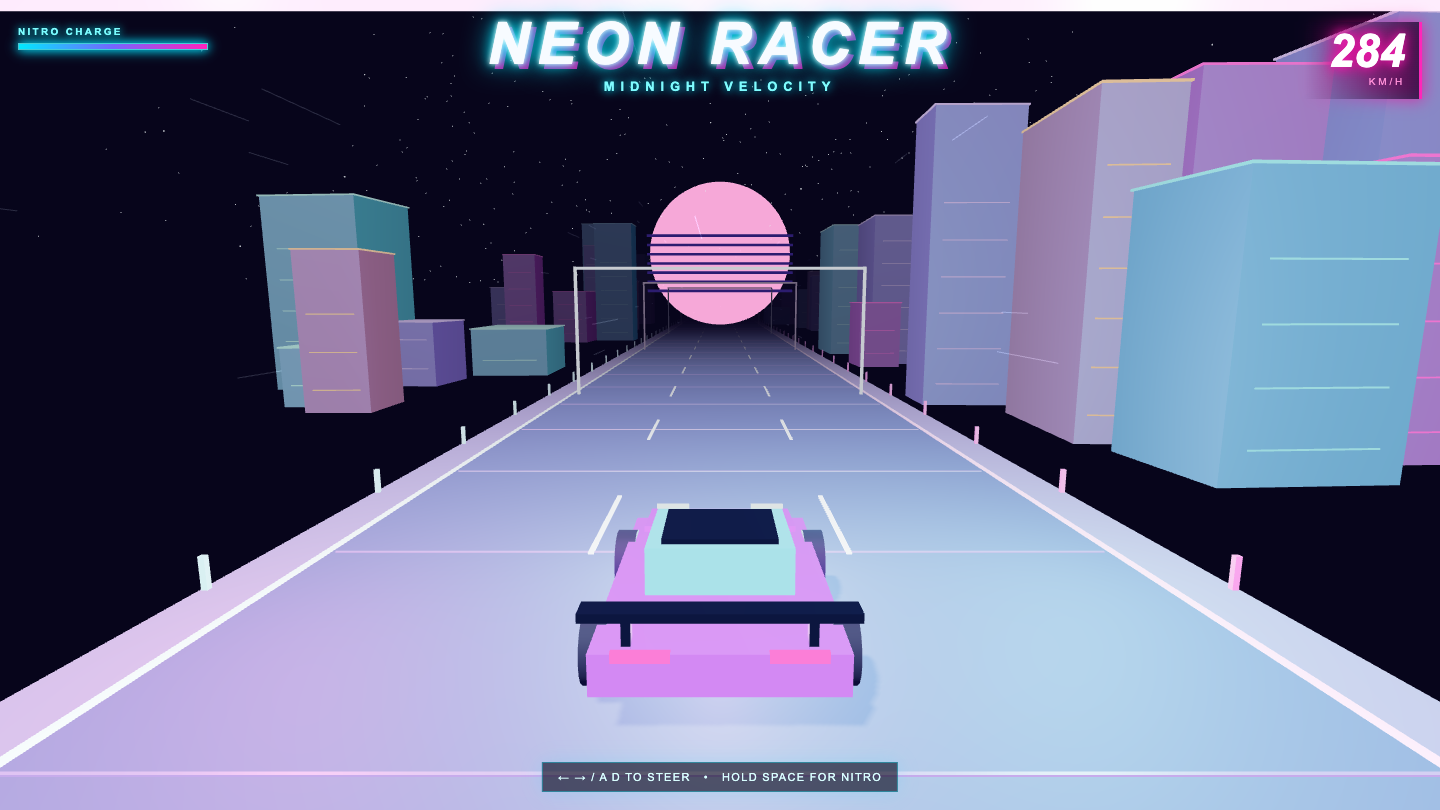
Game
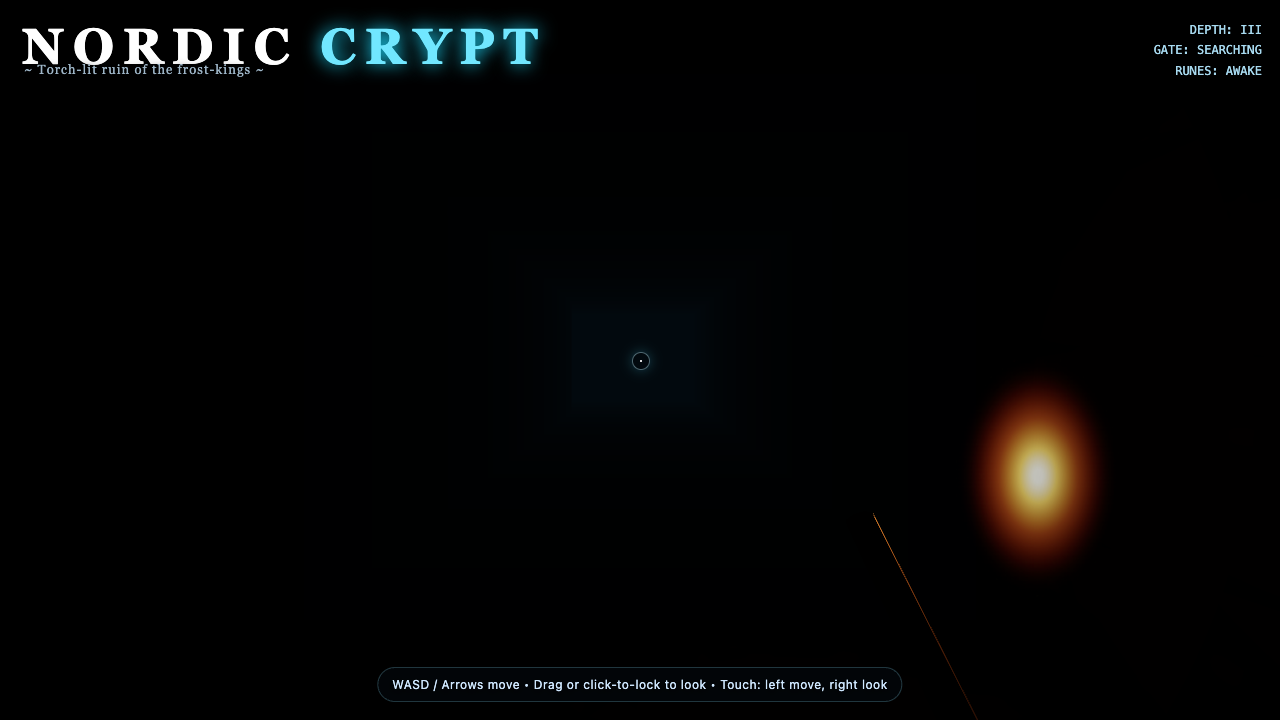
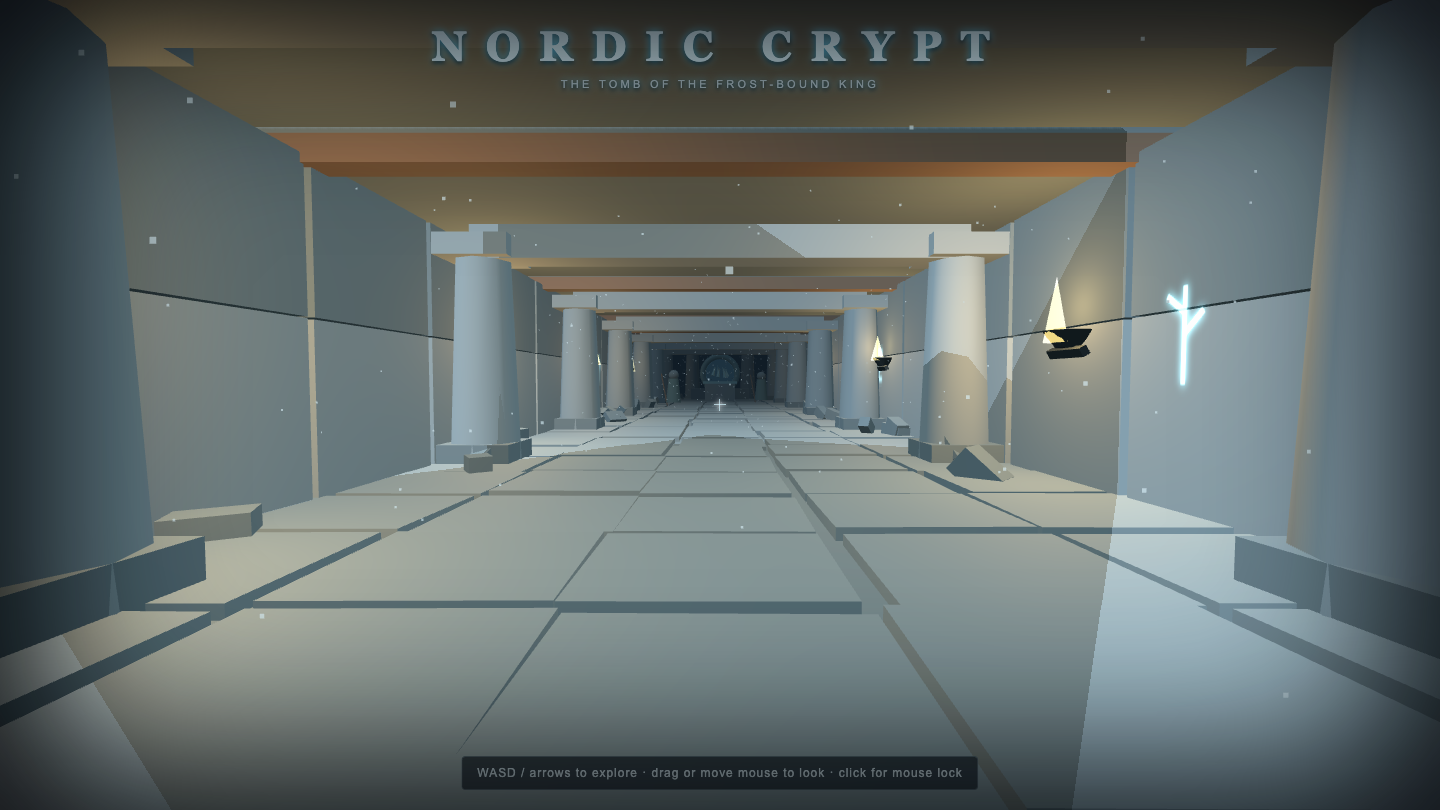
Game
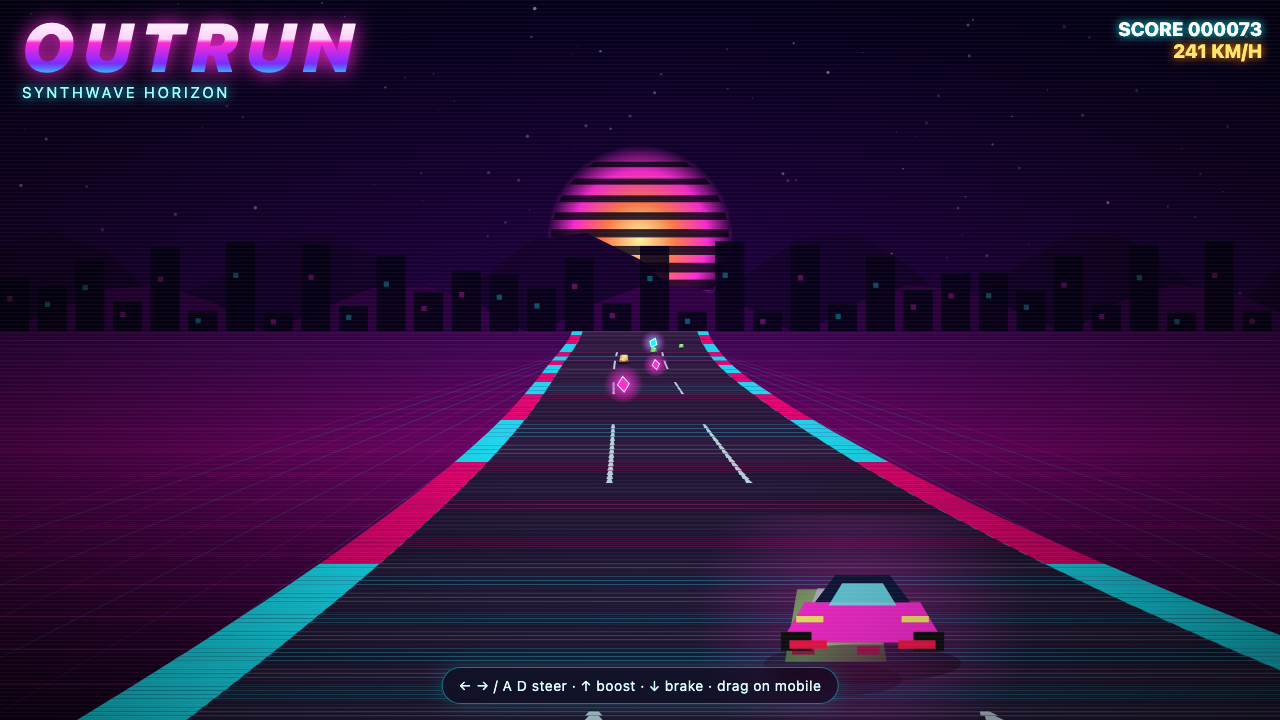
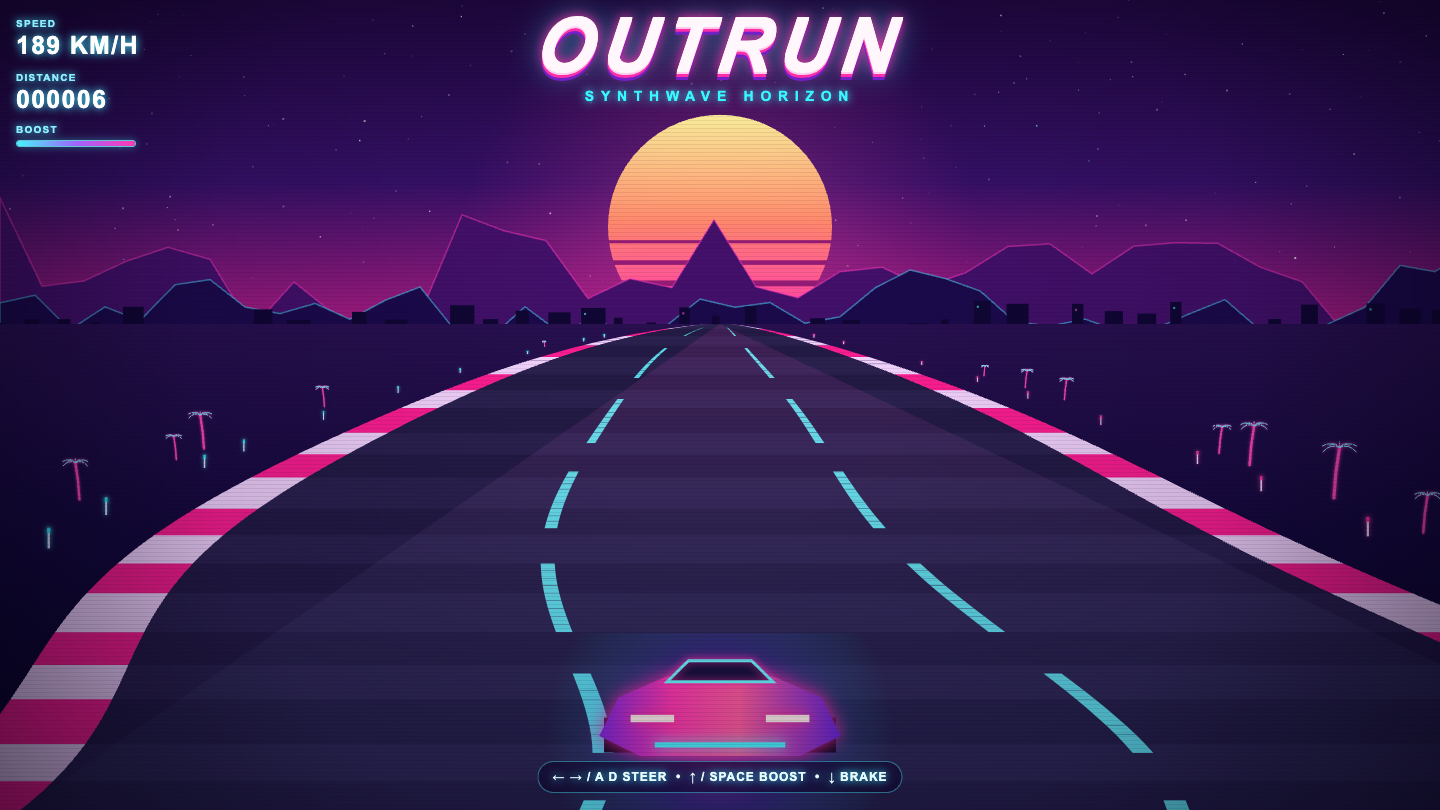
Game
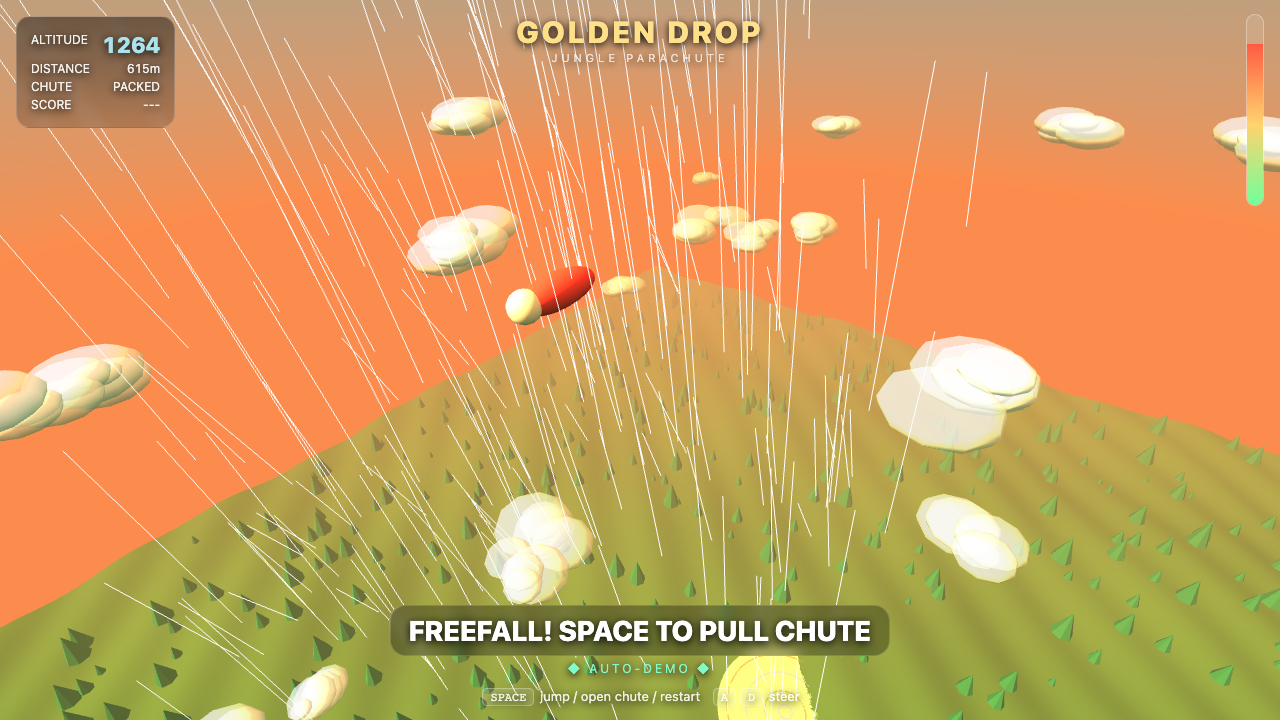
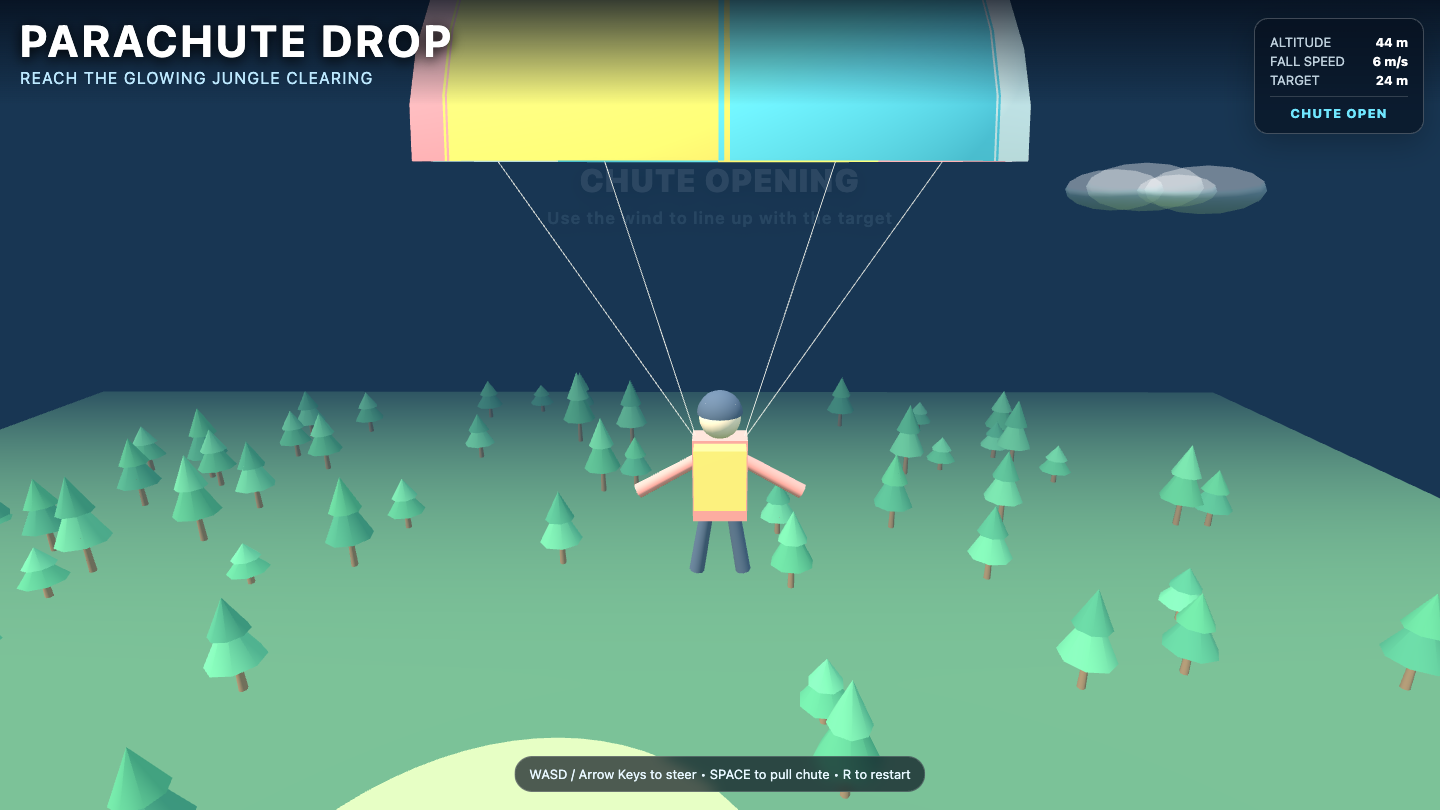
Game
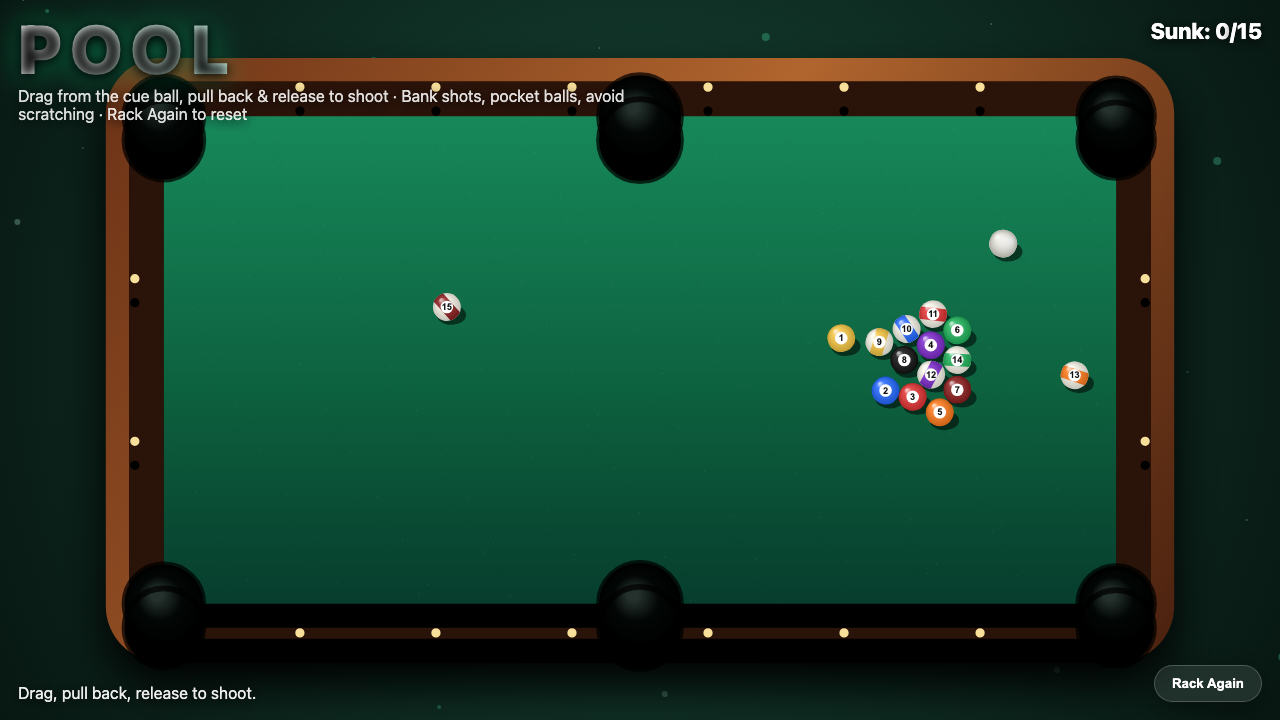
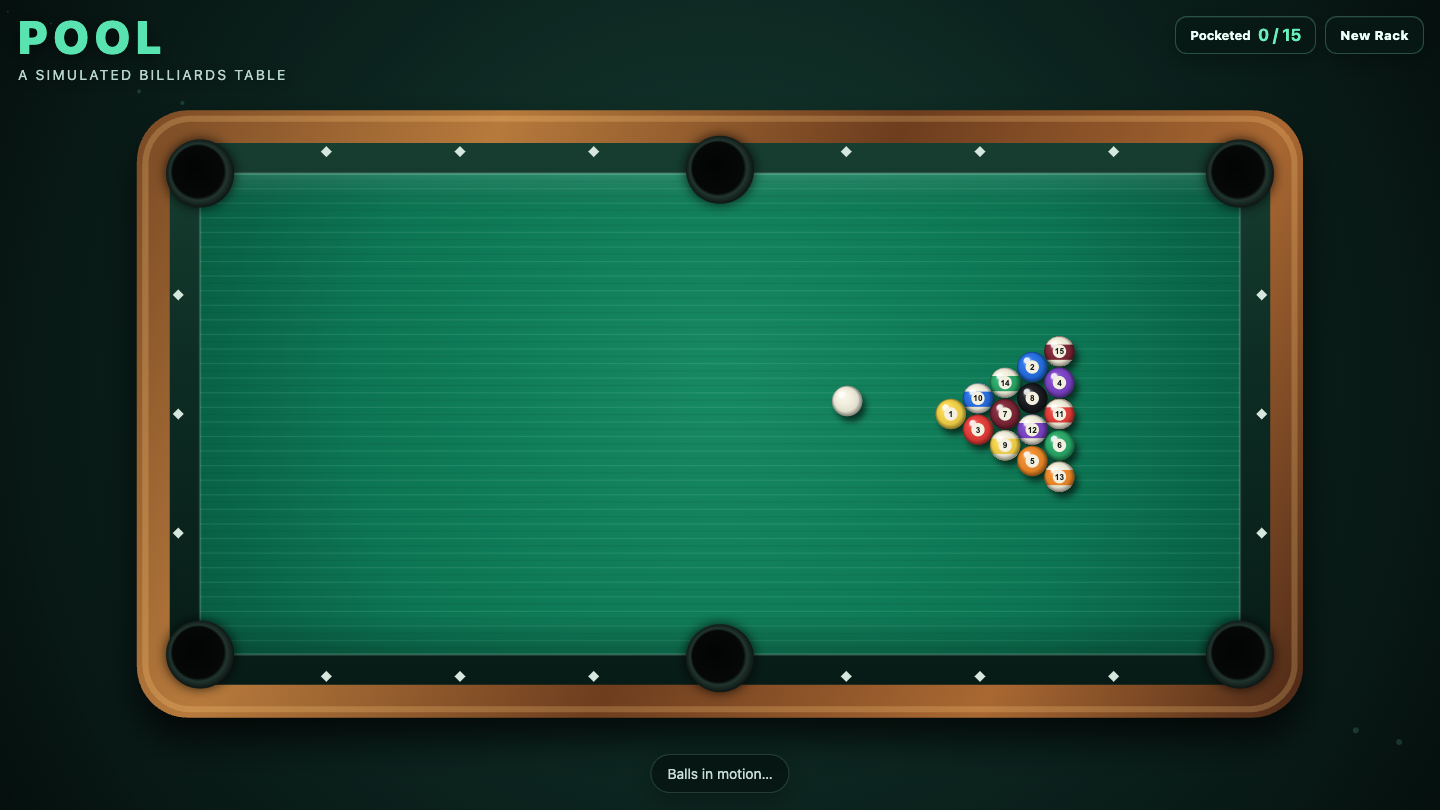
Game
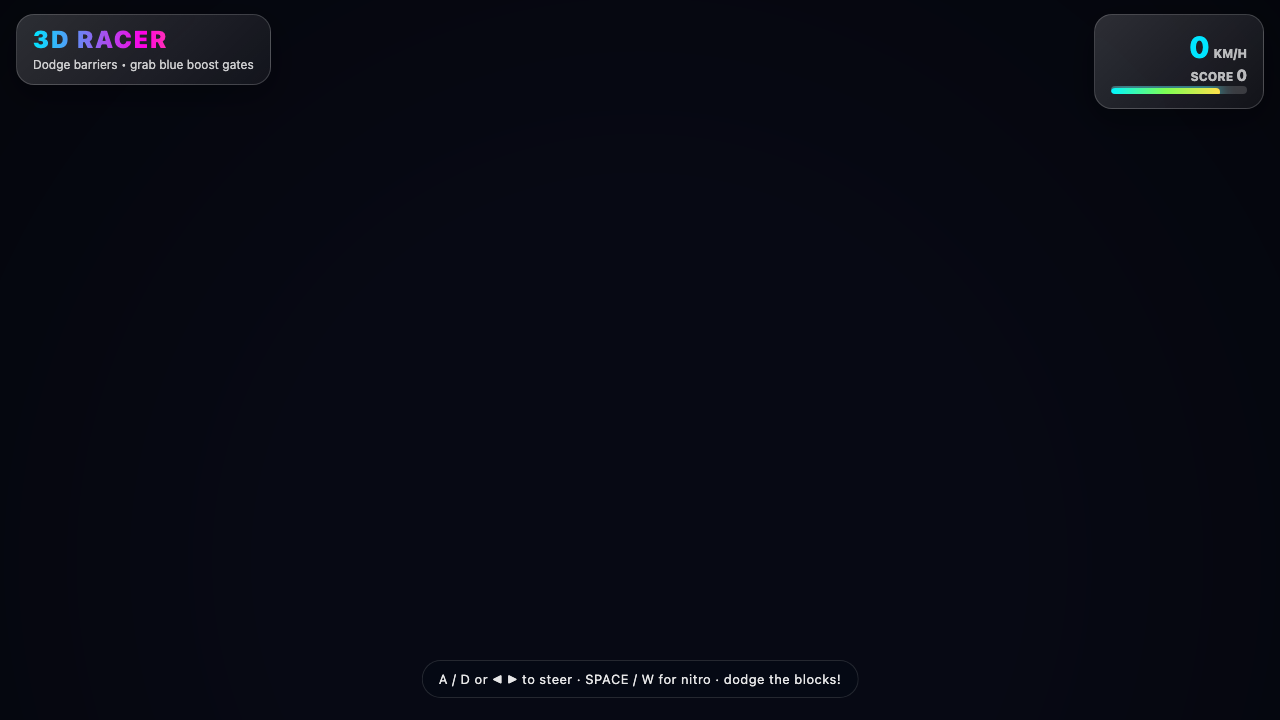
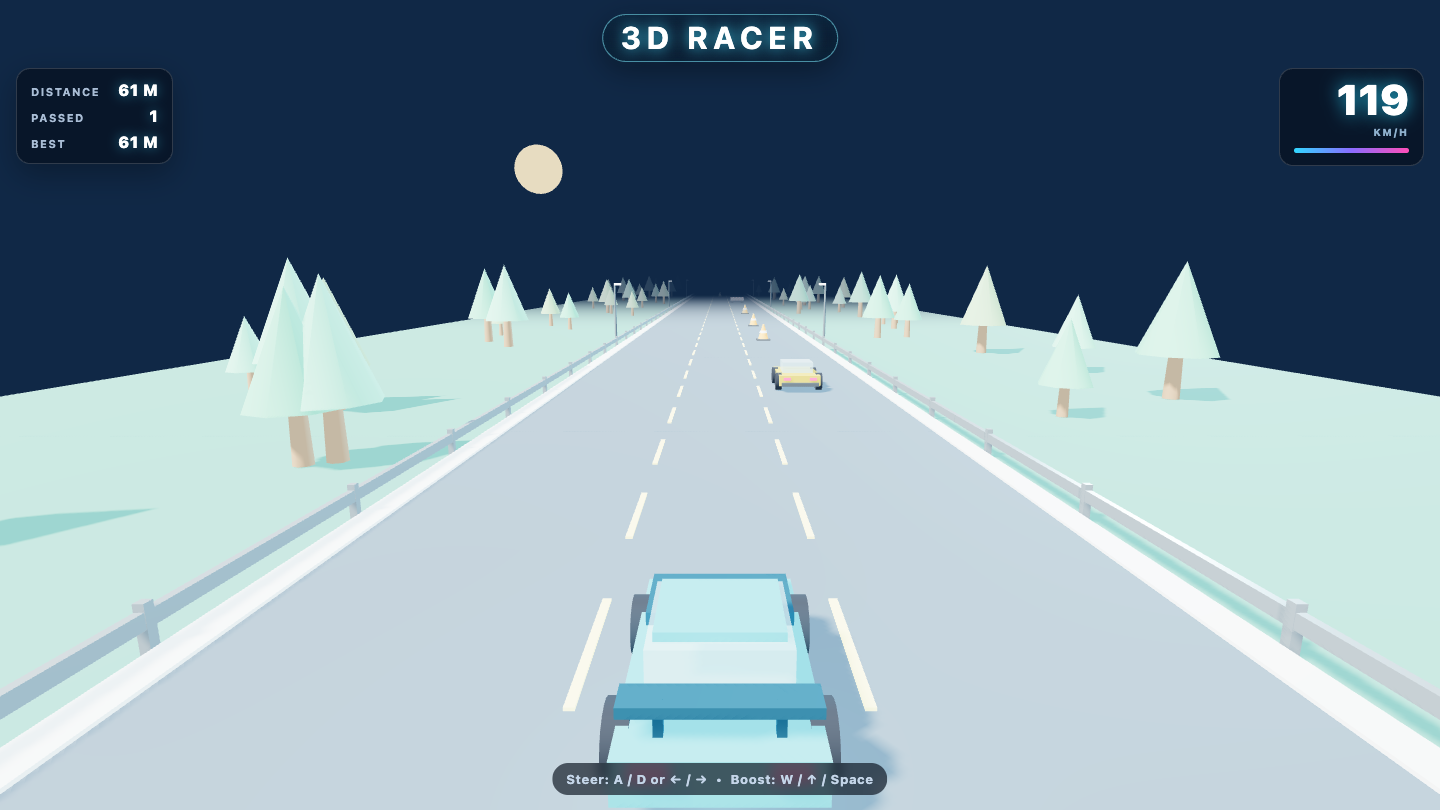
Game
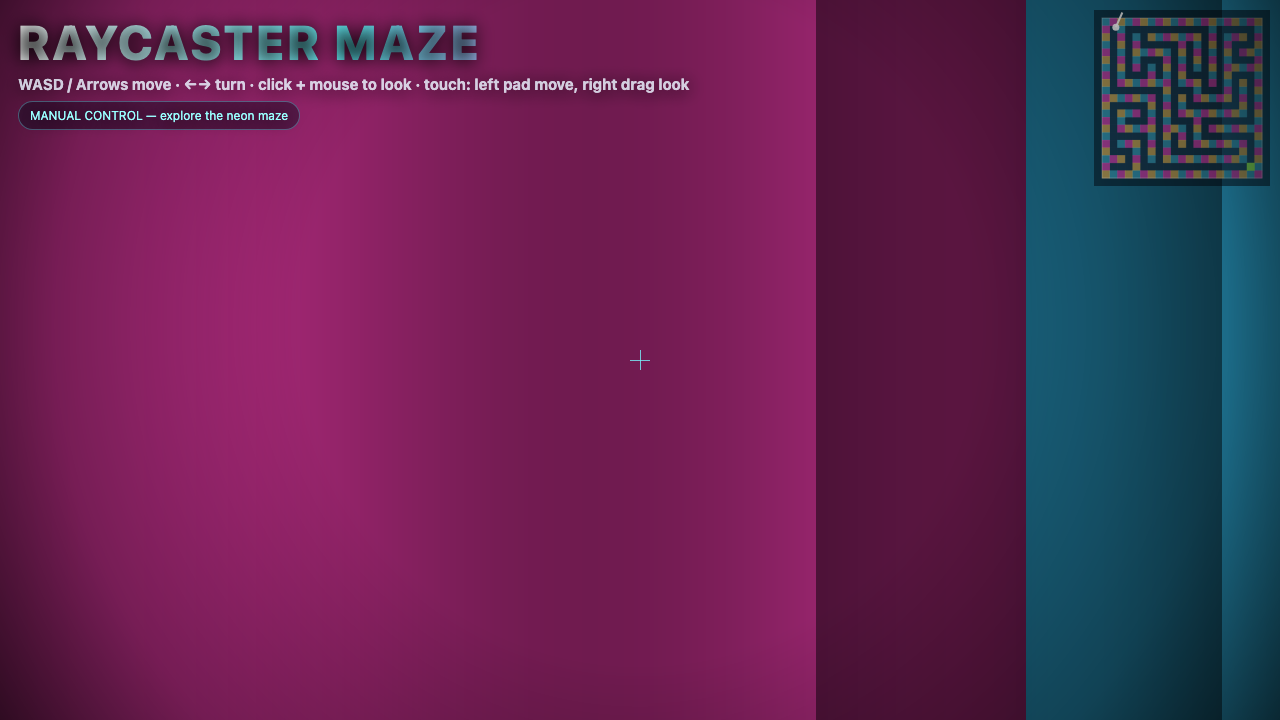
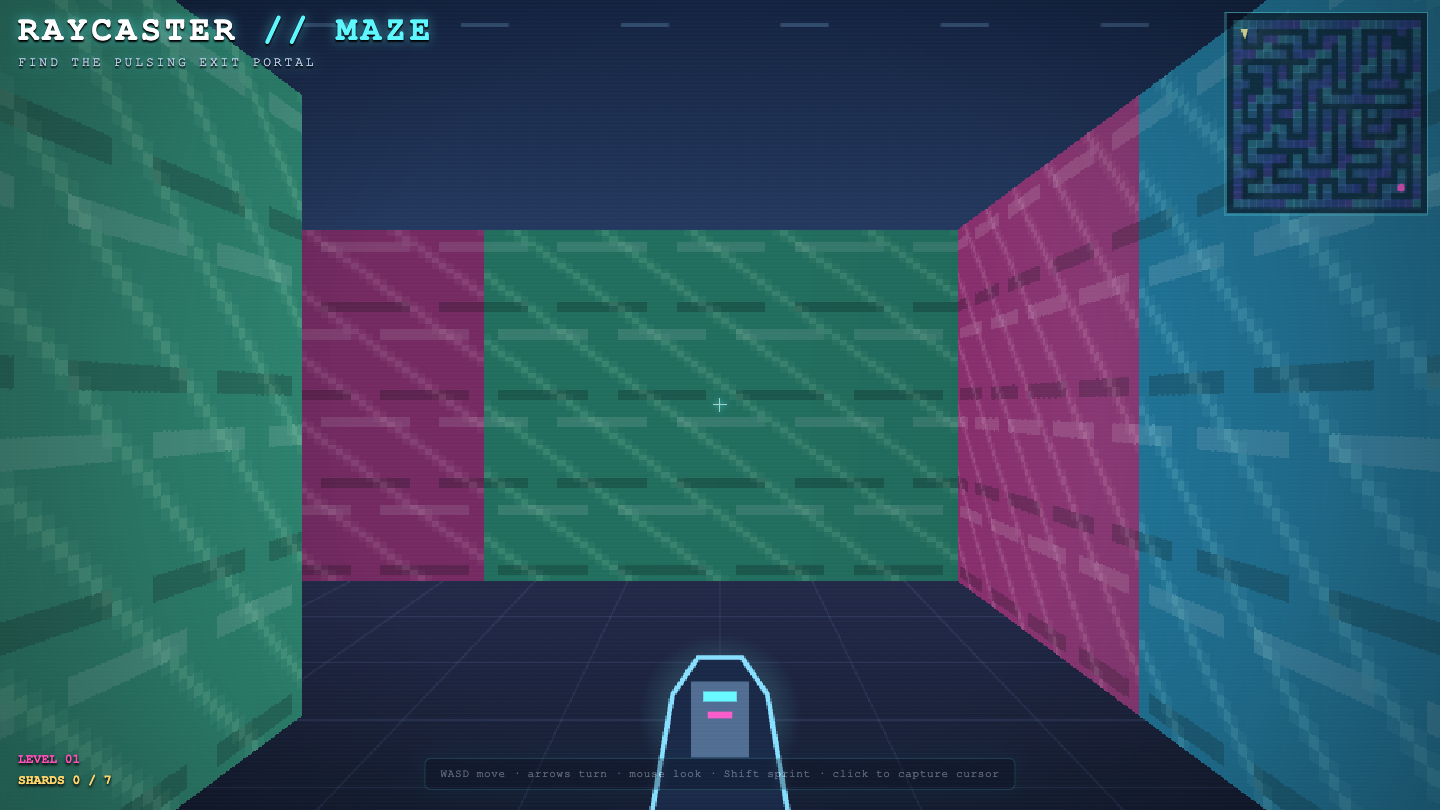
Game
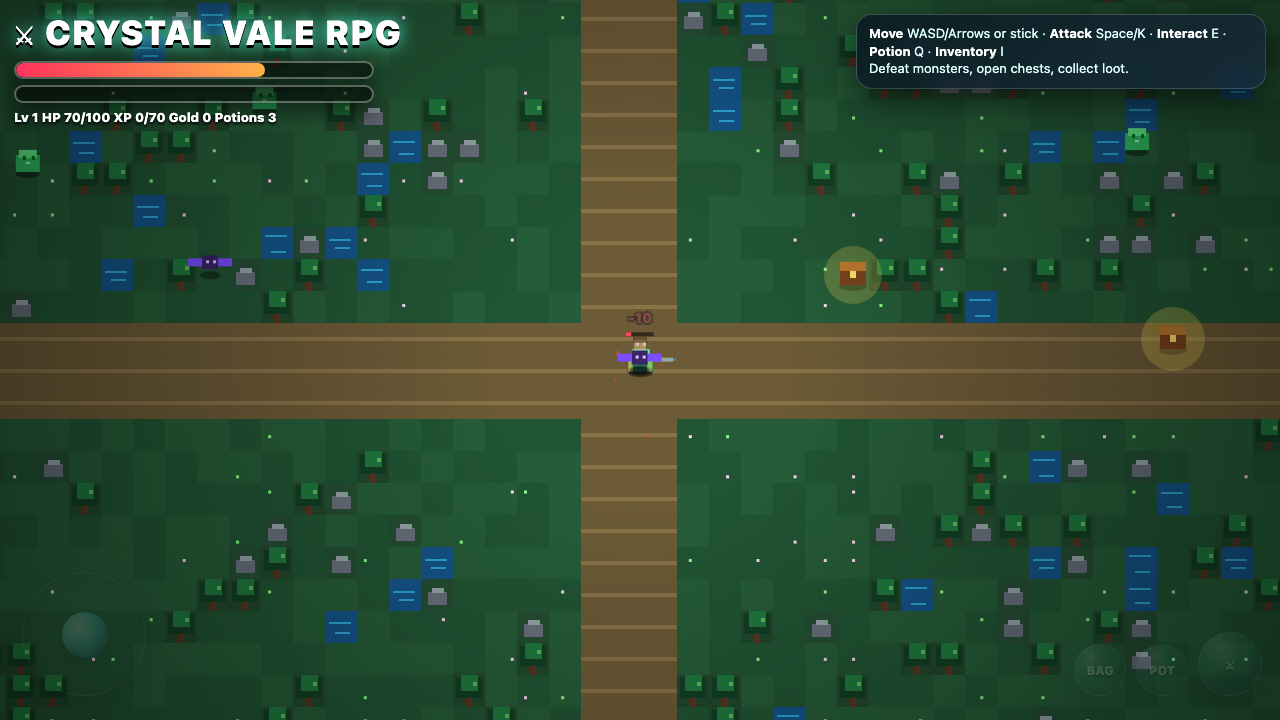
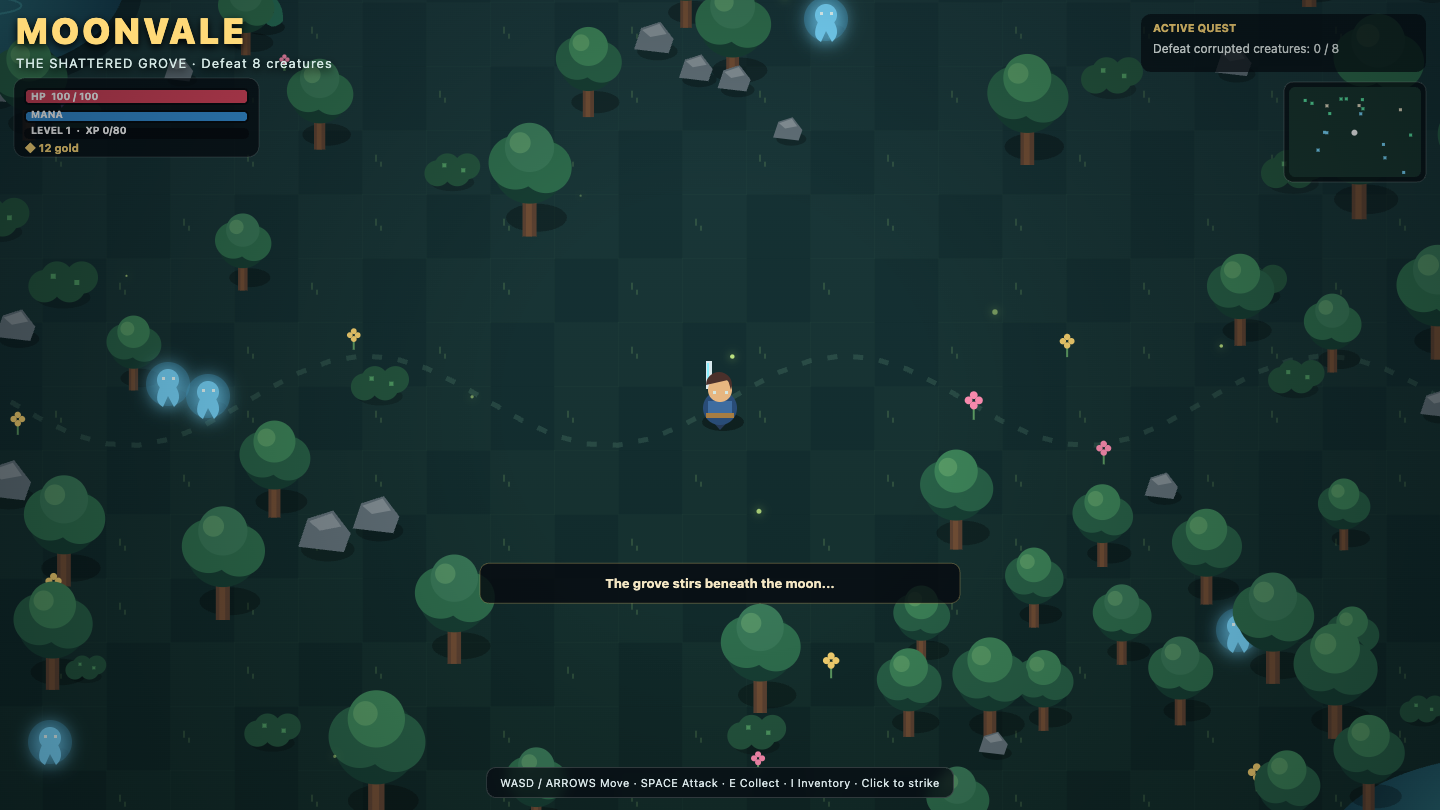
Game
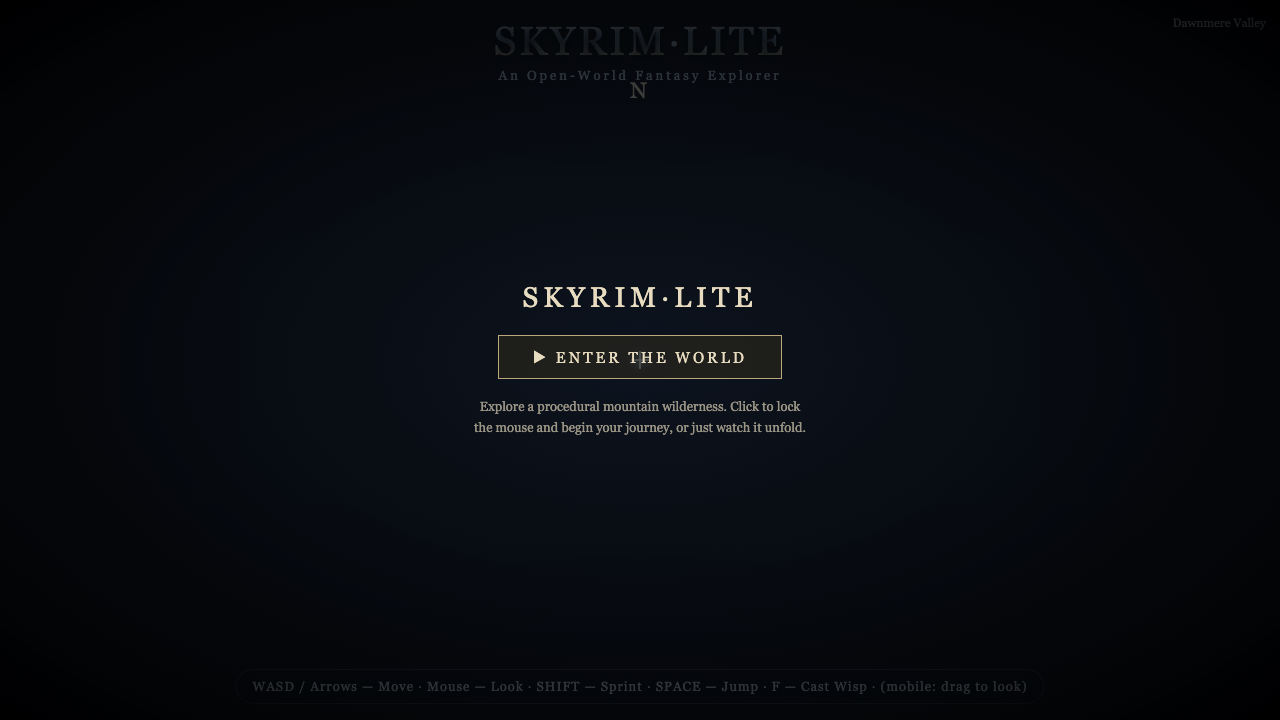
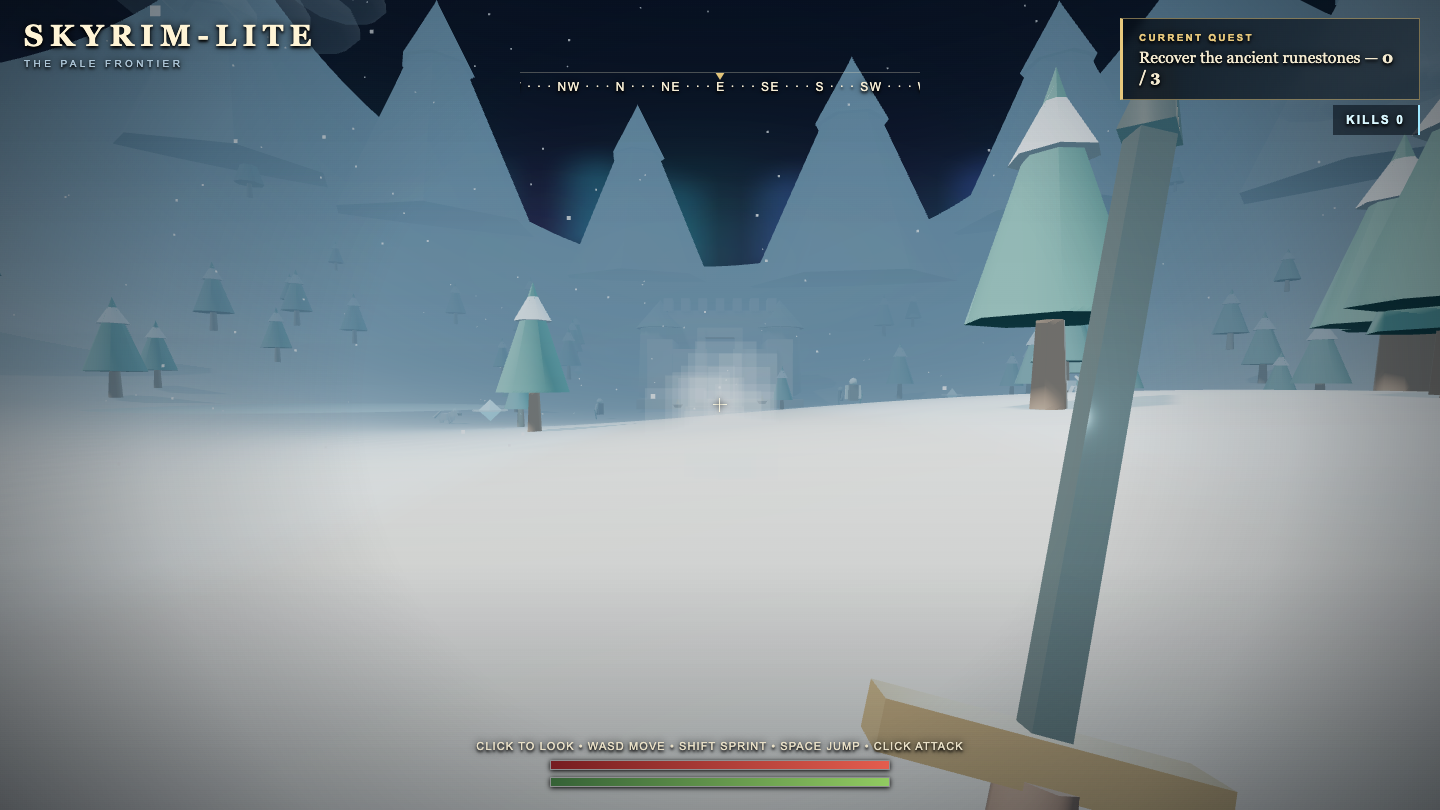
Game
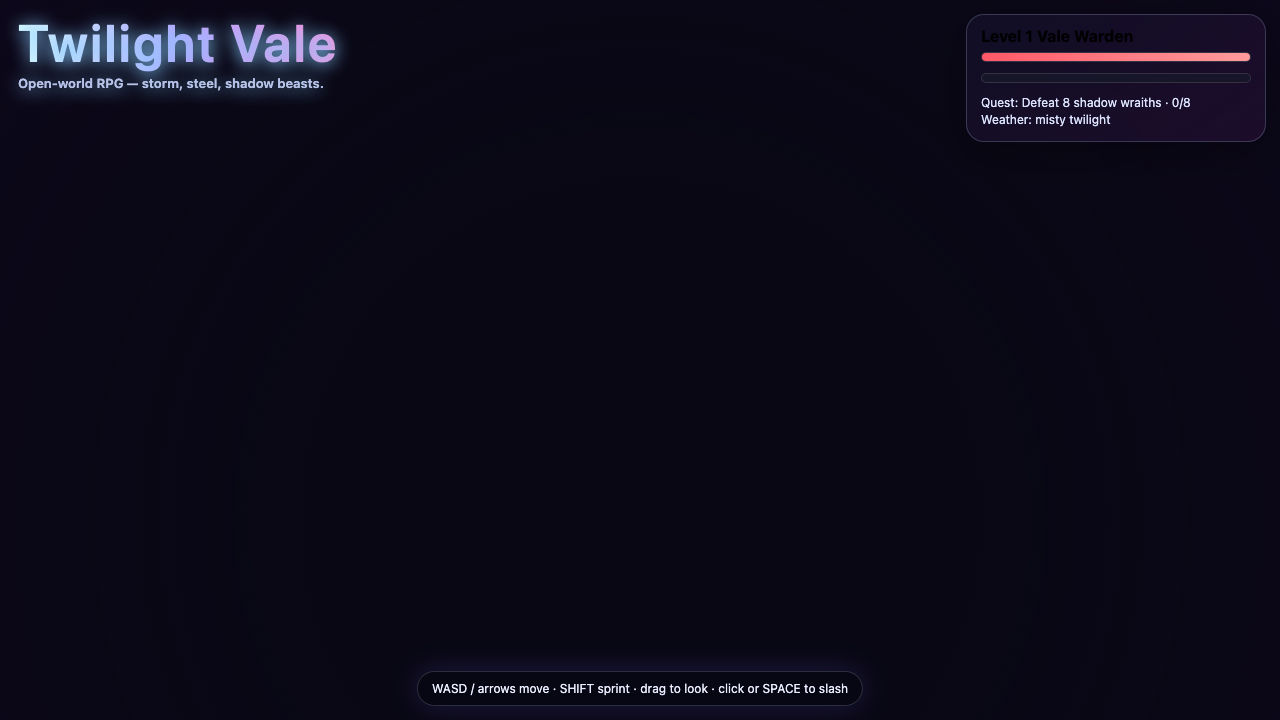
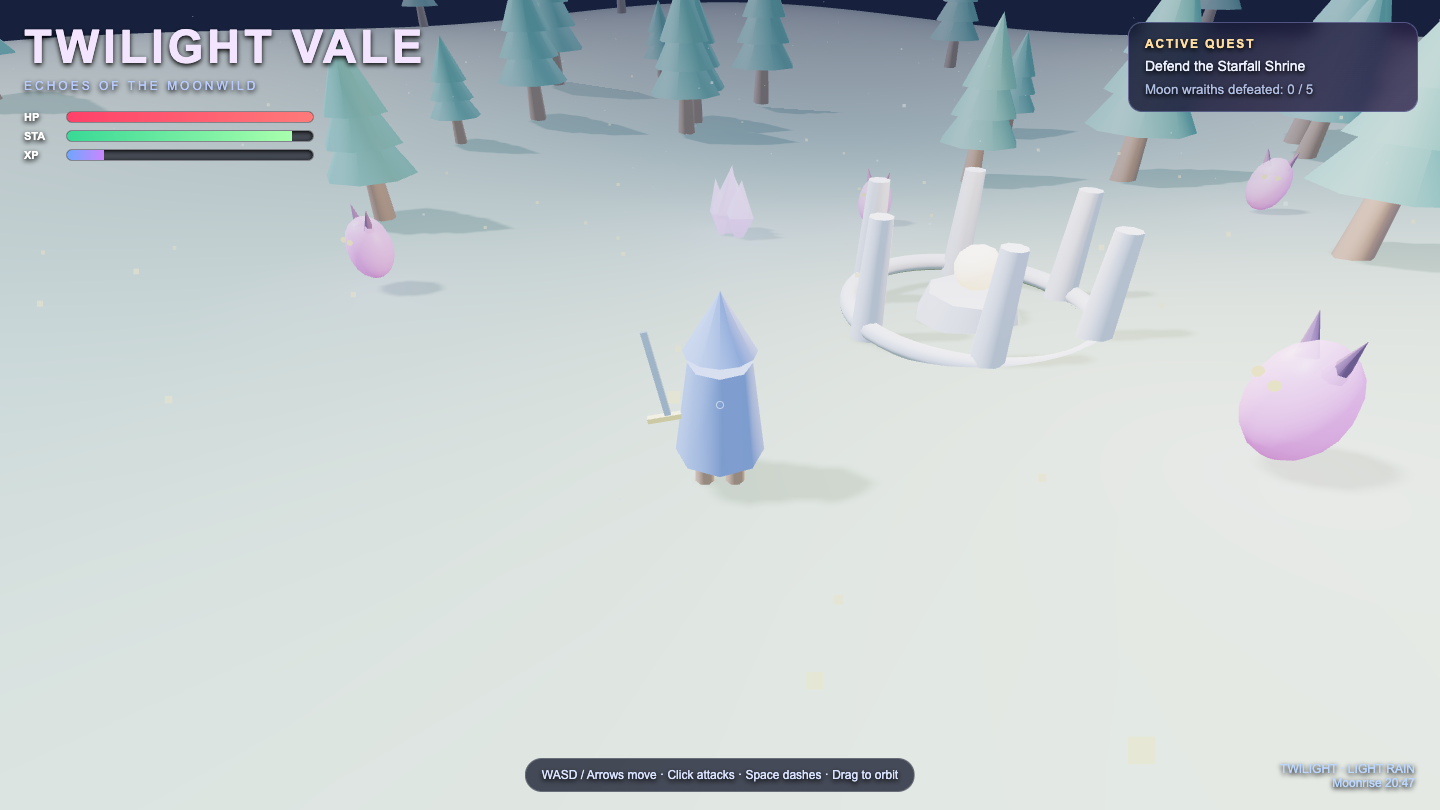
Game
Page
Where Hermes MoA beat GPT-5.6 Sol
The tasks where I gave Hermes MoA a higher 0–10 score on the same prompt — with the actual commentary from my source guides.
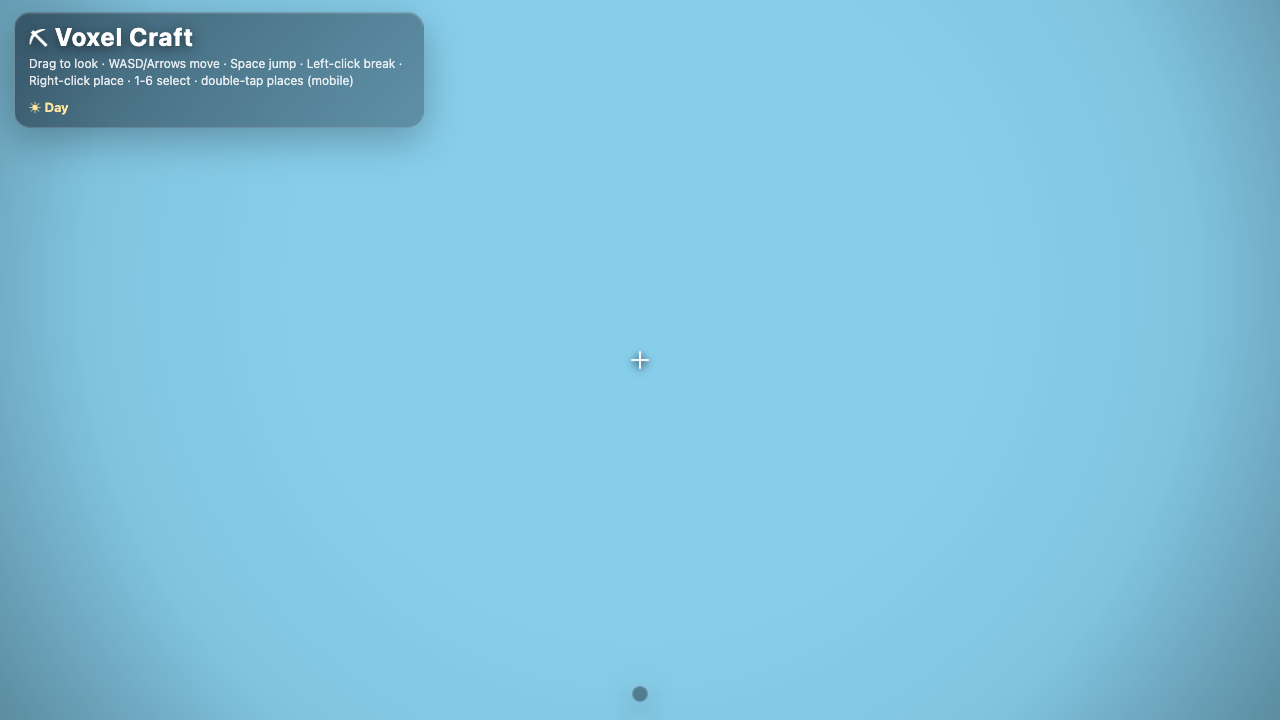
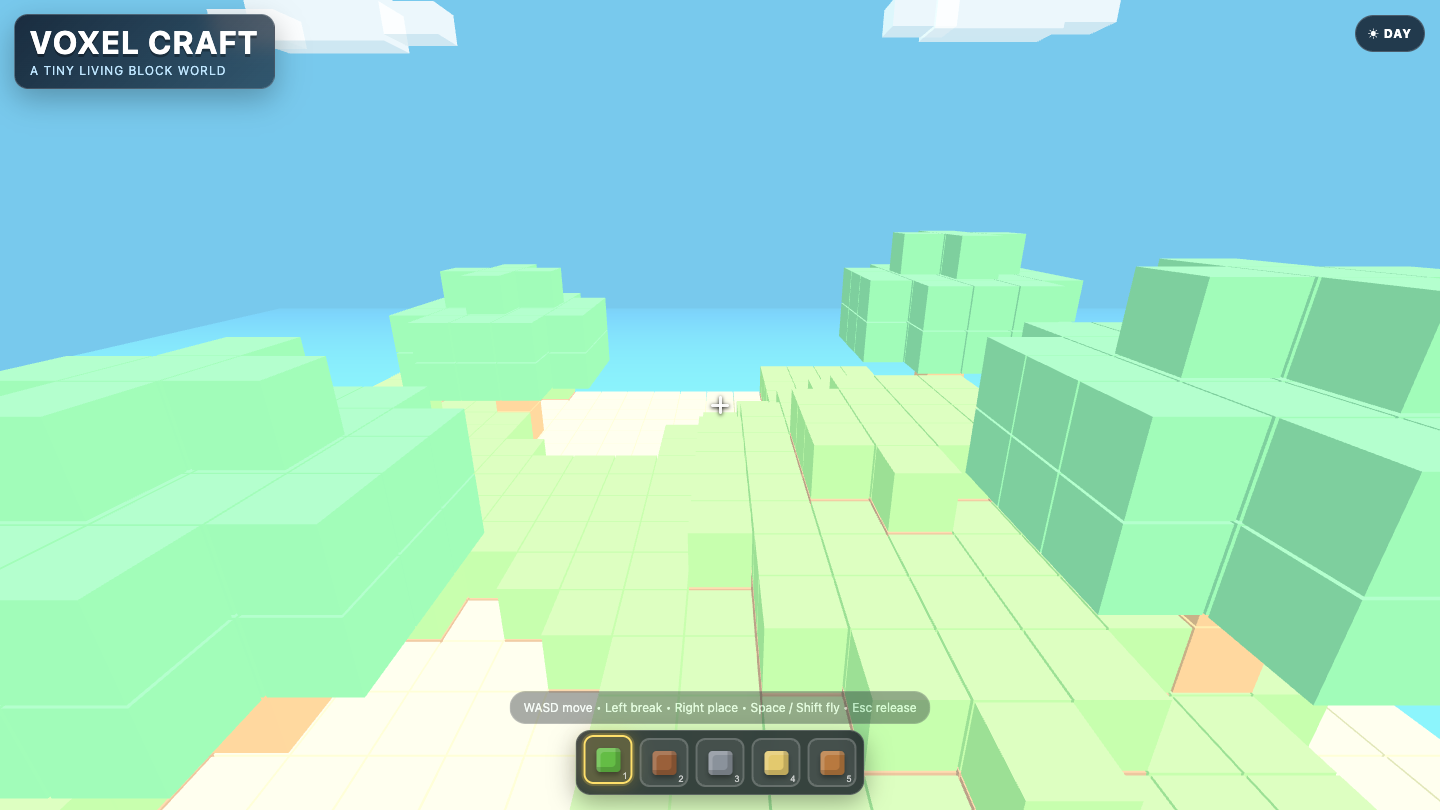
Voxel
Visual
Hermes MoA 7.8
·
GPT-5.6 Sol 3.5
(+4.3)
What I saw: Solid, clean voxel-art landscape generator with proper greedy face culling, perlin/fbm island terrain, water, trees, clouds and orbit controls — genuinely well-engineered, but it's a static scenic diorama rather than the interactive Temple-Run runner that Fusion/Fugu/GLM (9.0) an…
Pathtracer
Sim
Hermes MoA 8.0
·
GPT-5.6 Sol 6.4
(+1.6)
What I saw: A real progressive Monte-Carlo path tracer with diffuse/metal/glass/emissive materials, Russian-roulette termination, ACES tonemapping and ping-pong accumulation — genuinely on par with the field's WebGL renderers (Fusion/Fugu/MiniMax at 8.5), but the cosine-hemisphere sampling f…
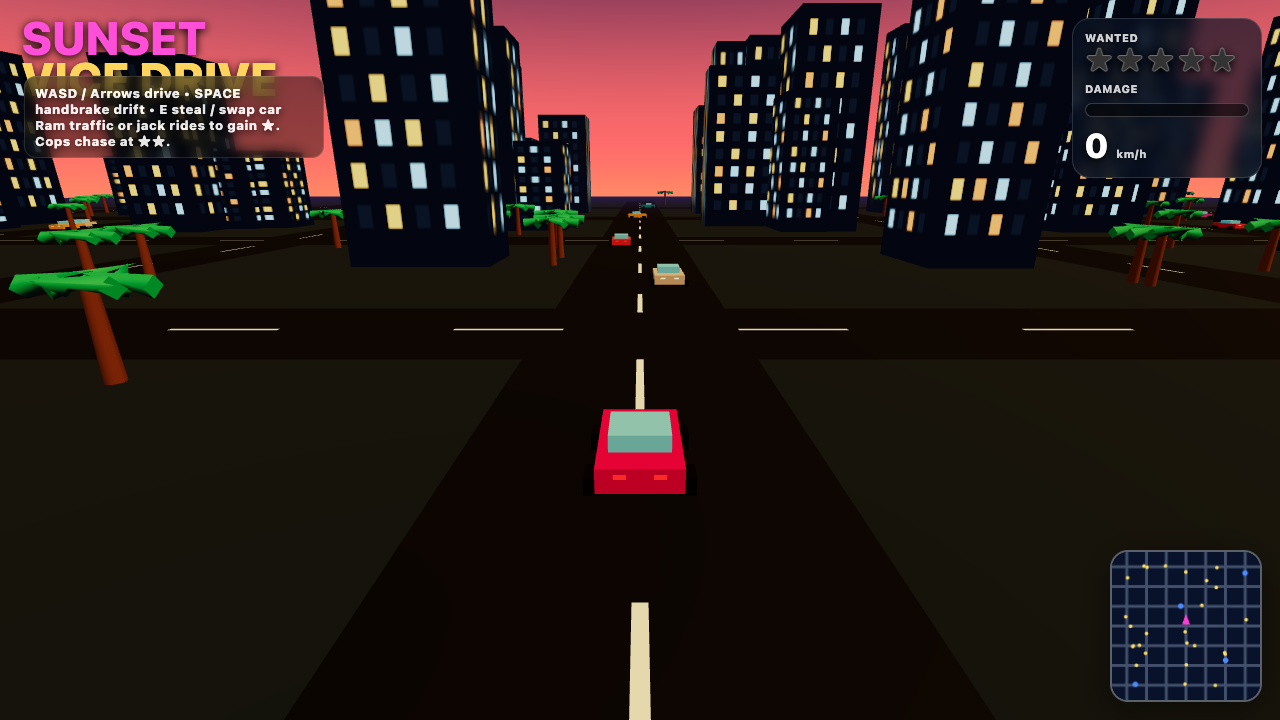
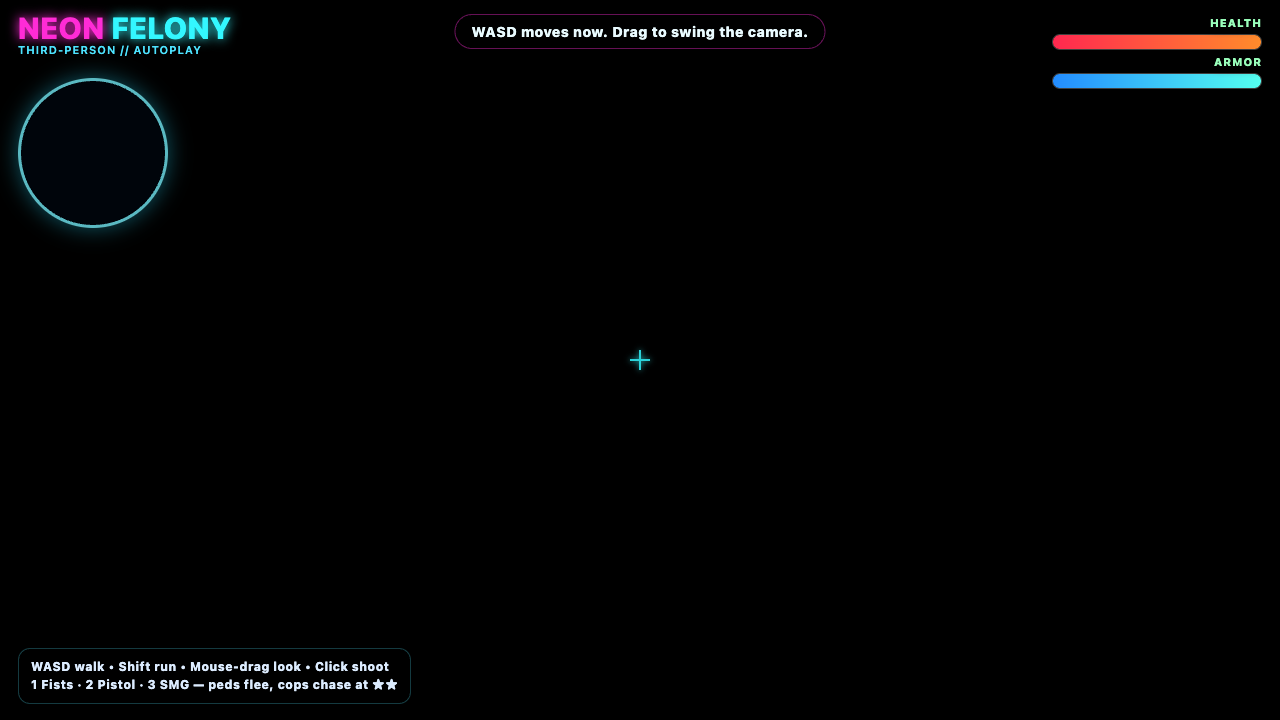
Gtafoot
Game
Hermes MoA 4.5
·
GPT-5.6 Sol 3.5
(+1.0)
What I saw: EYEBALL FAIL: black scene, HUD-only render (title/minimap/bars on void). Playtest said animates but nothing visible.
Terrain
Visual
Hermes MoA 8.4
·
GPT-5.6 Sol 7.4
(+1.0)
What I saw: This MoA build breaks from the Tron-grid pack with a naturalistic biome approach — seeded fbm noise, height-based color zones, instanced trees with slope-aware placement, animated water/clouds, and a polished HUD with both auto-pilot and full manual flight. It's clearly more comp…
Lavalamp
Visual
Hermes MoA 8.4
·
GPT-5.6 Sol 7.8
(+0.6)
What I saw: Polished, complete metaball lava lamp with a real lamp-shaped vessel (caps, rounded glass, vignette), interactive pointer-stir physics that displace blobs, and click-to-shift palette via cosine gradient — clearly more finished and interactive than Opus 4.8's bare 3KB shader and F…
Where GPT-5.6 Sol beat Hermes MoA
The tasks where I gave GPT-5.6 Sol a higher 0–10 score on the same prompt — with the actual commentary from my source guides.
Flightsim
Game
GPT-5.6 Sol 8.4
·
Hermes MoA 6.5
(+1.9)
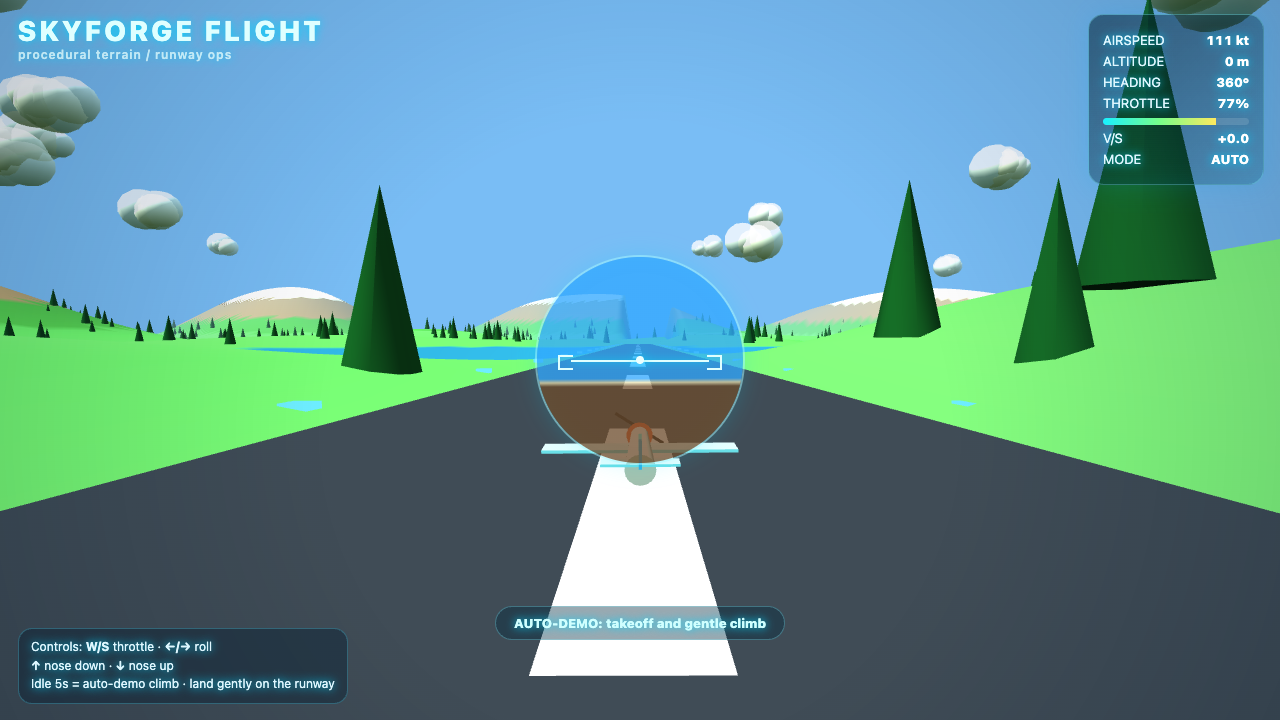
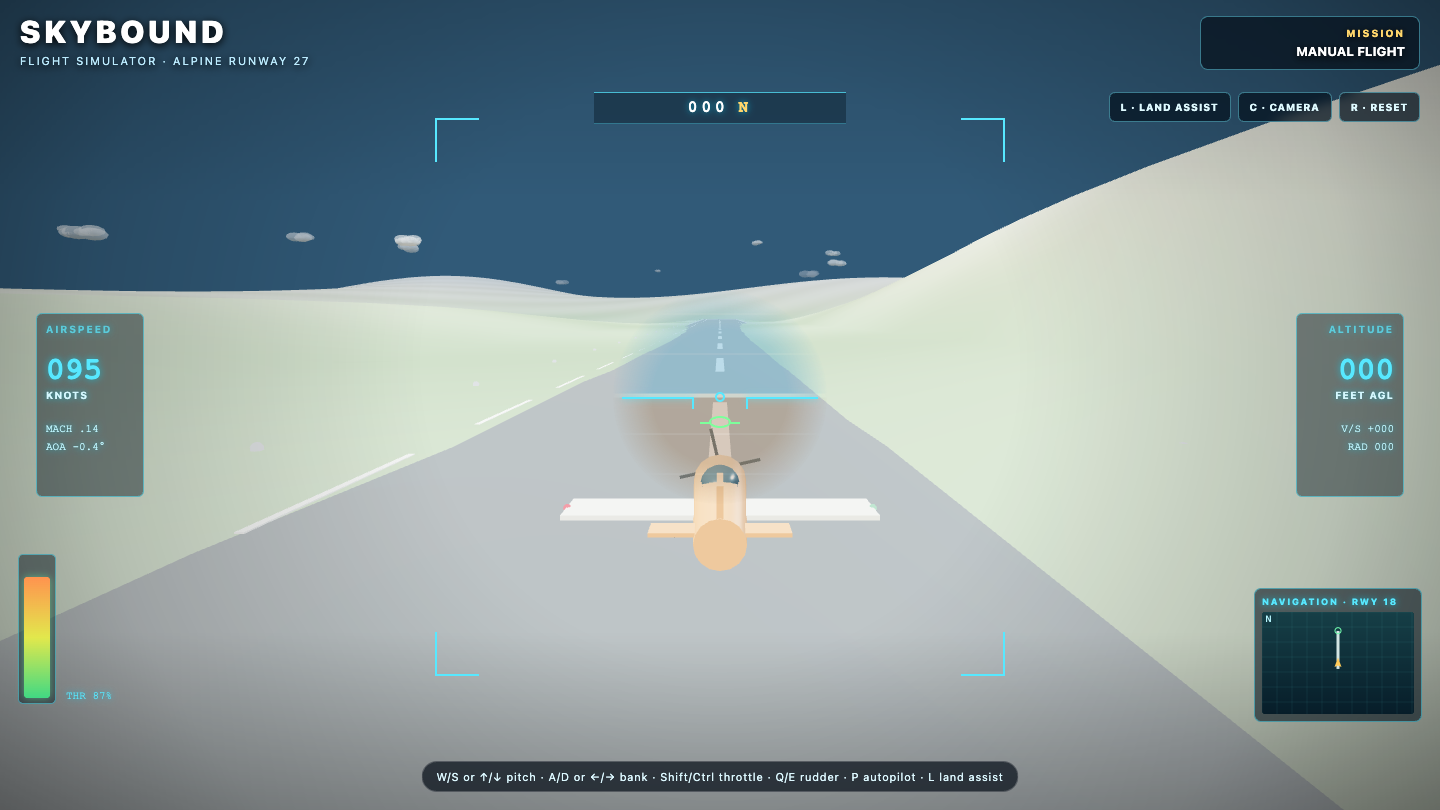
What I saw: Renders cleanly with a polished, cohesive HUD—airspeed/altitude tapes, compass, throttle, nav map, brackets and flight-path marker—and a believable runway-perspective terrain with a chase-cam aircraft, hitting all brief elements (takeoff, terrain, HUD, landing assist). Loses a to…
Parachute
Game
GPT-5.6 Sol 8.1
·
Hermes MoA 6.5
(+1.6)
What I saw: Strong, clean 3D render with a convincing open chute, rigged skydiver, jungle canopy and a proper HUD showing altitude/fall speed/target and CHUTE OPEN state — polished and clearly on-brief. Slightly held back by the chute filling most of the frame and an empty freefall/plane pha…
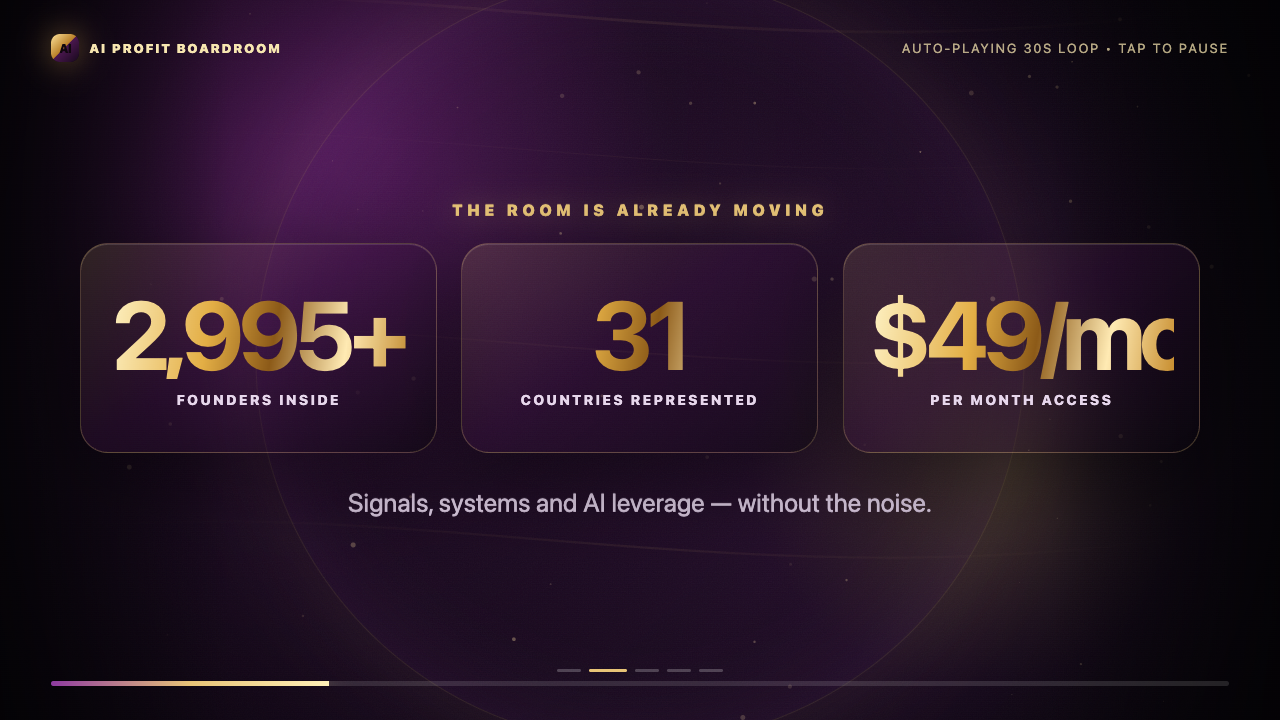
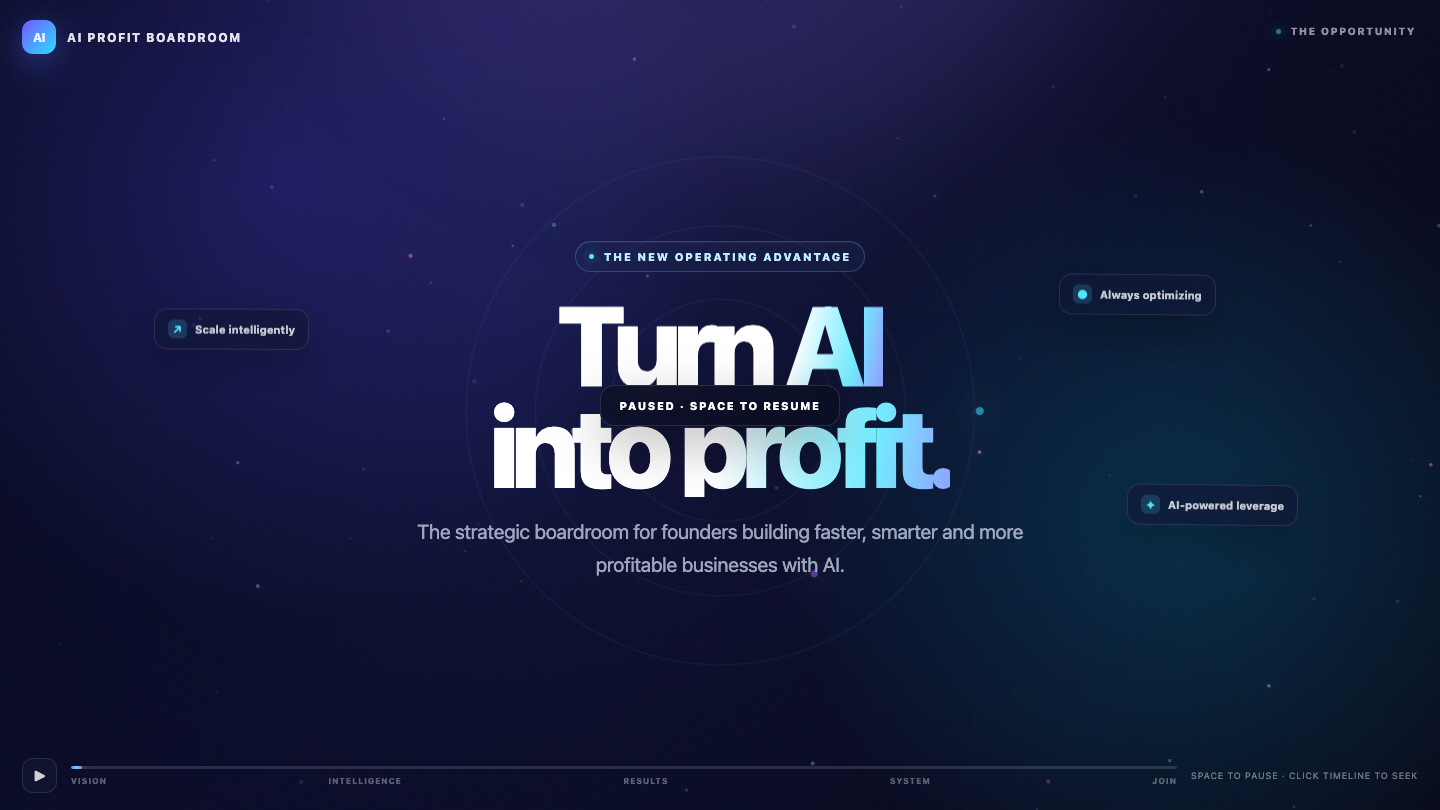
Aipbpromo
Page
GPT-5.6 Sol 8.3
·
Hermes MoA 7.0
(+1.3)
· Cinematic scene player
What I saw: Polished cinematic intro with gorgeous gradient headline, orbit system, floating chips, and a real chapter timeline with play/pause/seek controls that reads distinctly Remotion-like. Slightly generic word-reveal motion and the paused-state overlay obscuring the hero text hold it …
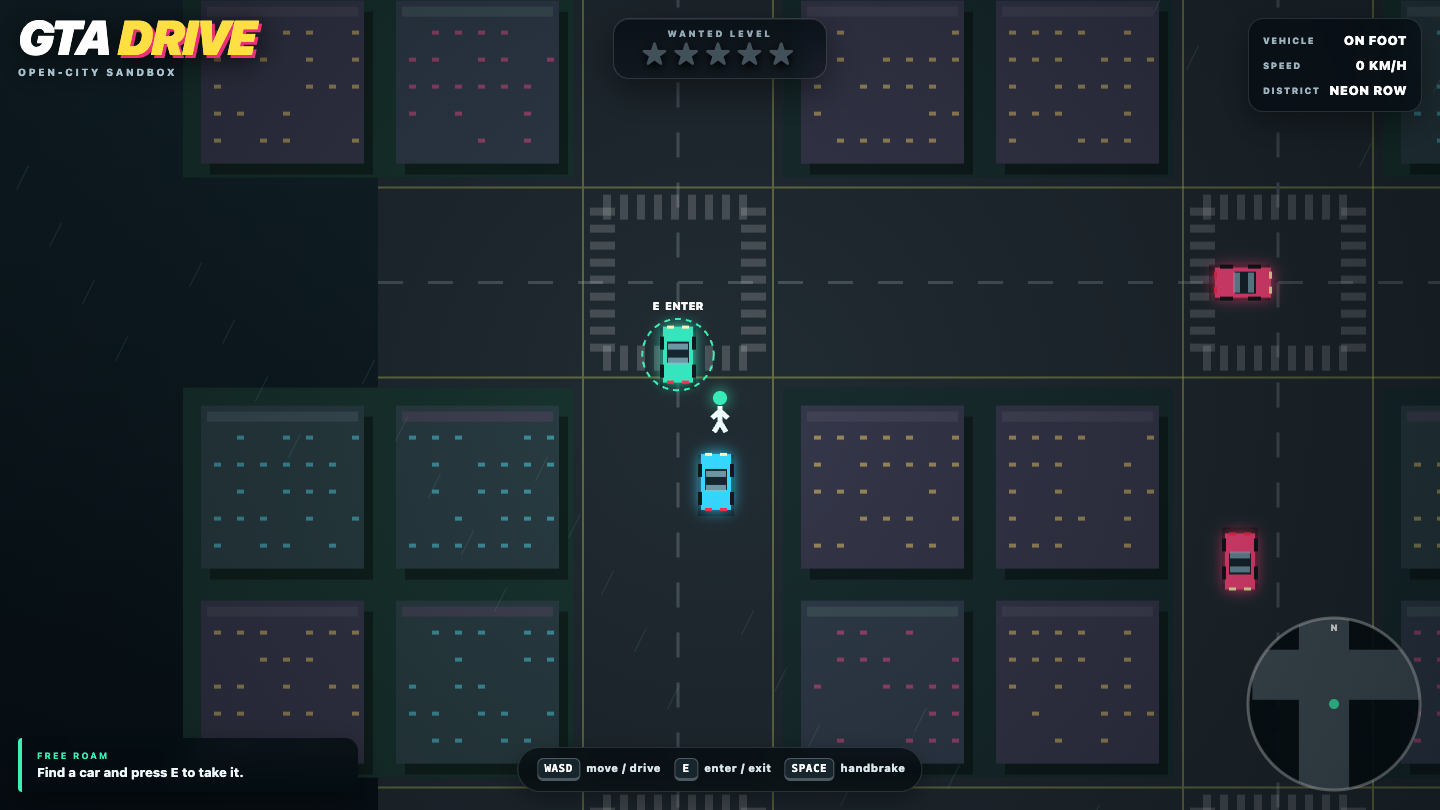
Gtadrive
Game
GPT-5.6 Sol 8.4
·
Hermes MoA 7.5
(+0.9)
· polished neon sandbox
What I saw: Clean top-down city with well-rendered roads, crosswalks, buildings with lit windows, cars with glowing taillights, an on-foot player with 'E ENTER' prompt, and a full HUD (wanted stars, status panel, minimap, objective, controls) — highly polished and clearly on-brief. Falls jus…
Dragonrealm
Game
GPT-5.6 Sol 8.6
·
Hermes MoA 7.8
(+0.8)
· Frostbound atmosphere wins
What I saw: Strong on-brief render: cohesive misty low-poly frozen world with layered snow mountains, pines, a ruined watchtower objective, a flying dragon silhouette, drawn sword in view, and elegant Skyrim-style HUD (compass, quest marker, hint bar, health). Very polished atmosphere; only …
Strengths & weaknesses I logged
Hermes MoA
Strengths
- On GoldieBench, the MoA panel's galaxy edged solo Opus 4.8 — 8.6 vs 8.5 — with a denser 24k-particle spiral (the system beats the model)
- Two gold + one silver across its first three one-shot builds (galaxy, fireworks, arcade)
- Vendor-agnostic — swap any OpenRouter model into a panel or aggregator slot without touching the workflow
Trade-offs
- Latency is the panel's slowest draft plus the aggregator pass — ~110–140s per single-file build vs a solo model's one call
- Costs more per task than any single model (every panel slot + the aggregator are separate calls)
- Only 3 of 42 bench tasks run so far — a representative slice, not the full board
GPT-5.6 Sol
Strengths
- Strong one-shot 3D games — Dragon Realm, Doom raycaster and Skyrim-lite all judged task winners
- Whole 5.6 lineup rated High capability, even the small Luna/Terra tiers — a first for OpenAI
- Huge ~1.05M-token context on every tier, plus a low-to-high reasoning-effort dial
Trade-offs
- Priciest tier on the bench at $30/M output — only worth routing the hardest 10% of work to Sol
- Reasoning can eat the token budget on big open-world briefs (one 0-byte failure until the budget was raised, then it built clean)
Pricing & context — the spec sheet
| Spec | Hermes MoA | GPT-5.6 Sol |
|---|---|---|
| Vendor | Hermes · Mixture of Agents | OpenAI |
| Context window | Varies — the sum of the panel models' contexts (Opus 4.8 + GPT-5.5) | 1,050,000 tokens |
| Price | Panel + aggregator calls (via OpenRouter) | $5 / $30 per M |
| Pricing detail | Hermes Mixture of Agents dispatches one prompt to a configurable panel of frontier models in parallel, then a named aggregator reads every draft and writes one better final answer. Default panel: Claude Opus 4.8 + GPT-5.5, aggregated by Opus 4.8 — all via the OpenRouter key. Unlike a black-box ensemble, every slot is yours to swap from the Mixture tab in the Agent OS. | GPT-5.6 shipped as three models — Luna ($1/$6 per M), Terra ($2.50/$15) and Sol ($5/$30) — each with a same-price pro variant that ships a higher default reasoning effort. All share a ~1.05M-token context window and are rated High capability. Benched here on the flagship, Sol, at medium reasoning effort via OpenRouter. |
| Release | 2026-06-28 | 2026-07 |
| Bench coverage | 47/47 scored · avg 8.17/10 | 50/50 scored · avg 8.16/10 |
The verdict — which should you pick?
Across 47 scored shared tasks, the averages are essentially tied — Hermes MoA 8.17 vs GPT-5.6 Sol 8.16. This isn't the comparison where one wins; it's the comparison where you pick based on context, pricing, and what you're actually trying to ship.
If you only run one of these inside your stack, the head-to-head average above is the call. If you can run both, my honest play is to wire Hermes MoA and GPT-5.6 Sol both into the Agent Operating System and dispatch each from the kanban by task type — high-stakes single prompts where ensemble quality beats single-model speed → Hermes MoA, the hardest reasoning and code where being right beats being cheap → GPT-5.6 Sol. That's the same setup I run for the 3,400+ founders inside the AI Profit Boardroom.
FAQ — Hermes MoA vs GPT-5.6 Sol
Which is better, Hermes MoA or GPT-5.6 Sol?
On Goldie Bench, Hermes MoA averages 8.17/10 across the shared tasks, with 3 gold, 10 silver, 2 bronze overall. GPT-5.6 Sol averages 8.16/10, with 2 gold, 9 silver, 10 bronze. It's a curated tie on the head-to-head.
How much does Hermes MoA cost vs GPT-5.6 Sol?
Hermes MoA: Hermes Mixture of Agents dispatches one prompt to a configurable panel of frontier models in parallel, then a named aggregator reads every draft and writes one better final answer. Default panel: Claude Opus 4.8 + GPT-5.5, aggregated by Opus 4.8 — all via the OpenRouter key. Unlike a black-box ensemble, every slot is yours to swap from the Mixture tab in the Agent OS. GPT-5.6 Sol: GPT-5.6 shipped as three models — Luna ($1/$6 per M), Terra ($2.50/$15) and Sol ($5/$30) — each with a same-price pro variant that ships a higher default reasoning effort. All share a ~1.05M-token context window and are rated High capability. Benched here on the flagship, Sol, at medium reasoning effort via OpenRouter.
What's the context window for Hermes MoA vs GPT-5.6 Sol?
Hermes MoA has a Varies — the sum of the panel models' contexts (Opus 4.8 + GPT-5.5) context window. GPT-5.6 Sol has a 1,050,000 tokens context window.
When should I pick Hermes MoA over GPT-5.6 Sol?
Pick Hermes MoA for: High-stakes single prompts where ensemble quality beats single-model speed; Squeezing frontier-plus output from models you already have while Fable 5 / GPT-5.6 are still in preview; Production agents that want a configurable panel + vendor-redundancy on every call. The trade-off is the weaknesses we logged on the bench: Latency is the panel's slowest draft plus the aggregator pass — ~110–140s per single-file build vs a solo model's one call; Costs more per task than any single model (every panel slot + the aggregator are separate calls); Only 3 of 42 bench tasks run so far — a representative slice, not the full board.
When should I pick GPT-5.6 Sol over Hermes MoA?
Pick GPT-5.6 Sol for: The hardest reasoning and code where being right beats being cheap; One-shot game/sim prototypes you want shippable on the first prompt; The flagship slot in a routed Agent OS — Sol for the hard 10%, Luna/Terra for the rest. The trade-off is the weaknesses we logged on the bench: Priciest tier on the bench at $30/M output — only worth routing the hardest 10% of work to Sol; Reasoning can eat the token budget on big open-world briefs (one 0-byte failure until the budget was raised, then it built clean).
How does Goldie Bench score Hermes MoA vs GPT-5.6 Sol?
Every demo on this page was built by Julian Goldie inside the Agent Operating System — same fixed prompt for both models, one shot, single HTML file out. Each result gets a 0–10 score on whether it ran, how close it hit the brief, and how good it looked. The highest score on each task gets gold; second gets silver; third gets bronze. See methodology for full provenance.
Related comparisons
Other head-to-heads using the same scoring system:
Hermes MoA vs Fusion GPT-5.6 Sol vs Fusion Hermes MoA vs Claude Opus 5 GPT-5.6 Sol vs Claude Opus 5 Hermes MoA vs Claude Fable 5 GPT-5.6 Sol vs Claude Fable 5 Hermes MoA vs Qwen 3.8 GPT-5.6 Sol vs Qwen 3.8Full model pages: Hermes MoA · GPT-5.6 Sol · back to the leaderboard
The same stack Julian uses
Run this stack yourself.
Every demo on this bench was built inside the Agent Operating System — one prompt, one shot, single HTML file out. The Agent OS, the prompts, the templates, the weekly walkthroughs and 3,400+ founders shipping with it every day all live inside the AI Profit Boardroom.
3,400+founders
258documented wins
38countries
$69/momonthly