Real head-to-head · same prompt, one shot
GPT-5.6 Sol vs MiniMax M3
OpenAI's flagship — the Sun of the 5.6 lineup. vs 1M-context frontier model at $0.30/M tokens — cheapest big-context model on the bench.
Head-to-head verdict: GPT-5.6 Sol wins 32–15.
What I tested — same prompt, two models
I run the same fixed prompt set through every new model the day it drops — same string, one shot, single HTML file out — and I score the result 0–10 on whether it ran, how close it hit the brief, and how good it looked. Below is what came out when I gave the exact same prompts to GPT-5.6 Sol and MiniMax M3, side by side, on 47 shared tasks inside the Agent Operating System.
Both models were given identical prompts inside the Agent Operating System — no help, no iteration, no "best of N" tricks. I run each prompt once, save the HTML file the model produces, and score it 0–10 on whether it ran, how close it hit the brief, and how good it looked. The scoring is mine. The verdicts below are pulled from my source comparison guides at agentos.guide where I publish every score and the reasoning behind it.
GPT-5.6 Sol · Benched on GoldieBench as the flagship Sol at medium reasoning, one-shot, then headless-playtested. In the Agent OS it's the top tier of a routed stack — Sol on the hard calls, Terra for the bulk, Luna for the everyday 90%.
MiniMax M3 · Bench prompts dispatched via OpenRouter. Scored by Claude judge against the same 42 prompts every other model ran.
Side-by-side on 50 shared tasks
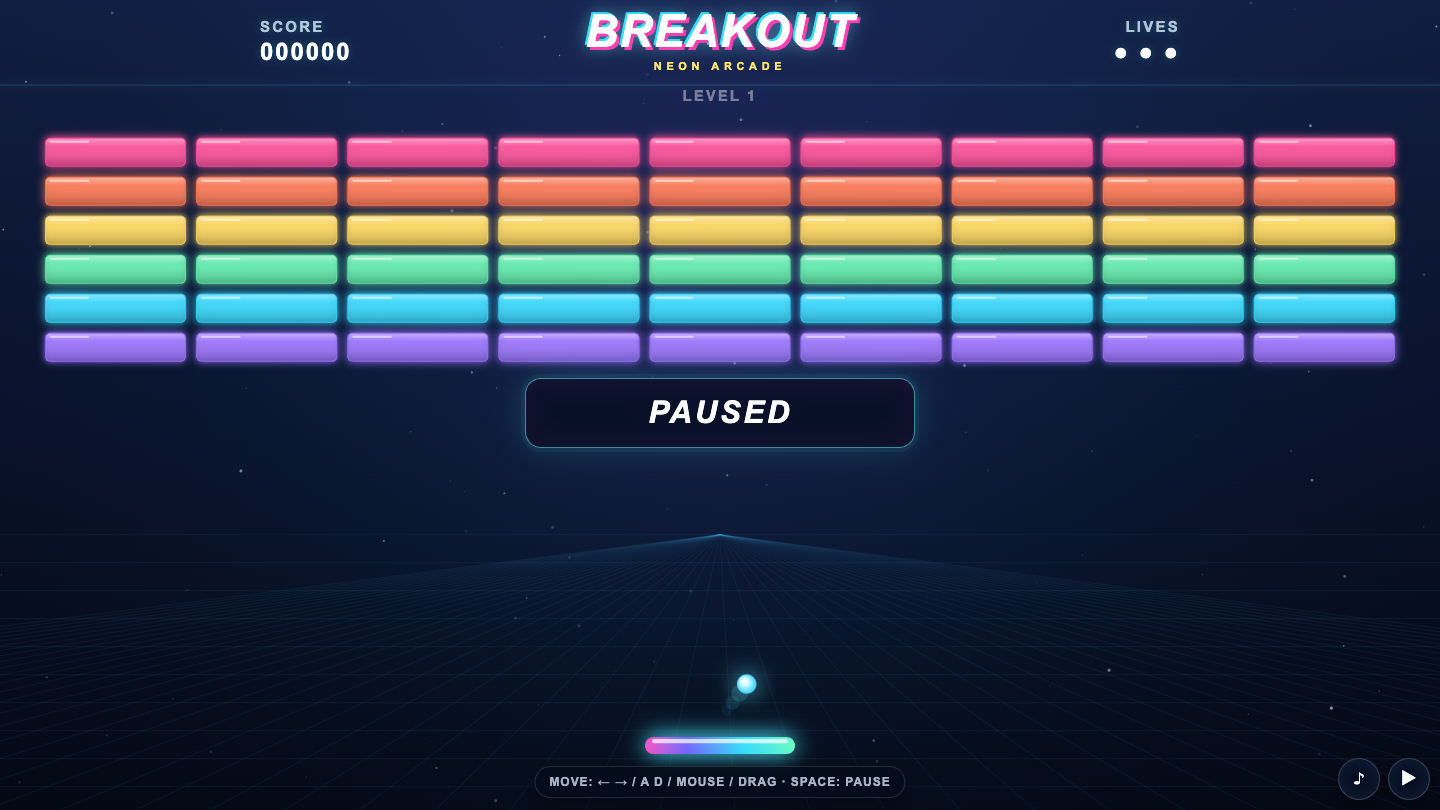
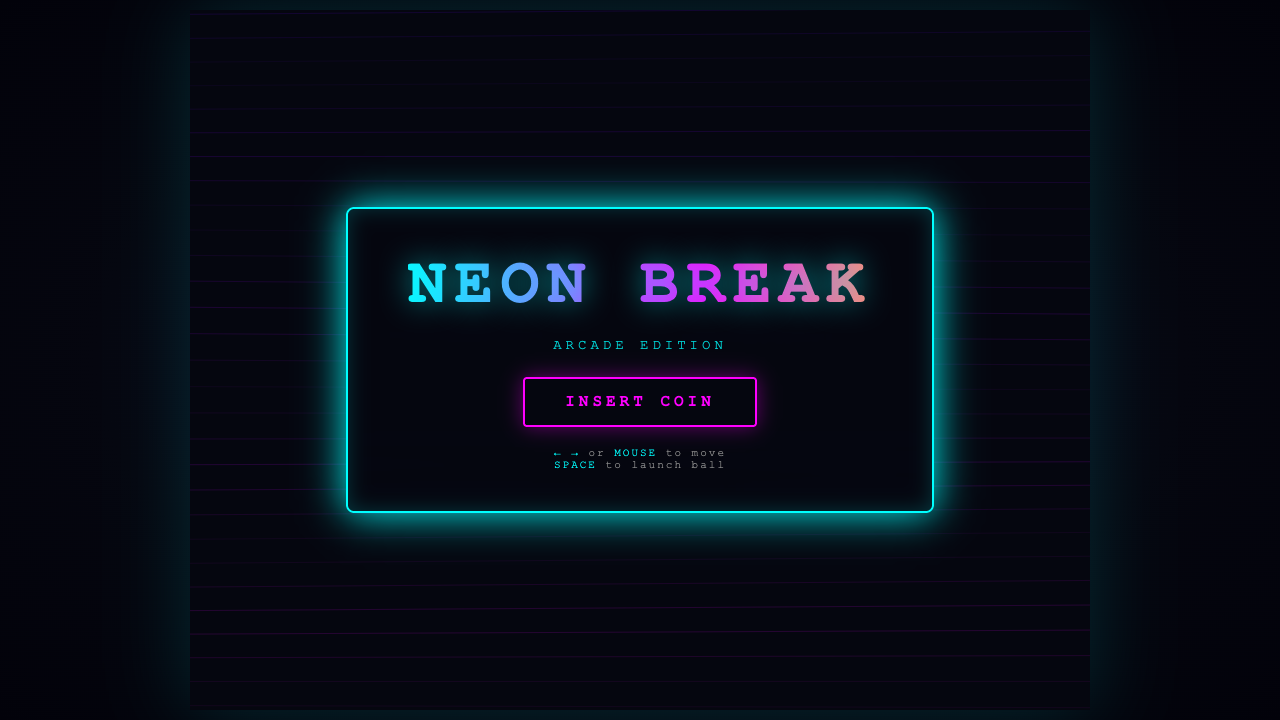
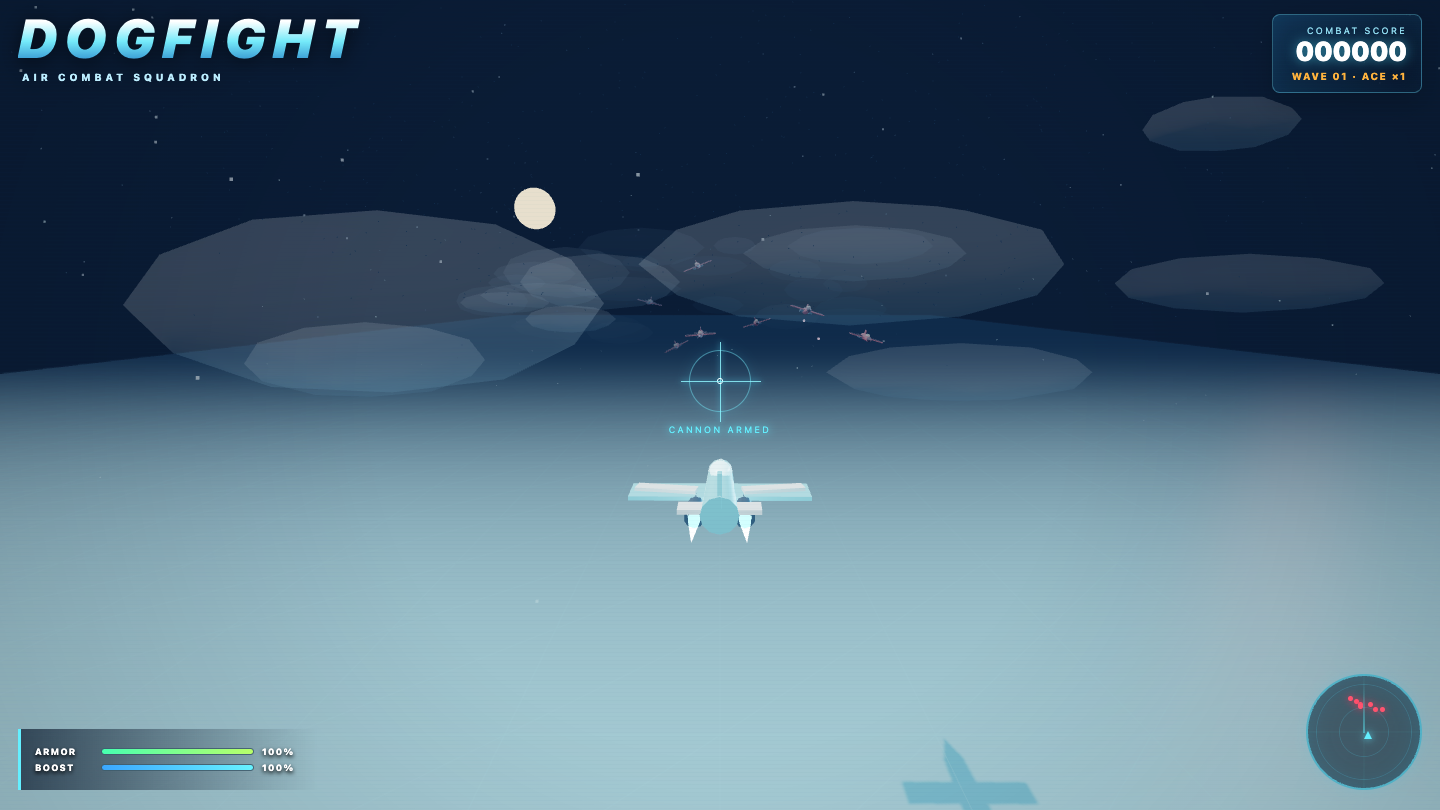
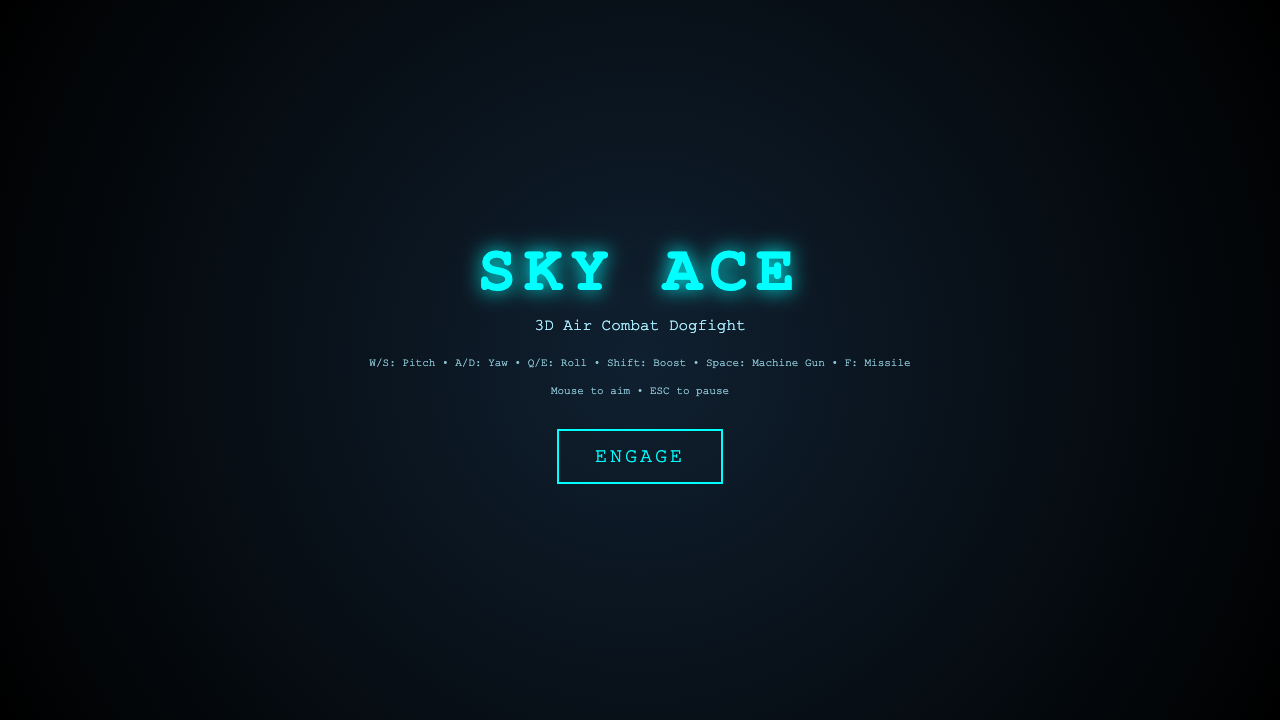
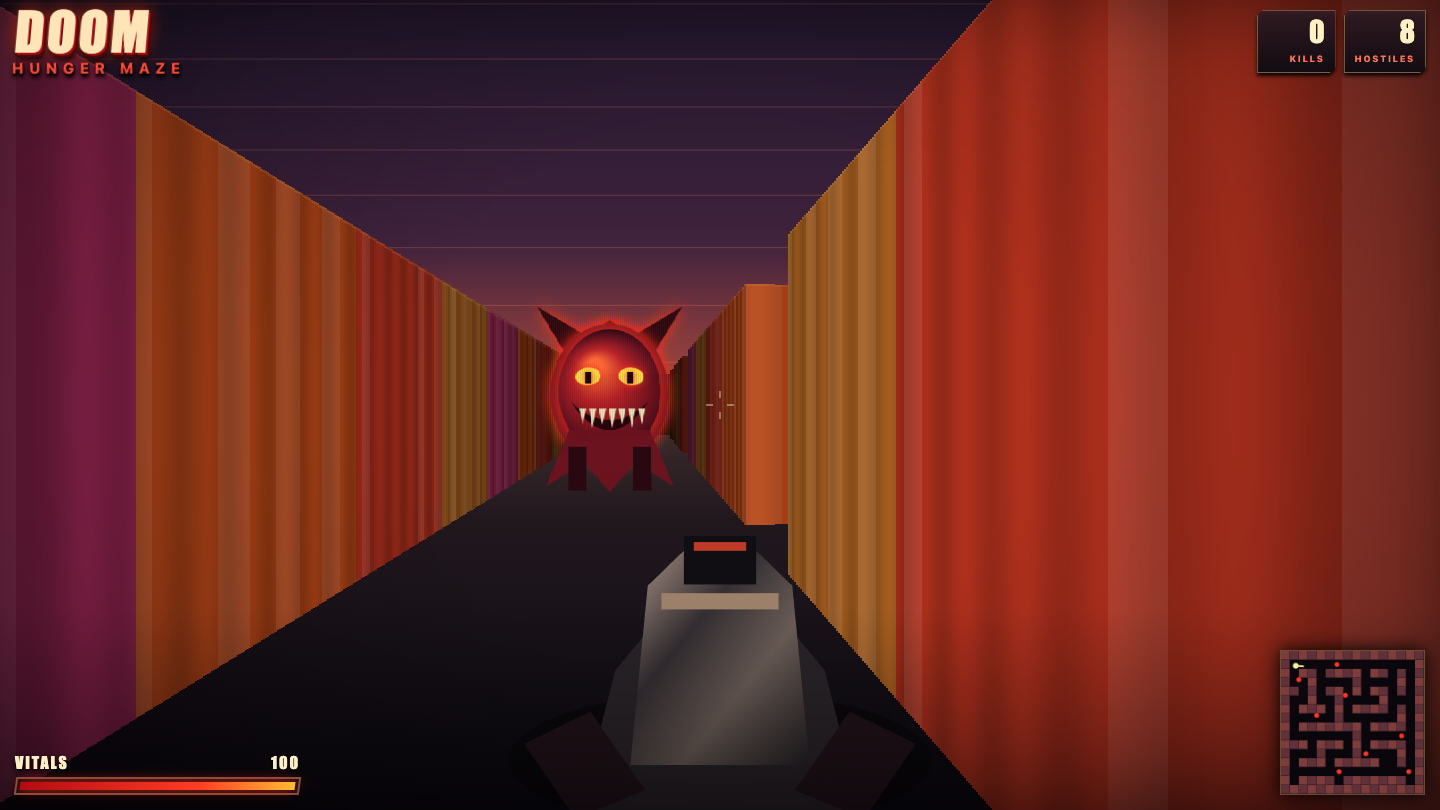
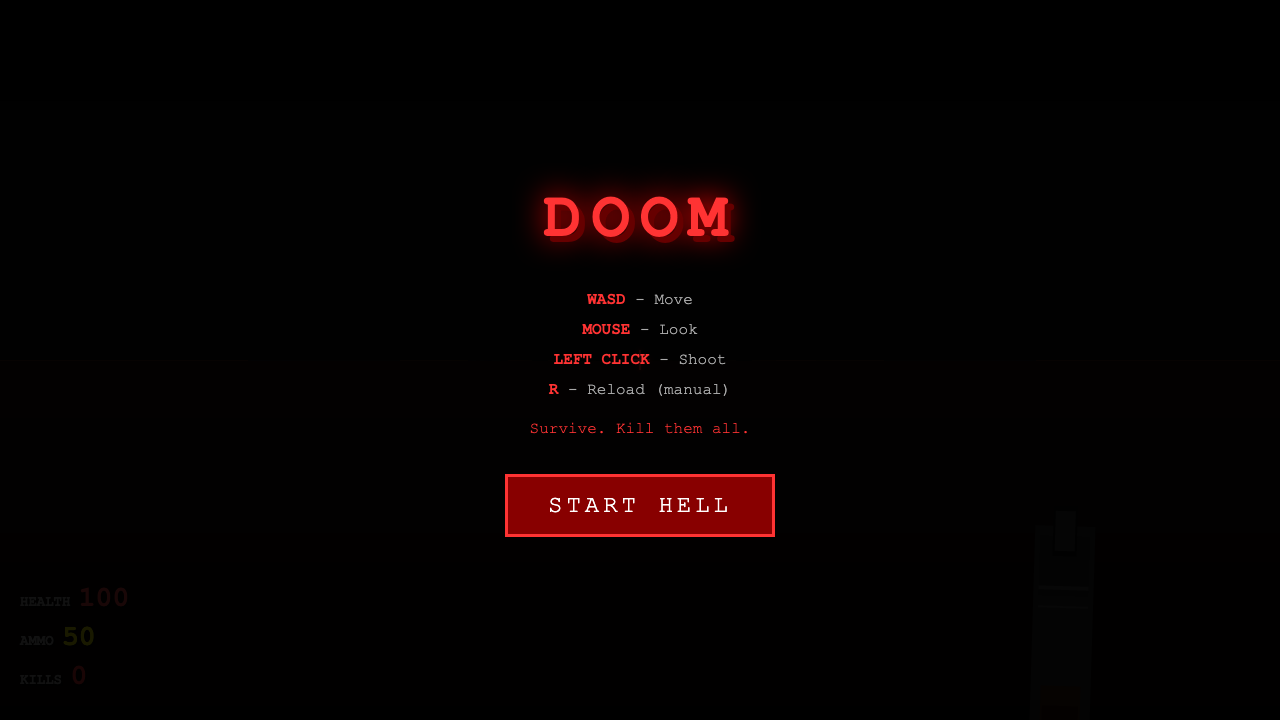
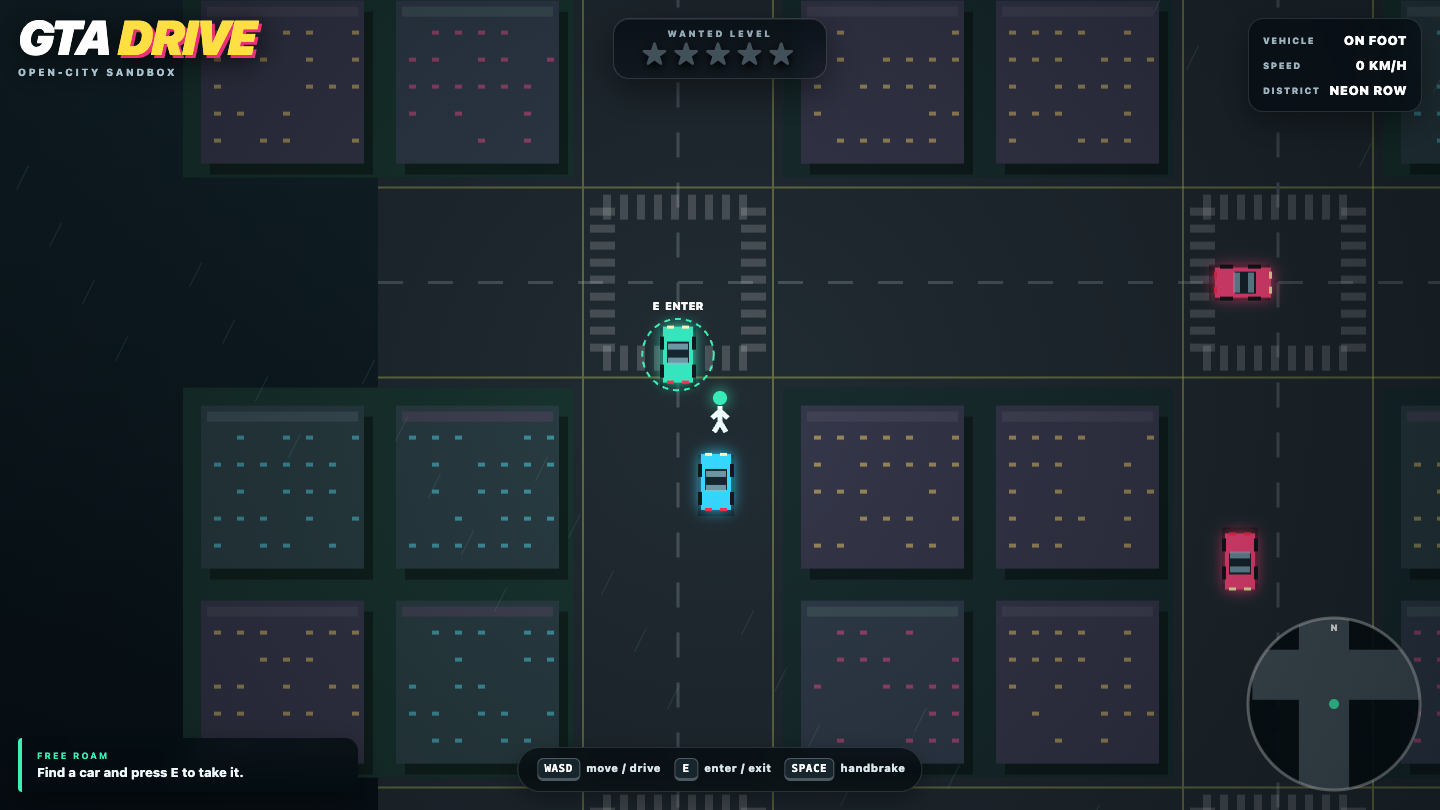
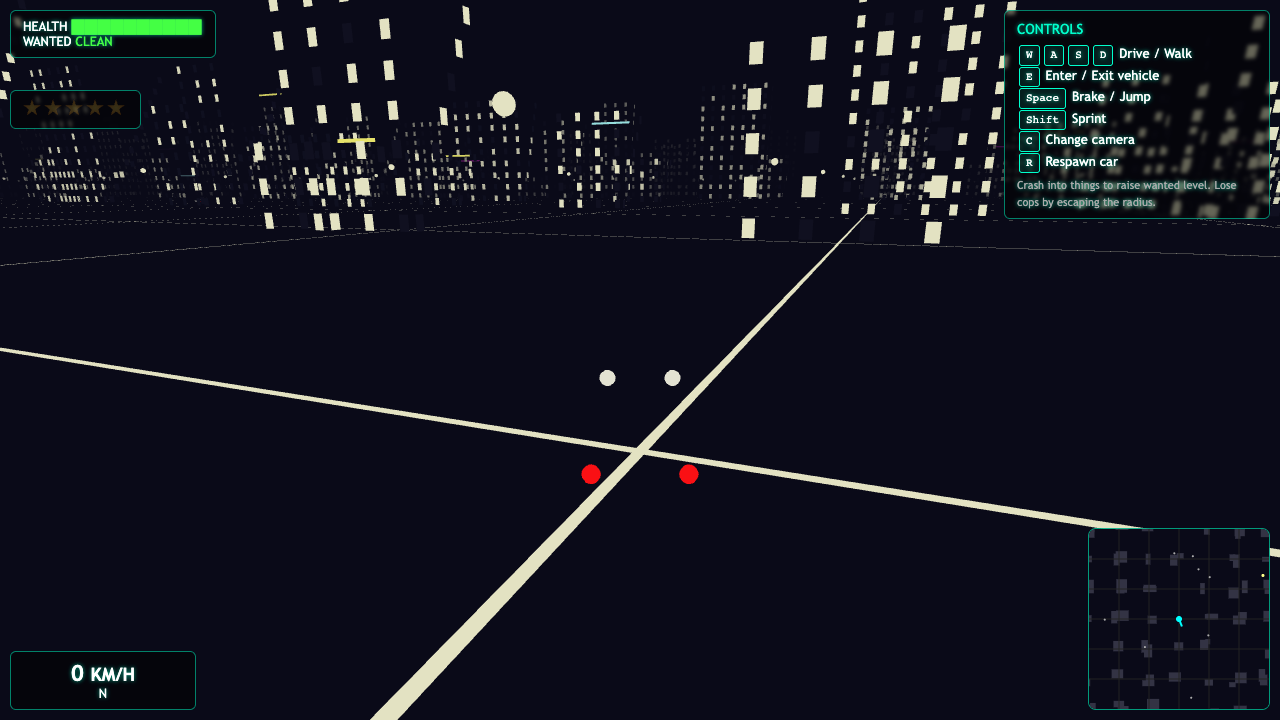
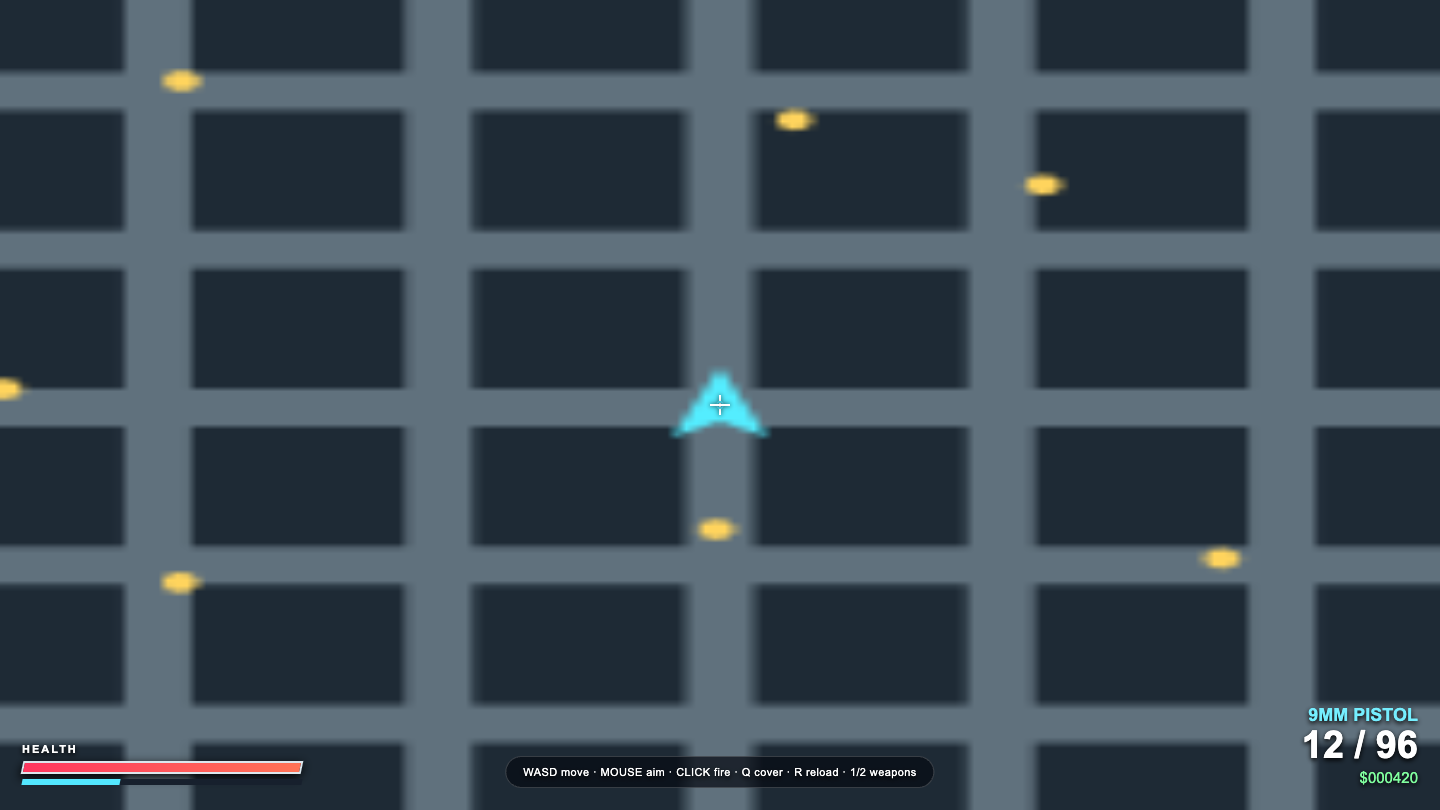
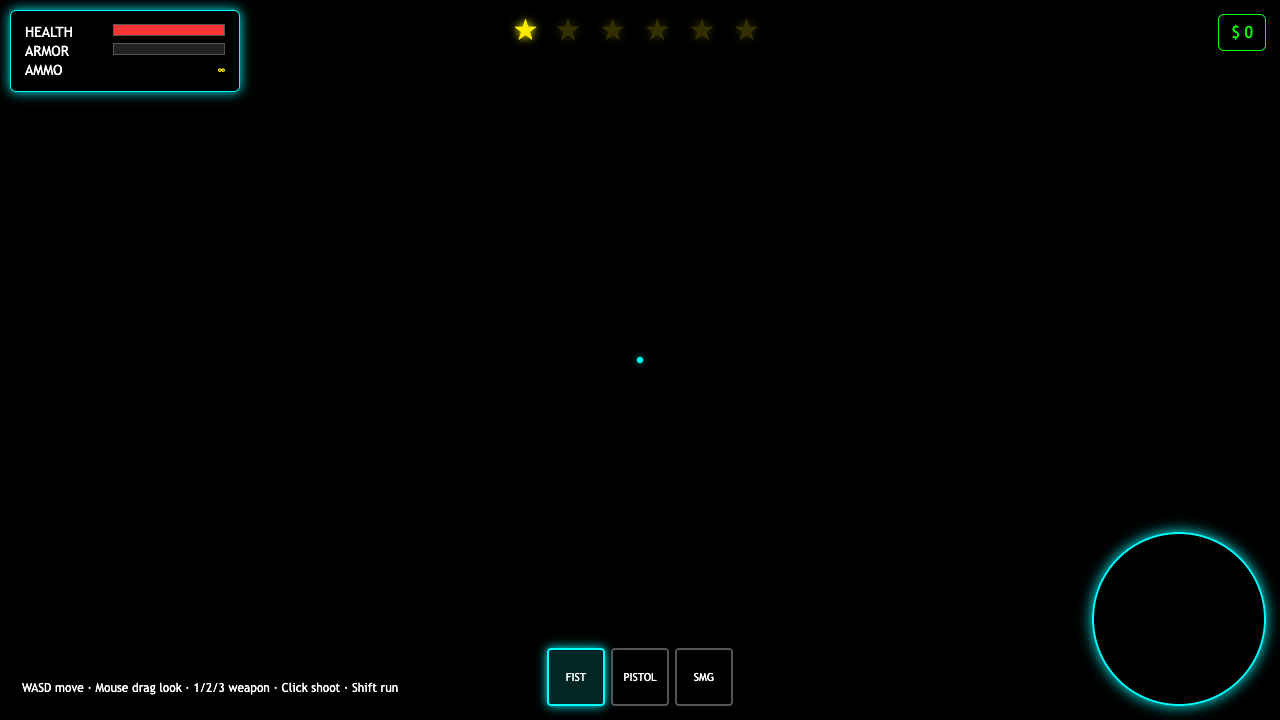
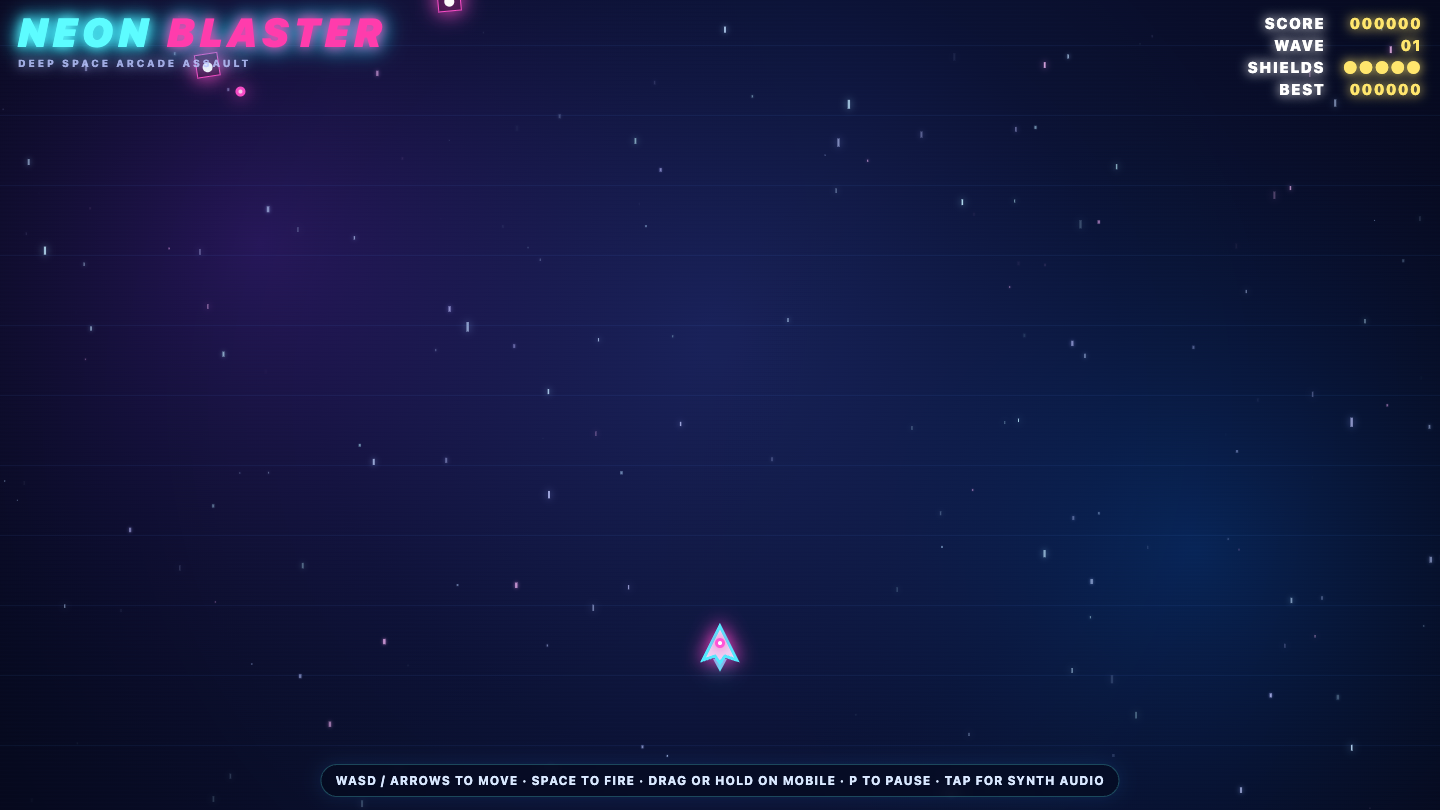
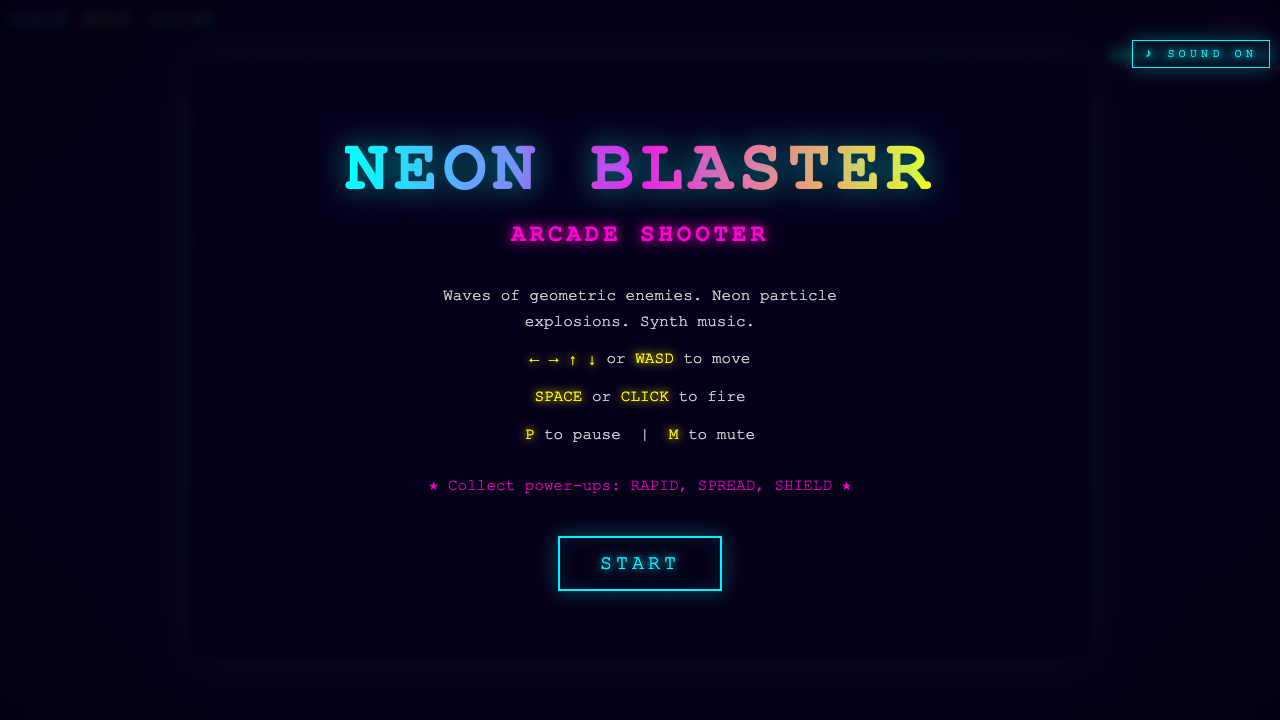
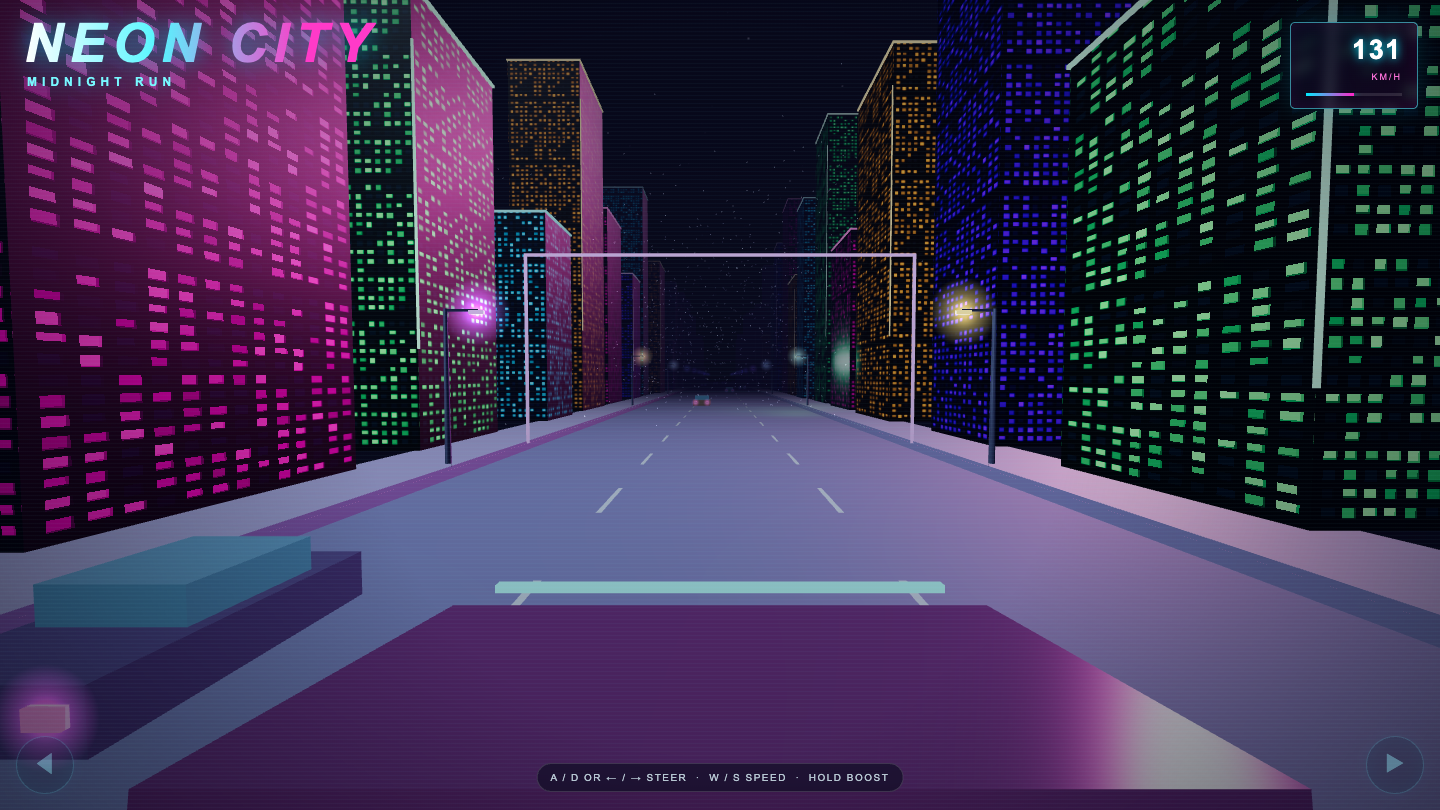
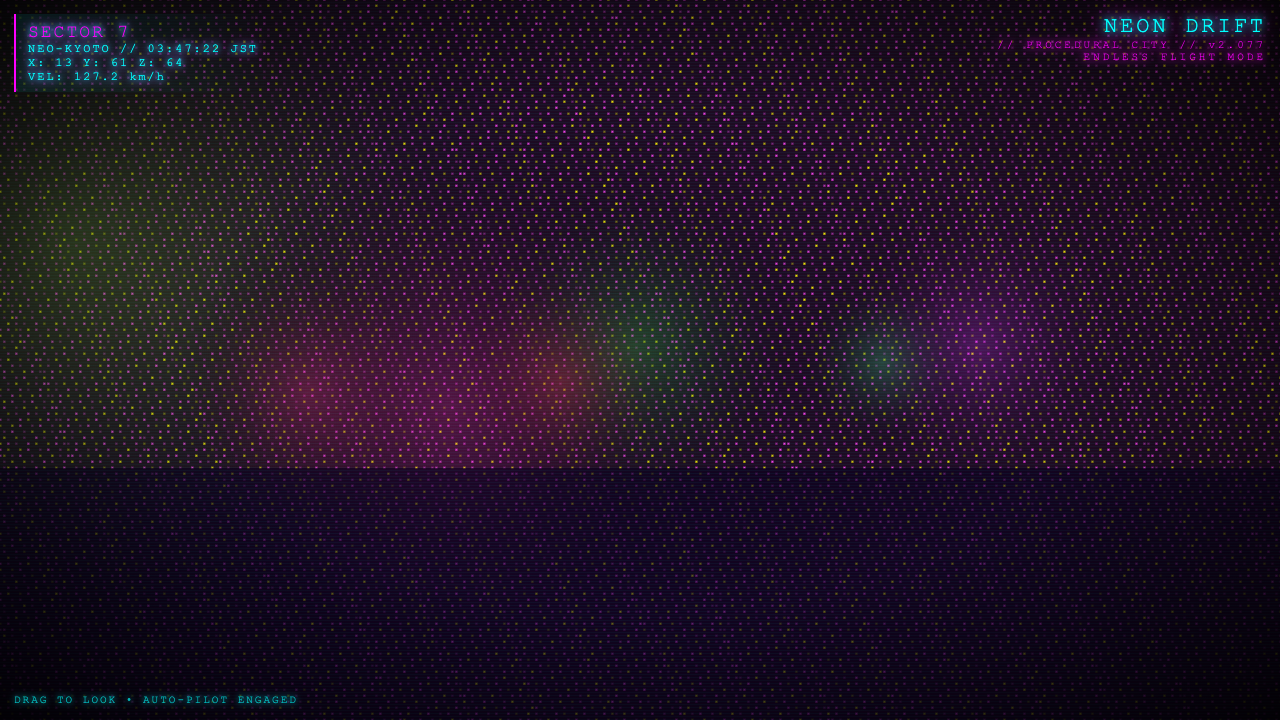
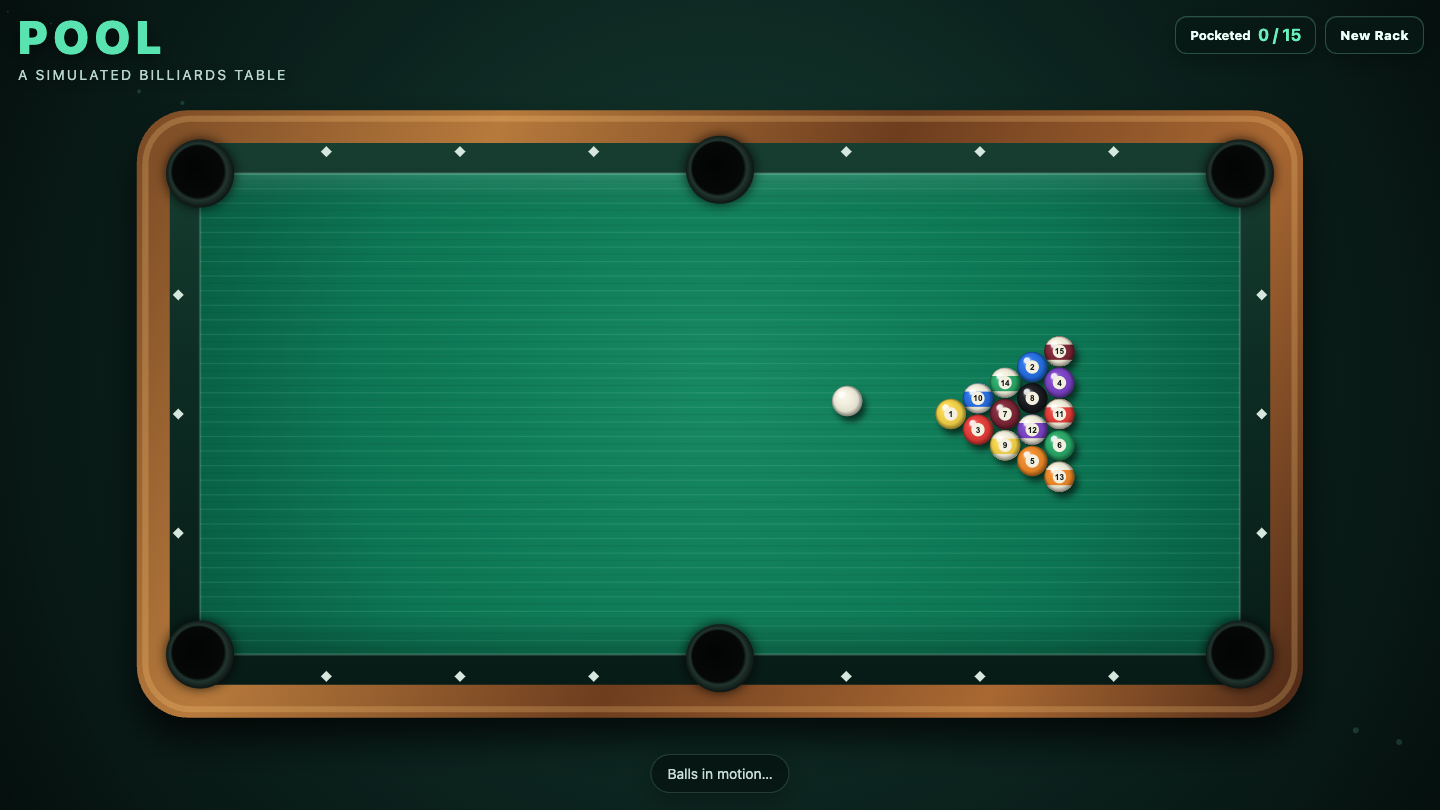
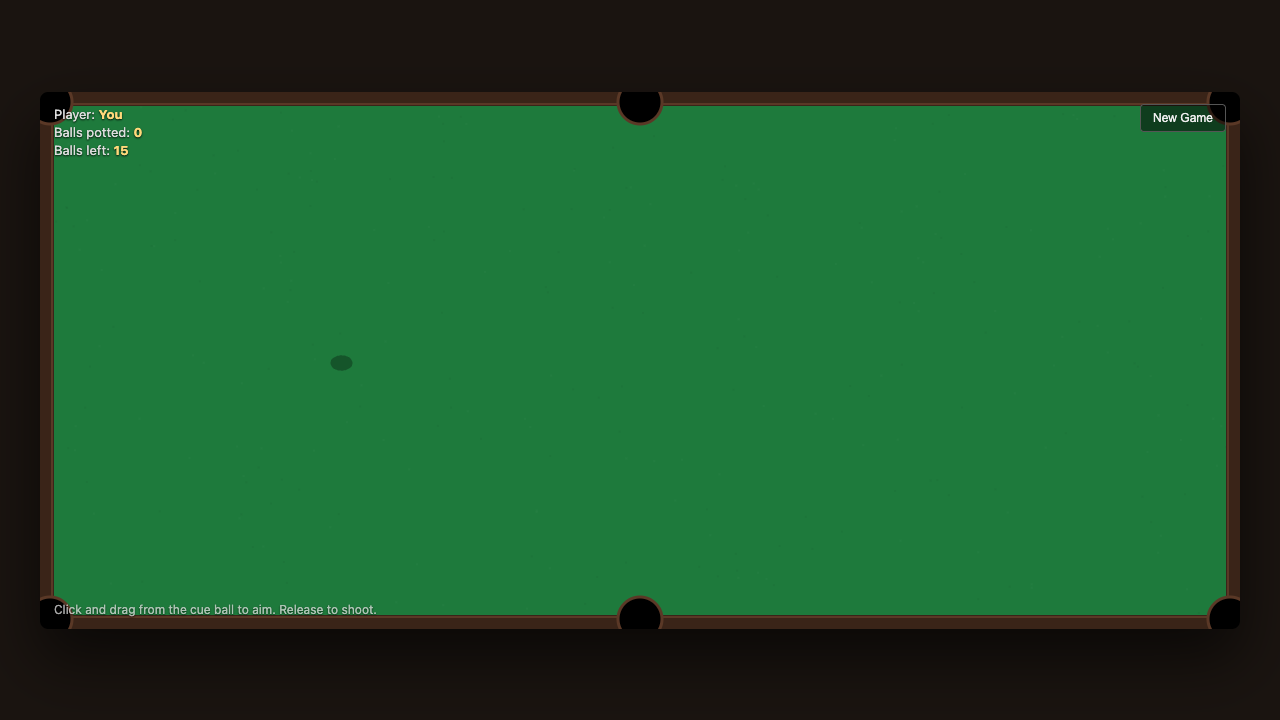
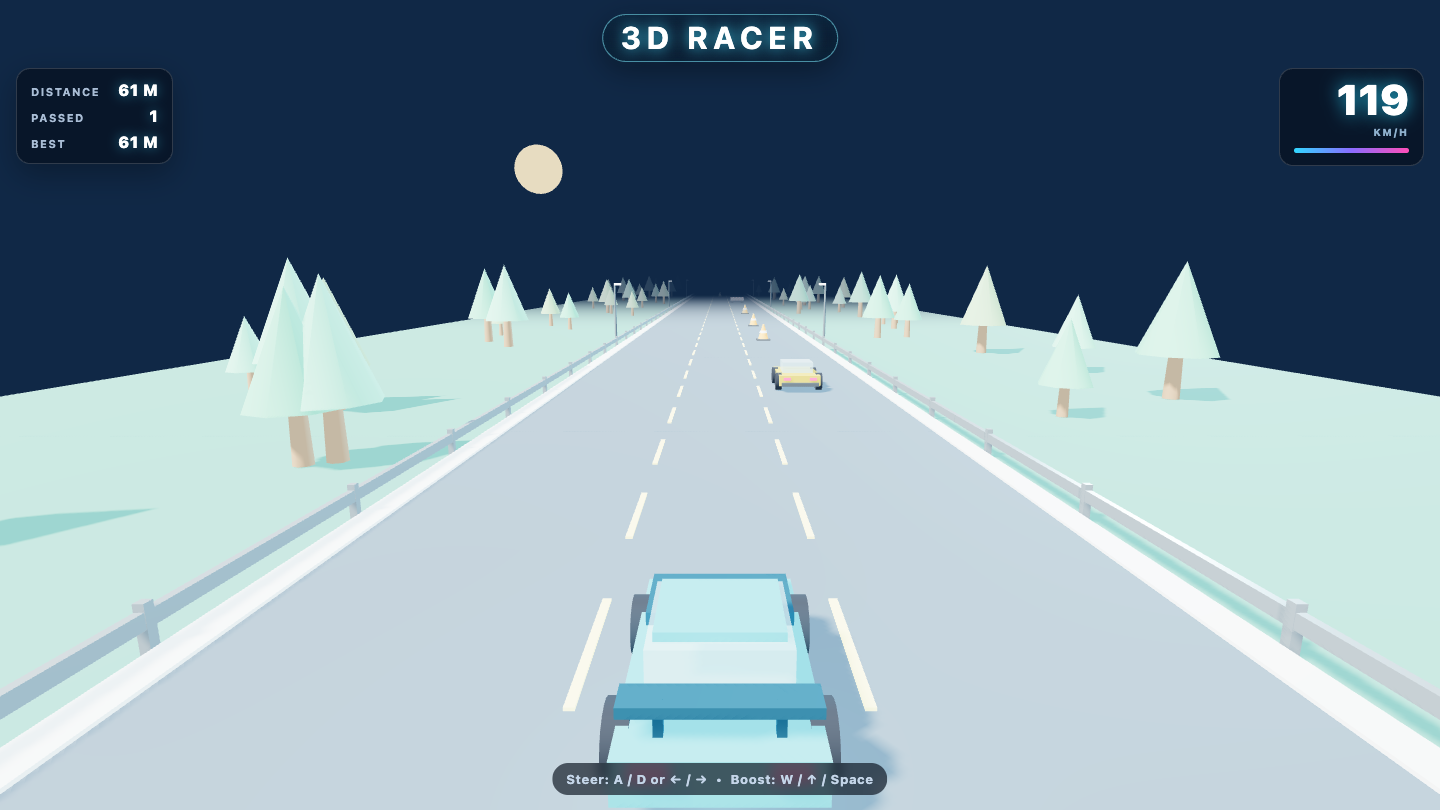
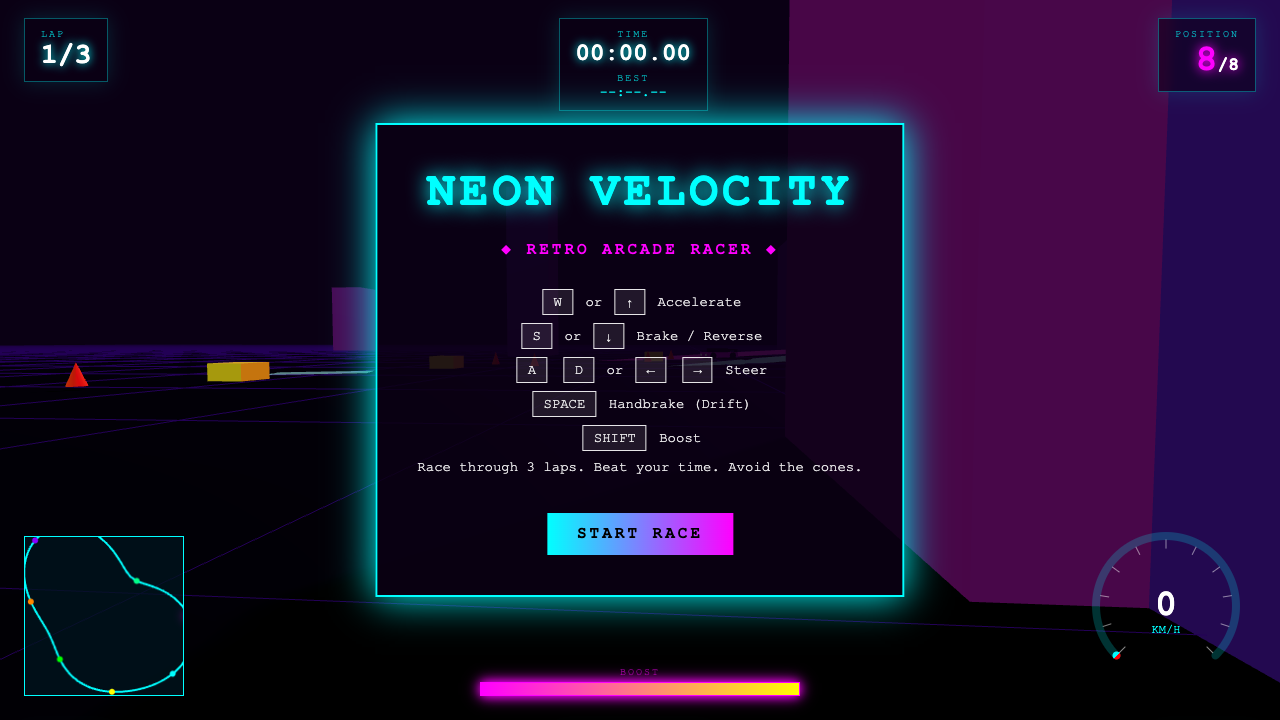
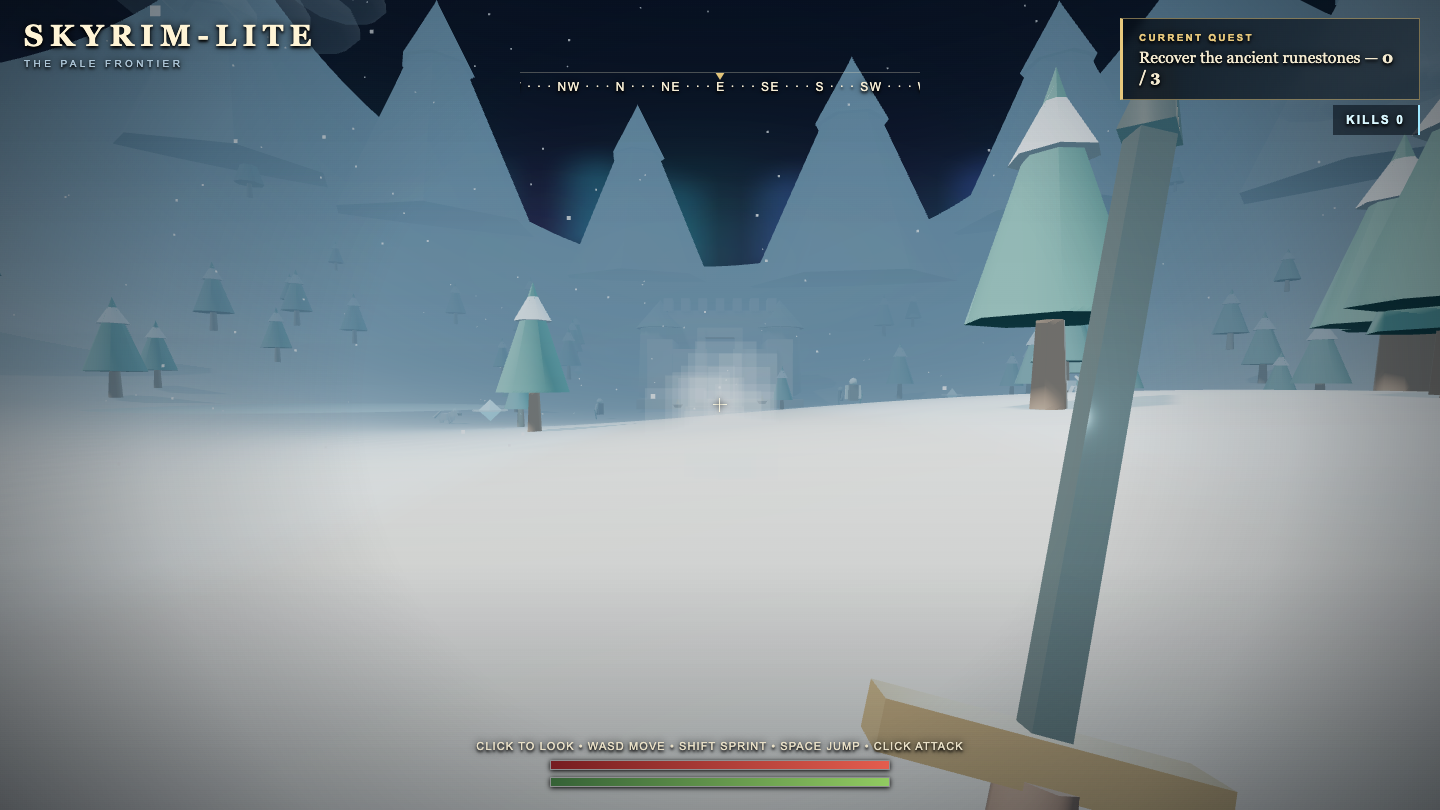
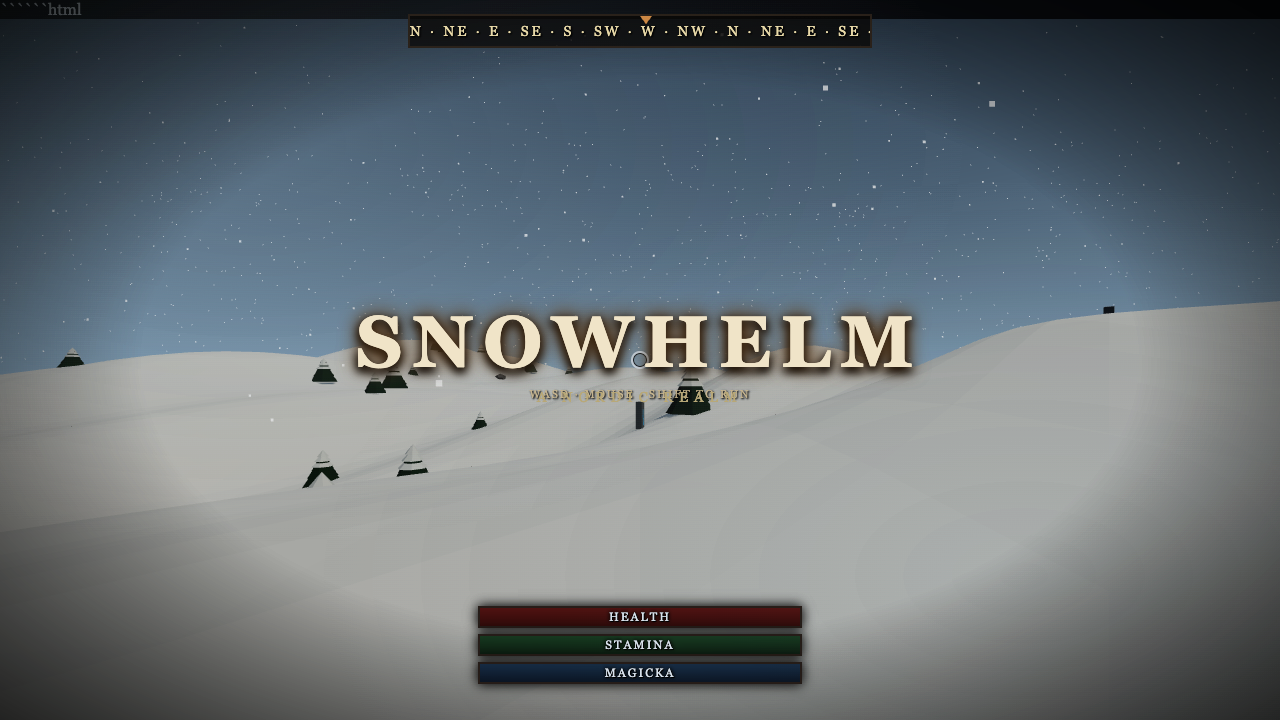
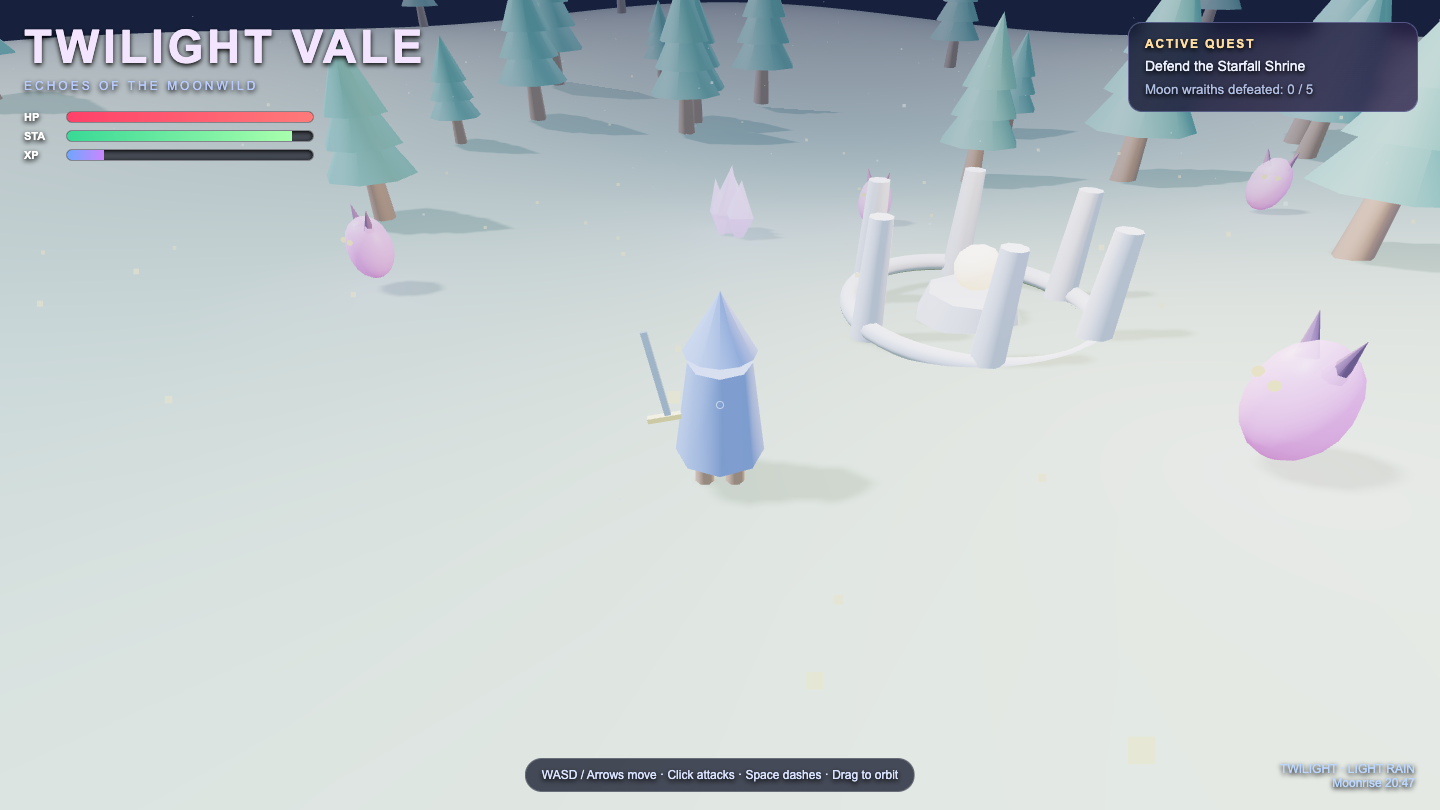
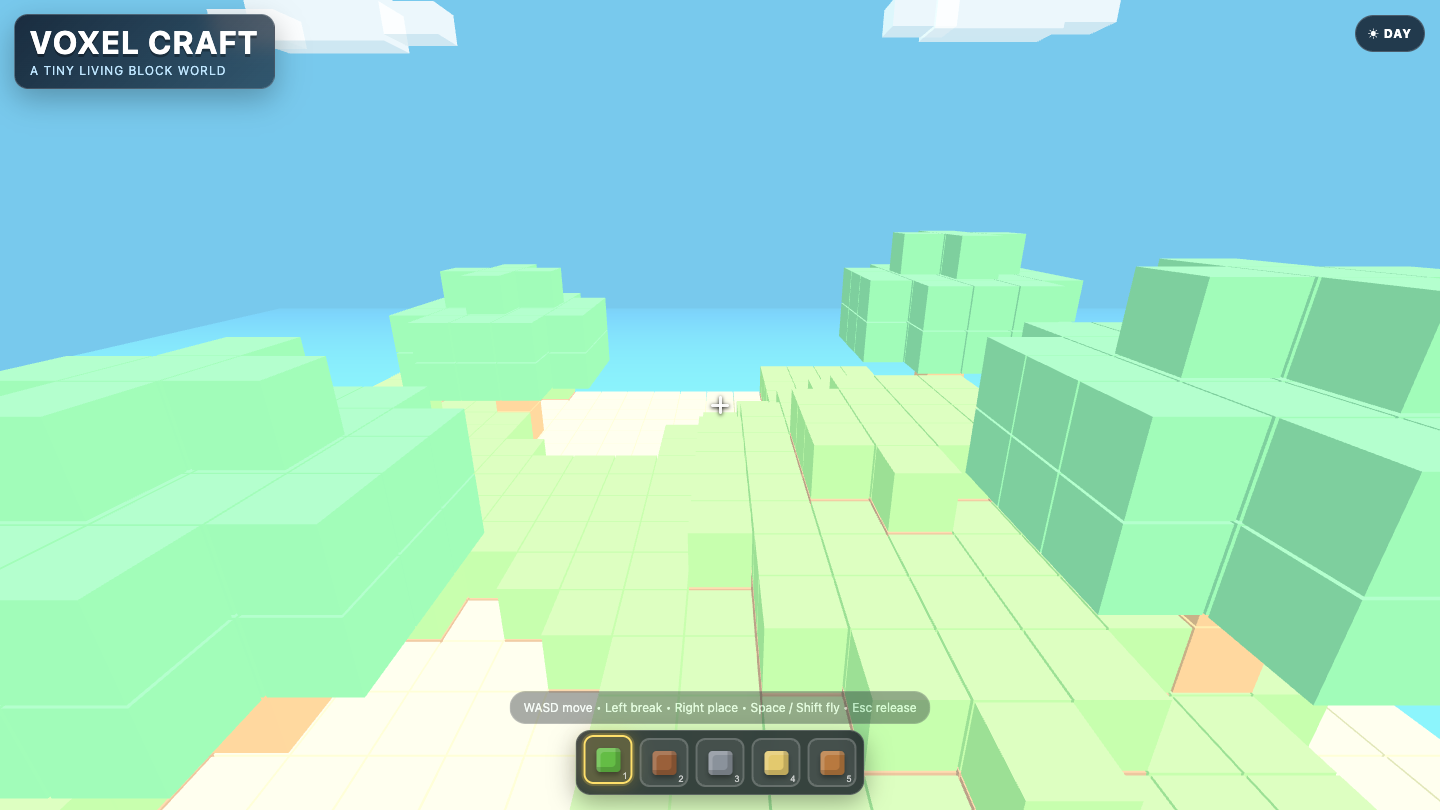
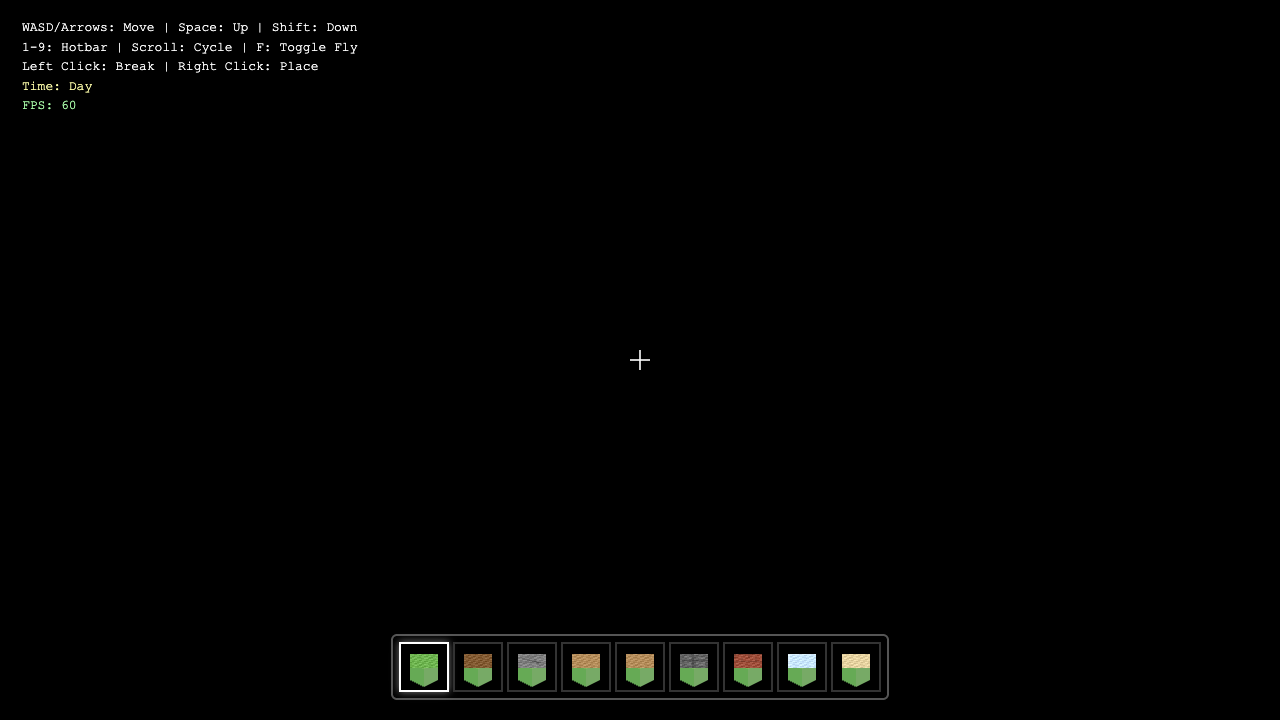
Click any cell to play that model's actual one-shot attempt. Medals are derived from my 0–10 scores per task (highest = 🥇, second = 🥈, third = 🥉).
Task ↓
GPT-5.6 Sol
MiniMax M3
Game
Game
Game
Game
Game
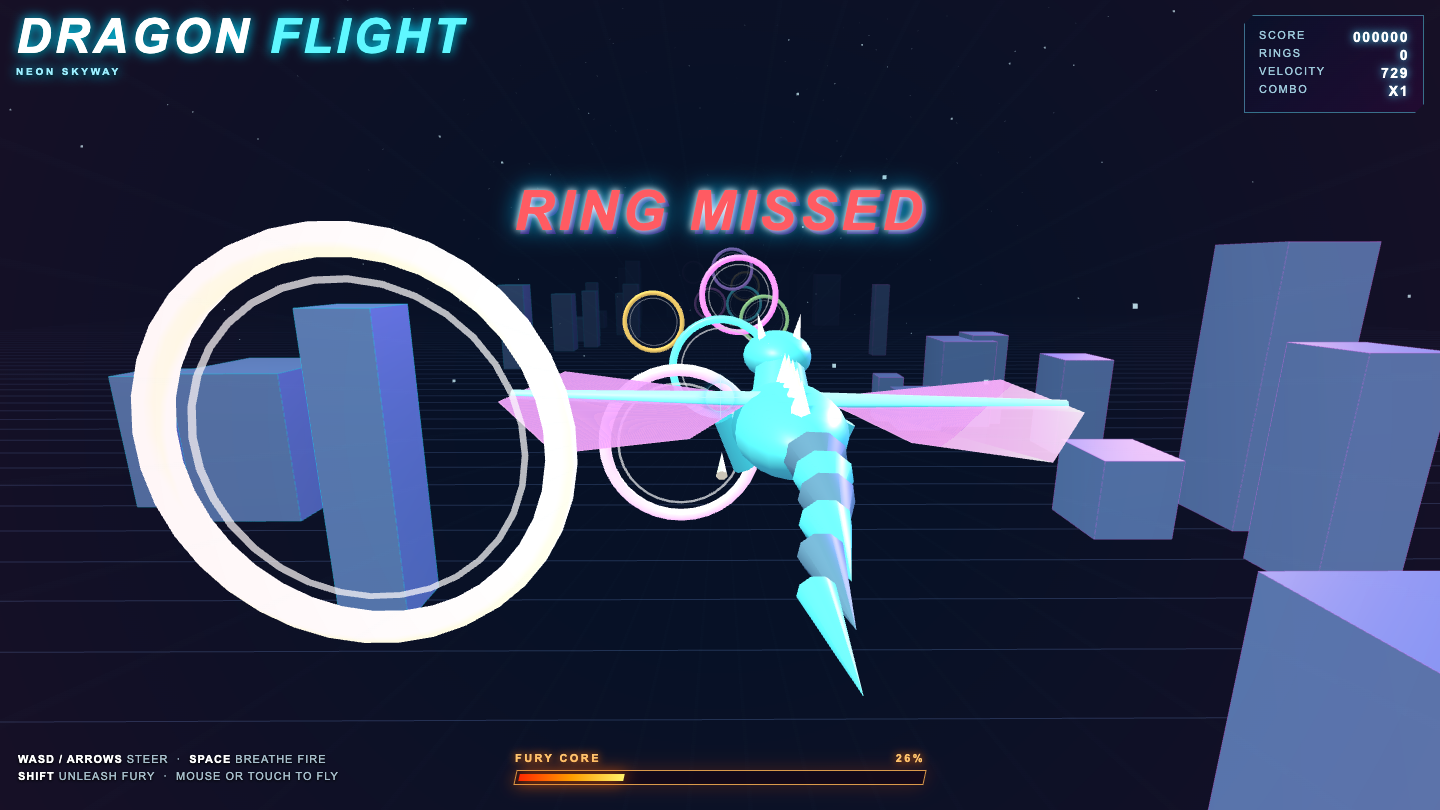
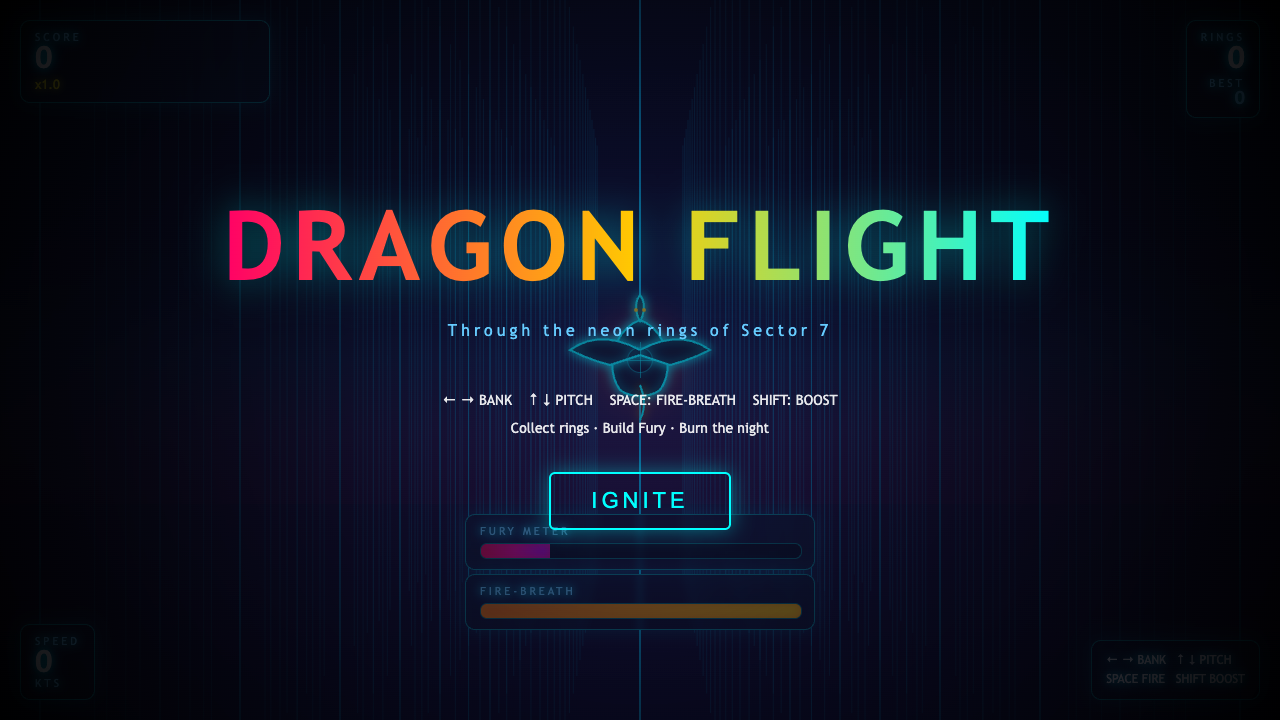
Game
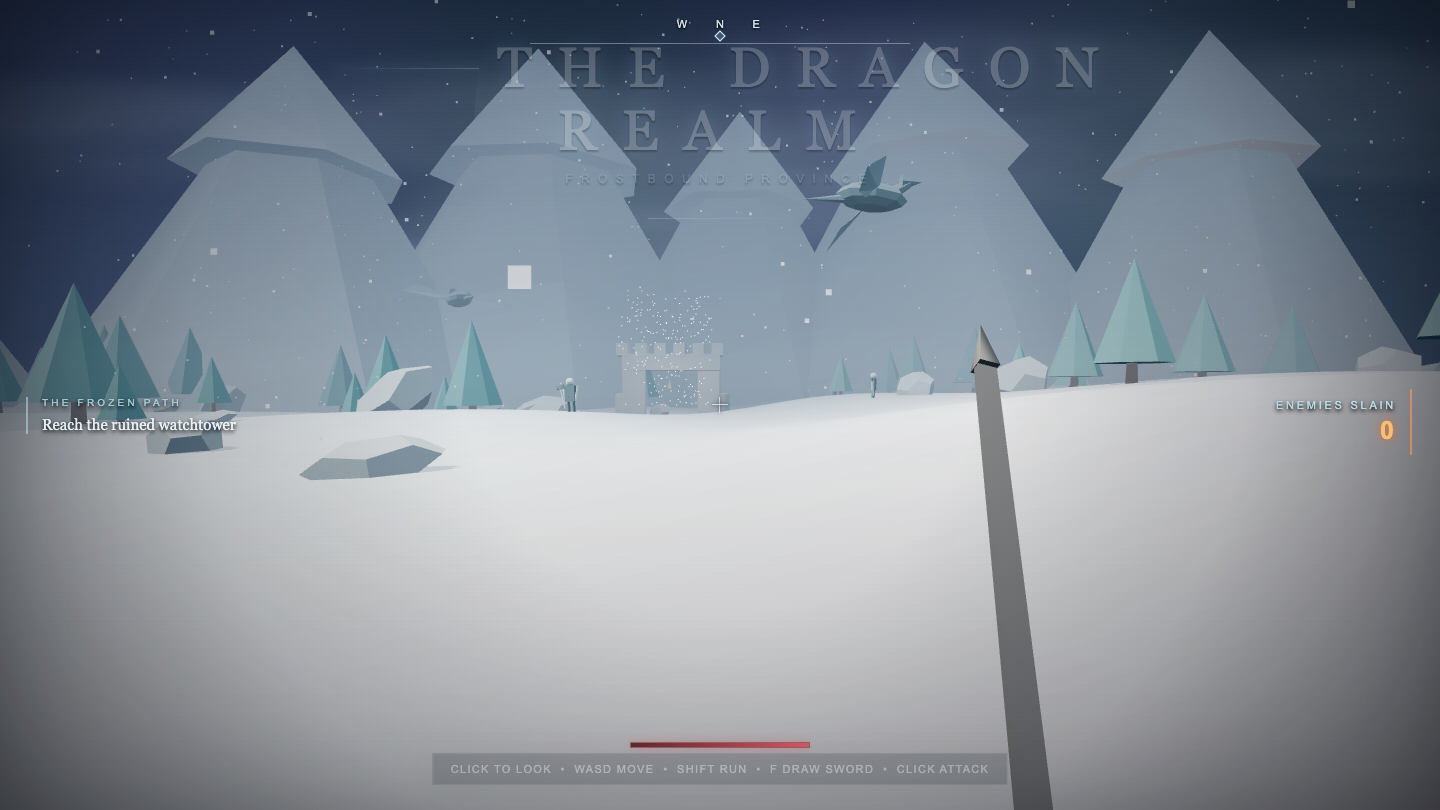
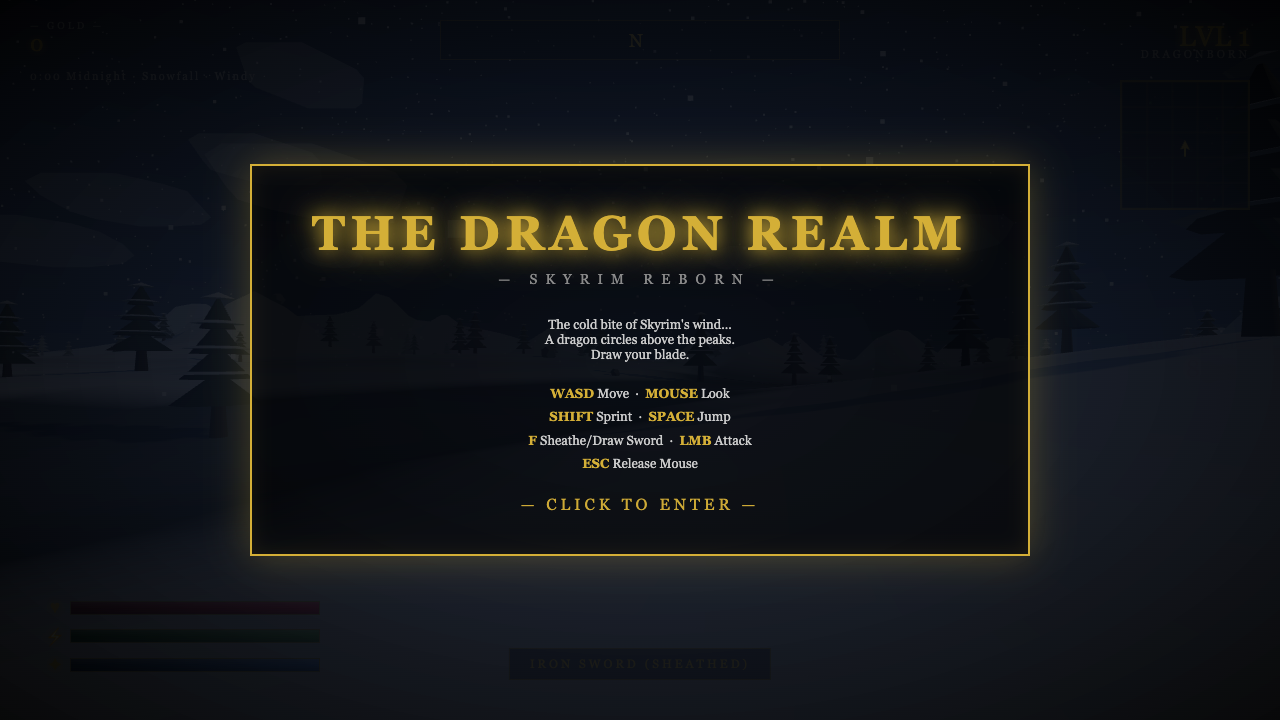
Game
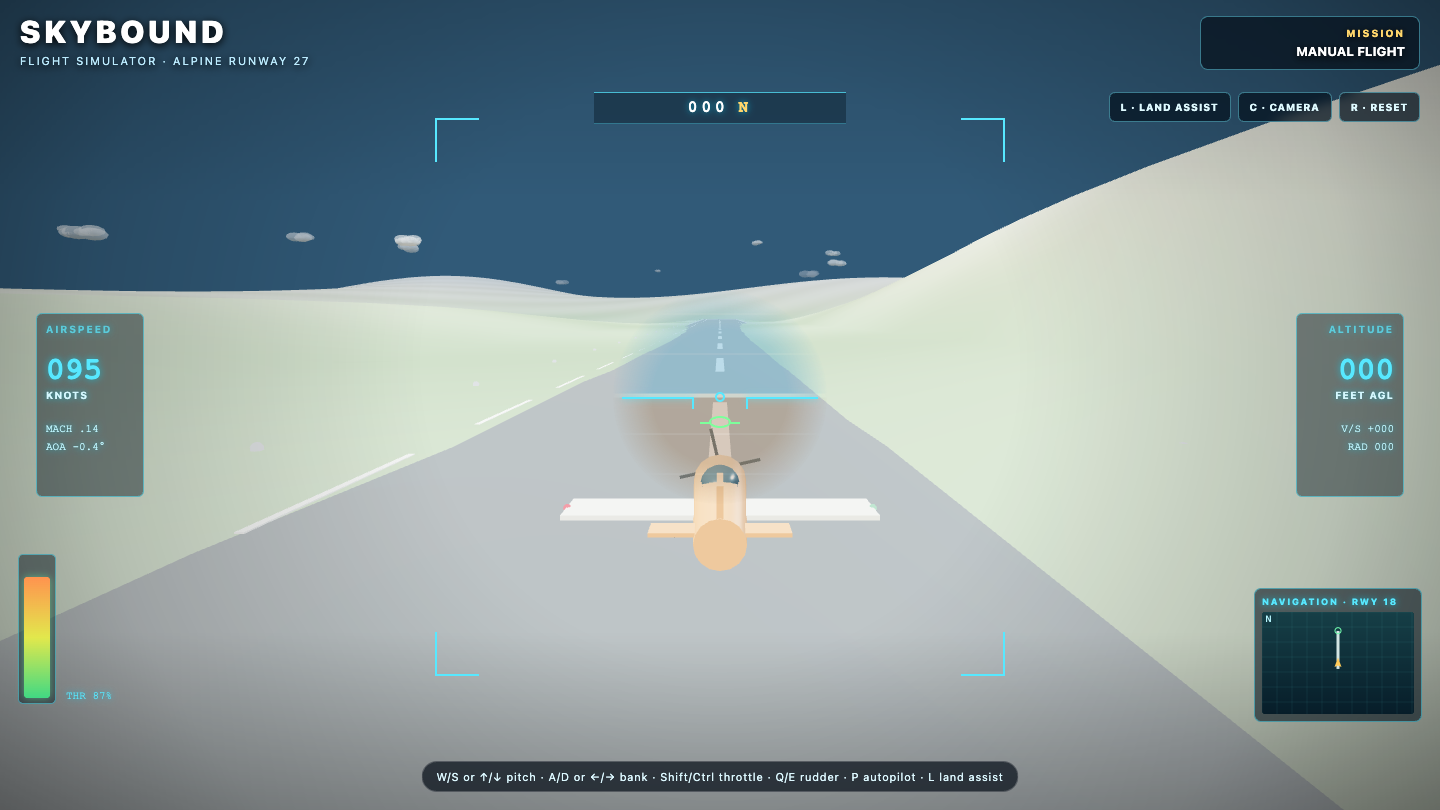
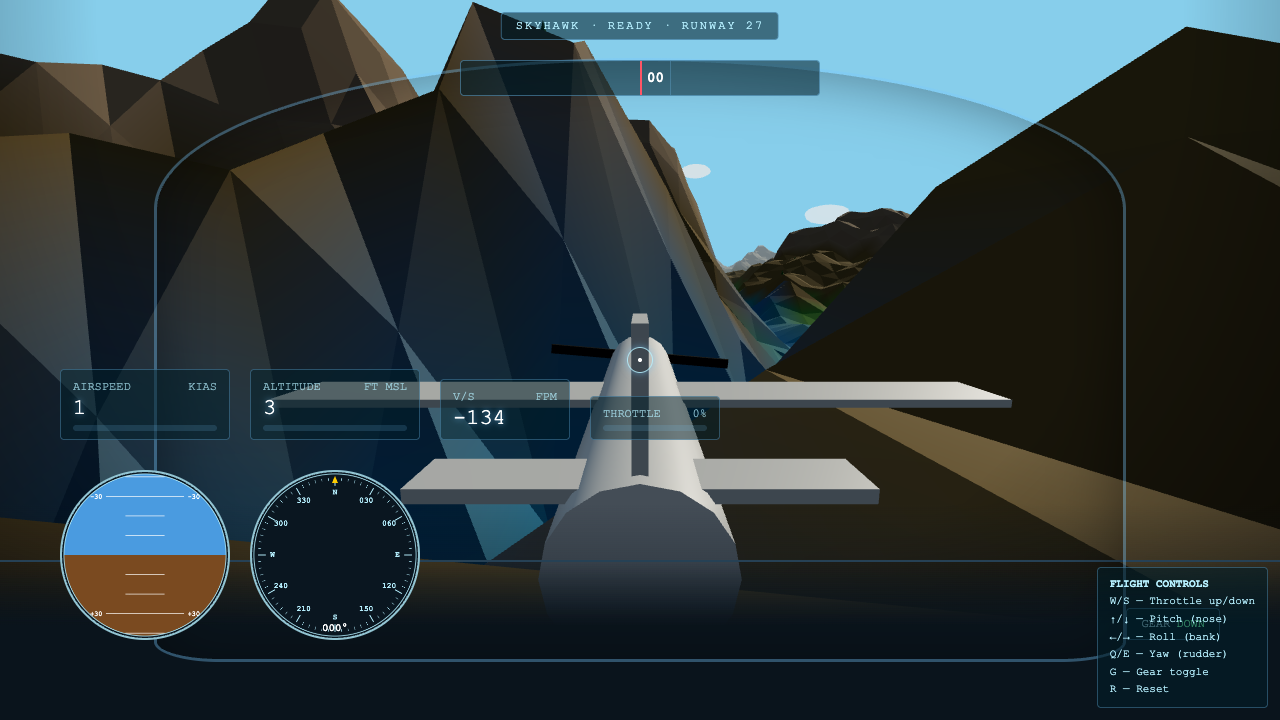
Game
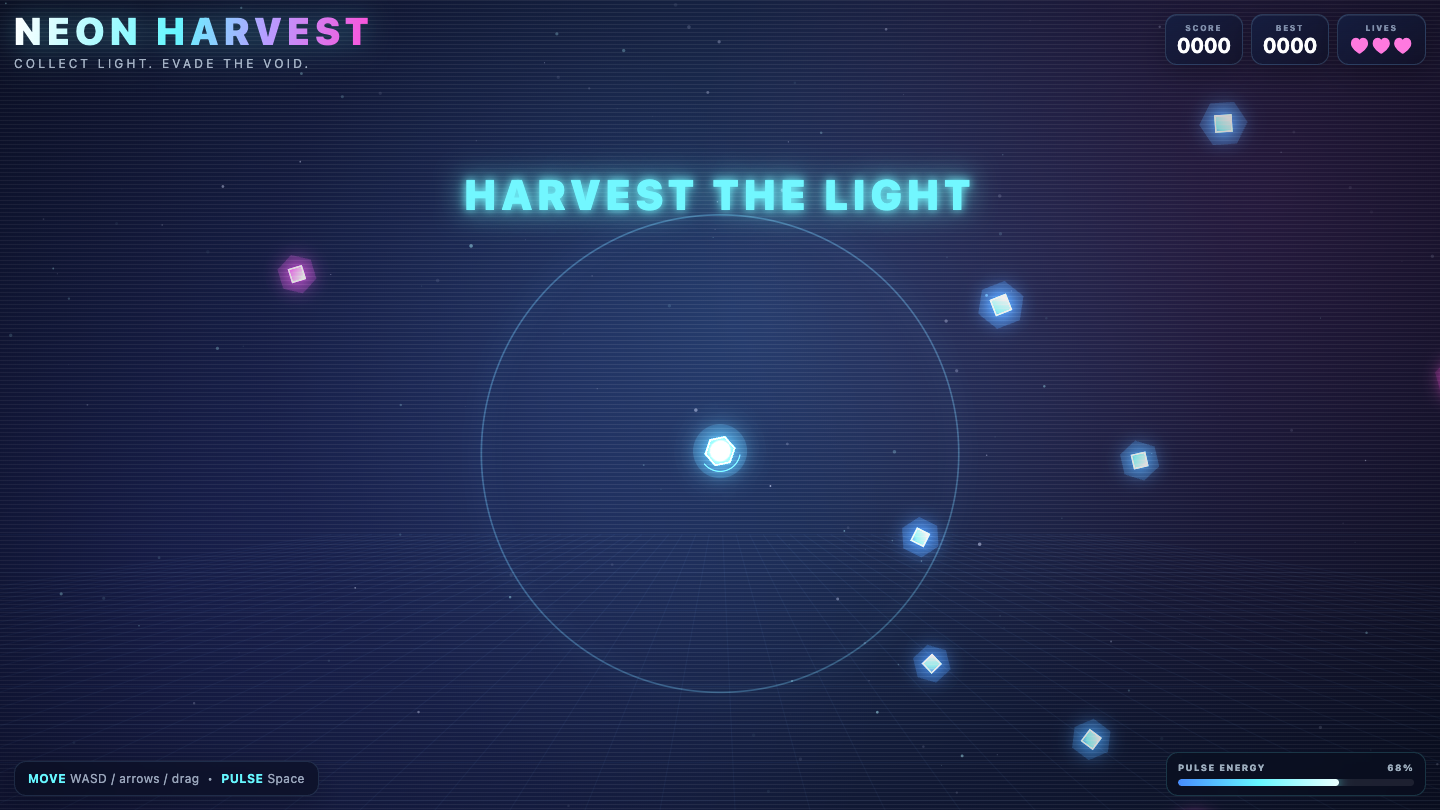
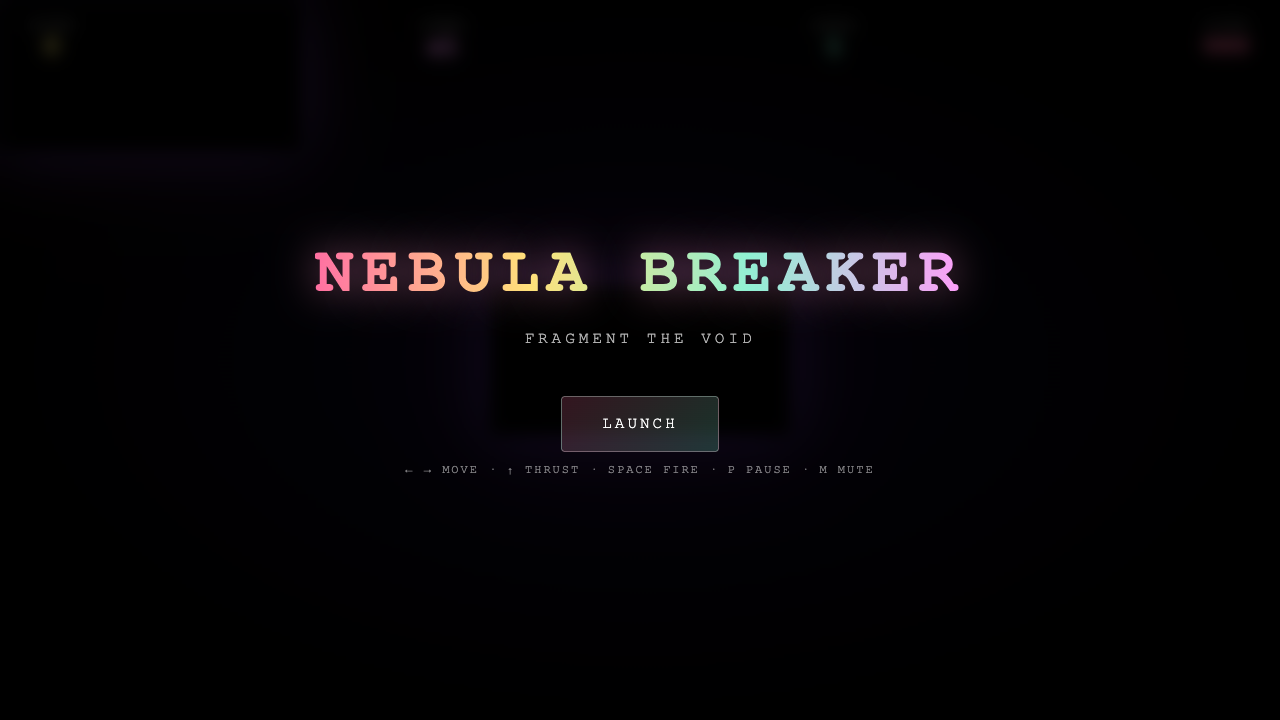
Game
Game
Game
Game
Game
Game
Game
Game
Game
Game
Game
Game
Game
Game

Game
Page

Where GPT-5.6 Sol beat MiniMax M3
The tasks where I gave GPT-5.6 Sol a higher 0–10 score on the same prompt — with the actual commentary from my source guides.
Plasma
Visual
GPT-5.6 Sol 8.6
·
MiniMax M3 6.0
(+2.6)
· Gorgeous WebGL plasma
What I saw: Strong WebGL cosine-palette plasma renders as a genuinely hypnotic, smooth fluid field with vignette and glow, plus a polished pill palette switcher and clean typography. Interactive ripples, pointer bend, keyboard shortcuts and a fallback path all present — matches the field's best.
Blackhole
Sim
GPT-5.6 Sol 8.8
·
MiniMax M3 7.0
(+1.8)
· convincing lensed disk
What I saw: Gorgeous shader render — the tilted accretion disk with fine banding, the photon-ring glow above/below the event horizon and the Doppler warm/cool gradient read as genuine gravitational lensing, all wrapped in a clean, polished HUD. Slightly weak on a distinct top-arc lensed disk…
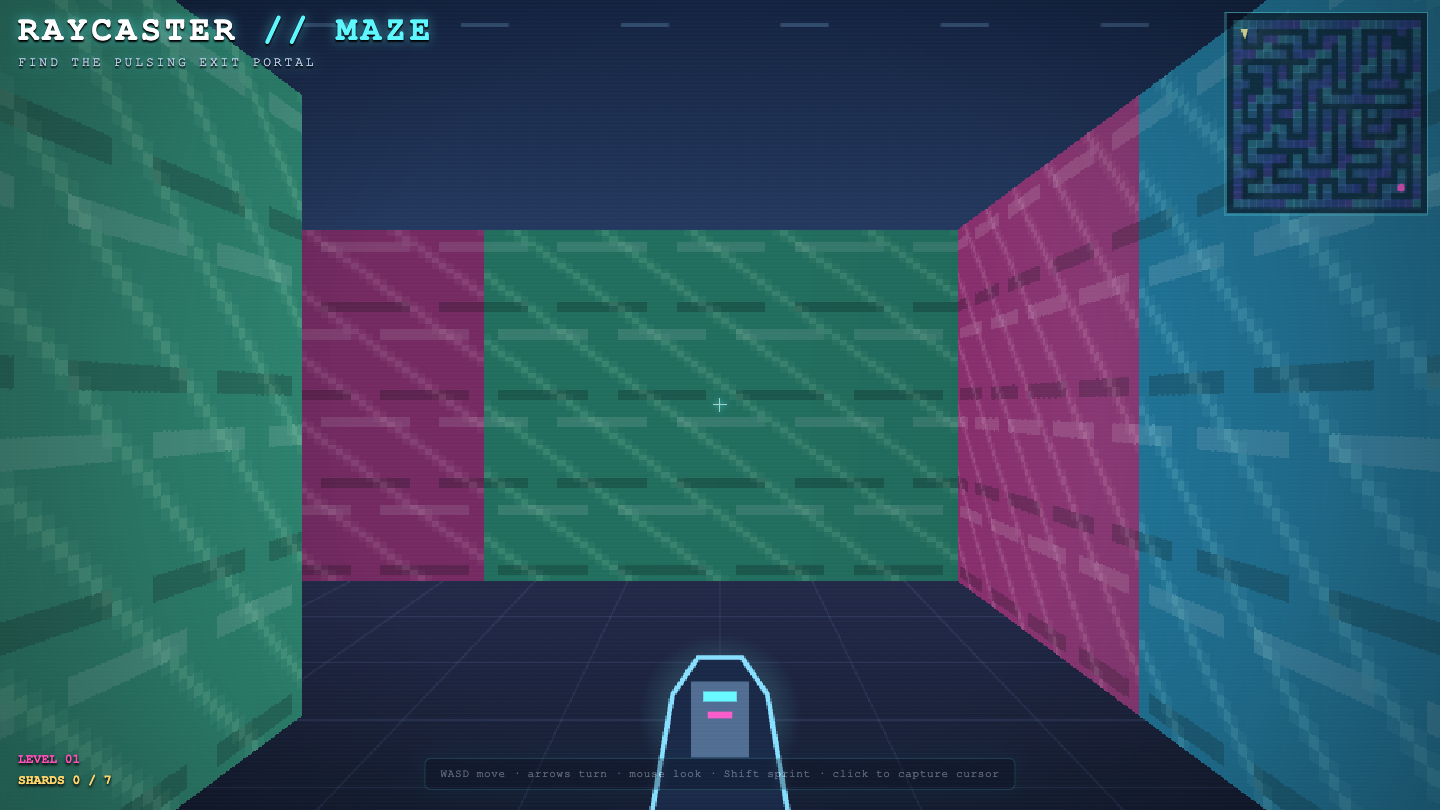
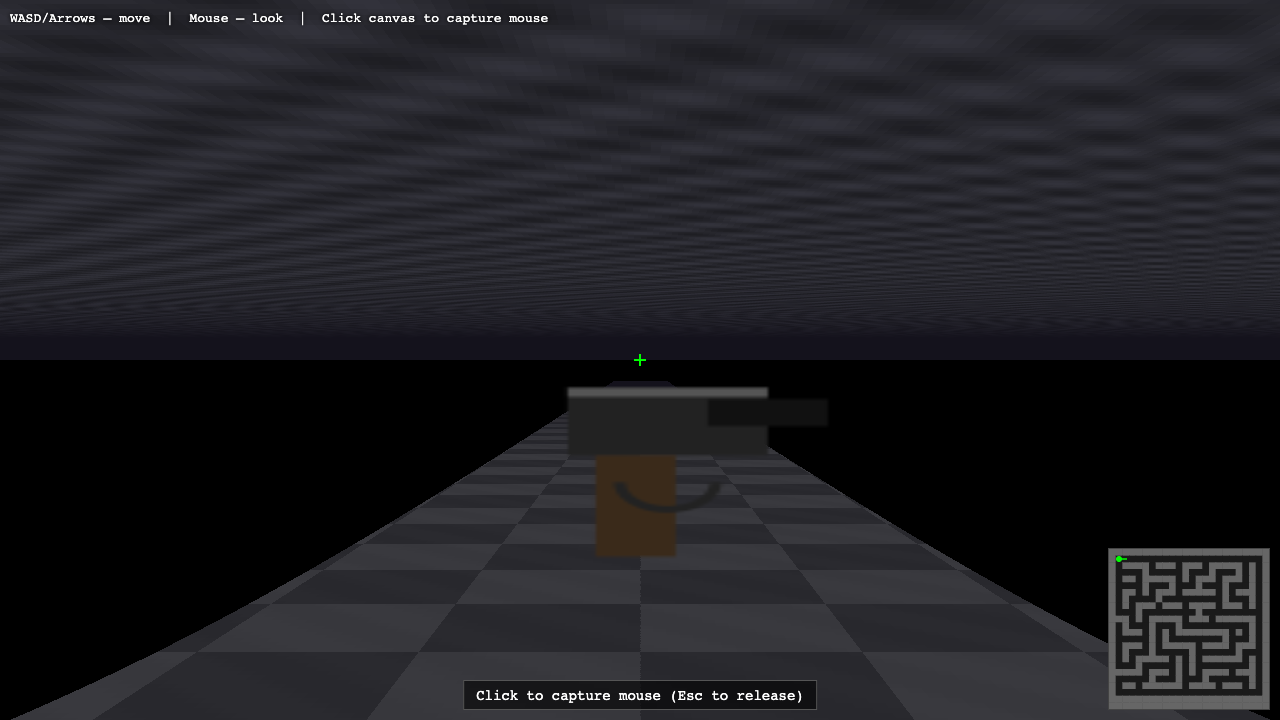
Raycaster
Game
GPT-5.6 Sol 8.4
·
MiniMax M3 7.0
(+1.4)
· polished neon raycaster
What I saw: Strong textured raycaster with clean perspective, distinct colored walls, a working live minimap, HUD weapon, shard/level system and full mobile+mouse controls; polished neon aesthetic just shy of topping the field but clearly shippable.
Fireworks
Visual
GPT-5.6 Sol 8.7
·
MiniMax M3 7.5
(+1.2)
· Cinematic skyline fireworks
What I saw: Gorgeous rendered scene with a gradient night sky, twinkling stars, lit city skyline, multicolored rocket trails and detailed bursts plus polished title/hint UI — clearly a top-tier, on-brief interactive build. Only minor nit: the barrage of simultaneous rocket lines looks slight…
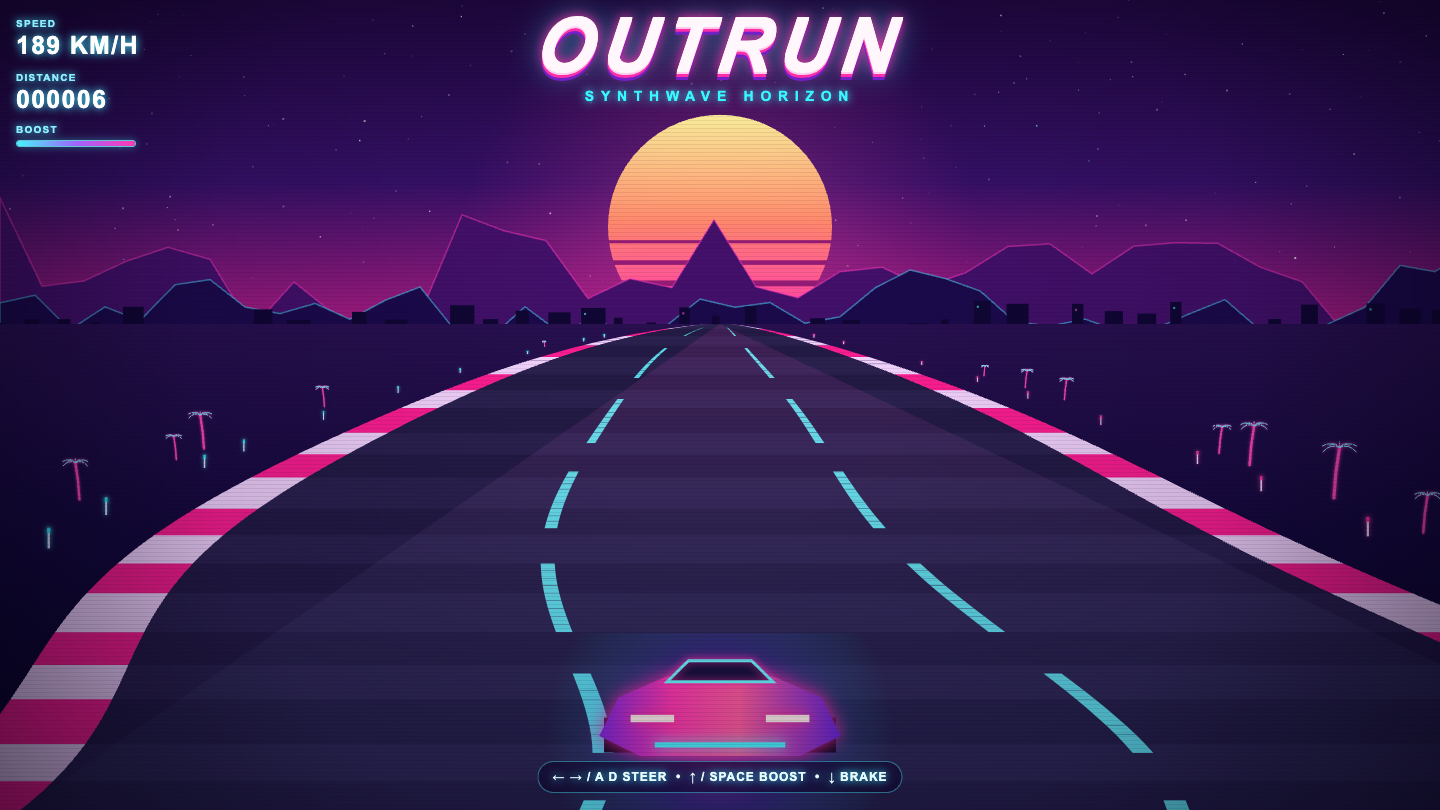
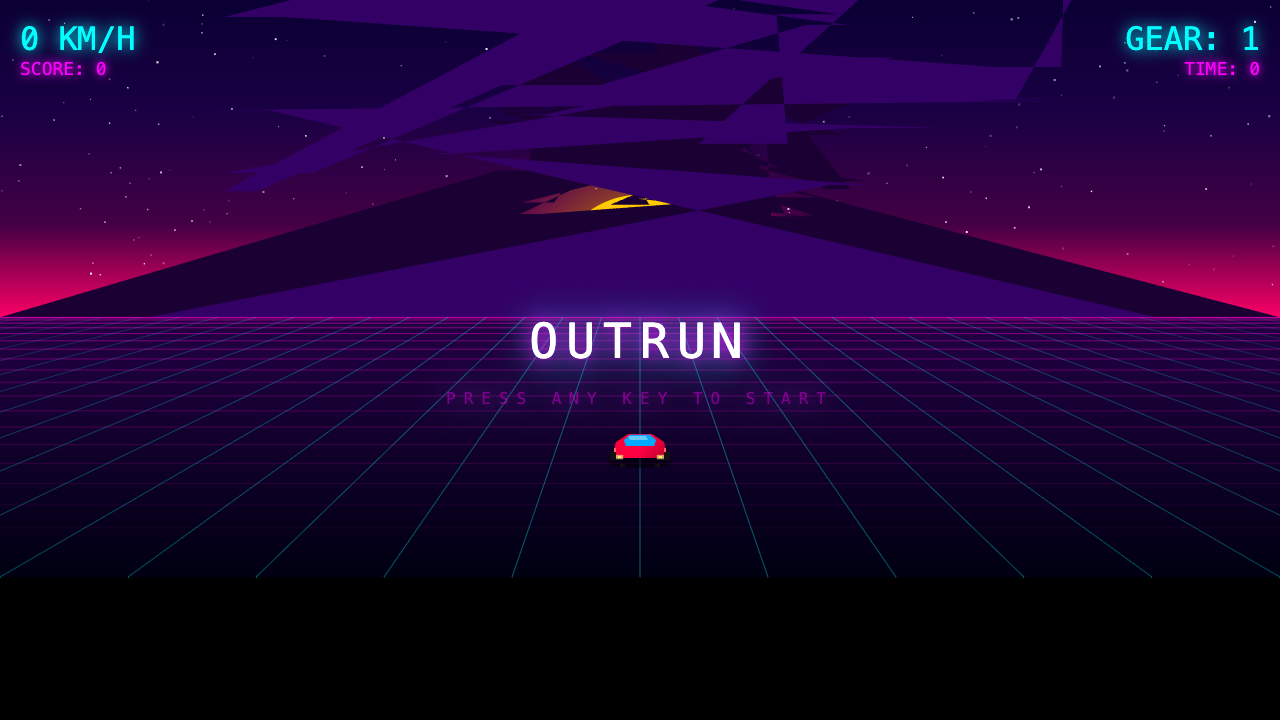
Outrun
Game
GPT-5.6 Sol 8.7
·
MiniMax M3 7.5
(+1.2)
· synthwave outrun perfection
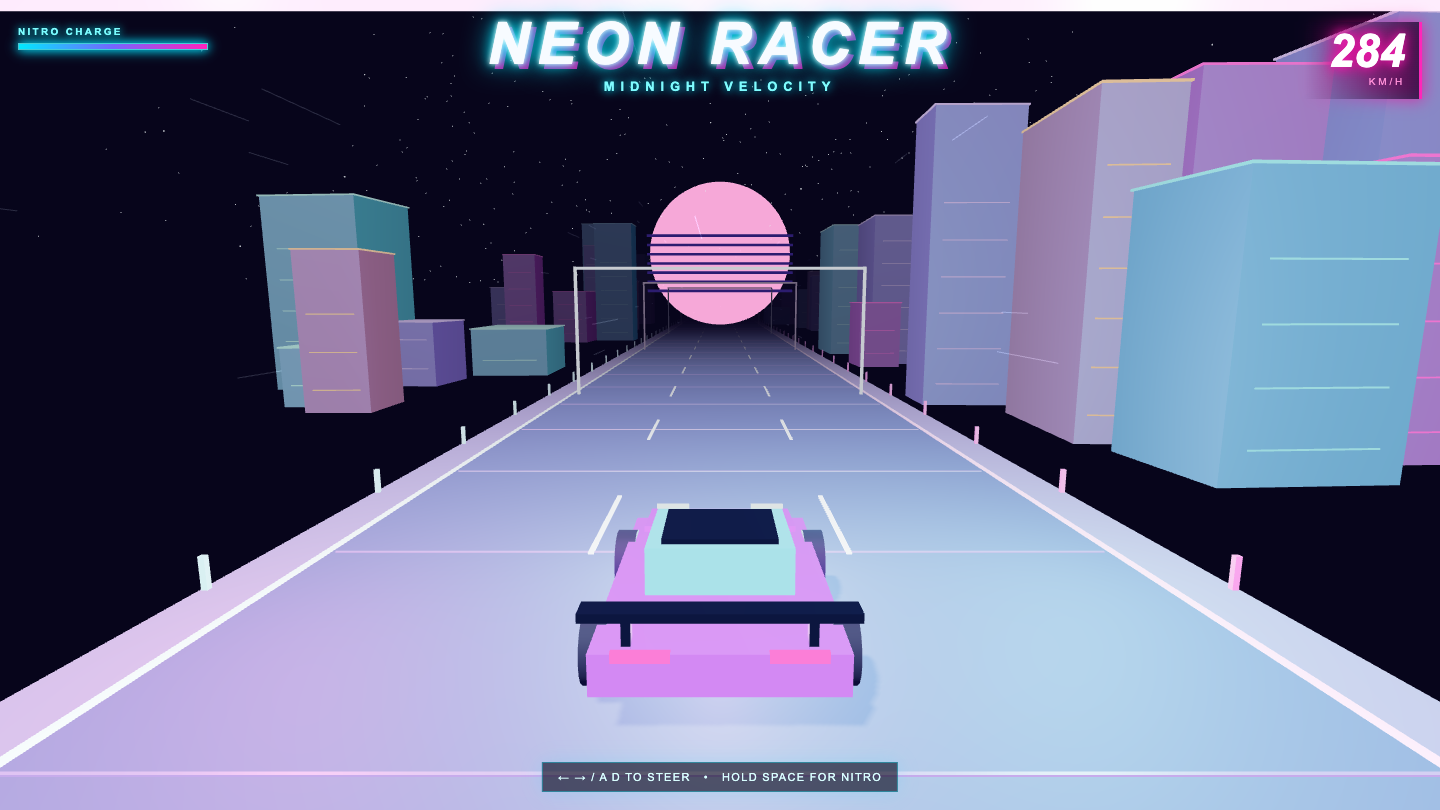
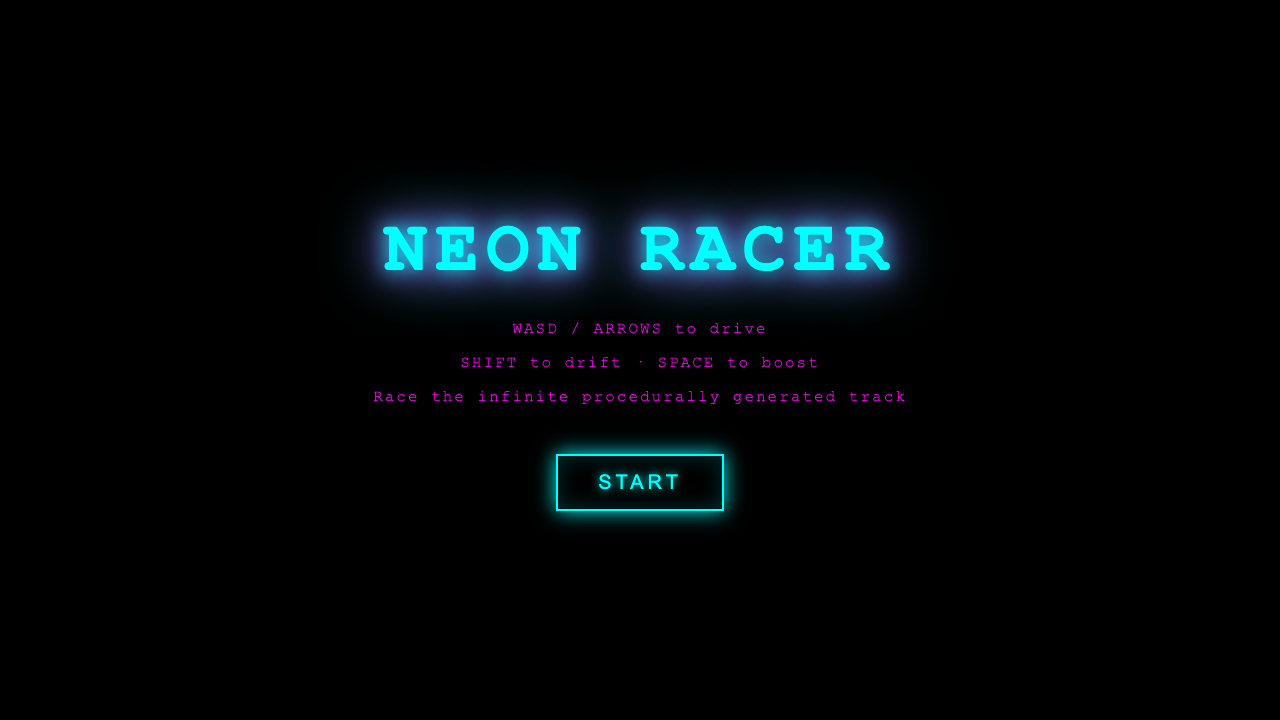
What I saw: Gorgeous, textbook synthwave scene—striped sun, layered mountains, city silhouette, palms, glowing pink-edged road with proper pseudo-3D curve and a neon car—all polished with excellent HUD and title treatment. Only minor nit is the somewhat abstract car sprite, but overall this …
Where MiniMax M3 beat GPT-5.6 Sol
The tasks where I gave MiniMax M3 a higher 0–10 score on the same prompt — with the actual commentary from my source guides.
Gtafoot
Game
MiniMax M3 8.0
·
GPT-5.6 Sol 3.5
(+4.5)
What I saw: 30KB · plays clean · three, webgl (re-rolled)
Voxel
Visual
MiniMax M3 8.0
·
GPT-5.6 Sol 3.5
(+4.5)
What I saw: 29KB Temple-Run-style voxel runner on three.js — lane switching, jump + slide, coins.
Pathtracer
Sim
MiniMax M3 8.5
·
GPT-5.6 Sol 6.4
(+2.1)
What I saw: 62KB WebGL shader path tracer with sample accumulation.
Nordiccrypt
Game
MiniMax M3 9.0
·
GPT-5.6 Sol 7.8
(+1.2)
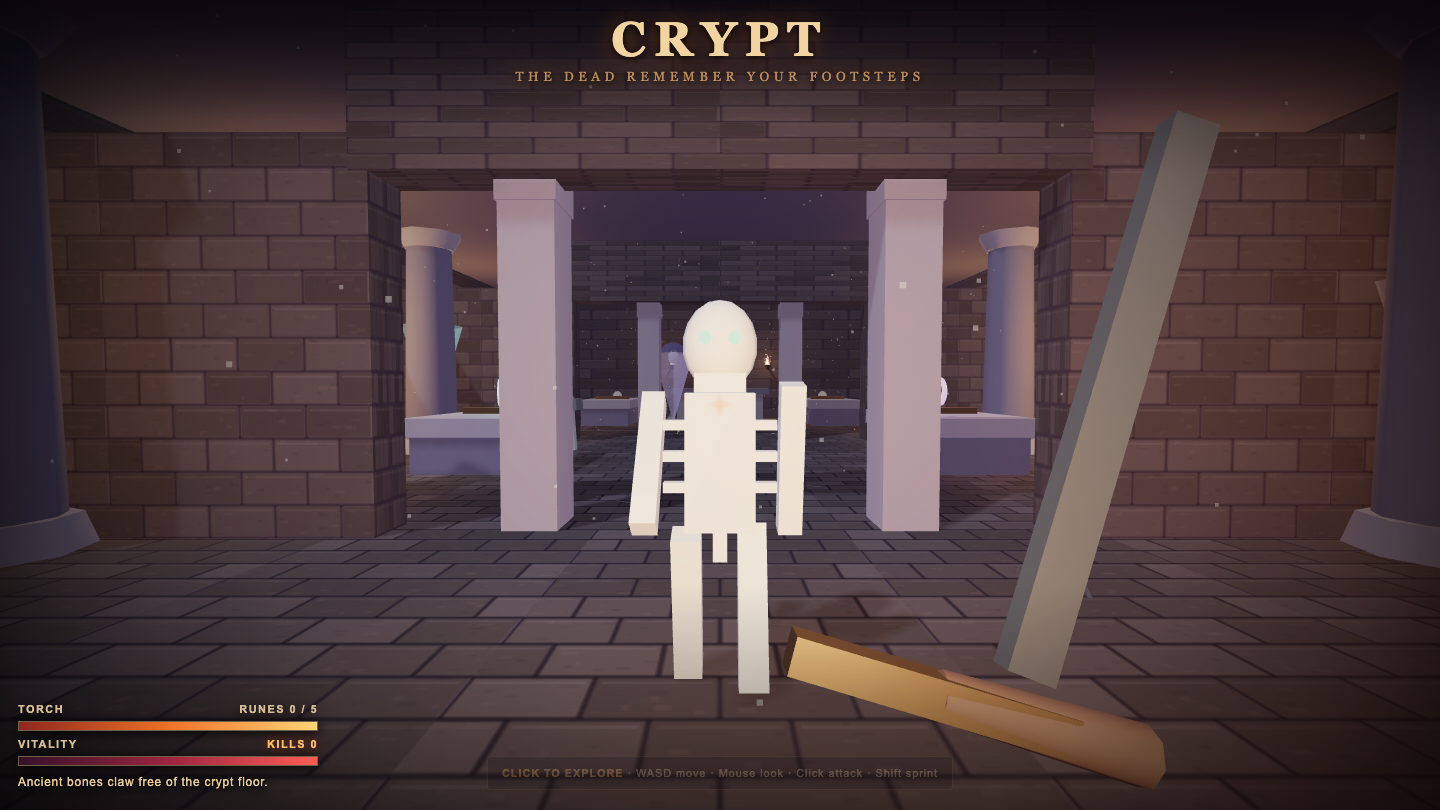
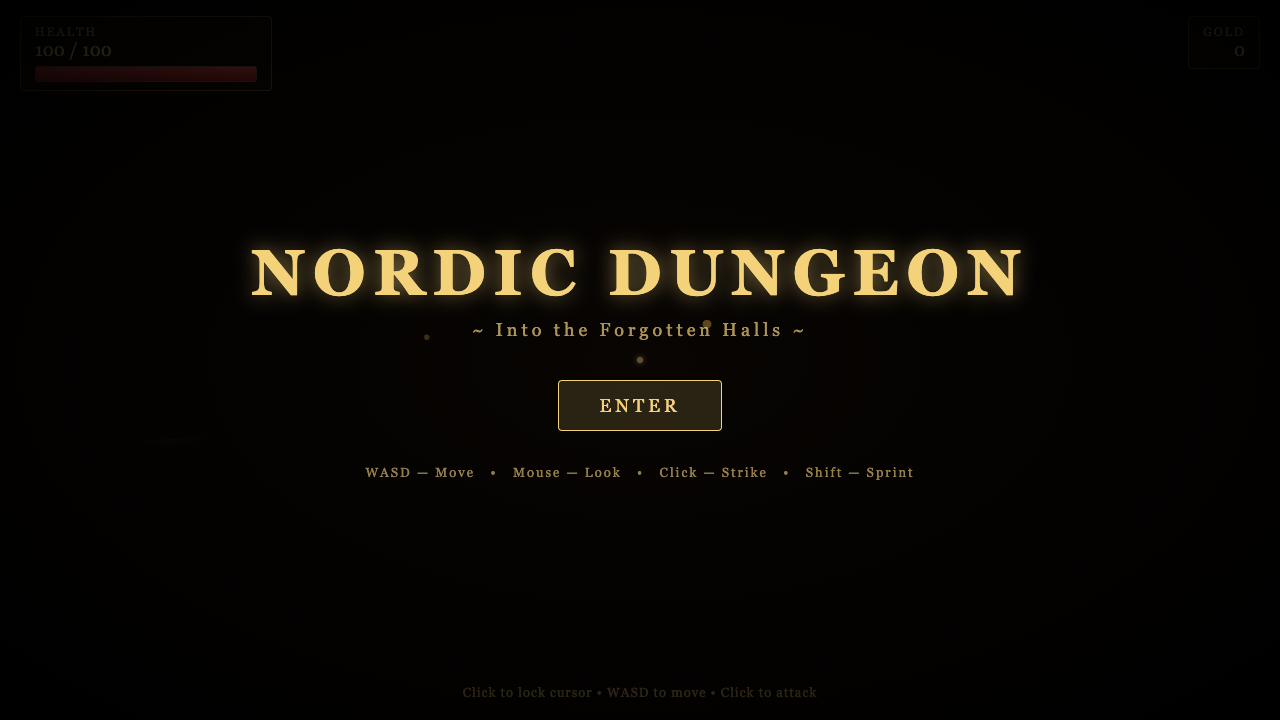
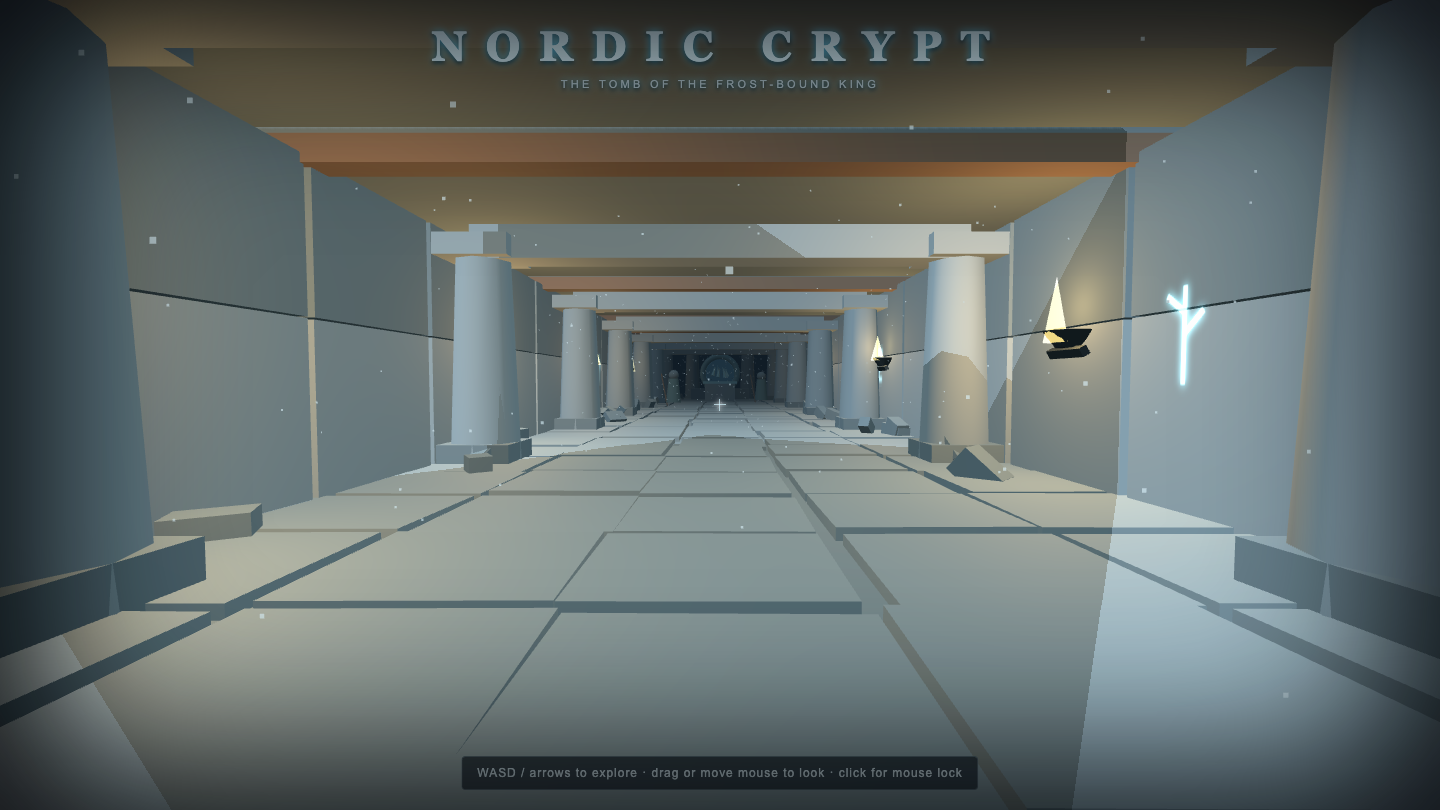
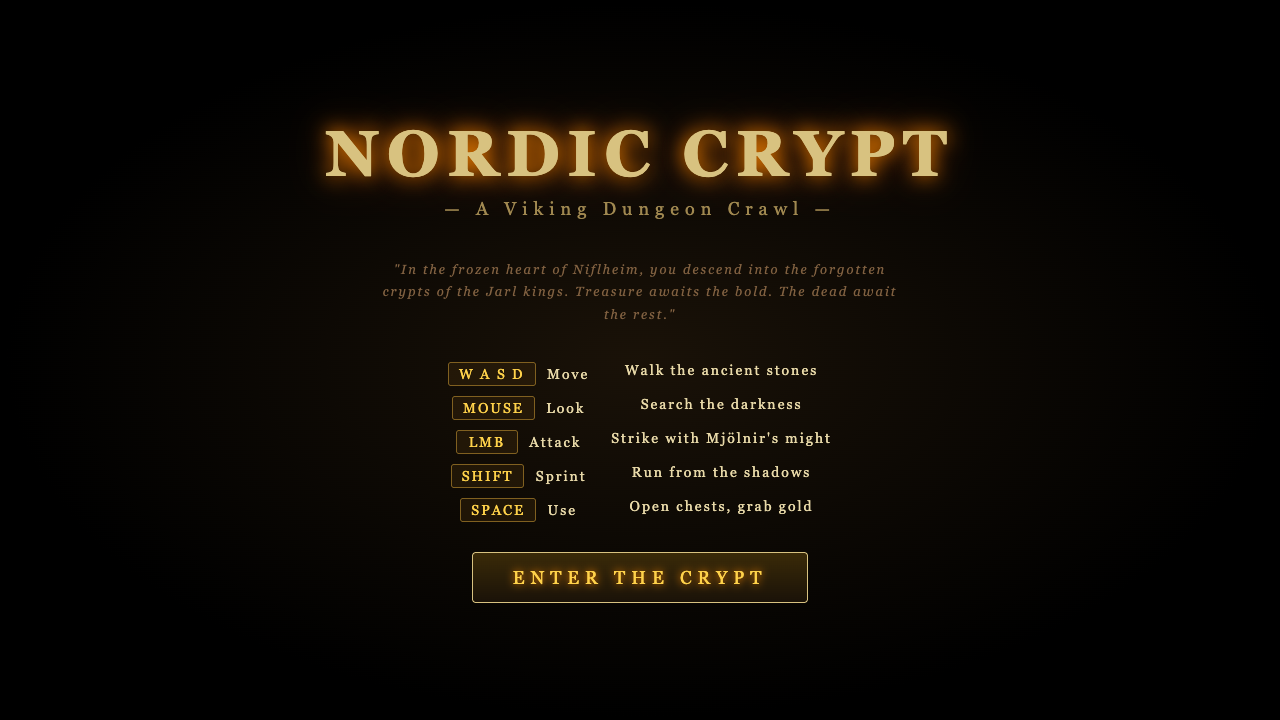
What I saw: 41KB Nordic crypt with torch-lit corridors, chasing skeletons, boss room.
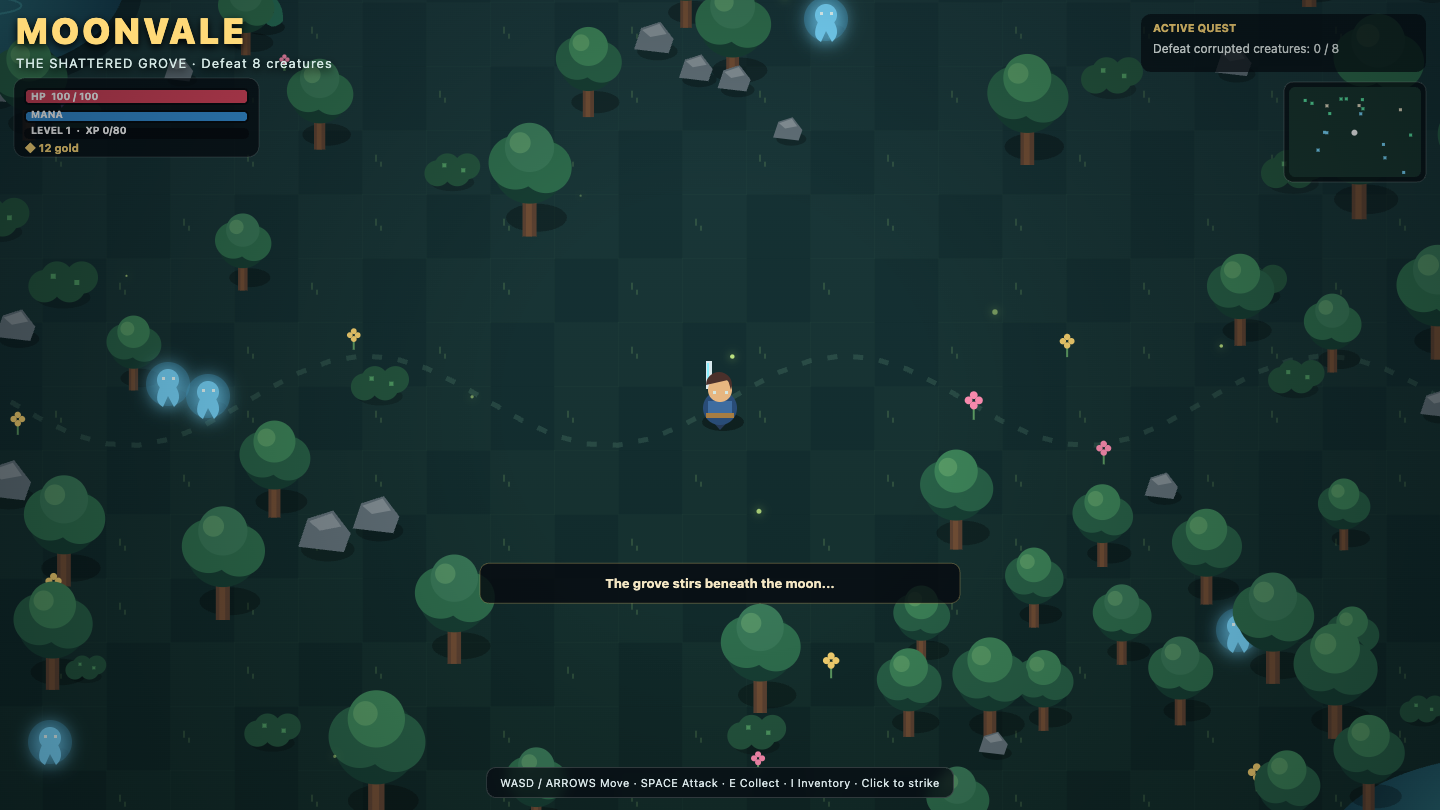
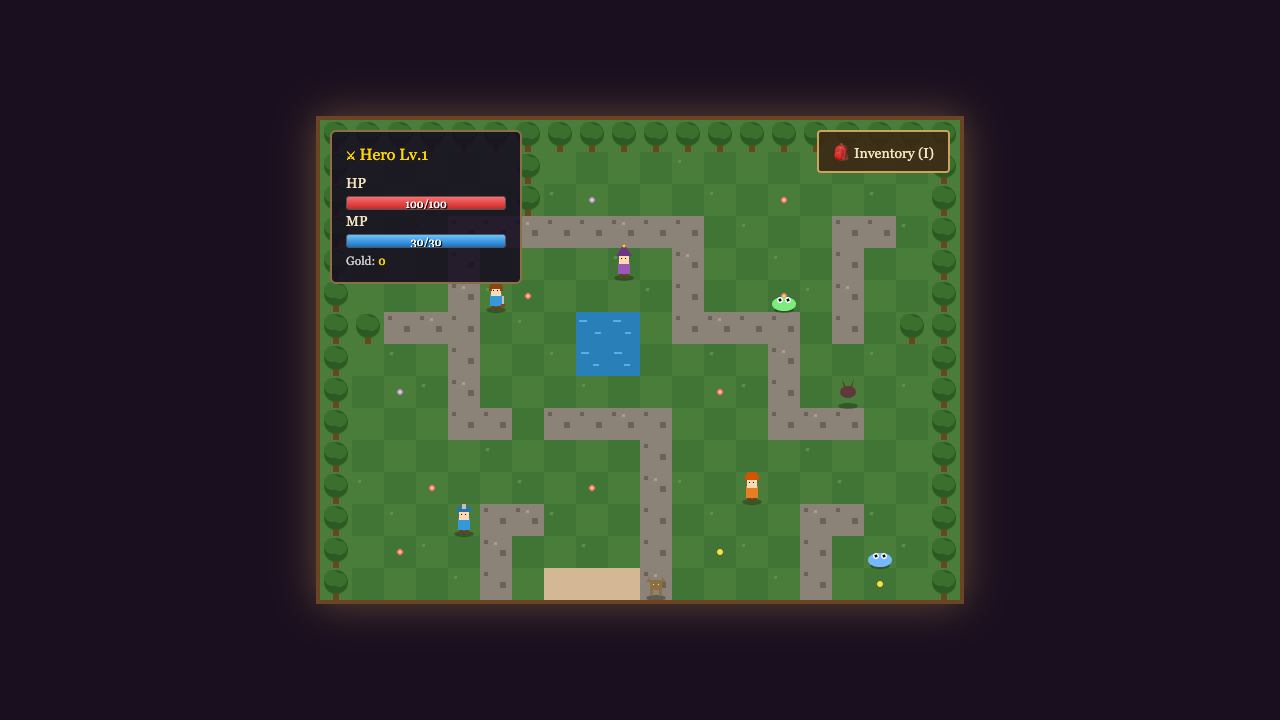
Twilightvale
Game
MiniMax M3 9.0
·
GPT-5.6 Sol 7.8
(+1.2)
· winner · biggest open world
What I saw: 47KB — densest open-world. Village, NPCs, combat, day/night, weather, inventory.
Strengths & weaknesses I logged
GPT-5.6 Sol
Strengths
- Strong one-shot 3D games — Dragon Realm, Doom raycaster and Skyrim-lite all judged task winners
- Whole 5.6 lineup rated High capability, even the small Luna/Terra tiers — a first for OpenAI
- Huge ~1.05M-token context on every tier, plus a low-to-high reasoning-effort dial
Trade-offs
- Priciest tier on the bench at $30/M output — only worth routing the hardest 10% of work to Sol
- Reasoning can eat the token budget on big open-world briefs (one 0-byte failure until the budget was raised, then it built clean)
MiniMax M3
Strengths
- 1M token context — full repo / full deep-research corpus fits in one call
- $0.30/M input is roughly 1/30th of Opus 4.8 — built for high-volume agent loops
- Solid one-shot HTML output — clean structure on game and visual prompts
Trade-offs
- Less polished than Fusion's panel-ensembled output on the toughest deep builds
- Newer model — less community calibration vs Fable 5 / Opus 4.8
Pricing & context — the spec sheet
| Spec | GPT-5.6 Sol | MiniMax M3 |
|---|---|---|
| Vendor | OpenAI | MiniMax |
| Context window | 1,050,000 tokens | 1,048,576-token context — matches GLM-5.2 and Fable 5 |
| Price | $5 / $30 per M | $0.30 / 1M input tokens, $1.50 / 1M output |
| Pricing detail | GPT-5.6 shipped as three models — Luna ($1/$6 per M), Terra ($2.50/$15) and Sol ($5/$30) — each with a same-price pro variant that ships a higher default reasoning effort. All share a ~1.05M-token context window and are rated High capability. Benched here on the flagship, Sol, at medium reasoning effort via OpenRouter. | MiniMax M3 is the cheapest 1M-context frontier model on the bench — roughly 1/200th the per-call cost of OpenRouter Fusion and 1/30th of Claude Opus 4.8. Designed for high-volume agent workloads where context length matters but per-call budget is tight. |
| Release | 2026-07 | 2026-06-18 |
| Bench coverage | 50/50 scored · avg 8.16/10 | 47/47 scored · avg 7.97/10 |
The verdict — which should you pick?
Across 47 scored shared tasks, the averages are essentially tied — GPT-5.6 Sol 8.16 vs MiniMax M3 7.97. This isn't the comparison where one wins; it's the comparison where you pick based on context, pricing, and what you're actually trying to ship.
If you only run one of these inside your stack, the head-to-head average above is the call. If you can run both, my honest play is to wire GPT-5.6 Sol and MiniMax M3 both into the Agent Operating System and dispatch each from the kanban by task type — the hardest reasoning and code where being right beats being cheap → GPT-5.6 Sol, high-volume agent workflows where per-call cost dominates → MiniMax M3. That's the same setup I run for the 3,400+ founders inside the AI Profit Boardroom.
FAQ — GPT-5.6 Sol vs MiniMax M3
Which is better, GPT-5.6 Sol or MiniMax M3?
On Goldie Bench, GPT-5.6 Sol averages 8.16/10 across the shared tasks, with 2 gold, 9 silver, 10 bronze overall. MiniMax M3 averages 7.97/10, with 2 gold, 1 silver, 3 bronze. GPT-5.6 Sol wins the head-to-head 32–15.
How much does GPT-5.6 Sol cost vs MiniMax M3?
GPT-5.6 Sol: GPT-5.6 shipped as three models — Luna ($1/$6 per M), Terra ($2.50/$15) and Sol ($5/$30) — each with a same-price pro variant that ships a higher default reasoning effort. All share a ~1.05M-token context window and are rated High capability. Benched here on the flagship, Sol, at medium reasoning effort via OpenRouter. MiniMax M3: MiniMax M3 is the cheapest 1M-context frontier model on the bench — roughly 1/200th the per-call cost of OpenRouter Fusion and 1/30th of Claude Opus 4.8. Designed for high-volume agent workloads where context length matters but per-call budget is tight.
What's the context window for GPT-5.6 Sol vs MiniMax M3?
GPT-5.6 Sol has a 1,050,000 tokens context window. MiniMax M3 has a 1,048,576-token context — matches GLM-5.2 and Fable 5 context window.
When should I pick GPT-5.6 Sol over MiniMax M3?
Pick GPT-5.6 Sol for: The hardest reasoning and code where being right beats being cheap; One-shot game/sim prototypes you want shippable on the first prompt; The flagship slot in a routed Agent OS — Sol for the hard 10%, Luna/Terra for the rest. The trade-off is the weaknesses we logged on the bench: Priciest tier on the bench at $30/M output — only worth routing the hardest 10% of work to Sol; Reasoning can eat the token budget on big open-world briefs (one 0-byte failure until the budget was raised, then it built clean).
When should I pick MiniMax M3 over GPT-5.6 Sol?
Pick MiniMax M3 for: High-volume agent workflows where per-call cost dominates; 1M-context tasks (whole-repo refactors, deep-research synthesis); Drop-in cheaper alternative to GLM-5.2 with comparable 1M context. The trade-off is the weaknesses we logged on the bench: Less polished than Fusion's panel-ensembled output on the toughest deep builds; Newer model — less community calibration vs Fable 5 / Opus 4.8.
How does Goldie Bench score GPT-5.6 Sol vs MiniMax M3?
Every demo on this page was built by Julian Goldie inside the Agent Operating System — same fixed prompt for both models, one shot, single HTML file out. Each result gets a 0–10 score on whether it ran, how close it hit the brief, and how good it looked. The highest score on each task gets gold; second gets silver; third gets bronze. See methodology for full provenance.
Related comparisons
Other head-to-heads using the same scoring system:
GPT-5.6 Sol vs Fusion MiniMax M3 vs Fusion GPT-5.6 Sol vs Claude Opus 5 MiniMax M3 vs Claude Opus 5 GPT-5.6 Sol vs Hermes MoA MiniMax M3 vs Hermes MoA GPT-5.6 Sol vs Claude Fable 5 MiniMax M3 vs Claude Fable 5Full model pages: GPT-5.6 Sol · MiniMax M3 · back to the leaderboard
The same stack Julian uses
Run this stack yourself.
Every demo on this bench was built inside the Agent Operating System — one prompt, one shot, single HTML file out. The Agent OS, the prompts, the templates, the weekly walkthroughs and 3,400+ founders shipping with it every day all live inside the AI Profit Boardroom.
3,400+founders
258documented wins
38countries
$69/momonthly