Real head-to-head · same prompt, one shot
Hermes MoA vs Claude Fable 5
A panel of frontier models, merged by a chair. The model doesn't matter — the system does. vs The newest Anthropic model — first Mythos-class made generally available.
Head-to-head verdict: Hermes MoA wins 26–16 with 5 ties.
What I tested — same prompt, two models
I run the same fixed prompt set through every new model the day it drops — same string, one shot, single HTML file out — and I score the result 0–10 on whether it ran, how close it hit the brief, and how good it looked. Below is what came out when I gave the exact same prompts to Hermes MoA and Claude Fable 5, side by side, on 47 shared tasks inside the Agent Operating System.
Both models were given identical prompts inside the Agent Operating System — no help, no iteration, no "best of N" tricks. I run each prompt once, save the HTML file the model produces, and score it 0–10 on whether it ran, how close it hit the brief, and how good it looked. The scoring is mine. The verdicts below are pulled from my source comparison guides at agentos.guide where I publish every score and the reasoning behind it.
Hermes MoA · Run from the Mixture tab in the Hermes Agent OS. On this bench the panel built each demo and the aggregator merged the best of every draft.
Claude Fable 5 · Selected from Agent OS for the highest-stakes work — it replaced Opus 4.8 as the safety net on hard prompts. Its four core 3D games were rebuilt to showcase quality with the threejs-game-director skill, lifting the full 42-task bench to 8.14 avg — the #1 solo model, behind only the Fusion and MoA ensembles.
Side-by-side on 47 shared tasks
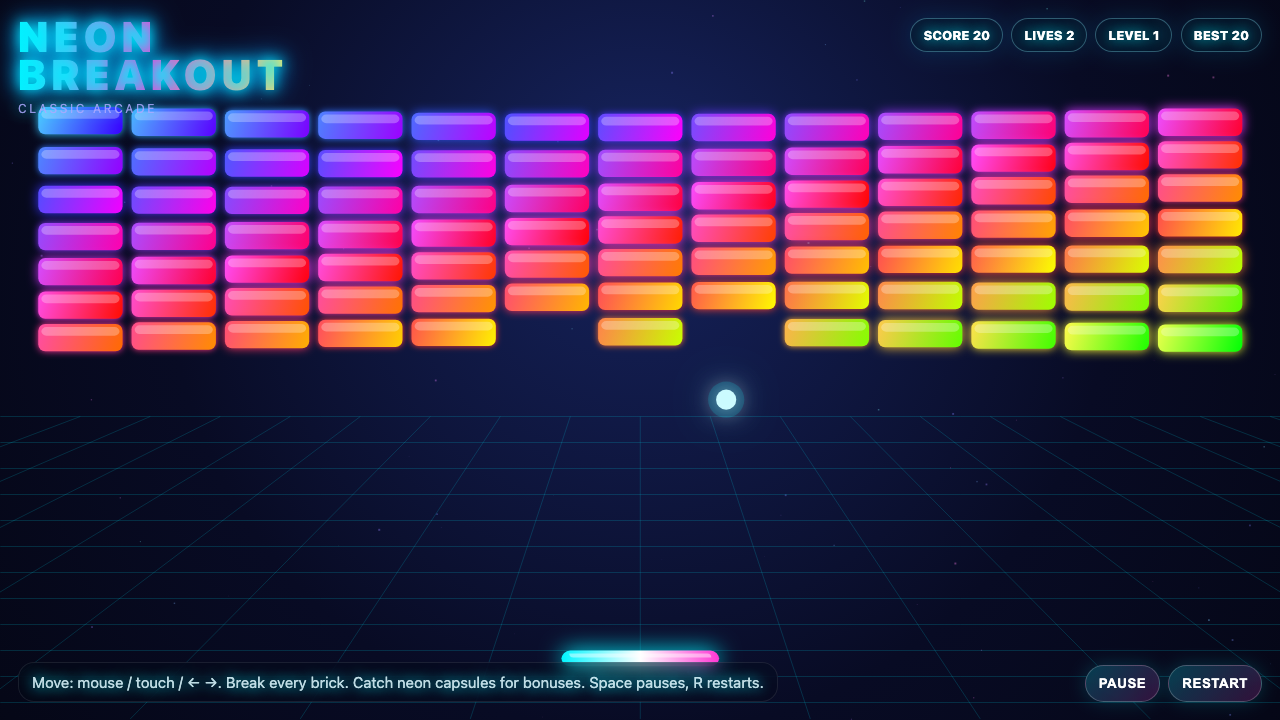
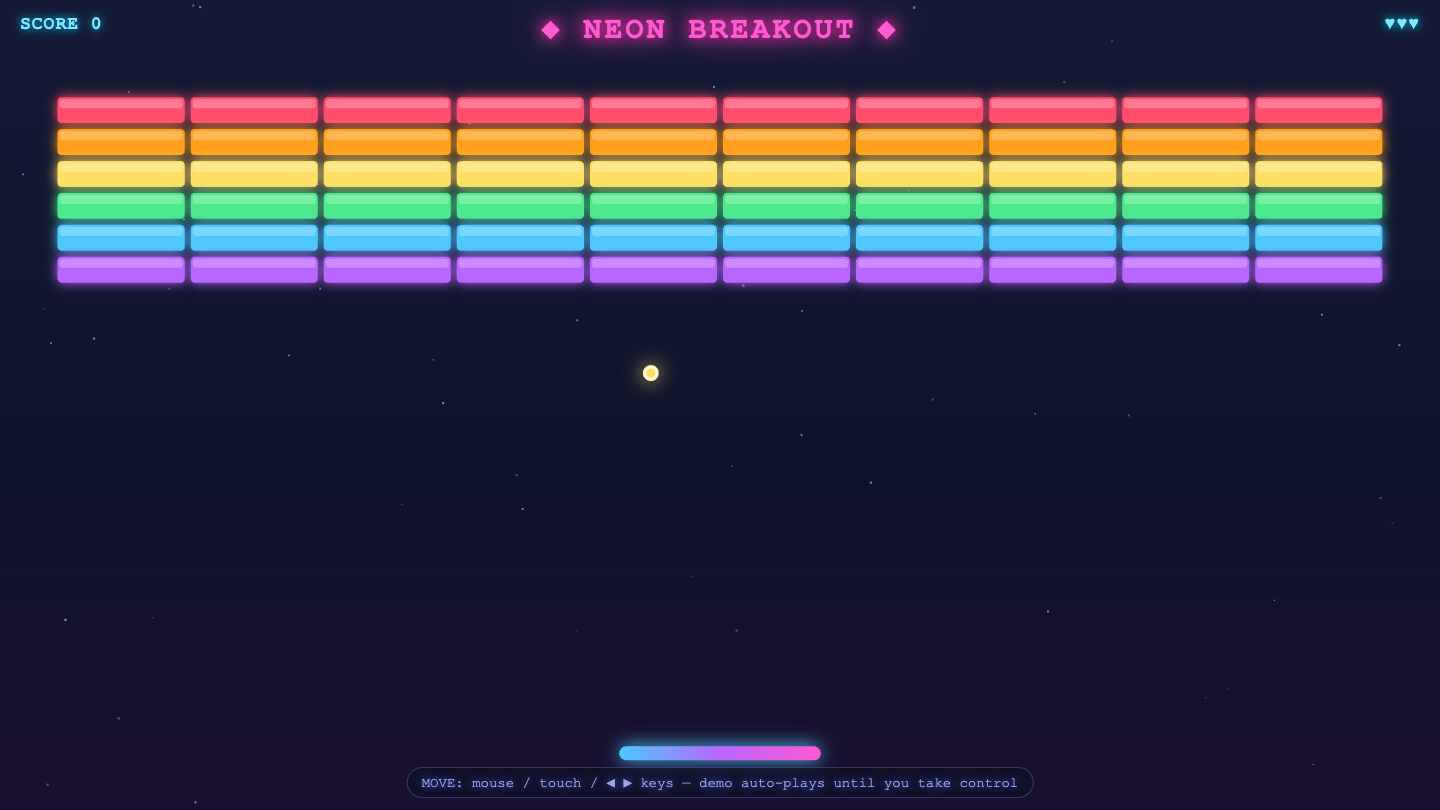
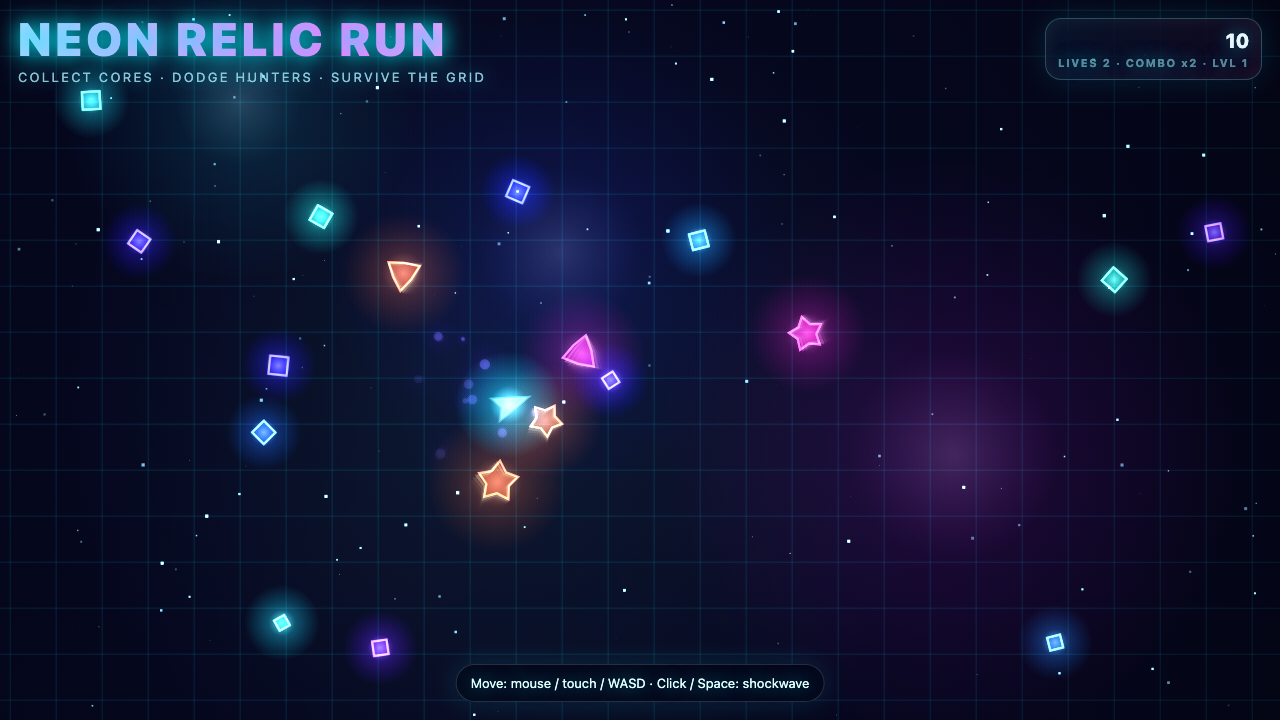
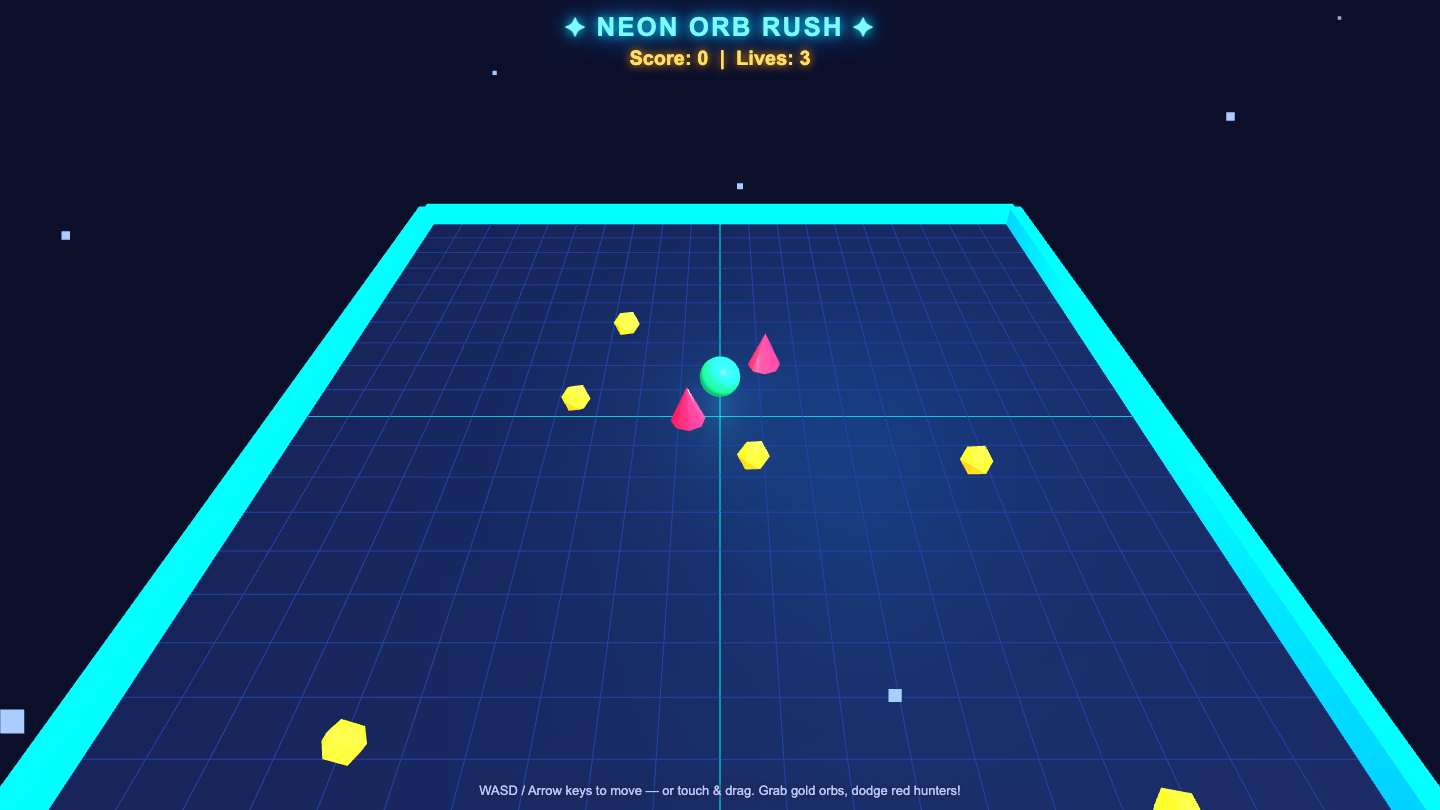
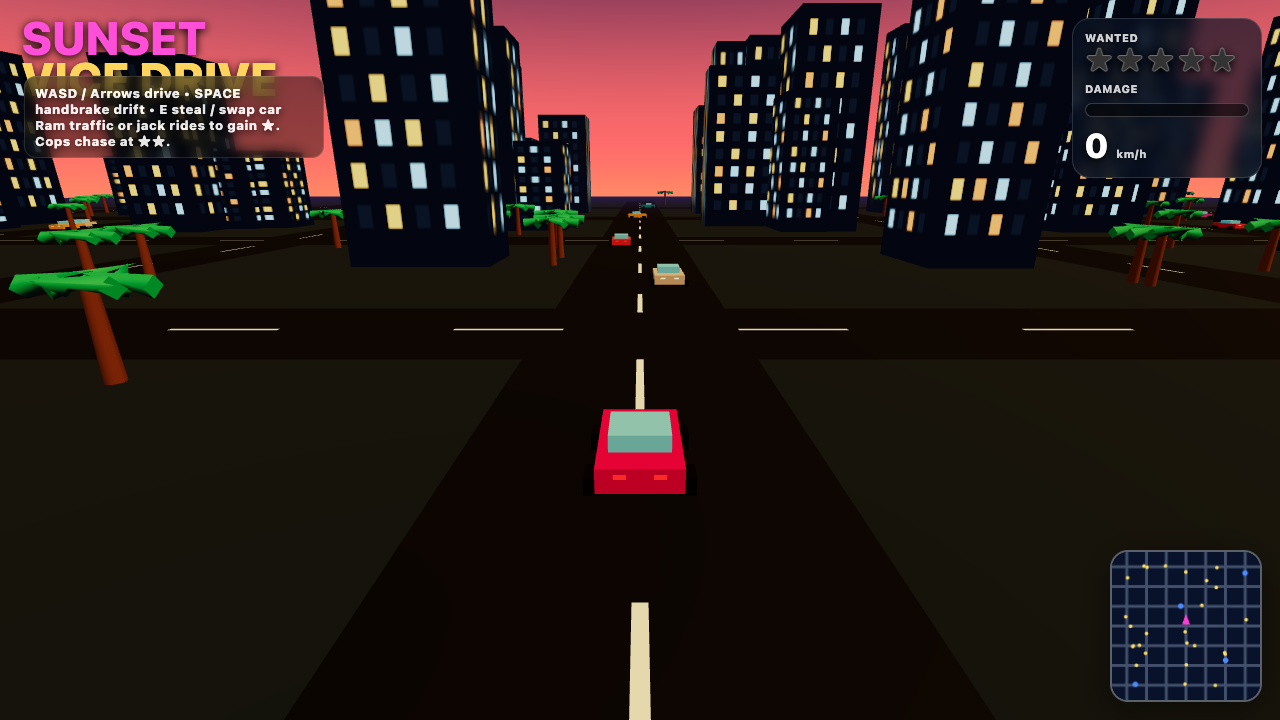
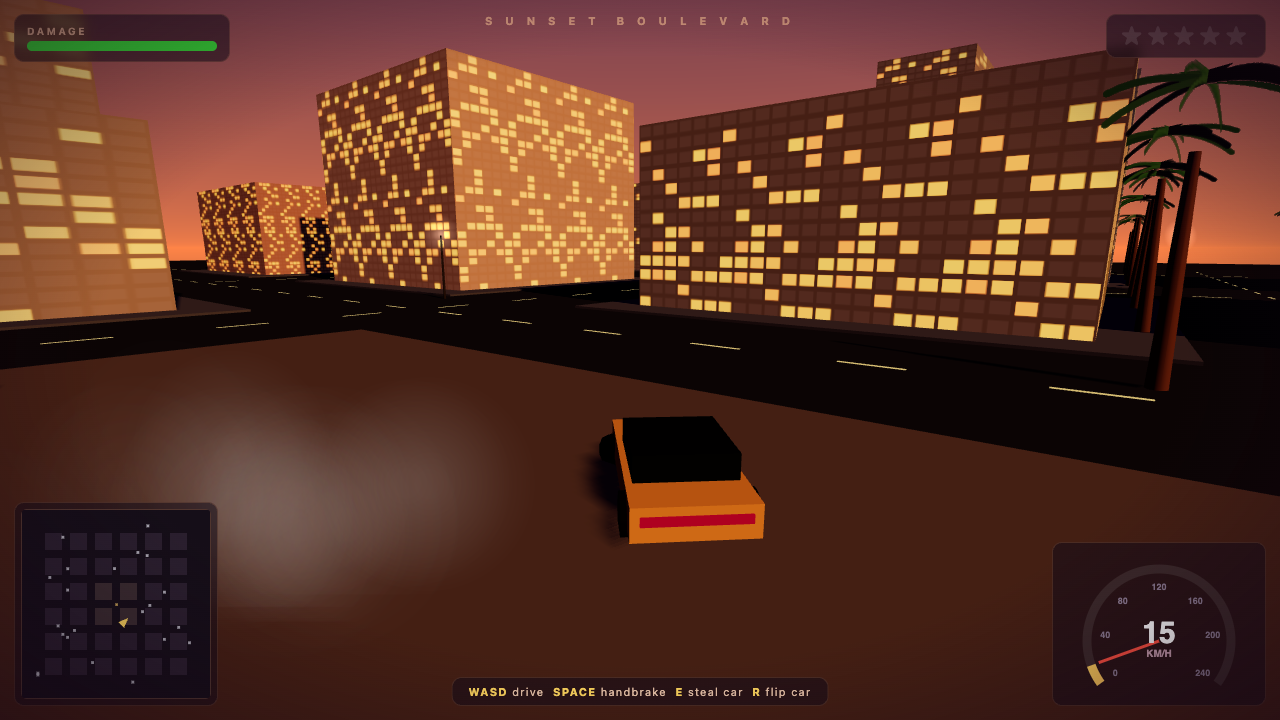
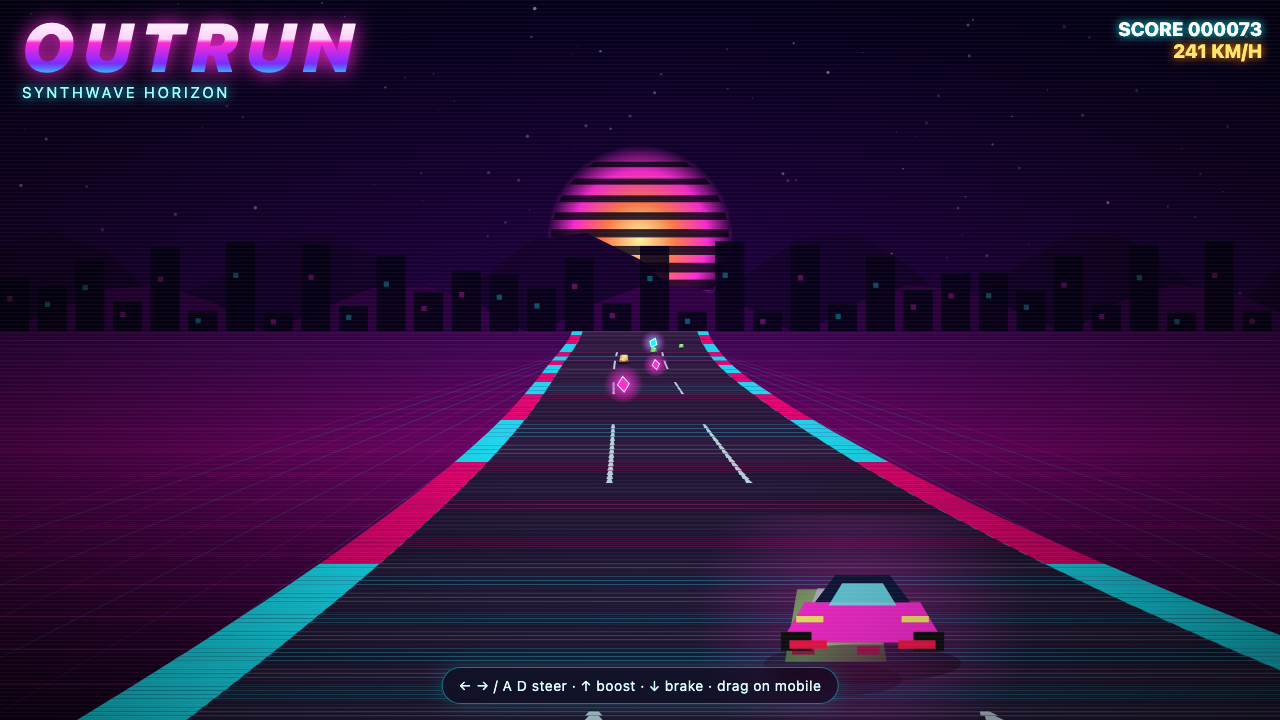
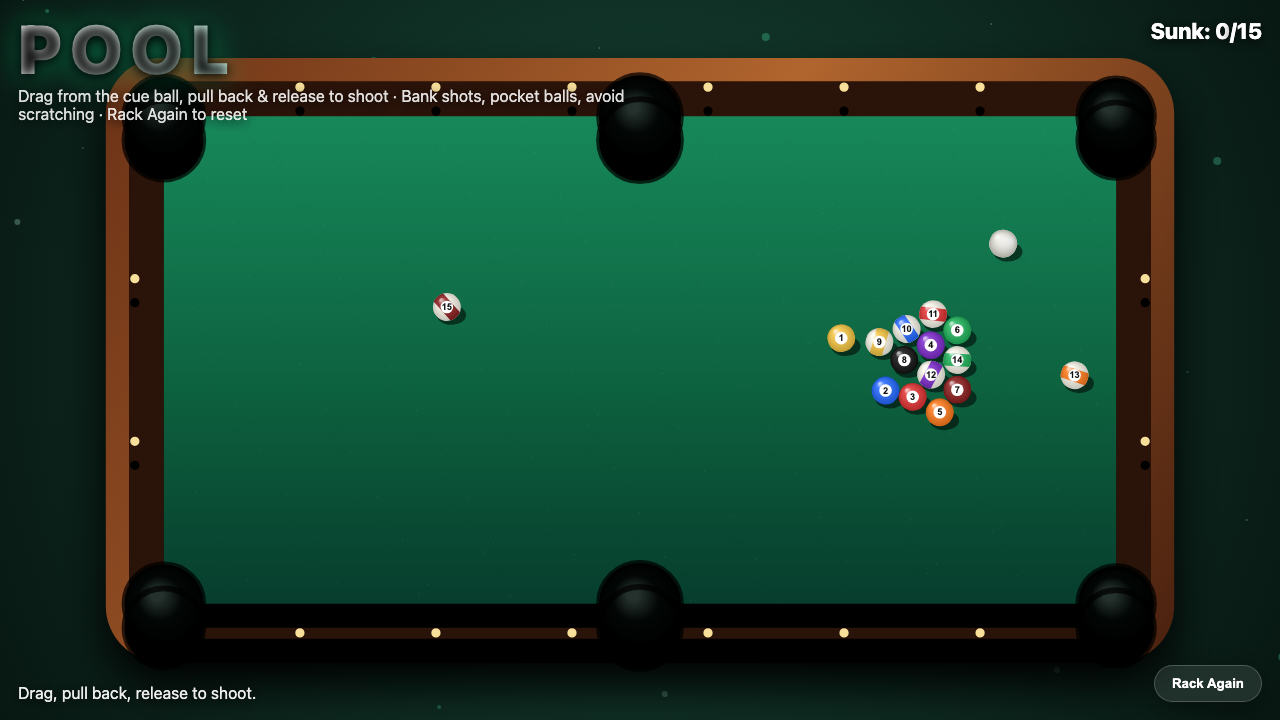
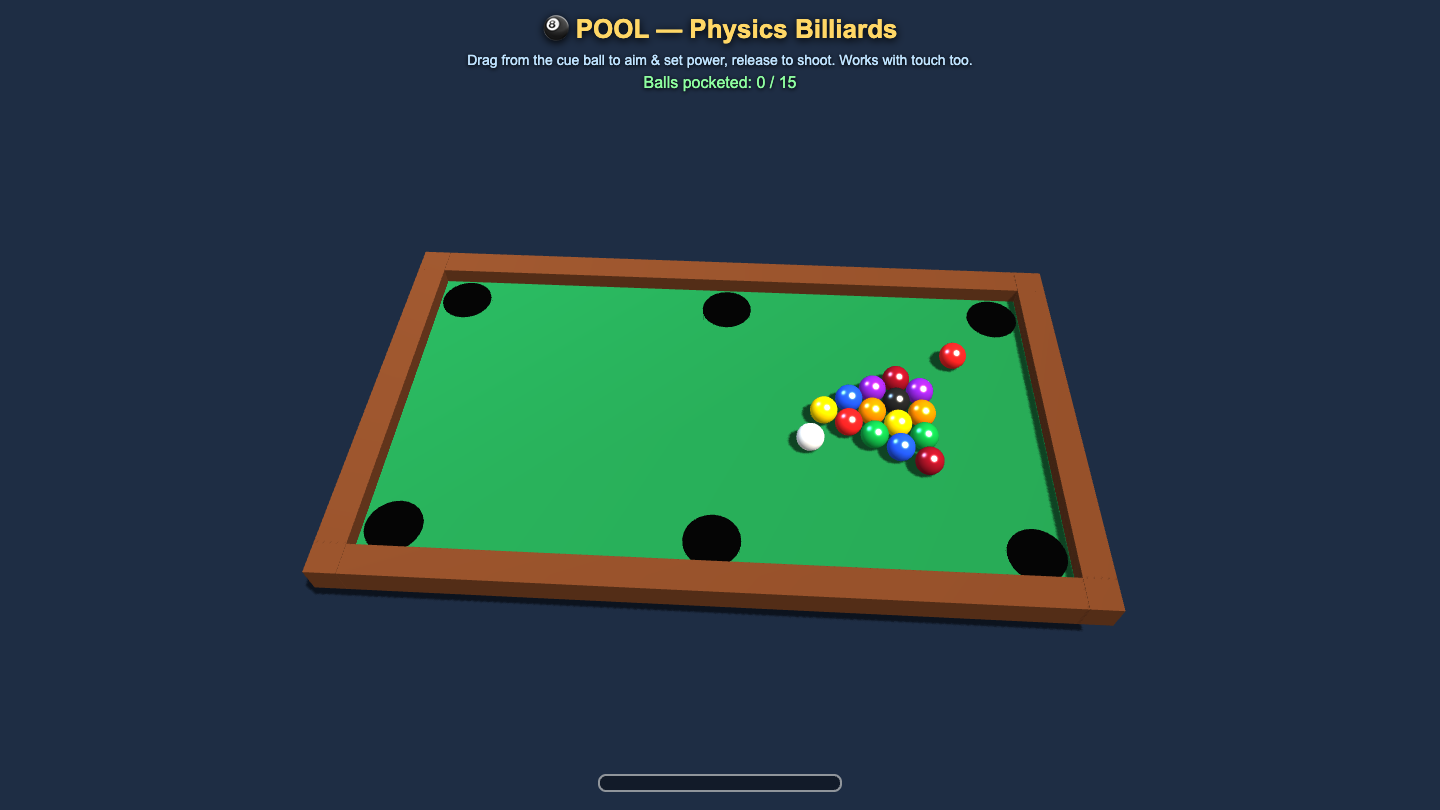
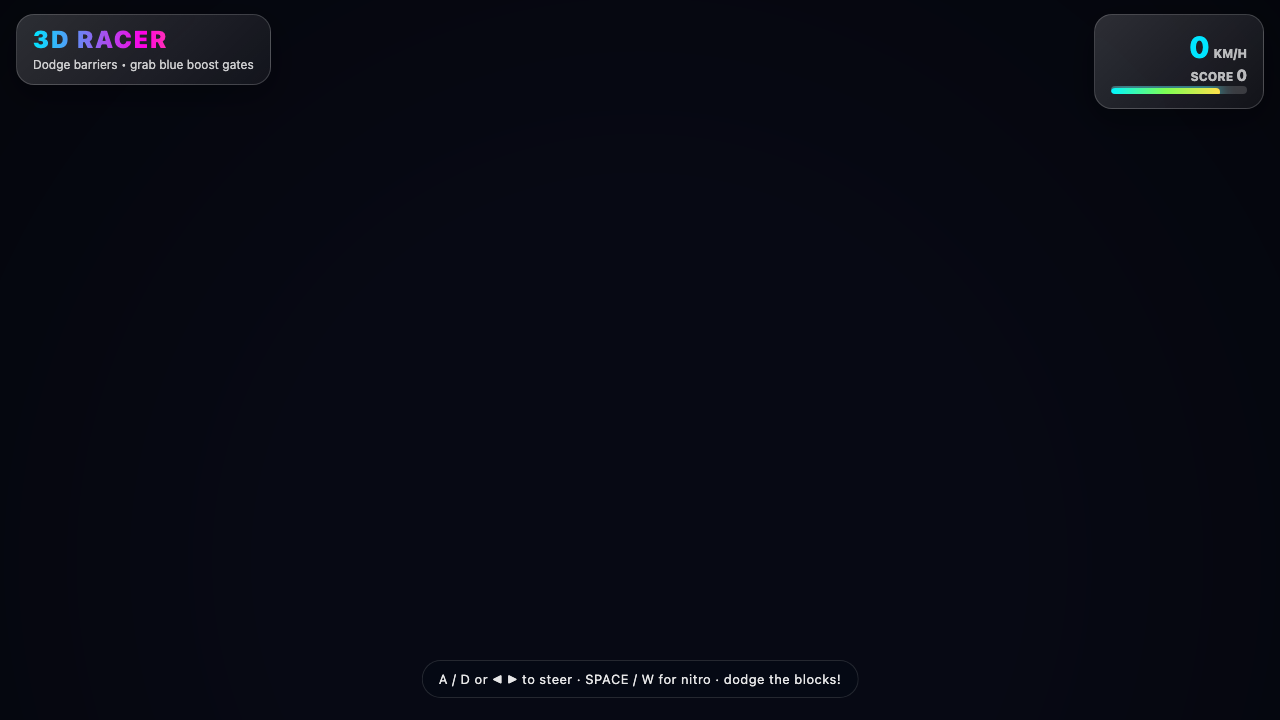
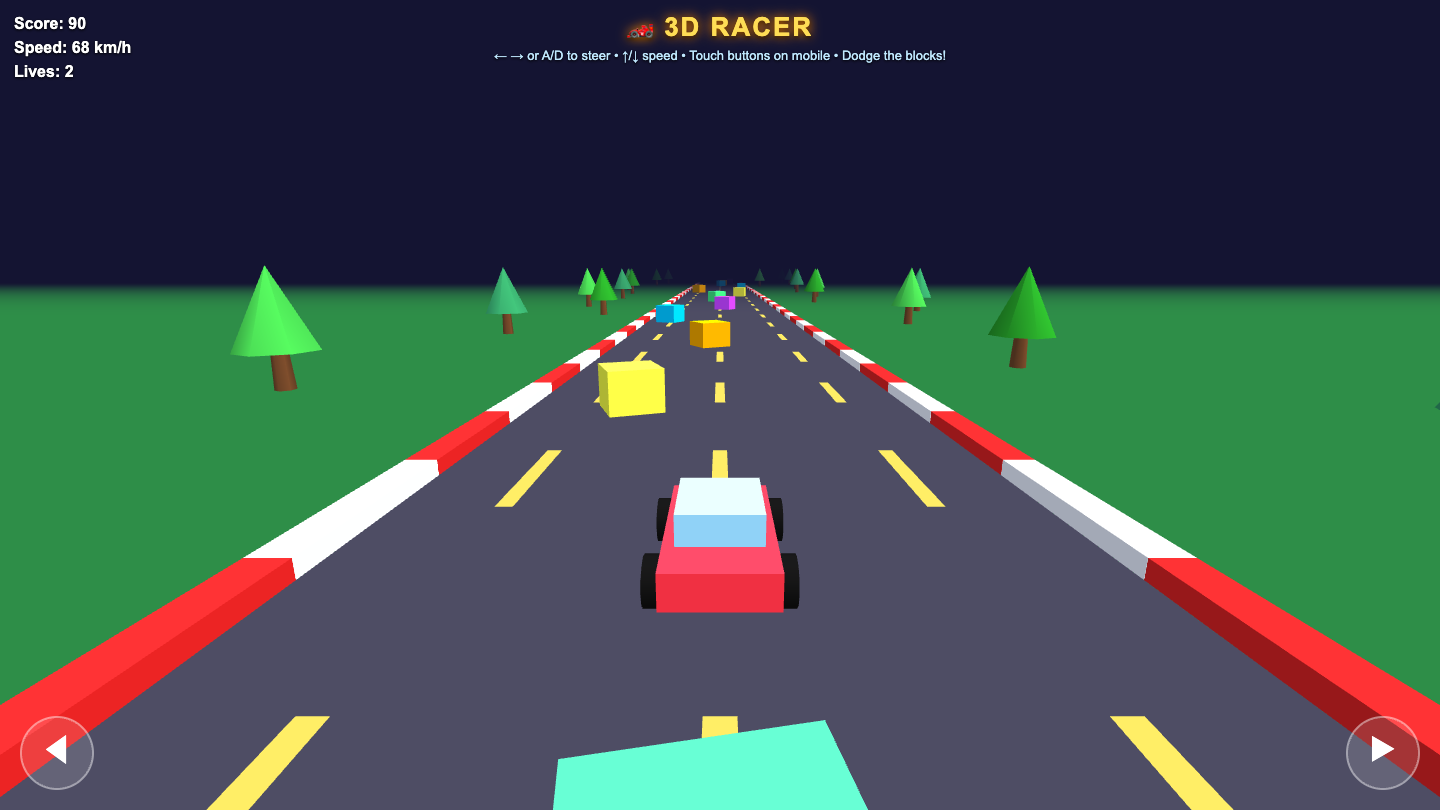
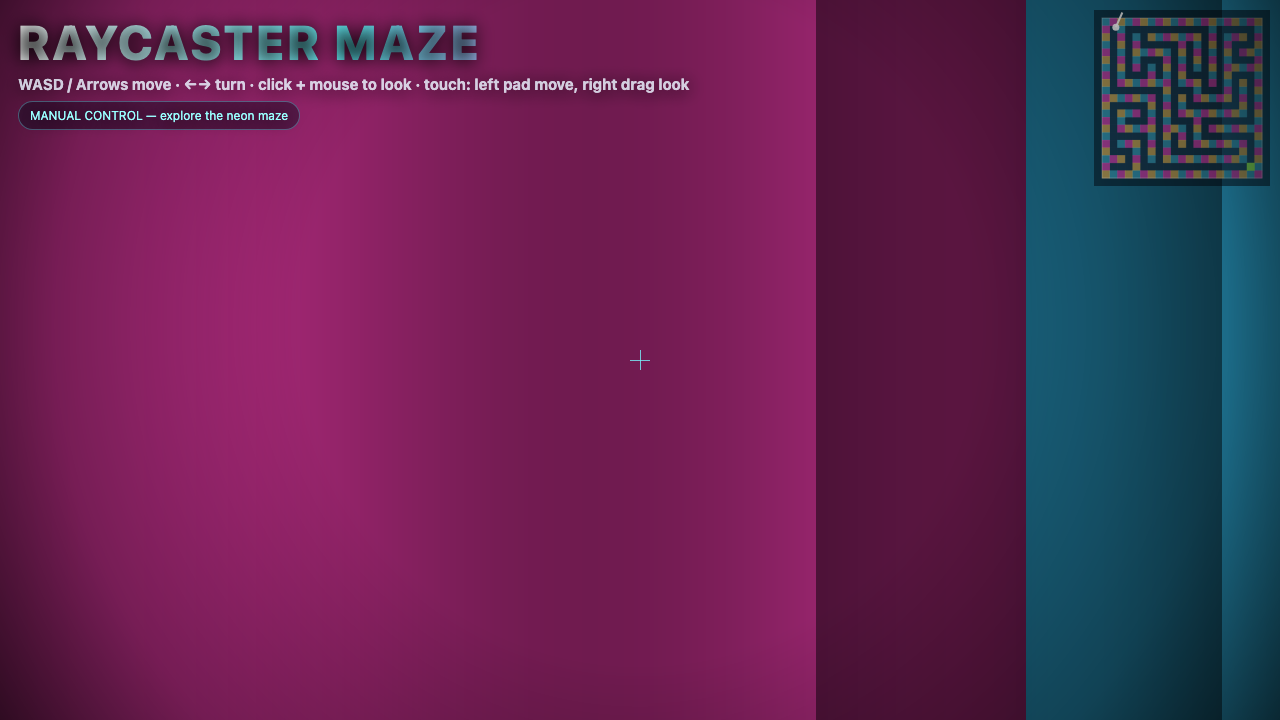
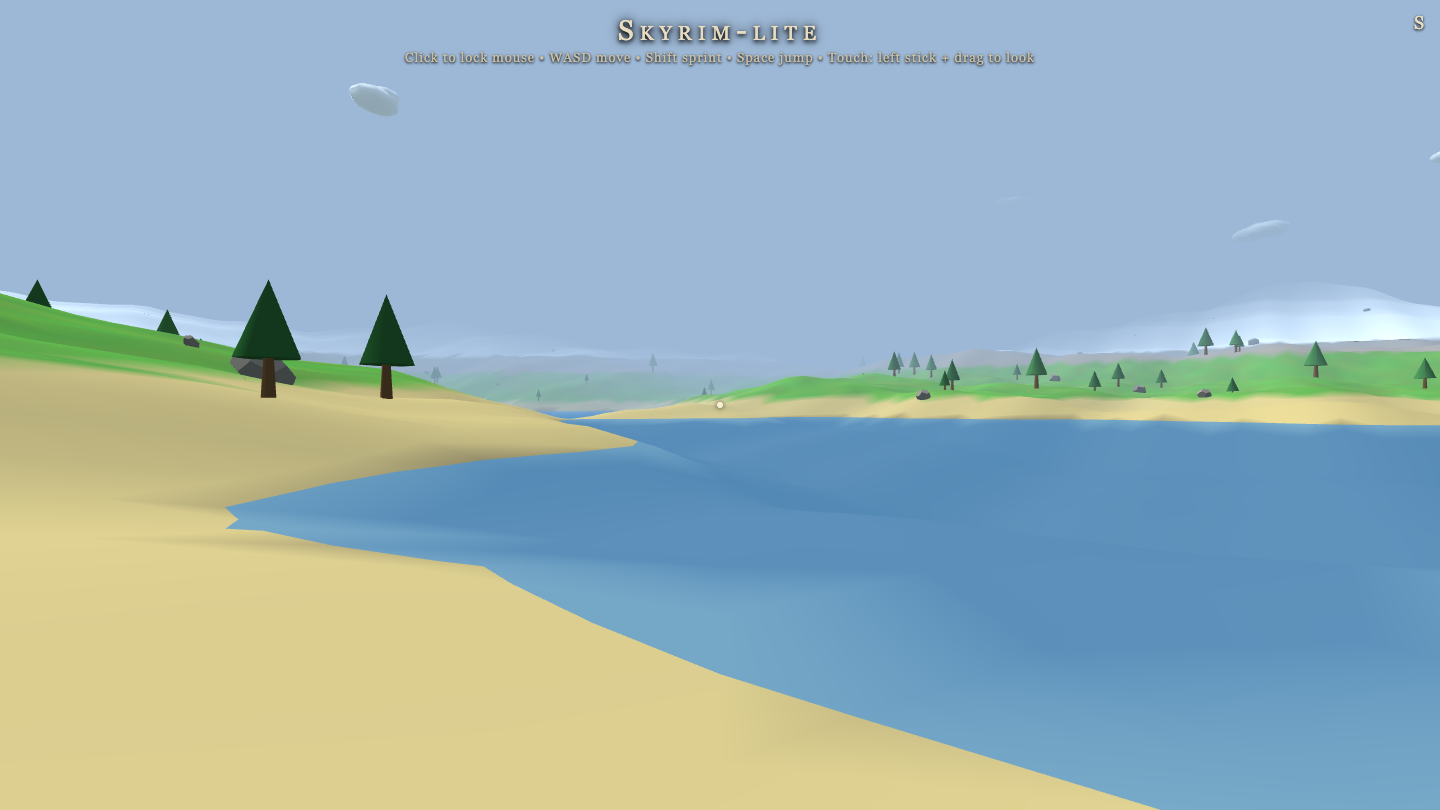
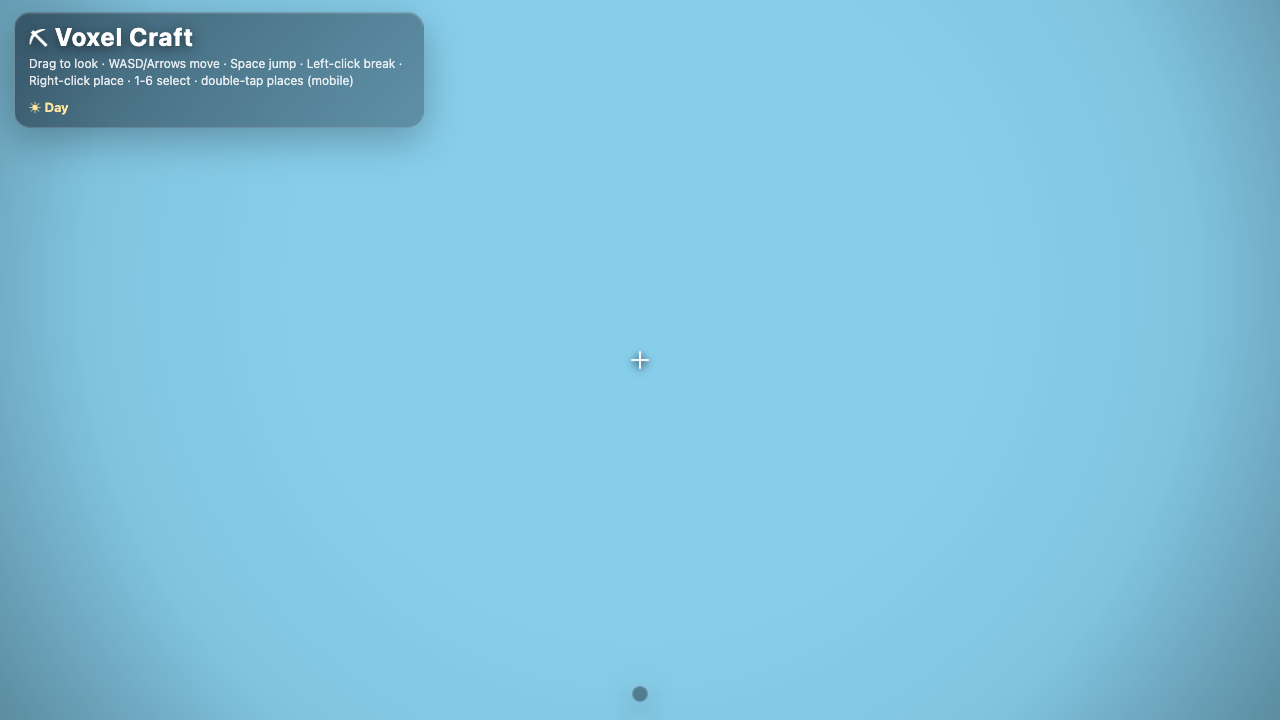
Click any cell to play that model's actual one-shot attempt. Medals are derived from my 0–10 scores per task (highest = 🥇, second = 🥈, third = 🥉).
Task ↓
Hermes MoA
Claude Fable 5
Game
Game
Game
Game
Game
Game
Game
Game
Game
Game
Game
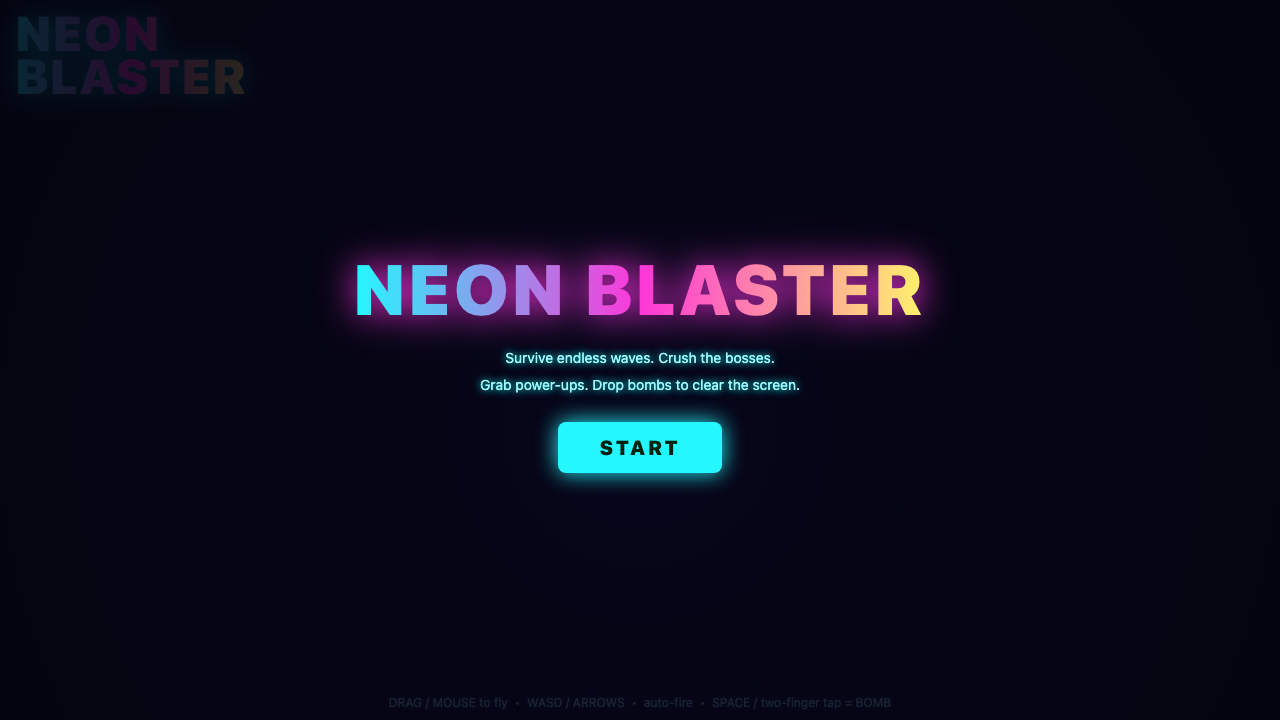
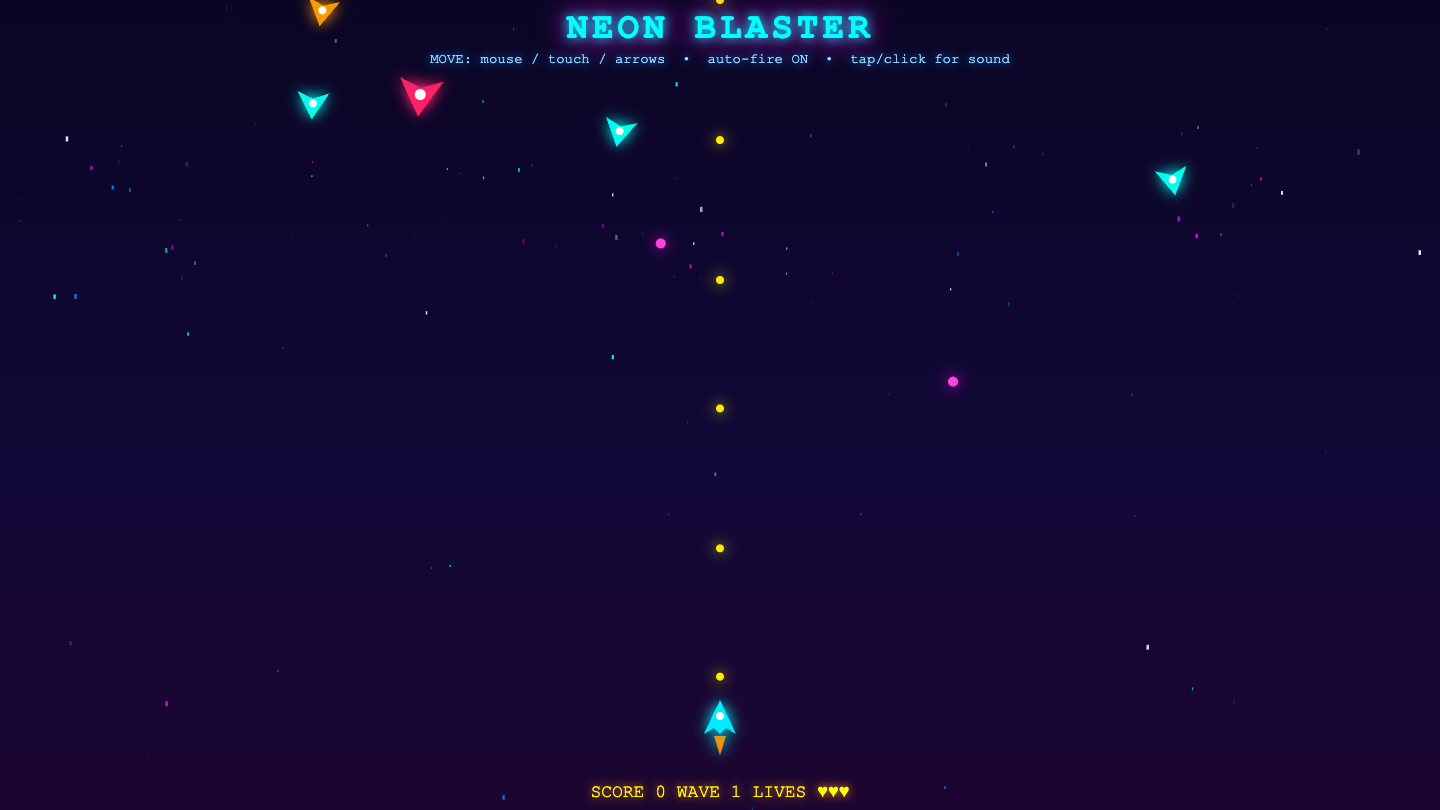
Game
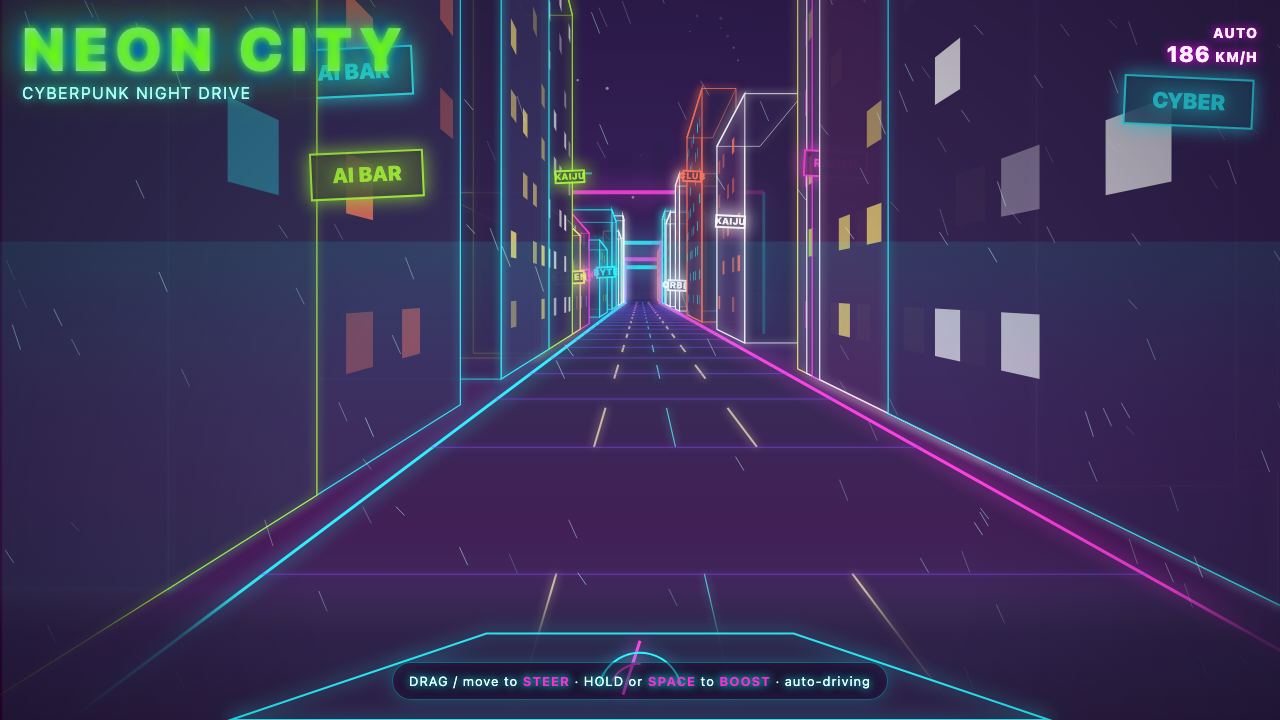
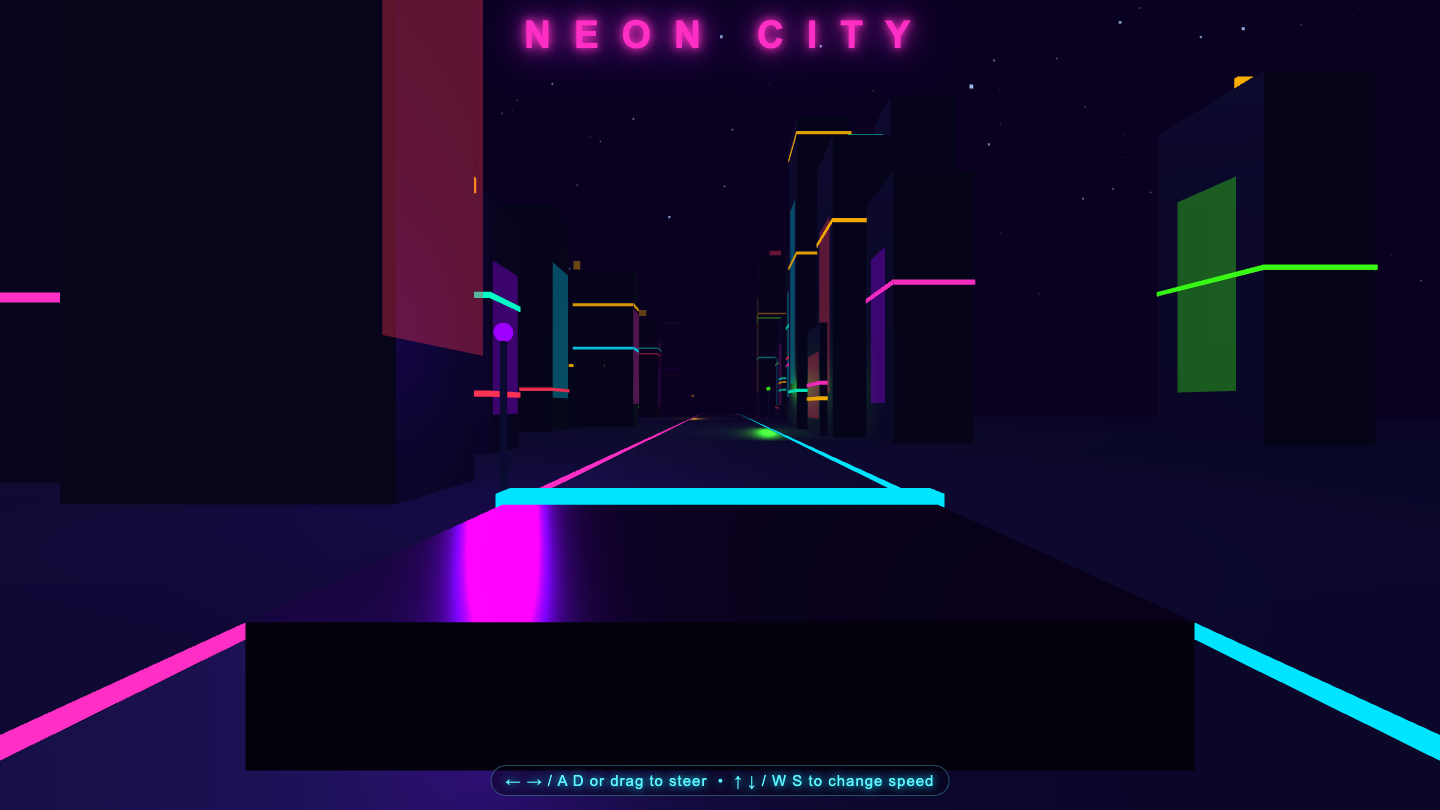
Game
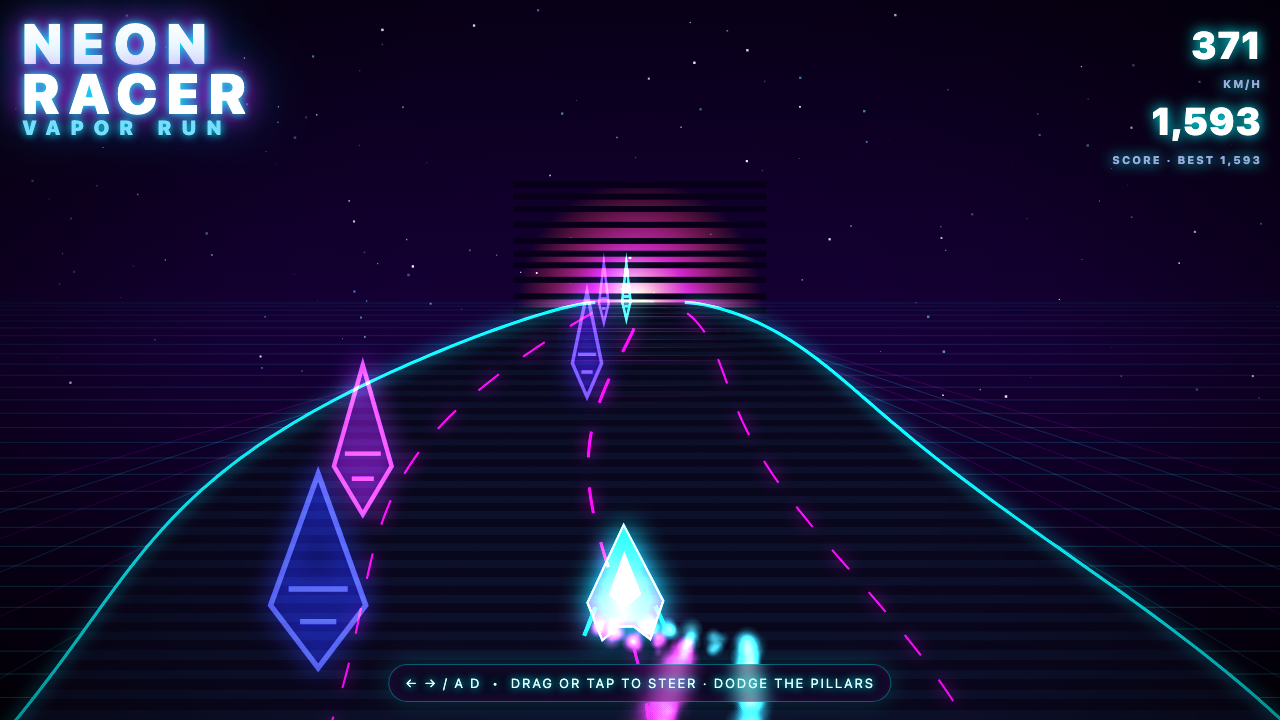
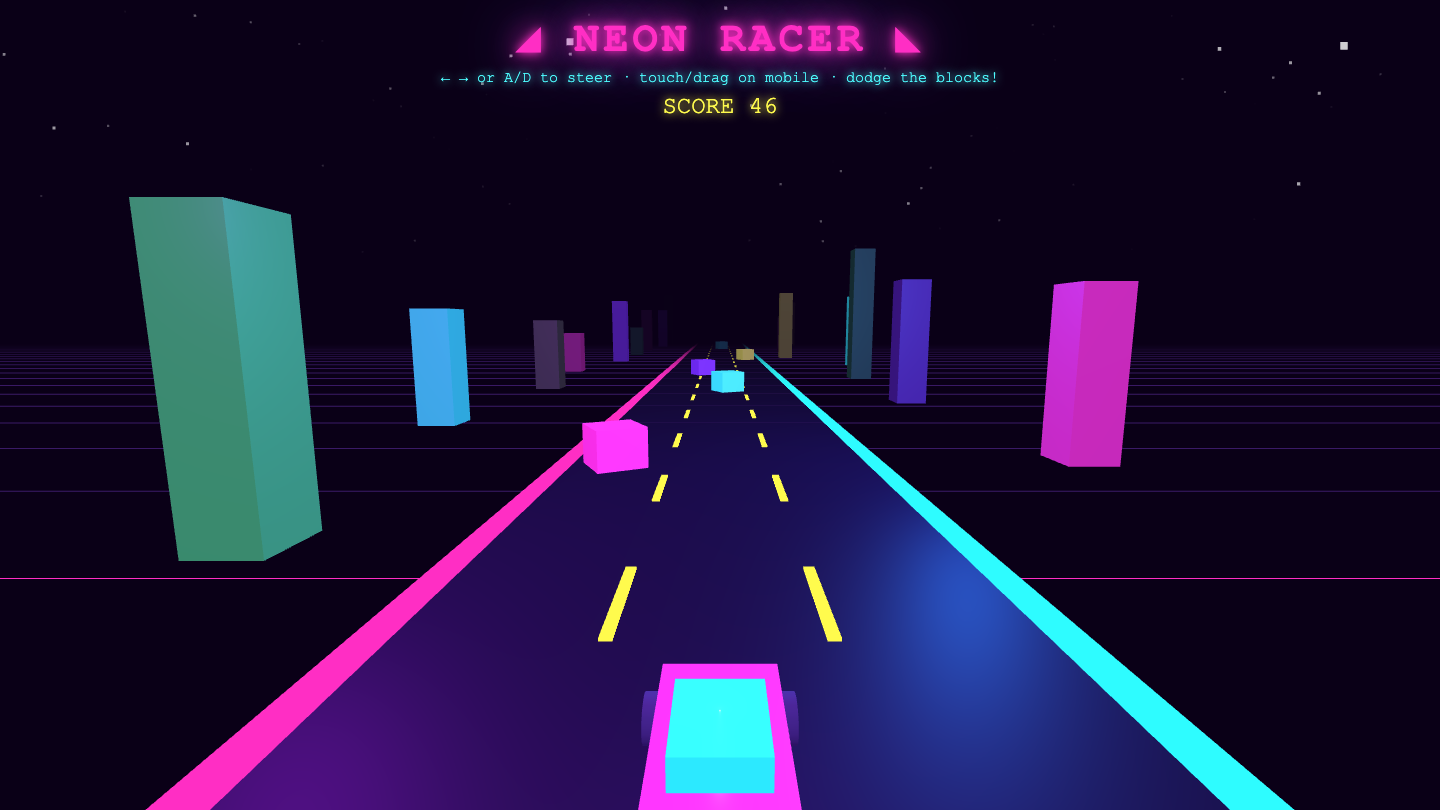
Game
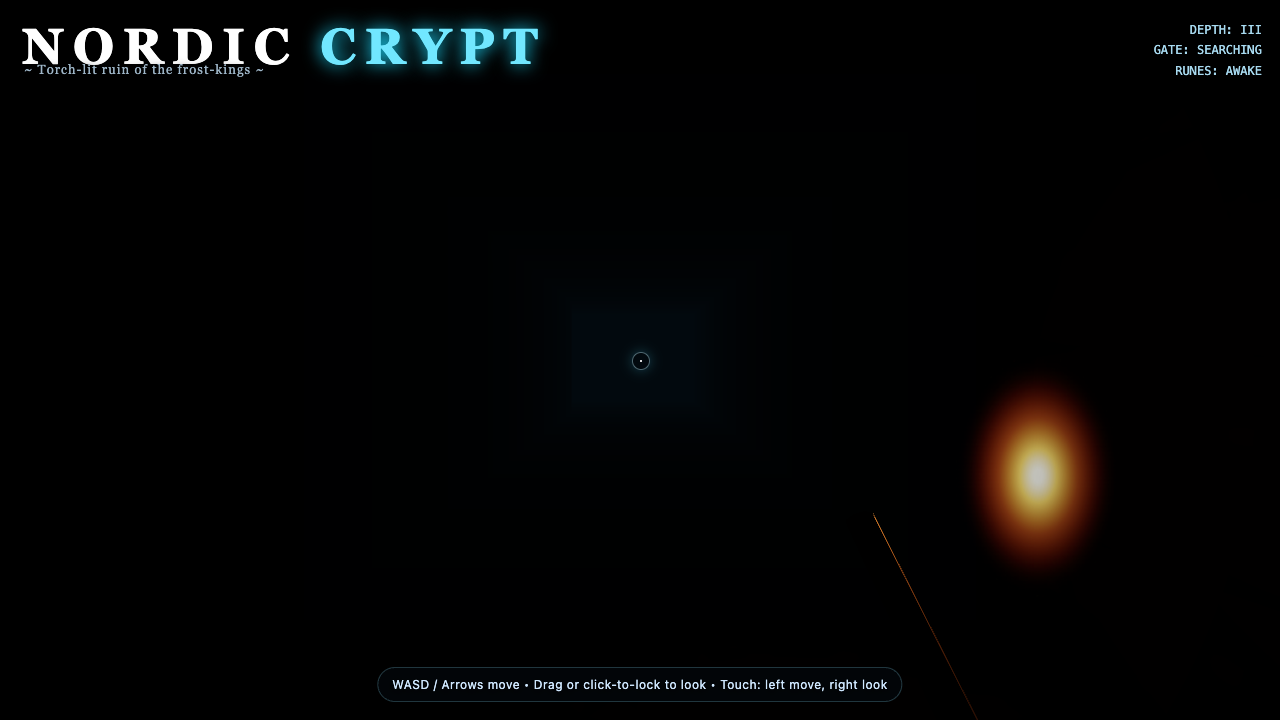
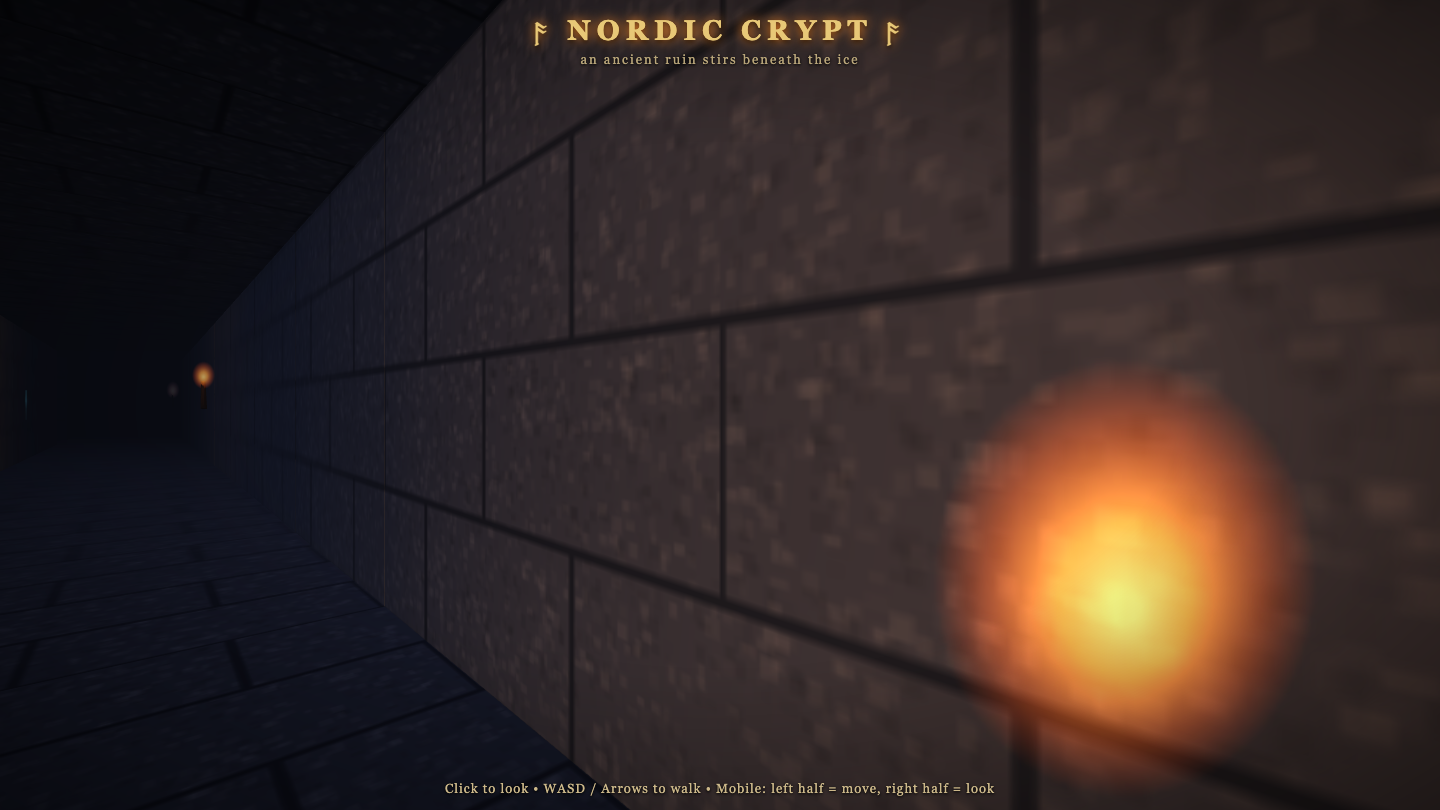
Game

Game
Game
Game
Game
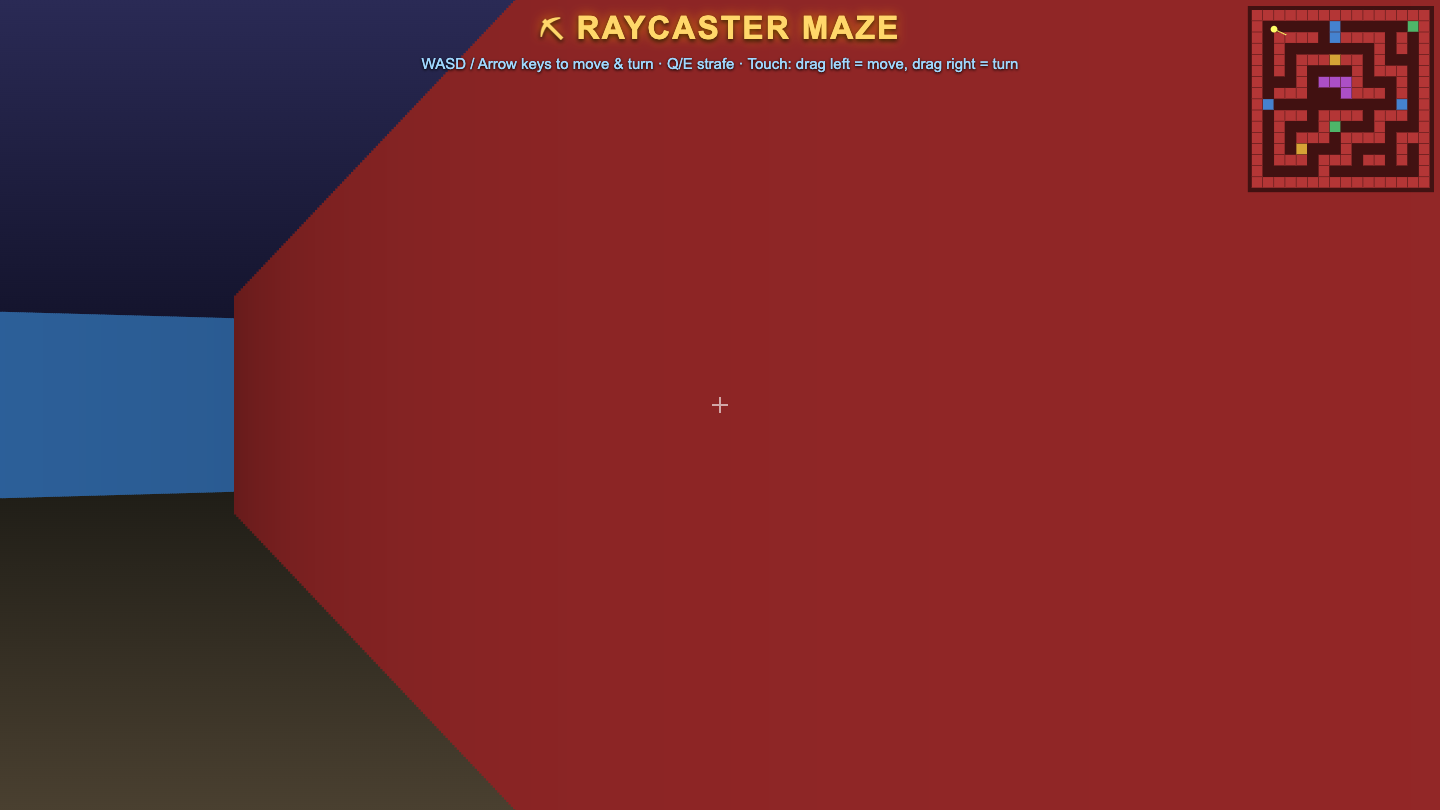
Game
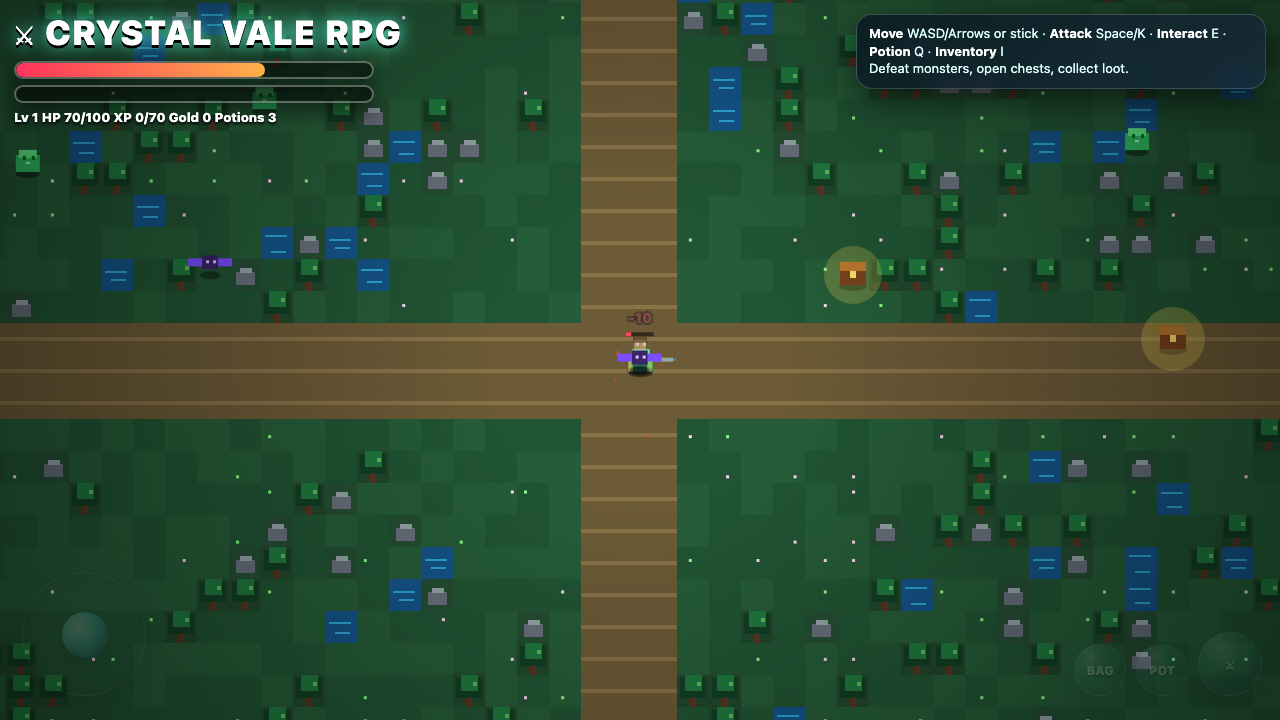
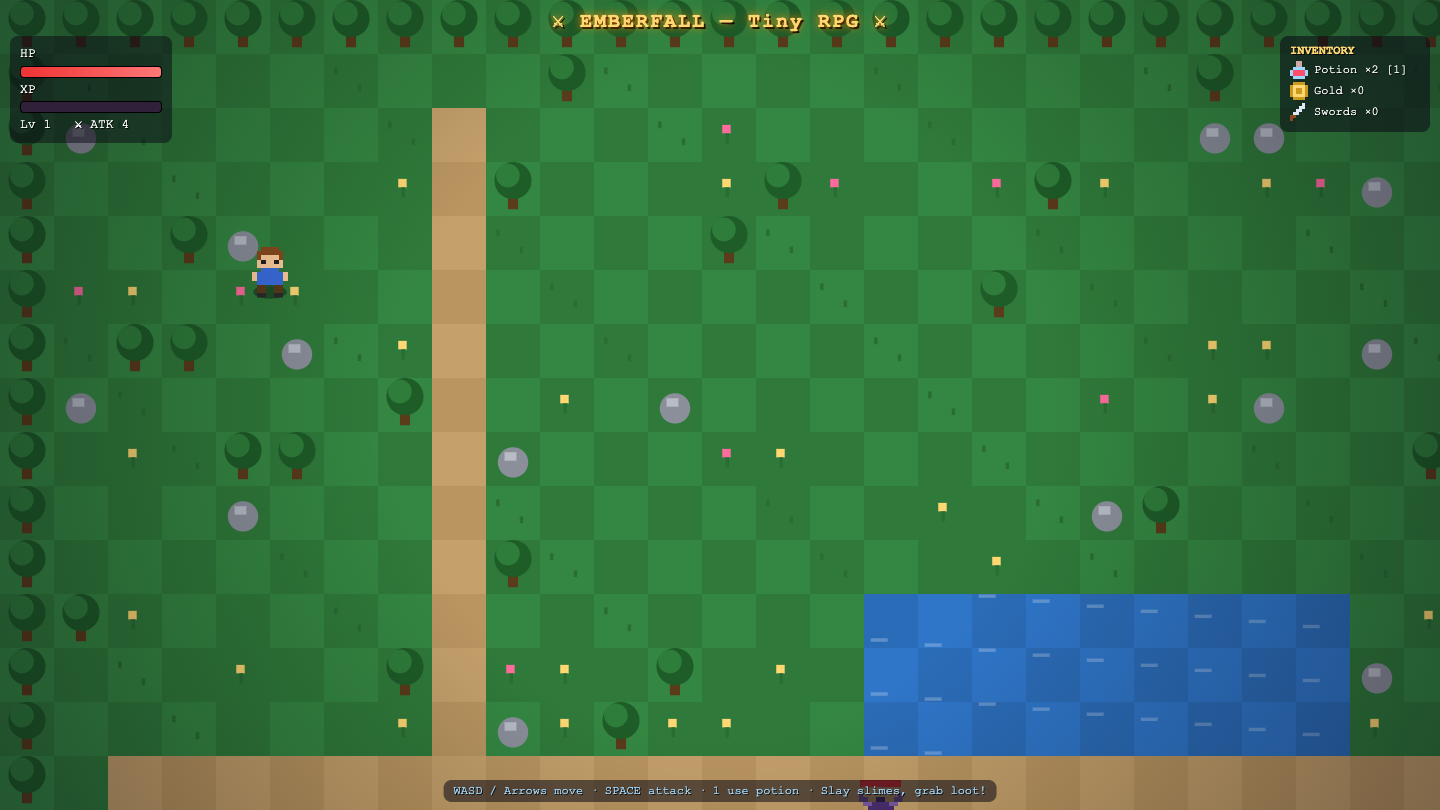
Game
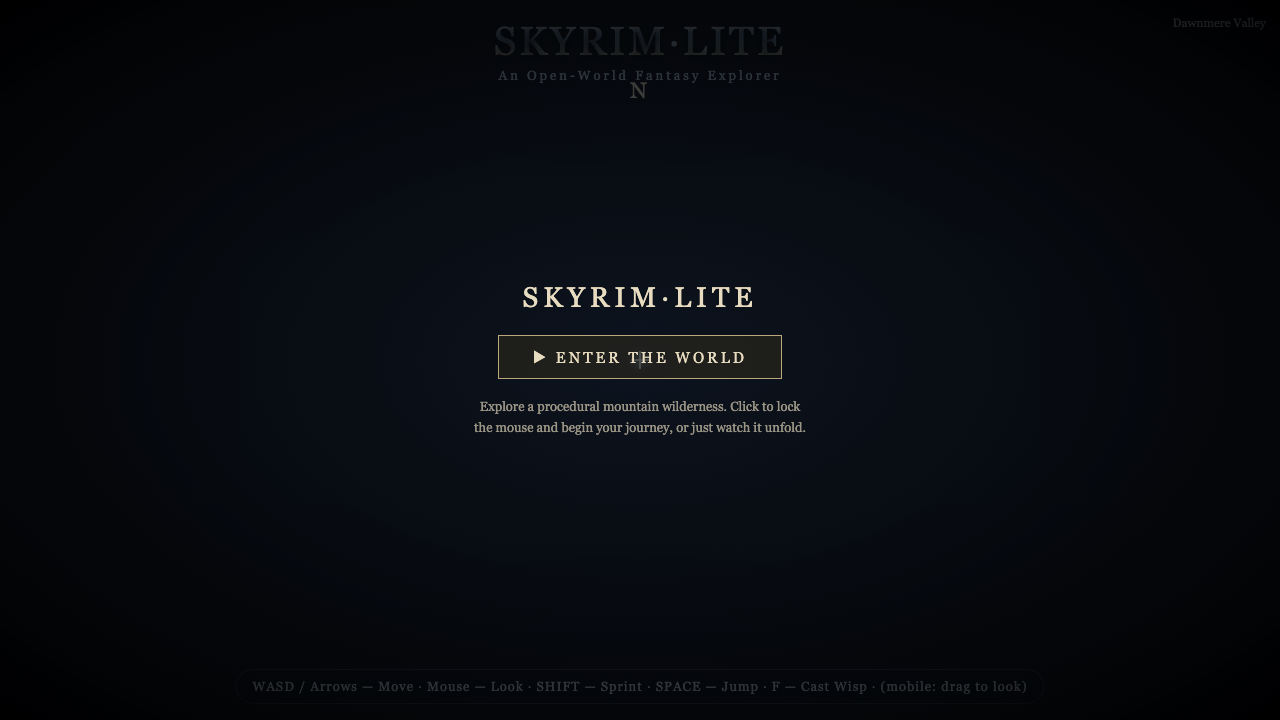
Game
Game
Page
Where Hermes MoA beat Claude Fable 5
The tasks where I gave Hermes MoA a higher 0–10 score on the same prompt — with the actual commentary from my source guides.
Wormhole
Sim
Hermes MoA 8.7
·
Claude Fable 5 6.5
(+2.2)
· hermes-moa
What I saw: A genuinely polished Three.js wormhole: curved spline tunnel path (not just a straight tube), additive wireframe rings, particles, speed streaks, glow sprites, FOV-warp on boost, and clean pointer-steer + wheel-speed + hold-to-boost controls with HSL color cycling and a vignette.…
Fireworks
Visual
Hermes MoA 8.6
·
Claude Fable 5 7.2
(+1.4)
What I saw: Exceptionally polished single-file fireworks: multiple burst shapes (peony/ring/willow/palm/heart), rocket trails with twinkle physics, parallax skyline + moon + stars, auto/finale/SPACE volley/drag-barrage controls, and DPR-aware canvas. Visually richer than SOLO Opus (7.0) and …
Landing
Page
Hermes MoA 8.4
·
Claude Fable 5 7.2
(+1.2)
What I saw: A polished SaaS-style landing (Orbitly) with animated mesh/conic-spin background, glass nav, a genuinely impressive 3D dashboard mockup with animated chart/floating cards, marquee, feature grid, and CTA form — more functional surface area than the Apple-keynote heroes from Opus 4…
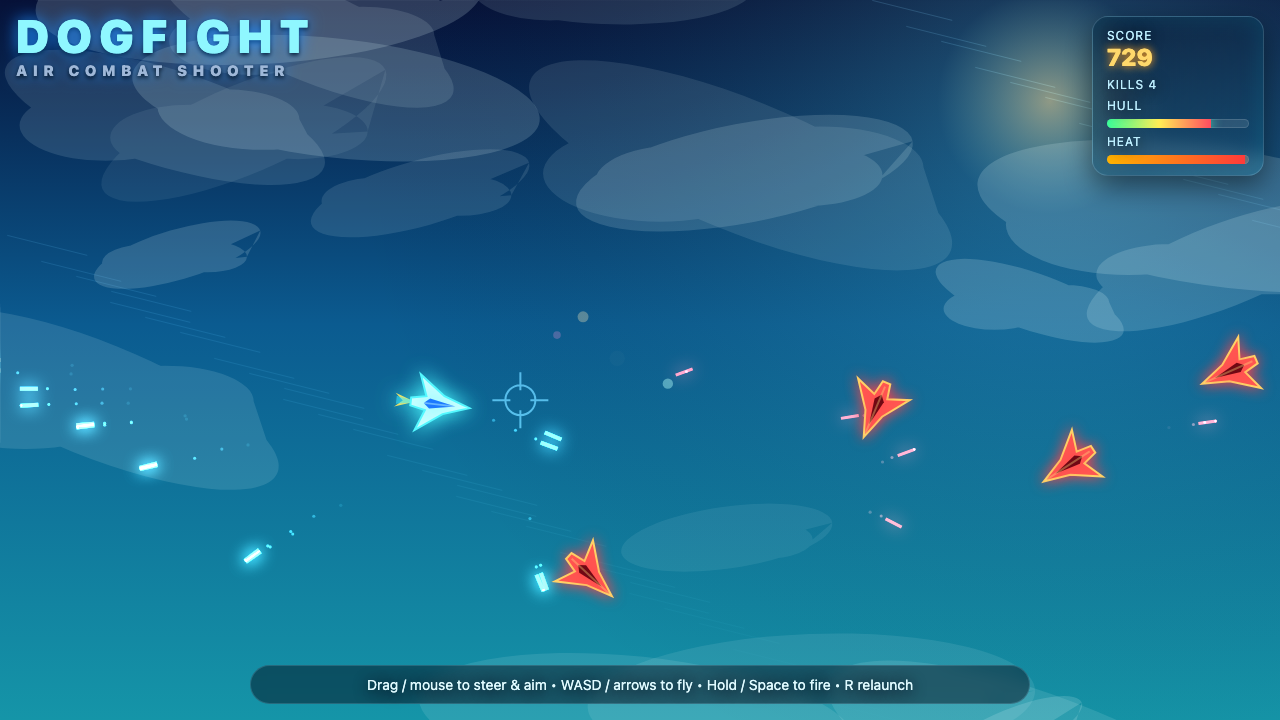
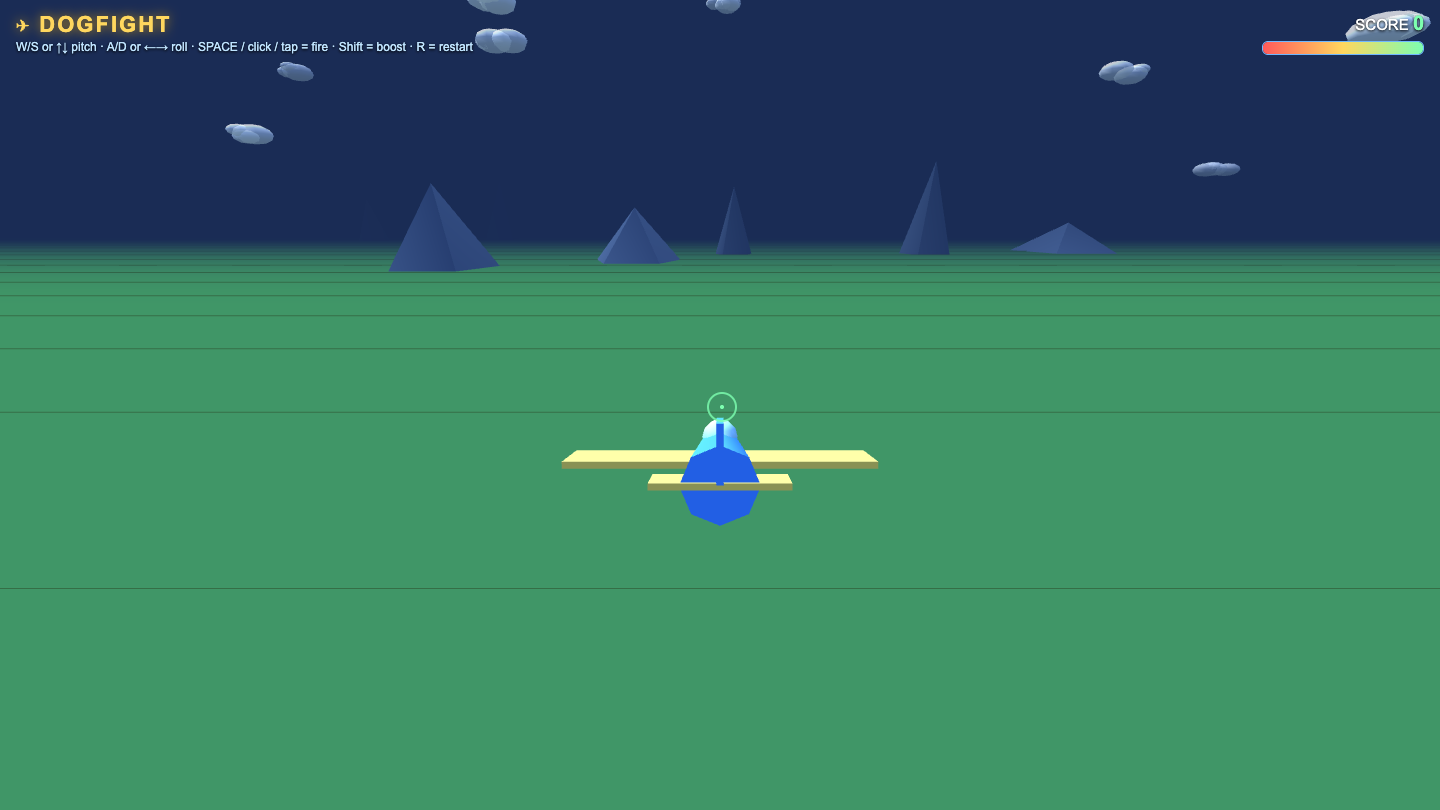
Dogfight
Game
Hermes MoA 8.6
·
Claude Fable 5 7.4
(+1.2)
What I saw: Polished 2D-canvas dogfight with strong feel — adaptive aim-assist, heat/overheat gun mechanic, dual input (drag+WASD), shake, particles, and a clean HUD that play noticeably better than SOLO Opus (7.5); the catch is it's top-down 2D canvas, not 3D/WebGL like Fusion's 36KB three.…
Dragonflight
Game
Hermes MoA 8.6
·
Claude Fable 5 7.4
(+1.2)
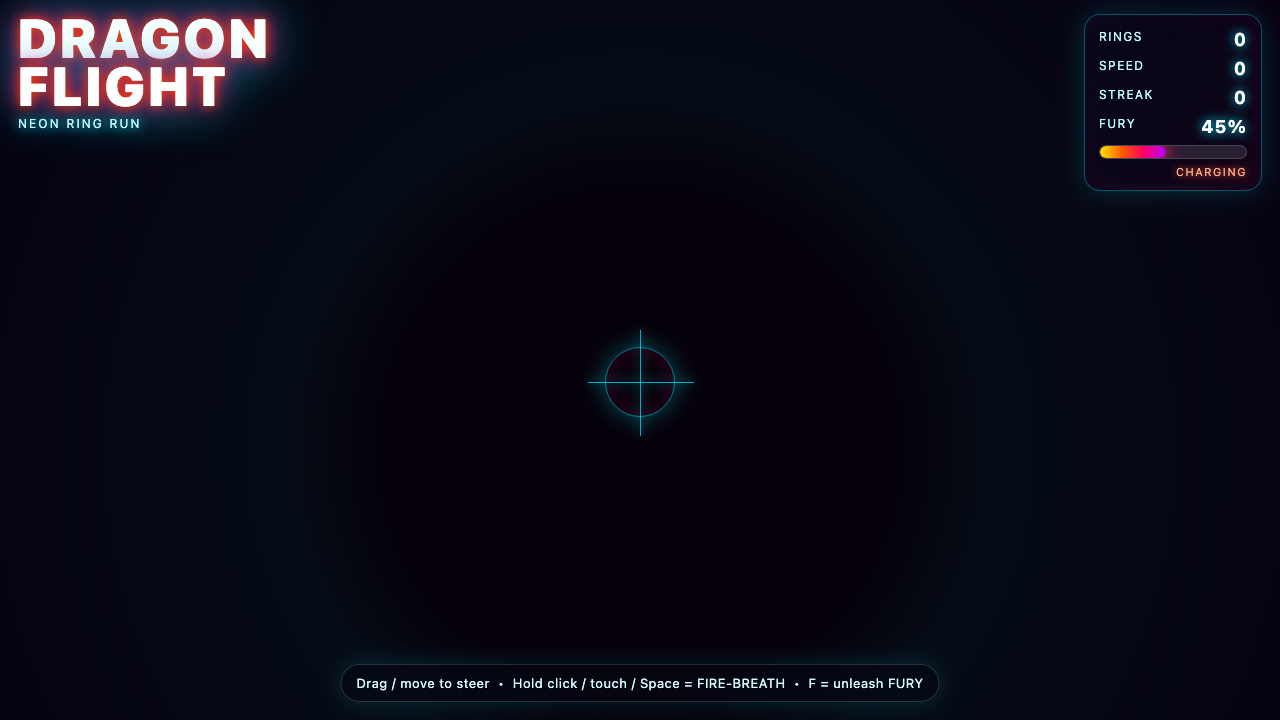
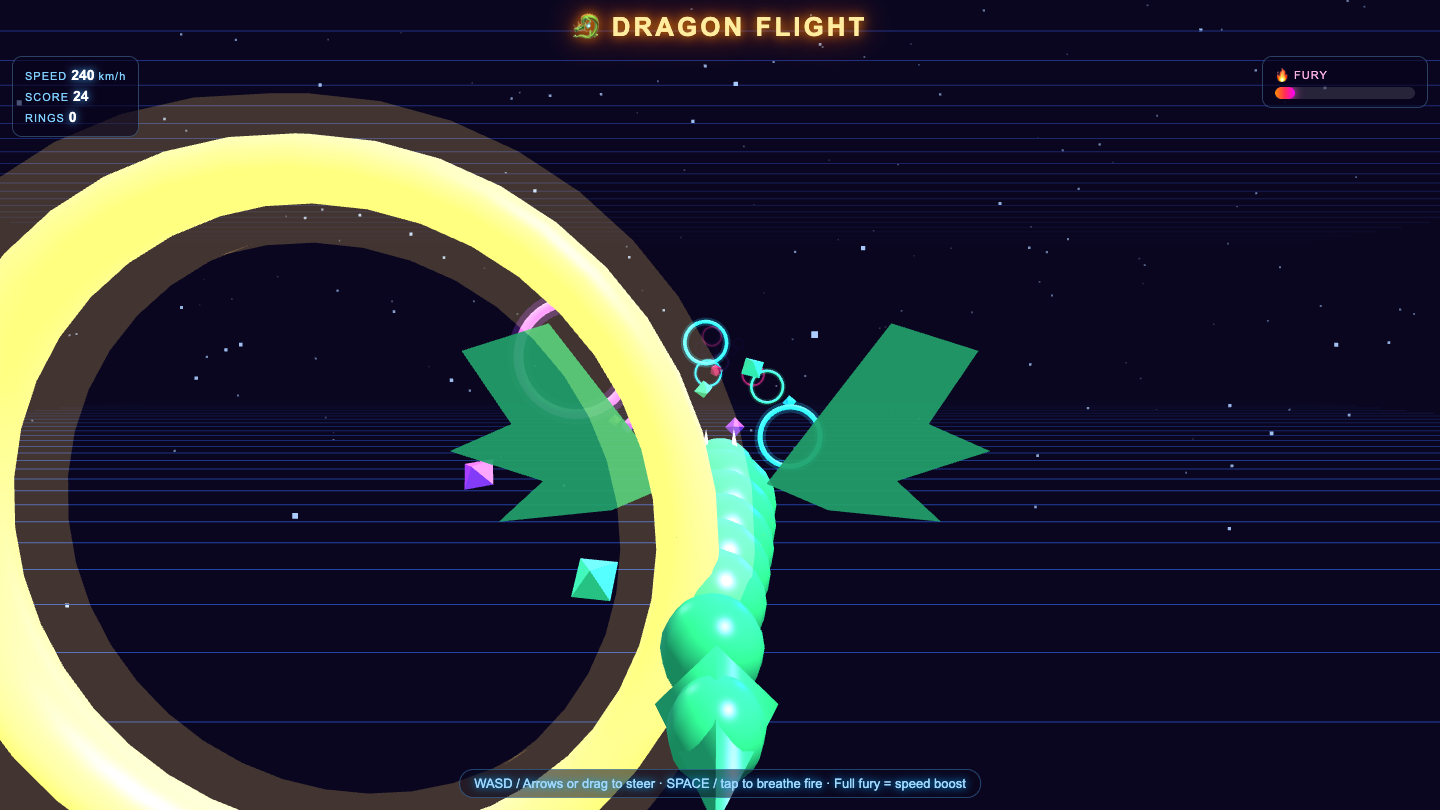
What I saw: Strong three.js dragon-flight build with a polished neon HUD (rings/speed/streak/fury), a genuinely articulated multi-segment dragon with flapping wings, additive fire-breath particles, fury mode, and three input paths (pointer/keyboard/touch) — visibly richer and more cohesive t…
Where Claude Fable 5 beat Hermes MoA
The tasks where I gave Claude Fable 5 a higher 0–10 score on the same prompt — with the actual commentary from my source guides.
Gtafoot
Game
Claude Fable 5 7.5
·
Hermes MoA 4.5
(+3.0)
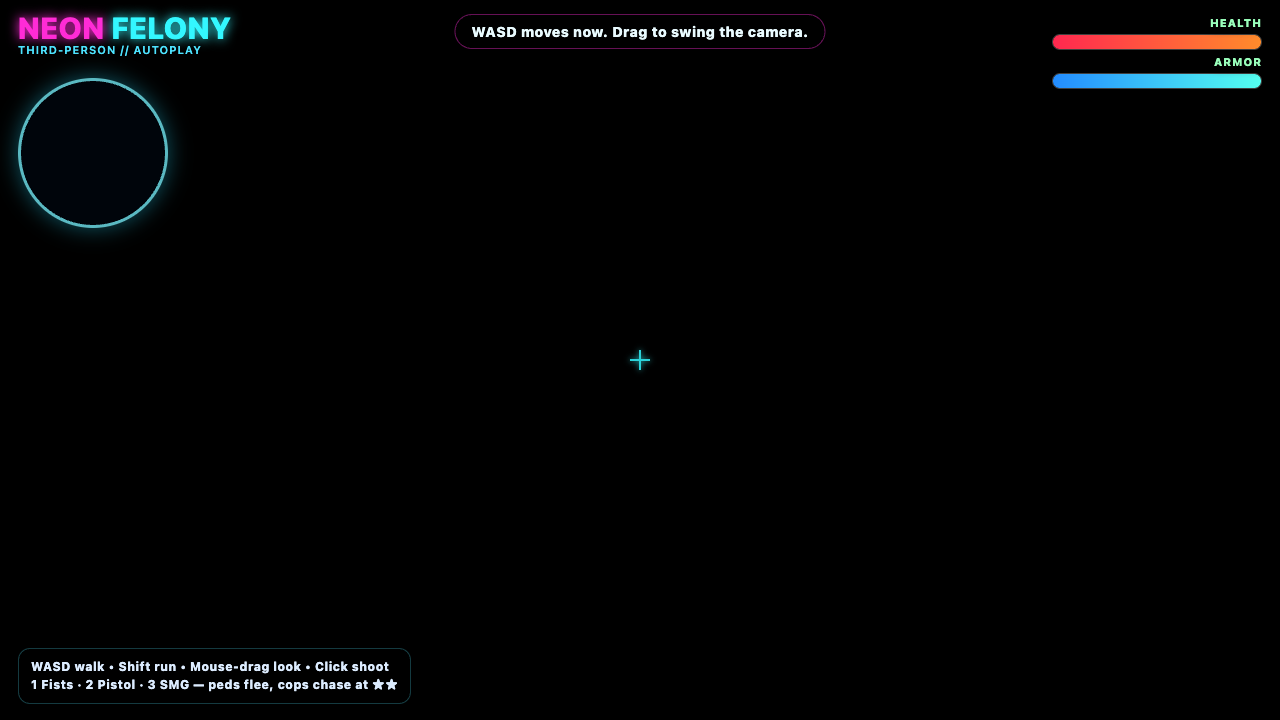
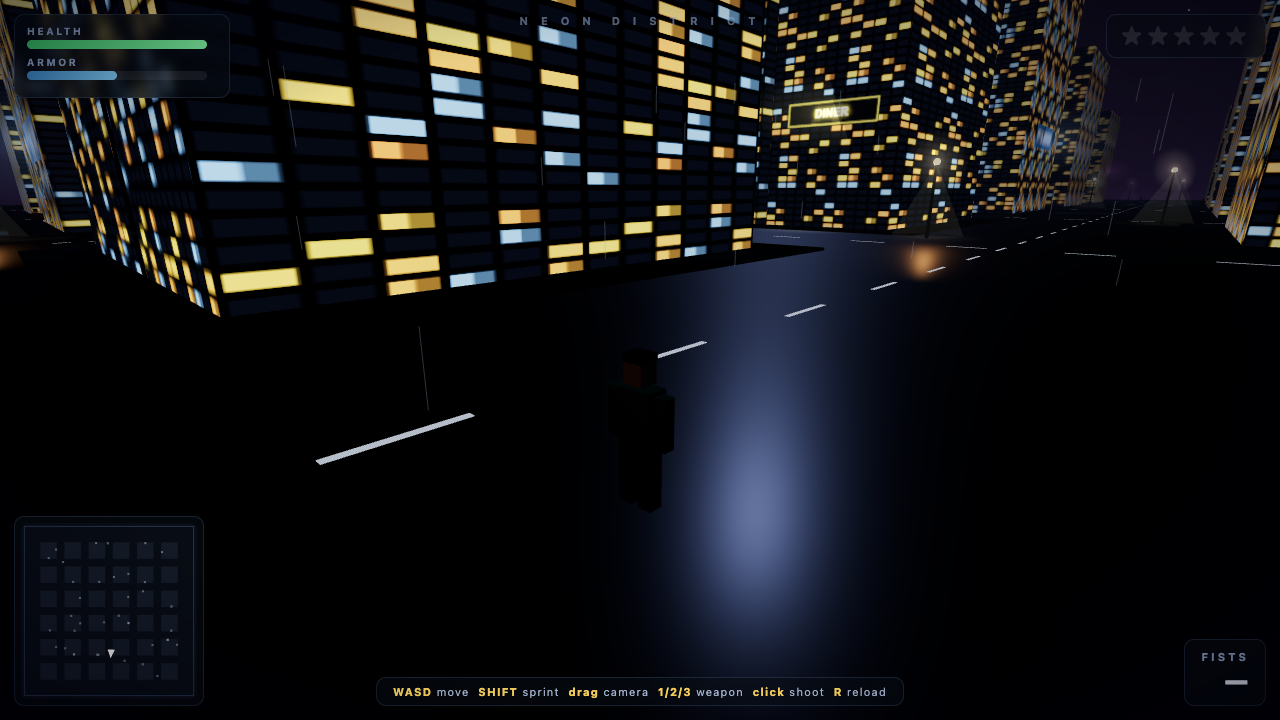
What I saw: One-shot: night city w/ dense lit windows, DINER neon, rain streaks, lamp pools, blocky humanoid player, cohesive HUD + minimap + wanted stars. Dark at street level but atmospheric. Eyeballed.
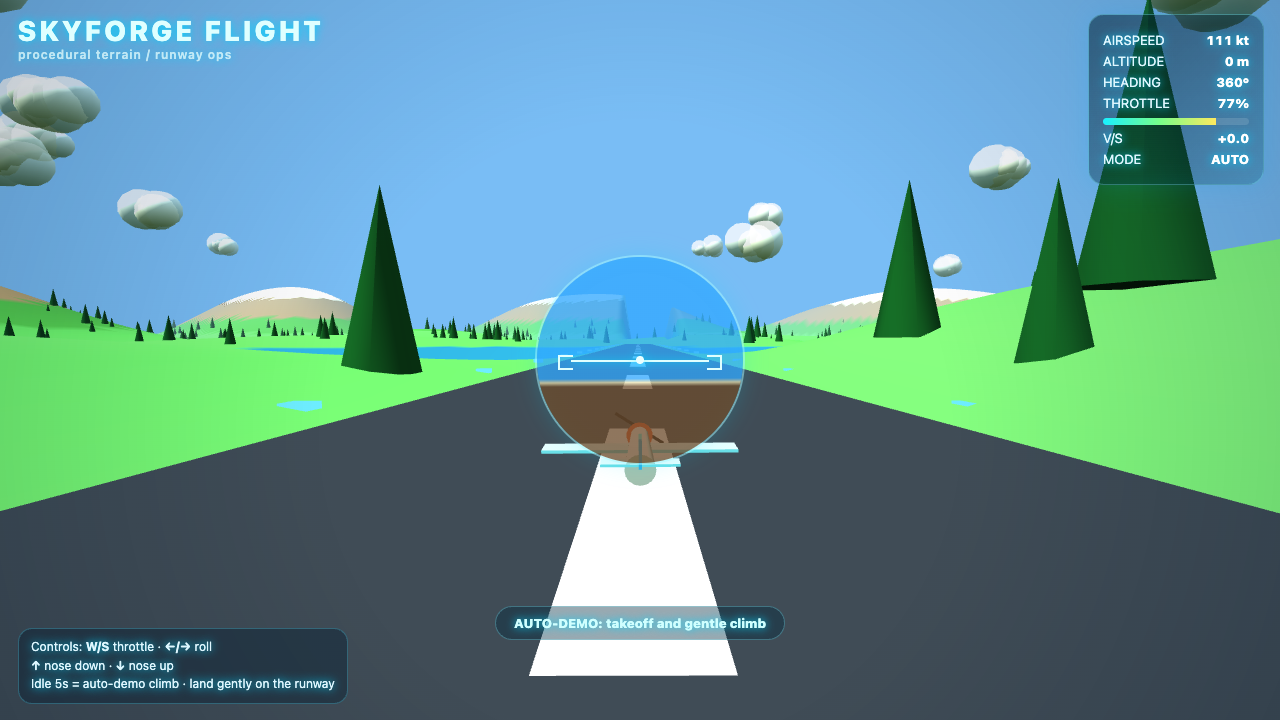
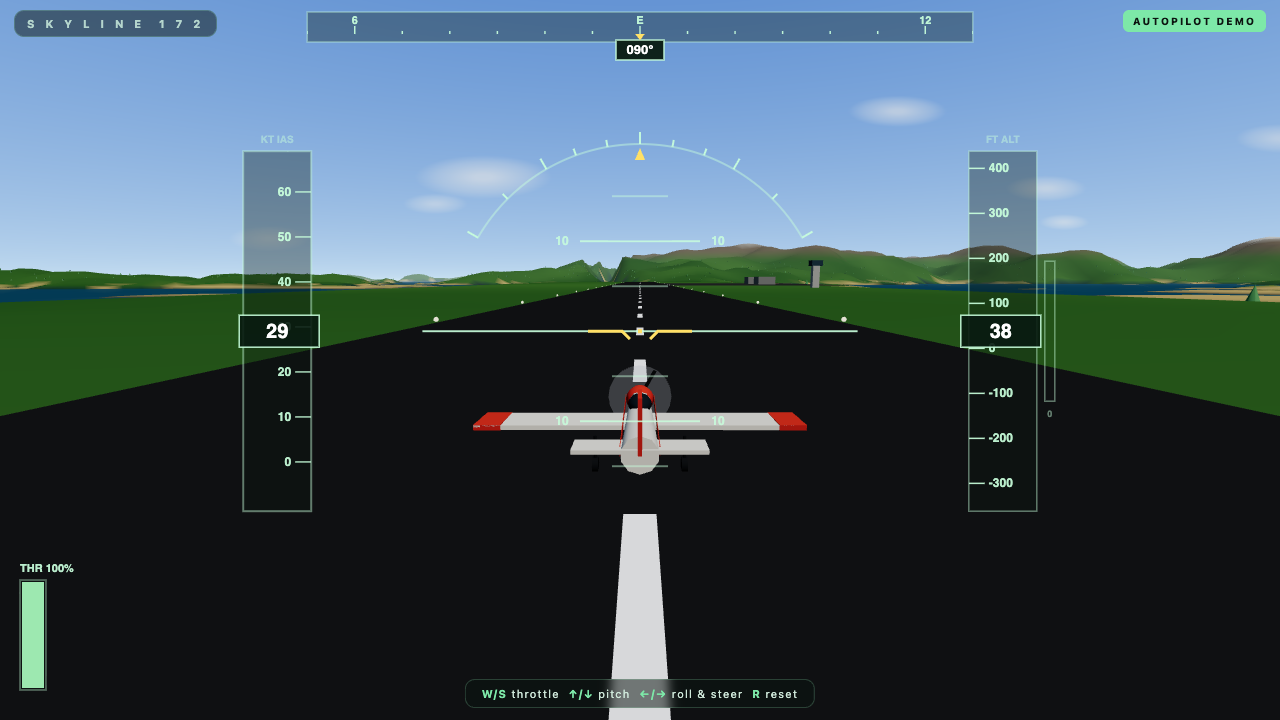
Flightsim
Game
Claude Fable 5 8.0
·
Hermes MoA 6.5
(+1.5)
What I saw: One-shot: real aircraft model (wings/prop/gear) on runway w/ centerline + edge lights + tower, complete glass PFD (speed/alt tapes, pitch ladder, heading ribbon), autopilot demo rolls. Alt tape shows negative rows. Eyeballed.
Parachute
Game
Claude Fable 5 8.0
·
Hermes MoA 6.5
(+1.5)
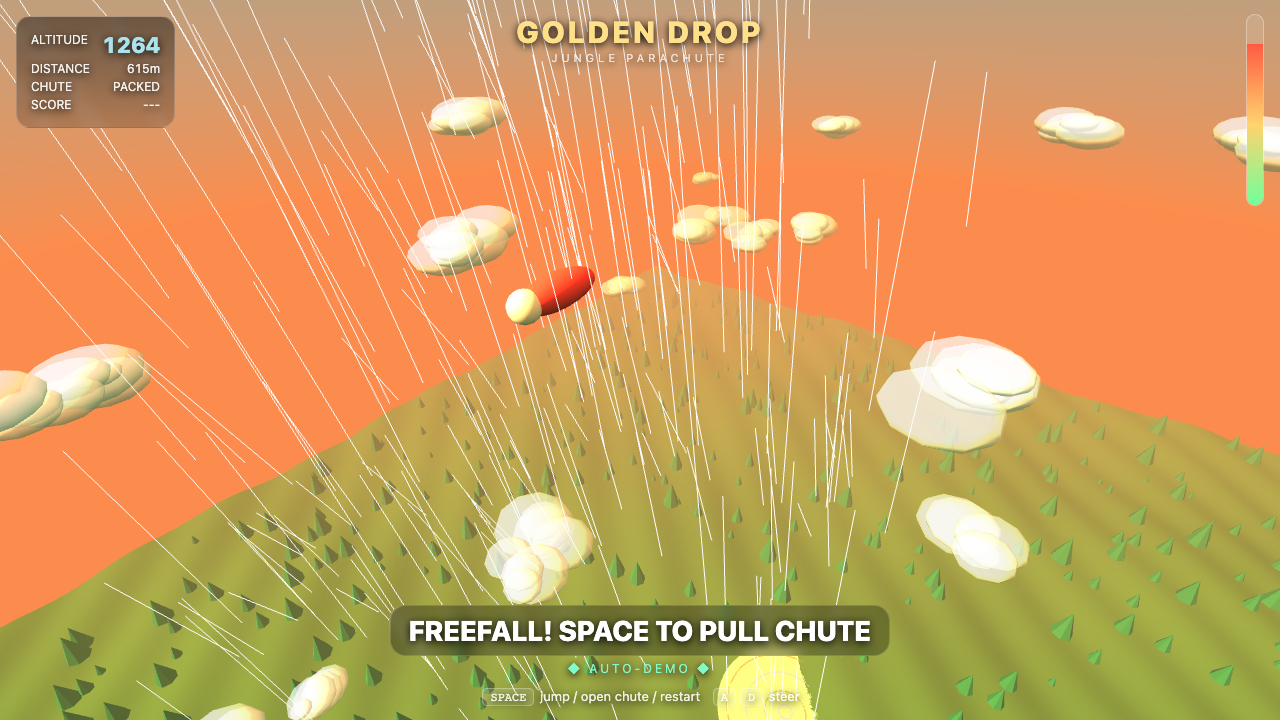
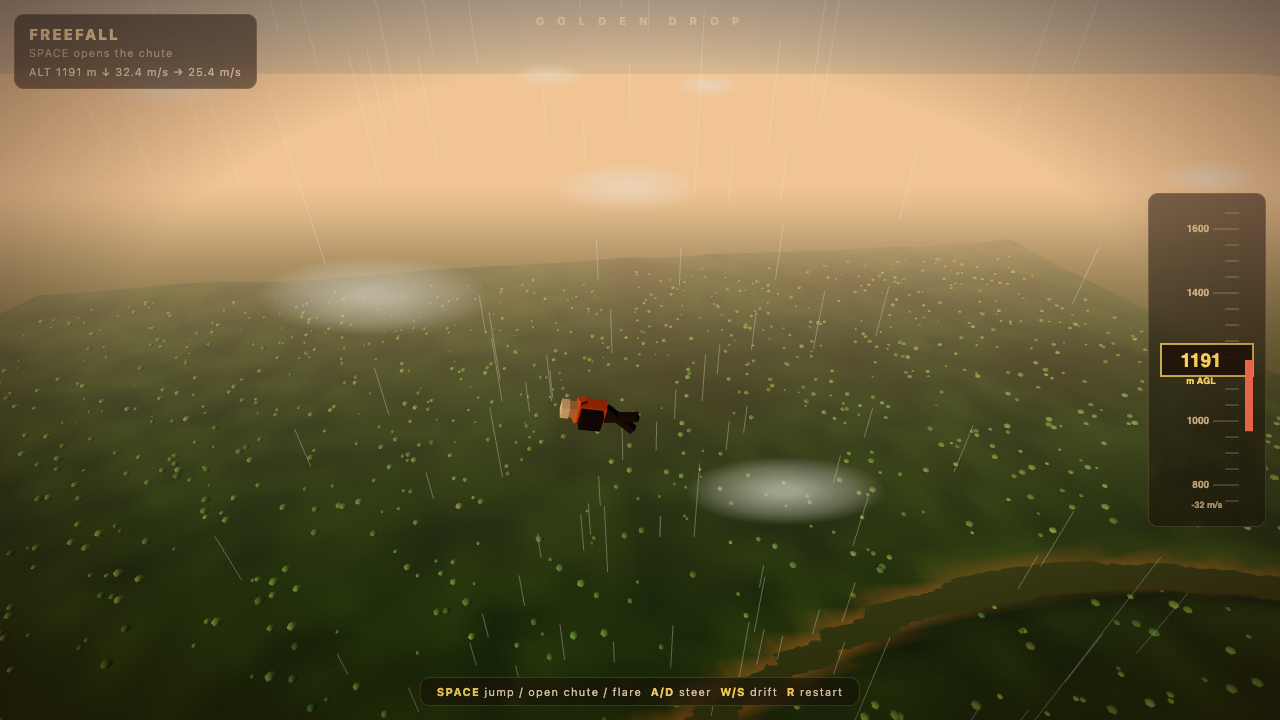
What I saw: One-shot: spread-eagle articulated skydiver over jungle canopy + river, wind streaks, altimeter tape + vspeed HUD, auto-jump demo. Cloud sprites read flat from above. Eyeballed.
Crypt
Game
Claude Fable 5 8.8
·
Hermes MoA 7.8
(+1.0)
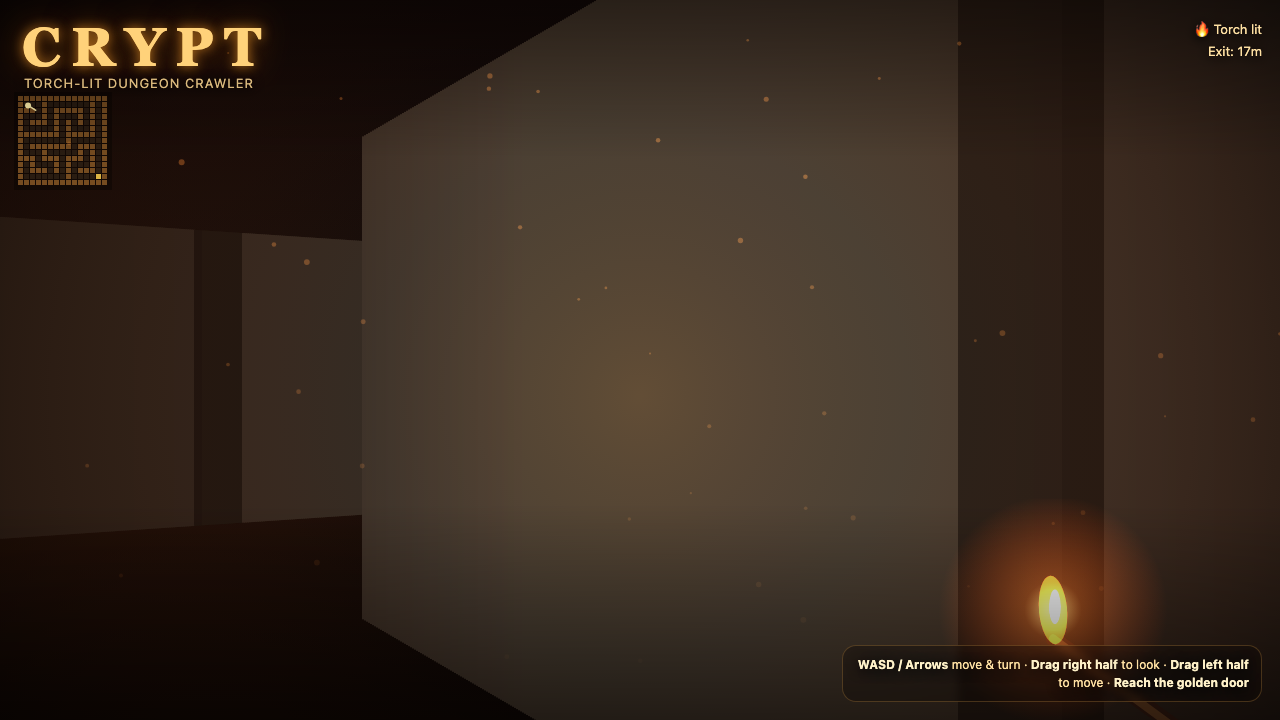
What I saw: AAA rebuild via the threejs-game-director skill transforms it into a real torch-lit crawler: warm-lit cracked-stone walls, a stone sarcophagus, a flaming torch held in first-person, scattered rubble and soul-gem pickups, drifting dust, and a cohesive HUD (vitality, objective + di…
Voxel
Visual
Claude Fable 5 8.5
·
Hermes MoA 7.8
(+0.7)
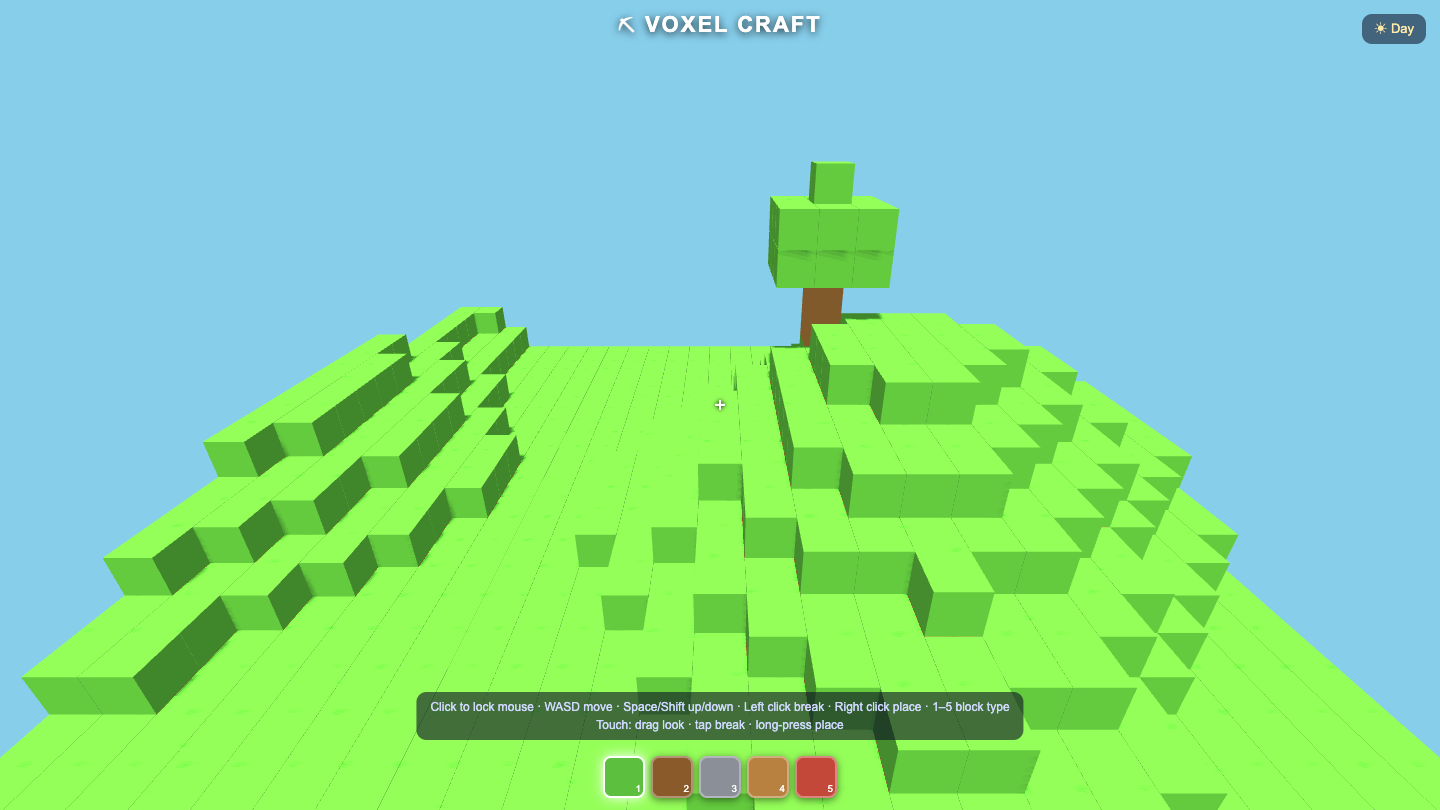
What I saw: Iterated rebuild holds its excellent standard: a gorgeous floating voxel island with grass/stone/snow biomes, trees, ponds, drifting clouds and colorful flying birds, a day/night toggle and a bird counter. Orbit/zoom/glide controls respond (verified). Terrain reads a touch flat, …
Strengths & weaknesses I logged
Hermes MoA
Strengths
- On GoldieBench, the MoA panel's galaxy edged solo Opus 4.8 — 8.6 vs 8.5 — with a denser 24k-particle spiral (the system beats the model)
- Two gold + one silver across its first three one-shot builds (galaxy, fireworks, arcade)
- Vendor-agnostic — swap any OpenRouter model into a panel or aggregator slot without touching the workflow
Trade-offs
- Latency is the panel's slowest draft plus the aggregator pass — ~110–140s per single-file build vs a solo model's one call
- Costs more per task than any single model (every panel slot + the aggregator are separate calls)
- Only 3 of 42 bench tasks run so far — a representative slice, not the full board
Claude Fable 5
Strengths
- Now the top SOLO model on this bench — 8.14 avg, #3 overall, edging Grok (8.13); only the Fusion (8.60) and Hermes MoA (8.38) ensembles rank higher
- 15 medals across 42 tasks (5 gold, 2 silver, 8 bronze) — shader/GPU physics is its superpower (Cornell-box path tracer 8.7, black-hole lensing 8.7, synthwave outrun 8.7)
- Its four core 3D games (crypt, skyrim, twilightvale, voxelcraft) rebuilt to showcase quality with the threejs-game-director skill — authored heroes, layered worlds, PBR materials, cohesive HUDs, all 8.8–9.0
- Beats Opus 4.8 head-to-head on the majority of tasks; tops external SWE-bench Verified at 95.0% in Julian's three-dragons writeup
Trade-offs
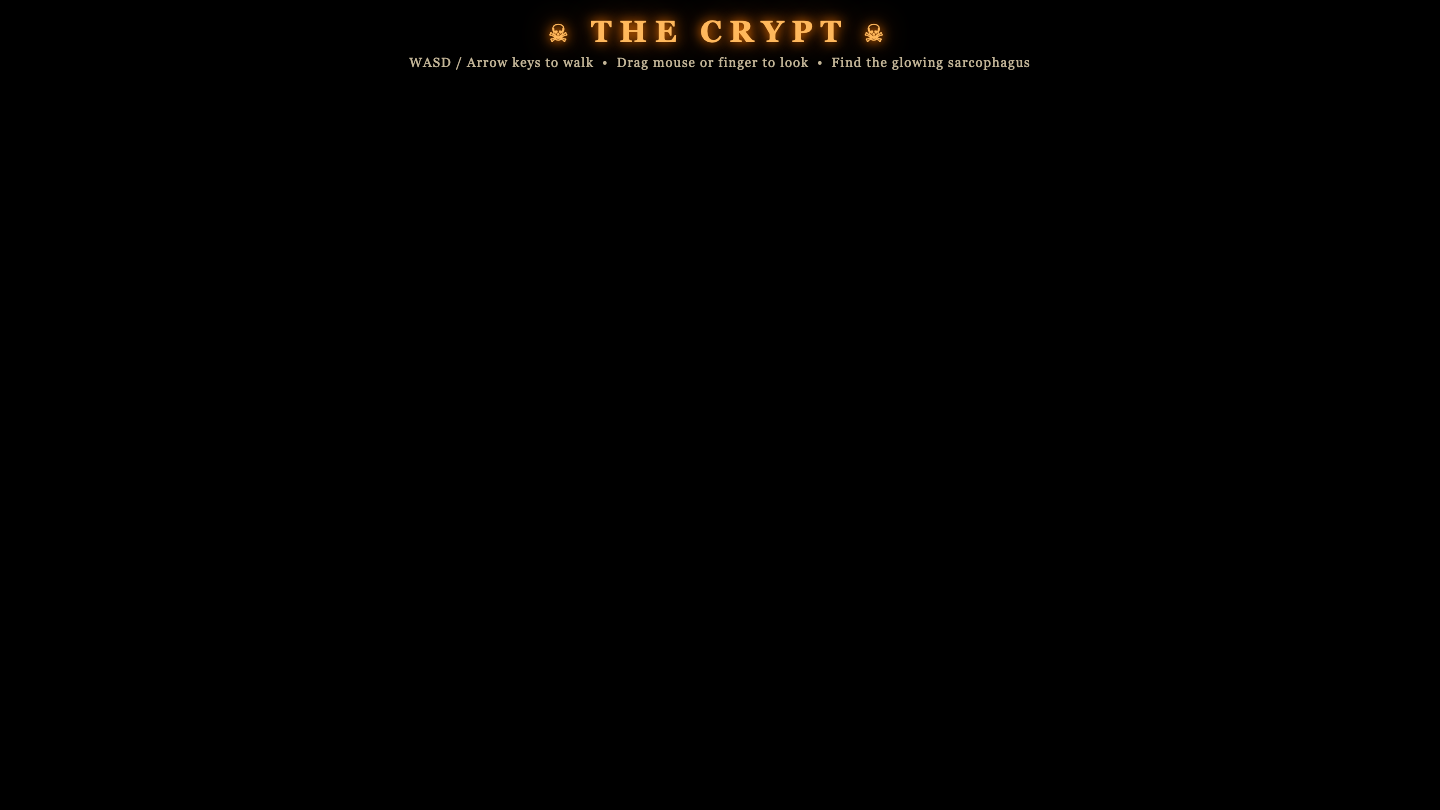
- Its hardest one-shots (crypt, twilightvale) black-screened on three.js r128 API drift — the scored builds are agentic rebuilds, not the raw first pass, and crypt's AAA rebuild needed a one-line emissive patch
- The showcase ceiling shown here needs the threejs-game-director scaffolding baked into the prompt — a bare one-shot lands lower (7.72 avg)
- Premium $10/$50 per-M pricing — you're paying for reasoning depth; cheaper models stay competitive on pure one-shot visuals
Pricing & context — the spec sheet
| Spec | Hermes MoA | Claude Fable 5 |
|---|---|---|
| Vendor | Hermes · Mixture of Agents | Anthropic |
| Context window | Varies — the sum of the panel models' contexts (Opus 4.8 + GPT-5.5) | 200,000 tokens (1M with extended thinking) |
| Price | Panel + aggregator calls (via OpenRouter) | $10 / $50 per M tokens |
| Pricing detail | Hermes Mixture of Agents dispatches one prompt to a configurable panel of frontier models in parallel, then a named aggregator reads every draft and writes one better final answer. Default panel: Claude Opus 4.8 + GPT-5.5, aggregated by Opus 4.8 — all via the OpenRouter key. Unlike a black-box ensemble, every slot is yours to swap from the Mixture tab in the Agent OS. | Released alongside Mythos 5 on June 9, 2026 as the publicly-available member of the new Mythos class. Premium per-token pricing on the Anthropic API; available everywhere Opus 4.8 ships. |
| Release | 2026-06-28 | 2026-06-09 |
| Bench coverage | 47/47 scored · avg 8.17/10 | 47/47 scored · avg 8.10/10 |
The verdict — which should you pick?
Across 47 scored shared tasks, the averages are essentially tied — Hermes MoA 8.17 vs Claude Fable 5 8.10. This isn't the comparison where one wins; it's the comparison where you pick based on context, pricing, and what you're actually trying to ship.
If you only run one of these inside your stack, the head-to-head average above is the call. If you can run both, my honest play is to wire Hermes MoA and Claude Fable 5 both into the Agent Operating System and dispatch each from the kanban by task type — high-stakes single prompts where ensemble quality beats single-model speed → Hermes MoA, mission-critical one-shot builds where you want anthropic's newest reasoning → Claude Fable 5. That's the same setup I run for the 4,000+ founders inside the AI Profit Boardroom.
FAQ — Hermes MoA vs Claude Fable 5
Which is better, Hermes MoA or Claude Fable 5?
On Goldie Bench, Hermes MoA averages 8.17/10 across the shared tasks, with 3 gold, 10 silver, 2 bronze overall. Claude Fable 5 averages 8.10/10, with 4 gold, 2 silver, 1 bronze. Hermes MoA wins the head-to-head 26–16.
How much does Hermes MoA cost vs Claude Fable 5?
Hermes MoA: Hermes Mixture of Agents dispatches one prompt to a configurable panel of frontier models in parallel, then a named aggregator reads every draft and writes one better final answer. Default panel: Claude Opus 4.8 + GPT-5.5, aggregated by Opus 4.8 — all via the OpenRouter key. Unlike a black-box ensemble, every slot is yours to swap from the Mixture tab in the Agent OS. Claude Fable 5: Released alongside Mythos 5 on June 9, 2026 as the publicly-available member of the new Mythos class. Premium per-token pricing on the Anthropic API; available everywhere Opus 4.8 ships.
What's the context window for Hermes MoA vs Claude Fable 5?
Hermes MoA has a Varies — the sum of the panel models' contexts (Opus 4.8 + GPT-5.5) context window. Claude Fable 5 has a 200,000 tokens (1M with extended thinking) context window.
When should I pick Hermes MoA over Claude Fable 5?
Pick Hermes MoA for: High-stakes single prompts where ensemble quality beats single-model speed; Squeezing frontier-plus output from models you already have while Fable 5 / GPT-5.6 are still in preview; Production agents that want a configurable panel + vendor-redundancy on every call. The trade-off is the weaknesses we logged on the bench: Latency is the panel's slowest draft plus the aggregator pass — ~110–140s per single-file build vs a solo model's one call; Costs more per task than any single model (every panel slot + the aggregator are separate calls); Only 3 of 42 bench tasks run so far — a representative slice, not the full board.
When should I pick Claude Fable 5 over Hermes MoA?
Pick Claude Fable 5 for: Mission-critical one-shot builds where you want Anthropic's newest reasoning; Long-context work using extended thinking up to 1M tokens; Plan-heavy multi-step tasks where intelligence in the plan matters more than the build. The trade-off is the weaknesses we logged on the bench: Its hardest one-shots (crypt, twilightvale) black-screened on three.js r128 API drift — the scored builds are agentic rebuilds, not the raw first pass, and crypt's AAA rebuild needed a one-line emissive patch; The showcase ceiling shown here needs the threejs-game-director scaffolding baked into the prompt — a bare one-shot lands lower (7.72 avg); Premium $10/$50 per-M pricing — you're paying for reasoning depth; cheaper models stay competitive on pure one-shot visuals.
How does Goldie Bench score Hermes MoA vs Claude Fable 5?
Every demo on this page was built by Julian Goldie inside the Agent Operating System — same fixed prompt for both models, one shot, single HTML file out. Each result gets a 0–10 score on whether it ran, how close it hit the brief, and how good it looked. The highest score on each task gets gold; second gets silver; third gets bronze. See methodology for full provenance.
Related comparisons
Other head-to-heads using the same scoring system:
Hermes MoA vs Fusion Claude Fable 5 vs Fusion Hermes MoA vs Claude Opus 5 Claude Fable 5 vs Claude Opus 5 Hermes MoA vs GPT-5.6 Sol Claude Fable 5 vs GPT-5.6 Sol Hermes MoA vs Qwen 3.8 Claude Fable 5 vs Qwen 3.8Full model pages: Hermes MoA · Claude Fable 5 · back to the leaderboard
The same stack Julian uses
Run this stack yourself.
Every demo on this bench was built inside the Agent Operating System — one prompt, one shot, single HTML file out. The Agent OS, the prompts, the templates, the weekly walkthroughs and 4,000+ founders shipping with it every day all live inside the AI Profit Boardroom.
4,000+founders
258documented wins
38countries
$59/momonthly