Galaxy
Galaxy — particle galaxy you can swirl with your mouse.
What I asked each model — the Galaxy prompt
Every model on this page got this exact prompt inside the Agent Operating System: Galaxy — particle galaxy you can swirl with your mouse.
Single HTML file out. No iteration. No examples in the system prompt. Whatever each model produced on the first run is what's on this page. 24 frontier models have attempted it so far: Claude Fable 5, Fugu Ultra, Fugu Mini, Fusion, Gemini 3.6 Flash, GLM-5.2, GPT-5.6 Sol, Grok, Inkling, Kimi K2.7, Kimi K3, MiniMax M3, Hermes MoA, Muse Spark 1.2, Opus 4.8, Claude Opus 5, Qwen 3.8, Qwen 3.7, Claude Sonnet 5, DeepSeek V4 Pro, DeepSeek V4 Flash, Kimi K2.7 · Fast, Kimi K2.7 · No-Think, Kimi K2.7 · Quality.
Why this task matters. Galaxy is a textbook test of sim-class capability — the kind of build that exposes whether a model is doing pattern-matching or actual reasoning. Shipping this cleanly is the floor for what I expect from a frontier model — every model on the leaderboard should at least attempt it.
How each model handled Galaxy
Ranked by my 0–10 score from the source comparison guides on agentos.guide. Click any to play the actual one-shot HTML the model produced.
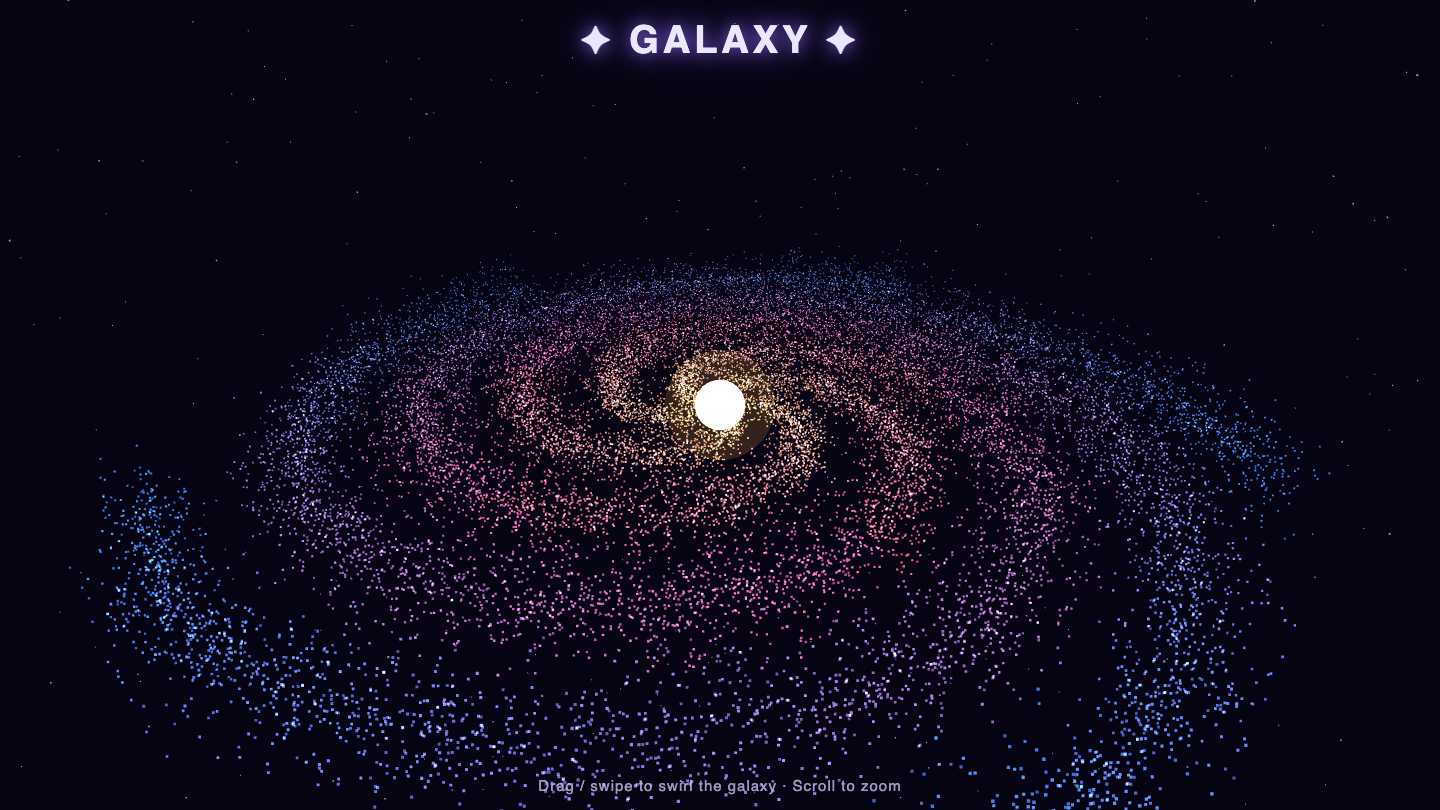
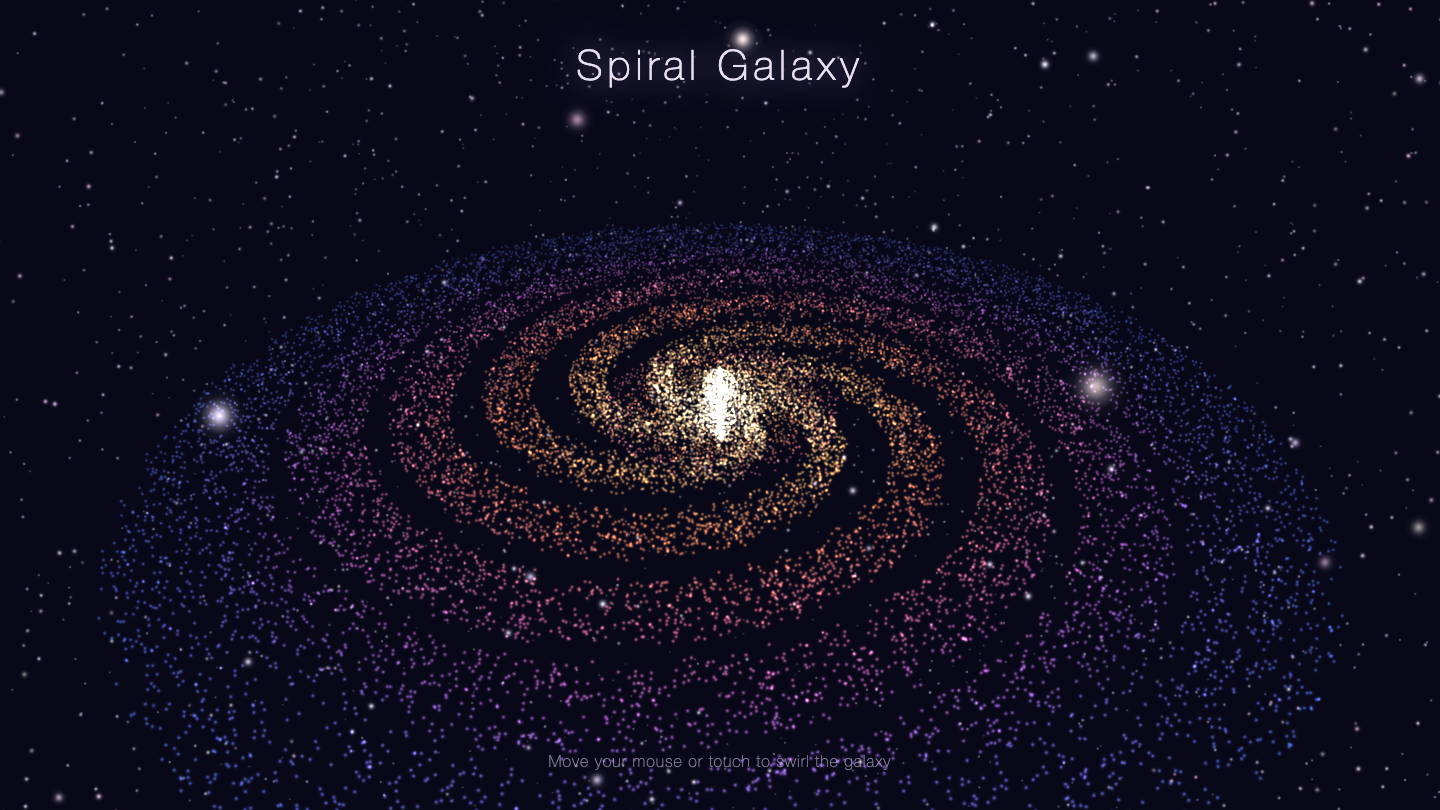
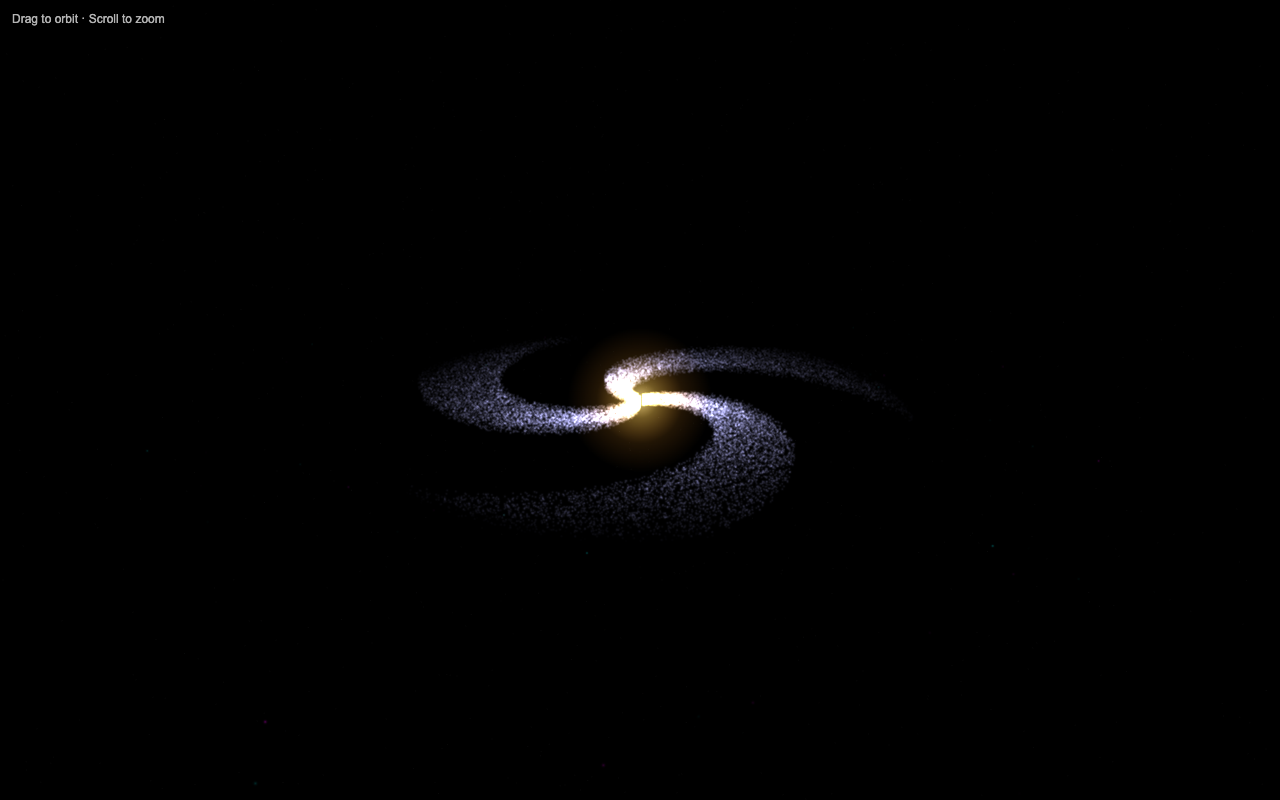
What I saw: Strong render with a convincing spiral disk, warm-core-to-blue-outer color gradient, glowing core, background starfield, and inertia-based swirl/zoom controls. Spiral arms read as slightly diffuse rather than crisp tight lanes, keeping it just shy of the top-of-field best.
What I saw: 26KB three.js spiral galaxy with drag-to-orbit + dust lanes + bloom. Comparable visual quality to Fusion's 14KB attempt with more polish on the camera UI. ~$0.24 per call.
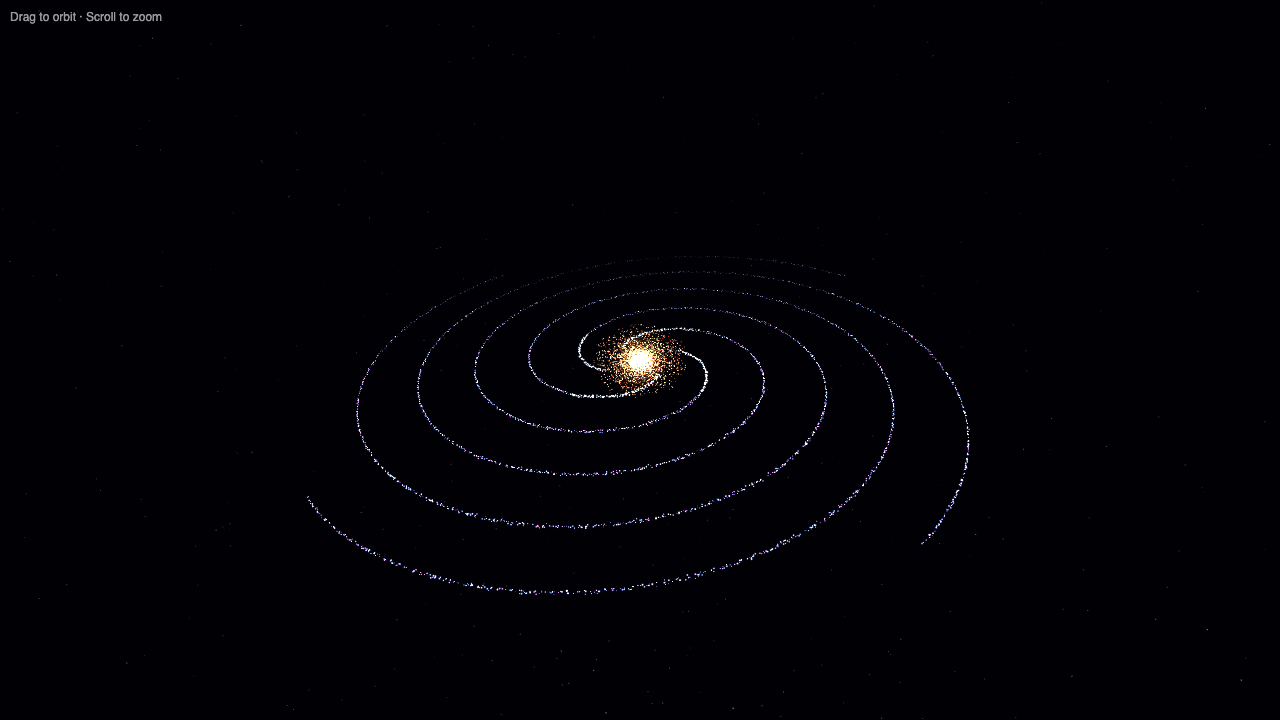
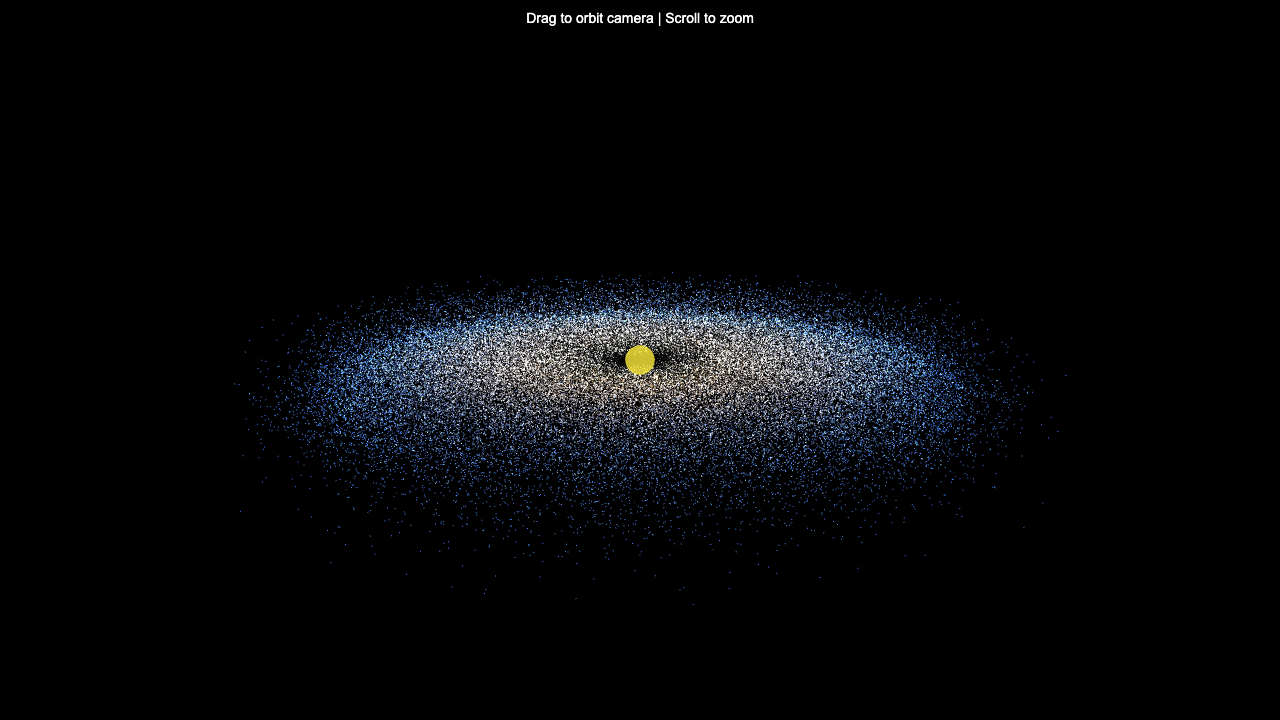
What I saw: Spiral galaxy. Smoke-test MAYBE-STATIC (<0.5% pixel diff) — slow rotation may be present without strong input response.
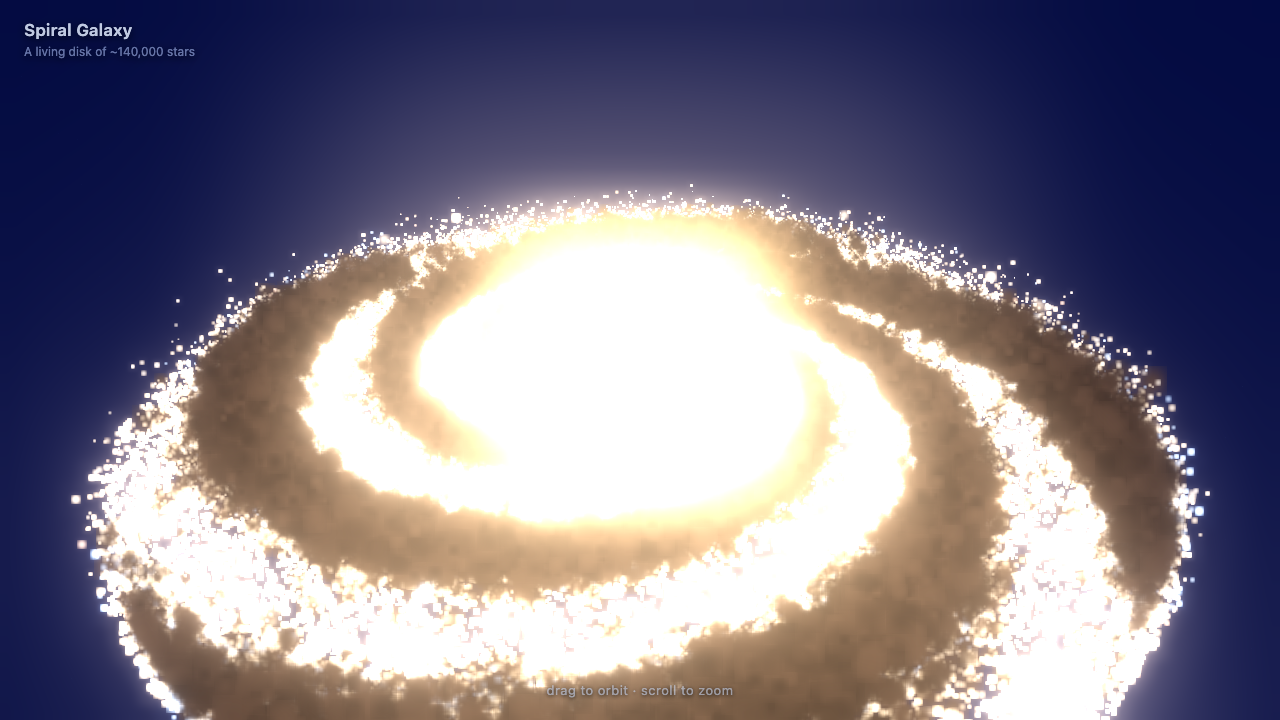
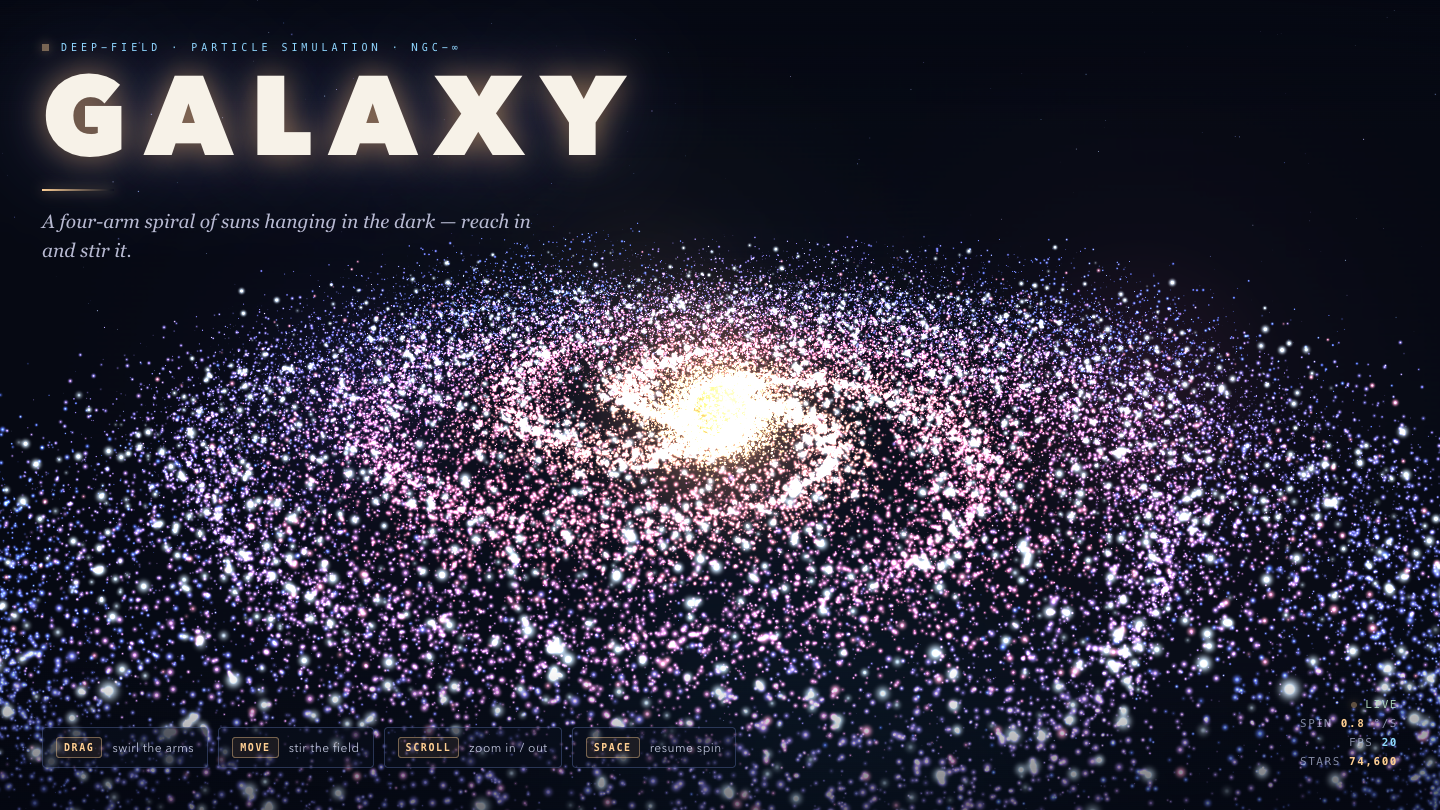
What I saw: Three.js with EffectComposer + UnrealBloomPass for proper bloom. 140k stars in a logarithmic spiral with 4 arms + 28k dust particles. ACES filmic tone mapping, OrbitControls with damping, FogExp2 for depth. Visually on par with Opus's interactive 3D galaxy.
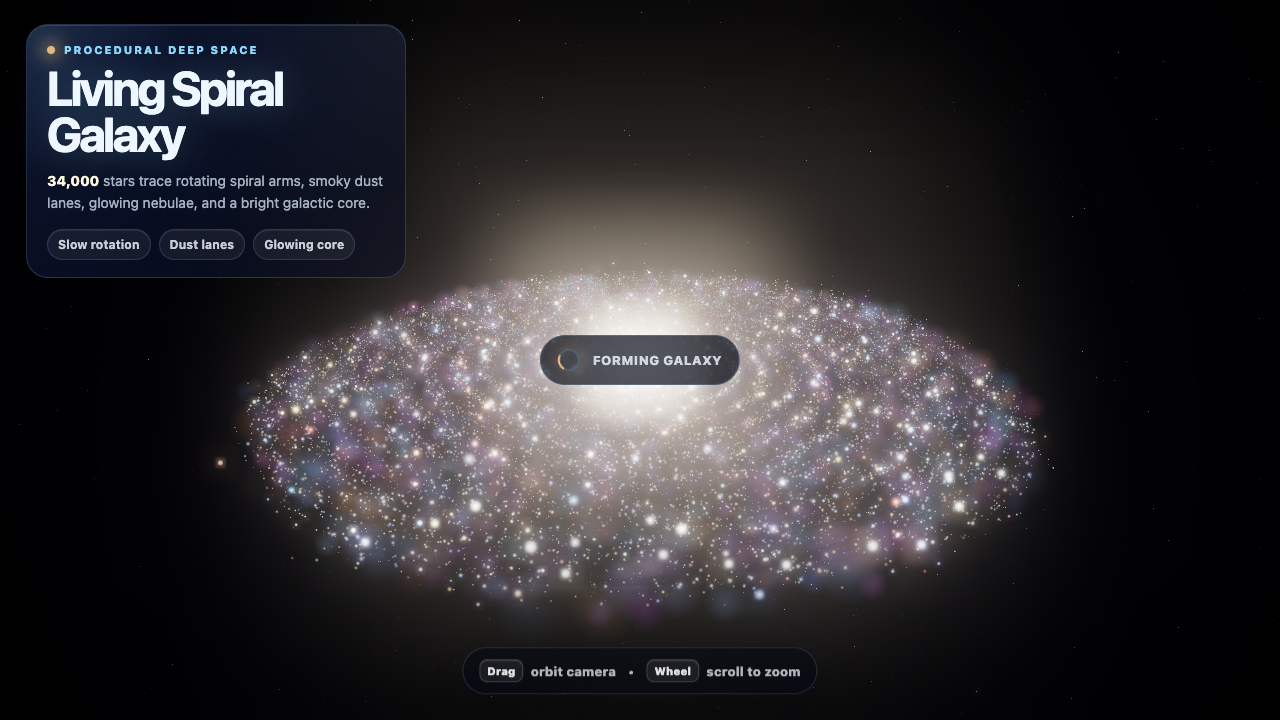
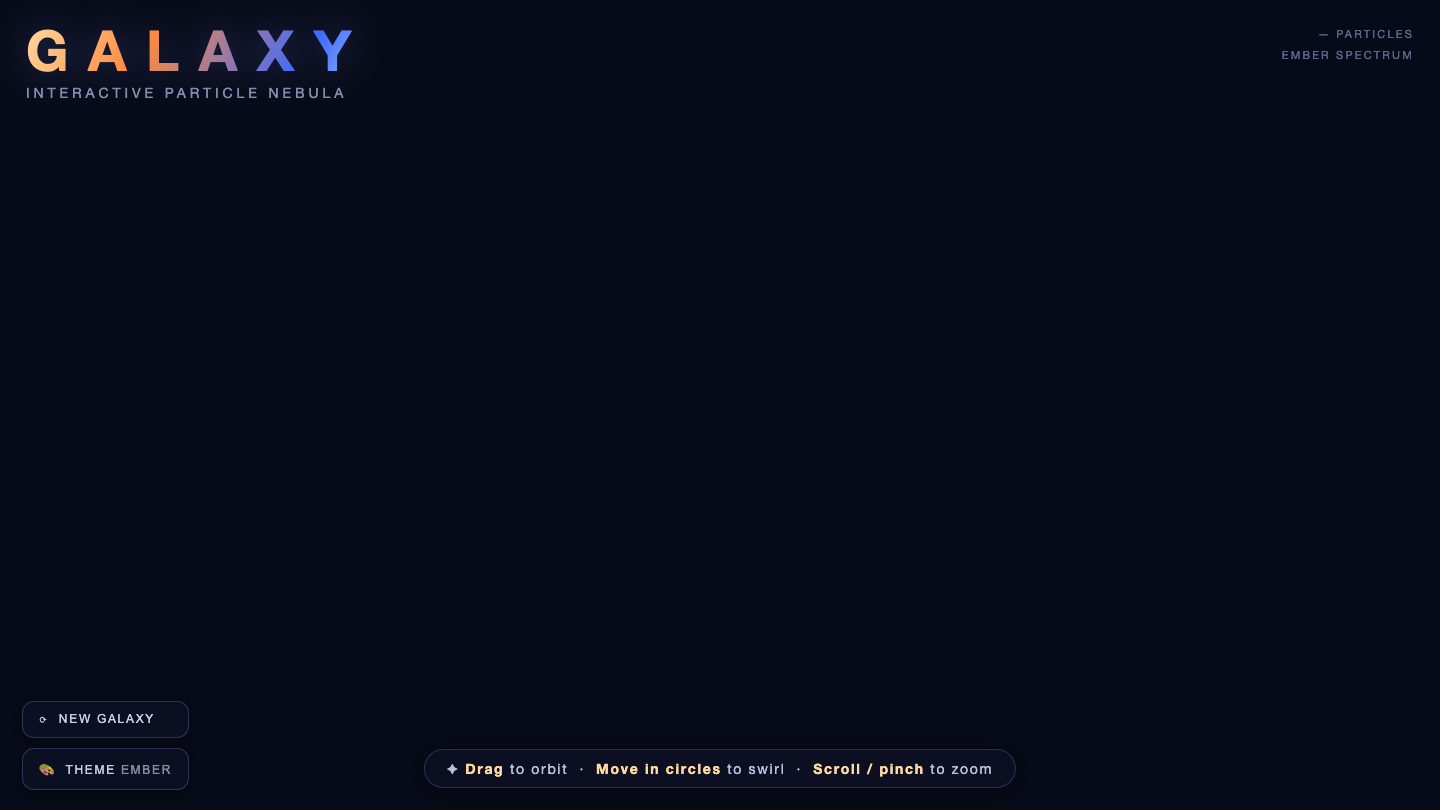
What I saw: Strong spiral structure with pink/teal core glow, background stars, and a clean polished UI with palette presets and clear swirl/orbit/zoom controls; the custom shader with mouse interaction and multiple palettes pushes it to the top of the field.
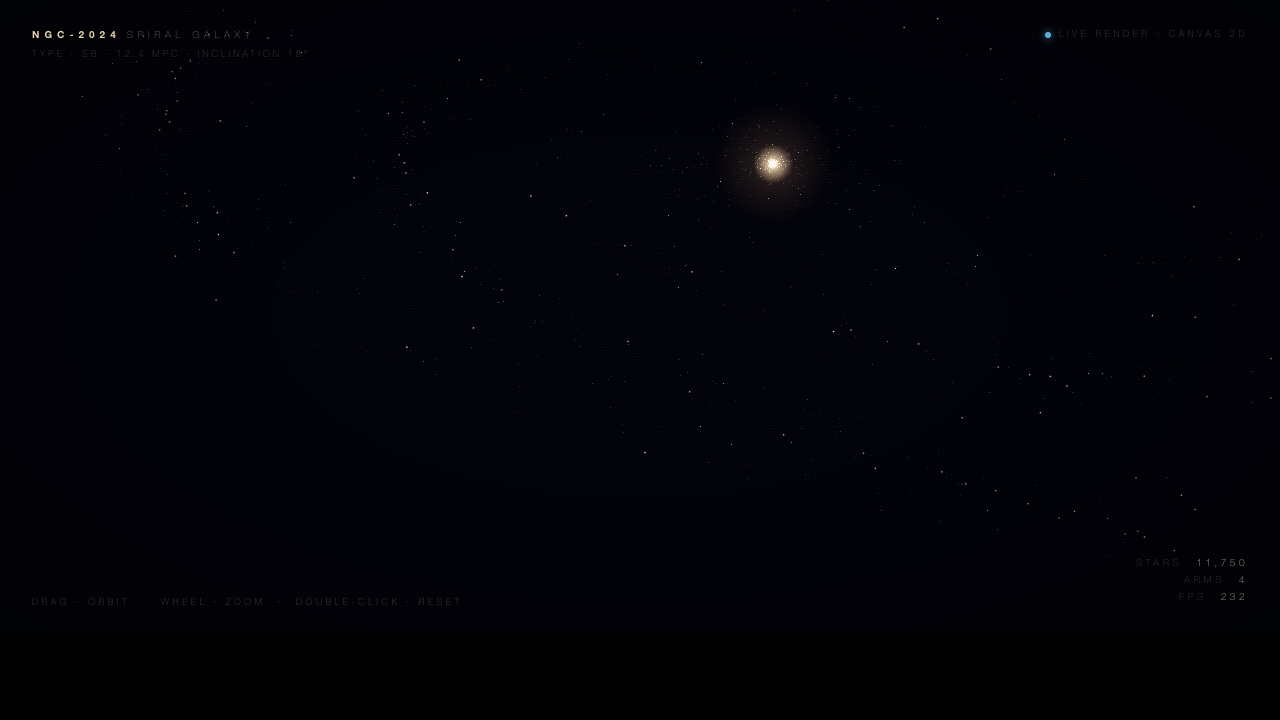
What I saw: Opus built a proper interactive 3D galaxy — drag to orbit a 7,000-star cloud around a glowing core. Kimi's is the prettiest single frame: a clean tilted spiral disk with rainbow arms. GLM's runs on a canvas with a slick NGC-style HUD and zoom, just less dramatic at a glance. Three good galaxies, three different bets.
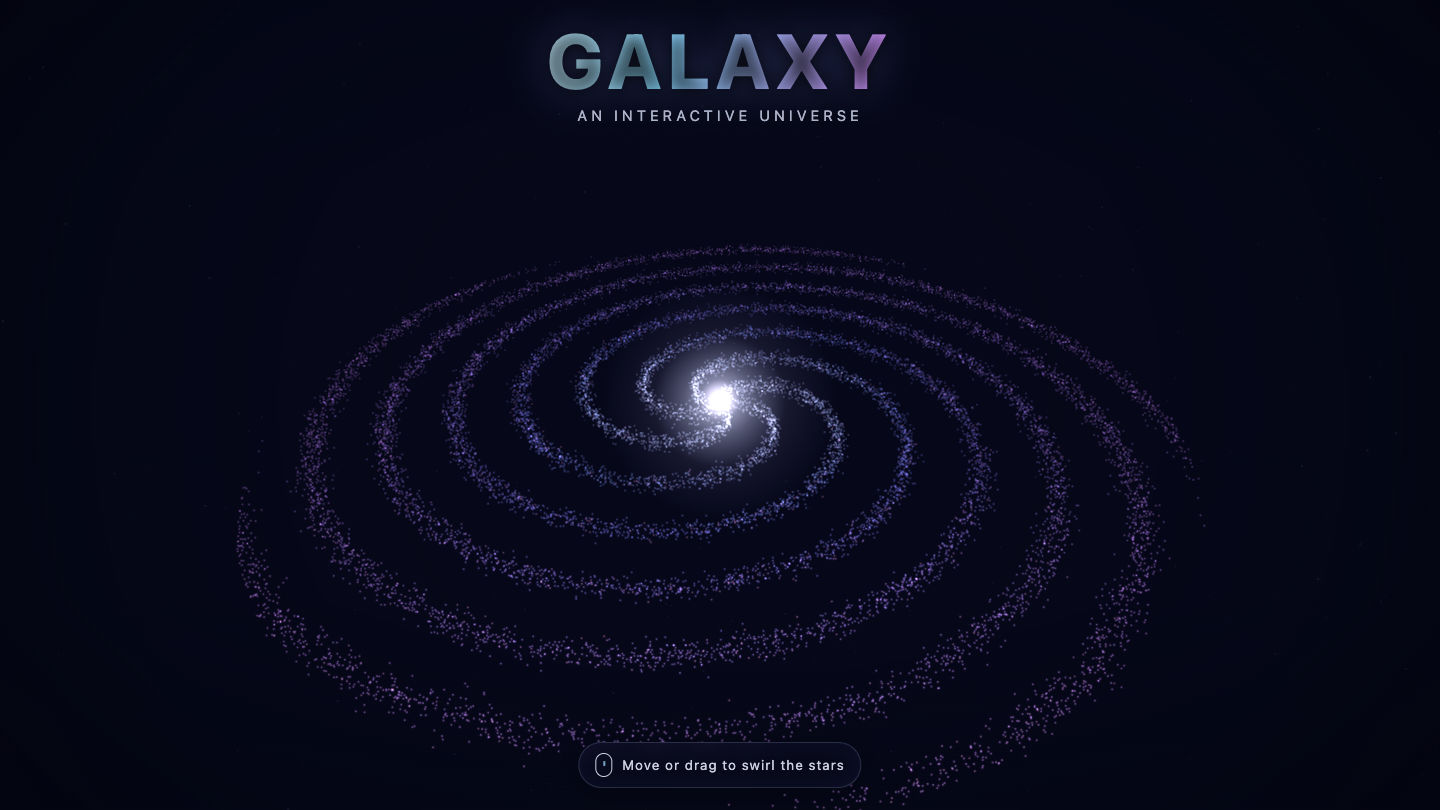
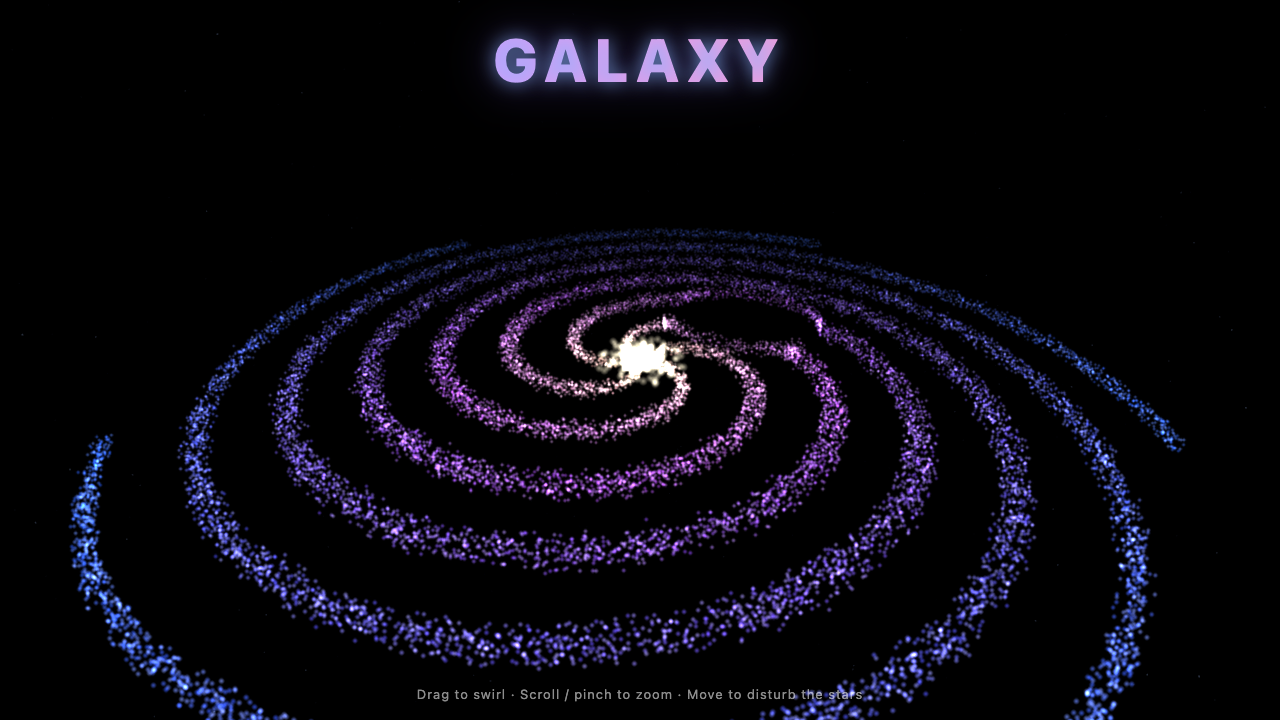
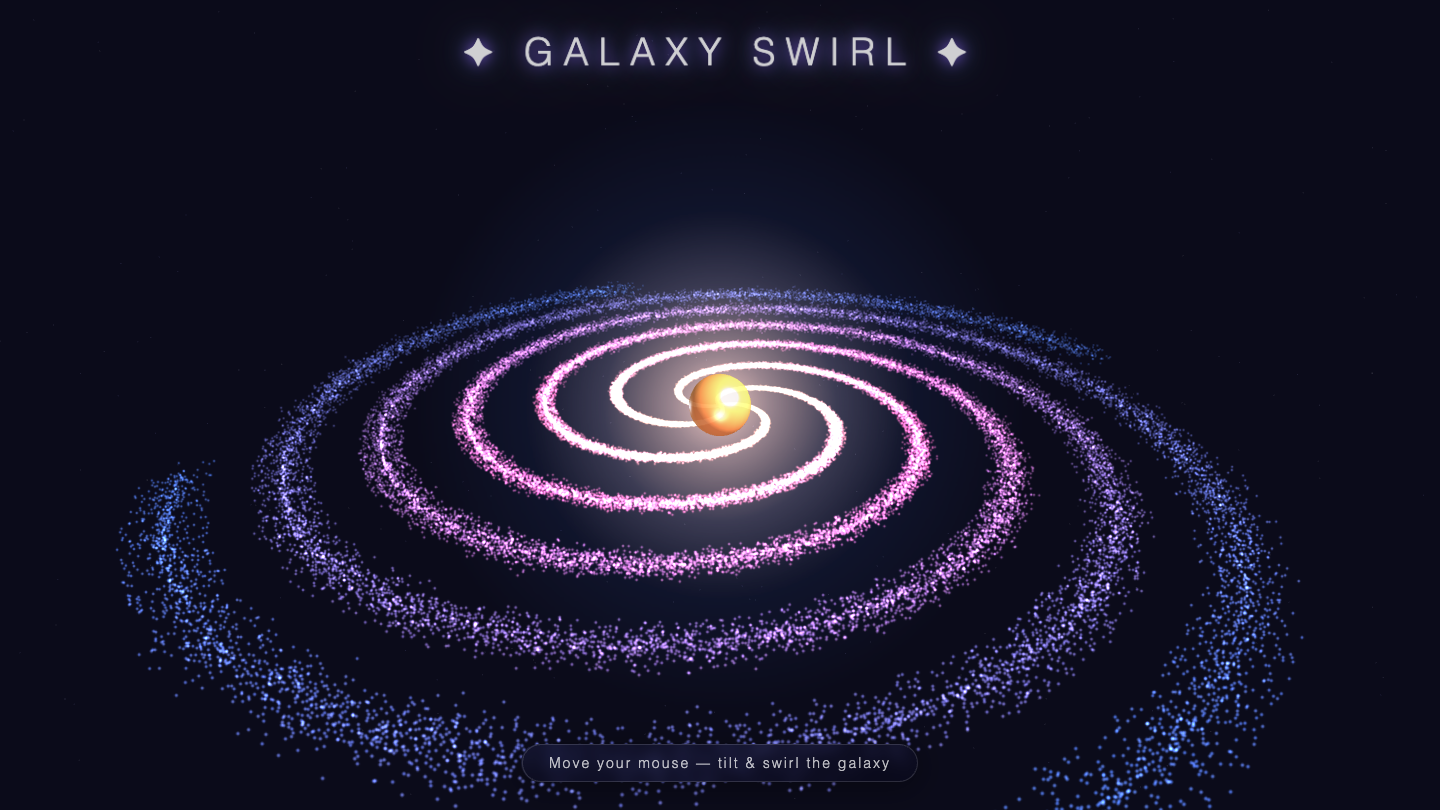
What I saw: Gorgeous multi-arm spiral with a convincing bright core glow, tilted perspective, and clean gradient title/hint UI — genuinely photoreal and on-brief. Slightly conservative color palette keeps it from being unmistakably above the field's best, but it clearly matches it.
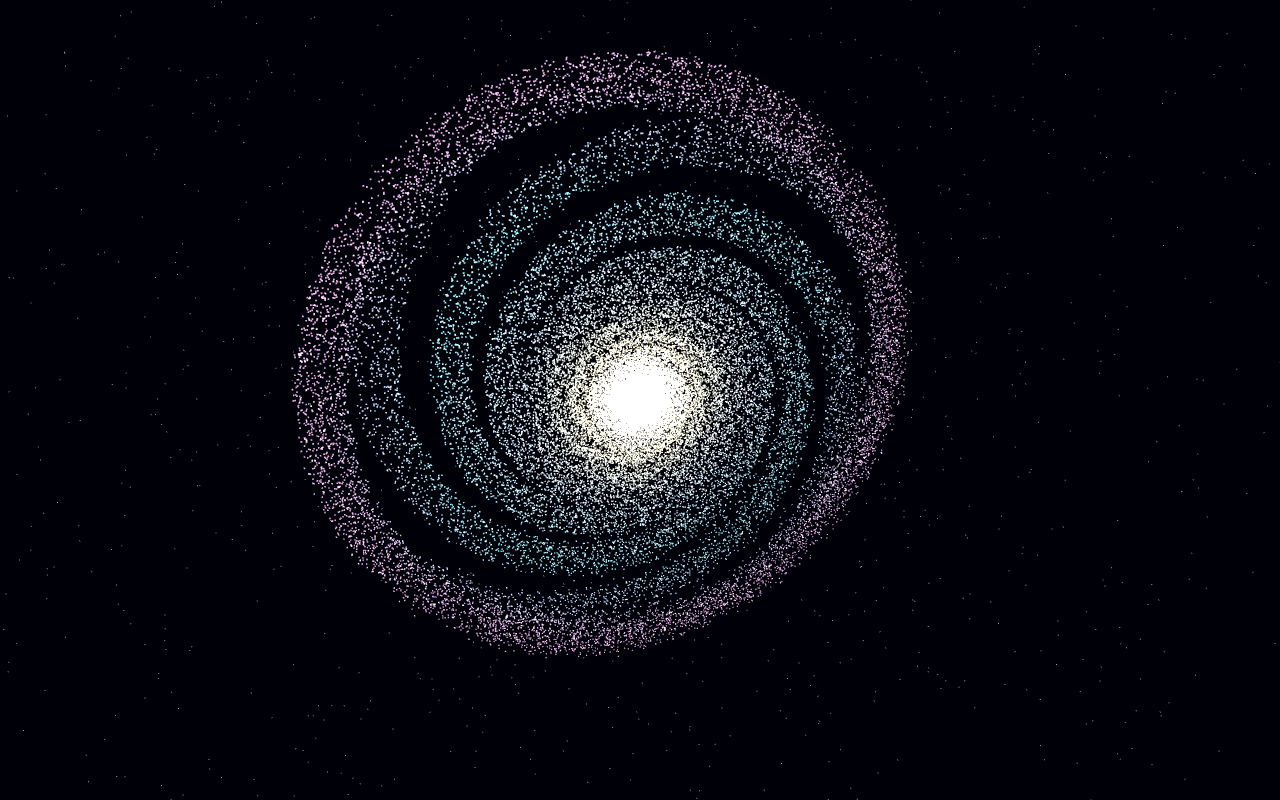
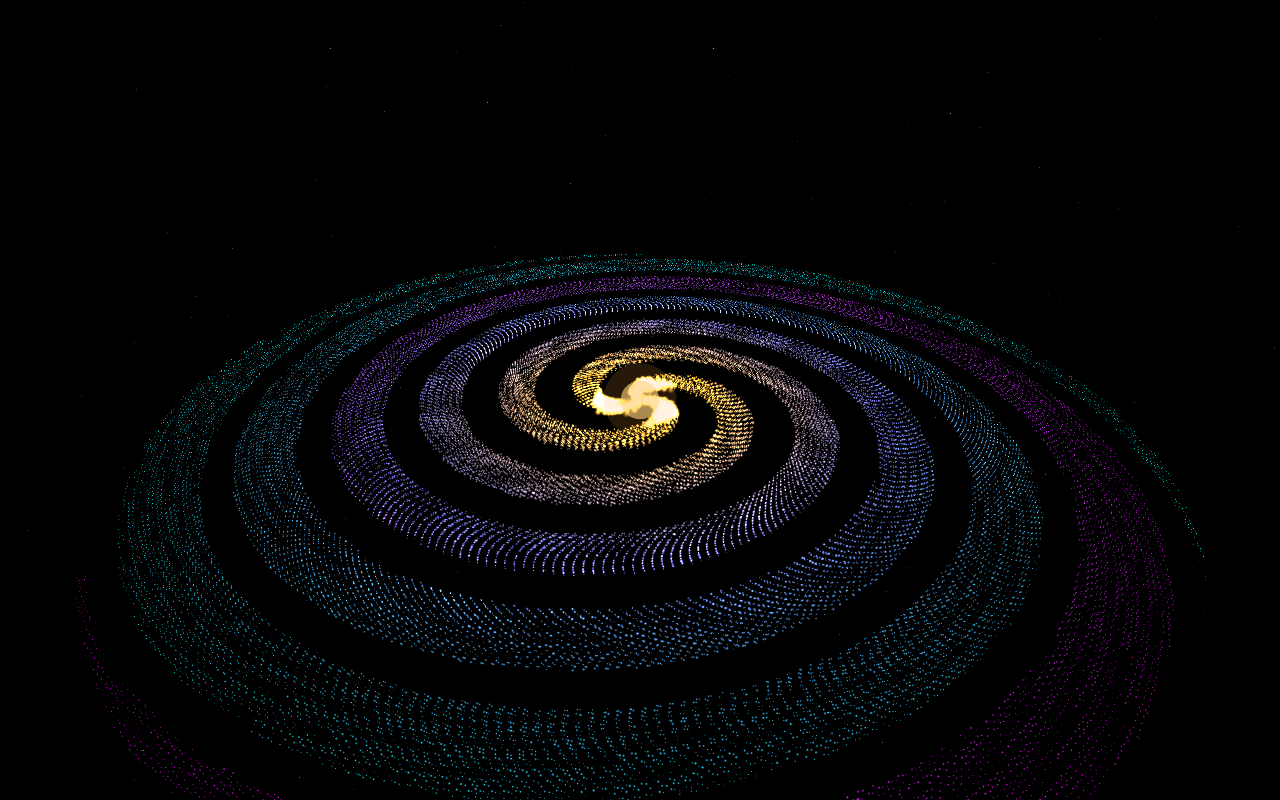
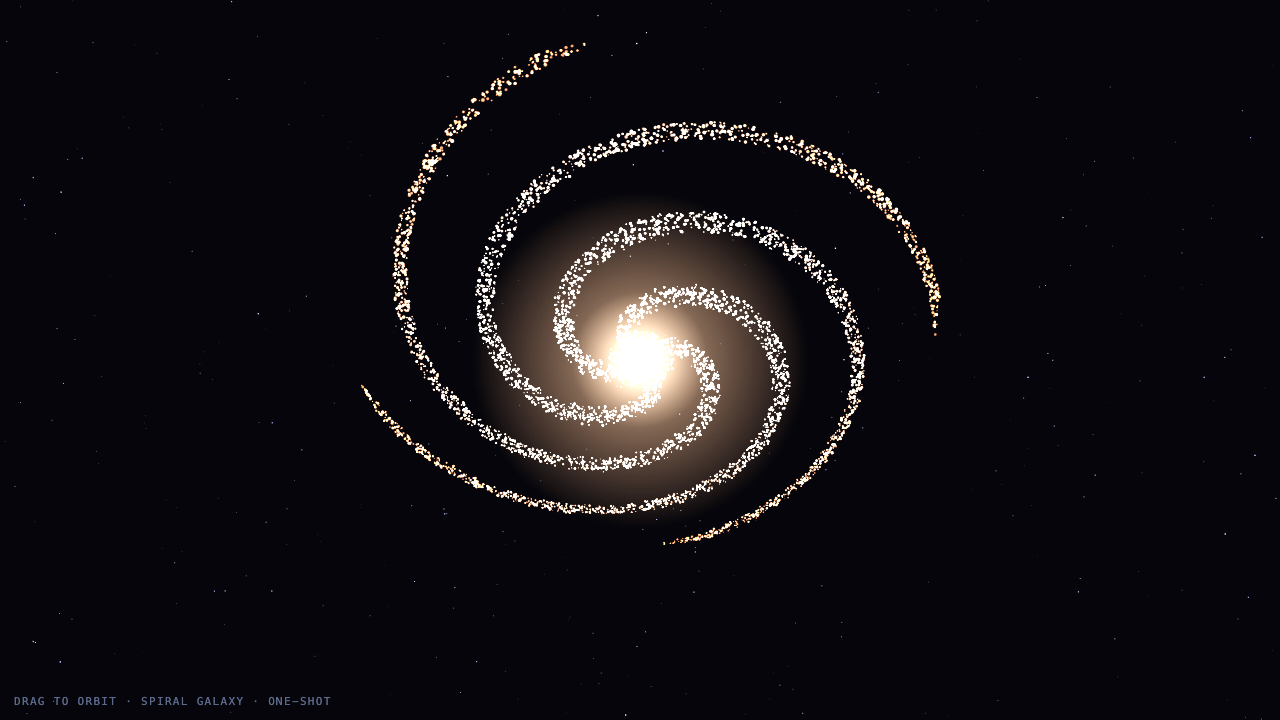
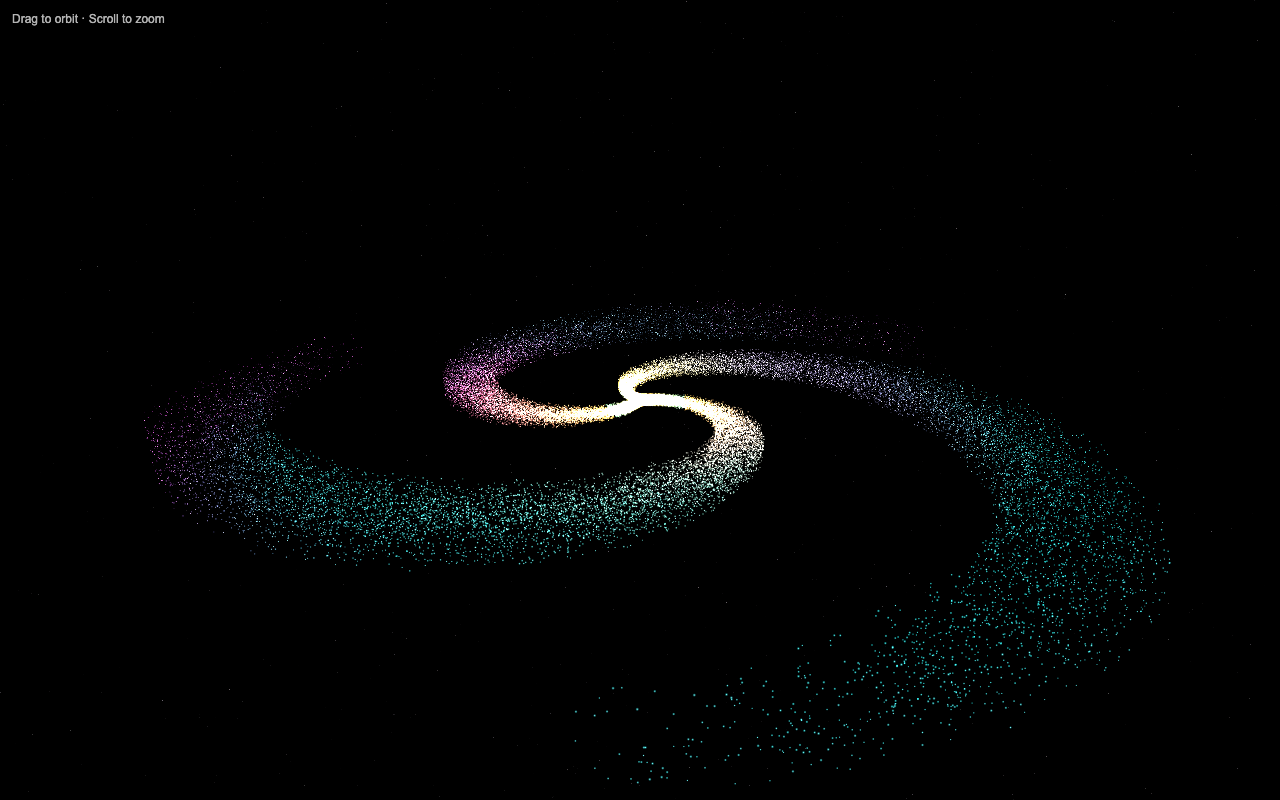
What I saw: A bright spiral with a hot-white core and clear arms fading from gold to cyan. Far brighter and more obviously a galaxy than the dim first attempt.
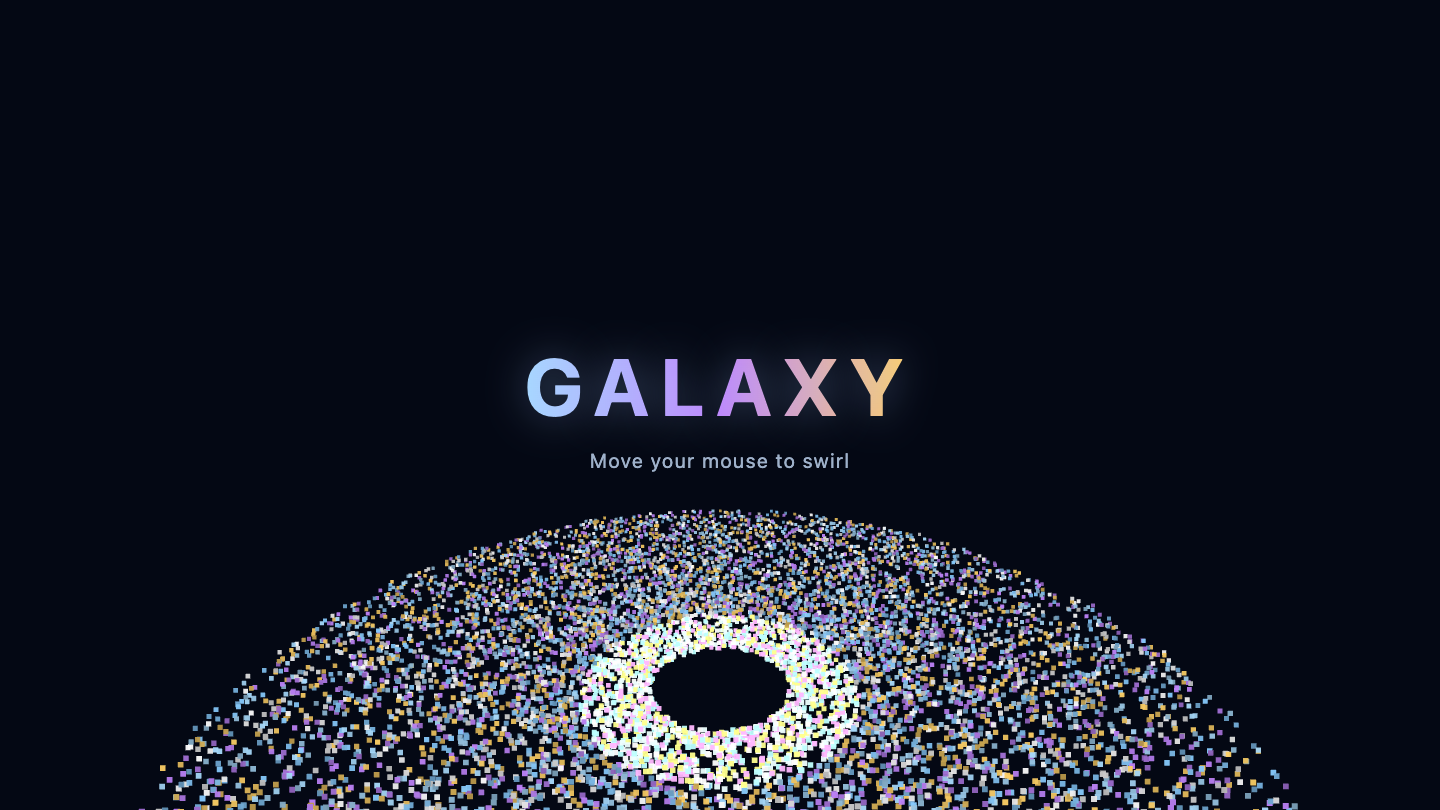
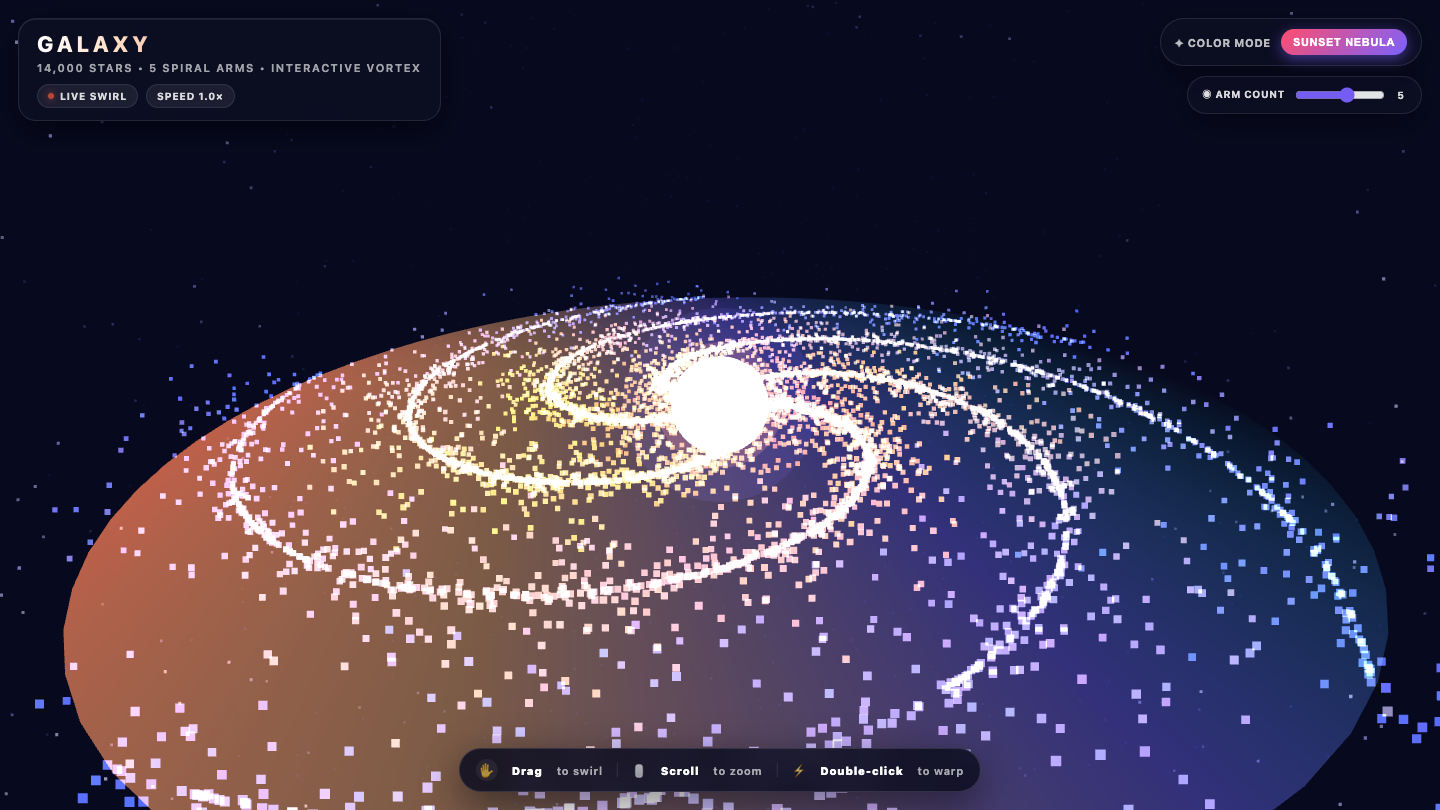
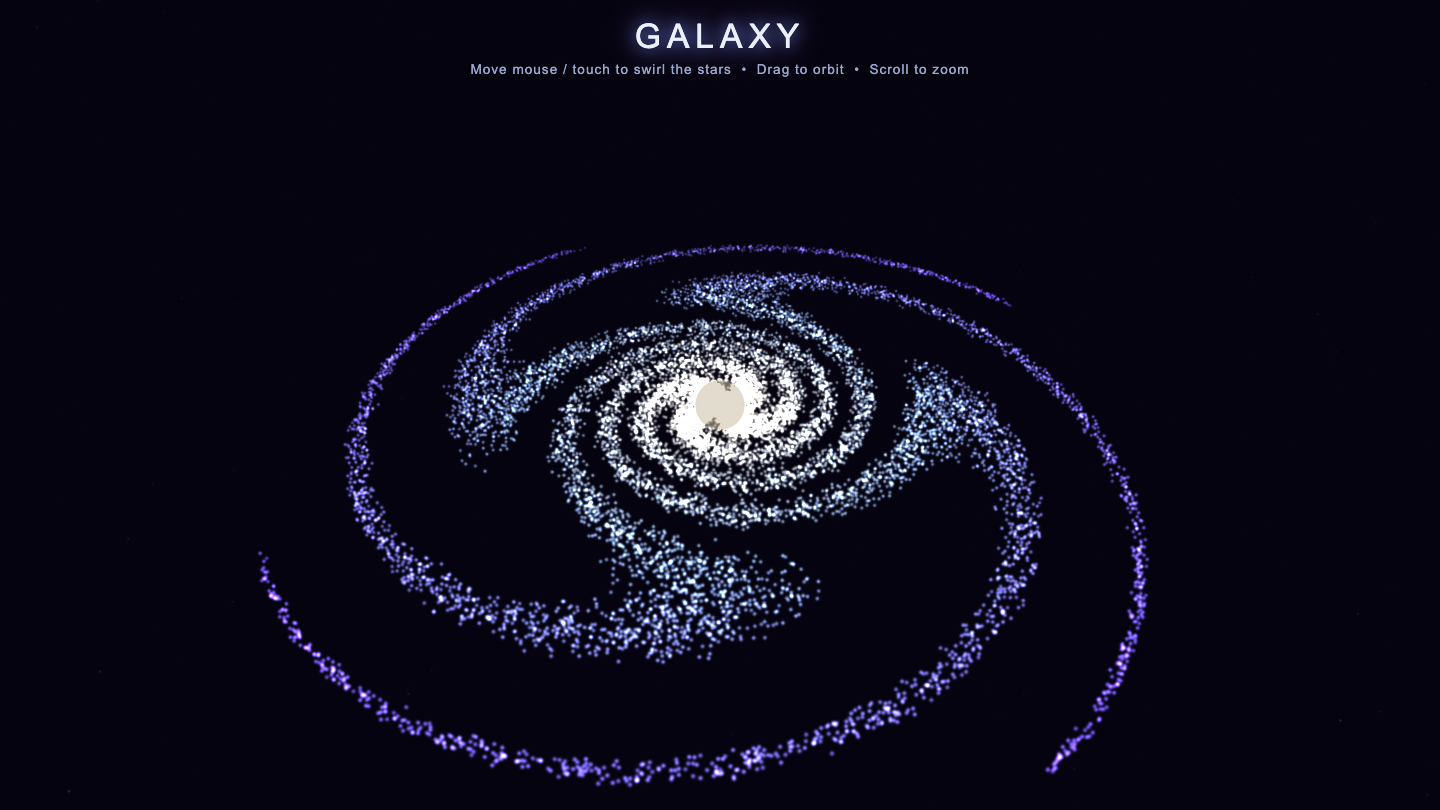
What I saw: Clean gradient title and multi-color particle disc render nicely, but the galaxy is pushed to the bottom of the frame with a hollow center and hard square particles (no soft round sprites), and the mouse only rotates rather than truly swirling — decent but not a task winner.
What I saw: Opus built a proper interactive 3D galaxy — drag to orbit a 7,000-star cloud around a glowing core. Kimi's is the prettiest single frame: a clean tilted spiral disk with rainbow arms. GLM's runs on a canvas with a slick NGC-style HUD and zoom, just less dramatic at a glance. Three good galaxies, three different bets.
The winner on Galaxy
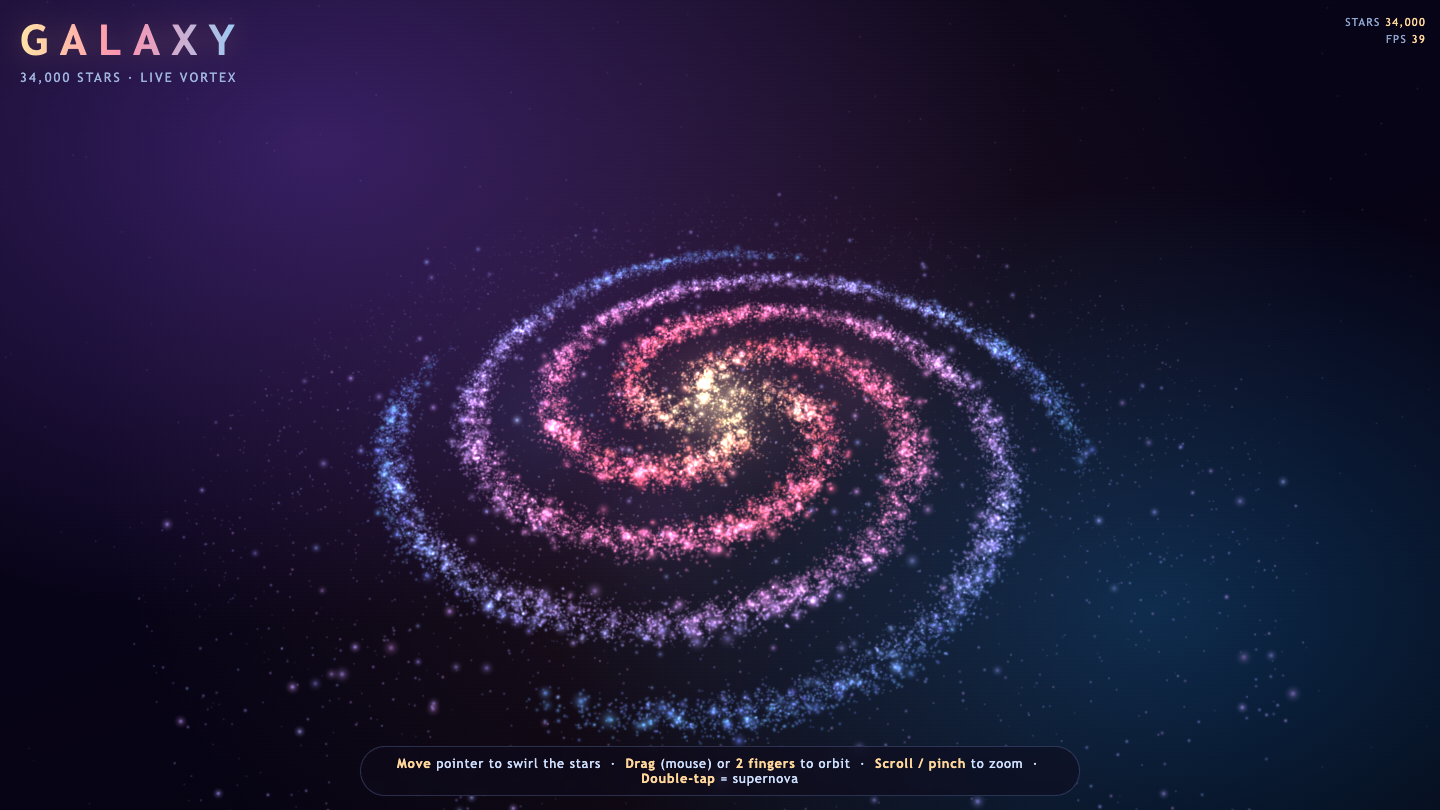
Claude Opus 5 took gold on this task. Gorgeous spiral vortex.
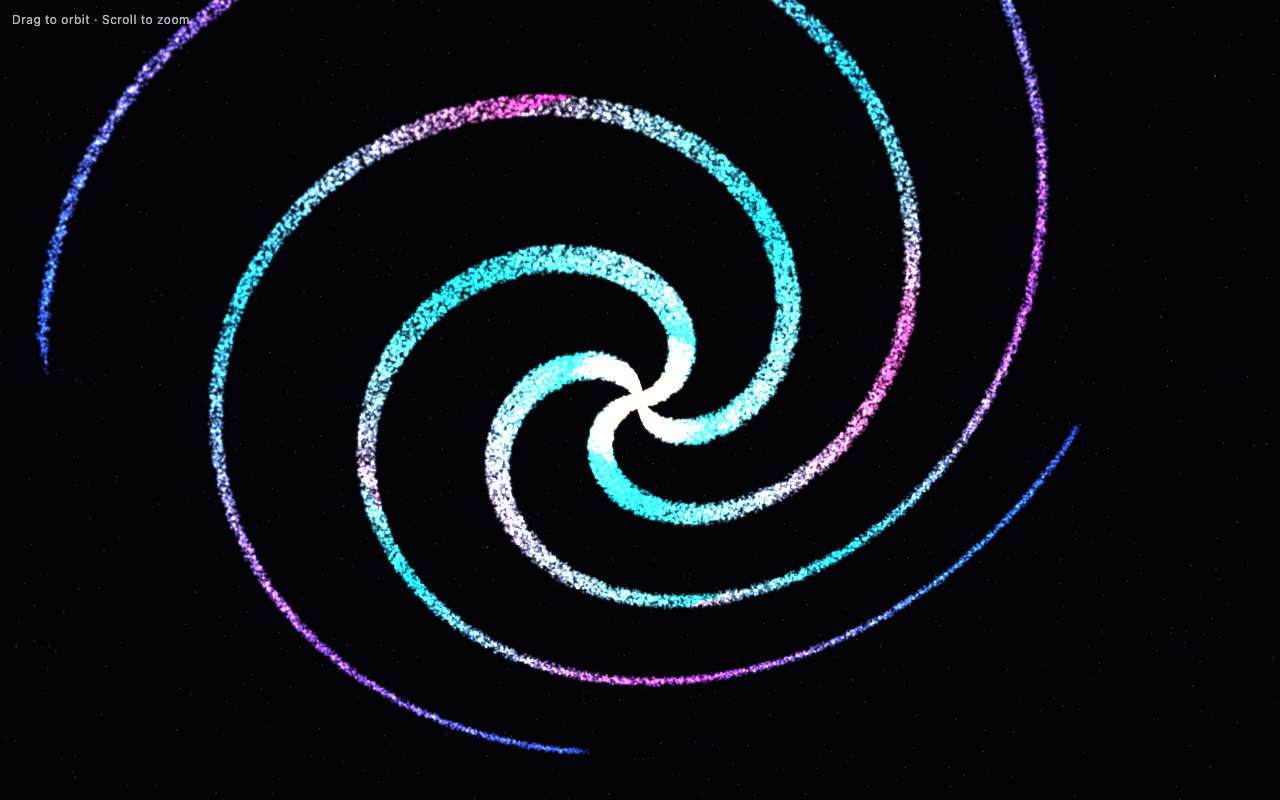
What I saw: Stunning multi-arm spiral with a glowing core, gradient star coloring (gold→pink→blue), halo, and distant starfield — visually the strongest galaxy render, backed by rich swirl/orbit/zoom/supernova interaction. Only nit is FPS at 39, but the composition clearly matches or beats the field's best.
See Claude Opus 5's full model card: /models/opus5. Direct head-to-head against the runner-up: Claude Opus 5 vs Qwen 3.8.
Every attempt — live, playable
Side by side. Click any tile to run that model's actual one-shot HTML in a new tab.
 ▶ LIVE
 ▶ LIVE
 ▶ LIVE
 ▶ LIVE
 ▶ LIVE
 ▶ LIVE
 ▶ LIVE
 ▶ LIVE
 ▶ LIVE
 ▶ LIVE
 ▶ LIVE
 ▶ LIVE
 ▶ LIVE
 ▶ LIVE
 ▶ LIVE
 ▶ LIVE
 ▶ LIVE
 ▶ LIVE
 ▶ LIVE
 ▶ LIVE
 ▶ LIVE
 ▶ LIVE
 ▶ LIVE
How I scored Galaxy — methodology
Three axes, 0–10 each, averaged. Runs: drop the .html in a browser; if it opens to a broken page, it scores zero. Hits the brief: did the model ship the thing the prompt asked for, or a different thing it found easier. Looks good: visual polish, motion, interactivity — where most of the gap between gold and silver lives.
My scores trace back to the source comparison guides on agentos.guide. See the full methodology page for data provenance, including which source guide each cell's score came from.
Related
More sim benchmarks: all tasks in the Sim category · See the best AI model for Galaxy · Back to the leaderboard
Run this stack yourself.
Every demo on this bench was built inside the Agent Operating System — one prompt, one shot, single HTML file out. The Agent OS, the prompts, the templates, the weekly walkthroughs and 4,000+ founders shipping with it every day all live inside the AI Profit Boardroom.