Real head-to-head · same prompt, one shot
Hermes MoA vs Kimi K3
A panel of frontier models, merged by a chair. The model doesn't matter — the system does. vs Moonshot's 2.8T flagship — 1M context, tuned for long-horizon agent work.
Head-to-head verdict: Kimi K3 wins 23–21 with 3 ties.
What I tested — same prompt, two models
I run the same fixed prompt set through every new model the day it drops — same string, one shot, single HTML file out — and I score the result 0–10 on whether it ran, how close it hit the brief, and how good it looked. Below is what came out when I gave the exact same prompts to Hermes MoA and Kimi K3, side by side, on 47 shared tasks inside the Agent Operating System.
Both models were given identical prompts inside the Agent Operating System — no help, no iteration, no "best of N" tricks. I run each prompt once, save the HTML file the model produces, and score it 0–10 on whether it ran, how close it hit the brief, and how good it looked. The scoring is mine. The verdicts below are pulled from my source comparison guides at agentos.guide where I publish every score and the reasoning behind it.
Hermes MoA · Run from the Mixture tab in the Hermes Agent OS. On this bench the panel built each demo and the aggregator merged the best of every draft.
Kimi K3 · Wired into the Agent OS as the `kimi-k3` Hermes profile and a K3 speed-toggle in the Kimi Code tab — used for long unattended agent runs where a slow-but-right model beats a fast-but-forgetful one.
Side-by-side on 50 shared tasks
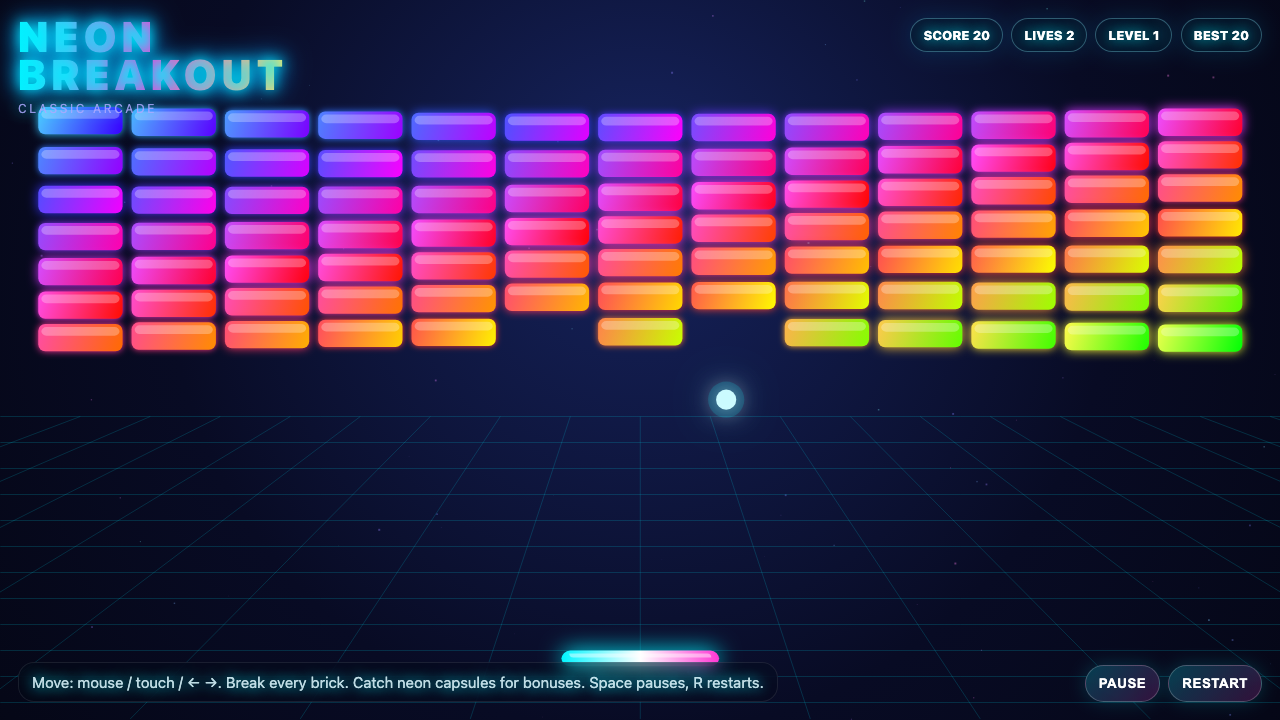
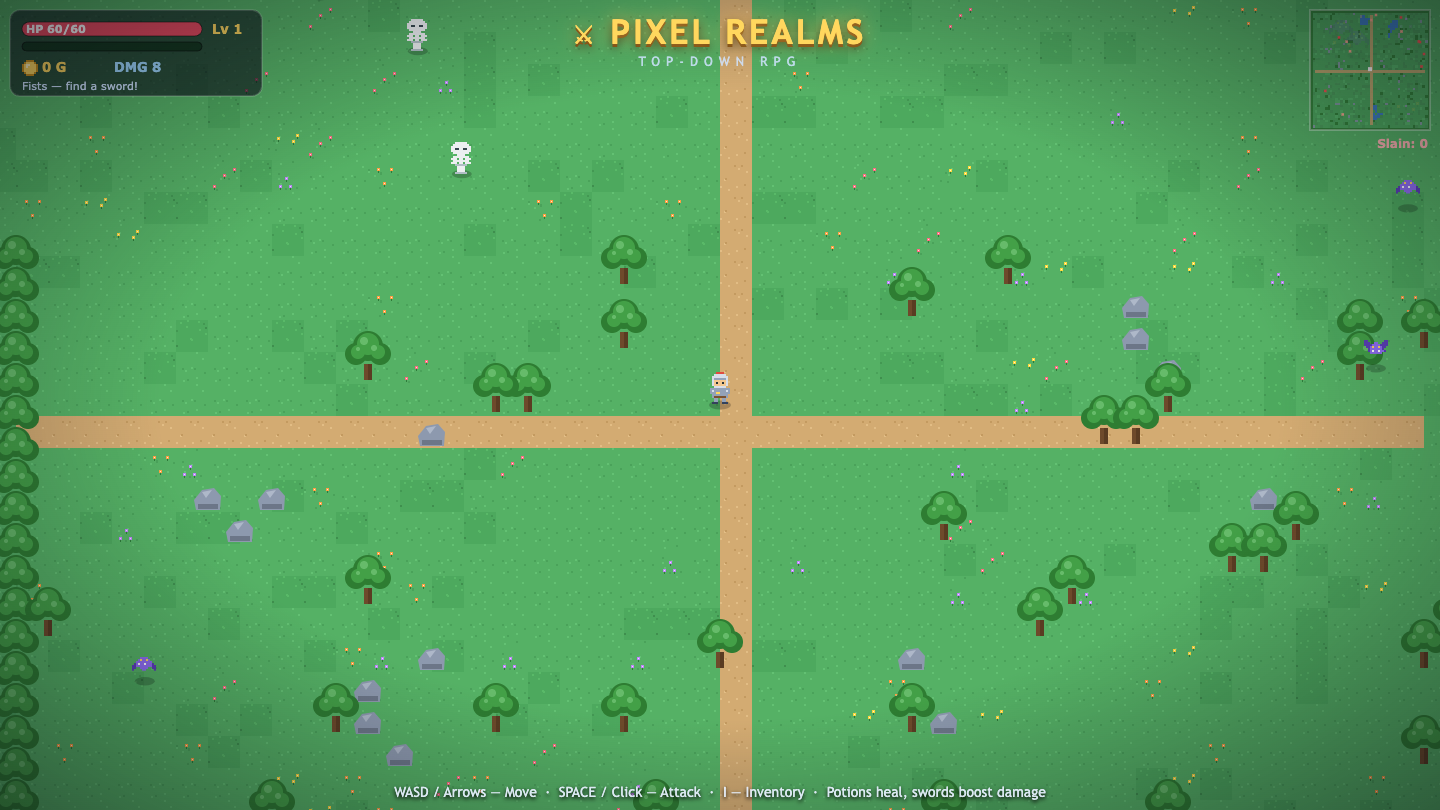
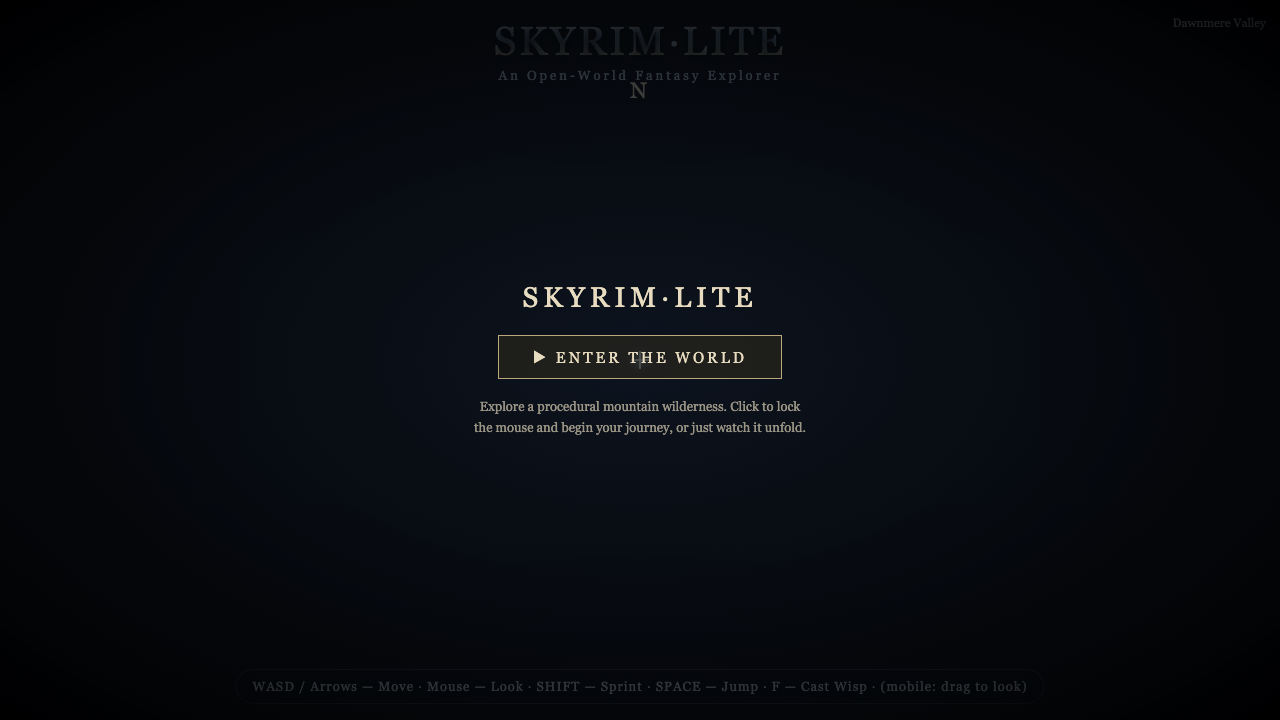
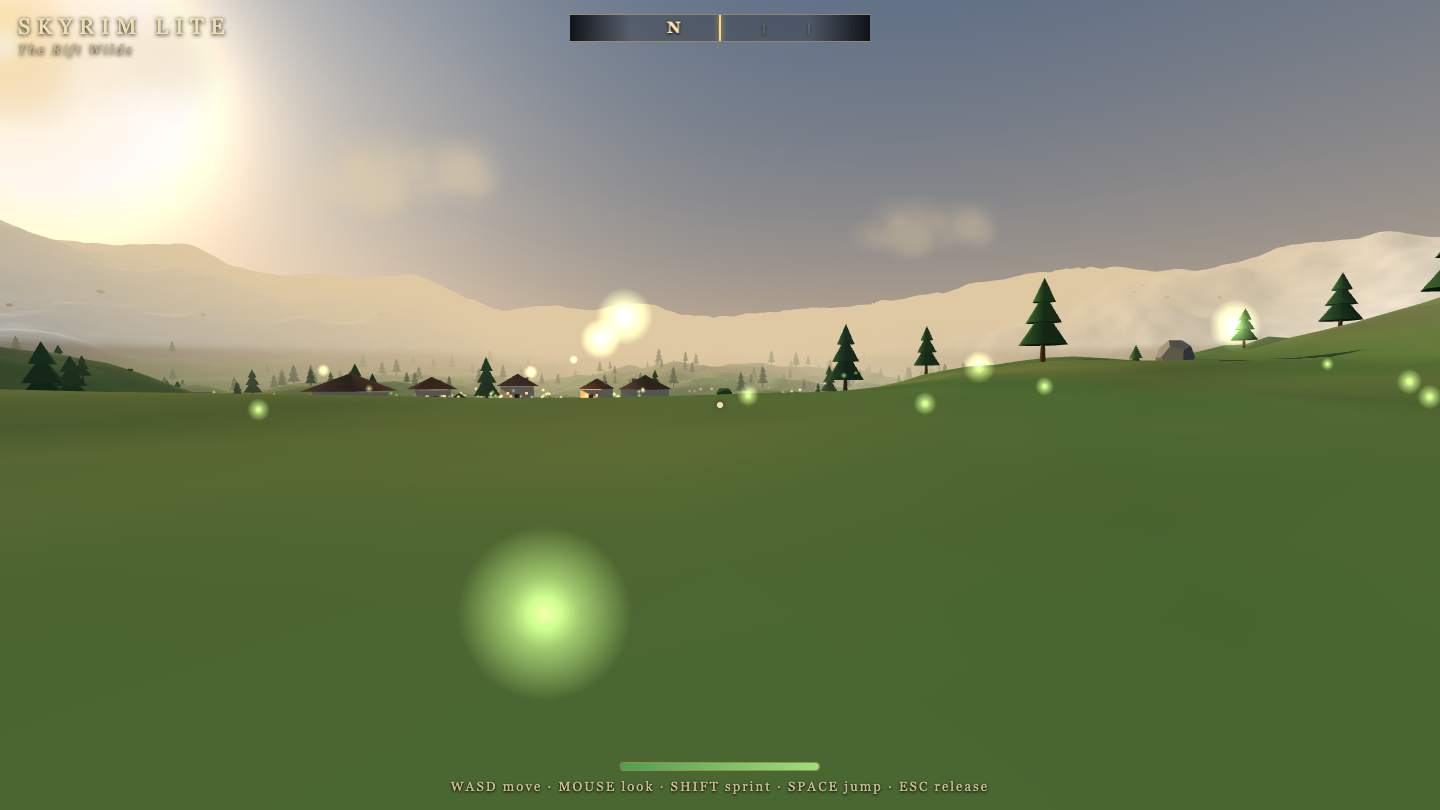
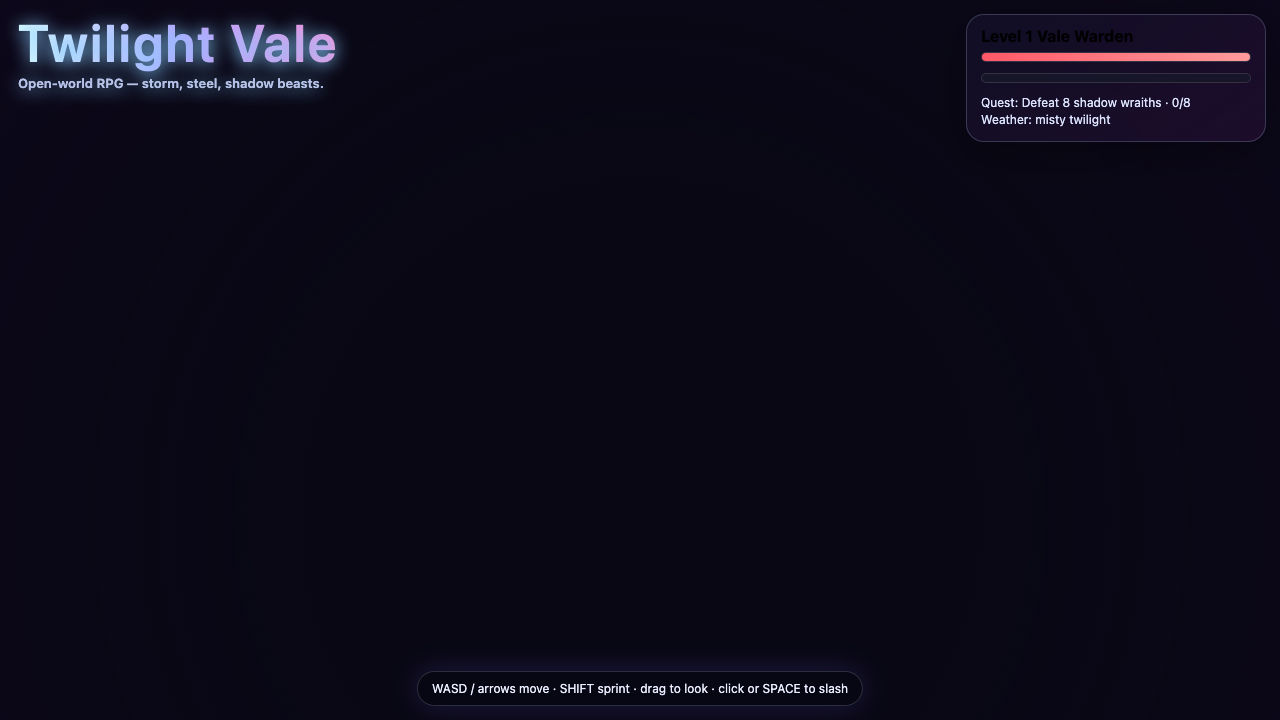
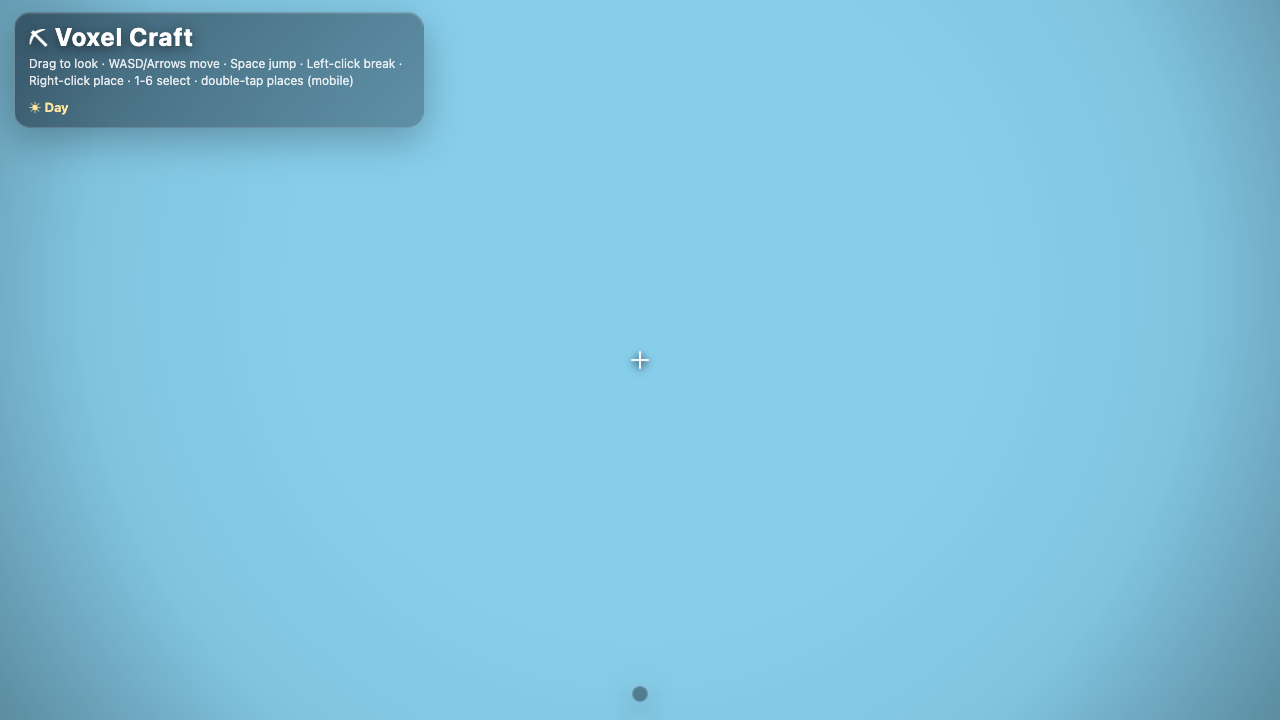
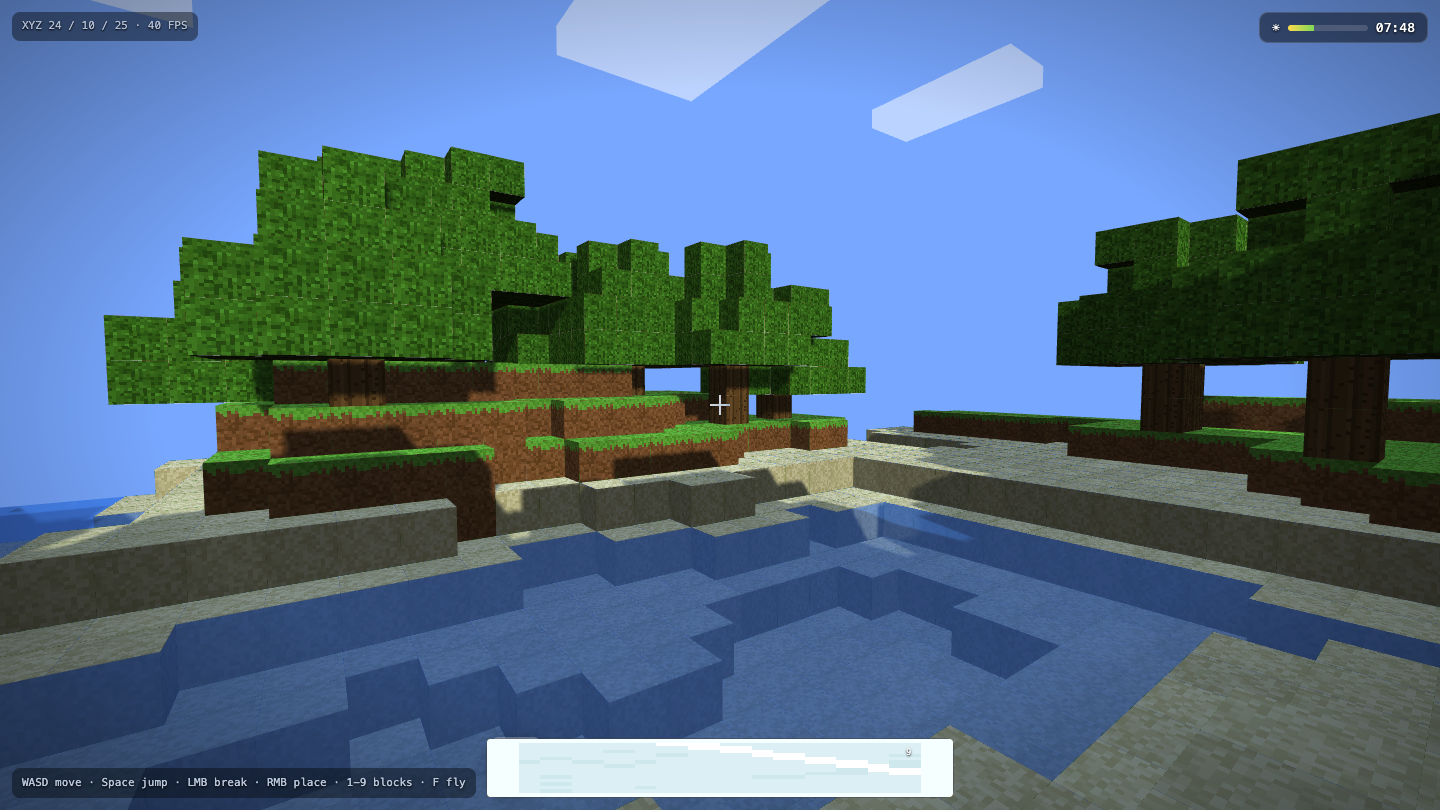
Click any cell to play that model's actual one-shot attempt. Medals are derived from my 0–10 scores per task (highest = 🥇, second = 🥈, third = 🥉).
Task ↓
Hermes MoA
Kimi K3
Game
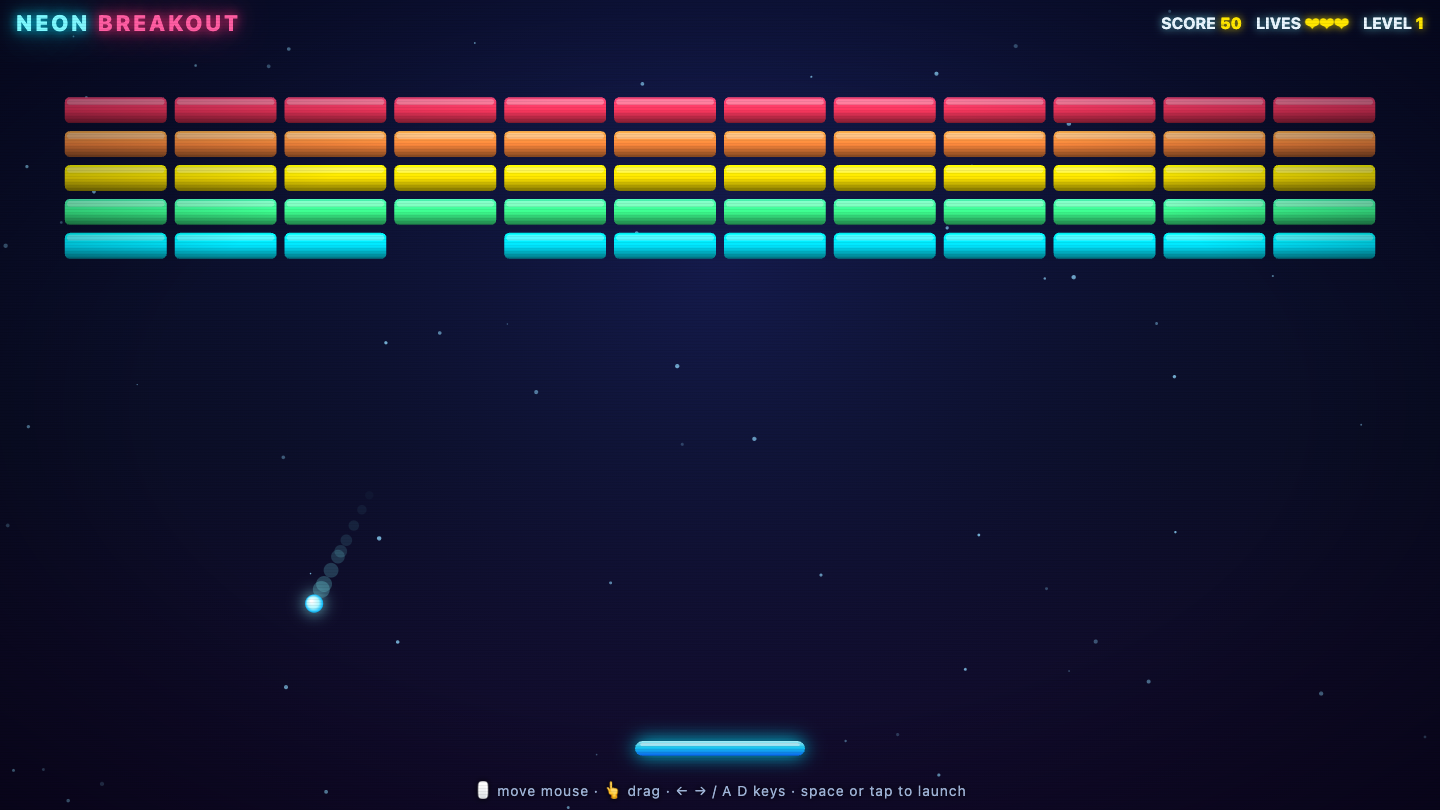
Game
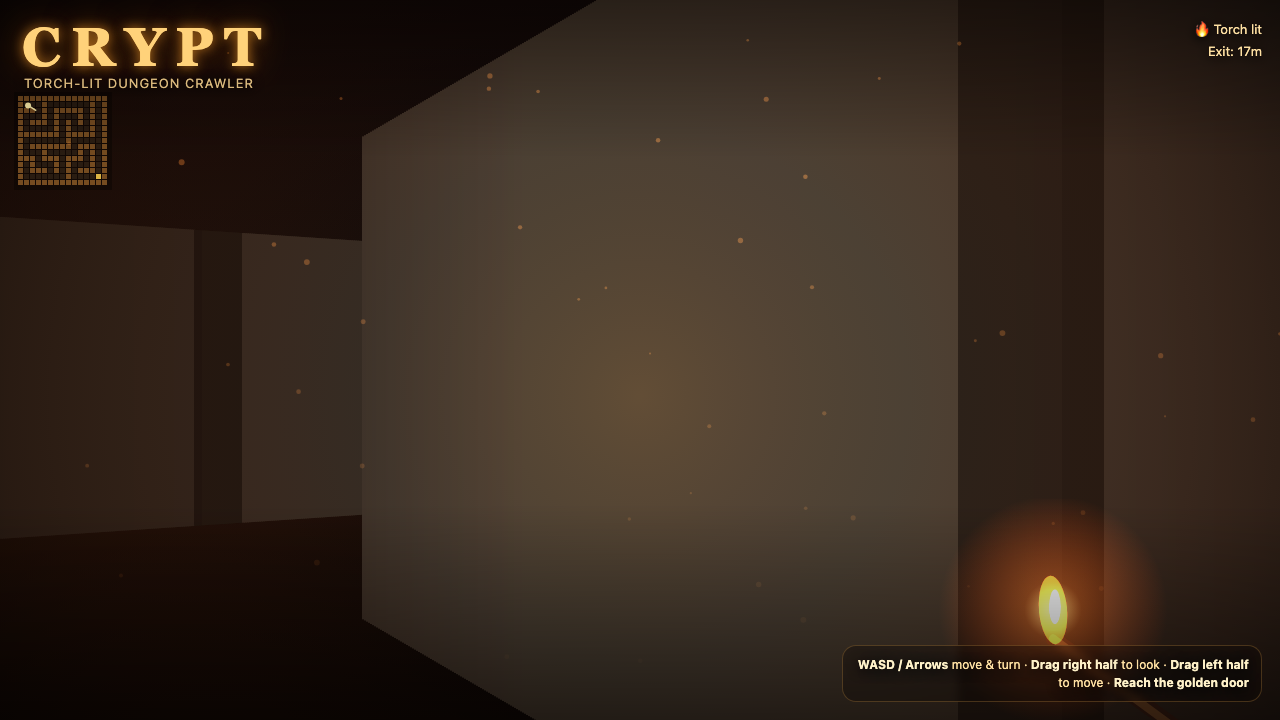
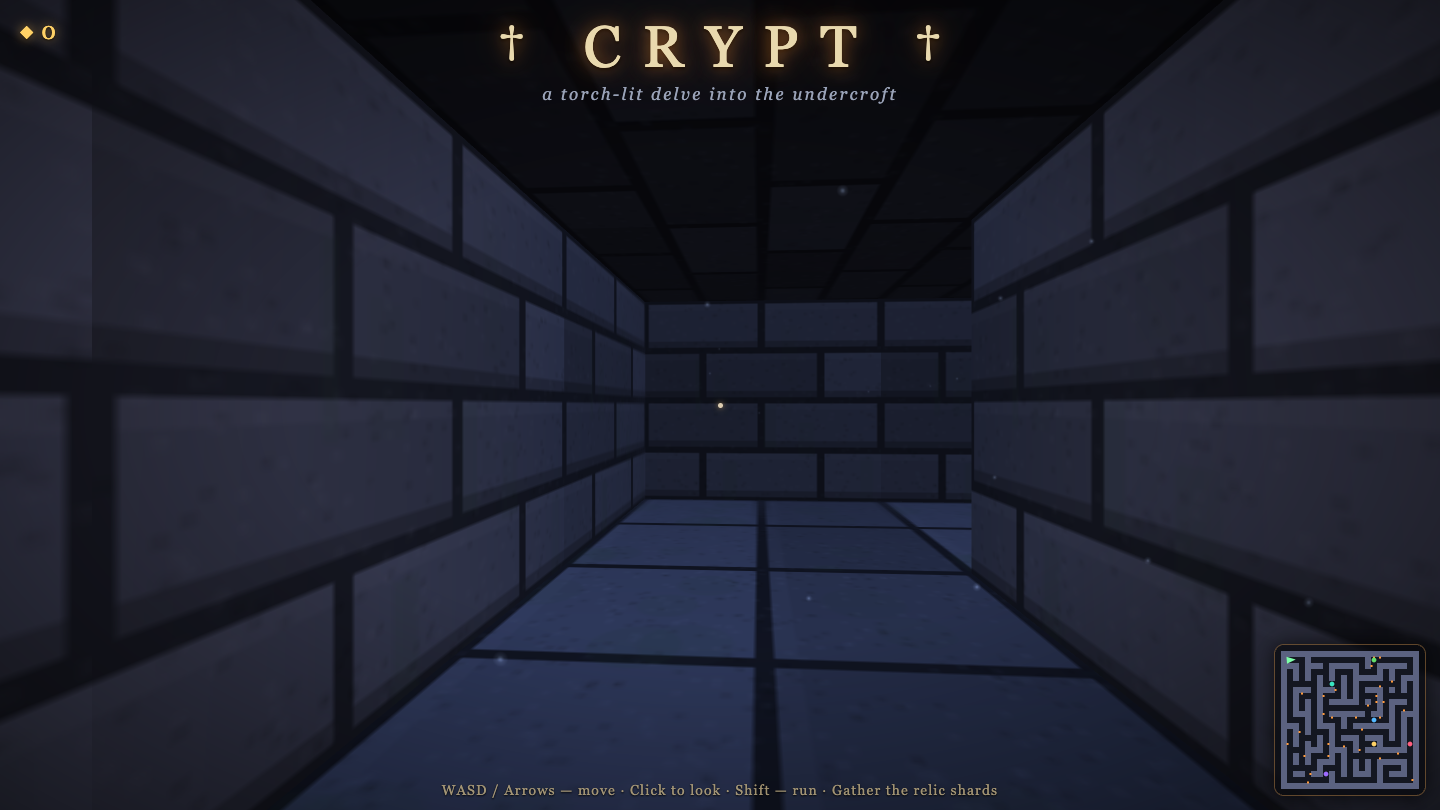
Game
Game

Game

Game
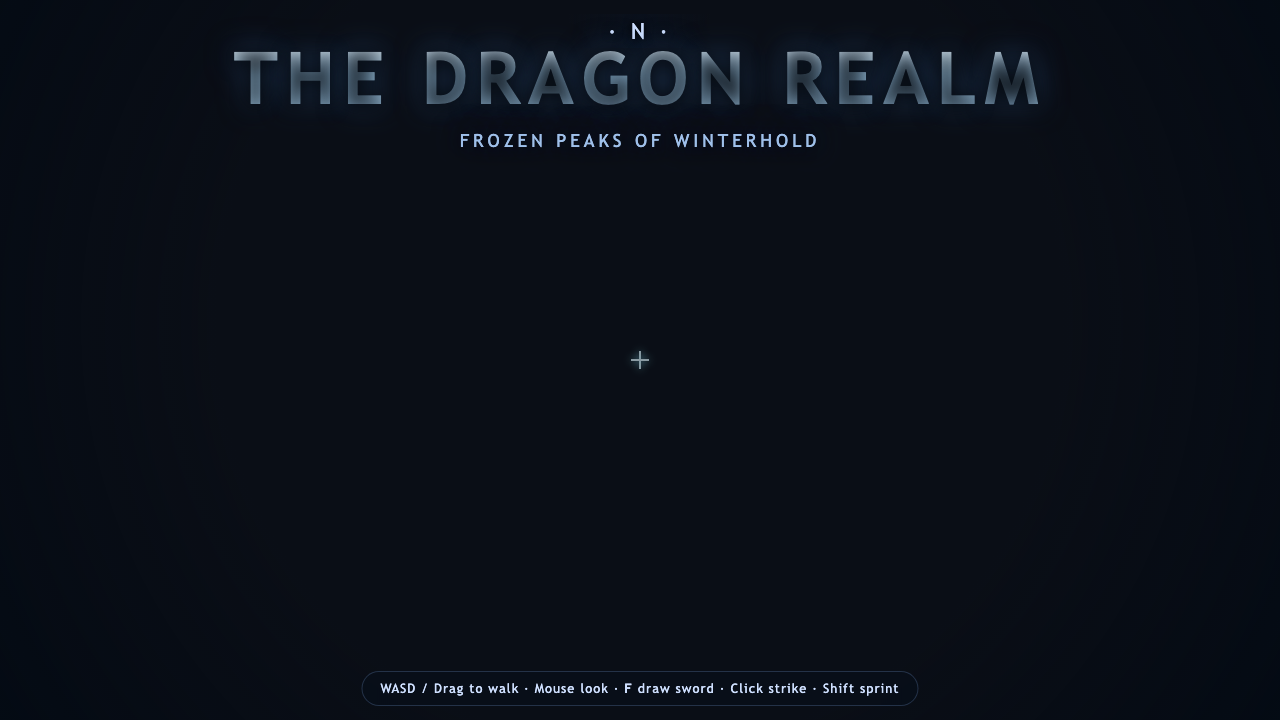
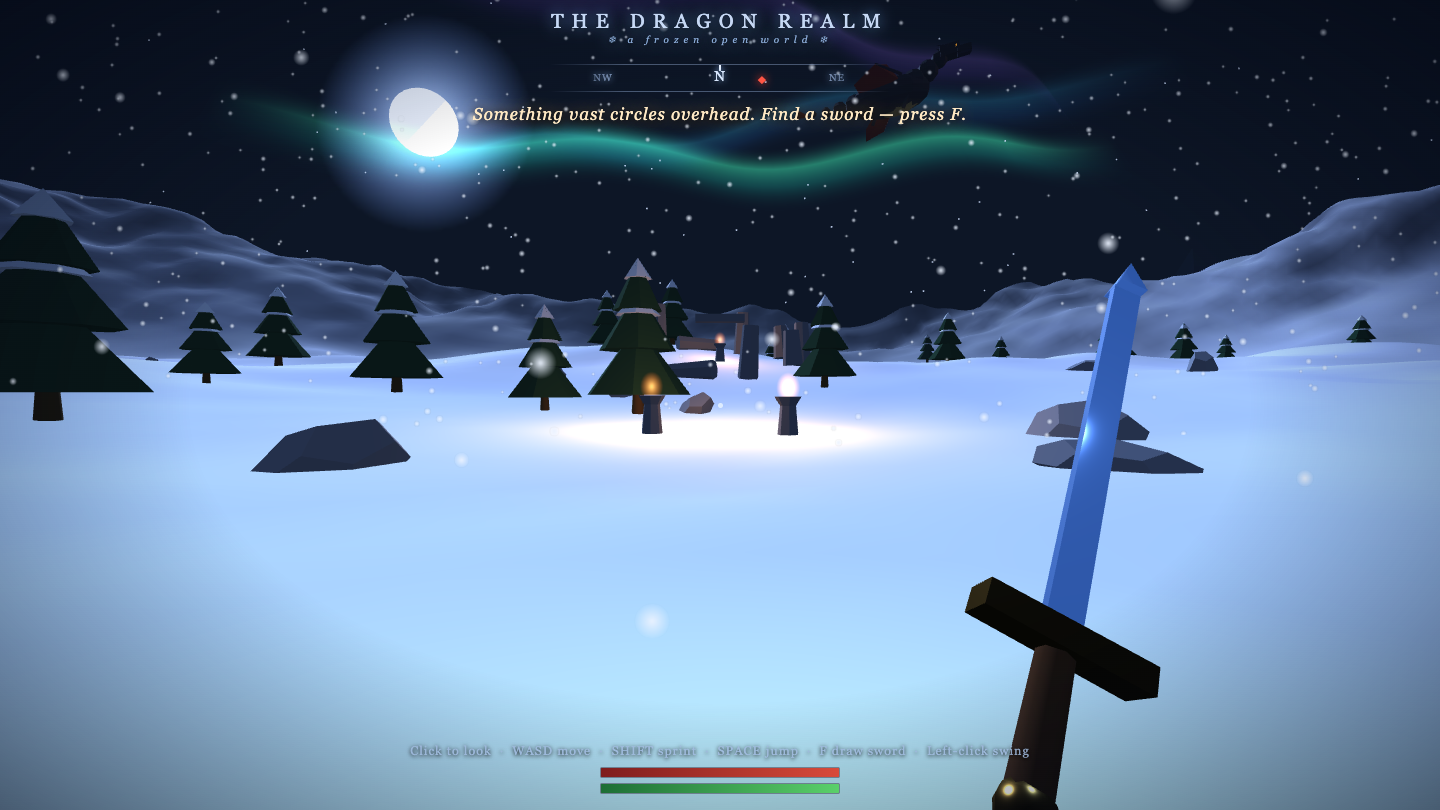
Game
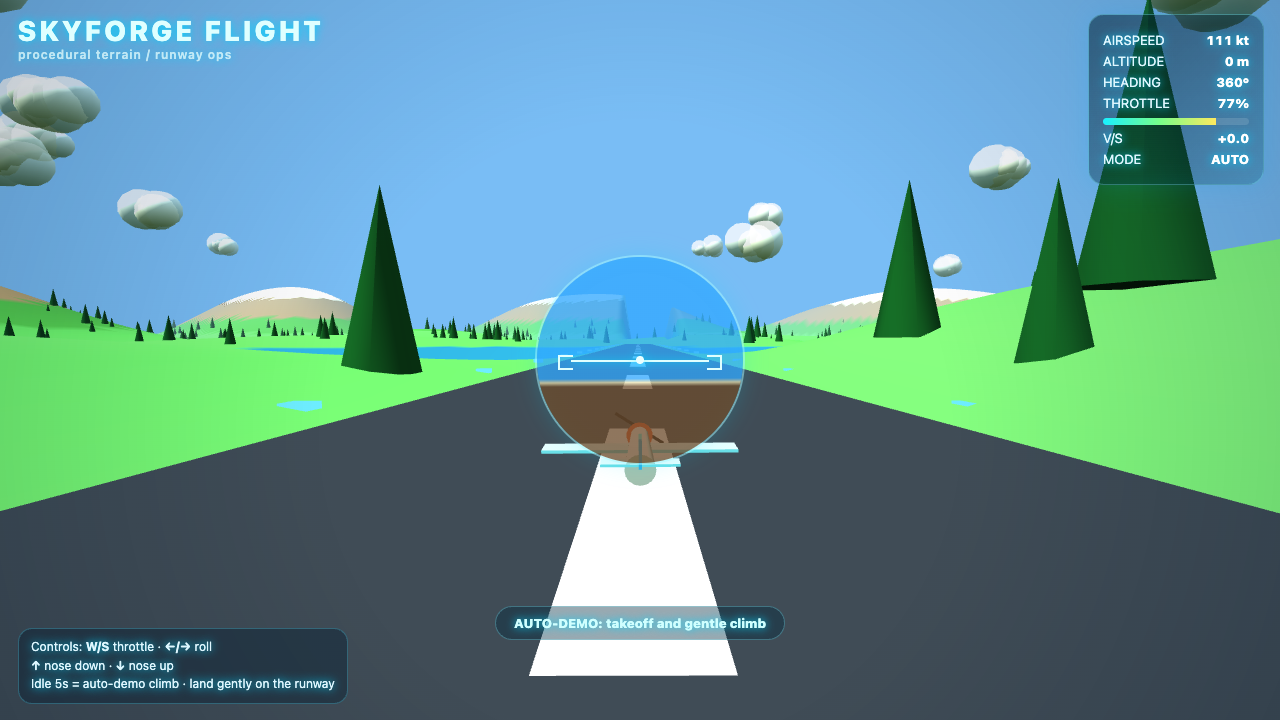

Game
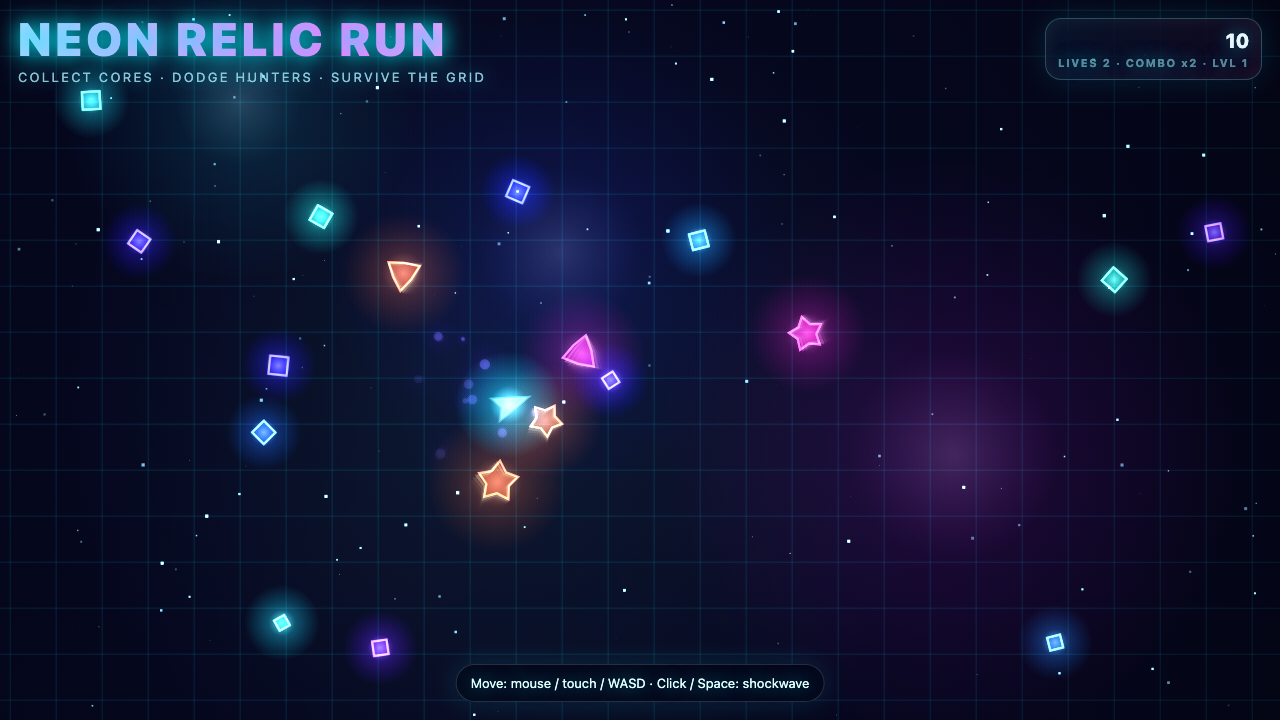
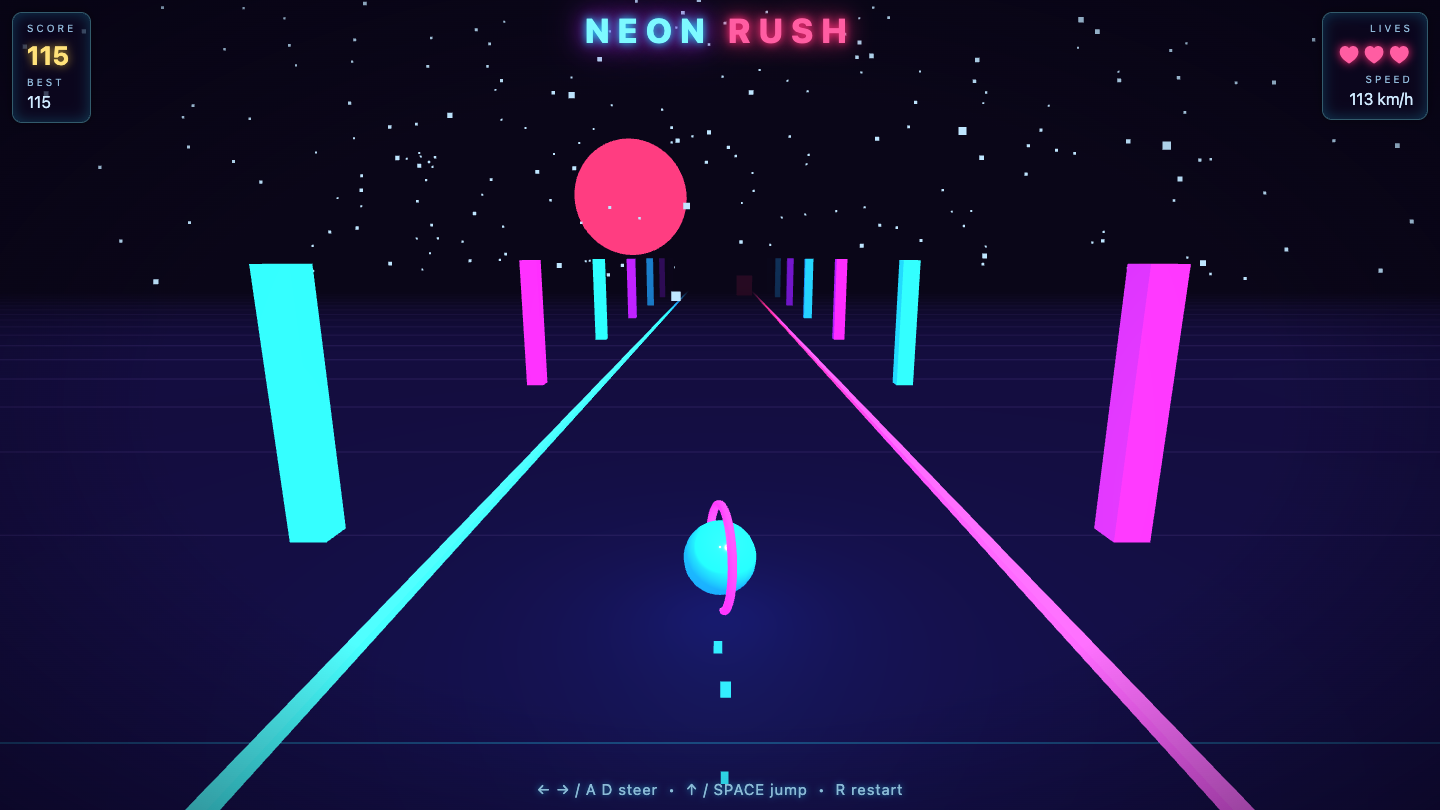
Game
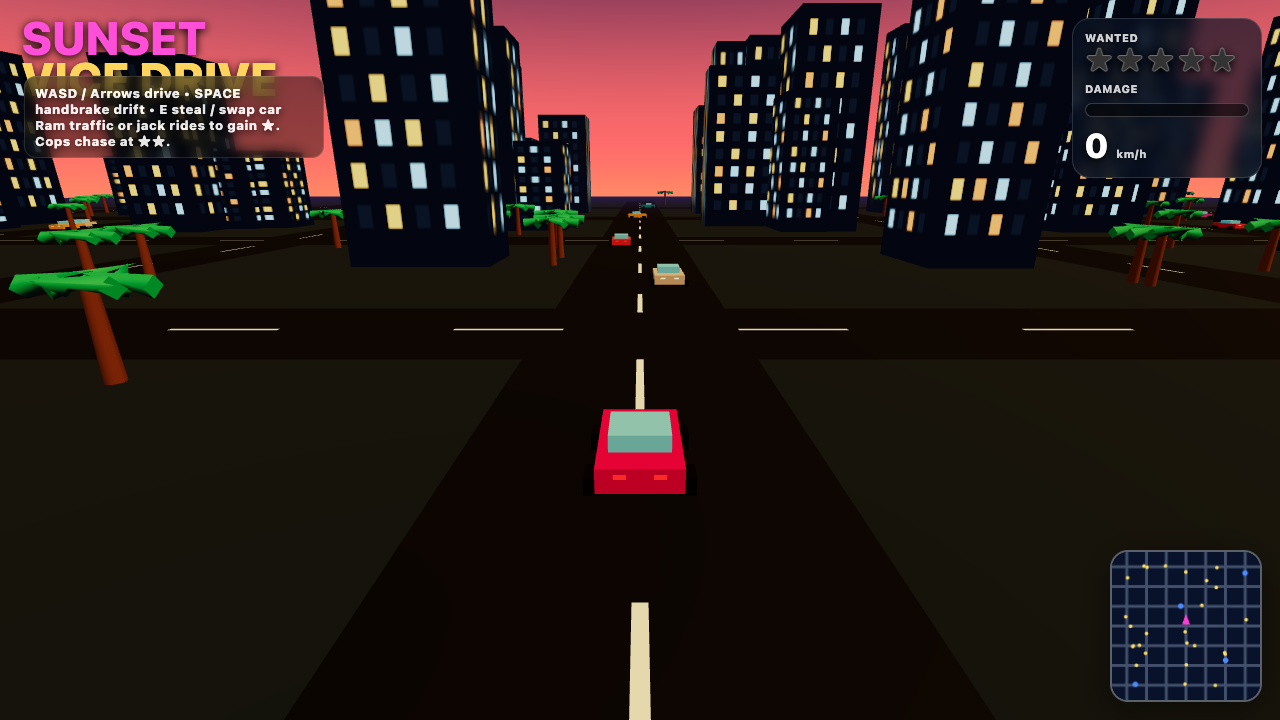

Game
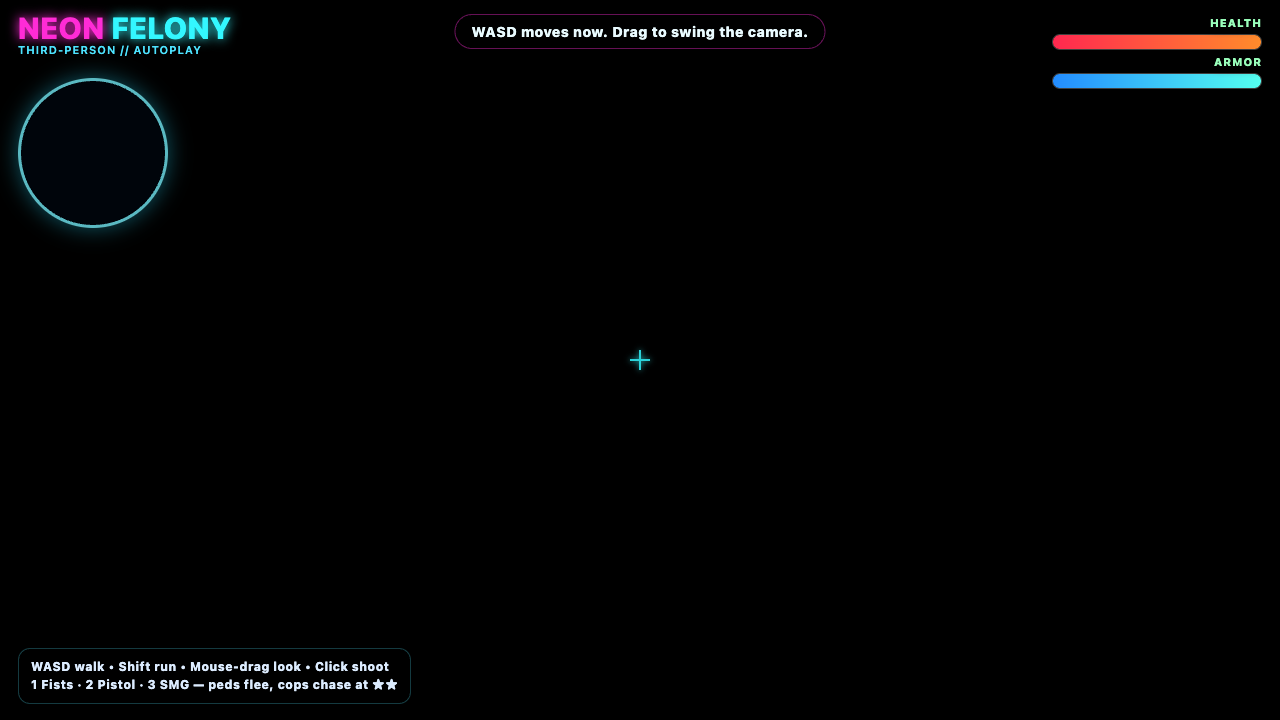

Game
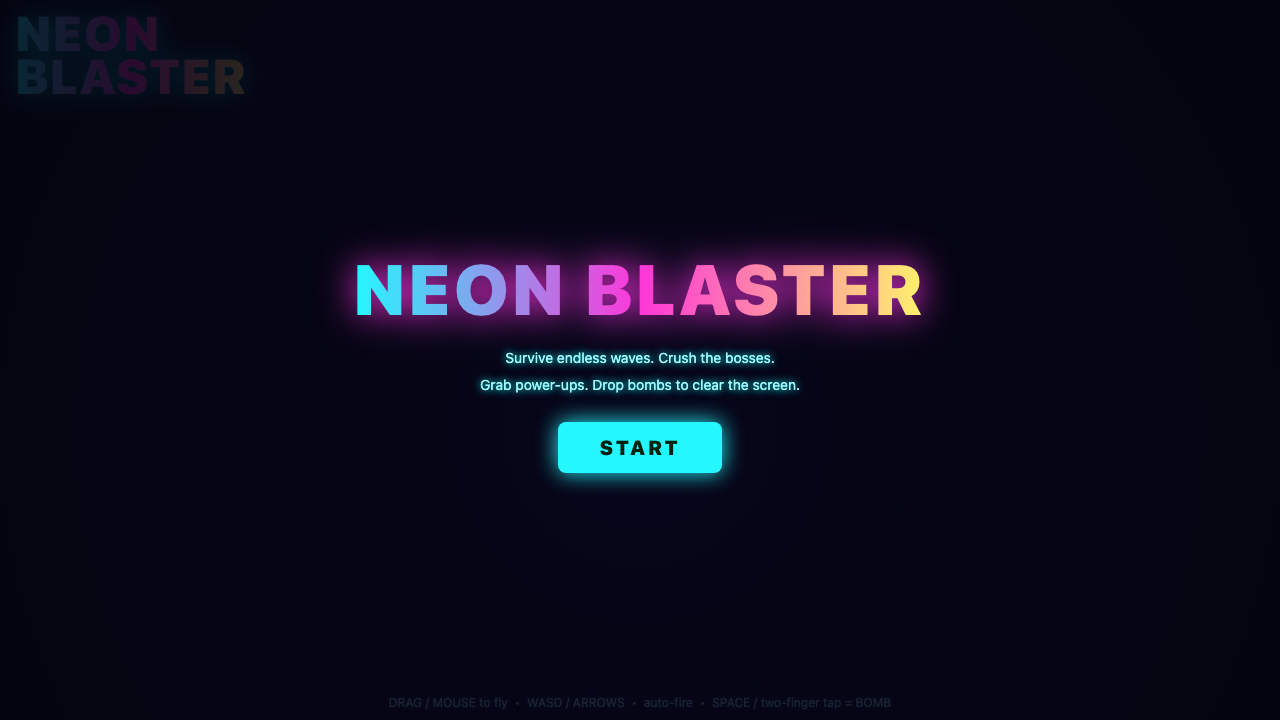

Game
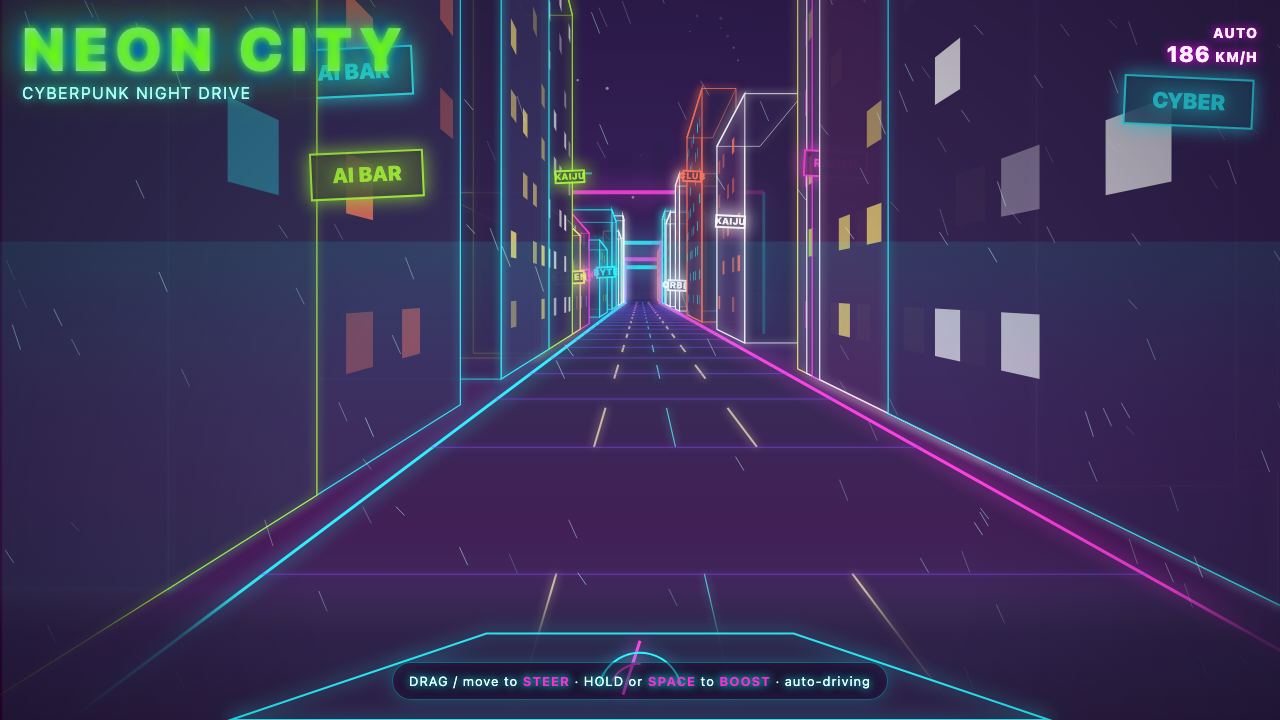
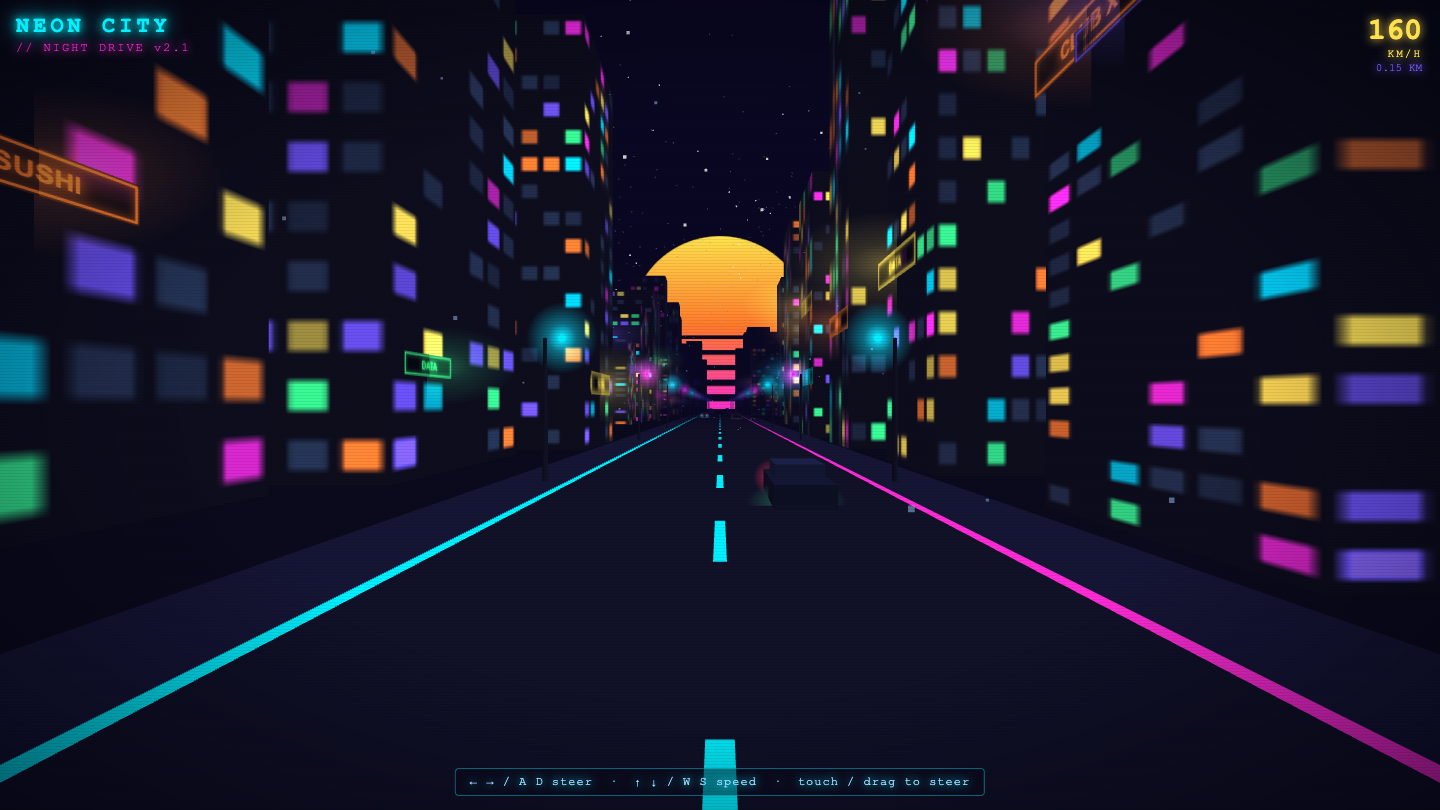
Game
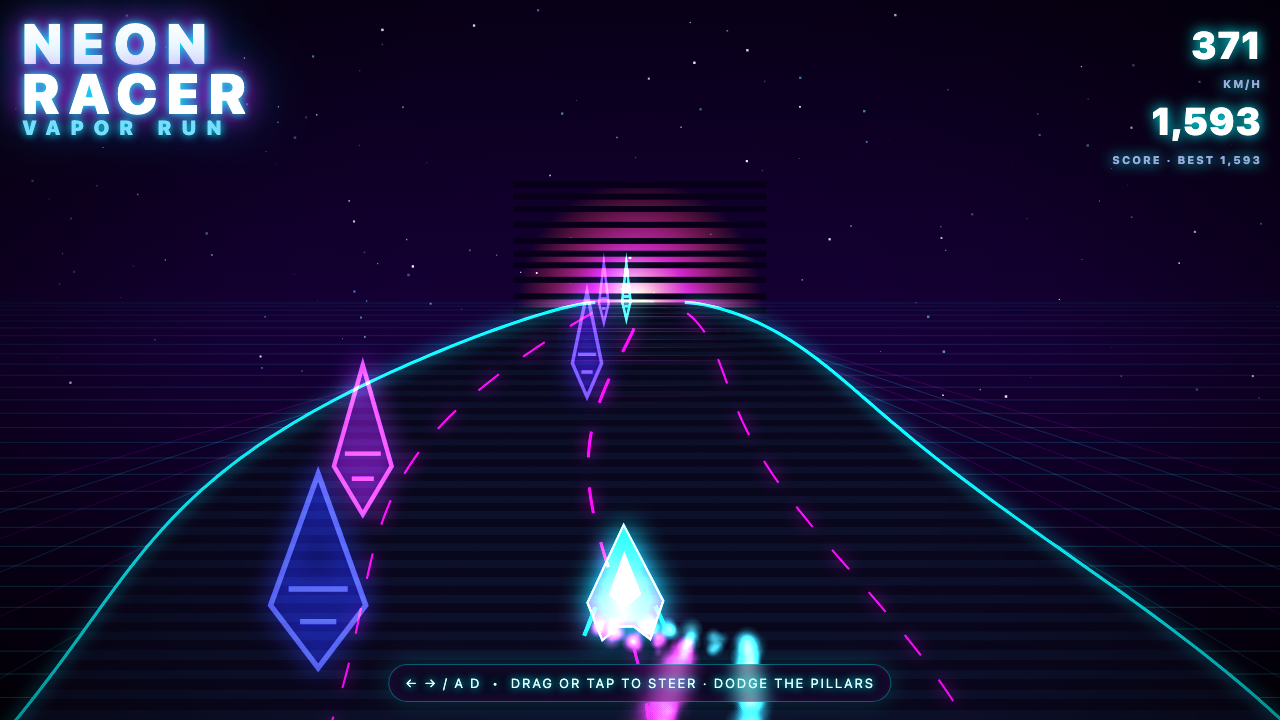
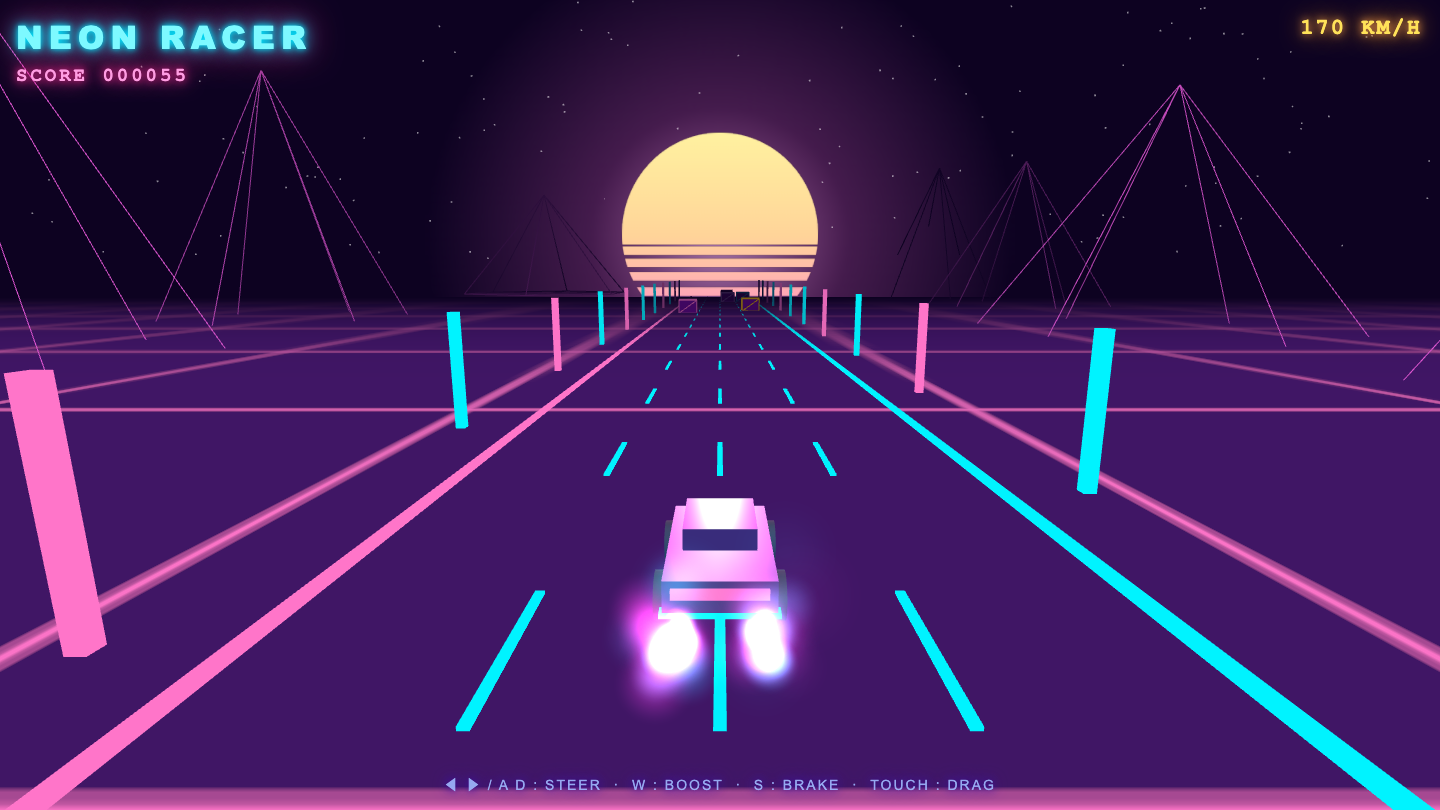
Game

Game
Game

Game
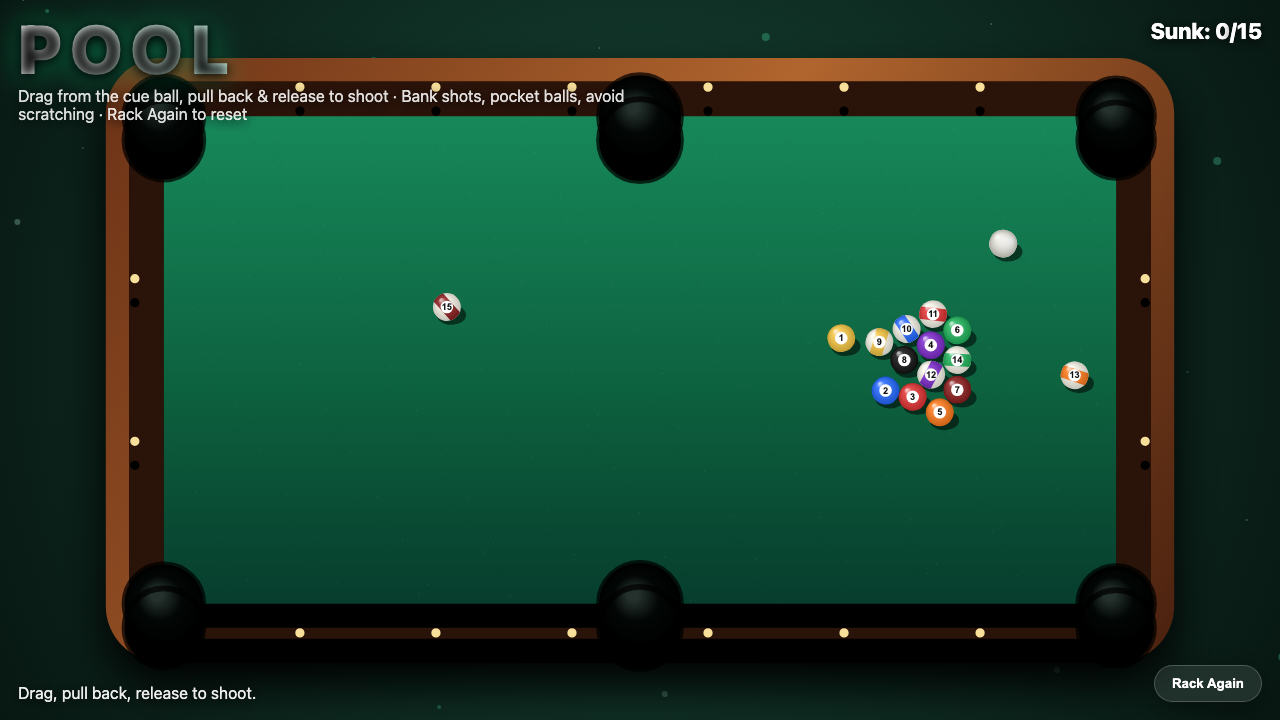

Game
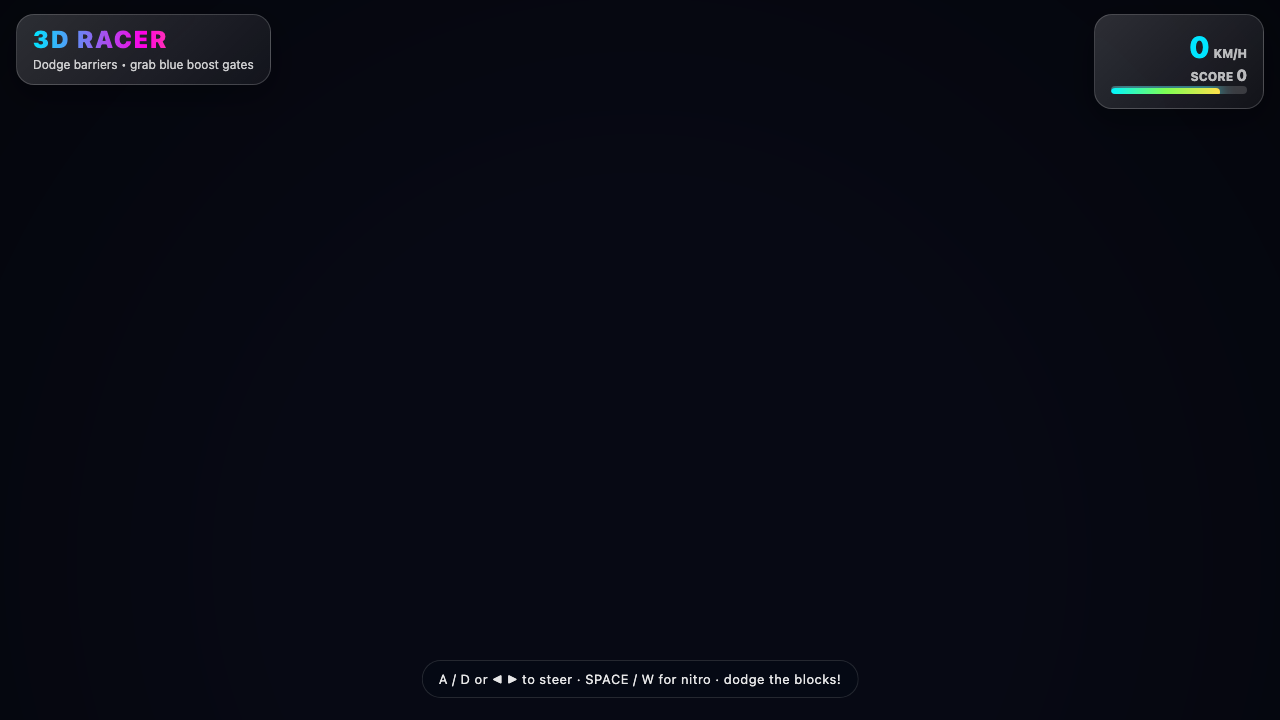

Game
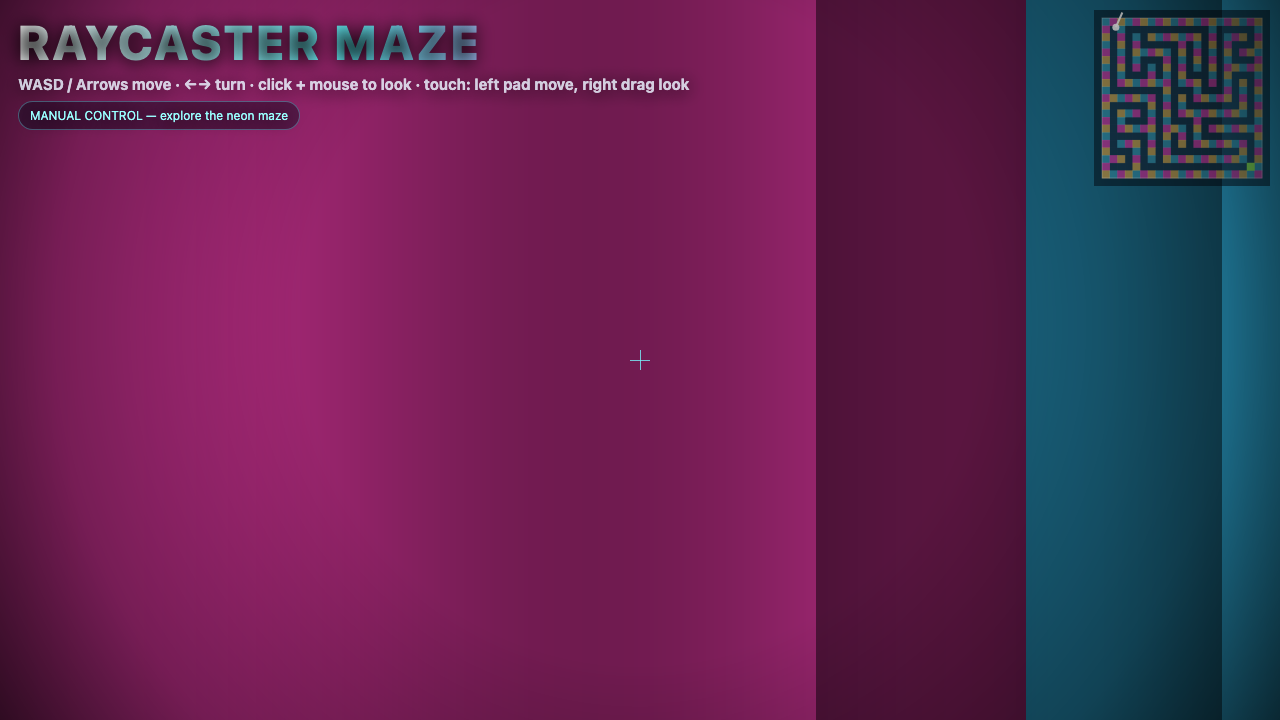

Game
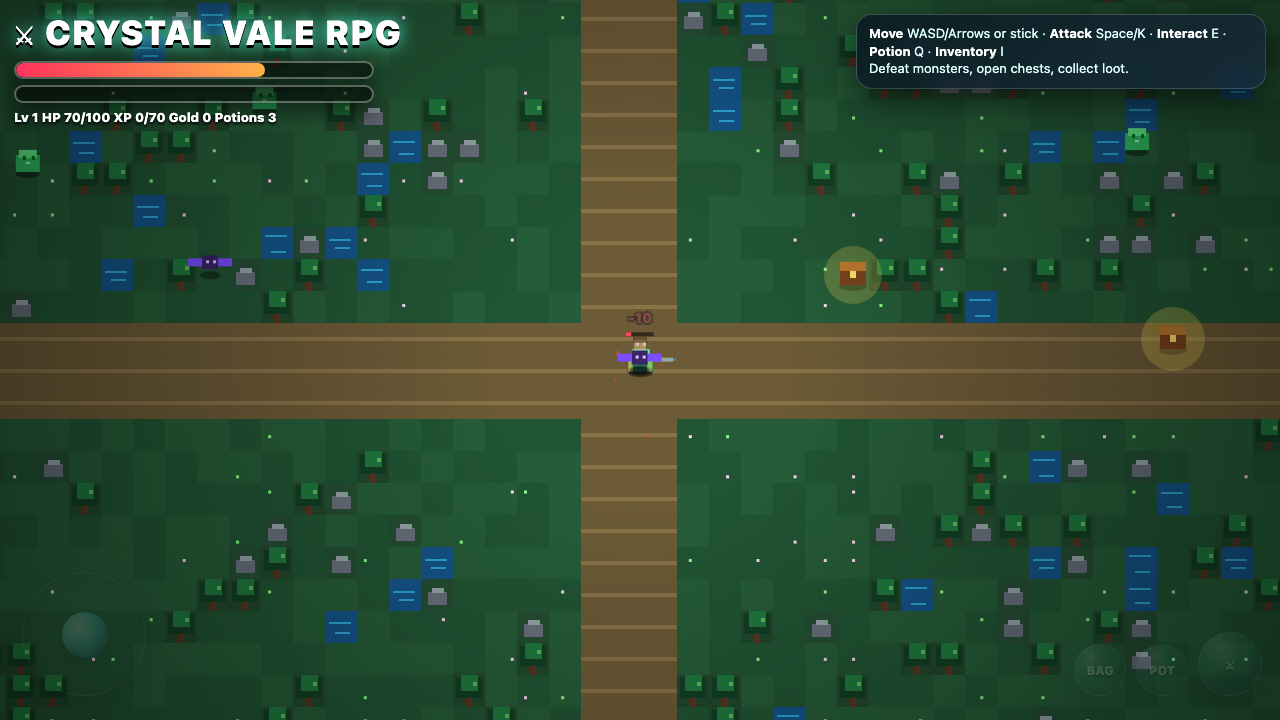
Game
Game

Game
Page
Where Hermes MoA beat Kimi K3
The tasks where I gave Hermes MoA a higher 0–10 score on the same prompt — with the actual commentary from my source guides.
Orbit
Sim
Hermes MoA 8.4
·
Kimi K3 3.0
(+5.4)
What I saw: A genuinely well-crafted live N-body gravity sandbox — spiral-arm seeding, momentum-zeroed COM, softening, sub-stepping, drag-to-launch and a center-of-mass camera all work, with polished glassmorphic UI and trails that read beautifully. It interprets 'orbit' as emergent chaos ra…
Galaxy
Sim
Hermes MoA 8.3
·
Kimi K3 3.0
(+5.3)
What I saw: Solid interactive 3D galaxy: 22k-star 5-arm spiral with per-particle swirl animation, glowing core, bg stars, drag/zoom/pinch and a clever mouse-disturbance field that the field's static-frame entries lack. Falls just short of Fusion/Opus 4.8 (8.5) since it relies on additive ble…
Dogfight
Game
Hermes MoA 8.6
·
Kimi K3 3.5
(+5.1)
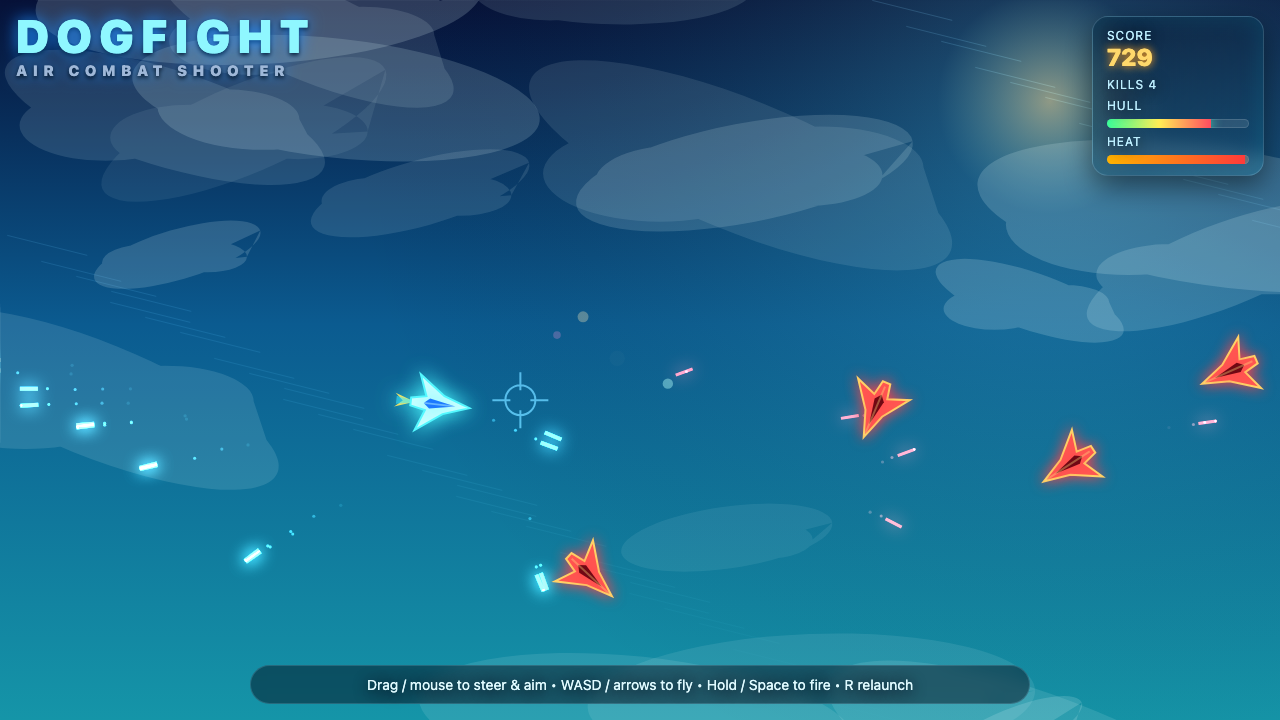
What I saw: Polished 2D-canvas dogfight with strong feel — adaptive aim-assist, heat/overheat gun mechanic, dual input (drag+WASD), shake, particles, and a clean HUD that play noticeably better than SOLO Opus (7.5); the catch is it's top-down 2D canvas, not 3D/WebGL like Fusion's 36KB three.…
Terrain
Visual
Hermes MoA 8.4
·
Kimi K3 4.5
(+3.9)
What I saw: This MoA build breaks from the Tron-grid pack with a naturalistic biome approach — seeded fbm noise, height-based color zones, instanced trees with slope-aware placement, animated water/clouds, and a polished HUD with both auto-pilot and full manual flight. It's clearly more comp…
Reactiondiff
Sim
Hermes MoA 8.6
·
Kimi K3 6.5
(+2.1)
What I saw: A polished, correct Gray-Scott implementation with ping-pong FBOs, drag-to-paint, 5 presets, feed/kill/speed/brush sliders, 4 palettes, and pause/reseed shortcuts — a noticeably richer feature set than SOLO Opus 4.8's bare 5KB version and edging past Fusion/MiniMax via the preset…
Where Kimi K3 beat Hermes MoA
The tasks where I gave Kimi K3 a higher 0–10 score on the same prompt — with the actual commentary from my source guides.
Gtafoot
Game
Kimi K3 8.2
·
Hermes MoA 4.5
(+3.7)
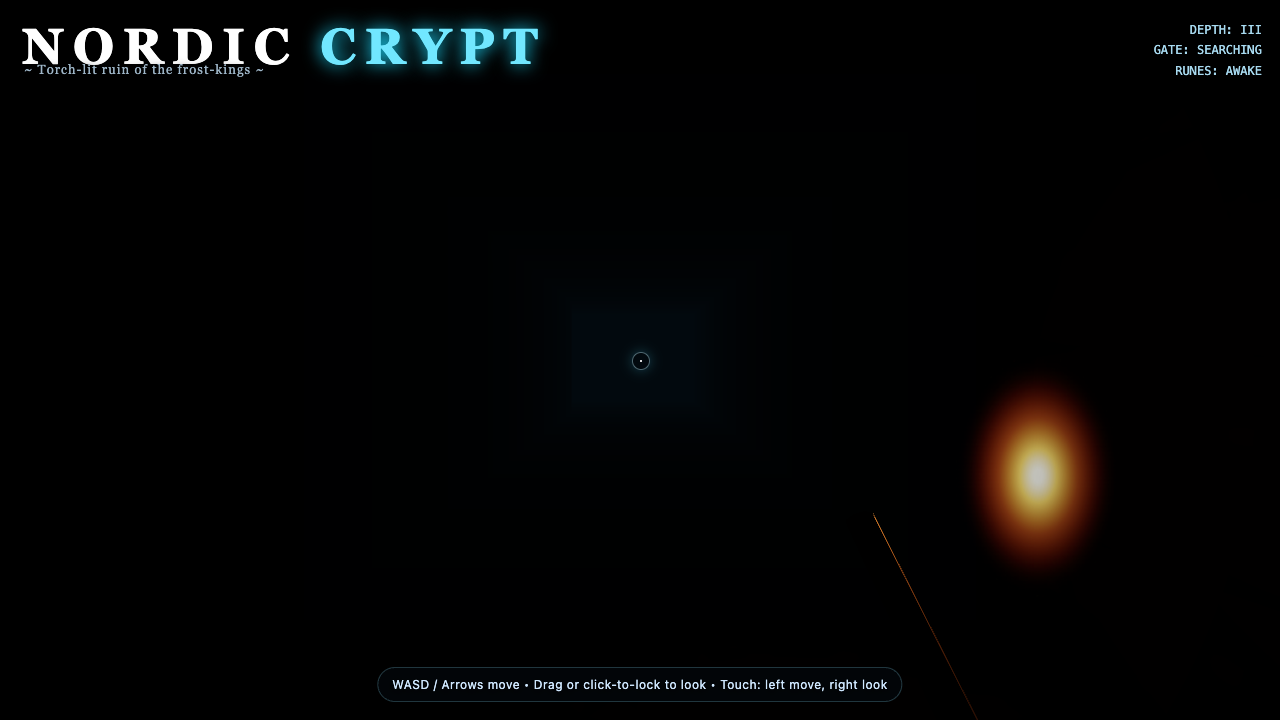
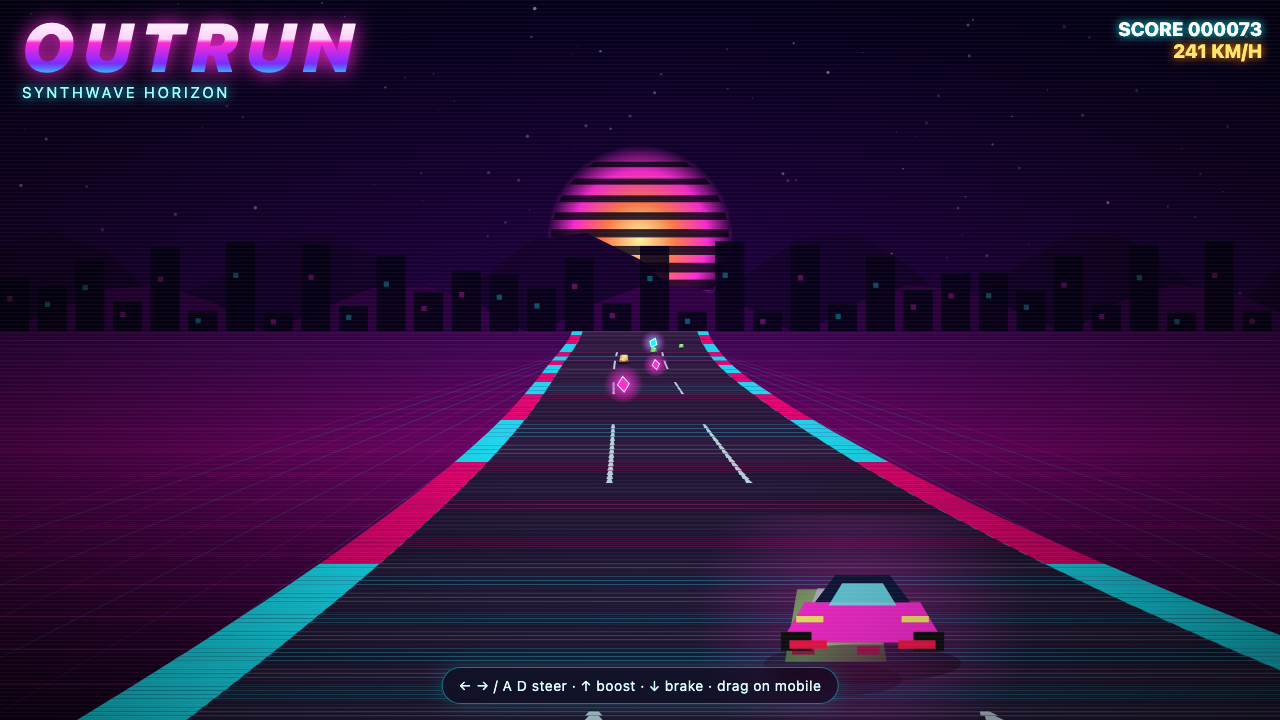
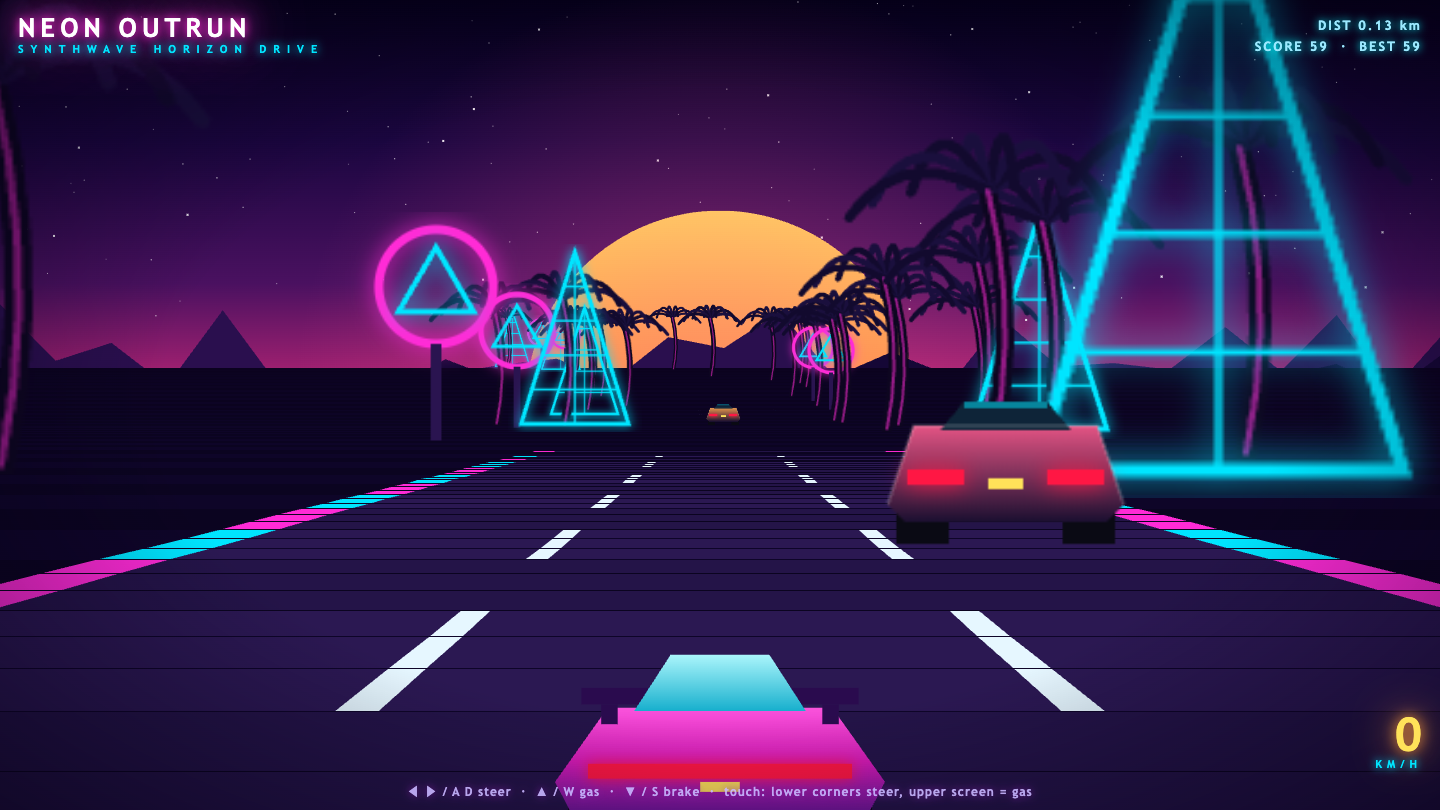
What I saw: Strong, atmospheric neon night city with a well-composed third-person character, clean HUD (wanted stars, health, ammo, minimap, money) and full weapon/cover/pedestrian systems in source; visually polished and clearly on-brief, but the emissive-window city and blocky avatar feel …
Flightsim
Game
Kimi K3 8.2
·
Hermes MoA 6.5
(+1.7)
What I saw: Strong, polished render with a clean 3D plane on a proper runway, full HUD (compass ribbon, artificial horizon, IAS/ALT gauges, throttle slider) and nice terrain/hangar/windsock props; minor blemish is the 'VS NaN' readout indicating an uninitialized vertical-speed calc, which ke…
Parachute
Game
Kimi K3 8.2
·
Hermes MoA 6.5
(+1.7)
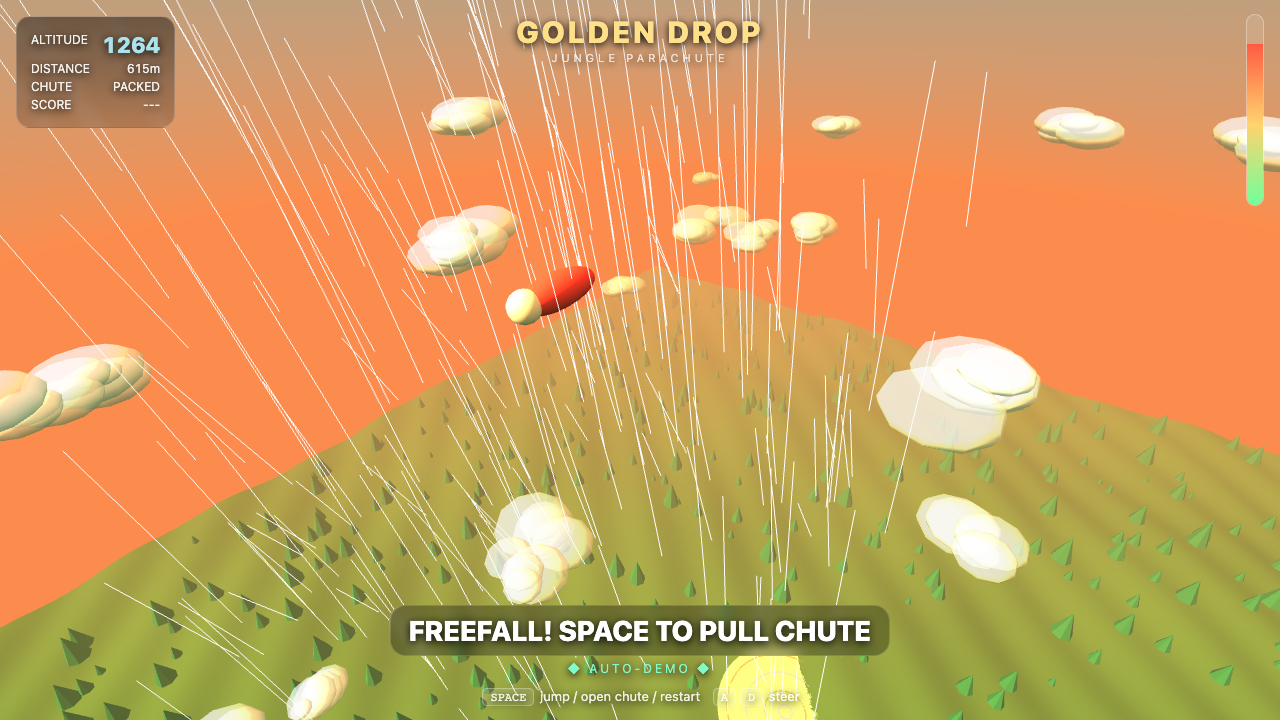
What I saw: Renders cleanly with a polished 3D scene—gradient sky, mountains, clouds, altitude bar, sink/wind stats, and a pulsing PULL button—clearly on-brief for freefall/steer/pull/land. Strong HUD and controls, but the jungle canopy reads as flat white/gray squares rather than dense gree…
Fluid
Sim
Kimi K3 9.0
·
Hermes MoA 7.8
(+1.2)
What I saw: Gorgeous, textbook-quality WebGL fluid sim with rich swirling dye, added particle sparkle, and polished UI (gradient title, hint pill, control buttons) — the vorticity/pressure-solve pipeline and half-float fallback handling are all correct and shippable; only minor knock is the …
Gtadrive
Game
Kimi K3 8.4
·
Hermes MoA 7.5
(+0.9)
· neon night city
What I saw: Strong atmospheric render — cohesive dusk/neon skyline, lit facade textures, on-foot character with steal prompt, circular minimap with compass, and clean HUD all deliver the GTA sandbox brief. Loses a touch for a slightly empty foreground and unverified cop-chase/wanted mechanic…
Strengths & weaknesses I logged
Hermes MoA
Strengths
- On GoldieBench, the MoA panel's galaxy edged solo Opus 4.8 — 8.6 vs 8.5 — with a denser 24k-particle spiral (the system beats the model)
- Two gold + one silver across its first three one-shot builds (galaxy, fireworks, arcade)
- Vendor-agnostic — swap any OpenRouter model into a panel or aggregator slot without touching the workflow
Trade-offs
- Latency is the panel's slowest draft plus the aggregator pass — ~110–140s per single-file build vs a solo model's one call
- Costs more per task than any single model (every panel slot + the aggregator are separate calls)
- Only 3 of 42 bench tasks run so far — a representative slice, not the full board
Kimi K3
Strengths
- Launch-day benchmarks put it around the Fable/Sol tier, with Terminal Bench (agentic terminal-driving) the standout
- 1M-token context verified on this bench's needle test: exact recall from 162k tokens of noise in 18s
- One-shot builds run long but land complete — its first bench game (13.4 min of thinking, 30,880 tokens) playtested with zero JS errors
- Included in the Kimi coding plan — frontier tier without a new bill
Trade-offs
- Slow on hard tasks — early testers report up to ~35 minutes at max reasoning; this bench saw 13+ minute single builds
- Launch-day rate limits on OpenRouter (429s) — the coding-plan endpoint was the reliable route
- Self-reports as K2.7 if you ask it — verify the served model via the API response, not the model's word
Pricing & context — the spec sheet
| Spec | Hermes MoA | Kimi K3 |
|---|---|---|
| Vendor | Hermes · Mixture of Agents | Moonshot AI |
| Context window | Varies — the sum of the panel models' contexts (Opus 4.8 + GPT-5.5) | 1,048,576 tokens — a full codebase in working memory |
| Price | Panel + aggregator calls (via OpenRouter) | $3 / M in |
| Pricing detail | Hermes Mixture of Agents dispatches one prompt to a configurable panel of frontier models in parallel, then a named aggregator reads every draft and writes one better final answer. Default panel: Claude Opus 4.8 + GPT-5.5, aggregated by Opus 4.8 — all via the OpenRouter key. Unlike a black-box ensemble, every slot is yours to swap from the Mixture tab in the Agent OS. | Launched July 16, 2026. 2.8T-param MoE (Moonshot's quickstart corrected the circulating 2.5T estimate). $3/M input on OpenRouter at launch; included at no extra cost in the Kimi coding plan (`k3` on the coding endpoint). |
| Release | 2026-06-28 | 2026-07-16 |
| Bench coverage | 47/47 scored · avg 8.17/10 | 50/50 scored · avg 7.89/10 |
The verdict — which should you pick?
Across 47 scored shared tasks, Hermes MoA averaged 8.17/10, beating Kimi K3's 7.86/10 by 0.31 points. Pick Hermes MoA when the build has to ship on the first prompt and you can afford the trade-offs in the comparison below.
If you only run one of these inside your stack, the head-to-head average above is the call. If you can run both, my honest play is to wire Hermes MoA and Kimi K3 both into the Agent Operating System and dispatch each from the kanban by task type — high-stakes single prompts where ensemble quality beats single-model speed → Hermes MoA, long-horizon agent runs → Kimi K3. That's the same setup I run for the 3,400+ founders inside the AI Profit Boardroom.
FAQ — Hermes MoA vs Kimi K3
Which is better, Hermes MoA or Kimi K3?
On Goldie Bench, Hermes MoA averages 8.17/10 across the shared tasks, with 3 gold, 10 silver, 2 bronze overall. Kimi K3 averages 7.86/10, with 8 gold, 3 silver, 7 bronze. Kimi K3 wins the head-to-head 23–21.
How much does Hermes MoA cost vs Kimi K3?
Hermes MoA: Hermes Mixture of Agents dispatches one prompt to a configurable panel of frontier models in parallel, then a named aggregator reads every draft and writes one better final answer. Default panel: Claude Opus 4.8 + GPT-5.5, aggregated by Opus 4.8 — all via the OpenRouter key. Unlike a black-box ensemble, every slot is yours to swap from the Mixture tab in the Agent OS. Kimi K3: Launched July 16, 2026. 2.8T-param MoE (Moonshot's quickstart corrected the circulating 2.5T estimate). $3/M input on OpenRouter at launch; included at no extra cost in the Kimi coding plan (`k3` on the coding endpoint).
What's the context window for Hermes MoA vs Kimi K3?
Hermes MoA has a Varies — the sum of the panel models' contexts (Opus 4.8 + GPT-5.5) context window. Kimi K3 has a 1,048,576 tokens — a full codebase in working memory context window.
When should I pick Hermes MoA over Kimi K3?
Pick Hermes MoA for: High-stakes single prompts where ensemble quality beats single-model speed; Squeezing frontier-plus output from models you already have while Fable 5 / GPT-5.6 are still in preview; Production agents that want a configurable panel + vendor-redundancy on every call. The trade-off is the weaknesses we logged on the bench: Latency is the panel's slowest draft plus the aggregator pass — ~110–140s per single-file build vs a solo model's one call; Costs more per task than any single model (every panel slot + the aggregator are separate calls); Only 3 of 42 bench tasks run so far — a representative slice, not the full board.
When should I pick Kimi K3 over Hermes MoA?
Pick Kimi K3 for: long-horizon agent runs; whole-repo context work; terminal-driving agents. The trade-off is the weaknesses we logged on the bench: Slow on hard tasks — early testers report up to ~35 minutes at max reasoning; this bench saw 13+ minute single builds; Launch-day rate limits on OpenRouter (429s) — the coding-plan endpoint was the reliable route; Self-reports as K2.7 if you ask it — verify the served model via the API response, not the model's word.
How does Goldie Bench score Hermes MoA vs Kimi K3?
Every demo on this page was built by Julian Goldie inside the Agent Operating System — same fixed prompt for both models, one shot, single HTML file out. Each result gets a 0–10 score on whether it ran, how close it hit the brief, and how good it looked. The highest score on each task gets gold; second gets silver; third gets bronze. See methodology for full provenance.
Related comparisons
Other head-to-heads using the same scoring system:
Hermes MoA vs Fusion Kimi K3 vs Fusion Hermes MoA vs Claude Opus 5 Kimi K3 vs Claude Opus 5 Hermes MoA vs GPT-5.6 Sol Kimi K3 vs GPT-5.6 Sol Hermes MoA vs Claude Fable 5 Kimi K3 vs Claude Fable 5Full model pages: Hermes MoA · Kimi K3 · back to the leaderboard
The same stack Julian uses
Run this stack yourself.
Every demo on this bench was built inside the Agent Operating System — one prompt, one shot, single HTML file out. The Agent OS, the prompts, the templates, the weekly walkthroughs and 3,400+ founders shipping with it every day all live inside the AI Profit Boardroom.
3,400+founders
258documented wins
38countries
$69/momonthly