Real head-to-head · same prompt, one shot
GPT-5.6 Sol vs Claude Sonnet 5
OpenAI's flagship — the Sun of the 5.6 lineup. vs The agentic SWE frontier — 82% SWE-bench Verified, Dev Team mode.
Head-to-head verdict: GPT-5.6 Sol wins 39–5 with 3 ties.
What I tested — same prompt, two models
I run the same fixed prompt set through every new model the day it drops — same string, one shot, single HTML file out — and I score the result 0–10 on whether it ran, how close it hit the brief, and how good it looked. Below is what came out when I gave the exact same prompts to GPT-5.6 Sol and Claude Sonnet 5, side by side, on 47 shared tasks inside the Agent Operating System.
Both models were given identical prompts inside the Agent Operating System — no help, no iteration, no "best of N" tricks. I run each prompt once, save the HTML file the model produces, and score it 0–10 on whether it ran, how close it hit the brief, and how good it looked. The scoring is mine. The verdicts below are pulled from my source comparison guides at agentos.guide where I publish every score and the reasoning behind it.
GPT-5.6 Sol · Benched on GoldieBench as the flagship Sol at medium reasoning, one-shot, then headless-playtested. In the Agent OS it's the top tier of a routed stack — Sol on the hard calls, Terra for the bulk, Luna for the everyday 90%.
Claude Sonnet 5 · Reach for it in Agent OS when the job is iterative, tool-using software engineering. For one-shot visual builds, GLM 5.2 (free) beat it 4-1 here.
Side-by-side on 50 shared tasks
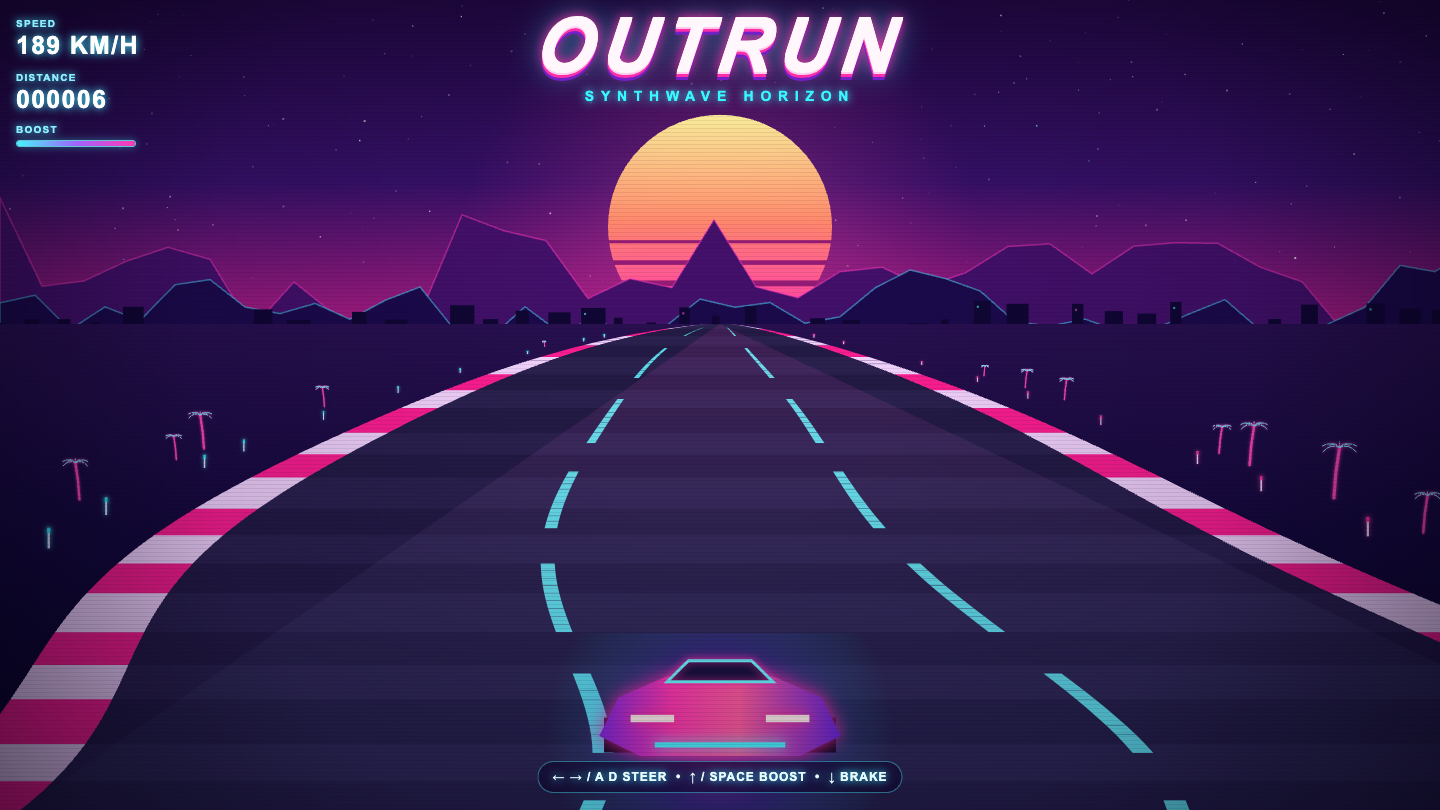
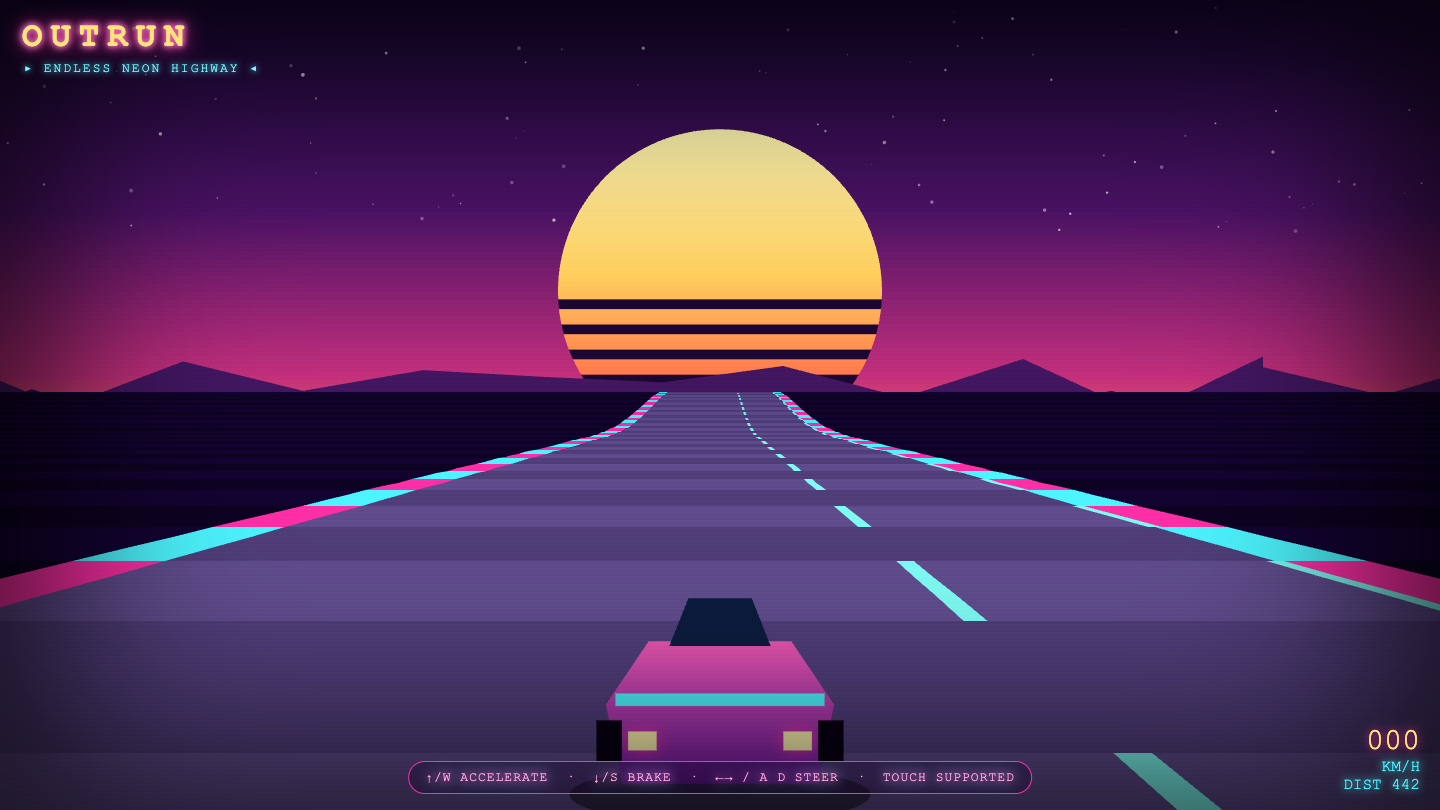
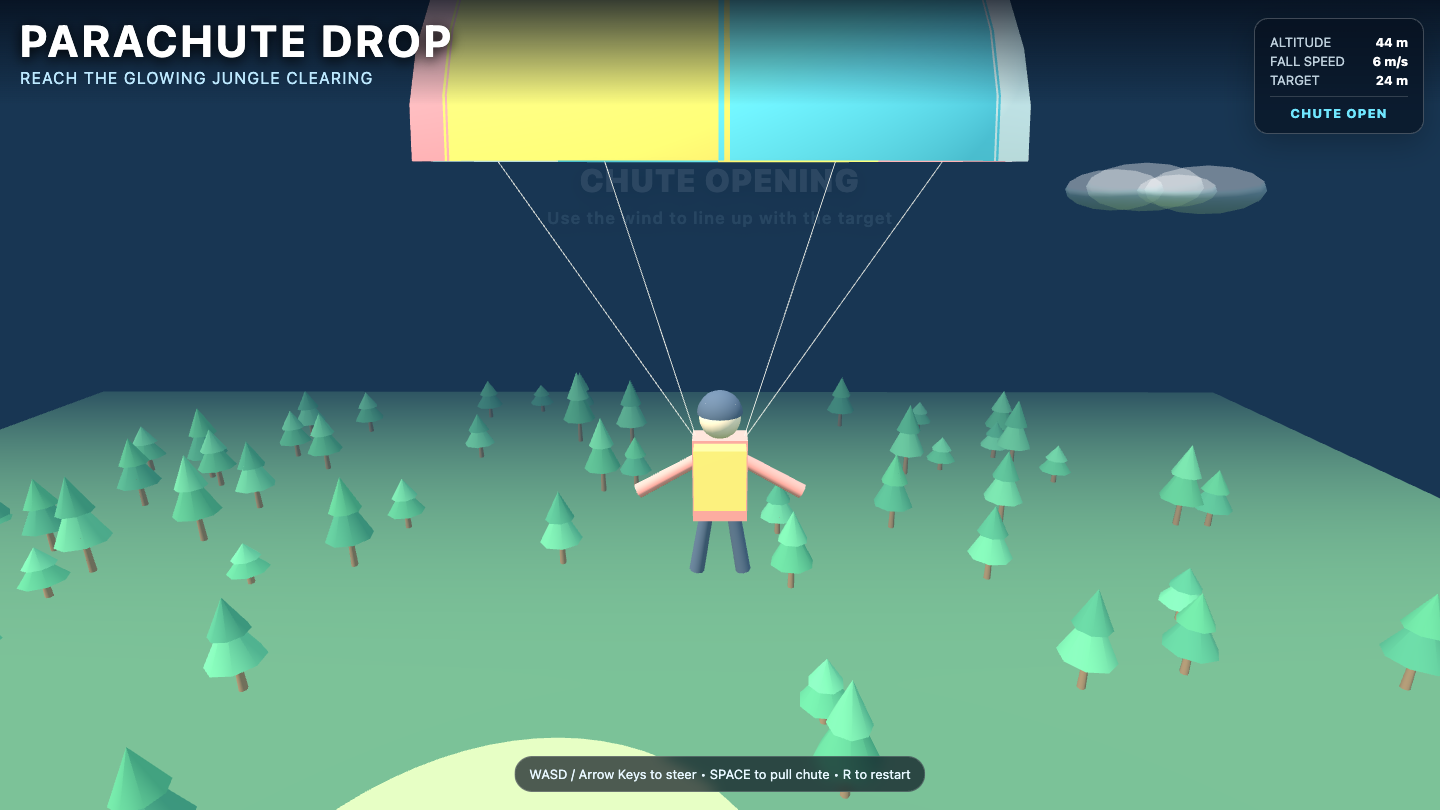
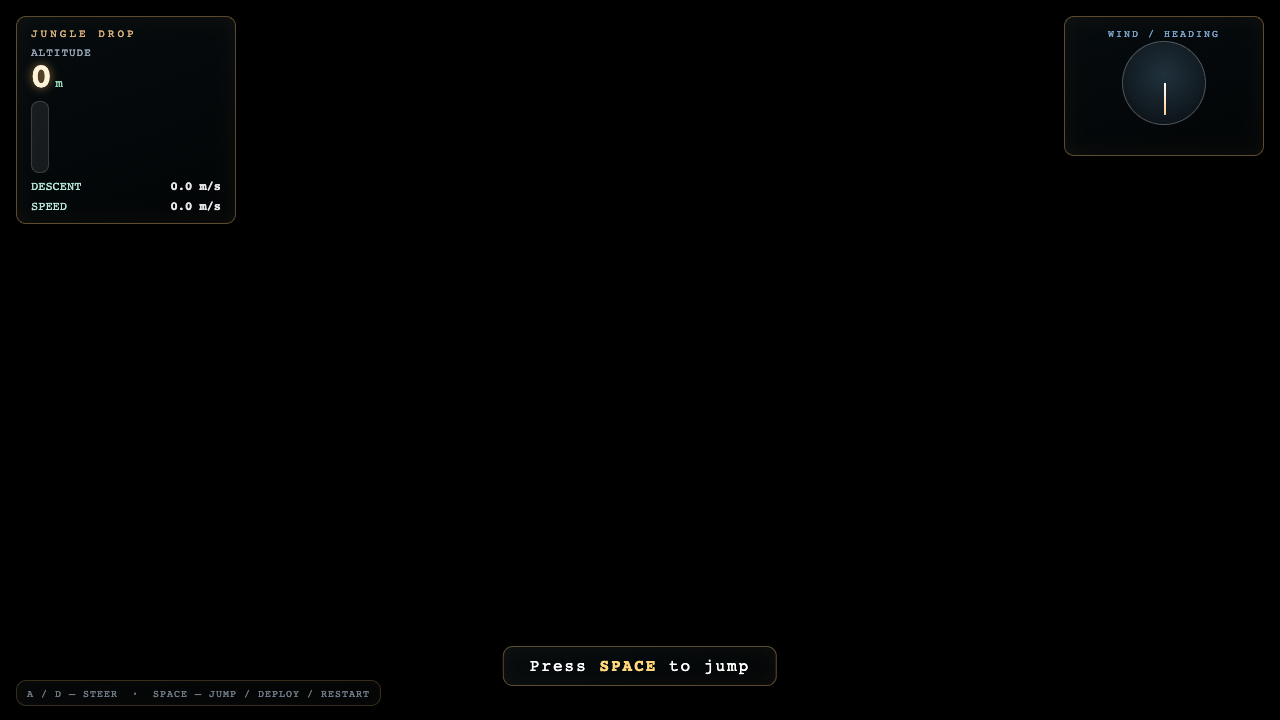
Click any cell to play that model's actual one-shot attempt. Medals are derived from my 0–10 scores per task (highest = 🥇, second = 🥈, third = 🥉).
Task ↓
GPT-5.6 Sol
Claude Sonnet 5
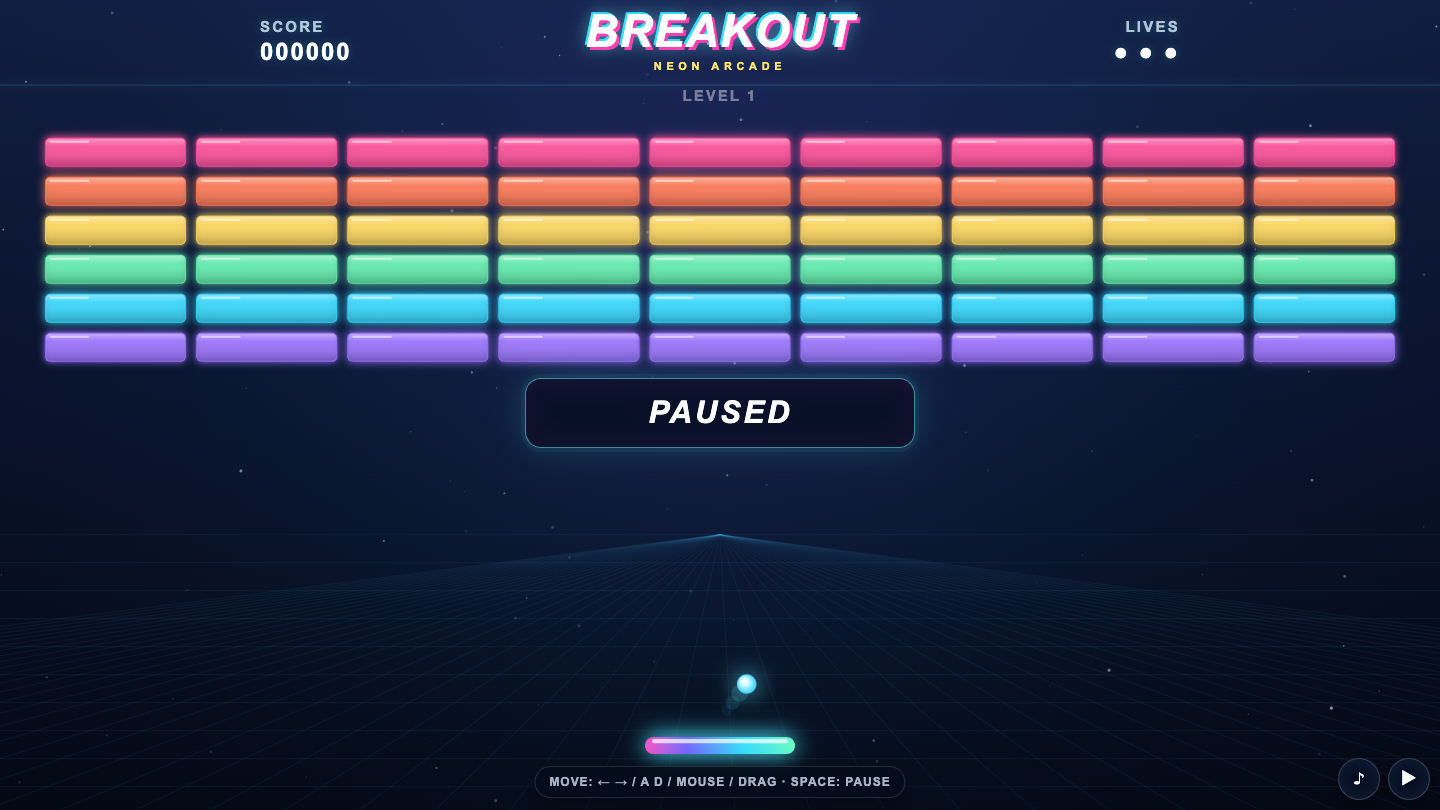
Game
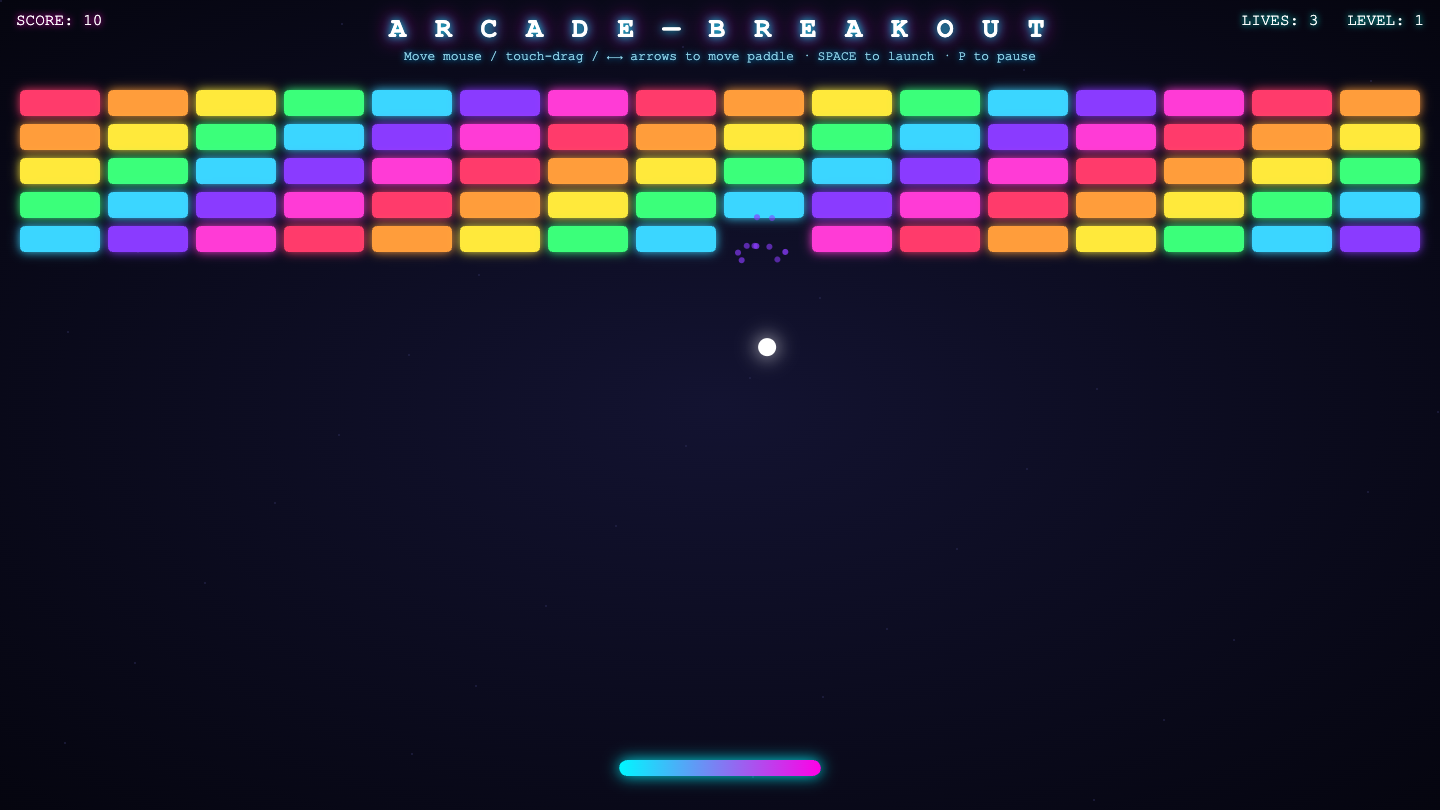
Game
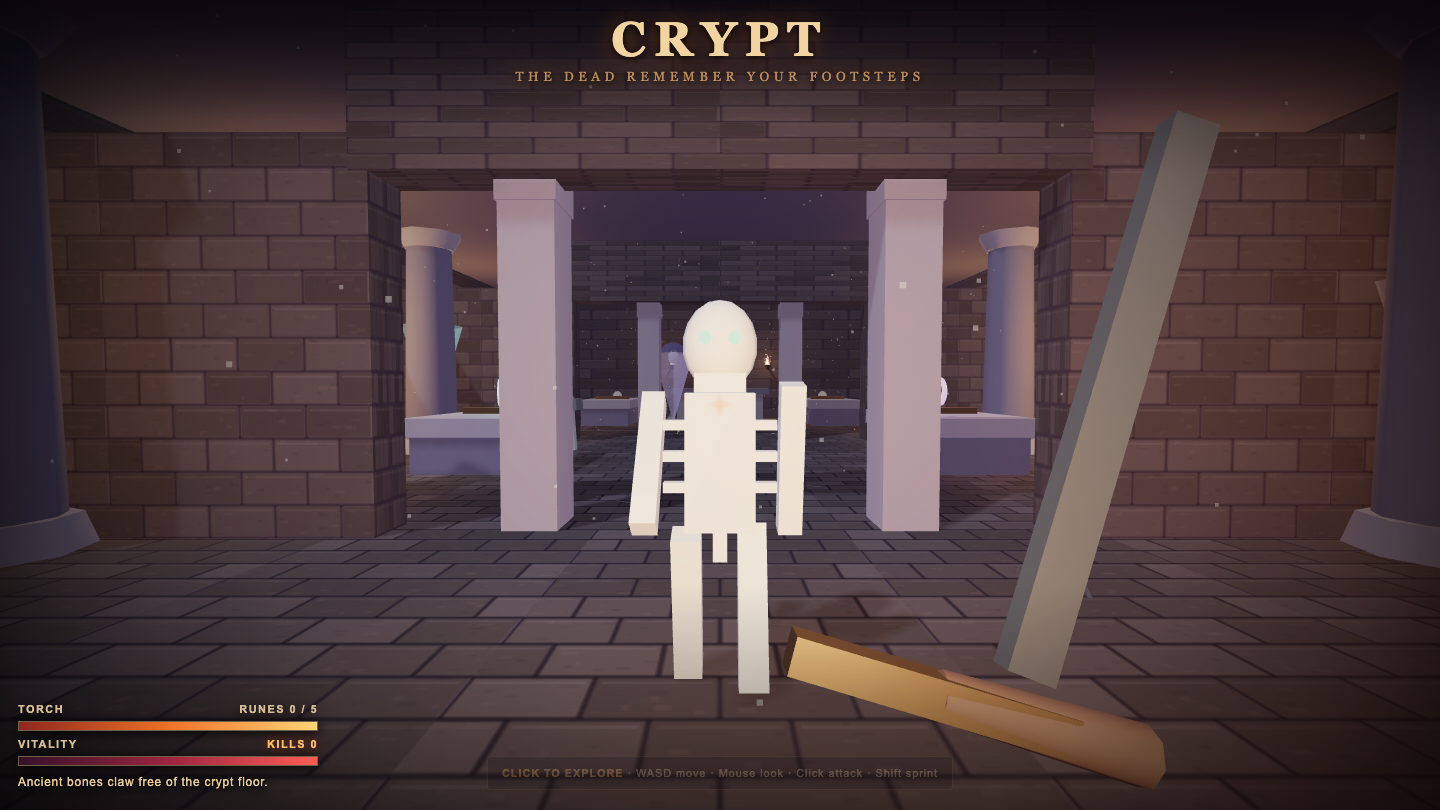
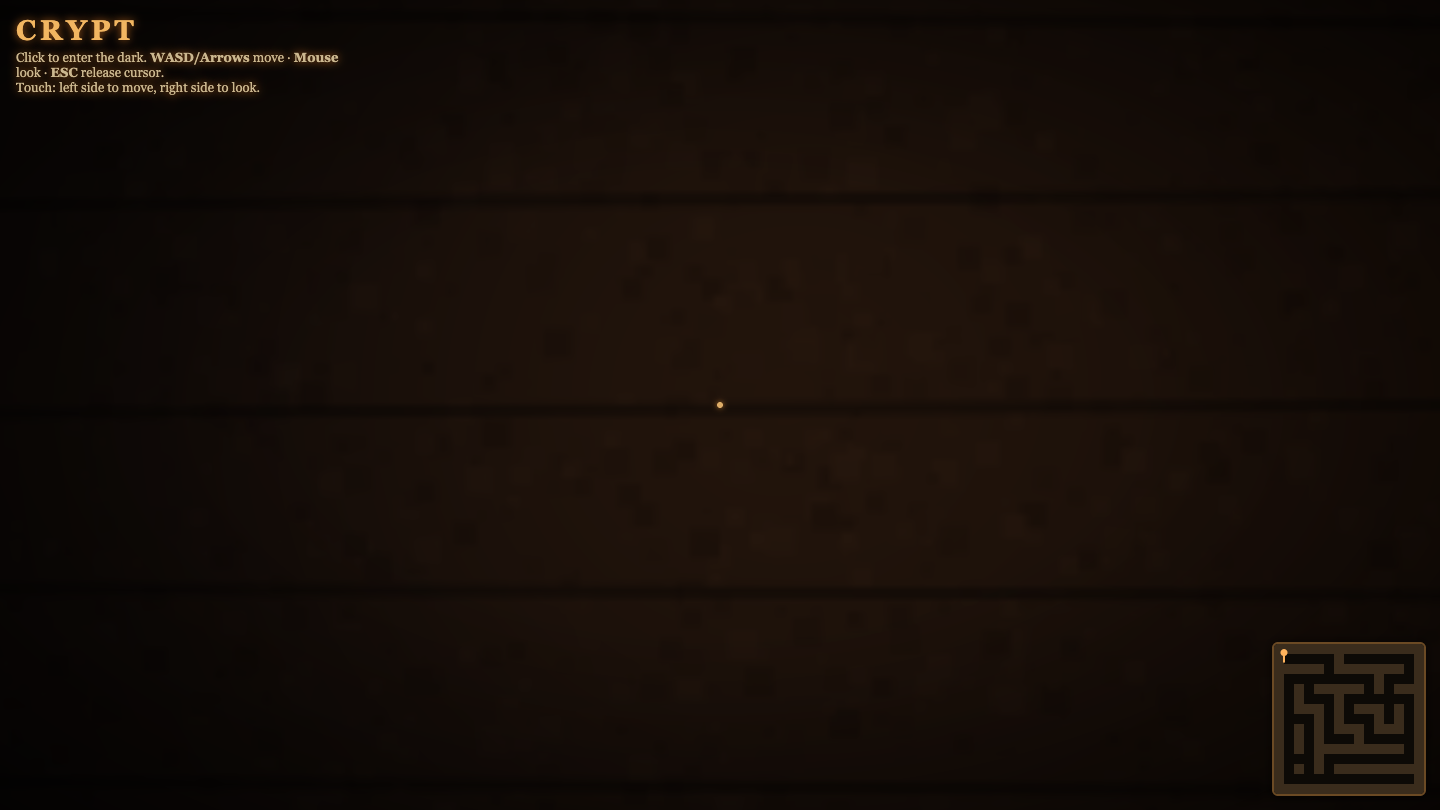
Game
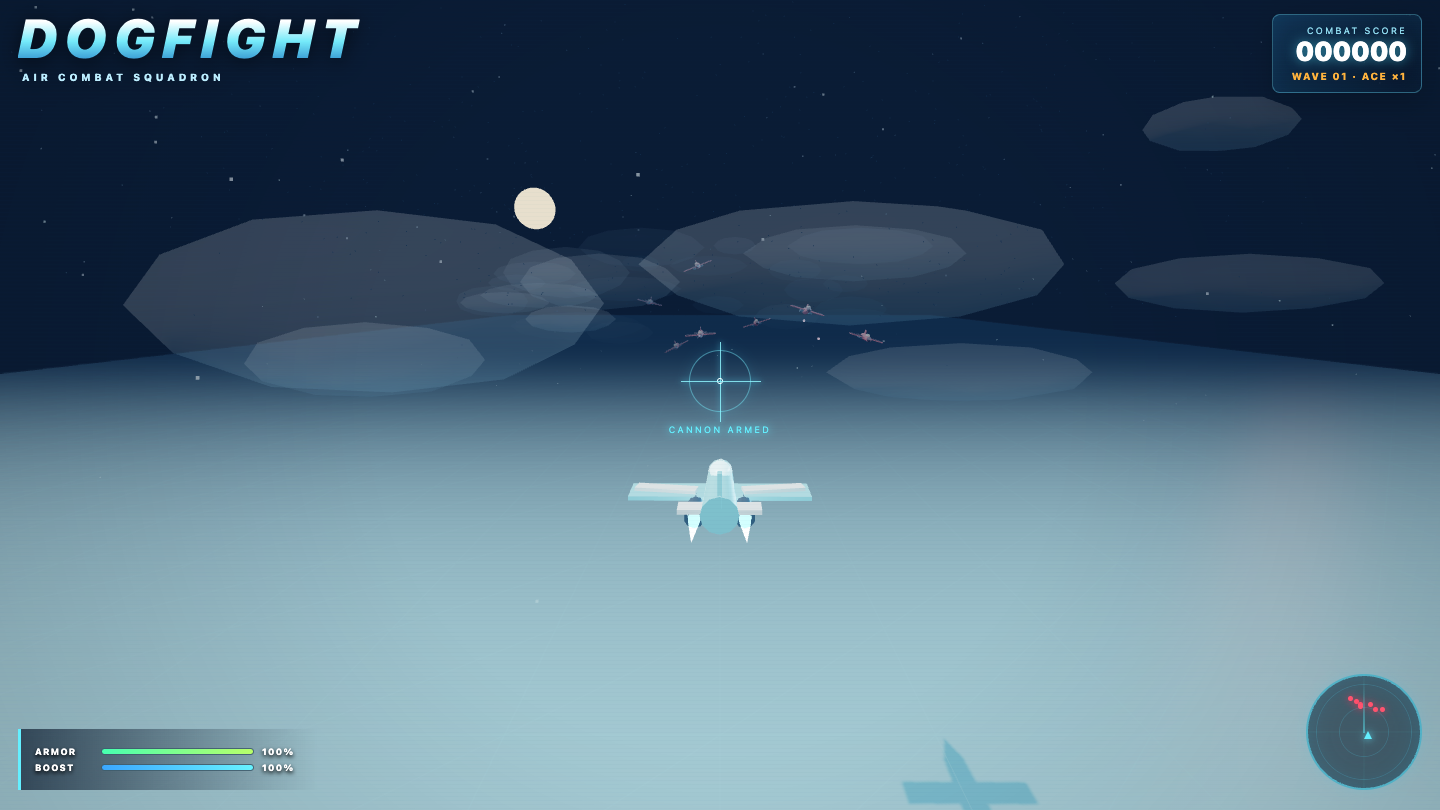
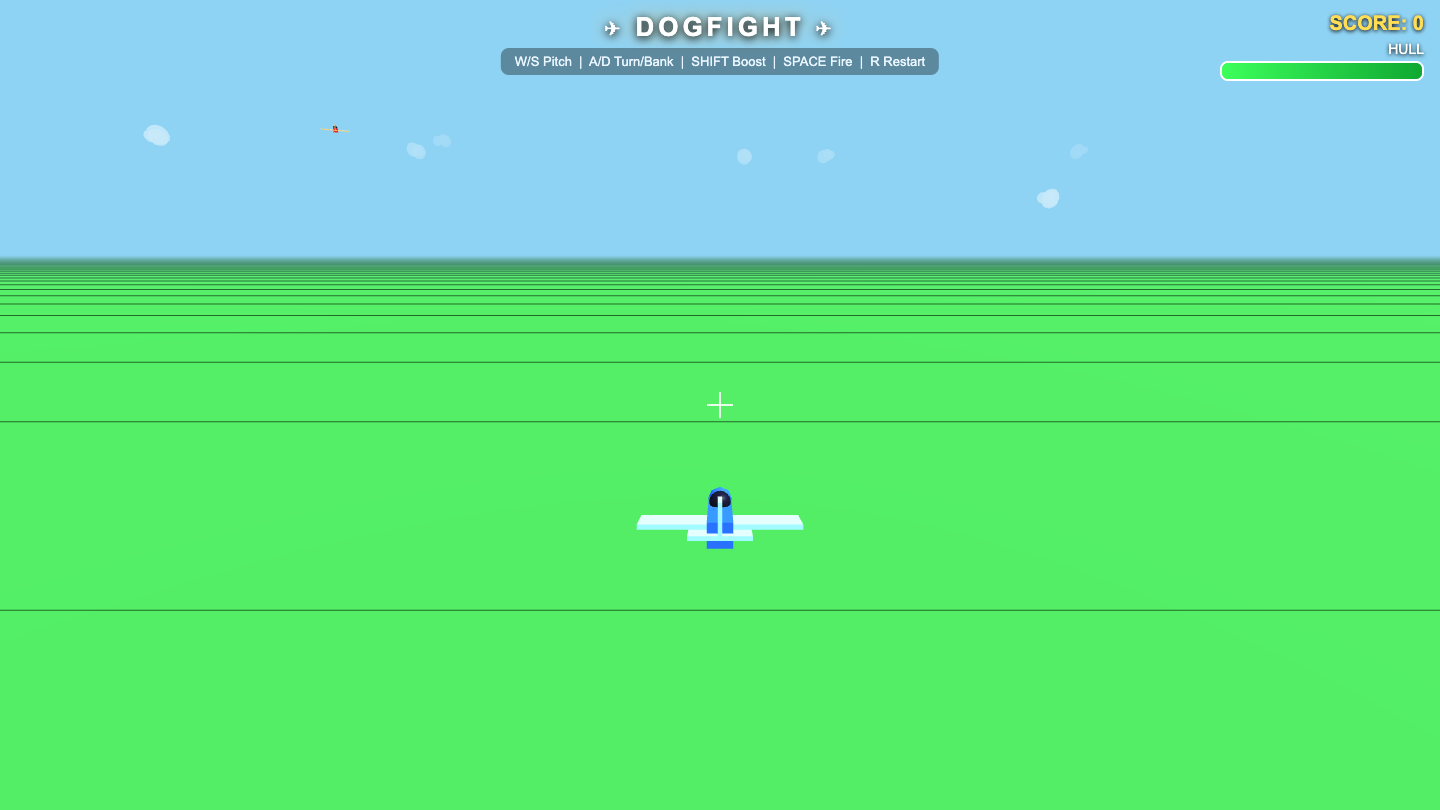
Game
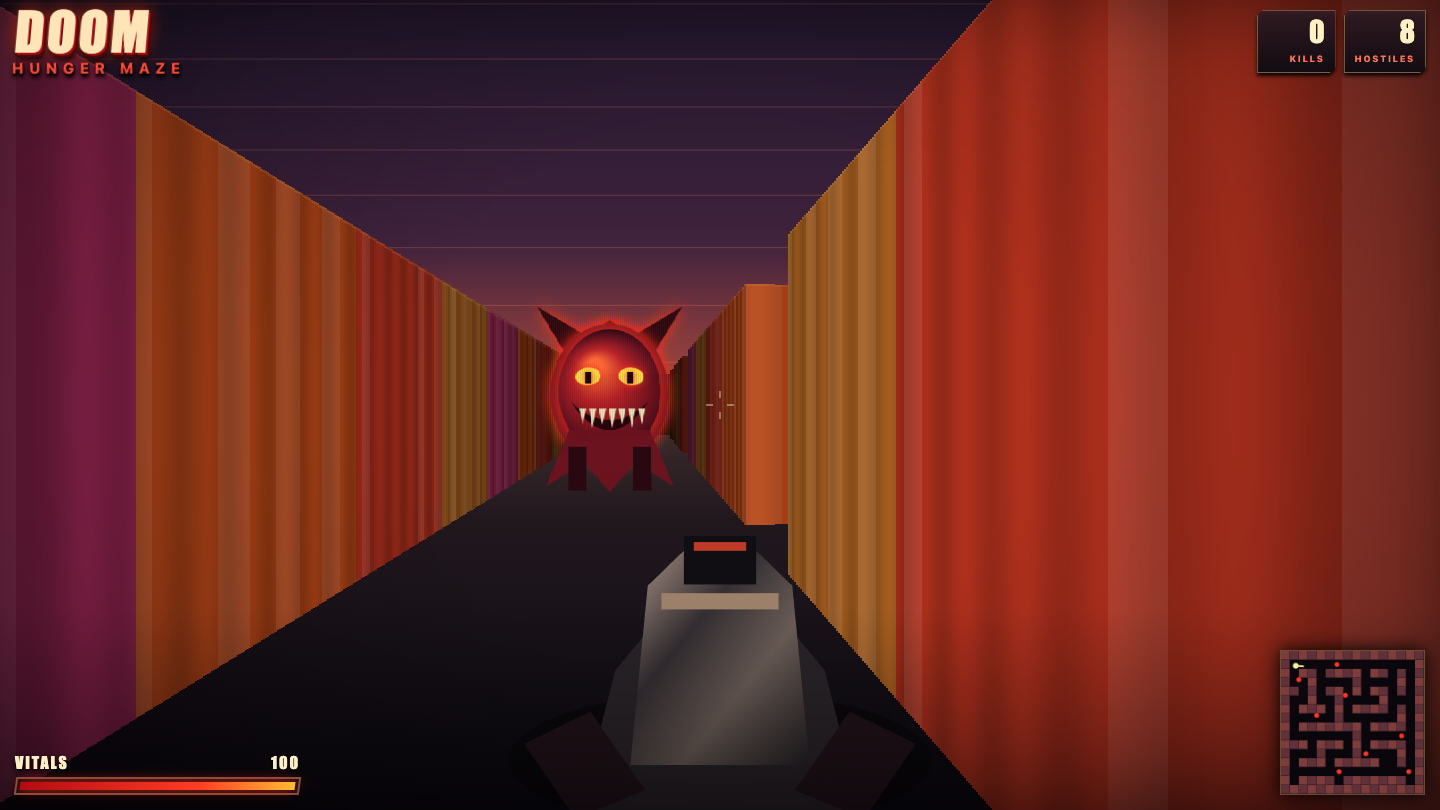
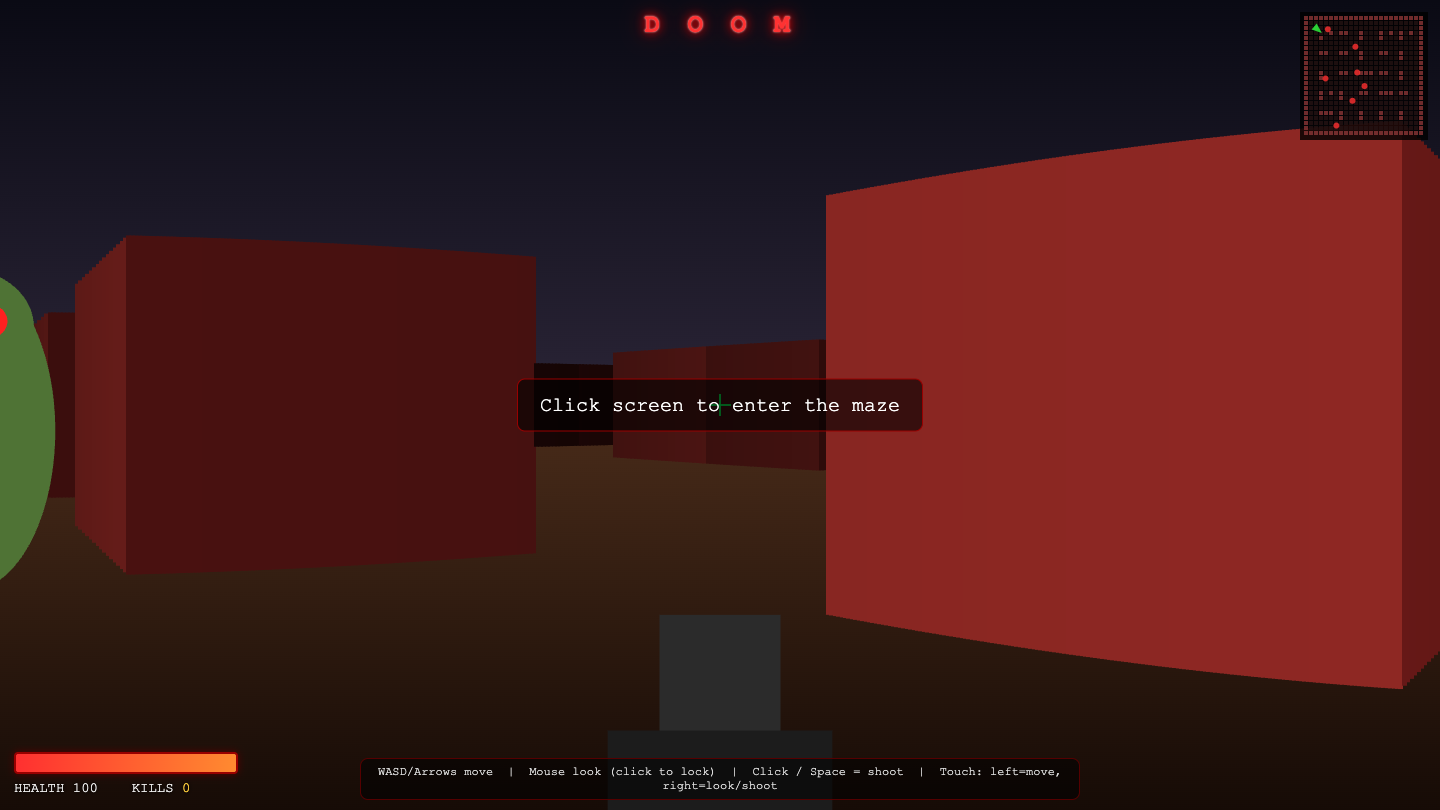
Game
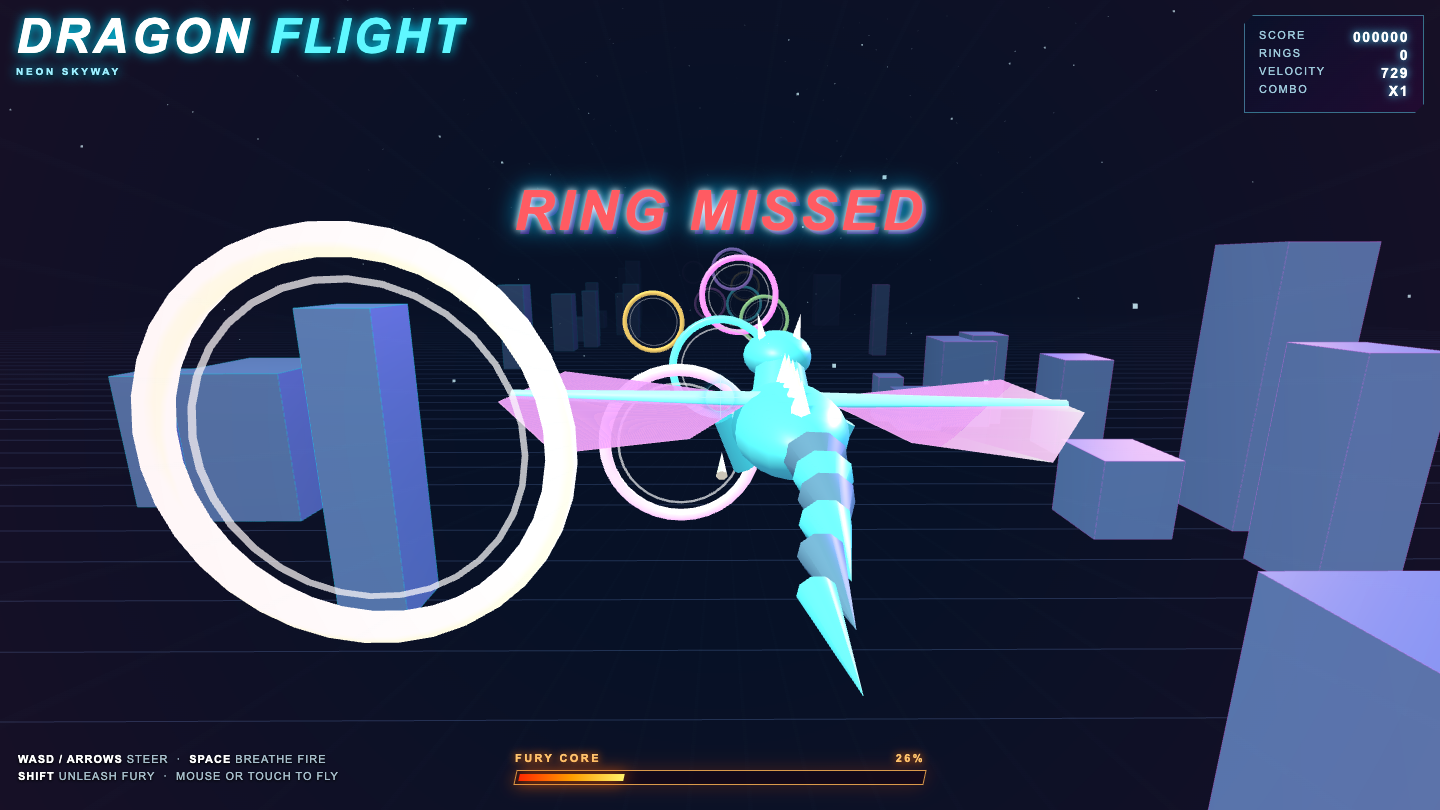
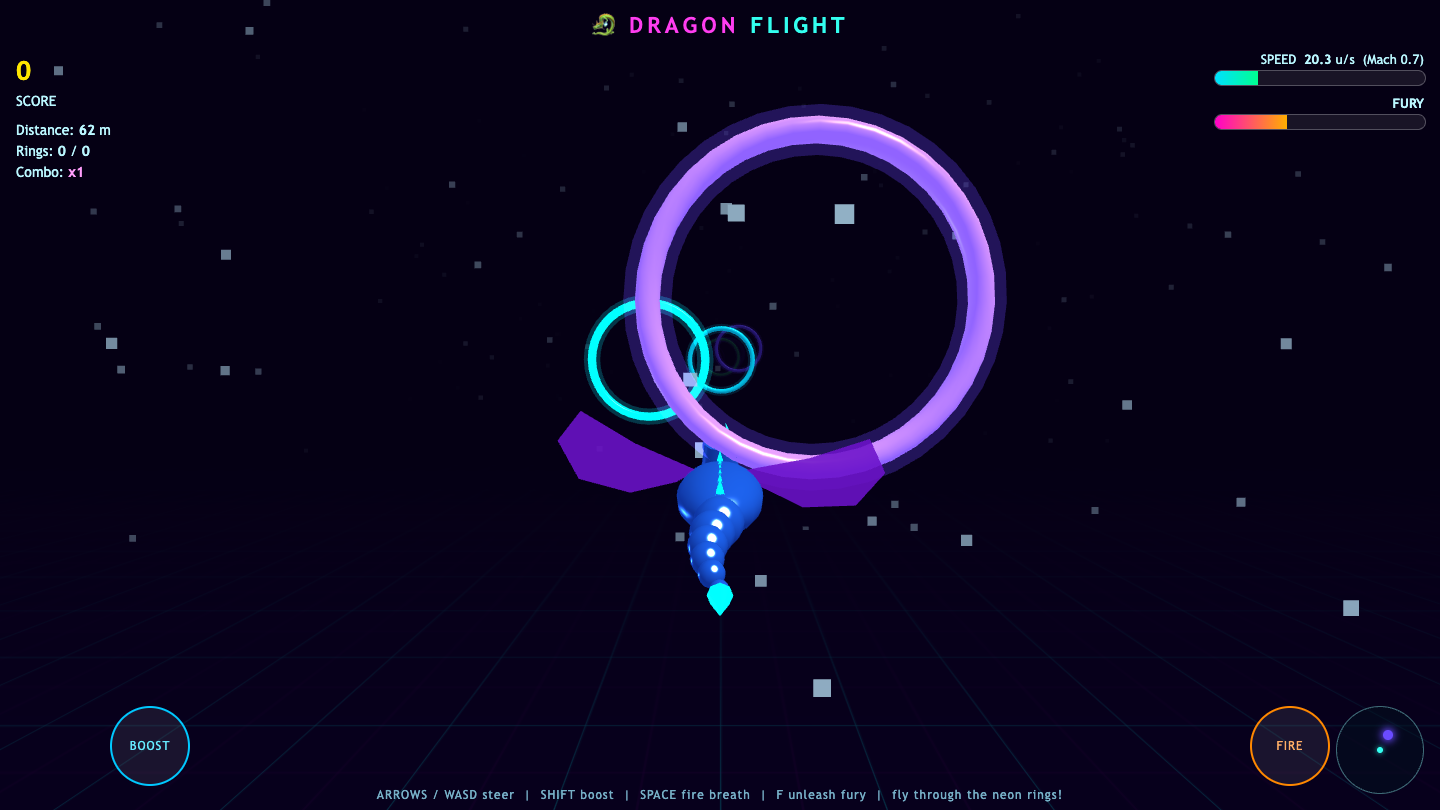
Game
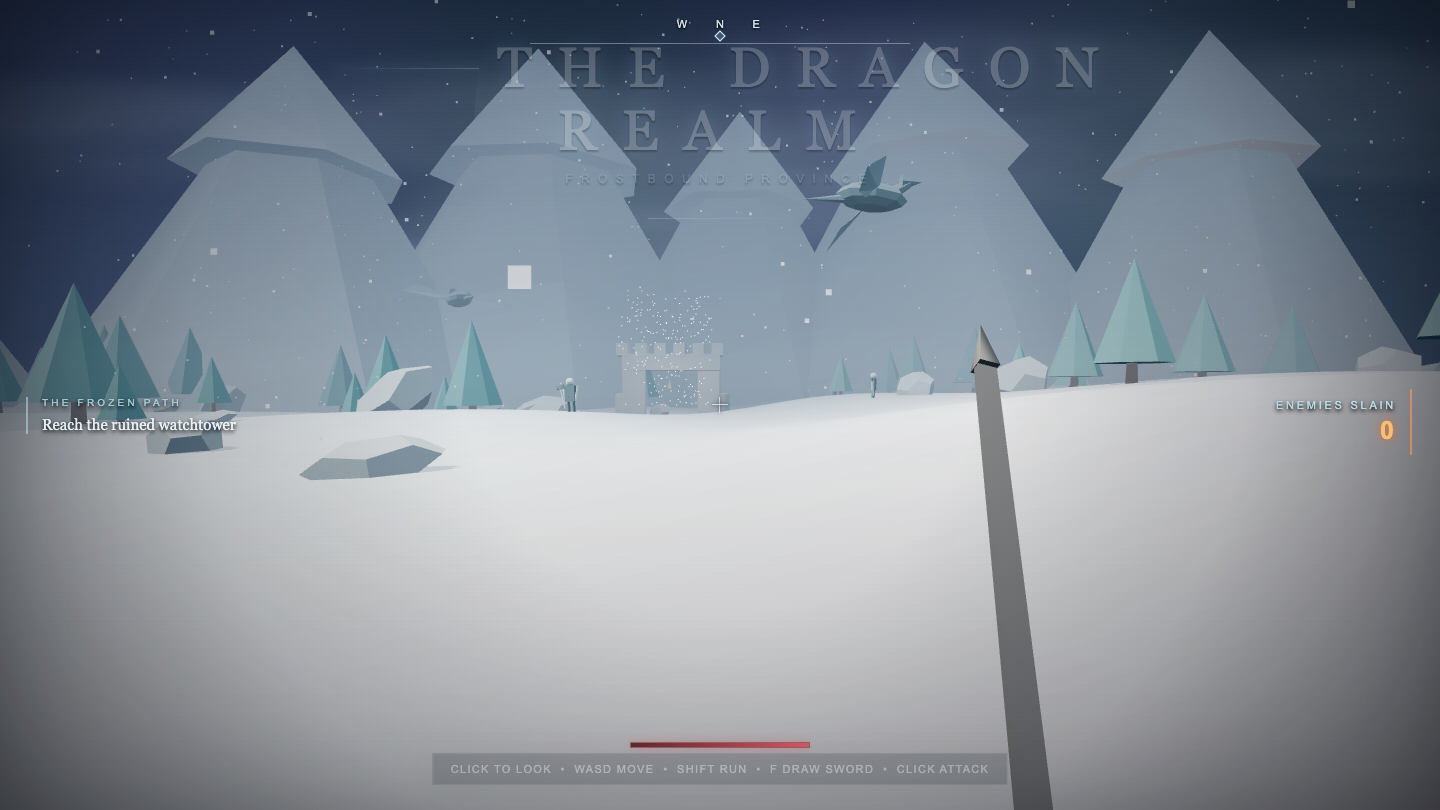
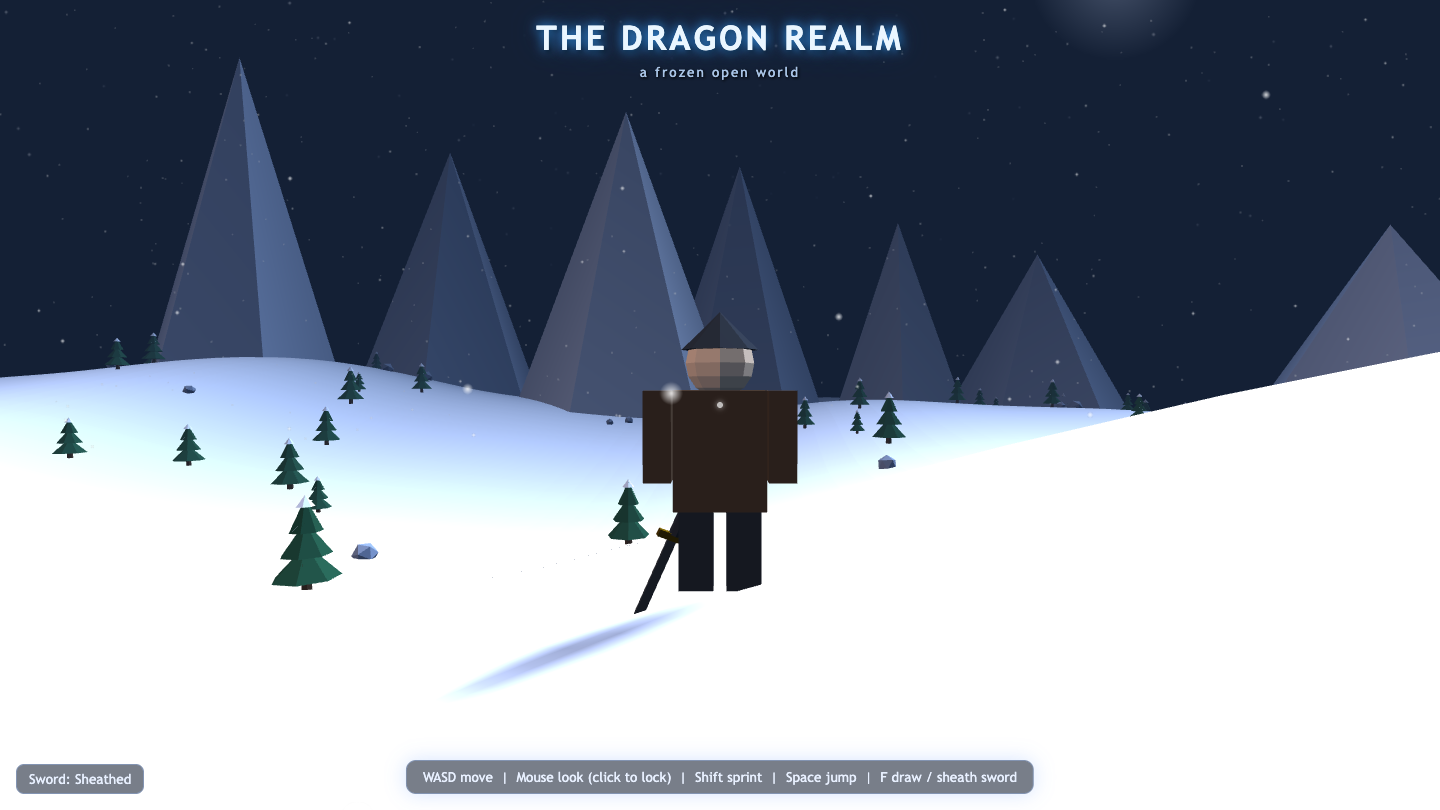
Game
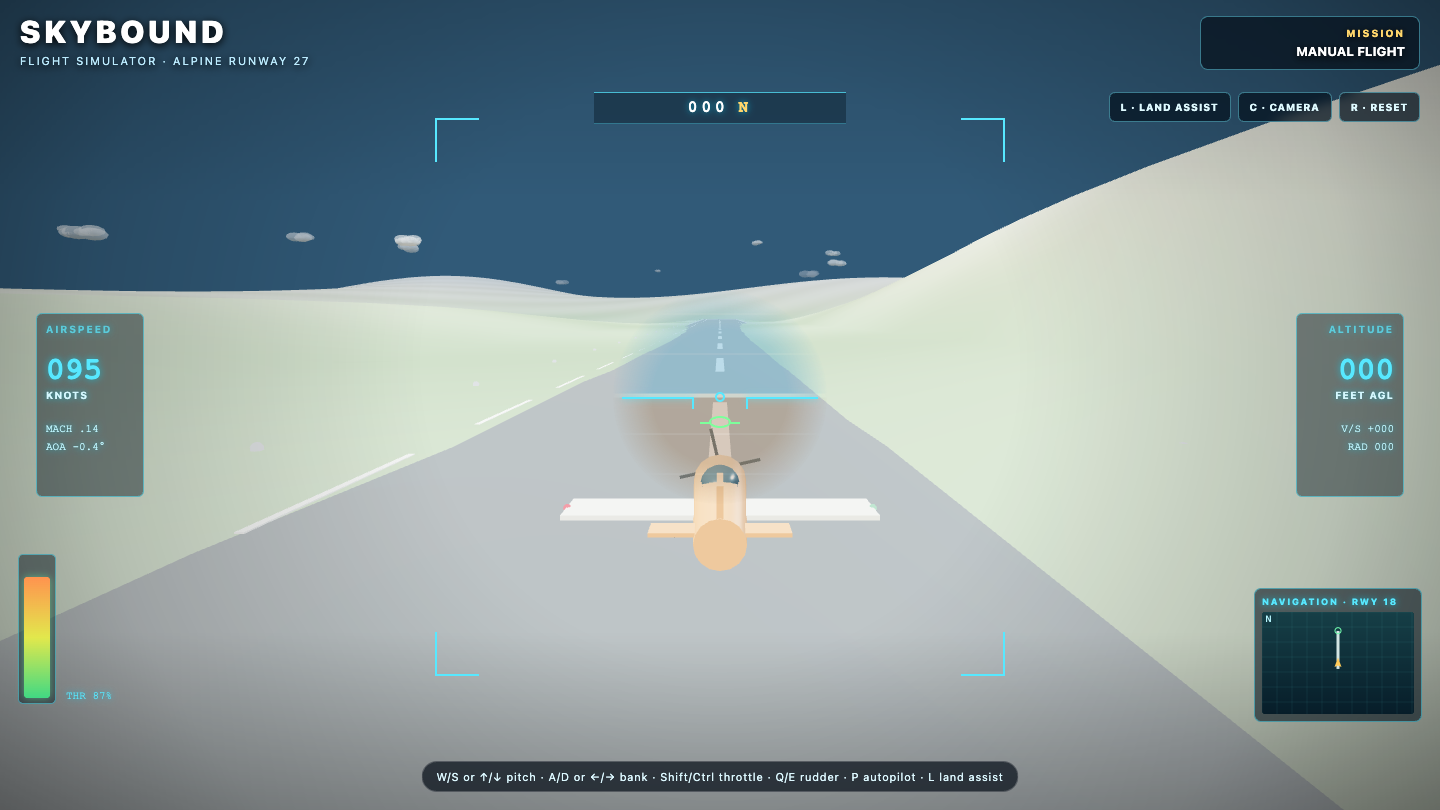
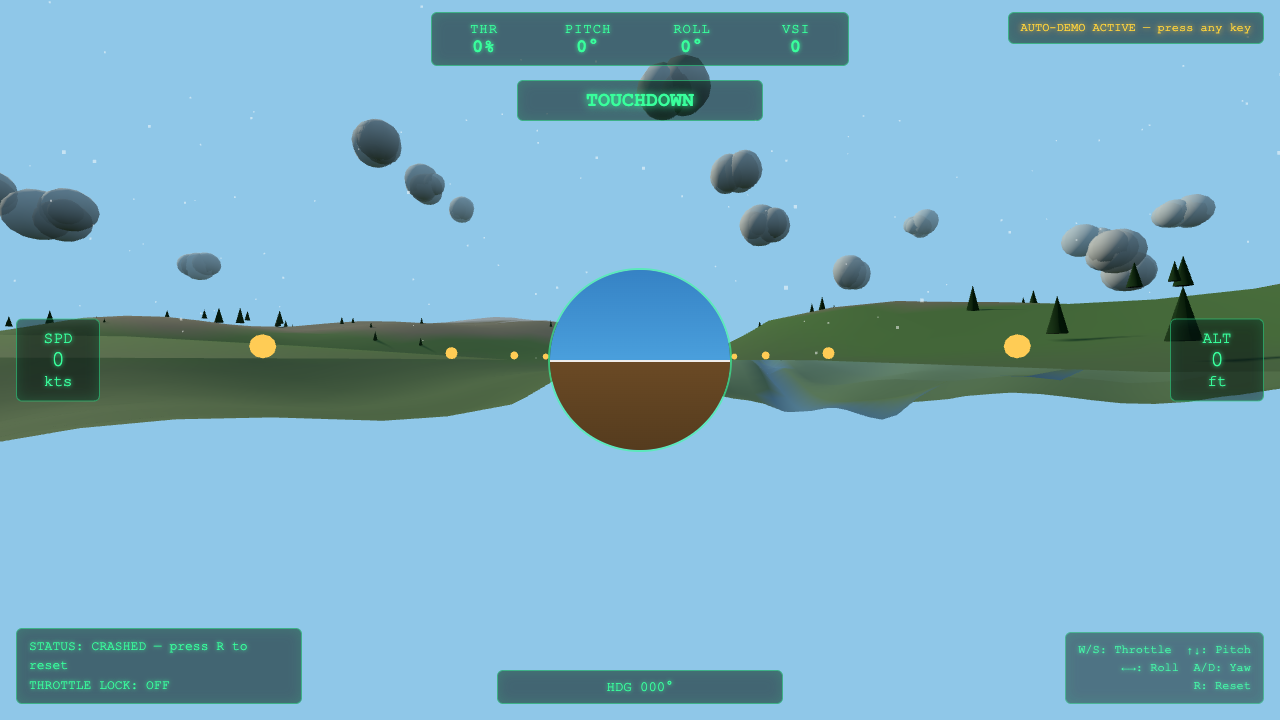
Game
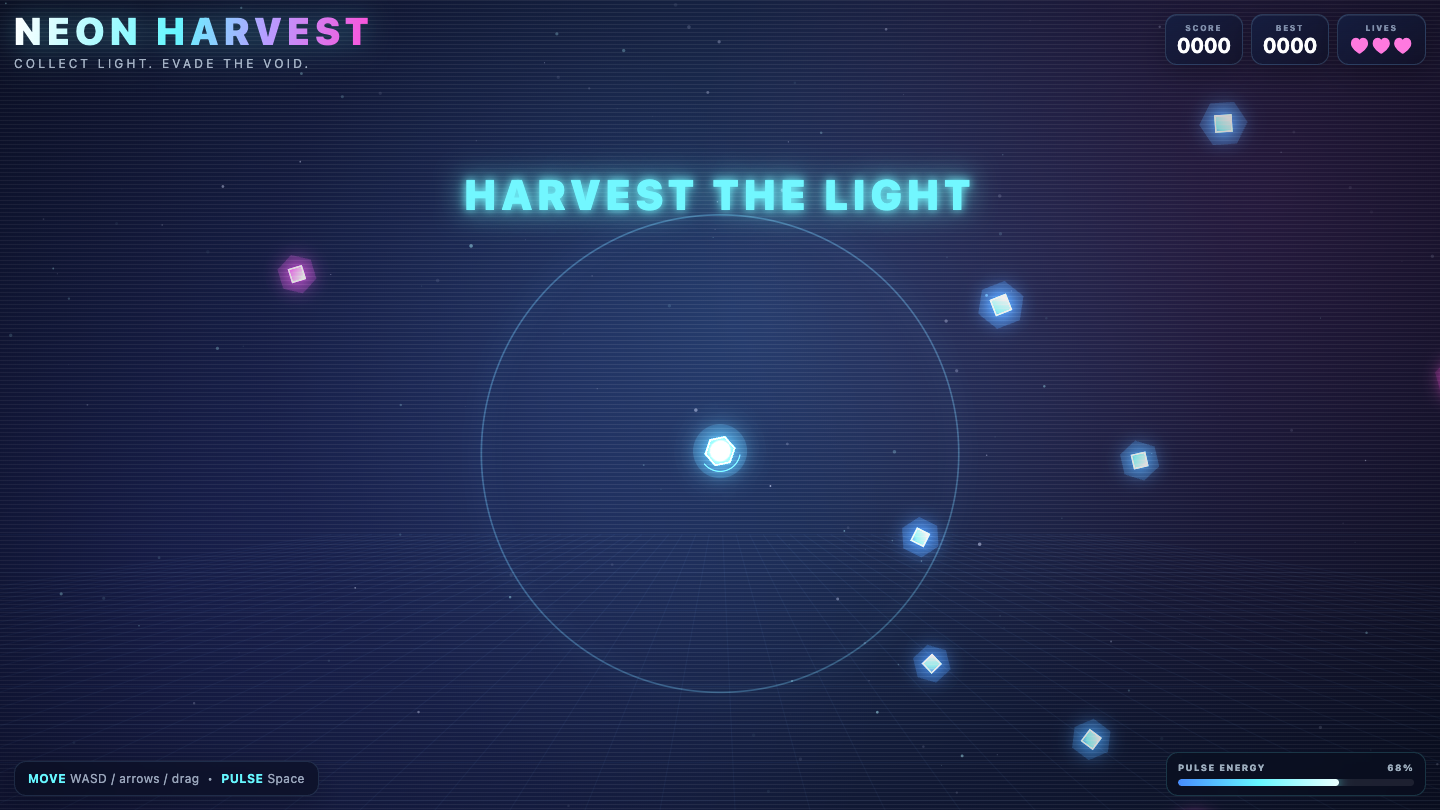
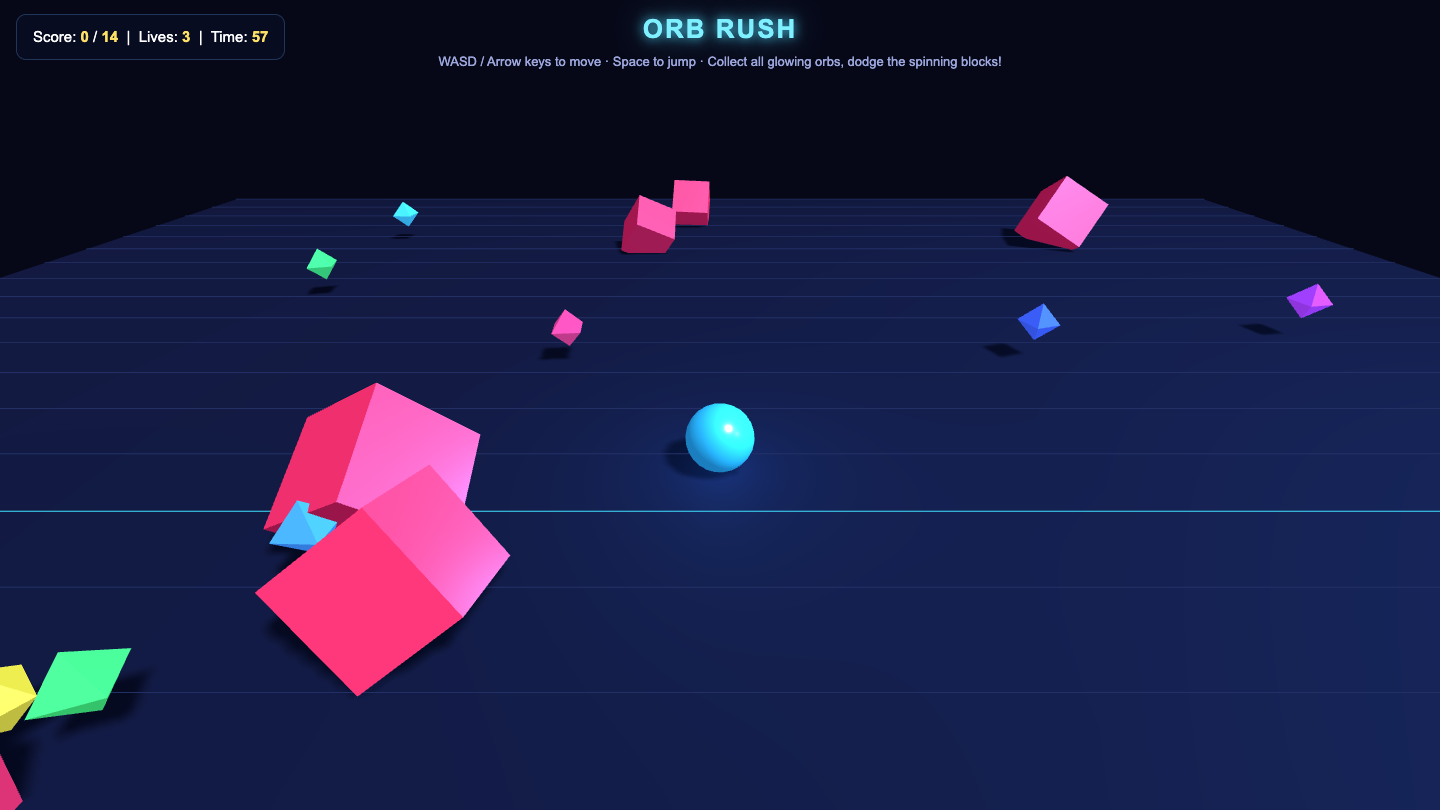
Game
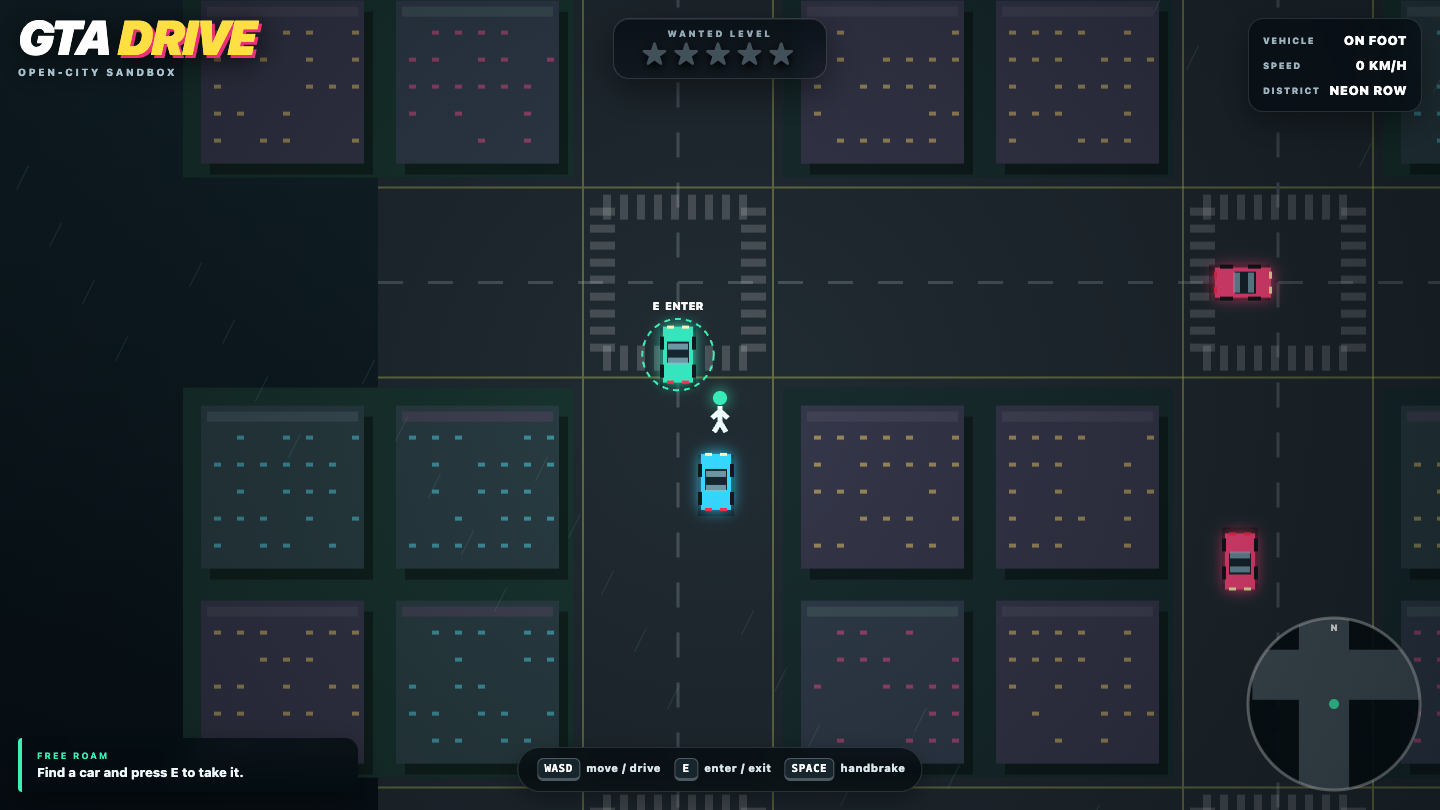
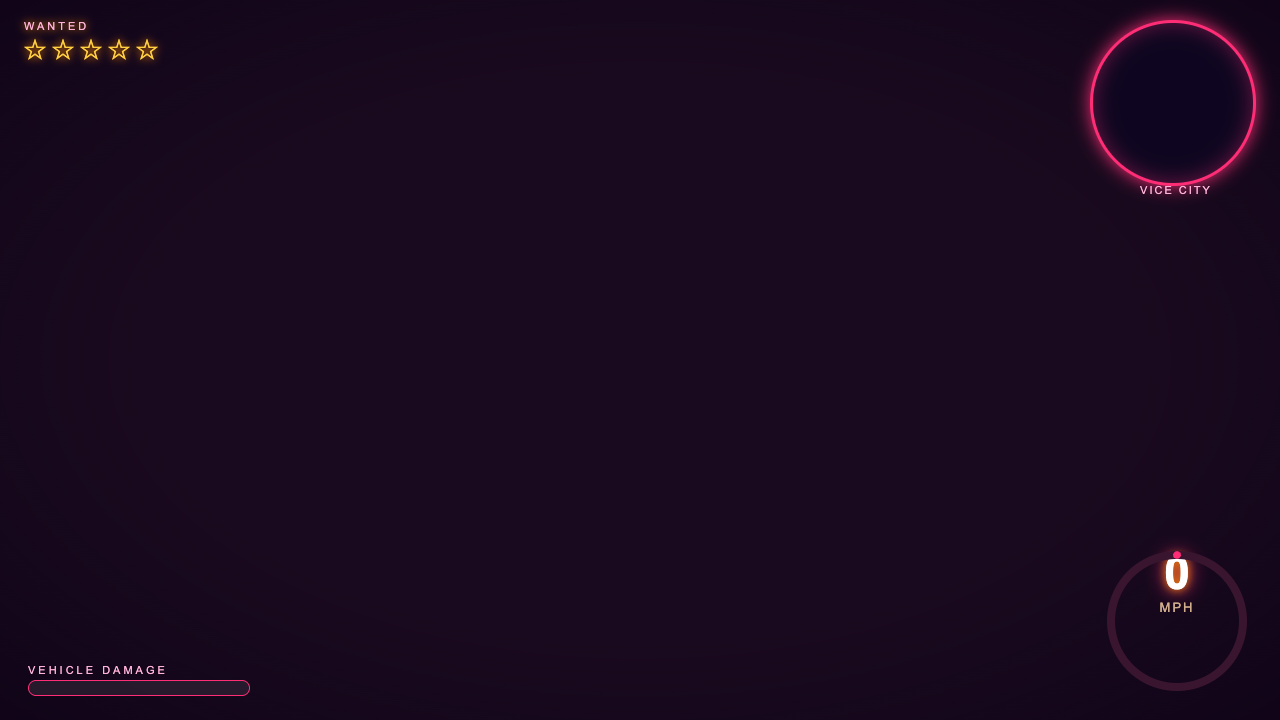
Game
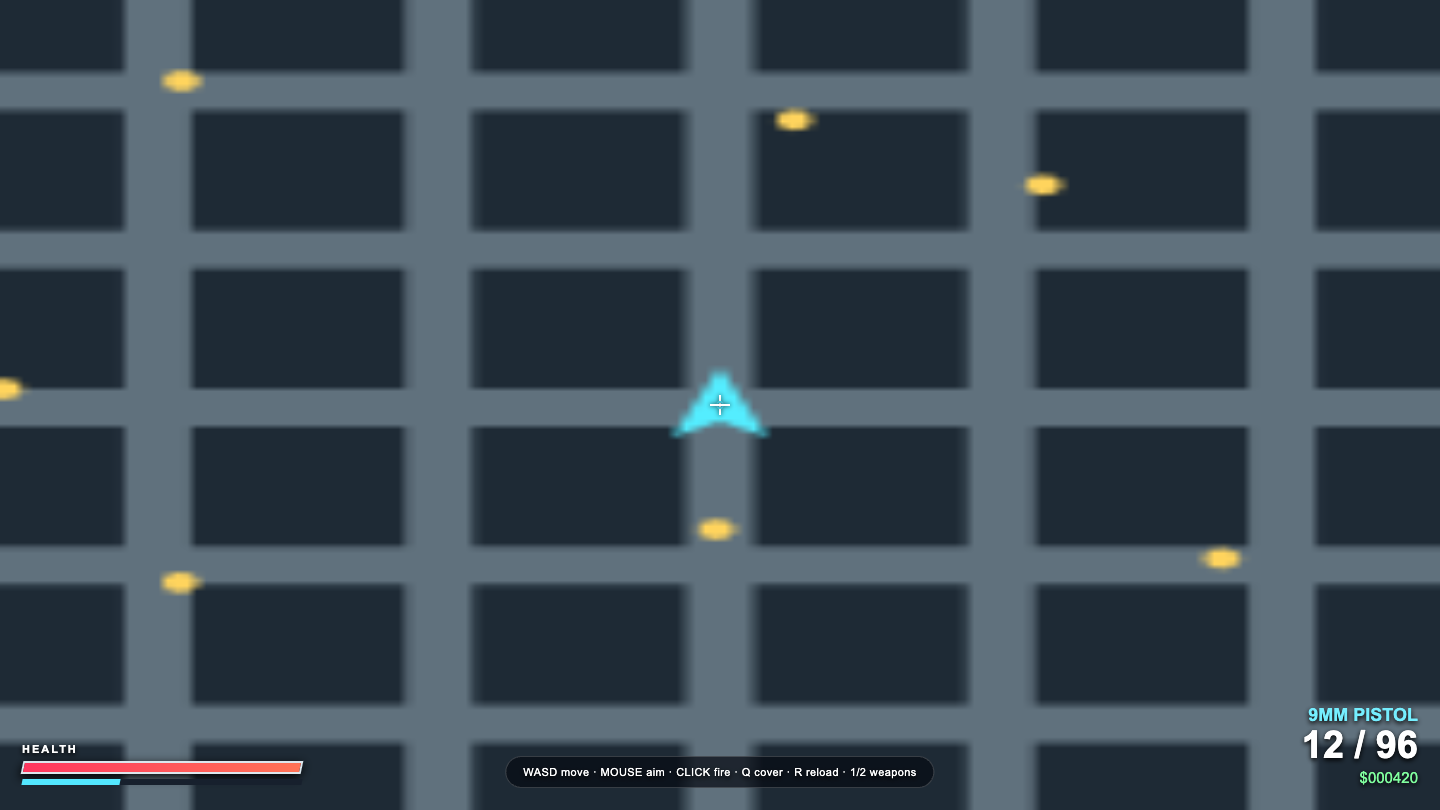
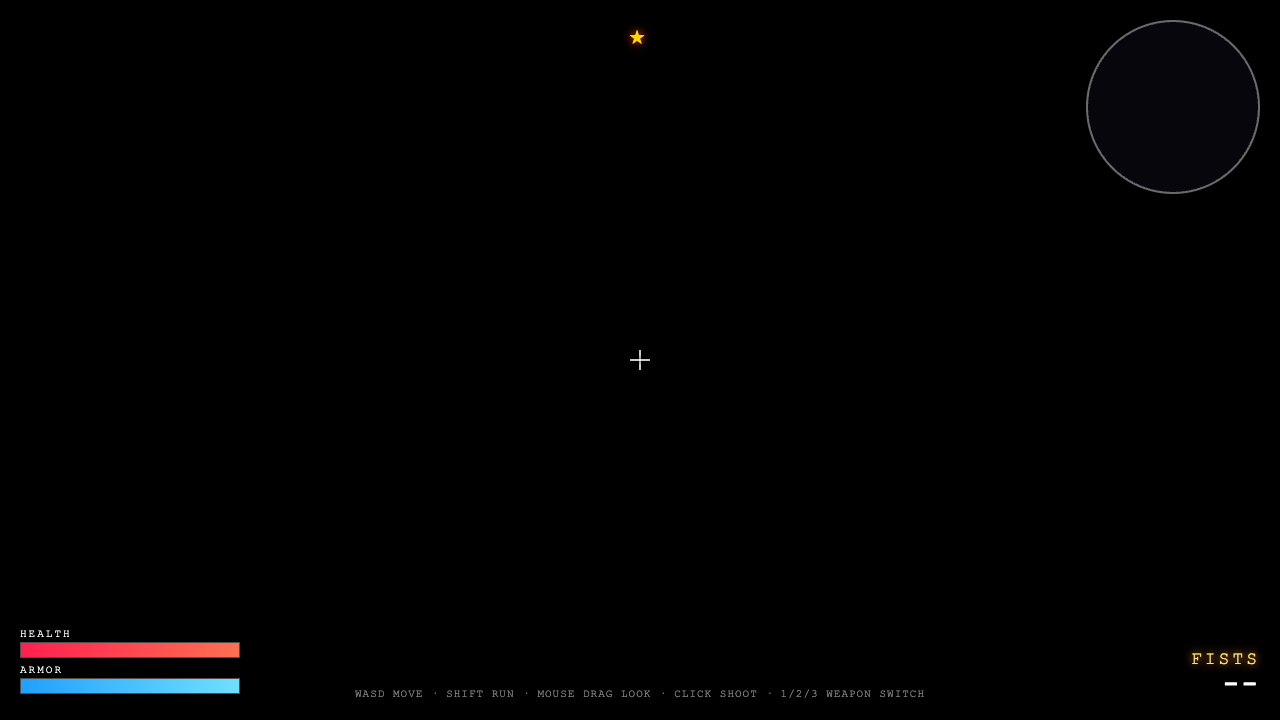
Game
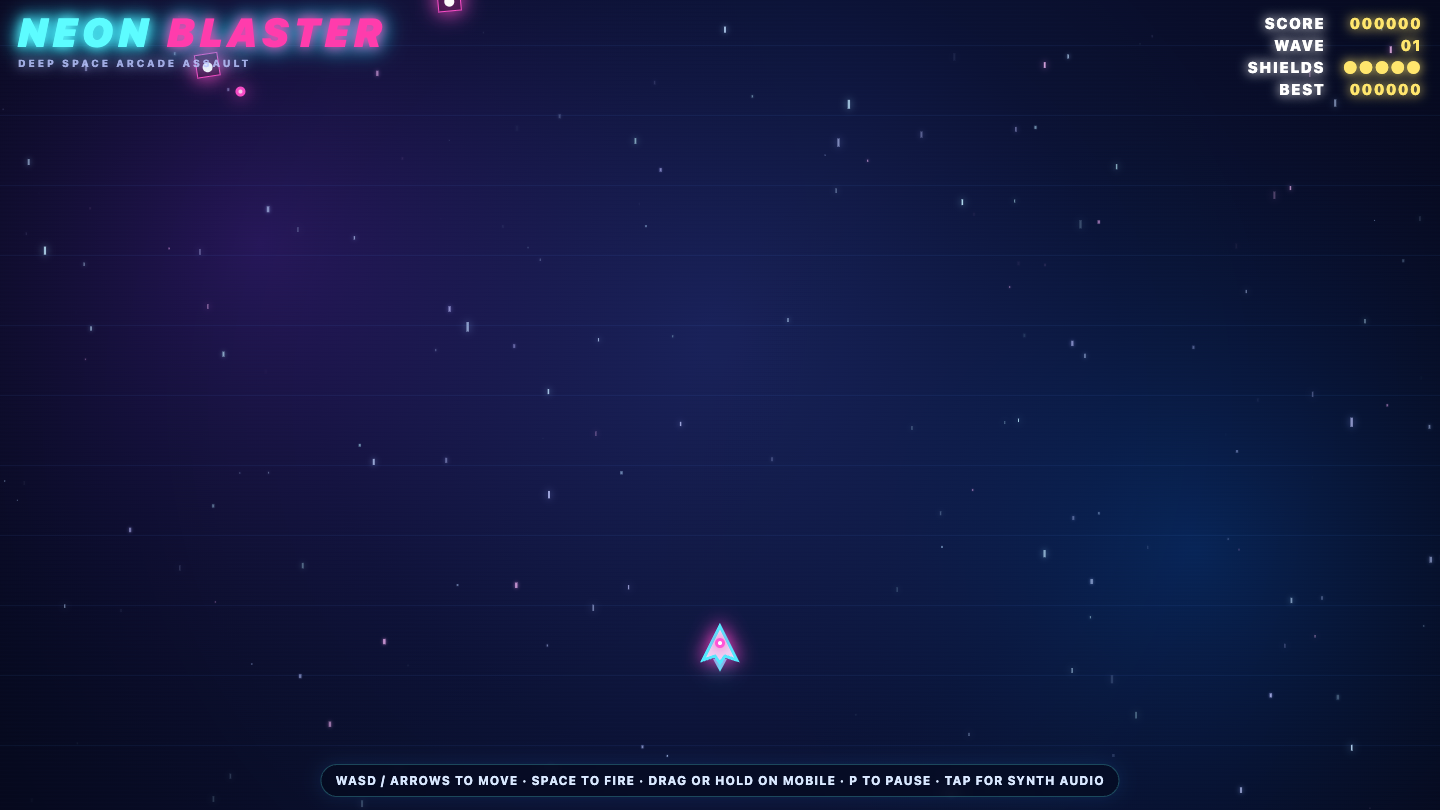
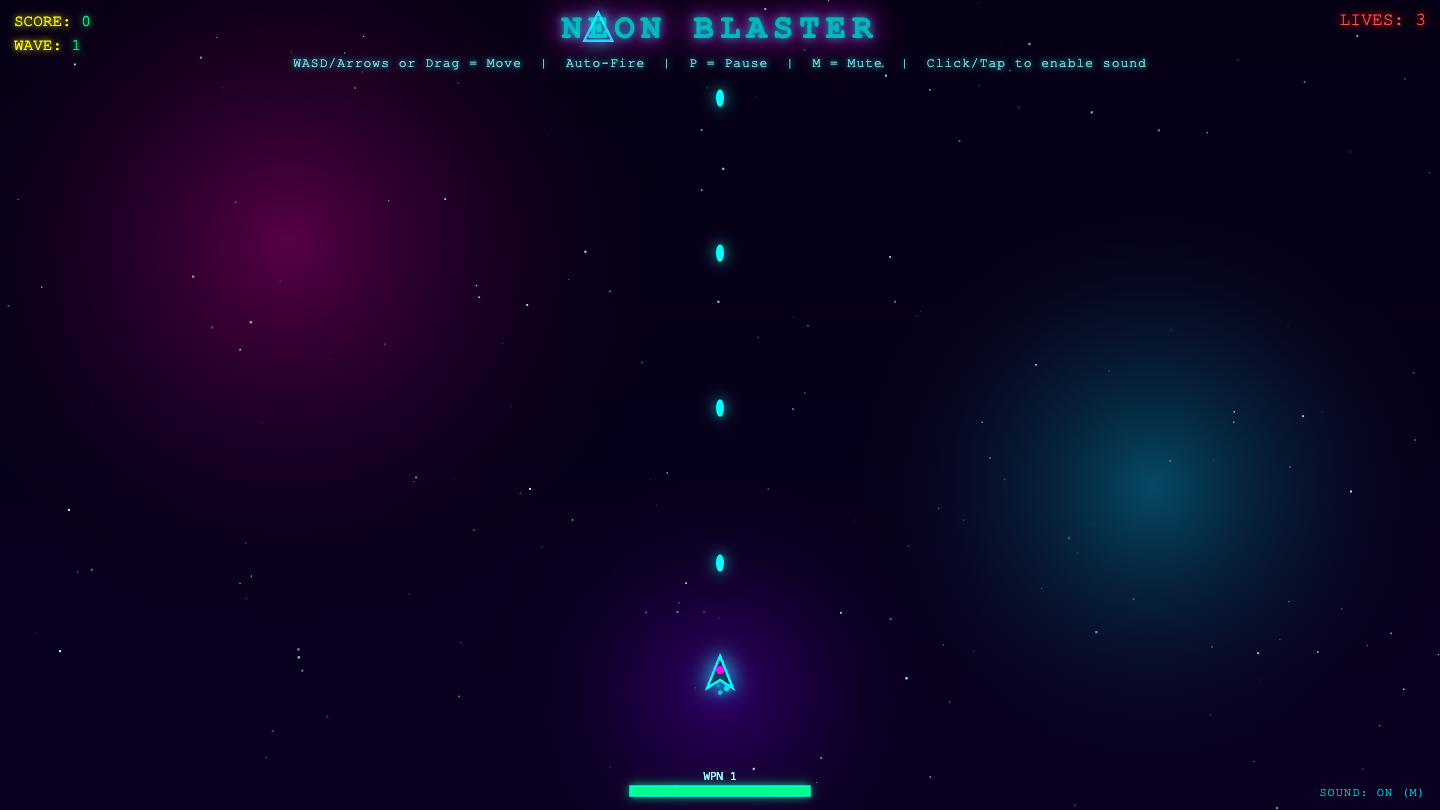
Game
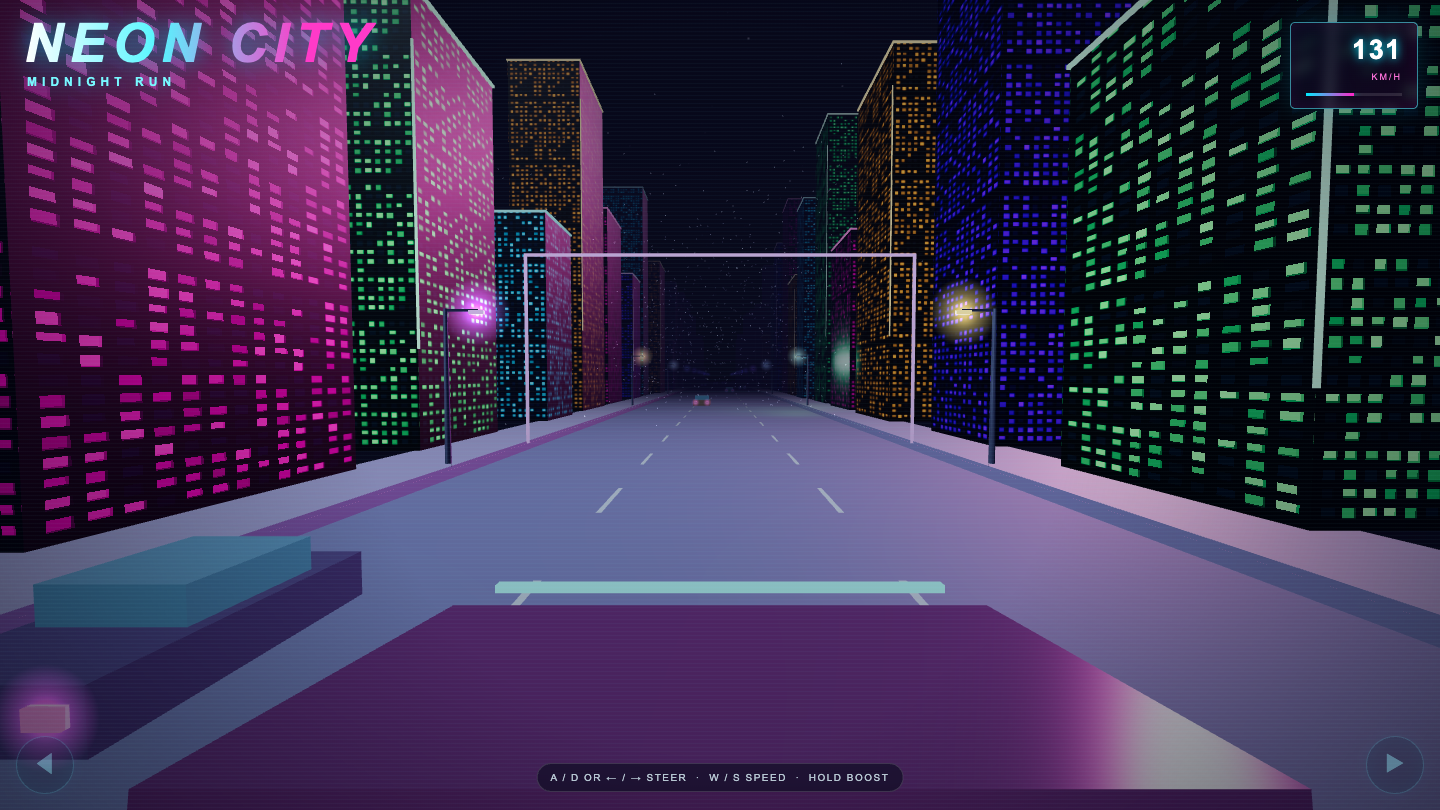
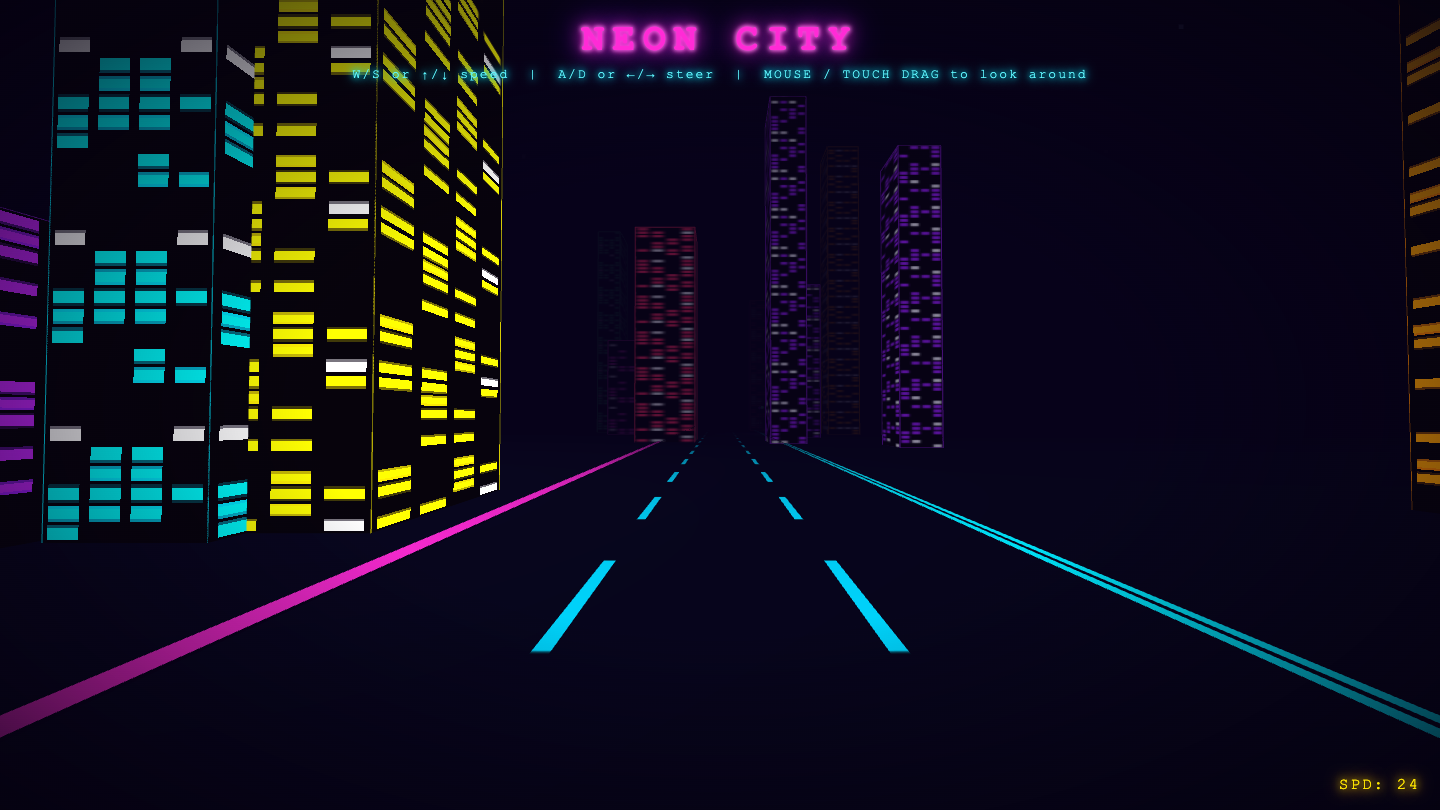
Game
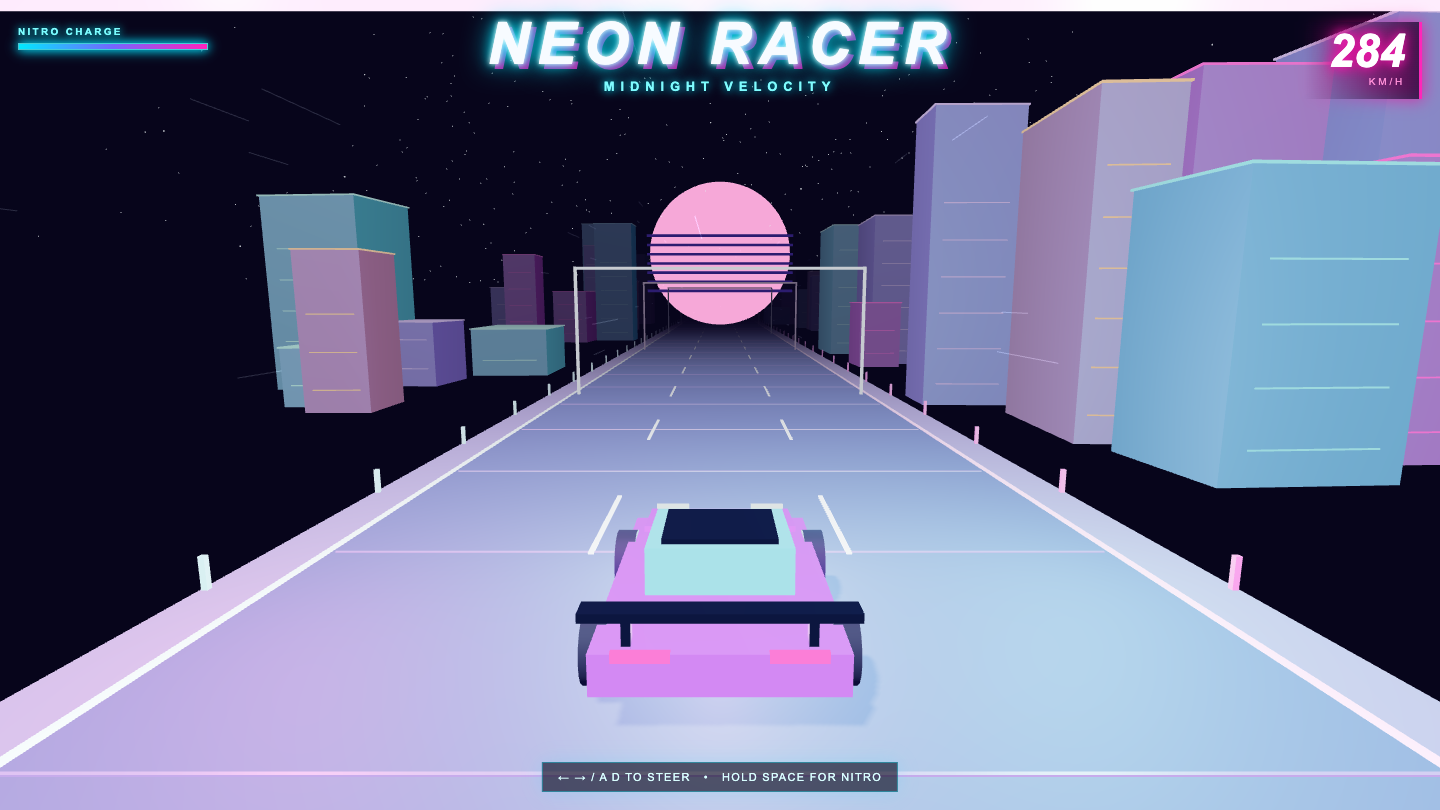
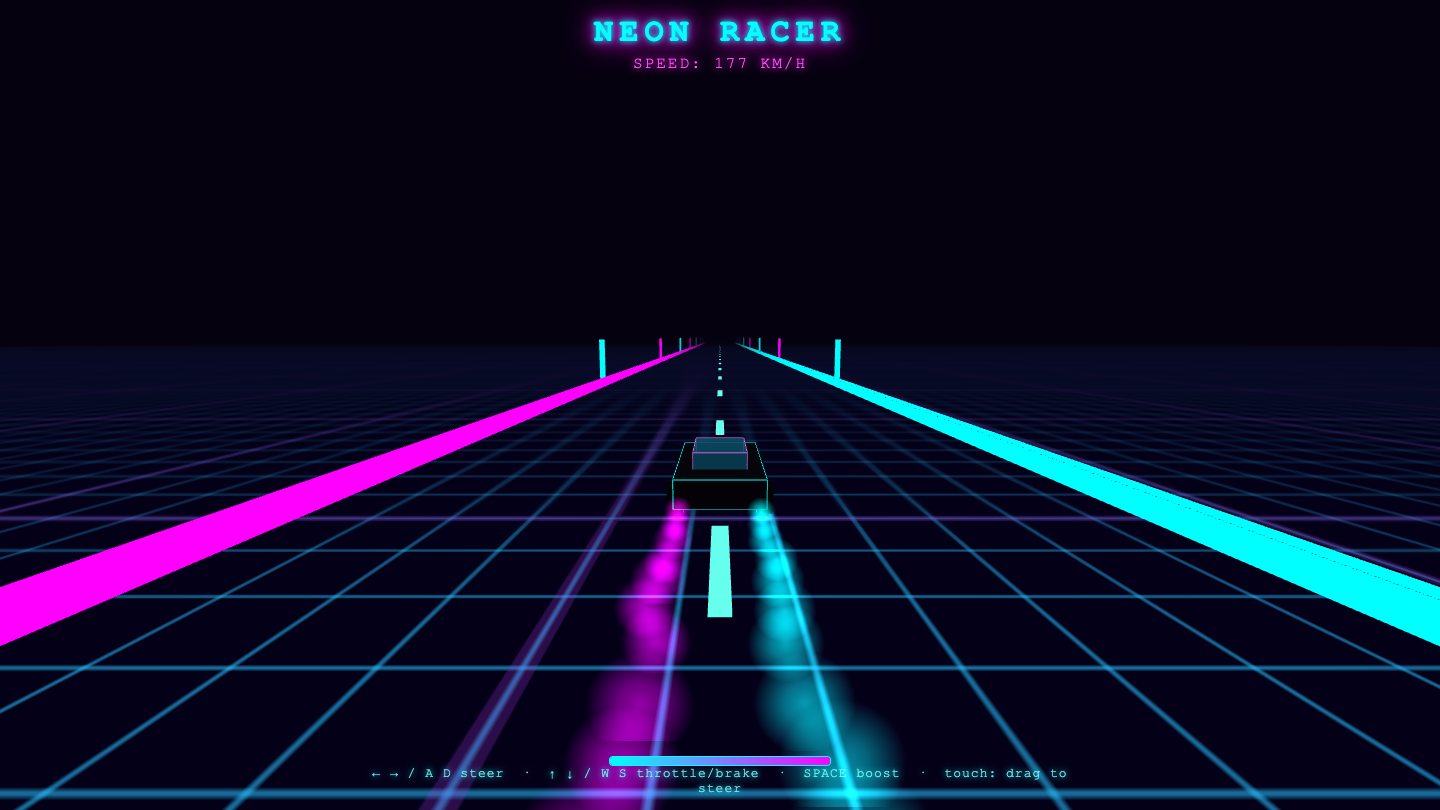
Game
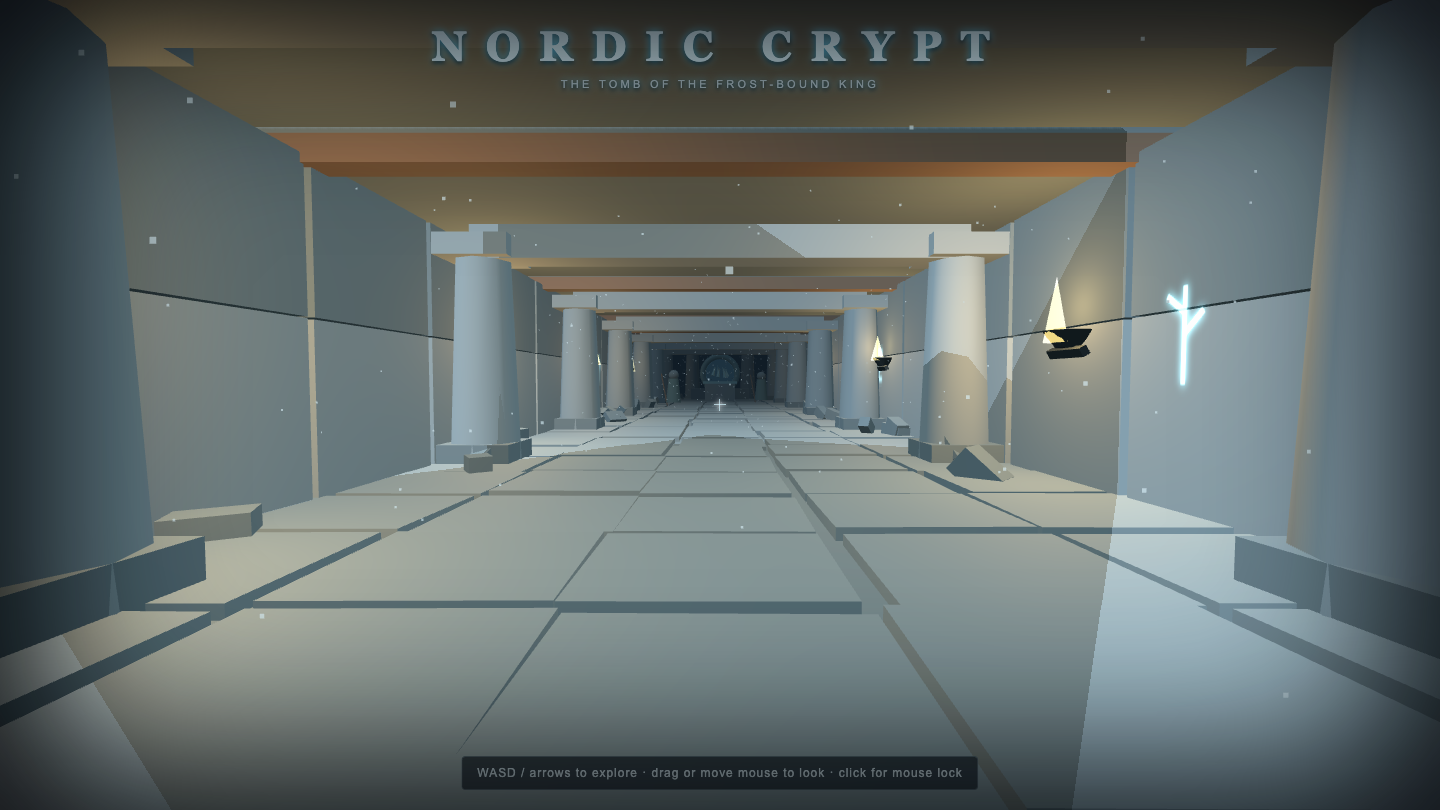
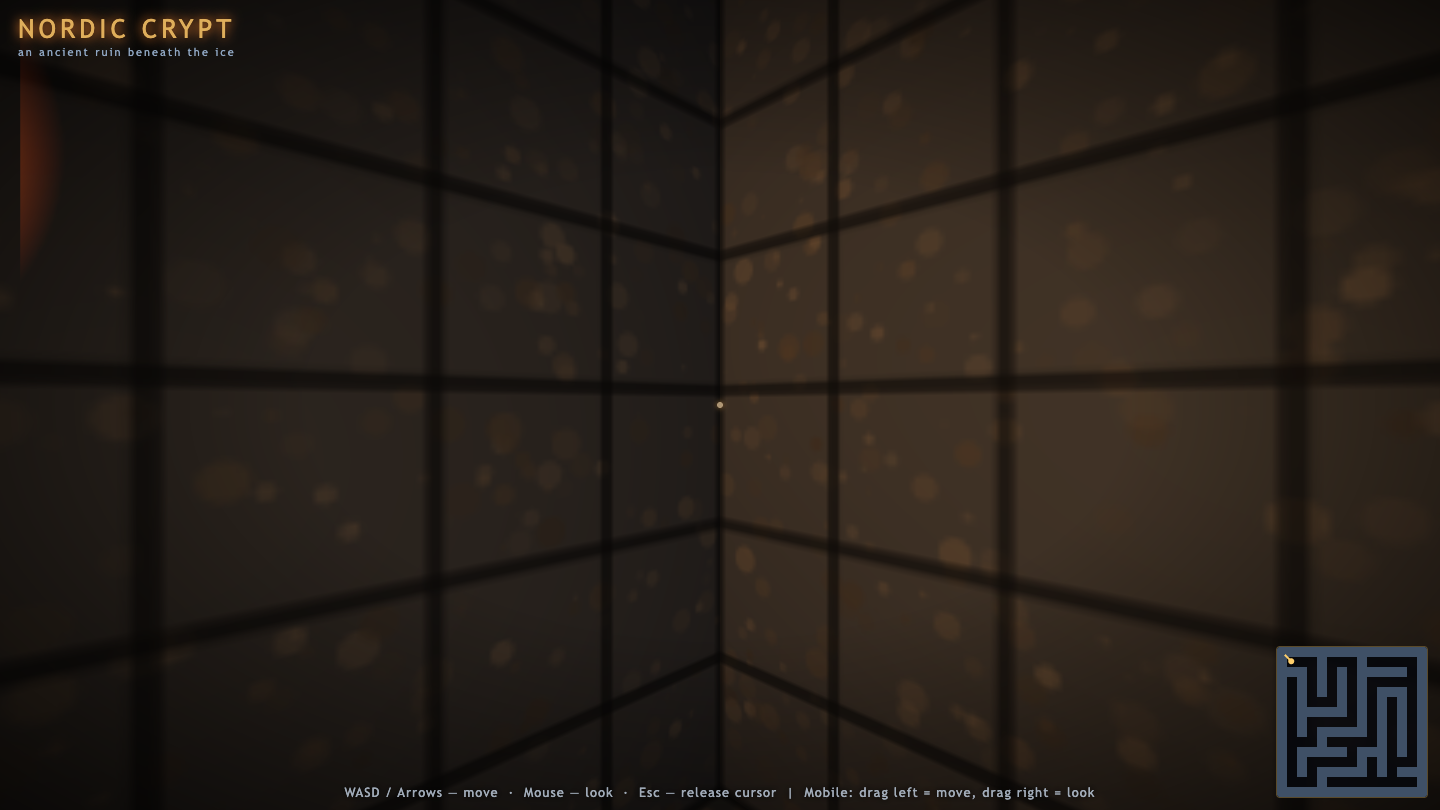
Game
Game
Game
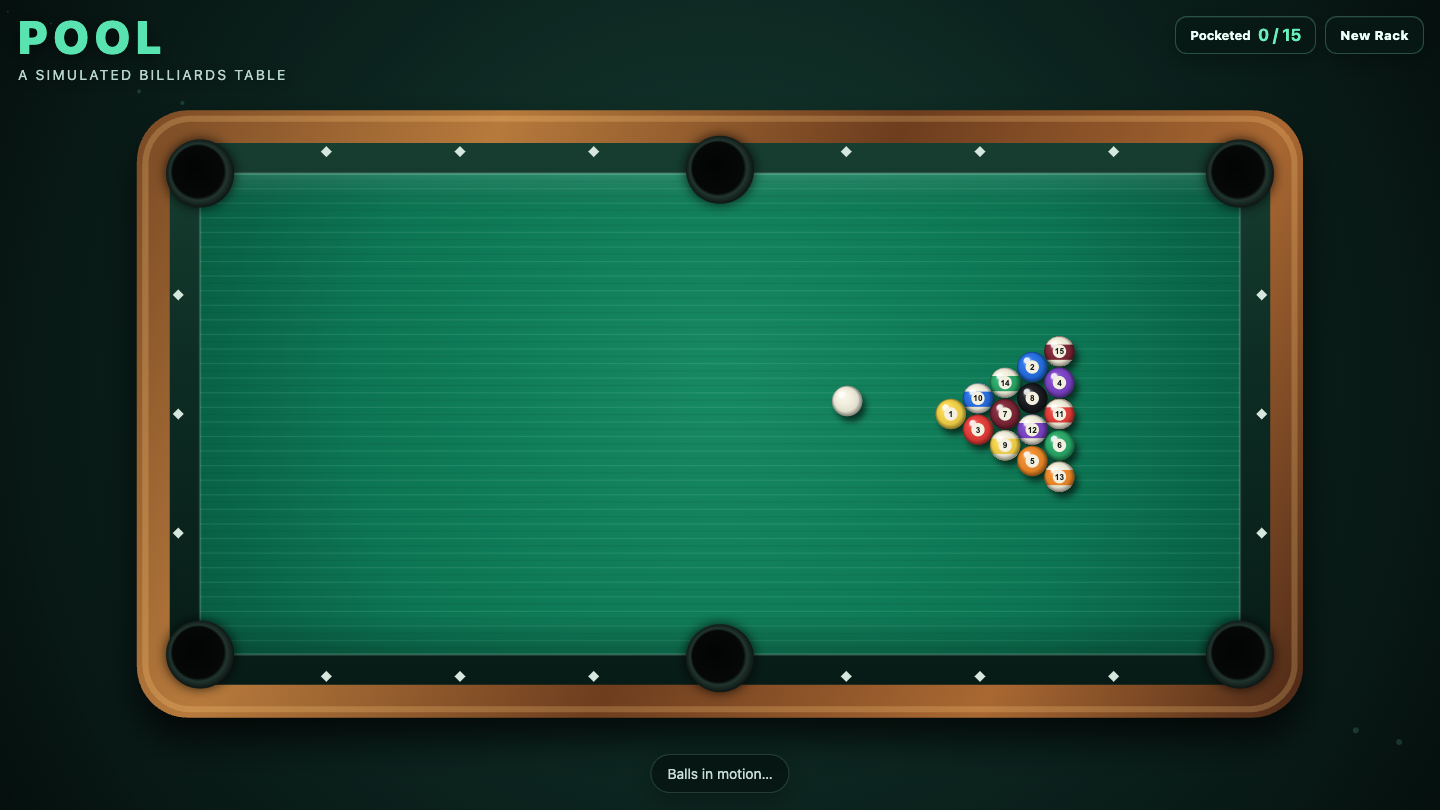
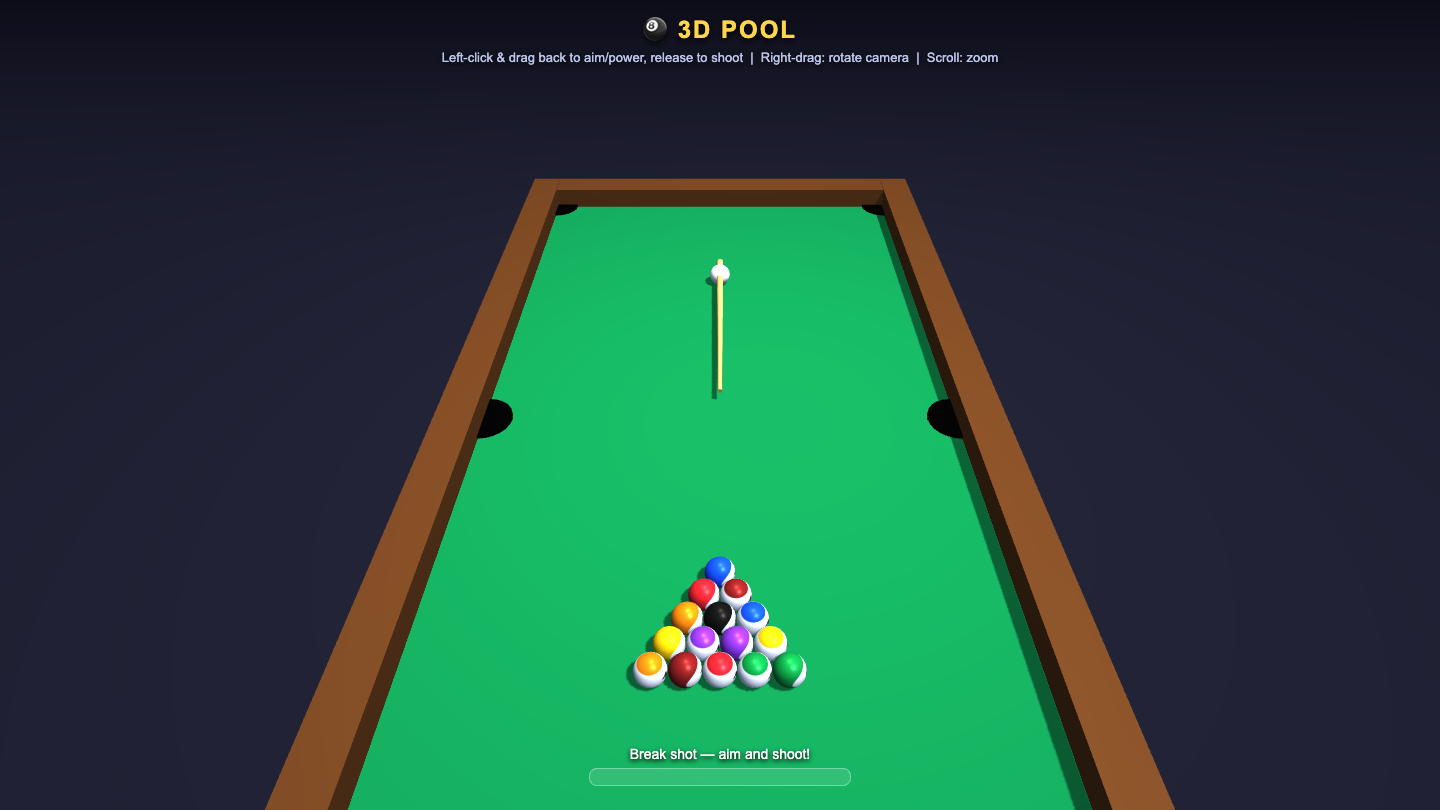
Game
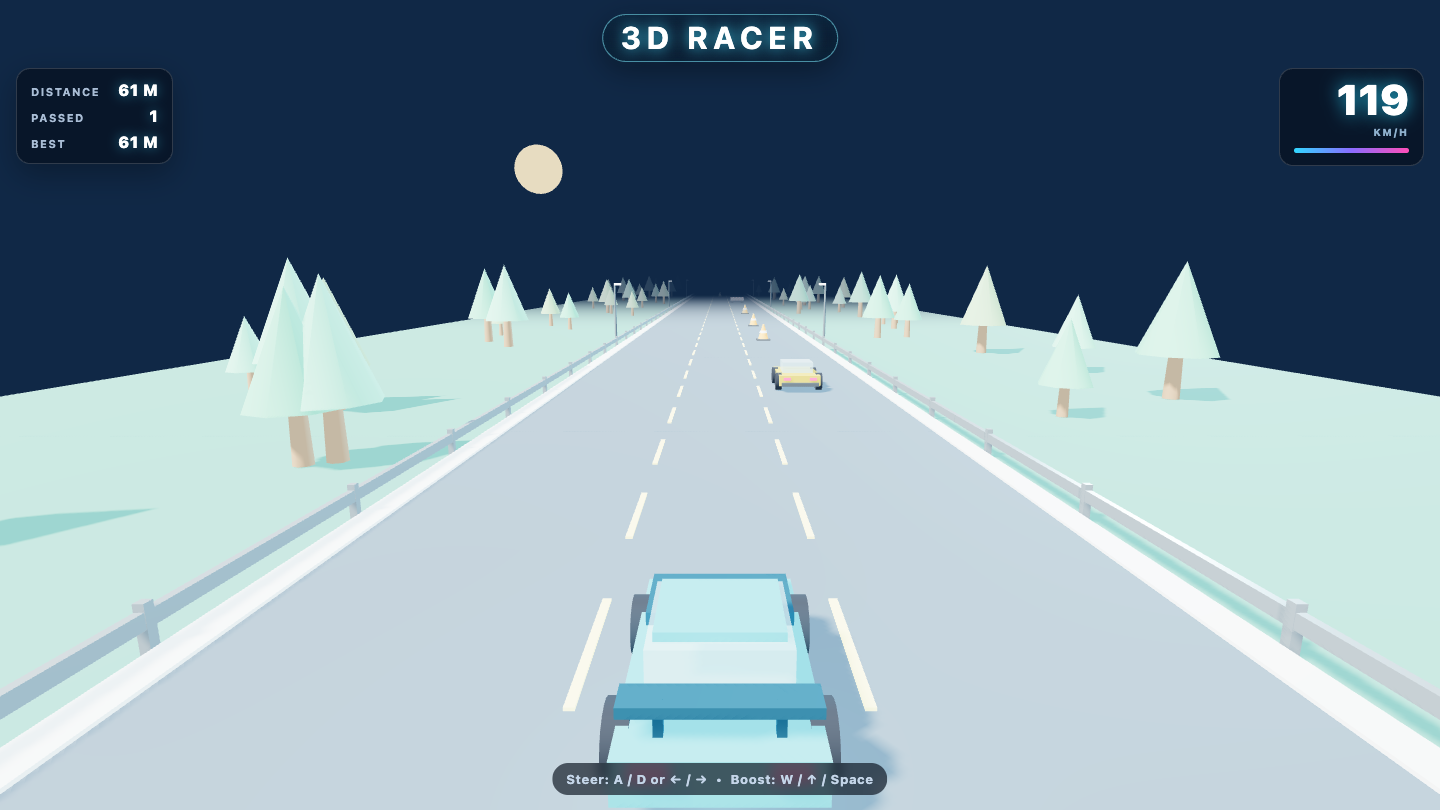
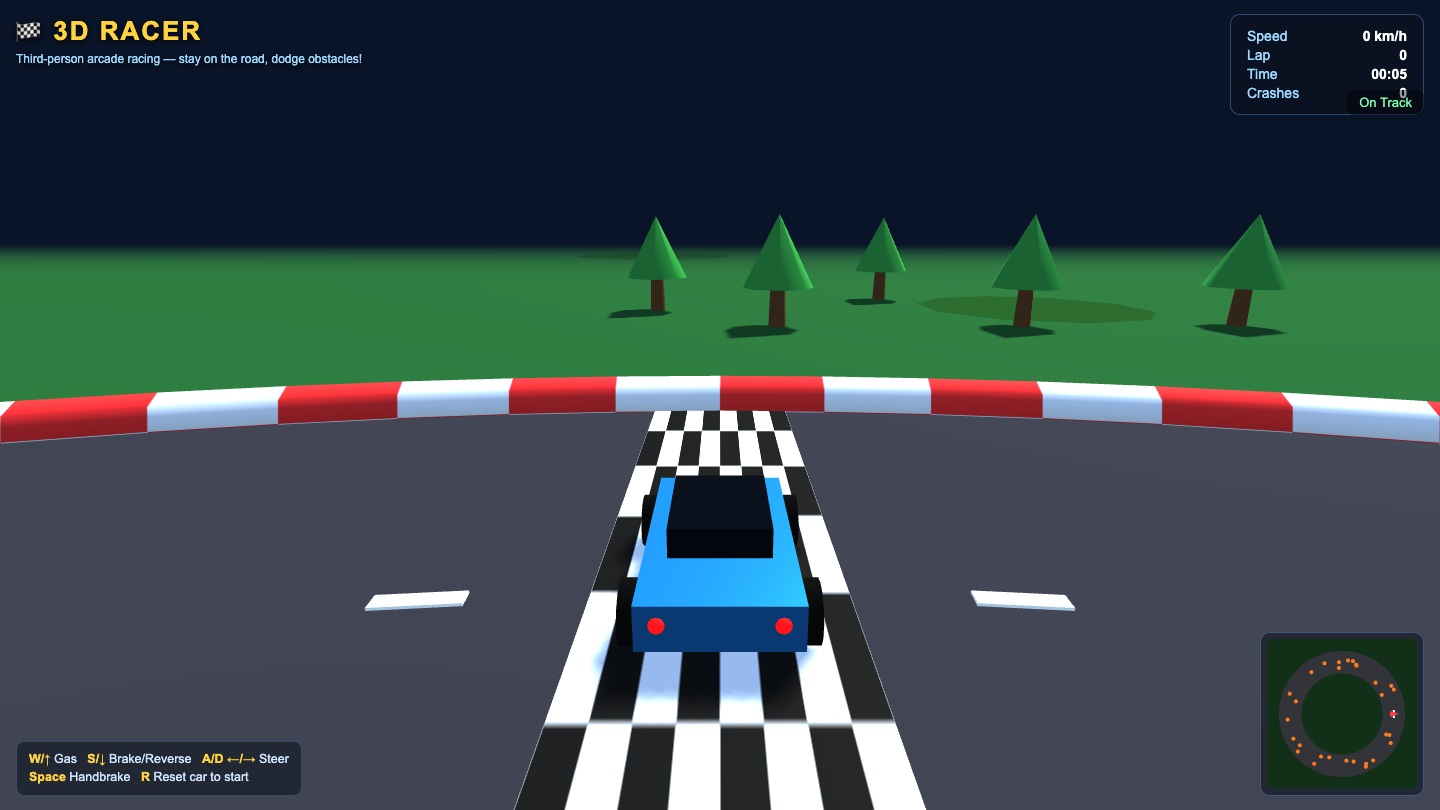
Game
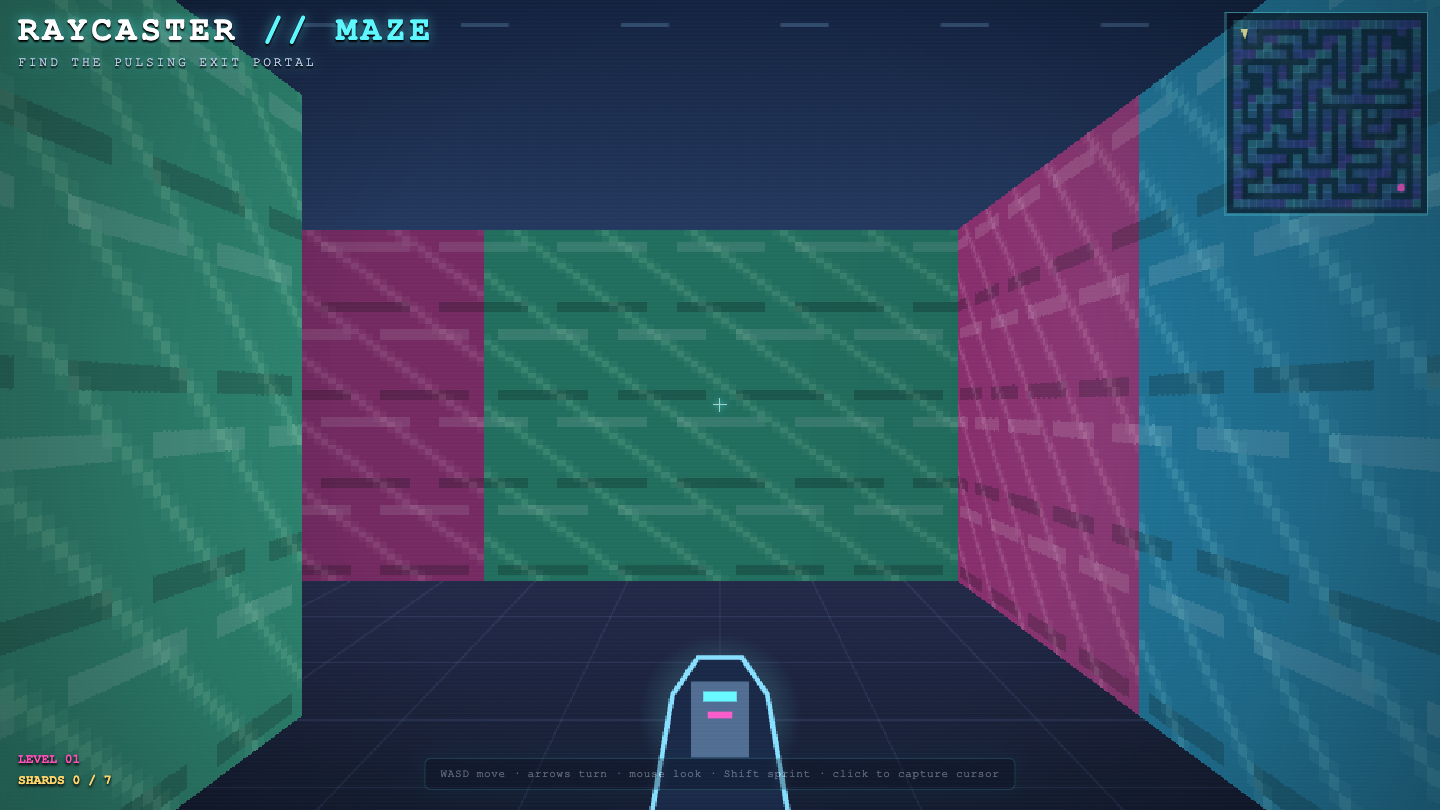
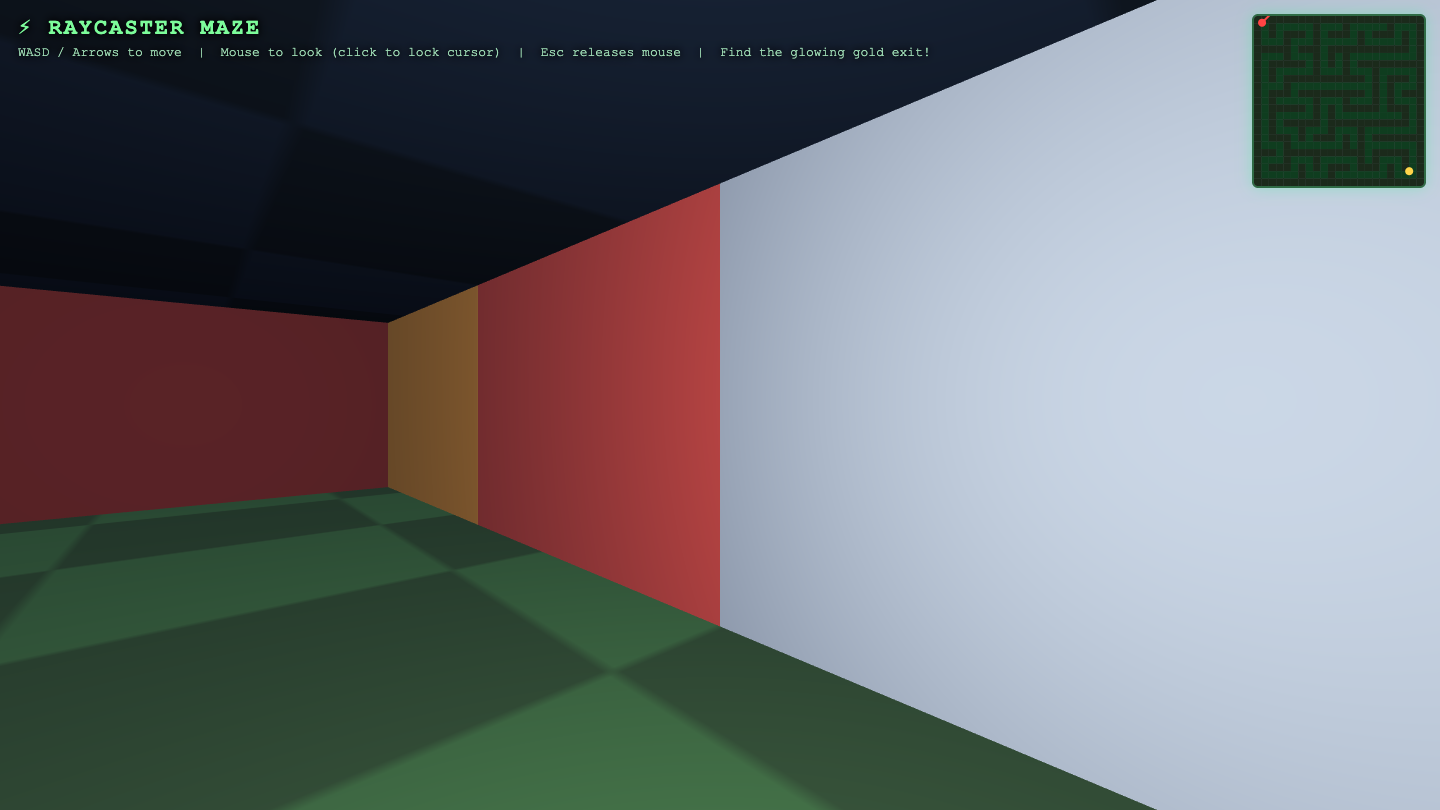
Game
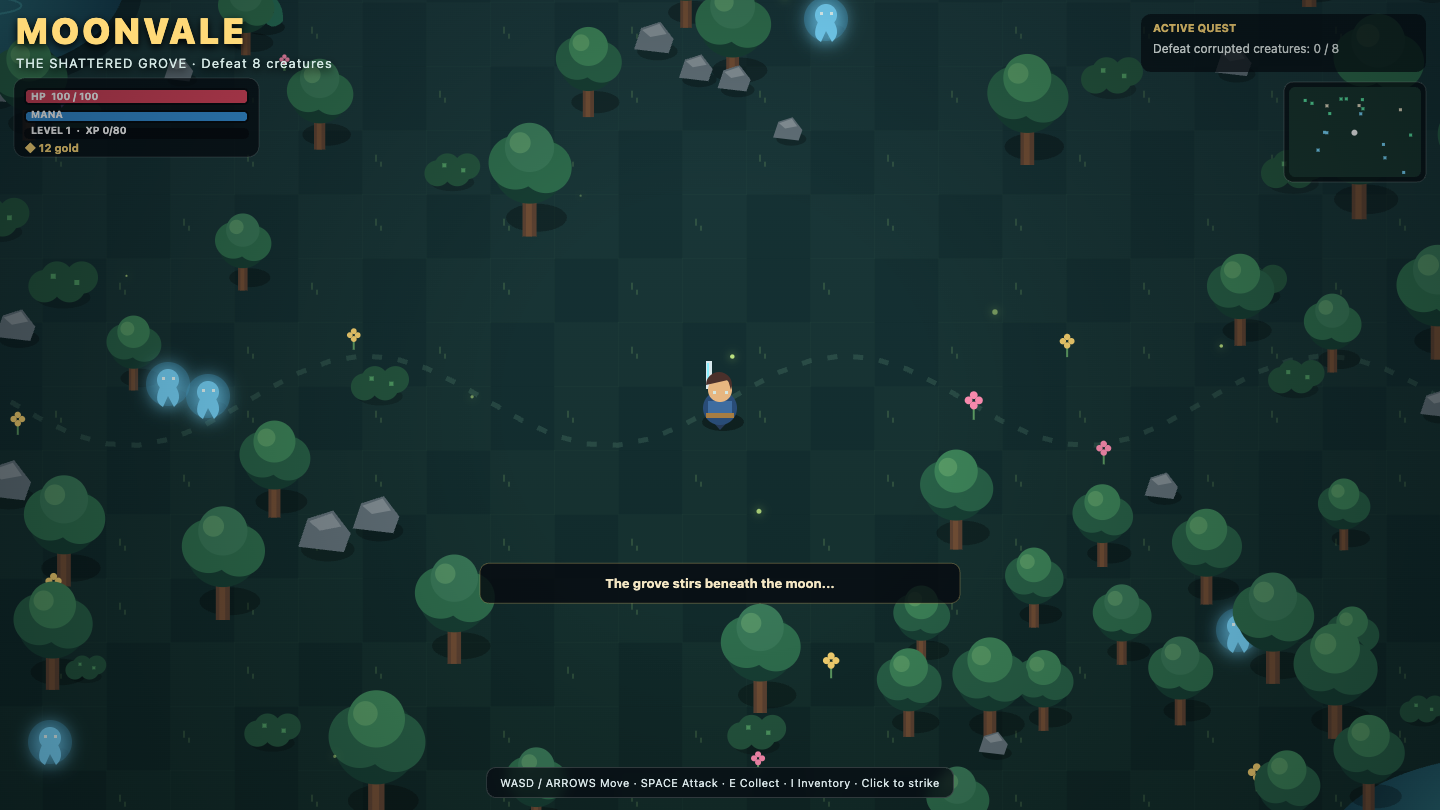
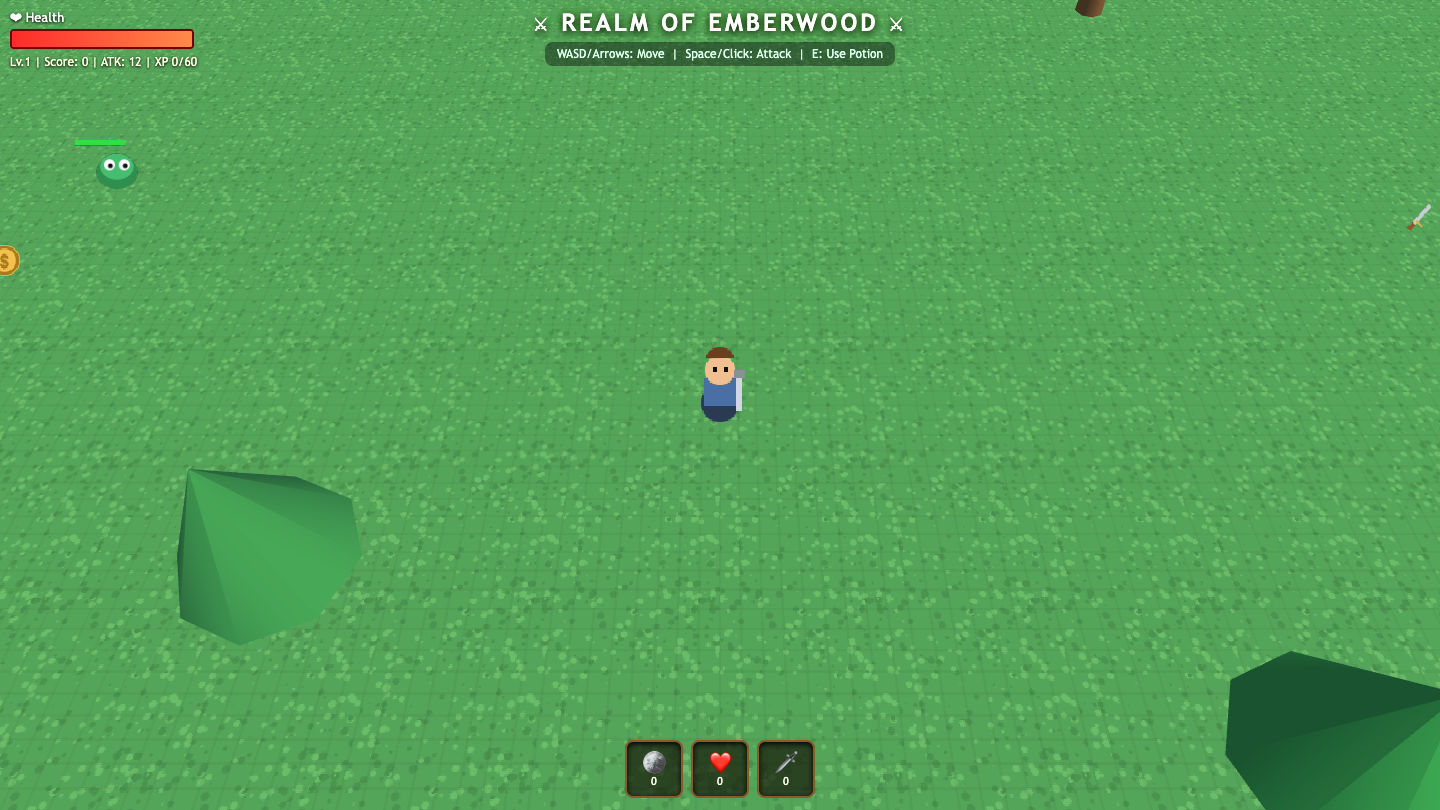
Game
Game
Game
Page
Where GPT-5.6 Sol beat Claude Sonnet 5
The tasks where I gave GPT-5.6 Sol a higher 0–10 score on the same prompt — with the actual commentary from my source guides.
Aurora
Visual
GPT-5.6 Sol 8.6
·
Claude Sonnet 5 2.5
(+6.1)
· Cinematic aurora scene
What I saw: Gorgeous layered green-to-violet curtains with soft blur, twinkling stars, silhouetted mountains and elegant typography make this genuinely cinematic and on-brief. Interactive wind/tap hints and Kp status polish it; only minor risk is the aurora ribbons overlapping the H1 slightl…
Solar
Sim
GPT-5.6 Sol 8.6
·
Claude Sonnet 5 2.5
(+6.1)
· polished orbital atlas
What I saw: Strong 3D render with glowing sun, distinct textured planets, asteroid belt, tilted Keplerian orbits, and a polished glass UI with live date/speed and info panel — clearly on-brief and shippable. Minor nit: labels crowd near the inner planets, but overall it beats the field's best.
Wormhole
Sim
GPT-5.6 Sol 8.6
·
Claude Sonnet 5 3.0
(+5.6)
· depth-perfect wormhole
What I saw: Excellent concentric ring tunnel with convincing depth, glowing core, streak particles and a polished cyan/magenta/gold palette plus a clean neon title and full control set. Minor nit is the slightly sparse outer starfield, but the sense of flying into a real wormhole is genuinel…
Orbit
Sim
GPT-5.6 Sol 8.6
·
Claude Sonnet 5 3.5
(+5.1)
· polished 3D orbits
What I saw: Strong 3D render with glowing sun, ringed body, orbital trails, polar grid, and a clean glassy UI with live stats, energy drift, inspector, and comet/reset controls—clearly on-brief and shippable. Minor caveat: it's a curated N-body-flavored system rather than a chaotic true N-bo…
Twilightvale
Game
GPT-5.6 Sol 7.8
·
Claude Sonnet 5 3.0
(+4.8)
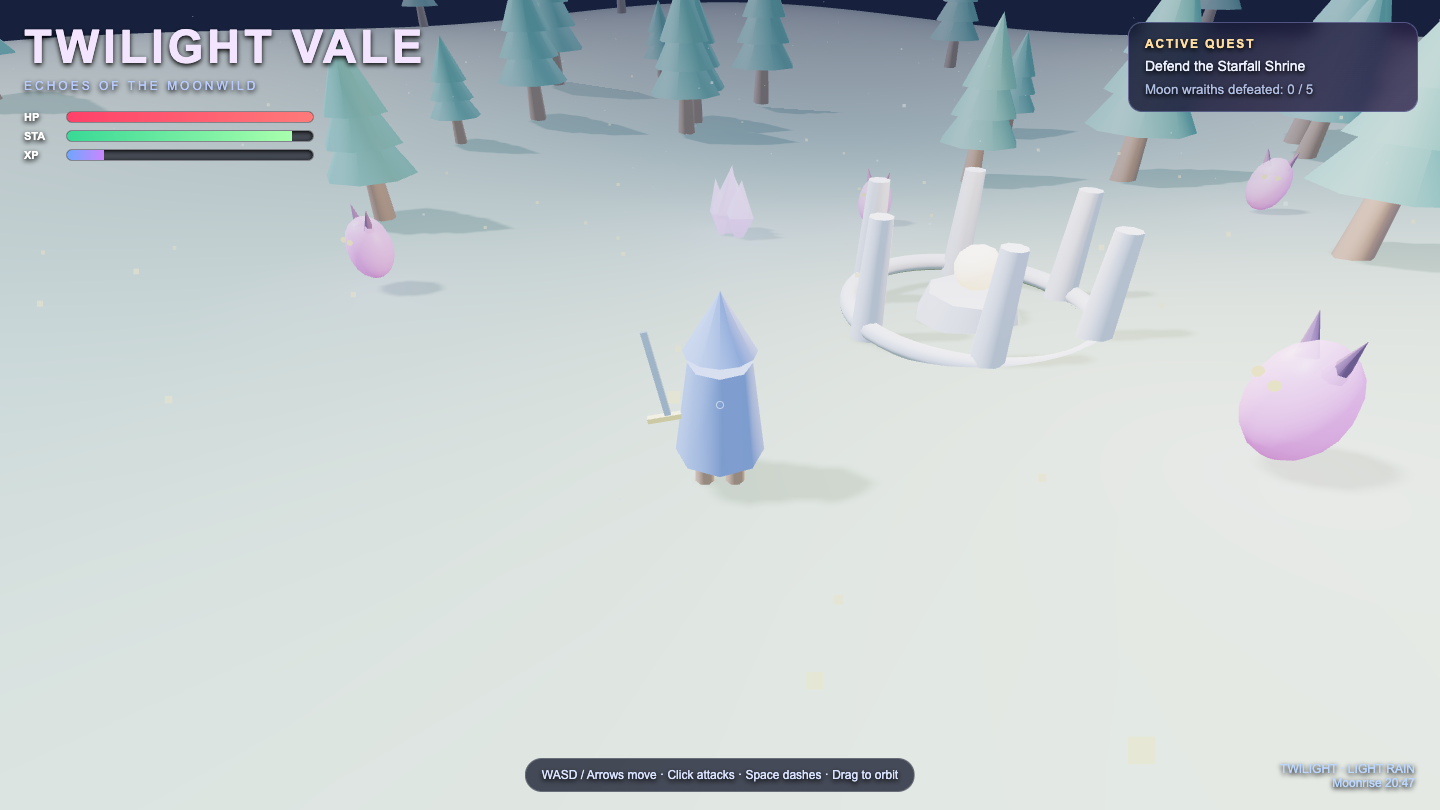
What I saw: Renders cleanly with a cohesive low-poly scene—hooded hero with sword, shrine with pillars/orb, wraith enemies, forest, and a polished HUD with quest/stats/weather. Solid and shippable, but the pastel fog washes out the promised 'twilight' mood and the terrain looks flat/snowy ra…
Where Claude Sonnet 5 beat GPT-5.6 Sol
The tasks where I gave Claude Sonnet 5 a higher 0–10 score on the same prompt — with the actual commentary from my source guides.
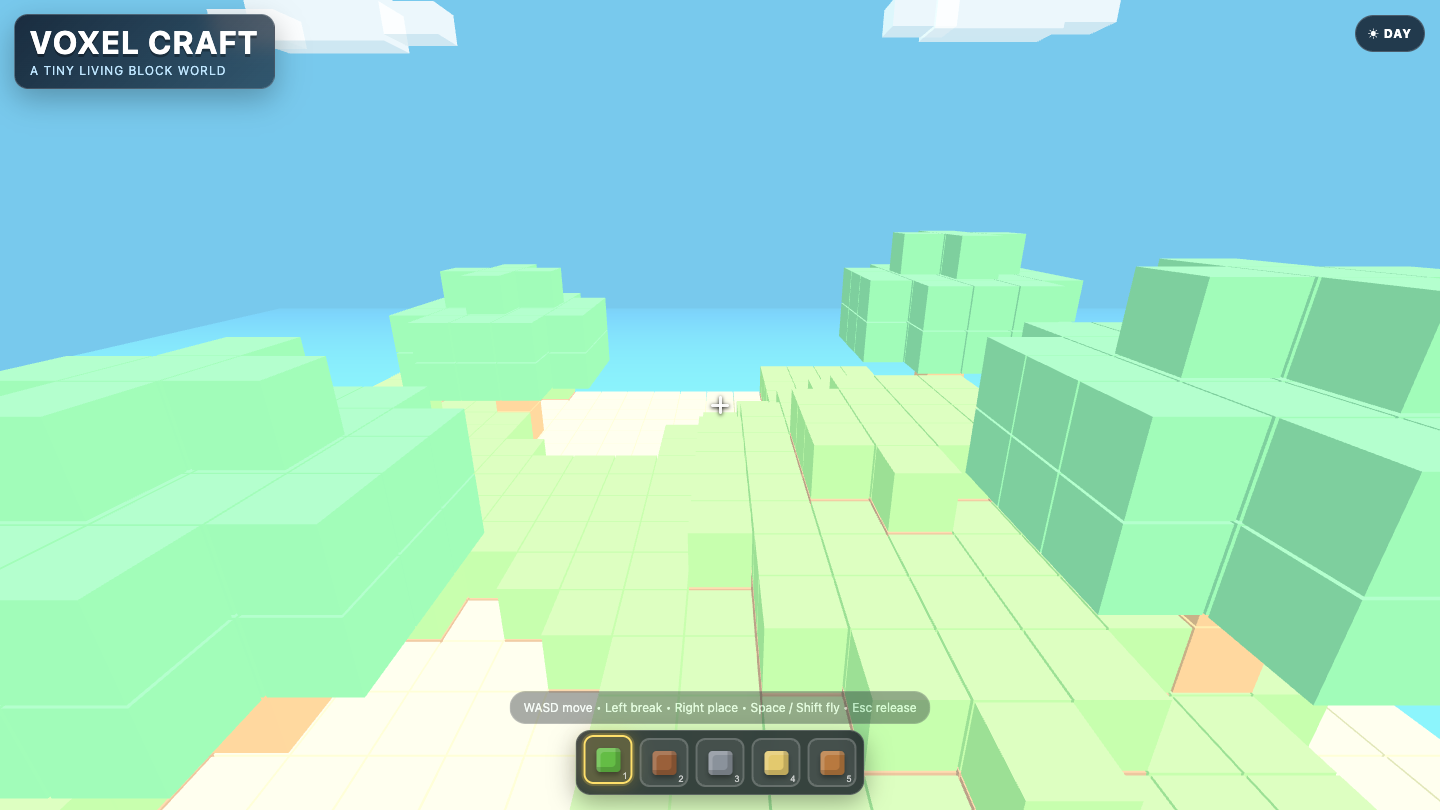
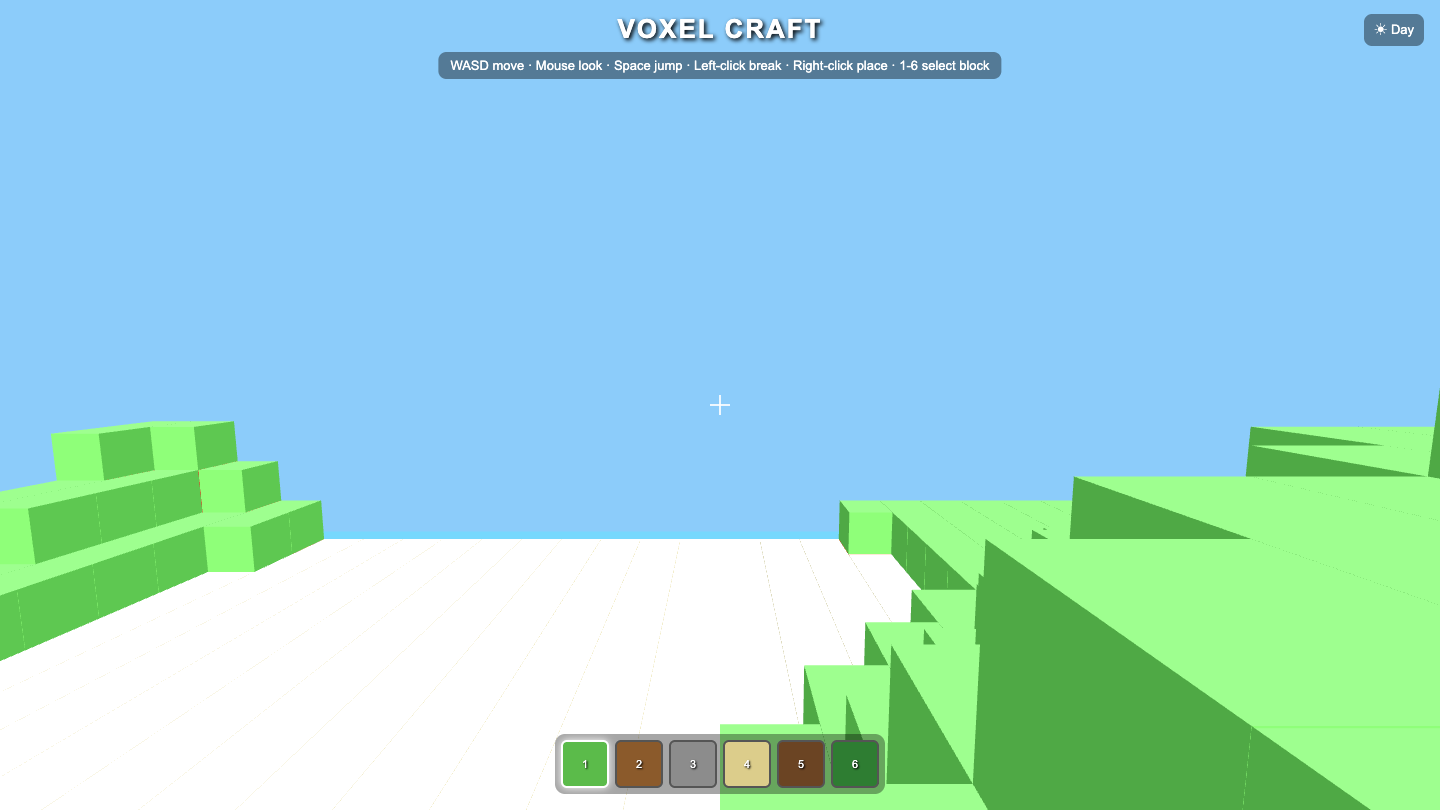
Voxel
Visual
Claude Sonnet 5 8.4
·
GPT-5.6 Sol 3.5
(+4.9)
What I saw: Strong, polished voxel island with clean biome layering (sand/grass/stone/snow), soft shadows, trees, translucent water and clear orbit/zoom/WASD controls — very on-brief. Falls just short of the top: the terrain reads a bit flat/small and the stone plateau looks like a slightly …
Pathtracer
Sim
Claude Sonnet 5 8.6
·
GPT-5.6 Sol 6.4
(+2.2)
· Converged Cornell box
What I saw: Renders a genuine progressively-converged Cornell box with correct red/green colored-wall bleed, a diffuse yellow sphere, and convincing glass and metal spheres showing refraction/reflection at 163 samples — physically-plausible and clearly on-brief. Minor grain and the truncated…
Gtafoot
Game
Claude Sonnet 5 4.5
·
GPT-5.6 Sol 3.5
(+1.0)
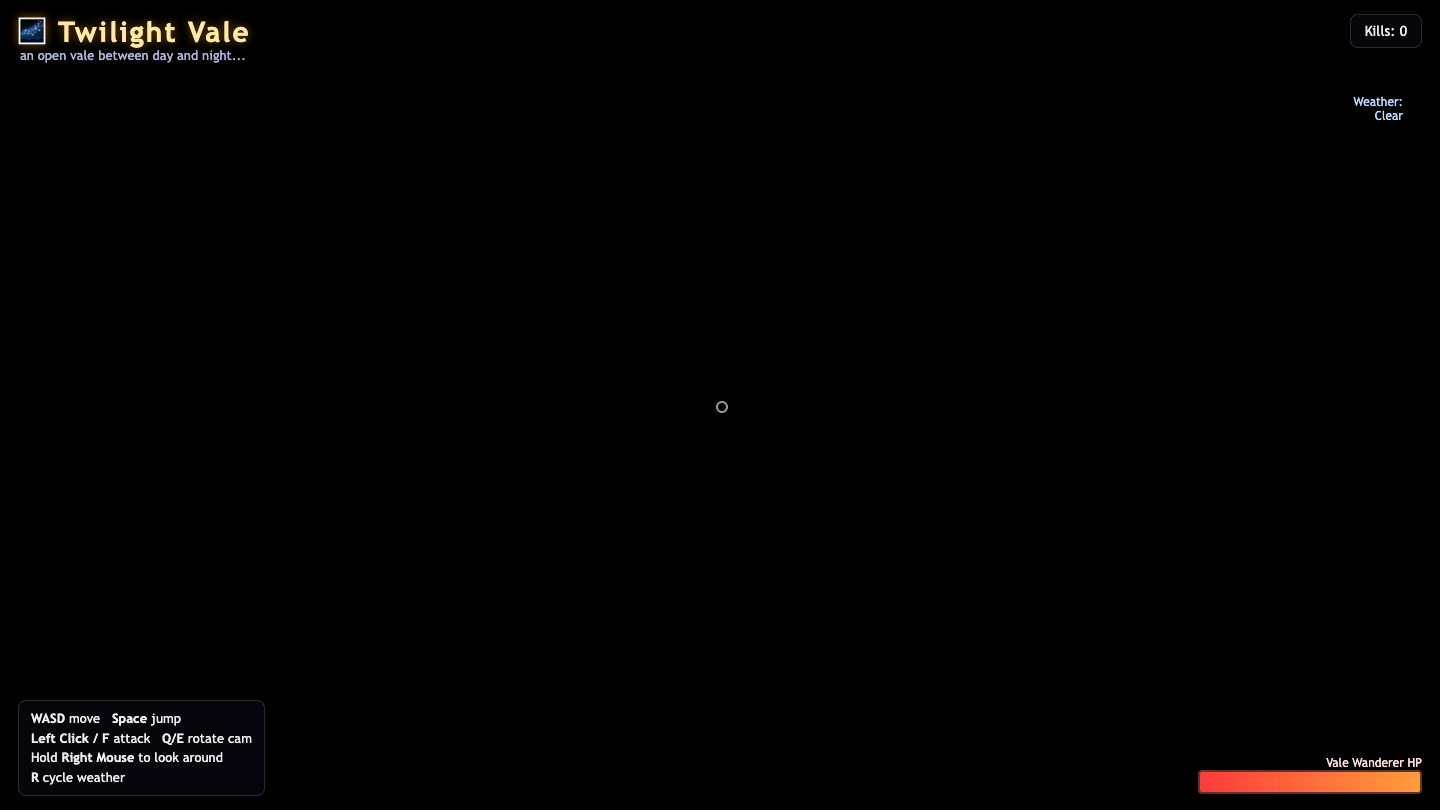
What I saw: EYEBALL FAIL: black scene, HUD-only render. Crosshair + minimap + FISTS label on void.
Terrain
Visual
Claude Sonnet 5 8.0
·
GPT-5.6 Sol 7.4
(+0.6)
What I saw: Renders a clean, atmospheric procedural landscape with convincing height-based coloring (sand/grass/rock/snow), scattered trees, and fog depth; solid and shippable but the terrain reads somewhat soft/generic and lacks standout visual punch or striking peaks to top the field.
Reactiondiff
Sim
Claude Sonnet 5 8.4
·
GPT-5.6 Sol 8.0
(+0.4)
· GPU Turing patterns
What I saw: Strong GPU Gray-Scott sim rendering clean cell/worm Turing structures with a polished glassy control panel, presets, and interactive seeding; slight weakness is somewhat uniform blob patterns rather than more dramatic branching coral, keeping it just under the top.
Strengths & weaknesses I logged
GPT-5.6 Sol
Strengths
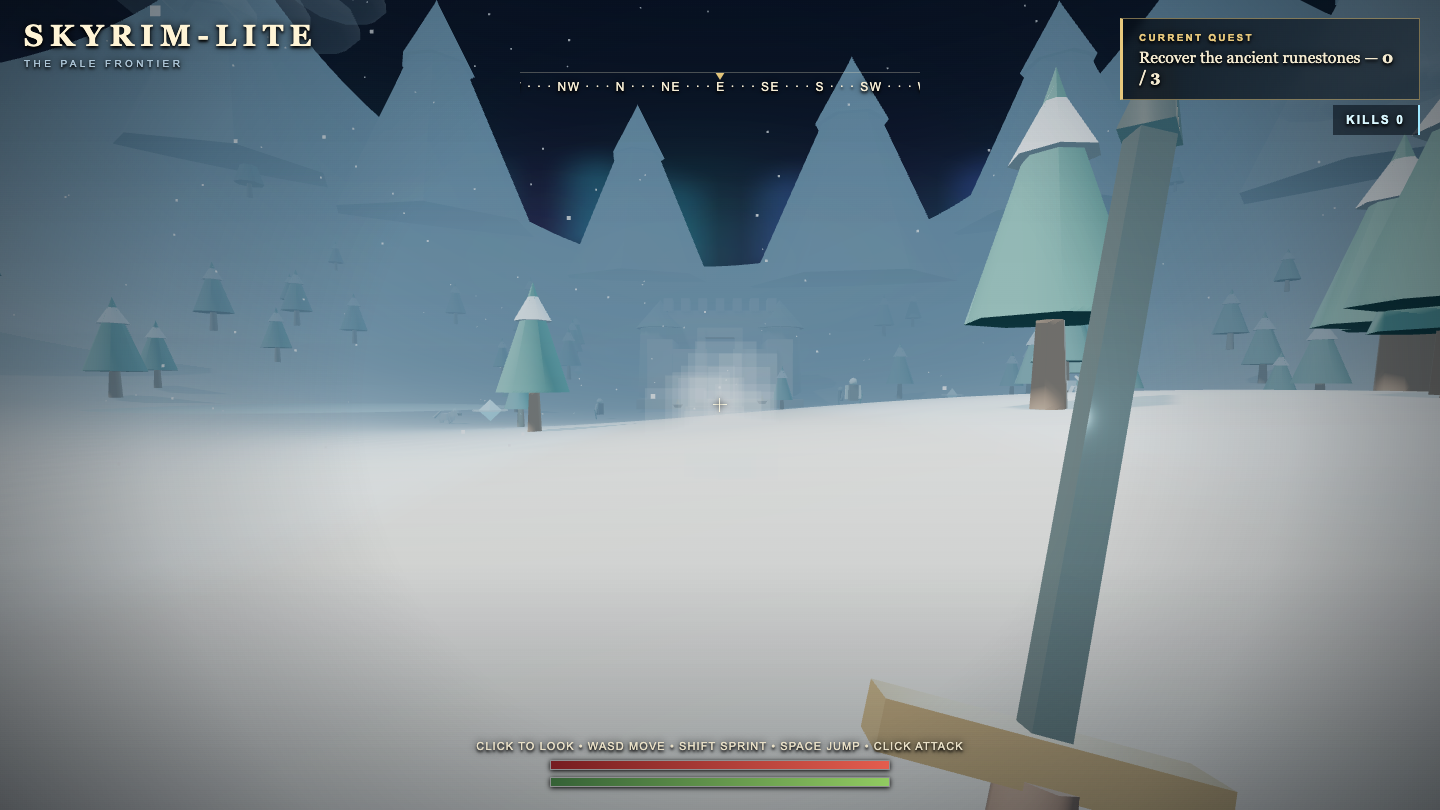
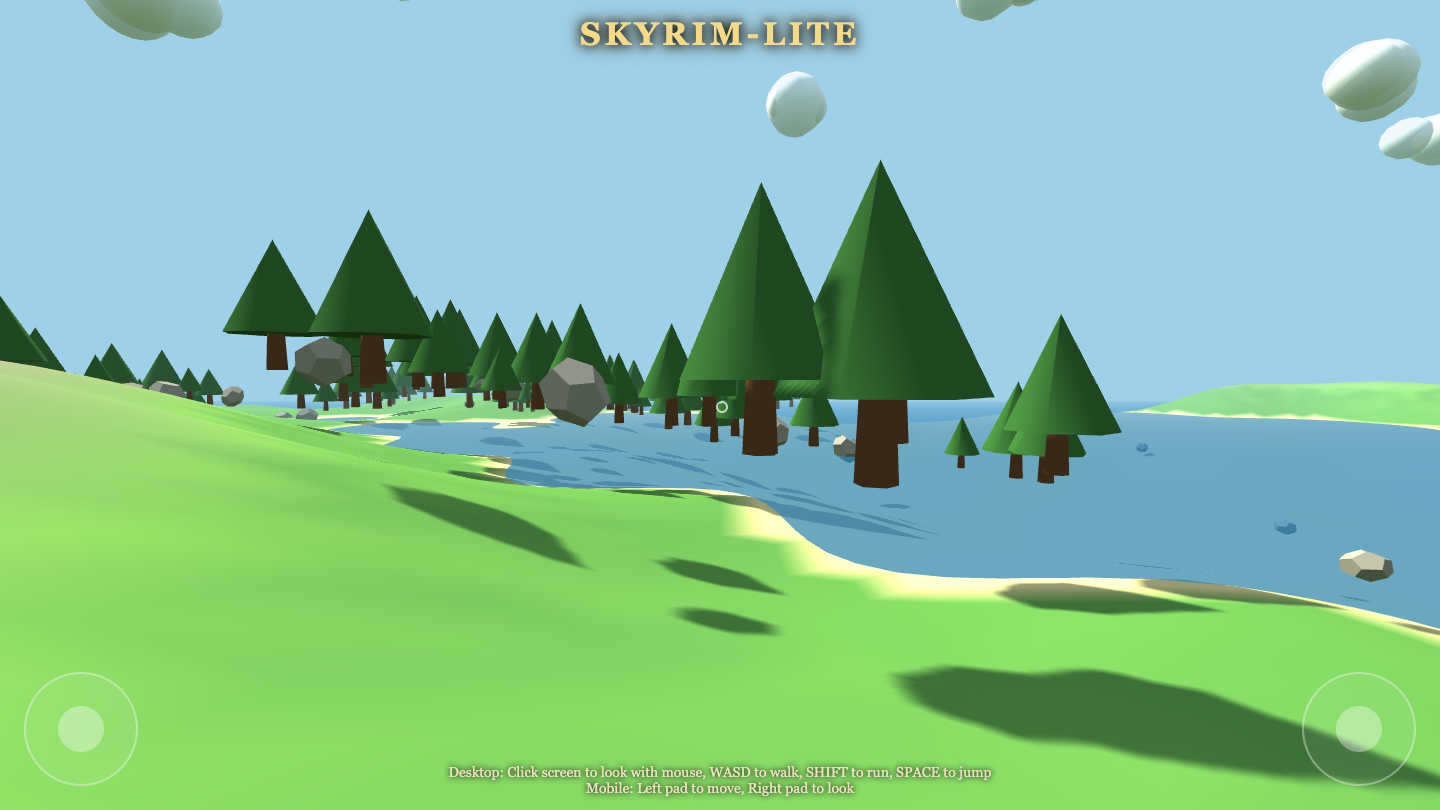
- Strong one-shot 3D games — Dragon Realm, Doom raycaster and Skyrim-lite all judged task winners
- Whole 5.6 lineup rated High capability, even the small Luna/Terra tiers — a first for OpenAI
- Huge ~1.05M-token context on every tier, plus a low-to-high reasoning-effort dial
Trade-offs
- Priciest tier on the bench at $30/M output — only worth routing the hardest 10% of work to Sol
- Reasoning can eat the token budget on big open-world briefs (one 0-byte failure until the budget was raised, then it built clean)
Claude Sonnet 5
Strengths
- 82.1% SWE-bench Verified — first model past 80% on real GitHub-issue repair
- Dev Team multi-agent mode + 1M context for repo-level agentic work
- Precision on hard logic — won the raycaster the open-weight field kept botching
Trade-offs
- One-shot creative-visual builds trail GLM 5.2 here (lost 4 of 5) — no iteration to catch its own bugs
- A temporal-dead-zone bug blanked its N-body orbit sim on the first shot
Pricing & context — the spec sheet
| Spec | GPT-5.6 Sol | Claude Sonnet 5 |
|---|---|---|
| Vendor | OpenAI | Anthropic |
| Context window | 1,050,000 tokens | 1,000,000 tokens |
| Price | $5 / $30 per M | $3 / $15 per M ($2/$10 intro) |
| Pricing detail | GPT-5.6 shipped as three models — Luna ($1/$6 per M), Terra ($2.50/$15) and Sol ($5/$30) — each with a same-price pro variant that ships a higher default reasoning effort. All share a ~1.05M-token context window and are rated High capability. Benched here on the flagship, Sol, at medium reasoning effort via OpenRouter. | $3.00 input / $15.00 output per million tokens; introductory $2.00/$10.00 through 2026-08-31. |
| Release | 2026-07 | 2026-06-30 |
| Bench coverage | 50/50 scored · avg 8.16/10 | 47/47 scored · avg 7.01/10 |
The verdict — which should you pick?
Across 47 scored shared tasks, GPT-5.6 Sol averaged 8.16/10, beating Claude Sonnet 5's 7.01/10 by 1.14 points. Pick GPT-5.6 Sol when the build has to ship on the first prompt and you can afford the trade-offs in the comparison below.
If you only run one of these inside your stack, the head-to-head average above is the call. If you can run both, my honest play is to wire GPT-5.6 Sol and Claude Sonnet 5 both into the Agent Operating System and dispatch each from the kanban by task type — the hardest reasoning and code where being right beats being cheap → GPT-5.6 Sol, agentic software engineering — write / run / test / fix loops on real repos → Claude Sonnet 5. That's the same setup I run for the 3,400+ founders inside the AI Profit Boardroom.
FAQ — GPT-5.6 Sol vs Claude Sonnet 5
Which is better, GPT-5.6 Sol or Claude Sonnet 5?
On Goldie Bench, GPT-5.6 Sol averages 8.16/10 across the shared tasks, with 2 gold, 9 silver, 10 bronze overall. Claude Sonnet 5 averages 7.01/10, with 0 gold, 0 silver, 4 bronze. GPT-5.6 Sol wins the head-to-head 39–5.
How much does GPT-5.6 Sol cost vs Claude Sonnet 5?
GPT-5.6 Sol: GPT-5.6 shipped as three models — Luna ($1/$6 per M), Terra ($2.50/$15) and Sol ($5/$30) — each with a same-price pro variant that ships a higher default reasoning effort. All share a ~1.05M-token context window and are rated High capability. Benched here on the flagship, Sol, at medium reasoning effort via OpenRouter. Claude Sonnet 5: $3.00 input / $15.00 output per million tokens; introductory $2.00/$10.00 through 2026-08-31.
What's the context window for GPT-5.6 Sol vs Claude Sonnet 5?
GPT-5.6 Sol has a 1,050,000 tokens context window. Claude Sonnet 5 has a 1,000,000 tokens context window.
When should I pick GPT-5.6 Sol over Claude Sonnet 5?
Pick GPT-5.6 Sol for: The hardest reasoning and code where being right beats being cheap; One-shot game/sim prototypes you want shippable on the first prompt; The flagship slot in a routed Agent OS — Sol for the hard 10%, Luna/Terra for the rest. The trade-off is the weaknesses we logged on the bench: Priciest tier on the bench at $30/M output — only worth routing the hardest 10% of work to Sol; Reasoning can eat the token budget on big open-world briefs (one 0-byte failure until the budget was raised, then it built clean).
When should I pick Claude Sonnet 5 over GPT-5.6 Sol?
Pick Claude Sonnet 5 for: Agentic software engineering — write / run / test / fix loops on real repos; Repo-level reasoning across a 1M-token context (Dev Team multi-agent mode); Precise logic — raycasters, physics — where one-shot open models slip. The trade-off is the weaknesses we logged on the bench: One-shot creative-visual builds trail GLM 5.2 here (lost 4 of 5) — no iteration to catch its own bugs; A temporal-dead-zone bug blanked its N-body orbit sim on the first shot.
How does Goldie Bench score GPT-5.6 Sol vs Claude Sonnet 5?
Every demo on this page was built by Julian Goldie inside the Agent Operating System — same fixed prompt for both models, one shot, single HTML file out. Each result gets a 0–10 score on whether it ran, how close it hit the brief, and how good it looked. The highest score on each task gets gold; second gets silver; third gets bronze. See methodology for full provenance.
Related comparisons
Other head-to-heads using the same scoring system:
GPT-5.6 Sol vs Fusion Claude Sonnet 5 vs Fusion GPT-5.6 Sol vs Claude Opus 5 Claude Sonnet 5 vs Claude Opus 5 GPT-5.6 Sol vs Hermes MoA Claude Sonnet 5 vs Hermes MoA GPT-5.6 Sol vs Claude Fable 5 Claude Sonnet 5 vs Claude Fable 5Full model pages: GPT-5.6 Sol · Claude Sonnet 5 · back to the leaderboard
The same stack Julian uses
Run this stack yourself.
Every demo on this bench was built inside the Agent Operating System — one prompt, one shot, single HTML file out. The Agent OS, the prompts, the templates, the weekly walkthroughs and 3,400+ founders shipping with it every day all live inside the AI Profit Boardroom.
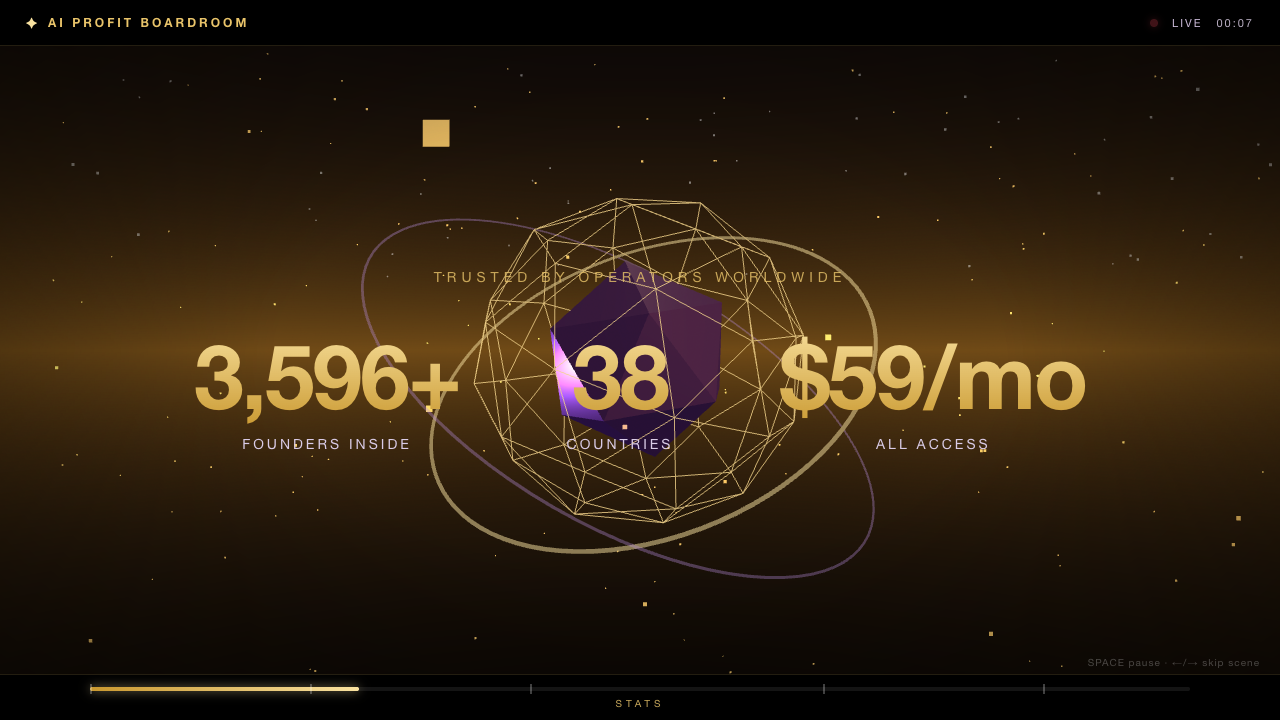
3,400+founders
258documented wins
38countries
$69/momonthly