Real head-to-head · same prompt, one shot
Hermes MoA vs Gemini 3.6 Flash
A panel of frontier models, merged by a chair. The model doesn't matter — the system does. vs Google's launch-day Flash — faster, cheaper, fewer tokens.
Head-to-head verdict: Hermes MoA wins 32–11 with 4 ties.
What I tested — same prompt, two models
I run the same fixed prompt set through every new model the day it drops — same string, one shot, single HTML file out — and I score the result 0–10 on whether it ran, how close it hit the brief, and how good it looked. Below is what came out when I gave the exact same prompts to Hermes MoA and Gemini 3.6 Flash, side by side, on 47 shared tasks inside the Agent Operating System.
Both models were given identical prompts inside the Agent Operating System — no help, no iteration, no "best of N" tricks. I run each prompt once, save the HTML file the model produces, and score it 0–10 on whether it ran, how close it hit the brief, and how good it looked. The scoring is mine. The verdicts below are pulled from my source comparison guides at agentos.guide where I publish every score and the reasoning behind it.
Hermes MoA · Run from the Mixture tab in the Hermes Agent OS. On this bench the panel built each demo and the aggregator merged the best of every draft.
Gemini 3.6 Flash · Benched via the native Gemini API on launch day. Game tasks use the skill-infused threejs-game-director prompt (same as the rest of the field) and are judged on a real mid-play frame by the same Opus vision judge.
Side-by-side on 50 shared tasks
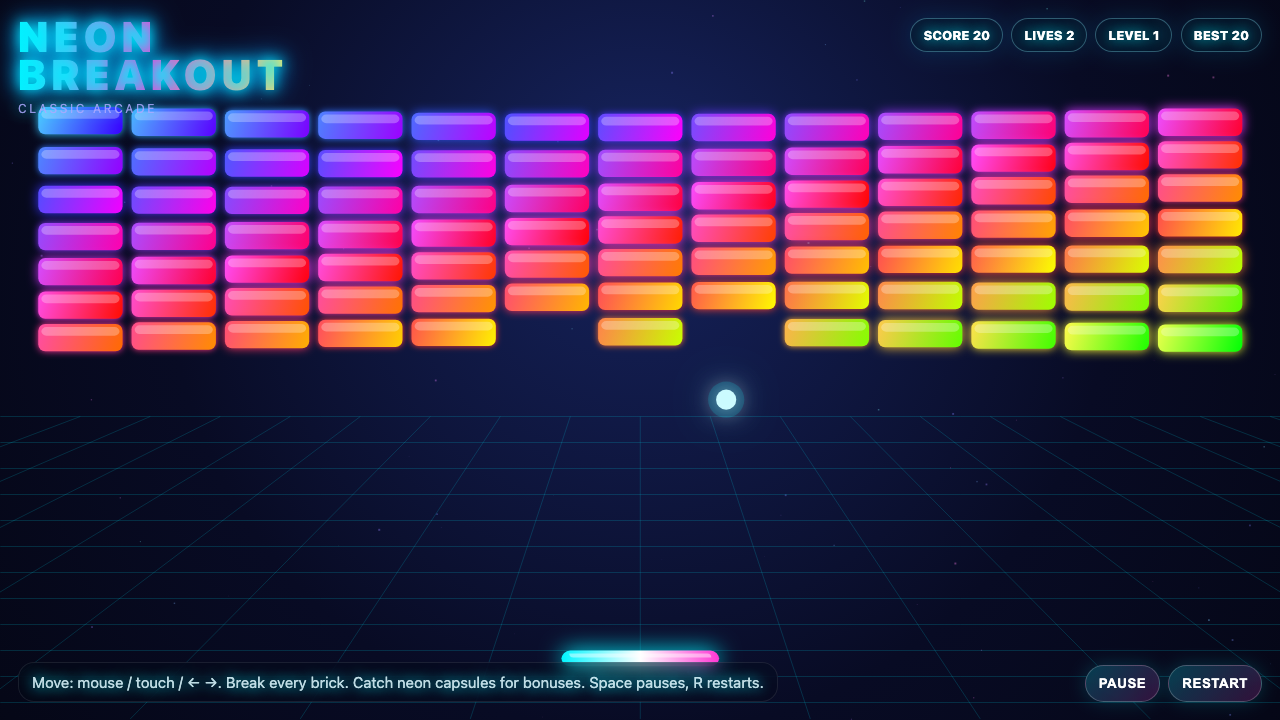
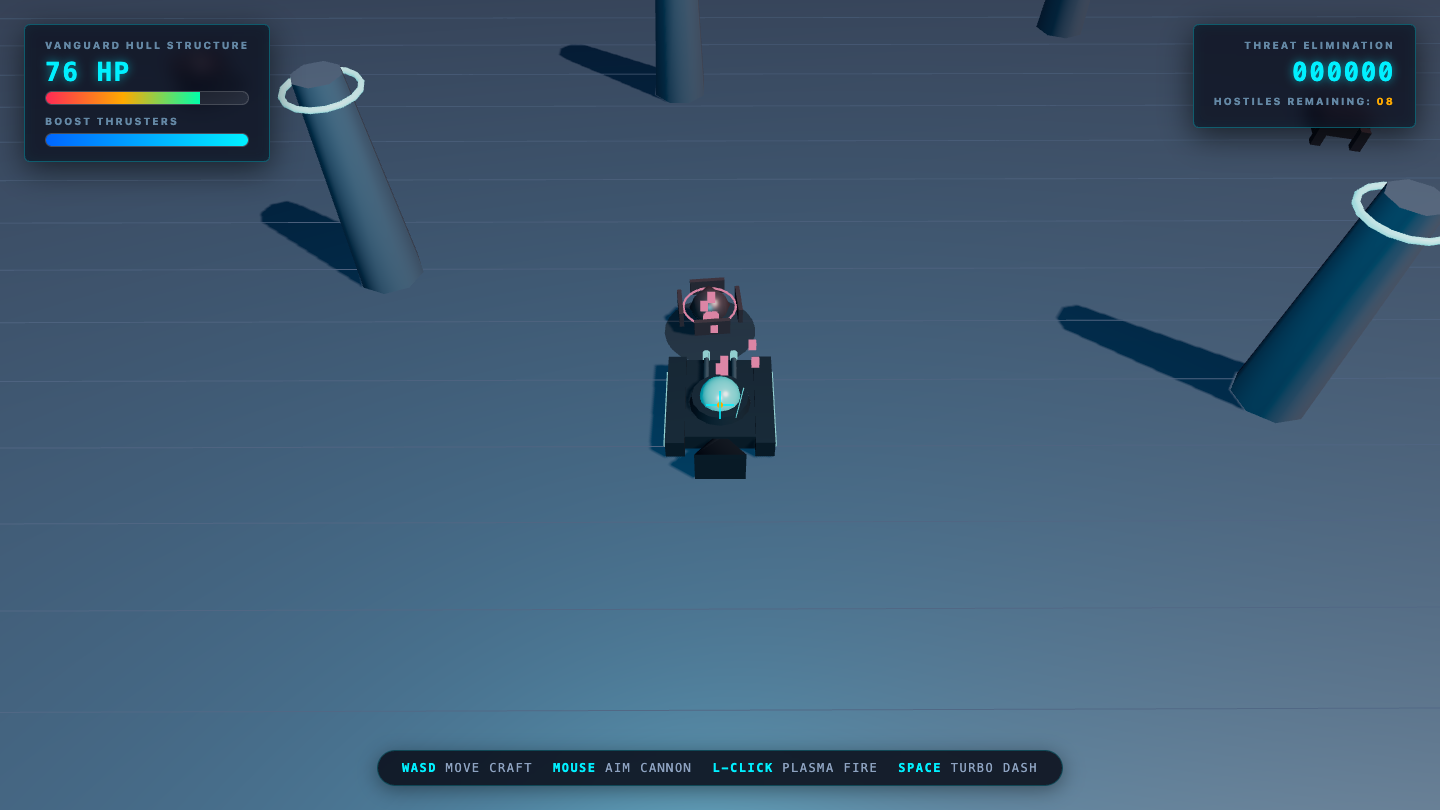
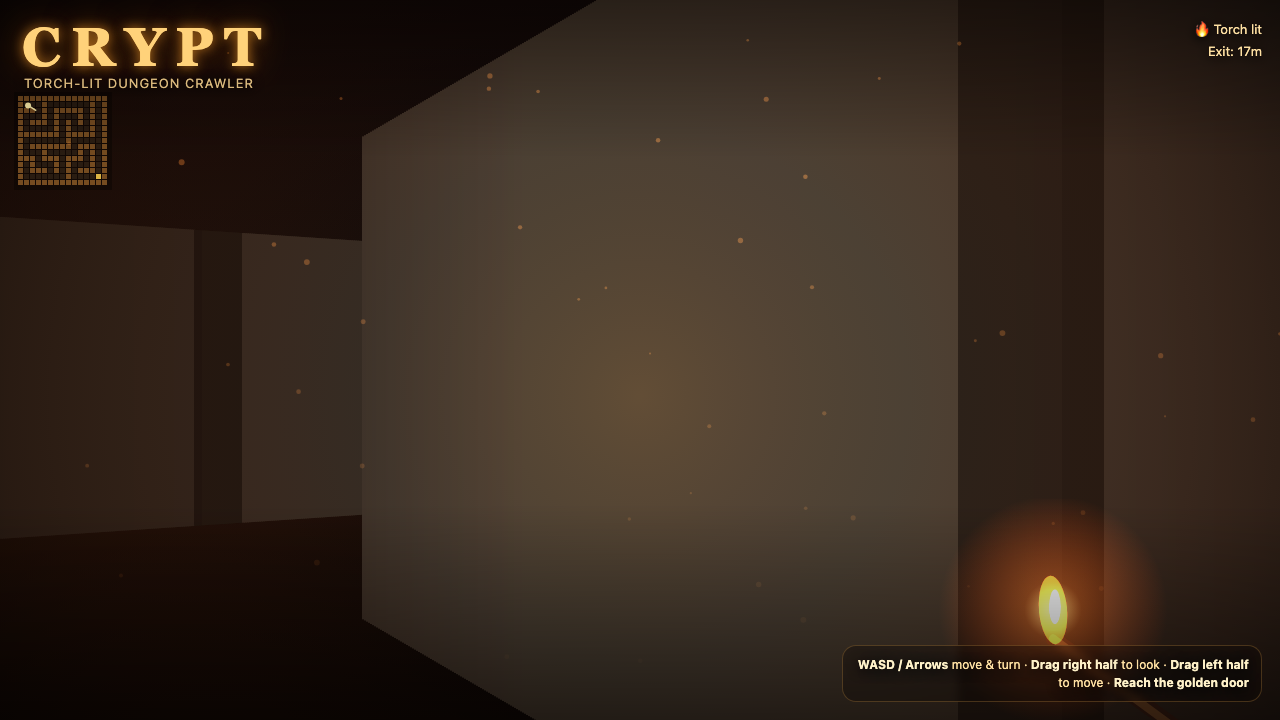
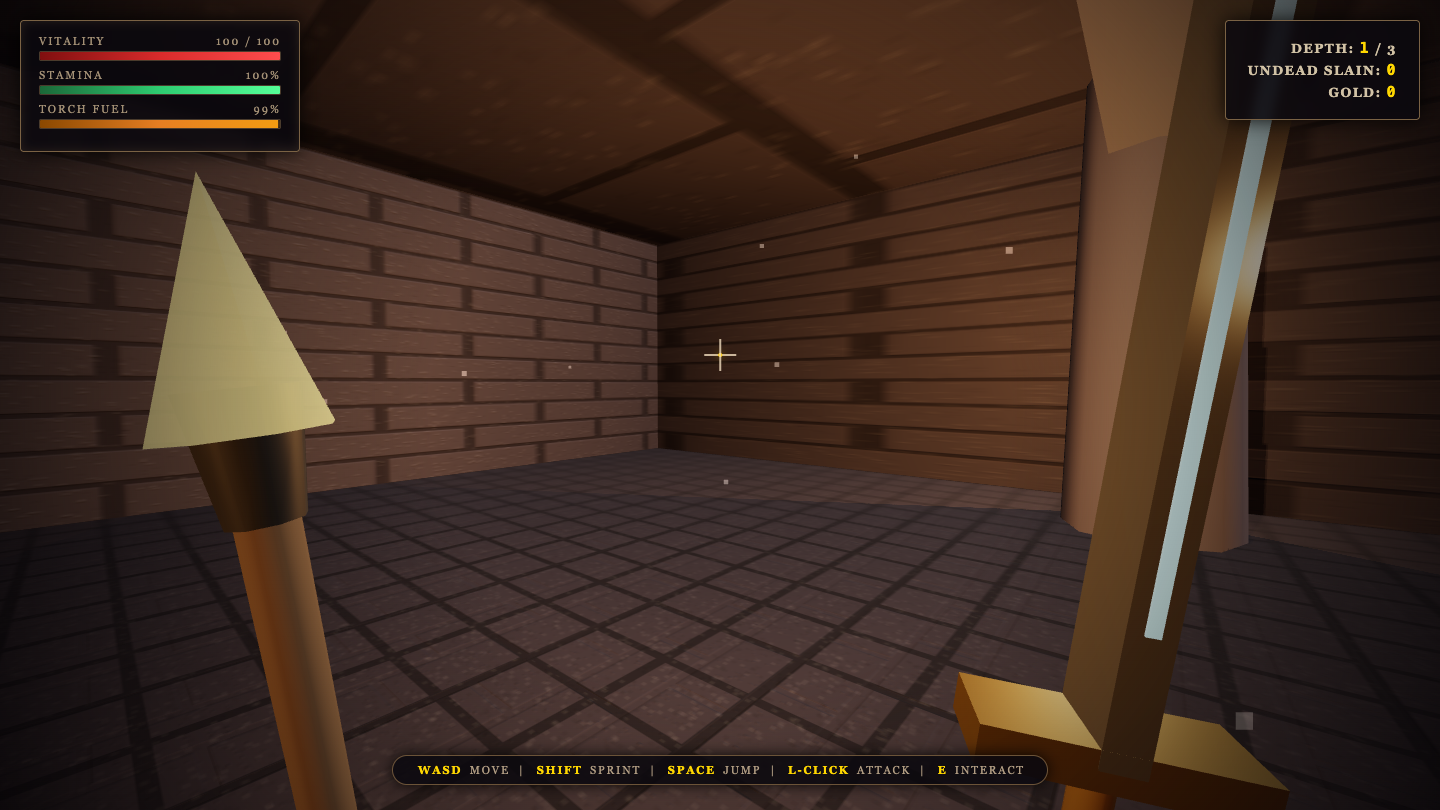
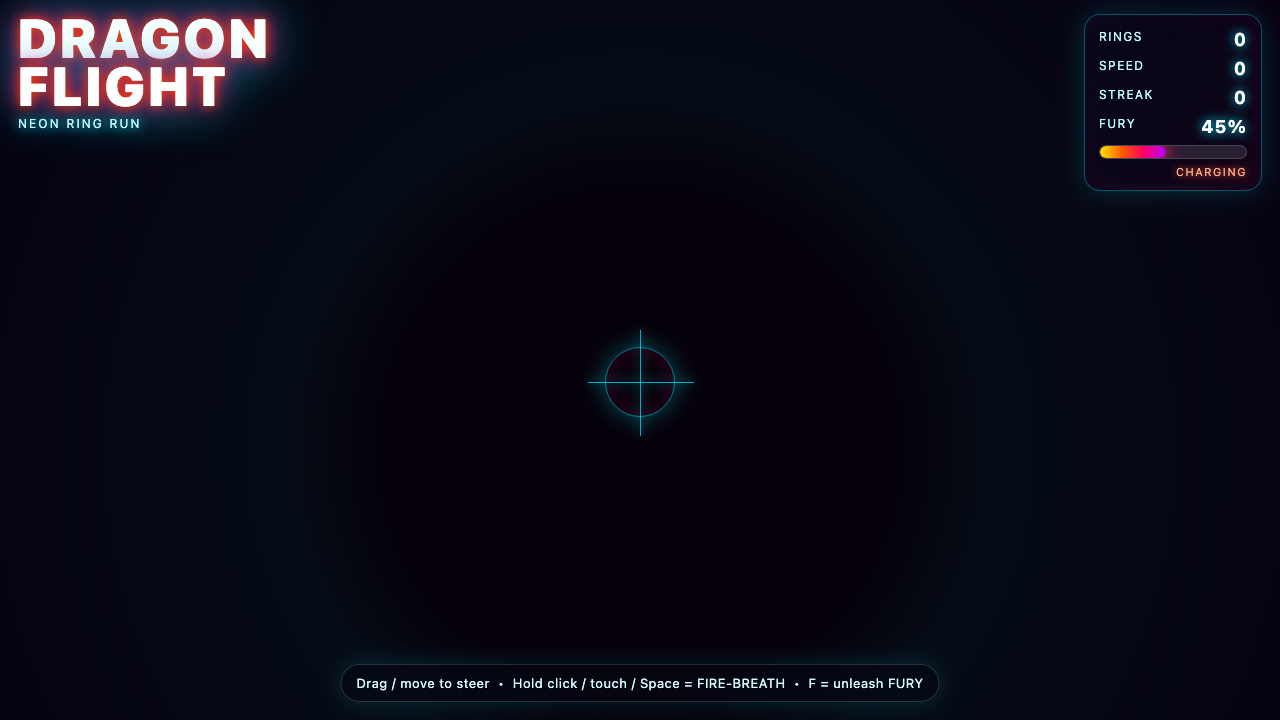
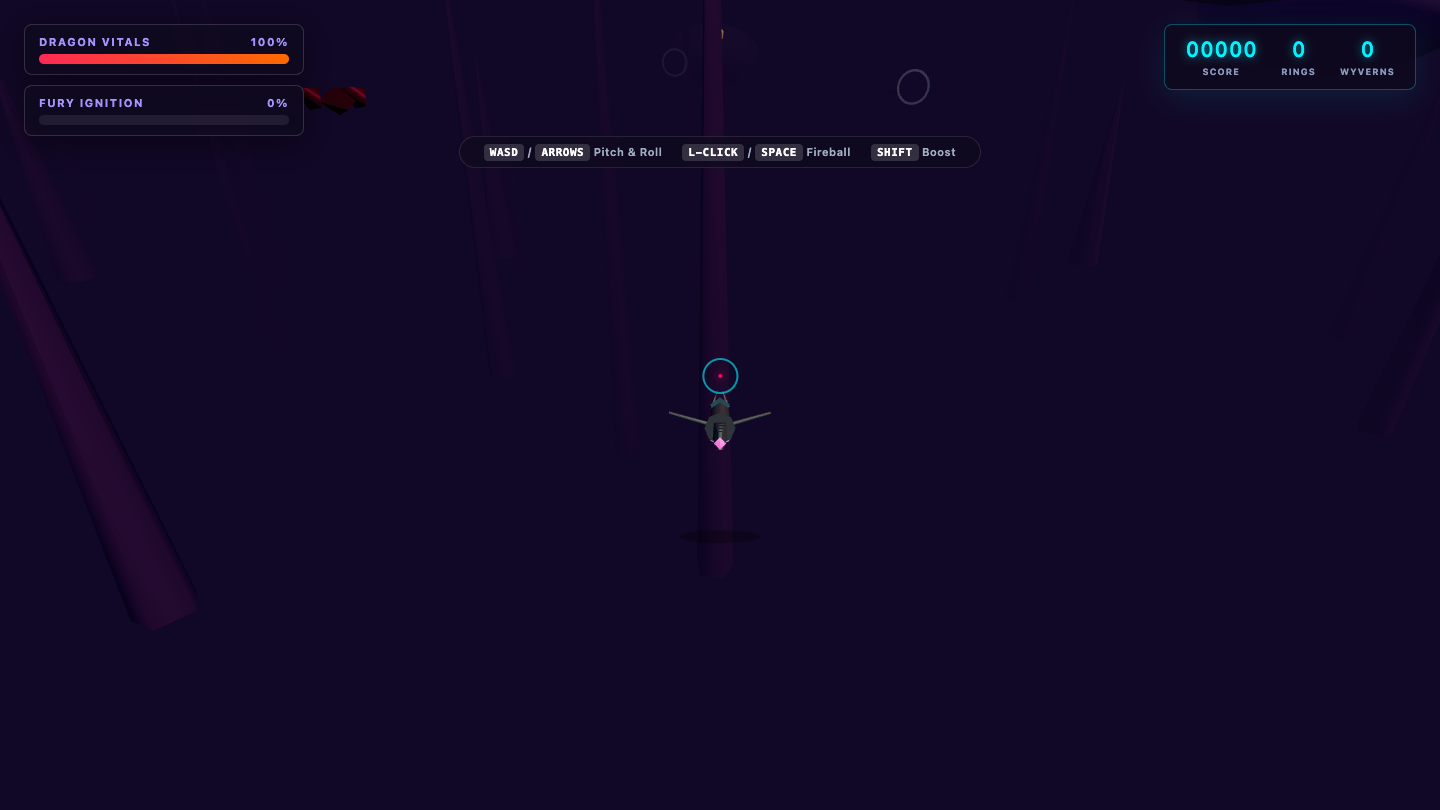
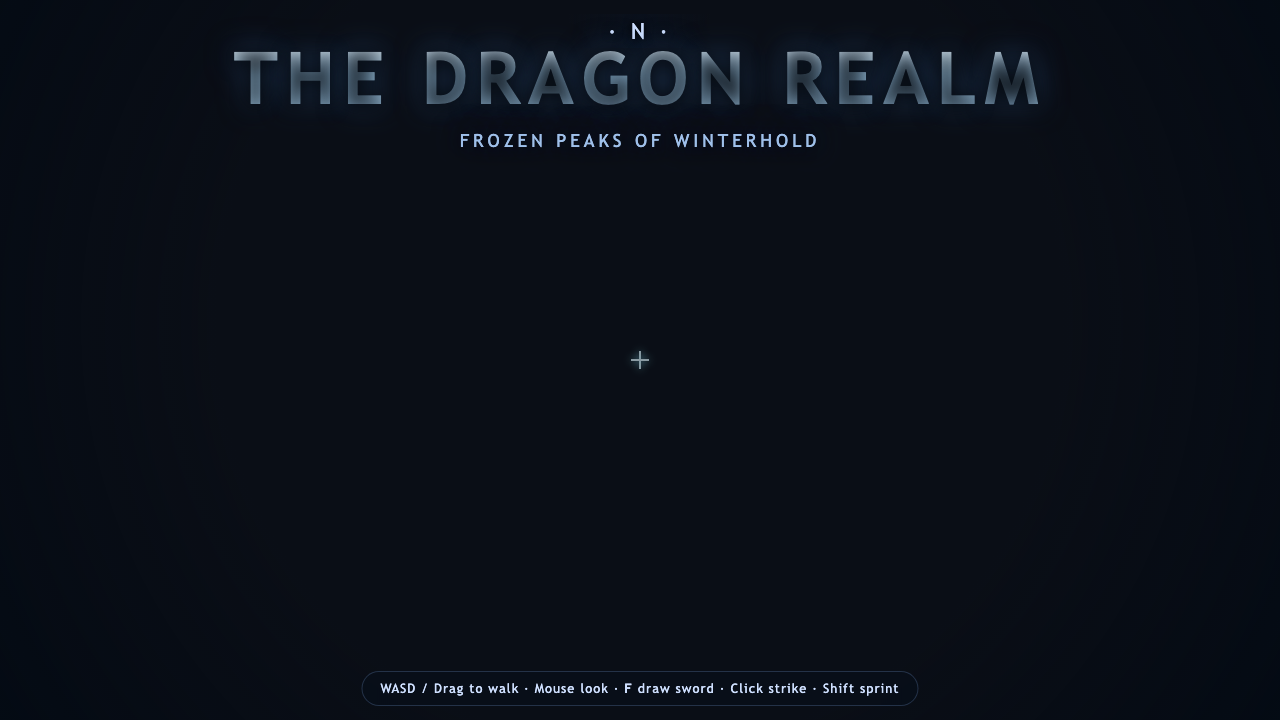
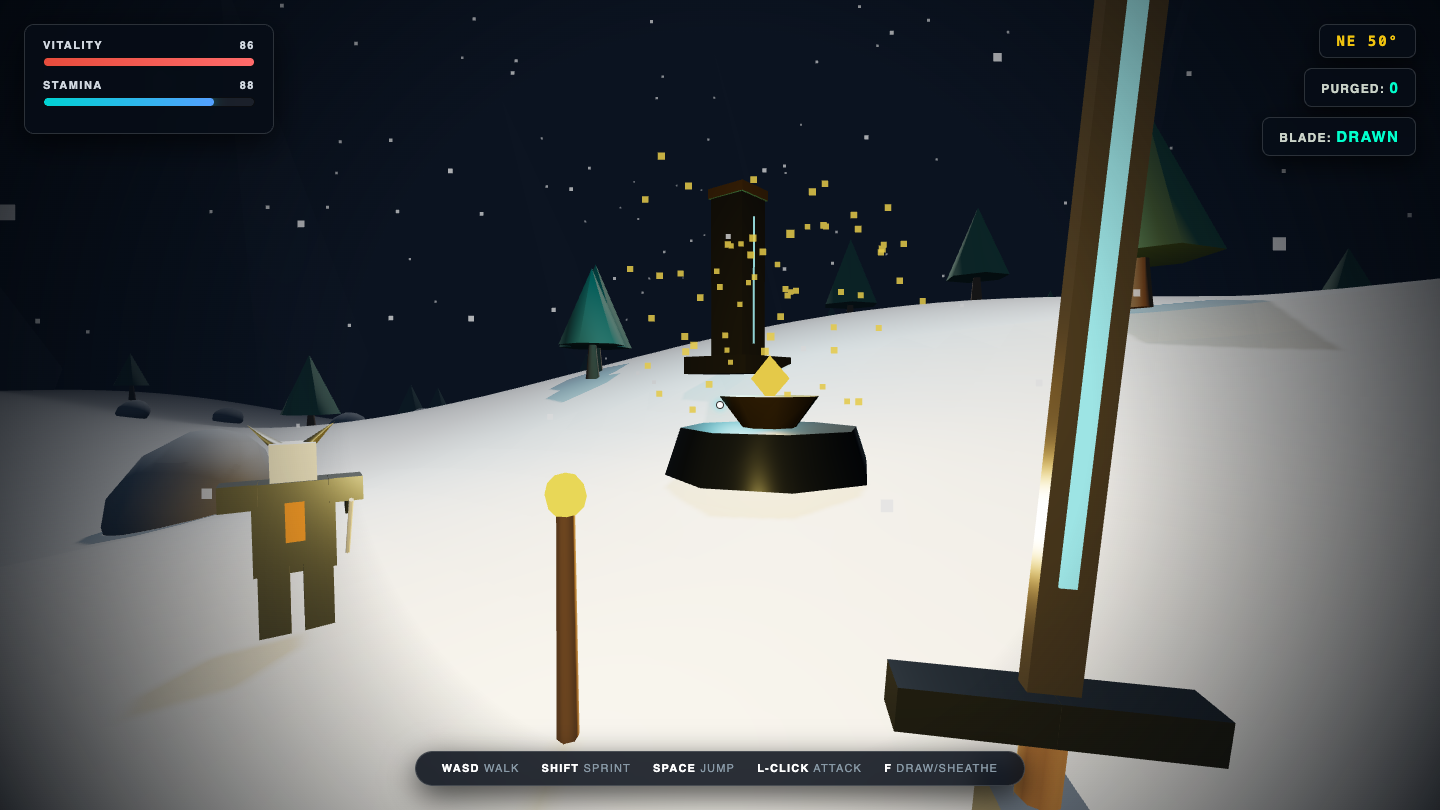
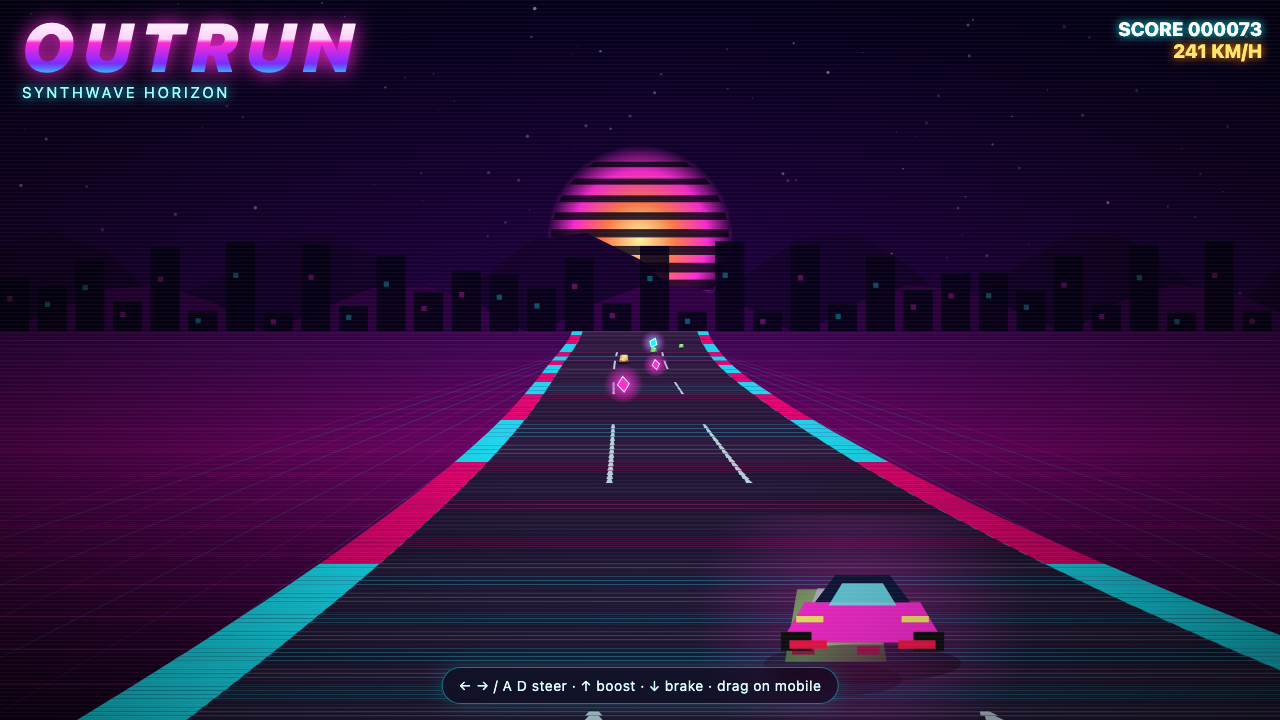
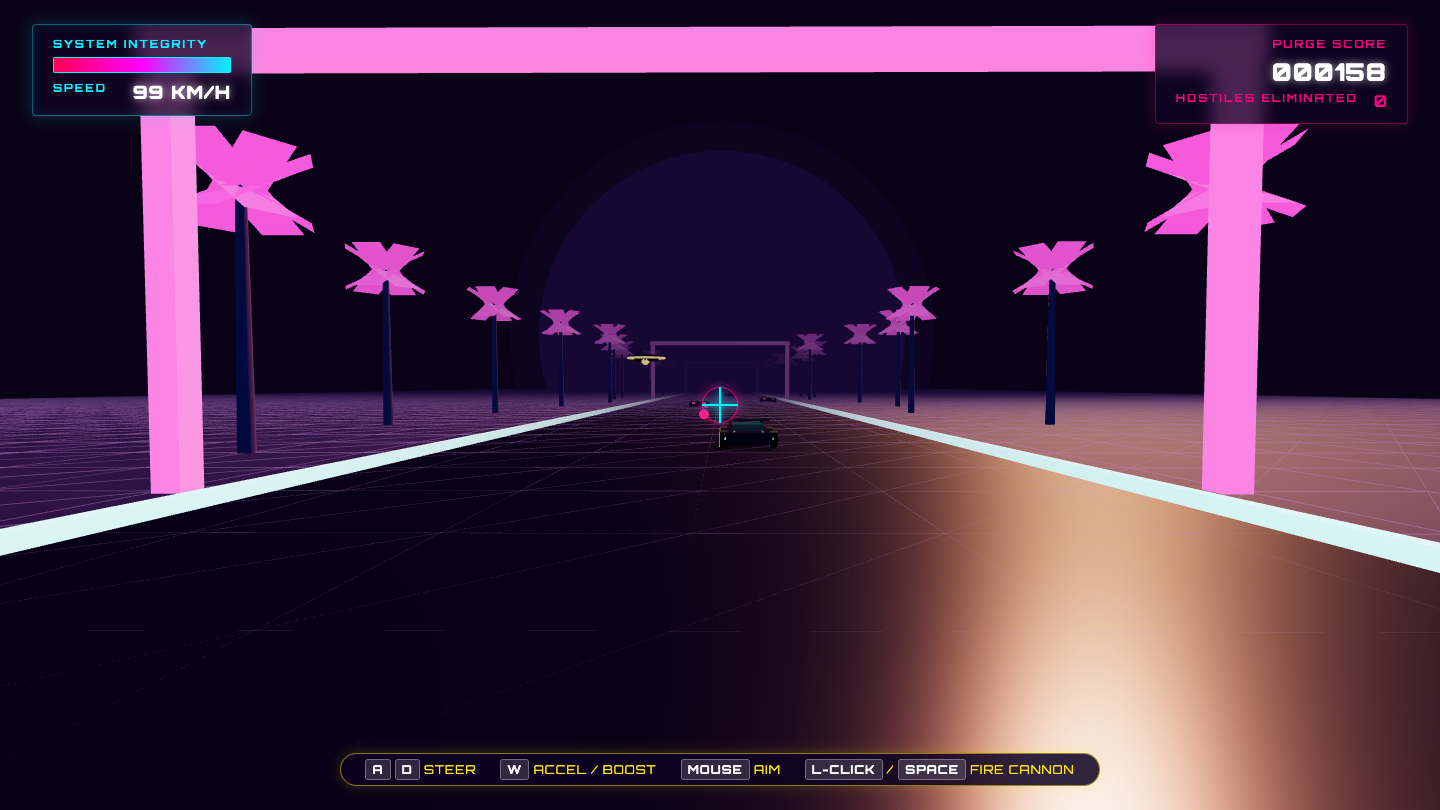
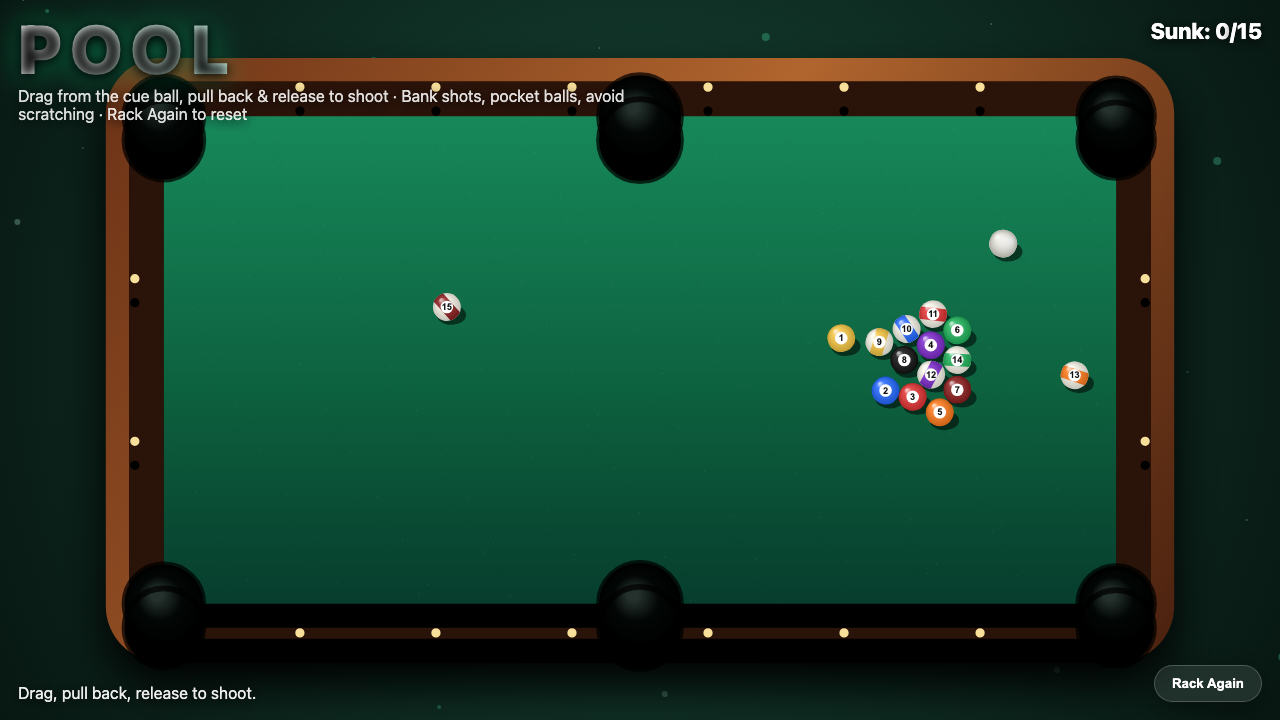
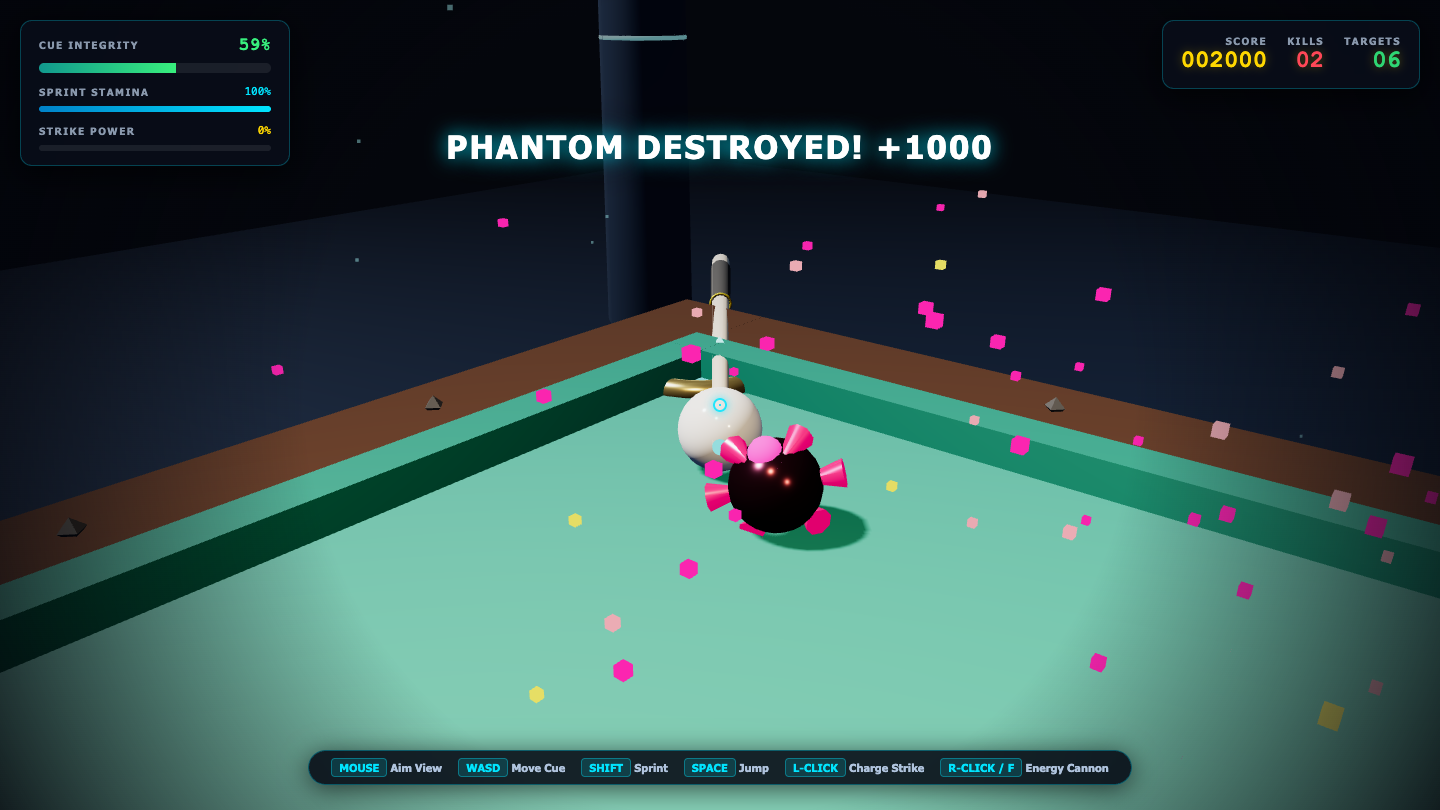
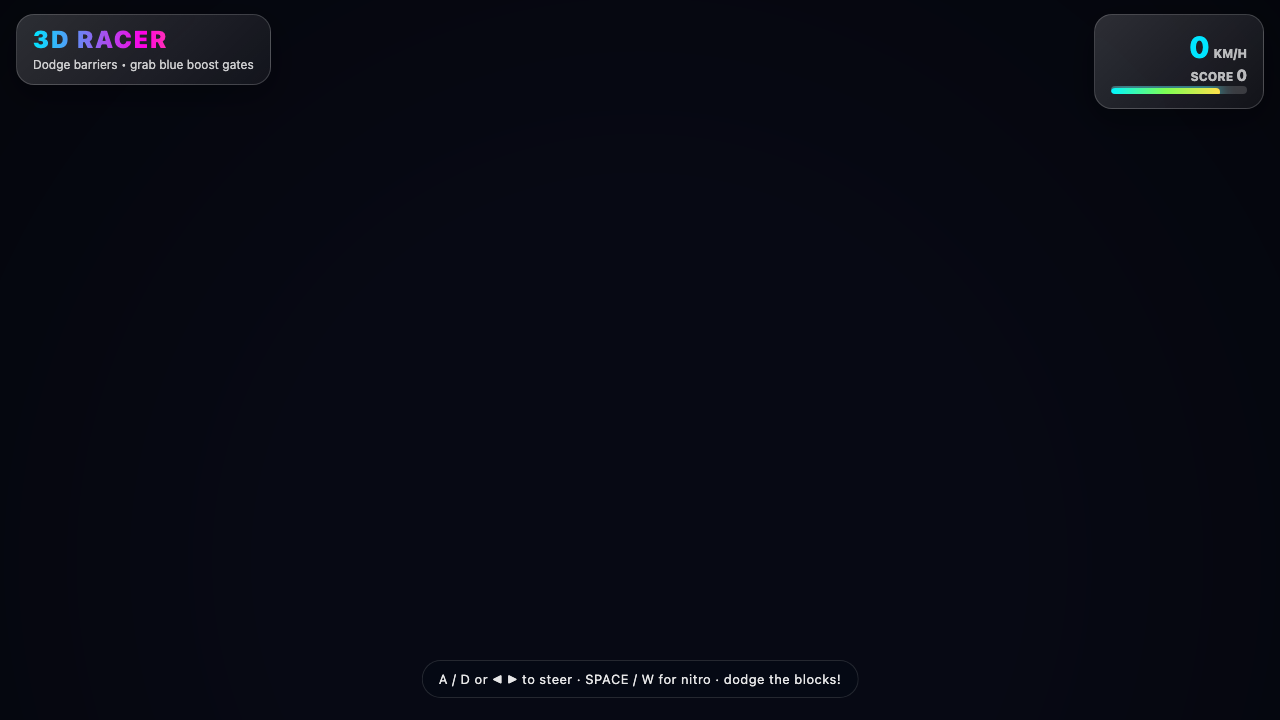
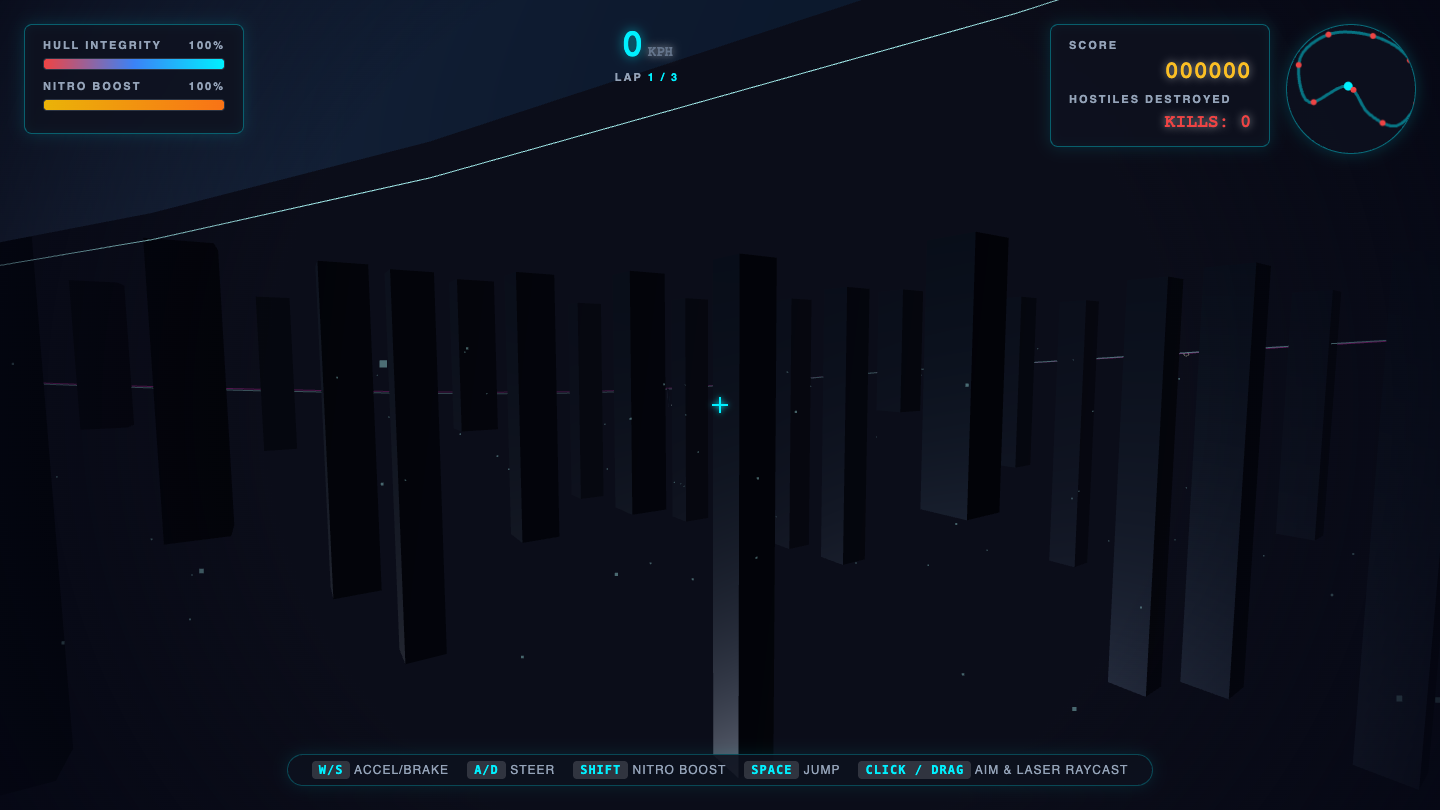
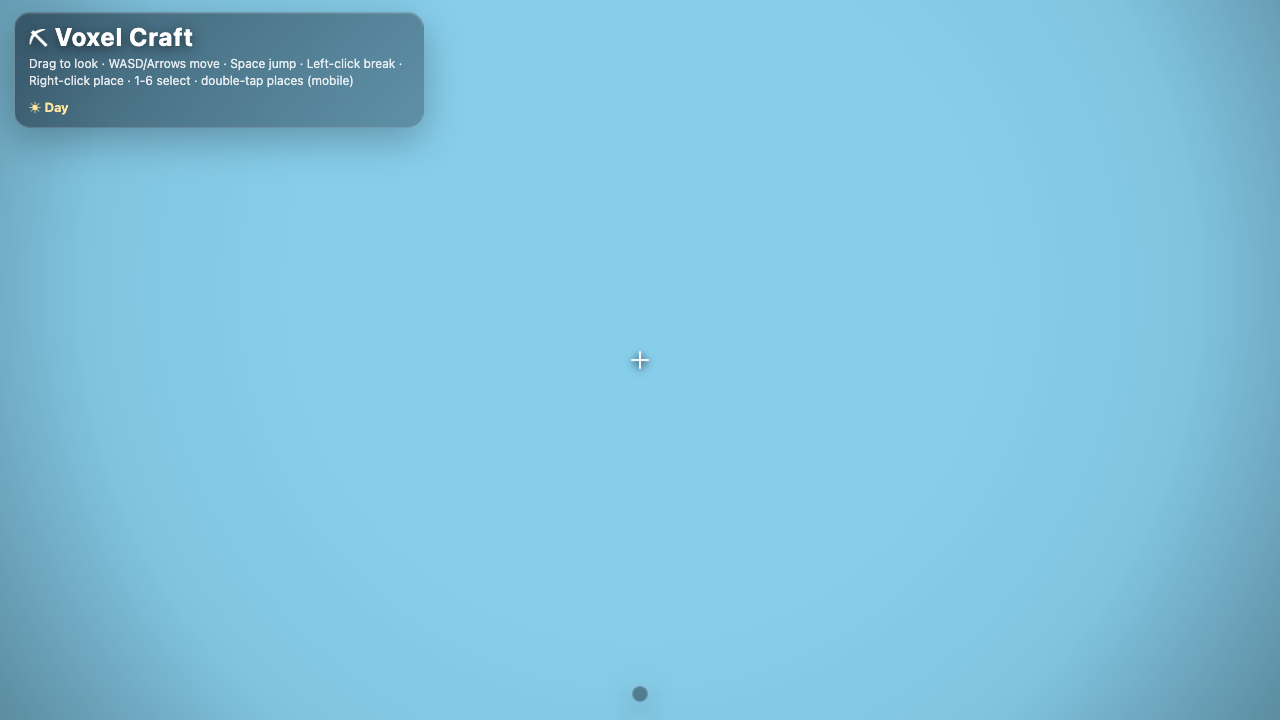
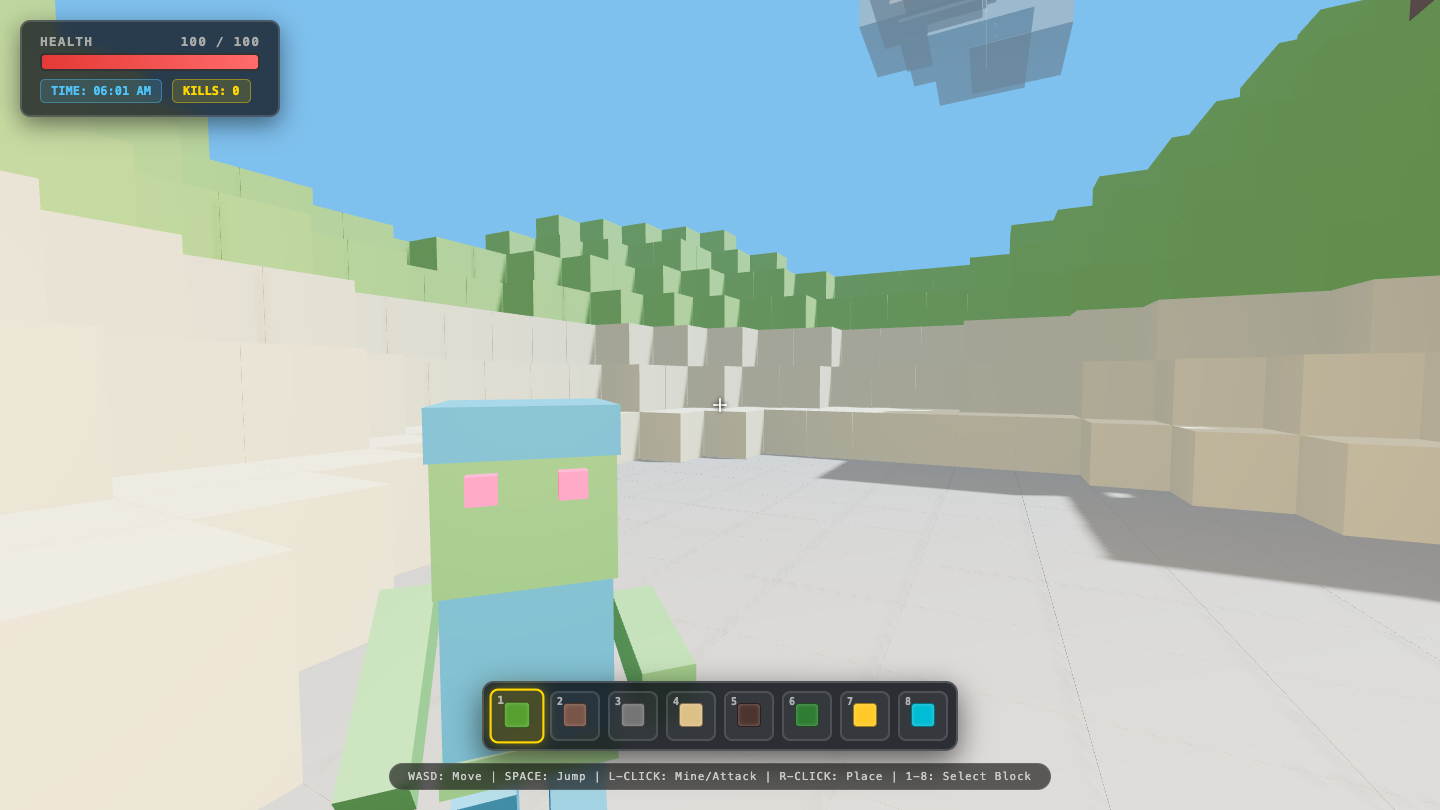
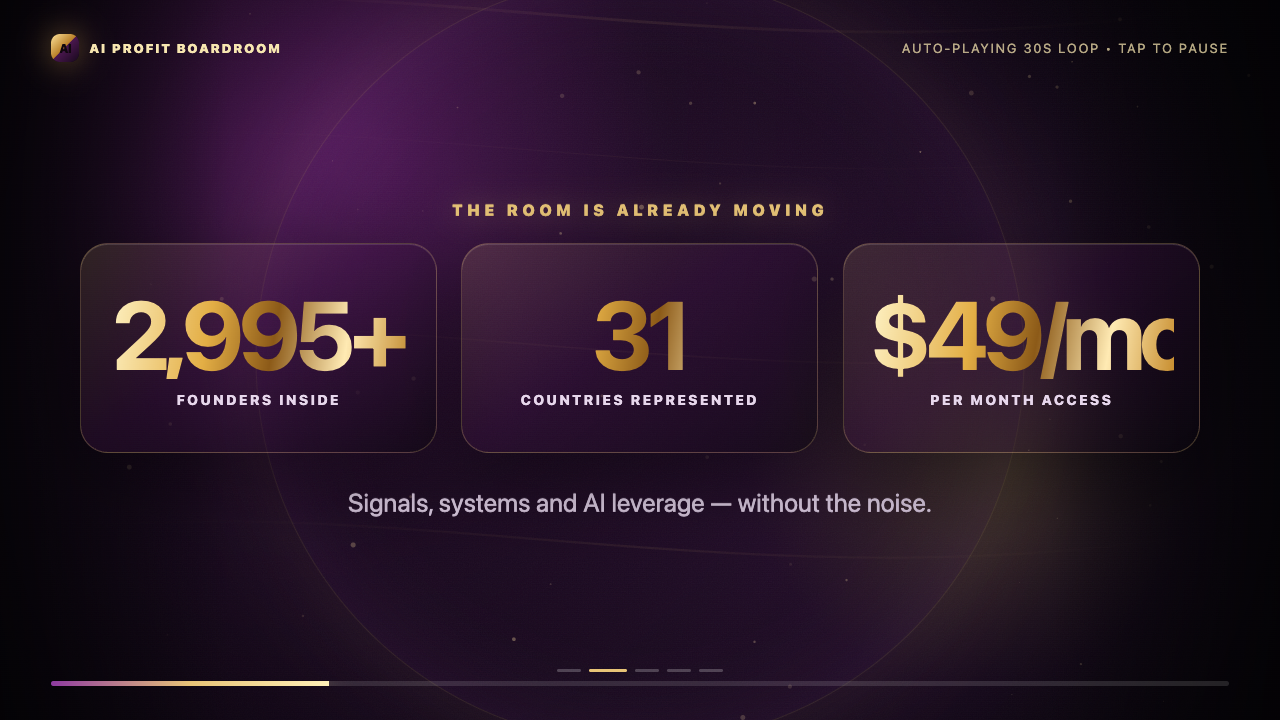
Click any cell to play that model's actual one-shot attempt. Medals are derived from my 0–10 scores per task (highest = 🥇, second = 🥈, third = 🥉).
Task ↓
Hermes MoA
Gemini 3.6 Flash
Game
Game
Game
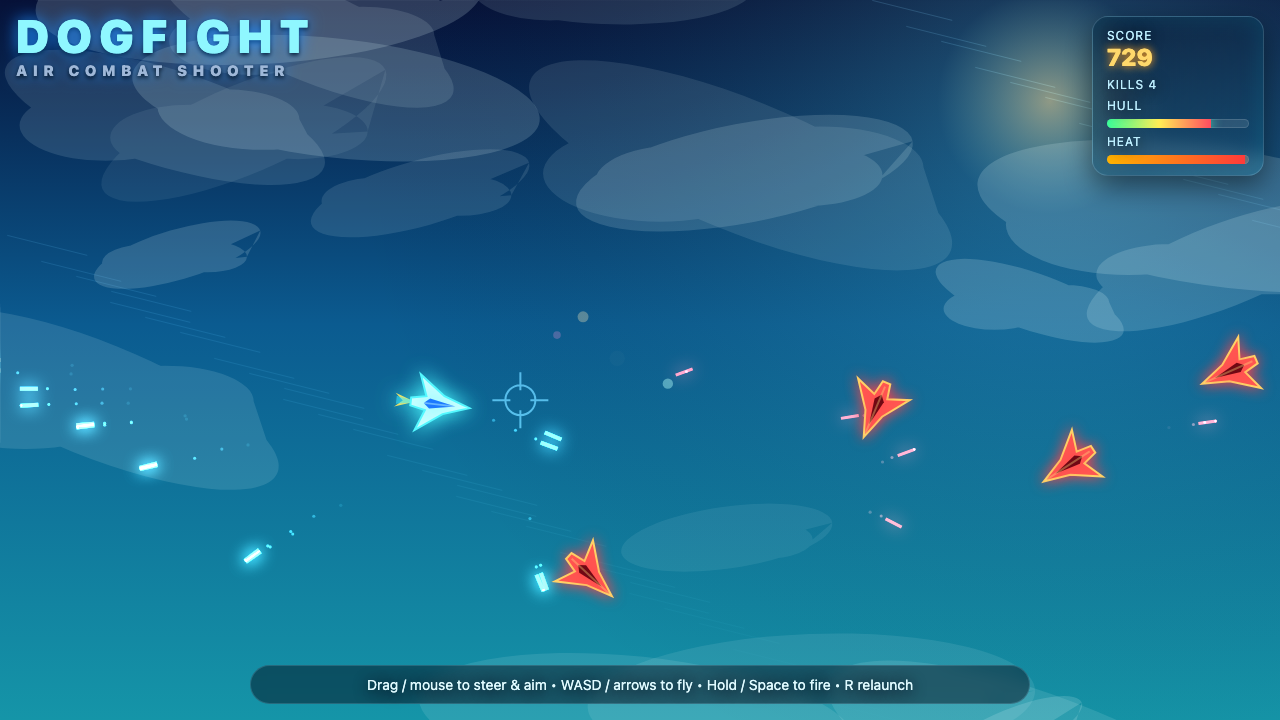
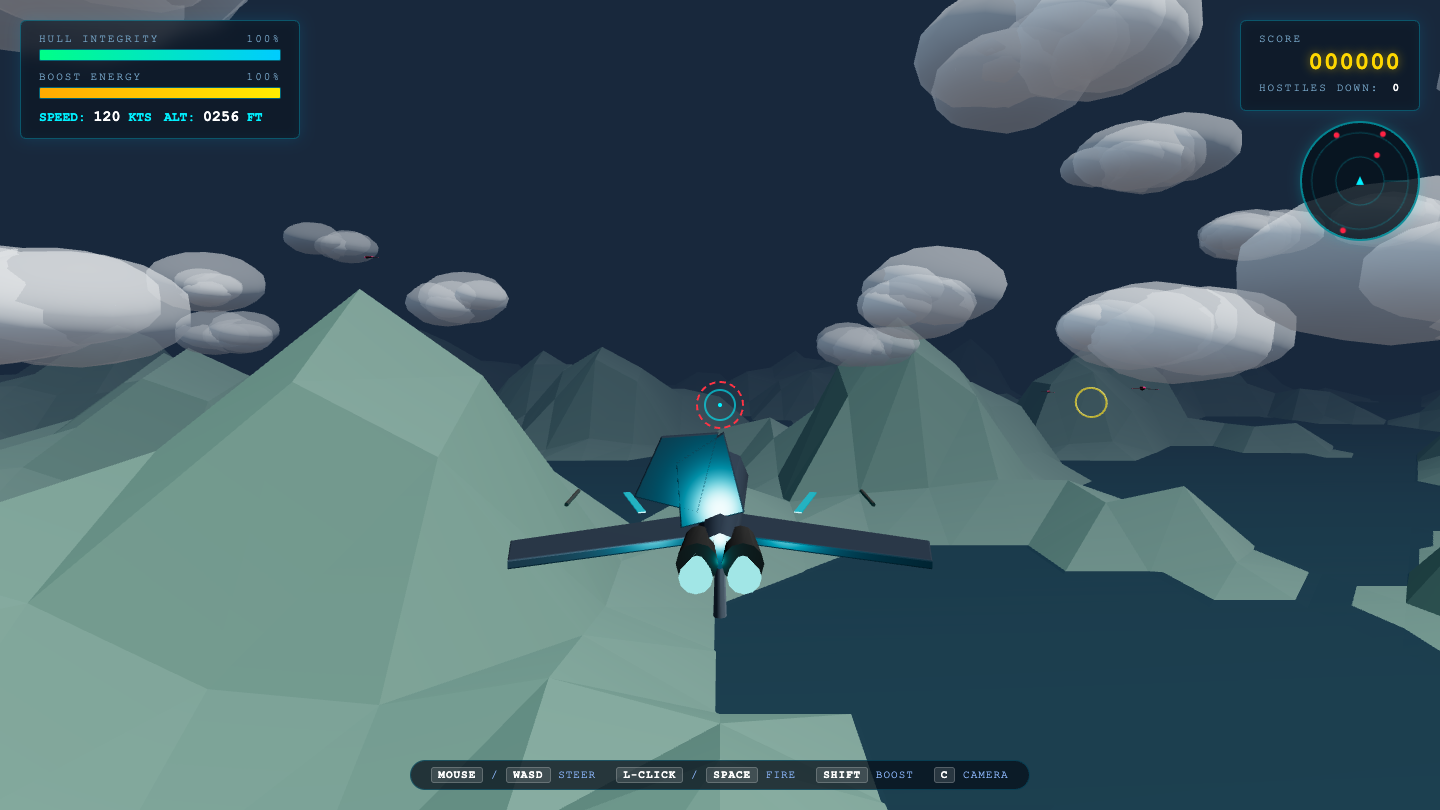
Game
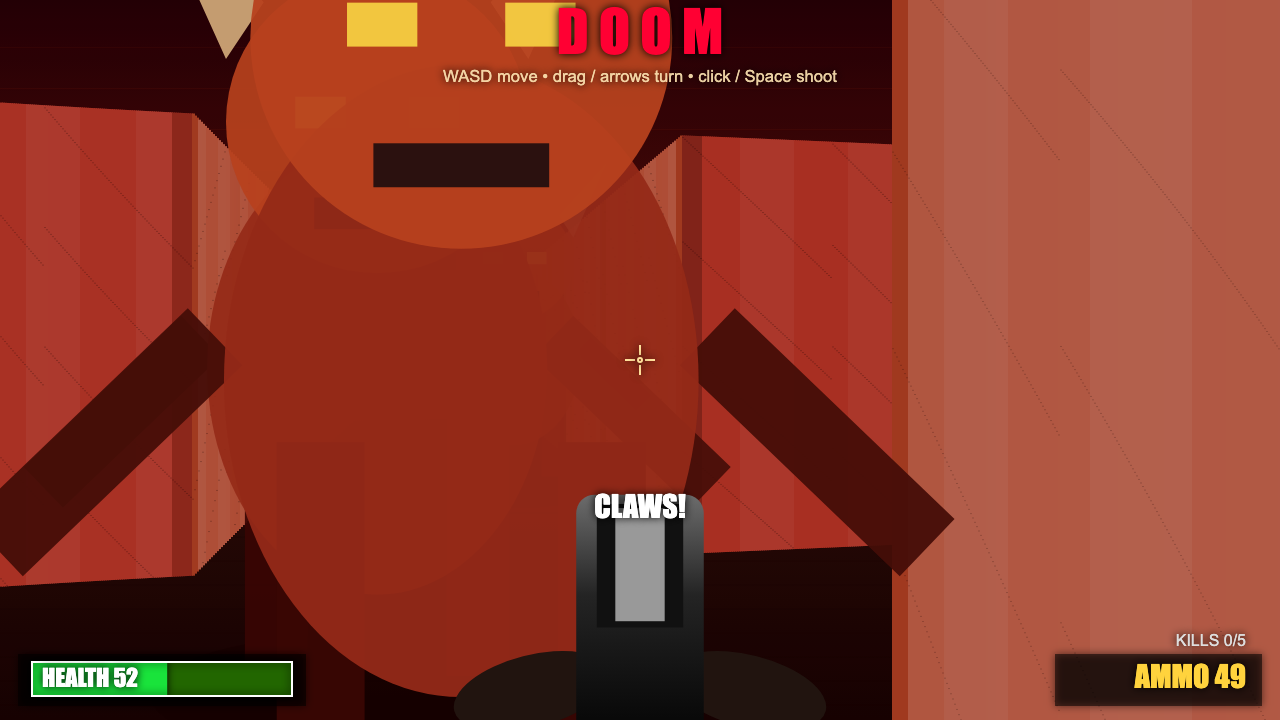
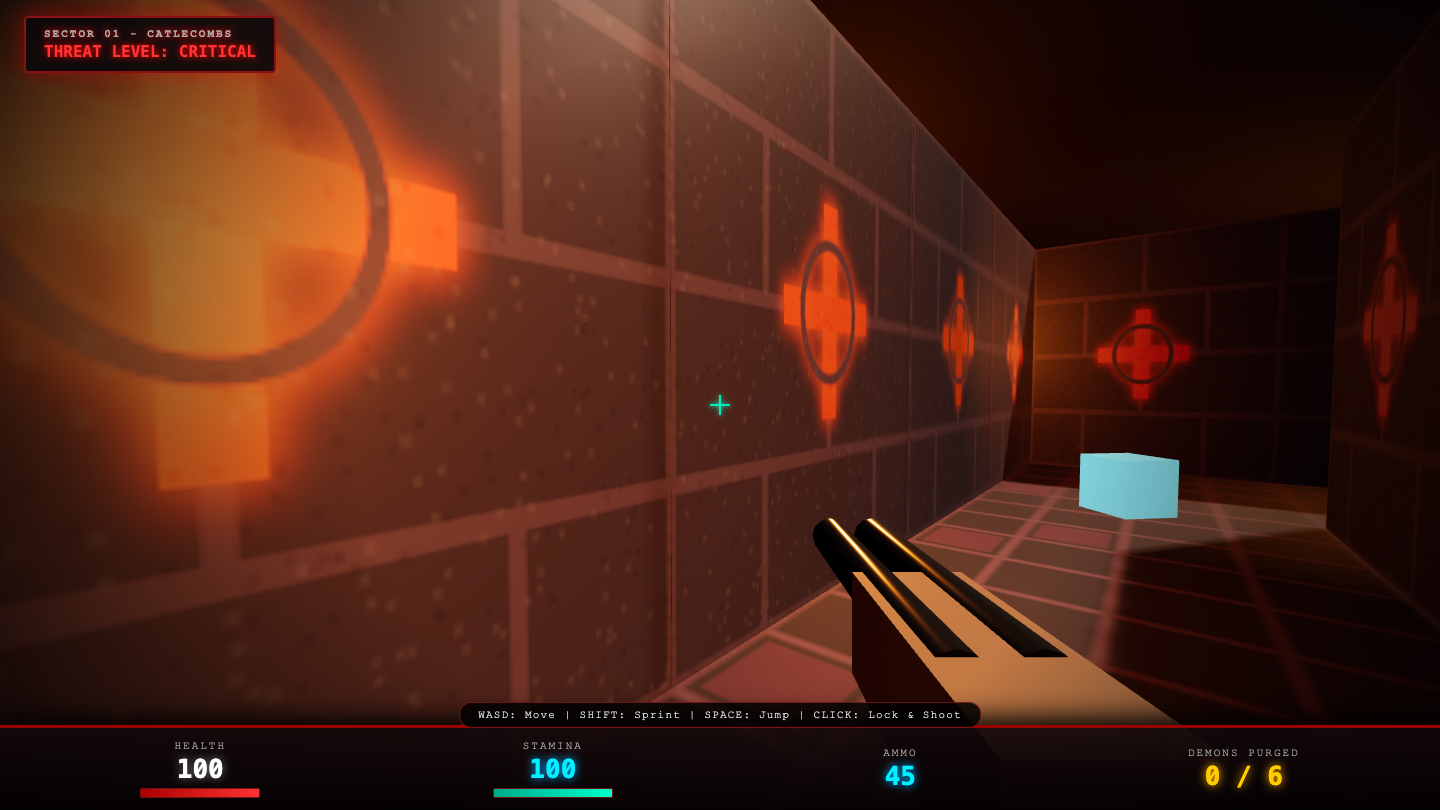
Game
Game
Game
Game
Game
Game
Game
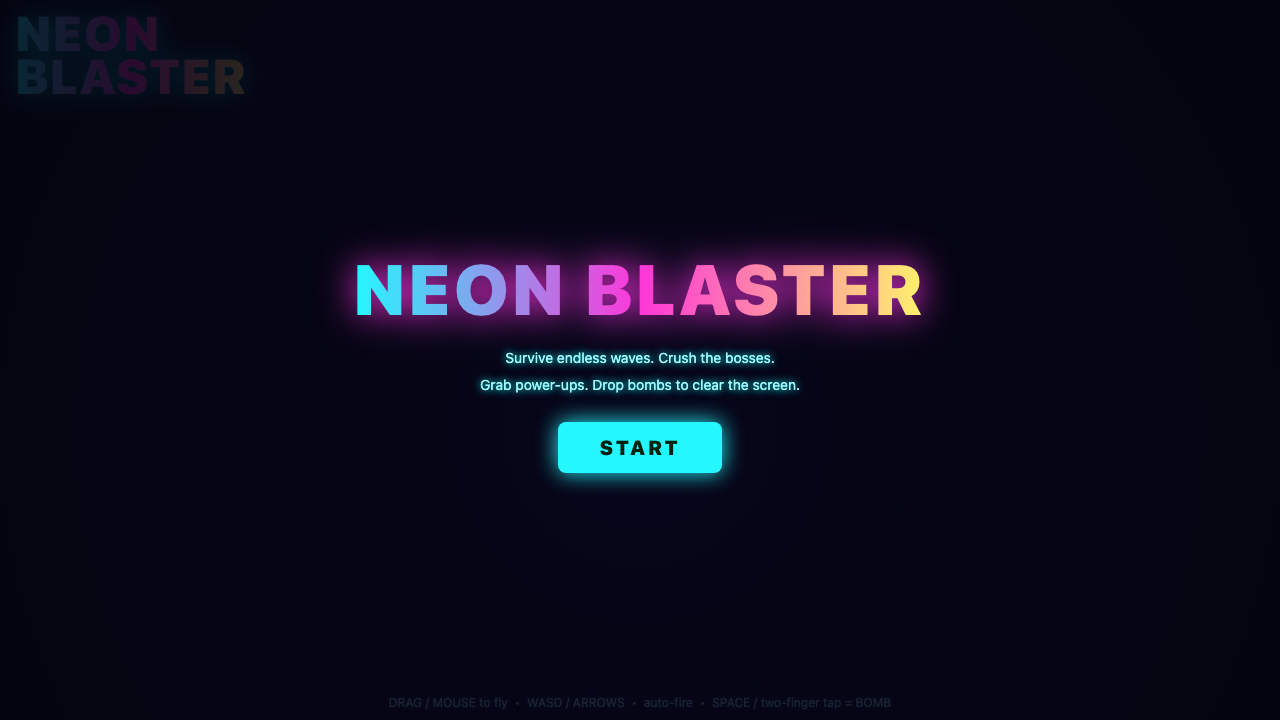
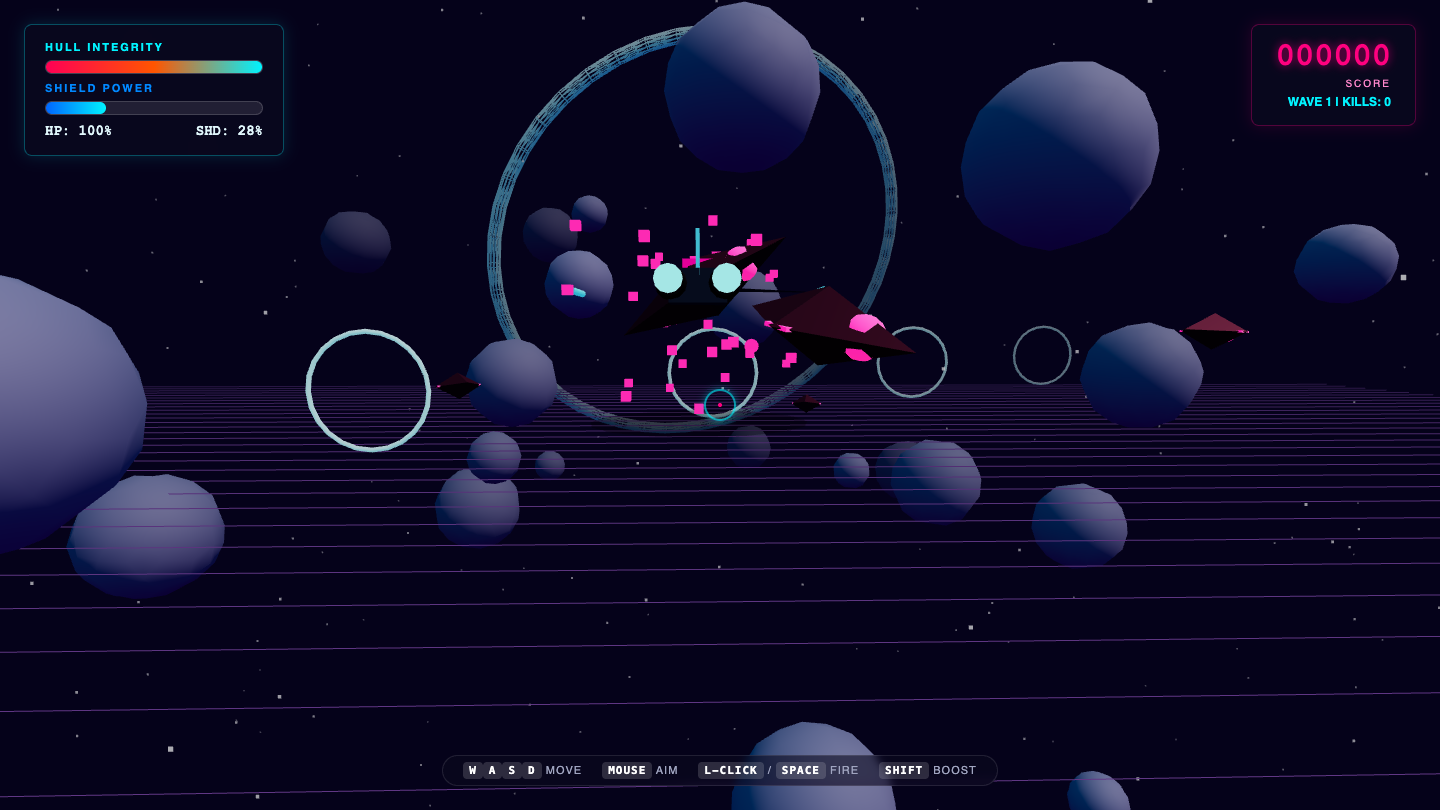
Game
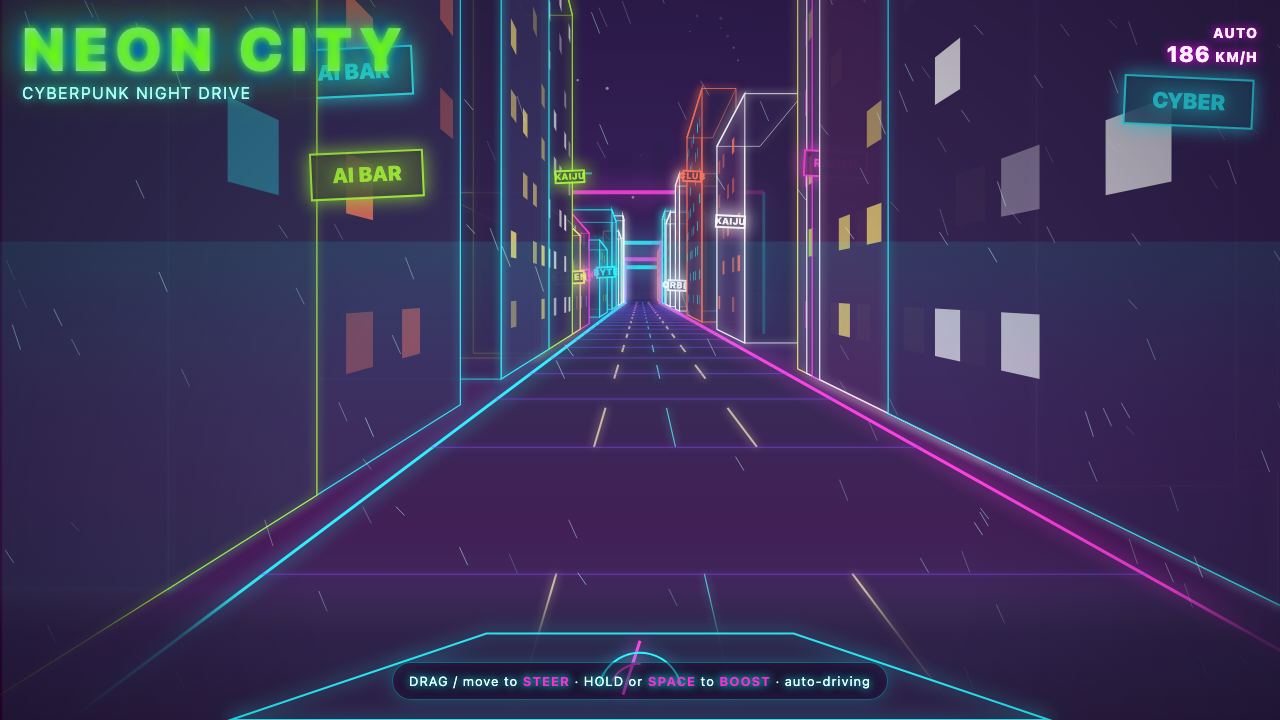
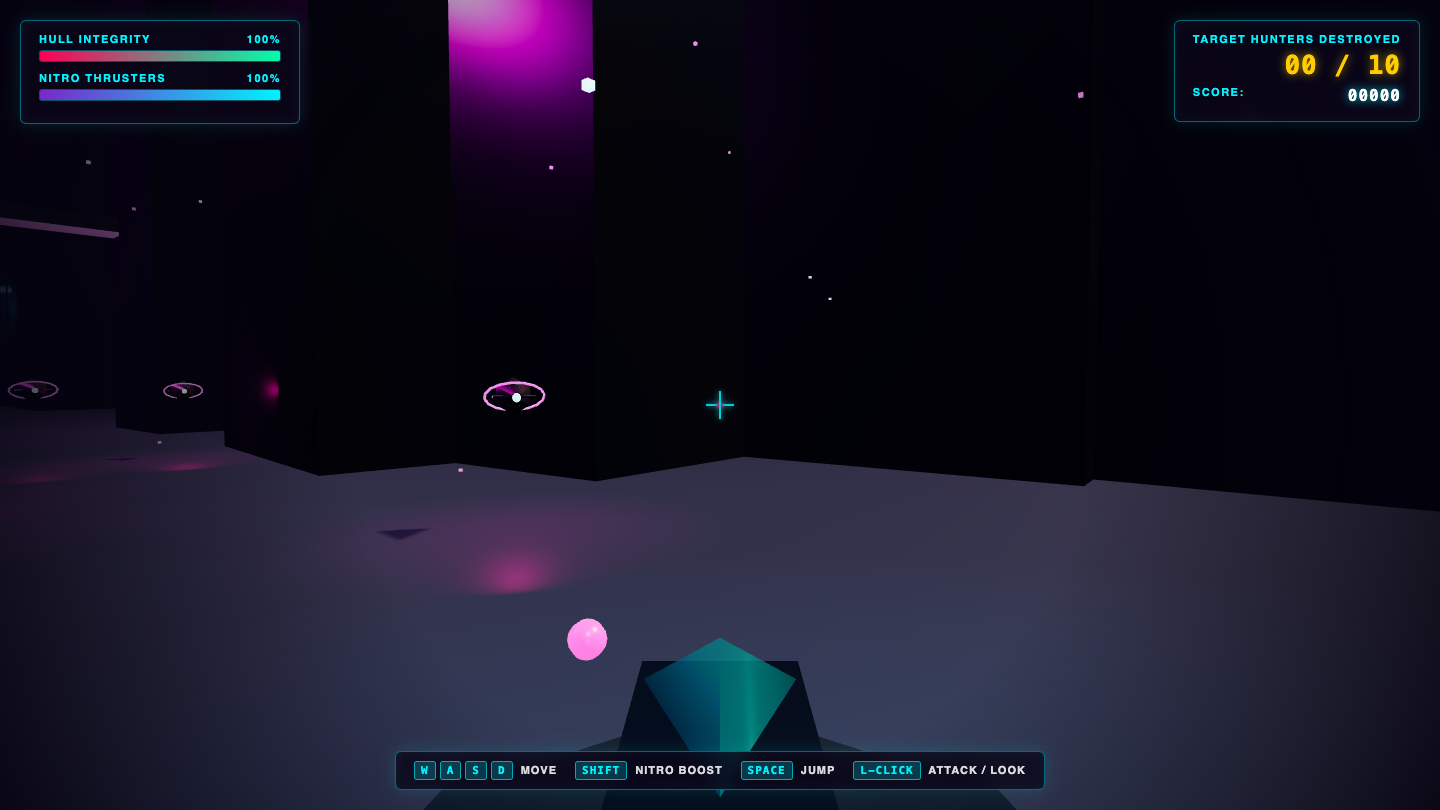
Game
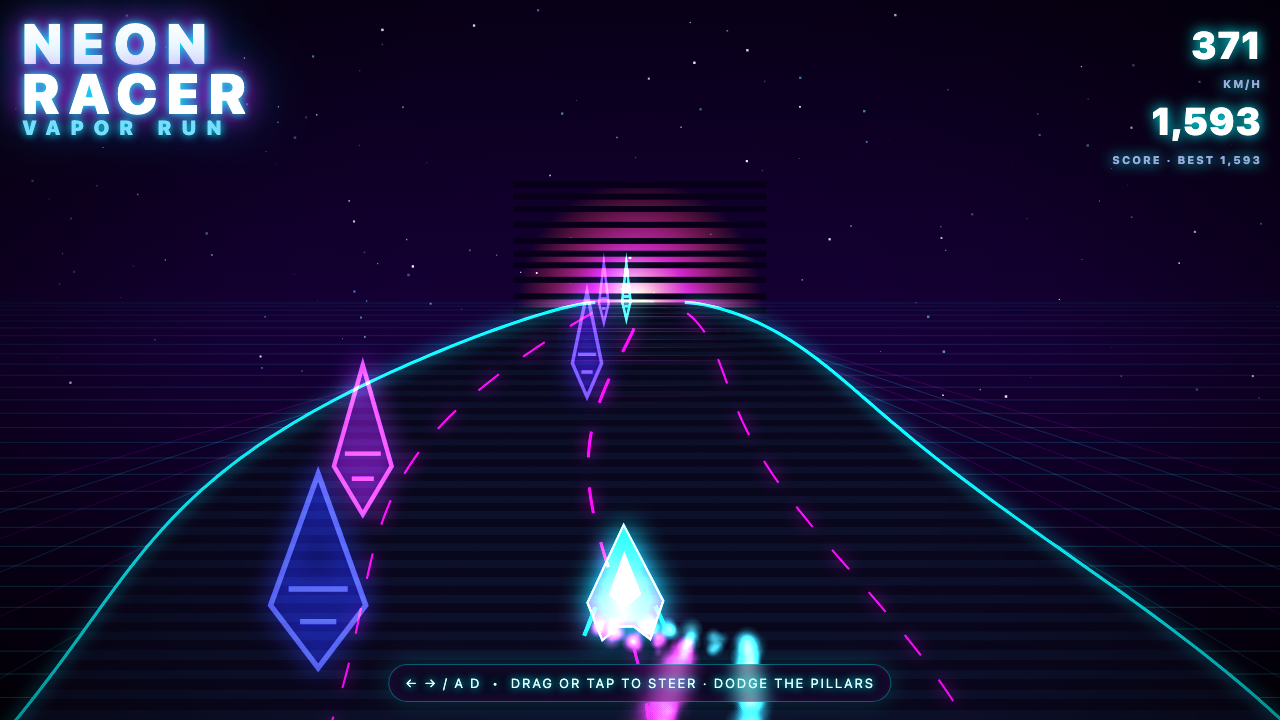
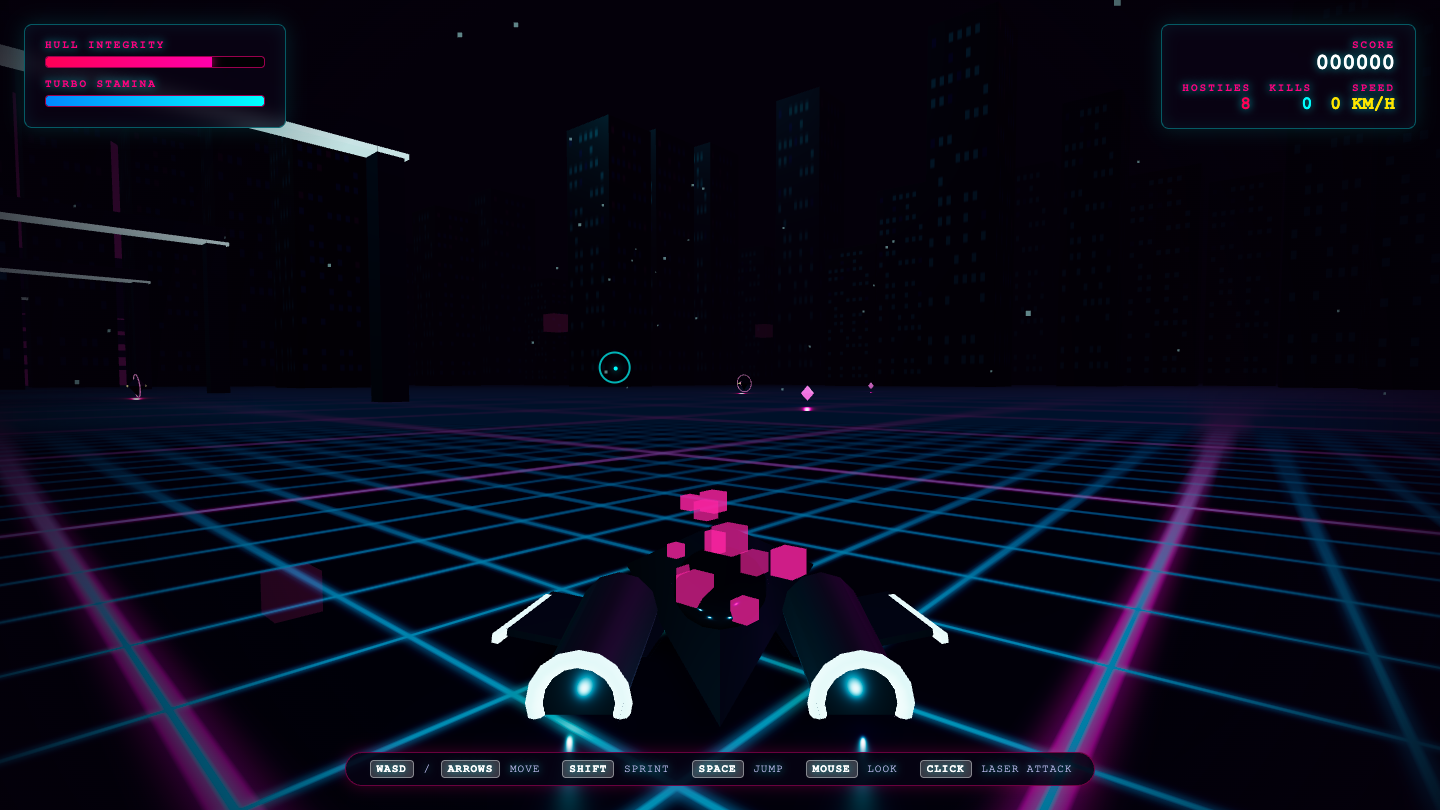
Game
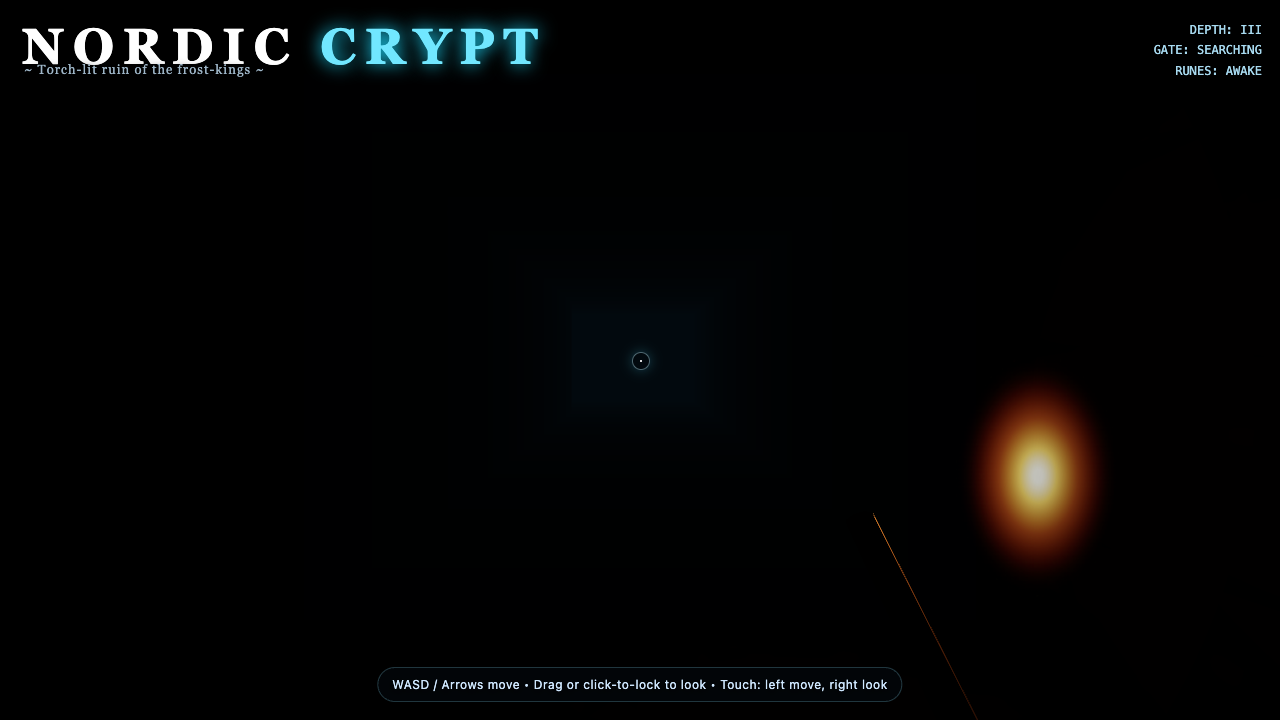
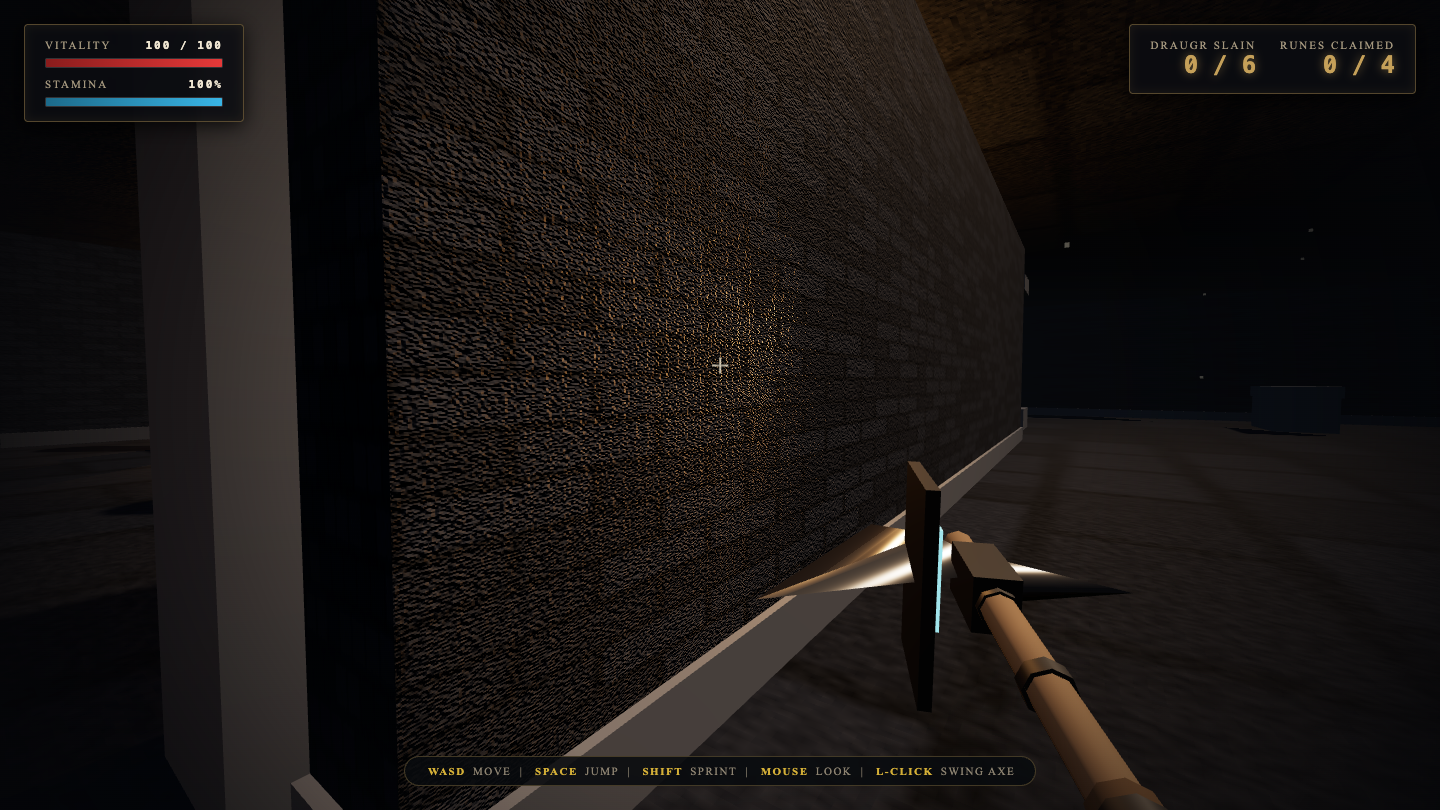
Game
Game
Game
Game
Game
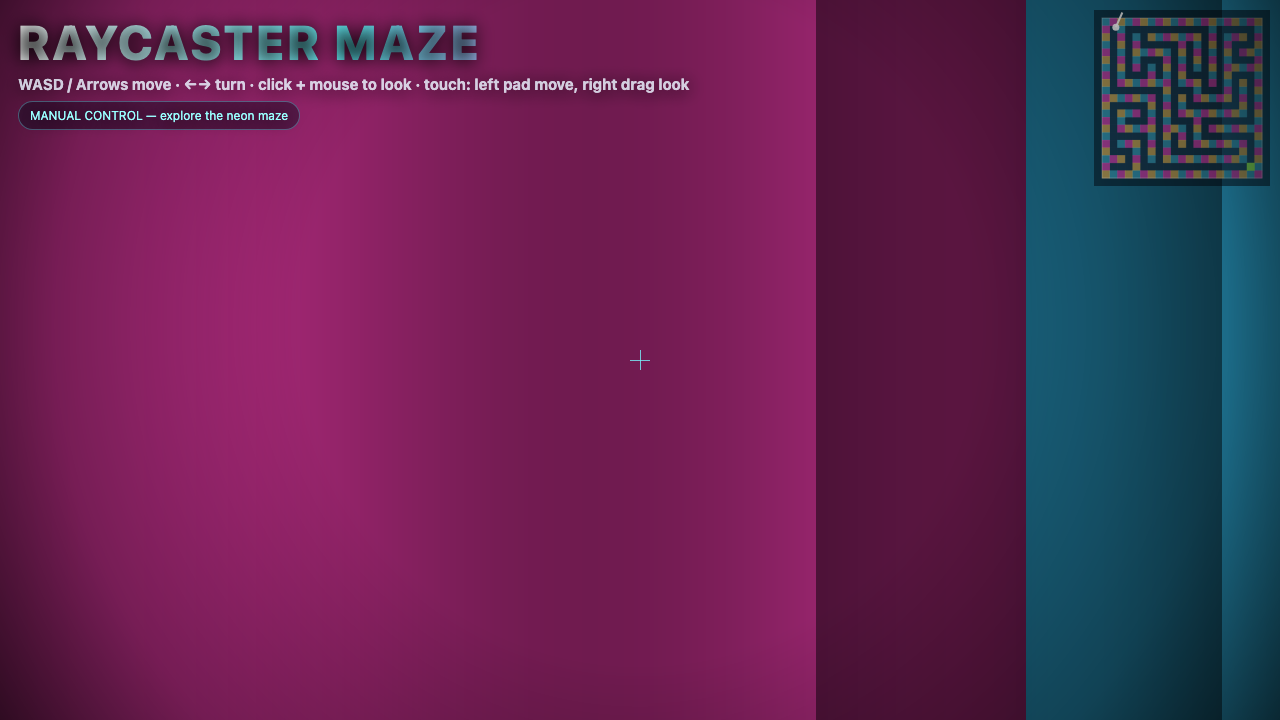
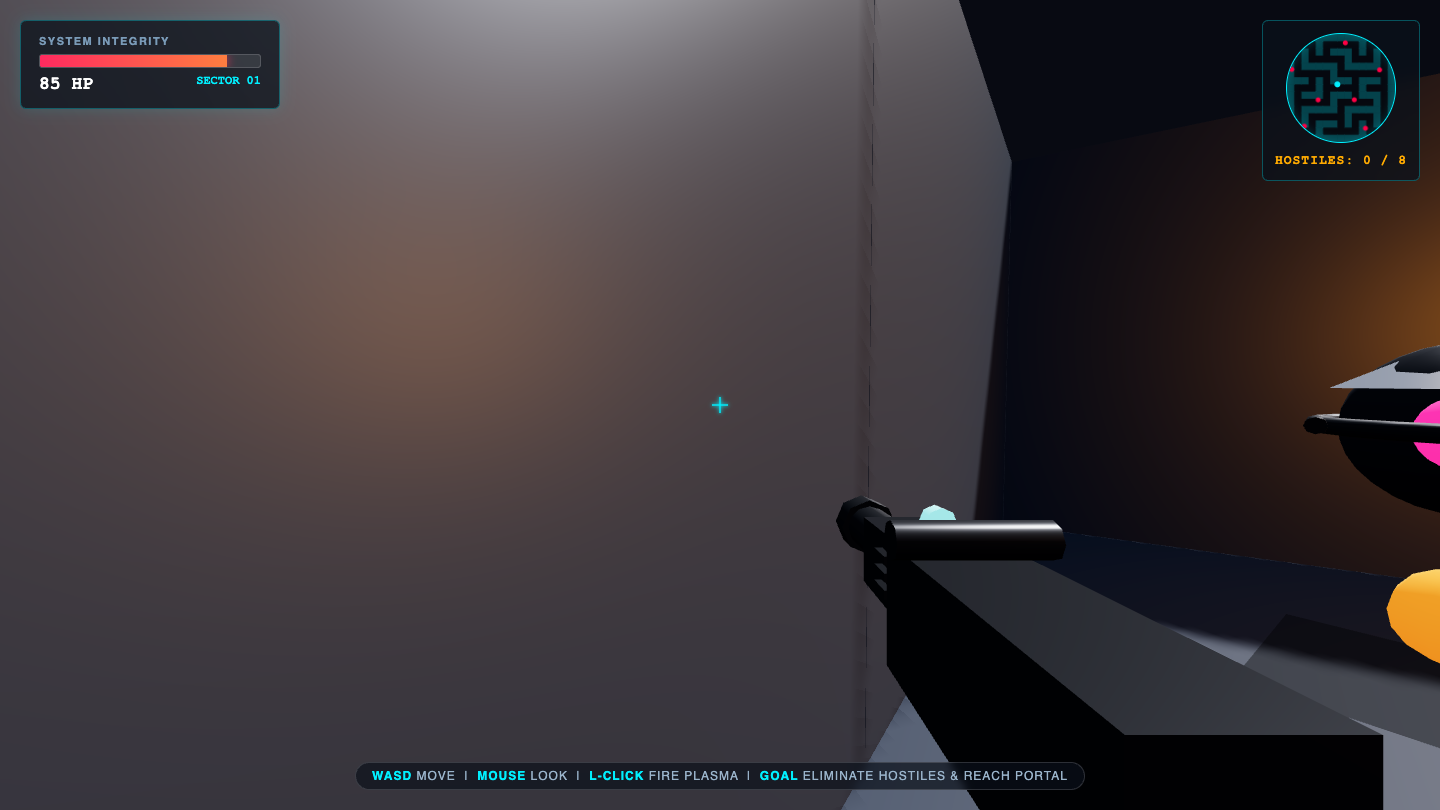
Game
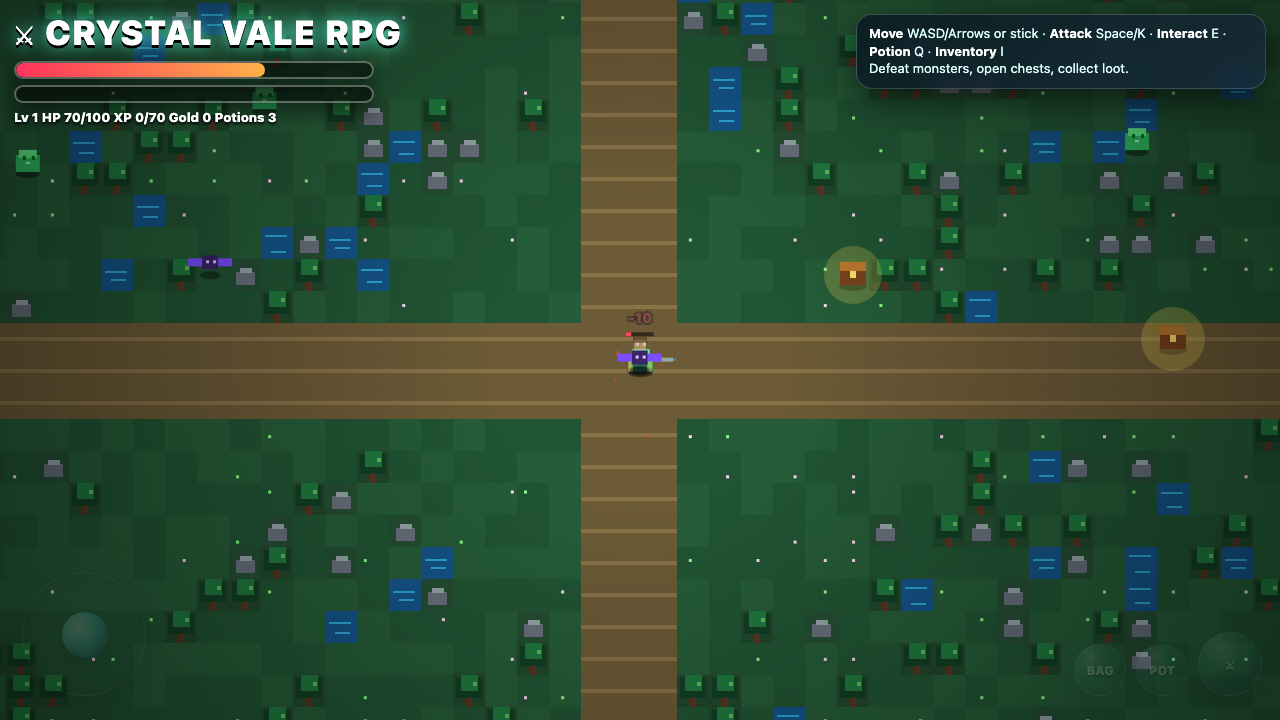
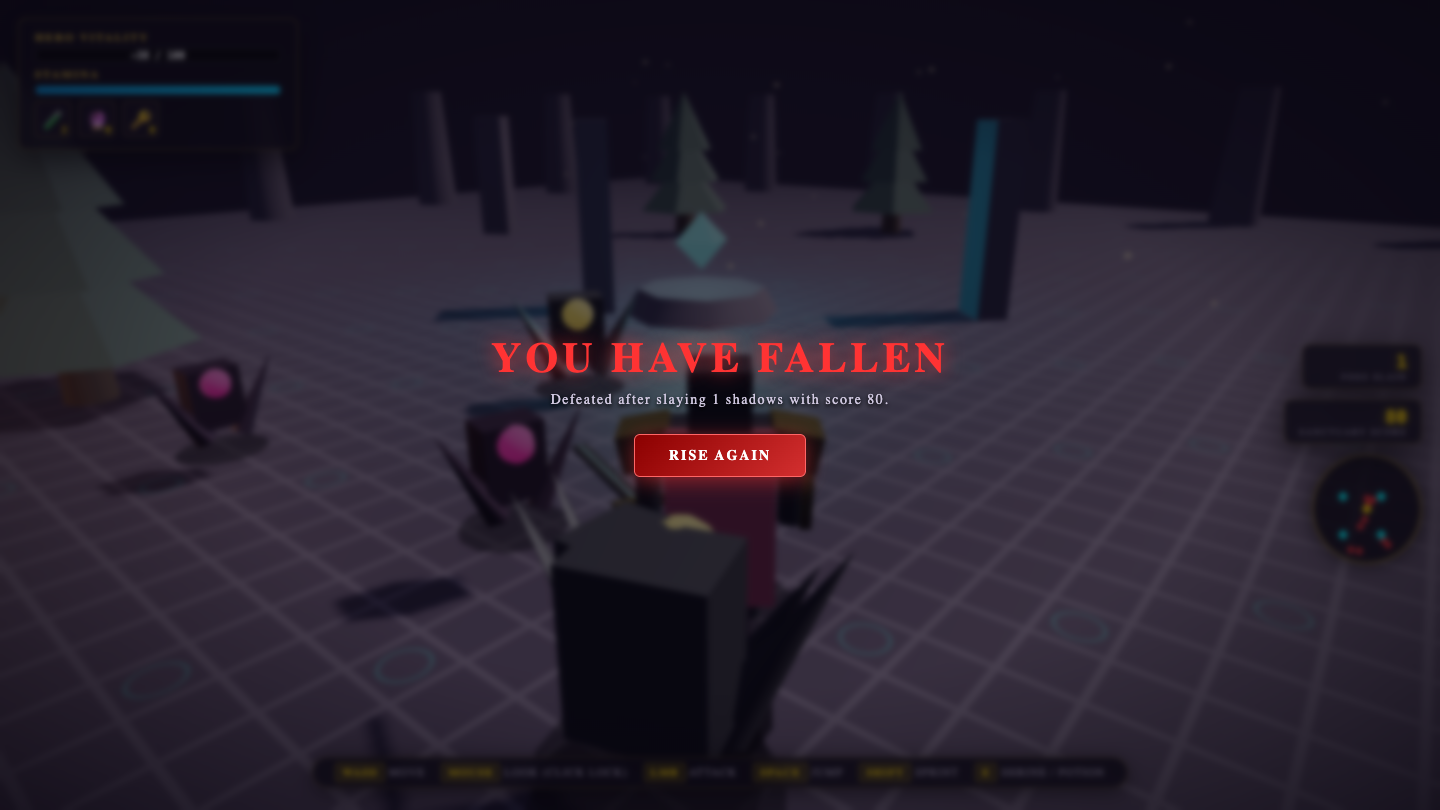
Game
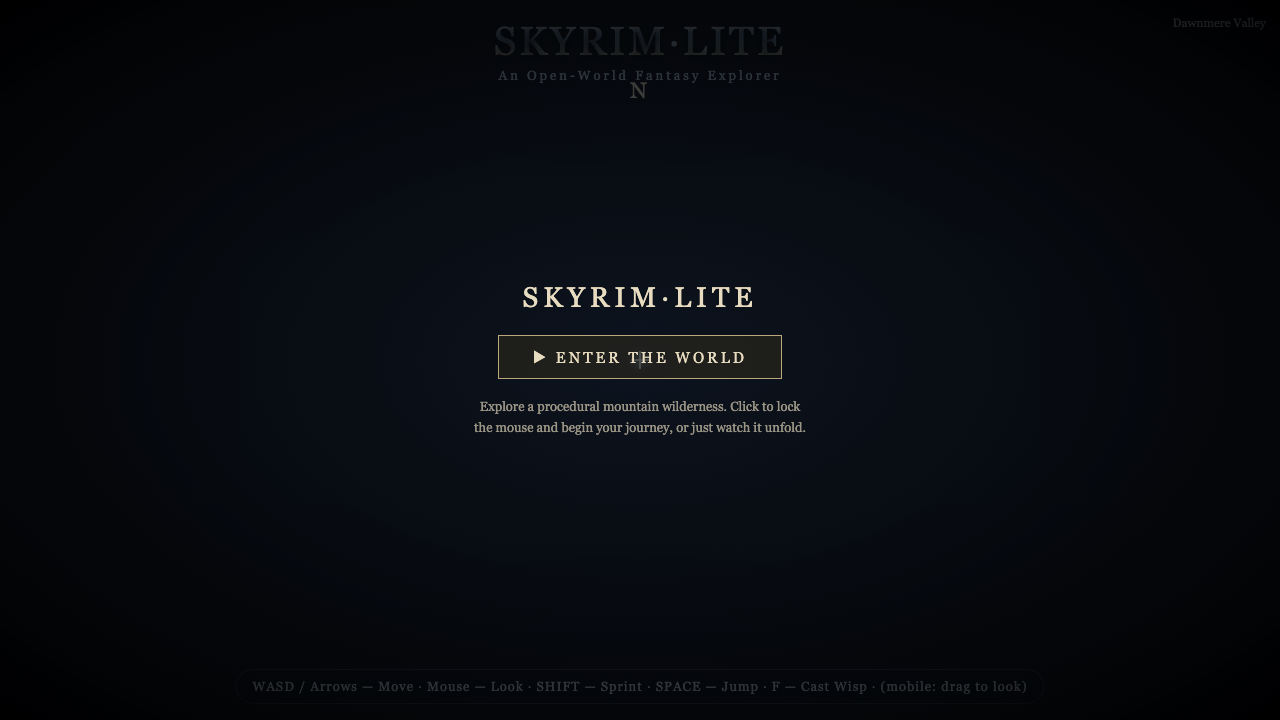
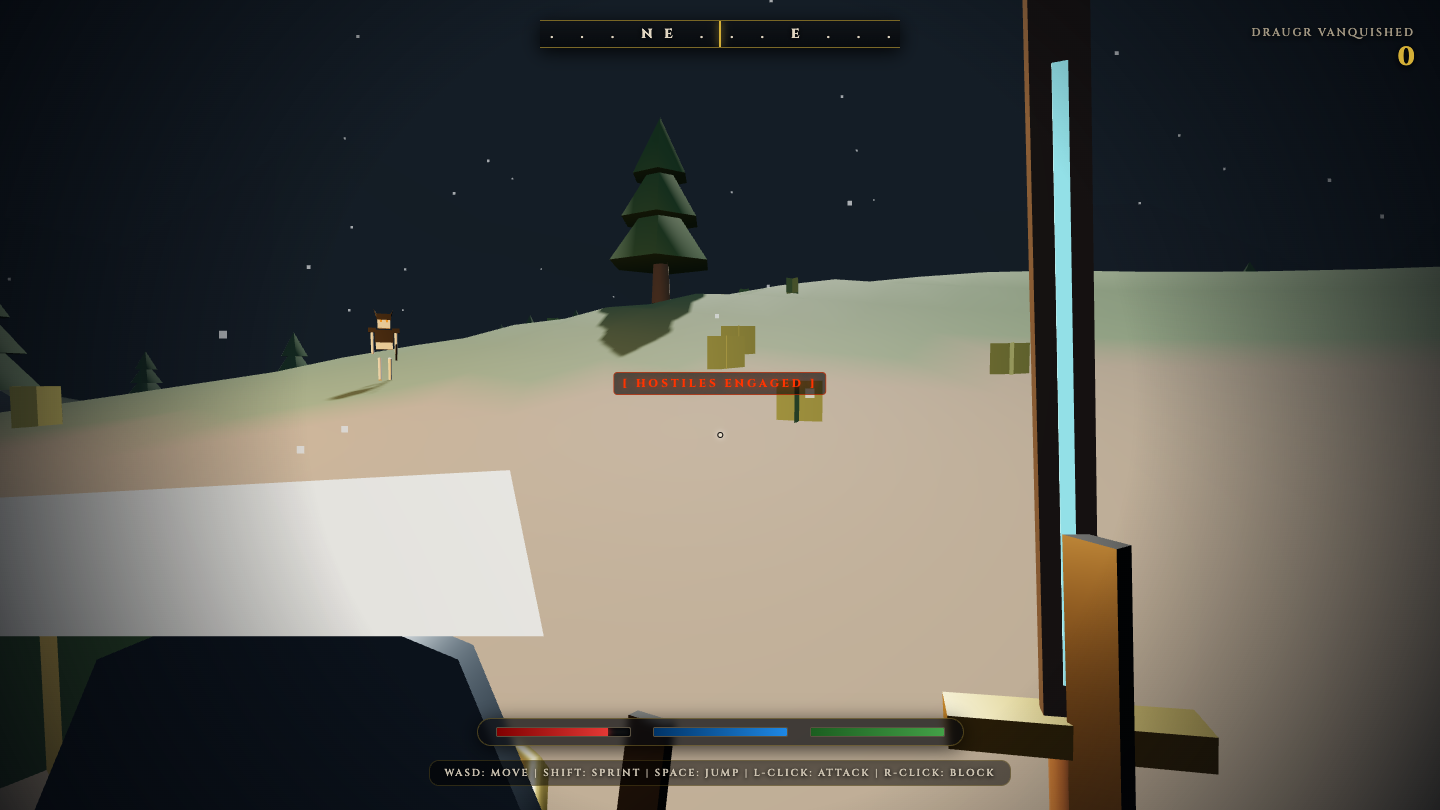
Game
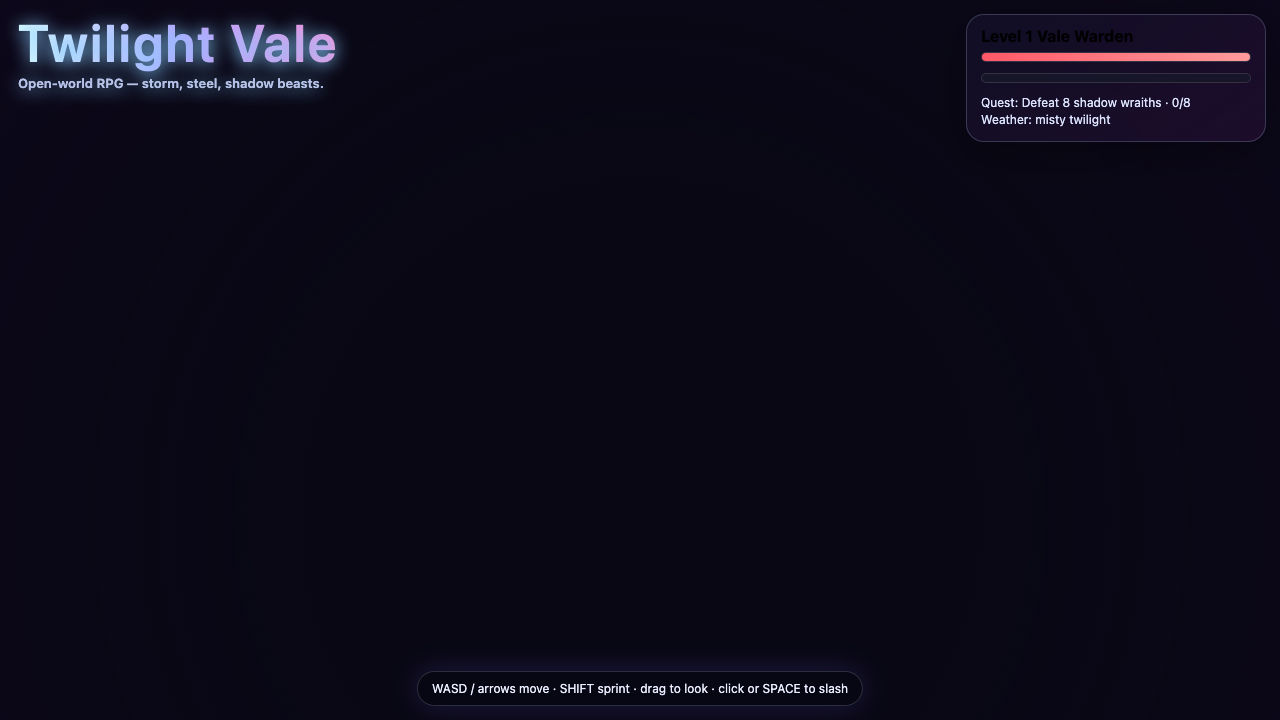
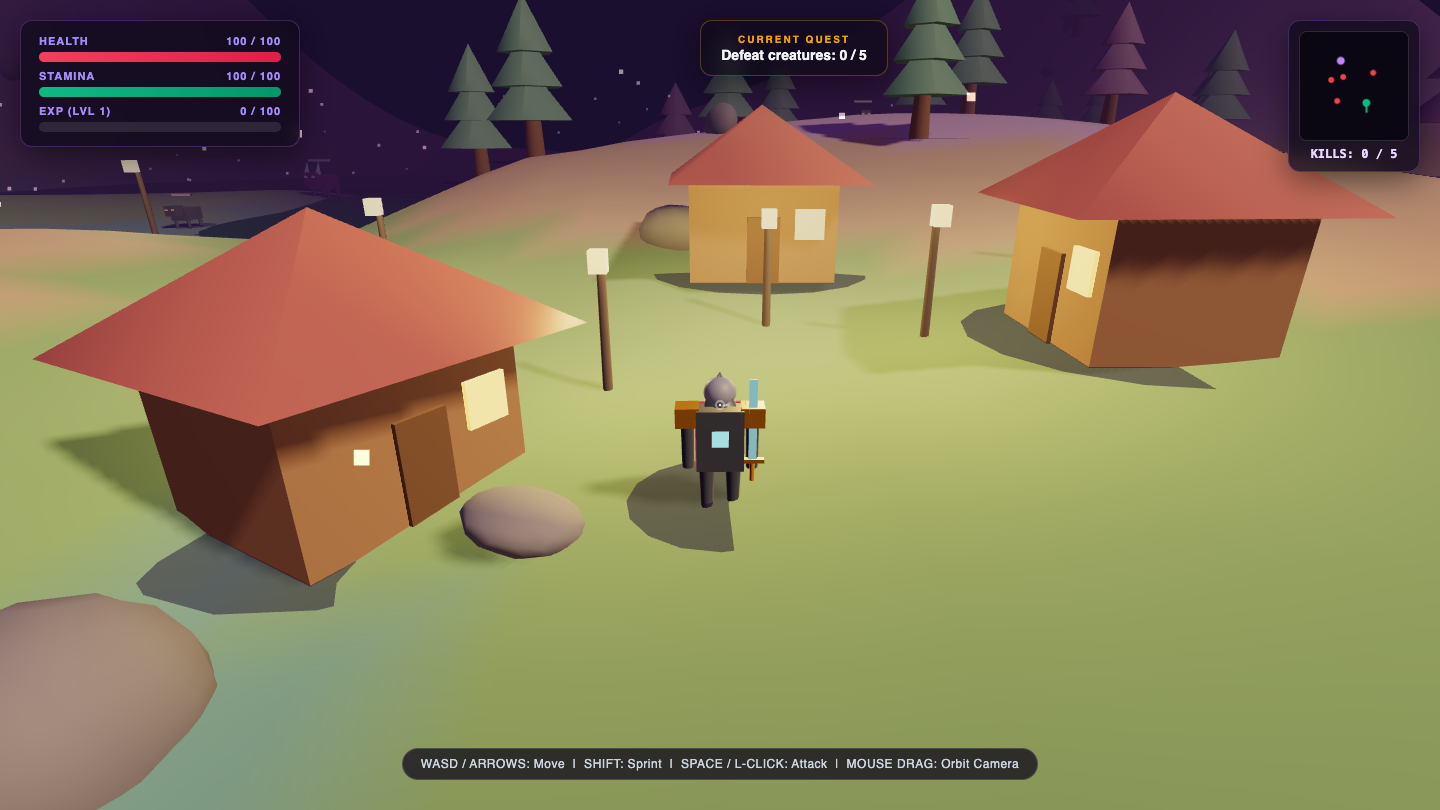
Game
Page
Where Hermes MoA beat Gemini 3.6 Flash
The tasks where I gave Hermes MoA a higher 0–10 score on the same prompt — with the actual commentary from my source guides.
Waves
Visual
Hermes MoA 8.6
·
Gemini 3.6 Flash 3.0
(+5.6)
· hermes
What I saw: Solid Gerstner ocean on three.js with real CPU displacement + recomputed normals, plus extras the field mostly lacks: live wave/wind/choppiness sliders, three switchable moods (sky/fog/sun recolor), and an interactive pointer-ripple that raycasts onto the surface. Edges out Opus …
Blackhole
Sim
Hermes MoA 8.4
·
Gemini 3.6 Flash 3.5
(+4.9)
What I saw: Solid geodesic ray-marcher with real per-step bending, a thin disk crossed via plane-intersection, doppler-ish beaming, photon-ring glow, and polished orbit/zoom/slider controls — cleaner and more complete than Grok/GLM/Qwen, but the disk lensing doesn't visibly fold up-and-over …
Particleforge
Sim
Hermes MoA 8.3
·
Gemini 3.6 Flash 3.5
(+4.8)
What I saw: Polished particle sculptor with smooth gravity/swirl physics, mode toggle, bursts, idle drift, and a nice glowing aesthetic with reticle — clearly beats SOLO Opus 4.8's plain build and edges past Grok/Fugu, but it lacks the multiple preset modes (vortex/attractor/repulsor/magnet)…
Pathtracer
Sim
Hermes MoA 8.0
·
Gemini 3.6 Flash 3.5
(+4.5)
What I saw: A real progressive Monte-Carlo path tracer with diffuse/metal/glass/emissive materials, Russian-roulette termination, ACES tonemapping and ping-pong accumulation — genuinely on par with the field's WebGL renderers (Fusion/Fugu/MiniMax at 8.5), but the cosine-hemisphere sampling f…
Cloth
Sim
Hermes MoA 8.6
·
Gemini 3.6 Flash 4.5
(+4.1)
· cloth
What I saw: Richest cloth in the field: full Verlet sim with structural+shear+bend constraints, swappable sphere/box colliders with proper collision response, wind toggle, gust-from-pointer interaction, and grab-on-mesh drag via raycast plane — clearly beats SOLO Opus (3KB) and edges Fusion'…
Where Gemini 3.6 Flash beat Hermes MoA
The tasks where I gave Gemini 3.6 Flash a higher 0–10 score on the same prompt — with the actual commentary from my source guides.
Gtafoot
Game
Gemini 3.6 Flash 7.6
·
Hermes MoA 4.5
(+3.1)
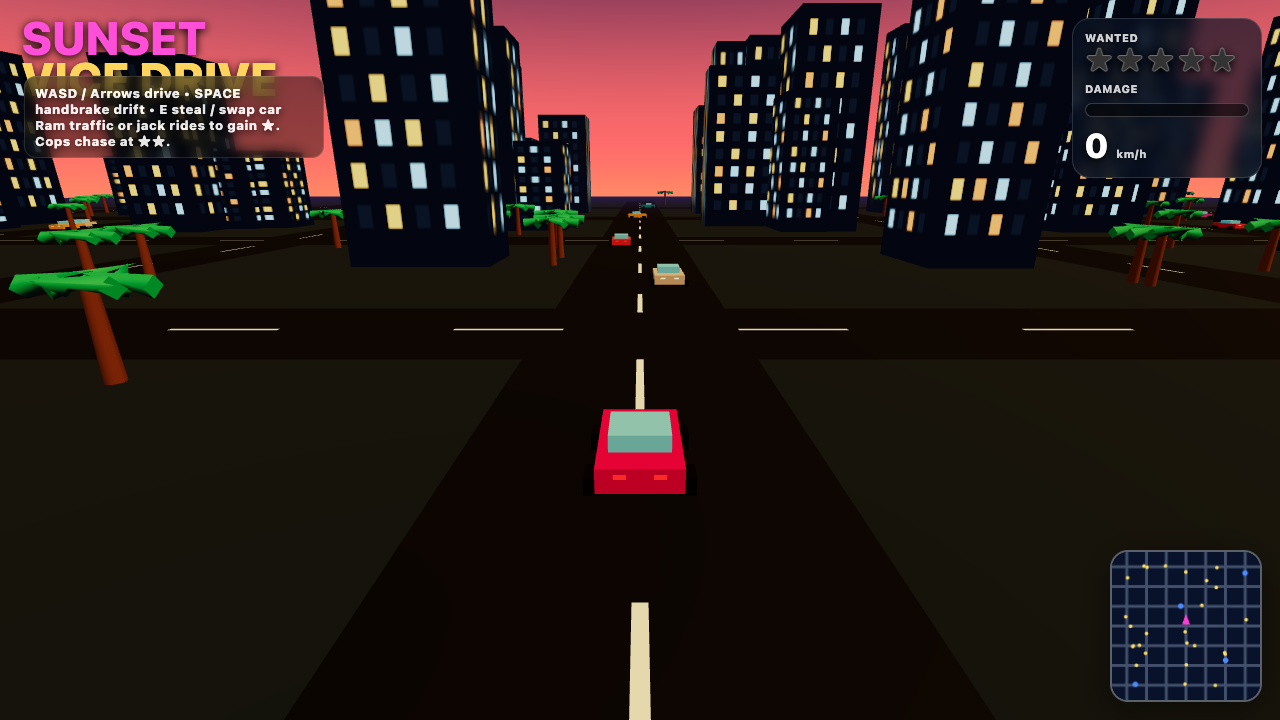
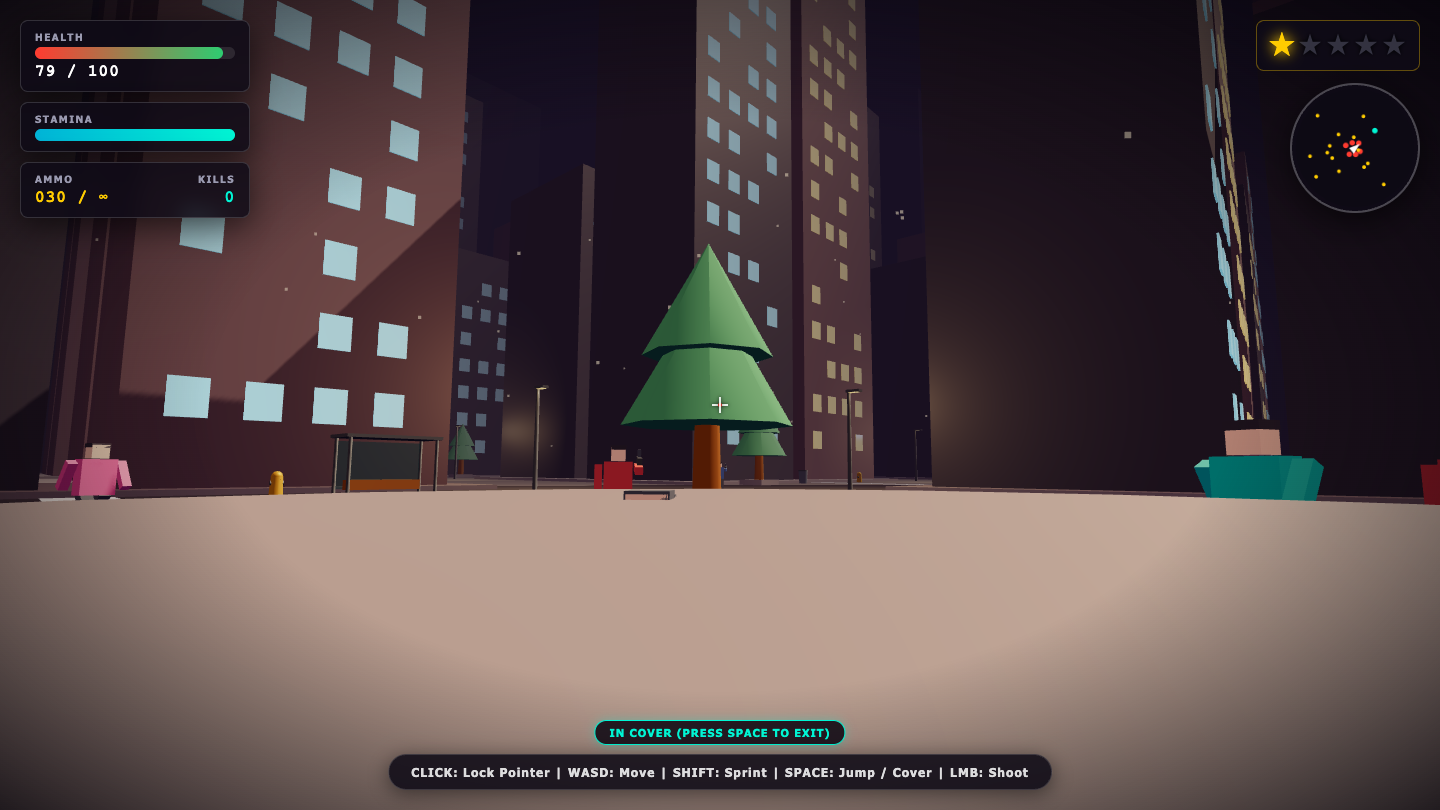
What I saw: Strong atmospheric dusk city with polished HUD (health/stamina/ammo/kills, wanted stars, minimap), visible pedestrians, working cover system, and crosshair — but the screenshot shows no active combat or enemies engaging, kills at 0, and it reads more as a walking sim with cover t…
Parachute
Game
Gemini 3.6 Flash 8.4
·
Hermes MoA 6.5
(+1.9)
· polished chute descent
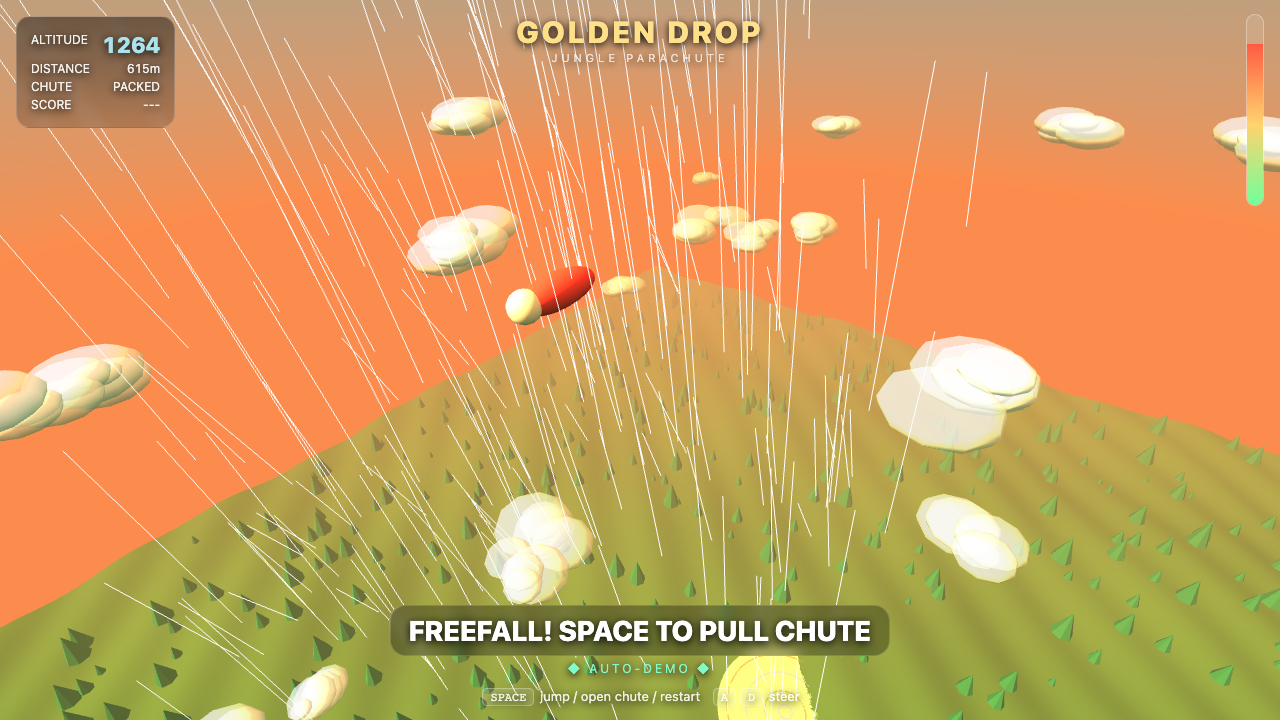
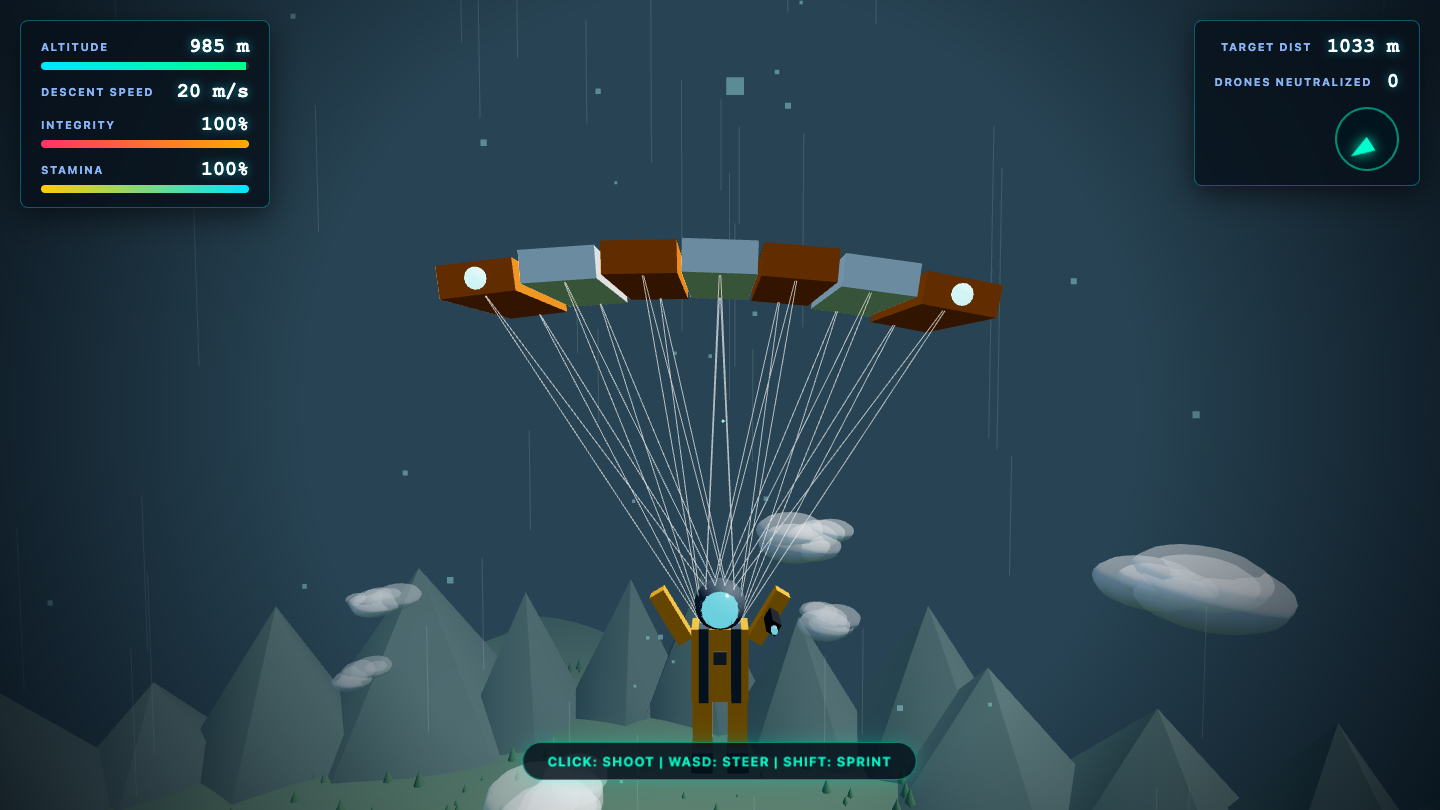
What I saw: Strong 3D scene with a well-rendered deployed canopy, articulated diver with suspension lines, layered clouds, jungle terrain and a slick functional HUD (altitude/descent/compass/distance). Slightly held back by the drone-combat framing feeling tacked-on and no enemies visible in…
Flightsim
Game
Gemini 3.6 Flash 8.1
·
Hermes MoA 6.5
(+1.6)
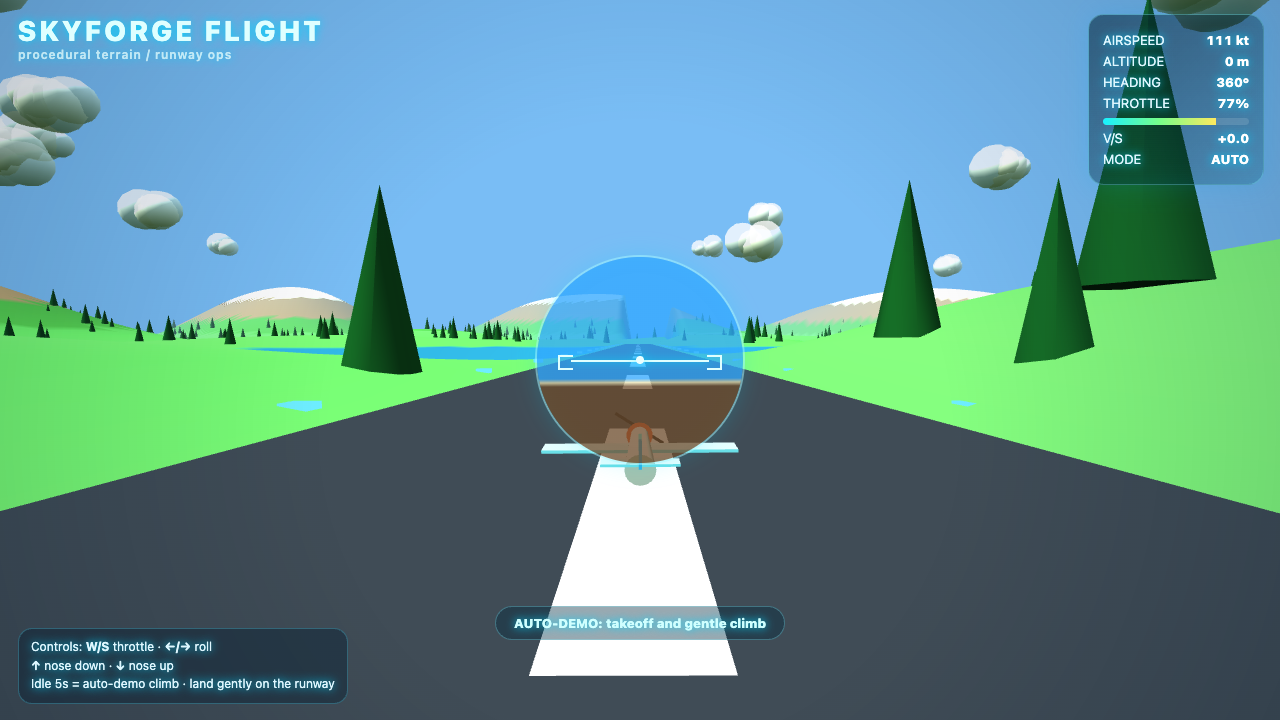
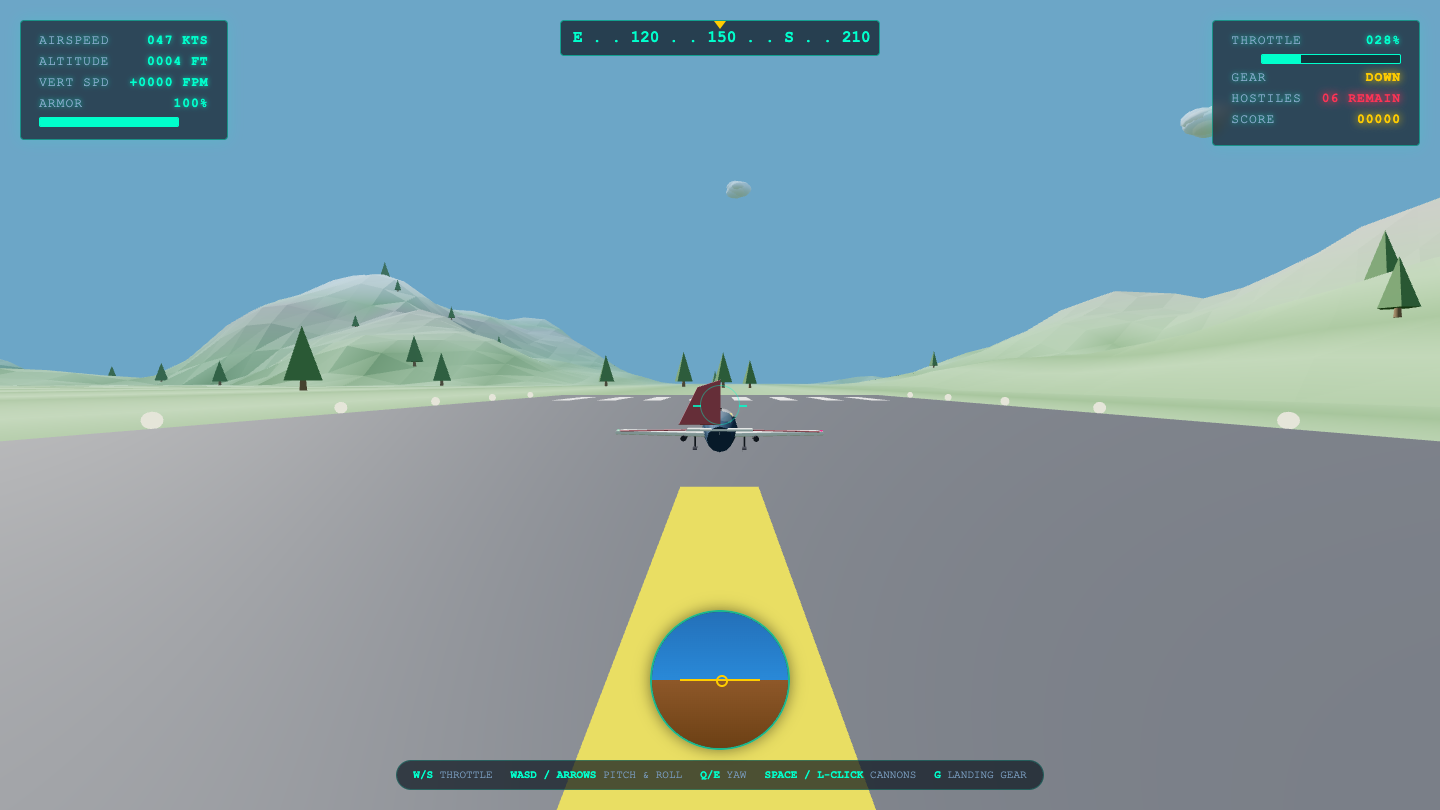
What I saw: Strong, cohesive flightsim: clean low-poly terrain with mountains/trees, full HUD (airspeed, altitude, VS, heading tape, artificial horizon, throttle), a visible aircraft on the runway, plus a combat/landing loop. No enemies visible in this frame and it's a mid-runway static shot…
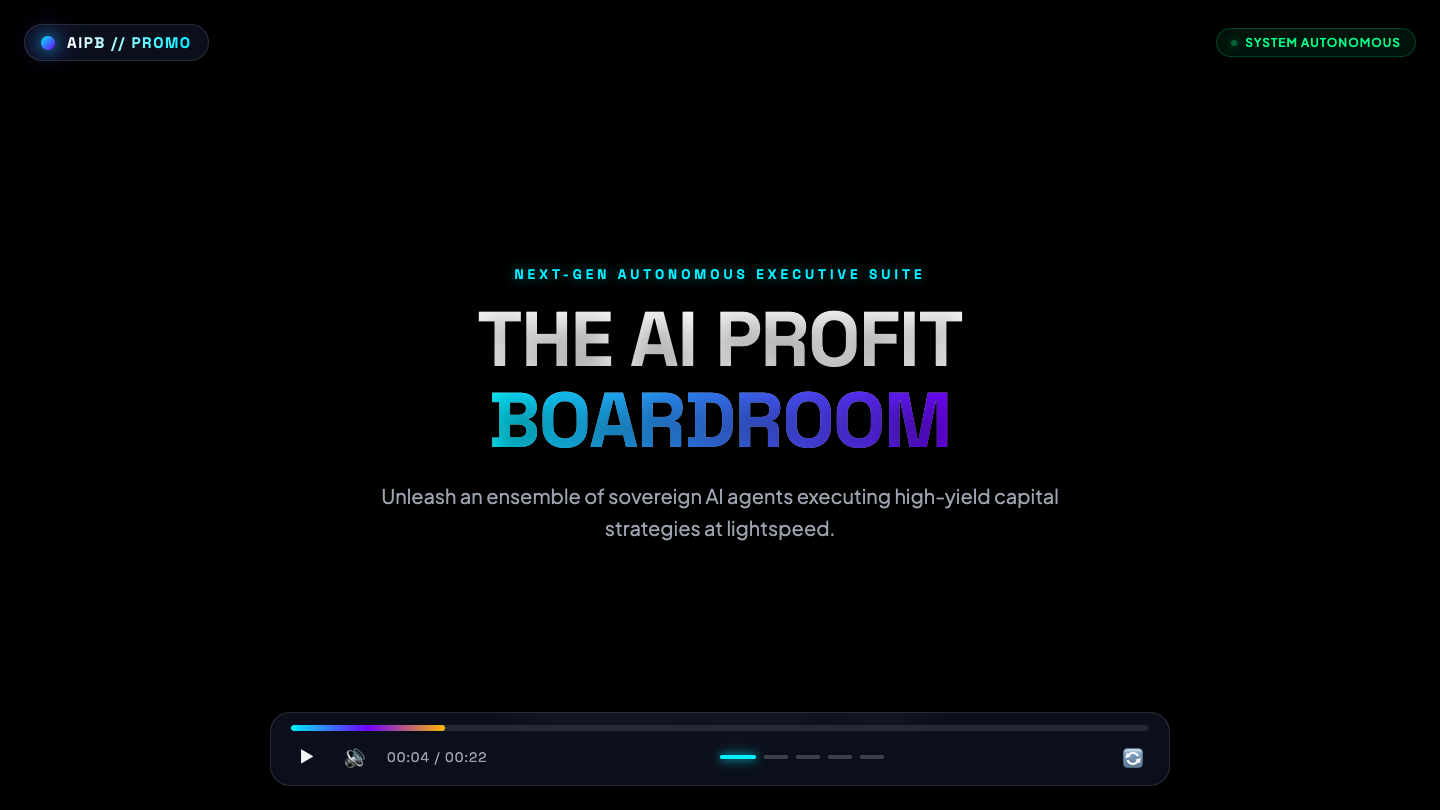
Aipbpromo
Page
Gemini 3.6 Flash 7.8
·
Hermes MoA 7.0
(+0.8)
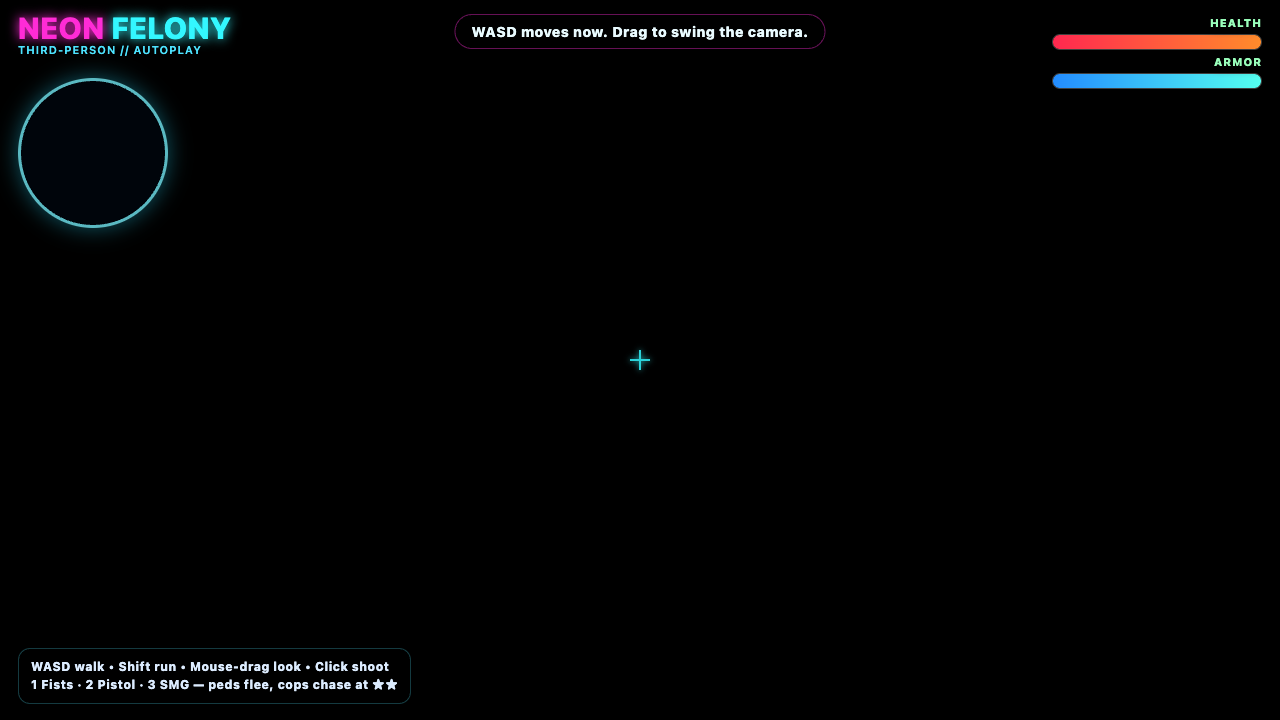
What I saw: Clean cinematic hero scene with polished gradient typography, working timeline/scene HUD, and playback controls at 00:04/00:22 confirming auto-play motion. The dead-black background lacks the promised Three.js visual richness in this frame and reads slightly generic versus the fi…
Gtadrive
Game
Gemini 3.6 Flash 8.2
·
Hermes MoA 7.5
(+0.7)
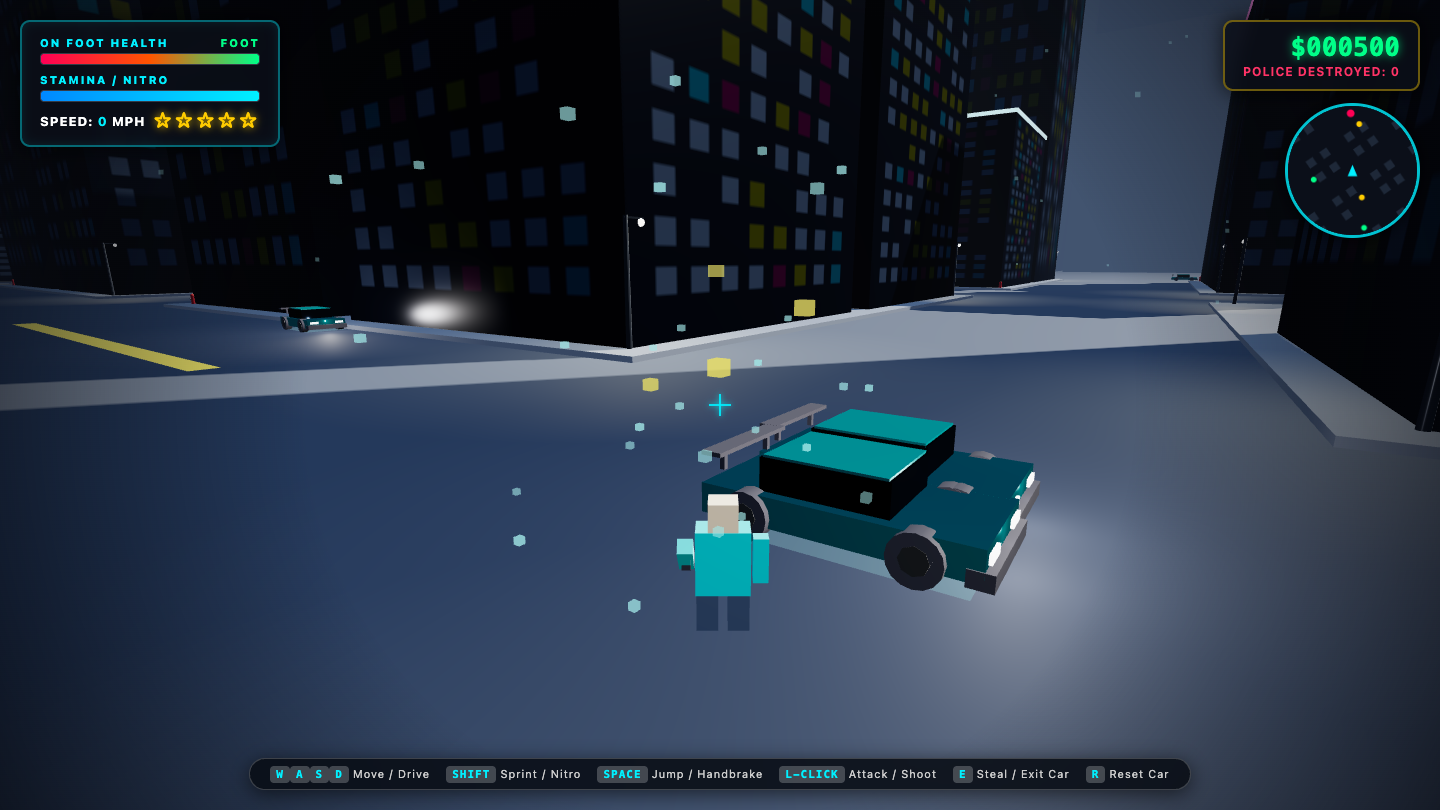
What I saw: Gorgeous night-city aesthetic with a detailed player character, stealable car, working minimap with colored blips, HUD (health/nitro/wanted stars/cash), and traffic visible in the distance — clearly a polished, shippable open-city sandbox. Slightly short of the top since the scre…
Strengths & weaknesses I logged
Hermes MoA
Strengths
- On GoldieBench, the MoA panel's galaxy edged solo Opus 4.8 — 8.6 vs 8.5 — with a denser 24k-particle spiral (the system beats the model)
- Two gold + one silver across its first three one-shot builds (galaxy, fireworks, arcade)
- Vendor-agnostic — swap any OpenRouter model into a panel or aggregator slot without touching the workflow
Trade-offs
- Latency is the panel's slowest draft plus the aggregator pass — ~110–140s per single-file build vs a solo model's one call
- Costs more per task than any single model (every panel slot + the aggregator are separate calls)
- Only 3 of 42 bench tasks run so far — a representative slice, not the full board
Gemini 3.6 Flash
Strengths
- Fast one-shot builds — full skill-spec 3D games in ~60-120s of generation
- Cheapest frontier-tier entry on the bench at $1.50/M input
- 17% fewer output tokens than 3.5 Flash on the same workflows (Google's launch claim)
Trade-offs
- Benched on launch day — partial run until the full 50-task batch completes
- Flash tier, not a flagship — up against Pro/flagship-class models on this board
Pricing & context — the spec sheet
| Spec | Hermes MoA | Gemini 3.6 Flash |
|---|---|---|
| Vendor | Hermes · Mixture of Agents | |
| Context window | Varies — the sum of the panel models' contexts (Opus 4.8 + GPT-5.5) | 1,000,000-token context window |
| Price | Panel + aggregator calls (via OpenRouter) | $1.50 / M input |
| Pricing detail | Hermes Mixture of Agents dispatches one prompt to a configurable panel of frontier models in parallel, then a named aggregator reads every draft and writes one better final answer. Default panel: Claude Opus 4.8 + GPT-5.5, aggregated by Opus 4.8 — all via the OpenRouter key. Unlike a black-box ensemble, every slot is yours to swap from the Mixture tab in the Agent OS. | Launched 2026-07-21 alongside Gemini 3.5 Flash-Lite and 3.5 Flash Cyber. Google's pitch: higher intelligence than its predecessors on coding/ML/knowledge tasks while using 17% fewer output tokens, at a new lower price ($1.50 per million input tokens). Benched here via the native Gemini API on launch day. |
| Release | 2026-06-28 | 2026-07 |
| Bench coverage | 47/47 scored · avg 8.17/10 | 50/50 scored · avg 7.08/10 |
The verdict — which should you pick?
Across 47 scored shared tasks, Hermes MoA averaged 8.17/10, beating Gemini 3.6 Flash's 7.04/10 by 1.13 points. Pick Hermes MoA when the build has to ship on the first prompt and you can afford the trade-offs in the comparison below.
If you only run one of these inside your stack, the head-to-head average above is the call. If you can run both, my honest play is to wire Hermes MoA and Gemini 3.6 Flash both into the Agent Operating System and dispatch each from the kanban by task type — high-stakes single prompts where ensemble quality beats single-model speed → Hermes MoA, high-volume agentic work where token cost dominates → Gemini 3.6 Flash. That's the same setup I run for the 3,400+ founders inside the AI Profit Boardroom.
FAQ — Hermes MoA vs Gemini 3.6 Flash
Which is better, Hermes MoA or Gemini 3.6 Flash?
On Goldie Bench, Hermes MoA averages 8.17/10 across the shared tasks, with 3 gold, 10 silver, 2 bronze overall. Gemini 3.6 Flash averages 7.04/10, with 1 gold, 2 silver, 1 bronze. Hermes MoA wins the head-to-head 32–11.
How much does Hermes MoA cost vs Gemini 3.6 Flash?
Hermes MoA: Hermes Mixture of Agents dispatches one prompt to a configurable panel of frontier models in parallel, then a named aggregator reads every draft and writes one better final answer. Default panel: Claude Opus 4.8 + GPT-5.5, aggregated by Opus 4.8 — all via the OpenRouter key. Unlike a black-box ensemble, every slot is yours to swap from the Mixture tab in the Agent OS. Gemini 3.6 Flash: Launched 2026-07-21 alongside Gemini 3.5 Flash-Lite and 3.5 Flash Cyber. Google's pitch: higher intelligence than its predecessors on coding/ML/knowledge tasks while using 17% fewer output tokens, at a new lower price ($1.50 per million input tokens). Benched here via the native Gemini API on launch day.
What's the context window for Hermes MoA vs Gemini 3.6 Flash?
Hermes MoA has a Varies — the sum of the panel models' contexts (Opus 4.8 + GPT-5.5) context window. Gemini 3.6 Flash has a 1,000,000-token context window context window.
When should I pick Hermes MoA over Gemini 3.6 Flash?
Pick Hermes MoA for: High-stakes single prompts where ensemble quality beats single-model speed; Squeezing frontier-plus output from models you already have while Fable 5 / GPT-5.6 are still in preview; Production agents that want a configurable panel + vendor-redundancy on every call. The trade-off is the weaknesses we logged on the bench: Latency is the panel's slowest draft plus the aggregator pass — ~110–140s per single-file build vs a solo model's one call; Costs more per task than any single model (every panel slot + the aggregator are separate calls); Only 3 of 42 bench tasks run so far — a representative slice, not the full board.
When should I pick Gemini 3.6 Flash over Hermes MoA?
Pick Gemini 3.6 Flash for: High-volume agentic work where token cost dominates; Fast prototype builds you iterate on rather than one-shot masterpieces; Routing the everyday 90% while a flagship handles the hard 10%. The trade-off is the weaknesses we logged on the bench: Benched on launch day — partial run until the full 50-task batch completes; Flash tier, not a flagship — up against Pro/flagship-class models on this board.
How does Goldie Bench score Hermes MoA vs Gemini 3.6 Flash?
Every demo on this page was built by Julian Goldie inside the Agent Operating System — same fixed prompt for both models, one shot, single HTML file out. Each result gets a 0–10 score on whether it ran, how close it hit the brief, and how good it looked. The highest score on each task gets gold; second gets silver; third gets bronze. See methodology for full provenance.
Related comparisons
Other head-to-heads using the same scoring system:
Hermes MoA vs Fusion Gemini 3.6 Flash vs Fusion Hermes MoA vs Claude Opus 5 Gemini 3.6 Flash vs Claude Opus 5 Hermes MoA vs GPT-5.6 Sol Gemini 3.6 Flash vs GPT-5.6 Sol Hermes MoA vs Claude Fable 5 Gemini 3.6 Flash vs Claude Fable 5Full model pages: Hermes MoA · Gemini 3.6 Flash · back to the leaderboard
The same stack Julian uses
Run this stack yourself.
Every demo on this bench was built inside the Agent Operating System — one prompt, one shot, single HTML file out. The Agent OS, the prompts, the templates, the weekly walkthroughs and 3,400+ founders shipping with it every day all live inside the AI Profit Boardroom.
3,400+founders
258documented wins
38countries
$69/momonthly