Real head-to-head · same prompt, one shot
MiniMax M3 vs Claude Sonnet 5
1M-context frontier model at $0.30/M tokens — cheapest big-context model on the bench. vs The agentic SWE frontier — 82% SWE-bench Verified, Dev Team mode.
Head-to-head verdict: MiniMax M3 wins 28–17 with 2 ties.
What I tested — same prompt, two models
I run the same fixed prompt set through every new model the day it drops — same string, one shot, single HTML file out — and I score the result 0–10 on whether it ran, how close it hit the brief, and how good it looked. Below is what came out when I gave the exact same prompts to MiniMax M3 and Claude Sonnet 5, side by side, on 47 shared tasks inside the Agent Operating System.
Both models were given identical prompts inside the Agent Operating System — no help, no iteration, no "best of N" tricks. I run each prompt once, save the HTML file the model produces, and score it 0–10 on whether it ran, how close it hit the brief, and how good it looked. The scoring is mine. The verdicts below are pulled from my source comparison guides at agentos.guide where I publish every score and the reasoning behind it.
MiniMax M3 · Bench prompts dispatched via OpenRouter. Scored by Claude judge against the same 42 prompts every other model ran.
Claude Sonnet 5 · Reach for it in Agent OS when the job is iterative, tool-using software engineering. For one-shot visual builds, GLM 5.2 (free) beat it 4-1 here.
Side-by-side on 47 shared tasks
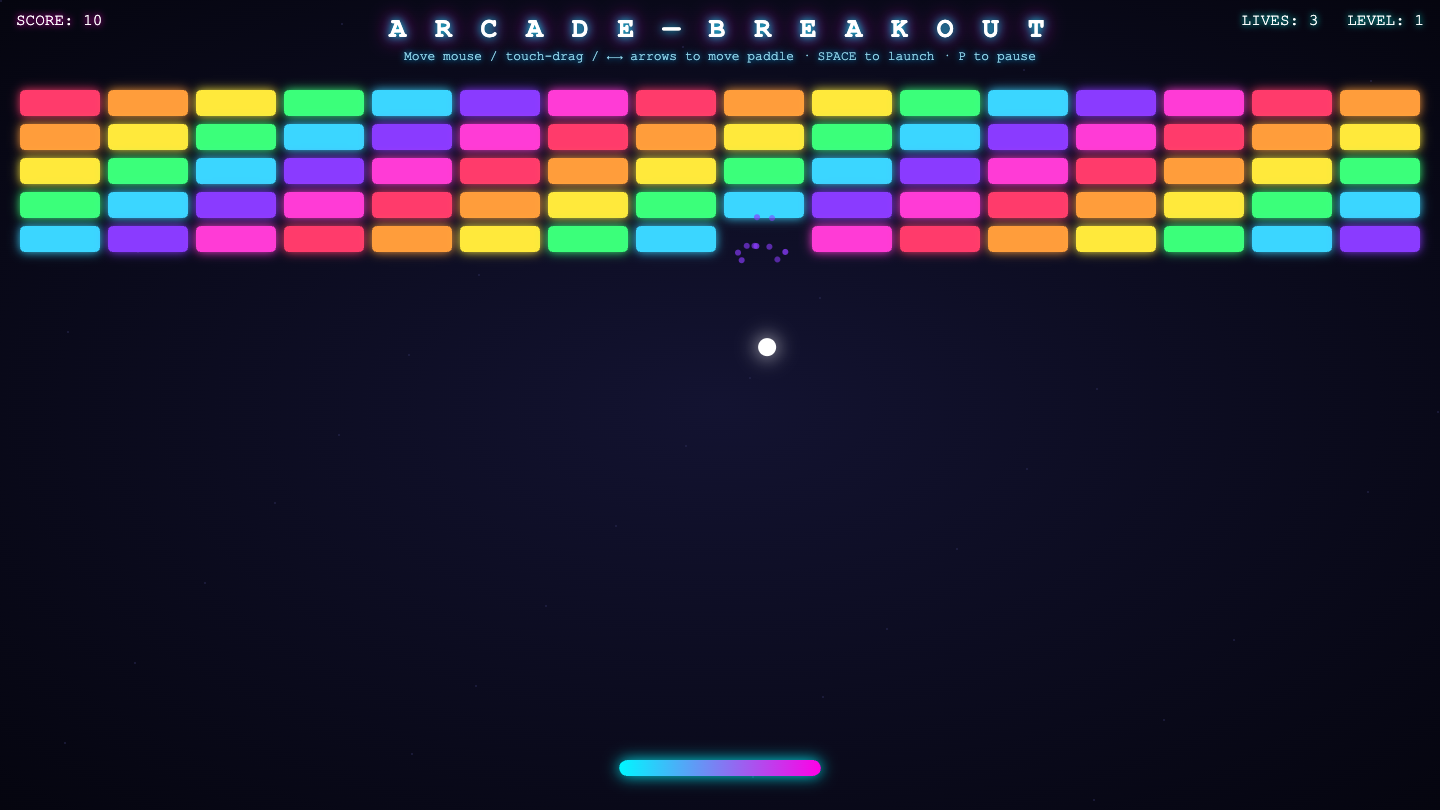
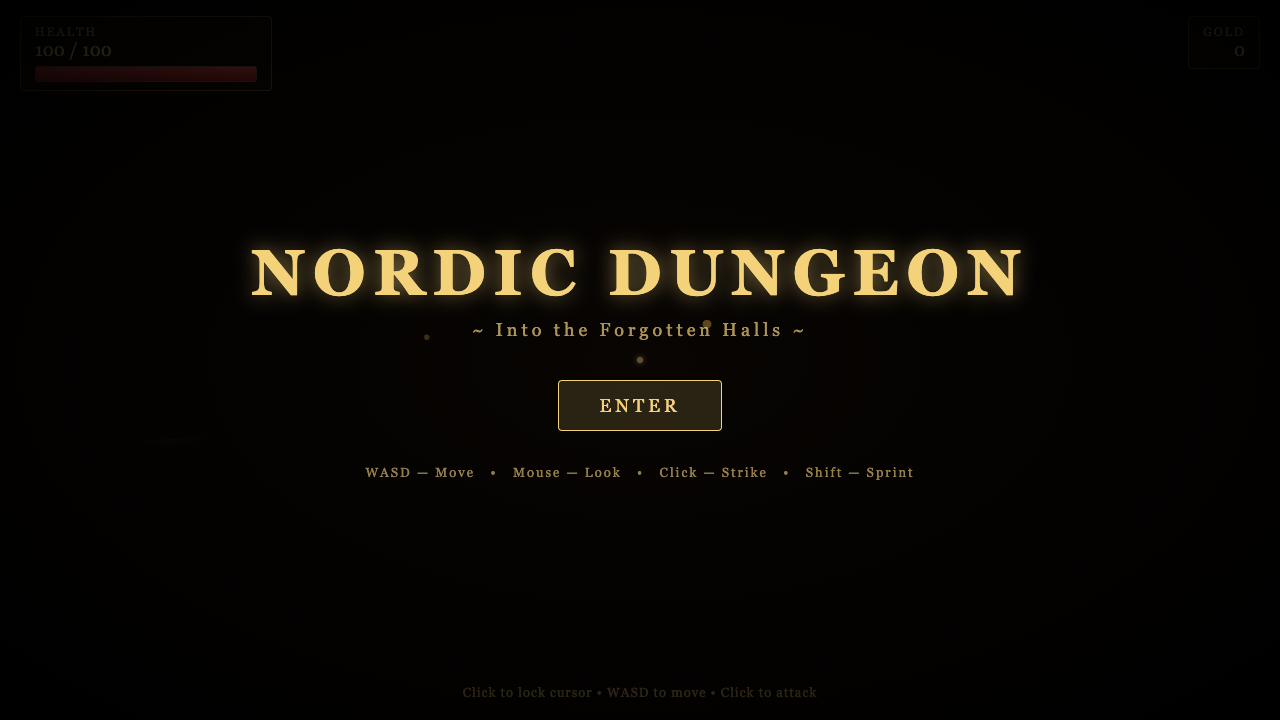
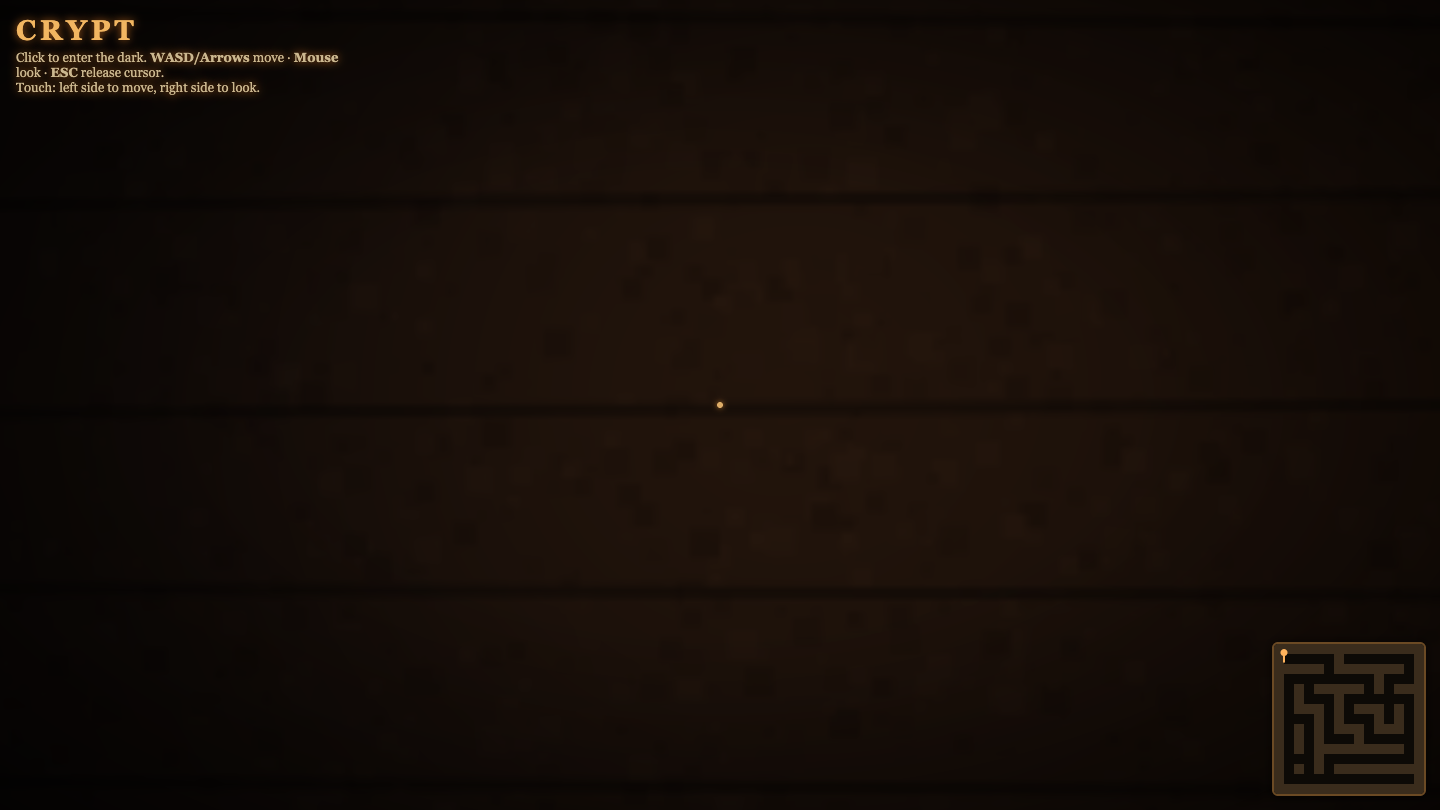
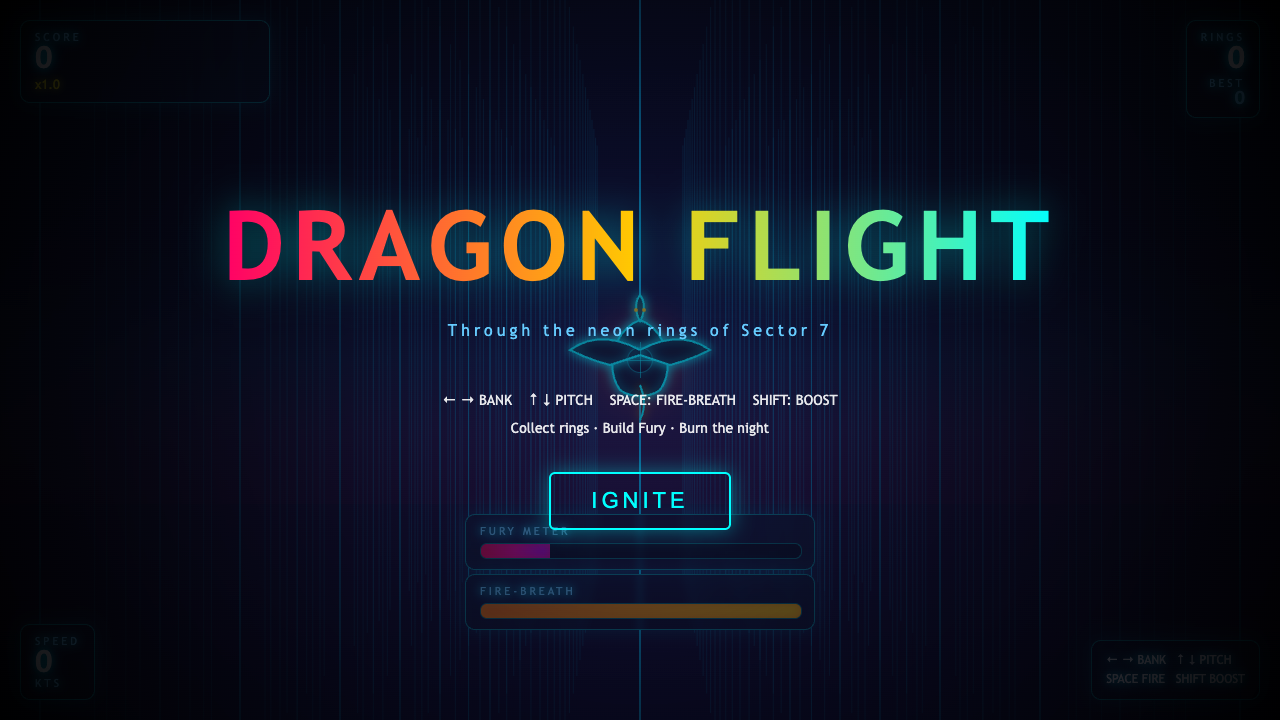
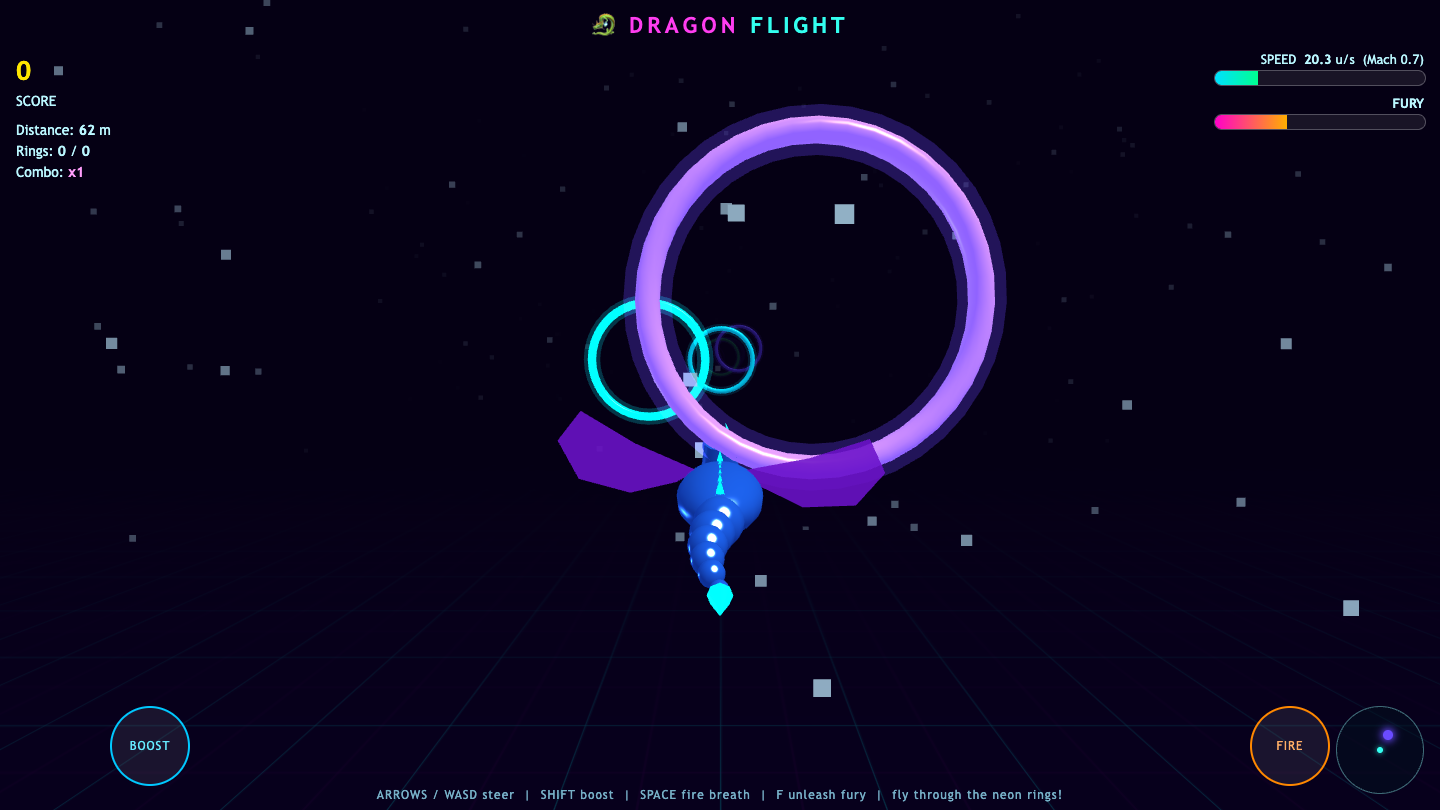
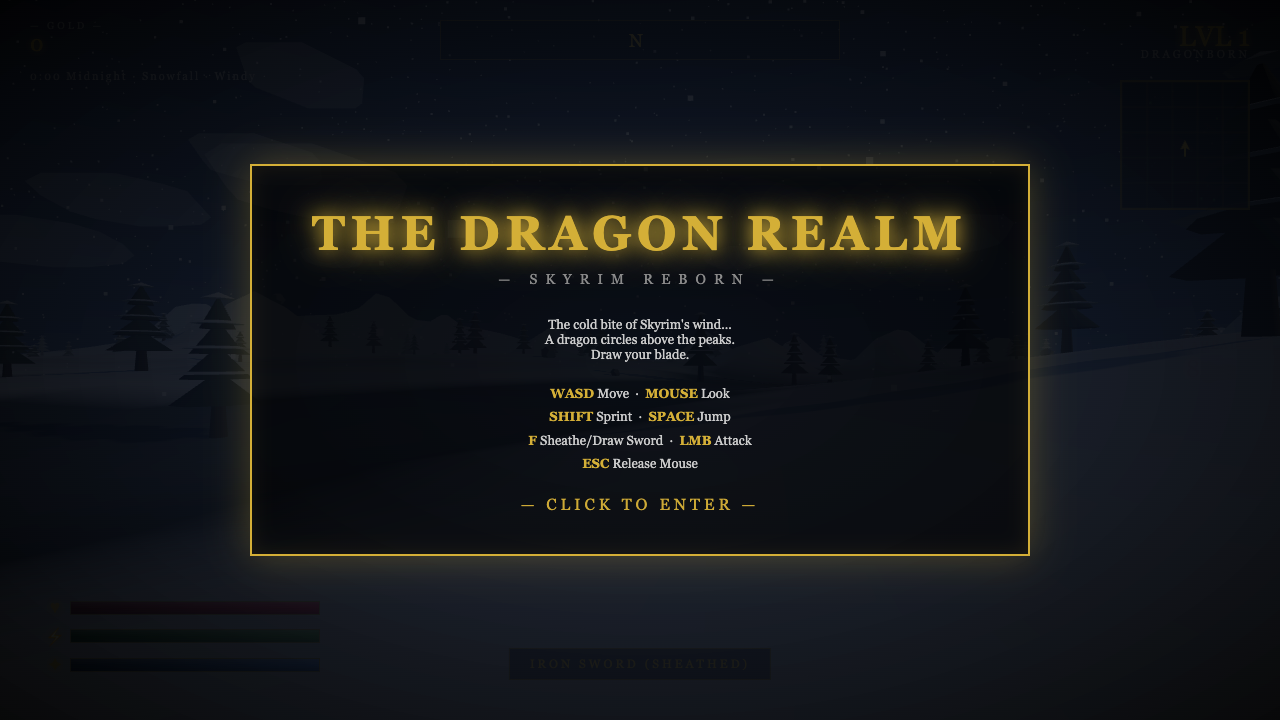
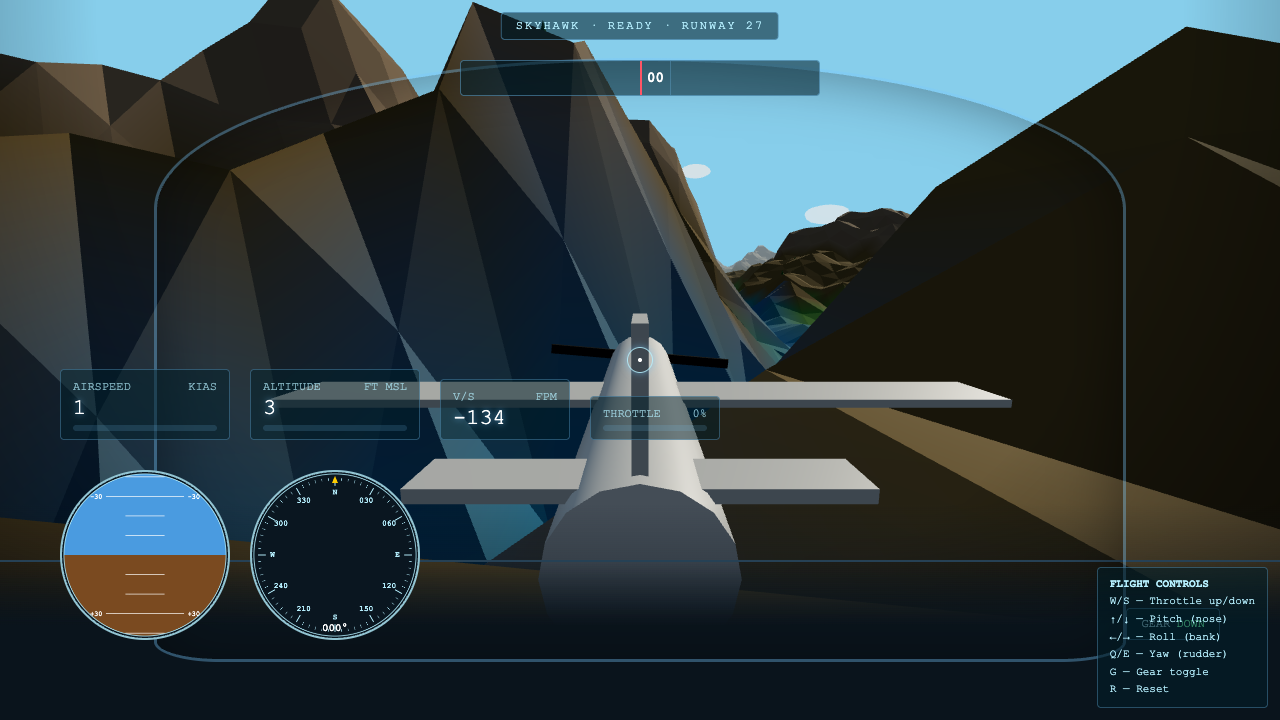
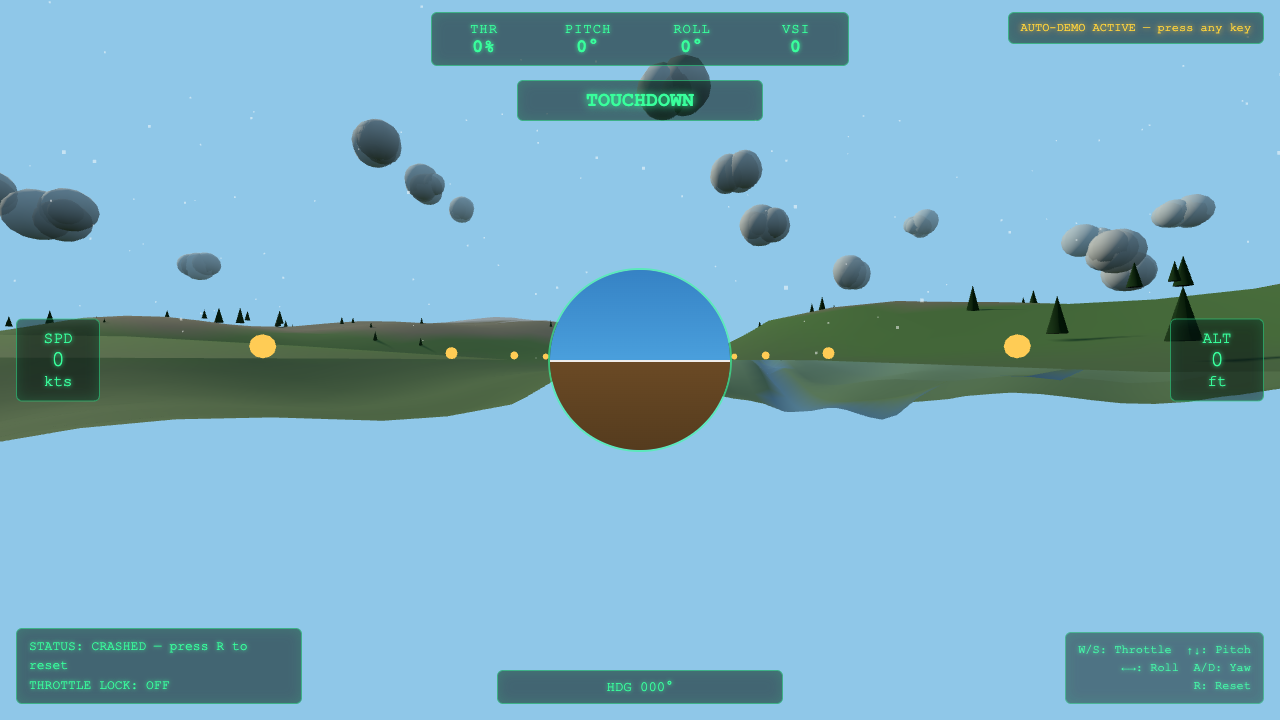
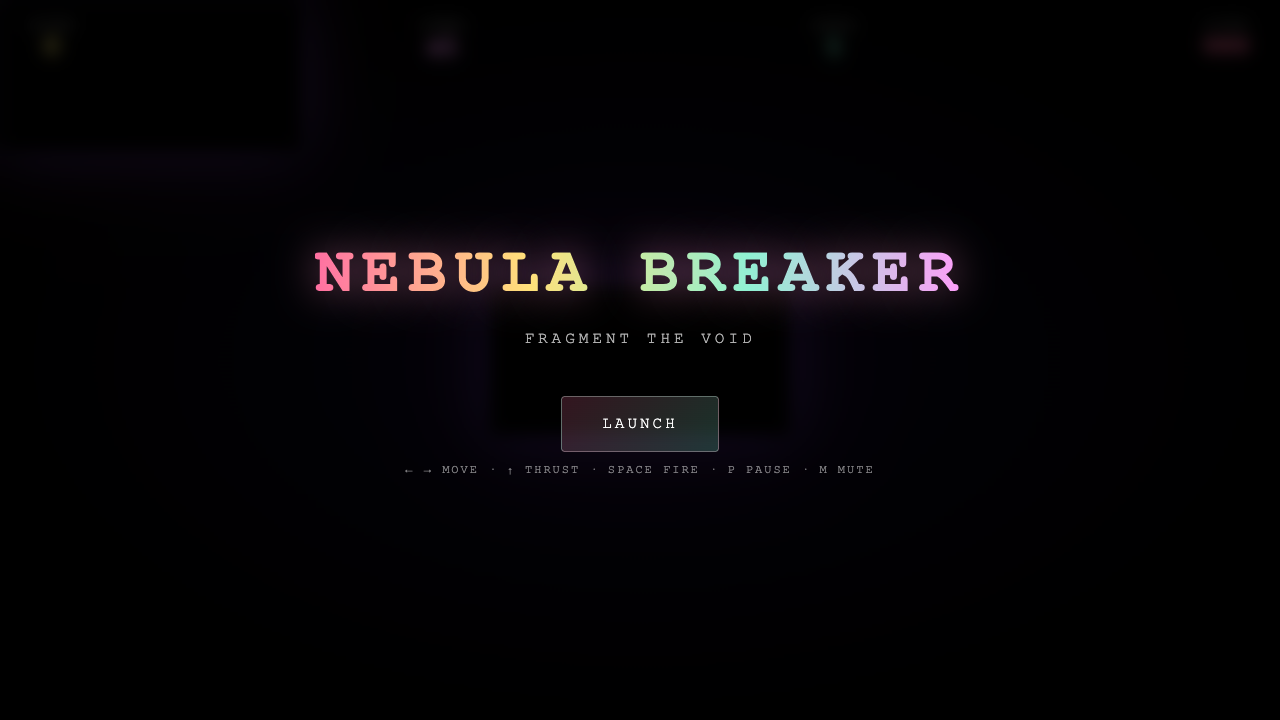
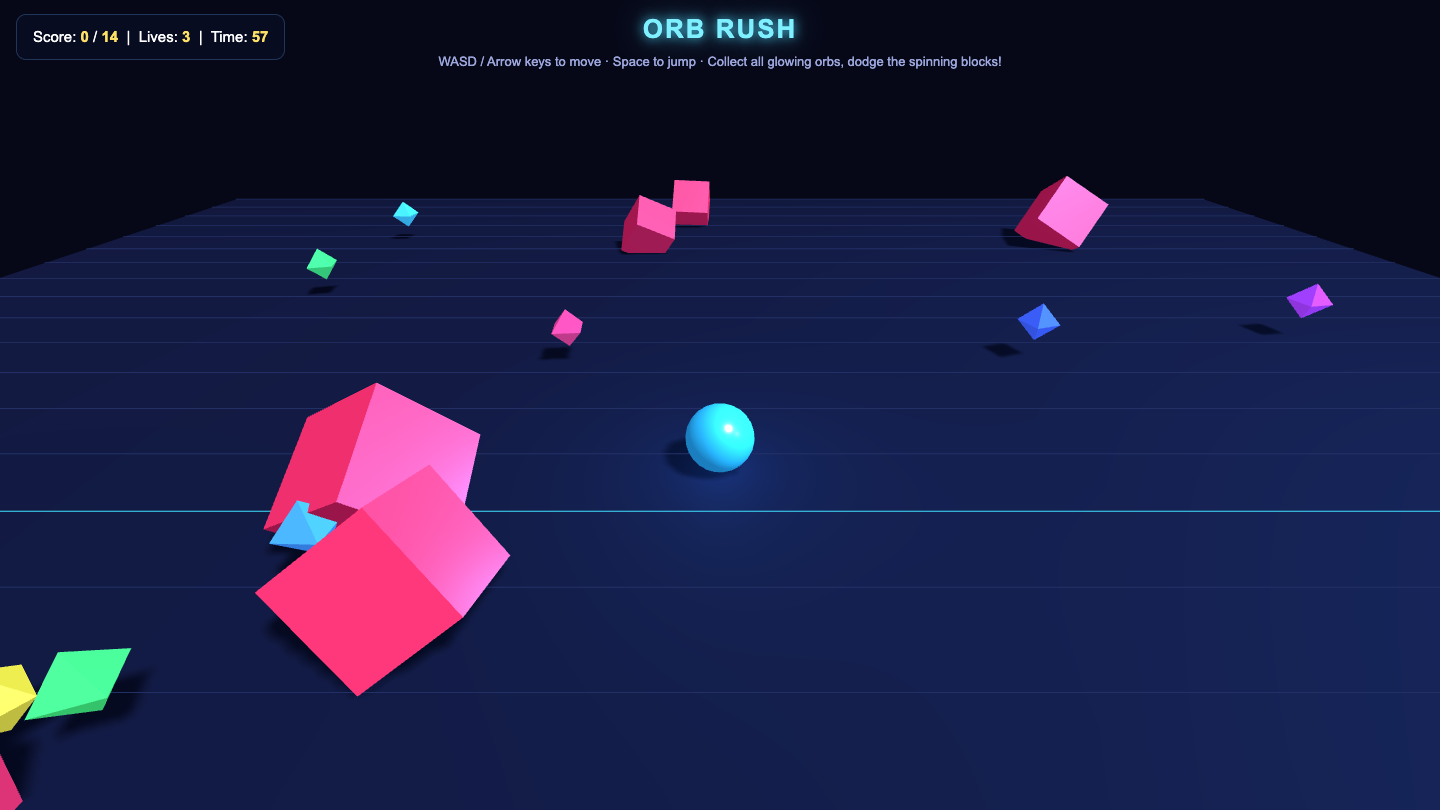
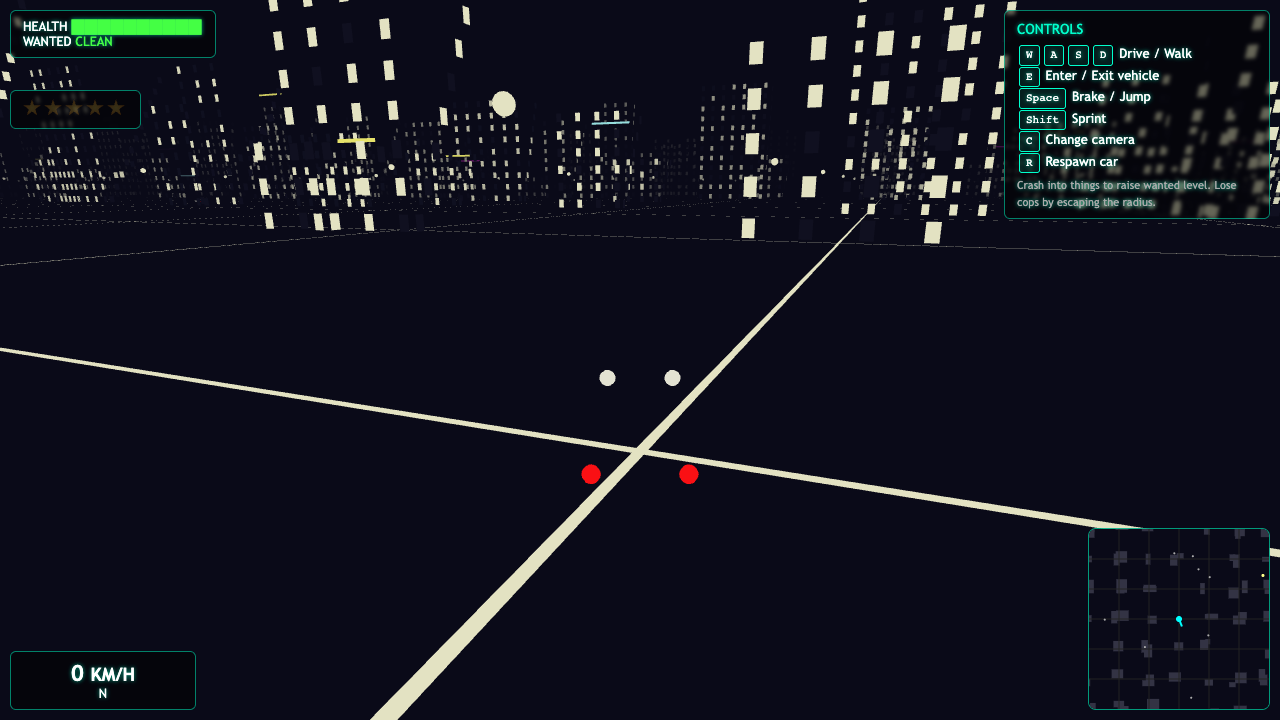
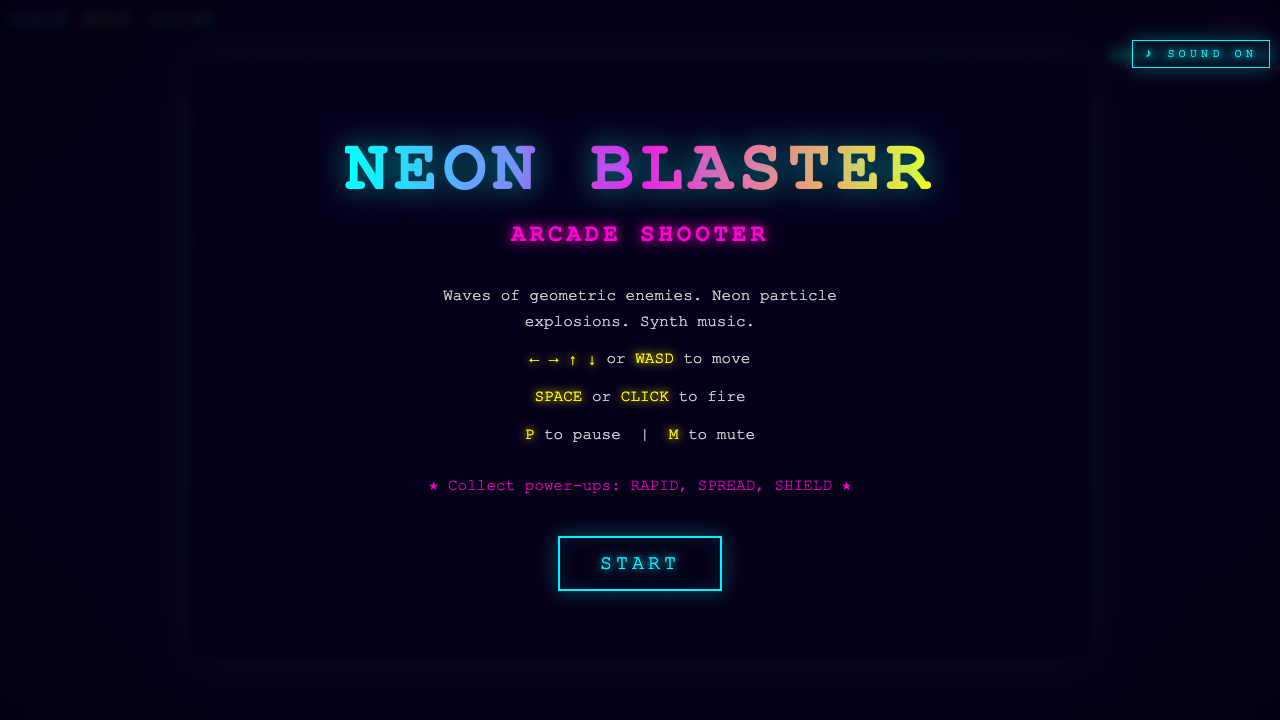
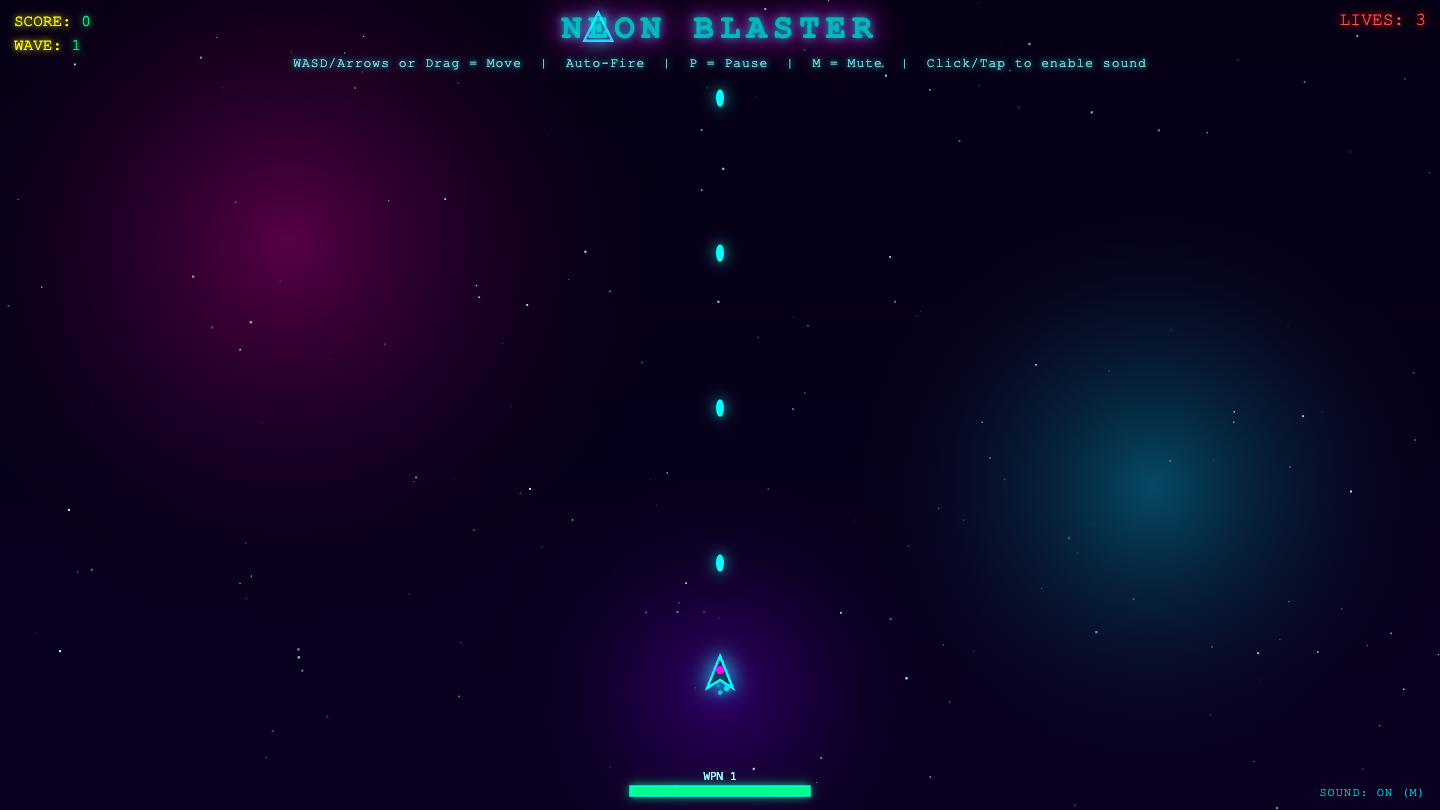
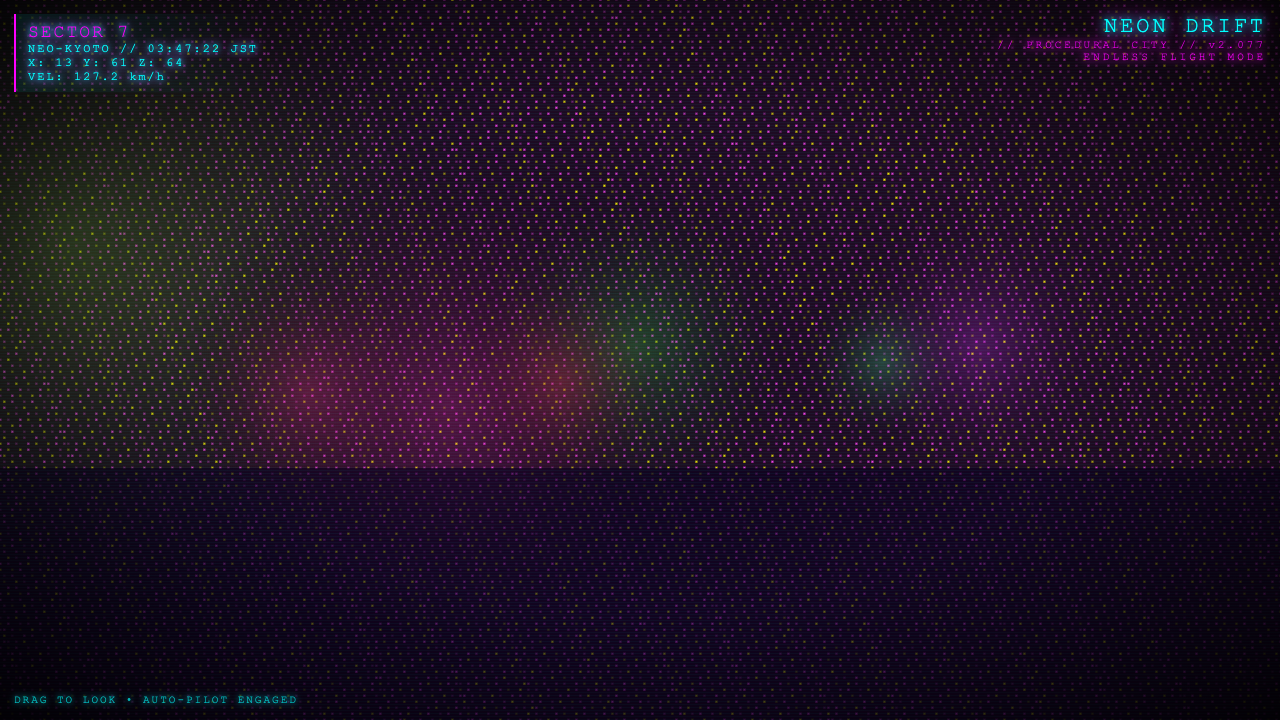
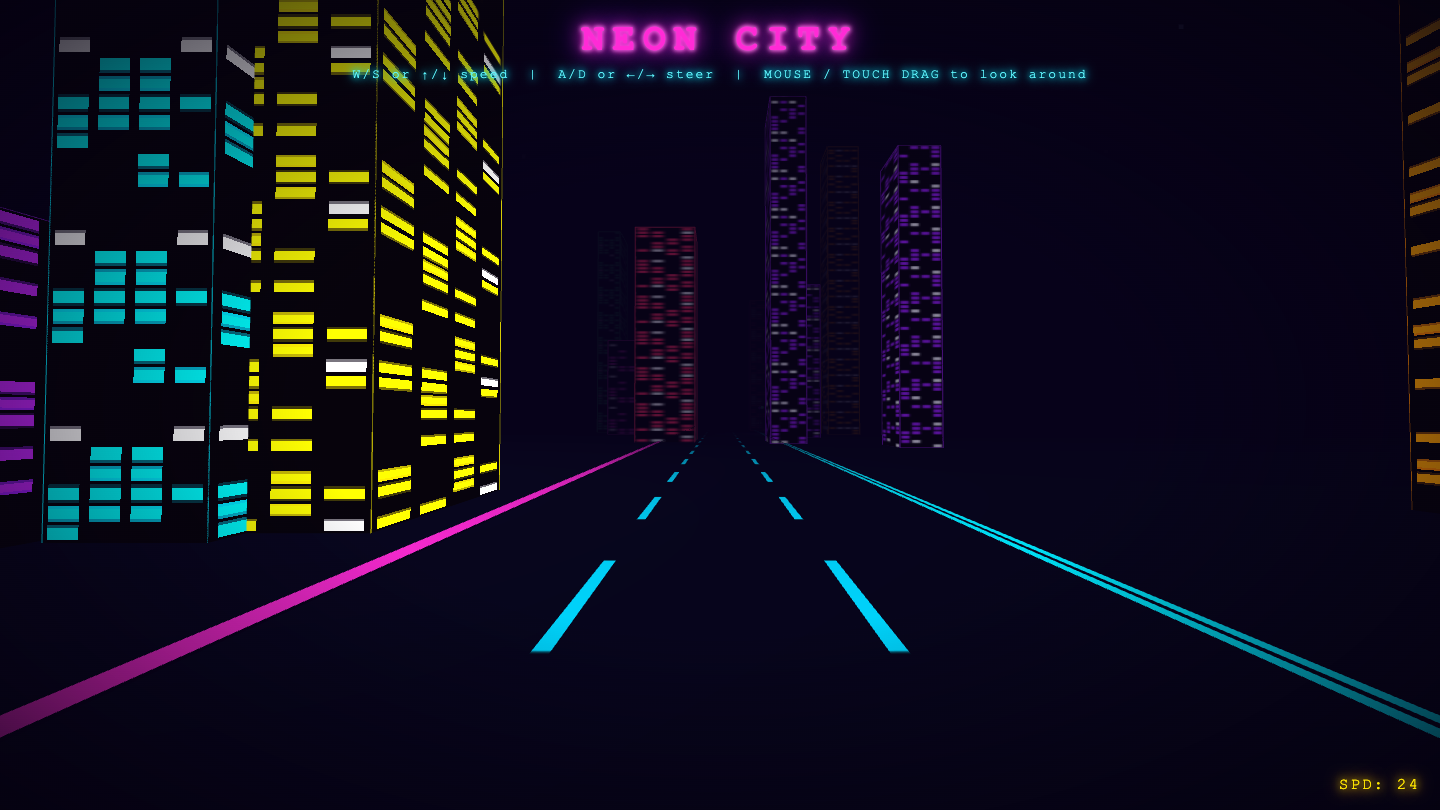
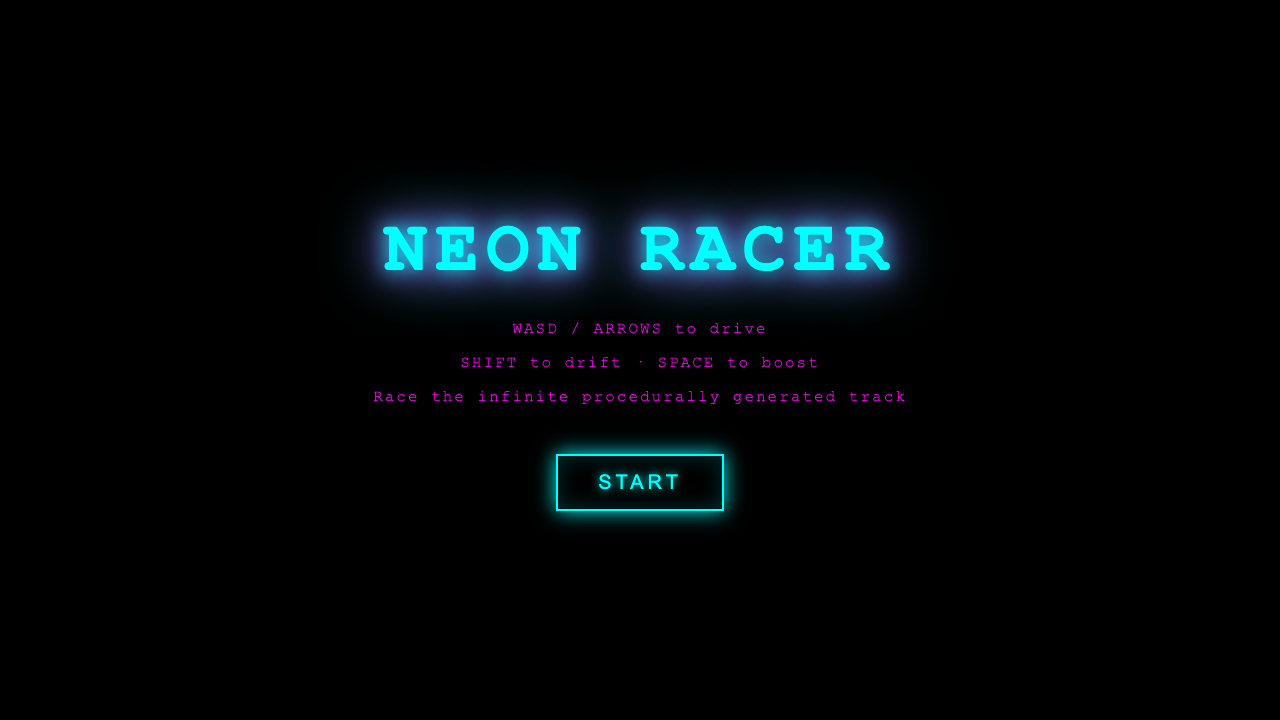
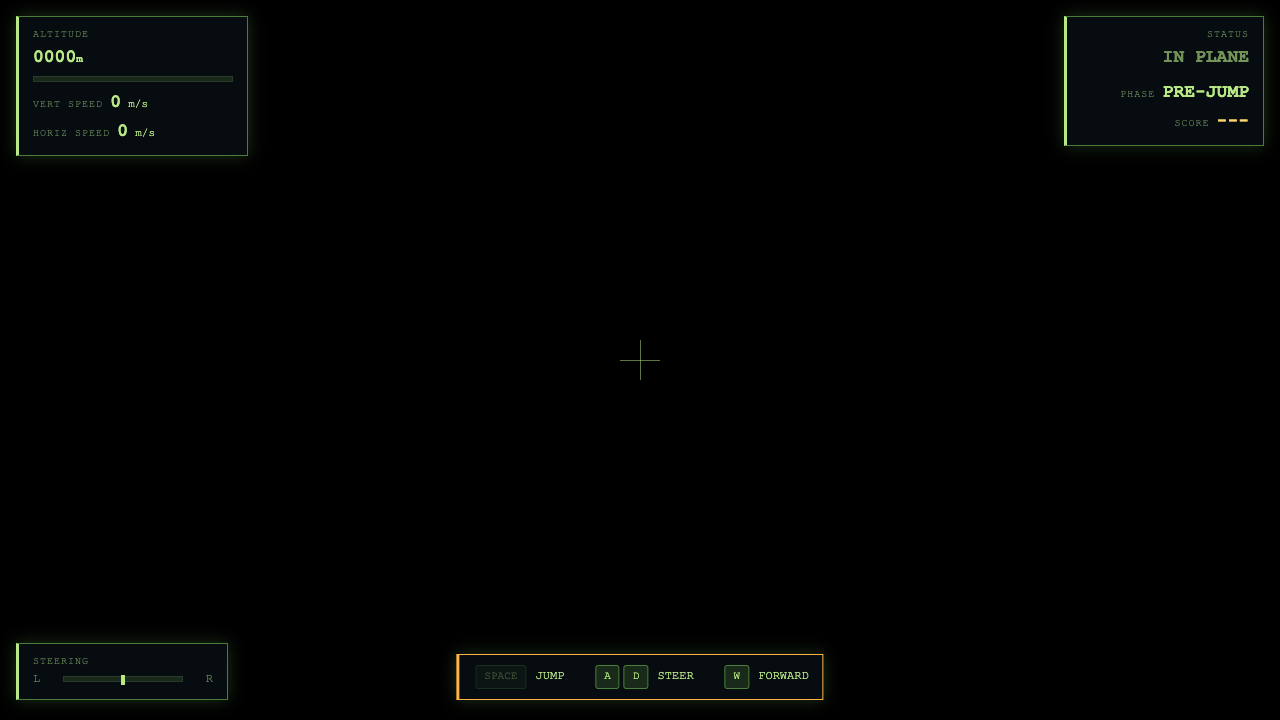
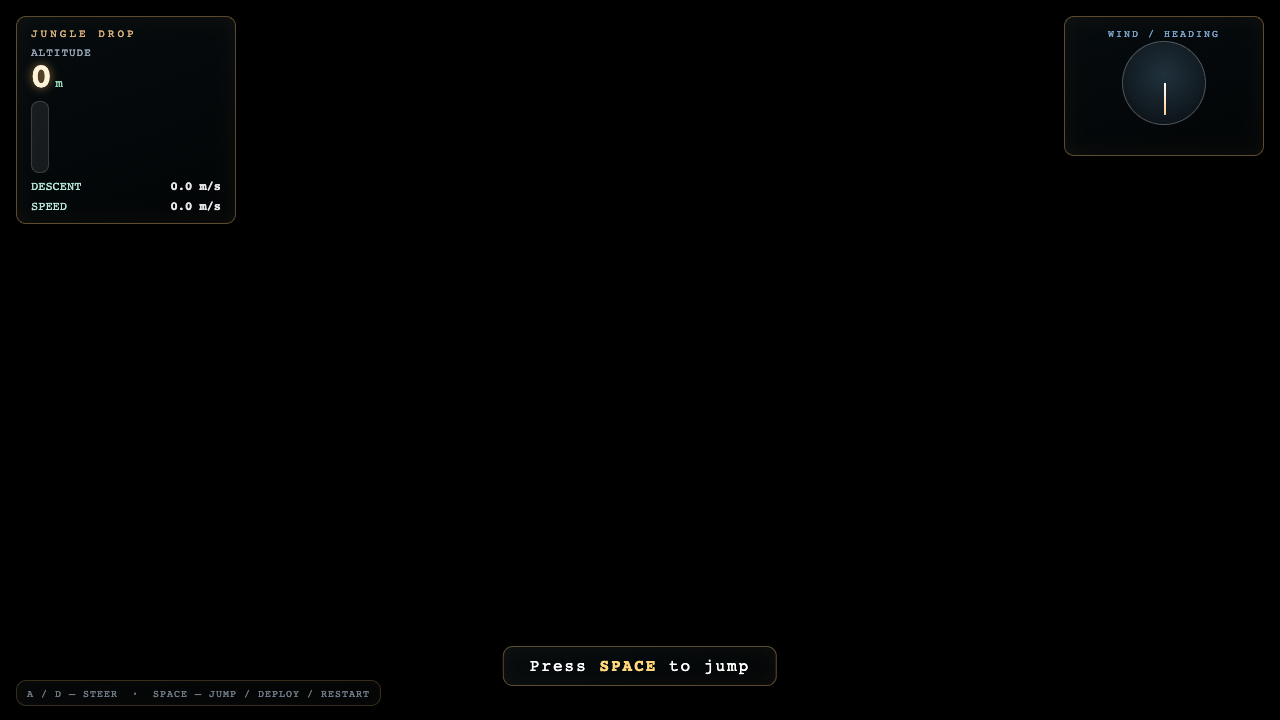
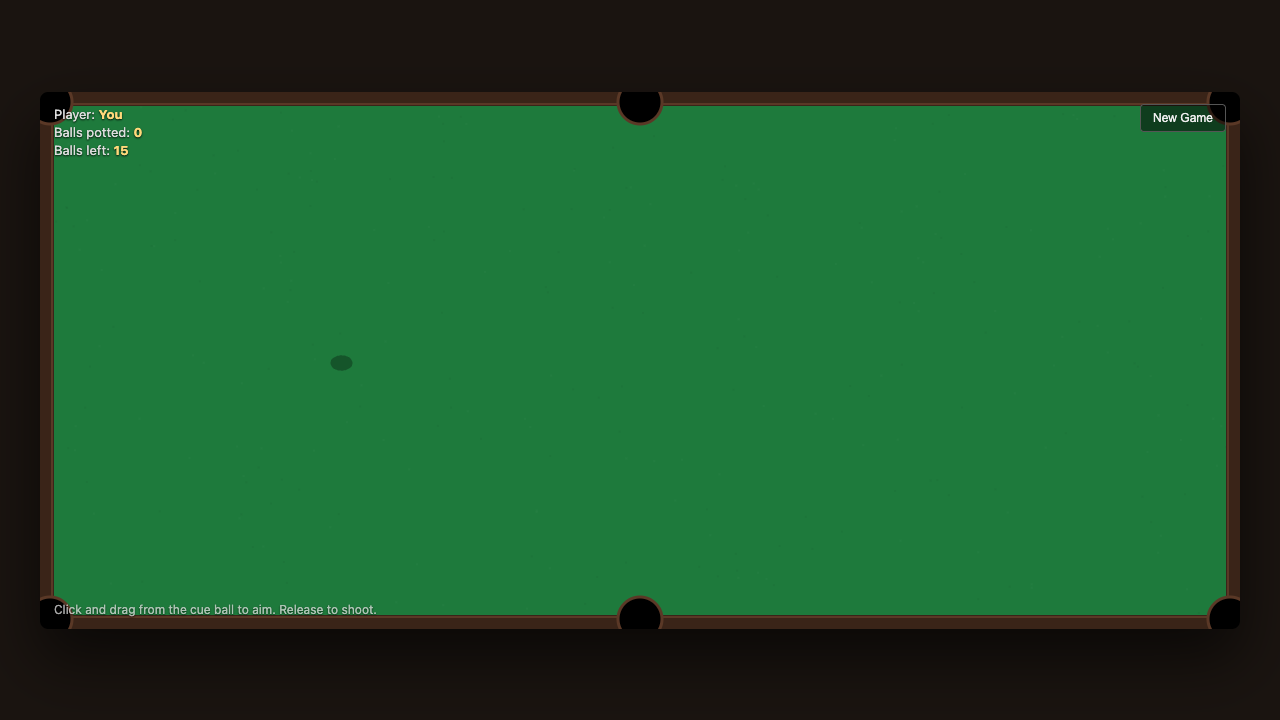
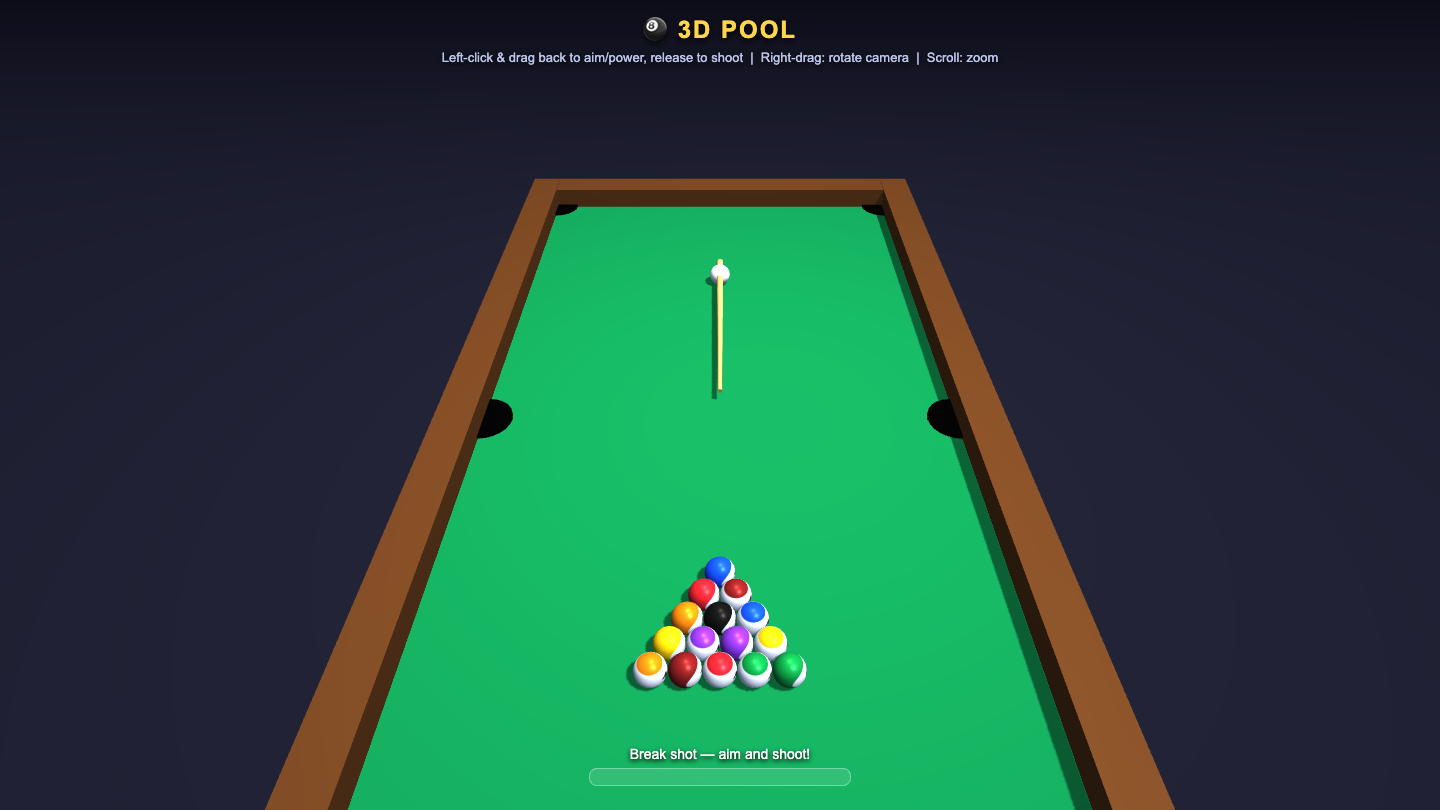
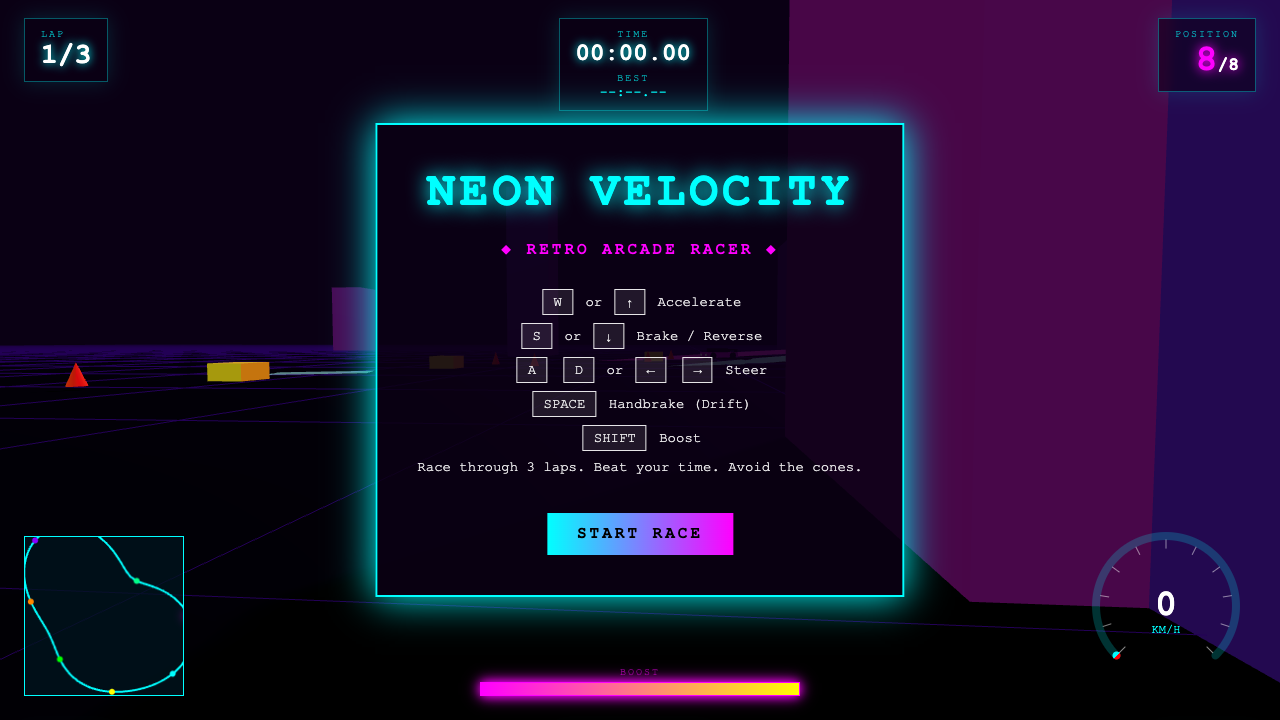
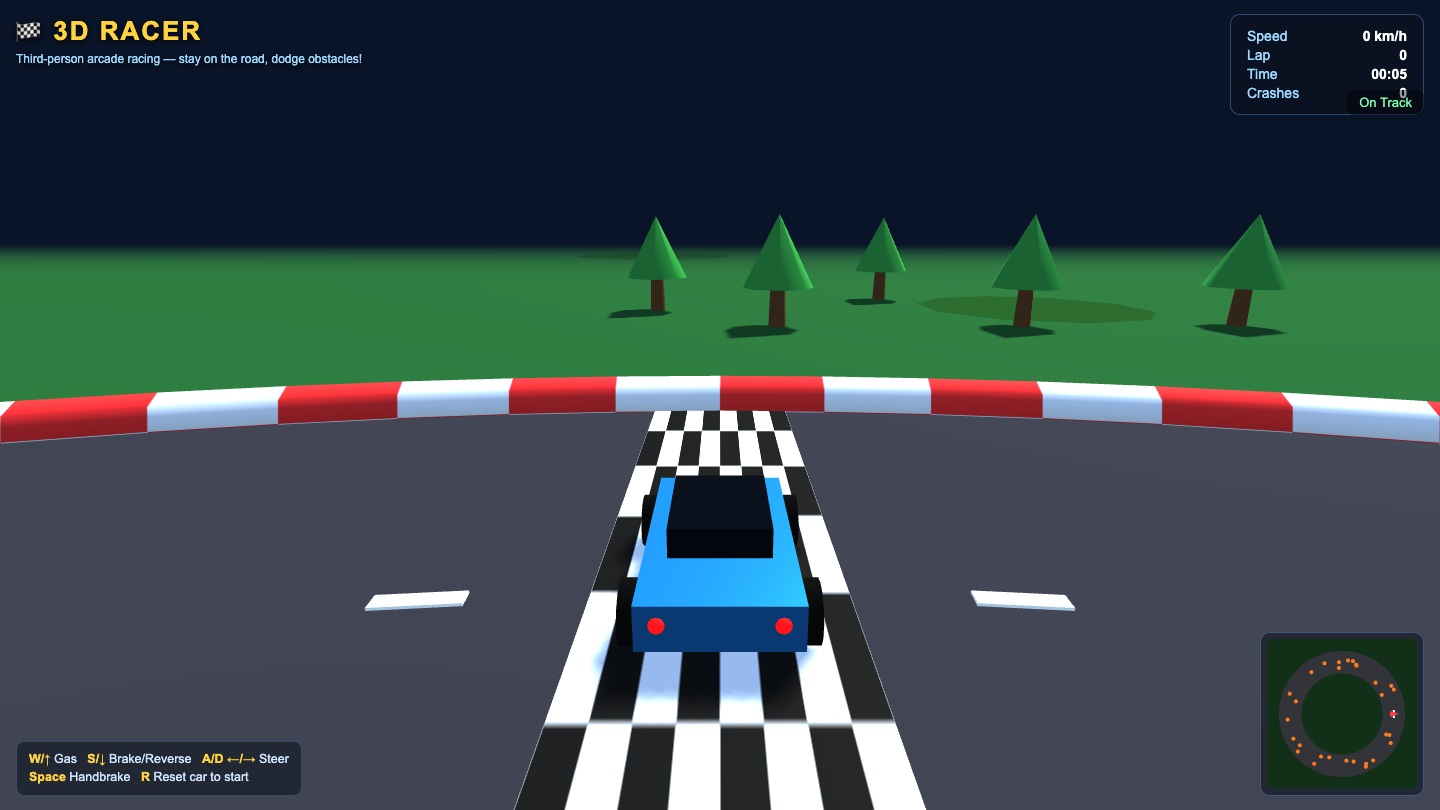
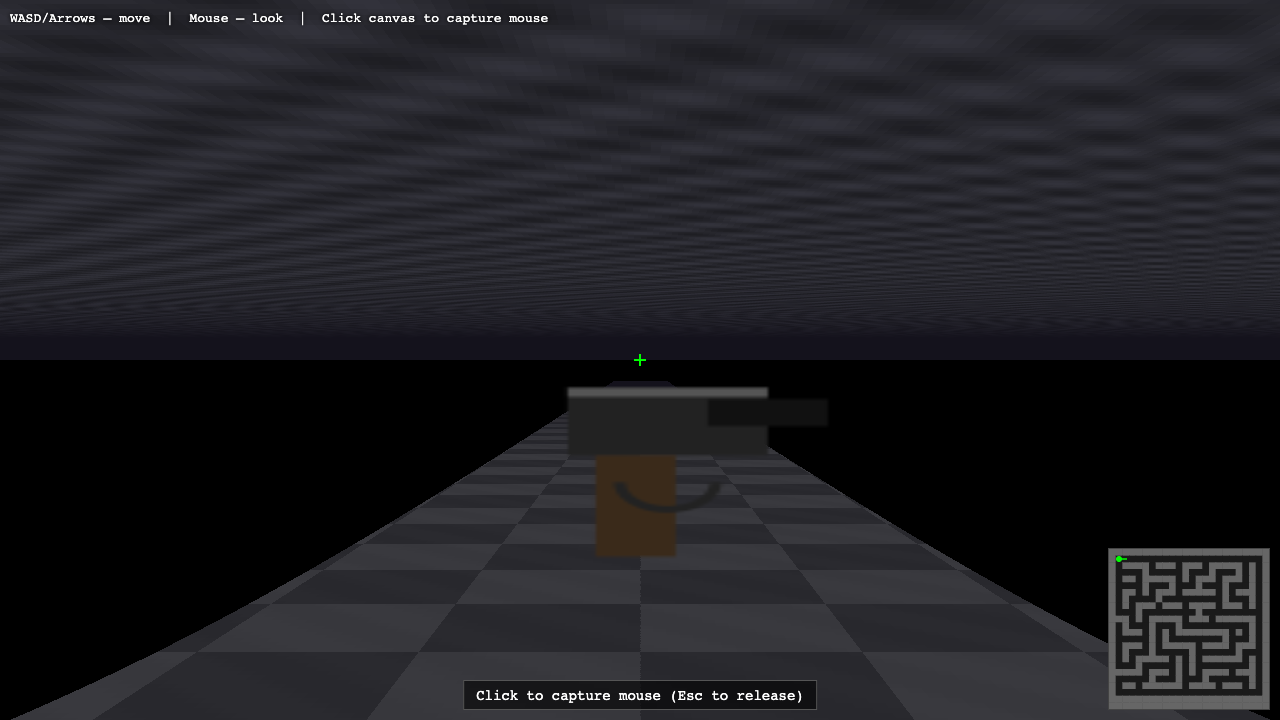
Click any cell to play that model's actual one-shot attempt. Medals are derived from my 0–10 scores per task (highest = 🥇, second = 🥈, third = 🥉).
Task ↓
MiniMax M3
Claude Sonnet 5
Game
Game
Game
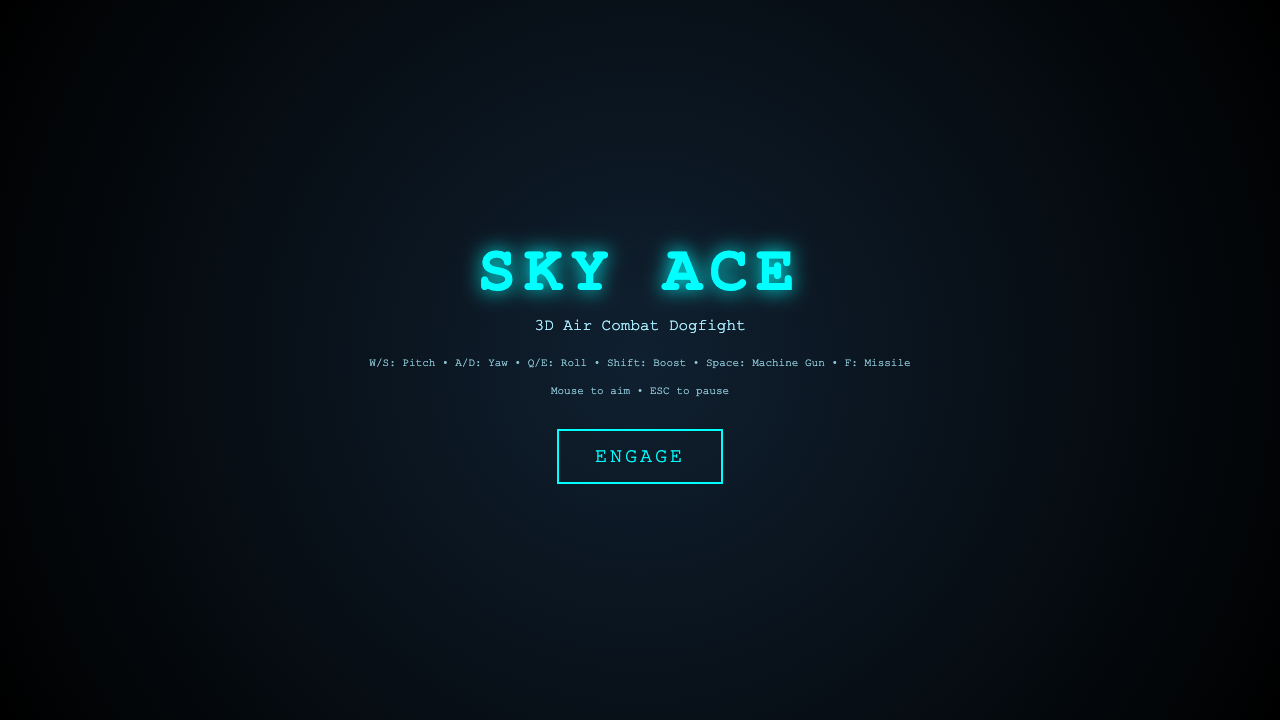
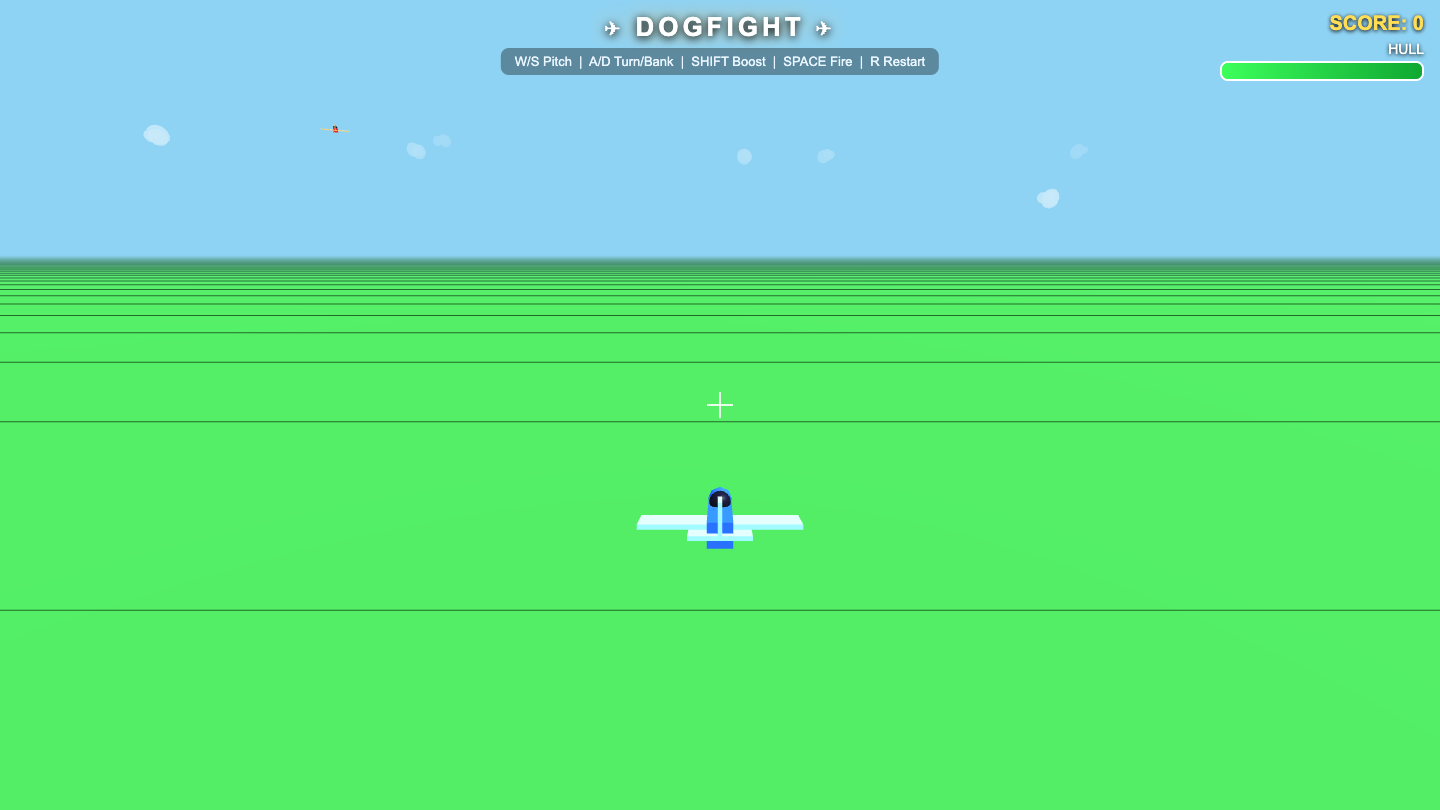
Game
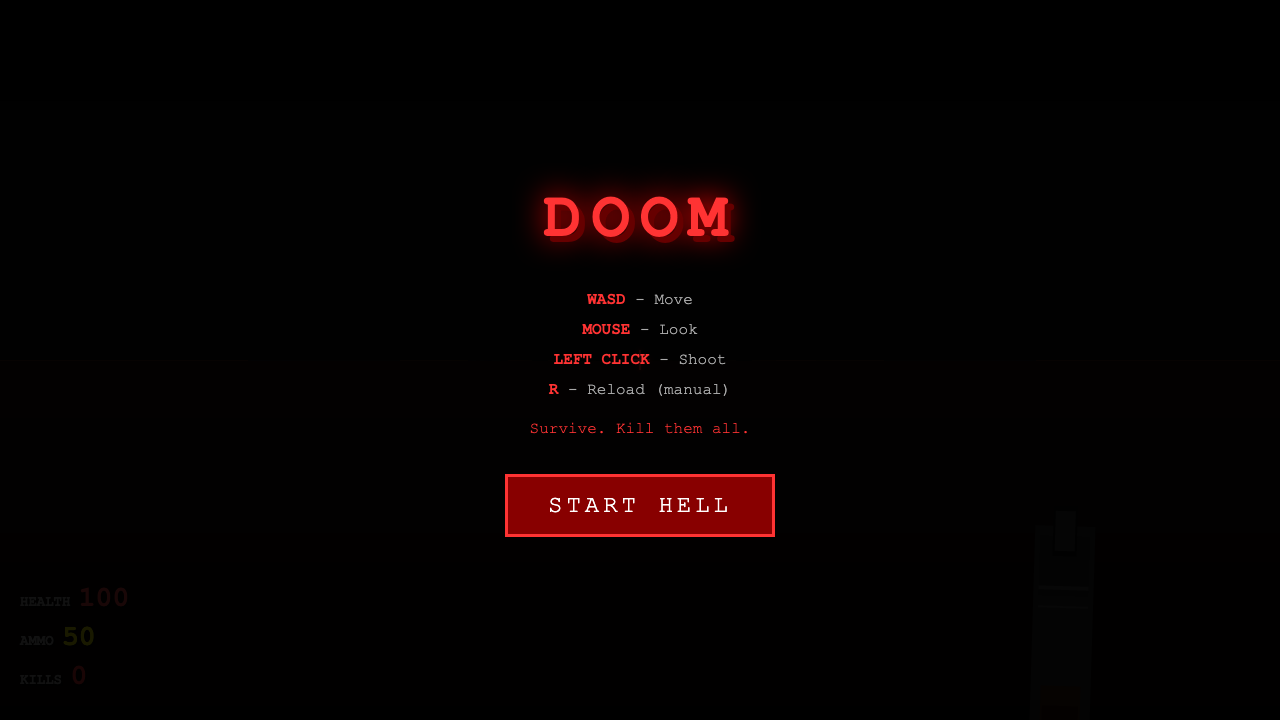
Game
Game

Game
Game
Game
Game
Game
Game
Game
Game
Game
Game
Game
Game
Game
Game
Game
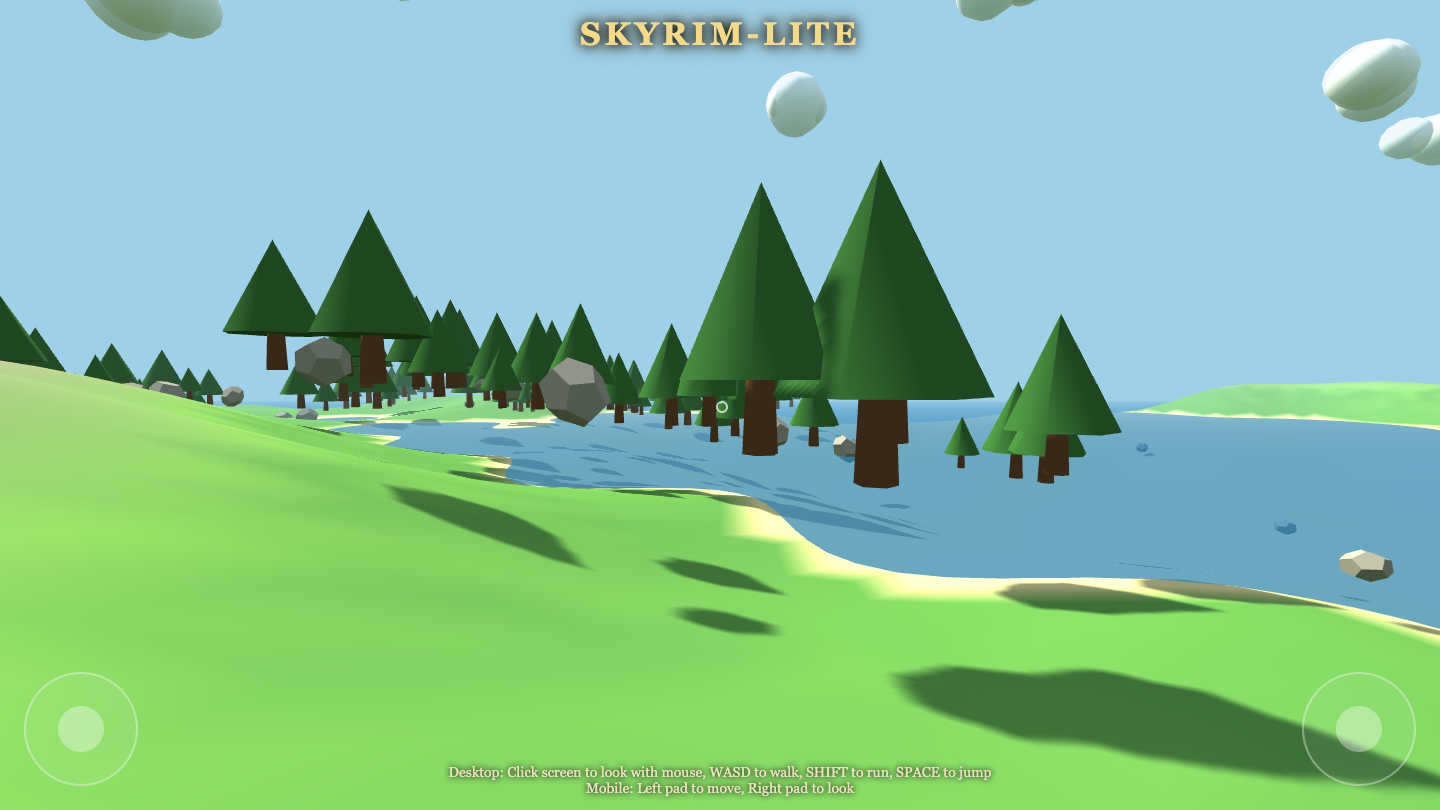
Game

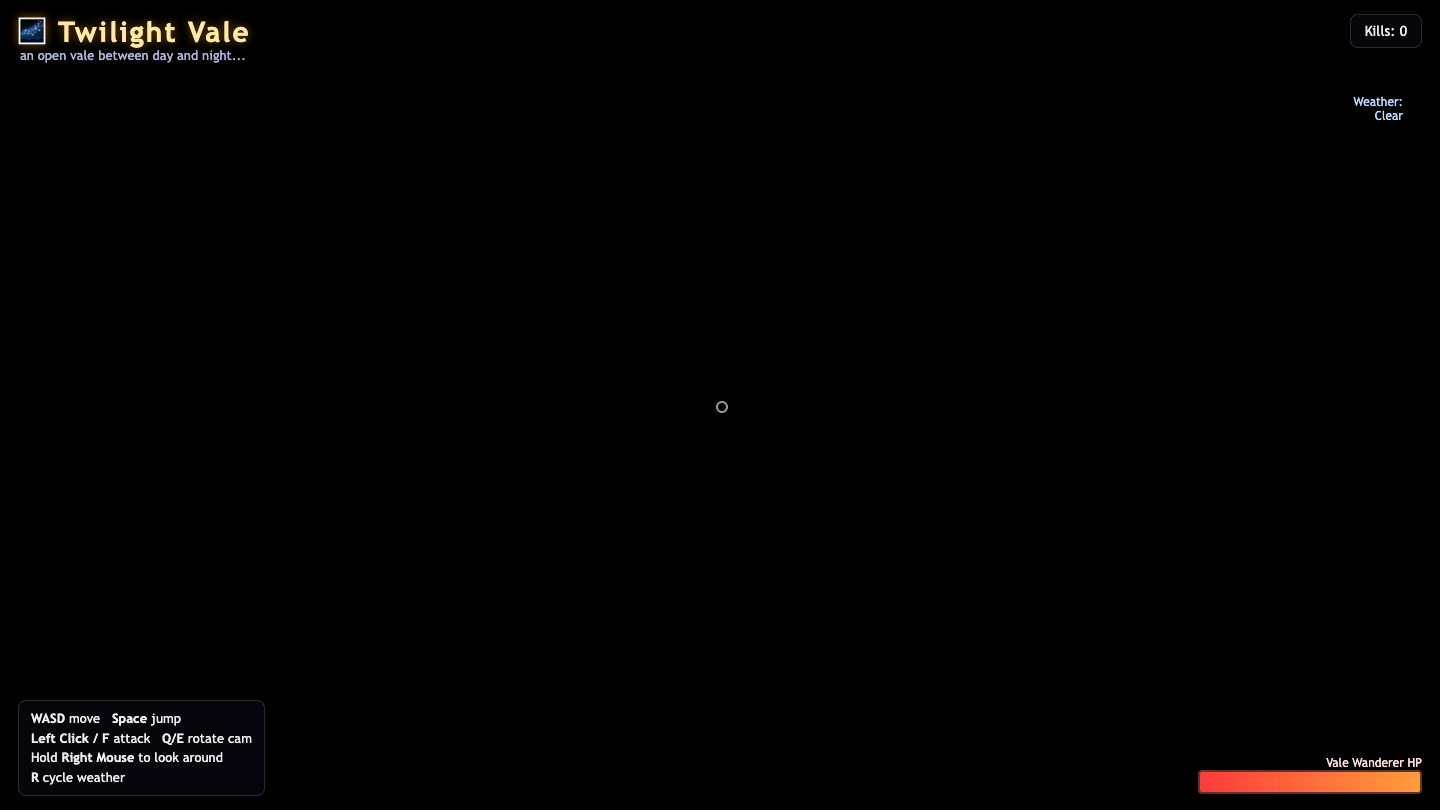
Game
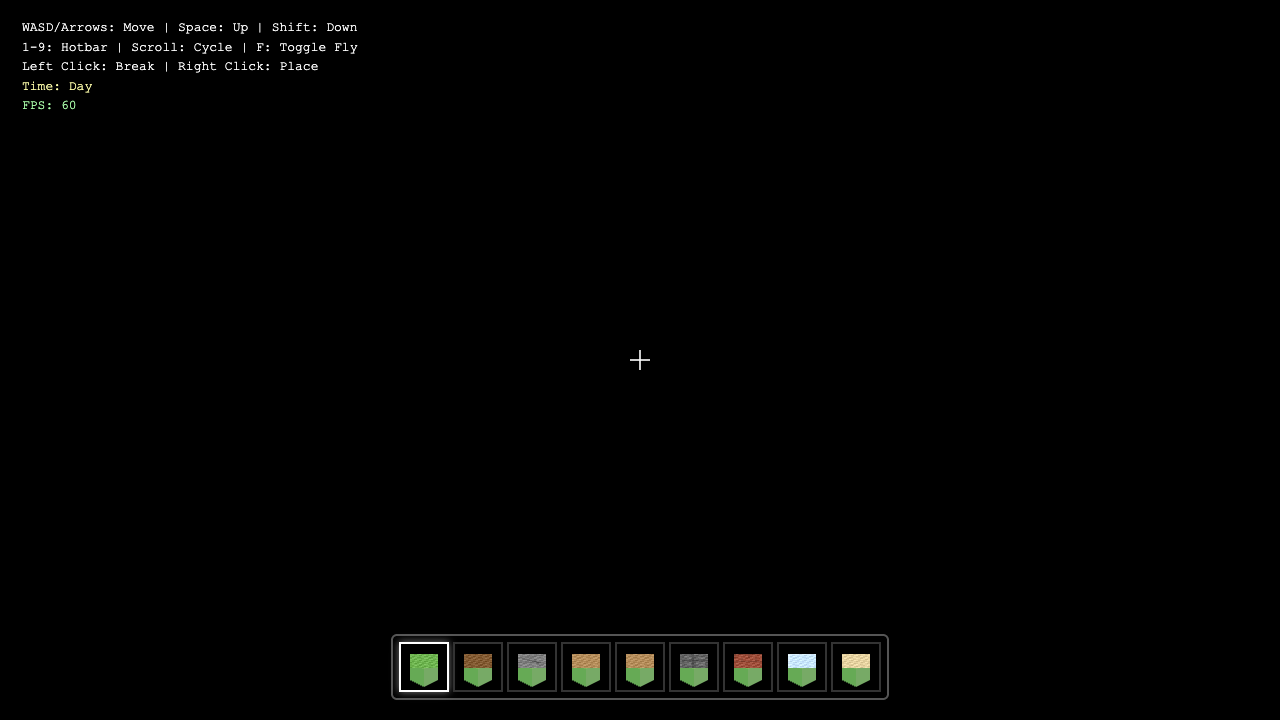
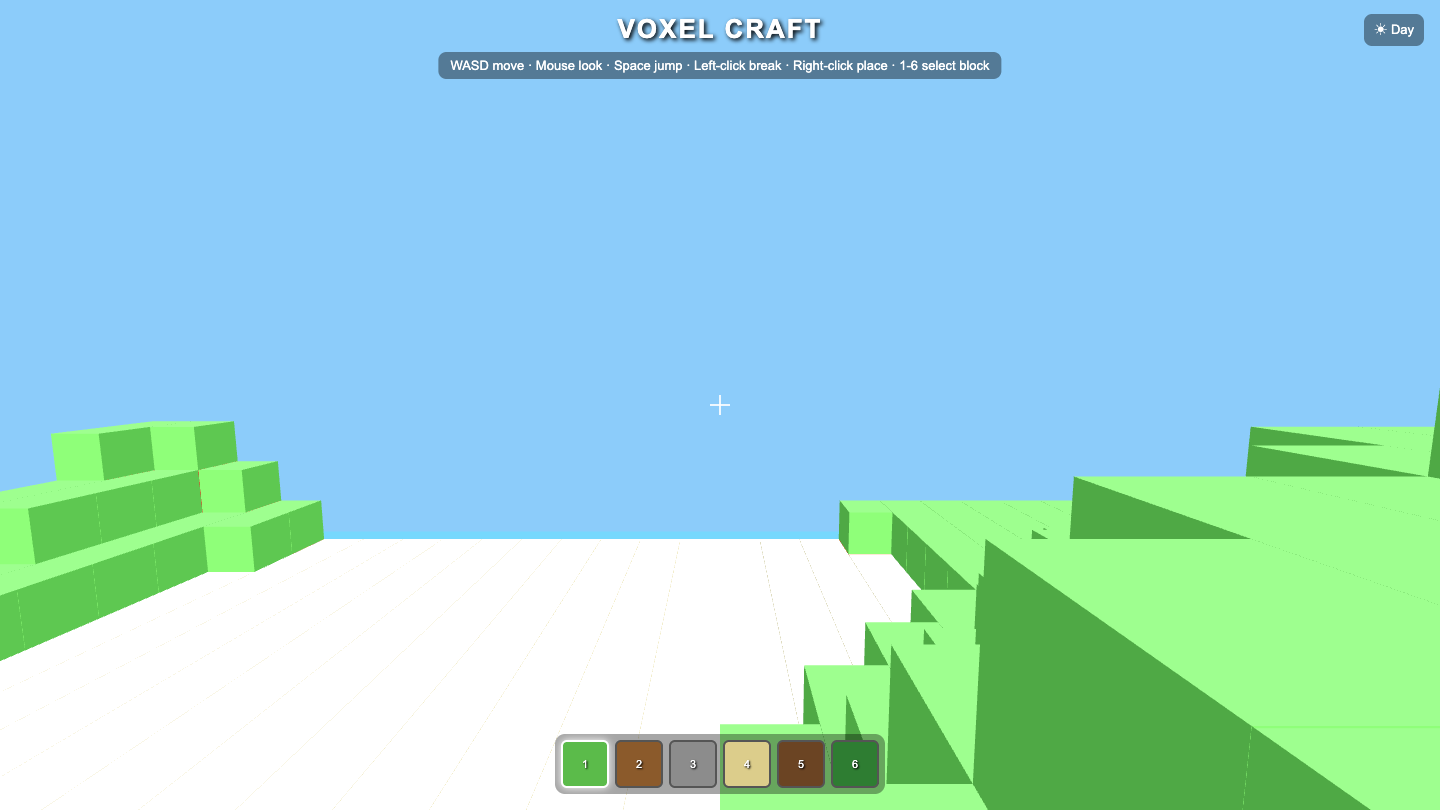
Page

Where MiniMax M3 beat Claude Sonnet 5
The tasks where I gave MiniMax M3 a higher 0–10 score on the same prompt — with the actual commentary from my source guides.
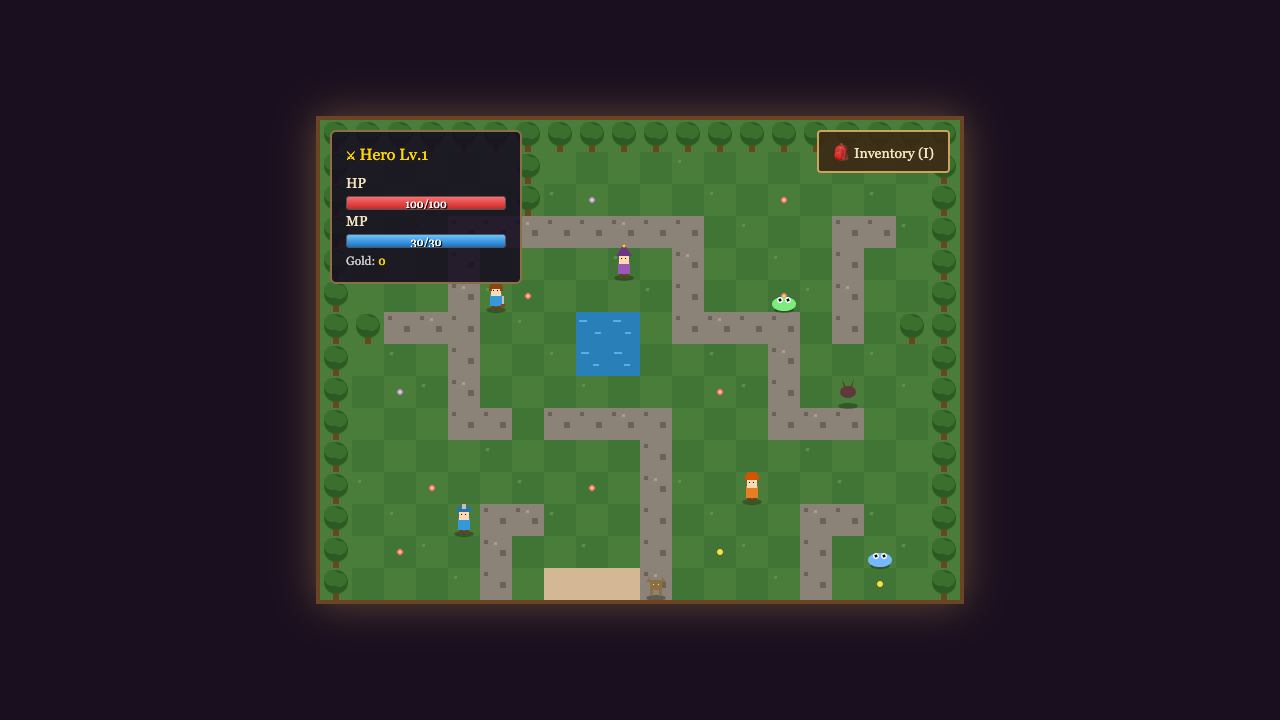
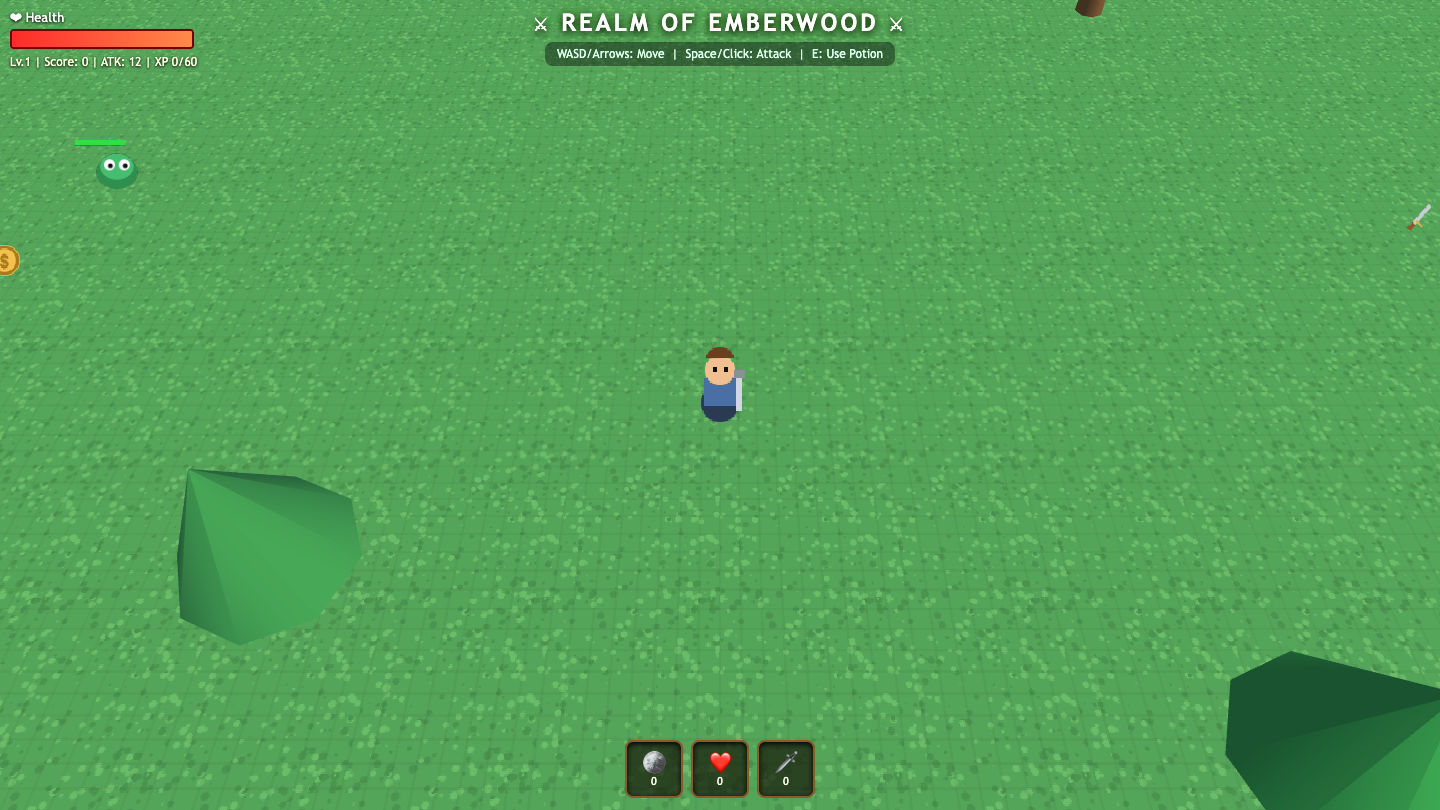
Twilightvale
Game
MiniMax M3 9.0
·
Claude Sonnet 5 3.0
(+6.0)
· winner · biggest open world
What I saw: 47KB — densest open-world. Village, NPCs, combat, day/night, weather, inventory.
Aurora
Visual
MiniMax M3 7.5
·
Claude Sonnet 5 2.5
(+5.0)
What I saw: Aurora ribbons over mountain silhouette.
Orbit
Sim
MiniMax M3 8.5
·
Claude Sonnet 5 3.5
(+5.0)
What I saw: 44KB top-down orbit map — Mercury through Mars with accurate relative speeds, hover info cards.
Solar
Sim
MiniMax M3 7.5
·
Claude Sonnet 5 2.5
(+5.0)
What I saw: M3's solar — three.js scene with sun + planets + orbits.
Wormhole
Sim
MiniMax M3 7.5
·
Claude Sonnet 5 3.0
(+4.5)
What I saw: 3D tunnel flythrough with distorted starfield.
Where Claude Sonnet 5 beat MiniMax M3
The tasks where I gave Claude Sonnet 5 a higher 0–10 score on the same prompt — with the actual commentary from my source guides.
Plasma
Visual
Claude Sonnet 5 8.4
·
MiniMax M3 6.0
(+2.4)
What I saw: Gorgeous smooth GLSL plasma with rich rainbow blobs, clean glowing title, and five well-styled palette swatches with clear active state; ripples aren't visible in the still but the code is solid, though the effect reads slightly generic against the very best field entry.
Fluid
Sim
Claude Sonnet 5 8.6
·
MiniMax M3 7.5
(+1.1)
· gorgeous flow field
What I saw: Stunning rendered flow-field with rich swirling particle streaks, a clear vortex focal point, and vivid rainbow color mapping over additive-blended trails — genuinely beautiful and clearly on-brief. Only knock is the low 22fps and it's a flow-field trail sim rather than true flui…
Galaxy
Sim
Claude Sonnet 5 8.6
·
MiniMax M3 7.5
(+1.1)
· gorgeous spiral swirl
What I saw: Beautiful multi-arm spiral with convincing color gradient (warm core to violet edges), bright glowing bulge, and background starfield—clearly on-brief and polished. Full swirl/orbit/zoom interactivity with a mouse-influence vortex on the particles makes this a task winner.
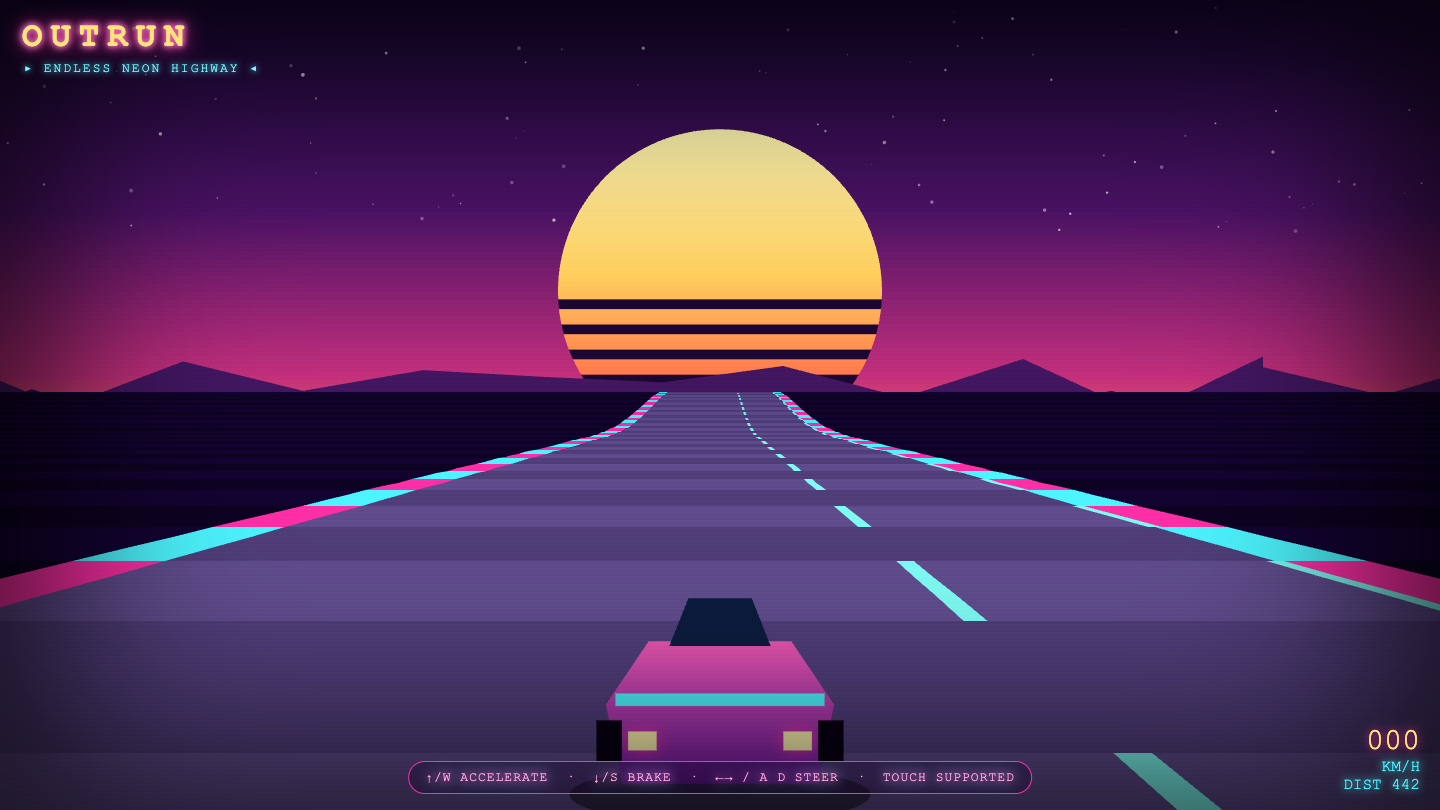
Outrun
Game
Claude Sonnet 5 8.6
·
MiniMax M3 7.5
(+1.1)
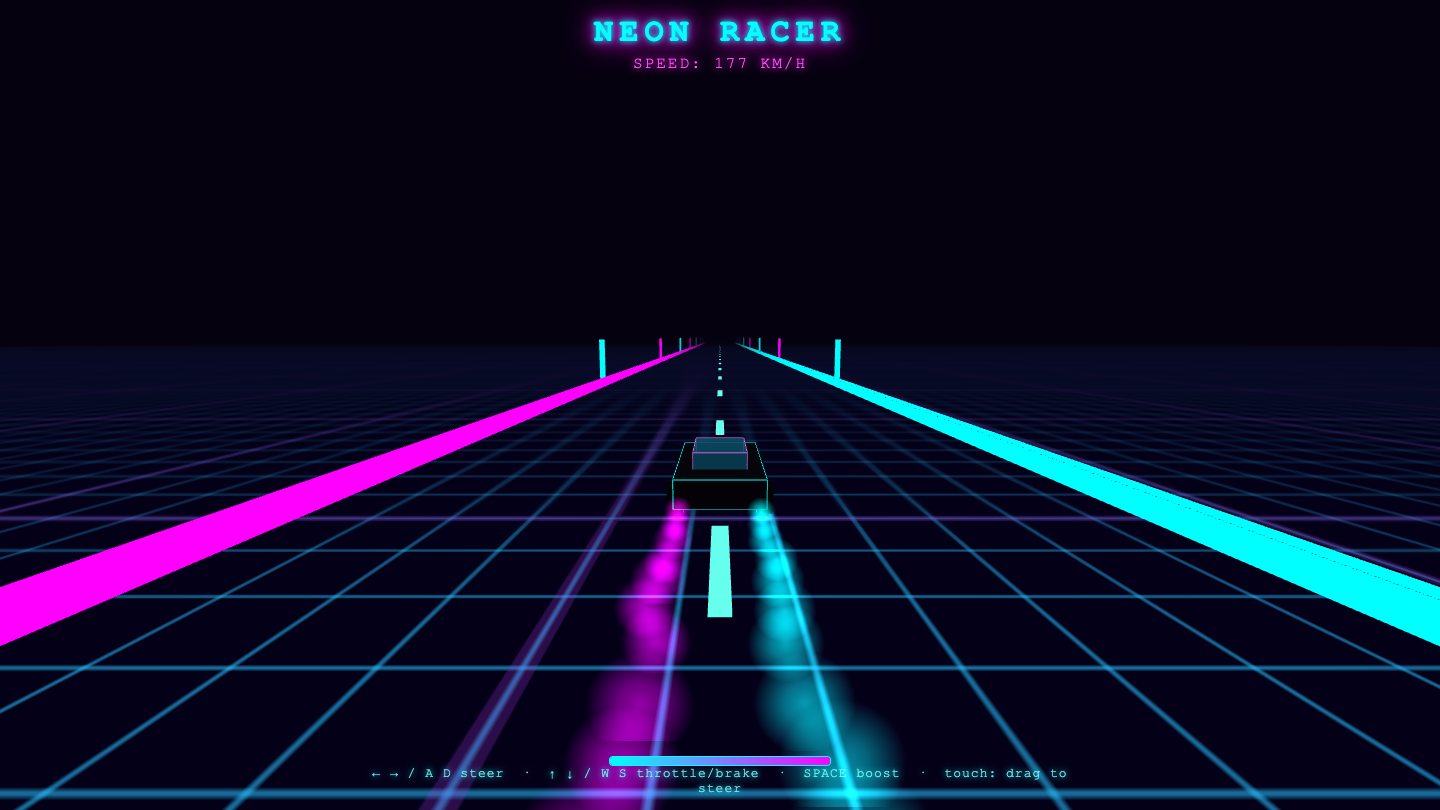
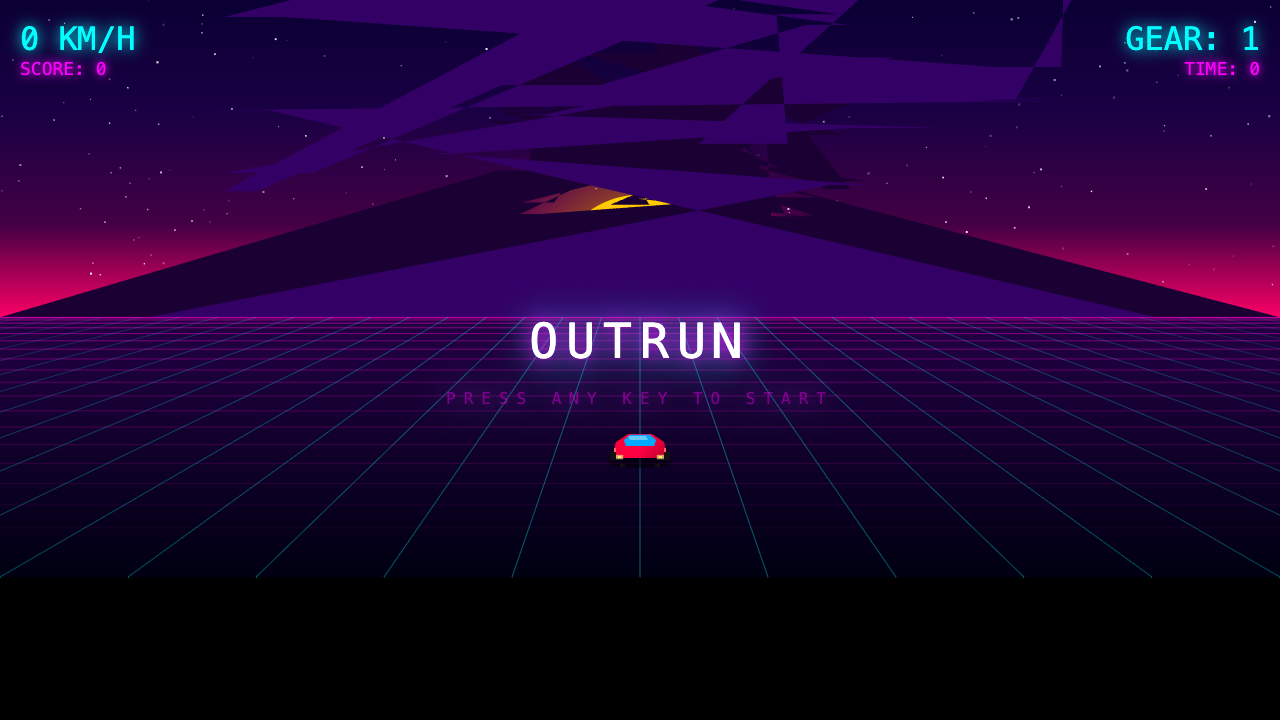
· Textbook synthwave outrun
What I saw: Gorgeous, on-brief execution — striped retro sun, parallax mountains, glowing pink/cyan rumble strips and lane markers on a proper pseudo-3D road, plus a detailed neon car and polished CRT scanline/vignette overlays. Speed reads 000 in the shot (idle), but the classic Jake-Gordon…
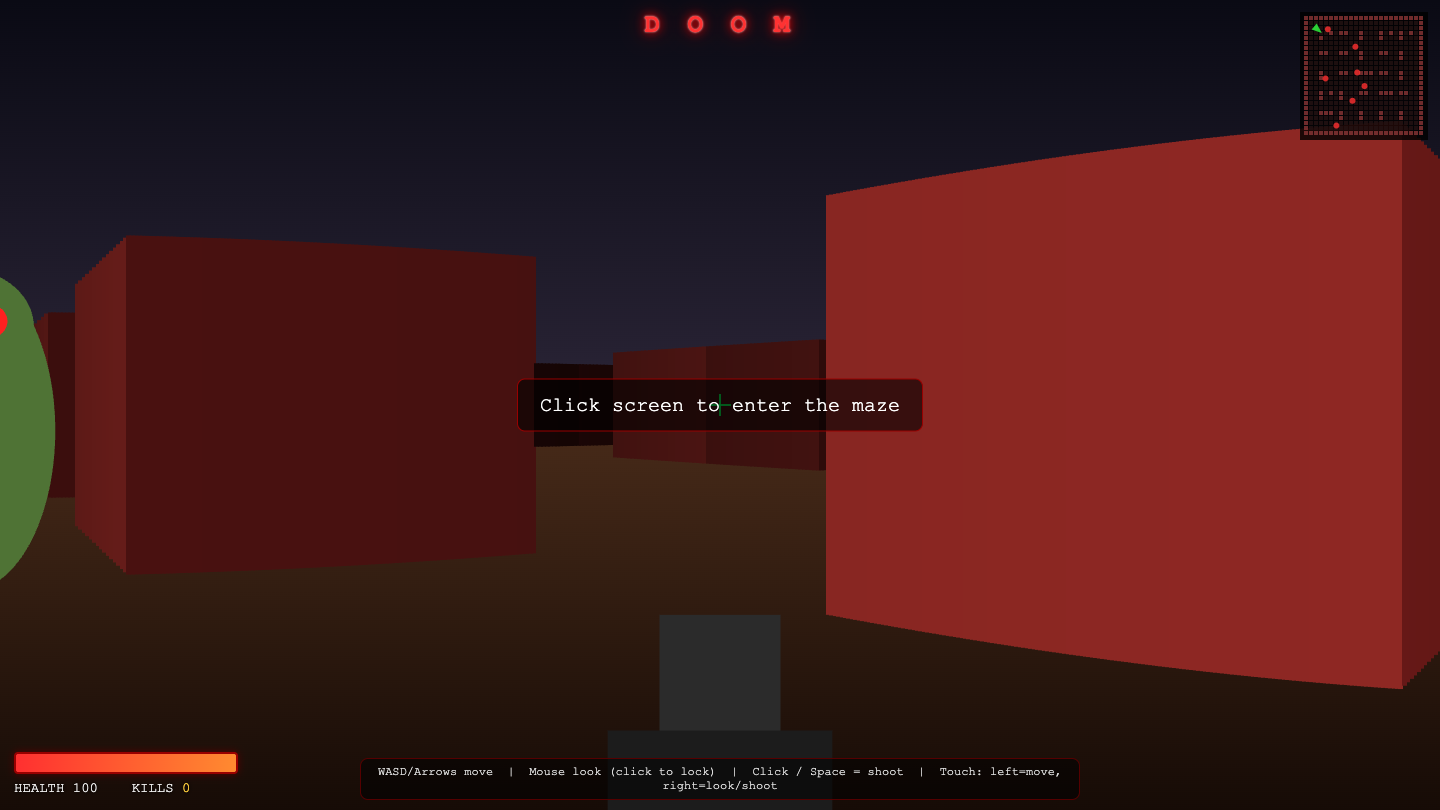
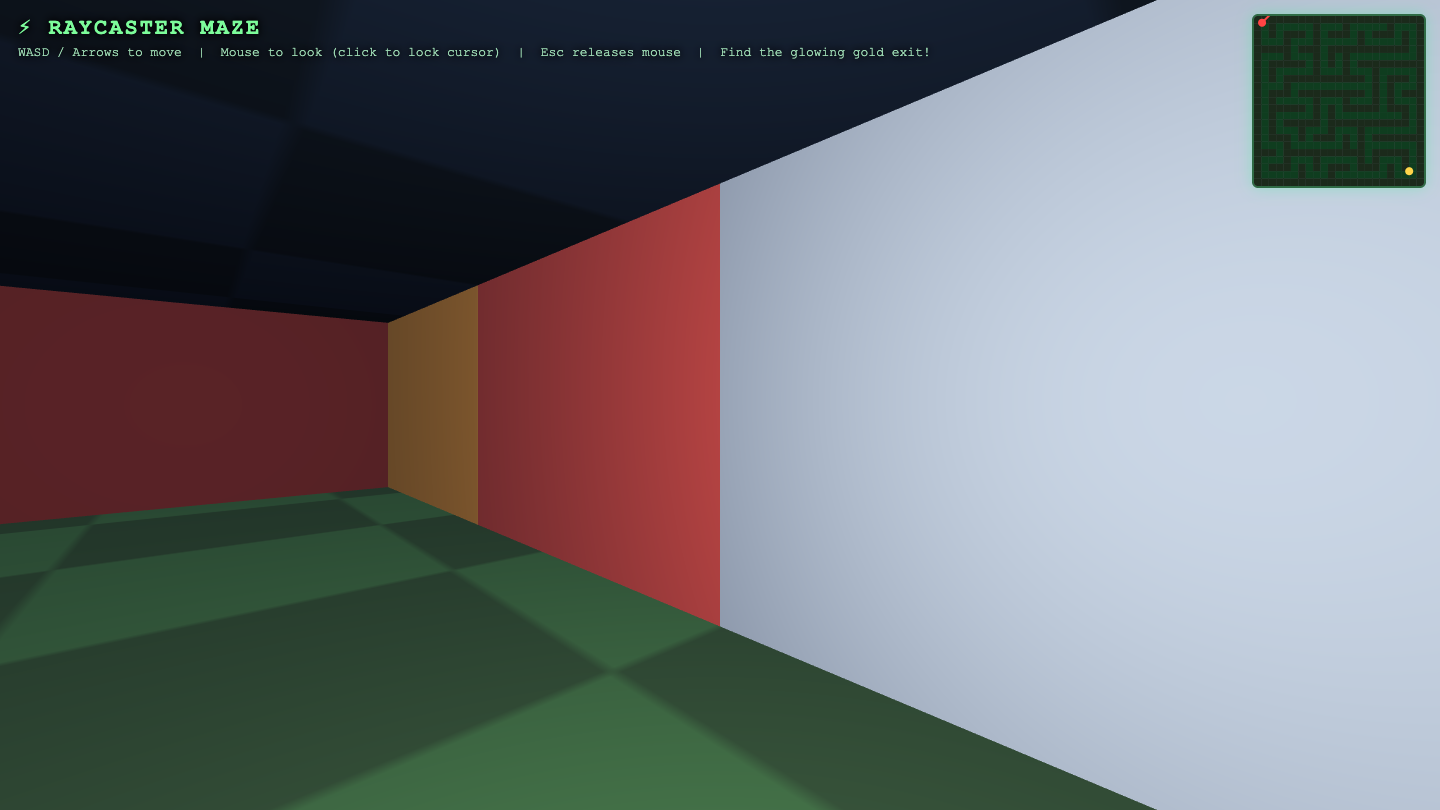
Raycaster
Game
Claude Sonnet 5 8.0
·
MiniMax M3 7.0
(+1.0)
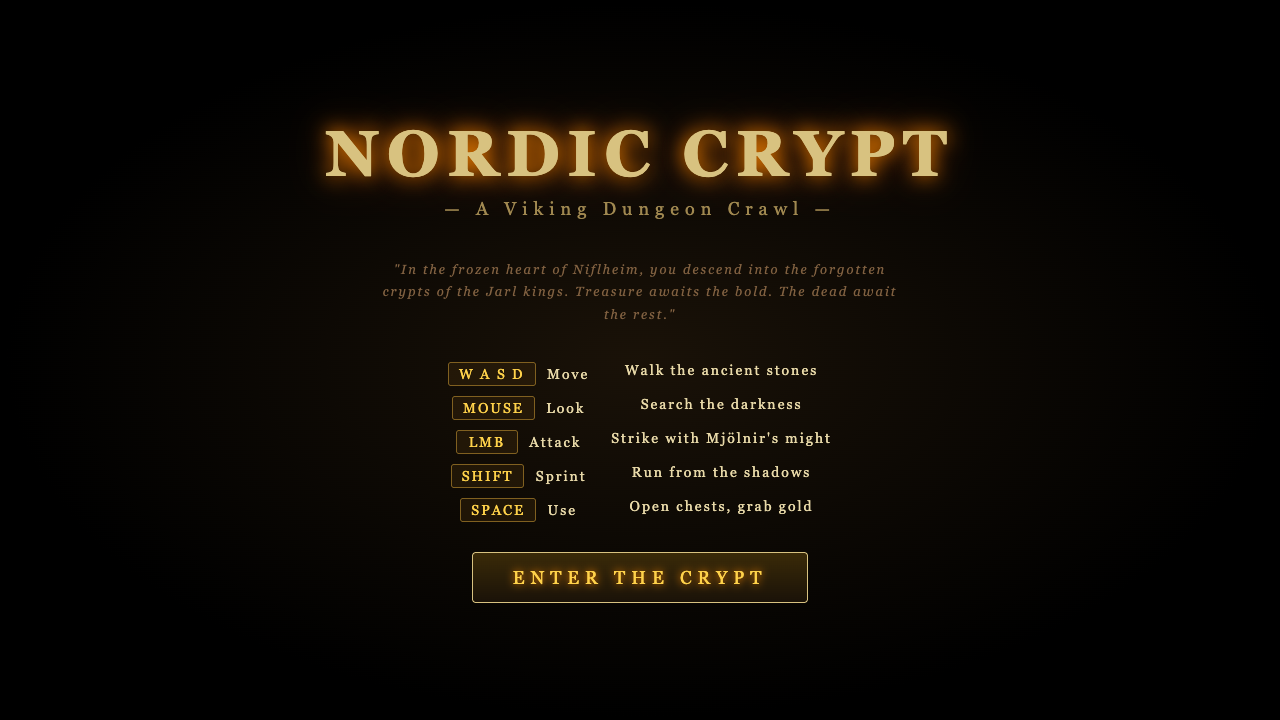
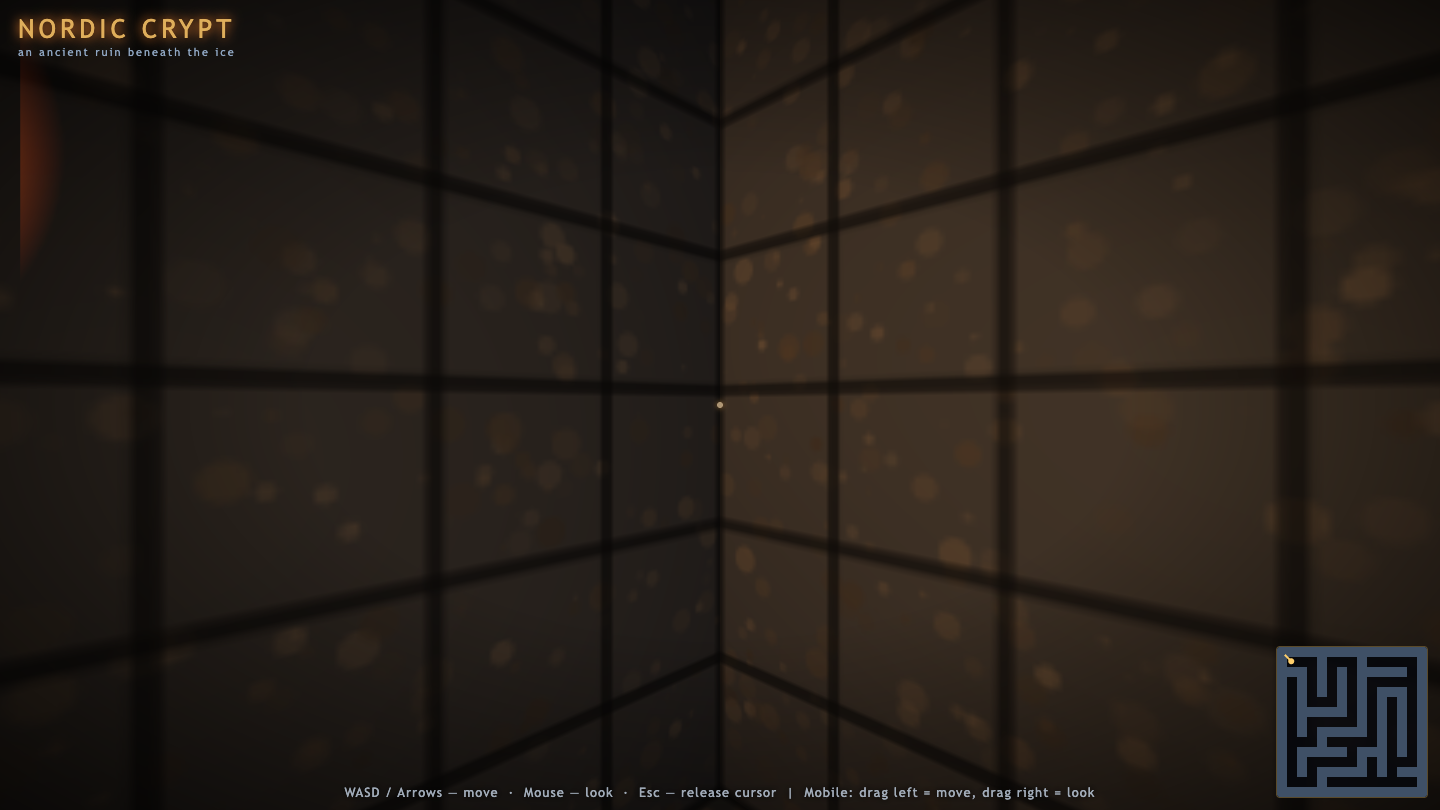
What I saw: Strong, shippable 3D maze: clean rendered walls with lighting/shadows, checkerboard floor, working minimap with player+goal markers, and solid controls/UI. Uses real 3D geometry rather than classic raycasting and looks a bit flat/plain (colored walls without texture), keeping it …
Strengths & weaknesses I logged
MiniMax M3
Strengths
- 1M token context — full repo / full deep-research corpus fits in one call
- $0.30/M input is roughly 1/30th of Opus 4.8 — built for high-volume agent loops
- Solid one-shot HTML output — clean structure on game and visual prompts
Trade-offs
- Less polished than Fusion's panel-ensembled output on the toughest deep builds
- Newer model — less community calibration vs Fable 5 / Opus 4.8
Claude Sonnet 5
Strengths
- 82.1% SWE-bench Verified — first model past 80% on real GitHub-issue repair
- Dev Team multi-agent mode + 1M context for repo-level agentic work
- Precision on hard logic — won the raycaster the open-weight field kept botching
Trade-offs
- One-shot creative-visual builds trail GLM 5.2 here (lost 4 of 5) — no iteration to catch its own bugs
- A temporal-dead-zone bug blanked its N-body orbit sim on the first shot
Pricing & context — the spec sheet
| Spec | MiniMax M3 | Claude Sonnet 5 |
|---|---|---|
| Vendor | MiniMax | Anthropic |
| Context window | 1,048,576-token context — matches GLM-5.2 and Fable 5 | 1,000,000 tokens |
| Price | $0.30 / 1M input tokens, $1.50 / 1M output | $3 / $15 per M ($2/$10 intro) |
| Pricing detail | MiniMax M3 is the cheapest 1M-context frontier model on the bench — roughly 1/200th the per-call cost of OpenRouter Fusion and 1/30th of Claude Opus 4.8. Designed for high-volume agent workloads where context length matters but per-call budget is tight. | $3.00 input / $15.00 output per million tokens; introductory $2.00/$10.00 through 2026-08-31. |
| Release | 2026-06-18 | 2026-06-30 |
| Bench coverage | 47/47 scored · avg 7.97/10 | 47/47 scored · avg 7.01/10 |
The verdict — which should you pick?
Across 47 scored shared tasks, MiniMax M3 averaged 7.97/10, beating Claude Sonnet 5's 7.01/10 by 0.95 points. Pick MiniMax M3 when the build has to ship on the first prompt and you can afford the trade-offs in the comparison below.
If you only run one of these inside your stack, the head-to-head average above is the call. If you can run both, my honest play is to wire MiniMax M3 and Claude Sonnet 5 both into the Agent Operating System and dispatch each from the kanban by task type — high-volume agent workflows where per-call cost dominates → MiniMax M3, agentic software engineering — write / run / test / fix loops on real repos → Claude Sonnet 5. That's the same setup I run for the 4,000+ founders inside the AI Profit Boardroom.
FAQ — MiniMax M3 vs Claude Sonnet 5
Which is better, MiniMax M3 or Claude Sonnet 5?
On Goldie Bench, MiniMax M3 averages 7.97/10 across the shared tasks, with 2 gold, 1 silver, 3 bronze overall. Claude Sonnet 5 averages 7.01/10, with 0 gold, 0 silver, 4 bronze. MiniMax M3 wins the head-to-head 28–17.
How much does MiniMax M3 cost vs Claude Sonnet 5?
MiniMax M3: MiniMax M3 is the cheapest 1M-context frontier model on the bench — roughly 1/200th the per-call cost of OpenRouter Fusion and 1/30th of Claude Opus 4.8. Designed for high-volume agent workloads where context length matters but per-call budget is tight. Claude Sonnet 5: $3.00 input / $15.00 output per million tokens; introductory $2.00/$10.00 through 2026-08-31.
What's the context window for MiniMax M3 vs Claude Sonnet 5?
MiniMax M3 has a 1,048,576-token context — matches GLM-5.2 and Fable 5 context window. Claude Sonnet 5 has a 1,000,000 tokens context window.
When should I pick MiniMax M3 over Claude Sonnet 5?
Pick MiniMax M3 for: High-volume agent workflows where per-call cost dominates; 1M-context tasks (whole-repo refactors, deep-research synthesis); Drop-in cheaper alternative to GLM-5.2 with comparable 1M context. The trade-off is the weaknesses we logged on the bench: Less polished than Fusion's panel-ensembled output on the toughest deep builds; Newer model — less community calibration vs Fable 5 / Opus 4.8.
When should I pick Claude Sonnet 5 over MiniMax M3?
Pick Claude Sonnet 5 for: Agentic software engineering — write / run / test / fix loops on real repos; Repo-level reasoning across a 1M-token context (Dev Team multi-agent mode); Precise logic — raycasters, physics — where one-shot open models slip. The trade-off is the weaknesses we logged on the bench: One-shot creative-visual builds trail GLM 5.2 here (lost 4 of 5) — no iteration to catch its own bugs; A temporal-dead-zone bug blanked its N-body orbit sim on the first shot.
How does Goldie Bench score MiniMax M3 vs Claude Sonnet 5?
Every demo on this page was built by Julian Goldie inside the Agent Operating System — same fixed prompt for both models, one shot, single HTML file out. Each result gets a 0–10 score on whether it ran, how close it hit the brief, and how good it looked. The highest score on each task gets gold; second gets silver; third gets bronze. See methodology for full provenance.
Related comparisons
Other head-to-heads using the same scoring system:
MiniMax M3 vs Fusion Claude Sonnet 5 vs Fusion MiniMax M3 vs Claude Opus 5 Claude Sonnet 5 vs Claude Opus 5 MiniMax M3 vs Hermes MoA Claude Sonnet 5 vs Hermes MoA MiniMax M3 vs GPT-5.6 Sol Claude Sonnet 5 vs GPT-5.6 SolFull model pages: MiniMax M3 · Claude Sonnet 5 · back to the leaderboard
The same stack Julian uses
Run this stack yourself.
Every demo on this bench was built inside the Agent Operating System — one prompt, one shot, single HTML file out. The Agent OS, the prompts, the templates, the weekly walkthroughs and 4,000+ founders shipping with it every day all live inside the AI Profit Boardroom.
4,000+founders
258documented wins
38countries
$59/momonthly