Real head-to-head · same prompt, one shot
Kimi K2.7 vs Gemini 3.6 Flash
The heavy lifter — frontier coder at flat-rate. vs Google's launch-day Flash — faster, cheaper, fewer tokens.
Head-to-head verdict: Gemini 3.6 Flash wins 14–10 with 1 tie.
What I tested — same prompt, two models
I run the same fixed prompt set through every new model the day it drops — same string, one shot, single HTML file out — and I score the result 0–10 on whether it ran, how close it hit the brief, and how good it looked. Below is what came out when I gave the exact same prompts to Kimi K2.7 and Gemini 3.6 Flash, side by side, on 47 shared tasks inside the Agent Operating System.
Both models were given identical prompts inside the Agent Operating System — no help, no iteration, no "best of N" tricks. I run each prompt once, save the HTML file the model produces, and score it 0–10 on whether it ran, how close it hit the brief, and how good it looked. The scoring is mine. The verdicts below are pulled from my source comparison guides at agentos.guide where I publish every score and the reasoning behind it.
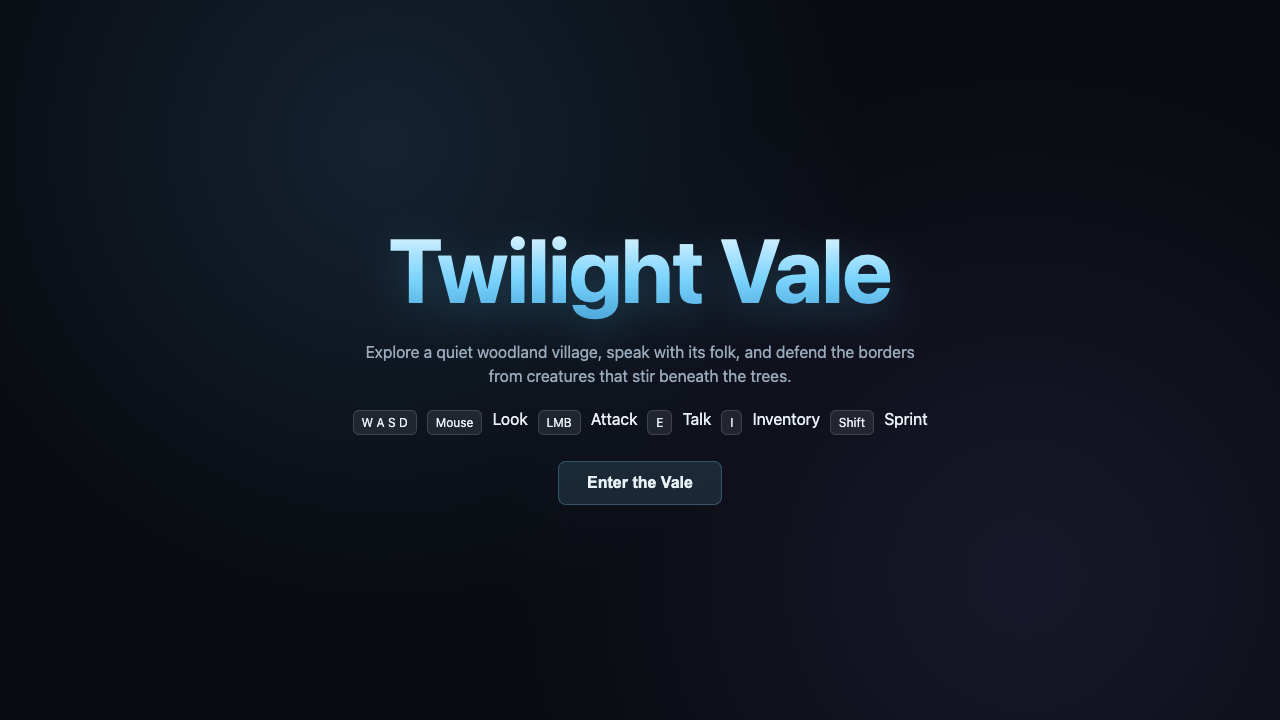
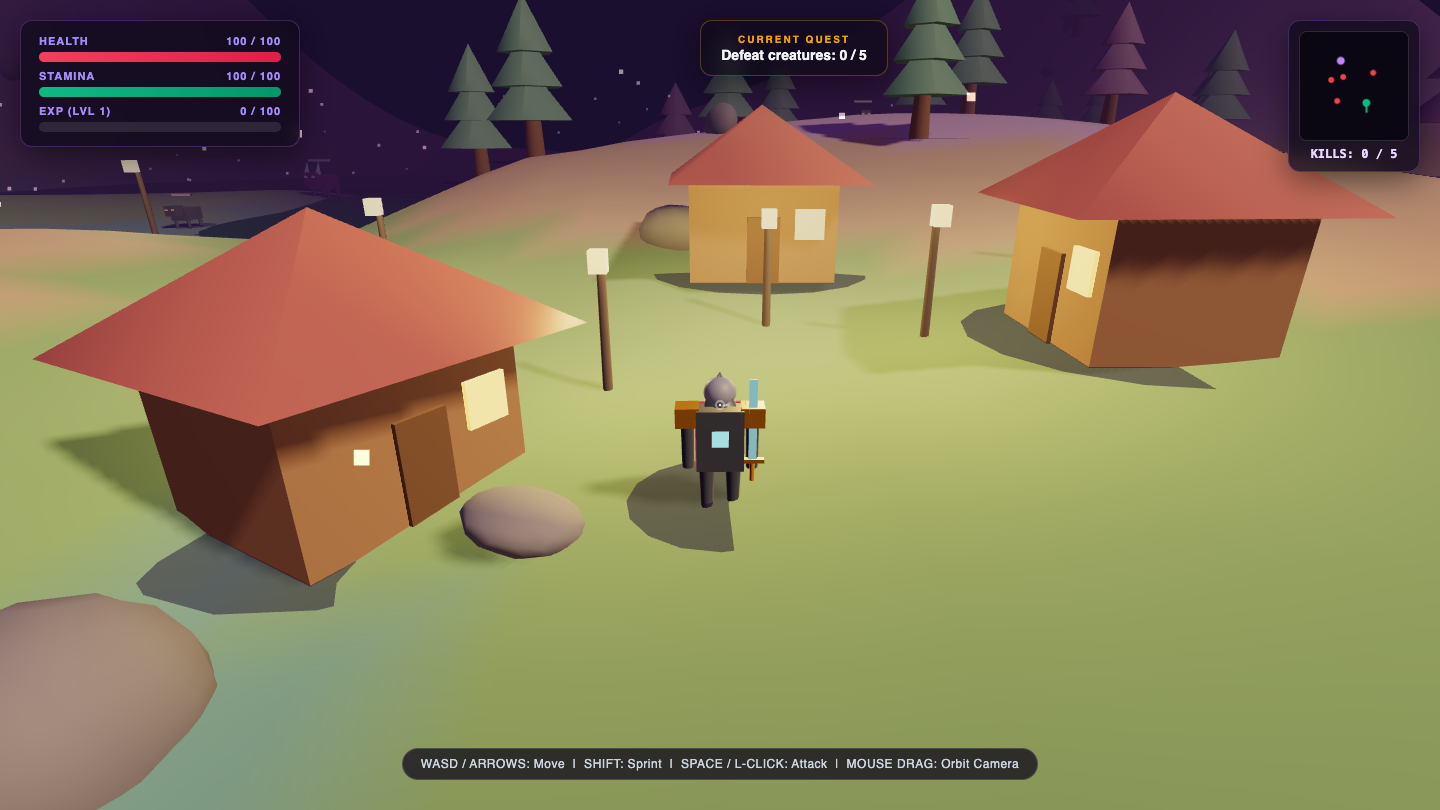
Kimi K2.7 · Wired into the Agent OS as the heavy-lifter for game/sim prototypes and Kanban-dispatched code work. Mode toggled per task: Quality for one-shot games, Fast for short bursts.
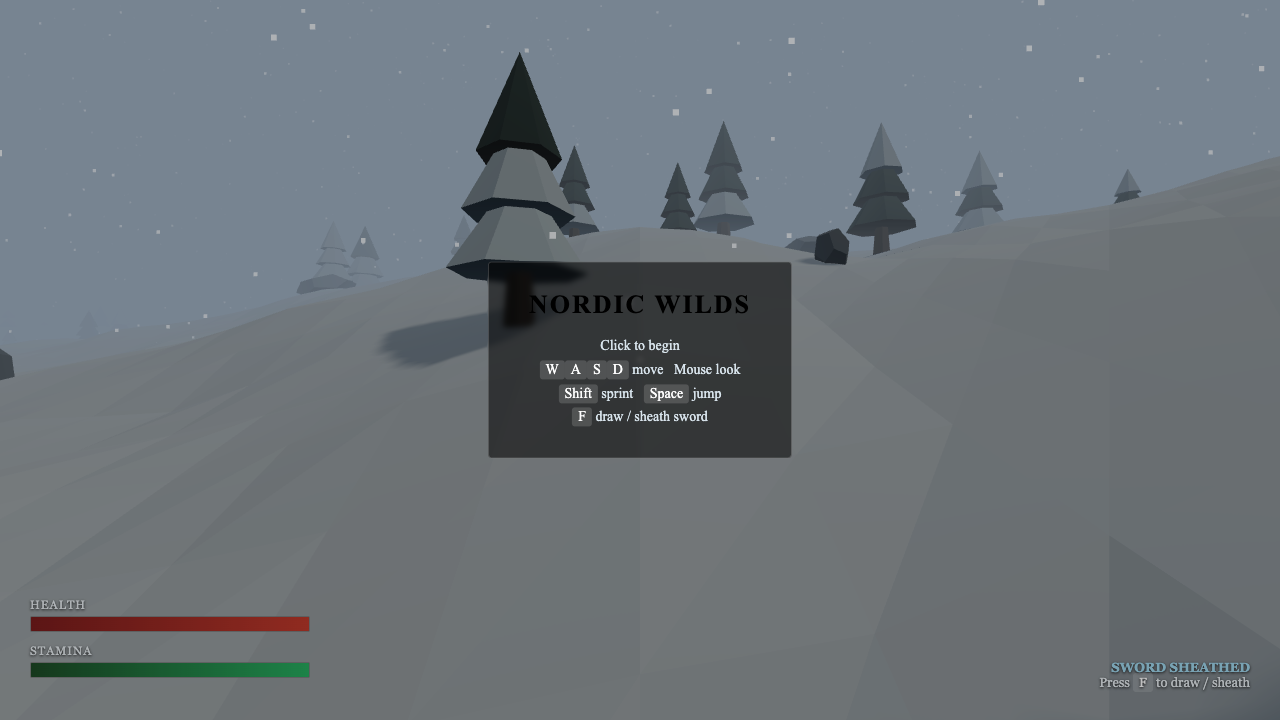
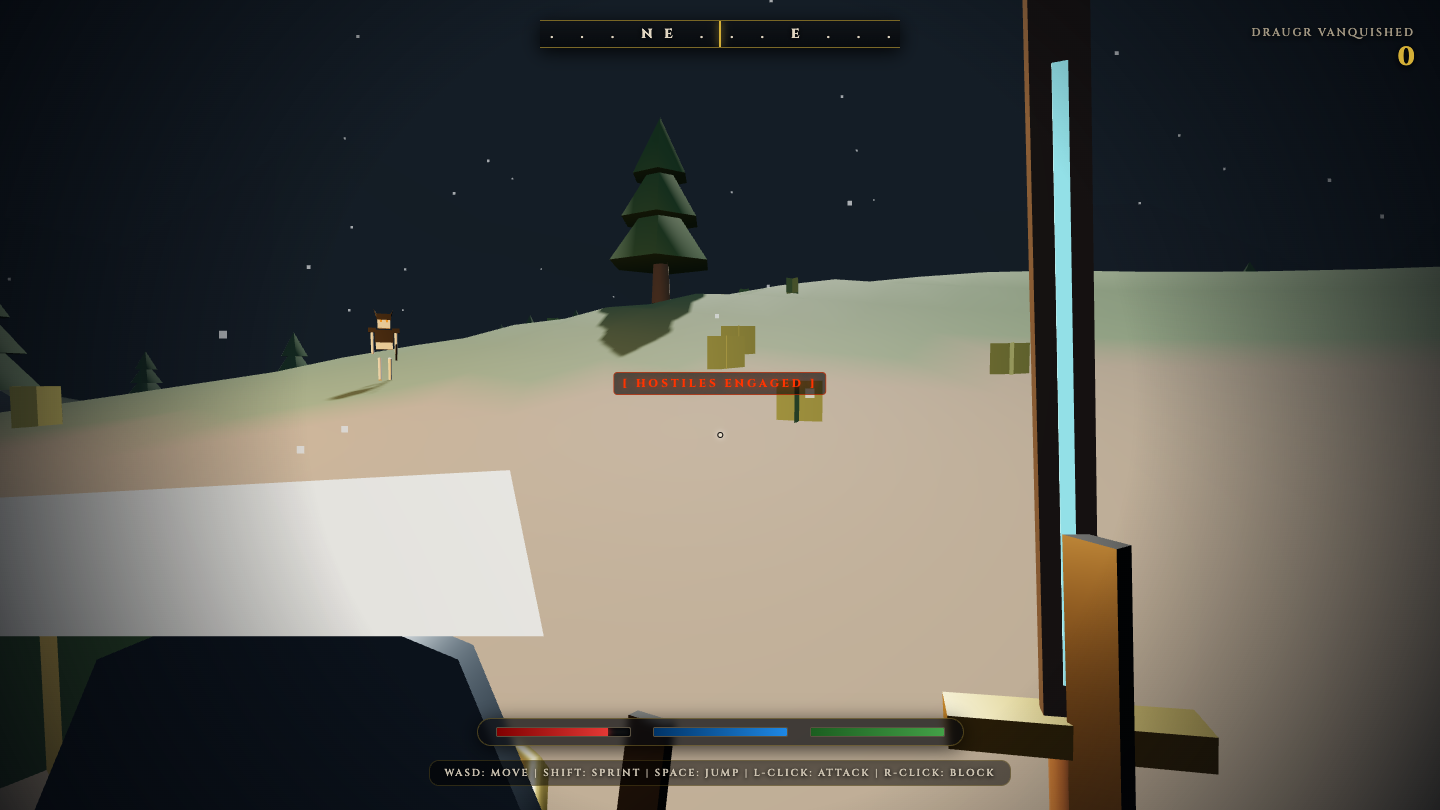
Gemini 3.6 Flash · Benched via the native Gemini API on launch day. Game tasks use the skill-infused threejs-game-director prompt (same as the rest of the field) and are judged on a real mid-play frame by the same Opus vision judge.
Side-by-side on 50 shared tasks
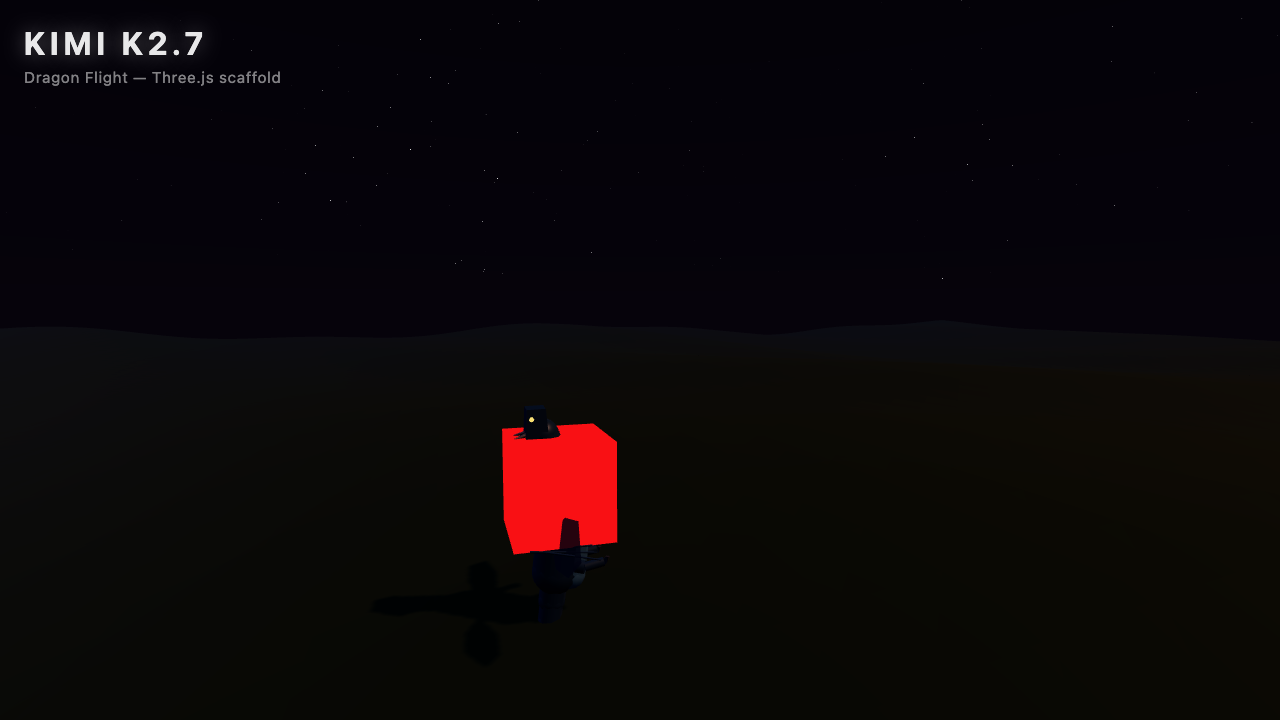
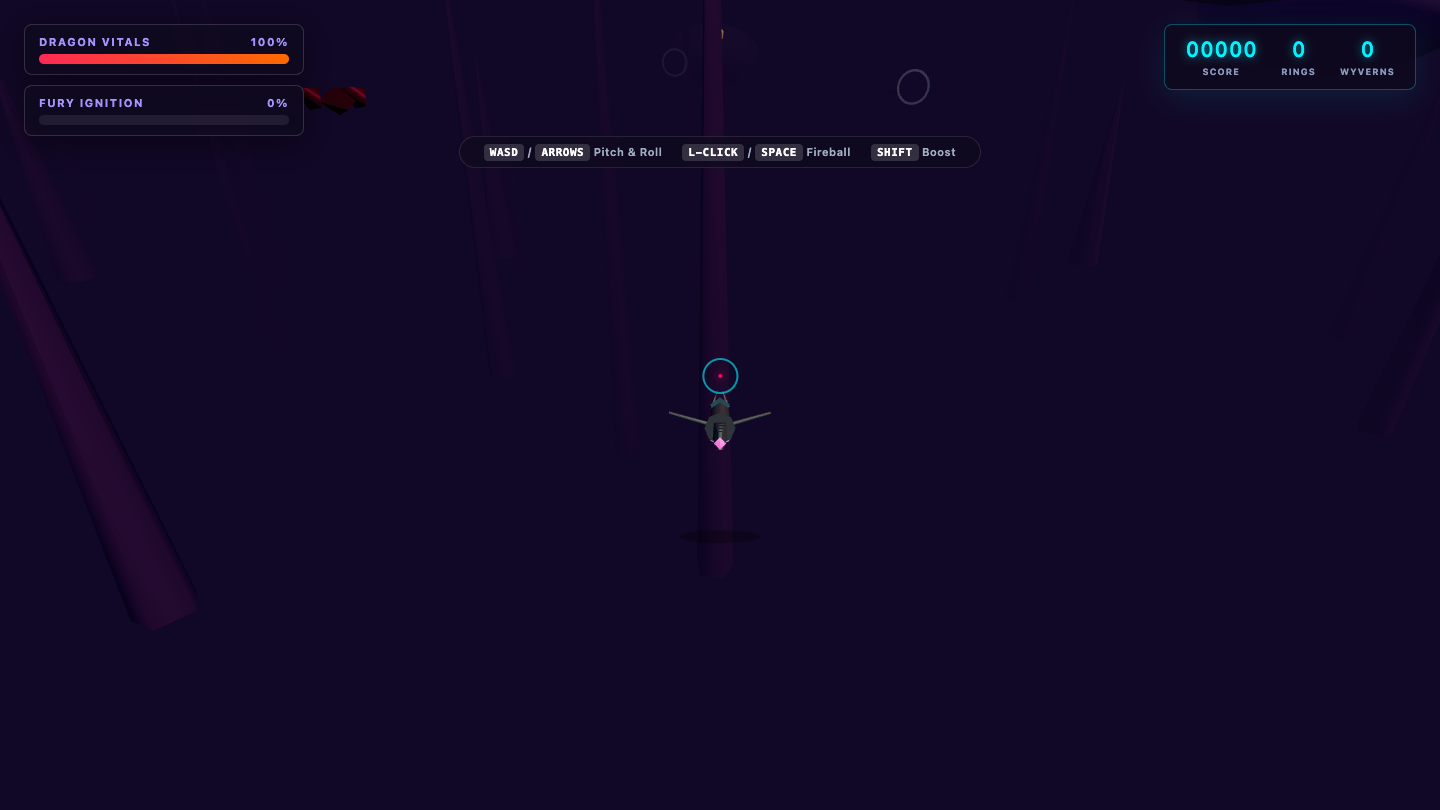
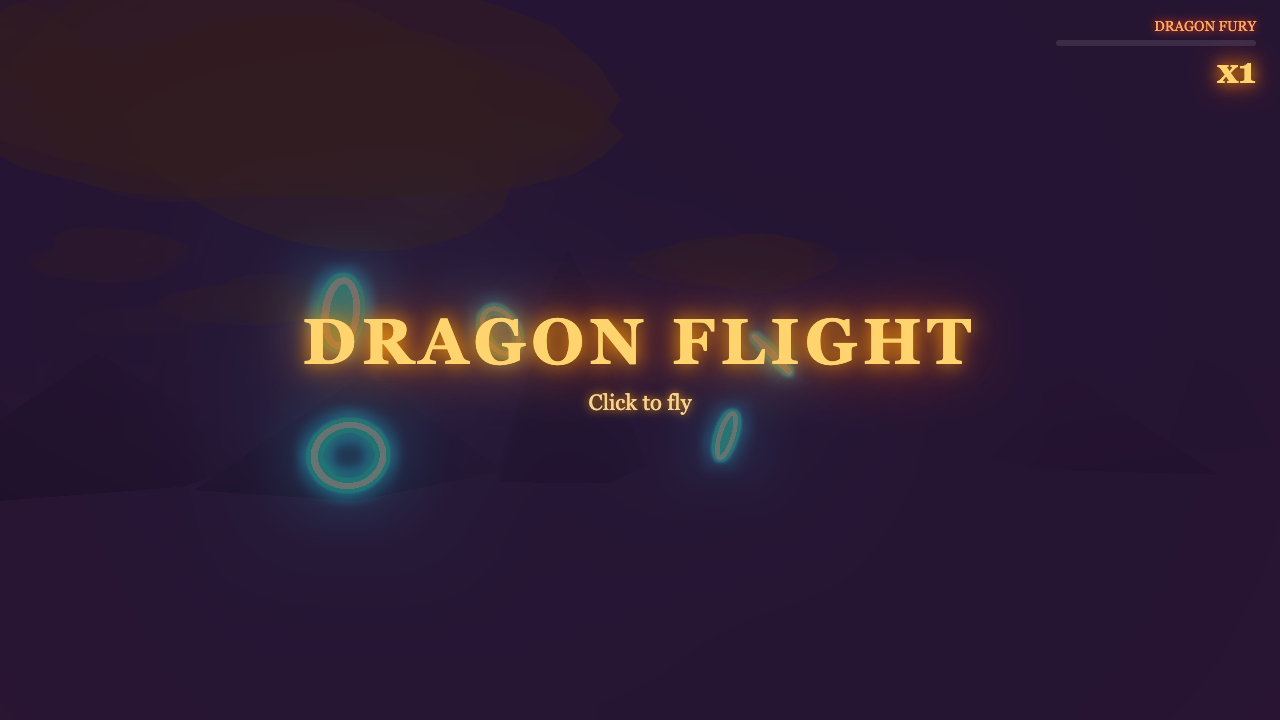
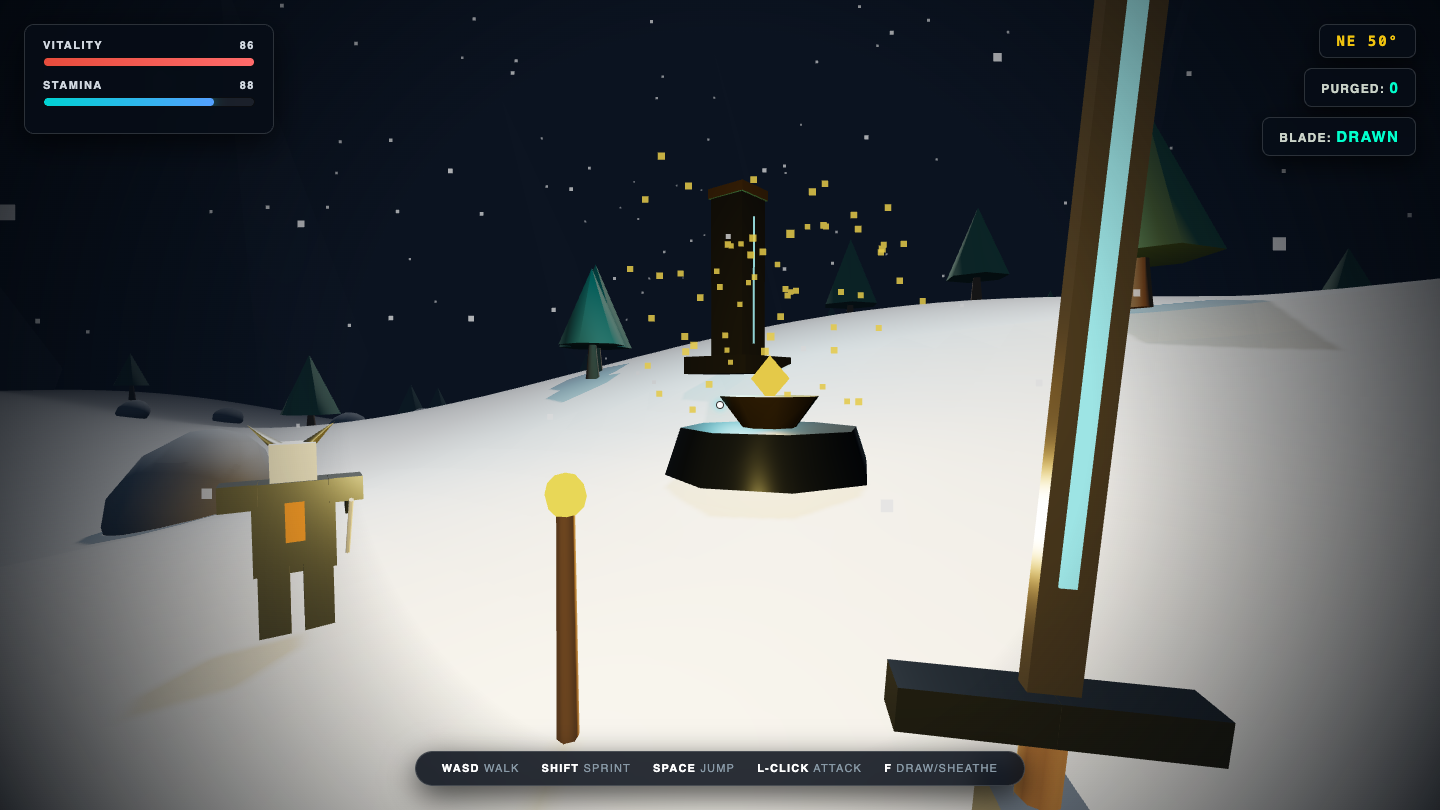
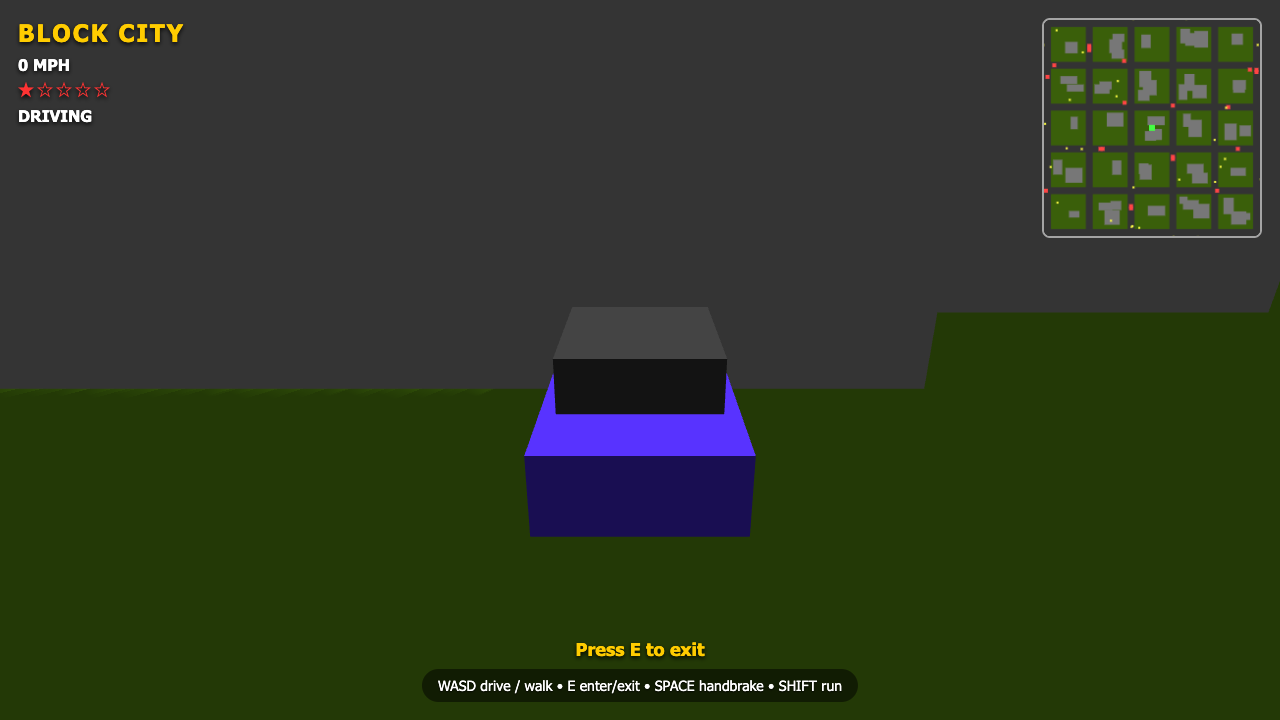
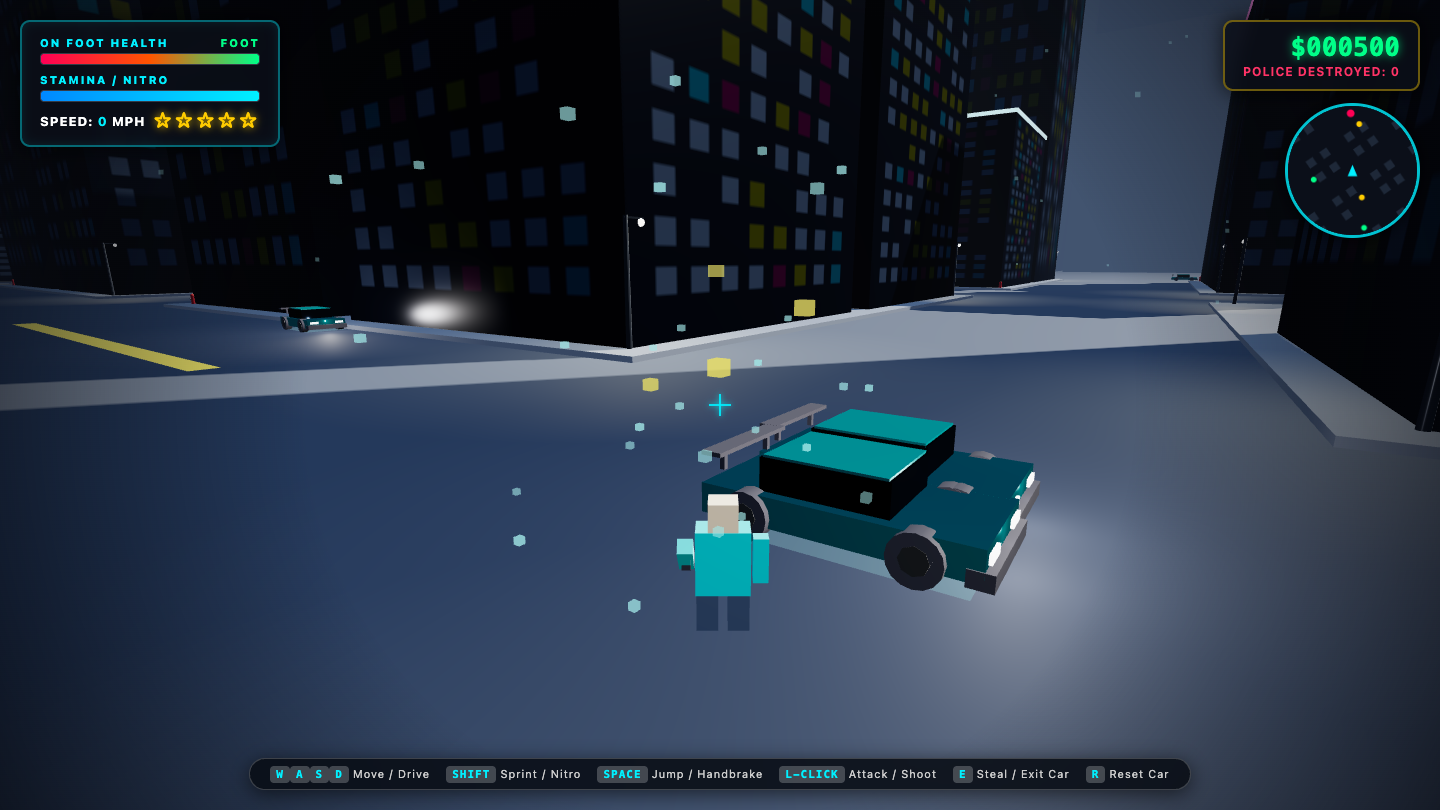
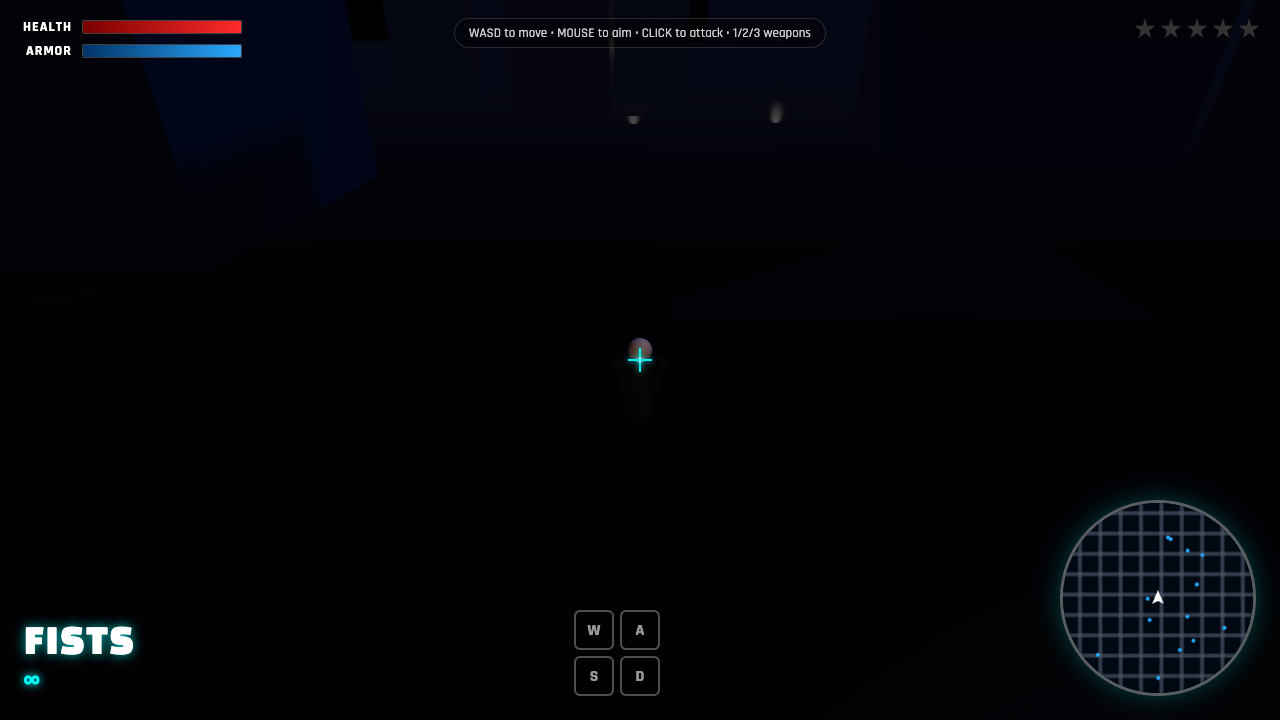
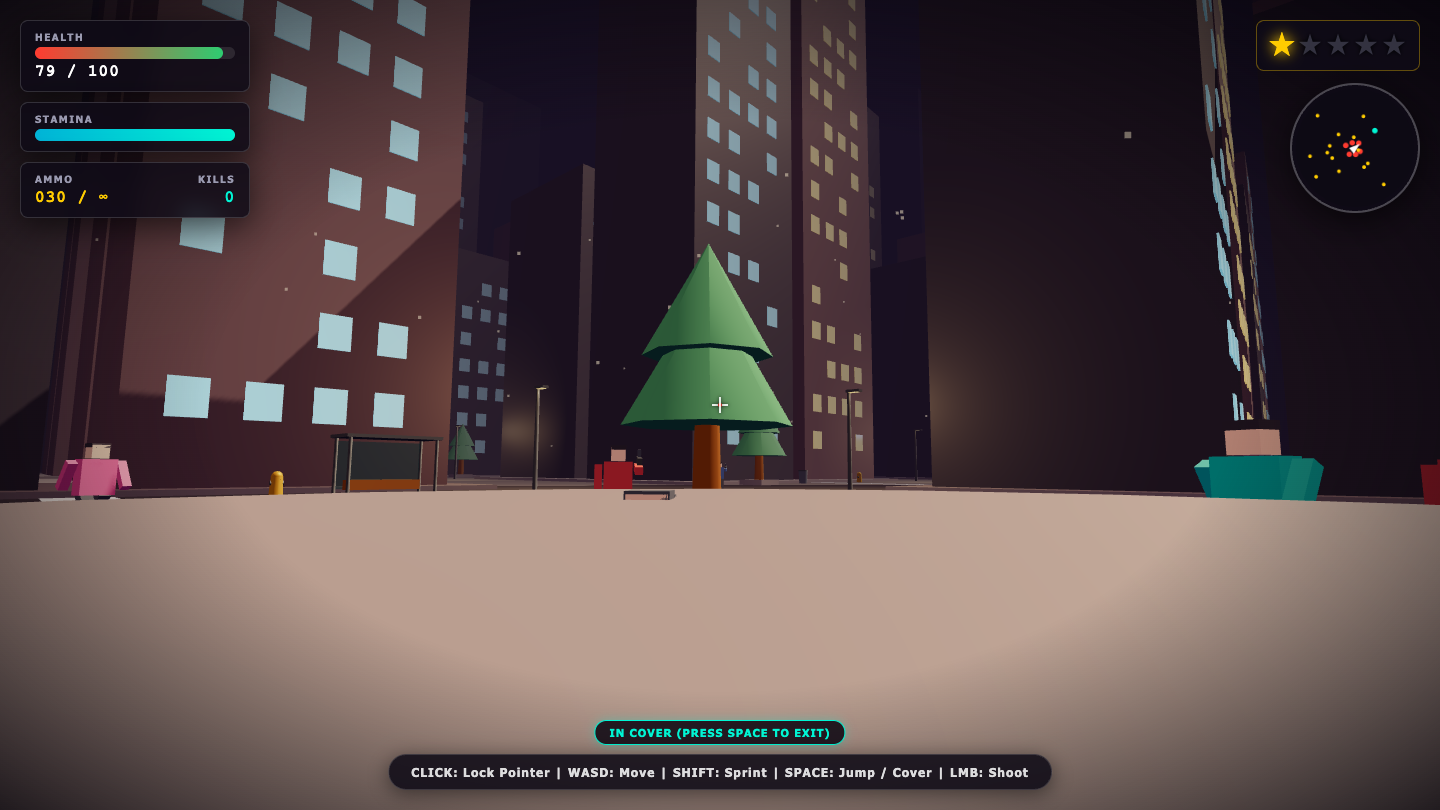
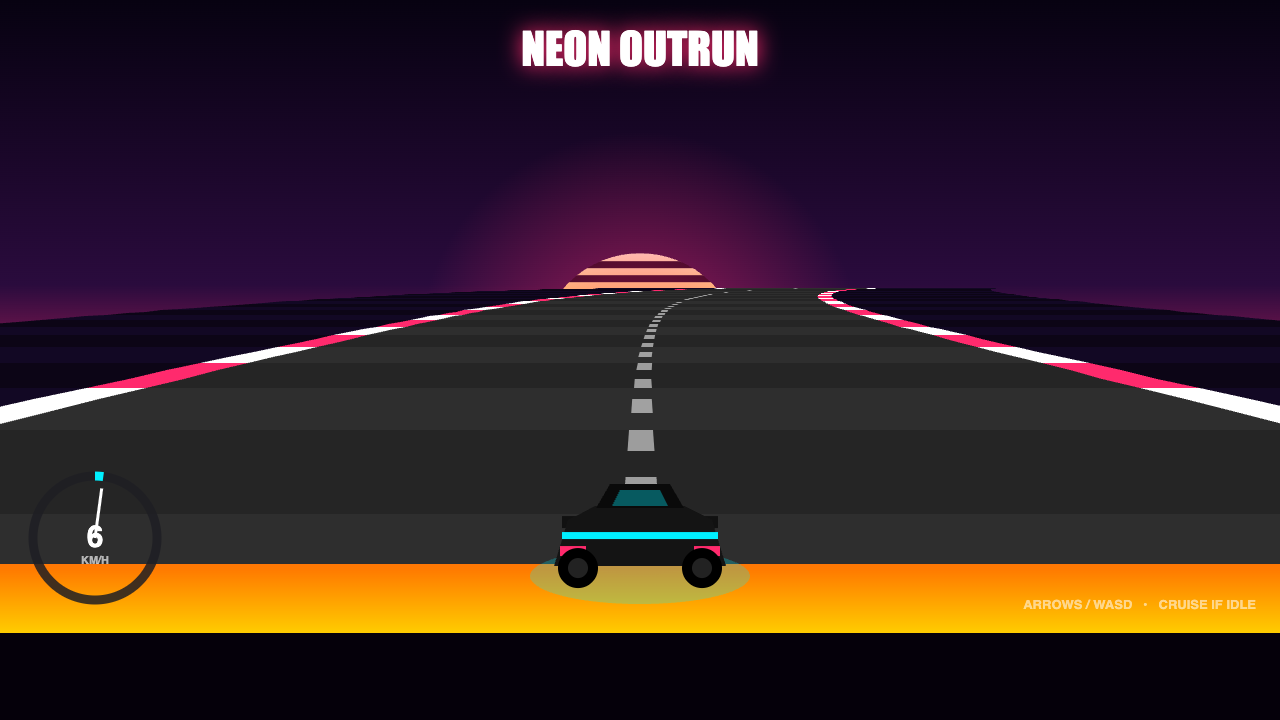
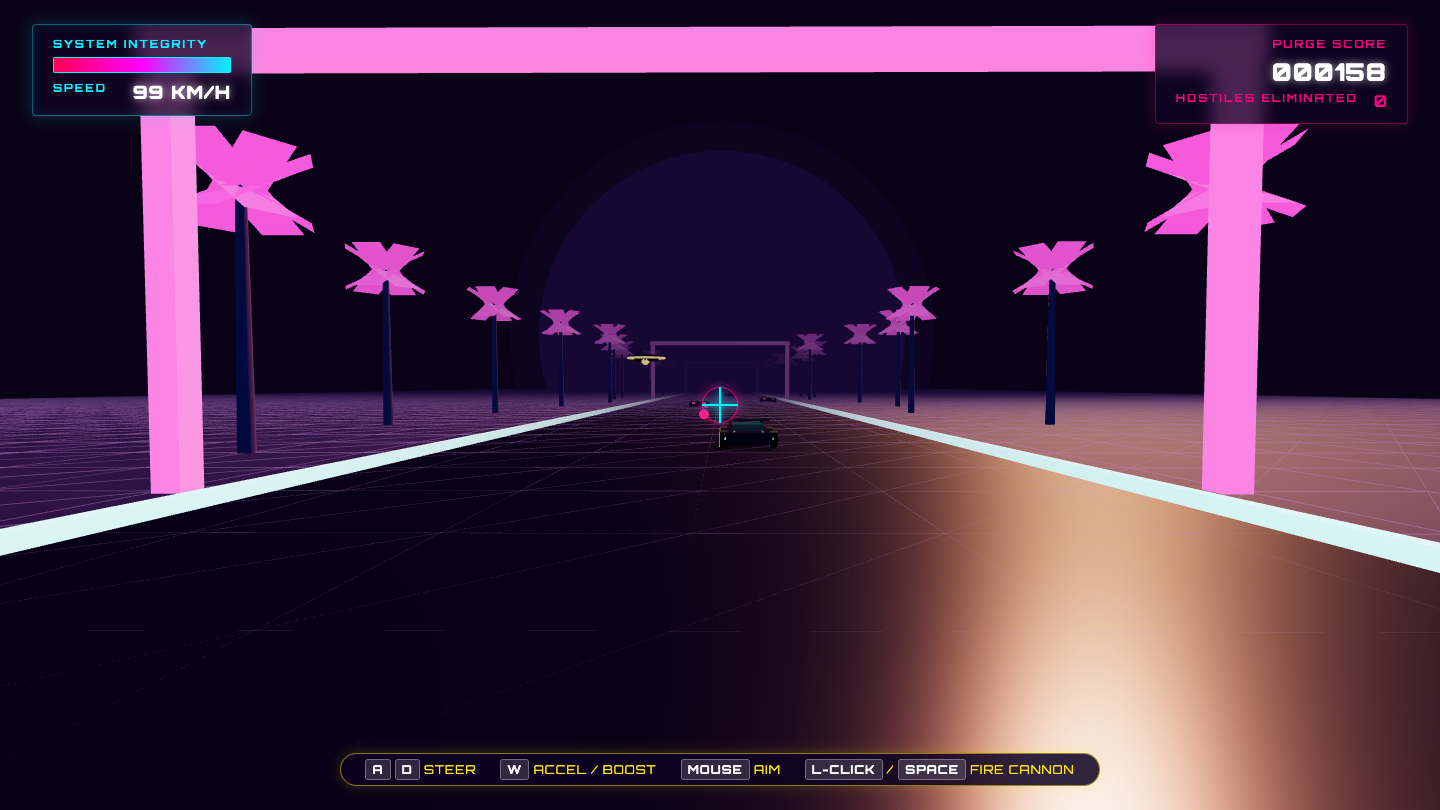
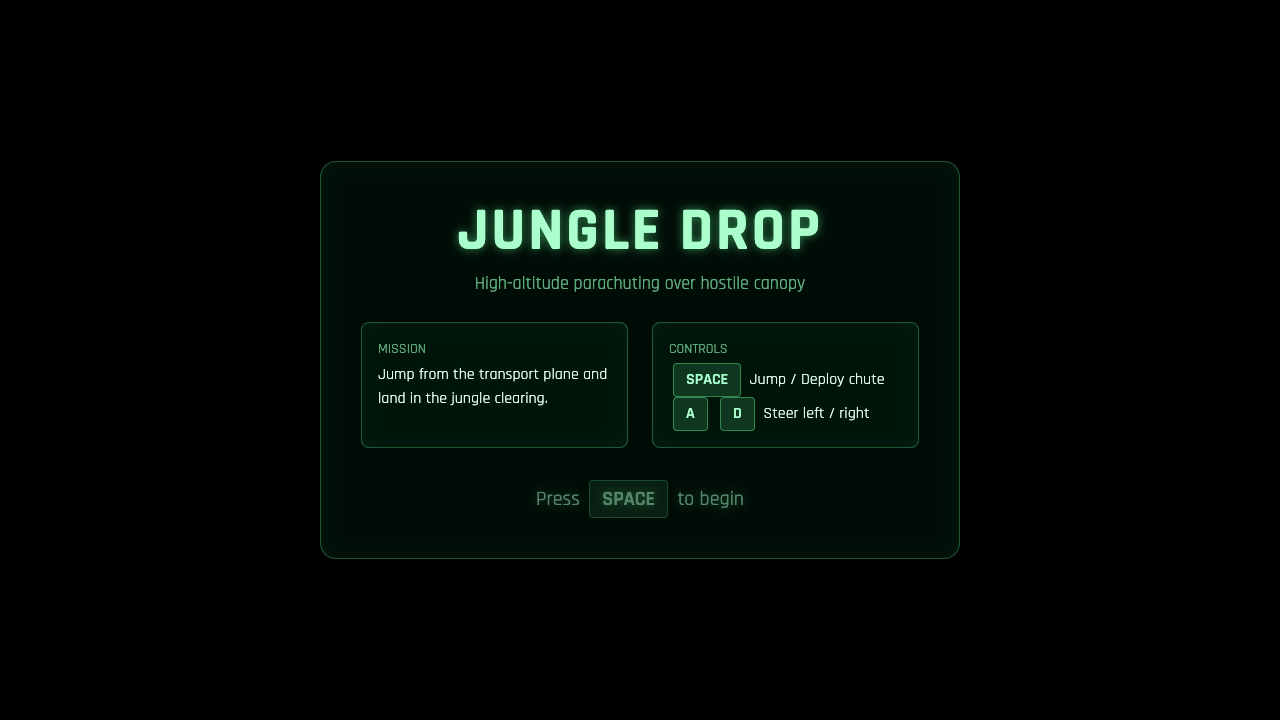
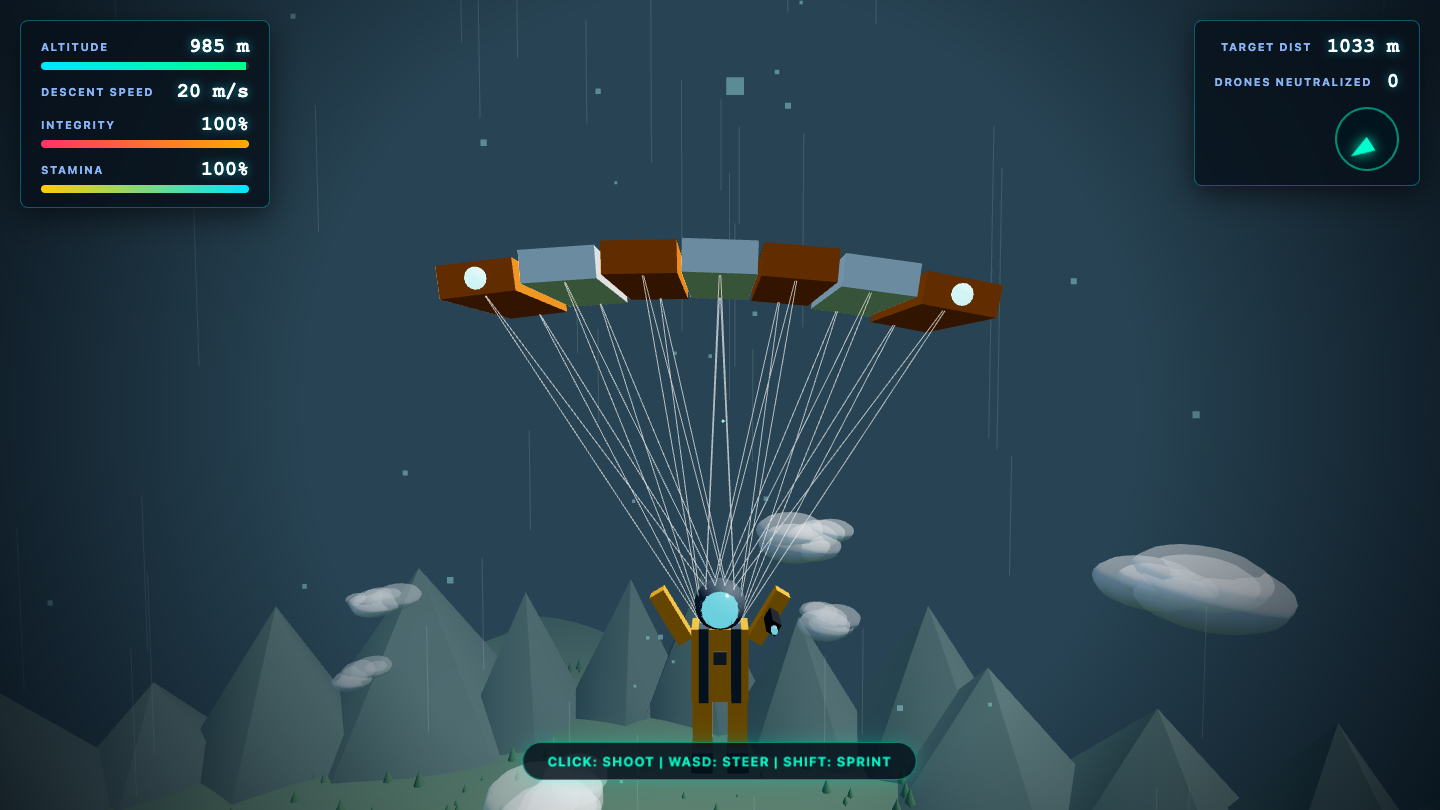
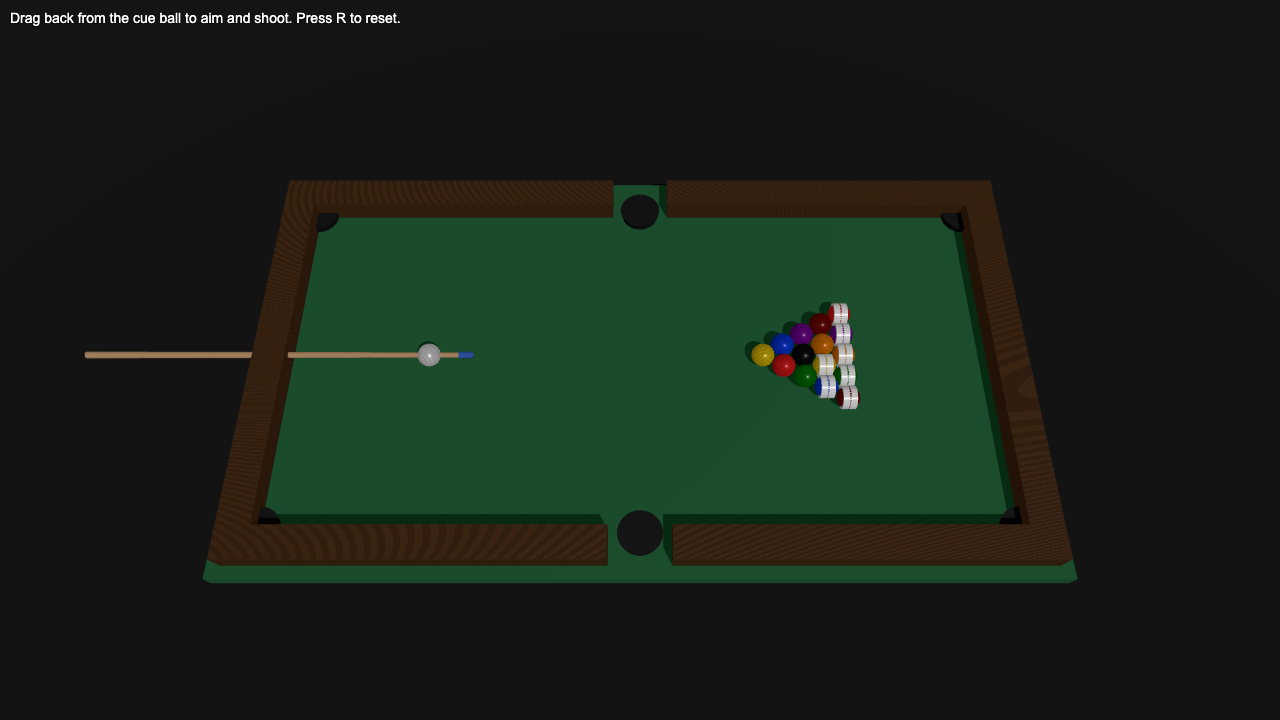
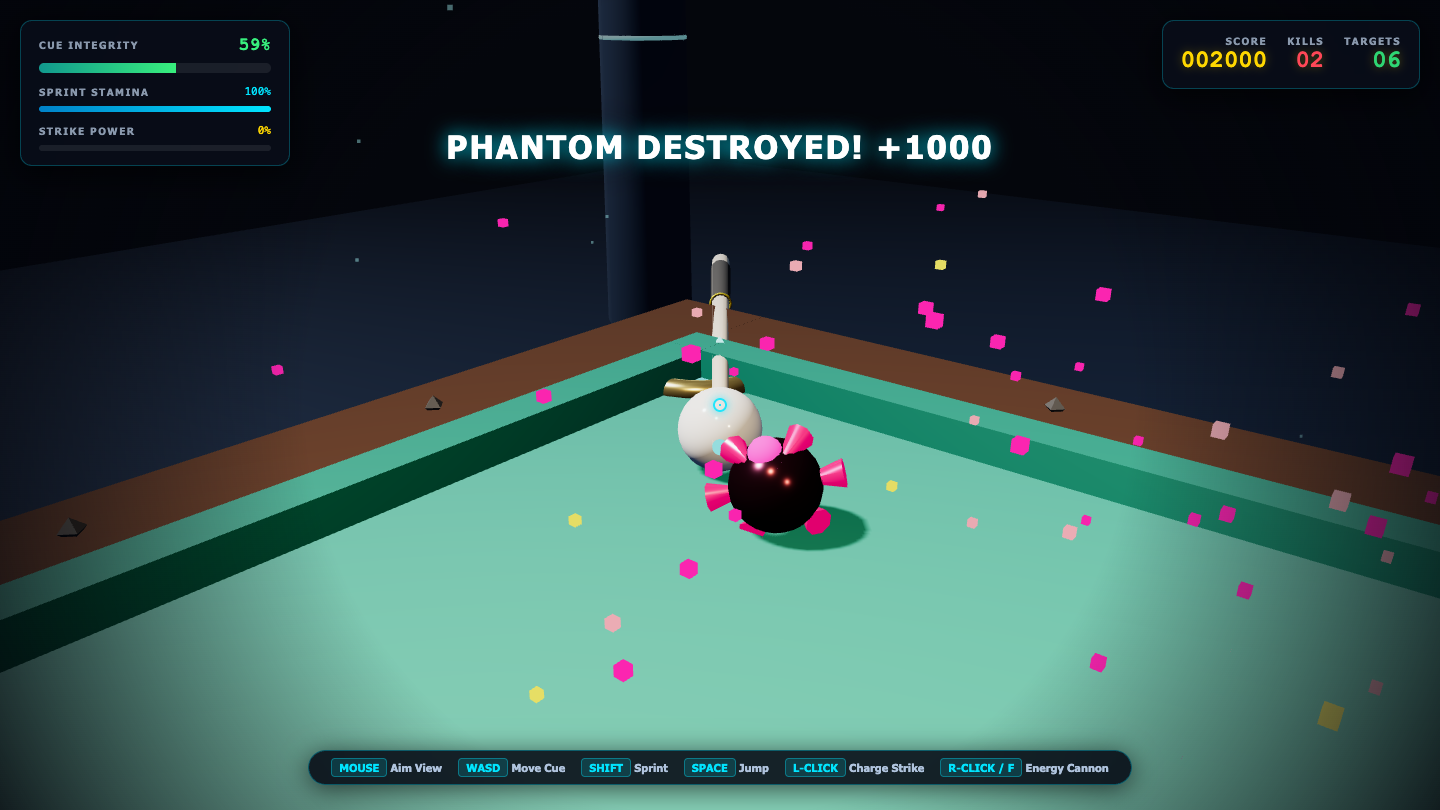
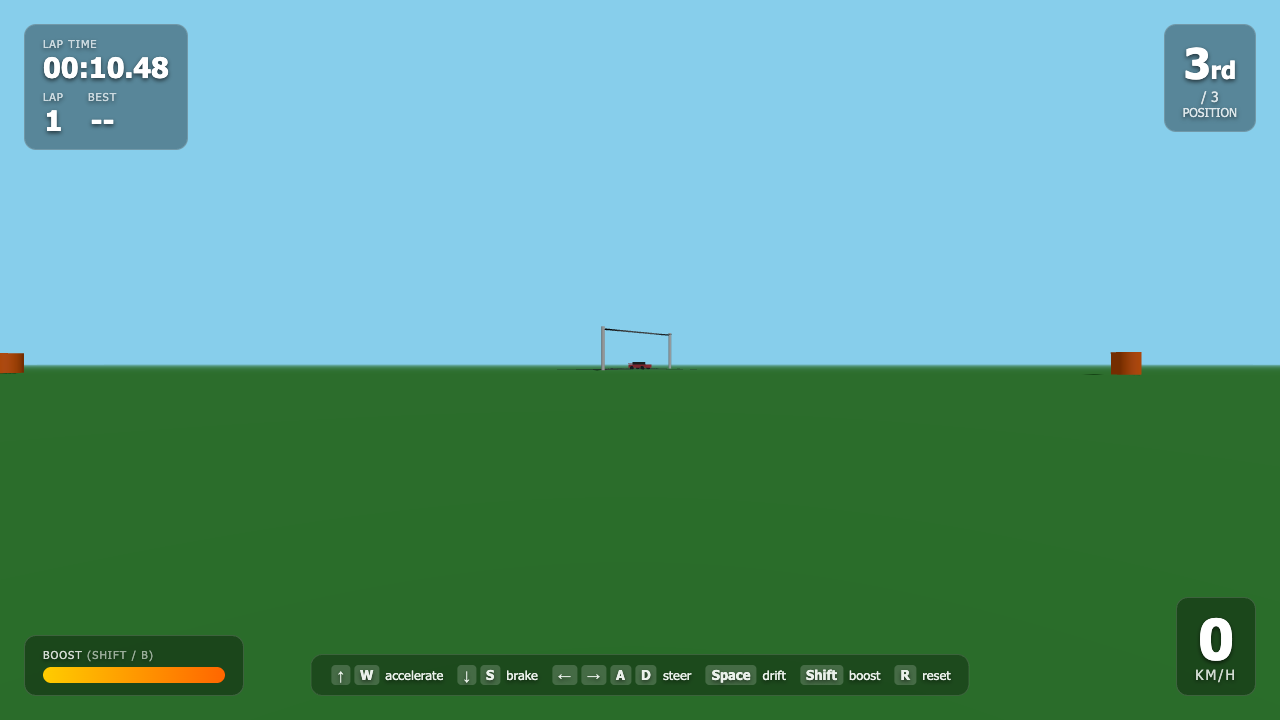
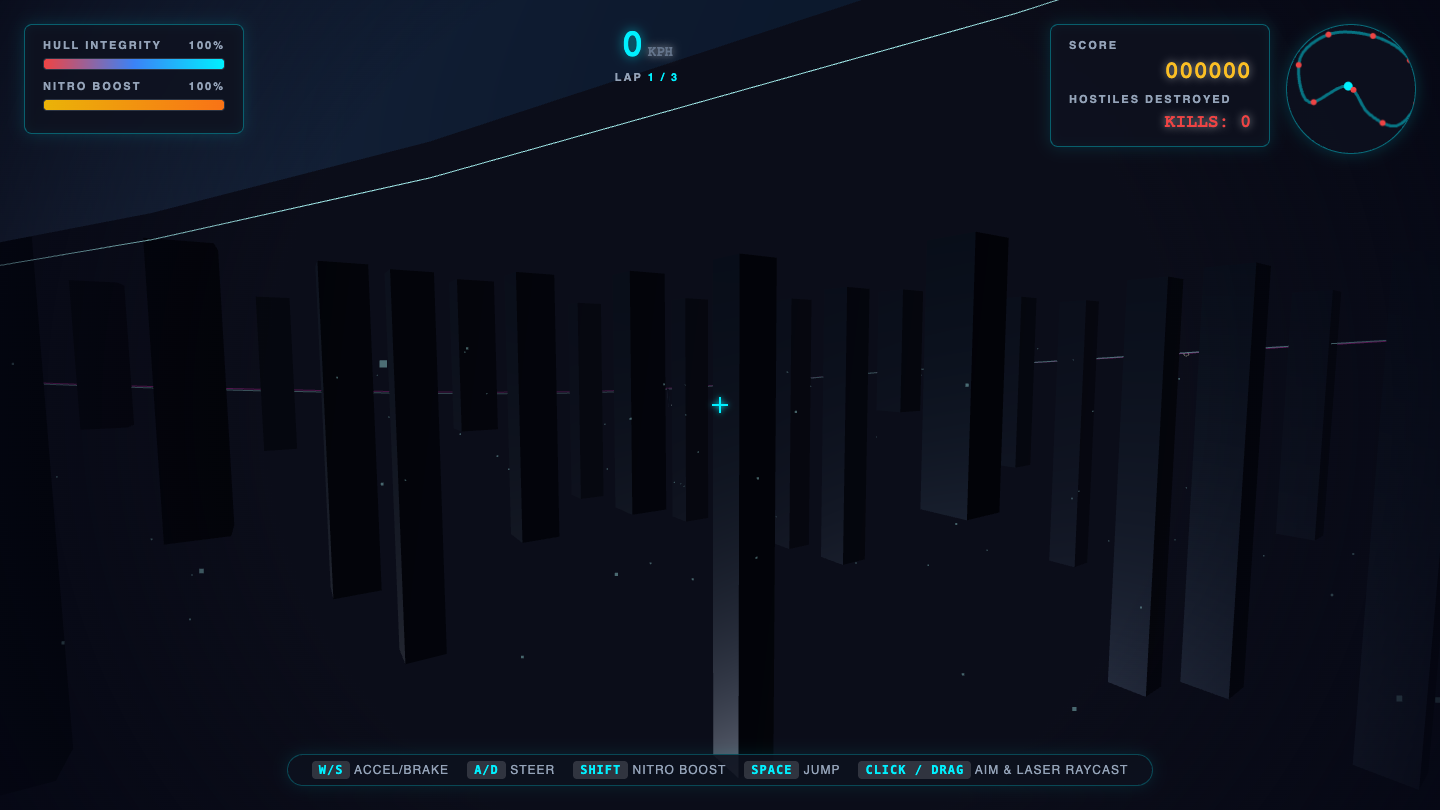
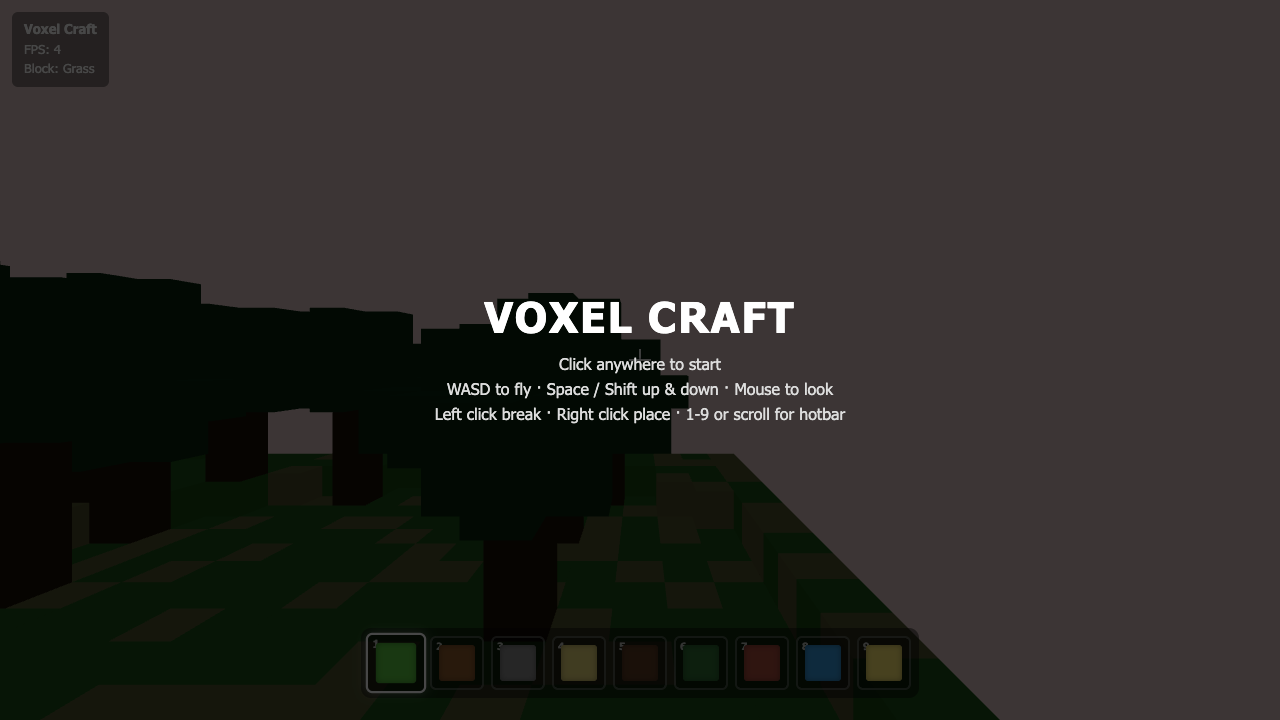
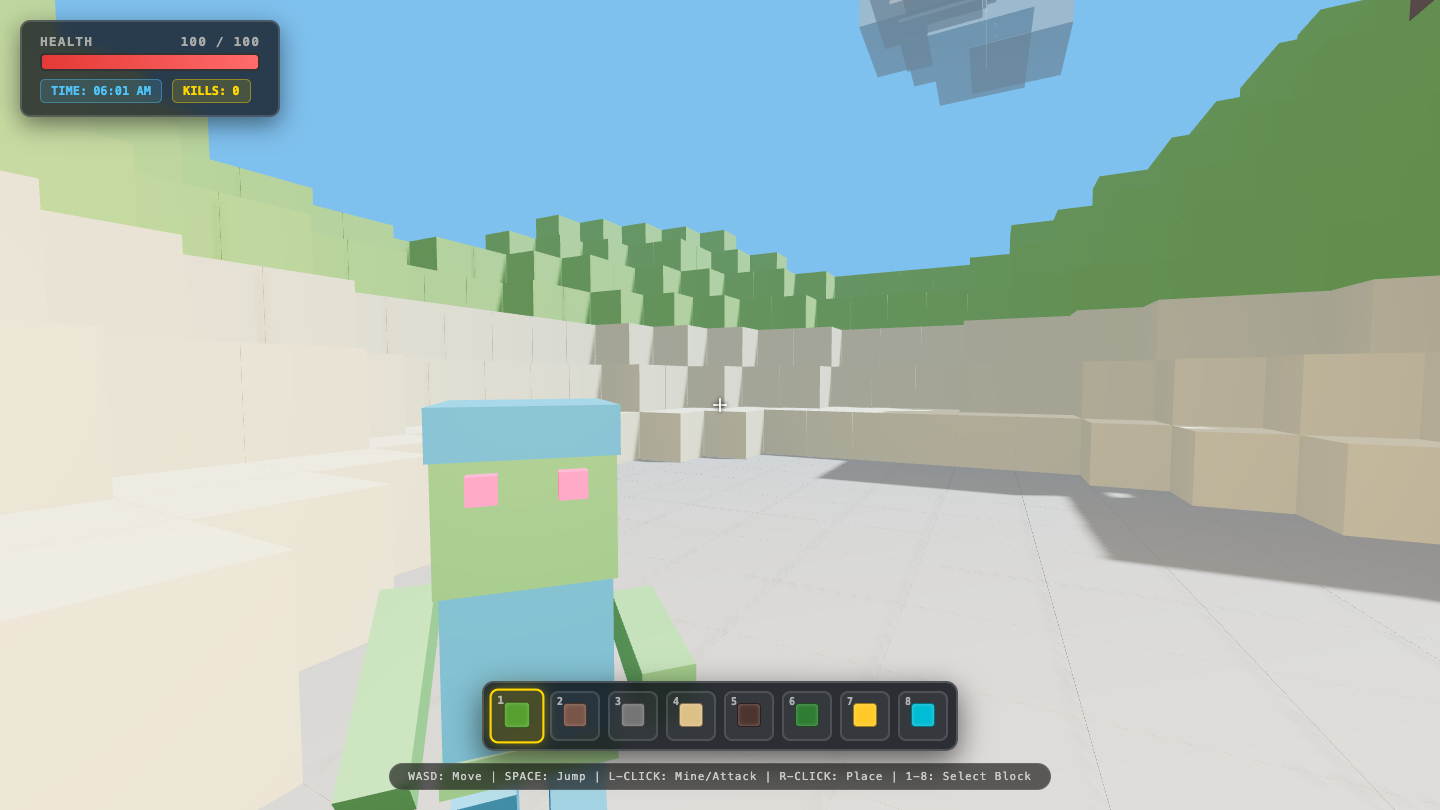
Click any cell to play that model's actual one-shot attempt. Medals are derived from my 0–10 scores per task (highest = 🥇, second = 🥈, third = 🥉).
Task ↓
Kimi K2.7
Gemini 3.6 Flash
Game
Game
Game
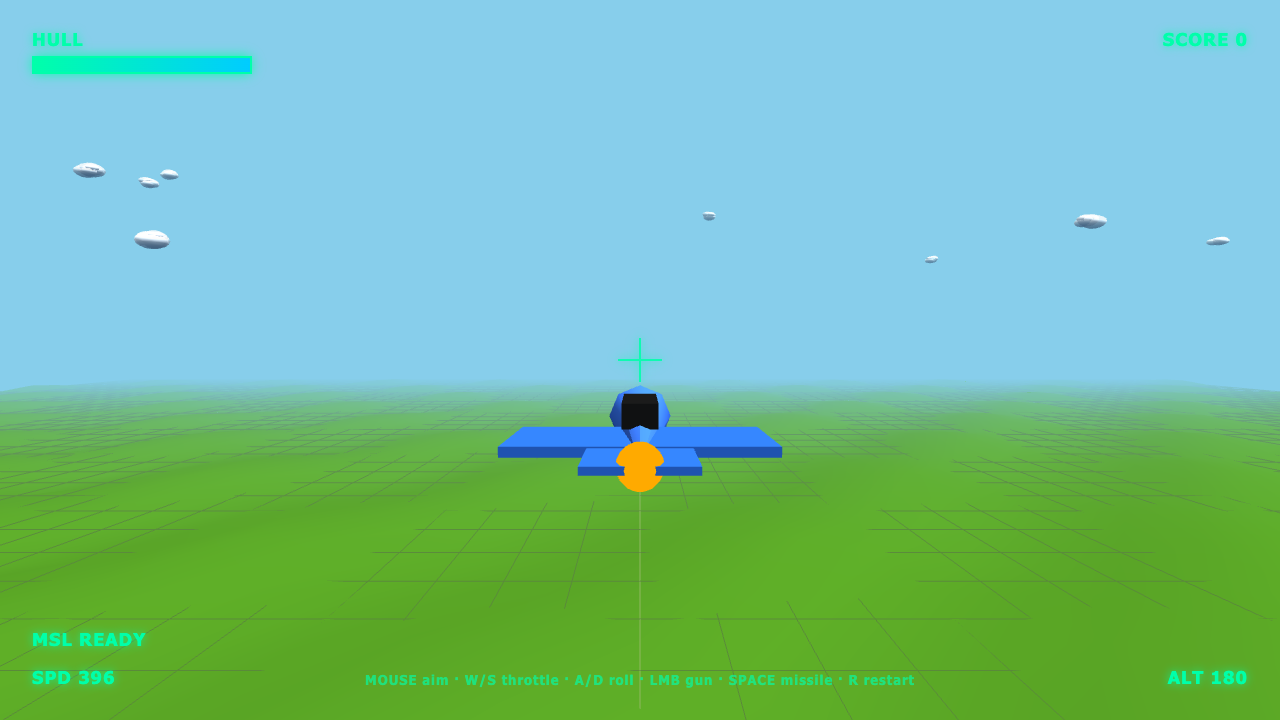
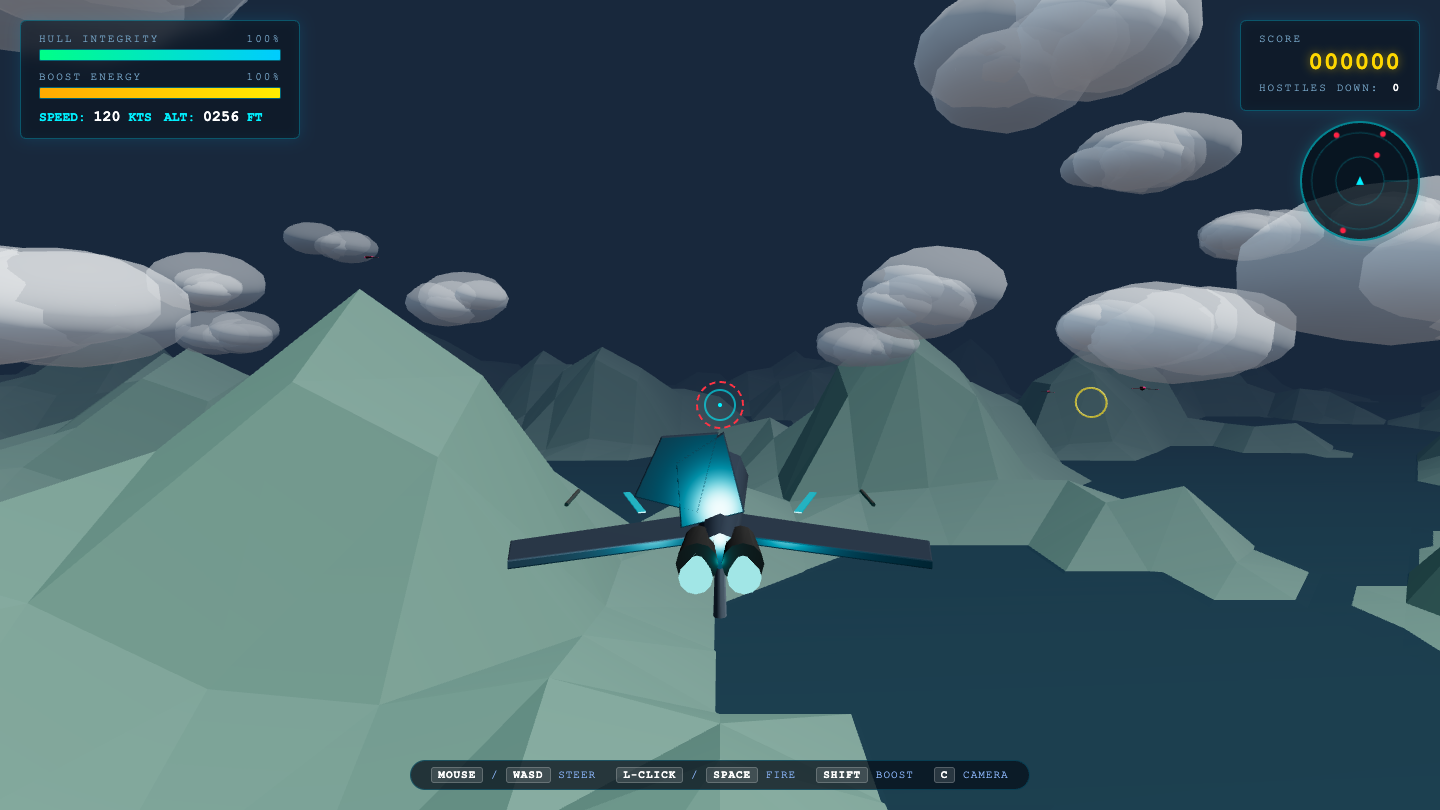
Game
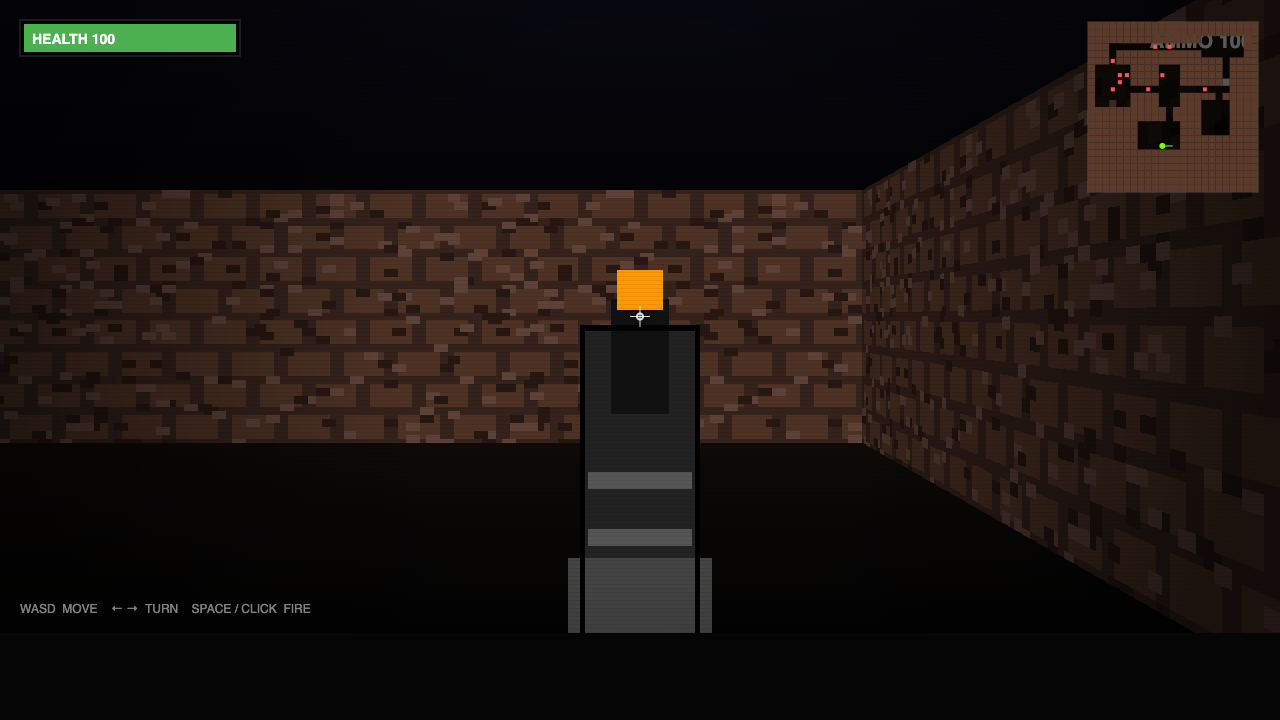
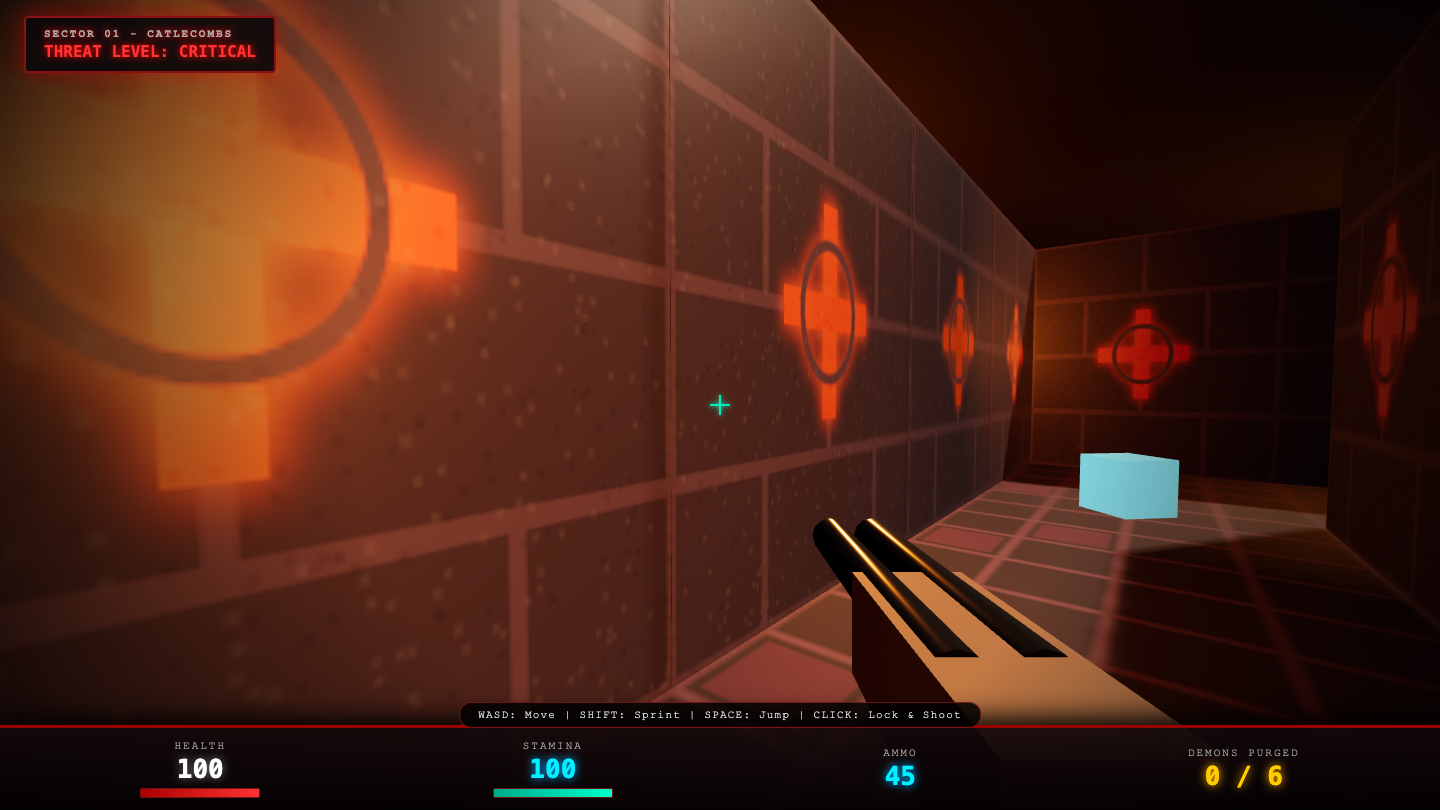
Game
Game
Game
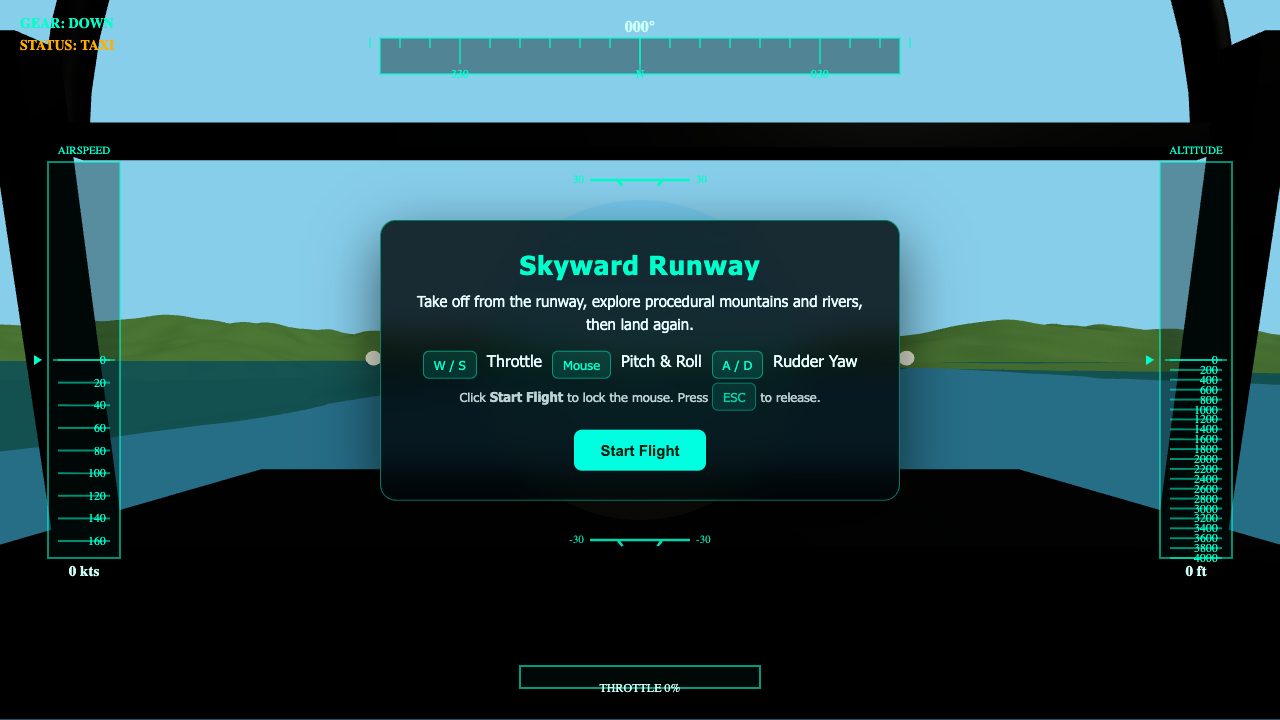
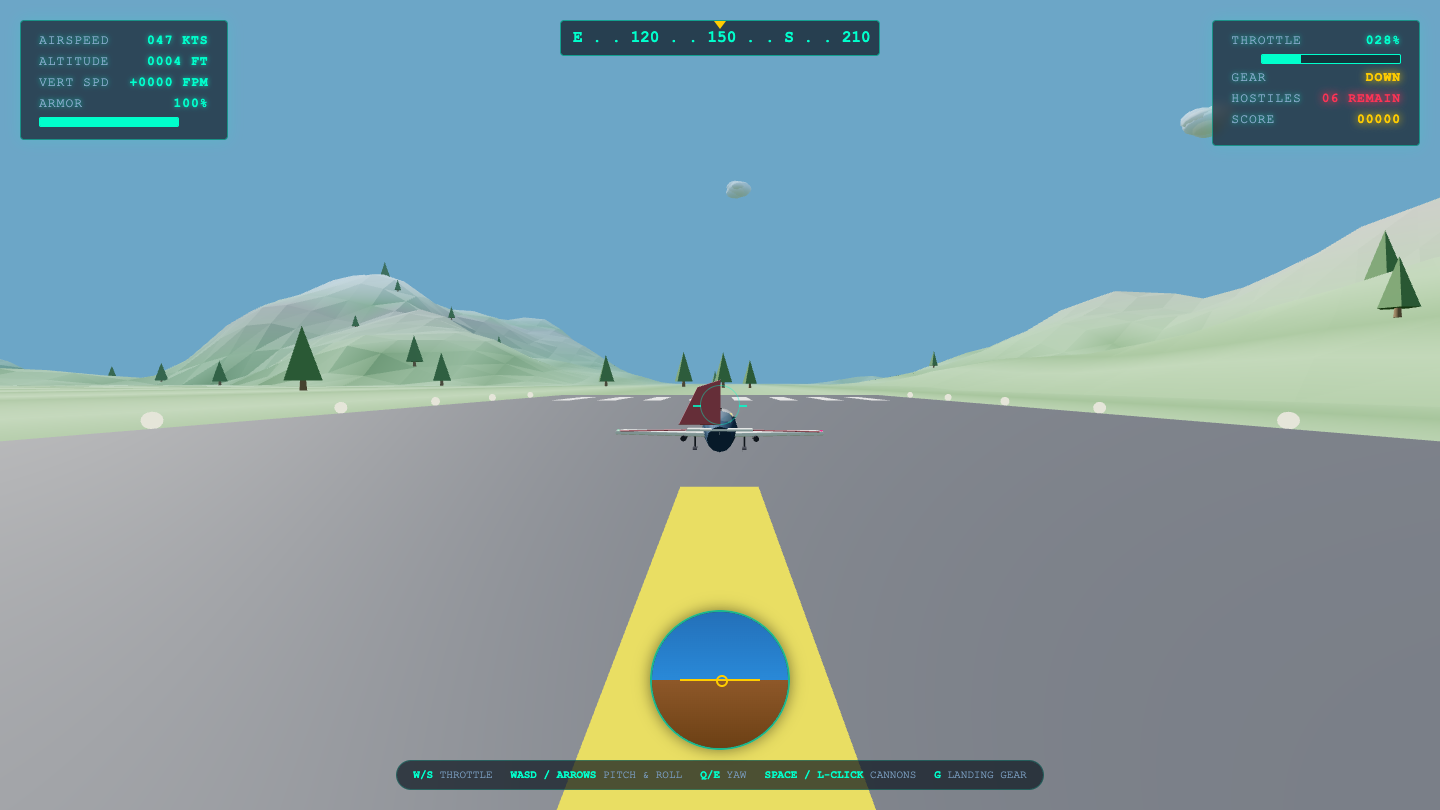
Game
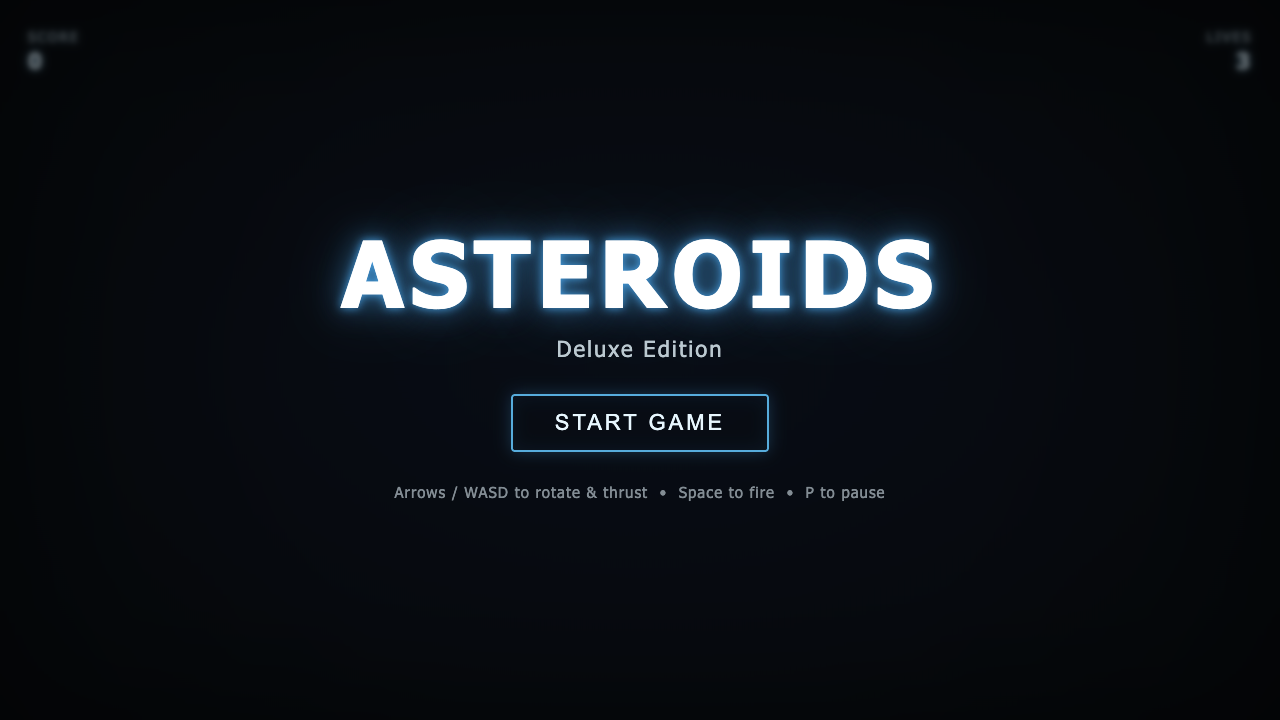
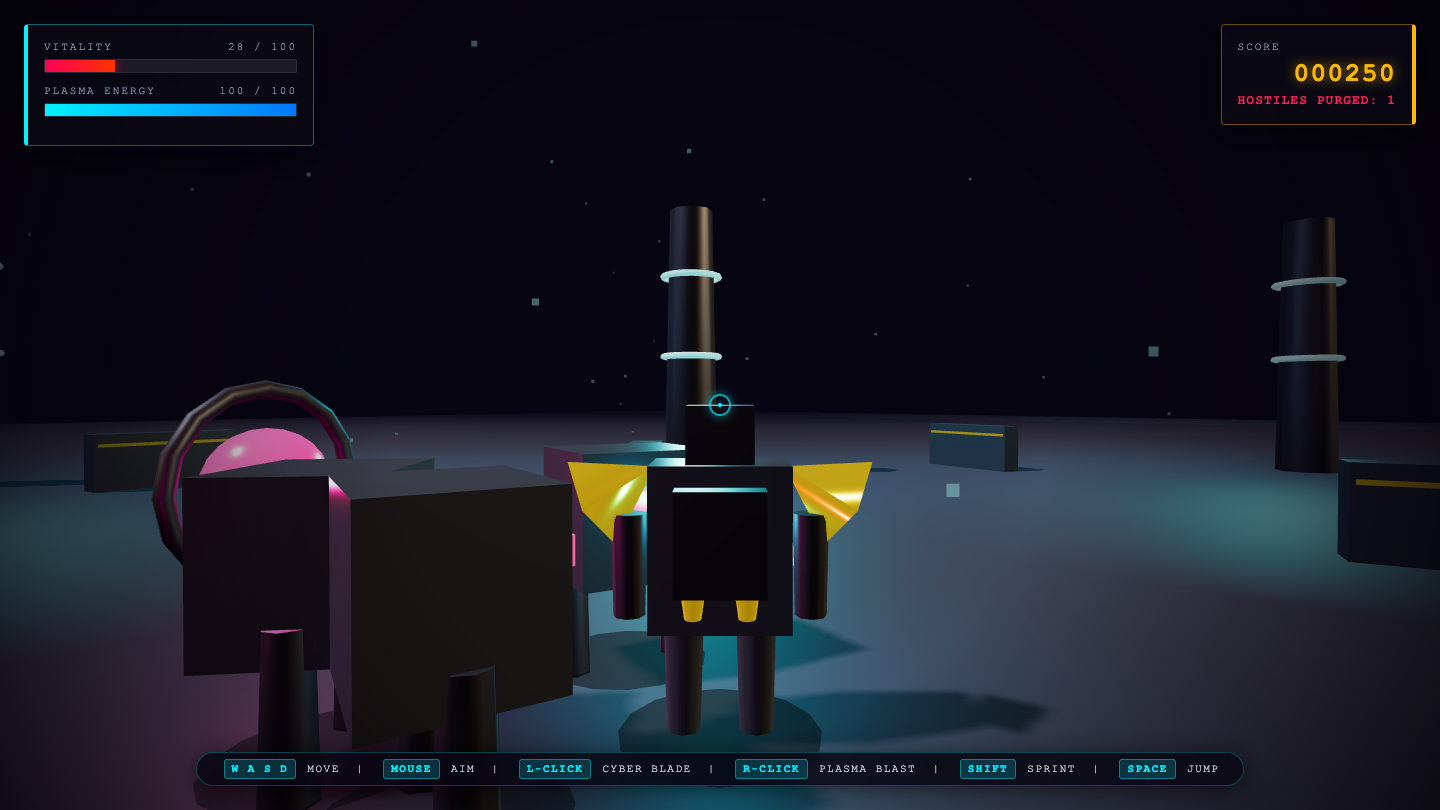
Game
Game
Game
Game
Game
Game
Game
Game
Game
Game
Game
Game
Game
Game
Game
Page
Where Kimi K2.7 beat Gemini 3.6 Flash
The tasks where I gave Kimi K2.7 a higher 0–10 score on the same prompt — with the actual commentary from my source guides.
Particleforge
Sim
Kimi K2.7 7.5
·
Gemini 3.6 Flash 3.5
(+4.0)
What I saw: Particle sculptor with mouse gravity + preset modes.
Blackhole
Sim
Kimi K2.7 6.0
·
Gemini 3.6 Flash 3.5
(+2.5)
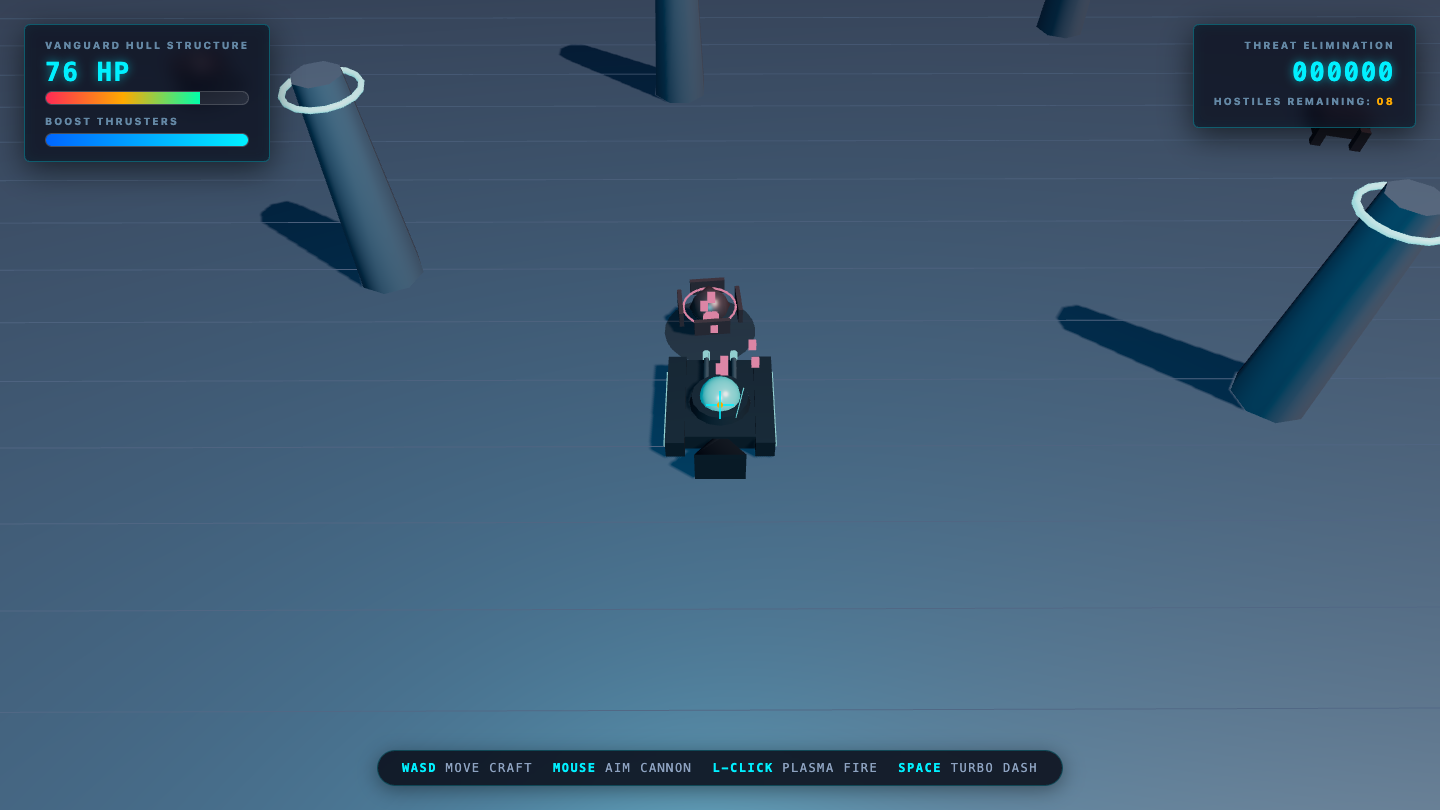
What I saw: Opus nailed it — a pure-black event horizon, a bright photon ring, and the disk bent up and over the top exactly like the film's lensing. GLM came in strong with a clean ring and a starfield warping past the hole. Kimi's disk is fine, but the background is a soft grey blur instea…
Doom
Game
Kimi K2.7 8.5
·
Gemini 3.6 Flash 6.8
(+1.7)
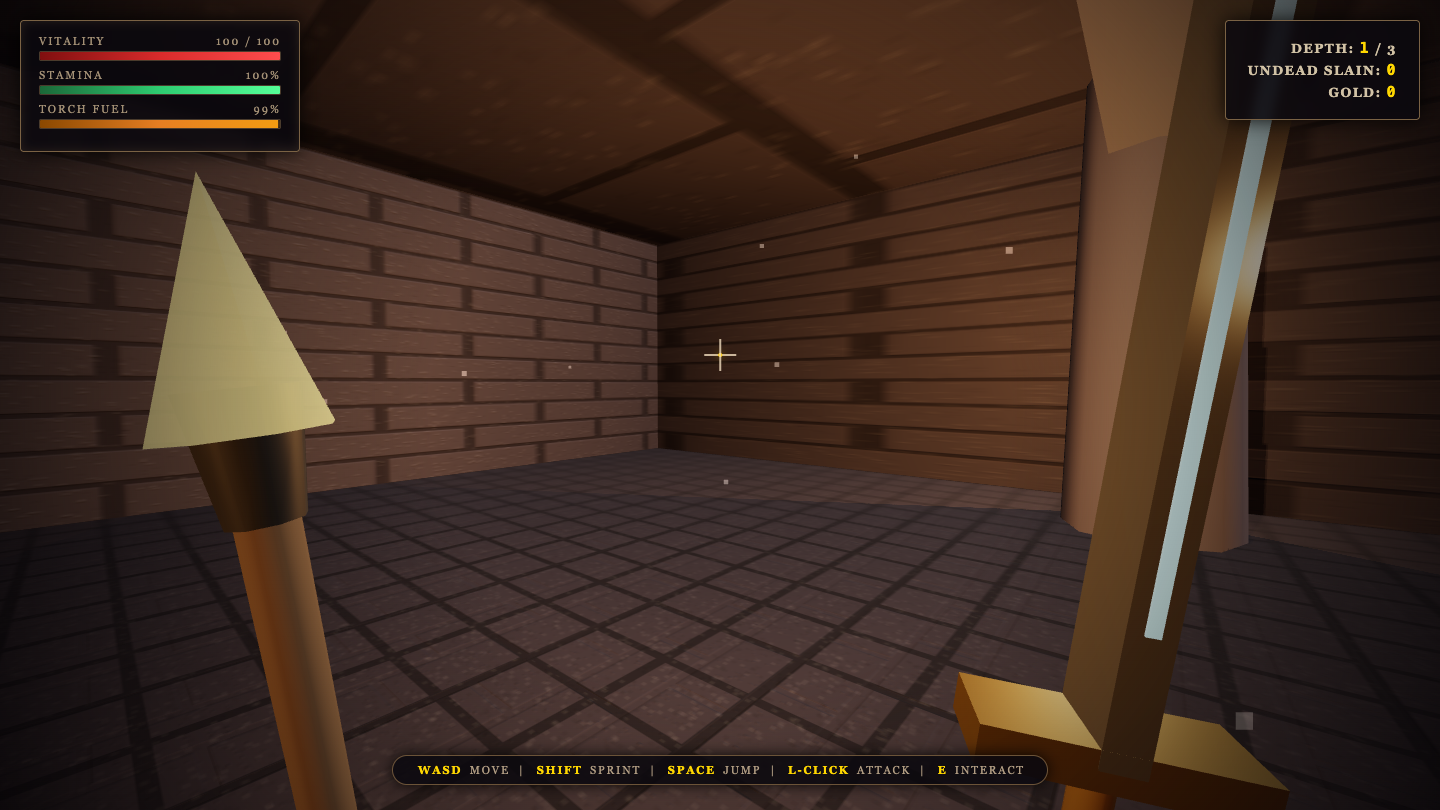
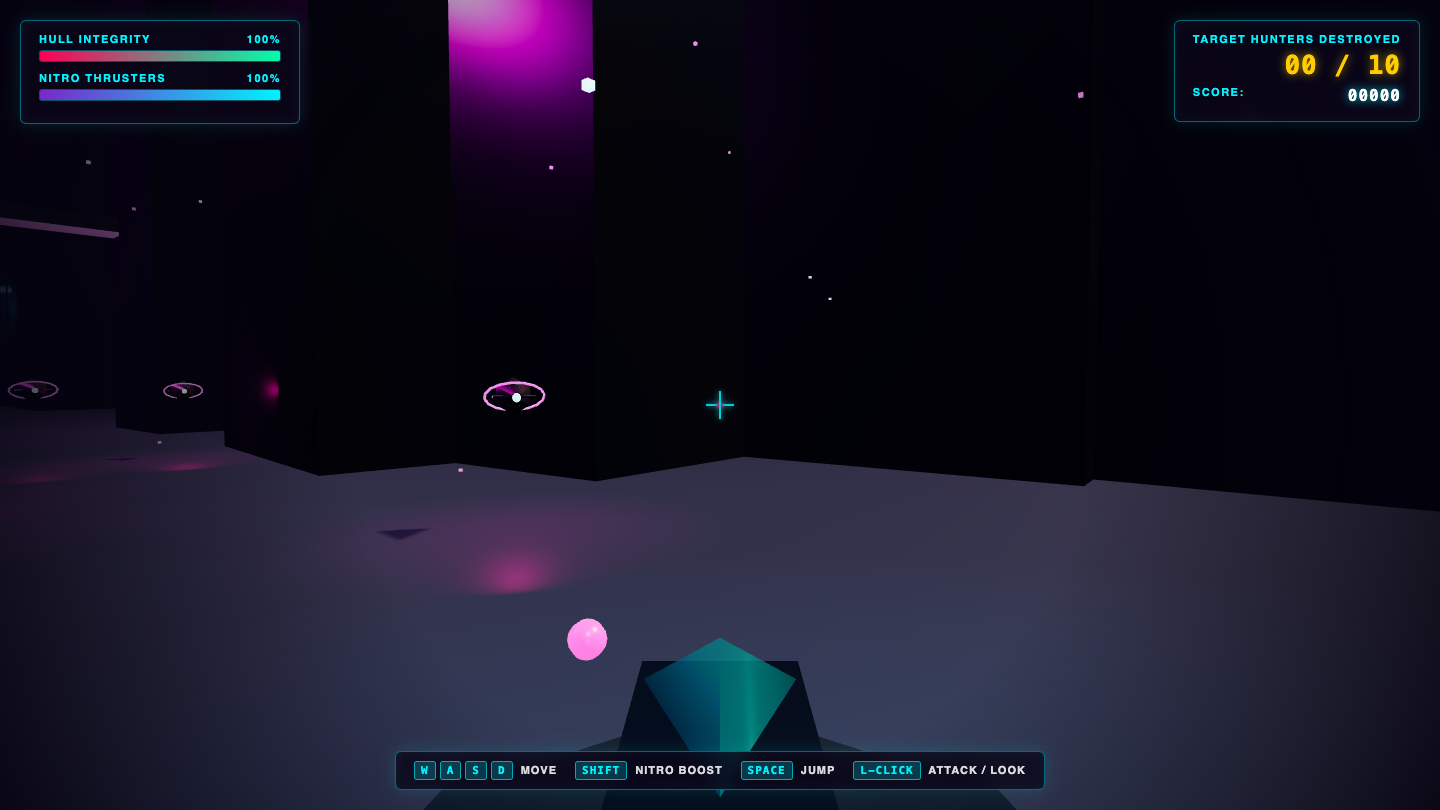
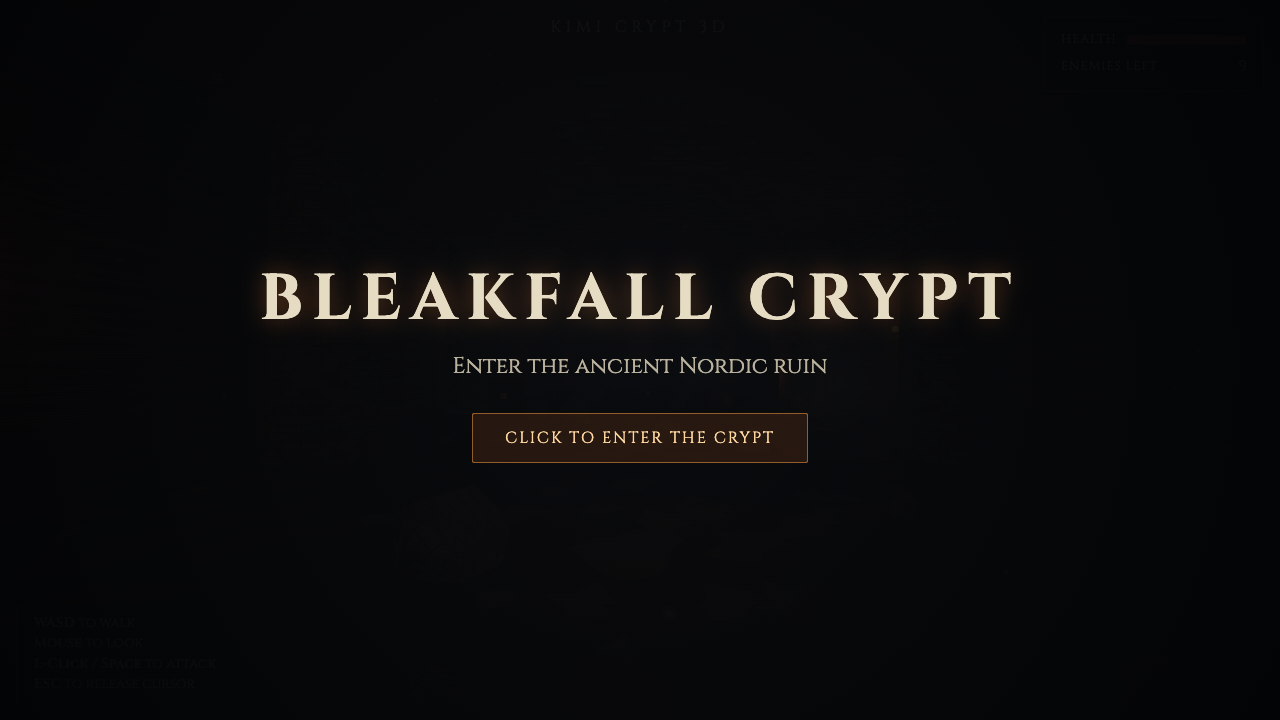
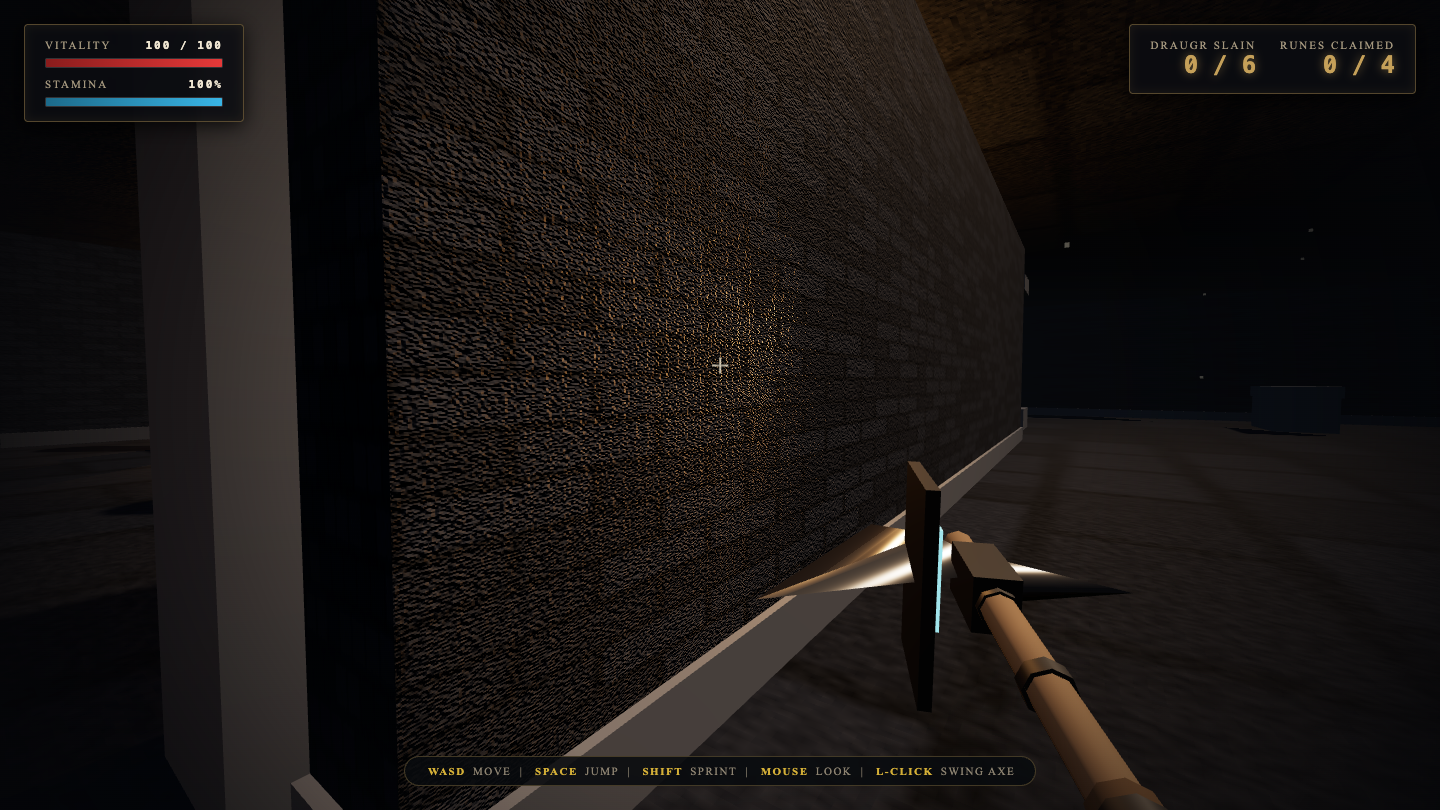
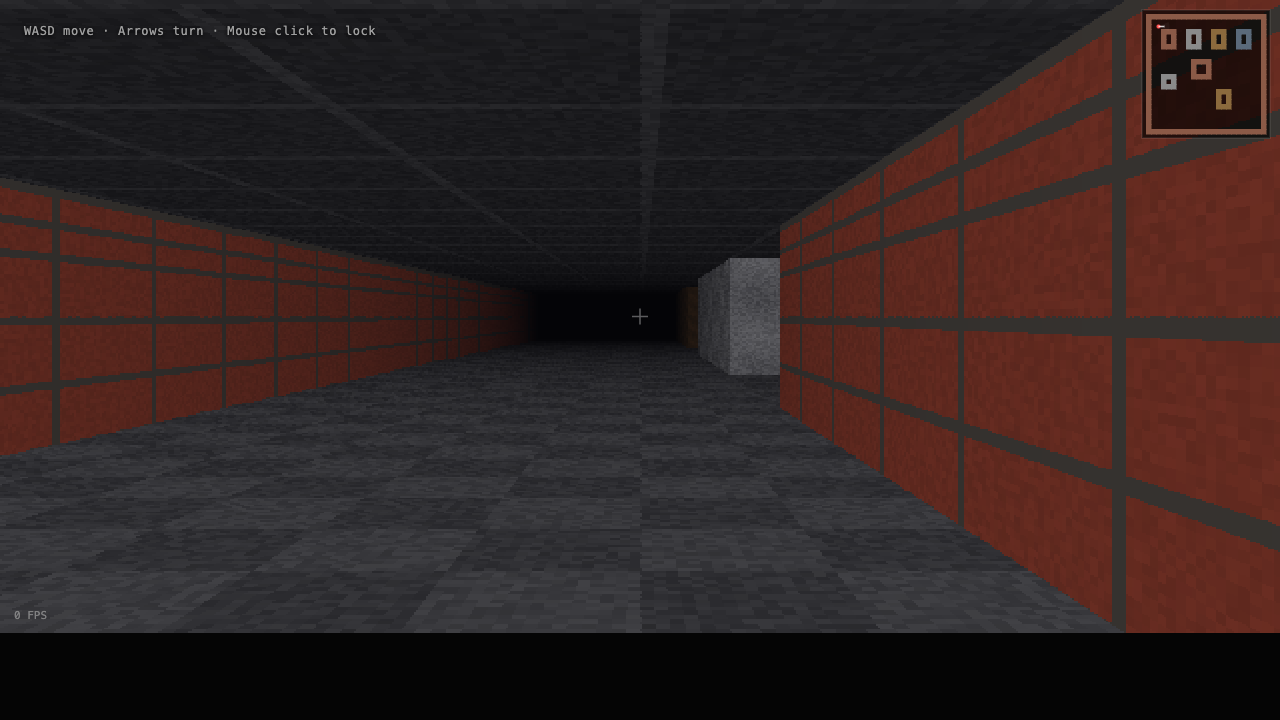
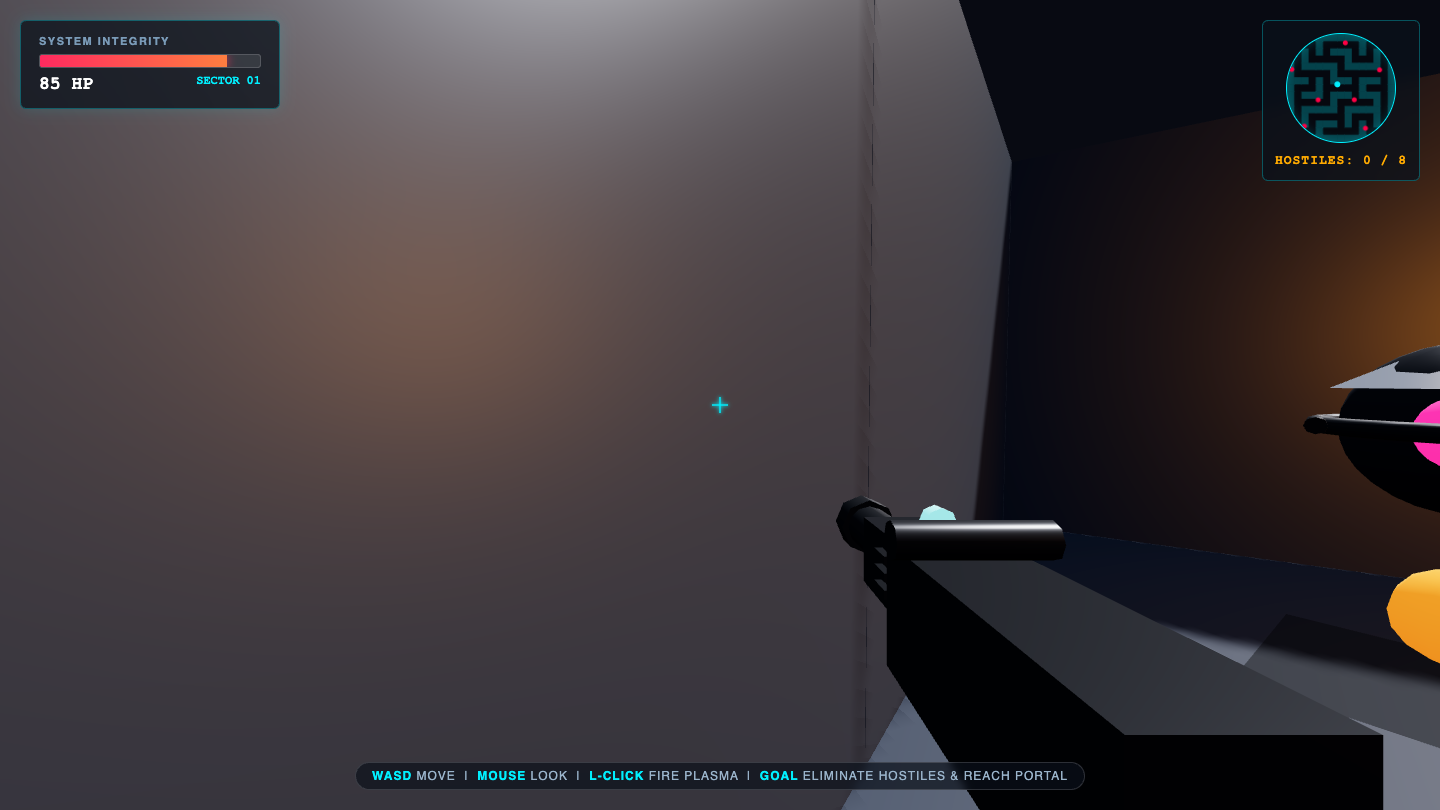
What I saw: All three are real, playable shooters. Opus drops you in a corridor with an imp dead ahead — gun, crosshair and HUD framed like a screenshot. Kimi matches it: a monster down a textured hall, health, ammo, minimap. GLM ships a gorgeous 'HAZARD PROTOCOL' title screen with a working…
Arcade
Game
Kimi K2.7 8.0
·
Gemini 3.6 Flash 6.5
(+1.5)
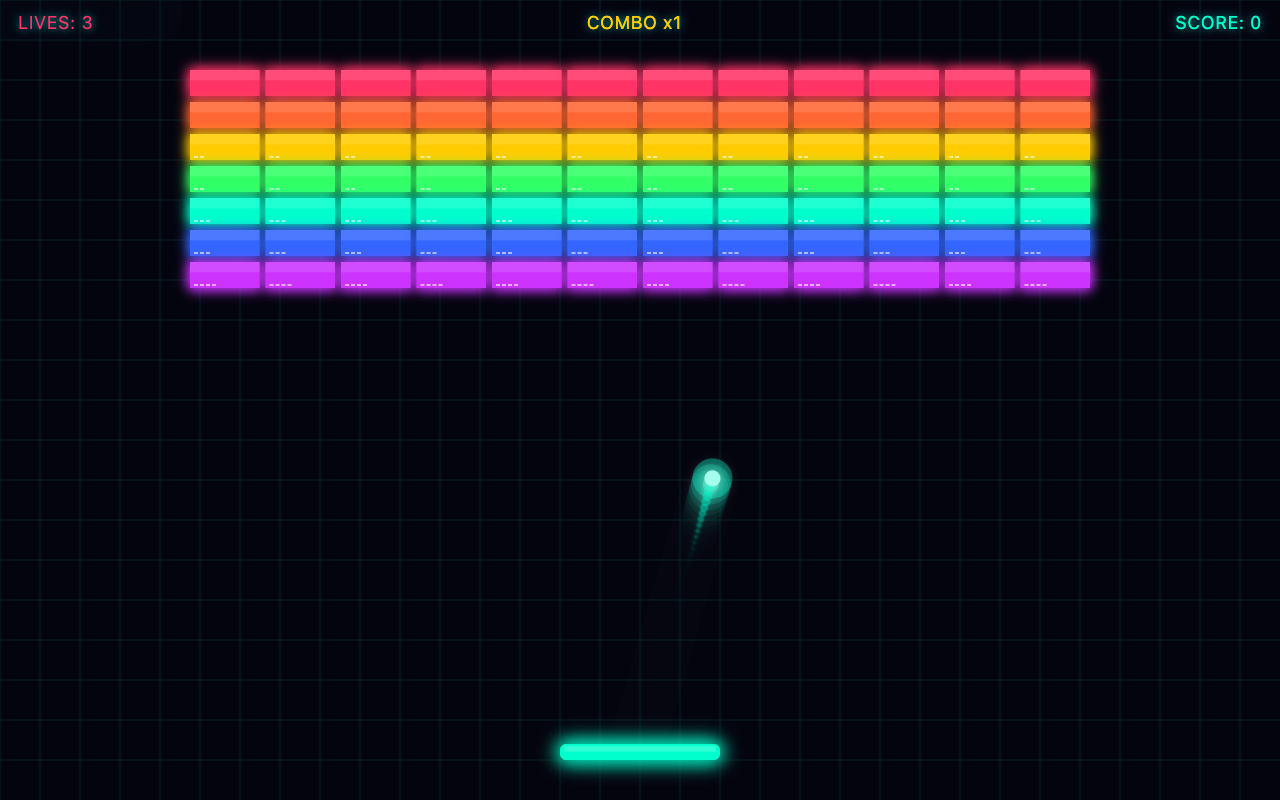
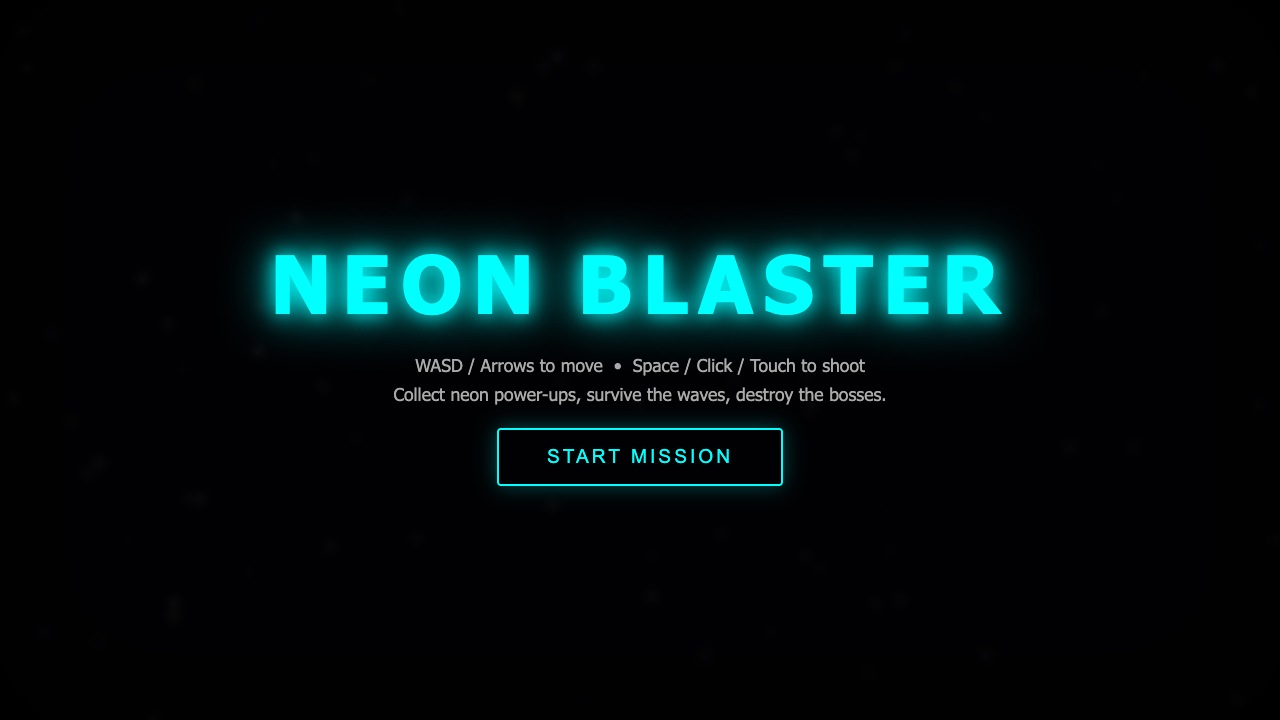
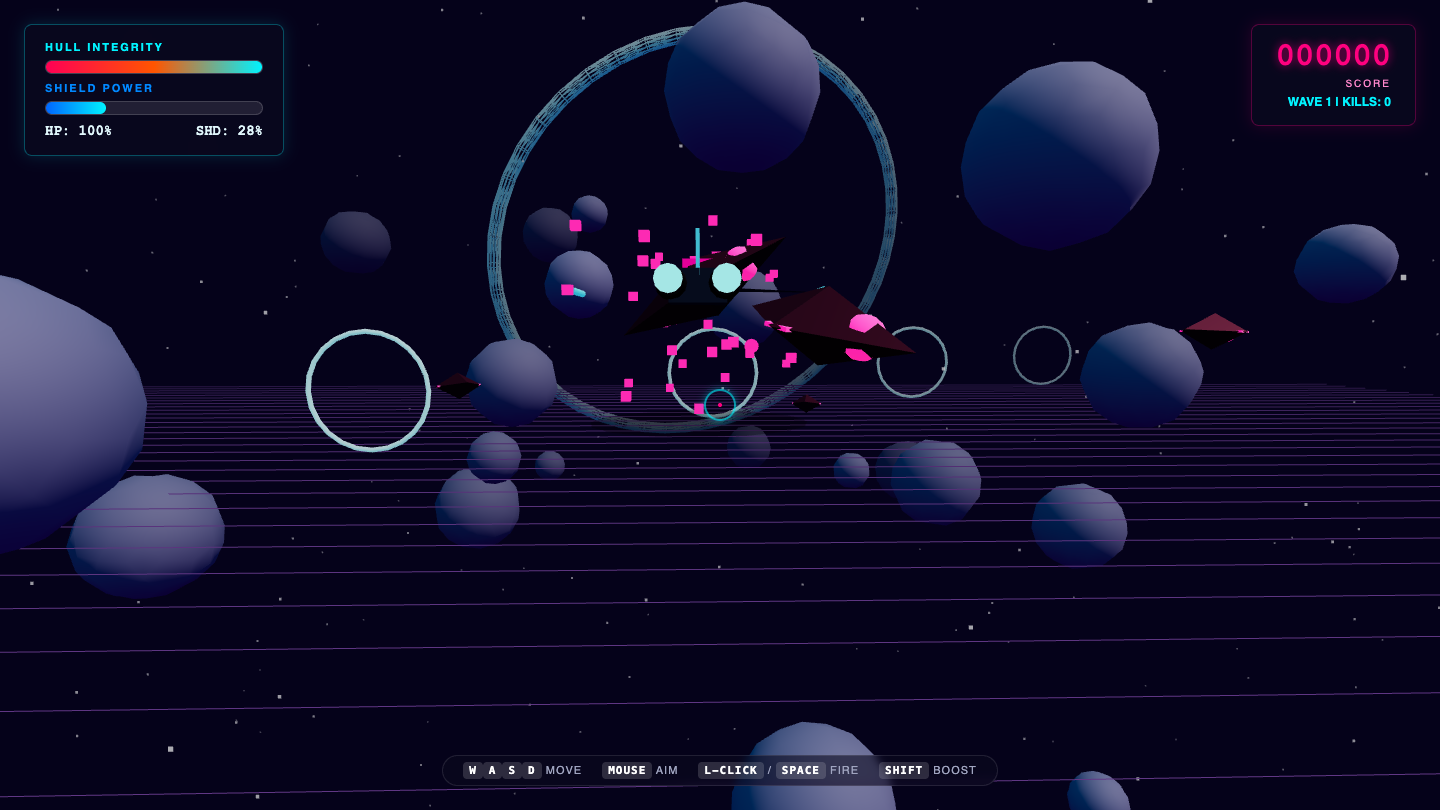
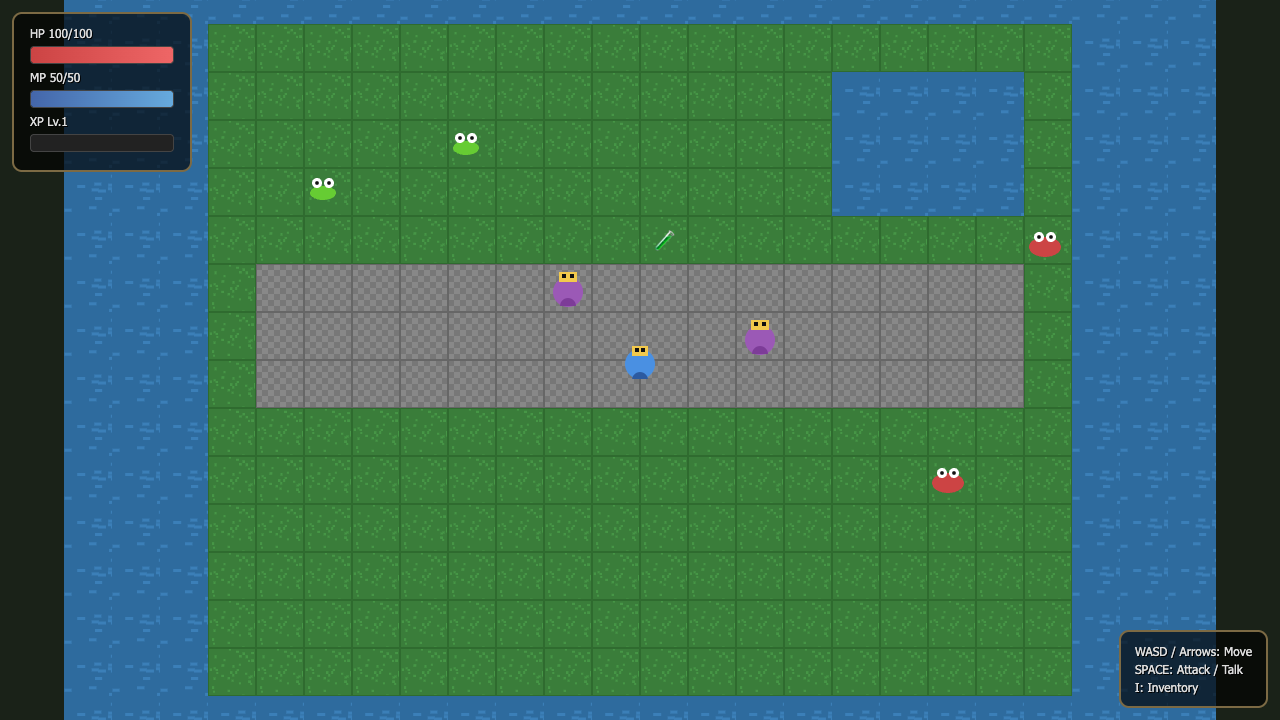
What I saw: All three shipped a genuinely juicy game. Opus's breakout had the most game-feel — particle bursts and a live combo. Kimi's breakout was clean and solid. GLM went its own way with fullscreen neon asteroids. The closest of the practical five.
Voxel
Visual
Kimi K2.7 6.0
·
Gemini 3.6 Flash 4.5
(+1.5)
What I saw: GLM built the densest, most detailed city — windowed skyscrapers, a speed + coins HUD. Opus ran the furthest with the cleanest motion (Score 303). Kimi's runner plays fine but is unforgiving — it crashes within seconds.
Where Gemini 3.6 Flash beat Kimi K2.7
The tasks where I gave Gemini 3.6 Flash a higher 0–10 score on the same prompt — with the actual commentary from my source guides.
Fluid
Sim
Gemini 3.6 Flash 7.8
·
Kimi K2.7 5.0
(+2.8)
What I saw: Strong particle density (75k) with glowing additive blending, polished glassmorphism UI, presets and shockwave controls all render cleanly; but the center is blown out to solid white and it reads more as a bright particle cloud than an elegant swirling fluid, keeping it just shor…
Landing
Page
Gemini 3.6 Flash 8.6
·
Kimi K2.7 6.5
(+2.1)
· Interactive 3D Hero
What I saw: Stunning interactive Three.js WebGL background with glowing neural sphere, crisp gradient headline, polished glass CTAs, and thoughtful interactive controls (drag/scroll, spectrum shift) — visually elevated above a generic marketing page. Minor weak point is the somewhat filler A…
Orbit
Sim
Gemini 3.6 Flash 8.1
·
Kimi K2.7 6.0
(+2.1)
What I saw: Strong 3D presentation with glowing sun, orbiting planets, gravity-well grid, and a full control suite (presets, G/time/trail sliders, launch mode); however FPS reads only 9 which signals a performance issue that dampens the sim's smoothness.
Synthwave
Visual
Gemini 3.6 Flash 8.4
·
Kimi K2.7 6.5
(+1.9)
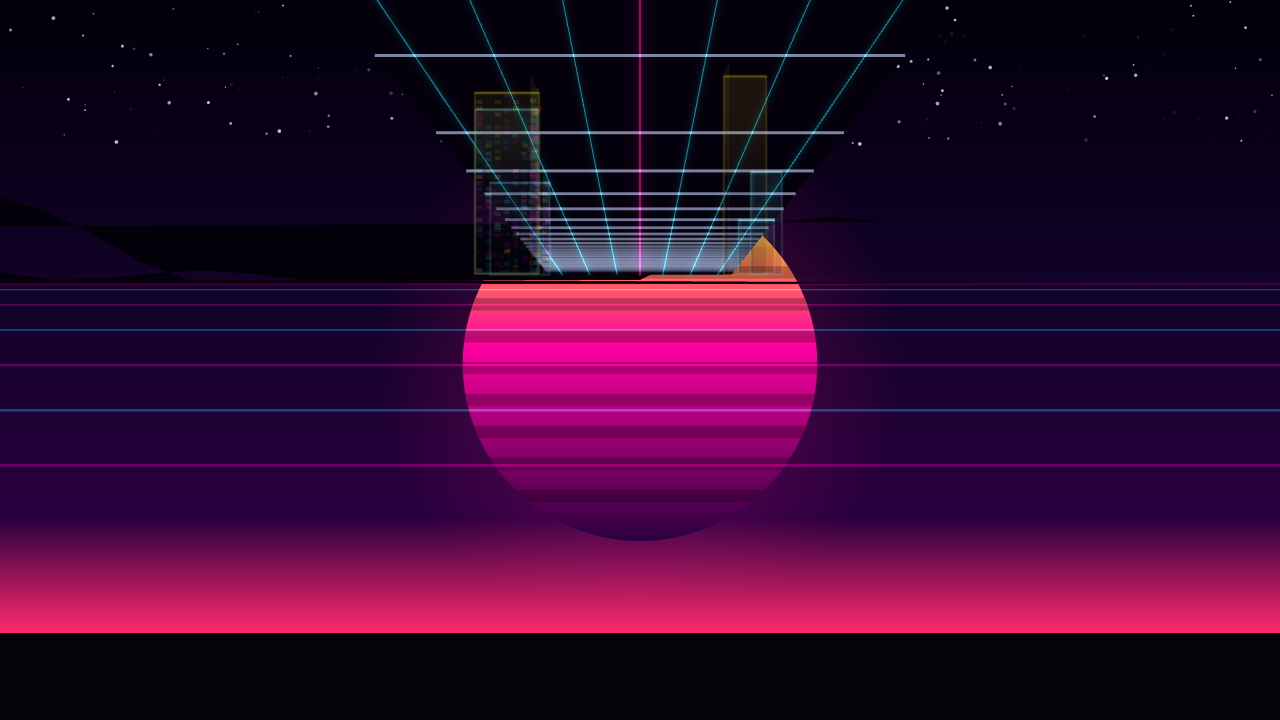
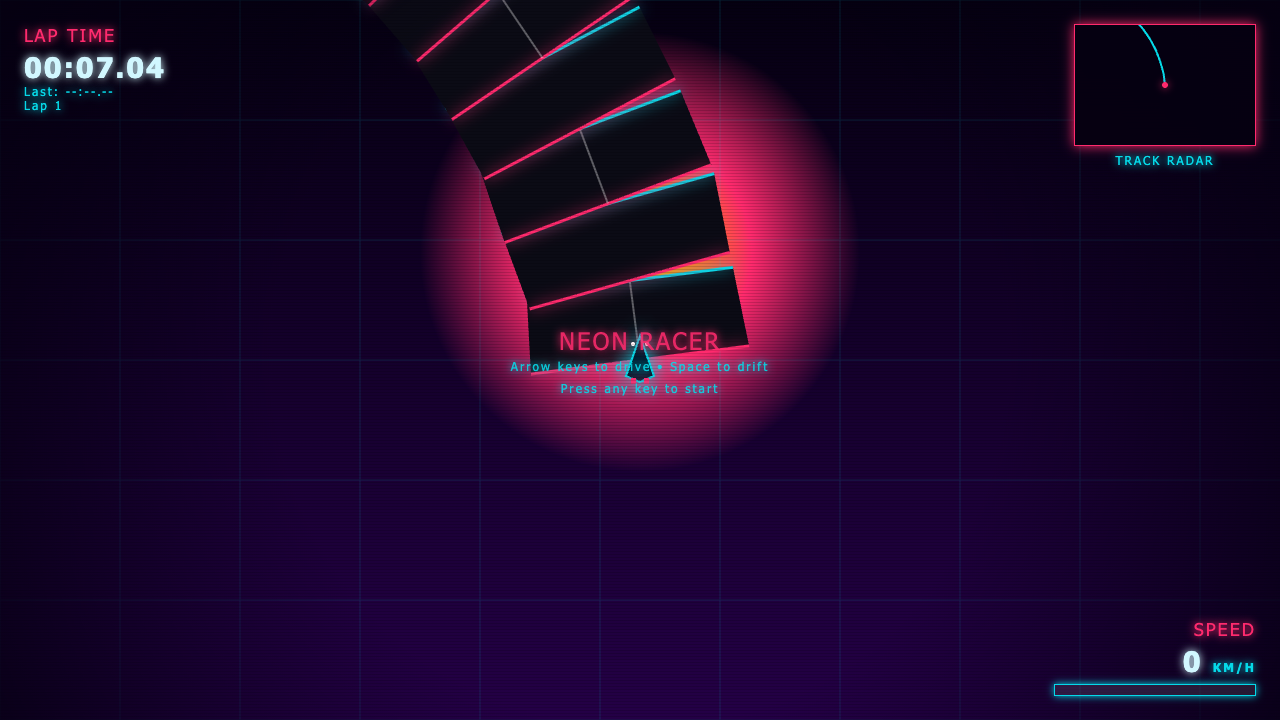
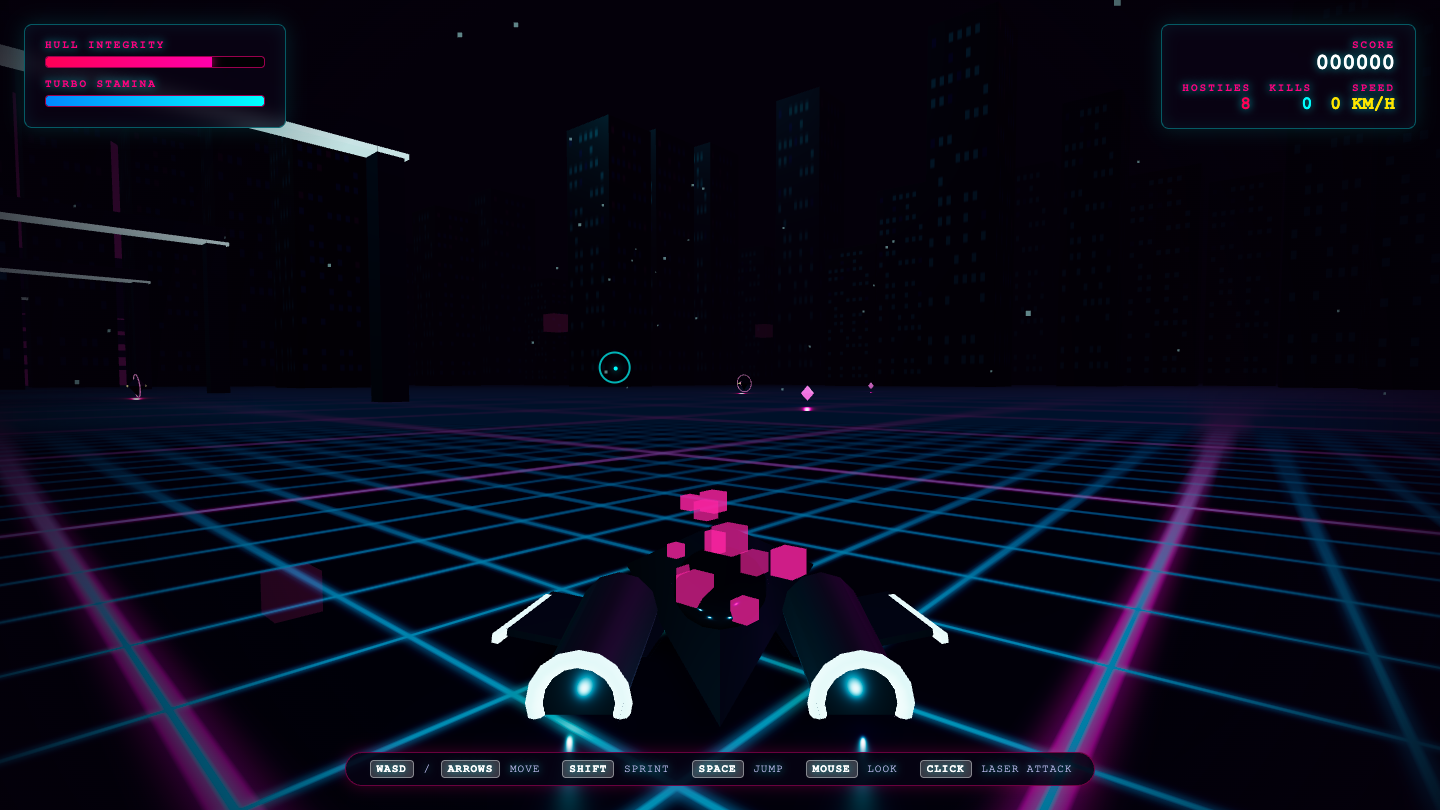
What I saw: Strong synthwave build with glowing neon grid road, wireframe mountains, retro arch/sun, chip-tune audio synthesis, and polished CRT-scanline HUD; the pink/cyan palette and vaporwave title nail the brief, though the tunnel arch reads slightly muddy and the road wireframe geometry…
Plasma
Visual
Gemini 3.6 Flash 8.6
·
Kimi K2.7 7.5
(+1.1)
· WebGL plasma polish
What I saw: Gorgeous full-screen GLSL plasma with smooth vibrant flowing color bands, polished glassmorphic header and clean palette switcher with 5 presets, plus ripple/drag distortion logic in the shader. Screenshot is genuinely hypnotic and premium; only nit is ripples/distortion can't be…
Strengths & weaknesses I logged
Kimi K2.7
Strengths
- Best-of-three on interactive games — raycaster, DOOM, monster AI
- Three speed modes (Fast / No-Think / Quality) you can swap per task
- Flat-rate plan eliminates the per-token meter, so iteration is free
Trade-offs
- Plays plainest on abstract visual prompts — synthwave grids, fluid sims, aurora — where GLM and Opus add more flair
- Bronze average on the Goldie Bench bench despite the gold-medal games — its visual builds are accurate but understated
Gemini 3.6 Flash
Strengths
- Fast one-shot builds — full skill-spec 3D games in ~60-120s of generation
- Cheapest frontier-tier entry on the bench at $1.50/M input
- 17% fewer output tokens than 3.5 Flash on the same workflows (Google's launch claim)
Trade-offs
- Benched on launch day — partial run until the full 50-task batch completes
- Flash tier, not a flagship — up against Pro/flagship-class models on this board
Pricing & context — the spec sheet
| Spec | Kimi K2.7 | Gemini 3.6 Flash |
|---|---|---|
| Vendor | Moonshot AI | |
| Context window | 256,000 tokens | 1,000,000-token context window |
| Price | Flat plan (no per-token bill) | $1.50 / M input |
| Pricing detail | Available on Moonshot's flat-rate subscription plan — no per-token billing for individual builders. The plan covers all three speed modes (Fast, No-Think, Quality). Vendor: Moonshot AI (moonshot.ai), based in Beijing. | Launched 2026-07-21 alongside Gemini 3.5 Flash-Lite and 3.5 Flash Cyber. Google's pitch: higher intelligence than its predecessors on coding/ML/knowledge tasks while using 17% fewer output tokens, at a new lower price ($1.50 per million input tokens). Benched here via the native Gemini API on launch day. |
| Release | 2026-06 | 2026-07 |
| Bench coverage | 25/47 scored · avg 7.46/10 | 50/50 scored · avg 7.08/10 |
The verdict — which should you pick?
Across 25 scored shared tasks, the averages are essentially tied — Kimi K2.7 7.46 vs Gemini 3.6 Flash 7.40. This isn't the comparison where one wins; it's the comparison where you pick based on context, pricing, and what you're actually trying to ship.
If you only run one of these inside your stack, the head-to-head average above is the call. If you can run both, my honest play is to wire Kimi K2.7 and Gemini 3.6 Flash both into the Agent Operating System and dispatch each from the kanban by task type — interactive game prototypes you want shippable on the first prompt → Kimi K2.7, high-volume agentic work where token cost dominates → Gemini 3.6 Flash. That's the same setup I run for the 3,400+ founders inside the AI Profit Boardroom.
FAQ — Kimi K2.7 vs Gemini 3.6 Flash
Which is better, Kimi K2.7 or Gemini 3.6 Flash?
On Goldie Bench, Kimi K2.7 averages 7.46/10 across the shared tasks, with 1 gold, 2 silver, 0 bronze overall. Gemini 3.6 Flash averages 7.40/10, with 1 gold, 2 silver, 1 bronze. Gemini 3.6 Flash wins the head-to-head 14–10.
How much does Kimi K2.7 cost vs Gemini 3.6 Flash?
Kimi K2.7: Available on Moonshot's flat-rate subscription plan — no per-token billing for individual builders. The plan covers all three speed modes (Fast, No-Think, Quality). Vendor: Moonshot AI (moonshot.ai), based in Beijing. Gemini 3.6 Flash: Launched 2026-07-21 alongside Gemini 3.5 Flash-Lite and 3.5 Flash Cyber. Google's pitch: higher intelligence than its predecessors on coding/ML/knowledge tasks while using 17% fewer output tokens, at a new lower price ($1.50 per million input tokens). Benched here via the native Gemini API on launch day.
What's the context window for Kimi K2.7 vs Gemini 3.6 Flash?
Kimi K2.7 has a 256,000 tokens context window. Gemini 3.6 Flash has a 1,000,000-token context window context window.
When should I pick Kimi K2.7 over Gemini 3.6 Flash?
Pick Kimi K2.7 for: Interactive game prototypes you want shippable on the first prompt; High-iteration agent loops where per-token cost would dominate; Long-context refactors using the 256K window inside Agent OS. The trade-off is the weaknesses we logged on the bench: Plays plainest on abstract visual prompts — synthwave grids, fluid sims, aurora — where GLM and Opus add more flair; Bronze average on the {{SITE_NAME}} bench despite the gold-medal games — its visual builds are accurate but understated.
When should I pick Gemini 3.6 Flash over Kimi K2.7?
Pick Gemini 3.6 Flash for: High-volume agentic work where token cost dominates; Fast prototype builds you iterate on rather than one-shot masterpieces; Routing the everyday 90% while a flagship handles the hard 10%. The trade-off is the weaknesses we logged on the bench: Benched on launch day — partial run until the full 50-task batch completes; Flash tier, not a flagship — up against Pro/flagship-class models on this board.
How does Goldie Bench score Kimi K2.7 vs Gemini 3.6 Flash?
Every demo on this page was built by Julian Goldie inside the Agent Operating System — same fixed prompt for both models, one shot, single HTML file out. Each result gets a 0–10 score on whether it ran, how close it hit the brief, and how good it looked. The highest score on each task gets gold; second gets silver; third gets bronze. See methodology for full provenance.
Related comparisons
Other head-to-heads using the same scoring system:
Kimi K2.7 vs Fusion Gemini 3.6 Flash vs Fusion Kimi K2.7 vs Claude Opus 5 Gemini 3.6 Flash vs Claude Opus 5 Kimi K2.7 vs Hermes MoA Gemini 3.6 Flash vs Hermes MoA Kimi K2.7 vs GPT-5.6 Sol Gemini 3.6 Flash vs GPT-5.6 SolFull model pages: Kimi K2.7 · Gemini 3.6 Flash · back to the leaderboard
The same stack Julian uses
Run this stack yourself.
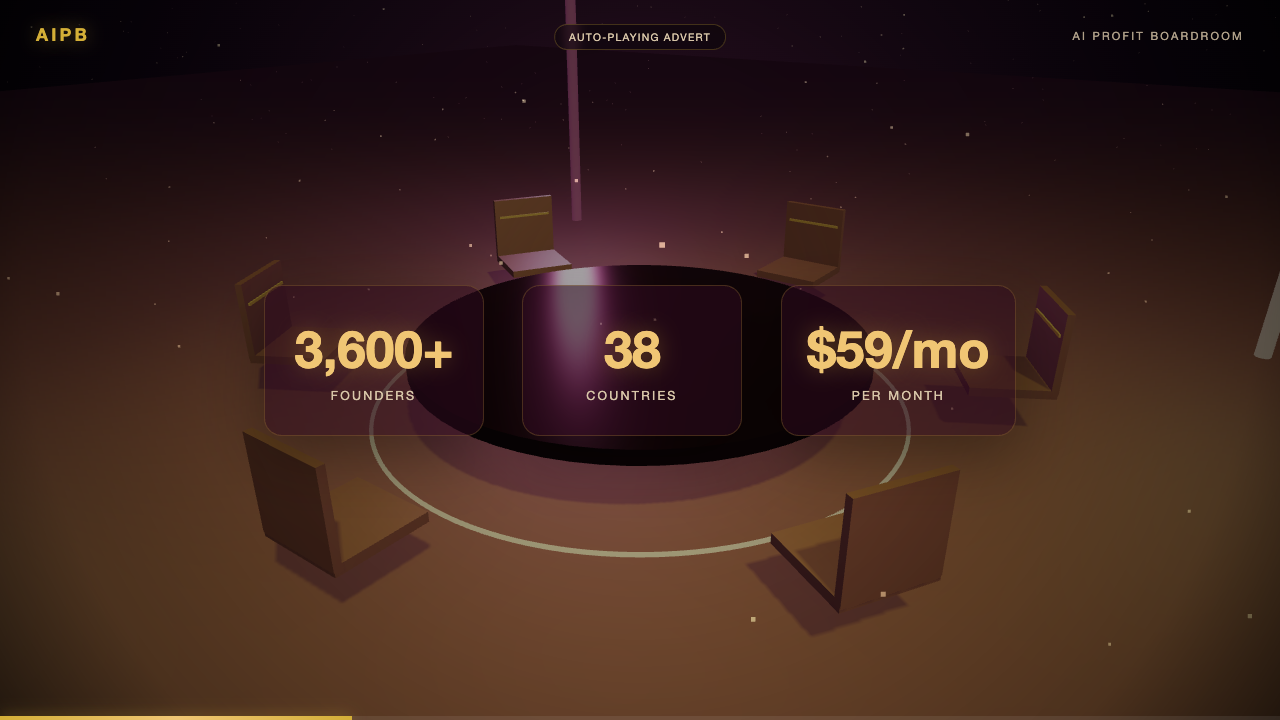
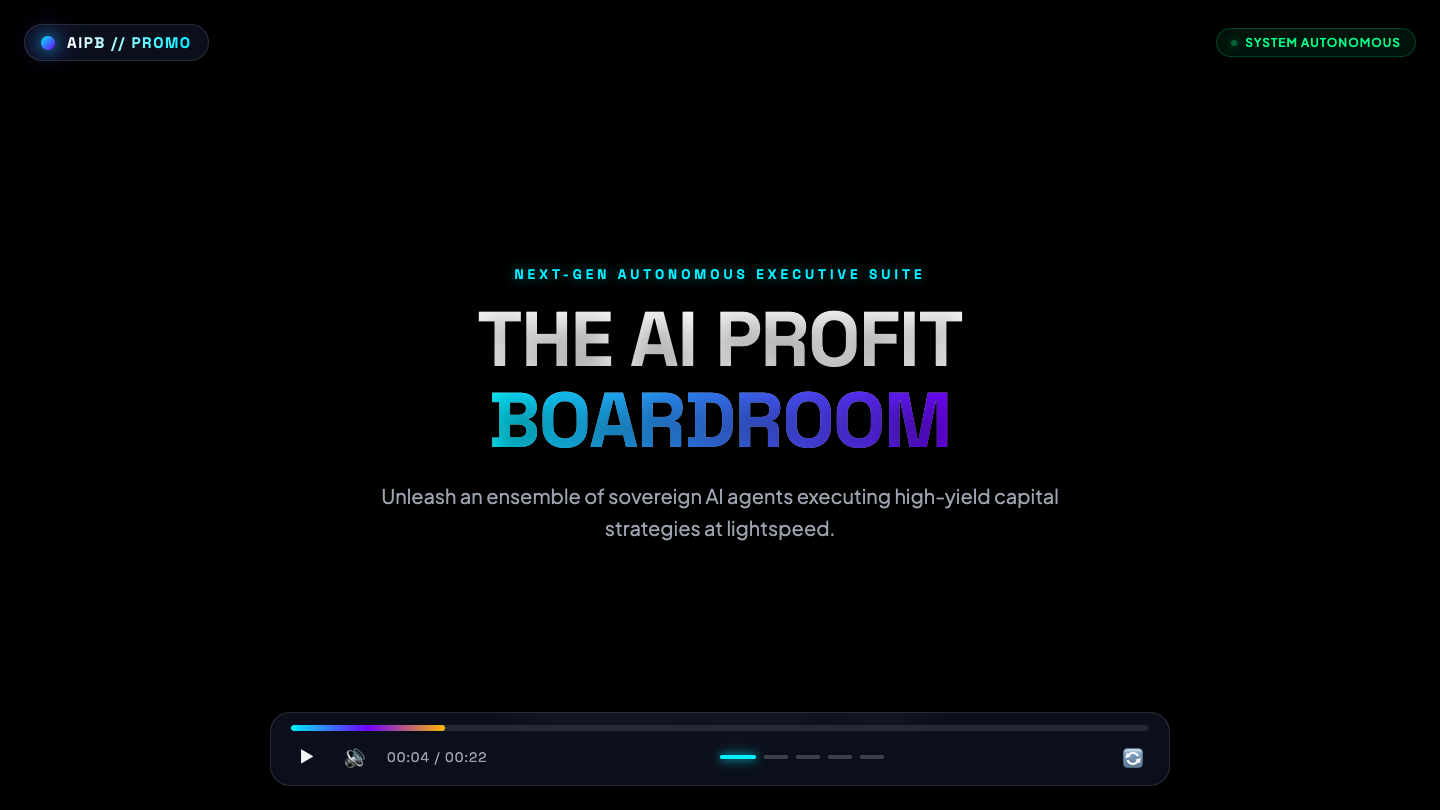
Every demo on this bench was built inside the Agent Operating System — one prompt, one shot, single HTML file out. The Agent OS, the prompts, the templates, the weekly walkthroughs and 3,400+ founders shipping with it every day all live inside the AI Profit Boardroom.
3,400+founders
258documented wins
38countries
$69/momonthly