Real head-to-head · same prompt, one shot
Grok vs Claude Sonnet 5
Snappy + real-time — the X-native model. vs The agentic SWE frontier — 82% SWE-bench Verified, Dev Team mode.
Head-to-head verdict: Grok wins 26–16 with 1 tie.
What I tested — same prompt, two models
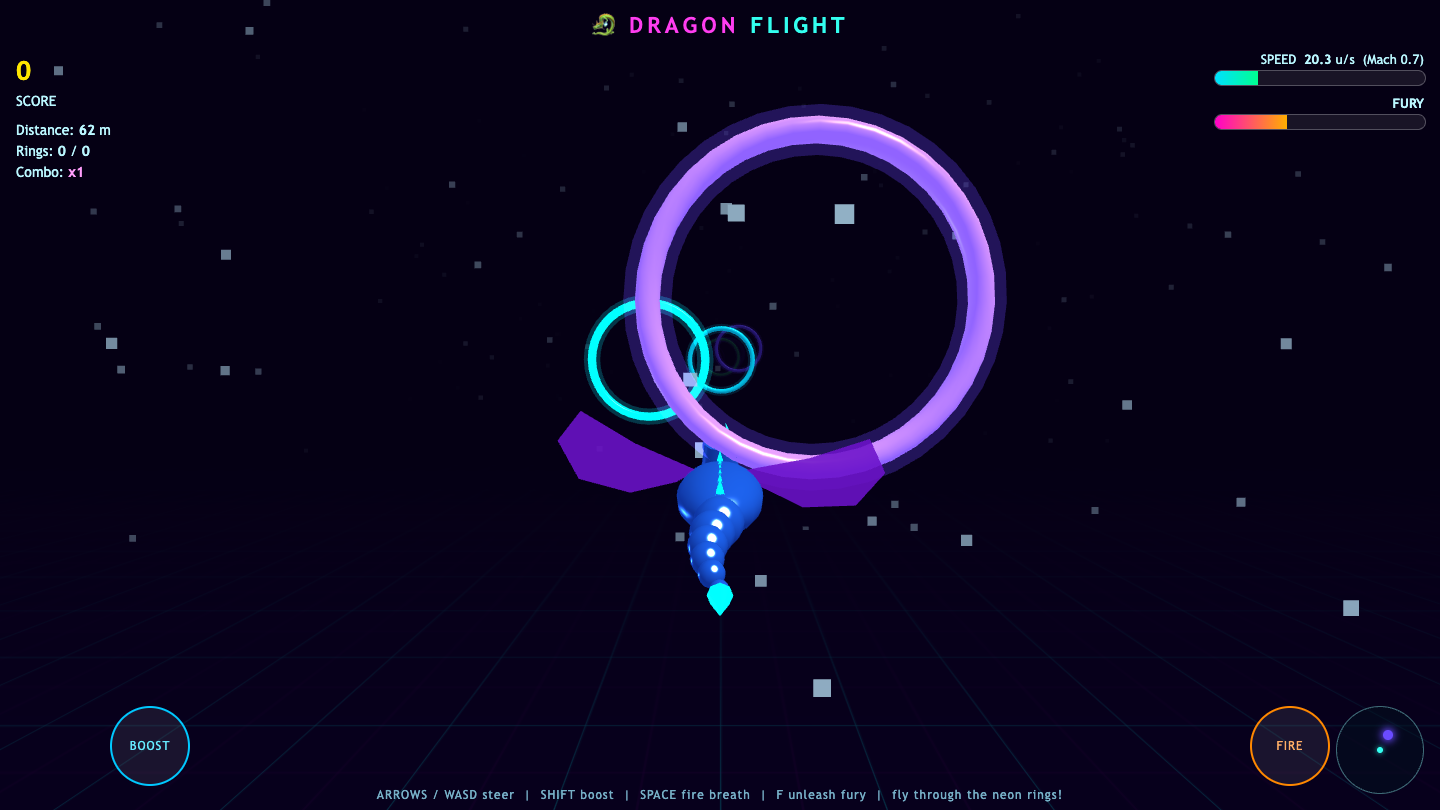
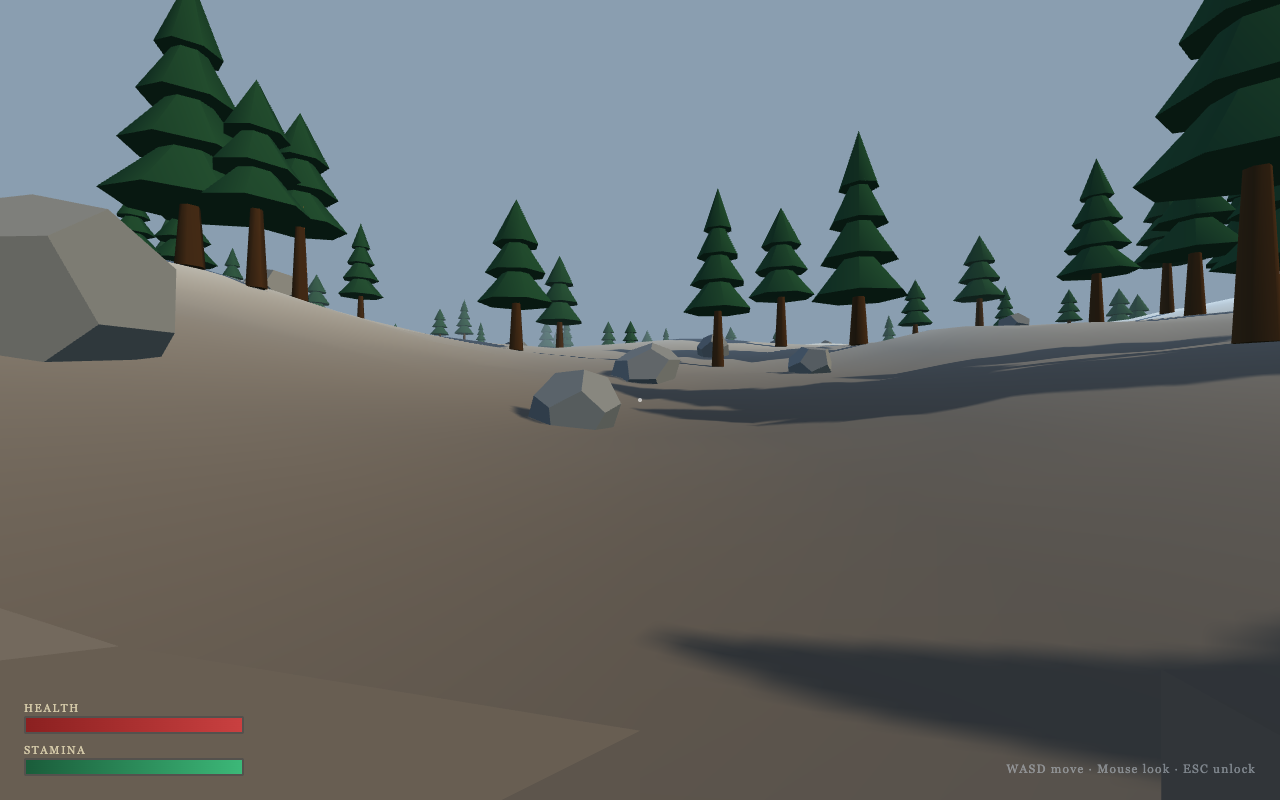
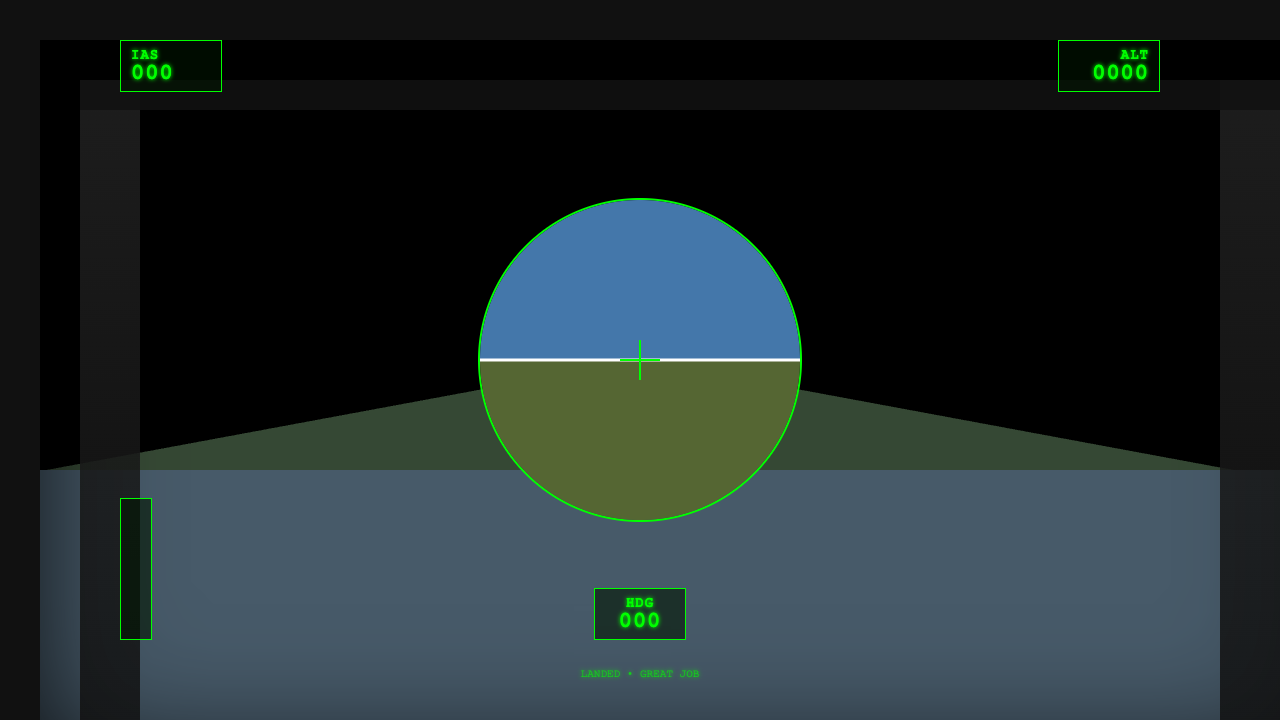
I run the same fixed prompt set through every new model the day it drops — same string, one shot, single HTML file out — and I score the result 0–10 on whether it ran, how close it hit the brief, and how good it looked. Below is what came out when I gave the exact same prompts to Grok and Claude Sonnet 5, side by side, on 47 shared tasks inside the Agent Operating System.
Both models were given identical prompts inside the Agent Operating System — no help, no iteration, no "best of N" tricks. I run each prompt once, save the HTML file the model produces, and score it 0–10 on whether it ran, how close it hit the brief, and how good it looked. The scoring is mine. The verdicts below are pulled from my source comparison guides at agentos.guide where I publish every score and the reasoning behind it.
Grok · Used for real-time content workflows where the model needs current X timeline context. Standalone bench scoring pending.
Claude Sonnet 5 · Reach for it in Agent OS when the job is iterative, tool-using software engineering. For one-shot visual builds, GLM 5.2 (free) beat it 4-1 here.
Side-by-side on 47 shared tasks
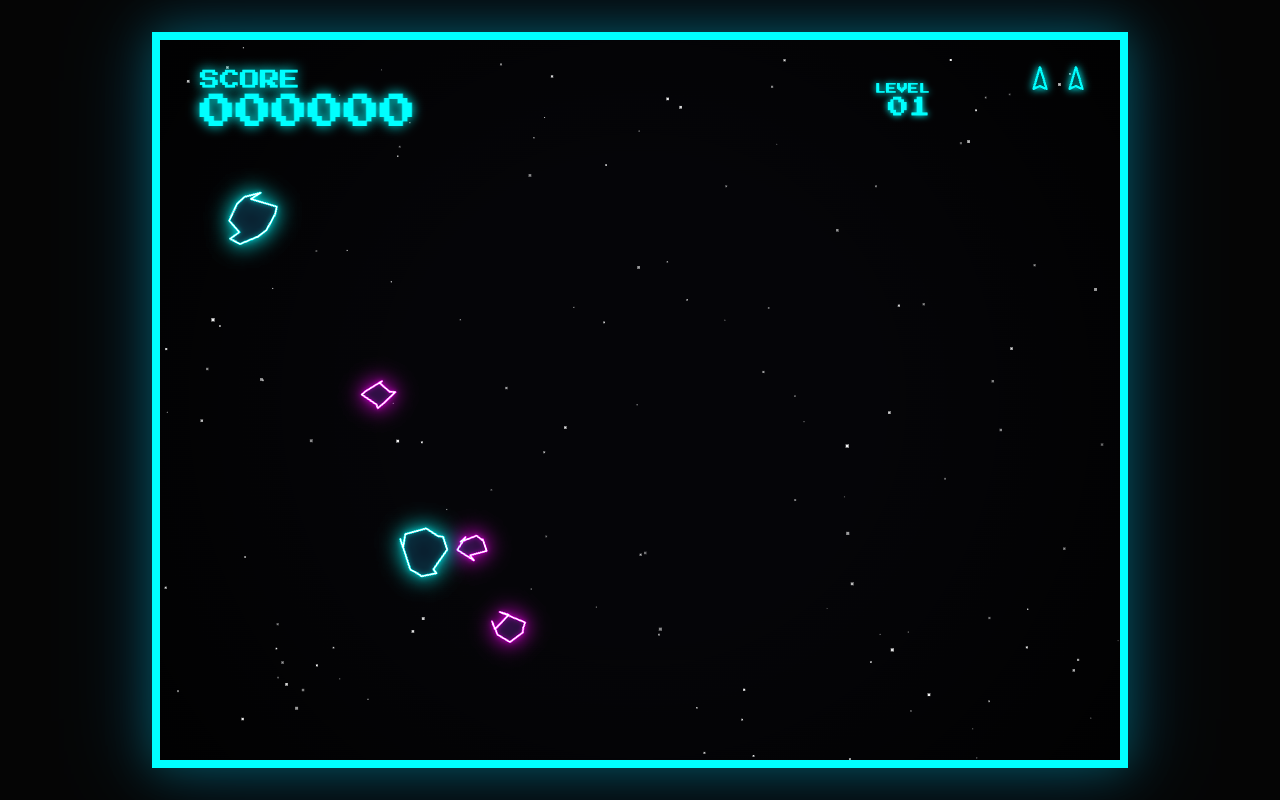
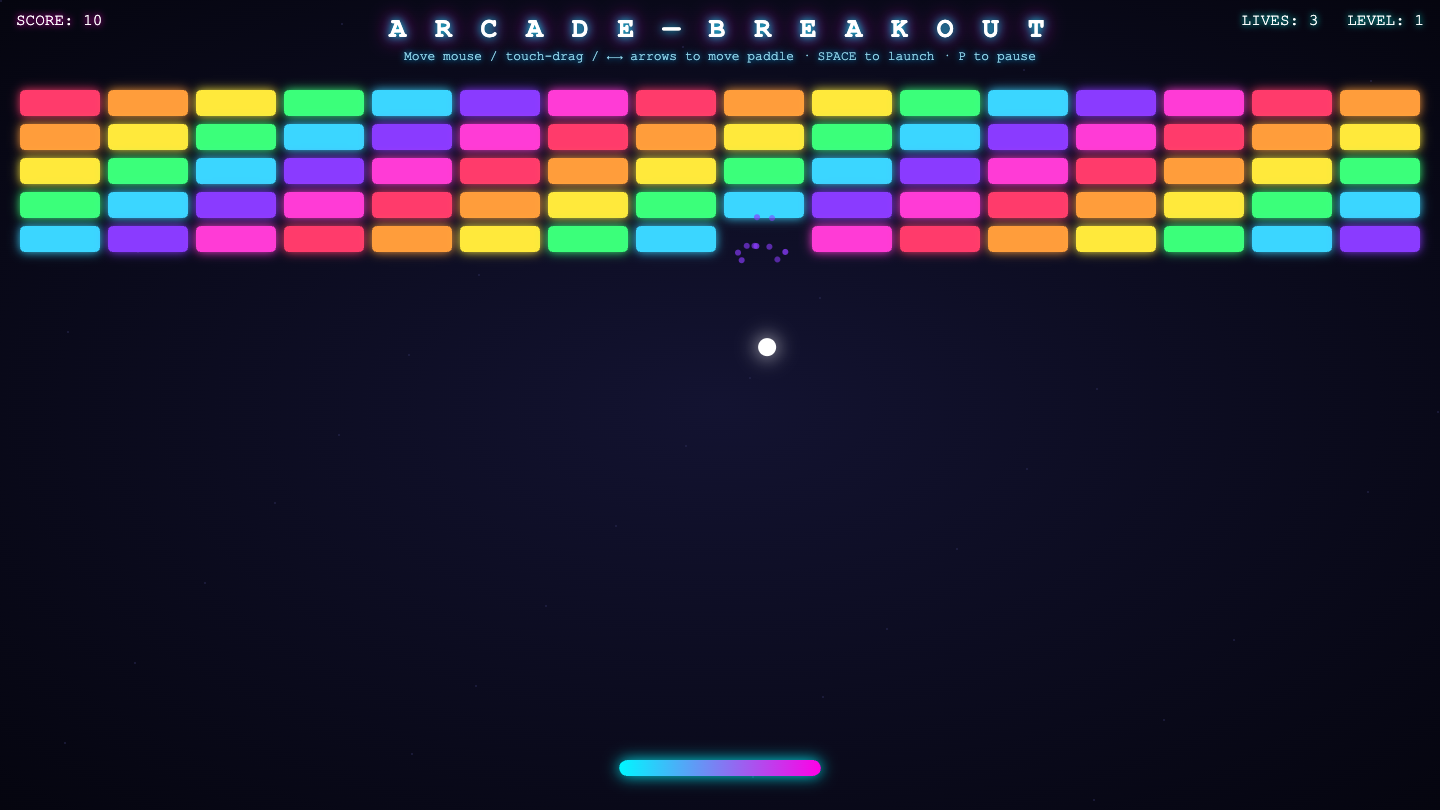
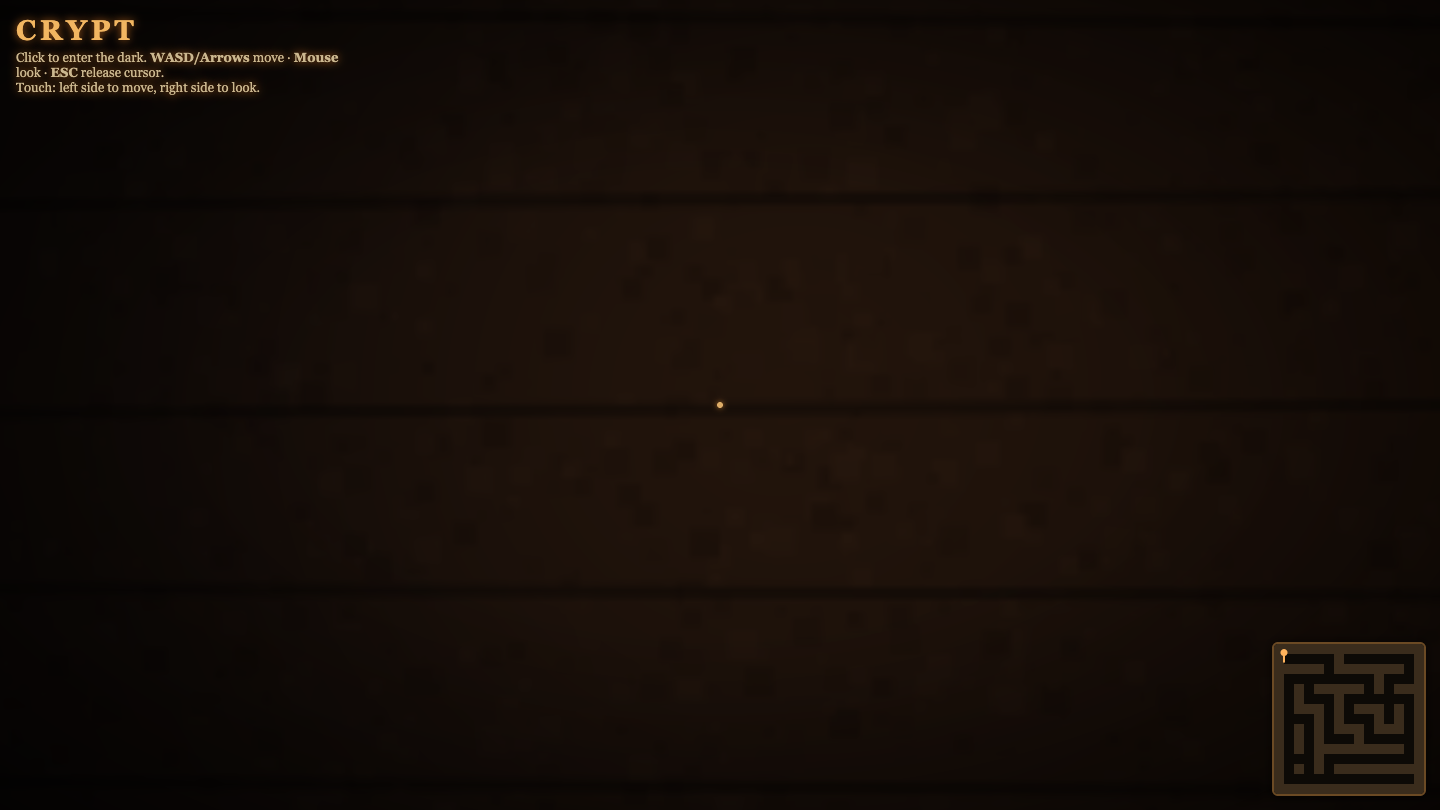
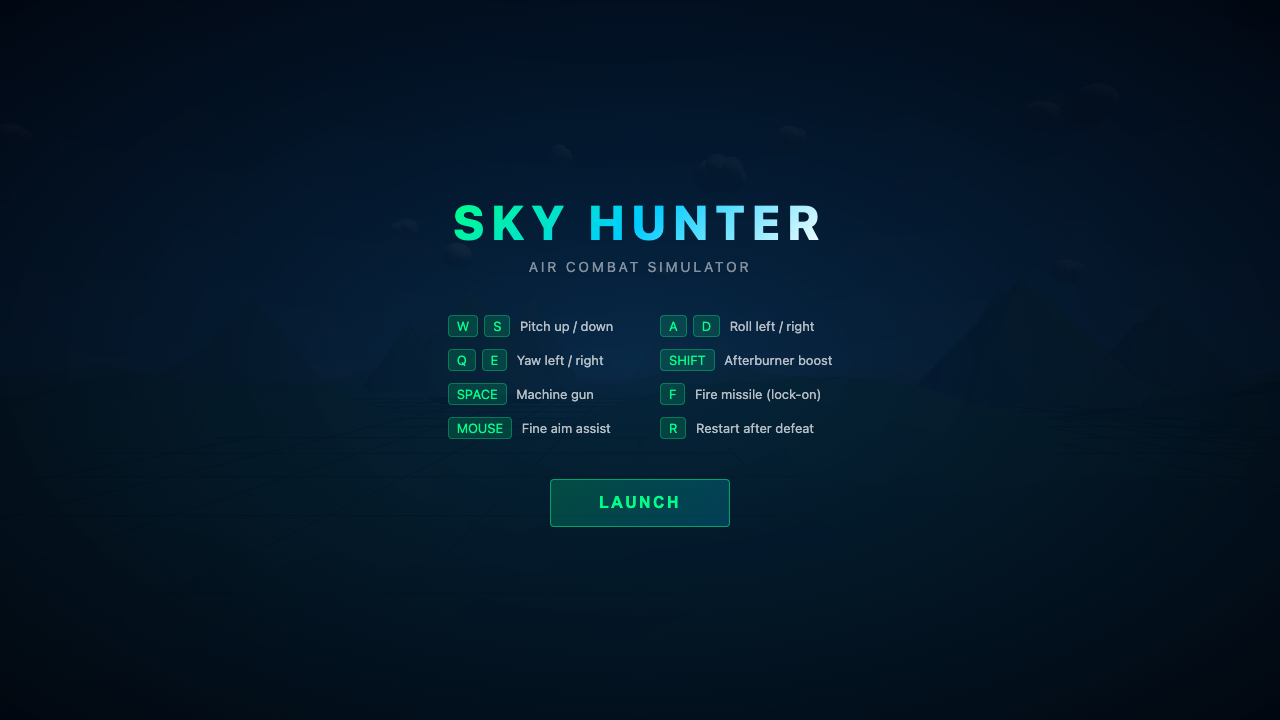
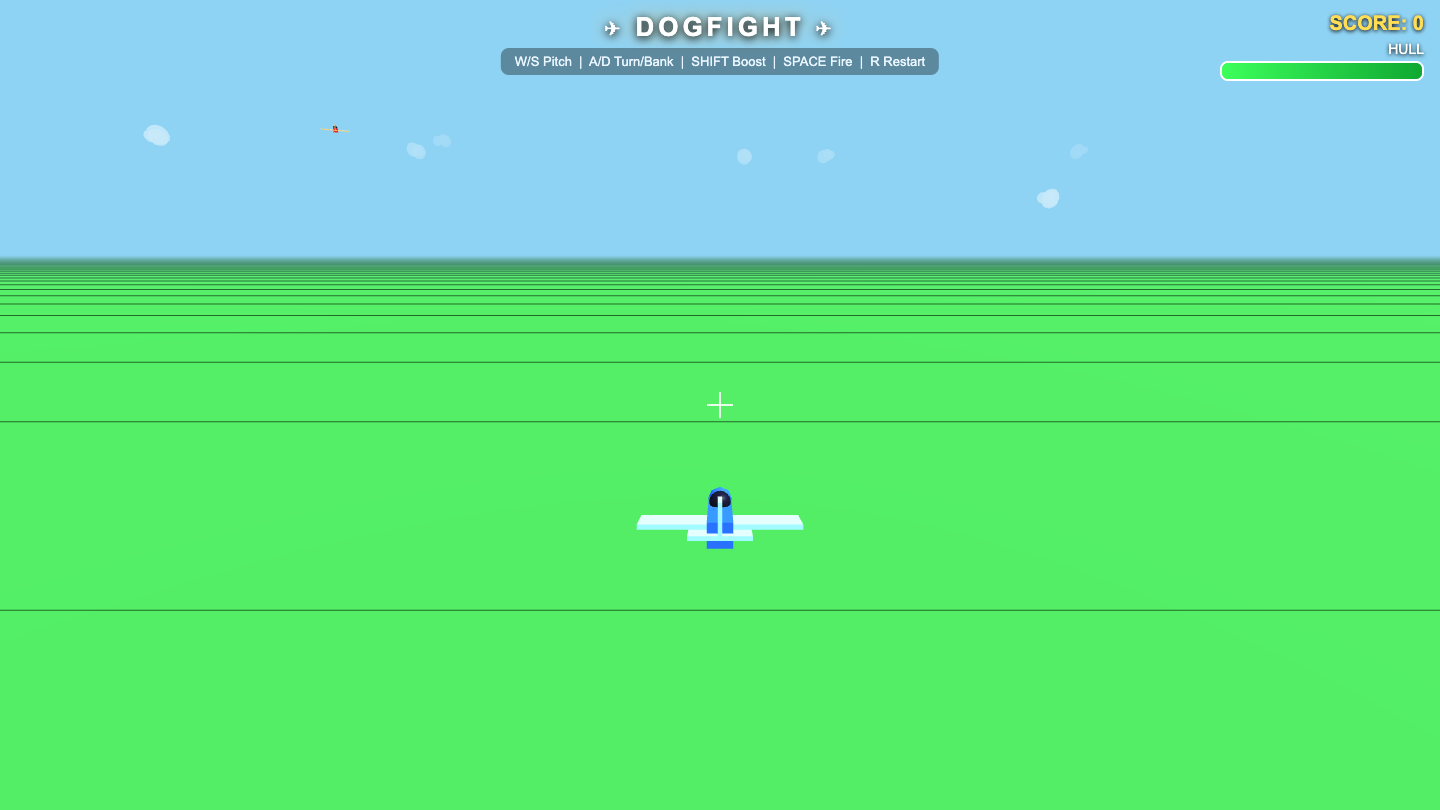
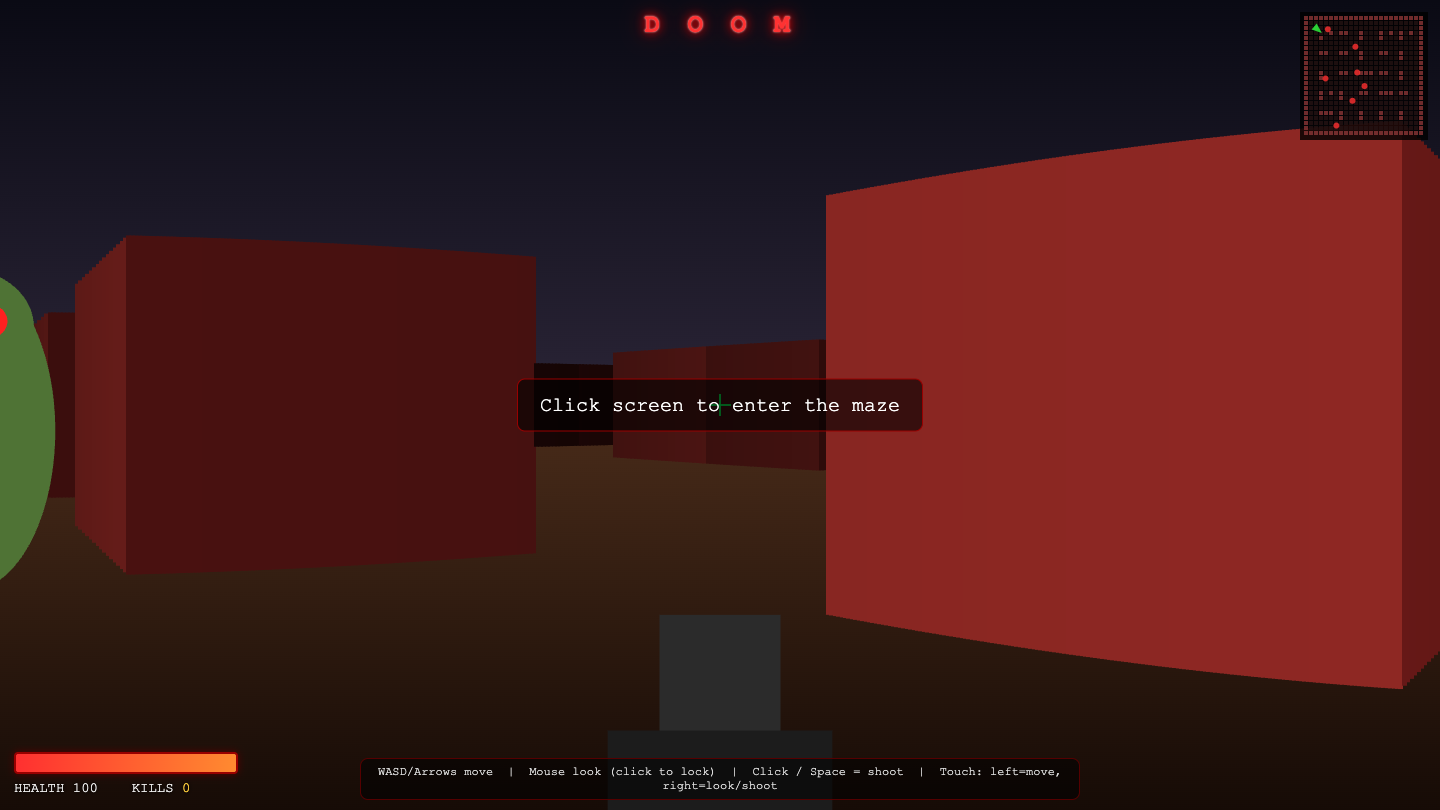
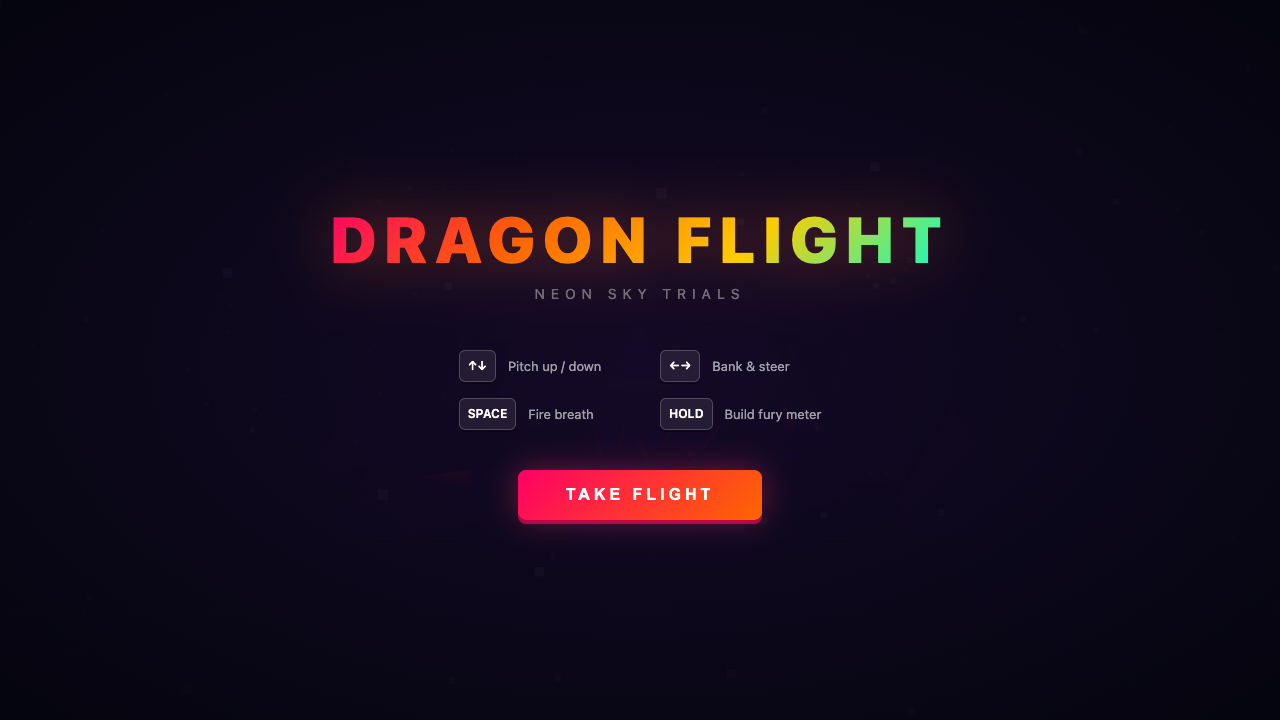
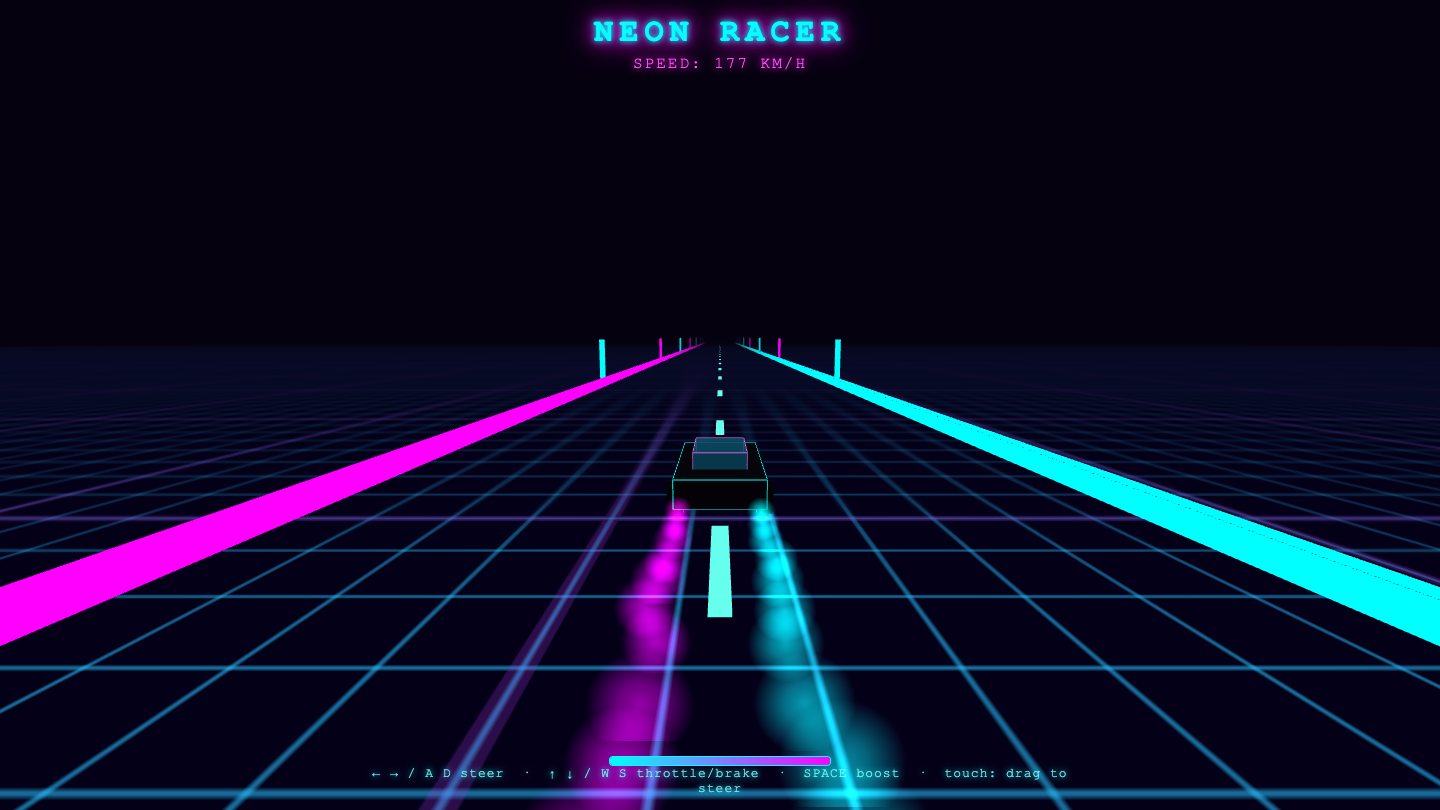
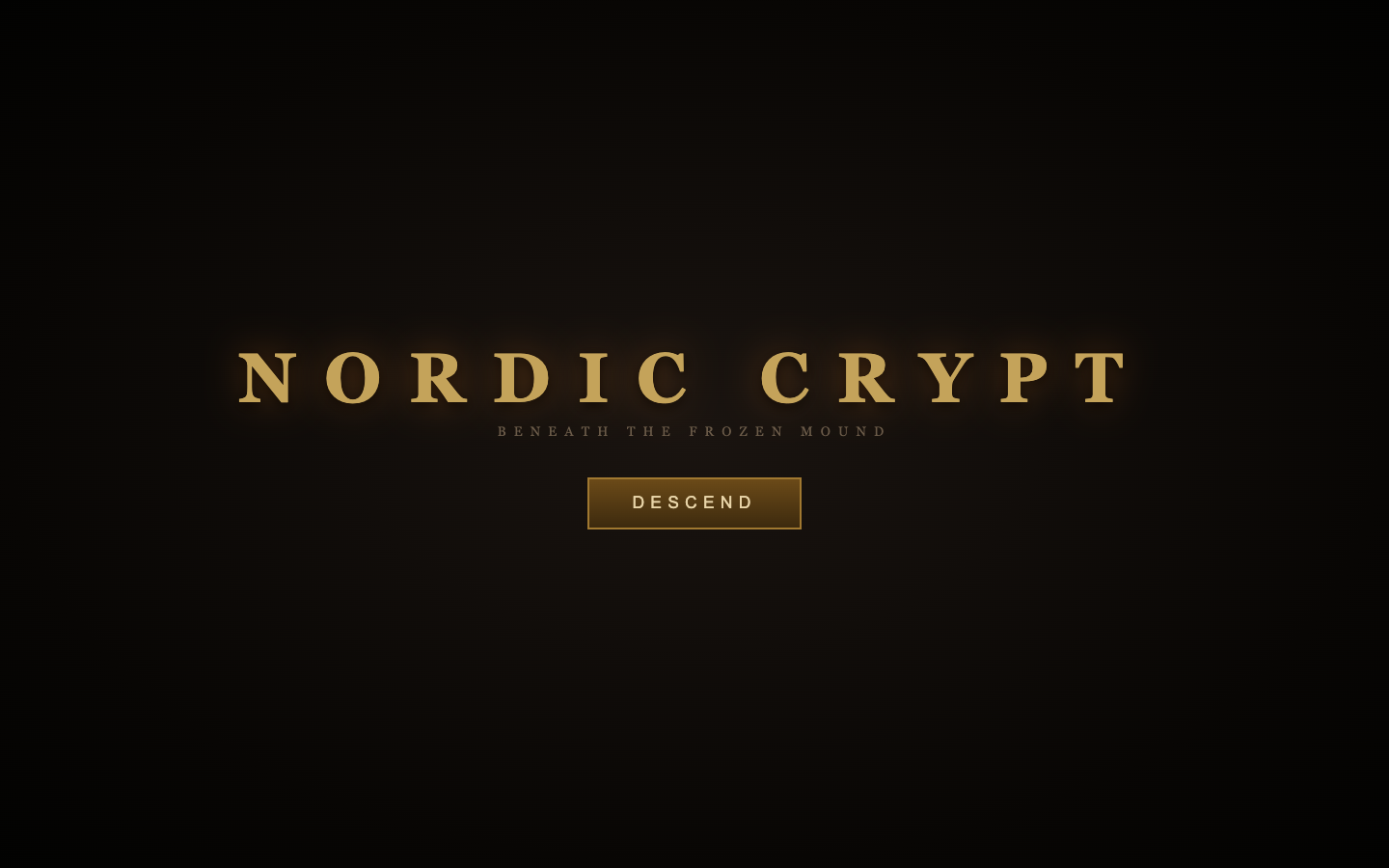
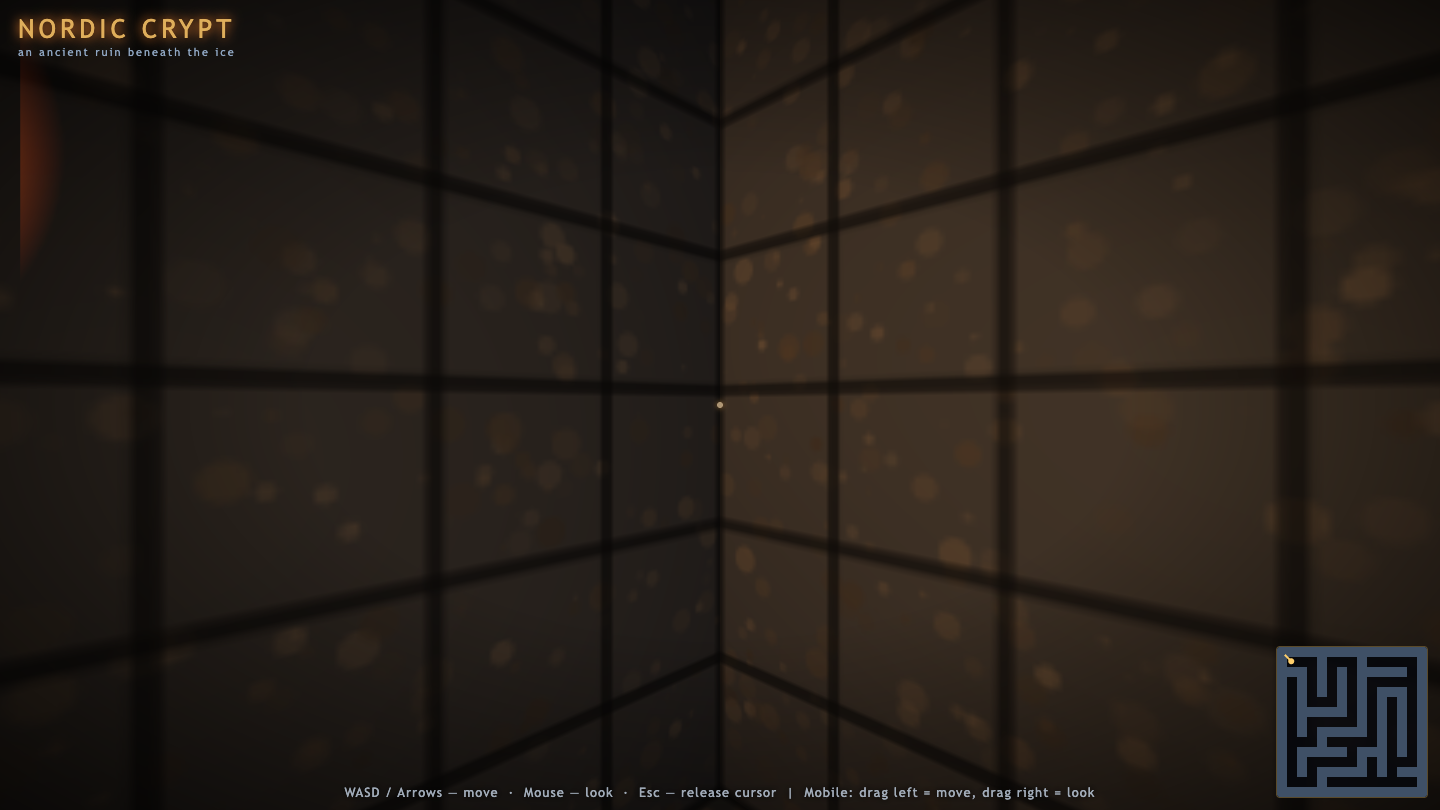
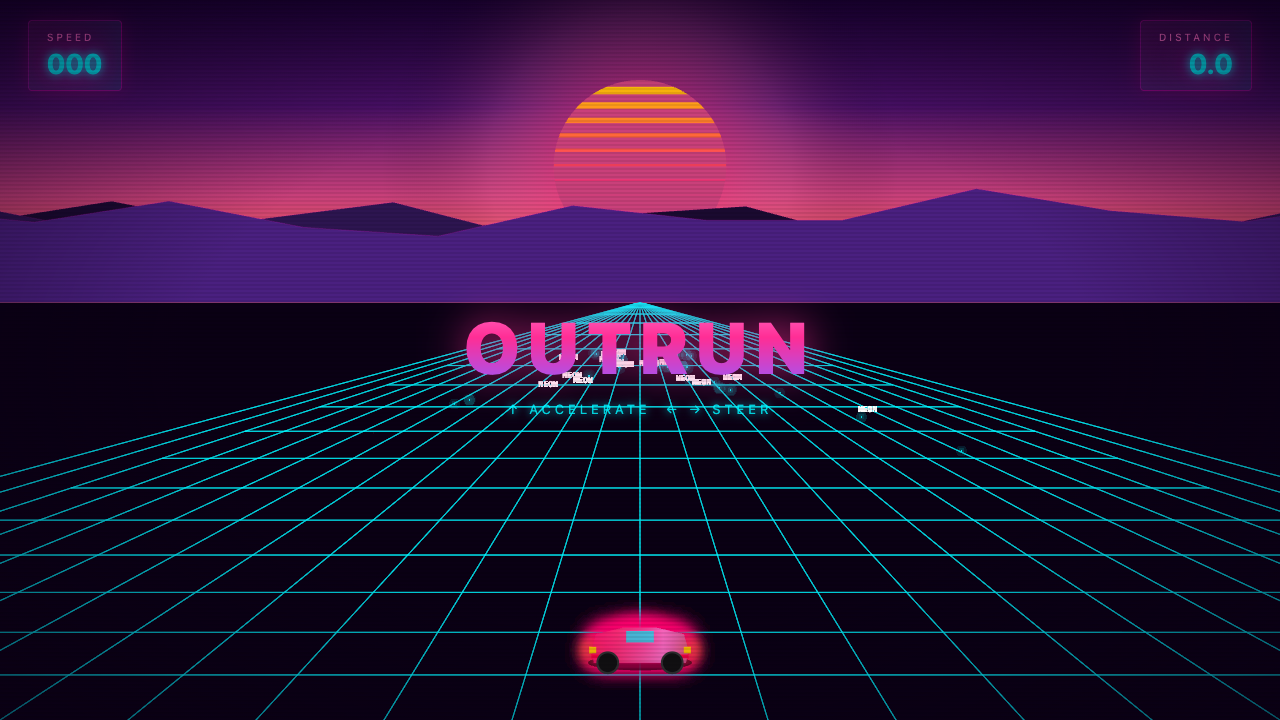
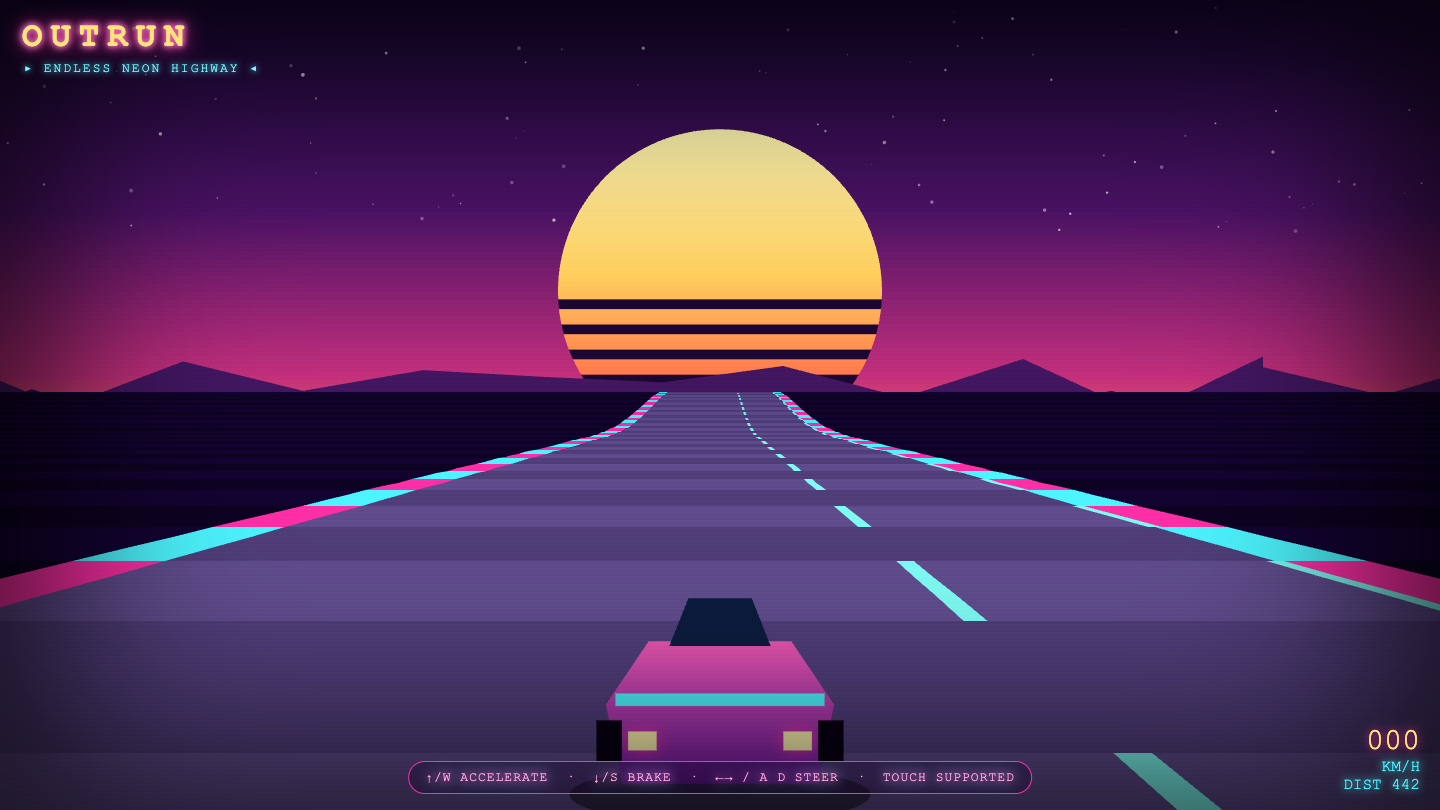
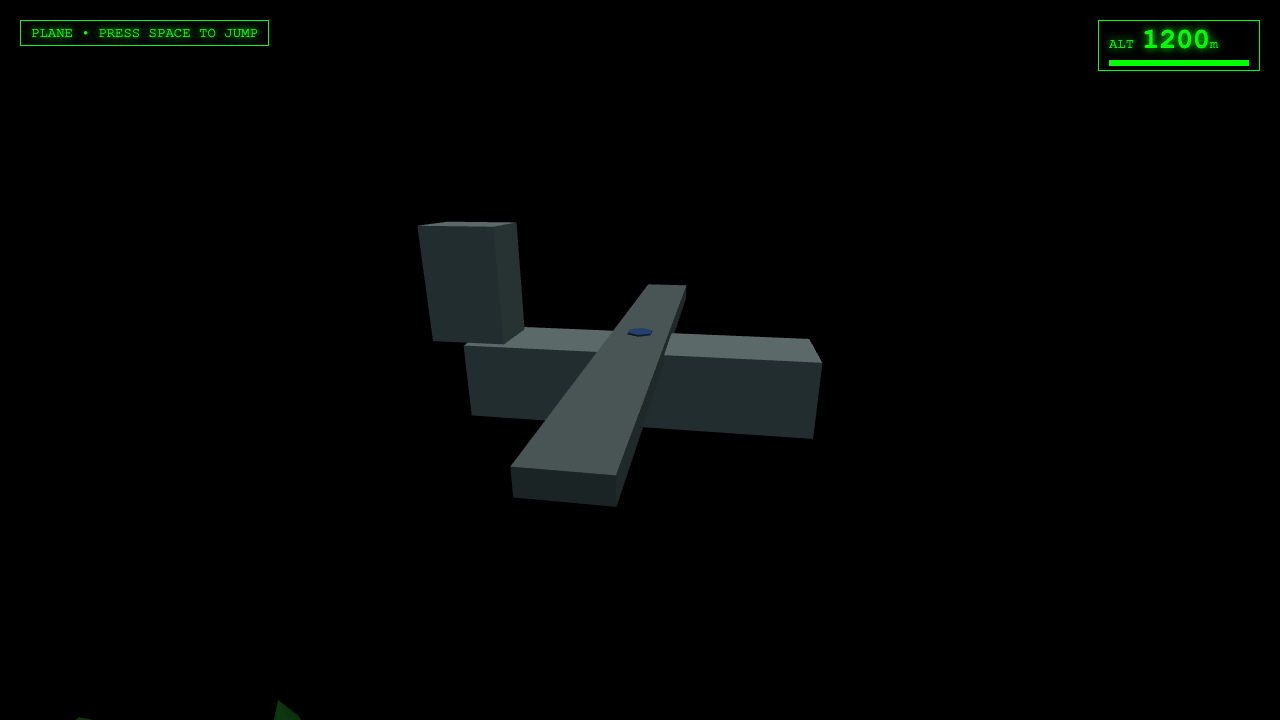
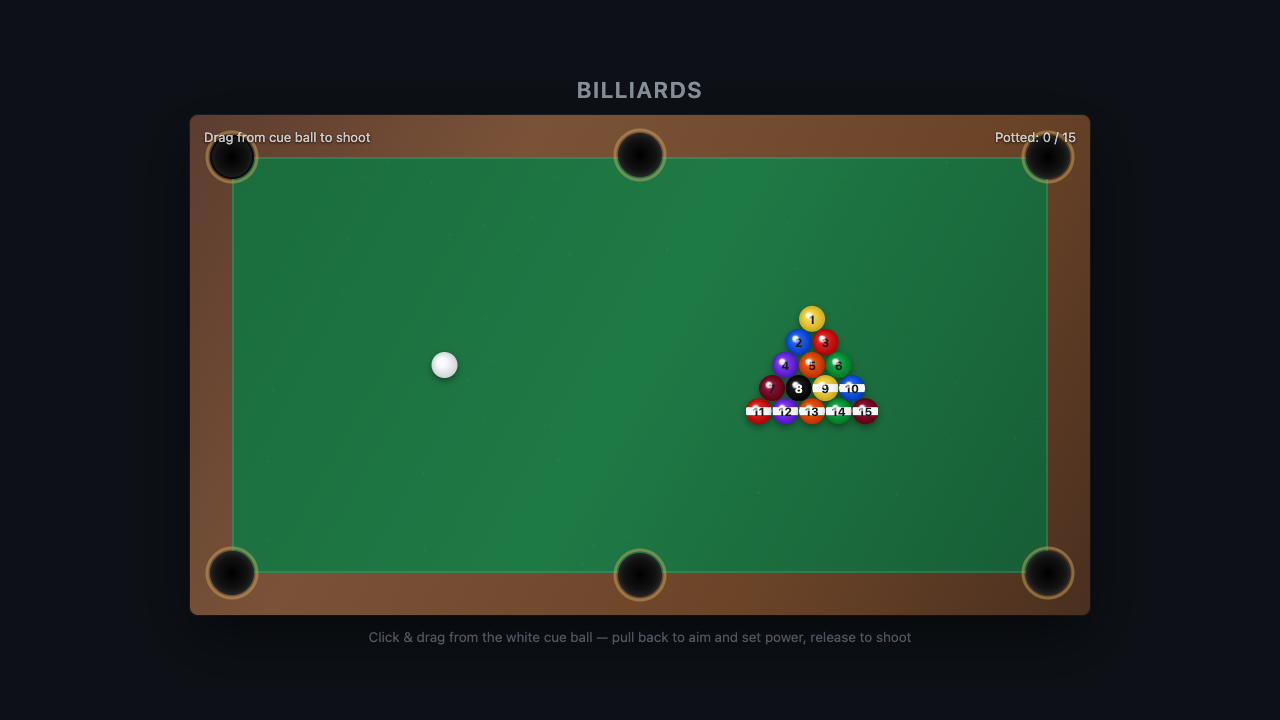
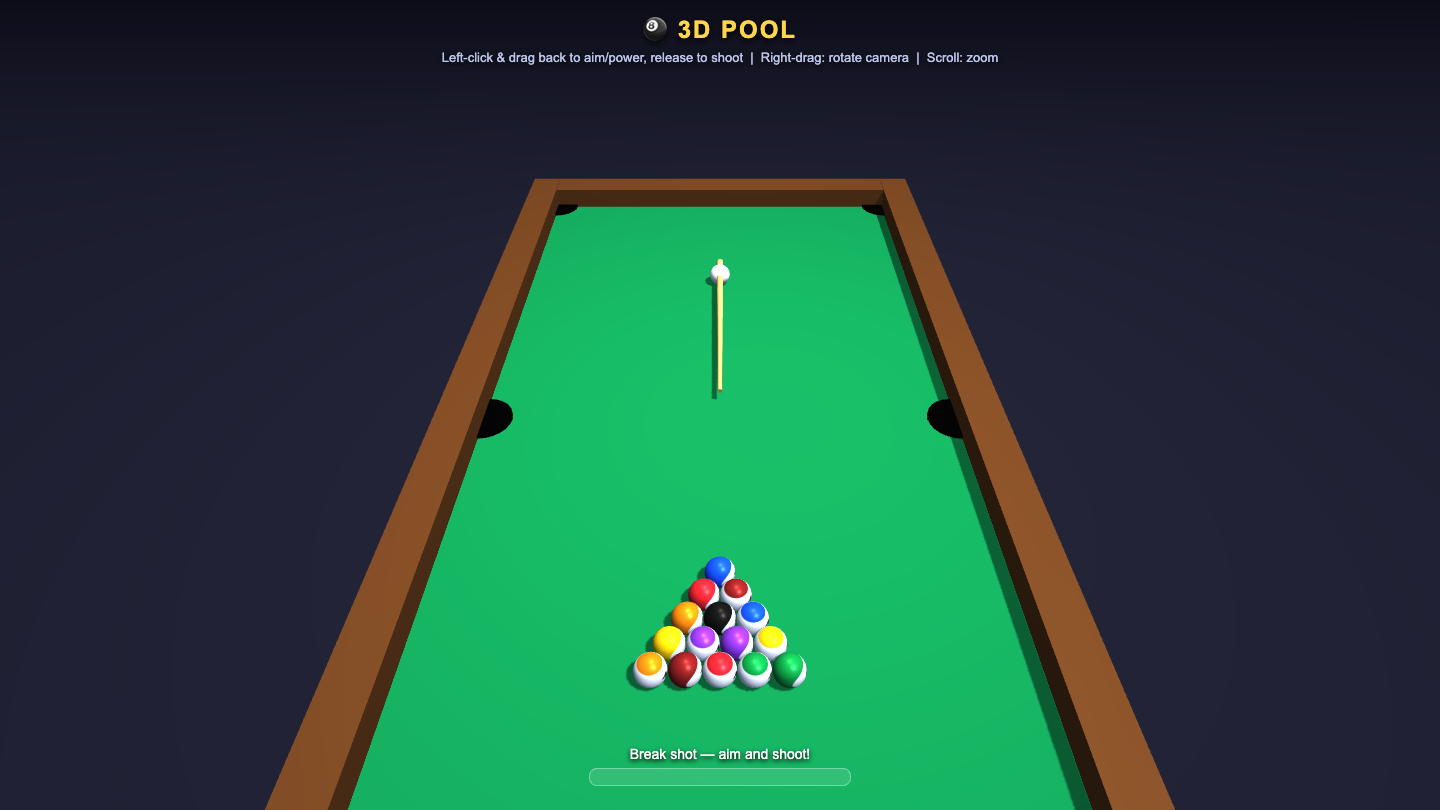
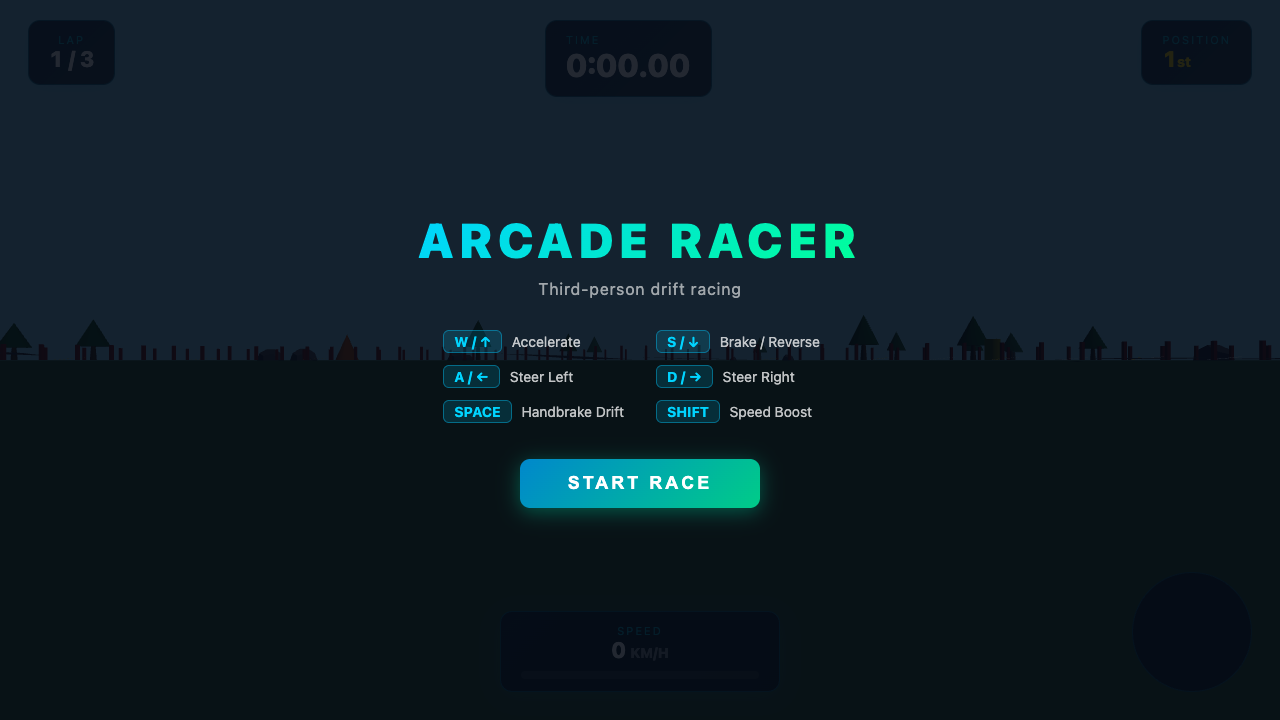
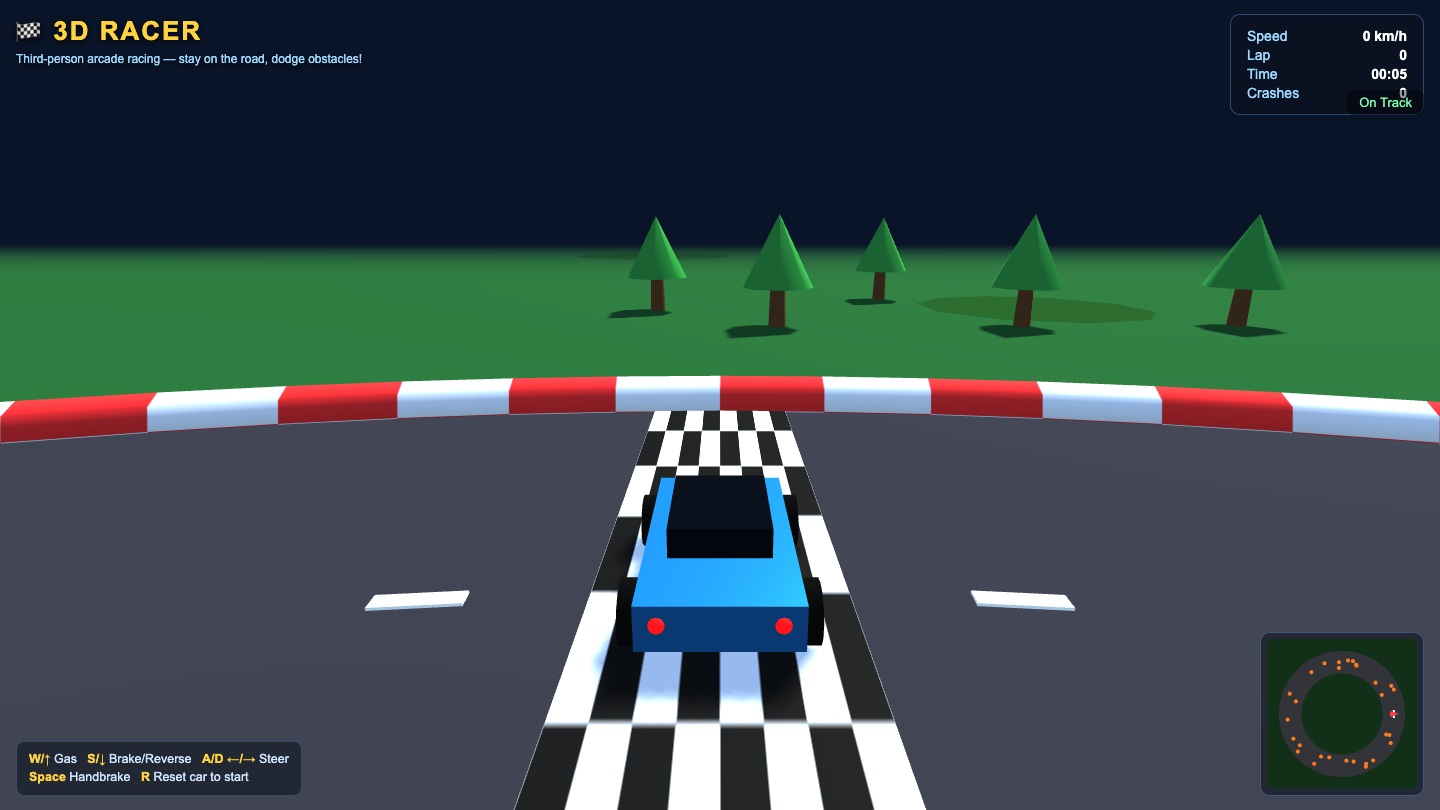
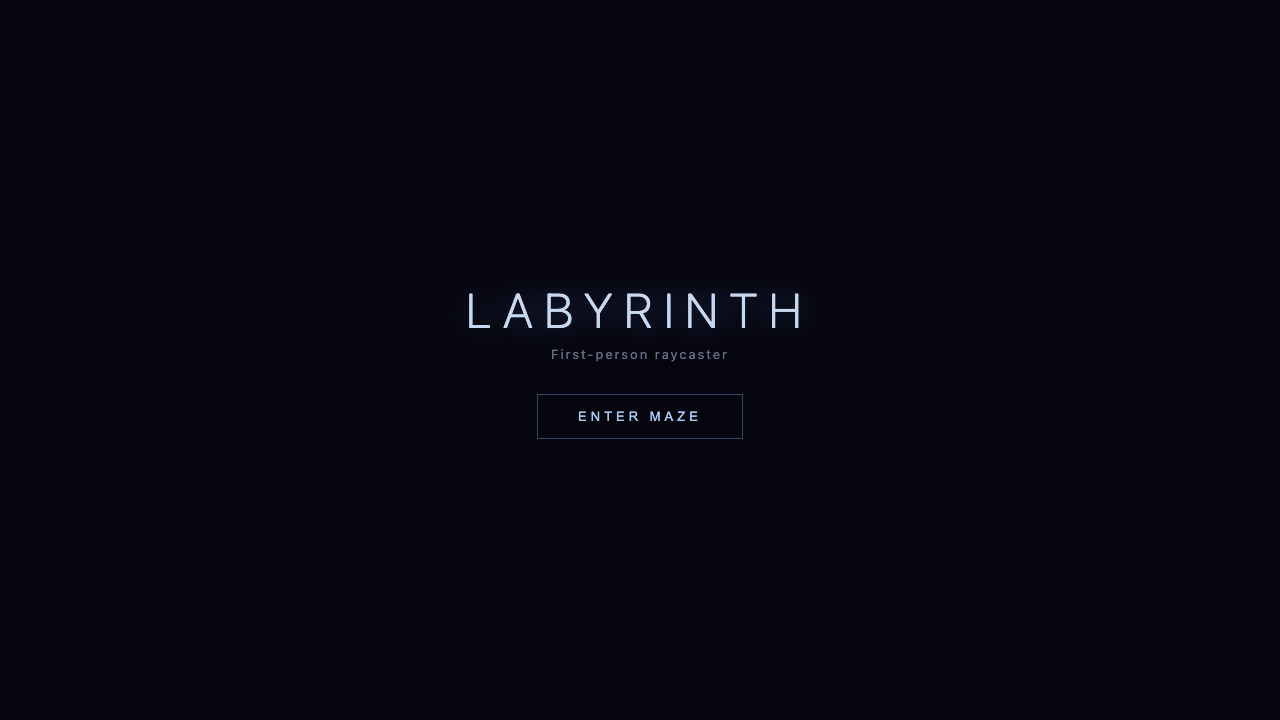
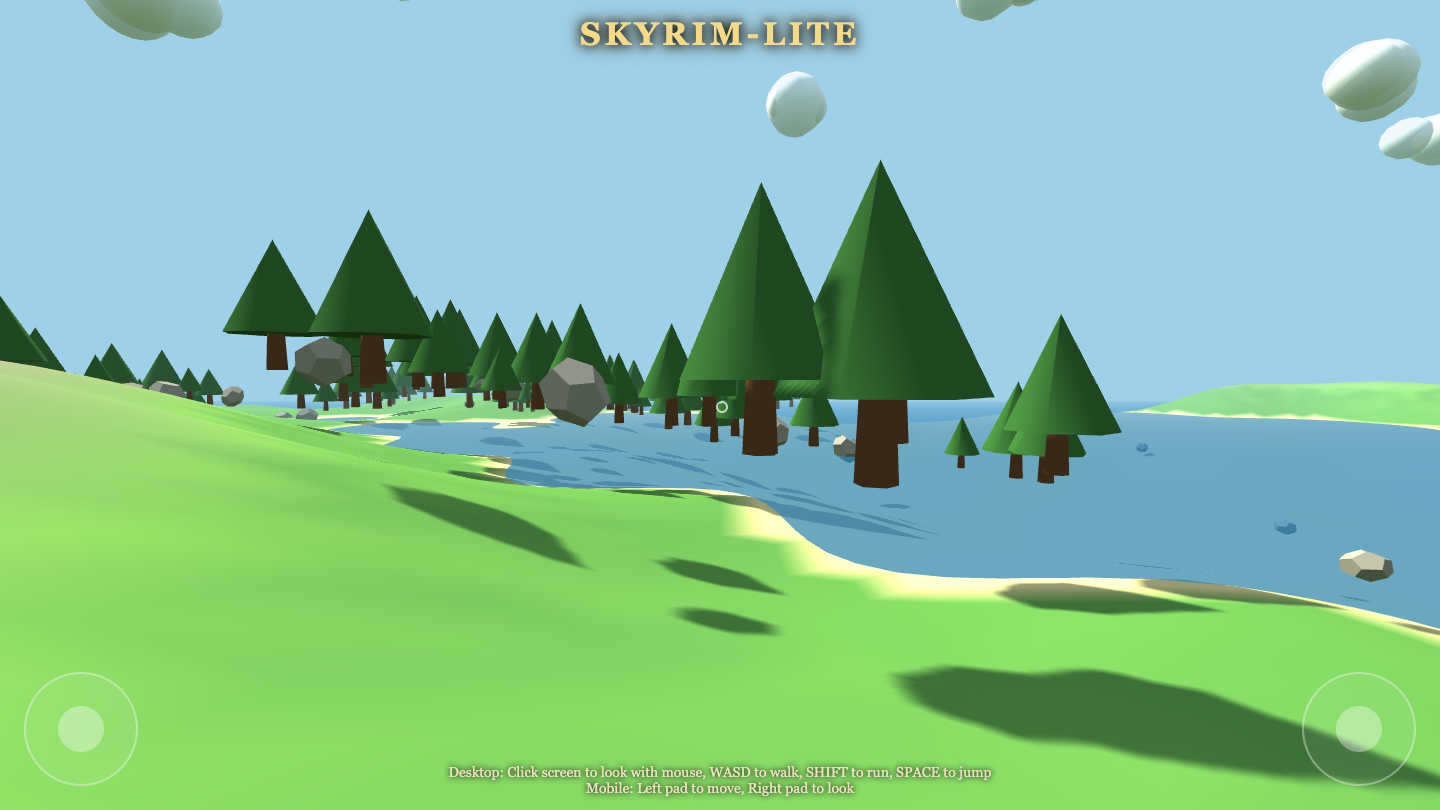
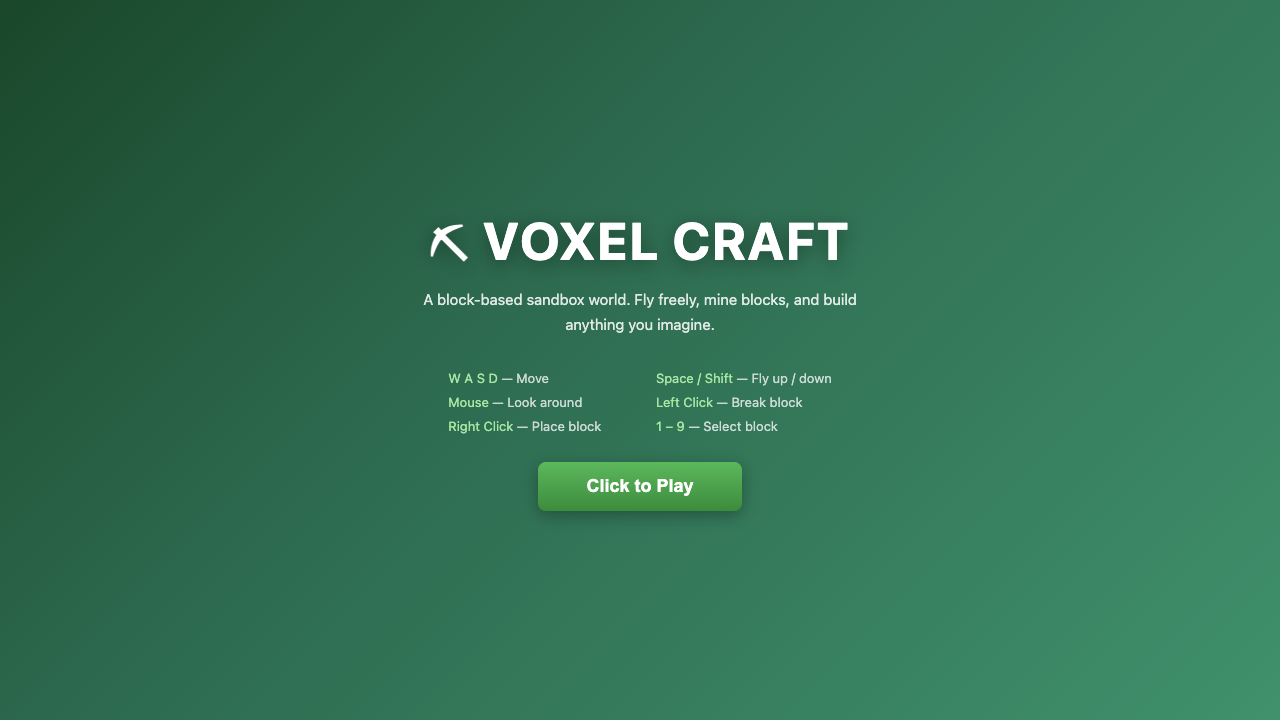
Click any cell to play that model's actual one-shot attempt. Medals are derived from my 0–10 scores per task (highest = 🥇, second = 🥈, third = 🥉).
Task ↓
Grok
Claude Sonnet 5
Game
Game
Game
Game
Game
Game
Game
Game
Game
Game
Game
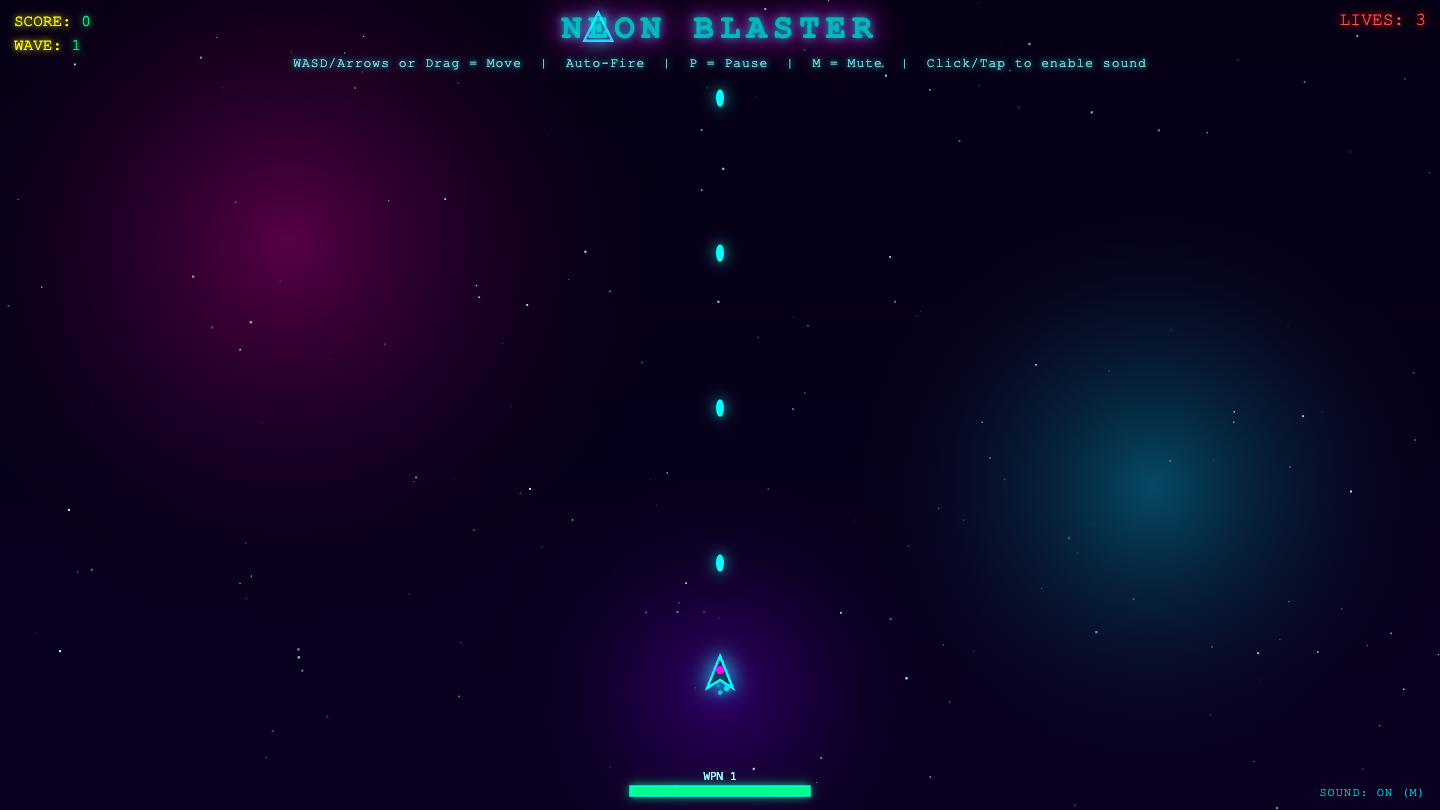
Game
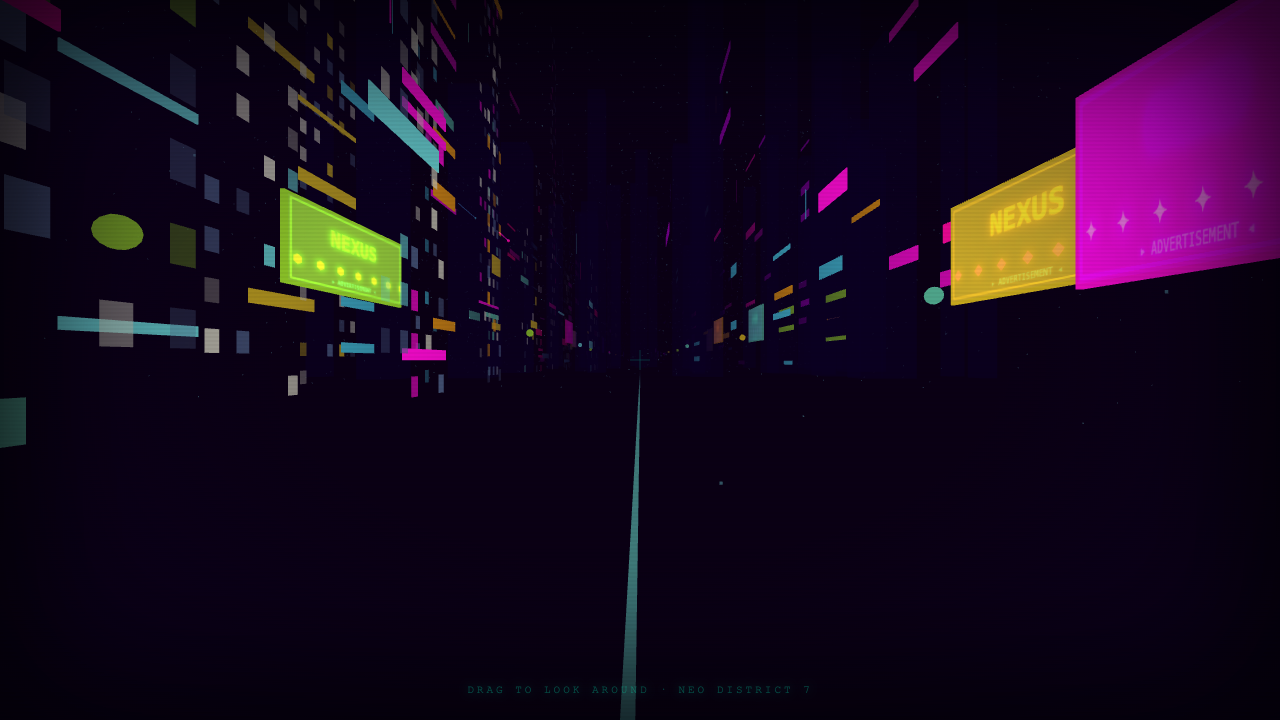
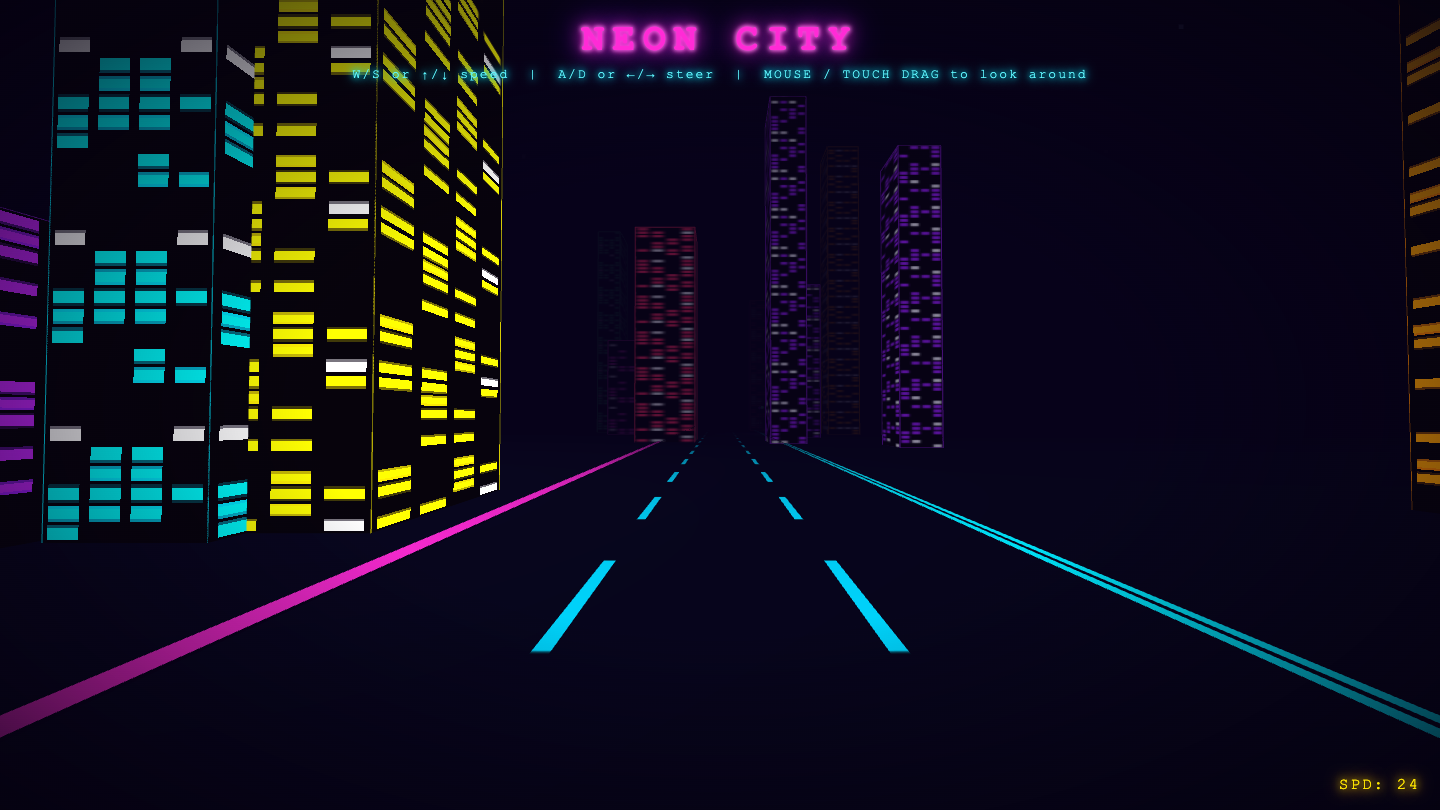
Game
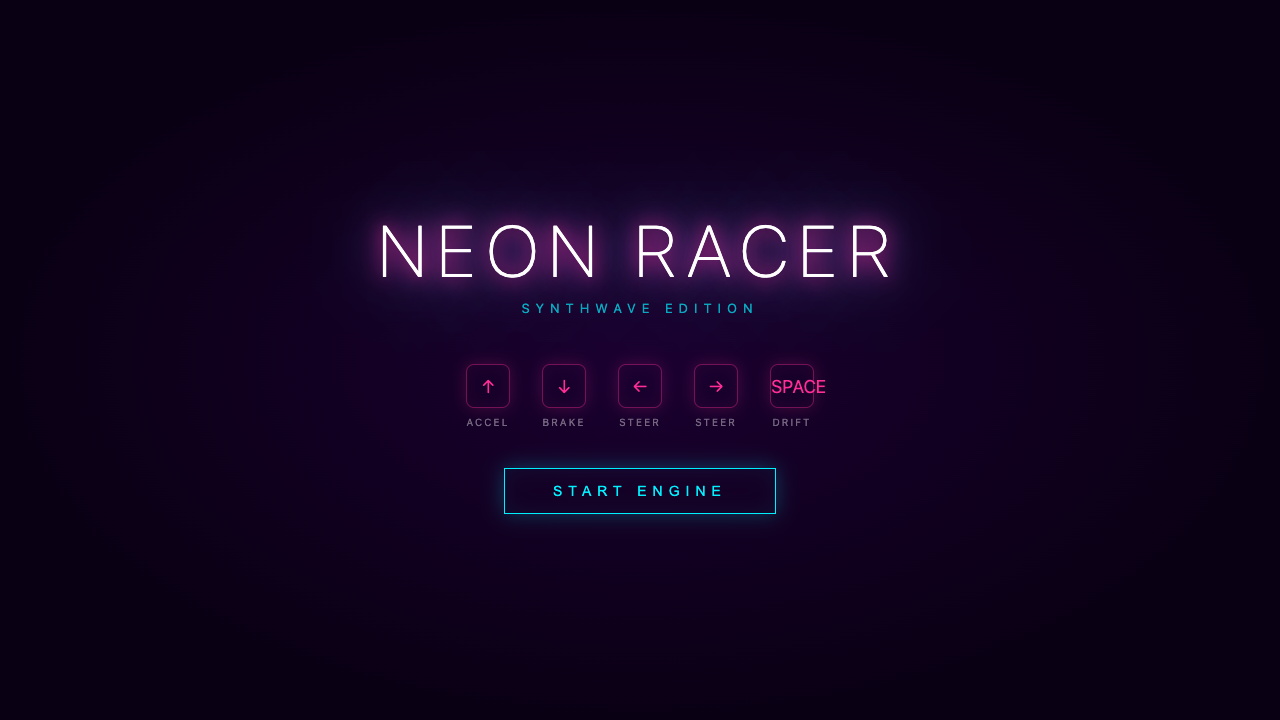
Game
Game
Game
Game
Game
Game
Game
Game
Game
Game
Page
Where Grok beat Claude Sonnet 5
The tasks where I gave Grok a higher 0–10 score on the same prompt — with the actual commentary from my source guides.
Twilightvale
Game
Grok 9.5
·
Claude Sonnet 5 3.0
(+6.5)
· winner · open world depth
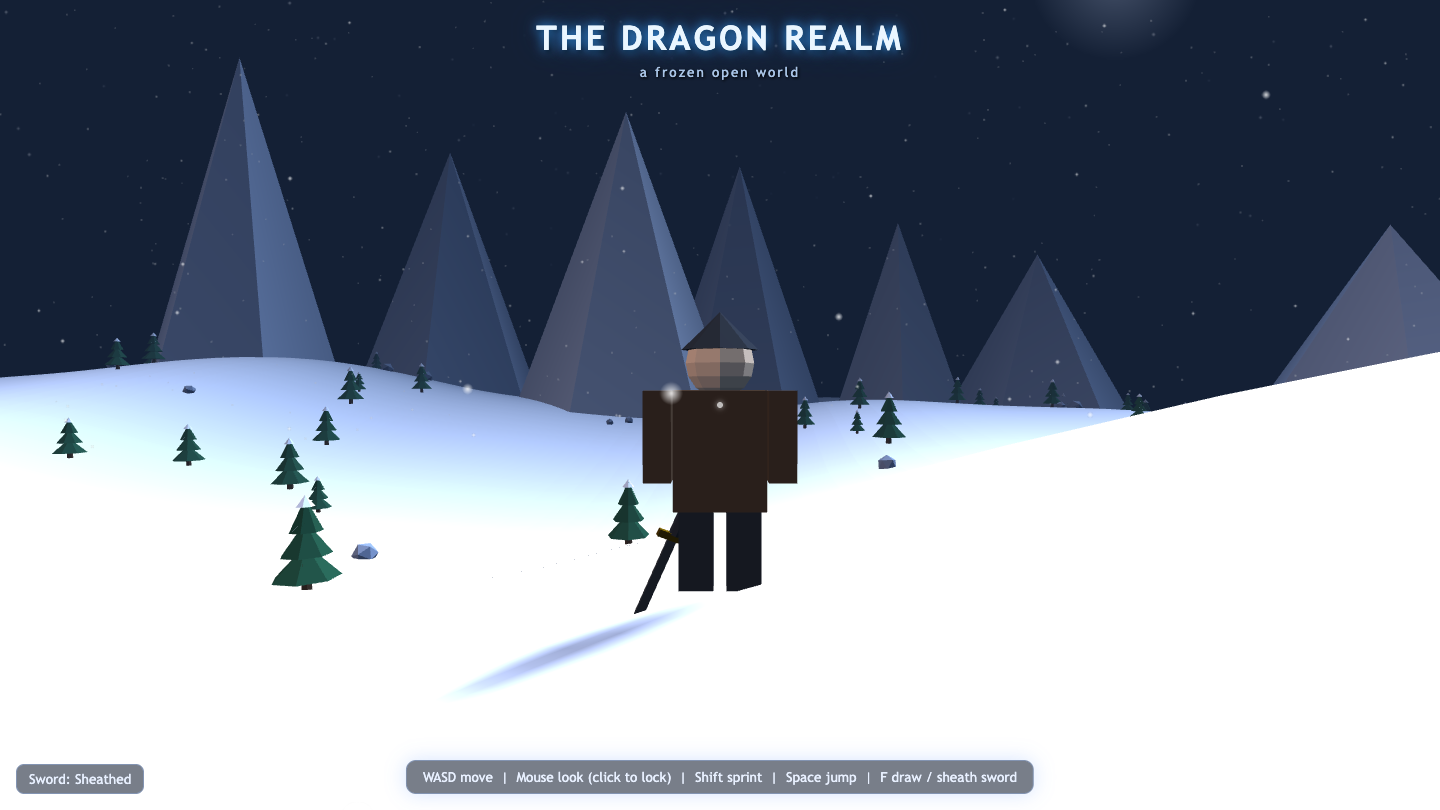
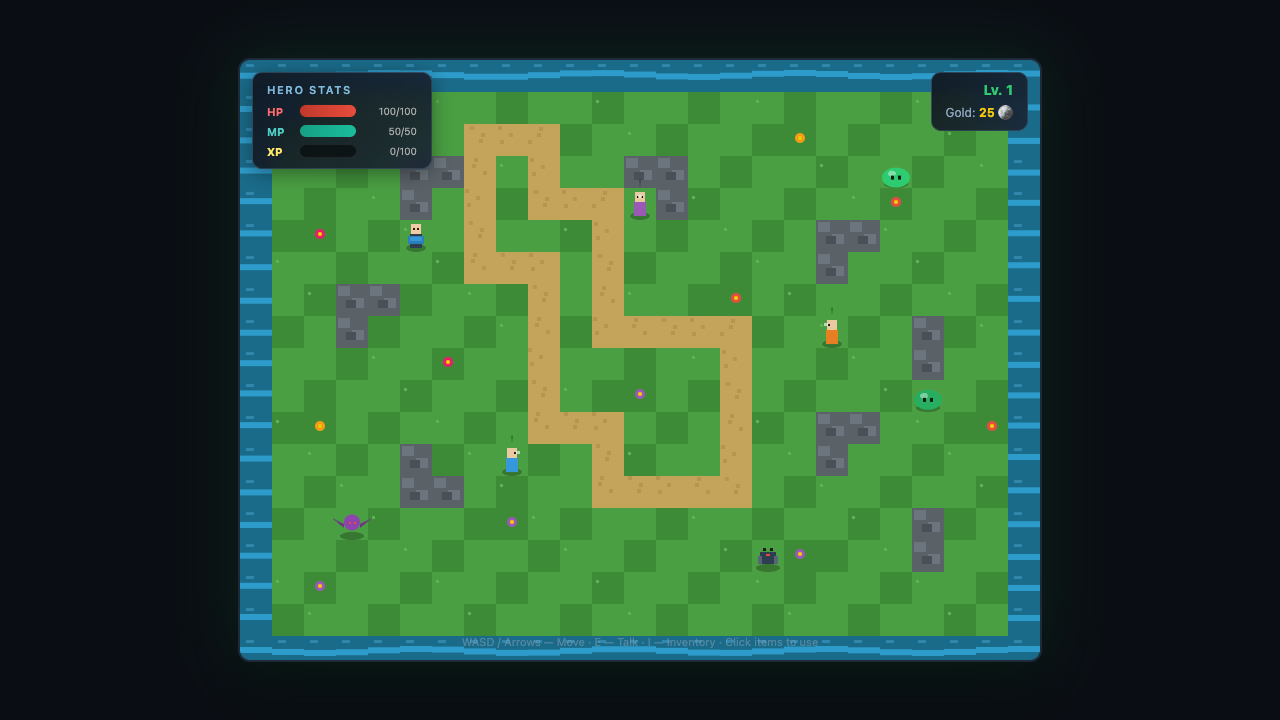
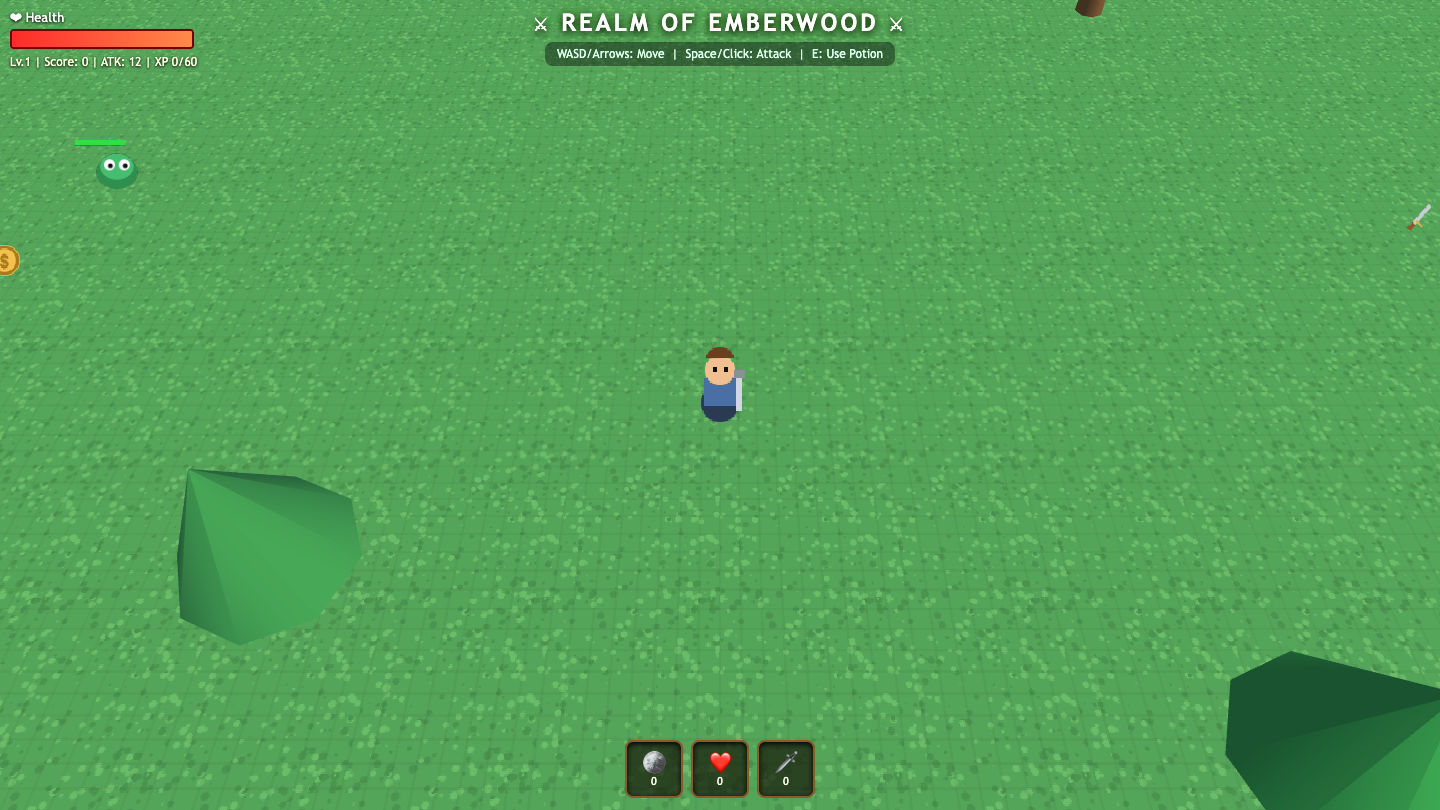
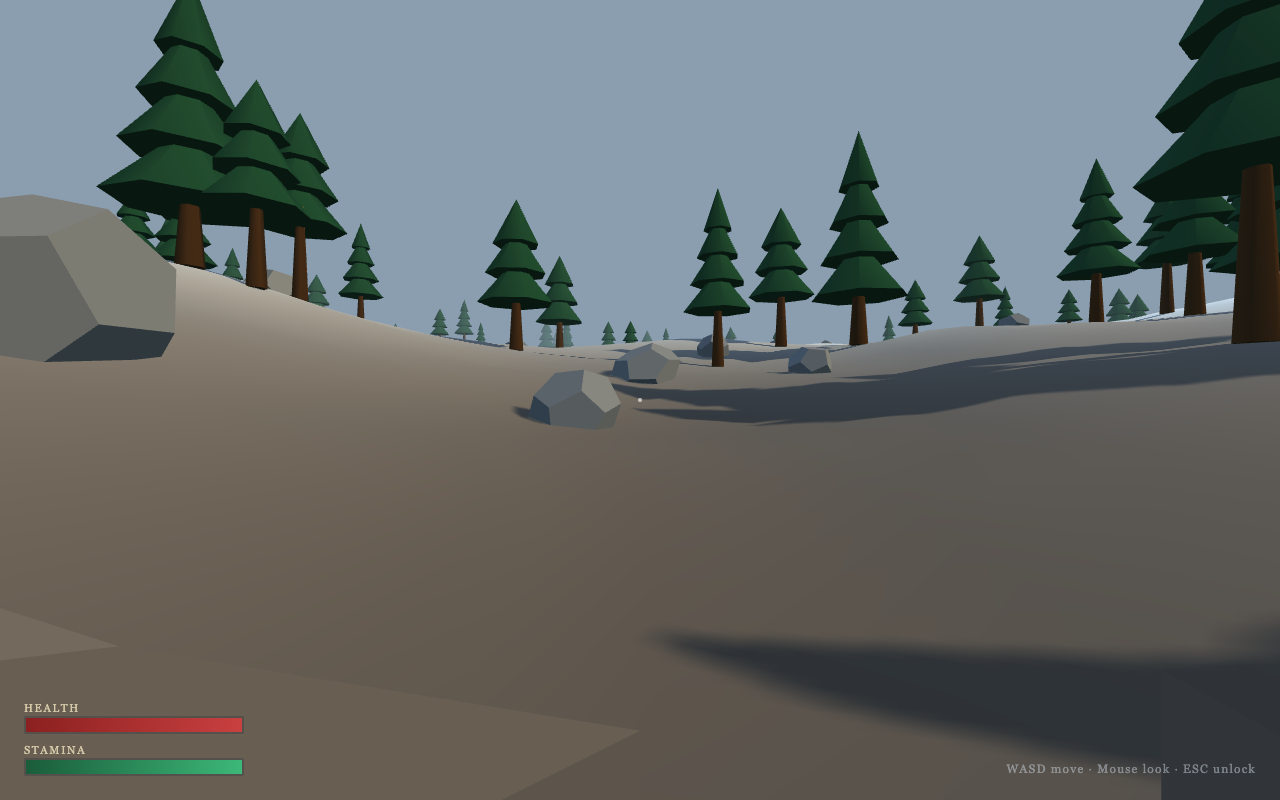
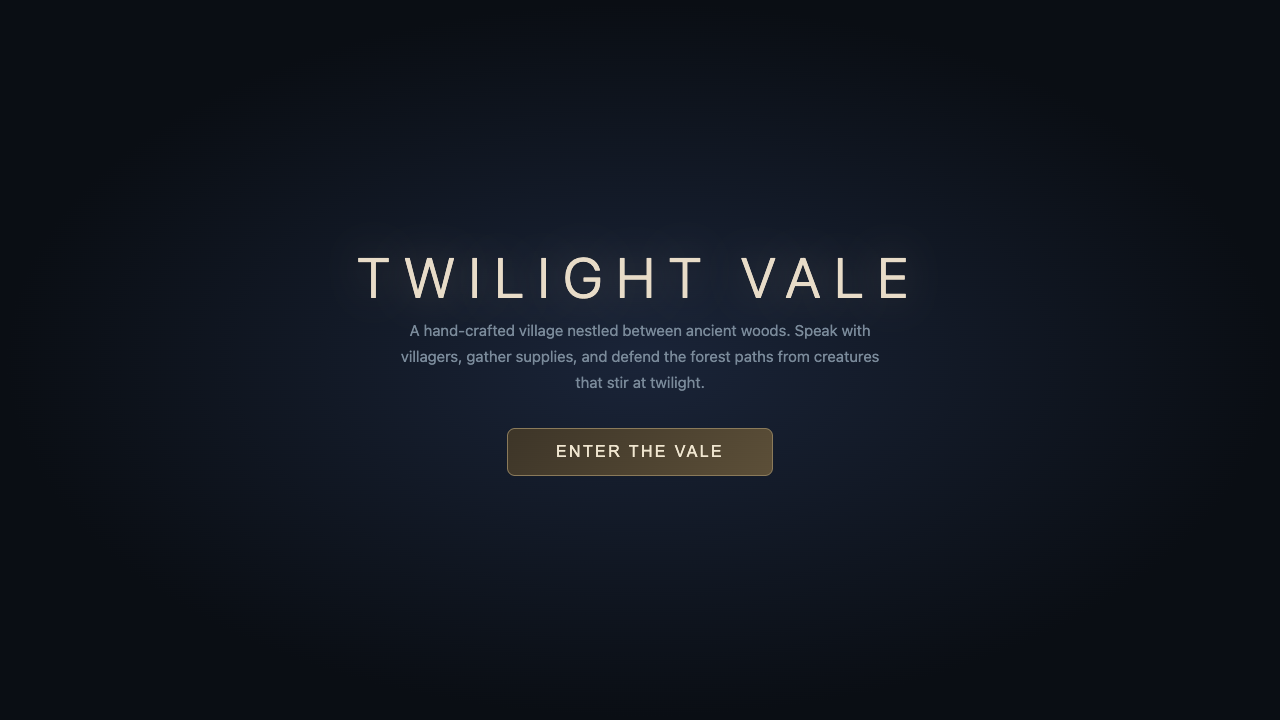
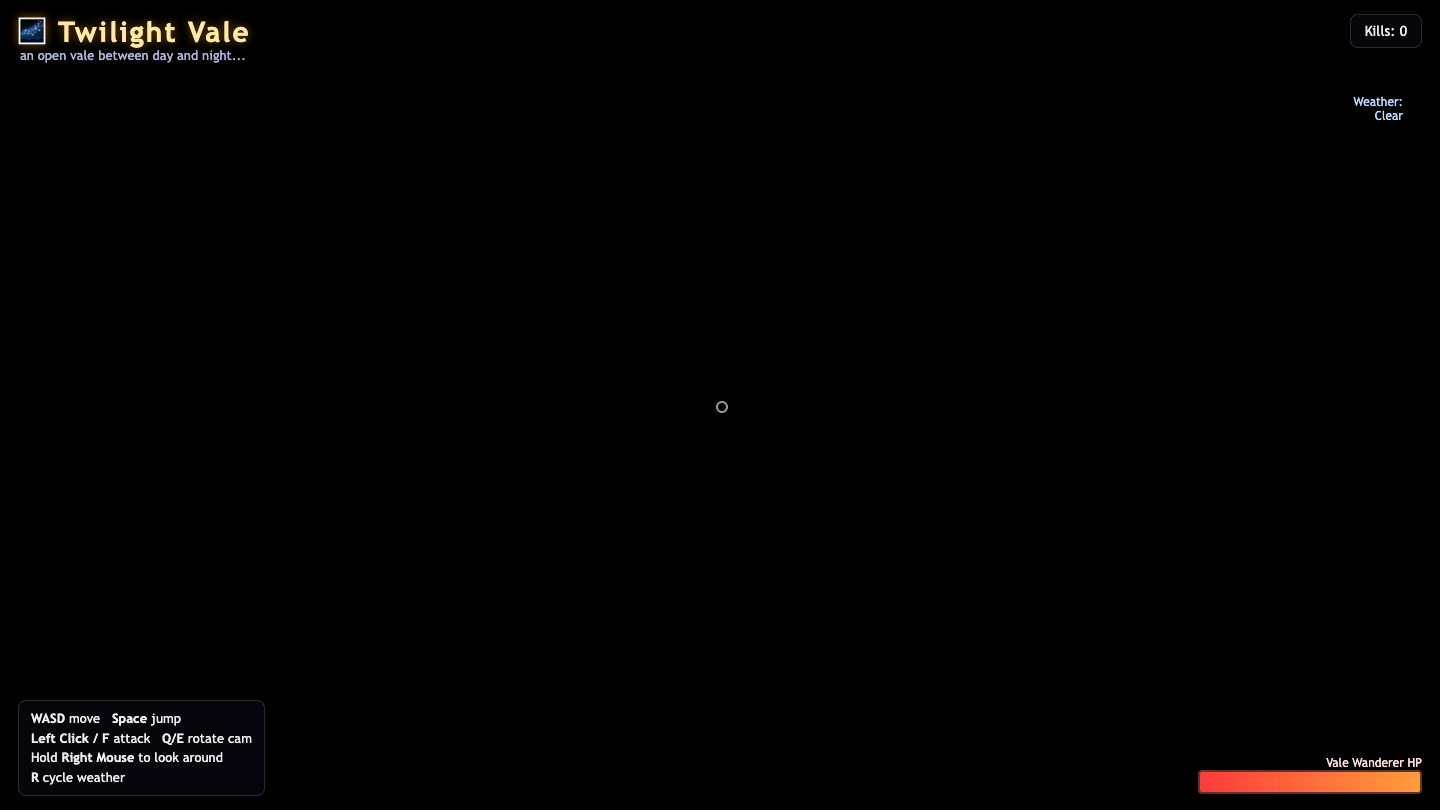
What I saw: Twilight Vale — 3D open-world RPG with hand-crafted village, NPCs, combat, day/night, weather, inventory. 38KB — densest build of the bench, edges out Fusion's 32KB.
Solar
Sim
Grok 8.0
·
Claude Sonnet 5 2.5
(+5.5)
What I saw: Solar system on canvas with orbits + Saturn rings + moons. 12KB — compact build, drag-to-orbit + scroll-to-zoom. Slightly less polish than Fusion's glass UI version.
Wormhole
Sim
Grok 8.5
·
Claude Sonnet 5 3.0
(+5.5)
What I saw: Three.js wormhole tunnel with distorted starfield, hold-space-to-accelerate. 18KB.
Orbit
Sim
Grok 8.5
·
Claude Sonnet 5 3.5
(+5.0)
What I saw: A proper inner solar system now — a glowing Sun, four planets riding clean elliptical rings, a starfield, a data HUD and play/speed controls. The vague first sentence drew blurry circles; this one reads instantly.
Aurora
Visual
Grok 7.0
·
Claude Sonnet 5 2.5
(+4.5)
What I saw: Aurora ribbons over mountain ridge with stars. Simpler build (9KB) — lighter on detail than Fusion.
Where Claude Sonnet 5 beat Grok
The tasks where I gave Claude Sonnet 5 a higher 0–10 score on the same prompt — with the actual commentary from my source guides.
Fluid
Sim
Claude Sonnet 5 8.6
·
Grok 7.5
(+1.1)
· gorgeous flow field
What I saw: Stunning rendered flow-field with rich swirling particle streaks, a clear vortex focal point, and vivid rainbow color mapping over additive-blended trails — genuinely beautiful and clearly on-brief. Only knock is the low 22fps and it's a flow-field trail sim rather than true flui…
Matrix
Visual
Claude Sonnet 5 8.0
·
Grok 7.0
(+1.0)
What I saw: Strong, polished matrix rain with proper katakana glyphs, bright white leading heads, fading trails, and glow — plus solid extras (theme cycling, mouse disturbance, speed). Screenshot shows a captured cyan theme rather than classic green which slightly undercuts the iconic look, …
Plasma
Visual
Claude Sonnet 5 8.4
·
Grok 7.5
(+0.9)
What I saw: Gorgeous smooth GLSL plasma with rich rainbow blobs, clean glowing title, and five well-styled palette swatches with clear active state; ripples aren't visible in the still but the code is solid, though the effect reads slightly generic against the very best field entry.
Boids
Sim
Claude Sonnet 5 8.2
·
Grok 7.5
(+0.7)
What I saw: Strong 3D boids with proper flocking rules, orbit camera, live sliders, and a polished cage/grid/starfield presentation running at 60fps. Colorful cones read clearly but feel slightly sparse/scattered rather than showing tight emergent flocks in this frame, keeping it just short …
Galaxy
Sim
Claude Sonnet 5 8.6
·
Grok 8.0
(+0.6)
· gorgeous spiral swirl
What I saw: Beautiful multi-arm spiral with convincing color gradient (warm core to violet edges), bright glowing bulge, and background starfield—clearly on-brief and polished. Full swirl/orbit/zoom interactivity with a mouse-influence vortex on the particles makes this a task winner.
Strengths & weaknesses I logged
Grok
Strengths
- Real-time access to X timeline data — unique signal no other model has
- Snappy latency on shorter prompts
- 256K context window keeps pace with the open-weights field
Trade-offs
- 13 demos on the bench but zero have curated 0–10 verdicts yet — currently unranked
- API access is gated behind X Premium, awkward for backend agent loops
Claude Sonnet 5
Strengths
- 82.1% SWE-bench Verified — first model past 80% on real GitHub-issue repair
- Dev Team multi-agent mode + 1M context for repo-level agentic work
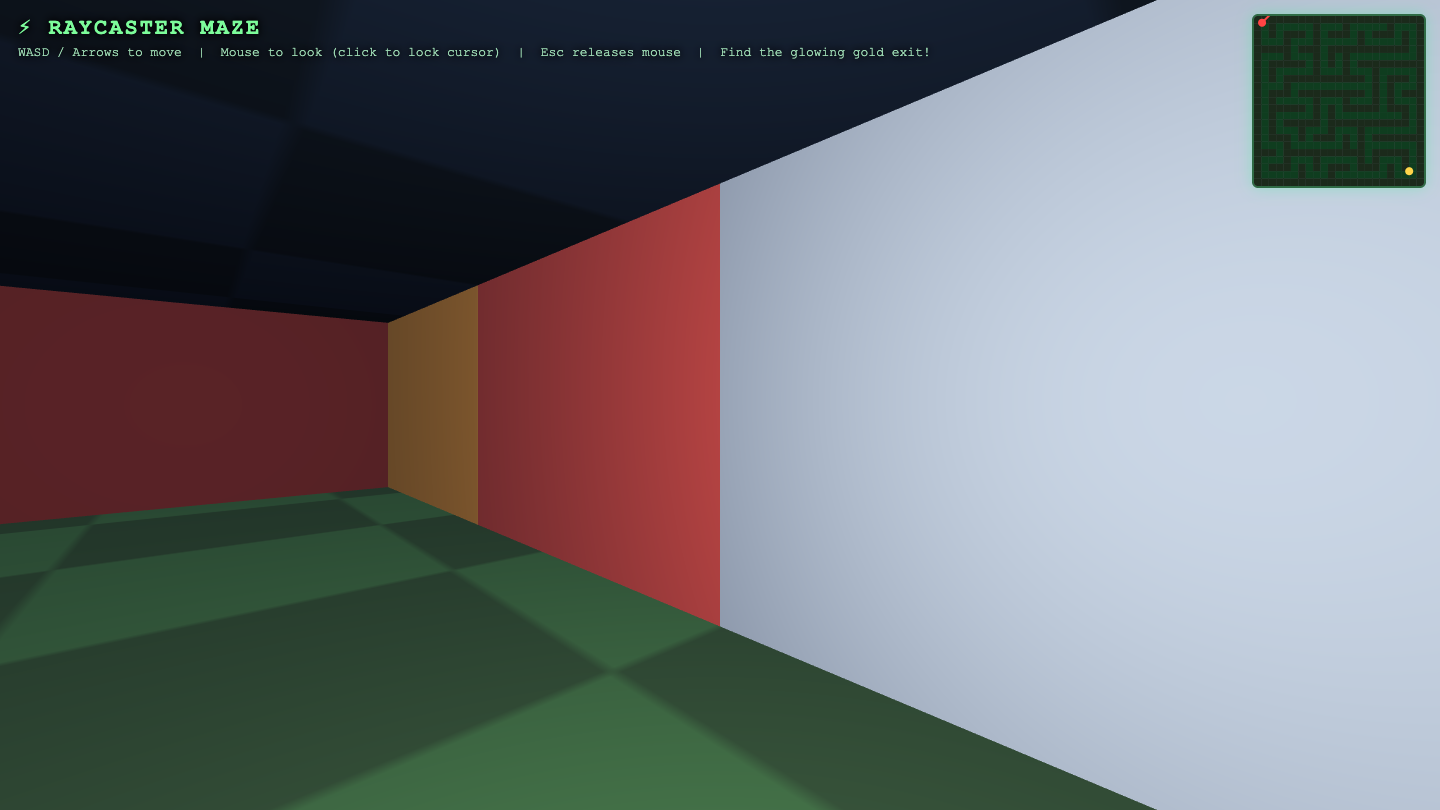
- Precision on hard logic — won the raycaster the open-weight field kept botching
Trade-offs
- One-shot creative-visual builds trail GLM 5.2 here (lost 4 of 5) — no iteration to catch its own bugs
- A temporal-dead-zone bug blanked its N-body orbit sim on the first shot
Pricing & context — the spec sheet
| Spec | Grok | Claude Sonnet 5 |
|---|---|---|
| Vendor | xAI | Anthropic |
| Context window | 256,000 tokens | 1,000,000 tokens |
| Price | Subscription via X Premium | $3 / $15 per M ($2/$10 intro) |
| Pricing detail | Bundled with X (Twitter) Premium subscription — no per-token bill for end users, no individual API pricing for the chat product. | $3.00 input / $15.00 output per million tokens; introductory $2.00/$10.00 through 2026-08-31. |
| Release | 2026-04 | 2026-06-30 |
| Bench coverage | 43/47 scored · avg 8.09/10 | 47/47 scored · avg 7.01/10 |
The verdict — which should you pick?
Across 43 scored shared tasks, Grok averaged 8.09/10, beating Claude Sonnet 5's 7.00/10 by 1.09 points. Pick Grok when the build has to ship on the first prompt and you can afford the trade-offs in the comparison below.
If you only run one of these inside your stack, the head-to-head average above is the call. If you can run both, my honest play is to wire Grok and Claude Sonnet 5 both into the Agent Operating System and dispatch each from the kanban by task type — workflows that need live x / twitter context → Grok, agentic software engineering — write / run / test / fix loops on real repos → Claude Sonnet 5. That's the same setup I run for the 4,000+ founders inside the AI Profit Boardroom.
FAQ — Grok vs Claude Sonnet 5
Which is better, Grok or Claude Sonnet 5?
On Goldie Bench, Grok averages 8.09/10 across the shared tasks, with 5 gold, 1 silver, 1 bronze overall. Claude Sonnet 5 averages 7.00/10, with 0 gold, 0 silver, 4 bronze. Grok wins the head-to-head 26–16.
How much does Grok cost vs Claude Sonnet 5?
Grok: Bundled with X (Twitter) Premium subscription — no per-token bill for end users, no individual API pricing for the chat product. Claude Sonnet 5: $3.00 input / $15.00 output per million tokens; introductory $2.00/$10.00 through 2026-08-31.
What's the context window for Grok vs Claude Sonnet 5?
Grok has a 256,000 tokens context window. Claude Sonnet 5 has a 1,000,000 tokens context window.
When should I pick Grok over Claude Sonnet 5?
Pick Grok for: Workflows that need live X / Twitter context; Snappy prompts where latency matters; Researchers comparing X-native models against the rest of the field. The trade-off is the weaknesses we logged on the bench: 13 demos on the bench but zero have curated 0–10 verdicts yet — currently unranked; API access is gated behind X Premium, awkward for backend agent loops.
When should I pick Claude Sonnet 5 over Grok?
Pick Claude Sonnet 5 for: Agentic software engineering — write / run / test / fix loops on real repos; Repo-level reasoning across a 1M-token context (Dev Team multi-agent mode); Precise logic — raycasters, physics — where one-shot open models slip. The trade-off is the weaknesses we logged on the bench: One-shot creative-visual builds trail GLM 5.2 here (lost 4 of 5) — no iteration to catch its own bugs; A temporal-dead-zone bug blanked its N-body orbit sim on the first shot.
How does Goldie Bench score Grok vs Claude Sonnet 5?
Every demo on this page was built by Julian Goldie inside the Agent Operating System — same fixed prompt for both models, one shot, single HTML file out. Each result gets a 0–10 score on whether it ran, how close it hit the brief, and how good it looked. The highest score on each task gets gold; second gets silver; third gets bronze. See methodology for full provenance.
Related comparisons
Other head-to-heads using the same scoring system:
Grok vs Fusion Claude Sonnet 5 vs Fusion Grok vs Claude Opus 5 Claude Sonnet 5 vs Claude Opus 5 Grok vs Hermes MoA Claude Sonnet 5 vs Hermes MoA Grok vs GPT-5.6 Sol Claude Sonnet 5 vs GPT-5.6 SolFull model pages: Grok · Claude Sonnet 5 · back to the leaderboard
The same stack Julian uses
Run this stack yourself.
Every demo on this bench was built inside the Agent Operating System — one prompt, one shot, single HTML file out. The Agent OS, the prompts, the templates, the weekly walkthroughs and 4,000+ founders shipping with it every day all live inside the AI Profit Boardroom.
4,000+founders
258documented wins
38countries
$59/momonthly