Real head-to-head · same prompt, one shot
GPT-5.6 Sol vs Qwen 3.8
OpenAI's flagship — the Sun of the 5.6 lineup. vs Alibaba's 2.4T flagship — benched through Qoder.
Head-to-head verdict: tied 18–18.
What I tested — same prompt, two models
I run the same fixed prompt set through every new model the day it drops — same string, one shot, single HTML file out — and I score the result 0–10 on whether it ran, how close it hit the brief, and how good it looked. Below is what came out when I gave the exact same prompts to GPT-5.6 Sol and Qwen 3.8, side by side, on 45 shared tasks inside the Agent Operating System.
Both models were given identical prompts inside the Agent Operating System — no help, no iteration, no "best of N" tricks. I run each prompt once, save the HTML file the model produces, and score it 0–10 on whether it ran, how close it hit the brief, and how good it looked. The scoring is mine. The verdicts below are pulled from my source comparison guides at agentos.guide where I publish every score and the reasoning behind it.
GPT-5.6 Sol · Benched on GoldieBench as the flagship Sol at medium reasoning, one-shot, then headless-playtested. In the Agent OS it's the top tier of a routed stack — Sol on the hard calls, Terra for the bulk, Luna for the everyday 90%.
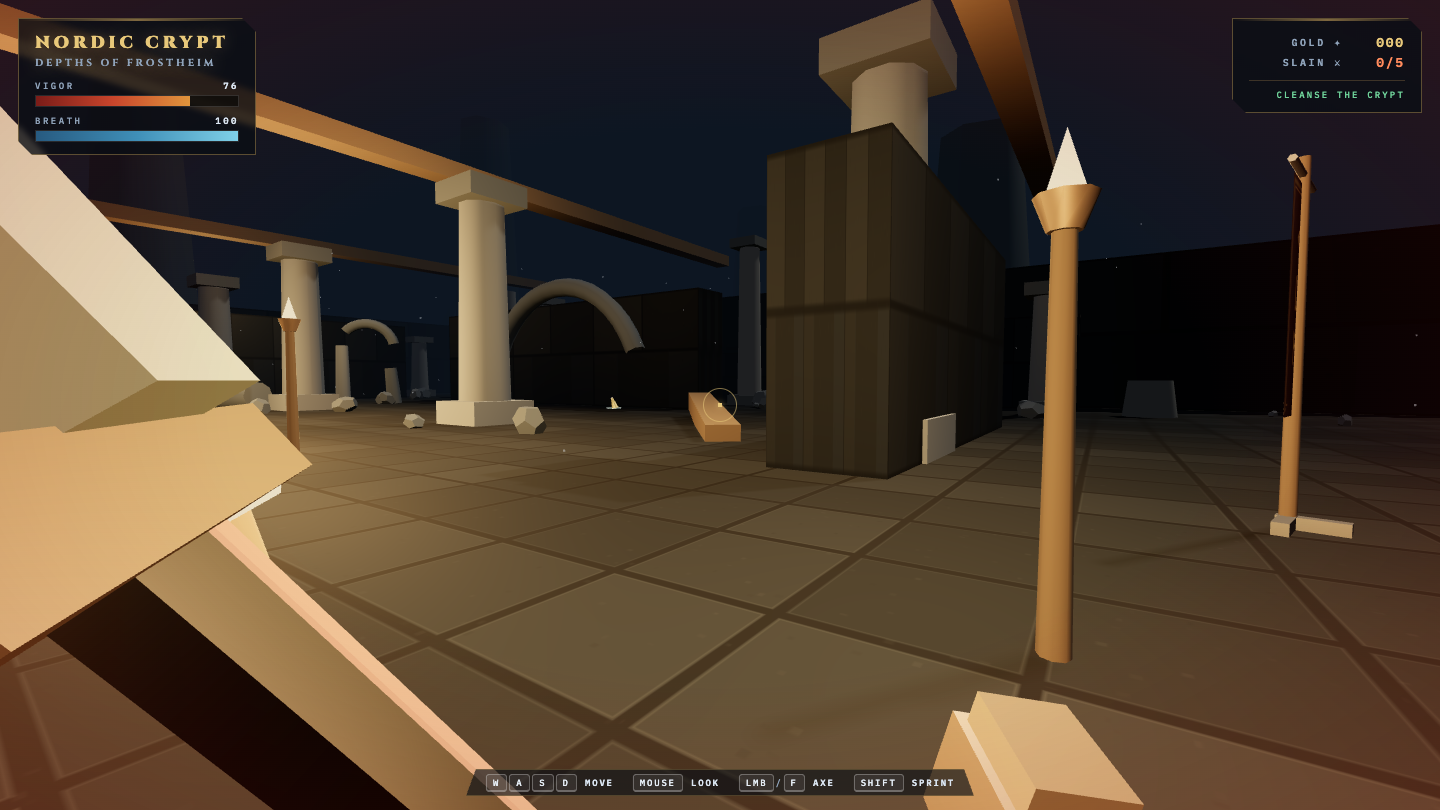
Qwen 3.8 · Benched on GoldieBench via the Qoder CLI (`qoder-qwen`, model Qwen3.8-Max-Preview) — the only door while it has no public API. Non-game tasks are one-shot like the rest of the field. GAME tasks run in Qoder's real AGENT mode: skill-infused build, then up to 2 QA fix rounds where a vision judge + live console errors are fed back and Qwen 3.8 edits its own file (it took crypt from a black-screen 3.0 to a torch-lit 7.8). Scored on a mid-play frame by the same Opus judge as everyone else.
Side-by-side on 50 shared tasks
Click any cell to play that model's actual one-shot attempt. Medals are derived from my 0–10 scores per task (highest = 🥇, second = 🥈, third = 🥉).
Task ↓
GPT-5.6 Sol
Qwen 3.8
Game
Game
Game
Game
Game
Game
Game
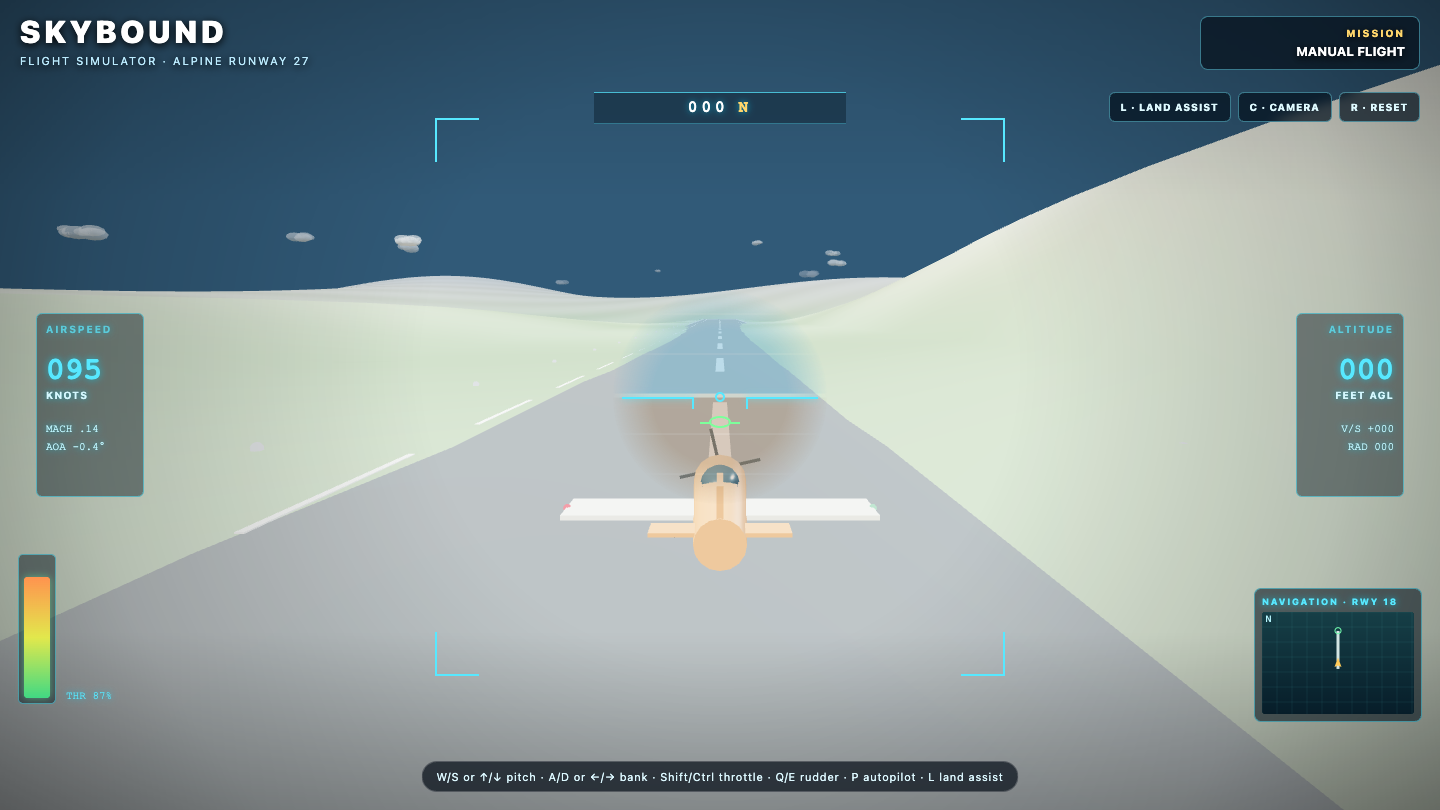
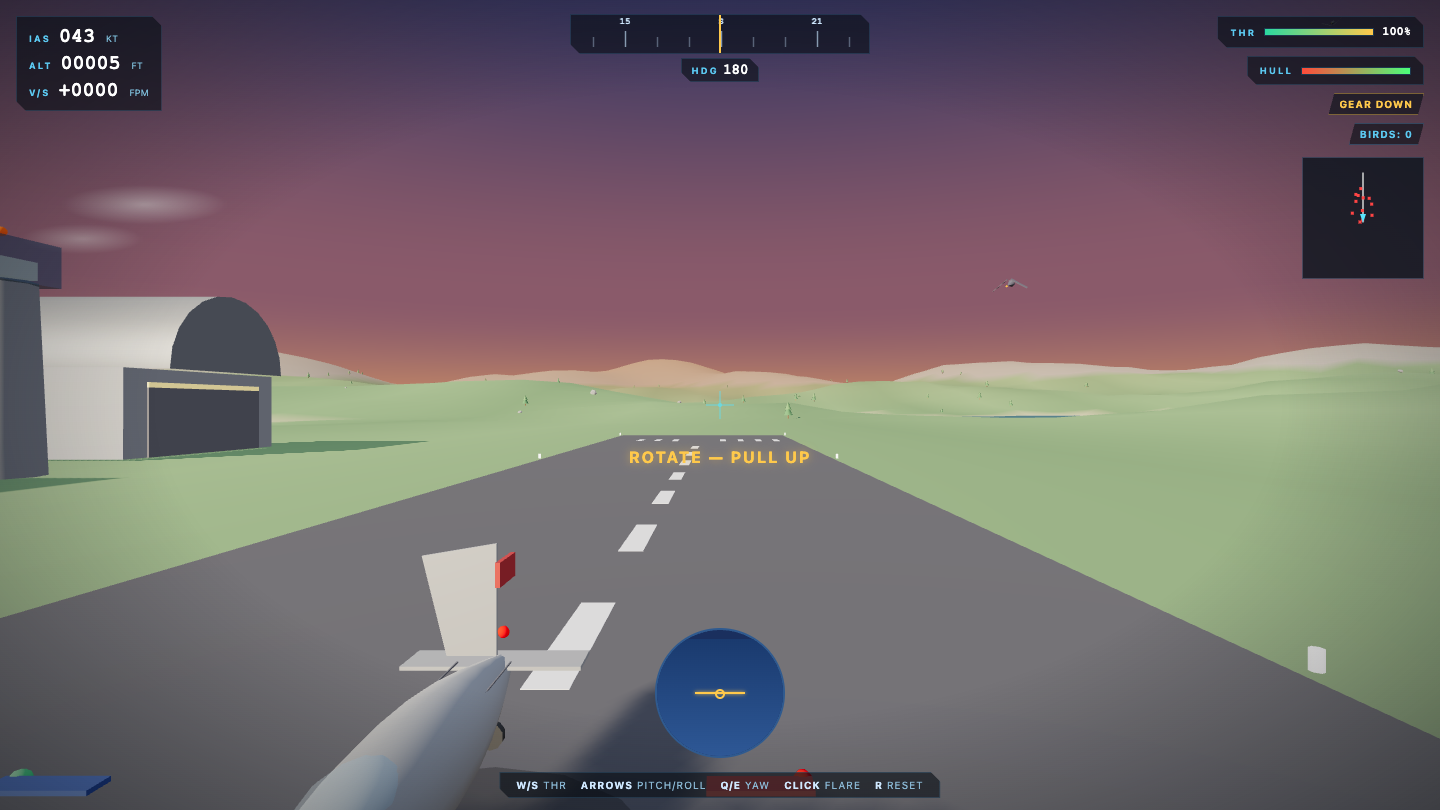
Game
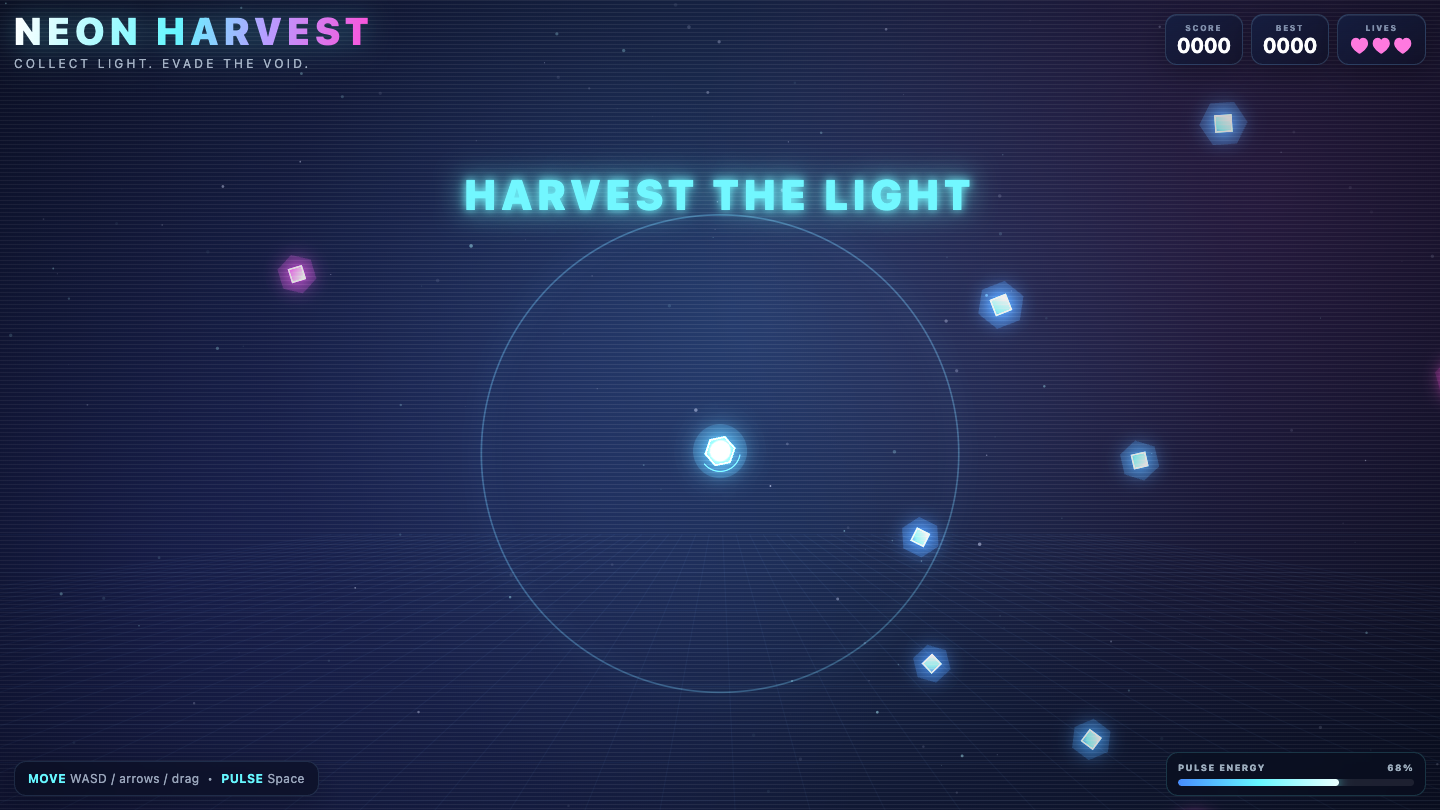
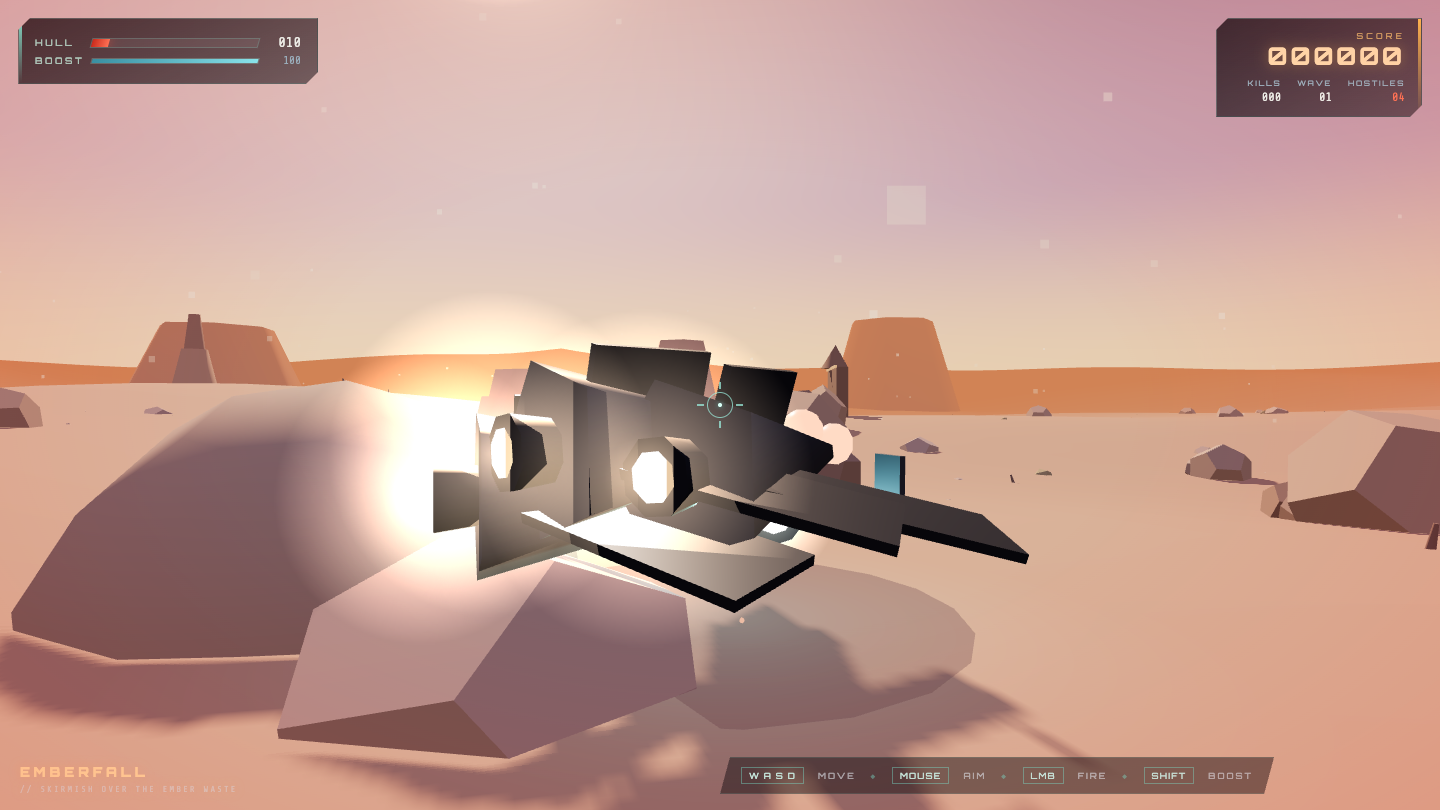
Game
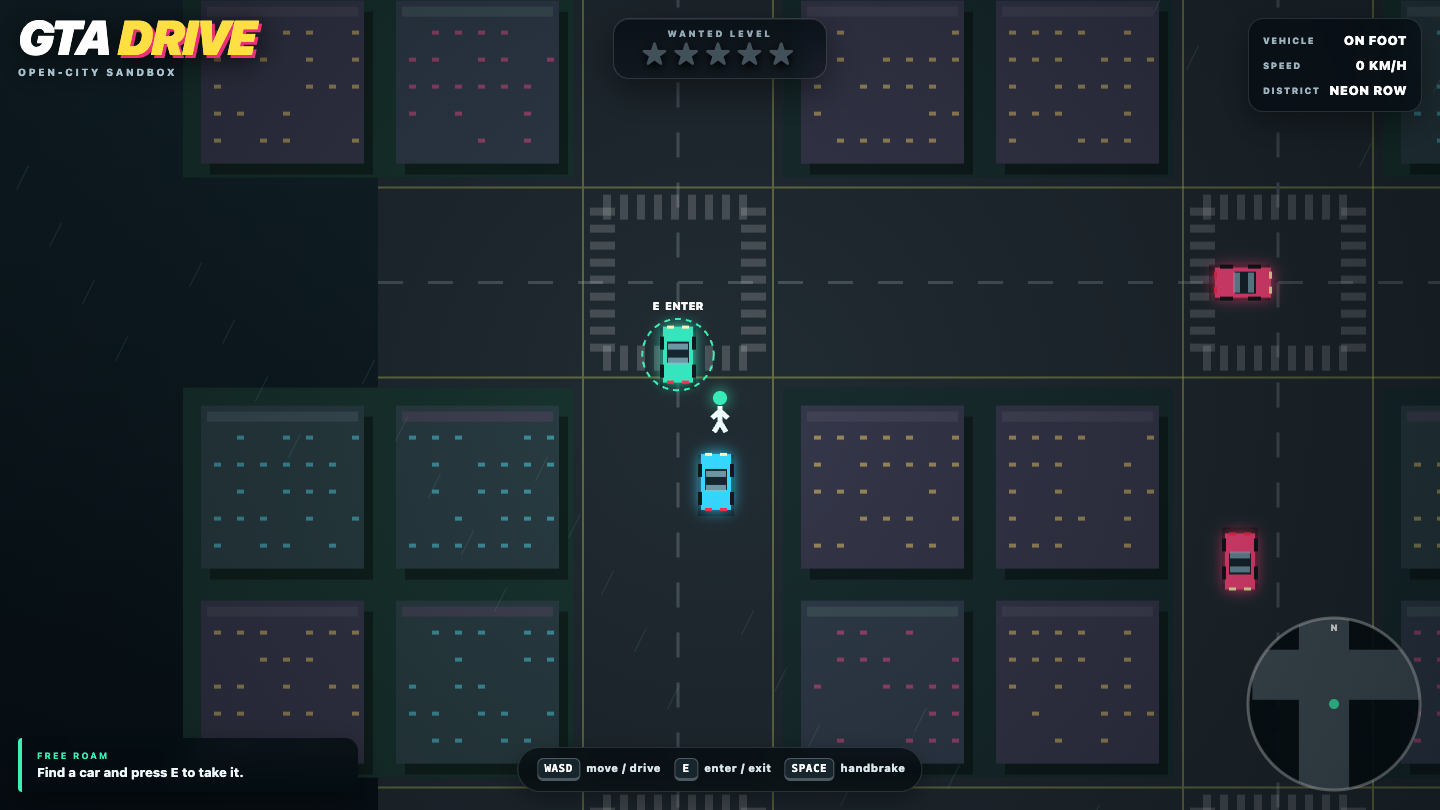
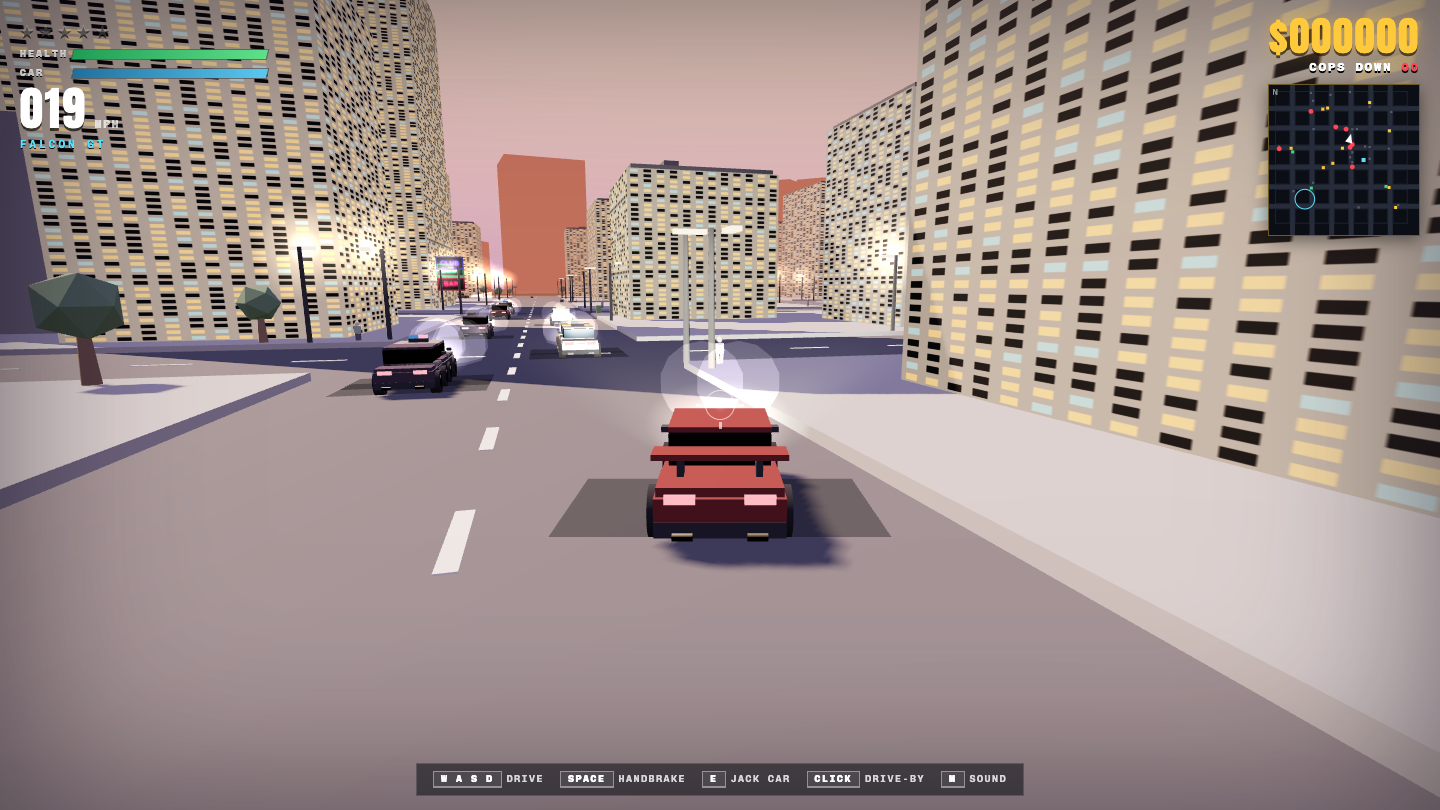
Game
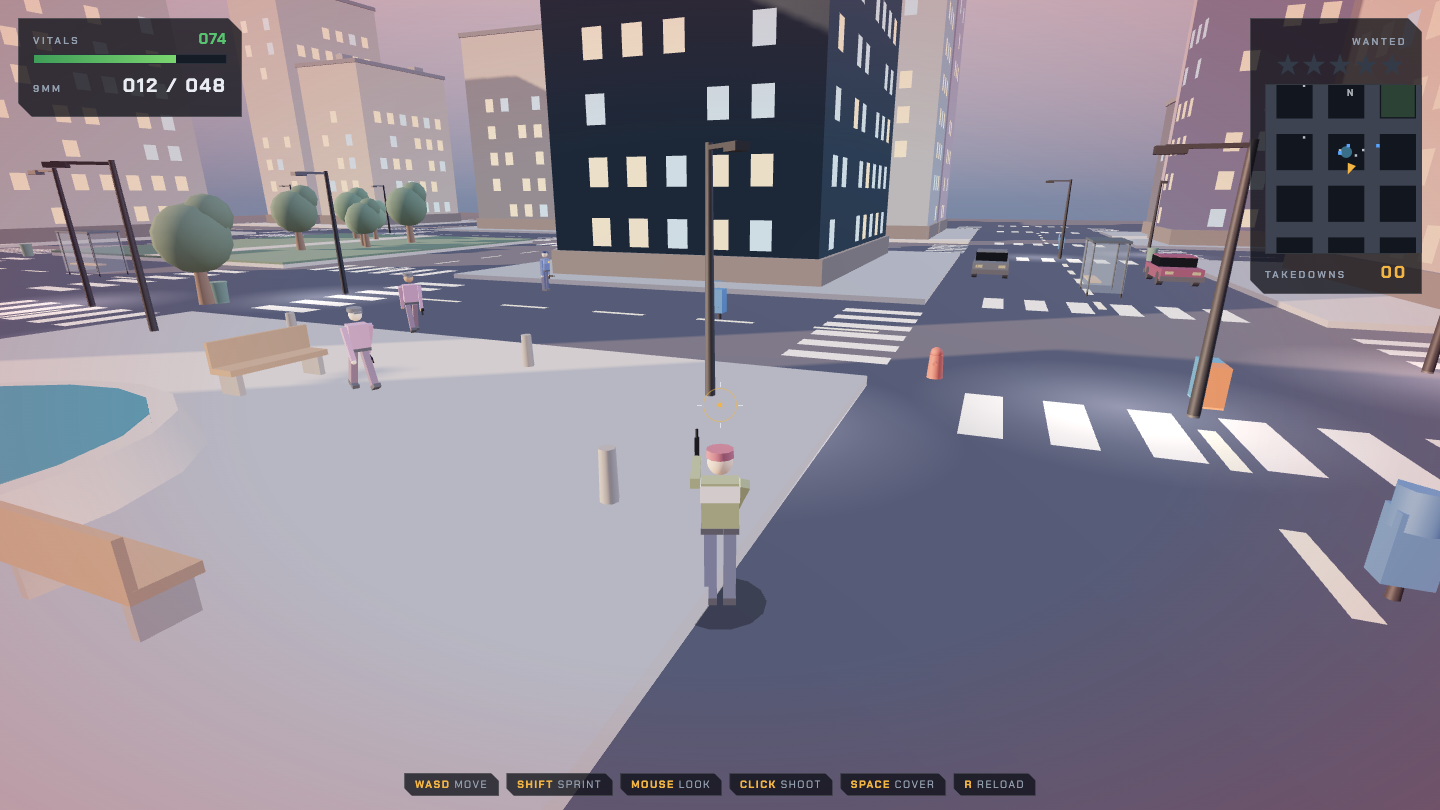
Game
Game
Game
Game
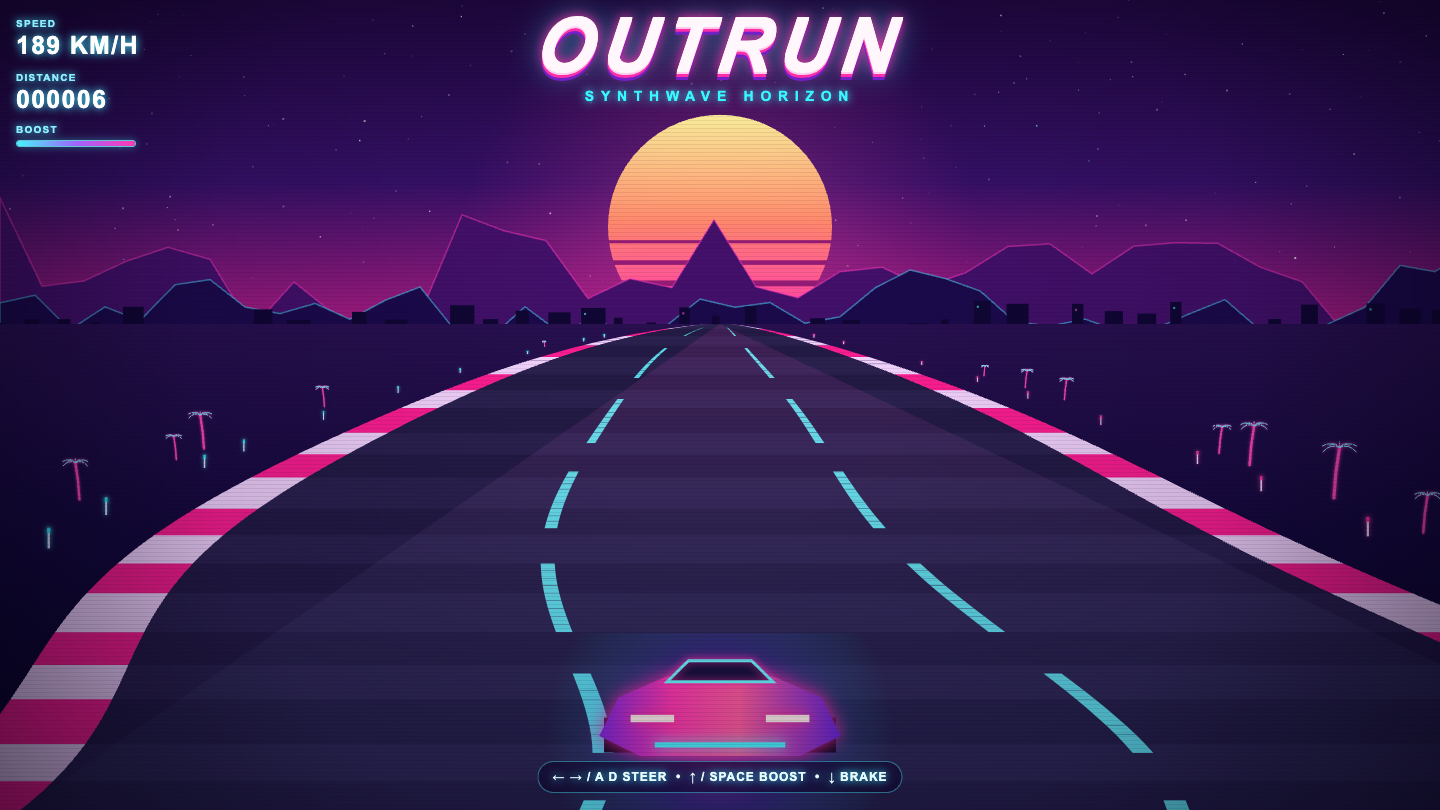
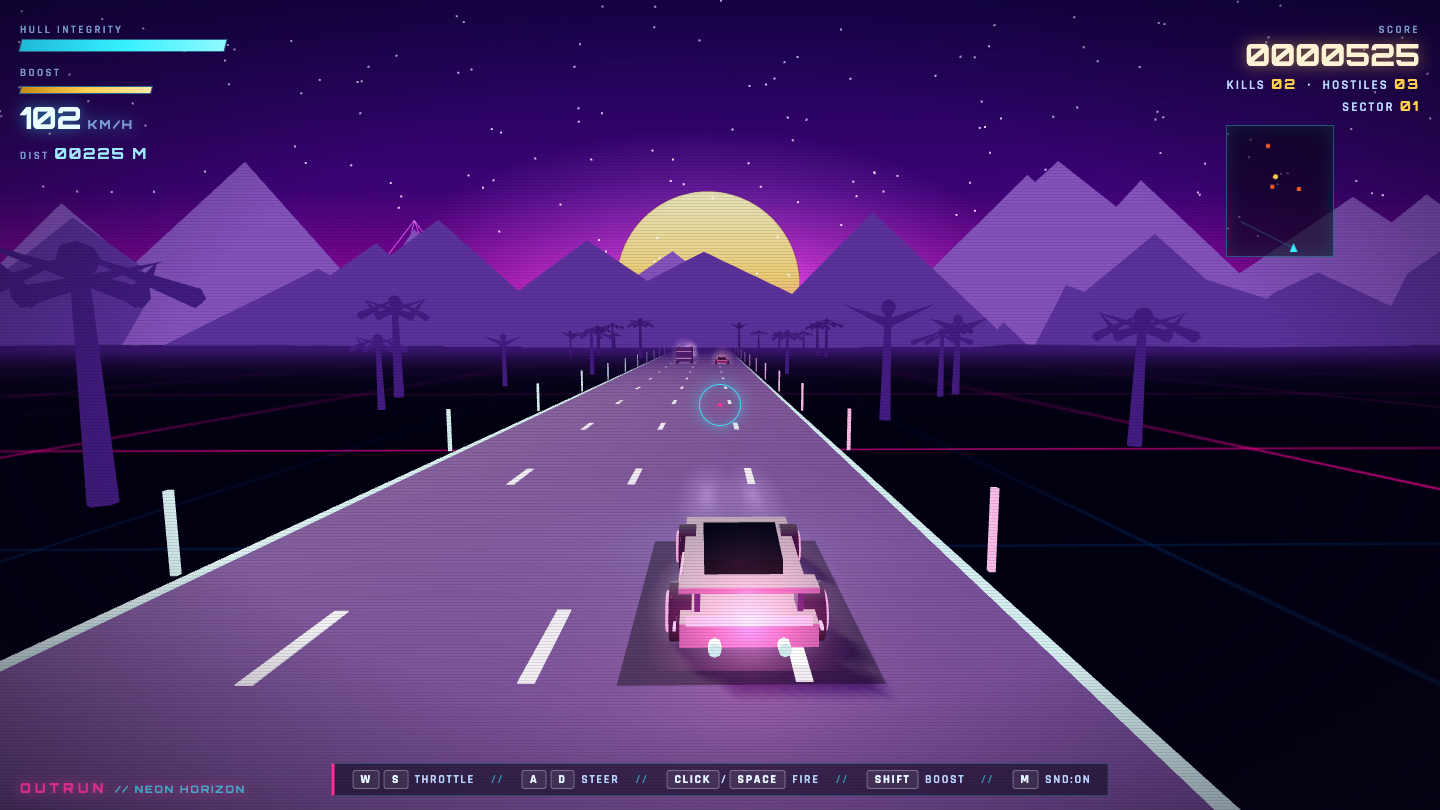
Game
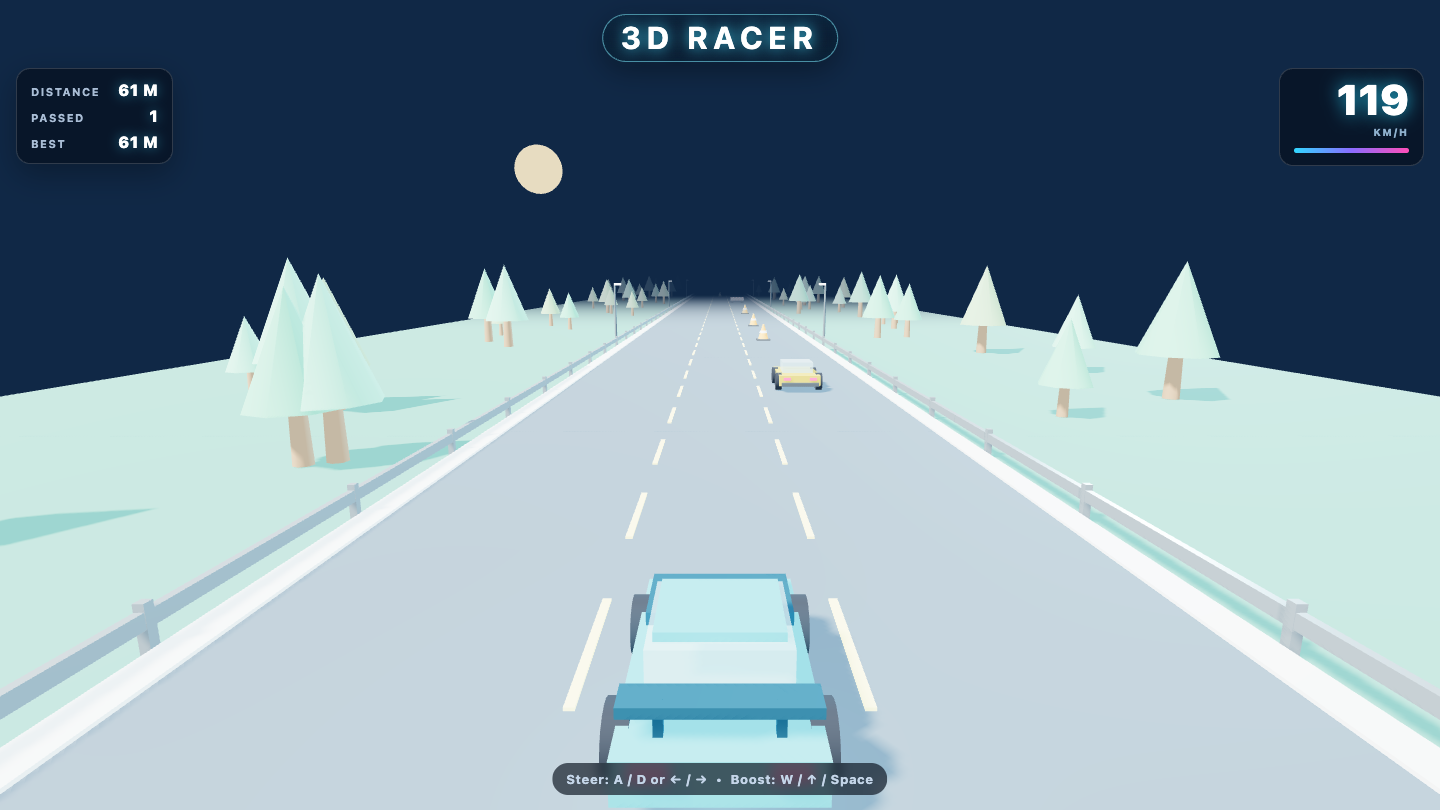
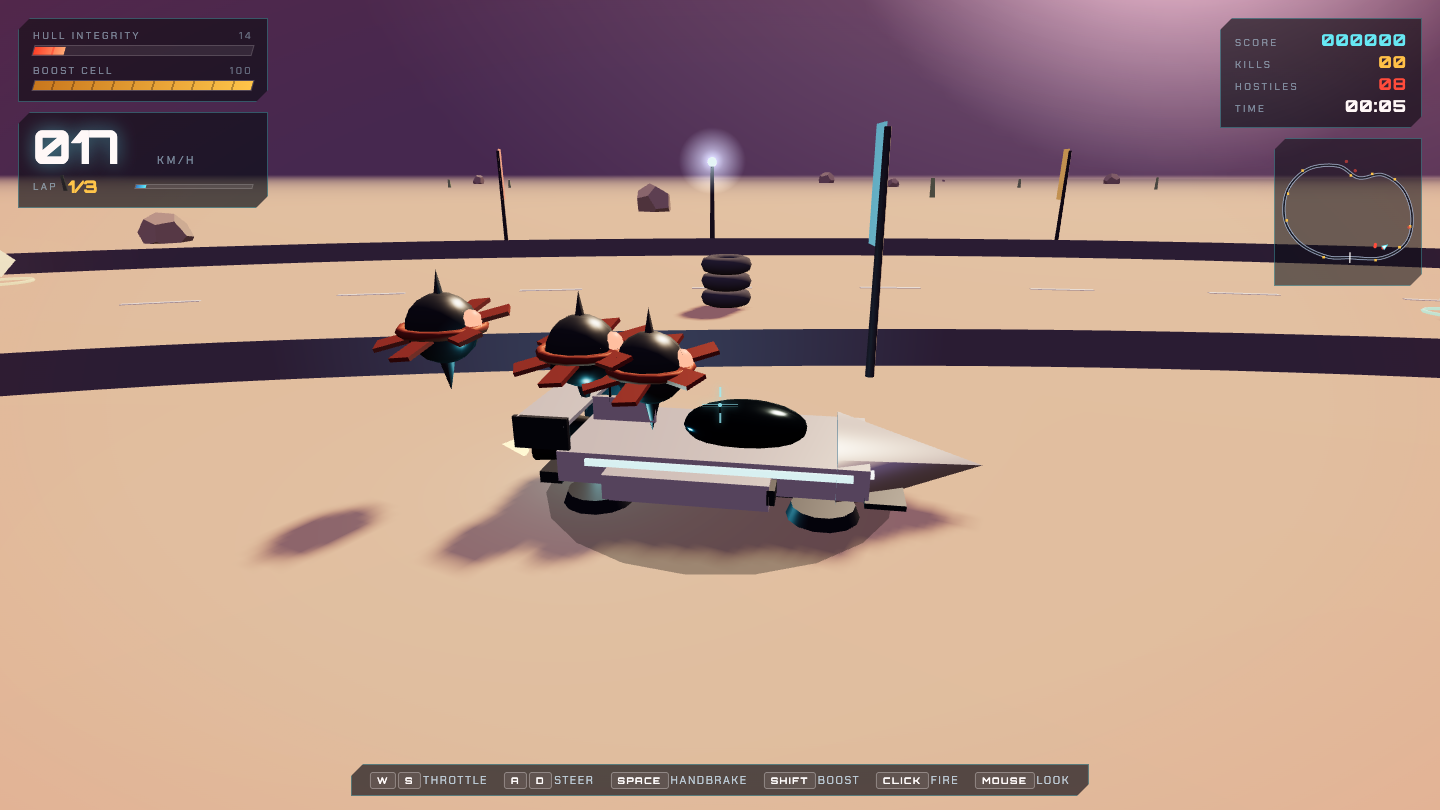
Game
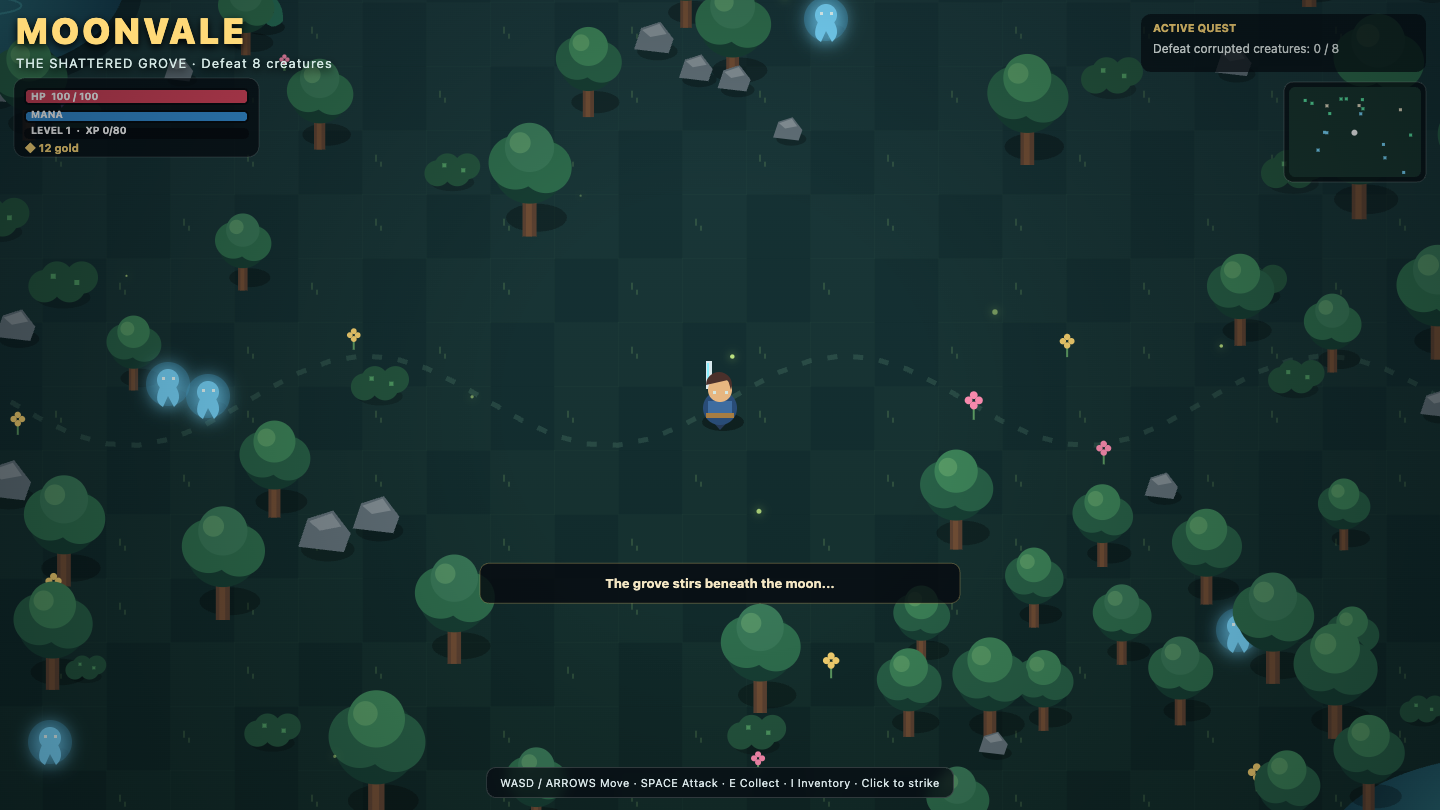
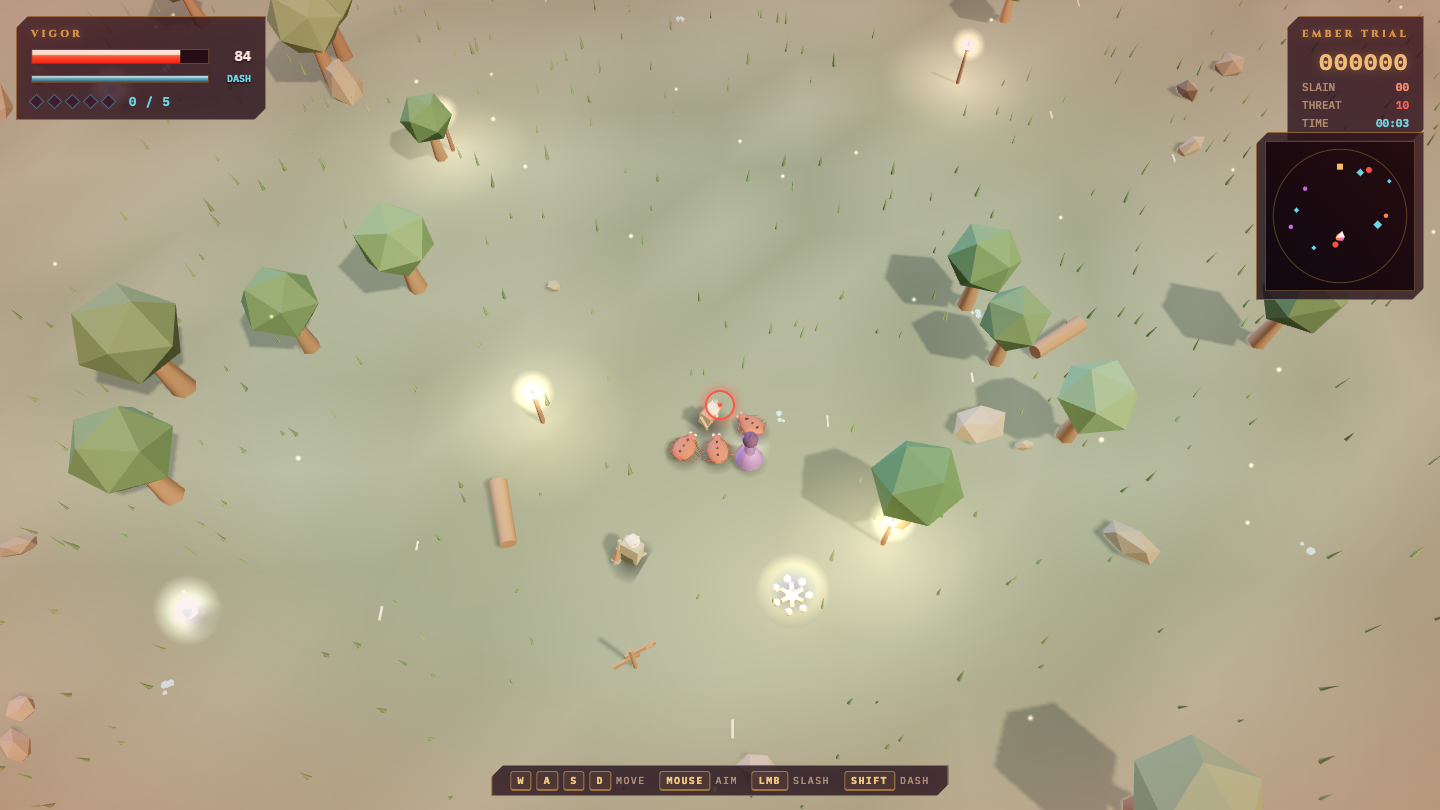
Game
Game
Other
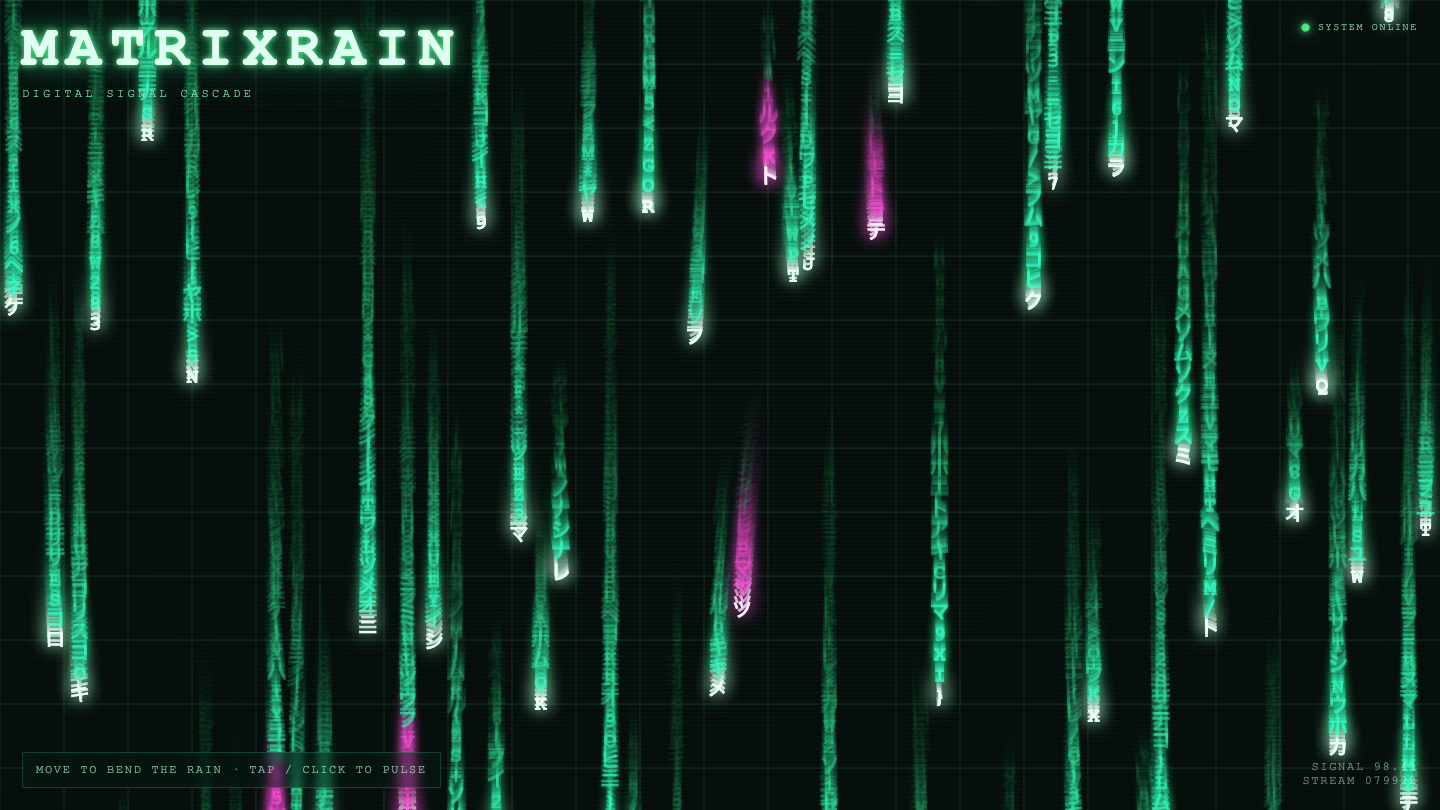
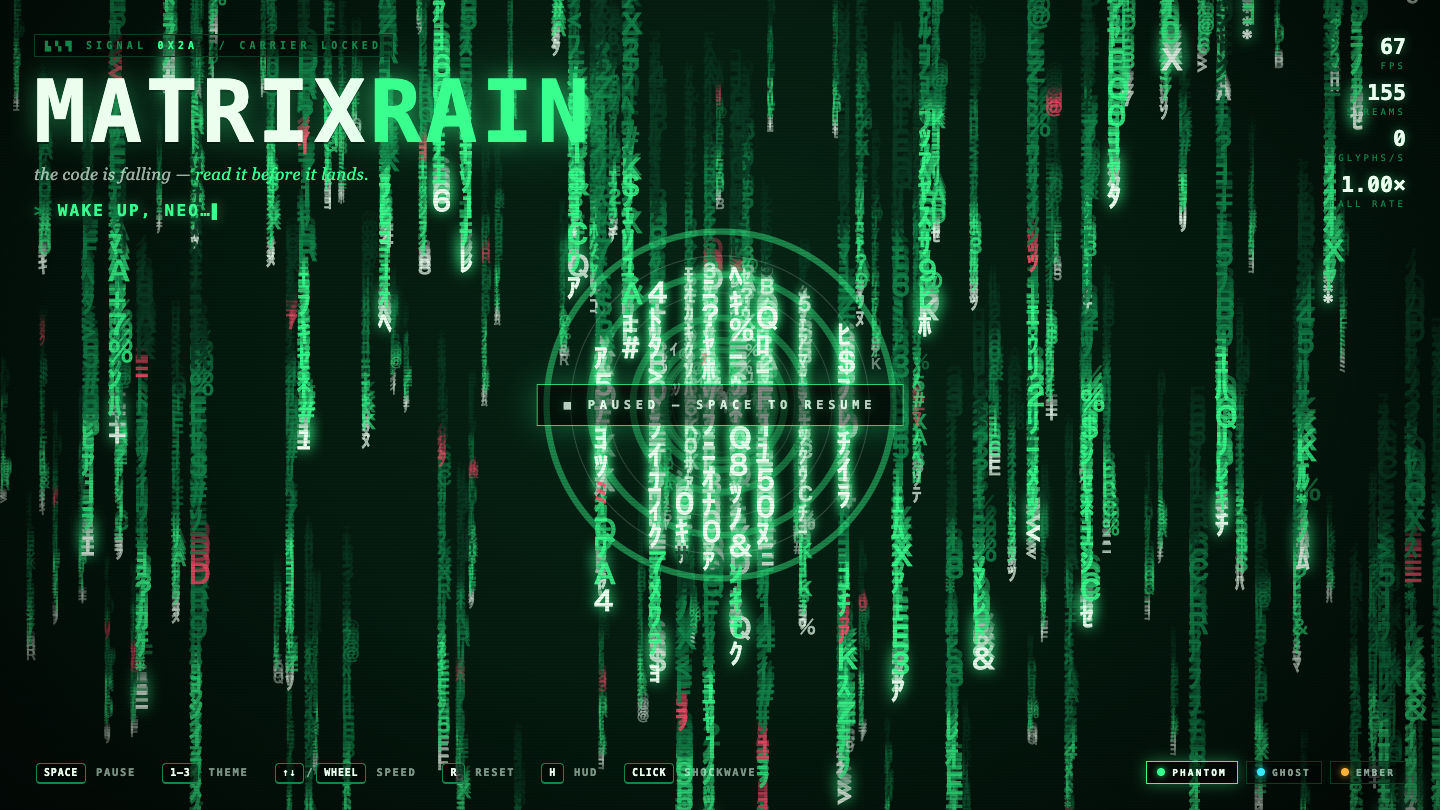
Other
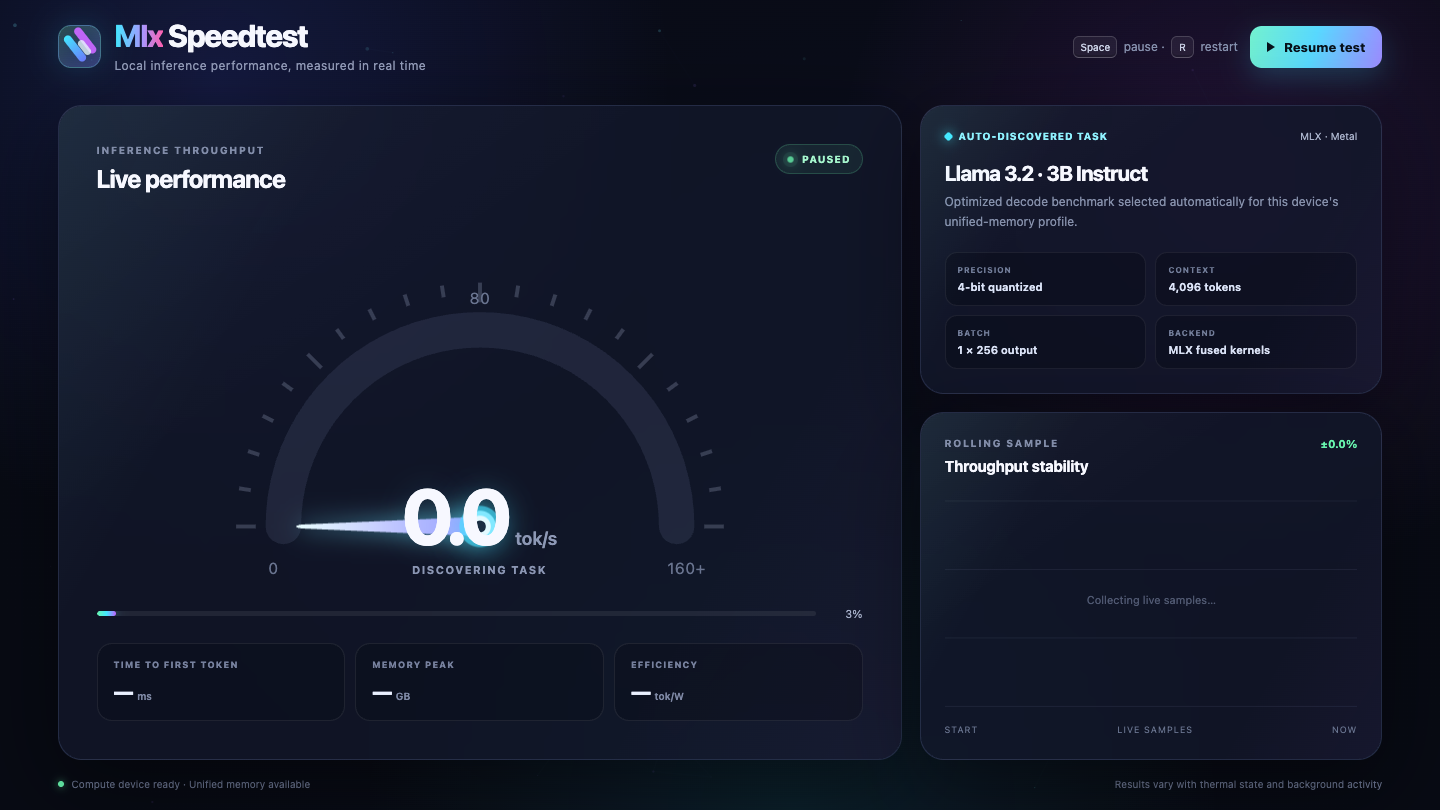
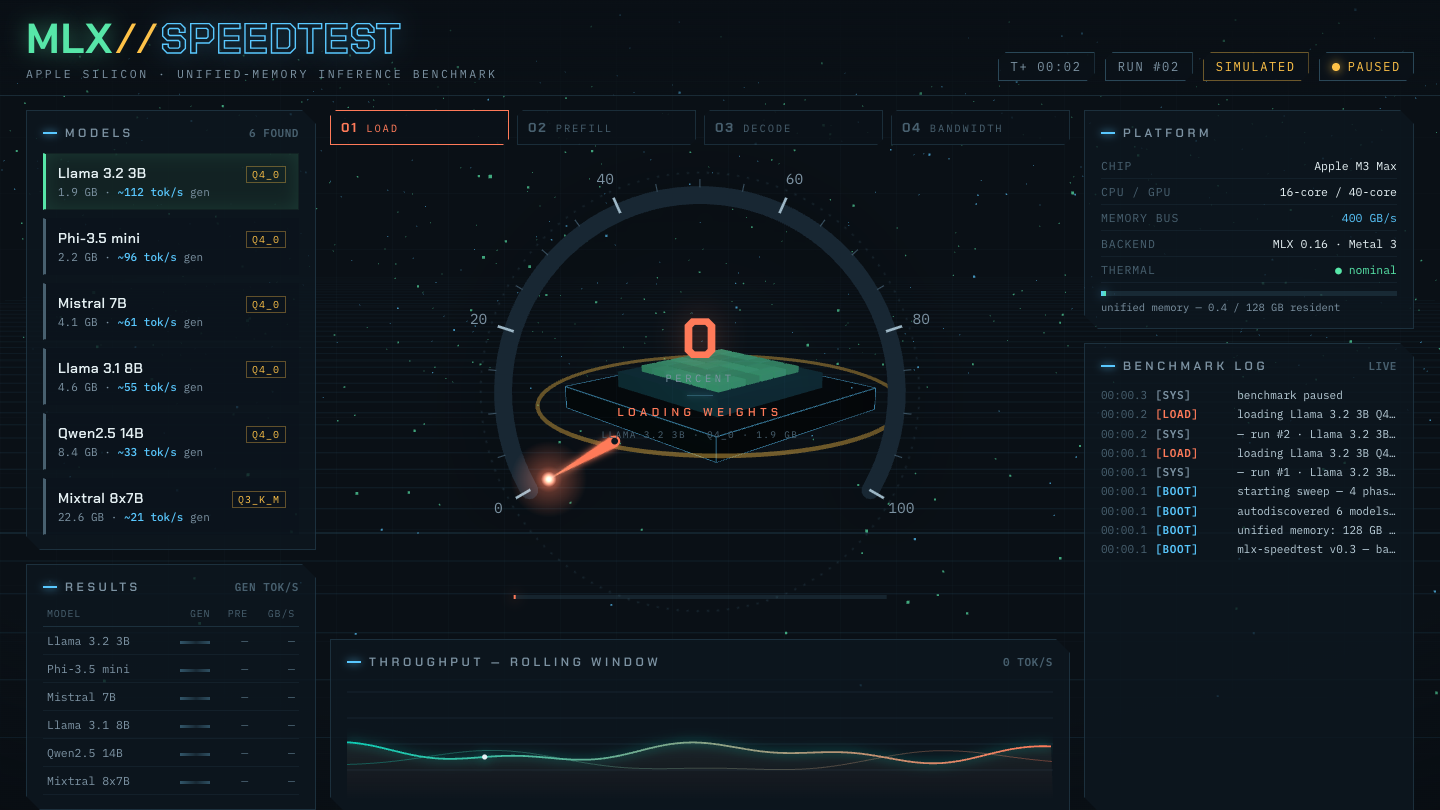
Other
Page
Page
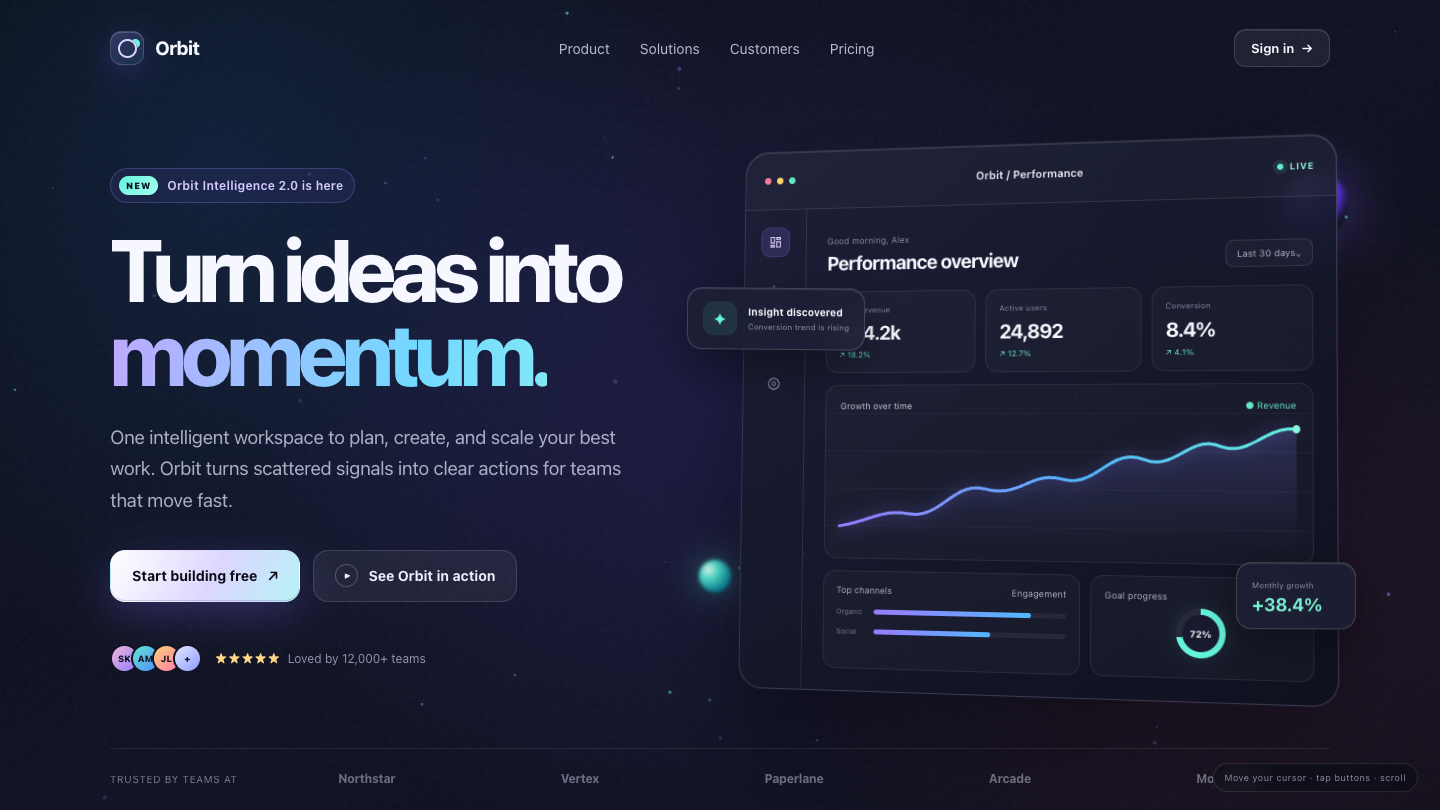
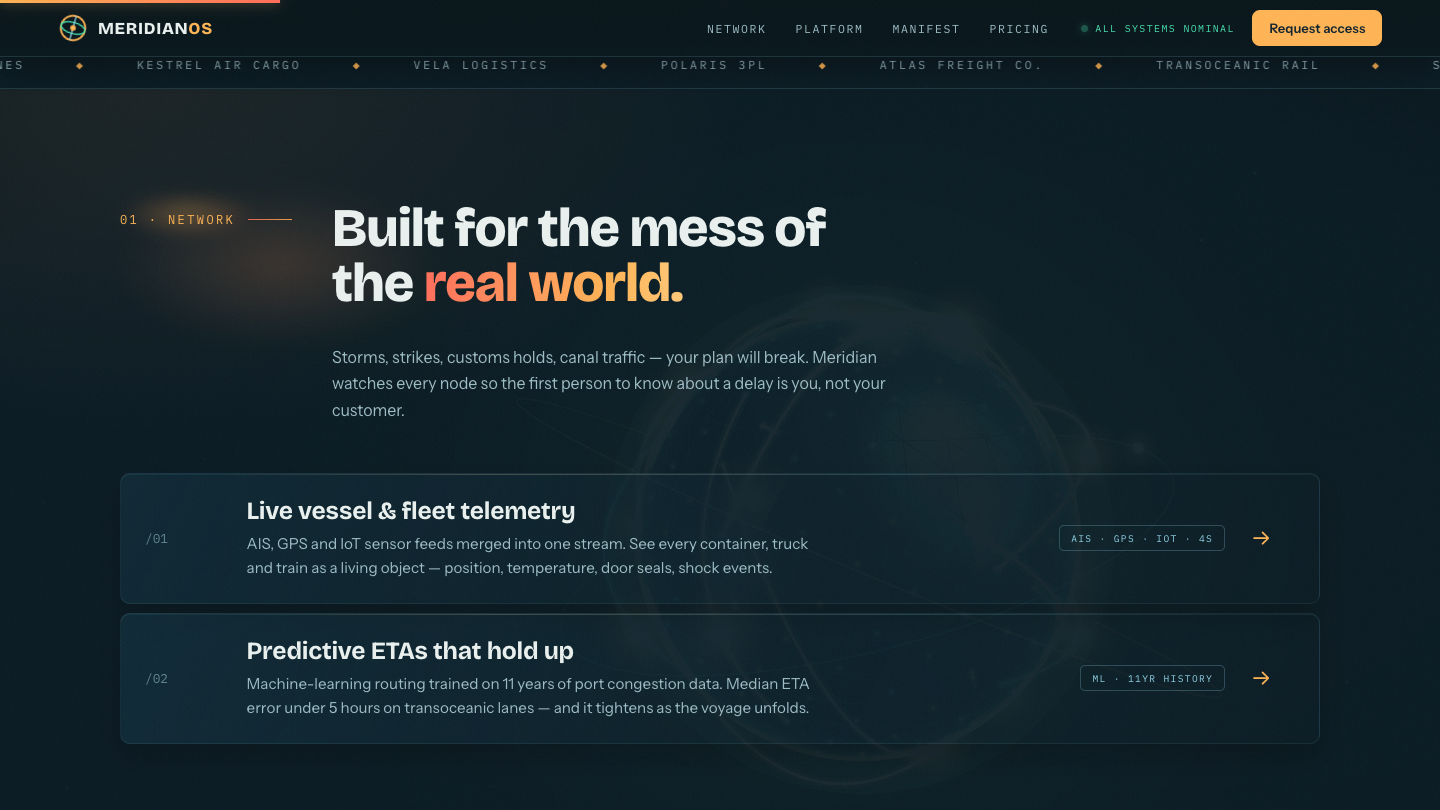
Page
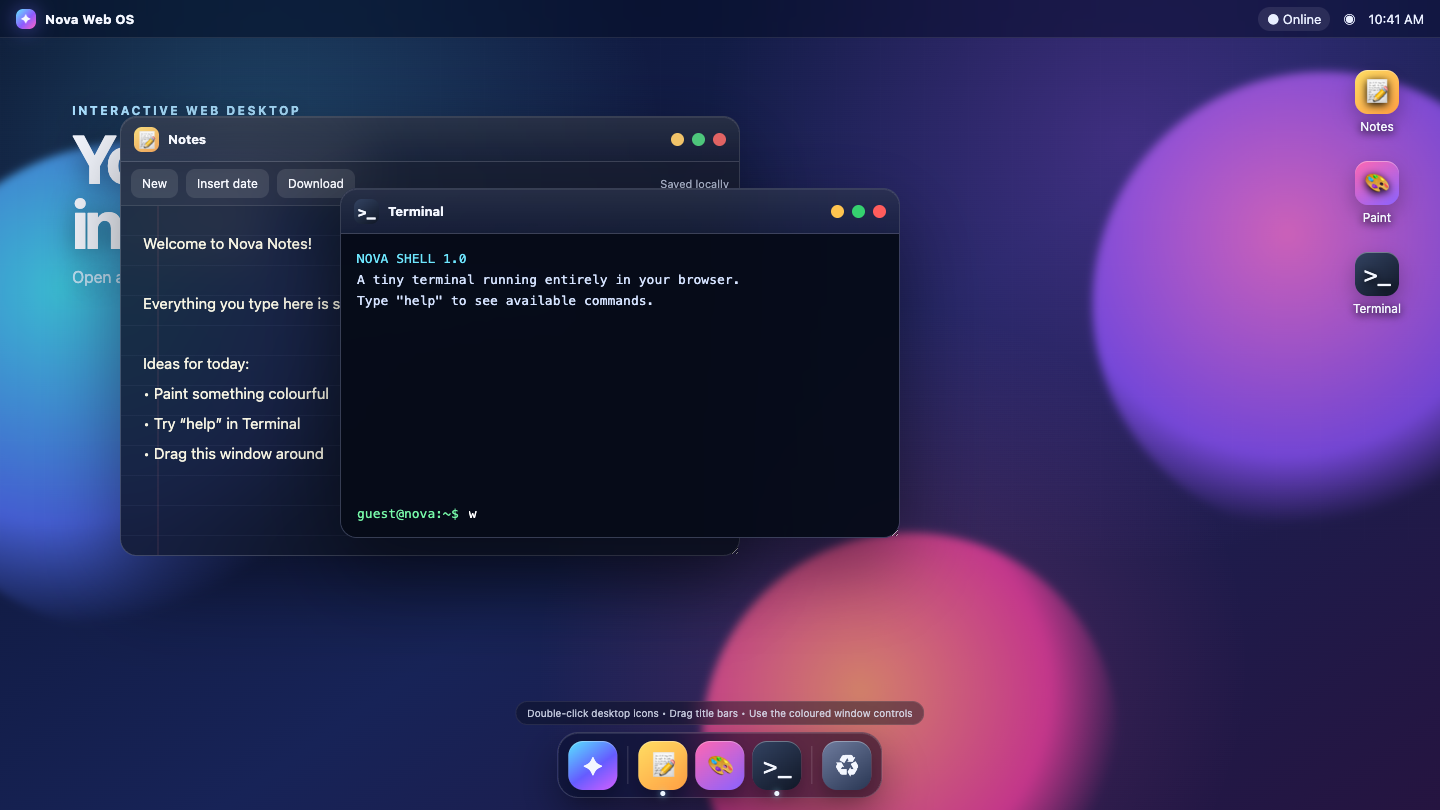
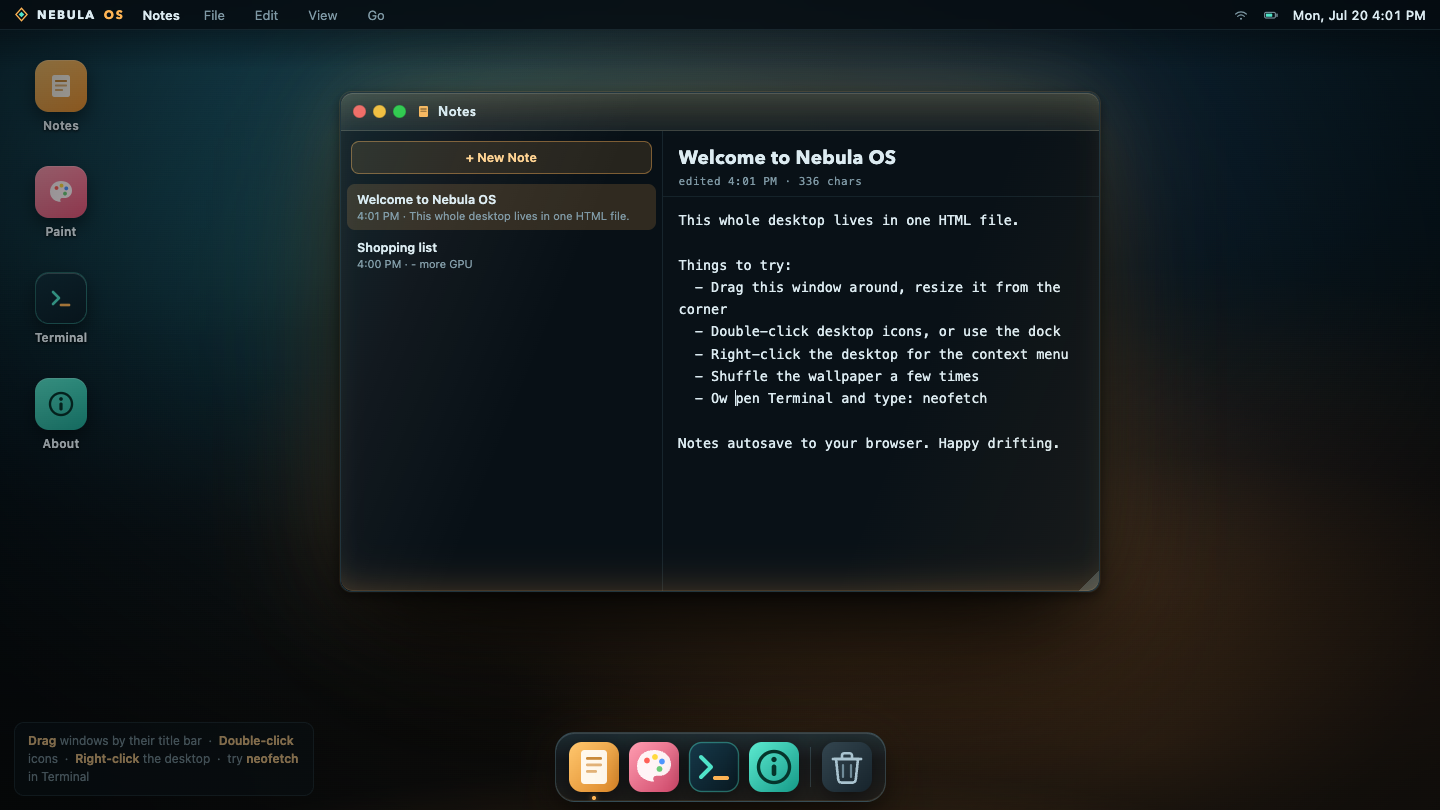
Where GPT-5.6 Sol beat Qwen 3.8
The tasks where I gave GPT-5.6 Sol a higher 0–10 score on the same prompt — with the actual commentary from my source guides.
Waves
Visual
GPT-5.6 Sol 8.4
·
Qwen 3.8 2.0
(+6.4)
· buoy-anchored ocean
What I saw: Strong, polished 3D ocean with convincing rolling swells, glowing crests, a charming floating buoy, and clean glassmorphic UI plus orbit/zoom/stir interactivity. Slightly weak spots: the sun renders as a flat dark disc rather than a glowing sun, keeping it just shy of the top of the field.
Game
Game
GPT-5.6 Sol 8.6
·
Qwen 3.8 6.5
(+2.1)
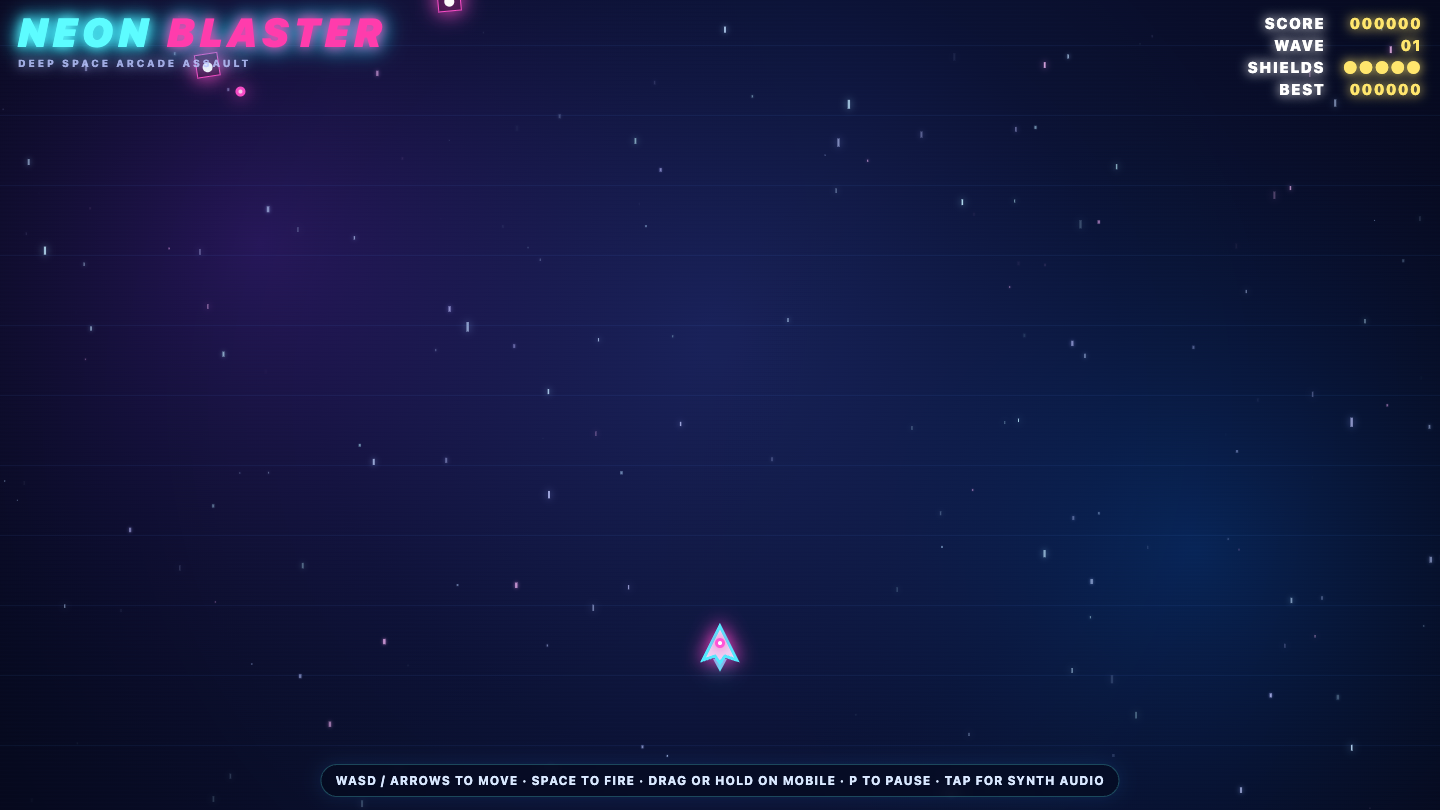
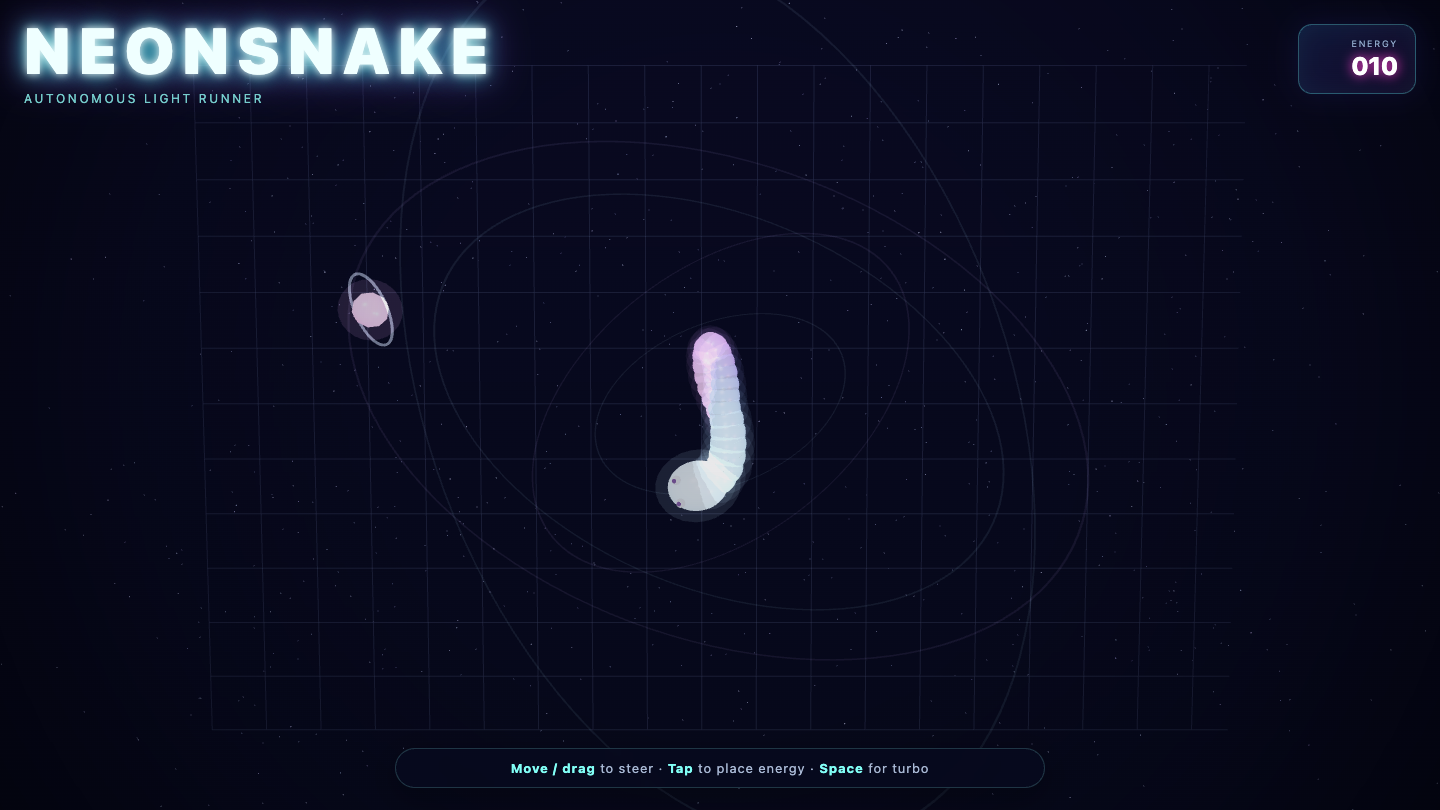
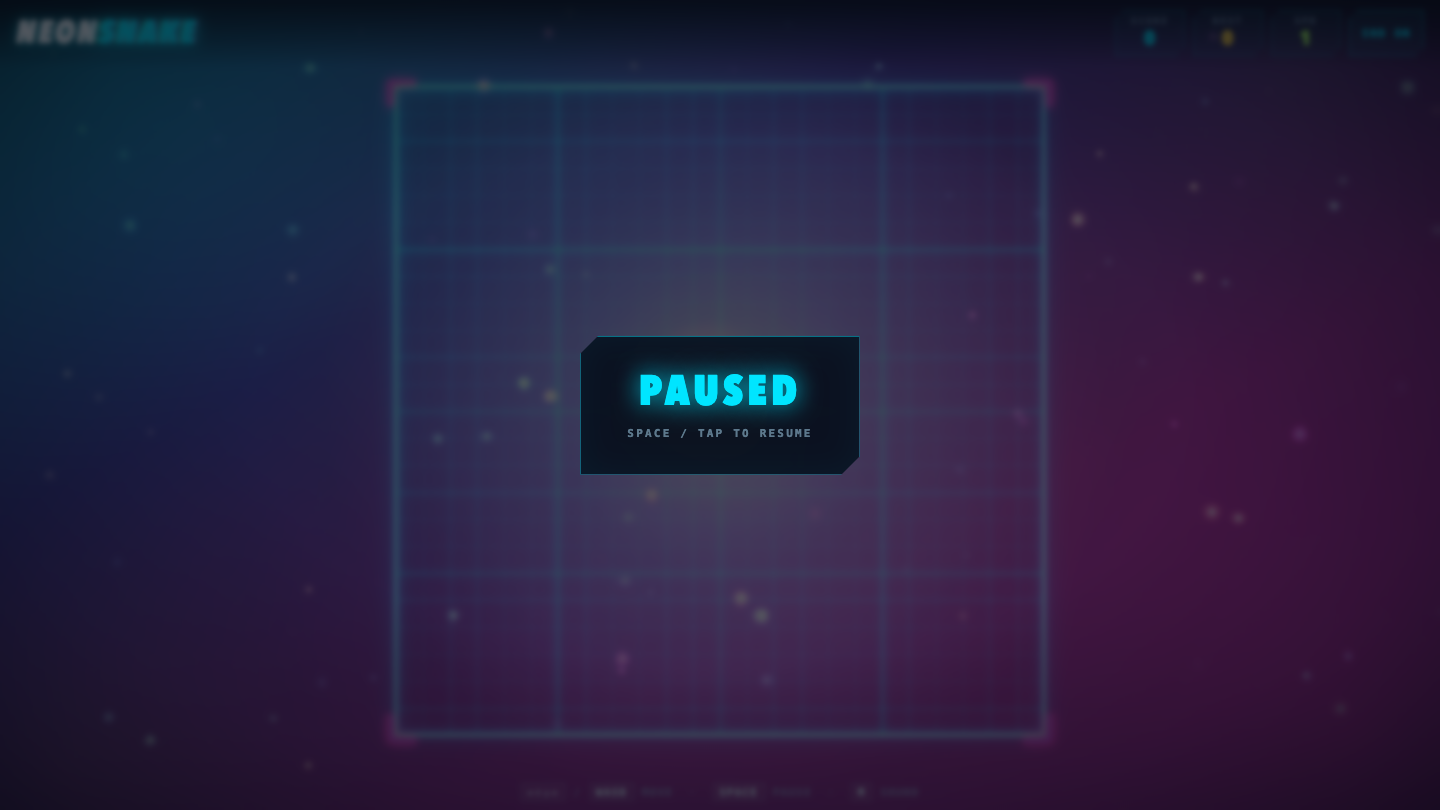
· Polished neon arcade
What I saw: Strong: the screenshot renders a genuinely polished neon collect-and-evade game with glowing player, orbiting crystals, pulse-radius ring, HUD stats, energy bar, and clean 'Harvest the Light' title — cohesive and shippable. Weak: it's a familiar collector concept, but the executi…
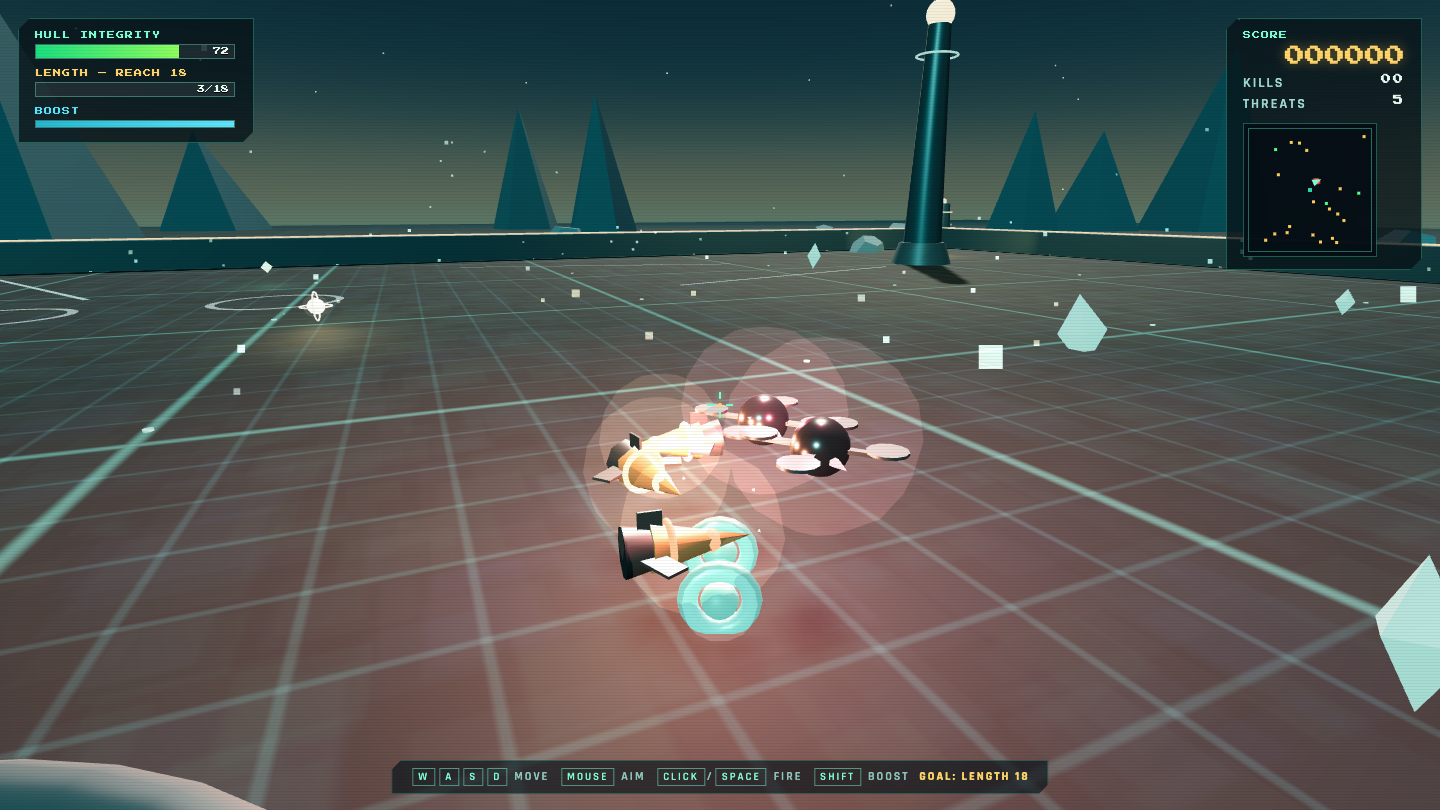
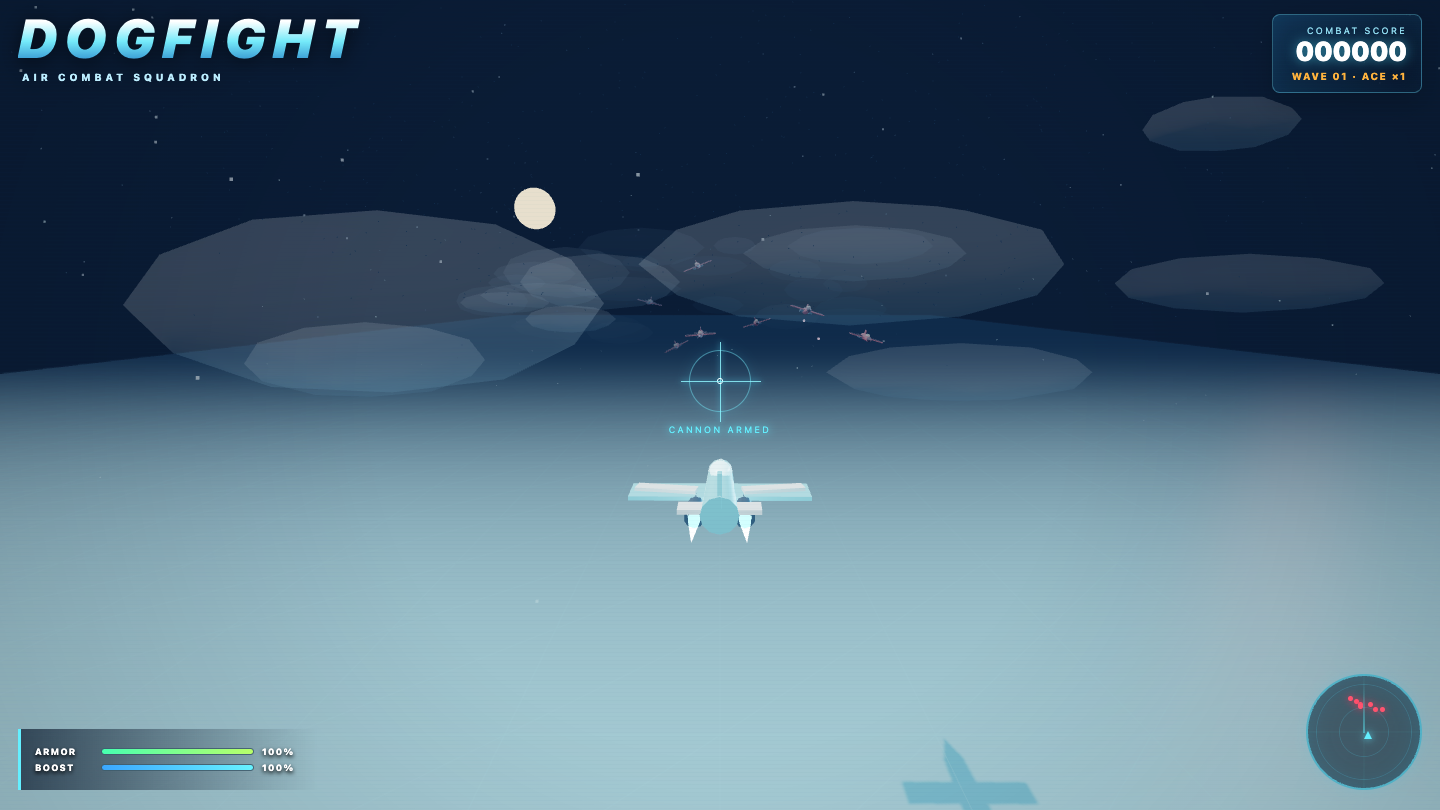
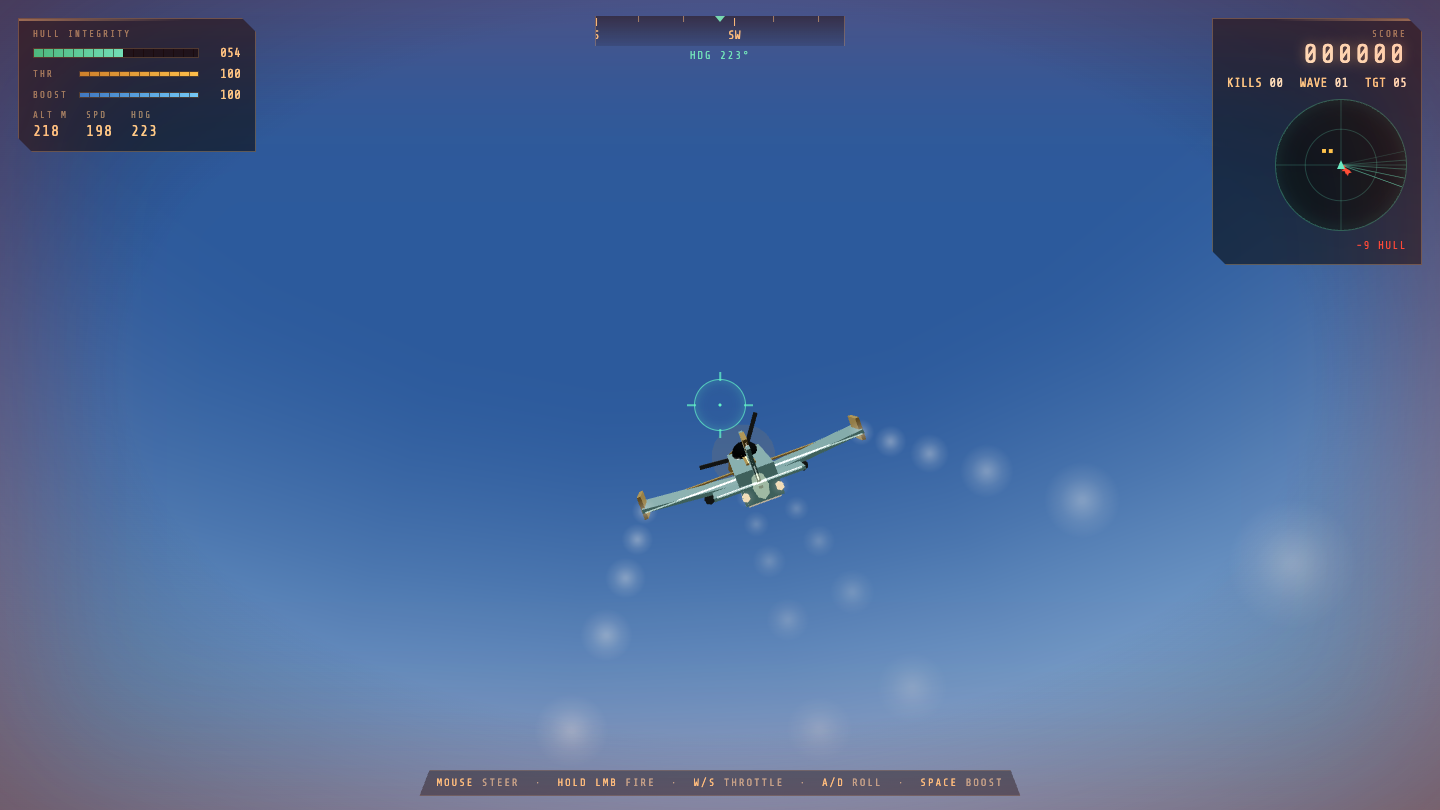
Dogfight
Game
GPT-5.6 Sol 8.6
·
Qwen 3.8 6.8
(+1.8)
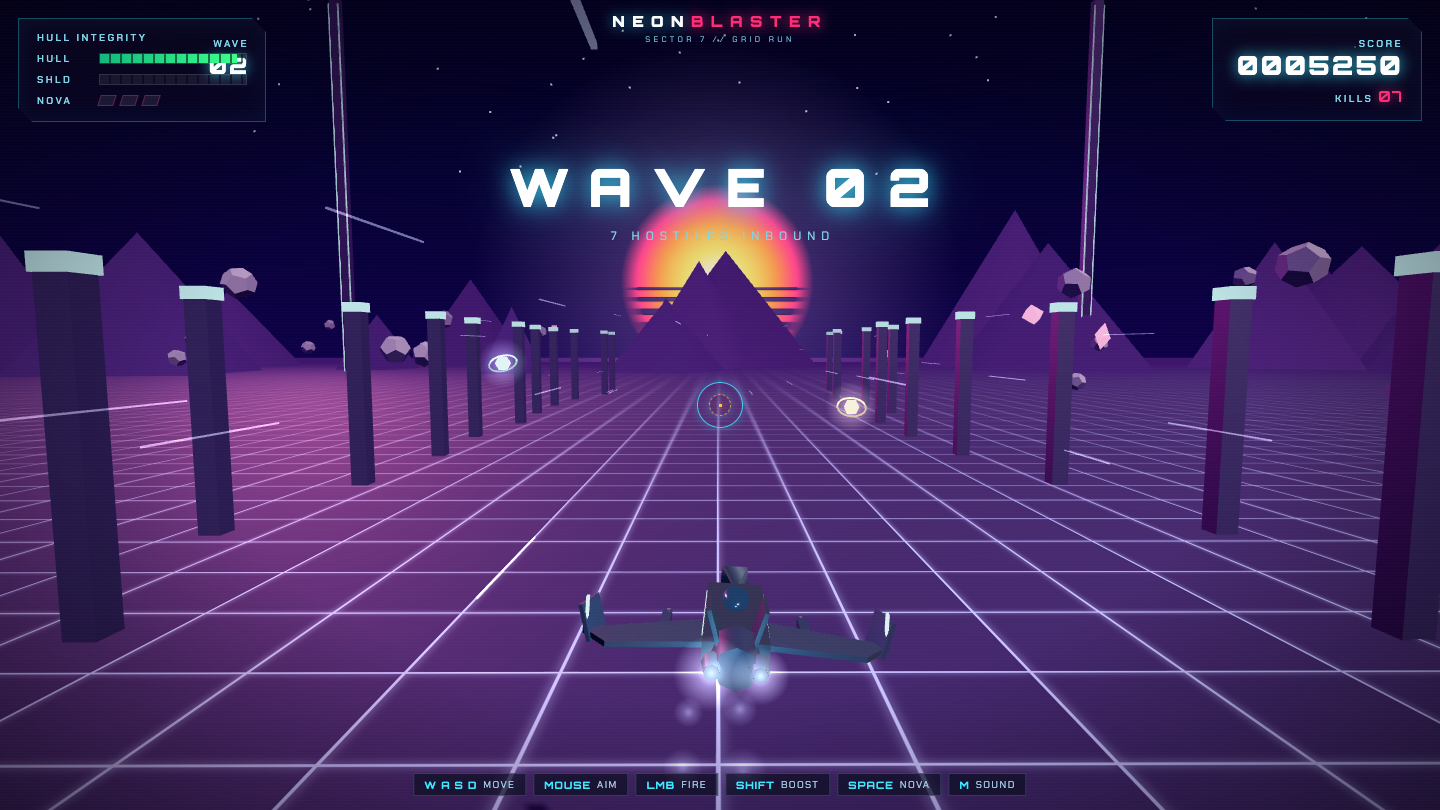
· polished chase-cam dogfight
What I saw: Beautifully rendered third-person chase-cam scene with a detailed player jet, layered clouds, moon, enemy squadron inbound, and a cohesive HUD (crosshair, armor/boost meters, working radar with blips). Cinematic art direction and complete combat framing make it a clear task winne…
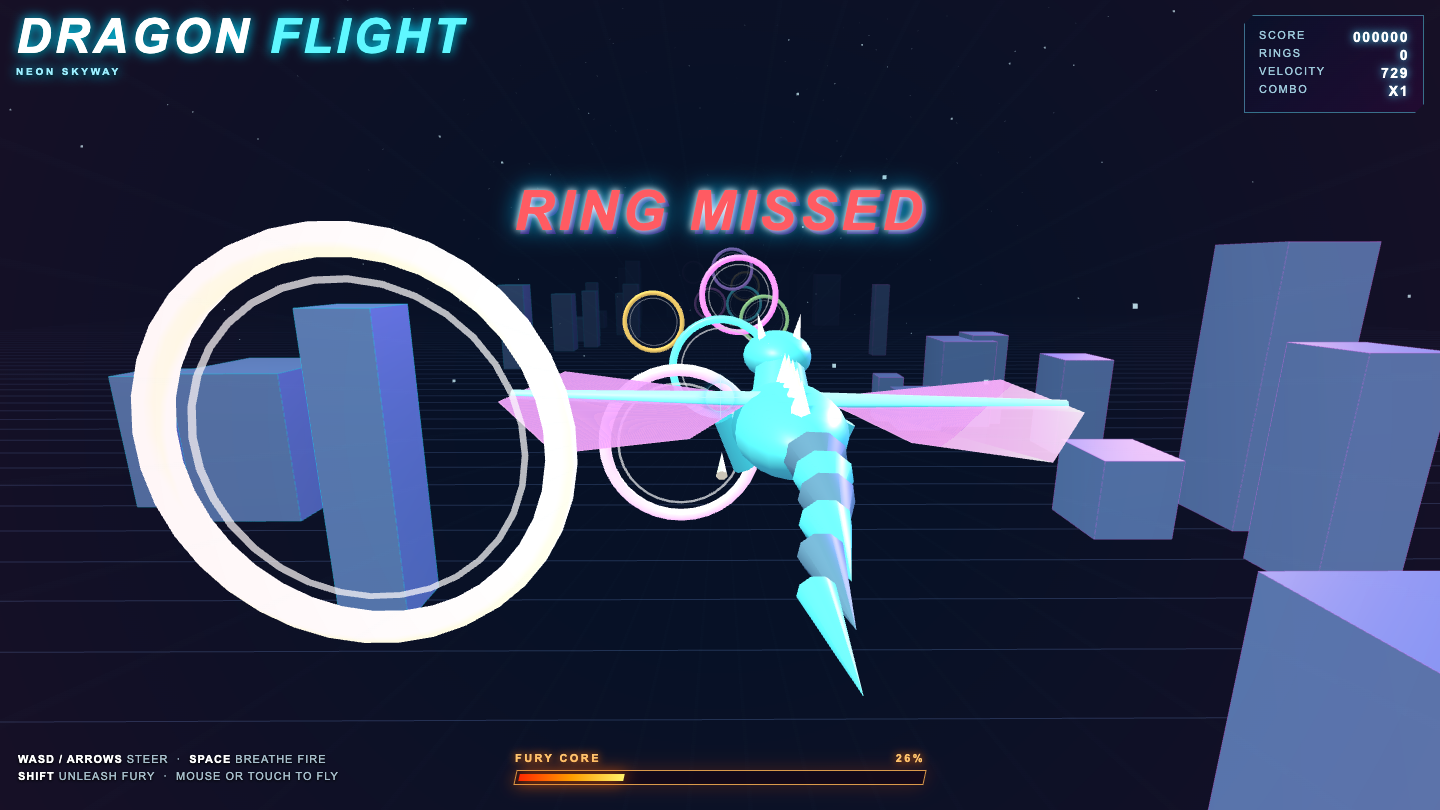
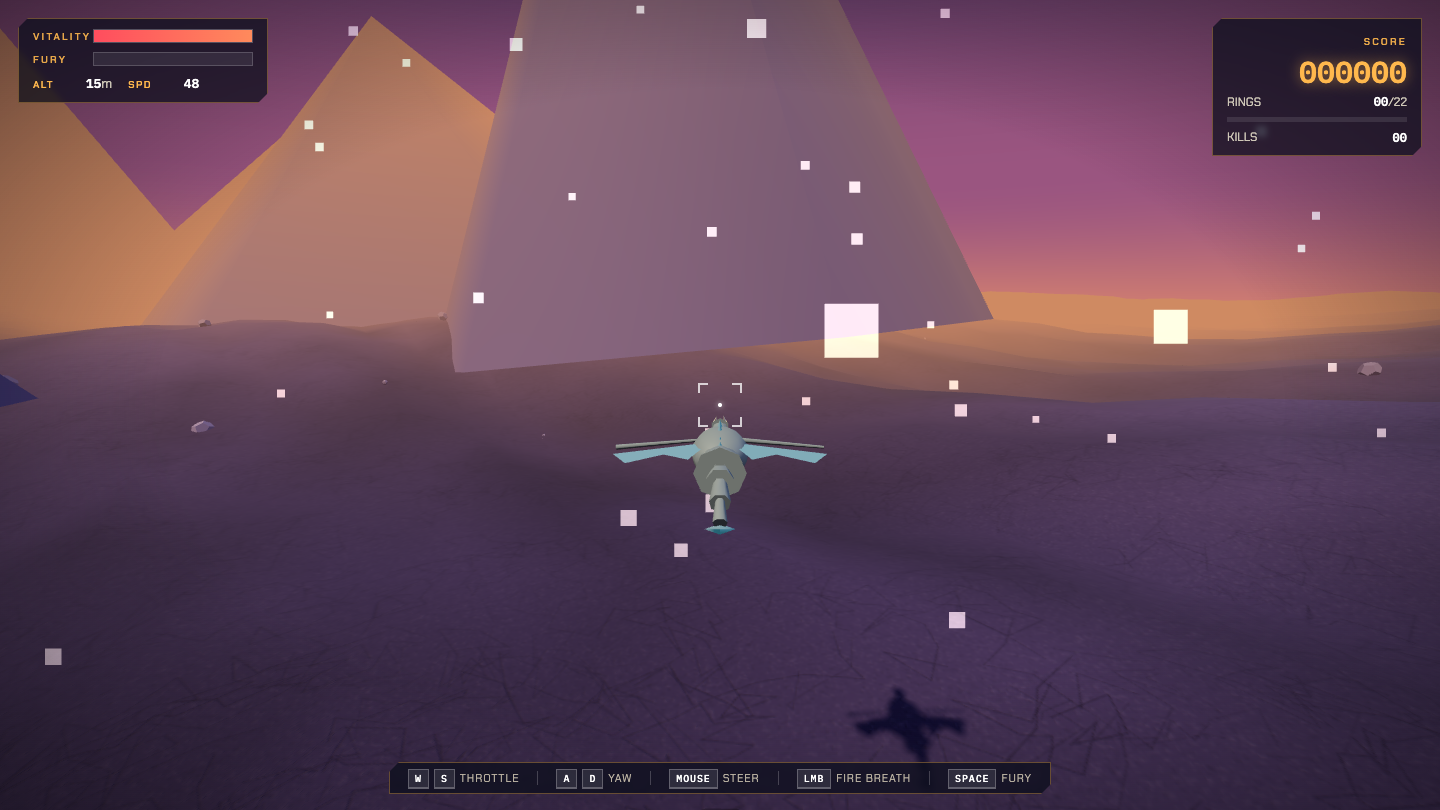
Dragonflight
Game
GPT-5.6 Sol 8.4
·
Qwen 3.8 7.0
(+1.4)
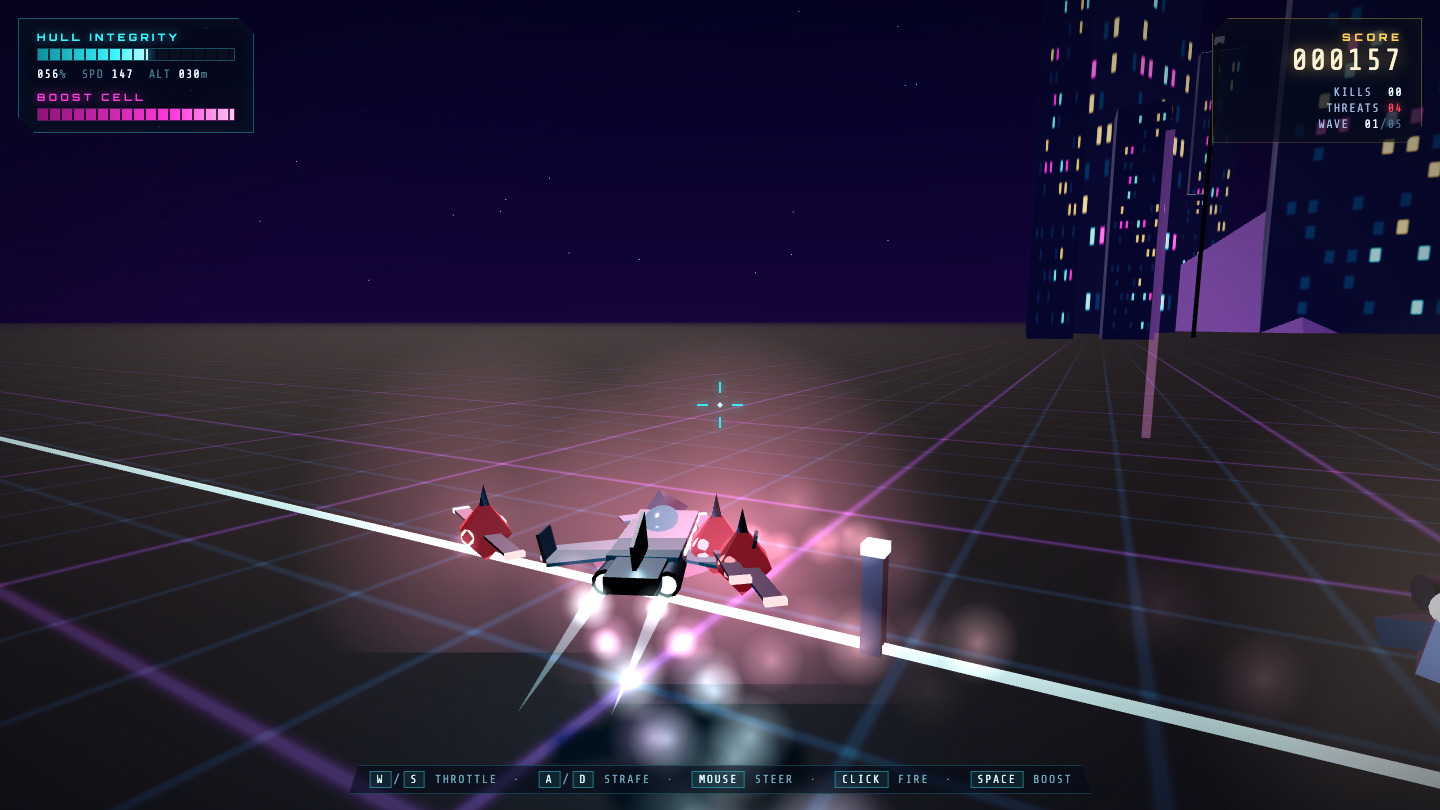
· neon dragon HUD
What I saw: Renders a well-modeled segmented dragon with wings, glowing neon rings, cityscape depth and a clean full HUD (score/rings/velocity/combo, fury core meter, message banner, controls) that nails the brief; slightly generic minimalist environment and no visible fire-breath in this fr…
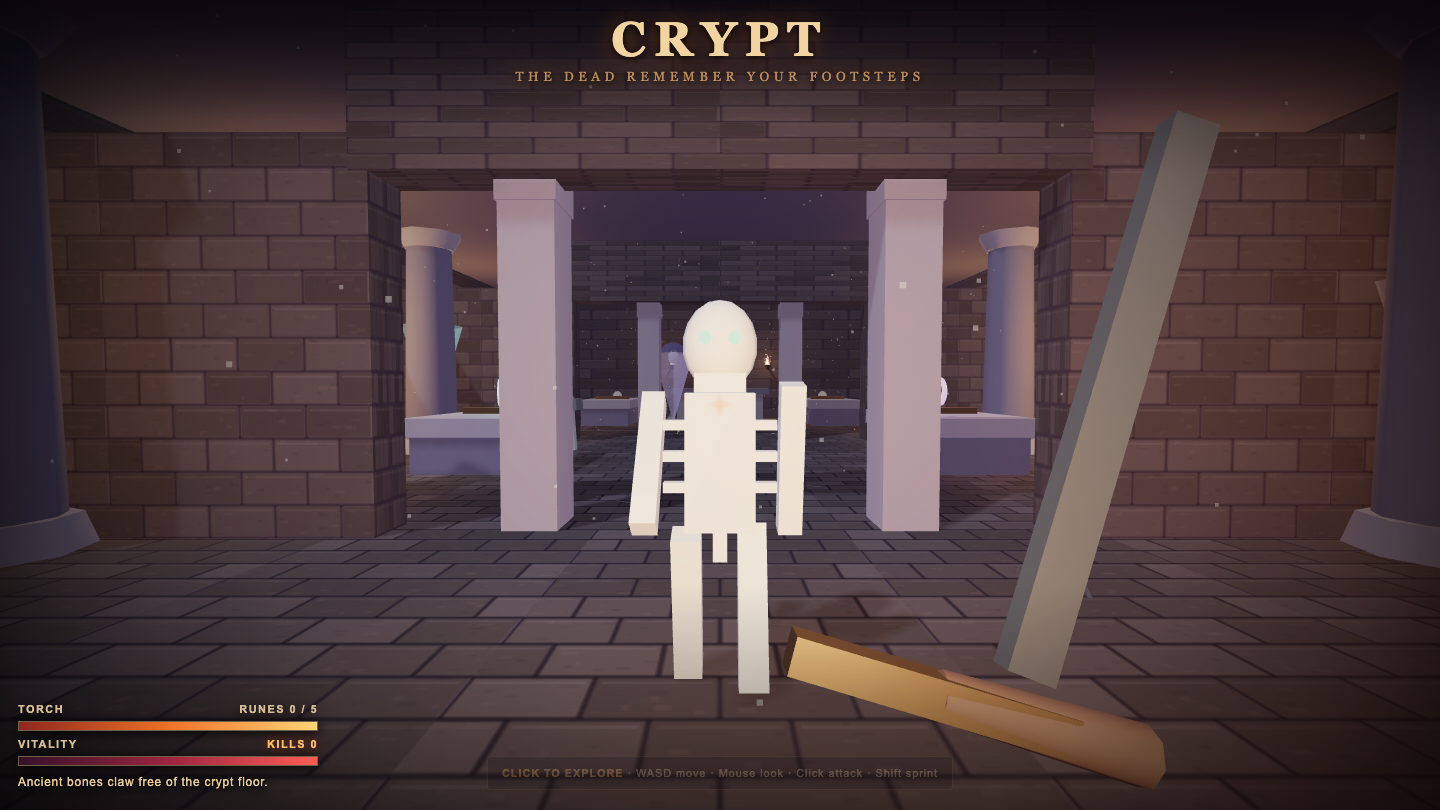
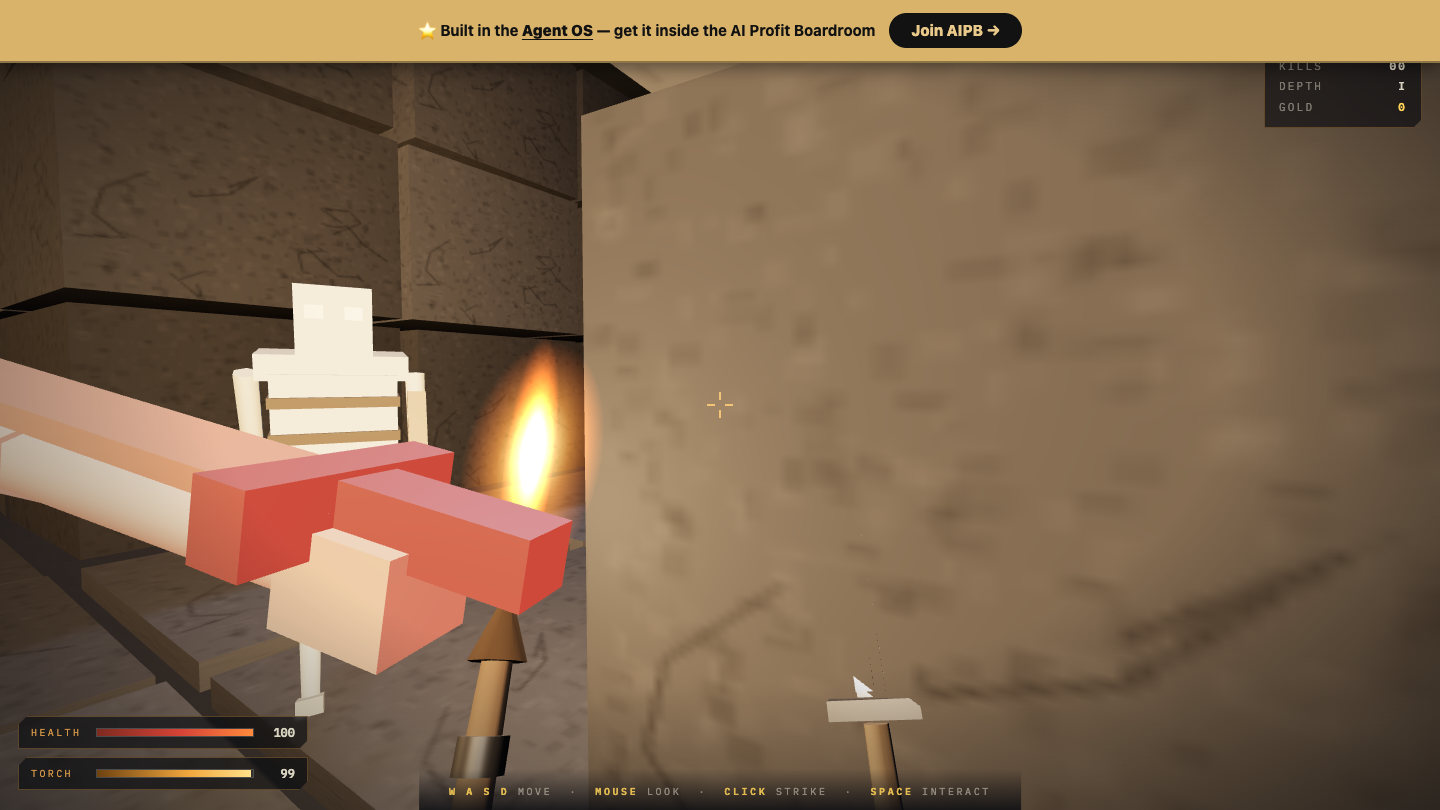
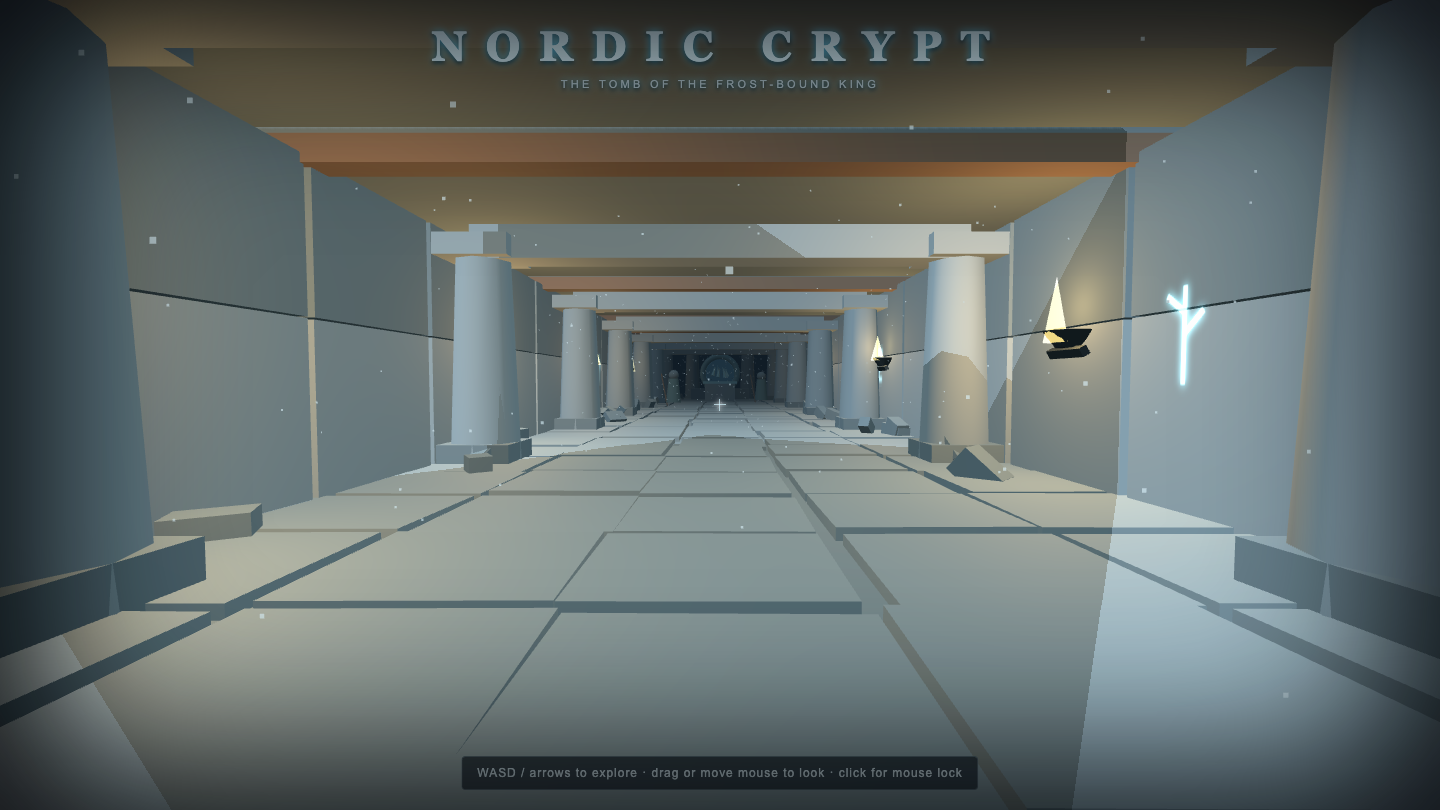
Nordiccrypt
Game
GPT-5.6 Sol 7.8
·
Qwen 3.8 6.4
(+1.4)
What I saw: Strong architectural depth with pillars, wooden crossbeams, glowing runes, torches and a distant shrine/portal that reads clearly as an ancient Nordic ruin, plus polished HUD framing. But the lighting is too bright/washed-out for a 'torch-lit dungeon' — it lacks the dark, atmosph…
Where Qwen 3.8 beat GPT-5.6 Sol
The tasks where I gave Qwen 3.8 a higher 0–10 score on the same prompt — with the actual commentary from my source guides.
Voxel
Visual
Qwen 3.8 8.6
·
GPT-5.6 Sol 3.5
(+5.1)
· Polished procedural island
What I saw: Strong render of a detailed voxel island with layered terrain, snow-capped stone peak, trees, sand beaches and a stylized water plane, wrapped in a genuinely polished HUD (palette, tools, day-night cycle, seed, 9,713 blocks). Interactive break/build editing and procedural regener…
Gtafoot
Game
Qwen 3.8 8.1
·
GPT-5.6 Sol 3.5
(+4.6)
What I saw: Strong dusk-lit third-person city with polished HUD (vitals, ammo, wanted stars, minimap, takedowns), a proper armed player character, pedestrians, park, crosswalks, and cars — clearly on-brief and shippable. Held just below the top tier because the screenshot shows peaceful pede…
Pathtracer
Sim
Qwen 3.8 8.6
·
GPT-5.6 Sol 6.4
(+2.2)
· Physically-correct materials shine
What I saw: Strong: genuine WebGL path tracer with convincing metal/dielectric/lambert spheres, reflections, refraction and soft shadows on a checker floor, plus a polished amber HUD with live SPP/bounce controls. Weak: Monte Carlo noise is still quite grainy and the sky washes to near-flat …
Lavalamp
Visual
Qwen 3.8 8.7
·
GPT-5.6 Sol 7.8
(+0.9)
· Metaball wax realism
What I saw: Gorgeous rendering — convincing metaball wax with glowing blobs rising in a beautifully detailed brass-and-glass lamp, plus Monoton neon title, live temp readouts, heat slider and theme chips. Polished, on-brief, and clearly at the top of the field; only nitpick is empty left-sid…
Reactiondiff
Sim
Qwen 3.8 8.7
·
GPT-5.6 Sol 8.0
(+0.7)
· Glowing Turing labyrinth
What I saw: Strong Gray-Scott simulation producing a crisp, organic labyrinth pattern with beautiful bioluminescent glow, backed by a polished HUD, 8 presets, live chemistry sliders, and multiple palettes. The rendered field is genuinely on-brief and visually superior to a flat greyscale sim…
Strengths & weaknesses I logged
GPT-5.6 Sol
Strengths
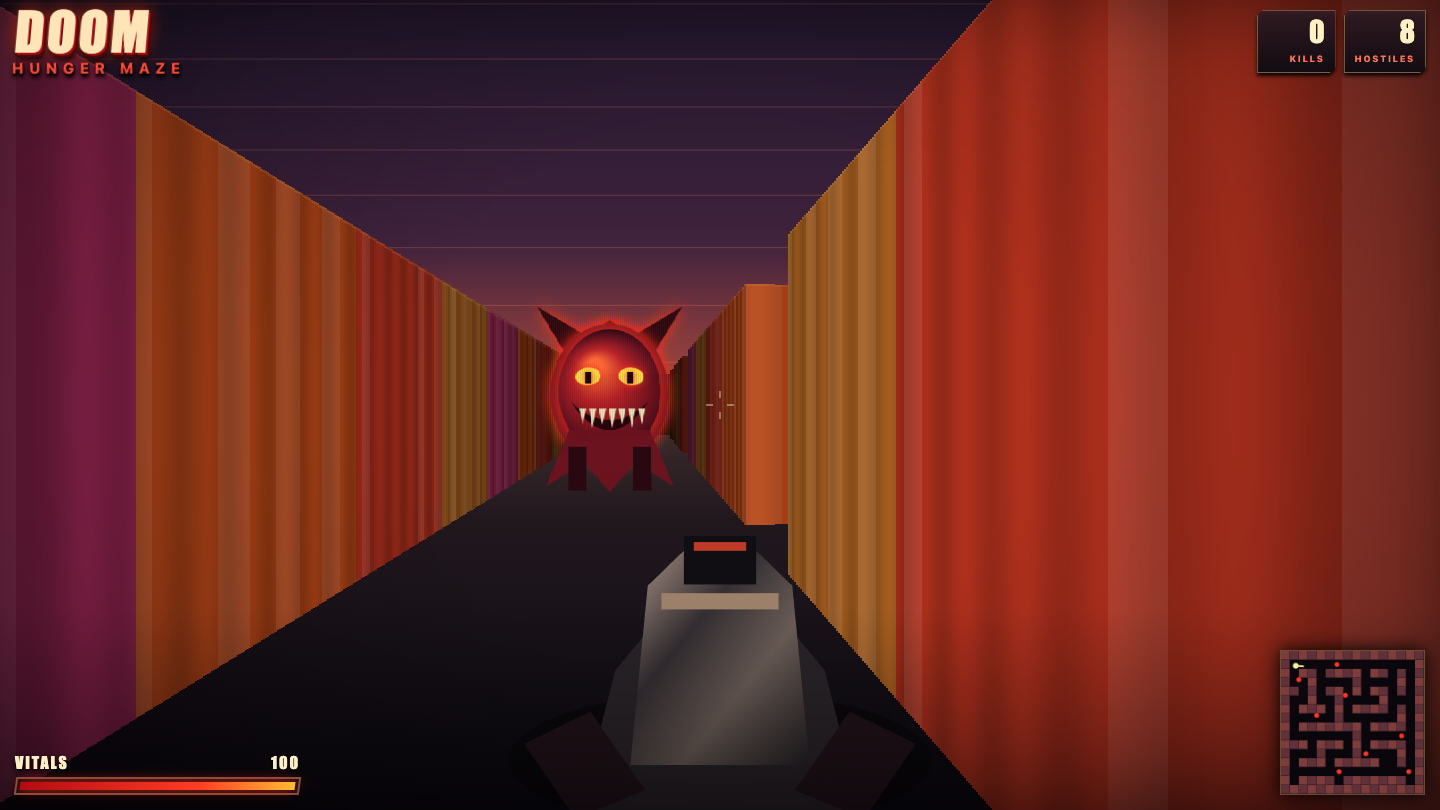
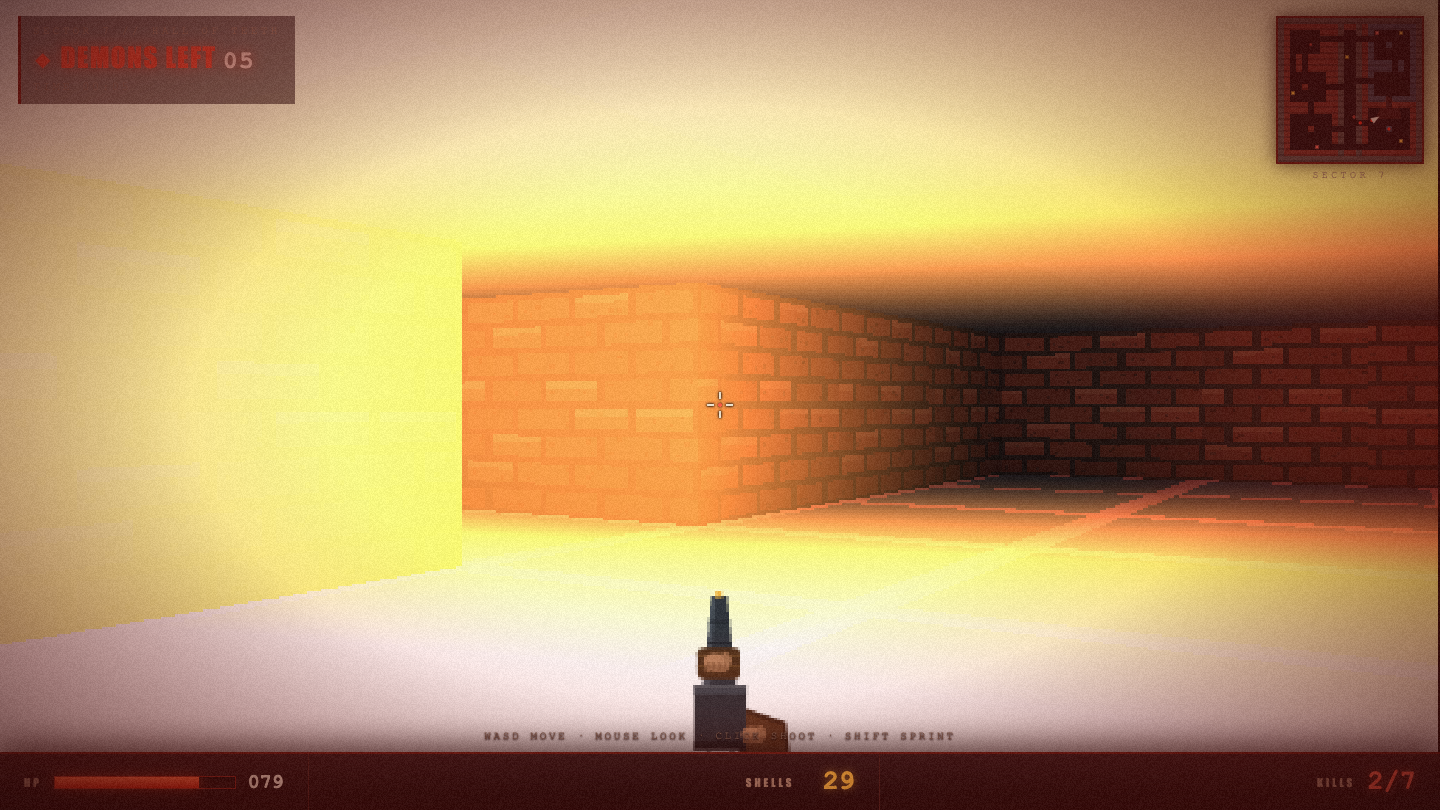
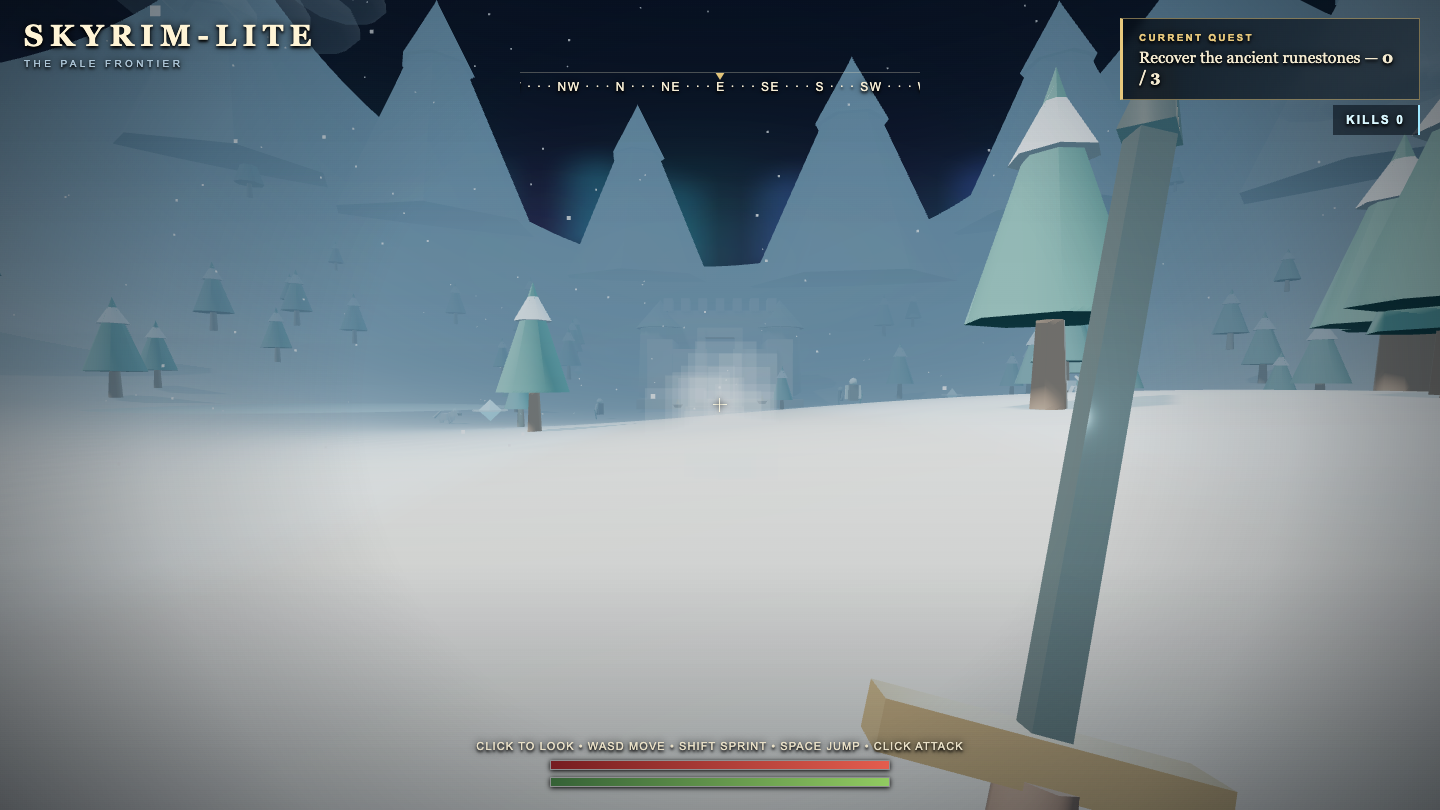
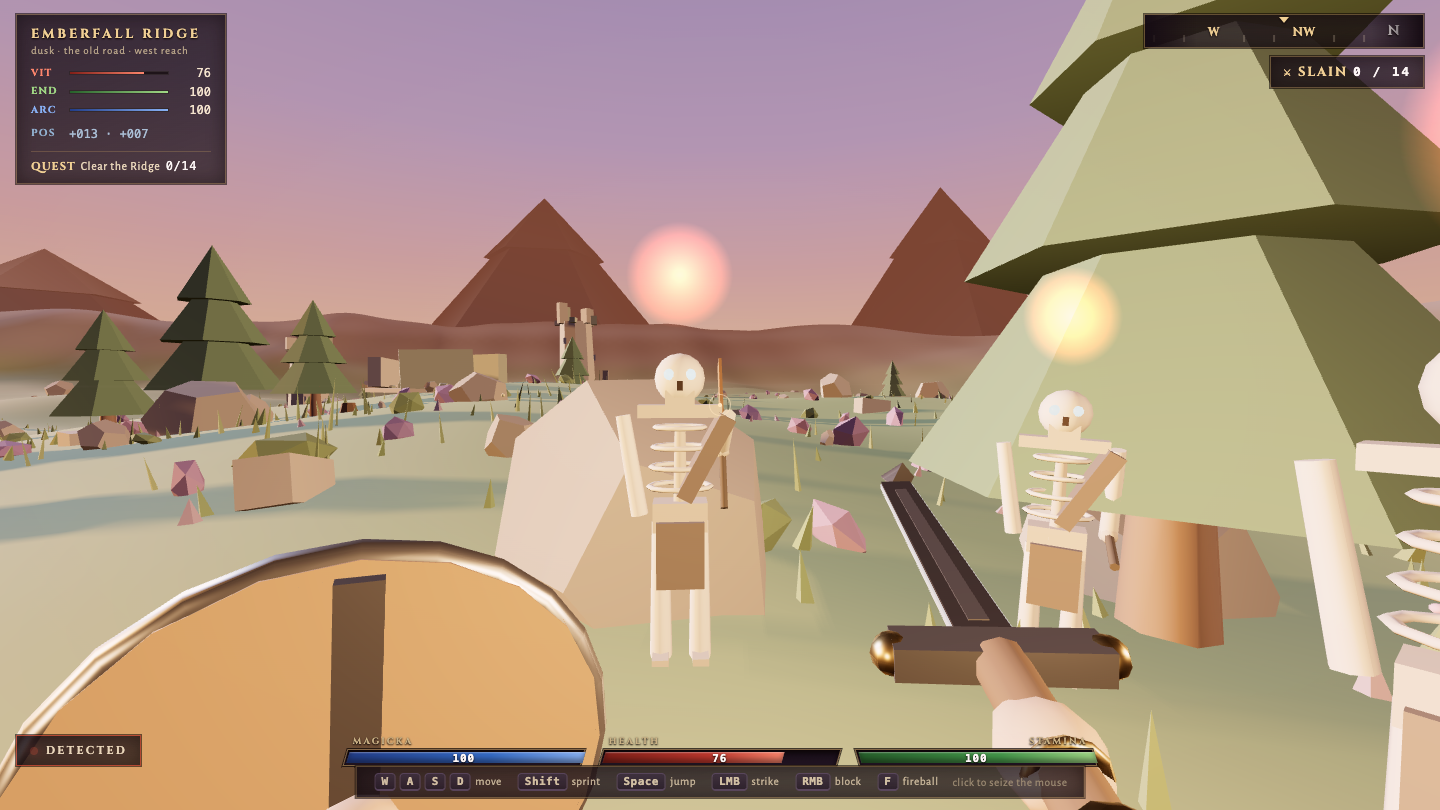
- Strong one-shot 3D games — Dragon Realm, Doom raycaster and Skyrim-lite all judged task winners
- Whole 5.6 lineup rated High capability, even the small Luna/Terra tiers — a first for OpenAI
- Huge ~1.05M-token context on every tier, plus a low-to-high reasoning-effort dial
Trade-offs
- Priciest tier on the bench at $30/M output — only worth routing the hardest 10% of work to Sol
- Reasoning can eat the token budget on big open-world briefs (one 0-byte failure until the budget was raised, then it built clean)
Qwen 3.8
Strengths
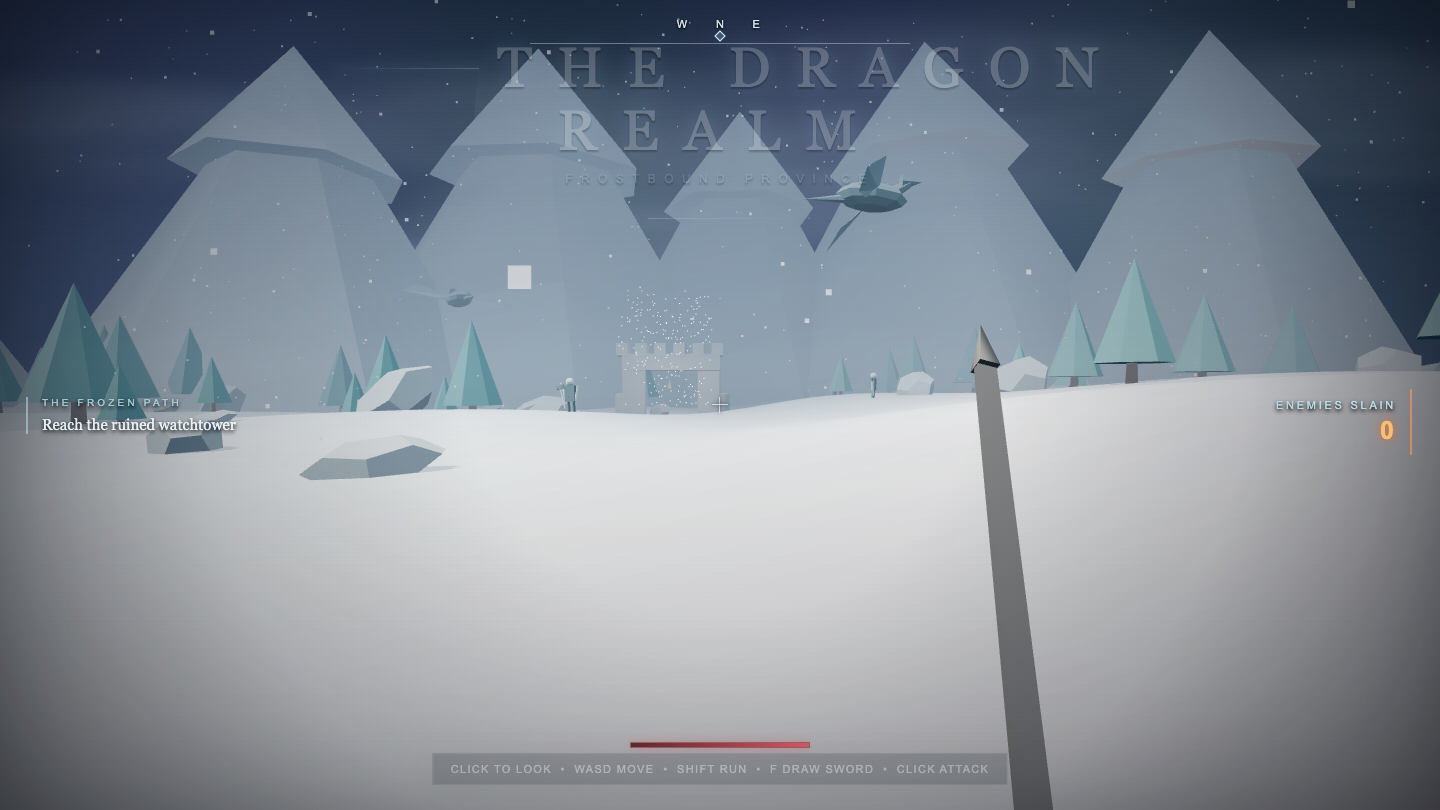
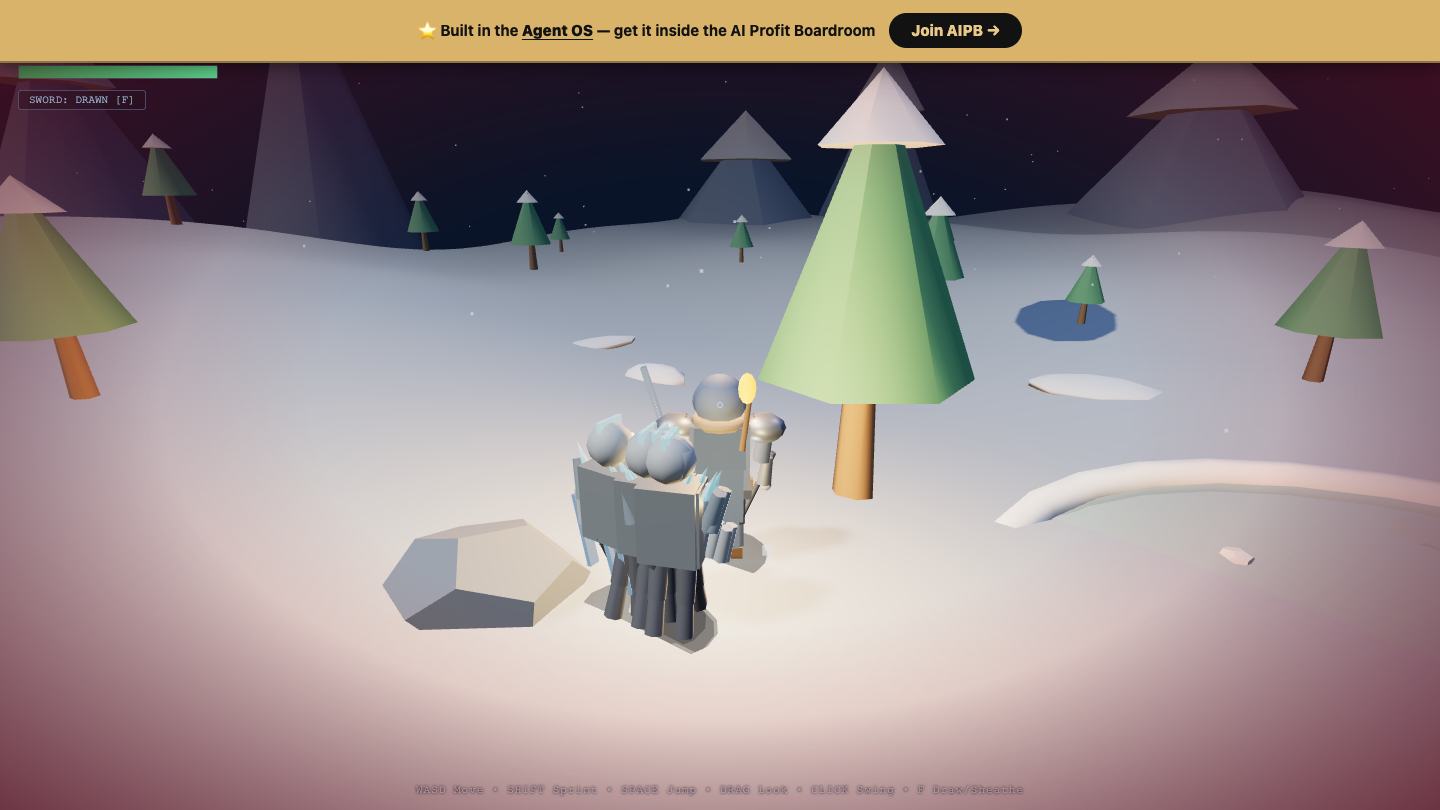
- Skyrim-style open worlds — the Dragon Realm build rendered a lit snowfield, first-person sword and working roaming enemies (7.8)
- Held up across game genres early — voxel sandbox and Doom raycaster both came out shippable
- Runs as a real agentic coder inside Qoder (writes + iterates on files), not just a chat model
Trade-offs
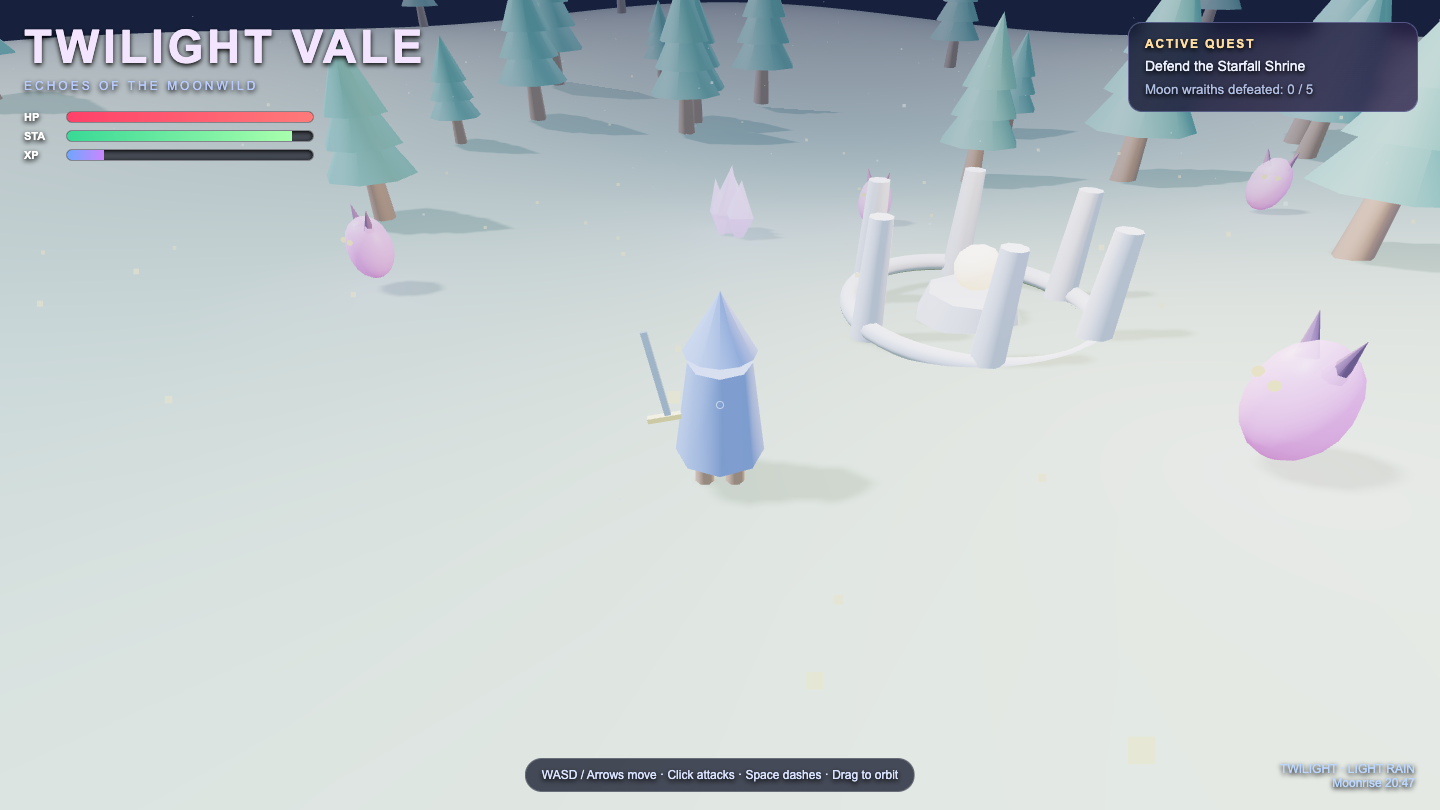
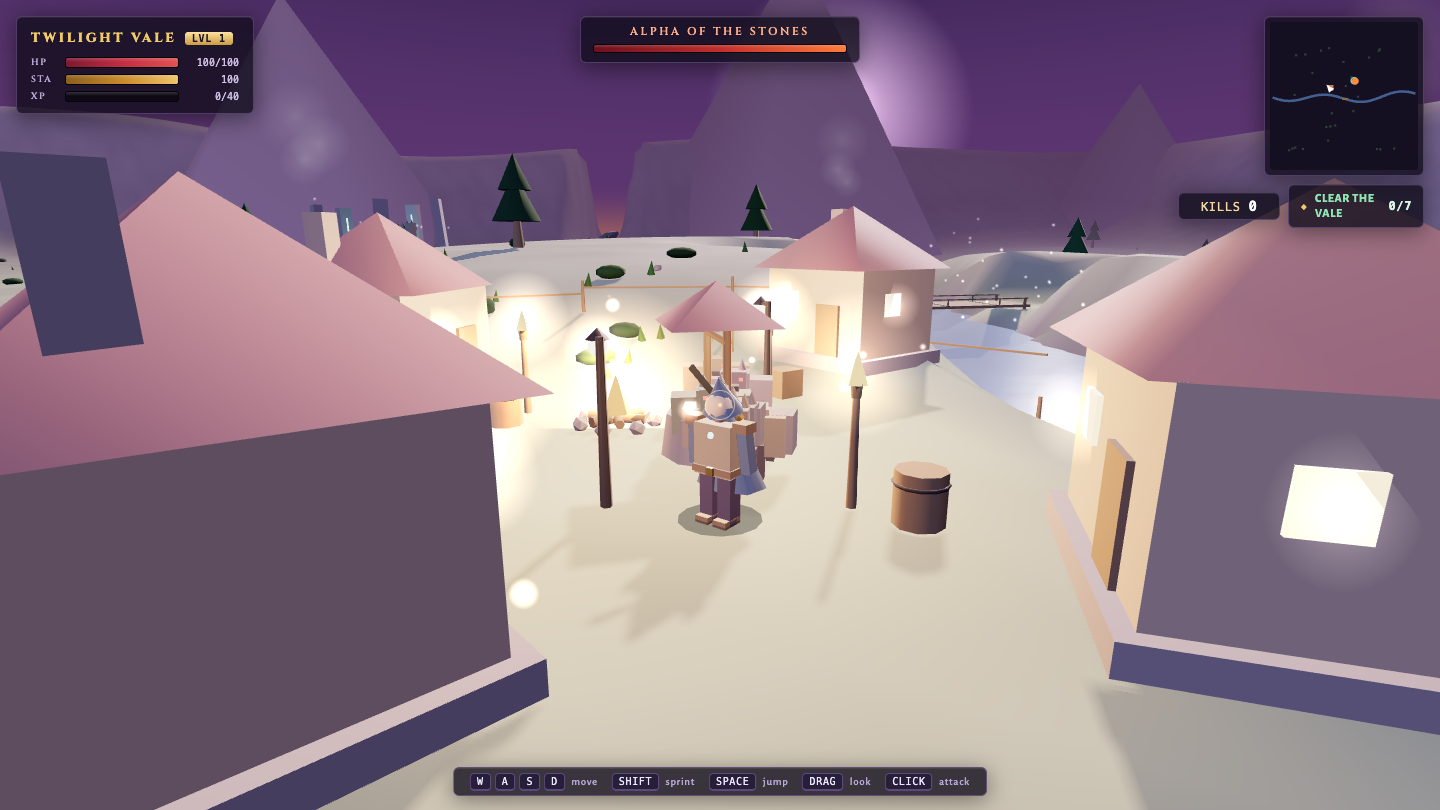
- Torch-lit dungeon (crypt) came out generic (6.3); one open-world RPG one-shot black-screened (twilightvale 2.5) — classic three.js r128 API drift
- Preview is Qoder / Token-Plan only — no OpenRouter or public API, so it can't be routed into an app the way the OpenRouter models can
Pricing & context — the spec sheet
| Spec | GPT-5.6 Sol | Qwen 3.8 |
|---|---|---|
| Vendor | OpenAI | Alibaba |
| Context window | 1,050,000 tokens | Served through Alibaba's Qoder agent platform; the 3.8-Max preview has no standalone public context window yet. |
| Price | $5 / $30 per M | Qoder plan |
| Pricing detail | GPT-5.6 shipped as three models — Luna ($1/$6 per M), Terra ($2.50/$15) and Sol ($5/$30) — each with a same-price pro variant that ships a higher default reasoning effort. All share a ~1.05M-token context window and are rated High capability. Benched here on the flagship, Sol, at medium reasoning effort via OpenRouter. | Qwen3.8-Max-Preview is Alibaba's ~2.4T-parameter flagship, positioned just behind Claude Fable 5. It is NOT on OpenRouter or a public API yet — the only access today is inside Qoder (Alibaba's agentic coding platform, free 2-week Pro trial). Benched here via the Qoder CLI on model `Qwen3.8-Max-Preview`, one-shot. |
| Release | 2026-07 | 2026-07 |
| Bench coverage | 50/50 scored · avg 8.16/10 | 45/45 scored · avg 8.10/10 |
The verdict — which should you pick?
Across 45 scored shared tasks, the averages are essentially tied — GPT-5.6 Sol 8.14 vs Qwen 3.8 8.10. This isn't the comparison where one wins; it's the comparison where you pick based on context, pricing, and what you're actually trying to ship.
If you only run one of these inside your stack, the head-to-head average above is the call. If you can run both, my honest play is to wire GPT-5.6 Sol and Qwen 3.8 both into the Agent Operating System and dispatch each from the kanban by task type — the hardest reasoning and code where being right beats being cheap → GPT-5.6 Sol, one-shot 3d game and world prototypes where atmosphere matters → Qwen 3.8. That's the same setup I run for the 3,400+ founders inside the AI Profit Boardroom.
FAQ — GPT-5.6 Sol vs Qwen 3.8
Which is better, GPT-5.6 Sol or Qwen 3.8?
On Goldie Bench, GPT-5.6 Sol averages 8.14/10 across the shared tasks, with 2 gold, 9 silver, 10 bronze overall. Qwen 3.8 averages 8.10/10, with 8 gold, 6 silver, 7 bronze. It's a curated tie on the head-to-head.
How much does GPT-5.6 Sol cost vs Qwen 3.8?
GPT-5.6 Sol: GPT-5.6 shipped as three models — Luna ($1/$6 per M), Terra ($2.50/$15) and Sol ($5/$30) — each with a same-price pro variant that ships a higher default reasoning effort. All share a ~1.05M-token context window and are rated High capability. Benched here on the flagship, Sol, at medium reasoning effort via OpenRouter. Qwen 3.8: Qwen3.8-Max-Preview is Alibaba's ~2.4T-parameter flagship, positioned just behind Claude Fable 5. It is NOT on OpenRouter or a public API yet — the only access today is inside Qoder (Alibaba's agentic coding platform, free 2-week Pro trial). Benched here via the Qoder CLI on model `Qwen3.8-Max-Preview`, one-shot.
What's the context window for GPT-5.6 Sol vs Qwen 3.8?
GPT-5.6 Sol has a 1,050,000 tokens context window. Qwen 3.8 has a Served through Alibaba's Qoder agent platform; the 3.8-Max preview has no standalone public context window yet. context window.
When should I pick GPT-5.6 Sol over Qwen 3.8?
Pick GPT-5.6 Sol for: The hardest reasoning and code where being right beats being cheap; One-shot game/sim prototypes you want shippable on the first prompt; The flagship slot in a routed Agent OS — Sol for the hard 10%, Luna/Terra for the rest. The trade-off is the weaknesses we logged on the bench: Priciest tier on the bench at $30/M output — only worth routing the hardest 10% of work to Sol; Reasoning can eat the token budget on big open-world briefs (one 0-byte failure until the budget was raised, then it built clean).
When should I pick Qwen 3.8 over GPT-5.6 Sol?
Pick Qwen 3.8 for: One-shot 3D game and world prototypes where atmosphere matters; Anyone already in the Qoder IDE/CLI wanting a near-frontier model free on the Pro trial; A cheaper stand-in for Fable 5 on creative-visual builds. The trade-off is the weaknesses we logged on the bench: Torch-lit dungeon (crypt) came out generic (6.3); one open-world RPG one-shot black-screened (twilightvale 2.5) — classic three.js r128 API drift; Preview is Qoder / Token-Plan only — no OpenRouter or public API, so it can't be routed into an app the way the OpenRouter models can.
How does Goldie Bench score GPT-5.6 Sol vs Qwen 3.8?
Every demo on this page was built by Julian Goldie inside the Agent Operating System — same fixed prompt for both models, one shot, single HTML file out. Each result gets a 0–10 score on whether it ran, how close it hit the brief, and how good it looked. The highest score on each task gets gold; second gets silver; third gets bronze. See methodology for full provenance.
Related comparisons
Other head-to-heads using the same scoring system:
GPT-5.6 Sol vs Fusion Qwen 3.8 vs Fusion GPT-5.6 Sol vs Claude Opus 5 Qwen 3.8 vs Claude Opus 5 GPT-5.6 Sol vs Hermes MoA Qwen 3.8 vs Hermes MoA GPT-5.6 Sol vs Claude Fable 5 Qwen 3.8 vs Claude Fable 5Full model pages: GPT-5.6 Sol · Qwen 3.8 · back to the leaderboard
The same stack Julian uses
Run this stack yourself.
Every demo on this bench was built inside the Agent Operating System — one prompt, one shot, single HTML file out. The Agent OS, the prompts, the templates, the weekly walkthroughs and 3,400+ founders shipping with it every day all live inside the AI Profit Boardroom.
3,400+founders
258documented wins
38countries
$69/momonthly