Real head-to-head · same prompt, one shot
GPT-5.6 Sol vs Opus 4.8
OpenAI's flagship — the Sun of the 5.6 lineup. vs The reasoning king — deepest thinking, premium price.
Head-to-head verdict: GPT-5.6 Sol wins 40–7.
What I tested — same prompt, two models
I run the same fixed prompt set through every new model the day it drops — same string, one shot, single HTML file out — and I score the result 0–10 on whether it ran, how close it hit the brief, and how good it looked. Below is what came out when I gave the exact same prompts to GPT-5.6 Sol and Opus 4.8, side by side, on 47 shared tasks inside the Agent Operating System.
Both models were given identical prompts inside the Agent Operating System — no help, no iteration, no "best of N" tricks. I run each prompt once, save the HTML file the model produces, and score it 0–10 on whether it ran, how close it hit the brief, and how good it looked. The scoring is mine. The verdicts below are pulled from my source comparison guides at agentos.guide where I publish every score and the reasoning behind it.
GPT-5.6 Sol · Benched on GoldieBench as the flagship Sol at medium reasoning, one-shot, then headless-playtested. In the Agent OS it's the top tier of a routed stack — Sol on the hard calls, Terra for the bulk, Luna for the everyday 90%.
Opus 4.8 · The default when the build has to ship on the first prompt — Opus is the safety net inside Agent OS for hard one-shots.
Side-by-side on 50 shared tasks
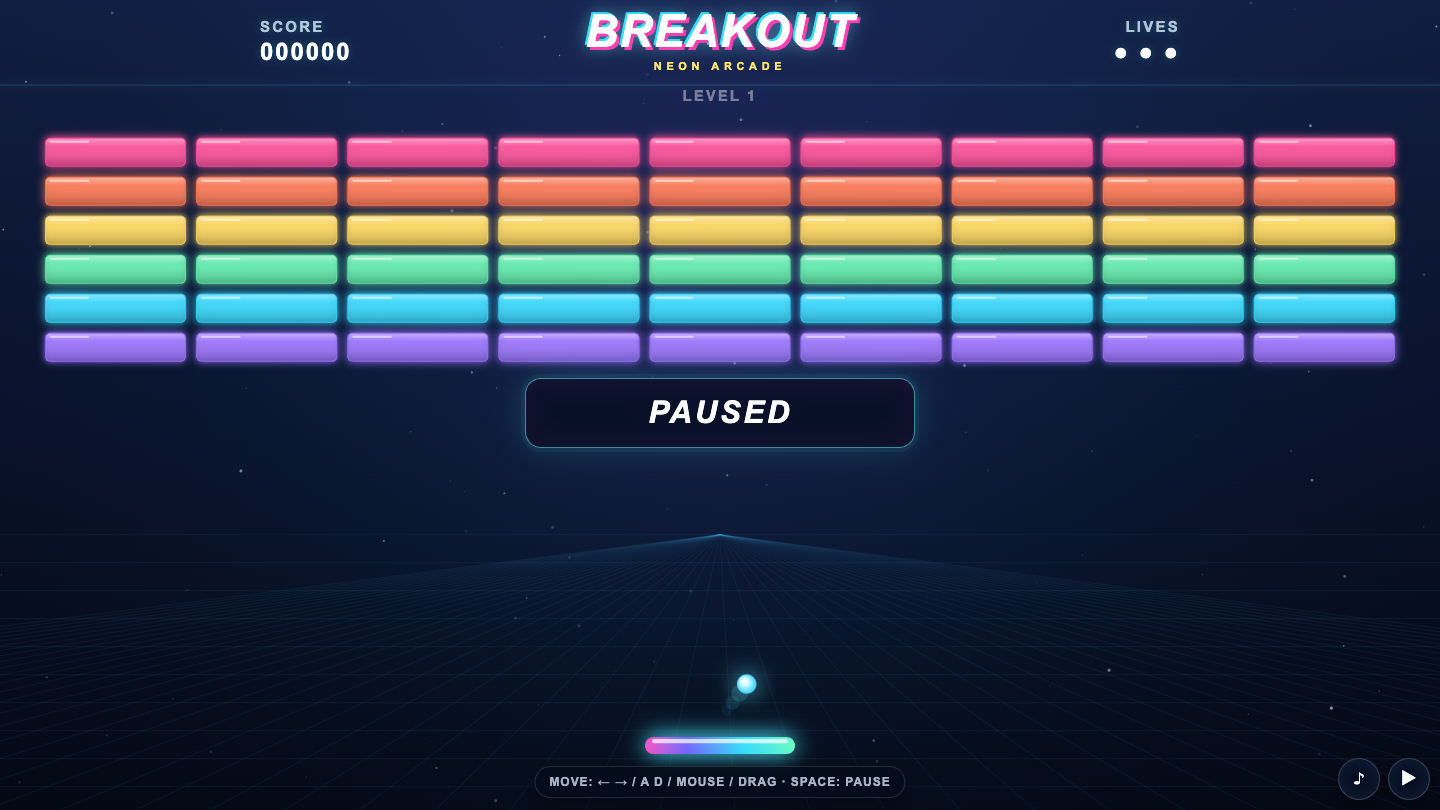
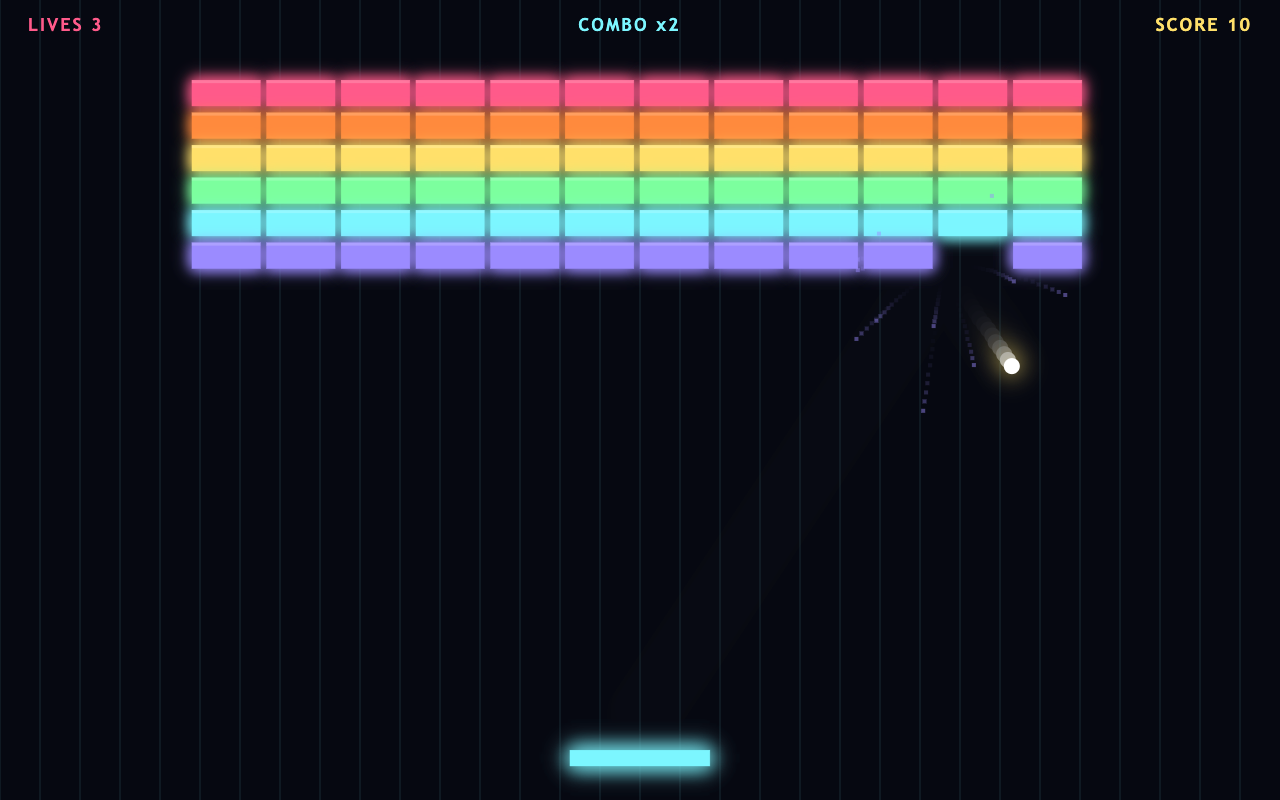
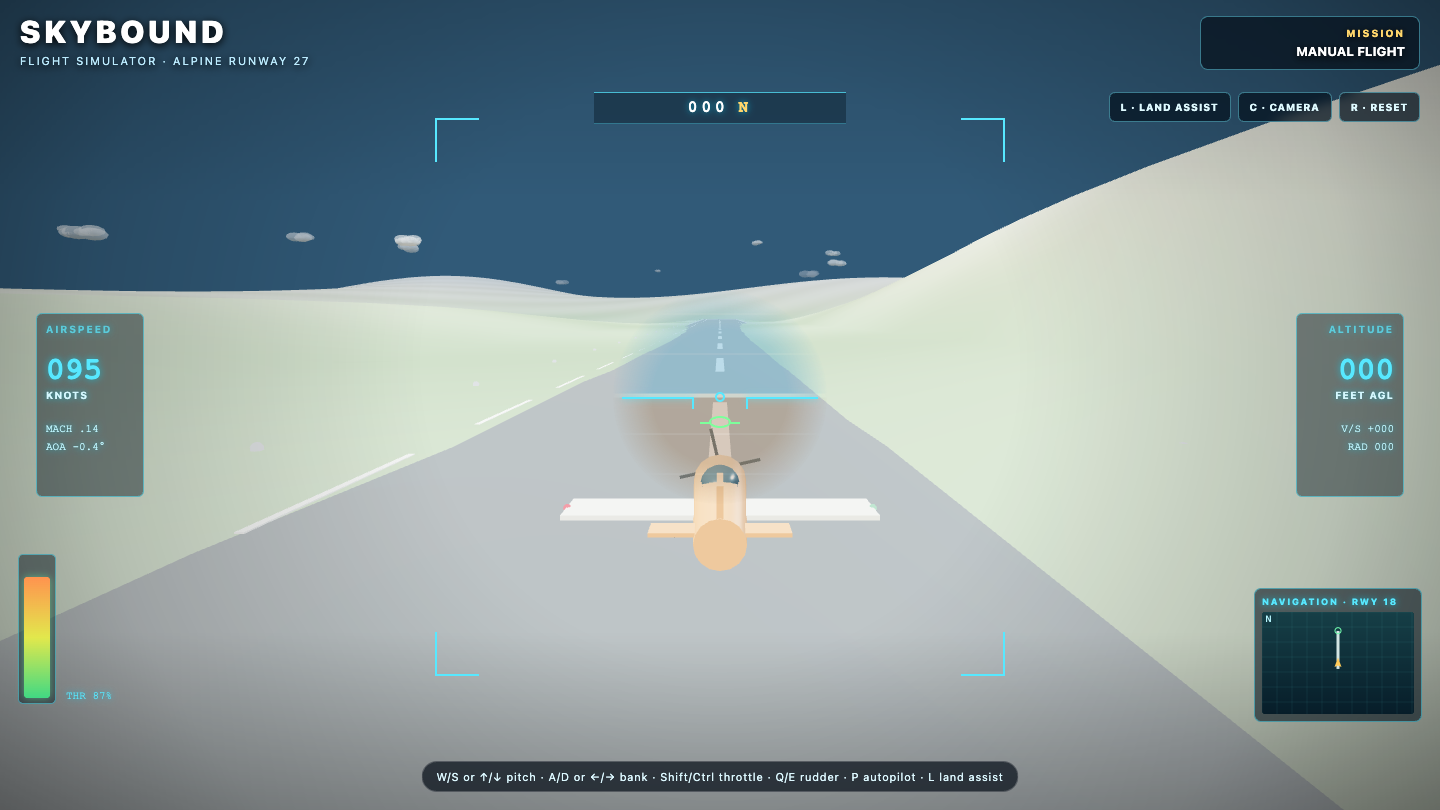
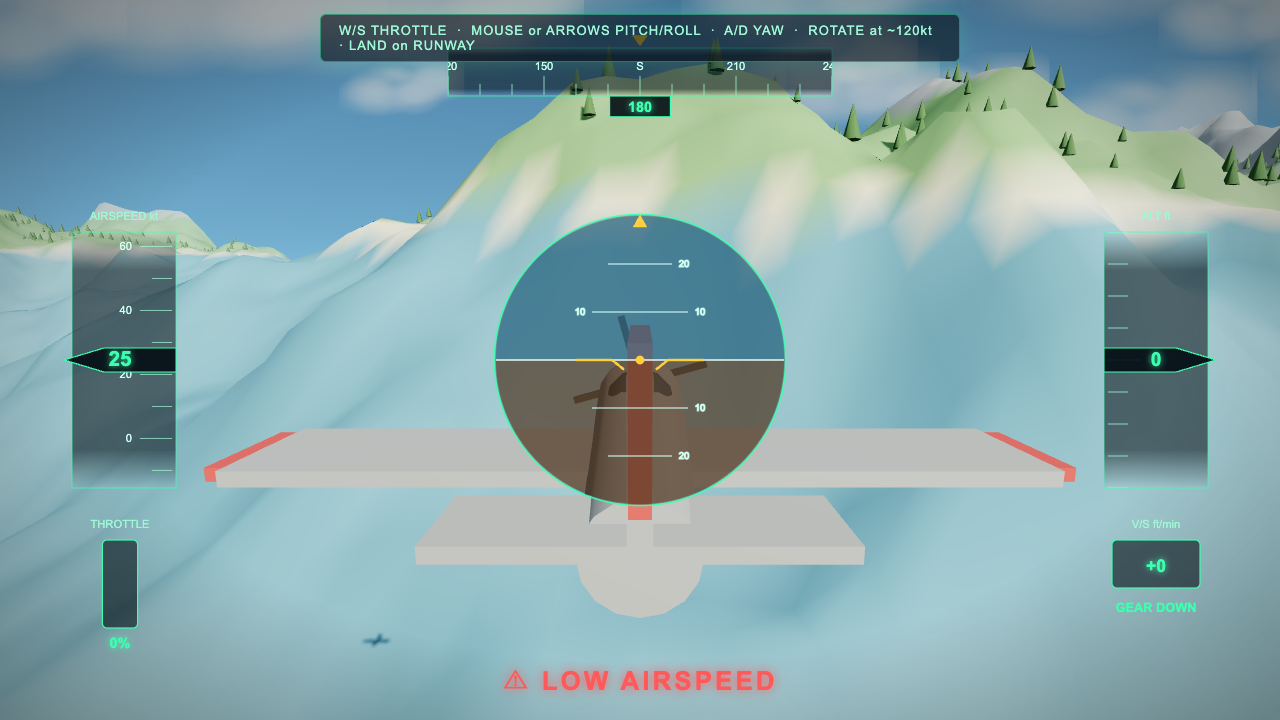
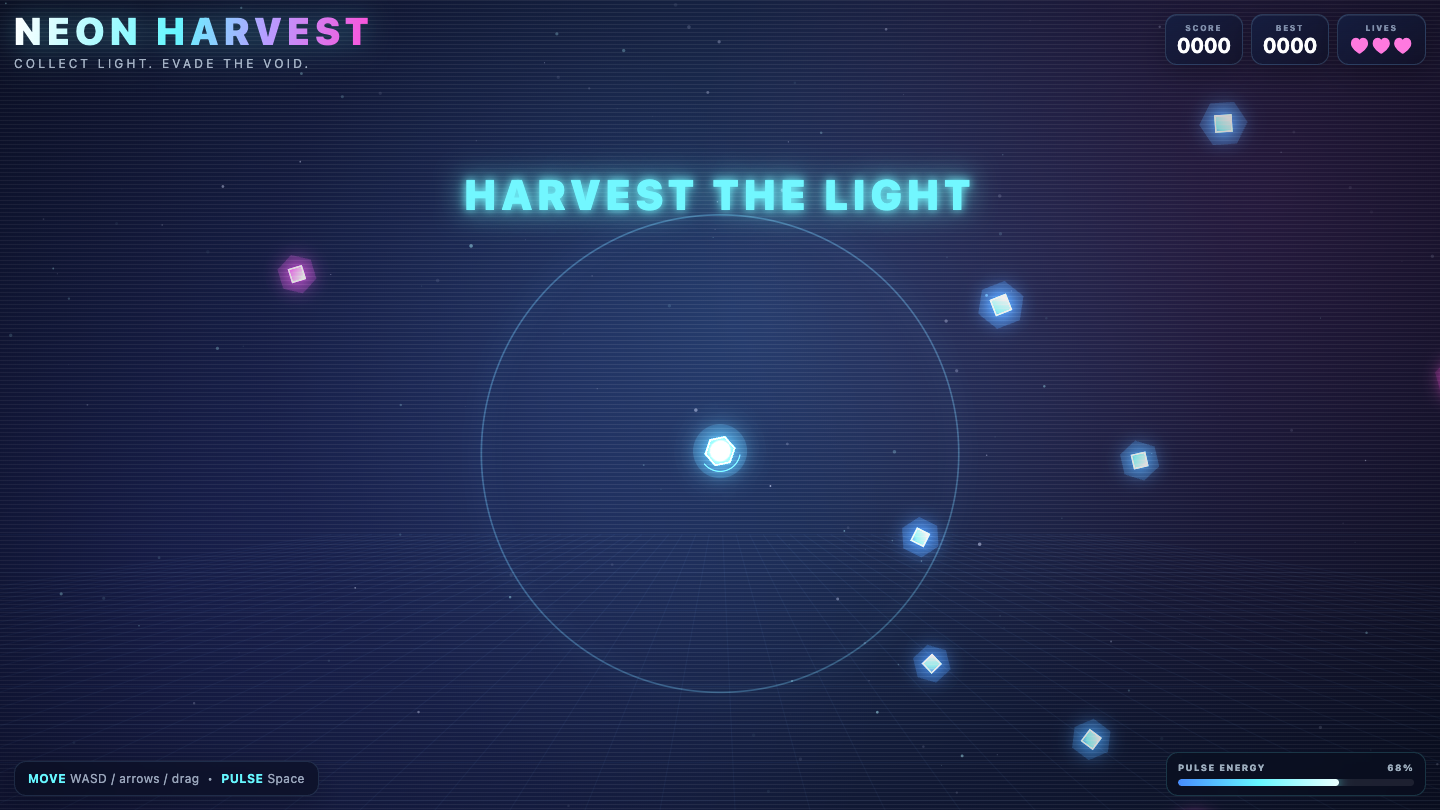
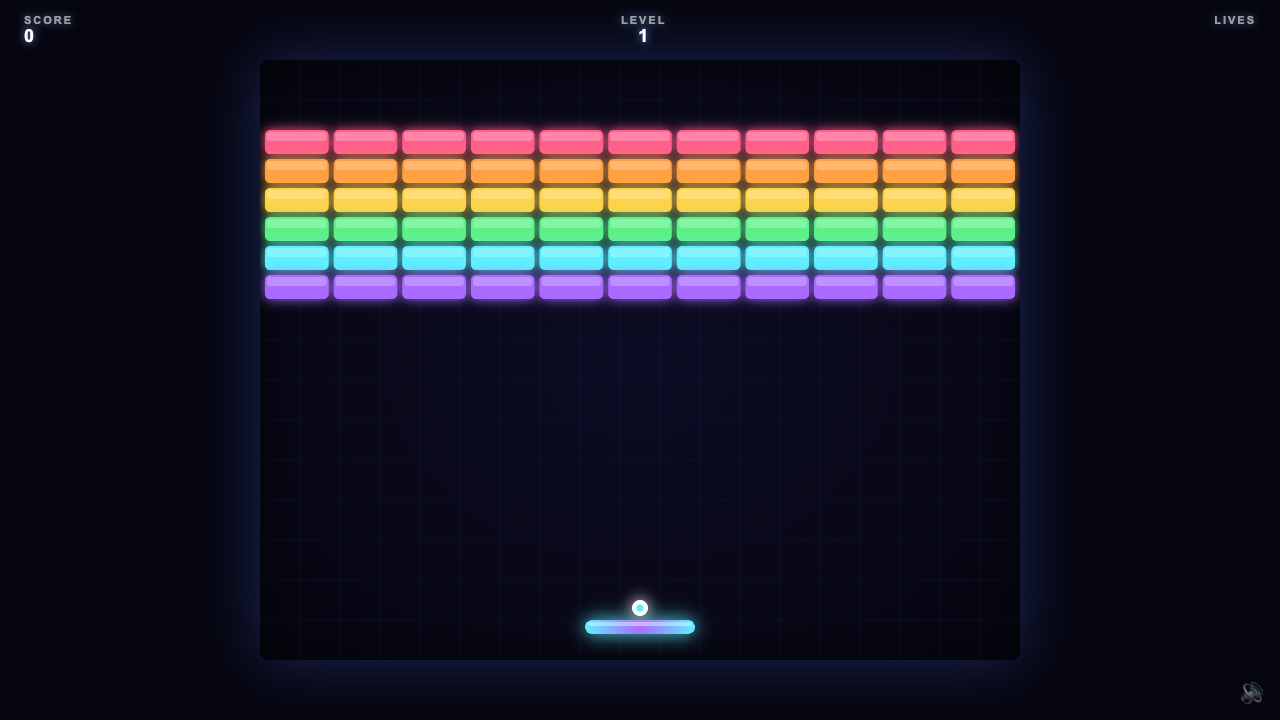
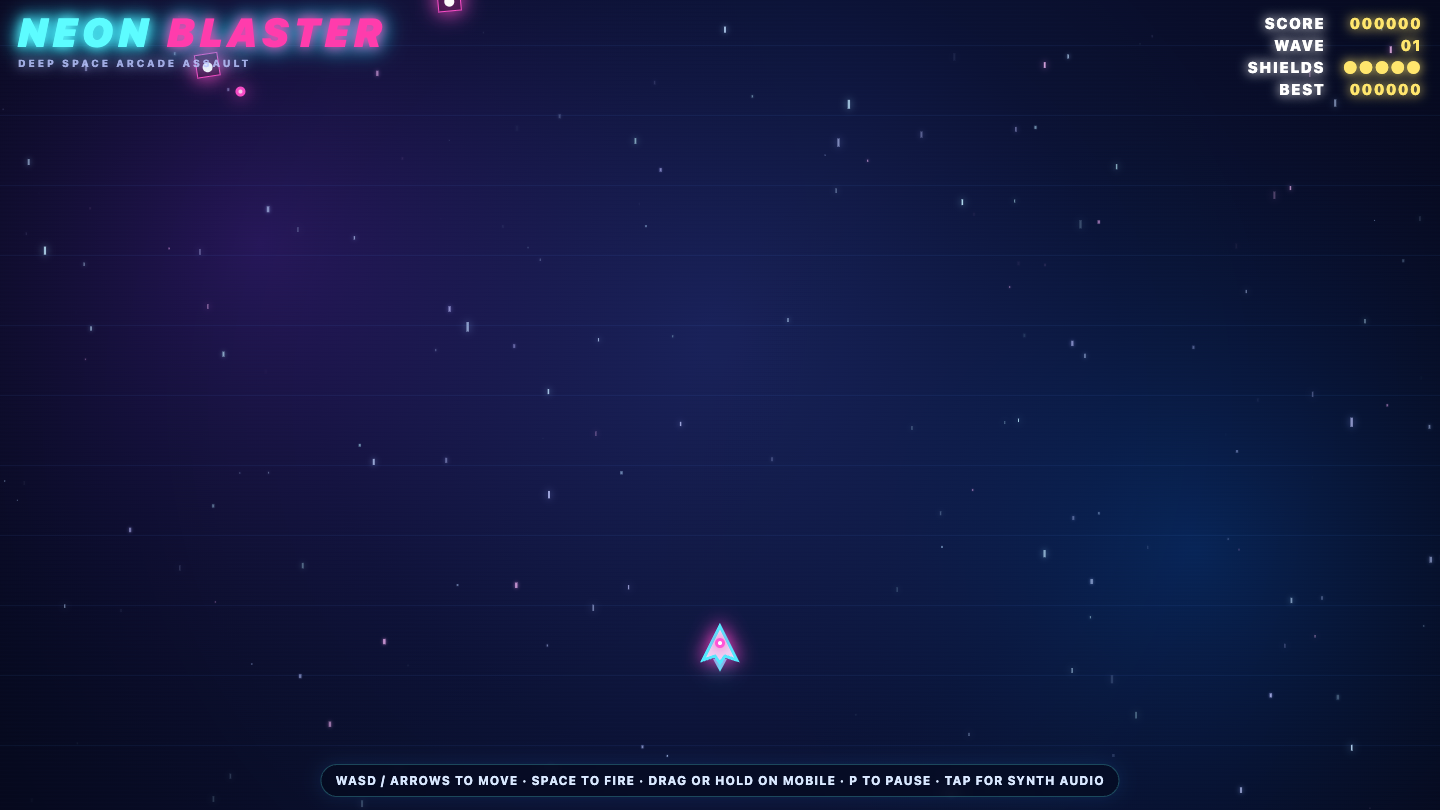
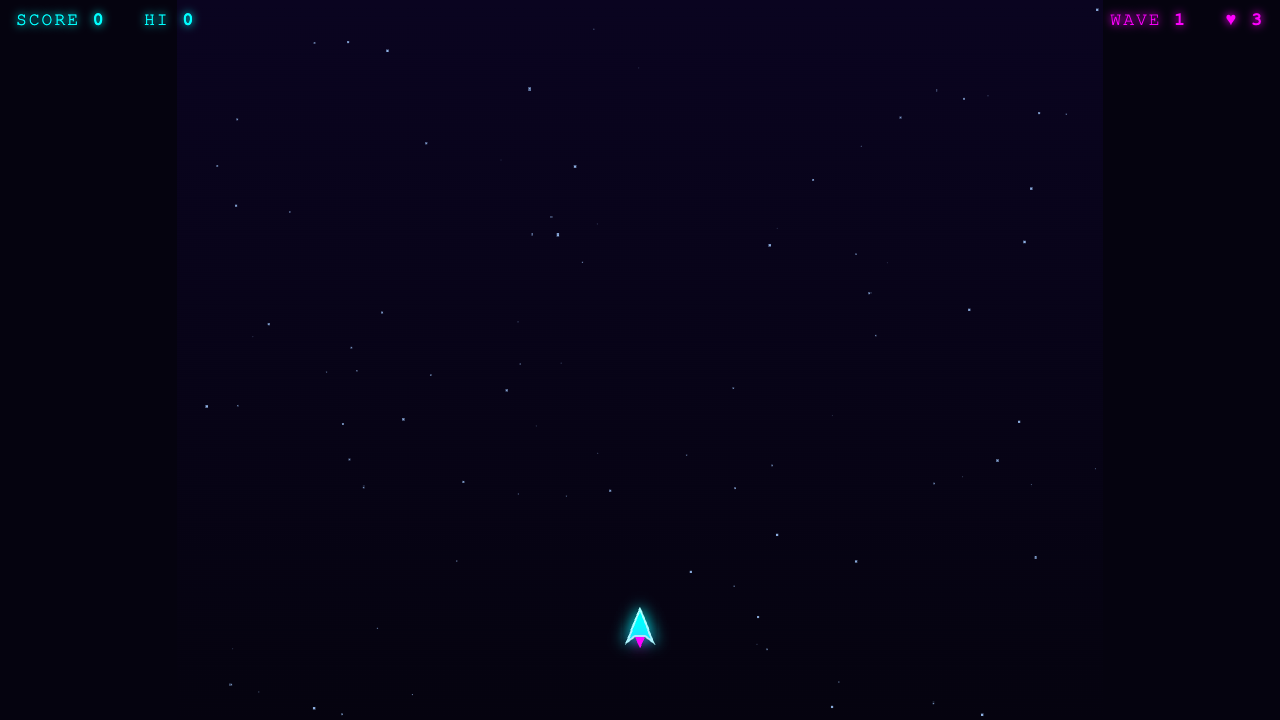
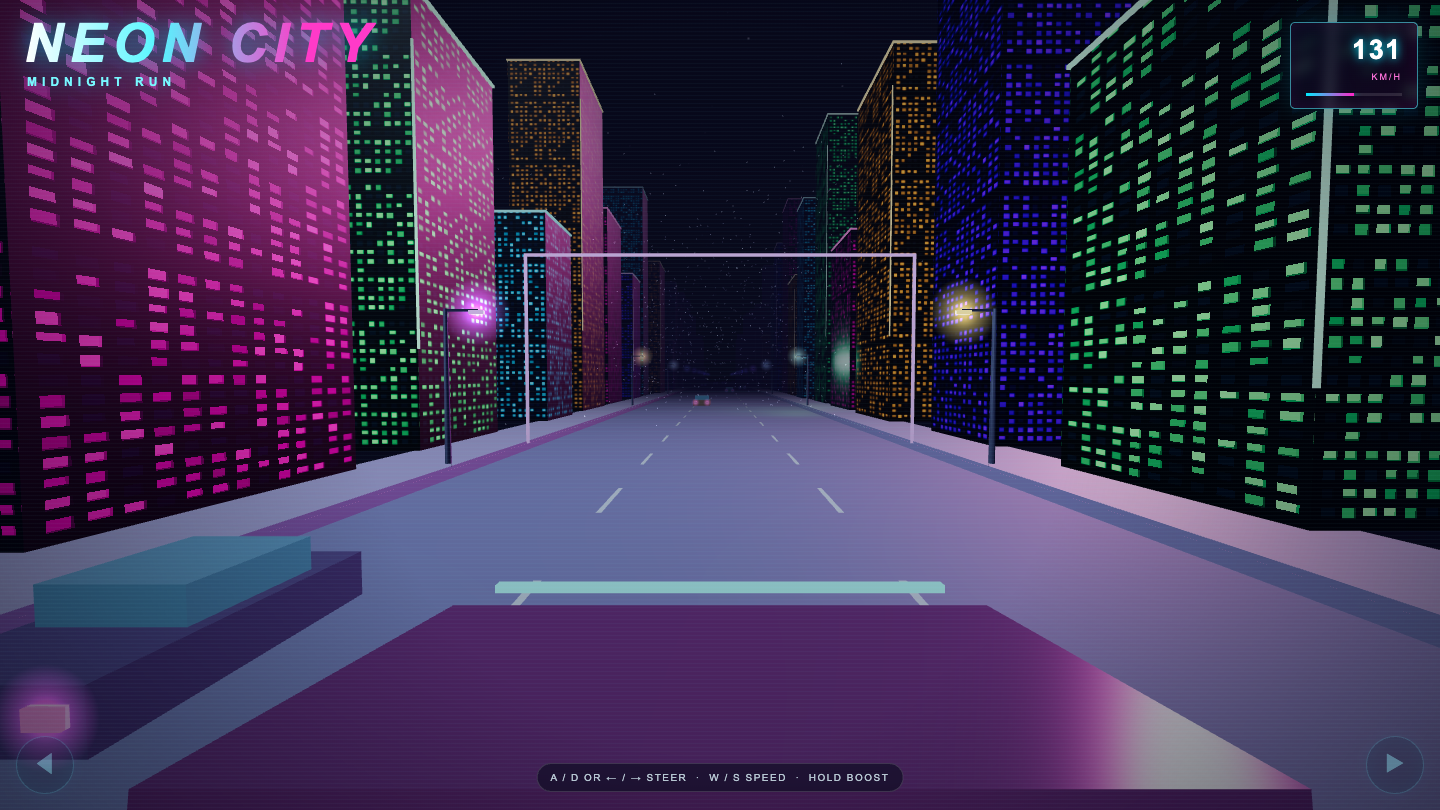
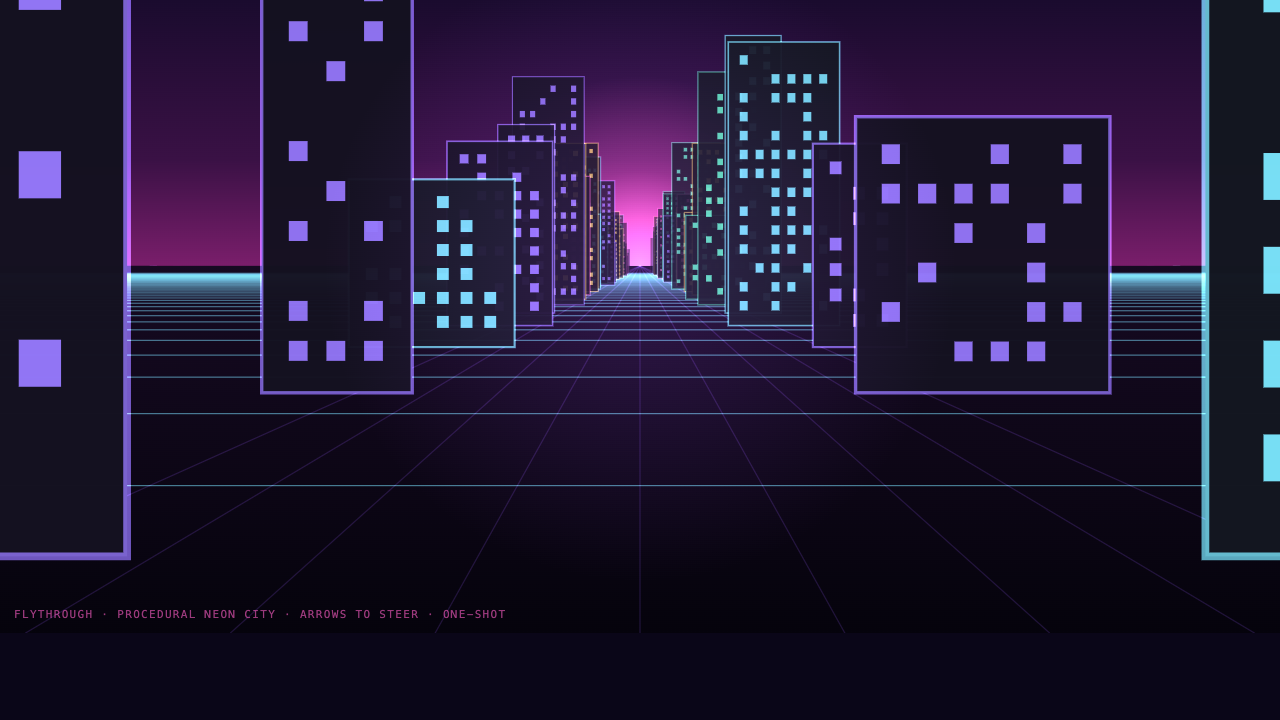
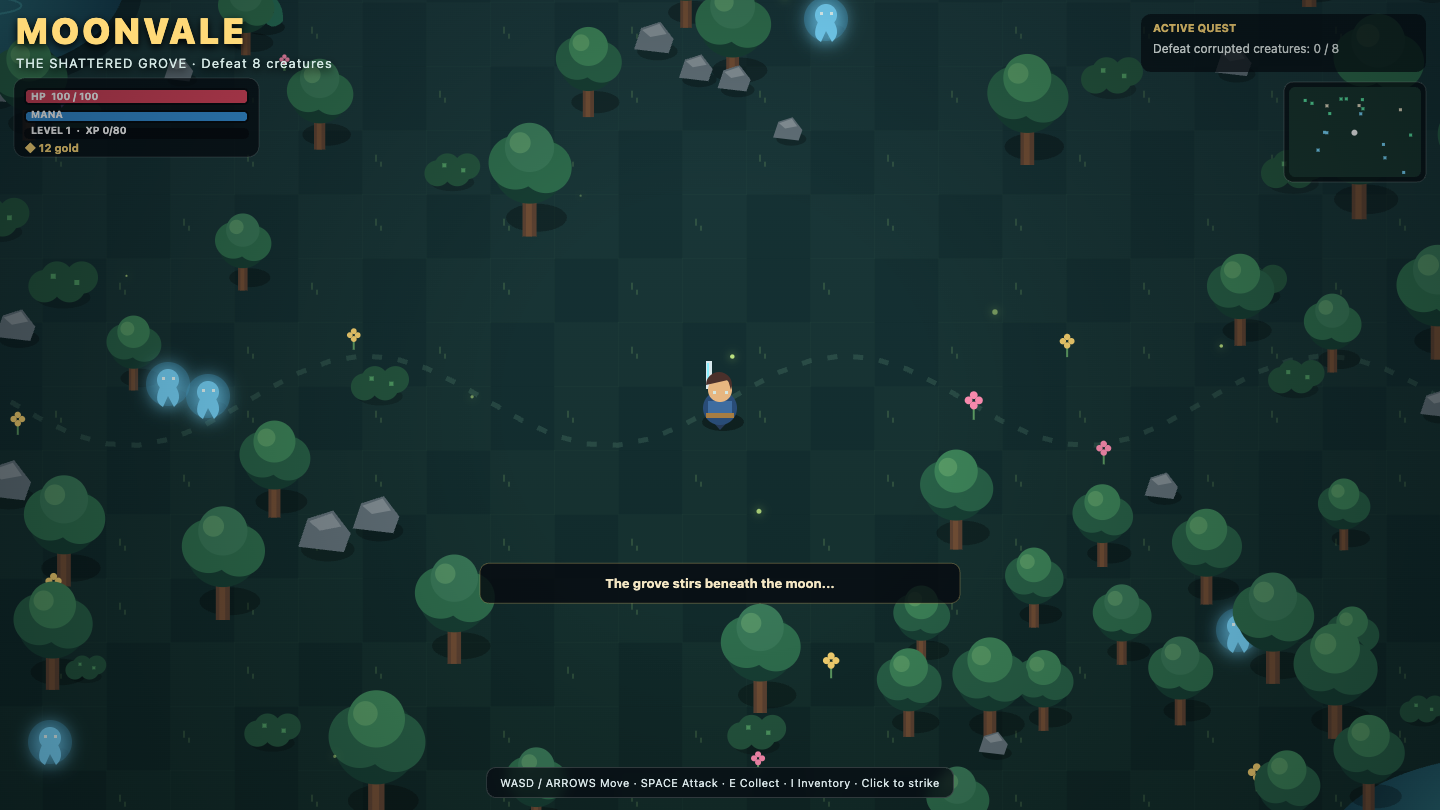
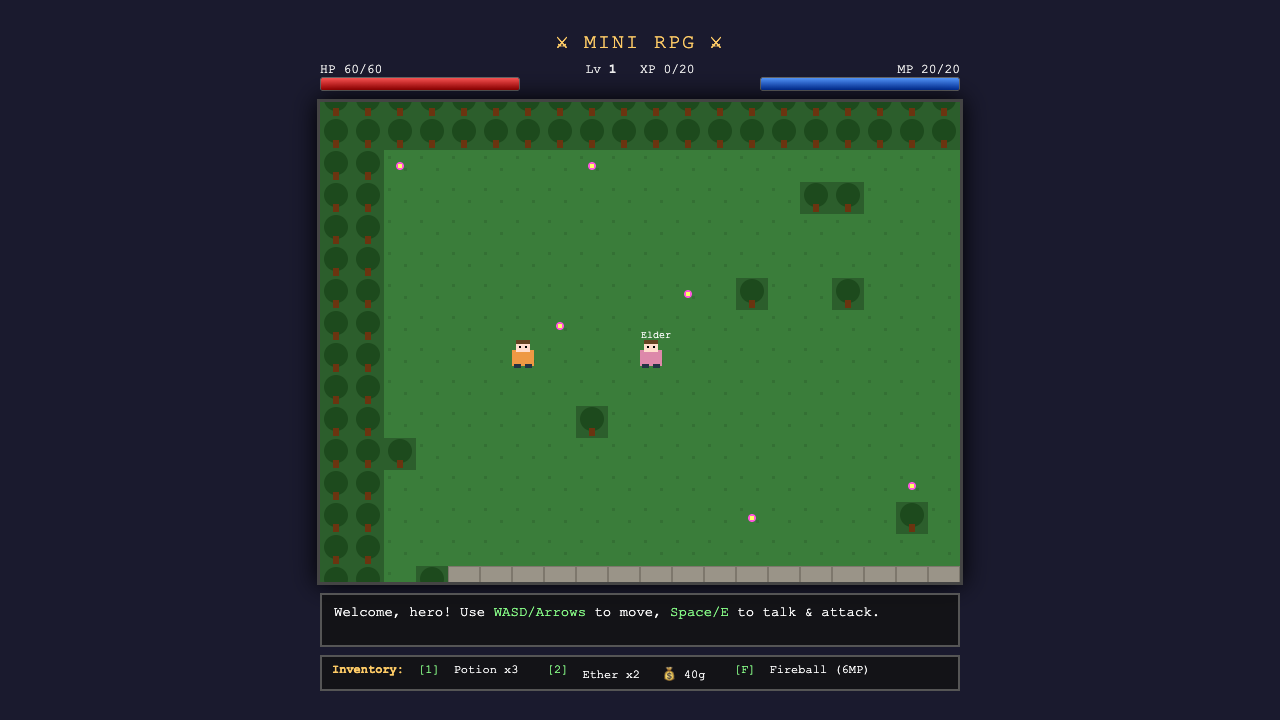
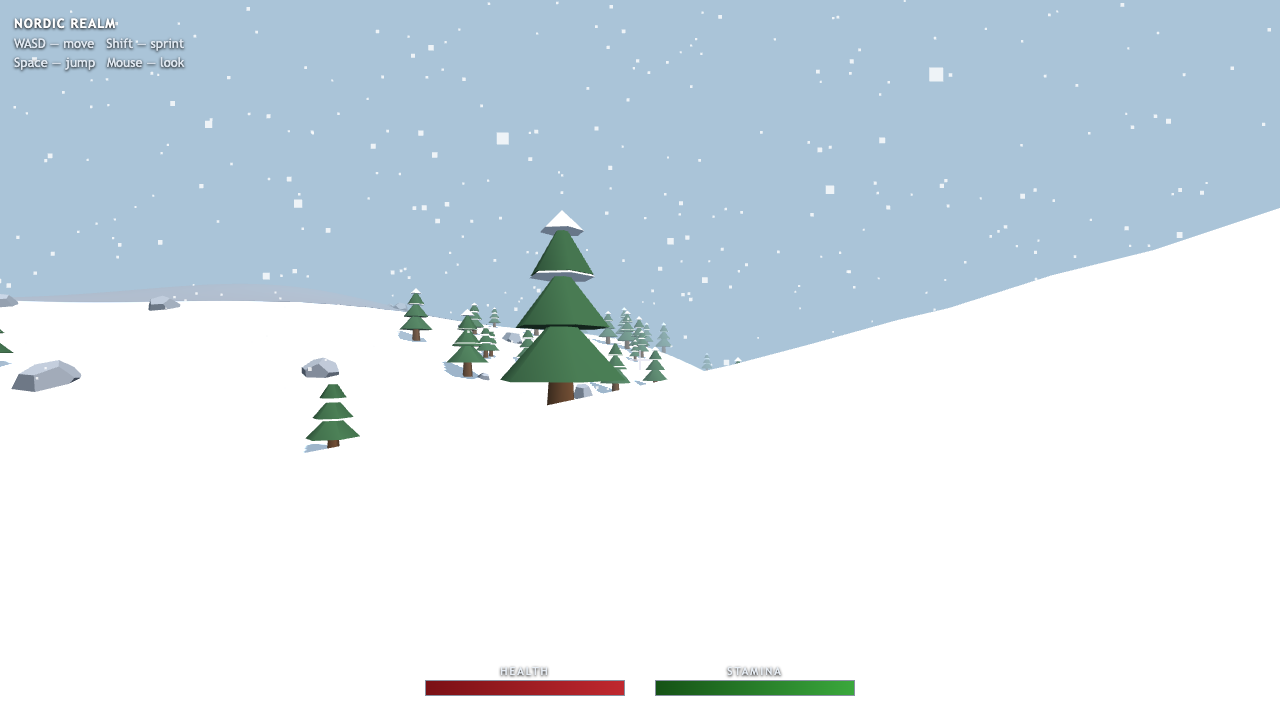
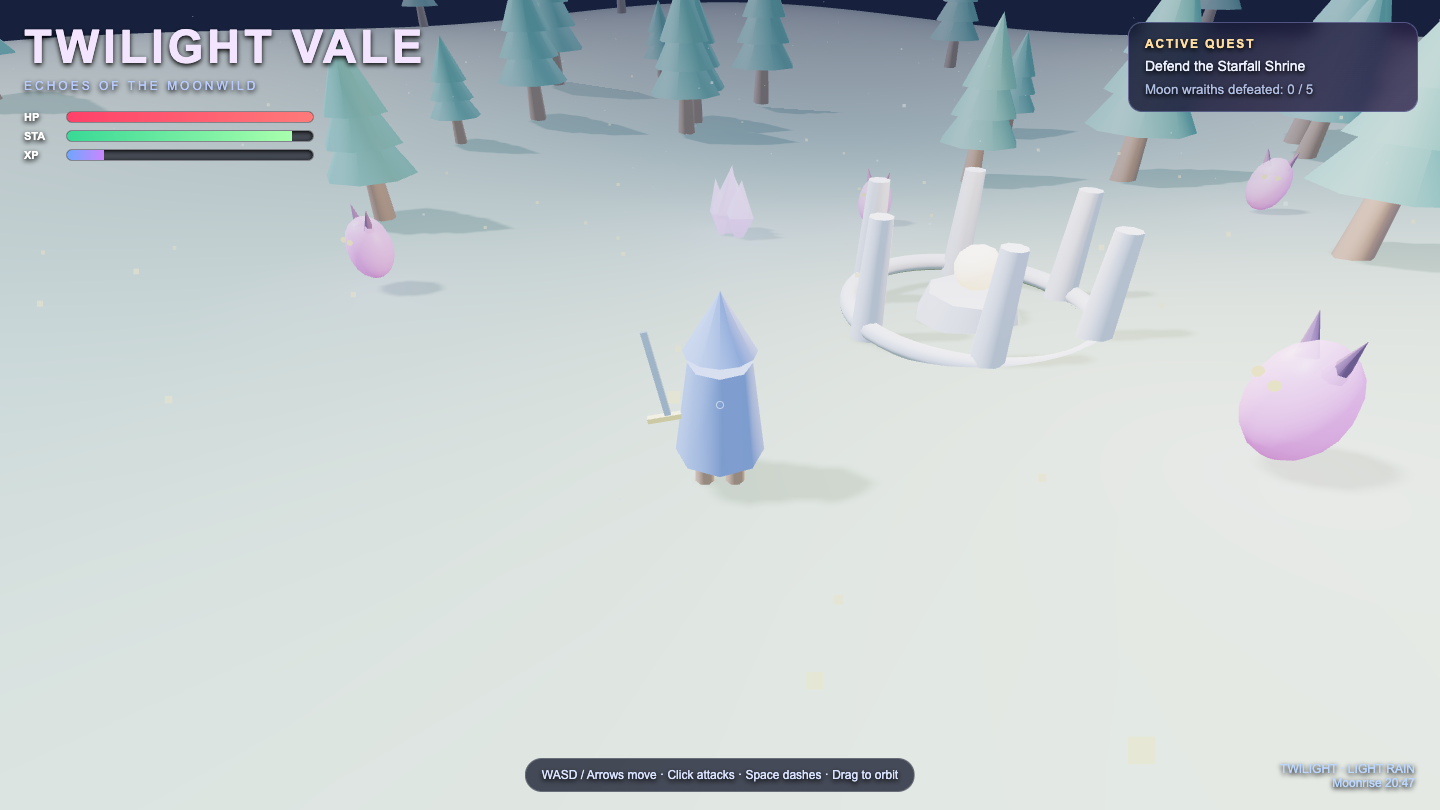
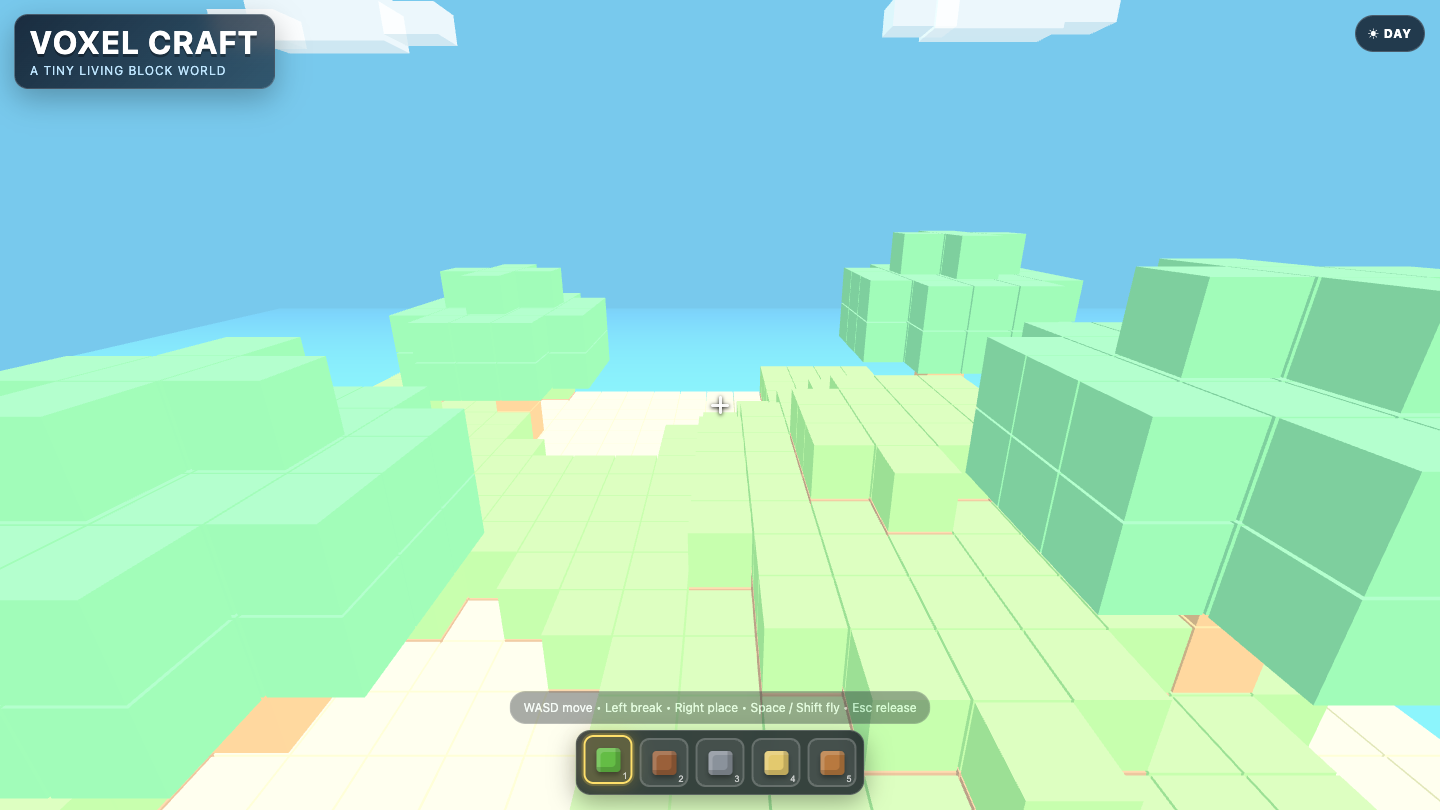
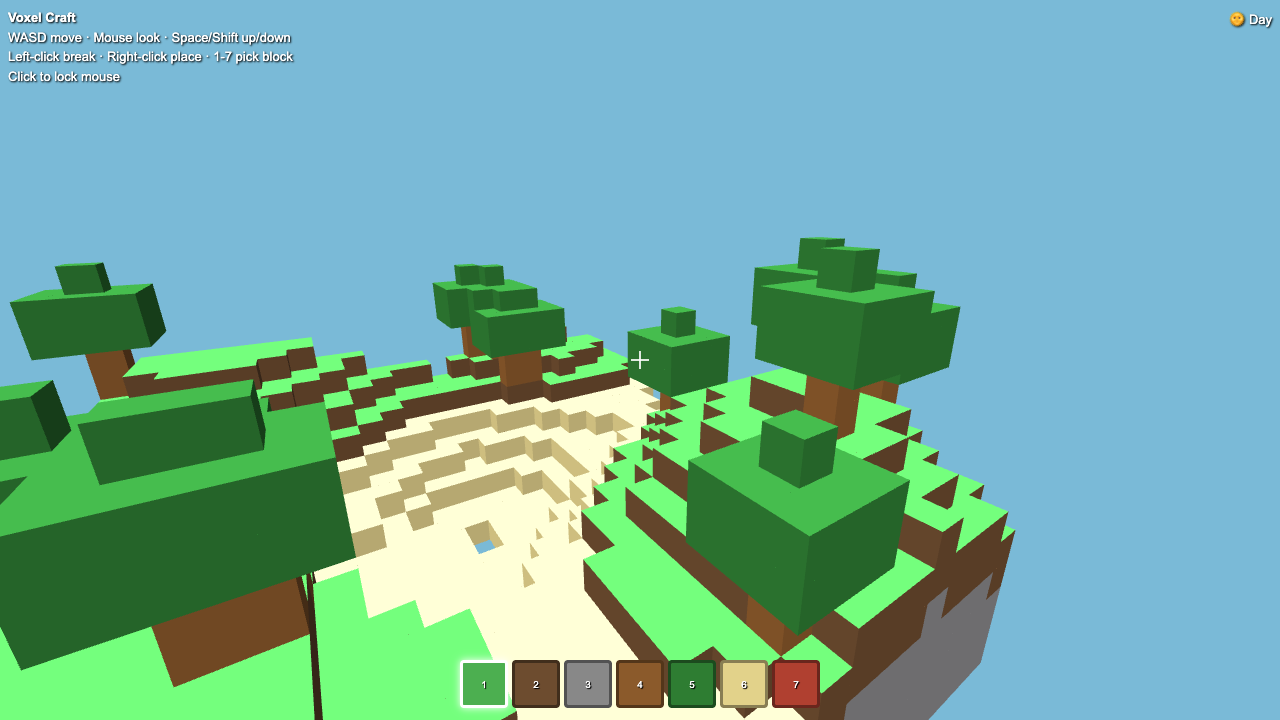
Click any cell to play that model's actual one-shot attempt. Medals are derived from my 0–10 scores per task (highest = 🥇, second = 🥈, third = 🥉).
Task ↓
GPT-5.6 Sol
Opus 4.8
Game
Game
Game
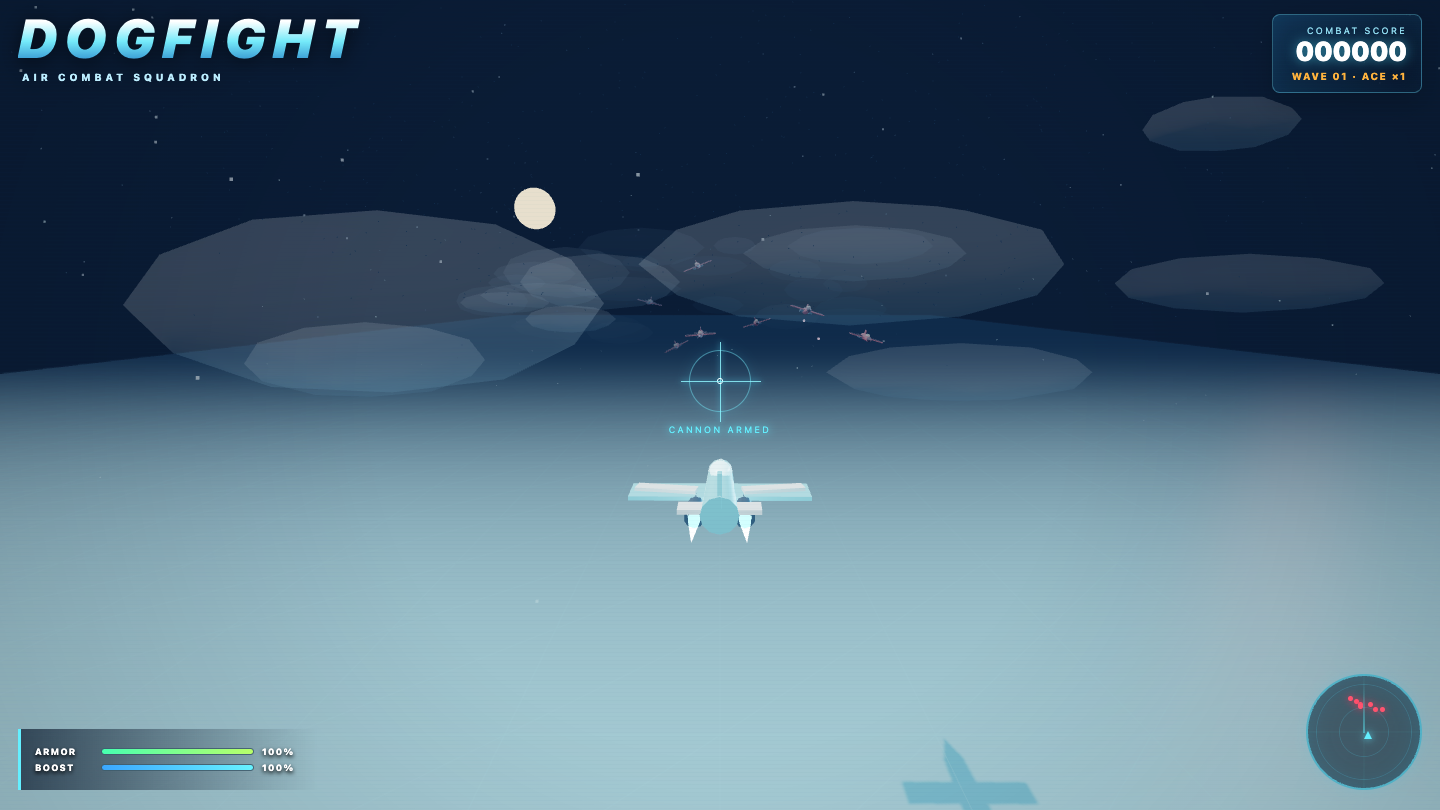
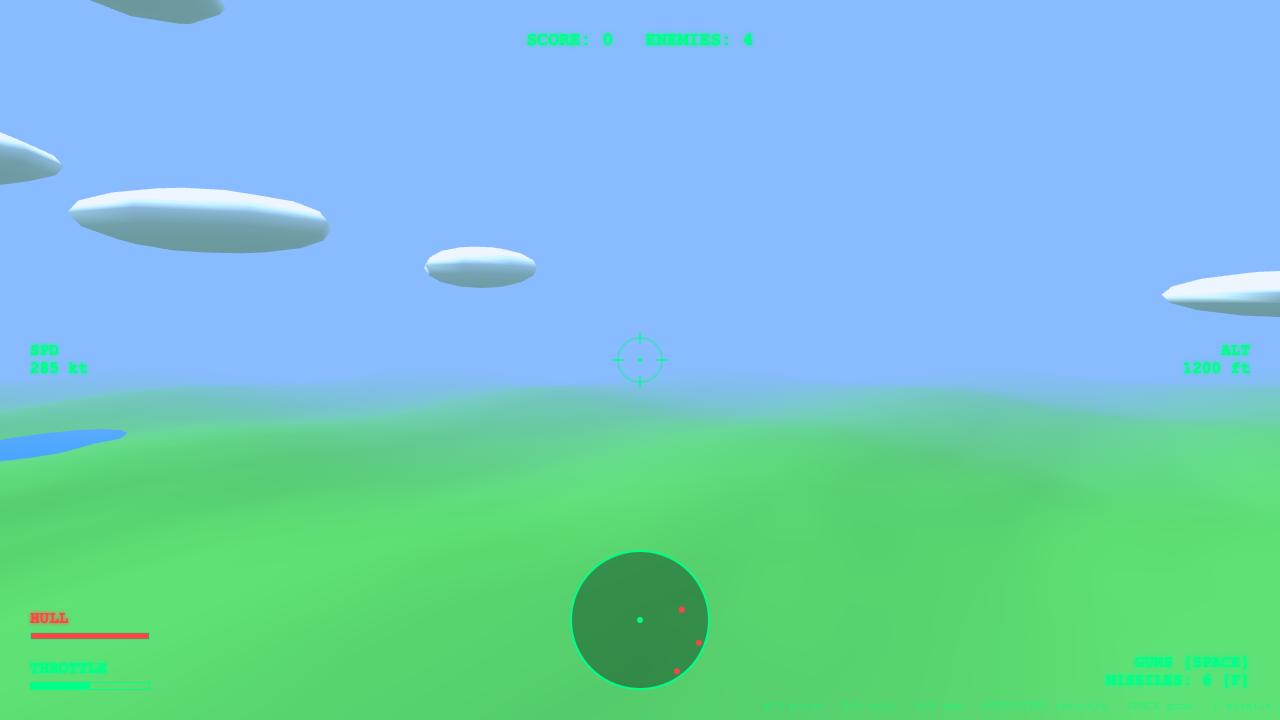
Game
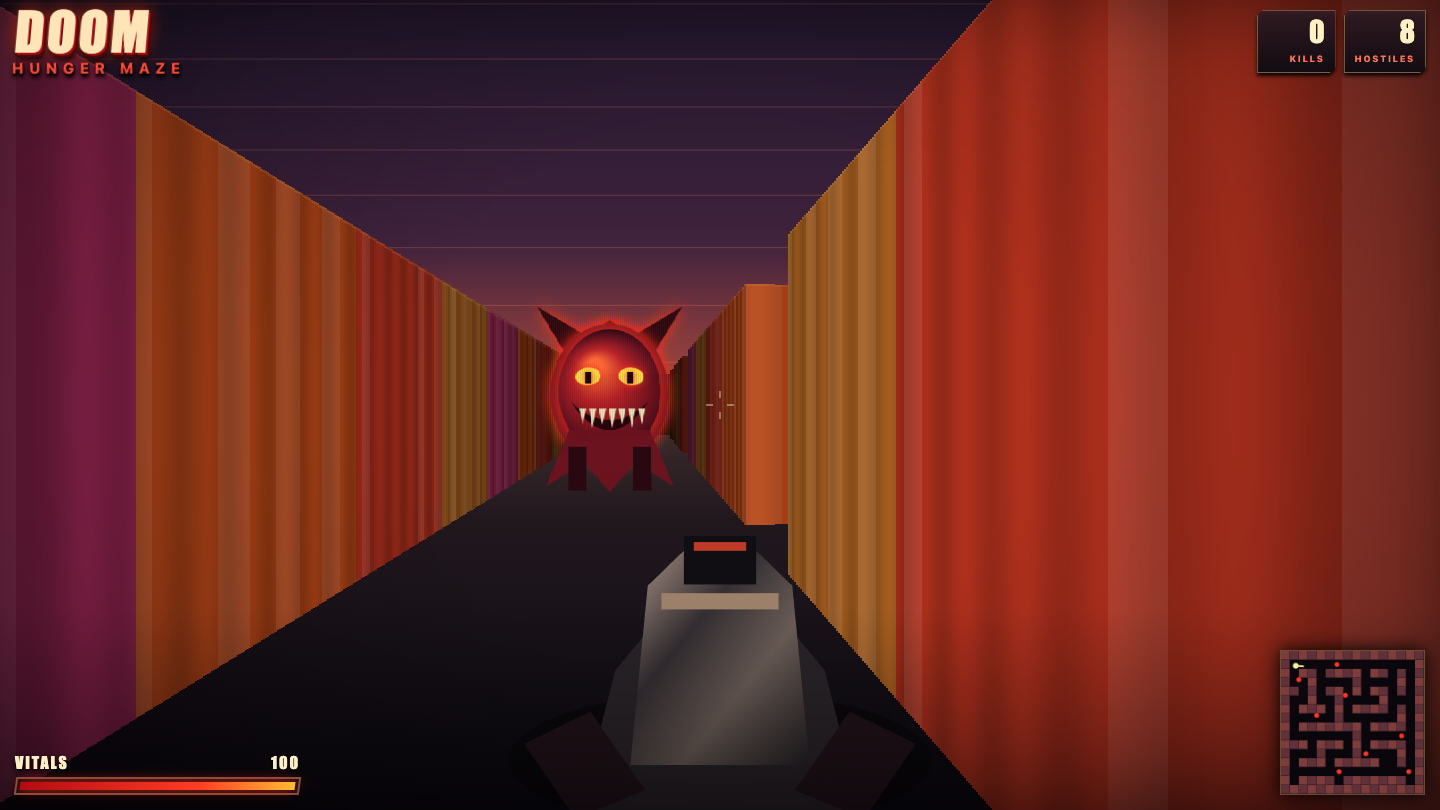
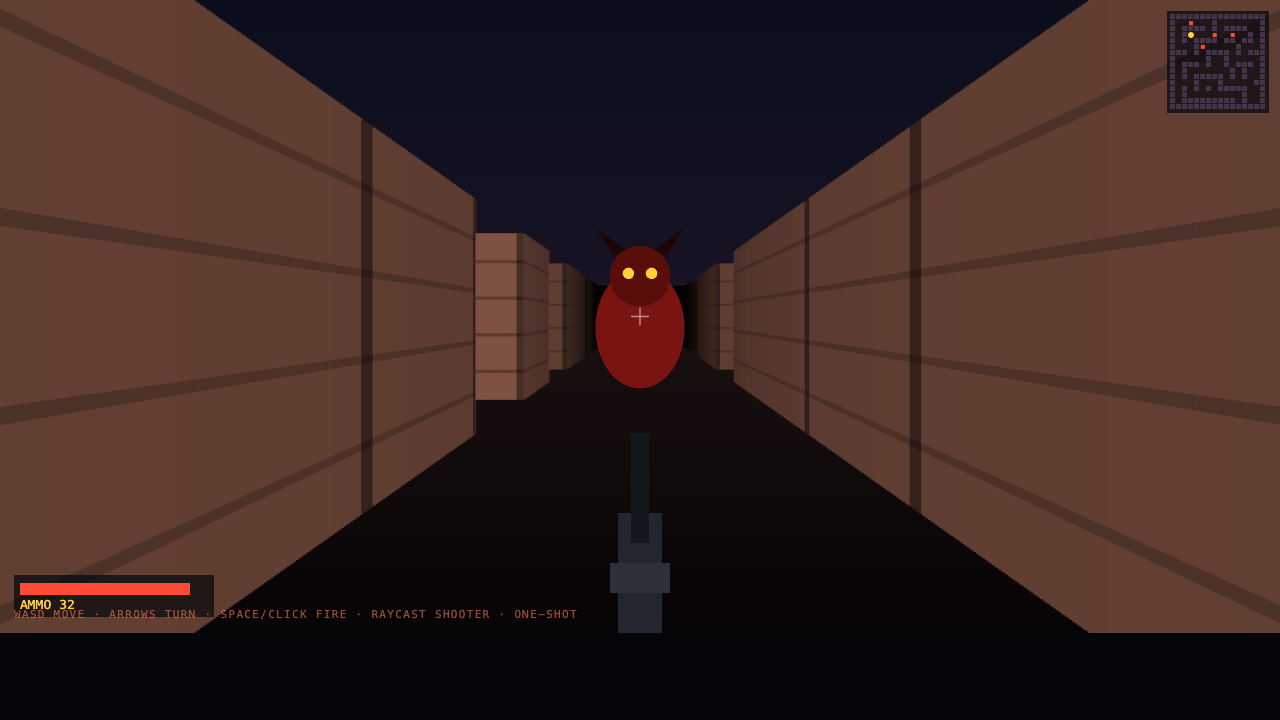
Game
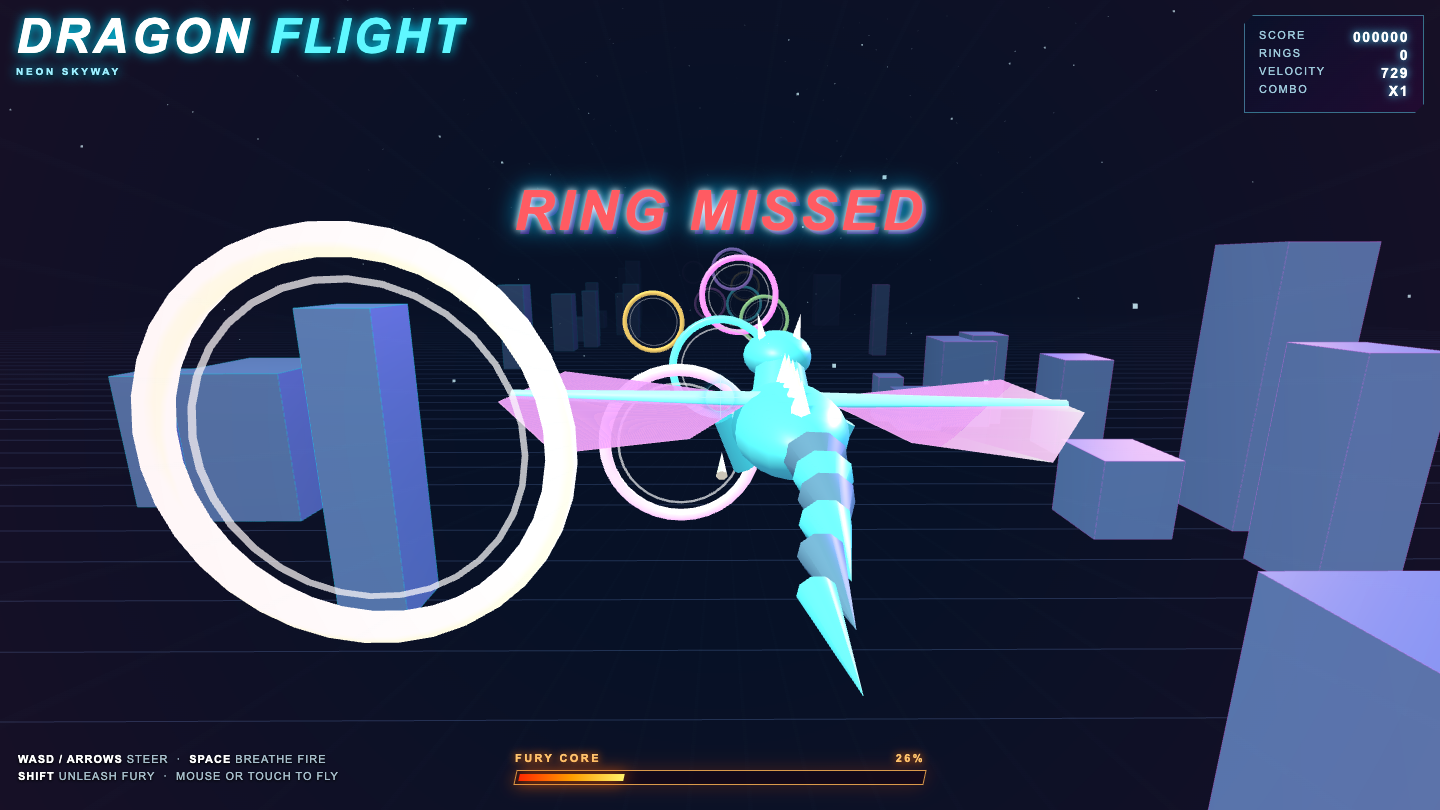
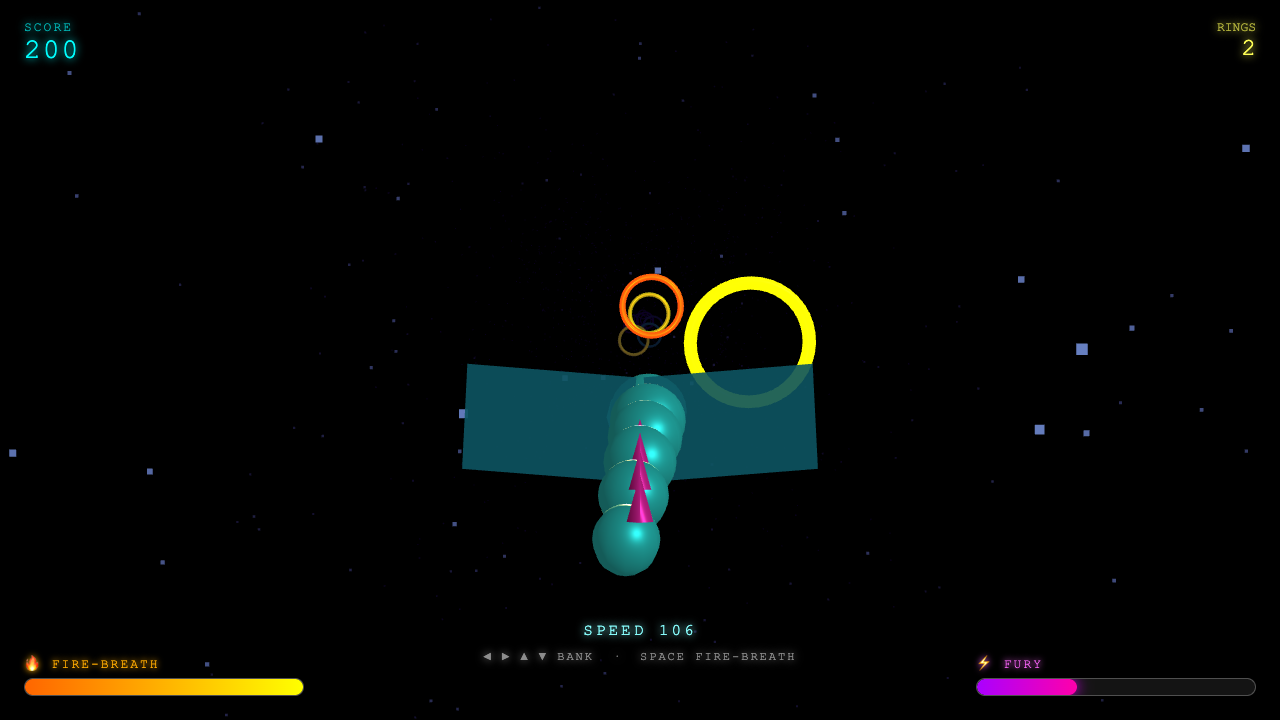
Game
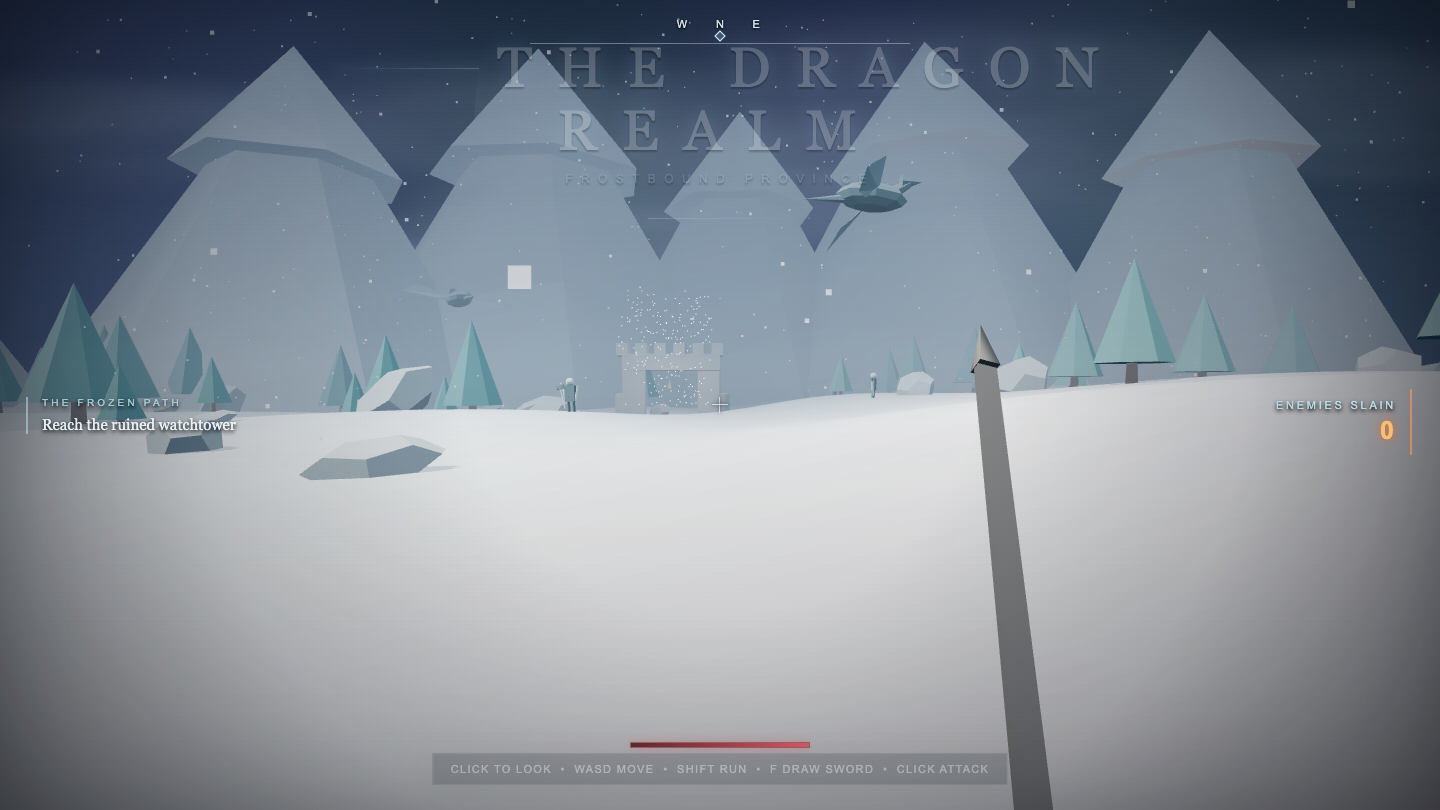
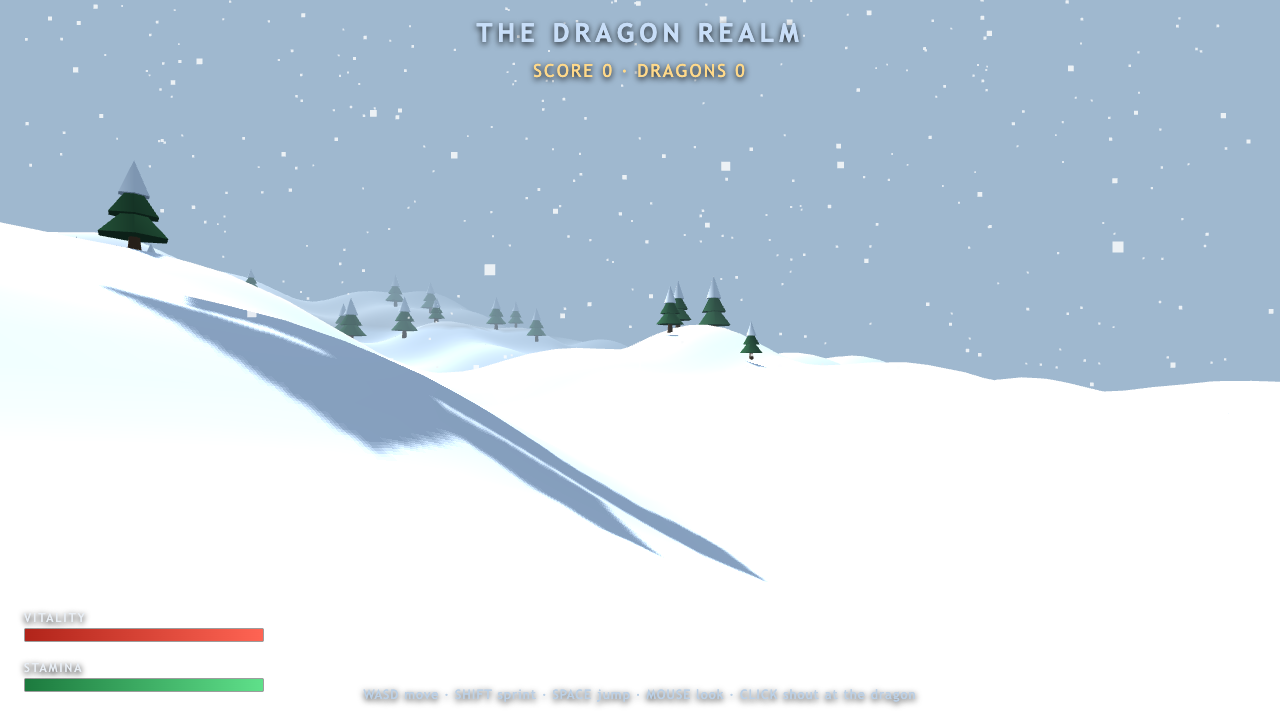
Game
Game
Game
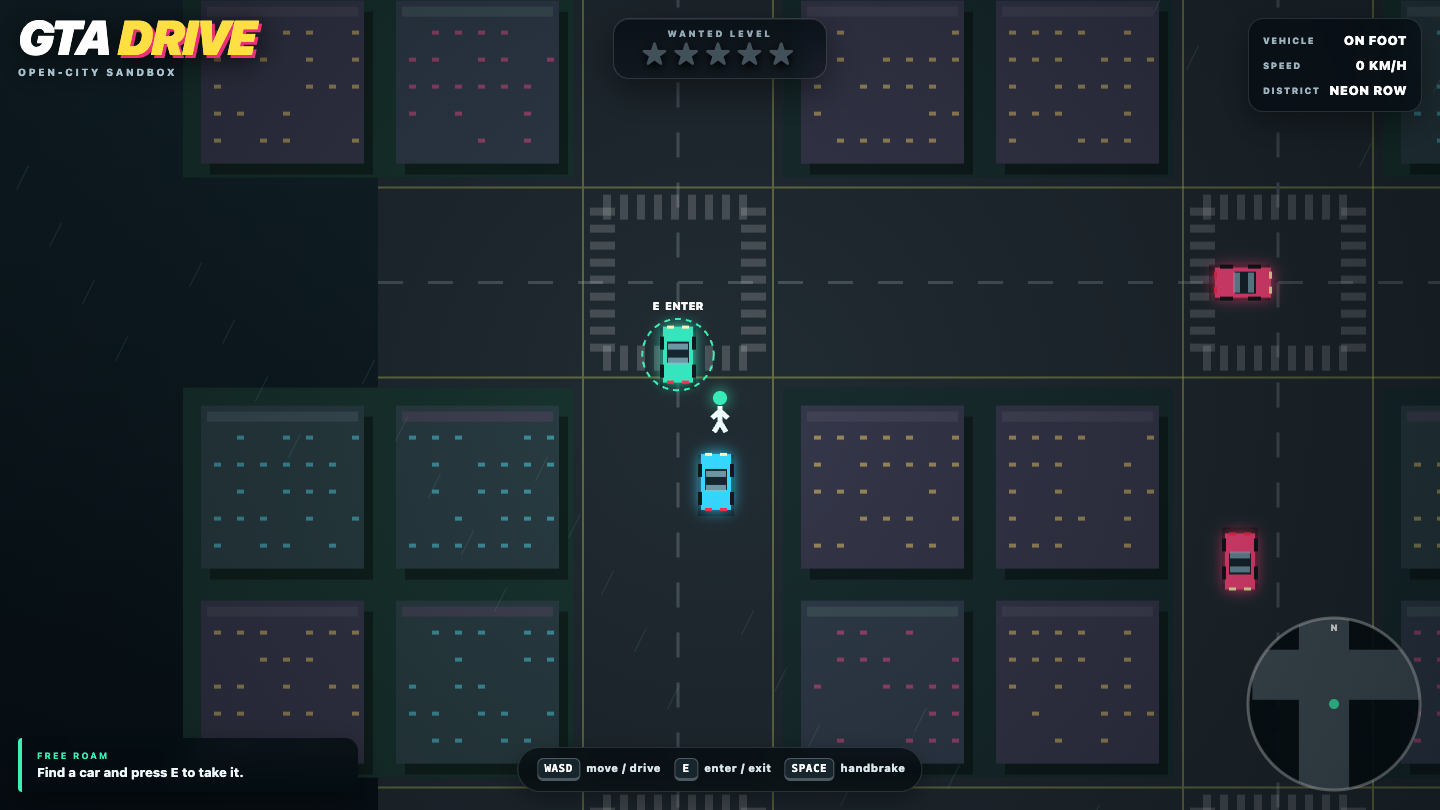
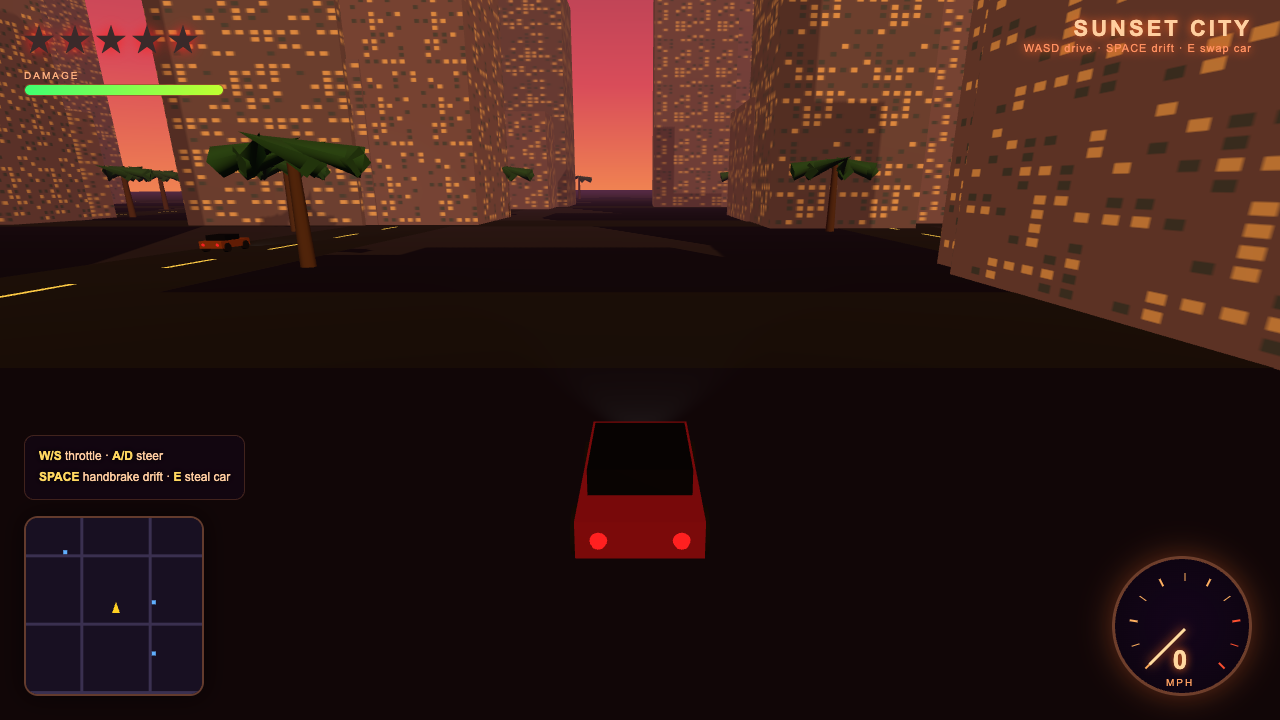
Game
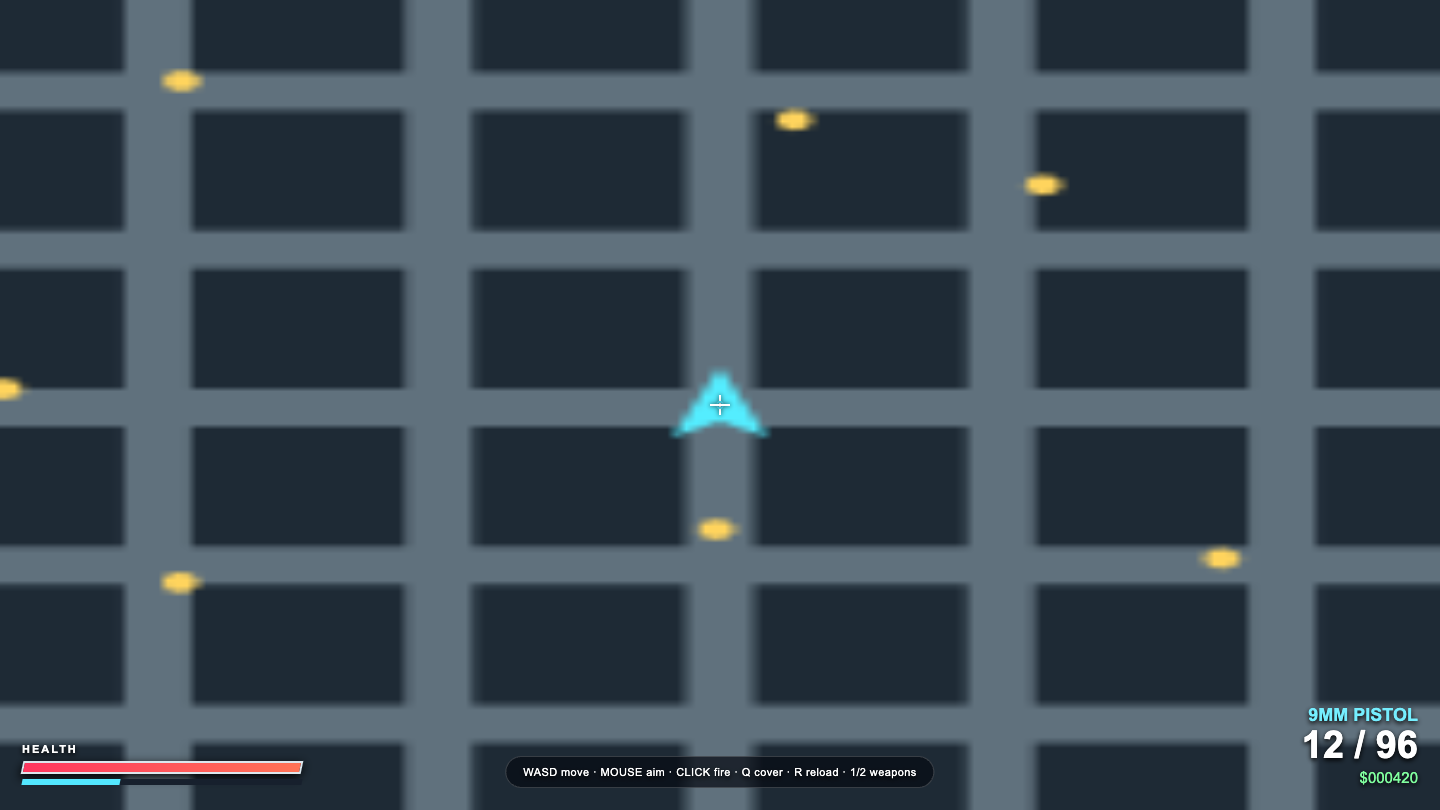
Game
Game
Game
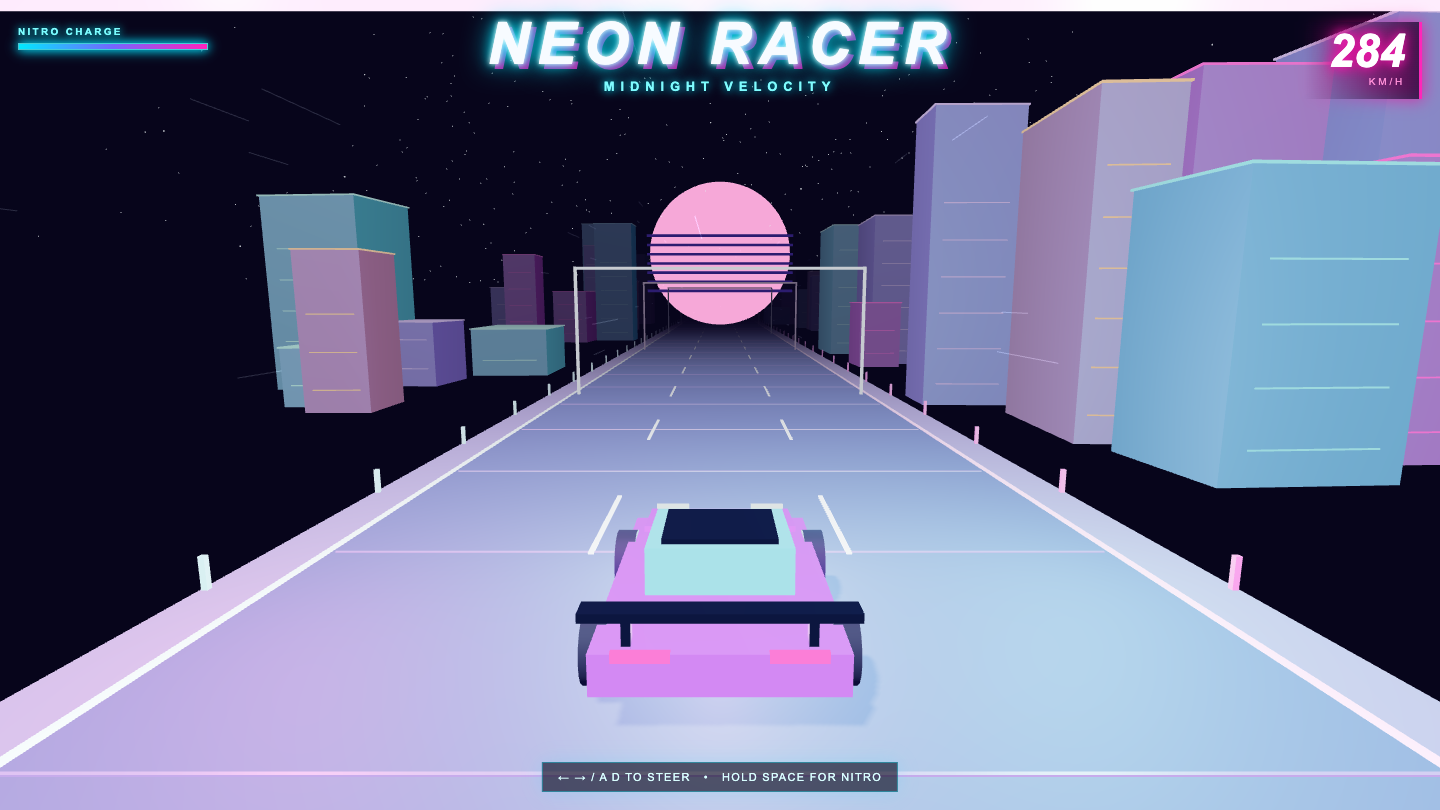
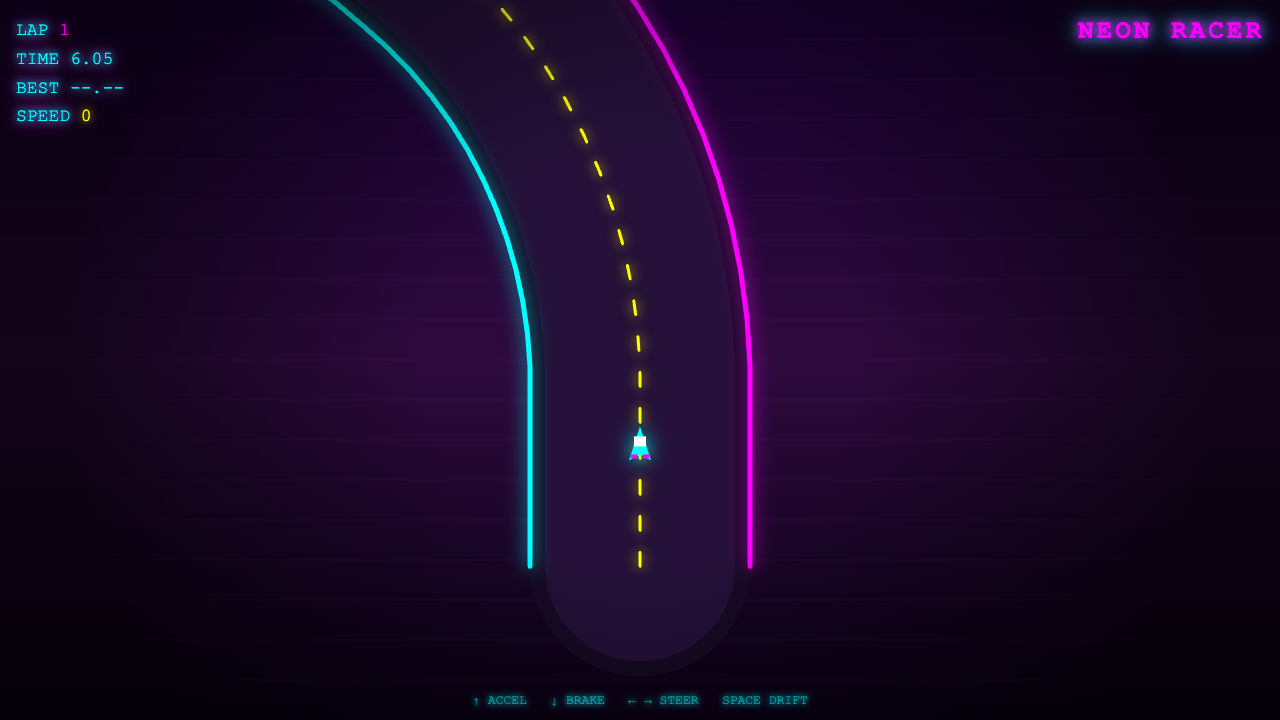
Game
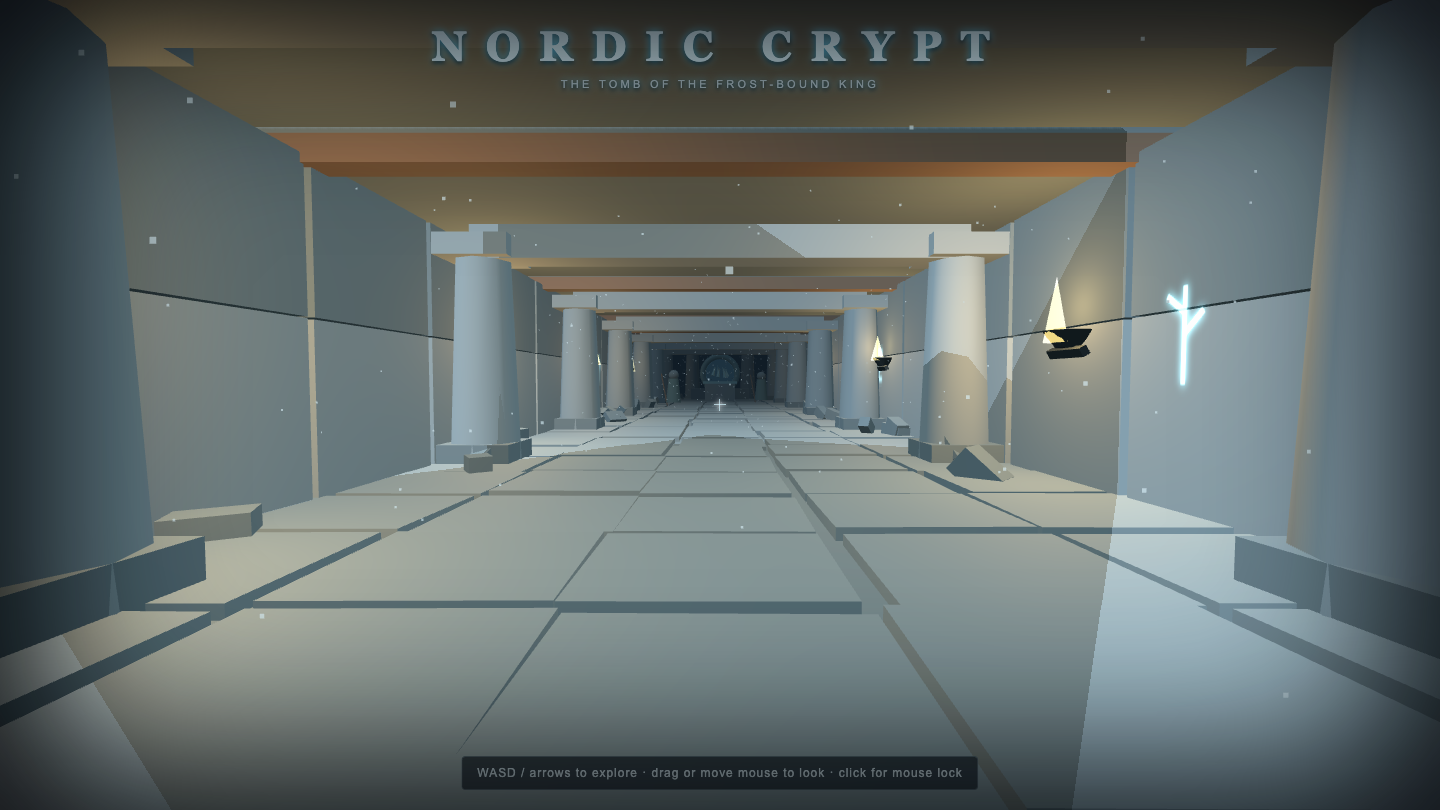
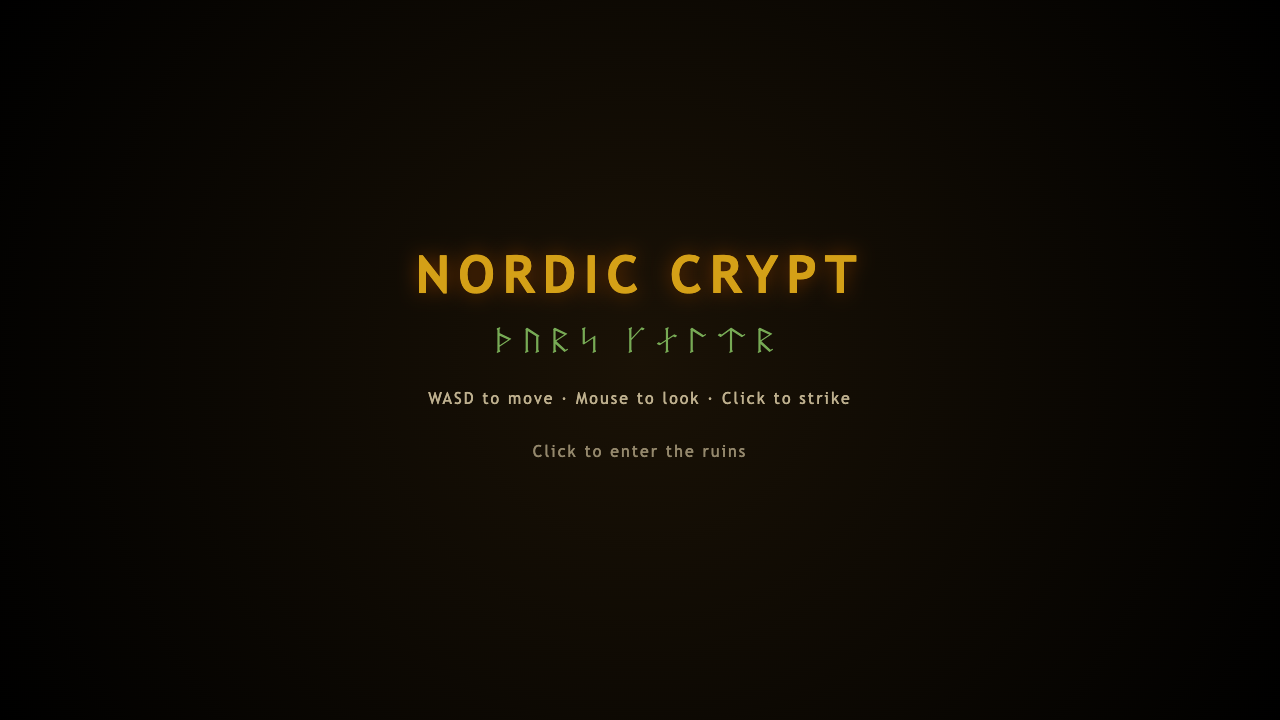
Game

Game
Game
Game
Game
Game
Game
Game

Game
Page
Where GPT-5.6 Sol beat Opus 4.8
The tasks where I gave GPT-5.6 Sol a higher 0–10 score on the same prompt — with the actual commentary from my source guides.
Webos
Page
GPT-5.6 Sol 8.4
·
Opus 4.8 5.5
(+2.9)
· Polished glass desktop
What I saw: Strong, cohesive glassmorphic Web-OS with functional Notes and Terminal windows, a polished dock, desktop icons, topbar and helpful hints — clearly shippable and near the top of the field. Slightly short of the best since Paint isn't shown open and the desktop heading text is par…
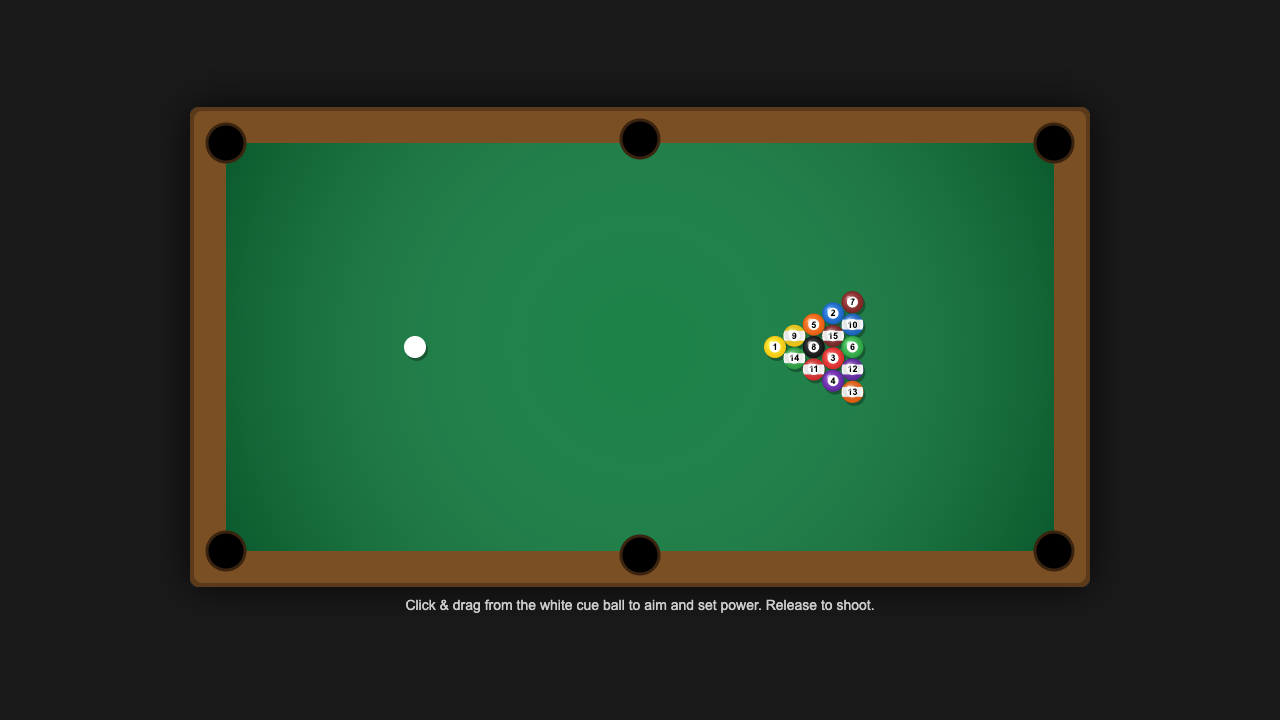
Pool
Game
GPT-5.6 Sol 8.3
·
Opus 4.8 5.5
(+2.8)
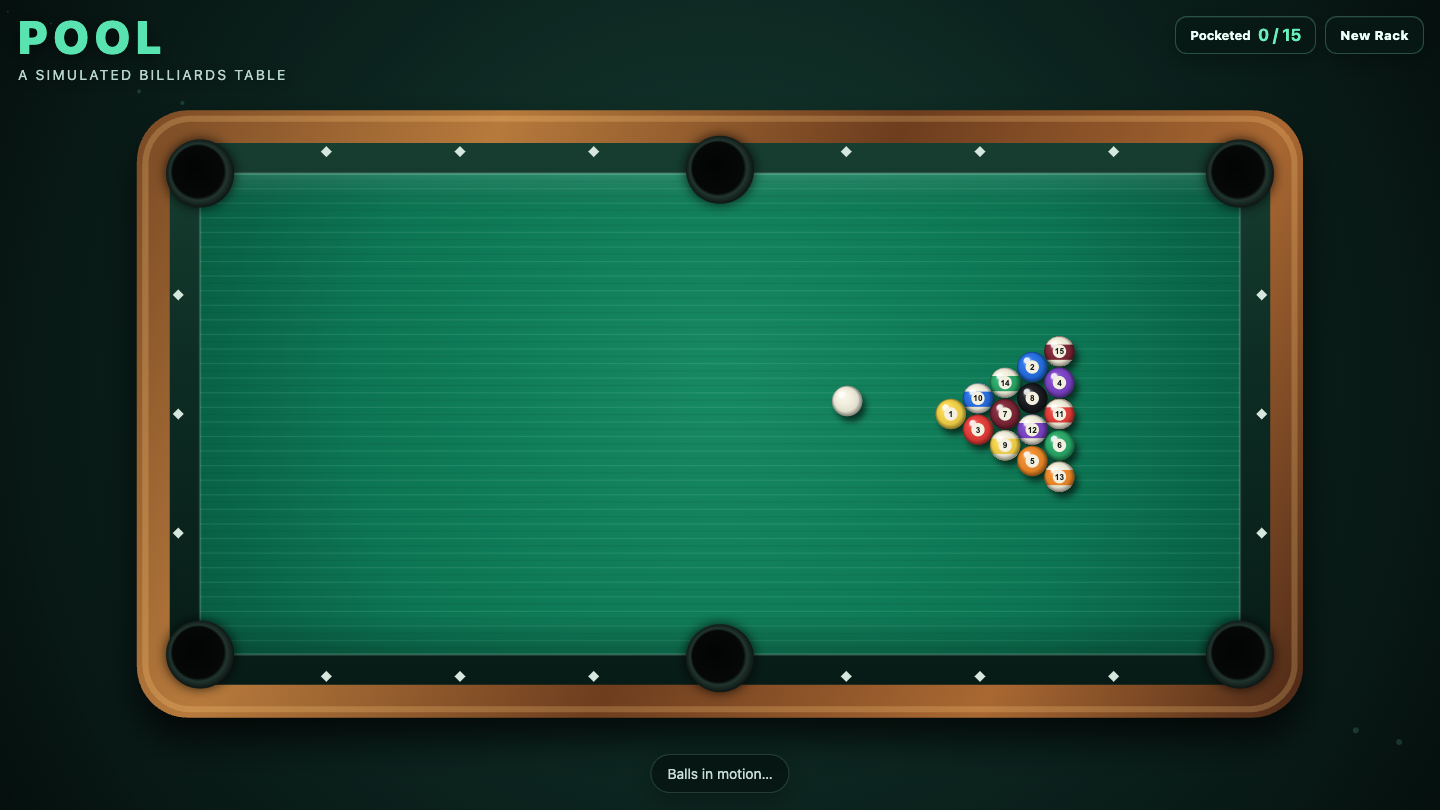
· Polished pool table
What I saw: Beautifully rendered table with realistic wood rail, felt gradient, numbered balls in a proper triangle rack, and clean HUD; physics/audio and pocketing logic are solid, though the presentation is more of an aesthetically strong standard billiards sim than a genre-redefining winner.
Aurora
Visual
GPT-5.6 Sol 8.6
·
Opus 4.8 6.0
(+2.6)
· Cinematic aurora scene
What I saw: Gorgeous layered green-to-violet curtains with soft blur, twinkling stars, silhouetted mountains and elegant typography make this genuinely cinematic and on-brief. Interactive wind/tap hints and Kp status polish it; only minor risk is the aurora ribbons overlapping the H1 slightl…
Crypt
Game
GPT-5.6 Sol 8.1
·
Opus 4.8 6.0
(+2.1)
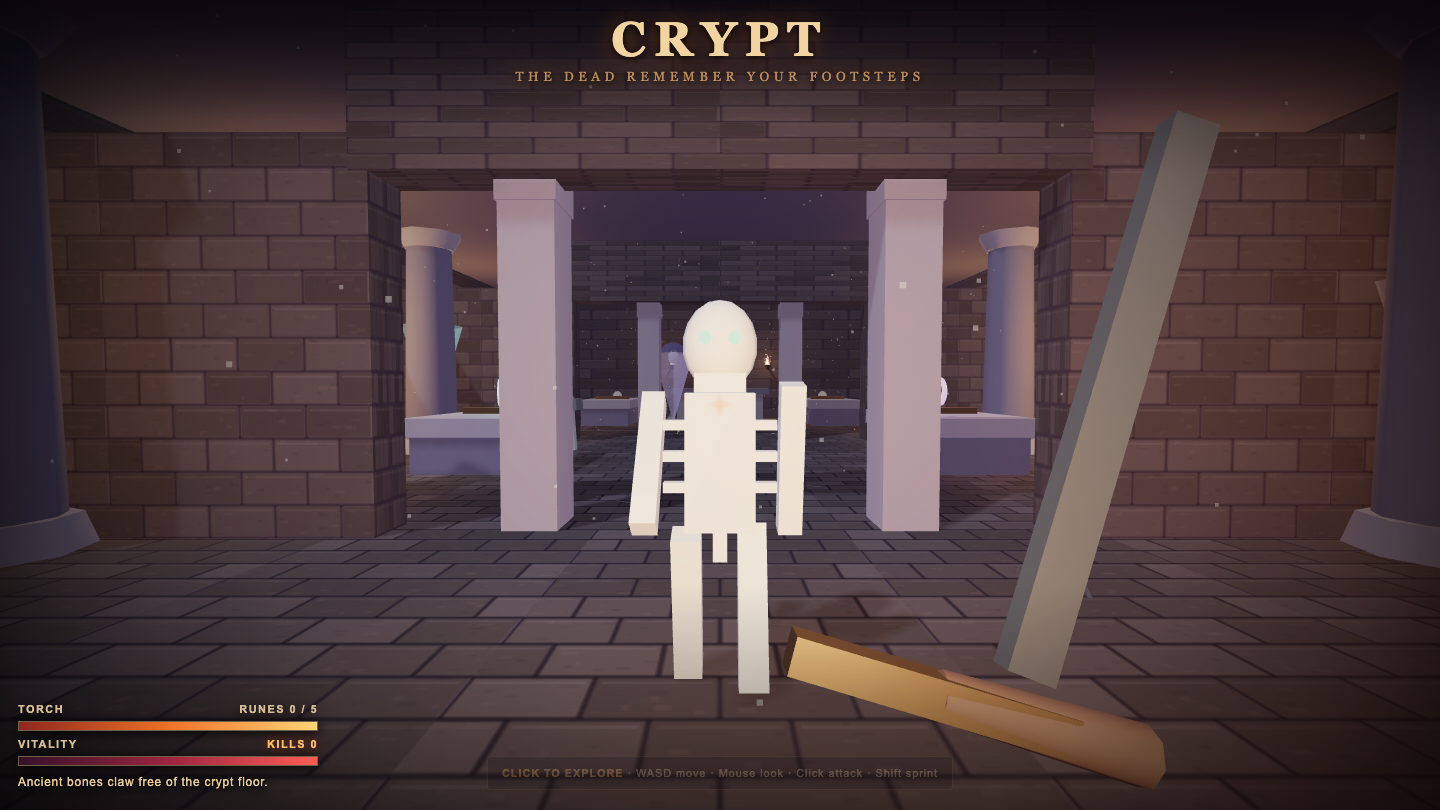
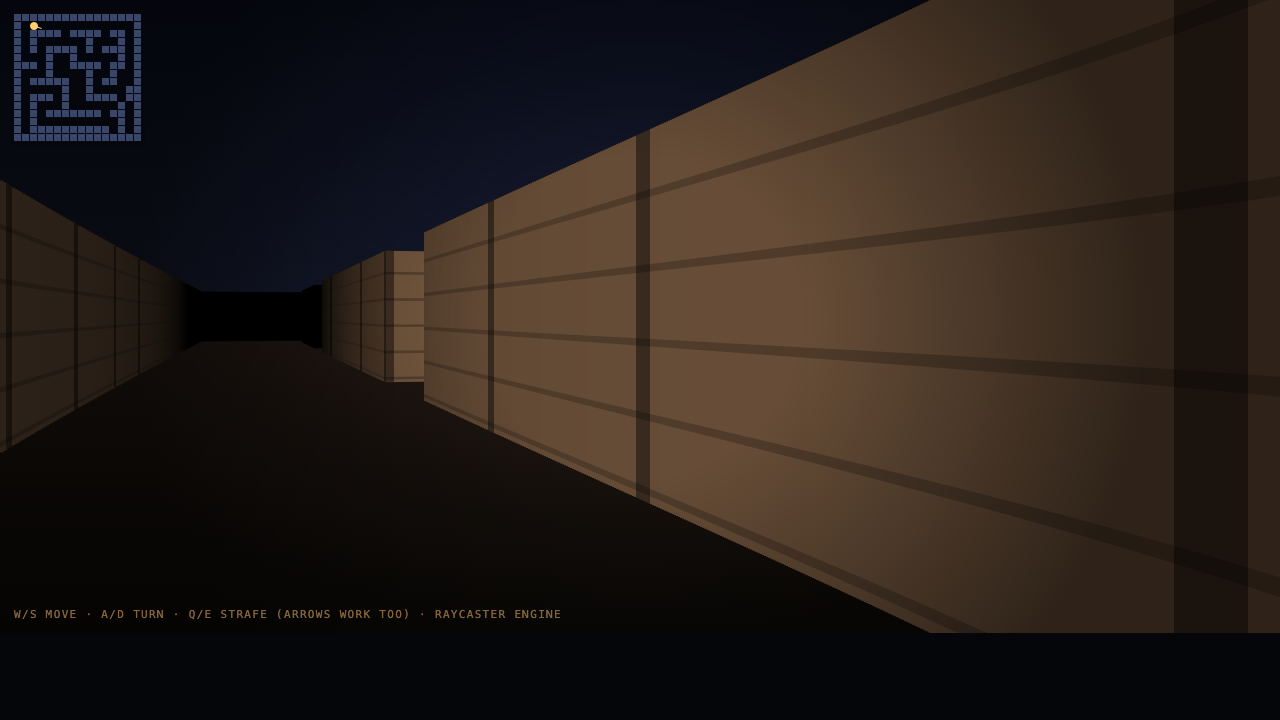
What I saw: Renders a clean, atmospheric 3D crypt with textured stone walls, pillars, archways, a floating rune and full HUD (torch bar, rune counter, controls) — a solid, shippable first-person crawler. Weakness: lighting reads more purple-lavender than 'torch-lit,' the ambient wash flatten…
Nordiccrypt
Game
GPT-5.6 Sol 7.8
·
Opus 4.8 6.0
(+1.8)
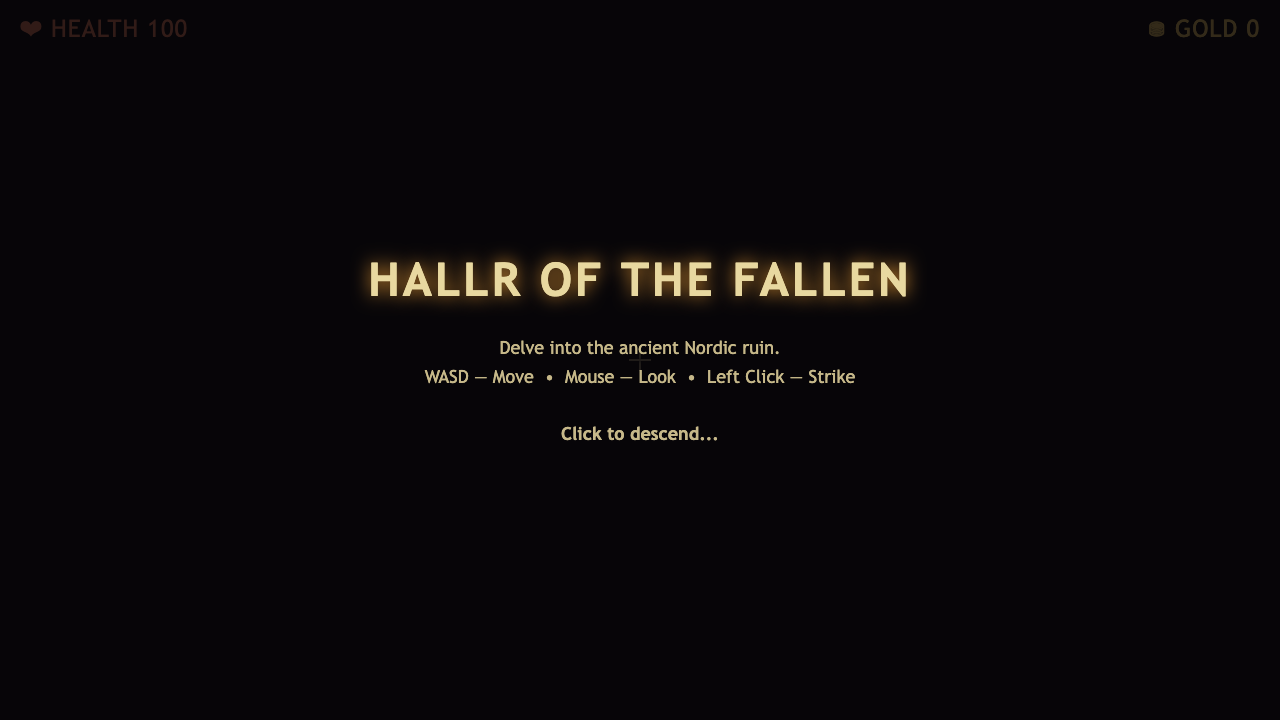
What I saw: Strong architectural depth with pillars, wooden crossbeams, glowing runes, torches and a distant shrine/portal that reads clearly as an ancient Nordic ruin, plus polished HUD framing. But the lighting is too bright/washed-out for a 'torch-lit dungeon' — it lacks the dark, atmosph…
Where Opus 4.8 beat GPT-5.6 Sol
The tasks where I gave Opus 4.8 a higher 0–10 score on the same prompt — with the actual commentary from my source guides.
Voxel
Visual
Opus 4.8 8.5
·
GPT-5.6 Sol 3.5
(+5.0)
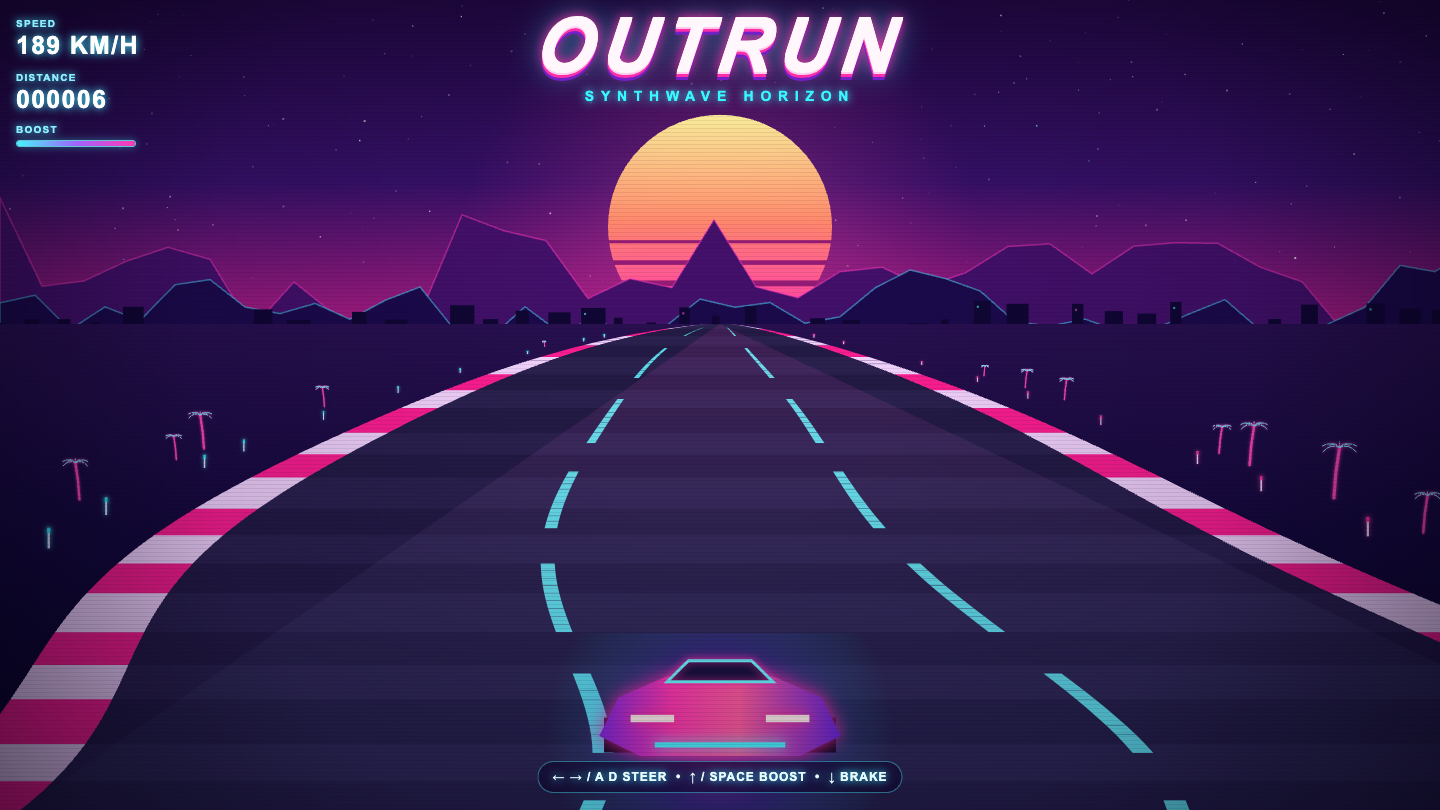
What I saw: GLM built the densest, most detailed city — windowed skyscrapers, a speed + coins HUD. Opus ran the furthest with the cleanest motion (Score 303). Kimi's runner plays fine but is unforgiving — it crashes within seconds.
Gtafoot
Game
Opus 4.8 7.5
·
GPT-5.6 Sol 3.5
(+4.0)
What I saw: 20KB · plays clean · three, webgl (re-rolled)
Pathtracer
Sim
Opus 4.8 7.5
·
GPT-5.6 Sol 6.4
(+1.1)
What I saw: 6KB · plays clean · webgl, rAF
Orbit
Sim
Opus 4.8 9.0
·
GPT-5.6 Sol 8.6
(+0.4)
· winner · accuracy
What I saw: Opus nailed the brief — labelled planet orbits, a real NEO / close-pass panel, a sim clock. GLM went for drama: a glowing nebula swirl that's gorgeous but reads more galaxy than orbit map. Kimi's is accurate but dim and sparse.
Landing
Page
Opus 4.8 9.0
·
GPT-5.6 Sol 8.7
(+0.3)
· tie · top
What I saw: Funniest result of the lot: GLM and Opus independently produced near-identical premium 'Introducing Nova 1 — Intelligence, reimagined / distilled' keynote pages — gradient hero, full nav, pricing tiers. A dead heat. Kimi's was a plainer set of feature cards.
Strengths & weaknesses I logged
GPT-5.6 Sol
Strengths
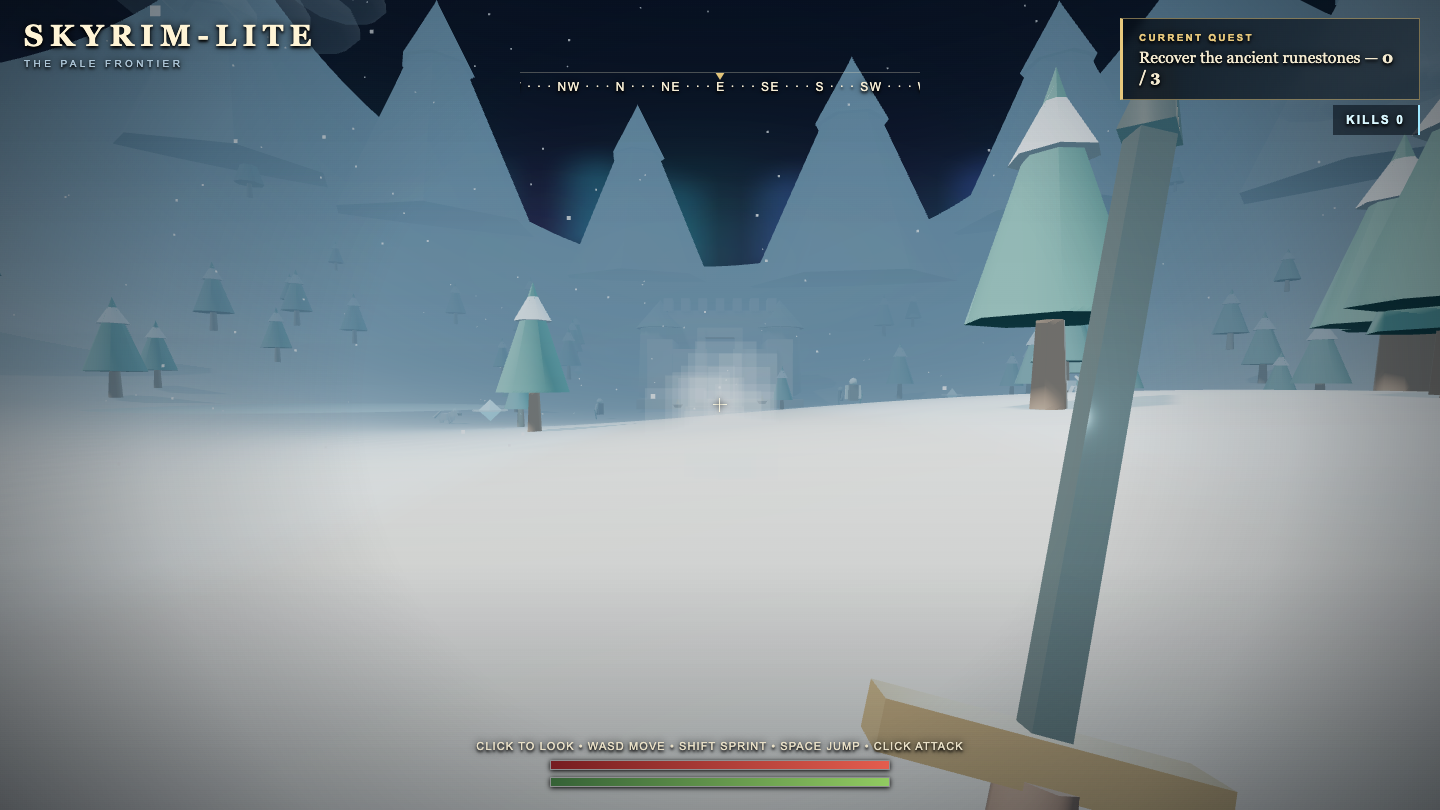
- Strong one-shot 3D games — Dragon Realm, Doom raycaster and Skyrim-lite all judged task winners
- Whole 5.6 lineup rated High capability, even the small Luna/Terra tiers — a first for OpenAI
- Huge ~1.05M-token context on every tier, plus a low-to-high reasoning-effort dial
Trade-offs
- Priciest tier on the bench at $30/M output — only worth routing the hardest 10% of work to Sol
- Reasoning can eat the token budget on big open-world briefs (one 0-byte failure until the budget was raised, then it built clean)
Opus 4.8
Strengths
- Most consistent across the Goldie Bench bench — no weak build, 8.46/10 average
- Deepest one-shot reasoning, especially on game-feel and physics
- Extended thinking mode handles up to 1M tokens of context
Trade-offs
- 5–10× the per-token cost of every other model on the bench
- Less flair on cinematic visuals than GLM-5.2 — playing it safer wins on accuracy, costs you on showpiece moments
Pricing & context — the spec sheet
| Spec | GPT-5.6 Sol | Opus 4.8 |
|---|---|---|
| Vendor | OpenAI | Anthropic |
| Context window | 1,050,000 tokens | 200,000 tokens (1M with extended thinking) |
| Price | $5 / $30 per M | $15 / $75 per M tokens |
| Pricing detail | GPT-5.6 shipped as three models — Luna ($1/$6 per M), Terra ($2.50/$15) and Sol ($5/$30) — each with a same-price pro variant that ships a higher default reasoning effort. All share a ~1.05M-token context window and are rated High capability. Benched here on the flagship, Sol, at medium reasoning effort via OpenRouter. | Premium pricing via the Anthropic API: $15 per million input tokens, $75 per million output tokens. Extended thinking is included but adds latency. |
| Release | 2026-07 | 2026-05 |
| Bench coverage | 50/50 scored · avg 8.16/10 | 47/47 scored · avg 7.51/10 |
The verdict — which should you pick?
Across 47 scored shared tasks, GPT-5.6 Sol averaged 8.16/10, beating Opus 4.8's 7.51/10 by 0.65 points. Pick GPT-5.6 Sol when the build has to ship on the first prompt and you can afford the trade-offs in the comparison below.
If you only run one of these inside your stack, the head-to-head average above is the call. If you can run both, my honest play is to wire GPT-5.6 Sol and Opus 4.8 both into the Agent Operating System and dispatch each from the kanban by task type — the hardest reasoning and code where being right beats being cheap → GPT-5.6 Sol, mission-critical one-shot builds where 'has to work the first time' matters → Opus 4.8. That's the same setup I run for the 3,400+ founders inside the AI Profit Boardroom.
FAQ — GPT-5.6 Sol vs Opus 4.8
Which is better, GPT-5.6 Sol or Opus 4.8?
On Goldie Bench, GPT-5.6 Sol averages 8.16/10 across the shared tasks, with 2 gold, 9 silver, 10 bronze overall. Opus 4.8 averages 7.51/10, with 3 gold, 1 silver, 0 bronze. GPT-5.6 Sol wins the head-to-head 40–7.
How much does GPT-5.6 Sol cost vs Opus 4.8?
GPT-5.6 Sol: GPT-5.6 shipped as three models — Luna ($1/$6 per M), Terra ($2.50/$15) and Sol ($5/$30) — each with a same-price pro variant that ships a higher default reasoning effort. All share a ~1.05M-token context window and are rated High capability. Benched here on the flagship, Sol, at medium reasoning effort via OpenRouter. Opus 4.8: Premium pricing via the Anthropic API: $15 per million input tokens, $75 per million output tokens. Extended thinking is included but adds latency.
What's the context window for GPT-5.6 Sol vs Opus 4.8?
GPT-5.6 Sol has a 1,050,000 tokens context window. Opus 4.8 has a 200,000 tokens (1M with extended thinking) context window.
When should I pick GPT-5.6 Sol over Opus 4.8?
Pick GPT-5.6 Sol for: The hardest reasoning and code where being right beats being cheap; One-shot game/sim prototypes you want shippable on the first prompt; The flagship slot in a routed Agent OS — Sol for the hard 10%, Luna/Terra for the rest. The trade-off is the weaknesses we logged on the bench: Priciest tier on the bench at $30/M output — only worth routing the hardest 10% of work to Sol; Reasoning can eat the token budget on big open-world briefs (one 0-byte failure until the budget was raised, then it built clean).
When should I pick Opus 4.8 over GPT-5.6 Sol?
Pick Opus 4.8 for: Mission-critical one-shot builds where 'has to work the first time' matters; Hard reasoning tasks (planning, multi-step) where you'll pay for the depth; Anything where vendor reliability beats the per-token bill. The trade-off is the weaknesses we logged on the bench: 5–10× the per-token cost of every other model on the bench; Less flair on cinematic visuals than GLM-5.2 — playing it safer wins on accuracy, costs you on showpiece moments.
How does Goldie Bench score GPT-5.6 Sol vs Opus 4.8?
Every demo on this page was built by Julian Goldie inside the Agent Operating System — same fixed prompt for both models, one shot, single HTML file out. Each result gets a 0–10 score on whether it ran, how close it hit the brief, and how good it looked. The highest score on each task gets gold; second gets silver; third gets bronze. See methodology for full provenance.
Related comparisons
Other head-to-heads using the same scoring system:
GPT-5.6 Sol vs Fusion Opus 4.8 vs Fusion GPT-5.6 Sol vs Claude Opus 5 Opus 4.8 vs Claude Opus 5 GPT-5.6 Sol vs Hermes MoA Opus 4.8 vs Hermes MoA GPT-5.6 Sol vs Claude Fable 5 Opus 4.8 vs Claude Fable 5Full model pages: GPT-5.6 Sol · Opus 4.8 · back to the leaderboard
The same stack Julian uses
Run this stack yourself.
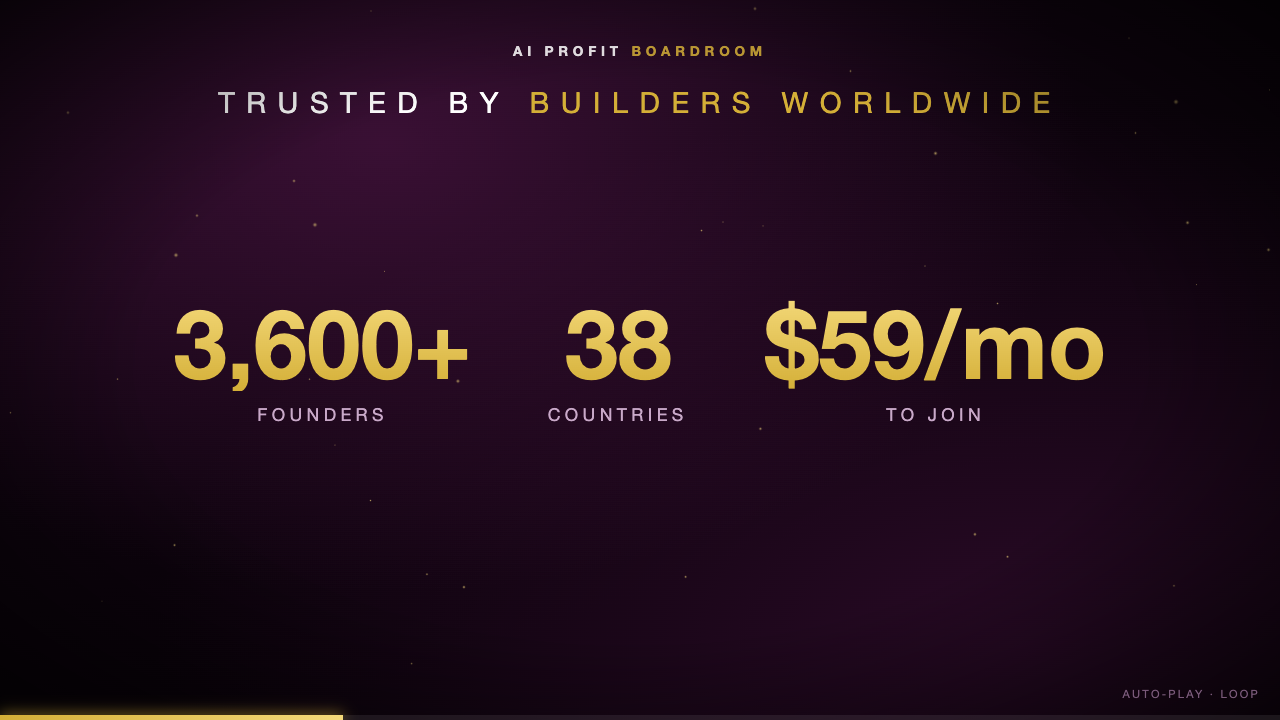
Every demo on this bench was built inside the Agent Operating System — one prompt, one shot, single HTML file out. The Agent OS, the prompts, the templates, the weekly walkthroughs and 3,400+ founders shipping with it every day all live inside the AI Profit Boardroom.
3,400+founders
258documented wins
38countries
$69/momonthly