Real head-to-head · same prompt, one shot
Opus 4.8 vs Grok
The reasoning king — deepest thinking, premium price. vs Snappy + real-time — the X-native model.
What I tested — same prompt, two models
I run the same fixed prompt set through every new model the day it drops — same string, one shot, single HTML file out — and I score the result 0–10 on whether it ran, how close it hit the brief, and how good it looked. Below is what came out when I gave the exact same prompts to Opus 4.8 and Grok, side by side, on 8 shared tasks inside the Agent Operating System.
Both models were given identical prompts inside the Agent Operating System — no help, no iteration, no "best of N" tricks. I run each prompt once, save the HTML file the model produces, and score it 0–10 on whether it ran, how close it hit the brief, and how good it looked. The scoring is mine. The verdicts below are pulled from my source comparison guides at agentos.guide where I publish every score and the reasoning behind it.
Opus 4.8 · The default when the build has to ship on the first prompt — Opus is the safety net inside Agent OS for hard one-shots.
Grok · Used for real-time content workflows where the model needs current X timeline context. Standalone bench scoring pending.
Side-by-side on 22 shared tasks
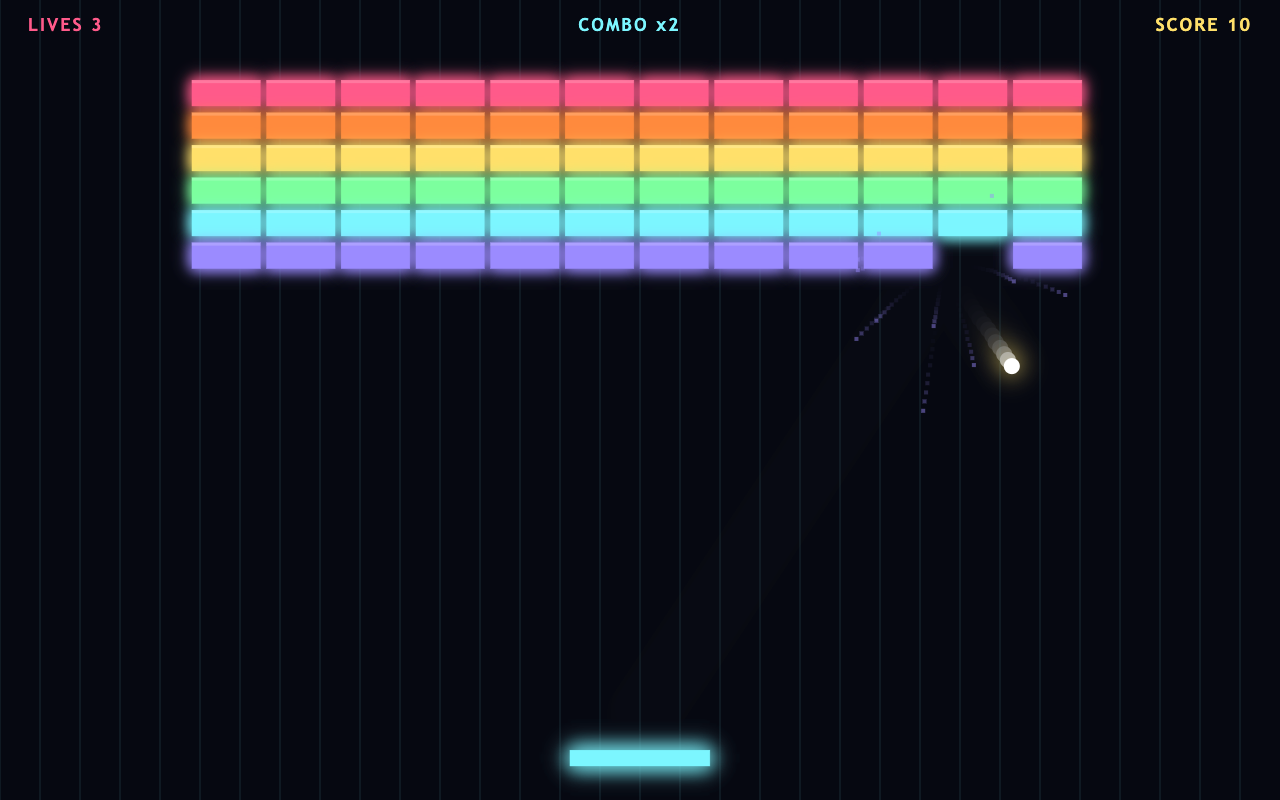
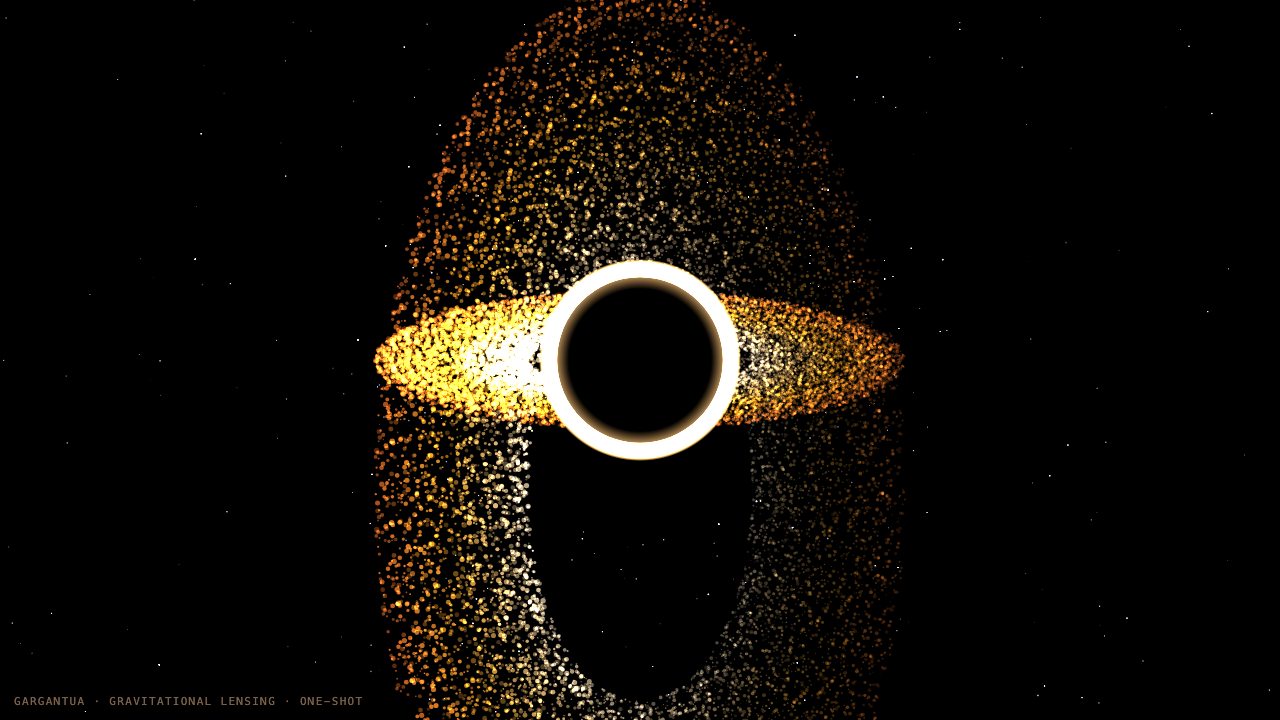
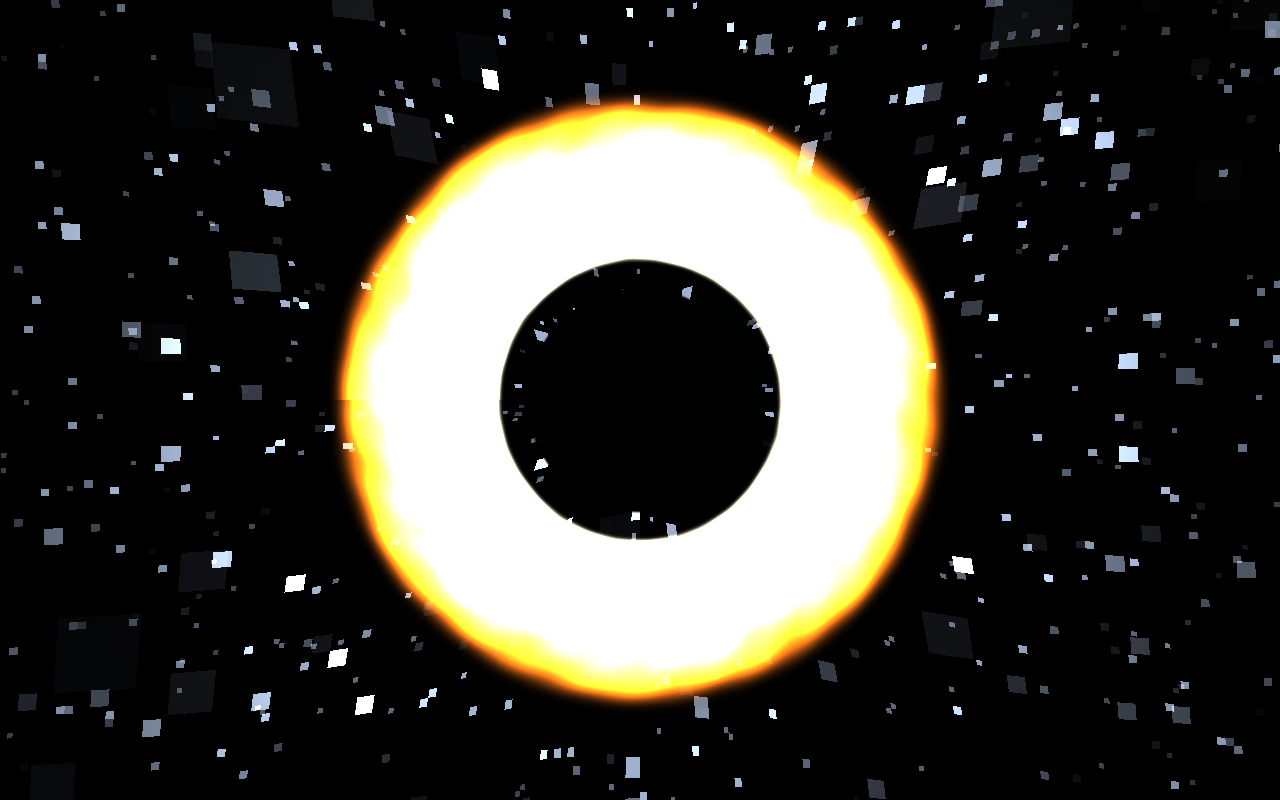
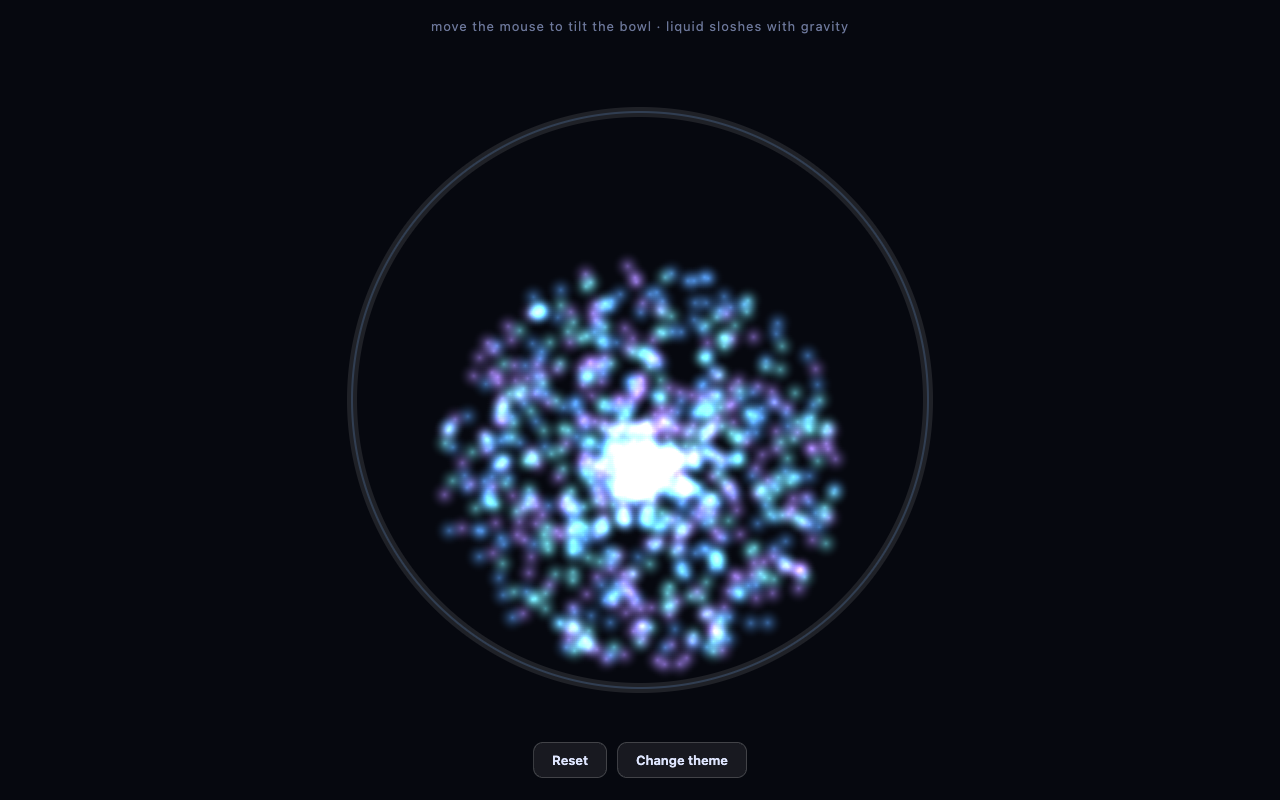
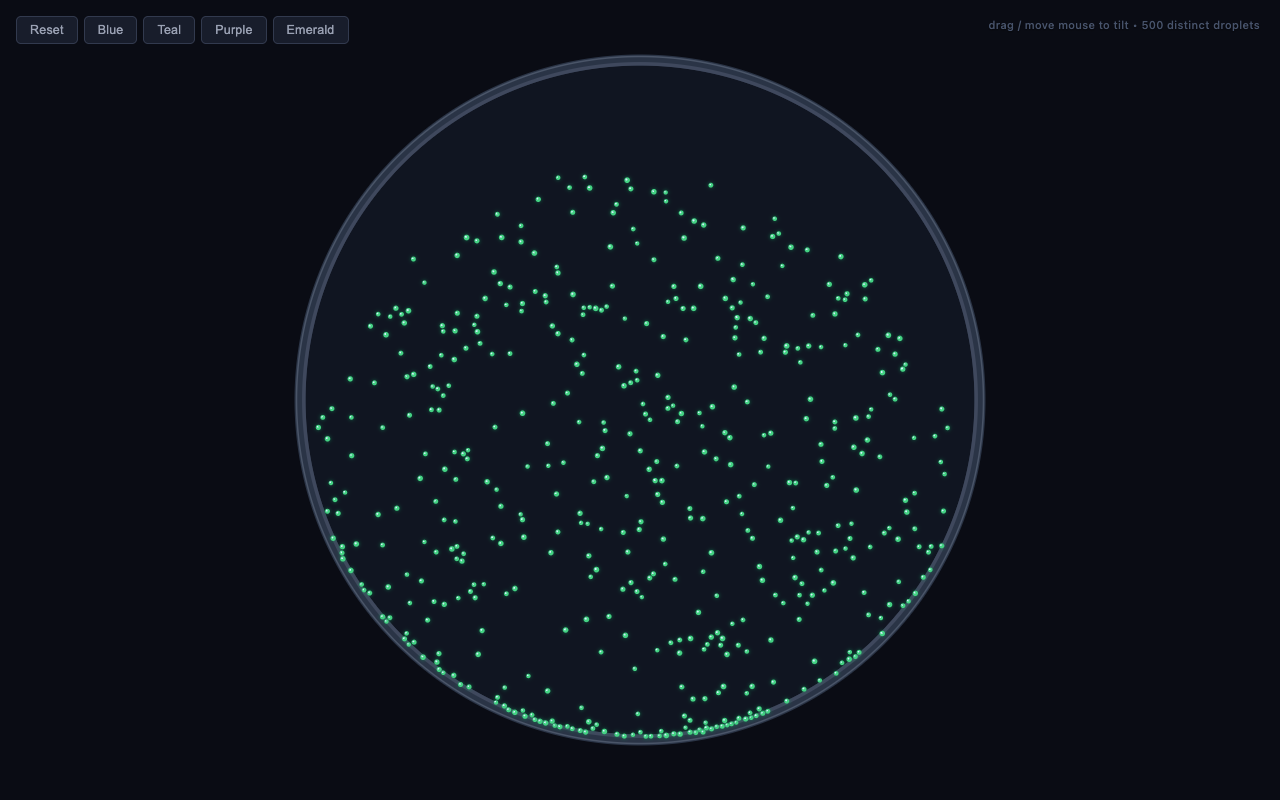
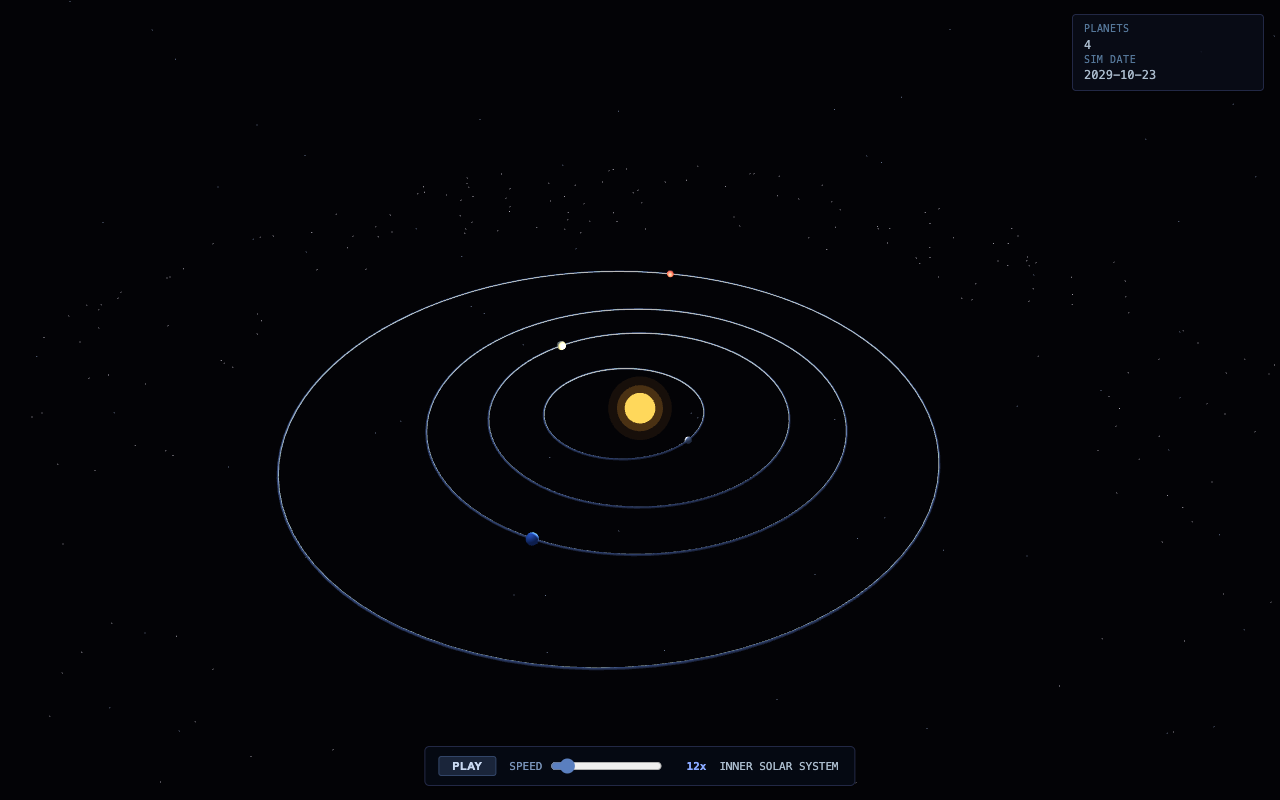
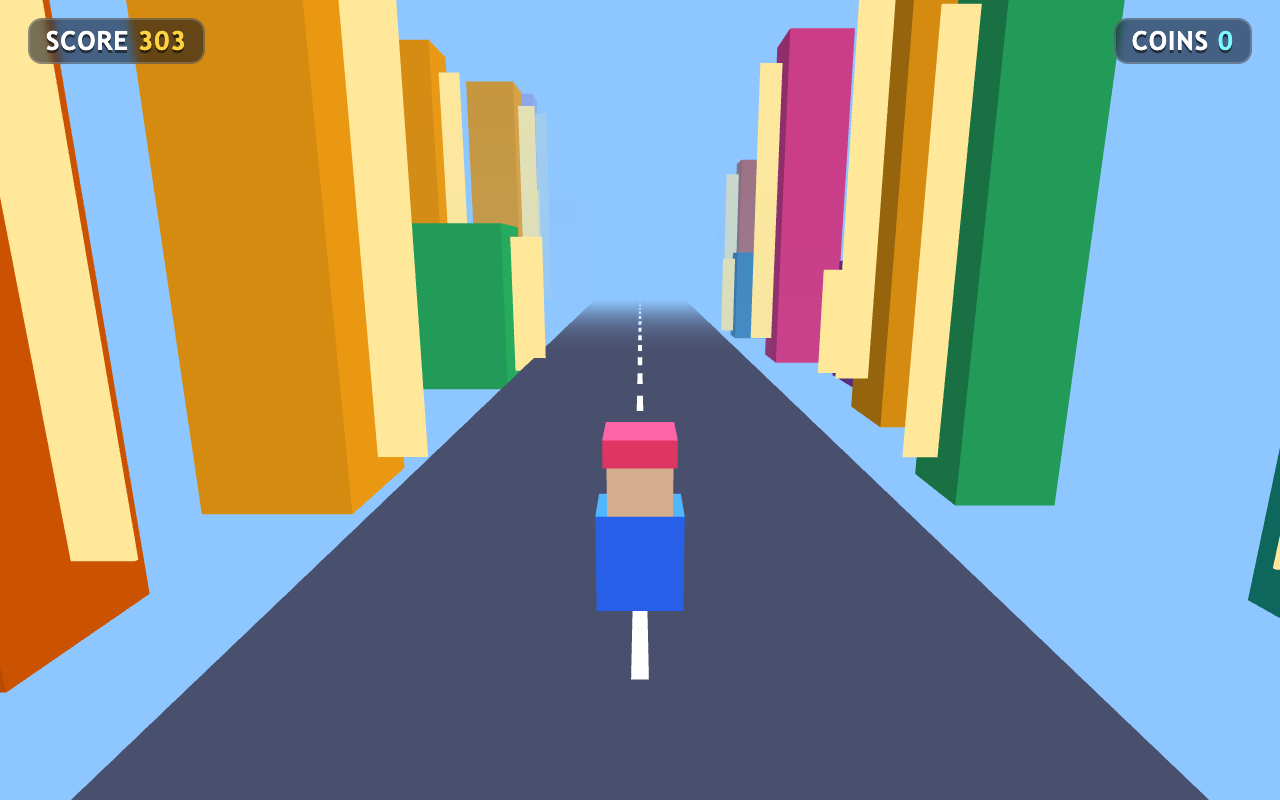
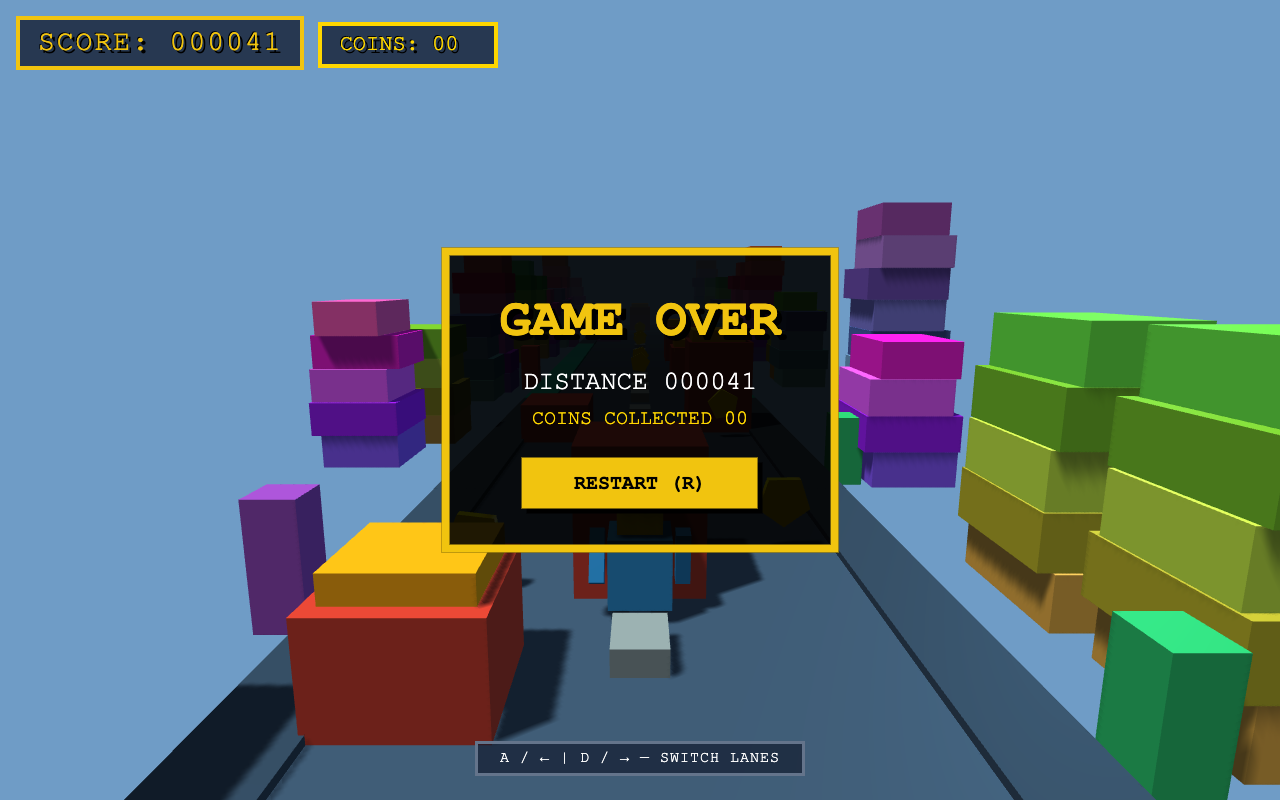
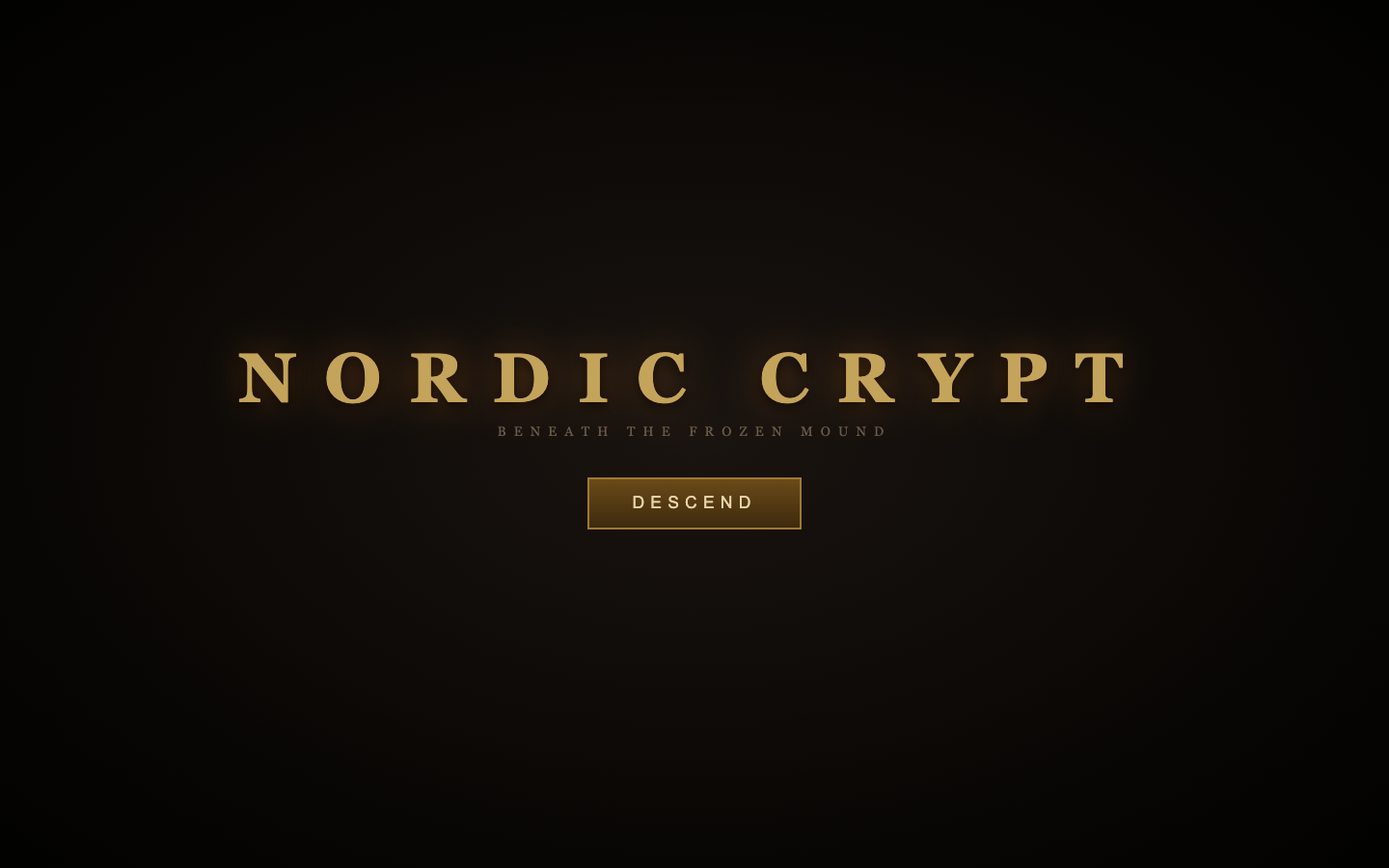
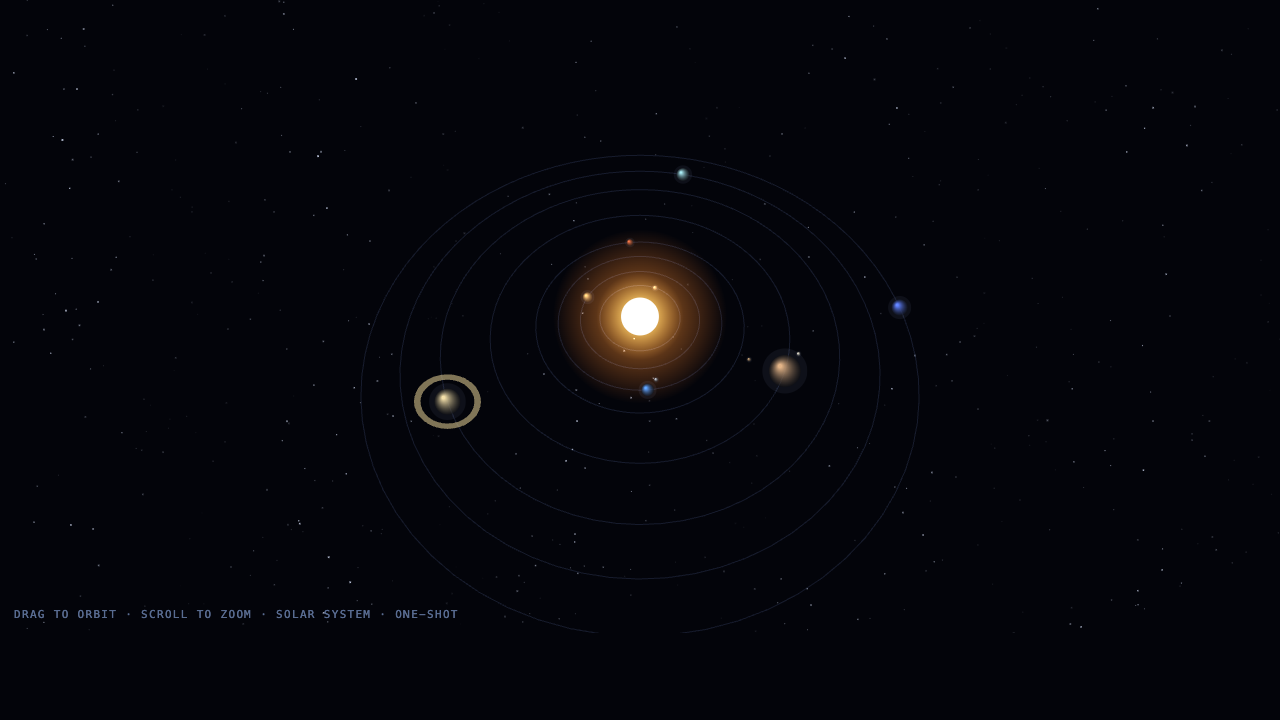
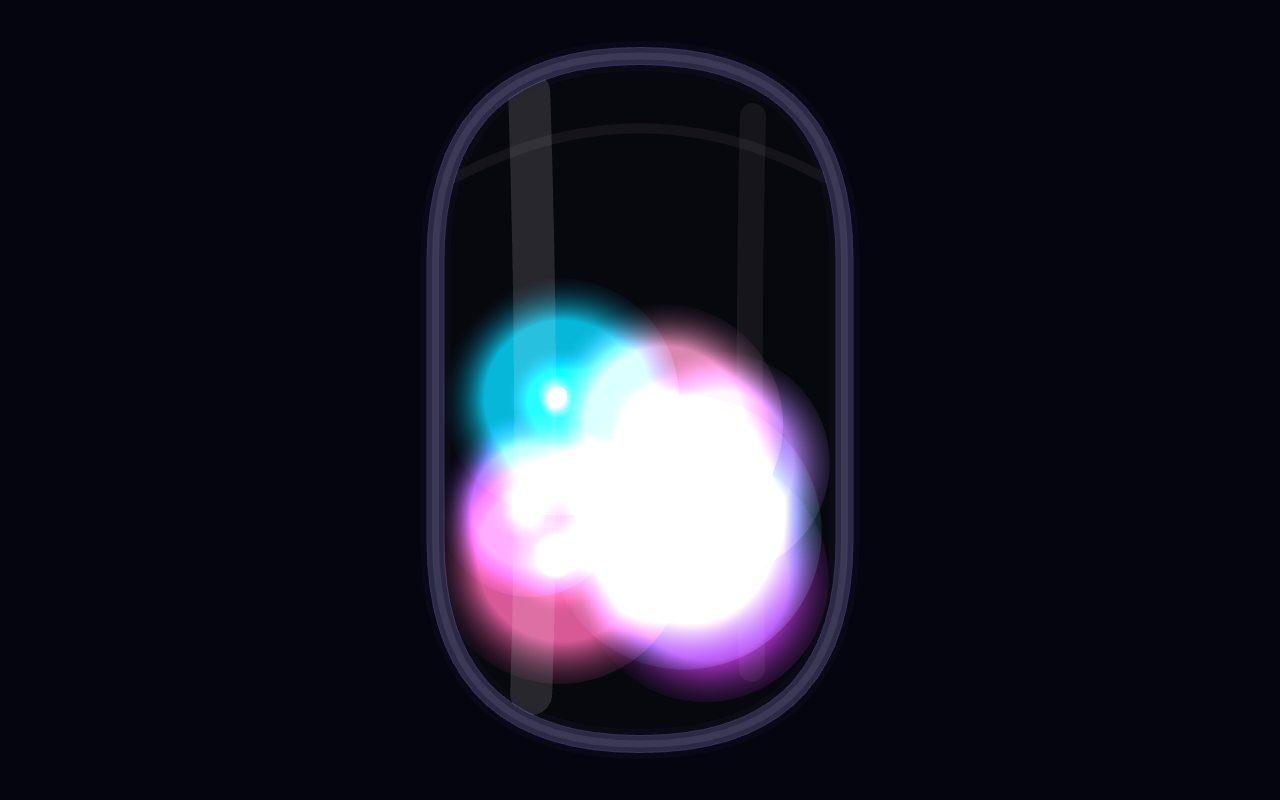
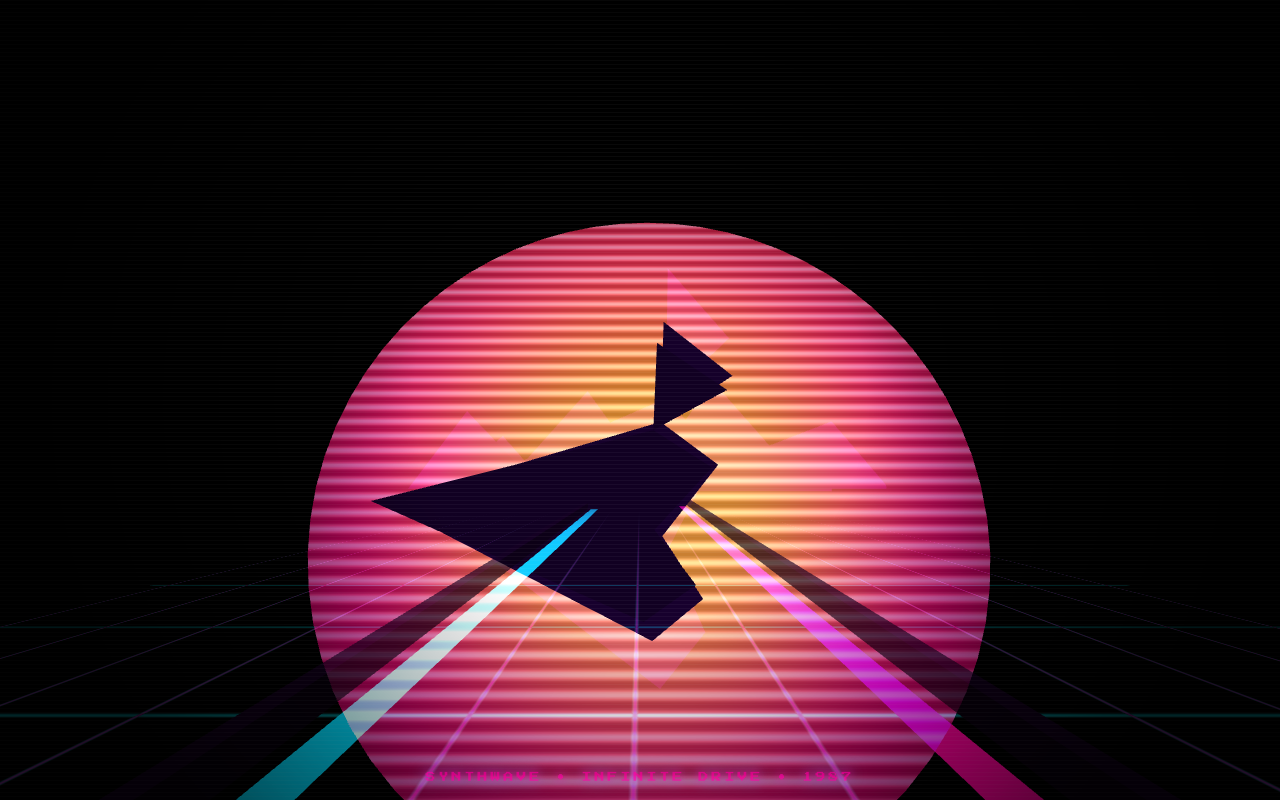
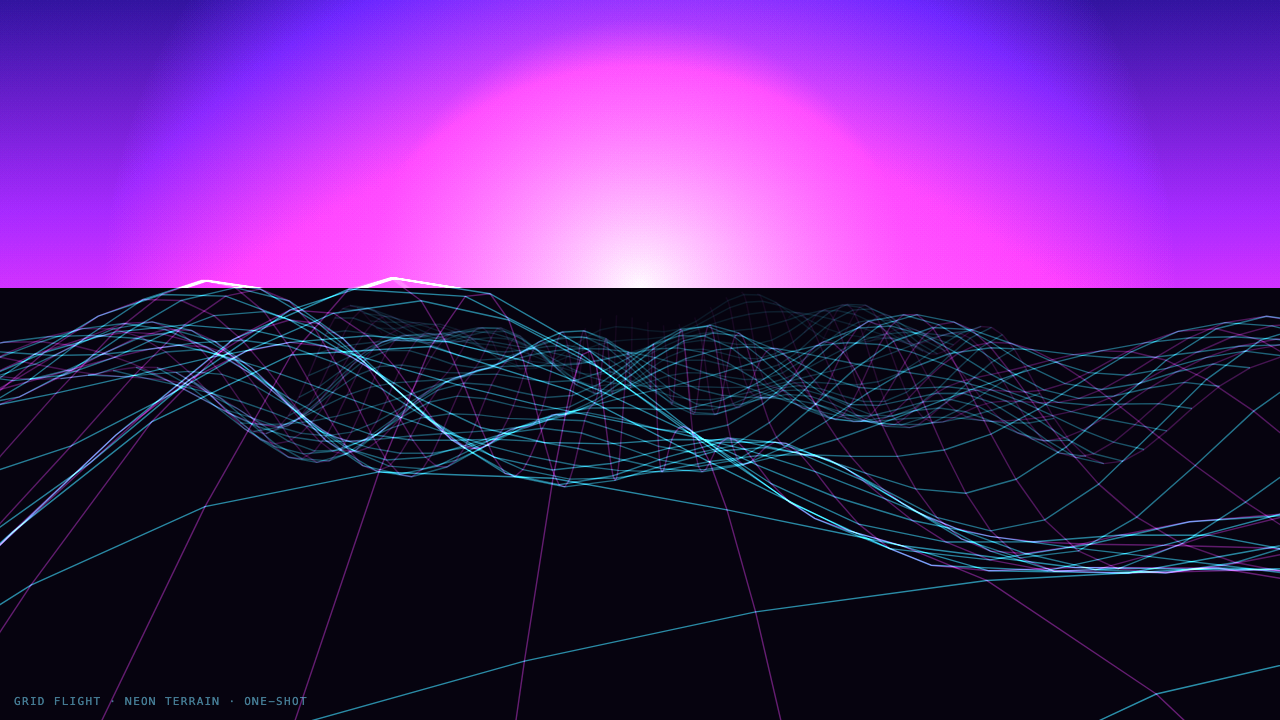
Click any cell to play that model's actual one-shot attempt. Medals are derived from my 0–10 scores per task (highest = 🥇, second = 🥈, third = 🥉).
Task ↓
Opus 4.8
Grok
Game
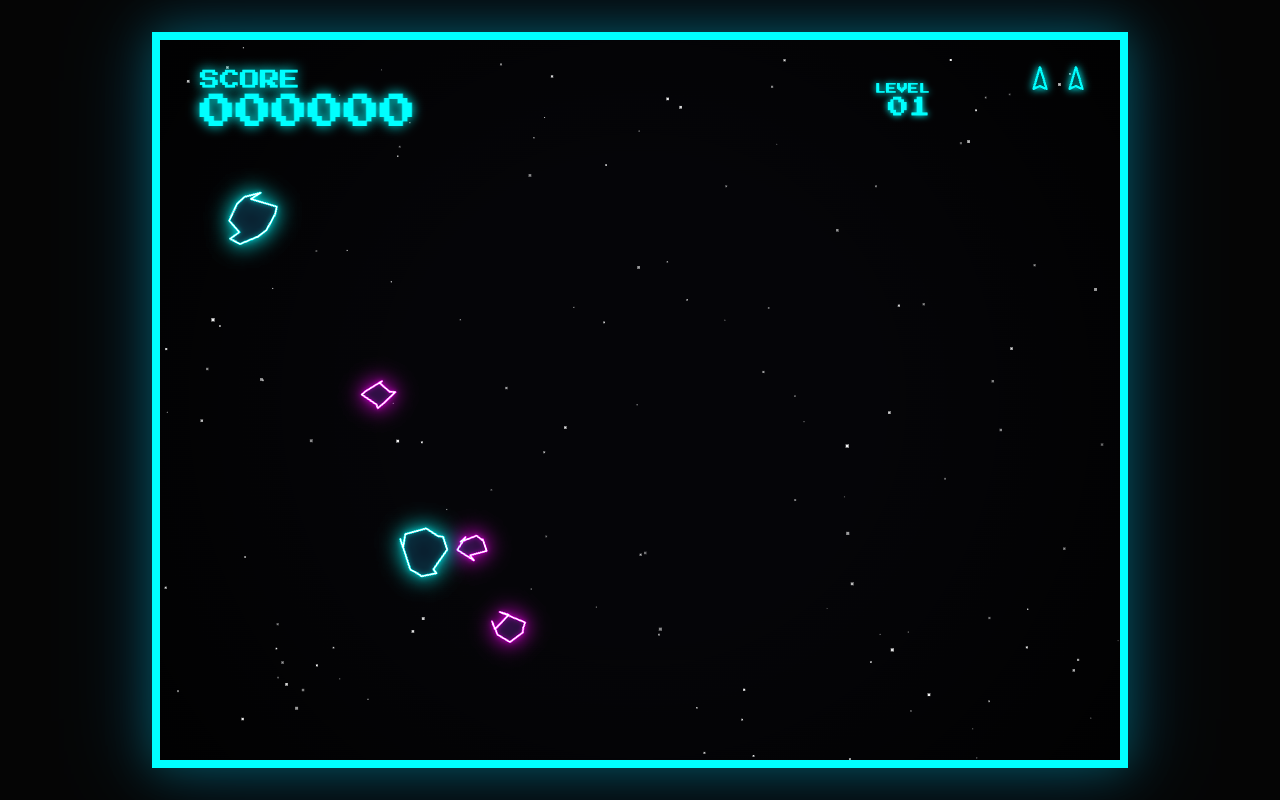
Page
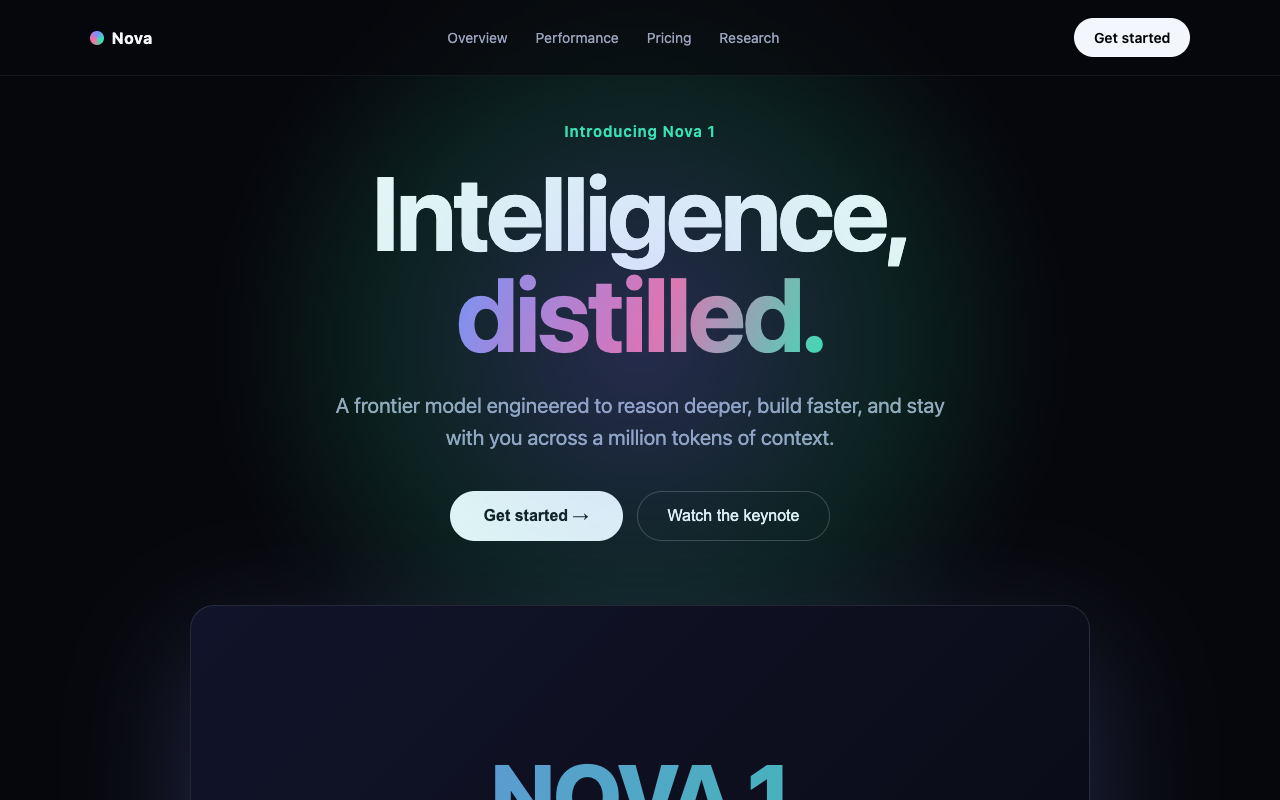
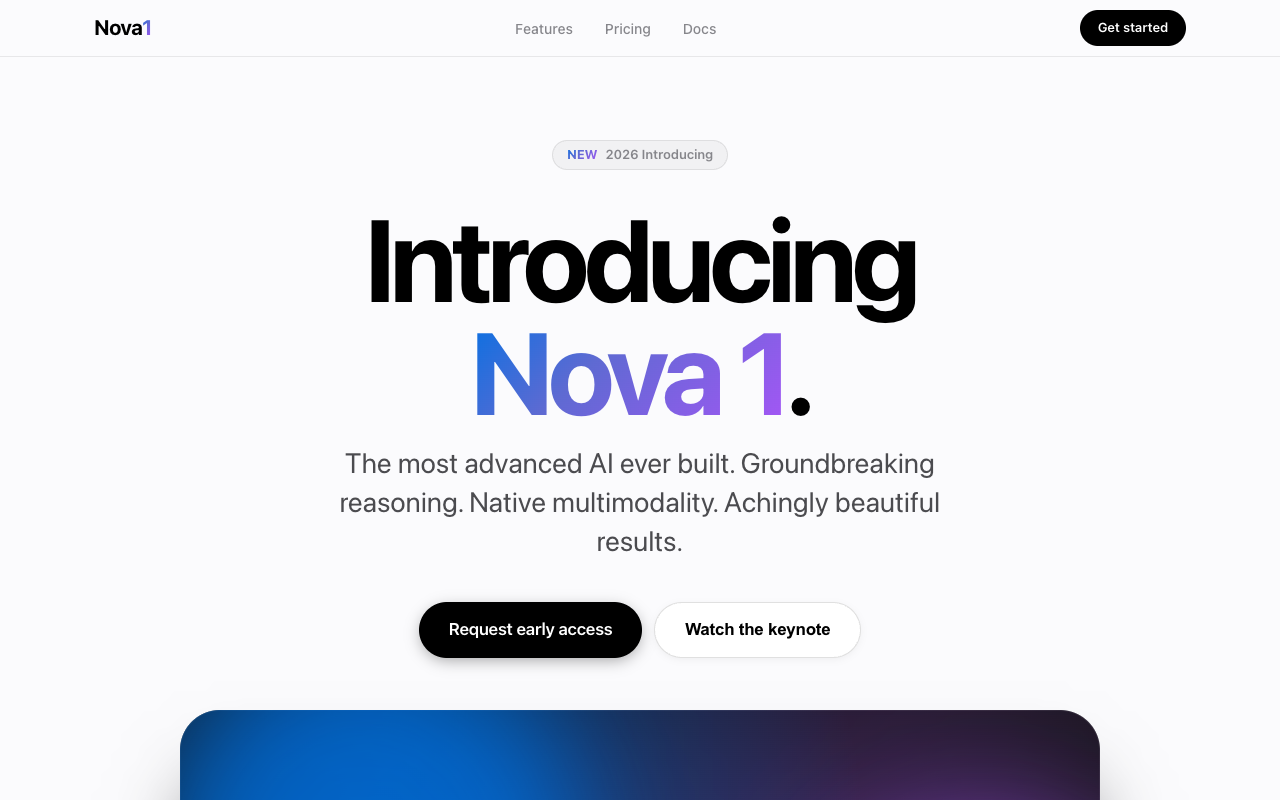
Sim
Sim
Sim
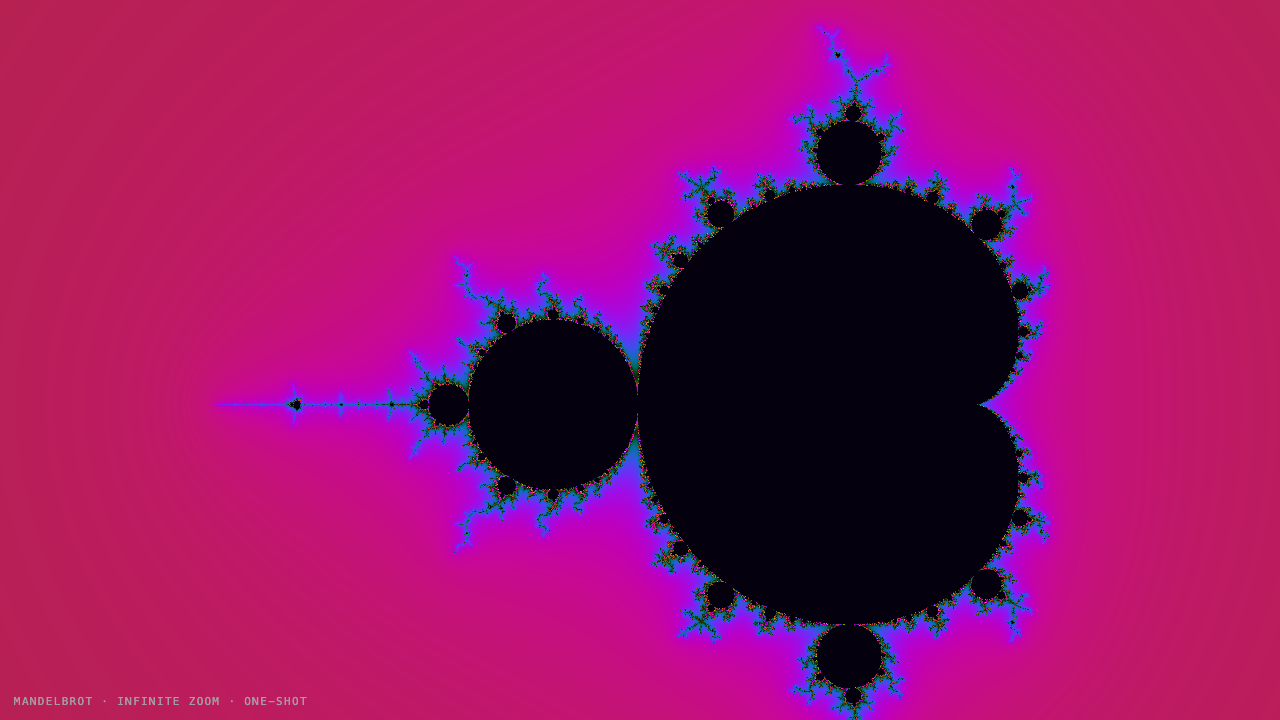
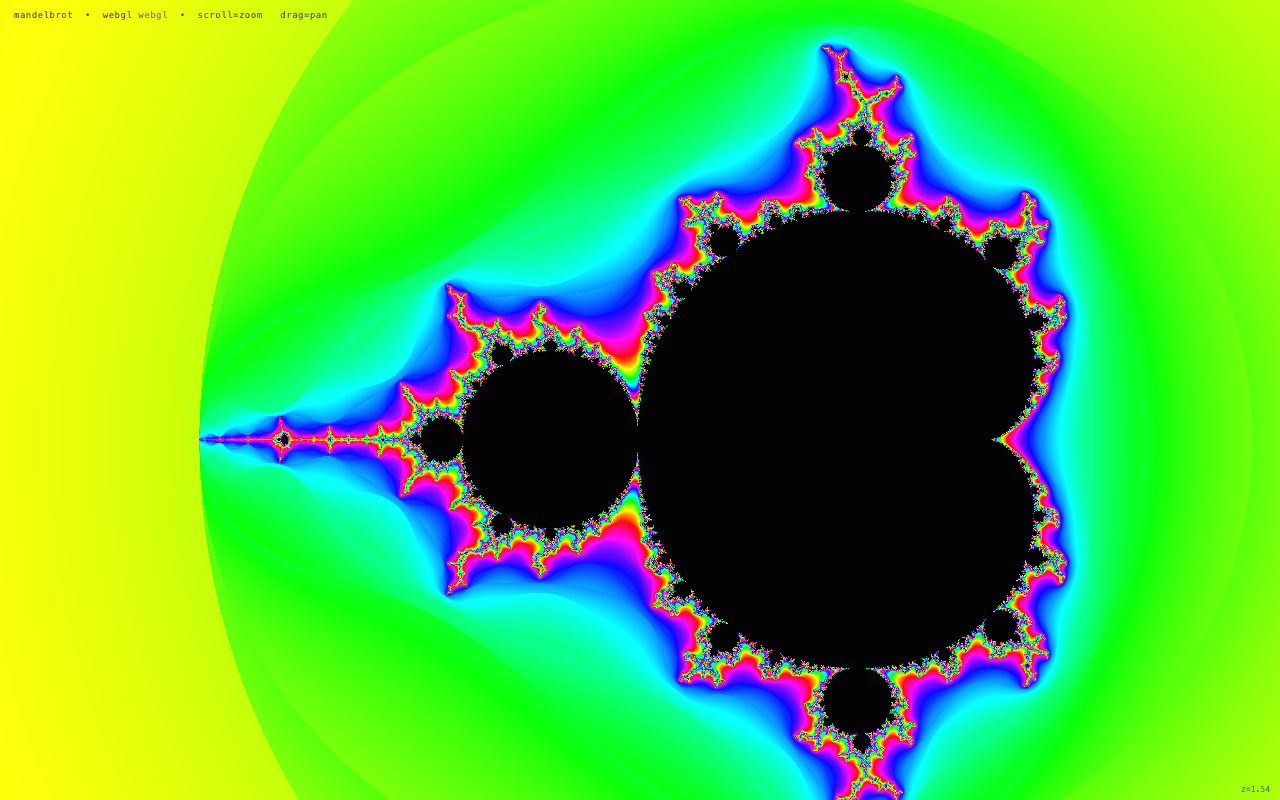
Sim

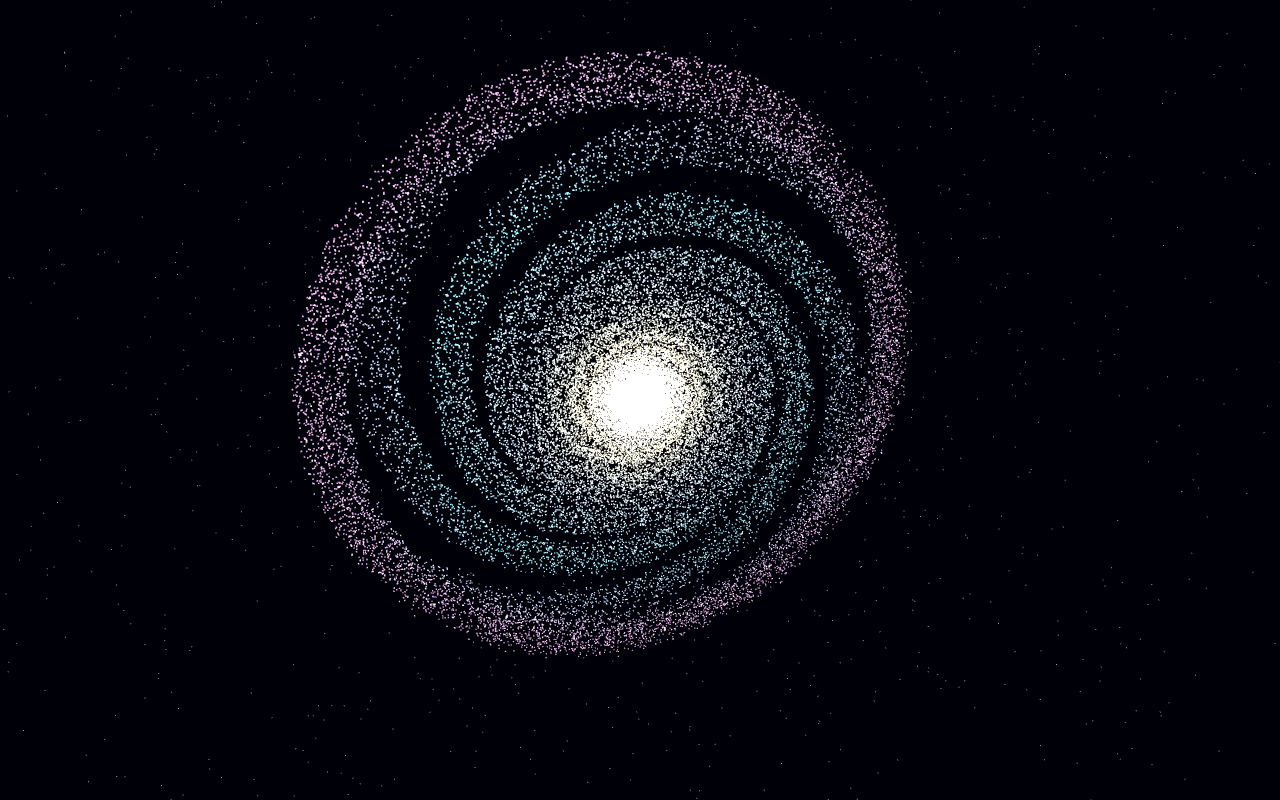
Sim
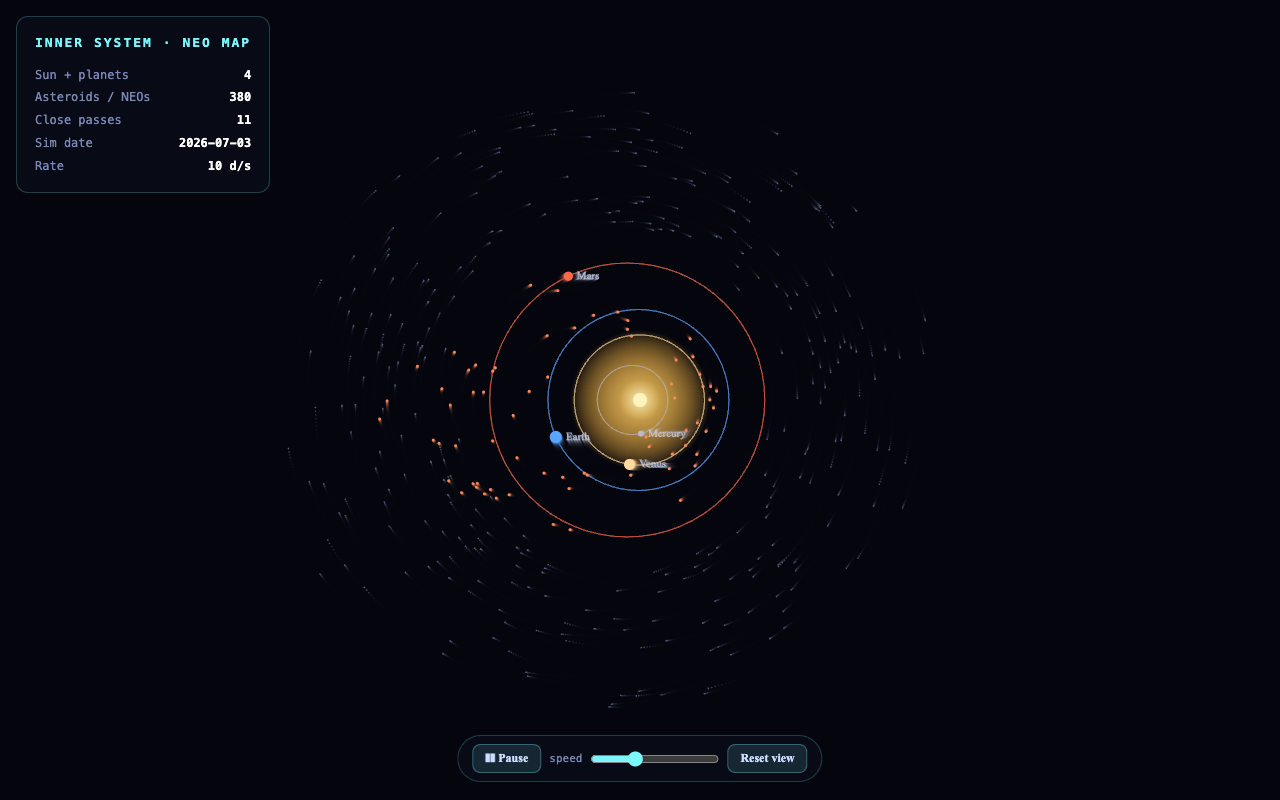
Visual
Game
— not attempted —
Game
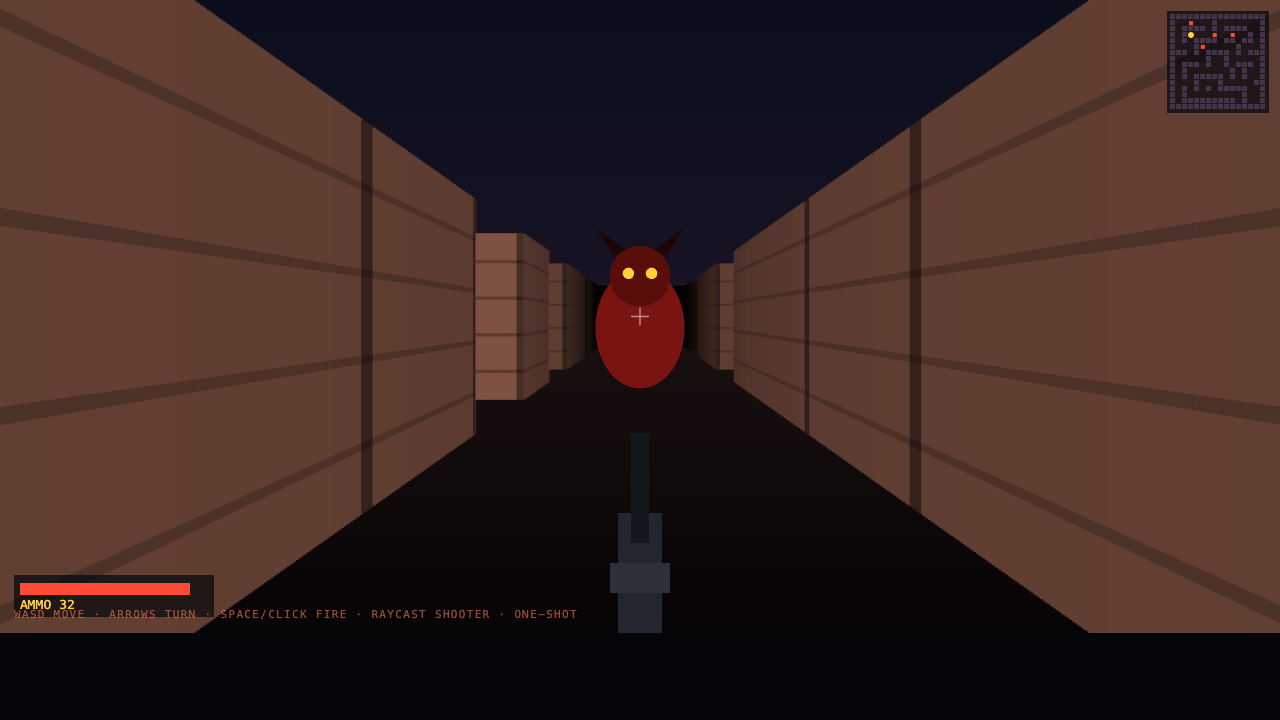
— not attempted —
Game
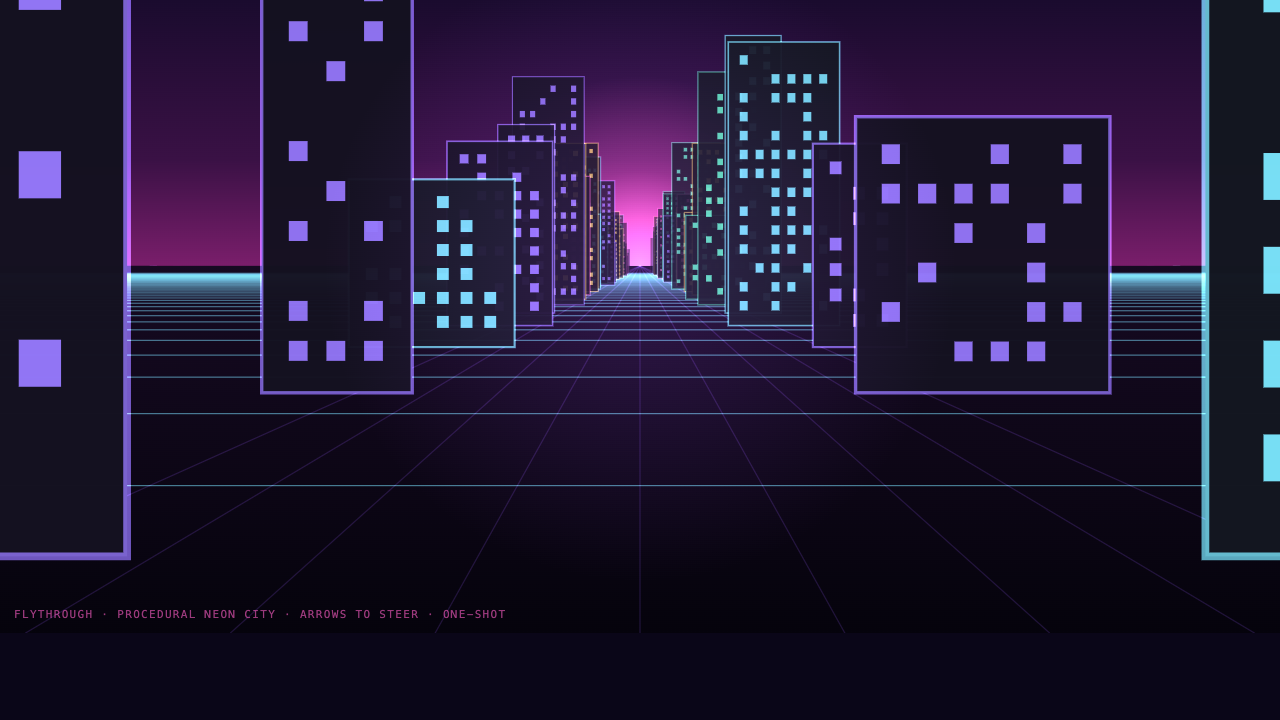
— not attempted —
Game

— not attempted —
Game
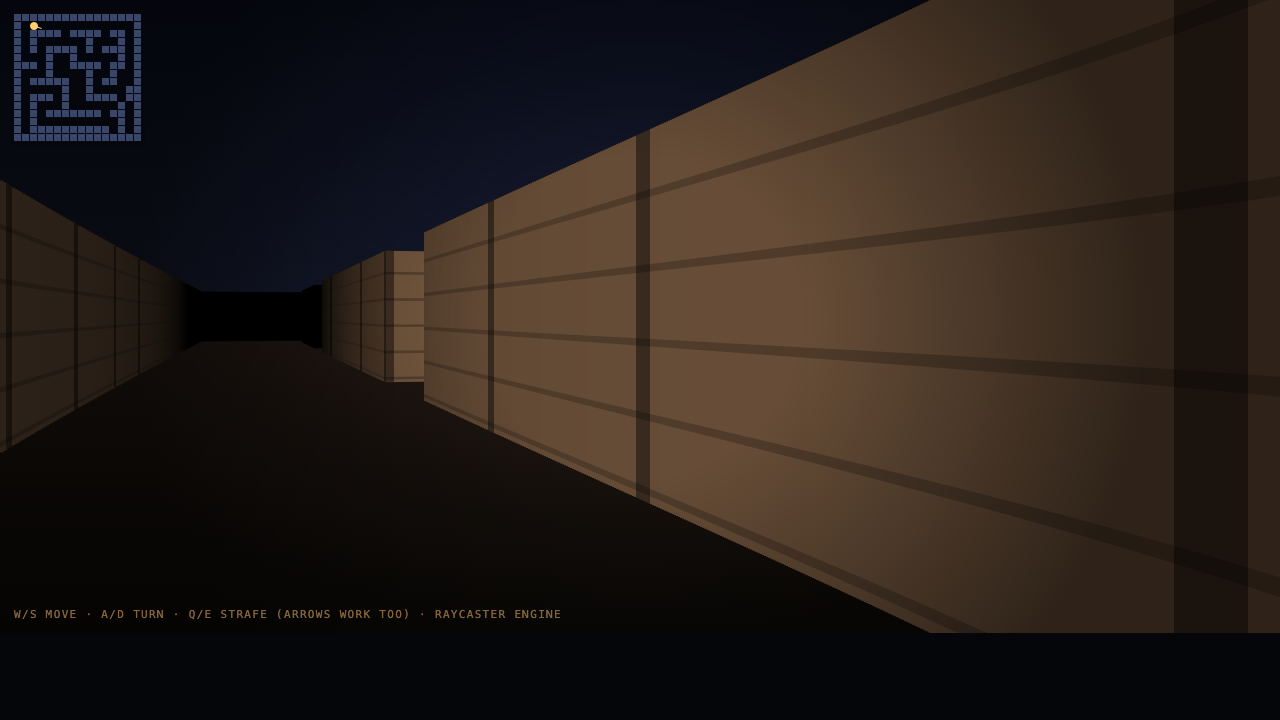
— not attempted —
Game
— not attempted —
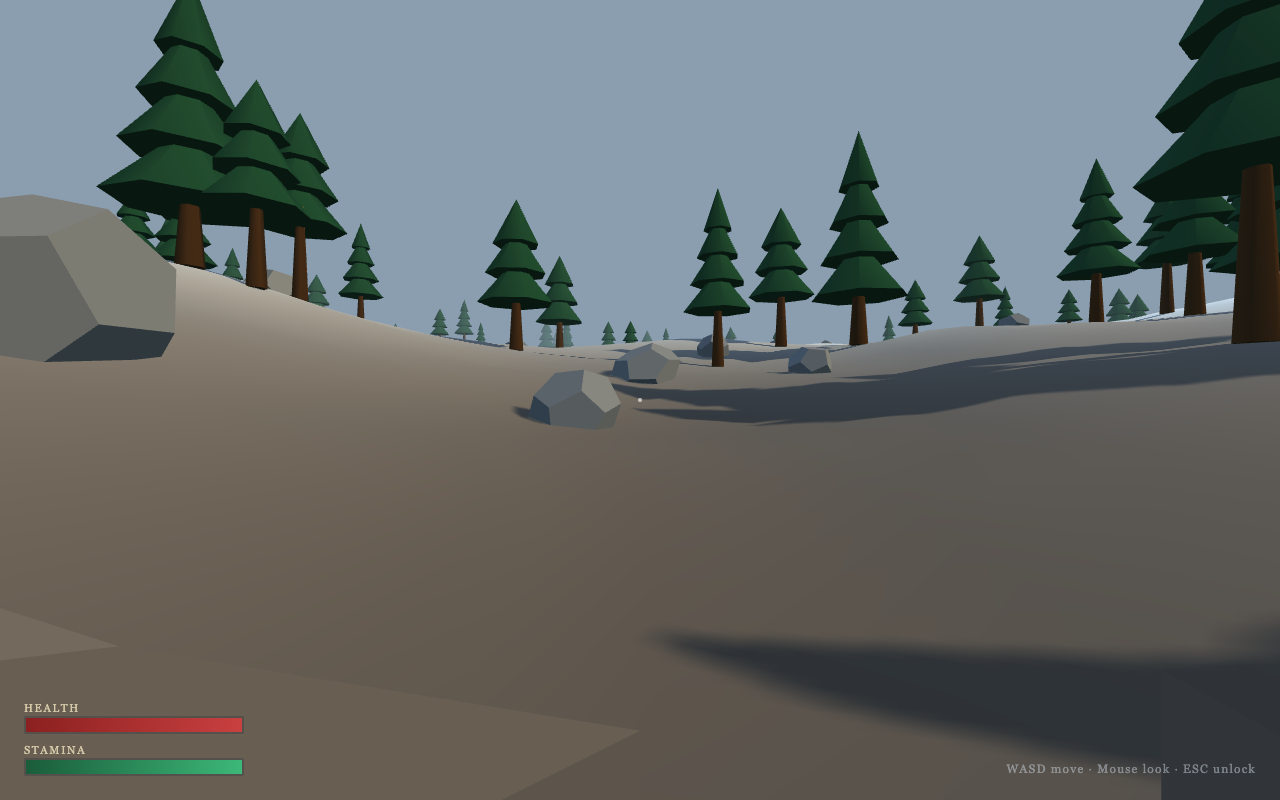
Sim
— not attempted —
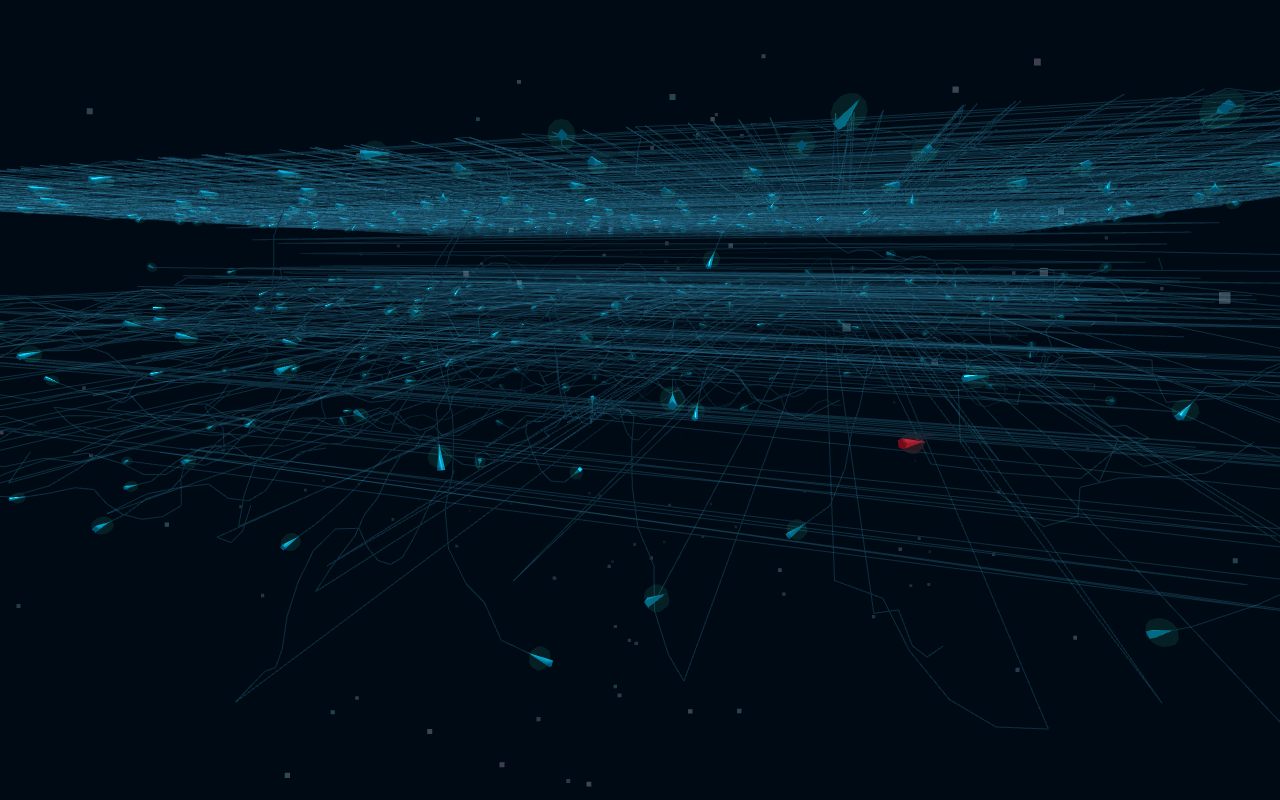
Sim
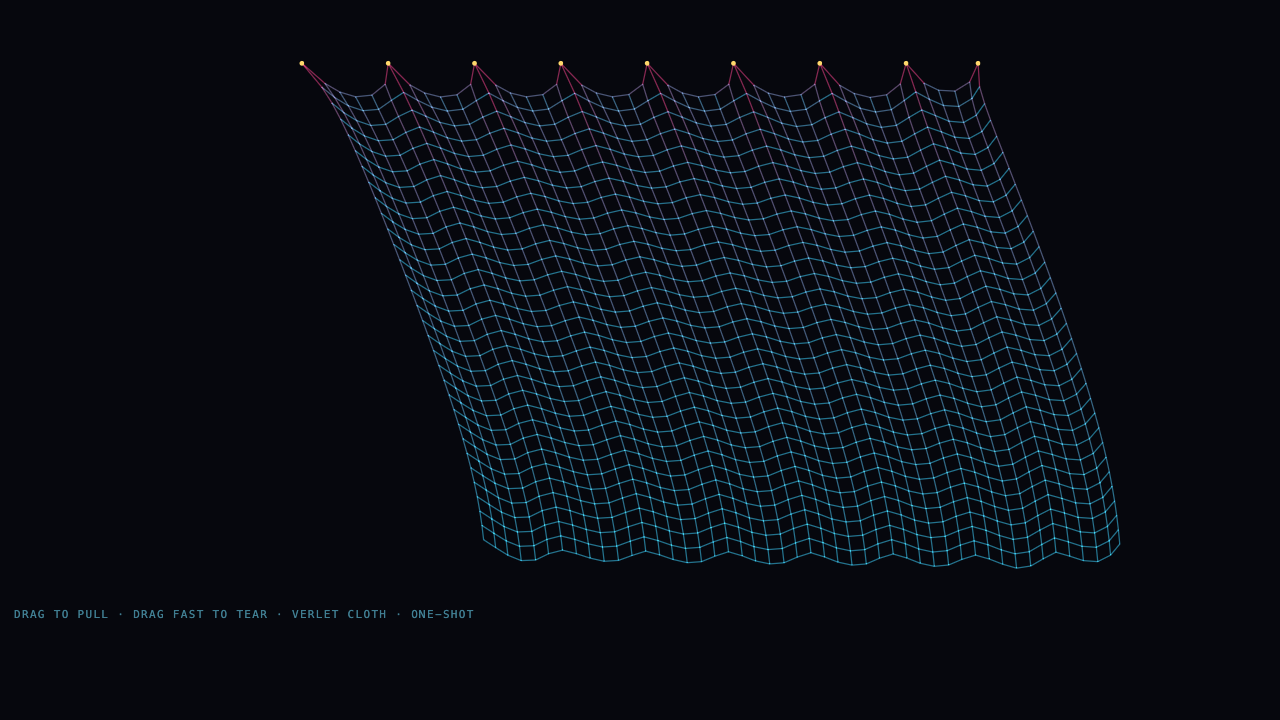
— not attempted —
Sim
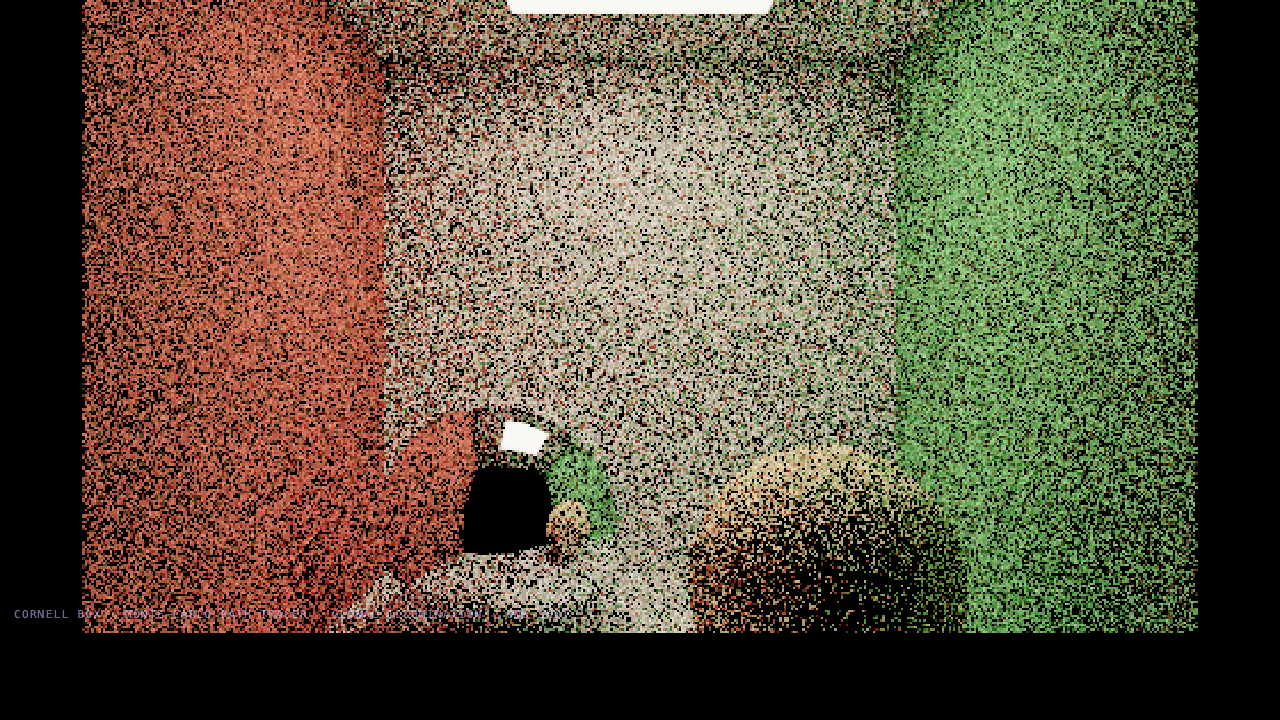
— not attempted —
Sim
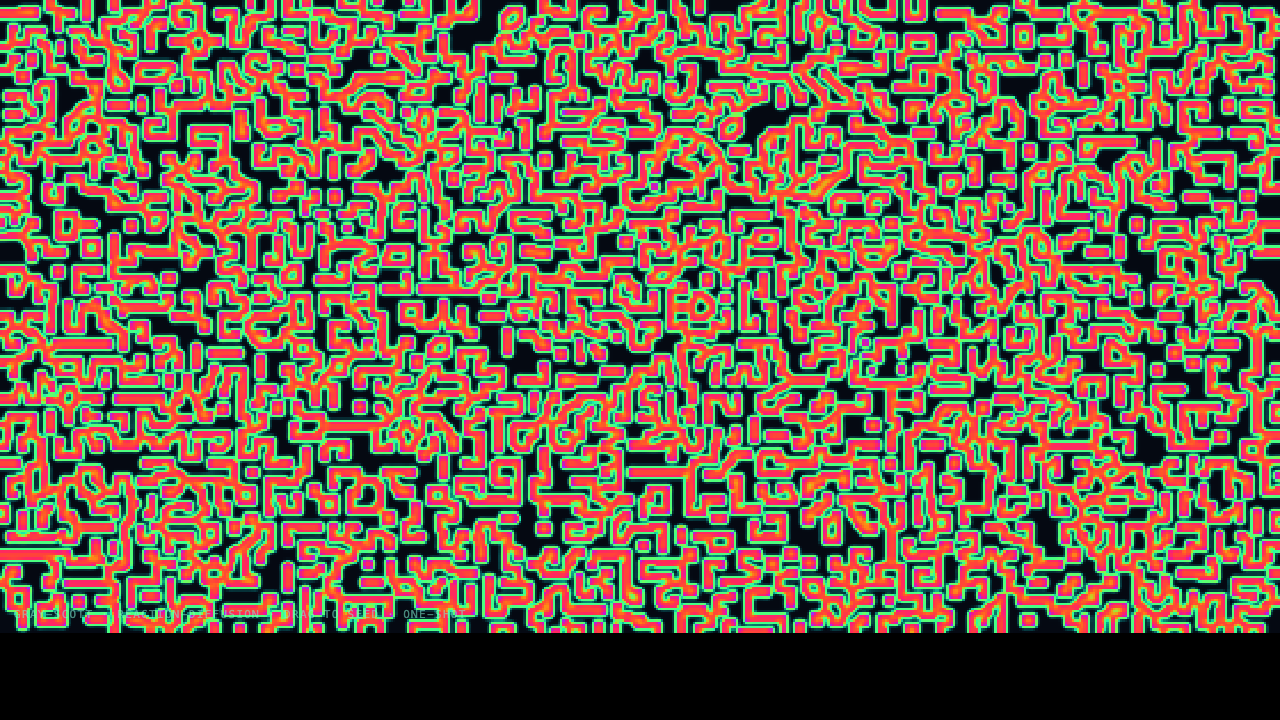
— not attempted —
Sim
— not attempted —
Visual
— not attempted —
Visual
— not attempted —
Visual
— not attempted —
Strengths & weaknesses I logged
Opus 4.8
Strengths
- Most consistent across the Goldie Bench bench — no weak build, 8.46/10 average
- Deepest one-shot reasoning, especially on game-feel and physics
- Extended thinking mode handles up to 1M tokens of context
Trade-offs
- 5–10× the per-token cost of every other model on the bench
- Less flair on cinematic visuals than GLM-5.2 — playing it safer wins on accuracy, costs you on showpiece moments
Grok
Strengths
- Real-time access to X timeline data — unique signal no other model has
- Snappy latency on shorter prompts
- 256K context window keeps pace with the open-weights field
Trade-offs
- 13 demos on the bench but zero have curated 0–10 verdicts yet — currently unranked
- API access is gated behind X Premium, awkward for backend agent loops
Pricing & context — the spec sheet
| Spec | Opus 4.8 | Grok |
|---|---|---|
| Vendor | Anthropic | xAI |
| Context window | 200,000 tokens (1M with extended thinking) | 256,000 tokens |
| Price | $15 / $75 per M tokens | Subscription via X Premium |
| Pricing detail | Premium pricing via the Anthropic API: $15 per million input tokens, $75 per million output tokens. Extended thinking is included but adds latency. | Bundled with X (Twitter) Premium subscription — no per-token bill for end users, no individual API pricing for the chat product. |
| Release | 2026-05 | 2026-04 |
| Bench coverage | 13/17 scored · avg 8.46/10 | 0/13 scored · avg — |
The verdict — which should you pick?
Not enough scored shared tasks yet for a head-to-head average. The live demos for both are on the matrix above — play them and form your own opinion.
If you only run one of these inside your stack, the head-to-head average above is the call. If you can run both, my honest play is to wire Opus 4.8 and Grok both into the Agent Operating System and dispatch each from the kanban by task type — mission-critical one-shot builds where 'has to work the first time' matters → Opus 4.8, workflows that need live x / twitter context → Grok. That's the same setup I run for the 3,600+ founders inside the AI Profit Boardroom.
FAQ — Opus 4.8 vs Grok
Which is better, Opus 4.8 or Grok?
On Goldie Bench, Opus 4.8 averages no scored verdicts yet across the shared tasks, with 8 gold, 5 silver, 0 bronze overall. Grok averages no scored verdicts yet, with 0 gold, 0 silver, 0 bronze. Not enough scored shared tasks yet to call a winner.
How much does Opus 4.8 cost vs Grok?
Opus 4.8: Premium pricing via the Anthropic API: $15 per million input tokens, $75 per million output tokens. Extended thinking is included but adds latency. Grok: Bundled with X (Twitter) Premium subscription — no per-token bill for end users, no individual API pricing for the chat product.
What's the context window for Opus 4.8 vs Grok?
Opus 4.8 has a 200,000 tokens (1M with extended thinking) context window. Grok has a 256,000 tokens context window.
When should I pick Opus 4.8 over Grok?
Pick Opus 4.8 for: Mission-critical one-shot builds where 'has to work the first time' matters; Hard reasoning tasks (planning, multi-step) where you'll pay for the depth; Anything where vendor reliability beats the per-token bill. The trade-off is the weaknesses we logged on the bench: 5–10× the per-token cost of every other model on the bench; Less flair on cinematic visuals than GLM-5.2 — playing it safer wins on accuracy, costs you on showpiece moments.
When should I pick Grok over Opus 4.8?
Pick Grok for: Workflows that need live X / Twitter context; Snappy prompts where latency matters; Researchers comparing X-native models against the rest of the field. The trade-off is the weaknesses we logged on the bench: 13 demos on the bench but zero have curated 0–10 verdicts yet — currently unranked; API access is gated behind X Premium, awkward for backend agent loops.
How does Goldie Bench score Opus 4.8 vs Grok?
Every demo on this page was built by Julian Goldie inside the Agent Operating System — same fixed prompt for both models, one shot, single HTML file out. Each result gets a 0–10 score on whether it ran, how close it hit the brief, and how good it looked. The highest score on each task gets gold; second gets silver; third gets bronze. See methodology for full provenance.
Related comparisons
Other head-to-heads using the same scoring system:
Opus 4.8 vs GLM-5.2 Grok vs GLM-5.2 Opus 4.8 vs Qwen 3.7 Grok vs Qwen 3.7 Opus 4.8 vs Kimi K2.7 Grok vs Kimi K2.7Full model pages: Opus 4.8 · Grok · back to the leaderboard
The same stack Julian uses
Run this stack yourself.
Every demo on this bench was built inside the Agent Operating System — one prompt, one shot, single HTML file out. The Agent OS, the prompts, the templates, the weekly walkthroughs and 3,600+ founders shipping with it every day all live inside the AI Profit Boardroom.
3,600+founders
258documented wins
38countries
$100k+/mocommunity MRR