Real head-to-head · same prompt, one shot
Fugu Mini vs Gemini 3.6 Flash
Fugu's fast mini variant — single model, no panel, ~3 min per build. vs Google's launch-day Flash — faster, cheaper, fewer tokens.
Head-to-head verdict: Fugu Mini wins 20–16.
What I tested — same prompt, two models
I run the same fixed prompt set through every new model the day it drops — same string, one shot, single HTML file out — and I score the result 0–10 on whether it ran, how close it hit the brief, and how good it looked. Below is what came out when I gave the exact same prompts to Fugu Mini and Gemini 3.6 Flash, side by side, on 37 shared tasks inside the Agent Operating System.
Both models were given identical prompts inside the Agent Operating System — no help, no iteration, no "best of N" tricks. I run each prompt once, save the HTML file the model produces, and score it 0–10 on whether it ran, how close it hit the brief, and how good it looked. The scoring is mine. The verdicts below are pulled from my source comparison guides at agentos.guide where I publish every score and the reasoning behind it.
Fugu Mini · Dispatched from Agent OS as the fast Sakana lane. Bench scored by Claude judge against the same 42 prompts.
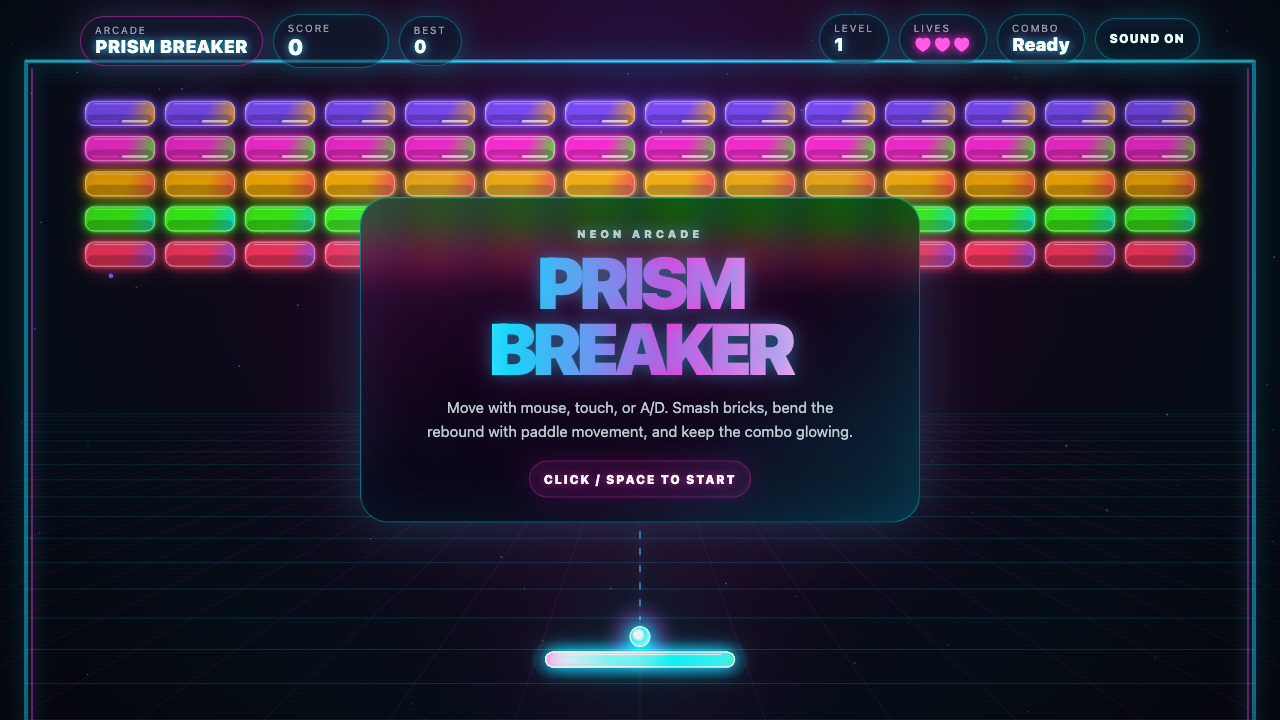
Gemini 3.6 Flash · Benched via the native Gemini API on launch day. Game tasks use the skill-infused threejs-game-director prompt (same as the rest of the field) and are judged on a real mid-play frame by the same Opus vision judge.
Side-by-side on 50 shared tasks
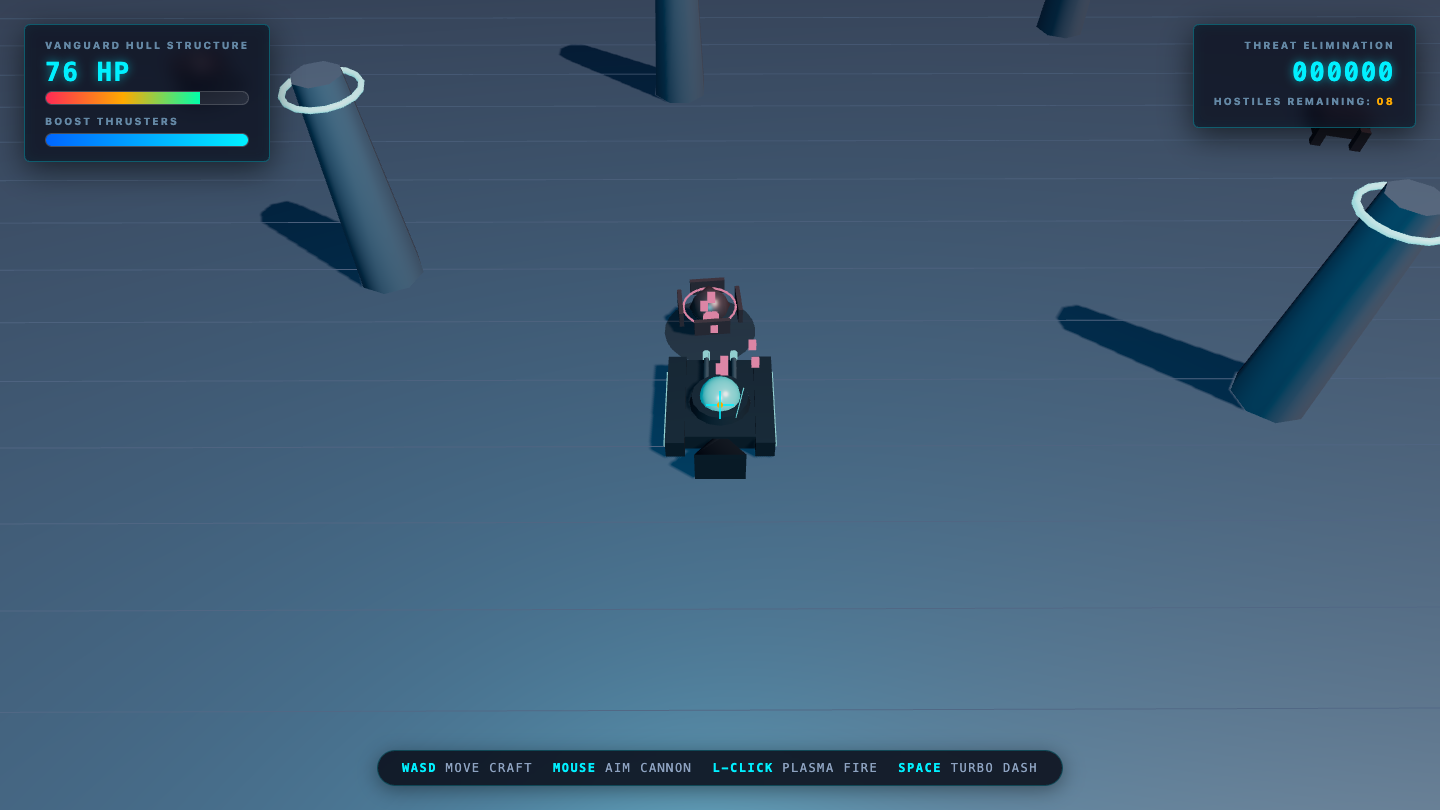
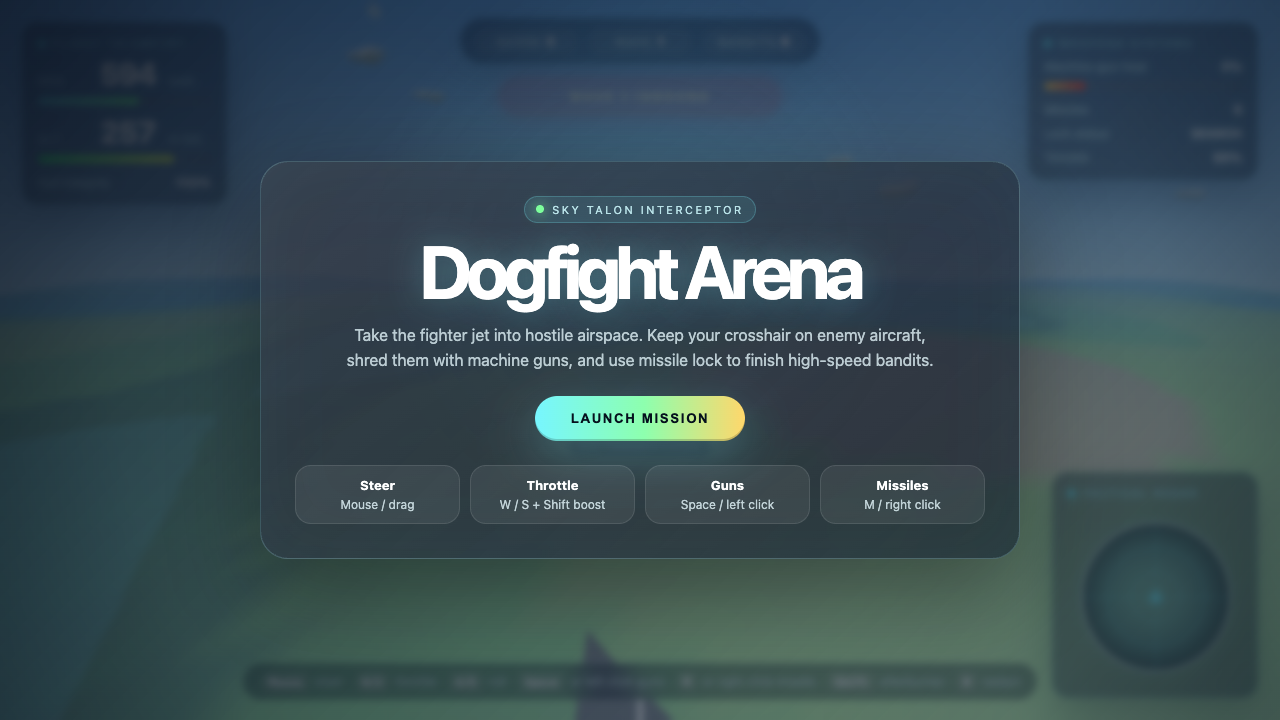
Click any cell to play that model's actual one-shot attempt. Medals are derived from my 0–10 scores per task (highest = 🥇, second = 🥈, third = 🥉).
Task ↓
Fugu Mini
Gemini 3.6 Flash
Game
Game
Game
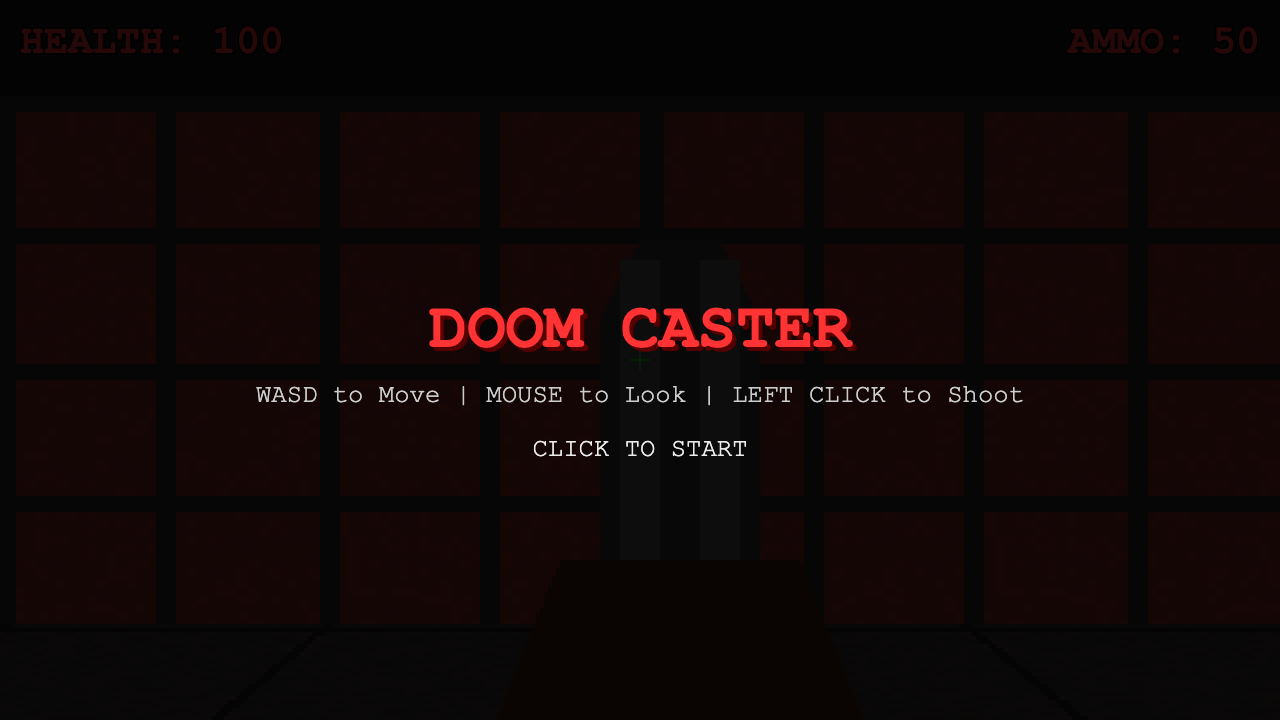
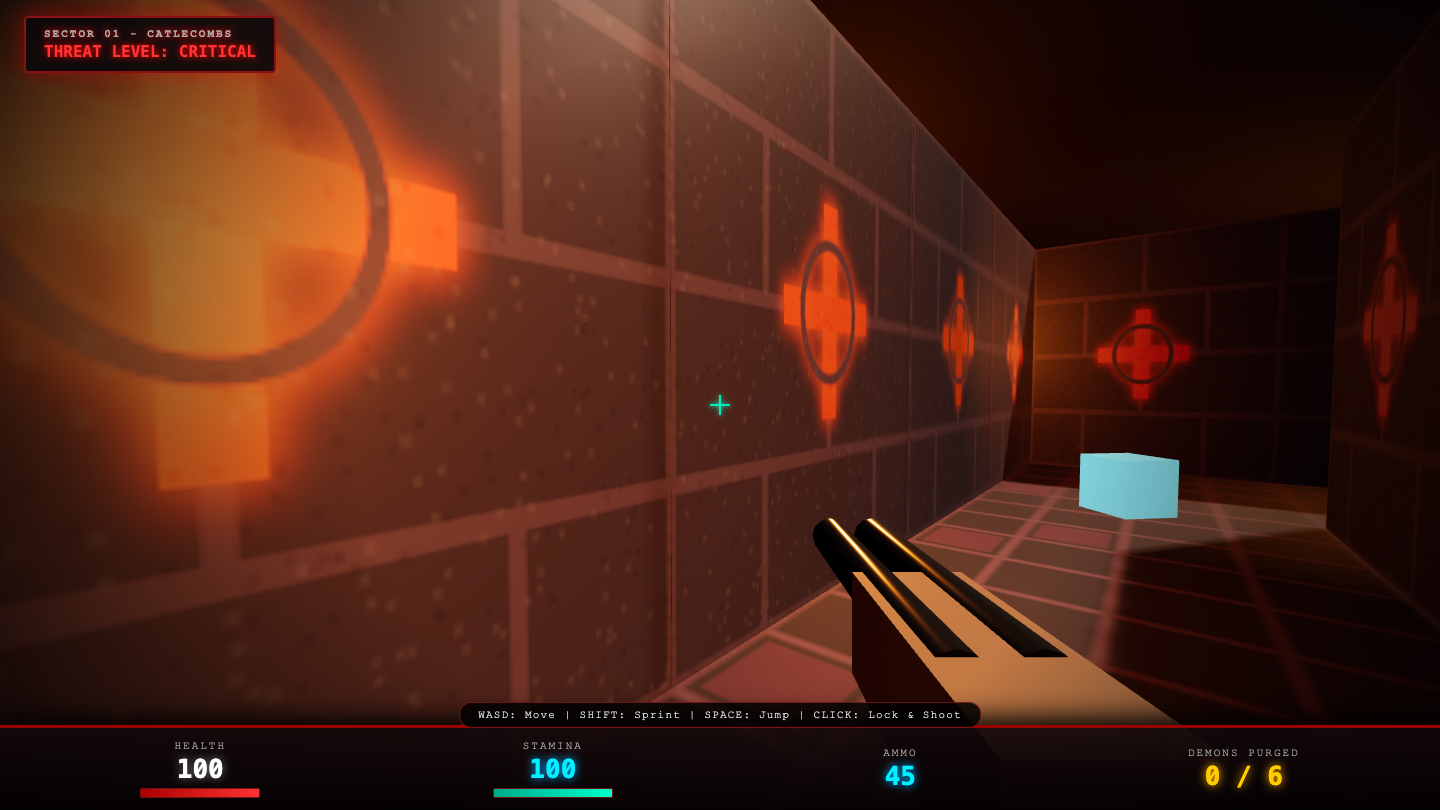
Game
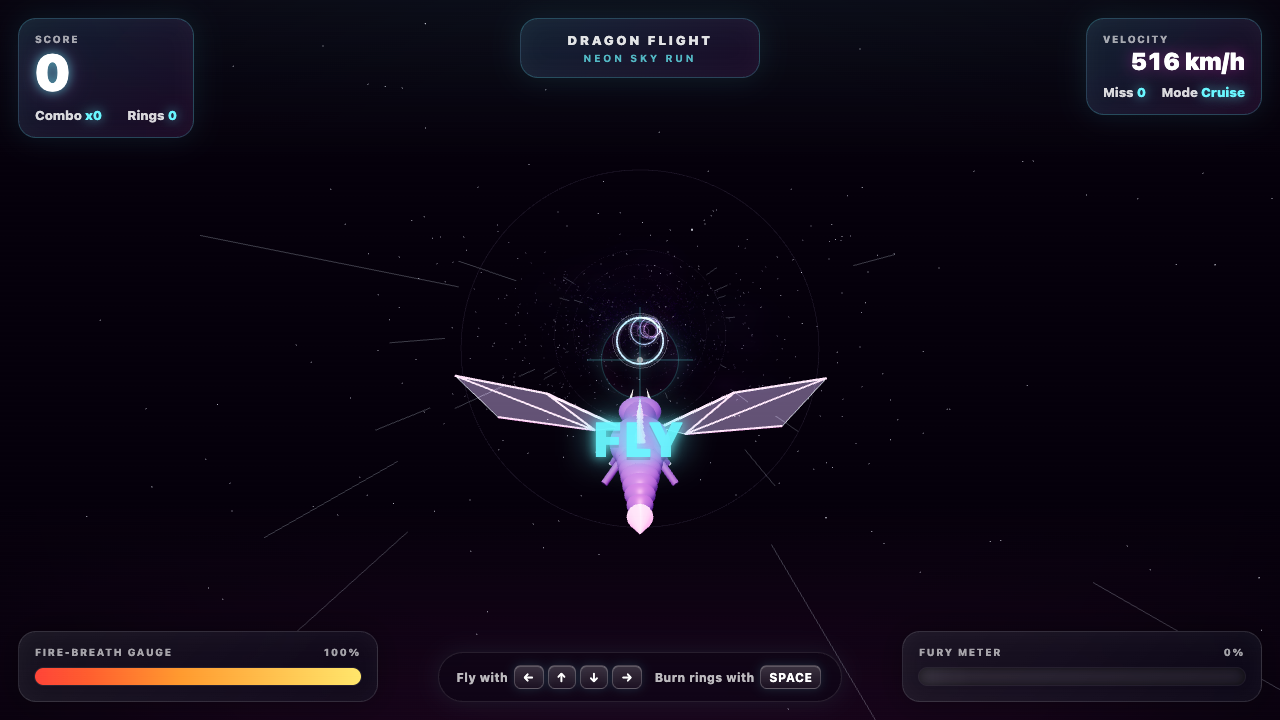
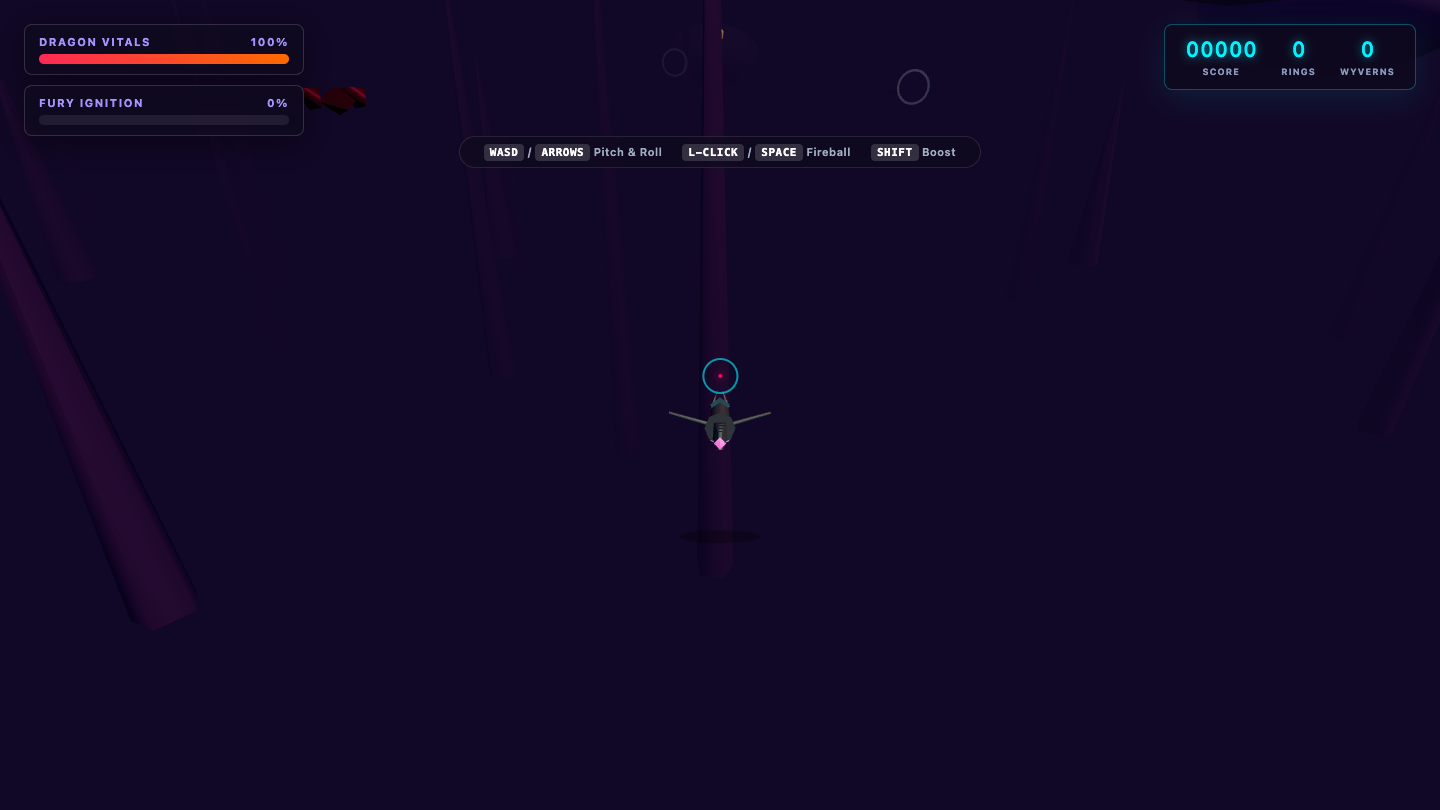
Game
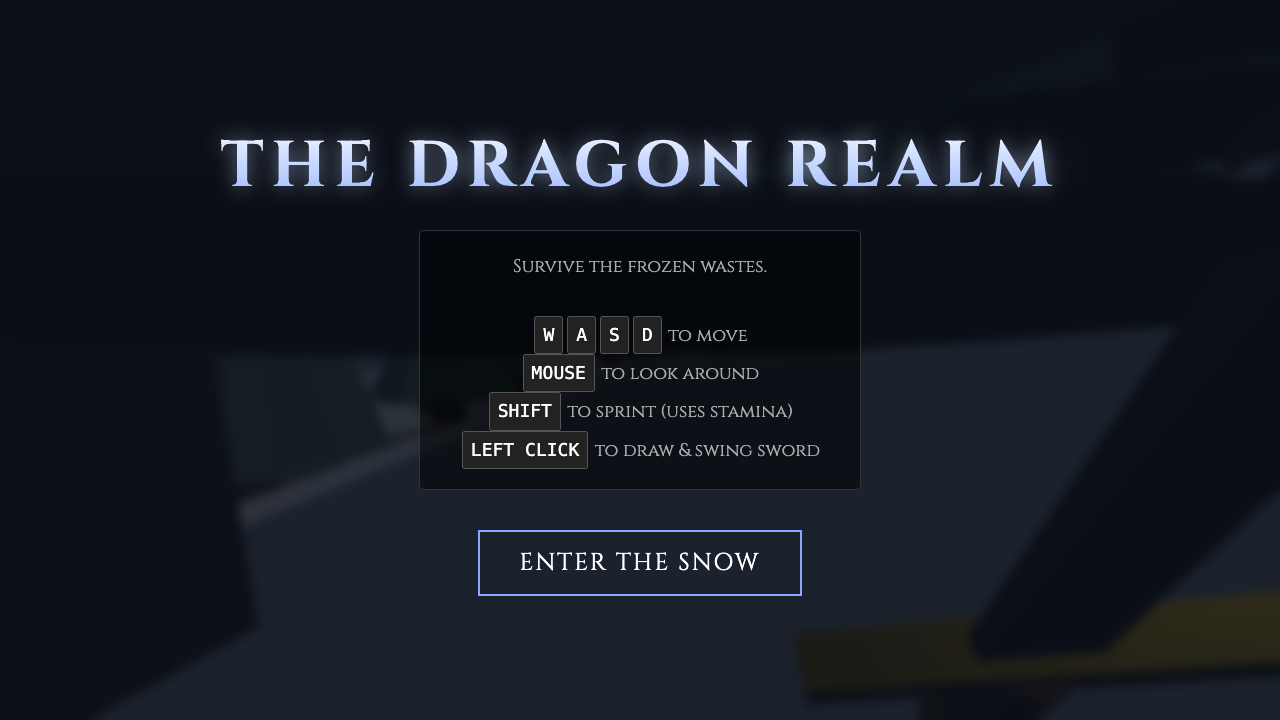
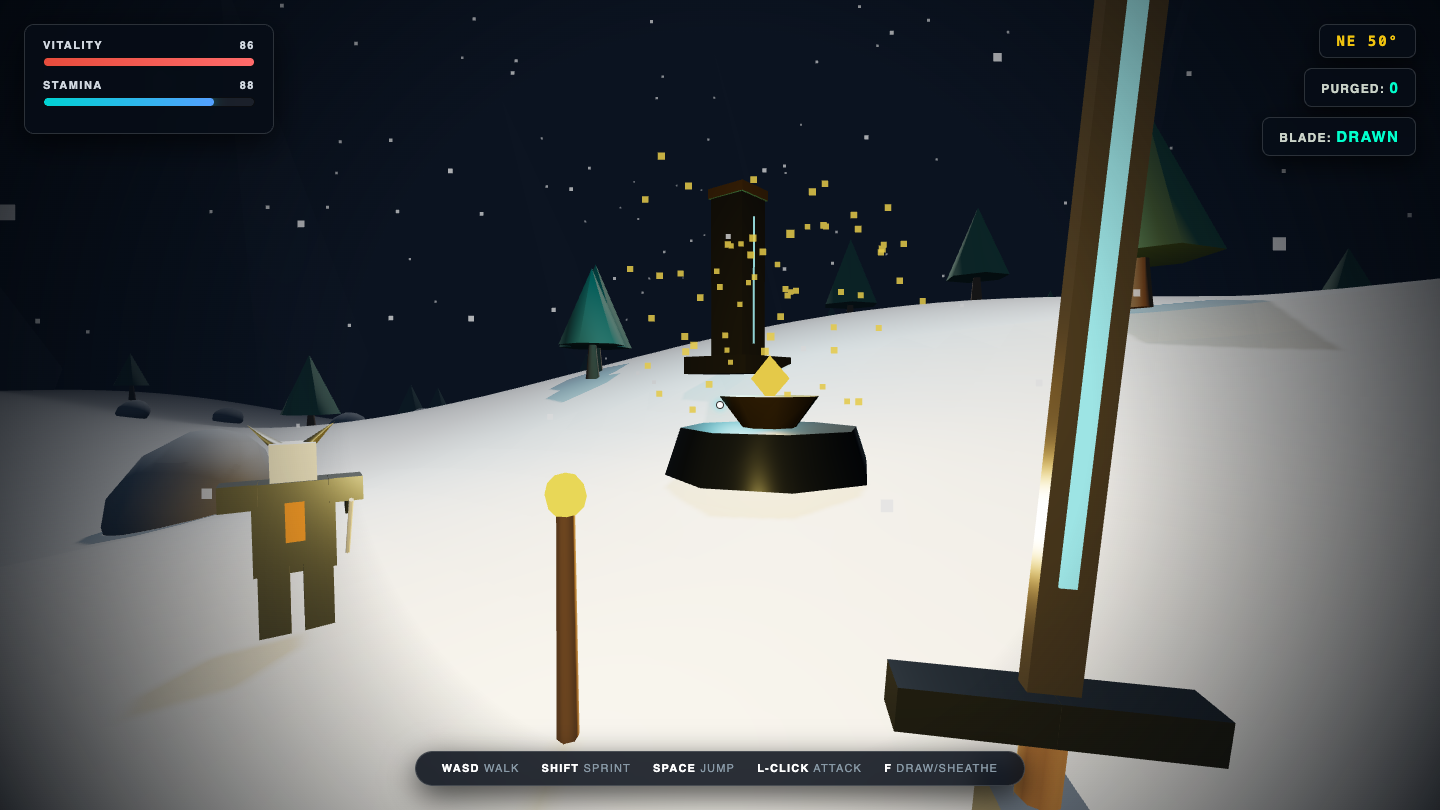
Game
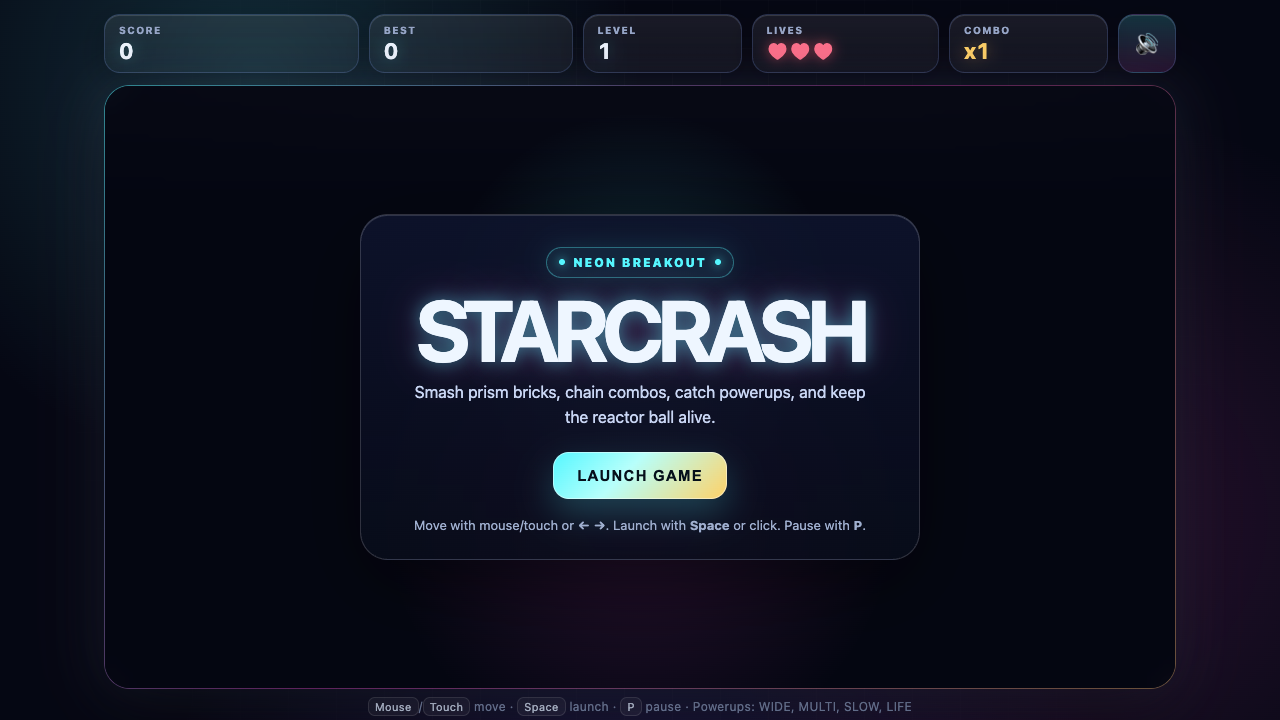
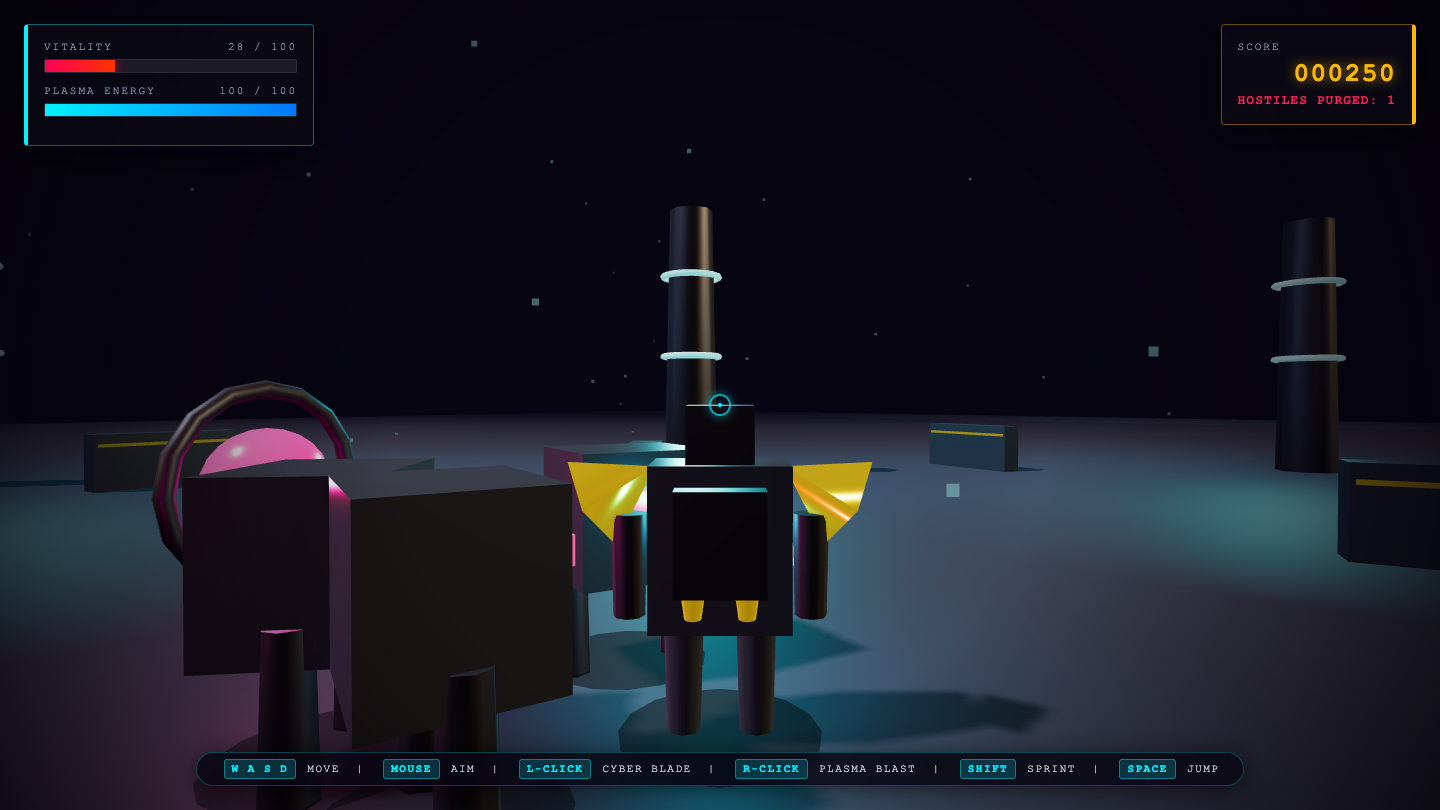
Game
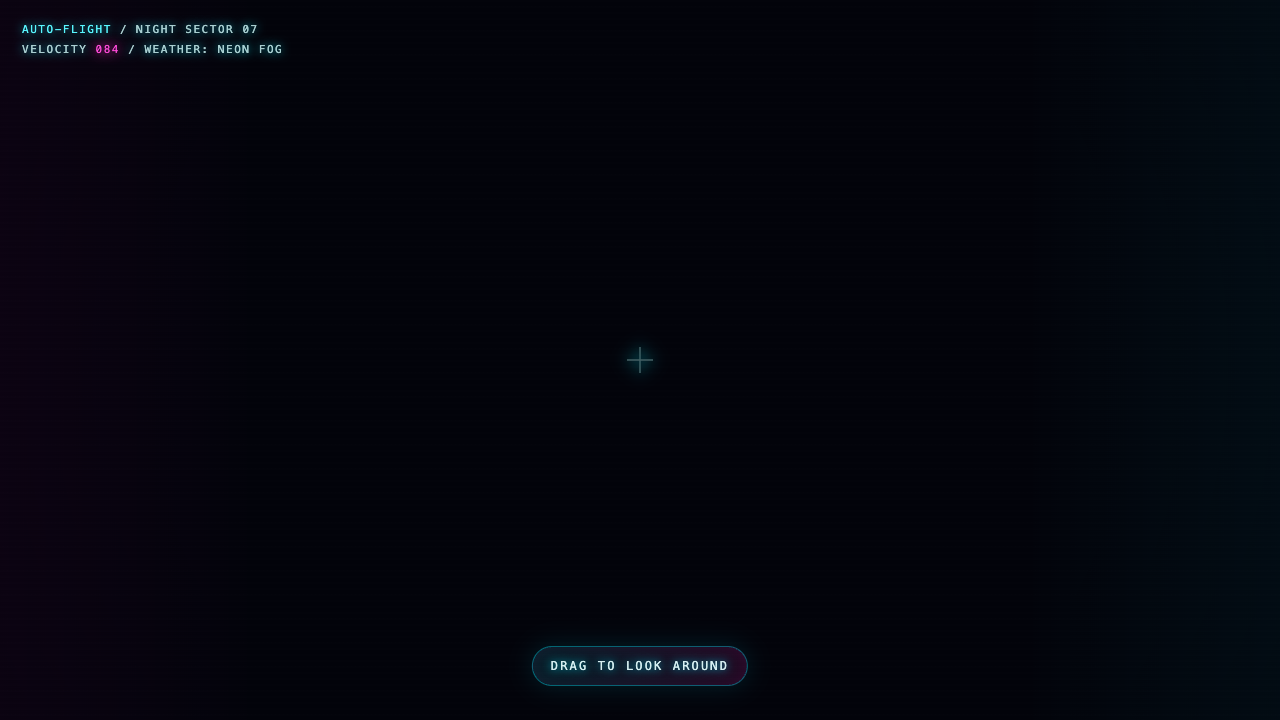
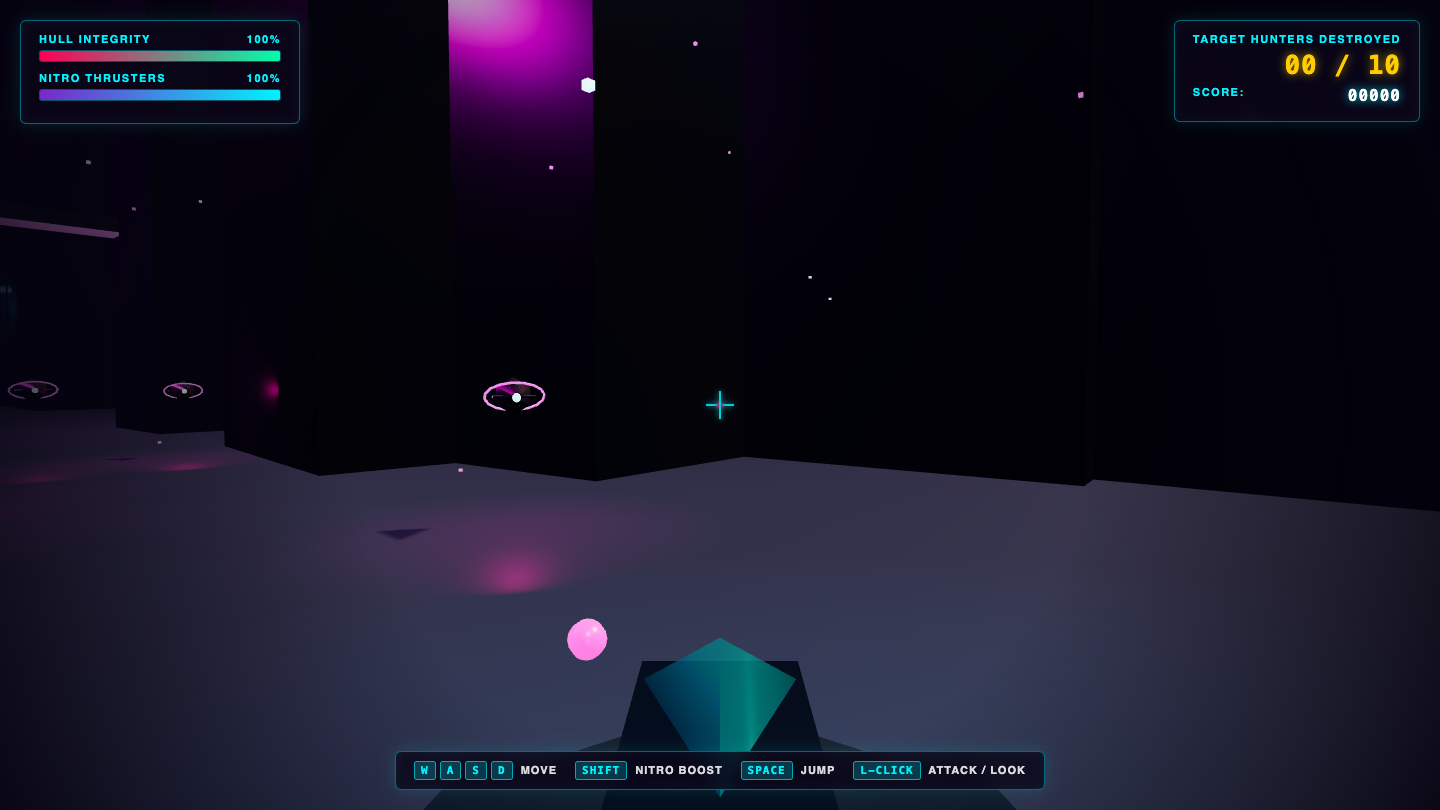
Game
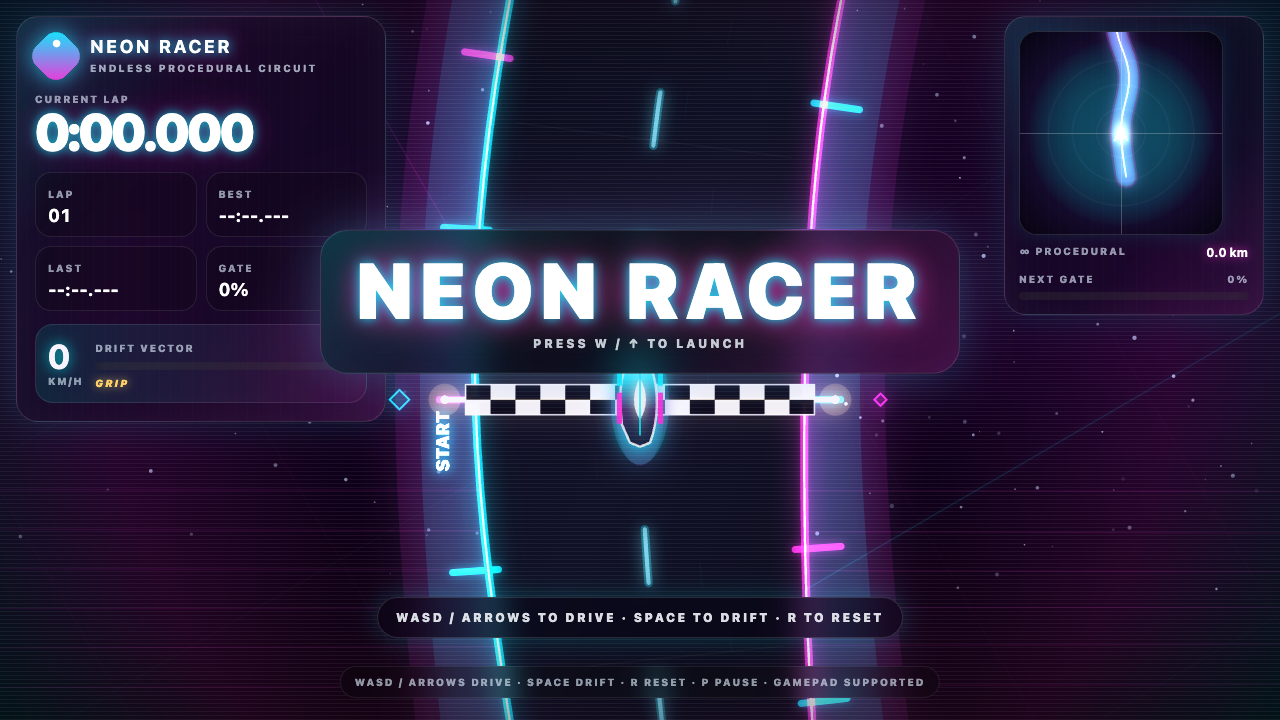
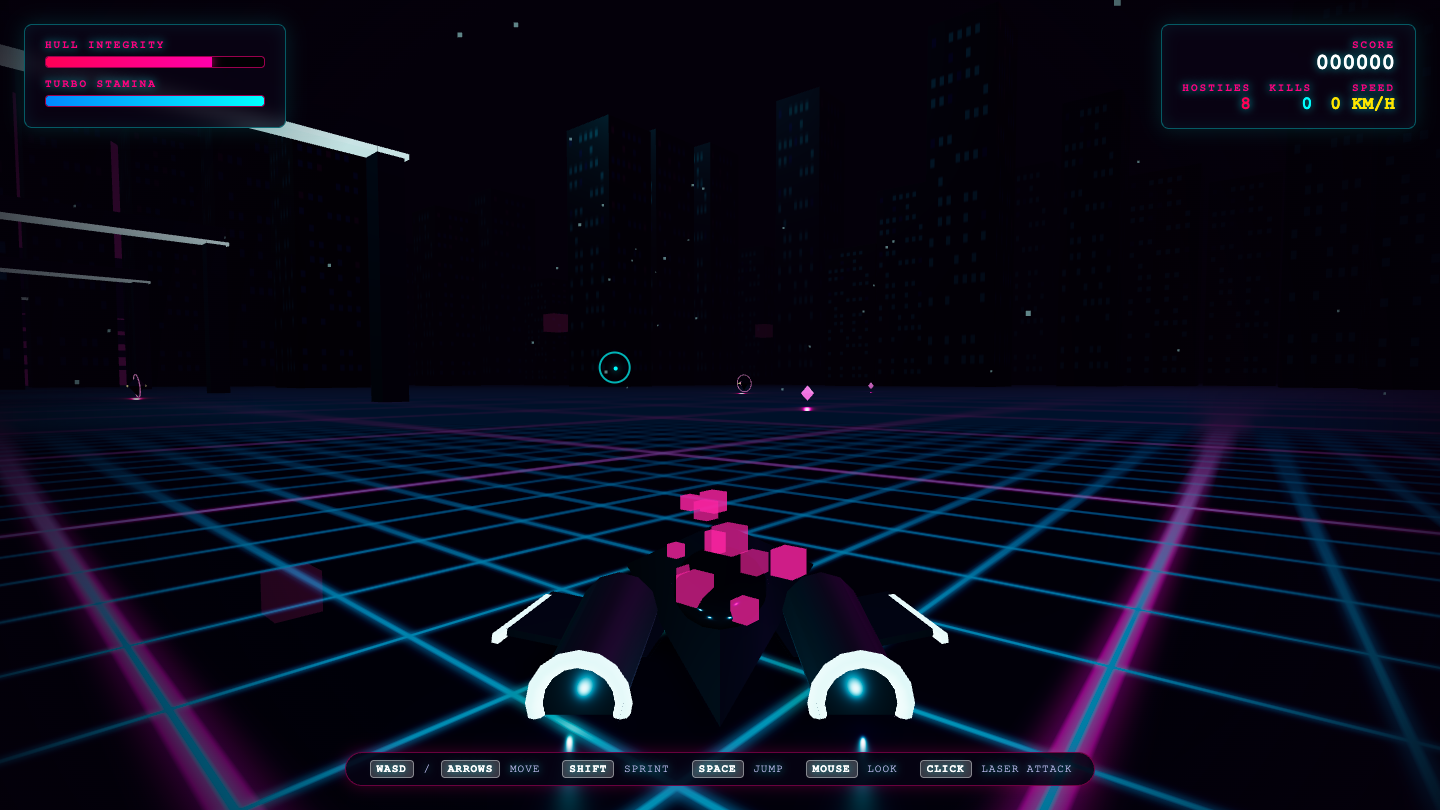
Game
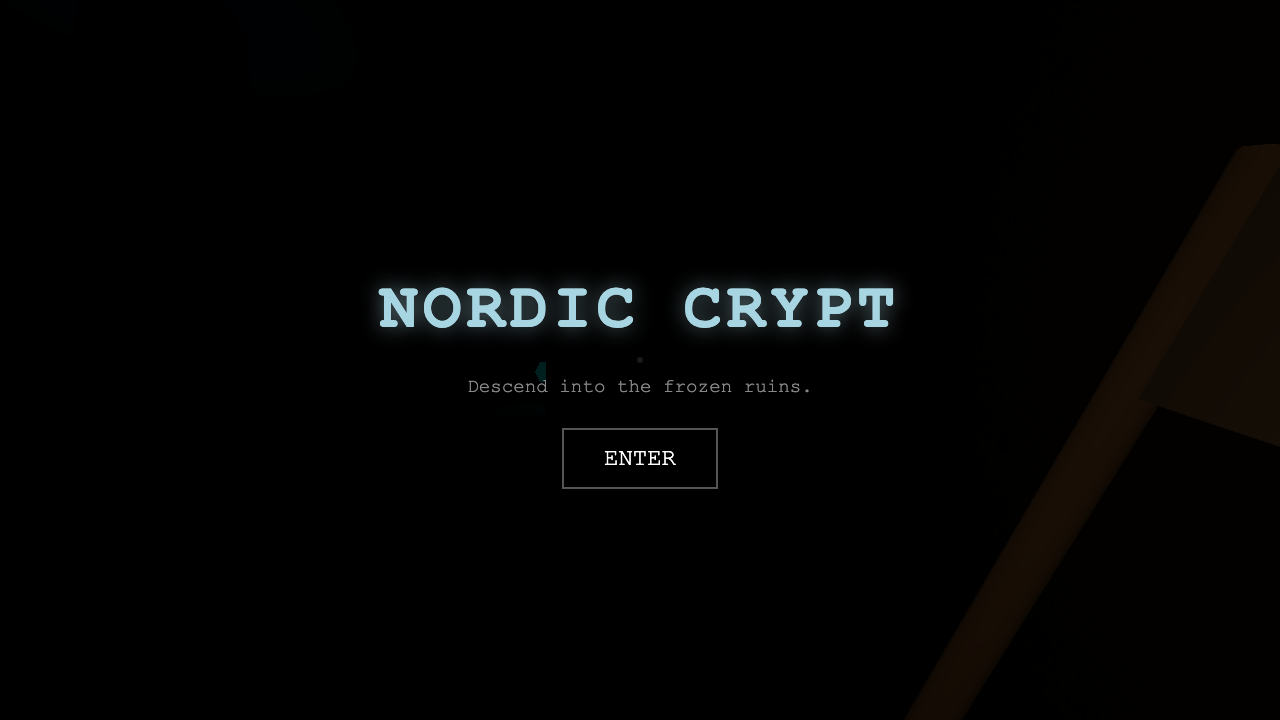
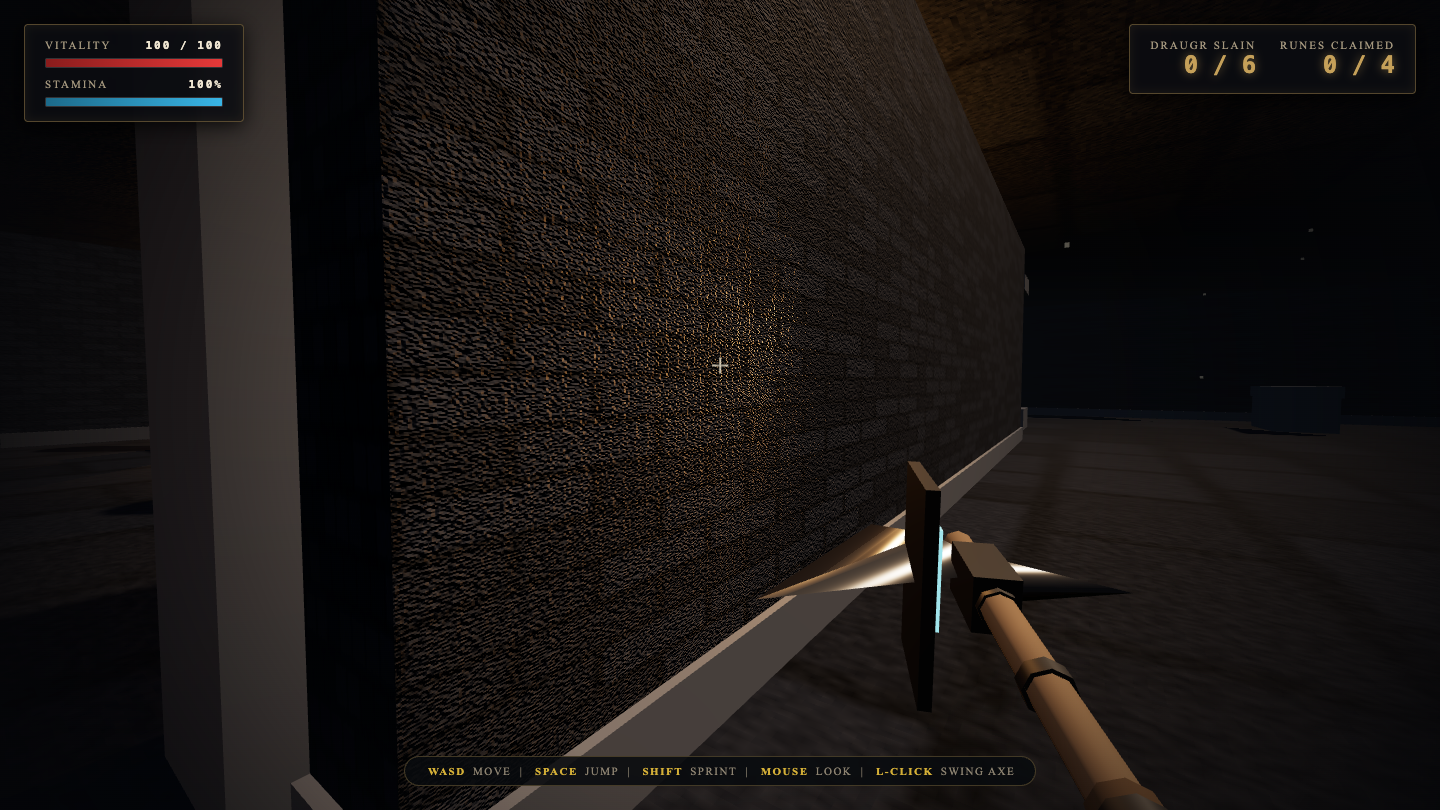
Game
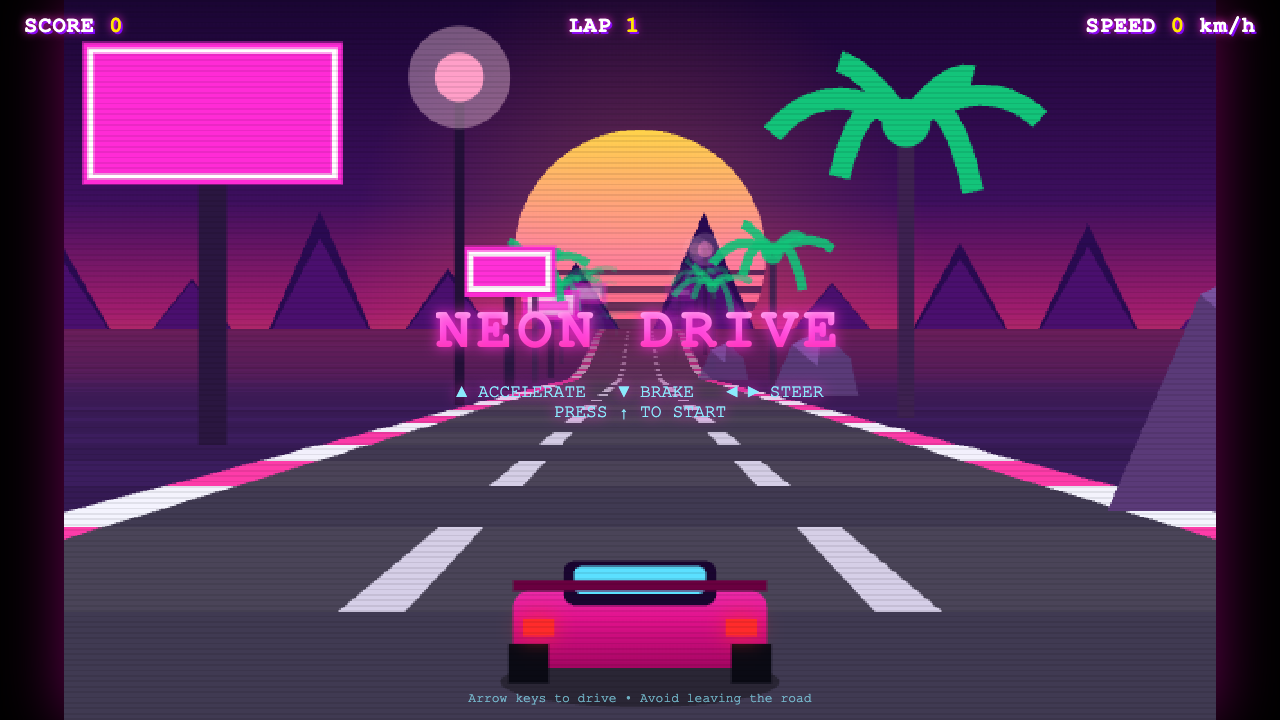
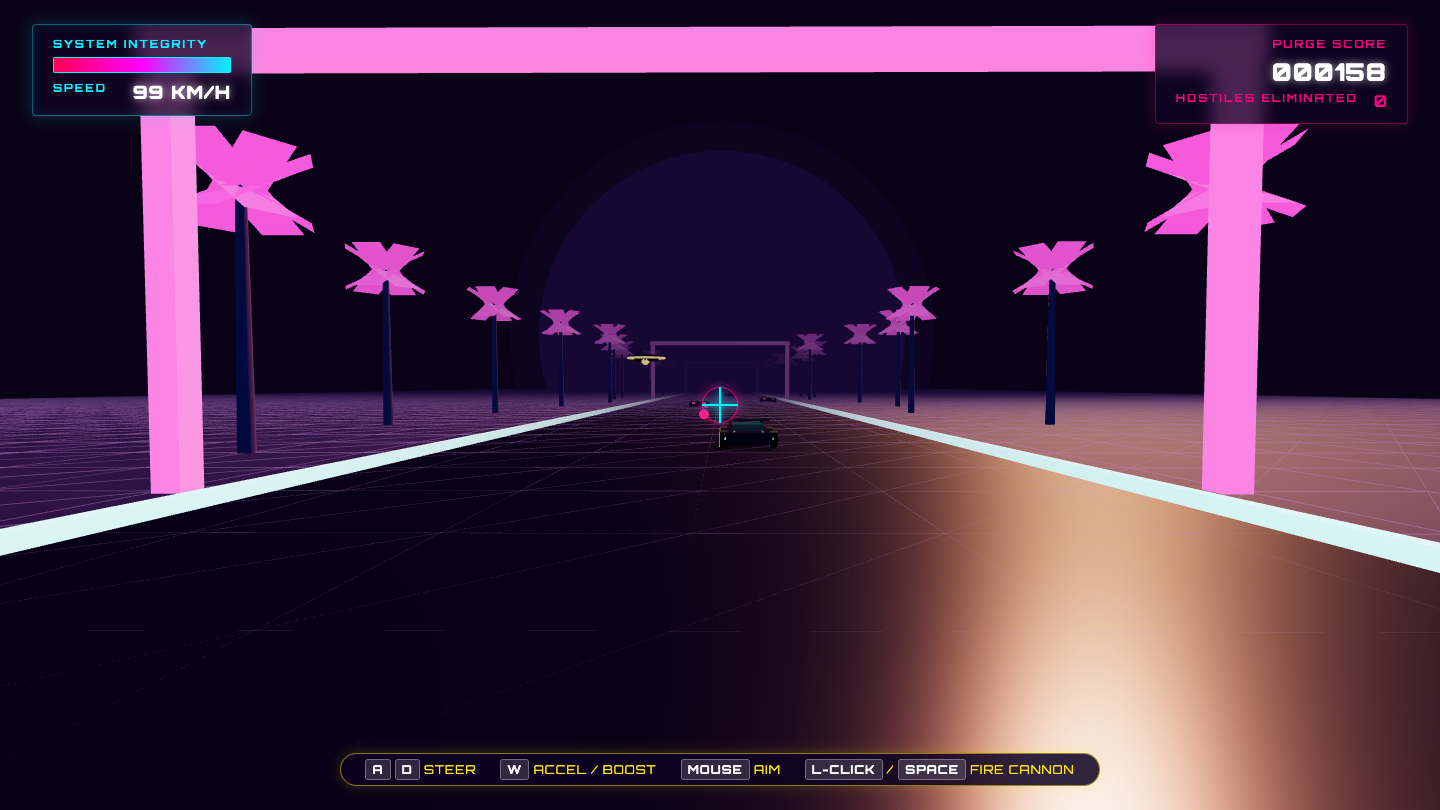
Game
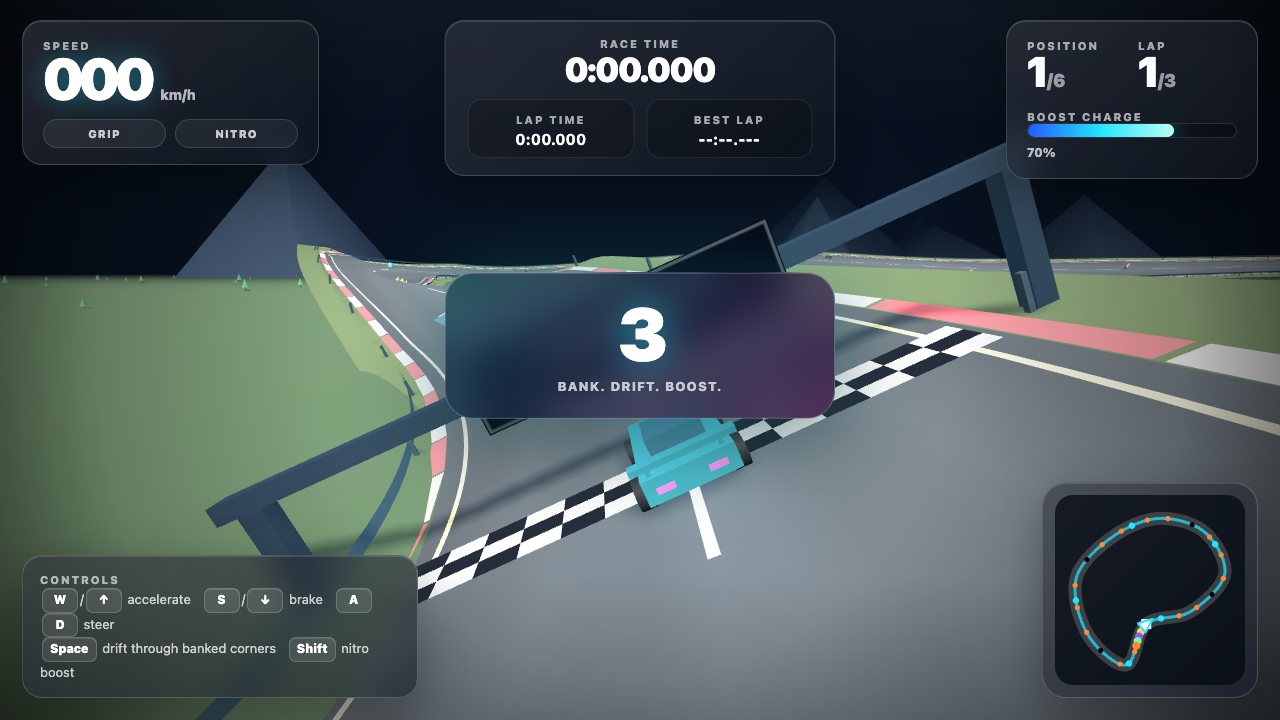
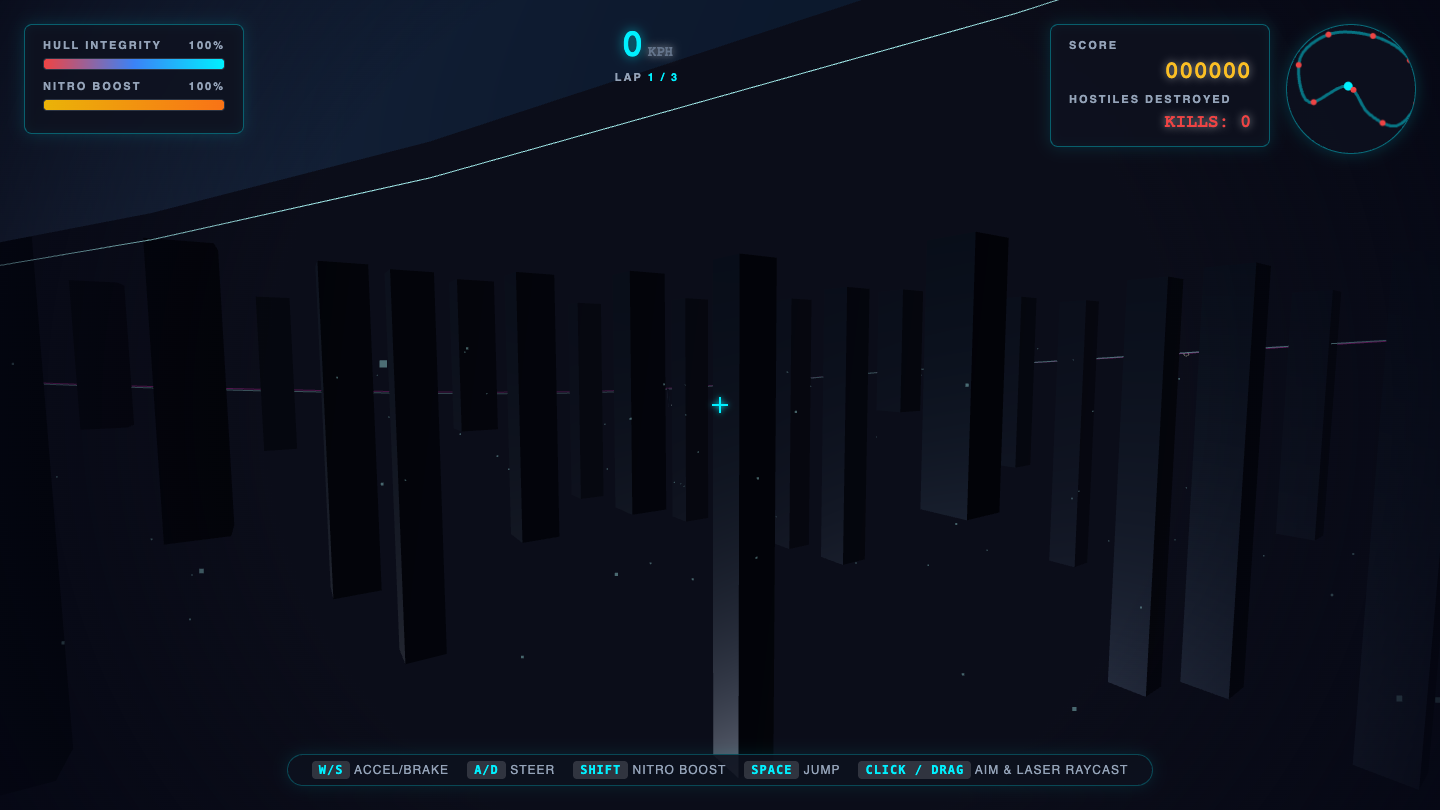
Game
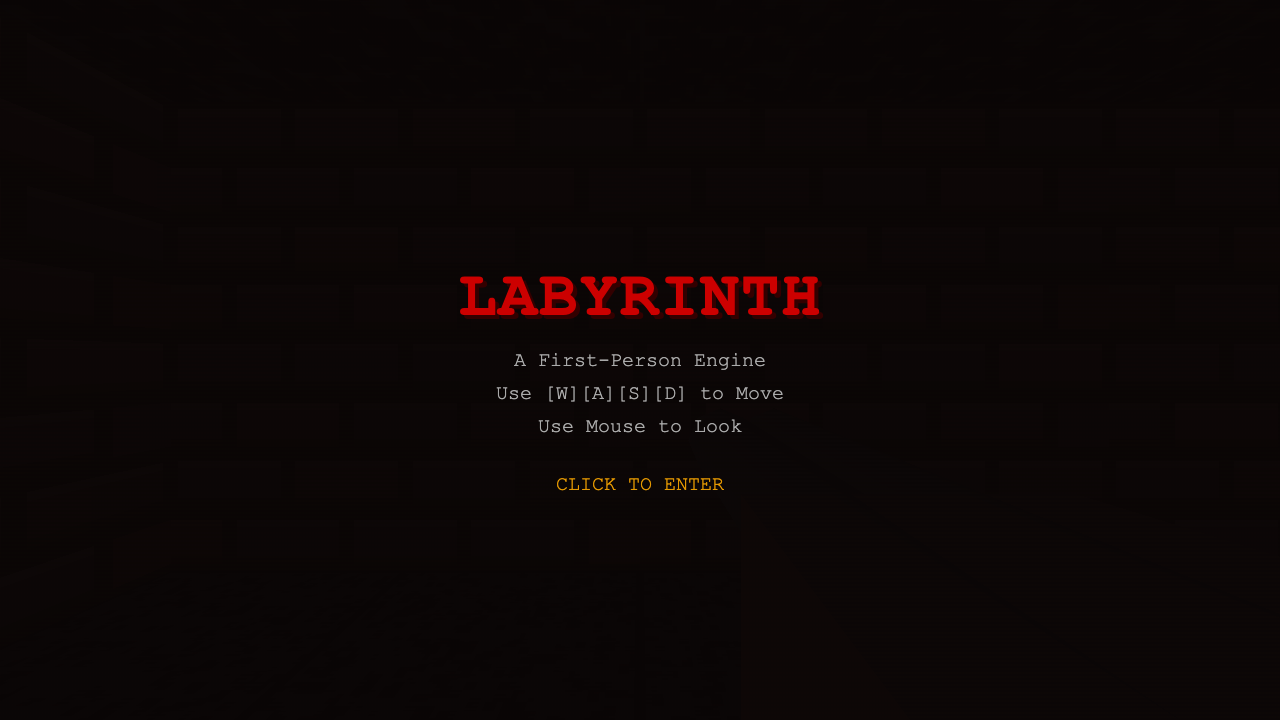
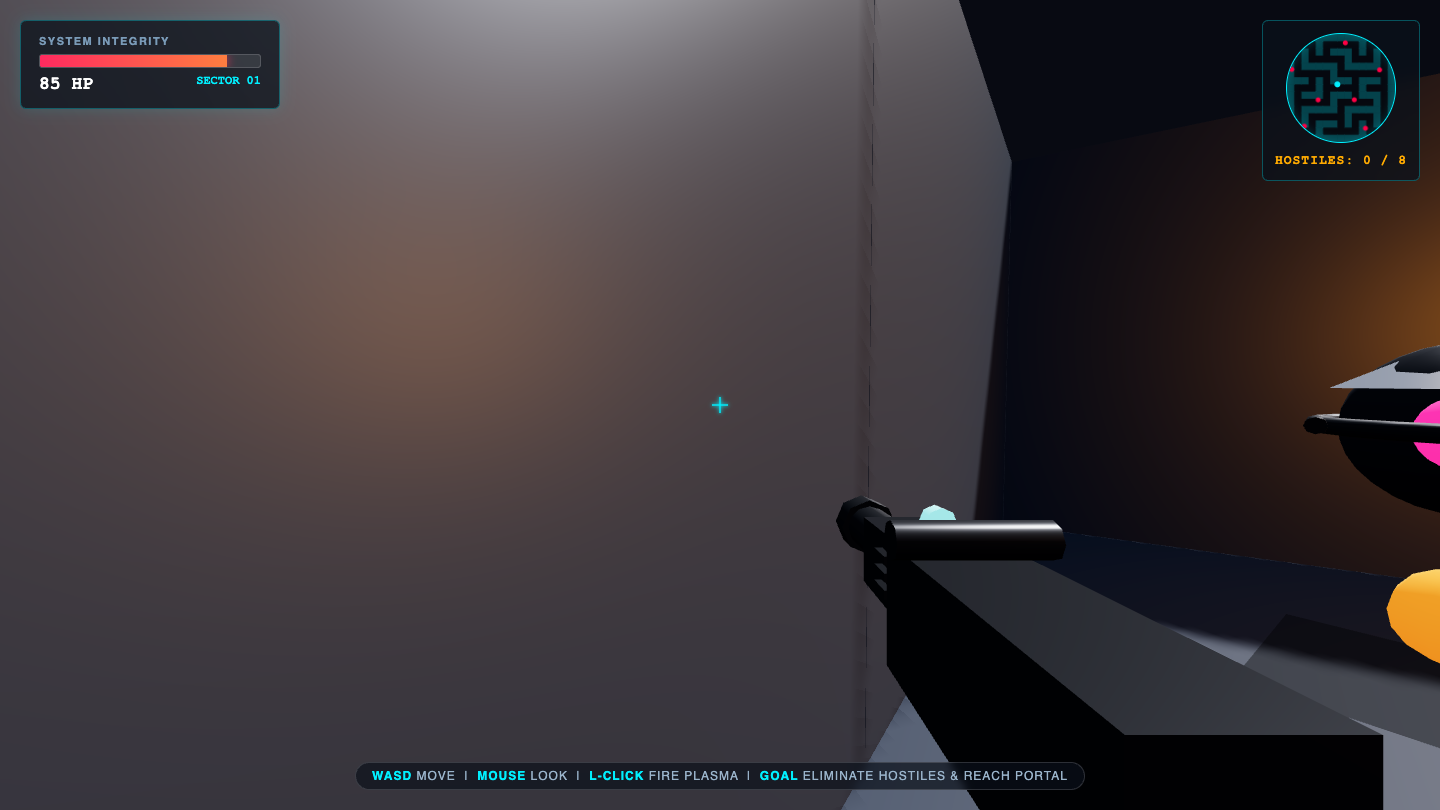
Game
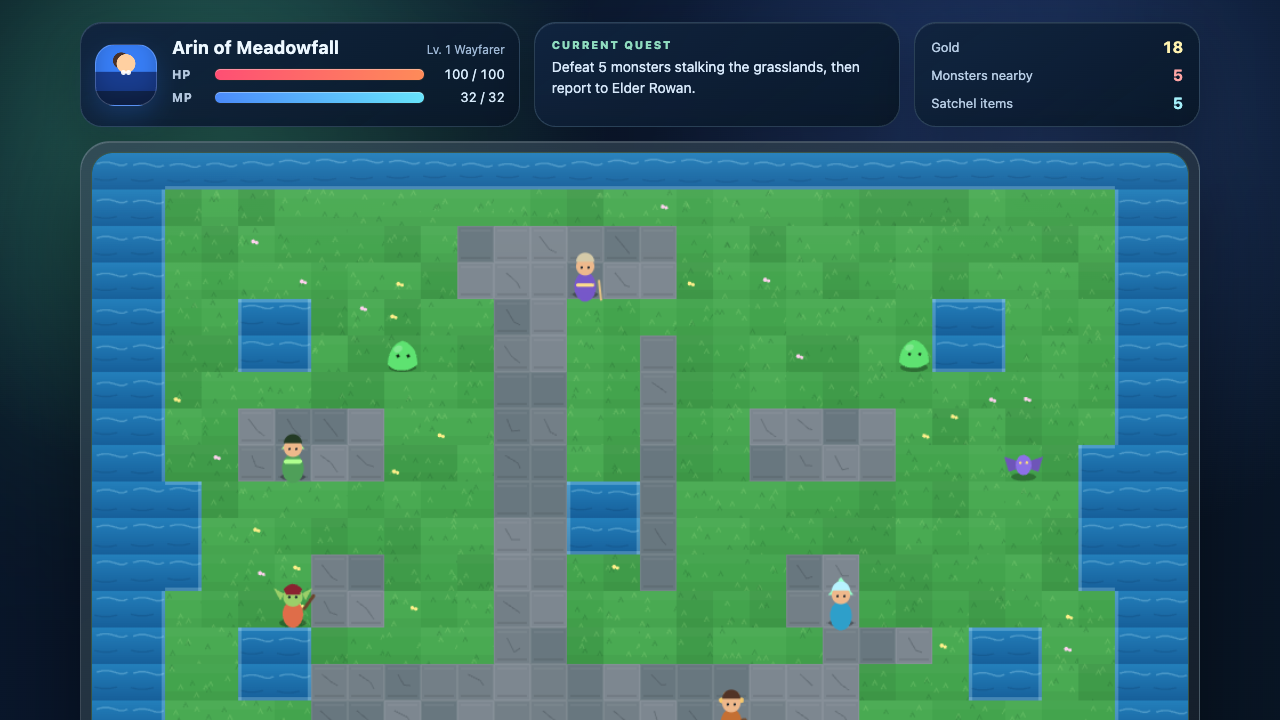
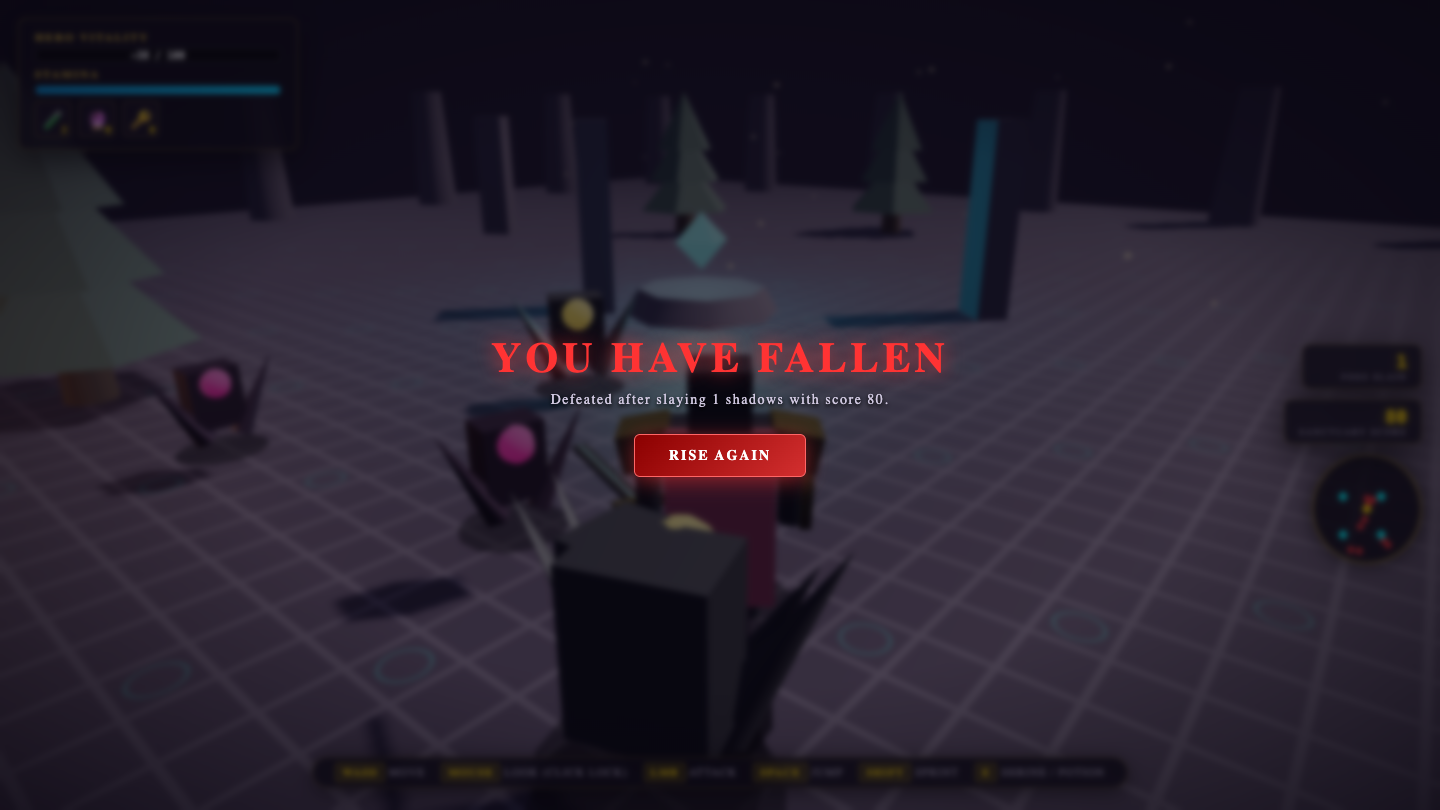
Game
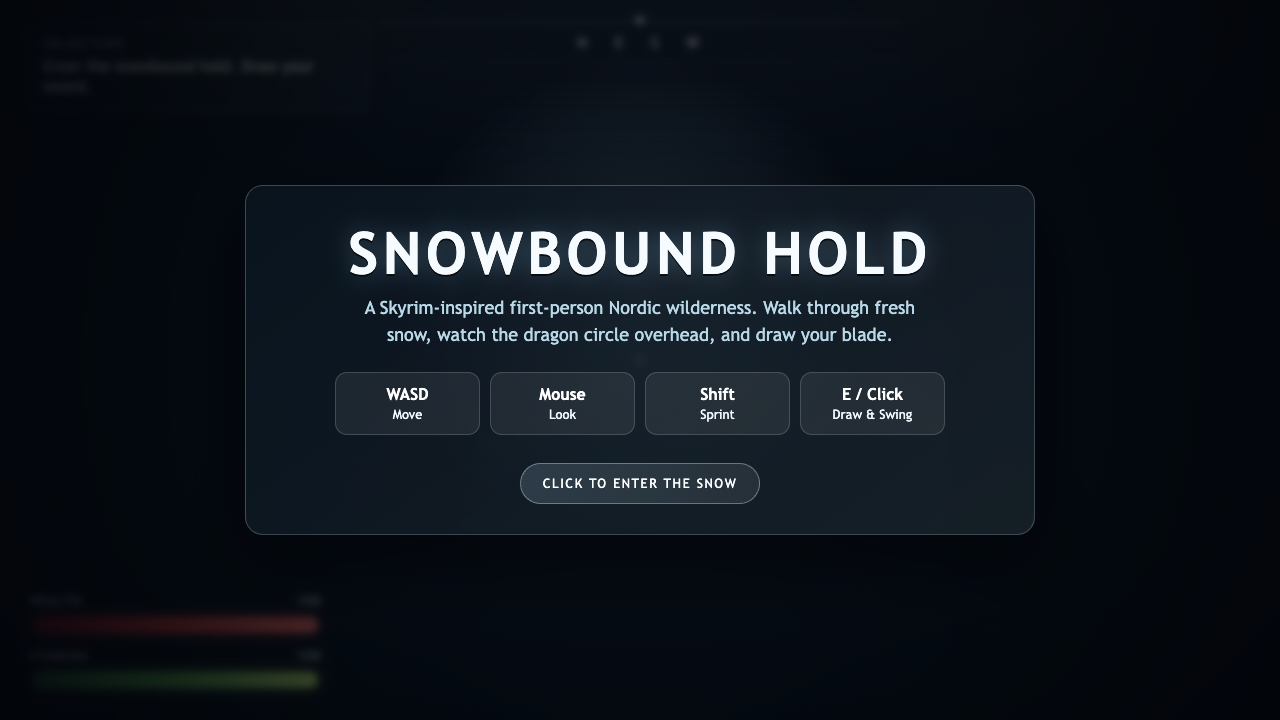
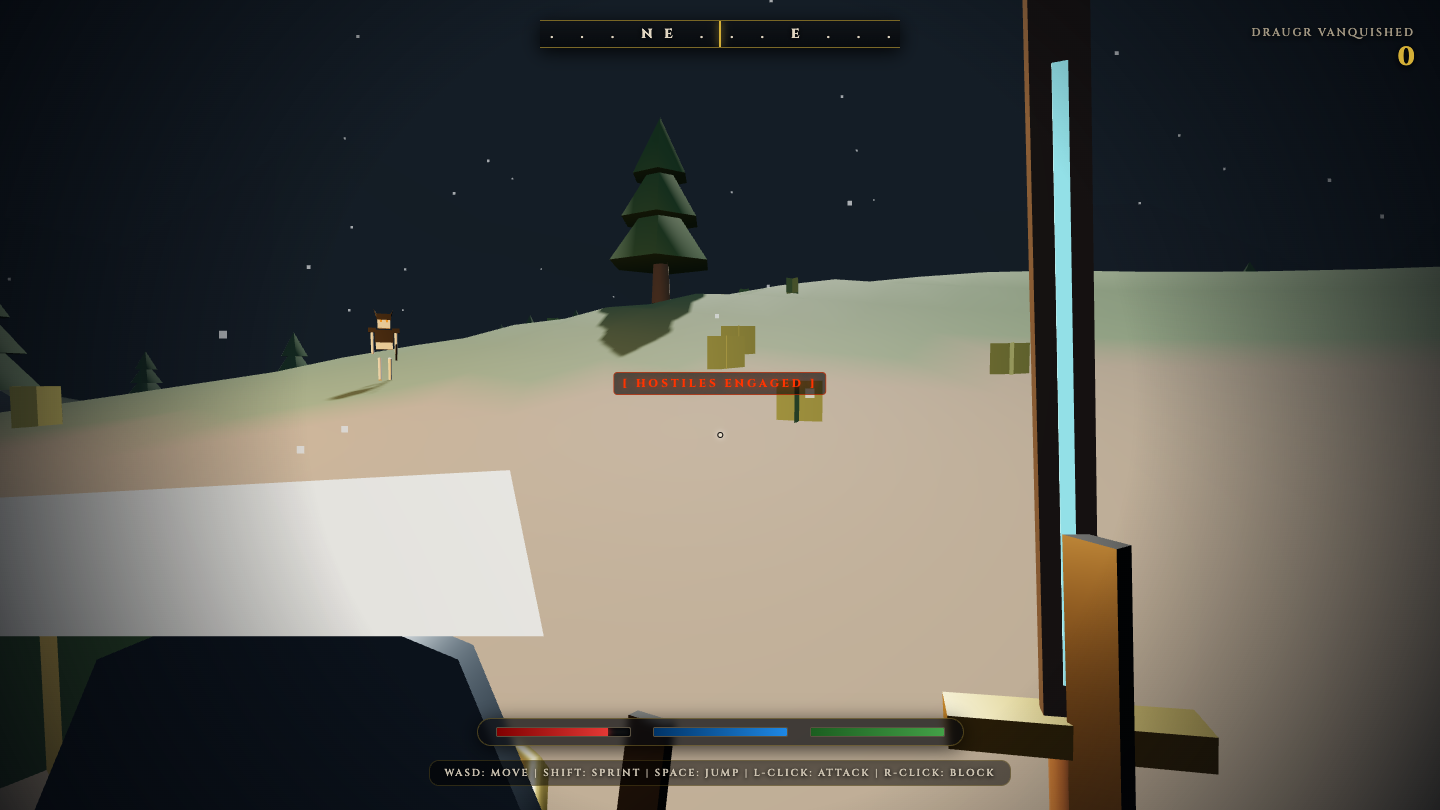
Page
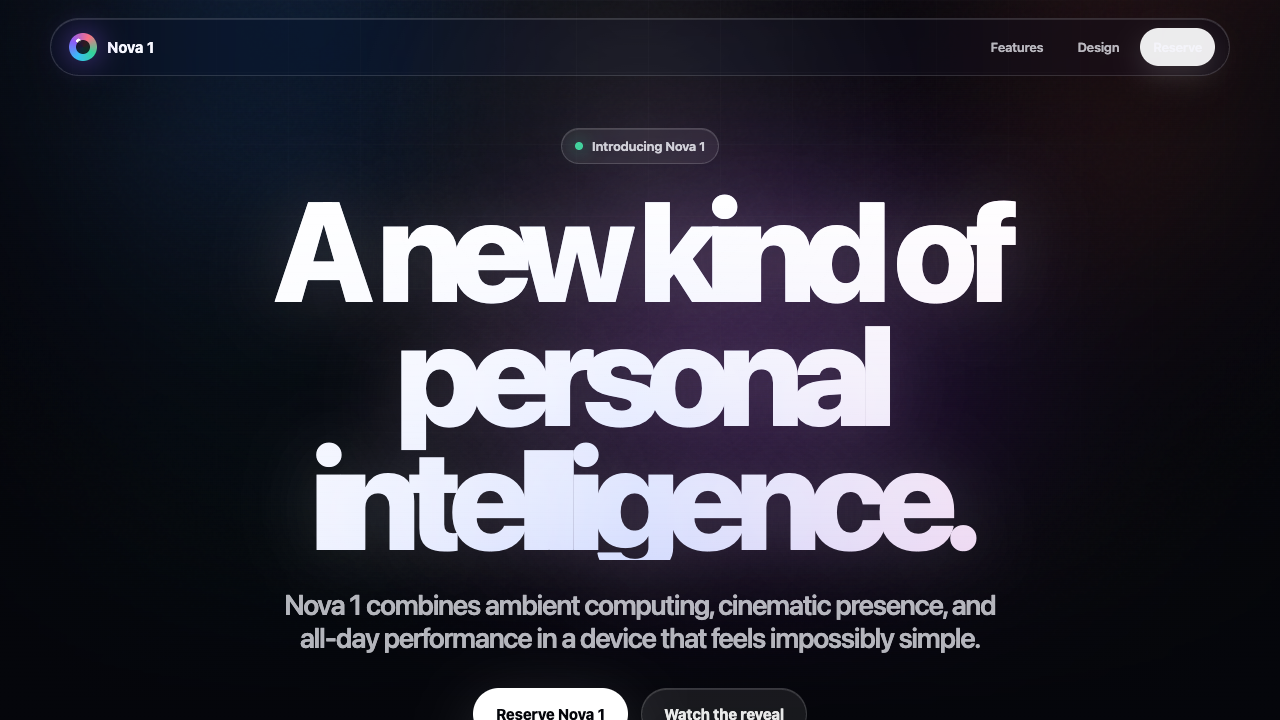
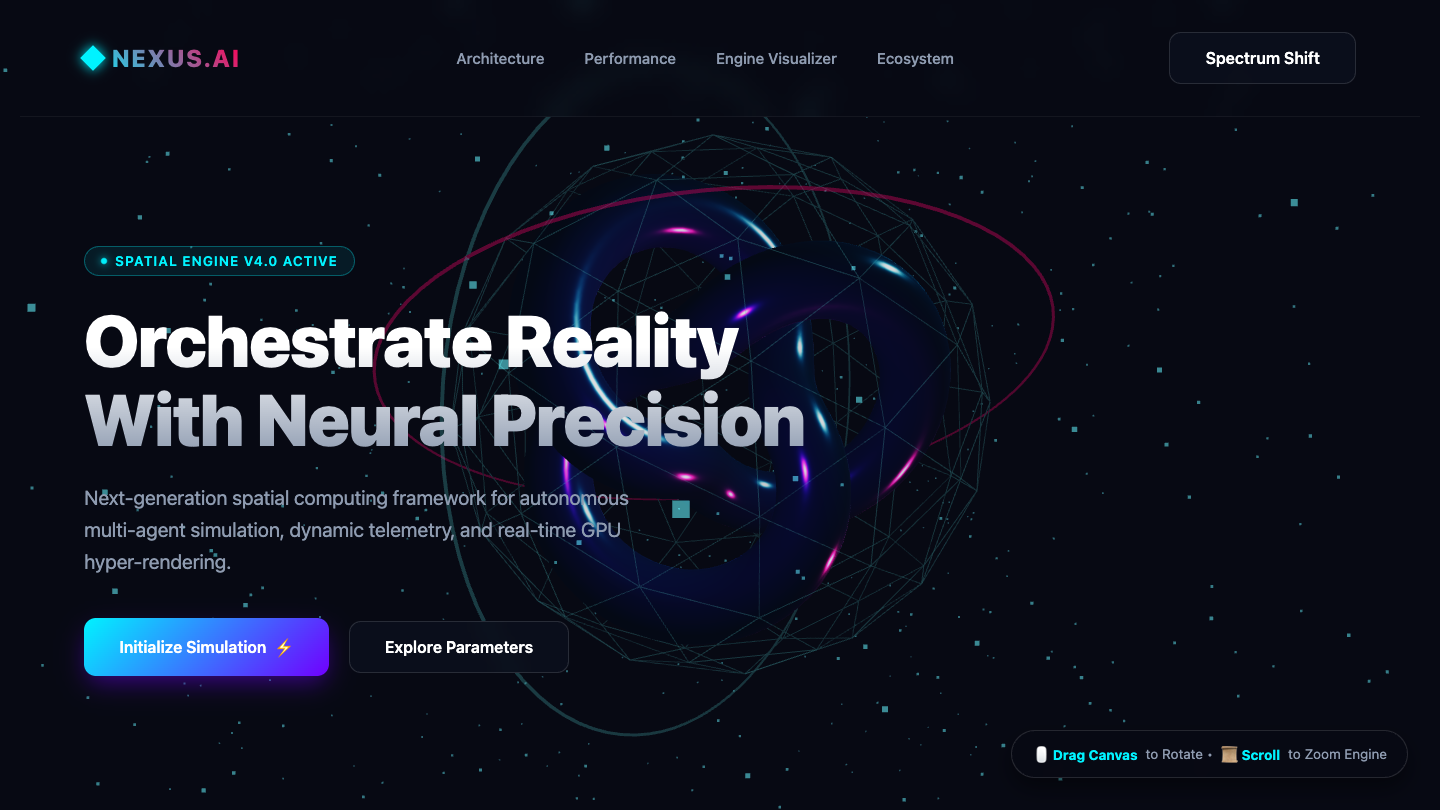
Page
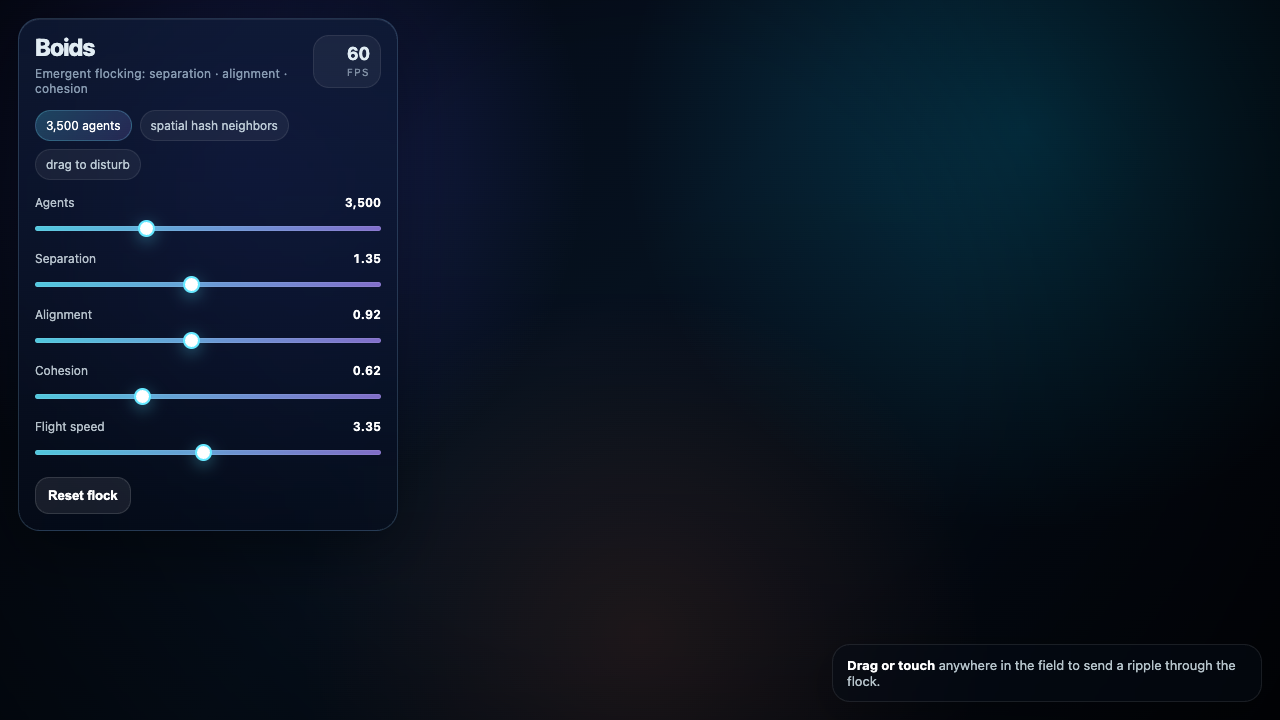
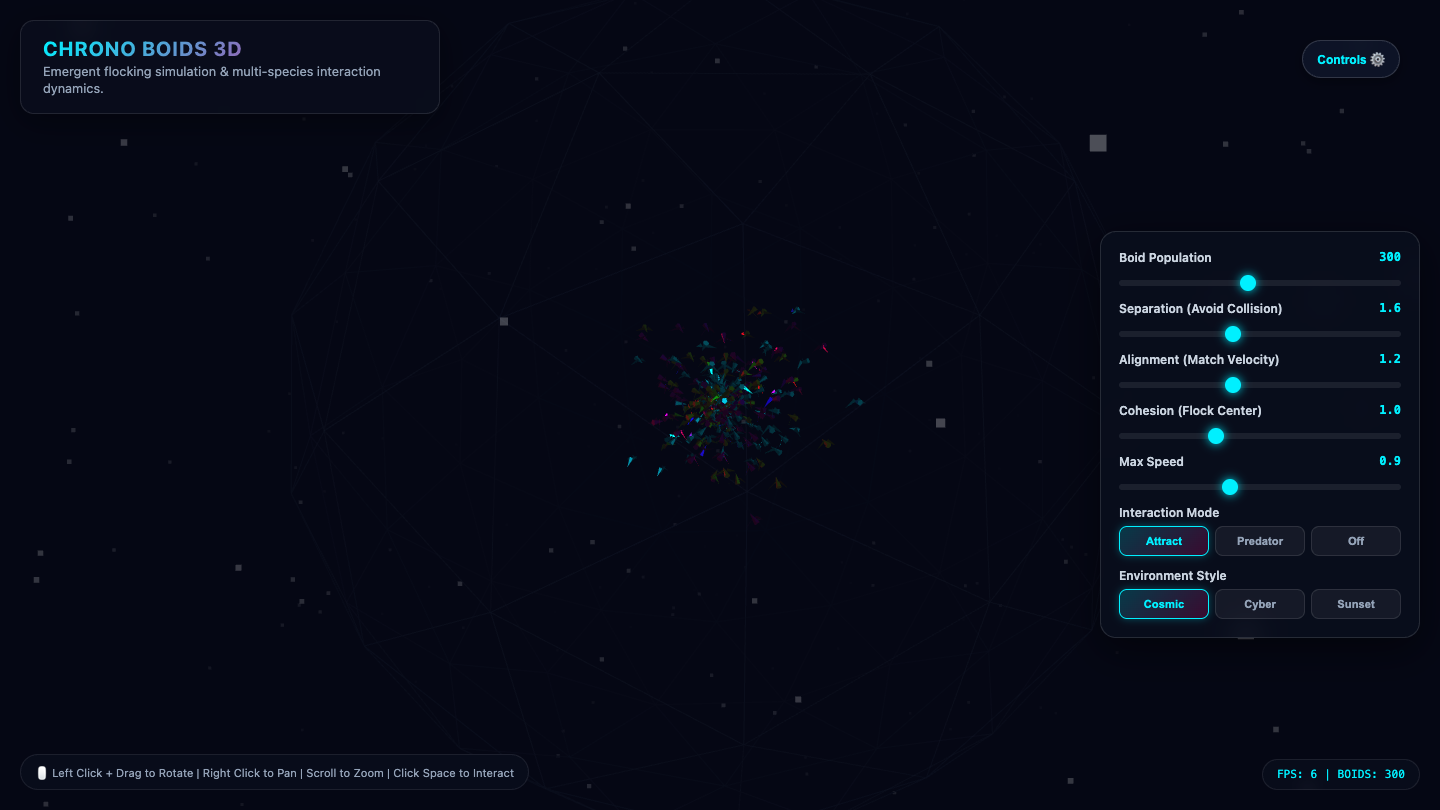
Sim
Sim
Sim
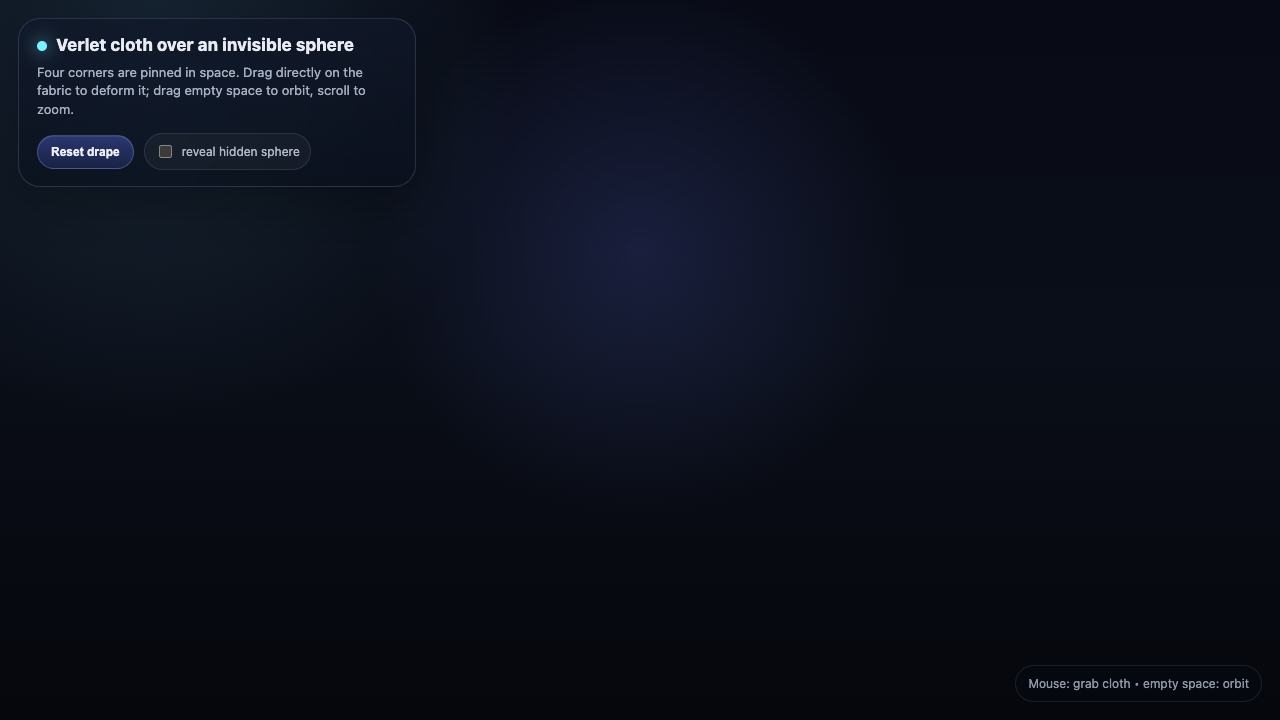
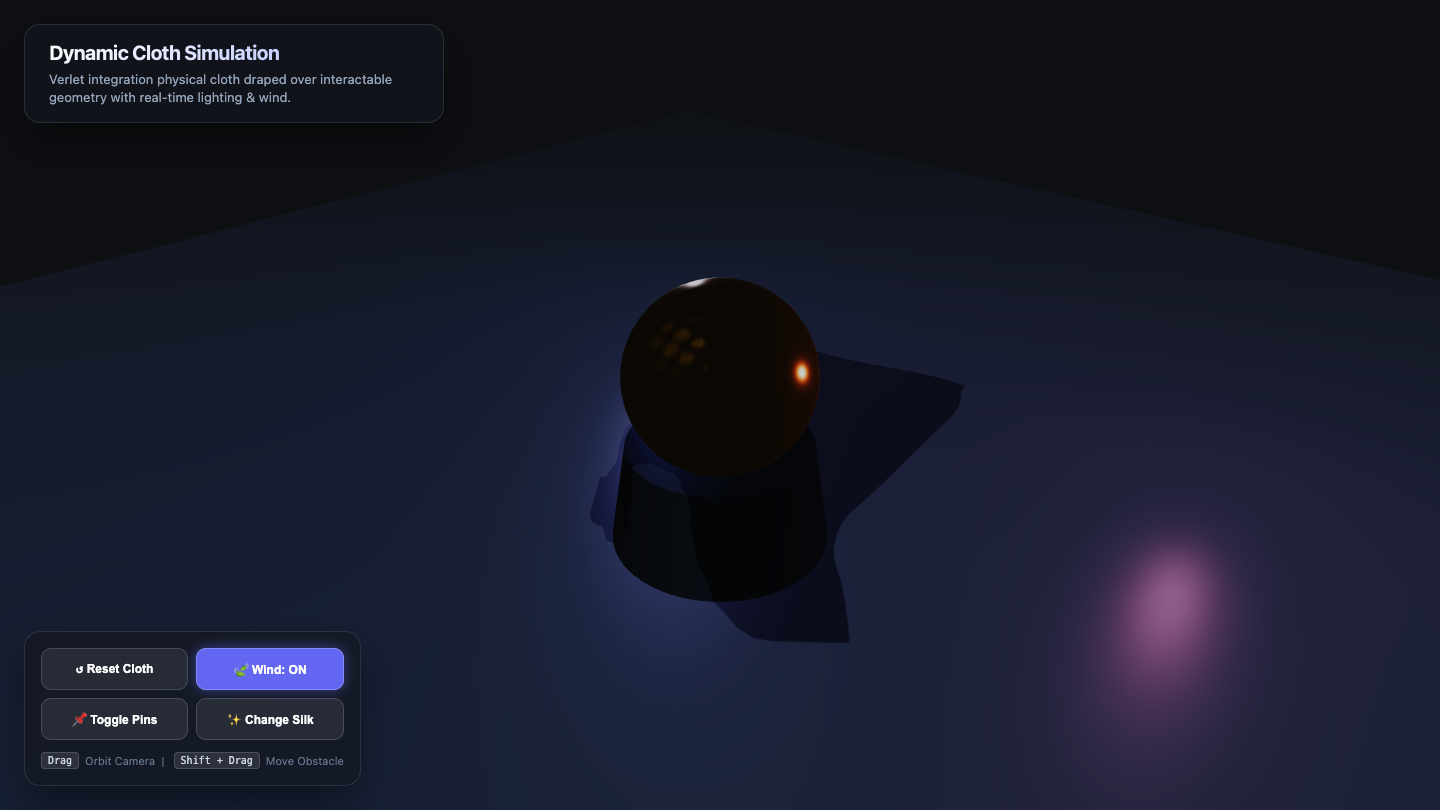
Sim
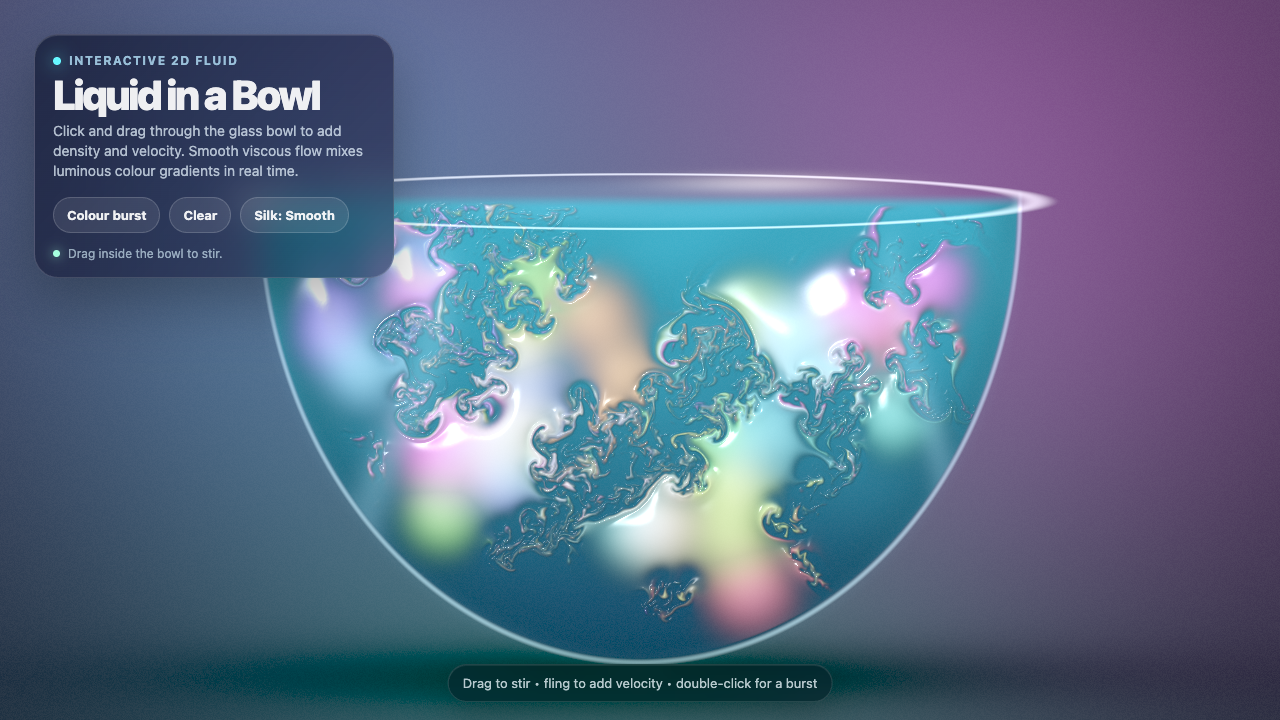
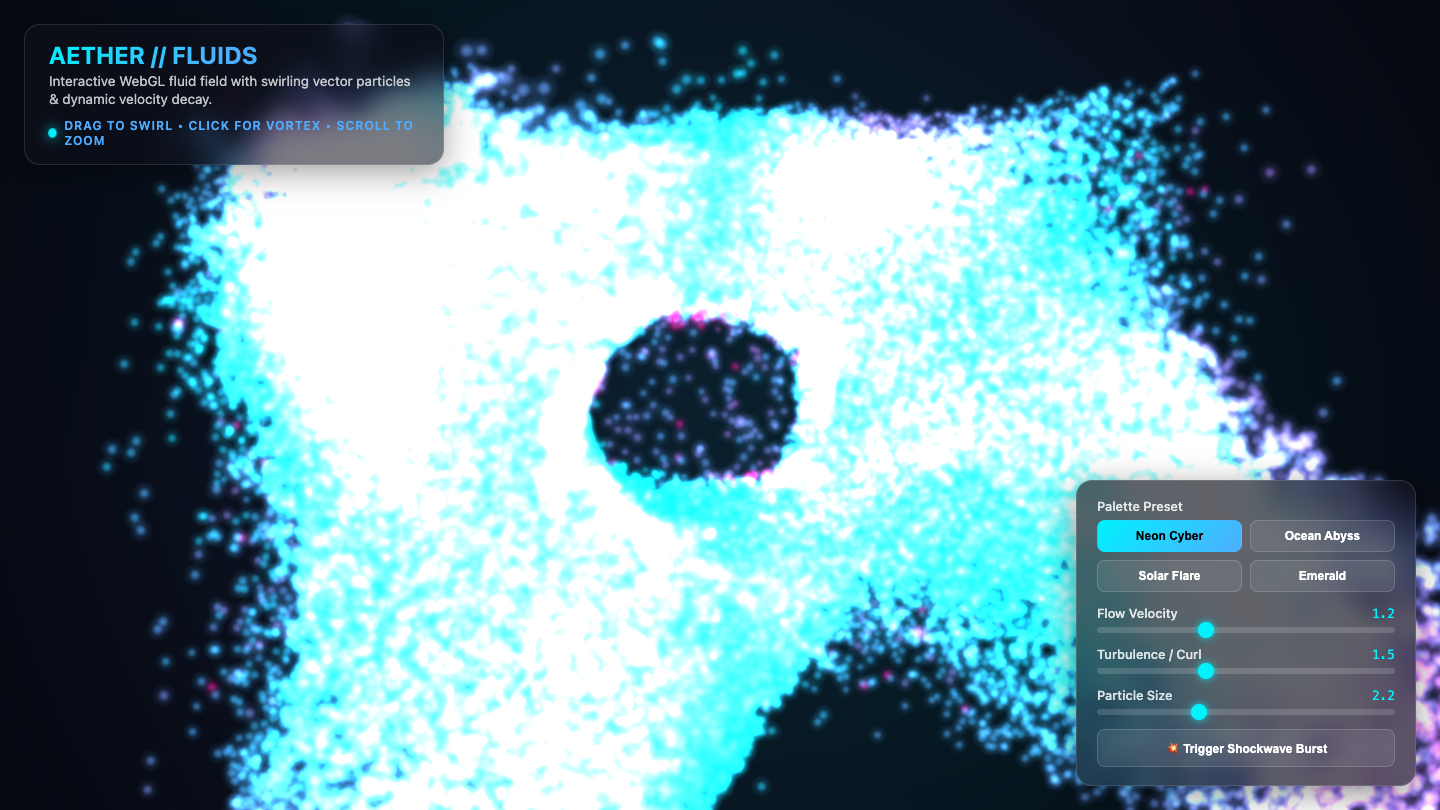
Sim
Sim
Sim
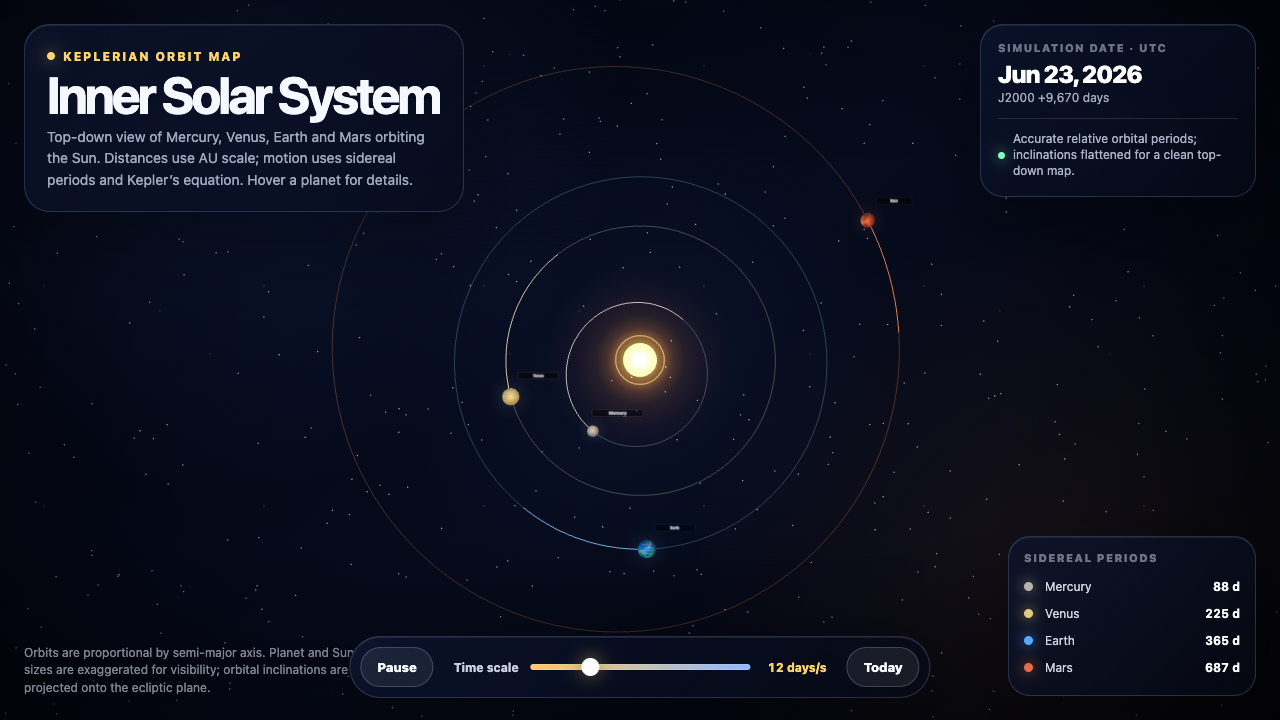
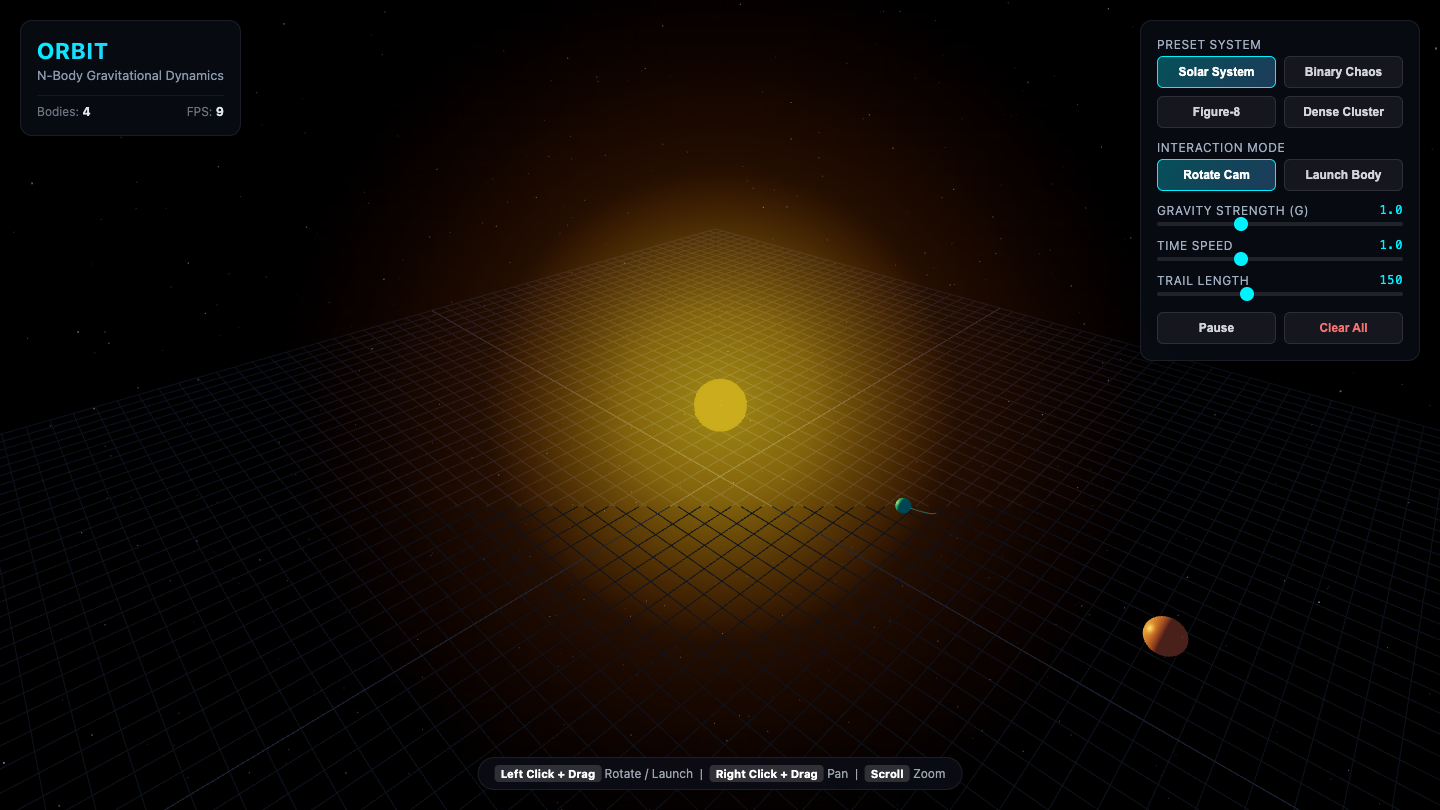
Sim
Where Fugu Mini beat Gemini 3.6 Flash
The tasks where I gave Fugu Mini a higher 0–10 score on the same prompt — with the actual commentary from my source guides.
Waves
Visual
Fugu Mini 8.5
·
Gemini 3.6 Flash 3.0
(+5.5)
What I saw: Gerstner ocean waves with sun reflection. Smoke-test PASS (9.6% pixel diff — strong wave motion).
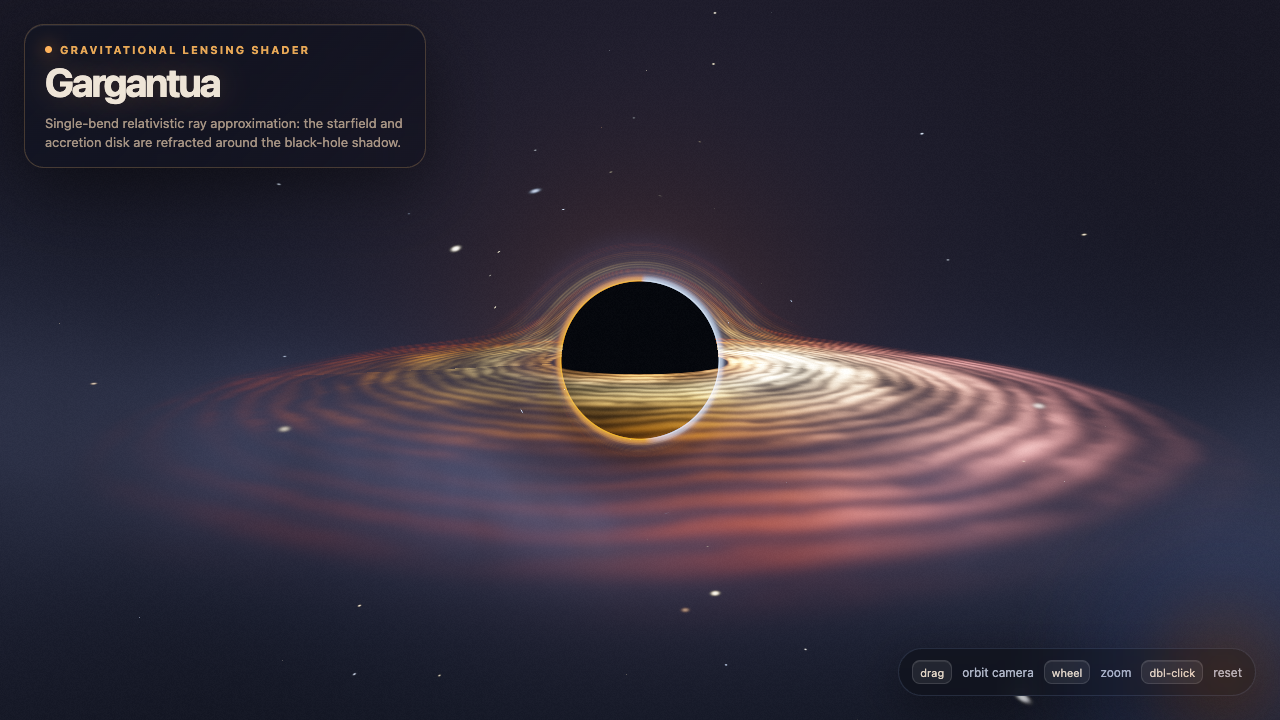
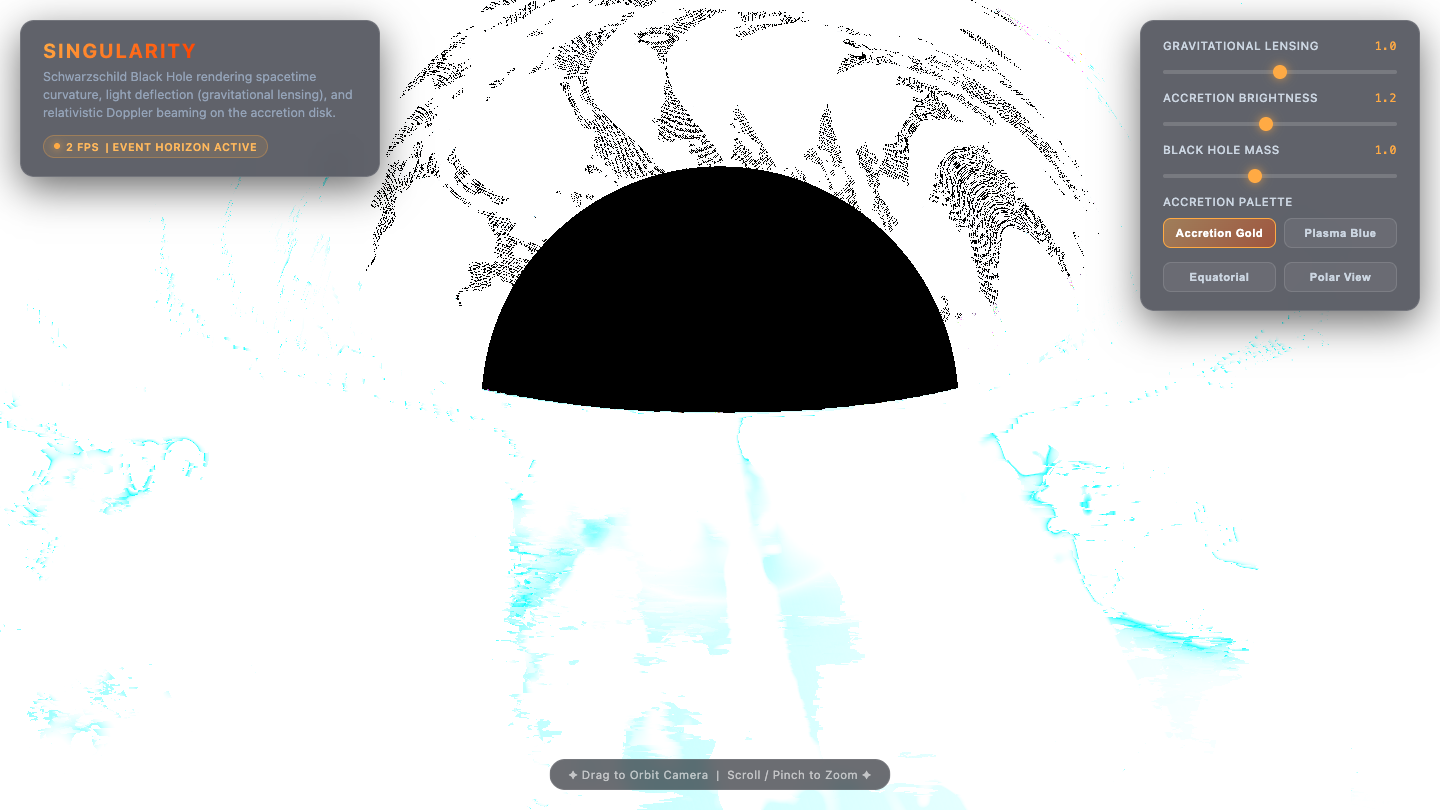
Blackhole
Sim
Fugu Mini 8.0
·
Gemini 3.6 Flash 3.5
(+4.5)
What I saw: Gravitational-lensing black hole. Smoke-test PASS — pixel change confirmed after camera-orbit input.
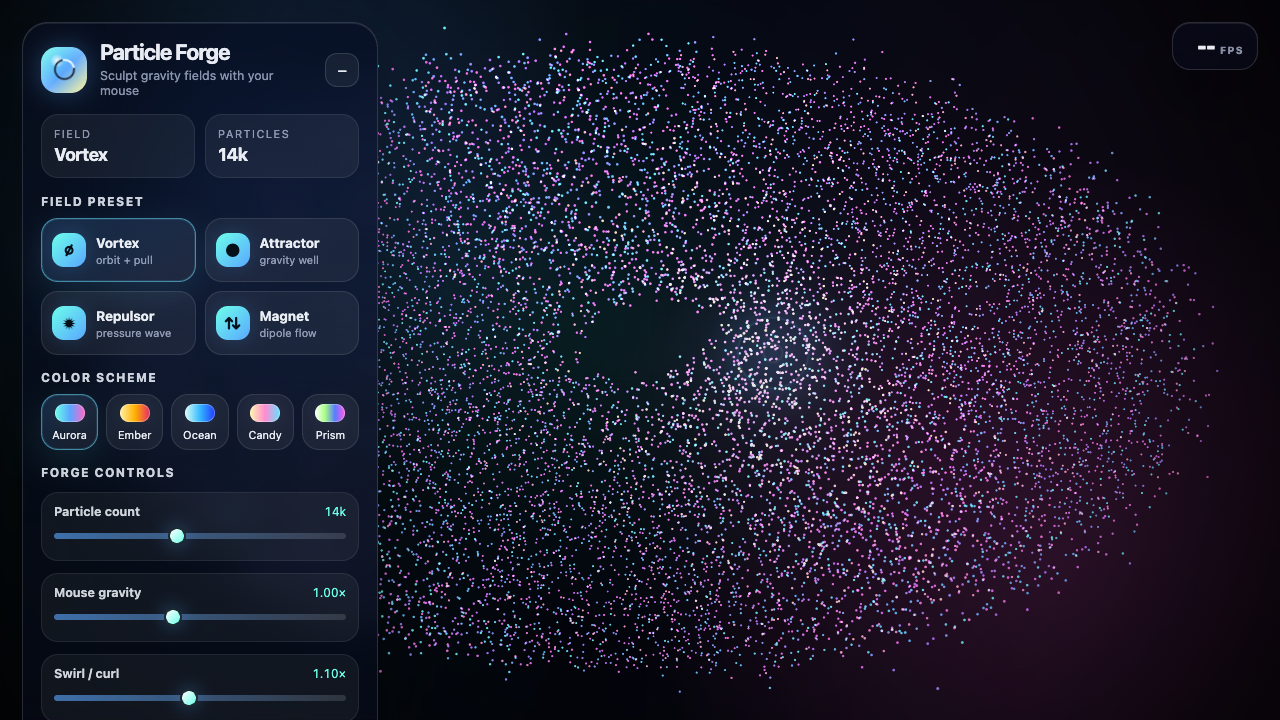
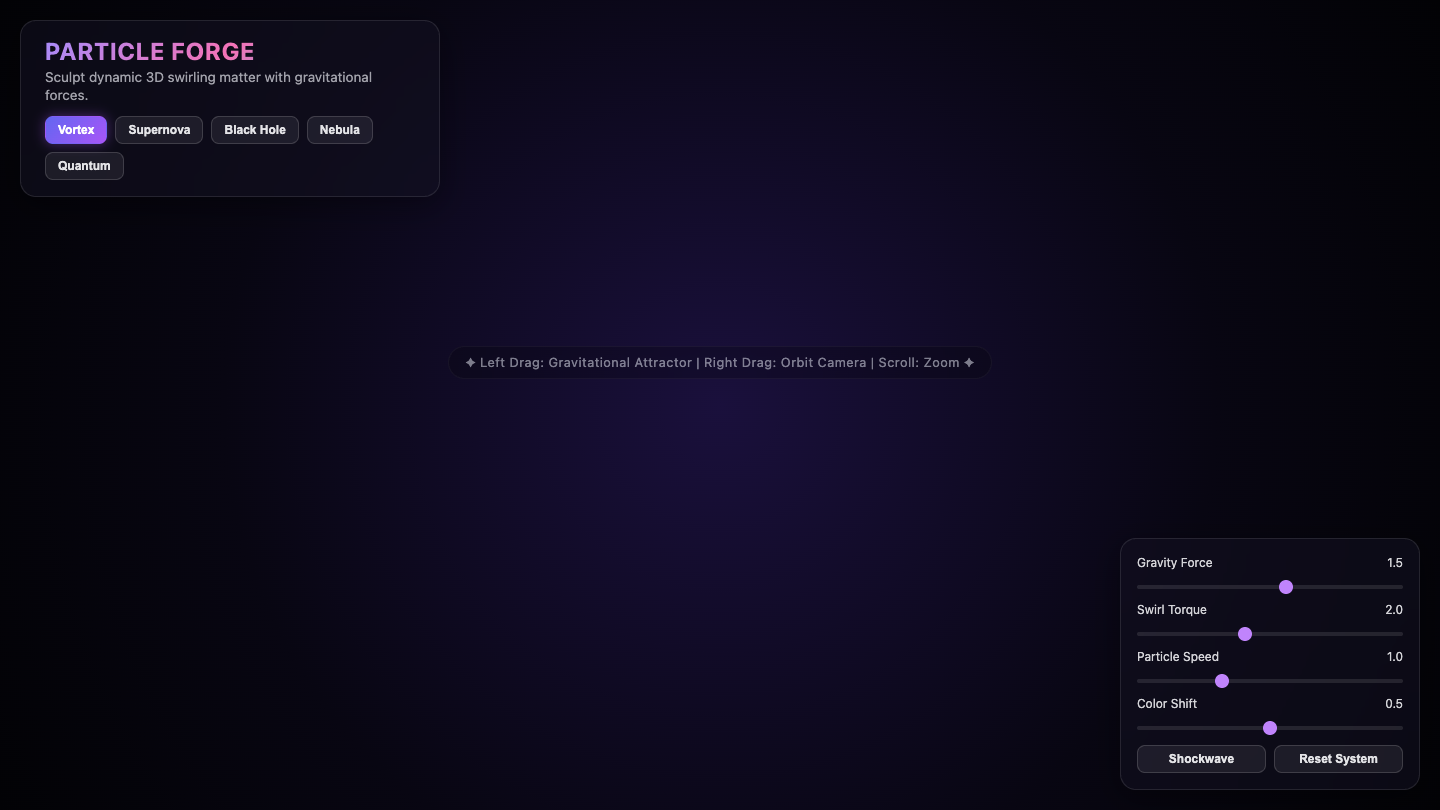
Particleforge
Sim
Fugu Mini 8.0
·
Gemini 3.6 Flash 3.5
(+4.5)
What I saw: Mouse-gravity particle sculptor. Smoke-test PASS (8.4% pixel diff).
Pathtracer
Sim
Fugu Mini 8.0
·
Gemini 3.6 Flash 3.5
(+4.5)
What I saw: Mini gap-fill (round 2) — WebGL path tracer. Smoke-test PASS (0.8% diff).
Voxel
Visual
Fugu Mini 8.5
·
Gemini 3.6 Flash 4.5
(+4.0)
What I saw: Mini gap-fill (round 2) — Temple-Run voxel runner. Smoke-test PASS with 17.0% pixel diff — works this time (the earlier Mini voxel was STATIC and got deleted).
Where Gemini 3.6 Flash beat Fugu Mini
The tasks where I gave Gemini 3.6 Flash a higher 0–10 score on the same prompt — with the actual commentary from my source guides.
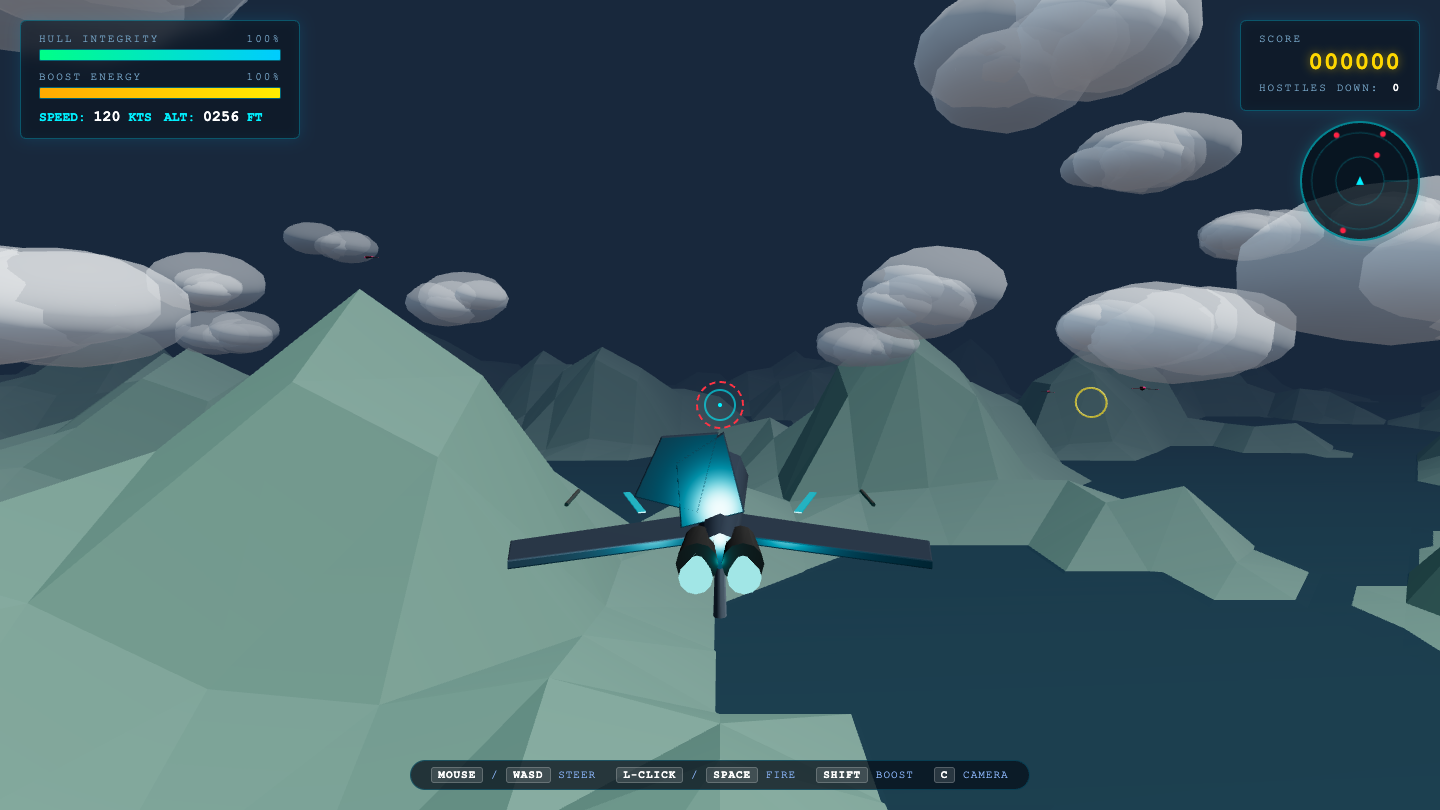
Dogfight
Game
Gemini 3.6 Flash 8.4
·
Fugu Mini 6.0
(+2.4)
· polished 3D dogfight
What I saw: Gorgeous low-poly 3D scene with a detailed player jet, glowing engines, volumetric clouds, terrain, and a full sci-fi HUD (hull, boost, radar with hostile blips, target-lock reticle). Enemies are present on radar and in-world but combat isn't clearly shown mid-fight in the shot, …
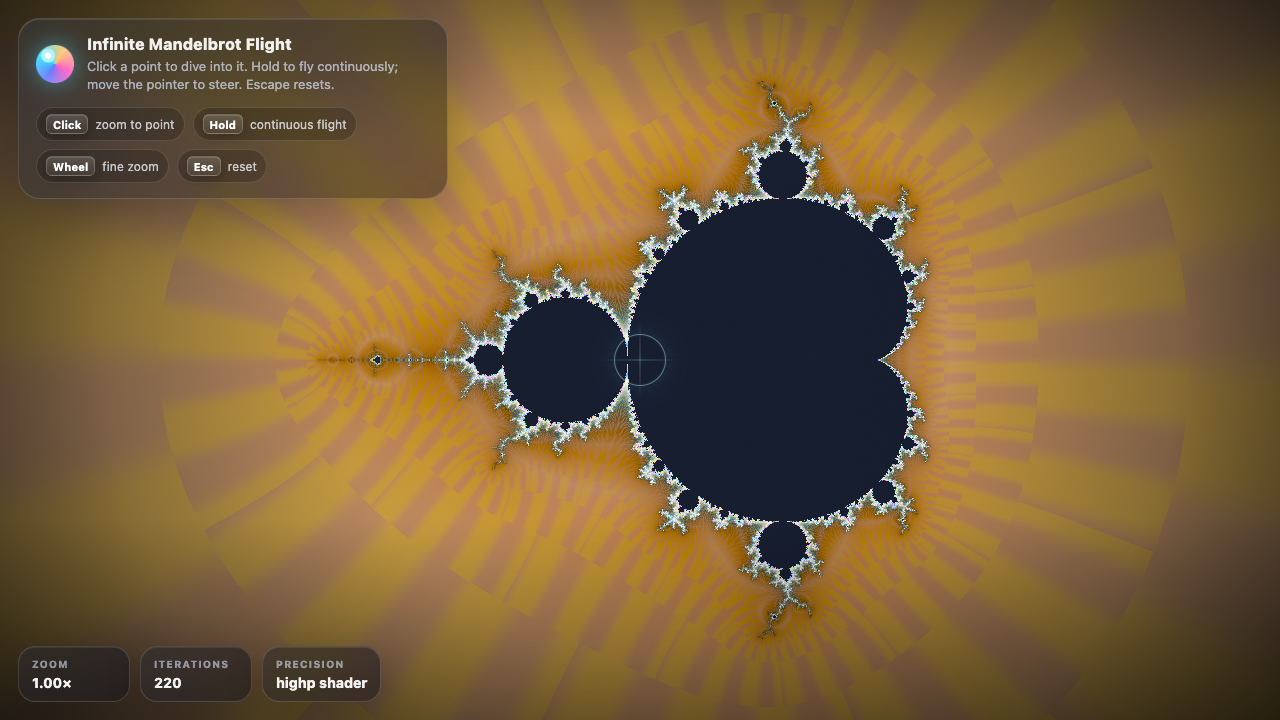
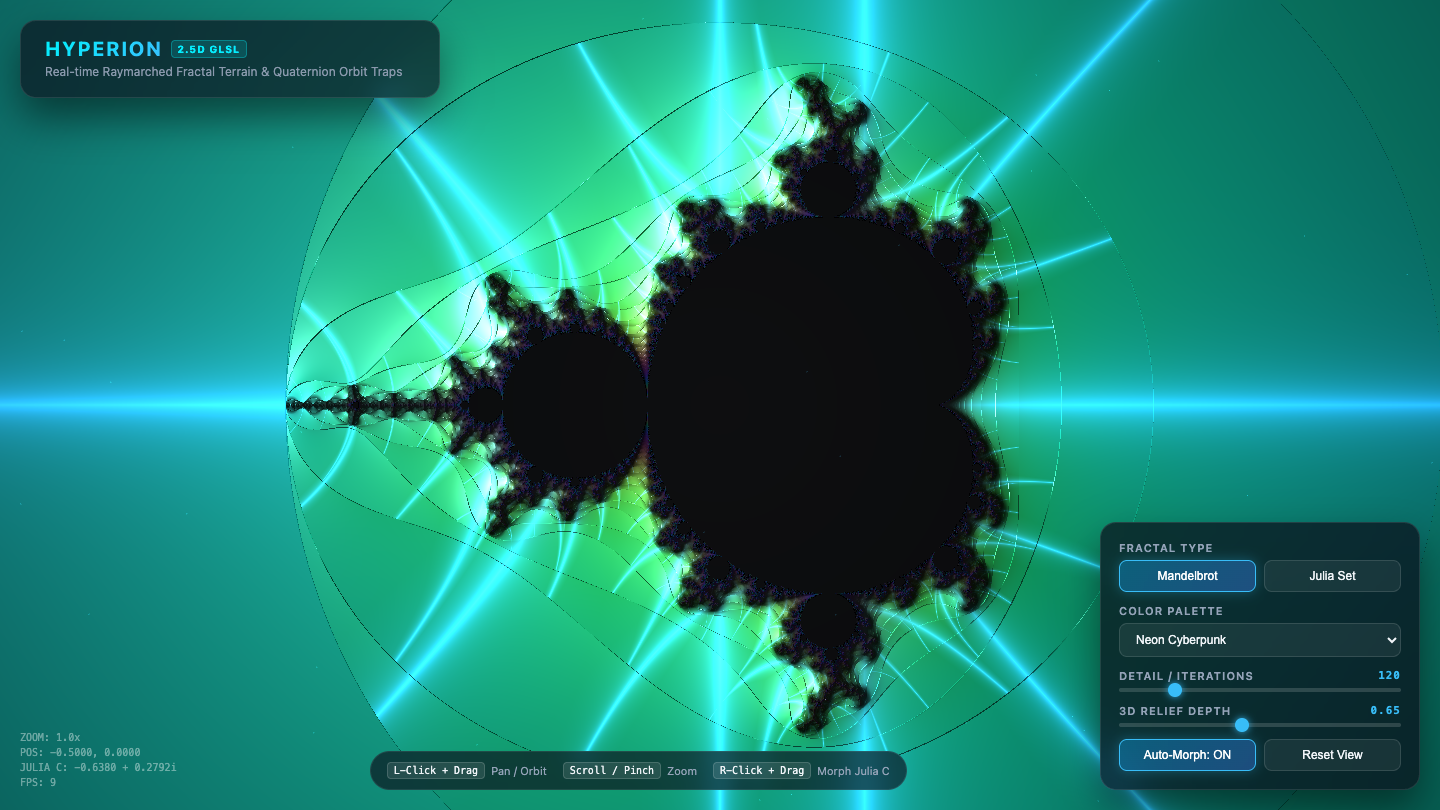
Fractal
Sim
Gemini 3.6 Flash 8.6
·
Fugu Mini 6.5
(+2.1)
· GLSL glow Mandelbrot
What I saw: Gorgeous WebGL-shader Mandelbrot with striking neon glow rays, orbit-trap detail and a full control suite (type toggle, palettes, iteration/depth sliders, auto-morph, HUD) that reads as premium and interactive. Only minor concern is the 9 FPS reading suggesting heavy load, but th…
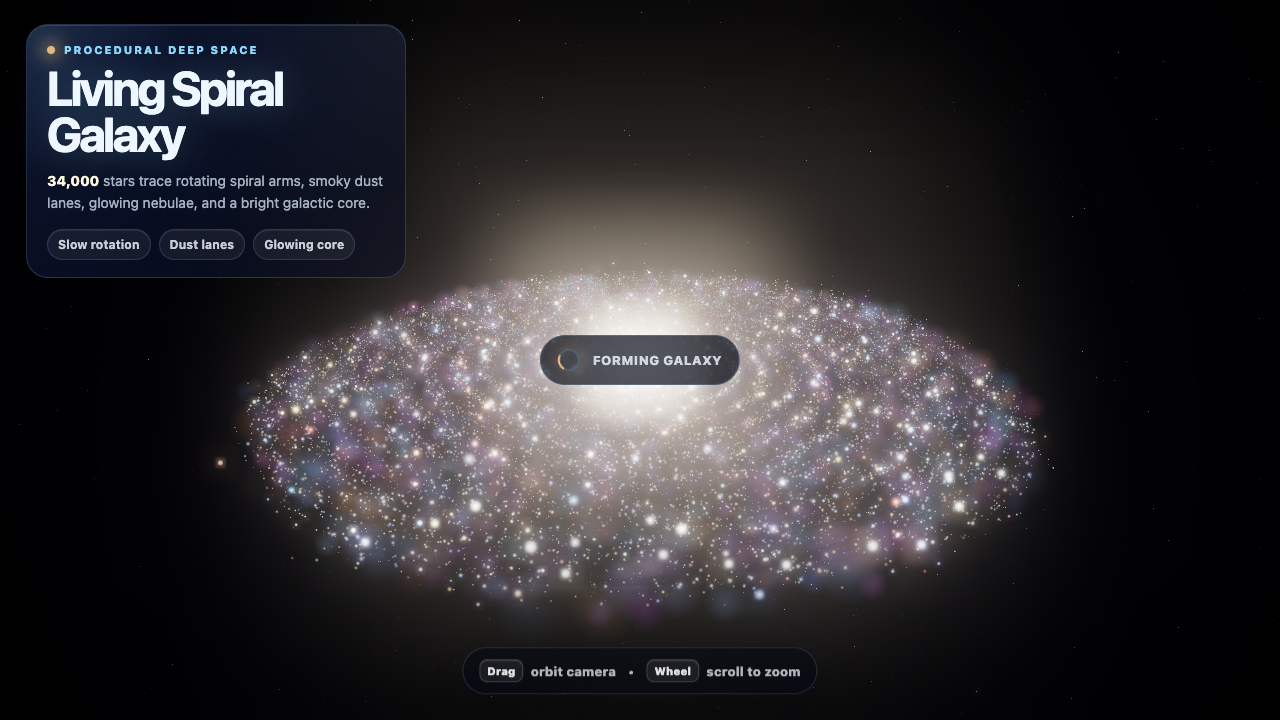
Galaxy
Sim
Gemini 3.6 Flash 8.6
·
Fugu Mini 6.5
(+2.1)
· polished spiral galaxy
What I saw: Strong spiral structure with pink/teal core glow, background stars, and a clean polished UI with palette presets and clear swirl/orbit/zoom controls; the custom shader with mouse interaction and multiple palettes pushes it to the top of the field.
Aurora
Visual
Gemini 3.6 Flash 8.4
·
Fugu Mini 6.5
(+1.9)
· 3D aurora curtains
What I saw: Strong WebGL aurora with convincing vertical curtain striations, glowing lower edge, and a reflective terrain foreground; polished glass UI with palette/speed/intensity controls. Slightly loses the top of the field because the color gradient bands could read more organically and …
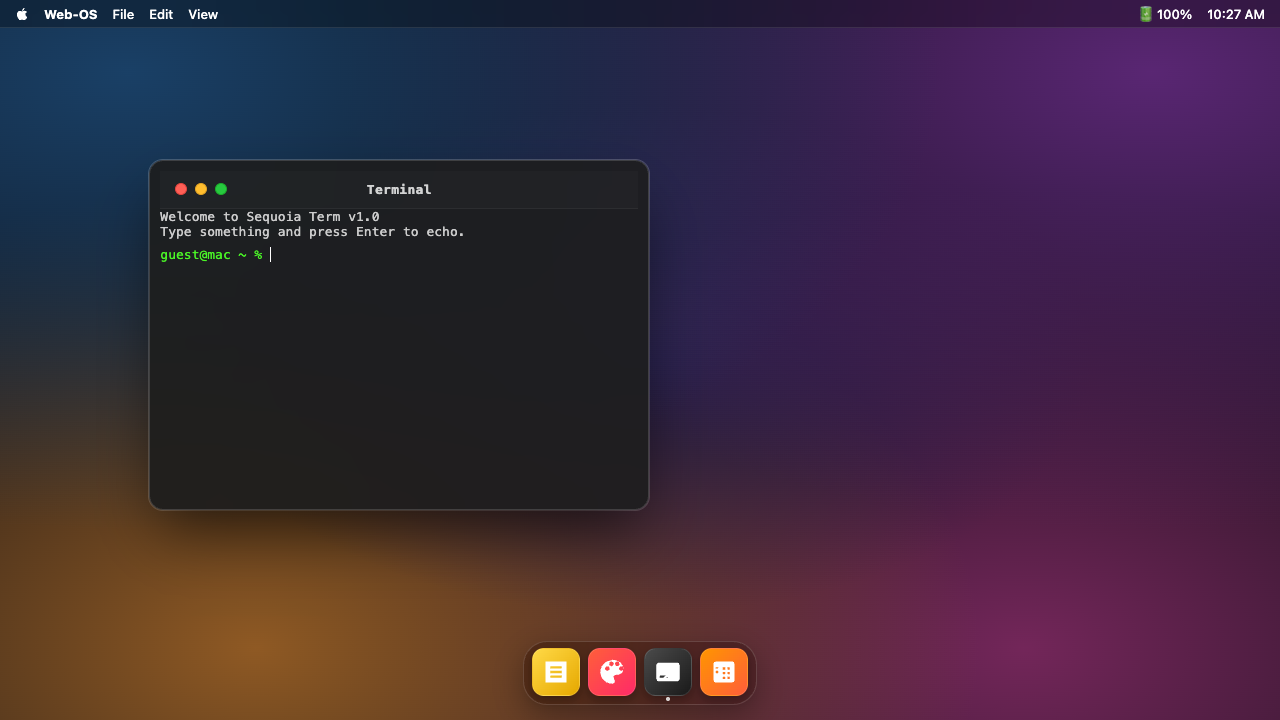
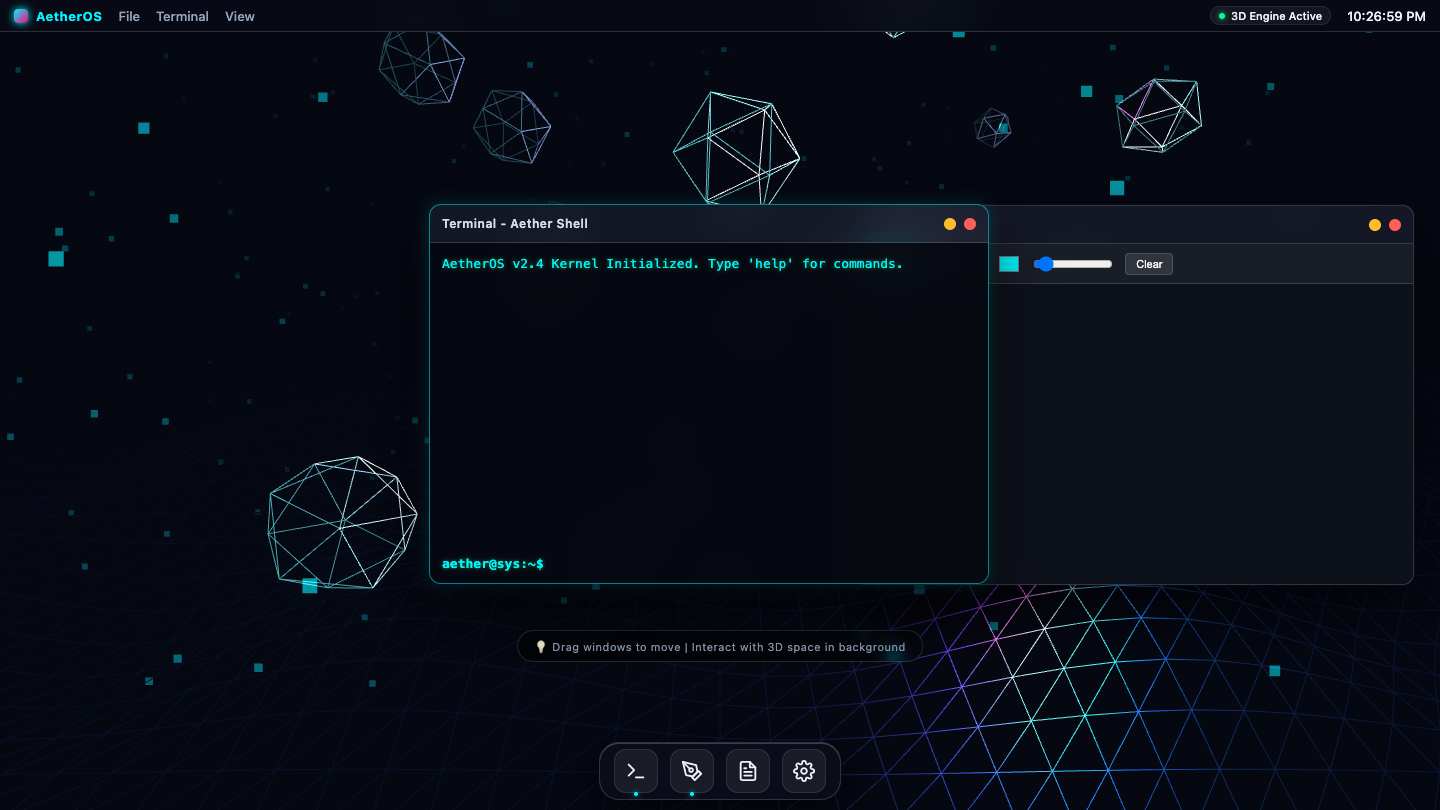
Webos
Page
Gemini 3.6 Flash 8.0
·
Fugu Mini 6.5
(+1.5)
What I saw: Strong, polished glassmorphic desktop with a 3D WebGL wireframe background, working top bar, dock (Terminal/Paint/Notes/Settings), and a functional-looking terminal with prompt; the visible Paint window appears empty (only toolbar/slider showing, no canvas content) which slightly…
Strengths & weaknesses I logged
Fugu Mini
Strengths
- Zero panel orchestration — much lower latency than Ultra
- Same Sakana subscription, no extra cost
- Doesn't time out on heavy game/3D prompts where Ultra stalls
Trade-offs
- Single model only — no ensemble verdict
- Newer than Ultra — less calibration / verification
Gemini 3.6 Flash
Strengths
- Fast one-shot builds — full skill-spec 3D games in ~60-120s of generation
- Cheapest frontier-tier entry on the bench at $1.50/M input
- 17% fewer output tokens than 3.5 Flash on the same workflows (Google's launch claim)
Trade-offs
- Benched on launch day — partial run until the full 50-task batch completes
- Flash tier, not a flagship — up against Pro/flagship-class models on this board
Pricing & context — the spec sheet
| Spec | Fugu Mini | Gemini 3.6 Flash |
|---|---|---|
| Vendor | Sakana AI | |
| Context window | Single-model variant of Sakana's Fugu — no panel orchestration. Same API endpoint, much faster per call. | 1,000,000-token context window |
| Price | Same Sakana subscription pool as Fugu Ultra | $1.50 / M input |
| Pricing detail | The non-Ultra `fugu` model on Sakana's API. Sakana describes it as 'Fast mini model optimized for low latency yet high quality responses.' Crucially: zero orchestration tokens per call (vs Ultra's panel of thousands). Returns in ~3 min instead of 6-15 min and doesn't time out on heavy prompts. | Launched 2026-07-21 alongside Gemini 3.5 Flash-Lite and 3.5 Flash Cyber. Google's pitch: higher intelligence than its predecessors on coding/ML/knowledge tasks while using 17% fewer output tokens, at a new lower price ($1.50 per million input tokens). Benched here via the native Gemini API on launch day. |
| Release | 2026-06-15 | 2026-07 |
| Bench coverage | 36/37 scored · avg 7.75/10 | 50/50 scored · avg 7.08/10 |
The verdict — which should you pick?
Across 36 scored shared tasks, Fugu Mini averaged 7.75/10, beating Gemini 3.6 Flash's 6.94/10 by 0.81 points. Pick Fugu Mini when the build has to ship on the first prompt and you can afford the trade-offs in the comparison below.
If you only run one of these inside your stack, the head-to-head average above is the call. If you can run both, my honest play is to wire Fugu Mini and Gemini 3.6 Flash both into the Agent Operating System and dispatch each from the kanban by task type — agent loops where latency matters more than panel consensus → Fugu Mini, high-volume agentic work where token cost dominates → Gemini 3.6 Flash. That's the same setup I run for the 3,400+ founders inside the AI Profit Boardroom.
FAQ — Fugu Mini vs Gemini 3.6 Flash
Which is better, Fugu Mini or Gemini 3.6 Flash?
On Goldie Bench, Fugu Mini averages 7.75/10 across the shared tasks, with 2 gold, 0 silver, 0 bronze overall. Gemini 3.6 Flash averages 6.94/10, with 1 gold, 2 silver, 1 bronze. Fugu Mini wins the head-to-head 20–16.
How much does Fugu Mini cost vs Gemini 3.6 Flash?
Fugu Mini: The non-Ultra `fugu` model on Sakana's API. Sakana describes it as 'Fast mini model optimized for low latency yet high quality responses.' Crucially: zero orchestration tokens per call (vs Ultra's panel of thousands). Returns in ~3 min instead of 6-15 min and doesn't time out on heavy prompts. Gemini 3.6 Flash: Launched 2026-07-21 alongside Gemini 3.5 Flash-Lite and 3.5 Flash Cyber. Google's pitch: higher intelligence than its predecessors on coding/ML/knowledge tasks while using 17% fewer output tokens, at a new lower price ($1.50 per million input tokens). Benched here via the native Gemini API on launch day.
What's the context window for Fugu Mini vs Gemini 3.6 Flash?
Fugu Mini has a Single-model variant of Sakana's Fugu — no panel orchestration. Same API endpoint, much faster per call. context window. Gemini 3.6 Flash has a 1,000,000-token context window context window.
When should I pick Fugu Mini over Gemini 3.6 Flash?
Pick Fugu Mini for: Agent loops where latency matters more than panel consensus; Quick first-drafts you'll refine downstream; Filling out a bench when Ultra is timing out. The trade-off is the weaknesses we logged on the bench: Single model only — no ensemble verdict; Newer than Ultra — less calibration / verification.
When should I pick Gemini 3.6 Flash over Fugu Mini?
Pick Gemini 3.6 Flash for: High-volume agentic work where token cost dominates; Fast prototype builds you iterate on rather than one-shot masterpieces; Routing the everyday 90% while a flagship handles the hard 10%. The trade-off is the weaknesses we logged on the bench: Benched on launch day — partial run until the full 50-task batch completes; Flash tier, not a flagship — up against Pro/flagship-class models on this board.
How does Goldie Bench score Fugu Mini vs Gemini 3.6 Flash?
Every demo on this page was built by Julian Goldie inside the Agent Operating System — same fixed prompt for both models, one shot, single HTML file out. Each result gets a 0–10 score on whether it ran, how close it hit the brief, and how good it looked. The highest score on each task gets gold; second gets silver; third gets bronze. See methodology for full provenance.
Related comparisons
Other head-to-heads using the same scoring system:
Fugu Mini vs Fusion Gemini 3.6 Flash vs Fusion Fugu Mini vs Claude Opus 5 Gemini 3.6 Flash vs Claude Opus 5 Fugu Mini vs Hermes MoA Gemini 3.6 Flash vs Hermes MoA Fugu Mini vs GPT-5.6 Sol Gemini 3.6 Flash vs GPT-5.6 SolFull model pages: Fugu Mini · Gemini 3.6 Flash · back to the leaderboard
The same stack Julian uses
Run this stack yourself.
Every demo on this bench was built inside the Agent Operating System — one prompt, one shot, single HTML file out. The Agent OS, the prompts, the templates, the weekly walkthroughs and 3,400+ founders shipping with it every day all live inside the AI Profit Boardroom.
3,400+founders
258documented wins
38countries
$69/momonthly