Real head-to-head · same prompt, one shot
MiMo-V2.6 Pro vs Inkling
Open weights that score level with Opus 5 on agents, for cents. vs A 975B open-weights frontier model — yours to own and run.
Head-to-head verdict: MiMo-V2.6 Pro wins 31–18 with 1 tie.
What I tested — same prompt, two models
I run the same fixed prompt set through every new model the day it drops — same string, one shot, single HTML file out — and I score the result 0–10 on whether it ran, how close it hit the brief, and how good it looked. Below is what came out when I gave the exact same prompts to MiMo-V2.6 Pro and Inkling, side by side, on 50 shared tasks inside the Agent Operating System.
Both models were given identical prompts inside the Agent Operating System — no help, no iteration, no "best of N" tricks. I run each prompt once, save the HTML file the model produces, and score it 0–10 on whether it ran, how close it hit the brief, and how good it looked. The scoring is mine. The verdicts below are pulled from my source comparison guides at agentos.guide where I publish every score and the reasoning behind it.
MiMo-V2.6 Pro · Benched on all 50 GoldieBench tasks through OpenRouter at the model's default reasoning effort: one-shot build, real rendered poster, Opus 4.8 vision judge, game tasks skill-infused. No retries, no hand fixes; the broken builds are scored as they shipped.
Inkling · Benched on GoldieBench one-shot through Tinker's OpenAI-compatible endpoint at medium reasoning effort, then headless-playtested on the same rubric as the whole field. In the Agent OS it's wired into the opencode tab on your own Tinker key — the Ink Machine.
Side-by-side on 50 shared tasks
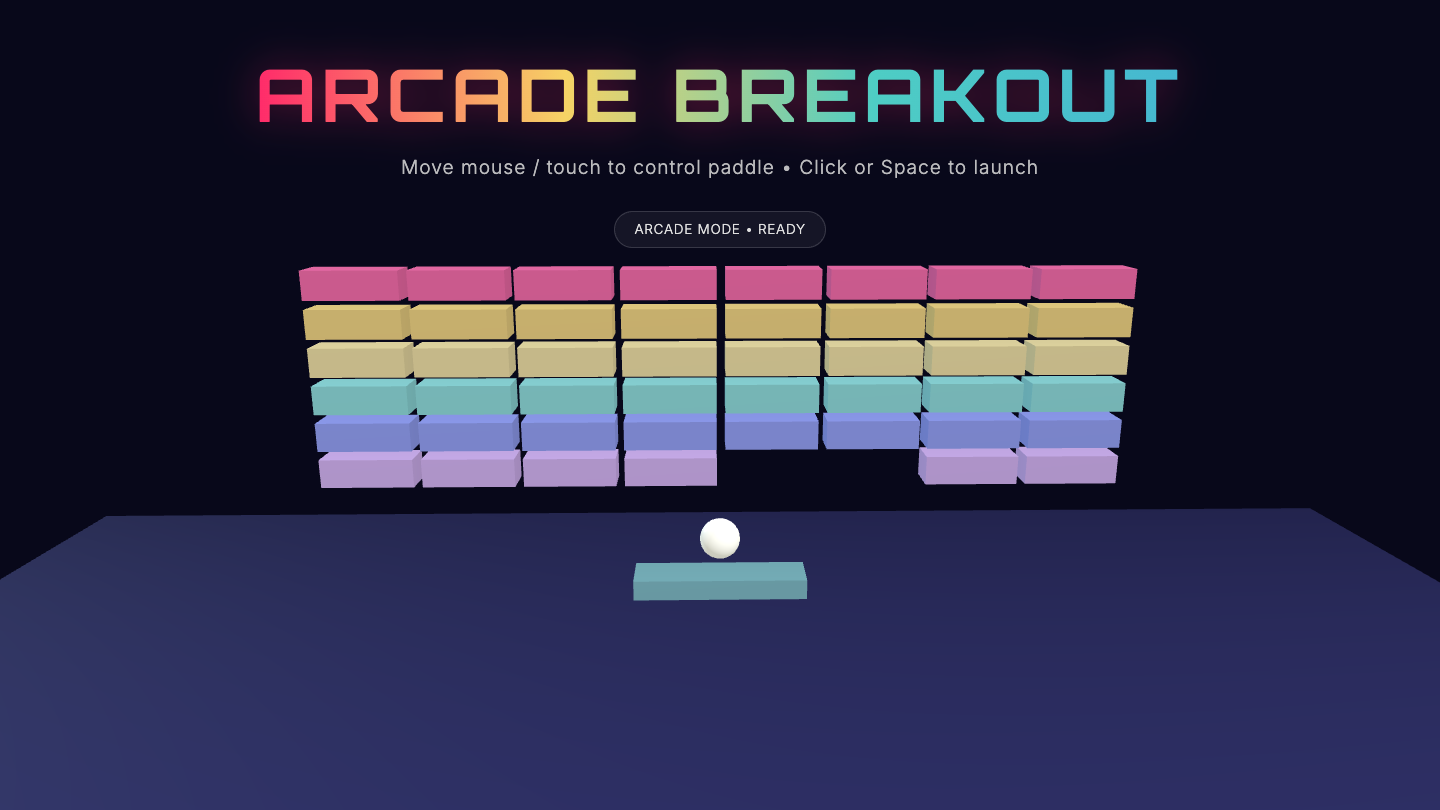
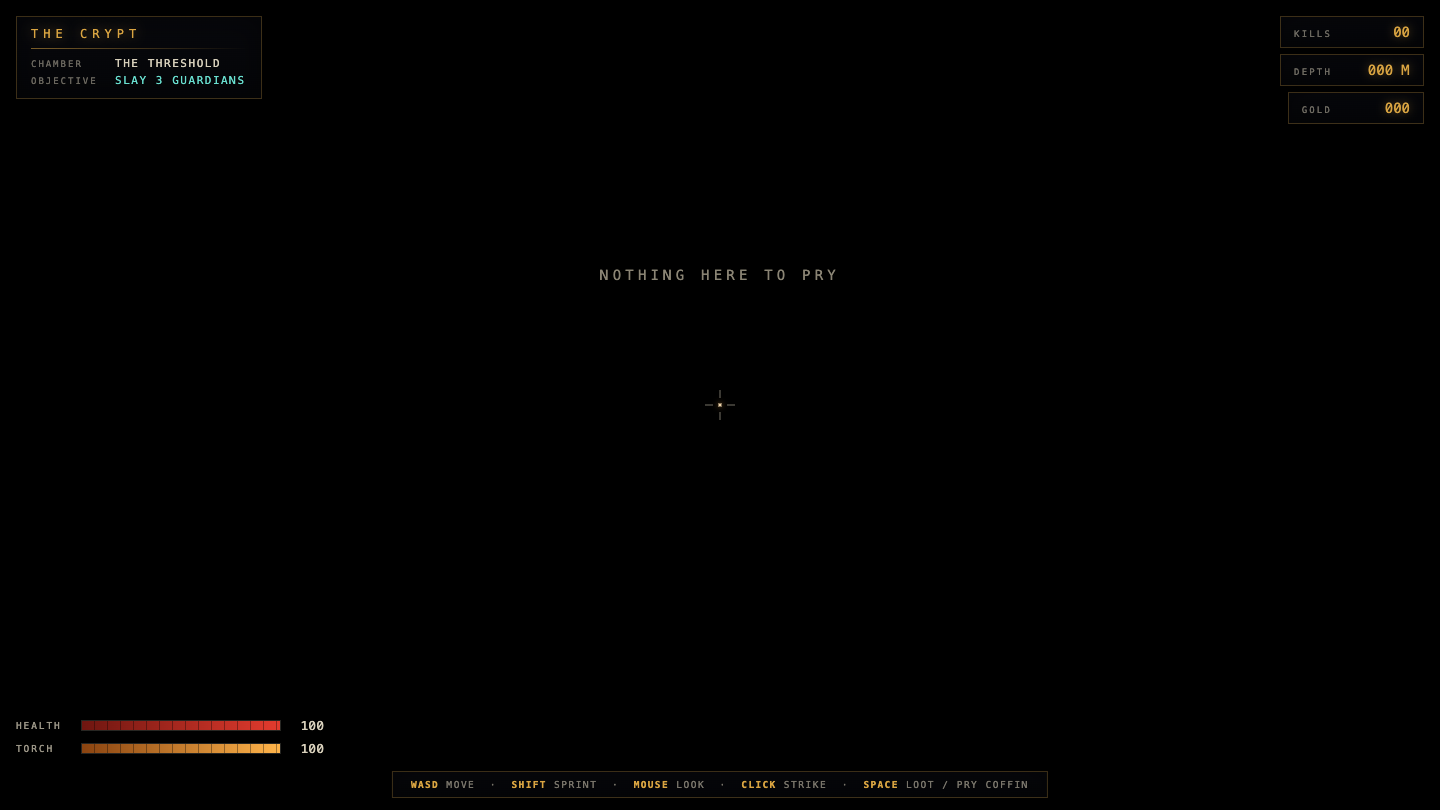
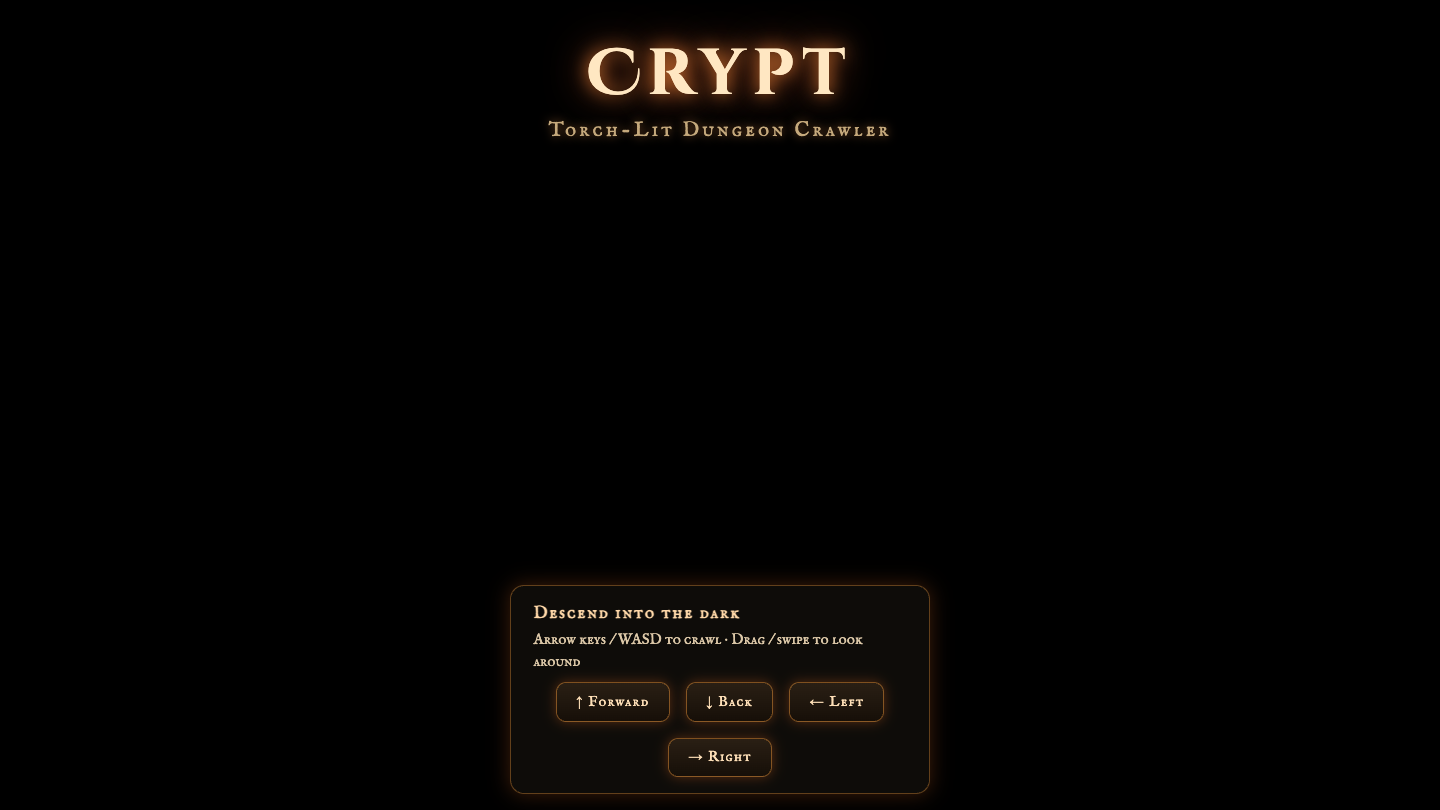
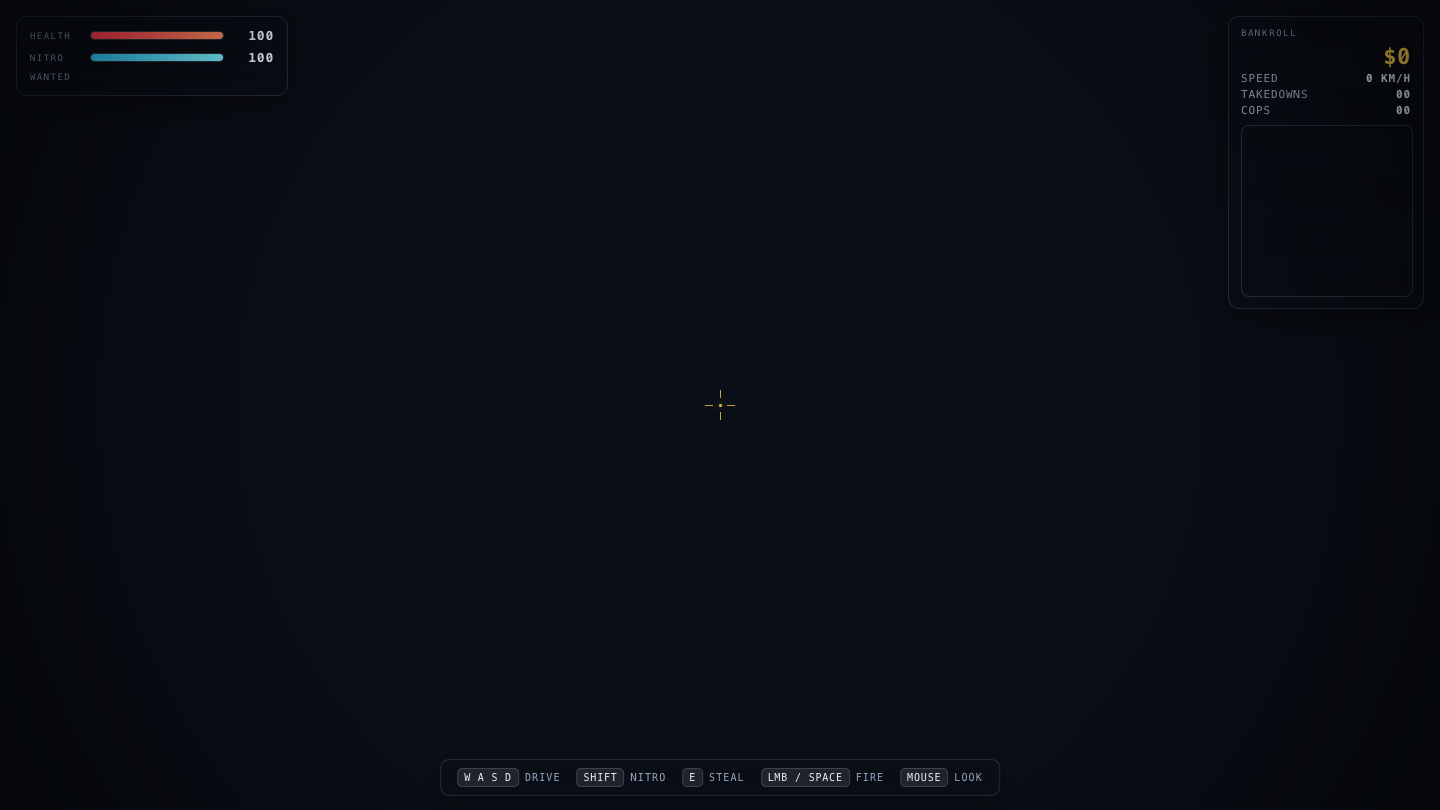
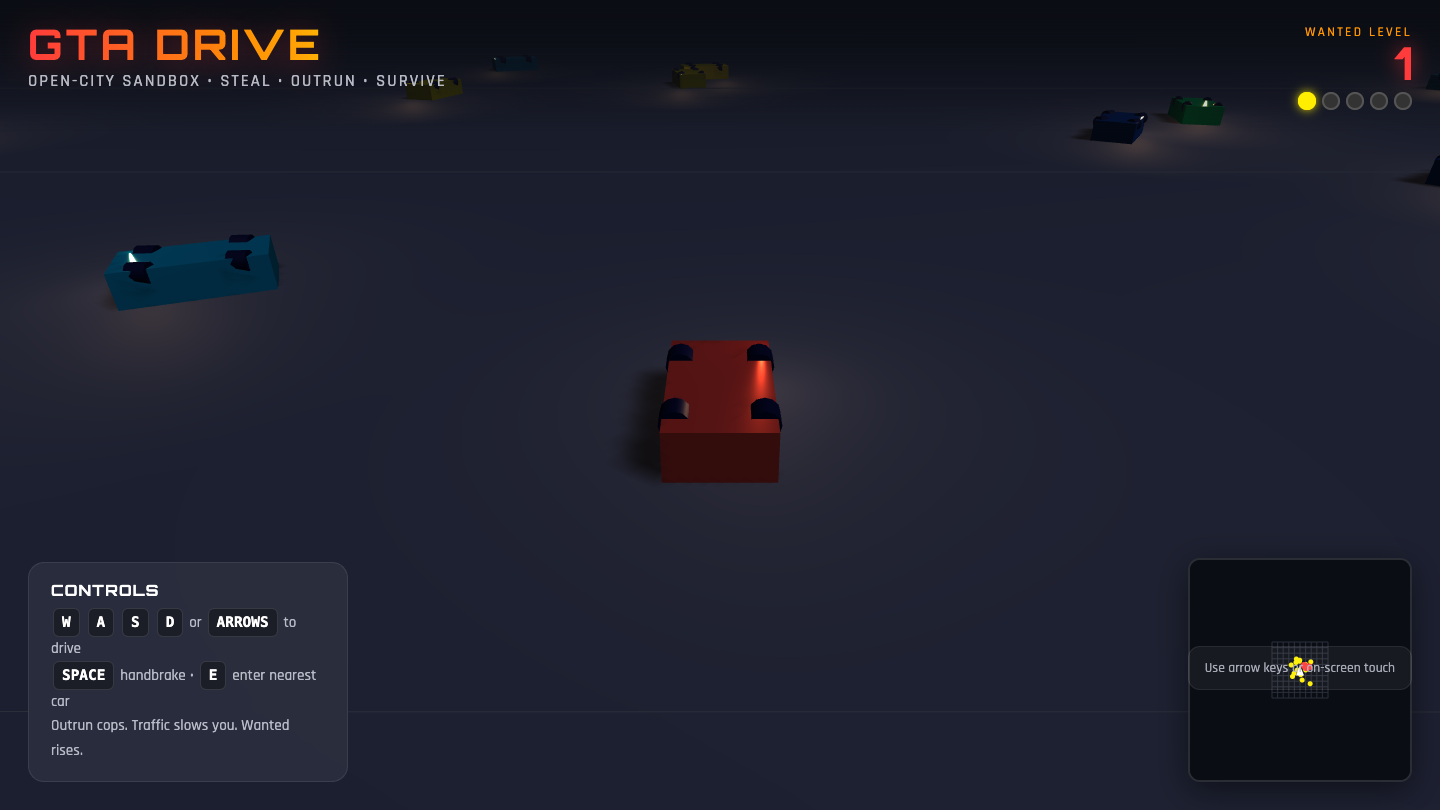
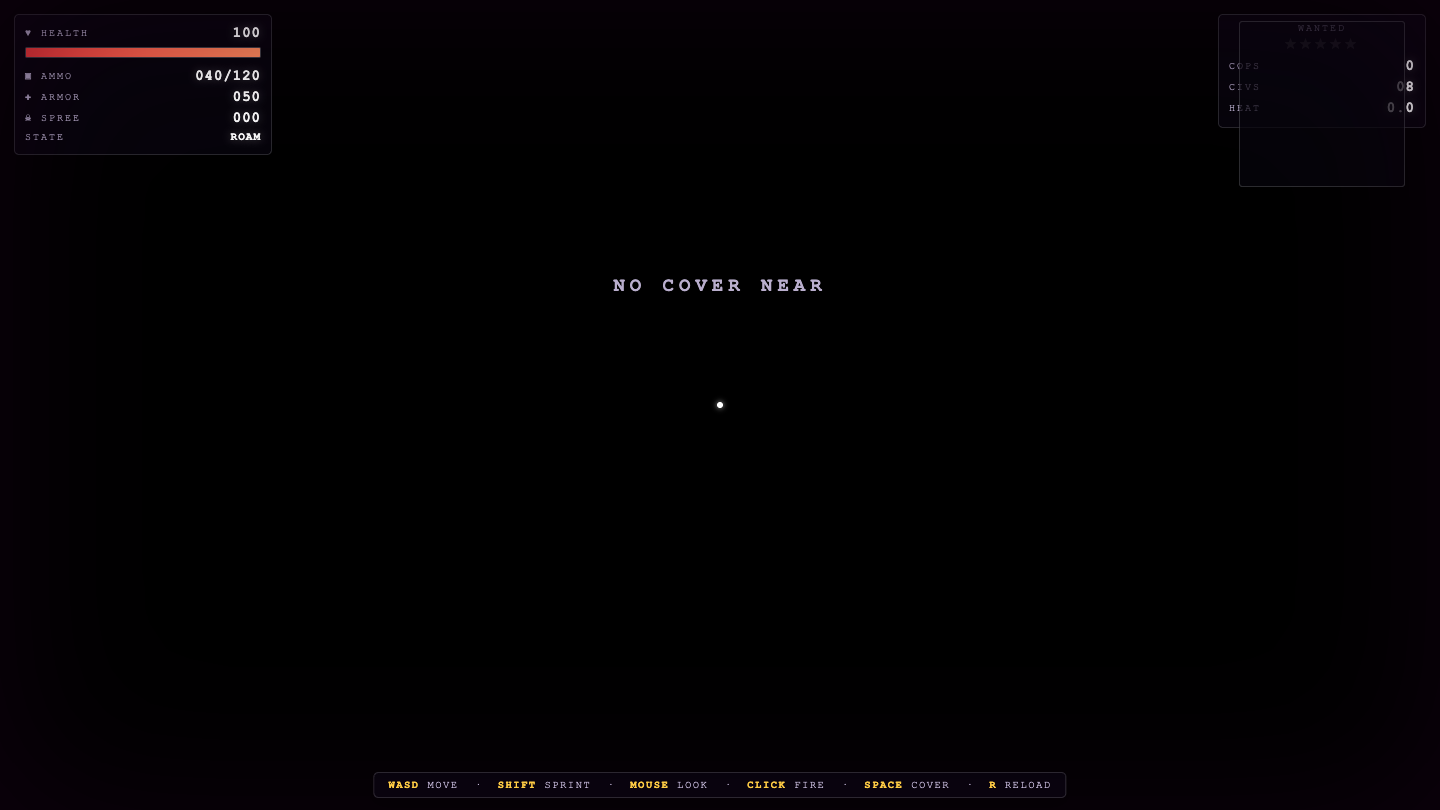
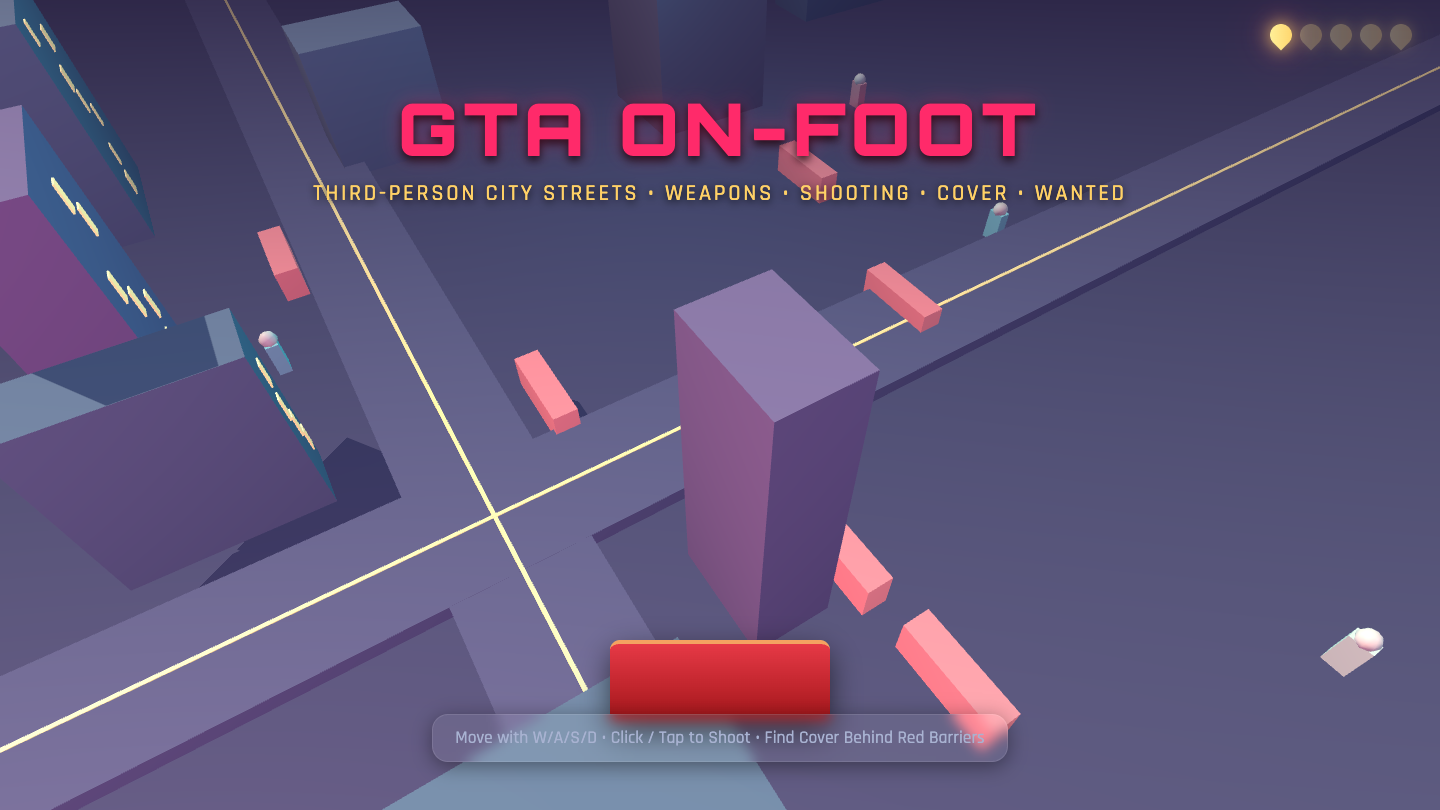
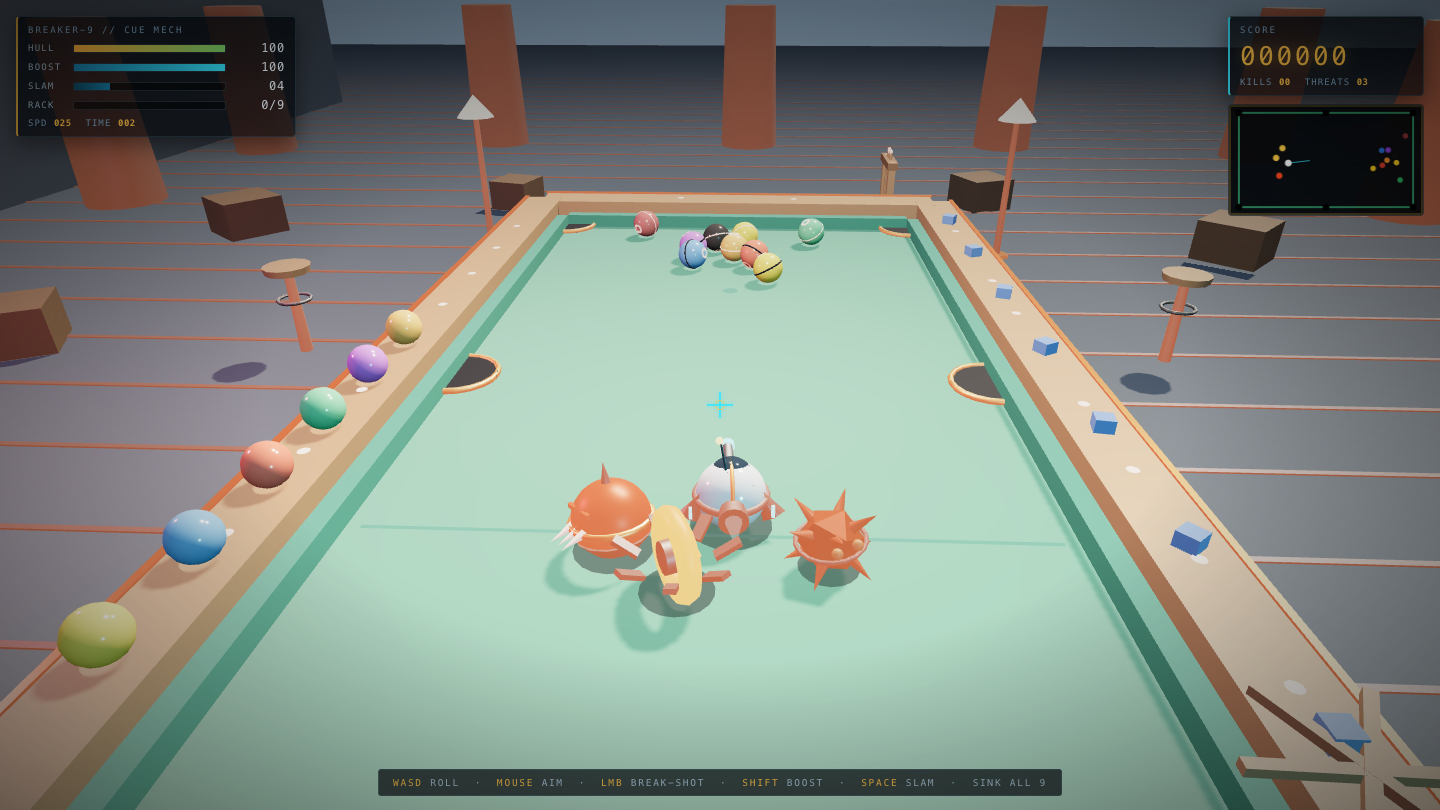
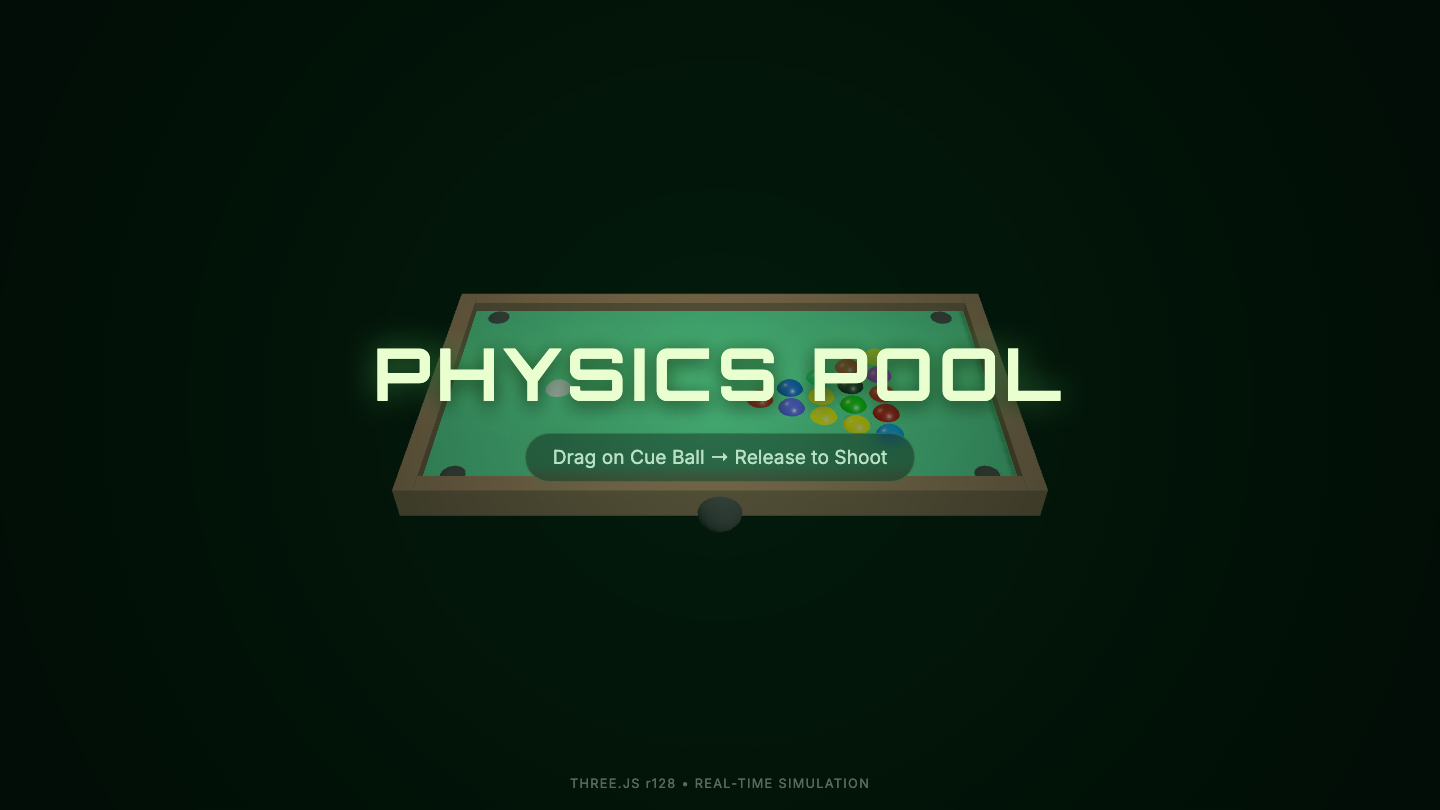
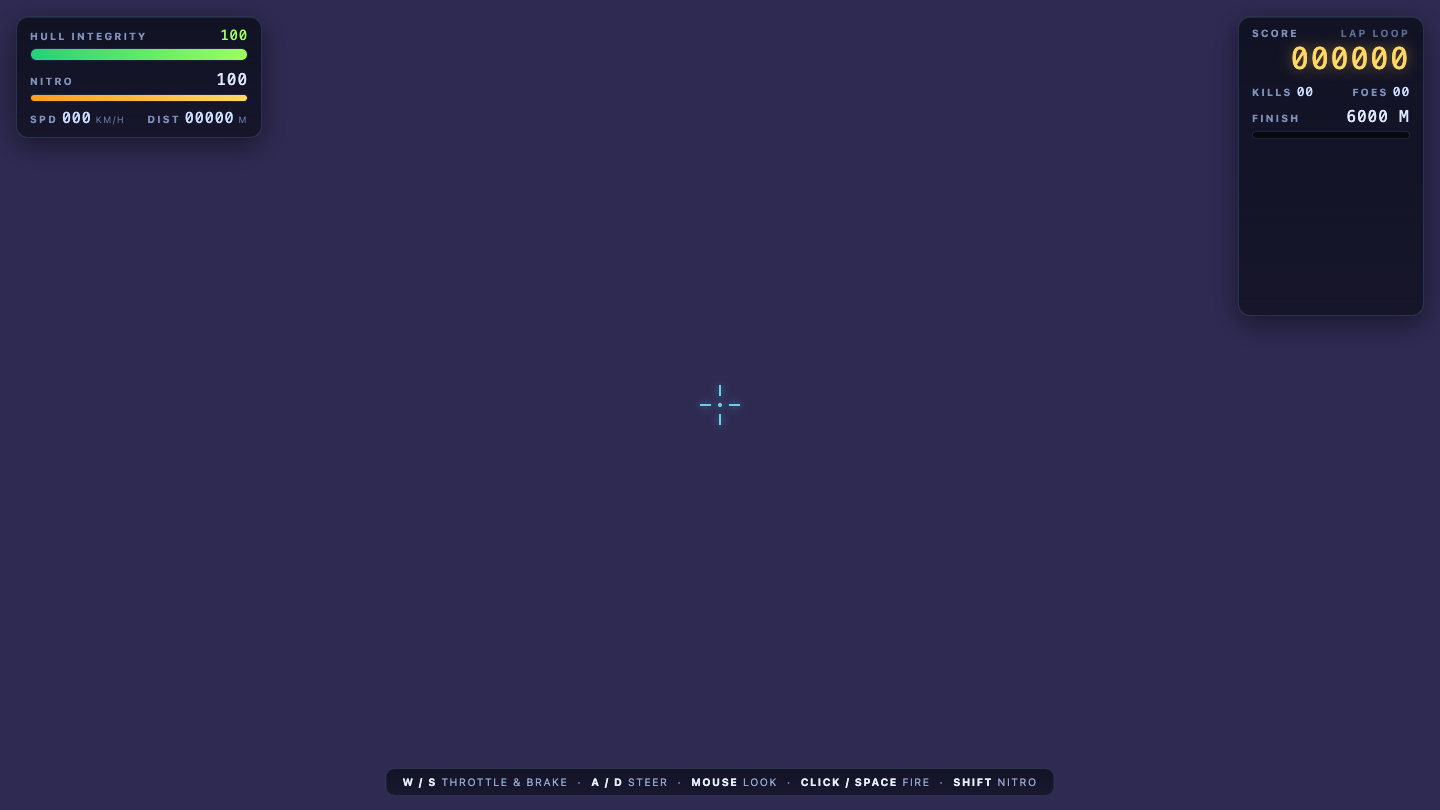
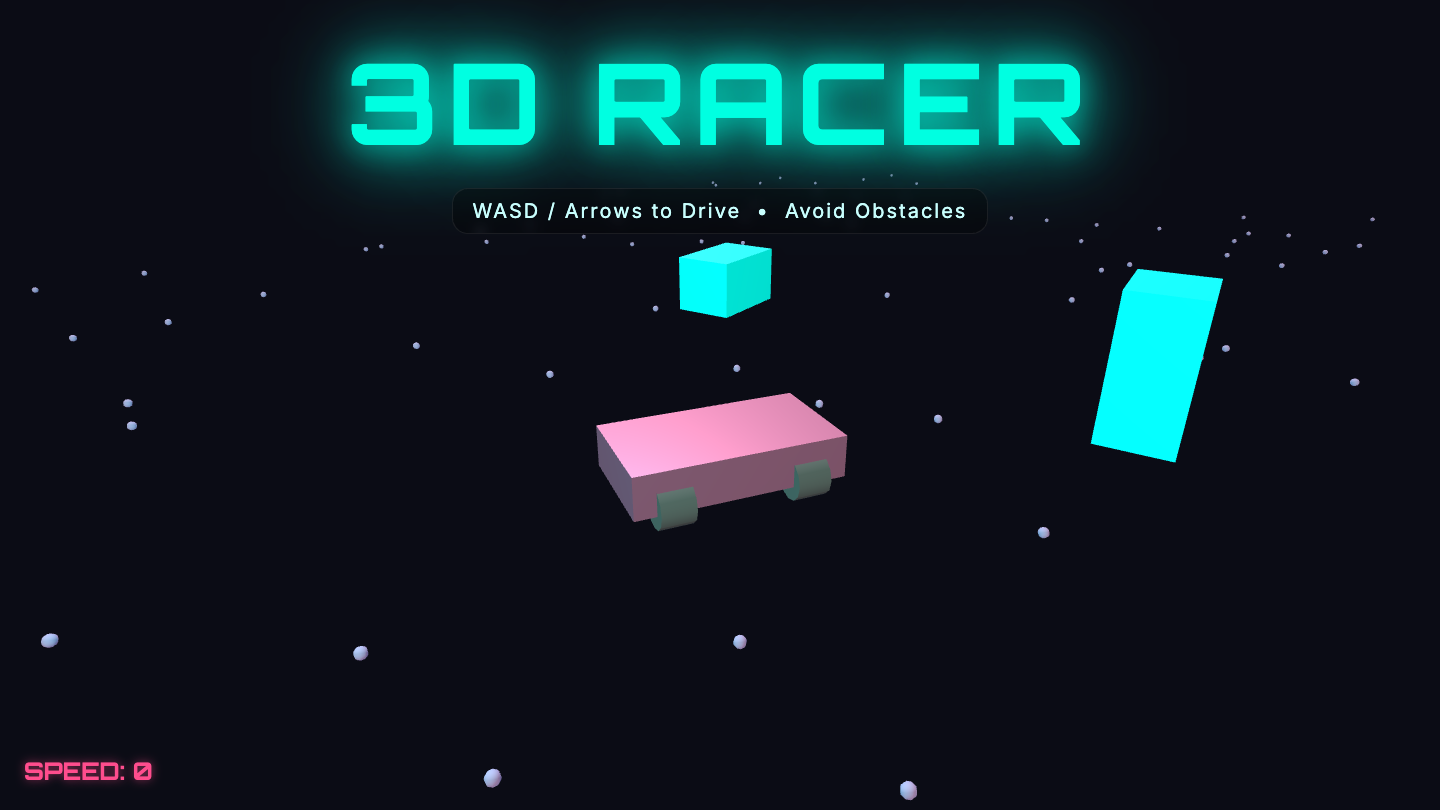
Click any cell to play that model's actual one-shot attempt. Medals are derived from my 0–10 scores per task (highest = 🥇, second = 🥈, third = 🥉).
Task ↓
MiMo-V2.6 Pro
Inkling
Game
Game
Game
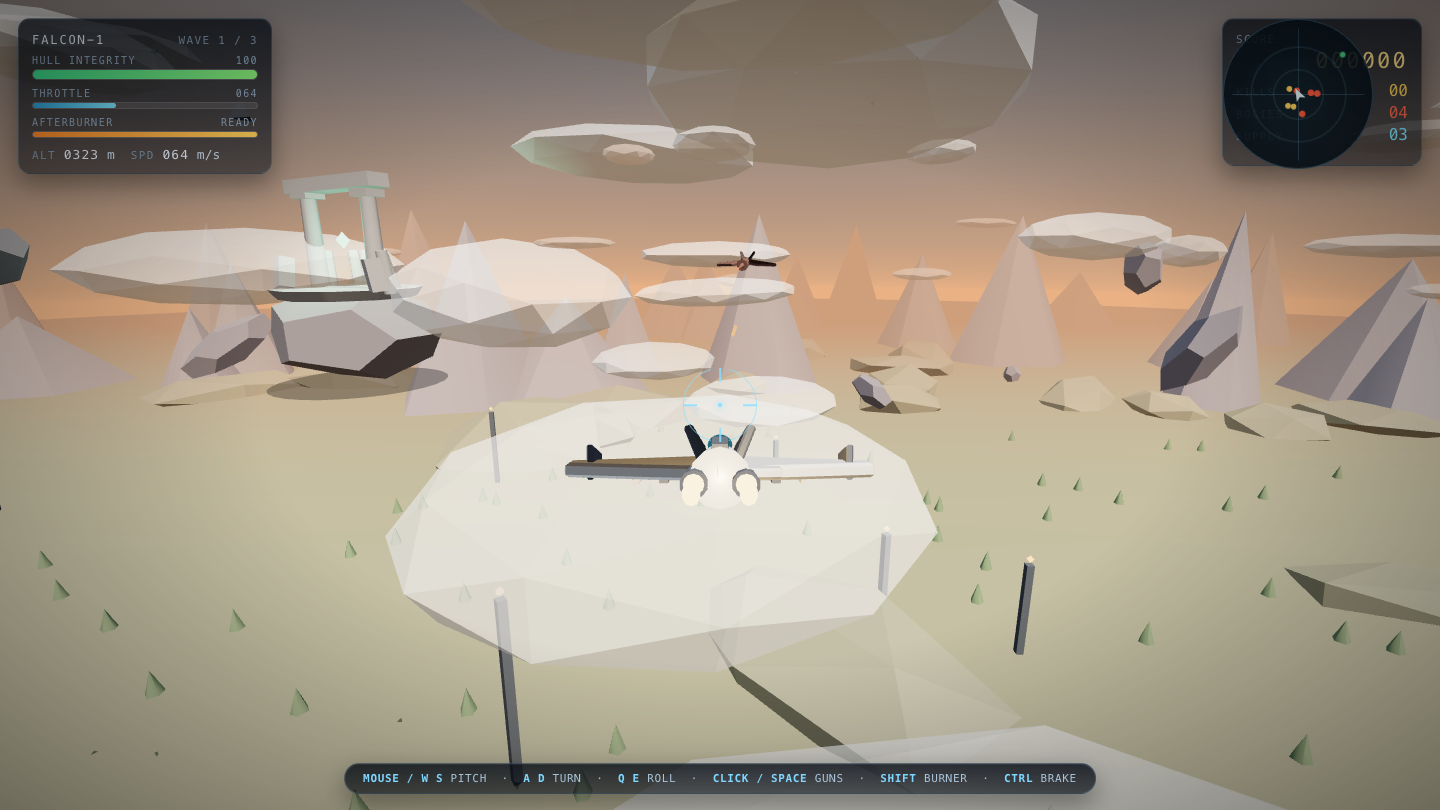
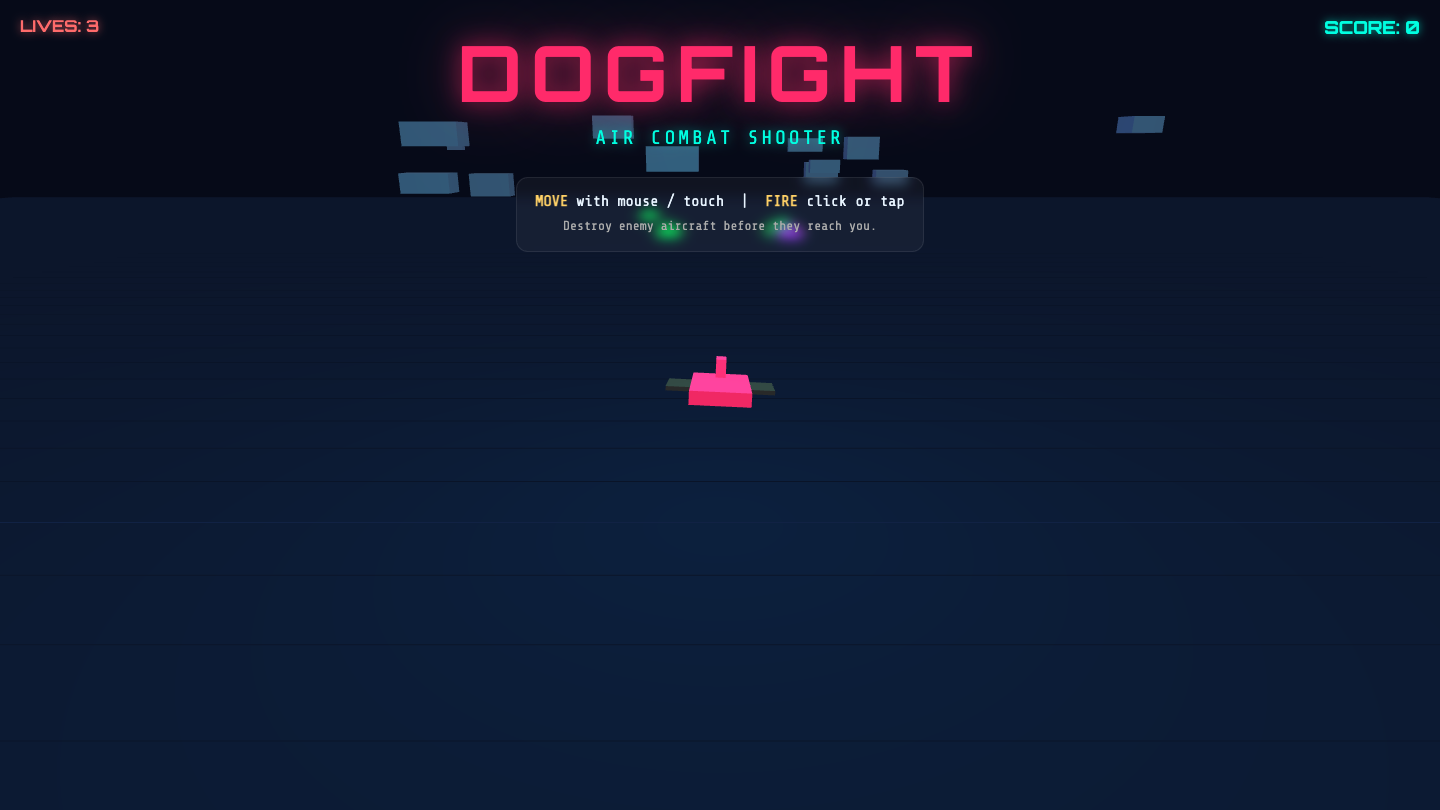
Game
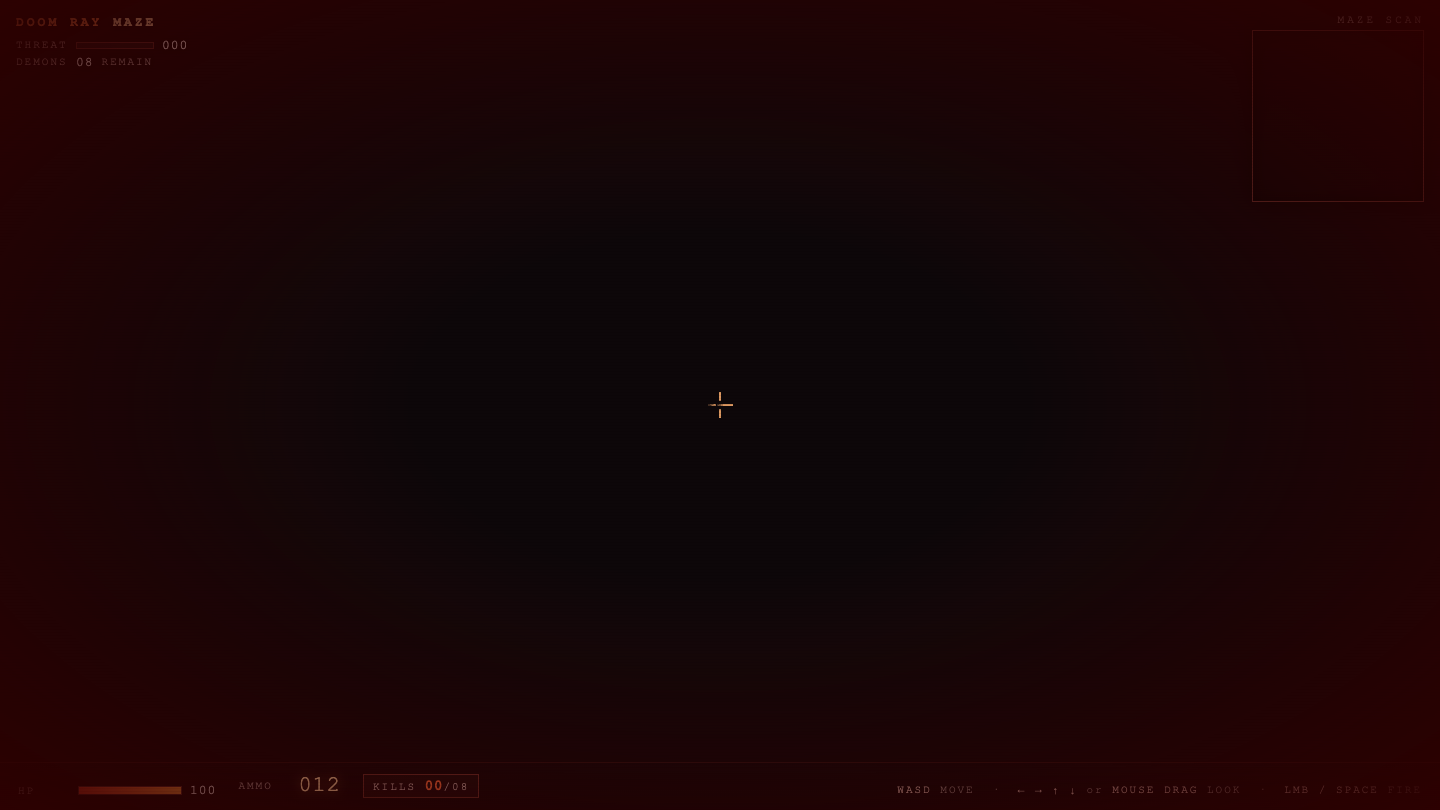
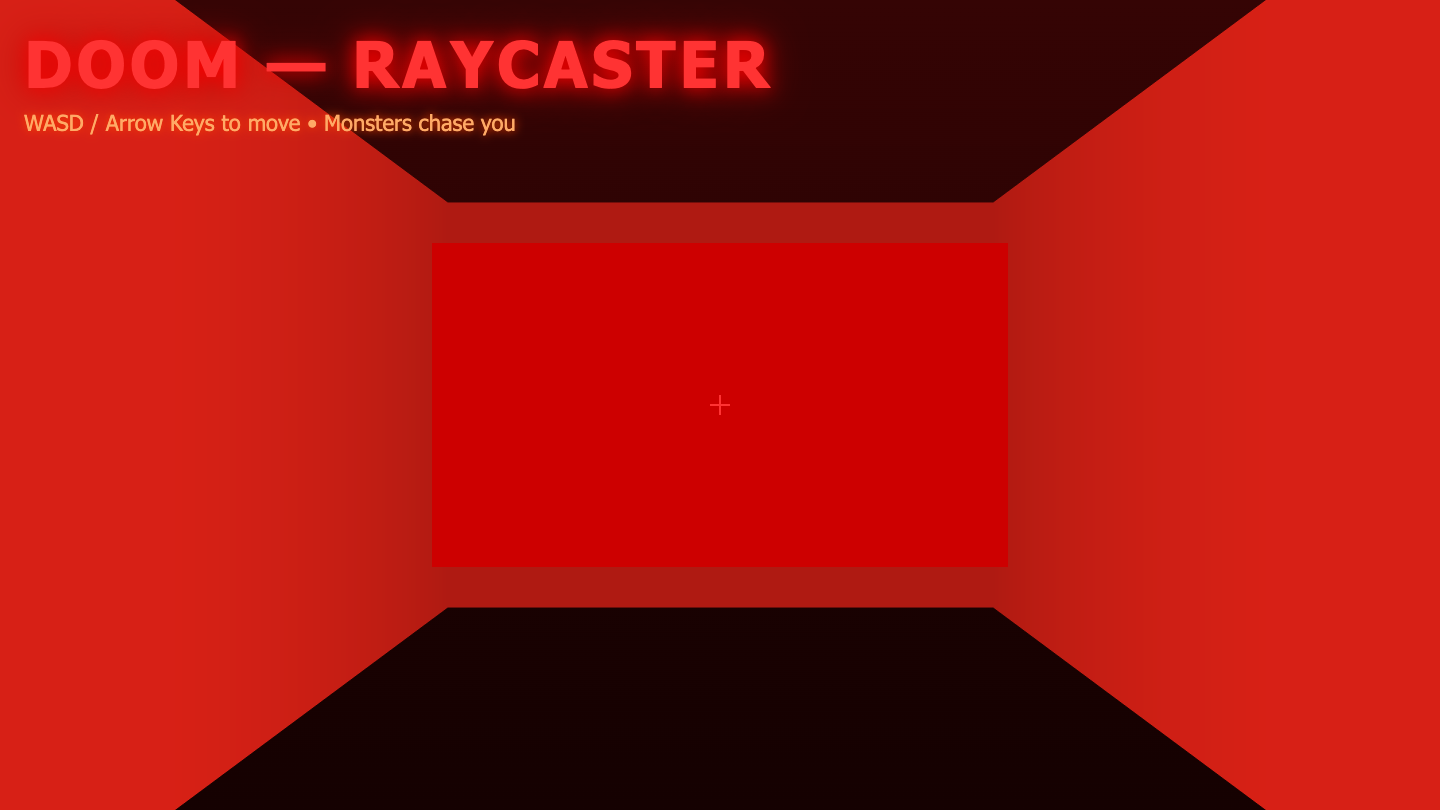
Game
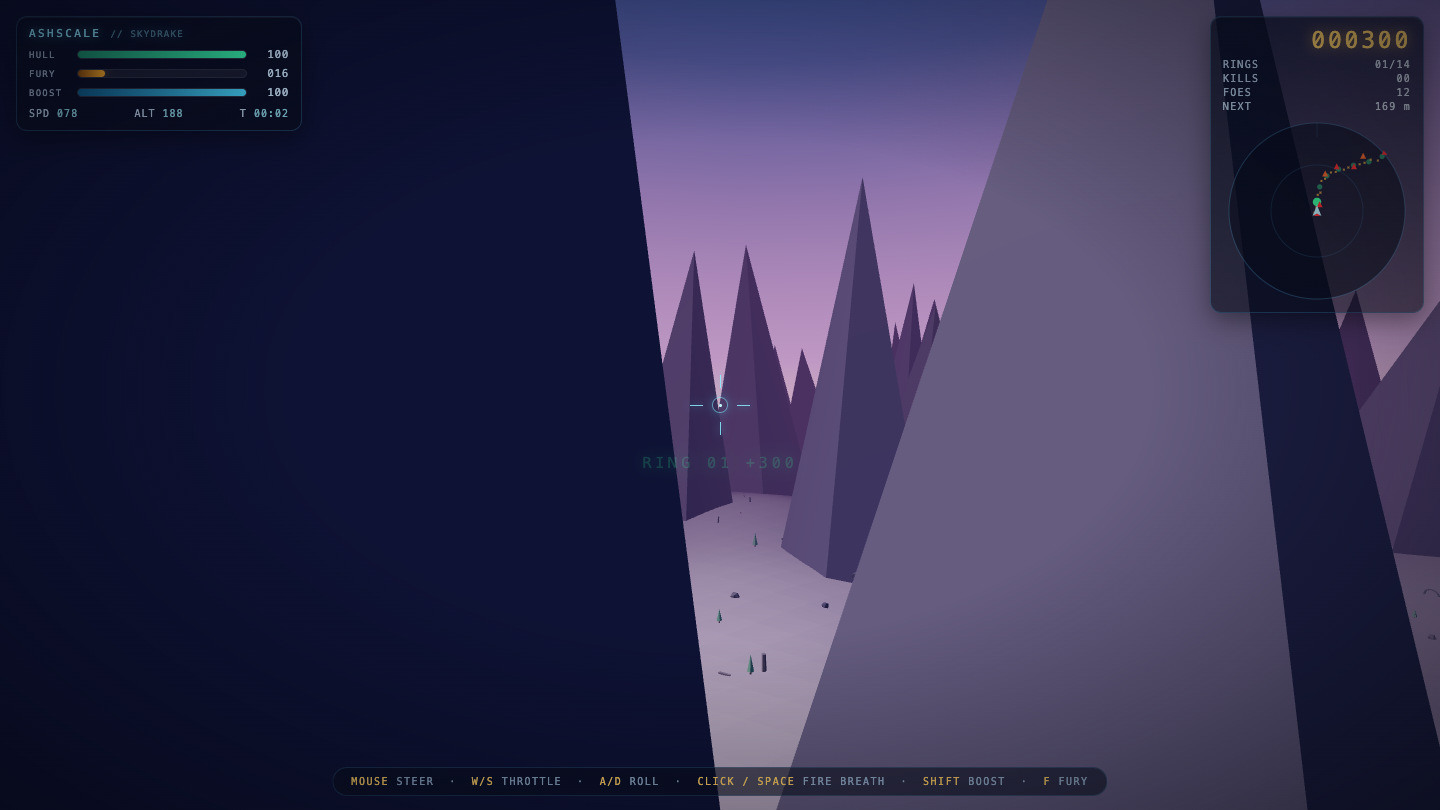
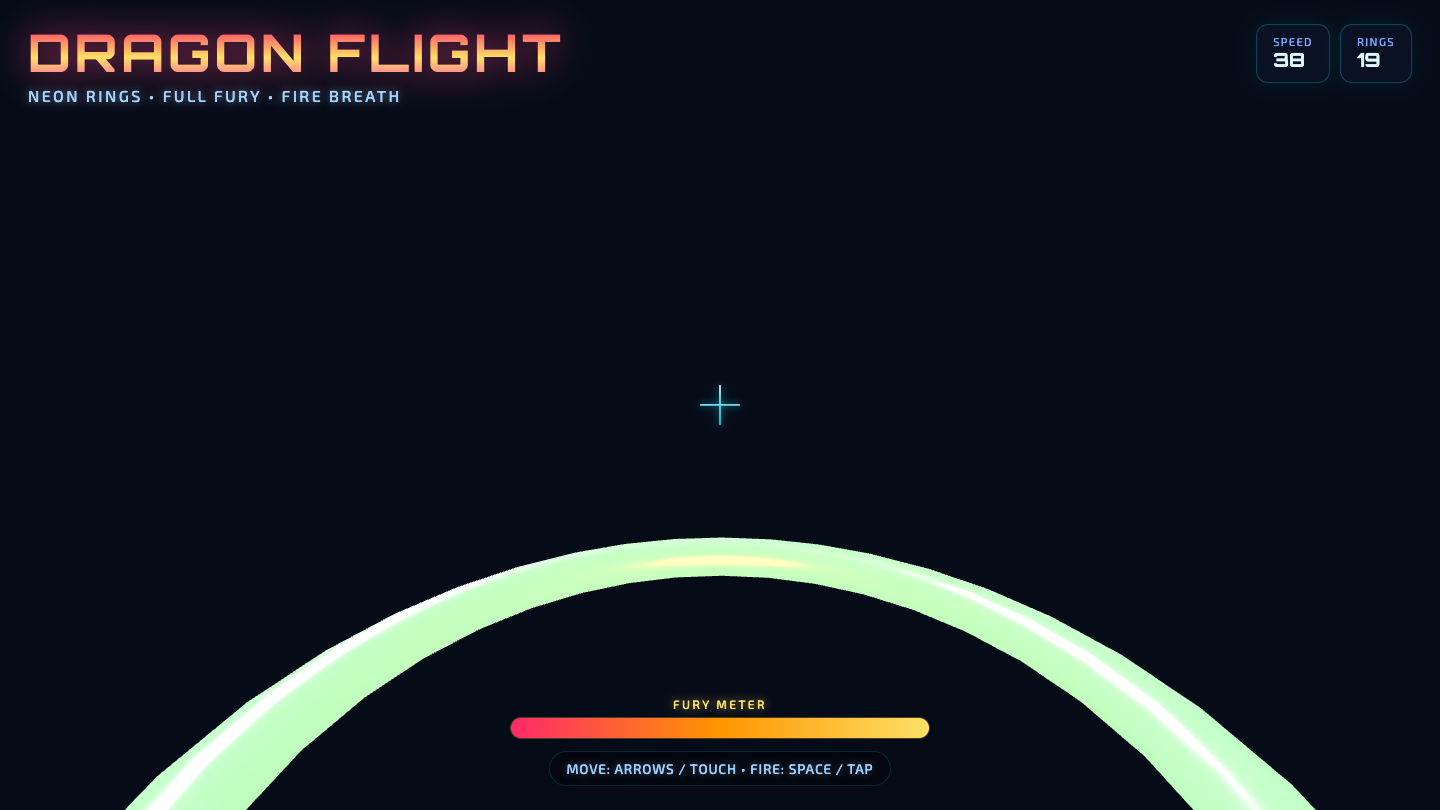
Game
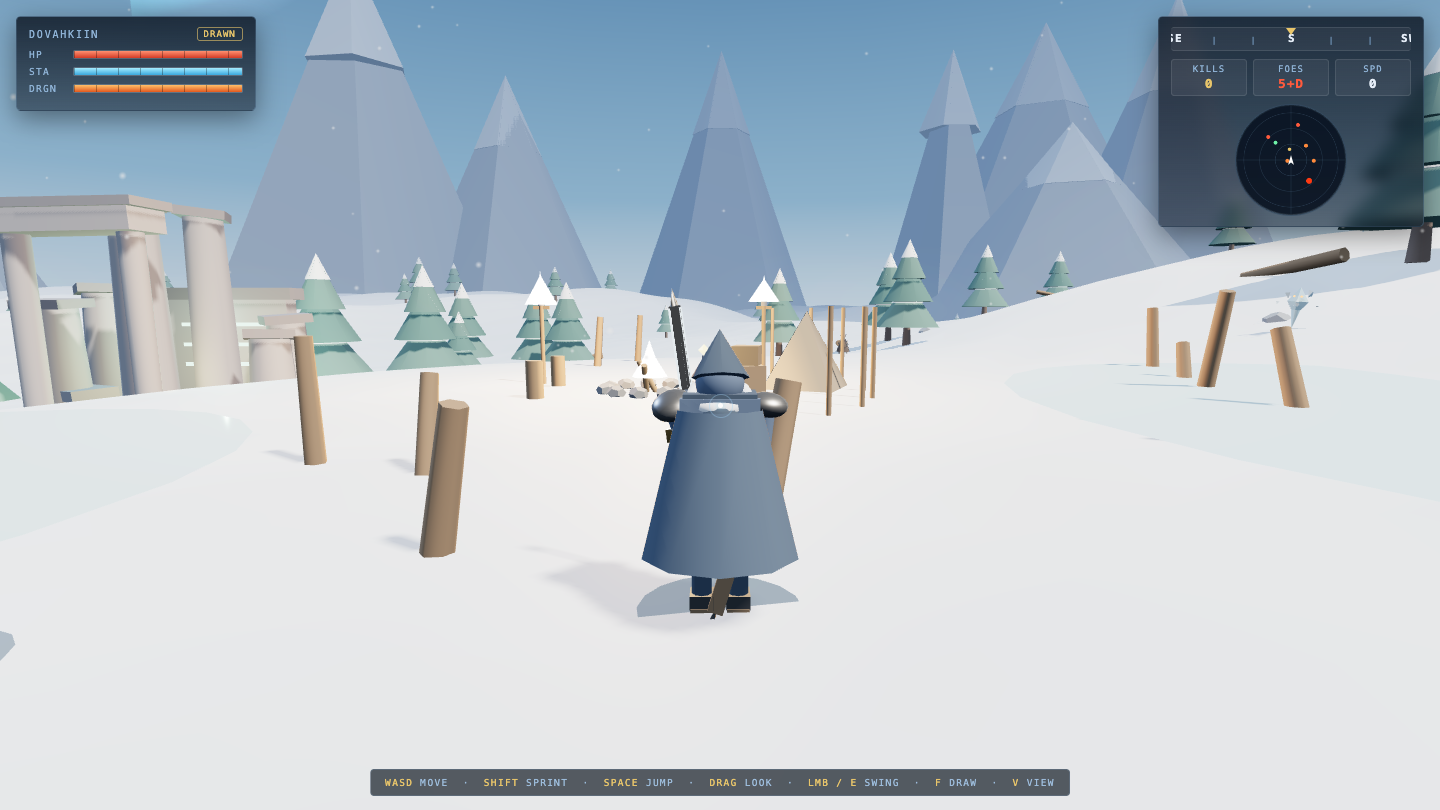
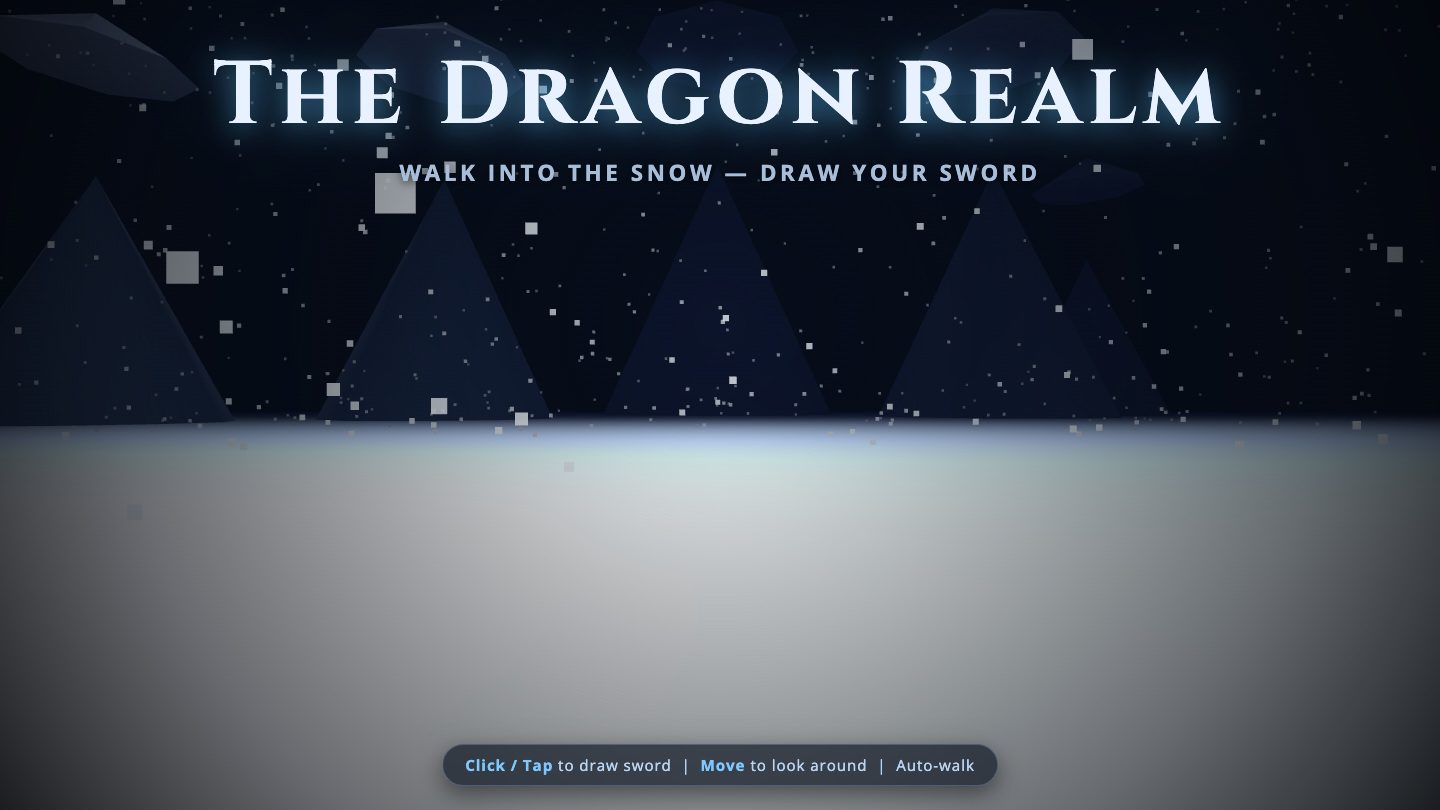
Game
Game
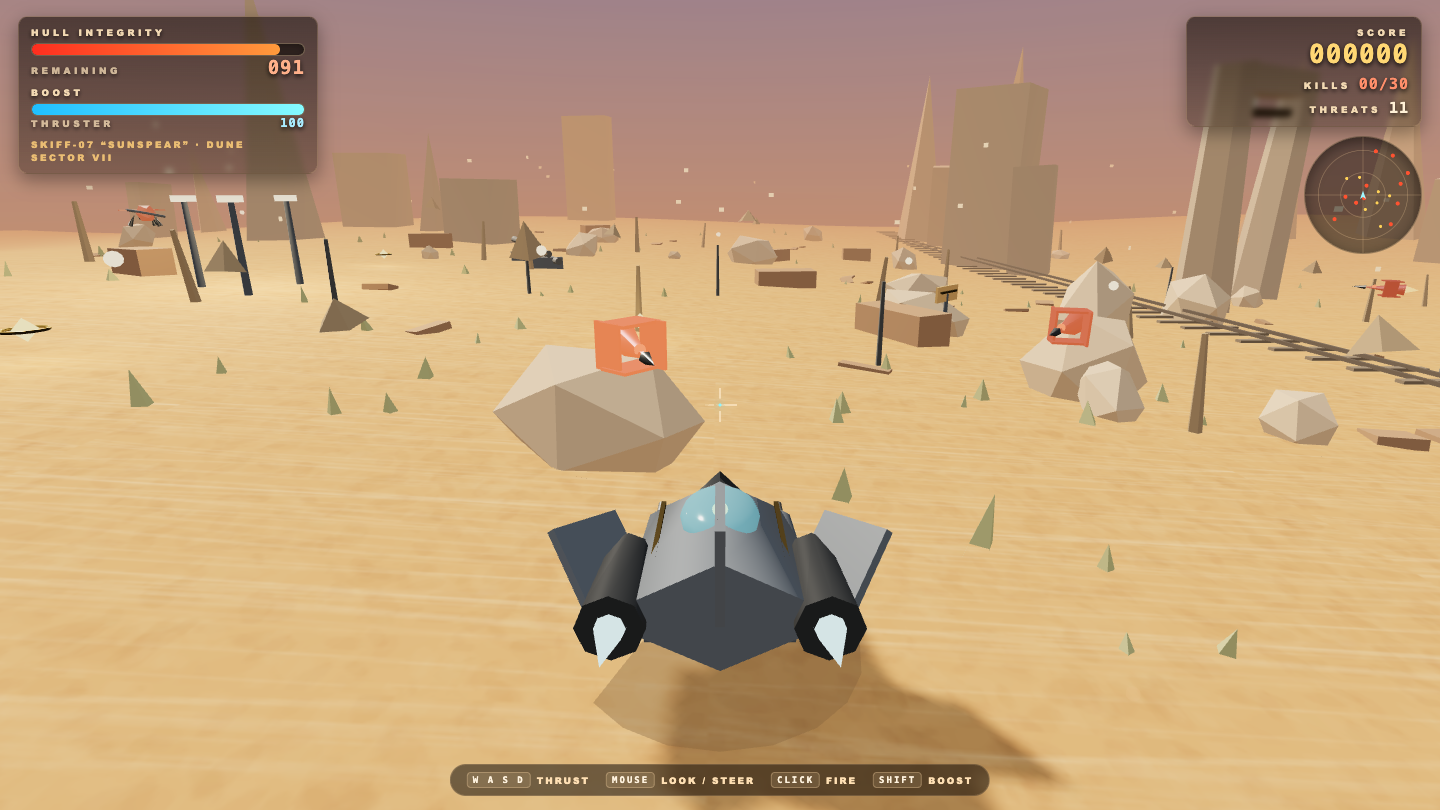
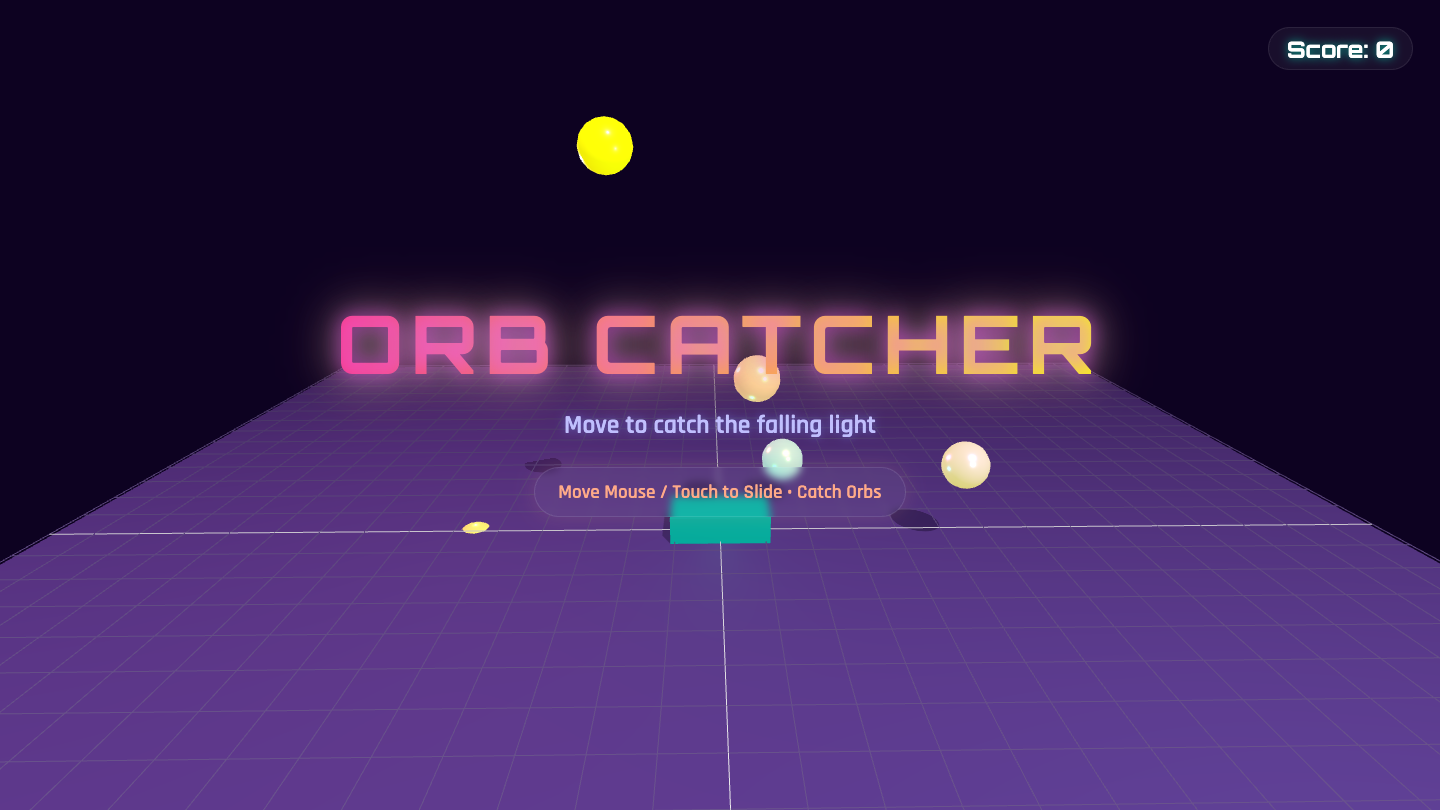
Game
Game
Game
Game
Game
Game
Game
Game
Game
Game
Game
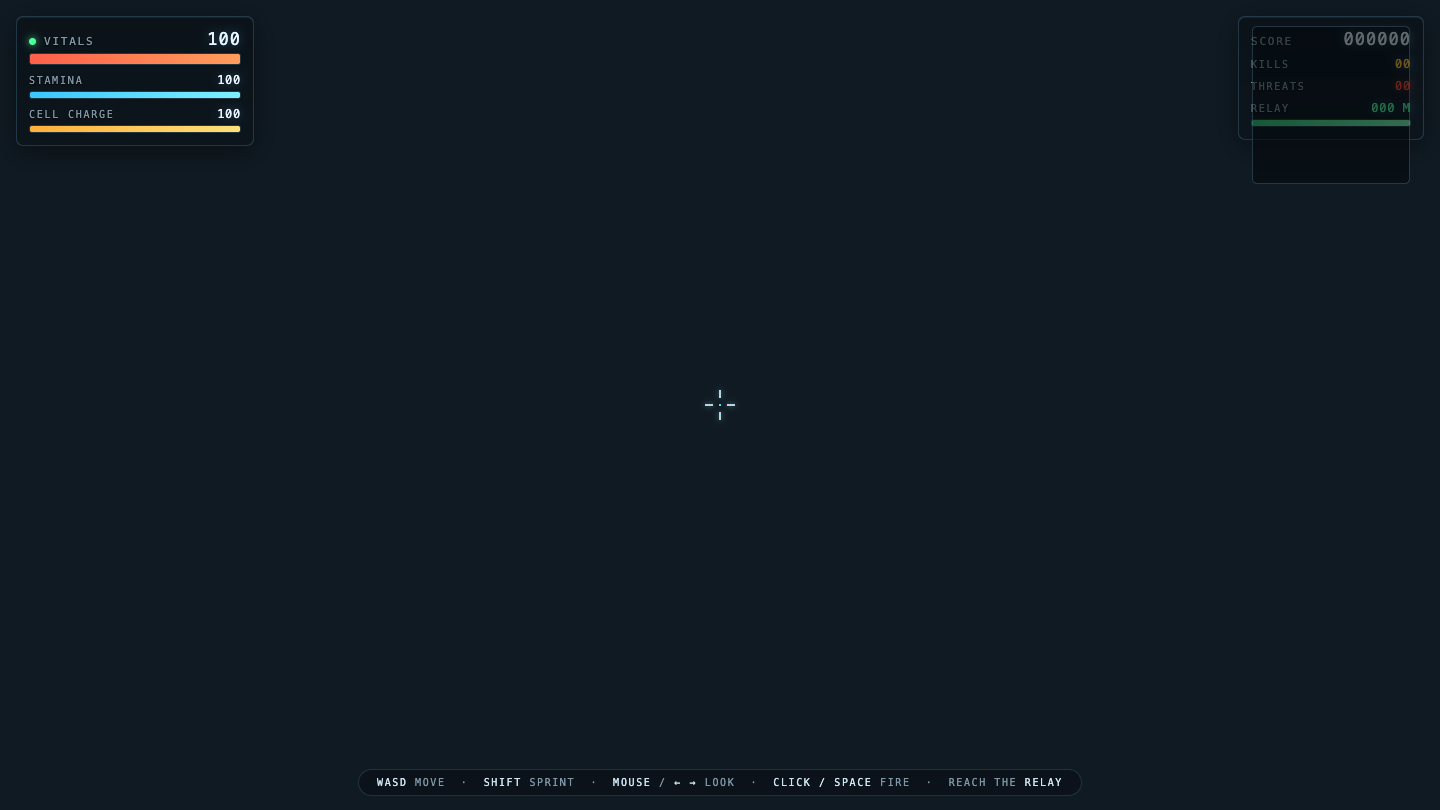
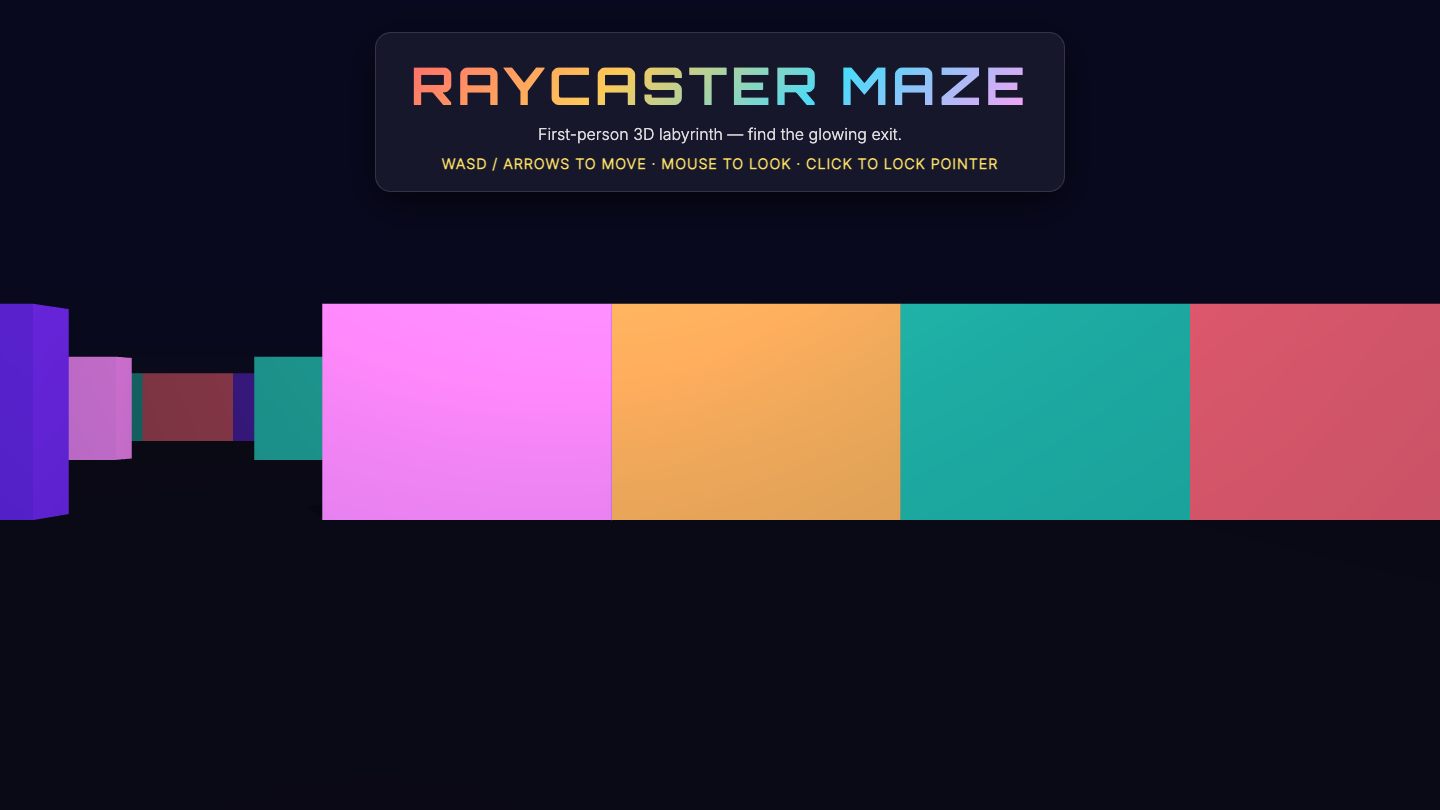
Game
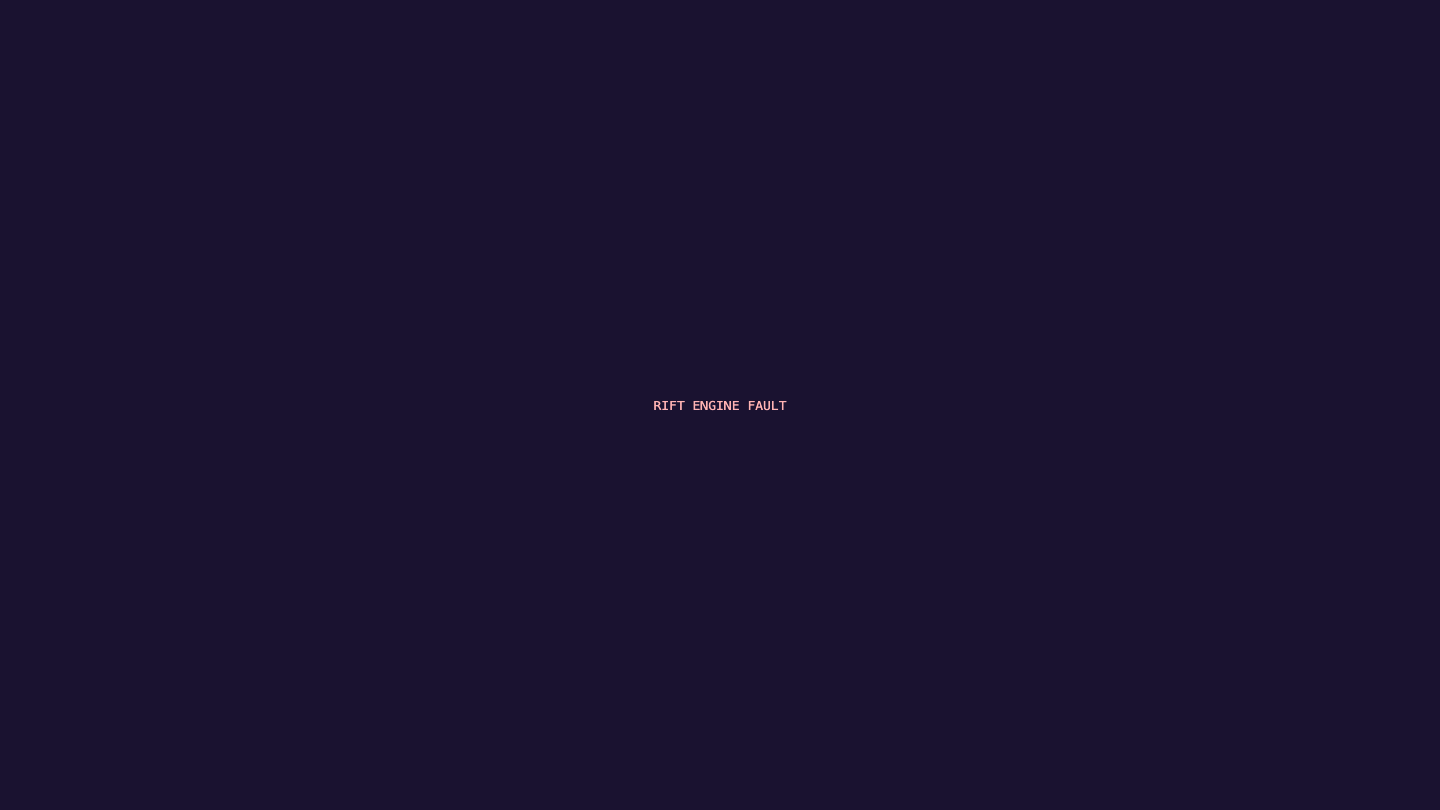
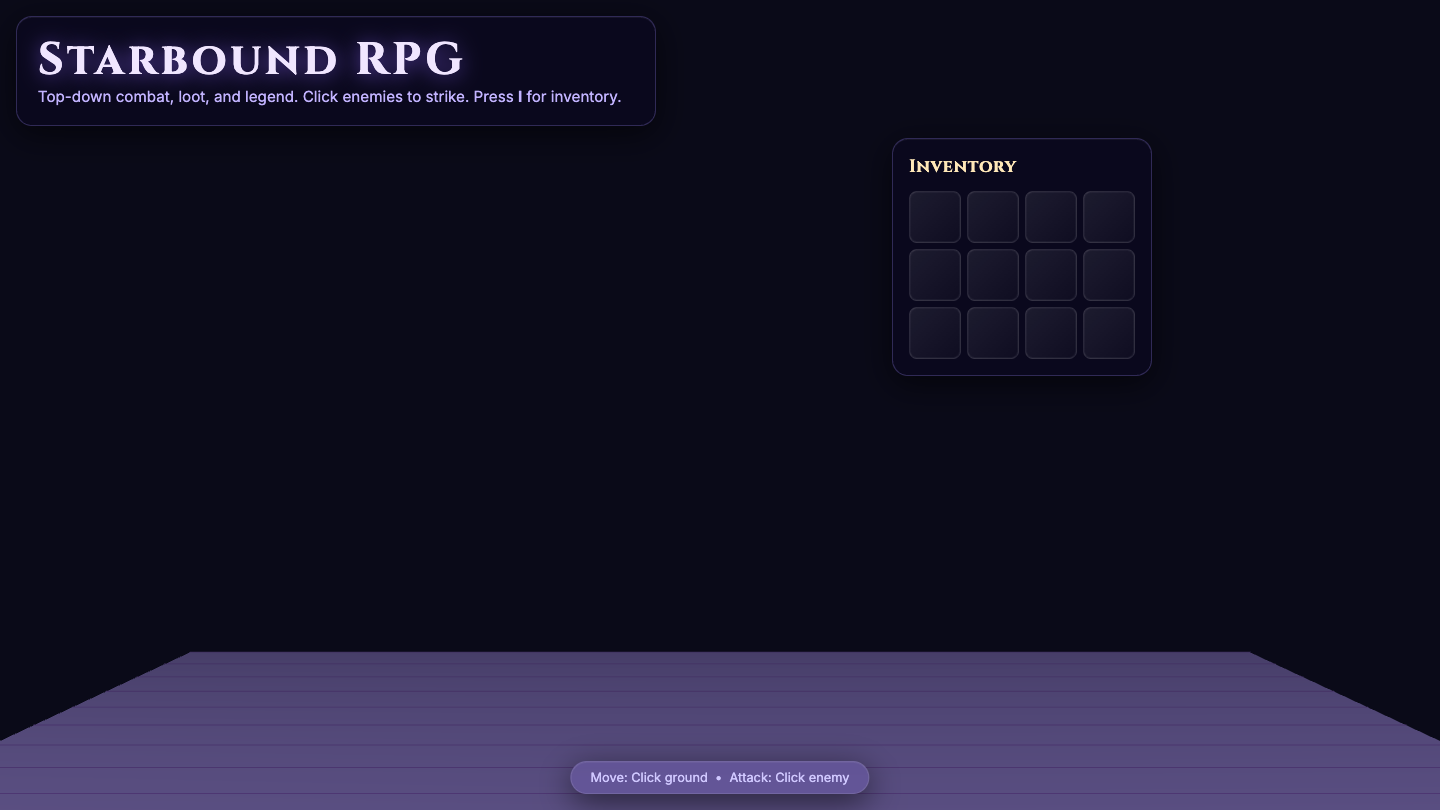
Game
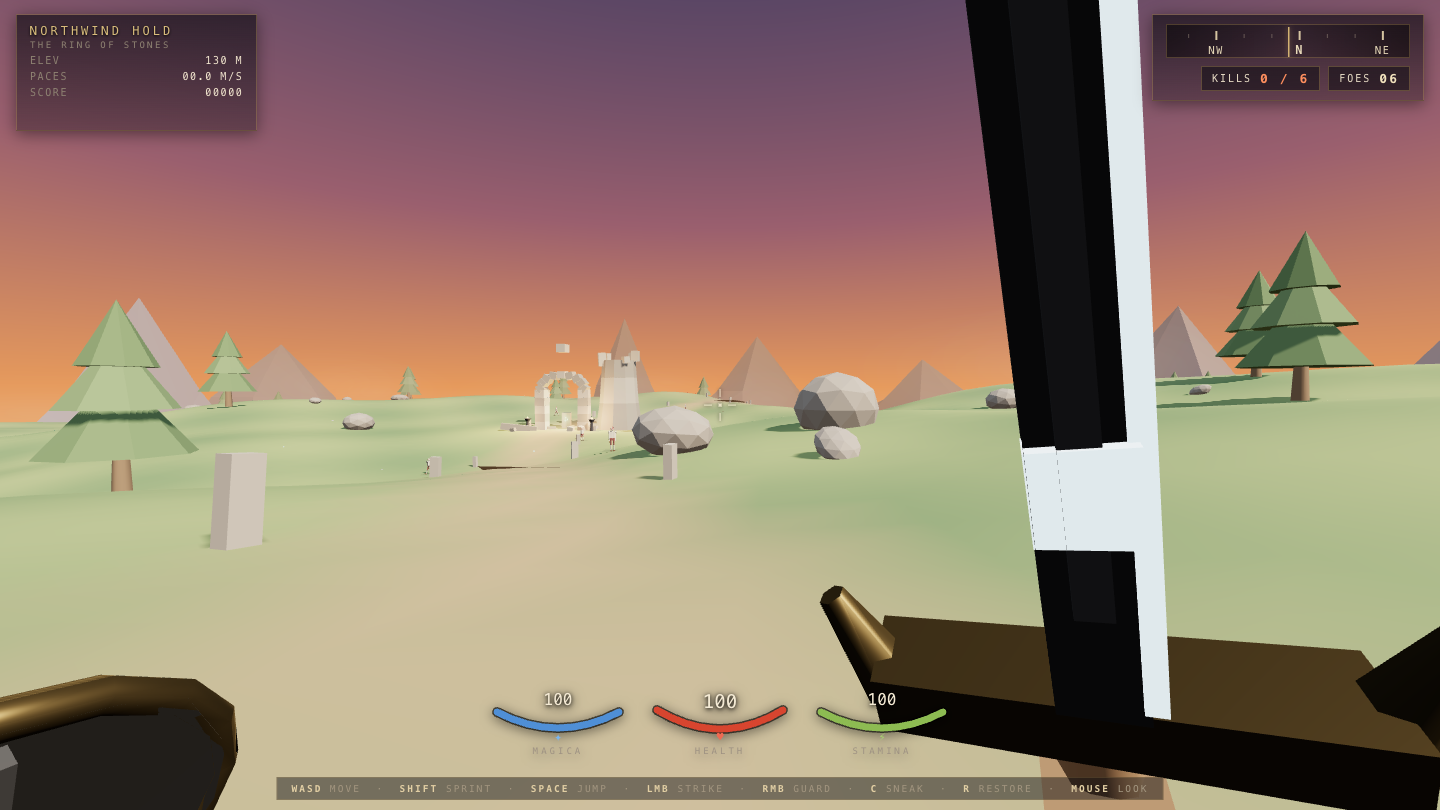
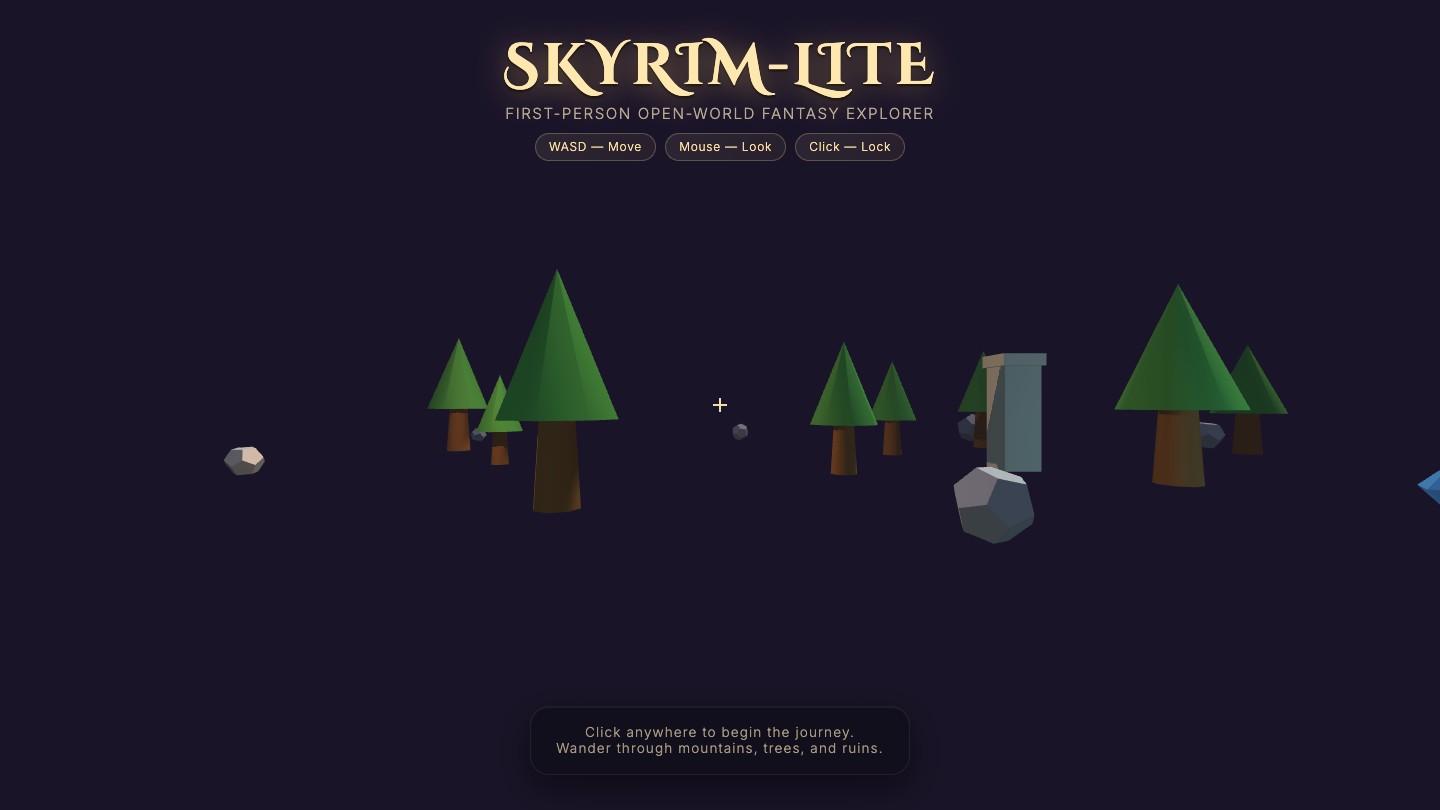
Game
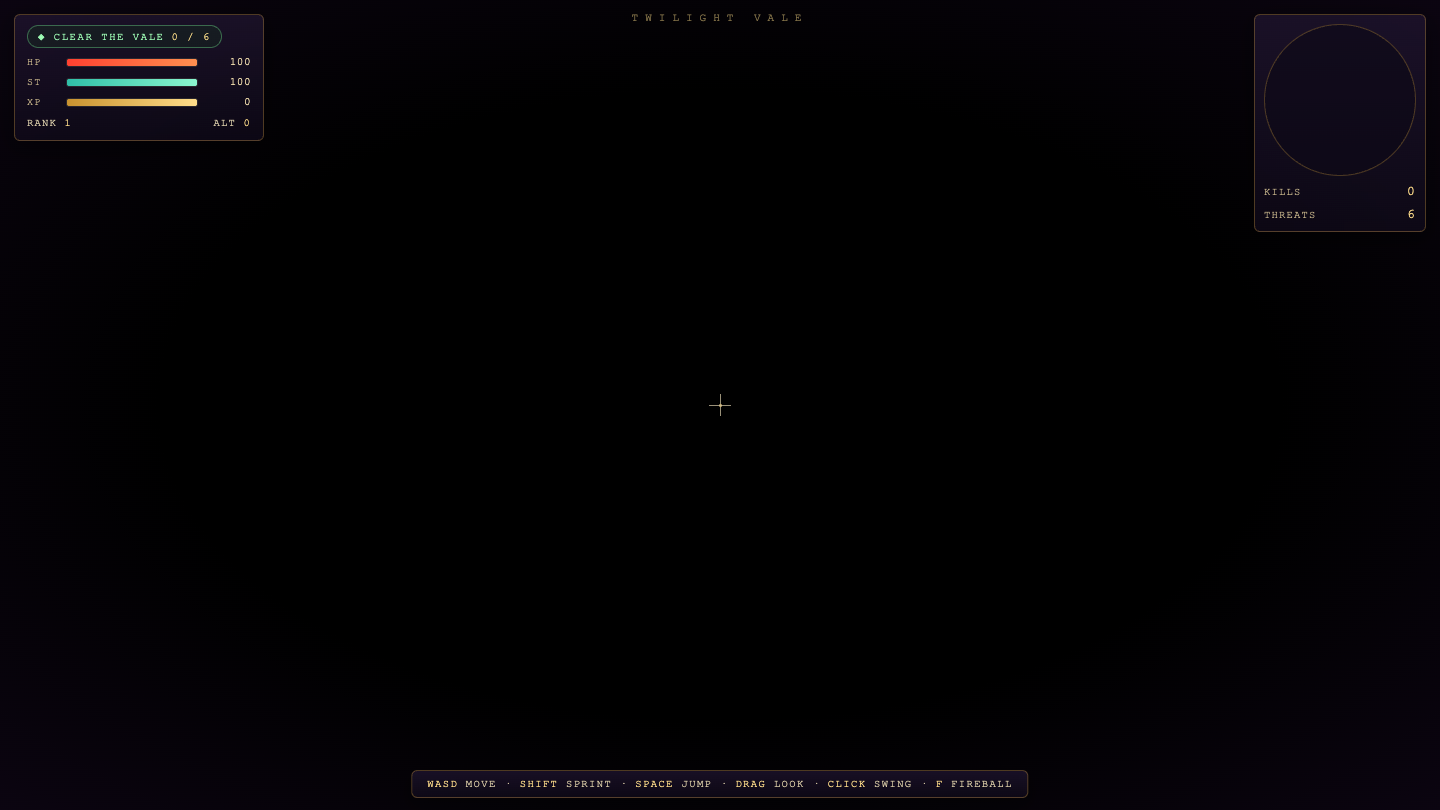
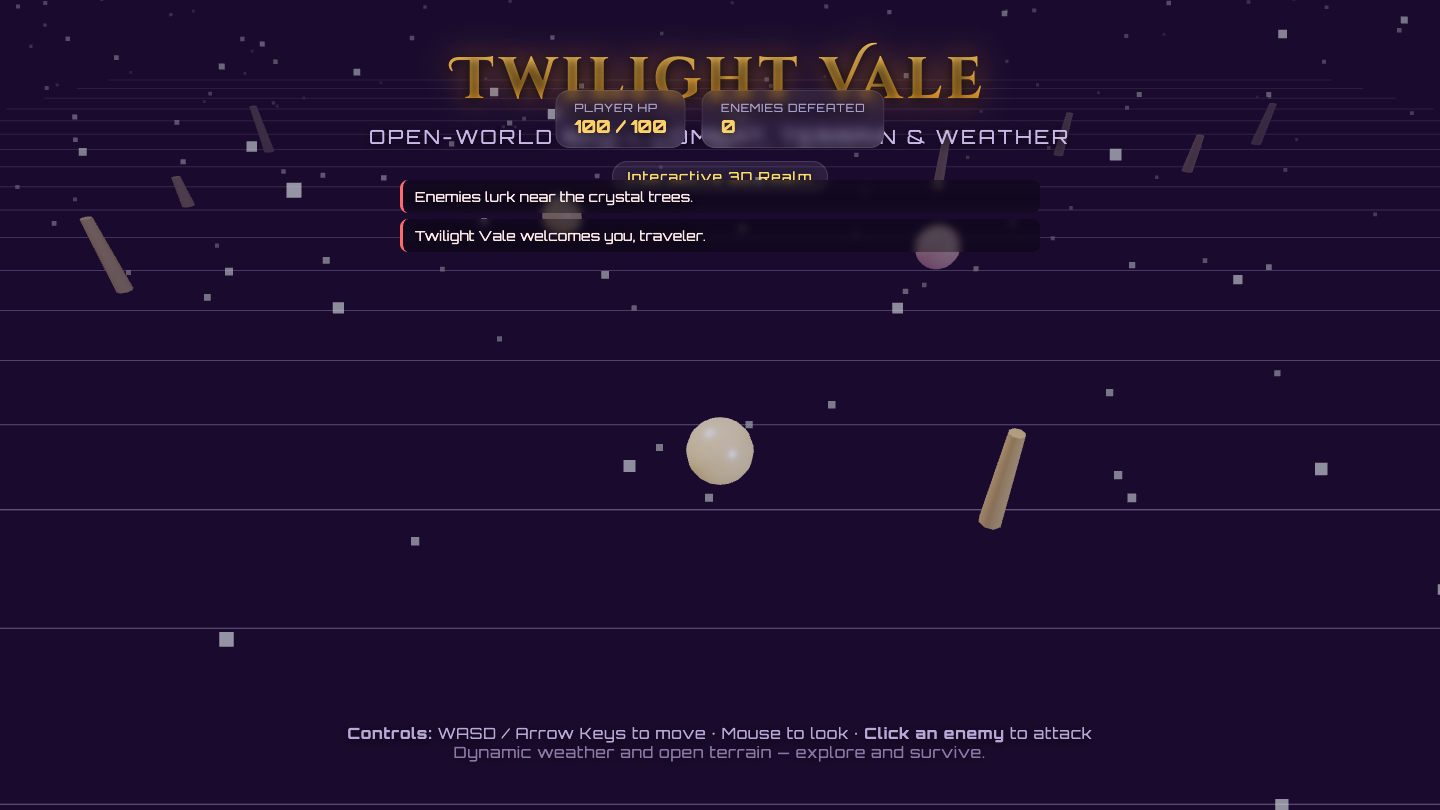
Game
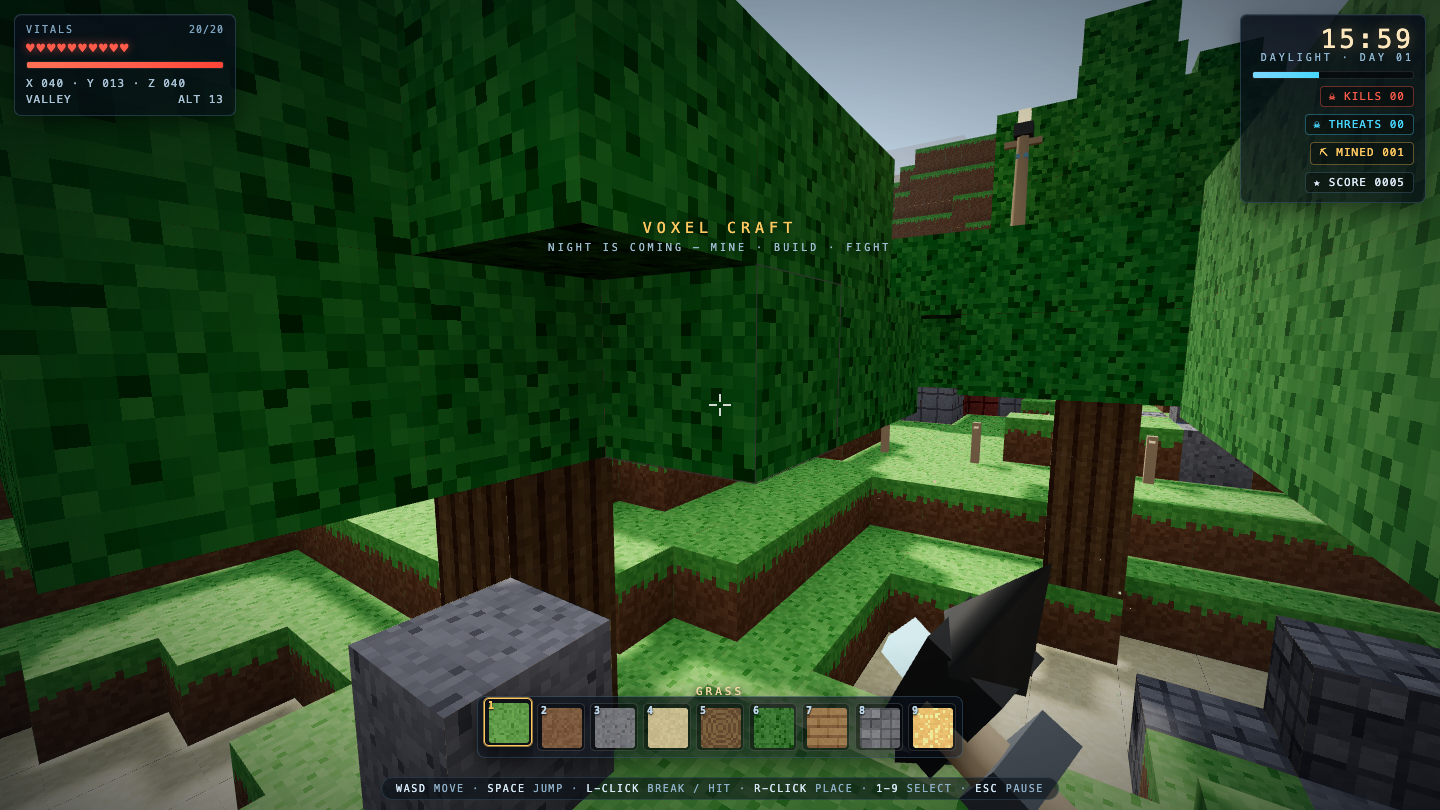
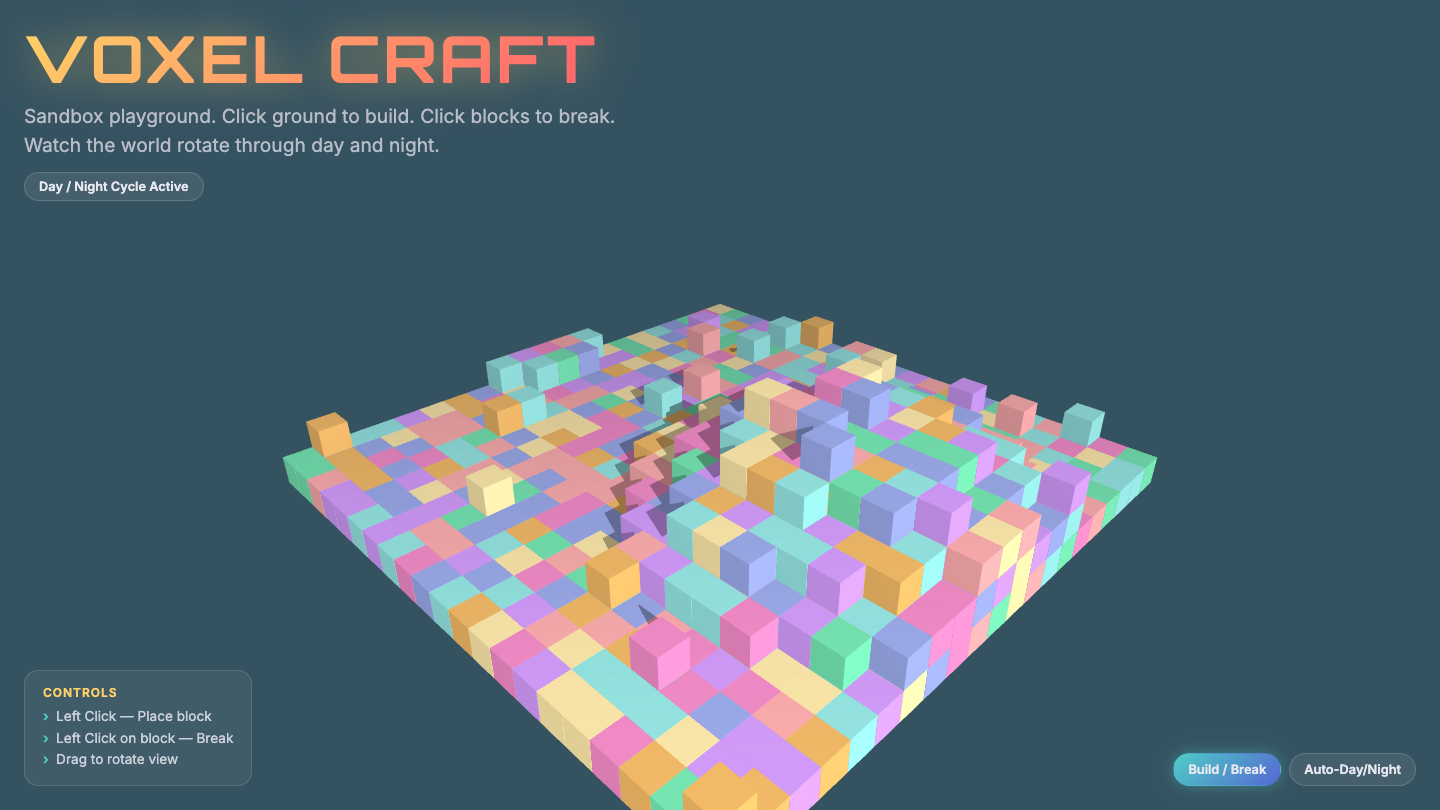
Other
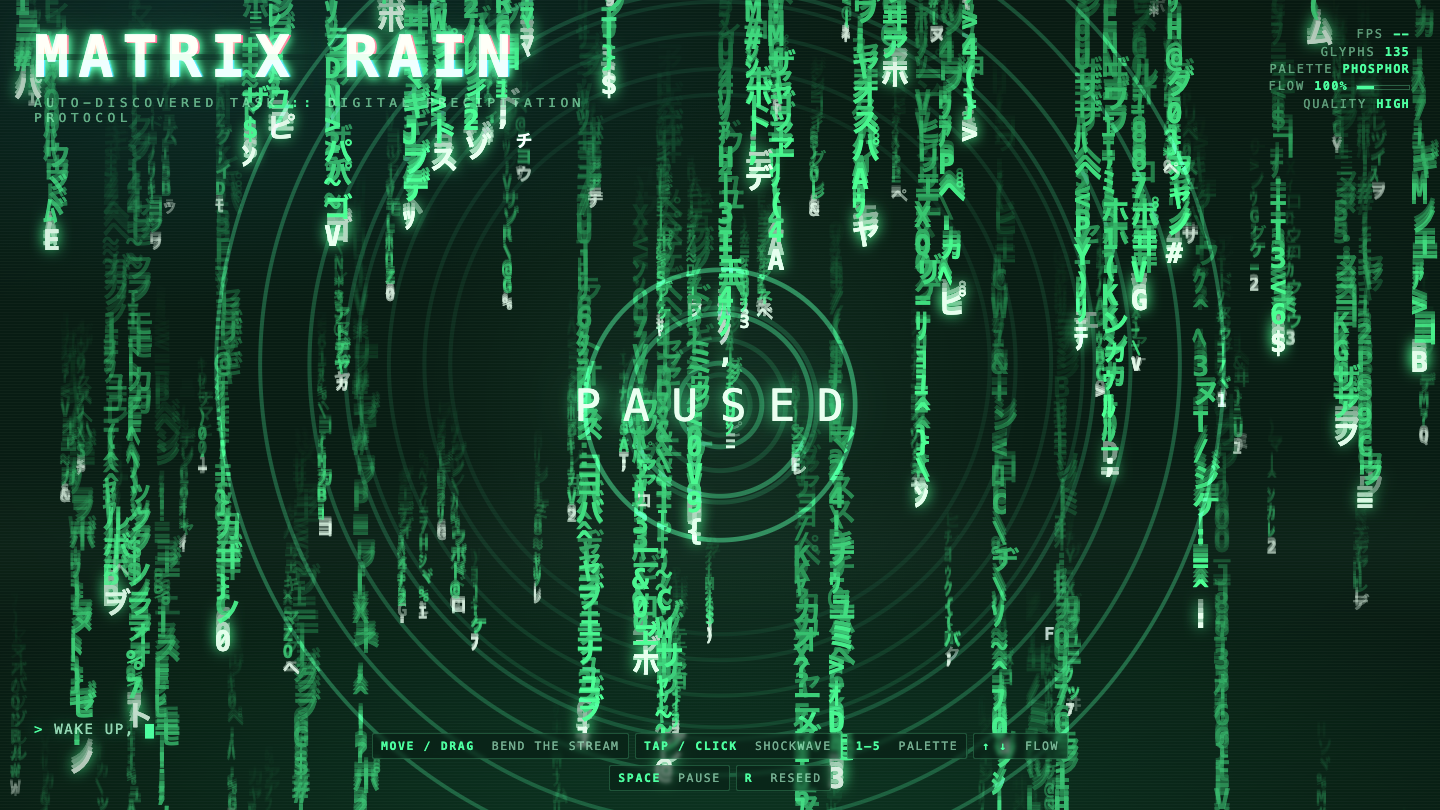
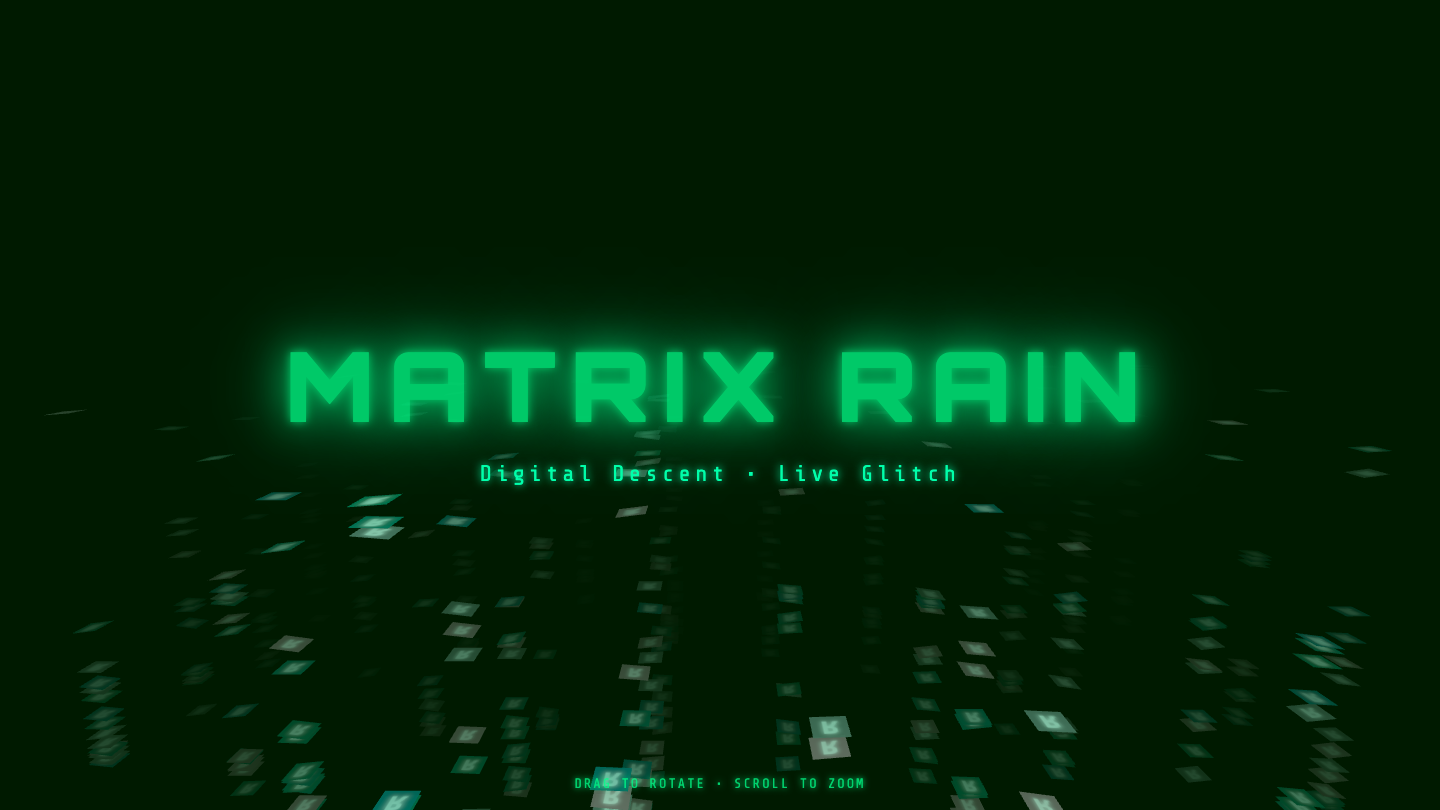
Where MiMo-V2.6 Pro beat Inkling
The tasks where I gave MiMo-V2.6 Pro a higher 0–10 score on the same prompt — with the actual commentary from my source guides.
Blackhole
Sim
MiMo-V2.6 Pro 9.0
·
Inkling 2.3
(+6.7)
· physically-accurate lensing
What I saw: Stunning null-geodesic ray-traced render with convincing photon ring, Doppler-beamed disk warping over/under the shadow, and a swirling lensed starfield — the physics HUD (photon sphere, ISCO, critical curve) is grounded and the whole thing reads at 60fps. Ties the field best; on…
Plasma
Visual
MiMo-V2.6 Pro 8.4
·
Inkling 2.3
(+6.1)
What I saw: Gorgeous GLSL plasma with silky pink/purple flow, glowing crest highlights and a polished palette chip bar plus rich interaction hints (ripple, drag warp, speed, auto-cycle). Slightly narrow color range in this frame keeps it just shy of the top, but it's clearly on-brief and shippable.
Reactiondiff
Sim
MiMo-V2.6 Pro 8.6
·
Inkling 3.5
(+5.1)
· GPU Gray-Scott polish
What I saw: Renders a gorgeous, clearly organic Gray-Scott pattern with glowing coral blobs and rings on a GPU sim at 70fps, plus a fully-realized glass control panel with named presets, f/k sliders, palettes and interaction hints. Strong on-brief execution with excellent visual polish; only…
Cloth
Sim
MiMo-V2.6 Pro 8.4
·
Inkling 3.5
(+4.9)
What I saw: Convincing Verlet drape with believable folds and tension around the box, sphere bulge, and a small orange sphere peeking out; strong lighting/shadows and textured cloth. Slightly overexposed washed-out cloth and missing HUD in the shot keep it just under the field's best.
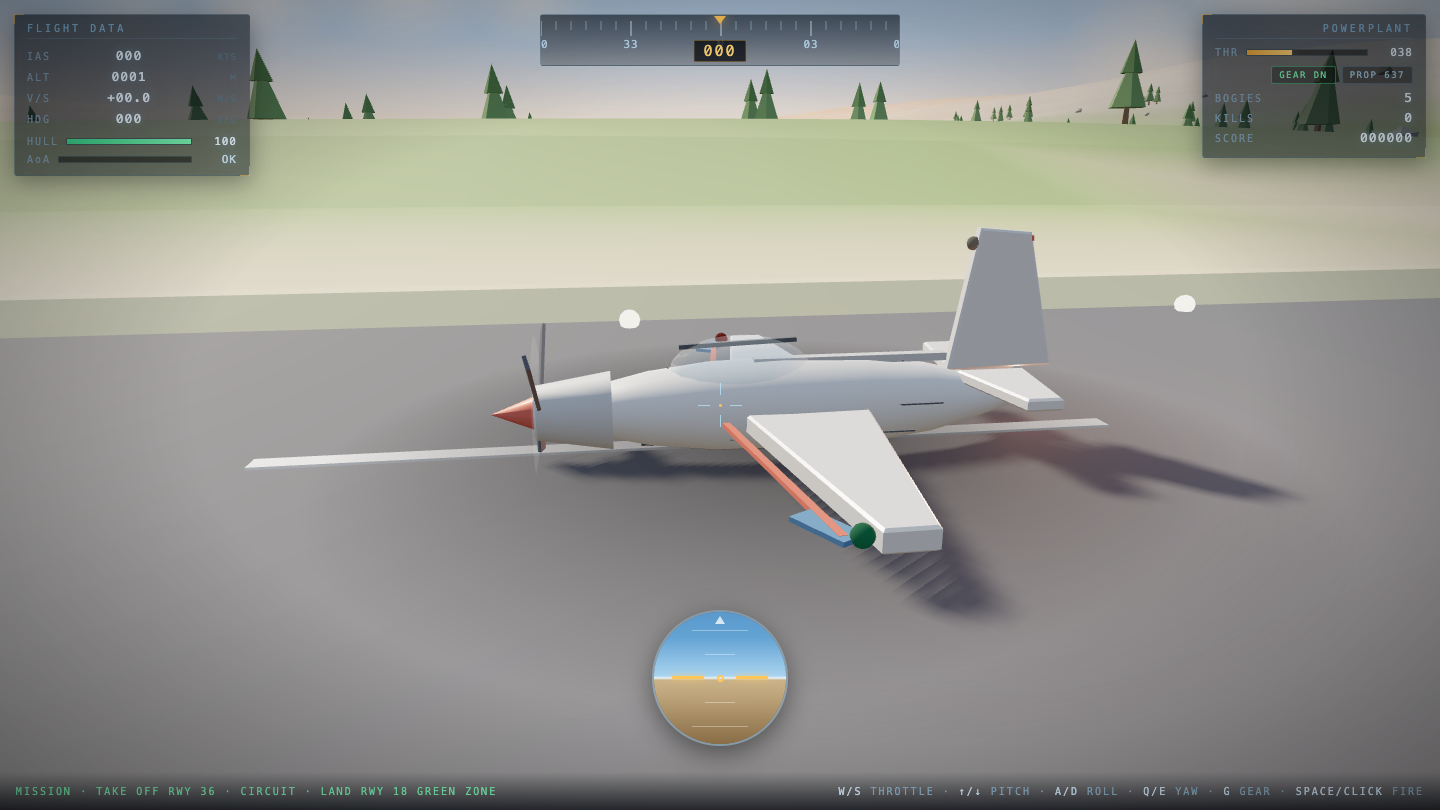
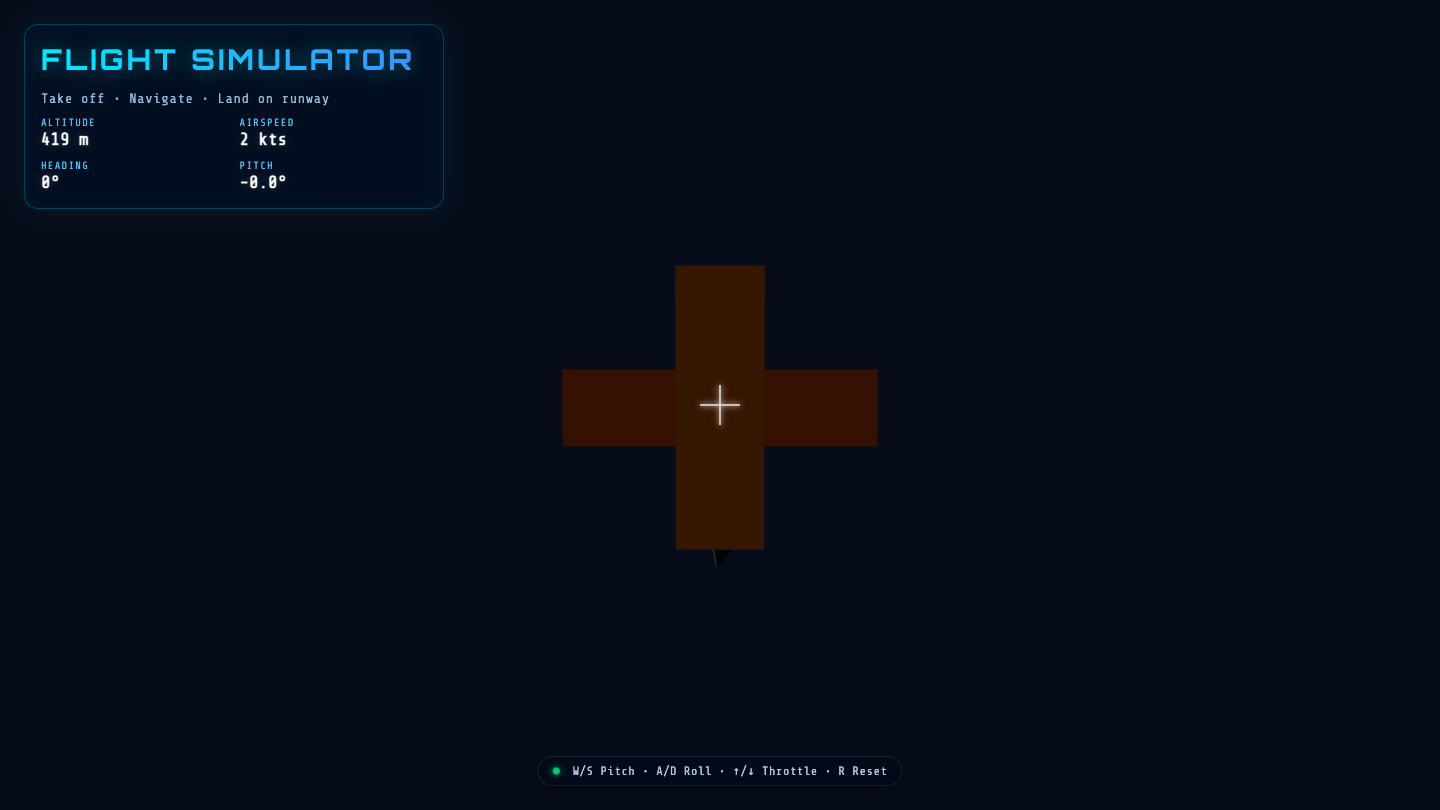
Flightsim
Game
MiMo-V2.6 Pro 8.4
·
Inkling 3.5
(+4.9)
What I saw: Strong render with a detailed 3D aircraft, textured terrain with trees, and a polished full HUD (heading tape, attitude ball, flight data, powerplant, mission strip) that clearly matches the takeoff/circuit/land brief. Slight concern that the model looks slightly odd from this re…
Where Inkling beat MiMo-V2.6 Pro
The tasks where I gave Inkling a higher 0–10 score on the same prompt — with the actual commentary from my source guides.
Solar
Sim
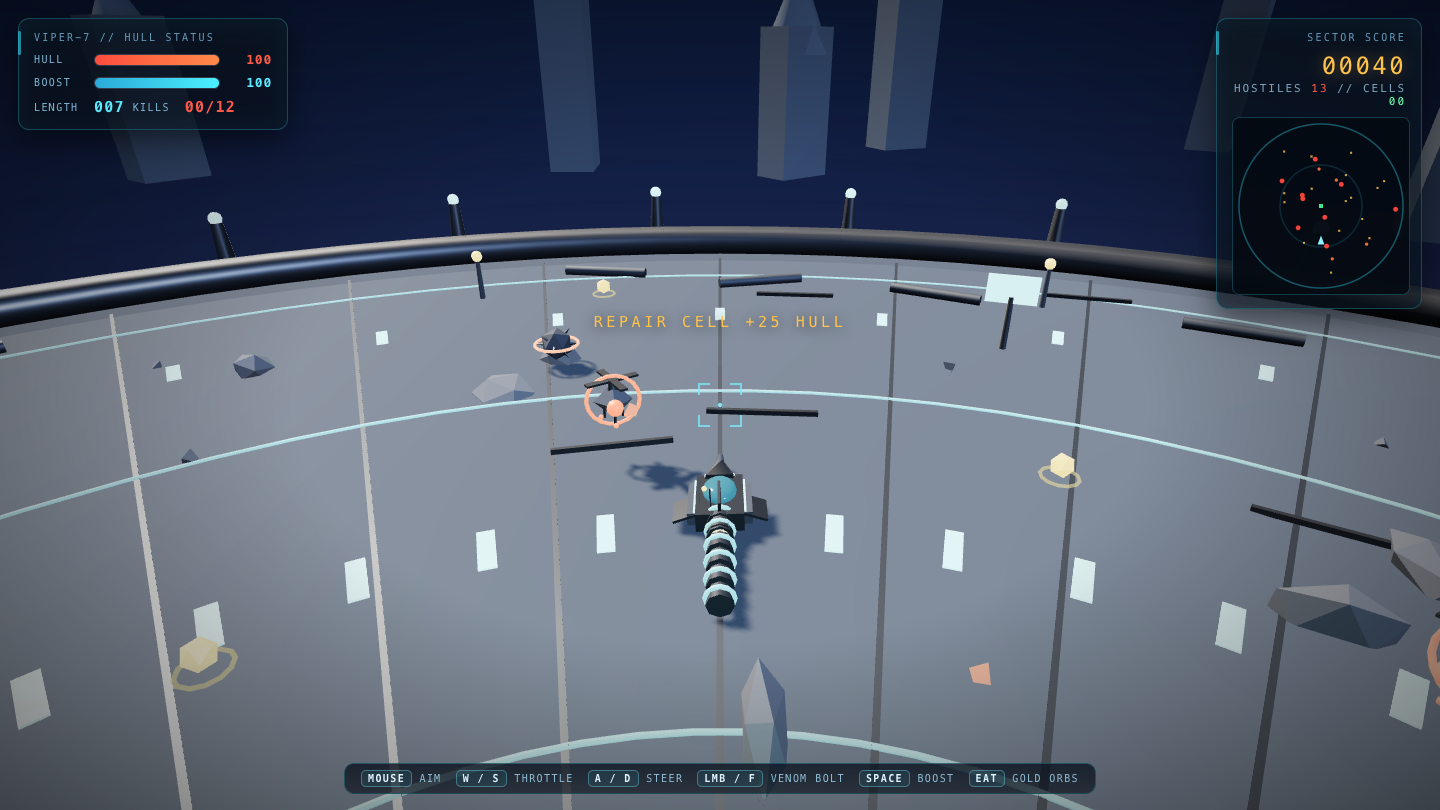
Inkling 6.3
·
MiMo-V2.6 Pro 1.5
(+4.8)
What I saw: Renders cleanly with polished typography, orbit rings, starfield and interactive controls, but the camera framing is broken — the Sun sits off-center, planets aren't clearly the largest bodies, no Saturn rings, and the scale/order reads as a generic sphere scatter rather than an …
Parachute
Game
Inkling 7.2
·
MiMo-V2.6 Pro 3.0
(+4.2)
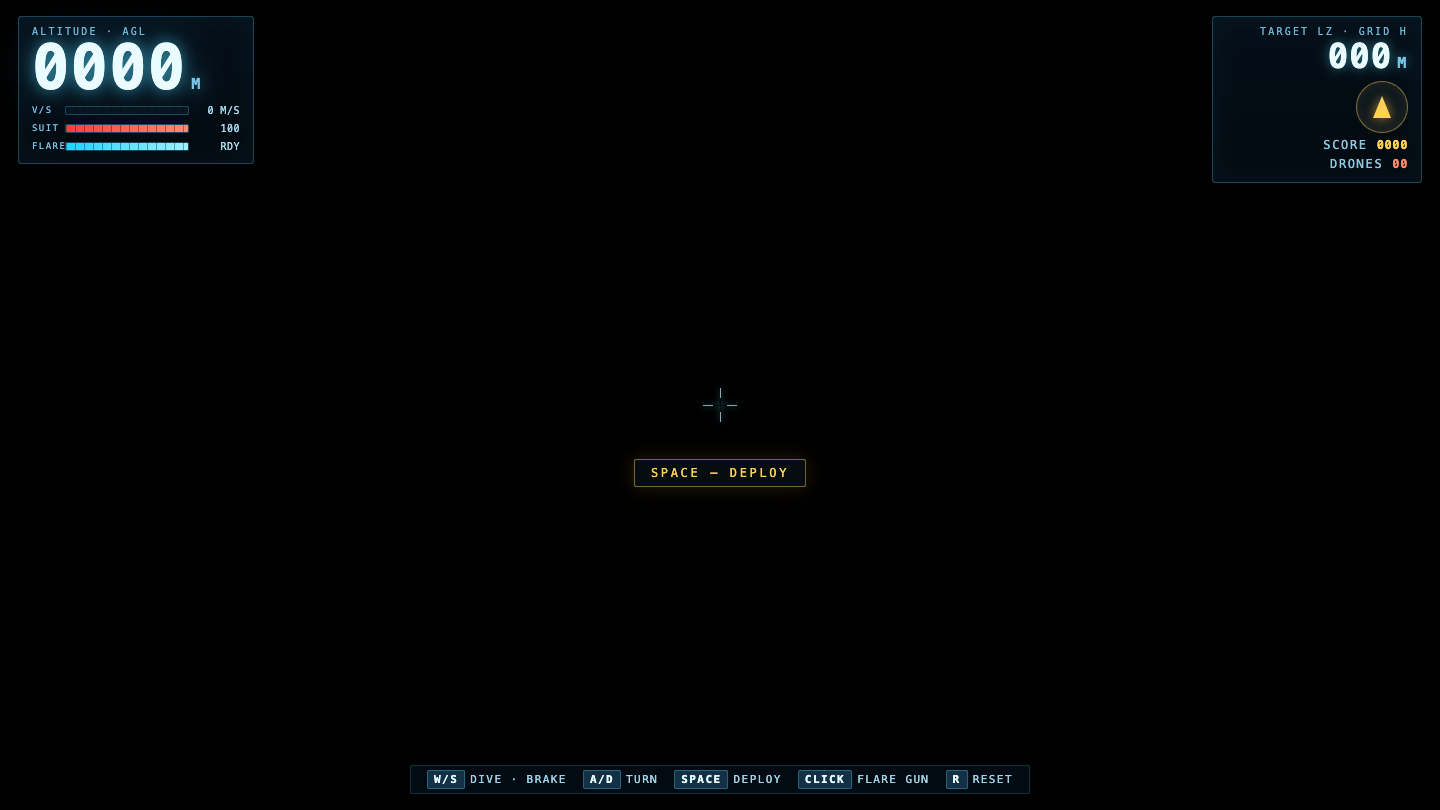
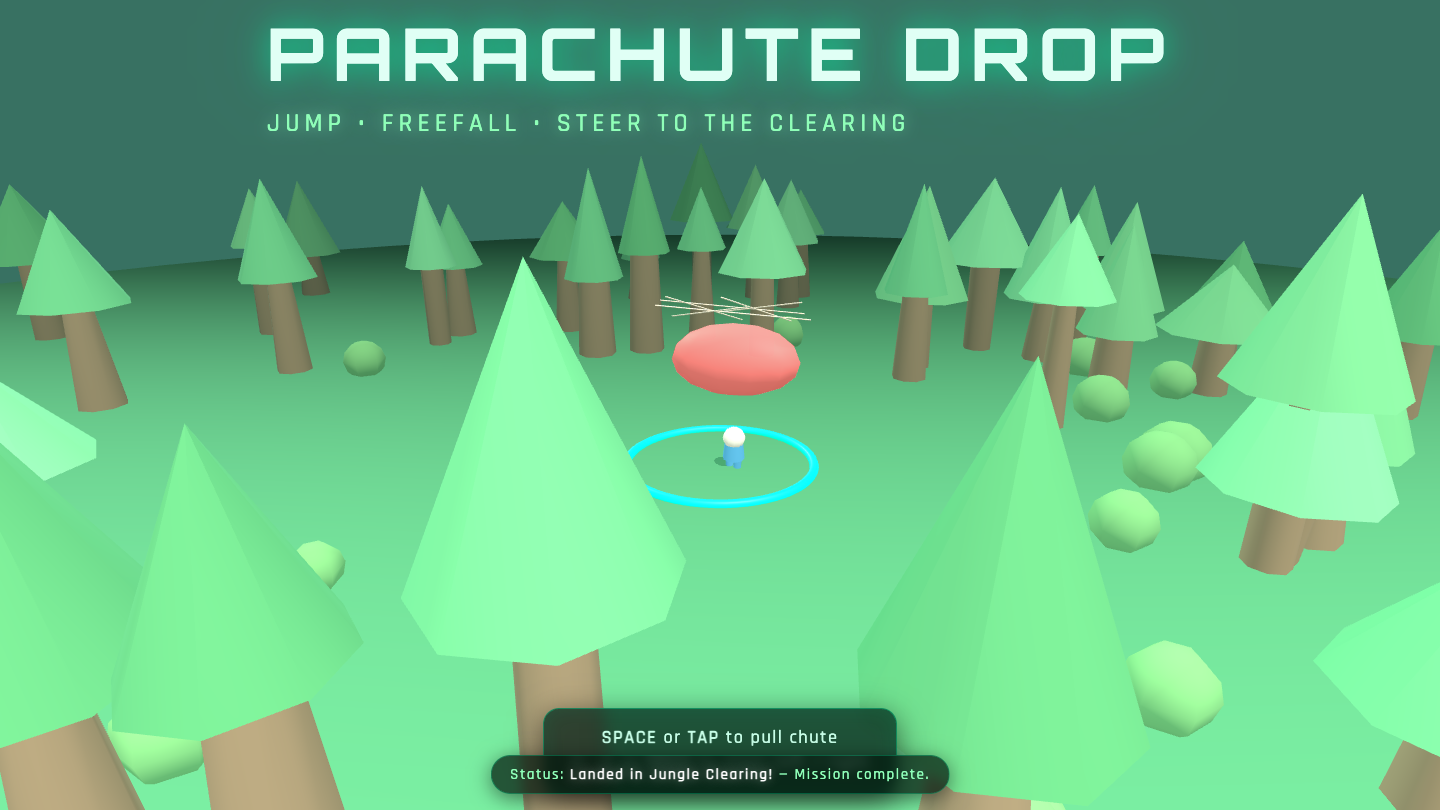
What I saw: Renders cleanly with cohesive jungle scene, glowing target ring, jumper, and parachute plus a working land-in-clearing state; but the chute sits detached above the figure (ropes disconnected) and the flat green-monochrome palette reads generic rather than winning.
Synthwave
Visual
Inkling 7.2
·
MiMo-V2.6 Pro 3.0
(+4.2)
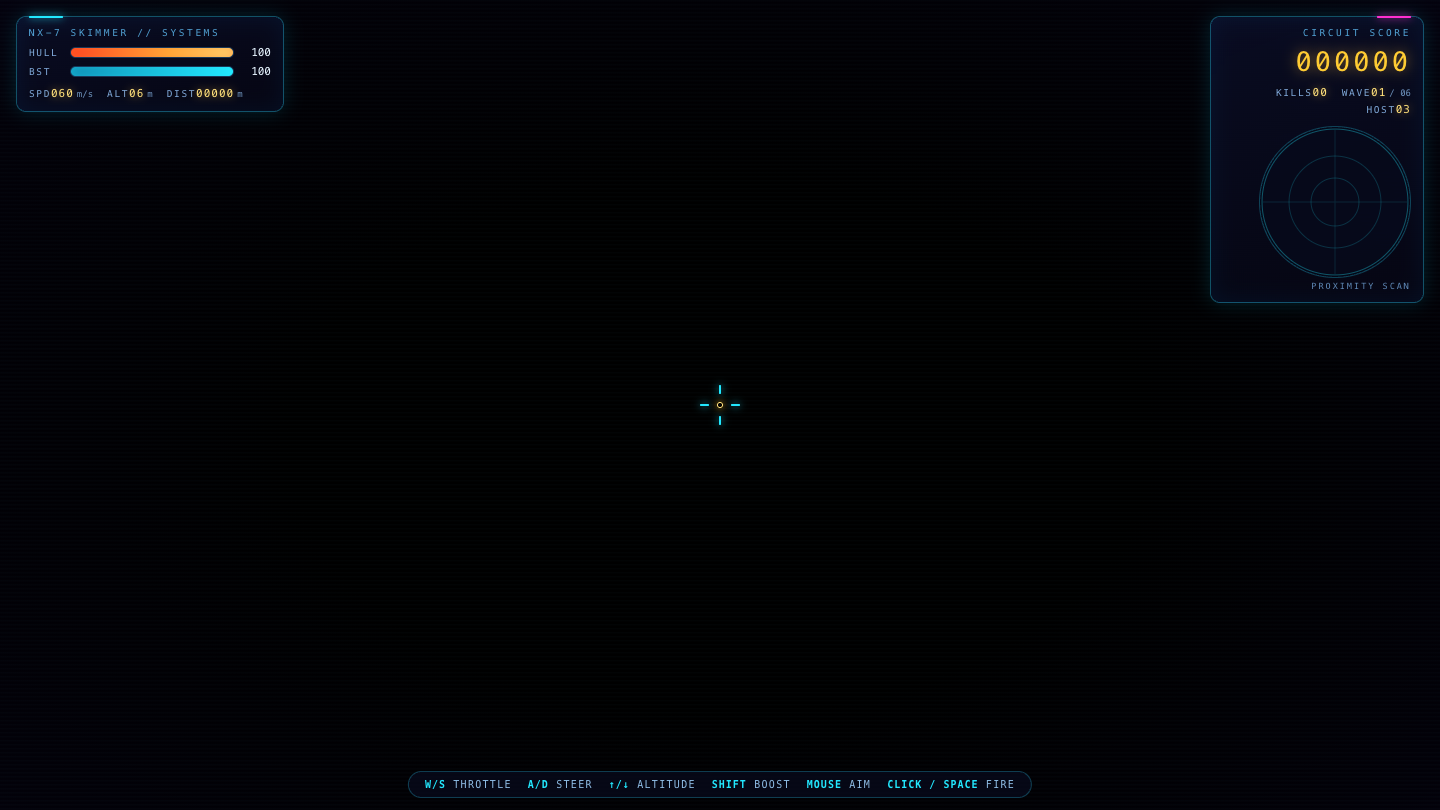
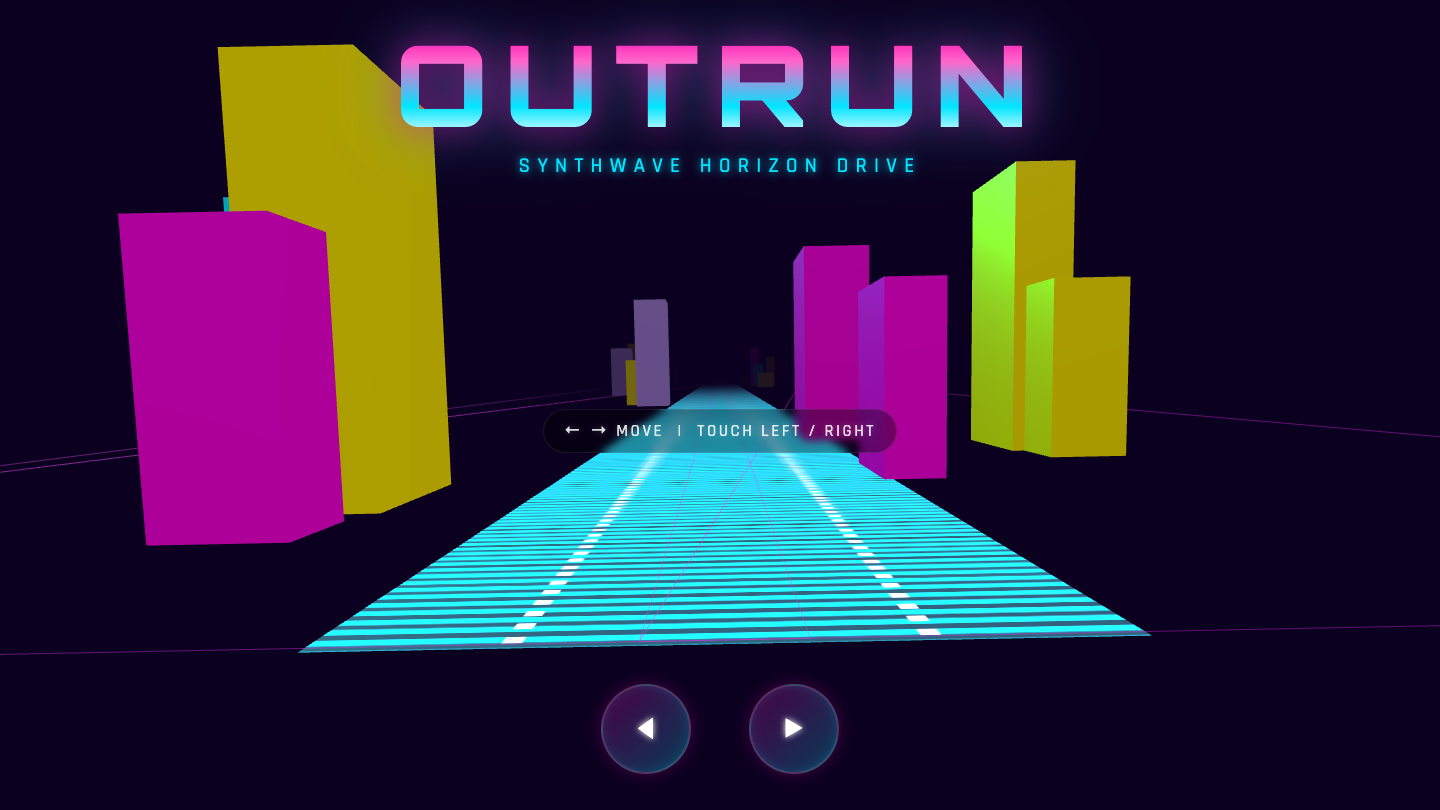
What I saw: Strong typography and neon grid perspective land the synthwave vibe, but the sun renders as a flat pale-white disc (not a warm gradient sunset) and the emissive cyan 'lines' read as stray beams shooting through the sun rather than a polished retro loop, keeping it below the field's best.
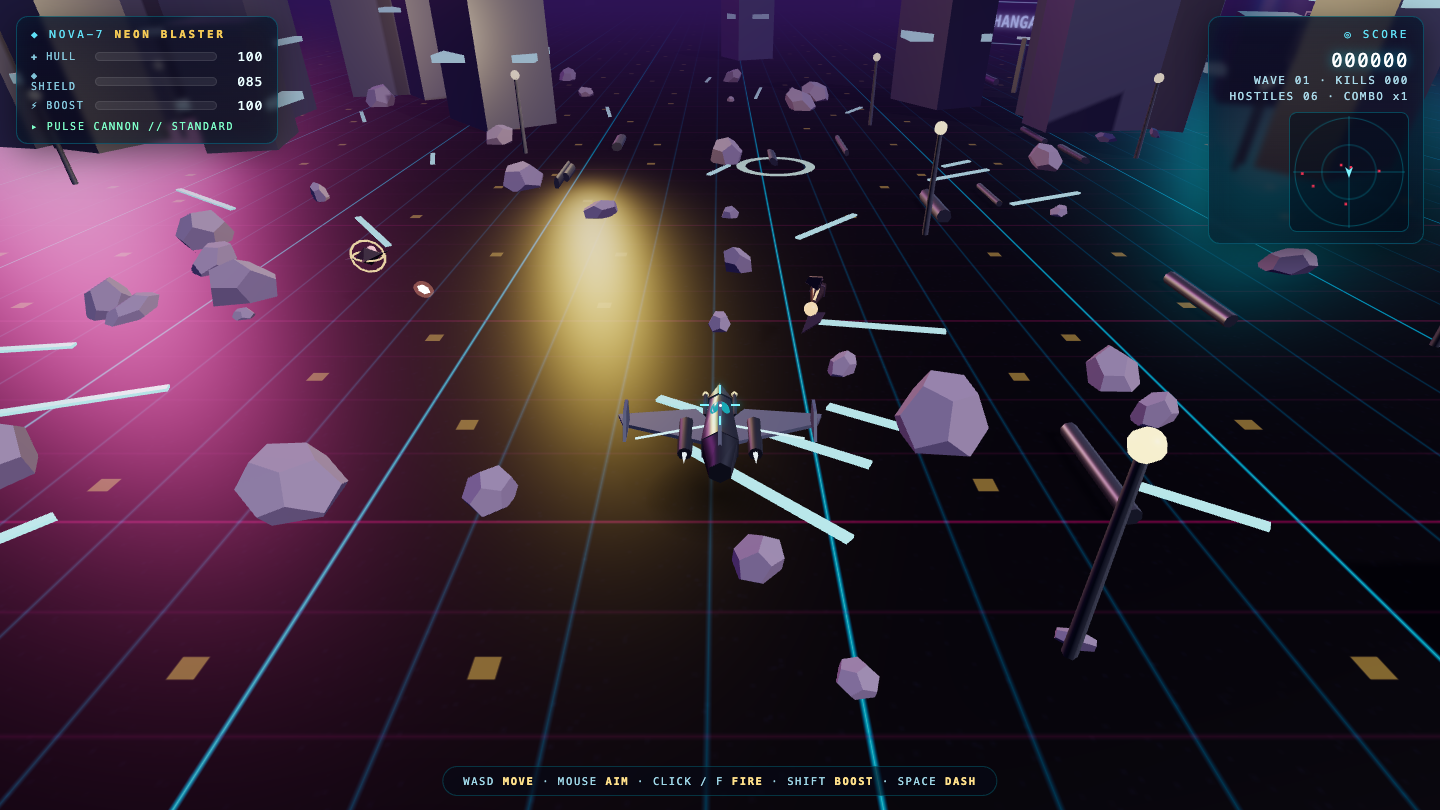
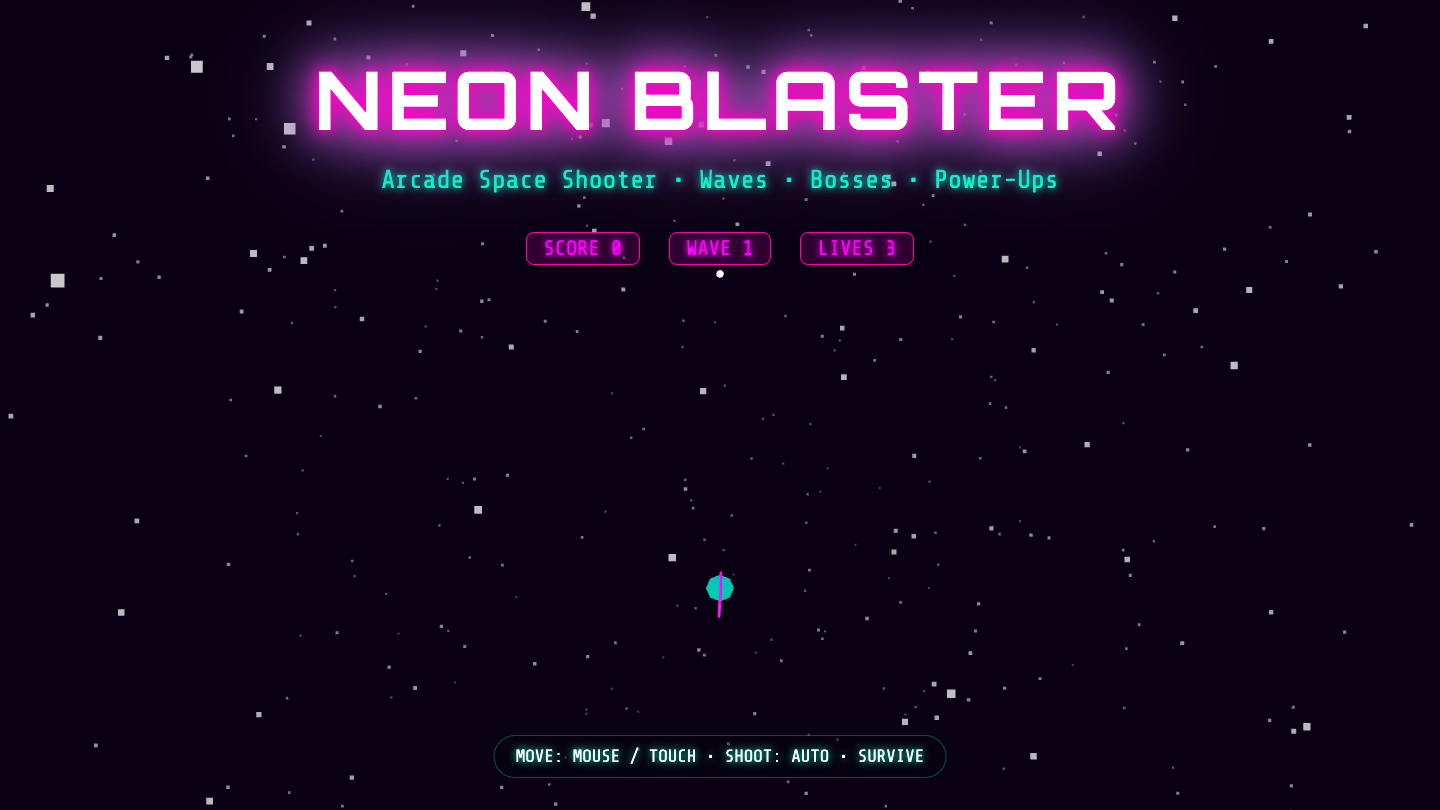
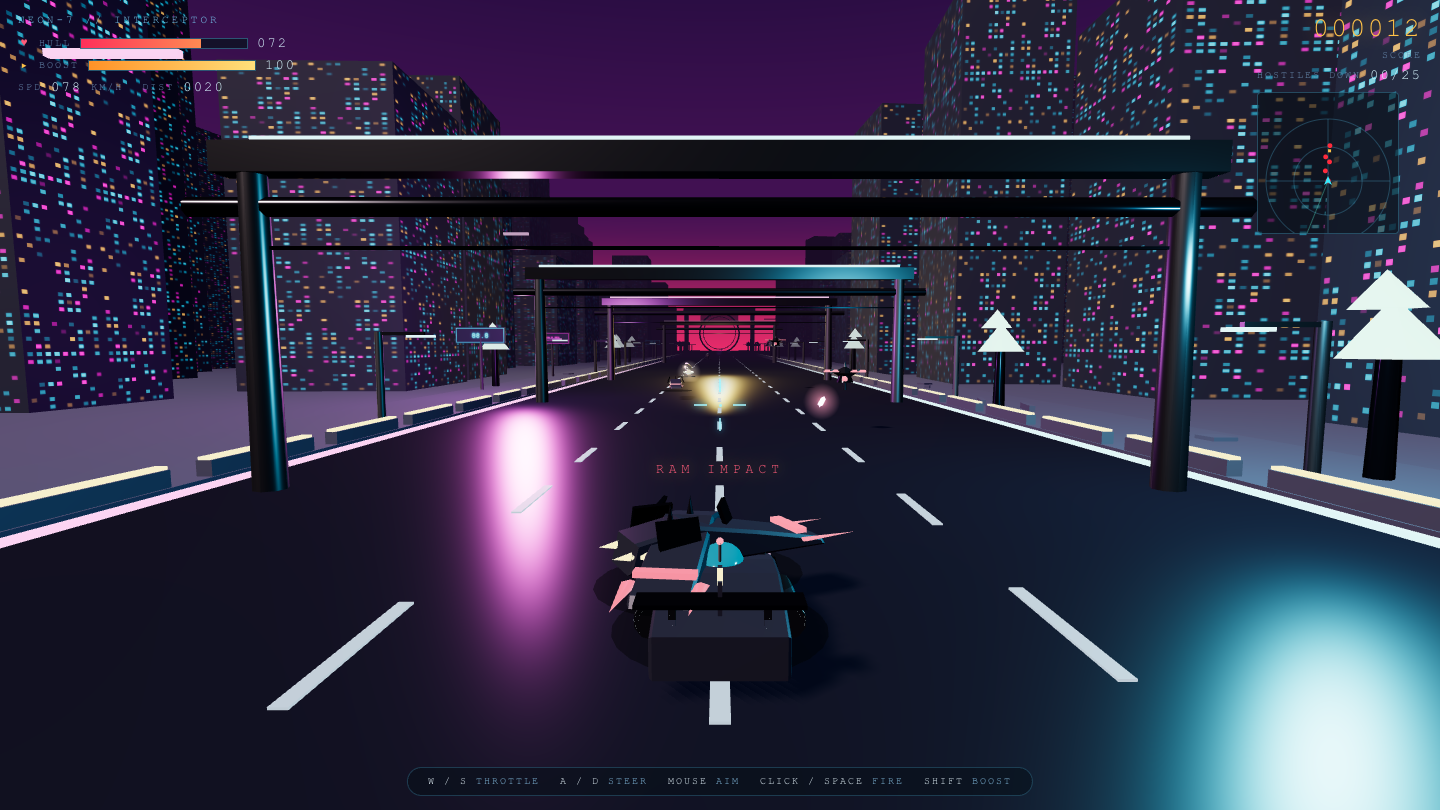
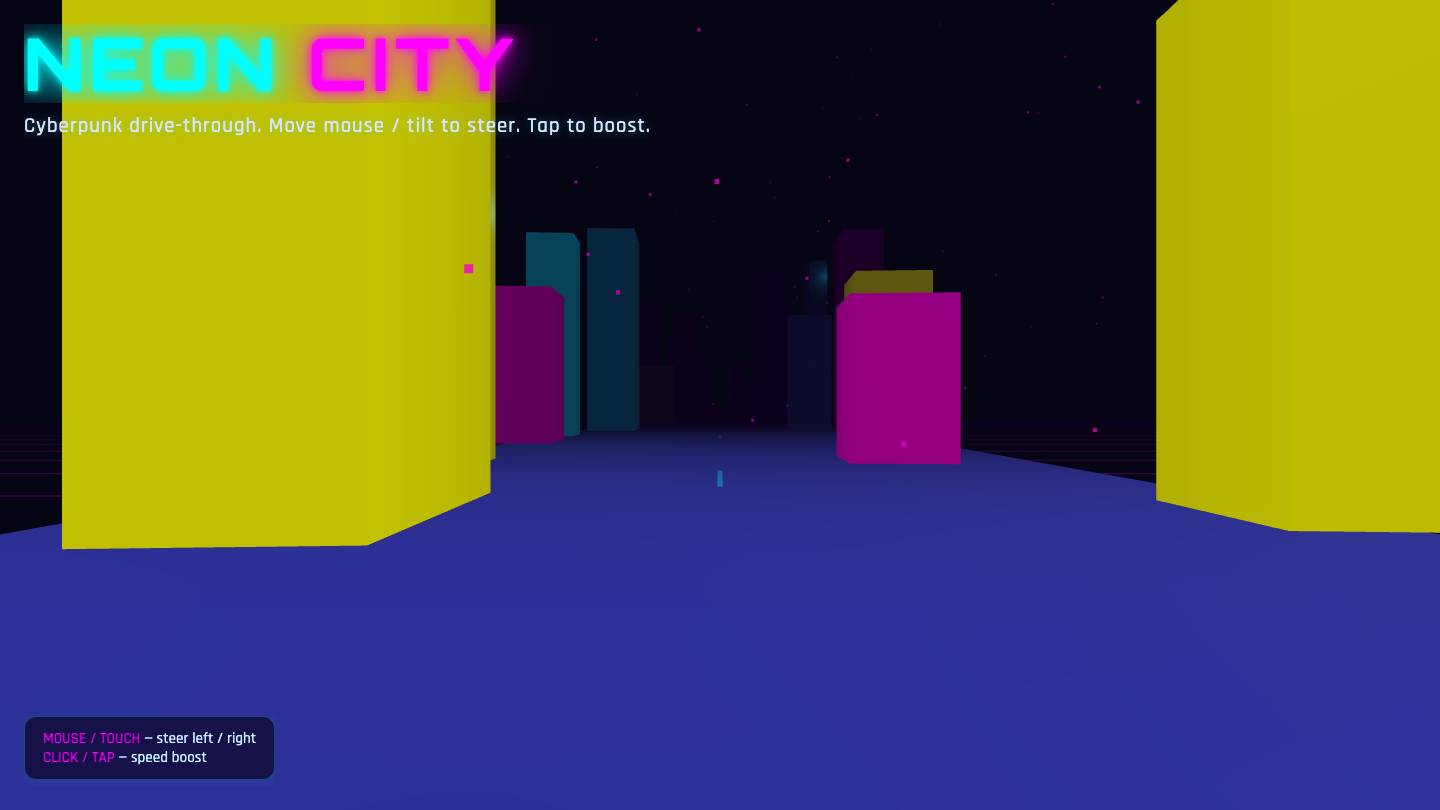
Neonracer
Game
Inkling 7.4
·
MiMo-V2.6 Pro 3.5
(+3.9)
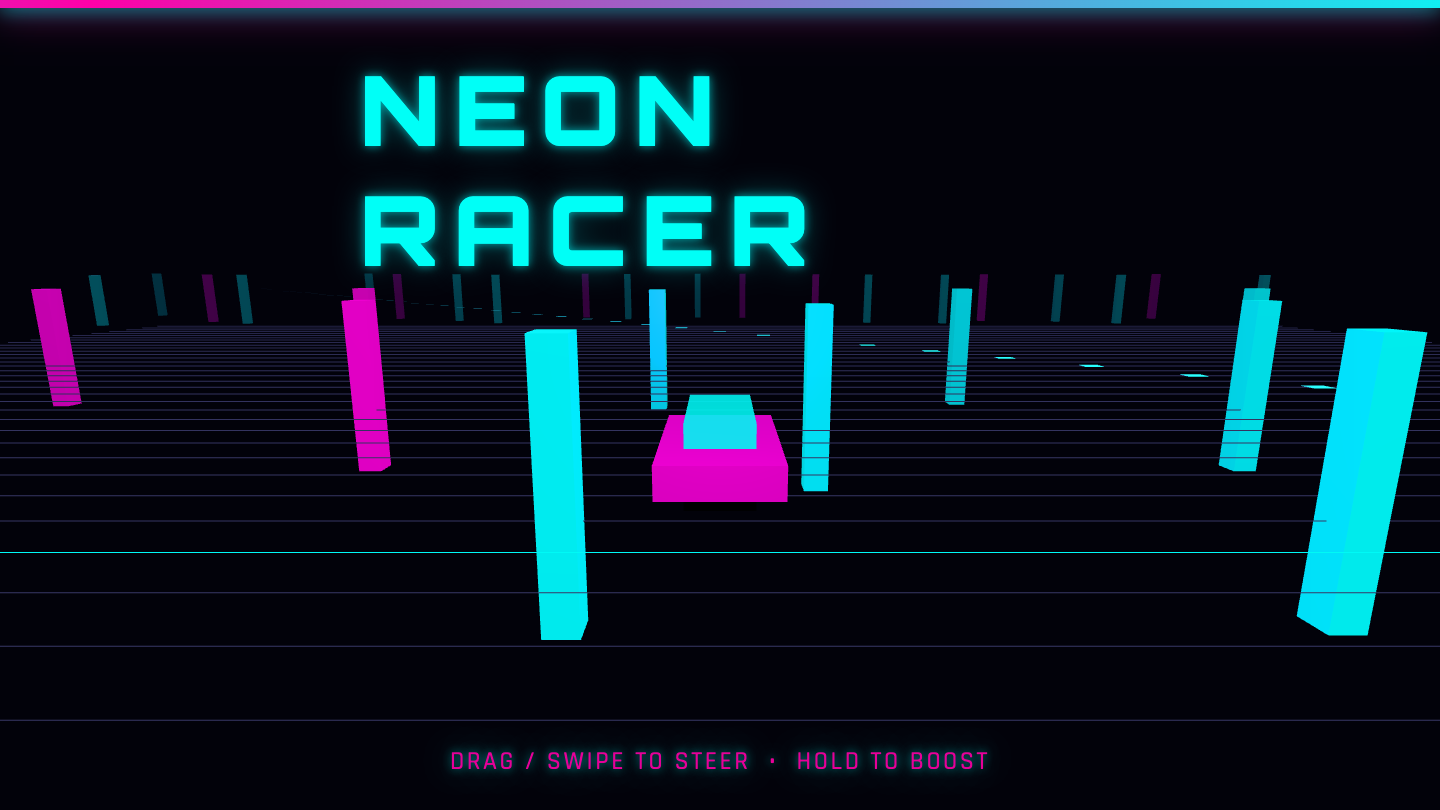
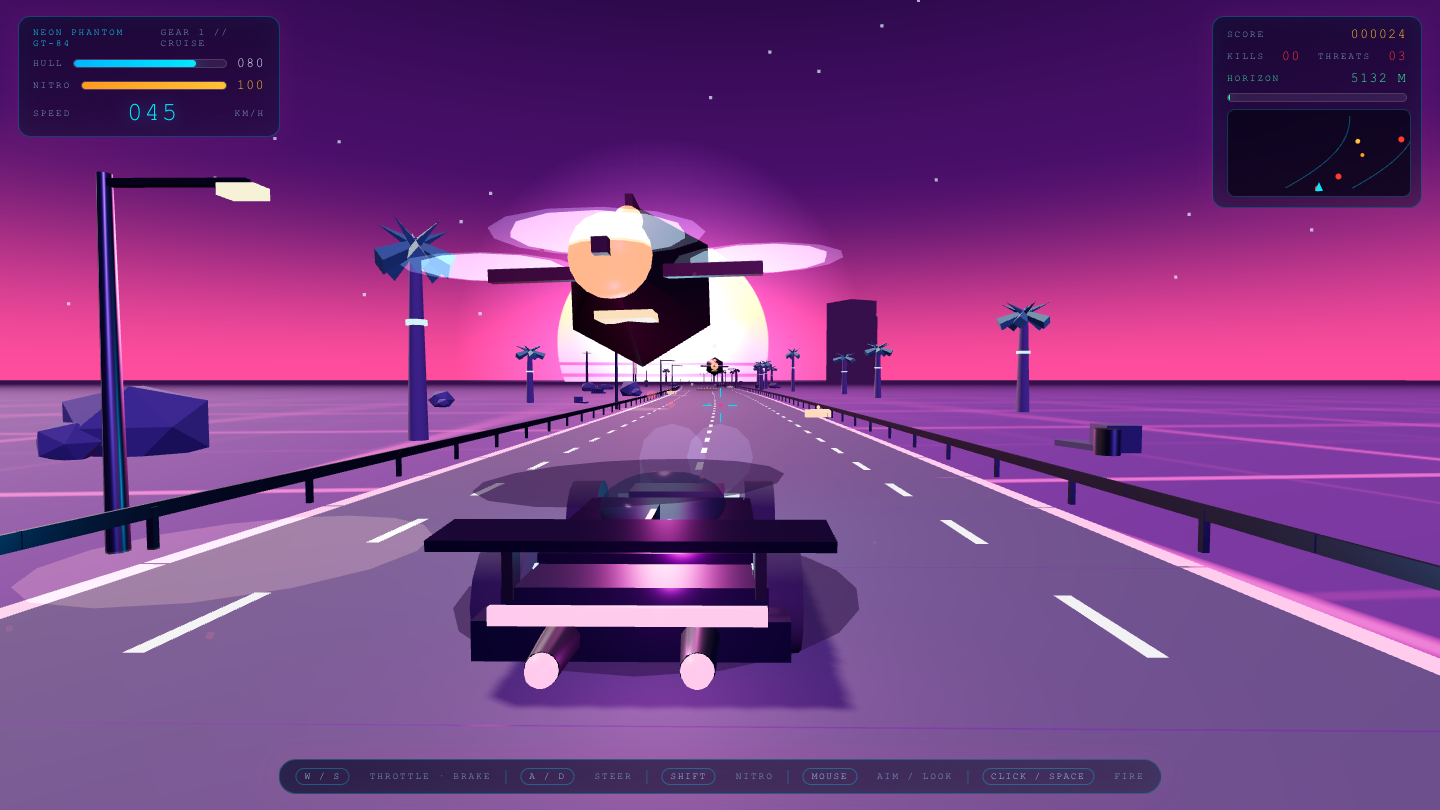
What I saw: Strong neon aesthetic with glowing title, cyan/pink pillars and a clear car, and the code has a working follow-cam, boost and vapor particles; but the screenshot shows almost no visible particle trail and the pillars float/scatter awkwardly, leaving it polished-looking but generi…
Fluid
Sim
Inkling 6.8
·
MiMo-V2.6 Pro 3.0
(+3.8)
What I saw: Renders cleanly with a polished Orbitron title and a dense particle cloud with pleasing color mix, but it reads as a scattered particle sphere rather than convincing swirling fluid motion — the flow field is subtle and the CPU per-particle loop limits it to a generic point cloud …
Strengths & weaknesses I logged
MiMo-V2.6 Pro
Strengths
- Simulations and visual pieces are top-tier one-shots: the black hole lensing scored 9.0 and the matrix rain, lava lamp, ocean waves, web desktop, boids and galaxy all landed 8.6 or higher
- Strong flight and driving output when the build holds together: a polished 3D dogfight (8.6), a flight sim (8.4) and the synthwave outrun (8.4)
- Big, complete files: builds ran 30 to 70 KB with full HUDs, control hints and settings panels
- The weights are MIT and on Hugging Face, so the same model can run on your own hardware
Trade-offs
- 18 of 50 builds scored under 5: long game files shipped with garbled tokens (a stray 'martin' or 'martial' identifier breaks the whole script), uninitialised references and bad canvas values, so the HUD paints but the 3D scene stays black
- Two hard crashes: the RPG threw an engine fault on load and the solar system rendered nothing at all
- It reasons for a long time at default effort: builds took 5 to 60 minutes each through OpenRouter
Inkling
Strengths
- Genuinely open-weights — the full 975B model is public on Hugging Face; run it on your own key, no black box
- Best one-shot builds are 2D / animation / web — a matrix-rain that topped its task (8.4), plus arcade, fractal, aurora and a mini web-OS all judged shippable (7.6–8.2)
- Frontier-class agentic coding for an open model — 77.6% SWE-bench Verified, ahead of Nemotron 3 Ultra
- 1M-token context, native multimodal (text/image/audio), and a controllable thinking-effort dial
Trade-offs
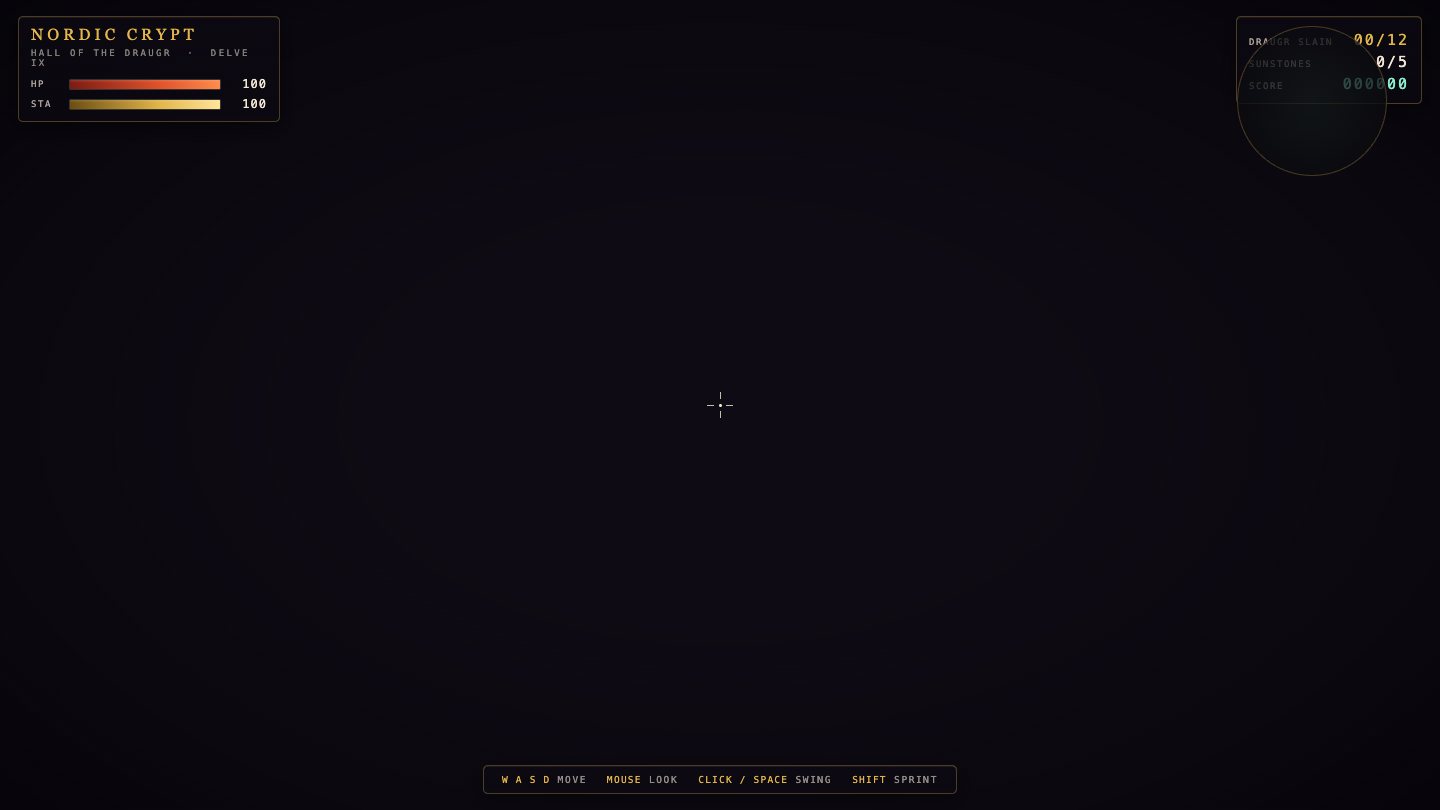
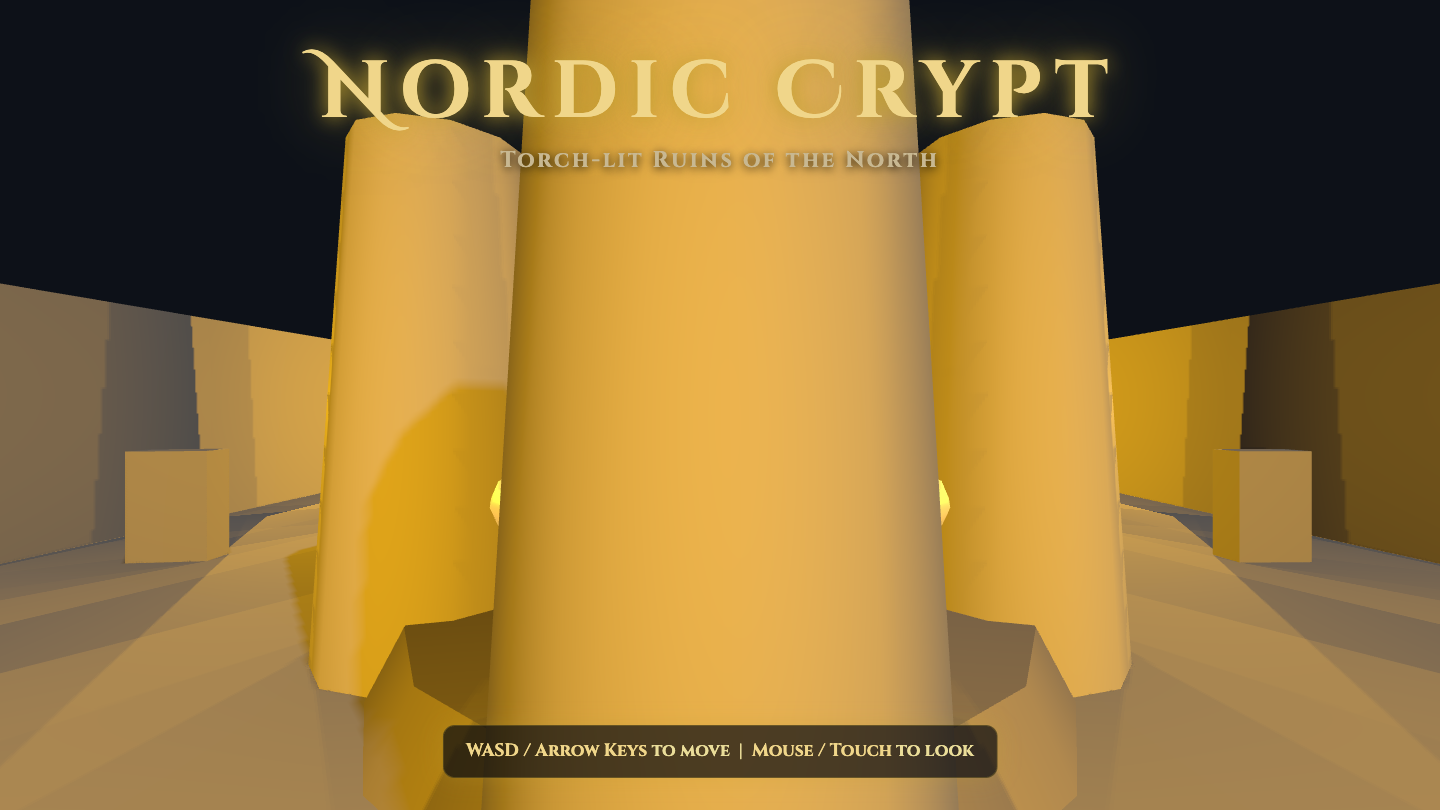
- One-shot 3D games are weak — three.js dungeons/racers render a title screen but no playable scene, like most open models (crypt 2.5)
- Physics and particle sims are hit-or-miss — black-hole, plasma and cloth one-shots often render dark or static (2.3–3.5)
- Not the strongest overall — the closed frontier (Fable 5) still tops the raw benchmarks; Inkling trades peak for ownership
Pricing & context — the spec sheet
| Spec | MiMo-V2.6 Pro | Inkling |
|---|---|---|
| Vendor | Xiaomi | Thinking Machines |
| Context window | 1,000,000 tokens | 1,000,000 tokens |
| Price | $0.435 in / $0.87 out per M tokens | $0.33 / M |
| Pricing detail | Xiaomi's September 2026 open-weight flagship (MIT licence, 1.02T total / 42B active parameters). $0.435 per million input tokens and $0.87 per million output on OpenRouter, with cache hits at a fraction of a cent, which is roughly a quarter of Grok 4.7 and a twentieth of the closed frontier models it scores level with on agent benchmarks. | Inkling is open-weights — a 975B-parameter (41B active) Mixture-of-Experts model whose full weights are public on Hugging Face. You run it on your own key through Tinker's OpenAI-compatible endpoint (usage-based, ~$0.33/M sampling, 50% off at launch), or via Together / Fireworks / Modal / Databricks / Baseten. Benched here one-shot at medium reasoning effort via Tinker. |
| Release | 2026-09 | 2026-07 |
| Bench coverage | 50/50 scored · avg 6.35/10 | 50/50 scored · avg 6.07/10 |
The verdict — which should you pick?
Across 50 scored shared tasks, the averages are essentially tied — MiMo-V2.6 Pro 6.35 vs Inkling 6.07. This isn't the comparison where one wins; it's the comparison where you pick based on context, pricing, and what you're actually trying to ship.
If you only run one of these inside your stack, the head-to-head average above is the call. If you can run both, my honest play is to wire MiMo-V2.6 Pro and Inkling both into the Agent Operating System and dispatch each from the kanban by task type — simulations, shaders and visual scenes in one shot, at a fraction of frontier prices → MiMo-V2.6 Pro, owning a frontier model instead of renting one — on your own key, pennies per build → Inkling. That's the same setup I run for the 4,000+ founders inside the AI Profit Boardroom.
FAQ — MiMo-V2.6 Pro vs Inkling
Which is better, MiMo-V2.6 Pro or Inkling?
On Goldie Bench, MiMo-V2.6 Pro averages 6.35/10 across the shared tasks, with 5 gold, 8 silver, 4 bronze overall. Inkling averages 6.07/10, with 0 gold, 0 silver, 0 bronze. MiMo-V2.6 Pro wins the head-to-head 31–18.
How much does MiMo-V2.6 Pro cost vs Inkling?
MiMo-V2.6 Pro: Xiaomi's September 2026 open-weight flagship (MIT licence, 1.02T total / 42B active parameters). $0.435 per million input tokens and $0.87 per million output on OpenRouter, with cache hits at a fraction of a cent, which is roughly a quarter of Grok 4.7 and a twentieth of the closed frontier models it scores level with on agent benchmarks. Inkling: Inkling is open-weights — a 975B-parameter (41B active) Mixture-of-Experts model whose full weights are public on Hugging Face. You run it on your own key through Tinker's OpenAI-compatible endpoint (usage-based, ~$0.33/M sampling, 50% off at launch), or via Together / Fireworks / Modal / Databricks / Baseten. Benched here one-shot at medium reasoning effort via Tinker.
What's the context window for MiMo-V2.6 Pro vs Inkling?
MiMo-V2.6 Pro has a 1,000,000 tokens context window. Inkling has a 1,000,000 tokens context window.
When should I pick MiMo-V2.6 Pro over Inkling?
Pick MiMo-V2.6 Pro for: Simulations, shaders and visual scenes in one shot, at a fraction of frontier prices; High-volume agent work where an open, MIT-licensed model matters; Pair it with a self-fix loop for games: the failures are single broken tokens, not missing ideas. The trade-off is the weaknesses we logged on the bench: 18 of 50 builds scored under 5: long game files shipped with garbled tokens (a stray 'martin' or 'martial' identifier breaks the whole script), uninitialised references and bad canvas values, so the HUD paints but the 3D scene stays black; Two hard crashes: the RPG threw an engine fault on load and the solar system rendered nothing at all; It reasons for a long time at default effort: builds took 5 to 60 minutes each through OpenRouter.
When should I pick Inkling over MiMo-V2.6 Pro?
Pick Inkling for: Owning a frontier model instead of renting one — on your own key, pennies per build; Generative visuals, data-viz and single-file web builds you want one-shot; A customizable open base you can fine-tune on Tinker for your own domain. The trade-off is the weaknesses we logged on the bench: One-shot 3D games are weak — three.js dungeons/racers render a title screen but no playable scene, like most open models (crypt 2.5); Physics and particle sims are hit-or-miss — black-hole, plasma and cloth one-shots often render dark or static (2.3–3.5); Not the strongest overall — the closed frontier (Fable 5) still tops the raw benchmarks; Inkling trades peak for ownership.
How does Goldie Bench score MiMo-V2.6 Pro vs Inkling?
Every demo on this page was built by Julian Goldie inside the Agent Operating System — same fixed prompt for both models, one shot, single HTML file out. Each result gets a 0–10 score on whether it ran, how close it hit the brief, and how good it looked. The highest score on each task gets gold; second gets silver; third gets bronze. See methodology for full provenance.
Related comparisons
Other head-to-heads using the same scoring system:
MiMo-V2.6 Pro vs Fusion Inkling vs Fusion MiMo-V2.6 Pro vs Claude Opus 5 Inkling vs Claude Opus 5 MiMo-V2.6 Pro vs Hermes MoA Inkling vs Hermes MoA MiMo-V2.6 Pro vs GPT-5.6 Sol Inkling vs GPT-5.6 SolFull model pages: MiMo-V2.6 Pro · Inkling · back to the leaderboard
The same stack Julian uses
Run this stack yourself.
Every demo on this bench was built inside the Agent Operating System — one prompt, one shot, single HTML file out. The Agent OS, the prompts, the templates, the weekly walkthroughs and 4,000+ founders shipping with it every day all live inside the AI Profit Boardroom.
4,000+founders
258documented wins
38countries
$59/momonthly