Real head-to-head · same prompt, one shot
GPT-5.6 Sol vs Claude Opus 5.5
OpenAI's flagship — the Sun of the 5.6 lineup. vs Anthropic's Opus 5.5 — benched on all 50 one-shot builds, every game playtested.
Head-to-head verdict: GPT-5.6 Sol wins 44–4 with 2 ties.
What I tested — same prompt, two models
I run the same fixed prompt set through every new model the day it drops — same string, one shot, single HTML file out — and I score the result 0–10 on whether it ran, how close it hit the brief, and how good it looked. Below is what came out when I gave the exact same prompts to GPT-5.6 Sol and Claude Opus 5.5, side by side, on 50 shared tasks inside the Agent Operating System.
Both models were given identical prompts inside the Agent Operating System — no help, no iteration, no "best of N" tricks. I run each prompt once, save the HTML file the model produces, and score it 0–10 on whether it ran, how close it hit the brief, and how good it looked. The scoring is mine. The verdicts below are pulled from my source comparison guides at agentos.guide where I publish every score and the reasoning behind it.
GPT-5.6 Sol · Benched on GoldieBench as the flagship Sol at medium reasoning, one-shot, then headless-playtested. In the Agent OS it's the top tier of a routed stack — Sol on the hard calls, Terra for the bulk, Luna for the everyday 90%.
Claude Opus 5.5 · Benched on all 50 GoldieBench tasks via a Claude subscription: one-shot builds, real renders, pixel-diff playtests on every game, then vision-judged.
Side-by-side on 50 shared tasks
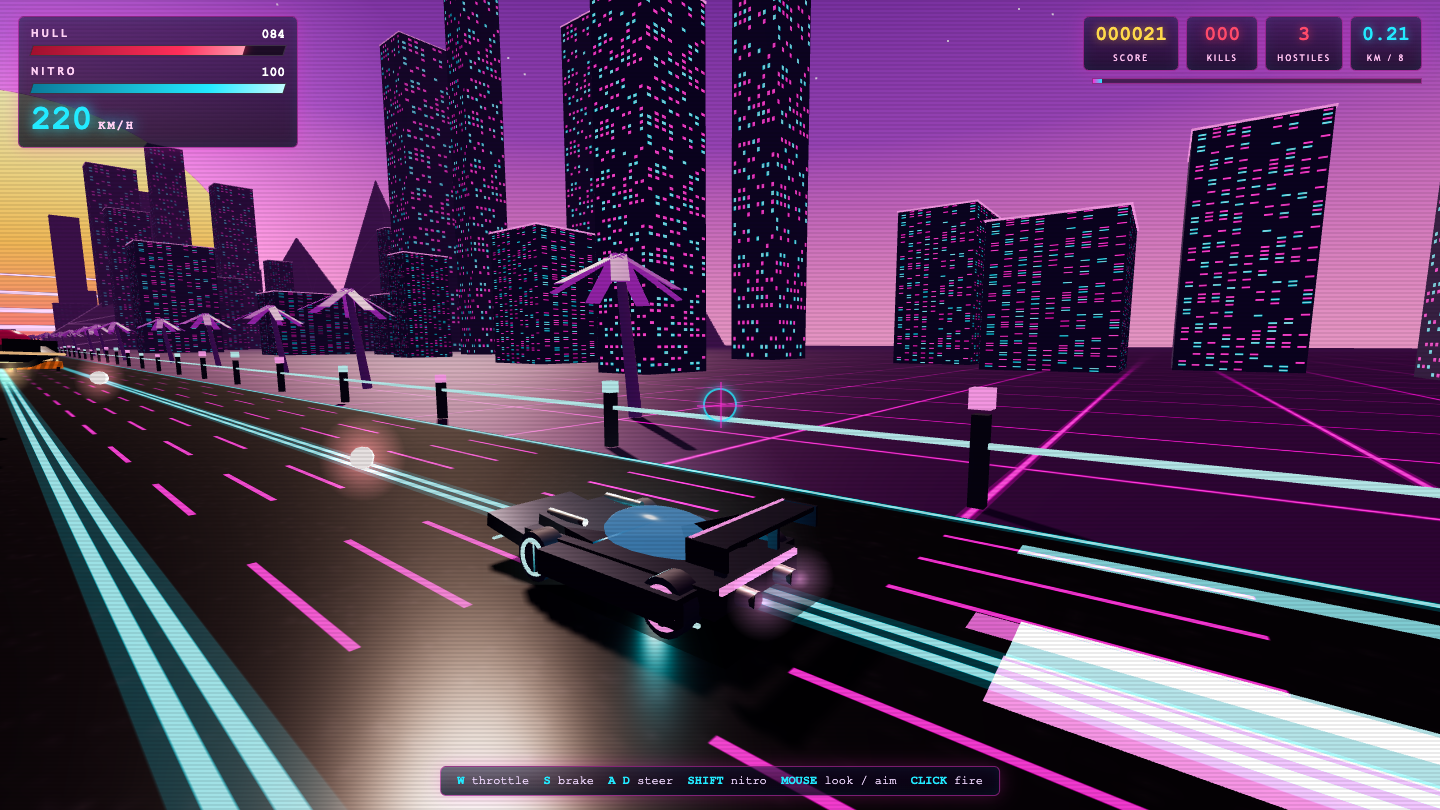
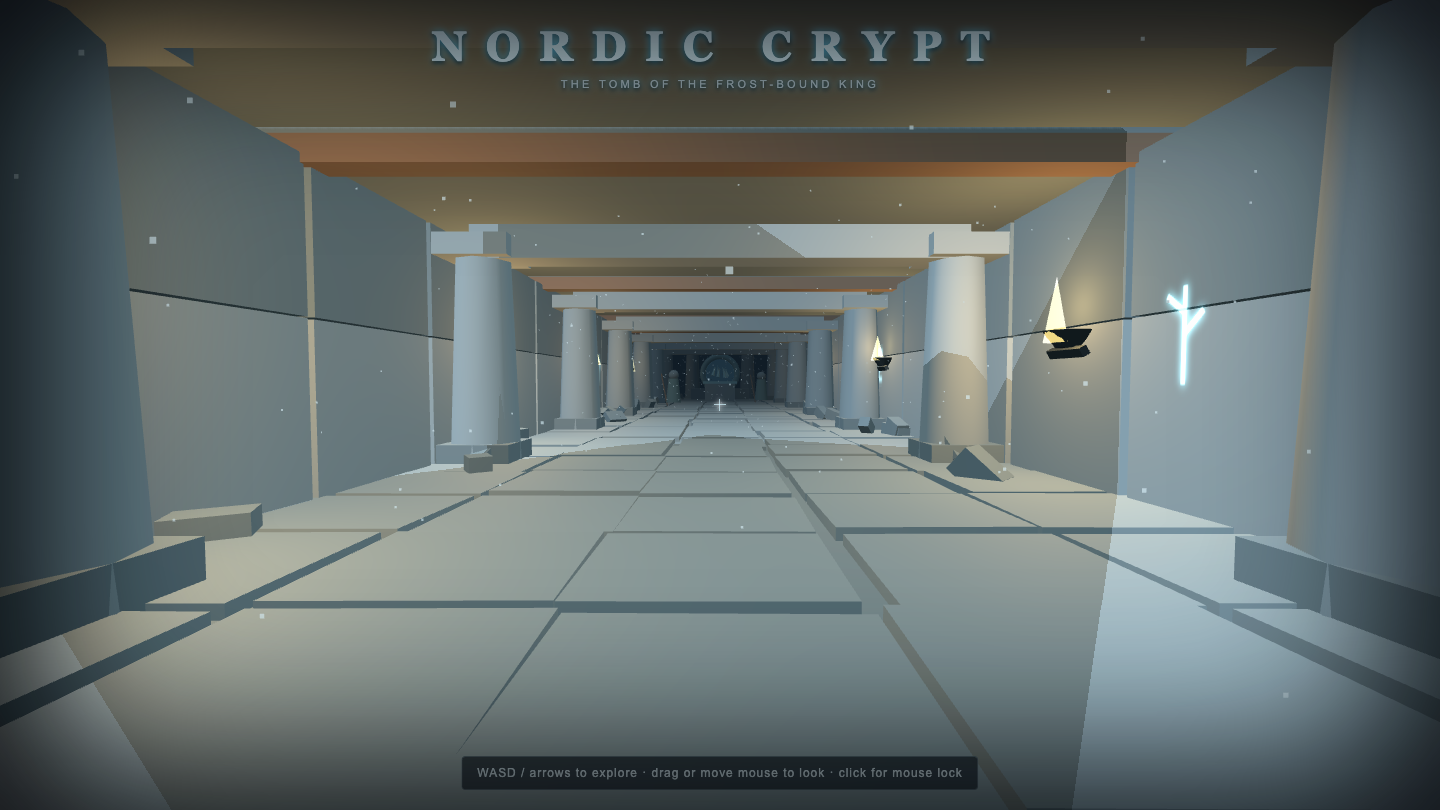
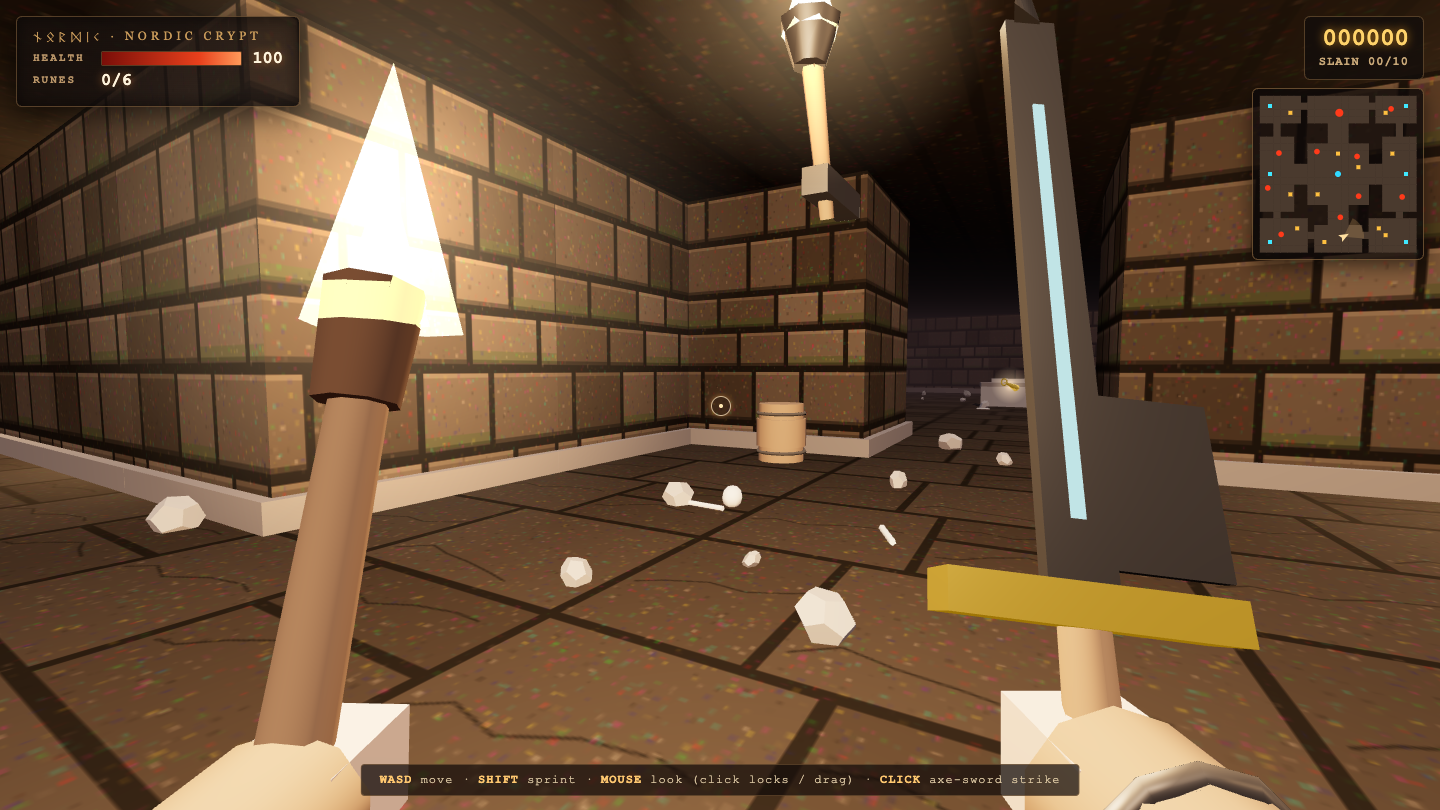
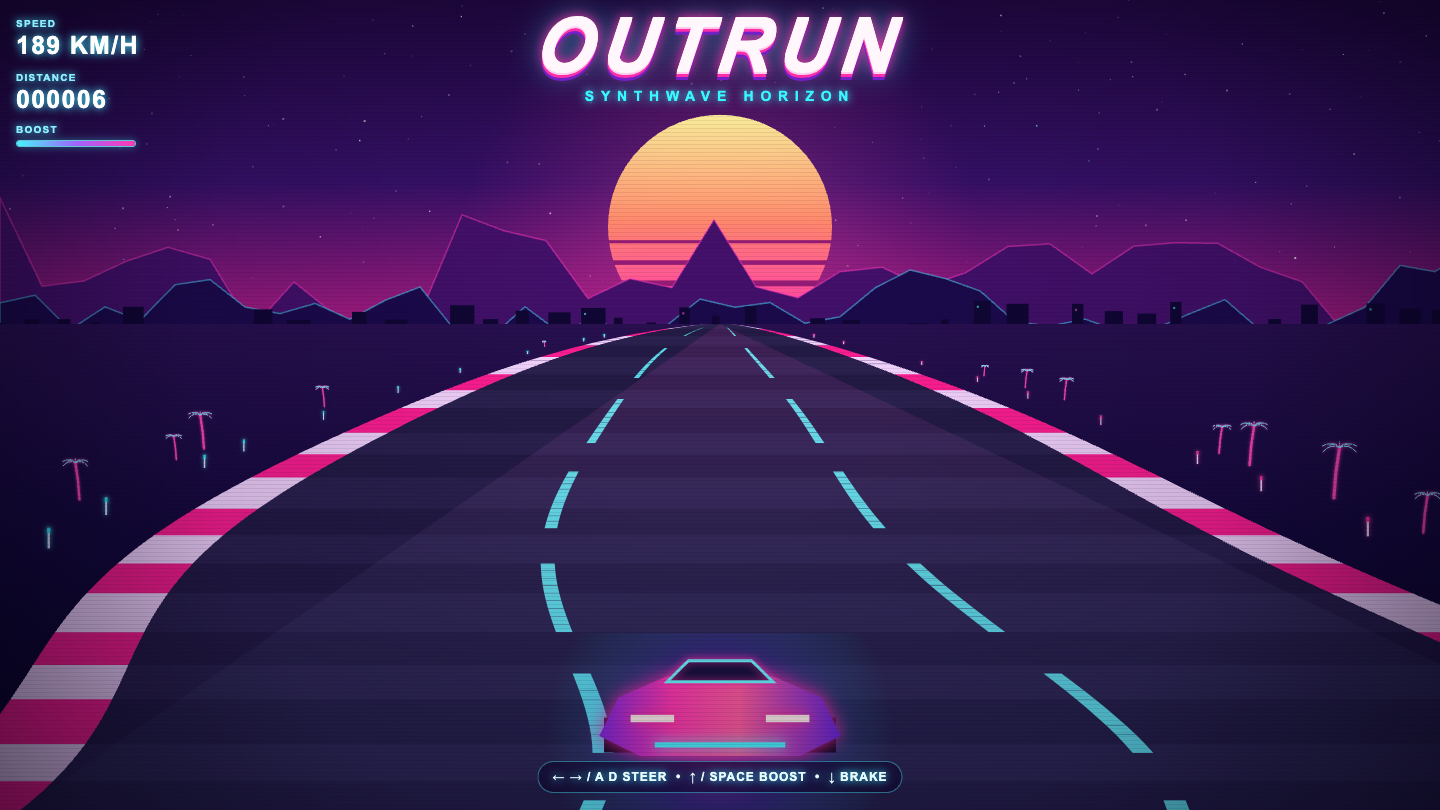
Click any cell to play that model's actual one-shot attempt. Medals are derived from my 0–10 scores per task (highest = 🥇, second = 🥈, third = 🥉).
Task ↓
GPT-5.6 Sol
Claude Opus 5.5
Game
Game
Game
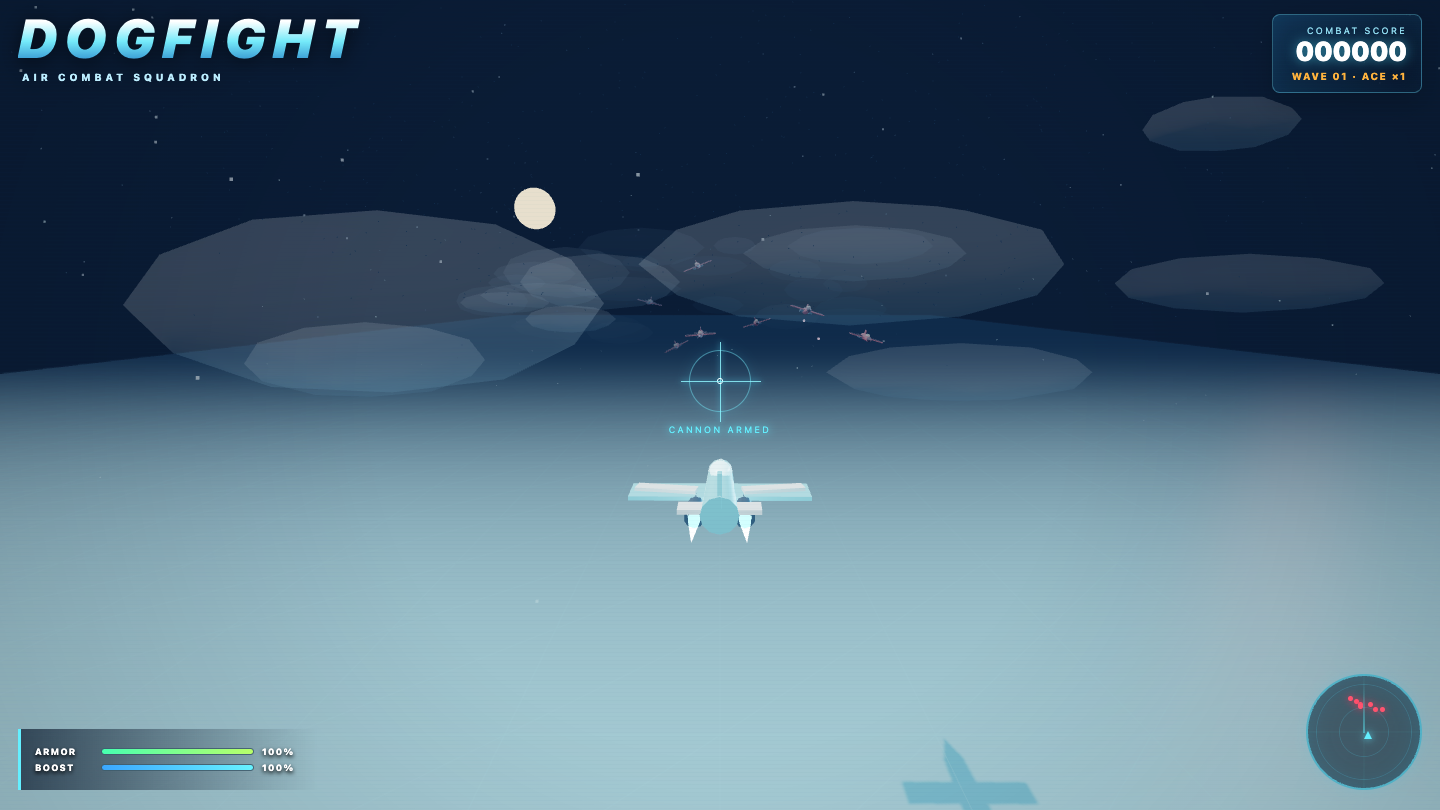
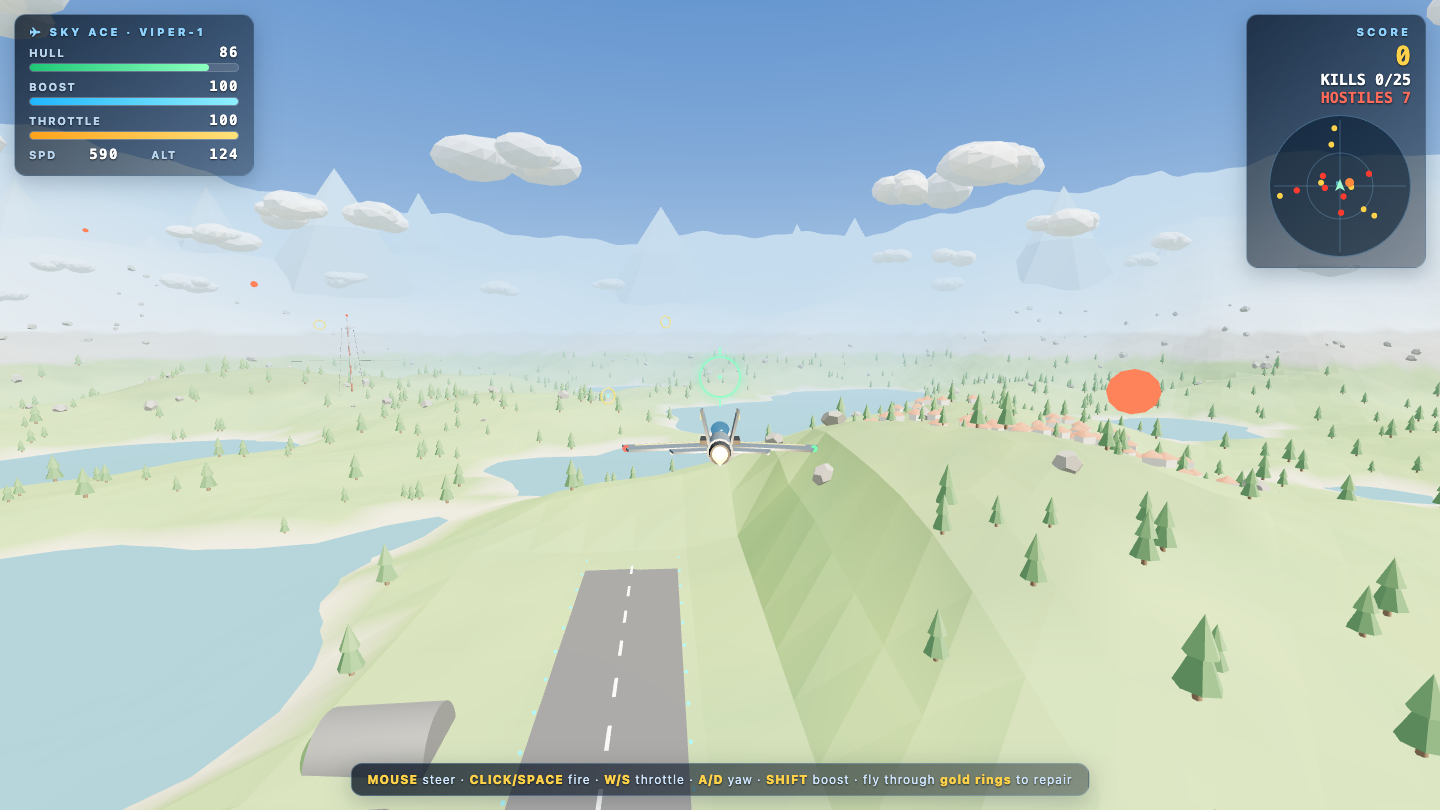
Game
Game
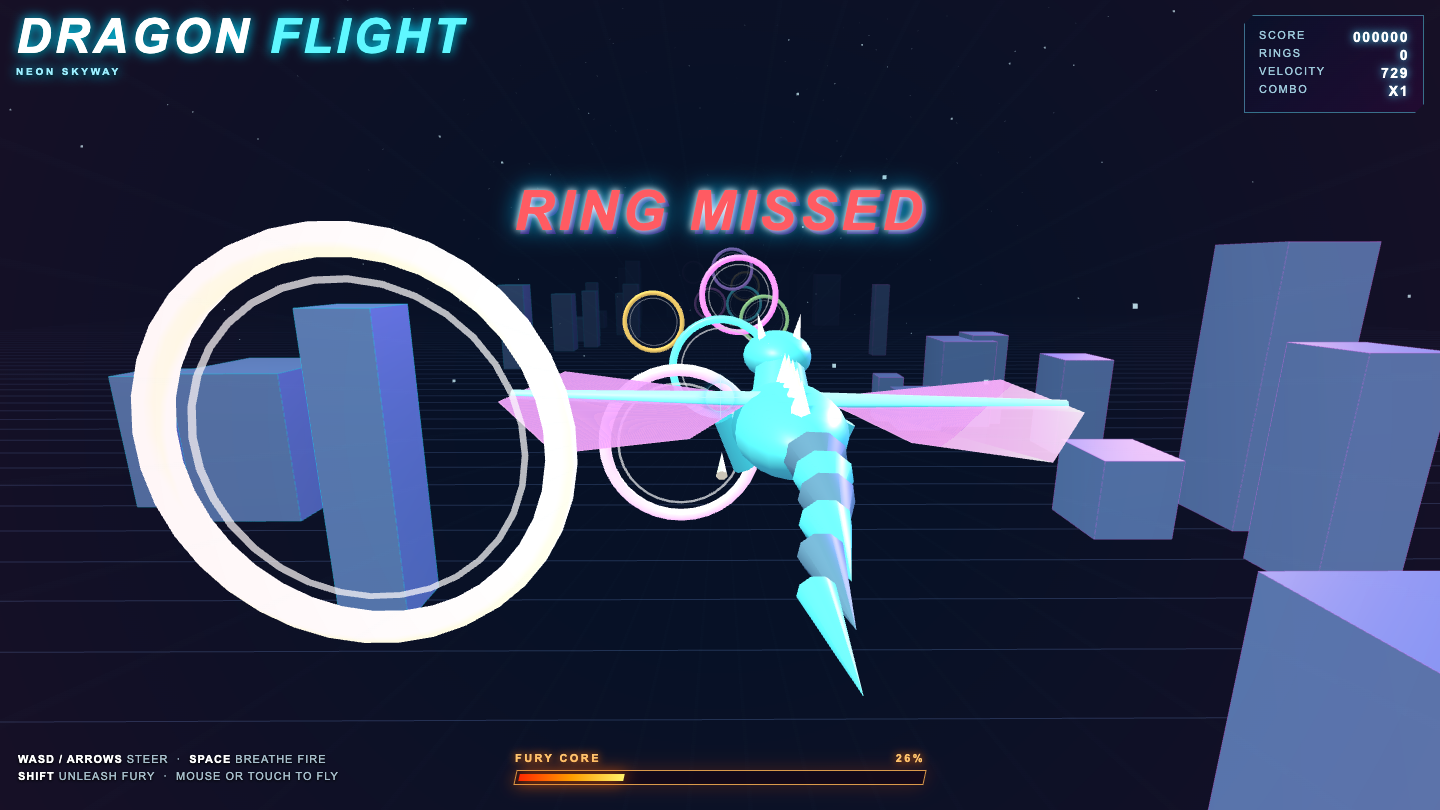
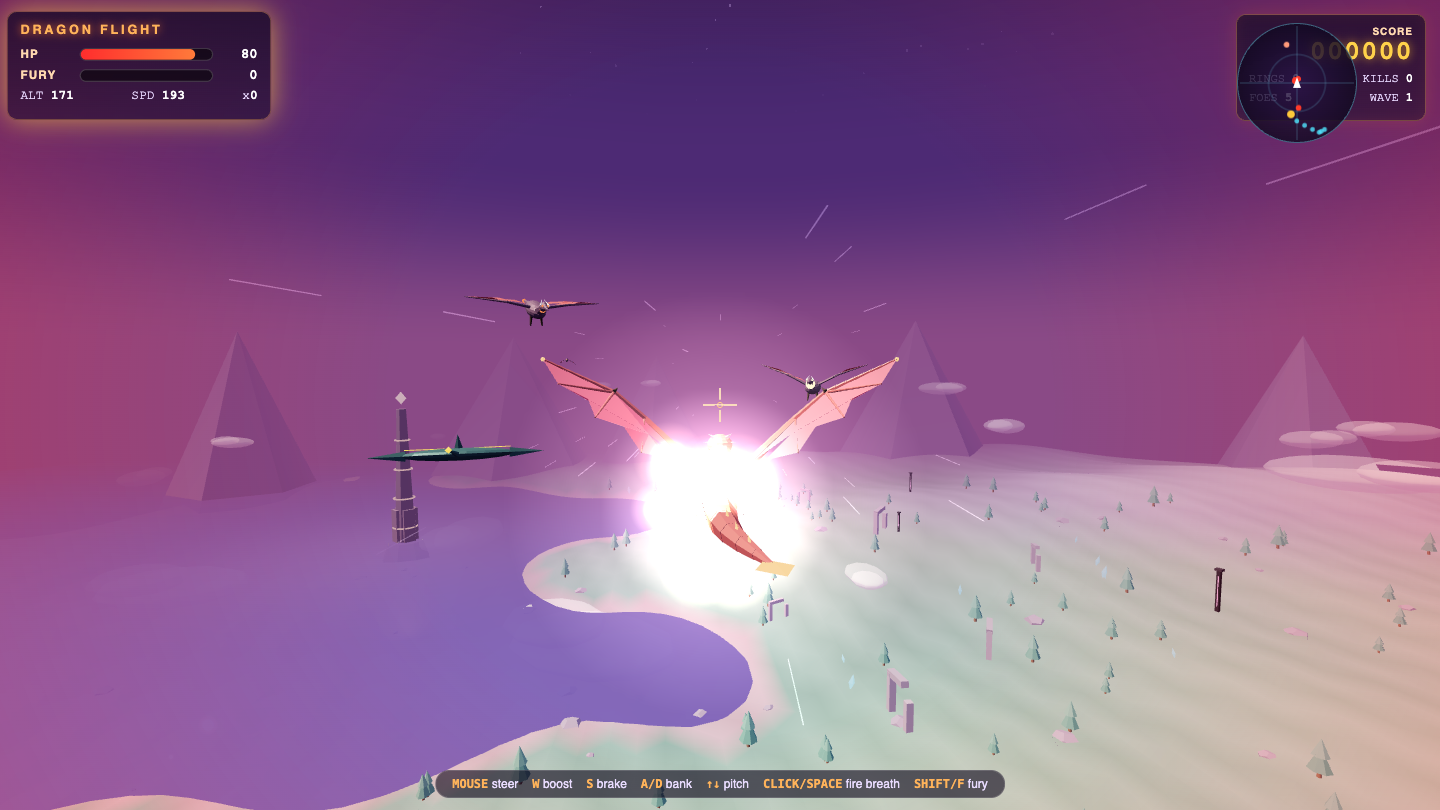
Game
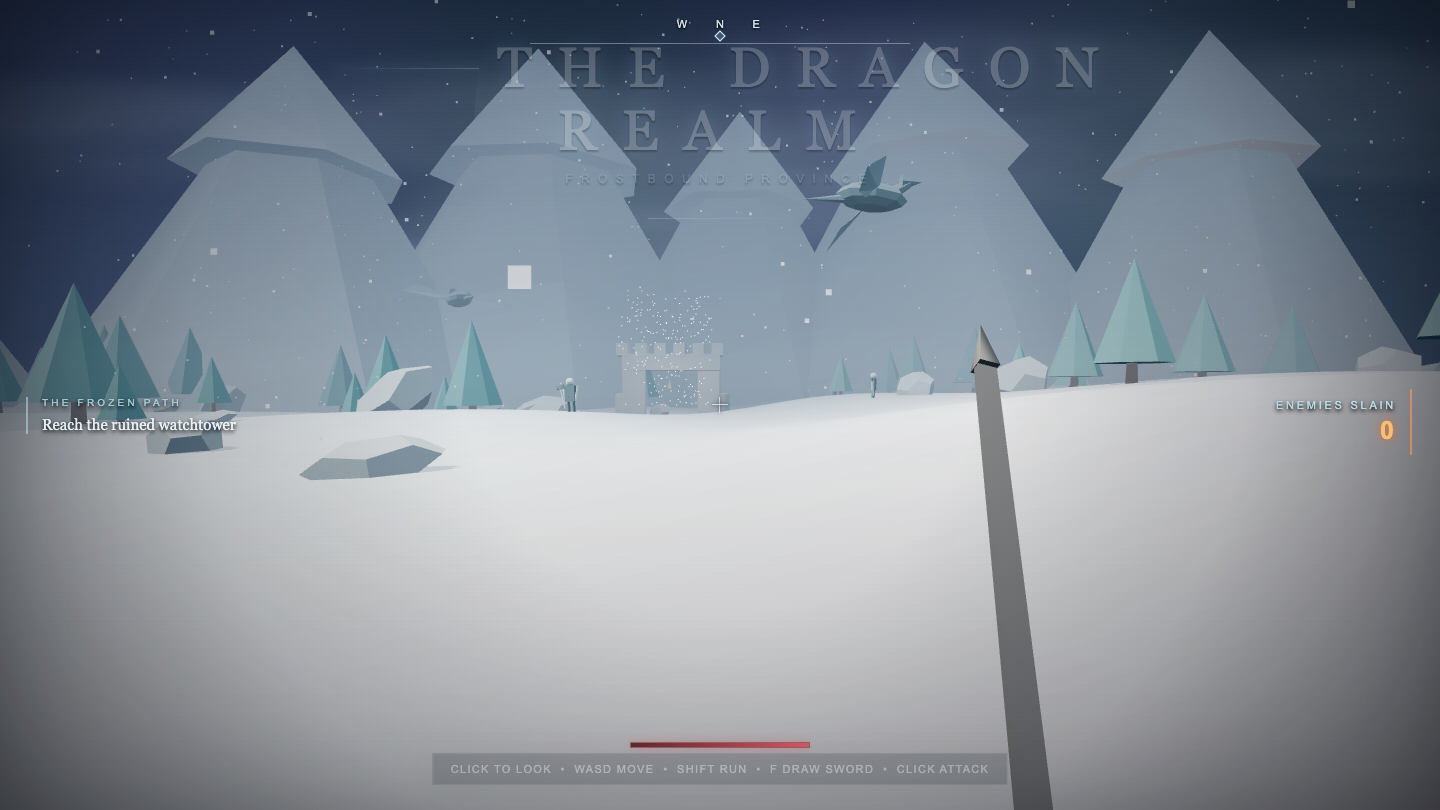
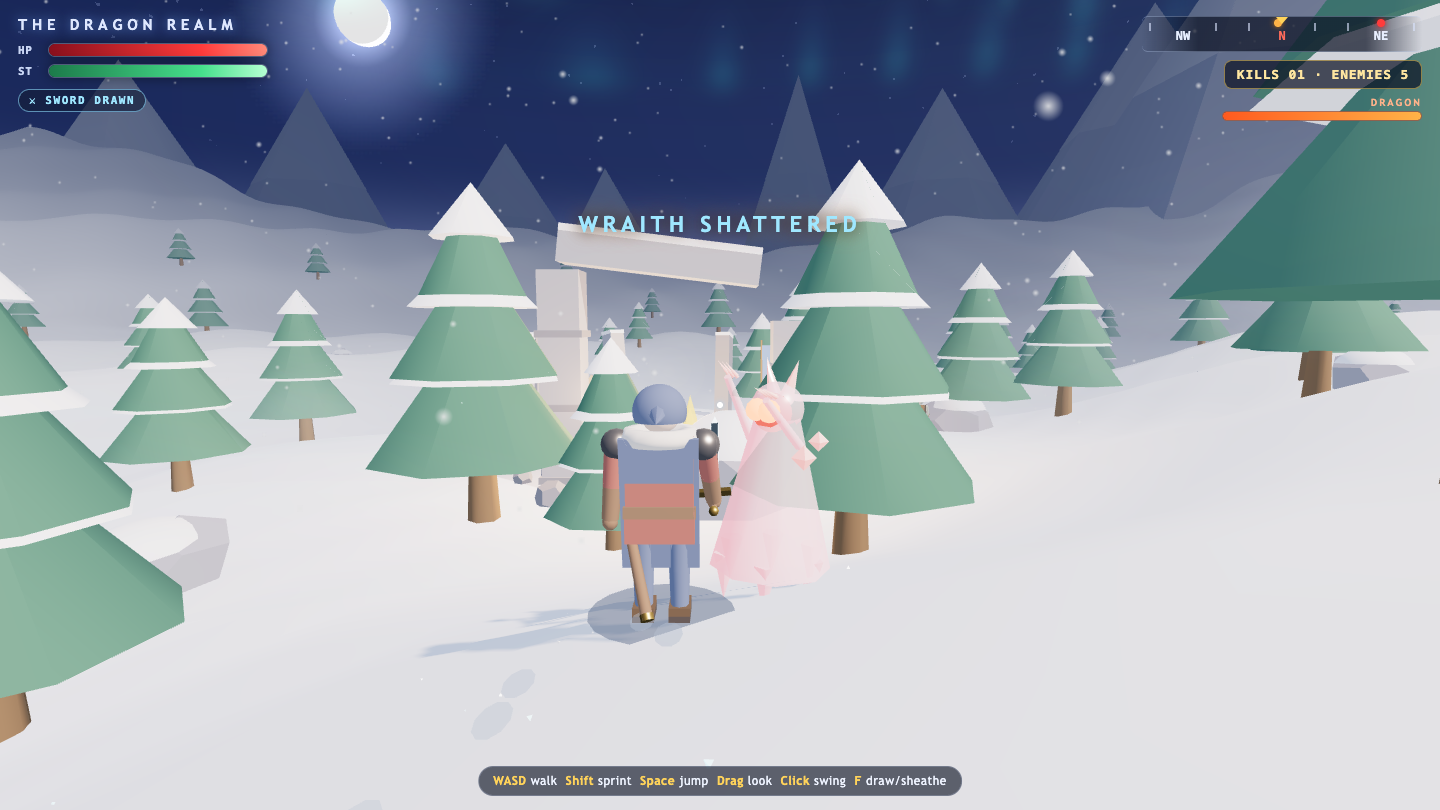
Game
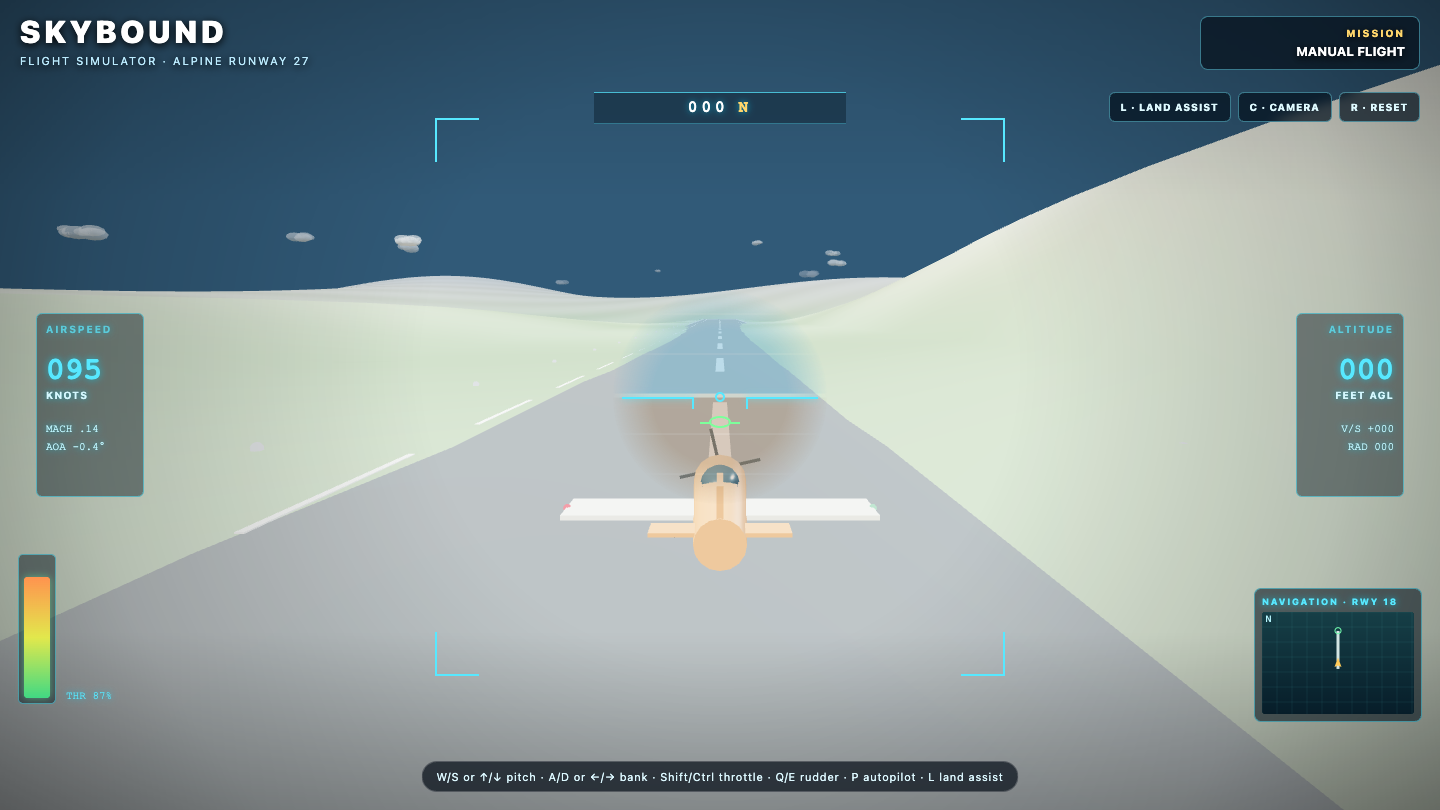
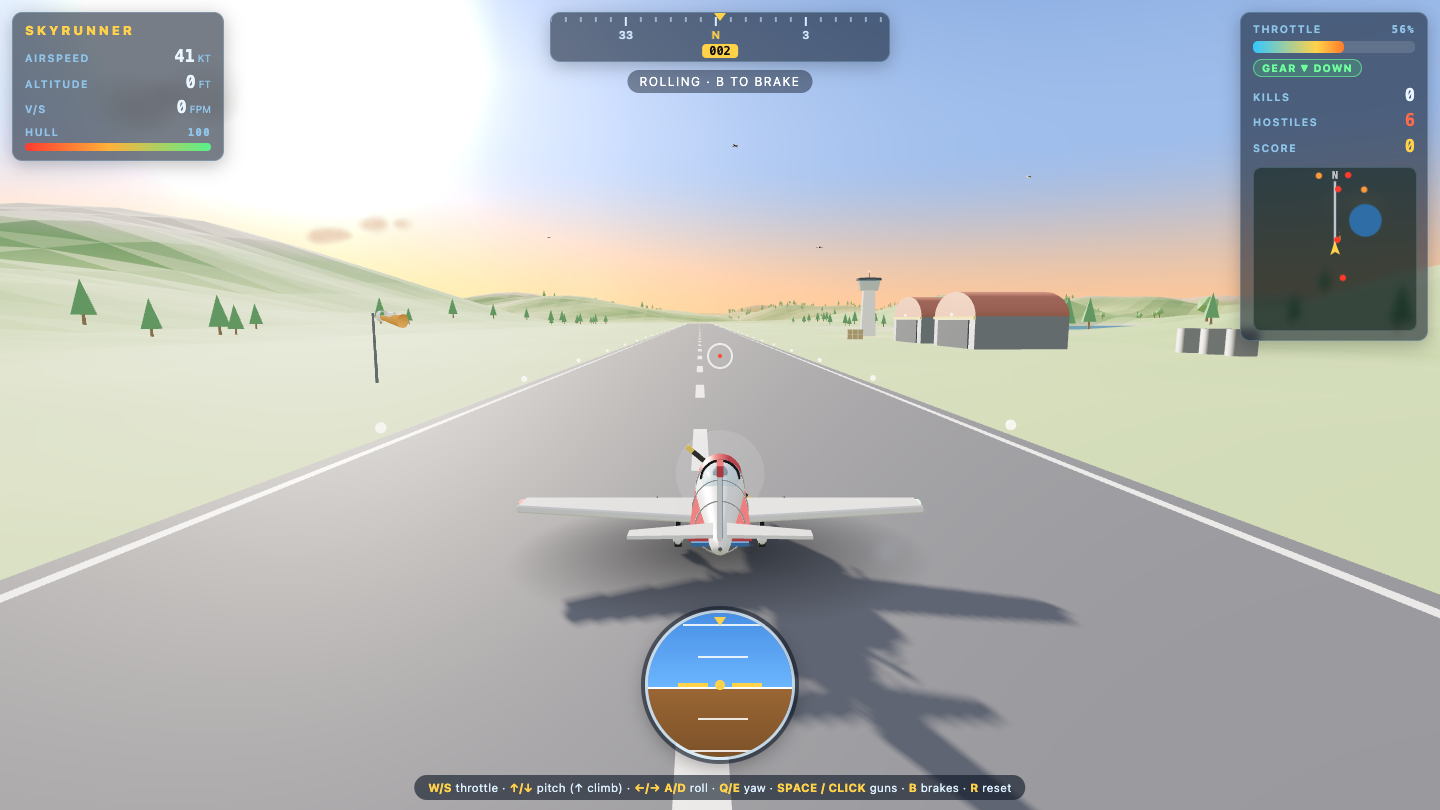
Game
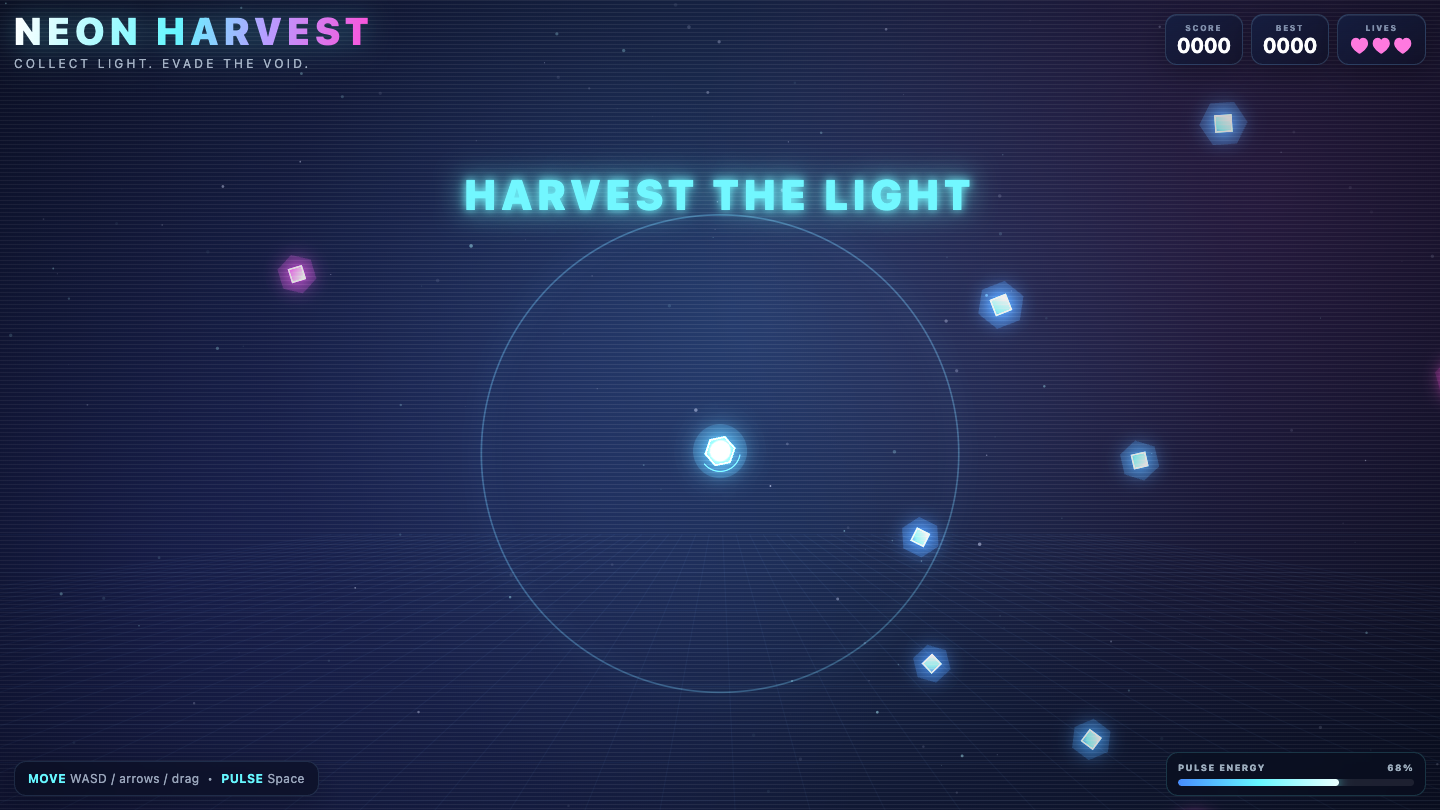
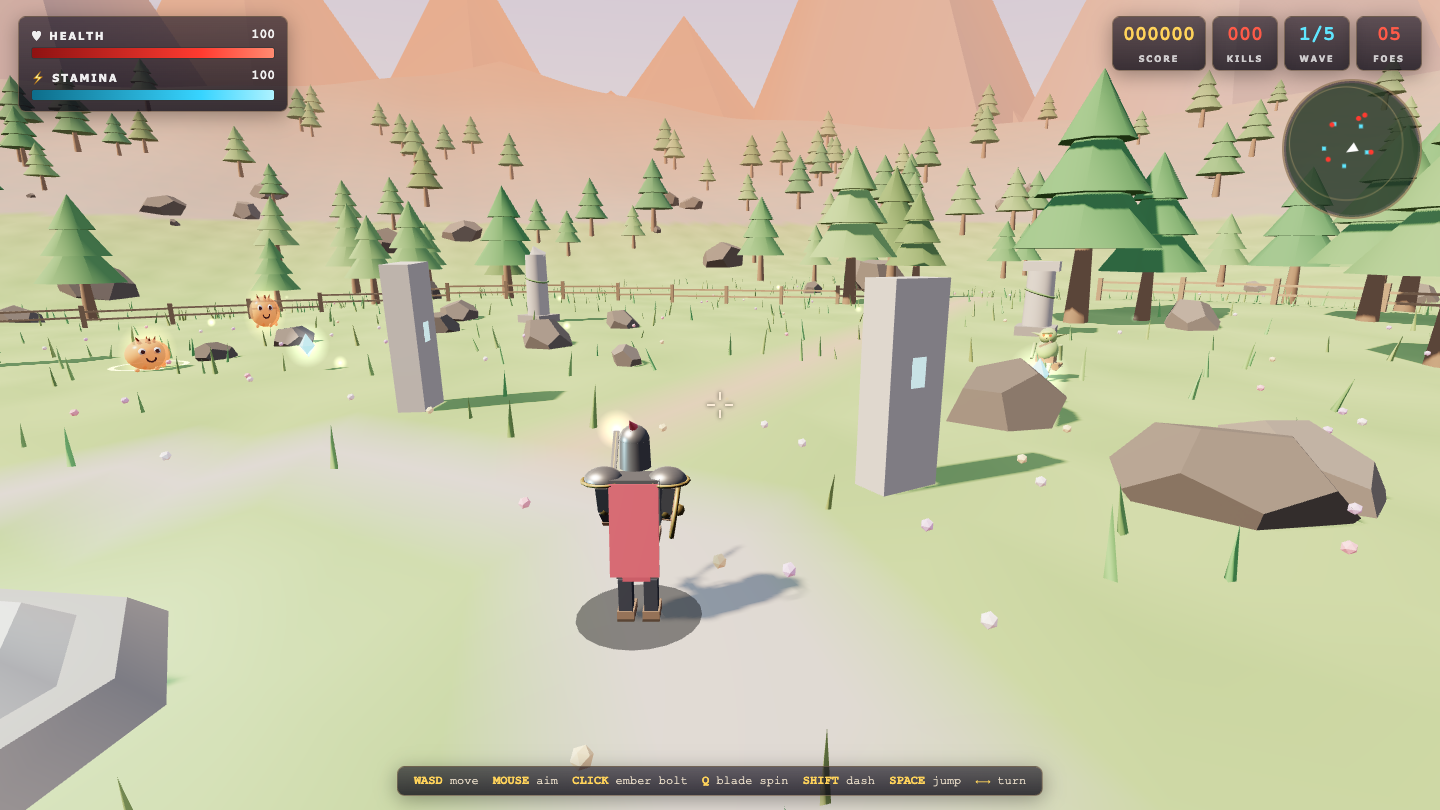
Game
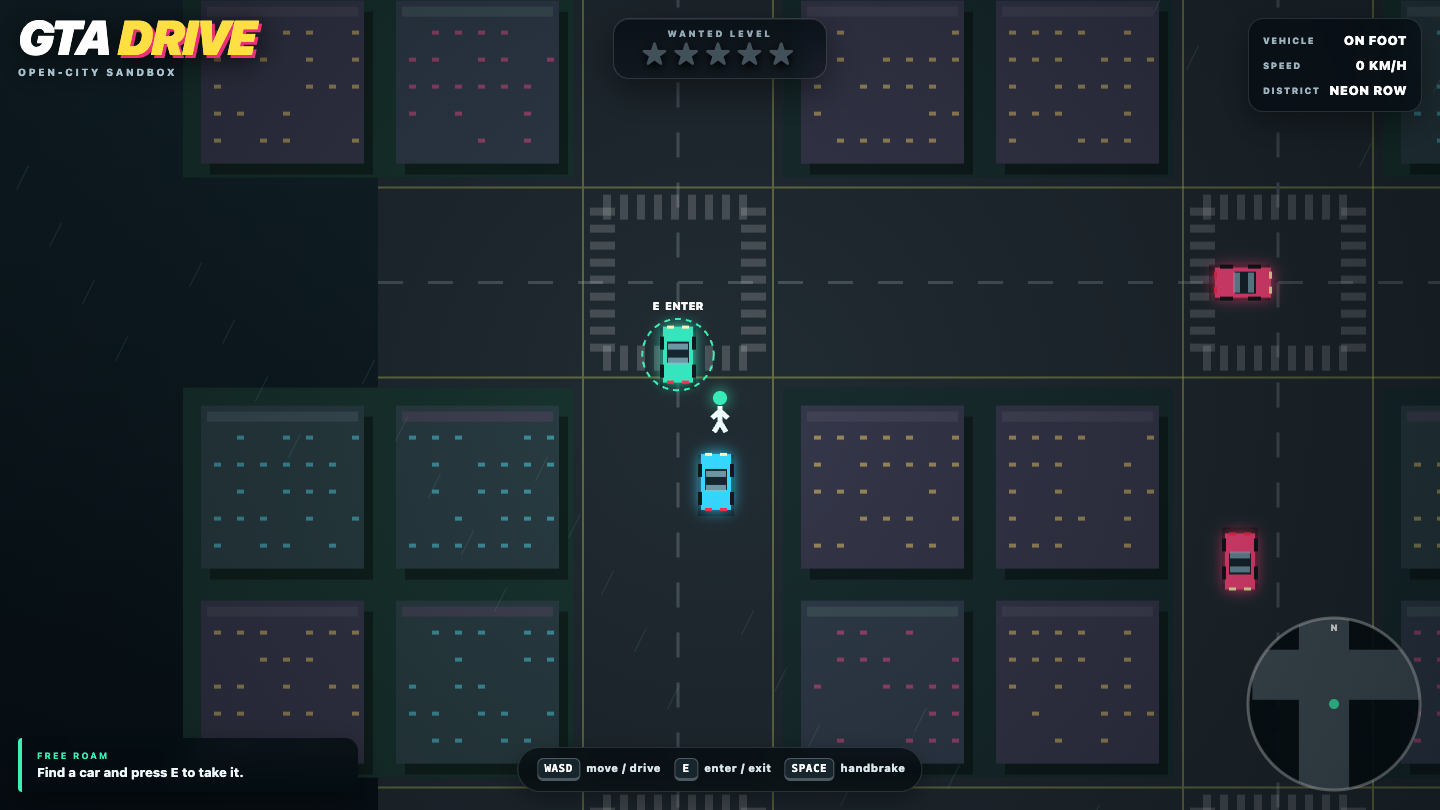
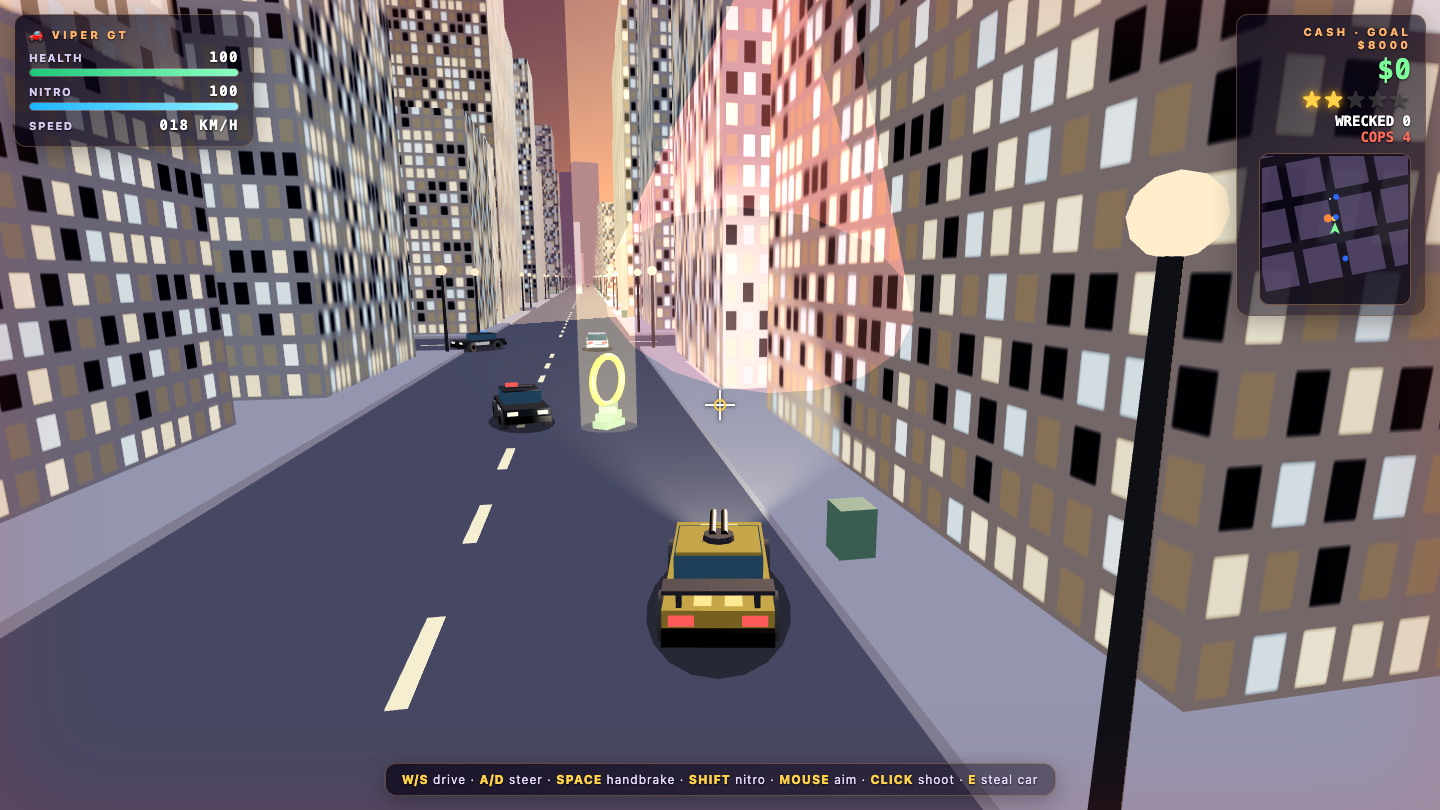
Game
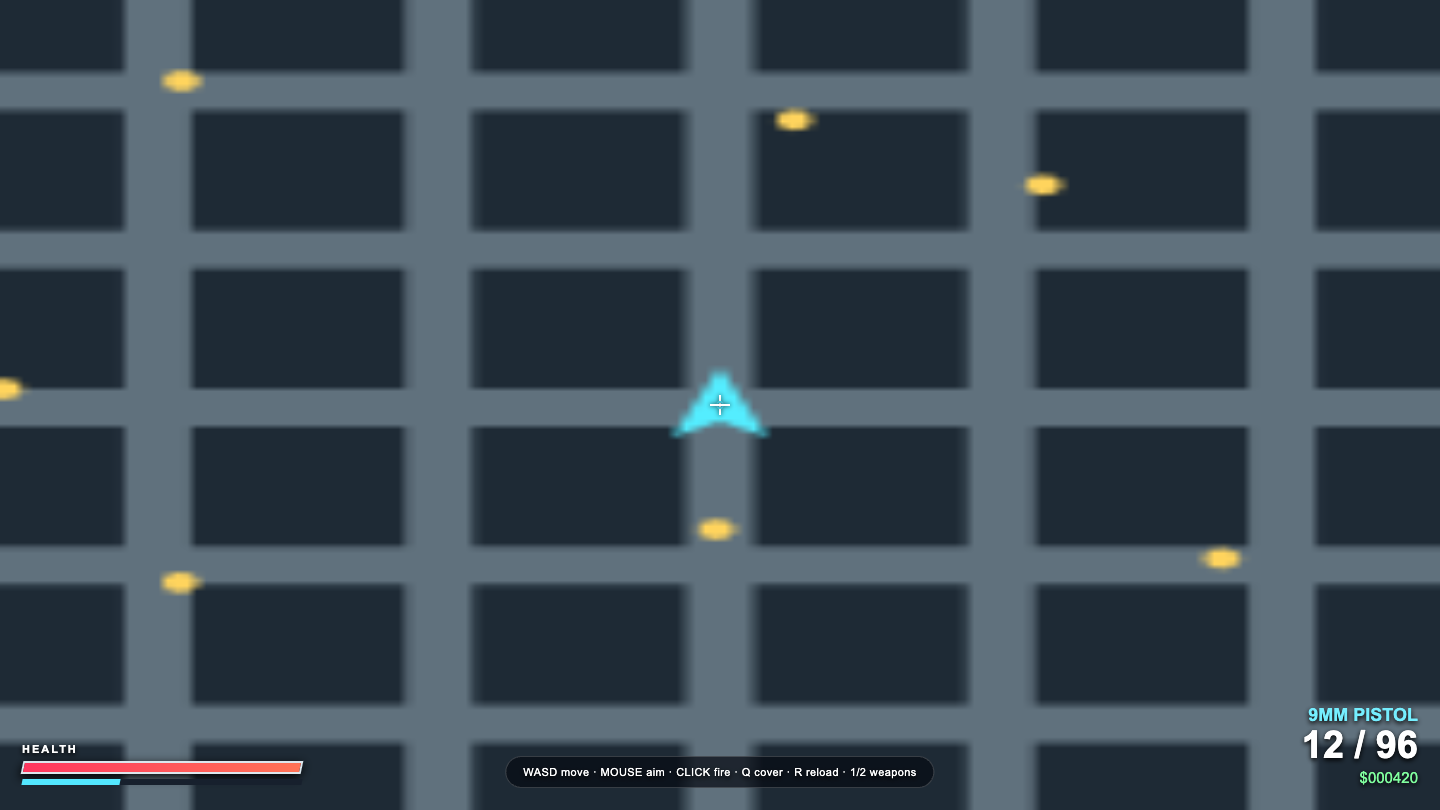
Game
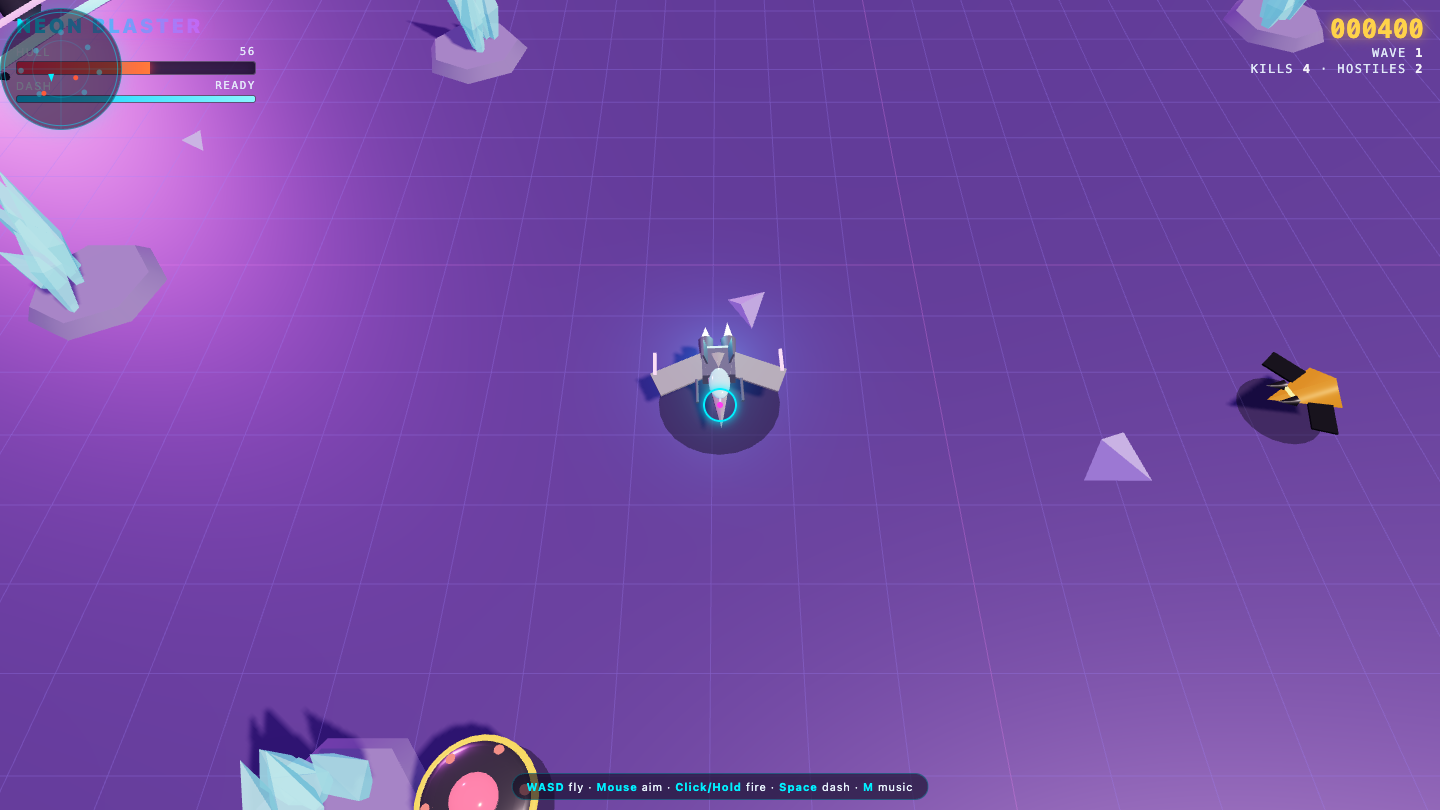
Game
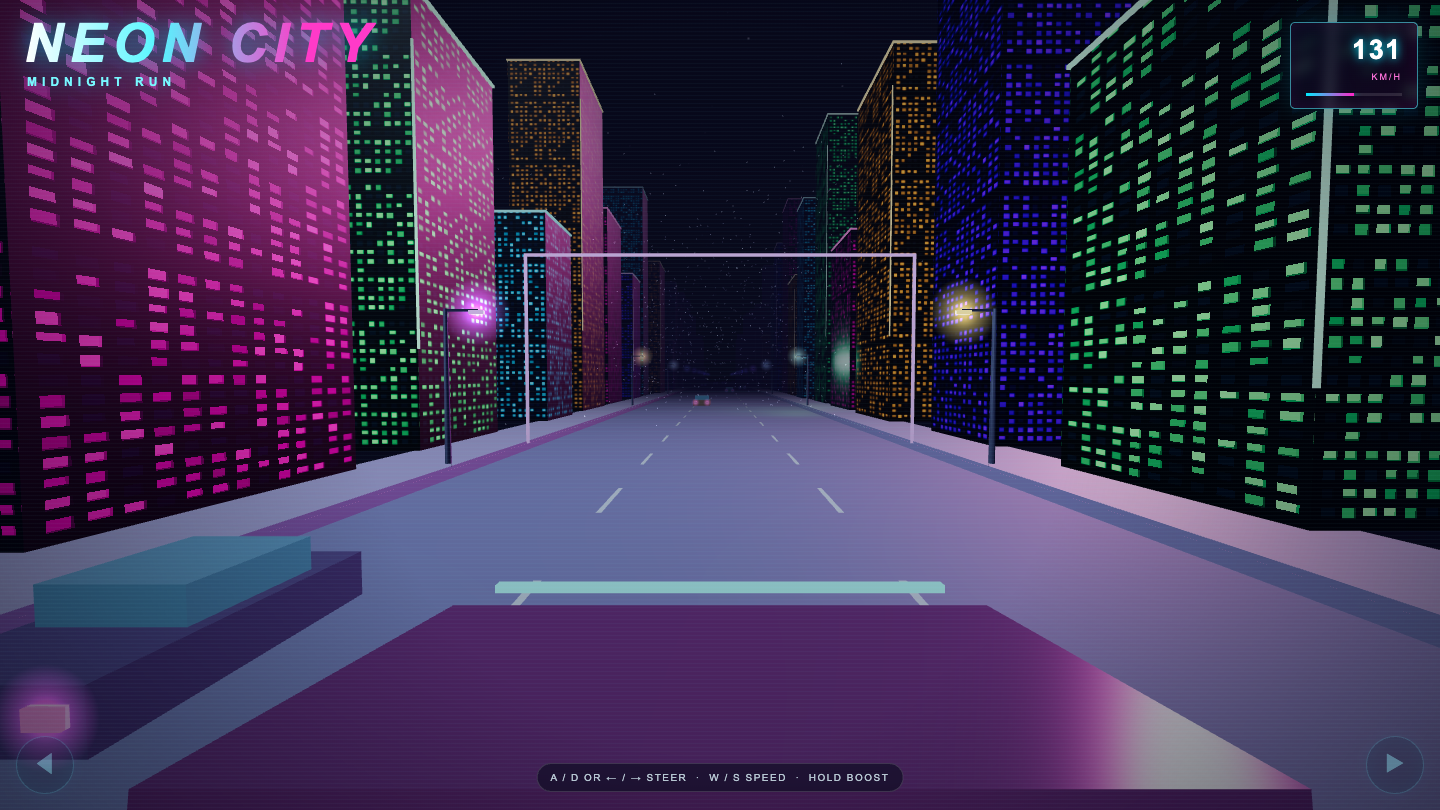

Game
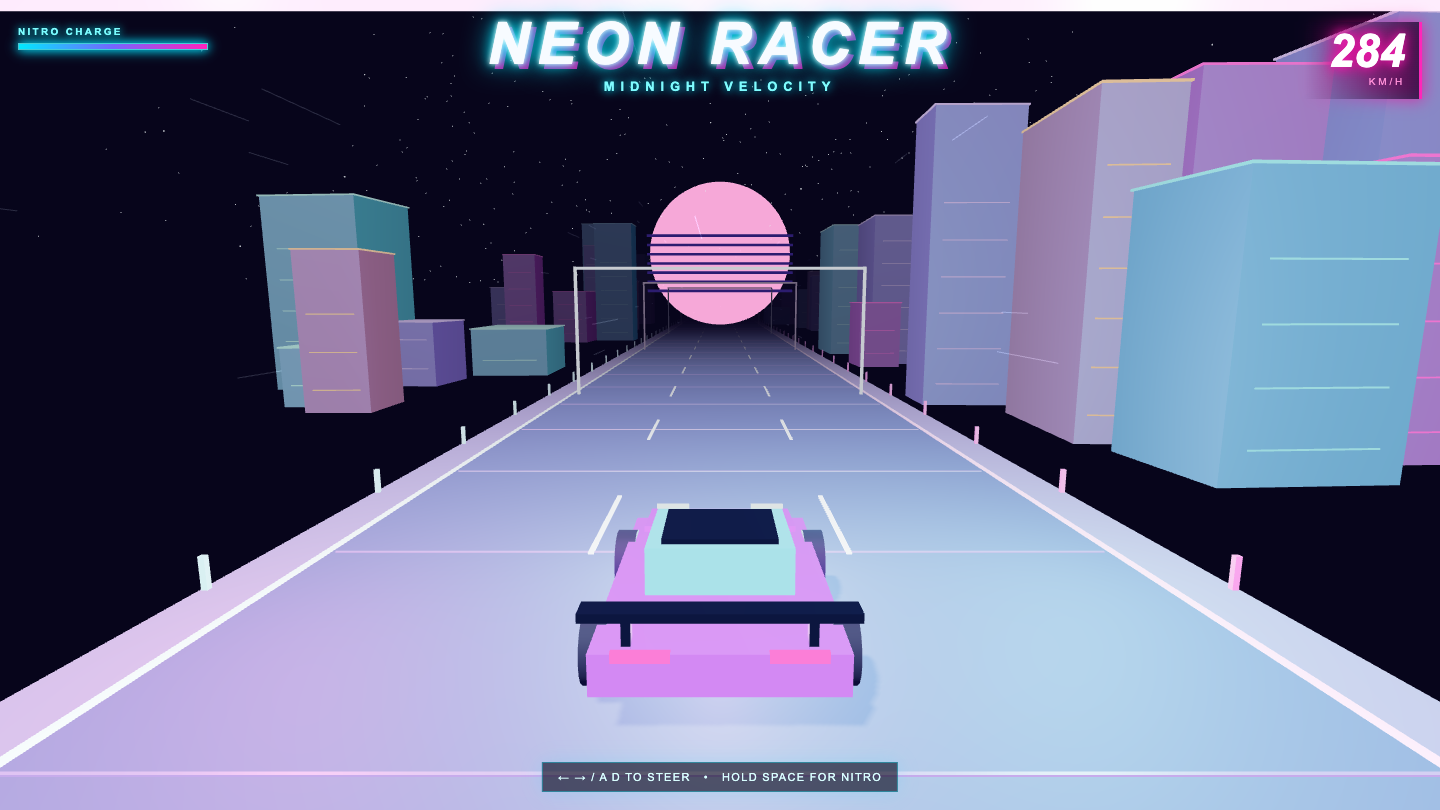
Game
Game
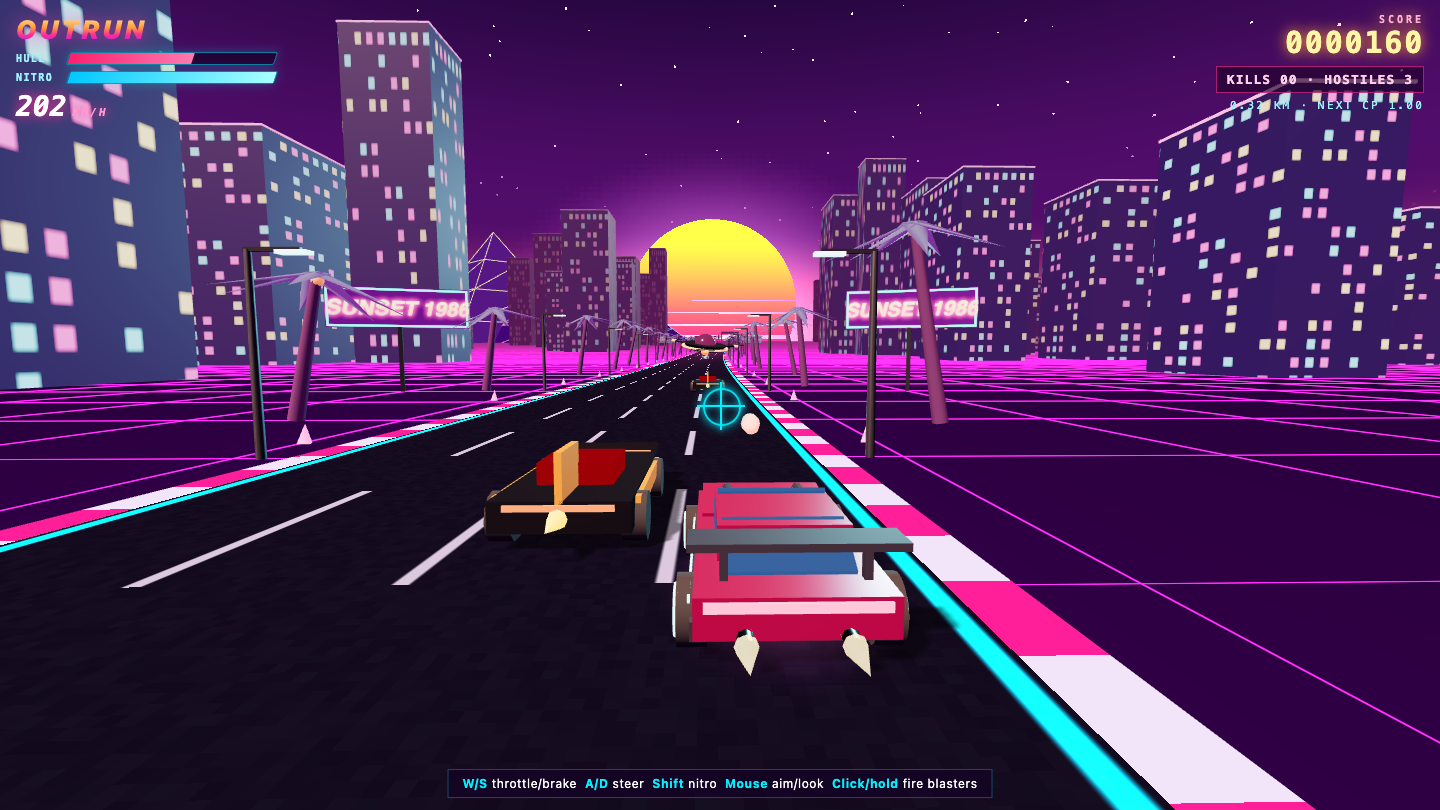
Game
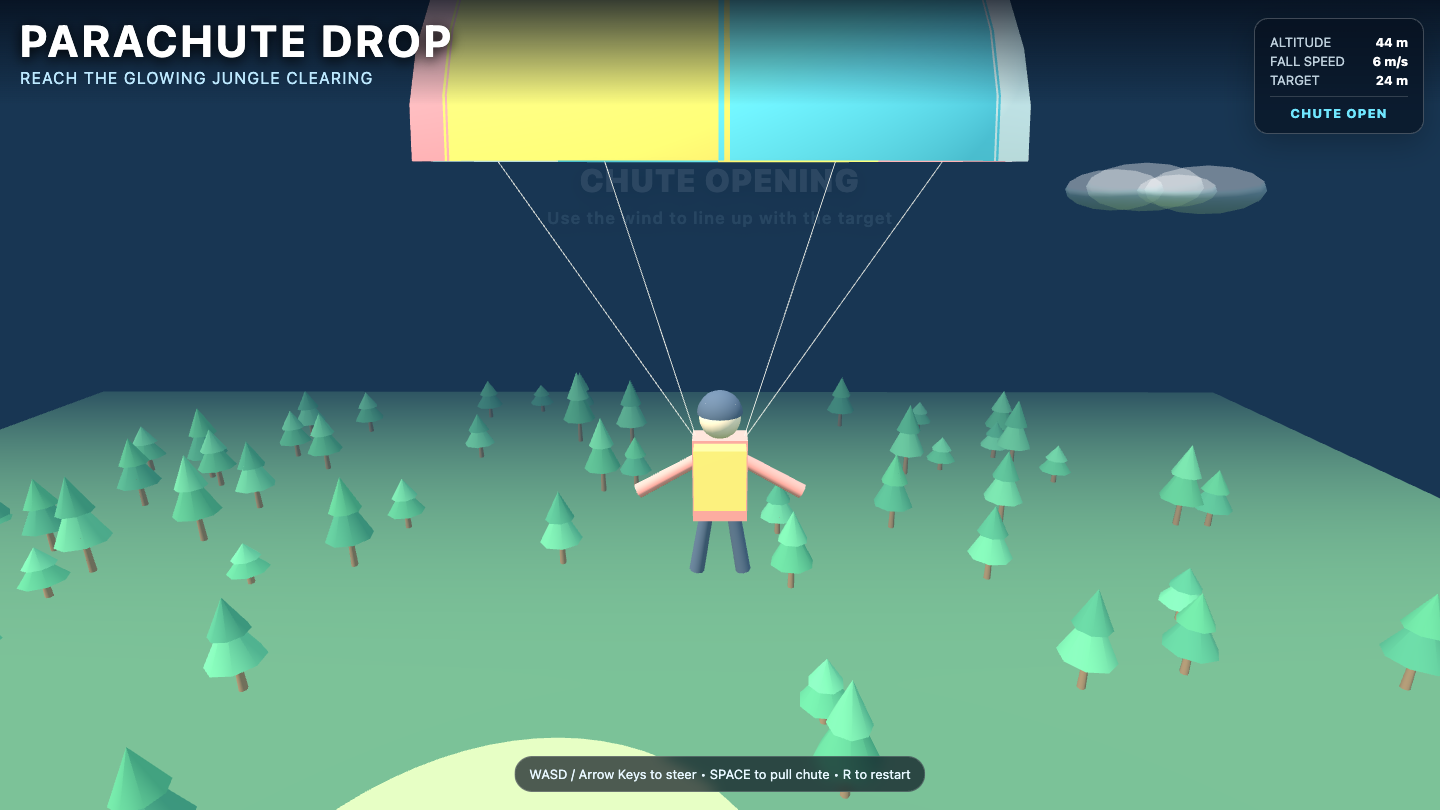
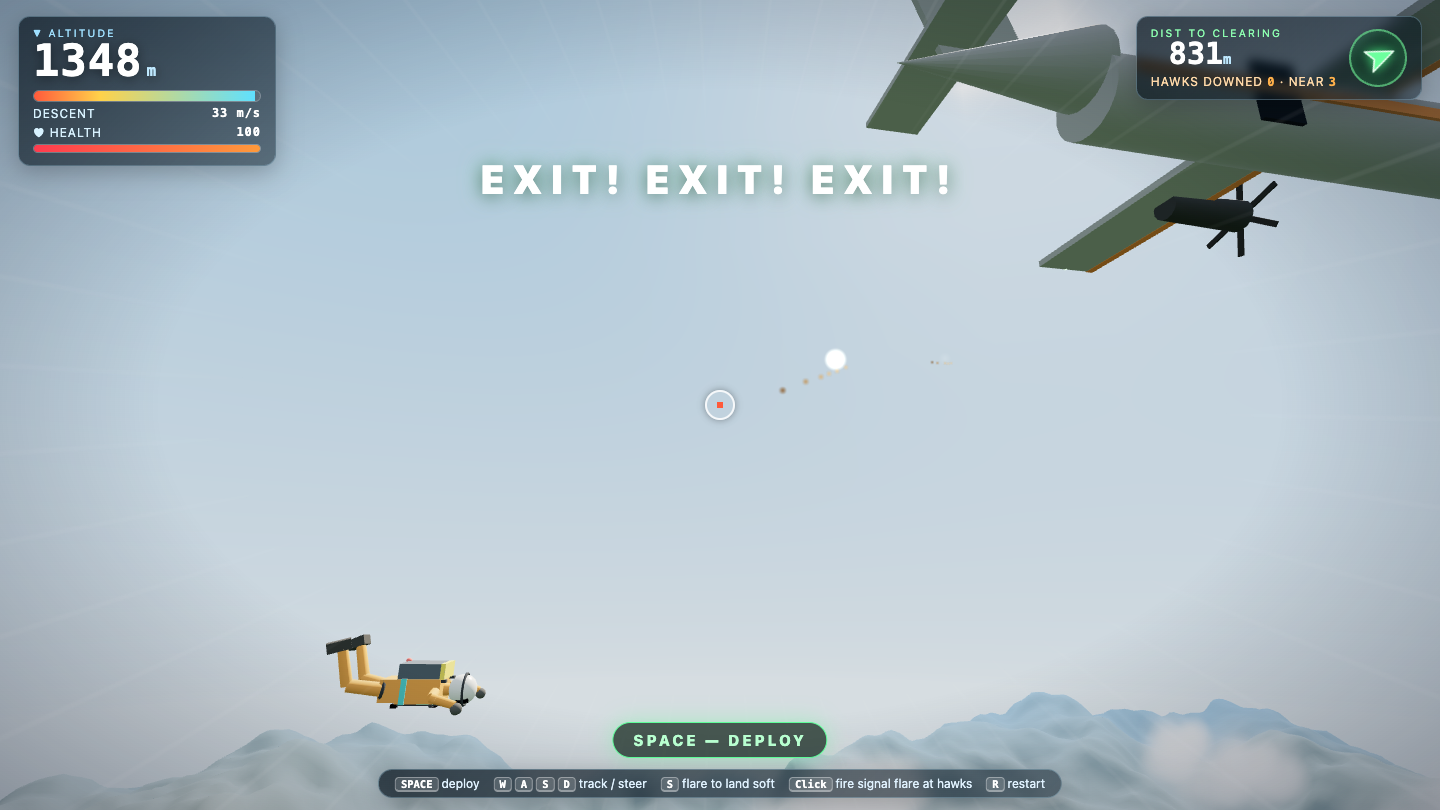
Game
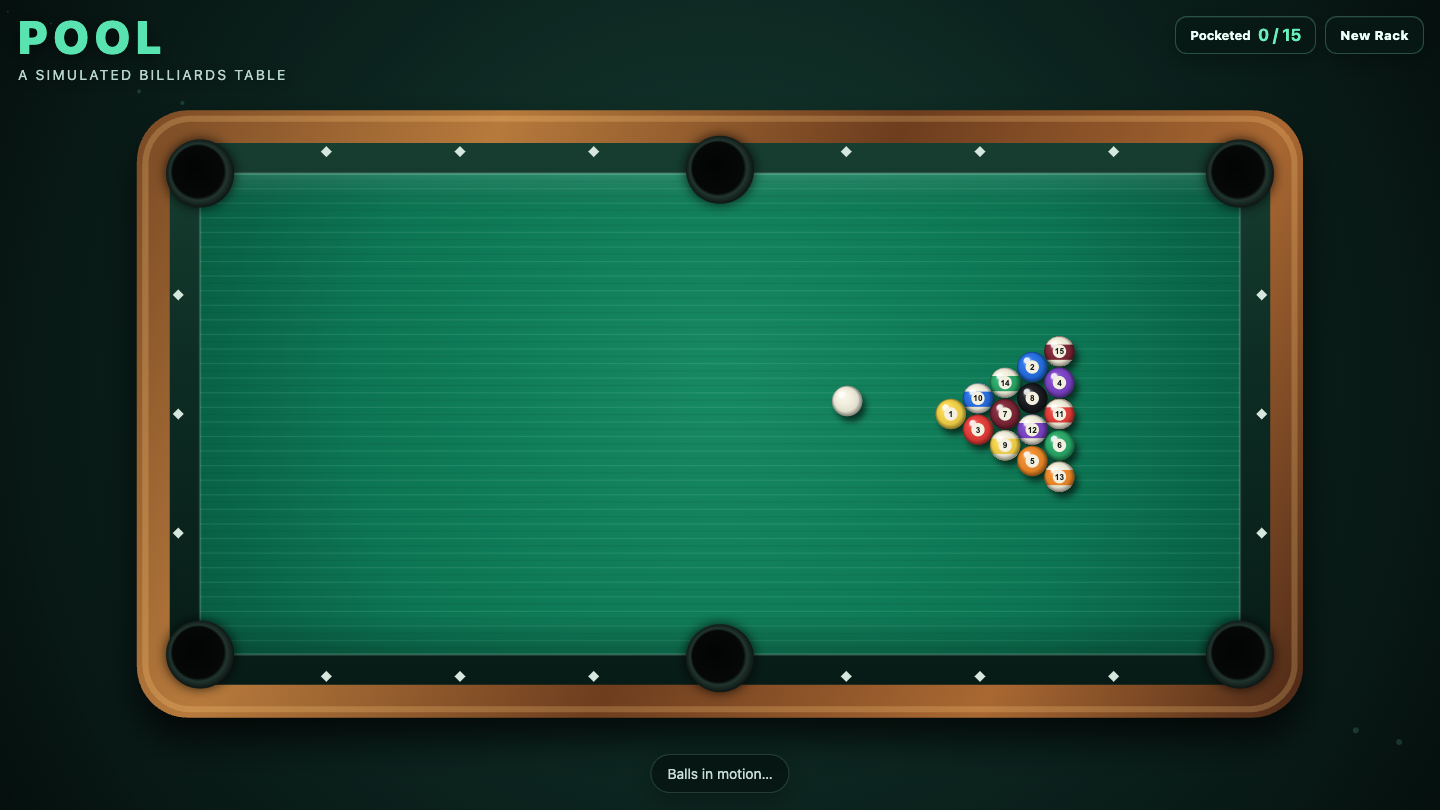
Game
Game
Game
Game
Game
Game
Other
Where GPT-5.6 Sol beat Claude Opus 5.5
The tasks where I gave GPT-5.6 Sol a higher 0–10 score on the same prompt — with the actual commentary from my source guides.
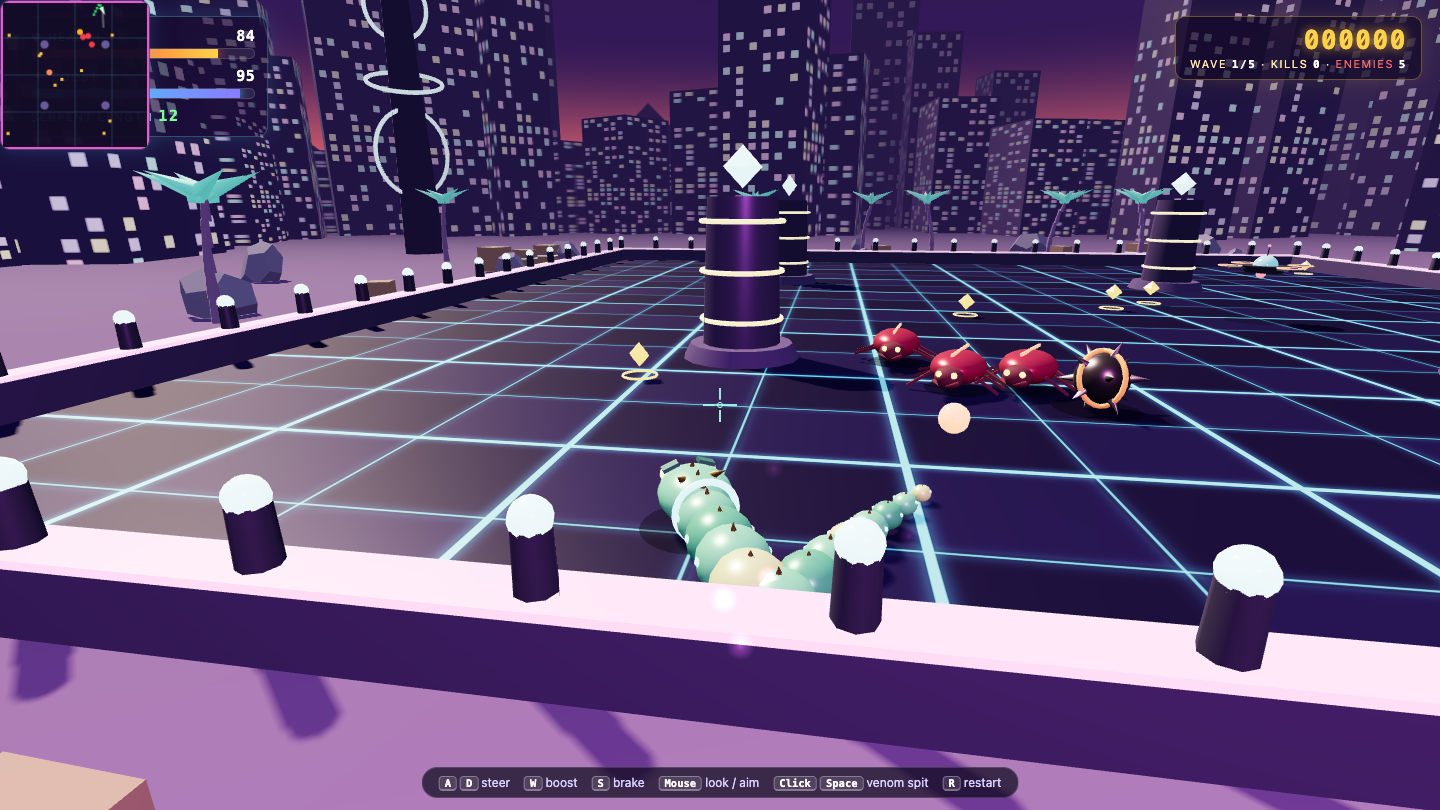
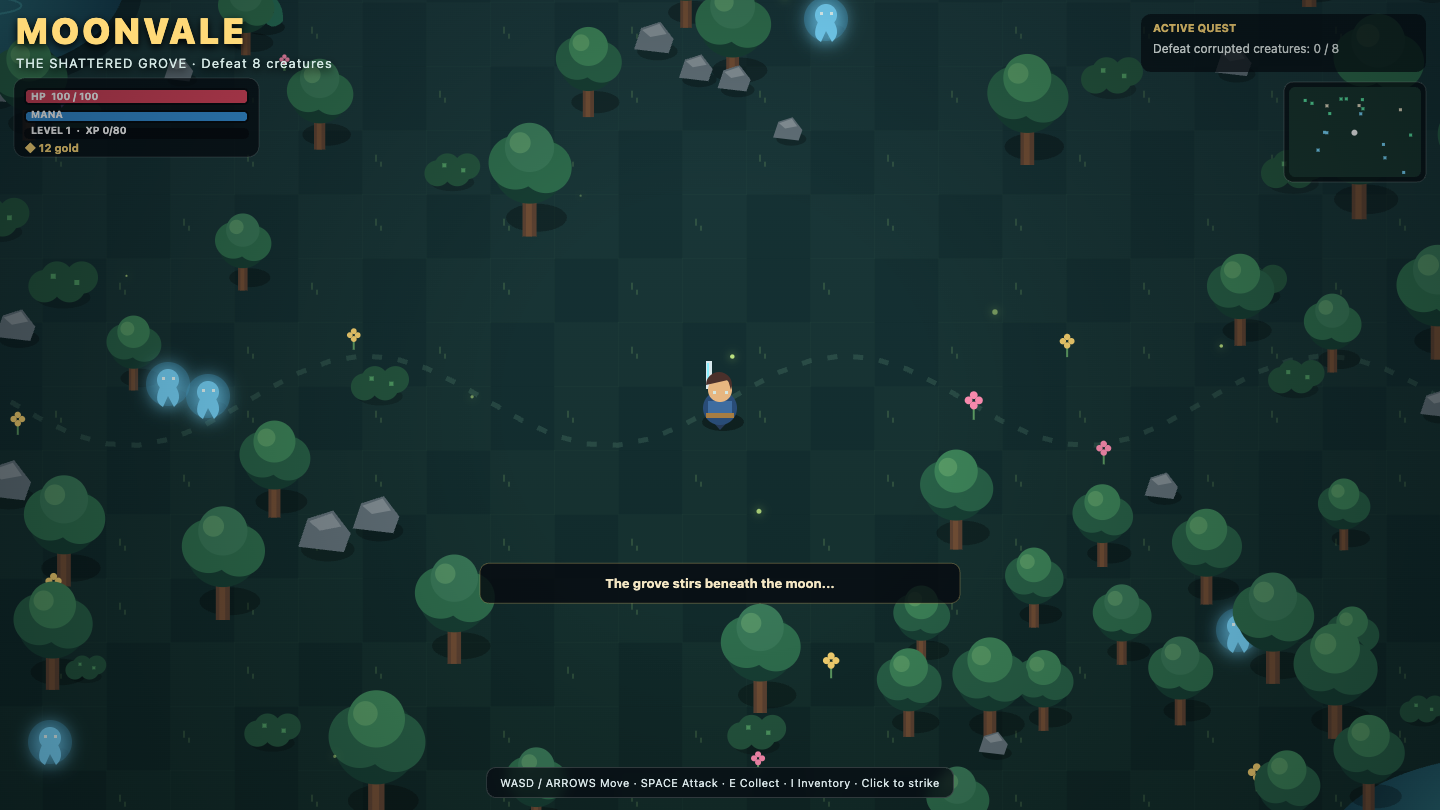
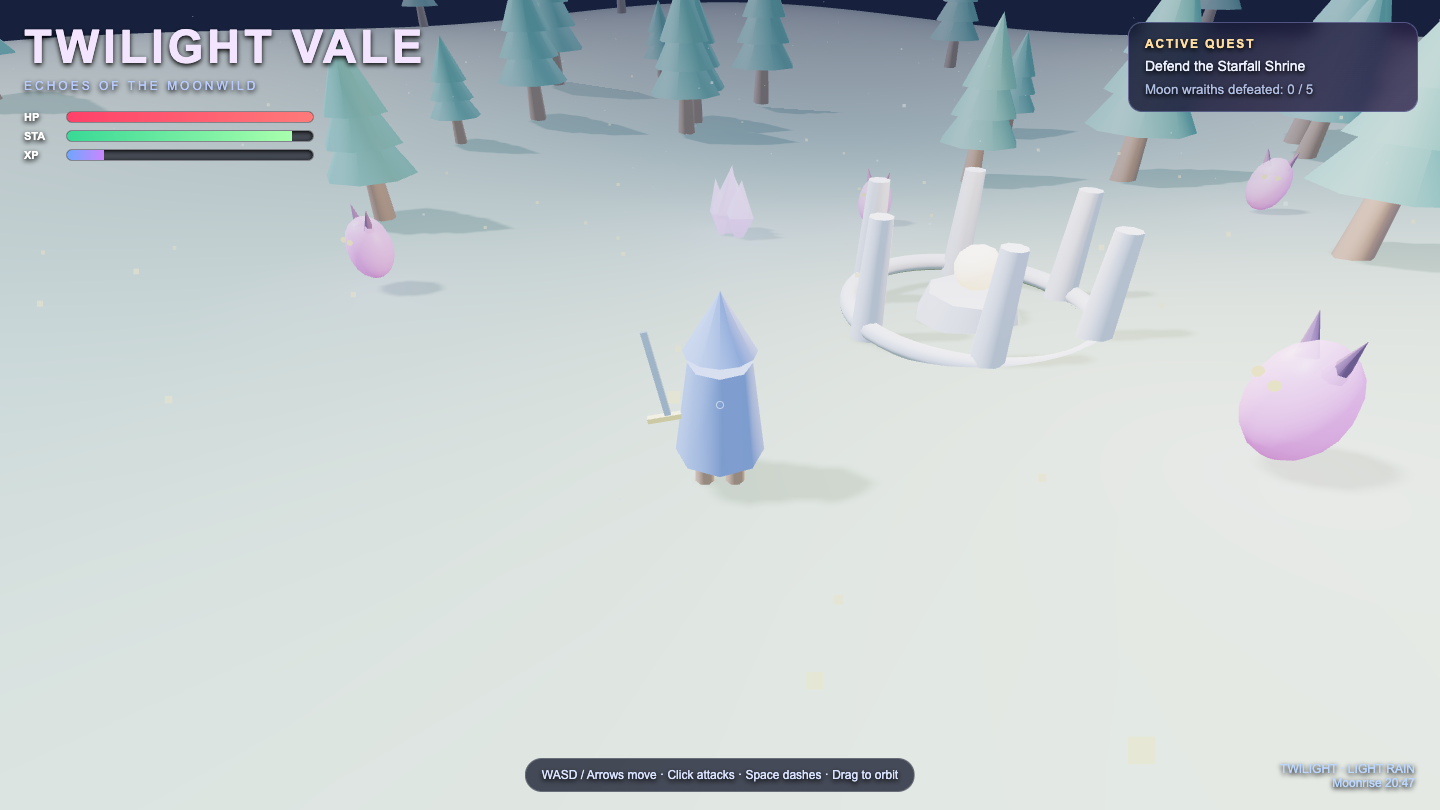
Rpg
Game
GPT-5.6 Sol 8.4
·
Claude Opus 5.5 5.5
(+2.9)
· Polished moonlit grove
What I saw: Strong render: cohesive moonlit forest with layered trees/rocks/flowers, wandering wisp enemies, a clean HUD (HP/mana/XP/gold), quest tracker, minimap, and full control legend — clearly on-brief with combat, inventory, and loot systems in source. Slightly generic character sprite…
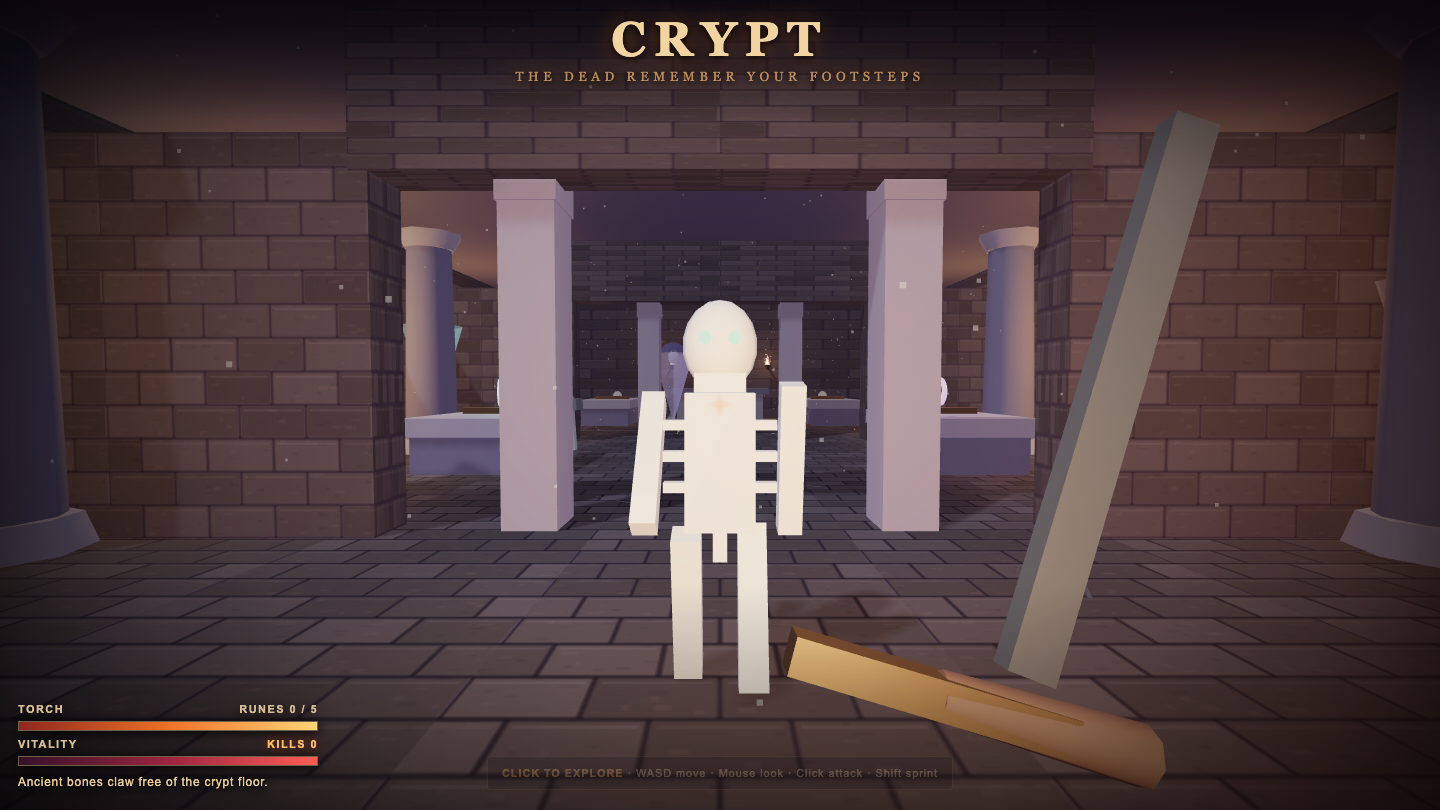
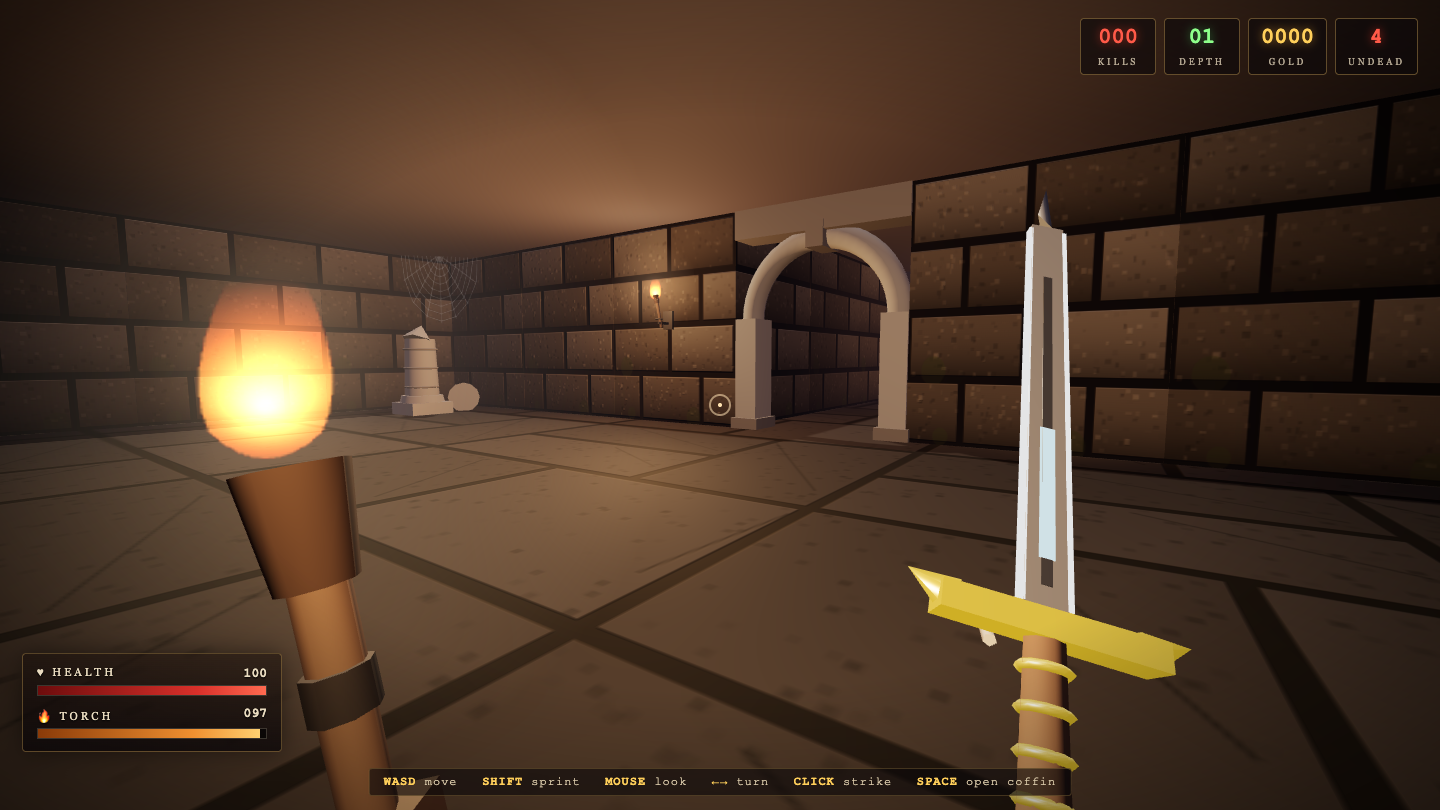
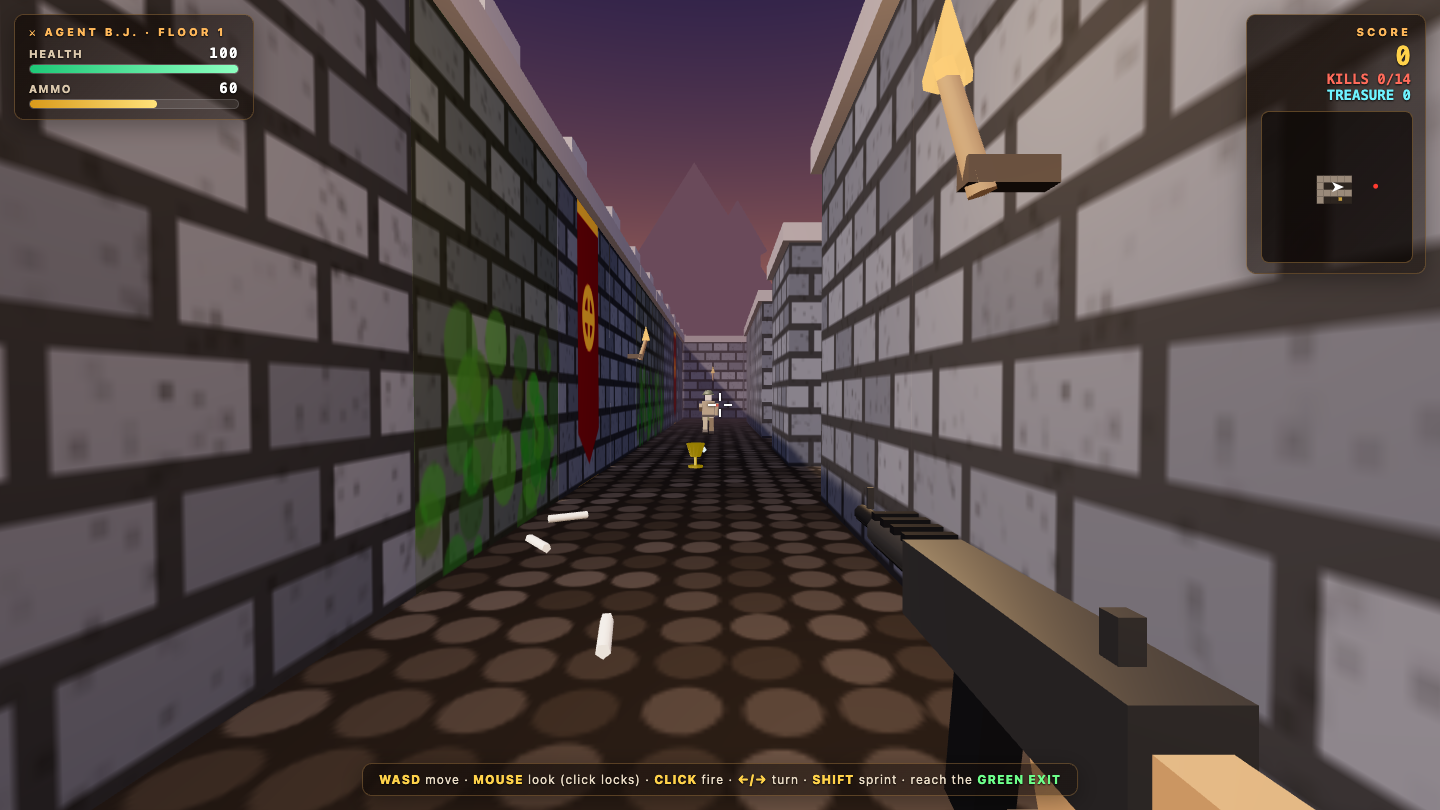
Doom
Game
GPT-5.6 Sol 8.4
·
Claude Opus 5.5 5.8
(+2.6)
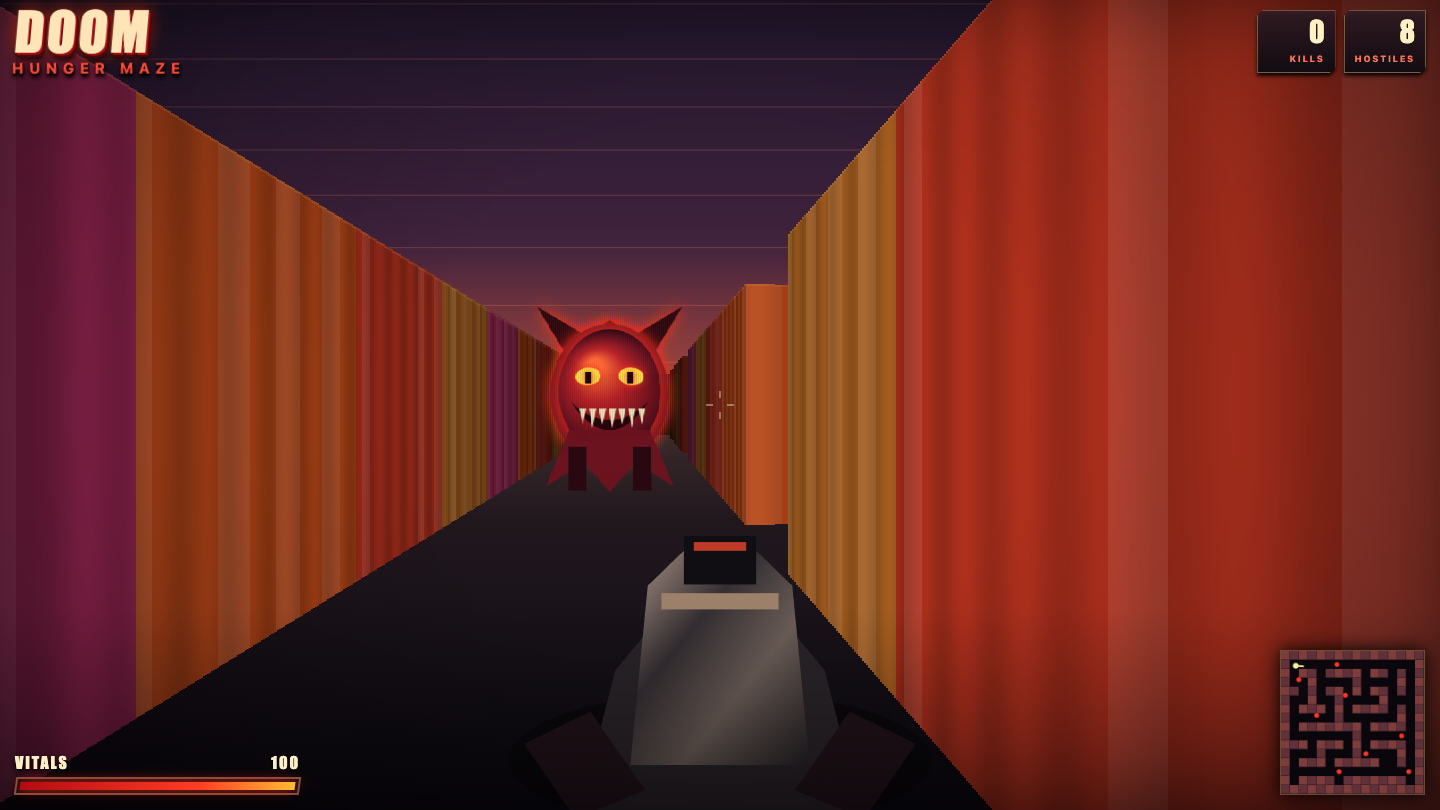
· polished demon raycaster
What I saw: Clean raycaster with atmospheric red-lit corridors, a well-drawn menacing demon sprite with glowing eyes and teeth, weapon viewmodel, minimap with hostile dots, and a cohesive DOOM HUD; slightly below the top only for the somewhat cartoonish monster and gradient walls that read m…
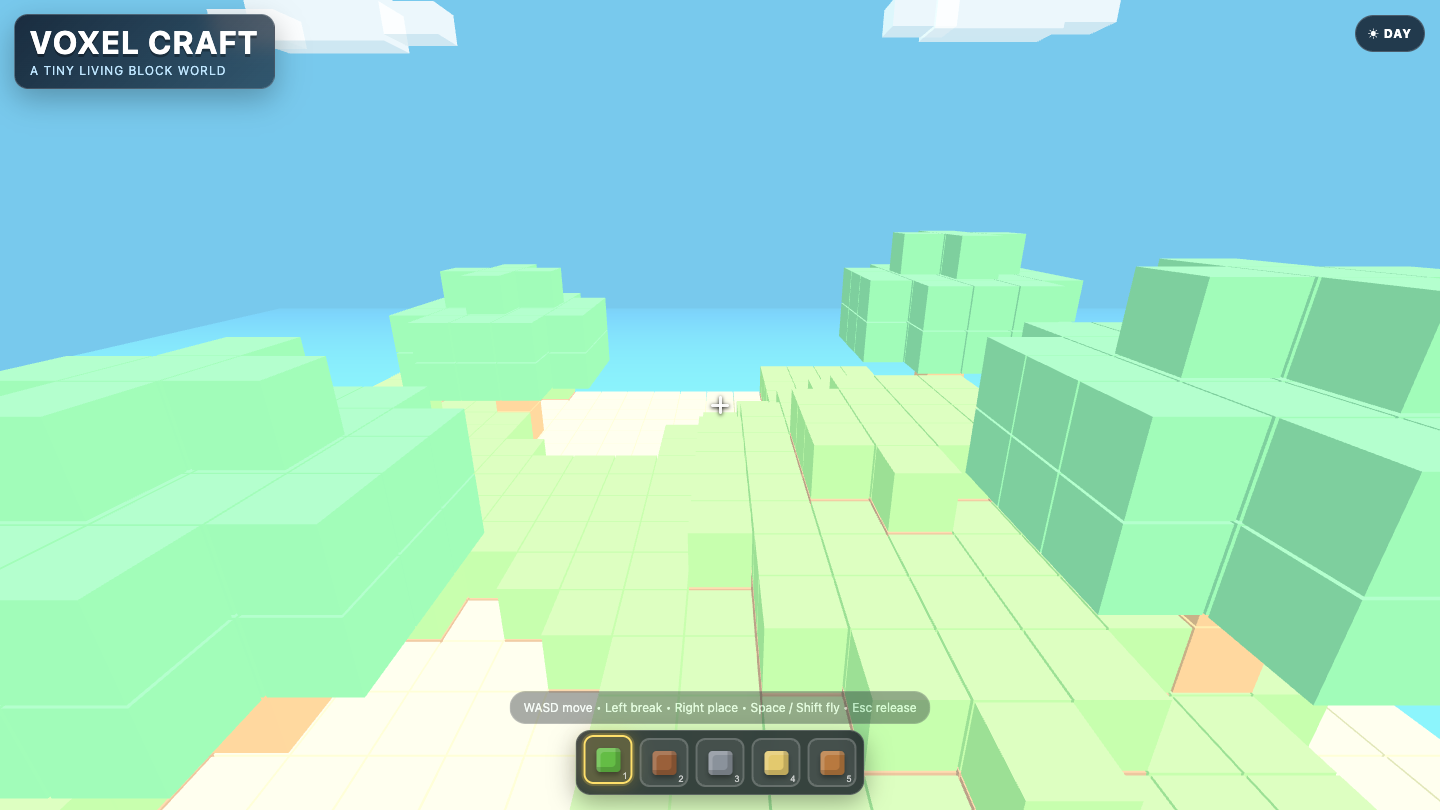
Voxelcraft
Game
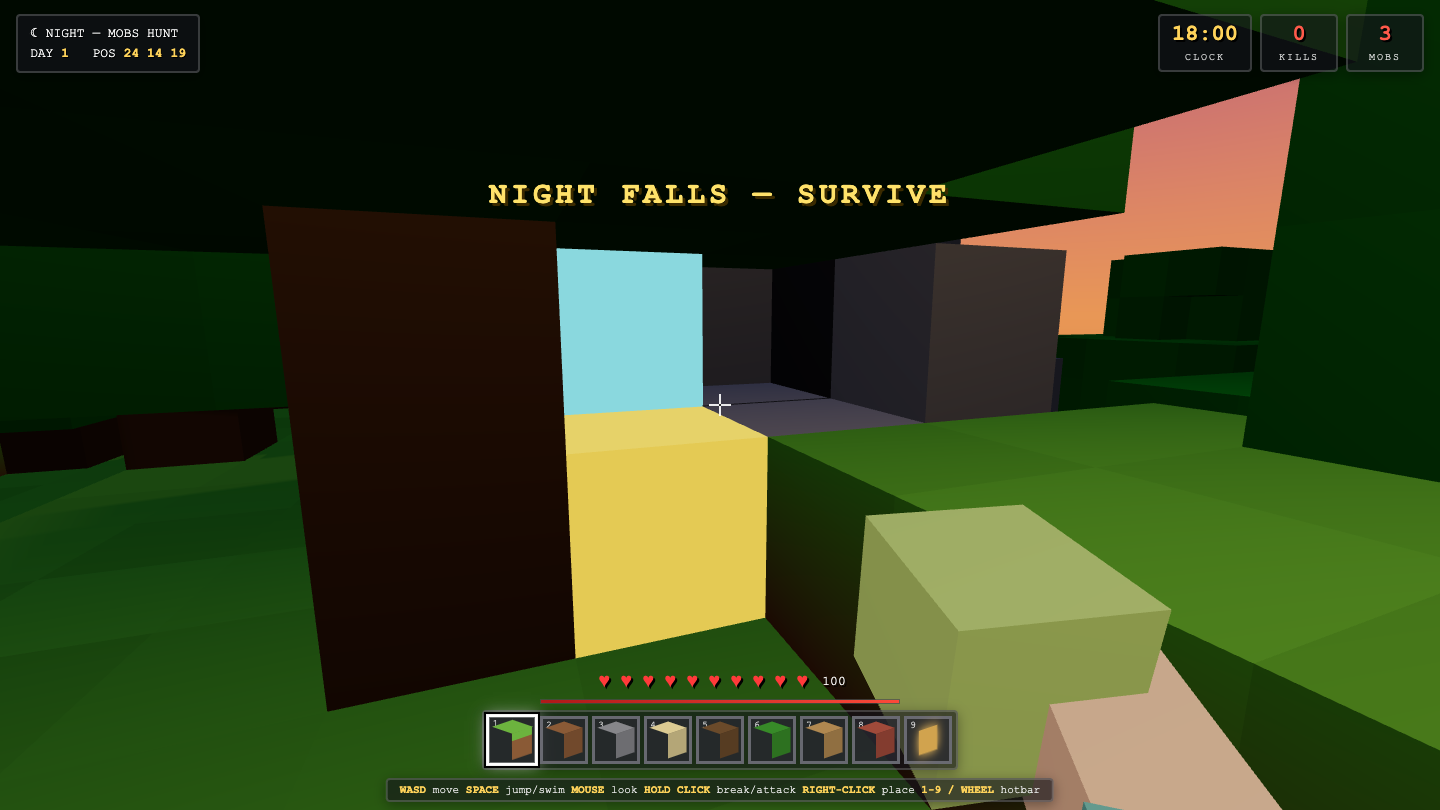
GPT-5.6 Sol 8.4
·
Claude Opus 5.5 5.8
(+2.6)
What I saw: Renders a clean, colorful voxel world with trees, water, crosshair, hotbar and day/night HUD — clearly on-brief and polished; strong pointer-lock FPS setup with place/break and fly, though the flat pastel lighting and simple terrain keep it just shy of the top build.
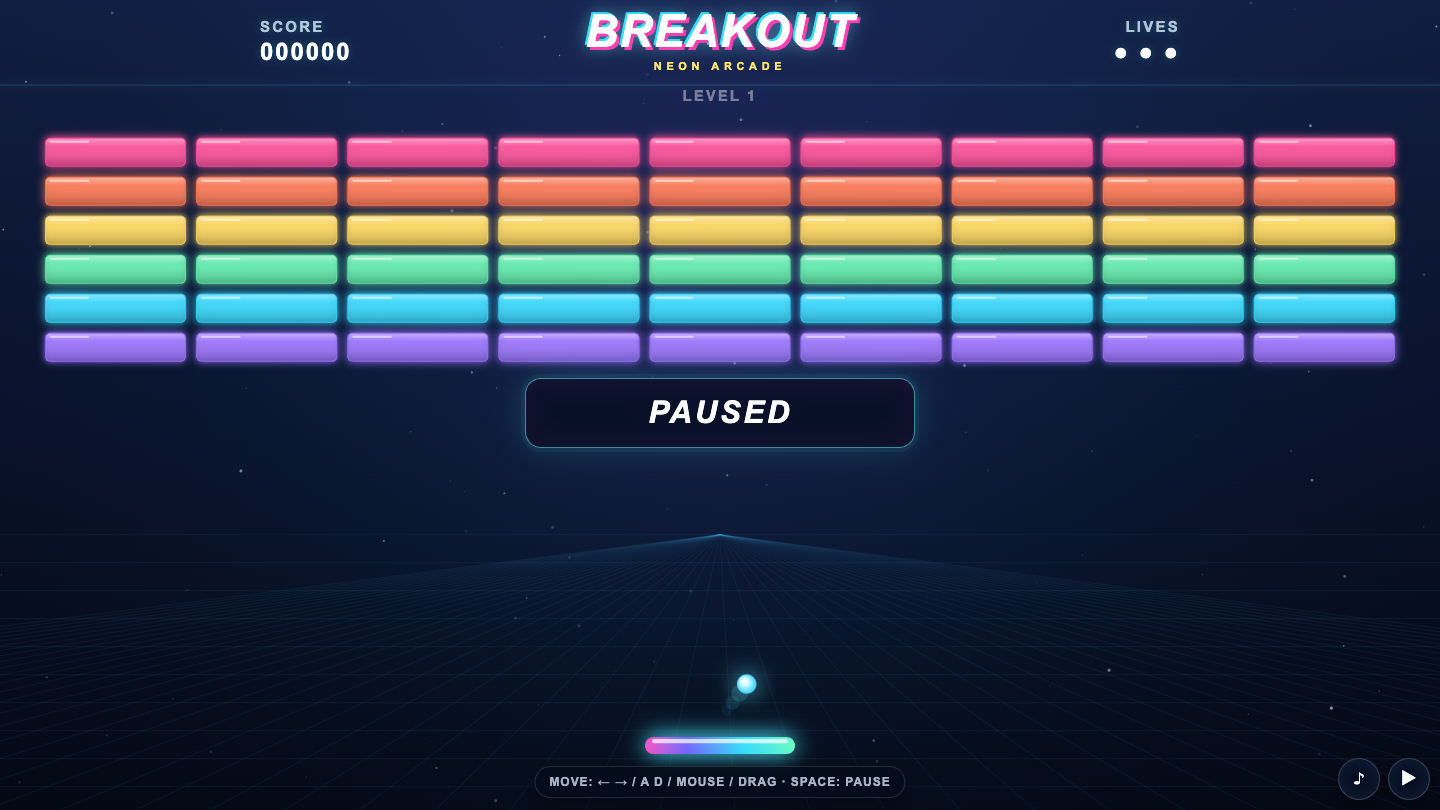
Arcade
Game
GPT-5.6 Sol 8.6
·
Claude Opus 5.5 6.0
(+2.6)
· neon breakout polish
What I saw: Gorgeous, fully-rendered neon breakout with rainbow brick grid, glowing paddle/ball, retro perspective grid floor, and clean HUD/controls/pause overlay — strong arcade identity backed by solid physics, DPR scaling, particles and audio. Polish and cohesion put it at the top of the field.
Neonblaster
Game
GPT-5.6 Sol 8.3
·
Claude Opus 5.5 5.8
(+2.5)
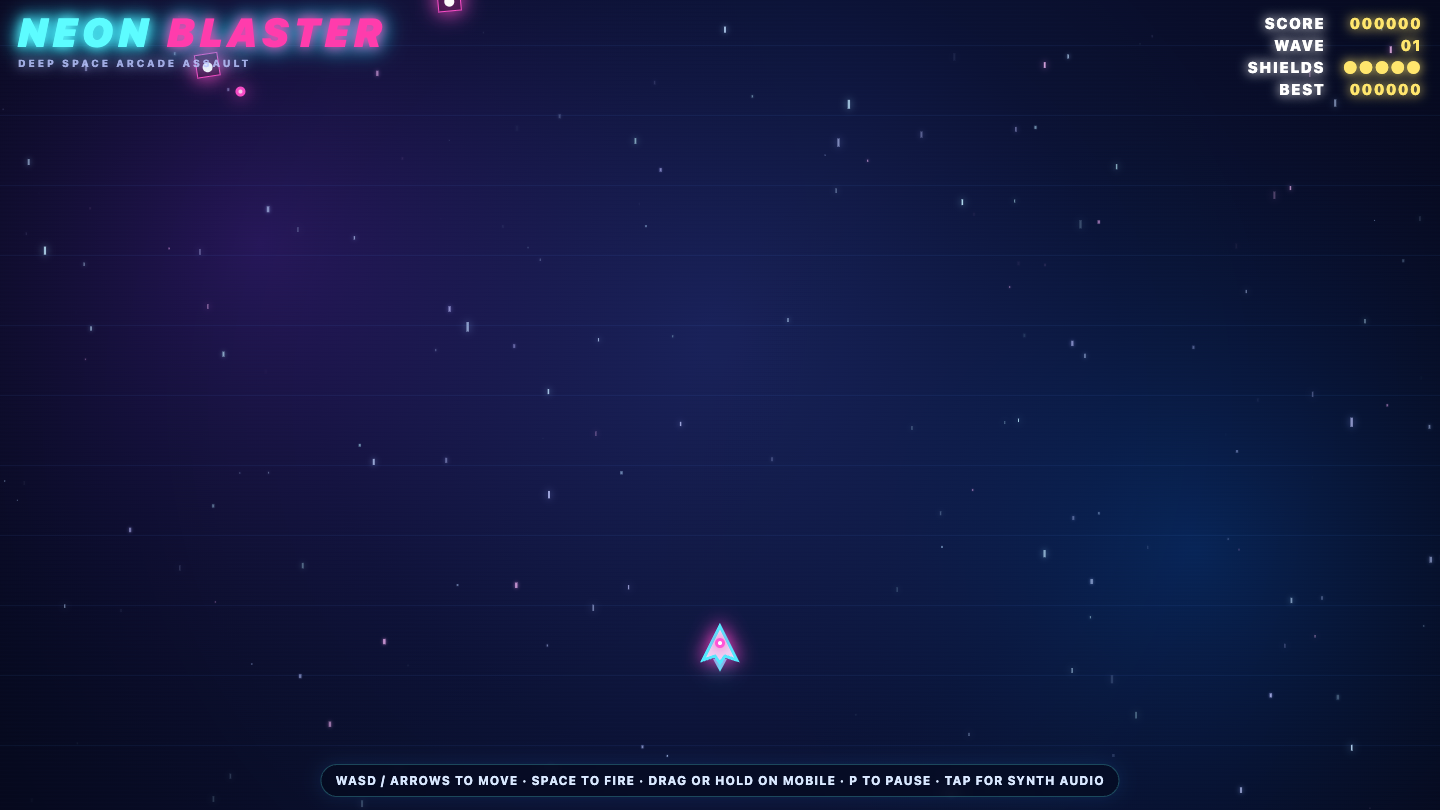
What I saw: Clean render with strong neon HUD, scanline/vignette CRT overlay, glowing ship and polished starfield; source shows waves, bosses with health bars, power-ups, screen-shake, and synth music/SFX. Screenshot is a bit empty (no enemies/action visible) which slightly undersells the ju…
Where Claude Opus 5.5 beat GPT-5.6 Sol
The tasks where I gave Claude Opus 5.5 a higher 0–10 score on the same prompt — with the actual commentary from my source guides.
Voxel
Visual
Claude Opus 5.5 7.9
·
GPT-5.6 Sol 3.5
(+4.4)
What I saw: Bright, varied voxel island (15k blocks) with terraced grass, beaches, water, pastel trees, seeded regen and a day cycle. Pleasant and on-brief. Leaf blocks carry a noisy black-speckle texture and the lighting is flat midday with no fog or shadow depth, so it's below the 9.0 best.
Gtafoot
Game
Claude Opus 5.5 7.6
·
GPT-5.6 Sol 3.5
(+4.1)
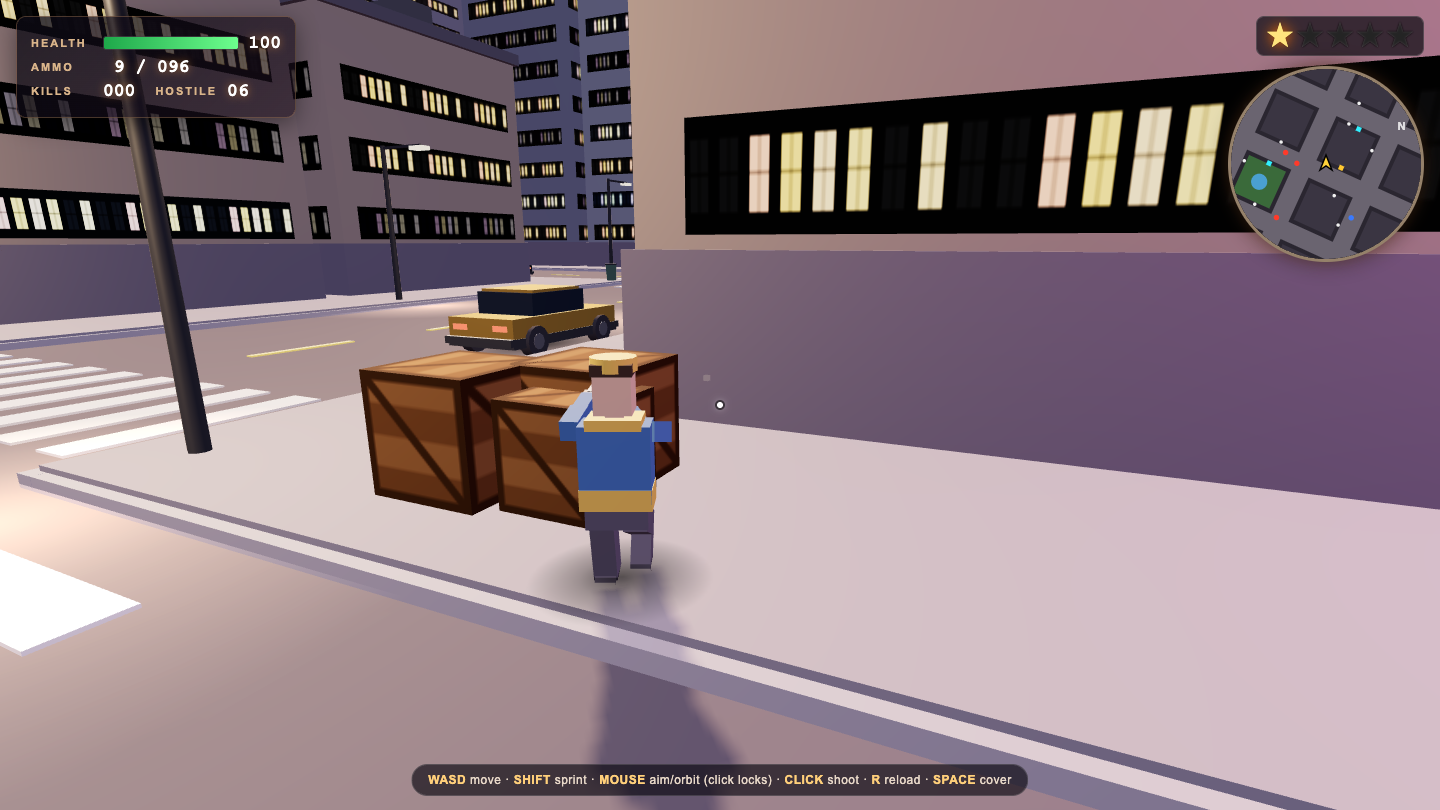
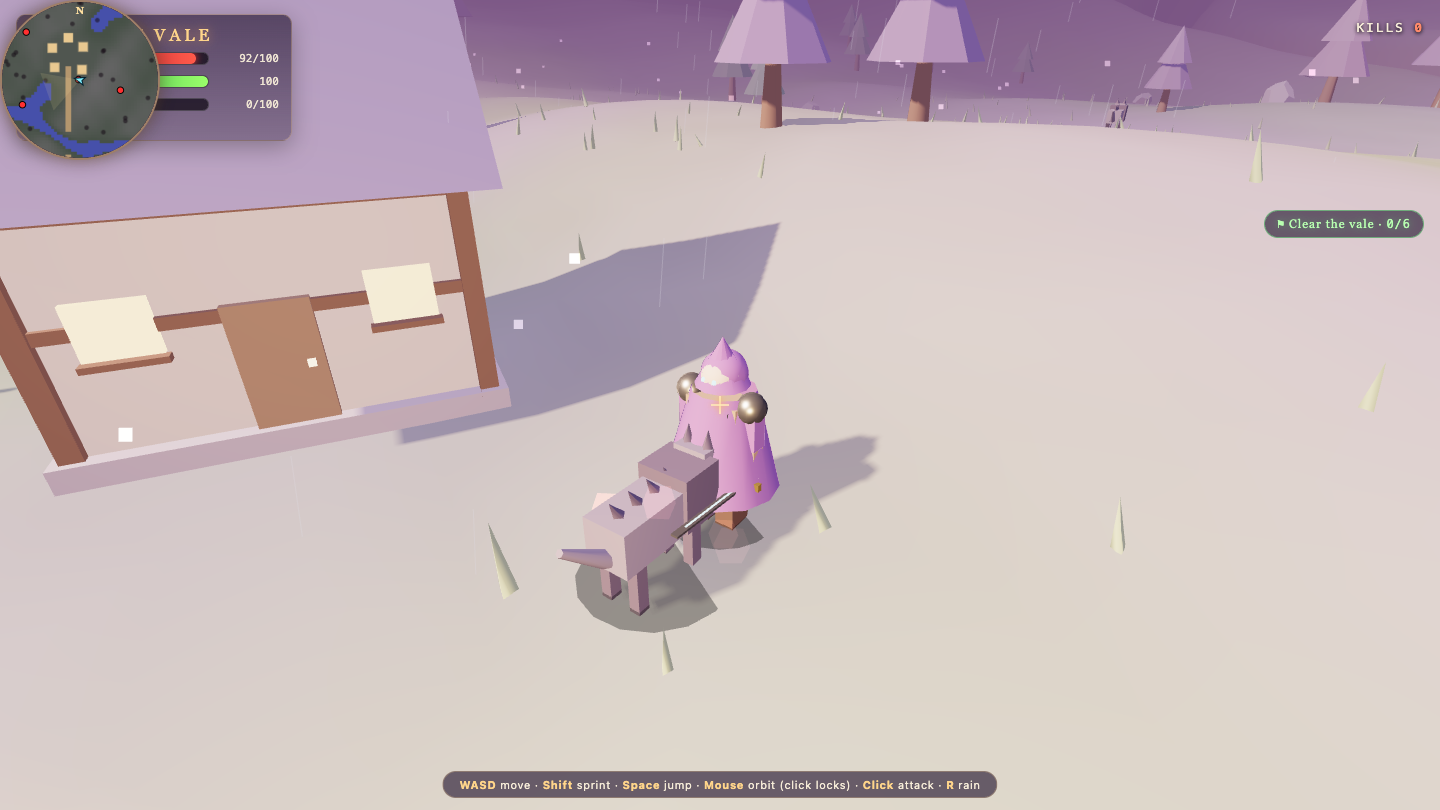
What I saw: Playable third-person city with a jointed voxel character, crate cover, a taxi, lit windows, a round minimap, wanted stars and a clean ammo/kills HUD. The lighting is flat and pastel, there are no pedestrians or action in the mid-play frame, and the boxy low-poly look is short of…
Pathtracer
Sim
Claude Opus 5.5 8.3
·
GPT-5.6 Sol 6.4
(+1.9)
What I saw: A genuine progressive path tracer: a Cornell box with color bleeding, Fresnel glass with caustics, a mirror sphere, soft shadows, samples/paths-per-second telemetry and useful controls. At 17 spp it is still grainy, and the subtitle runs faintly into the render.
Webos
Page
Claude Opus 5.5 8.7
·
GPT-5.6 Sol 8.4
(+0.3)
What I saw: Polished NovaOS desktop: working Paint, Notes with a sidebar and autosave, a Terminal with neofetch/ls, a menu bar with a live clock and CPU, a side launcher and a dock with running dots, all in one cohesive macOS-like style. Very strong, but not clearly above the field's 9.0 best.
Strengths & weaknesses I logged
GPT-5.6 Sol
Strengths
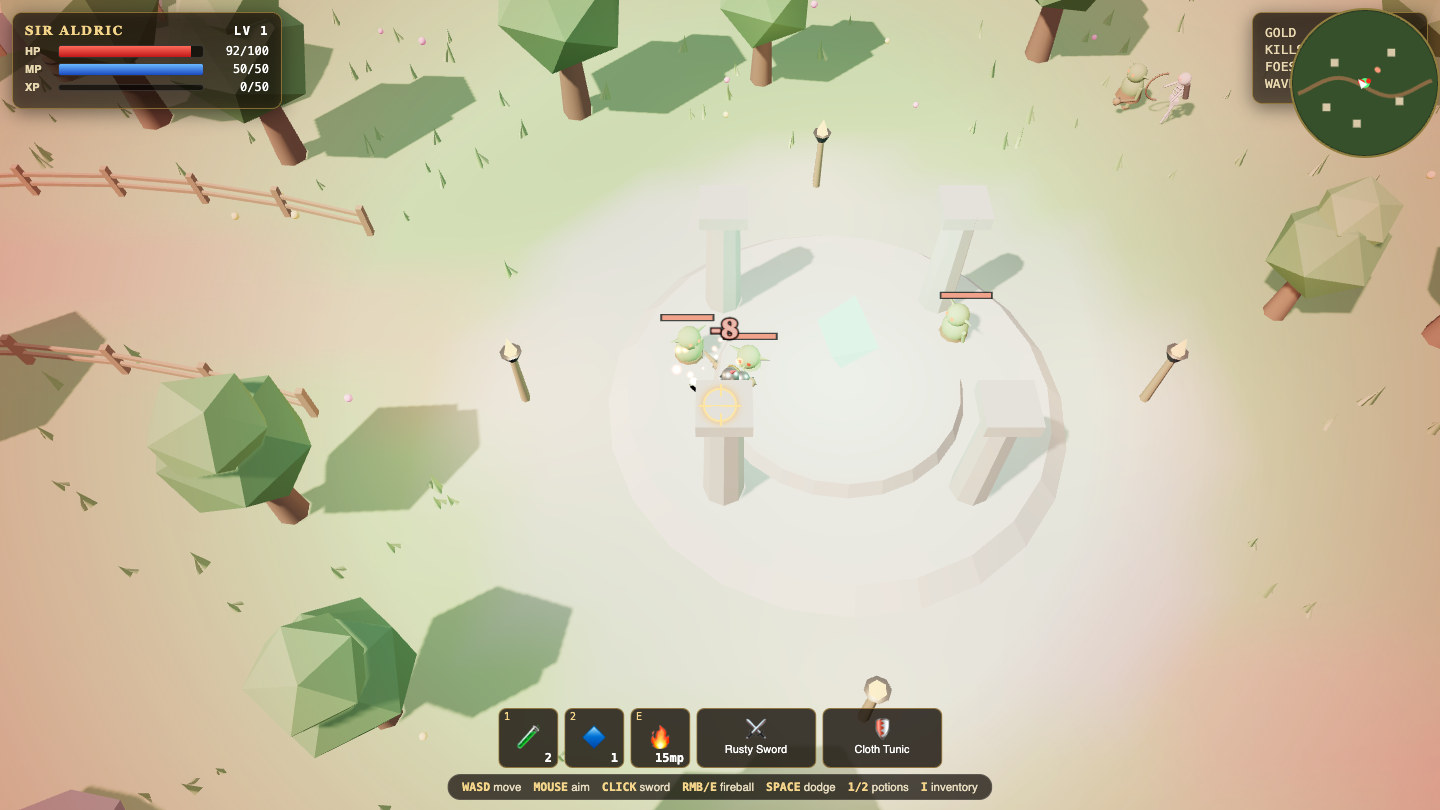
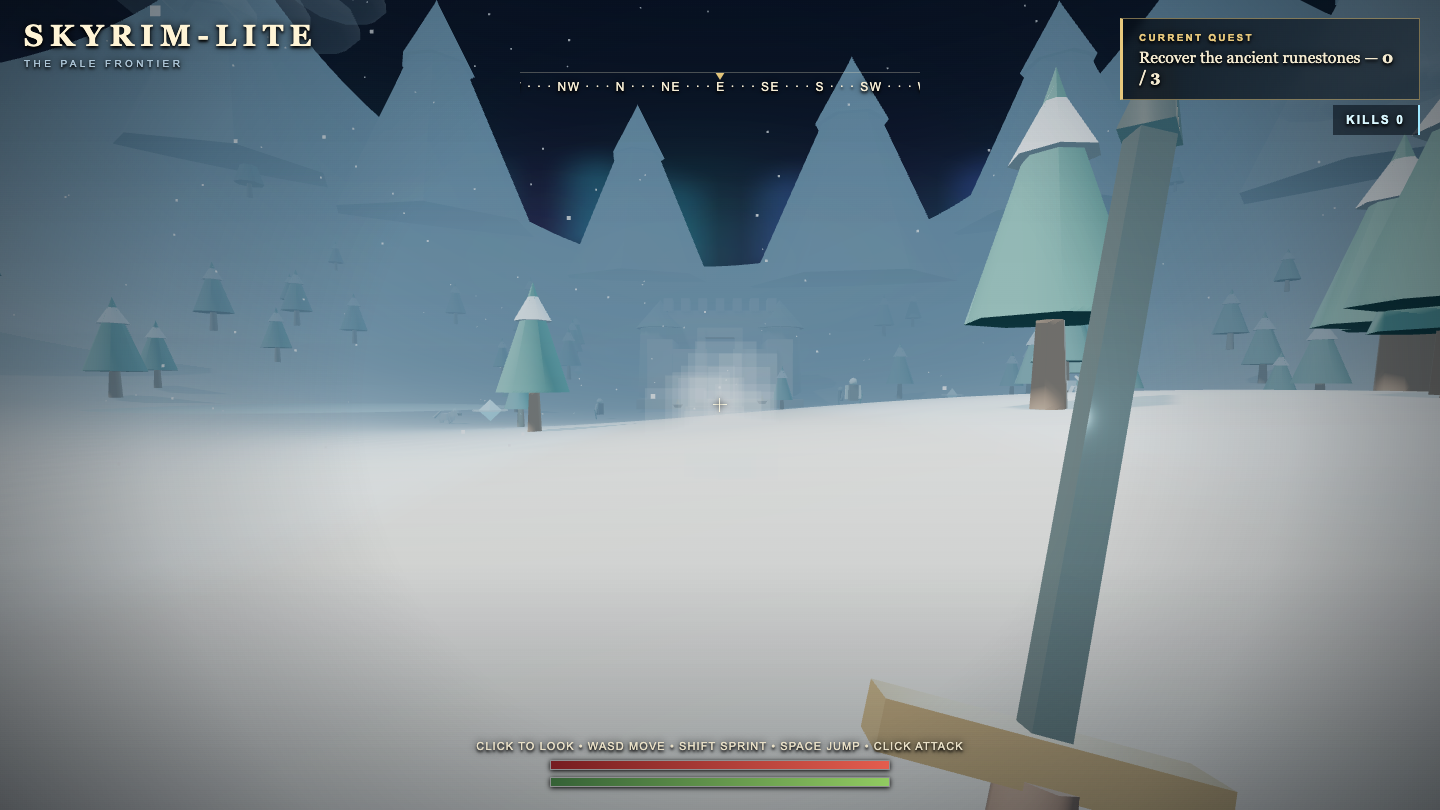
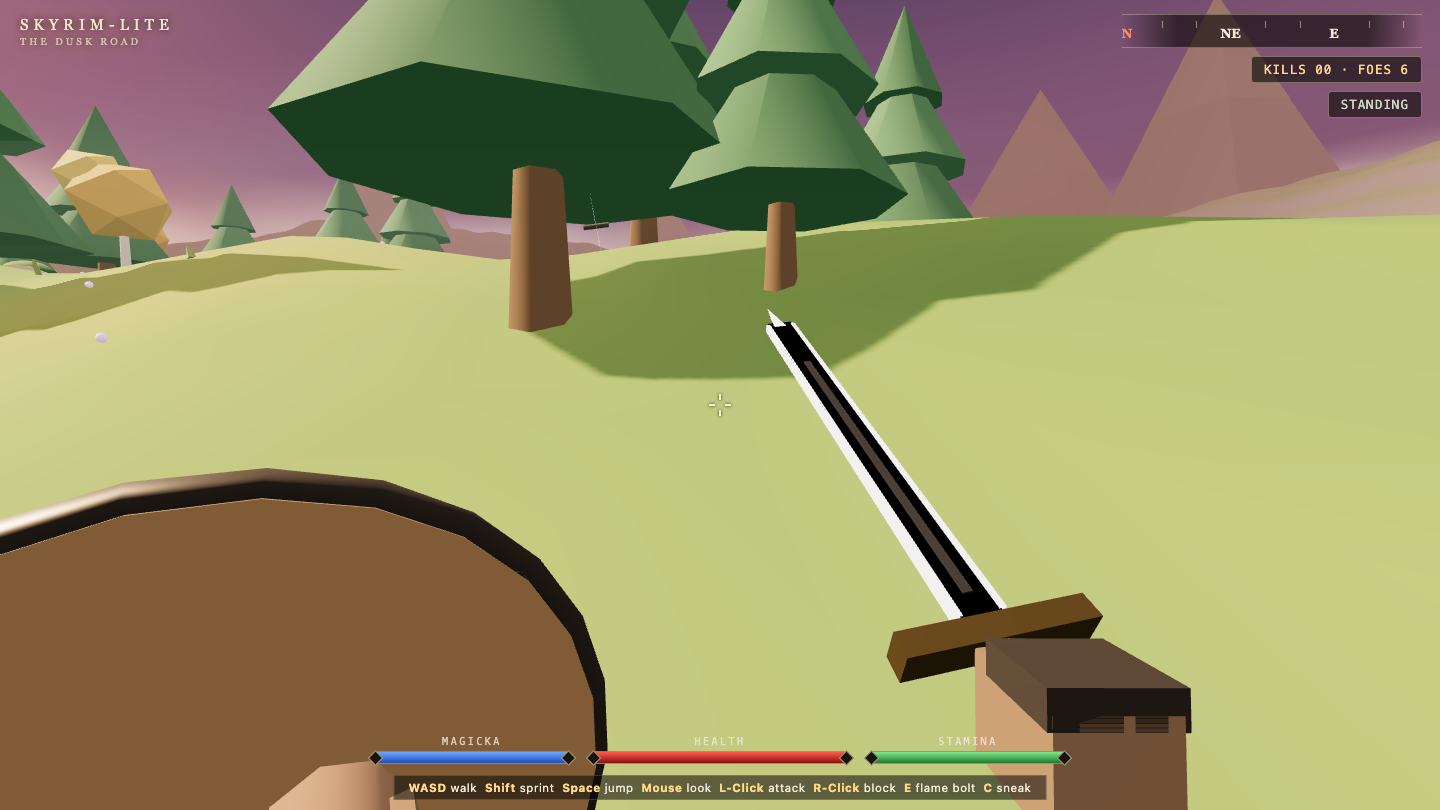
- Strong one-shot 3D games — Dragon Realm, Doom raycaster and Skyrim-lite all judged task winners
- Whole 5.6 lineup rated High capability, even the small Luna/Terra tiers — a first for OpenAI
- Huge ~1.05M-token context on every tier, plus a low-to-high reasoning-effort dial
Trade-offs
- Priciest tier on the bench at $30/M output — only worth routing the hardest 10% of work to Sol
- Reasoning can eat the token budget on big open-world briefs (one 0-byte failure until the budget was raised, then it built clean)
Claude Opus 5.5
Strengths
- Frontier-class coding + agentic reasoning (Claude 5 family)
- 1M-token context — reads an entire codebase in one call
- All 50 one-shot builds rendered with zero console errors; all 23 games passed the input playtest
Trade-offs
- Premium pricing ($4/$20 per M) — route the everyday 90% to cheaper lanes
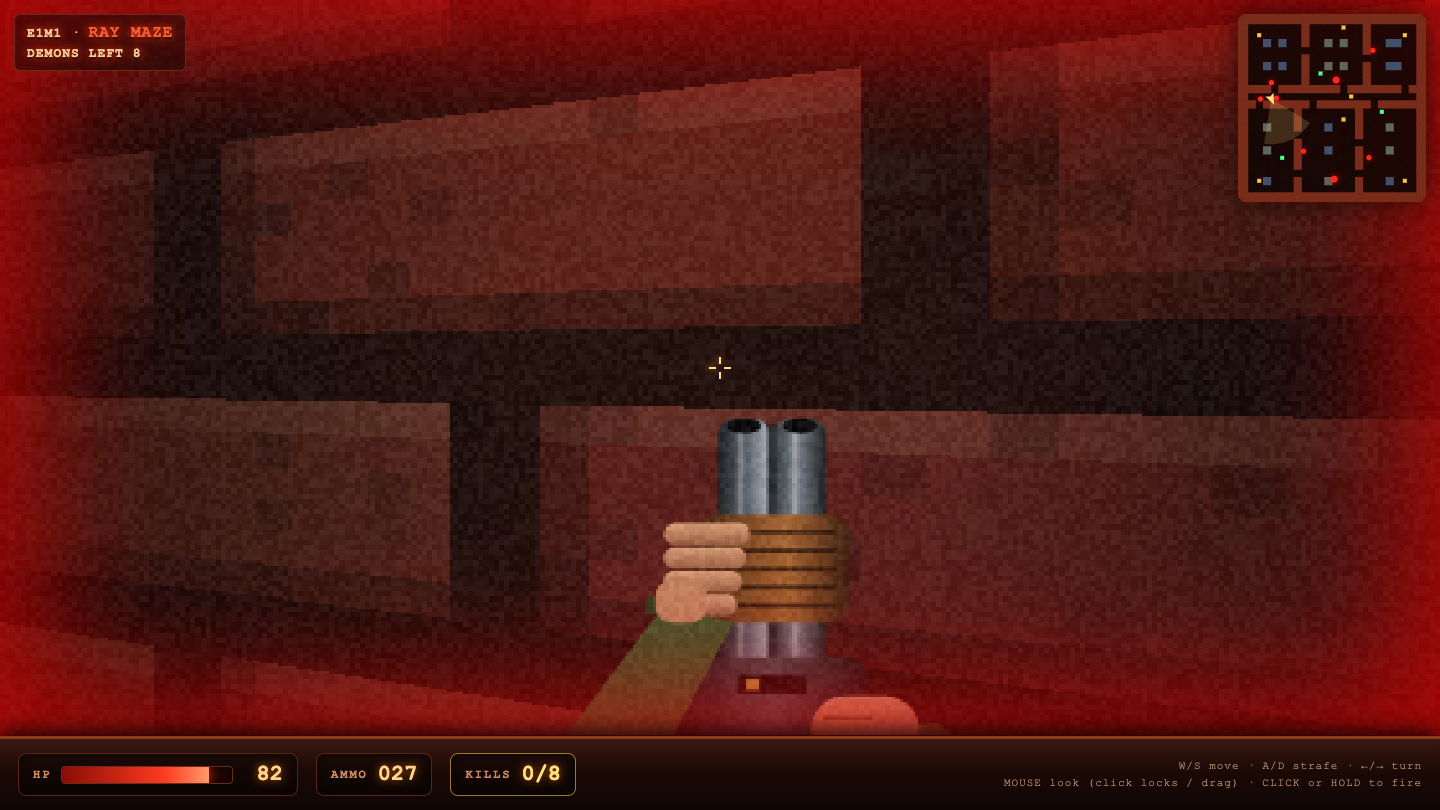
- One-shot builds can still ship logic bugs (e.g. a doom kill counter that miscounts)
Pricing & context — the spec sheet
| Spec | GPT-5.6 Sol | Claude Opus 5.5 |
|---|---|---|
| Vendor | OpenAI | Anthropic |
| Context window | 1,050,000 tokens | 1,000,000 tokens |
| Price | $5 / $30 per M | $4 / $20 per M |
| Pricing detail | GPT-5.6 shipped as three models — Luna ($1/$6 per M), Terra ($2.50/$15) and Sol ($5/$30) — each with a same-price pro variant that ships a higher default reasoning effort. All share a ~1.05M-token context window and are rated High capability. Benched here on the flagship, Sol, at medium reasoning effort via OpenRouter. | Anthropic's Opus 5.5 — 1M-token context, listed at $4 input / $20 output per million tokens. Benched through a Claude subscription; game tasks use our skill-infused AAA build prompts. |
| Release | 2026-07 | 2026-09 |
| Bench coverage | 50/50 scored · avg 8.16/10 | 50/50 scored · avg 7.57/10 |
The verdict — which should you pick?
Across 50 scored shared tasks, GPT-5.6 Sol averaged 8.16/10, beating Claude Opus 5.5's 7.57/10 by 0.59 points. Pick GPT-5.6 Sol when the build has to ship on the first prompt and you can afford the trade-offs in the comparison below.
If you only run one of these inside your stack, the head-to-head average above is the call. If you can run both, my honest play is to wire GPT-5.6 Sol and Claude Opus 5.5 both into the Agent Operating System and dispatch each from the kanban by task type — the hardest reasoning and code where being right beats being cheap → GPT-5.6 Sol, hardest agentic builds → Claude Opus 5.5. That's the same setup I run for the 4,000+ founders inside the AI Profit Boardroom.
FAQ — GPT-5.6 Sol vs Claude Opus 5.5
Which is better, GPT-5.6 Sol or Claude Opus 5.5?
On Goldie Bench, GPT-5.6 Sol averages 8.16/10 across the shared tasks, with 2 gold, 9 silver, 10 bronze overall. Claude Opus 5.5 averages 7.57/10, with 0 gold, 0 silver, 1 bronze. GPT-5.6 Sol wins the head-to-head 44–4.
How much does GPT-5.6 Sol cost vs Claude Opus 5.5?
GPT-5.6 Sol: GPT-5.6 shipped as three models — Luna ($1/$6 per M), Terra ($2.50/$15) and Sol ($5/$30) — each with a same-price pro variant that ships a higher default reasoning effort. All share a ~1.05M-token context window and are rated High capability. Benched here on the flagship, Sol, at medium reasoning effort via OpenRouter. Claude Opus 5.5: Anthropic's Opus 5.5 — 1M-token context, listed at $4 input / $20 output per million tokens. Benched through a Claude subscription; game tasks use our skill-infused AAA build prompts.
What's the context window for GPT-5.6 Sol vs Claude Opus 5.5?
GPT-5.6 Sol has a 1,050,000 tokens context window. Claude Opus 5.5 has a 1,000,000 tokens context window.
When should I pick GPT-5.6 Sol over Claude Opus 5.5?
Pick GPT-5.6 Sol for: The hardest reasoning and code where being right beats being cheap; One-shot game/sim prototypes you want shippable on the first prompt; The flagship slot in a routed Agent OS — Sol for the hard 10%, Luna/Terra for the rest. The trade-off is the weaknesses we logged on the bench: Priciest tier on the bench at $30/M output — only worth routing the hardest 10% of work to Sol; Reasoning can eat the token budget on big open-world briefs (one 0-byte failure until the budget was raised, then it built clean).
When should I pick Claude Opus 5.5 over GPT-5.6 Sol?
Pick Claude Opus 5.5 for: Hardest agentic builds; Whole-repo reasoning; Frontier one-shots. The trade-off is the weaknesses we logged on the bench: Premium pricing ($4/$20 per M) — route the everyday 90% to cheaper lanes; One-shot builds can still ship logic bugs (e.g. a doom kill counter that miscounts).
How does Goldie Bench score GPT-5.6 Sol vs Claude Opus 5.5?
Every demo on this page was built by Julian Goldie inside the Agent Operating System — same fixed prompt for both models, one shot, single HTML file out. Each result gets a 0–10 score on whether it ran, how close it hit the brief, and how good it looked. The highest score on each task gets gold; second gets silver; third gets bronze. See methodology for full provenance.
Related comparisons
Other head-to-heads using the same scoring system:
GPT-5.6 Sol vs Fusion Claude Opus 5.5 vs Fusion GPT-5.6 Sol vs Claude Opus 5 Claude Opus 5.5 vs Claude Opus 5 GPT-5.6 Sol vs Hermes MoA Claude Opus 5.5 vs Hermes MoA GPT-5.6 Sol vs Claude Fable 5 Claude Opus 5.5 vs Claude Fable 5Full model pages: GPT-5.6 Sol · Claude Opus 5.5 · back to the leaderboard
The same stack Julian uses
Run this stack yourself.
Every demo on this bench was built inside the Agent Operating System — one prompt, one shot, single HTML file out. The Agent OS, the prompts, the templates, the weekly walkthroughs and 4,000+ founders shipping with it every day all live inside the AI Profit Boardroom.
4,000+founders
258documented wins
38countries
$59/momonthly