Real head-to-head · same prompt, one shot
Fugu Mini vs Kimi K3
Fugu's fast mini variant — single model, no panel, ~3 min per build. vs Moonshot's 2.5T flagship — 1M context, tuned for long-horizon agent work.
Head-to-head verdict: Kimi K3 wins 20–16.
What I tested — same prompt, two models
I run the same fixed prompt set through every new model the day it drops — same string, one shot, single HTML file out — and I score the result 0–10 on whether it ran, how close it hit the brief, and how good it looked. Below is what came out when I gave the exact same prompts to Fugu Mini and Kimi K3, side by side, on 37 shared tasks inside the Agent Operating System.
Both models were given identical prompts inside the Agent Operating System — no help, no iteration, no "best of N" tricks. I run each prompt once, save the HTML file the model produces, and score it 0–10 on whether it ran, how close it hit the brief, and how good it looked. The scoring is mine. The verdicts below are pulled from my source comparison guides at agentos.guide where I publish every score and the reasoning behind it.
Fugu Mini · Dispatched from Agent OS as the fast Sakana lane. Bench scored by Claude judge against the same 42 prompts.
Kimi K3 · Wired into the Agent OS as the `kimi-k3` Hermes profile and a K3 speed-toggle in the Kimi Code tab — used for long unattended agent runs where a slow-but-right model beats a fast-but-forgetful one.
Side-by-side on 50 shared tasks
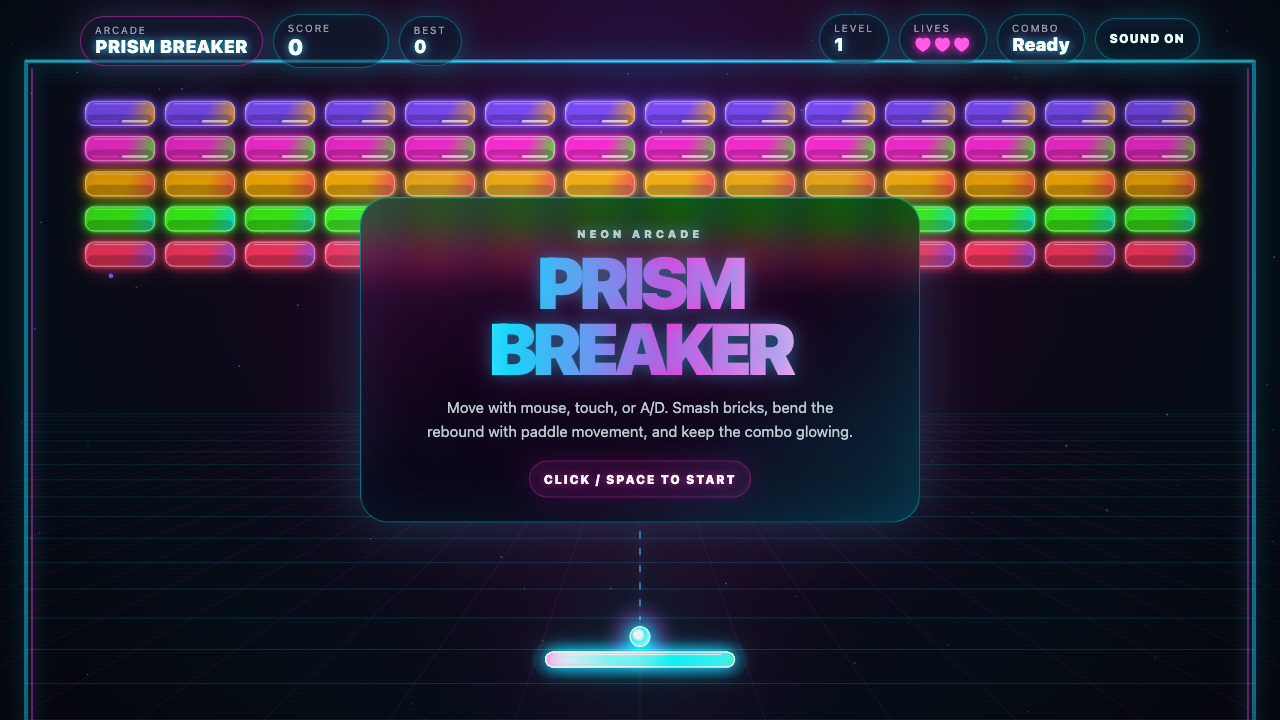
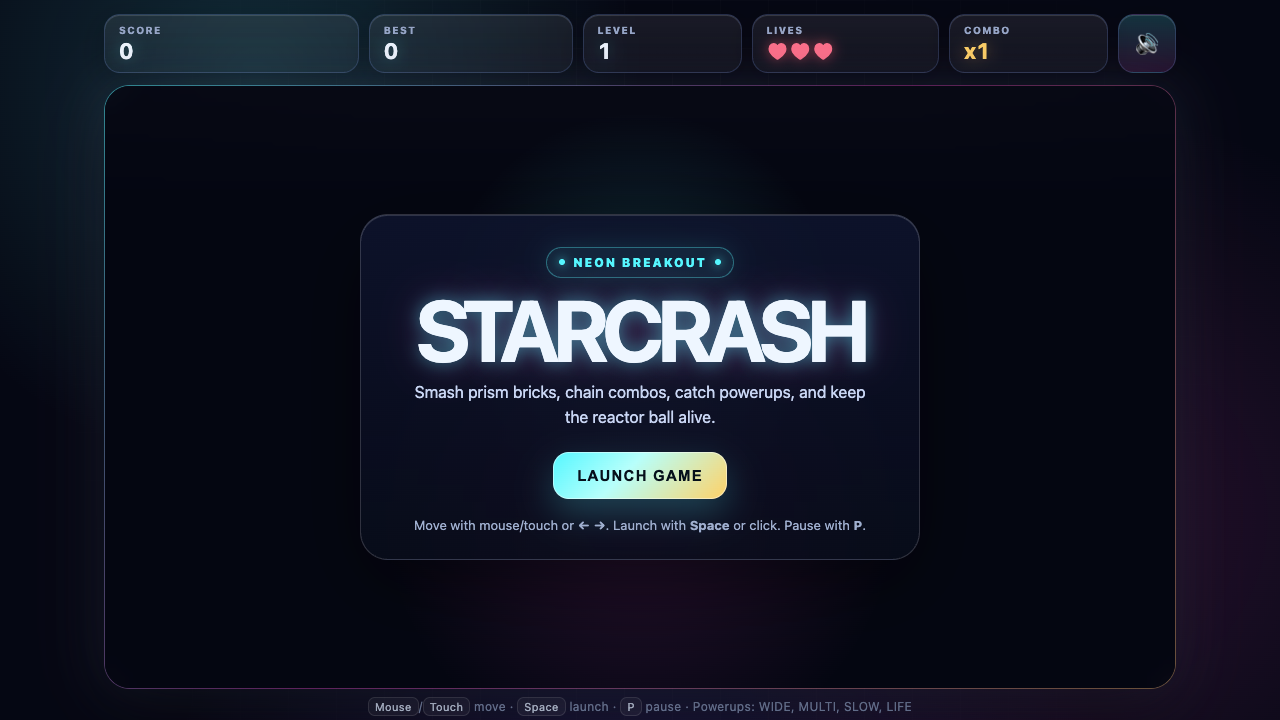
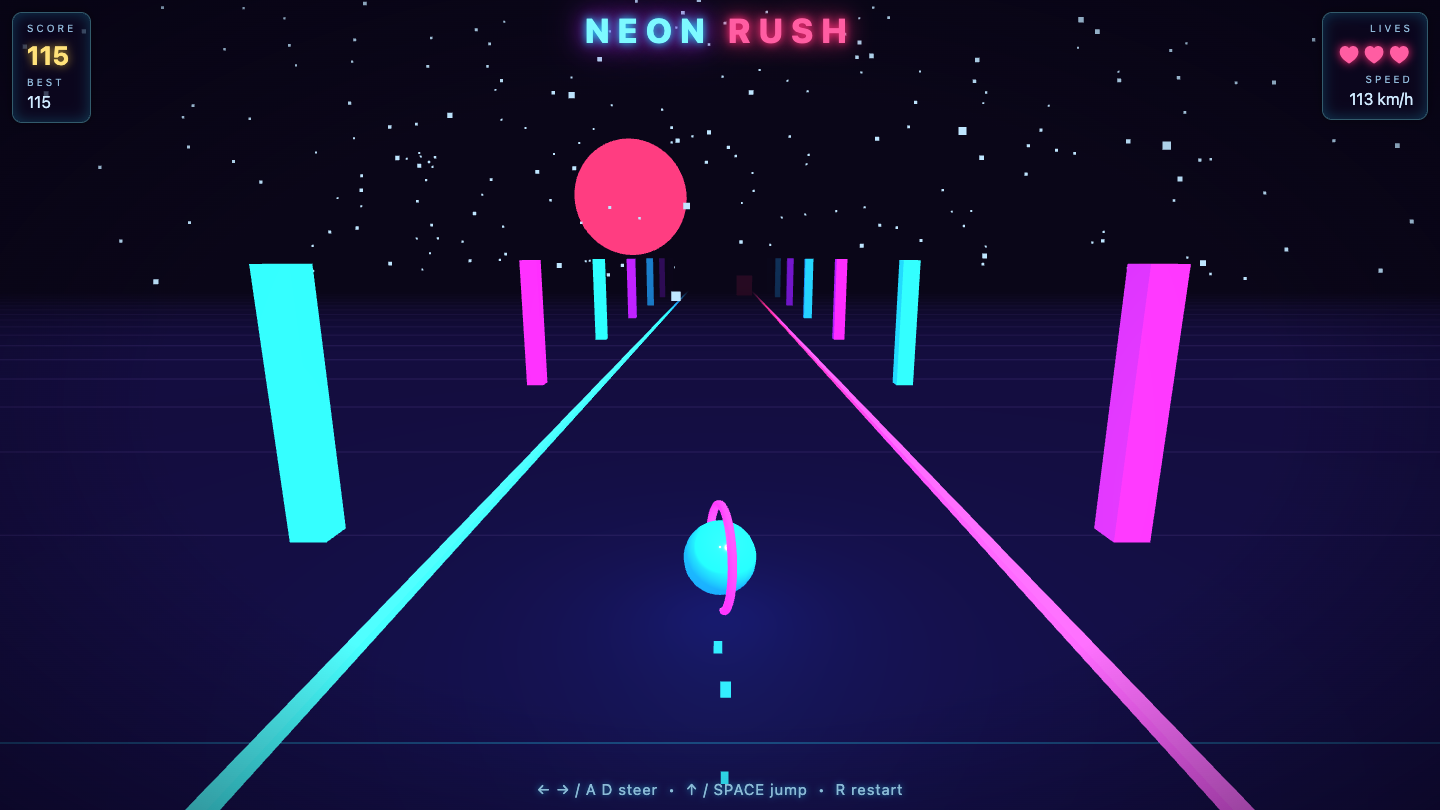
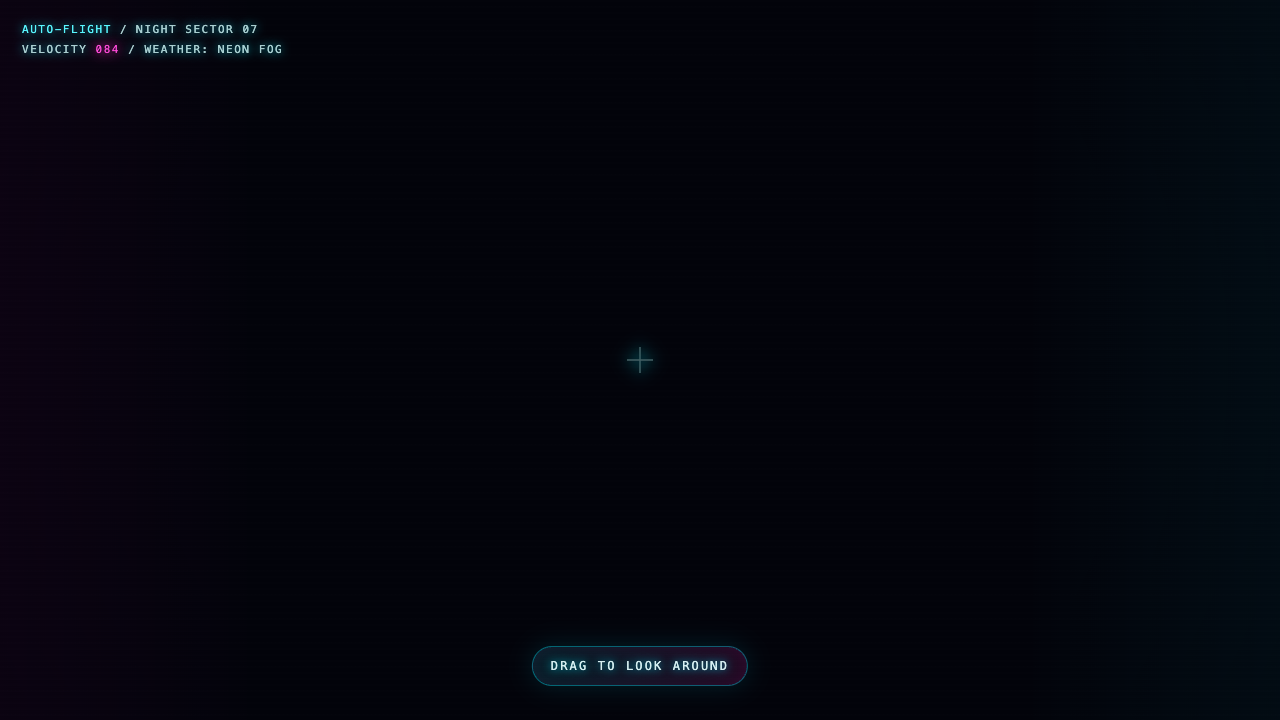
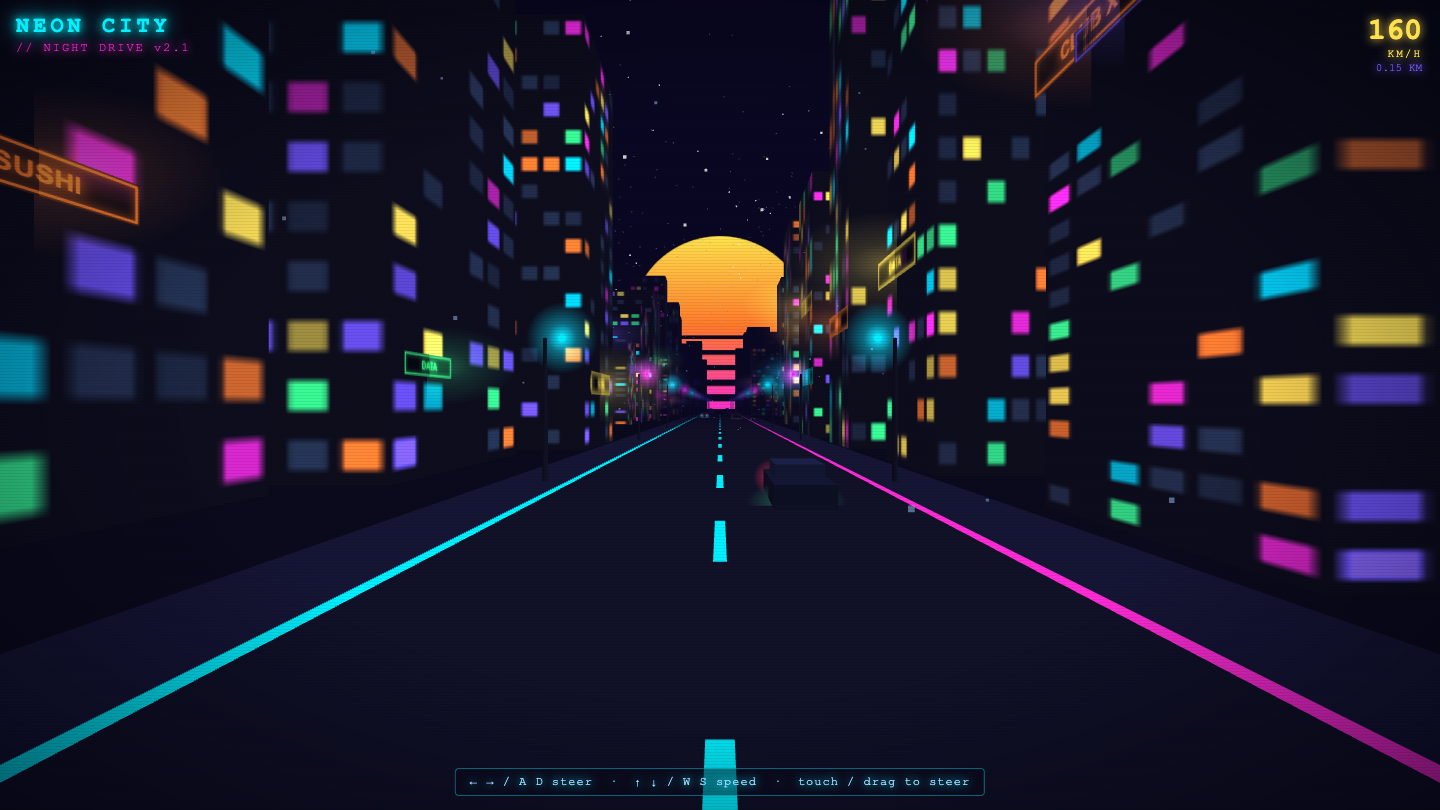
Click any cell to play that model's actual one-shot attempt. Medals are derived from my 0–10 scores per task (highest = 🥇, second = 🥈, third = 🥉).
Task ↓
Fugu Mini
Kimi K3
Game
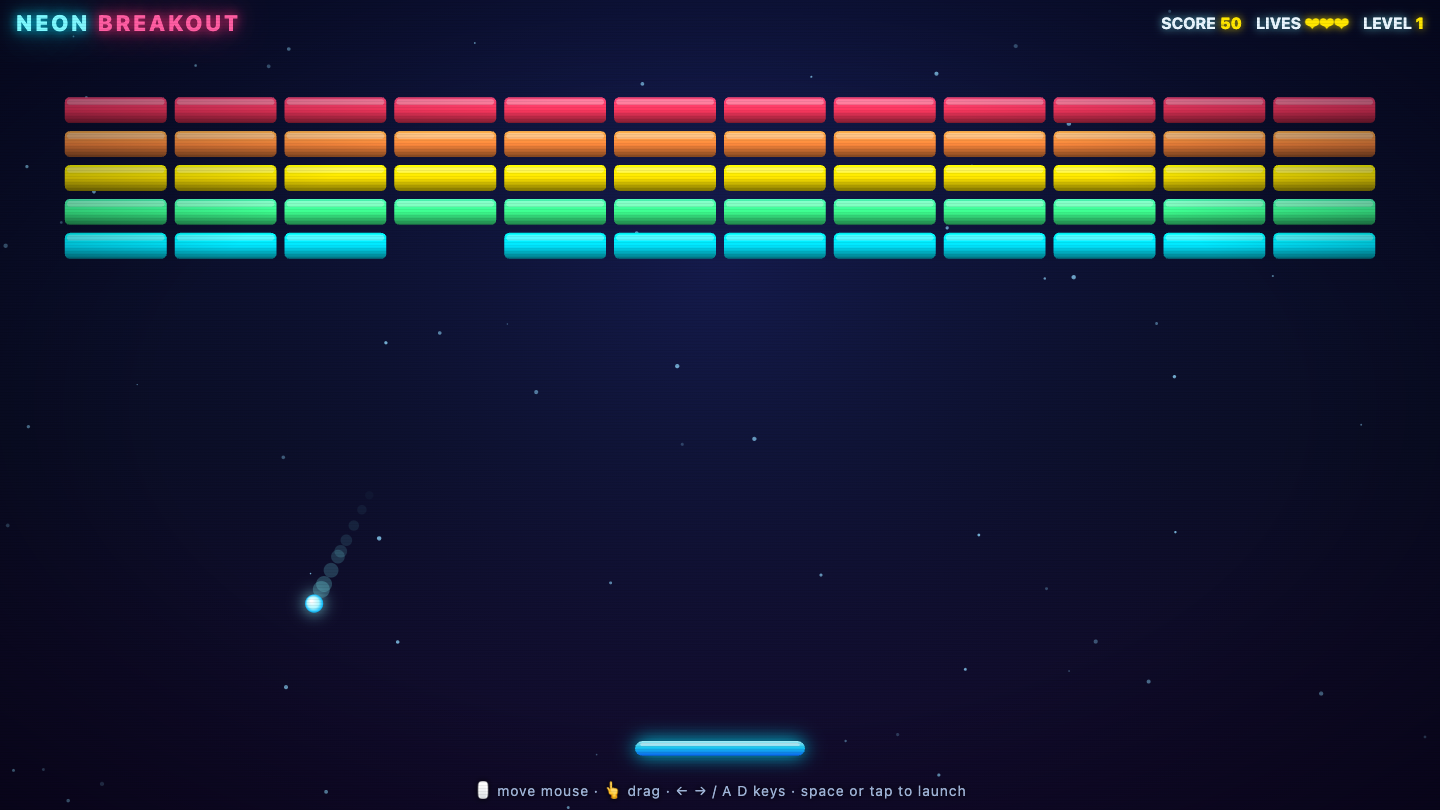
Game
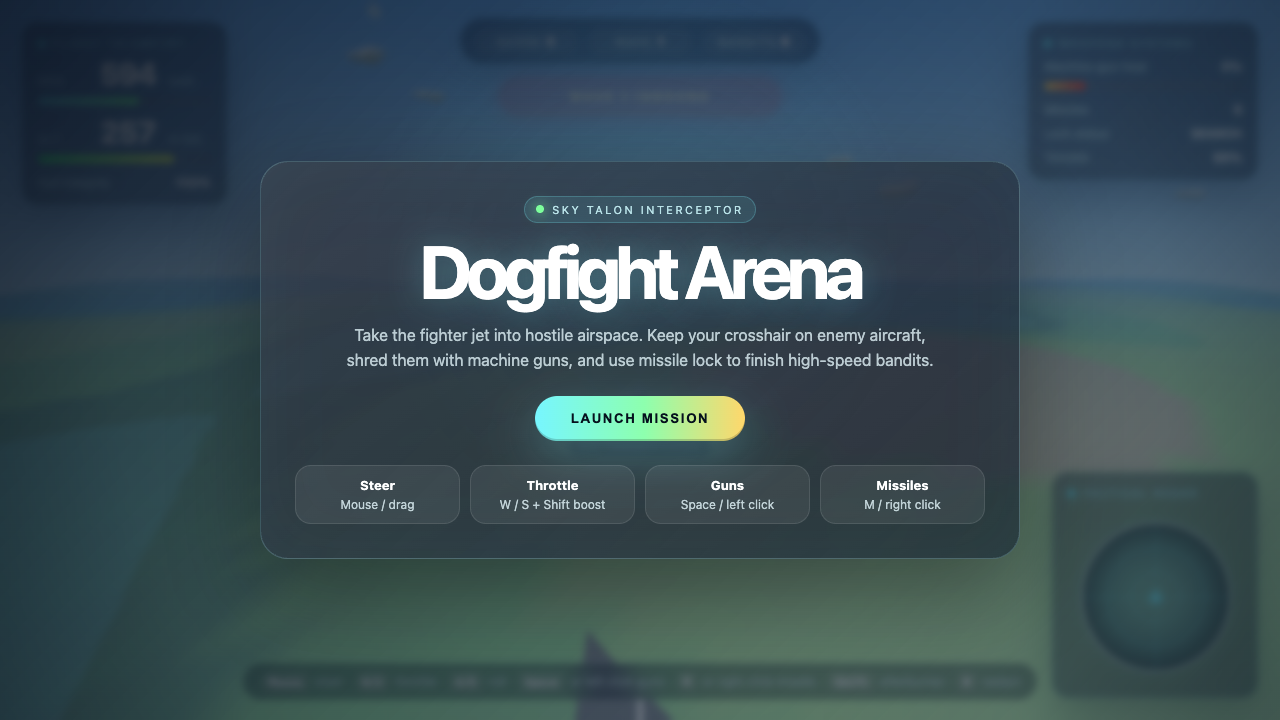
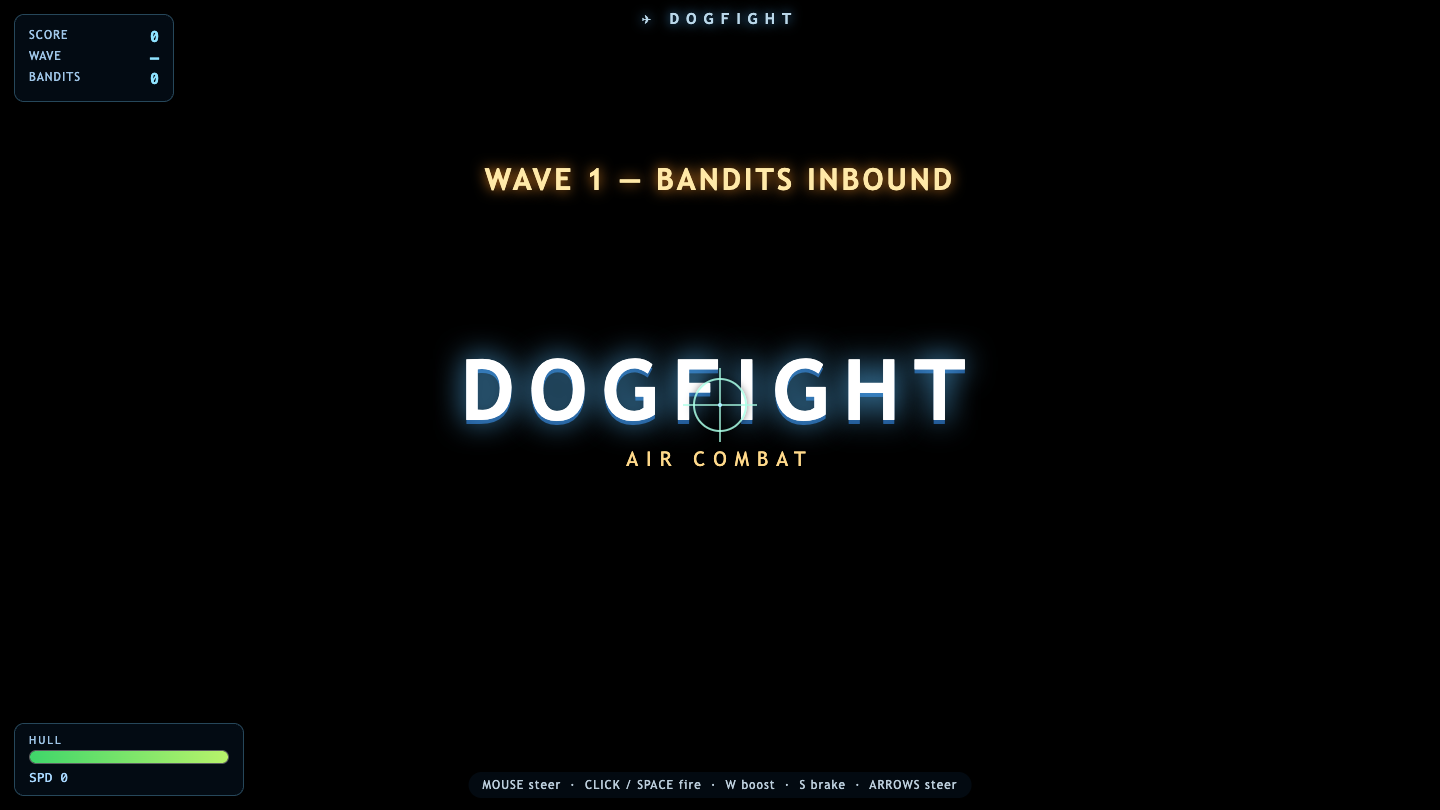
Game

Game

Game
Game
Game
Game
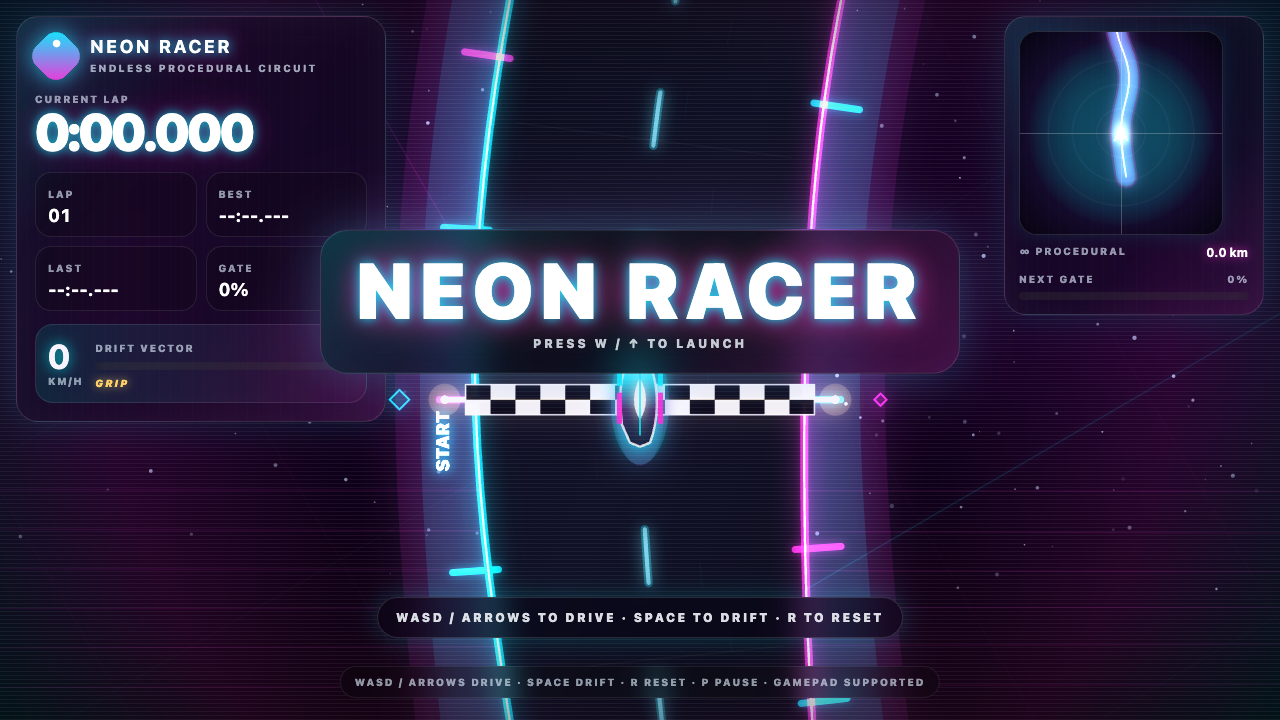
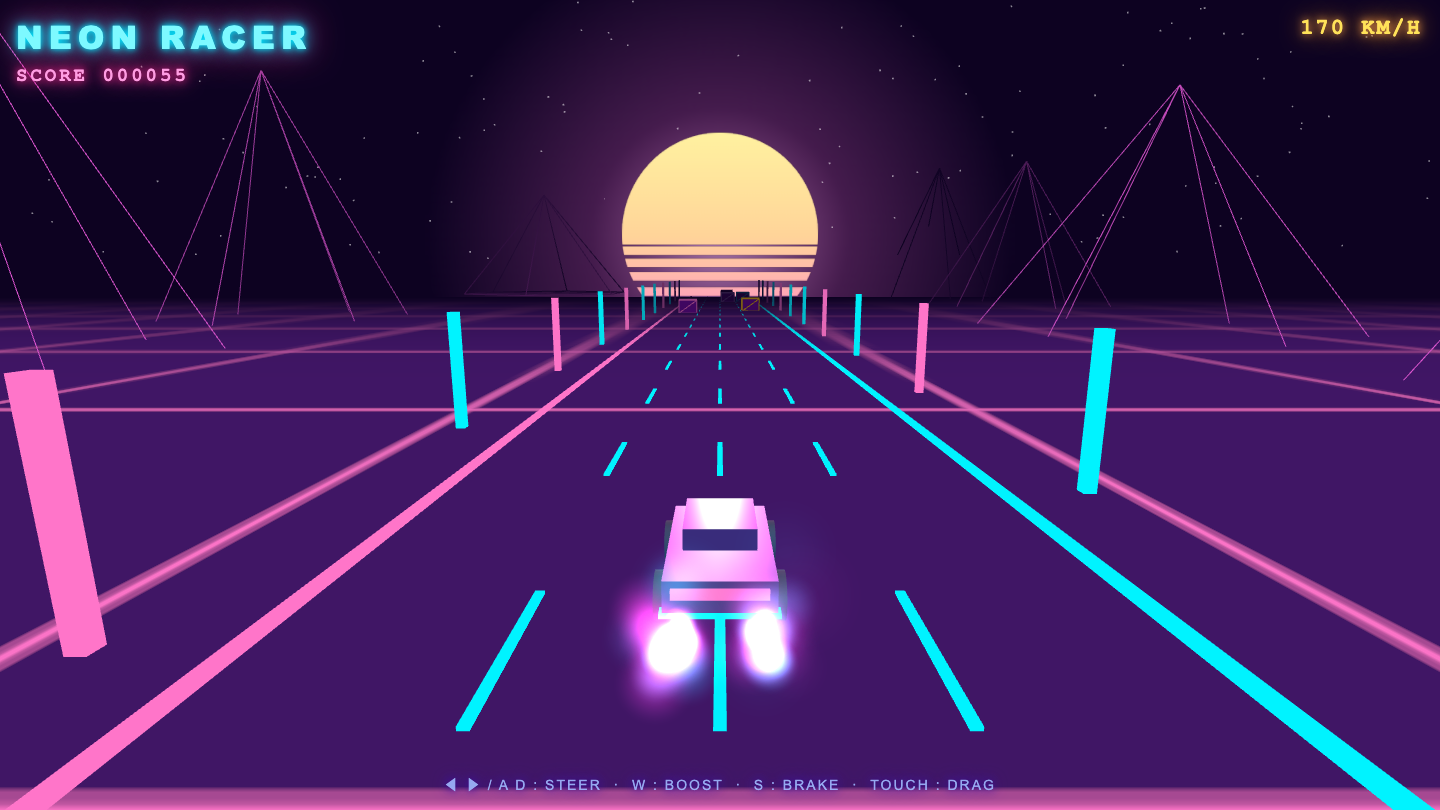
Game
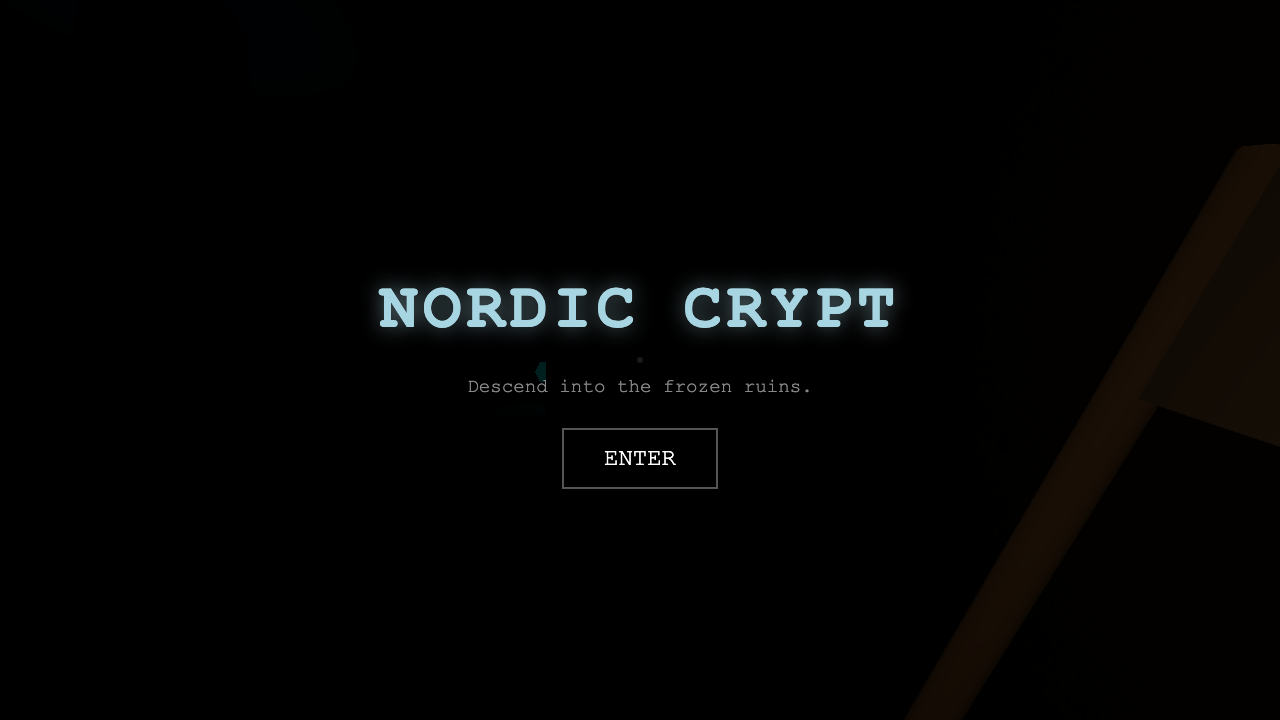

Game
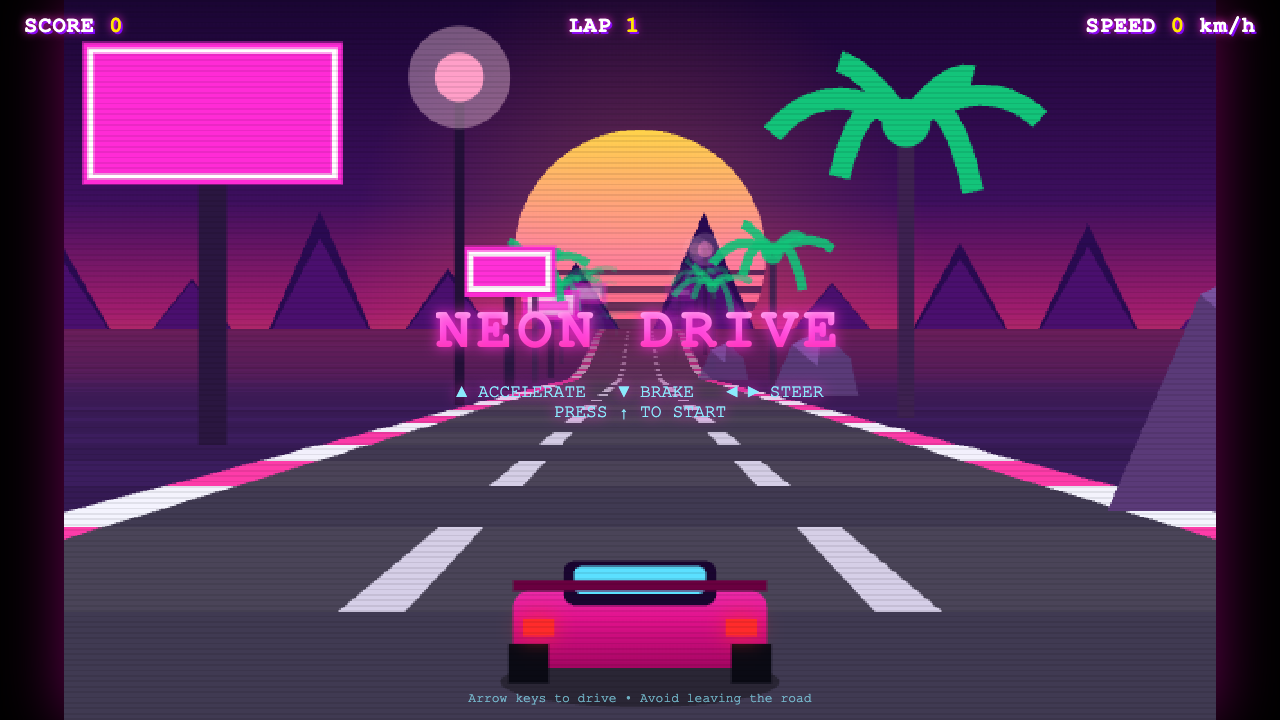
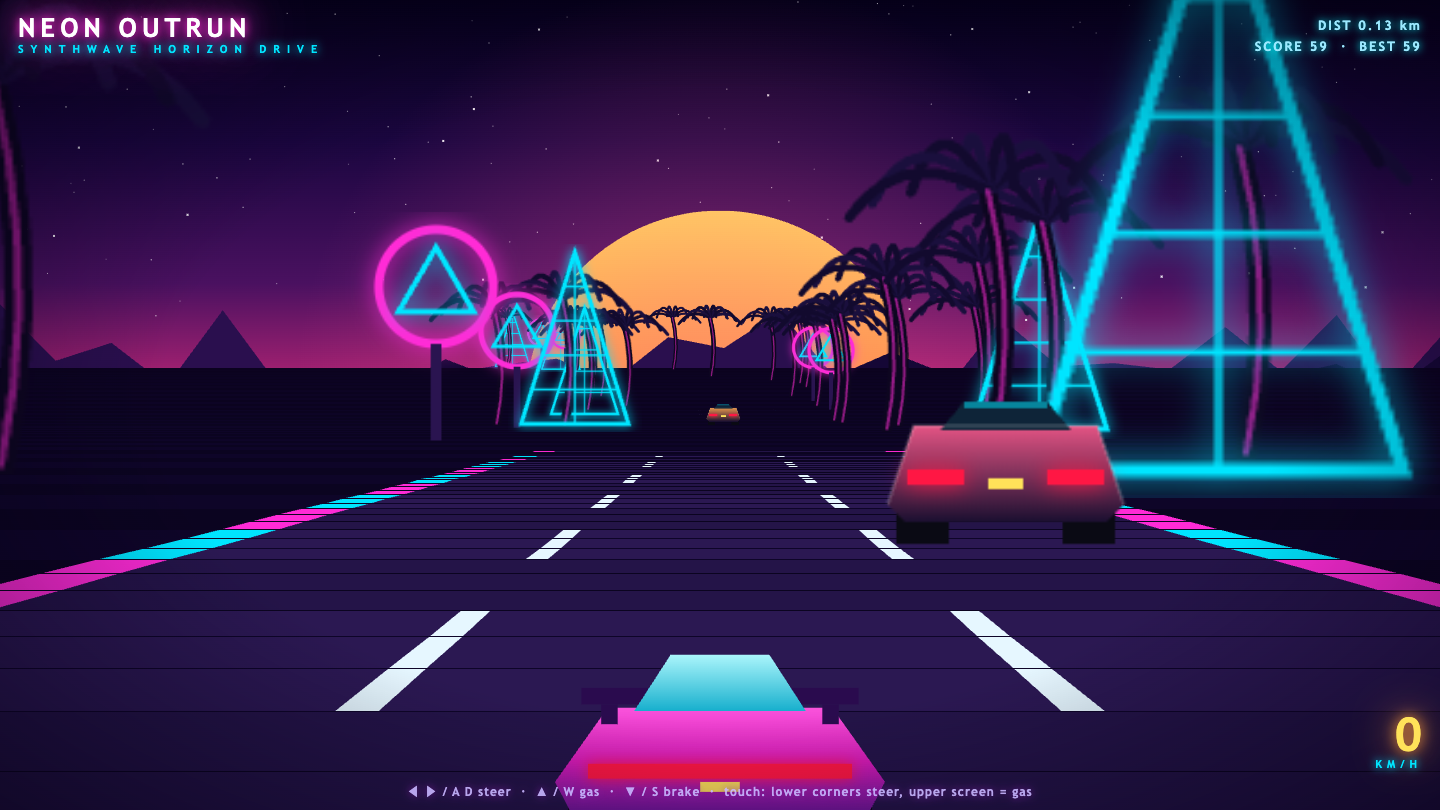
Game
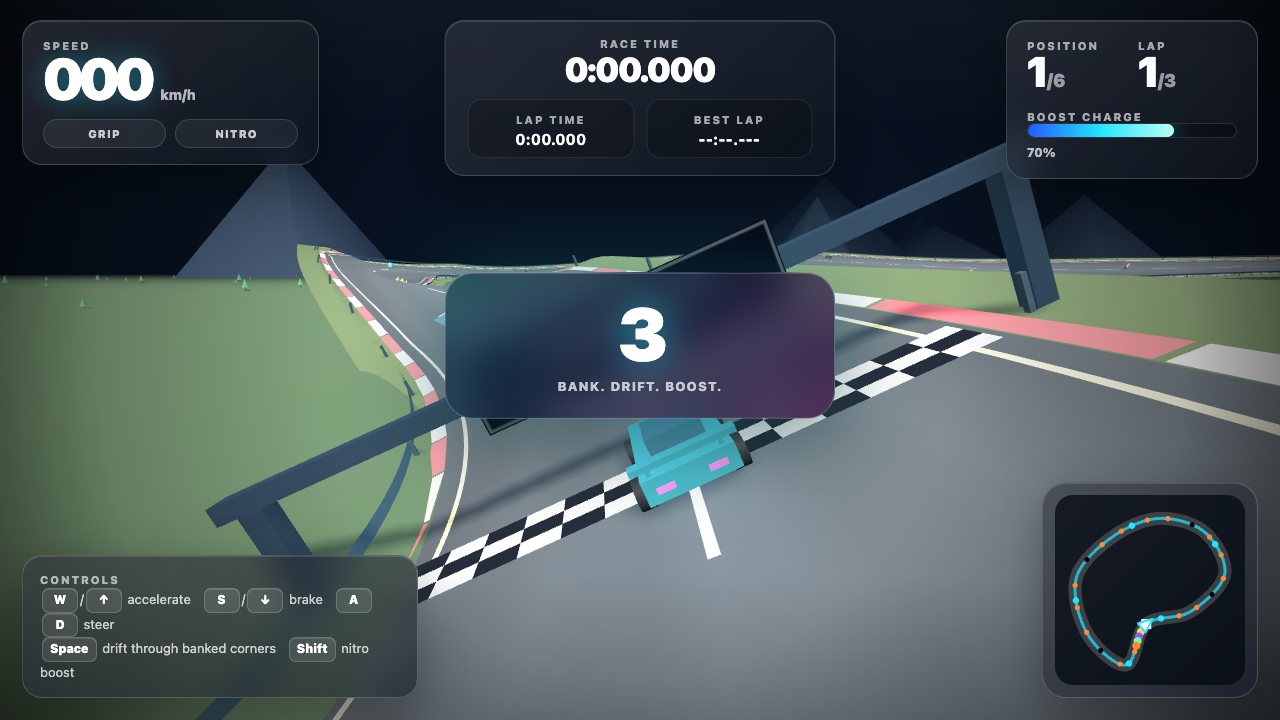

Game
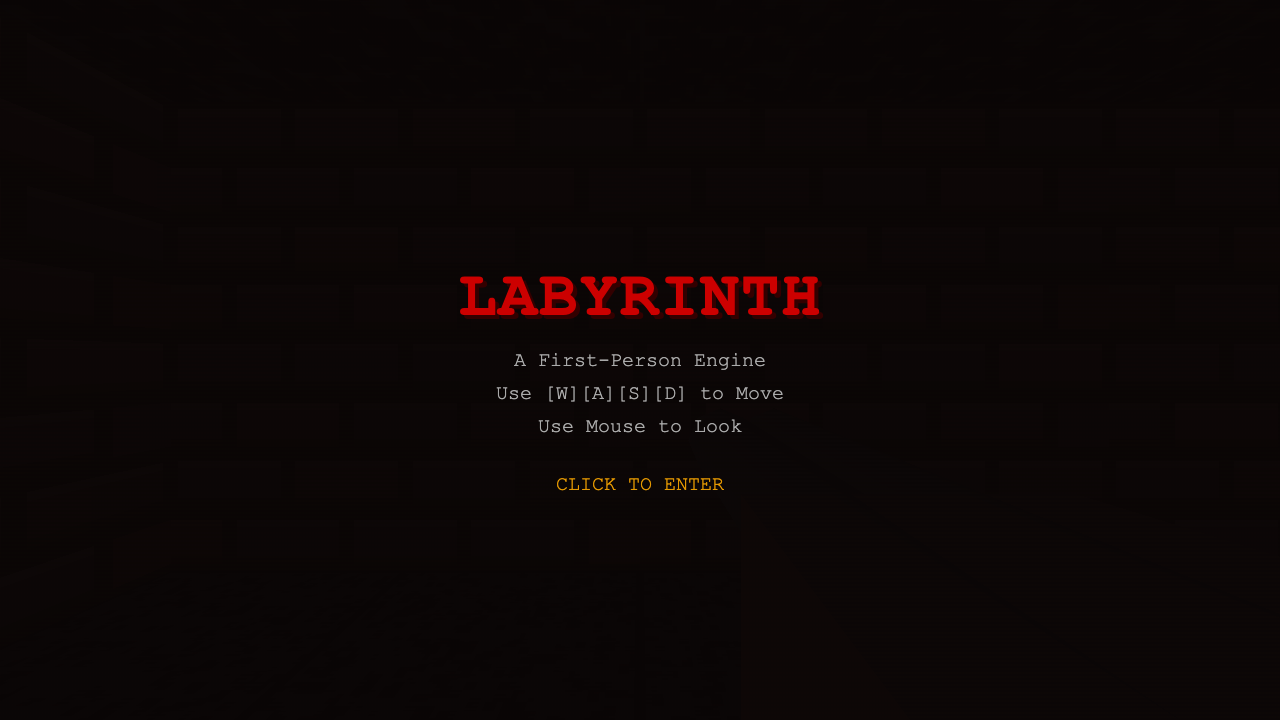

Game
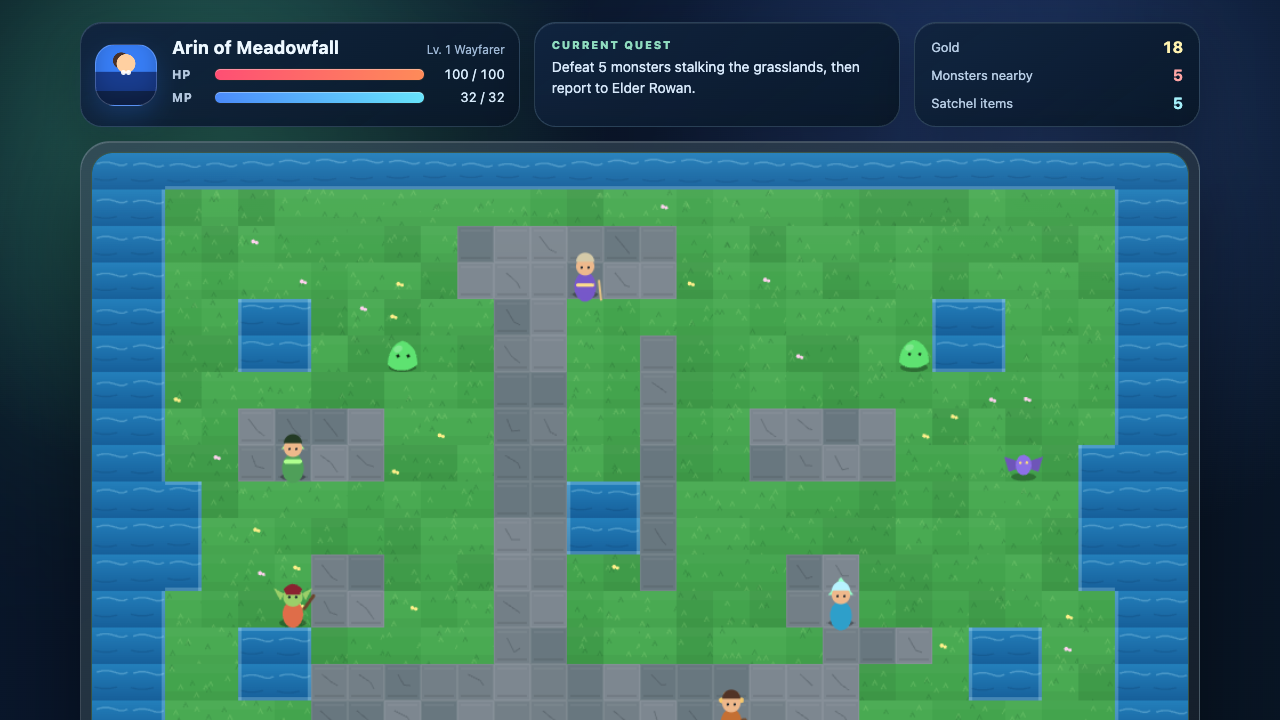
Game
Page
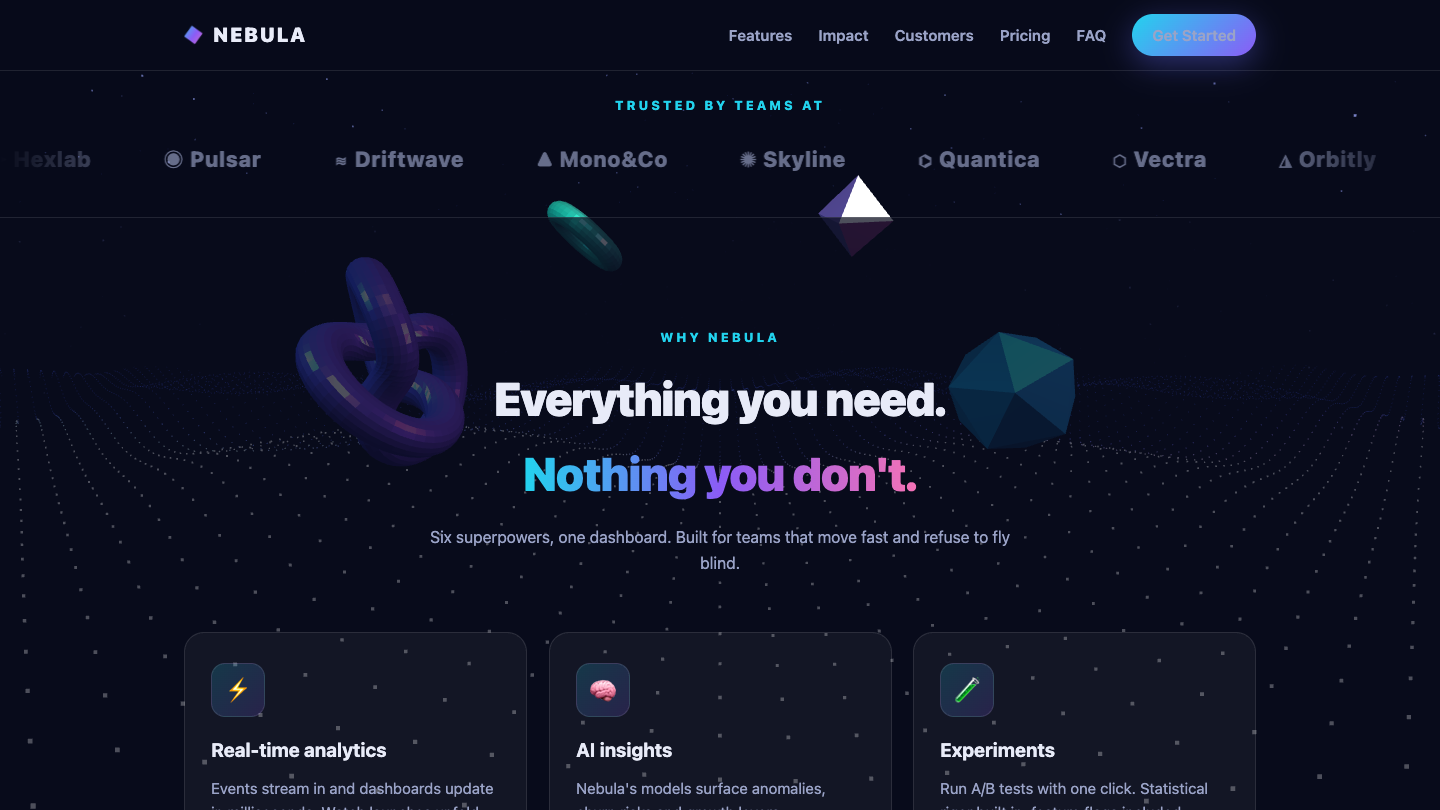
Page
Sim
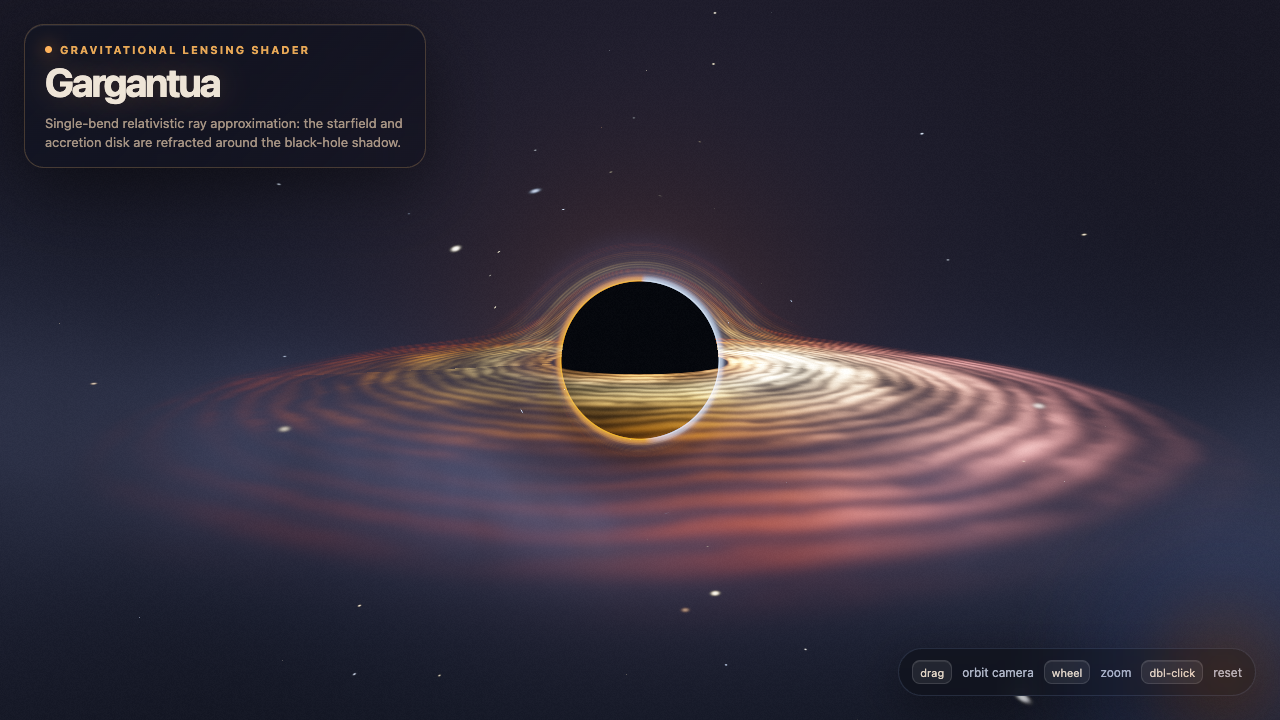
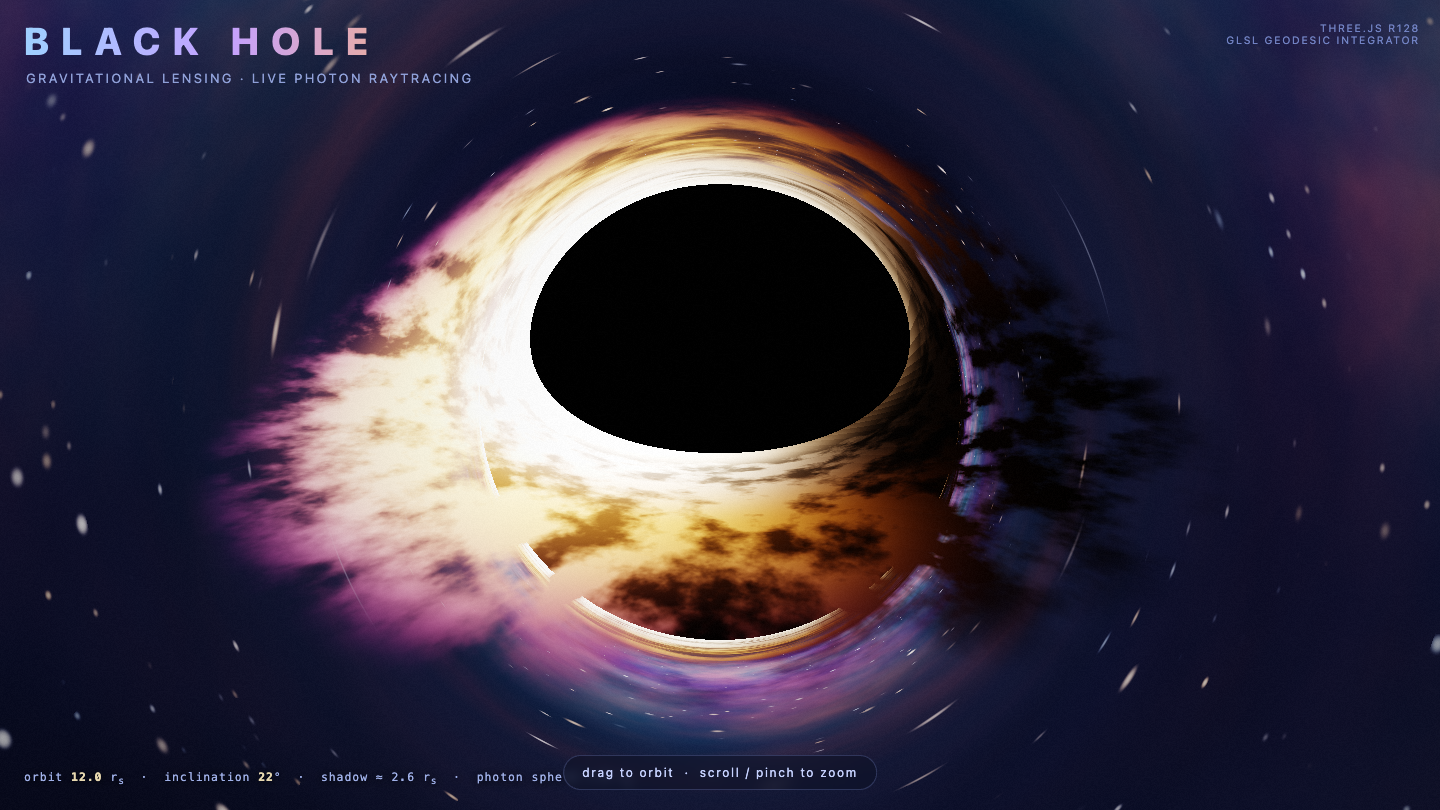
Sim
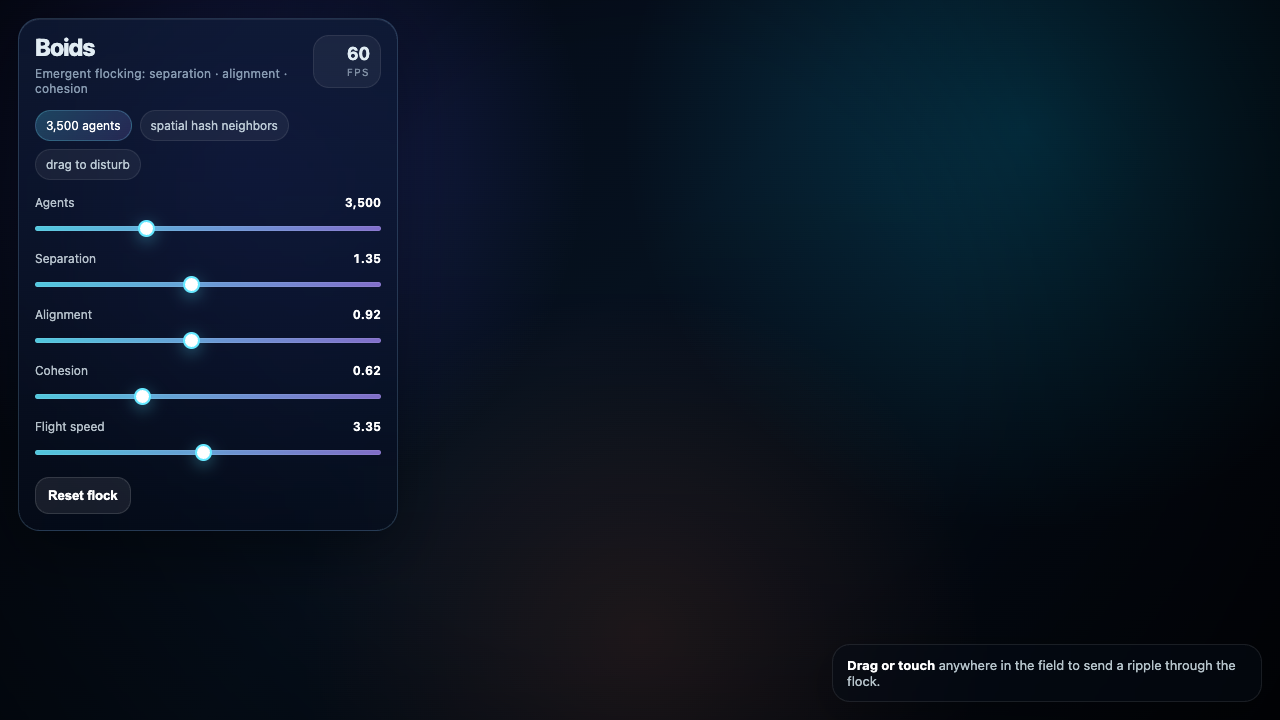
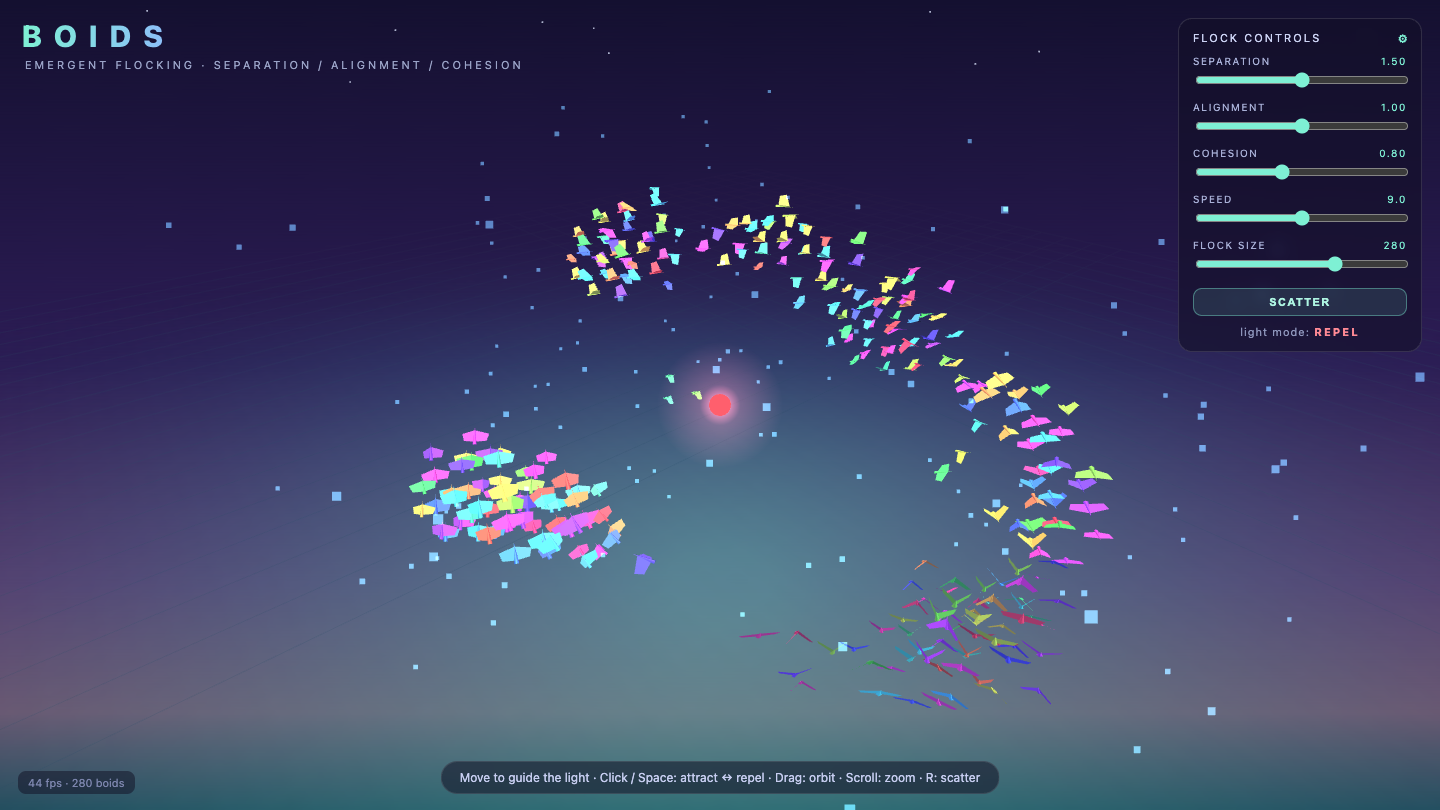
Sim
Sim
Sim
Sim
Sim

Sim
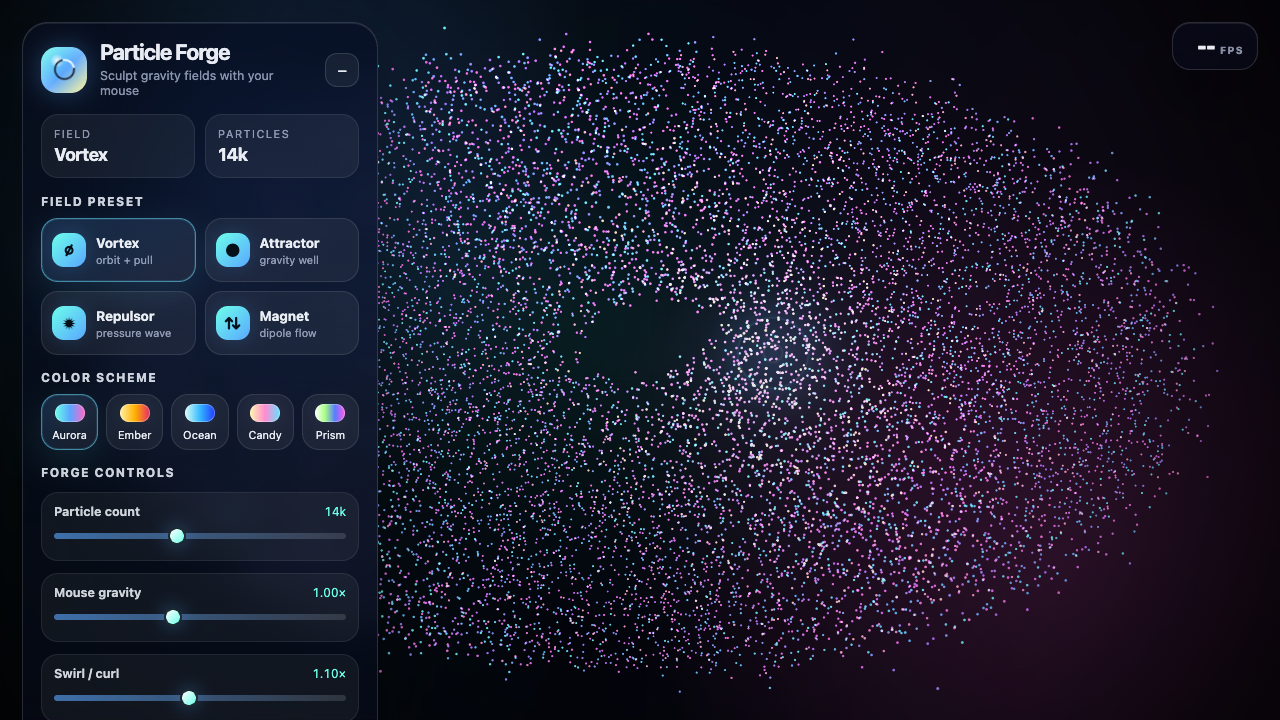
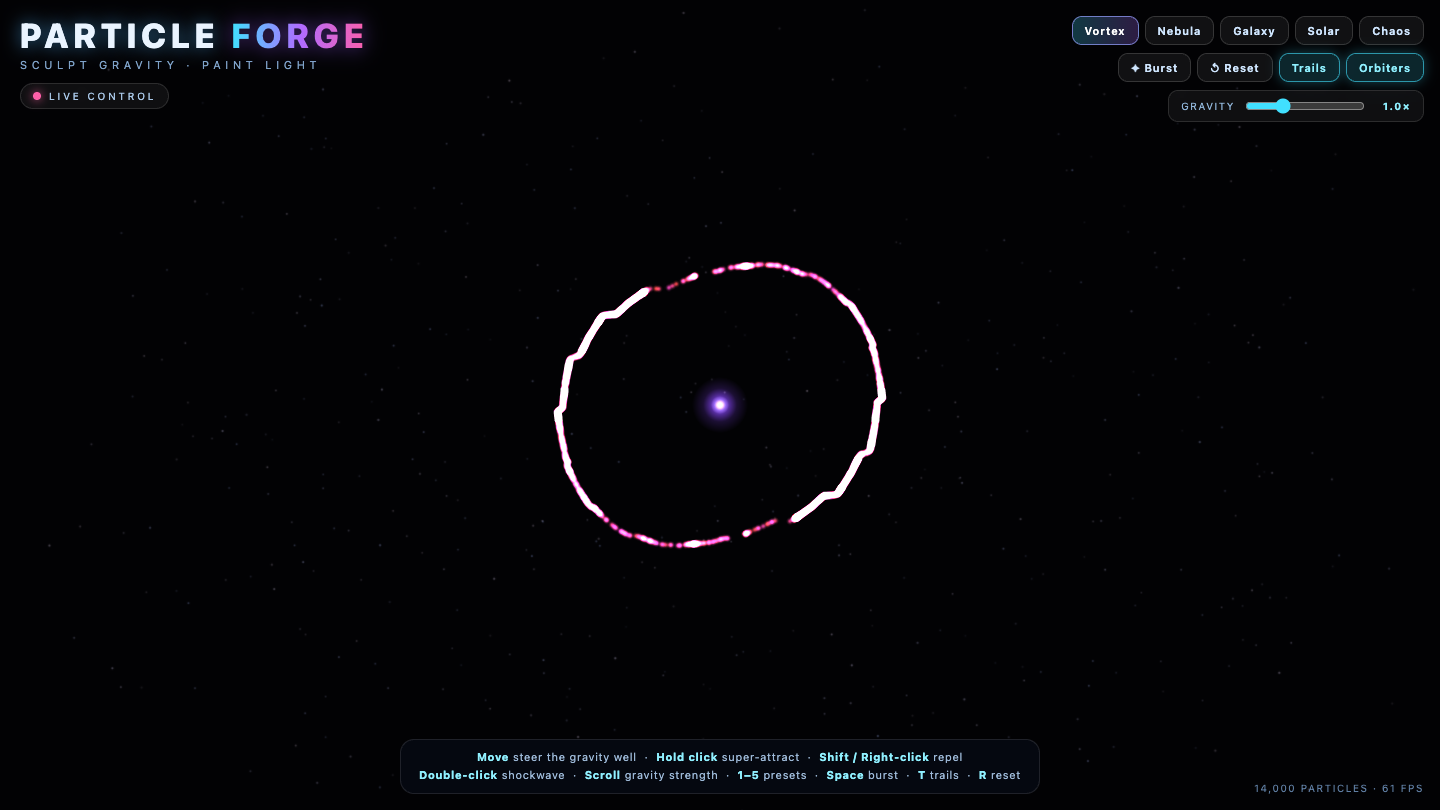
Where Fugu Mini beat Kimi K3
The tasks where I gave Fugu Mini a higher 0–10 score on the same prompt — with the actual commentary from my source guides.
Voxel
Visual
Fugu Mini 8.5
·
Kimi K3 1.0
(+7.5)
What I saw: Mini gap-fill (round 2) — Temple-Run voxel runner. Smoke-test PASS with 17.0% pixel diff — works this time (the earlier Mini voxel was STATIC and got deleted).
Doom
Game
Fugu Mini 8.0
·
Kimi K3 1.0
(+7.0)
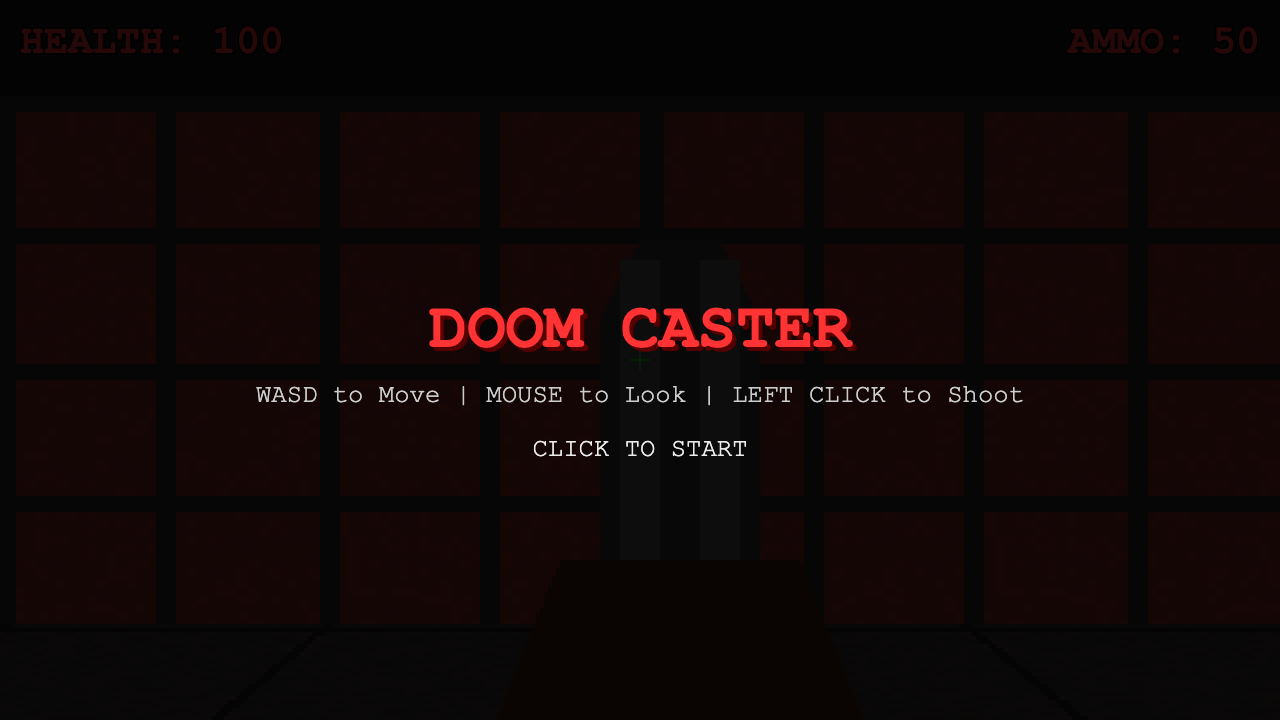
What I saw: Doom-style raycaster FPS with sprite enemies. Smoke-test PASS (pixel change after click+keys).
Dragonflight
Game
Fugu Mini 8.0
·
Kimi K3 1.0
(+7.0)
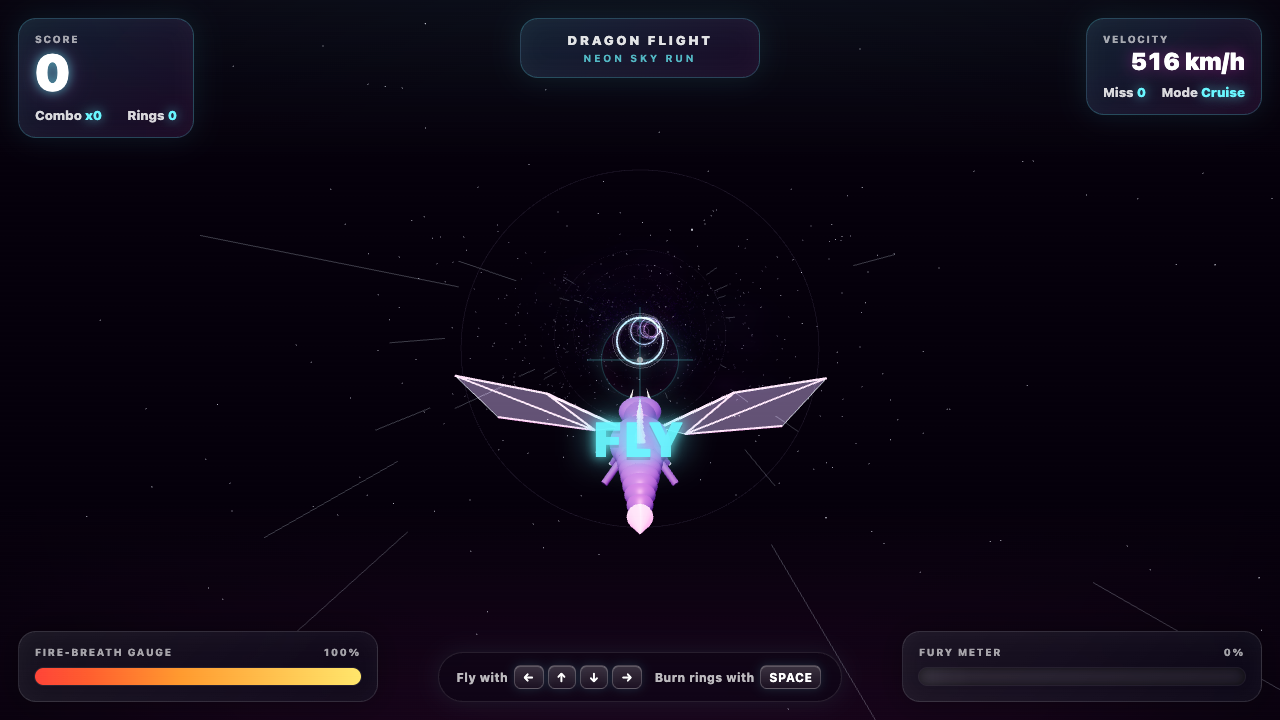
What I saw: Dragon flight through neon rings with HUD. Smoke-test PASS.
Orbit
Sim
Fugu Mini 8.0
·
Kimi K3 1.0
(+7.0)
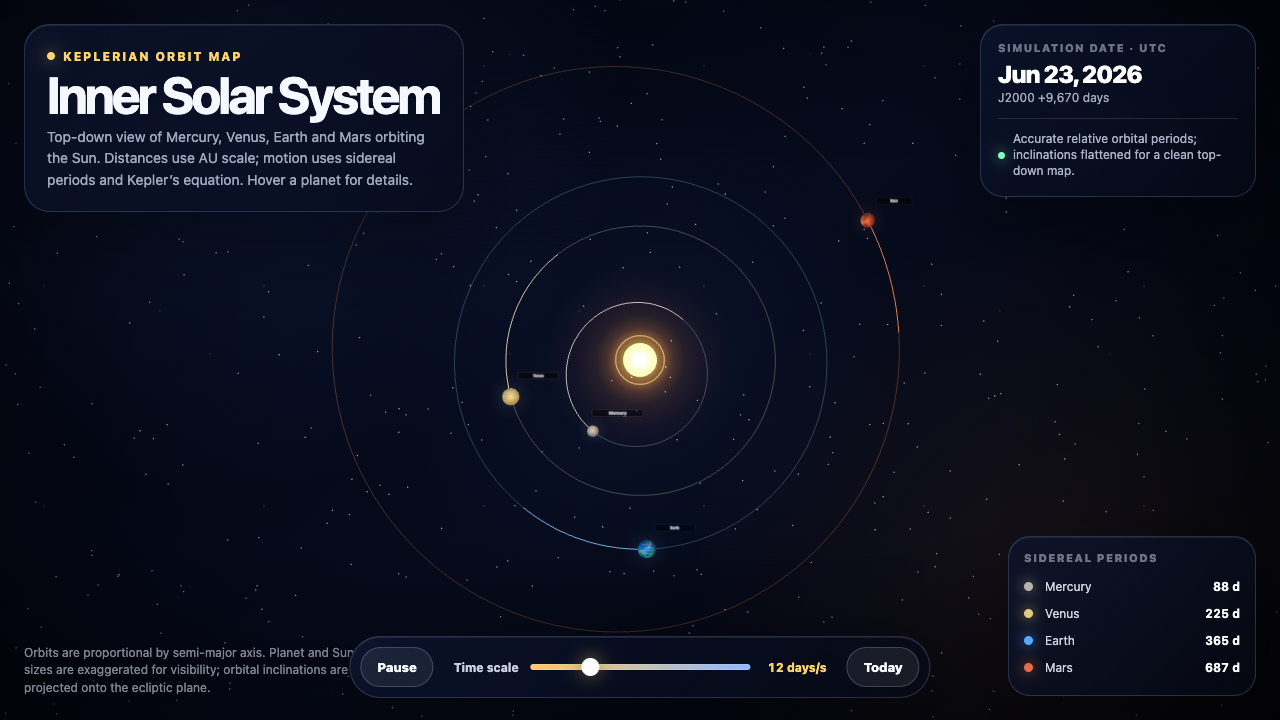
What I saw: Inner-system orbit map with hover info. Smoke-test PASS.
Racing
Game
Fugu Mini 8.0
·
Kimi K3 1.0
(+7.0)
What I saw: 3D arcade racer with banking turns + drift. Smoke-test PASS.
Where Kimi K3 beat Fugu Mini
The tasks where I gave Kimi K3 a higher 0–10 score on the same prompt — with the actual commentary from my source guides.
Aurora
Visual
Kimi K3 8.7
·
Fugu Mini 6.5
(+2.2)
· volumetric 3D aurora
What I saw: Gorgeous flowing volumetric aurora ribbons with convincing fbm noise, layered mountains, spruce silhouettes, moon, stars and a shooting star make a genuinely atmospheric scene; the elegant typography, palette switcher and vignette give it a shippable polish that edges past the fi…
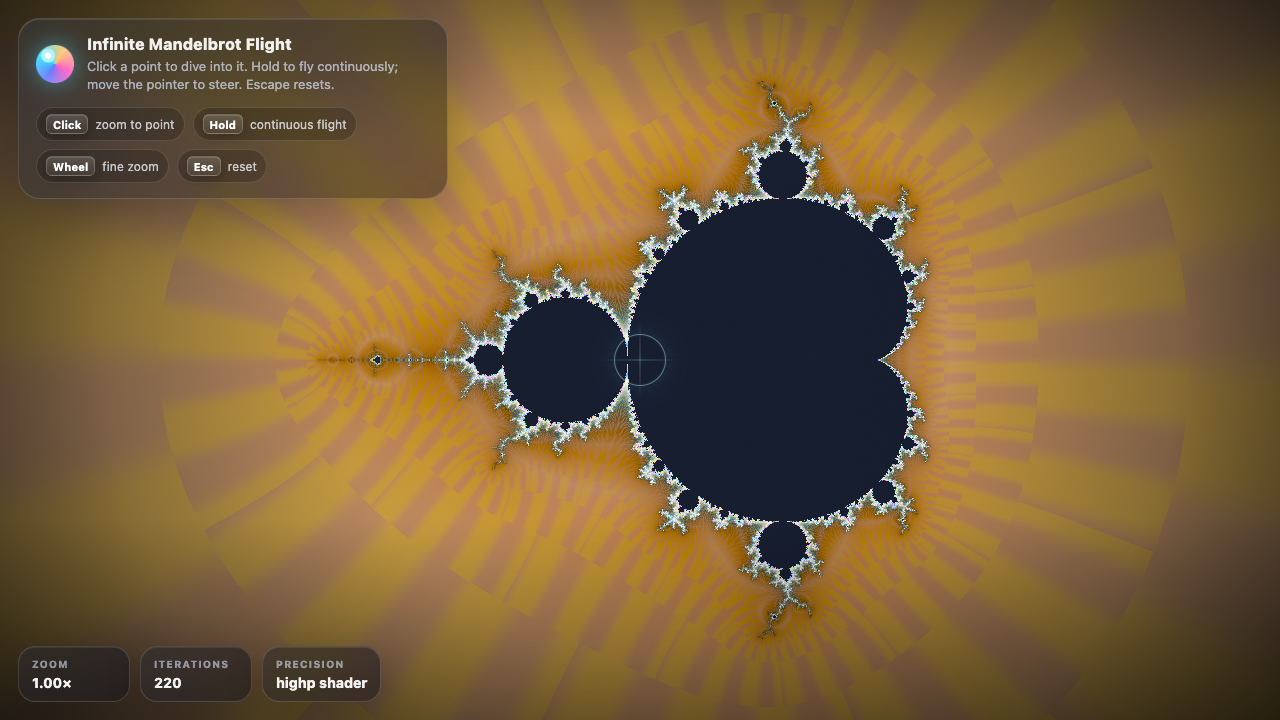
Fractal
Sim
Kimi K3 8.6
·
Fugu Mini 6.5
(+2.1)
· GPU realtime explorer
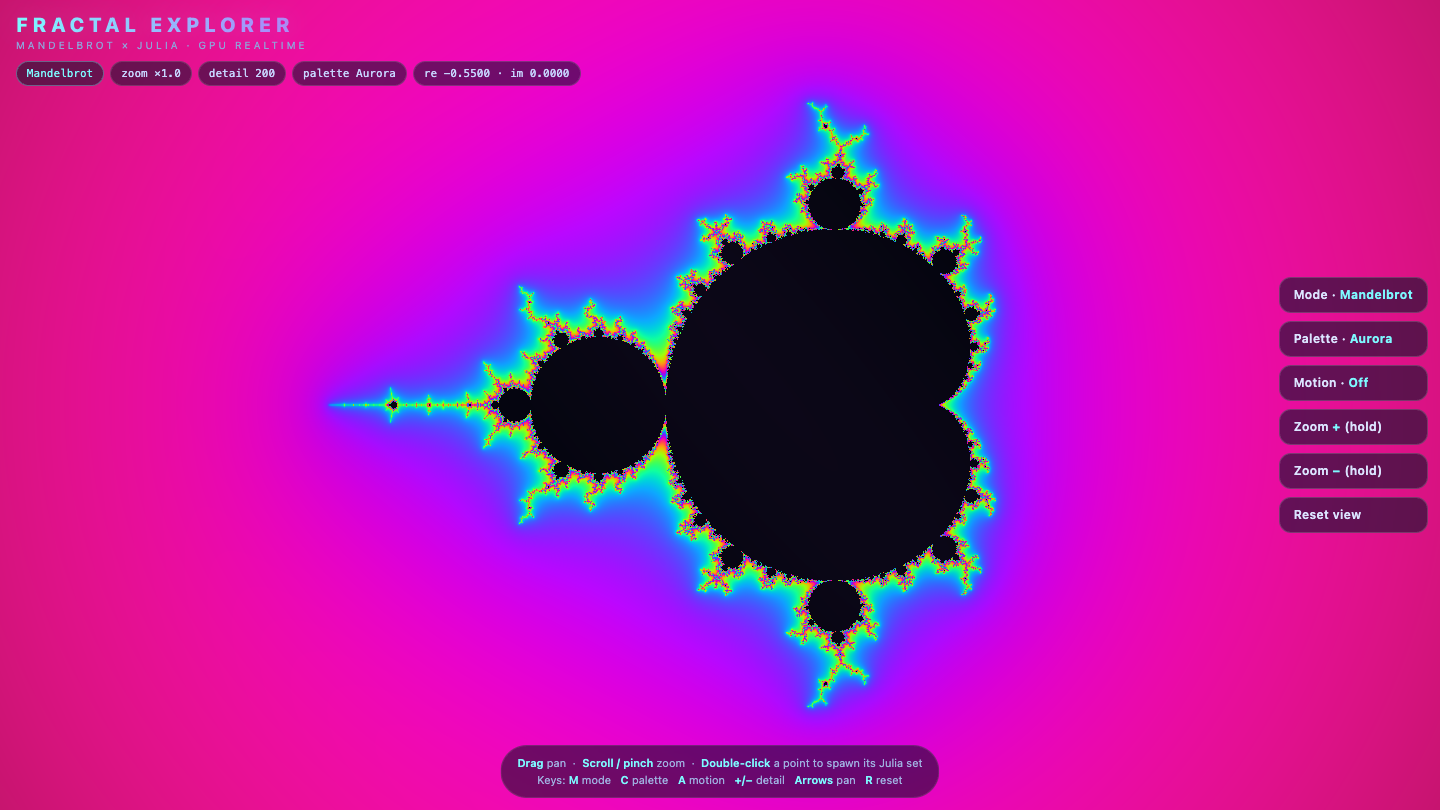
What I saw: Crisp GPU-shader Mandelbrot renders beautifully with smooth continuous coloring, vivid Aurora palette, and a polished glassy HUD; full feature set (mode toggle, Julia spawn, palettes, zoom/pan, keyboard) makes it a task winner, only mild nit being the intense magenta background d…
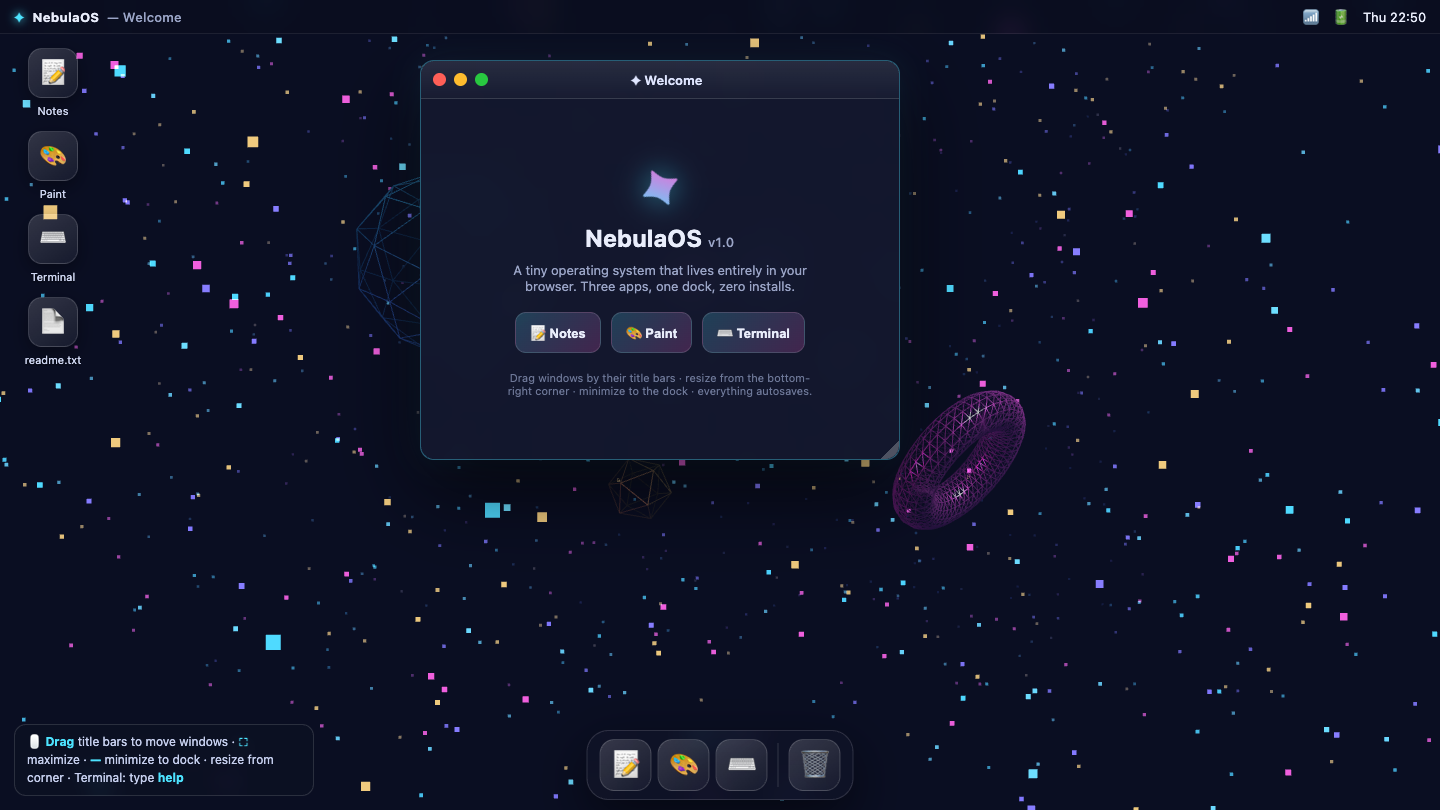
Webos
Page
Kimi K3 8.6
·
Fugu Mini 6.5
(+2.1)
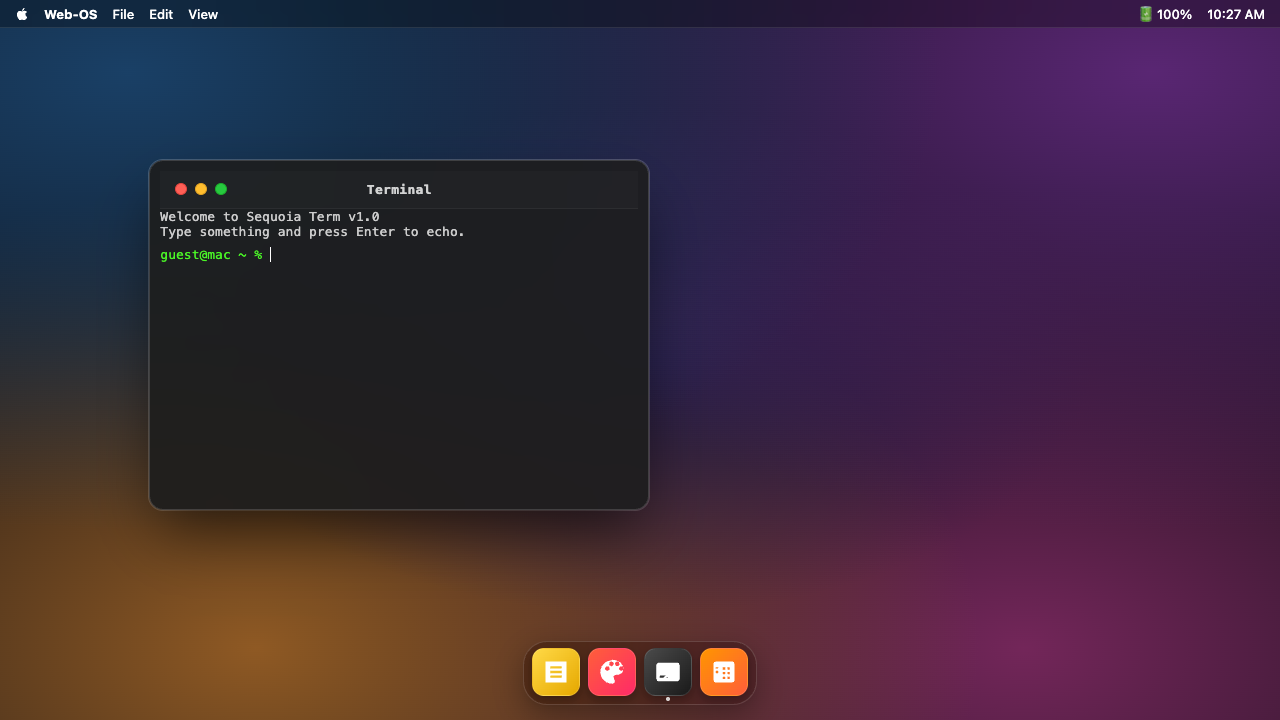
· polished nebula desktop
What I saw: Strong, highly polished render: crisp macOS-style traffic-light windows, blurred glass dock with running dots, desktop icons, animated 3D wireframe backdrop and starfield, plus a clean welcome/about card — clearly on-brief with Notes/Paint/Terminal. Source confirms real window ma…
Rpg
Game
Kimi K3 8.3
·
Fugu Mini 6.5
(+1.8)
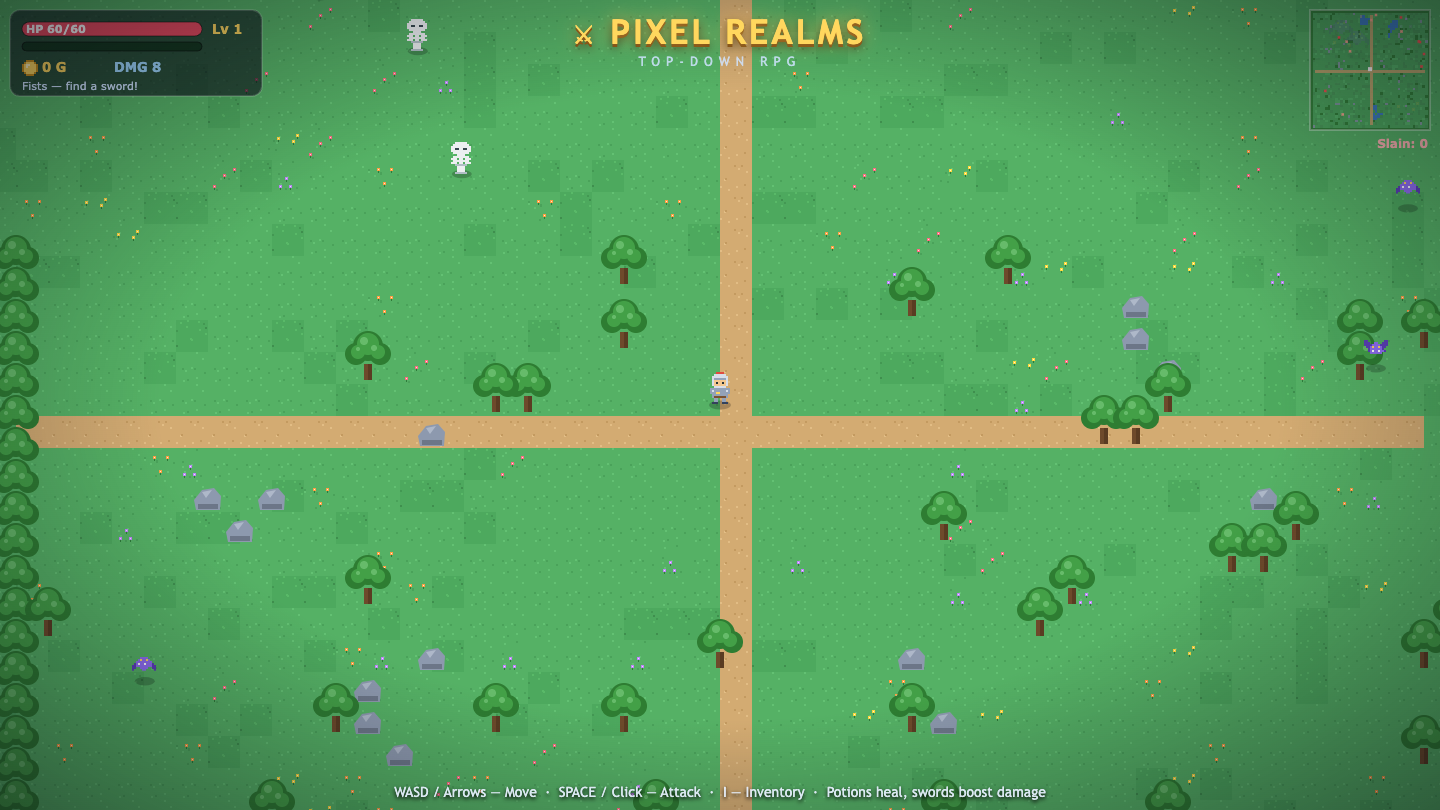
What I saw: Strong, polished render: cohesive pixel-art sprites (knight, skeletons, bats), varied grass/flower/path tiles, trees and rocks, plus a clean HUD with HP/level/gold/DMG, minimap and slain counter — clearly on-brief with combat, inventory and leveling systems in source. Loses a tou…
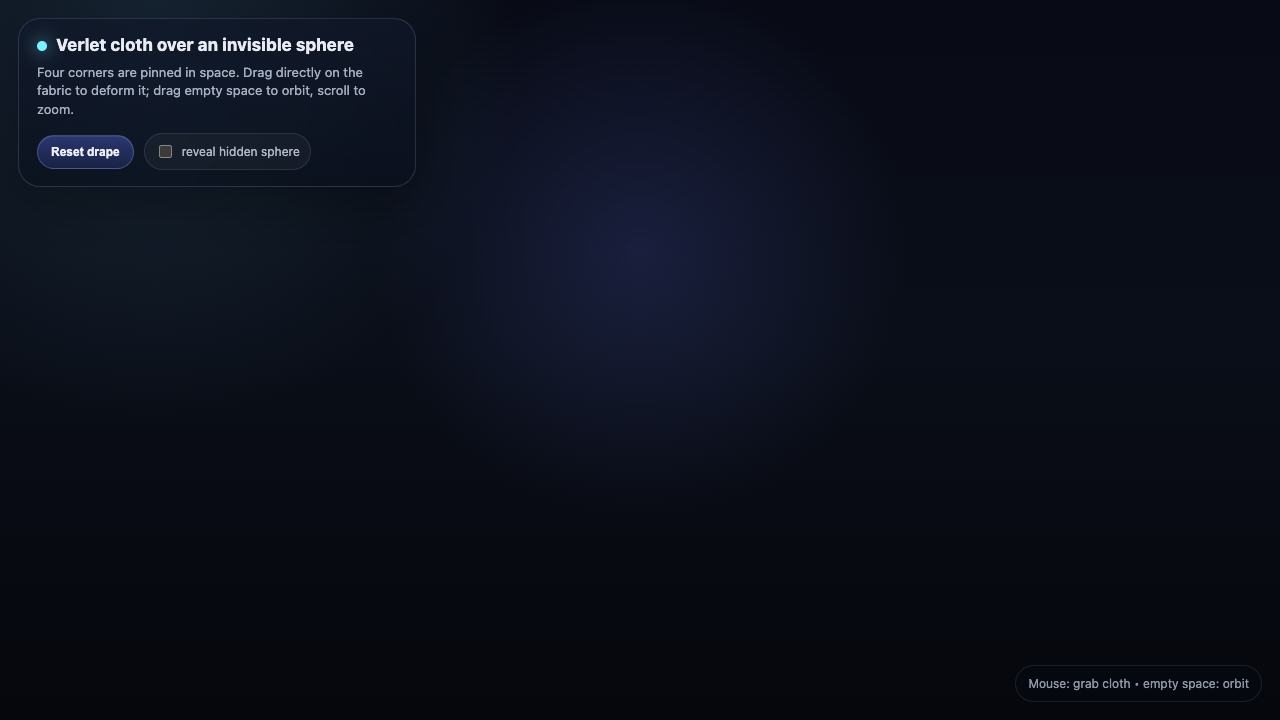
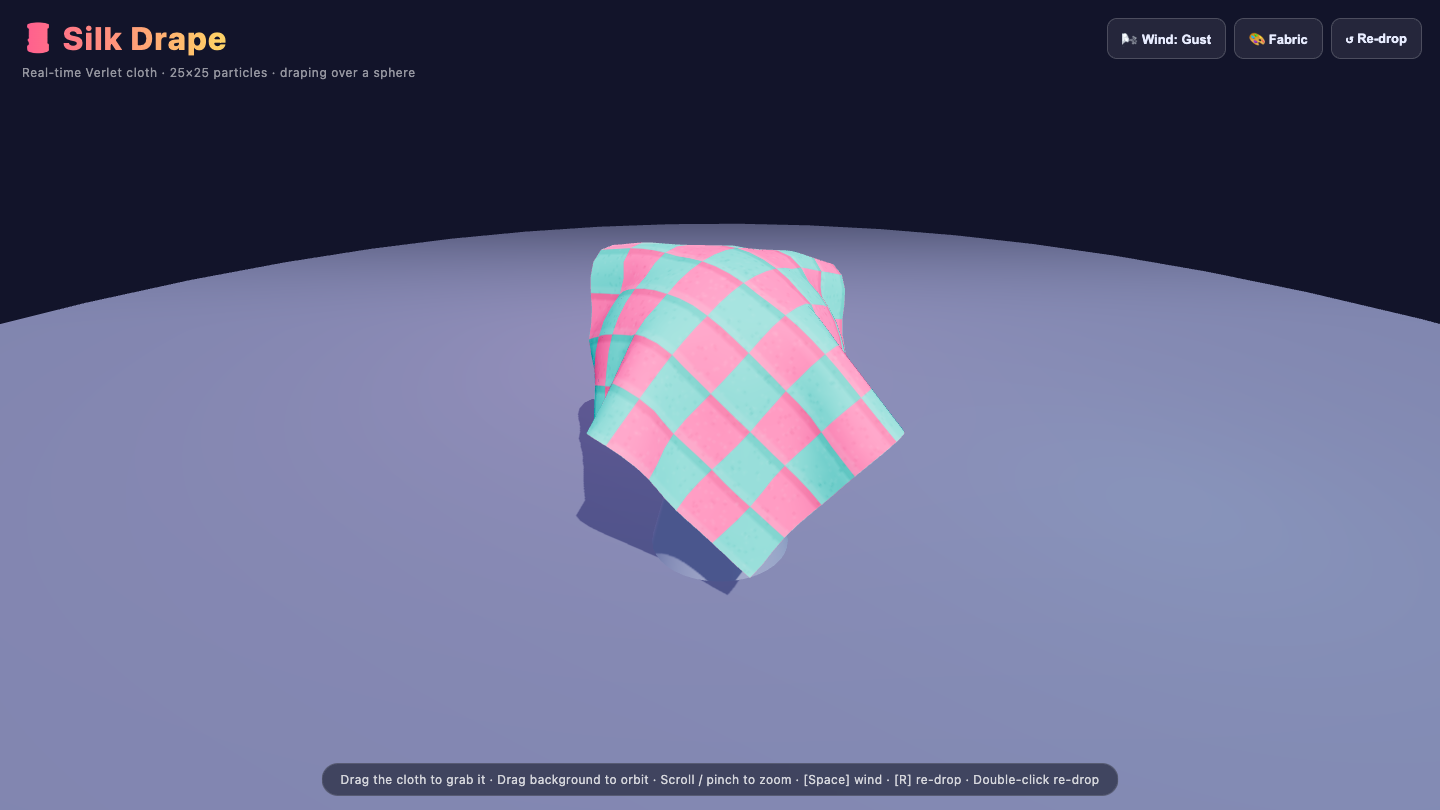
Cloth
Sim
Kimi K3 8.4
·
Fugu Mini 7.0
(+1.4)
· convincing checkered drape
What I saw: Strong render: the checkered cloth drapes convincingly over the sphere with realistic folds, soft shadows, and clean UI; loses a touch because the underlying pedestal/sphere object is fully hidden and the scene reads slightly flat rather than showing the object being draped.
Strengths & weaknesses I logged
Fugu Mini
Strengths
- Zero panel orchestration — much lower latency than Ultra
- Same Sakana subscription, no extra cost
- Doesn't time out on heavy game/3D prompts where Ultra stalls
Trade-offs
- Single model only — no ensemble verdict
- Newer than Ultra — less calibration / verification
Kimi K3
Strengths
- Launch-day benchmarks put it around the Fable/Sol tier, with Terminal Bench (agentic terminal-driving) the standout
- 1M-token context verified on this bench's needle test: exact recall from 162k tokens of noise in 18s
- One-shot builds run long but land complete — its first bench game (13.4 min of thinking, 30,880 tokens) playtested with zero JS errors
- Included in the Kimi coding plan — frontier tier without a new bill
Trade-offs
- Slow on hard tasks — early testers report up to ~35 minutes at max reasoning; this bench saw 13+ minute single builds
- Launch-day rate limits on OpenRouter (429s) — the coding-plan endpoint was the reliable route
- Self-reports as K2.7 if you ask it — verify the served model via the API response, not the model's word
Pricing & context — the spec sheet
| Spec | Fugu Mini | Kimi K3 |
|---|---|---|
| Vendor | Sakana AI | Moonshot AI |
| Context window | Single-model variant of Sakana's Fugu — no panel orchestration. Same API endpoint, much faster per call. | 1,048,576 tokens — a full codebase in working memory |
| Price | Same Sakana subscription pool as Fugu Ultra | $3 / M in |
| Pricing detail | The non-Ultra `fugu` model on Sakana's API. Sakana describes it as 'Fast mini model optimized for low latency yet high quality responses.' Crucially: zero orchestration tokens per call (vs Ultra's panel of thousands). Returns in ~3 min instead of 6-15 min and doesn't time out on heavy prompts. | Launched July 16, 2026. 2.5T-param MoE. $3/M input on OpenRouter at launch; included at no extra cost in the Kimi coding plan (`k3` on the coding endpoint). |
| Release | 2026-06-15 | 2026-07-16 |
| Bench coverage | 36/37 scored · avg 7.75/10 | 50/50 scored · avg 5.81/10 |
The verdict — which should you pick?
Across 36 scored shared tasks, Fugu Mini averaged 7.75/10, beating Kimi K3's 6.52/10 by 1.23 points. Pick Fugu Mini when the build has to ship on the first prompt and you can afford the trade-offs in the comparison below.
If you only run one of these inside your stack, the head-to-head average above is the call. If you can run both, my honest play is to wire Fugu Mini and Kimi K3 both into the Agent Operating System and dispatch each from the kanban by task type — agent loops where latency matters more than panel consensus → Fugu Mini, long-horizon agent runs → Kimi K3. That's the same setup I run for the 4,000+ founders inside the AI Profit Boardroom.
FAQ — Fugu Mini vs Kimi K3
Which is better, Fugu Mini or Kimi K3?
On Goldie Bench, Fugu Mini averages 7.75/10 across the shared tasks, with 2 gold, 0 silver, 3 bronze overall. Kimi K3 averages 6.52/10, with 9 gold, 5 silver, 7 bronze. Kimi K3 wins the head-to-head 20–16.
How much does Fugu Mini cost vs Kimi K3?
Fugu Mini: The non-Ultra `fugu` model on Sakana's API. Sakana describes it as 'Fast mini model optimized for low latency yet high quality responses.' Crucially: zero orchestration tokens per call (vs Ultra's panel of thousands). Returns in ~3 min instead of 6-15 min and doesn't time out on heavy prompts. Kimi K3: Launched July 16, 2026. 2.5T-param MoE. $3/M input on OpenRouter at launch; included at no extra cost in the Kimi coding plan (`k3` on the coding endpoint).
What's the context window for Fugu Mini vs Kimi K3?
Fugu Mini has a Single-model variant of Sakana's Fugu — no panel orchestration. Same API endpoint, much faster per call. context window. Kimi K3 has a 1,048,576 tokens — a full codebase in working memory context window.
When should I pick Fugu Mini over Kimi K3?
Pick Fugu Mini for: Agent loops where latency matters more than panel consensus; Quick first-drafts you'll refine downstream; Filling out a bench when Ultra is timing out. The trade-off is the weaknesses we logged on the bench: Single model only — no ensemble verdict; Newer than Ultra — less calibration / verification.
When should I pick Kimi K3 over Fugu Mini?
Pick Kimi K3 for: long-horizon agent runs; whole-repo context work; terminal-driving agents. The trade-off is the weaknesses we logged on the bench: Slow on hard tasks — early testers report up to ~35 minutes at max reasoning; this bench saw 13+ minute single builds; Launch-day rate limits on OpenRouter (429s) — the coding-plan endpoint was the reliable route; Self-reports as K2.7 if you ask it — verify the served model via the API response, not the model's word.
How does Goldie Bench score Fugu Mini vs Kimi K3?
Every demo on this page was built by Julian Goldie inside the Agent Operating System — same fixed prompt for both models, one shot, single HTML file out. Each result gets a 0–10 score on whether it ran, how close it hit the brief, and how good it looked. The highest score on each task gets gold; second gets silver; third gets bronze. See methodology for full provenance.
Related comparisons
Other head-to-heads using the same scoring system:
Fugu Mini vs Fusion Kimi K3 vs Fusion Fugu Mini vs Hermes MoA Kimi K3 vs Hermes MoA Fugu Mini vs GPT-5.6 Sol Kimi K3 vs GPT-5.6 Sol Fugu Mini vs Claude Fable 5 Kimi K3 vs Claude Fable 5Full model pages: Fugu Mini · Kimi K3 · back to the leaderboard
The same stack Julian uses
Run this stack yourself.
Every demo on this bench was built inside the Agent Operating System — one prompt, one shot, single HTML file out. The Agent OS, the prompts, the templates, the weekly walkthroughs and 4,000+ founders shipping with it every day all live inside the AI Profit Boardroom.
4,000+founders
258documented wins
38countries
$59/momonthly