Real head-to-head · same prompt, one shot
Hermes MoA vs Claude Opus 5.5
A panel of frontier models, merged by a chair. The model doesn't matter — the system does. vs Anthropic's Opus 5.5 — benched on all 50 one-shot builds, every game playtested.
Head-to-head verdict: Hermes MoA wins 32–13 with 2 ties.
What I tested — same prompt, two models
I run the same fixed prompt set through every new model the day it drops — same string, one shot, single HTML file out — and I score the result 0–10 on whether it ran, how close it hit the brief, and how good it looked. Below is what came out when I gave the exact same prompts to Hermes MoA and Claude Opus 5.5, side by side, on 47 shared tasks inside the Agent Operating System.
Both models were given identical prompts inside the Agent Operating System — no help, no iteration, no "best of N" tricks. I run each prompt once, save the HTML file the model produces, and score it 0–10 on whether it ran, how close it hit the brief, and how good it looked. The scoring is mine. The verdicts below are pulled from my source comparison guides at agentos.guide where I publish every score and the reasoning behind it.
Hermes MoA · Run from the Mixture tab in the Hermes Agent OS. On this bench the panel built each demo and the aggregator merged the best of every draft.
Claude Opus 5.5 · Benched on all 50 GoldieBench tasks via a Claude subscription: one-shot builds, real renders, pixel-diff playtests on every game, then vision-judged.
Side-by-side on 50 shared tasks
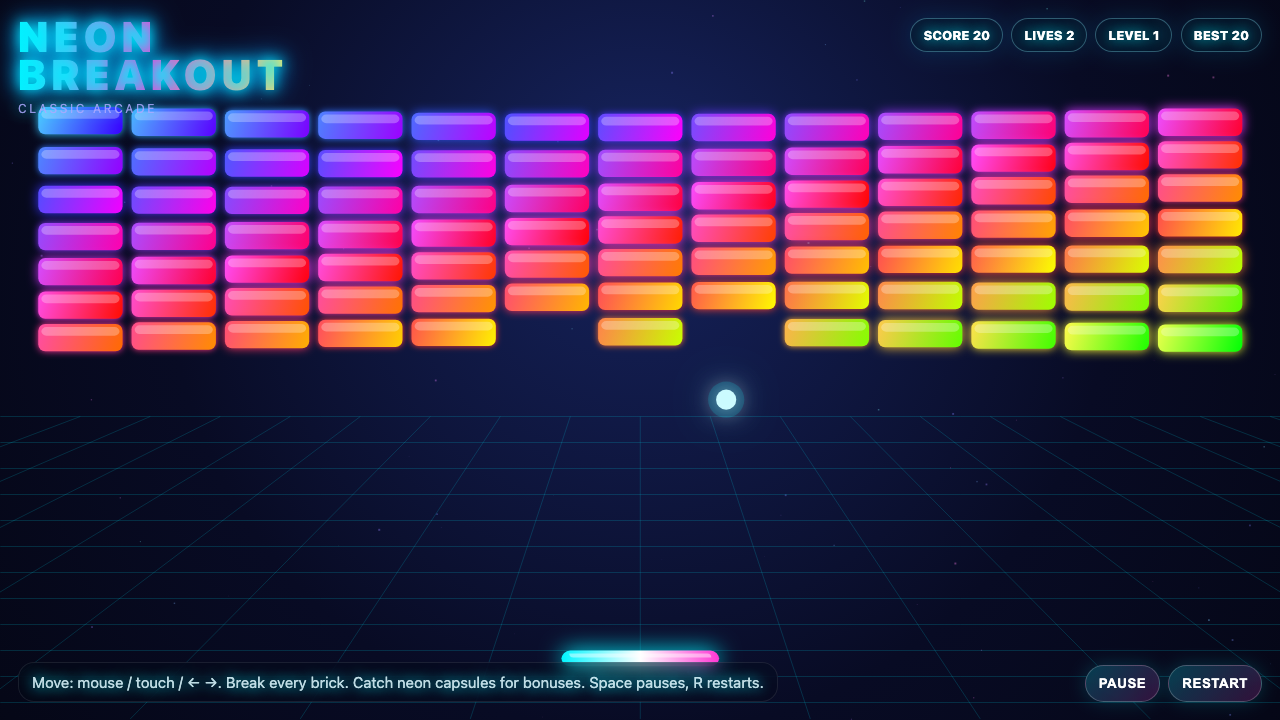
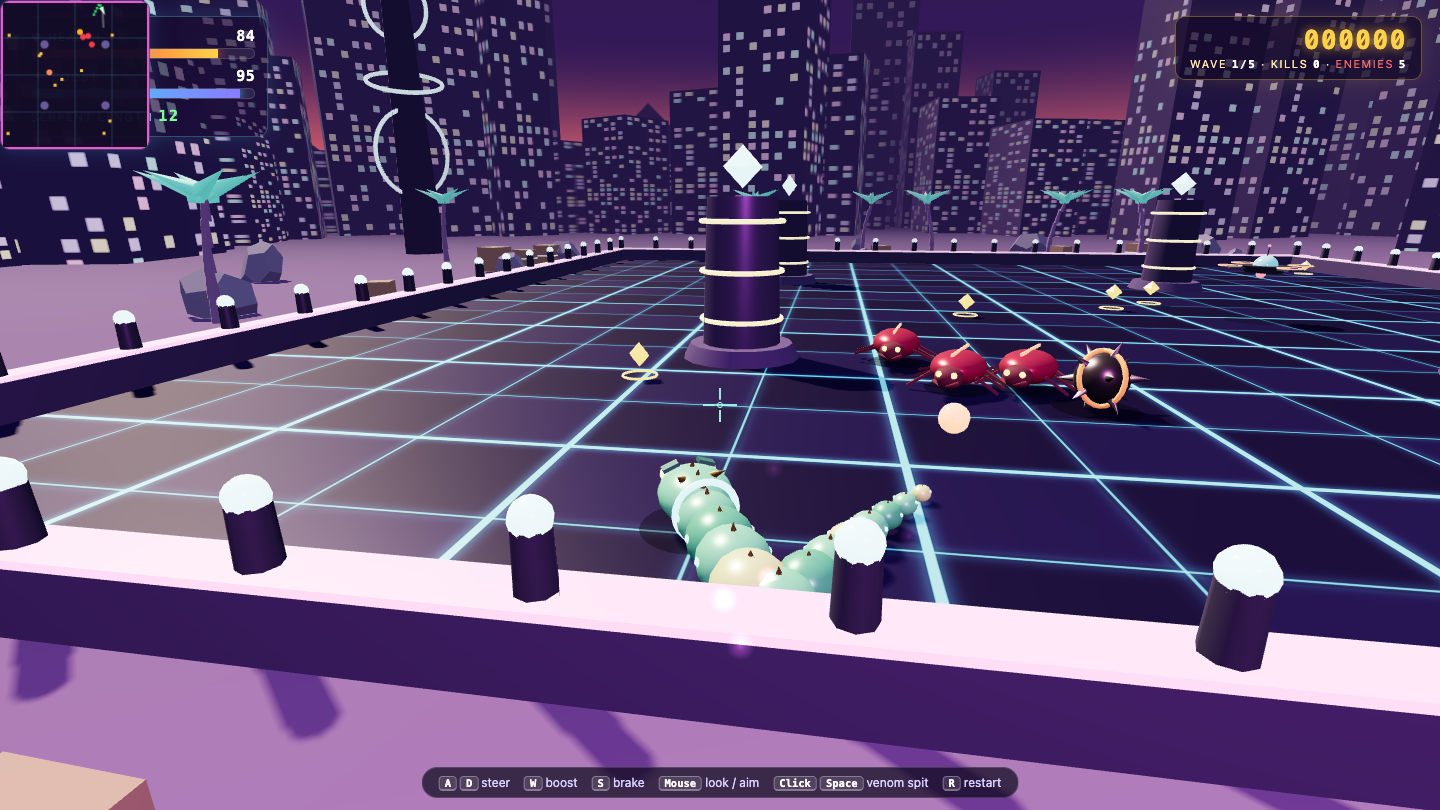
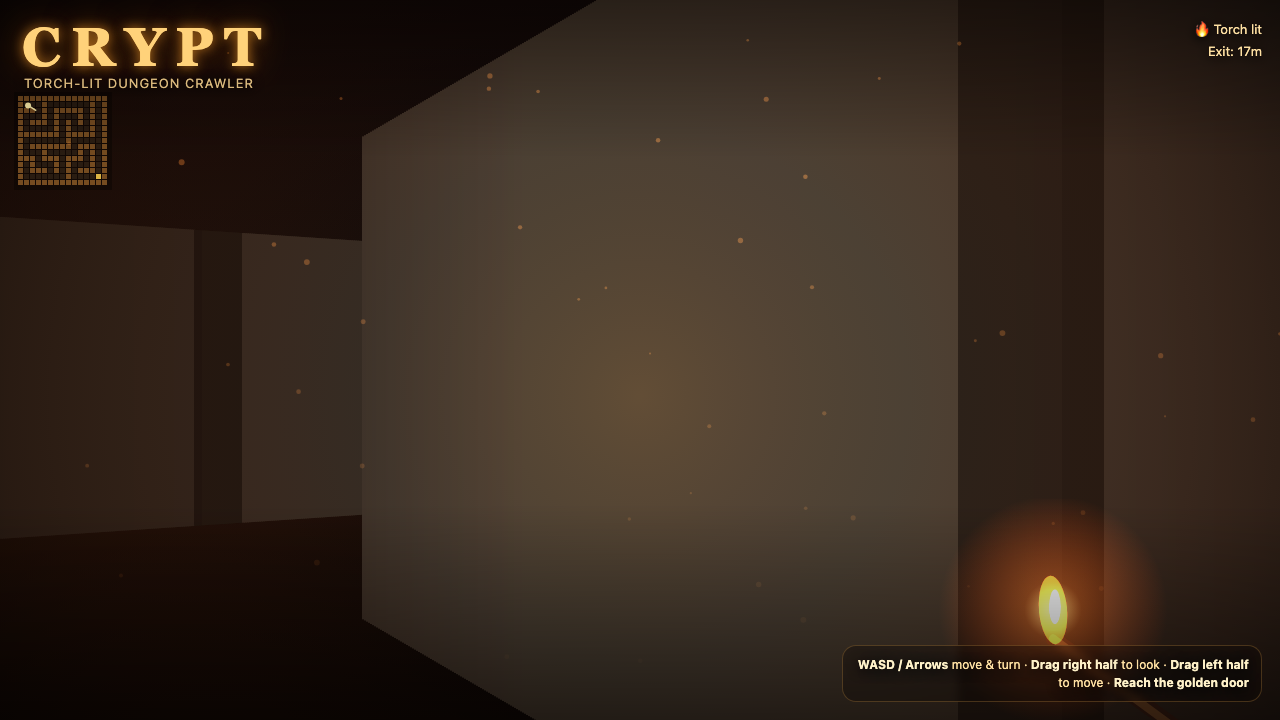
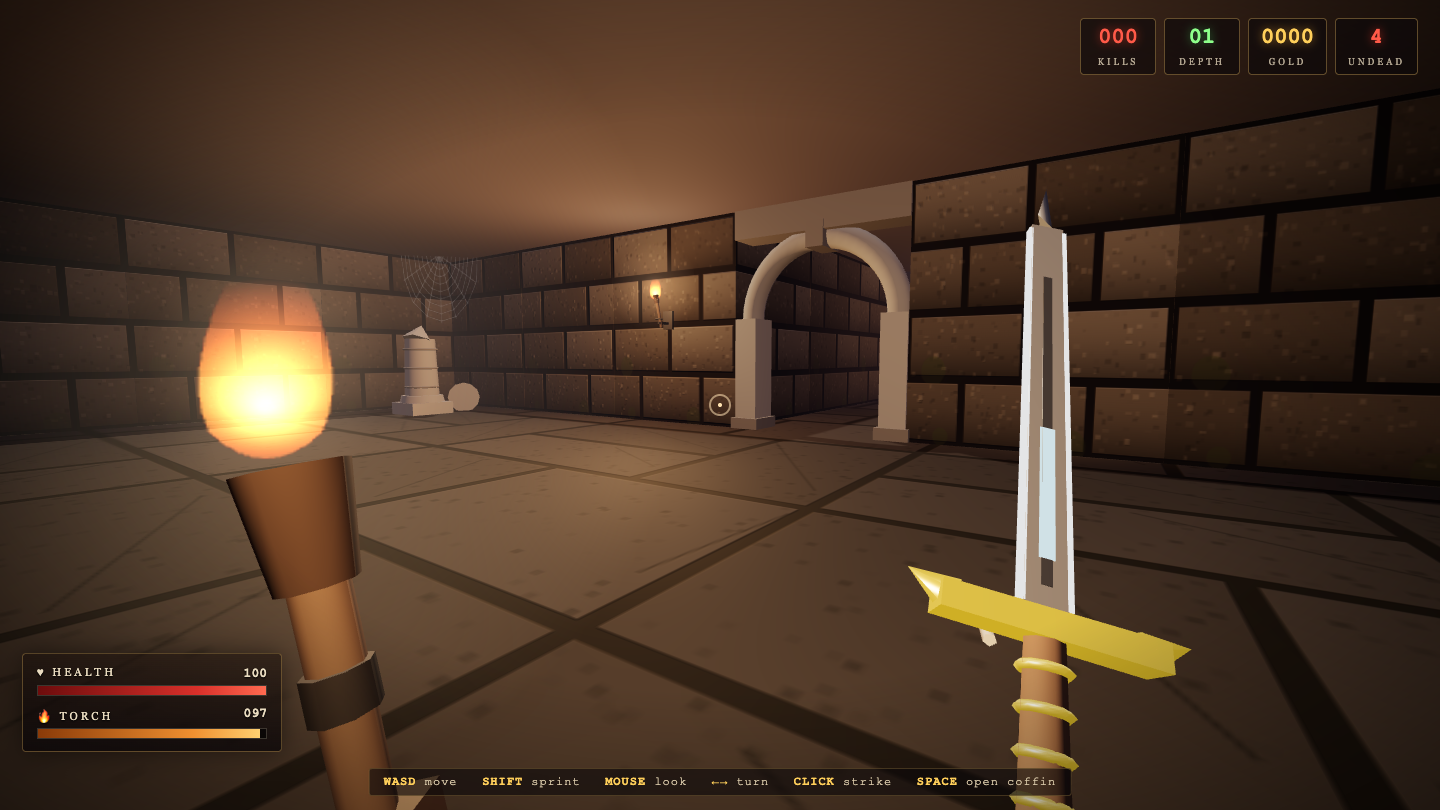
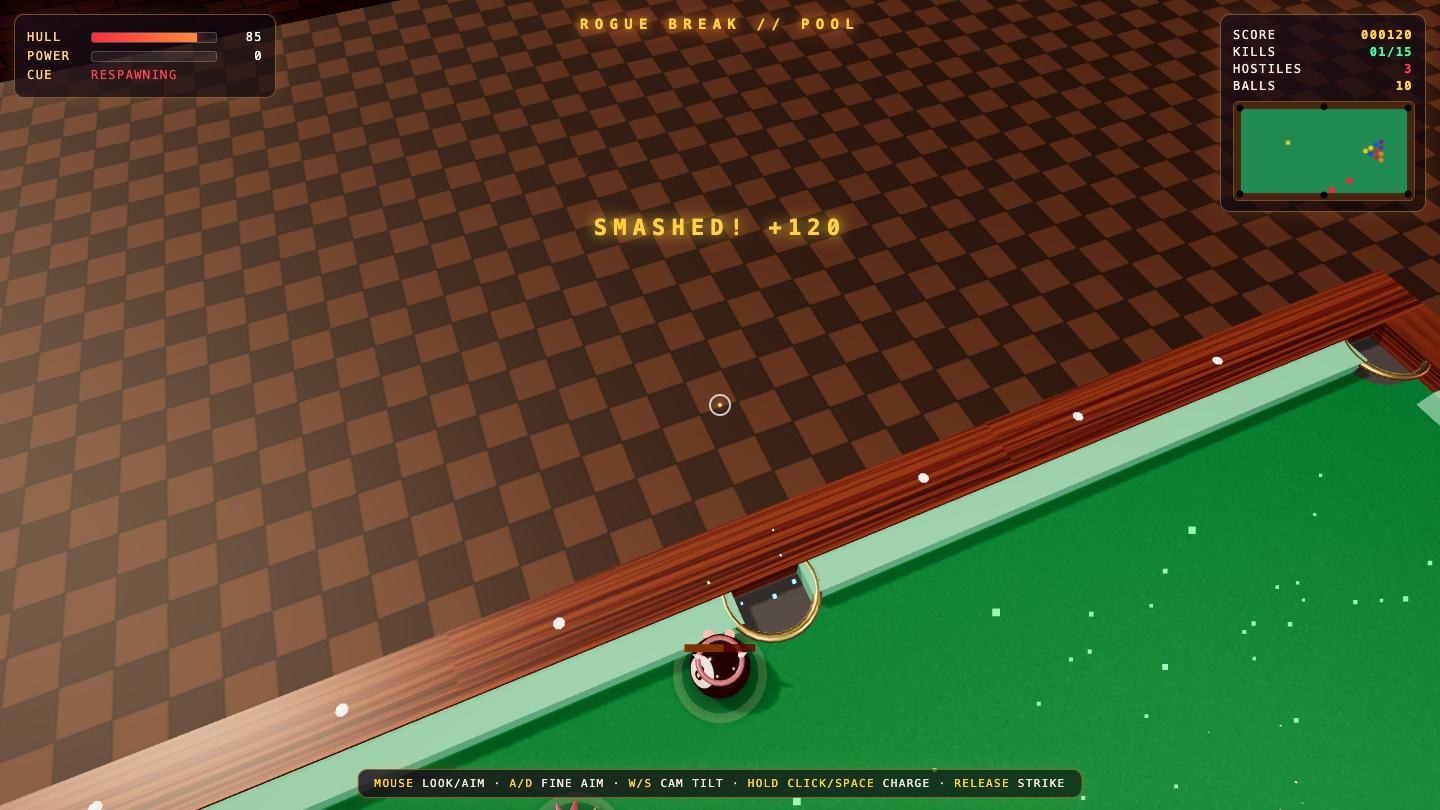
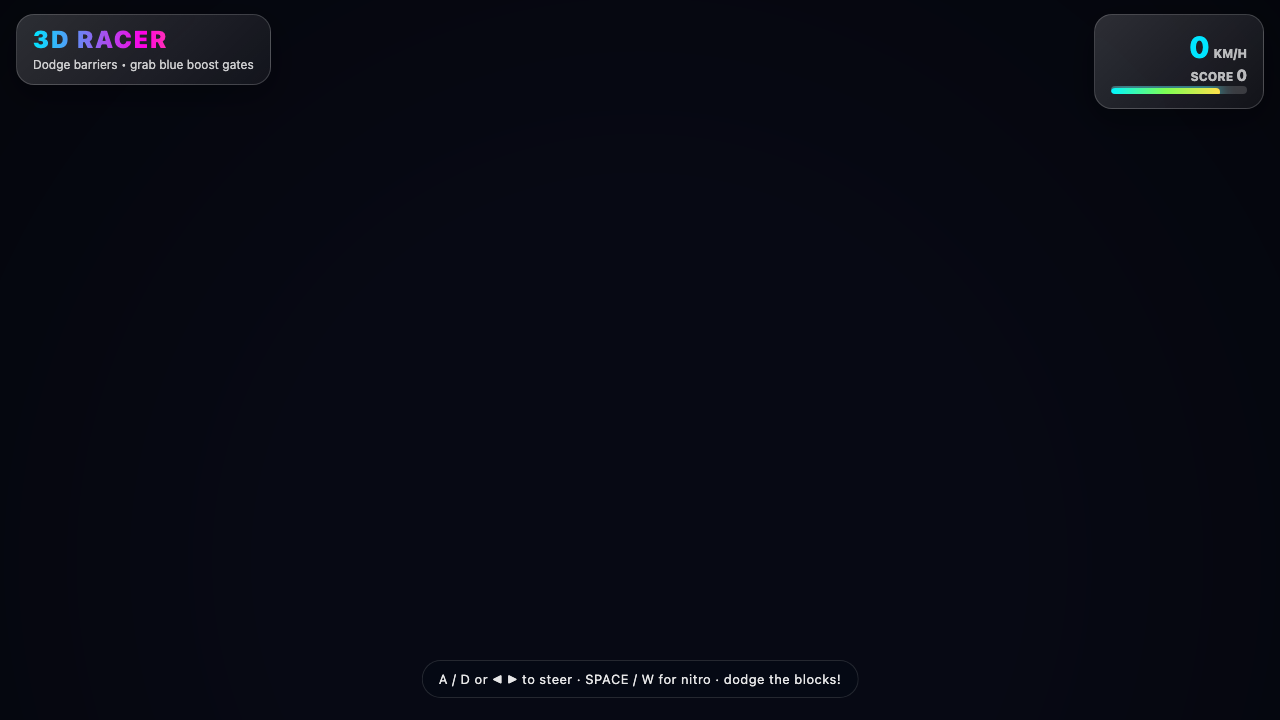
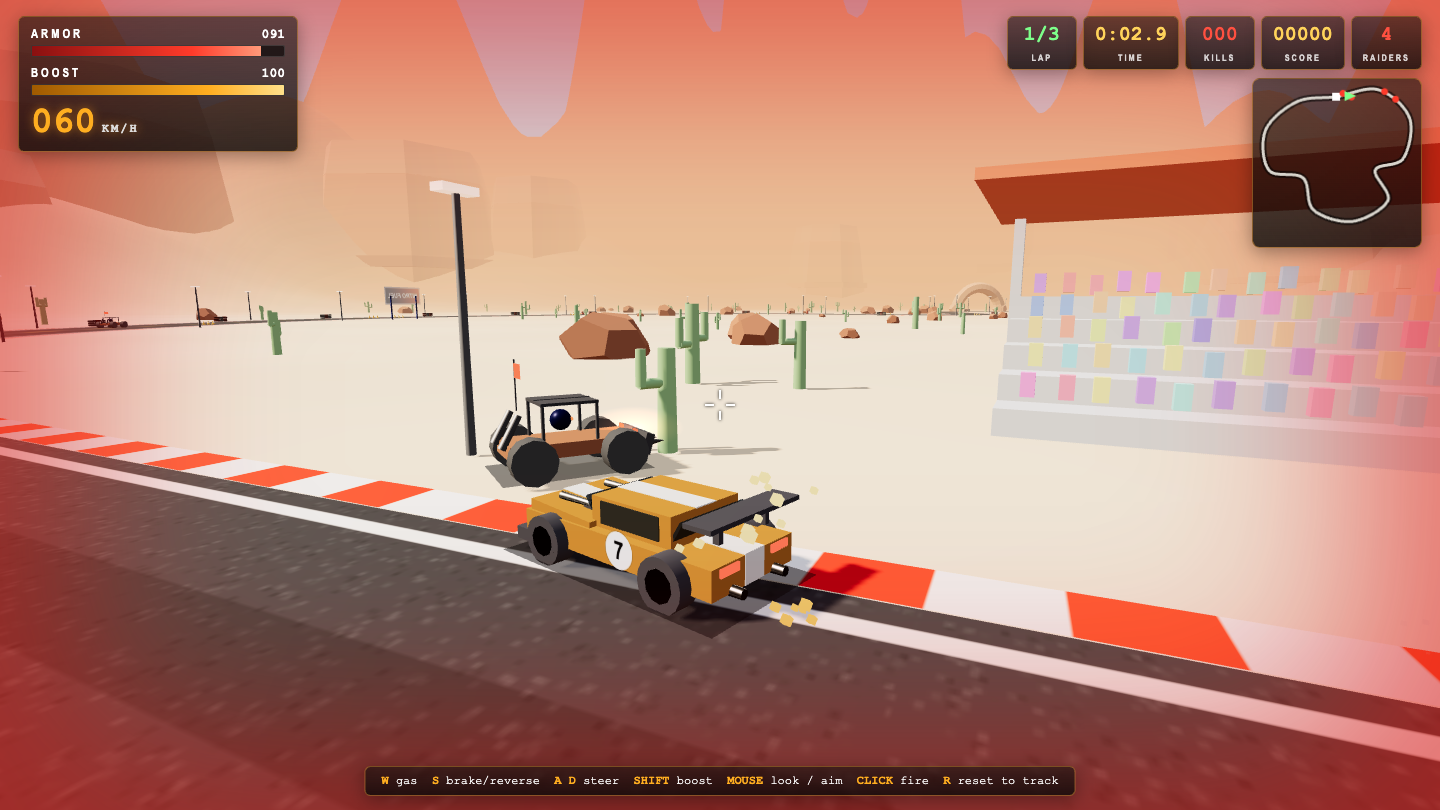
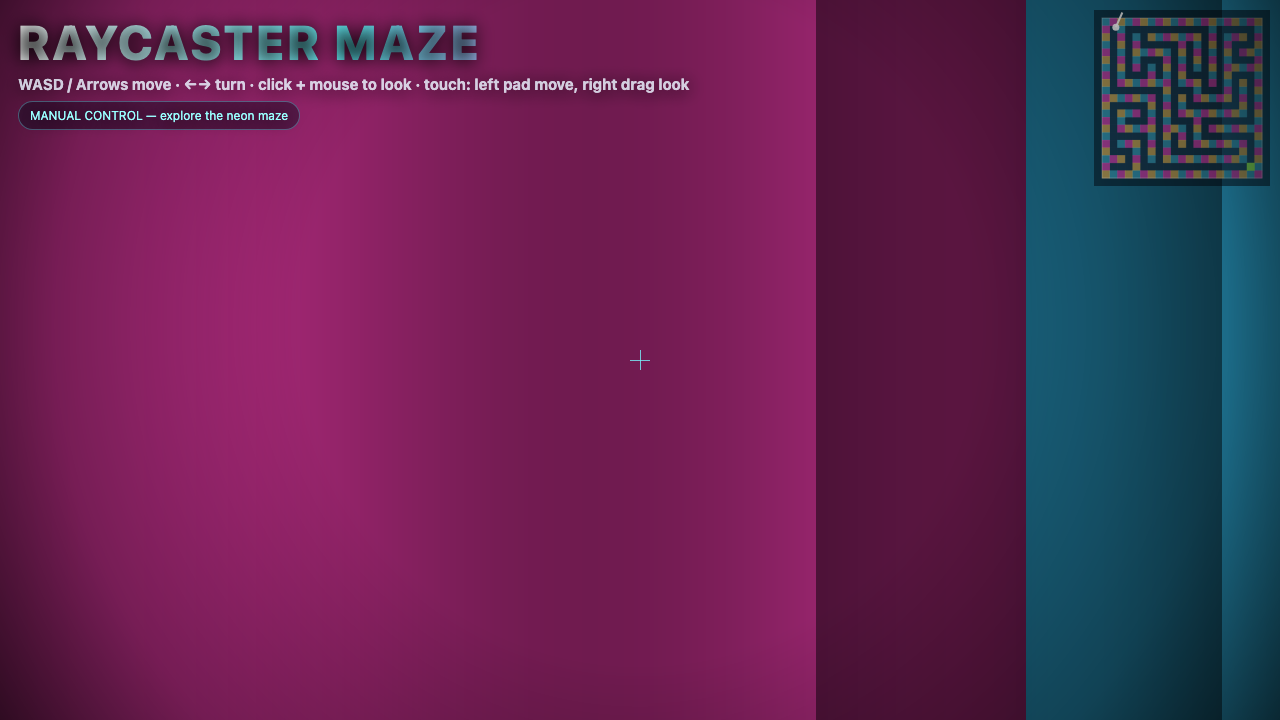
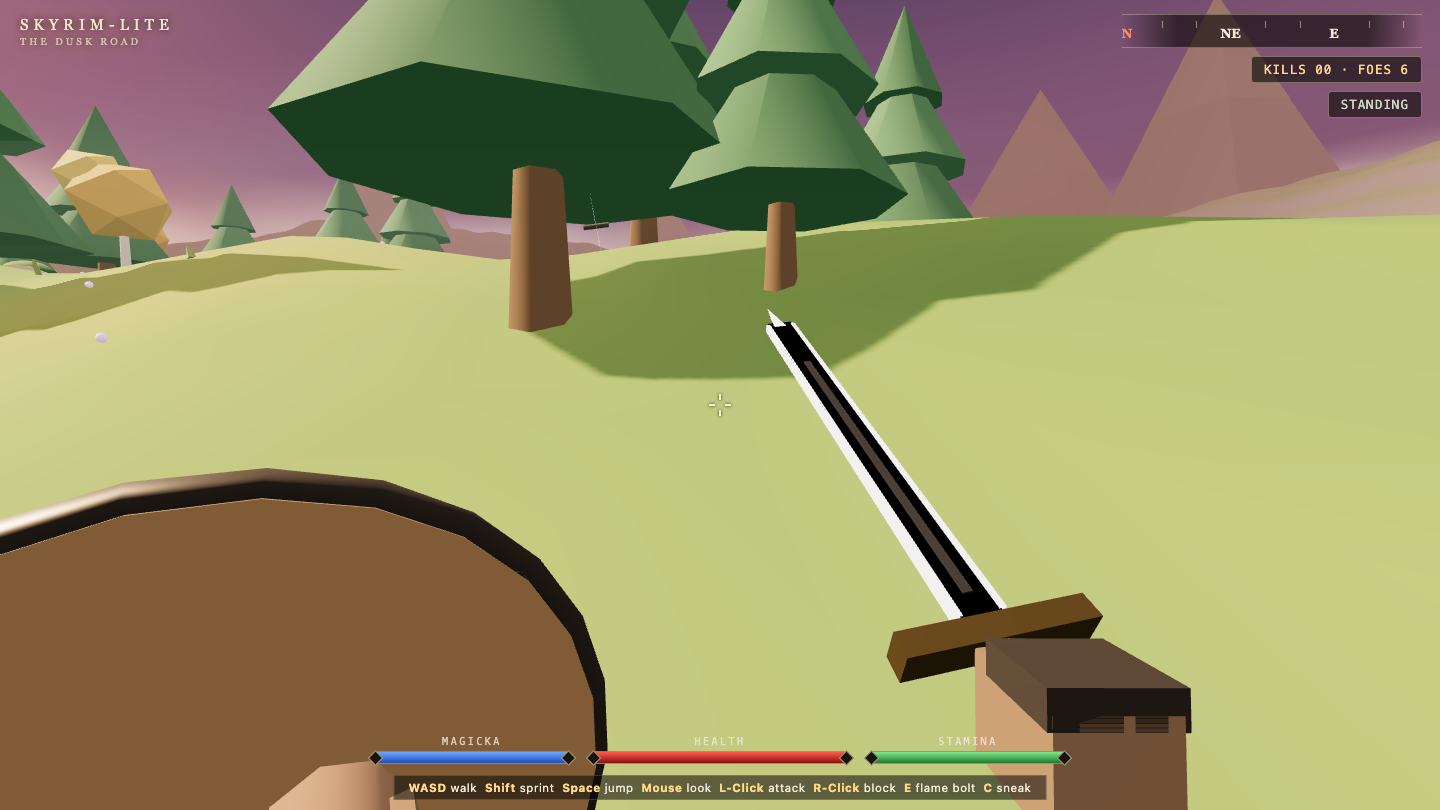
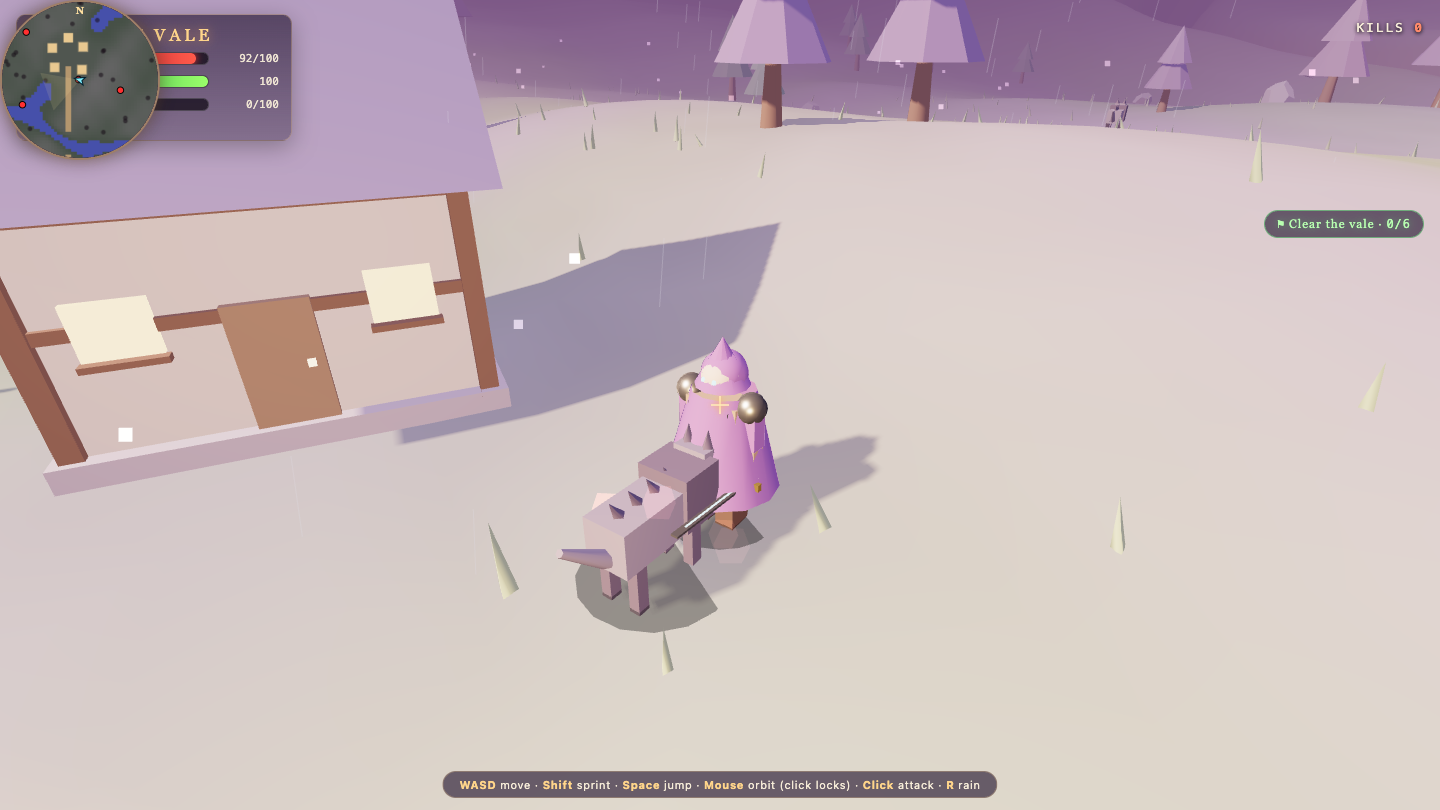
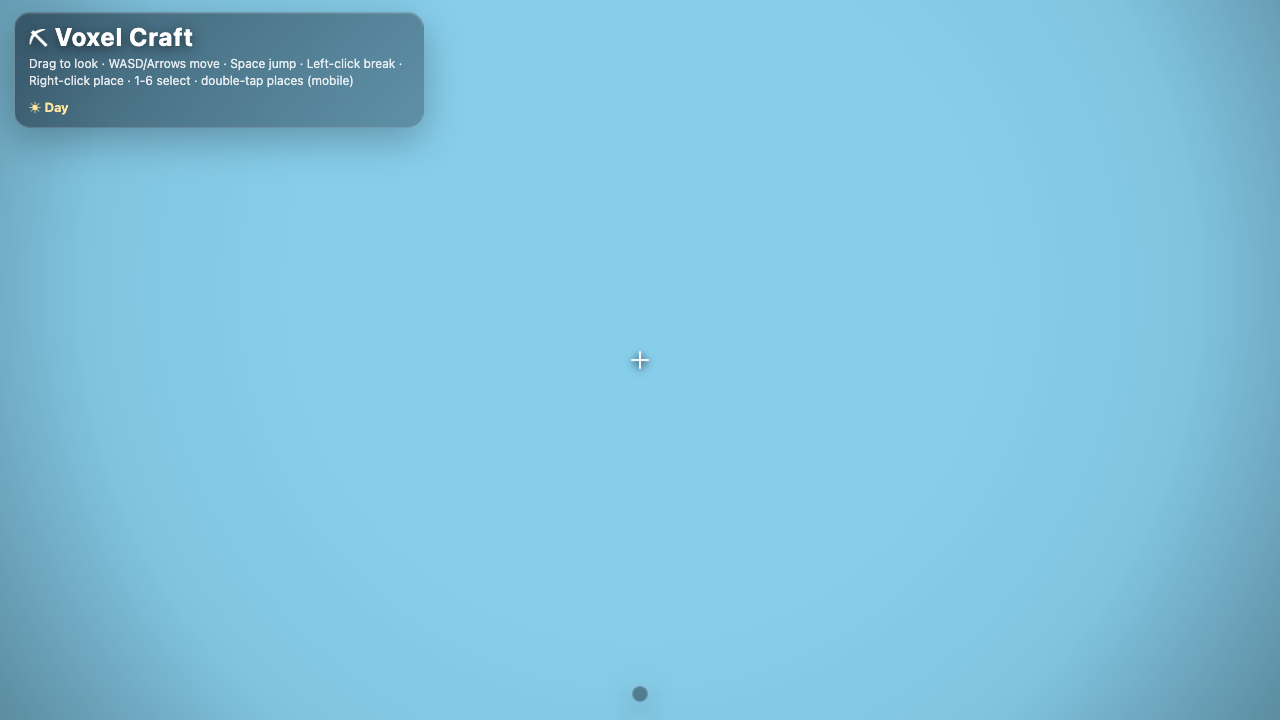
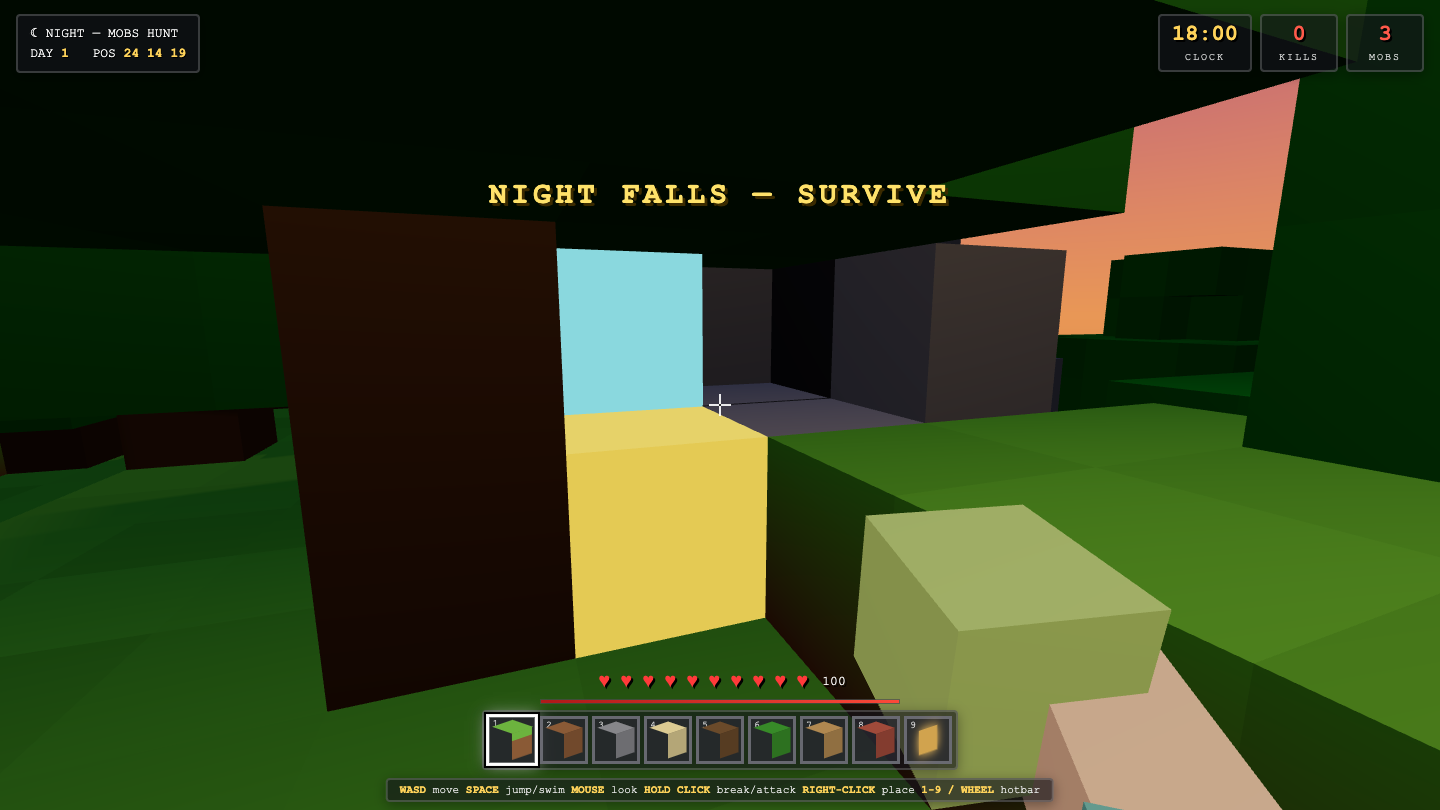
Click any cell to play that model's actual one-shot attempt. Medals are derived from my 0–10 scores per task (highest = 🥇, second = 🥈, third = 🥉).
Task ↓
Hermes MoA
Claude Opus 5.5
Game
Game
Game
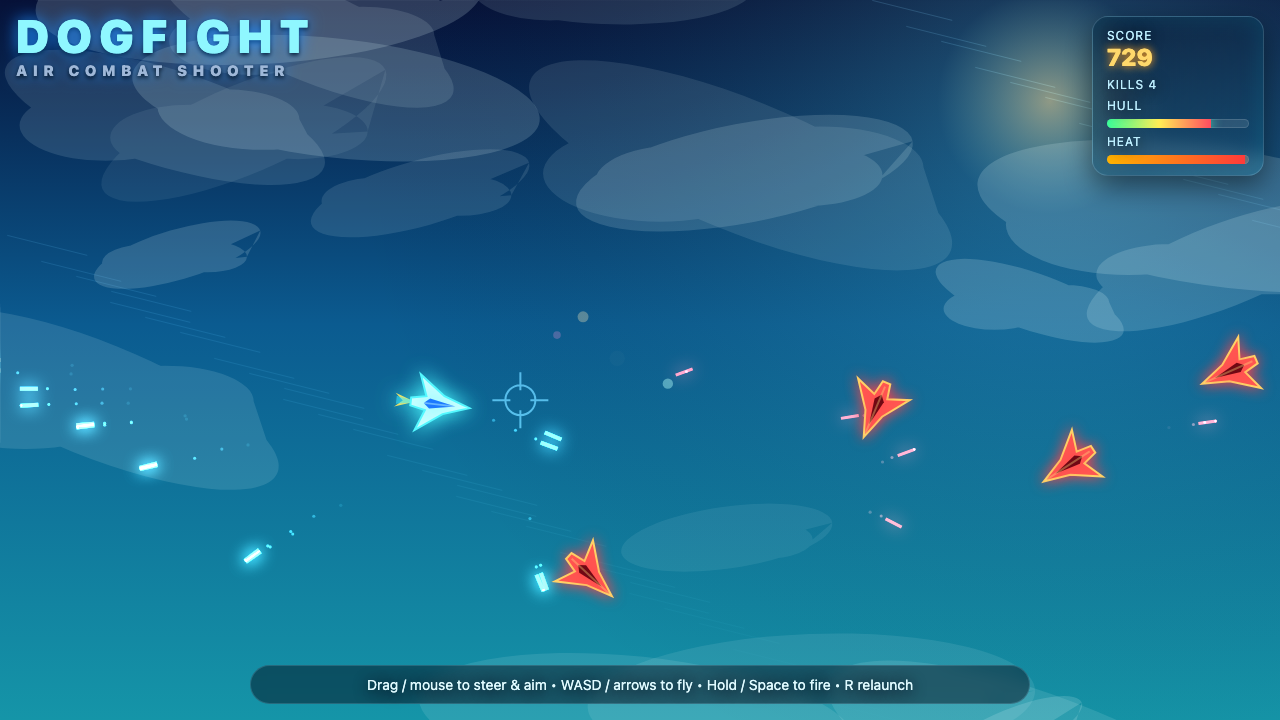
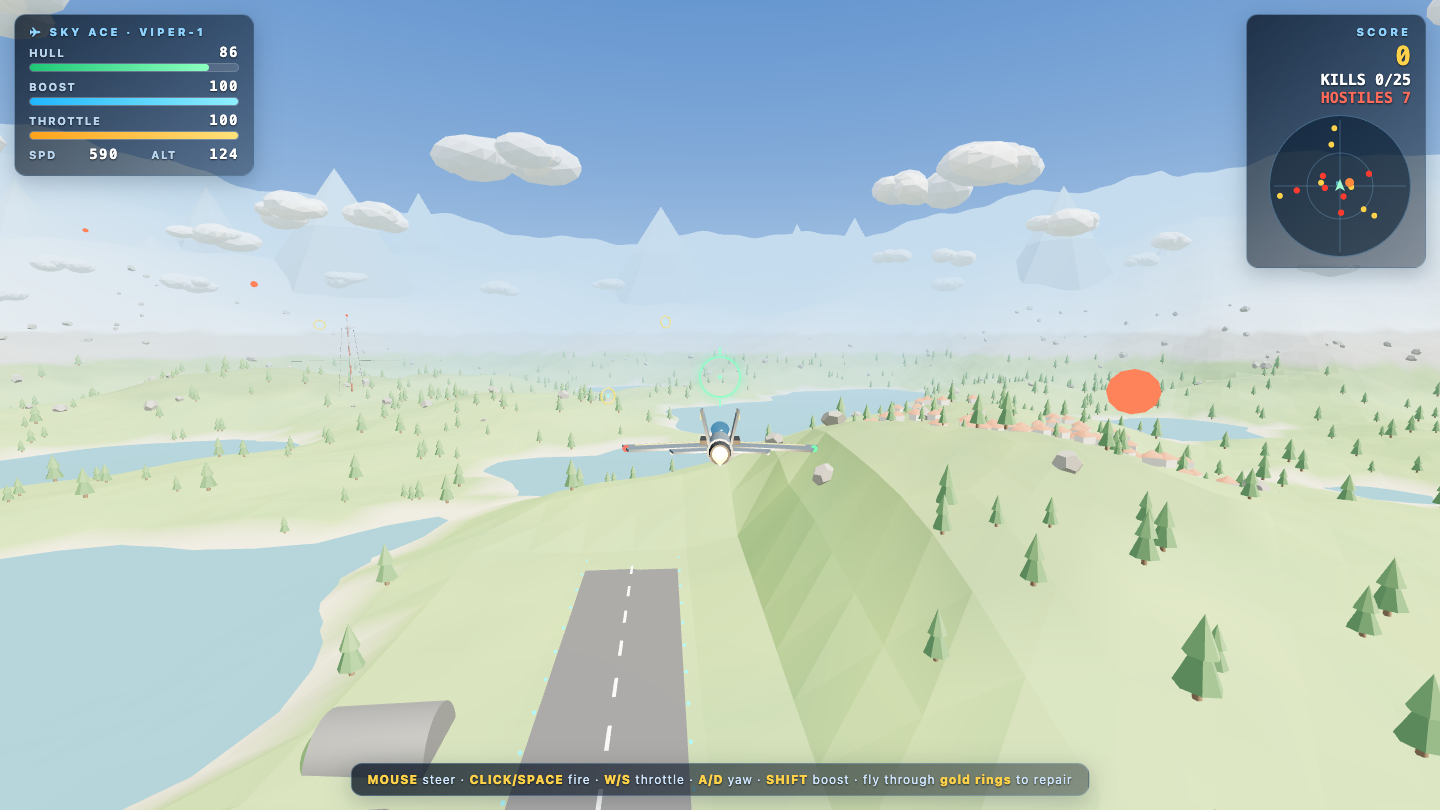
Game
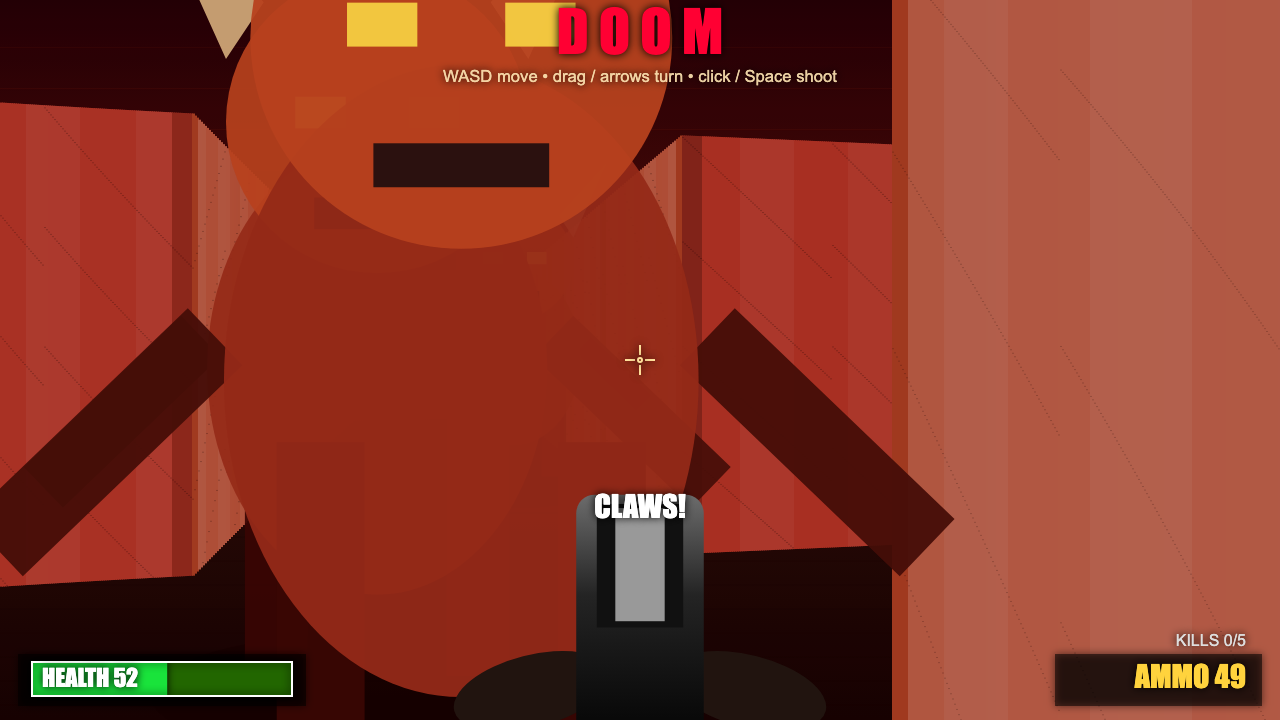
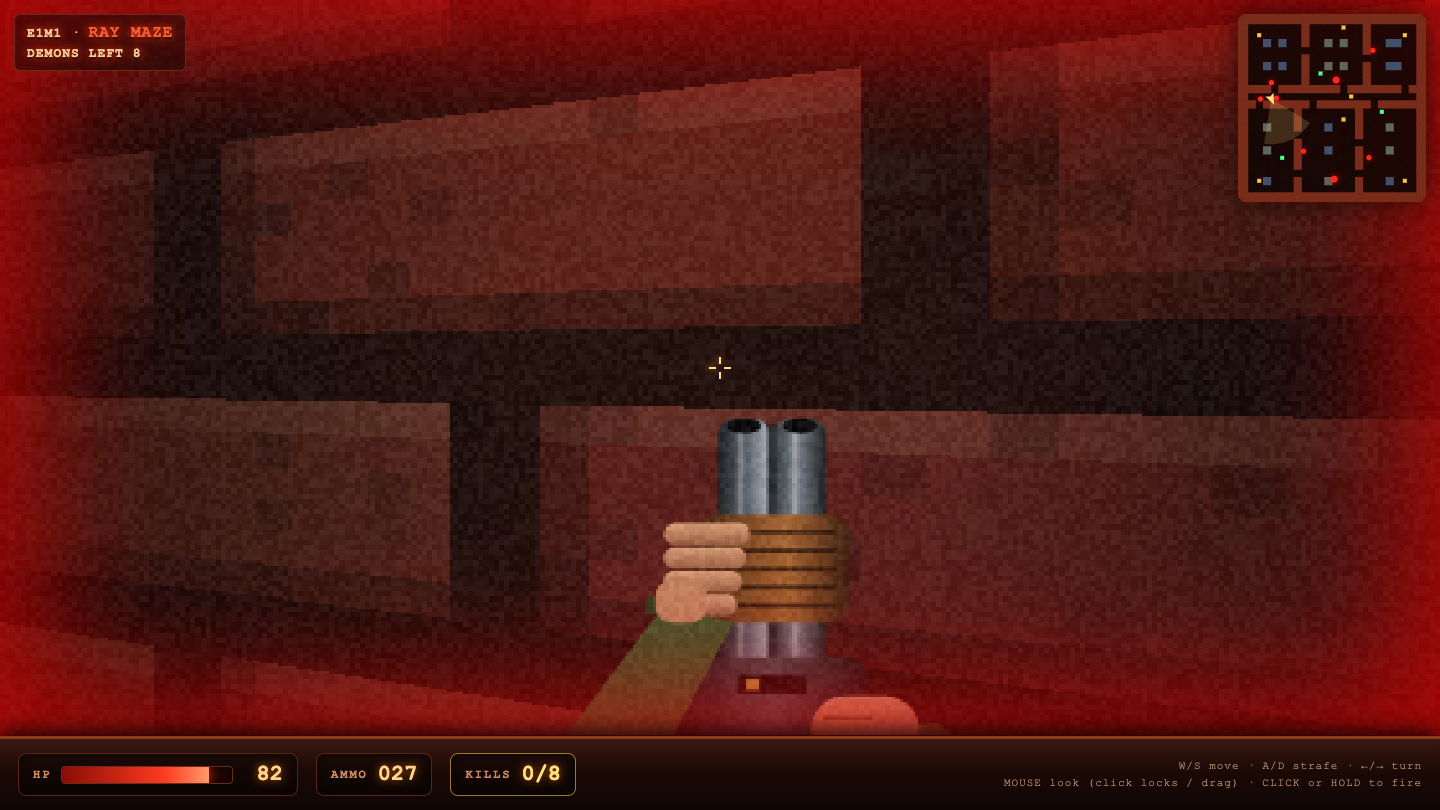
Game
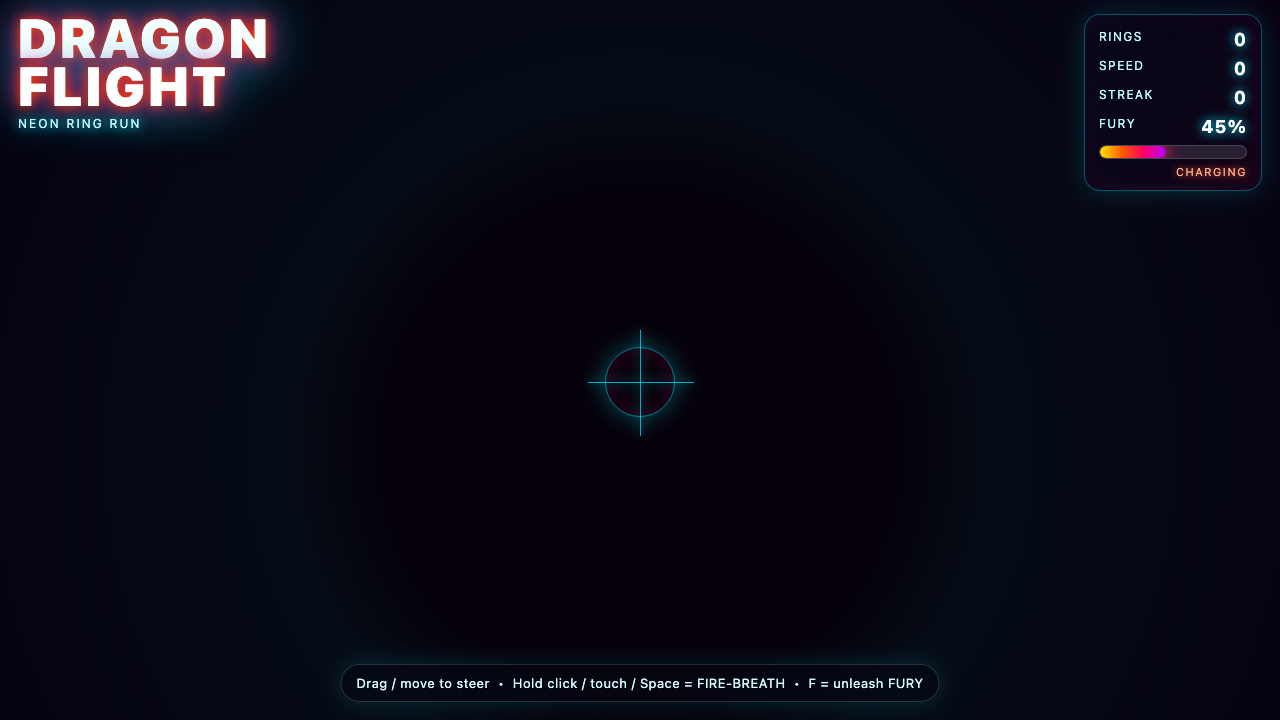
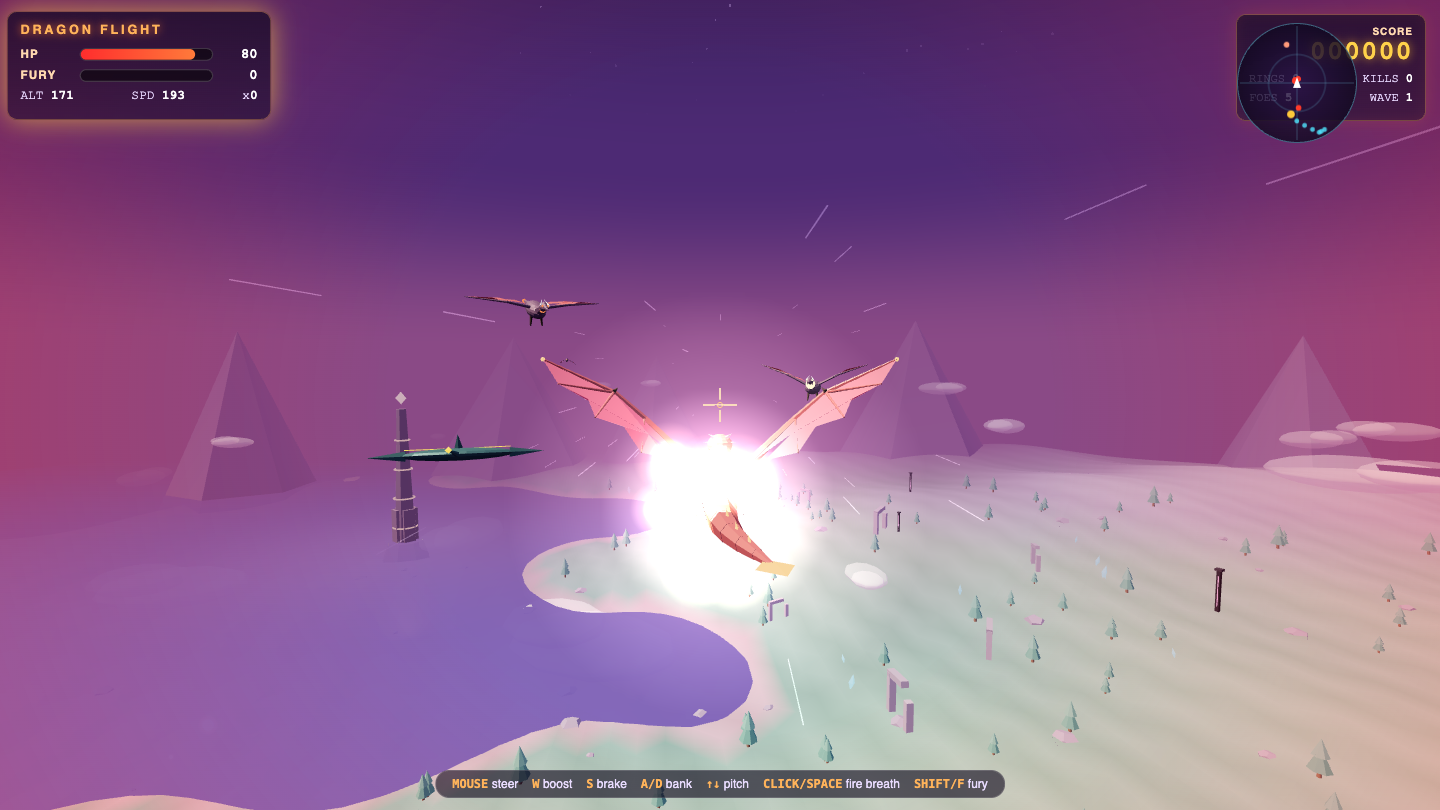
Game


Game
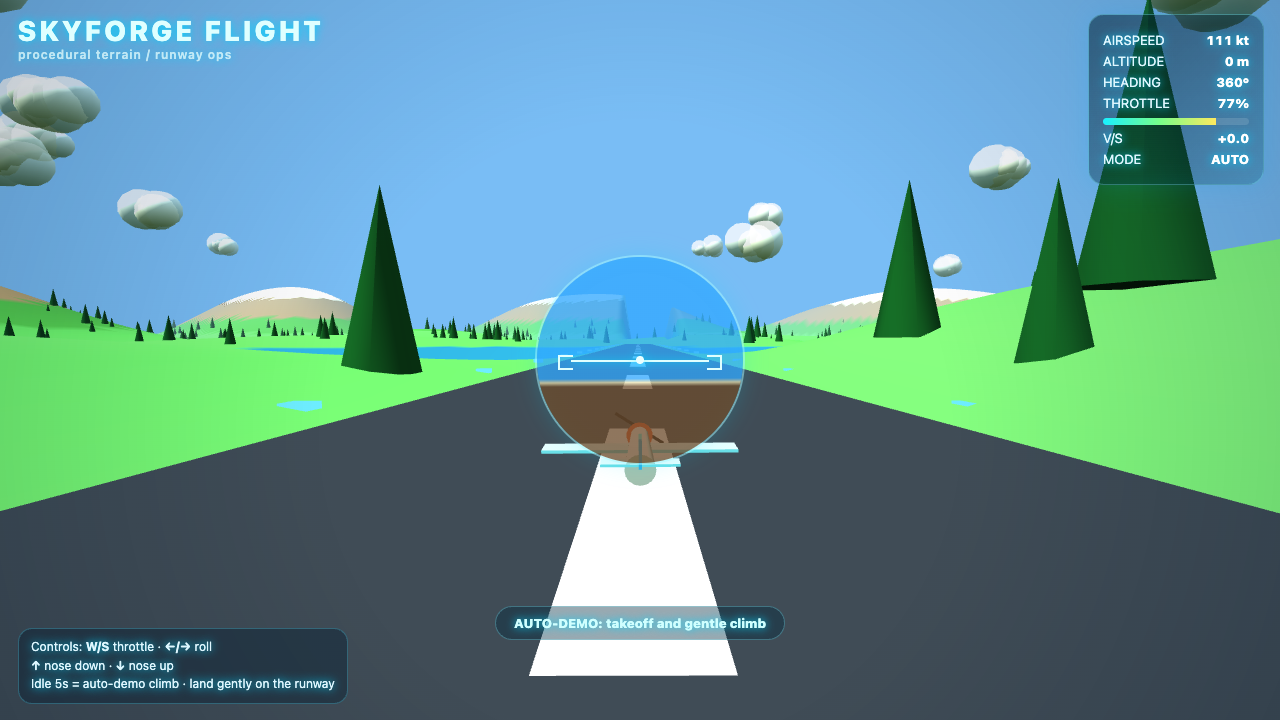

Game
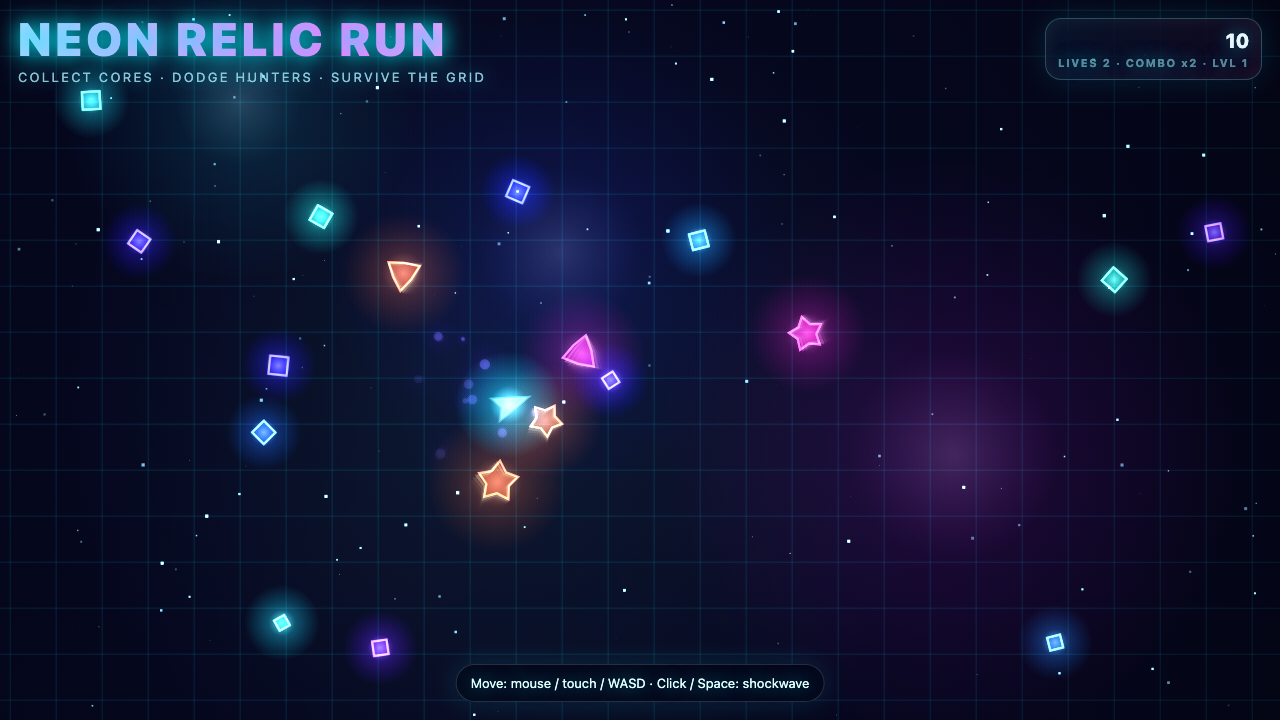
Game

Game
Game
Game

Game


Game
Game


Game
Game
Game
Game
Game
Game
Game

Game
Page
Where Hermes MoA beat Claude Opus 5.5
The tasks where I gave Hermes MoA a higher 0–10 score on the same prompt — with the actual commentary from my source guides.
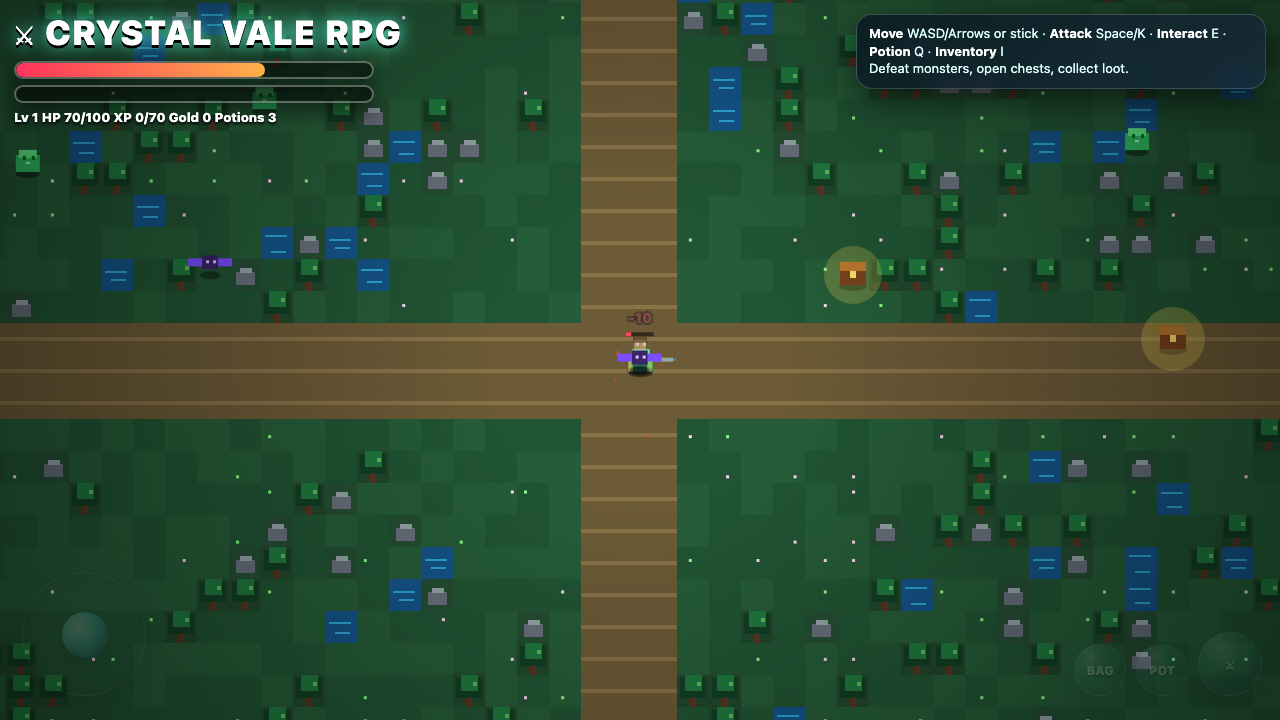
Rpg
Game
Hermes MoA 8.6
·
Claude Opus 5.5 5.5
(+3.1)
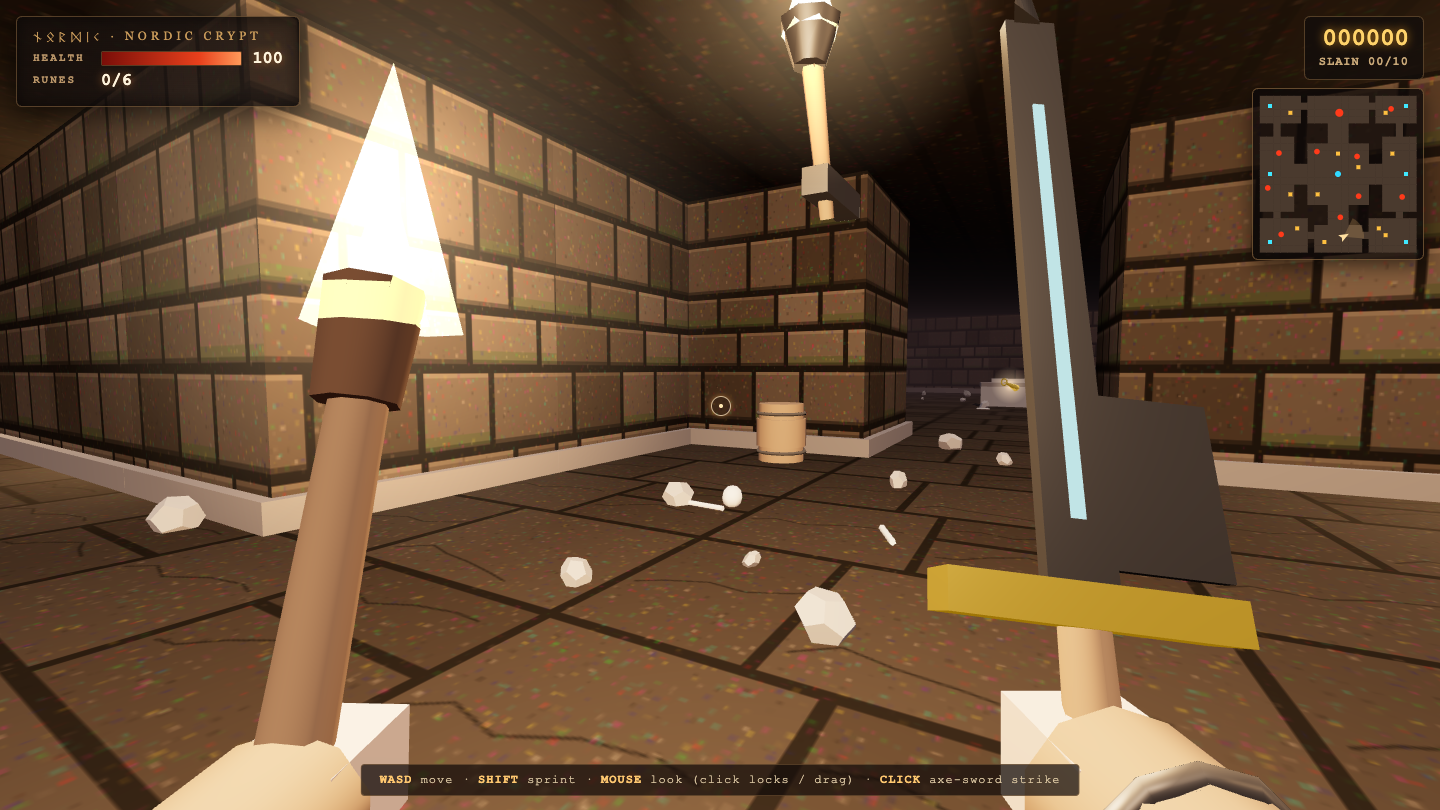
What I saw: Polished top-down RPG with procedural tilemap, collision, wandering/chasing enemies (slime/bat), chests, loot, leveling with HP scaling, potions, particle bursts, floating combat text, full inventory UI, and proper mobile joystick+buttons — denser and more game-feel-complete than…
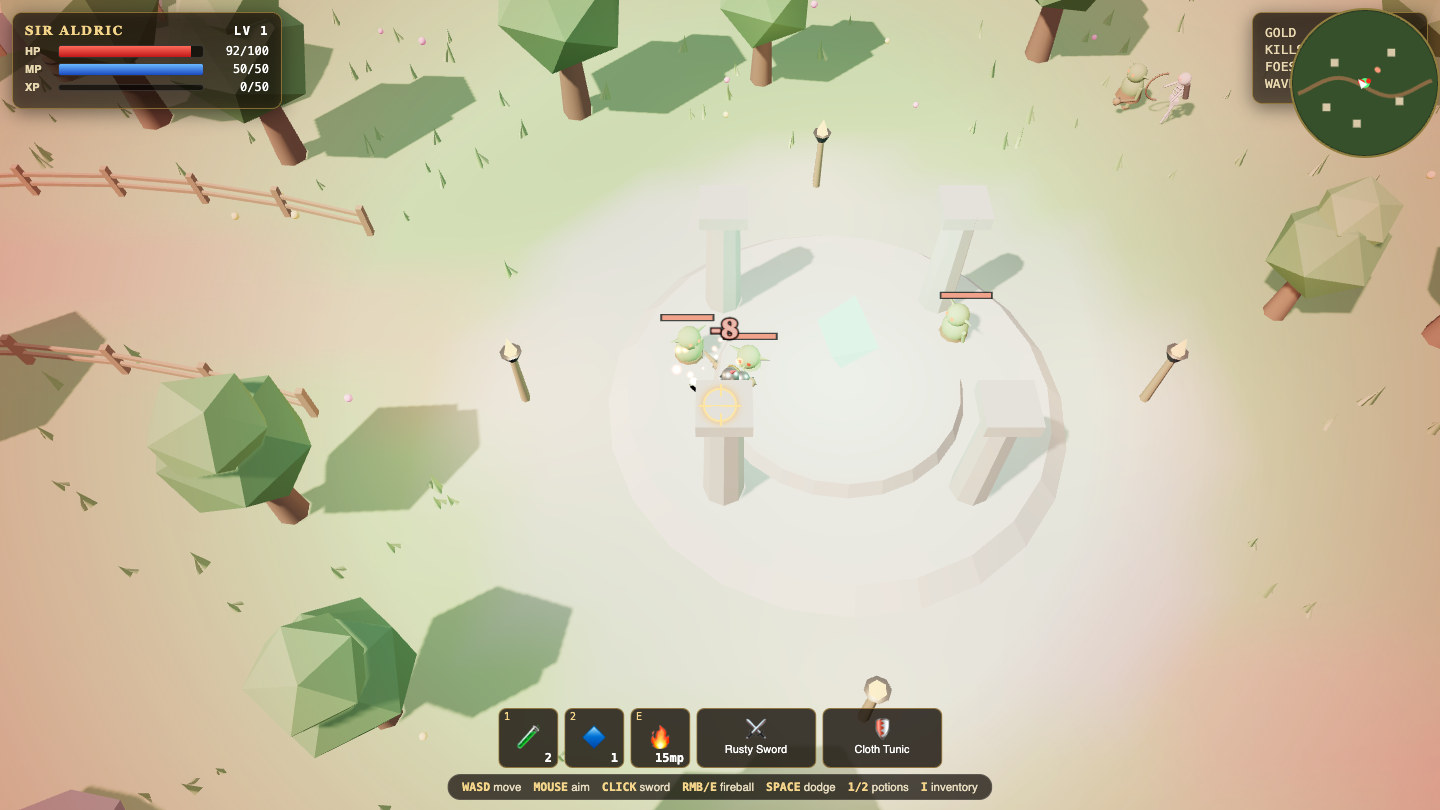
Twilightvale
Game
Hermes MoA 8.4
·
Claude Opus 5.5 5.5
(+2.9)
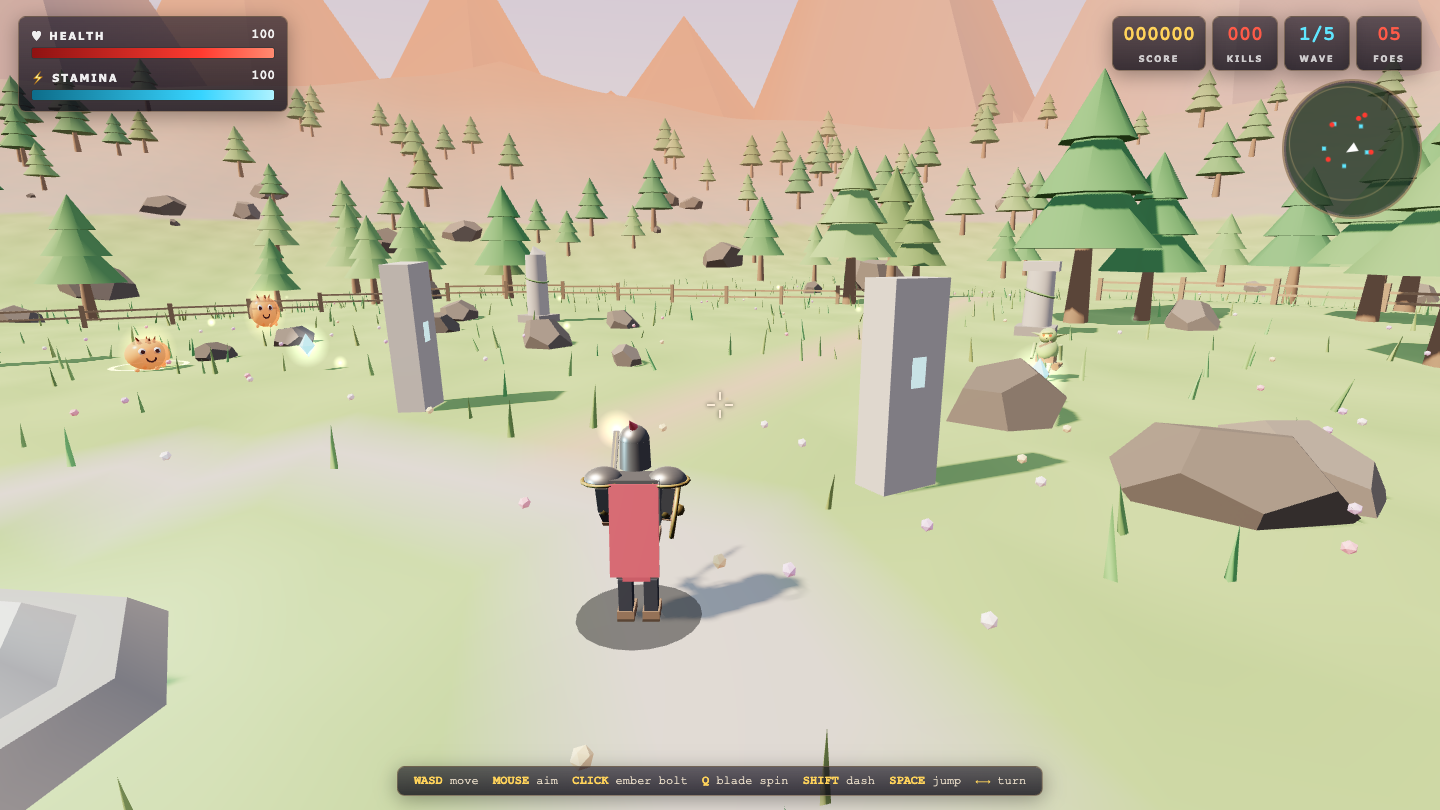
What I saw: Polished single-file three.js RPG with instanced trees/rocks, procedural terrain+river, weather/day-night, enemies with health bars, slash combat, and mobile controls — clearly beats SOLO Opus 4.8 (7.5) and is shippable. But it's lighter on open-world density than the leaders (Gr…
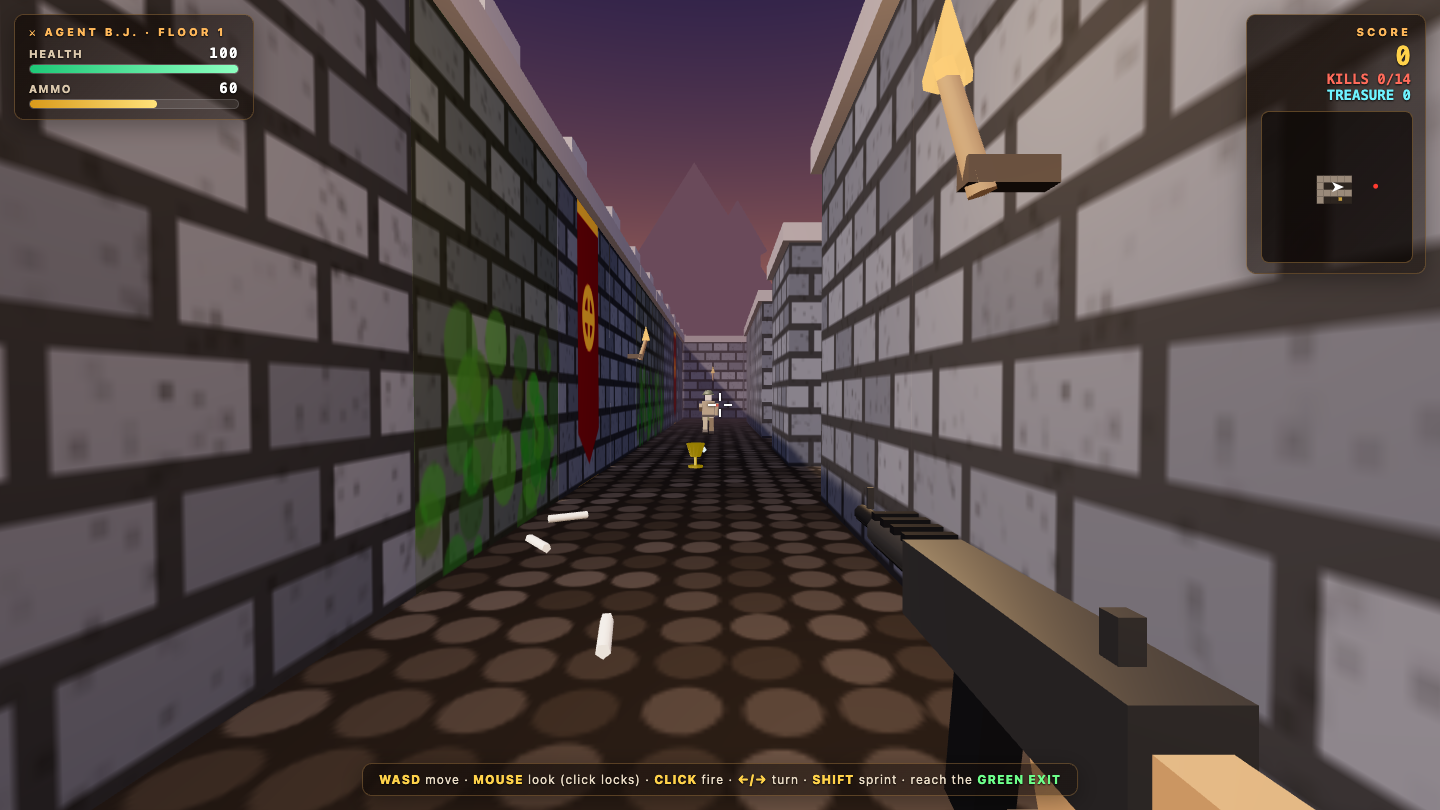
Doom
Game
Hermes MoA 8.6
·
Claude Opus 5.5 5.8
(+2.8)
What I saw: A complete, polished raycaster that nails the Doom screenshot framing — corridor with imps dead ahead, detailed canvas-drawn imp sprites with bob/flash/death states, muzzle flash, screen-shake kick, hit-scan with line-of-sight checks, and a clean DOOM-branded HUD with health/ammo…
Neonblaster
Game
Hermes MoA 8.6
·
Claude Opus 5.5 5.8
(+2.8)
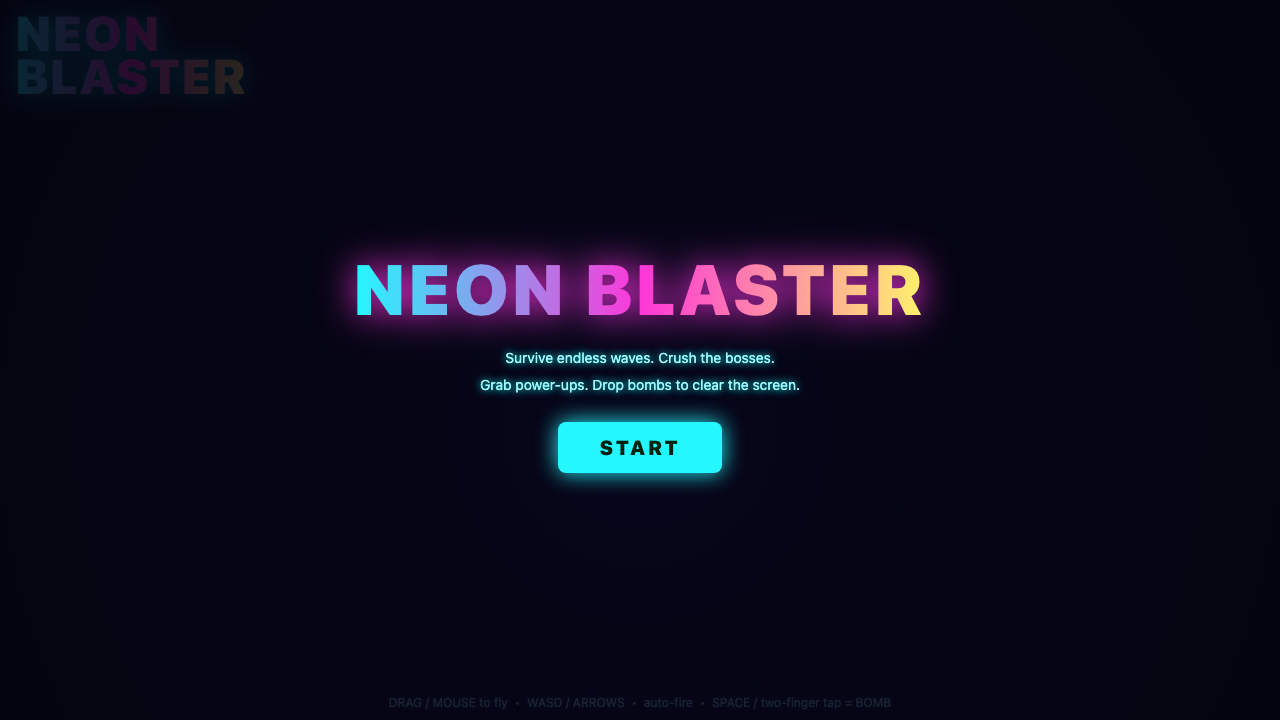
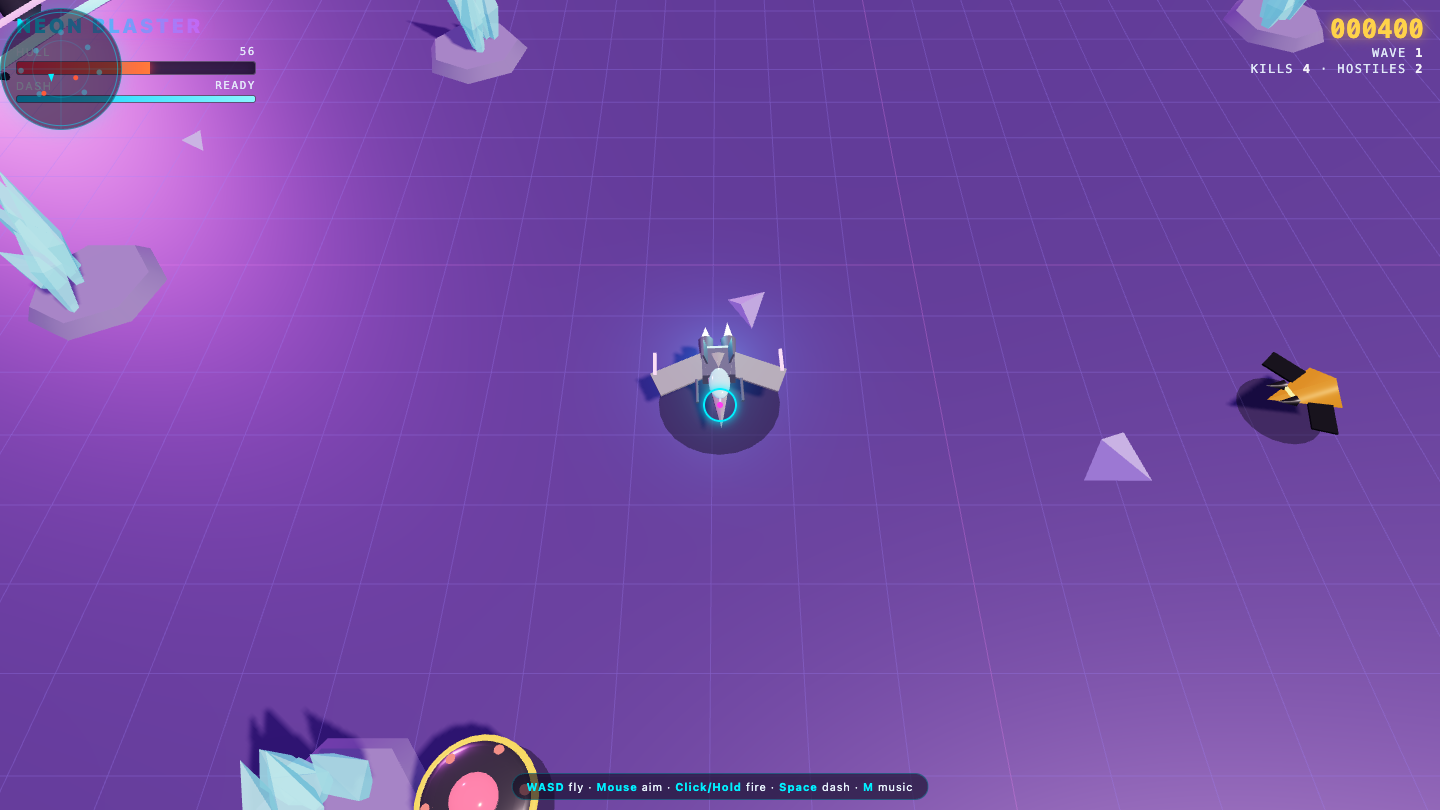
What I saw: Excellent neon shooter with polished synth music (proper scale-based arp + noise drums), boss bullet-hell patterns, screen-shake/flash juice, power-up system, bombs, and robust dual input (pointer + WASD + touch); cleaner and more cohesive than SOLO Opus 4.8 (7.5) and edges out F…
Voxelcraft
Game
Hermes MoA 8.4
·
Claude Opus 5.5 5.8
(+2.6)
What I saw: Strong, polished voxel sandbox with procedural textures, day/night cycle with sun/moon/stars, trees, water, and solid mobile touch controls — clearly beats SOLO Opus 4.8 (8.0) and edges near Fusion (9.0), but the collision section is truncated in the source so I can't fully verif…
Where Claude Opus 5.5 beat Hermes MoA
The tasks where I gave Claude Opus 5.5 a higher 0–10 score on the same prompt — with the actual commentary from my source guides.
Gtafoot
Game
Claude Opus 5.5 7.6
·
Hermes MoA 4.5
(+3.1)
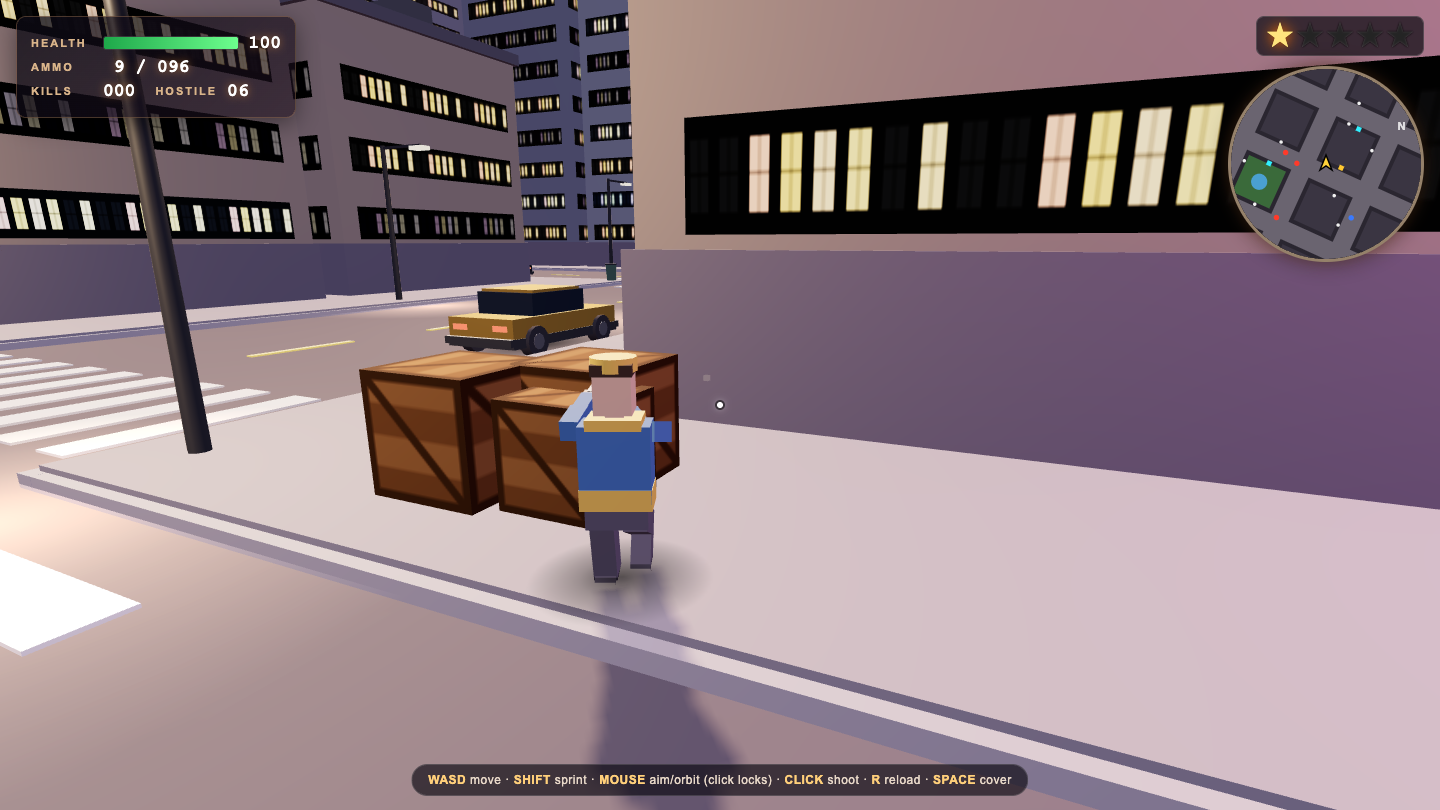
What I saw: Playable third-person city with a jointed voxel character, crate cover, a taxi, lit windows, a round minimap, wanted stars and a clean ammo/kills HUD. The lighting is flat and pastel, there are no pedestrians or action in the mid-play frame, and the boxy low-poly look is short of…
Flightsim
Game
Claude Opus 5.5 8.2
·
Hermes MoA 6.5
(+1.7)
What I saw: Covers the whole brief: a real takeoff roll, heading tape, attitude ball, airspeed/altitude/VS readouts, gear, graded landings and crash states. The airfield has a hangar and tower and the prop plane is detailed. The frame is still on the runway and the sun glare blows out the to…
Parachute
Game
Claude Opus 5.5 7.6
·
Hermes MoA 6.5
(+1.1)
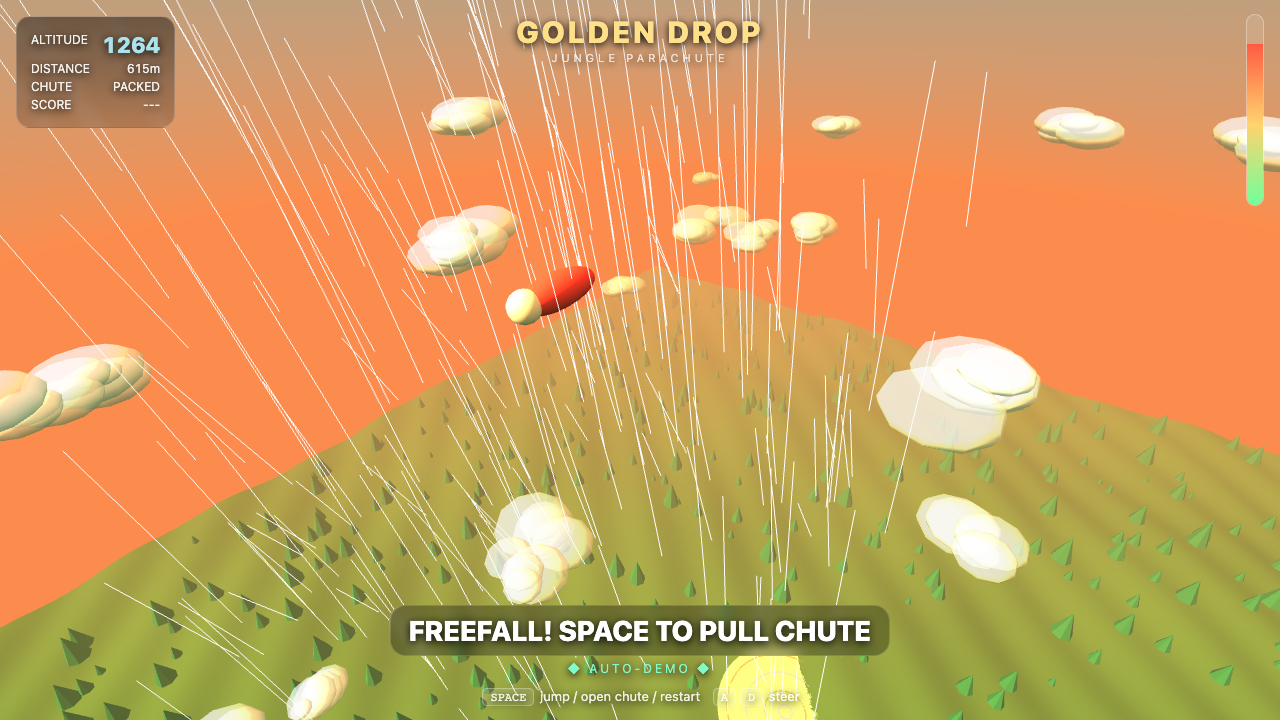
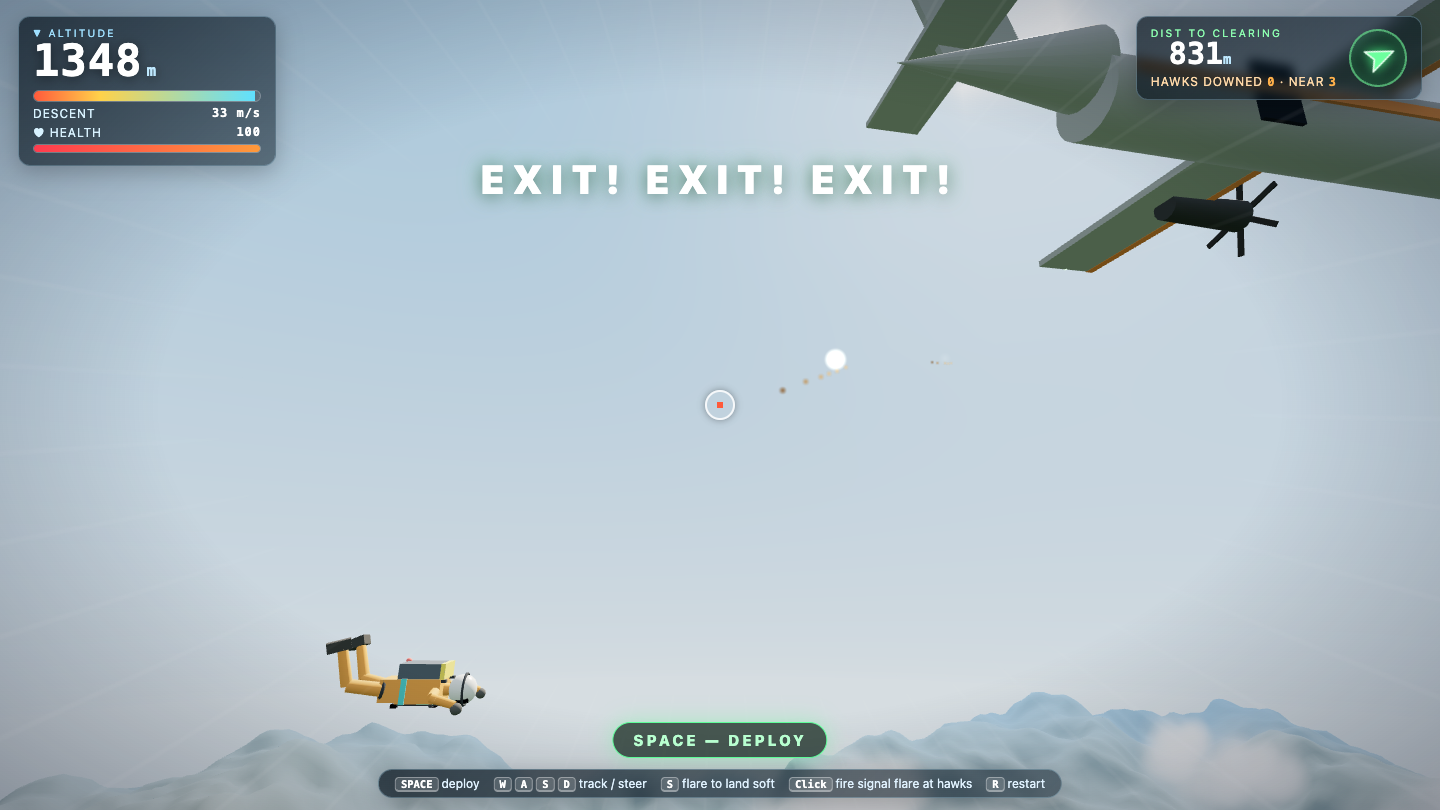
What I saw: The exit moment works: a detailed plane, an articulated skydiver, altitude/descent HUD, distance-to-clearing compass and a deploy prompt. The mid-play frame is mostly empty grey-blue sky, and no jungle or clearing is visible yet.
Fluid
Sim
Claude Opus 5.5 8.5
·
Hermes MoA 7.8
(+0.7)
What I saw: Real GPU Navier-Stokes with vorticity: vivid curling dye plumes and a dense advected particle layer read as a proper swirling fluid, and the control pills are tidy. The stats line still says a stale 'starting…', and the look is a little busy next to the field's 9.0 best.
Dragonrealm
Game
Claude Opus 5.5 8.3
·
Hermes MoA 7.8
(+0.5)
What I saw: Charming frozen world: snowfall, moon, snow-capped pines, ruins arch, a modelled armoured hero with a drawn sword, a wraith enemy, and a cohesive HP/ST/compass/dragon HUD. Low-poly and stylised rather than epic, and the fog-flattened snow reads a little bland, so it falls short o…
Strengths & weaknesses I logged
Hermes MoA
Strengths
- On GoldieBench, the MoA panel's galaxy edged solo Opus 4.8 — 8.6 vs 8.5 — with a denser 24k-particle spiral (the system beats the model)
- Two gold + one silver across its first three one-shot builds (galaxy, fireworks, arcade)
- Vendor-agnostic — swap any OpenRouter model into a panel or aggregator slot without touching the workflow
Trade-offs
- Latency is the panel's slowest draft plus the aggregator pass — ~110–140s per single-file build vs a solo model's one call
- Costs more per task than any single model (every panel slot + the aggregator are separate calls)
- Only 3 of 42 bench tasks run so far — a representative slice, not the full board
Claude Opus 5.5
Strengths
- Frontier-class coding + agentic reasoning (Claude 5 family)
- 1M-token context — reads an entire codebase in one call
- All 50 one-shot builds rendered with zero console errors; all 23 games passed the input playtest
Trade-offs
- Premium pricing ($4/$20 per M) — route the everyday 90% to cheaper lanes
- One-shot builds can still ship logic bugs (e.g. a doom kill counter that miscounts)
Pricing & context — the spec sheet
| Spec | Hermes MoA | Claude Opus 5.5 |
|---|---|---|
| Vendor | Hermes · Mixture of Agents | Anthropic |
| Context window | Varies — the sum of the panel models' contexts (Opus 4.8 + GPT-5.5) | 1,000,000 tokens |
| Price | Panel + aggregator calls (via OpenRouter) | $4 / $20 per M |
| Pricing detail | Hermes Mixture of Agents dispatches one prompt to a configurable panel of frontier models in parallel, then a named aggregator reads every draft and writes one better final answer. Default panel: Claude Opus 4.8 + GPT-5.5, aggregated by Opus 4.8 — all via the OpenRouter key. Unlike a black-box ensemble, every slot is yours to swap from the Mixture tab in the Agent OS. | Anthropic's Opus 5.5 — 1M-token context, listed at $4 input / $20 output per million tokens. Benched through a Claude subscription; game tasks use our skill-infused AAA build prompts. |
| Release | 2026-06-28 | 2026-09 |
| Bench coverage | 47/47 scored · avg 8.17/10 | 50/50 scored · avg 7.57/10 |
The verdict — which should you pick?
Across 47 scored shared tasks, Hermes MoA averaged 8.17/10, beating Claude Opus 5.5's 7.60/10 by 0.57 points. Pick Hermes MoA when the build has to ship on the first prompt and you can afford the trade-offs in the comparison below.
If you only run one of these inside your stack, the head-to-head average above is the call. If you can run both, my honest play is to wire Hermes MoA and Claude Opus 5.5 both into the Agent Operating System and dispatch each from the kanban by task type — high-stakes single prompts where ensemble quality beats single-model speed → Hermes MoA, hardest agentic builds → Claude Opus 5.5. That's the same setup I run for the 4,000+ founders inside the AI Profit Boardroom.
FAQ — Hermes MoA vs Claude Opus 5.5
Which is better, Hermes MoA or Claude Opus 5.5?
On Goldie Bench, Hermes MoA averages 8.17/10 across the shared tasks, with 3 gold, 10 silver, 2 bronze overall. Claude Opus 5.5 averages 7.60/10, with 0 gold, 0 silver, 1 bronze. Hermes MoA wins the head-to-head 32–13.
How much does Hermes MoA cost vs Claude Opus 5.5?
Hermes MoA: Hermes Mixture of Agents dispatches one prompt to a configurable panel of frontier models in parallel, then a named aggregator reads every draft and writes one better final answer. Default panel: Claude Opus 4.8 + GPT-5.5, aggregated by Opus 4.8 — all via the OpenRouter key. Unlike a black-box ensemble, every slot is yours to swap from the Mixture tab in the Agent OS. Claude Opus 5.5: Anthropic's Opus 5.5 — 1M-token context, listed at $4 input / $20 output per million tokens. Benched through a Claude subscription; game tasks use our skill-infused AAA build prompts.
What's the context window for Hermes MoA vs Claude Opus 5.5?
Hermes MoA has a Varies — the sum of the panel models' contexts (Opus 4.8 + GPT-5.5) context window. Claude Opus 5.5 has a 1,000,000 tokens context window.
When should I pick Hermes MoA over Claude Opus 5.5?
Pick Hermes MoA for: High-stakes single prompts where ensemble quality beats single-model speed; Squeezing frontier-plus output from models you already have while Fable 5 / GPT-5.6 are still in preview; Production agents that want a configurable panel + vendor-redundancy on every call. The trade-off is the weaknesses we logged on the bench: Latency is the panel's slowest draft plus the aggregator pass — ~110–140s per single-file build vs a solo model's one call; Costs more per task than any single model (every panel slot + the aggregator are separate calls); Only 3 of 42 bench tasks run so far — a representative slice, not the full board.
When should I pick Claude Opus 5.5 over Hermes MoA?
Pick Claude Opus 5.5 for: Hardest agentic builds; Whole-repo reasoning; Frontier one-shots. The trade-off is the weaknesses we logged on the bench: Premium pricing ($4/$20 per M) — route the everyday 90% to cheaper lanes; One-shot builds can still ship logic bugs (e.g. a doom kill counter that miscounts).
How does Goldie Bench score Hermes MoA vs Claude Opus 5.5?
Every demo on this page was built by Julian Goldie inside the Agent Operating System — same fixed prompt for both models, one shot, single HTML file out. Each result gets a 0–10 score on whether it ran, how close it hit the brief, and how good it looked. The highest score on each task gets gold; second gets silver; third gets bronze. See methodology for full provenance.
Related comparisons
Other head-to-heads using the same scoring system:
Hermes MoA vs Fusion Claude Opus 5.5 vs Fusion Hermes MoA vs Claude Opus 5 Claude Opus 5.5 vs Claude Opus 5 Hermes MoA vs GPT-5.6 Sol Claude Opus 5.5 vs GPT-5.6 Sol Hermes MoA vs Claude Fable 5 Claude Opus 5.5 vs Claude Fable 5Full model pages: Hermes MoA · Claude Opus 5.5 · back to the leaderboard
The same stack Julian uses
Run this stack yourself.
Every demo on this bench was built inside the Agent Operating System — one prompt, one shot, single HTML file out. The Agent OS, the prompts, the templates, the weekly walkthroughs and 4,000+ founders shipping with it every day all live inside the AI Profit Boardroom.
4,000+founders
258documented wins
38countries
$59/momonthly