Real head-to-head · same prompt, one shot
Hermes MoA vs Hy3
A panel of frontier models, merged by a chair. The model doesn't matter — the system does. vs Tencent's open-weights coder — Apache-2.0, cheap, beats GLM-5.1 on frontend in Tencent's blind eval.
Head-to-head verdict: Hy3 wins 4–3.
What I tested — same prompt, two models
I run the same fixed prompt set through every new model the day it drops — same string, one shot, single HTML file out — and I score the result 0–10 on whether it ran, how close it hit the brief, and how good it looked. Below is what came out when I gave the exact same prompts to Hermes MoA and Hy3, side by side, on 7 shared tasks inside the Agent Operating System.
Both models were given identical prompts inside the Agent Operating System — no help, no iteration, no "best of N" tricks. I run each prompt once, save the HTML file the model produces, and score it 0–10 on whether it ran, how close it hit the brief, and how good it looked. The scoring is mine. The verdicts below are pulled from my source comparison guides at agentos.guide where I publish every score and the reasoning behind it.
Hermes MoA · Run from the Mixture tab in the Hermes Agent OS. On this bench the panel built each demo and the aggregator merged the best of every draft.
Hy3 · Wired into the Agent OS as the 'Hy3 Coder' tab (chat + live preview + workspace) via OpenRouter. Bench built one-shot on the same prompts as the field; weak builds iterated by Hy3 itself (the model fixes its own builds).
Side-by-side on 47 shared tasks
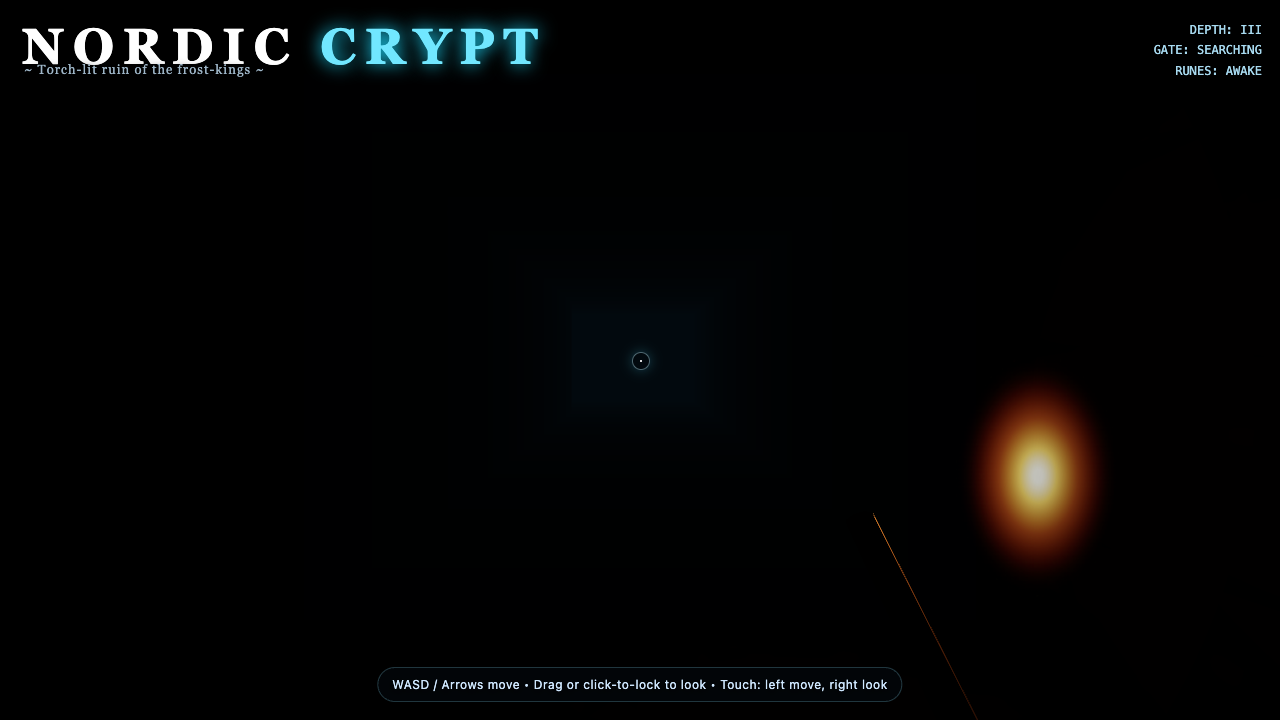
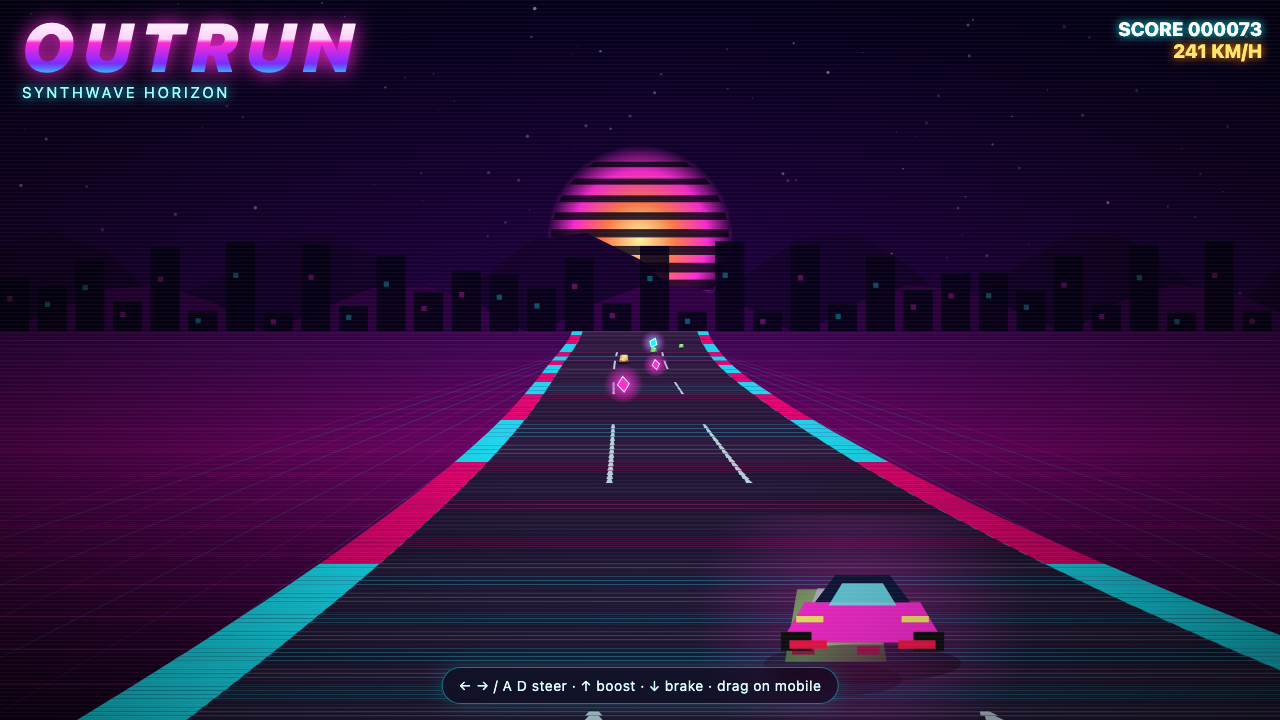
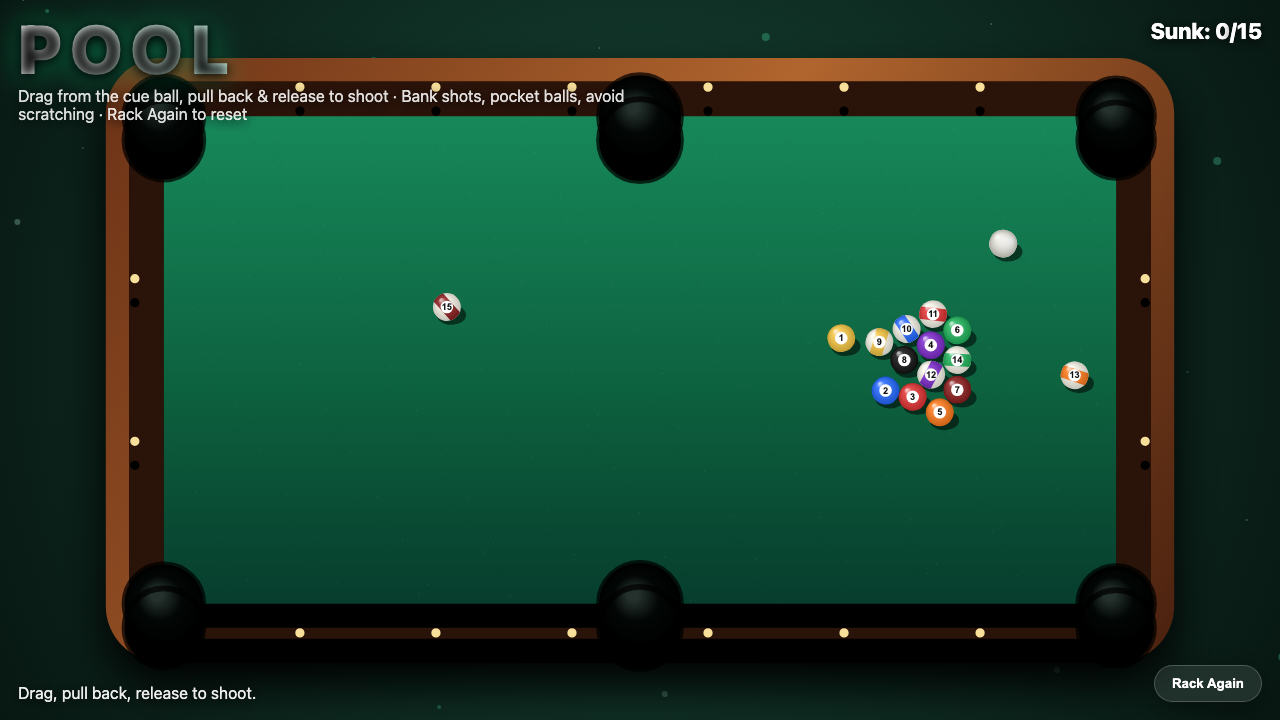
Click any cell to play that model's actual one-shot attempt. Medals are derived from my 0–10 scores per task (highest = 🥇, second = 🥈, third = 🥉).
Task ↓
Hermes MoA
Hy3
Game
Game

Game
Game
Game
Game
Page

Game
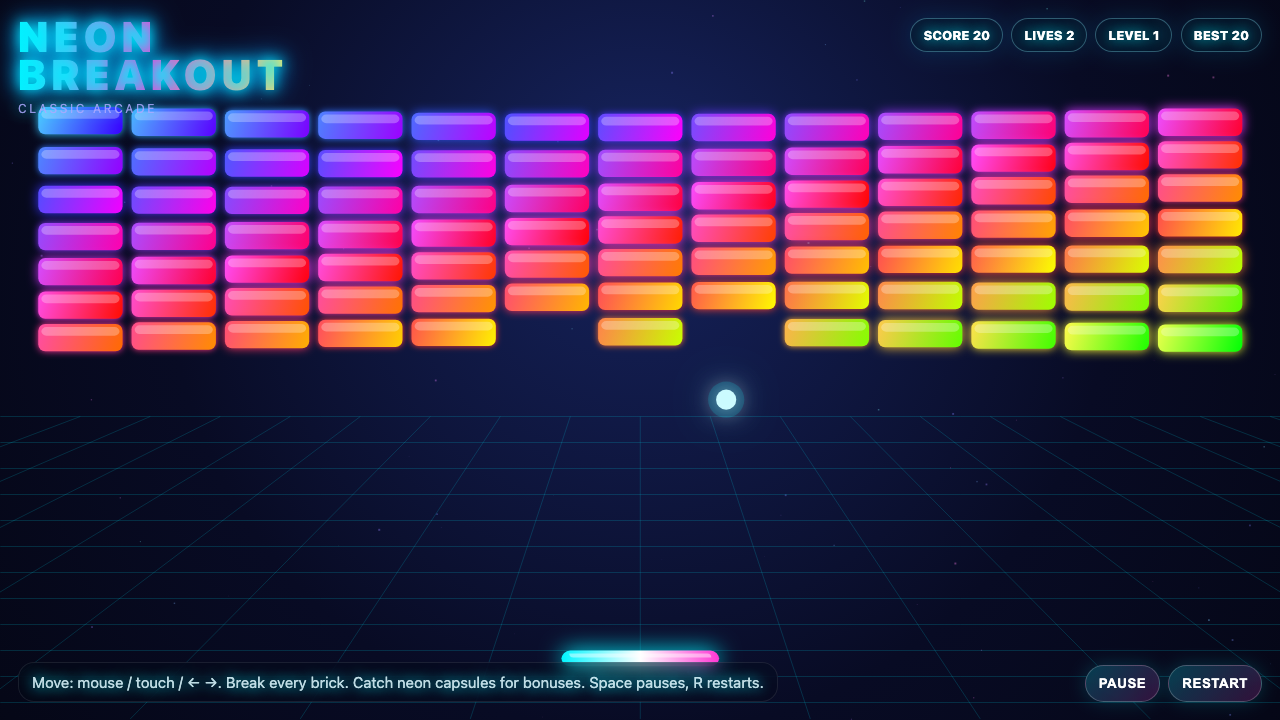
— not attempted —
Game
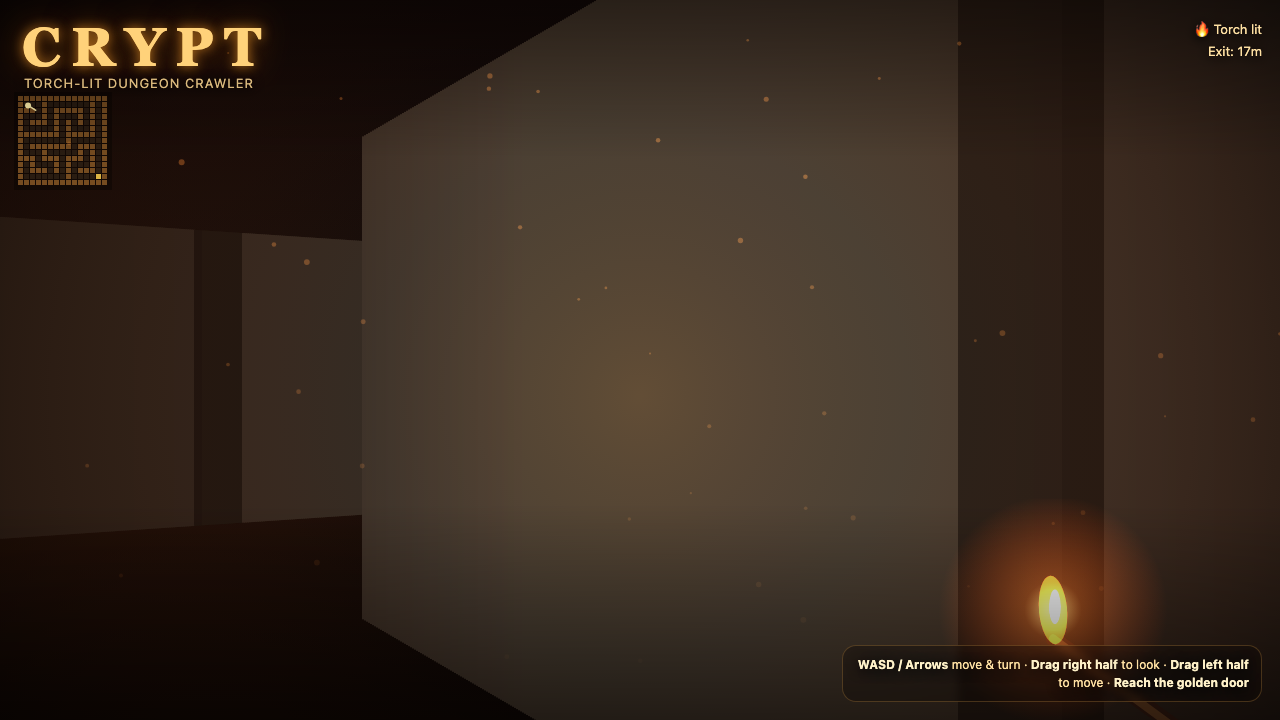
— not attempted —
Game
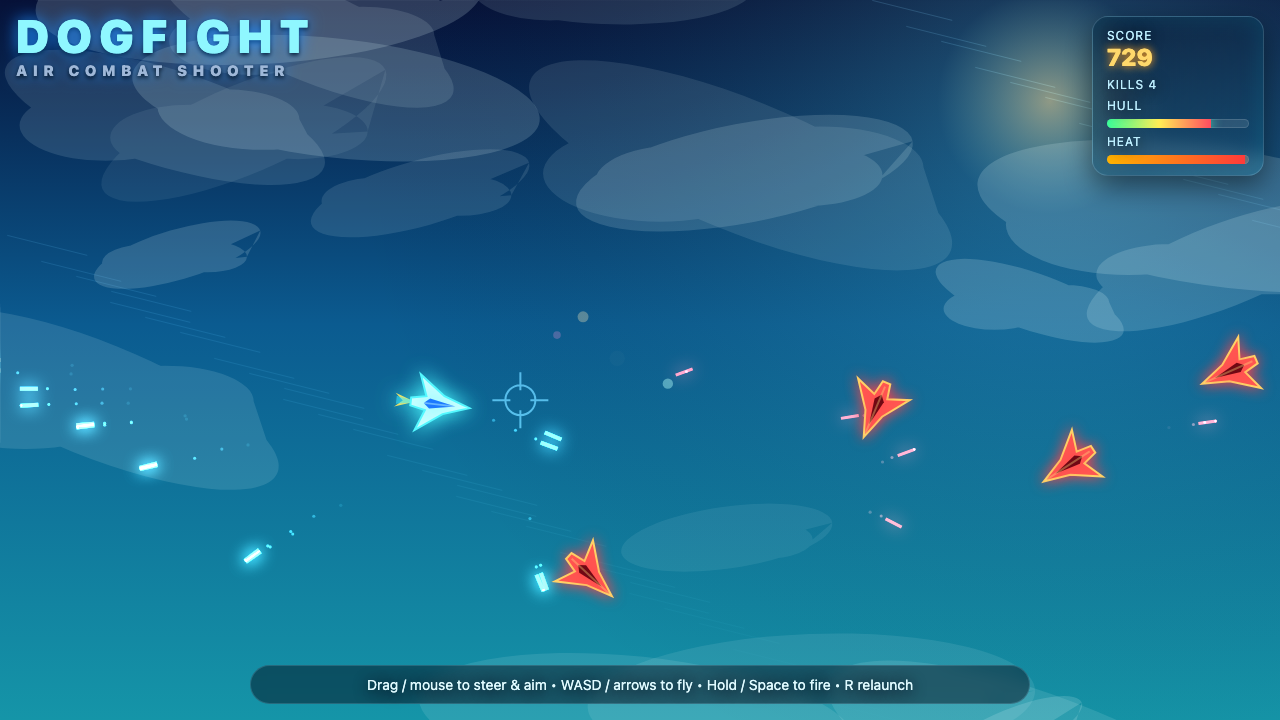
— not attempted —
Game
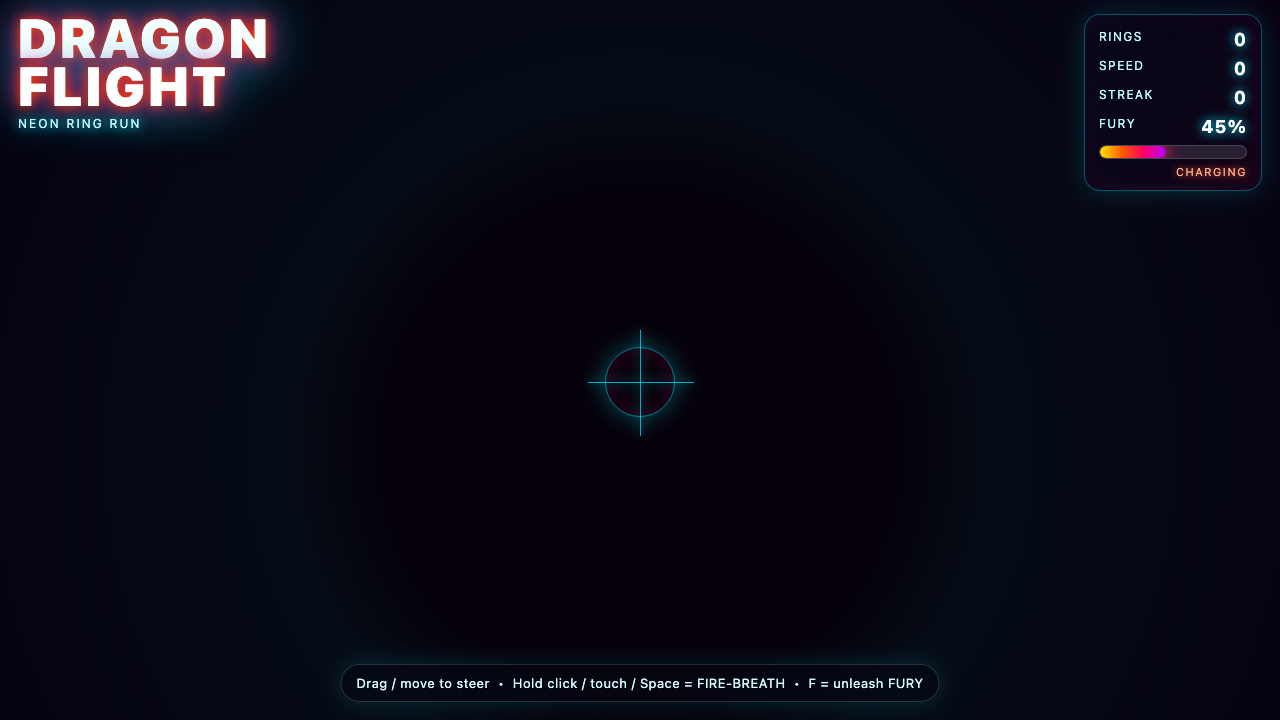
— not attempted —
Game
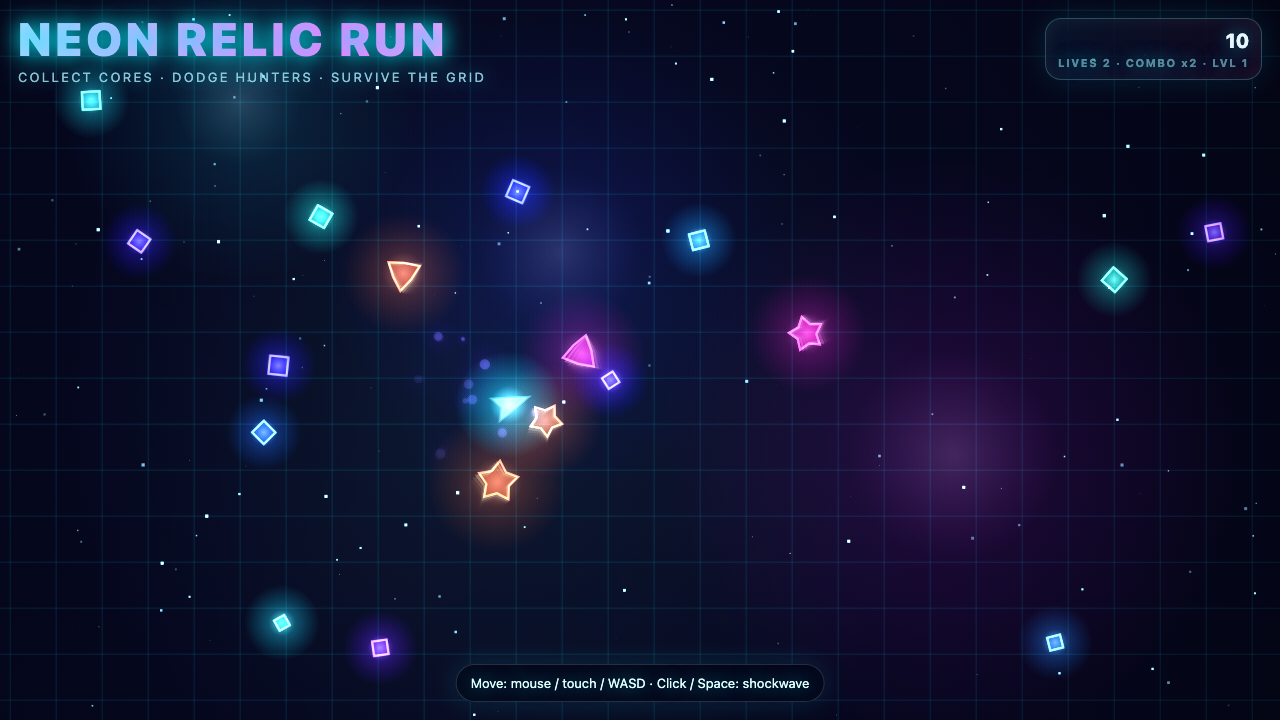
— not attempted —
Game
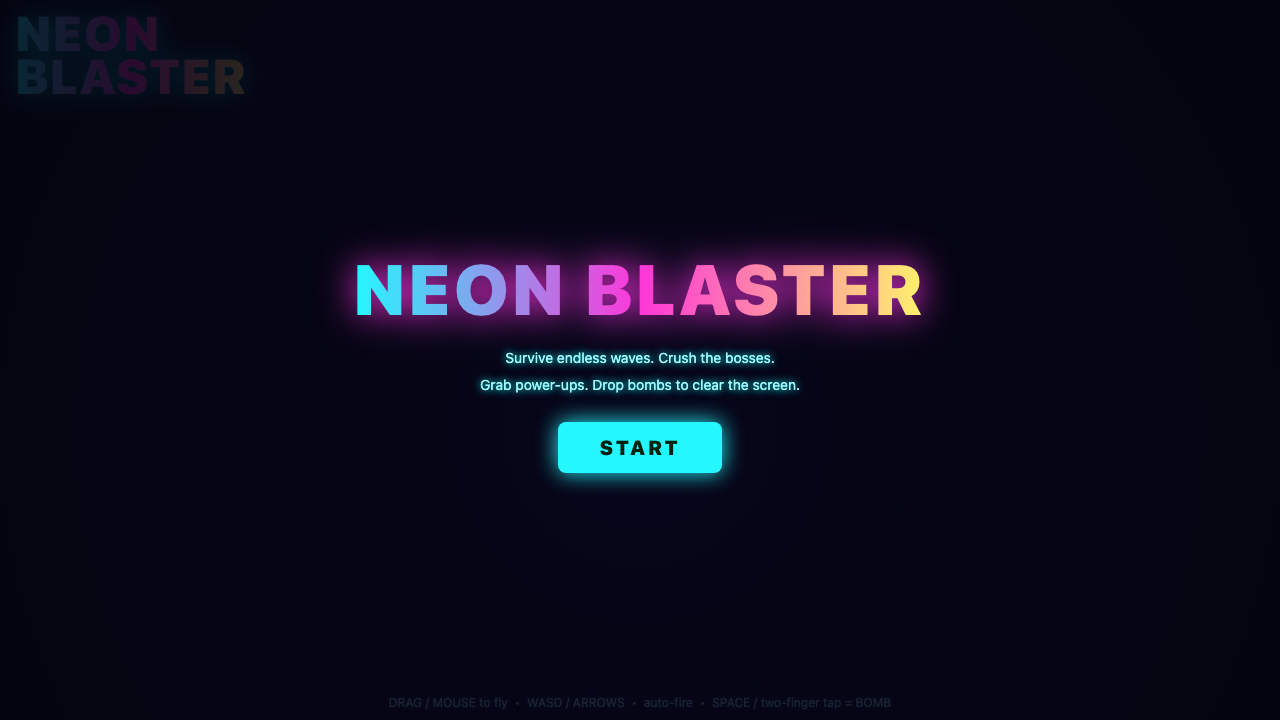
— not attempted —
Game
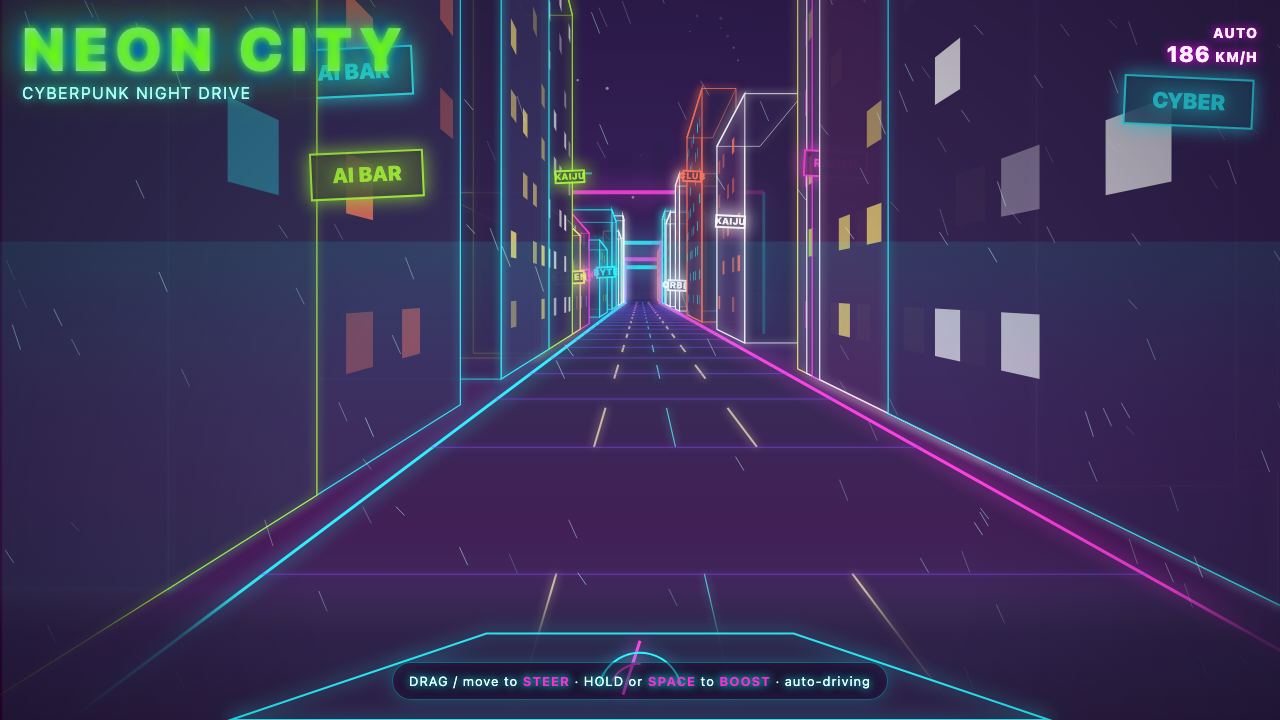
— not attempted —
Game
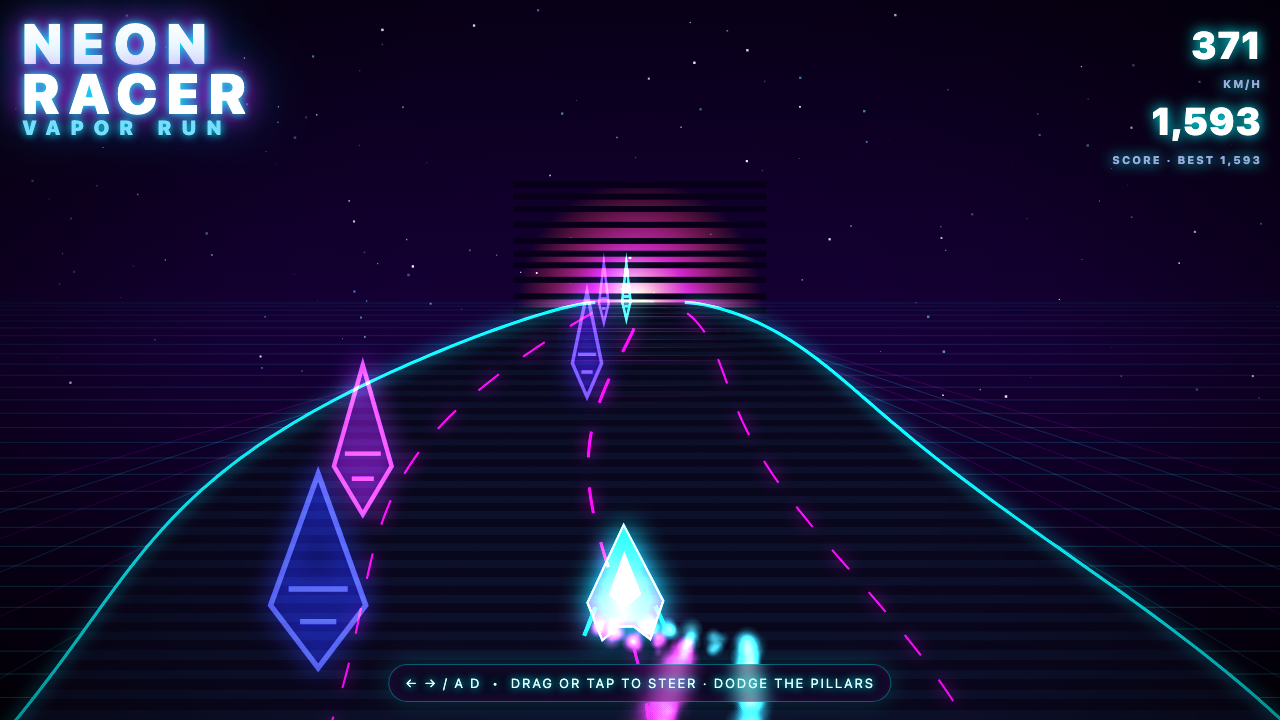
— not attempted —
Game
— not attempted —
Game
— not attempted —
Game
— not attempted —
Game
— not attempted —
Game
— not attempted —
Game
— not attempted —
Game
— not attempted —
Game
— not attempted —
Game
— not attempted —
Where Hermes MoA beat Hy3
The tasks where I gave Hermes MoA a higher 0–10 score on the same prompt — with the actual commentary from my source guides.
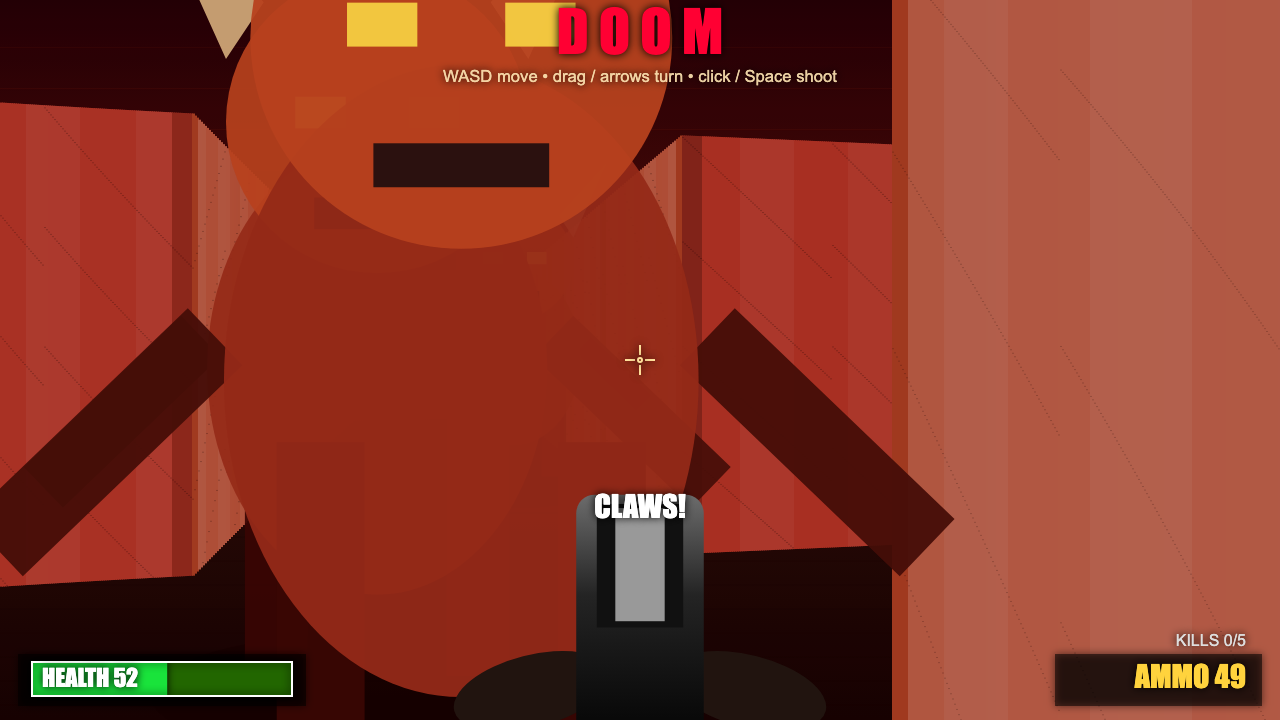
Doom
Game
Hermes MoA 8.6
·
Hy3 4.5
(+4.1)
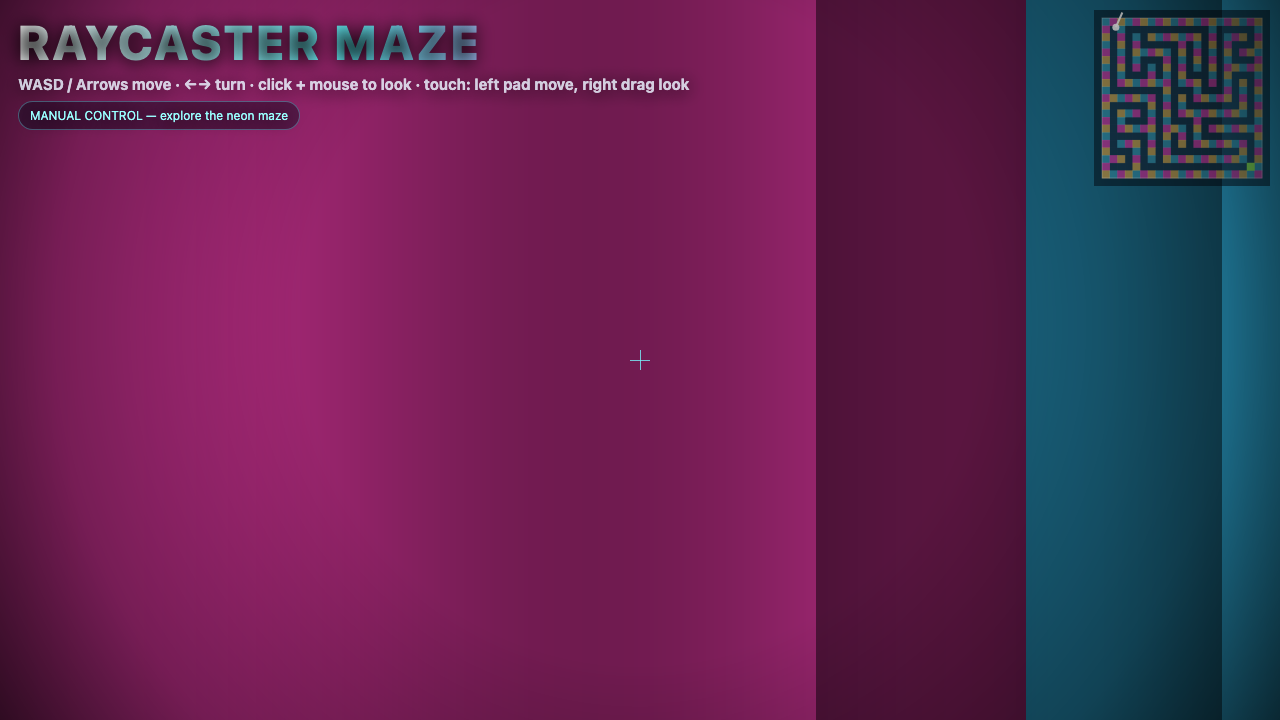
What I saw: A complete, polished raycaster that nails the Doom screenshot framing — corridor with imps dead ahead, detailed canvas-drawn imp sprites with bob/flash/death states, muzzle flash, screen-shake kick, hit-scan with line-of-sight checks, and a clean DOOM-branded HUD with health/ammo…
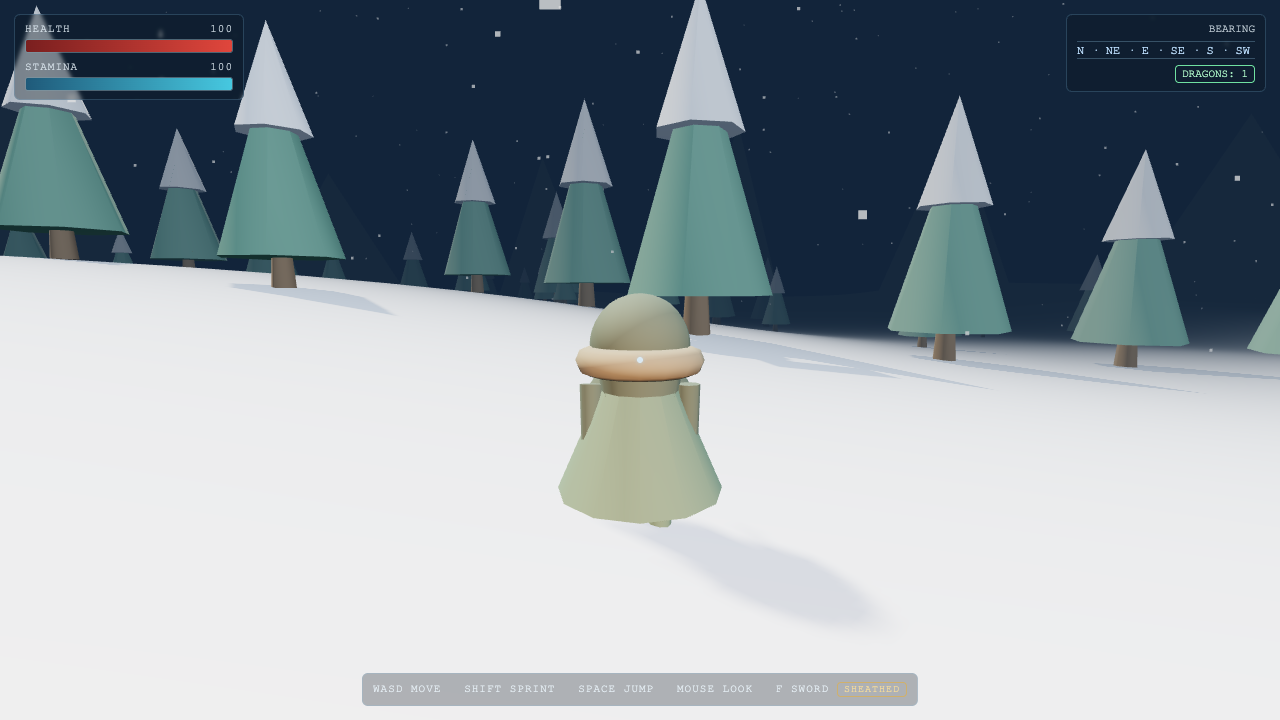
Dragonrealm
Game
Hermes MoA 7.8
·
Hy3 7.2
(+0.6)
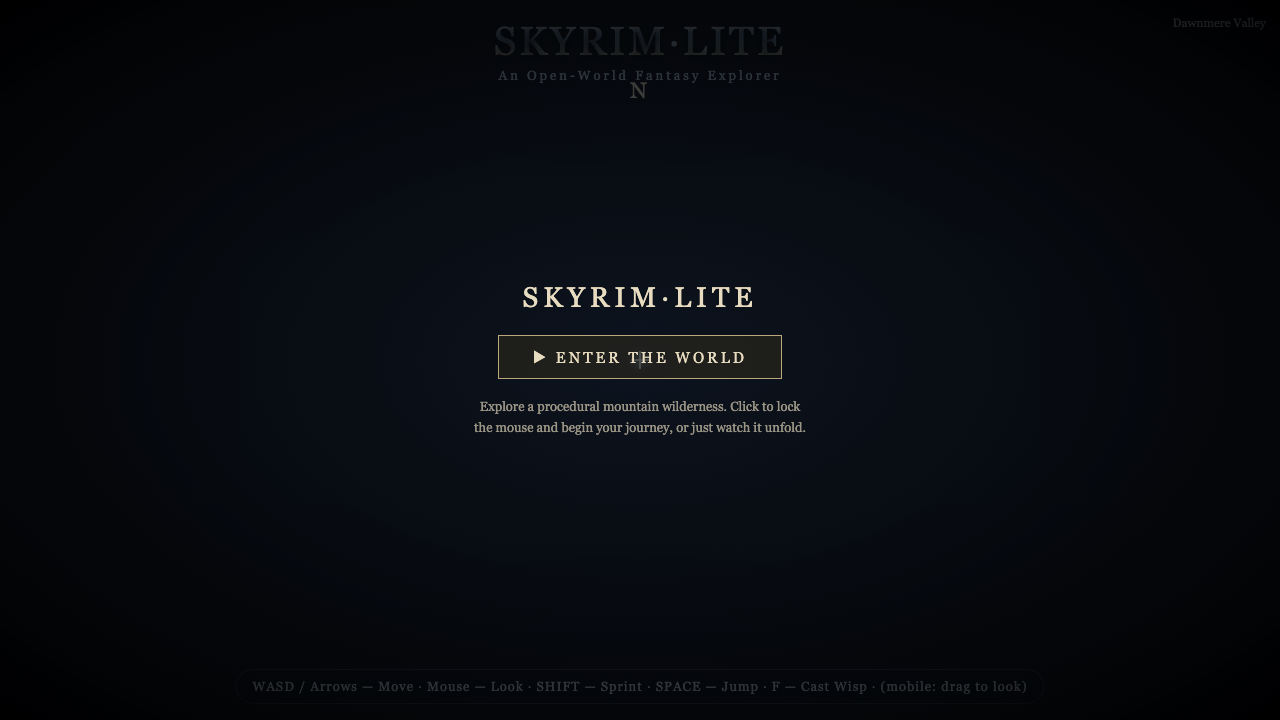
What I saw: Rich frozen-realm build with aurora, ruins, frozen lake, FP sword, snow particles and a flying dragon — more atmospheric detail than SOLO Opus (7.0), but the source is visibly truncated mid-mousemove handler, leaving control logic and the render loop unverified, so it can't be cr…
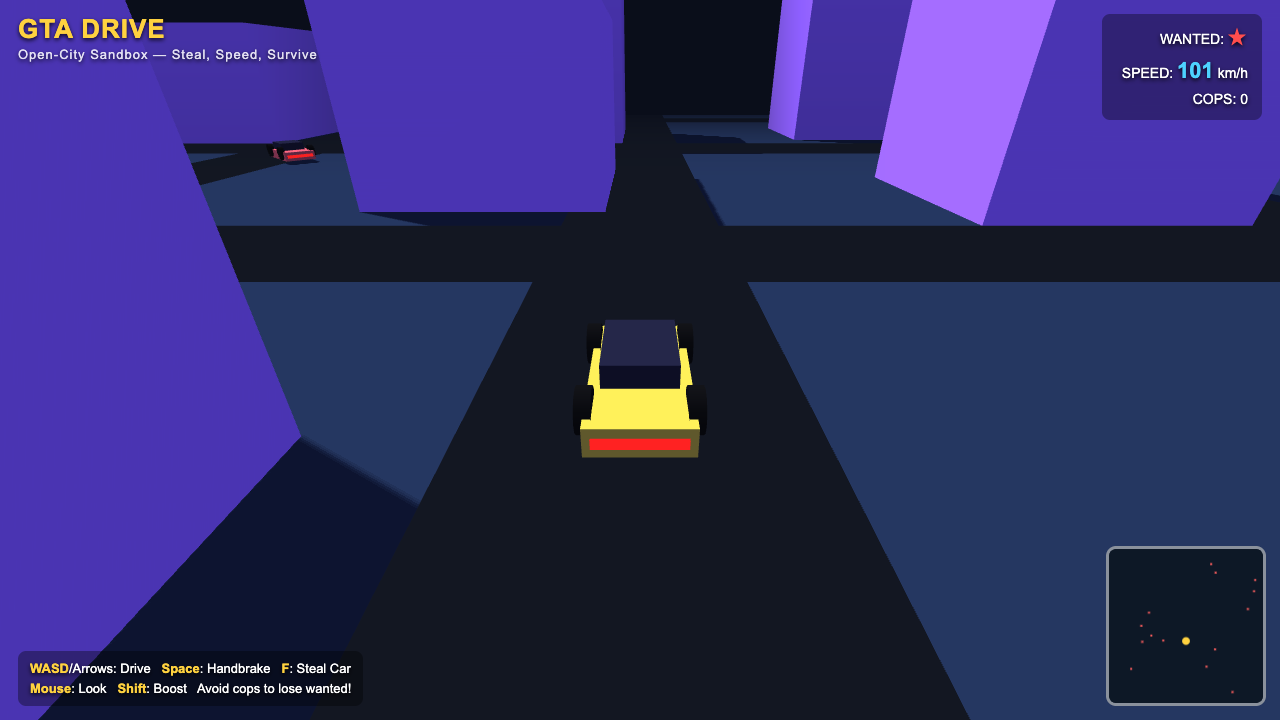
Gtadrive
Game
Hermes MoA 7.5
·
Hy3 7.4
(+0.1)
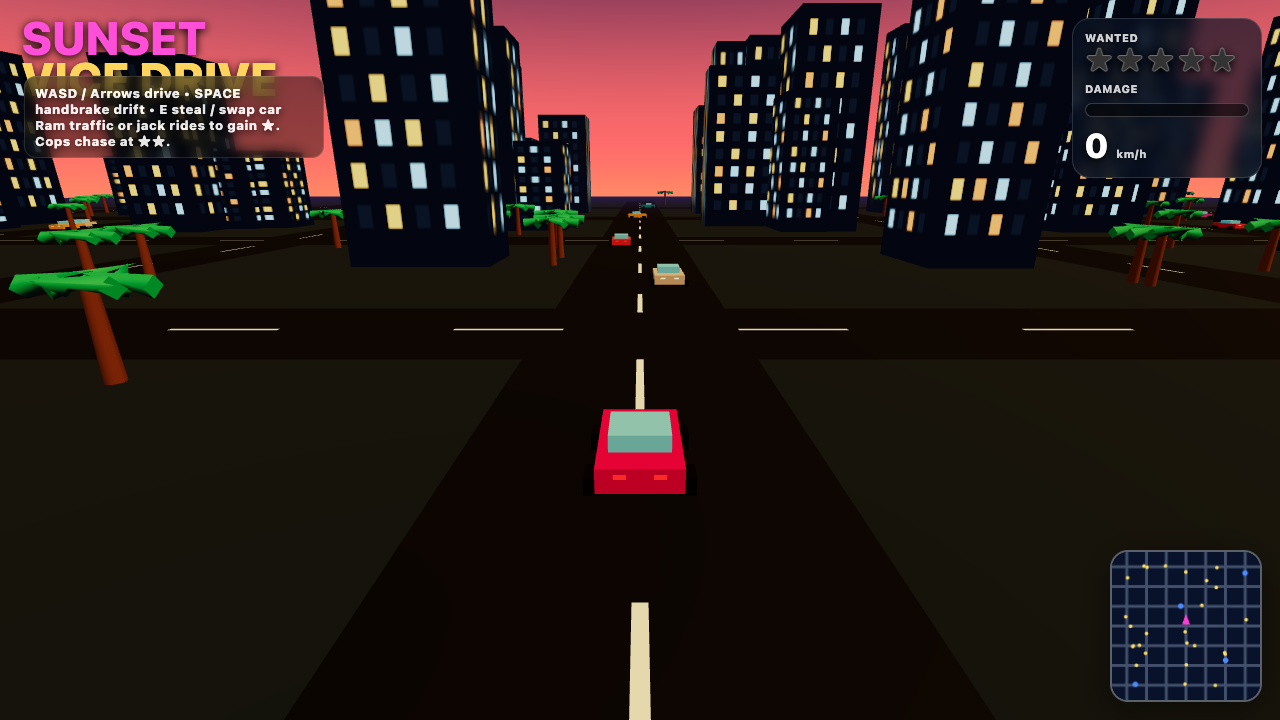
What I saw: EYEBALL PASS: sunset city, red car w/ cabin, traffic, palms, minimap + wanted HUD. Title slightly clipped by hint box.
Where Hy3 beat Hermes MoA
The tasks where I gave Hy3 a higher 0–10 score on the same prompt — with the actual commentary from my source guides.
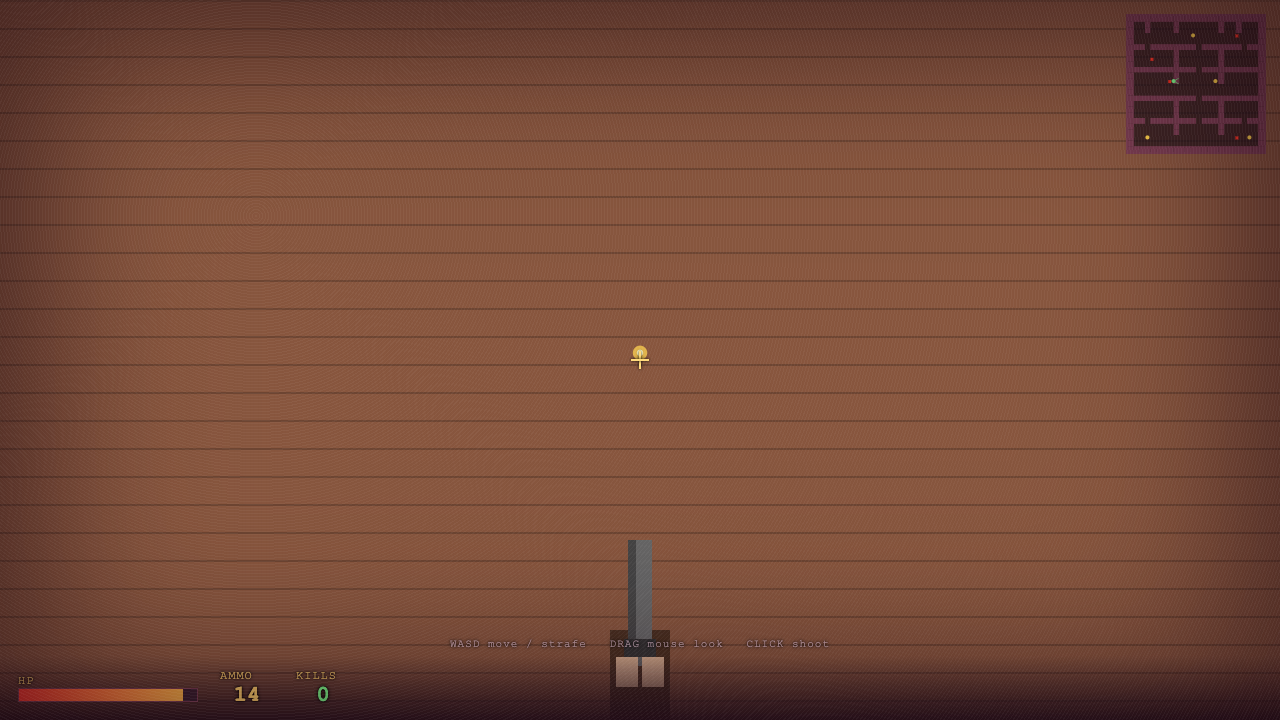
Gtafoot
Game
Hy3 7.2
·
Hermes MoA 4.5
(+2.7)
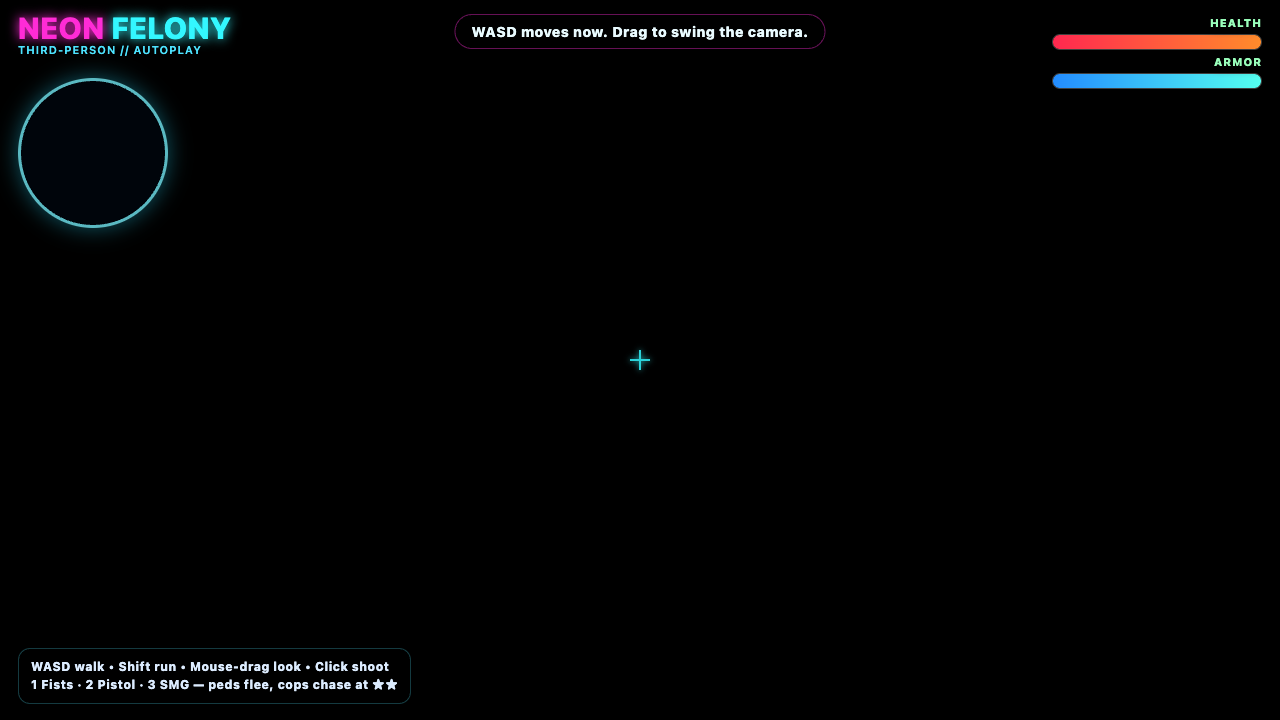
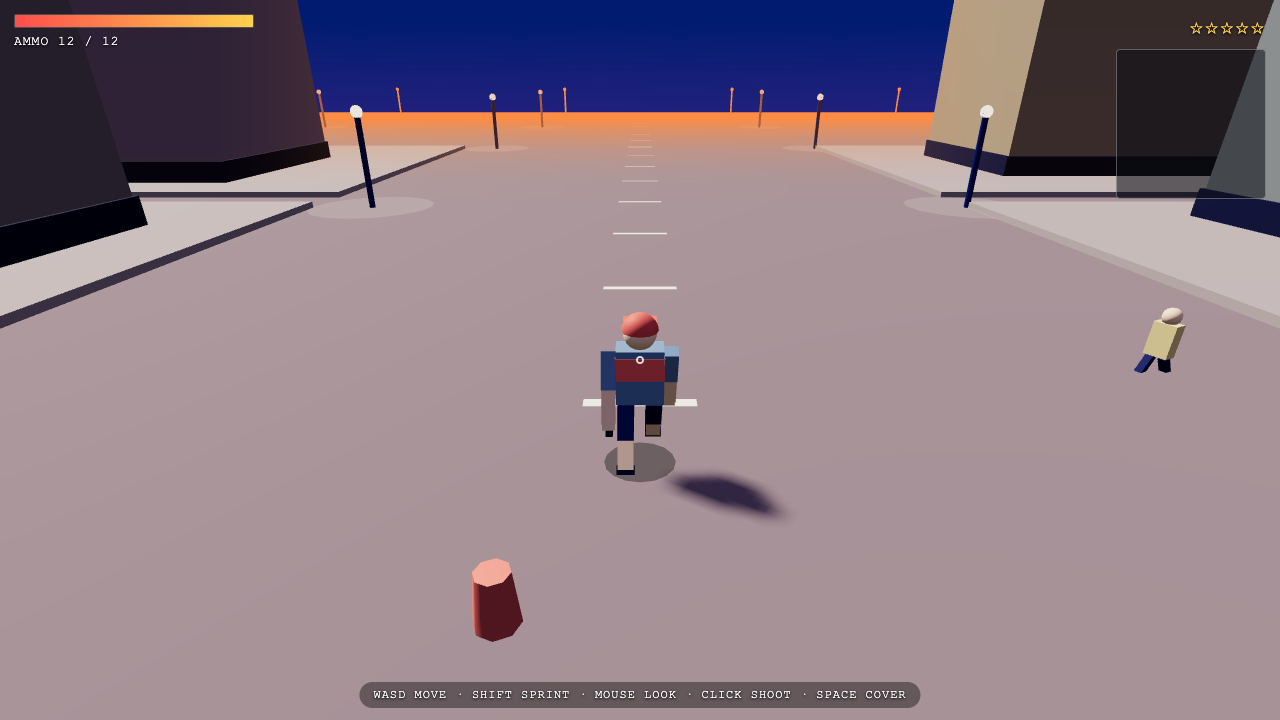
What I saw: Strong dusk-city atmosphere with a readable blocky hero (cap, jacket trim, gun), streetlights, crosswalks, and a pedestrian, plus clean HUD (ammo, health bar, wanted stars, crosshair, controls). Weak points: the world is fairly barren mid-frame, no visible buildings-as-cover in t…
Aipbpromo
Page
Hy3 7.4
·
Hermes MoA 7.0
(+0.4)
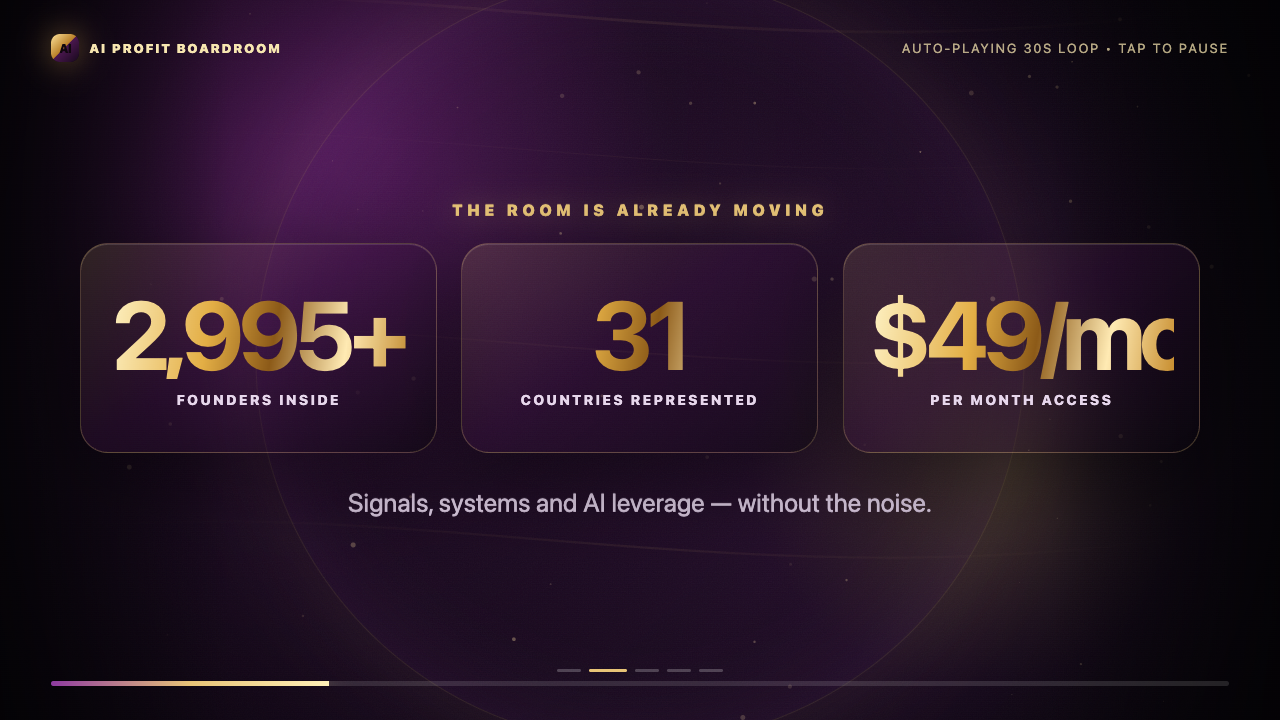
What I saw: Clean multi-scene pipeline with animated count-up stats, gold/cyan cinematic palette, particle field and progress bar render correctly; but the stats appear left-clustered and off-center with only two of four visible mid-animation, feeling sparse rather than composed, keeping it …
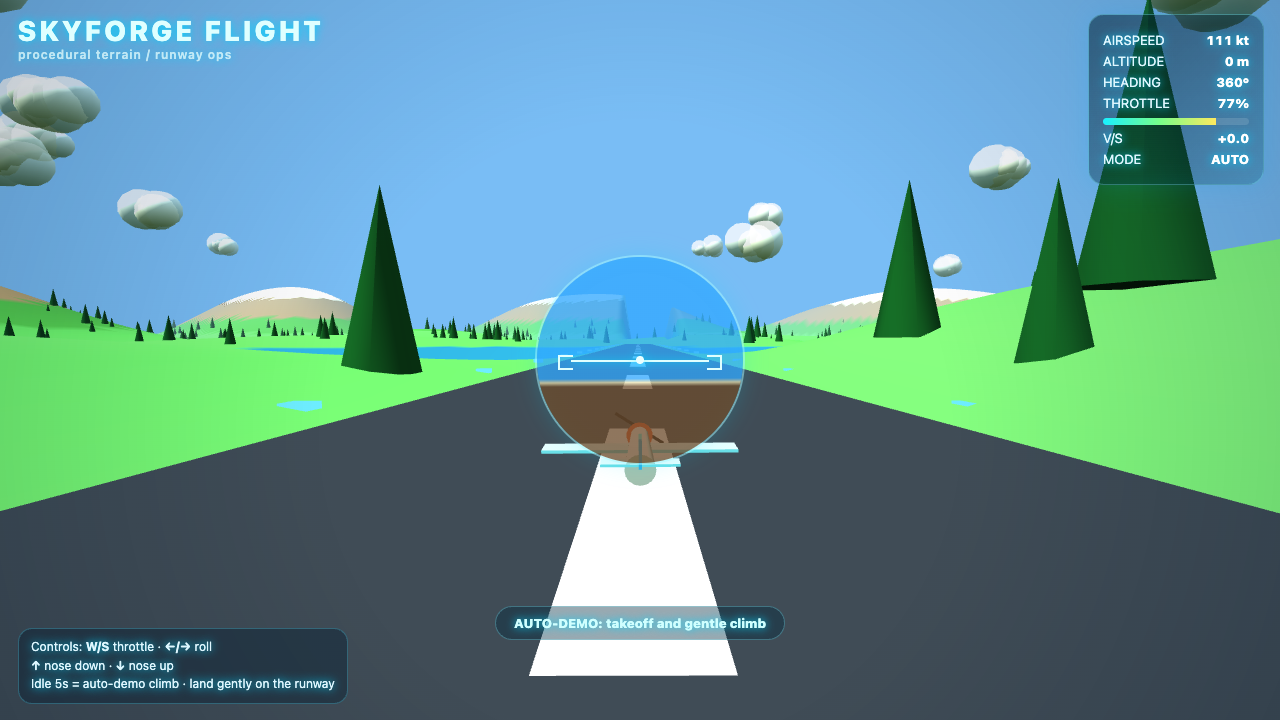
Flightsim
Game
Hy3 6.8
·
Hermes MoA 6.5
(+0.3)
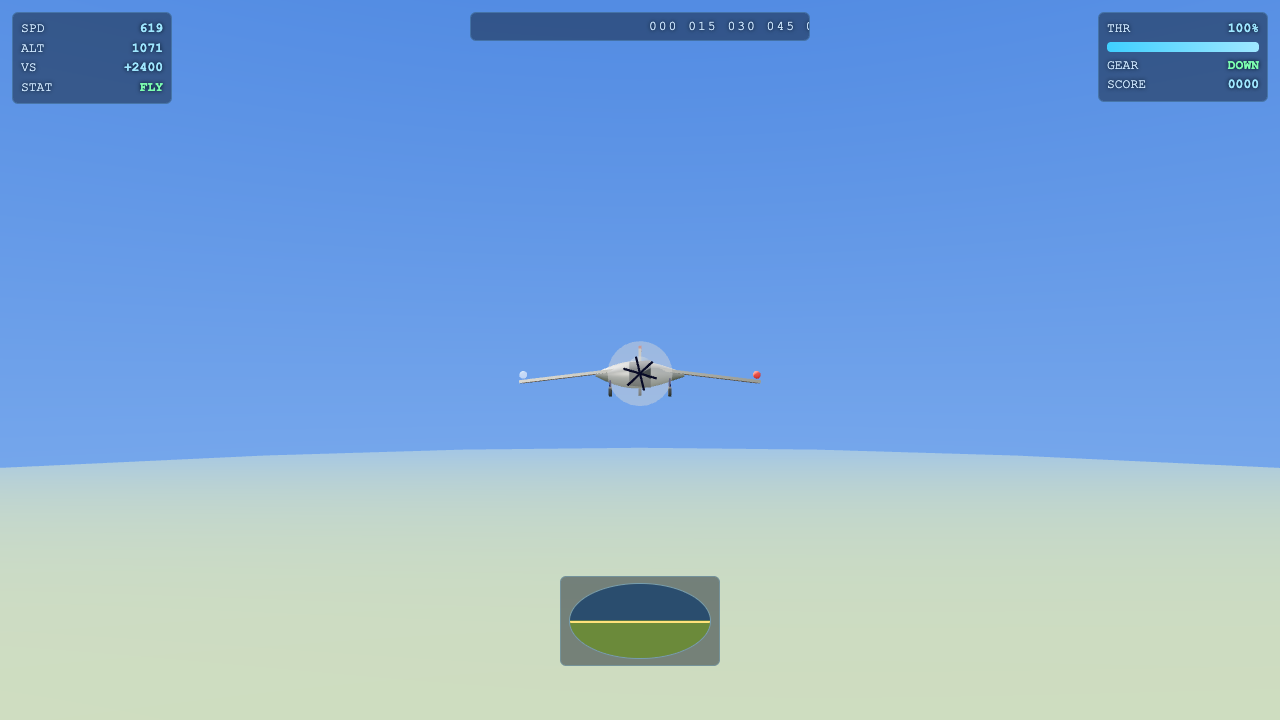
What I saw: Clean HUD with working attitude indicator, heading tape, throttle/gear/score panels, and a decently modeled aircraft with wings, nav lights and prop; but the terrain reads as an empty green haze with no visible runway, trees or structures from this altitude, leaving the world fla…
Parachute
Game
Hy3 6.8
·
Hermes MoA 6.5
(+0.3)
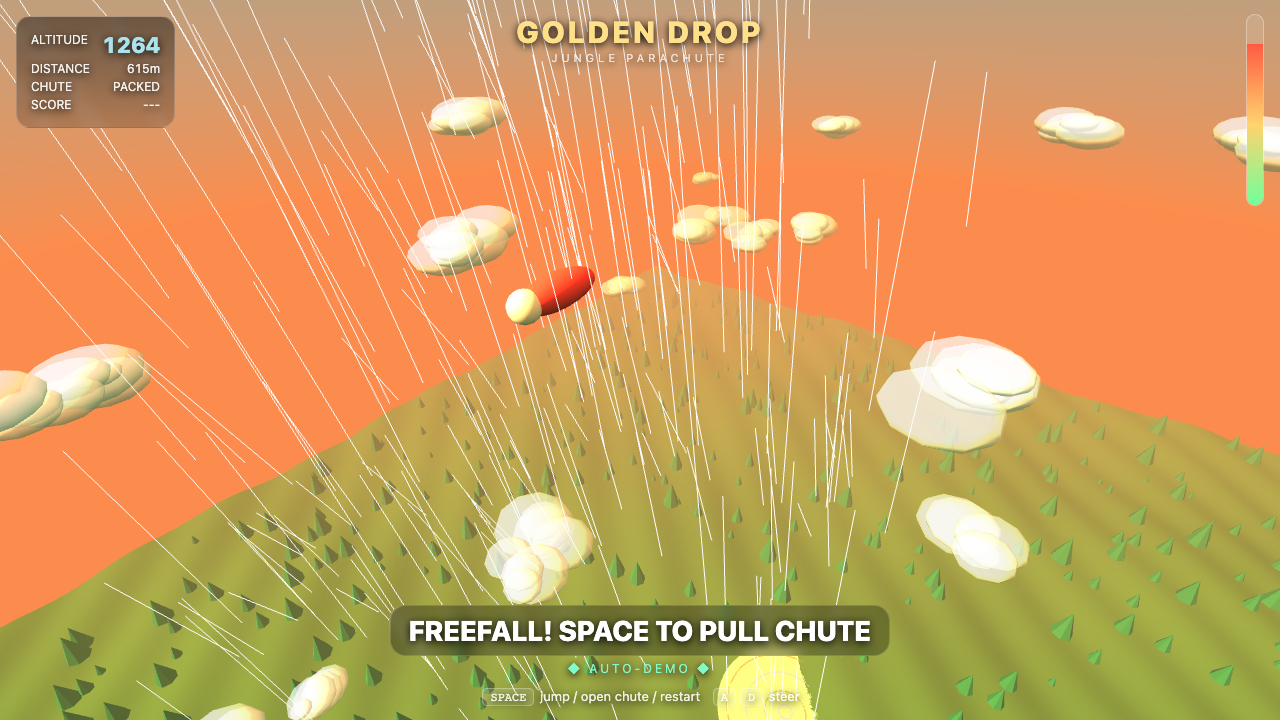
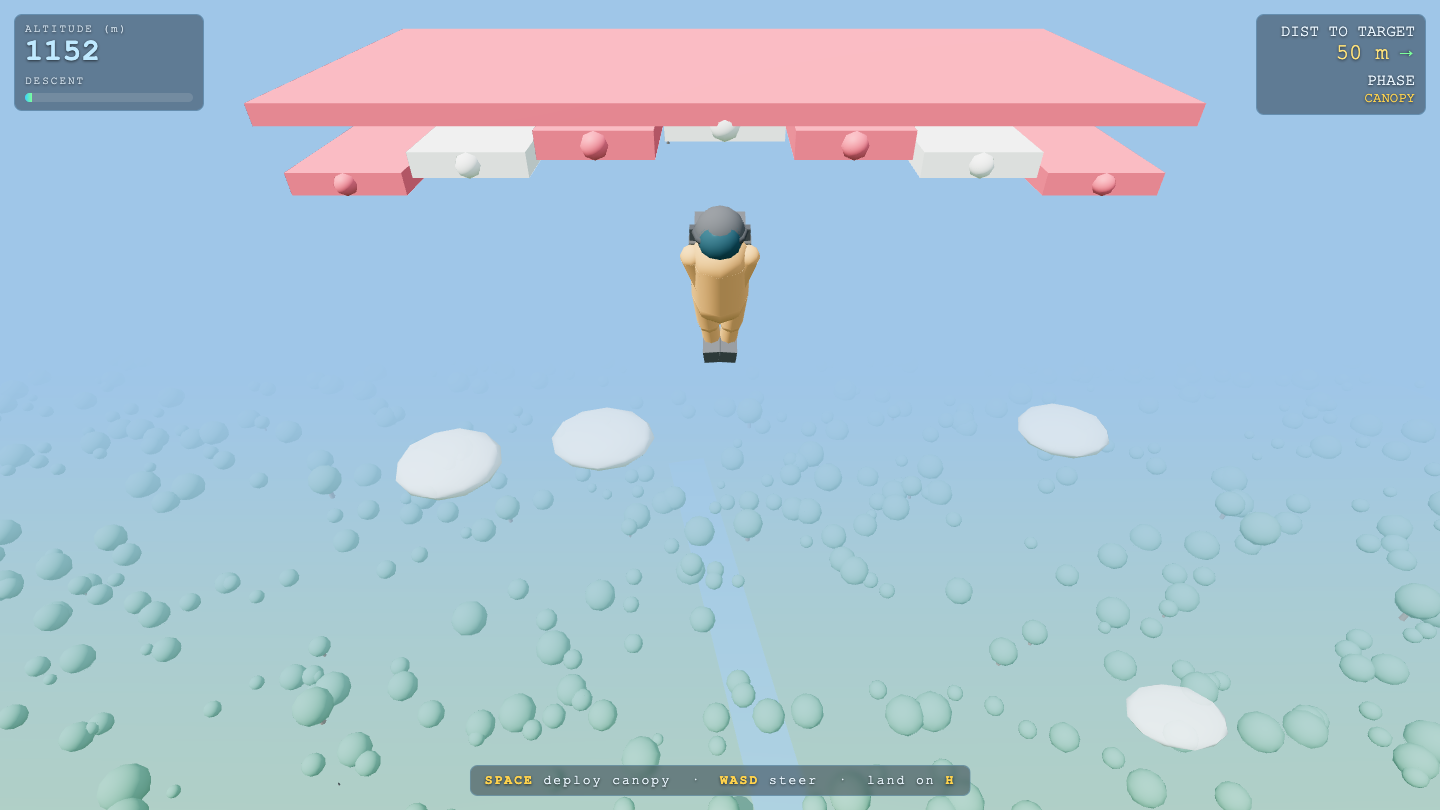
What I saw: Renders cleanly with a detailed articulated skydiver (helmet, suit, arms, boots — not a bare capsule), clean HUD with altitude/distance/phase, and a lush jungle canopy of blobs with a visible river below; but the canopy overhead reads as a flat pink slab rather than a parachute, …
Strengths & weaknesses I logged
Hermes MoA
Strengths
- On GoldieBench, the MoA panel's galaxy edged solo Opus 4.8 — 8.6 vs 8.5 — with a denser 24k-particle spiral (the system beats the model)
- Two gold + one silver across its first three one-shot builds (galaxy, fireworks, arcade)
- Vendor-agnostic — swap any OpenRouter model into a panel or aggregator slot without touching the workflow
Trade-offs
- Latency is the panel's slowest draft plus the aggregator pass — ~110–140s per single-file build vs a solo model's one call
- Costs more per task than any single model (every panel slot + the aggregator are separate calls)
- Only 3 of 42 bench tasks run so far — a representative slice, not the full board
Hy3
Strengths
- Apache-2.0 open weights — self-host free, no lock-in
- Tencent's 270-expert blind eval: 2.67/4 vs GLM-5.1's 2.51, strongest on frontend / data / CI-CD
- Hallucination rate cut 12.5% → 5.4%; stable tool-calls across scaffoldings (<4% SWE-Bench variance)
Trade-offs
- Slow upstream on OpenRouter (30-90s per build) — fine for one-shots, sluggish for tight loops
- One-shot game builds can under-render (flat raycaster walls, unlit 3D) without an iterate pass
Pricing & context — the spec sheet
| Spec | Hermes MoA | Hy3 |
|---|---|---|
| Vendor | Hermes · Mixture of Agents | Tencent Hunyuan |
| Context window | Varies — the sum of the panel models' contexts (Opus 4.8 + GPT-5.5) | 262,144-token context window. Open weights (Apache-2.0) on HuggingFace / ModelScope / GitHub; benched here via OpenRouter. |
| Price | Panel + aggregator calls (via OpenRouter) | $0.14 / 1M input · $0.58 / 1M output |
| Pricing detail | Hermes Mixture of Agents dispatches one prompt to a configurable panel of frontier models in parallel, then a named aggregator reads every draft and writes one better final answer. Default panel: Claude Opus 4.8 + GPT-5.5, aggregated by Opus 4.8 — all via the OpenRouter key. Unlike a black-box ensemble, every slot is yours to swap from the Mixture tab in the Agent OS. | Tencent Hunyuan 3 — open-weights under Apache-2.0, so free to self-host. On OpenRouter it is one of the cheapest capable coders: ~$0.14/M in, $0.58/M out (1 RMB / 4 RMB). Upstream can be slow (30-90s to first token), but per-token cost is negligible. |
| Release | 2026-06-28 | 2026-07-06 |
| Bench coverage | 47/47 scored · avg 8.17/10 | 7/7 scored · avg 6.76/10 |
The verdict — which should you pick?
Across 7 scored shared tasks, the averages are essentially tied — Hermes MoA 6.91 vs Hy3 6.76. This isn't the comparison where one wins; it's the comparison where you pick based on context, pricing, and what you're actually trying to ship.
If you only run one of these inside your stack, the head-to-head average above is the call. If you can run both, my honest play is to wire Hermes MoA and Hy3 both into the Agent Operating System and dispatch each from the kanban by task type — high-stakes single prompts where ensemble quality beats single-model speed → Hermes MoA, cost-sensitive coding + frontend design where open weights matter → Hy3. That's the same setup I run for the 4,000+ founders inside the AI Profit Boardroom.
FAQ — Hermes MoA vs Hy3
Which is better, Hermes MoA or Hy3?
On Goldie Bench, Hermes MoA averages 6.91/10 across the shared tasks, with 3 gold, 10 silver, 2 bronze overall. Hy3 averages 6.76/10, with 0 gold, 0 silver, 0 bronze. Hy3 wins the head-to-head 4–3.
How much does Hermes MoA cost vs Hy3?
Hermes MoA: Hermes Mixture of Agents dispatches one prompt to a configurable panel of frontier models in parallel, then a named aggregator reads every draft and writes one better final answer. Default panel: Claude Opus 4.8 + GPT-5.5, aggregated by Opus 4.8 — all via the OpenRouter key. Unlike a black-box ensemble, every slot is yours to swap from the Mixture tab in the Agent OS. Hy3: Tencent Hunyuan 3 — open-weights under Apache-2.0, so free to self-host. On OpenRouter it is one of the cheapest capable coders: ~$0.14/M in, $0.58/M out (1 RMB / 4 RMB). Upstream can be slow (30-90s to first token), but per-token cost is negligible.
What's the context window for Hermes MoA vs Hy3?
Hermes MoA has a Varies — the sum of the panel models' contexts (Opus 4.8 + GPT-5.5) context window. Hy3 has a 262,144-token context window. Open weights (Apache-2.0) on HuggingFace / ModelScope / GitHub; benched here via OpenRouter. context window.
When should I pick Hermes MoA over Hy3?
Pick Hermes MoA for: High-stakes single prompts where ensemble quality beats single-model speed; Squeezing frontier-plus output from models you already have while Fable 5 / GPT-5.6 are still in preview; Production agents that want a configurable panel + vendor-redundancy on every call. The trade-off is the weaknesses we logged on the bench: Latency is the panel's slowest draft plus the aggregator pass — ~110–140s per single-file build vs a solo model's one call; Costs more per task than any single model (every panel slot + the aggregator are separate calls); Only 3 of 42 bench tasks run so far — a representative slice, not the full board.
When should I pick Hy3 over Hermes MoA?
Pick Hy3 for: Cost-sensitive coding + frontend design where open weights matter; Self-hosters who want an Apache-2.0 model they fully own; Anyone wiring a cheap capable coder into a live build panel (Agent OS Hy3 Coder tab). The trade-off is the weaknesses we logged on the bench: Slow upstream on OpenRouter (30-90s per build) — fine for one-shots, sluggish for tight loops; One-shot game builds can under-render (flat raycaster walls, unlit 3D) without an iterate pass.
How does Goldie Bench score Hermes MoA vs Hy3?
Every demo on this page was built by Julian Goldie inside the Agent Operating System — same fixed prompt for both models, one shot, single HTML file out. Each result gets a 0–10 score on whether it ran, how close it hit the brief, and how good it looked. The highest score on each task gets gold; second gets silver; third gets bronze. See methodology for full provenance.
Related comparisons
Other head-to-heads using the same scoring system:
Hermes MoA vs Fusion Hy3 vs Fusion Hermes MoA vs Claude Opus 5 Hy3 vs Claude Opus 5 Hermes MoA vs GPT-5.6 Sol Hy3 vs GPT-5.6 Sol Hermes MoA vs Claude Fable 5 Hy3 vs Claude Fable 5Full model pages: Hermes MoA · Hy3 · back to the leaderboard
The same stack Julian uses
Run this stack yourself.
Every demo on this bench was built inside the Agent Operating System — one prompt, one shot, single HTML file out. The Agent OS, the prompts, the templates, the weekly walkthroughs and 4,000+ founders shipping with it every day all live inside the AI Profit Boardroom.
4,000+founders
258documented wins
38countries
$59/momonthly