Real head-to-head · same prompt, one shot
Hermes MoA vs Grok 4.6
A panel of frontier models, merged by a chair. The model doesn't matter — the system does. vs Frontier intelligence at half the frontier price.
Head-to-head verdict: Hermes MoA wins 15–5.
What I tested — same prompt, two models
I run the same fixed prompt set through every new model the day it drops — same string, one shot, single HTML file out — and I score the result 0–10 on whether it ran, how close it hit the brief, and how good it looked. Below is what came out when I gave the exact same prompts to Hermes MoA and Grok 4.6, side by side, on 20 shared tasks inside the Agent Operating System.
Both models were given identical prompts inside the Agent Operating System — no help, no iteration, no "best of N" tricks. I run each prompt once, save the HTML file the model produces, and score it 0–10 on whether it ran, how close it hit the brief, and how good it looked. The scoring is mine. The verdicts below are pulled from my source comparison guides at agentos.guide where I publish every score and the reasoning behind it.
Hermes MoA · Run from the Mixture tab in the Hermes Agent OS. On this bench the panel built each demo and the aggregator merged the best of every draft.
Grok 4.6 · Benched on 16 skill-infused game builds, every one played through its full gameplay arc before scoring, then the broken ones were handed back to Grok 4.6 to repair itself.
Side-by-side on 47 shared tasks
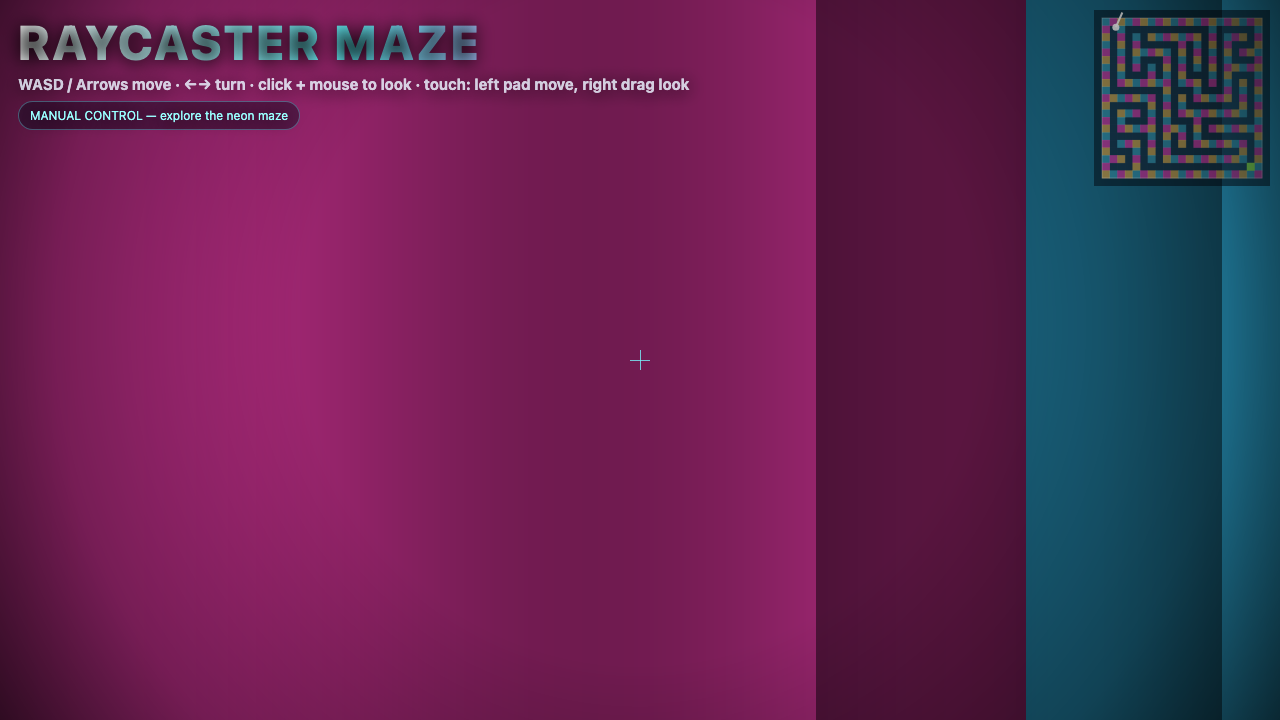
Click any cell to play that model's actual one-shot attempt. Medals are derived from my 0–10 scores per task (highest = 🥇, second = 🥈, third = 🥉).
Task ↓
Hermes MoA
Grok 4.6
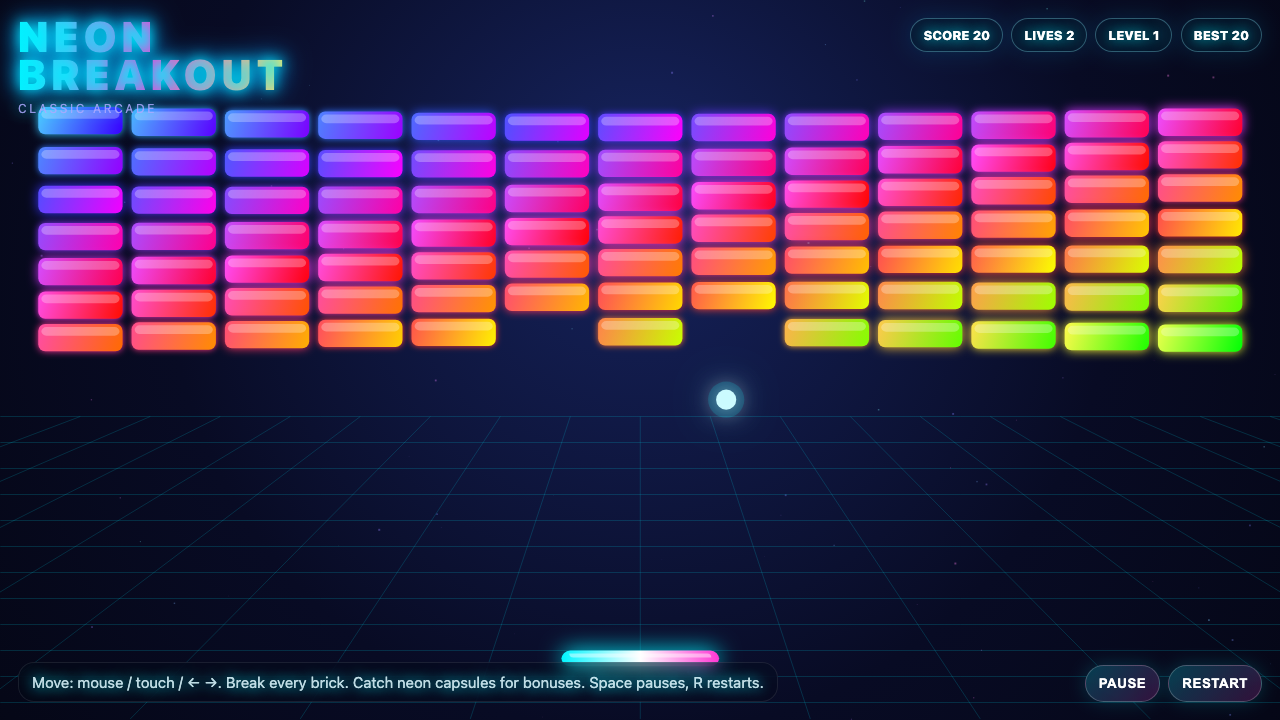
Game
Game
Game
Game
Game
Game
Game
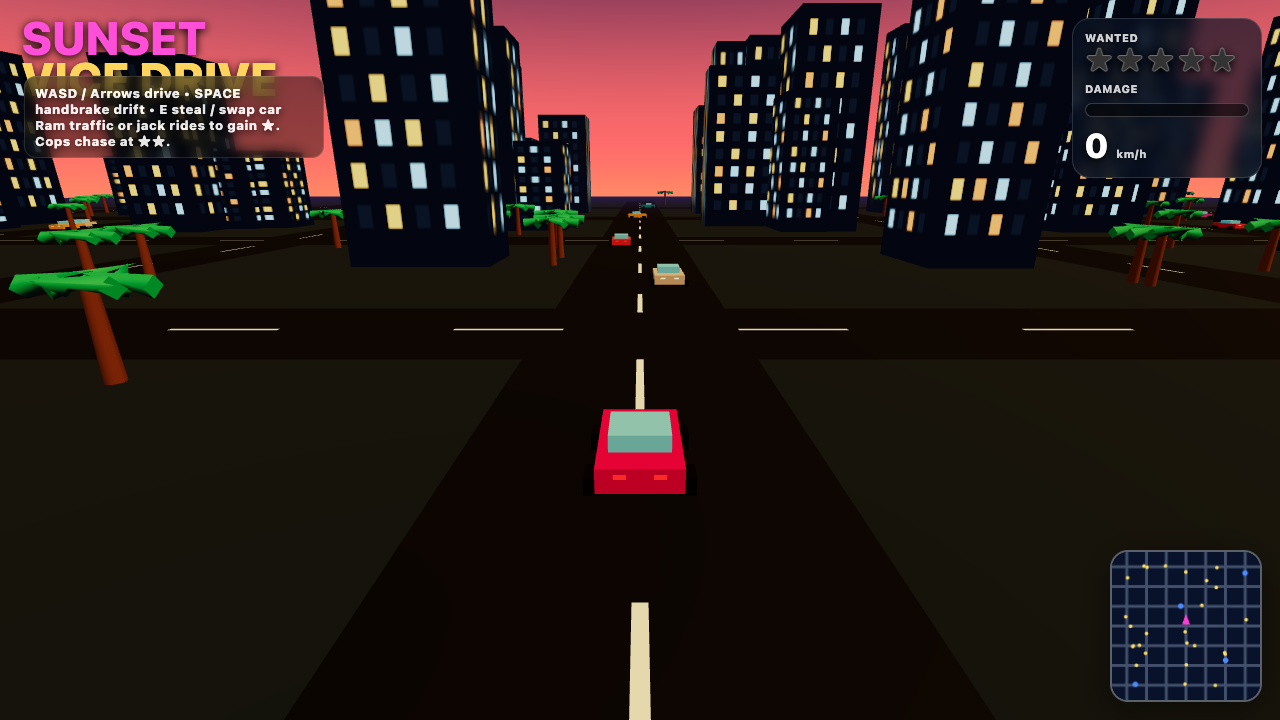
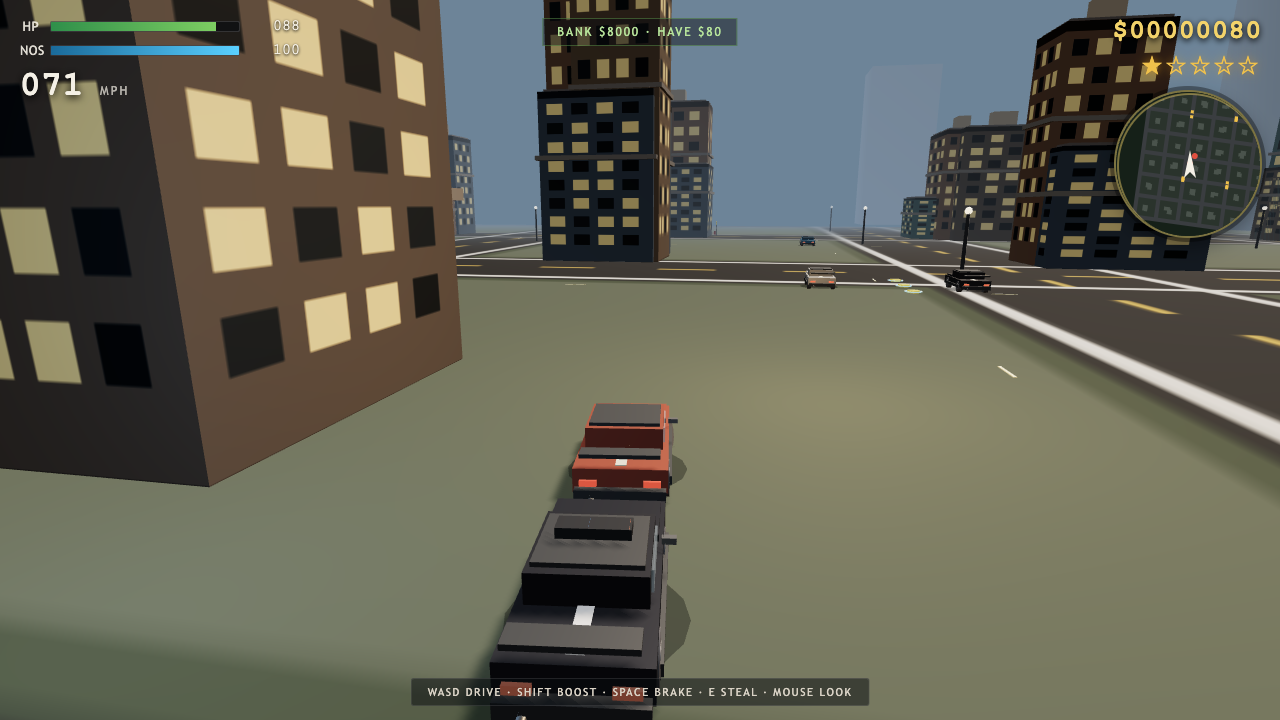
Game
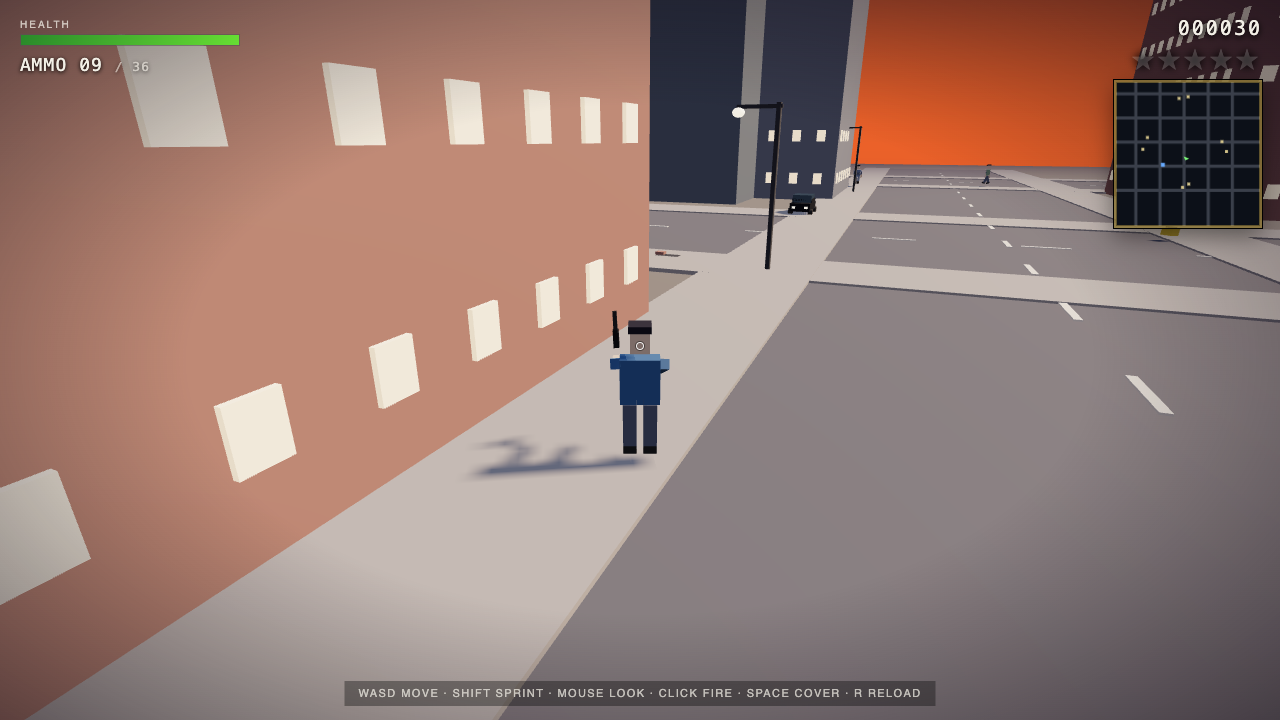
Game
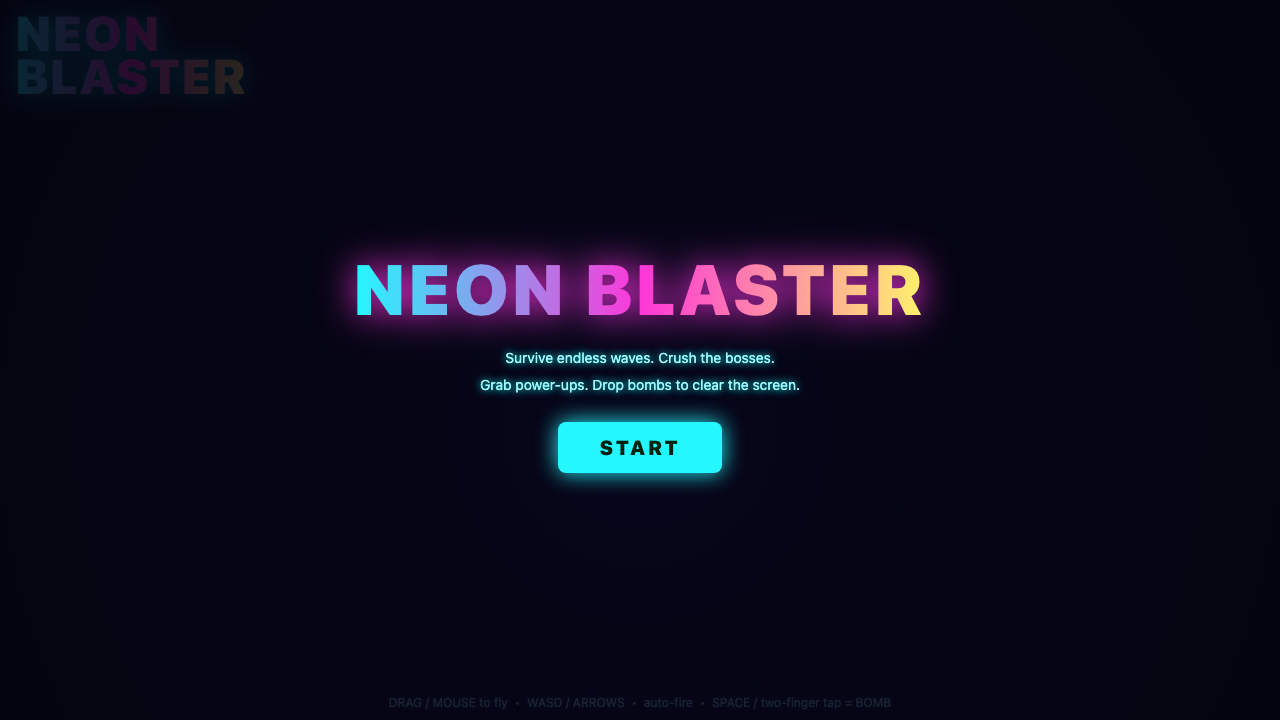
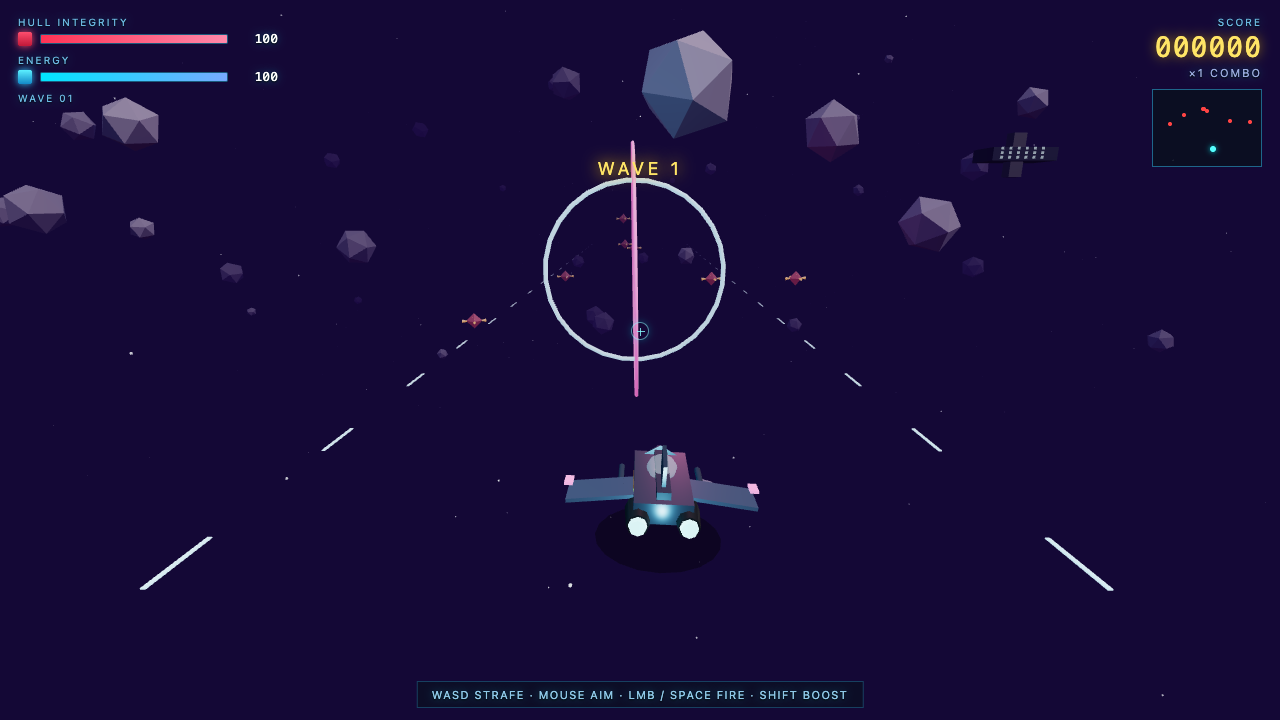
Game
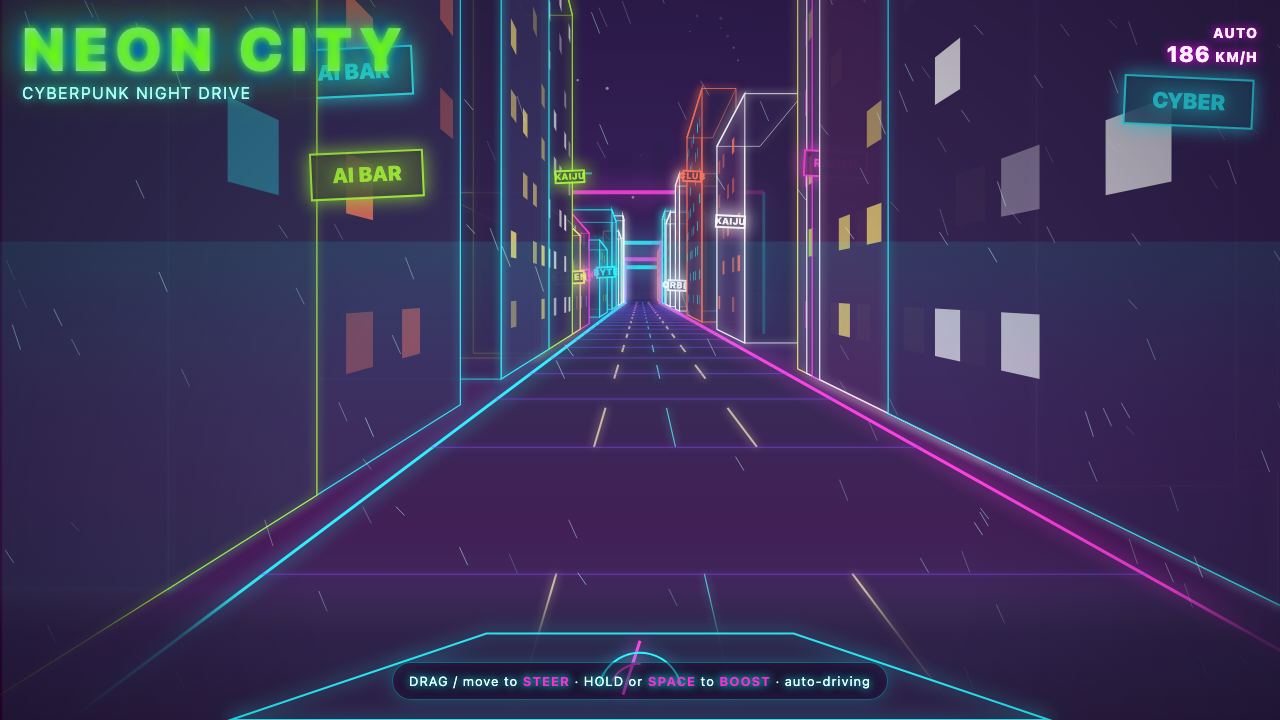
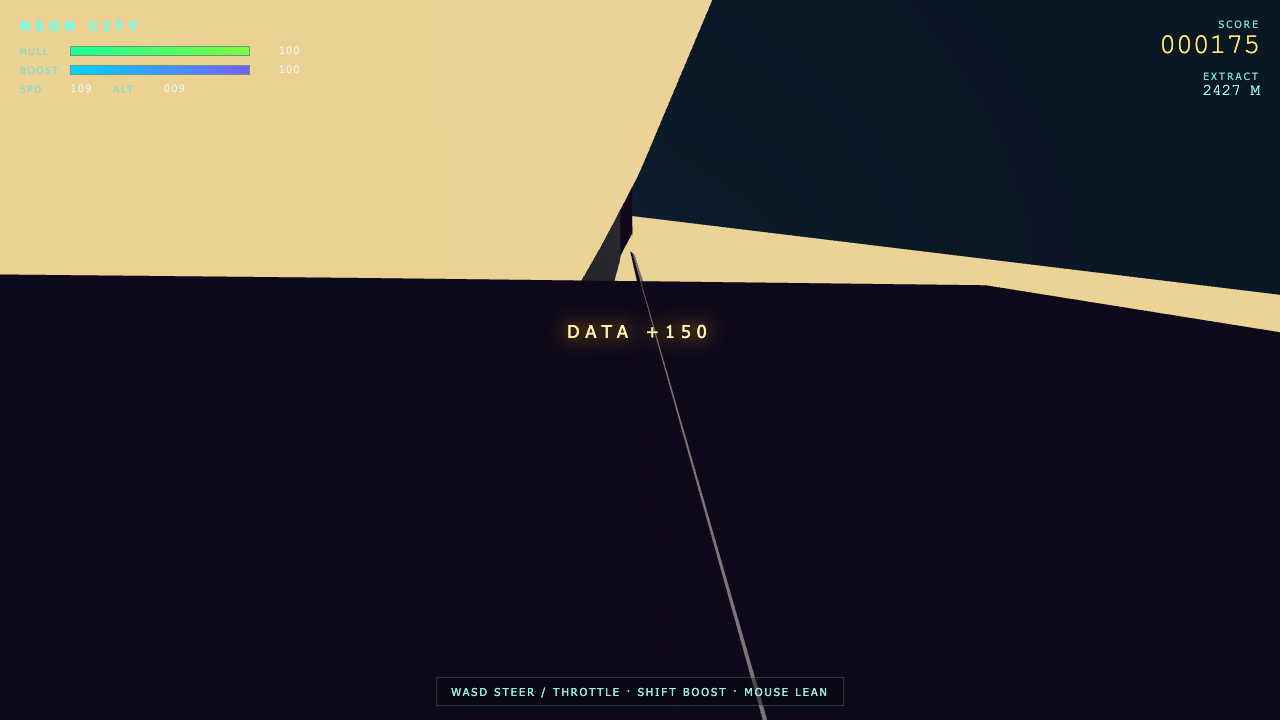
Game
Game
Game
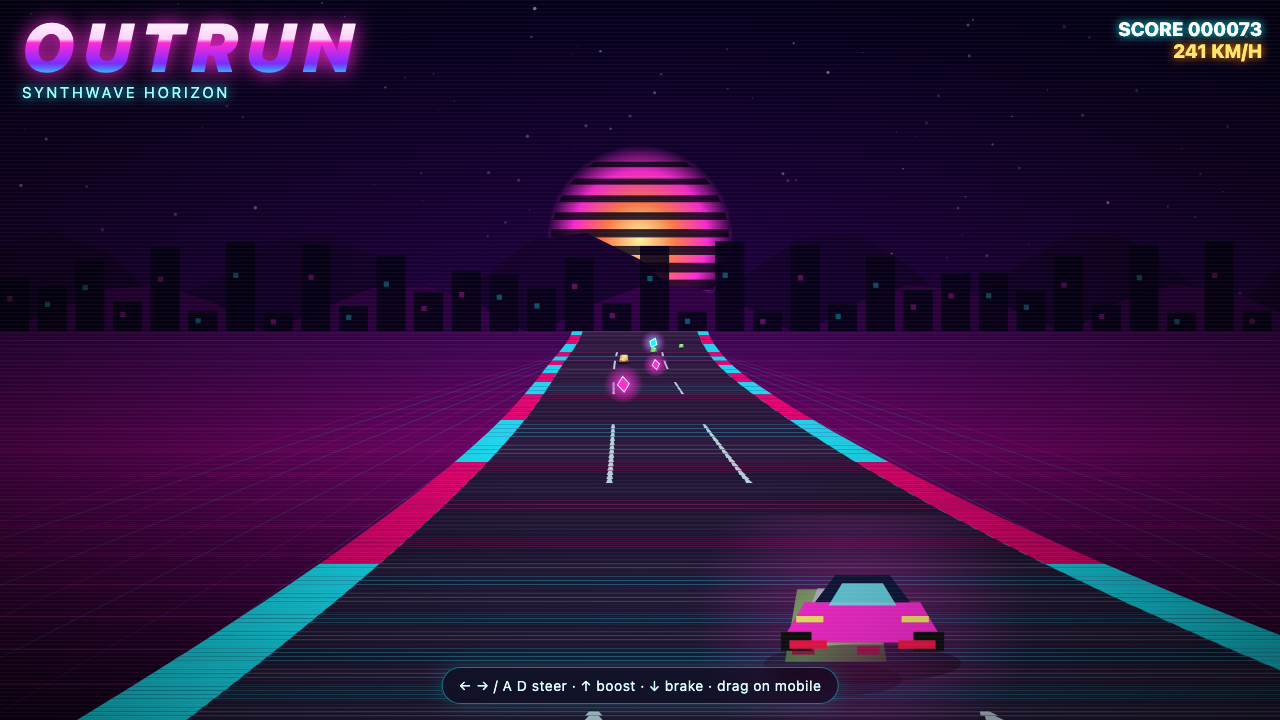
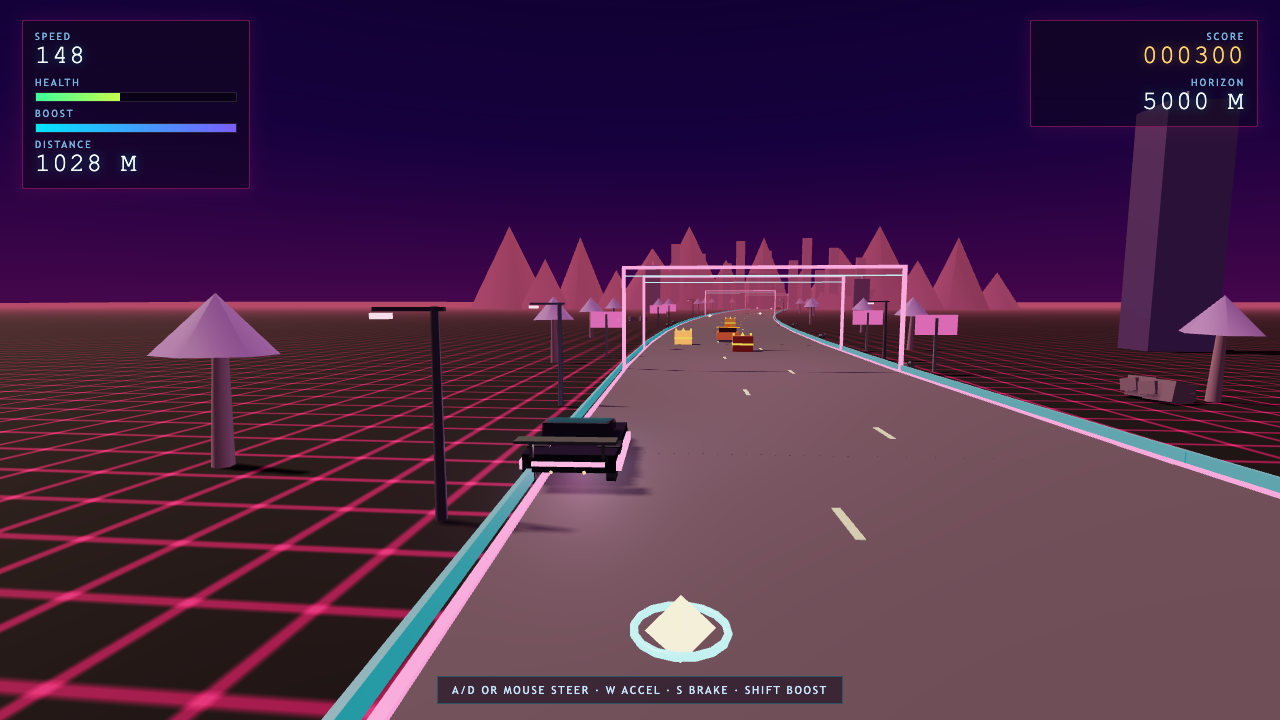
Game
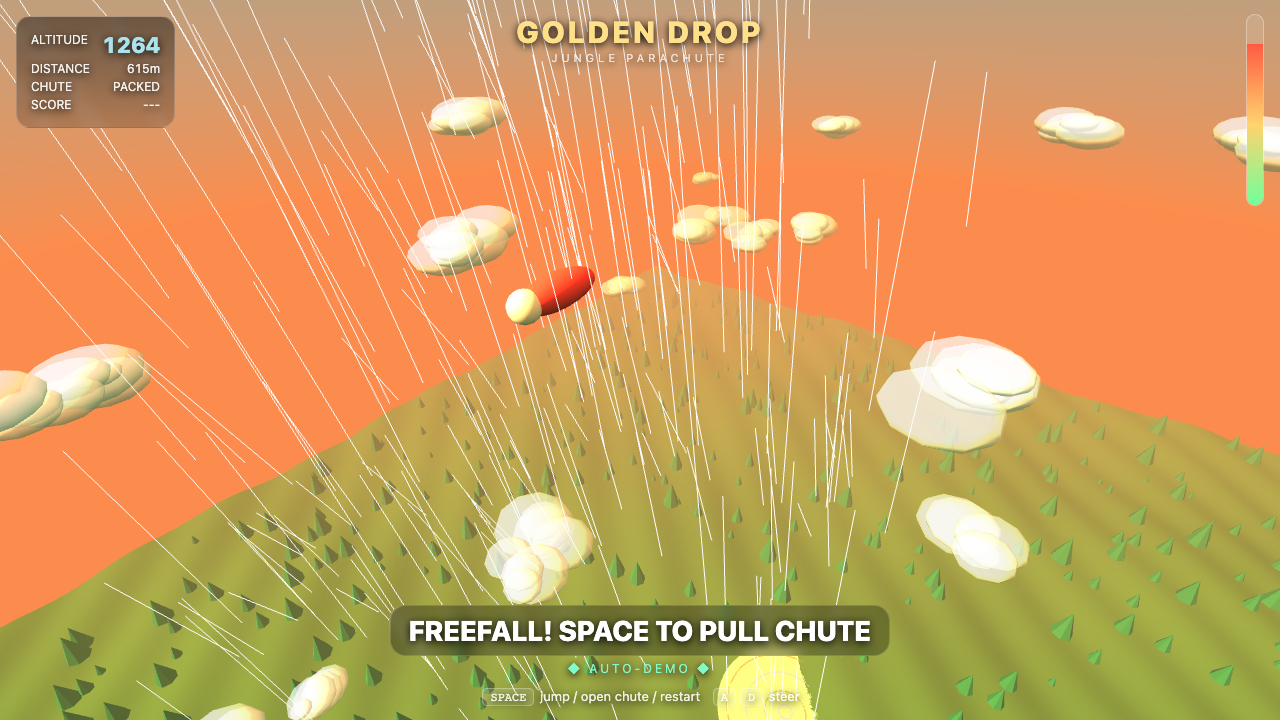
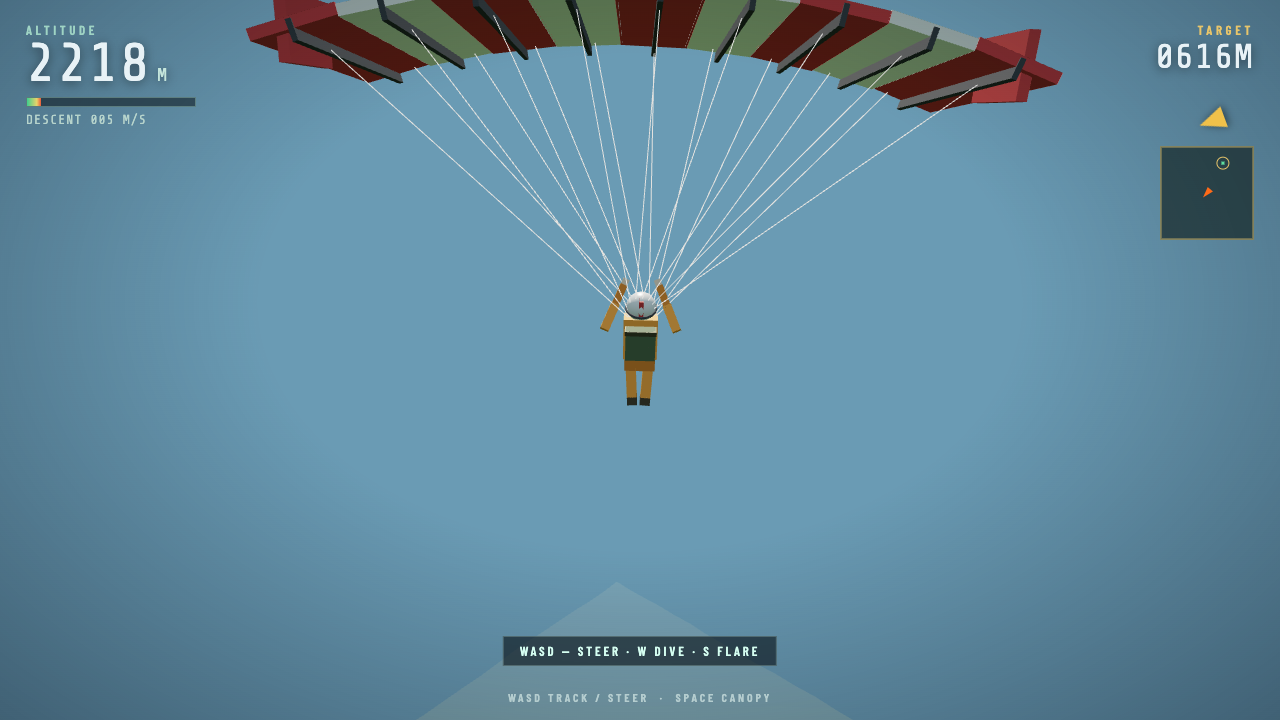
Game
Game
Game
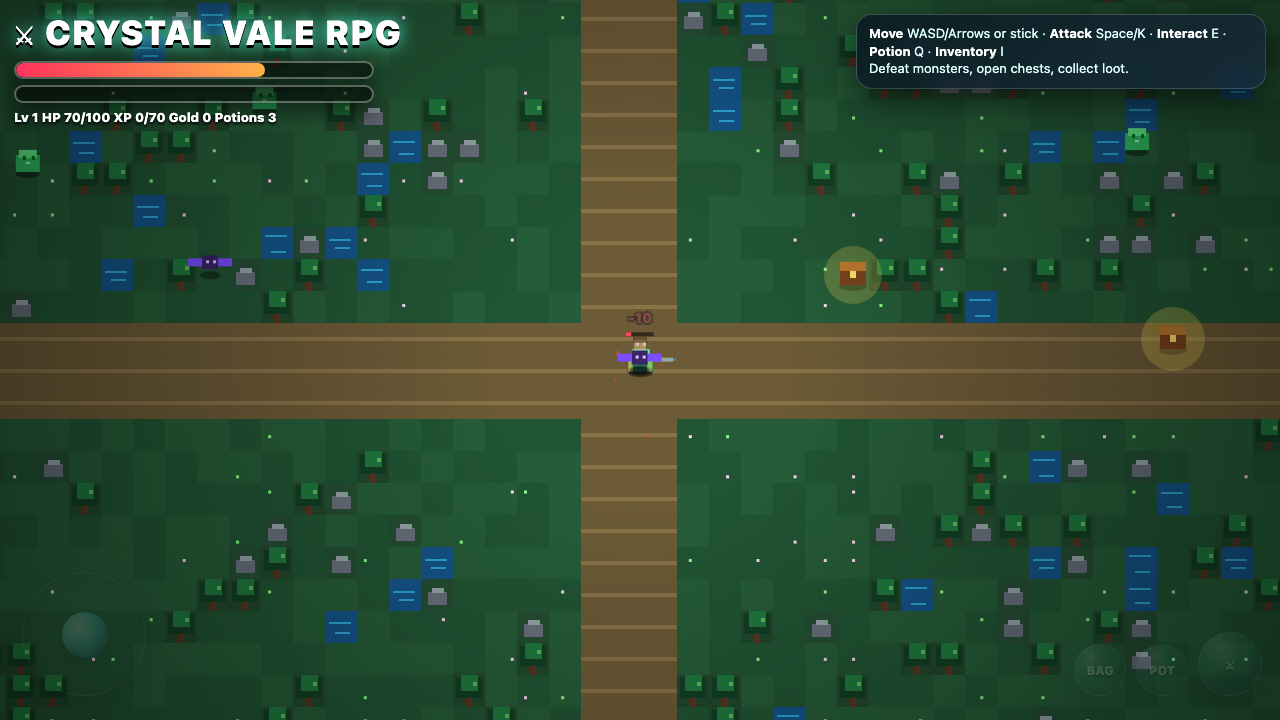
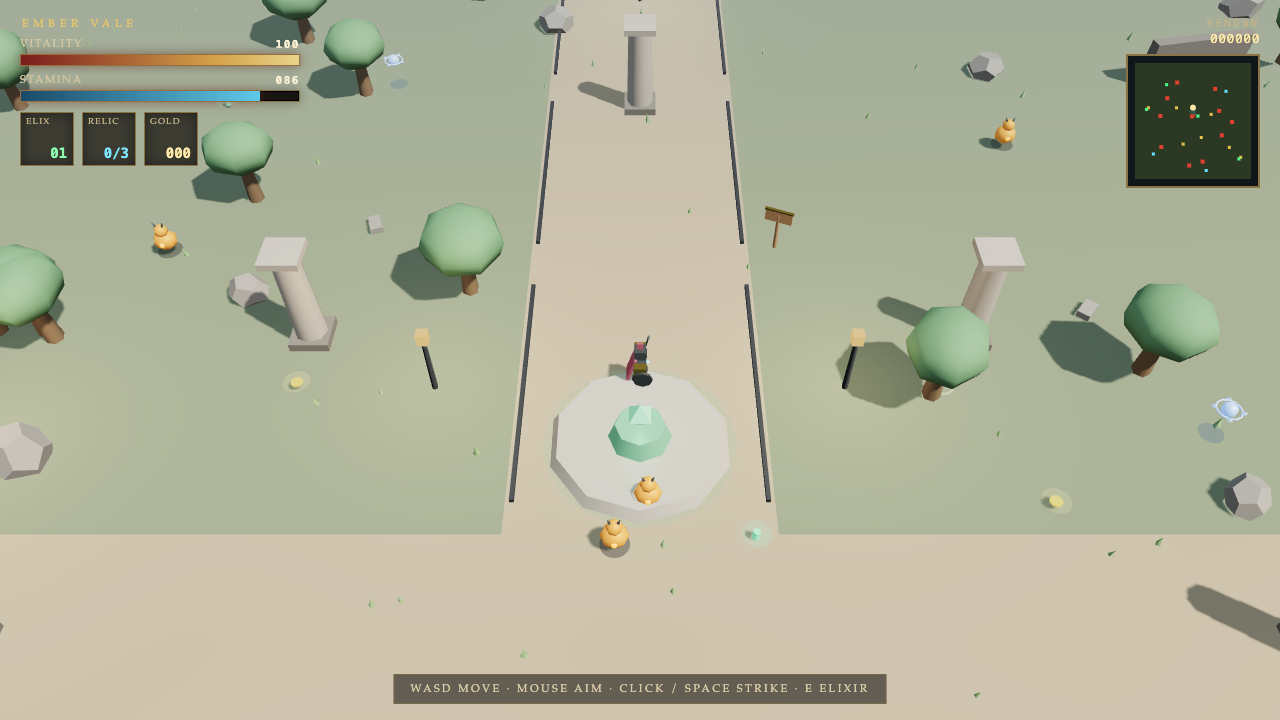
Game
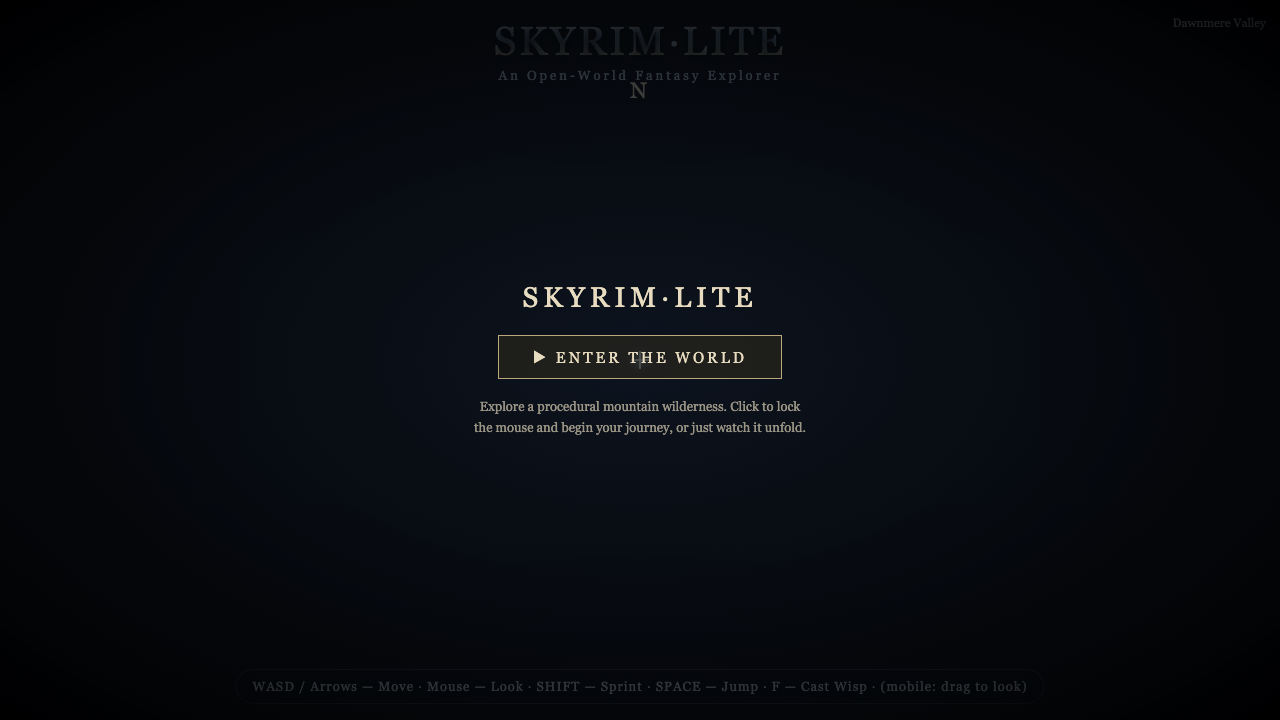
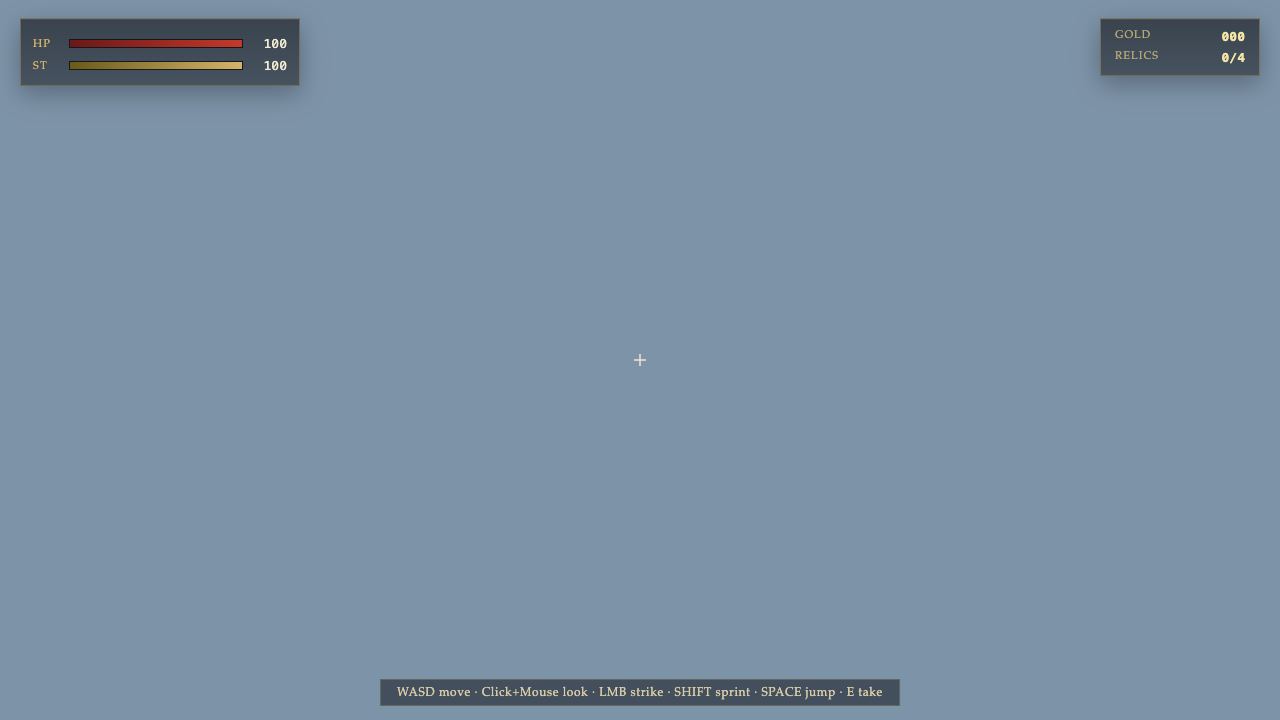
Game
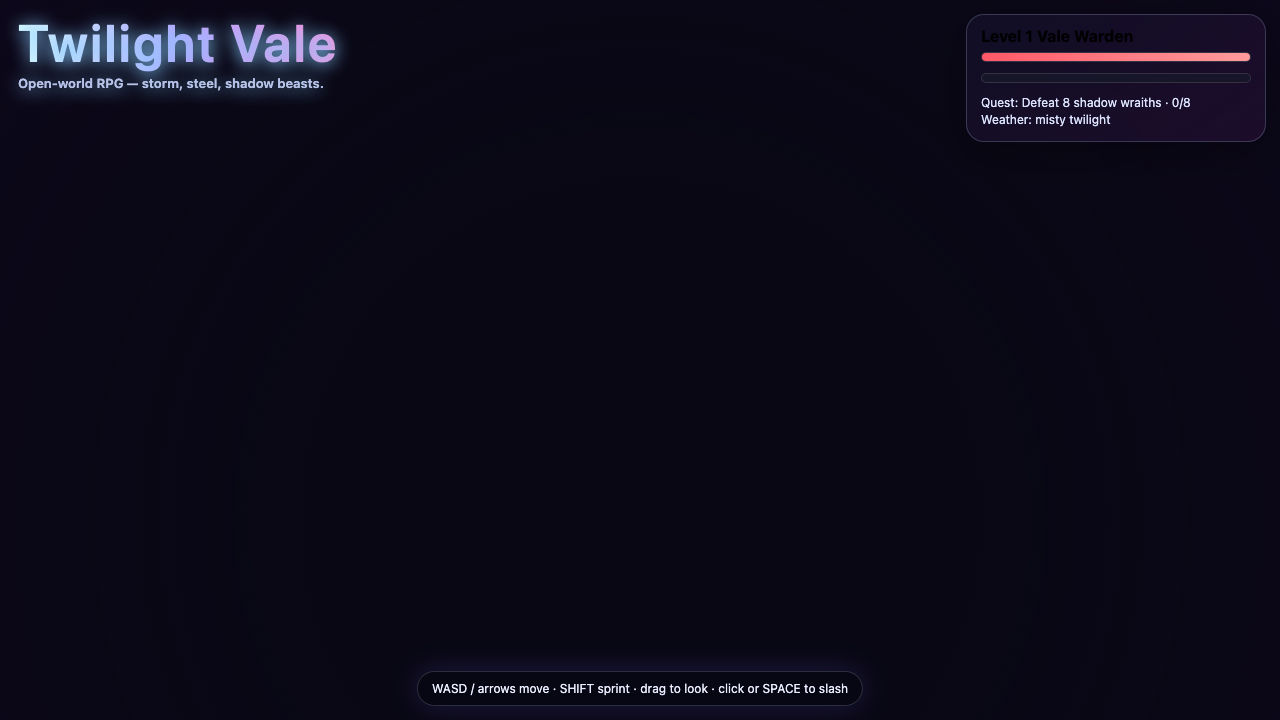
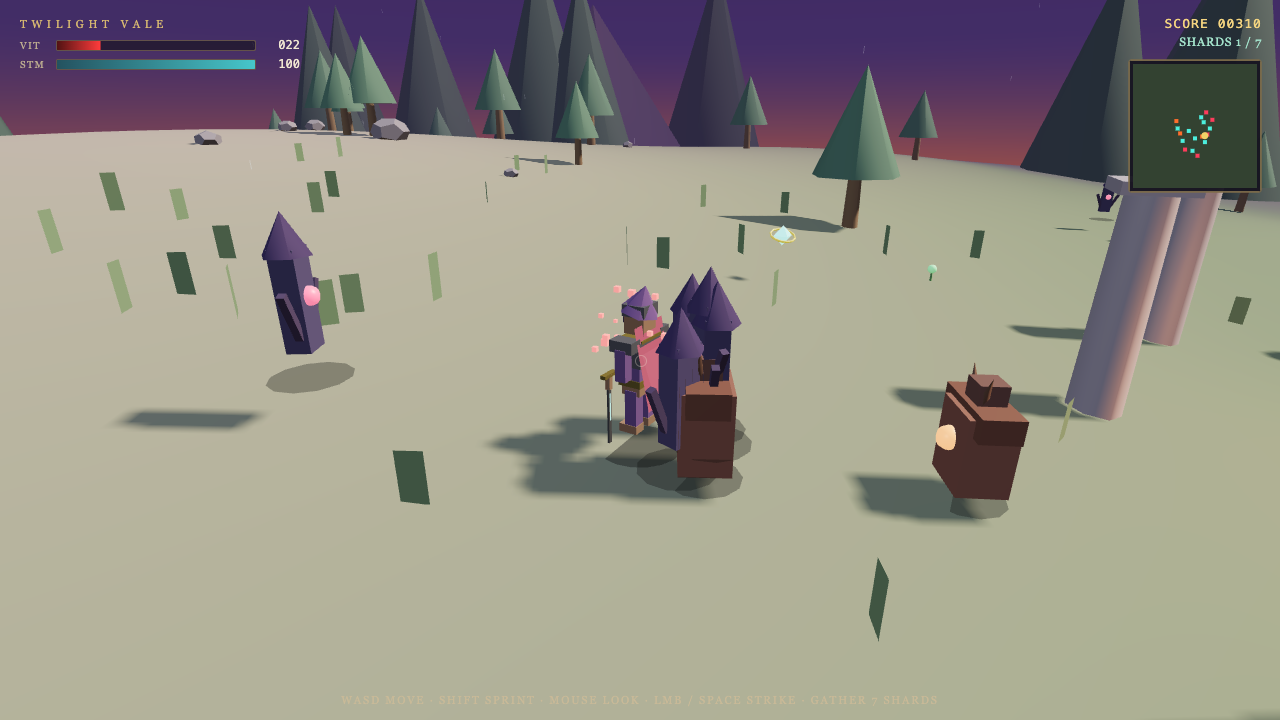
Game
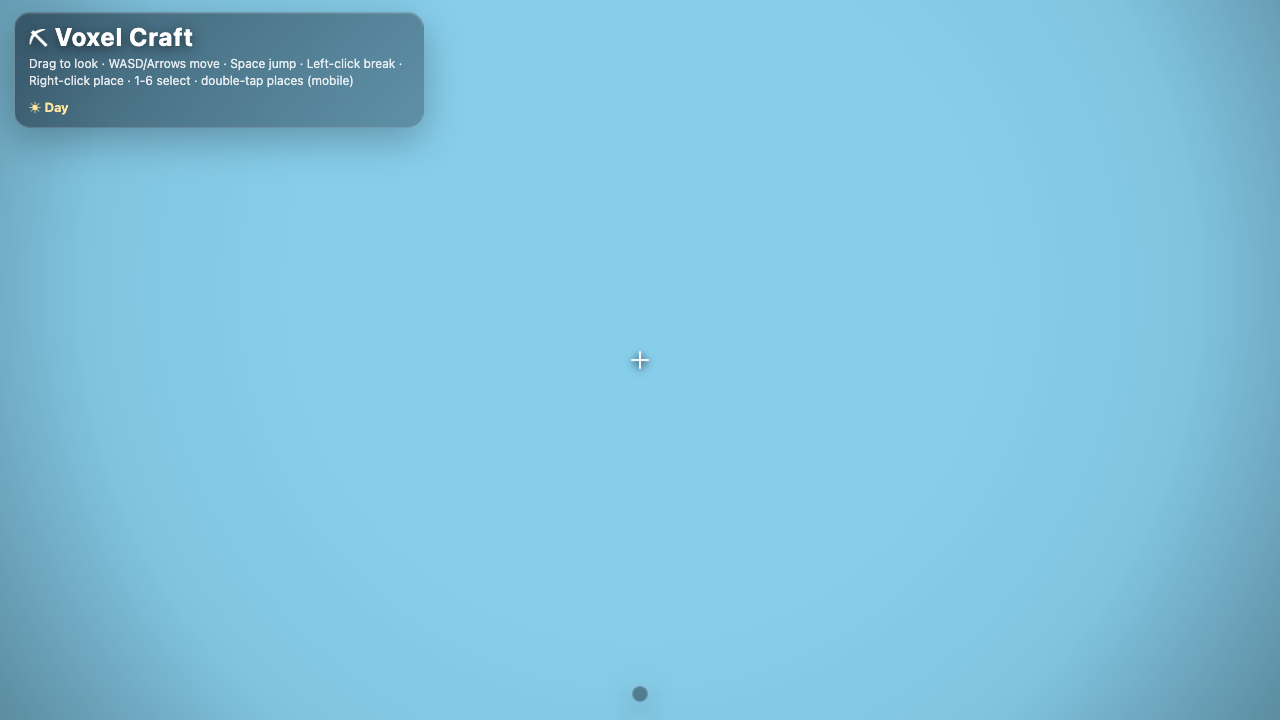
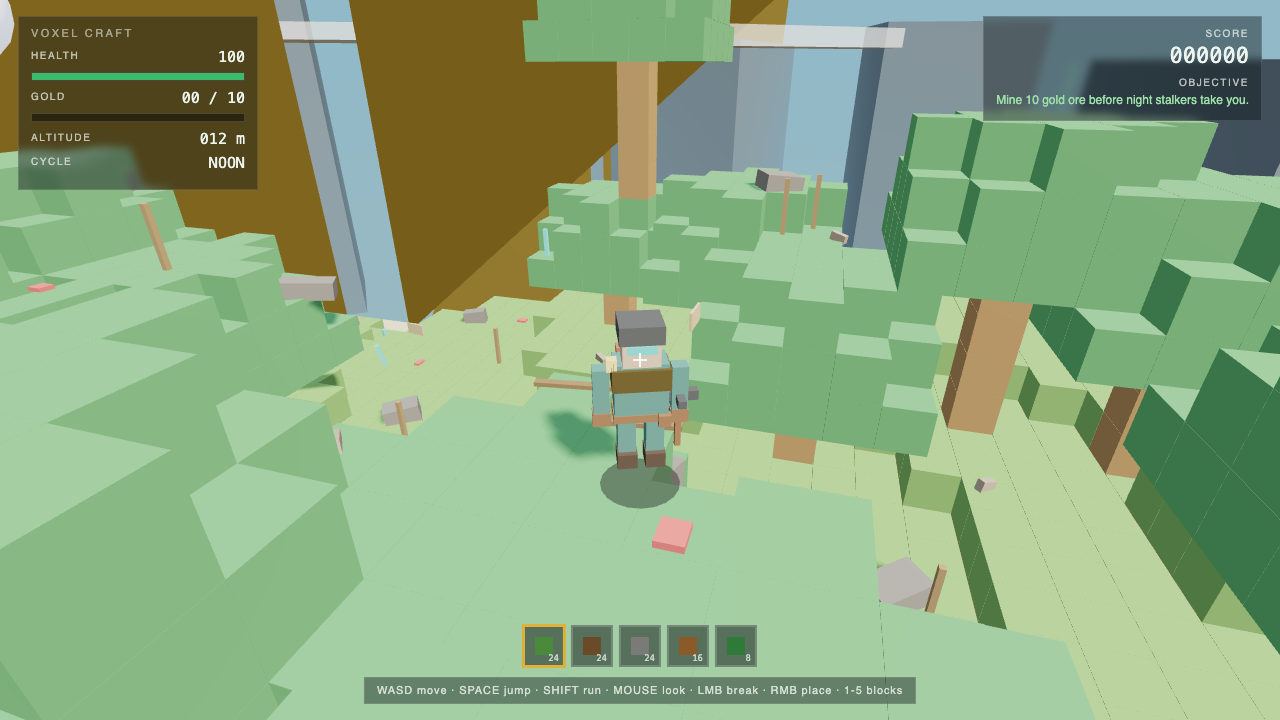
Game
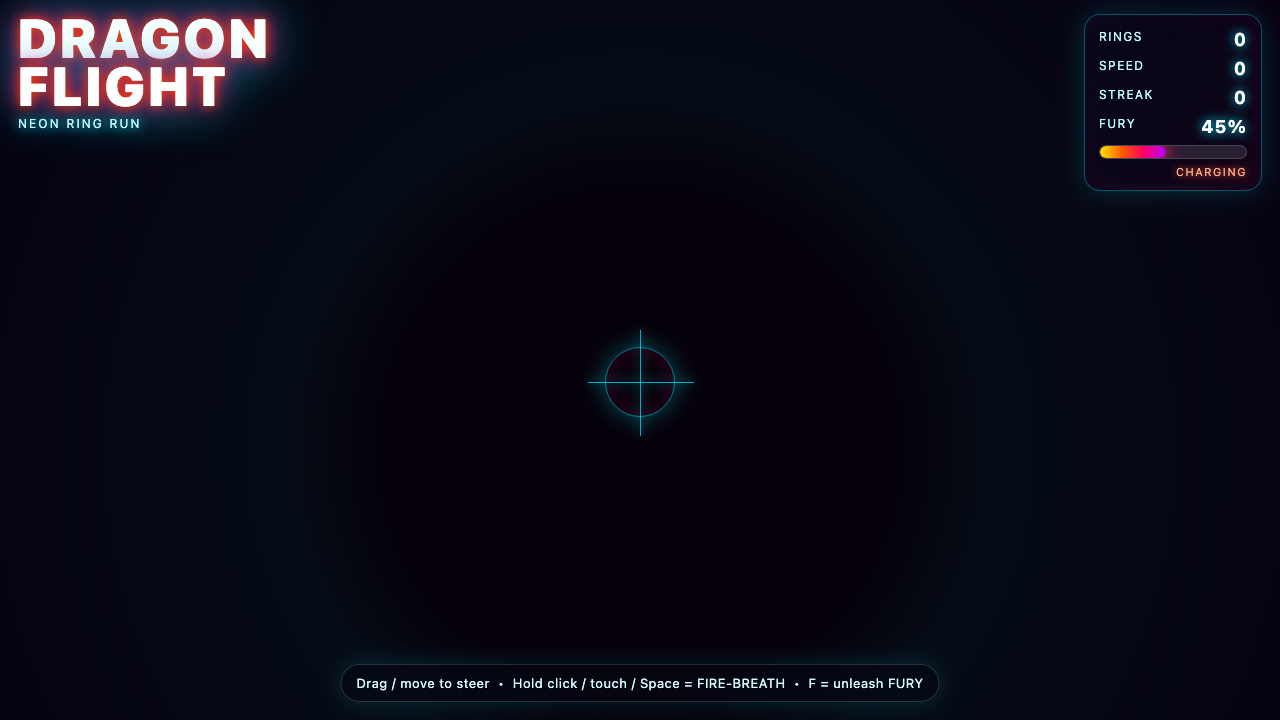
— not attempted —
Game
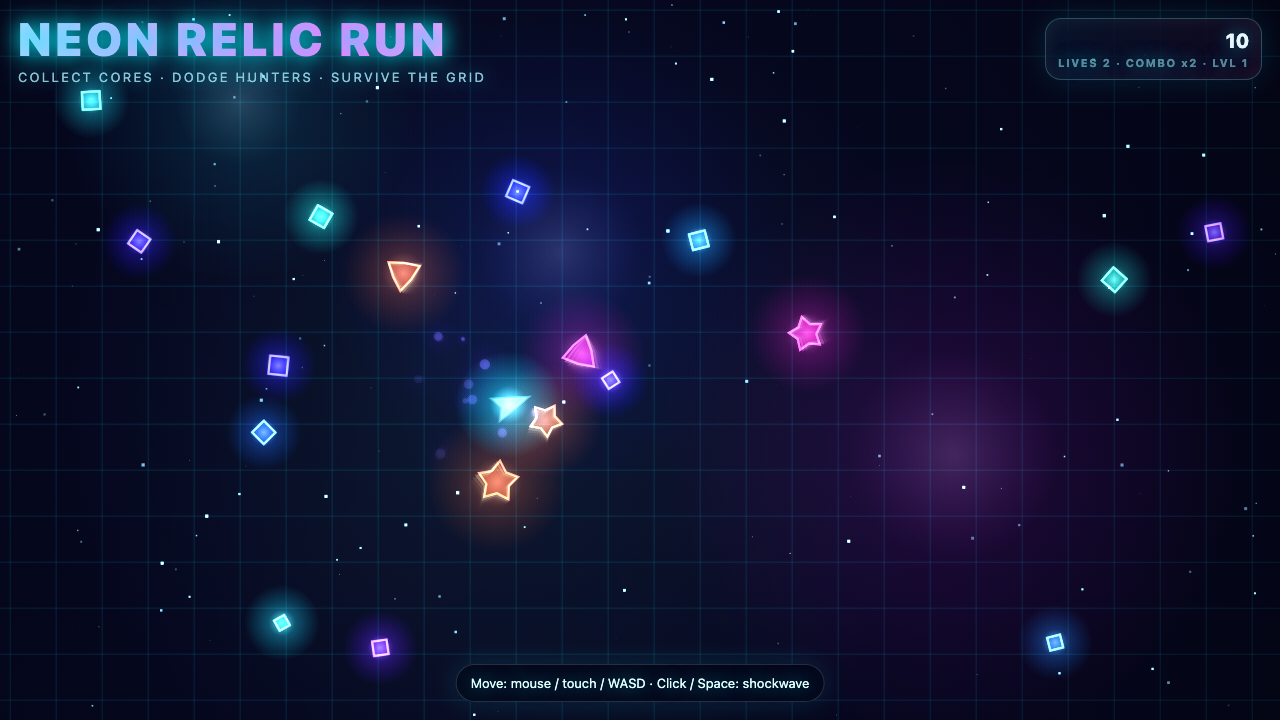
— not attempted —
Game
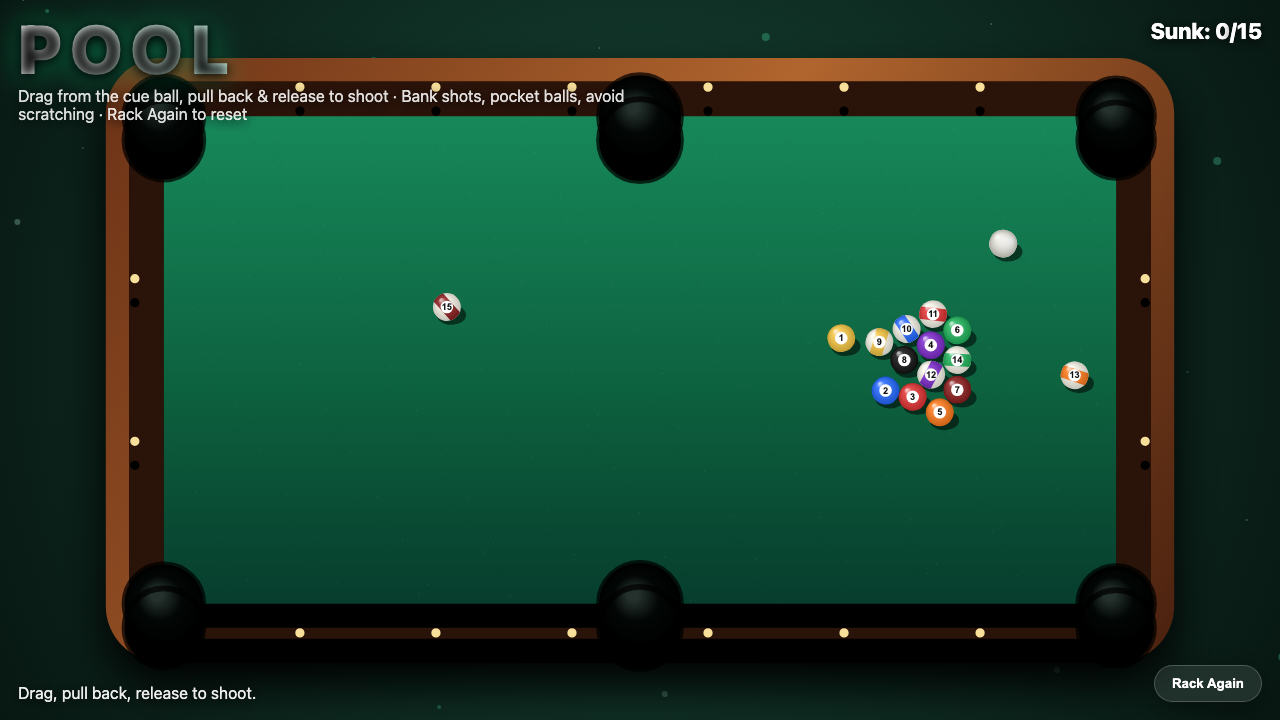
— not attempted —
Page
— not attempted —
Where Hermes MoA beat Grok 4.6
The tasks where I gave Hermes MoA a higher 0–10 score on the same prompt — with the actual commentary from my source guides.
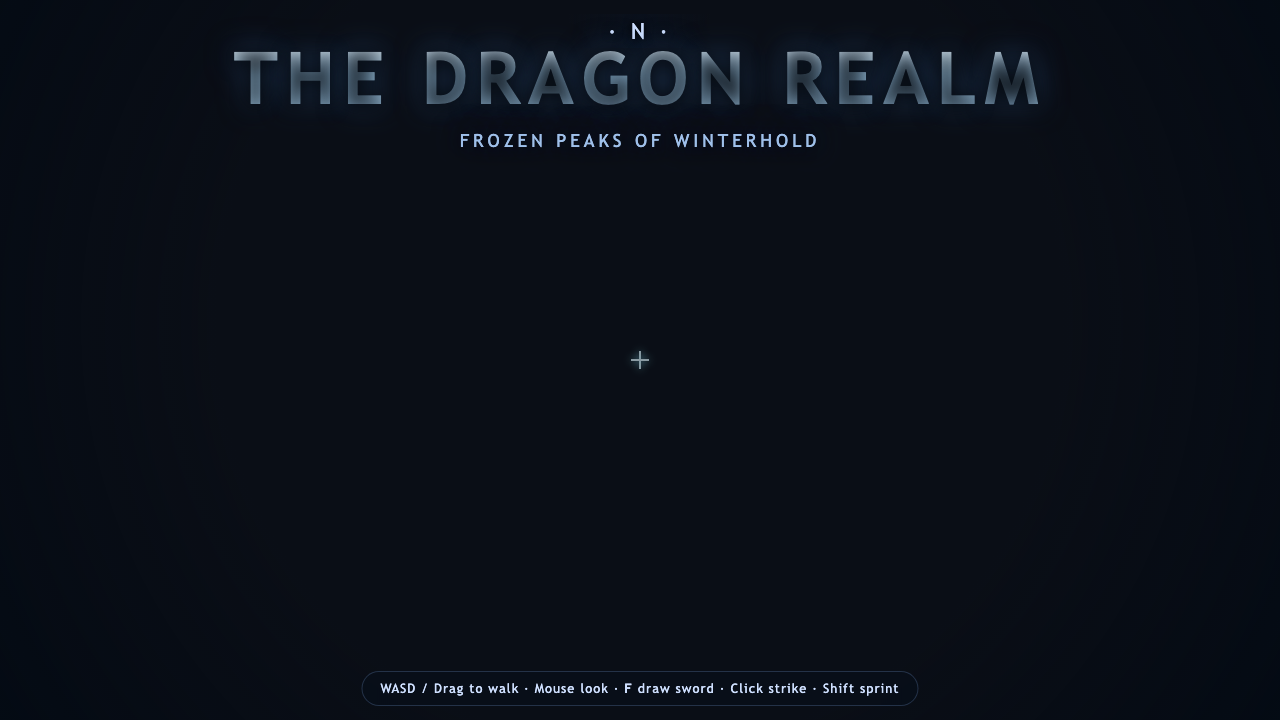
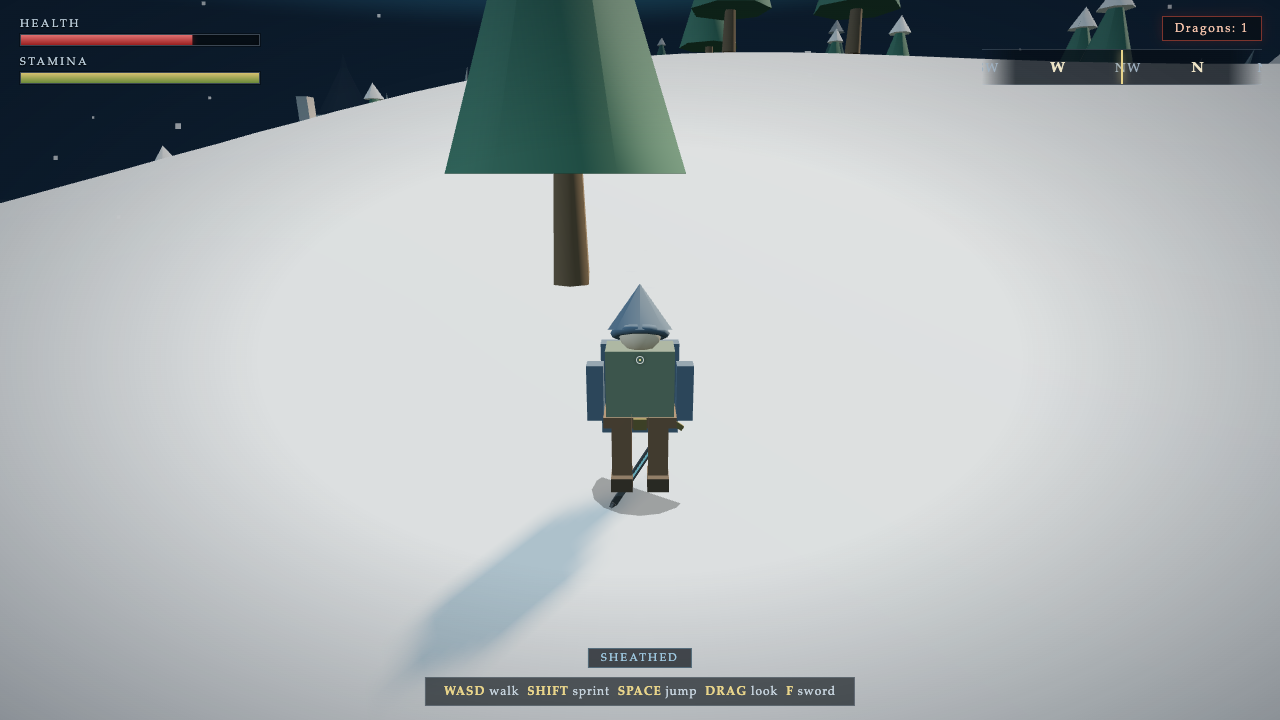
Skyrim
Game
Hermes MoA 8.4
·
Grok 4.6 1.5
(+6.9)
What I saw: Polished single-file three.js Skyrim-lite with vertex-colored terrain, lake basin, instanced pines/rocks, ruins, watchtower, standing-stone ring, custom sky/water shaders, clouds, birds and motes — visually richer than SOLO Opus 4.8 (7.0) and edges out MiniMax (8.5), but the trun…
Voxelcraft
Game
Hermes MoA 8.4
·
Grok 4.6 1.5
(+6.9)
What I saw: Strong, polished voxel sandbox with procedural textures, day/night cycle with sun/moon/stars, trees, water, and solid mobile touch controls — clearly beats SOLO Opus 4.8 (8.0) and edges near Fusion (9.0), but the collision section is truncated in the source so I can't fully verif…
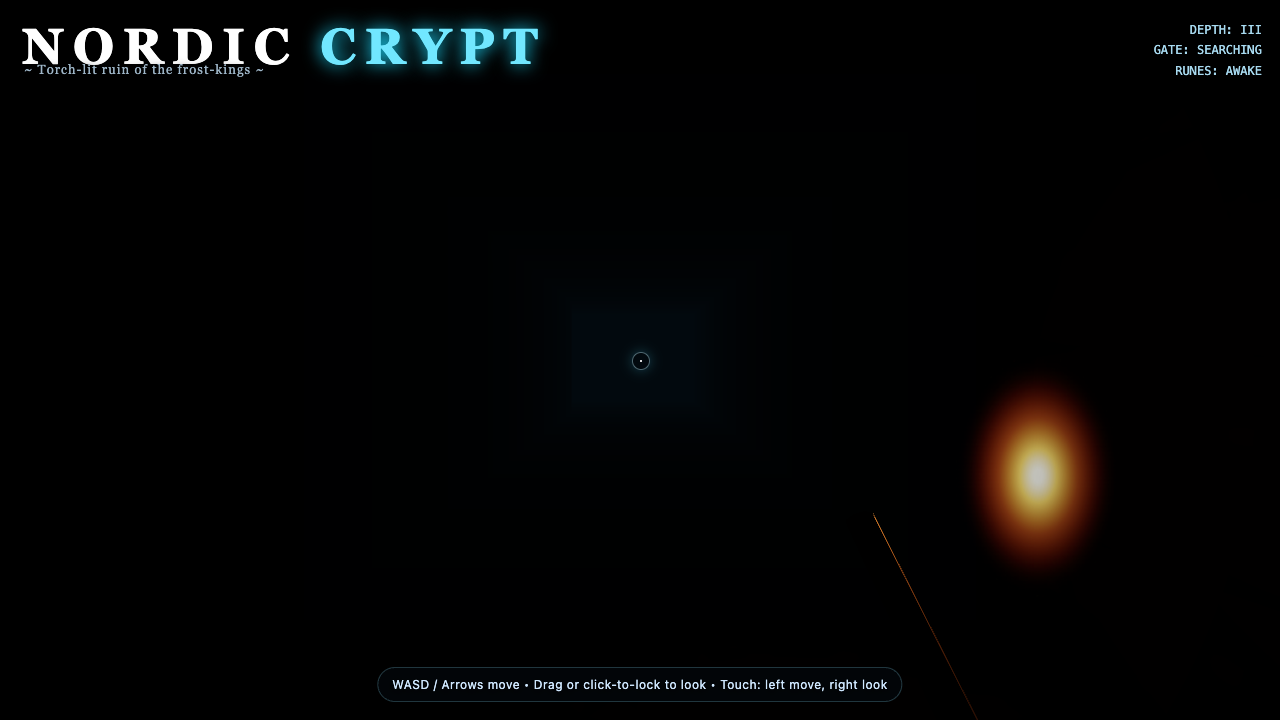
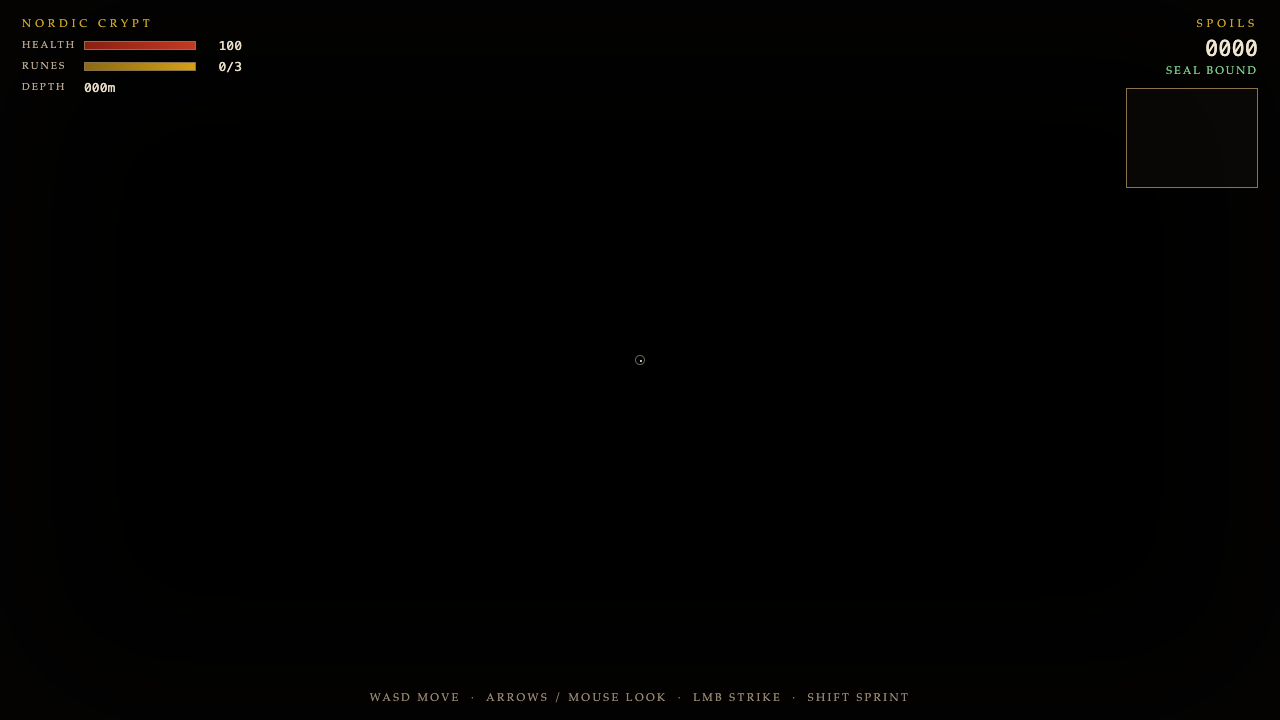
Nordiccrypt
Game
Hermes MoA 7.8
·
Grok 4.6 3.0
(+4.8)
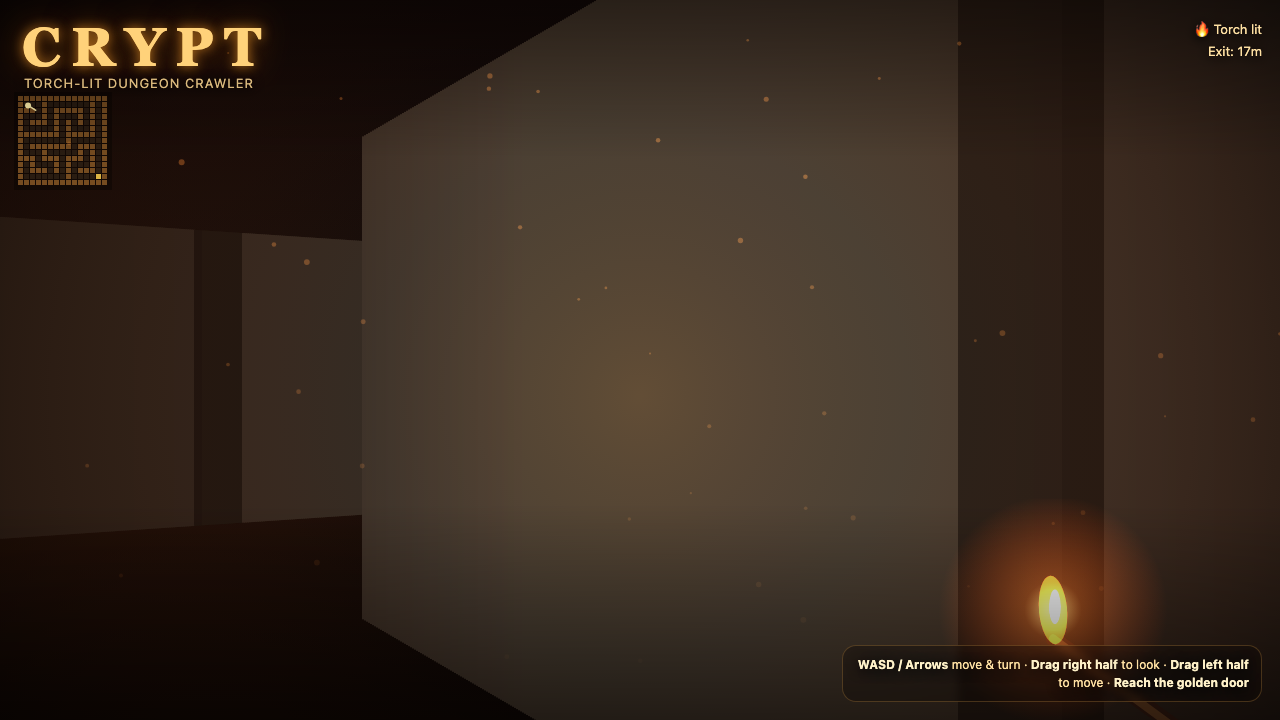
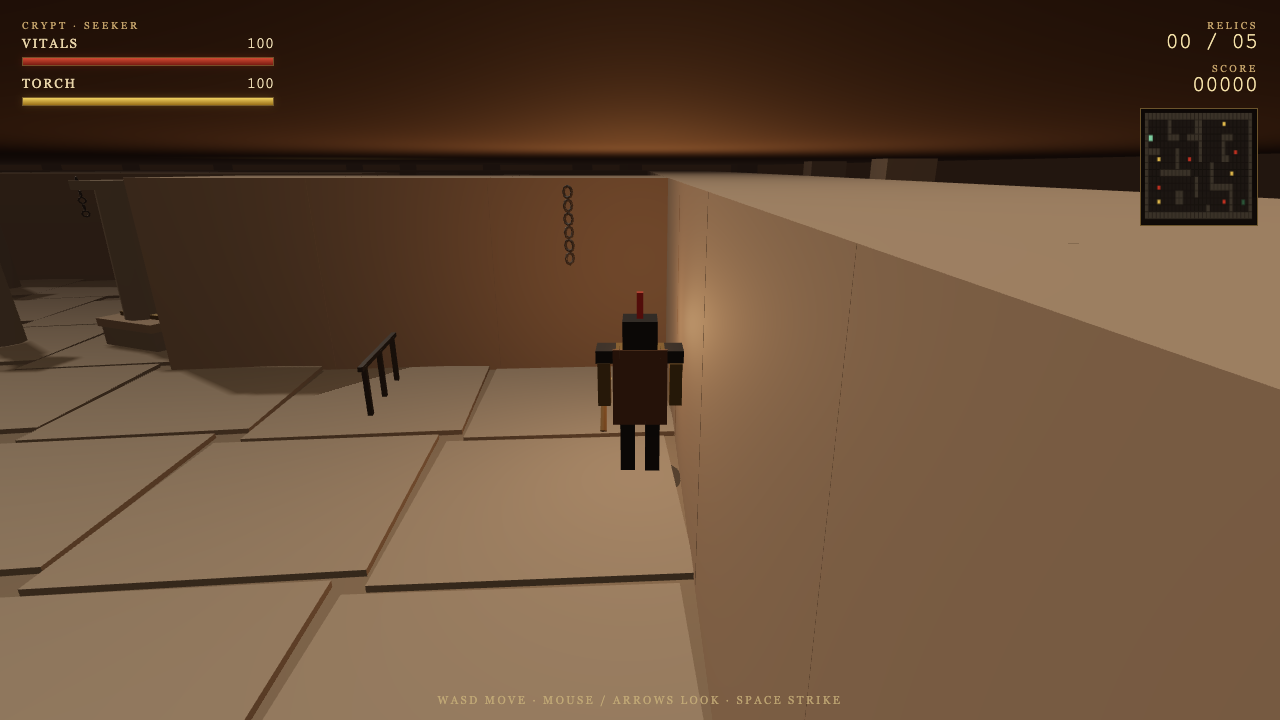
What I saw: Polished Nordic crypt with strong texture/torch/ember/rune atmosphere, instanced walls, mobile joysticks and pointer-lock — clearly beats SOLO Opus 4.8 (6.0), but the displayed source is cut mid-mousemove handler so the input/movement/collision/animation loop can't be confirmed, …
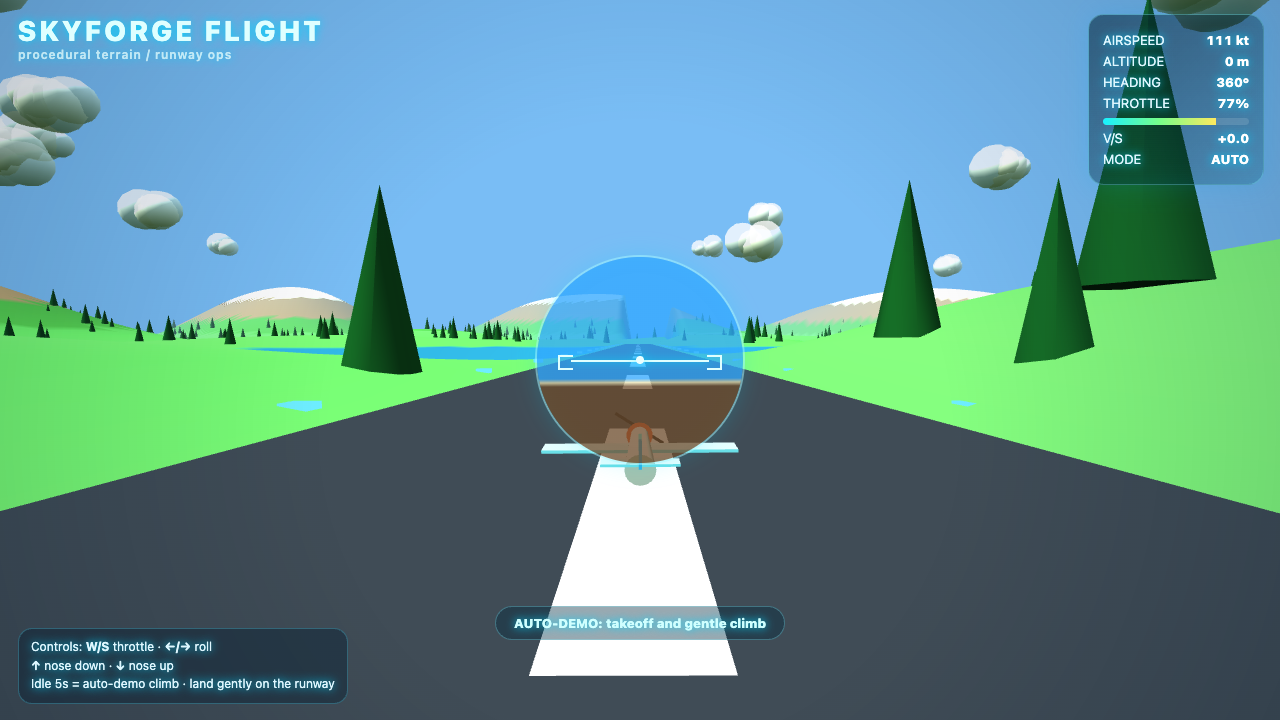
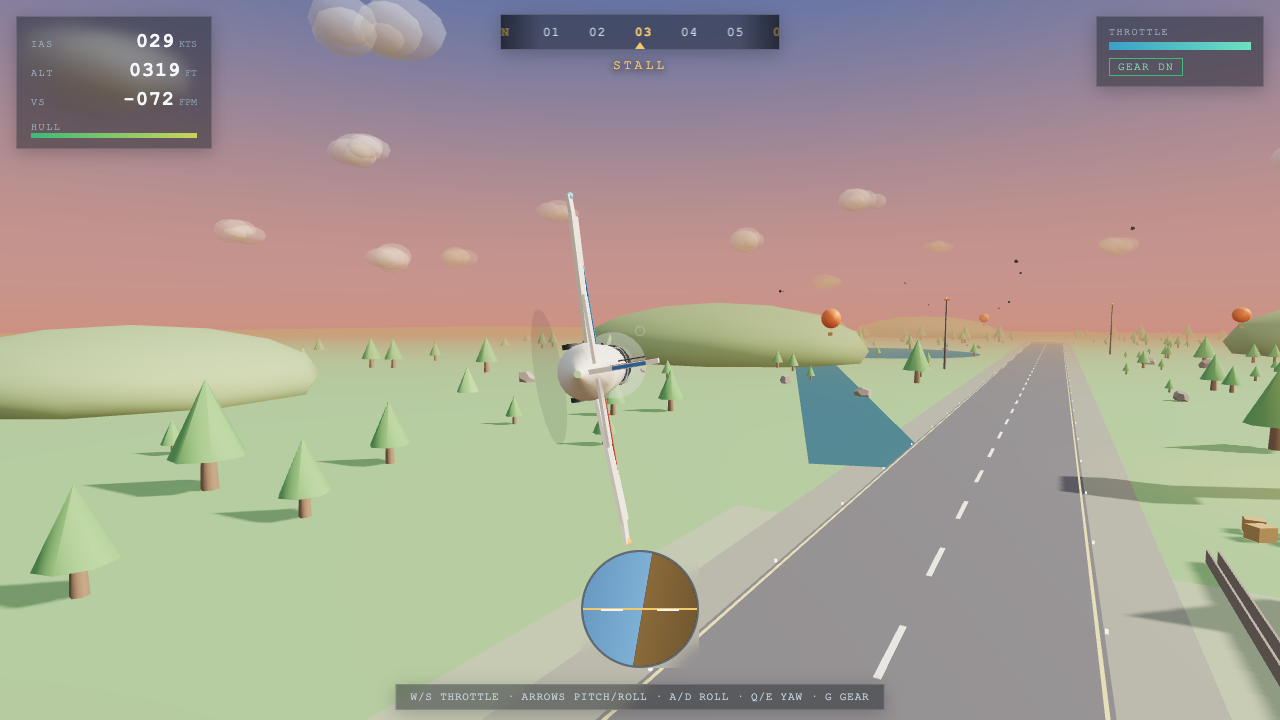
Dogfight
Game
Hermes MoA 8.6
·
Grok 4.6 4.8
(+3.8)
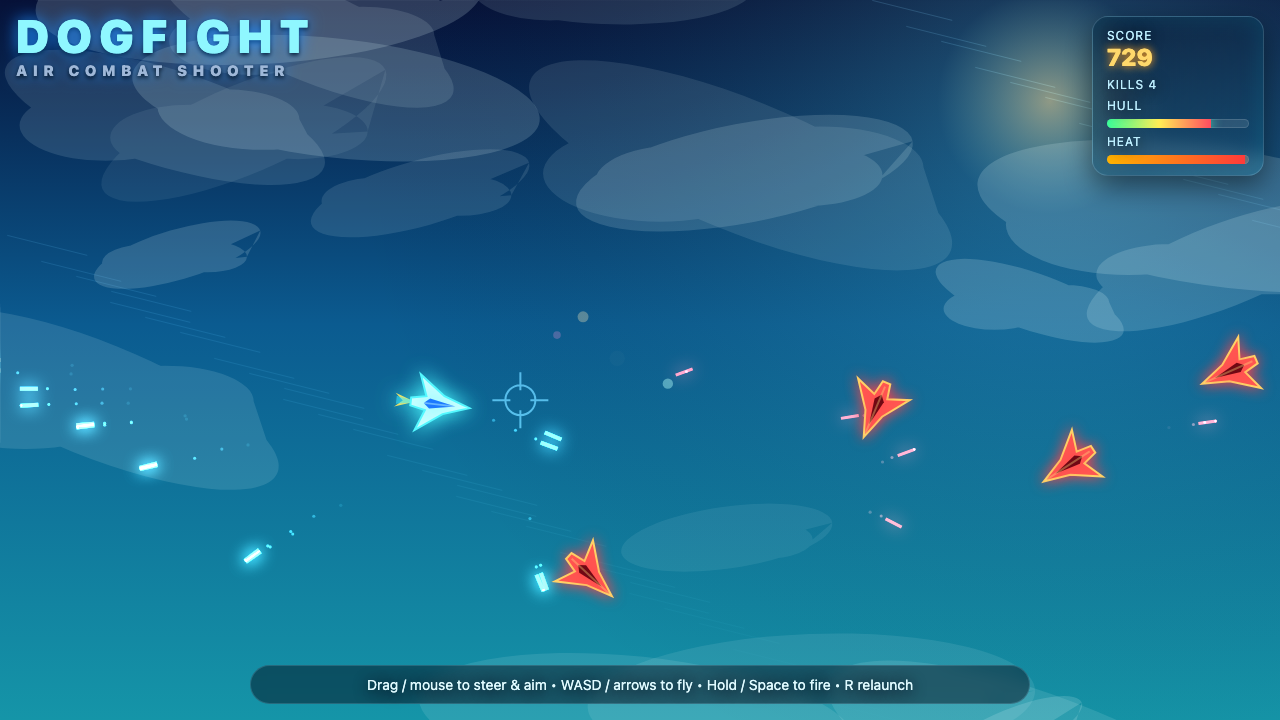
What I saw: Polished 2D-canvas dogfight with strong feel — adaptive aim-assist, heat/overheat gun mechanic, dual input (drag+WASD), shake, particles, and a clean HUD that play noticeably better than SOLO Opus (7.5); the catch is it's top-down 2D canvas, not 3D/WebGL like Fusion's 36KB three.…
Neoncity
Game
Hermes MoA 8.4
·
Grok 4.6 5.4
(+3.0)
What I saw: A polished pure-canvas (no three.js) cyberpunk night-drive with pseudo-3D projection, neon road edges, lit windows, animated signage, rain, a car hood/HUD speedo and steerable boost — genuinely interactive and atmospheric, edging past Opus 4.8/Fusion's flythroughs on playability …
Where Grok 4.6 beat Hermes MoA
The tasks where I gave Grok 4.6 a higher 0–10 score on the same prompt — with the actual commentary from my source guides.
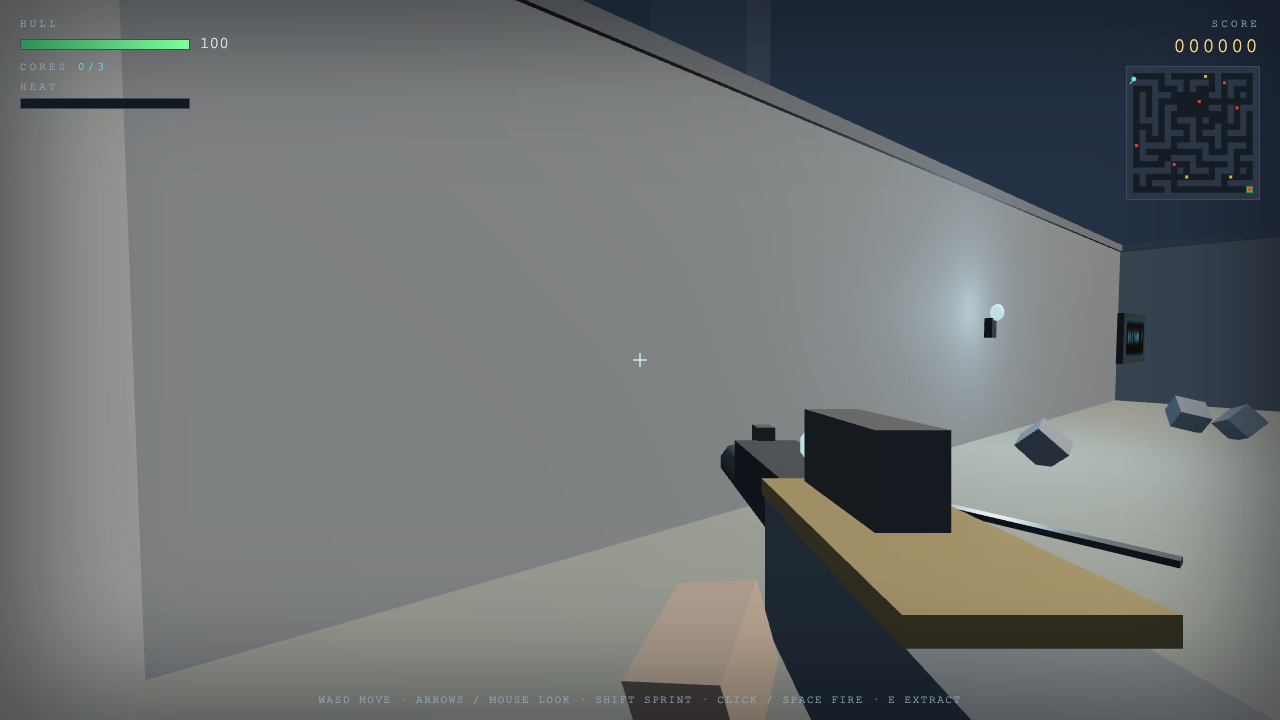
Gtafoot
Game
Grok 4.6 7.4
·
Hermes MoA 4.5
(+2.9)
What I saw: Third-person street level with a real armed character model, long cast shadows, a sunset skybox, pedestrians and parked cars down the block, plus a grid minimap. Played 12s: AMMO went 11 to 09 and SCORE 000010 to 000030 on click-fire, so shooting and scoring are wired. World is b…
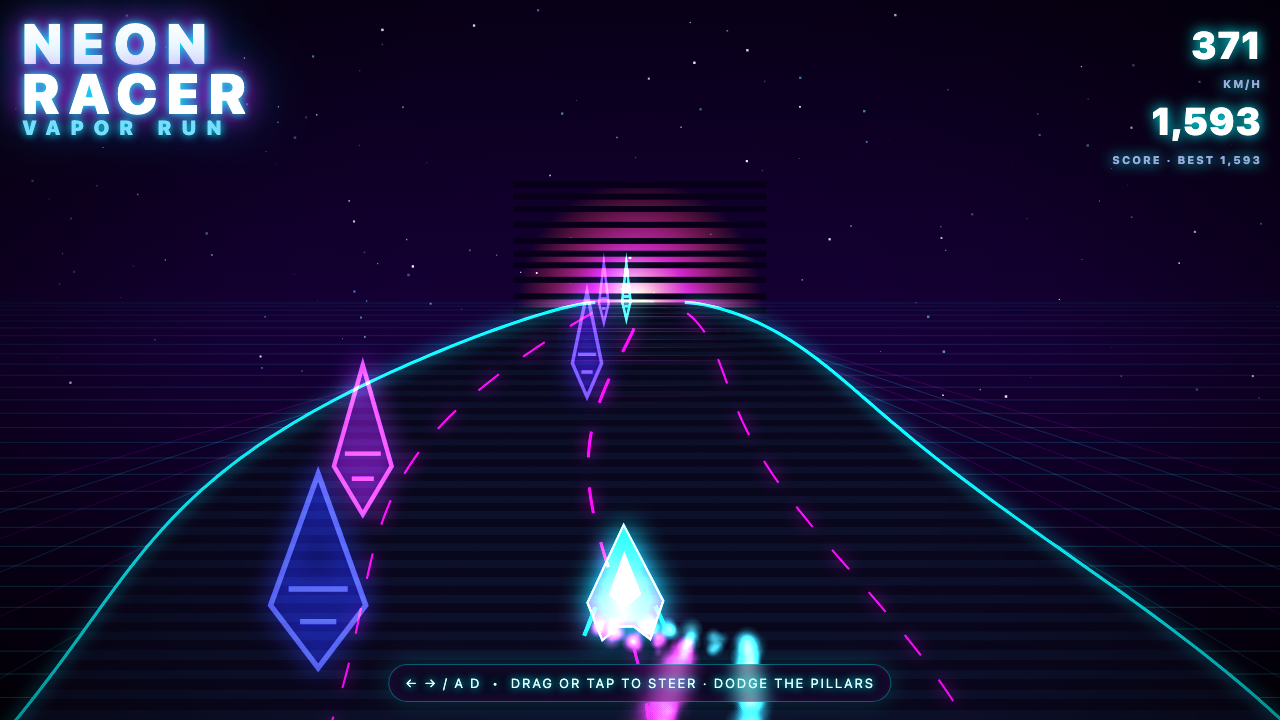
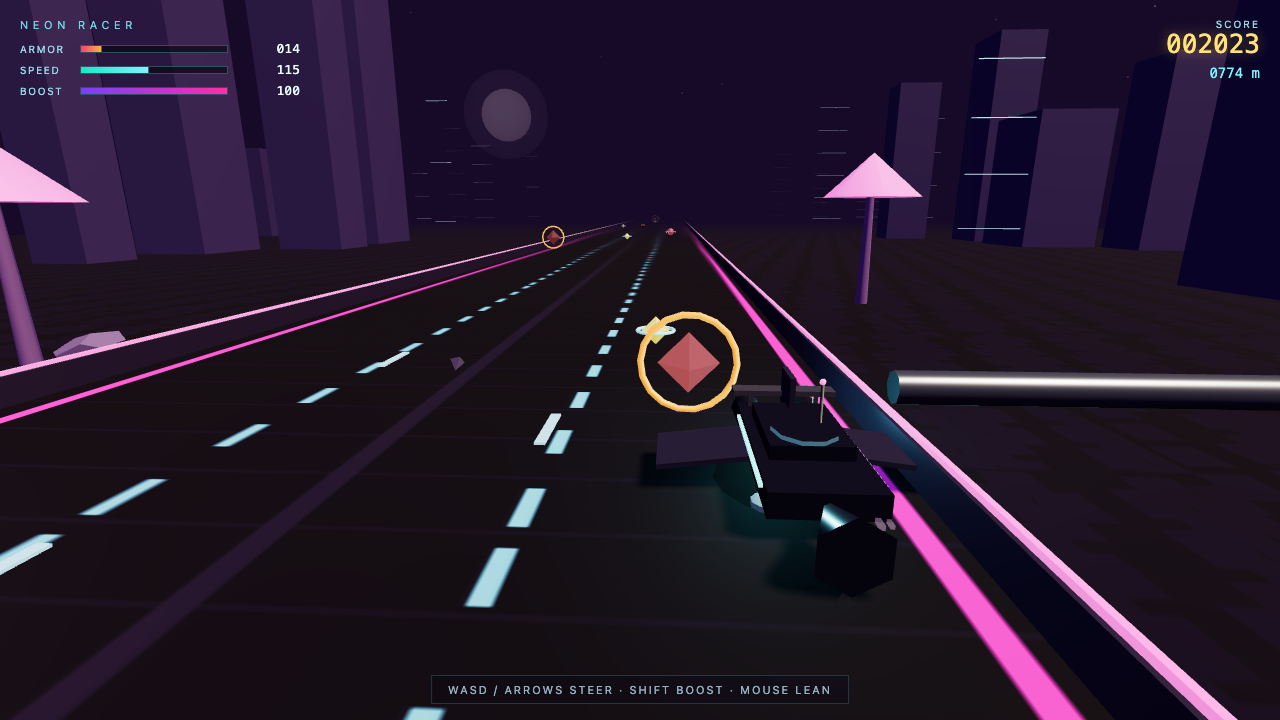
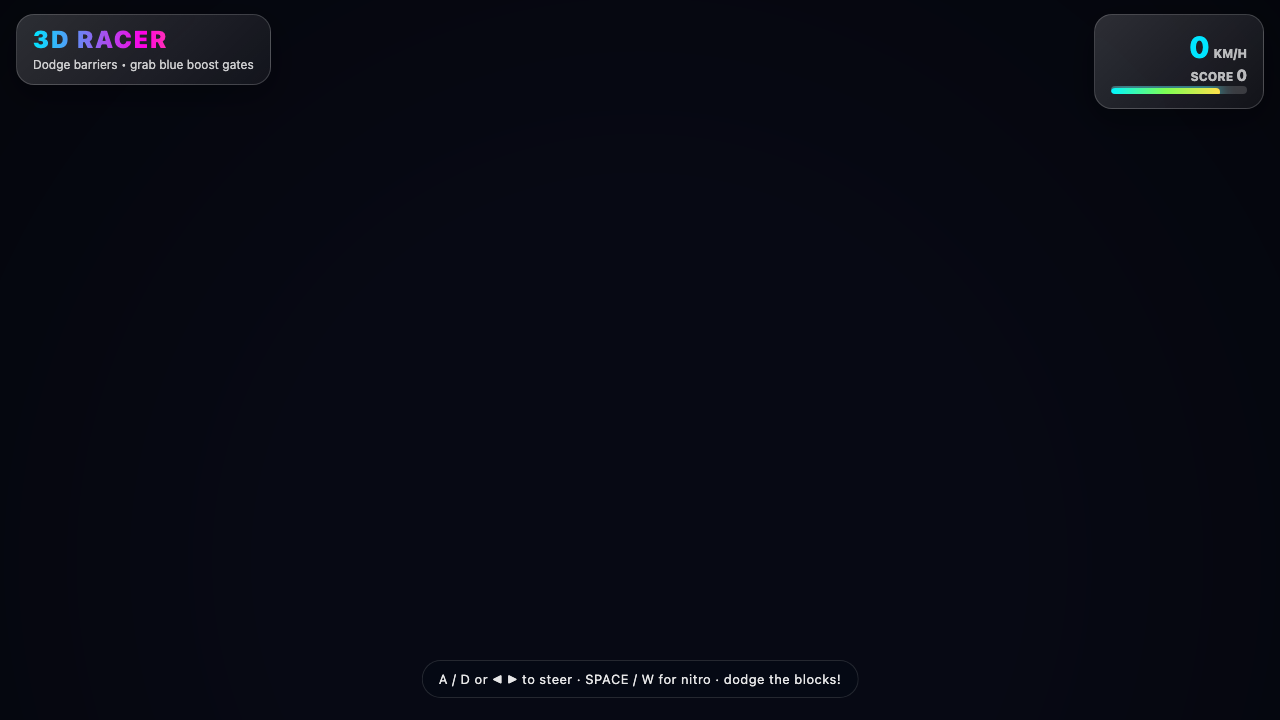
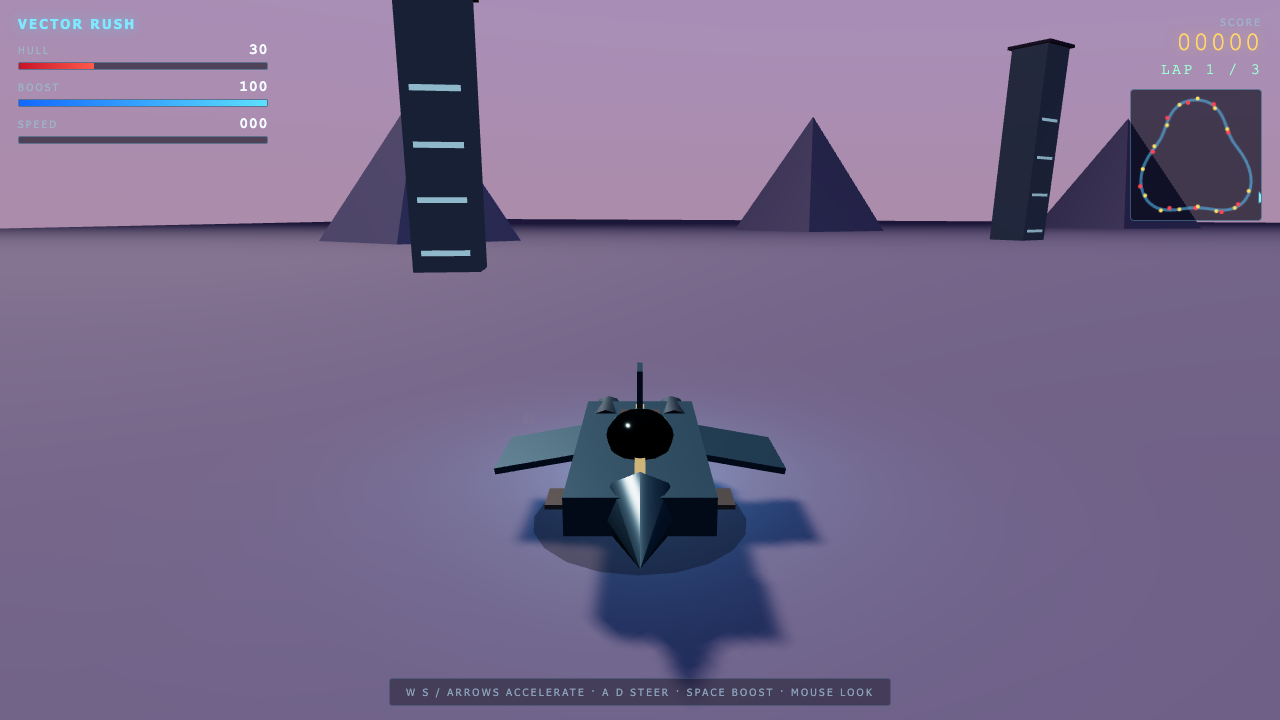
Neonracer
Game
Grok 4.6 8.4
·
Hermes MoA 7.8
(+0.6)
· polished neon racer
What I saw: Strong synthwave scene with glowing pink rails, palm/building environment, retro sun, and a clean 3D ship plus polished HUD (armor/speed/boost, score, IMPACT banner). Vapor-trail particle effects aren't clearly visible in this shot, keeping it just shy of the field's best.
Outrun
Game
Grok 4.6 8.6
·
Hermes MoA 8.4
(+0.2)
What I saw: Best one-shot of the Grok 4.6 run. Full synthwave stack: magenta laser grid, banked road with painted lines and neon kerbs, a multi-part car with a real headlight pool, light-gates, palm rows and a city skyline, plus barrier obstacles you actually dodge. Played 25s: SPEED climbed…
Arcade
Game
Grok 4.6 8.7
·
Hermes MoA 8.6
(+0.1)
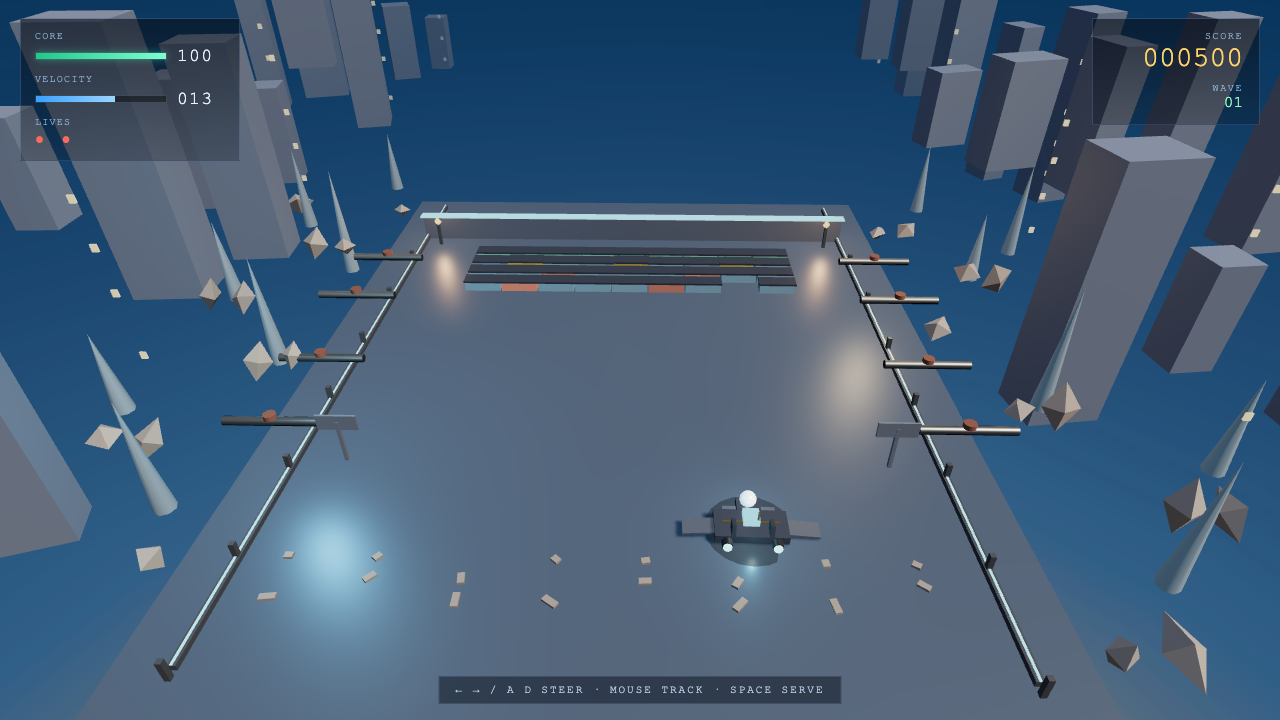
· 3D breakout cityscape
What I saw: Strong: a fully-rendered 3D breakout with atmospheric cityscape, glowing rails, detailed paddle craft, brick grid, active ball with particle trail, and polished HUD (core/velocity/lives/score/wave). Weak: perspective makes the brick field feel small and the 3D angle slightly comp…
Gtadrive
Game
Grok 4.6 7.6
·
Hermes MoA 7.5
(+0.1)
What I saw: Drivable city sandbox: multi-part orange sedan with taillights, lit tower blocks, marked roads, traffic cars, street lamps, a live minimap and a wanted-star row. Played 15s: MPH read 000 then 071 then 016 through accelerate-and-brake, so the driving model integrates properly. Lig…
Strengths & weaknesses I logged
Hermes MoA
Strengths
- On GoldieBench, the MoA panel's galaxy edged solo Opus 4.8 — 8.6 vs 8.5 — with a denser 24k-particle spiral (the system beats the model)
- Two gold + one silver across its first three one-shot builds (galaxy, fireworks, arcade)
- Vendor-agnostic — swap any OpenRouter model into a panel or aggregator slot without touching the workflow
Trade-offs
- Latency is the panel's slowest draft plus the aggregator pass — ~110–140s per single-file build vs a solo model's one call
- Costs more per task than any single model (every panel slot + the aggregator are separate calls)
- Only 3 of 42 bench tasks run so far — a representative slice, not the full board
Grok 4.6
Strengths
- Ties GPT-5.6 Sol at 61 on the Artificial Analysis Intelligence Index, one point behind Claude Fable 5 Max
- Trained with agentic reinforcement learning for long-running agents, so it holds a spec across a 40KB single-file build
- Fixes its own broken builds: handed the exact runtime error, it repaired 4 of 4 failed games on the first retry
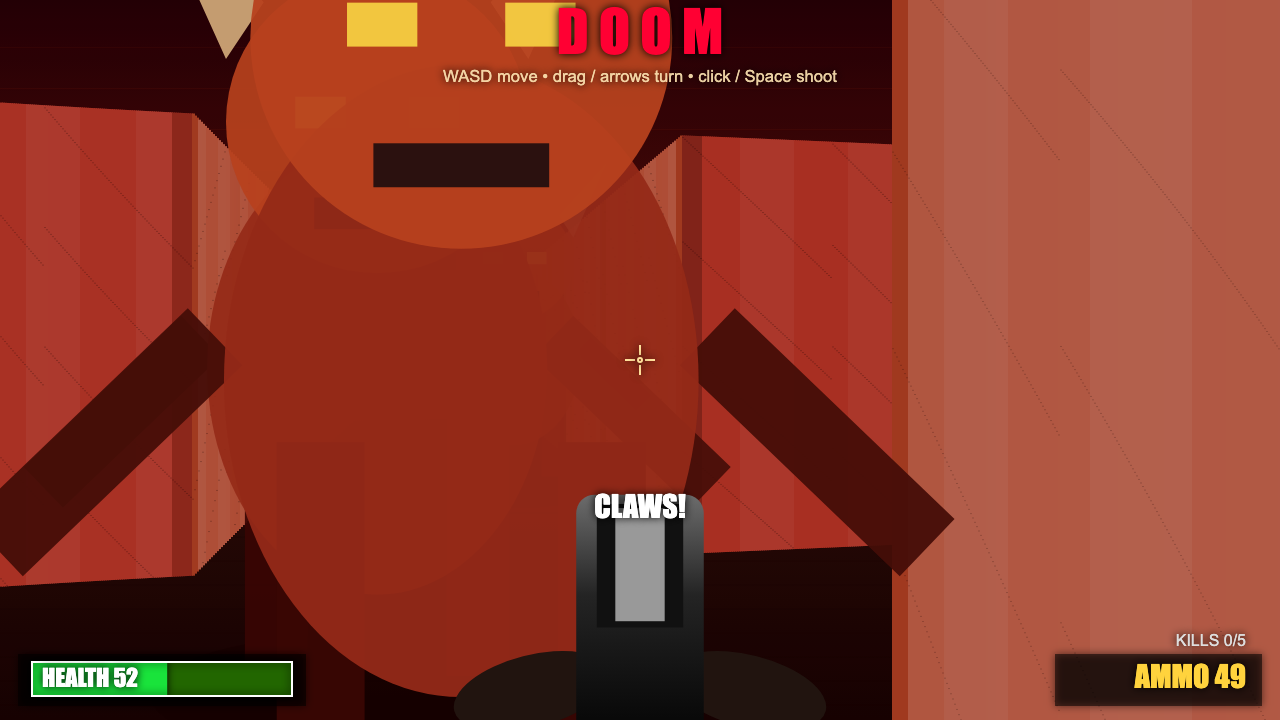
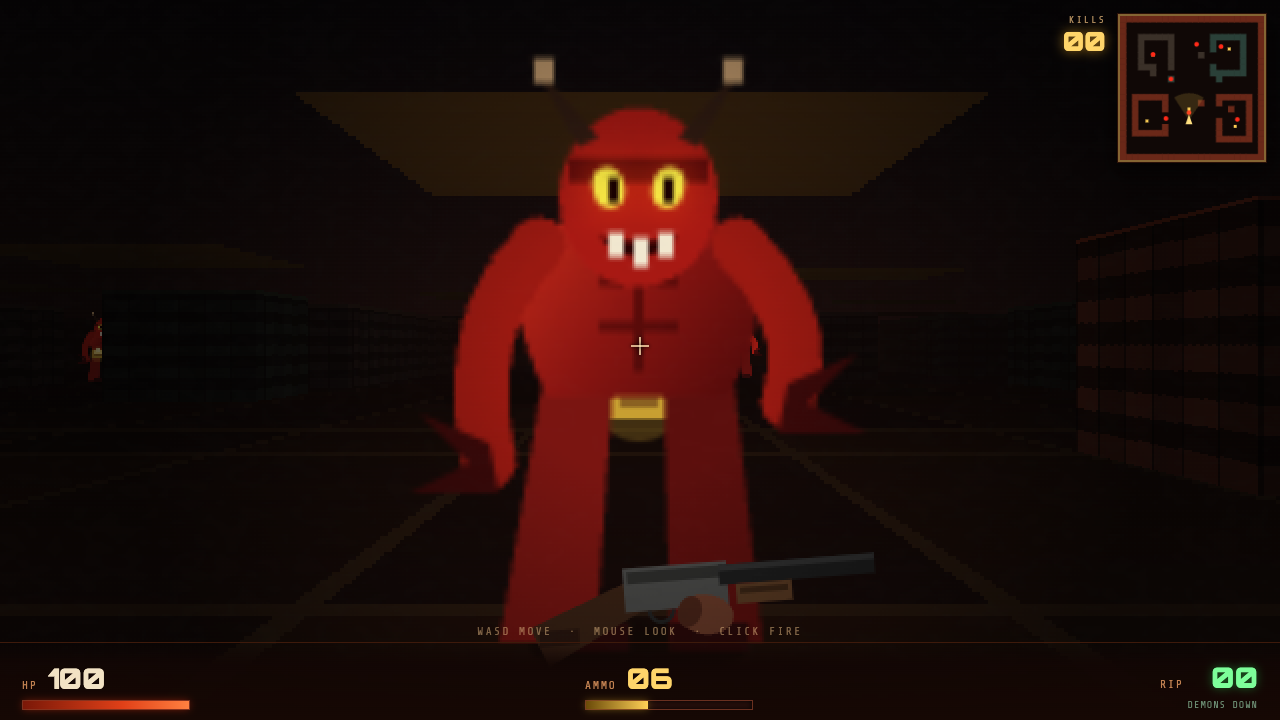
- Very strong arcade and shooter output - the synthwave racer and the Doom raycaster are top-tier one-shots
Trade-offs
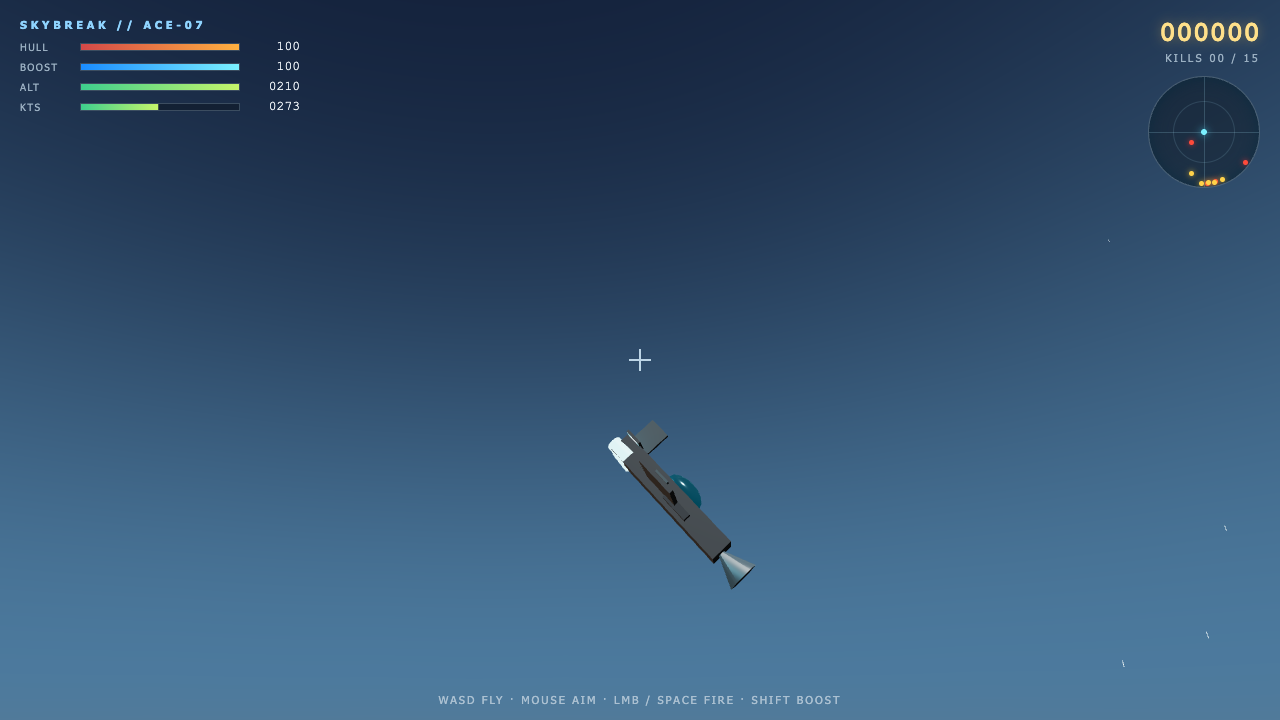
- Flight models are its weak spot: both the flight sim and the dogfight shipped unflyable on the first pass
- Two of sixteen game builds died on a hard error (a duplicate identifier and a bad computeBoundingSphere call)
- Worlds are lit and composed but usually untextured, so terrain reads as flat coloured planes
Pricing & context — the spec sheet
| Spec | Hermes MoA | Grok 4.6 |
|---|---|---|
| Vendor | Hermes · Mixture of Agents | xAI |
| Context window | Varies — the sum of the panel models' contexts (Opus 4.8 + GPT-5.5) | 500,000 tokens |
| Price | Panel + aggregator calls (via OpenRouter) | $2 in / $6 out per M tokens |
| Pricing detail | Hermes Mixture of Agents dispatches one prompt to a configurable panel of frontier models in parallel, then a named aggregator reads every draft and writes one better final answer. Default panel: Claude Opus 4.8 + GPT-5.5, aggregated by Opus 4.8 — all via the OpenRouter key. Unlike a black-box ensemble, every slot is yours to swap from the Mixture tab in the Agent OS. | xAI's August 2026 flagship. $2 per million input tokens and $6 per million output tokens on the standard tier (the Fast tier is double), which is roughly half what the other frontier models charge for the same Artificial Analysis Intelligence Index score of 61. |
| Release | 2026-06-28 | 2026-08 |
| Bench coverage | 47/47 scored · avg 8.17/10 | 20/20 scored · avg 5.95/10 |
The verdict — which should you pick?
Across 20 scored shared tasks, Hermes MoA averaged 7.87/10, beating Grok 4.6's 5.95/10 by 1.92 points. Pick Hermes MoA when the build has to ship on the first prompt and you can afford the trade-offs in the comparison below.
If you only run one of these inside your stack, the head-to-head average above is the call. If you can run both, my honest play is to wire Hermes MoA and Grok 4.6 both into the Agent Operating System and dispatch each from the kanban by task type — high-stakes single prompts where ensemble quality beats single-model speed → Hermes MoA, high-volume agent work where the per-token bill decides what you can afford to run → Grok 4.6. That's the same setup I run for the 4,000+ founders inside the AI Profit Boardroom.
FAQ — Hermes MoA vs Grok 4.6
Which is better, Hermes MoA or Grok 4.6?
On Goldie Bench, Hermes MoA averages 7.87/10 across the shared tasks, with 3 gold, 10 silver, 2 bronze overall. Grok 4.6 averages 5.95/10, with 1 gold, 0 silver, 0 bronze. Hermes MoA wins the head-to-head 15–5.
How much does Hermes MoA cost vs Grok 4.6?
Hermes MoA: Hermes Mixture of Agents dispatches one prompt to a configurable panel of frontier models in parallel, then a named aggregator reads every draft and writes one better final answer. Default panel: Claude Opus 4.8 + GPT-5.5, aggregated by Opus 4.8 — all via the OpenRouter key. Unlike a black-box ensemble, every slot is yours to swap from the Mixture tab in the Agent OS. Grok 4.6: xAI's August 2026 flagship. $2 per million input tokens and $6 per million output tokens on the standard tier (the Fast tier is double), which is roughly half what the other frontier models charge for the same Artificial Analysis Intelligence Index score of 61.
What's the context window for Hermes MoA vs Grok 4.6?
Hermes MoA has a Varies — the sum of the panel models' contexts (Opus 4.8 + GPT-5.5) context window. Grok 4.6 has a 500,000 tokens context window.
When should I pick Hermes MoA over Grok 4.6?
Pick Hermes MoA for: High-stakes single prompts where ensemble quality beats single-model speed; Squeezing frontier-plus output from models you already have while Fable 5 / GPT-5.6 are still in preview; Production agents that want a configurable panel + vendor-redundancy on every call. The trade-off is the weaknesses we logged on the bench: Latency is the panel's slowest draft plus the aggregator pass — ~110–140s per single-file build vs a solo model's one call; Costs more per task than any single model (every panel slot + the aggregator are separate calls); Only 3 of 42 bench tasks run so far — a representative slice, not the full board.
When should I pick Grok 4.6 over Hermes MoA?
Pick Grok 4.6 for: High-volume agent work where the per-token bill decides what you can afford to run; Arcade, shooter and driving builds in one shot; Self-repair loops - it is unusually good at fixing a build when you hand it the real error. The trade-off is the weaknesses we logged on the bench: Flight models are its weak spot: both the flight sim and the dogfight shipped unflyable on the first pass; Two of sixteen game builds died on a hard error (a duplicate identifier and a bad computeBoundingSphere call); Worlds are lit and composed but usually untextured, so terrain reads as flat coloured planes.
How does Goldie Bench score Hermes MoA vs Grok 4.6?
Every demo on this page was built by Julian Goldie inside the Agent Operating System — same fixed prompt for both models, one shot, single HTML file out. Each result gets a 0–10 score on whether it ran, how close it hit the brief, and how good it looked. The highest score on each task gets gold; second gets silver; third gets bronze. See methodology for full provenance.
Related comparisons
Other head-to-heads using the same scoring system:
Hermes MoA vs Fusion Grok 4.6 vs Fusion Hermes MoA vs Claude Opus 5 Grok 4.6 vs Claude Opus 5 Hermes MoA vs GPT-5.6 Sol Grok 4.6 vs GPT-5.6 Sol Hermes MoA vs Claude Fable 5 Grok 4.6 vs Claude Fable 5Full model pages: Hermes MoA · Grok 4.6 · back to the leaderboard
The same stack Julian uses
Run this stack yourself.
Every demo on this bench was built inside the Agent Operating System — one prompt, one shot, single HTML file out. The Agent OS, the prompts, the templates, the weekly walkthroughs and 4,000+ founders shipping with it every day all live inside the AI Profit Boardroom.
4,000+founders
258documented wins
38countries
$59/momonthly