Real head-to-head · same prompt, one shot
MiniMax M3 vs Fugu Mini
1M-context frontier model at $0.30/M tokens — cheapest big-context model on the bench. vs Fugu's fast mini variant — single model, no panel, ~3 min per build.
Head-to-head verdict: MiniMax M3 wins 16–15 with 5 ties.
What I tested — same prompt, two models
I run the same fixed prompt set through every new model the day it drops — same string, one shot, single HTML file out — and I score the result 0–10 on whether it ran, how close it hit the brief, and how good it looked. Below is what came out when I gave the exact same prompts to MiniMax M3 and Fugu Mini, side by side, on 37 shared tasks inside the Agent Operating System.
Both models were given identical prompts inside the Agent Operating System — no help, no iteration, no "best of N" tricks. I run each prompt once, save the HTML file the model produces, and score it 0–10 on whether it ran, how close it hit the brief, and how good it looked. The scoring is mine. The verdicts below are pulled from my source comparison guides at agentos.guide where I publish every score and the reasoning behind it.
MiniMax M3 · Bench prompts dispatched via OpenRouter. Scored by Claude judge against the same 42 prompts every other model ran.
Fugu Mini · Dispatched from Agent OS as the fast Sakana lane. Bench scored by Claude judge against the same 42 prompts.
Side-by-side on 47 shared tasks
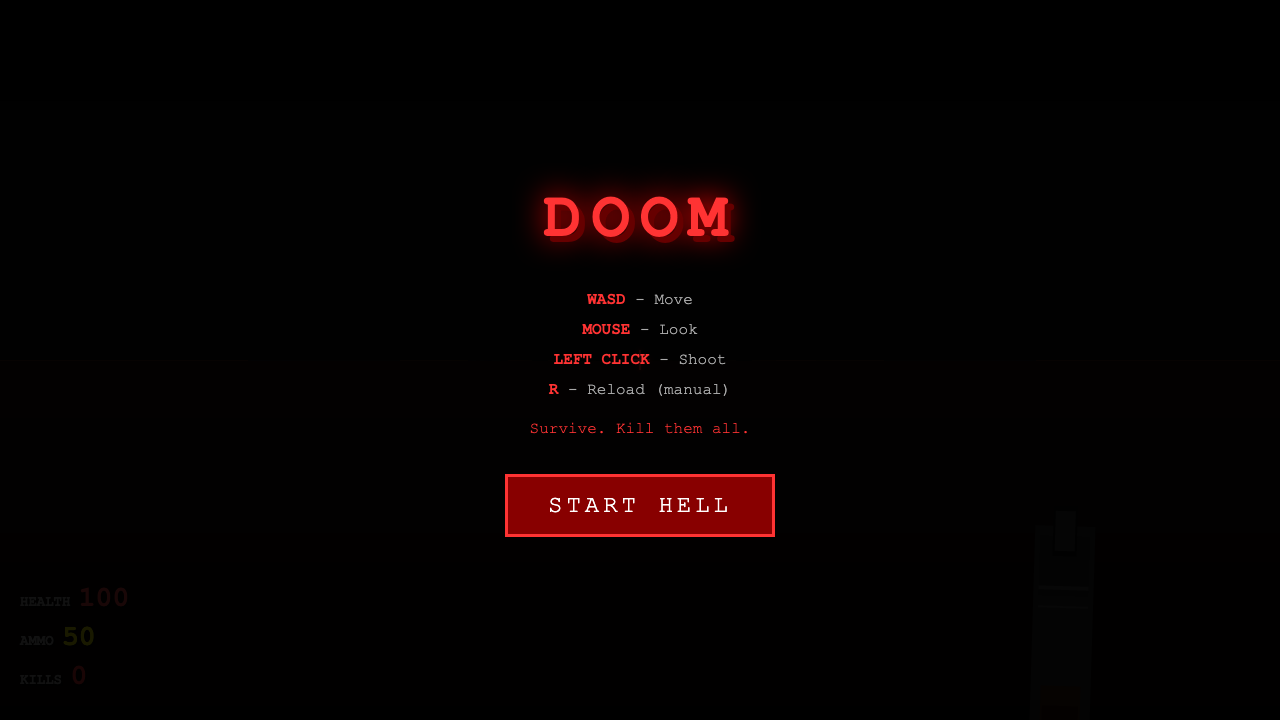
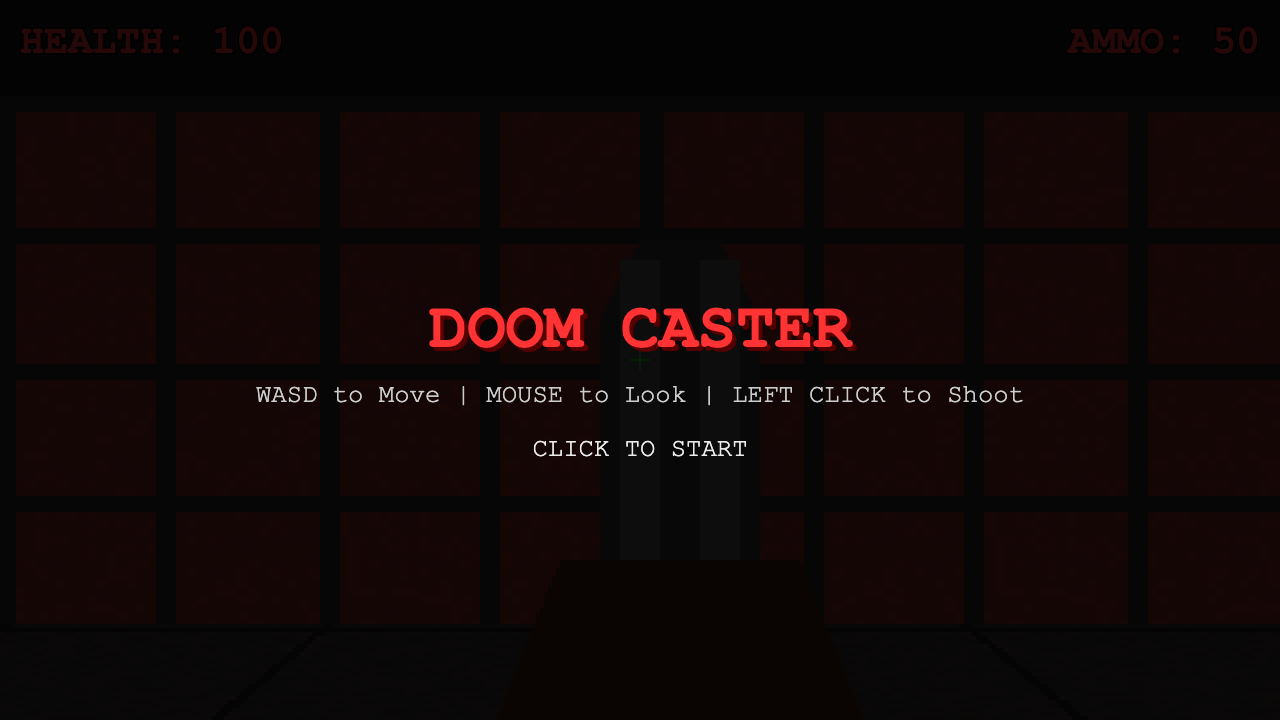
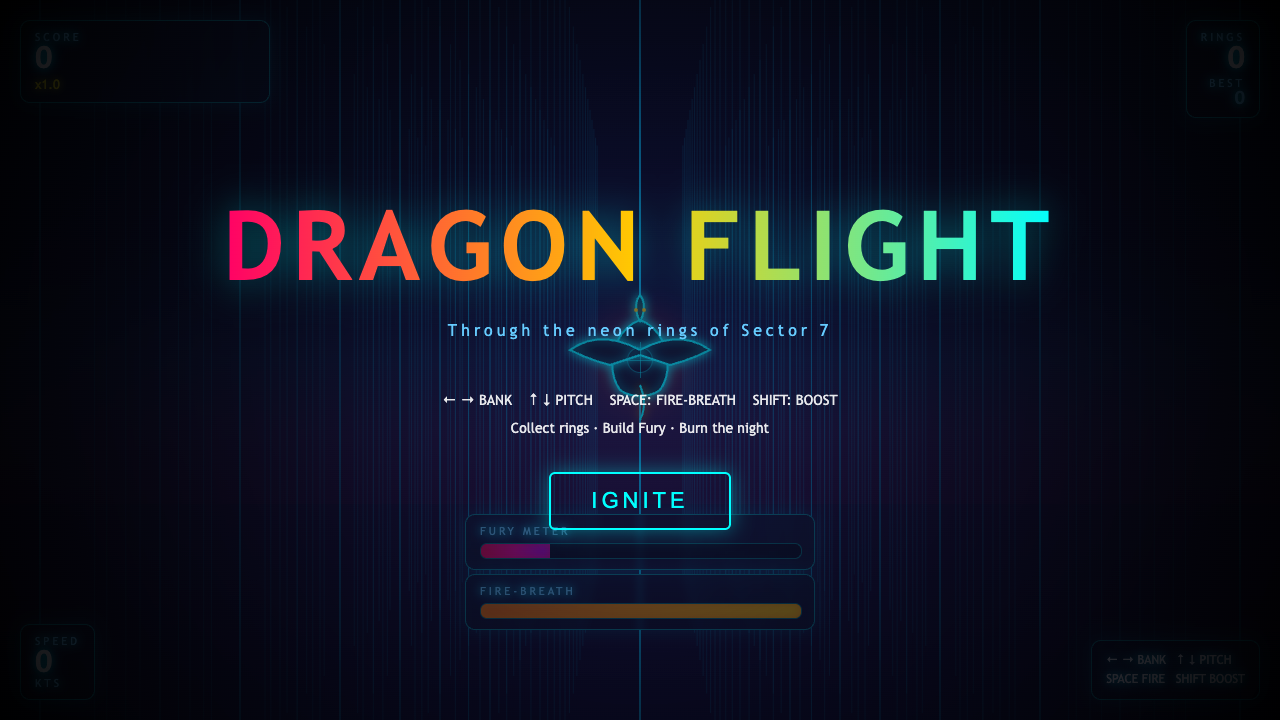
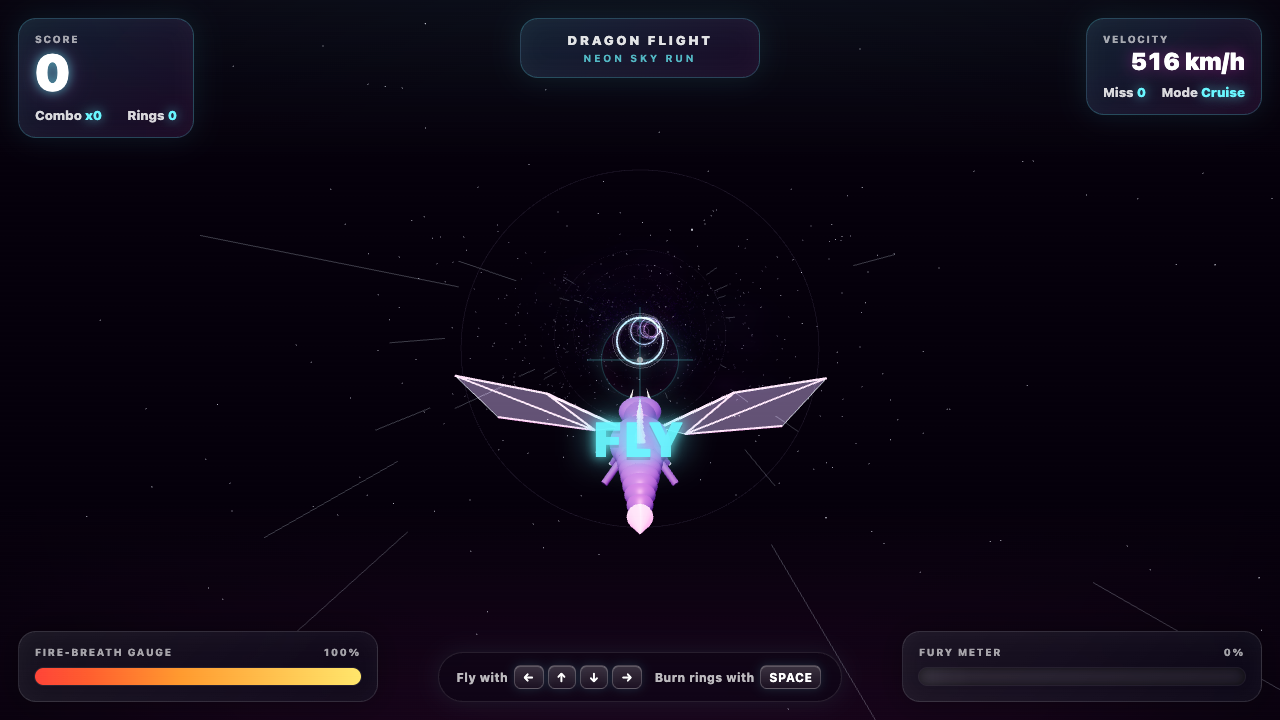
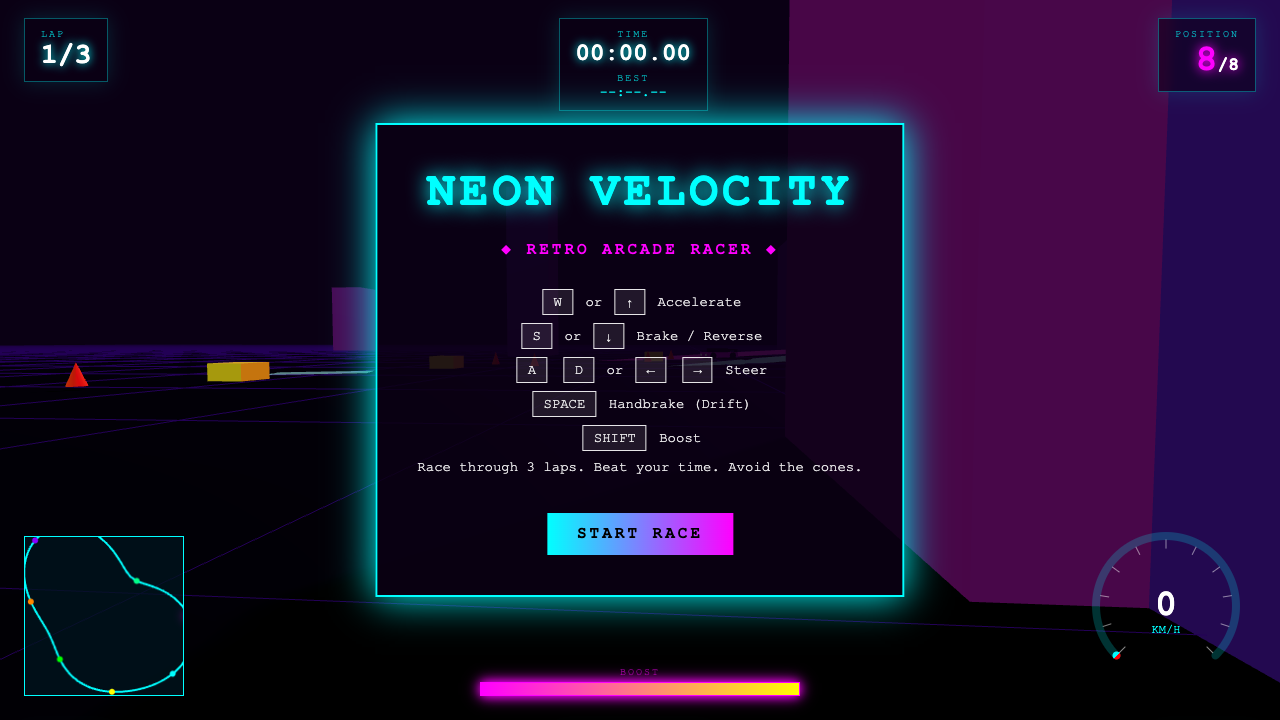
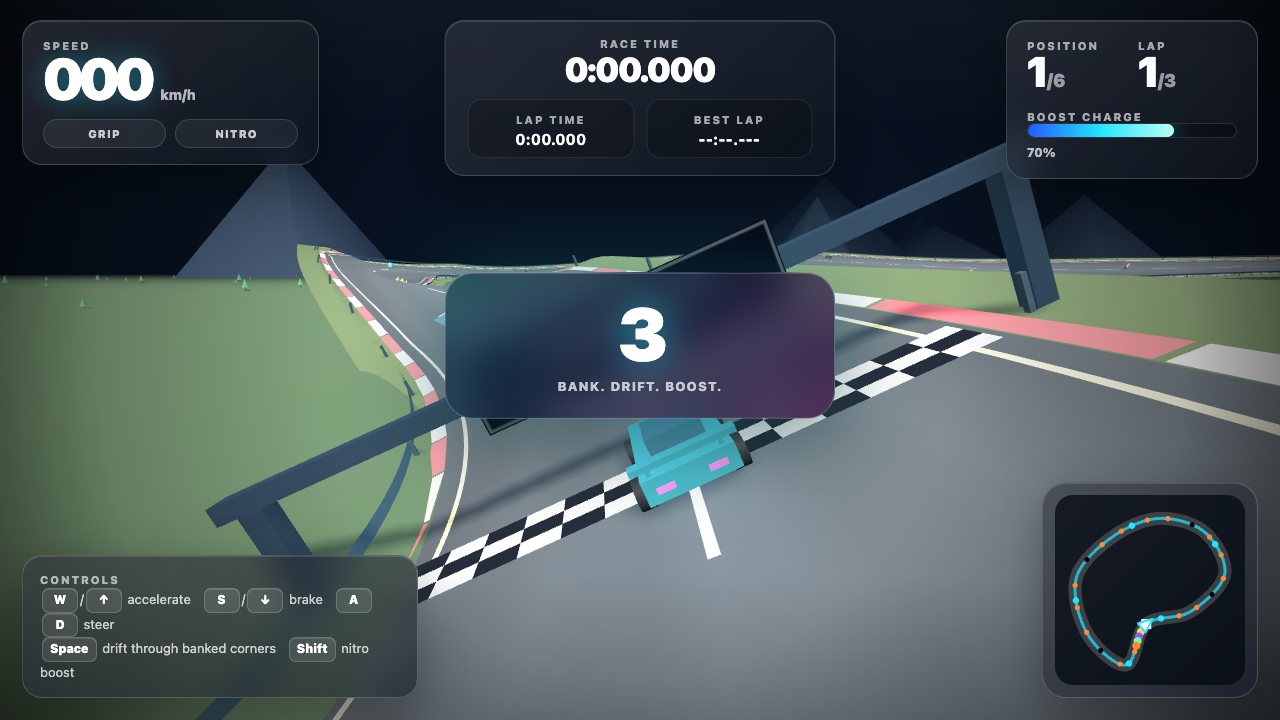
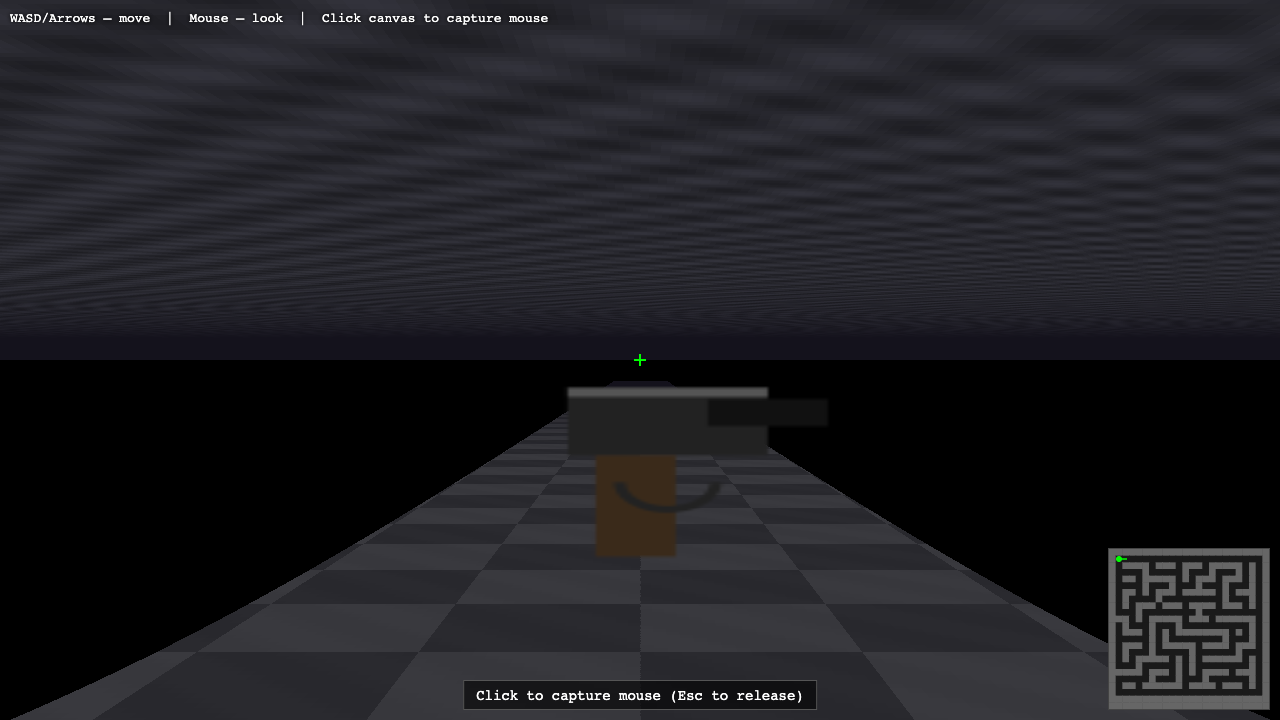
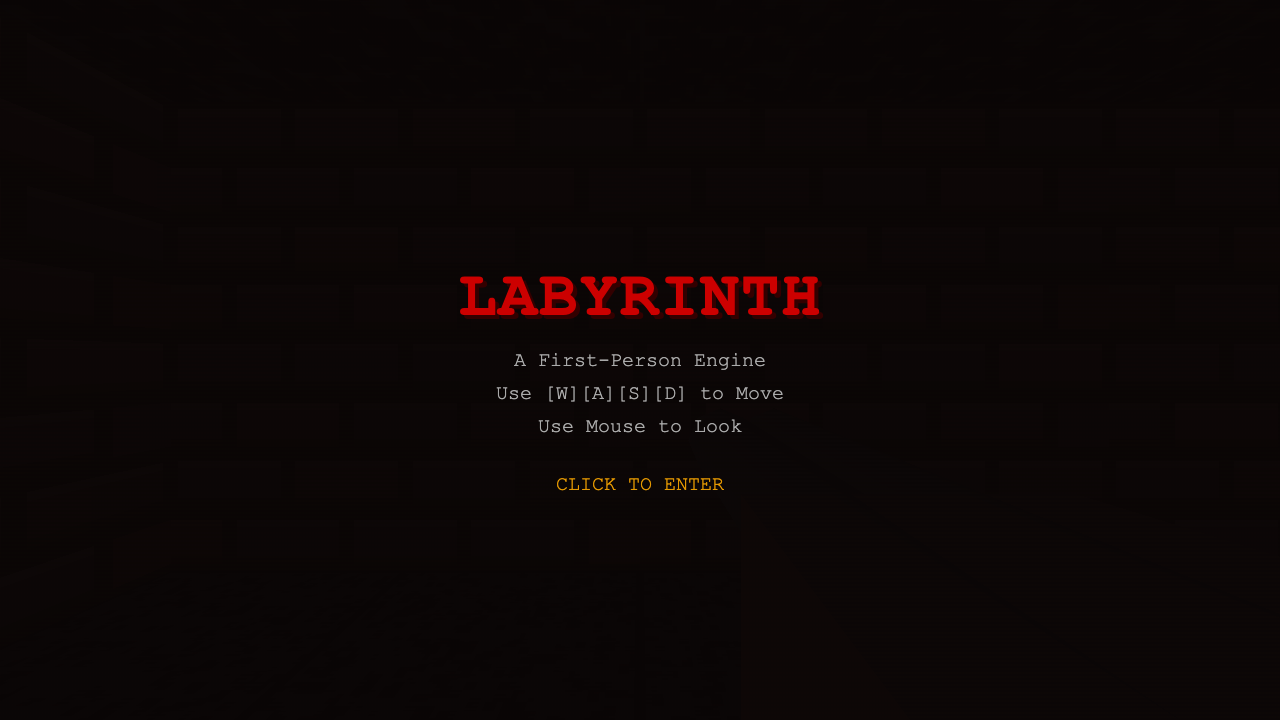
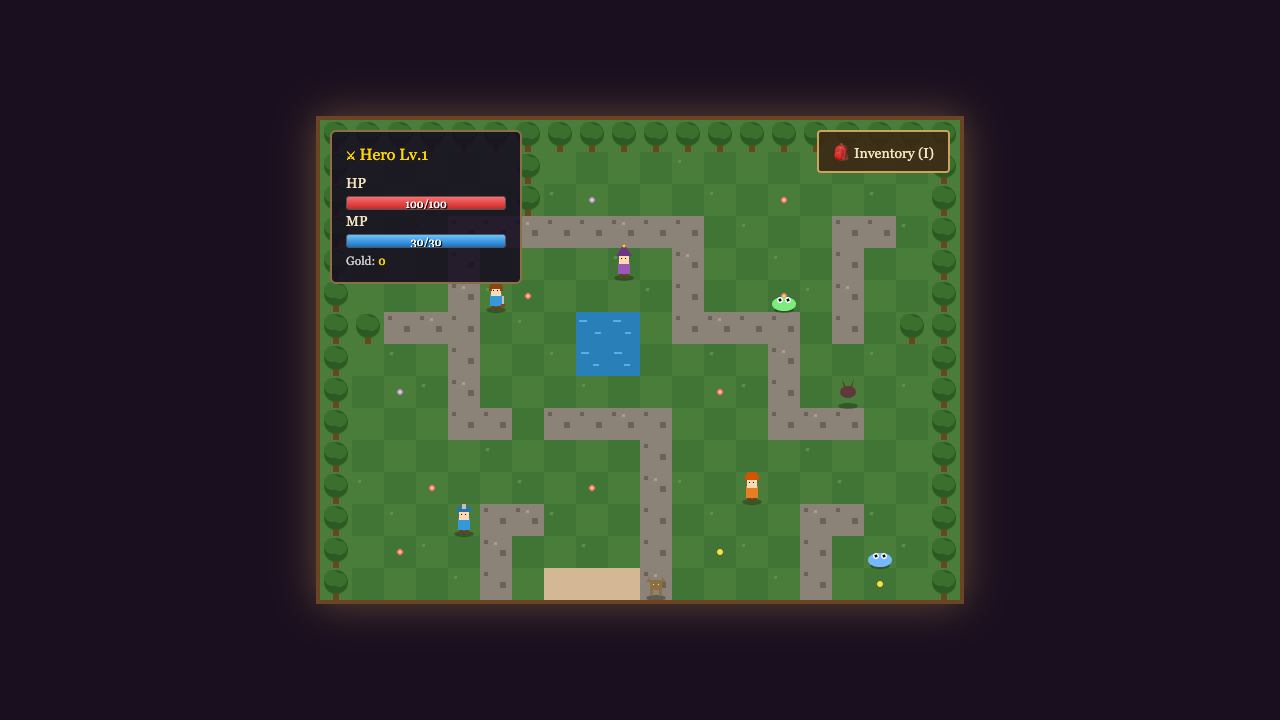
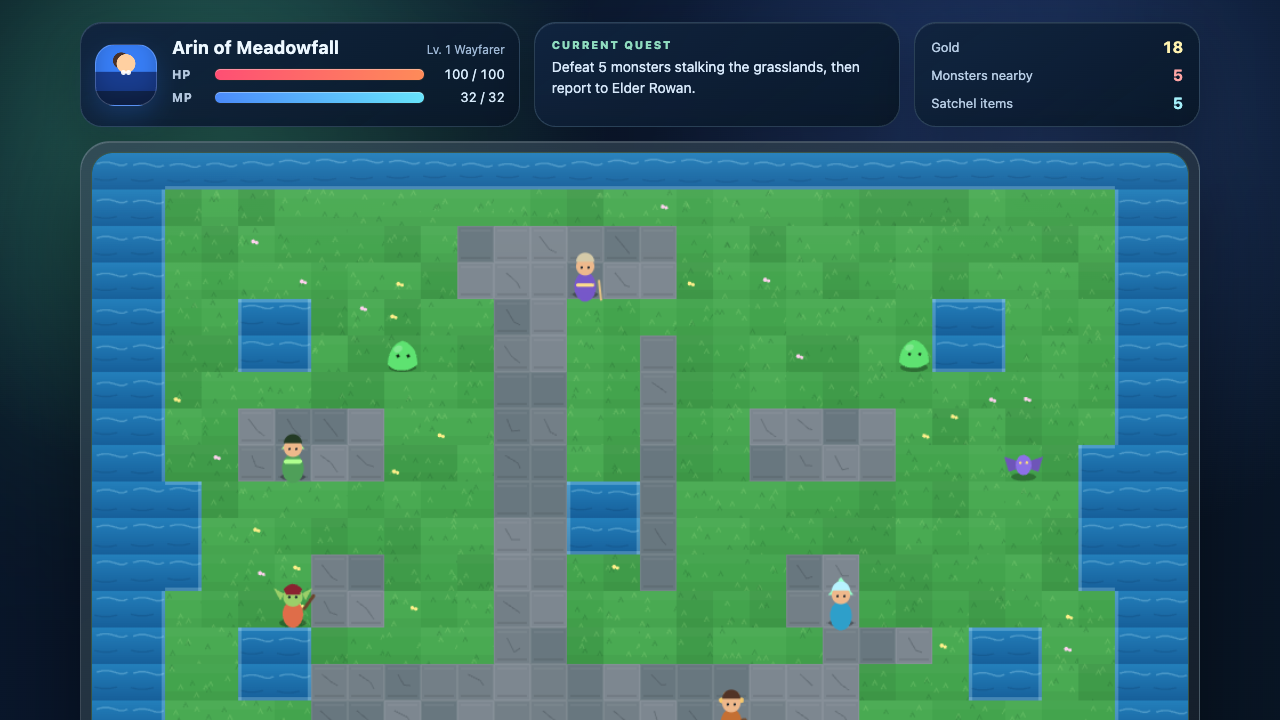
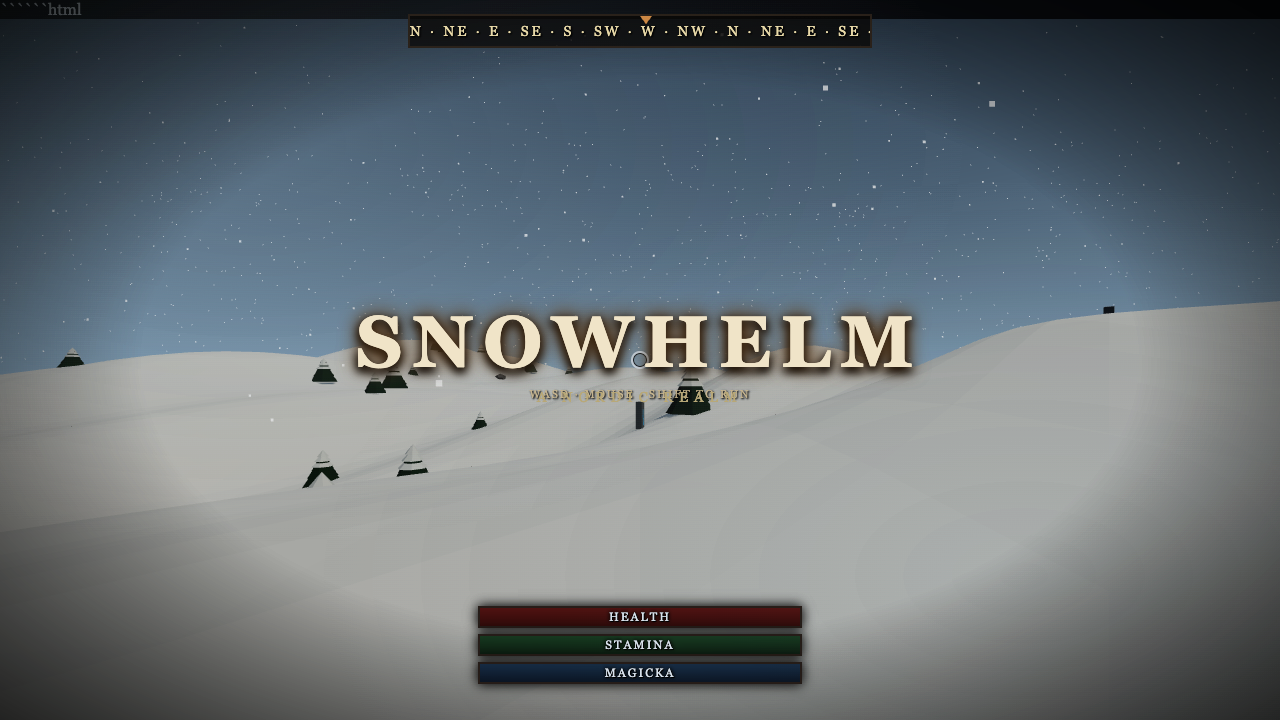
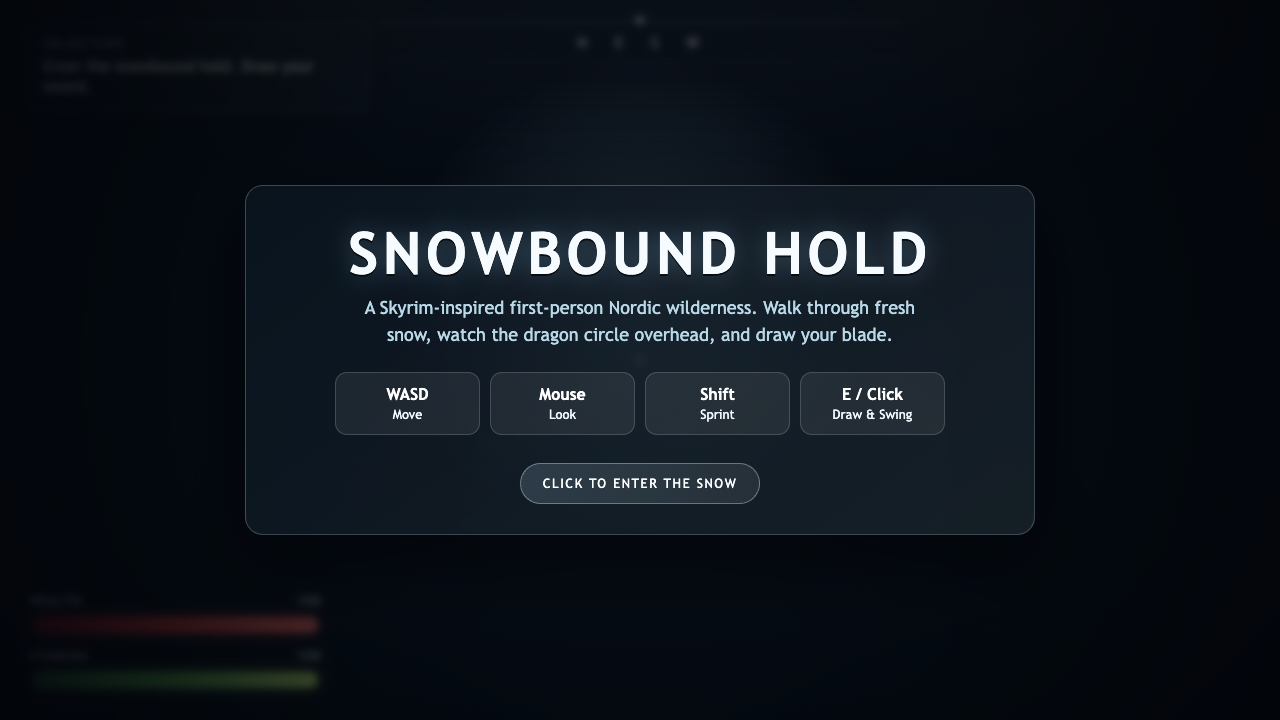
Click any cell to play that model's actual one-shot attempt. Medals are derived from my 0–10 scores per task (highest = 🥇, second = 🥈, third = 🥉).
Task ↓
MiniMax M3
Fugu Mini
Game
Game
Game
Game
Game
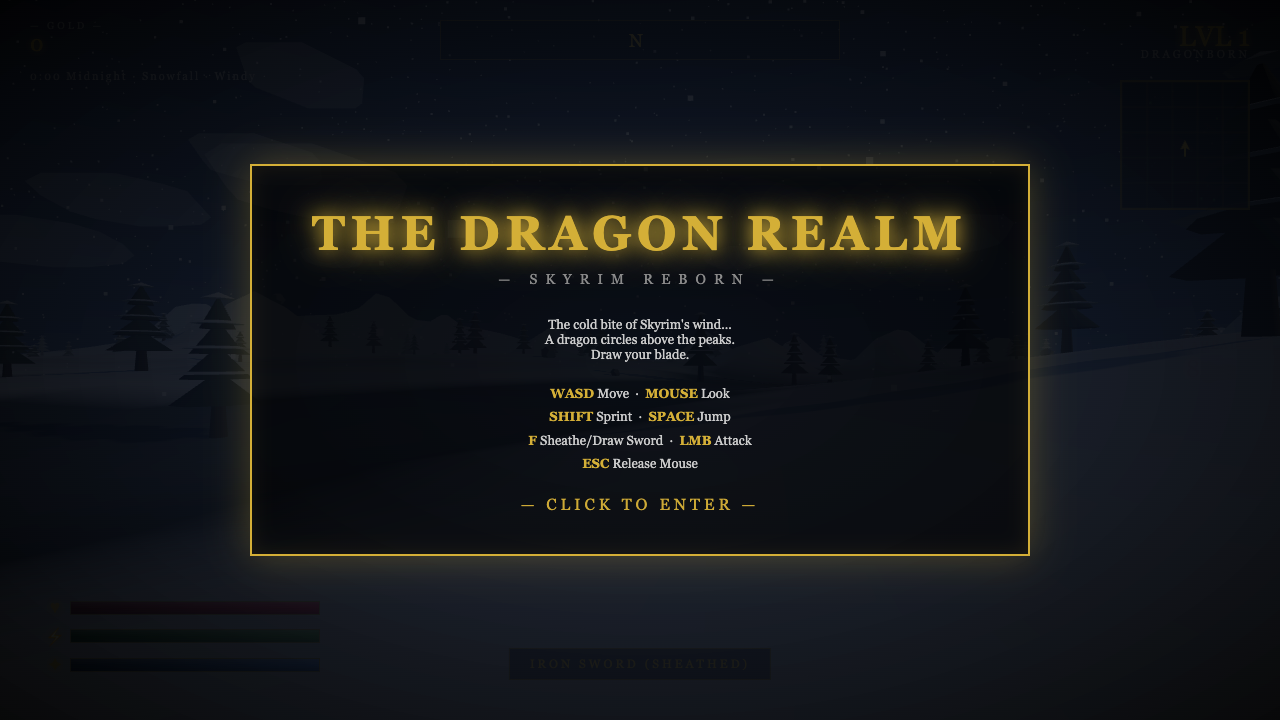
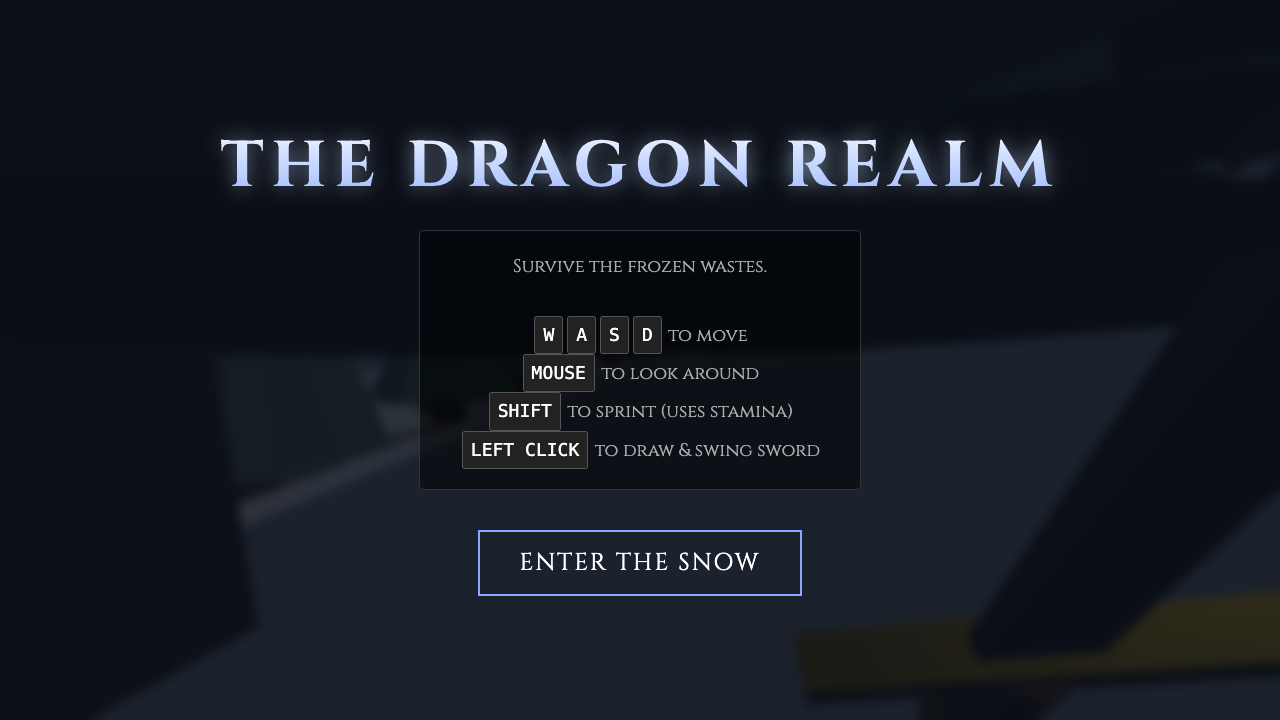
Game
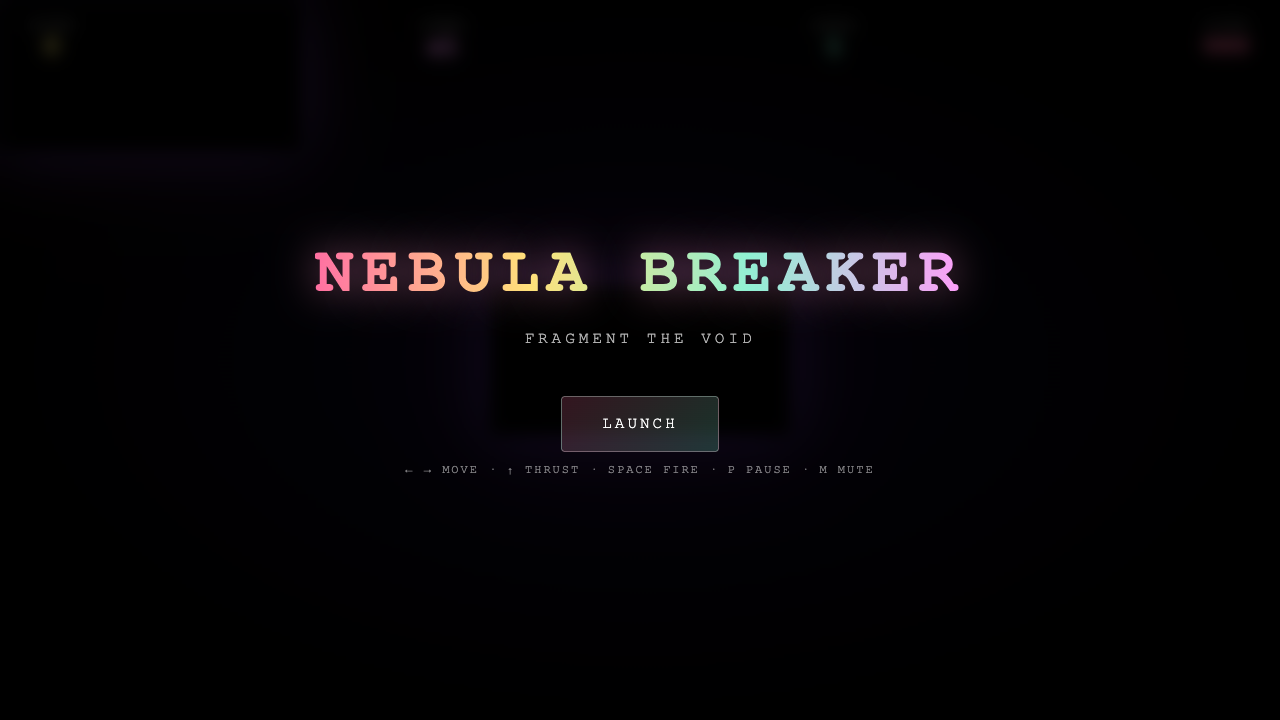
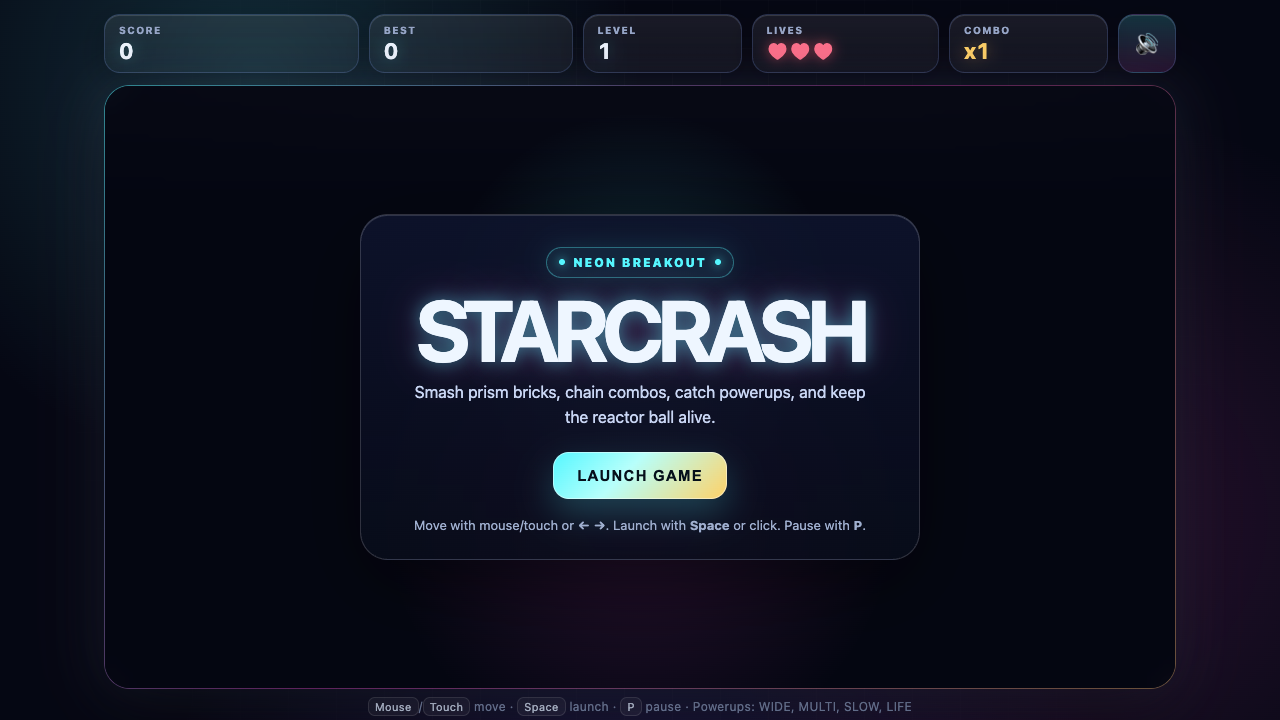
Game
Game
Game
Game
Game
Game
Game
Game
Page
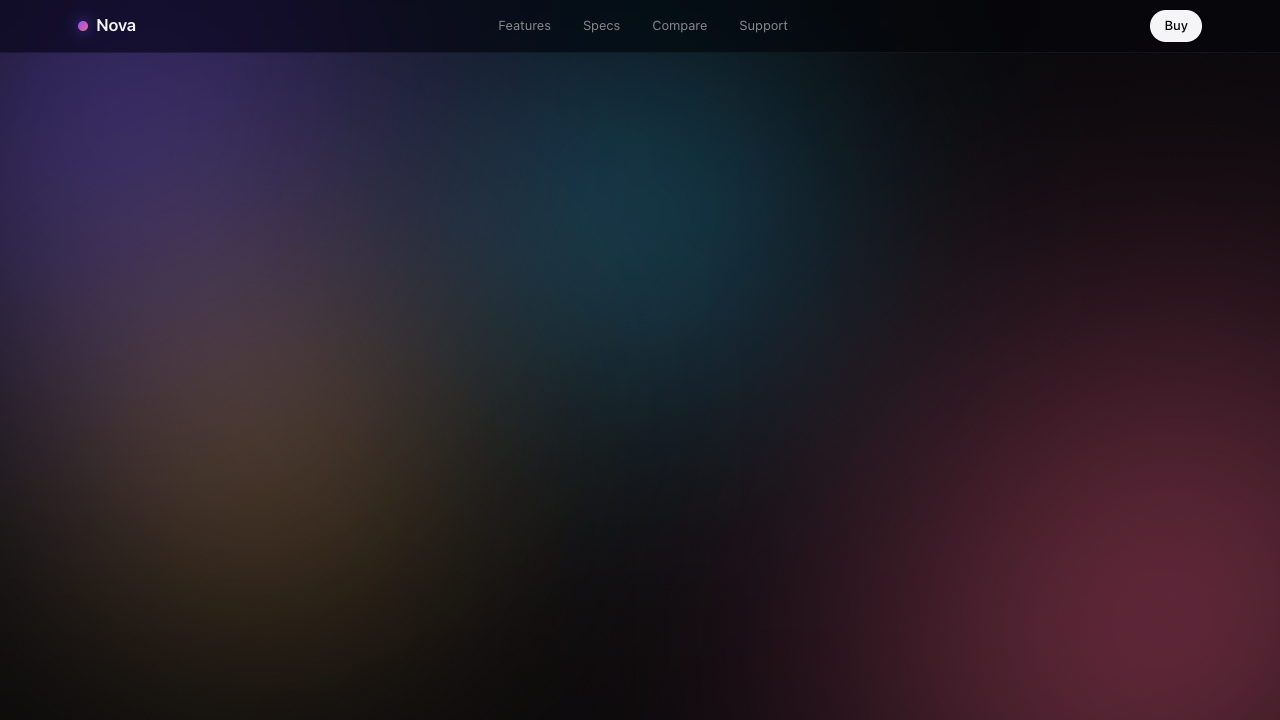
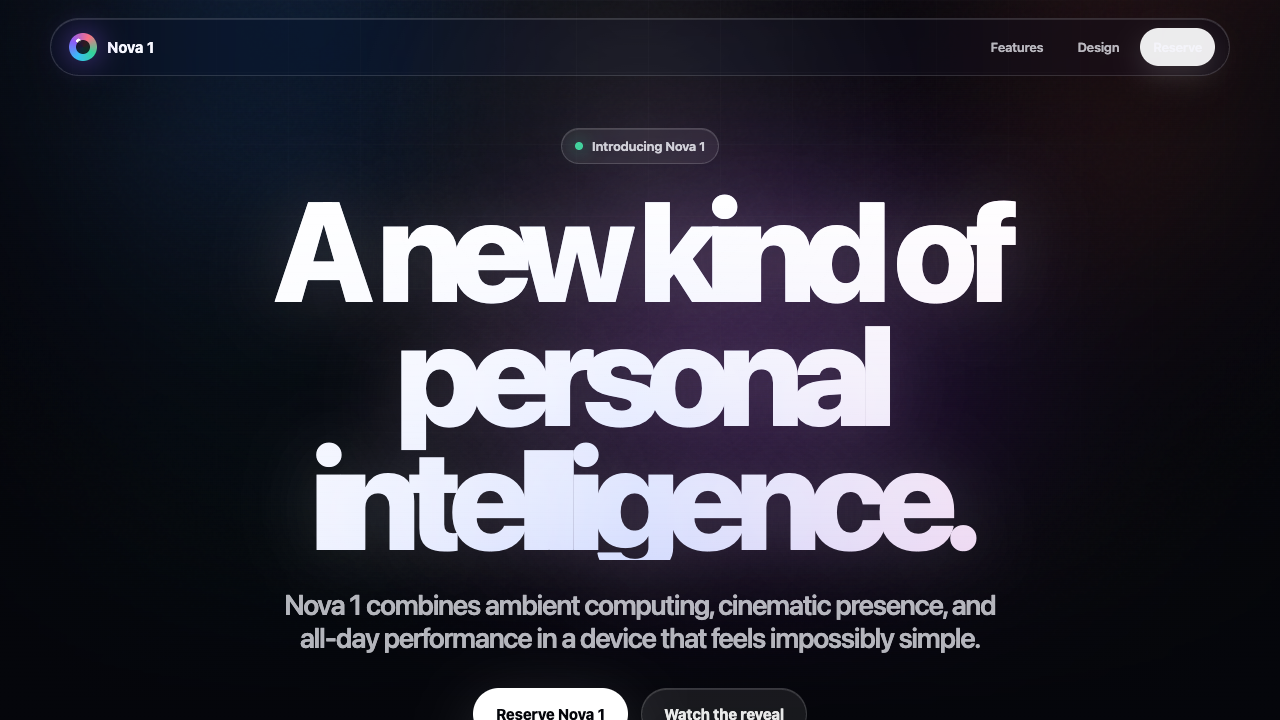
Page
Sim
Sim
Sim
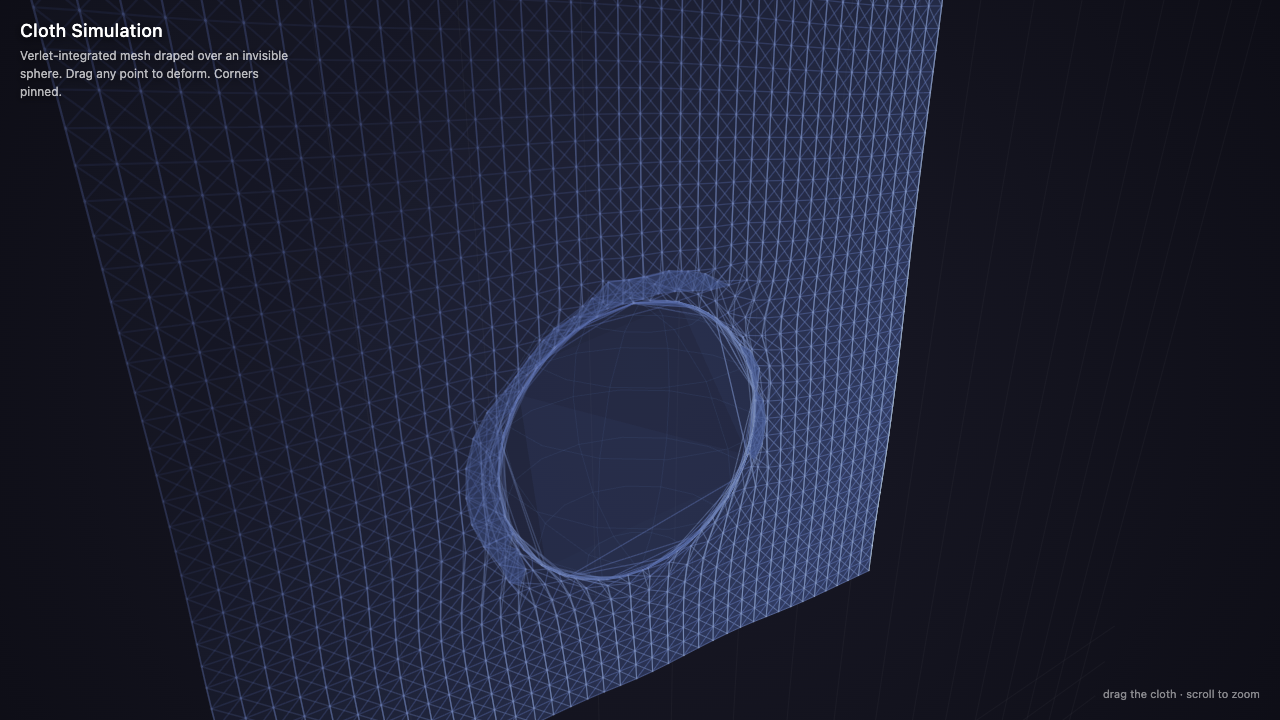
Sim
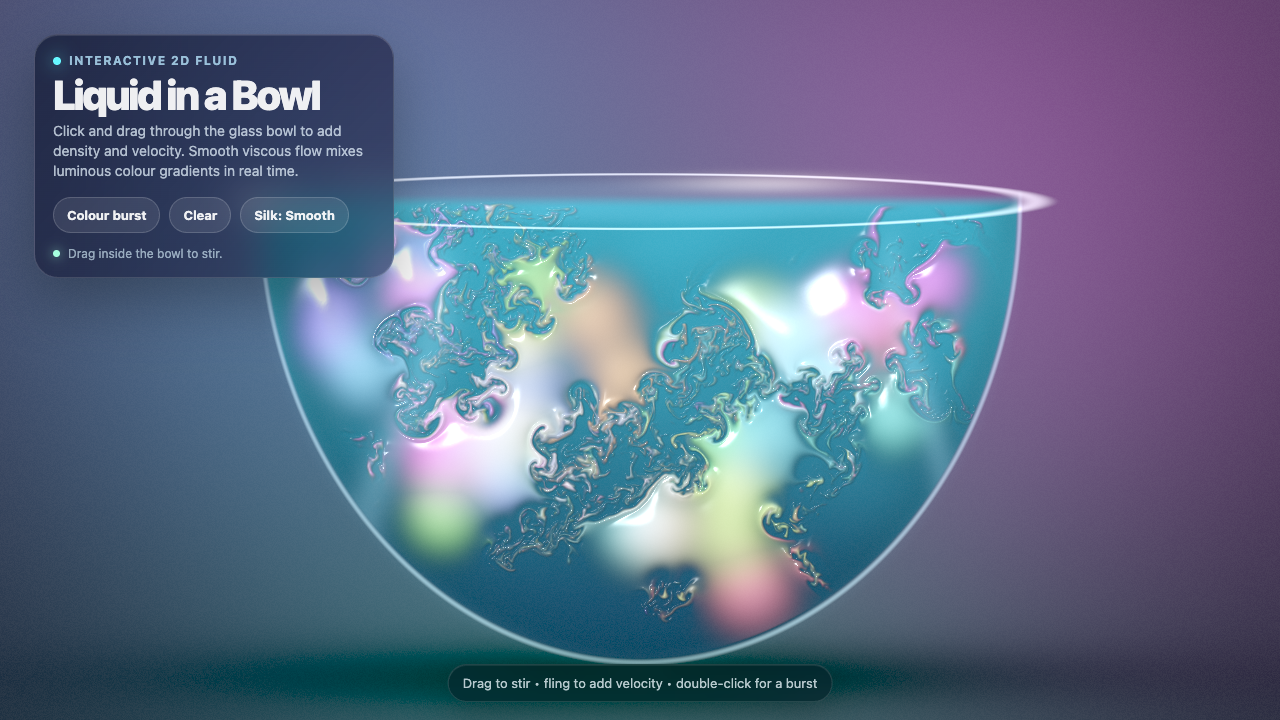
Sim
Sim
Sim
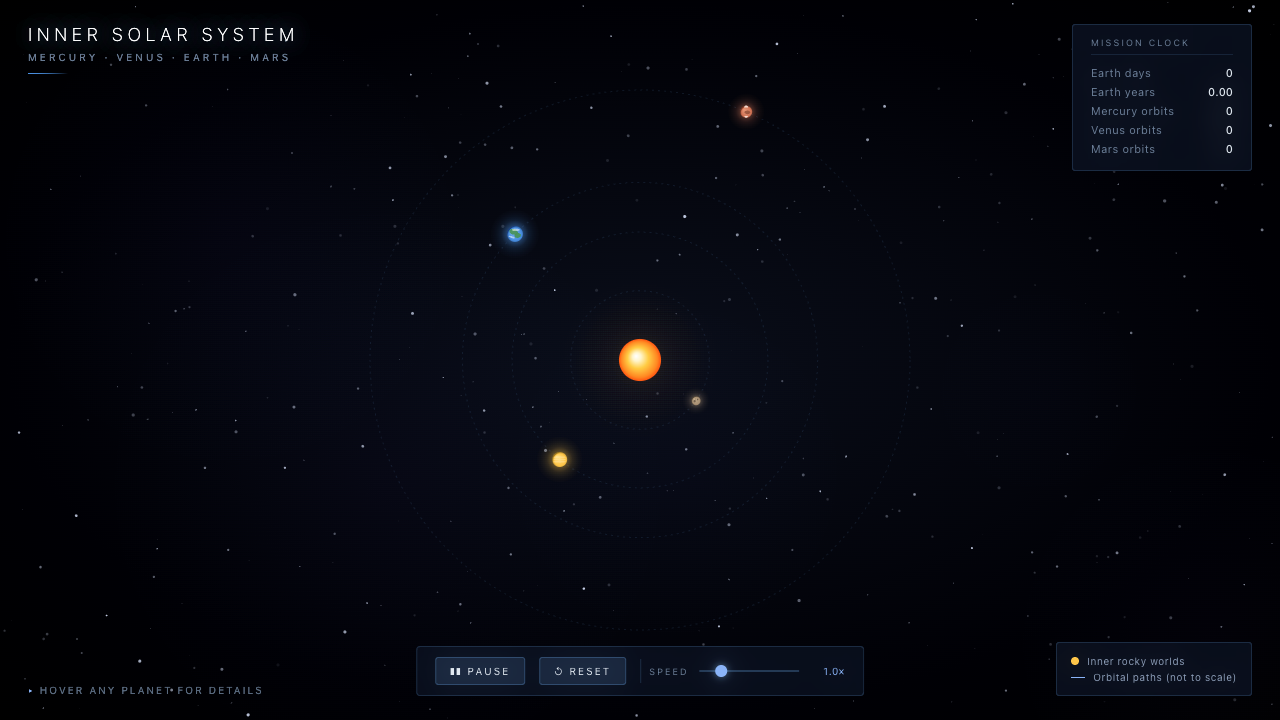
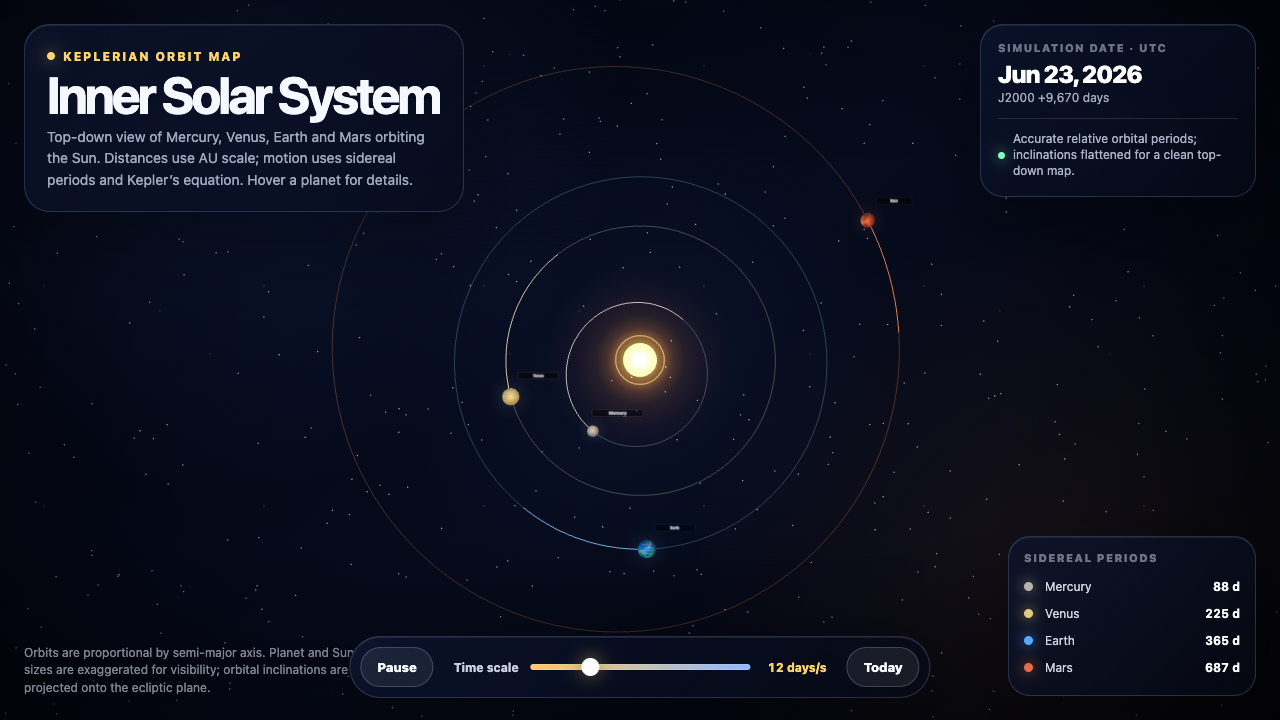
Sim
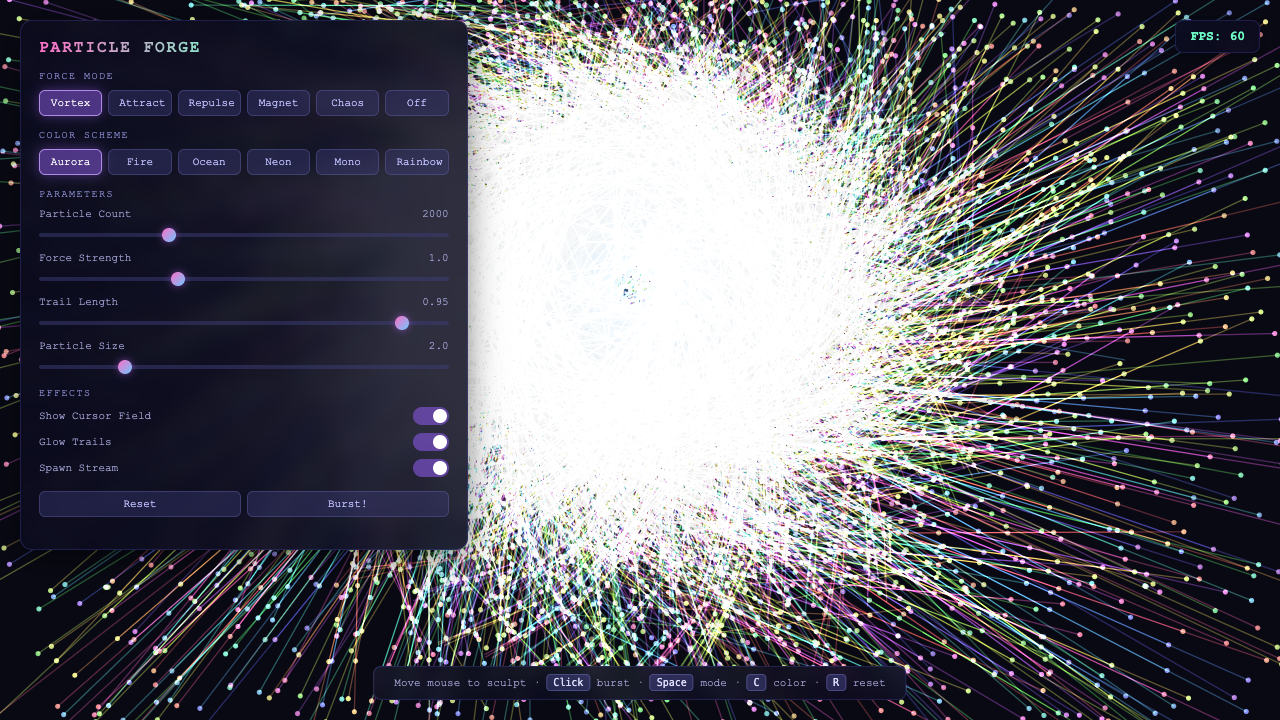
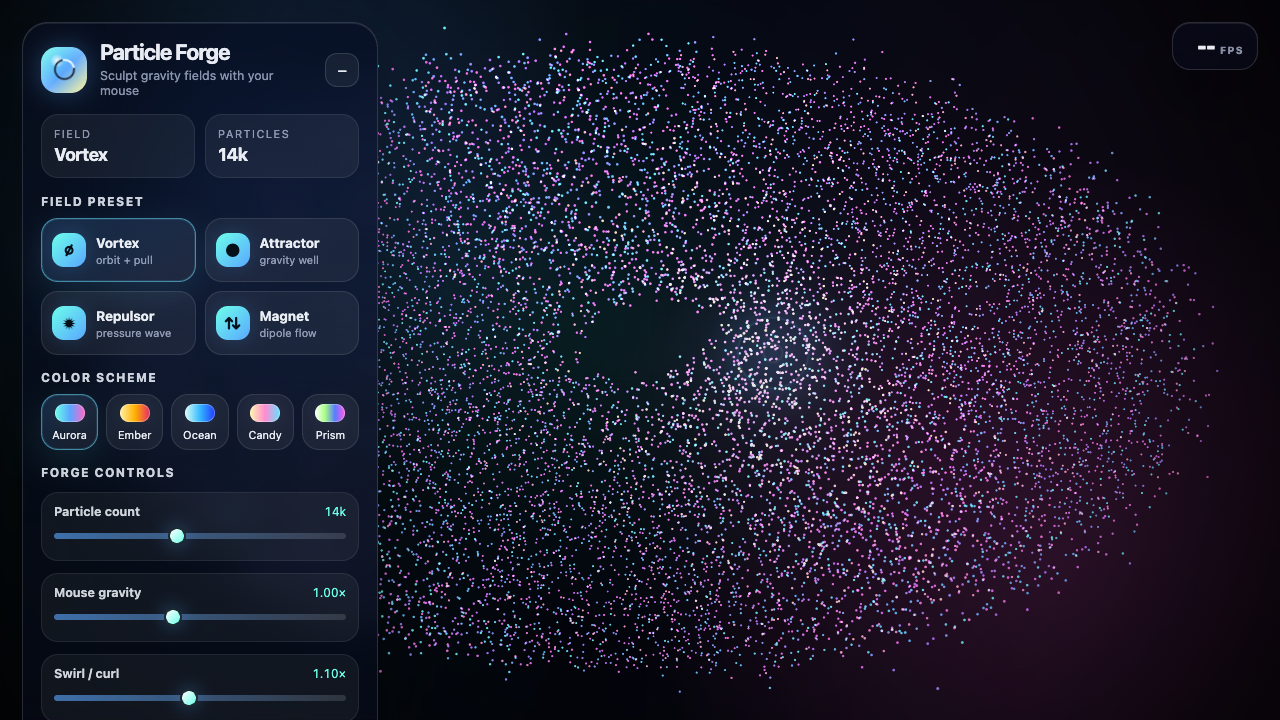
Where MiniMax M3 beat Fugu Mini
The tasks where I gave MiniMax M3 a higher 0–10 score on the same prompt — with the actual commentary from my source guides.
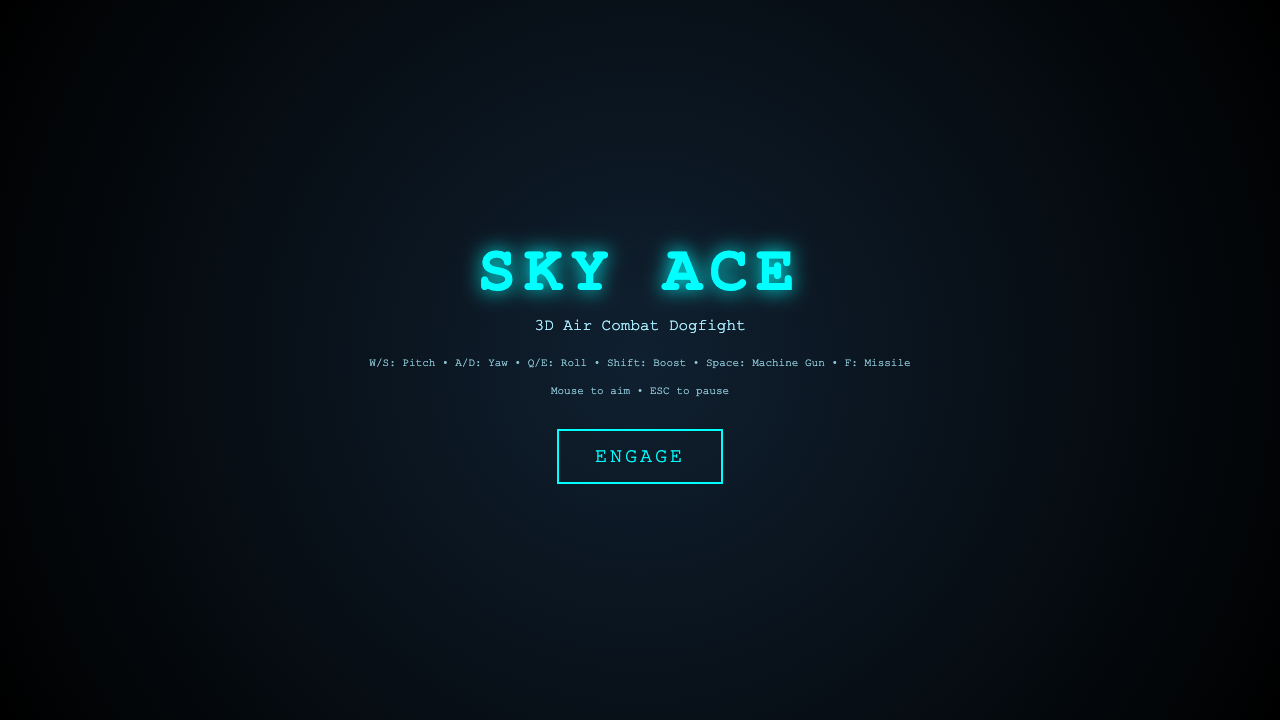
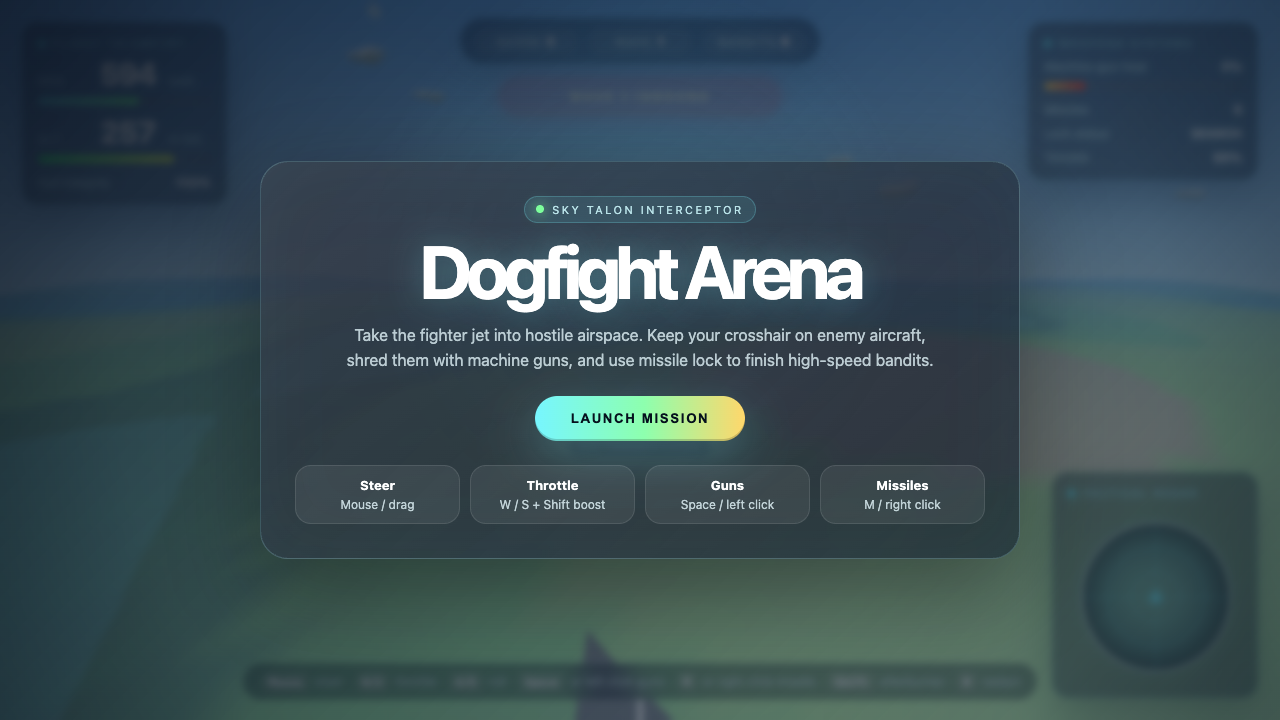
Dogfight
Game
MiniMax M3 8.5
·
Fugu Mini 6.0
(+2.5)
What I saw: 25KB 3D dogfight with enemy AI, missiles, guns.
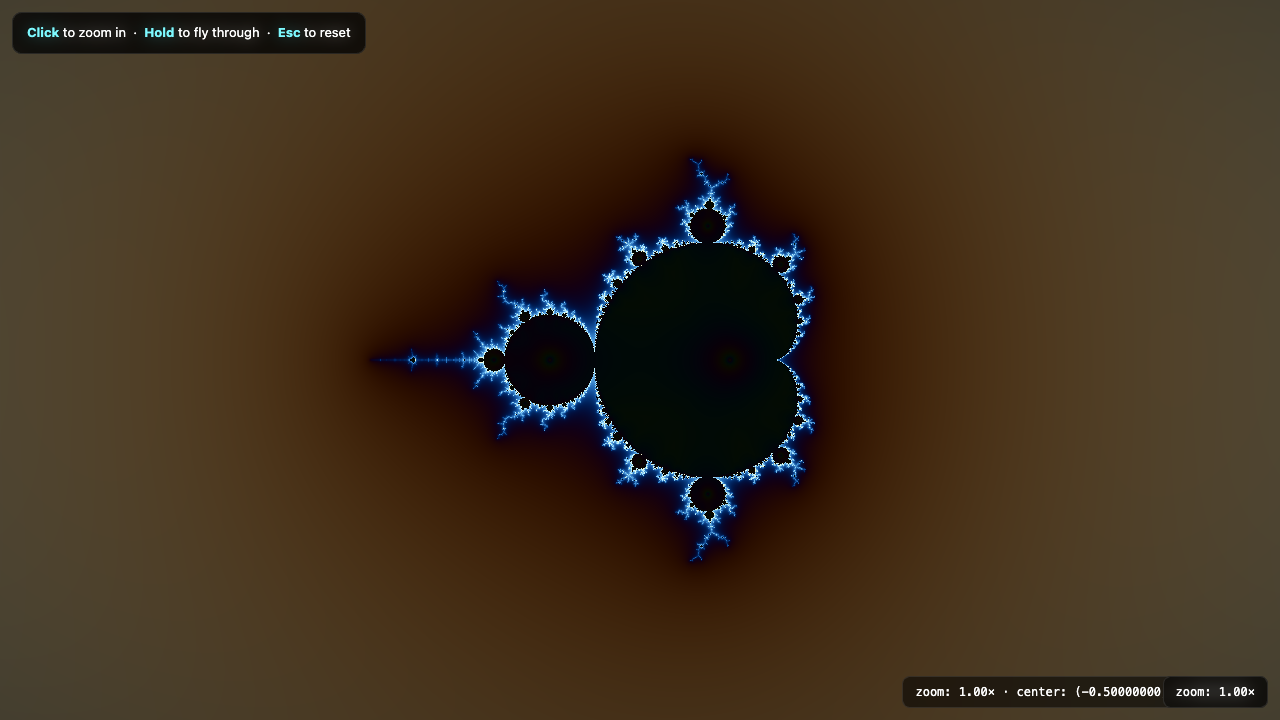
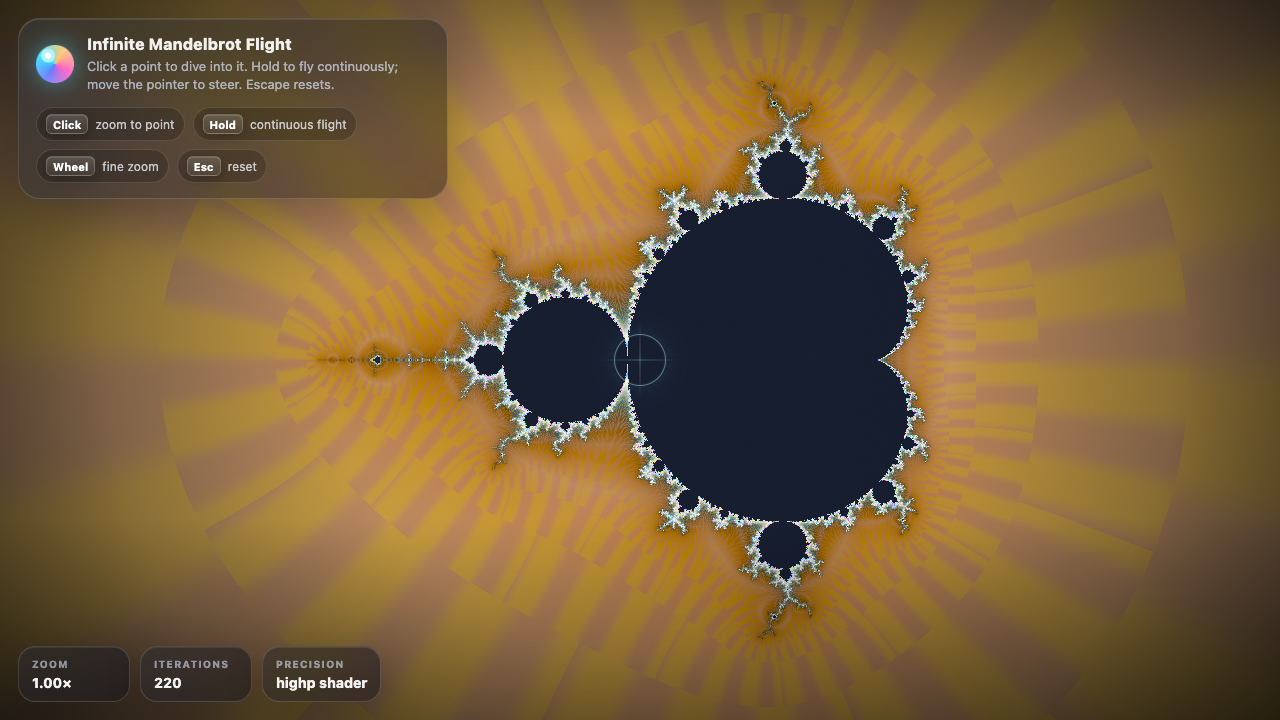
Fractal
Sim
MiniMax M3 8.5
·
Fugu Mini 6.5
(+2.0)
What I saw: WebGL Mandelbrot shader with click-to-zoom, hold-to-continuous-zoom.
Nordiccrypt
Game
MiniMax M3 9.0
·
Fugu Mini 7.0
(+2.0)
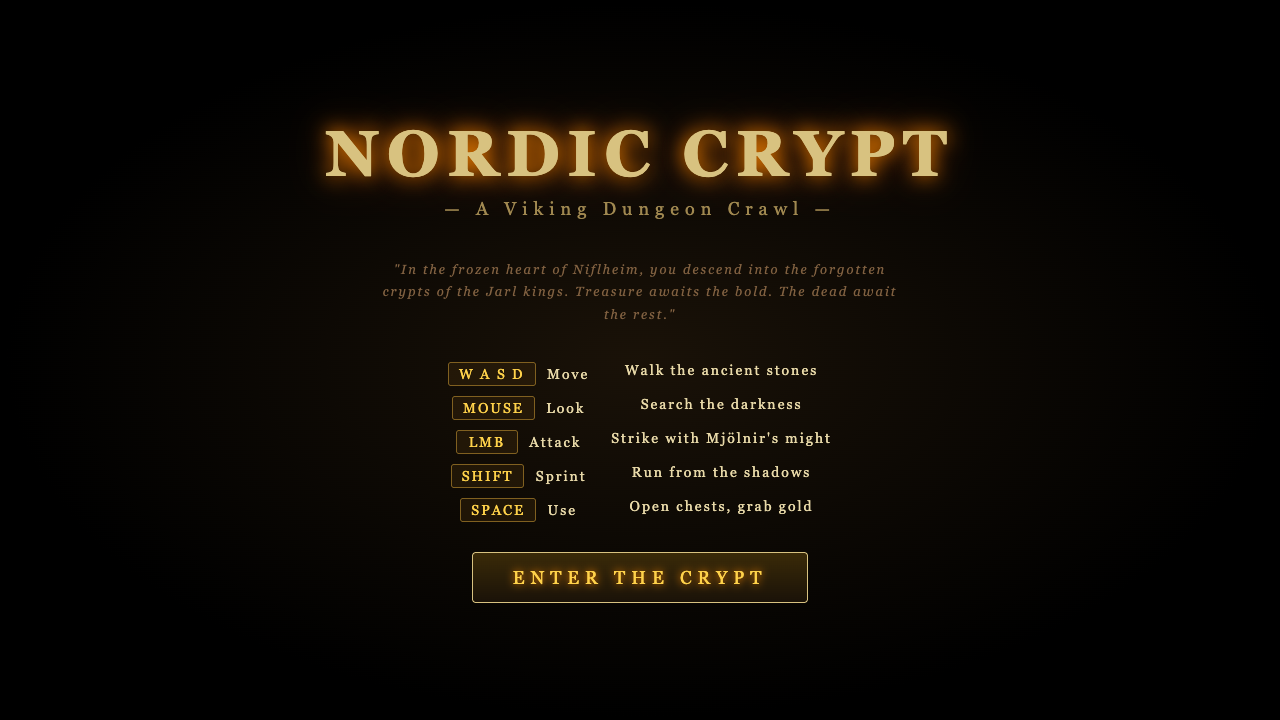
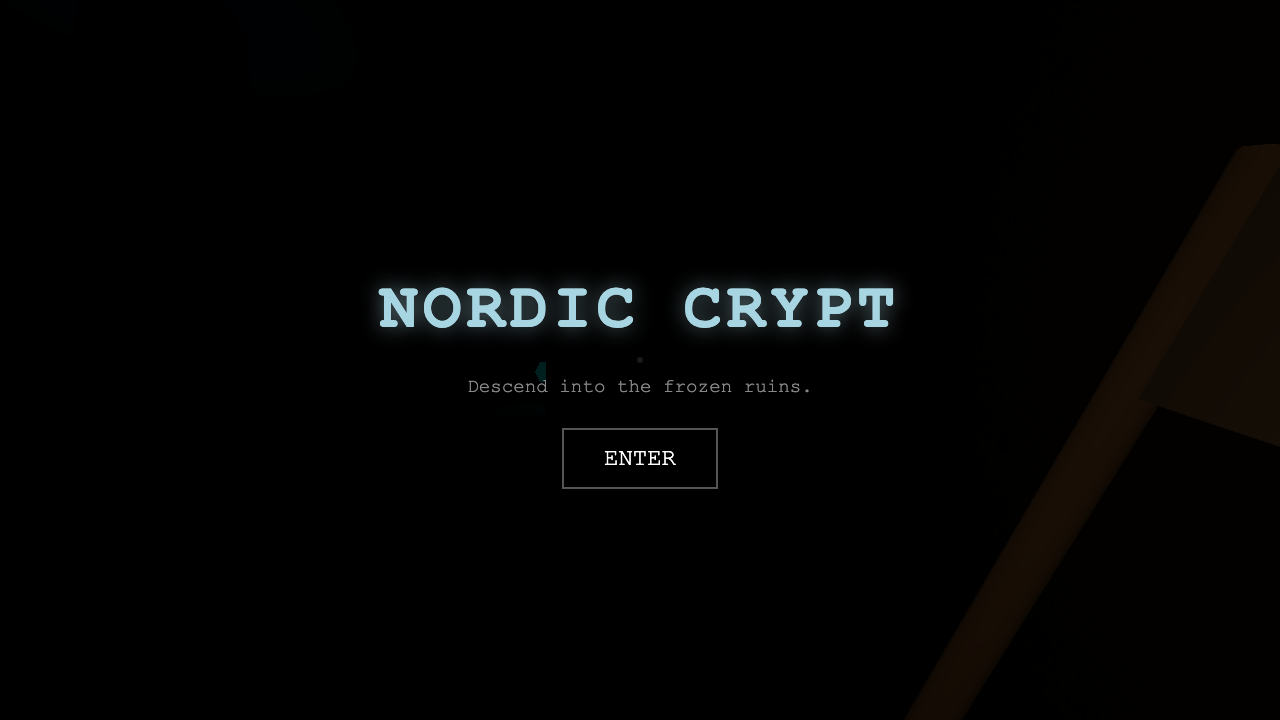
What I saw: 41KB Nordic crypt with torch-lit corridors, chasing skeletons, boss room.
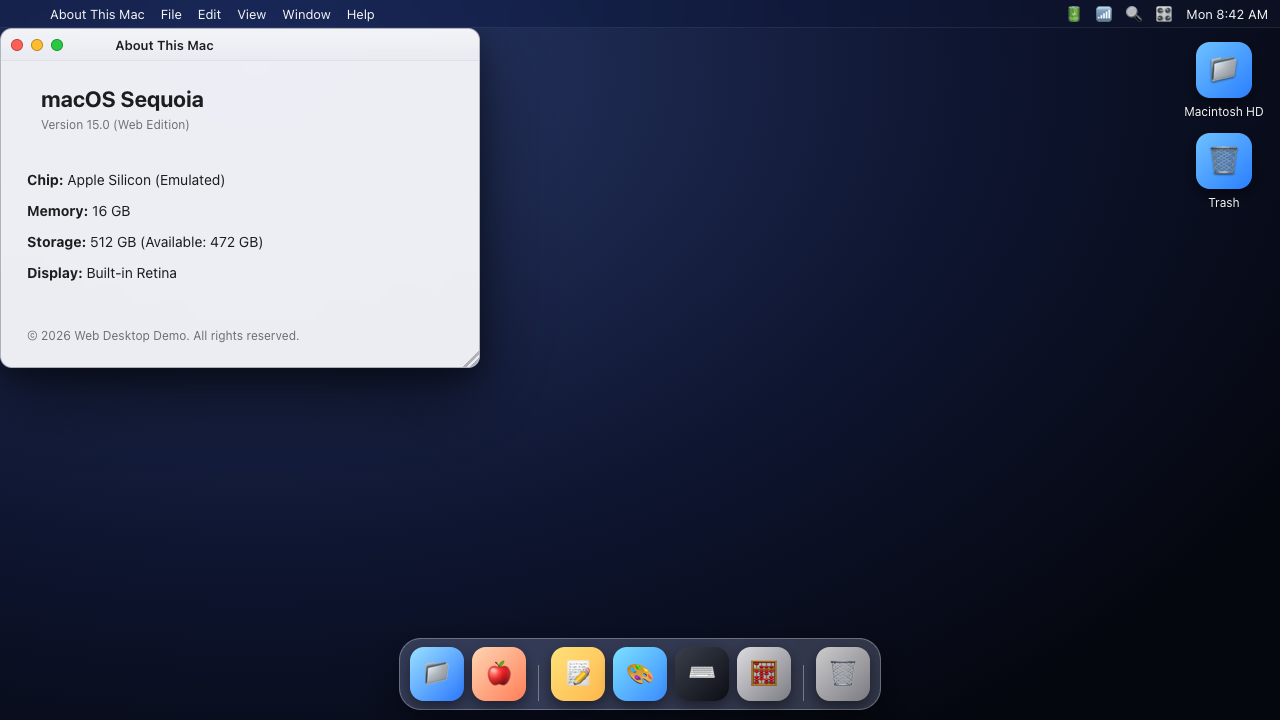
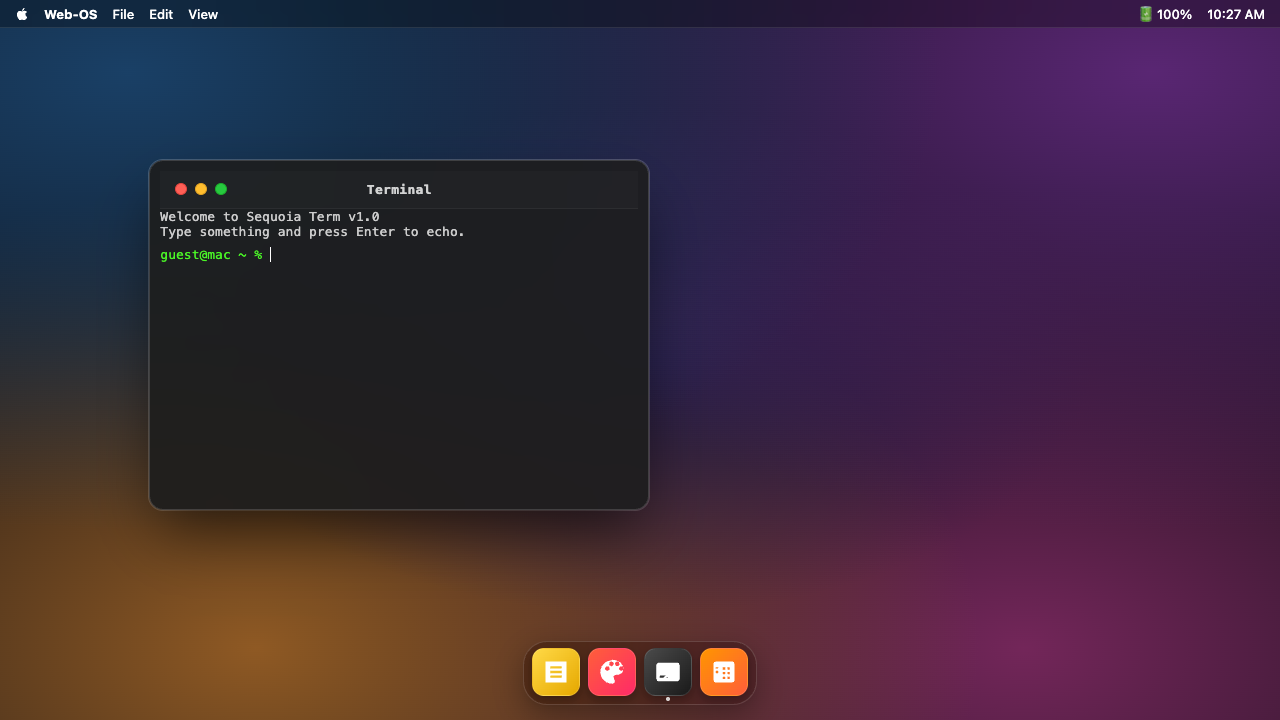
Webos
Page
MiniMax M3 8.5
·
Fugu Mini 6.5
(+2.0)
What I saw: 38KB working desktop — wallpaper, dock, draggable Notes/Paint/Terminal/Calculator windows.
Rpg
Game
MiniMax M3 8.0
·
Fugu Mini 6.5
(+1.5)
What I saw: 29KB top-down RPG with tilemap, NPCs, combat, inventory.
Where Fugu Mini beat MiniMax M3
The tasks where I gave Fugu Mini a higher 0–10 score on the same prompt — with the actual commentary from my source guides.
Plasma
Visual
Fugu Mini 8.0
·
MiniMax M3 6.0
(+2.0)
What I saw: Hypnotic plasma effect with palette switcher. Smoke-test PASS.
Blackhole
Sim
Fugu Mini 8.0
·
MiniMax M3 7.0
(+1.0)
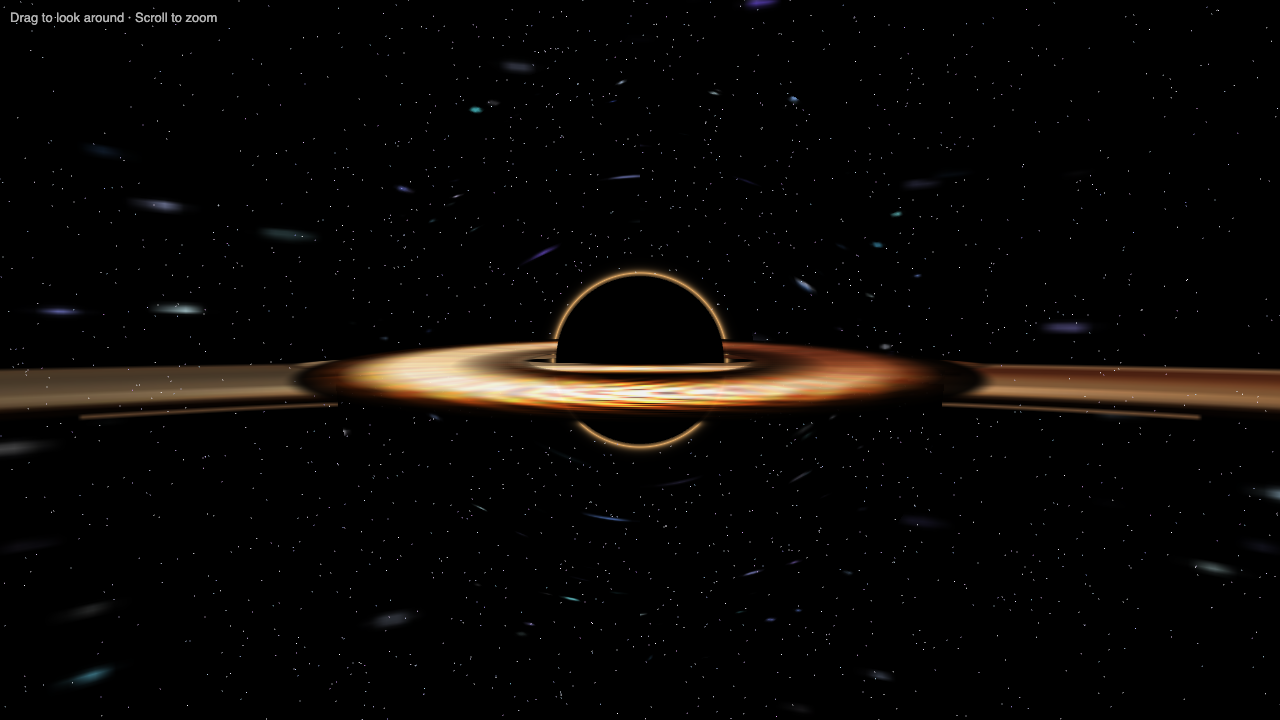
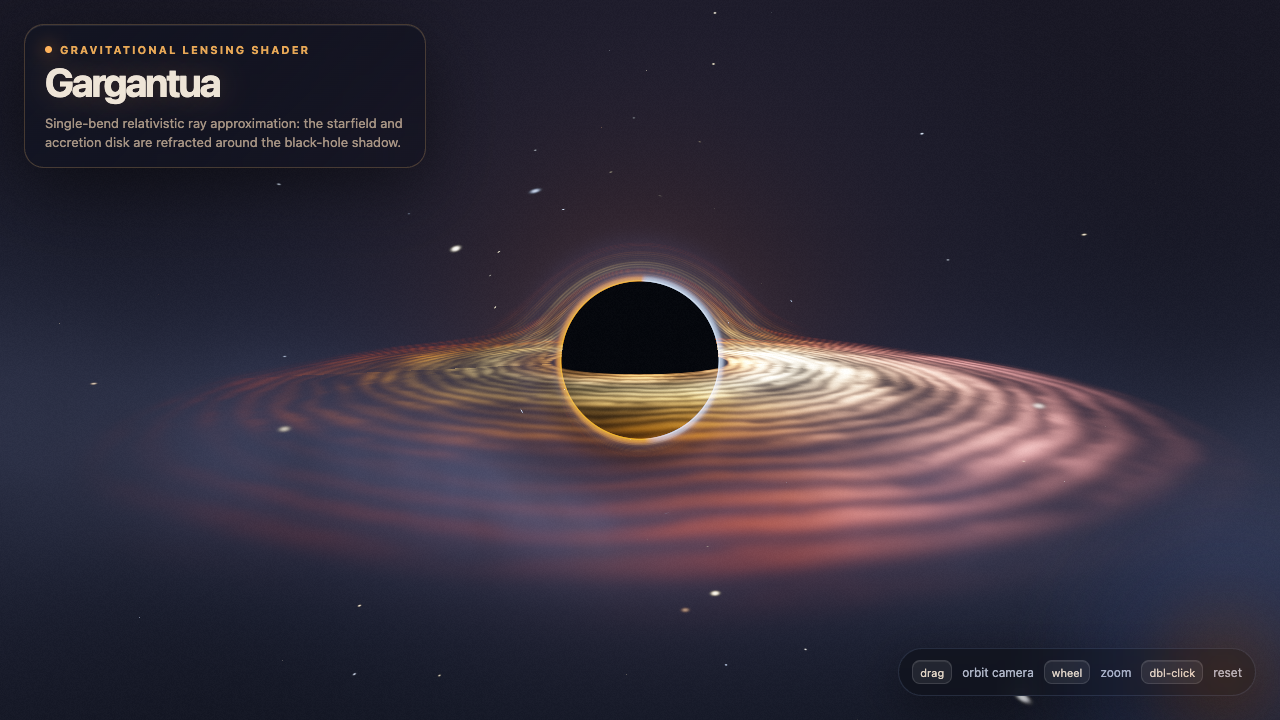
What I saw: Gravitational-lensing black hole. Smoke-test PASS — pixel change confirmed after camera-orbit input.
Game
Game
Fugu Mini 9.0
·
MiniMax M3 8.0
(+1.0)
· winner · biggest visual change
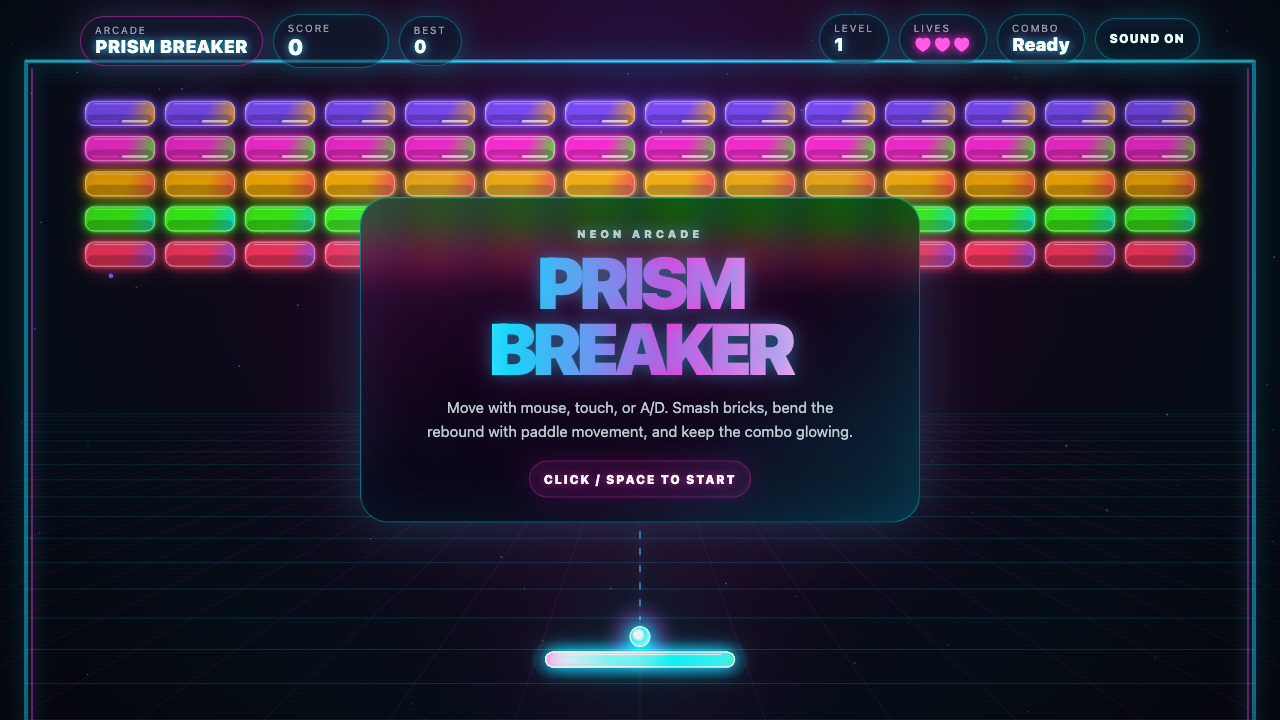
What I saw: Juicy browser game. Smoke-test PASS with 55% pixel diff — most reactive build in the sweep.
Neoncity
Game
Fugu Mini 8.5
·
MiniMax M3 7.5
(+1.0)
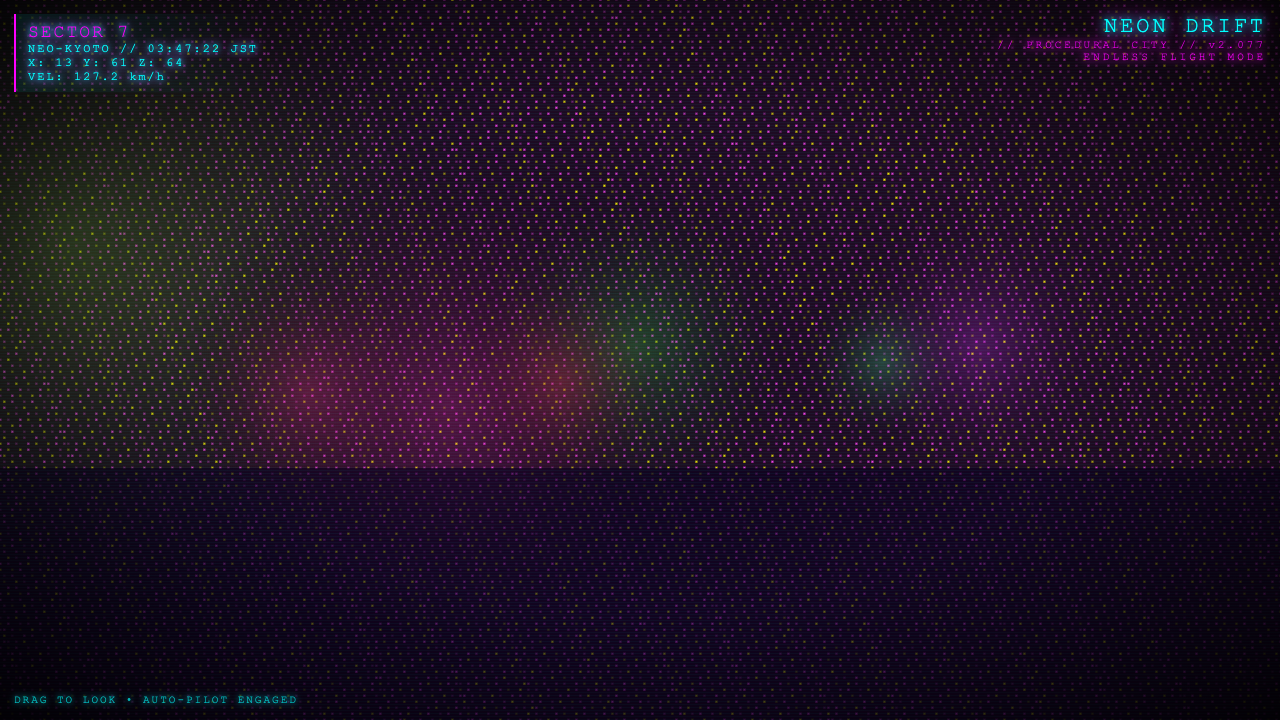
What I saw: Cyberpunk neon city flythrough. Smoke-test PASS (9.6% pixel diff — strong motion).
Outrun
Game
Fugu Mini 8.5
·
MiniMax M3 7.5
(+1.0)
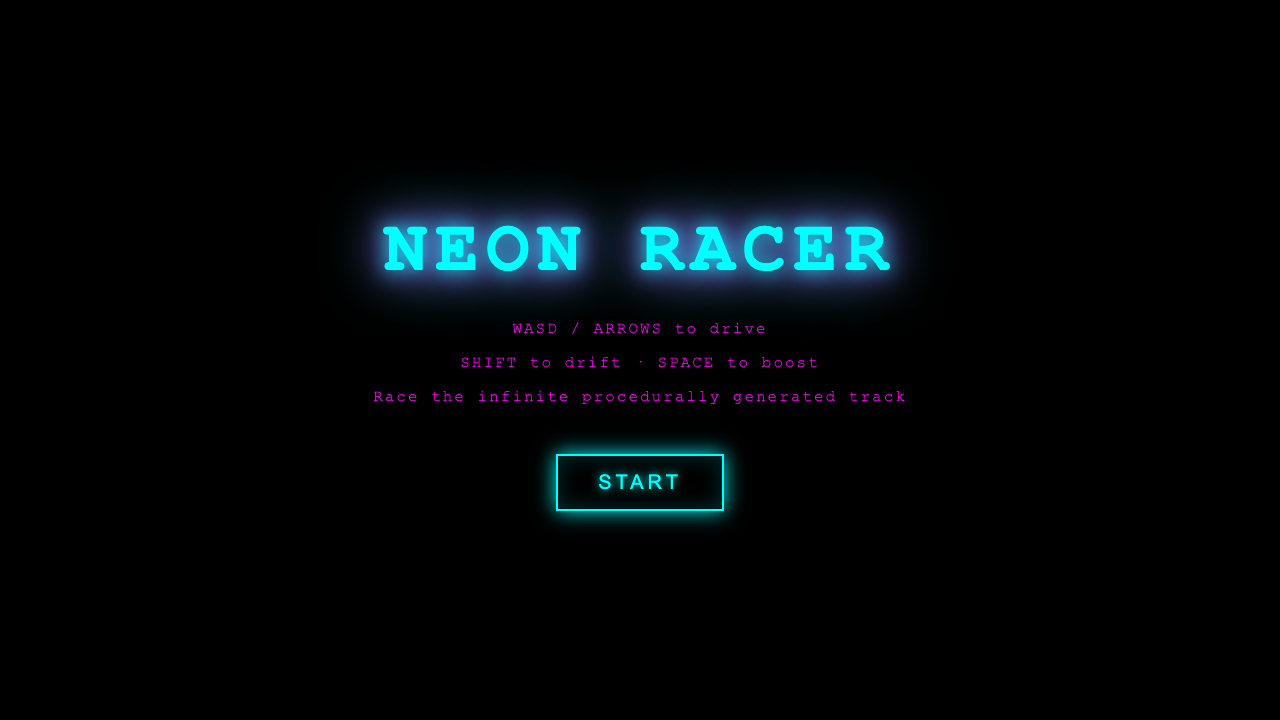
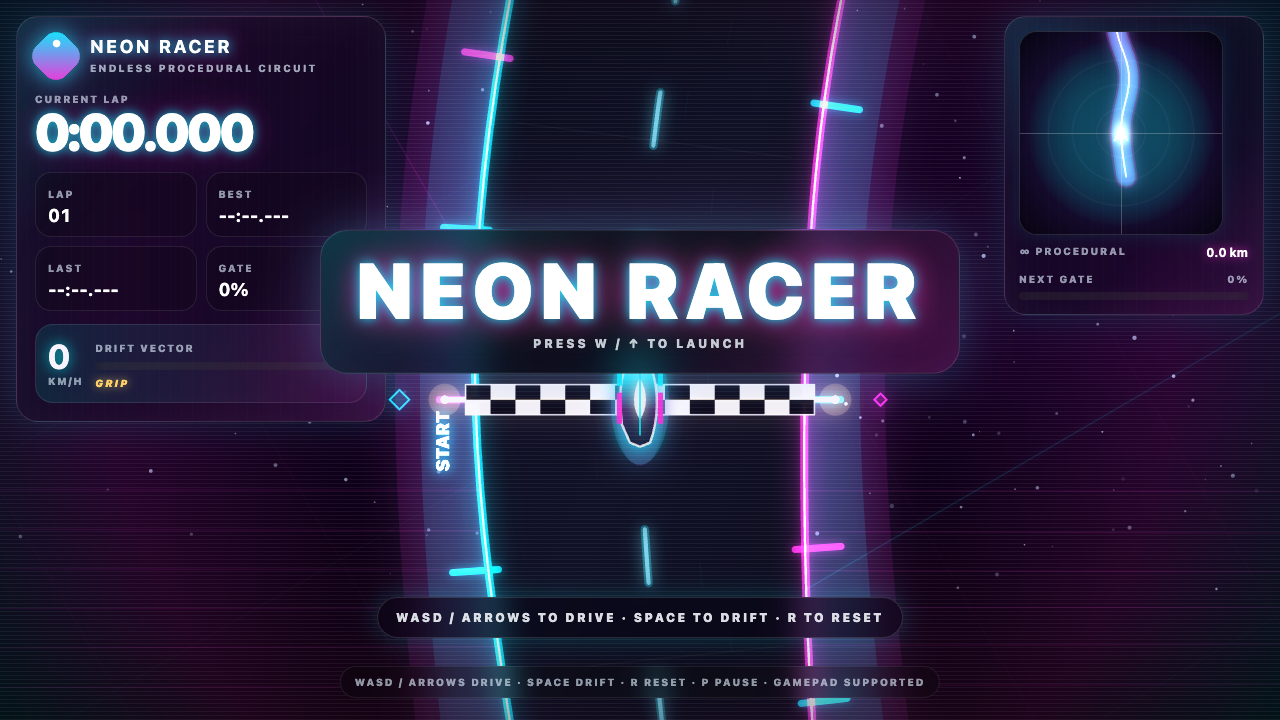
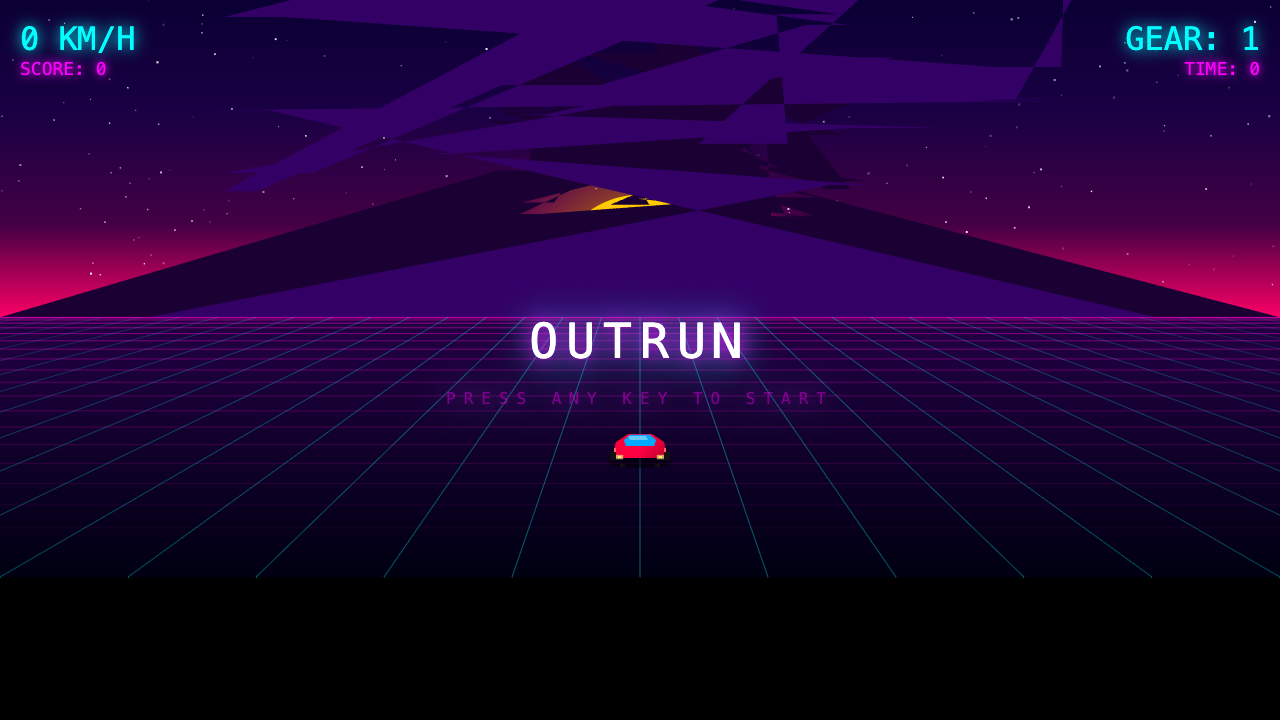
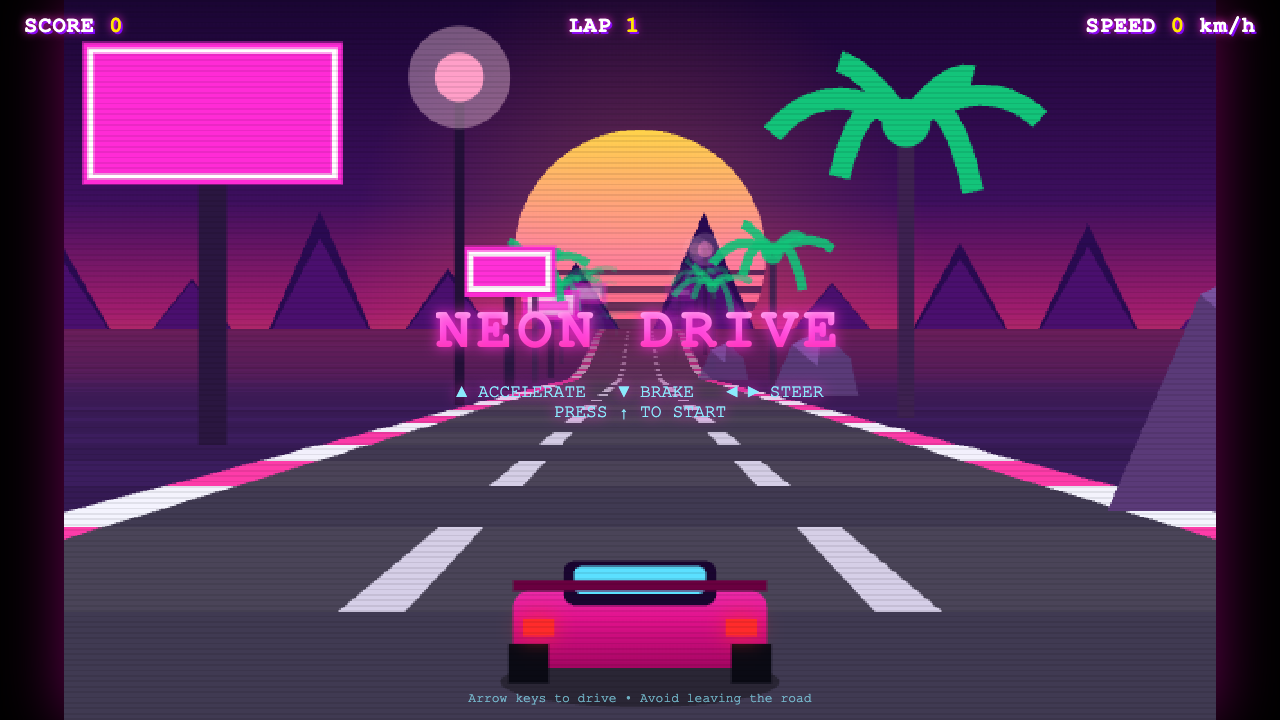
What I saw: Pseudo-3D OutRun racer with synthwave horizon. Smoke-test PASS (26% pixel diff after arrow keys).
Strengths & weaknesses I logged
MiniMax M3
Strengths
- 1M token context — full repo / full deep-research corpus fits in one call
- $0.30/M input is roughly 1/30th of Opus 4.8 — built for high-volume agent loops
- Solid one-shot HTML output — clean structure on game and visual prompts
Trade-offs
- Less polished than Fusion's panel-ensembled output on the toughest deep builds
- Newer model — less community calibration vs Fable 5 / Opus 4.8
Fugu Mini
Strengths
- Zero panel orchestration — much lower latency than Ultra
- Same Sakana subscription, no extra cost
- Doesn't time out on heavy game/3D prompts where Ultra stalls
Trade-offs
- Single model only — no ensemble verdict
- Newer than Ultra — less calibration / verification
Pricing & context — the spec sheet
| Spec | MiniMax M3 | Fugu Mini |
|---|---|---|
| Vendor | MiniMax | Sakana AI |
| Context window | 1,048,576-token context — matches GLM-5.2 and Fable 5 | Single-model variant of Sakana's Fugu — no panel orchestration. Same API endpoint, much faster per call. |
| Price | $0.30 / 1M input tokens, $1.50 / 1M output | Same Sakana subscription pool as Fugu Ultra |
| Pricing detail | MiniMax M3 is the cheapest 1M-context frontier model on the bench — roughly 1/200th the per-call cost of OpenRouter Fusion and 1/30th of Claude Opus 4.8. Designed for high-volume agent workloads where context length matters but per-call budget is tight. | The non-Ultra `fugu` model on Sakana's API. Sakana describes it as 'Fast mini model optimized for low latency yet high quality responses.' Crucially: zero orchestration tokens per call (vs Ultra's panel of thousands). Returns in ~3 min instead of 6-15 min and doesn't time out on heavy prompts. |
| Release | 2026-06-18 | 2026-06-15 |
| Bench coverage | 47/47 scored · avg 7.97/10 | 36/37 scored · avg 7.75/10 |
The verdict — which should you pick?
Across 36 scored shared tasks, the averages are essentially tied — MiniMax M3 7.92 vs Fugu Mini 7.75. This isn't the comparison where one wins; it's the comparison where you pick based on context, pricing, and what you're actually trying to ship.
If you only run one of these inside your stack, the head-to-head average above is the call. If you can run both, my honest play is to wire MiniMax M3 and Fugu Mini both into the Agent Operating System and dispatch each from the kanban by task type — high-volume agent workflows where per-call cost dominates → MiniMax M3, agent loops where latency matters more than panel consensus → Fugu Mini. That's the same setup I run for the 4,000+ founders inside the AI Profit Boardroom.
FAQ — MiniMax M3 vs Fugu Mini
Which is better, MiniMax M3 or Fugu Mini?
On Goldie Bench, MiniMax M3 averages 7.92/10 across the shared tasks, with 2 gold, 1 silver, 4 bronze overall. Fugu Mini averages 7.75/10, with 2 gold, 0 silver, 0 bronze. MiniMax M3 wins the head-to-head 16–15.
How much does MiniMax M3 cost vs Fugu Mini?
MiniMax M3: MiniMax M3 is the cheapest 1M-context frontier model on the bench — roughly 1/200th the per-call cost of OpenRouter Fusion and 1/30th of Claude Opus 4.8. Designed for high-volume agent workloads where context length matters but per-call budget is tight. Fugu Mini: The non-Ultra `fugu` model on Sakana's API. Sakana describes it as 'Fast mini model optimized for low latency yet high quality responses.' Crucially: zero orchestration tokens per call (vs Ultra's panel of thousands). Returns in ~3 min instead of 6-15 min and doesn't time out on heavy prompts.
What's the context window for MiniMax M3 vs Fugu Mini?
MiniMax M3 has a 1,048,576-token context — matches GLM-5.2 and Fable 5 context window. Fugu Mini has a Single-model variant of Sakana's Fugu — no panel orchestration. Same API endpoint, much faster per call. context window.
When should I pick MiniMax M3 over Fugu Mini?
Pick MiniMax M3 for: High-volume agent workflows where per-call cost dominates; 1M-context tasks (whole-repo refactors, deep-research synthesis); Drop-in cheaper alternative to GLM-5.2 with comparable 1M context. The trade-off is the weaknesses we logged on the bench: Less polished than Fusion's panel-ensembled output on the toughest deep builds; Newer model — less community calibration vs Fable 5 / Opus 4.8.
When should I pick Fugu Mini over MiniMax M3?
Pick Fugu Mini for: Agent loops where latency matters more than panel consensus; Quick first-drafts you'll refine downstream; Filling out a bench when Ultra is timing out. The trade-off is the weaknesses we logged on the bench: Single model only — no ensemble verdict; Newer than Ultra — less calibration / verification.
How does Goldie Bench score MiniMax M3 vs Fugu Mini?
Every demo on this page was built by Julian Goldie inside the Agent Operating System — same fixed prompt for both models, one shot, single HTML file out. Each result gets a 0–10 score on whether it ran, how close it hit the brief, and how good it looked. The highest score on each task gets gold; second gets silver; third gets bronze. See methodology for full provenance.
Related comparisons
Other head-to-heads using the same scoring system:
MiniMax M3 vs Fusion Fugu Mini vs Fusion MiniMax M3 vs Claude Opus 5 Fugu Mini vs Claude Opus 5 MiniMax M3 vs Hermes MoA Fugu Mini vs Hermes MoA MiniMax M3 vs GPT-5.6 Sol Fugu Mini vs GPT-5.6 SolFull model pages: MiniMax M3 · Fugu Mini · back to the leaderboard
The same stack Julian uses
Run this stack yourself.
Every demo on this bench was built inside the Agent Operating System — one prompt, one shot, single HTML file out. The Agent OS, the prompts, the templates, the weekly walkthroughs and 4,000+ founders shipping with it every day all live inside the AI Profit Boardroom.
4,000+founders
258documented wins
38countries
$59/momonthly