Real head-to-head · same prompt, one shot
Grok 4.7 vs Claude Sonnet 5
Grok 4.6's price, a bigger base model, and it builds games that hold together. vs The agentic SWE frontier — 82% SWE-bench Verified, Dev Team mode.
Head-to-head verdict: Grok 4.7 wins 10–8 with 2 ties.
What I tested — same prompt, two models
I run the same fixed prompt set through every new model the day it drops — same string, one shot, single HTML file out — and I score the result 0–10 on whether it ran, how close it hit the brief, and how good it looked. Below is what came out when I gave the exact same prompts to Grok 4.7 and Claude Sonnet 5, side by side, on 20 shared tasks inside the Agent Operating System.
Both models were given identical prompts inside the Agent Operating System — no help, no iteration, no "best of N" tricks. I run each prompt once, save the HTML file the model produces, and score it 0–10 on whether it ran, how close it hit the brief, and how good it looked. The scoring is mine. The verdicts below are pulled from my source comparison guides at agentos.guide where I publish every score and the reasoning behind it.
Grok 4.7 · Wired into the Agent OS Grok Build tab (4.7 / 4.6 / 4.5 picker, OpenRouter fallback when the CLI is signed out) and benched on twenty skill-infused game builds, each played through its full gameplay arc on a Metal GPU before the vision judge scored the played frame.
Claude Sonnet 5 · Reach for it in Agent OS when the job is iterative, tool-using software engineering. For one-shot visual builds, GLM 5.2 (free) beat it 4-1 here.
Side-by-side on 47 shared tasks
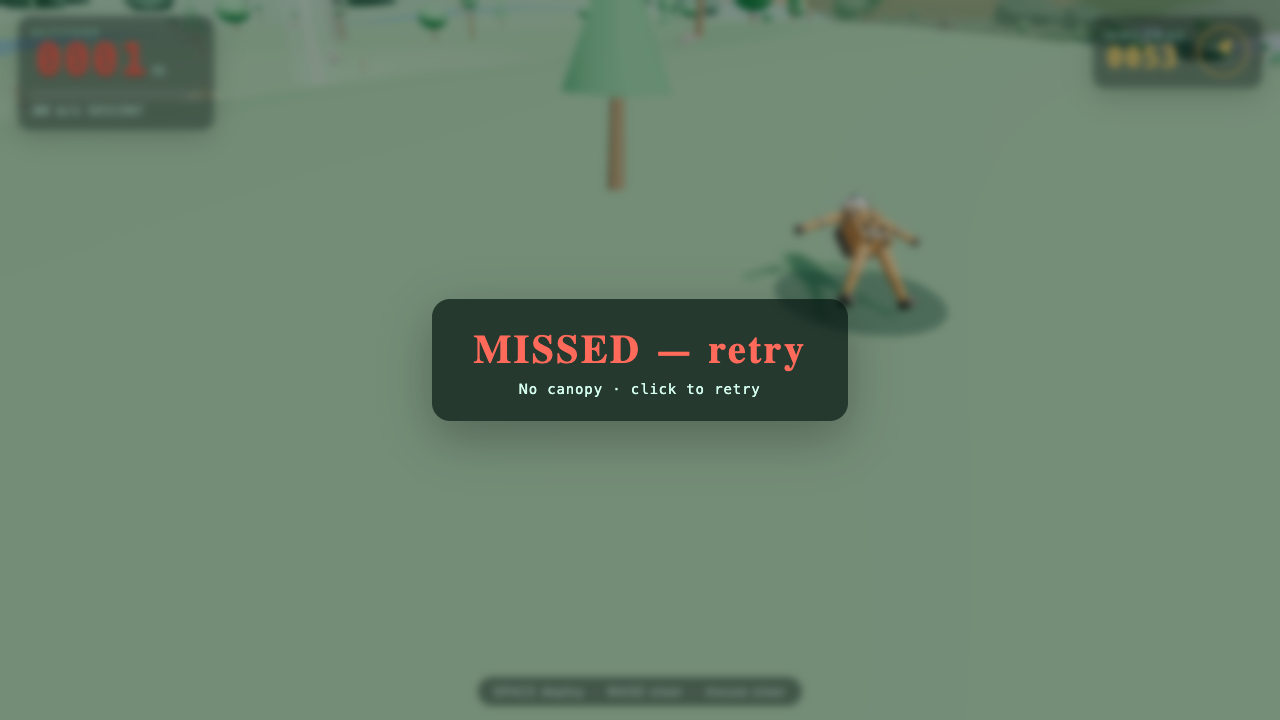
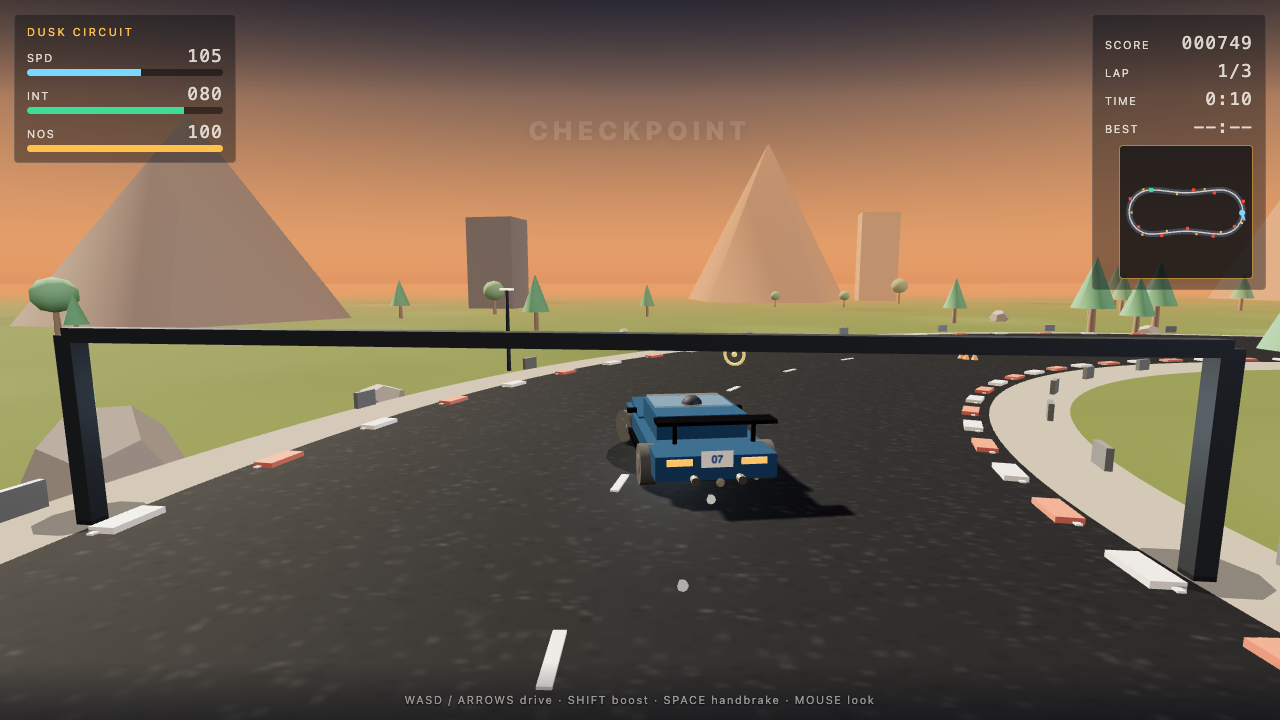
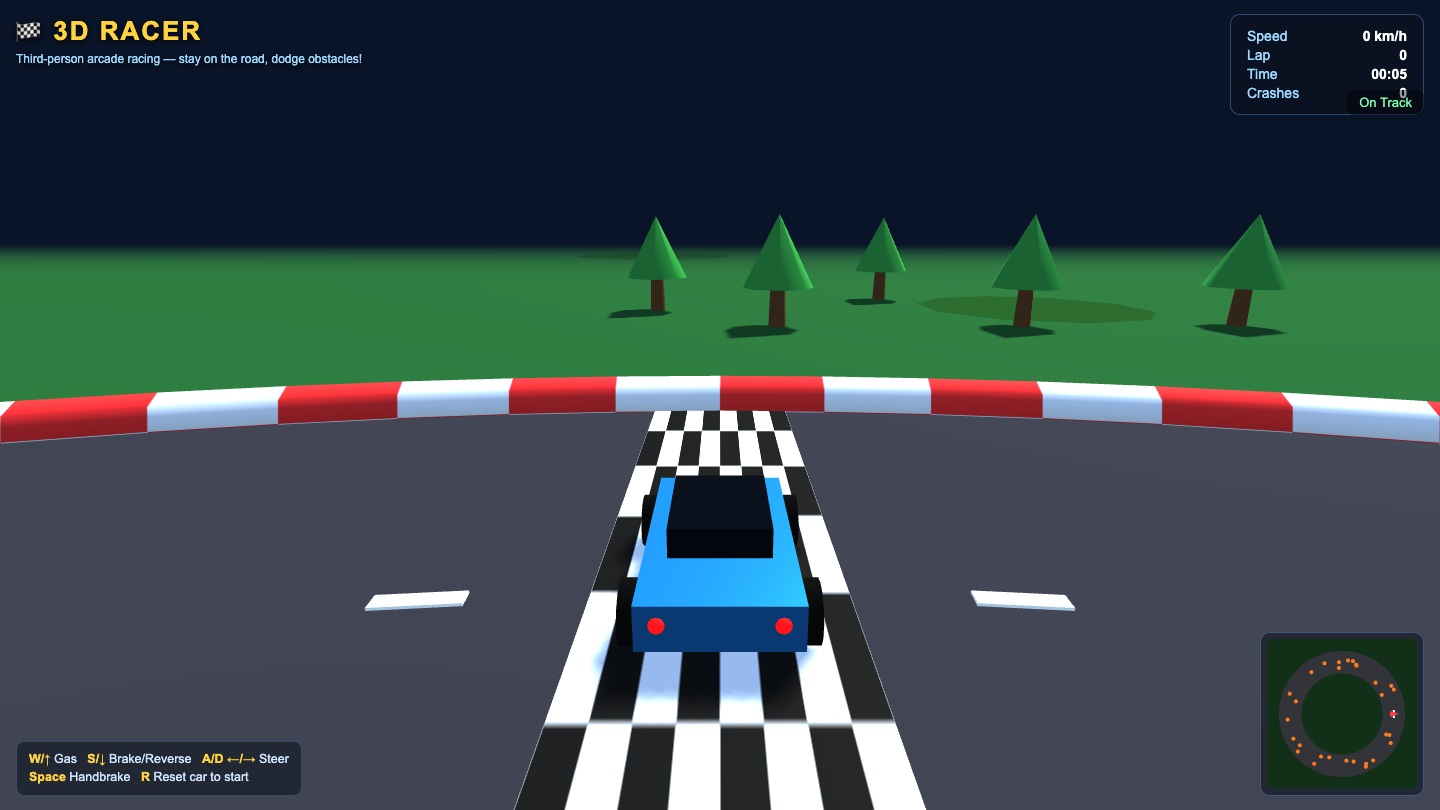
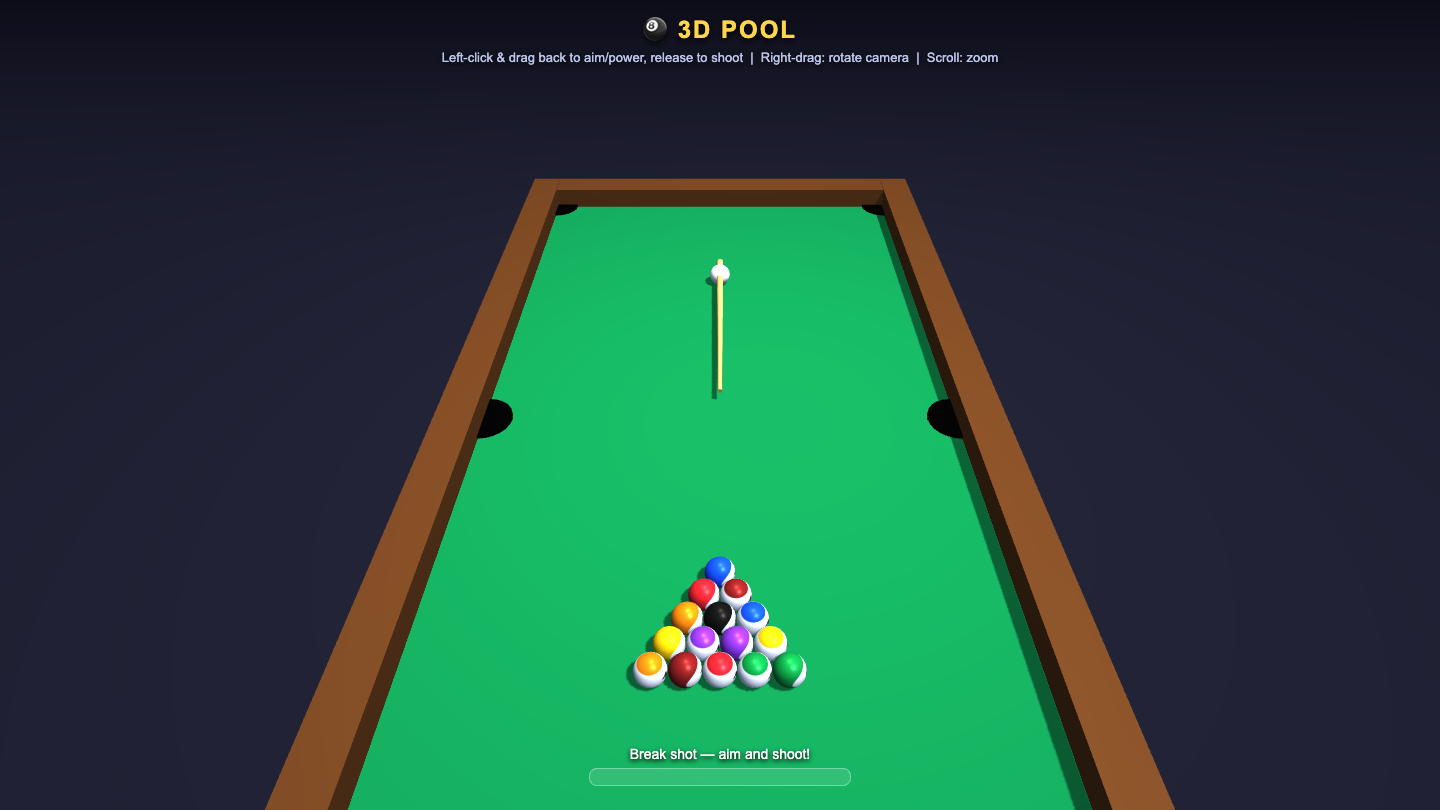
Click any cell to play that model's actual one-shot attempt. Medals are derived from my 0–10 scores per task (highest = 🥇, second = 🥈, third = 🥉).
Task ↓
Grok 4.7
Claude Sonnet 5
Game
Game
Game
Game
Game
Game
Game
Game
Game
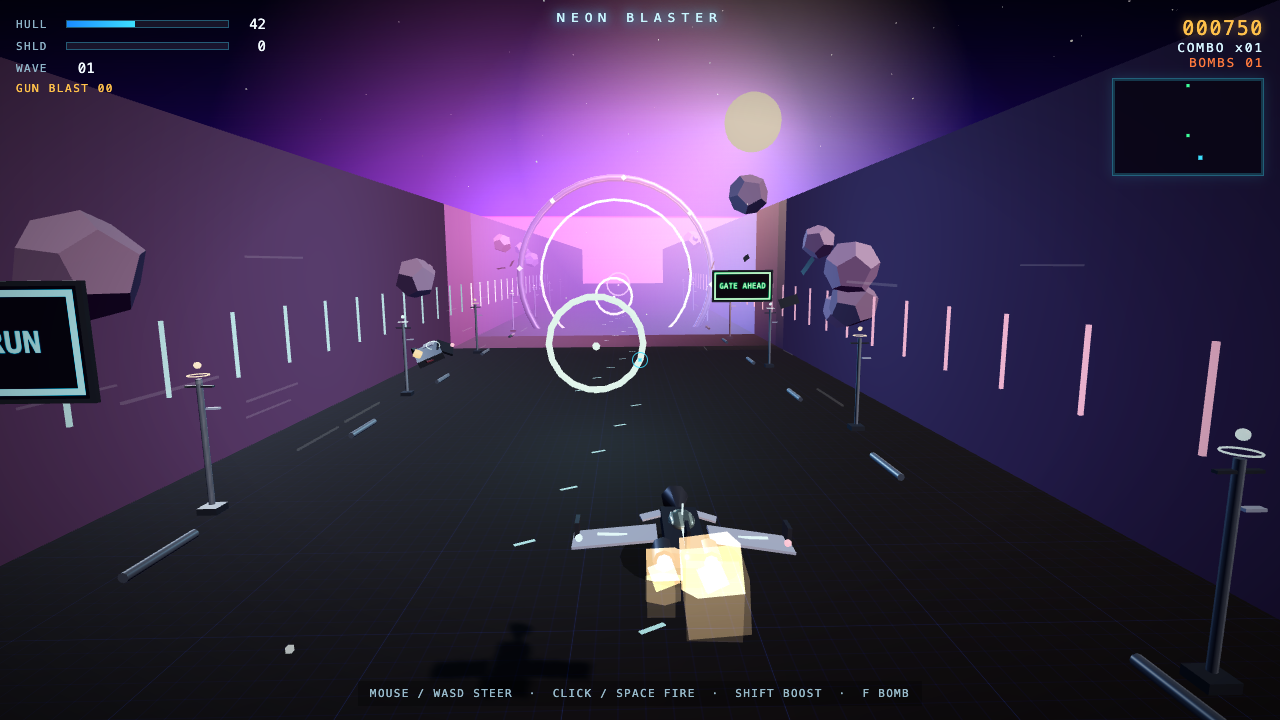
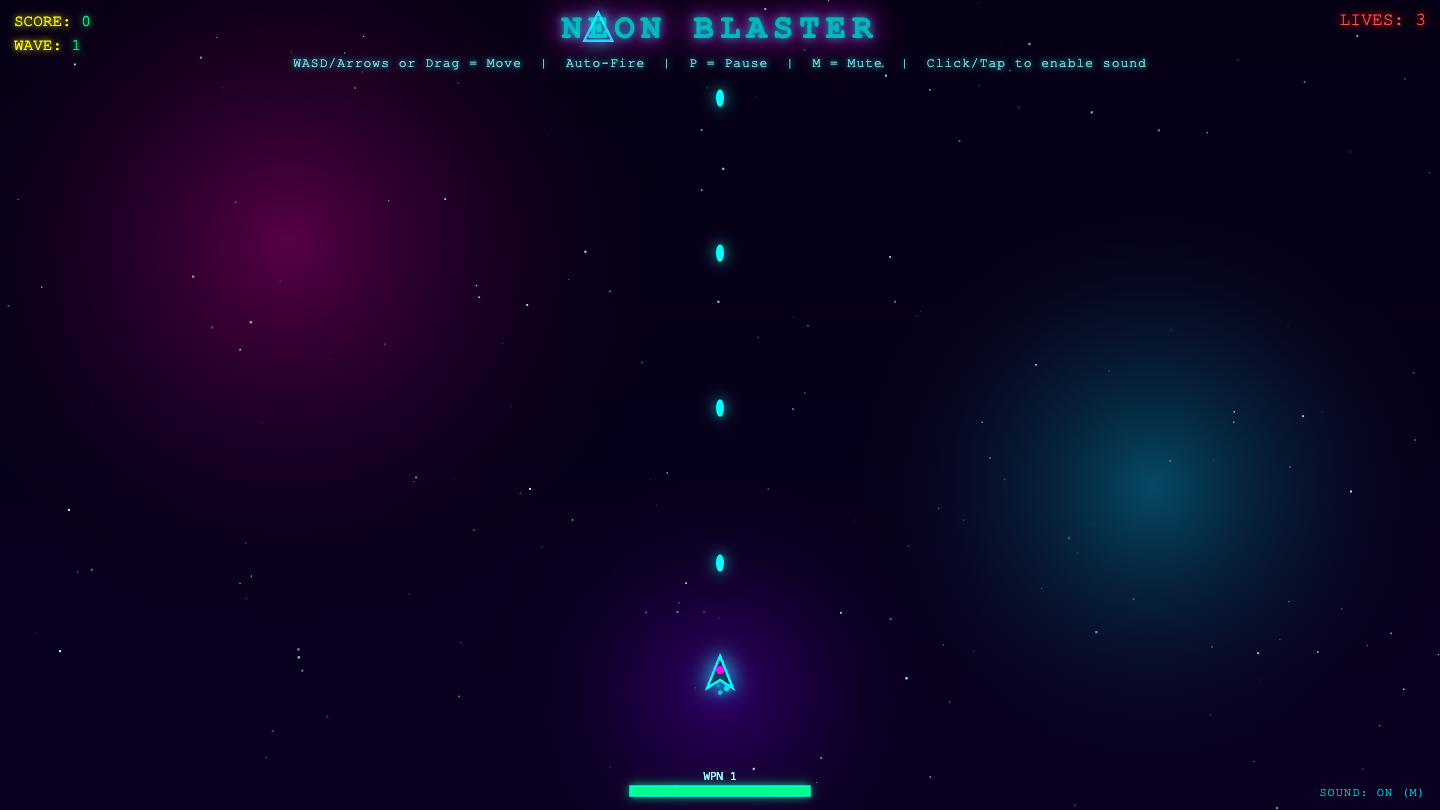
Game
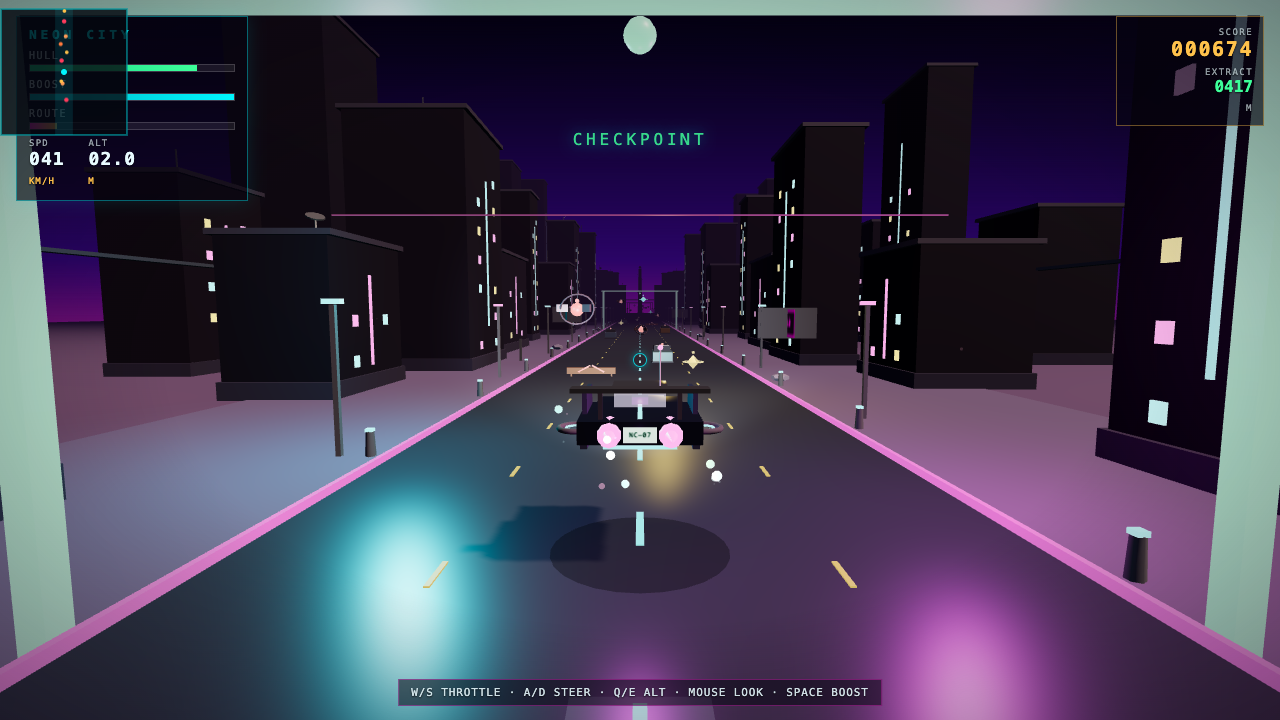
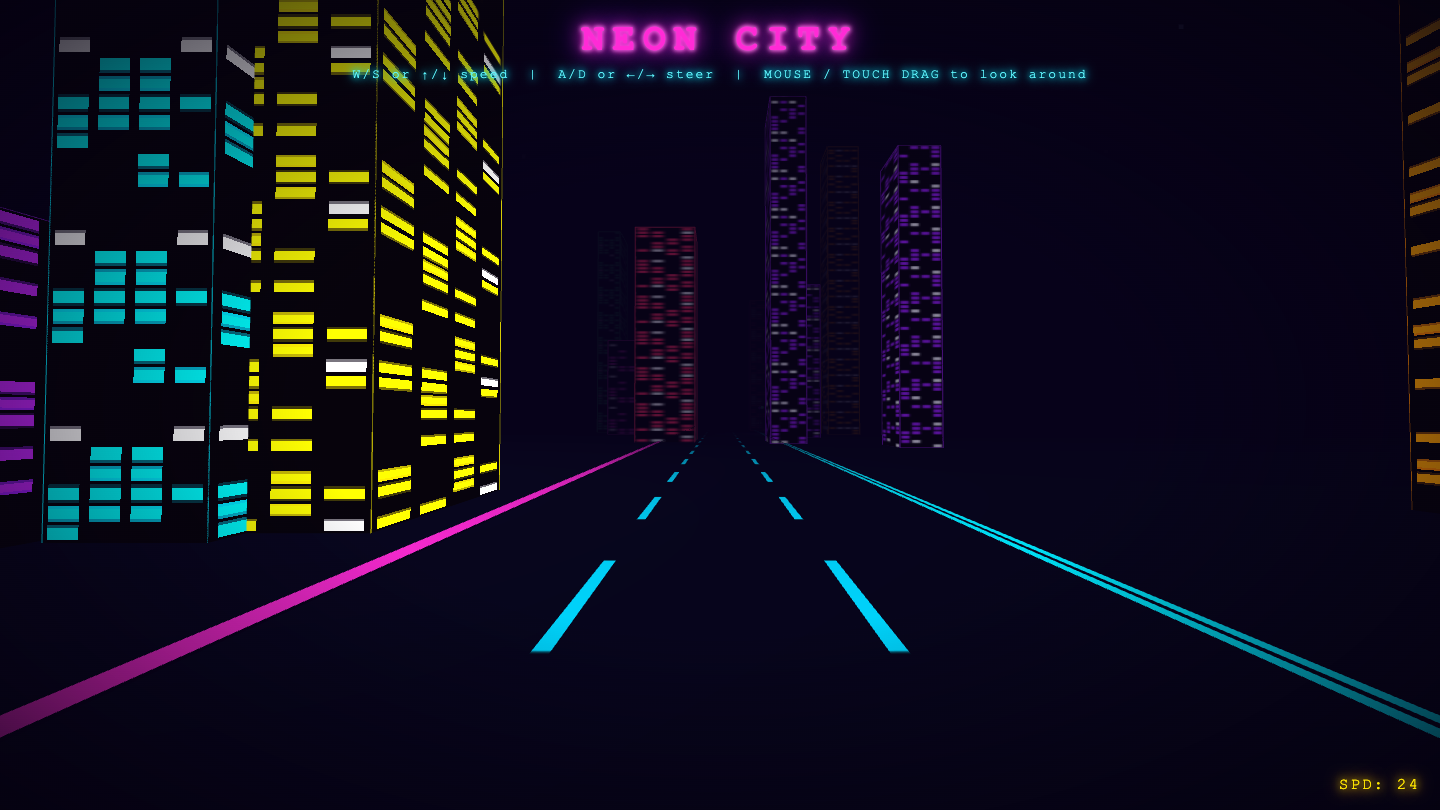
Game

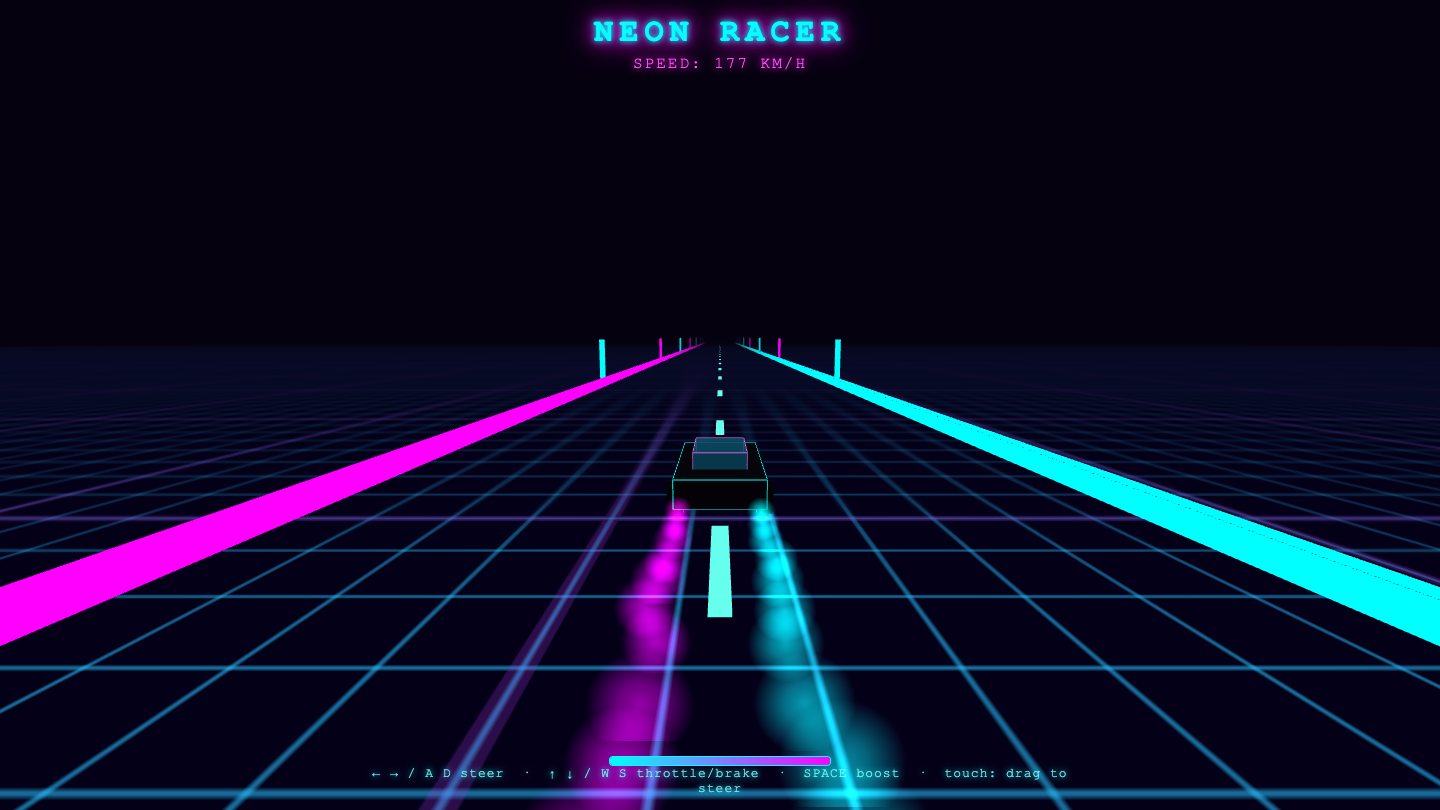
Game
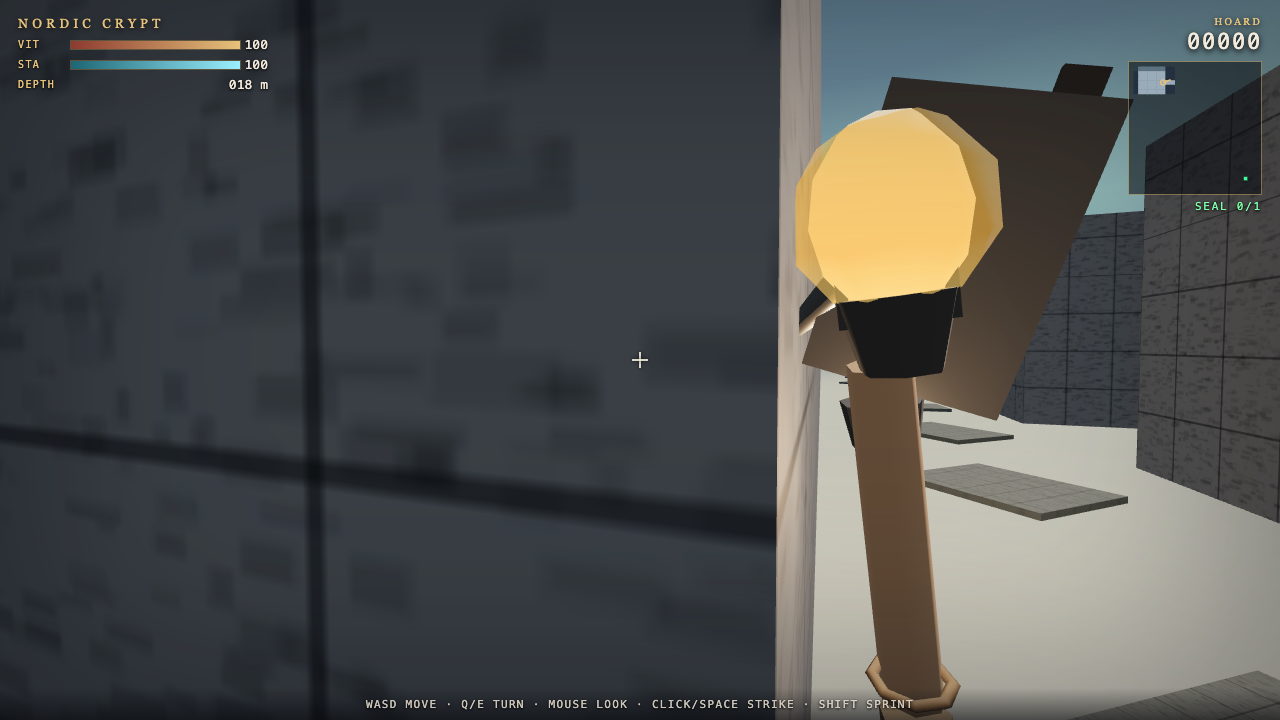
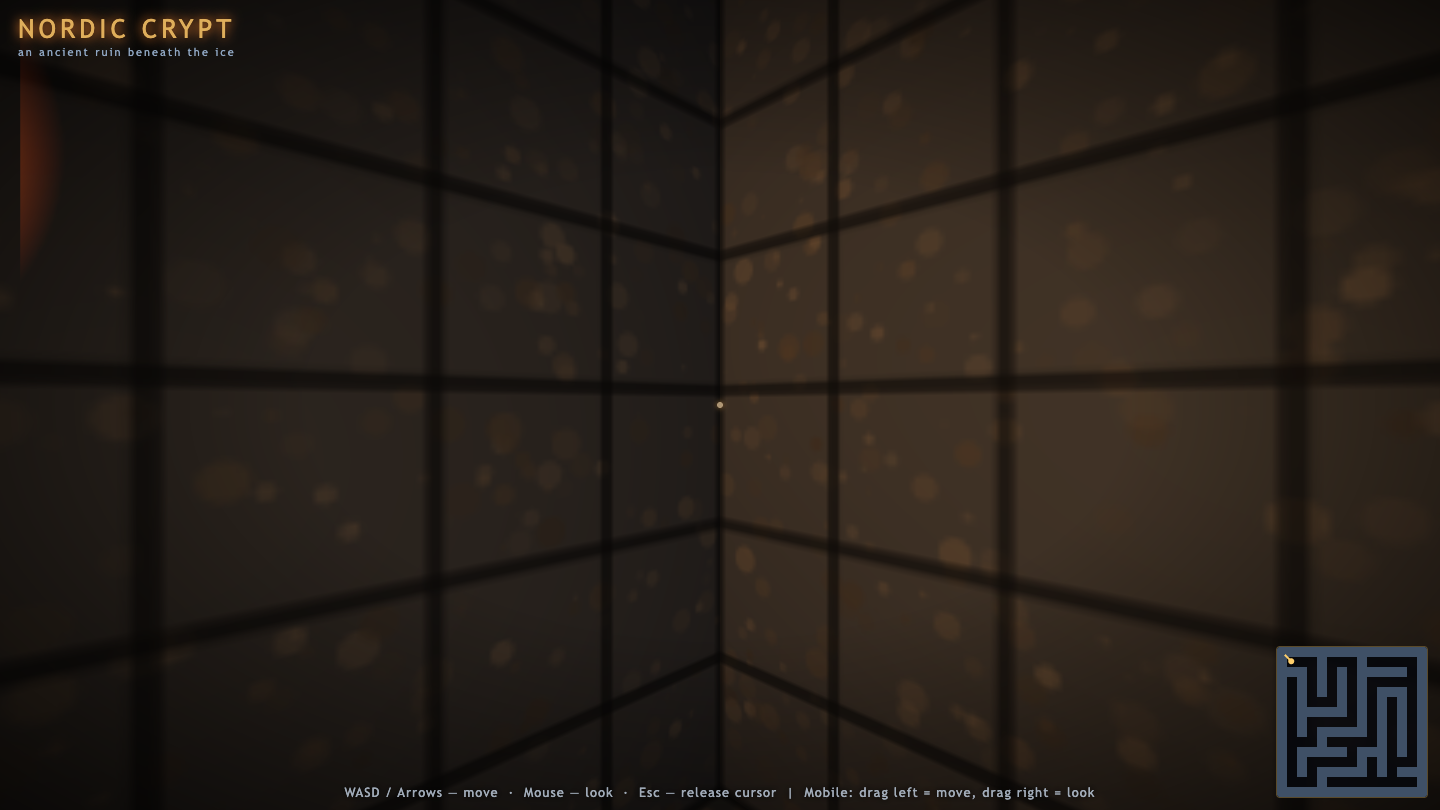
Game
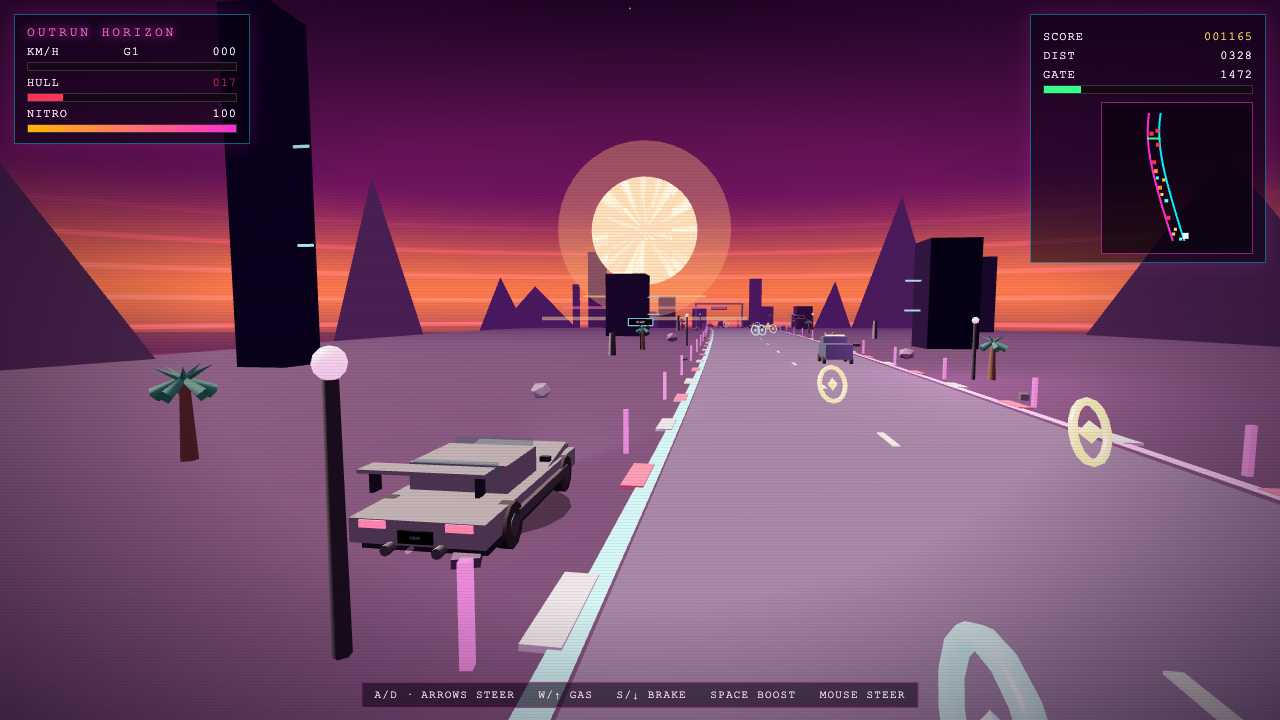

Game
Game
Game
Game
Game
Game
Game
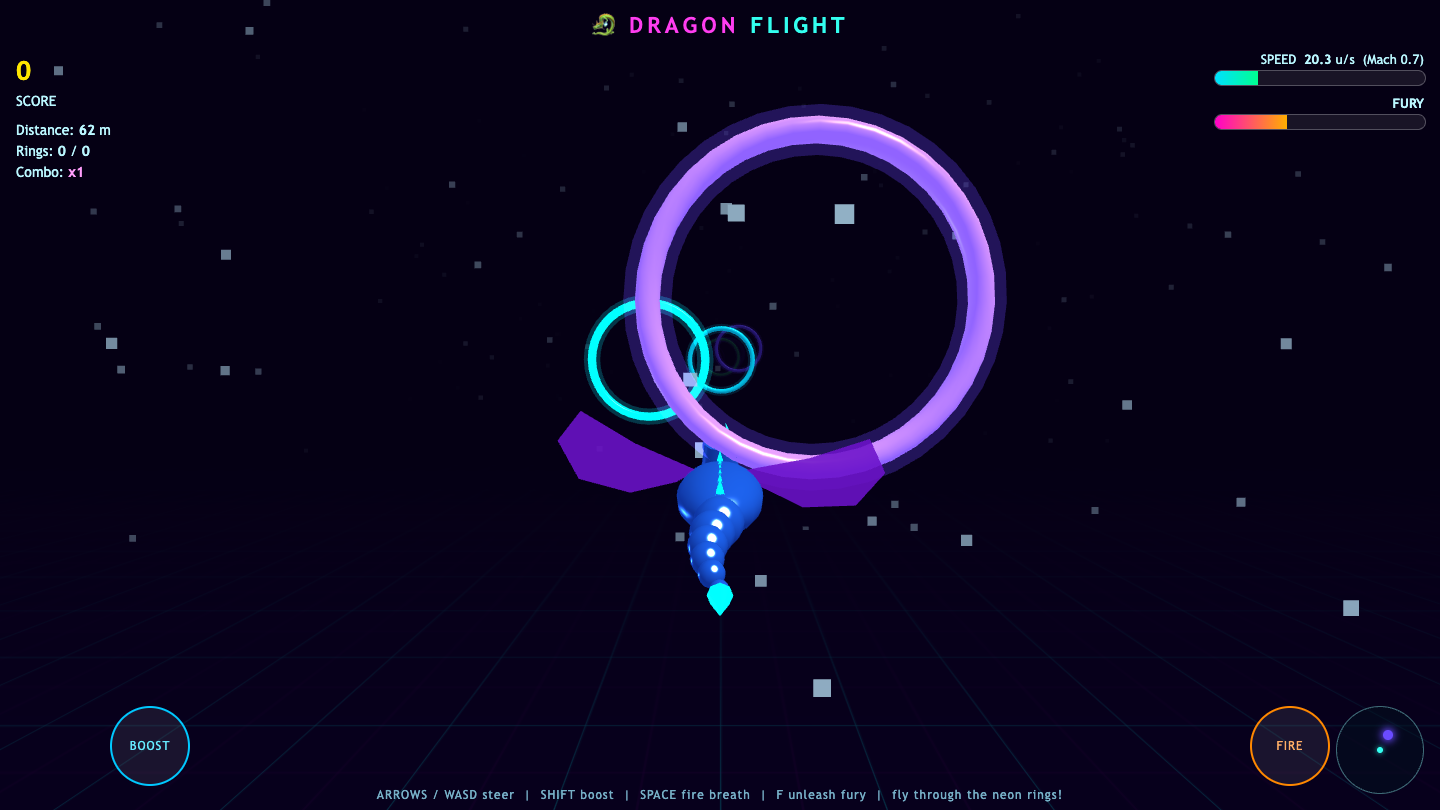
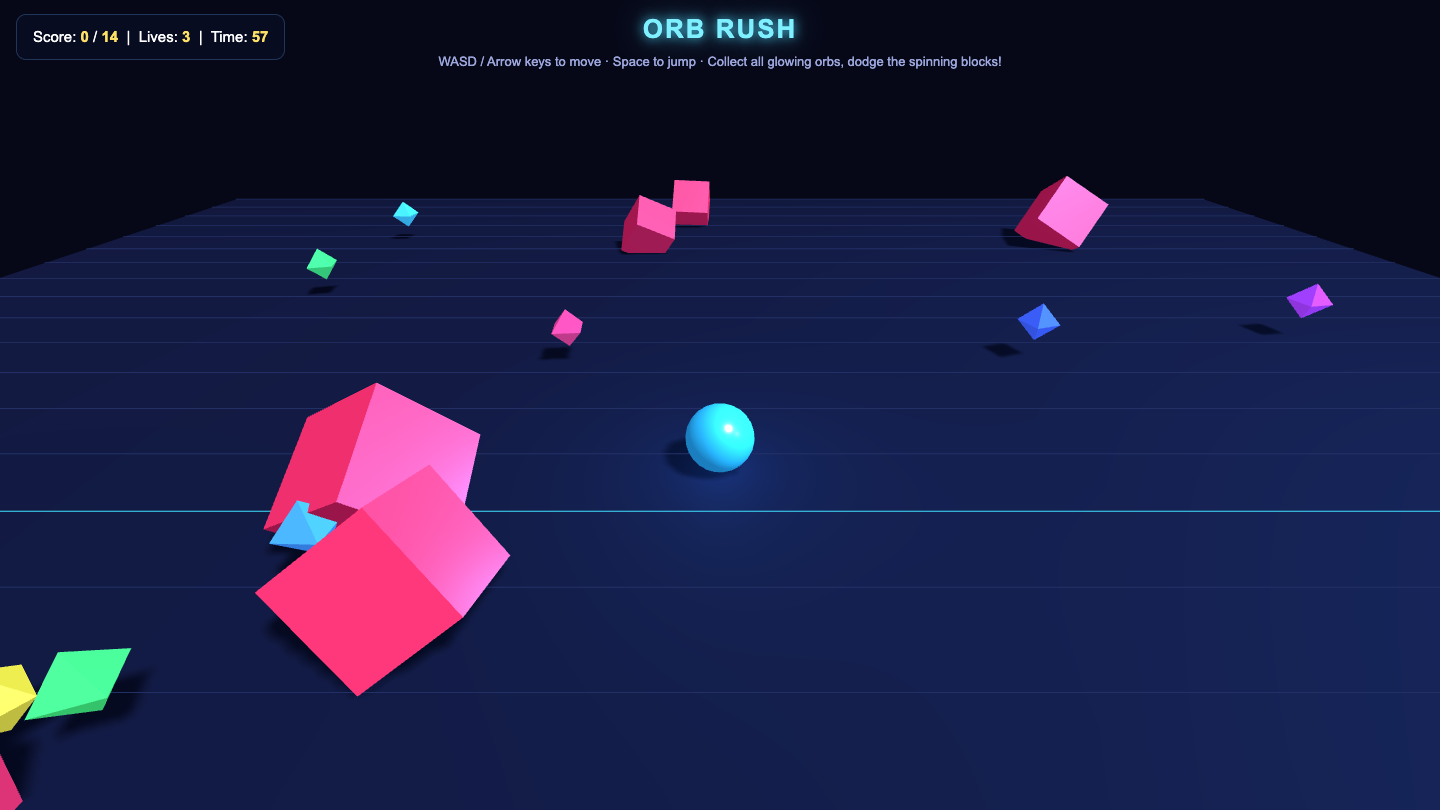
Game
— not attempted —
Game
— not attempted —
Game
— not attempted —
Page
— not attempted —
Where Grok 4.7 beat Claude Sonnet 5
The tasks where I gave Grok 4.7 a higher 0–10 score on the same prompt — with the actual commentary from my source guides.
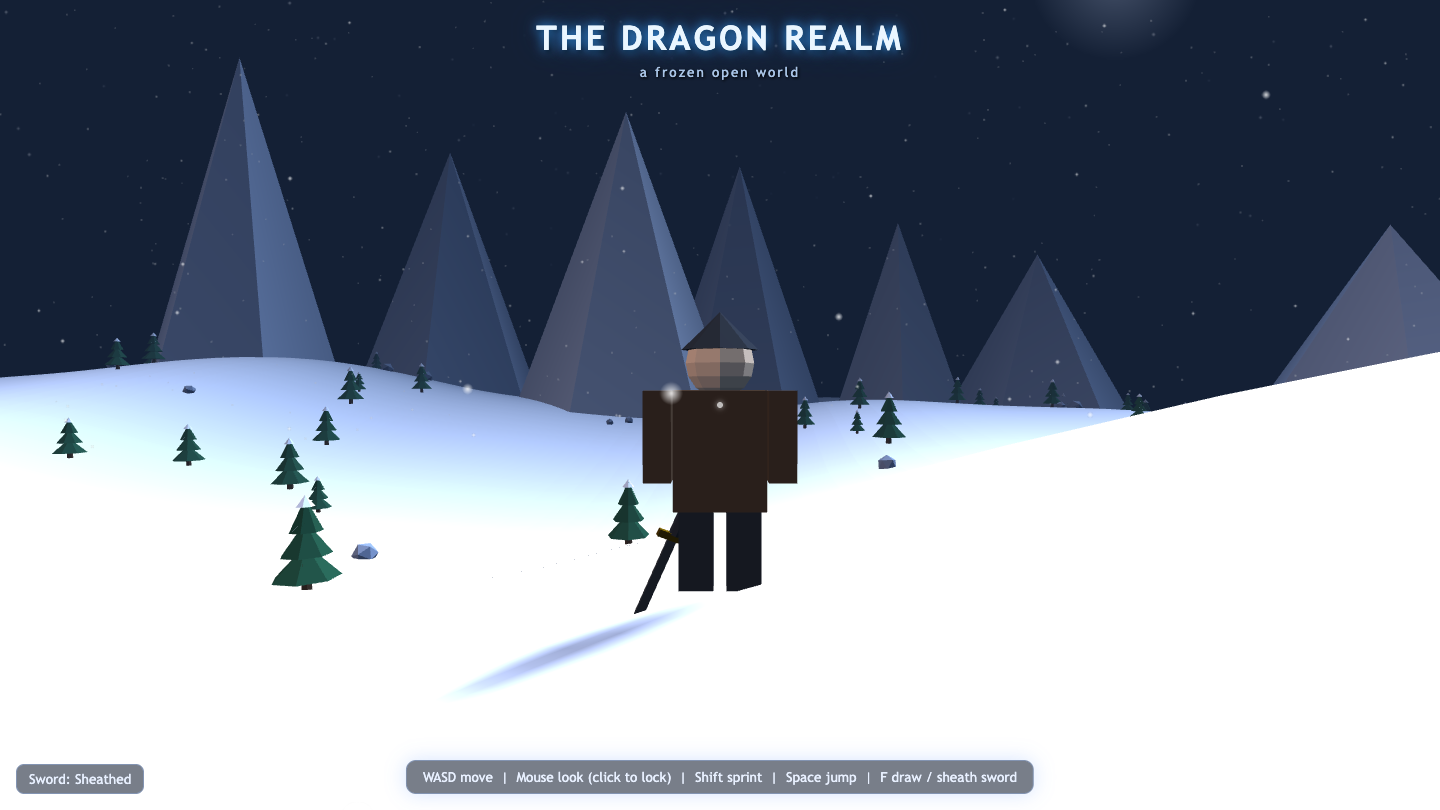
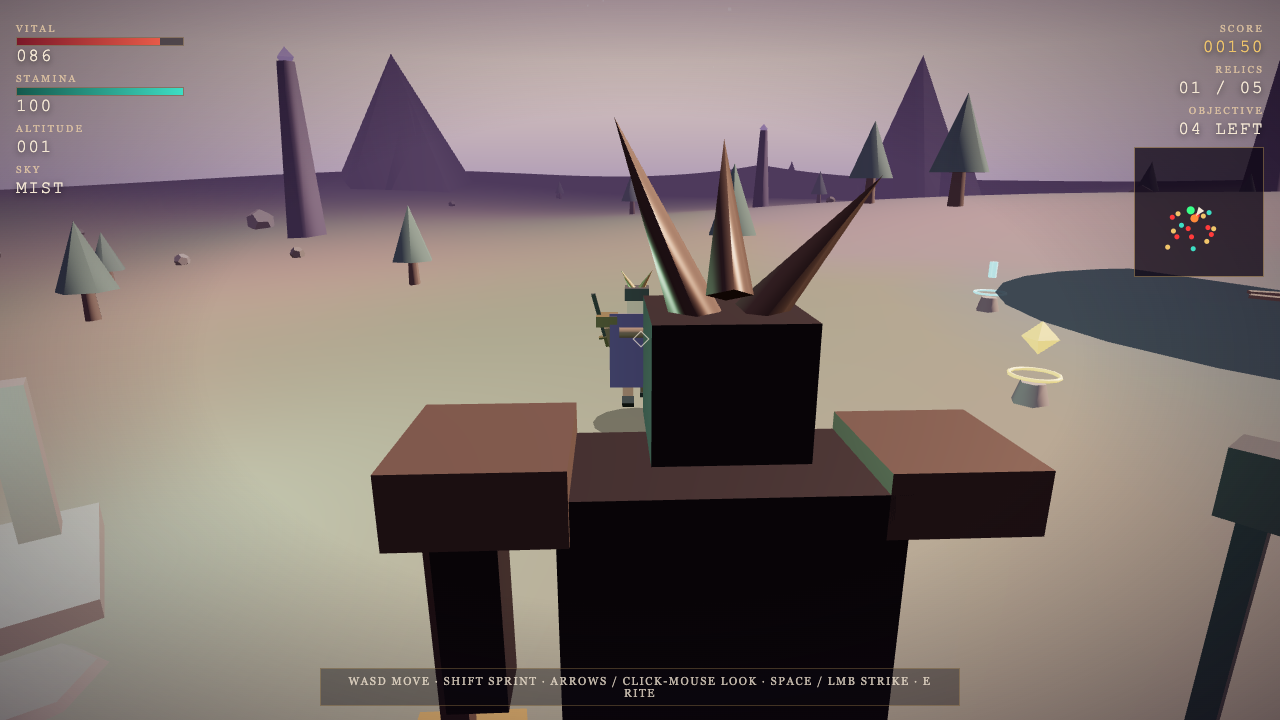
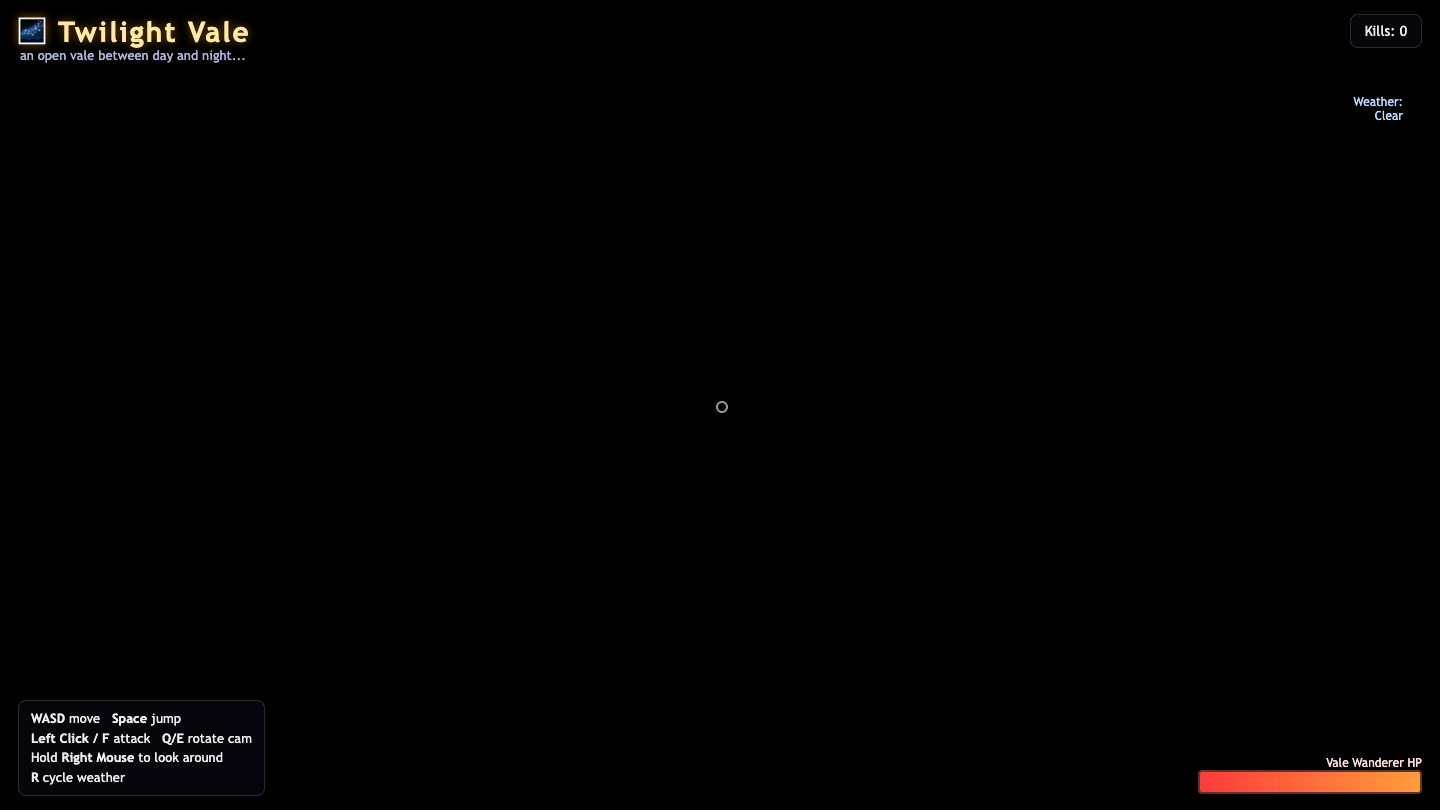
Twilightvale
Game
Grok 4.7 8.3
·
Claude Sonnet 5 3.0
(+5.3)
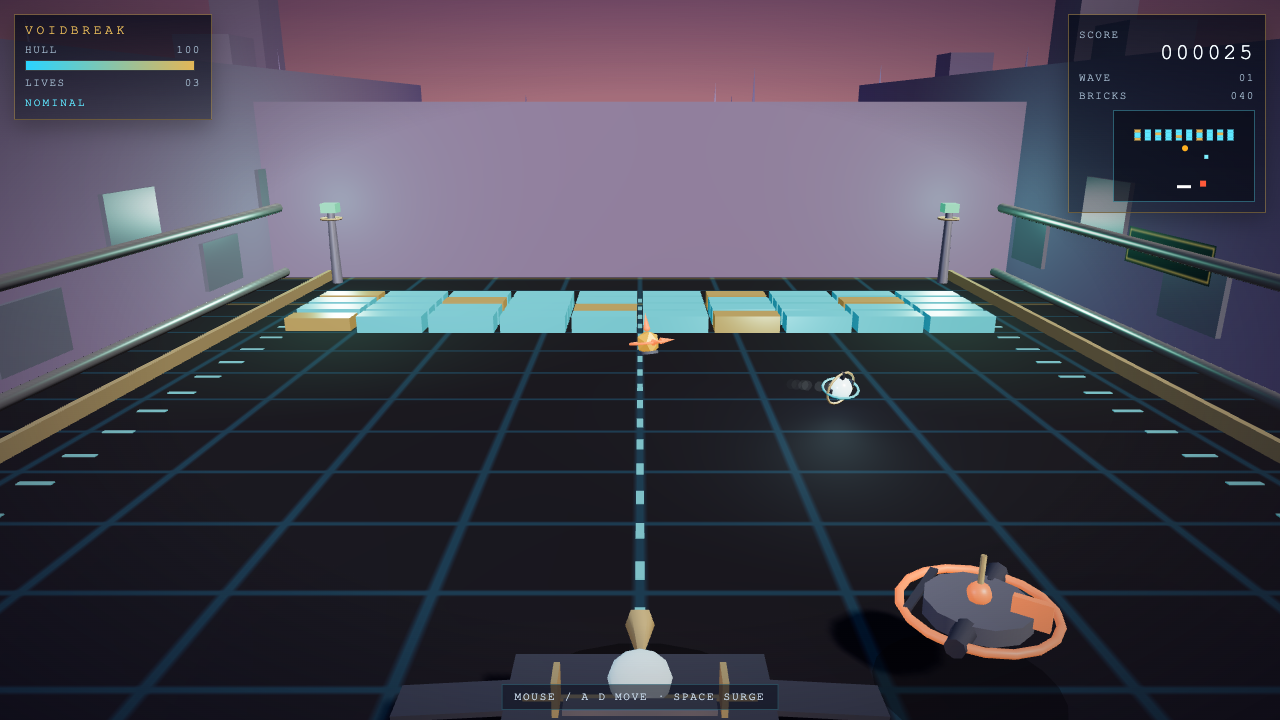
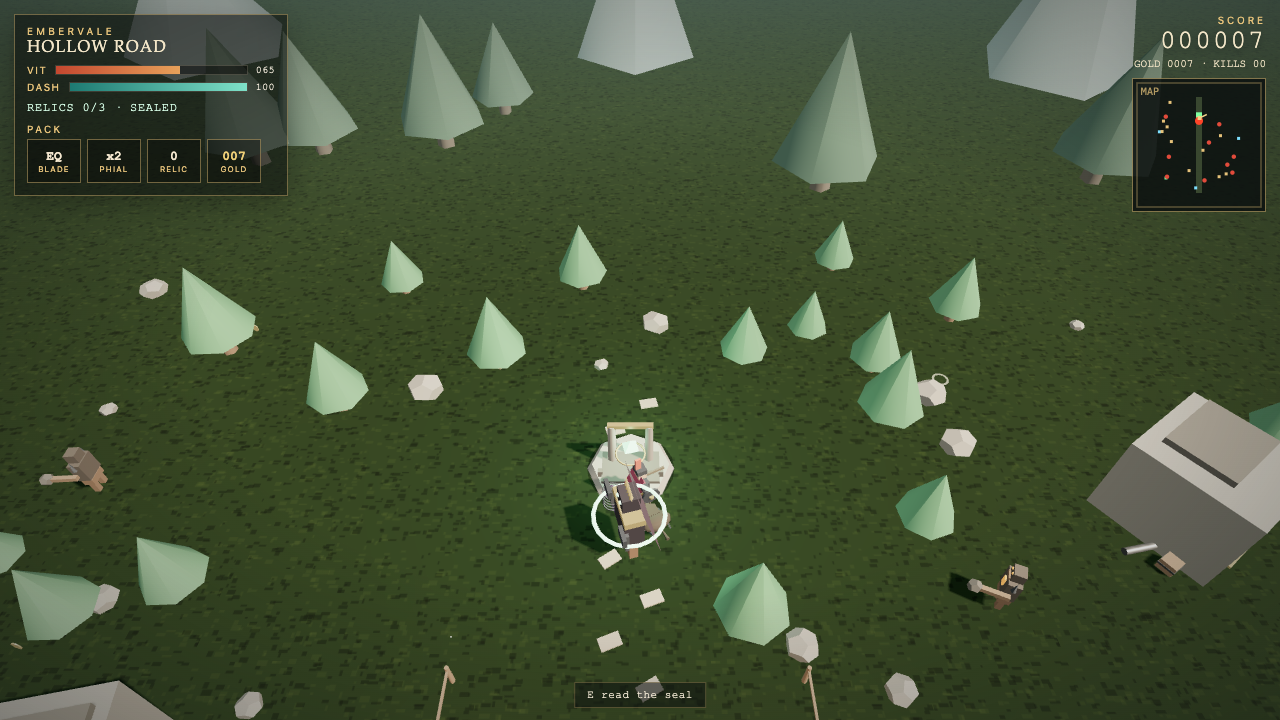
What I saw: Renders a polished twilight open-world with terrain, water pool, scattered trees/monoliths, relics, minimap, and a functional combat loop — HUD shows score climbing, a relic collected, VITAL dropping from a WARDEN fight, all confirming real progression. Strong and shippable, but …
Gtadrive
Game
Grok 4.7 7.8
·
Claude Sonnet 5 4.5
(+3.3)
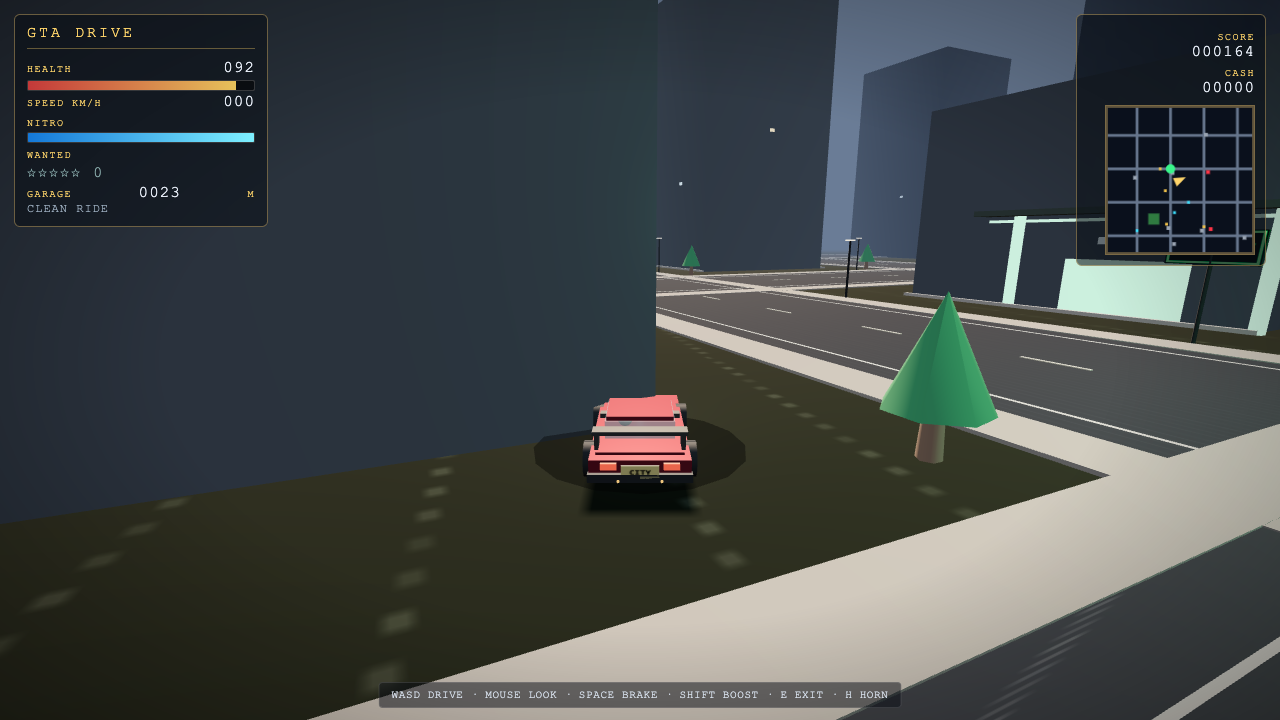
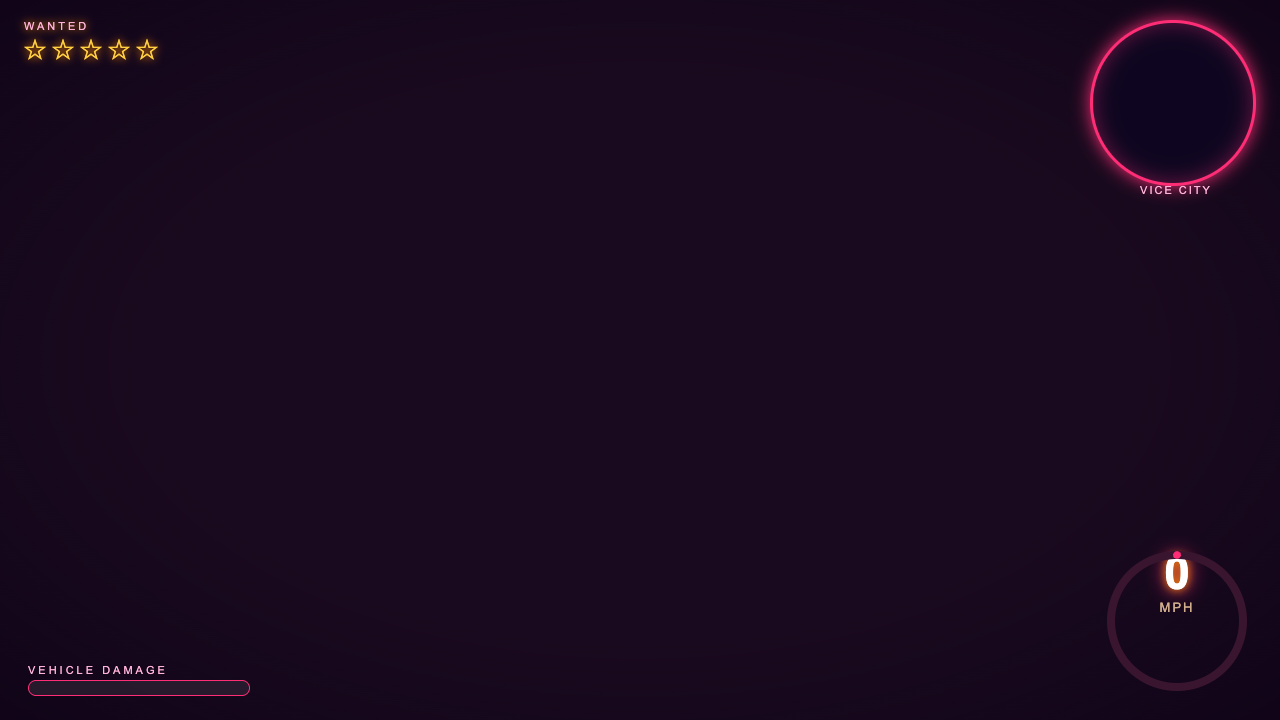
What I saw: Renders a polished city sandbox with a detailed HUD (health, nitro, wanted stars, minimap with markers) and a nicely modeled car, and the playtest shows real movement — distance closed from 0104 to 0023, score rose to 164, health dropped on crash. Weak points: speed reads 000 and…
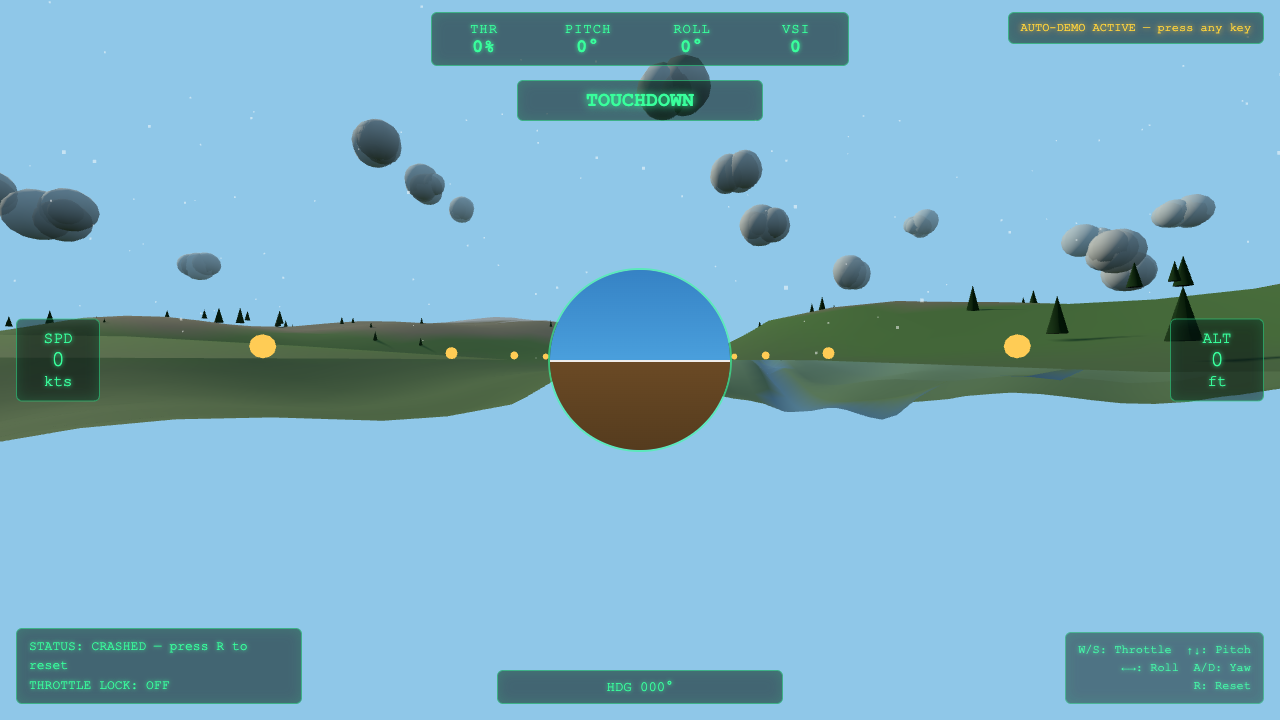
Flightsim
Game
Grok 4.7 8.5
·
Claude Sonnet 5 5.5
(+3.0)
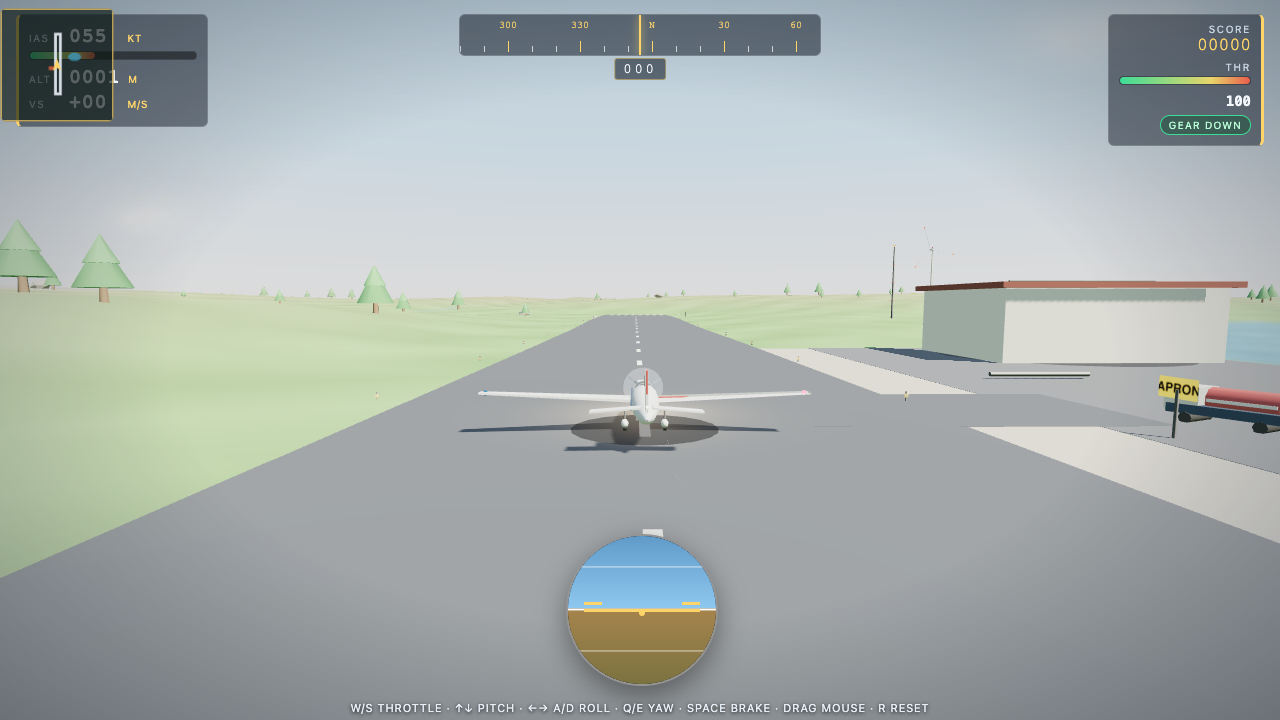
· polished flight HUD
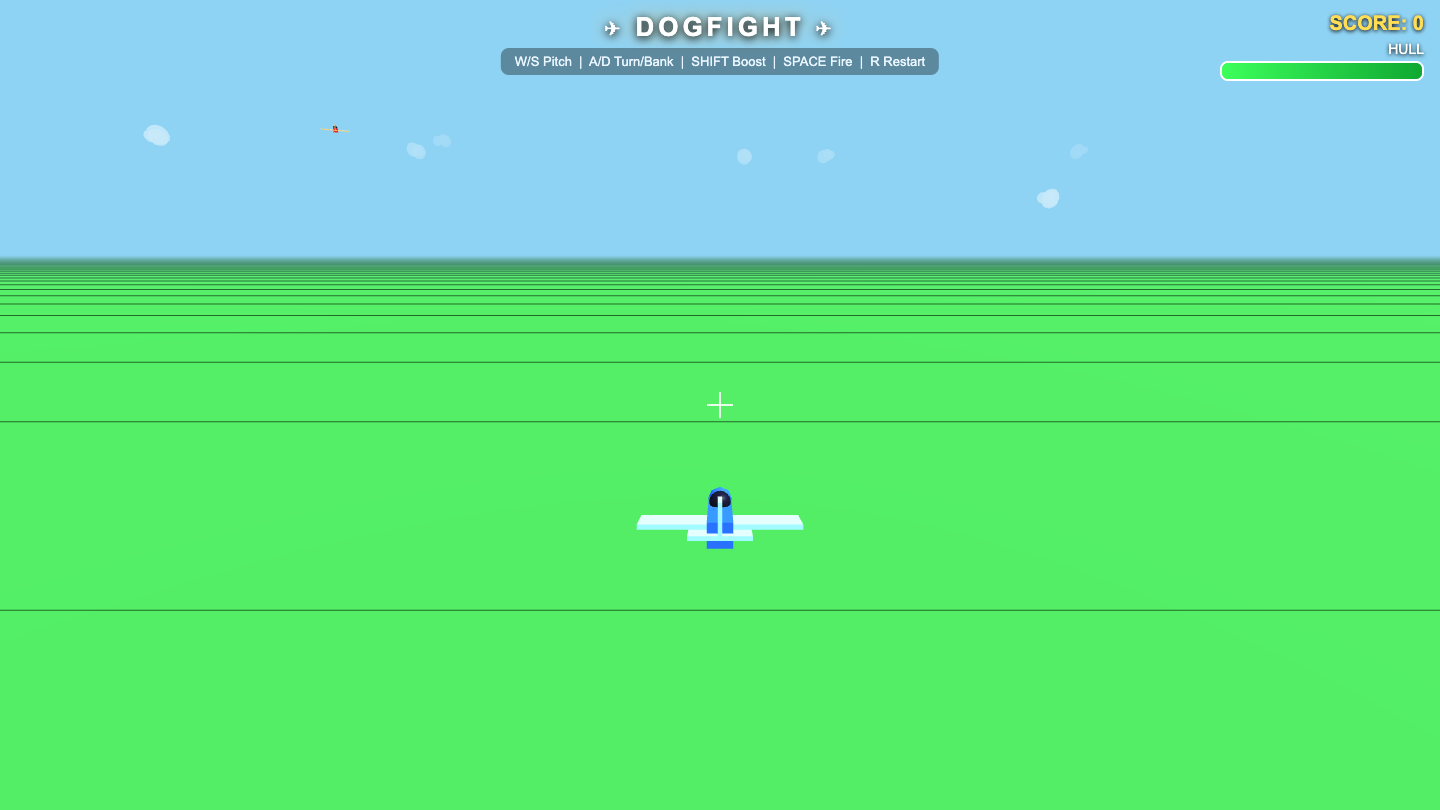
What I saw: Strong render with a detailed 3D airport (runway, hangar, apron truck), clean chase-cam plane, and a rich professional HUD (heading tape, artificial horizon, IAS/ALT/VS gauges); playtest confirms real takeoff physics — throttle to 100, IAS ramping 55→146kt, ALT climbing 1→236m wi…
Gtafoot
Game
Grok 4.7 7.2
·
Claude Sonnet 5 4.5
(+2.7)
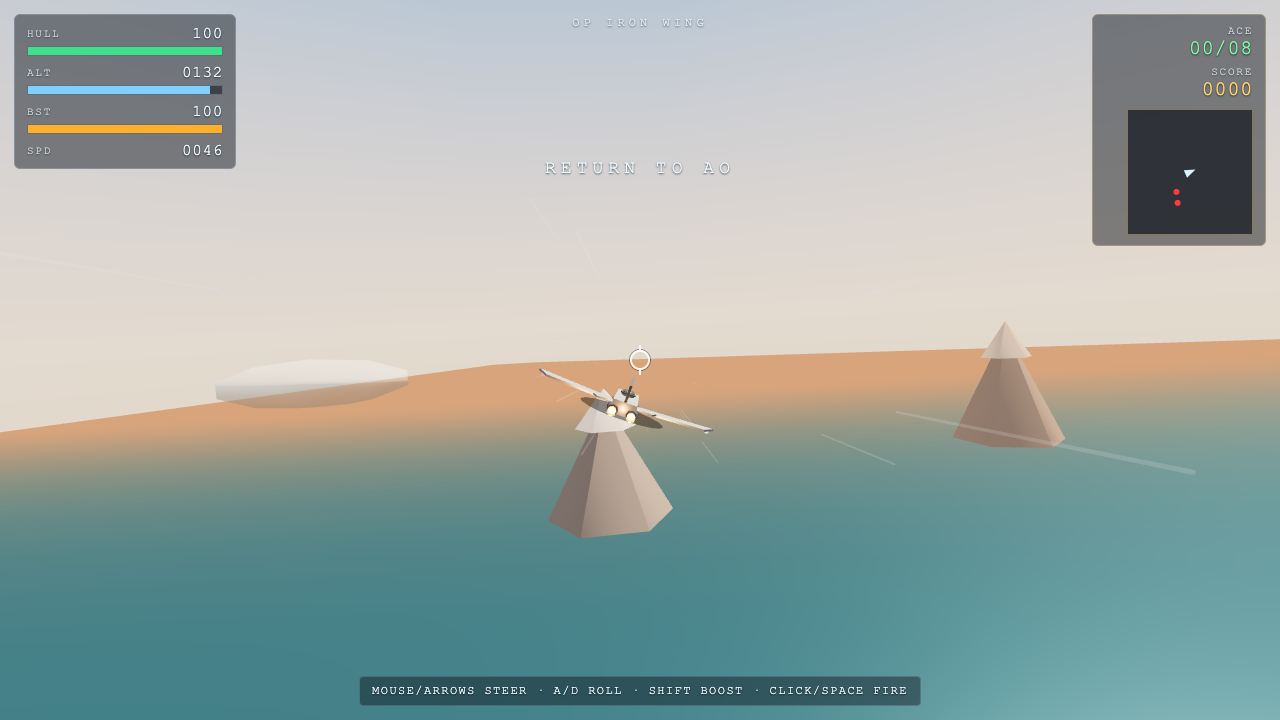
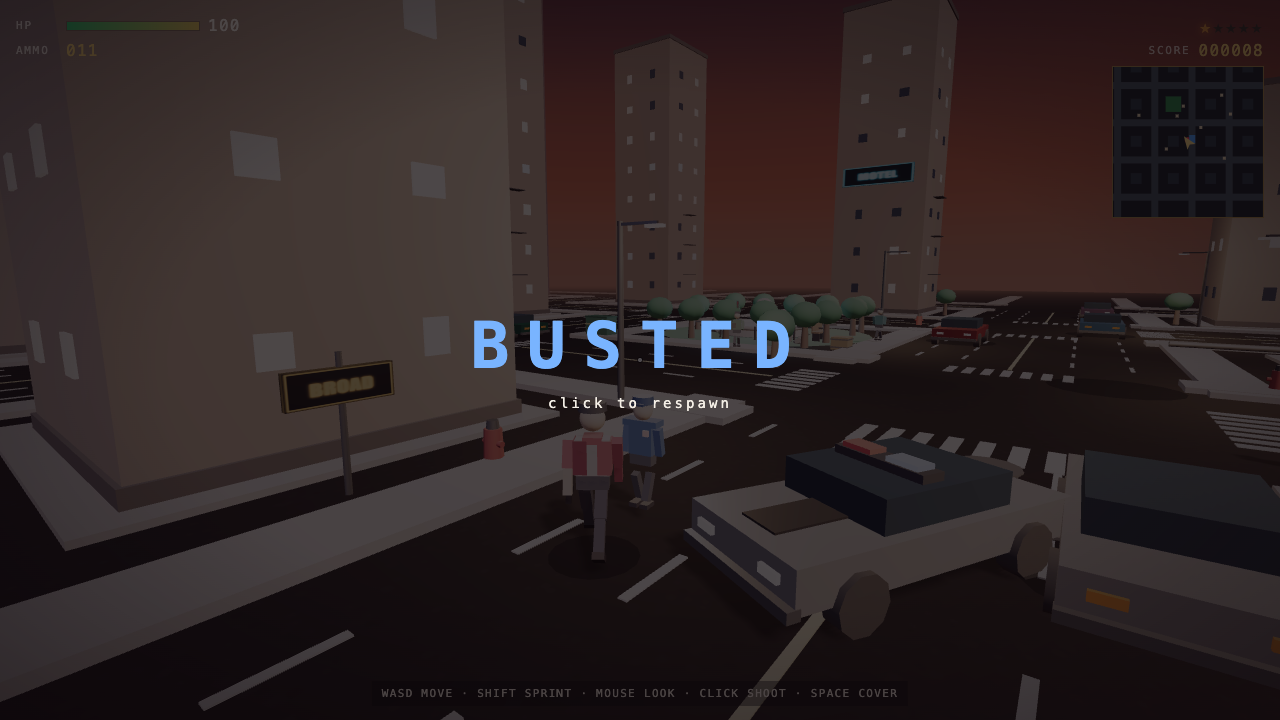
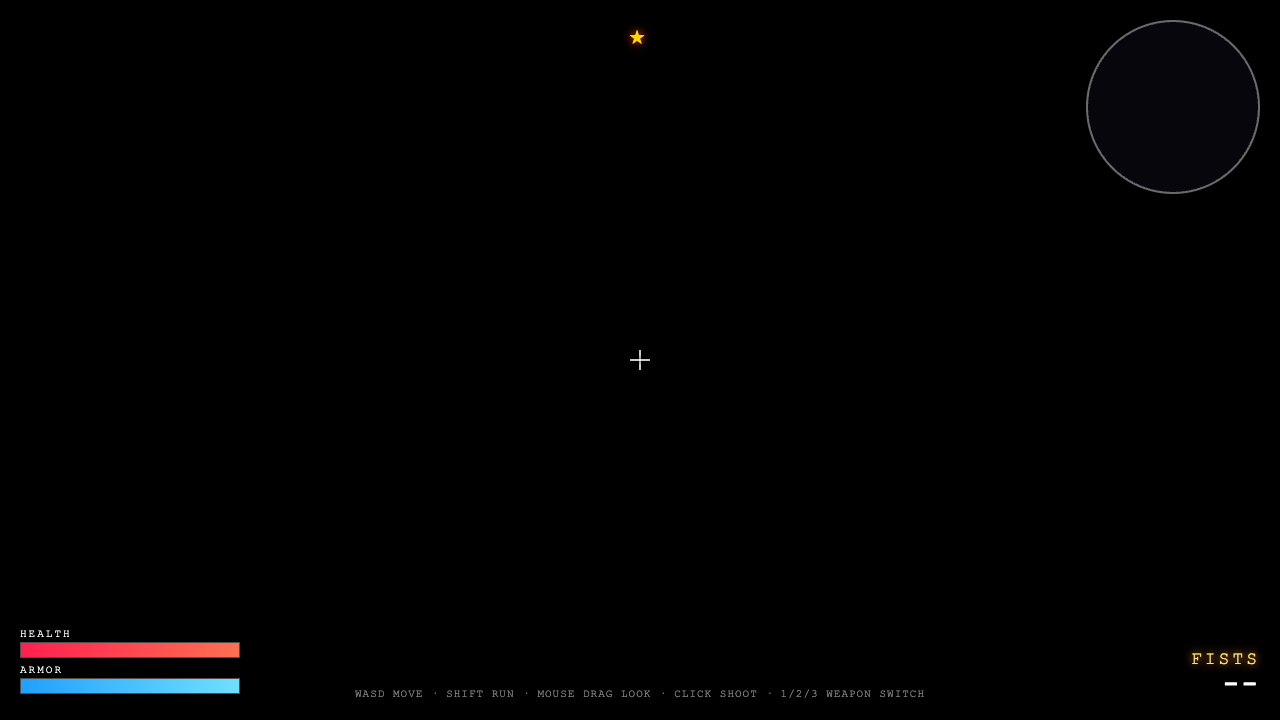
What I saw: Strong, atmospheric dusk-lit third-person city with pedestrians, cars, cover sign, minimap, wanted stars and full HUD — the still is genuinely handsome and clearly on-brief. But the playtest shows it fell into the BUSTED overlay almost immediately (score stuck at 000008, HP froze…
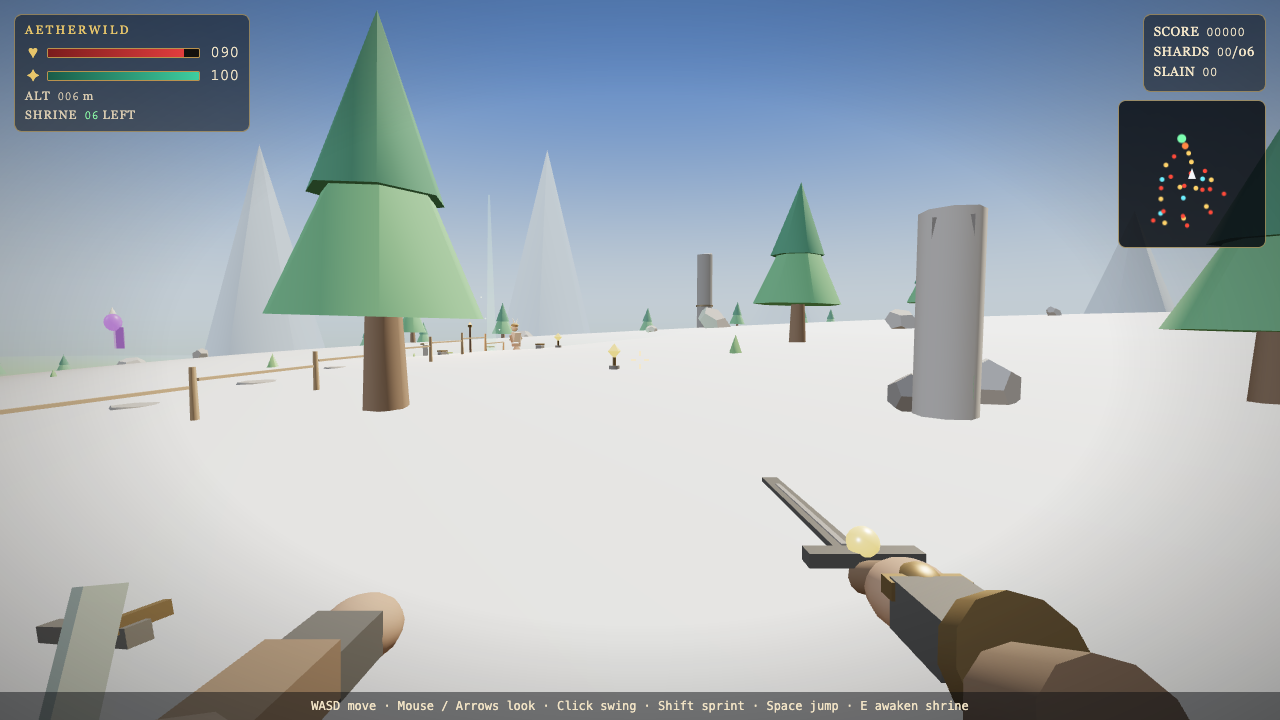
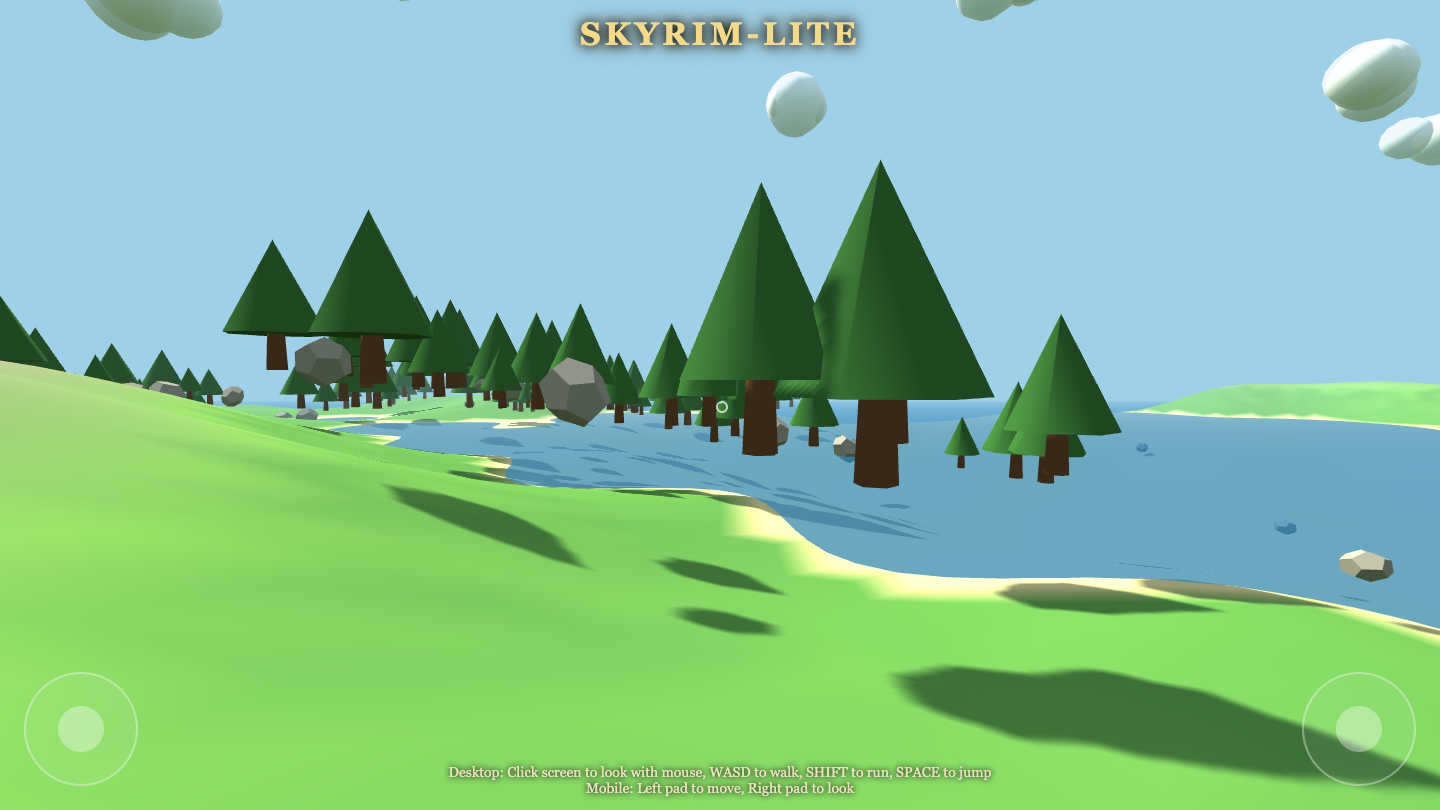
Skyrim
Game
Grok 4.7 8.4
·
Claude Sonnet 5 7.4
(+1.0)
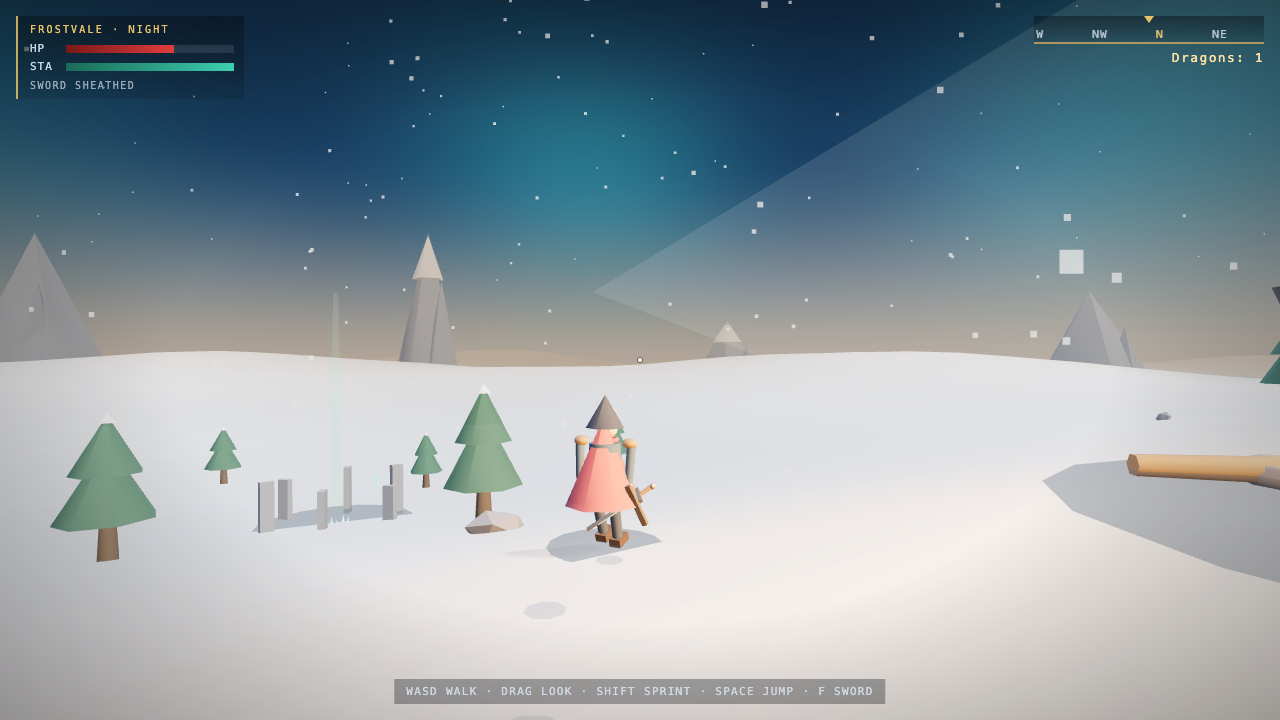
· snowy shrine explorer
What I saw: Renders a polished, atmospheric first-person Skyrim-lite with soft-shadowed low-poly pines, standing stones, held sword+shield, a working minimap, and a rich RPG HUD (health/stamina/shards/shrines/altitude). Playtest confirms real movement, altitude climbing, and HP dropping from…
Where Claude Sonnet 5 beat Grok 4.7
The tasks where I gave Claude Sonnet 5 a higher 0–10 score on the same prompt — with the actual commentary from my source guides.
Voxelcraft
Game
Claude Sonnet 5 7.2
·
Grok 4.7 2.2
(+5.0)
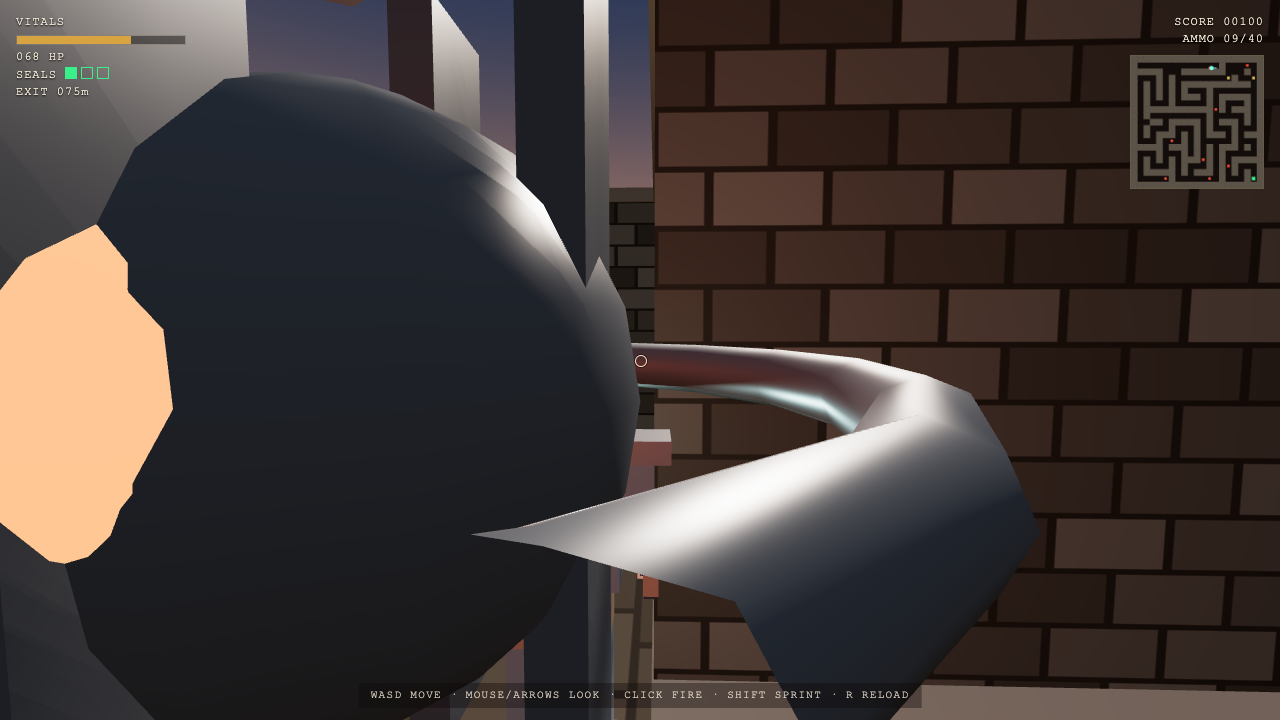
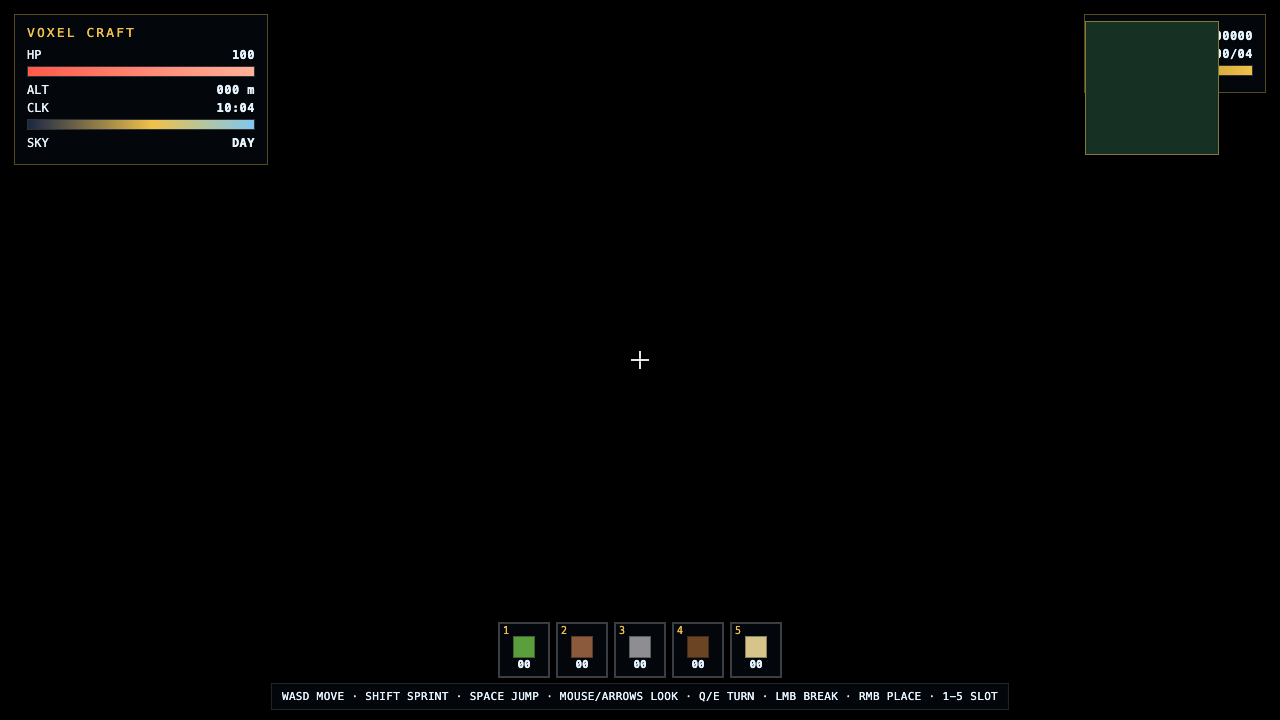
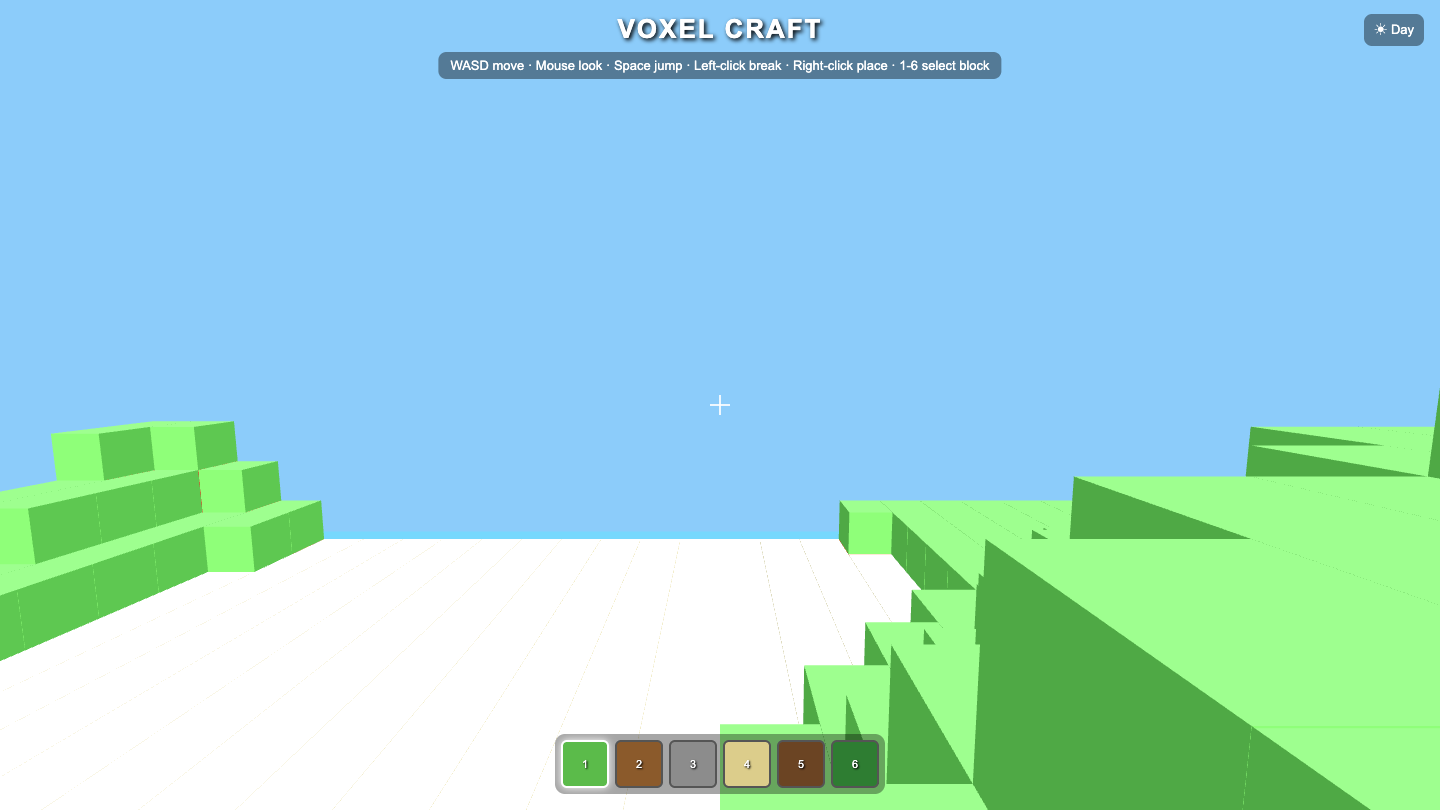
What I saw: Renders a working voxel world with clean hotbar, crosshair, HUD, and full FPS controls/raycast placement, but the terrain reads flat and washed-out (over-bright water plane dominating the view) and lacks the depth/polish of the best entry.
Crypt
Game
Claude Sonnet 5 6.5
·
Grok 4.7 2.3
(+4.2)
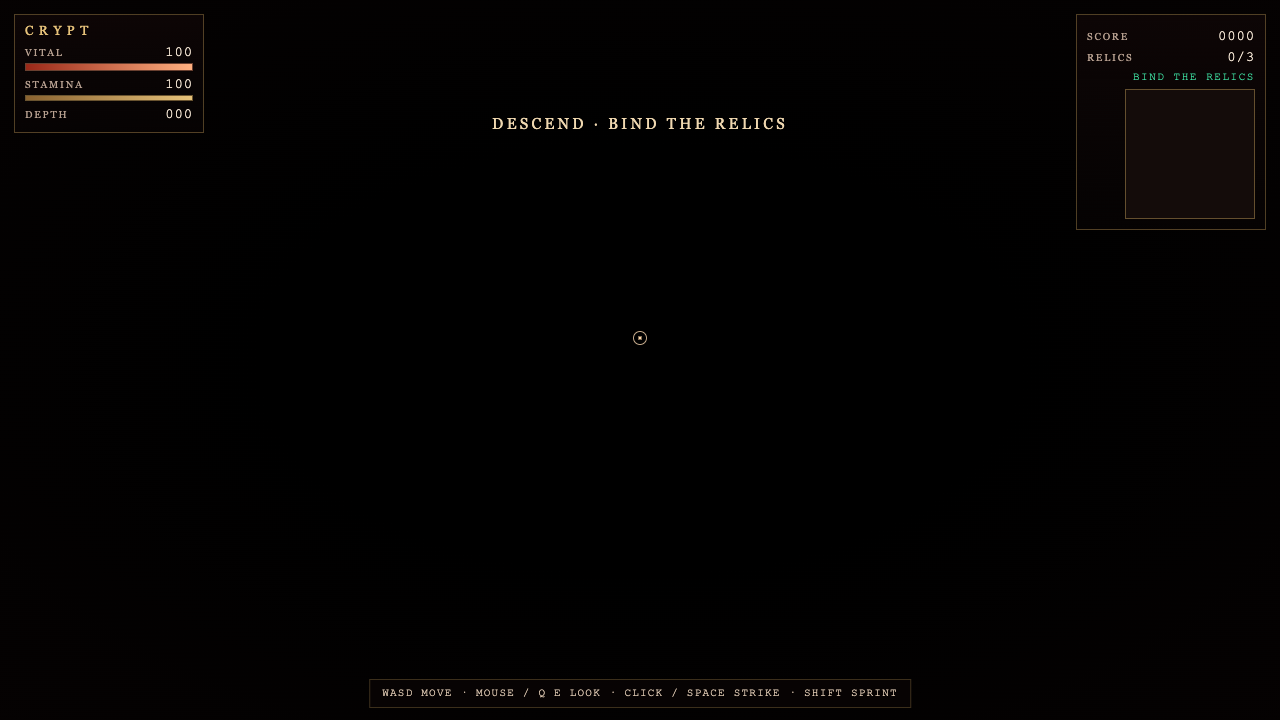
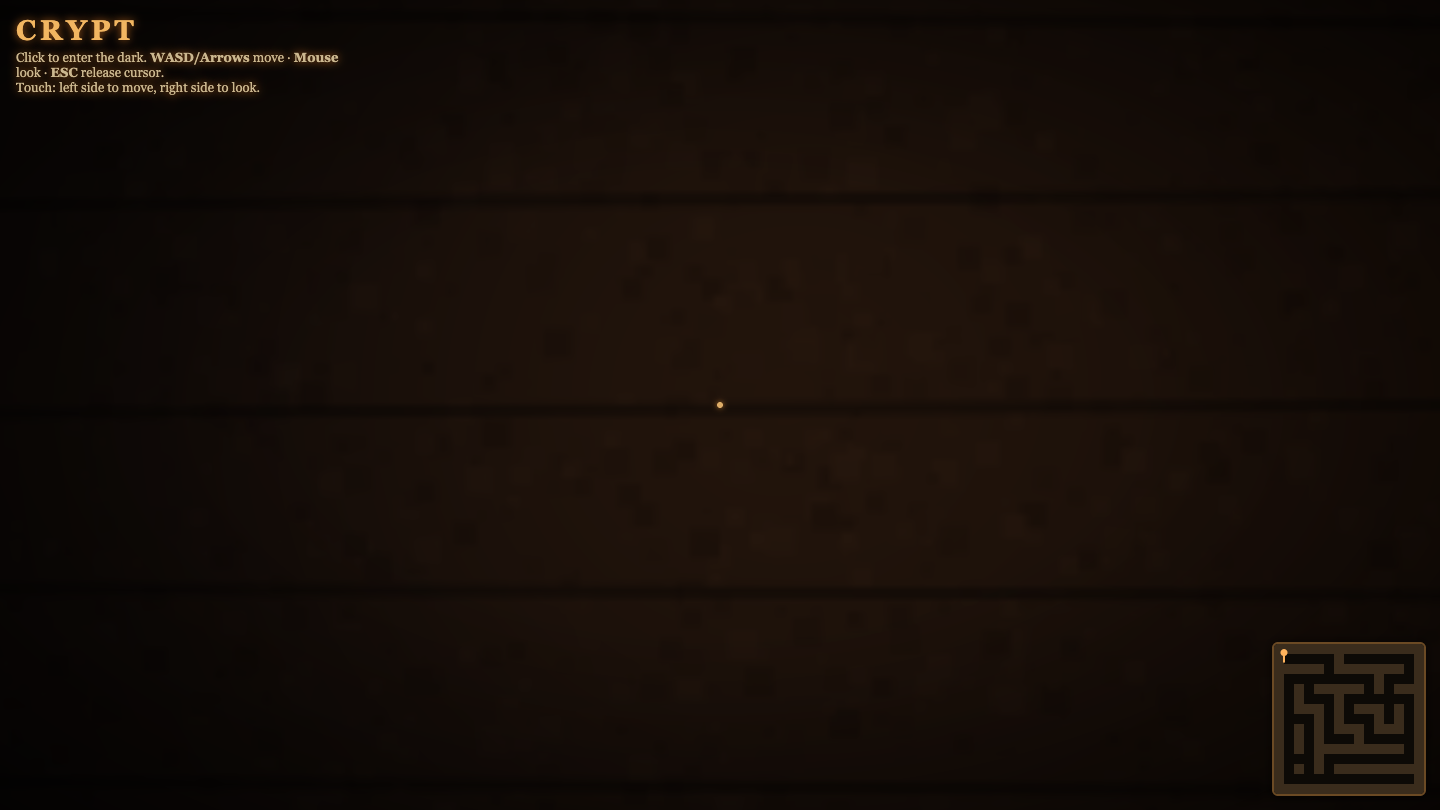
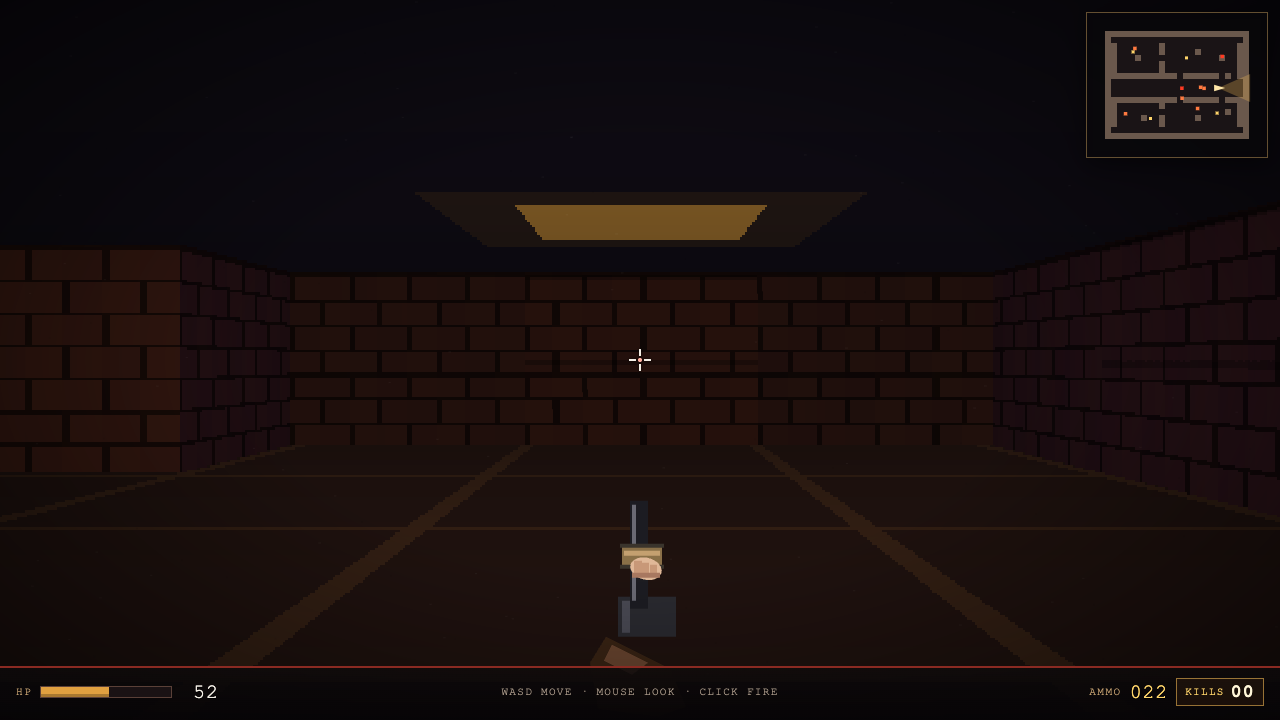
What I saw: Renders with atmospheric HUD, functional minimap showing the maze, and a working torch-lit dungeon architecture in code, but the screenshot is too dark/muddy with no visible walls, torches, or dungeon geometry — the dim ambient/fog balance undersells the crawler and looks flat ra…
Doom
Game
Claude Sonnet 5 8.0
·
Grok 4.7 6.3
(+1.7)
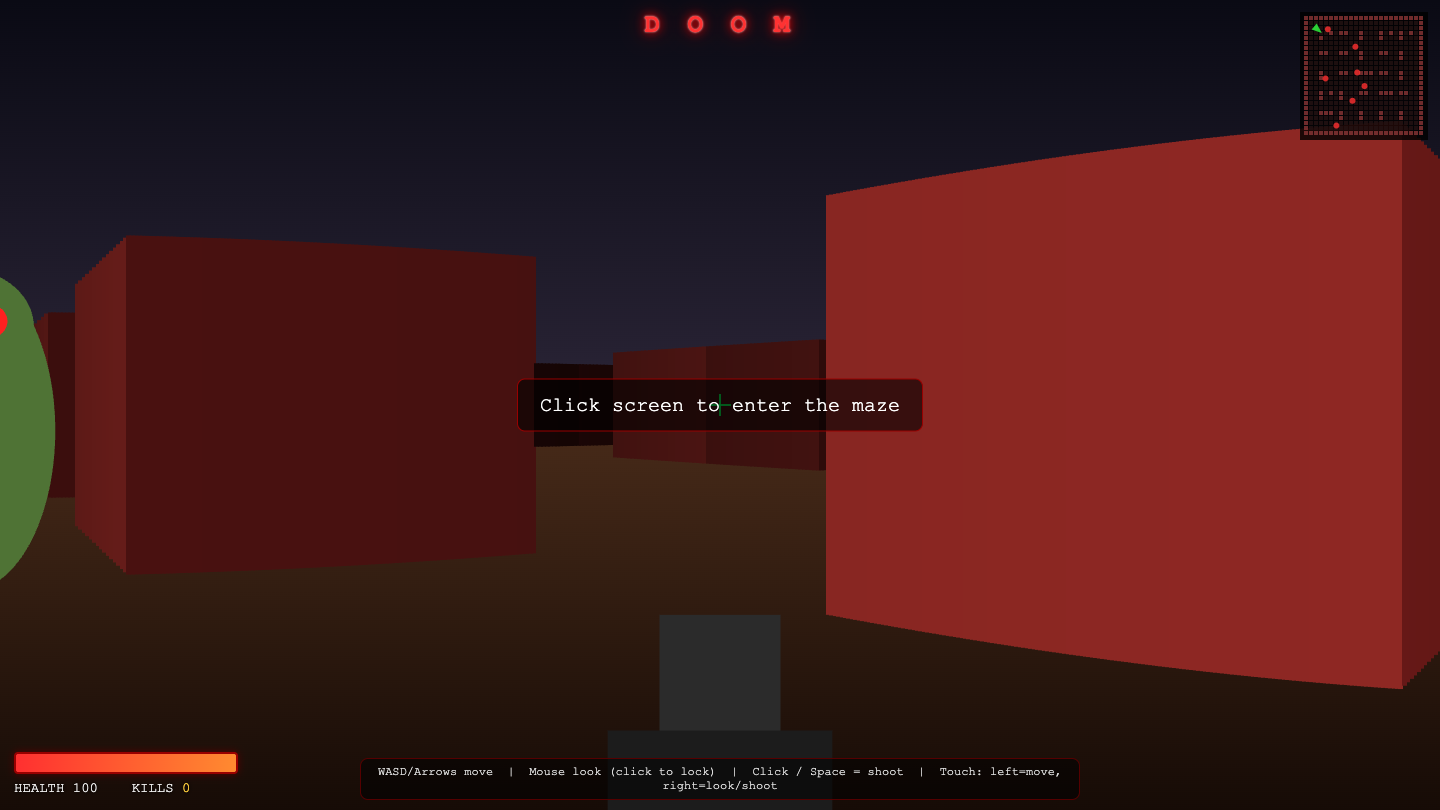
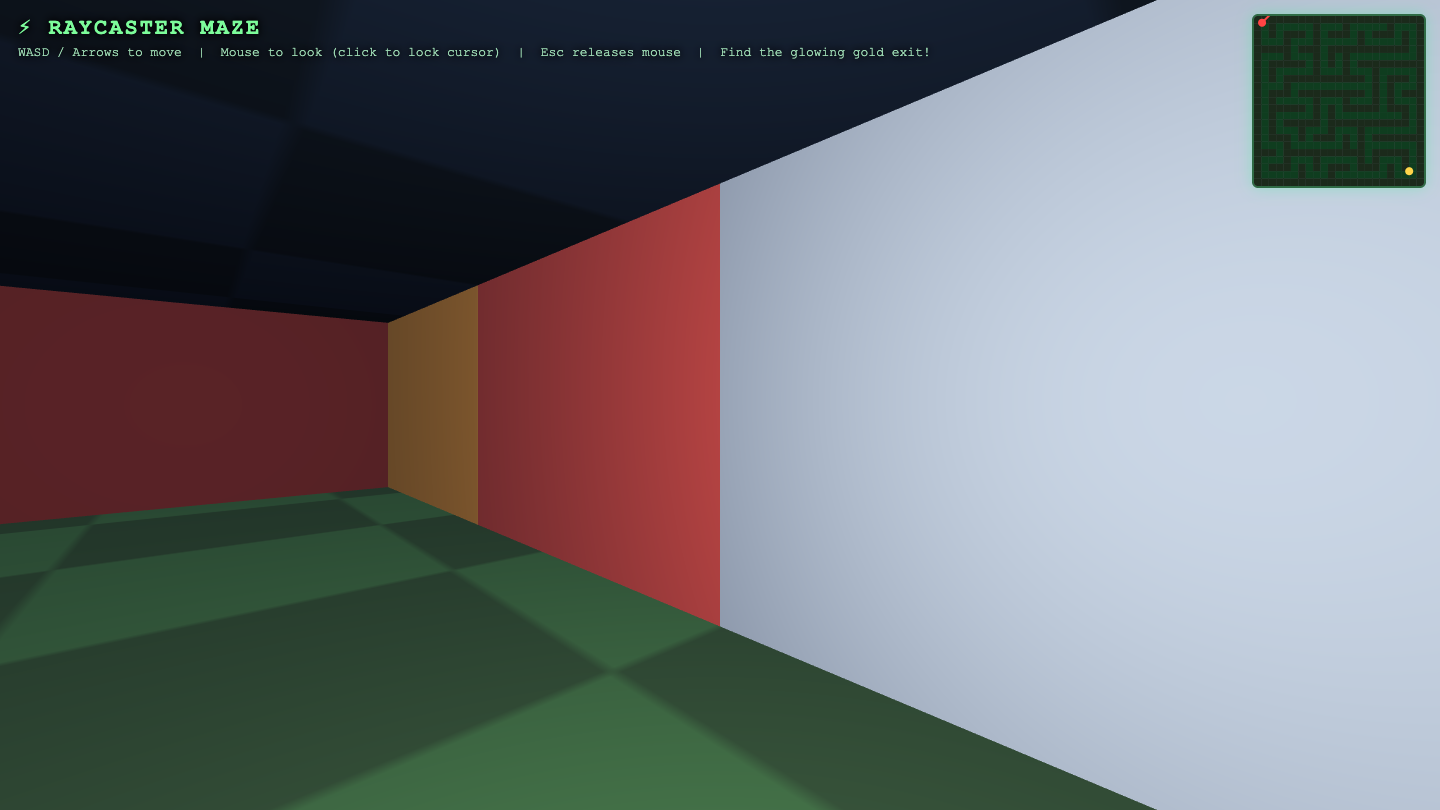
What I saw: Renders a clean raycaster maze with atmospheric red-lit walls, working minimap, HUD health/kills bar, crosshair and a monster visible at screen edge; solid feature set (hitscan shooting, chasing AI, damage flash, touch controls) makes it strong and shippable, though the wall shad…
Raycaster
Game
Claude Sonnet 5 8.0
·
Grok 4.7 6.3
(+1.7)
What I saw: Strong, shippable 3D maze: clean rendered walls with lighting/shadows, checkerboard floor, working minimap with player+goal markers, and solid controls/UI. Uses real 3D geometry rather than classic raycasting and looks a bit flat/plain (colored walls without texture), keeping it …
Nordiccrypt
Game
Claude Sonnet 5 6.8
·
Grok 4.7 5.5
(+1.3)
What I saw: Renders a functional first-person maze with warm torch glow, dust motes, minimap, and clean Nordic-styled UI, but the view is washed-out and flat — walls read as a beige grid without depth, stone/rune detail is barely visible, and it lacks the atmospheric contrast and dungeon men…
Strengths & weaknesses I logged
Grok 4.7
Strengths
- Averaged 7.15/10 on the same twenty skill-infused game briefs where Grok 4.6 averaged 5.95, winning 14 of the 20 head-to-heads
- Best one-shots on this run: neoncity (8.7), racing (8.7), arcade (8.6), every one played on a real GPU before scoring
- Longer reinforcement learning shows: it holds a 40-50KB single-file spec and wires the controls it advertises
- xAI's own coding numbers moved: CursorBench 4.0 46.3% (from 40.4%) and DeepSWE v1.1 71.0% (from 65.2%)
Trade-offs
- 2 of 20 builds died on load or never moved when played — crypt: hud is not a function; voxelcraft: mesh.computeBoundingSphere is not a function file:///Users/j
- Independent Artificial Analysis Intelligence Index v4.3.2 puts it at 46, seven points behind Claude Fable 5.1 and GPT-6 at 53
- Terminal-Bench 4.0 is the weak spot xAI reports itself: 38.0% at launch
Claude Sonnet 5
Strengths
- 82.1% SWE-bench Verified — first model past 80% on real GitHub-issue repair
- Dev Team multi-agent mode + 1M context for repo-level agentic work
- Precision on hard logic — won the raycaster the open-weight field kept botching
Trade-offs
- One-shot creative-visual builds trail GLM 5.2 here (lost 4 of 5) — no iteration to catch its own bugs
- A temporal-dead-zone bug blanked its N-body orbit sim on the first shot
Pricing & context — the spec sheet
| Spec | Grok 4.7 | Claude Sonnet 5 |
|---|---|---|
| Vendor | xAI | Anthropic |
| Context window | 500,000 tokens | 1,000,000 tokens |
| Price | $2 in / $6 out per M tokens | $3 / $15 per M ($2/$10 intro) |
| Pricing detail | xAI's September 2026 release, priced exactly like Grok 4.6: $2 per million input tokens and $6 per million output on the standard tier, $4 / $12 on the Fast tier (double the output speed). OpenRouter lists the same model at $1.60 / $4.80. | $3.00 input / $15.00 output per million tokens; introductory $2.00/$10.00 through 2026-08-31. |
| Release | 2026-09 | 2026-06-30 |
| Bench coverage | 20/20 scored · avg 7.15/10 | 47/47 scored · avg 7.01/10 |
The verdict — which should you pick?
Across 20 scored shared tasks, the averages are essentially tied — Grok 4.7 7.15 vs Claude Sonnet 5 6.96. This isn't the comparison where one wins; it's the comparison where you pick based on context, pricing, and what you're actually trying to ship.
If you only run one of these inside your stack, the head-to-head average above is the call. If you can run both, my honest play is to wire Grok 4.7 and Claude Sonnet 5 both into the Agent Operating System and dispatch each from the kanban by task type — one-shot arcade, driving and shooter builds where the whole game has to arrive in a single file → Grok 4.7, agentic software engineering — write / run / test / fix loops on real repos → Claude Sonnet 5. That's the same setup I run for the 4,000+ founders inside the AI Profit Boardroom.
FAQ — Grok 4.7 vs Claude Sonnet 5
Which is better, Grok 4.7 or Claude Sonnet 5?
On Goldie Bench, Grok 4.7 averages 7.15/10 across the shared tasks, with 0 gold, 2 silver, 3 bronze overall. Claude Sonnet 5 averages 6.96/10, with 0 gold, 0 silver, 4 bronze. Grok 4.7 wins the head-to-head 10–8.
How much does Grok 4.7 cost vs Claude Sonnet 5?
Grok 4.7: xAI's September 2026 release, priced exactly like Grok 4.6: $2 per million input tokens and $6 per million output on the standard tier, $4 / $12 on the Fast tier (double the output speed). OpenRouter lists the same model at $1.60 / $4.80. Claude Sonnet 5: $3.00 input / $15.00 output per million tokens; introductory $2.00/$10.00 through 2026-08-31.
What's the context window for Grok 4.7 vs Claude Sonnet 5?
Grok 4.7 has a 500,000 tokens context window. Claude Sonnet 5 has a 1,000,000 tokens context window.
When should I pick Grok 4.7 over Claude Sonnet 5?
Pick Grok 4.7 for: One-shot arcade, driving and shooter builds where the whole game has to arrive in a single file; High-volume agent work priced at half what the other frontier models charge; Grok Build inside the Agent OS: pick 4.7 in the tab and everything it writes lands in the workspace. The trade-off is the weaknesses we logged on the bench: 2 of 20 builds died on load or never moved when played — crypt: hud is not a function; voxelcraft: mesh.computeBoundingSphere is not a function file:///Users/j; Independent Artificial Analysis Intelligence Index v4.3.2 puts it at 46, seven points behind Claude Fable 5.1 and GPT-6 at 53; Terminal-Bench 4.0 is the weak spot xAI reports itself: 38.0% at launch.
When should I pick Claude Sonnet 5 over Grok 4.7?
Pick Claude Sonnet 5 for: Agentic software engineering — write / run / test / fix loops on real repos; Repo-level reasoning across a 1M-token context (Dev Team multi-agent mode); Precise logic — raycasters, physics — where one-shot open models slip. The trade-off is the weaknesses we logged on the bench: One-shot creative-visual builds trail GLM 5.2 here (lost 4 of 5) — no iteration to catch its own bugs; A temporal-dead-zone bug blanked its N-body orbit sim on the first shot.
How does Goldie Bench score Grok 4.7 vs Claude Sonnet 5?
Every demo on this page was built by Julian Goldie inside the Agent Operating System — same fixed prompt for both models, one shot, single HTML file out. Each result gets a 0–10 score on whether it ran, how close it hit the brief, and how good it looked. The highest score on each task gets gold; second gets silver; third gets bronze. See methodology for full provenance.
Related comparisons
Other head-to-heads using the same scoring system:
Grok 4.7 vs Fusion Claude Sonnet 5 vs Fusion Grok 4.7 vs Claude Opus 5 Claude Sonnet 5 vs Claude Opus 5 Grok 4.7 vs Hermes MoA Claude Sonnet 5 vs Hermes MoA Grok 4.7 vs GPT-5.6 Sol Claude Sonnet 5 vs GPT-5.6 SolFull model pages: Grok 4.7 · Claude Sonnet 5 · back to the leaderboard
The same stack Julian uses
Run this stack yourself.
Every demo on this bench was built inside the Agent Operating System — one prompt, one shot, single HTML file out. The Agent OS, the prompts, the templates, the weekly walkthroughs and 4,000+ founders shipping with it every day all live inside the AI Profit Boardroom.
4,000+founders
258documented wins
38countries
$59/momonthly