Real head-to-head · same prompt, one shot
Grok 4.7 vs Gemini 3.6 Flash
Grok 4.6's price, a bigger base model, and it builds games that hold together. vs Google's launch-day Flash — faster, cheaper, fewer tokens.
Head-to-head verdict: Grok 4.7 wins 10–9 with 1 tie.
What I tested — same prompt, two models
I run the same fixed prompt set through every new model the day it drops — same string, one shot, single HTML file out — and I score the result 0–10 on whether it ran, how close it hit the brief, and how good it looked. Below is what came out when I gave the exact same prompts to Grok 4.7 and Gemini 3.6 Flash, side by side, on 20 shared tasks inside the Agent Operating System.
Both models were given identical prompts inside the Agent Operating System — no help, no iteration, no "best of N" tricks. I run each prompt once, save the HTML file the model produces, and score it 0–10 on whether it ran, how close it hit the brief, and how good it looked. The scoring is mine. The verdicts below are pulled from my source comparison guides at agentos.guide where I publish every score and the reasoning behind it.
Grok 4.7 · Wired into the Agent OS Grok Build tab (4.7 / 4.6 / 4.5 picker, OpenRouter fallback when the CLI is signed out) and benched on twenty skill-infused game builds, each played through its full gameplay arc on a Metal GPU before the vision judge scored the played frame.
Gemini 3.6 Flash · Benched via the native Gemini API on launch day. Game tasks use the skill-infused threejs-game-director prompt (same as the rest of the field) and are judged on a real mid-play frame by the same Opus vision judge.
Side-by-side on 50 shared tasks
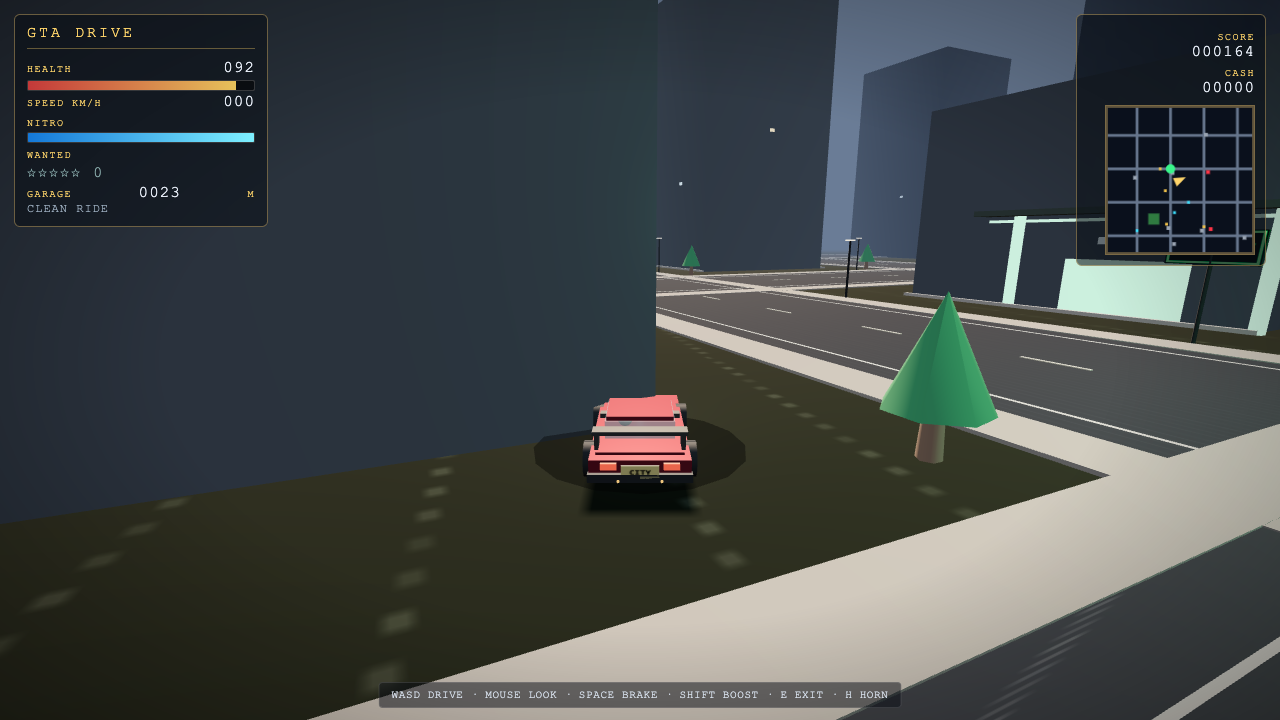
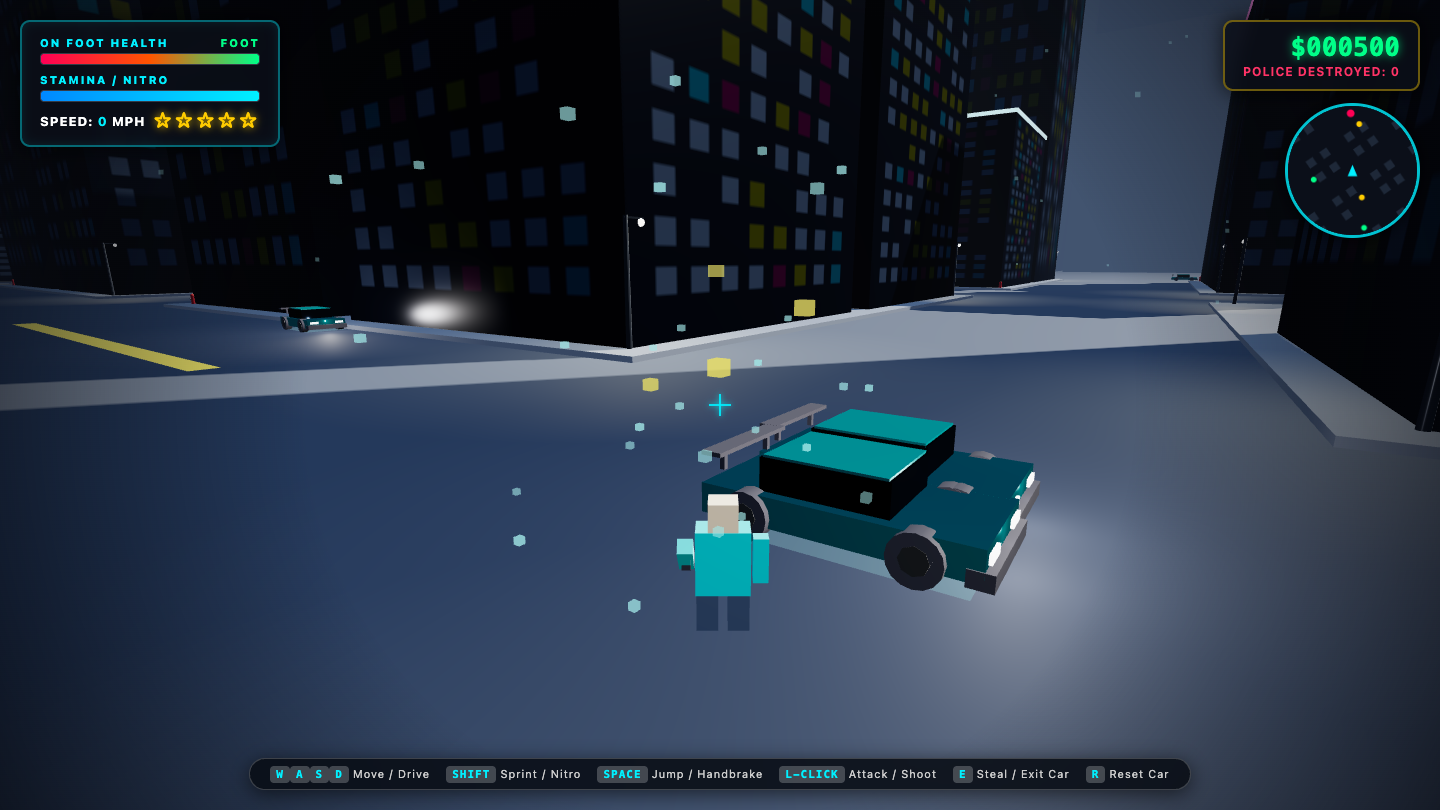
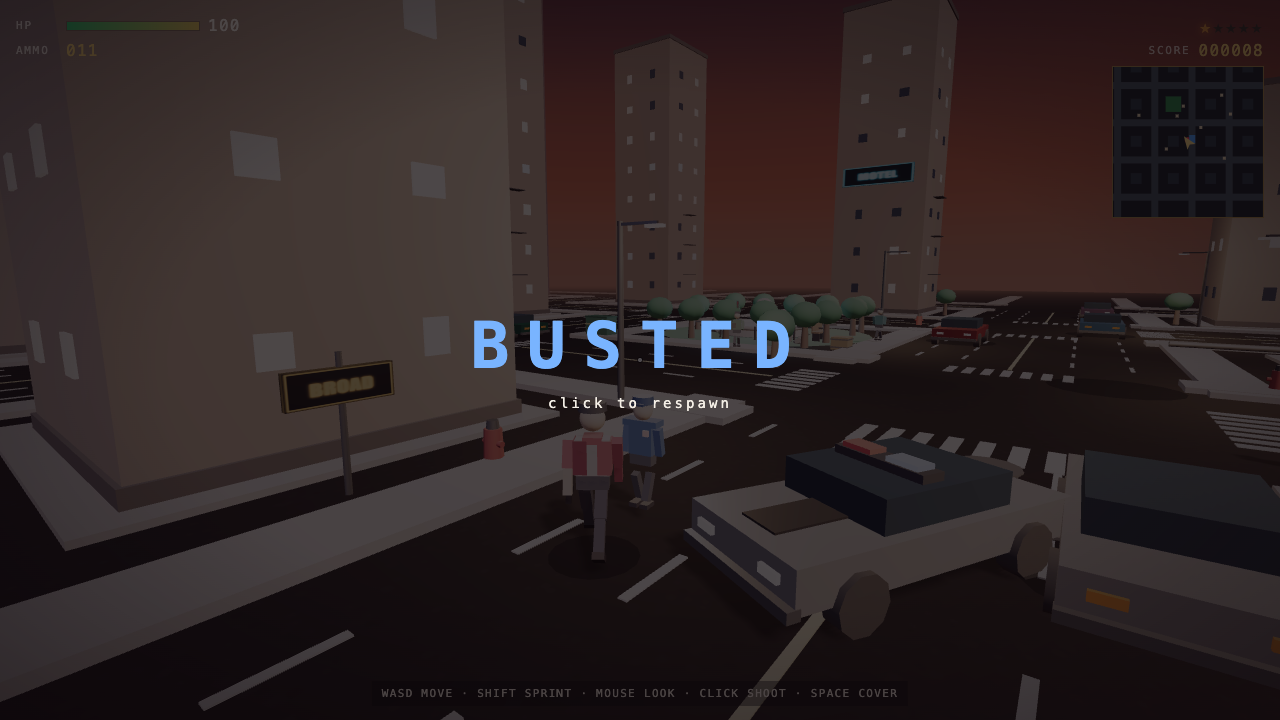
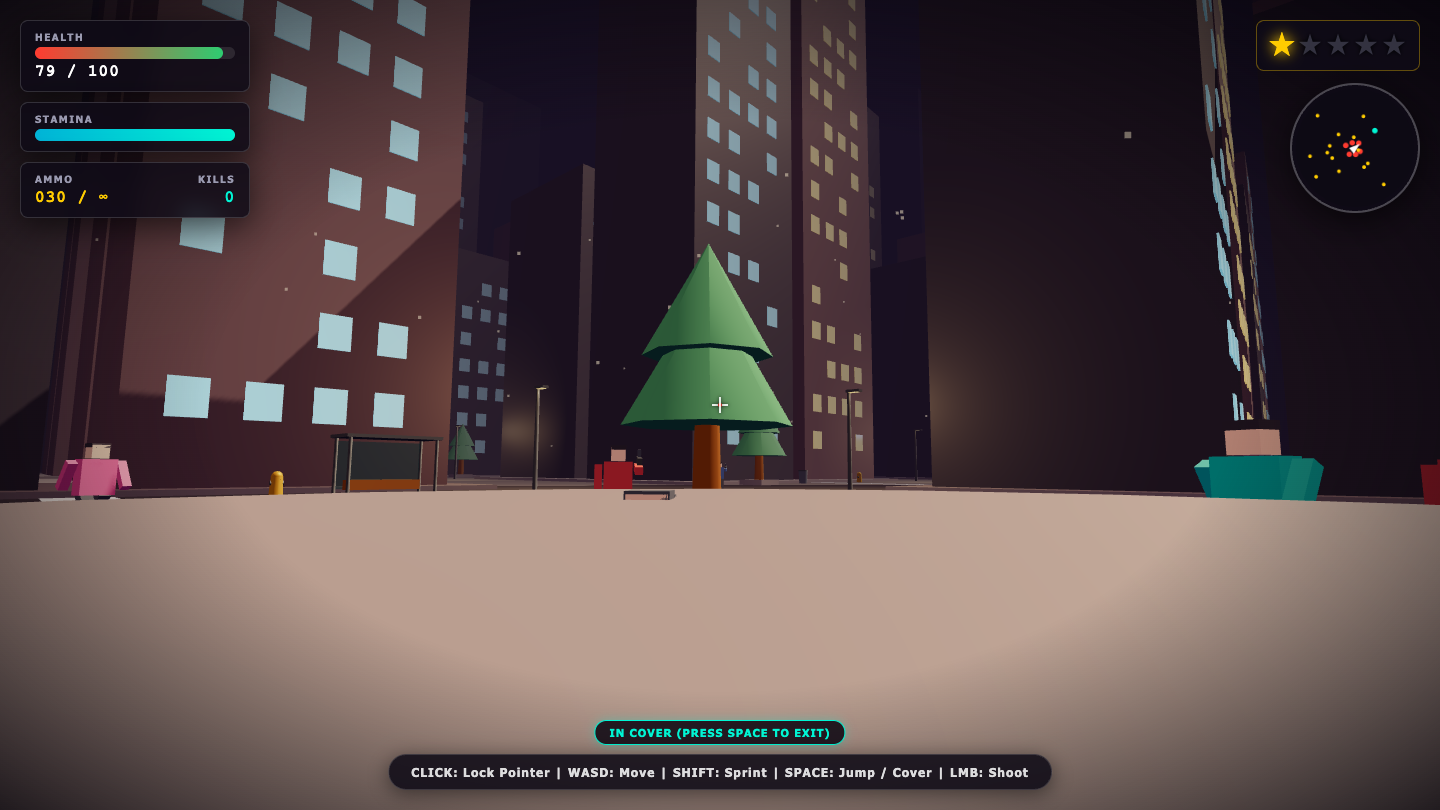
Click any cell to play that model's actual one-shot attempt. Medals are derived from my 0–10 scores per task (highest = 🥇, second = 🥈, third = 🥉).
Task ↓
Grok 4.7
Gemini 3.6 Flash
Game
Game
Game
Game
Game
Game
Game
Game
Game
Game
Game
Game
Game
Game
Game
Game
Game
Game
Game
Game
Game
— not attempted —
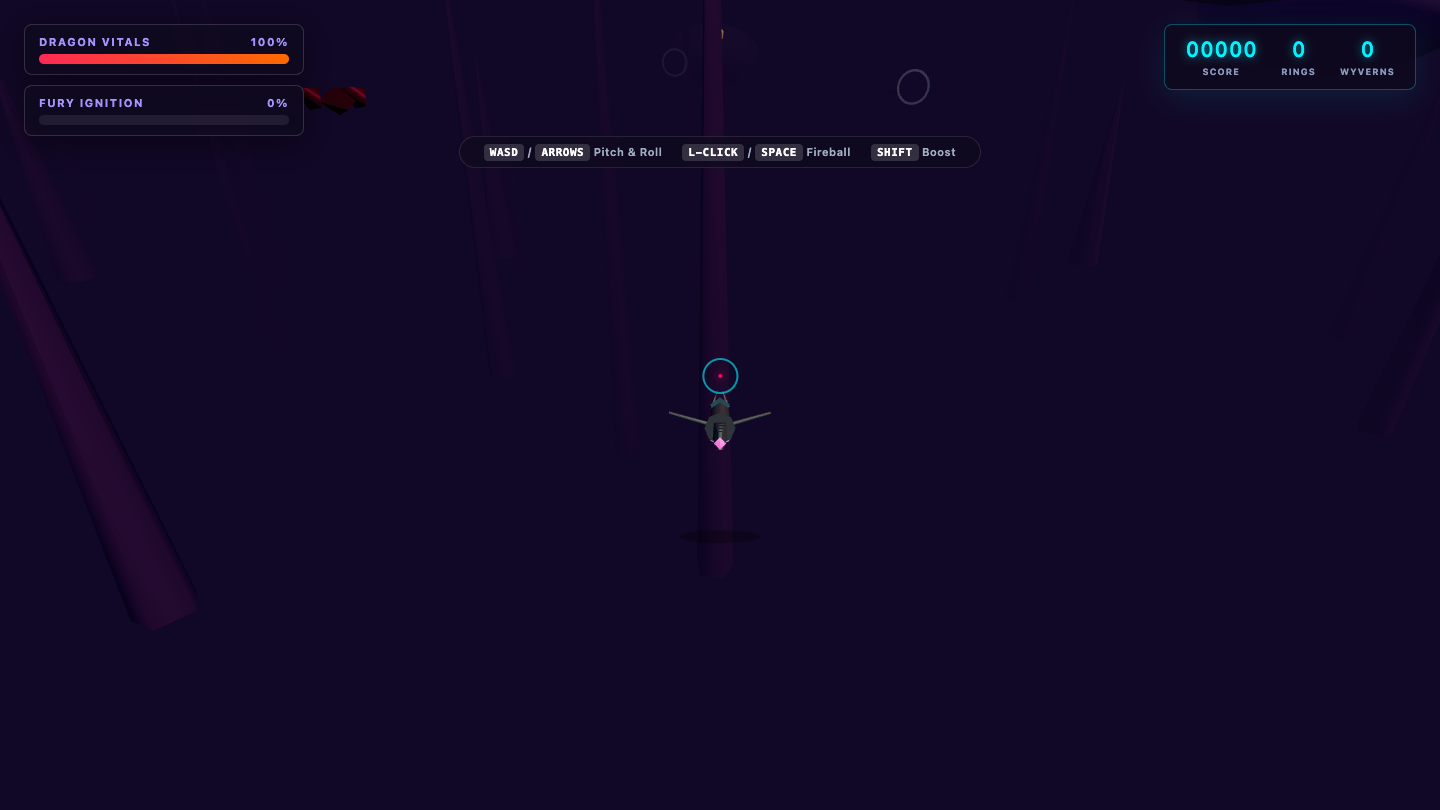
Game
— not attempted —
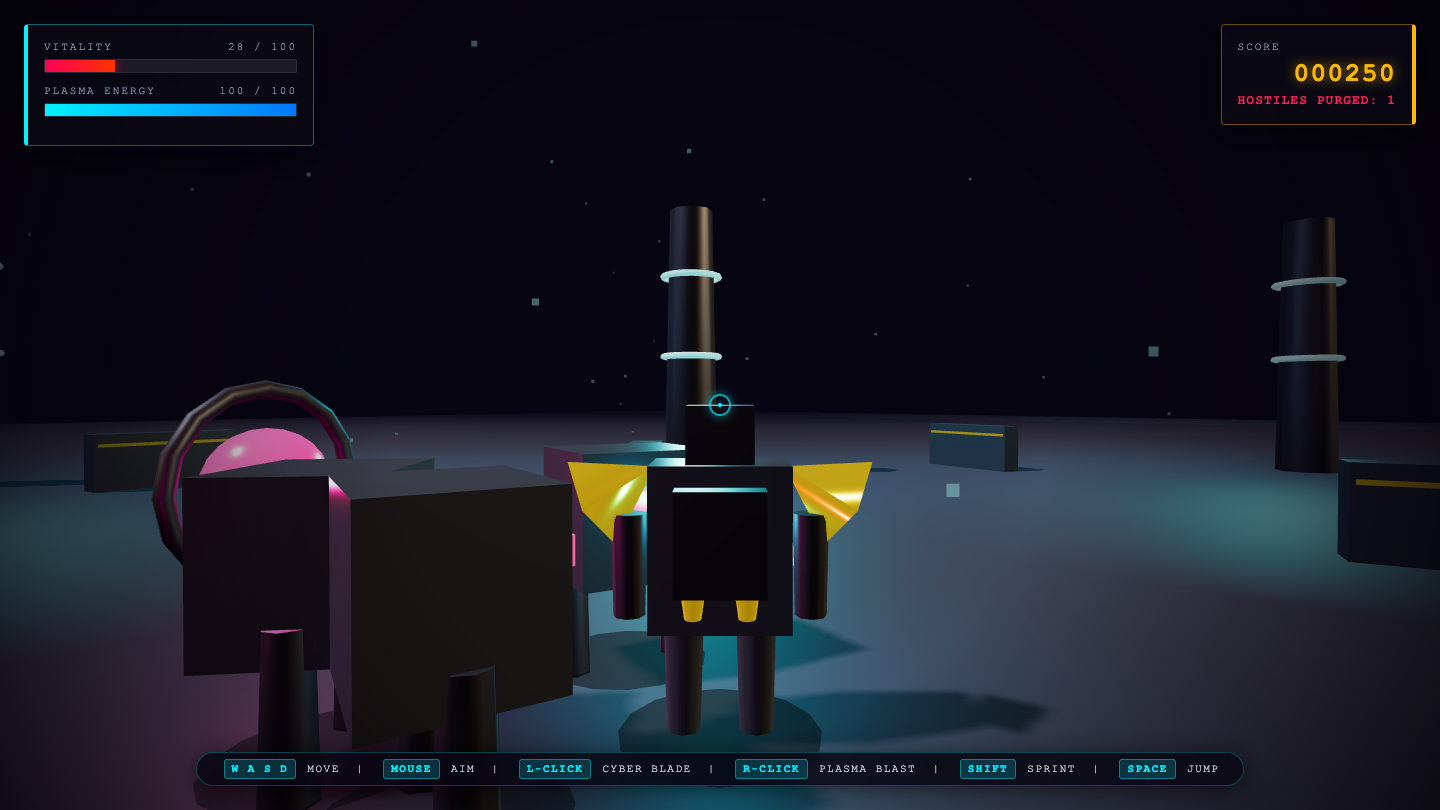
Game
— not attempted —
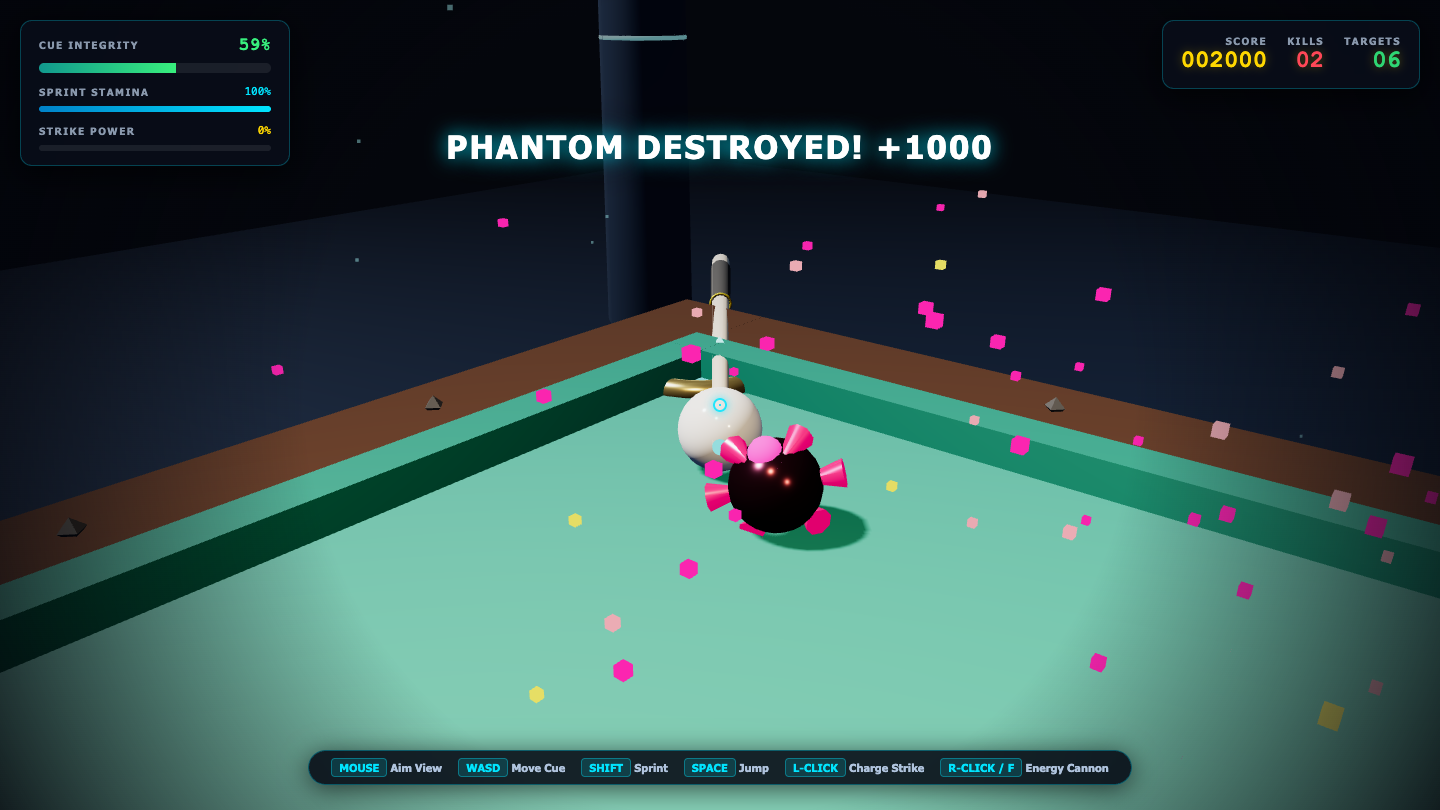
Other
— not attempted —
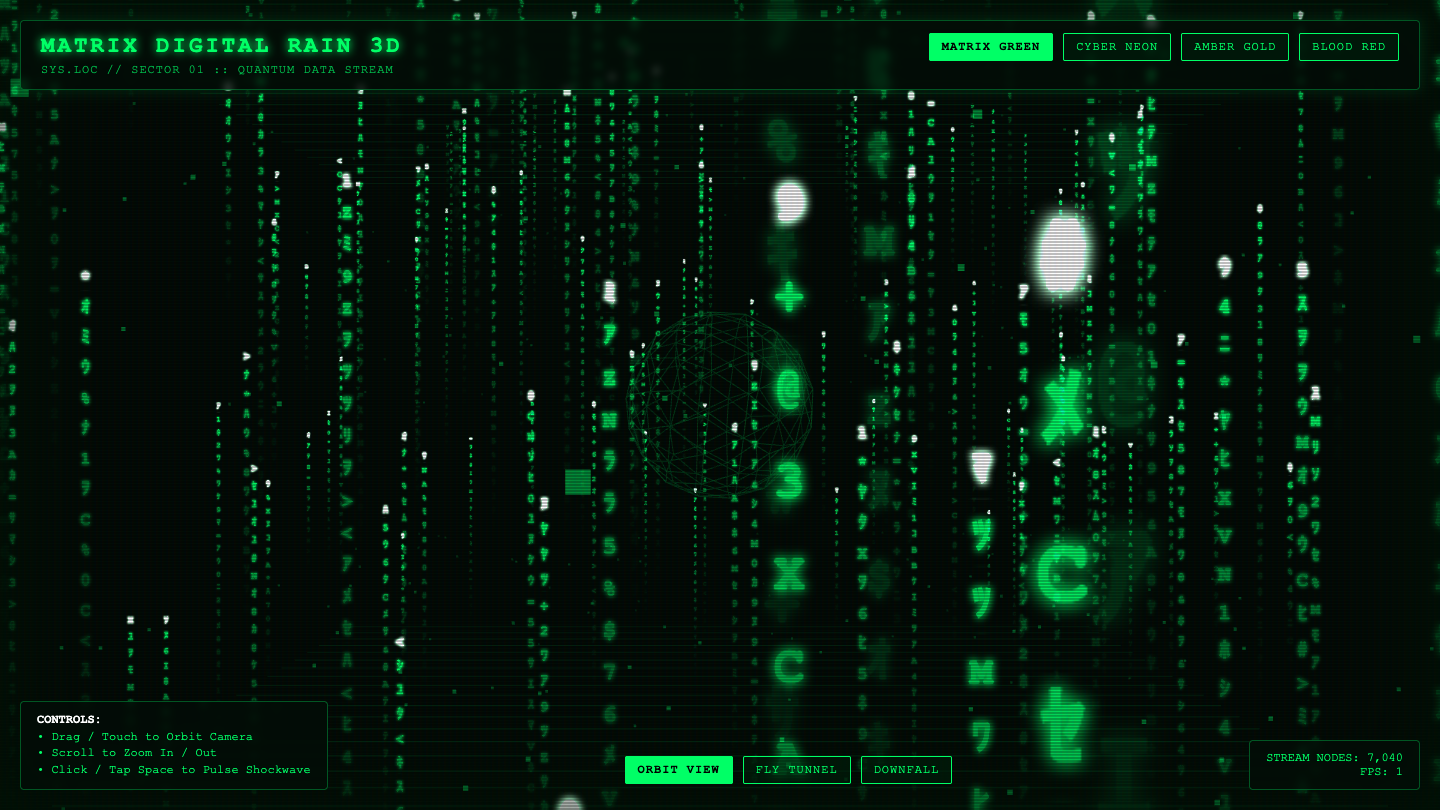
Where Grok 4.7 beat Gemini 3.6 Flash
The tasks where I gave Grok 4.7 a higher 0–10 score on the same prompt — with the actual commentary from my source guides.
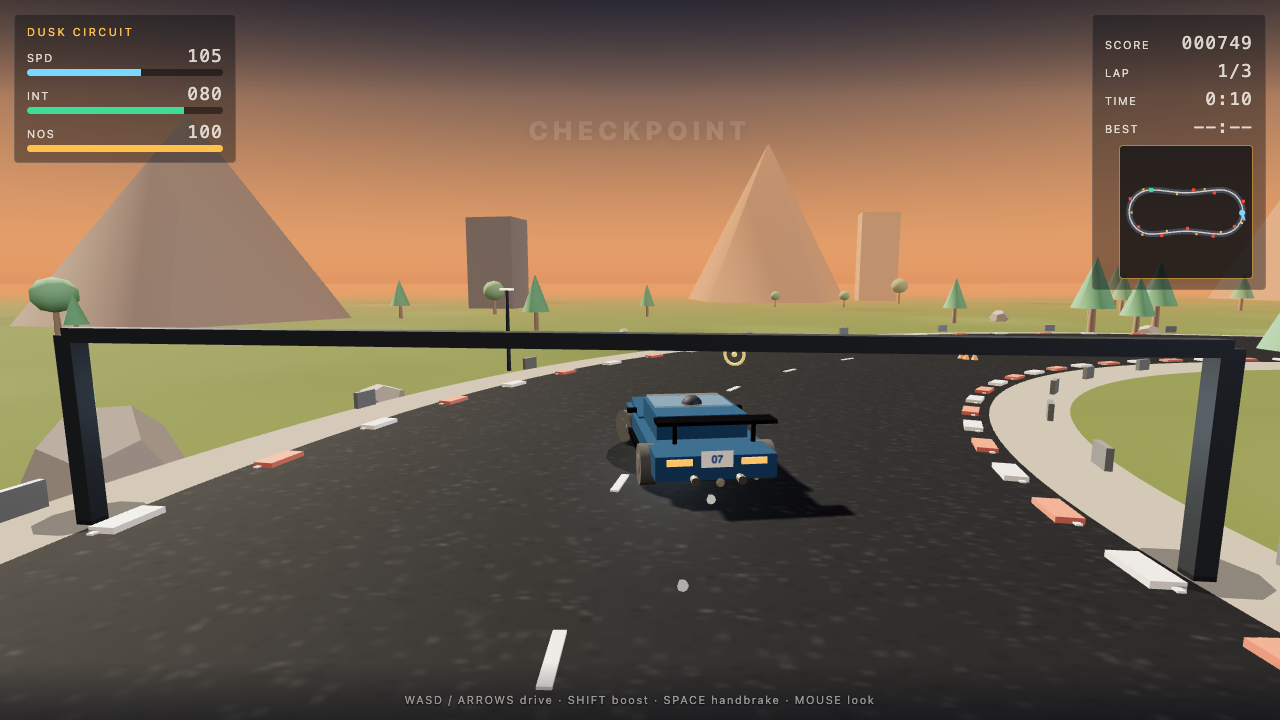
Racing
Game
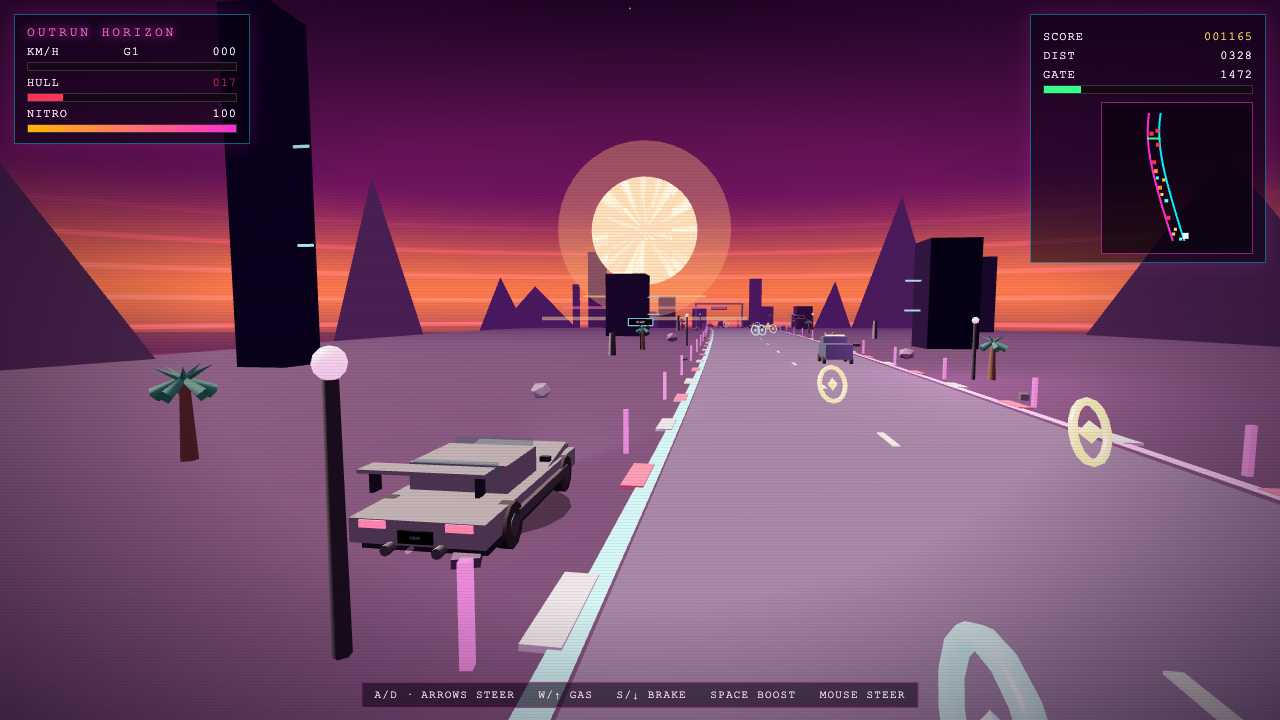
Grok 4.7 8.7
·
Gemini 3.6 Flash 4.2
(+4.5)
· Polished dusk circuit
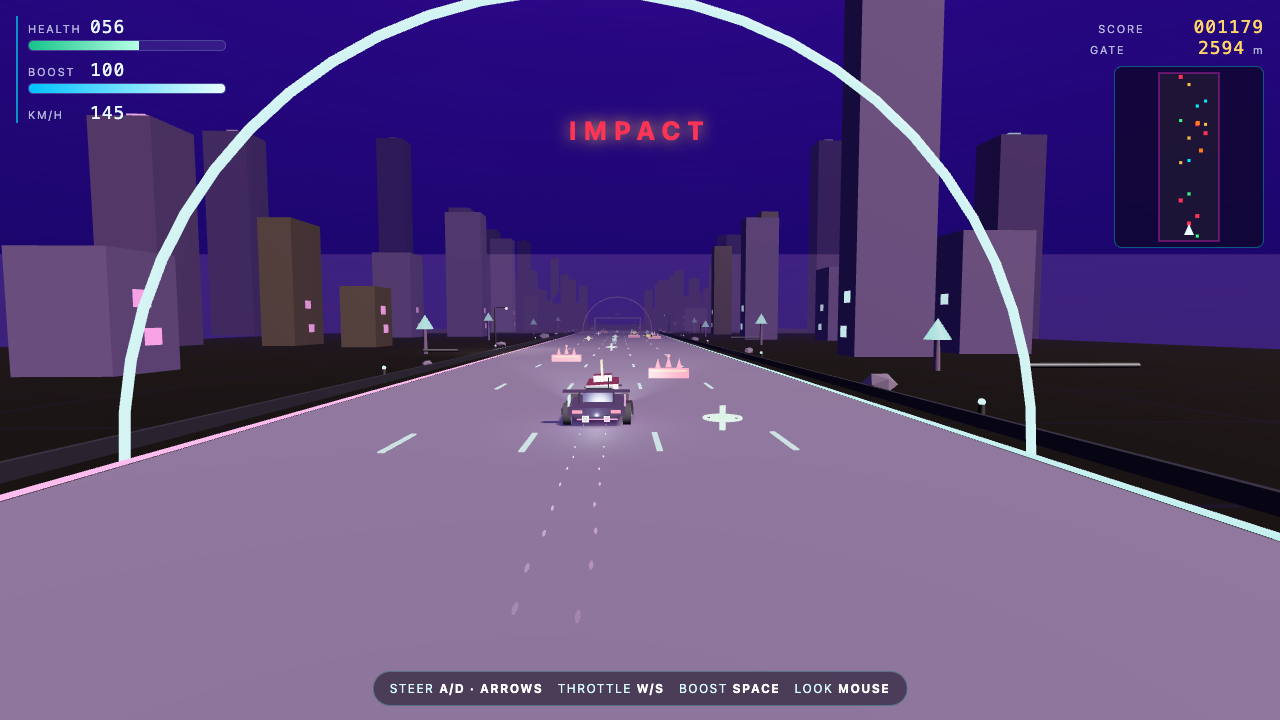
What I saw: Strong: gorgeous dusk-lit third-person racer with a detailed low-poly car, banked track, checkpoint gate, obstacles, working minimap and rich HUD; playtest shows real speed (105), score (000749) and lap progression plus off-track/wreck states. Minor weakness is the car spun off a…
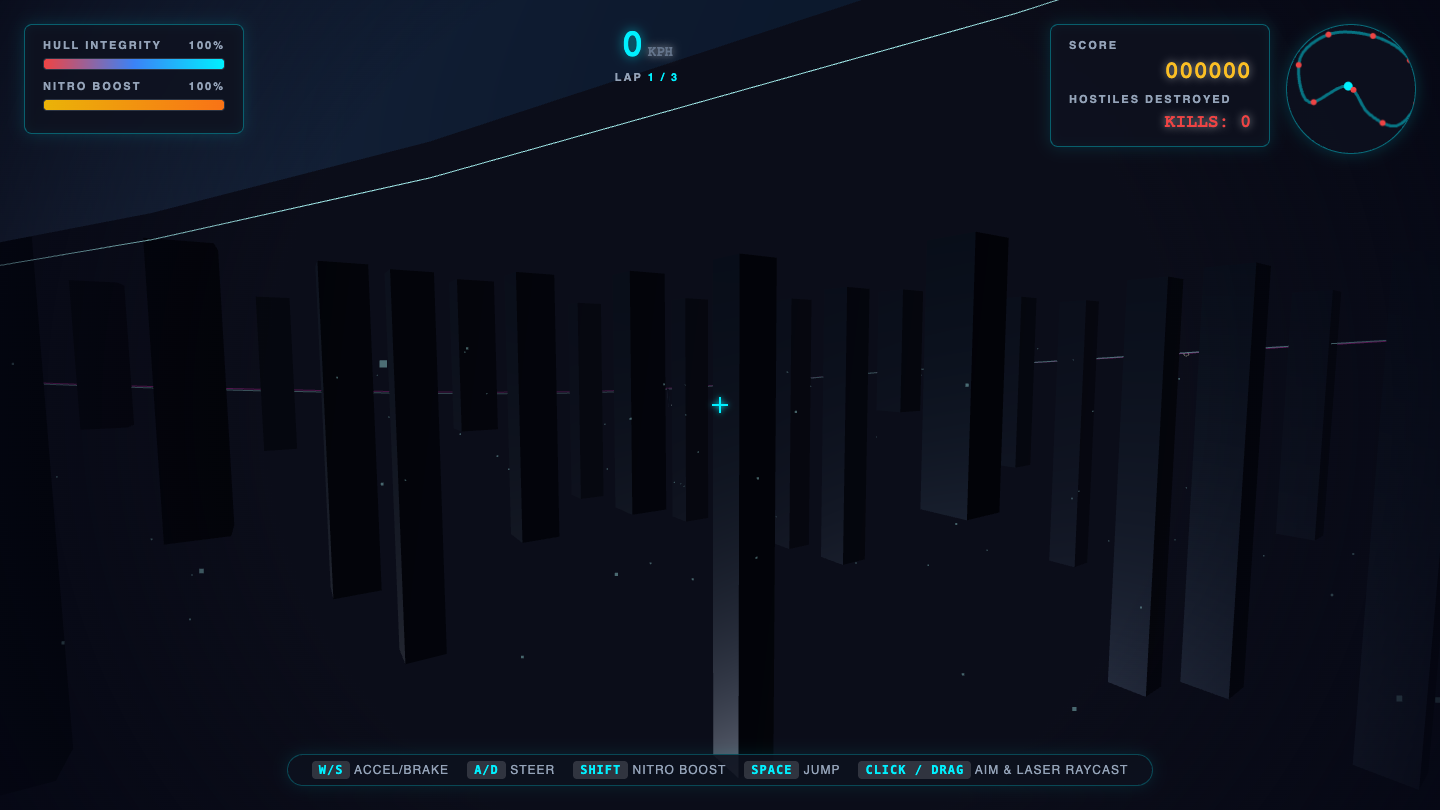
Neoncity
Game
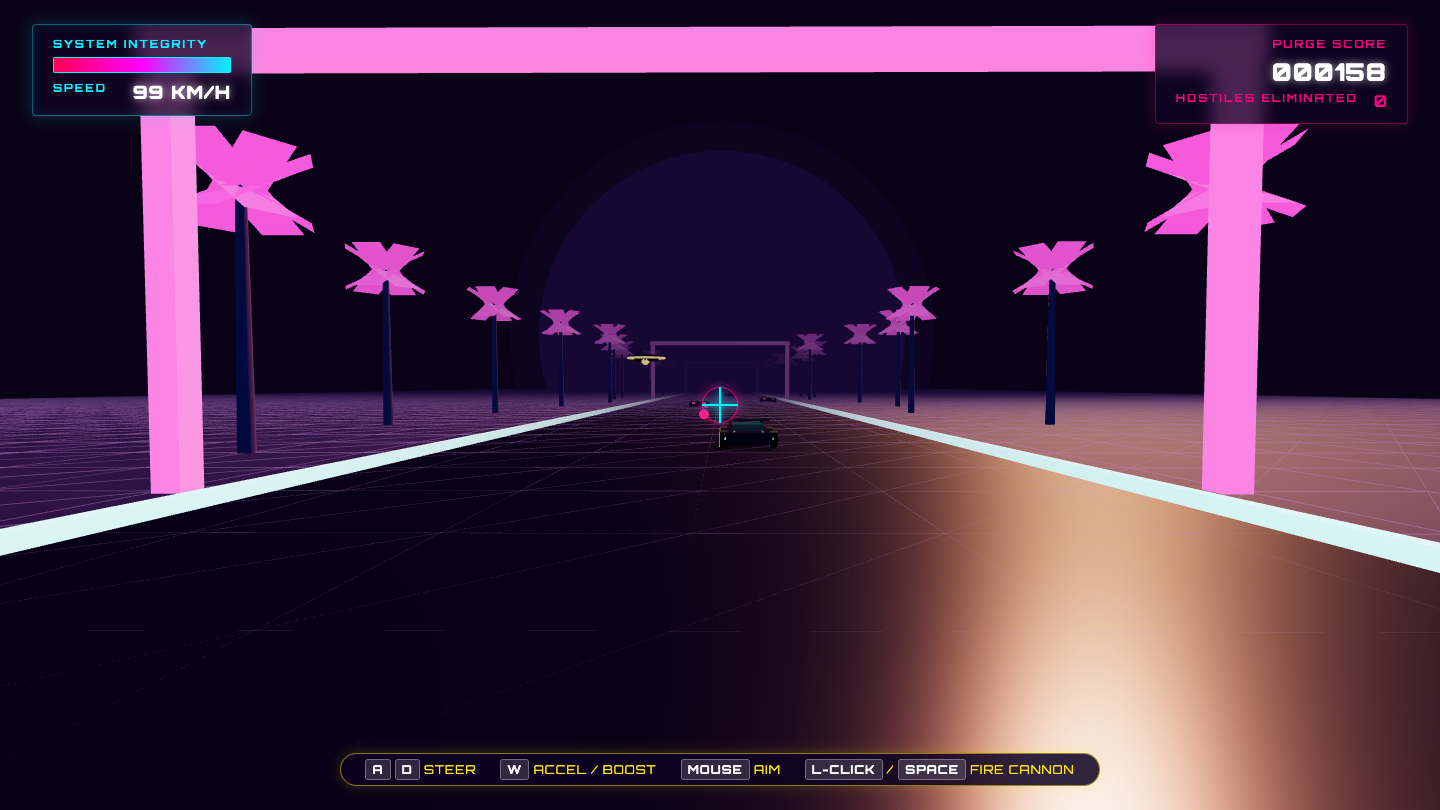
Grok 4.7 8.7
·
Gemini 3.6 Flash 6.3
(+2.4)
· neon drive polished
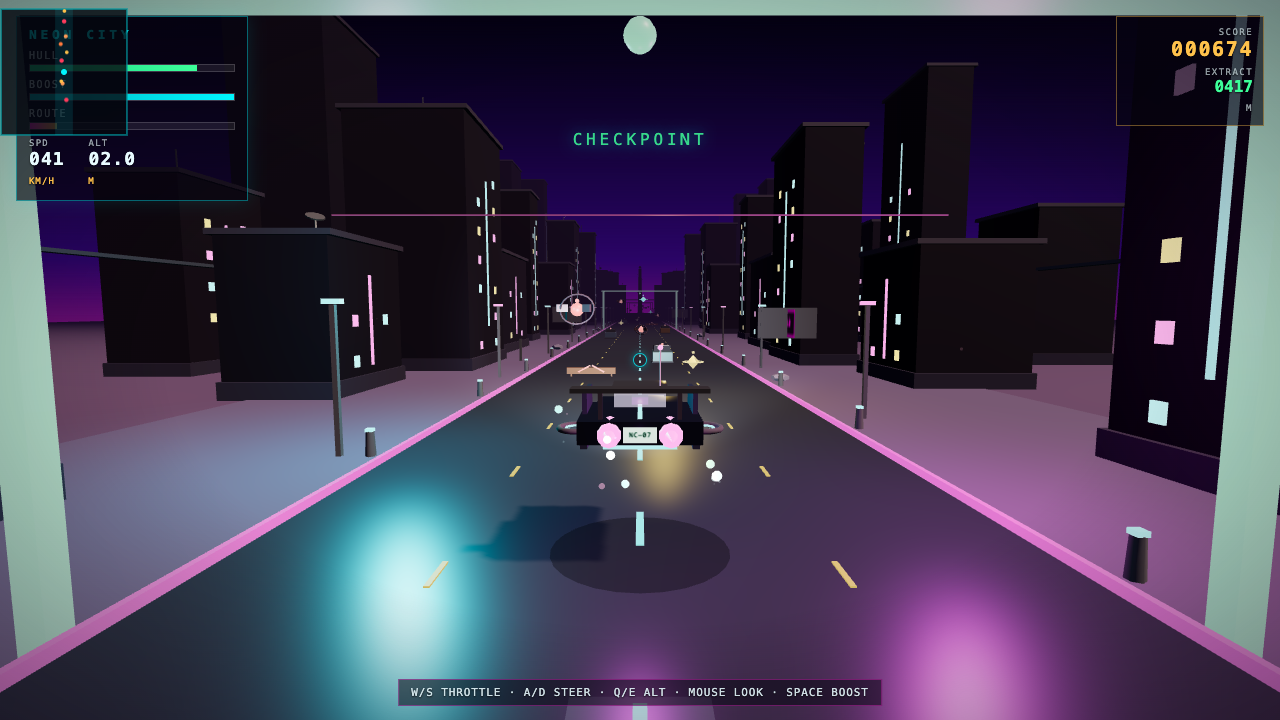
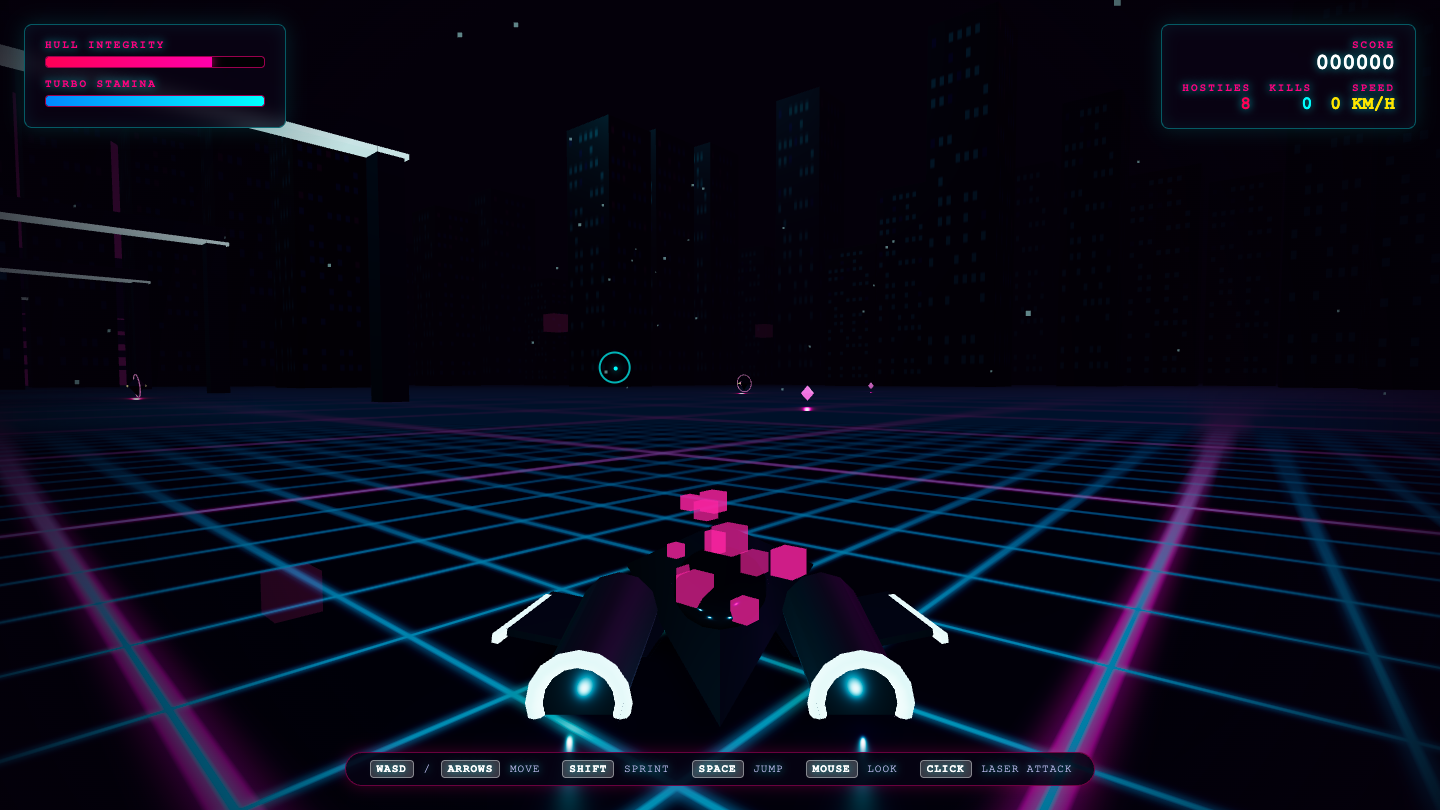
What I saw: Renders a gorgeous cyberpunk street with pink/cyan neon curbs, glowing buildings, a hovercar with reflective plate lights, and a full working HUD (speed, hull/boost/route, score, extract distance, minimap); playtest confirms real motion, progressing score and checkpoint/traffic s…
Arcade
Game
Grok 4.7 8.6
·
Gemini 3.6 Flash 6.5
(+2.1)
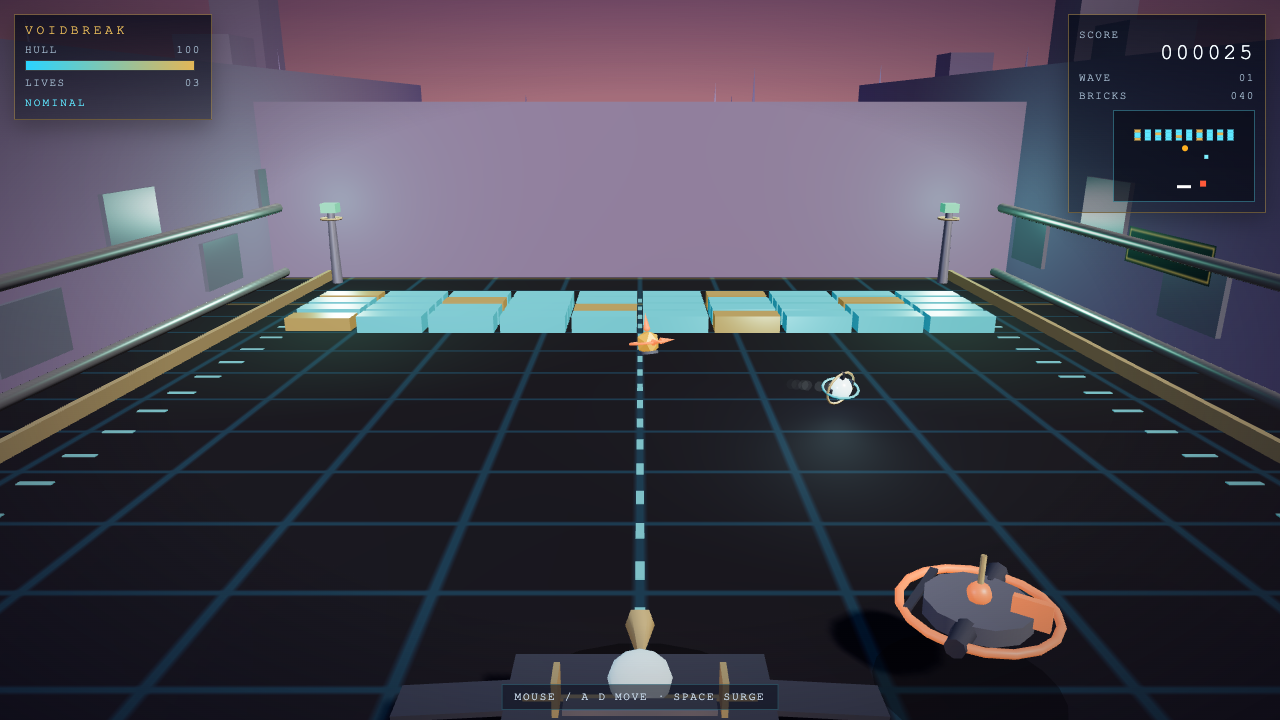
· 3D breakout polish
What I saw: A gorgeous 3D breakout with rich lighting, gradient sky dome, gridded arena, minimap, and a polished sci-fi HUD; playtest confirms real motion (walkPx 0.23) with hull/lives/score/bricks all changing and no console errors — clearly at or above the field's best.
Neonblaster
Game
Grok 4.7 8.2
·
Gemini 3.6 Flash 6.3
(+1.9)
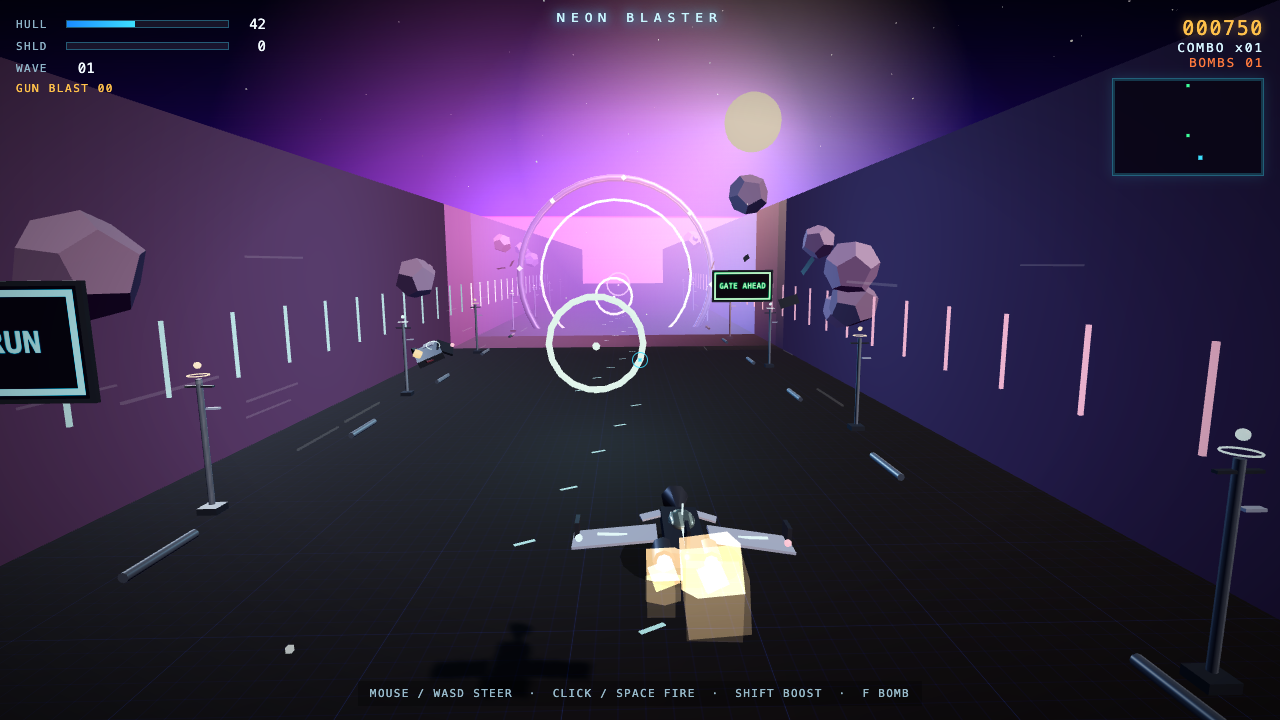
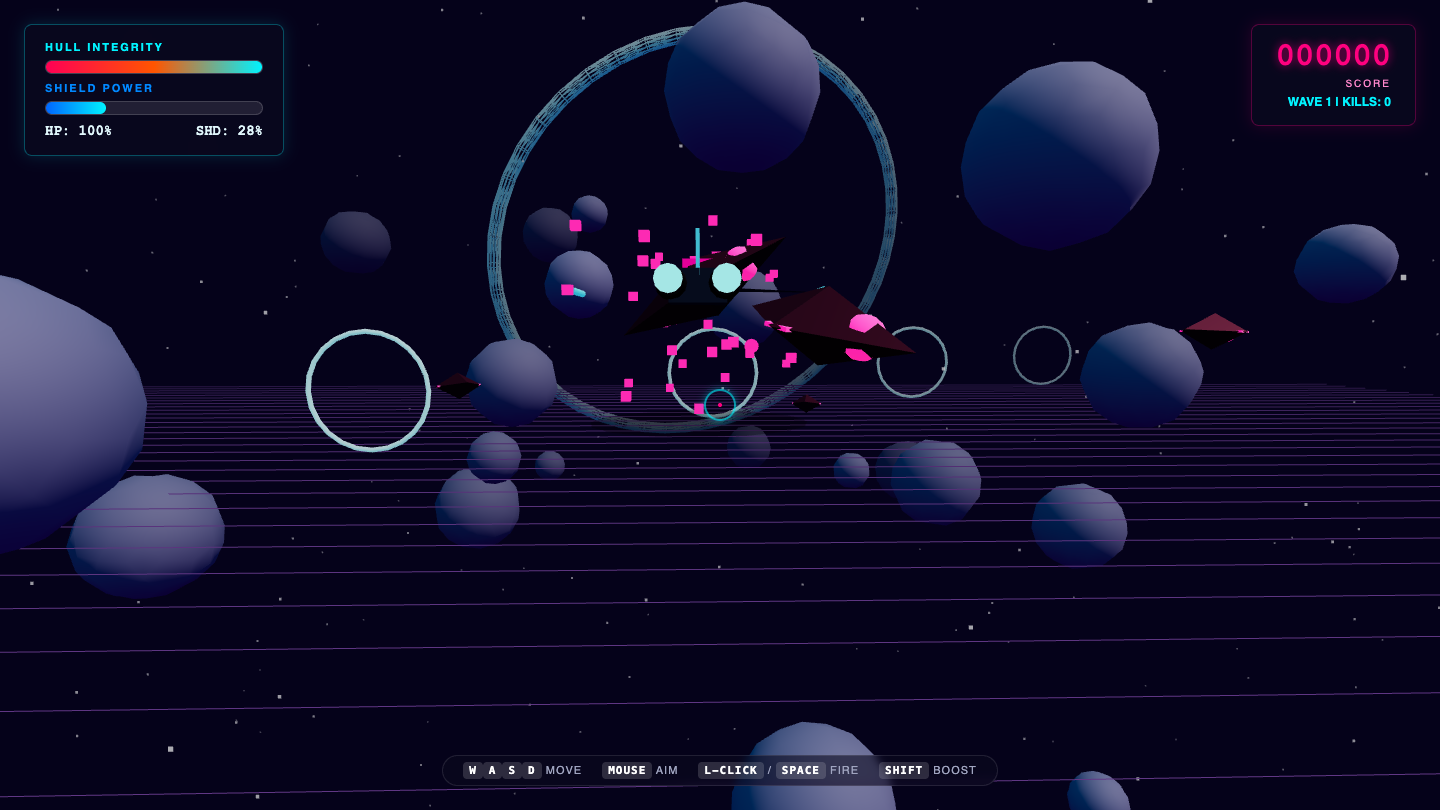
What I saw: Renders a polished 3D neon tunnel-runner with slick HUD, minimap, crosshair, gates, ship engine glow and clear state progression (hull draining, wave advancing, score climbing, banners firing) with no errors. Strong and shippable, but it reads more as an on-rails tunnel-runner th…
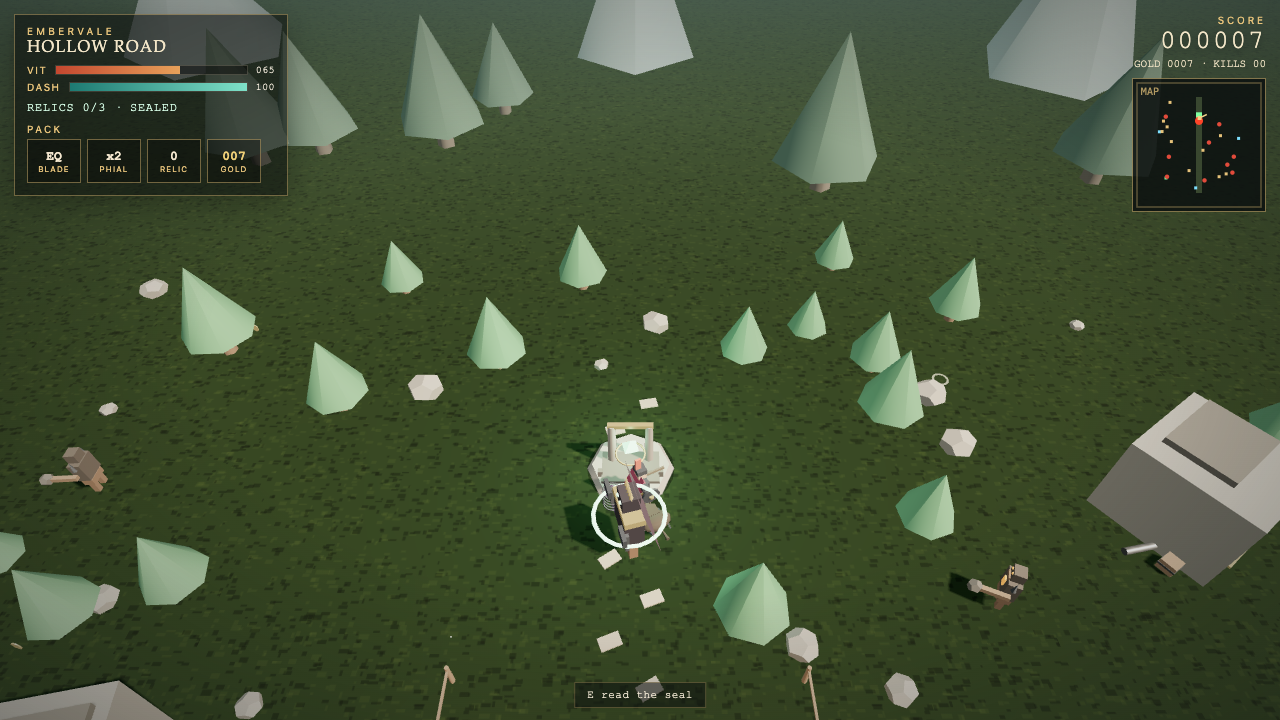
Rpg
Game
Grok 4.7 8.2
·
Gemini 3.6 Flash 7.4
(+0.8)
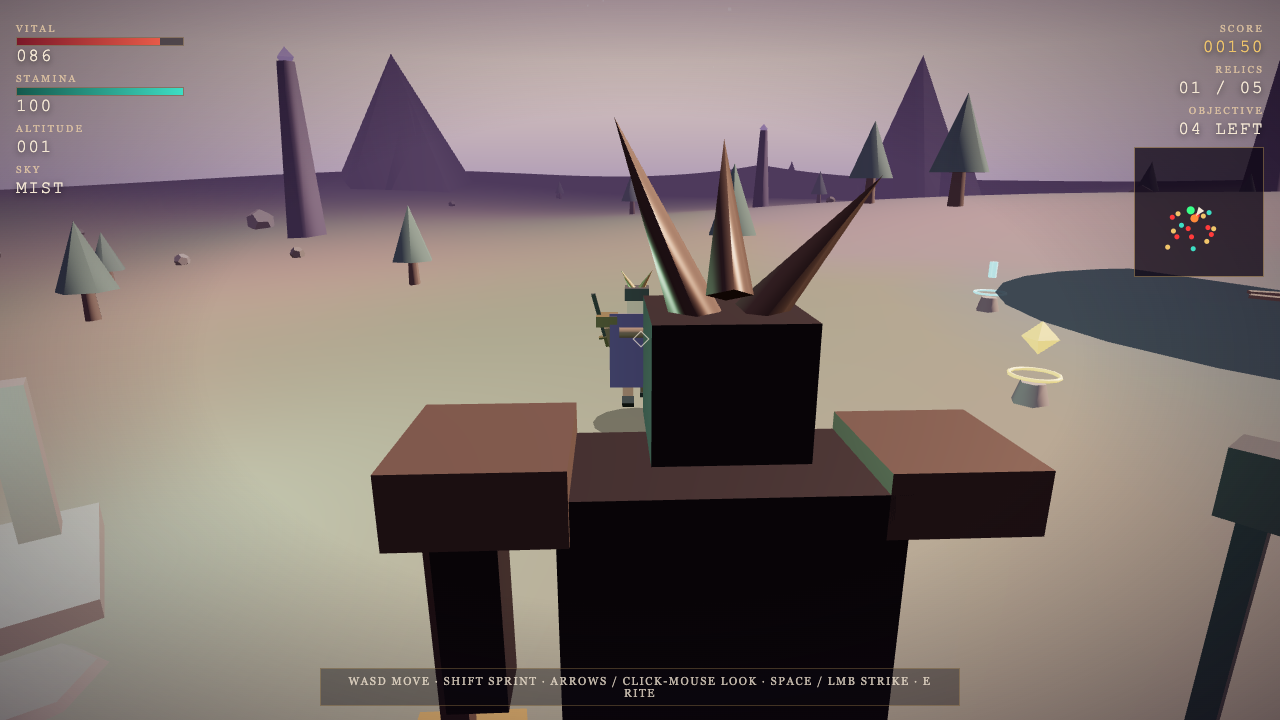
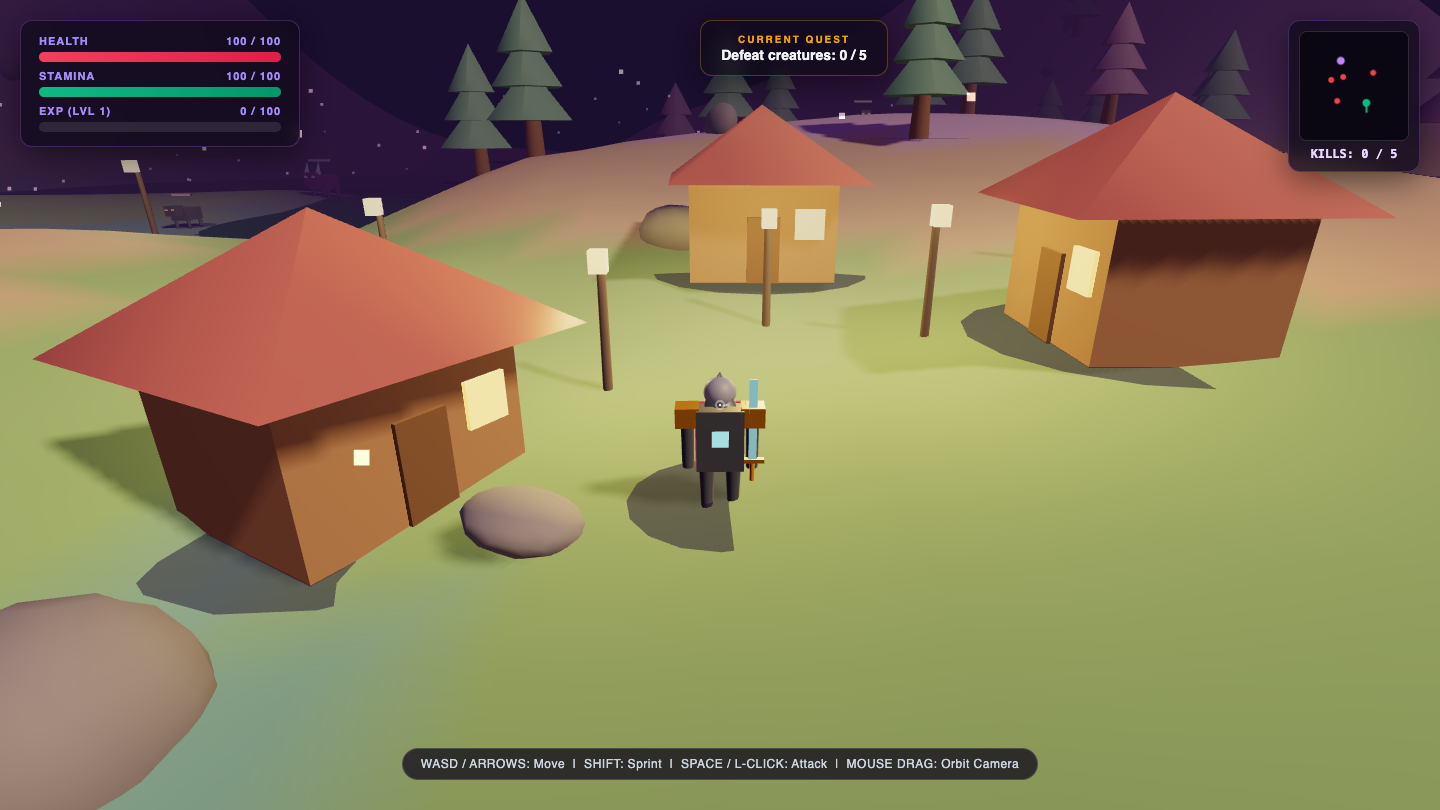
What I saw: Strong, atmospheric top-down RPG with a polished themed HUD (vit/dash/relics/inventory/minimap), 3D low-poly world, enemies and interactive seals — HUD evidence shows gold/score/vit all progressing and combat context living. Loses some points because VIT dropped steadily toward d…
Where Gemini 3.6 Flash beat Grok 4.7
The tasks where I gave Gemini 3.6 Flash a higher 0–10 score on the same prompt — with the actual commentary from my source guides.
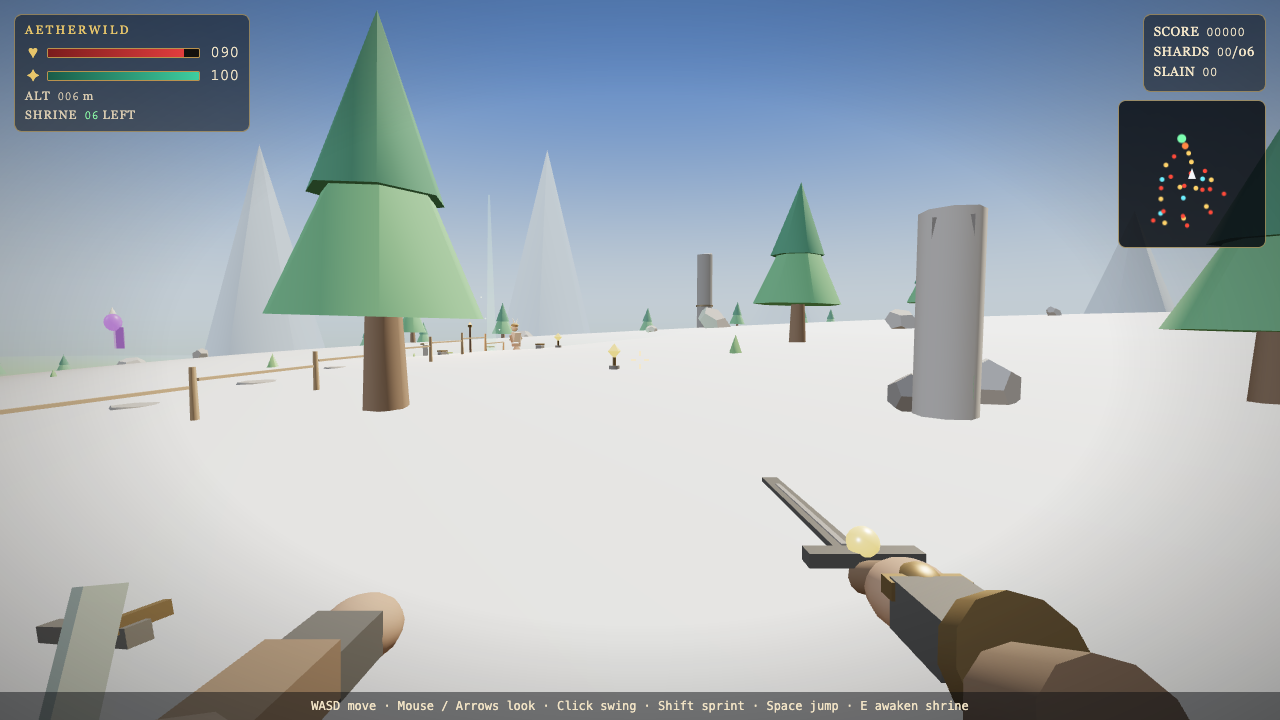
Voxelcraft
Game
Gemini 3.6 Flash 8.6
·
Grok 4.7 2.2
(+6.4)
· combat voxel sandbox
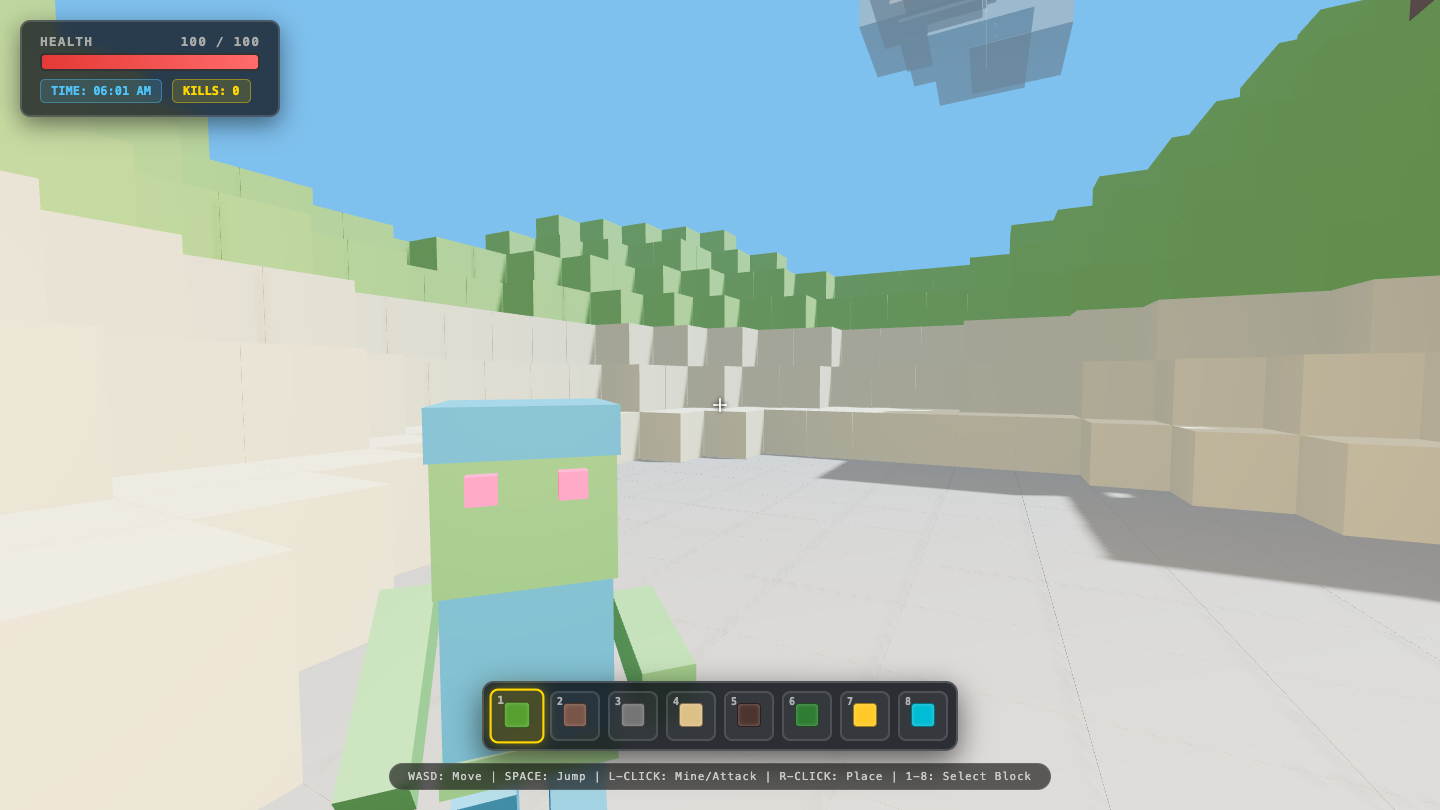
What I saw: Strong voxel world with terrain, a tree, HP/time/kills HUD, an 8-block hotbar and — crucially — a visible zombie-style enemy (plus a red one at right) delivering the combat the brief rewards; place/break plus day/night cycle all present, edging past typical walking-sim entries.
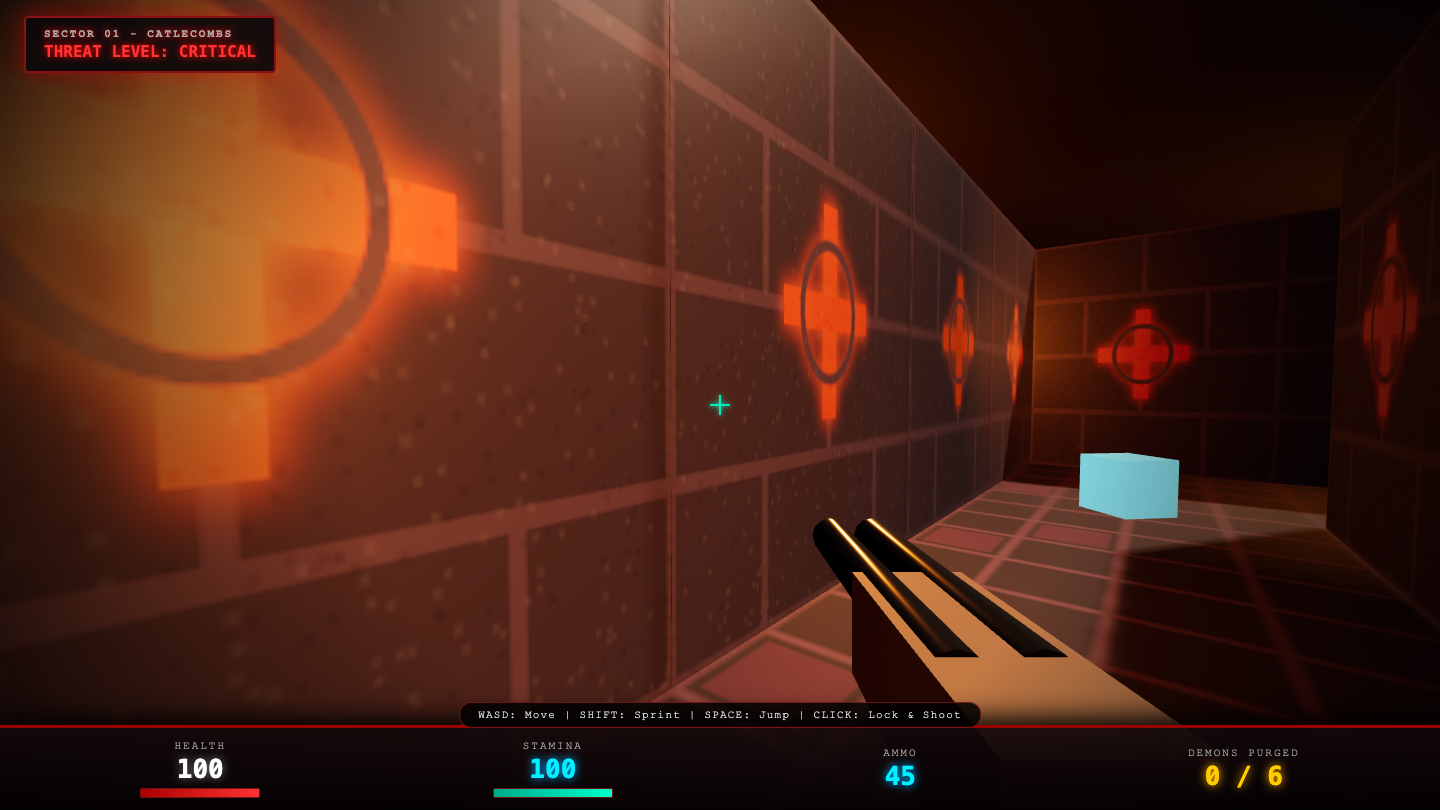
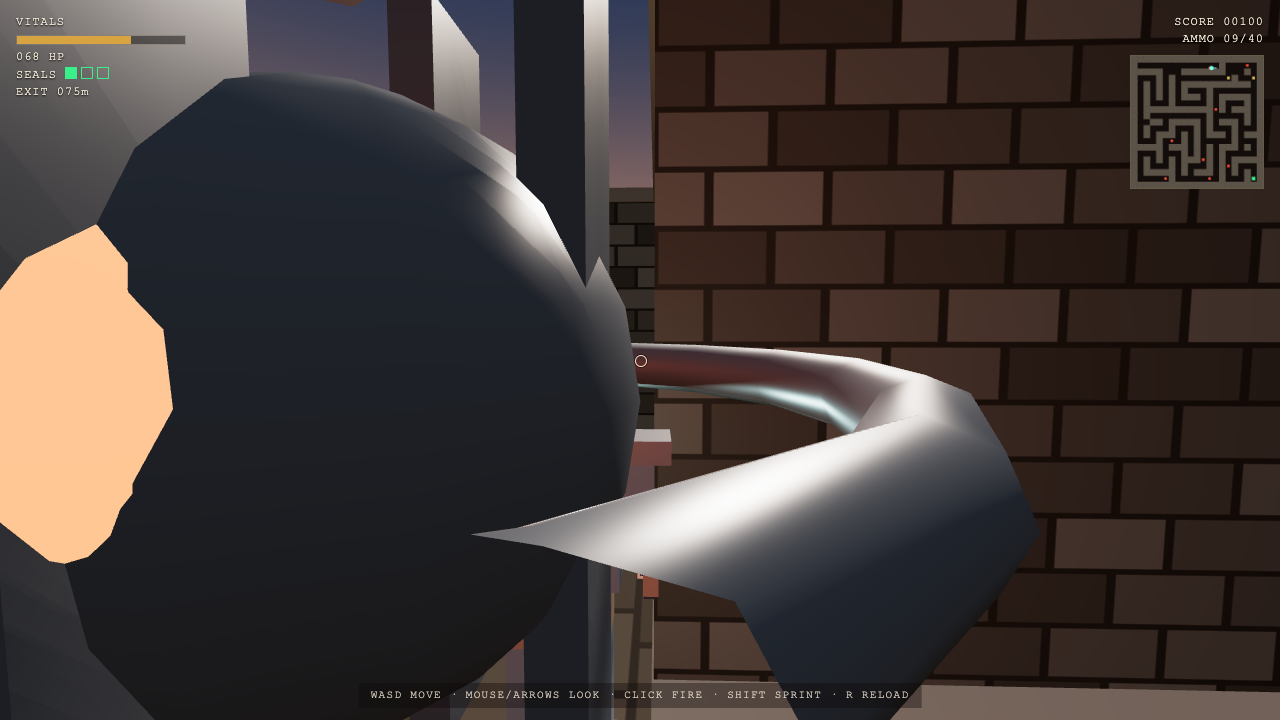
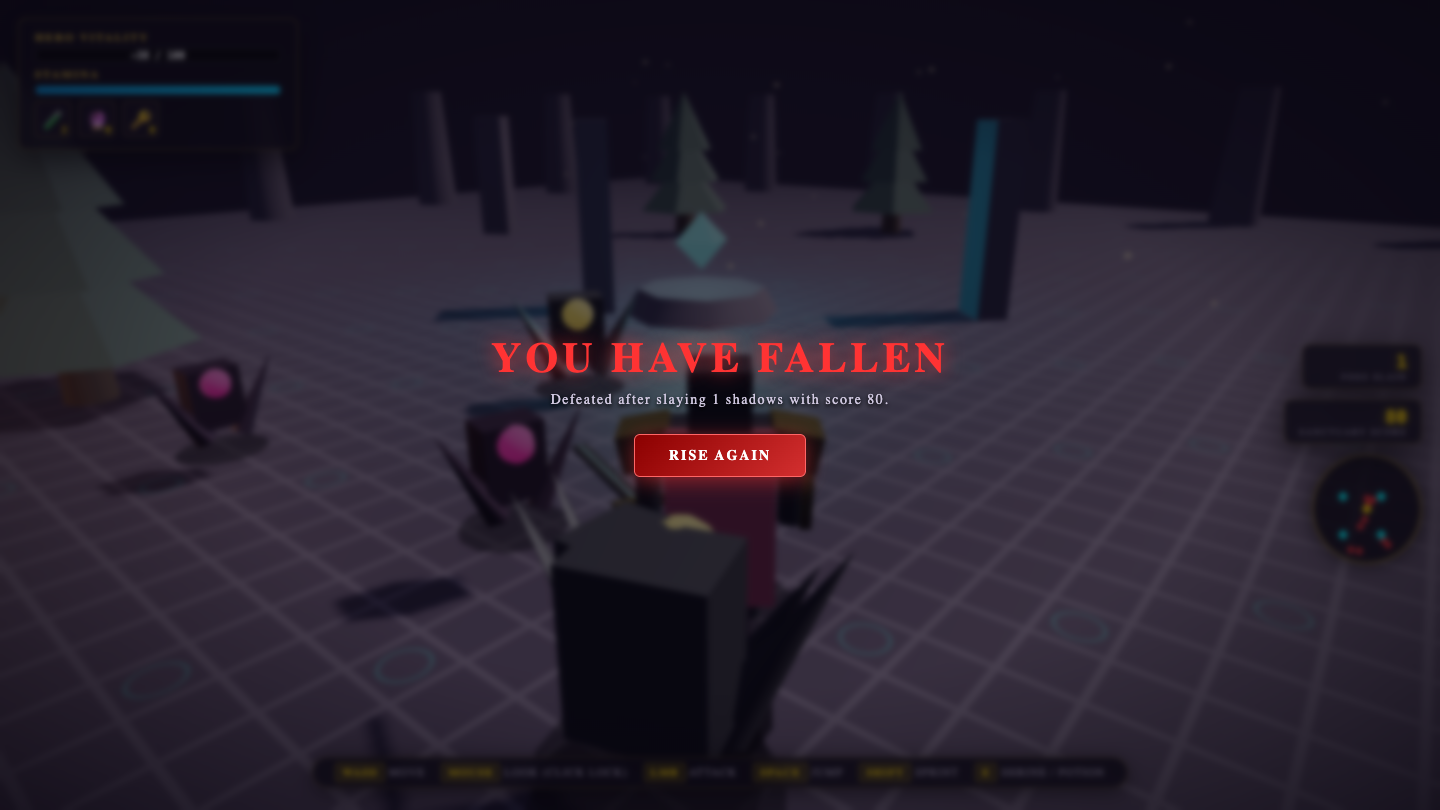
Crypt
Game
Gemini 3.6 Flash 6.8
·
Grok 4.7 2.3
(+4.5)
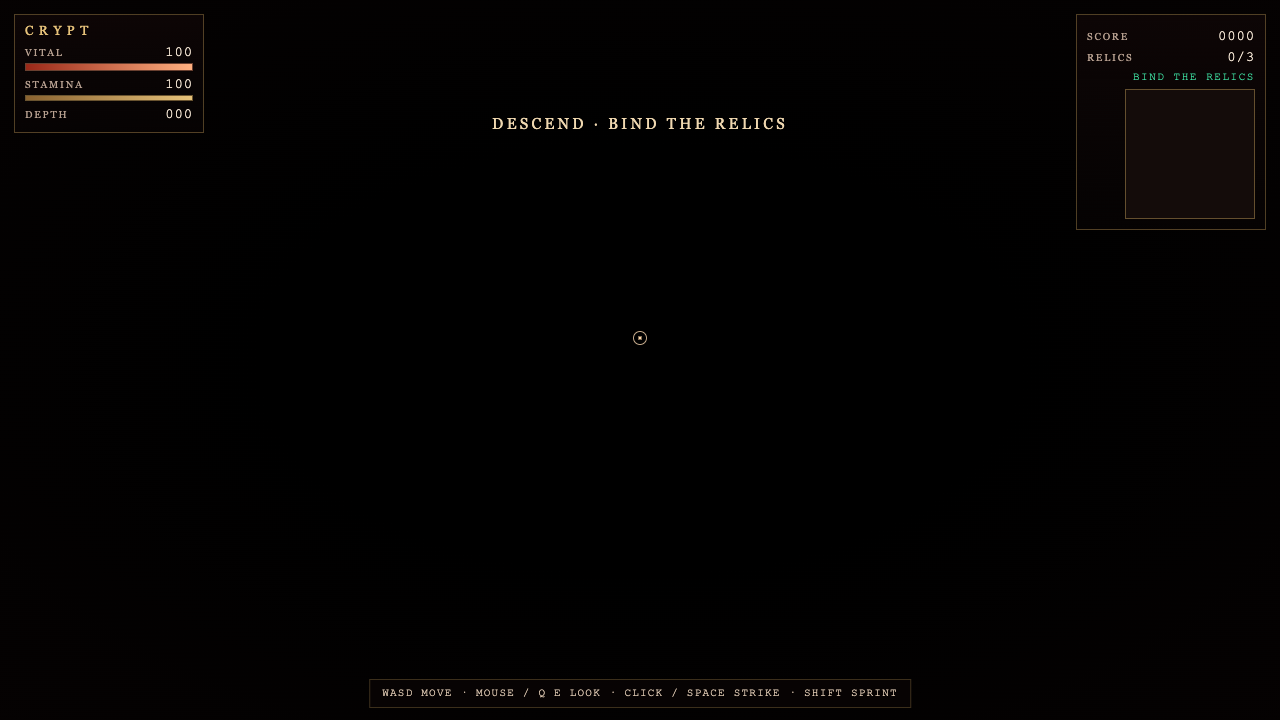
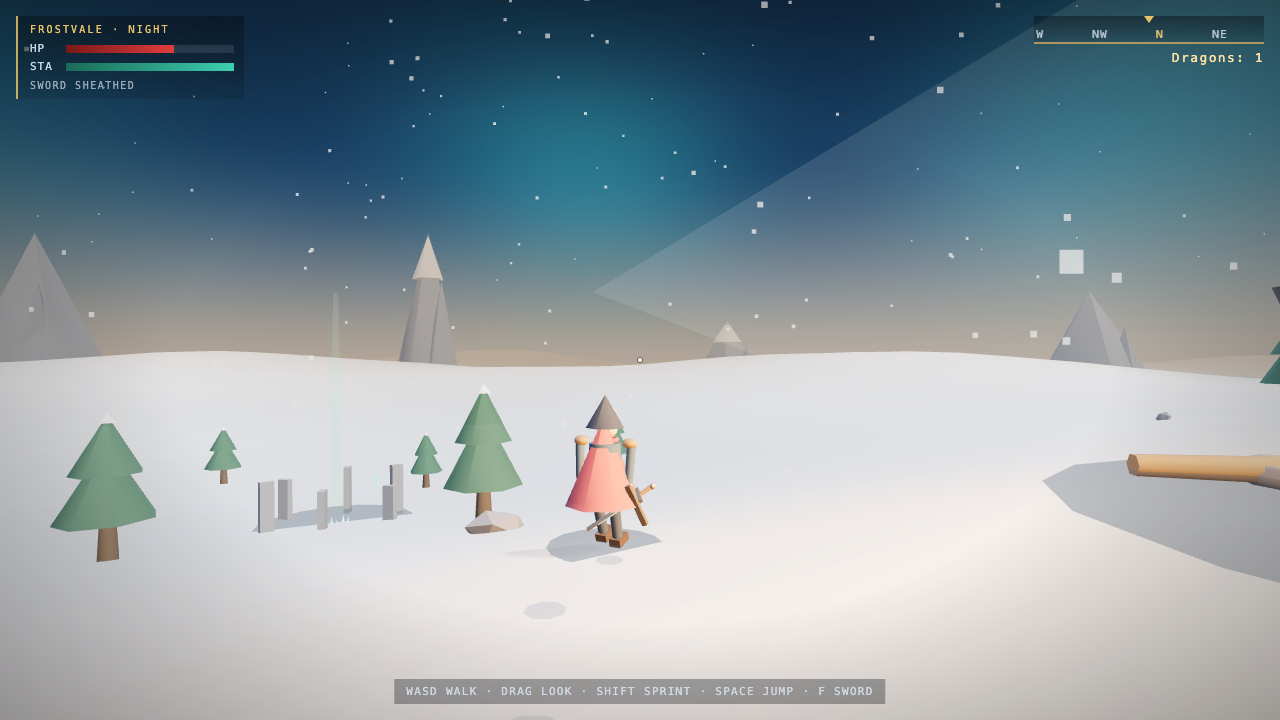
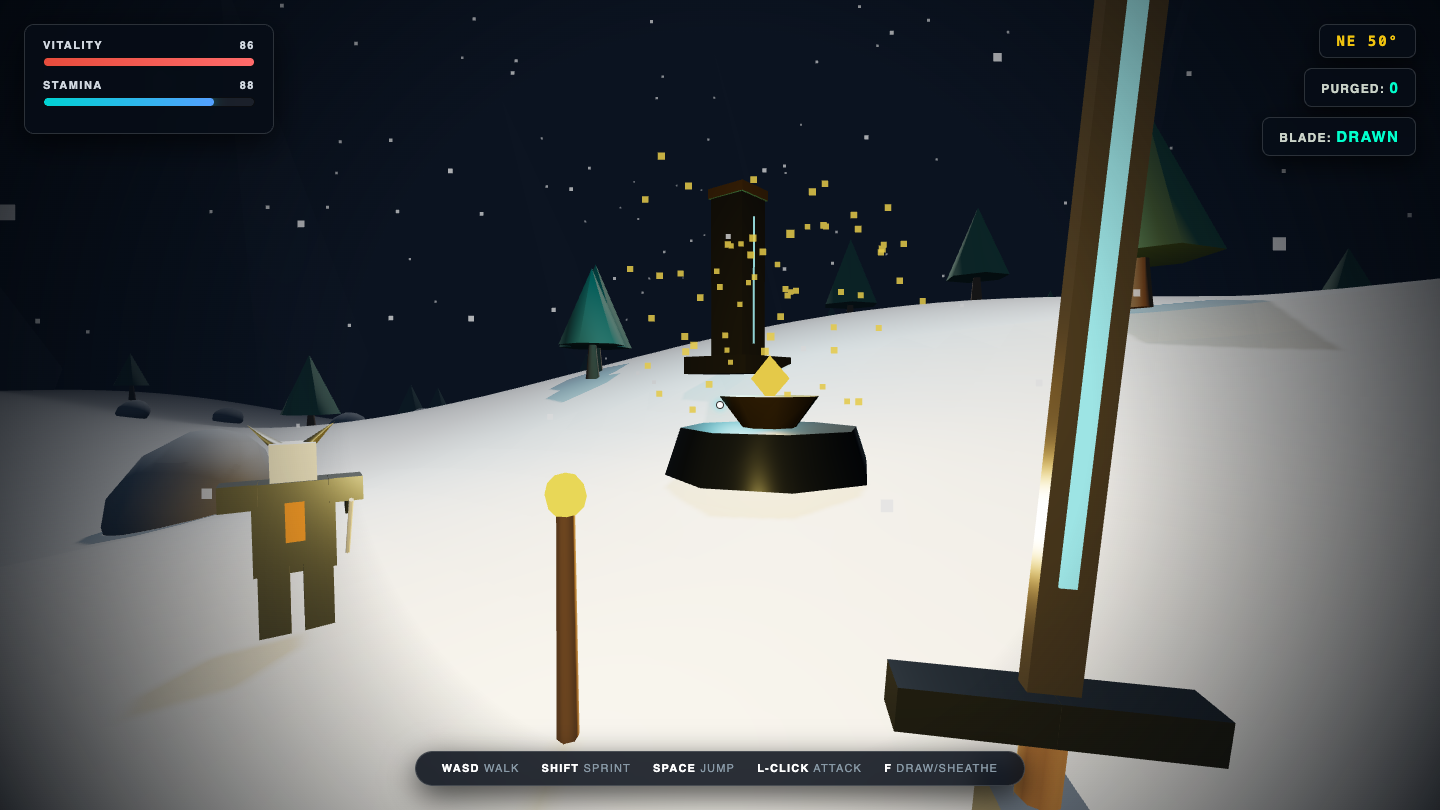
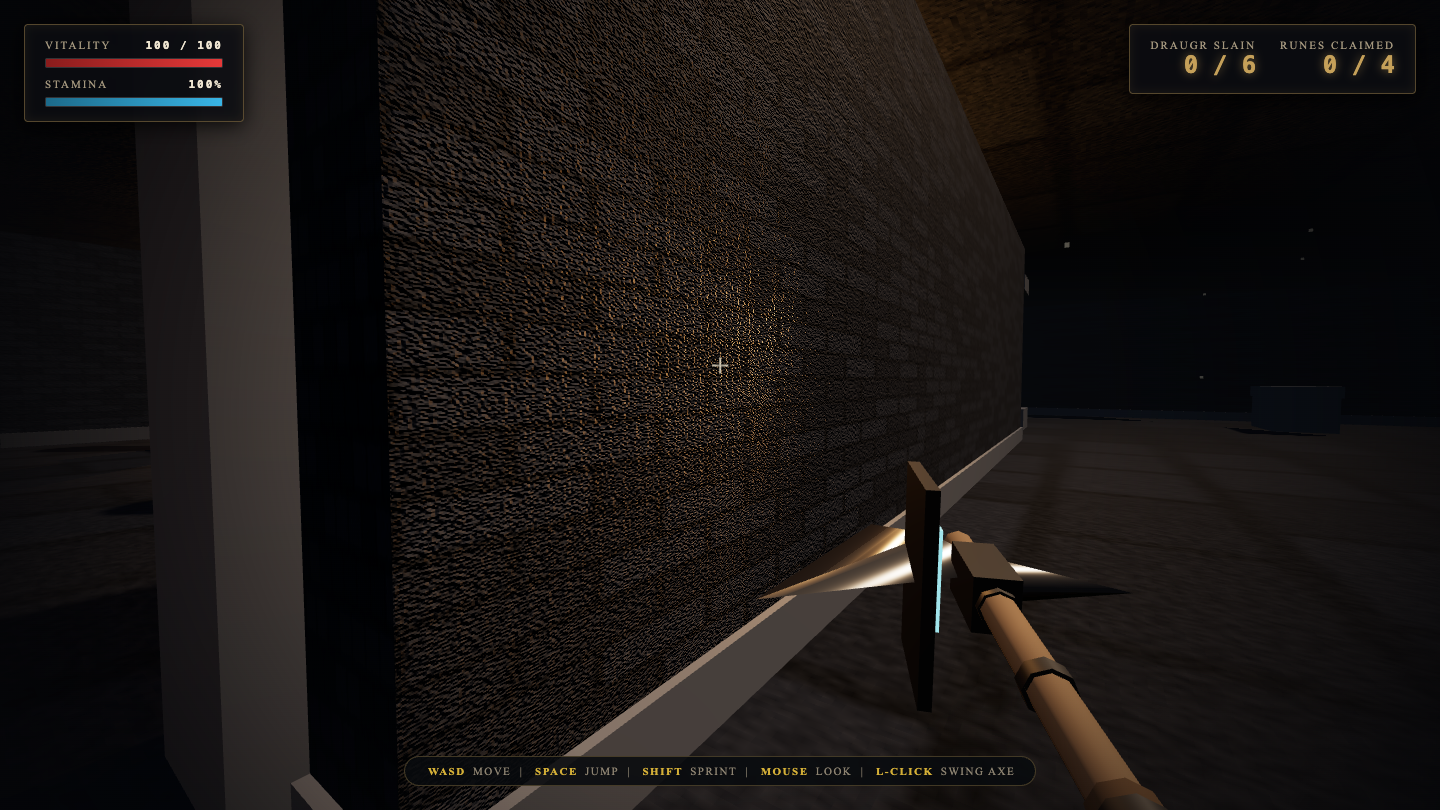
What I saw: Polished HUD with vitality/stamina/torch bars, viewmodel sword and torch, and clean brick dungeon rendering, but the screenshot shows no visible enemies or combat and the lighting reads flat/brown rather than moody torch-lit — a competent but empty walking sim so far.
Parachute
Game
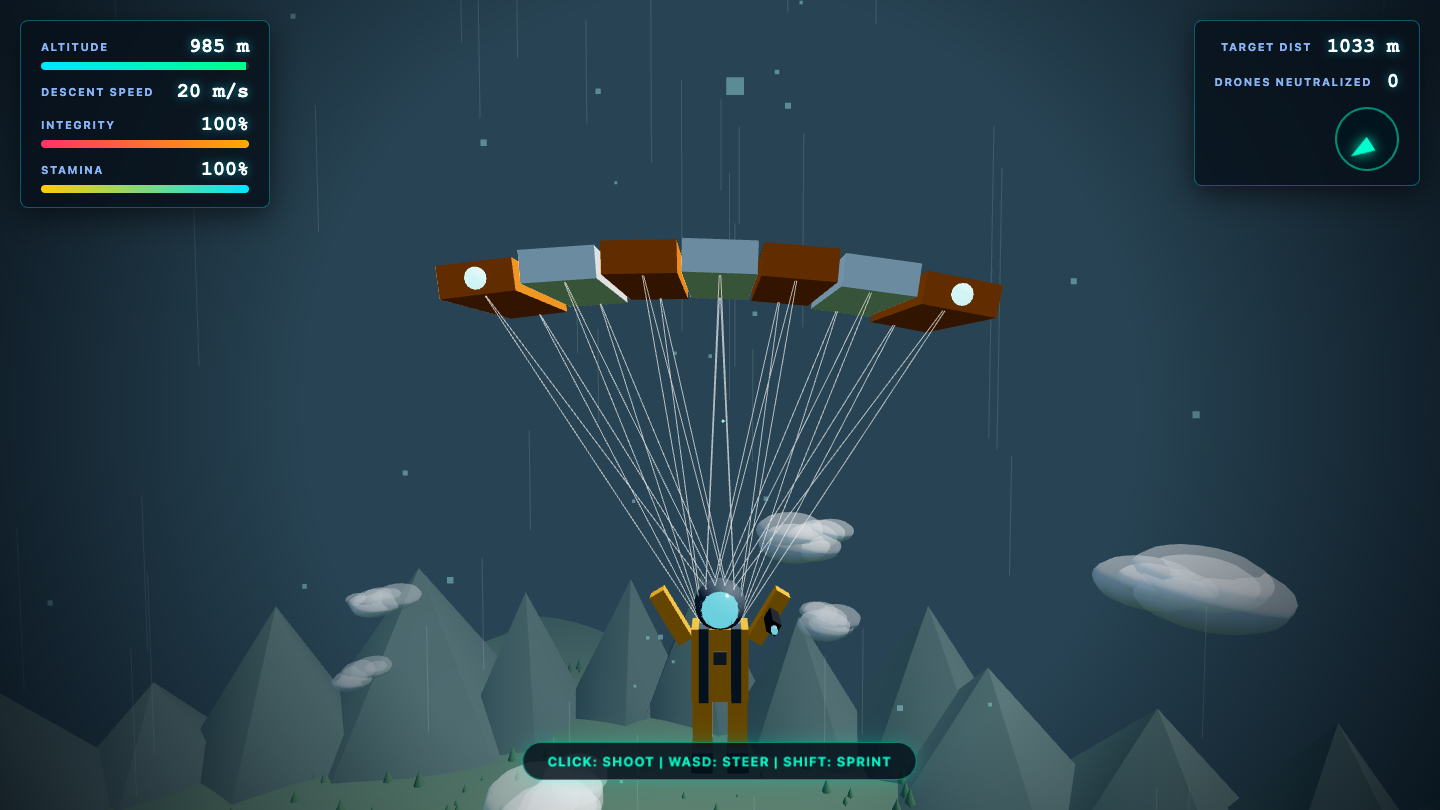
Gemini 3.6 Flash 8.4
·
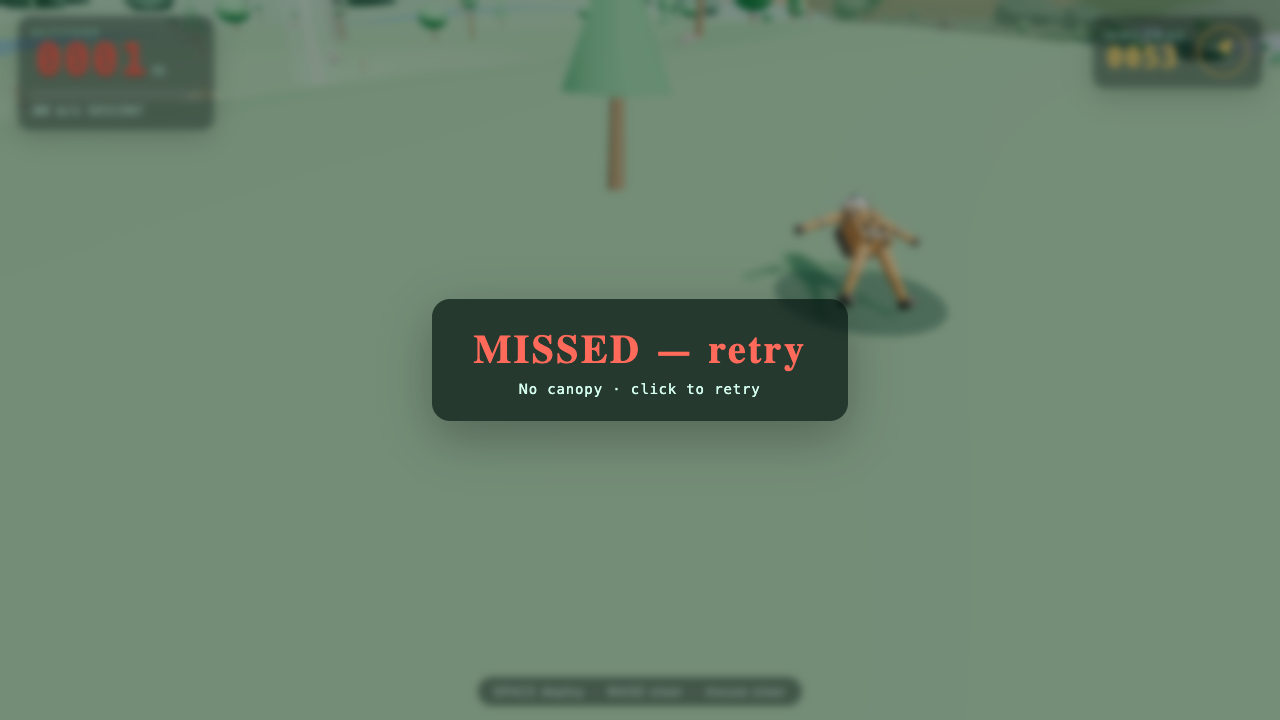
Grok 4.7 6.0
(+2.4)
· polished chute descent
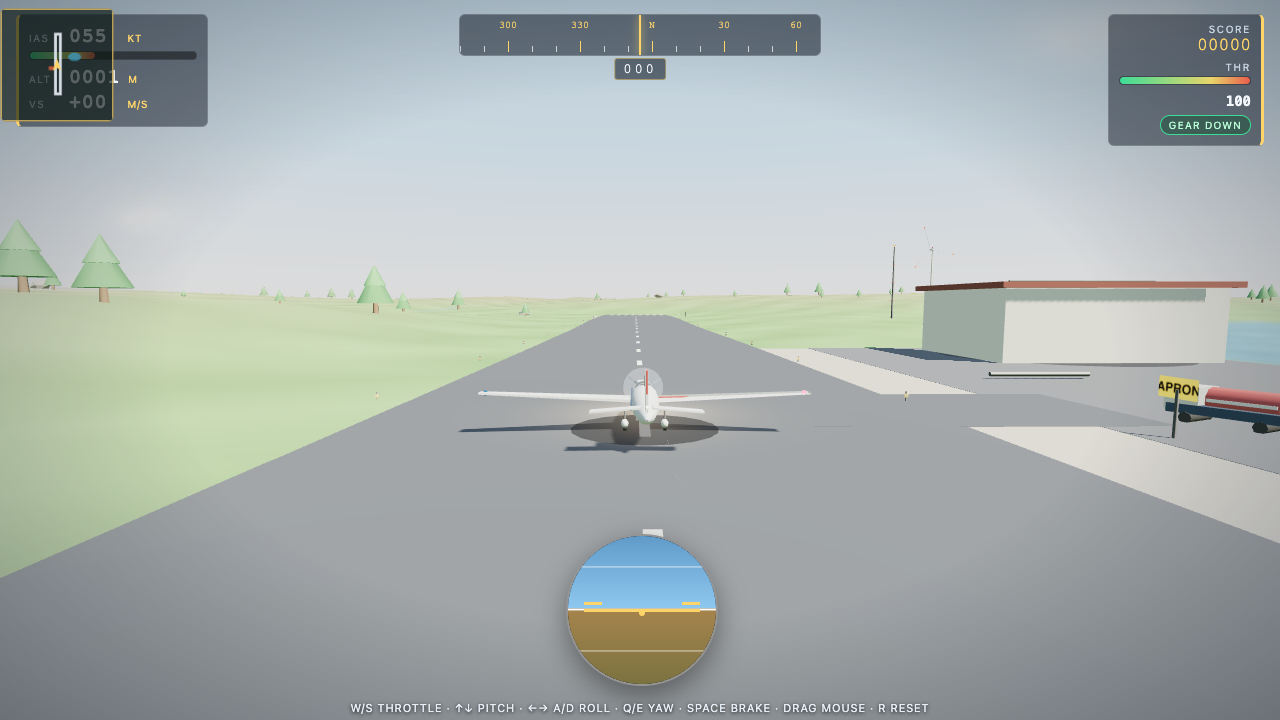
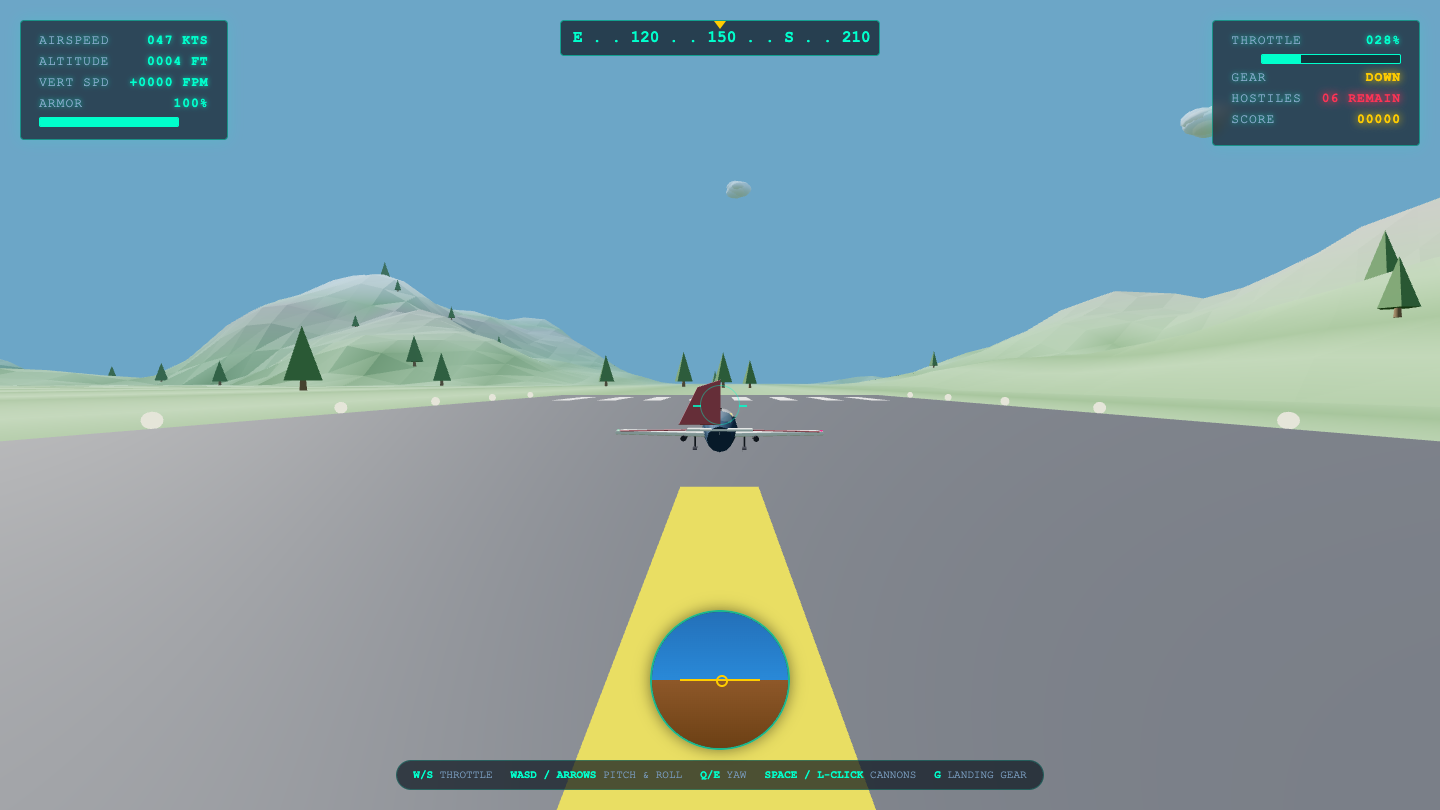
What I saw: Strong 3D scene with a well-rendered deployed canopy, articulated diver with suspension lines, layered clouds, jungle terrain and a slick functional HUD (altitude/descent/compass/distance). Slightly held back by the drone-combat framing feeling tacked-on and no enemies visible in…
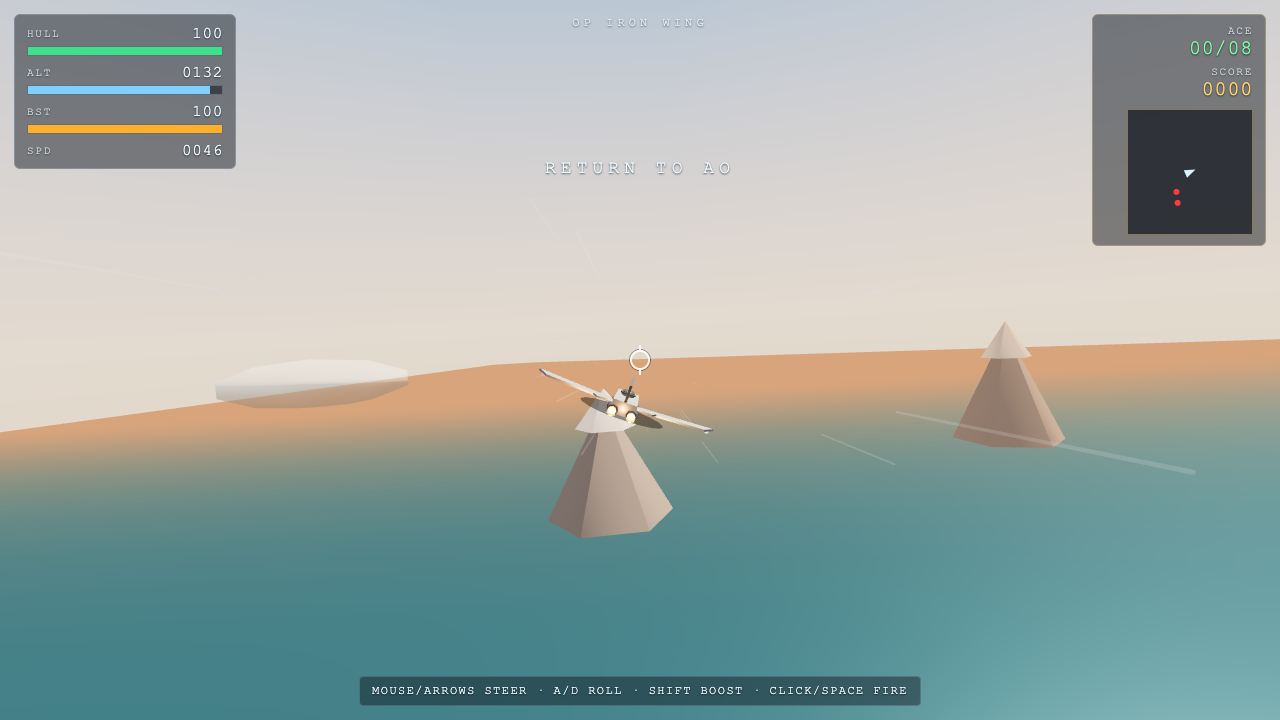
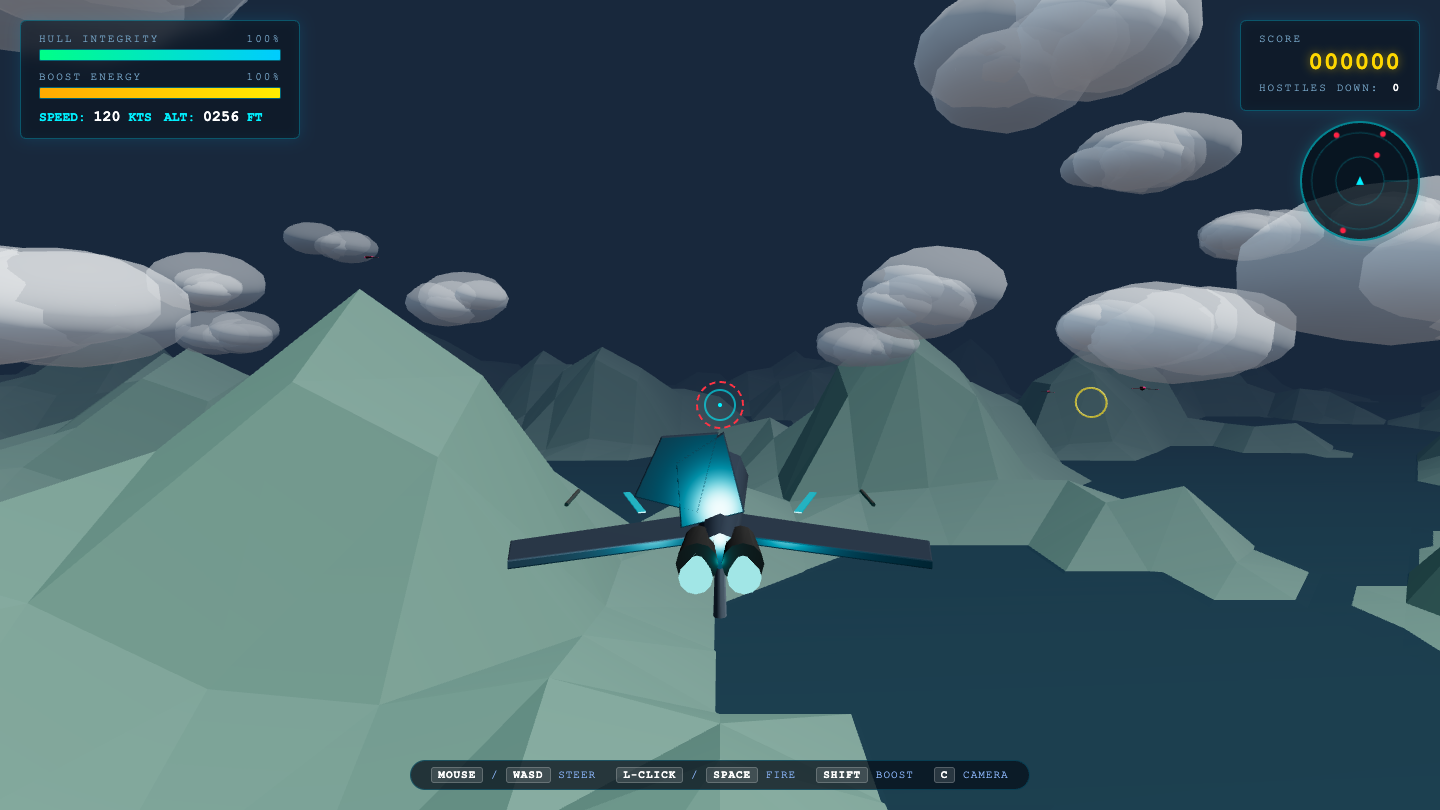
Dogfight
Game
Gemini 3.6 Flash 8.4
·
Grok 4.7 6.3
(+2.1)
· polished 3D dogfight
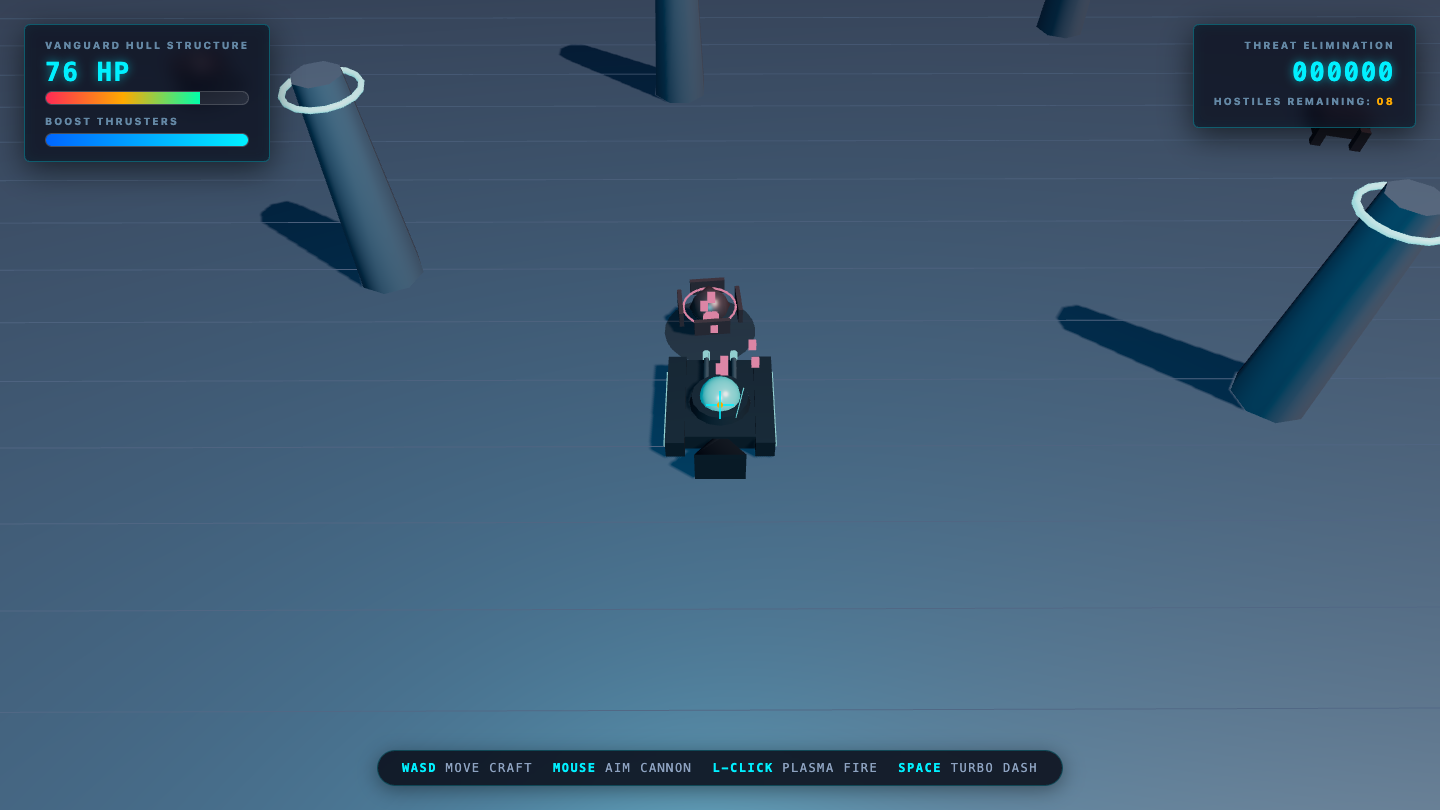
What I saw: Gorgeous low-poly 3D scene with a detailed player jet, glowing engines, volumetric clouds, terrain, and a full sci-fi HUD (hull, boost, radar with hostile blips, target-lock reticle). Enemies are present on radar and in-world but combat isn't clearly shown mid-fight in the shot, …
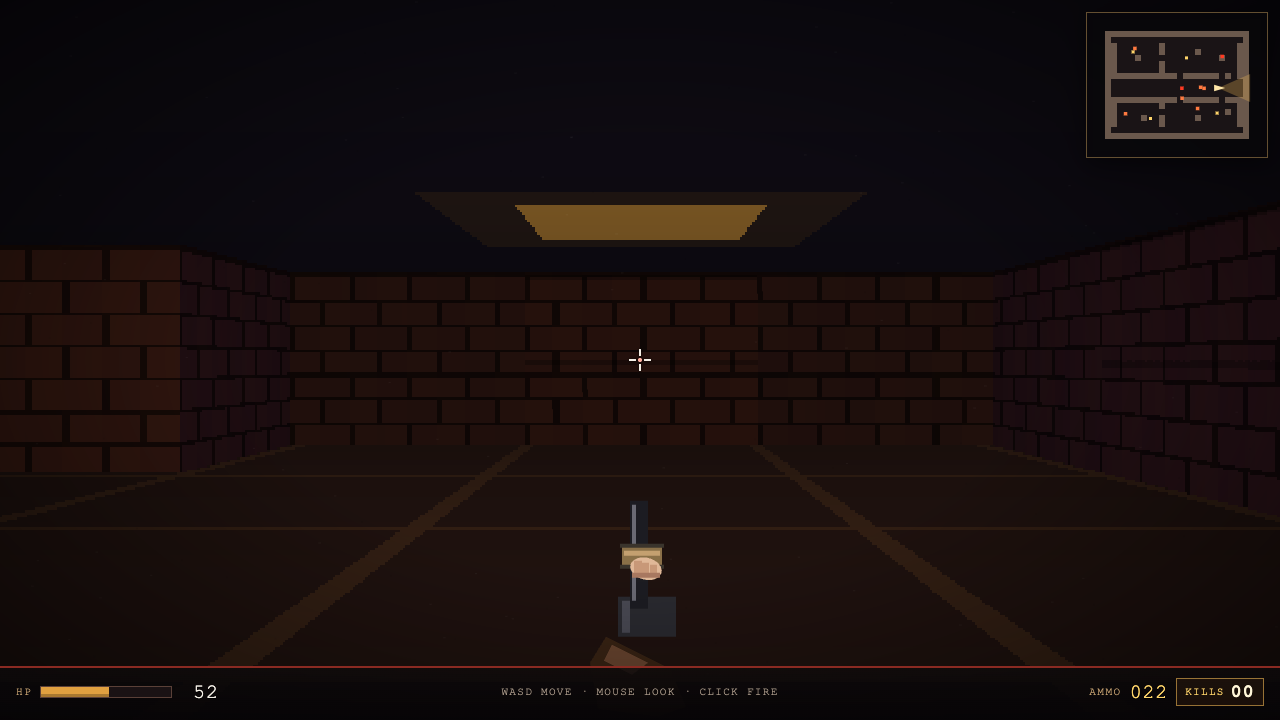
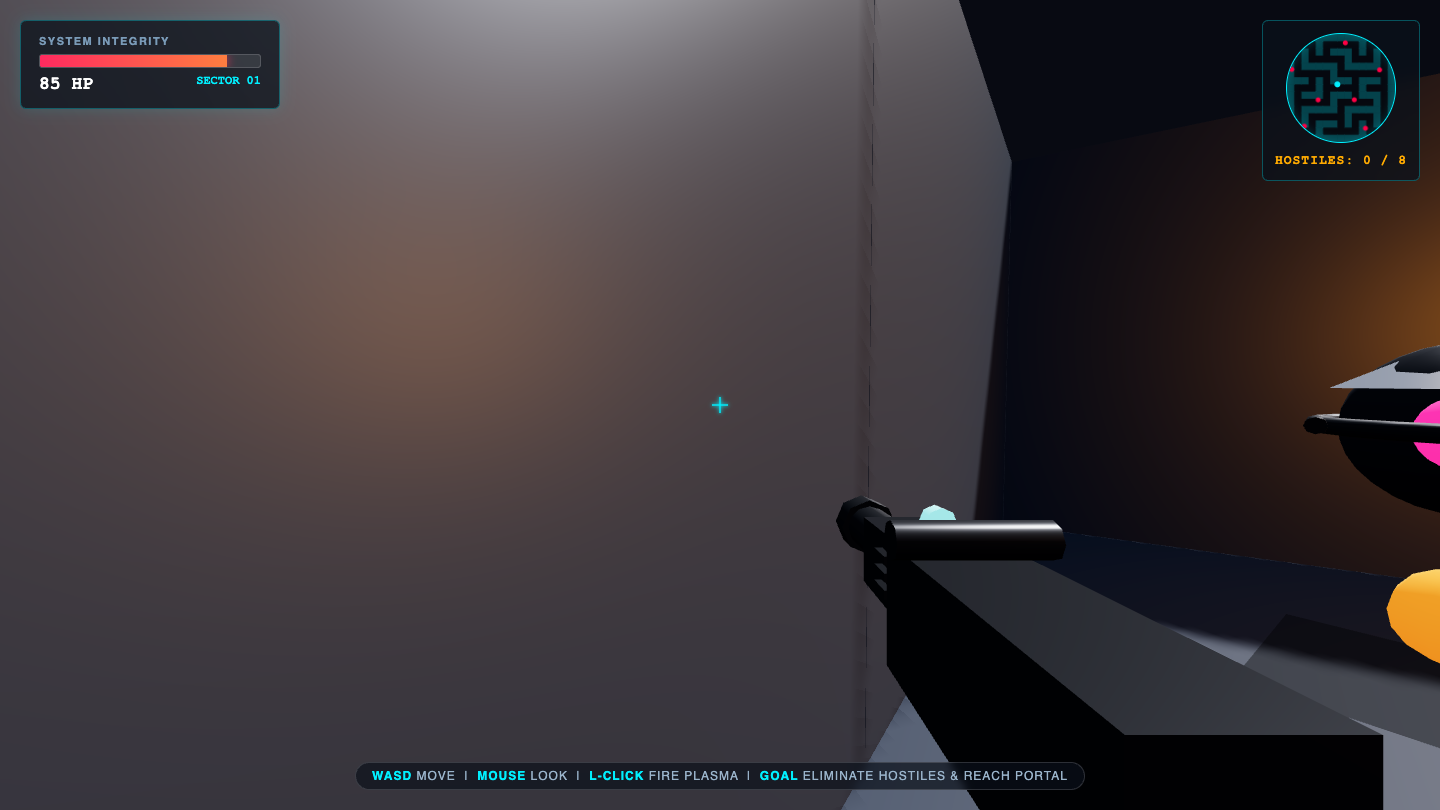
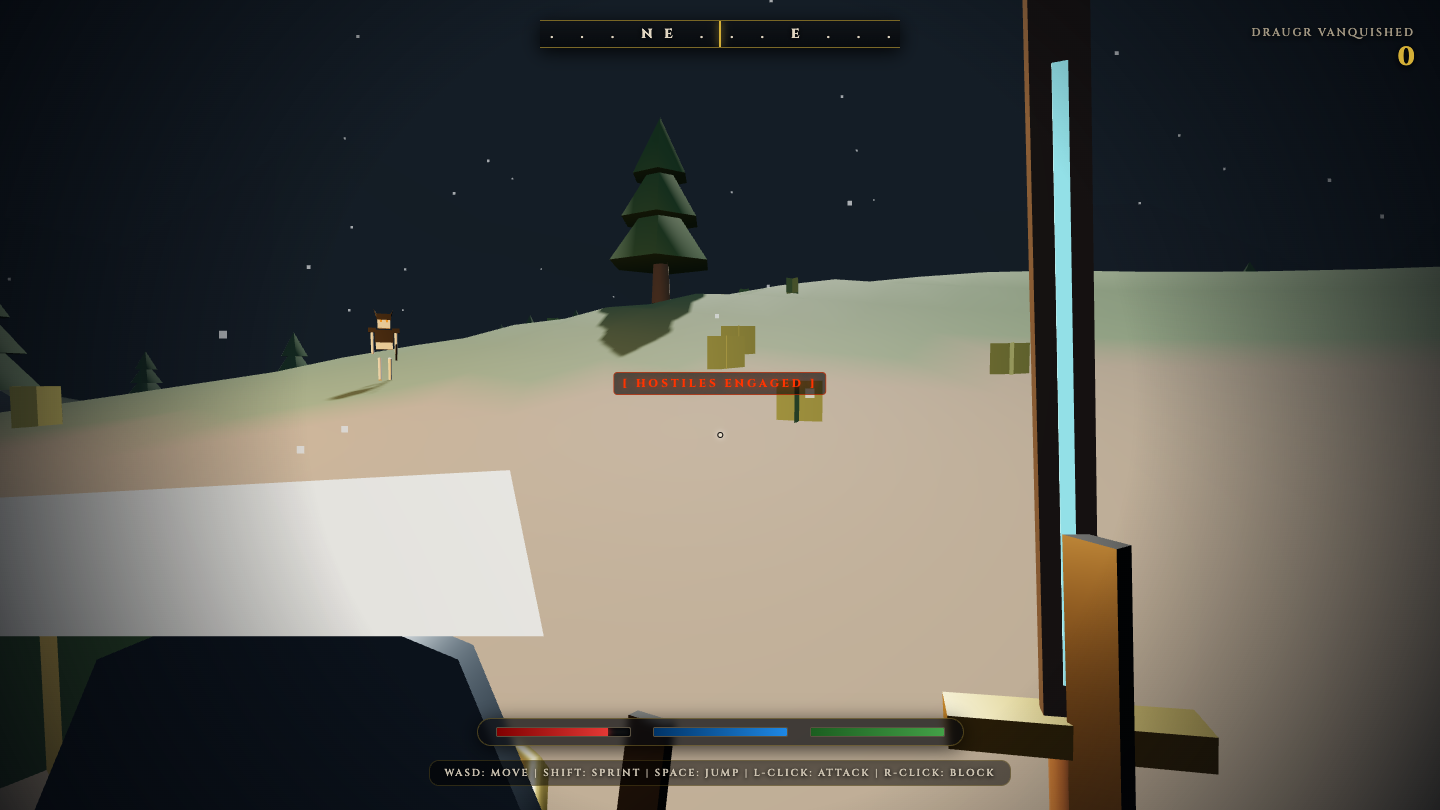
Nordiccrypt
Game
Gemini 3.6 Flash 7.3
·
Grok 4.7 5.5
(+1.8)
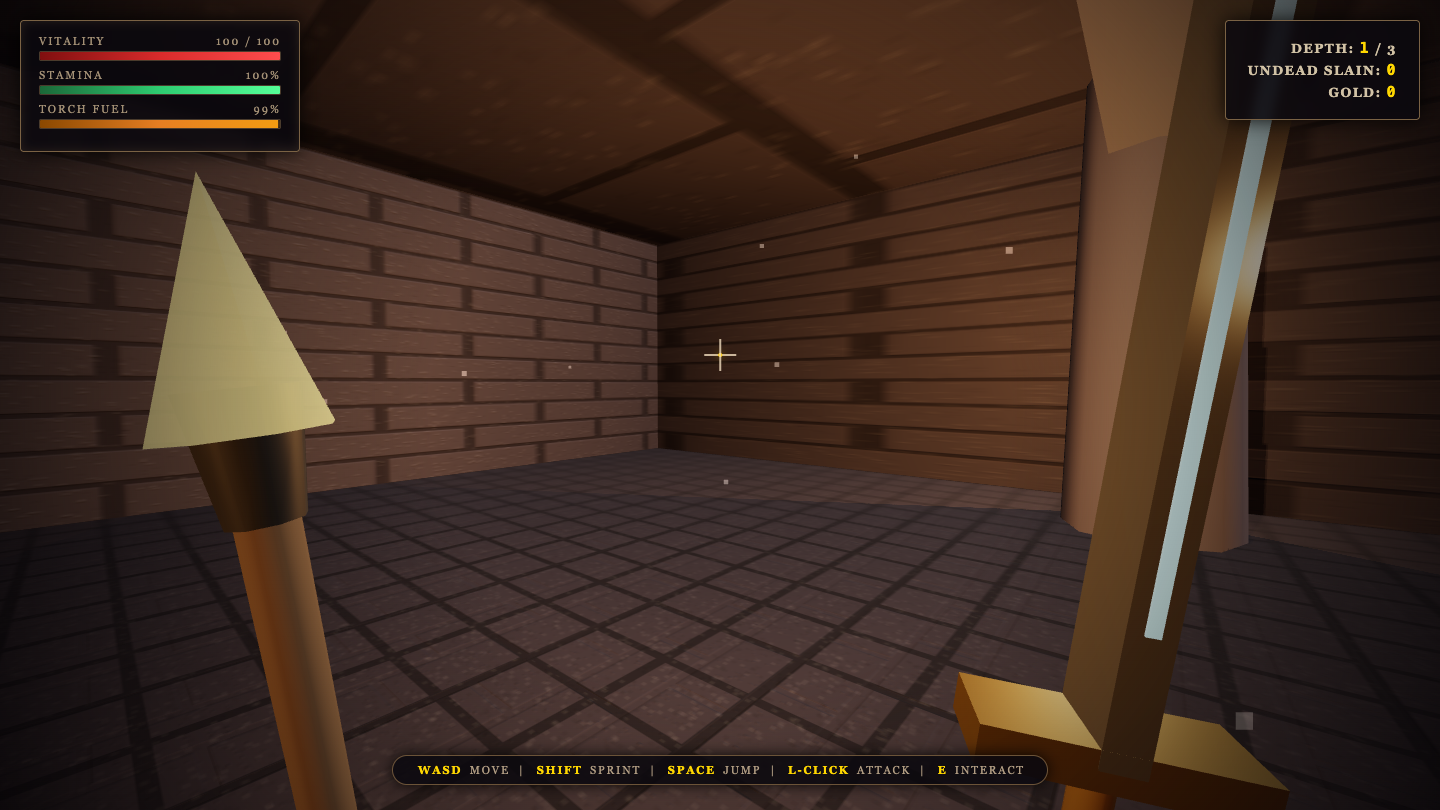
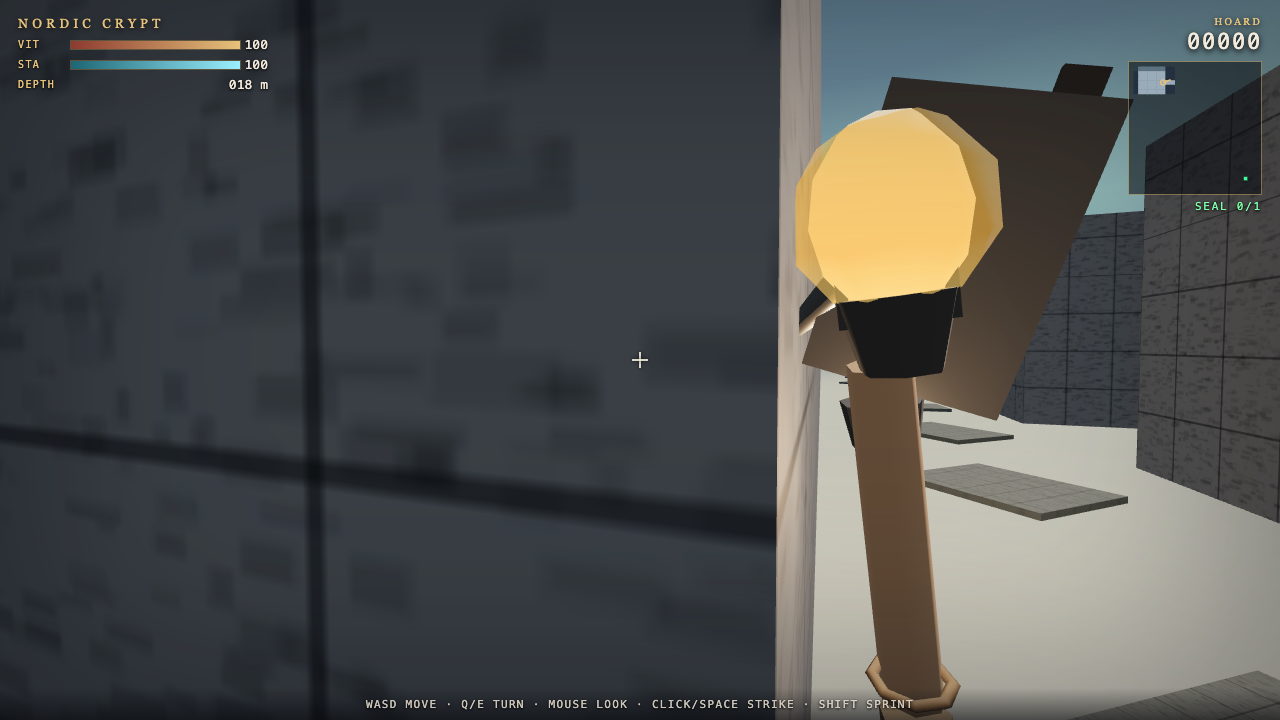
What I saw: Strong atmospheric first-person crypt with polished HUD, textured brick walls, torch lighting, and a nicely modeled viewmodel axe; but the screenshot shows no visible enemies/combat and the framing is dominated by a flat wall, so it reads as a walking sim rather than proving the …
Strengths & weaknesses I logged
Grok 4.7
Strengths
- Averaged 7.15/10 on the same twenty skill-infused game briefs where Grok 4.6 averaged 5.95, winning 14 of the 20 head-to-heads
- Best one-shots on this run: neoncity (8.7), racing (8.7), arcade (8.6), every one played on a real GPU before scoring
- Longer reinforcement learning shows: it holds a 40-50KB single-file spec and wires the controls it advertises
- xAI's own coding numbers moved: CursorBench 4.0 46.3% (from 40.4%) and DeepSWE v1.1 71.0% (from 65.2%)
Trade-offs
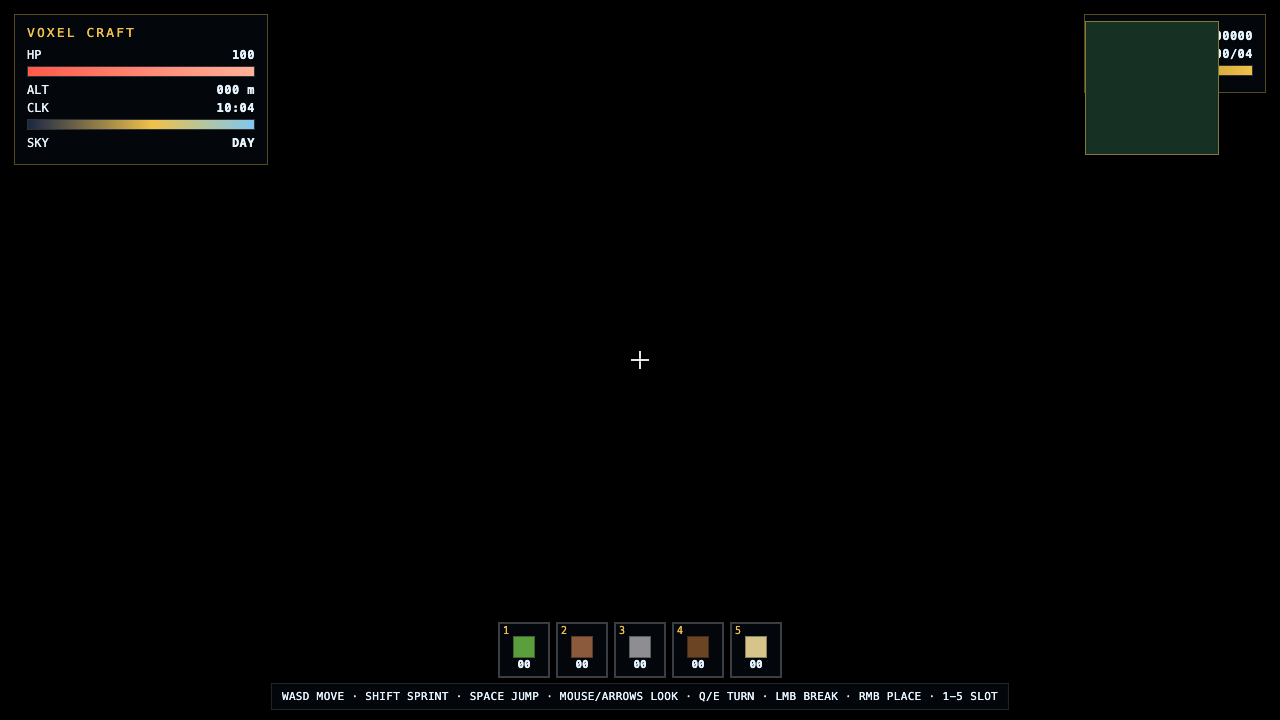
- 2 of 20 builds died on load or never moved when played — crypt: hud is not a function; voxelcraft: mesh.computeBoundingSphere is not a function file:///Users/j
- Independent Artificial Analysis Intelligence Index v4.3.2 puts it at 46, seven points behind Claude Fable 5.1 and GPT-6 at 53
- Terminal-Bench 4.0 is the weak spot xAI reports itself: 38.0% at launch
Gemini 3.6 Flash
Strengths
- Fast one-shot builds — full skill-spec 3D games in ~60-120s of generation
- Cheapest frontier-tier entry on the bench at $1.50/M input
- 17% fewer output tokens than 3.5 Flash on the same workflows (Google's launch claim)
Trade-offs
- Benched on launch day — partial run until the full 50-task batch completes
- Flash tier, not a flagship — up against Pro/flagship-class models on this board
Pricing & context — the spec sheet
| Spec | Grok 4.7 | Gemini 3.6 Flash |
|---|---|---|
| Vendor | xAI | |
| Context window | 500,000 tokens | 1,000,000-token context window |
| Price | $2 in / $6 out per M tokens | $1.50 / M input |
| Pricing detail | xAI's September 2026 release, priced exactly like Grok 4.6: $2 per million input tokens and $6 per million output on the standard tier, $4 / $12 on the Fast tier (double the output speed). OpenRouter lists the same model at $1.60 / $4.80. | Launched 2026-07-21 alongside Gemini 3.5 Flash-Lite and 3.5 Flash Cyber. Google's pitch: higher intelligence than its predecessors on coding/ML/knowledge tasks while using 17% fewer output tokens, at a new lower price ($1.50 per million input tokens). Benched here via the native Gemini API on launch day. |
| Release | 2026-09 | 2026-07 |
| Bench coverage | 20/20 scored · avg 7.15/10 | 50/50 scored · avg 7.08/10 |
The verdict — which should you pick?
Across 20 scored shared tasks, Gemini 3.6 Flash averaged 7.47/10, beating Grok 4.7's 7.15/10 by 0.32 points. Pick Gemini 3.6 Flash when the build has to ship on the first prompt and you can afford the trade-offs in the comparison below.
If you only run one of these inside your stack, the head-to-head average above is the call. If you can run both, my honest play is to wire Grok 4.7 and Gemini 3.6 Flash both into the Agent Operating System and dispatch each from the kanban by task type — one-shot arcade, driving and shooter builds where the whole game has to arrive in a single file → Grok 4.7, high-volume agentic work where token cost dominates → Gemini 3.6 Flash. That's the same setup I run for the 4,000+ founders inside the AI Profit Boardroom.
FAQ — Grok 4.7 vs Gemini 3.6 Flash
Which is better, Grok 4.7 or Gemini 3.6 Flash?
On Goldie Bench, Grok 4.7 averages 7.15/10 across the shared tasks, with 0 gold, 2 silver, 3 bronze overall. Gemini 3.6 Flash averages 7.47/10, with 1 gold, 2 silver, 2 bronze. Grok 4.7 wins the head-to-head 10–9.
How much does Grok 4.7 cost vs Gemini 3.6 Flash?
Grok 4.7: xAI's September 2026 release, priced exactly like Grok 4.6: $2 per million input tokens and $6 per million output on the standard tier, $4 / $12 on the Fast tier (double the output speed). OpenRouter lists the same model at $1.60 / $4.80. Gemini 3.6 Flash: Launched 2026-07-21 alongside Gemini 3.5 Flash-Lite and 3.5 Flash Cyber. Google's pitch: higher intelligence than its predecessors on coding/ML/knowledge tasks while using 17% fewer output tokens, at a new lower price ($1.50 per million input tokens). Benched here via the native Gemini API on launch day.
What's the context window for Grok 4.7 vs Gemini 3.6 Flash?
Grok 4.7 has a 500,000 tokens context window. Gemini 3.6 Flash has a 1,000,000-token context window context window.
When should I pick Grok 4.7 over Gemini 3.6 Flash?
Pick Grok 4.7 for: One-shot arcade, driving and shooter builds where the whole game has to arrive in a single file; High-volume agent work priced at half what the other frontier models charge; Grok Build inside the Agent OS: pick 4.7 in the tab and everything it writes lands in the workspace. The trade-off is the weaknesses we logged on the bench: 2 of 20 builds died on load or never moved when played — crypt: hud is not a function; voxelcraft: mesh.computeBoundingSphere is not a function file:///Users/j; Independent Artificial Analysis Intelligence Index v4.3.2 puts it at 46, seven points behind Claude Fable 5.1 and GPT-6 at 53; Terminal-Bench 4.0 is the weak spot xAI reports itself: 38.0% at launch.
When should I pick Gemini 3.6 Flash over Grok 4.7?
Pick Gemini 3.6 Flash for: High-volume agentic work where token cost dominates; Fast prototype builds you iterate on rather than one-shot masterpieces; Routing the everyday 90% while a flagship handles the hard 10%. The trade-off is the weaknesses we logged on the bench: Benched on launch day — partial run until the full 50-task batch completes; Flash tier, not a flagship — up against Pro/flagship-class models on this board.
How does Goldie Bench score Grok 4.7 vs Gemini 3.6 Flash?
Every demo on this page was built by Julian Goldie inside the Agent Operating System — same fixed prompt for both models, one shot, single HTML file out. Each result gets a 0–10 score on whether it ran, how close it hit the brief, and how good it looked. The highest score on each task gets gold; second gets silver; third gets bronze. See methodology for full provenance.
Related comparisons
Other head-to-heads using the same scoring system:
Grok 4.7 vs Fusion Gemini 3.6 Flash vs Fusion Grok 4.7 vs Claude Opus 5 Gemini 3.6 Flash vs Claude Opus 5 Grok 4.7 vs Hermes MoA Gemini 3.6 Flash vs Hermes MoA Grok 4.7 vs GPT-5.6 Sol Gemini 3.6 Flash vs GPT-5.6 SolFull model pages: Grok 4.7 · Gemini 3.6 Flash · back to the leaderboard
The same stack Julian uses
Run this stack yourself.
Every demo on this bench was built inside the Agent Operating System — one prompt, one shot, single HTML file out. The Agent OS, the prompts, the templates, the weekly walkthroughs and 4,000+ founders shipping with it every day all live inside the AI Profit Boardroom.
4,000+founders
258documented wins
38countries
$59/momonthly