Real head-to-head · same prompt, one shot
GPT-5.6 Sol vs Kimi K2.7
OpenAI's flagship — the Sun of the 5.6 lineup. vs The heavy lifter — frontier coder at flat-rate.
Head-to-head verdict: GPT-5.6 Sol wins 19–6.
What I tested — same prompt, two models
I run the same fixed prompt set through every new model the day it drops — same string, one shot, single HTML file out — and I score the result 0–10 on whether it ran, how close it hit the brief, and how good it looked. Below is what came out when I gave the exact same prompts to GPT-5.6 Sol and Kimi K2.7, side by side, on 47 shared tasks inside the Agent Operating System.
Both models were given identical prompts inside the Agent Operating System — no help, no iteration, no "best of N" tricks. I run each prompt once, save the HTML file the model produces, and score it 0–10 on whether it ran, how close it hit the brief, and how good it looked. The scoring is mine. The verdicts below are pulled from my source comparison guides at agentos.guide where I publish every score and the reasoning behind it.
GPT-5.6 Sol · Benched on GoldieBench as the flagship Sol at medium reasoning, one-shot, then headless-playtested. In the Agent OS it's the top tier of a routed stack — Sol on the hard calls, Terra for the bulk, Luna for the everyday 90%.
Kimi K2.7 · Wired into the Agent OS as the heavy-lifter for game/sim prototypes and Kanban-dispatched code work. Mode toggled per task: Quality for one-shot games, Fast for short bursts.
Side-by-side on 50 shared tasks
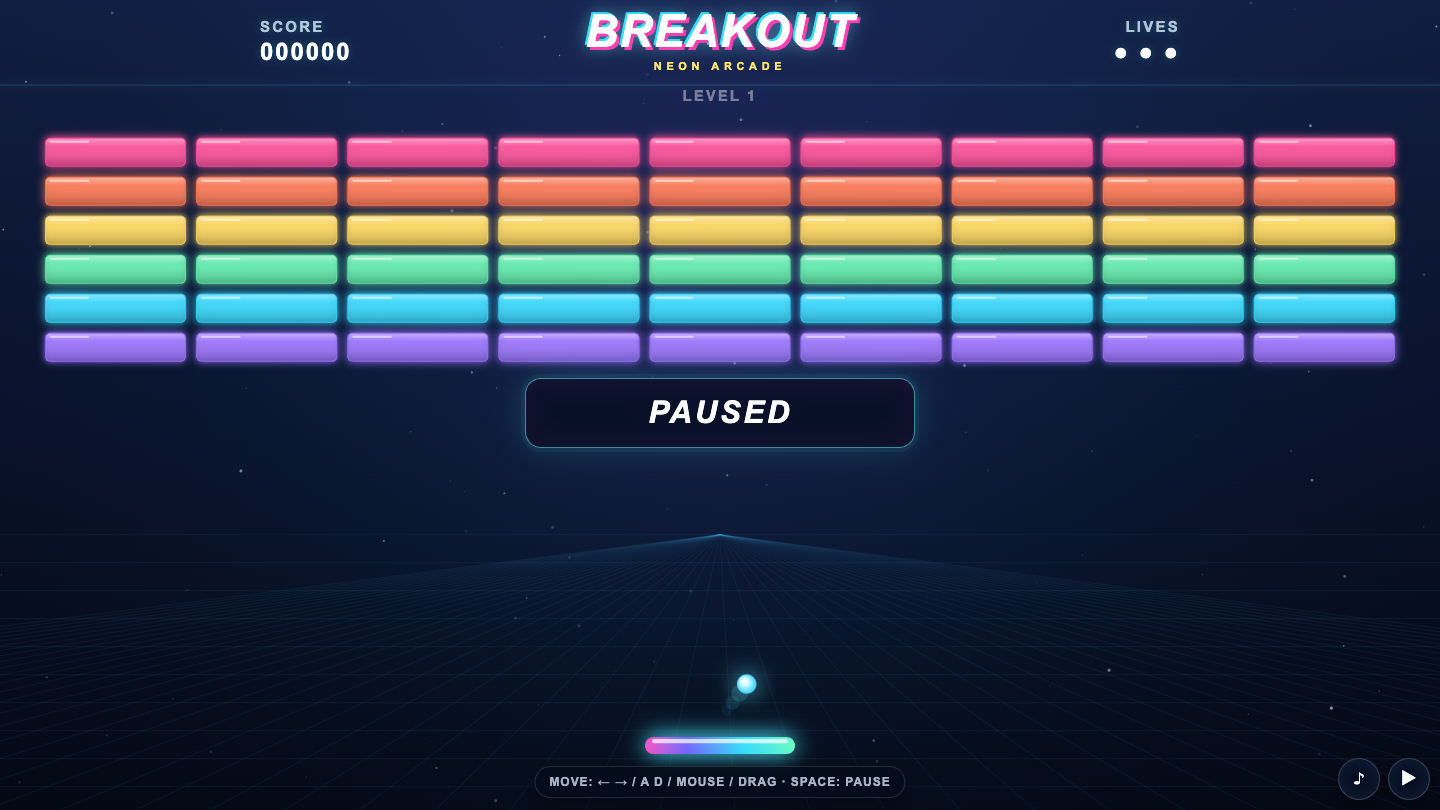
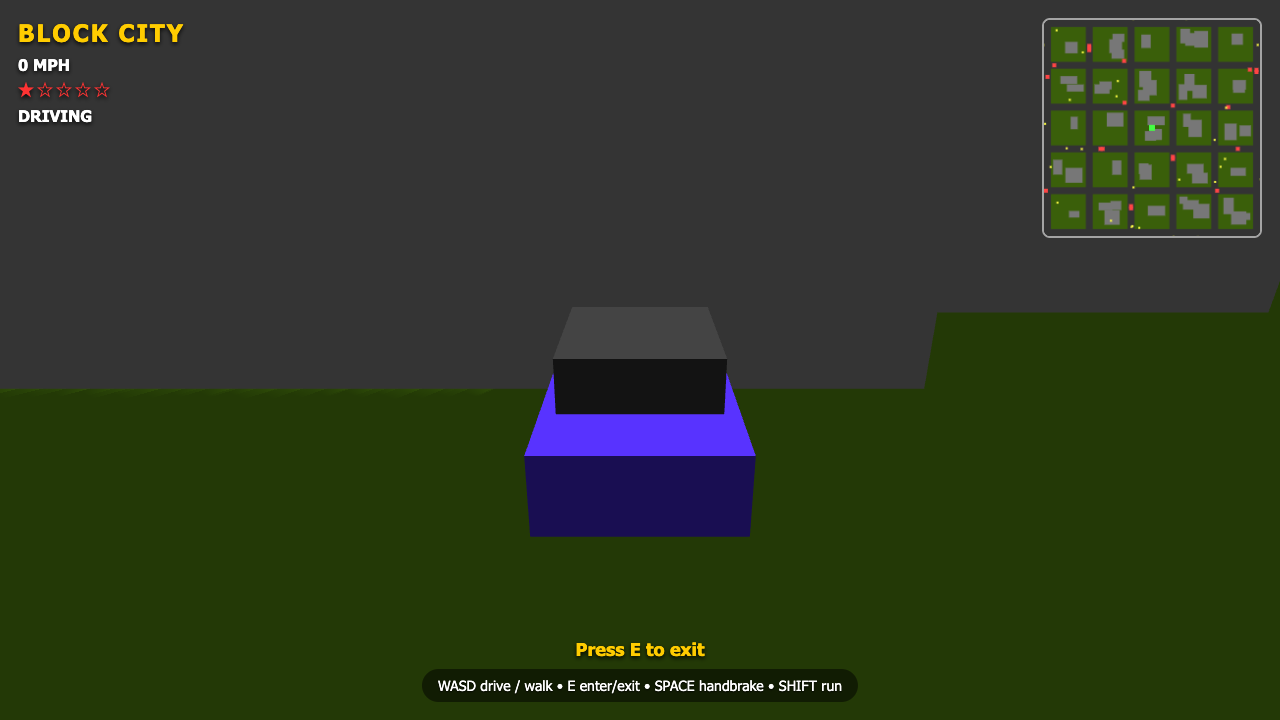
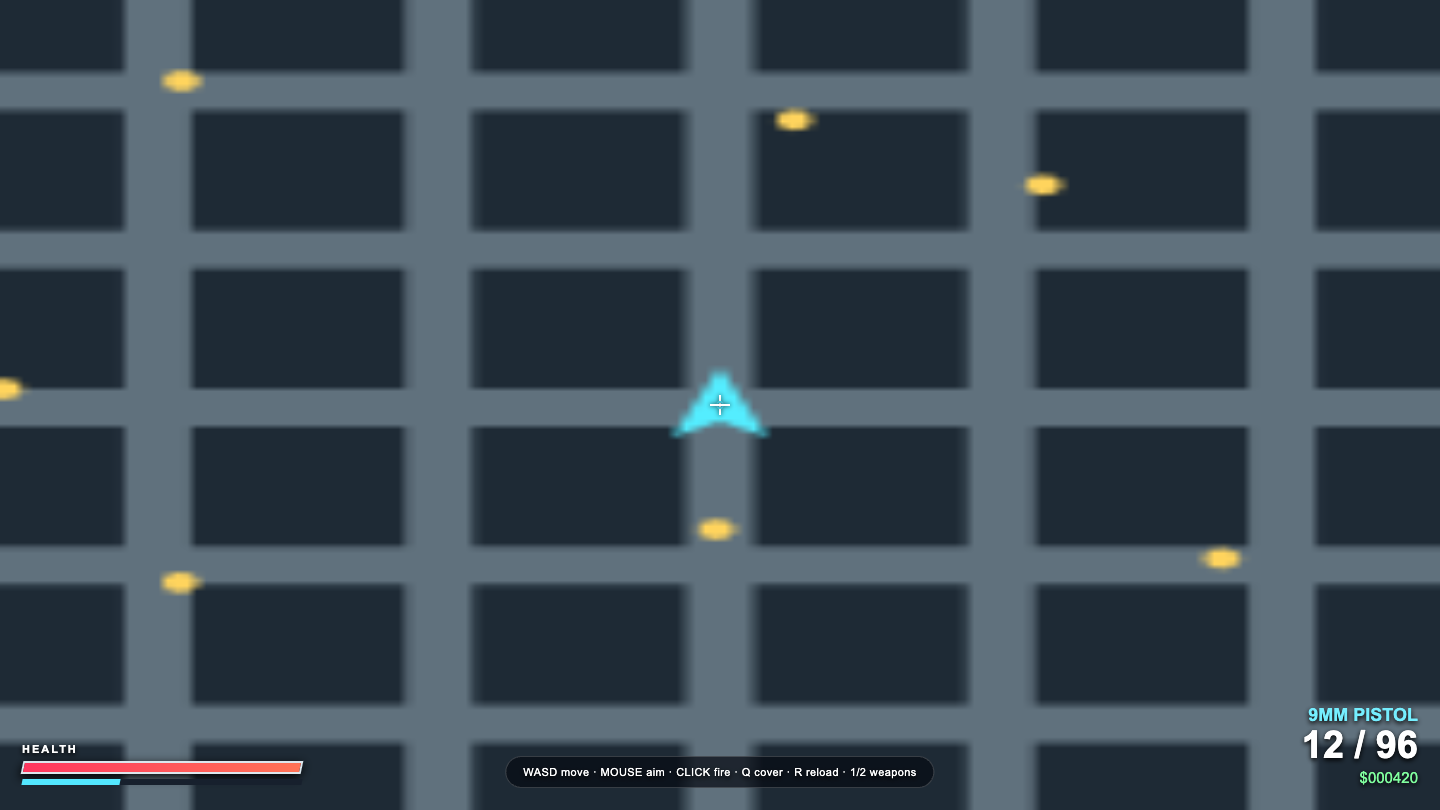
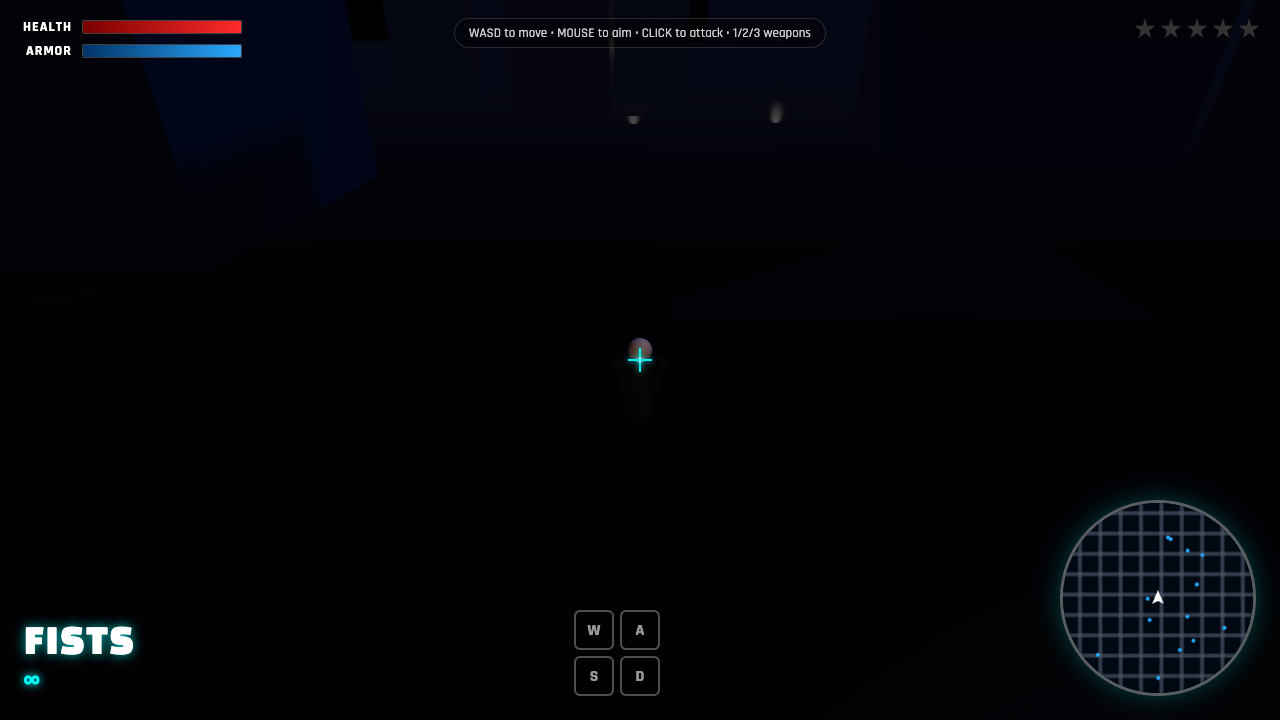
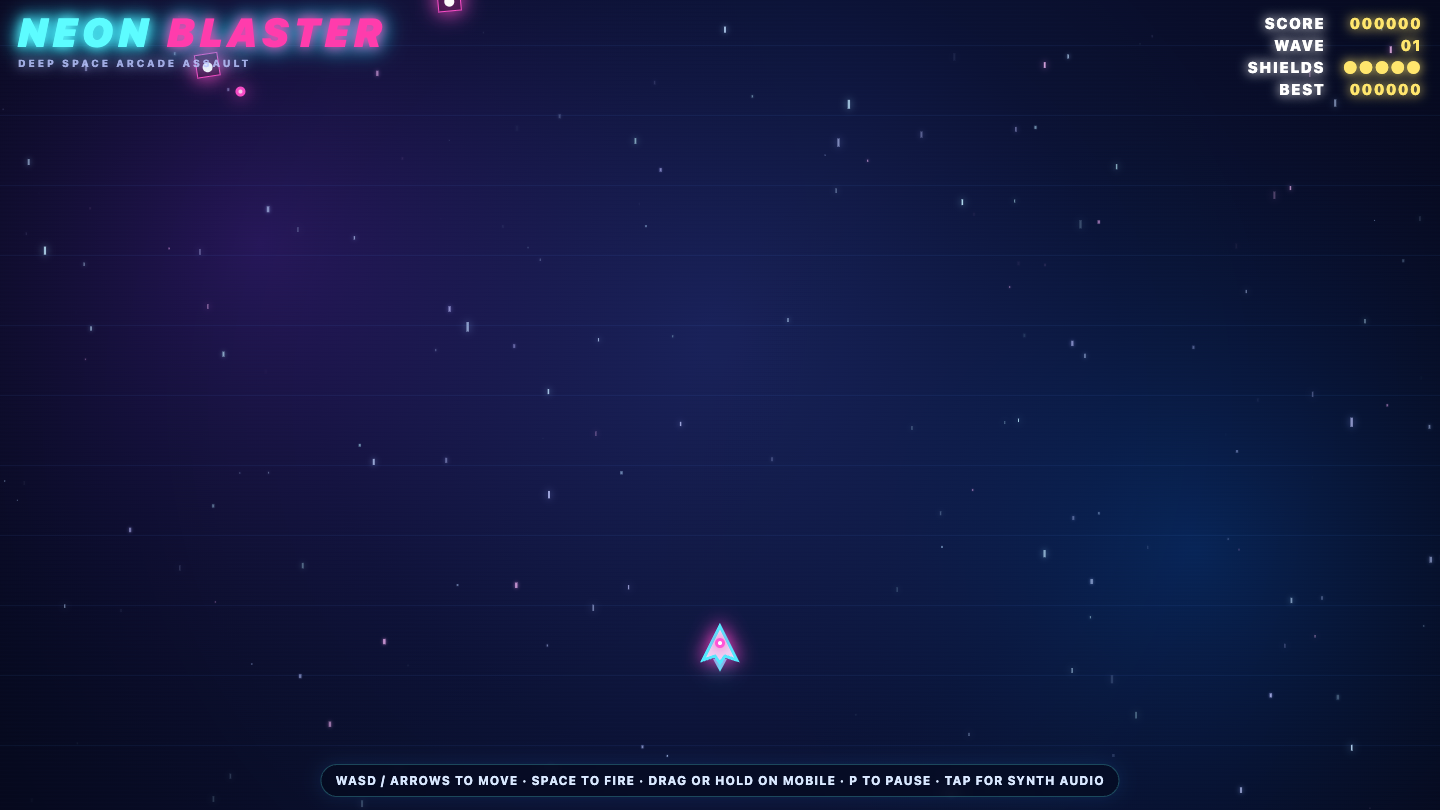
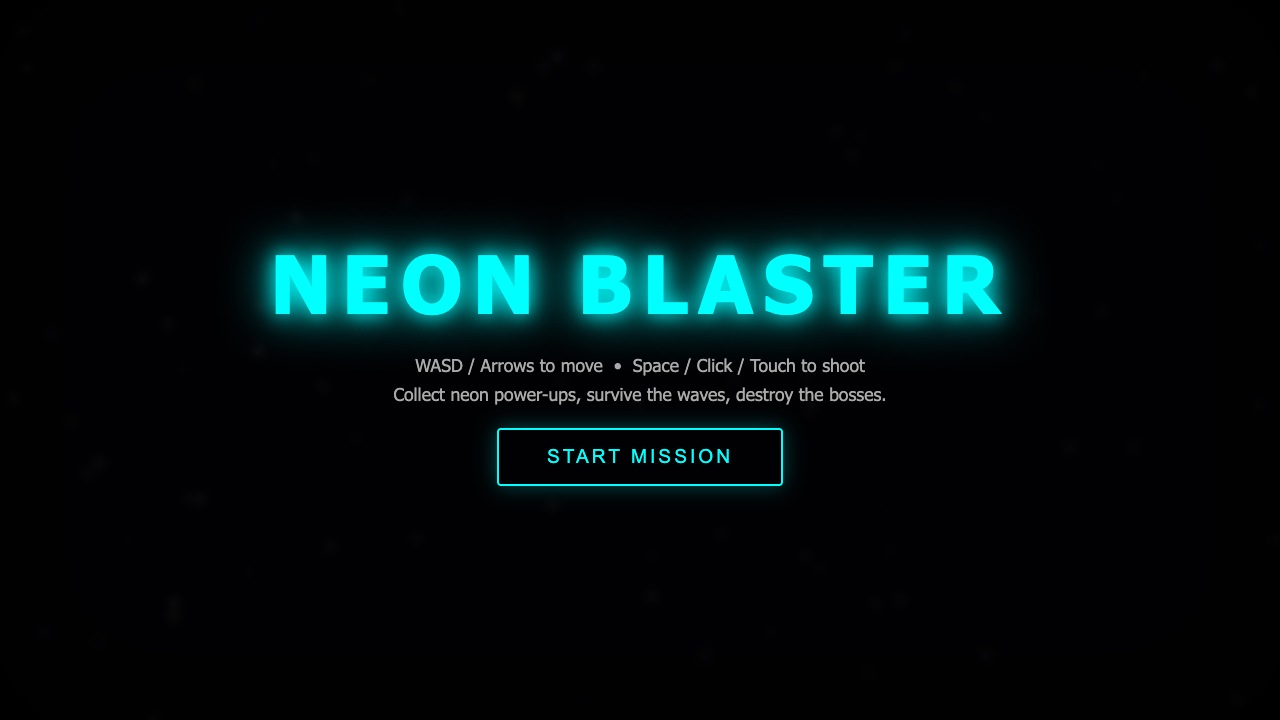
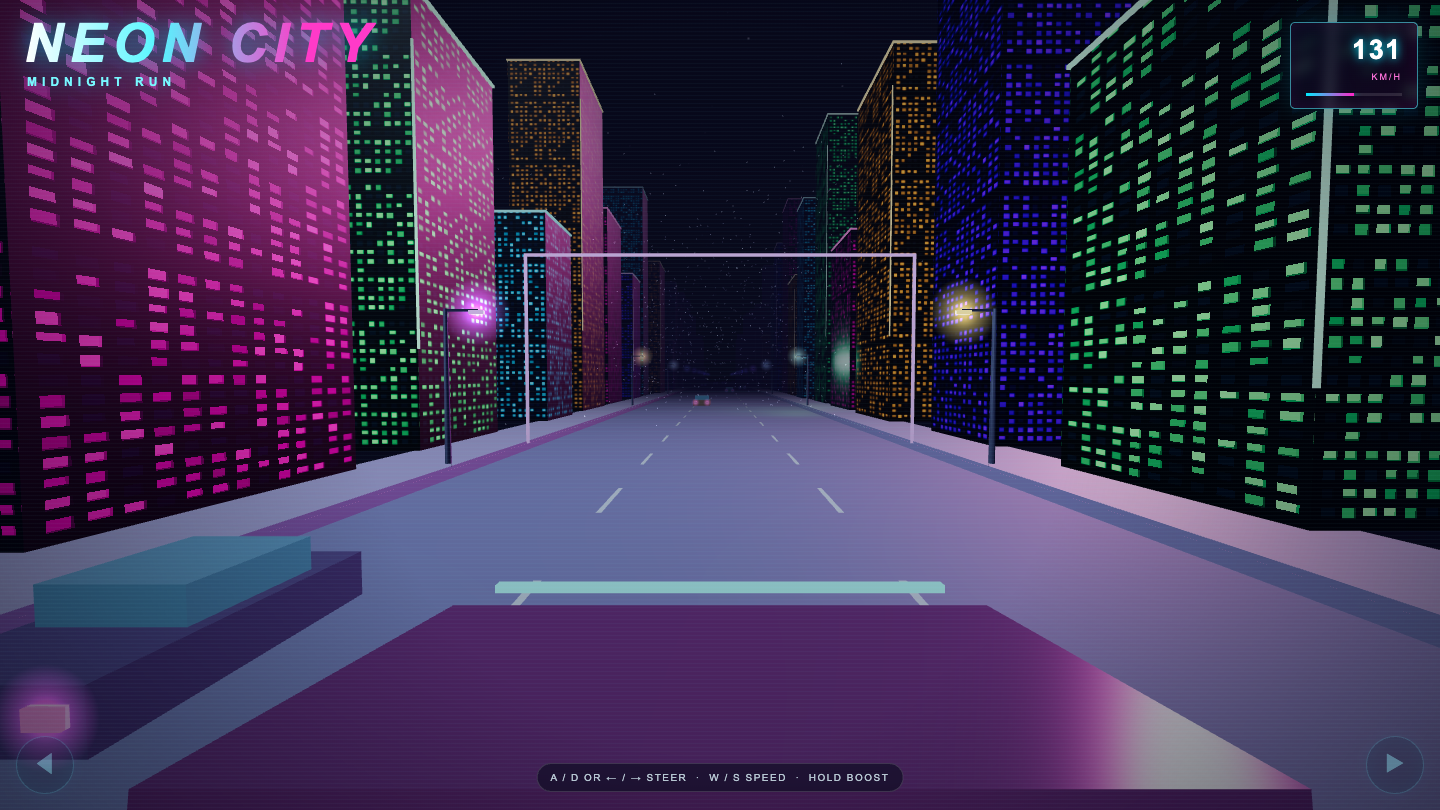
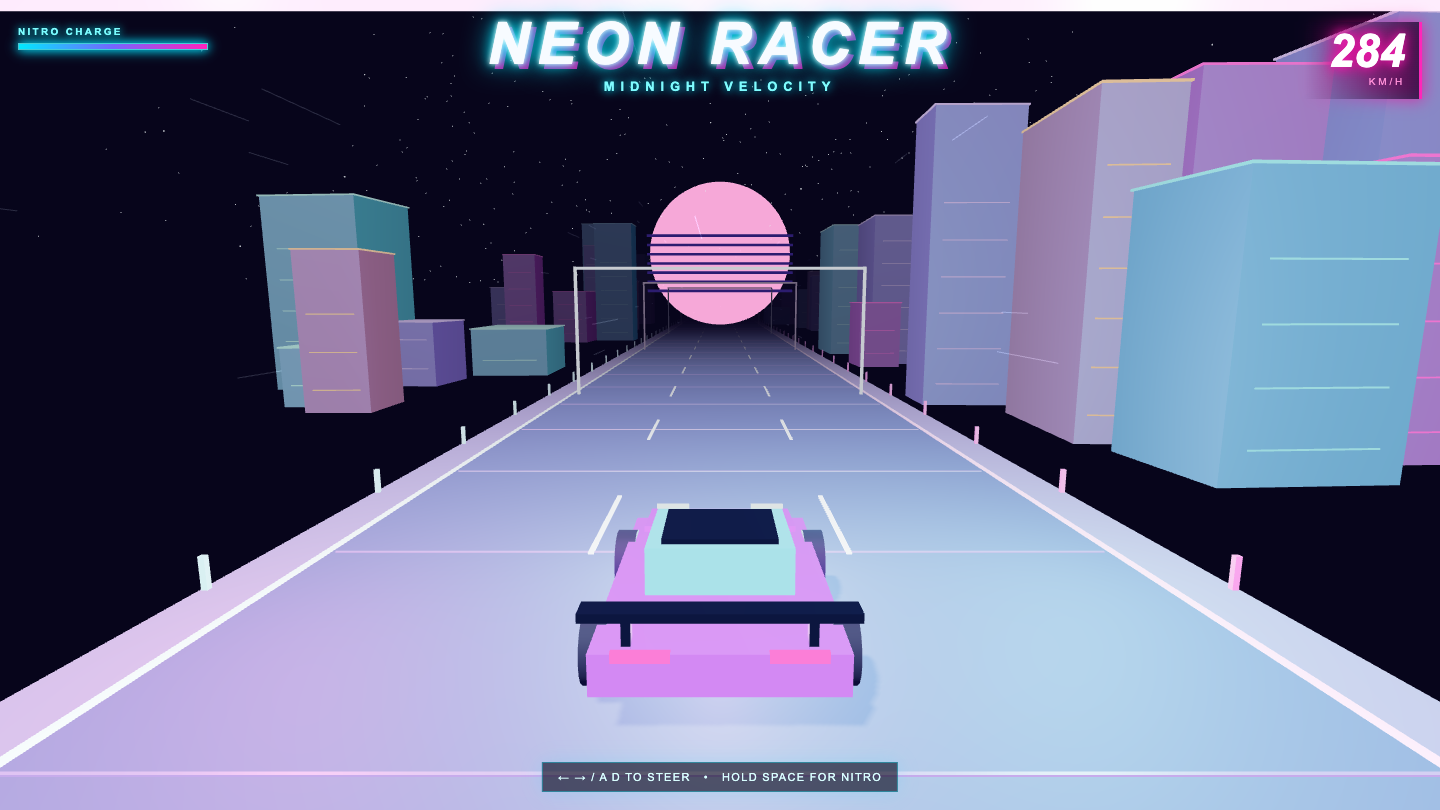
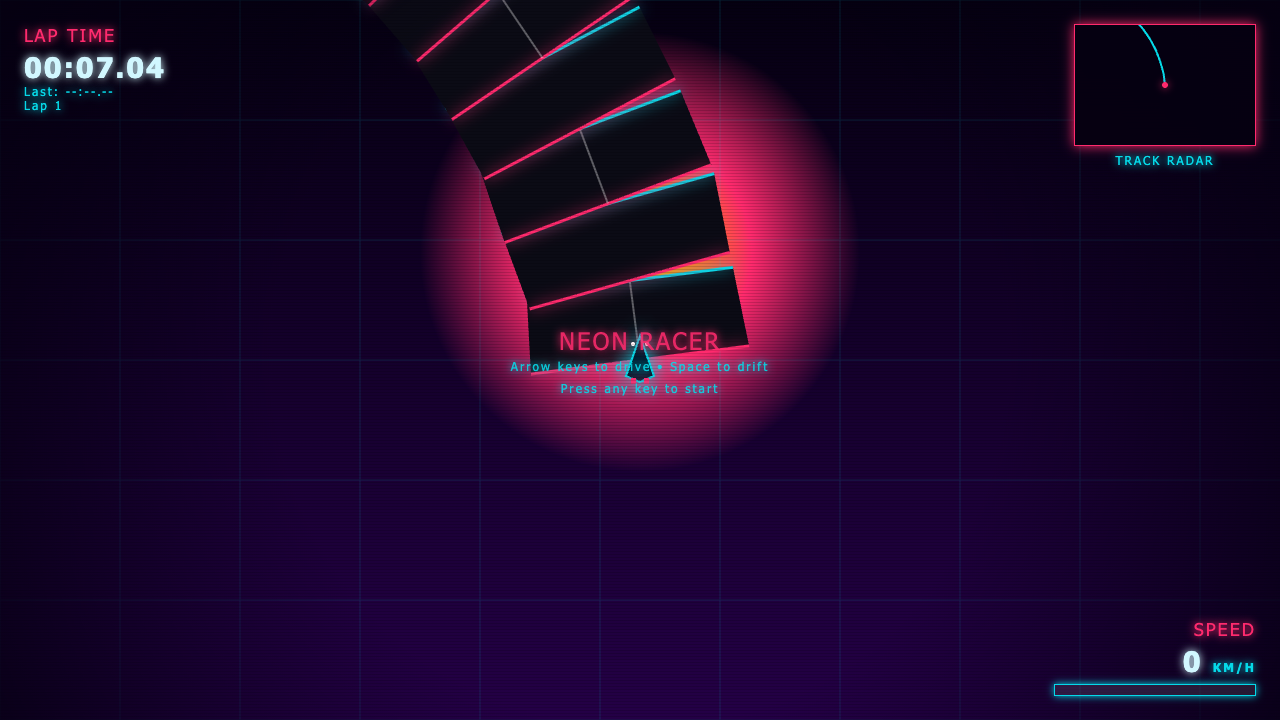
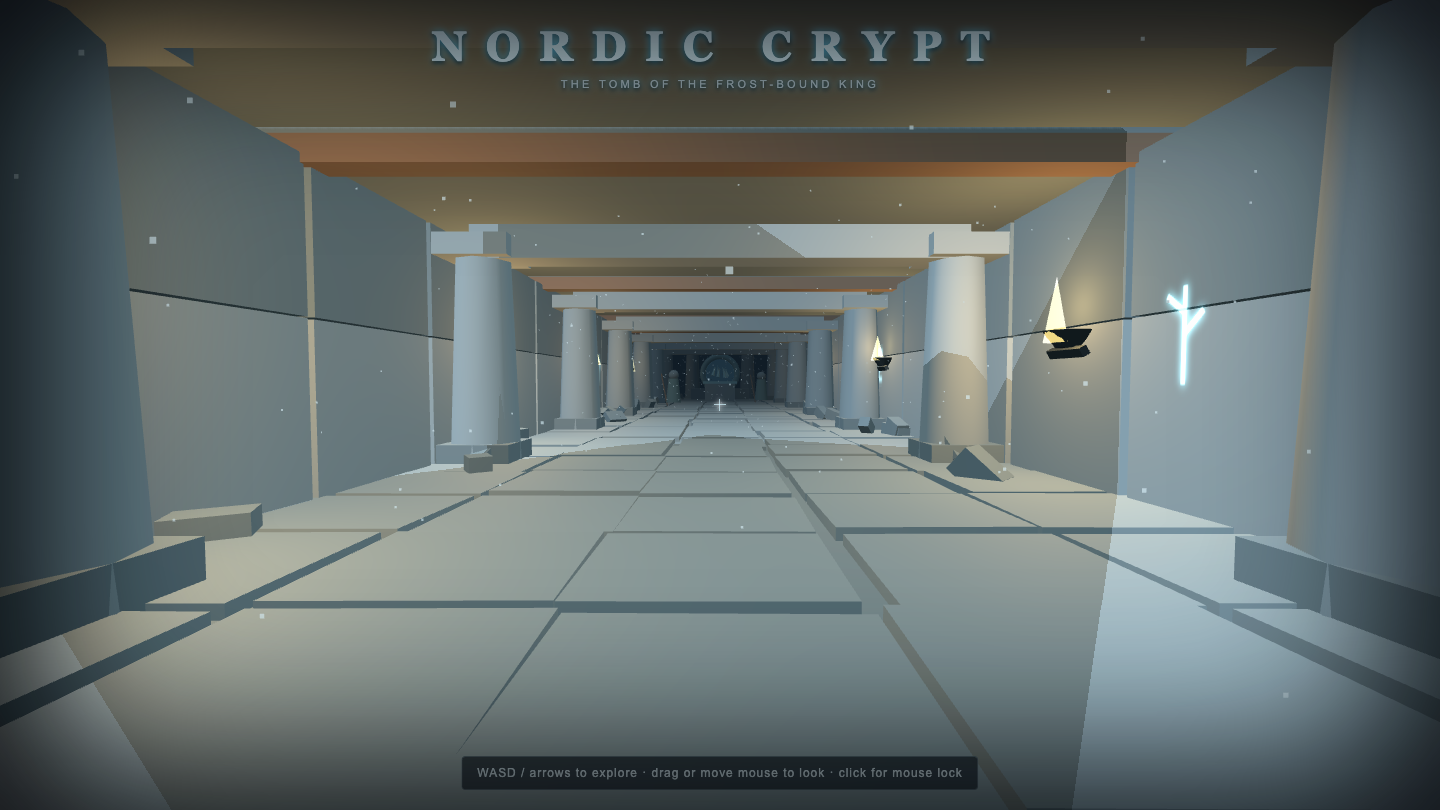
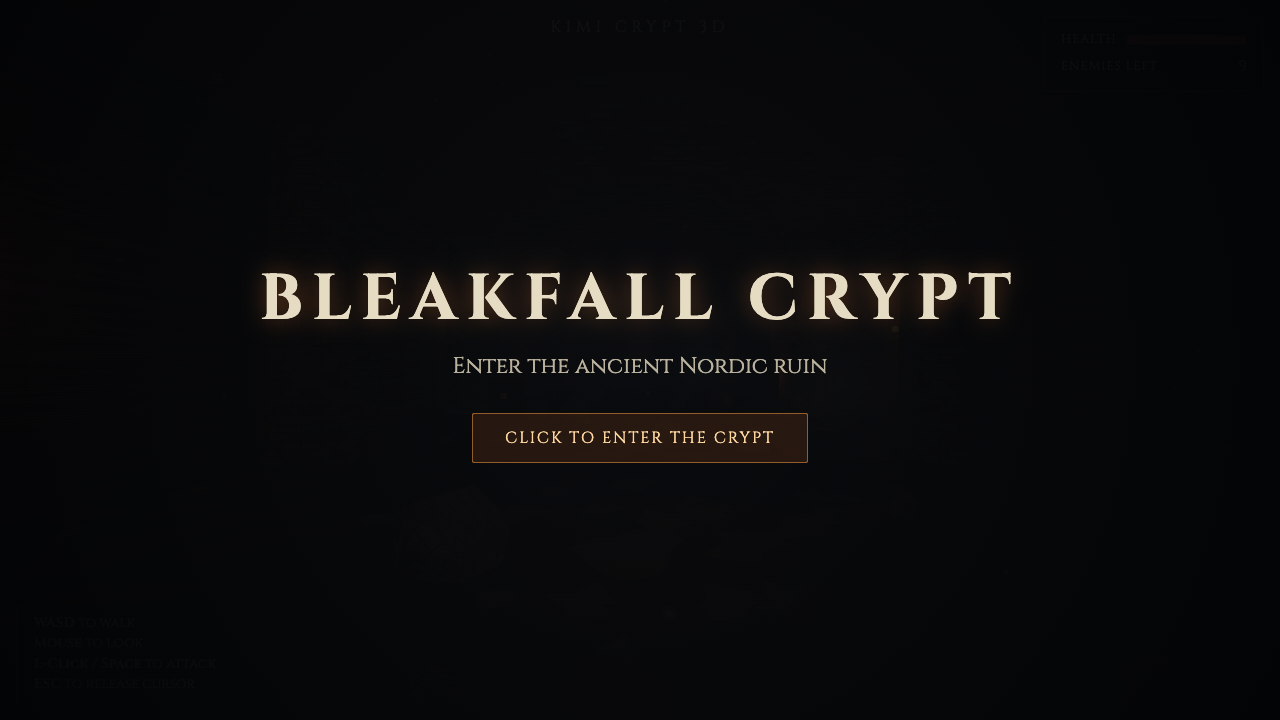
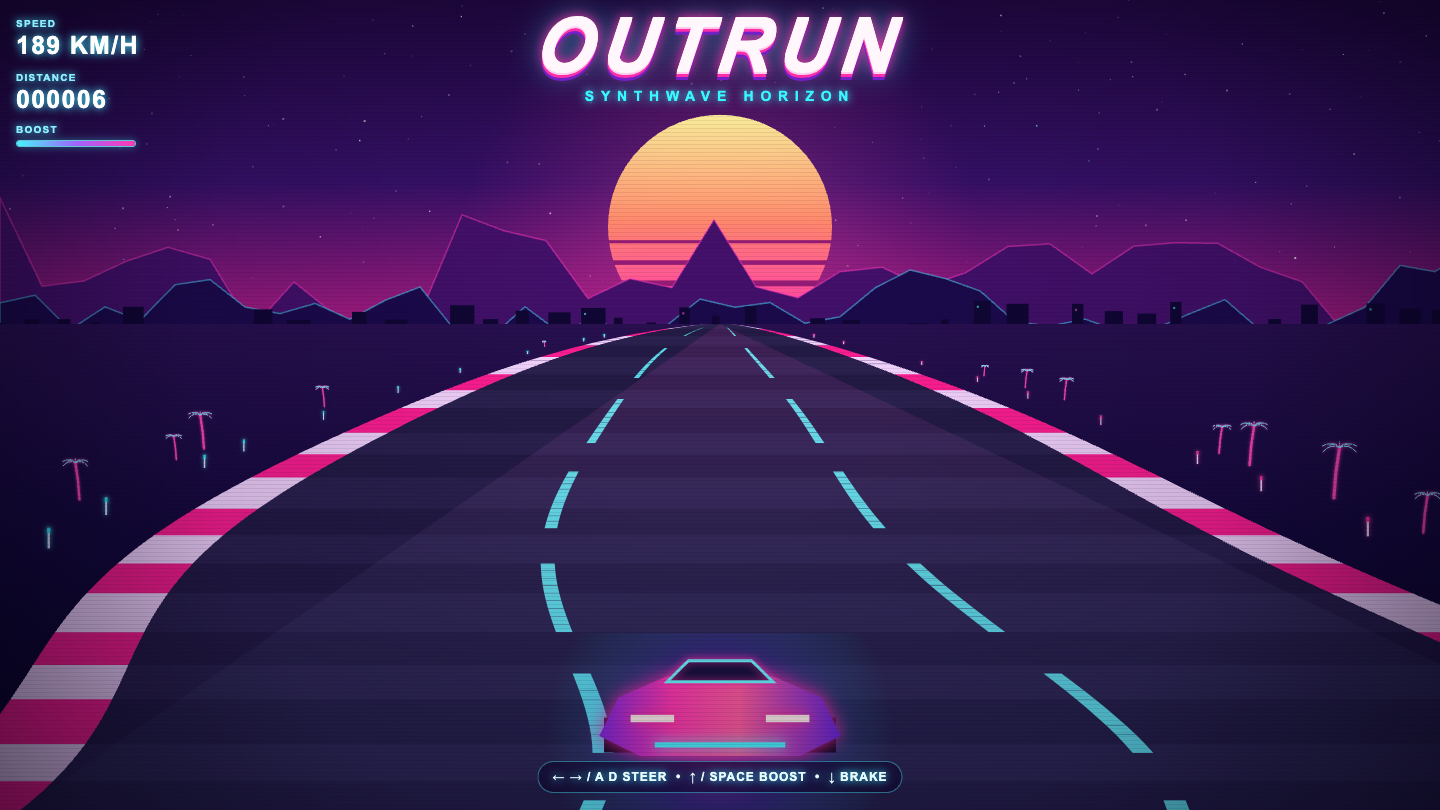
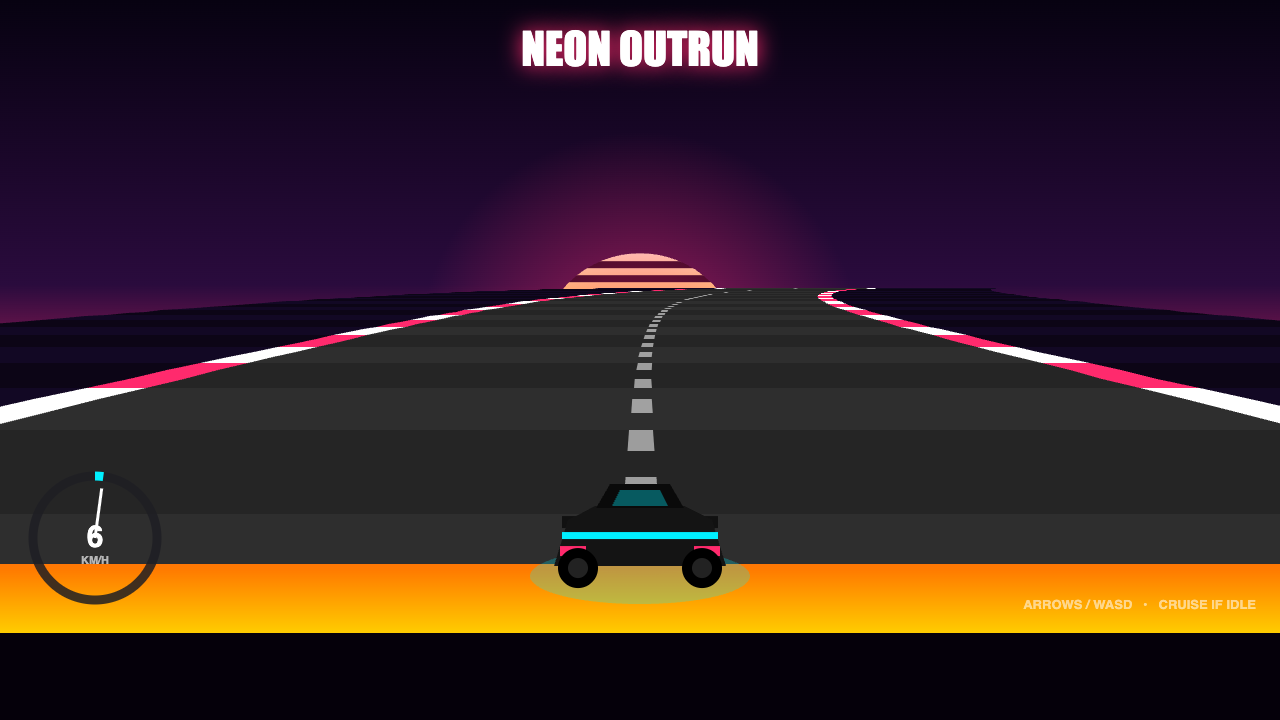
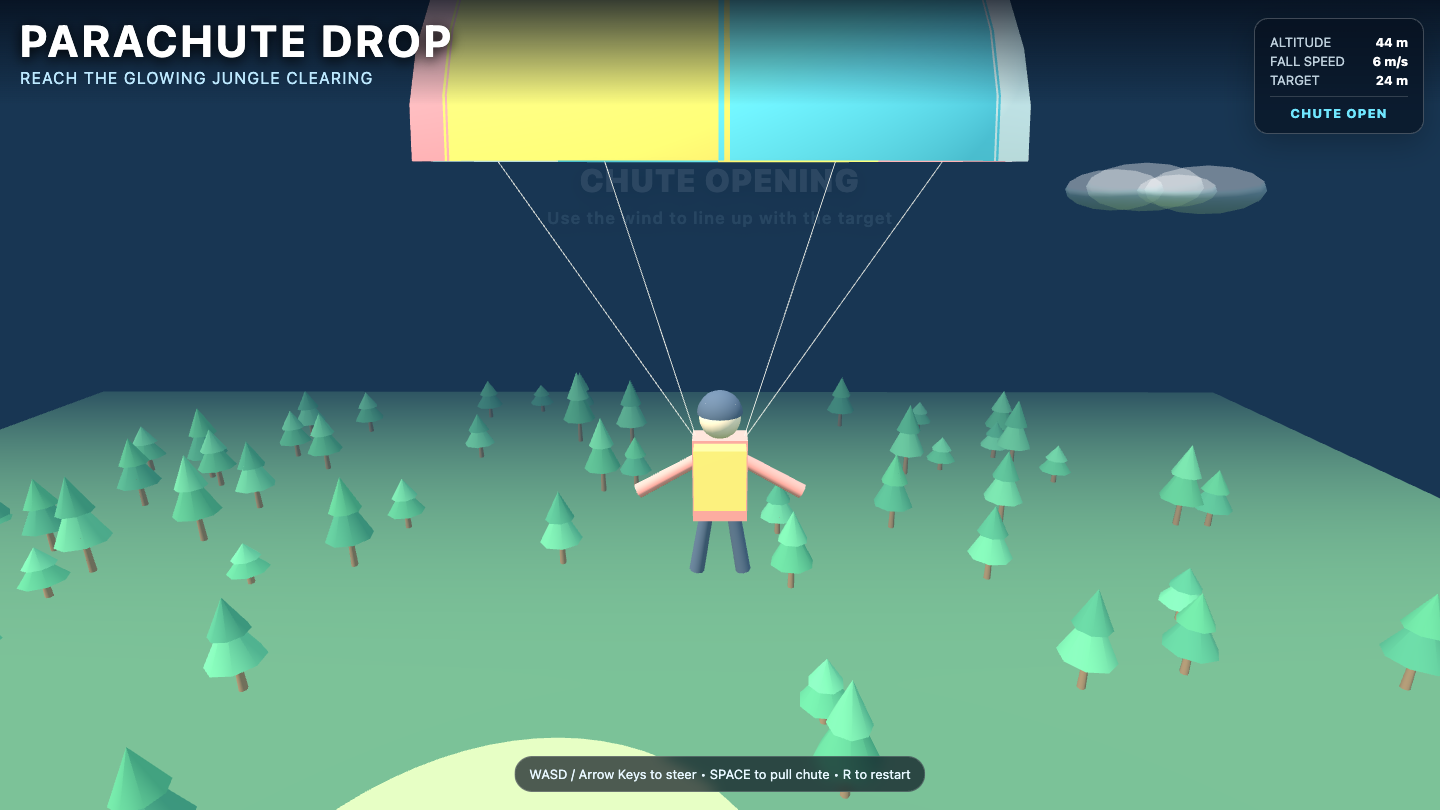
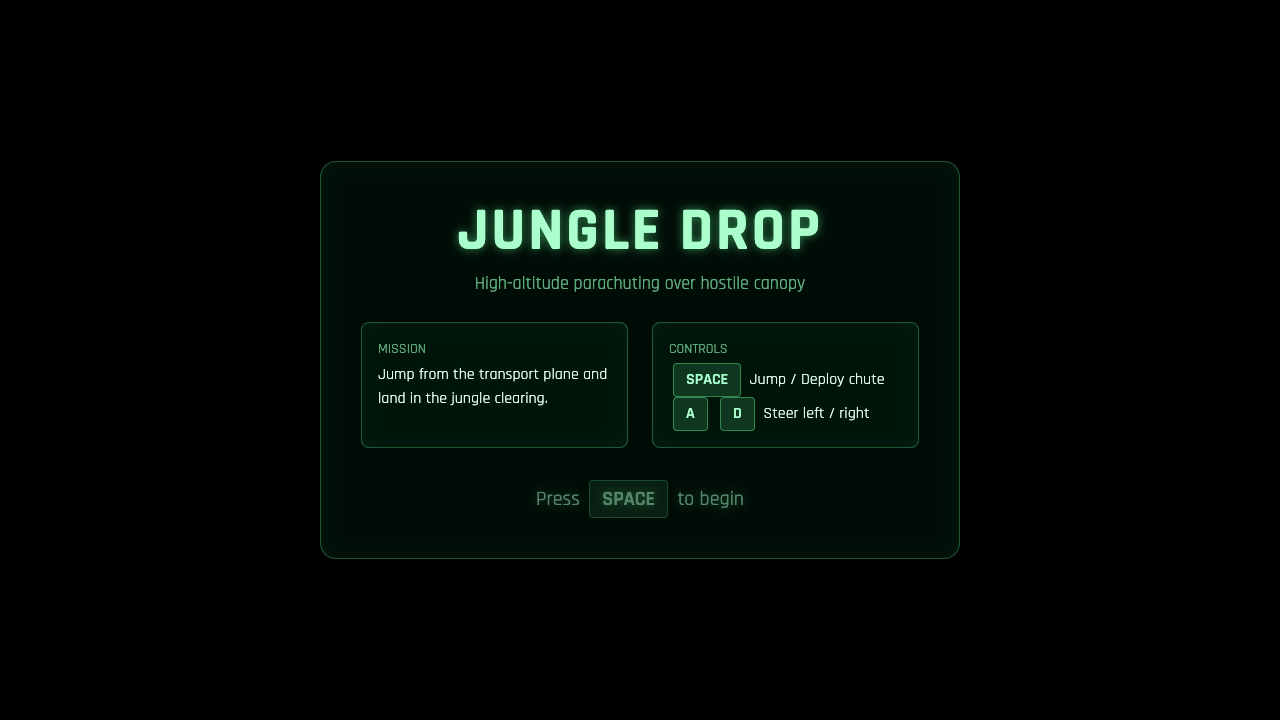
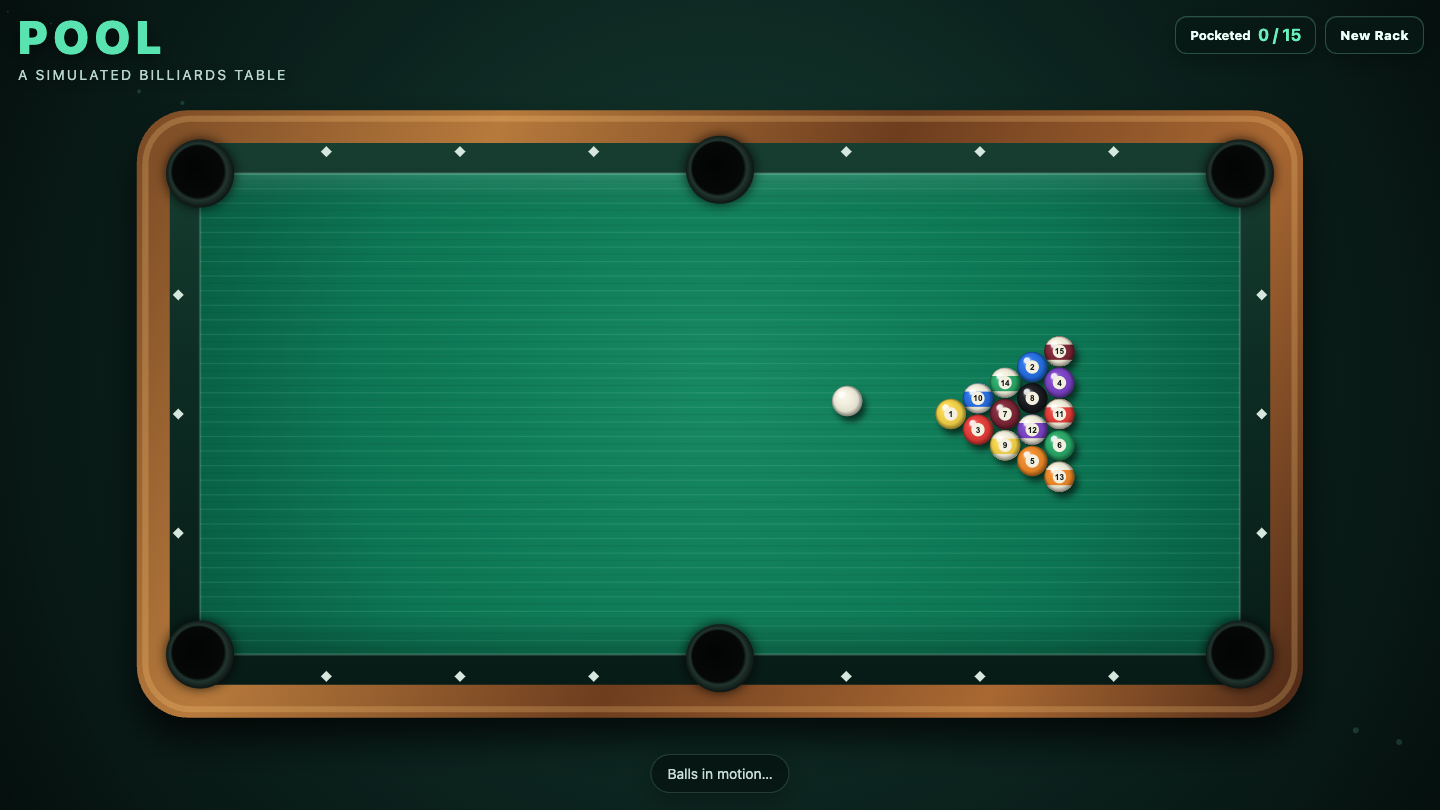
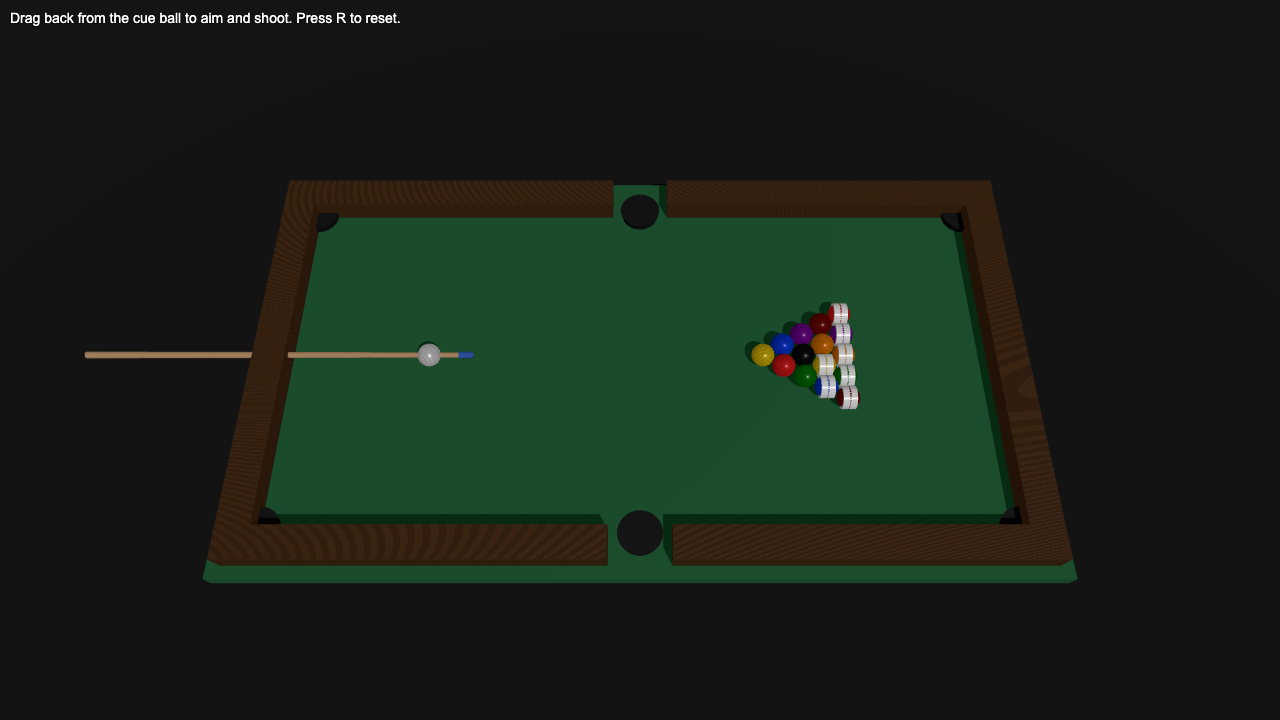
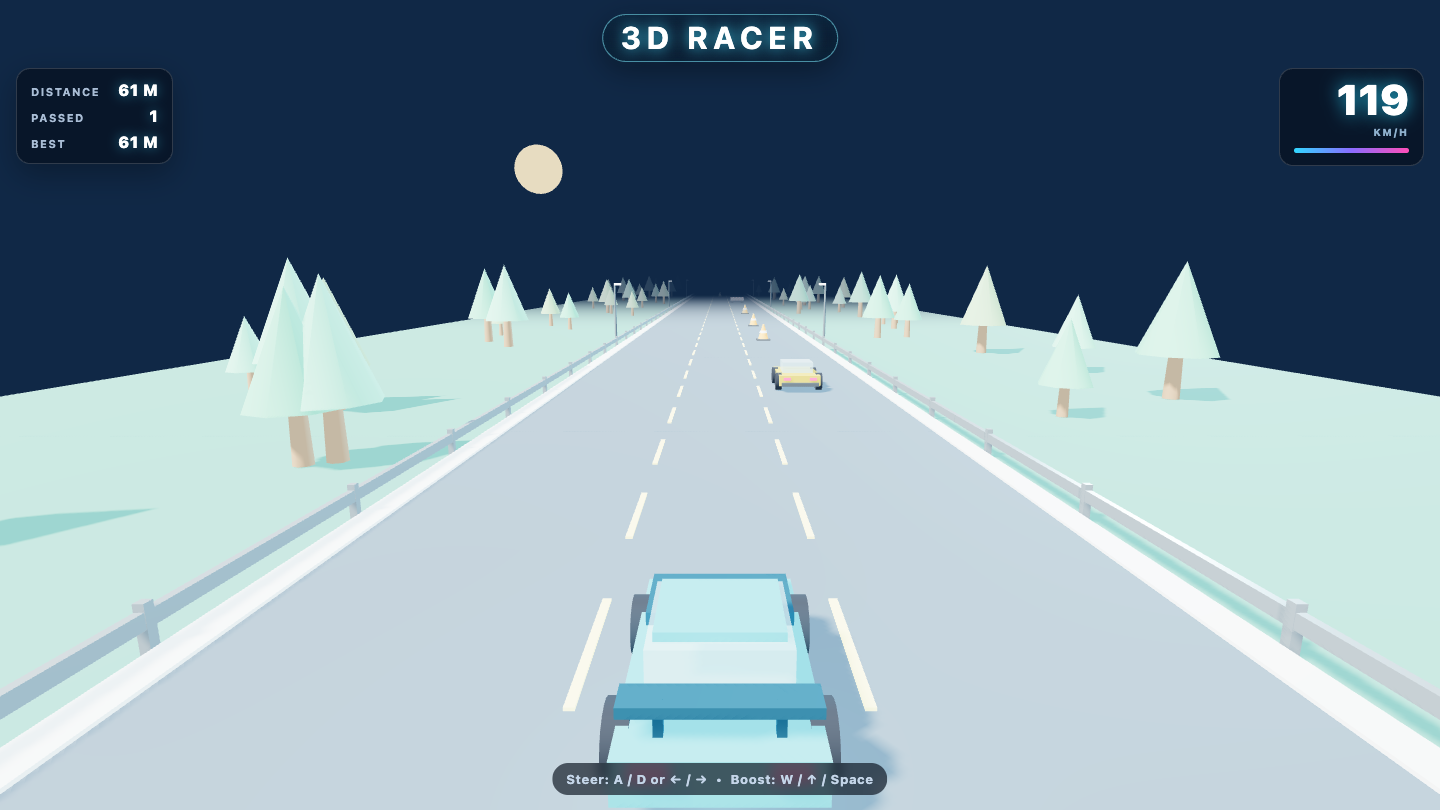
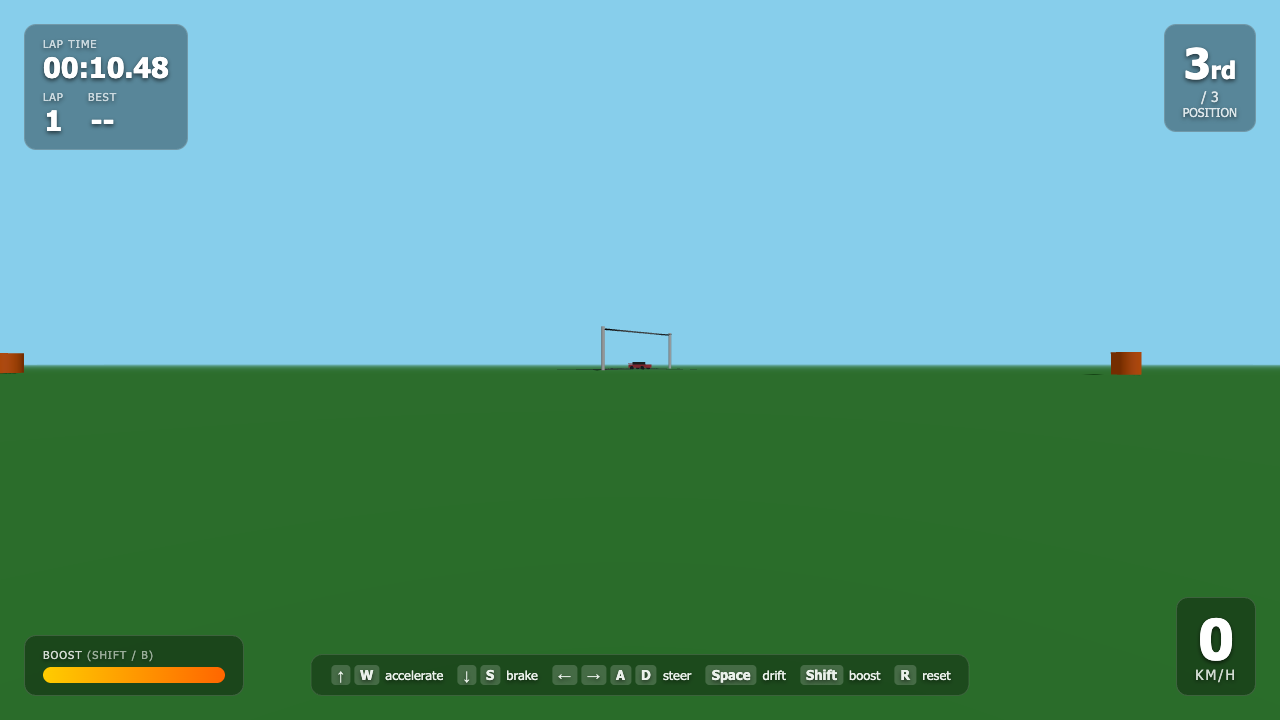
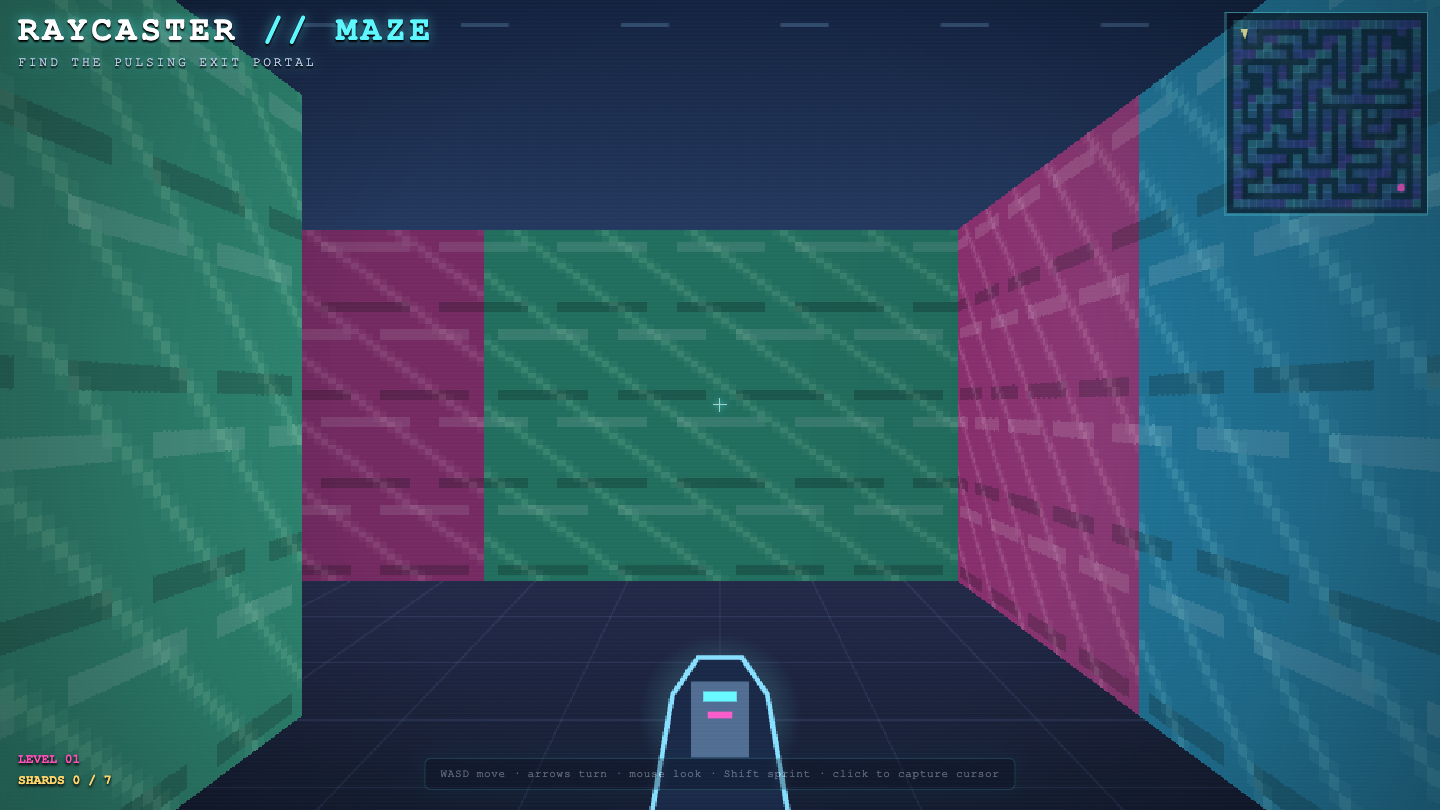
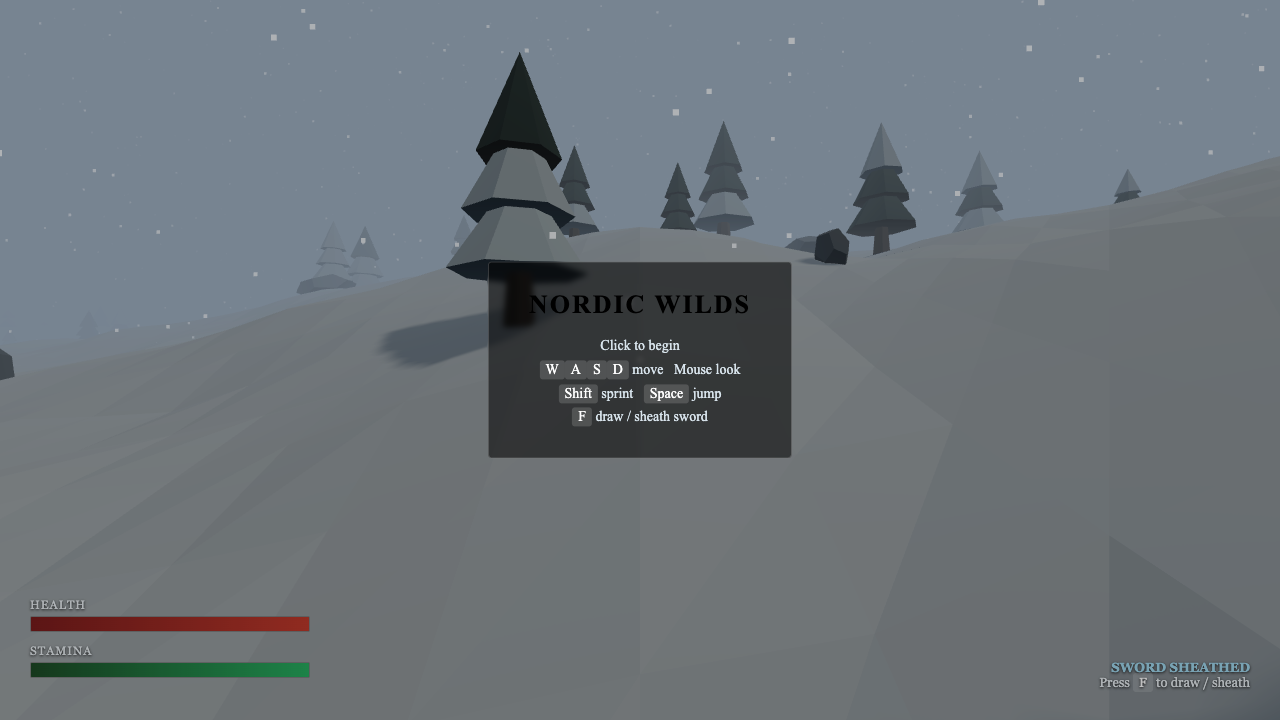
Click any cell to play that model's actual one-shot attempt. Medals are derived from my 0–10 scores per task (highest = 🥇, second = 🥈, third = 🥉).
Task ↓
GPT-5.6 Sol
Kimi K2.7
Game
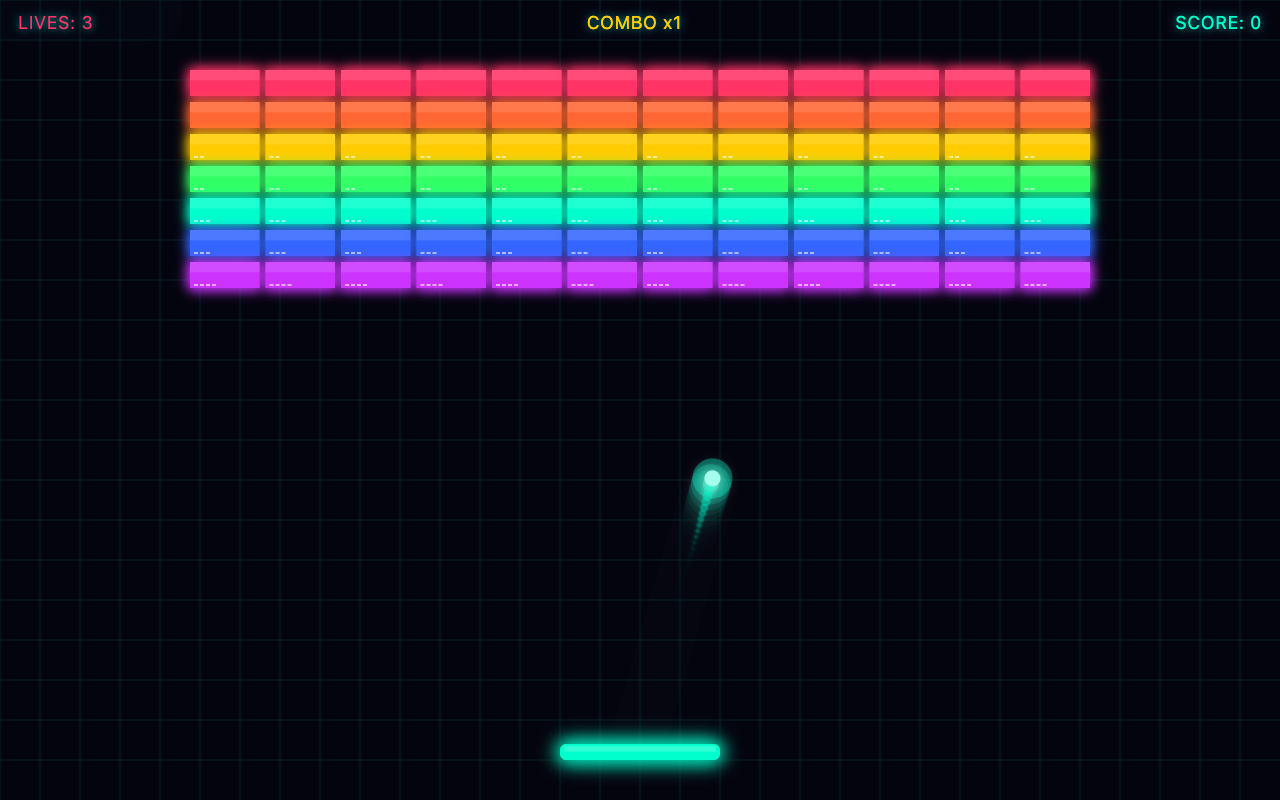
Game
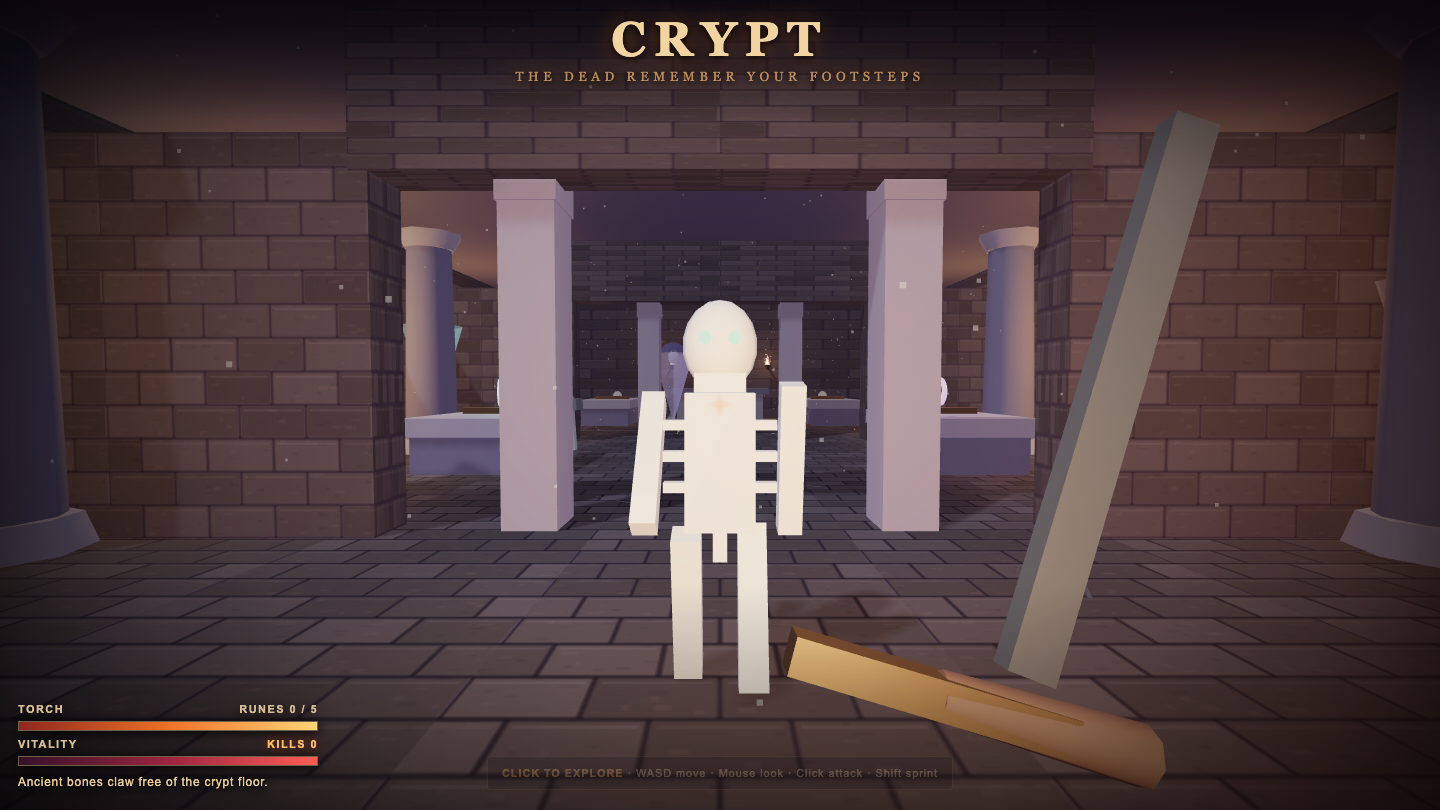
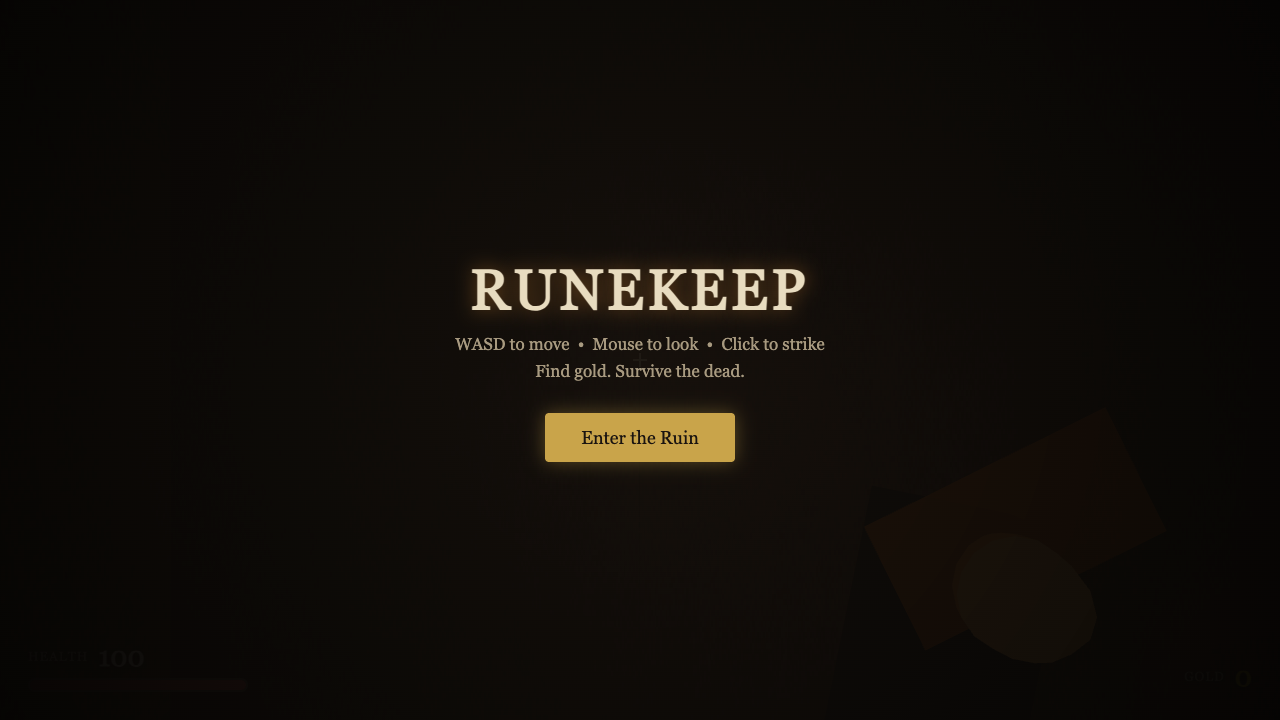
Game
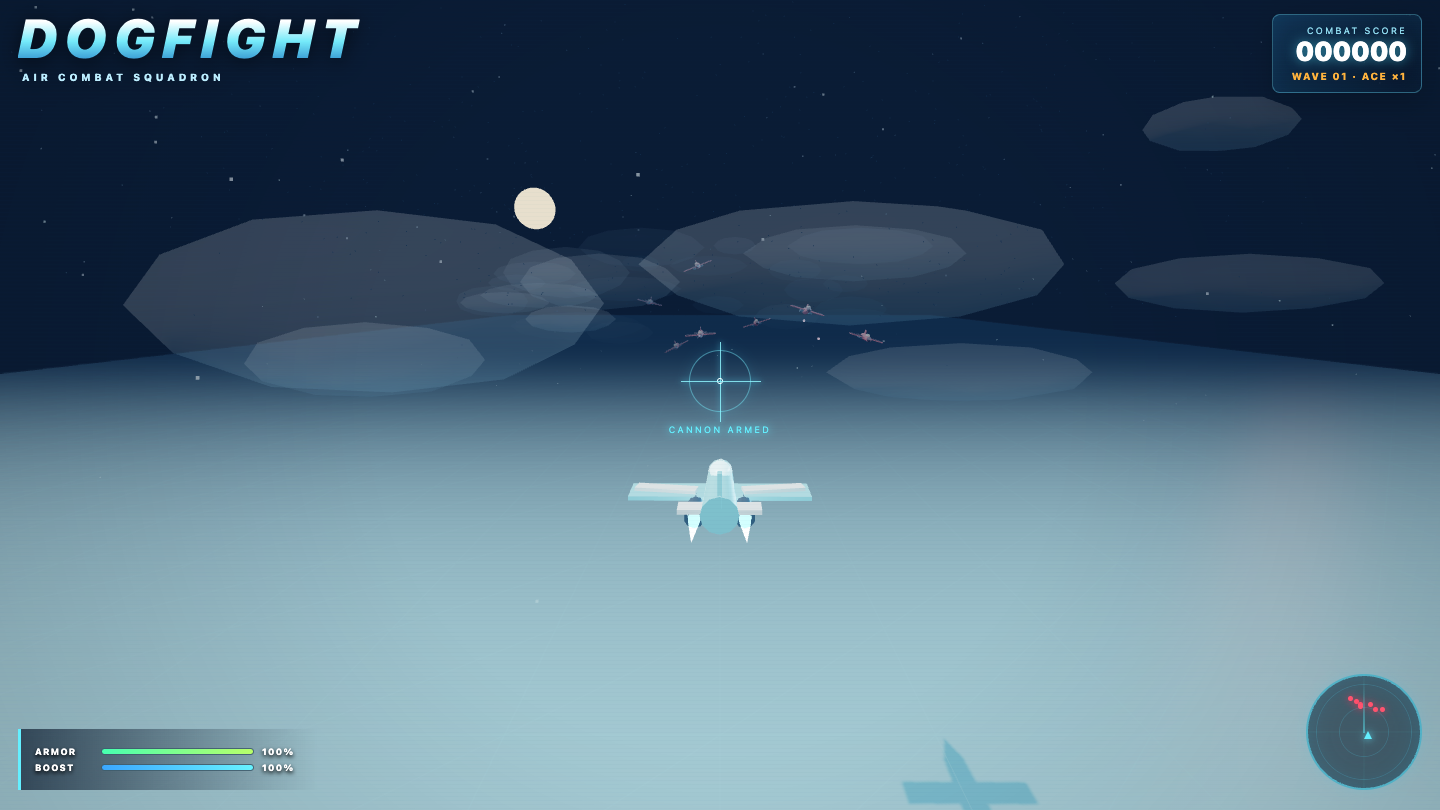
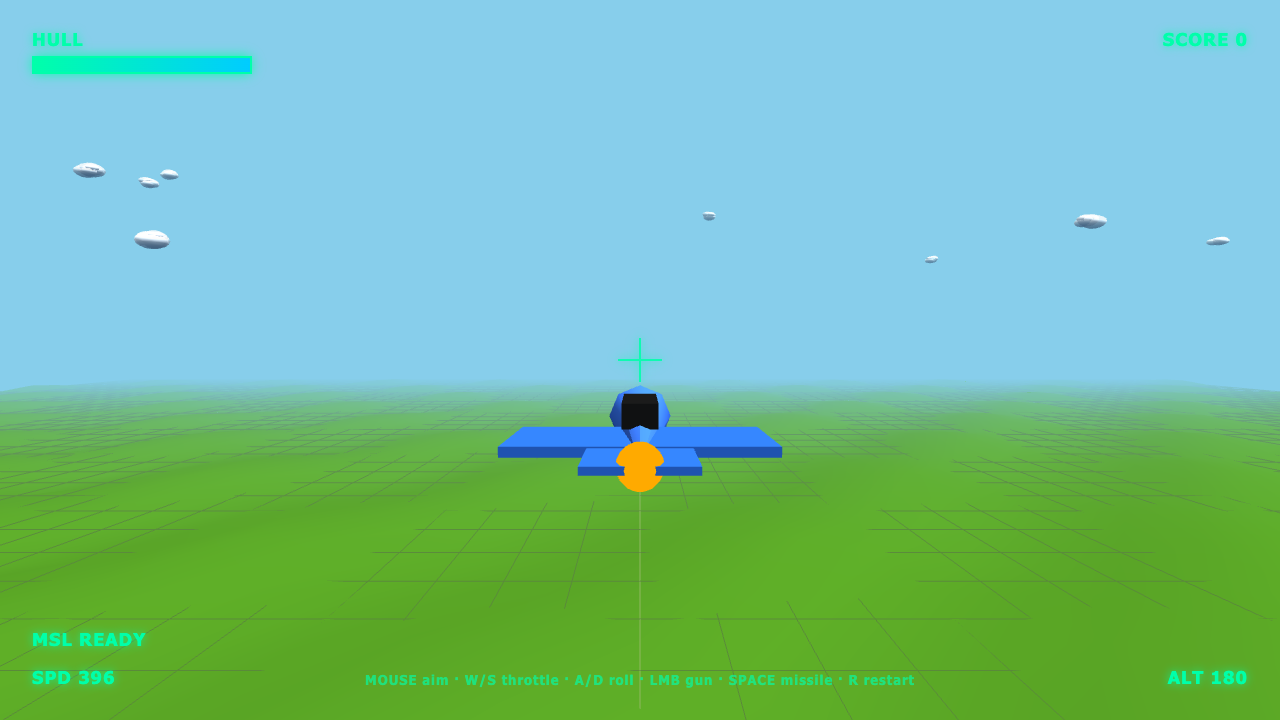
Game
Game
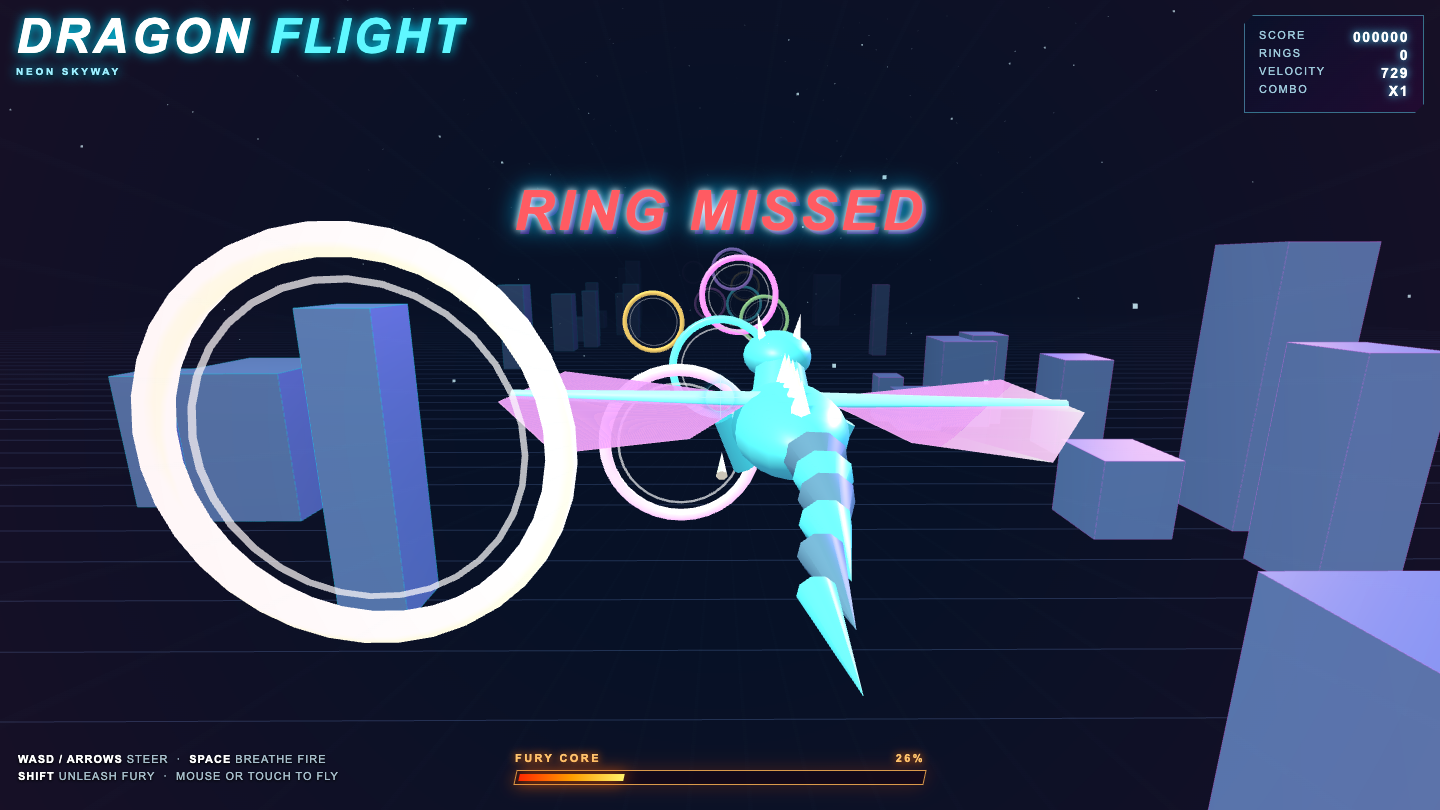
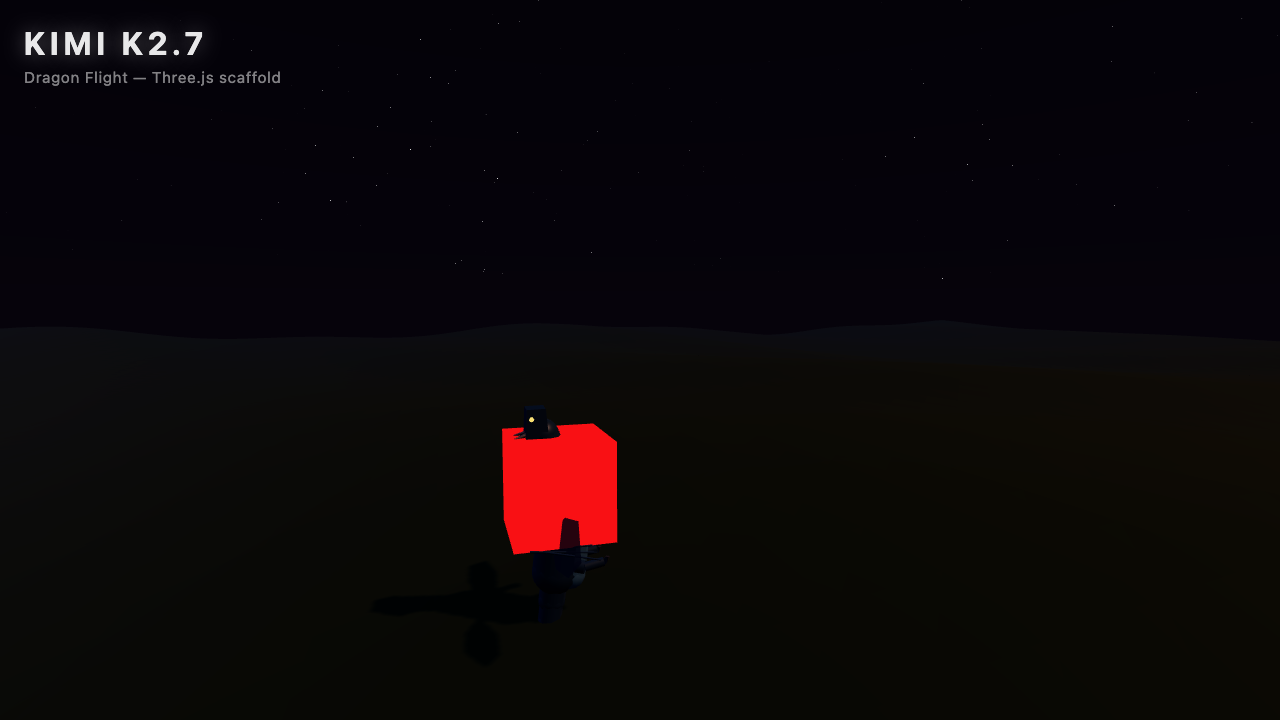
Game
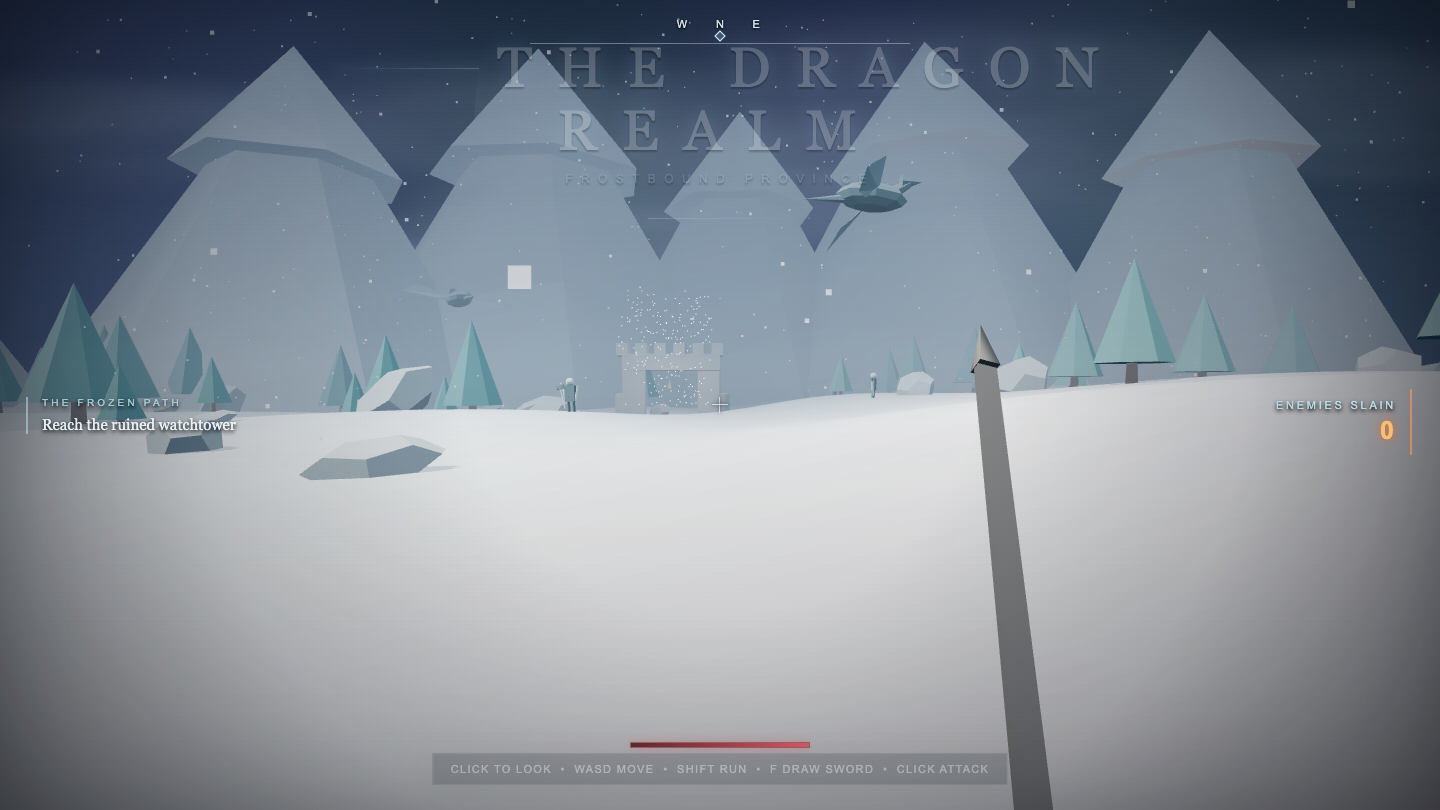

Game
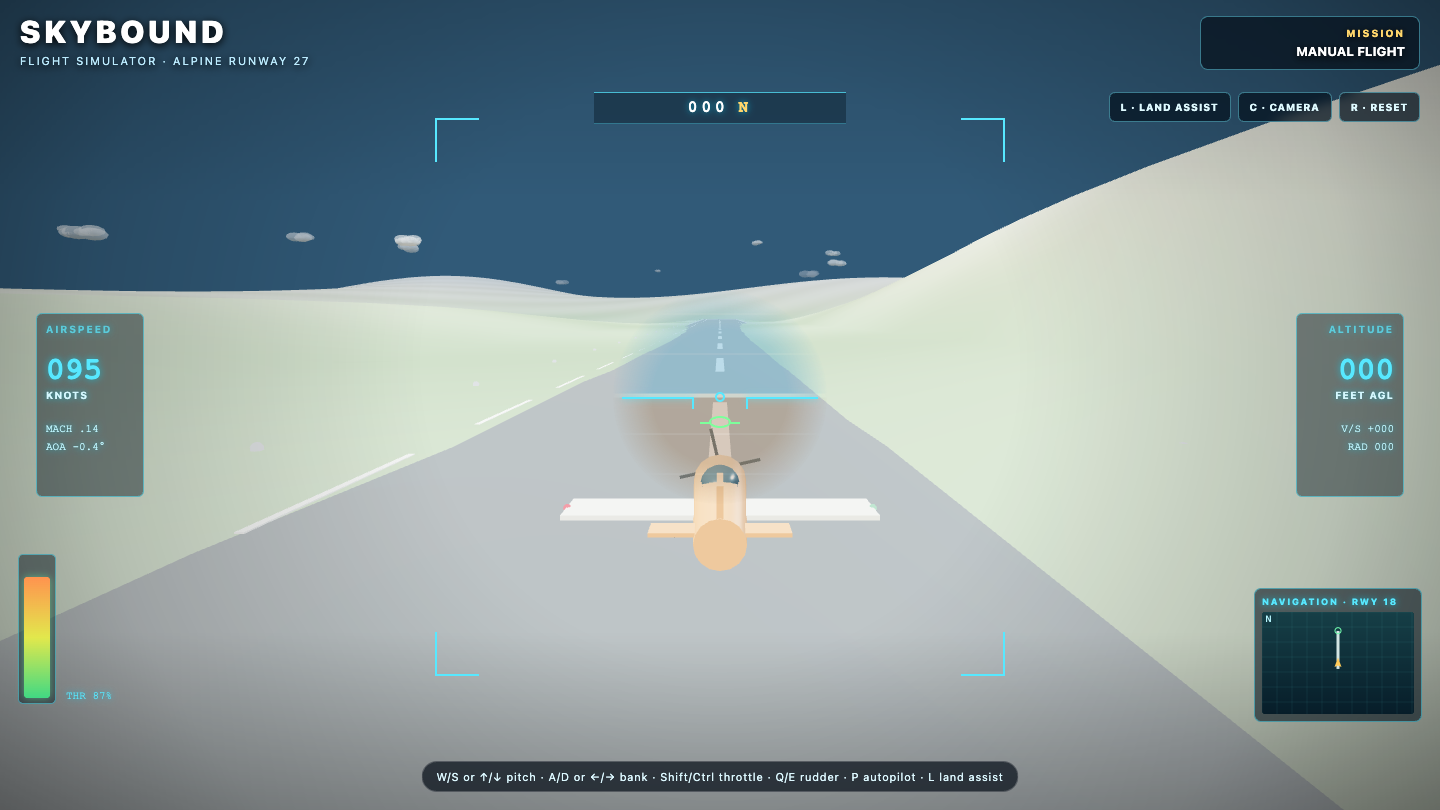
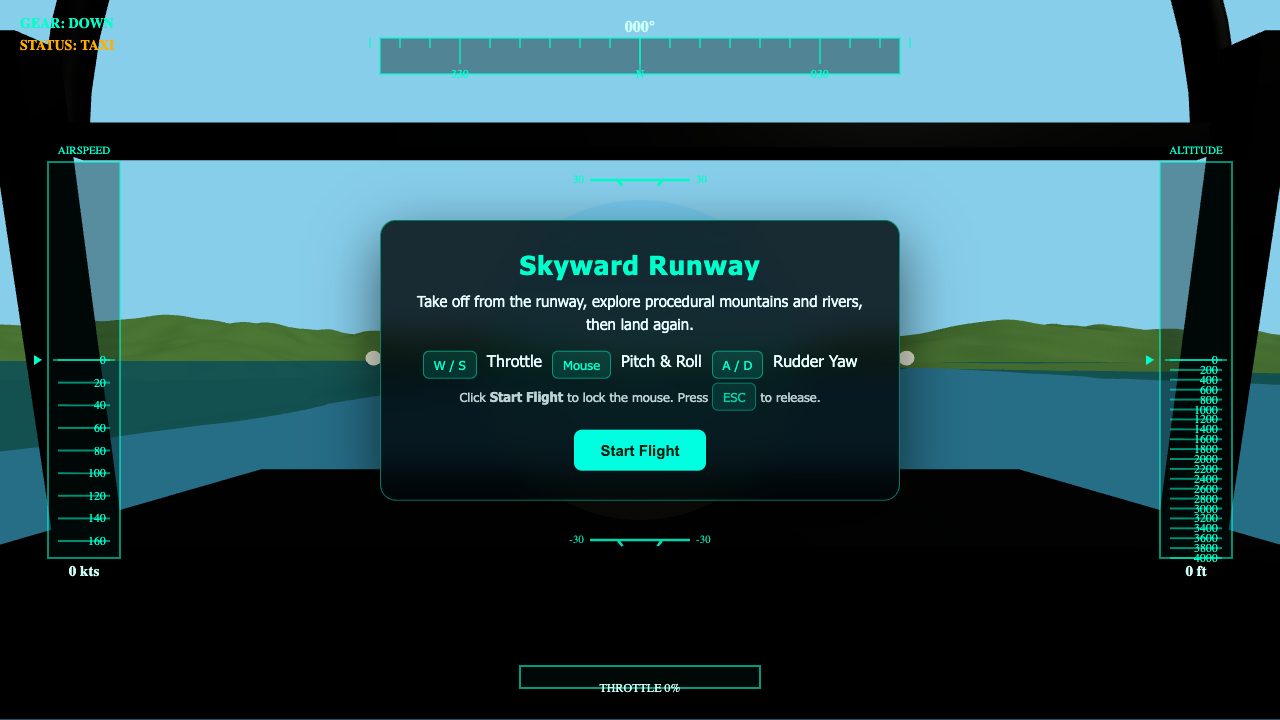
Game
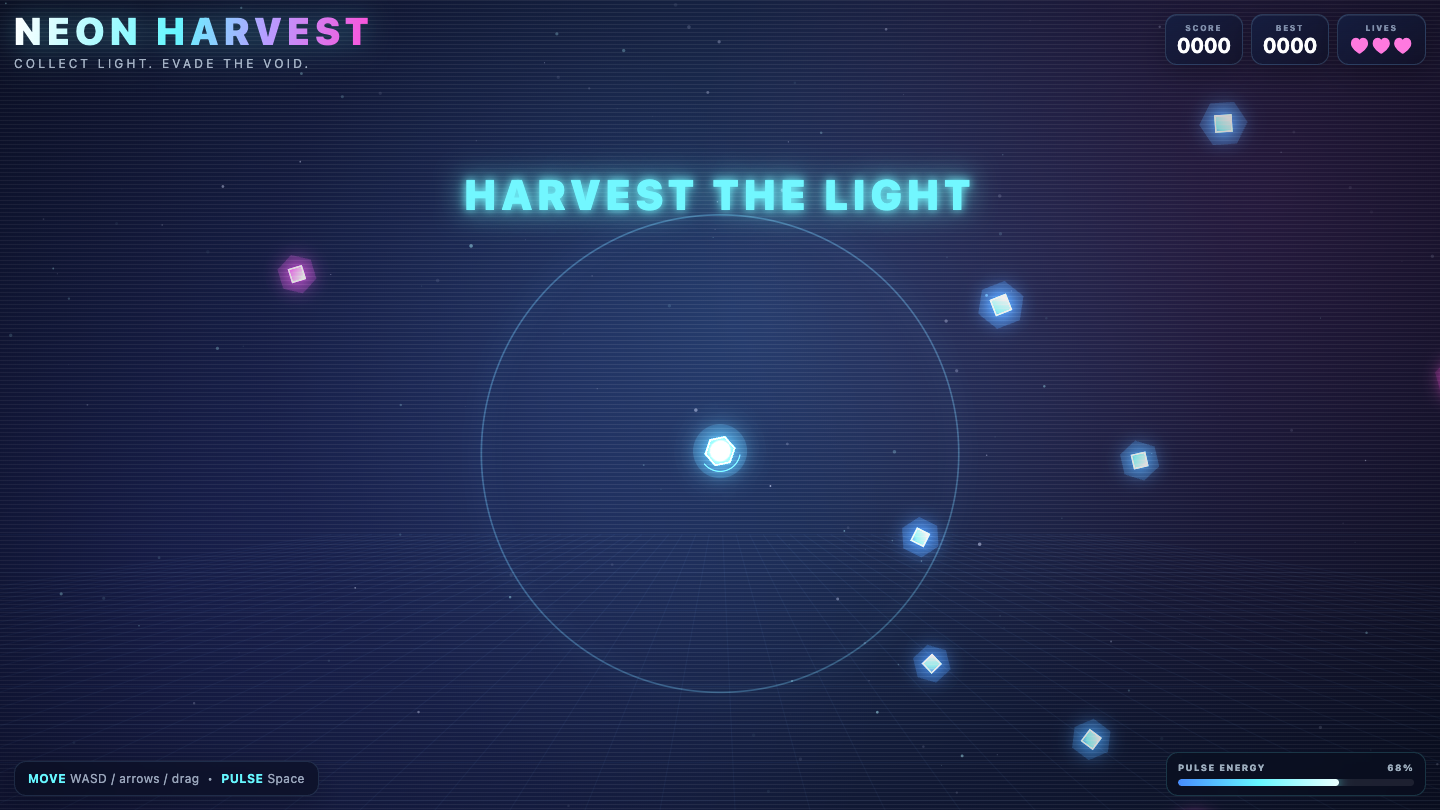
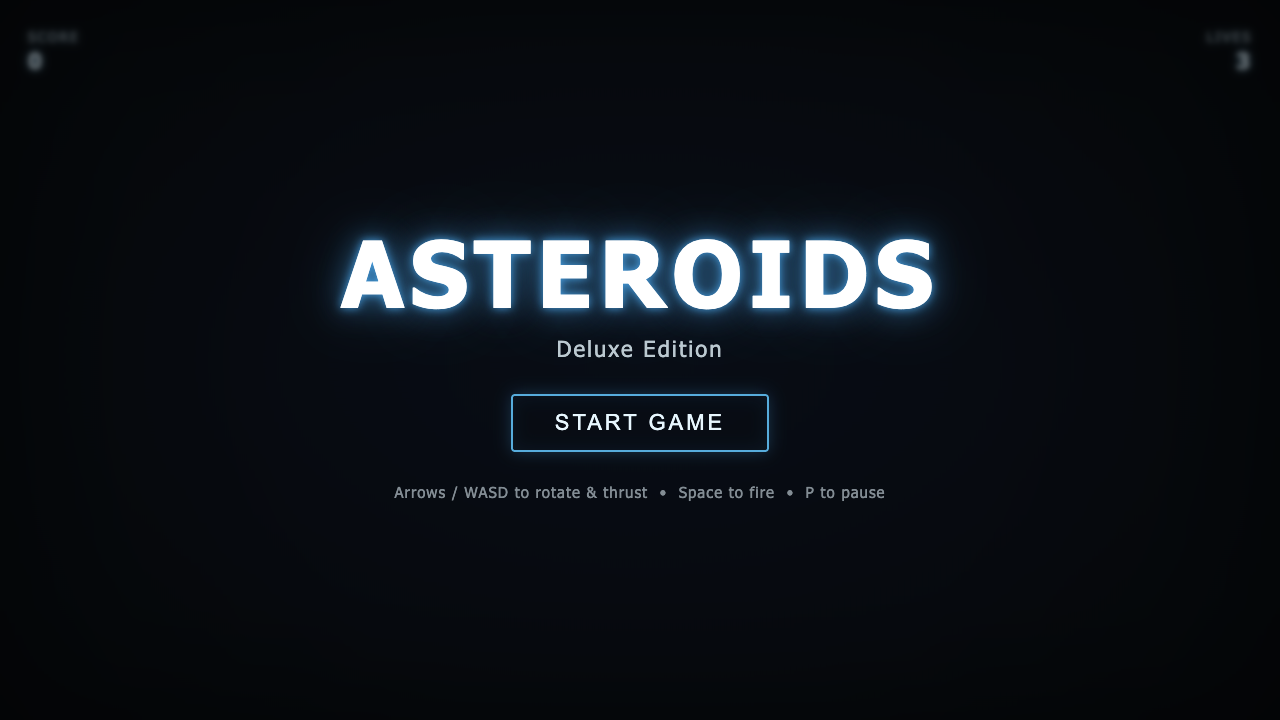
Game
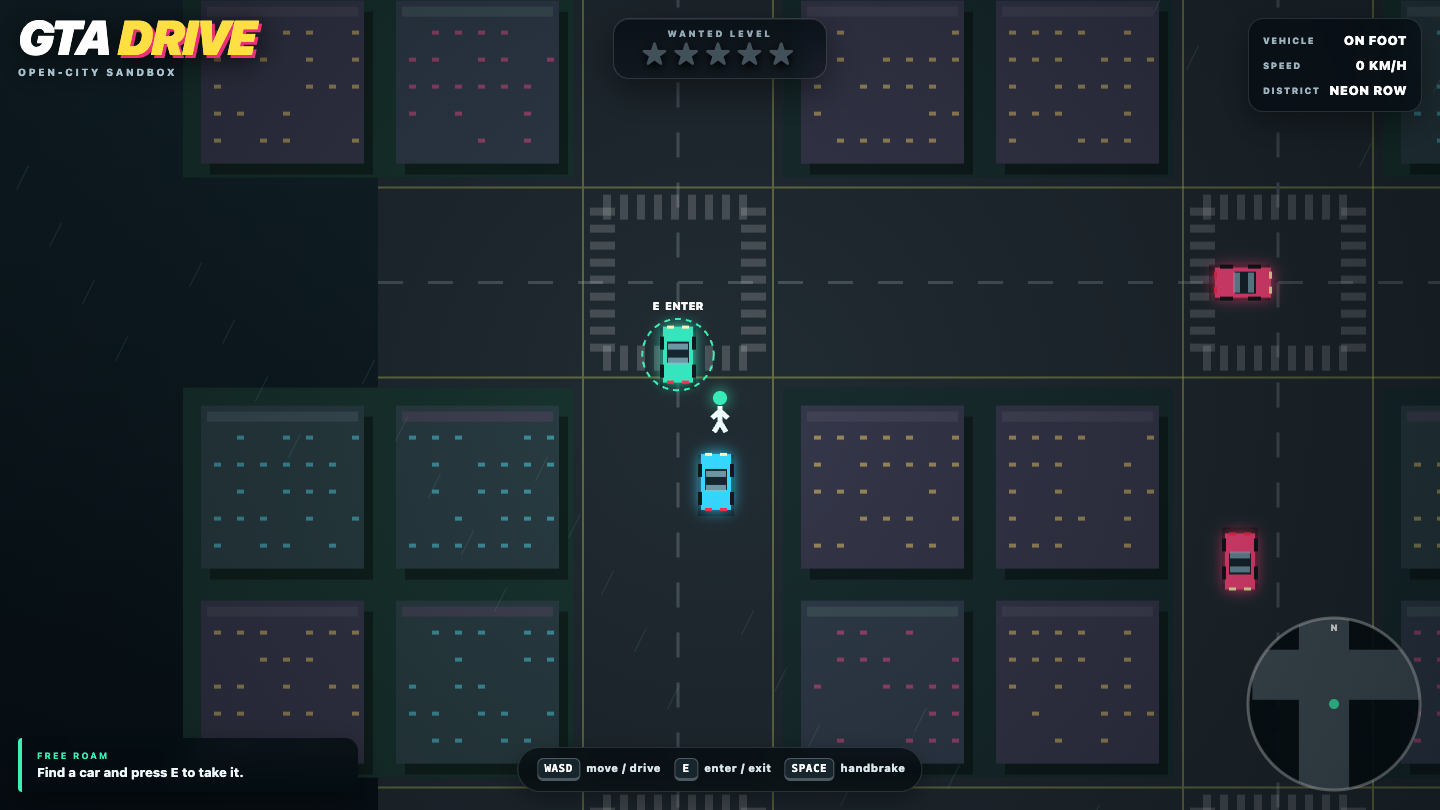
Game
Game
Game
Game
Game
Game
Game
Game
Game
Game
Game
Game
Game
Game
Page
Where GPT-5.6 Sol beat Kimi K2.7
The tasks where I gave GPT-5.6 Sol a higher 0–10 score on the same prompt — with the actual commentary from my source guides.
Fluid
Sim
GPT-5.6 Sol 8.6
·
Kimi K2.7 5.0
(+3.6)
· swirling vortex flow
What I saw: Gorgeous swirling vortex of multicolored particle trails around a glowing core — the cyan/violet/pink palette, additive-blended trails, and clean UI chrome (title, metrics, custom cursor) make it genuinely polished and clearly on-brief. Not a literal Navier-Stokes fluid sim but t…
Blackhole
Sim
GPT-5.6 Sol 8.8
·
Kimi K2.7 6.0
(+2.8)
· convincing lensed disk
What I saw: Gorgeous shader render — the tilted accretion disk with fine banding, the photon-ring glow above/below the event horizon and the Doppler warm/cool gradient read as genuine gravitational lensing, all wrapped in a clean, polished HUD. Slightly weak on a distinct top-arc lensed disk…
Orbit
Sim
GPT-5.6 Sol 8.6
·
Kimi K2.7 6.0
(+2.6)
· polished 3D orbits
What I saw: Strong 3D render with glowing sun, ringed body, orbital trails, polar grid, and a clean glassy UI with live stats, energy drift, inspector, and comet/reset controls—clearly on-brief and shippable. Minor caveat: it's a curated N-body-flavored system rather than a chaotic true N-bo…
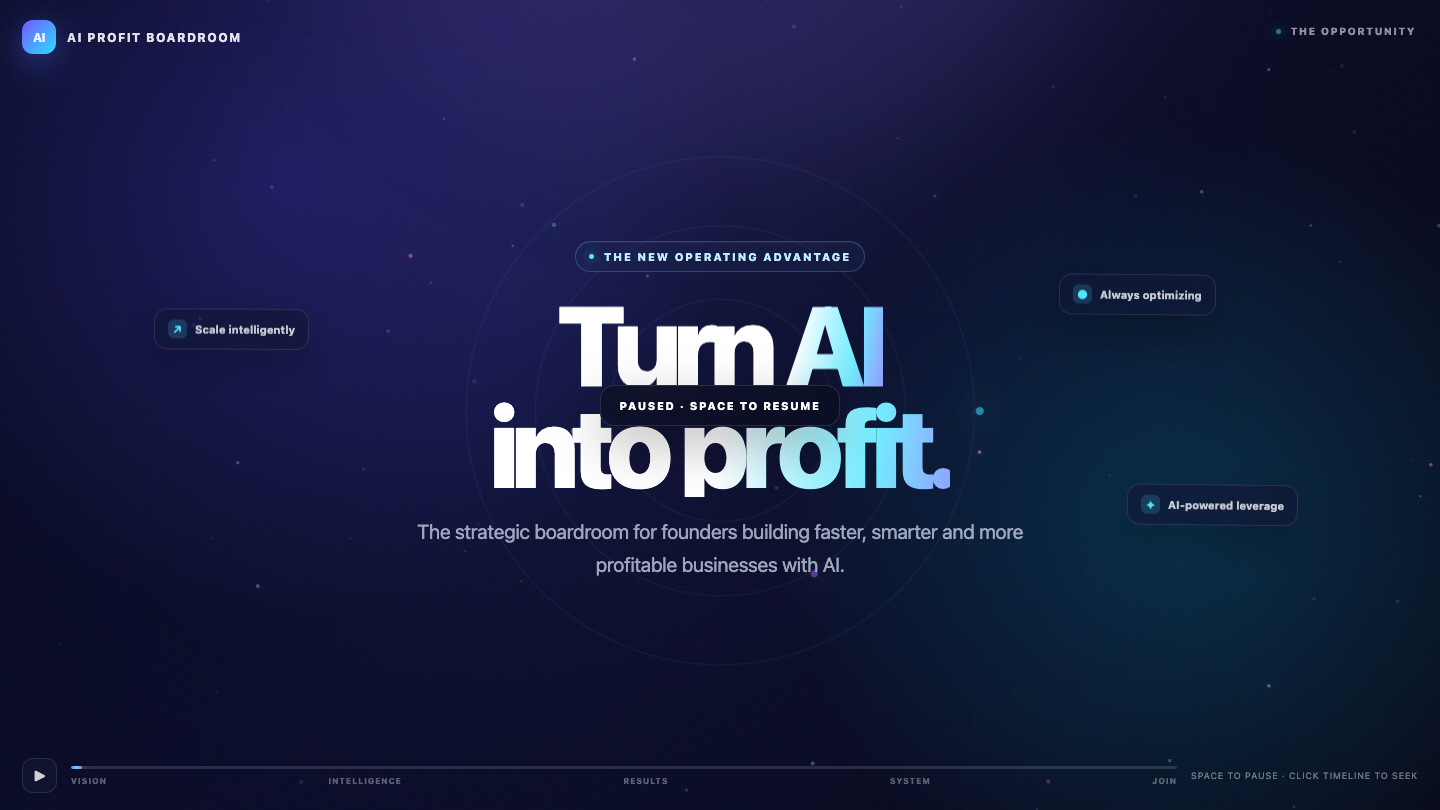
Landing
Page
GPT-5.6 Sol 8.7
·
Kimi K2.7 6.5
(+2.2)
· polished SaaS hero
What I saw: Strong: cohesive dark cosmic theme, gradient-text headline, and a genuinely convincing dashboard mockup with charts, metrics, floating insight tooltip and glowing orbs that reads as premium SaaS. Weak: standard hero-left/visual-right layout and slight metric label overlap, but ov…
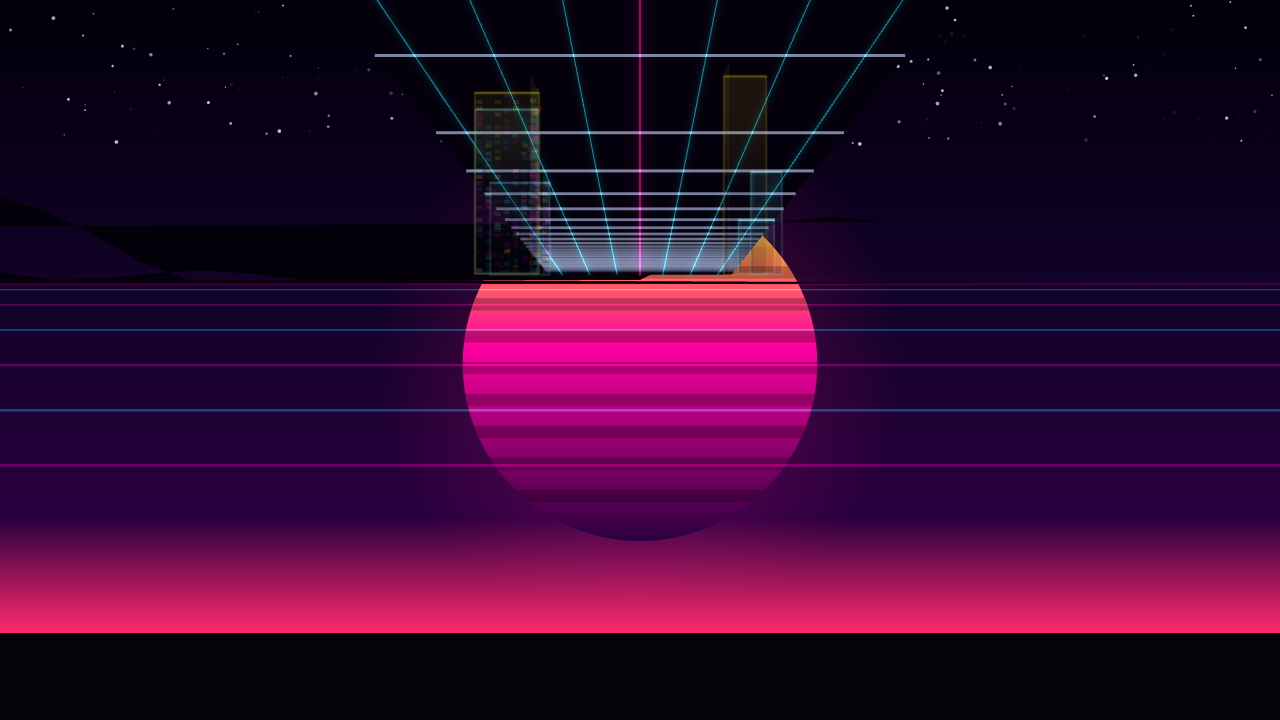
Synthwave
Visual
GPT-5.6 Sol 8.7
·
Kimi K2.7 6.5
(+2.2)
· textbook synthwave sunset
What I saw: Nails every synthwave cue — striped sunset, layered neon mountains, twinkling stars, glowing perspective grid with a clean vanishing point and steer/pulse interactivity — with polished typography and gradients; only nit is the paused status showing on capture, otherwise a textboo…
Where Kimi K2.7 beat GPT-5.6 Sol
The tasks where I gave Kimi K2.7 a higher 0–10 score on the same prompt — with the actual commentary from my source guides.
Gtafoot
Game
Kimi K2.7 7.5
·
GPT-5.6 Sol 3.5
(+4.0)
What I saw: 35KB · plays clean · three (re-rolled)
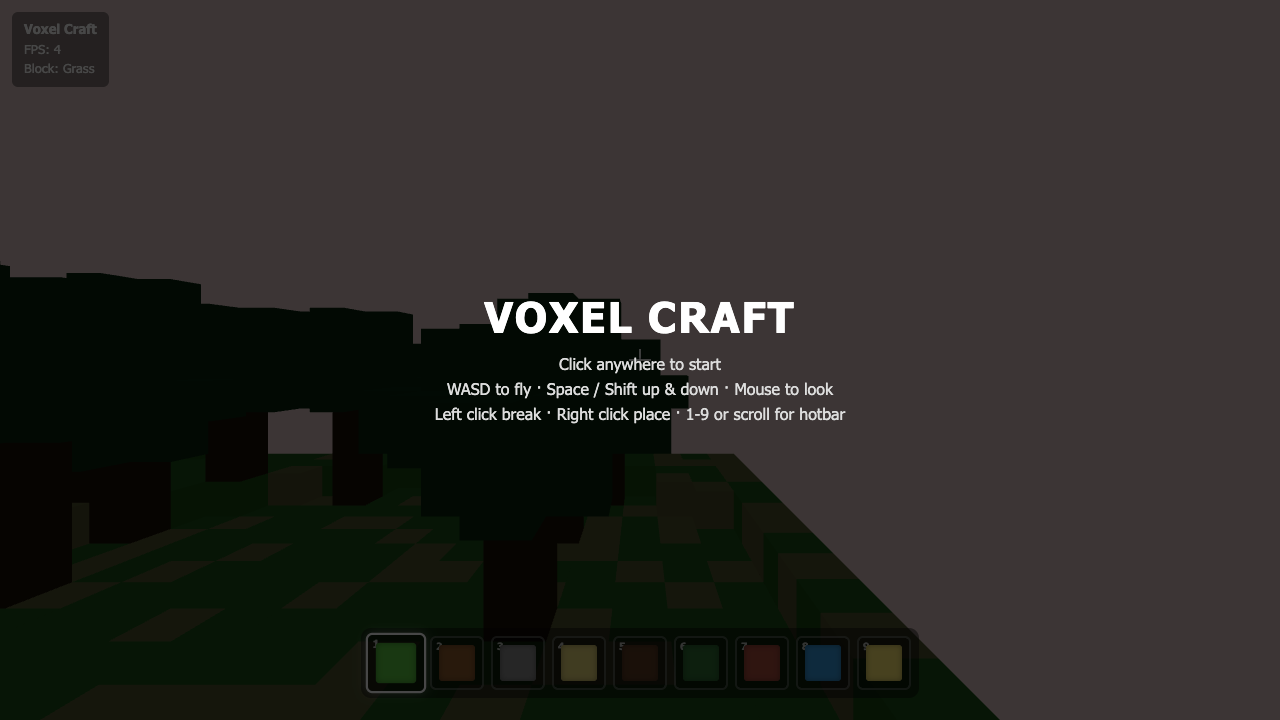
Voxel
Visual
Kimi K2.7 6.0
·
GPT-5.6 Sol 3.5
(+2.5)
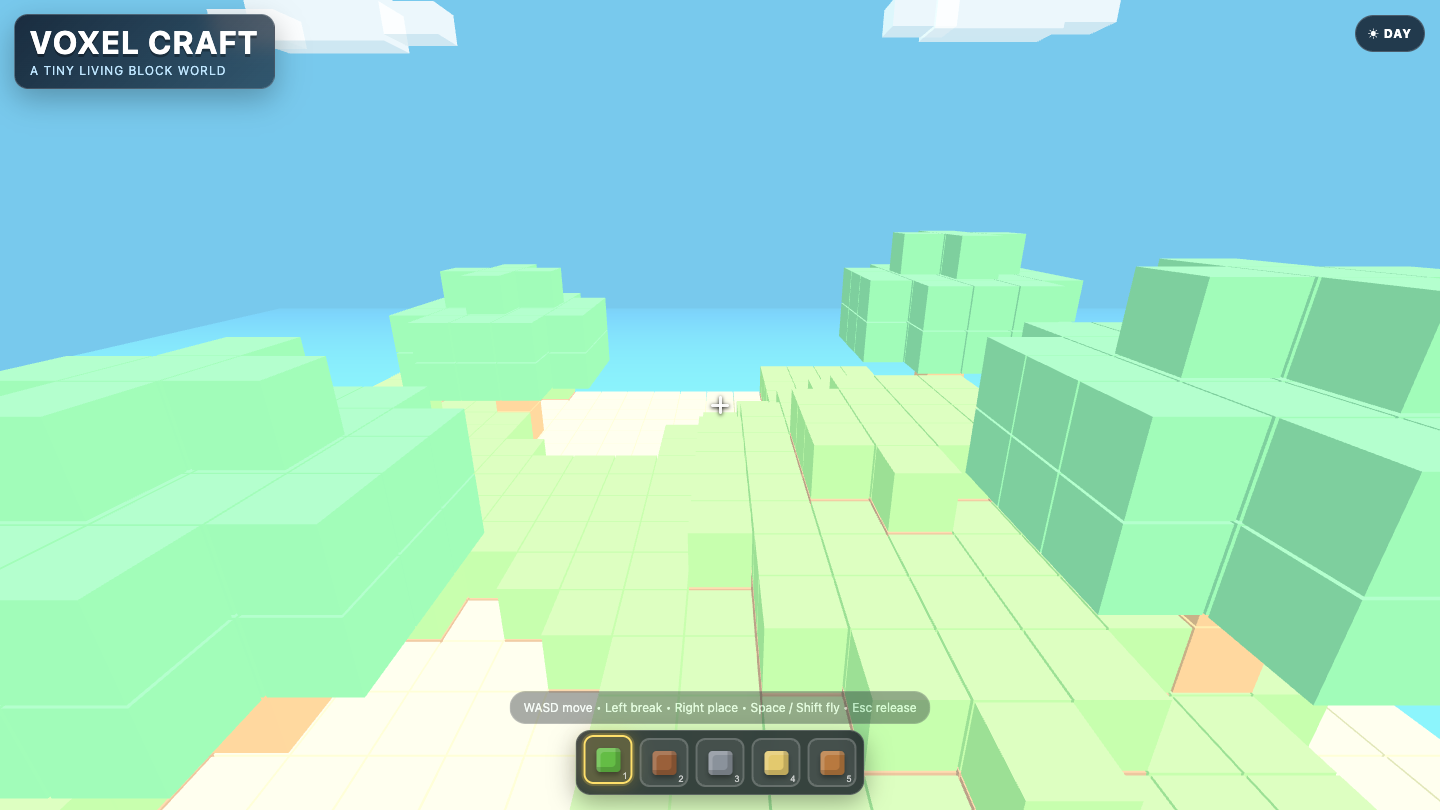
What I saw: GLM built the densest, most detailed city — windowed skyscrapers, a speed + coins HUD. Opus ran the furthest with the cleanest motion (Score 303). Kimi's runner plays fine but is unforgiving — it crashes within seconds.
Twilightvale
Game
Kimi K2.7 8.5
·
GPT-5.6 Sol 7.8
(+0.7)
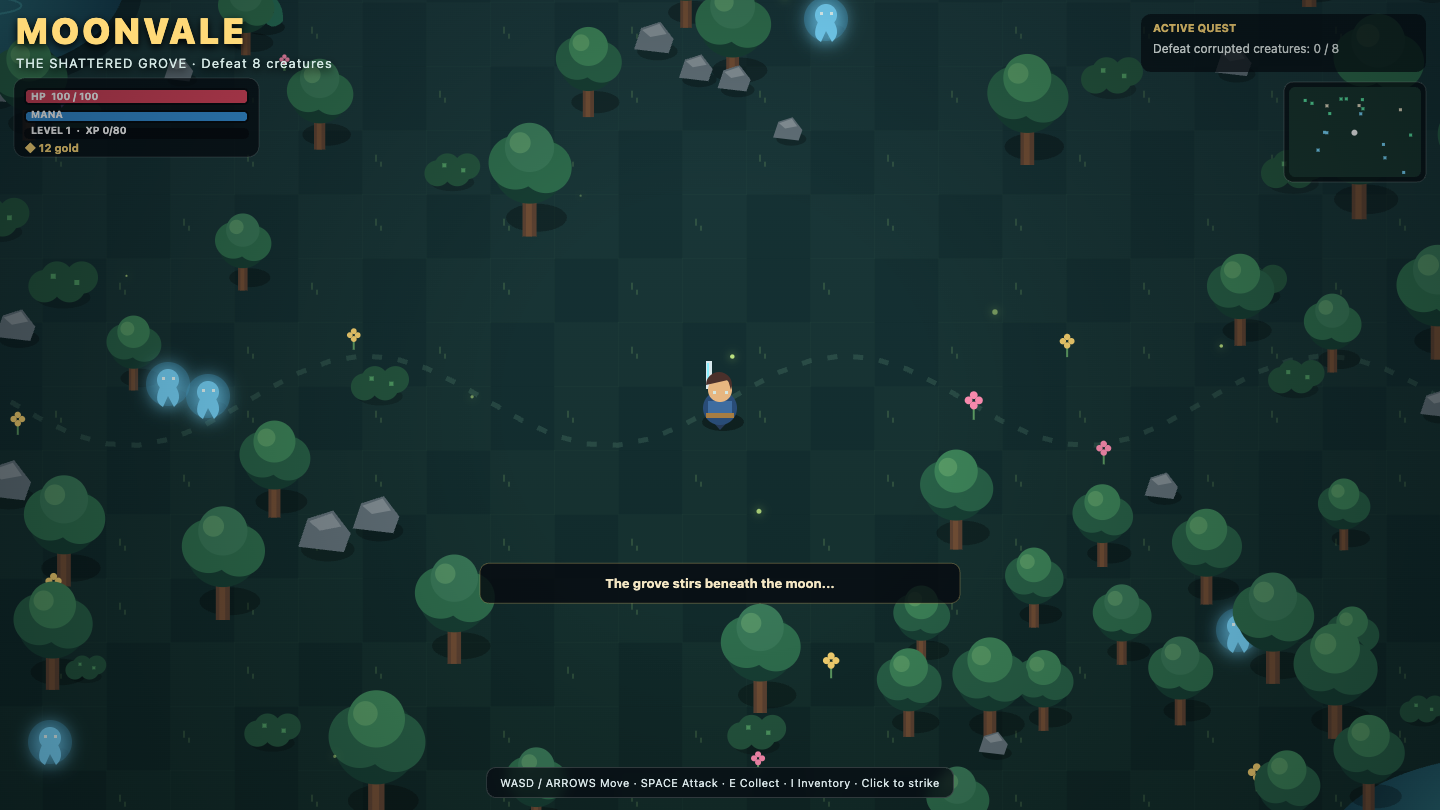
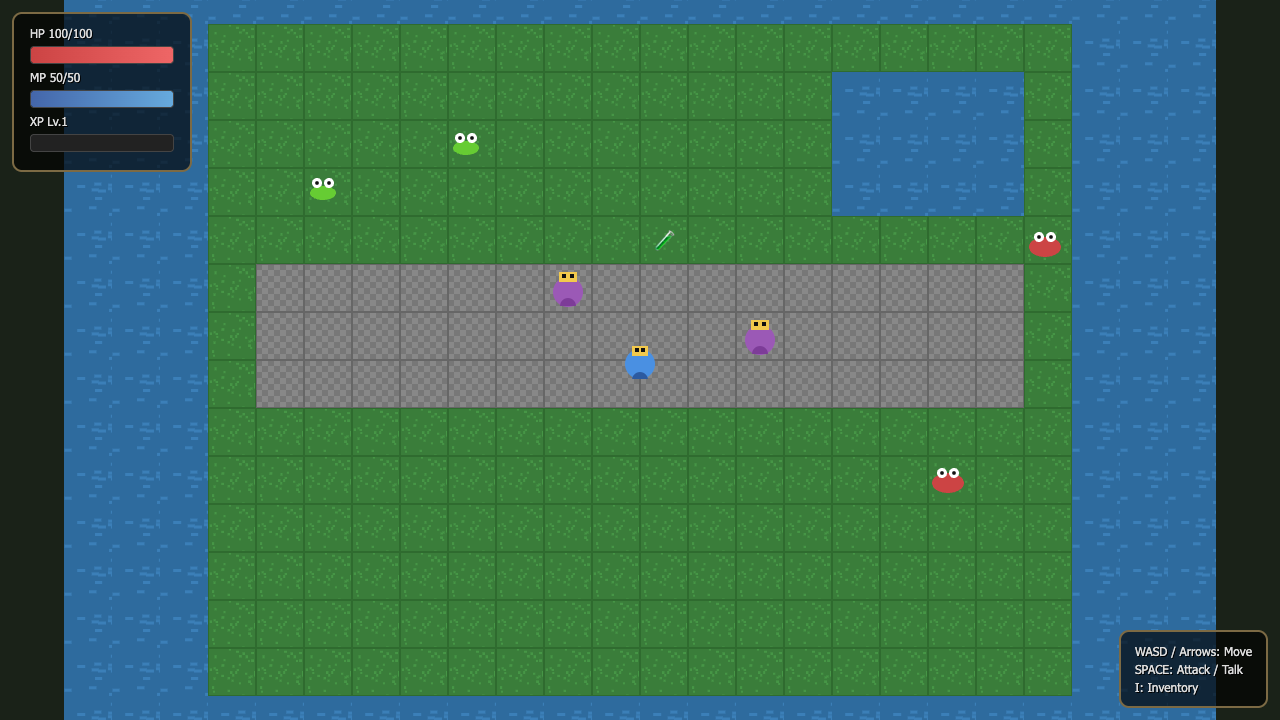
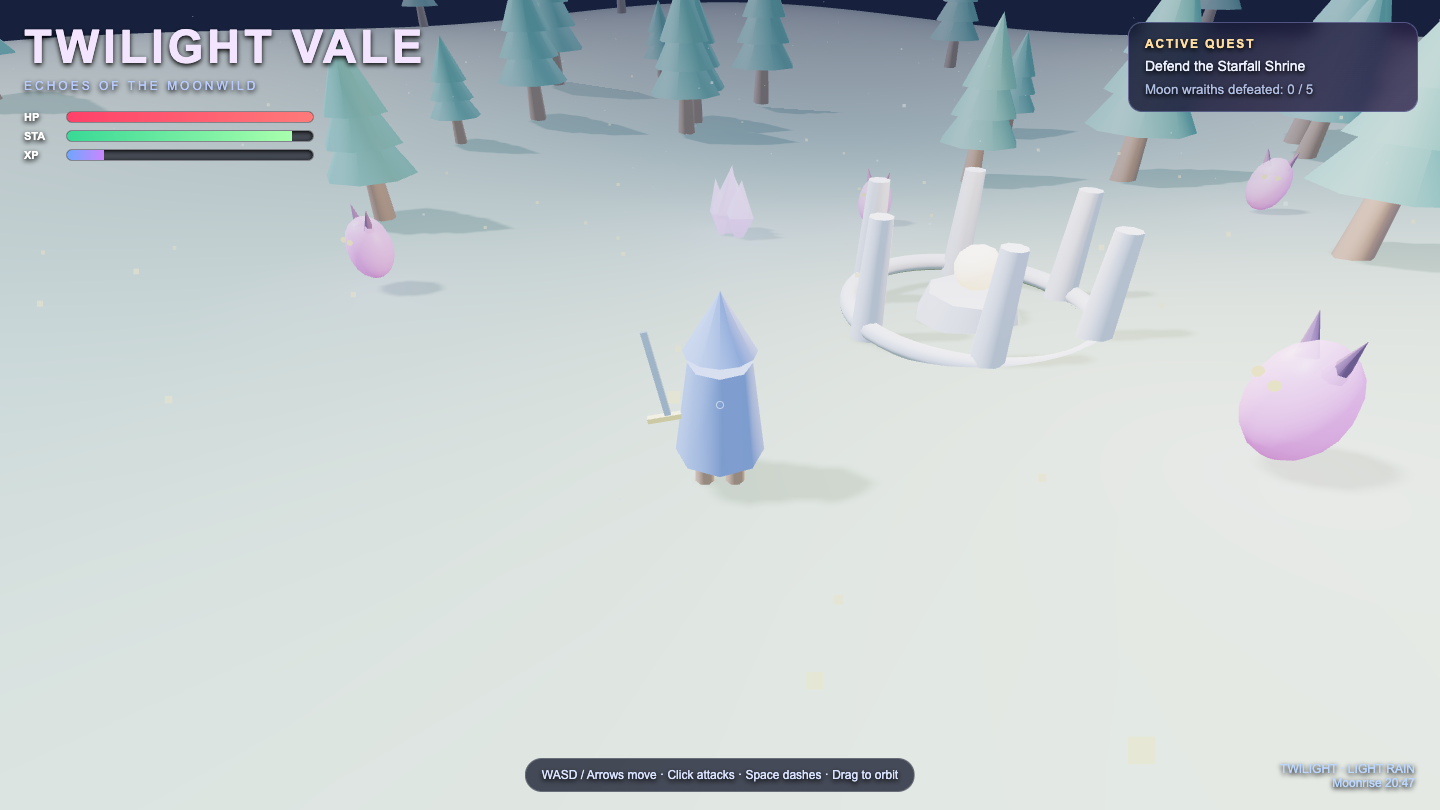
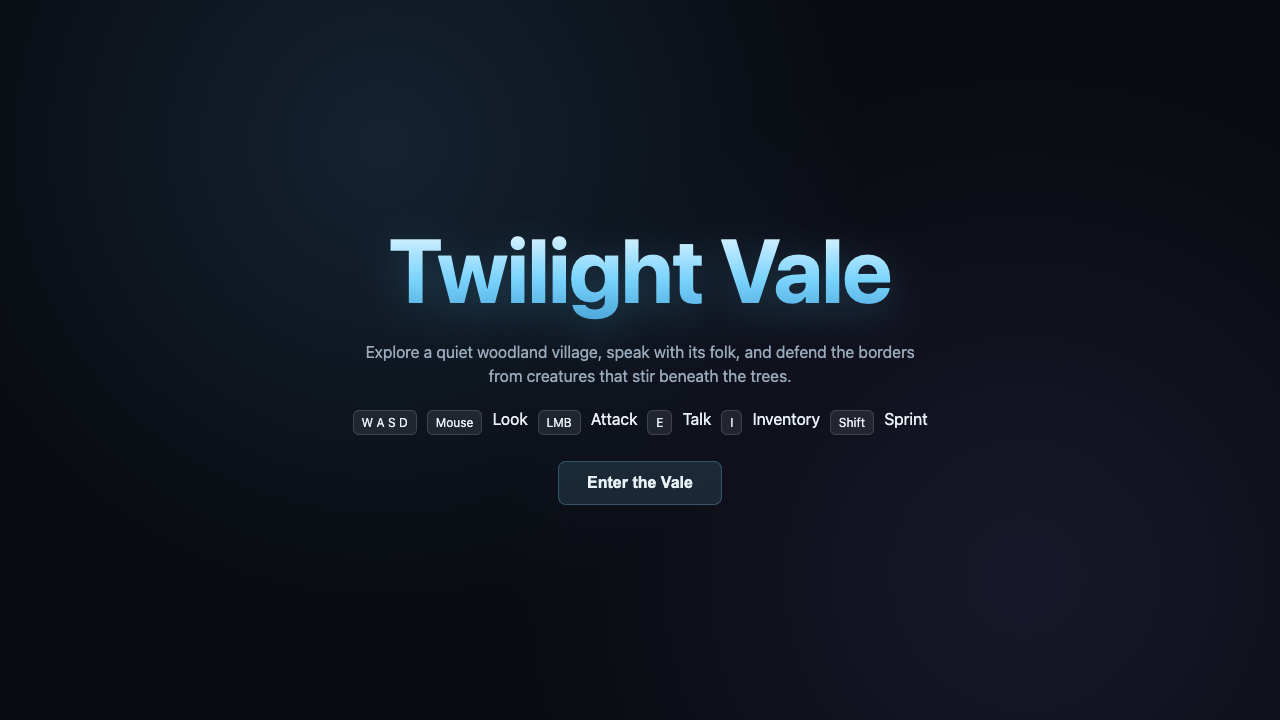
What I saw: 64KB open-world RPG with village, NPCs, combat, day/night cycle. Densest Kimi build.
Fractal
Sim
Kimi K2.7 9.0
·
GPT-5.6 Sol 8.6
(+0.4)
· winner · pure wow
What I saw: All three are genuinely good. Kimi's is the jaw-dropper — a deep rainbow plunge into a seahorse spiral, dense with self-similar detail. Opus zooms smoothly into the seahorse valley with a tasteful cycling palette. GLM frames the whole iconic set in a fire palette with a live coor…
Doom
Game
Kimi K2.7 8.5
·
GPT-5.6 Sol 8.4
(+0.1)
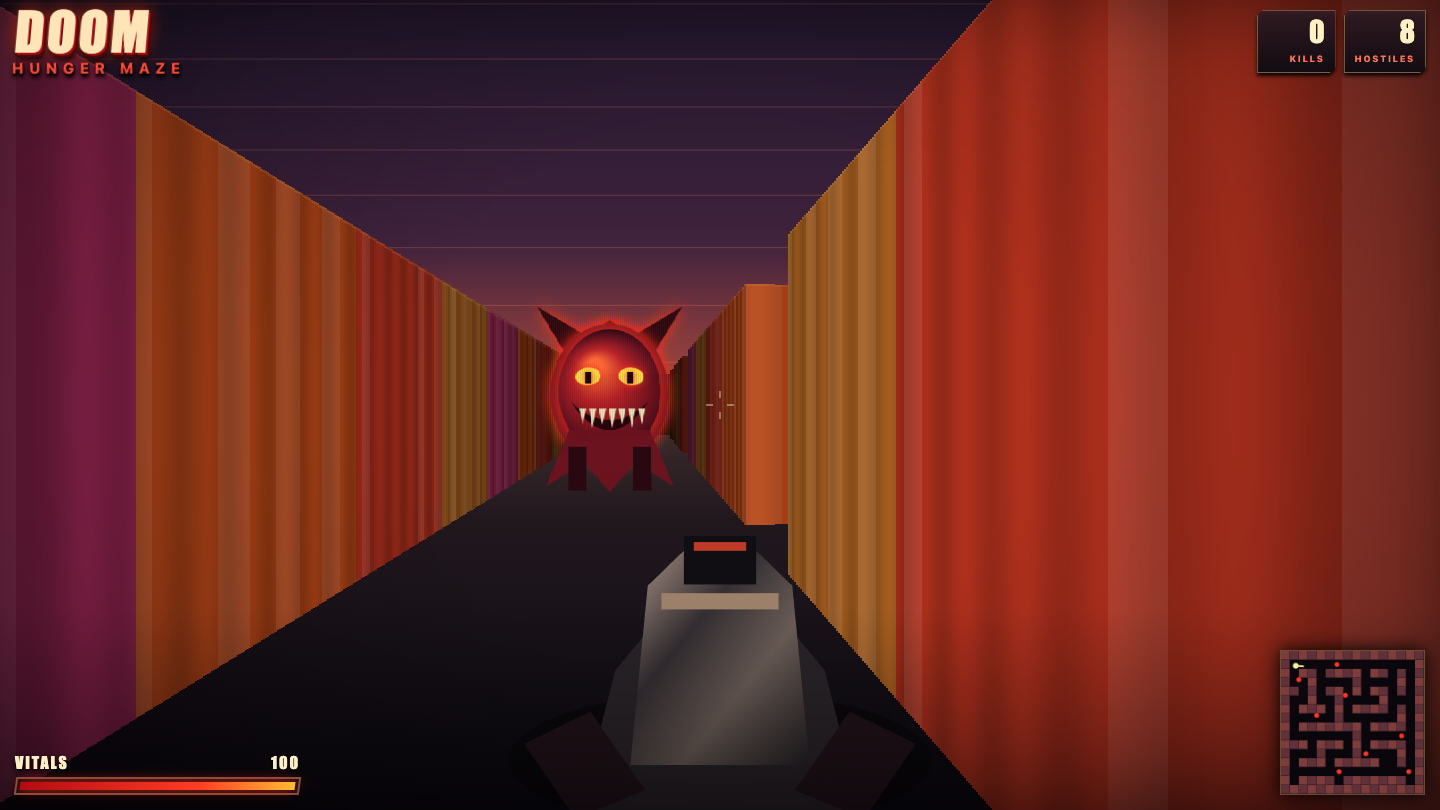
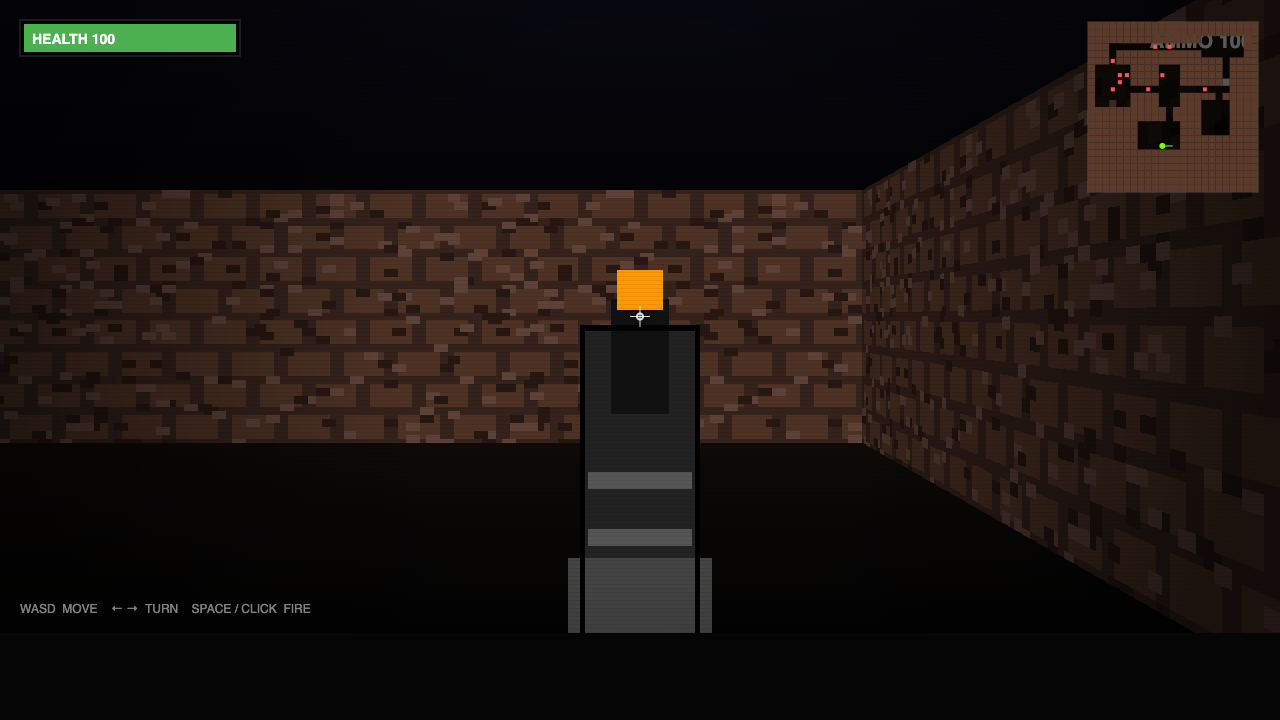
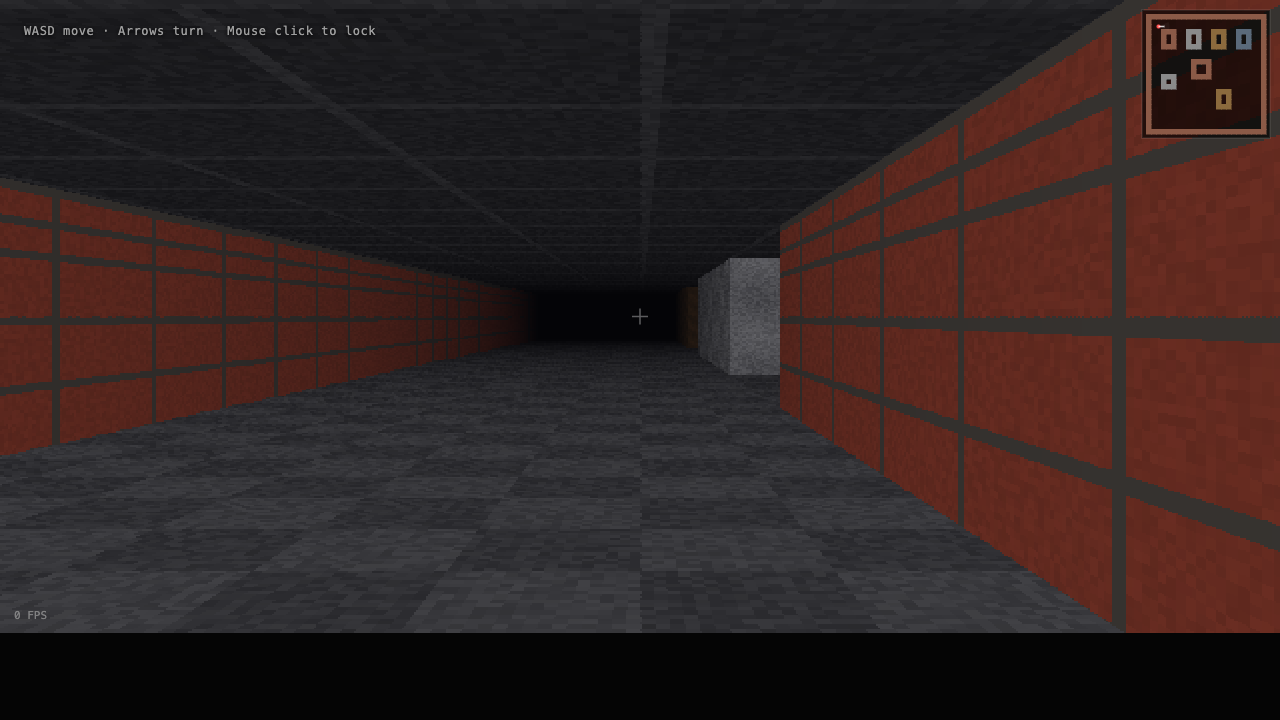
What I saw: All three are real, playable shooters. Opus drops you in a corridor with an imp dead ahead — gun, crosshair and HUD framed like a screenshot. Kimi matches it: a monster down a textured hall, health, ammo, minimap. GLM ships a gorgeous 'HAZARD PROTOCOL' title screen with a working…
Strengths & weaknesses I logged
GPT-5.6 Sol
Strengths
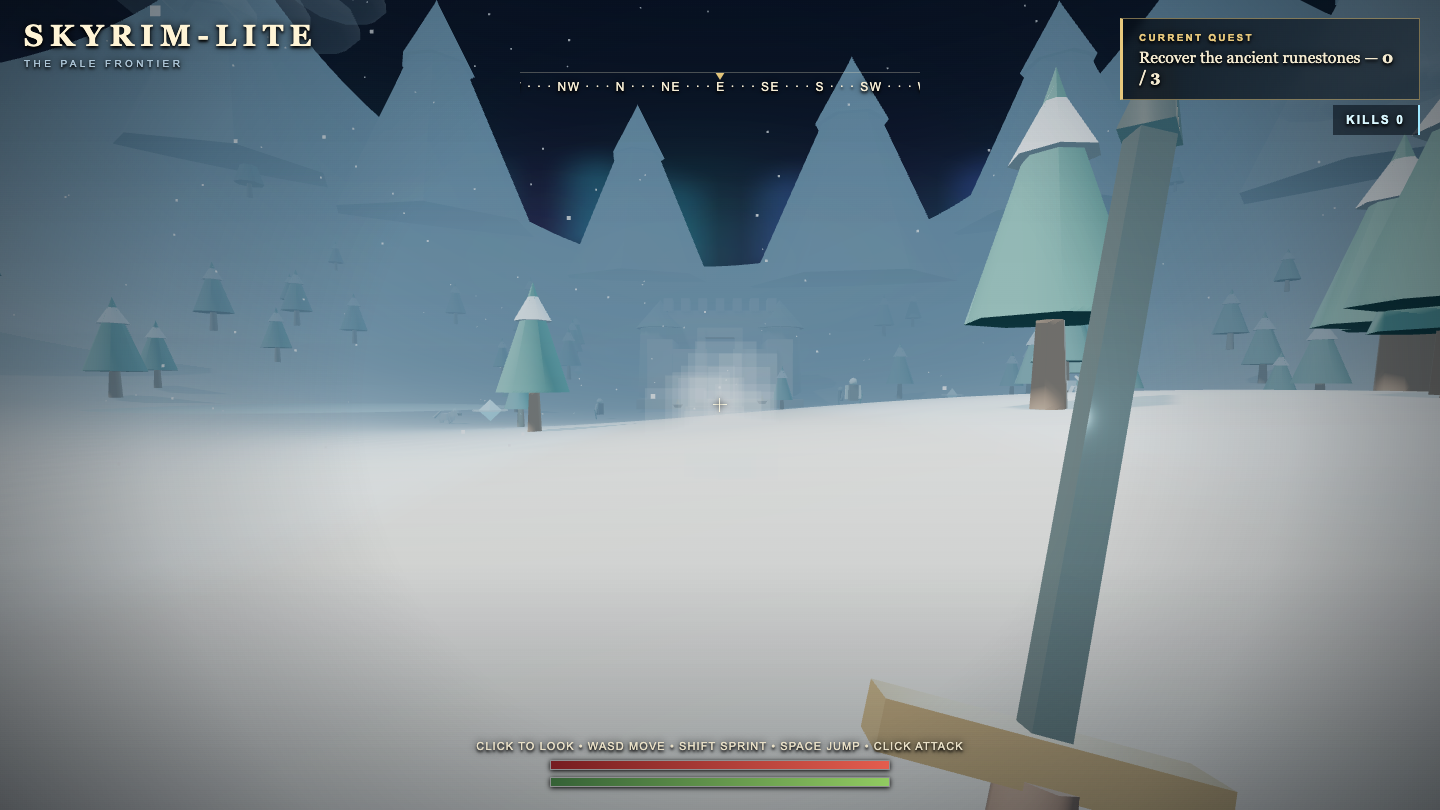
- Strong one-shot 3D games — Dragon Realm, Doom raycaster and Skyrim-lite all judged task winners
- Whole 5.6 lineup rated High capability, even the small Luna/Terra tiers — a first for OpenAI
- Huge ~1.05M-token context on every tier, plus a low-to-high reasoning-effort dial
Trade-offs
- Priciest tier on the bench at $30/M output — only worth routing the hardest 10% of work to Sol
- Reasoning can eat the token budget on big open-world briefs (one 0-byte failure until the budget was raised, then it built clean)
Kimi K2.7
Strengths
- Best-of-three on interactive games — raycaster, DOOM, monster AI
- Three speed modes (Fast / No-Think / Quality) you can swap per task
- Flat-rate plan eliminates the per-token meter, so iteration is free
Trade-offs
- Plays plainest on abstract visual prompts — synthwave grids, fluid sims, aurora — where GLM and Opus add more flair
- Bronze average on the Goldie Bench bench despite the gold-medal games — its visual builds are accurate but understated
Pricing & context — the spec sheet
| Spec | GPT-5.6 Sol | Kimi K2.7 |
|---|---|---|
| Vendor | OpenAI | Moonshot AI |
| Context window | 1,050,000 tokens | 256,000 tokens |
| Price | $5 / $30 per M | Flat plan (no per-token bill) |
| Pricing detail | GPT-5.6 shipped as three models — Luna ($1/$6 per M), Terra ($2.50/$15) and Sol ($5/$30) — each with a same-price pro variant that ships a higher default reasoning effort. All share a ~1.05M-token context window and are rated High capability. Benched here on the flagship, Sol, at medium reasoning effort via OpenRouter. | Available on Moonshot's flat-rate subscription plan — no per-token billing for individual builders. The plan covers all three speed modes (Fast, No-Think, Quality). Vendor: Moonshot AI (moonshot.ai), based in Beijing. |
| Release | 2026-07 | 2026-06 |
| Bench coverage | 50/50 scored · avg 8.16/10 | 25/47 scored · avg 7.46/10 |
The verdict — which should you pick?
Across 25 scored shared tasks, GPT-5.6 Sol averaged 8.09/10, beating Kimi K2.7's 7.46/10 by 0.63 points. Pick GPT-5.6 Sol when the build has to ship on the first prompt and you can afford the trade-offs in the comparison below.
If you only run one of these inside your stack, the head-to-head average above is the call. If you can run both, my honest play is to wire GPT-5.6 Sol and Kimi K2.7 both into the Agent Operating System and dispatch each from the kanban by task type — the hardest reasoning and code where being right beats being cheap → GPT-5.6 Sol, interactive game prototypes you want shippable on the first prompt → Kimi K2.7. That's the same setup I run for the 3,400+ founders inside the AI Profit Boardroom.
FAQ — GPT-5.6 Sol vs Kimi K2.7
Which is better, GPT-5.6 Sol or Kimi K2.7?
On Goldie Bench, GPT-5.6 Sol averages 8.09/10 across the shared tasks, with 2 gold, 9 silver, 10 bronze overall. Kimi K2.7 averages 7.46/10, with 1 gold, 2 silver, 0 bronze. GPT-5.6 Sol wins the head-to-head 19–6.
How much does GPT-5.6 Sol cost vs Kimi K2.7?
GPT-5.6 Sol: GPT-5.6 shipped as three models — Luna ($1/$6 per M), Terra ($2.50/$15) and Sol ($5/$30) — each with a same-price pro variant that ships a higher default reasoning effort. All share a ~1.05M-token context window and are rated High capability. Benched here on the flagship, Sol, at medium reasoning effort via OpenRouter. Kimi K2.7: Available on Moonshot's flat-rate subscription plan — no per-token billing for individual builders. The plan covers all three speed modes (Fast, No-Think, Quality). Vendor: Moonshot AI (moonshot.ai), based in Beijing.
What's the context window for GPT-5.6 Sol vs Kimi K2.7?
GPT-5.6 Sol has a 1,050,000 tokens context window. Kimi K2.7 has a 256,000 tokens context window.
When should I pick GPT-5.6 Sol over Kimi K2.7?
Pick GPT-5.6 Sol for: The hardest reasoning and code where being right beats being cheap; One-shot game/sim prototypes you want shippable on the first prompt; The flagship slot in a routed Agent OS — Sol for the hard 10%, Luna/Terra for the rest. The trade-off is the weaknesses we logged on the bench: Priciest tier on the bench at $30/M output — only worth routing the hardest 10% of work to Sol; Reasoning can eat the token budget on big open-world briefs (one 0-byte failure until the budget was raised, then it built clean).
When should I pick Kimi K2.7 over GPT-5.6 Sol?
Pick Kimi K2.7 for: Interactive game prototypes you want shippable on the first prompt; High-iteration agent loops where per-token cost would dominate; Long-context refactors using the 256K window inside Agent OS. The trade-off is the weaknesses we logged on the bench: Plays plainest on abstract visual prompts — synthwave grids, fluid sims, aurora — where GLM and Opus add more flair; Bronze average on the {{SITE_NAME}} bench despite the gold-medal games — its visual builds are accurate but understated.
How does Goldie Bench score GPT-5.6 Sol vs Kimi K2.7?
Every demo on this page was built by Julian Goldie inside the Agent Operating System — same fixed prompt for both models, one shot, single HTML file out. Each result gets a 0–10 score on whether it ran, how close it hit the brief, and how good it looked. The highest score on each task gets gold; second gets silver; third gets bronze. See methodology for full provenance.
Related comparisons
Other head-to-heads using the same scoring system:
GPT-5.6 Sol vs Fusion Kimi K2.7 vs Fusion GPT-5.6 Sol vs Claude Opus 5 Kimi K2.7 vs Claude Opus 5 GPT-5.6 Sol vs Hermes MoA Kimi K2.7 vs Hermes MoA GPT-5.6 Sol vs Claude Fable 5 Kimi K2.7 vs Claude Fable 5Full model pages: GPT-5.6 Sol · Kimi K2.7 · back to the leaderboard
The same stack Julian uses
Run this stack yourself.
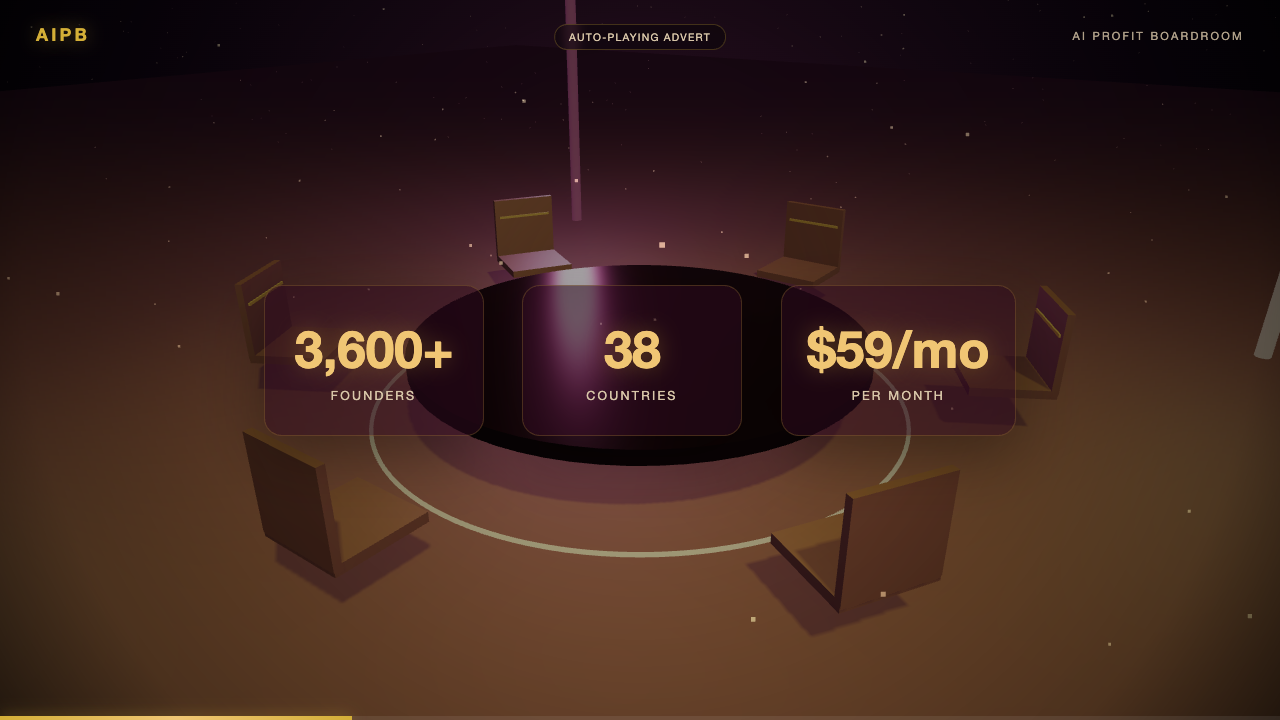
Every demo on this bench was built inside the Agent Operating System — one prompt, one shot, single HTML file out. The Agent OS, the prompts, the templates, the weekly walkthroughs and 3,400+ founders shipping with it every day all live inside the AI Profit Boardroom.
3,400+founders
258documented wins
38countries
$69/momonthly