Real head-to-head · same prompt, one shot
GPT-5.6 Sol vs GLM-5.2
OpenAI's flagship — the Sun of the 5.6 lineup. vs The never-forgets agent — 1M context, open weights.
Head-to-head verdict: GPT-5.6 Sol wins 38–9.
What I tested — same prompt, two models
I run the same fixed prompt set through every new model the day it drops — same string, one shot, single HTML file out — and I score the result 0–10 on whether it ran, how close it hit the brief, and how good it looked. Below is what came out when I gave the exact same prompts to GPT-5.6 Sol and GLM-5.2, side by side, on 47 shared tasks inside the Agent Operating System.
Both models were given identical prompts inside the Agent Operating System — no help, no iteration, no "best of N" tricks. I run each prompt once, save the HTML file the model produces, and score it 0–10 on whether it ran, how close it hit the brief, and how good it looked. The scoring is mine. The verdicts below are pulled from my source comparison guides at agentos.guide where I publish every score and the reasoning behind it.
GPT-5.6 Sol · Benched on GoldieBench as the flagship Sol at medium reasoning, one-shot, then headless-playtested. In the Agent OS it's the top tier of a routed stack — Sol on the hard calls, Terra for the bulk, Luna for the everyday 90%.
GLM-5.2 · Default model inside Agent OS for any task that touches a long context — codebase Q&A, multi-file refactors, agent memory replay.
Side-by-side on 50 shared tasks
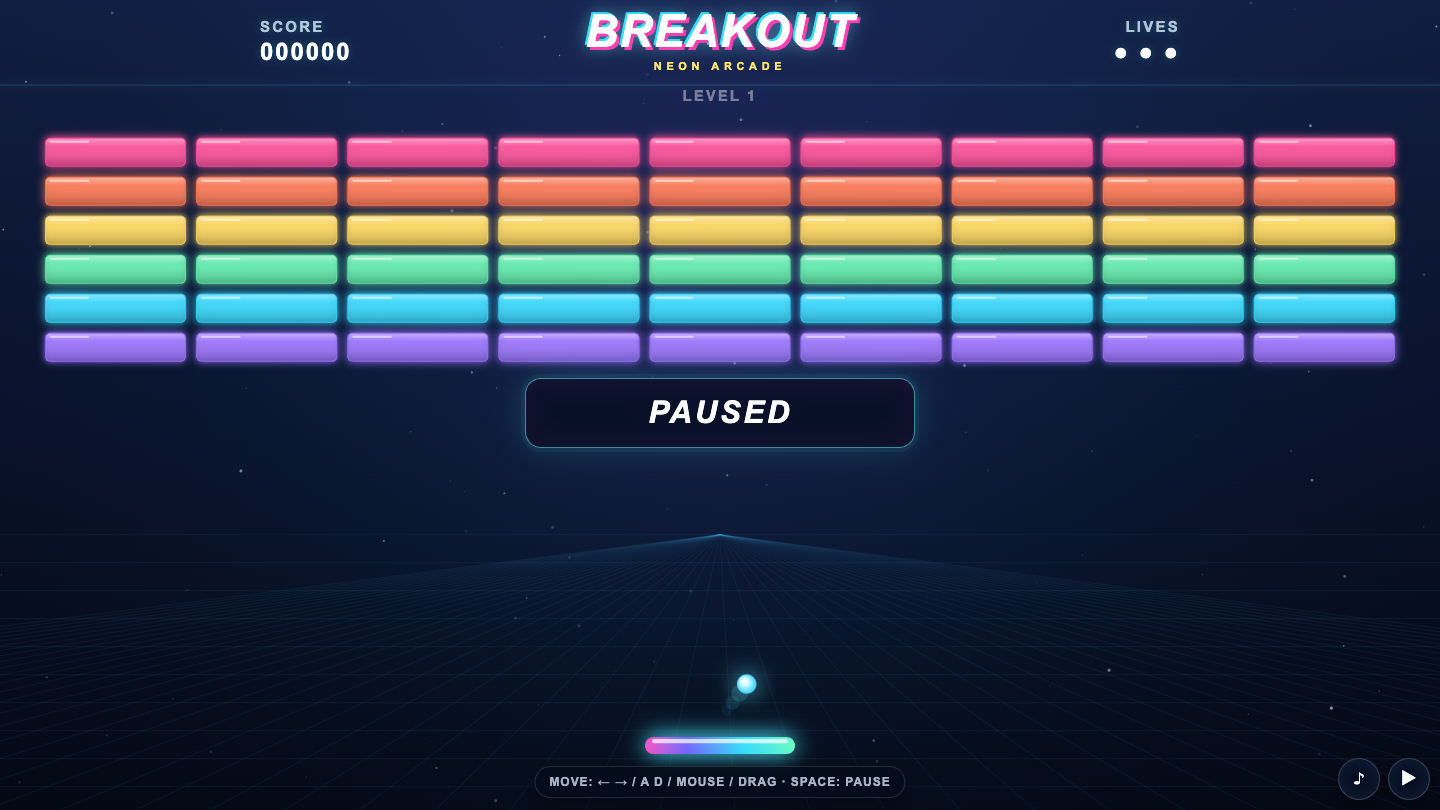
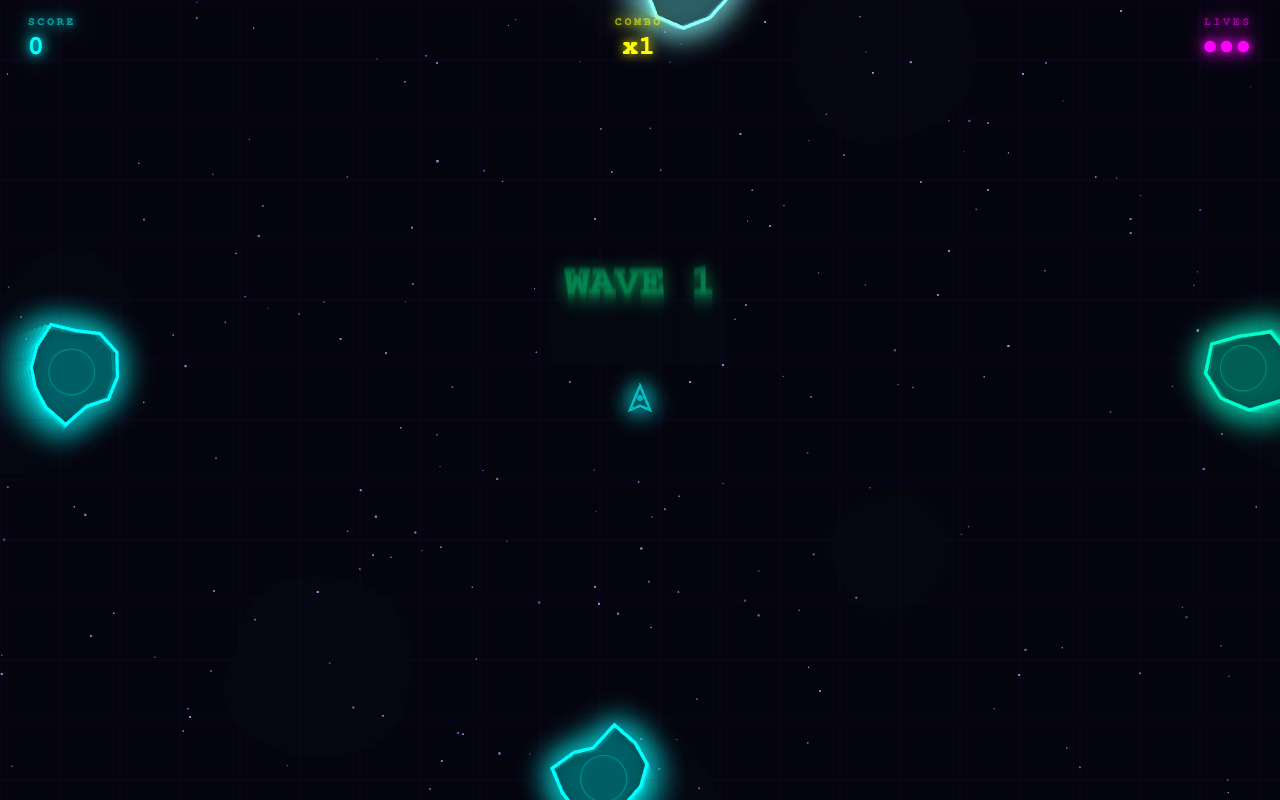
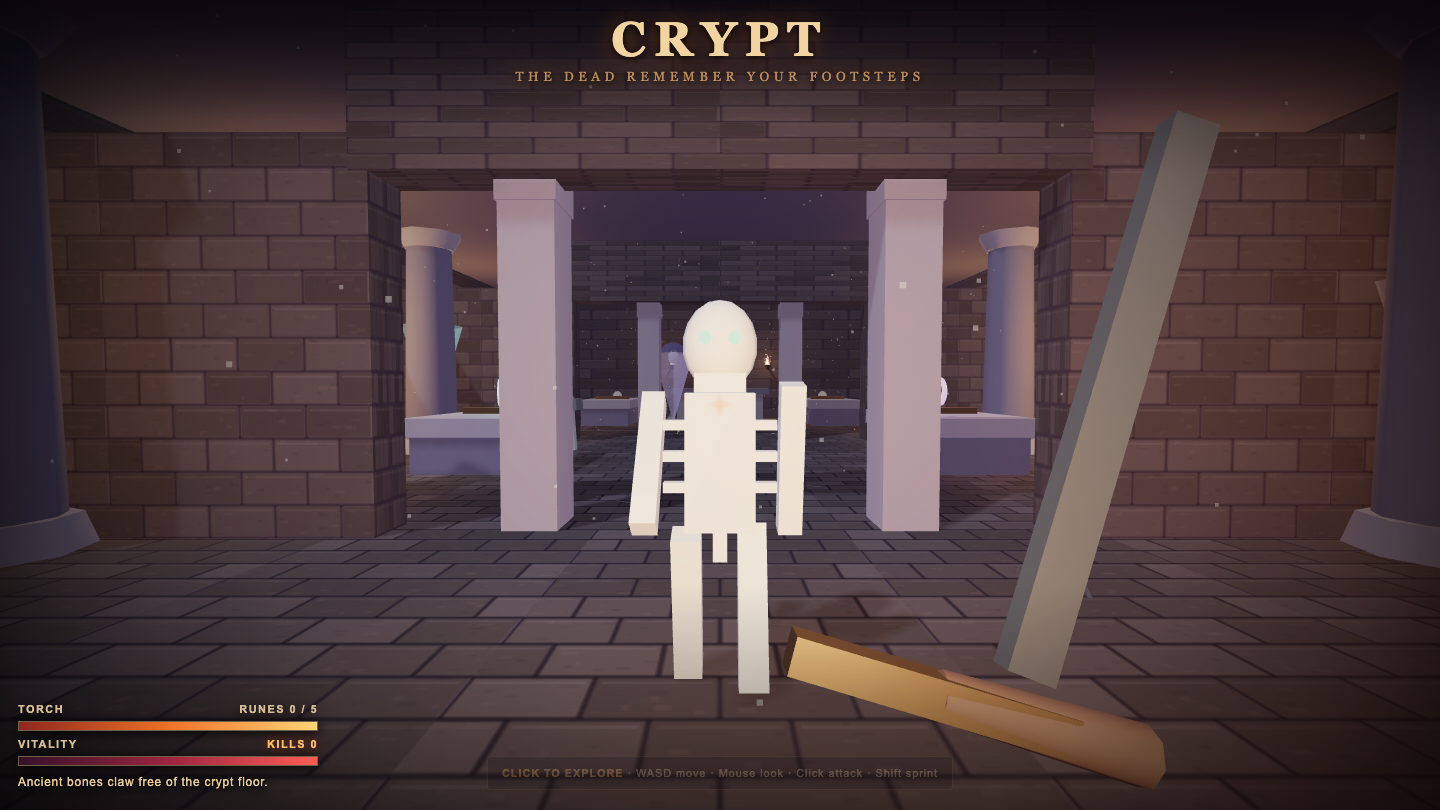
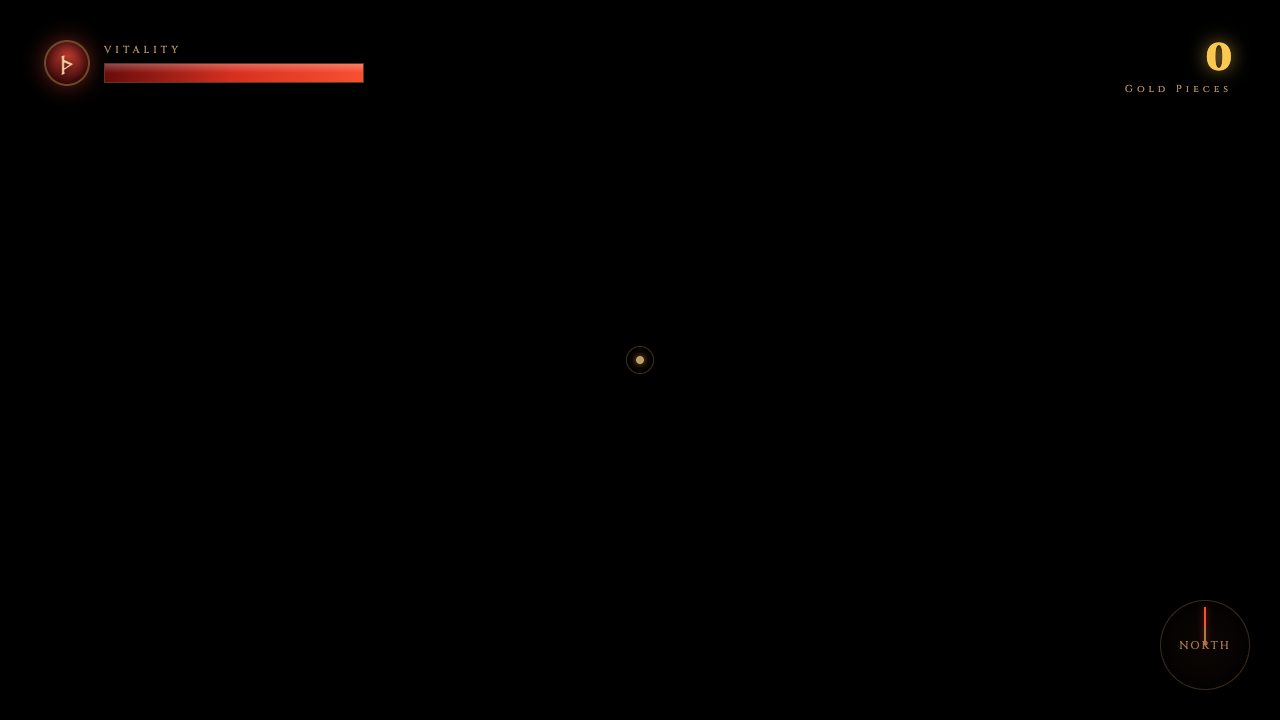
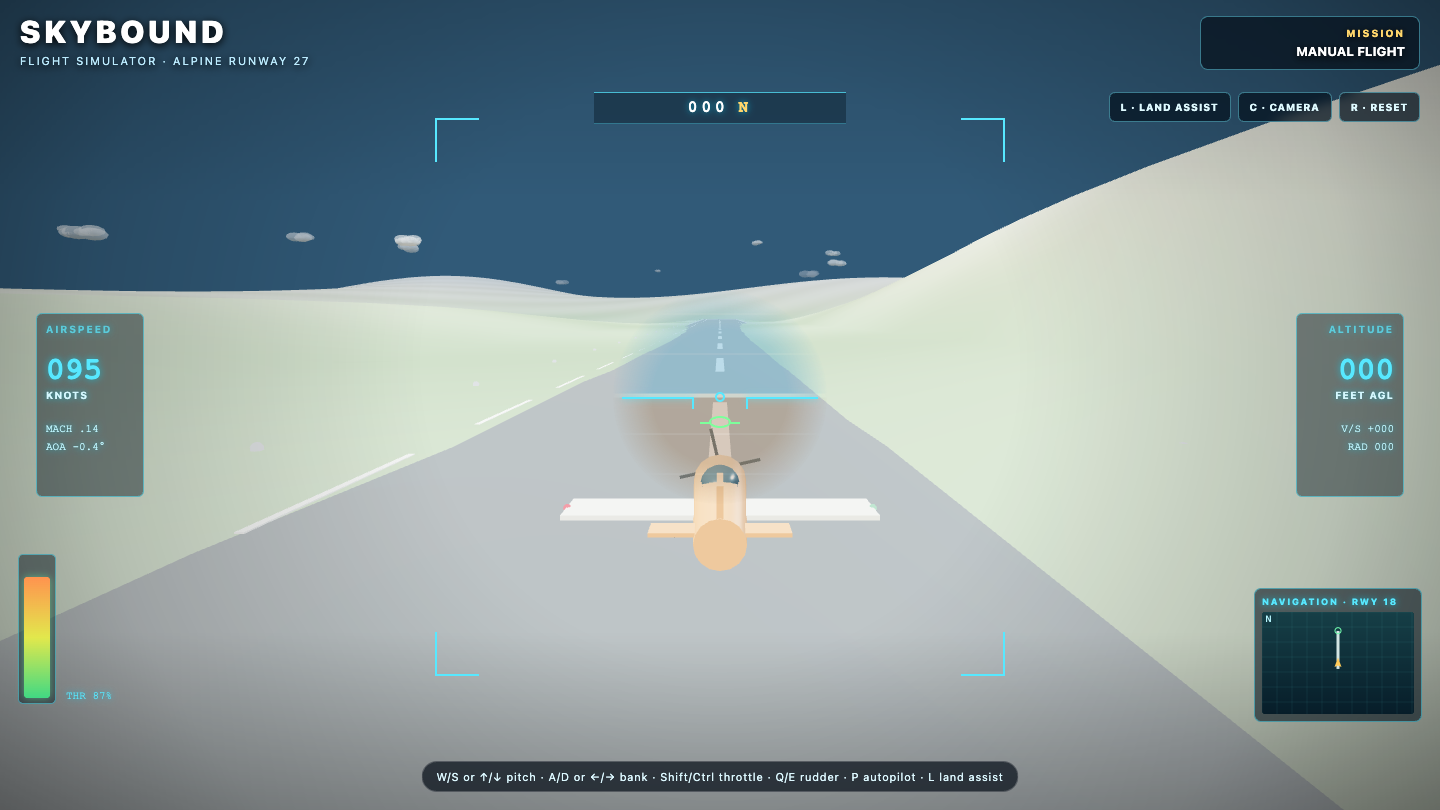
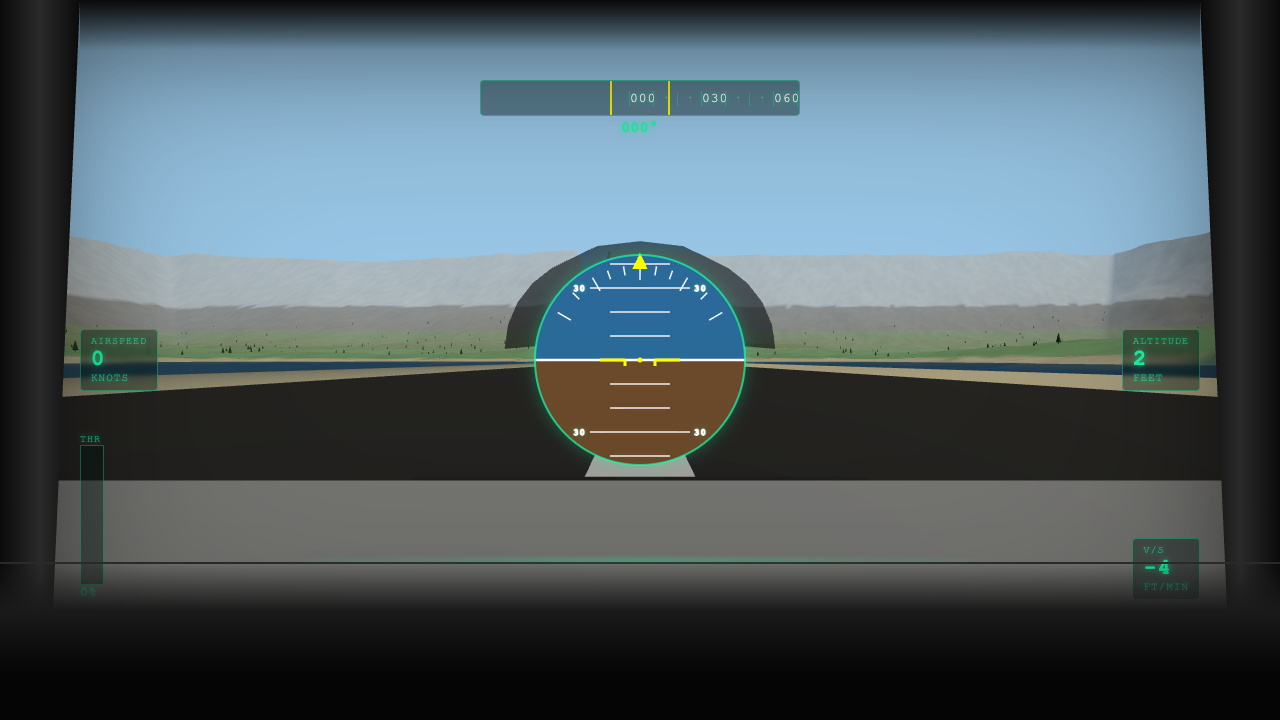
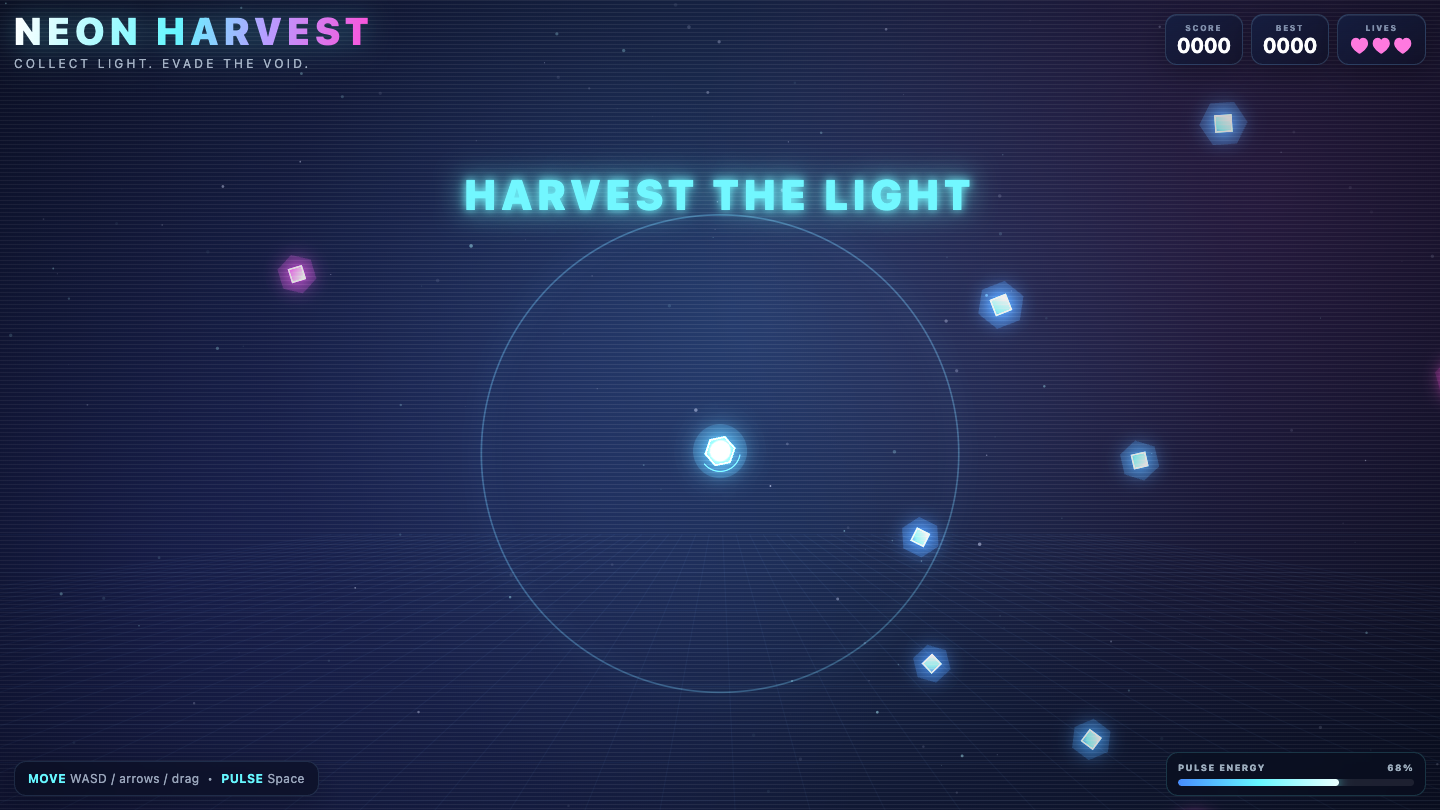
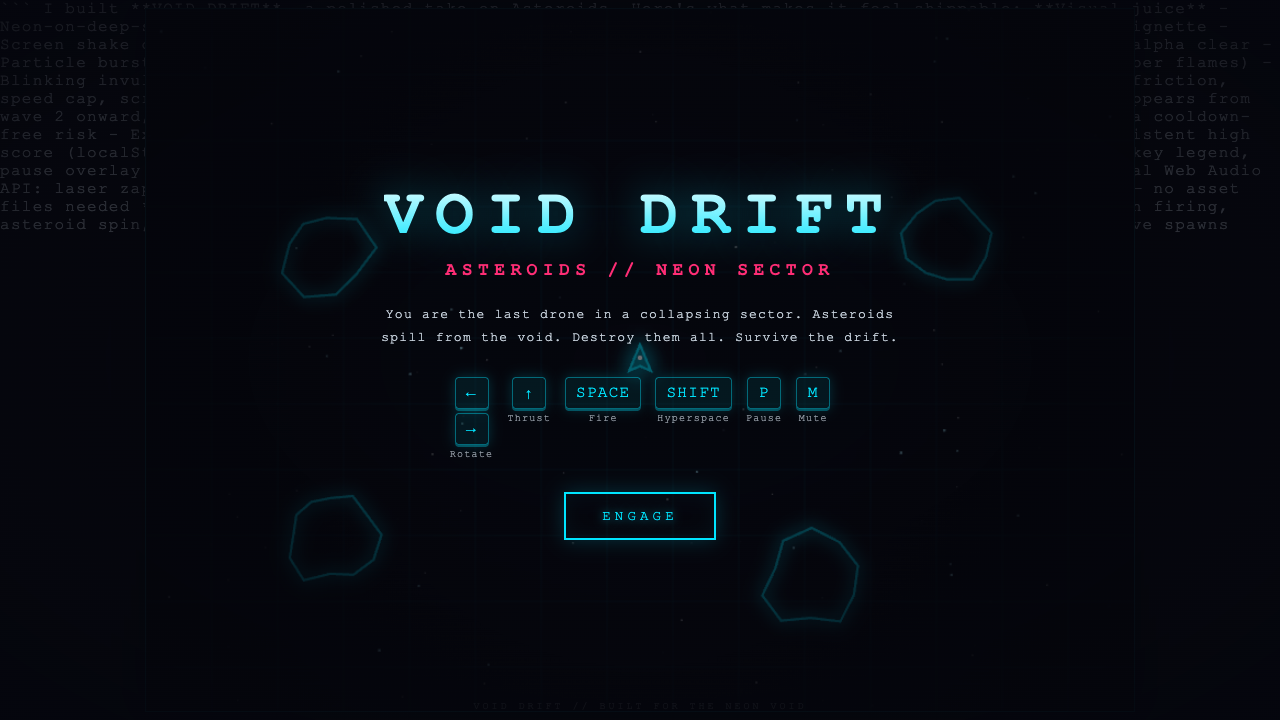
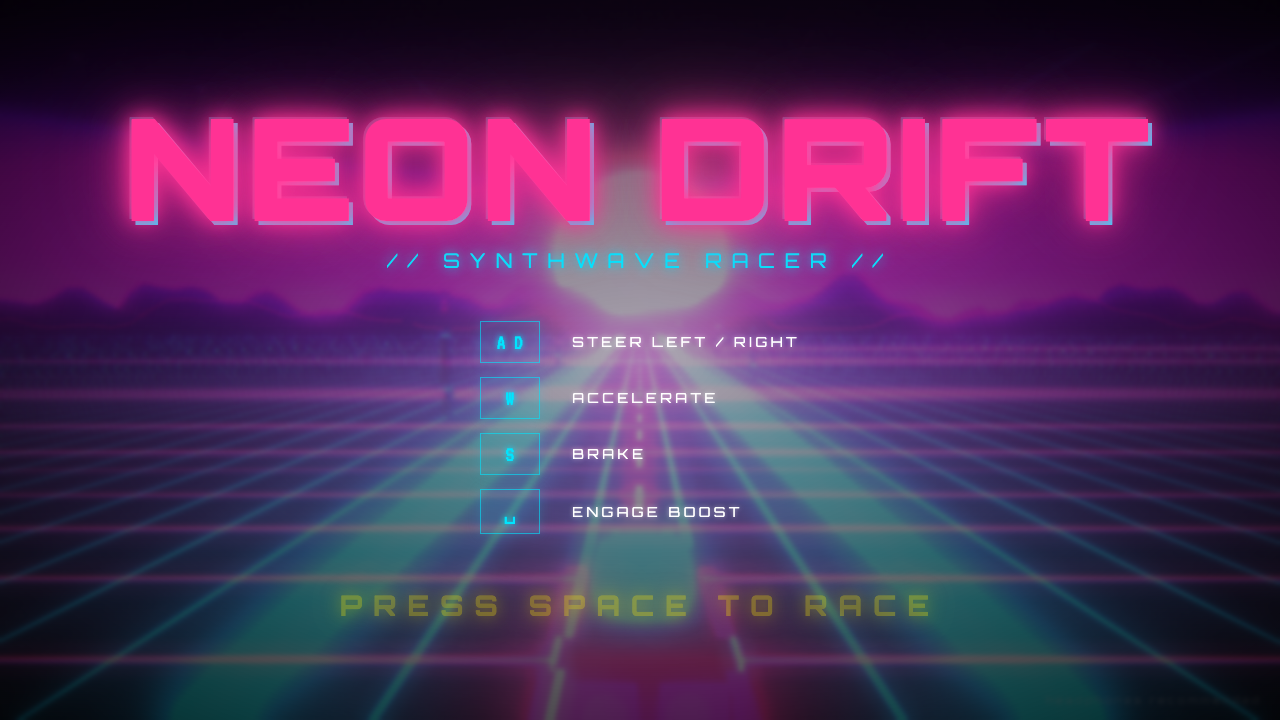
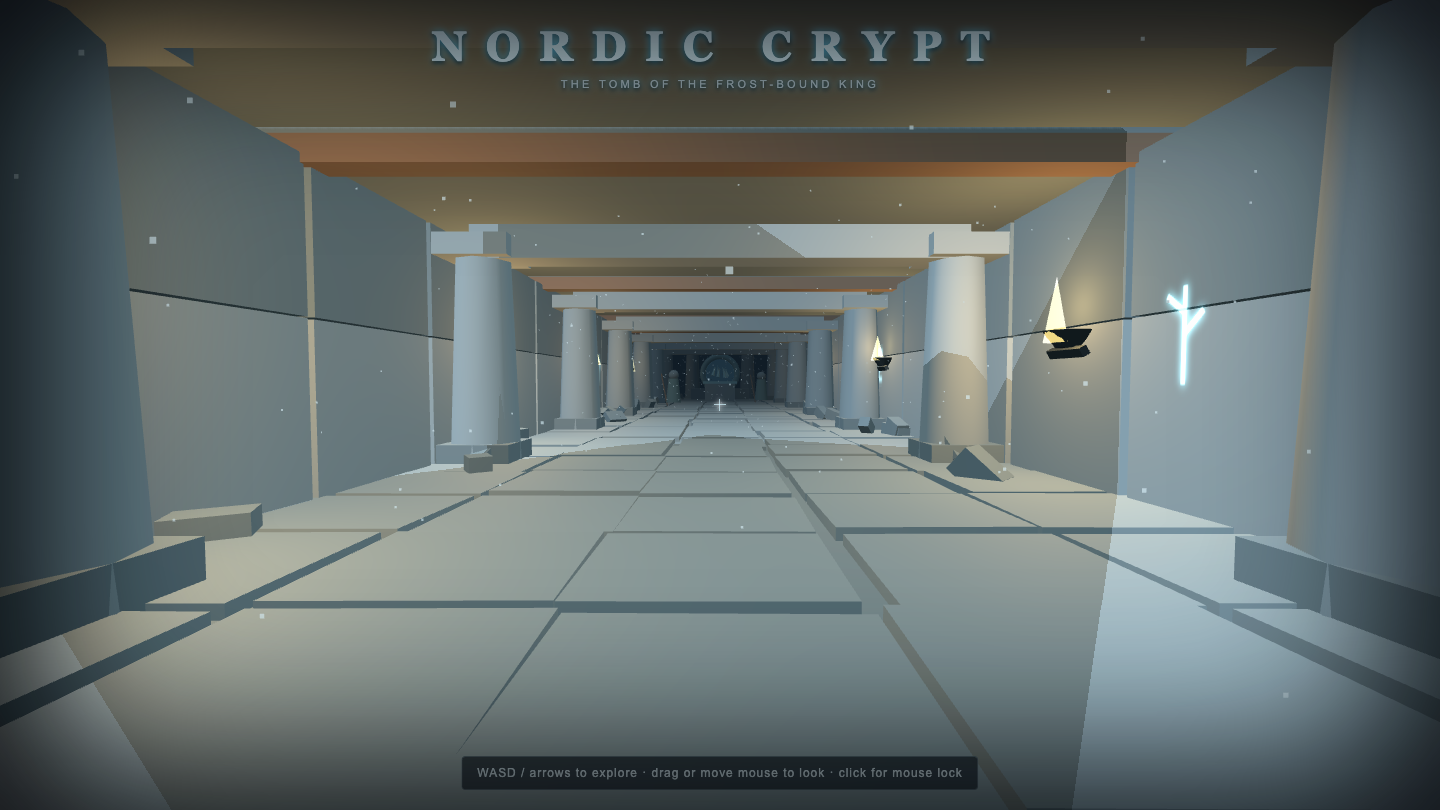
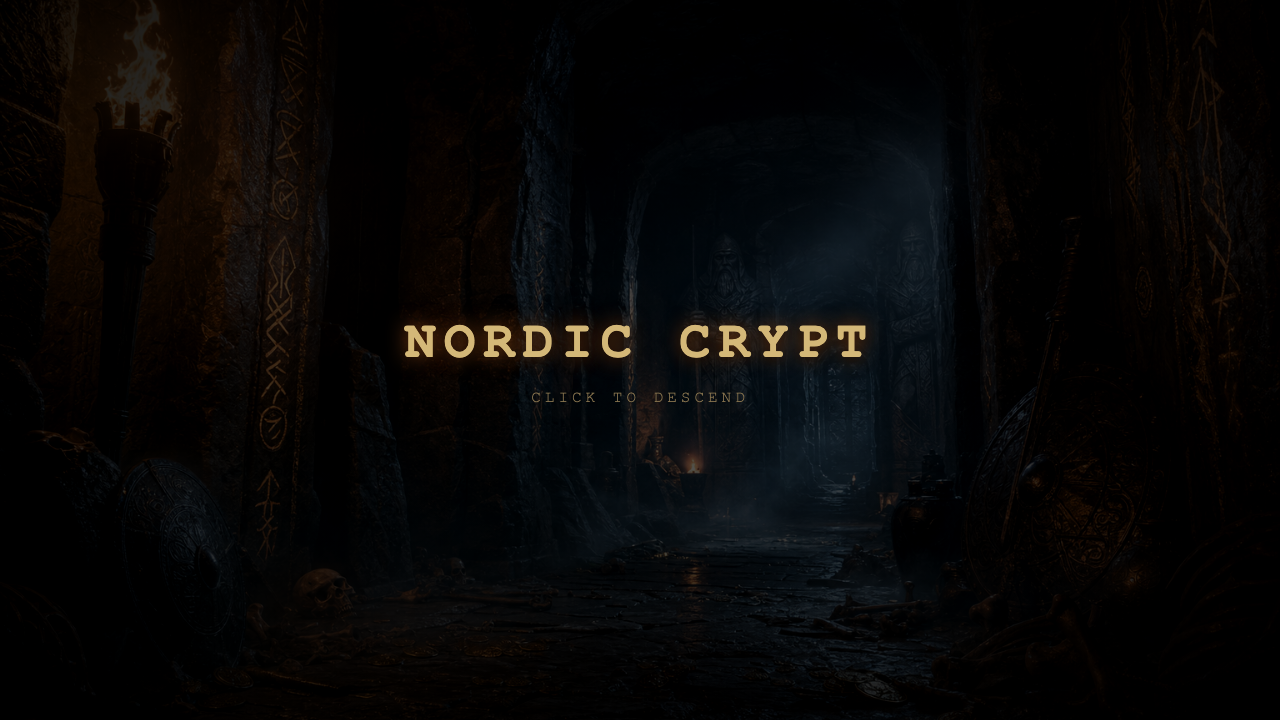
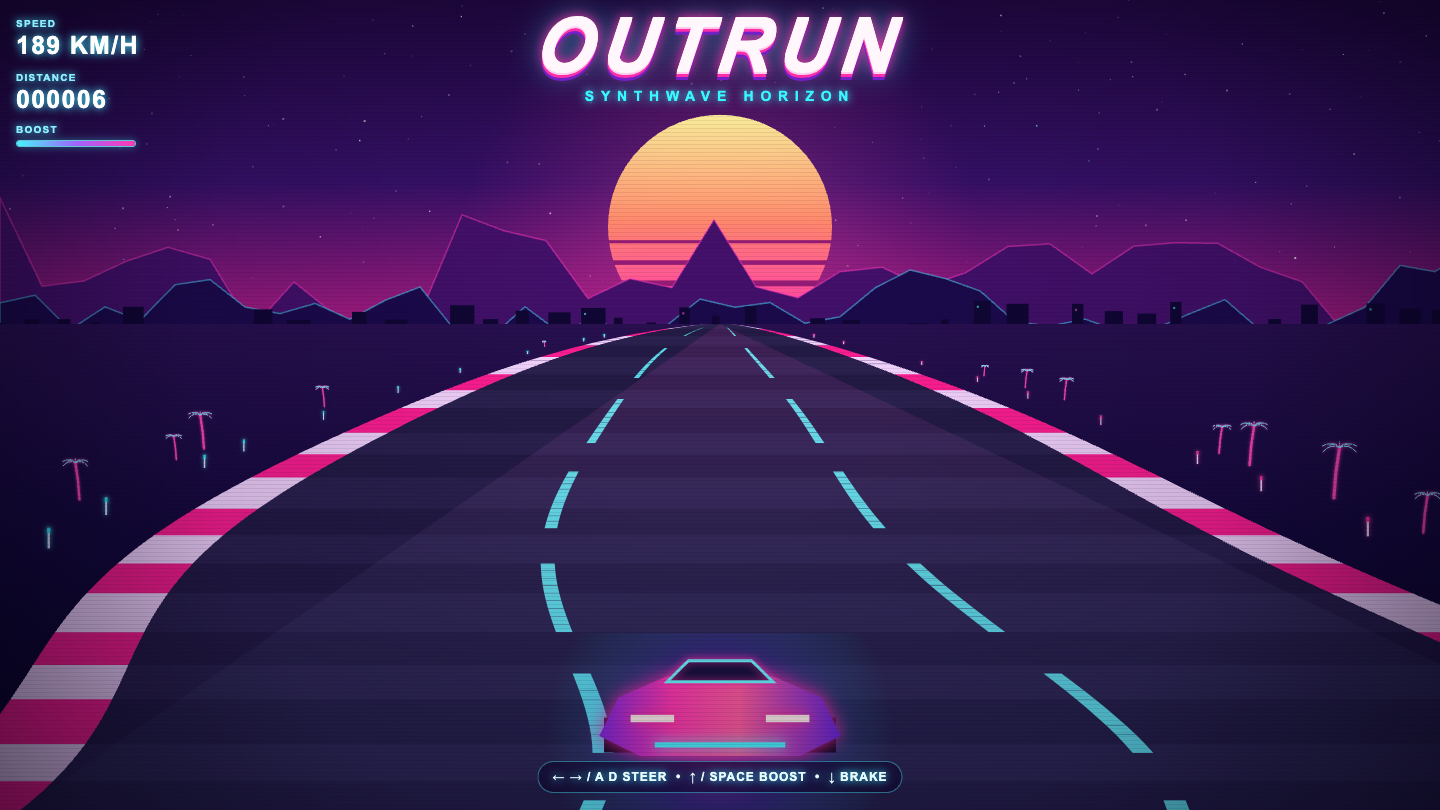
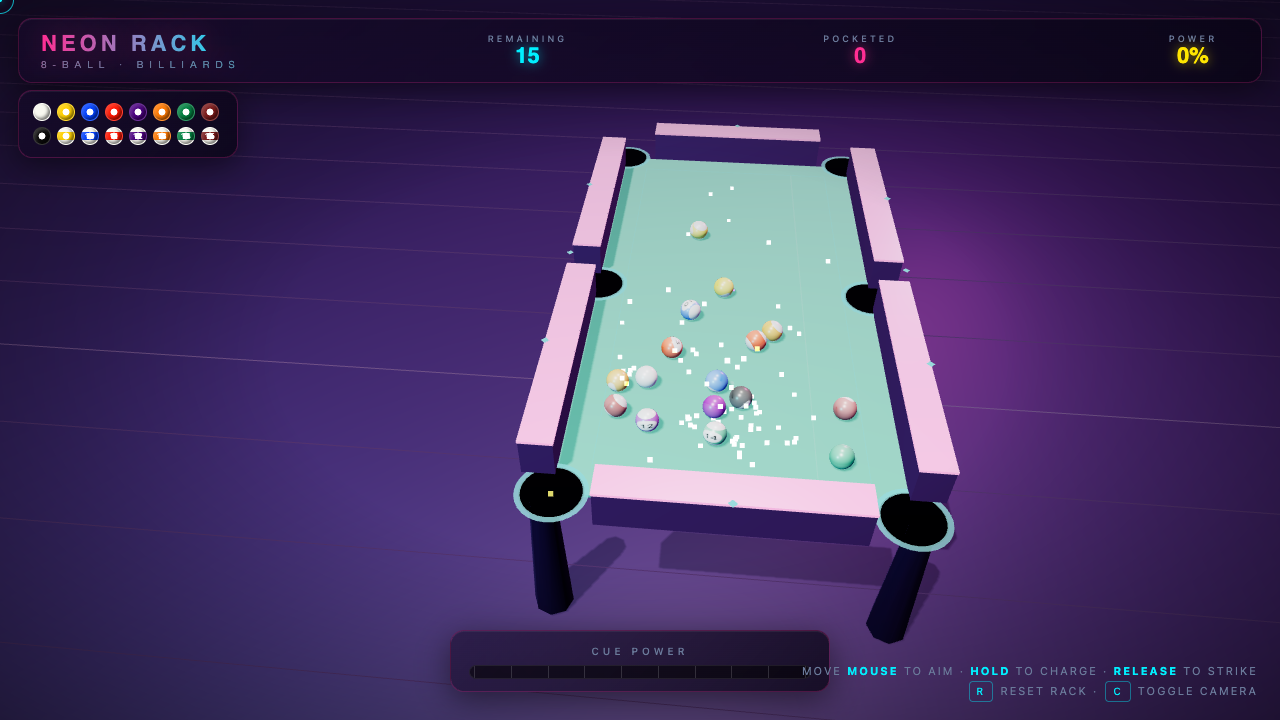
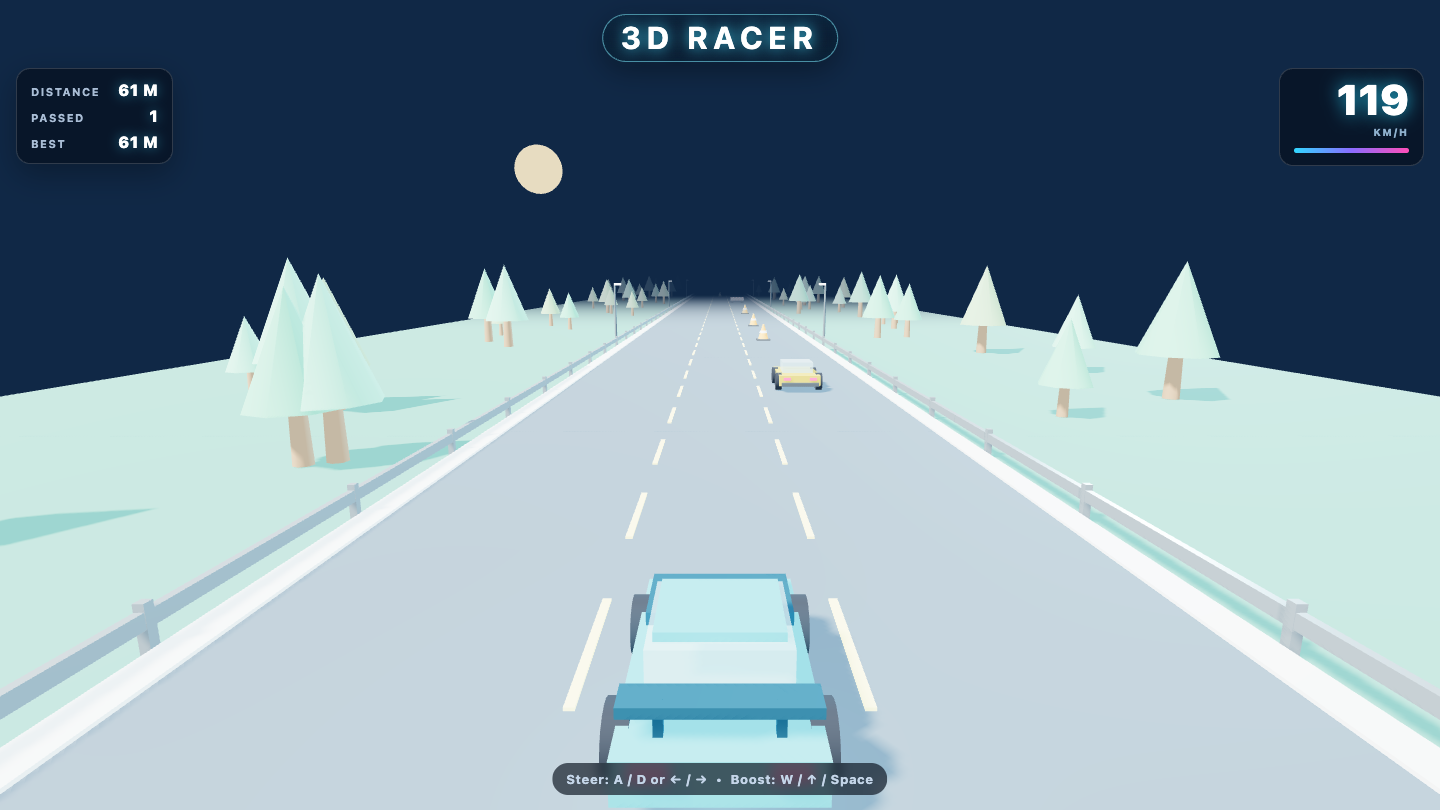
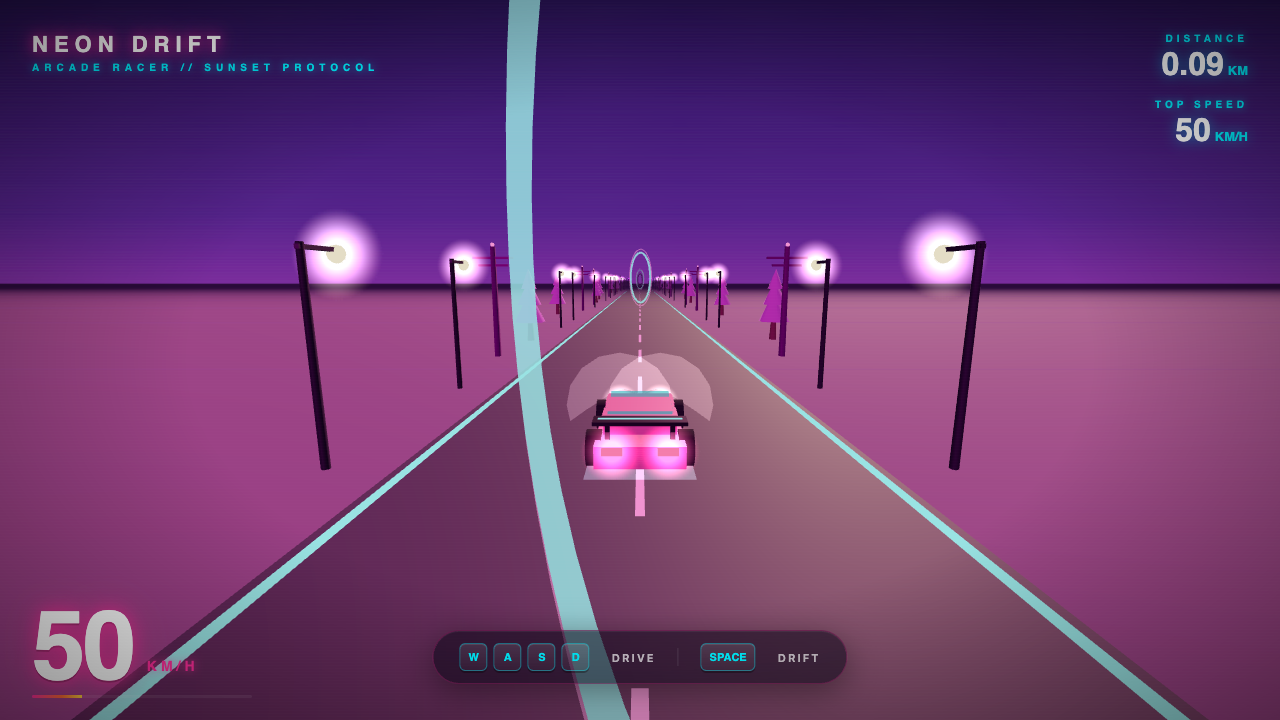
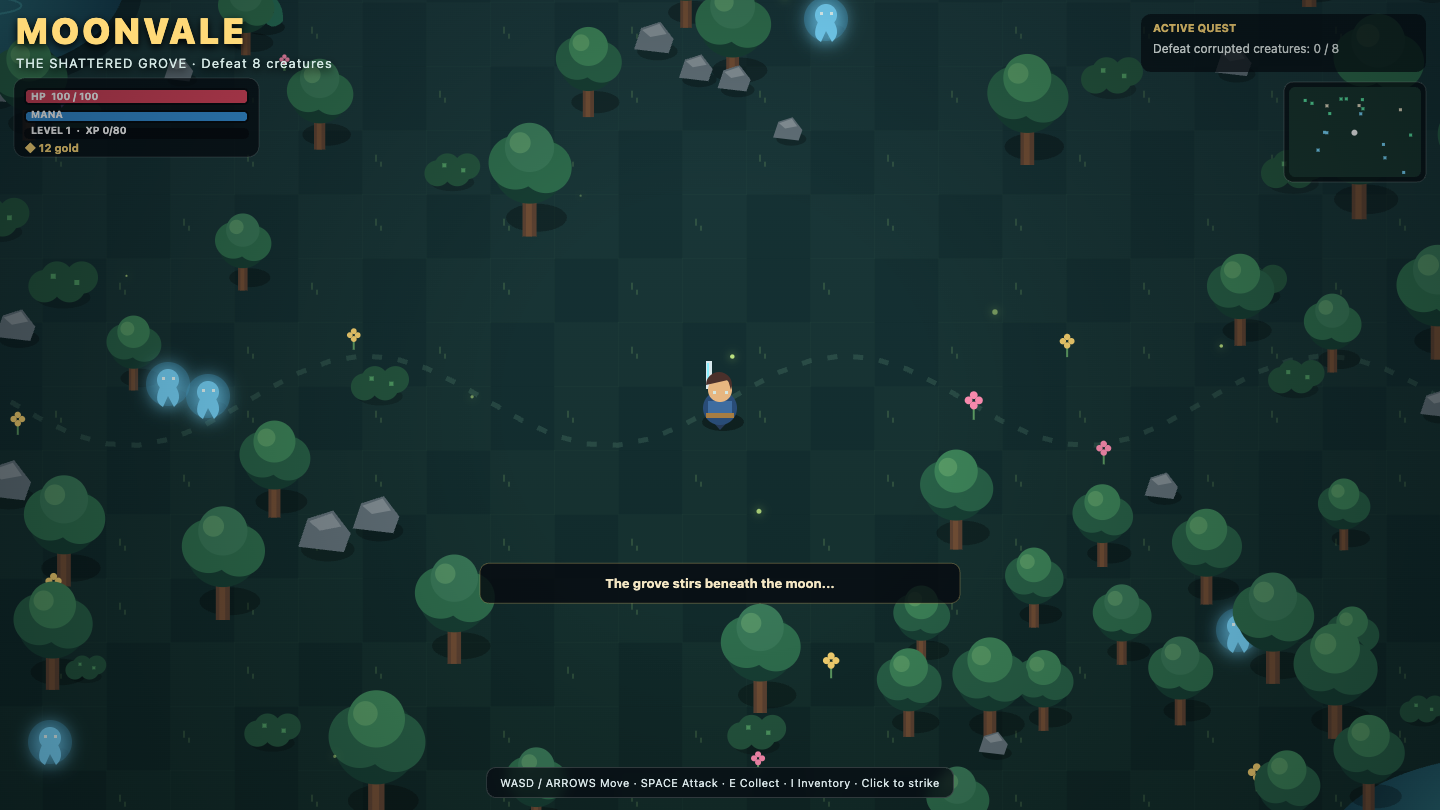
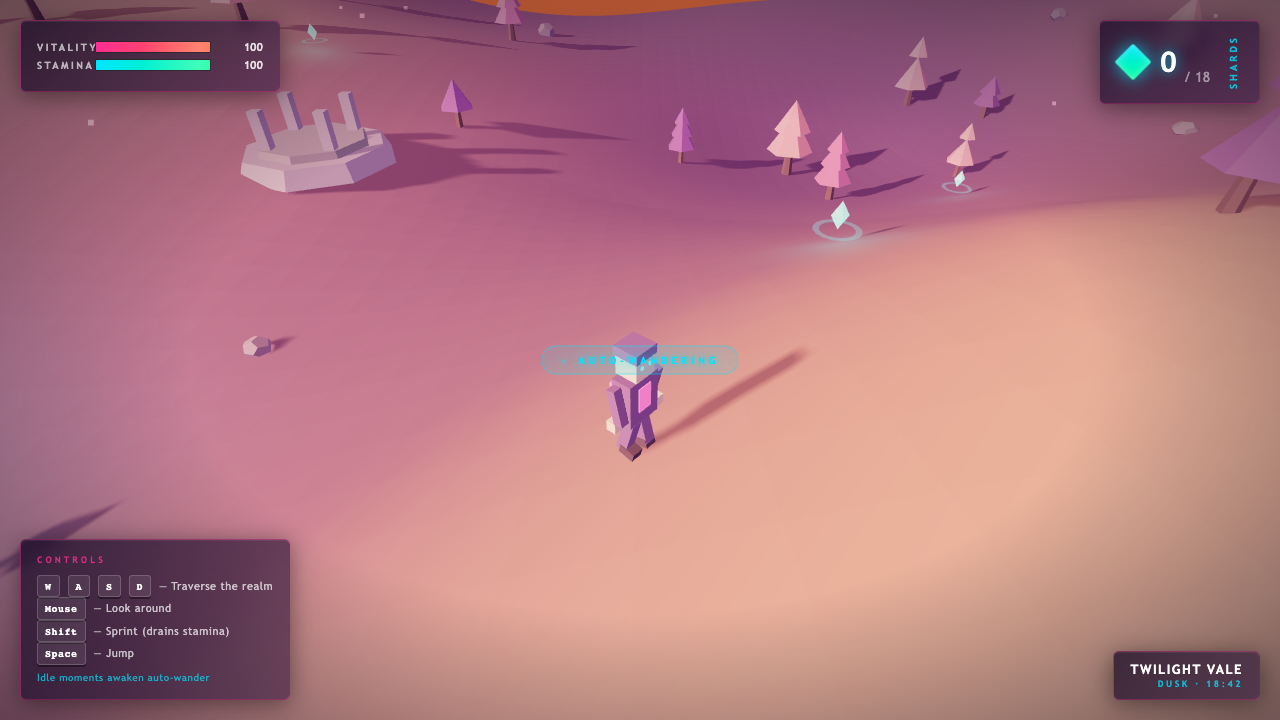
Click any cell to play that model's actual one-shot attempt. Medals are derived from my 0–10 scores per task (highest = 🥇, second = 🥈, third = 🥉).
Task ↓
GPT-5.6 Sol
GLM-5.2
Game
Game
Game

Game
Game


Game

Game
Game
Game
Game
Game
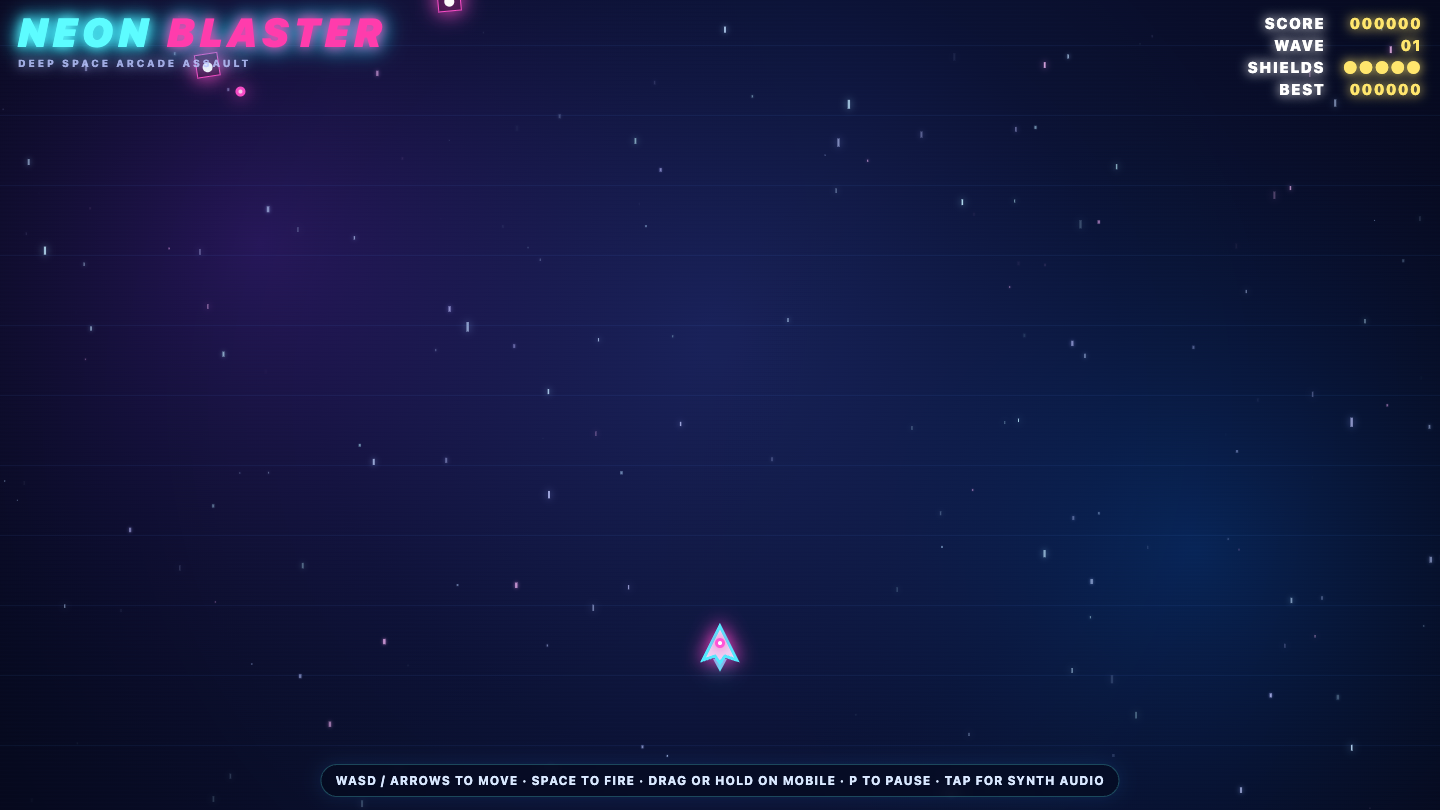

Game
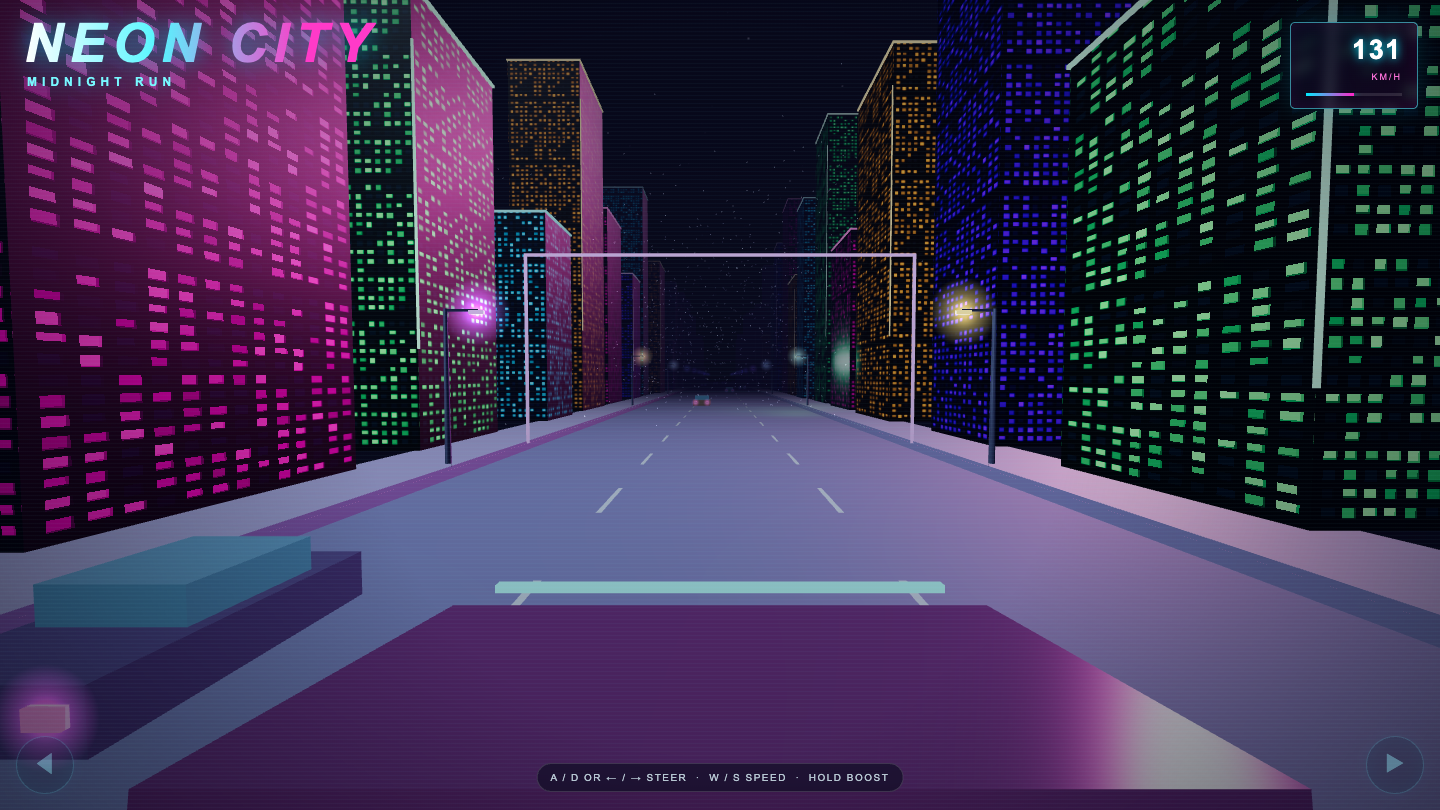
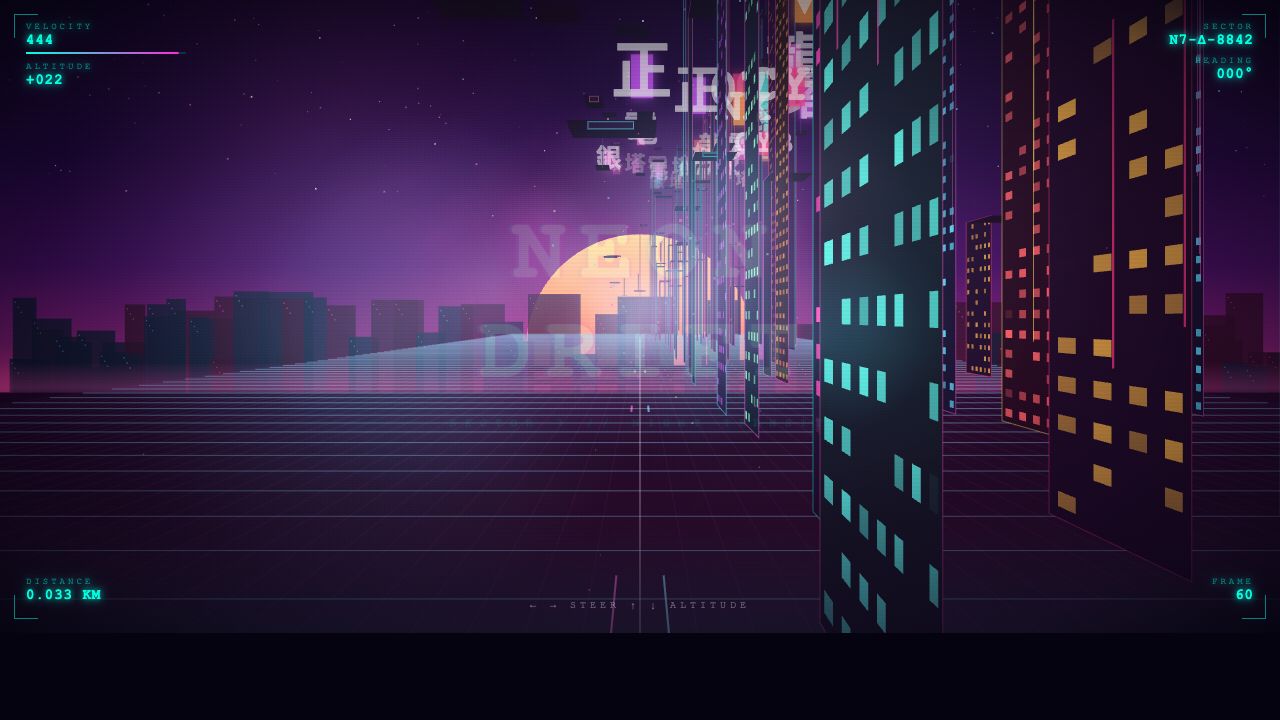
Game
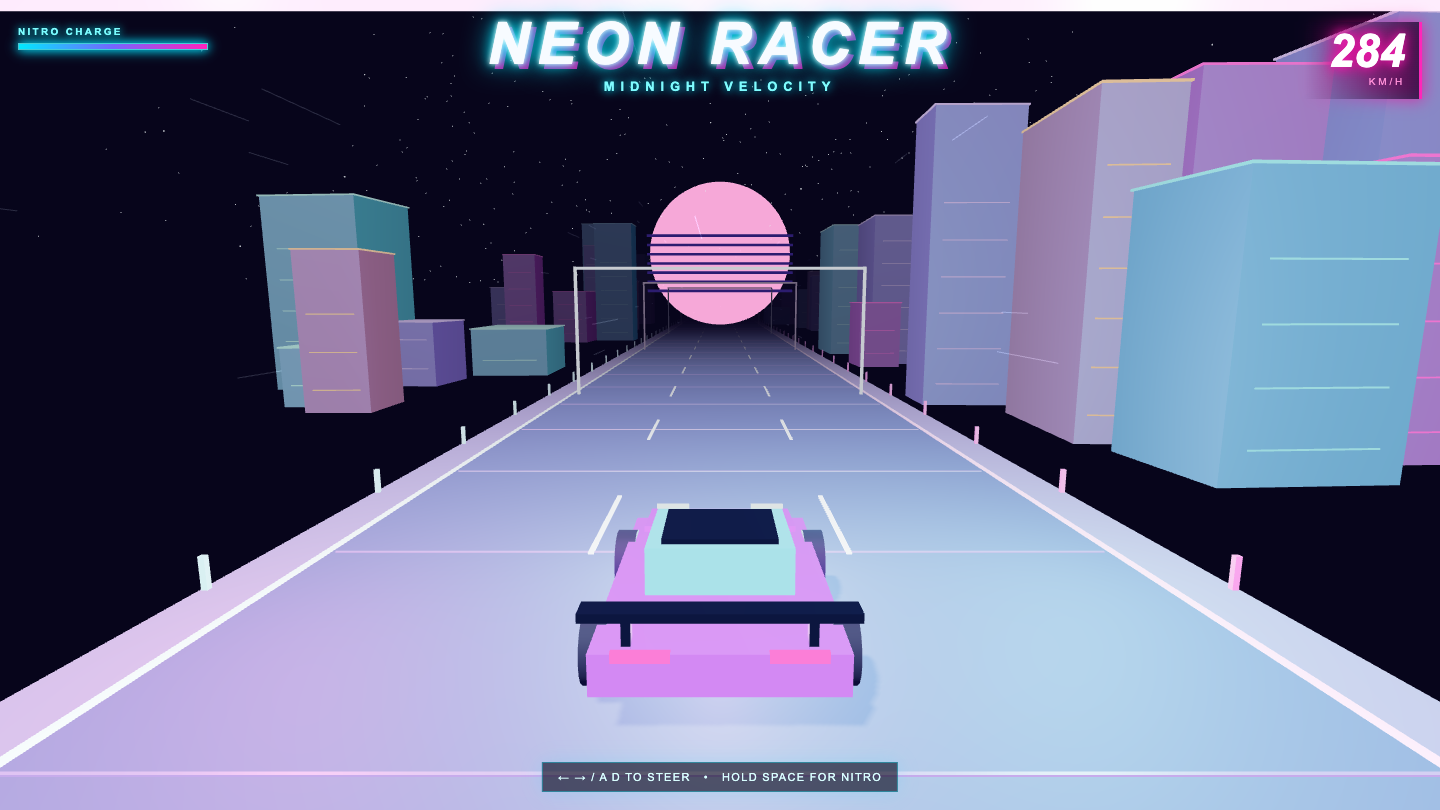
Game
Game
Game
Game
Game
Game
Game
Game
Game
Game
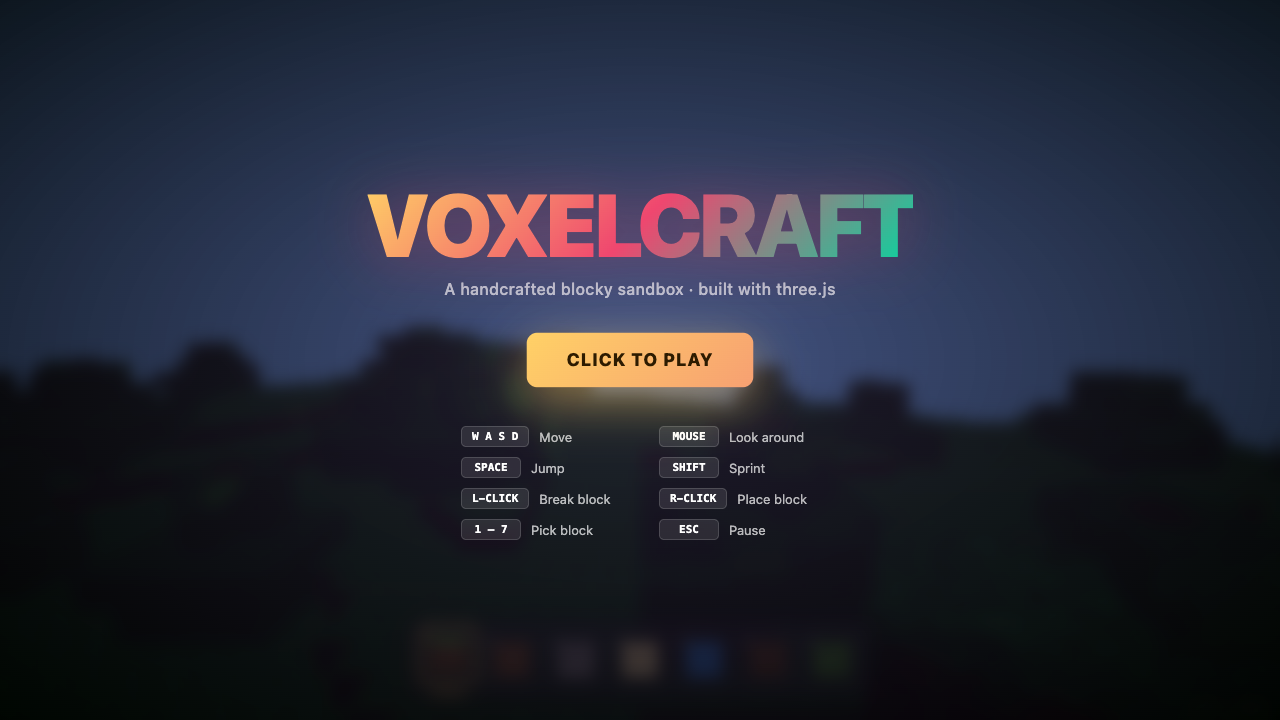
Page
Where GPT-5.6 Sol beat GLM-5.2
The tasks where I gave GPT-5.6 Sol a higher 0–10 score on the same prompt — with the actual commentary from my source guides.
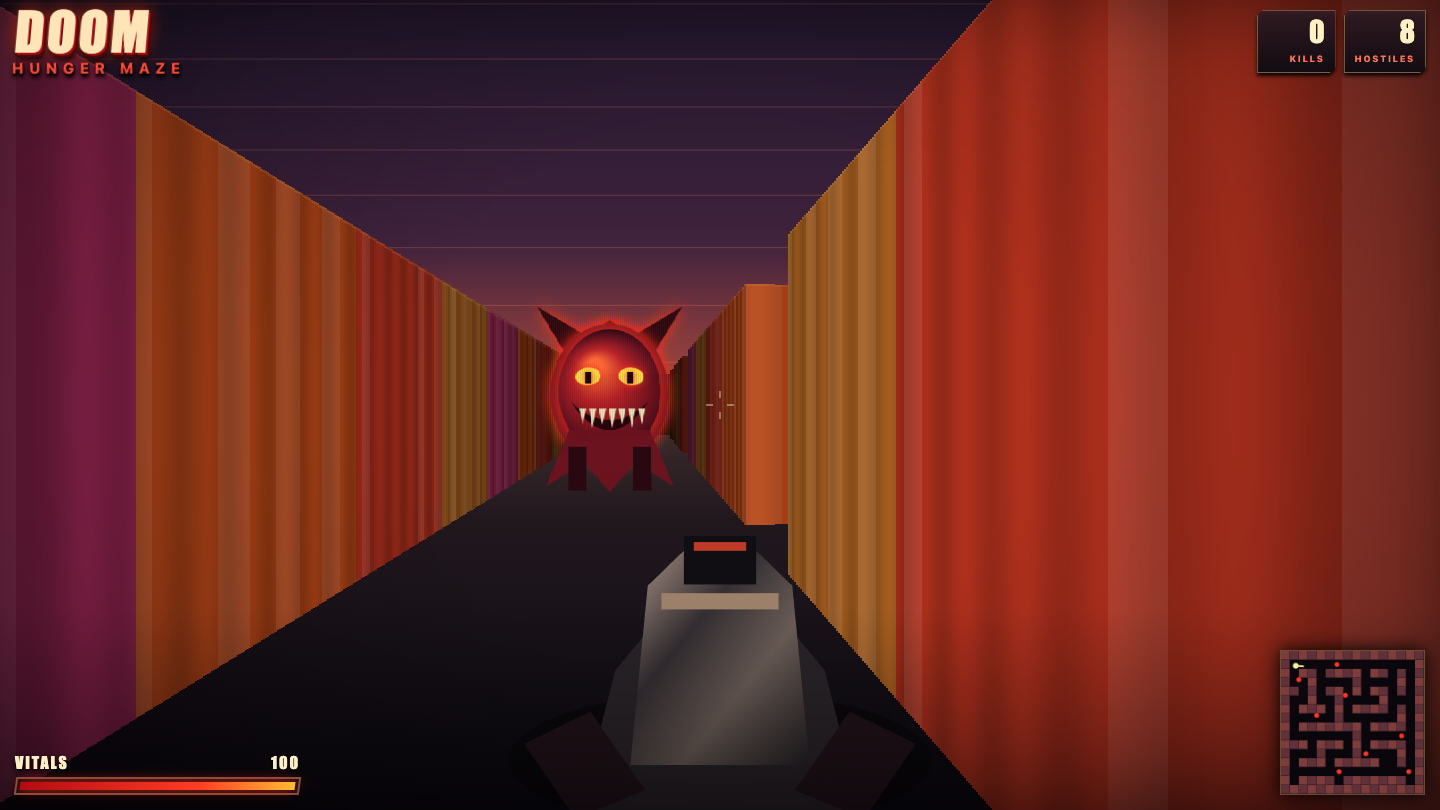
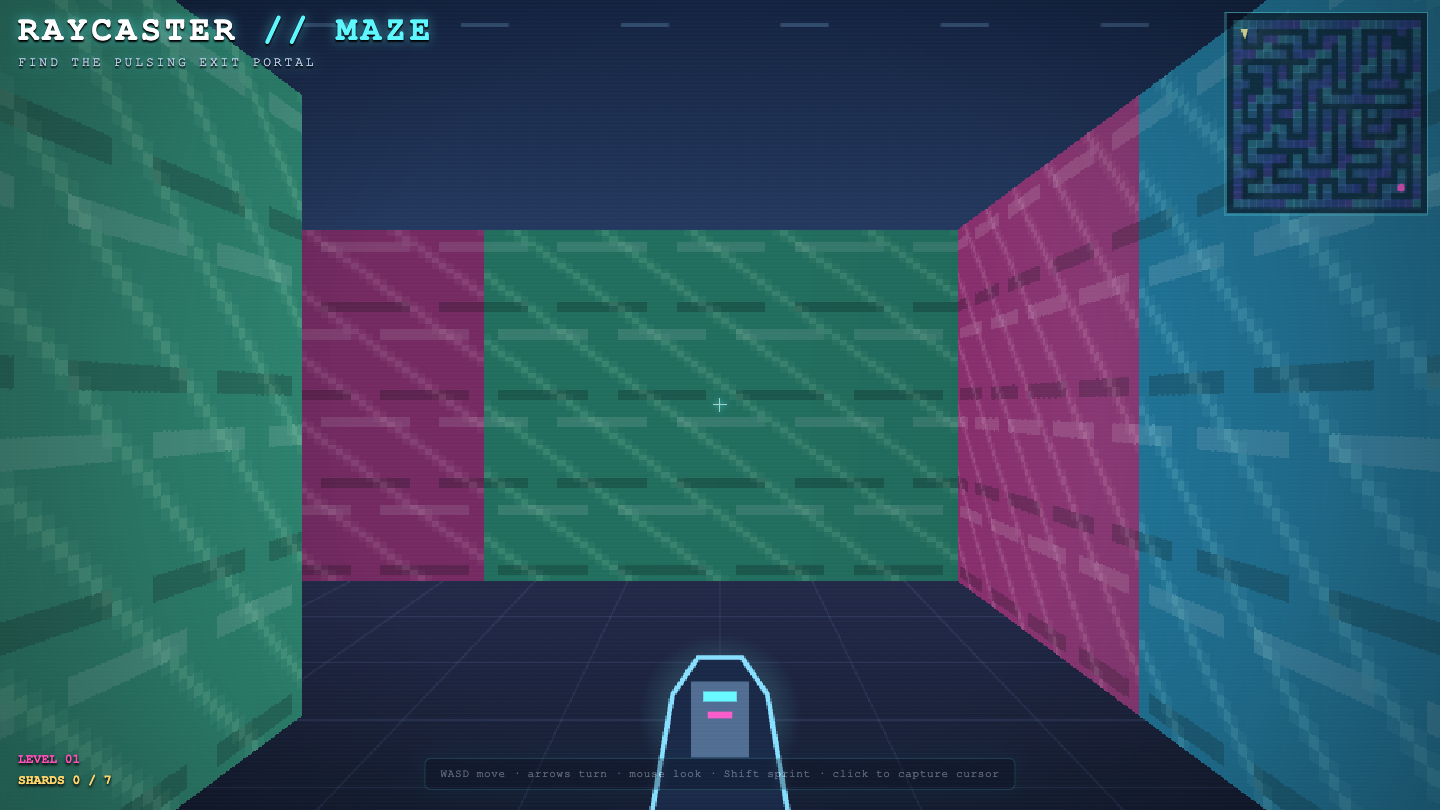
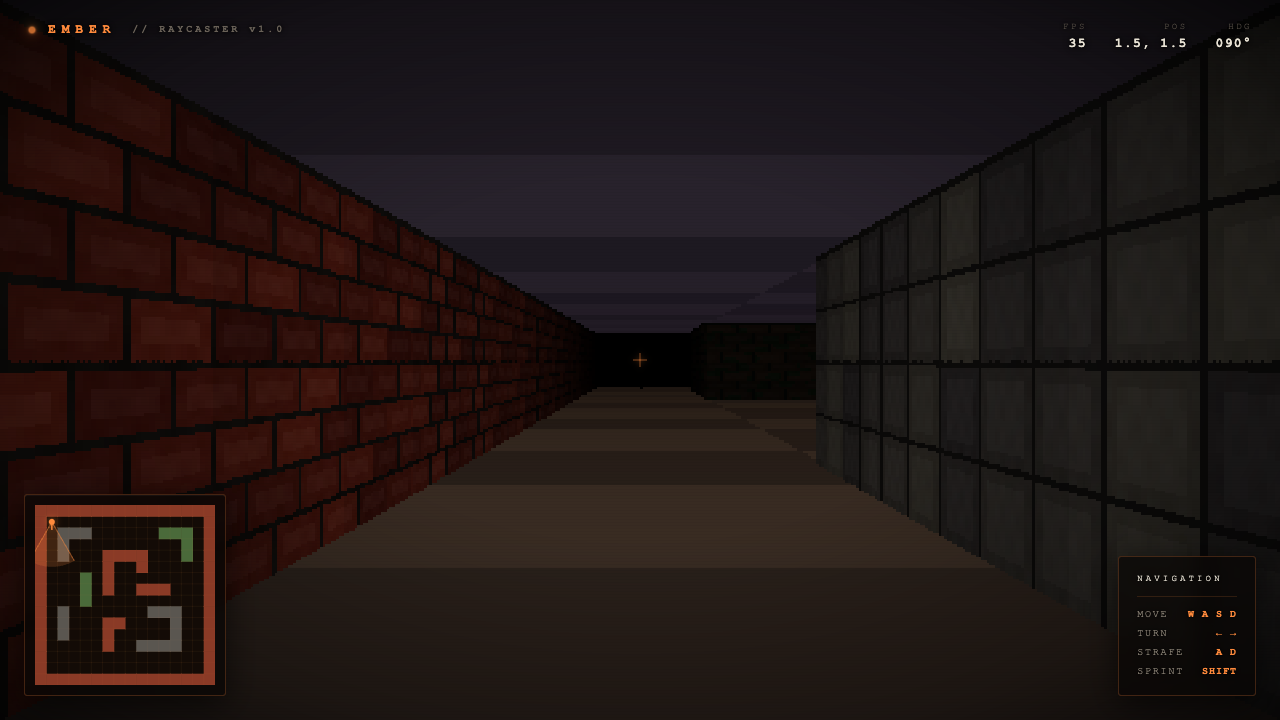
Raycaster
Game
GPT-5.6 Sol 8.4
·
GLM-5.2 6.5
(+1.9)
· polished neon raycaster
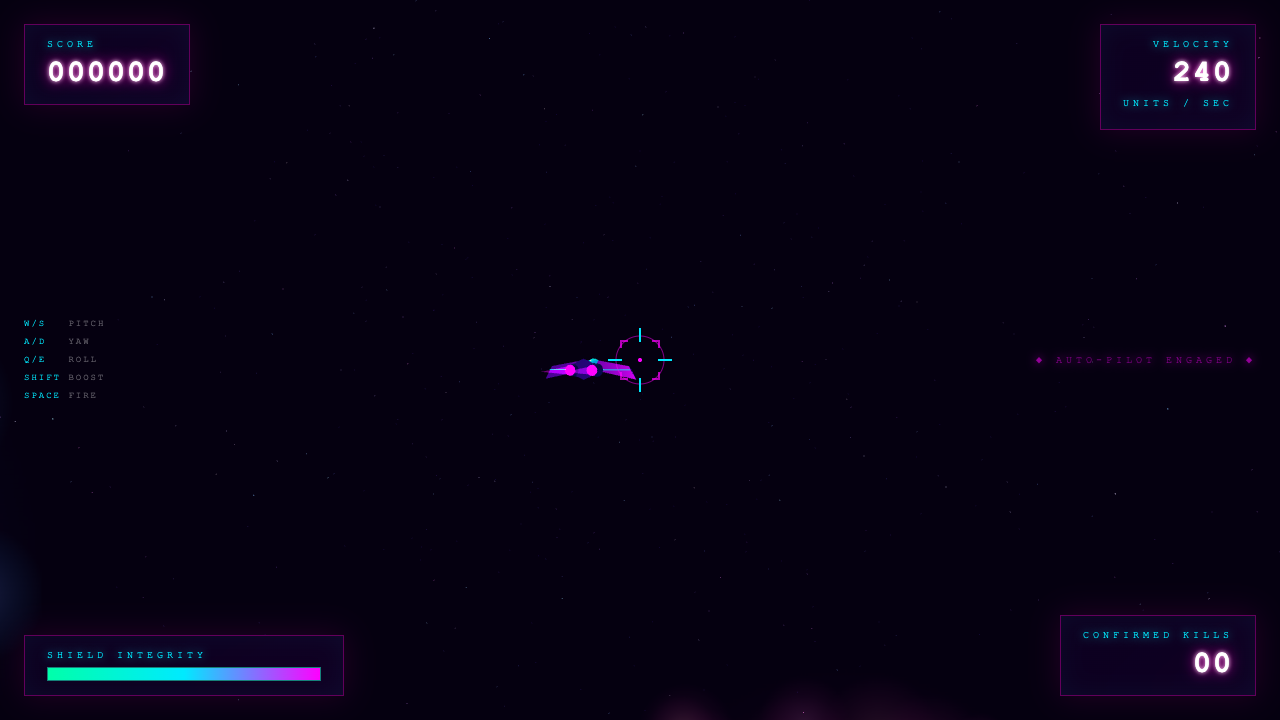
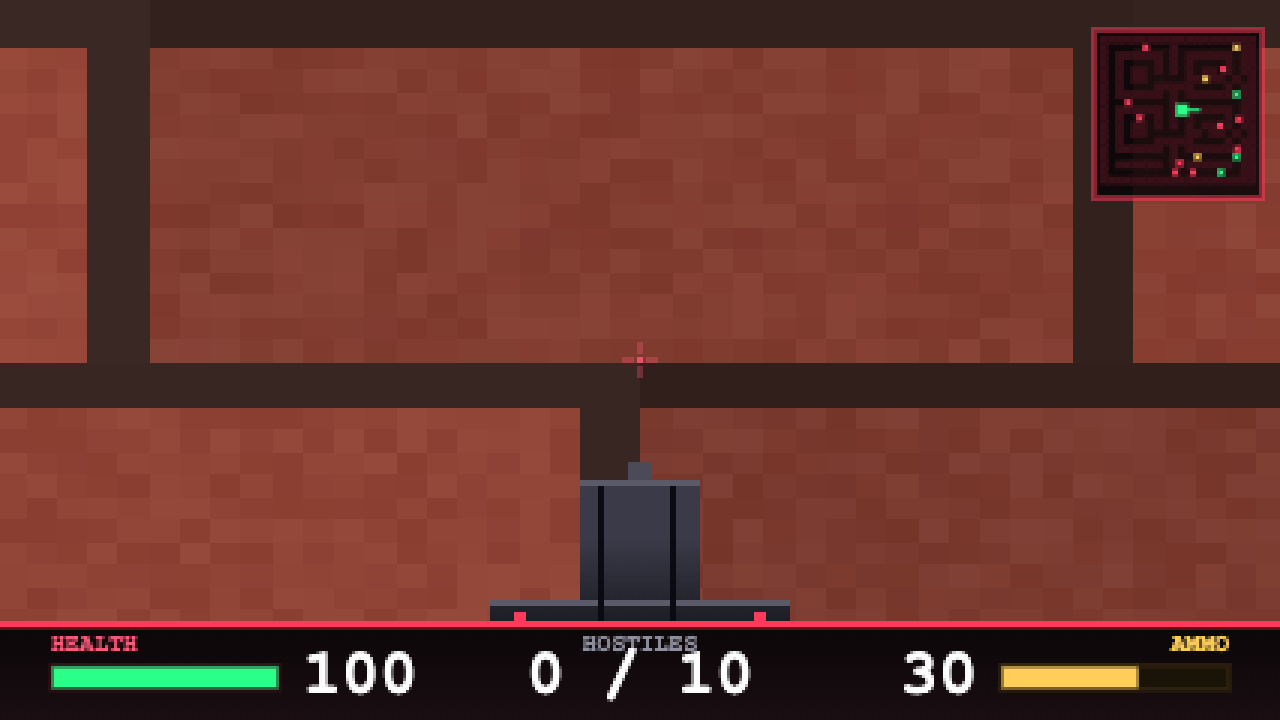
What I saw: Strong textured raycaster with clean perspective, distinct colored walls, a working live minimap, HUD weapon, shard/level system and full mobile+mouse controls; polished neon aesthetic just shy of topping the field but clearly shippable.
Fireworks
Visual
GPT-5.6 Sol 8.7
·
GLM-5.2 7.0
(+1.7)
· Cinematic skyline fireworks
What I saw: Gorgeous rendered scene with a gradient night sky, twinkling stars, lit city skyline, multicolored rocket trails and detailed bursts plus polished title/hint UI — clearly a top-tier, on-brief interactive build. Only minor nit: the barrage of simultaneous rocket lines looks slight…
Aurora
Visual
GPT-5.6 Sol 8.6
·
GLM-5.2 7.0
(+1.6)
· Cinematic aurora scene
What I saw: Gorgeous layered green-to-violet curtains with soft blur, twinkling stars, silhouetted mountains and elegant typography make this genuinely cinematic and on-brief. Interactive wind/tap hints and Kp status polish it; only minor risk is the aurora ribbons overlapping the H1 slightl…
Matrix
Visual
GPT-5.6 Sol 8.6
·
GLM-5.2 7.0
(+1.6)
· Polished matrix rain
What I saw: Gorgeous authentic matrix rain with katakana/alphanumeric glyphs, bright white heads fading into green trails, plus tasteful scanlines, vignette, and glowing MATRIX title/HUD. Interactive pointer-bend and pulse/surge features push it above the field's best; only minor nit is the …
Cloth
Sim
GPT-5.6 Sol 8.3
·
GLM-5.2 7.0
(+1.3)
What I saw: Renders cleanly with a convincing draped cloth showing real folds and creases over a polished sphere, gradient fabric coloring and clean UI (gust/reset controls, orbit hint) all shipping-quality. Verlet sim with structural/shear/bend constraints and sphere collision is solid, tho…
Where GLM-5.2 beat GPT-5.6 Sol
The tasks where I gave GLM-5.2 a higher 0–10 score on the same prompt — with the actual commentary from my source guides.
Voxel
Visual
GLM-5.2 9.0
·
GPT-5.6 Sol 3.5
(+5.5)
· winner · flair
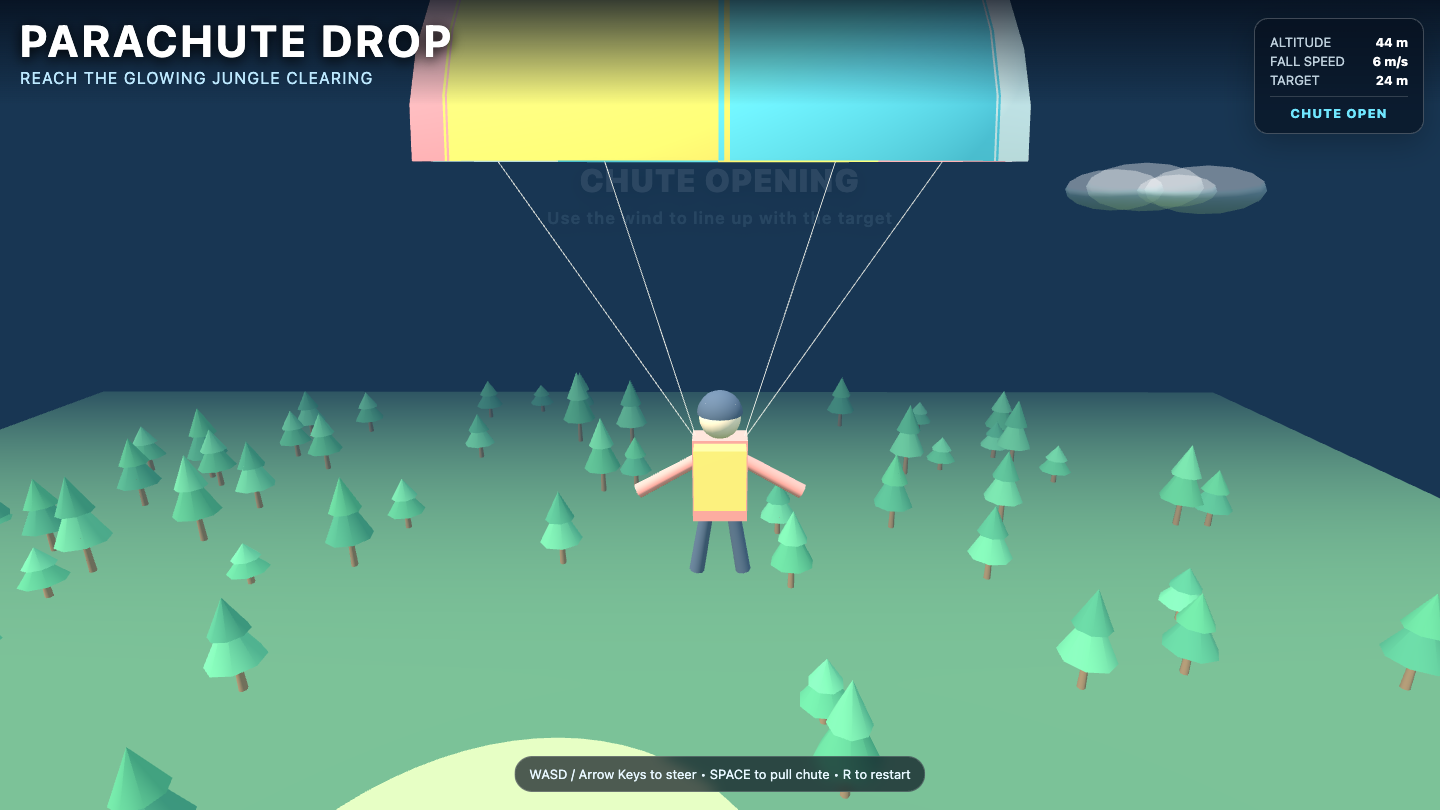
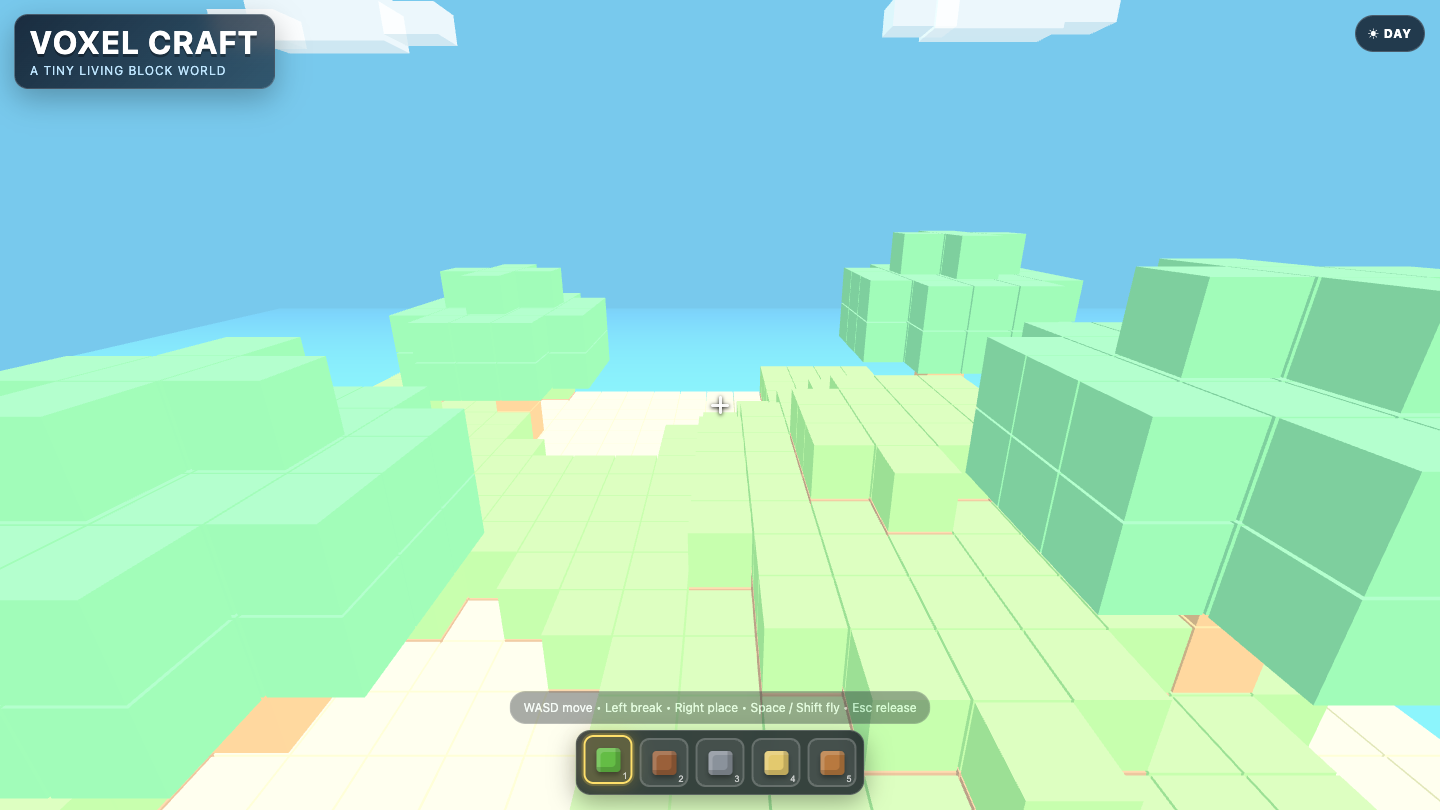
What I saw: GLM built the densest, most detailed city — windowed skyscrapers, a speed + coins HUD. Opus ran the furthest with the cleanest motion (Score 303). Kimi's runner plays fine but is unforgiving — it crashes within seconds.
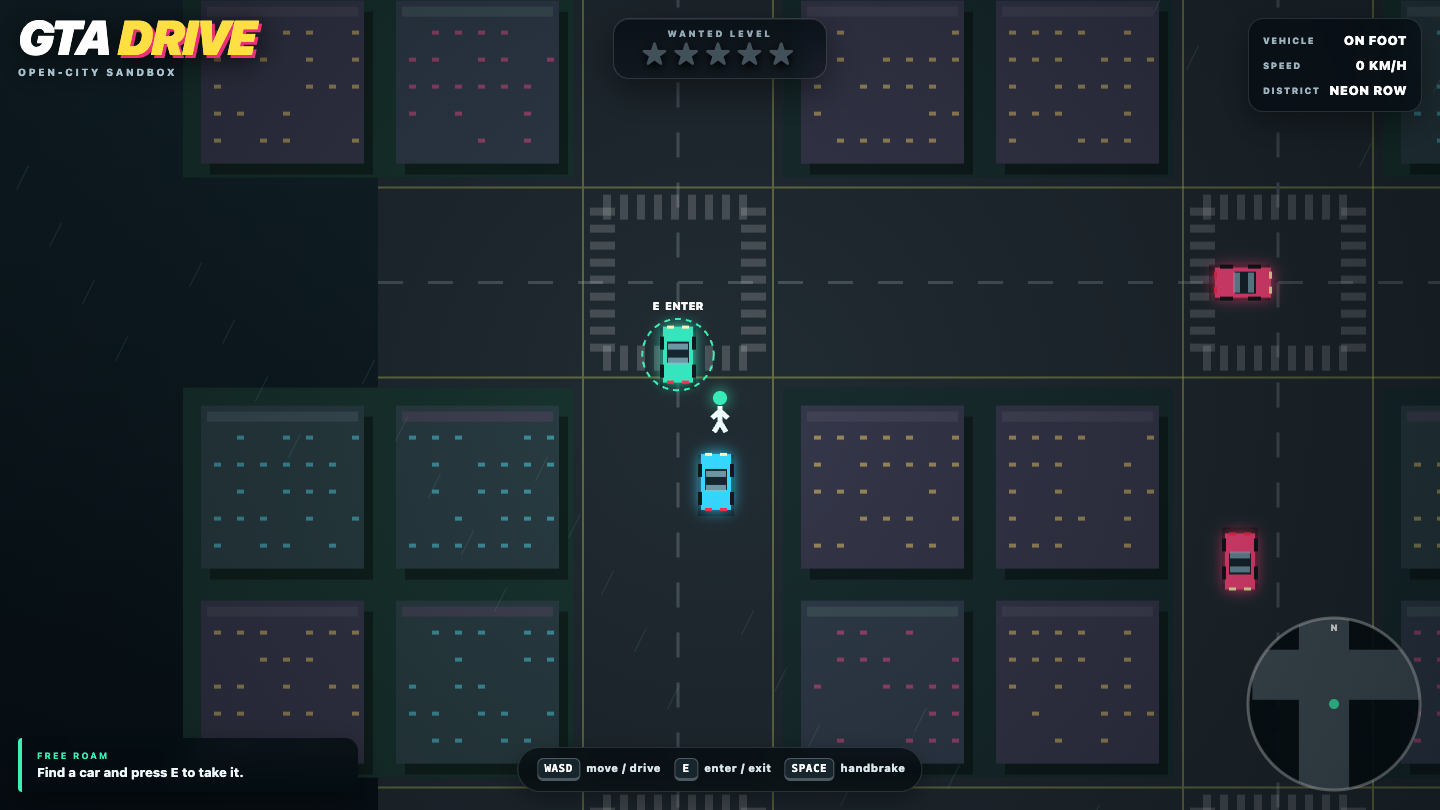
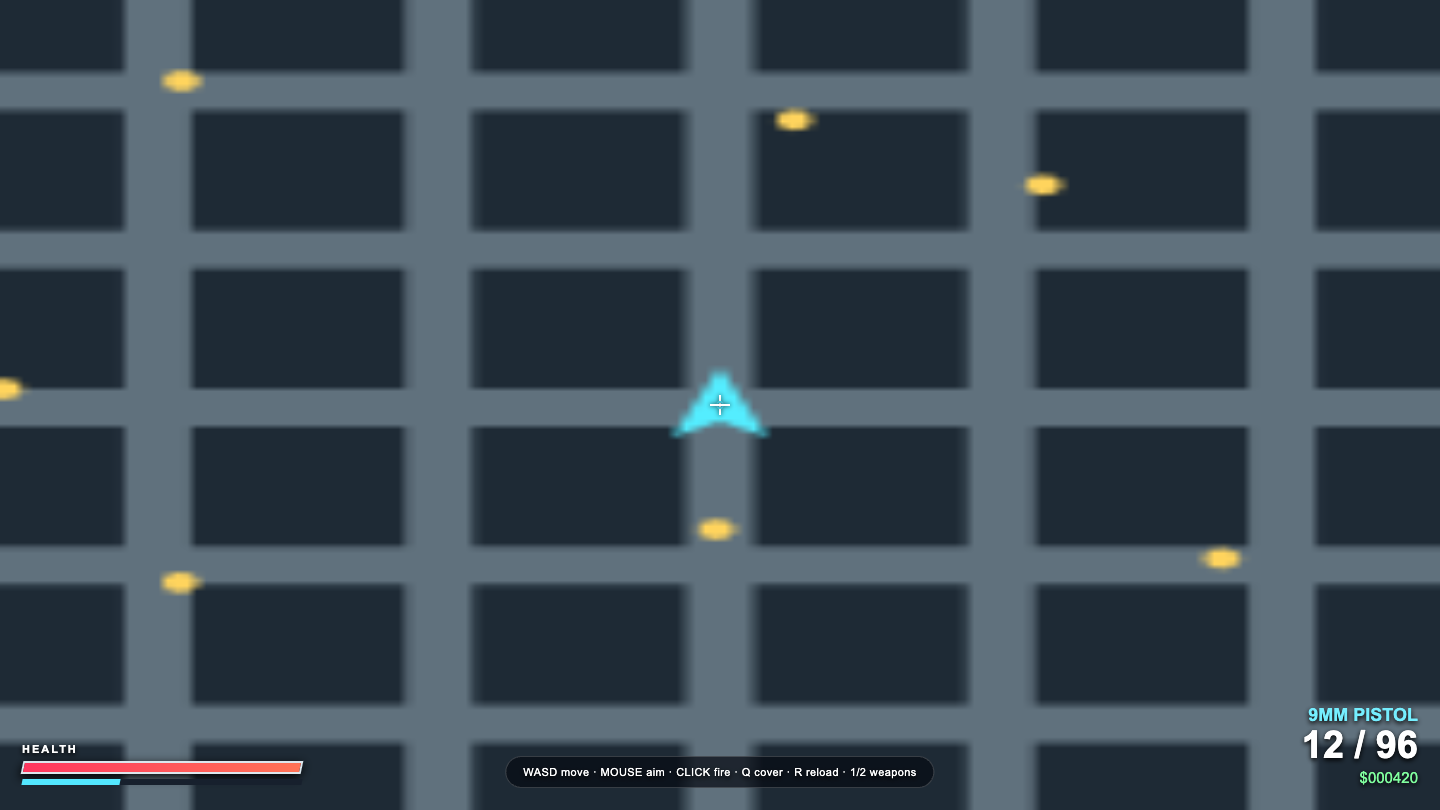
Gtafoot
Game
GLM-5.2 7.5
·
GPT-5.6 Sol 3.5
(+4.0)
What I saw: 43KB · plays clean · plain (re-rolled)
Pathtracer
Sim
GLM-5.2 7.5
·
GPT-5.6 Sol 6.4
(+1.1)
What I saw: 28KB · plays clean · webgl
Fluid
Sim
GLM-5.2 9.0
·
GPT-5.6 Sol 8.6
(+0.4)
· winner · best liquid
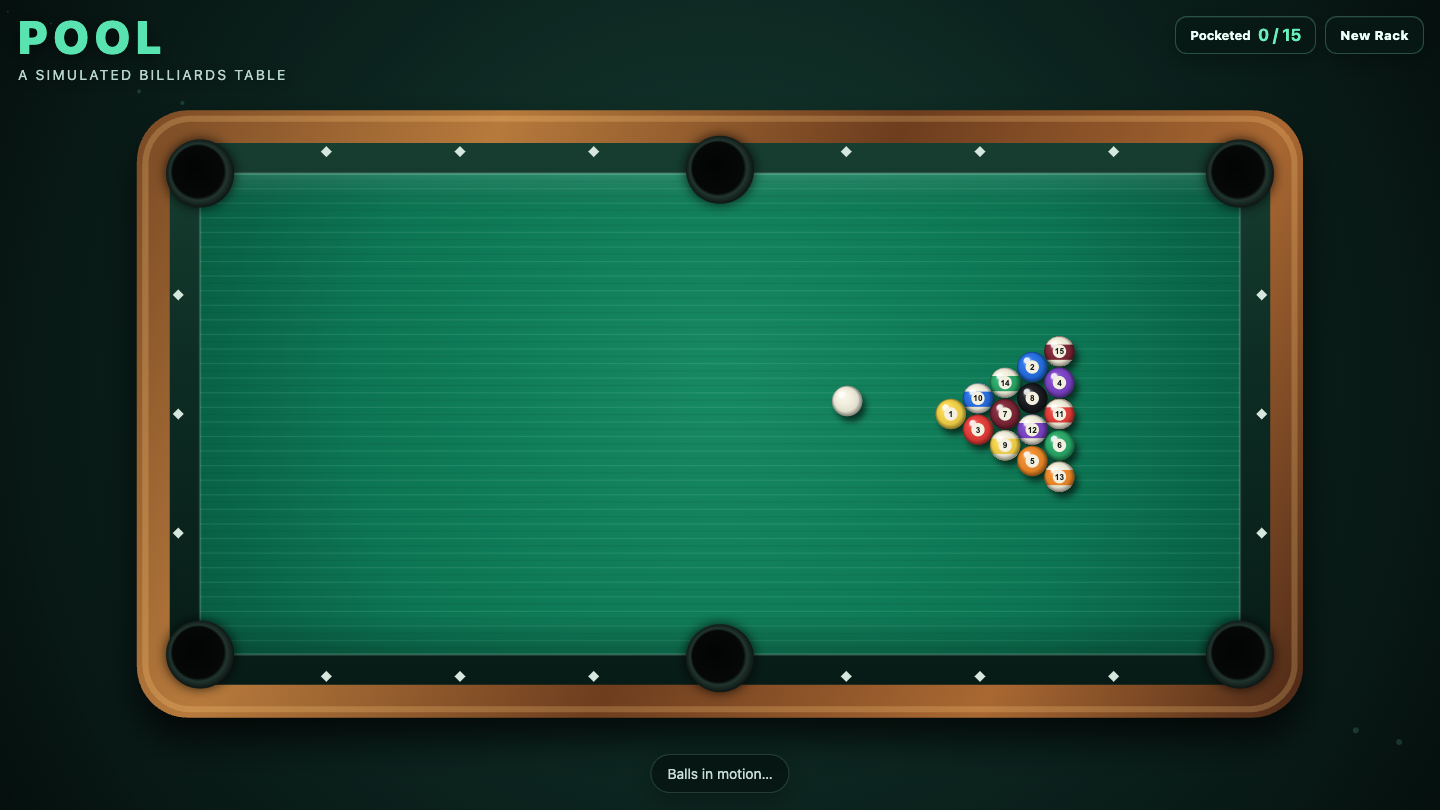
What I saw: GLM filled the bowl with glowing liquid that actually sloshes — the most convincing 'liquid in a bowl'. Opus's particles glowed but clumped to the centre. Kimi's collapsed into a tiny blob.
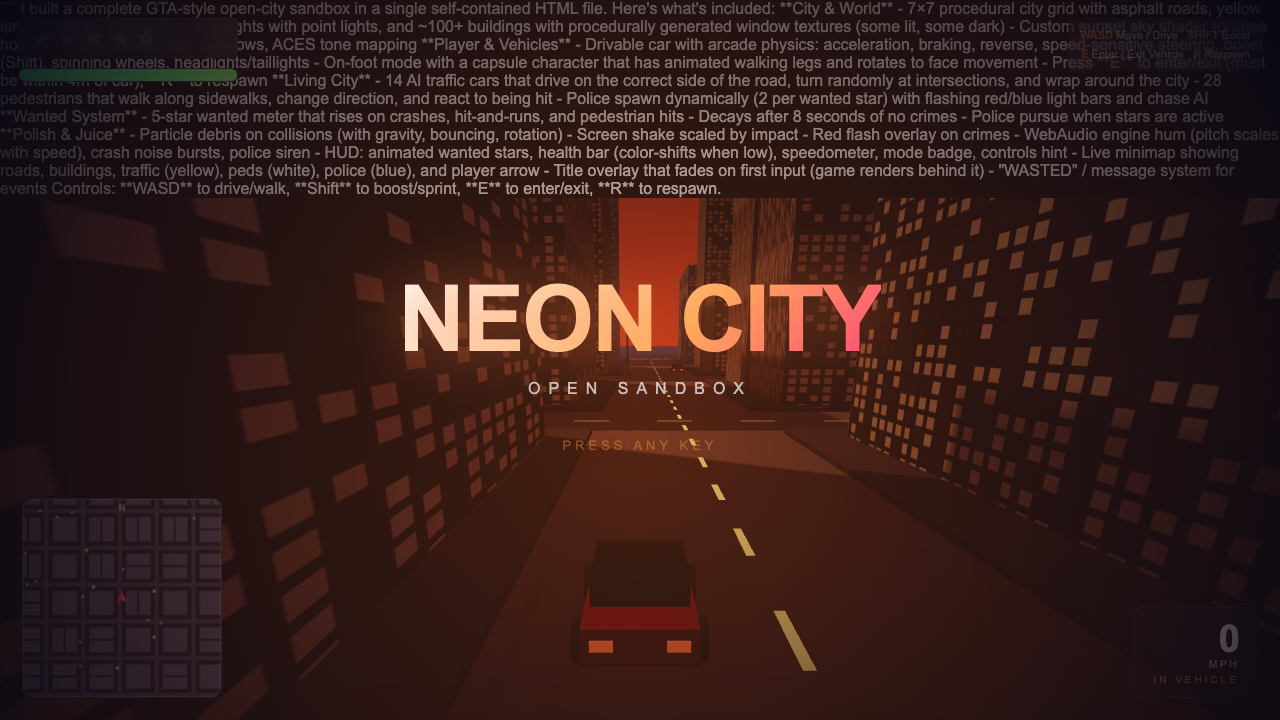
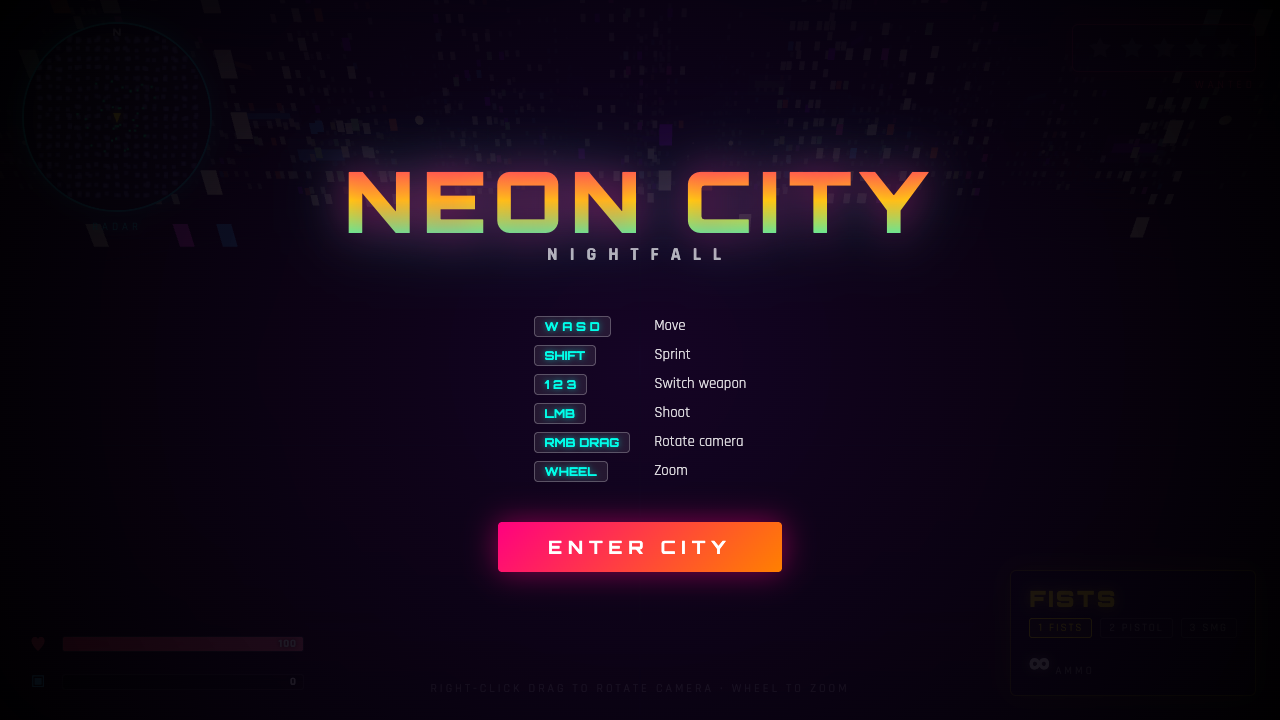
Neoncity
Game
GLM-5.2 9.0
·
GPT-5.6 Sol 8.6
(+0.4)
· winner · cinematic
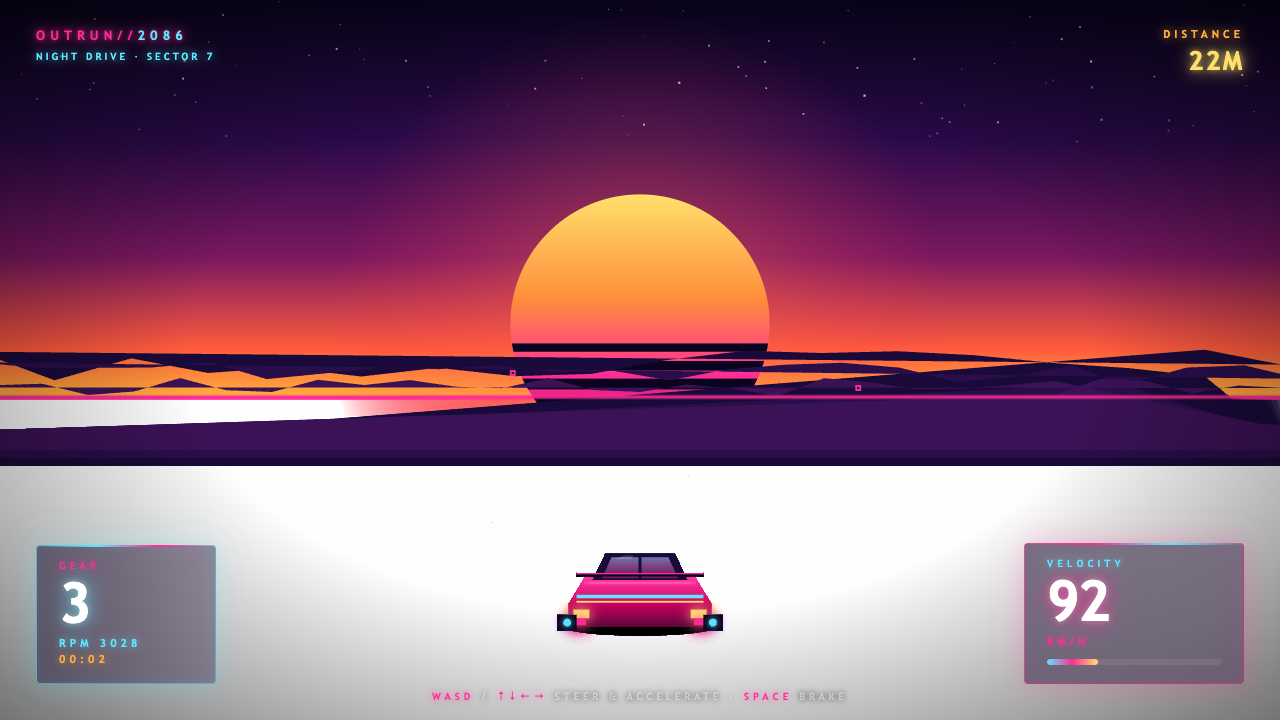
What I saw: GLM's is the most cinematic — neon towers, a setting sun, Japanese signage and a flight HUD, like a frame from a film. Opus's is a clean canyon of lit skyscrapers racing to a vanishing point. Kimi leaned into the synthwave sun and grid more than the city itself. GLM wins the skyline.
Strengths & weaknesses I logged
GPT-5.6 Sol
Strengths
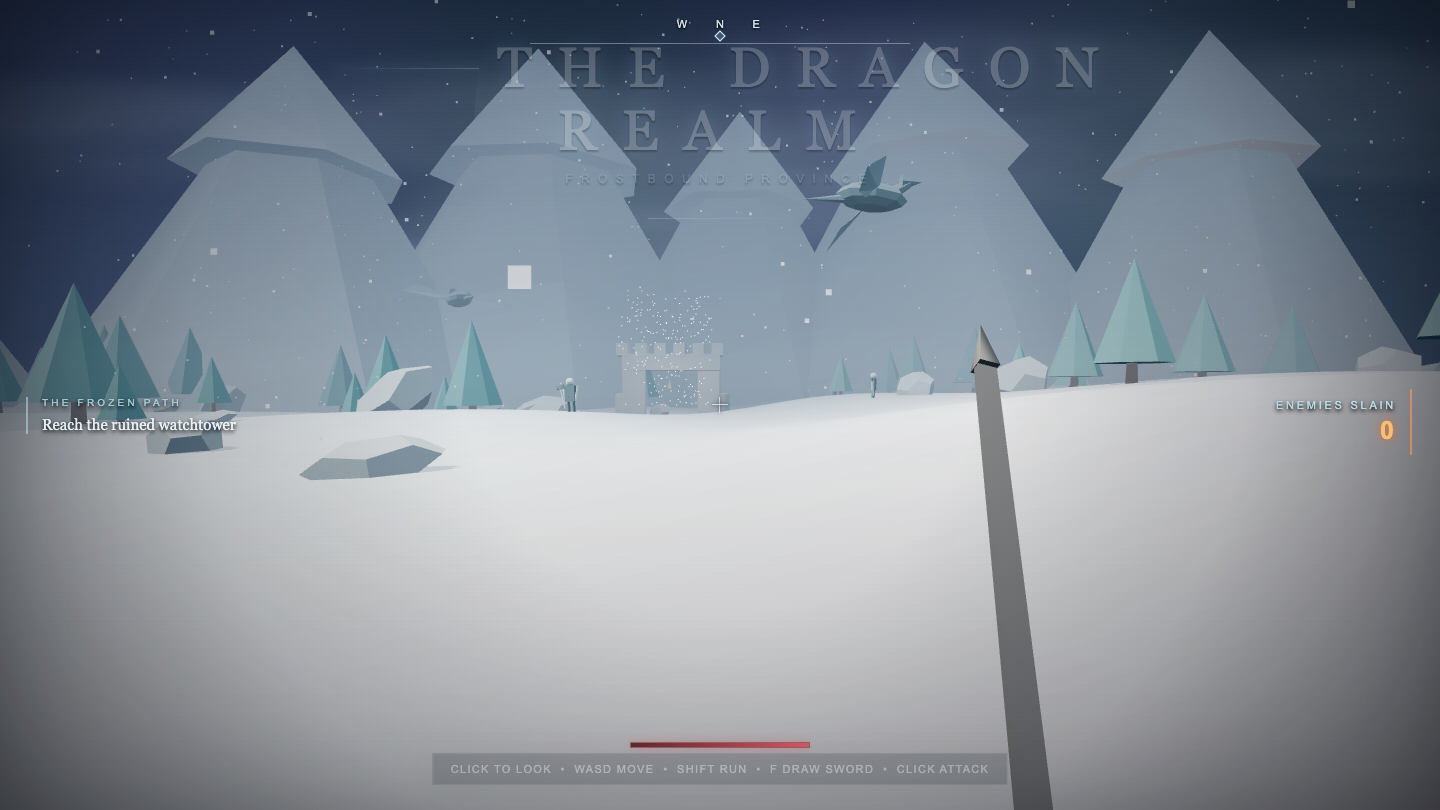
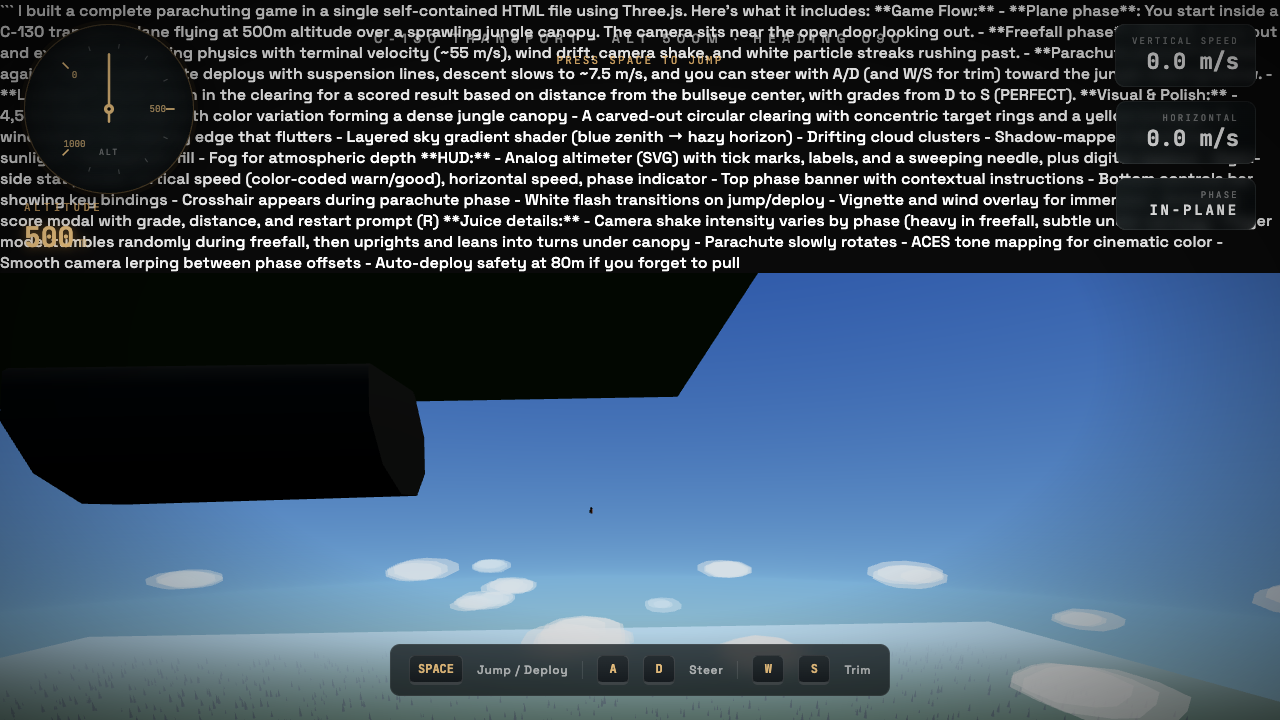
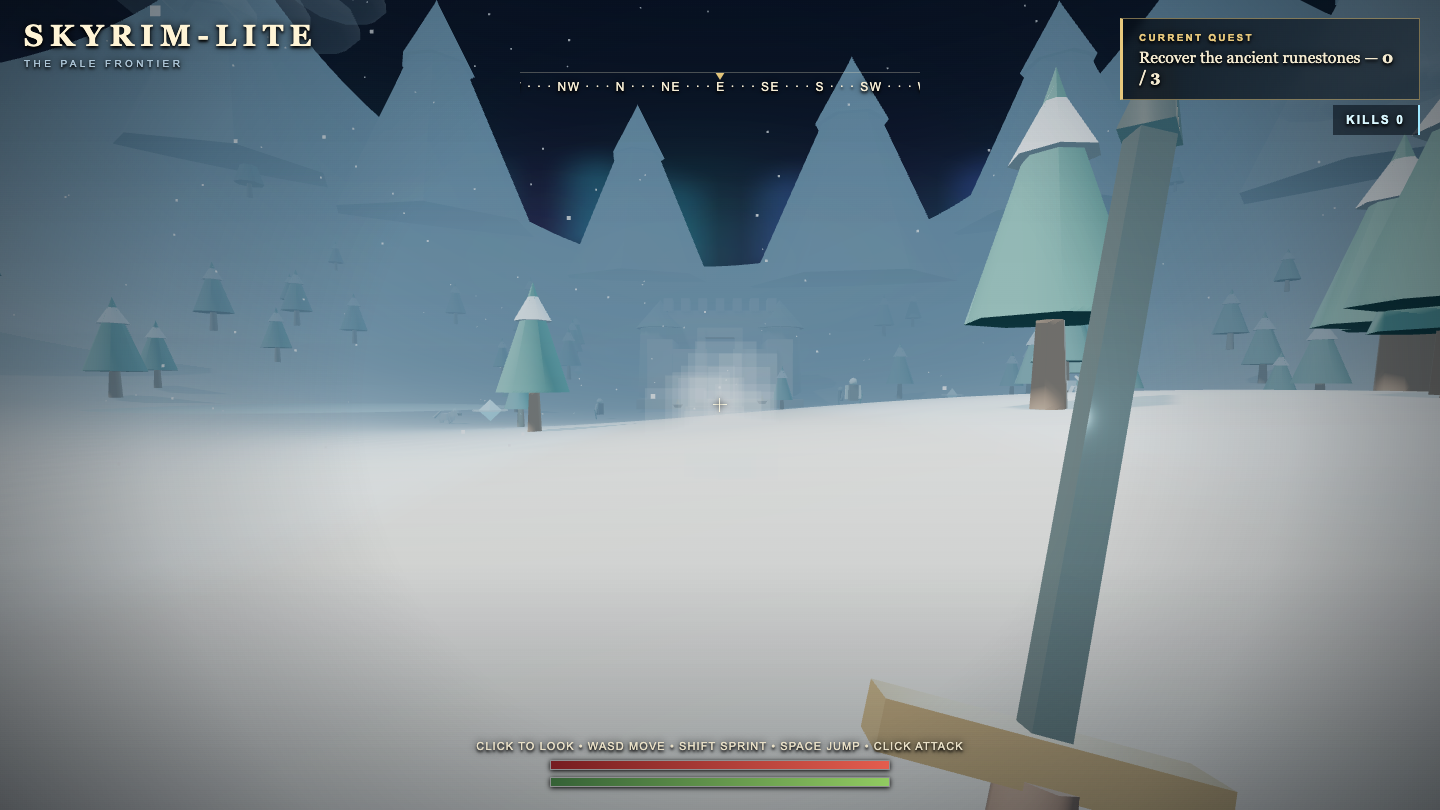
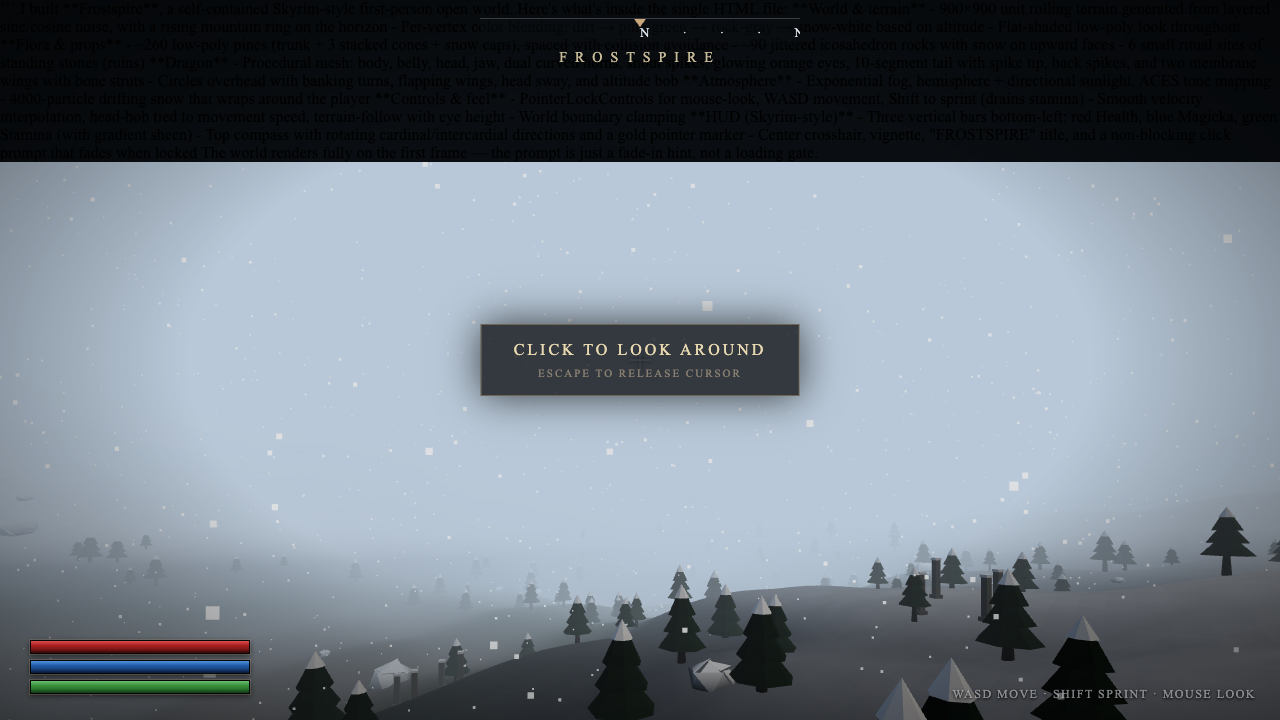
- Strong one-shot 3D games — Dragon Realm, Doom raycaster and Skyrim-lite all judged task winners
- Whole 5.6 lineup rated High capability, even the small Luna/Terra tiers — a first for OpenAI
- Huge ~1.05M-token context on every tier, plus a low-to-high reasoning-effort dial
Trade-offs
- Priciest tier on the bench at $30/M output — only worth routing the hardest 10% of work to Sol
- Reasoning can eat the token budget on big open-world briefs (one 0-byte failure until the budget was raised, then it built clean)
GLM-5.2
Strengths
- 1M-token context window — best-in-class long-document and large-codebase work
- Open weights — runs locally, no vendor lock-in, no token meter
- Top of the bench for cinematic visuals (neon city, synthwave, voxel runner)
Trade-offs
- Faceplanted on the Goldie Bench raycaster — the engine was great but it spawned the player inside a wall
- First-shot reliability lags Opus by a hair on consistency
Pricing & context — the spec sheet
| Spec | GPT-5.6 Sol | GLM-5.2 |
|---|---|---|
| Vendor | OpenAI | Zhipu / Z.ai |
| Context window | 1,050,000 tokens | 1,000,000 tokens |
| Price | $5 / $30 per M | Open weights · free for individuals |
| Pricing detail | GPT-5.6 shipped as three models — Luna ($1/$6 per M), Terra ($2.50/$15) and Sol ($5/$30) — each with a same-price pro variant that ships a higher default reasoning effort. All share a ~1.05M-token context window and are rated High capability. Benched here on the flagship, Sol, at medium reasoning effort via OpenRouter. | Open-weights release: weights downloadable from Hugging Face for self-hosting, or runnable for free on z.ai for individuals (commercial use has separate licensing). |
| Release | 2026-07 | 2026-06-14 |
| Bench coverage | 50/50 scored · avg 8.16/10 | 47/47 scored · avg 7.77/10 |
The verdict — which should you pick?
Across 47 scored shared tasks, GPT-5.6 Sol averaged 8.16/10, beating GLM-5.2's 7.77/10 by 0.39 points. Pick GPT-5.6 Sol when the build has to ship on the first prompt and you can afford the trade-offs in the comparison below.
If you only run one of these inside your stack, the head-to-head average above is the call. If you can run both, my honest play is to wire GPT-5.6 Sol and GLM-5.2 both into the Agent Operating System and dispatch each from the kanban by task type — the hardest reasoning and code where being right beats being cheap → GPT-5.6 Sol, long-context agent loops — pasting a whole codebase into one prompt → GLM-5.2. That's the same setup I run for the 3,400+ founders inside the AI Profit Boardroom.
FAQ — GPT-5.6 Sol vs GLM-5.2
Which is better, GPT-5.6 Sol or GLM-5.2?
On Goldie Bench, GPT-5.6 Sol averages 8.16/10 across the shared tasks, with 2 gold, 9 silver, 10 bronze overall. GLM-5.2 averages 7.77/10, with 5 gold, 0 silver, 0 bronze. GPT-5.6 Sol wins the head-to-head 38–9.
How much does GPT-5.6 Sol cost vs GLM-5.2?
GPT-5.6 Sol: GPT-5.6 shipped as three models — Luna ($1/$6 per M), Terra ($2.50/$15) and Sol ($5/$30) — each with a same-price pro variant that ships a higher default reasoning effort. All share a ~1.05M-token context window and are rated High capability. Benched here on the flagship, Sol, at medium reasoning effort via OpenRouter. GLM-5.2: Open-weights release: weights downloadable from Hugging Face for self-hosting, or runnable for free on z.ai for individuals (commercial use has separate licensing).
What's the context window for GPT-5.6 Sol vs GLM-5.2?
GPT-5.6 Sol has a 1,050,000 tokens context window. GLM-5.2 has a 1,000,000 tokens context window.
When should I pick GPT-5.6 Sol over GLM-5.2?
Pick GPT-5.6 Sol for: The hardest reasoning and code where being right beats being cheap; One-shot game/sim prototypes you want shippable on the first prompt; The flagship slot in a routed Agent OS — Sol for the hard 10%, Luna/Terra for the rest. The trade-off is the weaknesses we logged on the bench: Priciest tier on the bench at $30/M output — only worth routing the hardest 10% of work to Sol; Reasoning can eat the token budget on big open-world briefs (one 0-byte failure until the budget was raised, then it built clean).
When should I pick GLM-5.2 over GPT-5.6 Sol?
Pick GLM-5.2 for: Long-context agent loops — pasting a whole codebase into one prompt; Cinematic visual builds — landing pages, voxel scenes, synthwave runners; Anyone who needs to run a frontier coder locally for $0. The trade-off is the weaknesses we logged on the bench: Faceplanted on the {{SITE_NAME}} raycaster — the engine was great but it spawned the player inside a wall; First-shot reliability lags Opus by a hair on consistency.
How does Goldie Bench score GPT-5.6 Sol vs GLM-5.2?
Every demo on this page was built by Julian Goldie inside the Agent Operating System — same fixed prompt for both models, one shot, single HTML file out. Each result gets a 0–10 score on whether it ran, how close it hit the brief, and how good it looked. The highest score on each task gets gold; second gets silver; third gets bronze. See methodology for full provenance.
Related comparisons
Other head-to-heads using the same scoring system:
GPT-5.6 Sol vs Fusion GLM-5.2 vs Fusion GPT-5.6 Sol vs Claude Opus 5 GLM-5.2 vs Claude Opus 5 GPT-5.6 Sol vs Hermes MoA GLM-5.2 vs Hermes MoA GPT-5.6 Sol vs Claude Fable 5 GLM-5.2 vs Claude Fable 5Full model pages: GPT-5.6 Sol · GLM-5.2 · back to the leaderboard
The same stack Julian uses
Run this stack yourself.
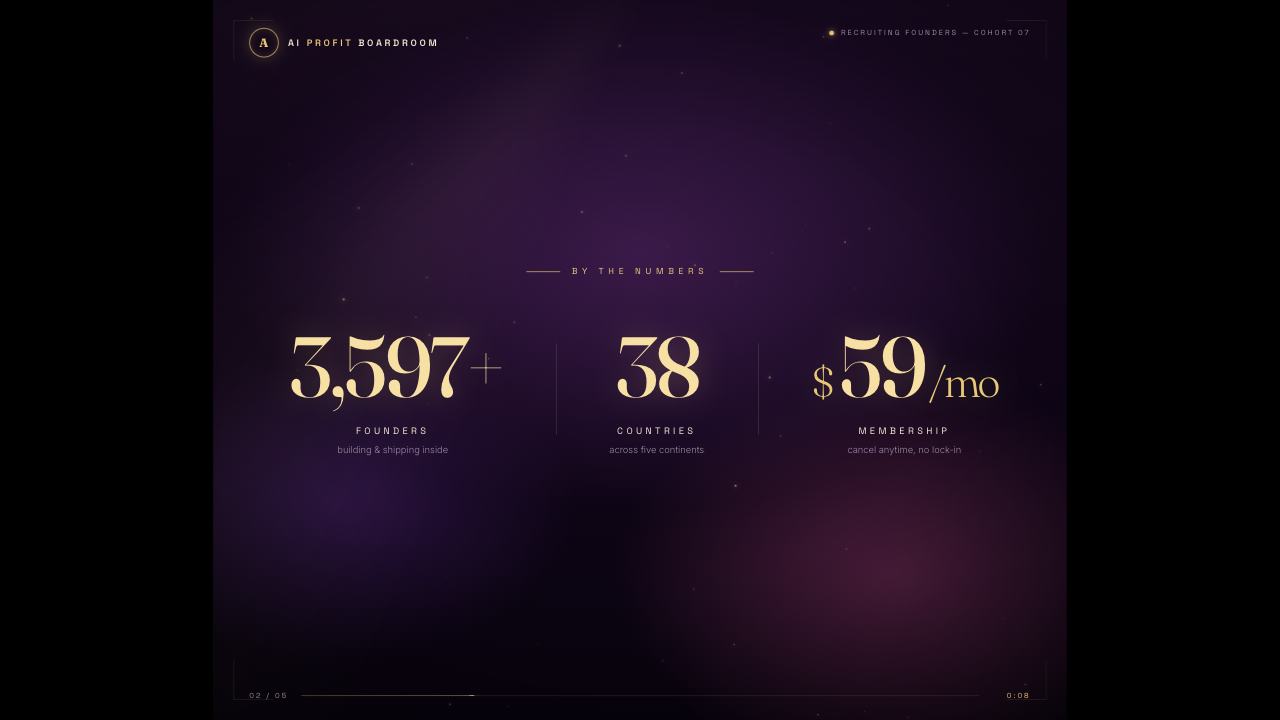
Every demo on this bench was built inside the Agent Operating System — one prompt, one shot, single HTML file out. The Agent OS, the prompts, the templates, the weekly walkthroughs and 3,400+ founders shipping with it every day all live inside the AI Profit Boardroom.
3,400+founders
258documented wins
38countries
$69/momonthly