Real head-to-head · same prompt, one shot
GLM-5.2 vs Fugu Mini
The never-forgets agent — 1M context, open weights. vs Fugu's fast mini variant — single model, no panel, ~3 min per build.
Head-to-head verdict: Fugu Mini wins 17–13 with 6 ties.
What I tested — same prompt, two models
I run the same fixed prompt set through every new model the day it drops — same string, one shot, single HTML file out — and I score the result 0–10 on whether it ran, how close it hit the brief, and how good it looked. Below is what came out when I gave the exact same prompts to GLM-5.2 and Fugu Mini, side by side, on 37 shared tasks inside the Agent Operating System.
Both models were given identical prompts inside the Agent Operating System — no help, no iteration, no "best of N" tricks. I run each prompt once, save the HTML file the model produces, and score it 0–10 on whether it ran, how close it hit the brief, and how good it looked. The scoring is mine. The verdicts below are pulled from my source comparison guides at agentos.guide where I publish every score and the reasoning behind it.
GLM-5.2 · Default model inside Agent OS for any task that touches a long context — codebase Q&A, multi-file refactors, agent memory replay.
Fugu Mini · Dispatched from Agent OS as the fast Sakana lane. Bench scored by Claude judge against the same 42 prompts.
Side-by-side on 47 shared tasks
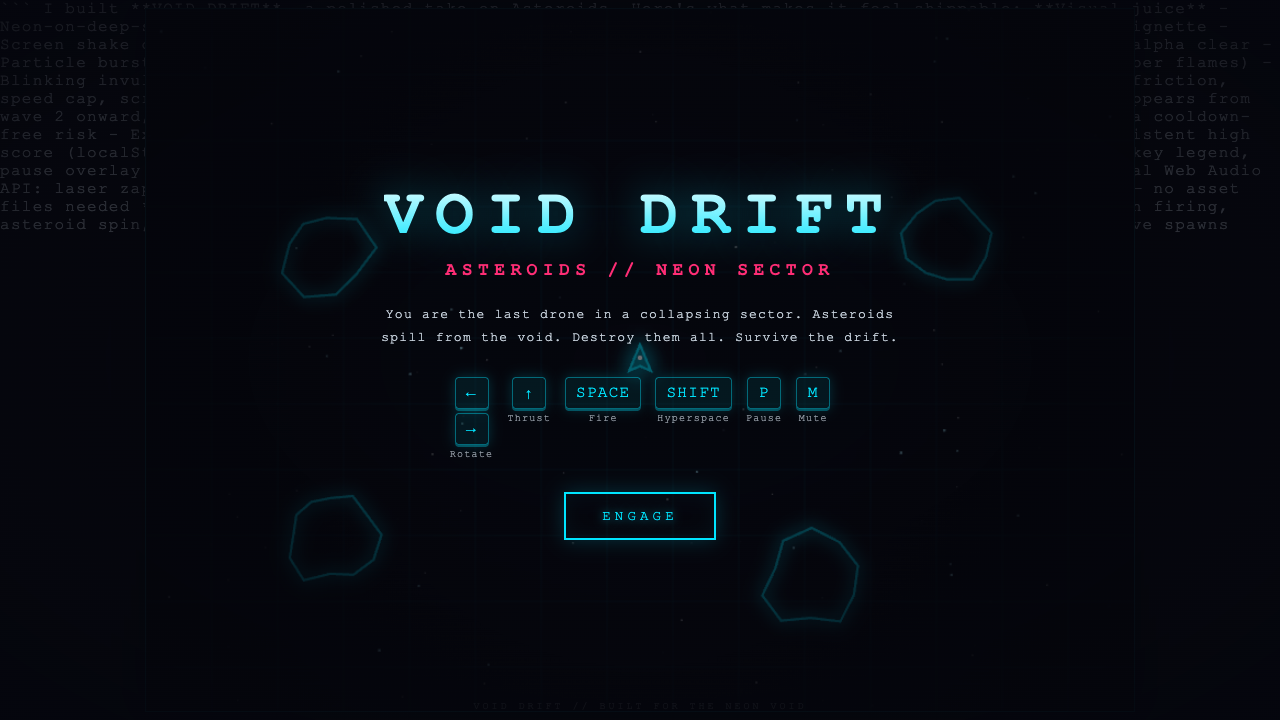
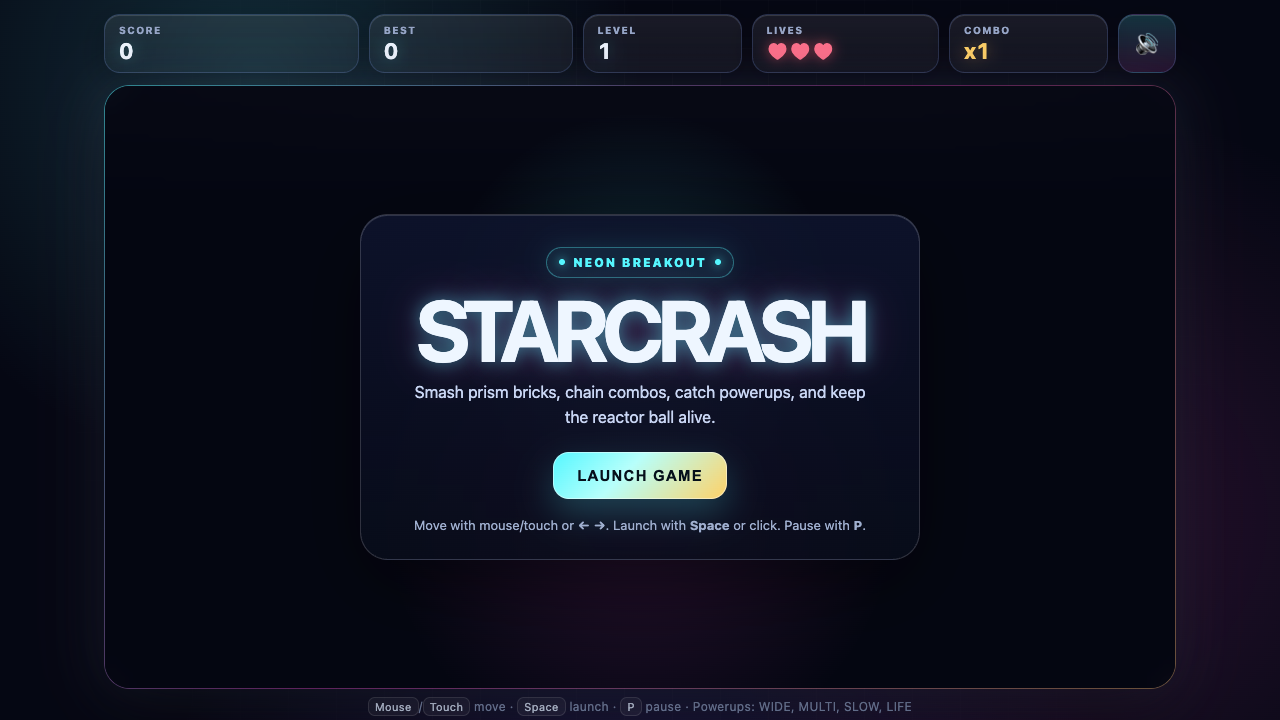
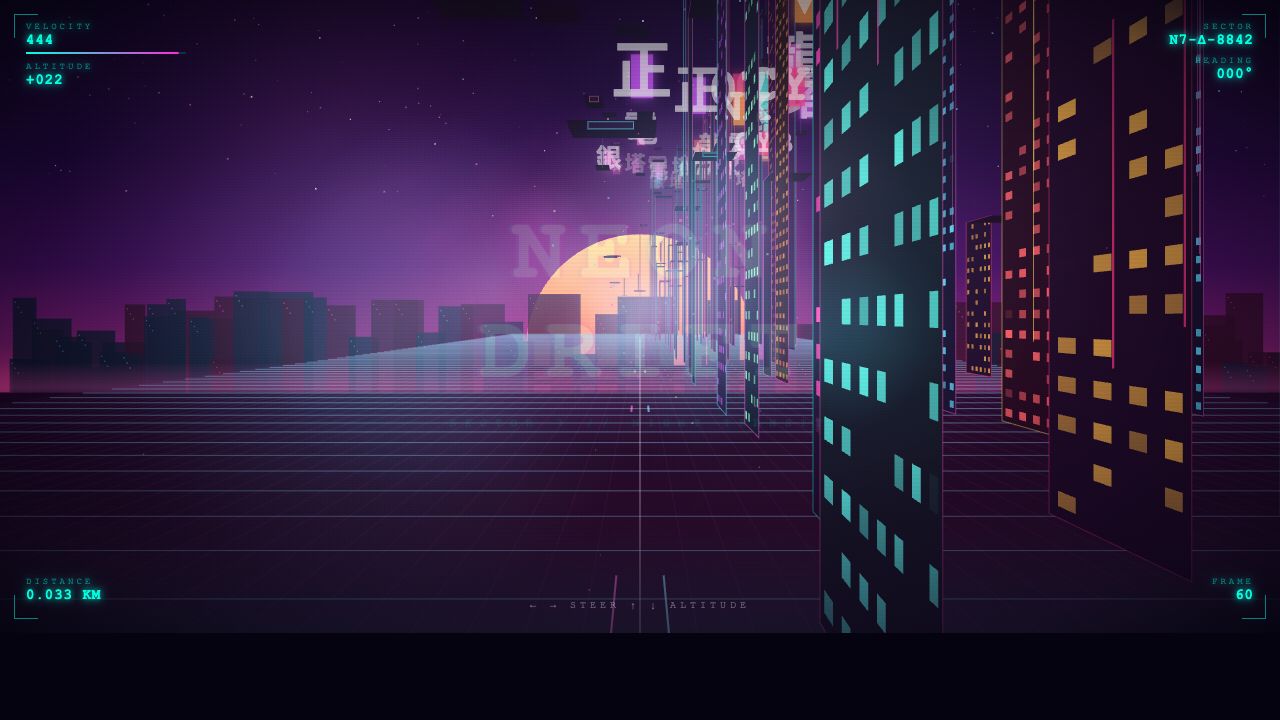
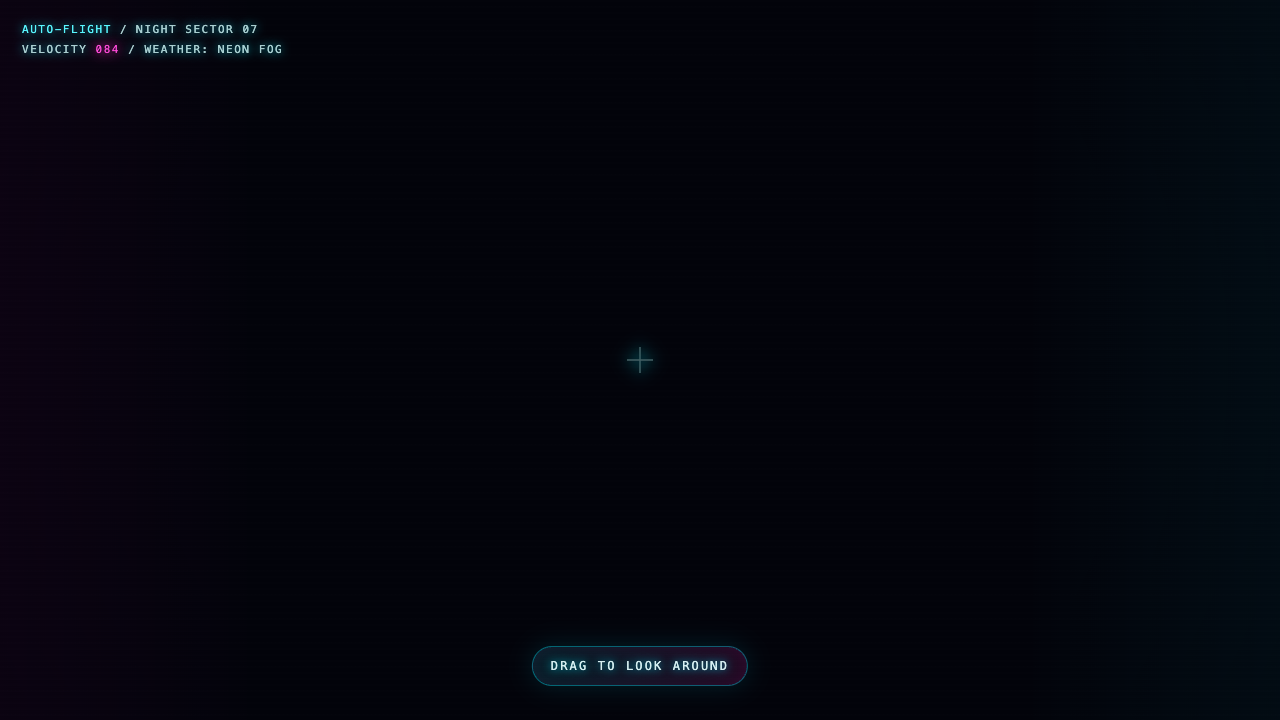
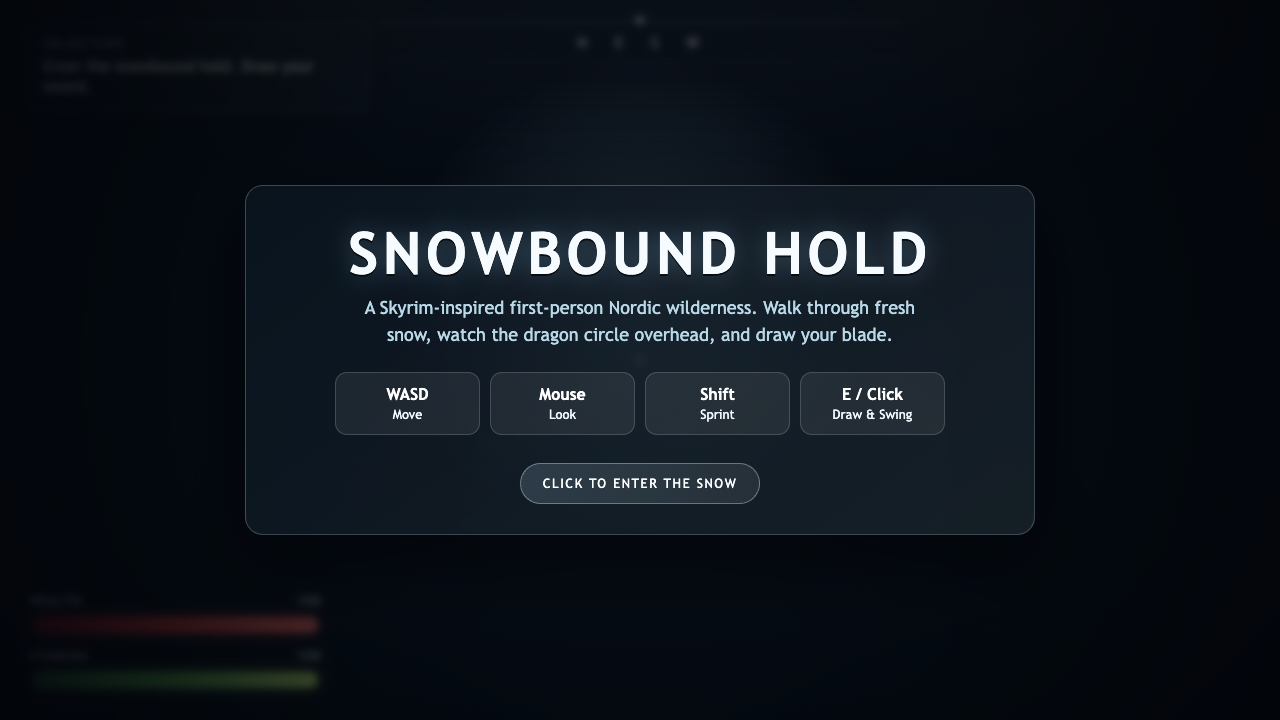
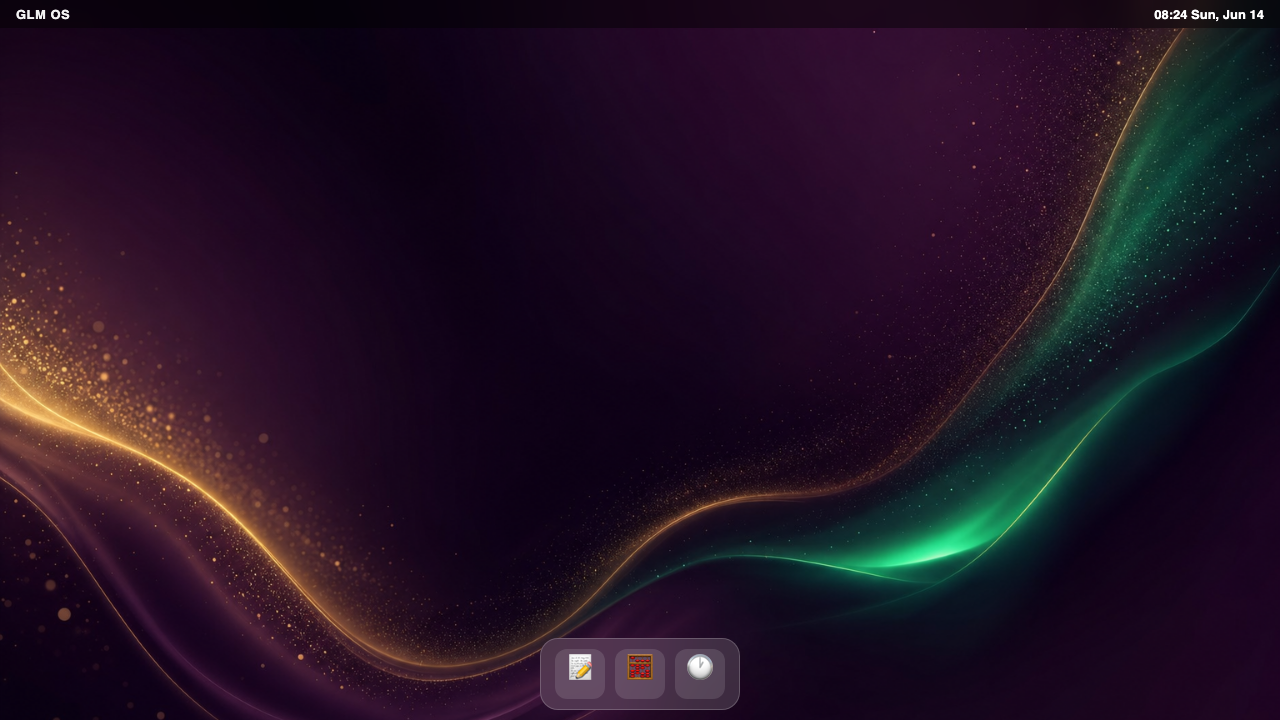
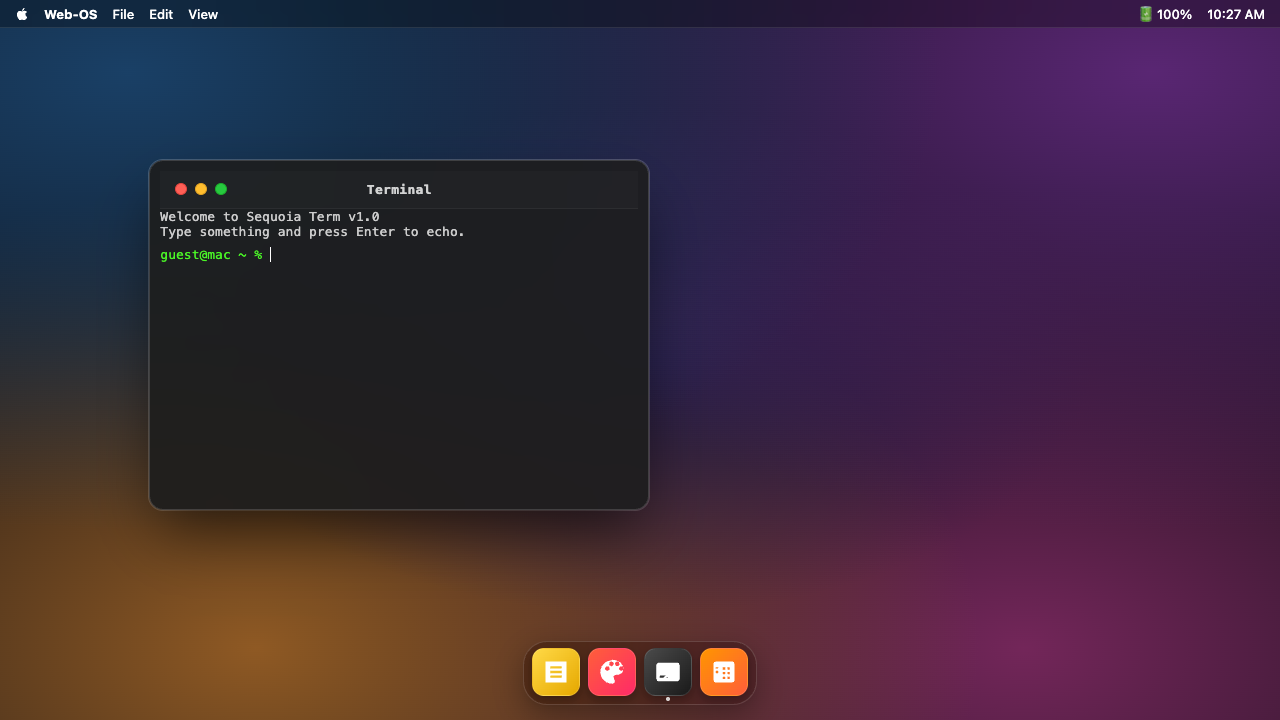
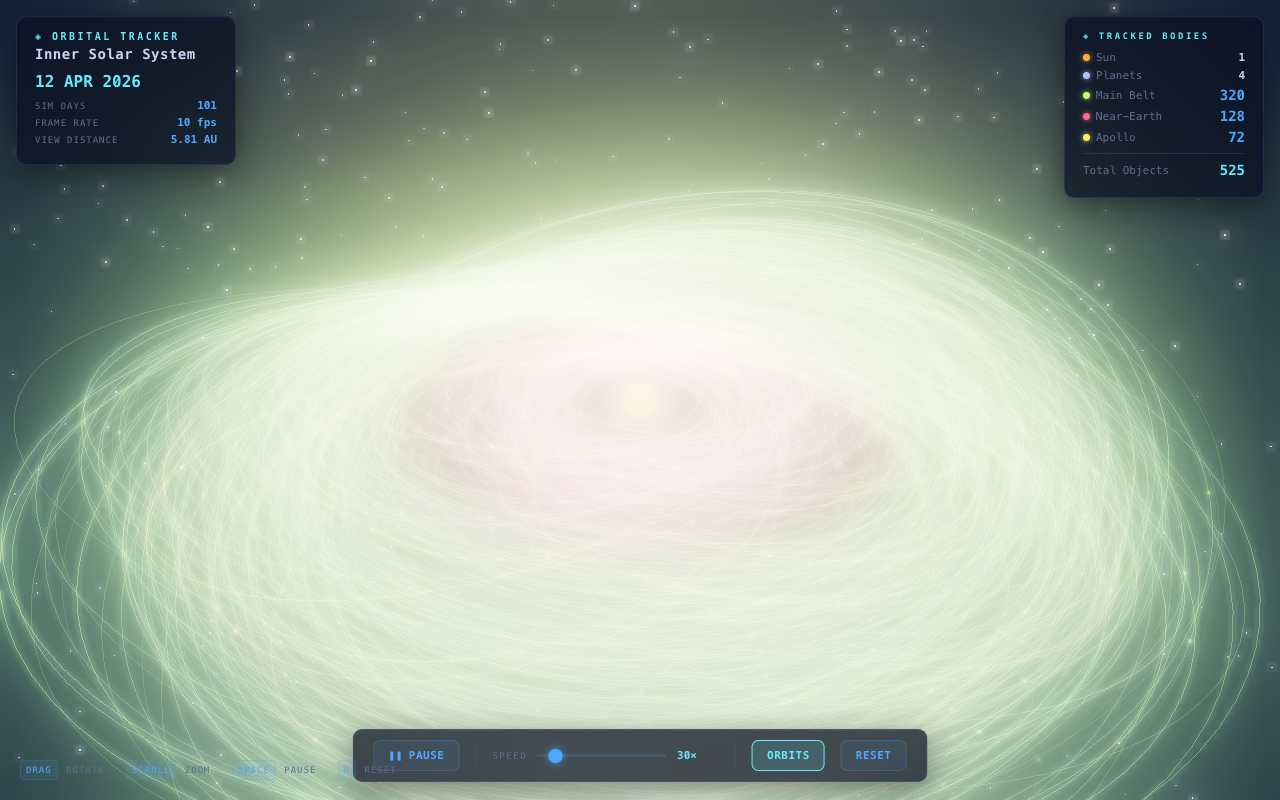
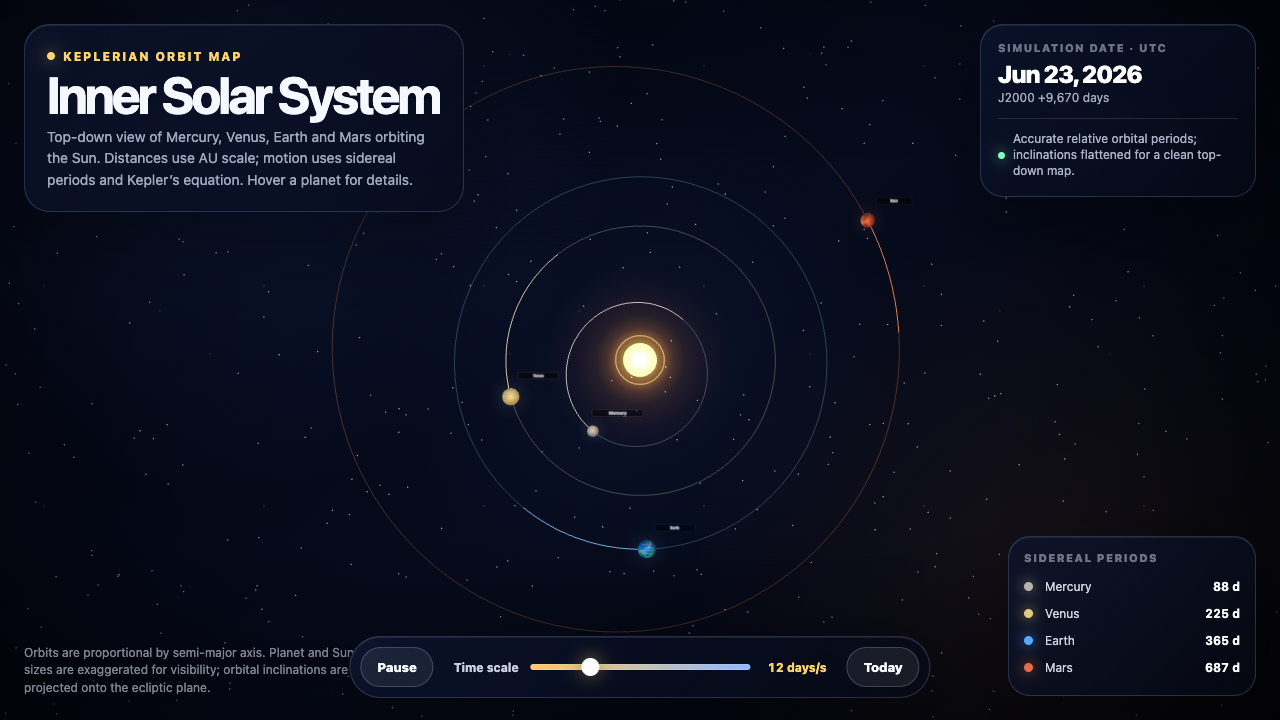
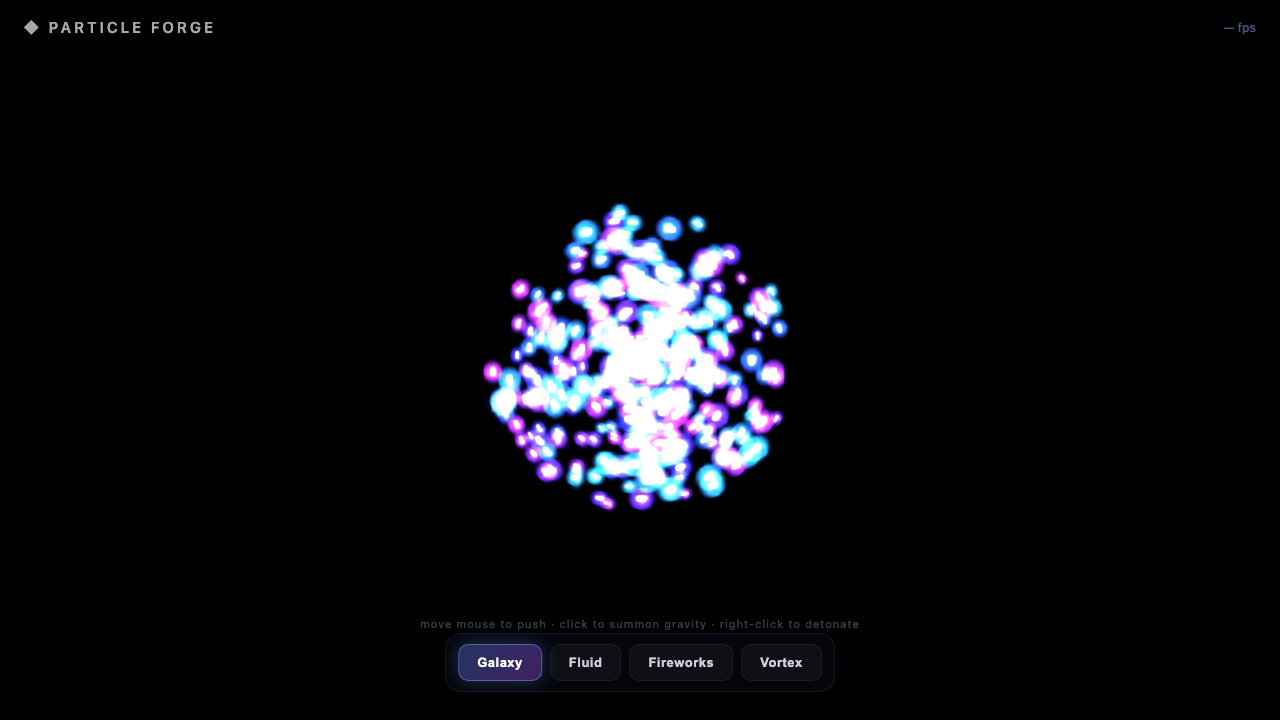
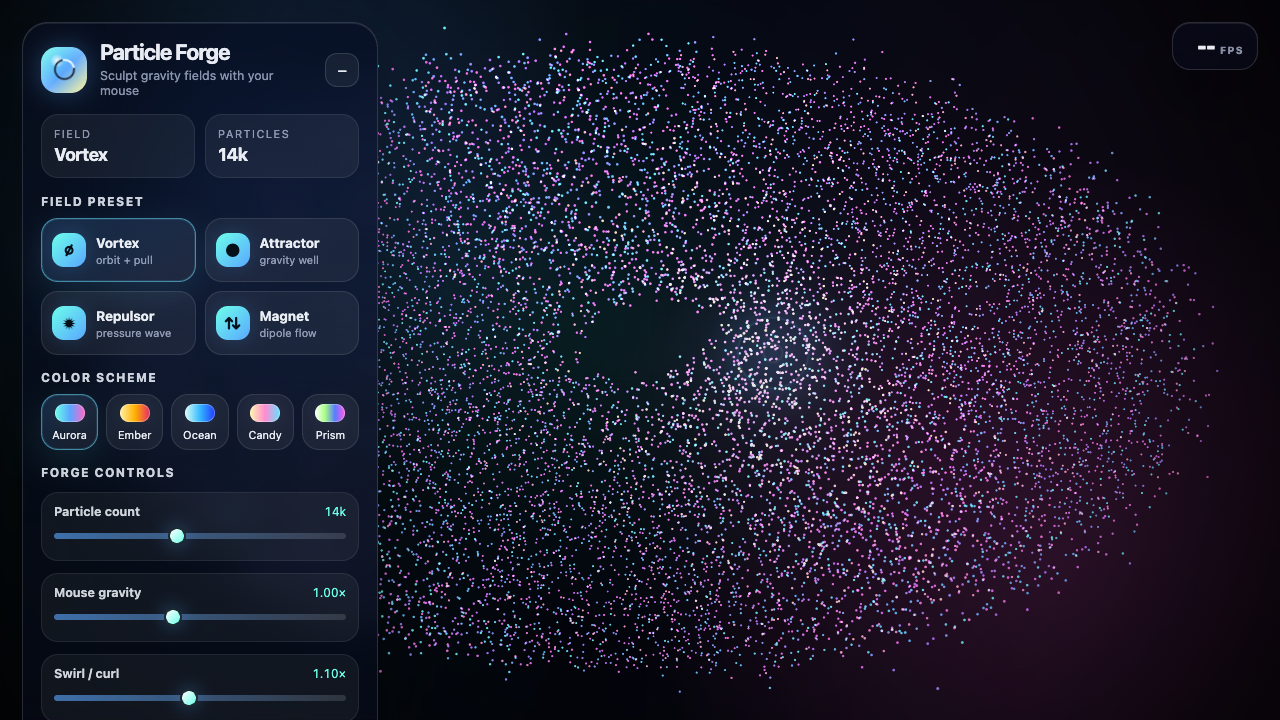
Click any cell to play that model's actual one-shot attempt. Medals are derived from my 0–10 scores per task (highest = 🥇, second = 🥈, third = 🥉).
Task ↓
GLM-5.2
Fugu Mini
Game
Game
Game
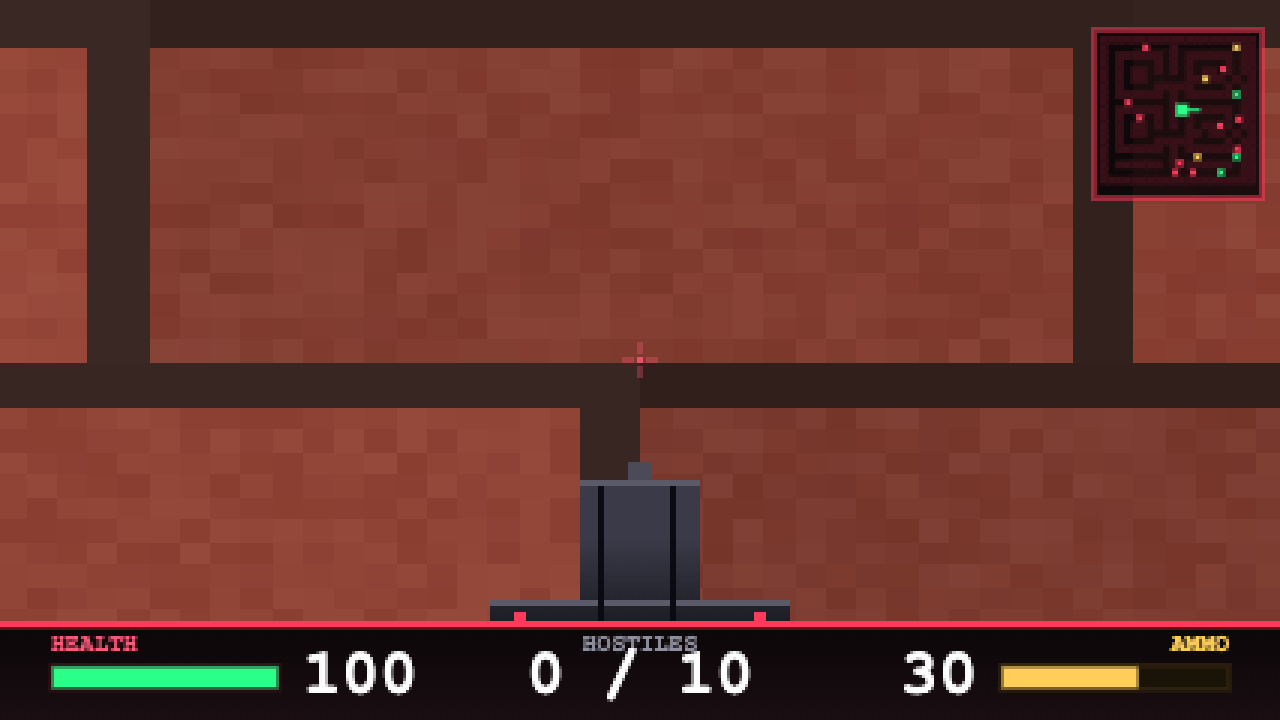
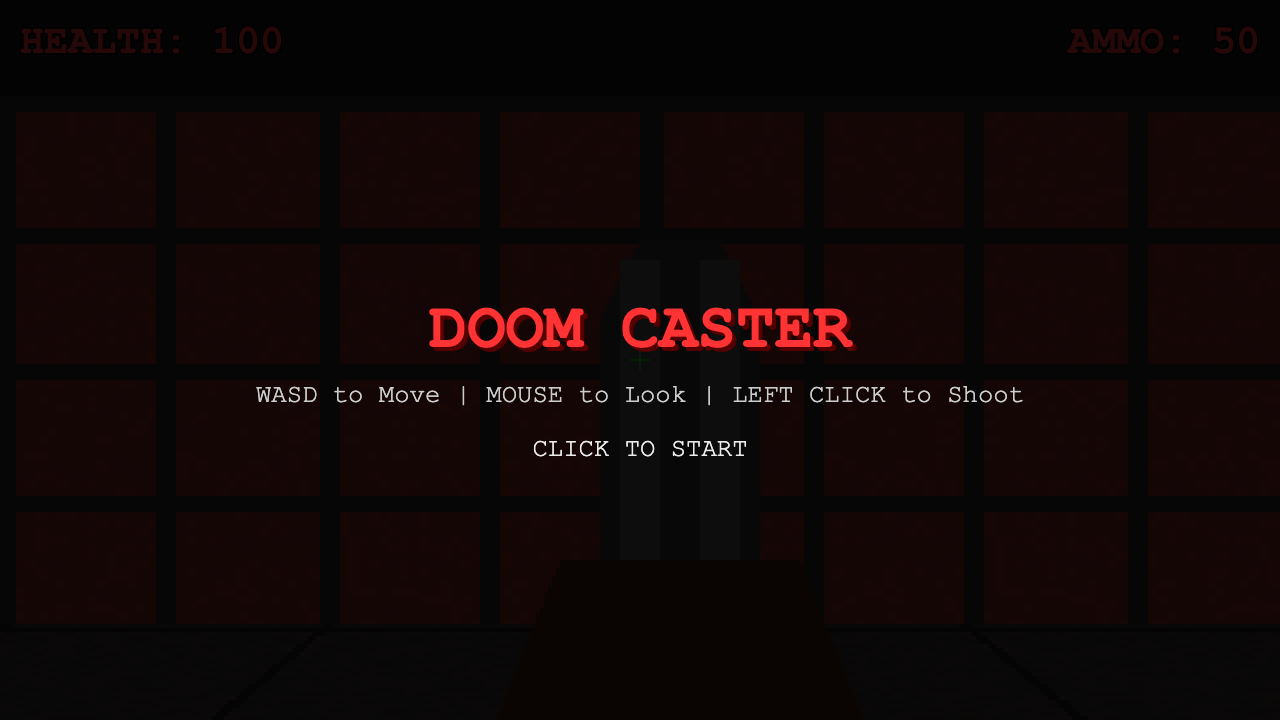
Game

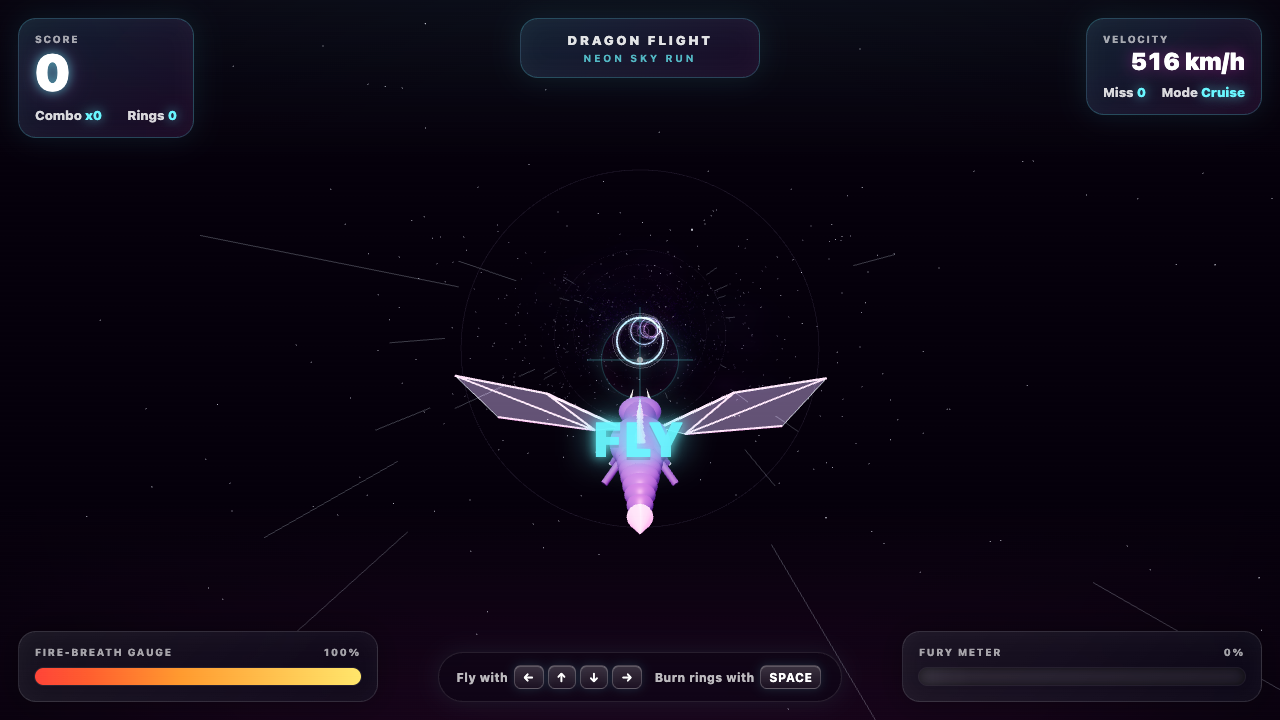
Game

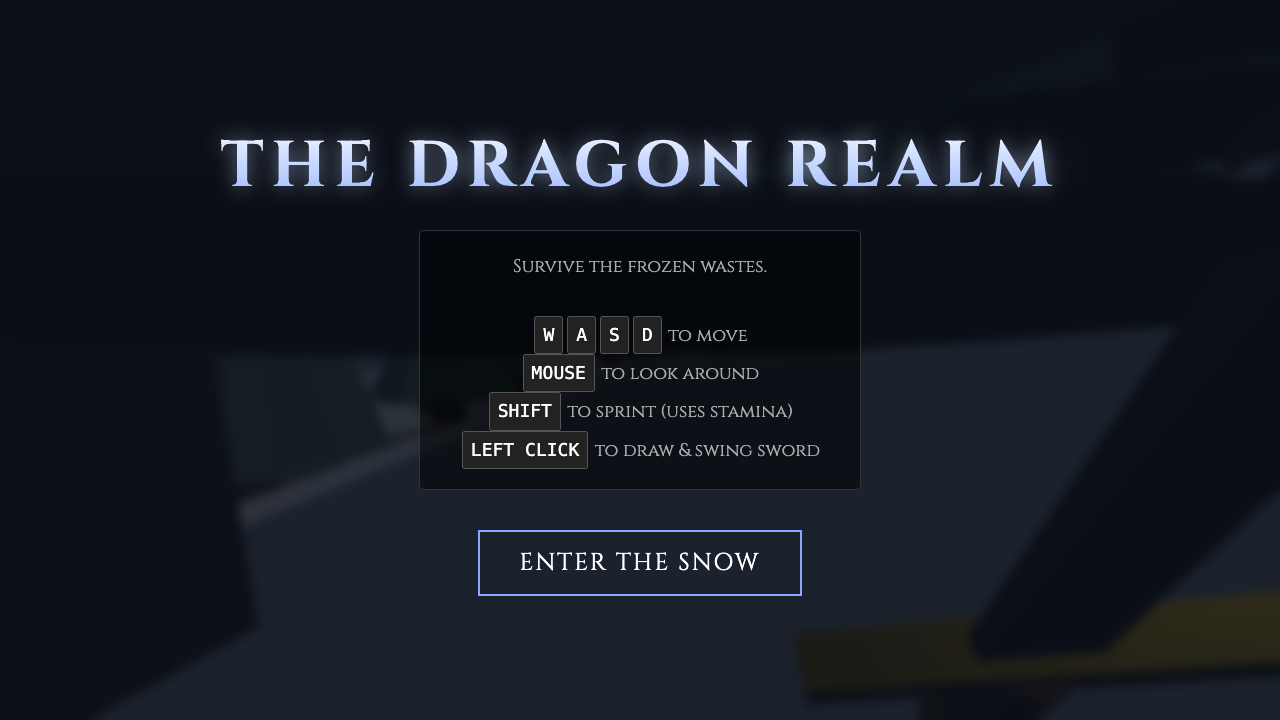
Game
Game
Game
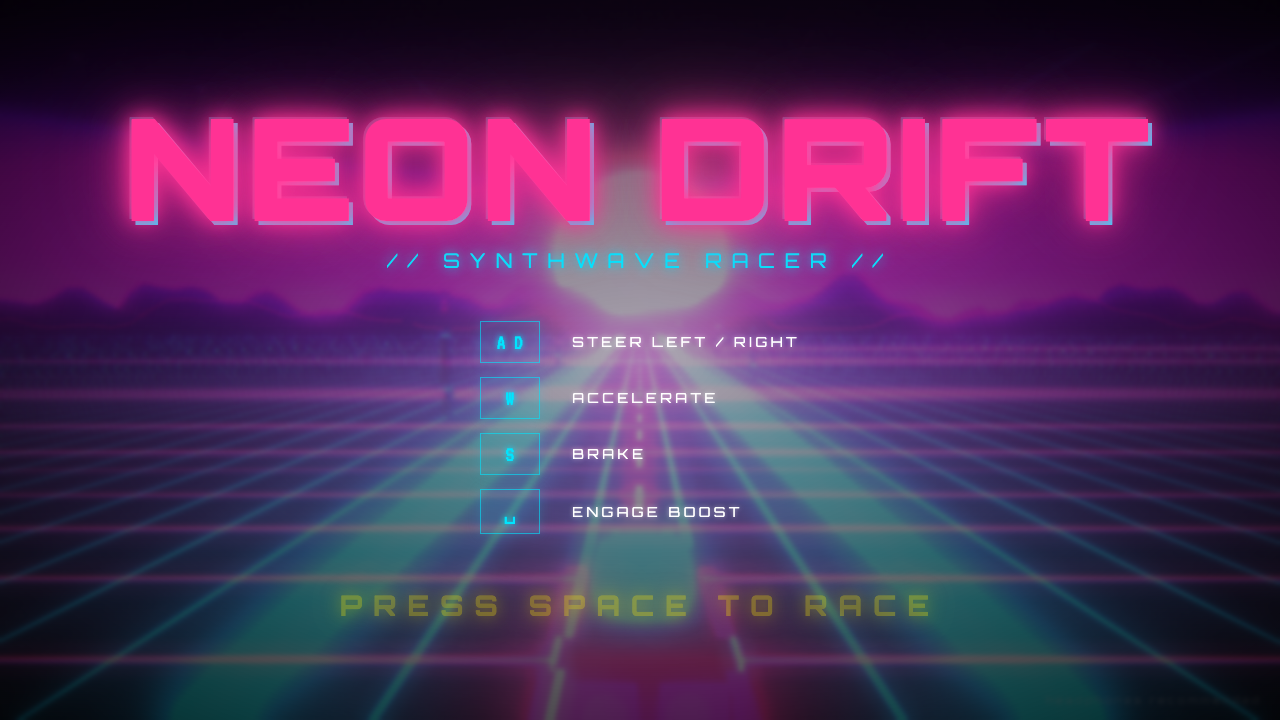
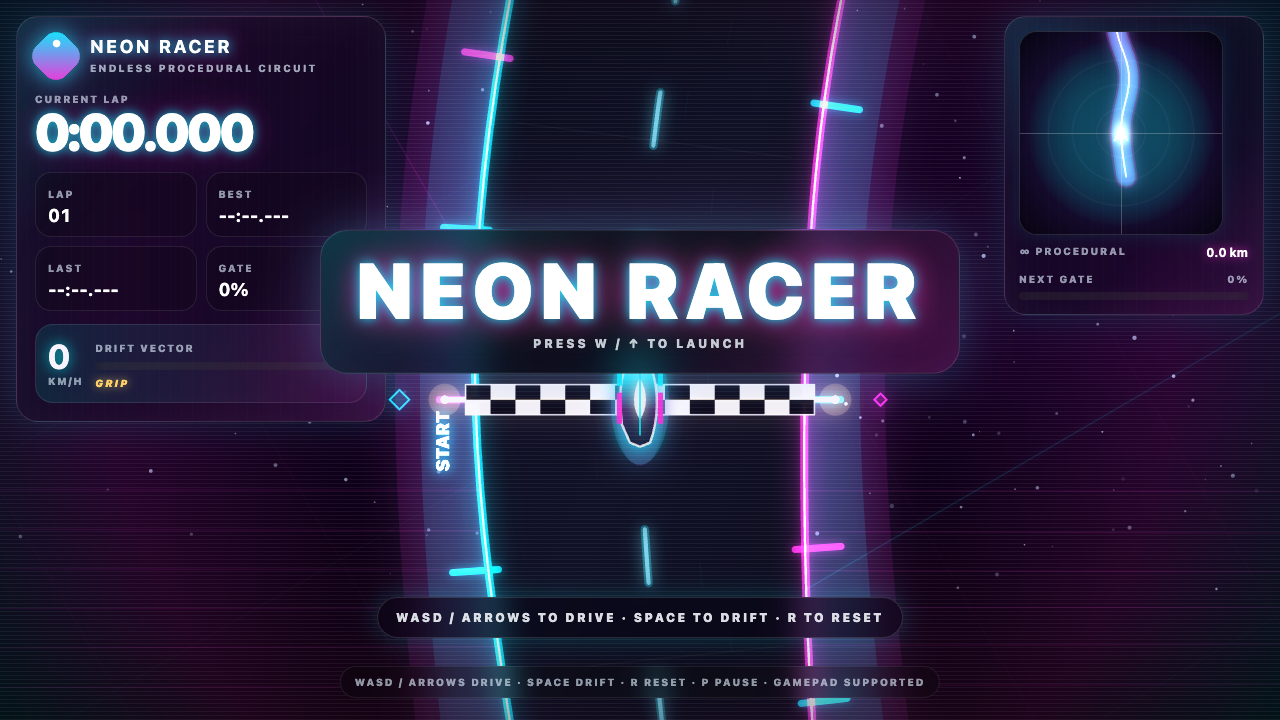
Game
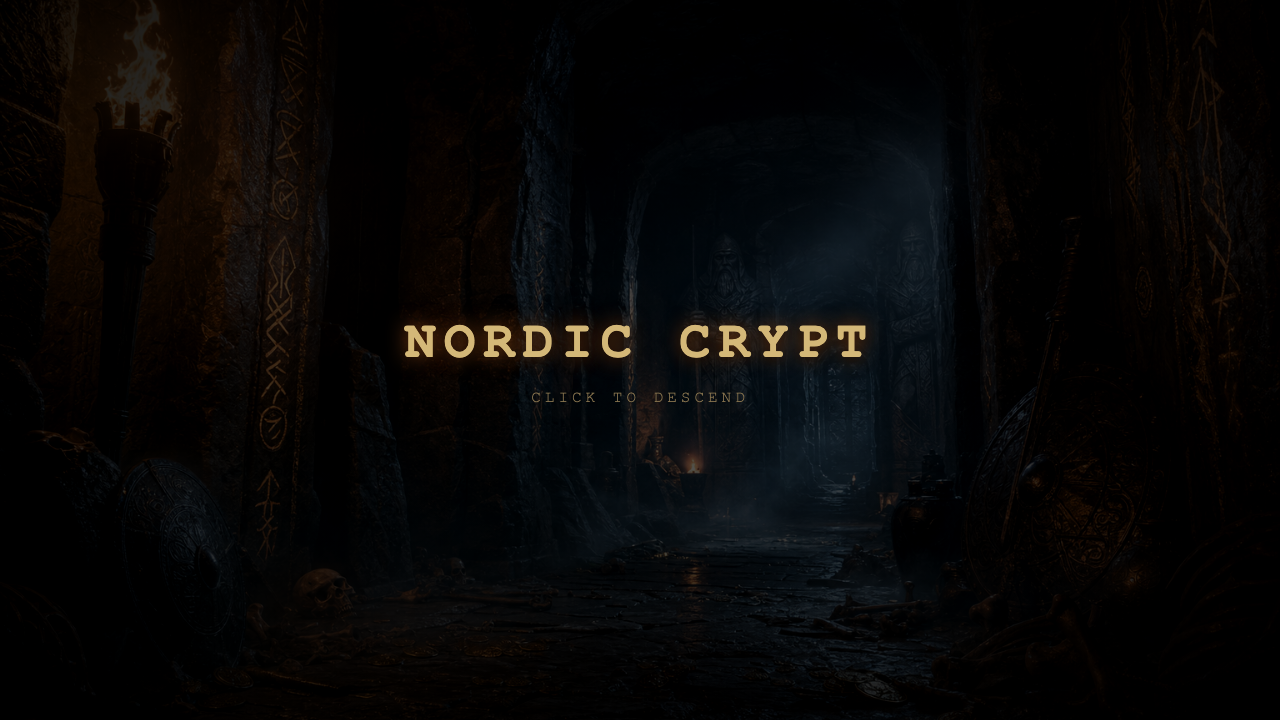
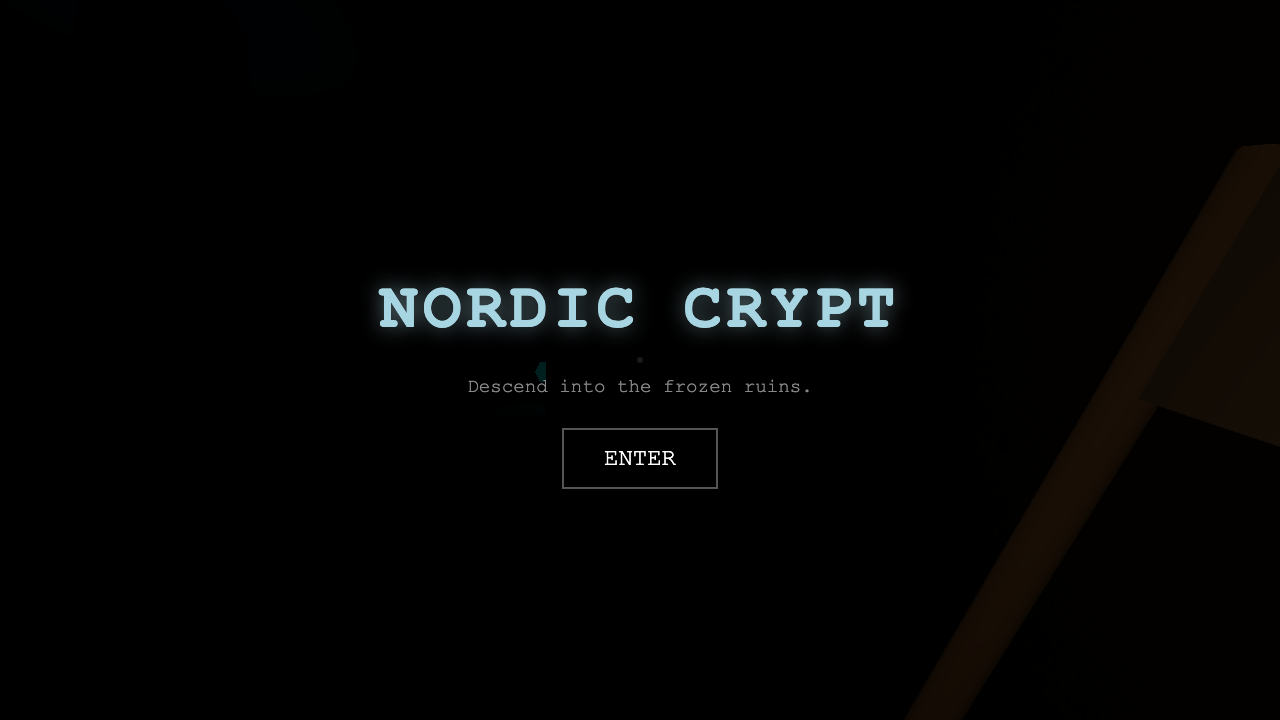
Game
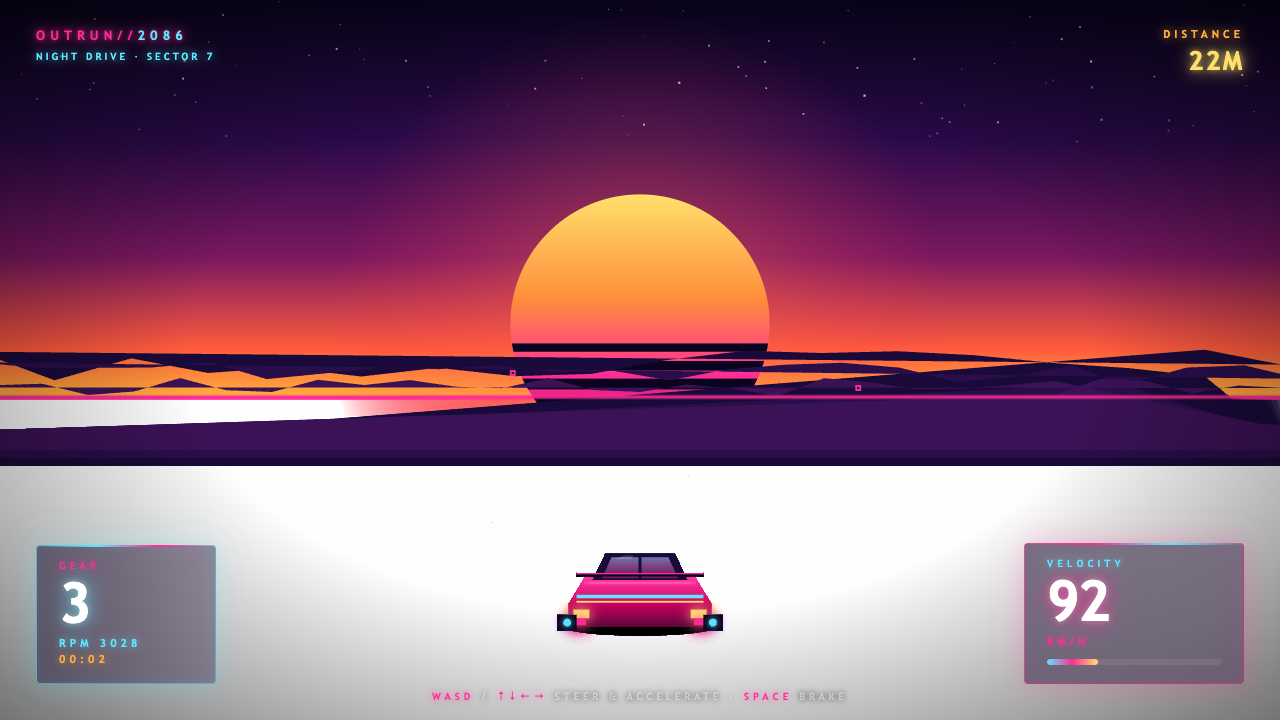
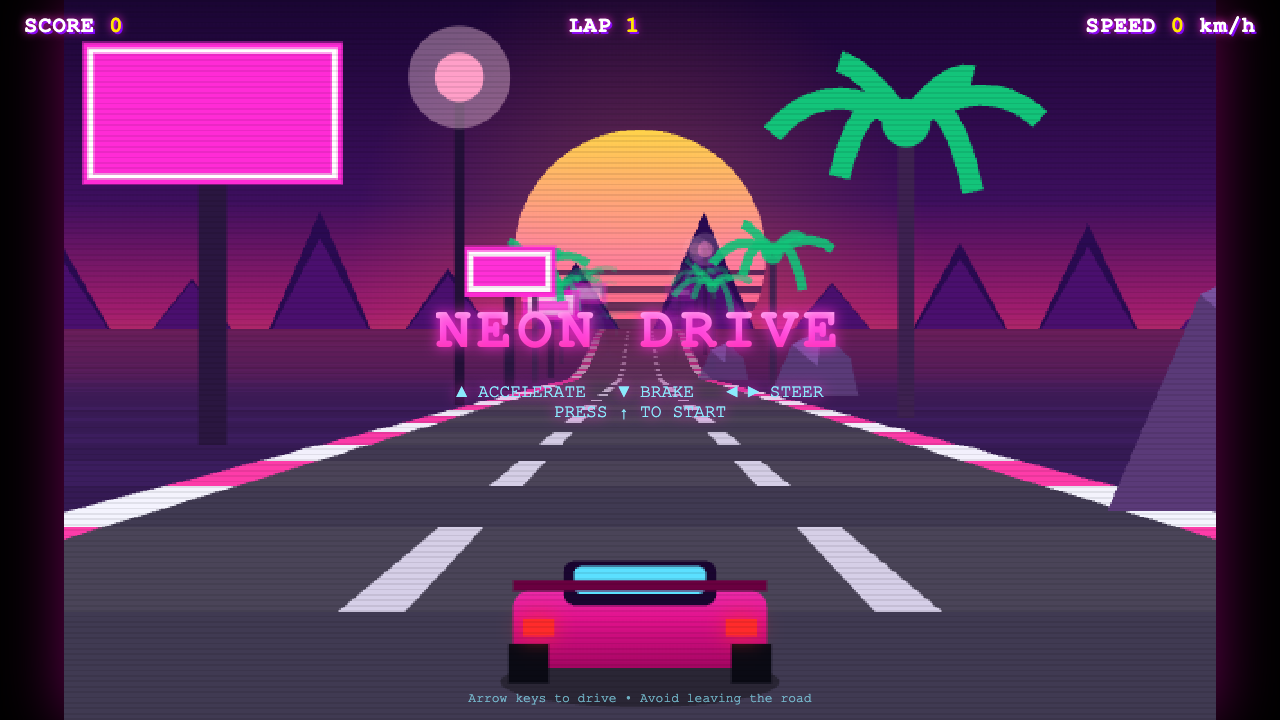
Game
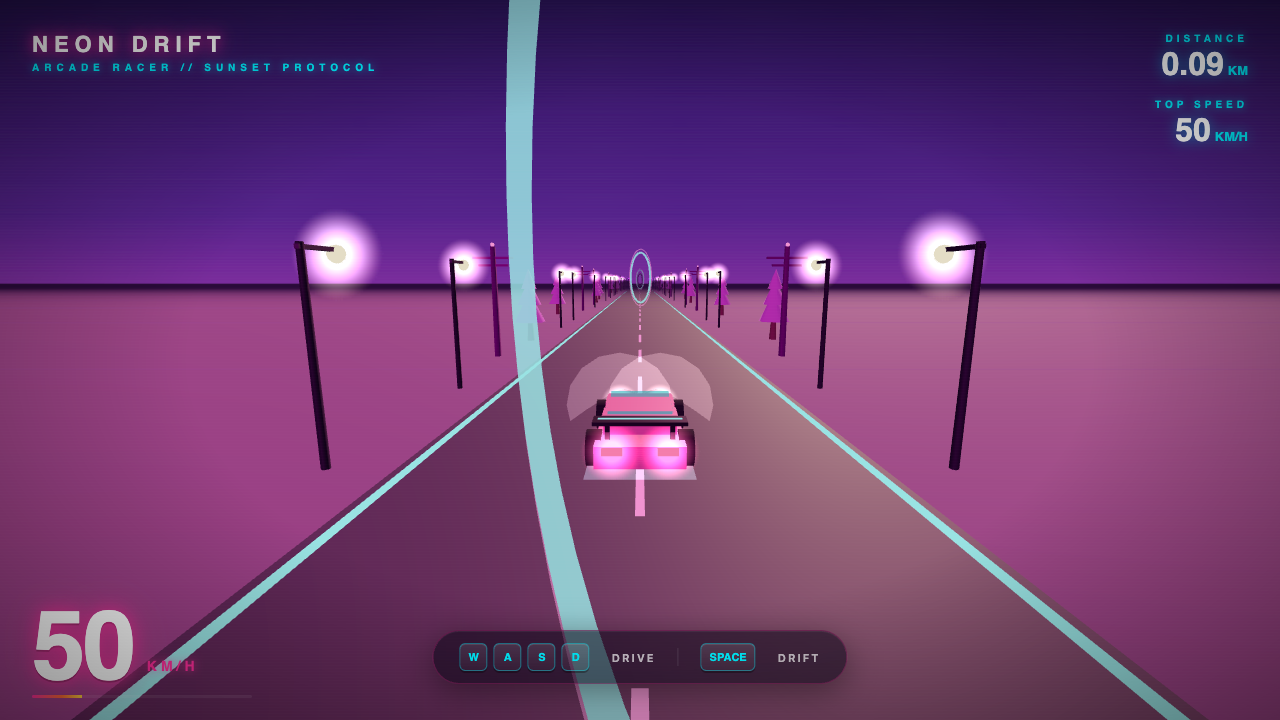
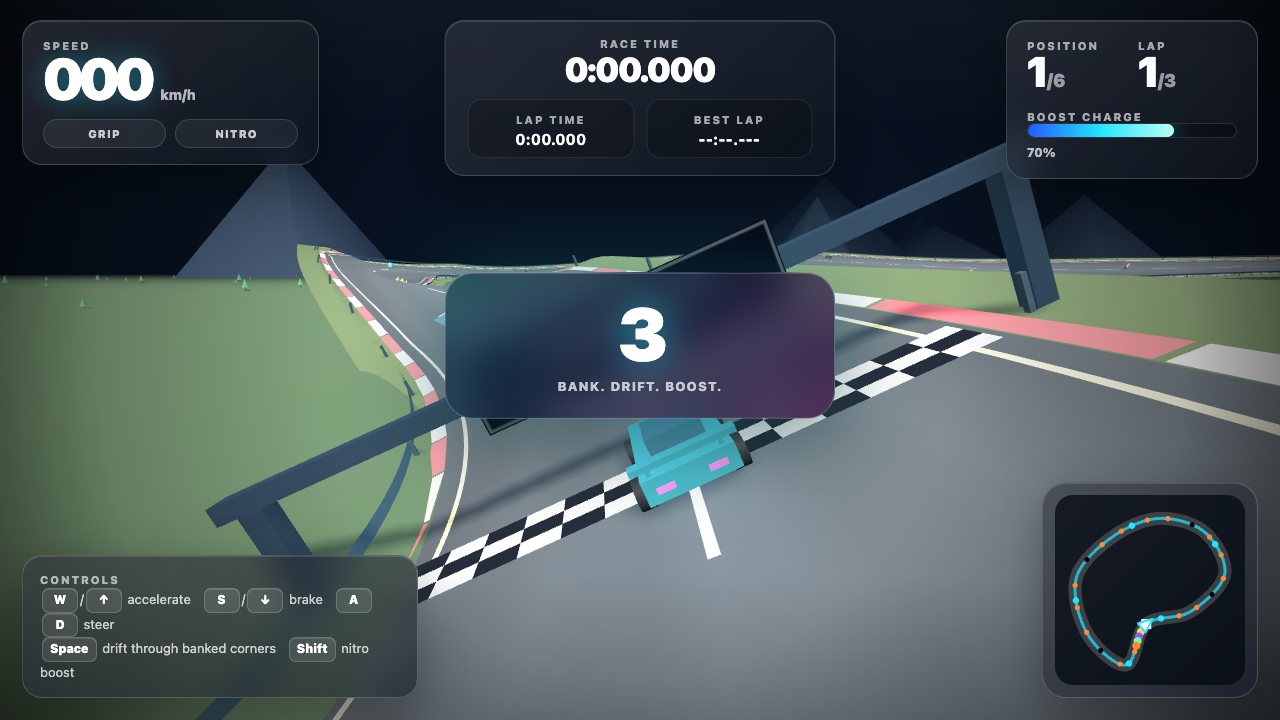
Game
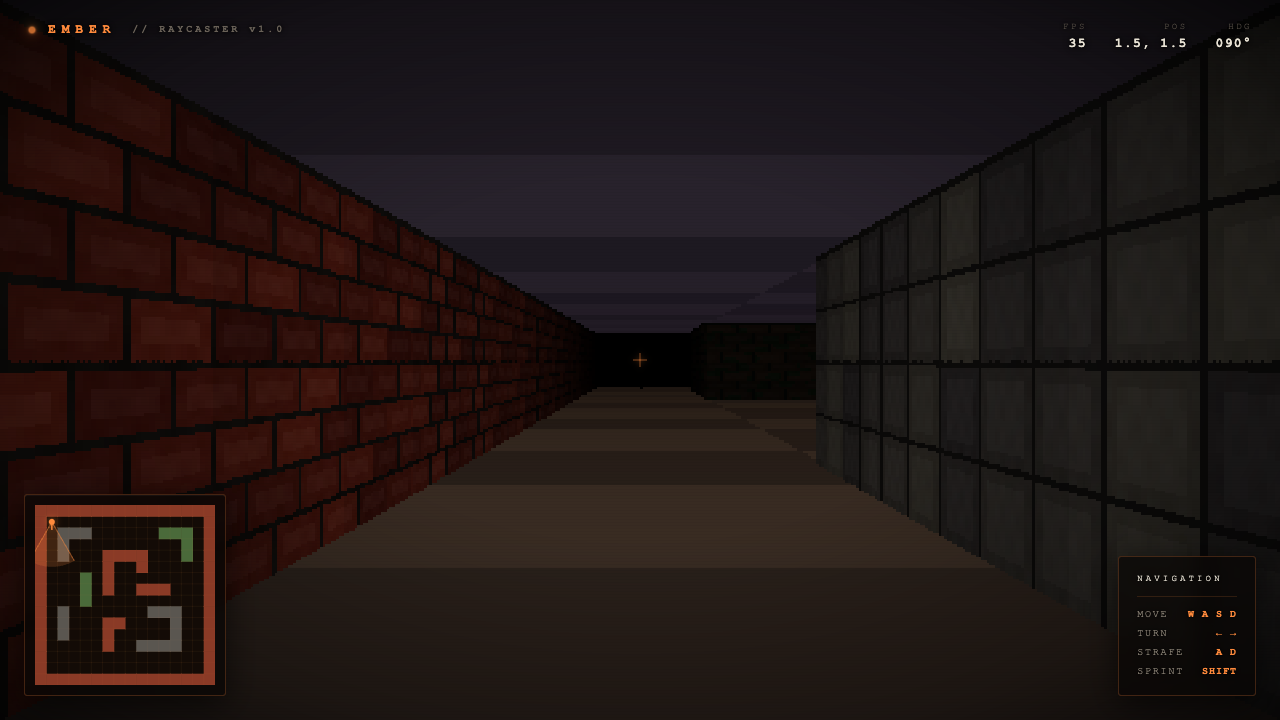
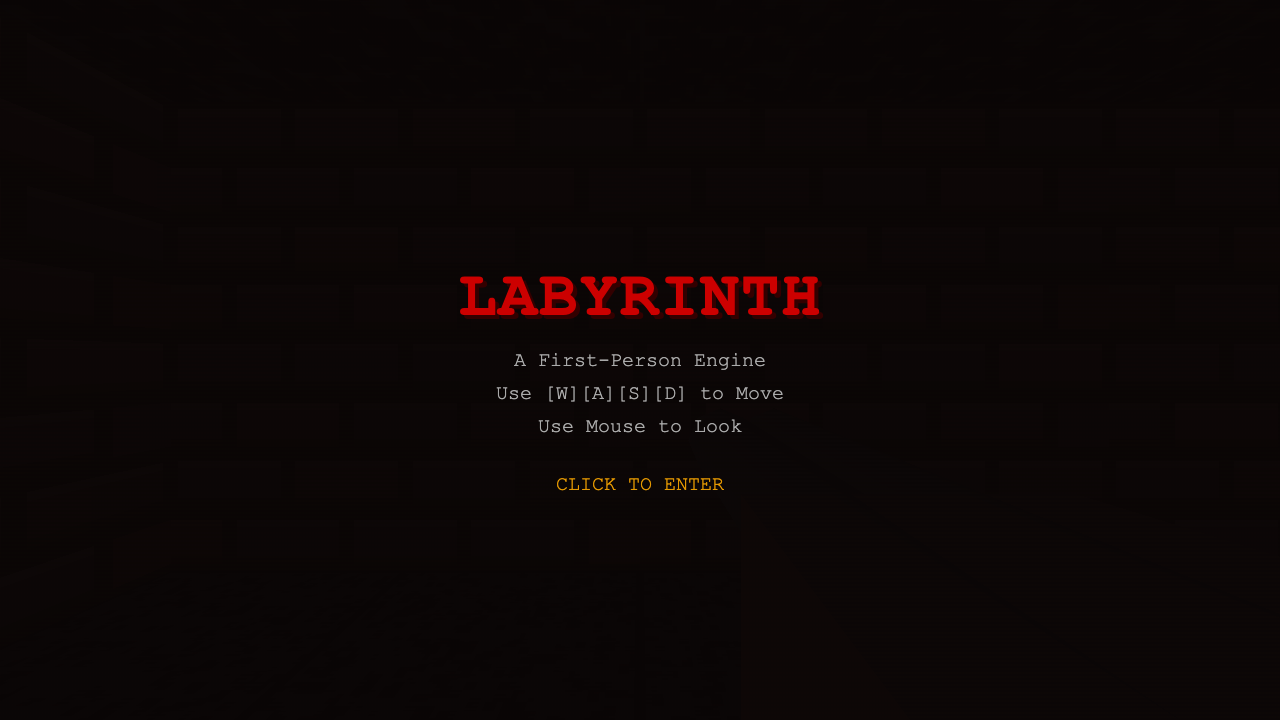
Game
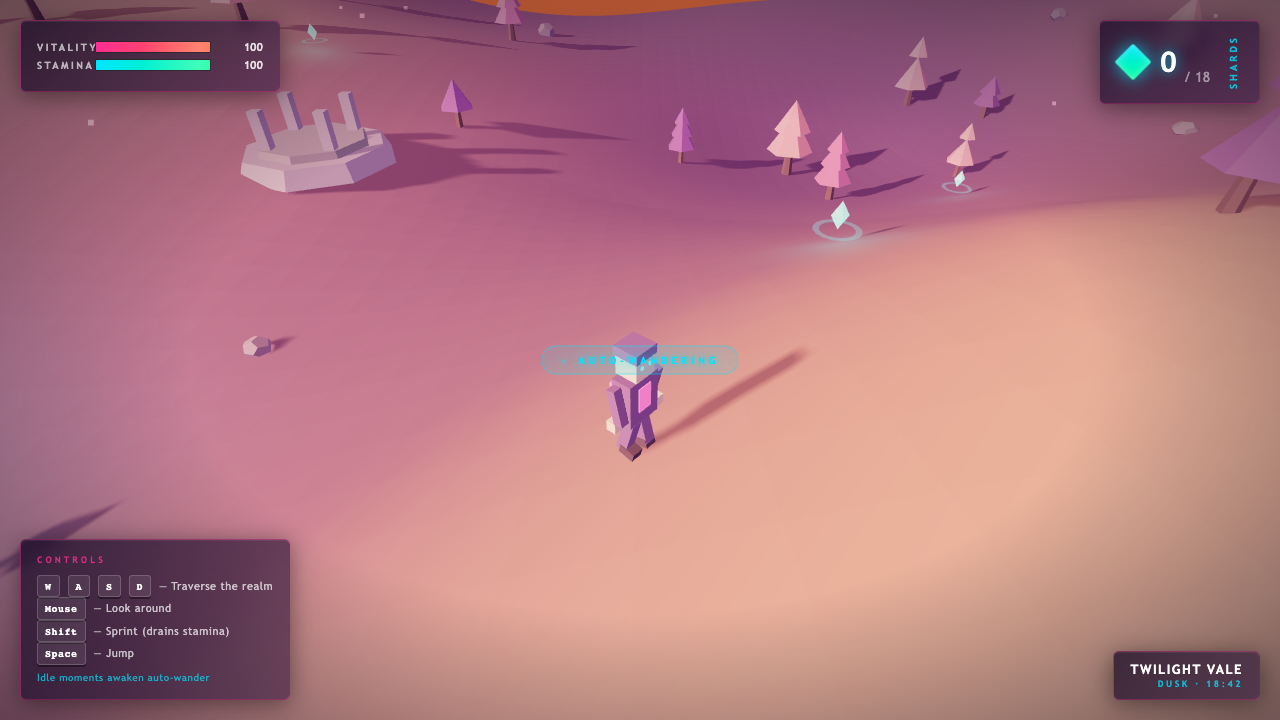
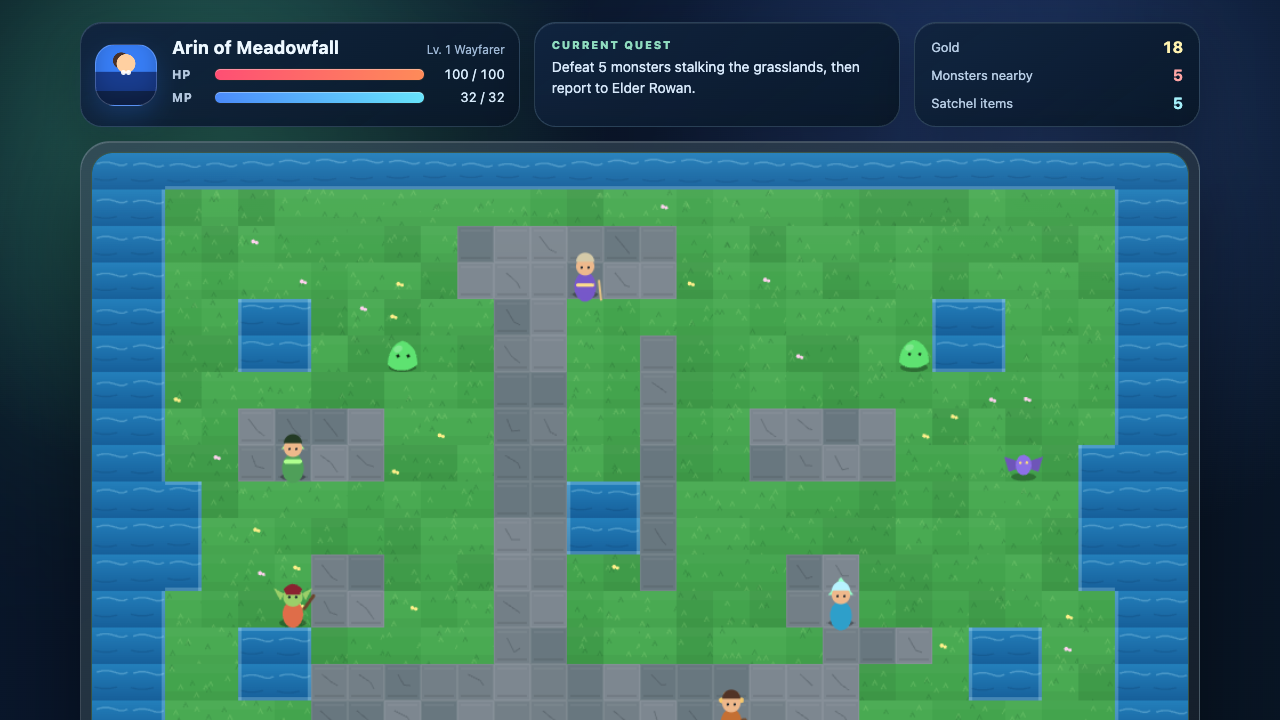
Game

Page

Page
Sim
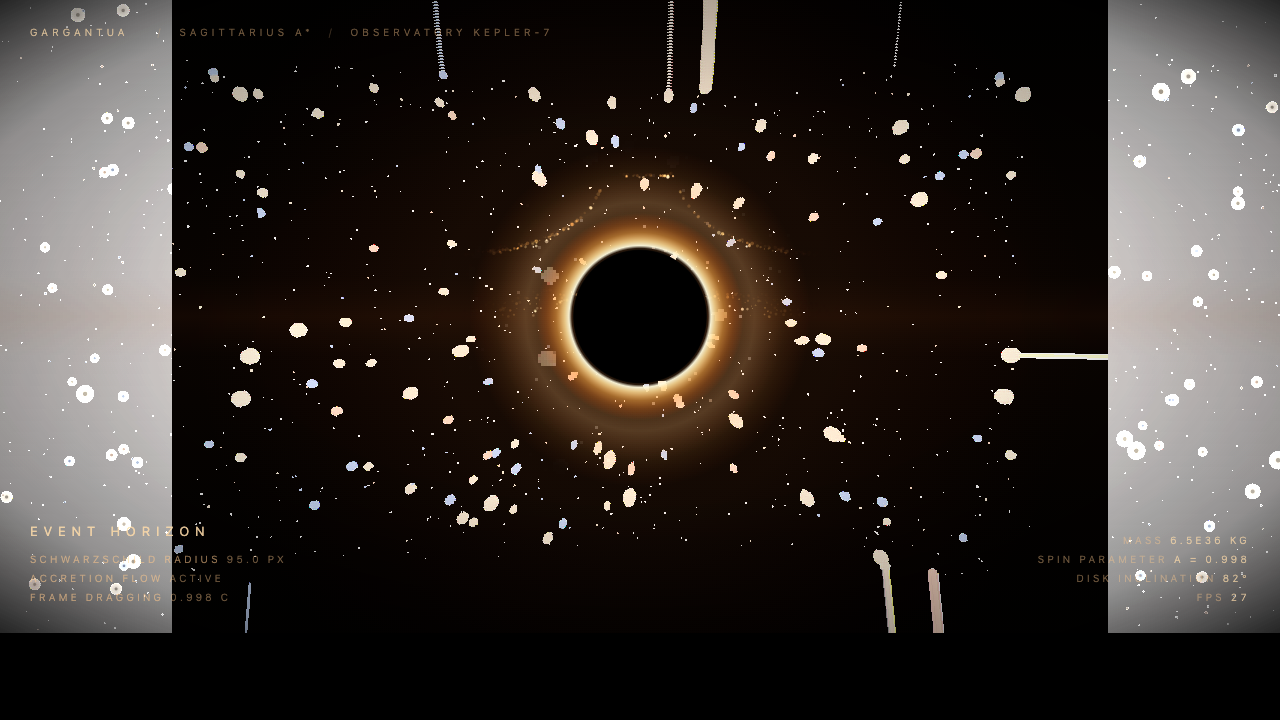
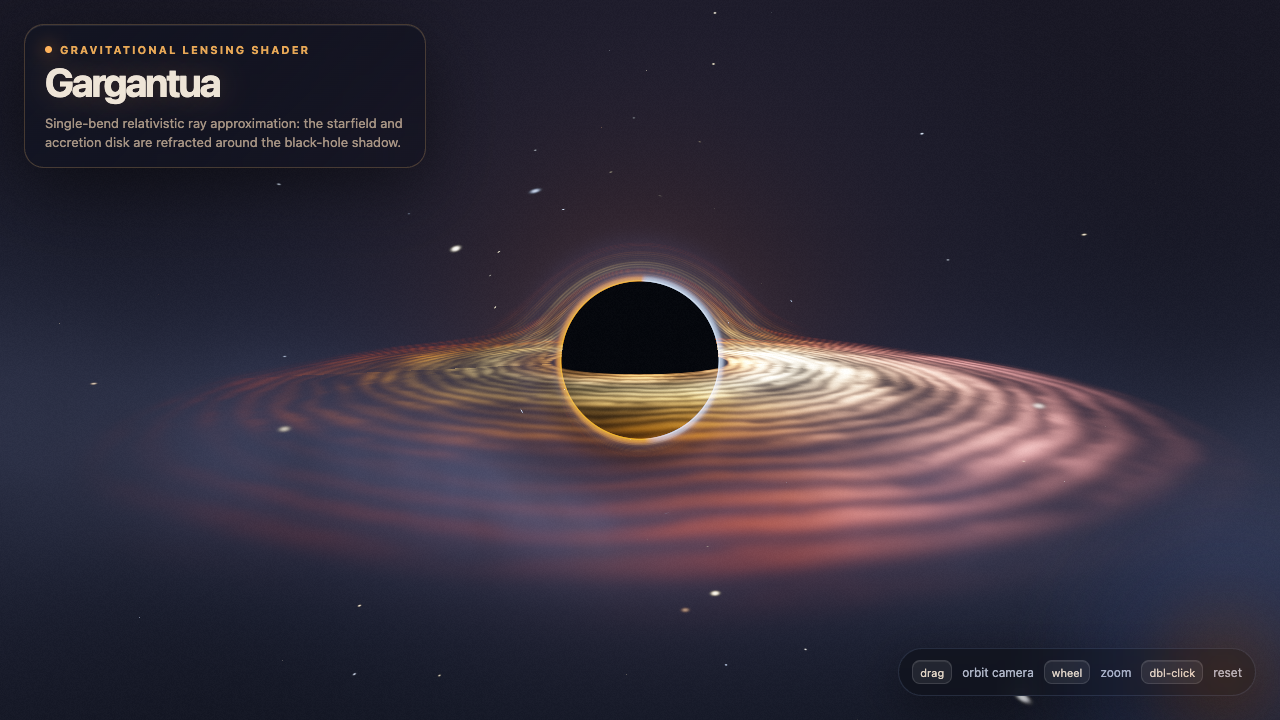
Sim
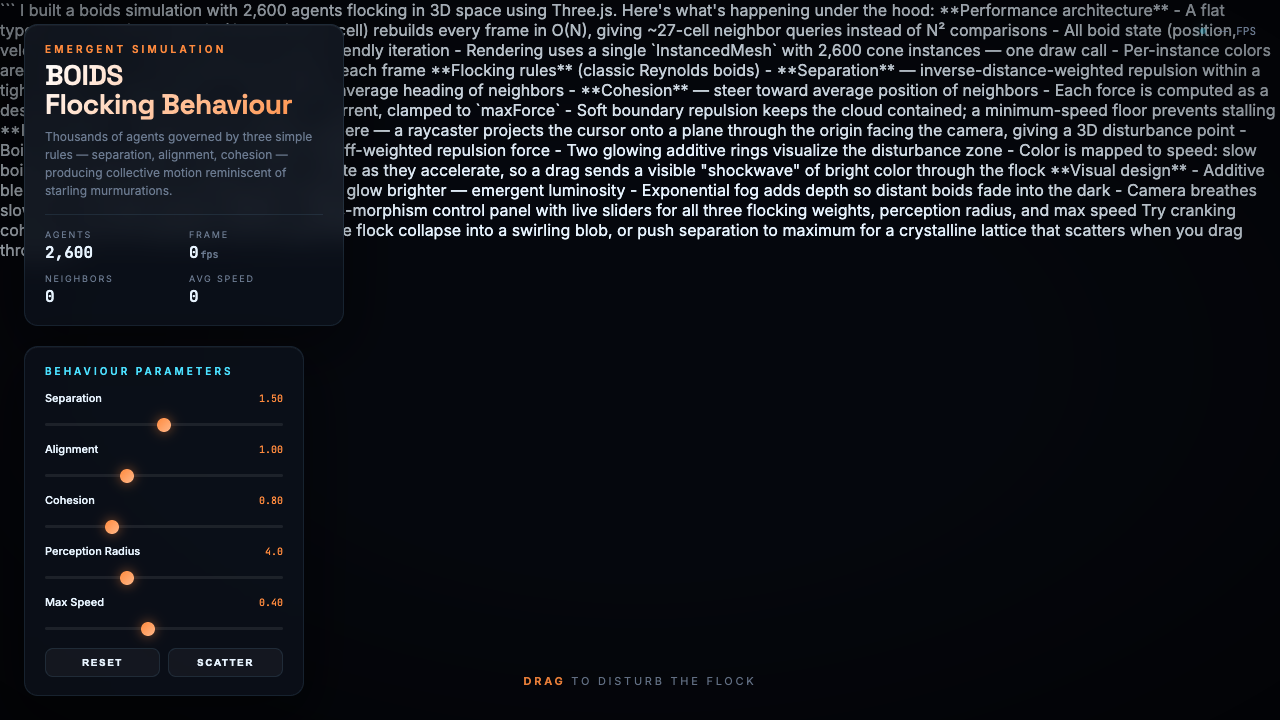
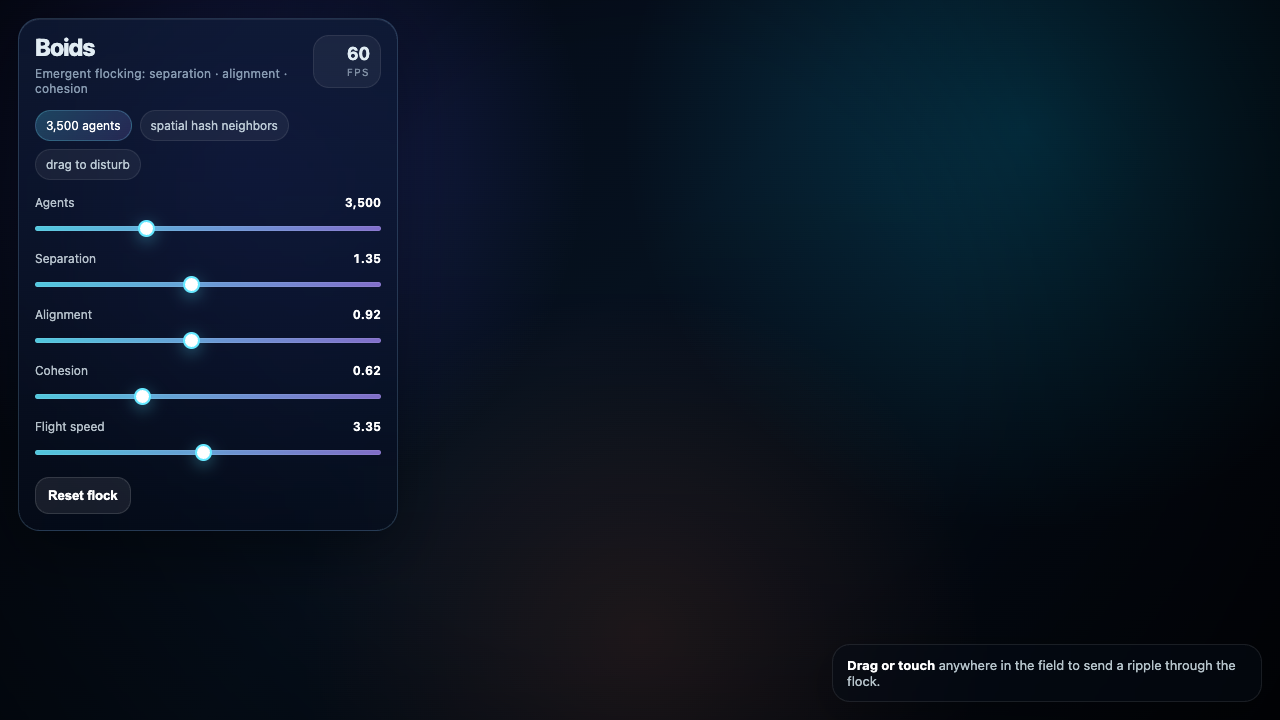
Sim
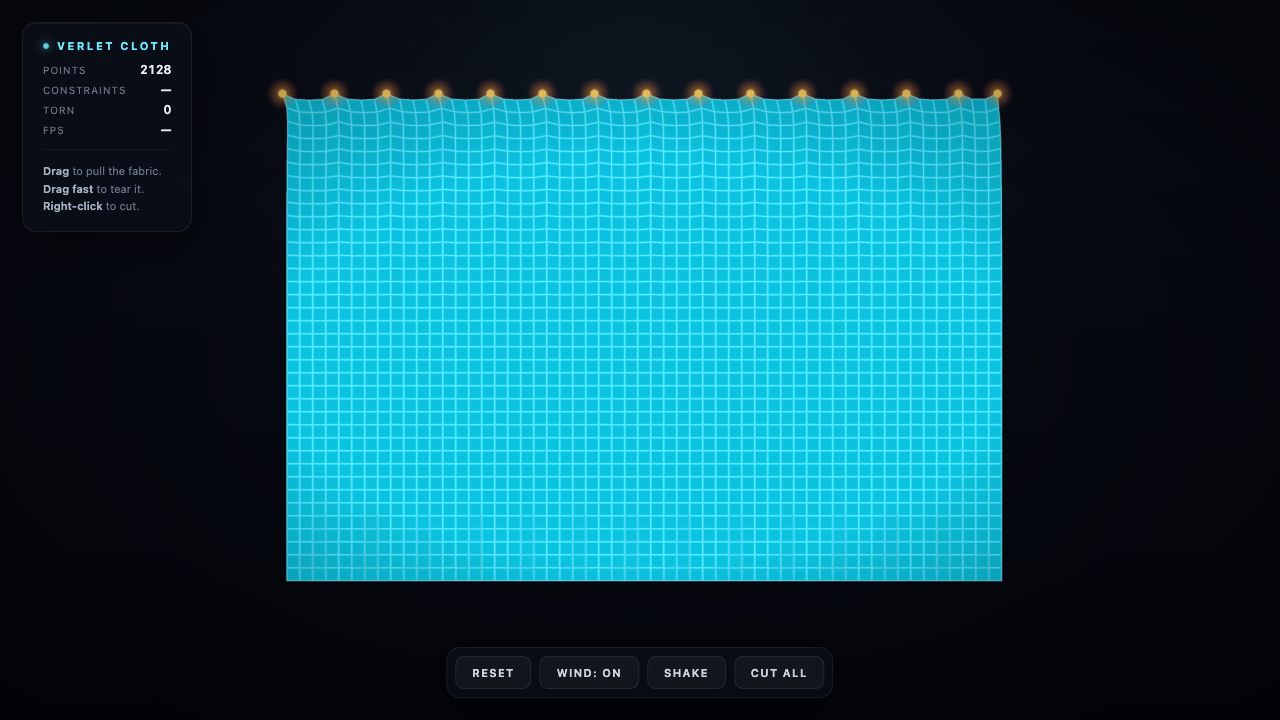
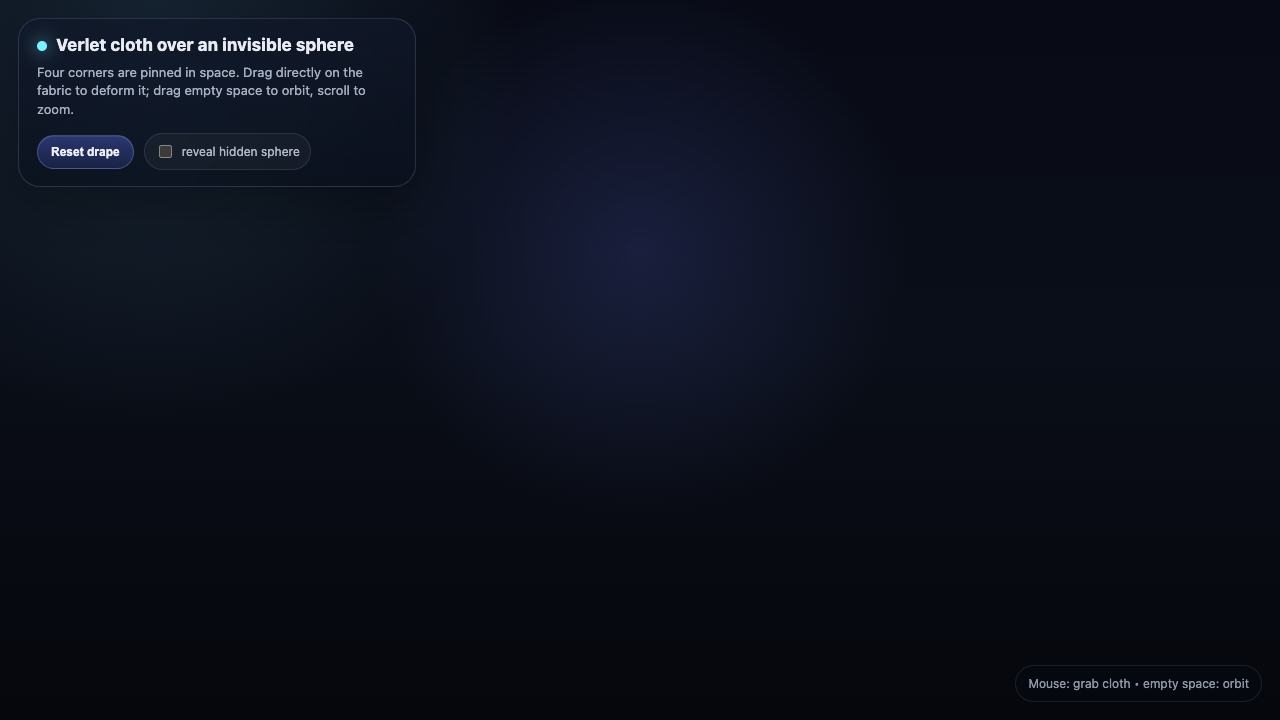
Sim
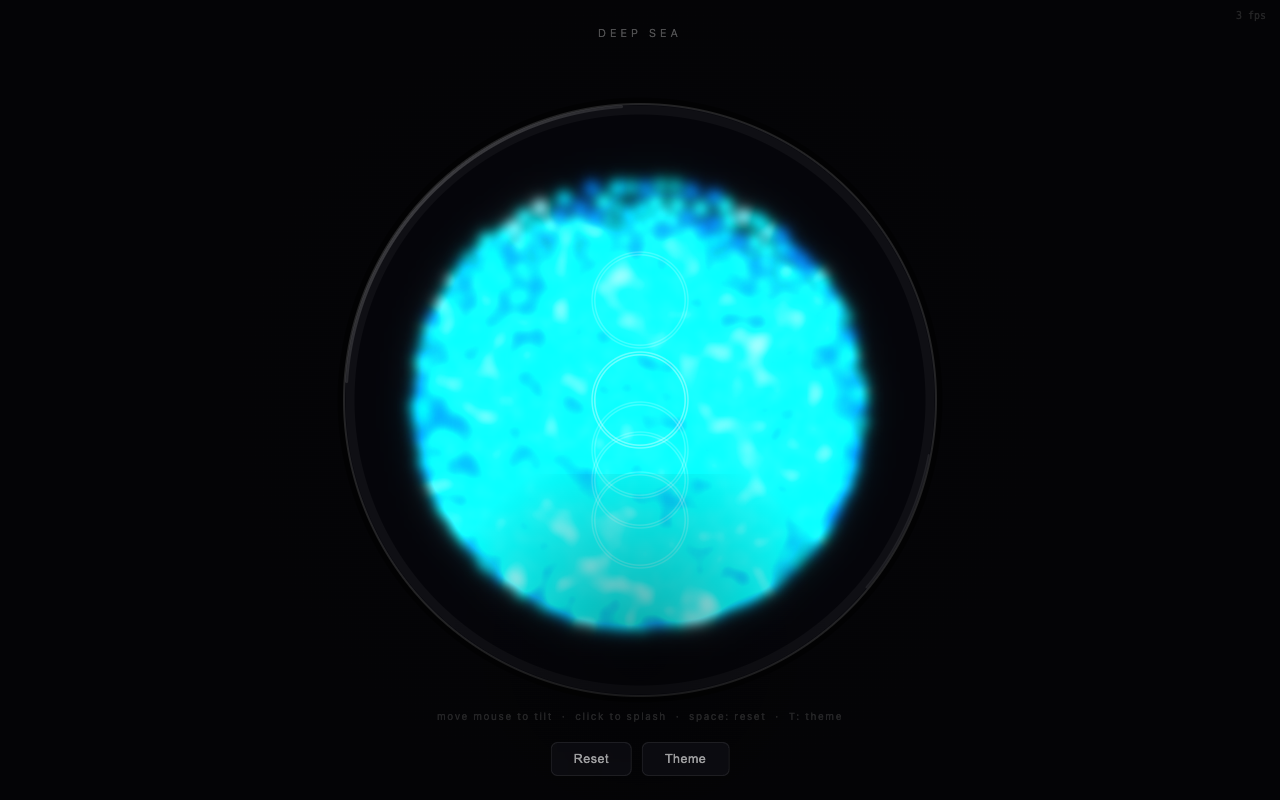
Sim
Sim
Sim
Sim
Where GLM-5.2 beat Fugu Mini
The tasks where I gave GLM-5.2 a higher 0–10 score on the same prompt — with the actual commentary from my source guides.
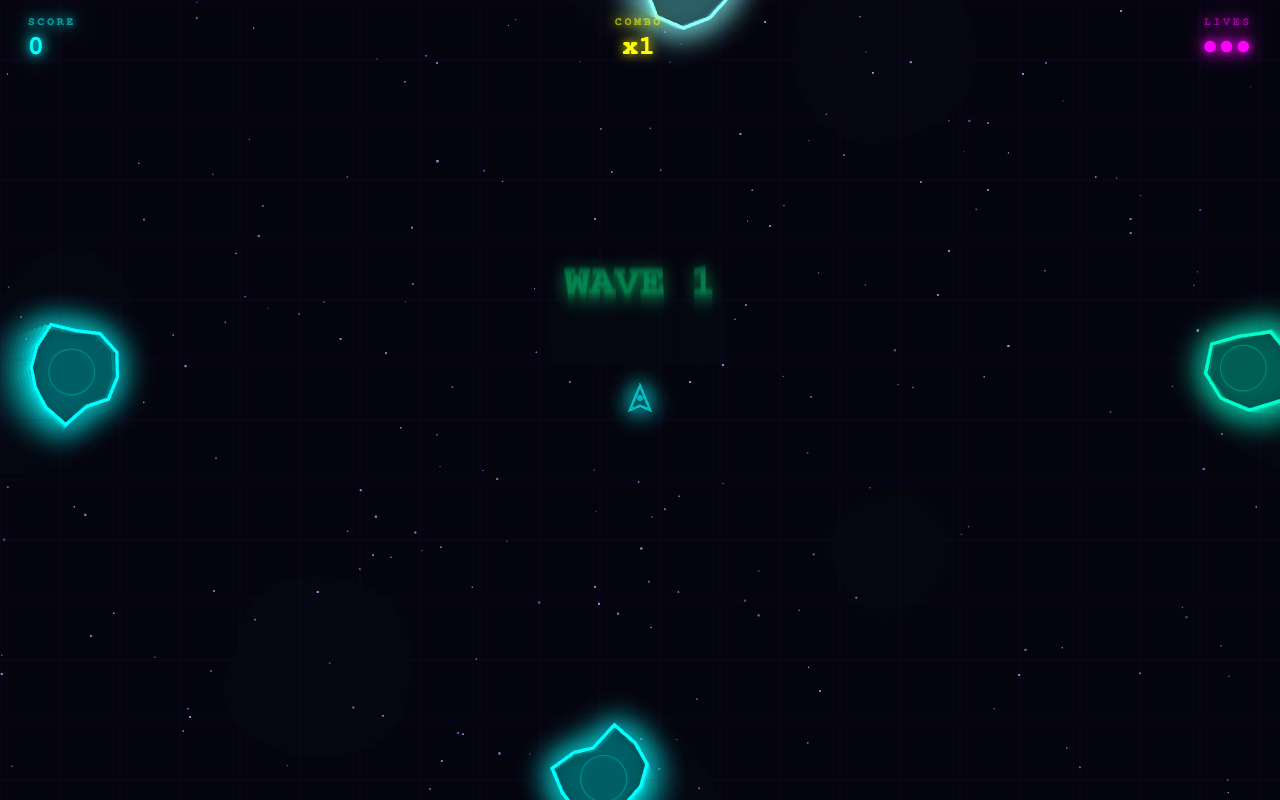
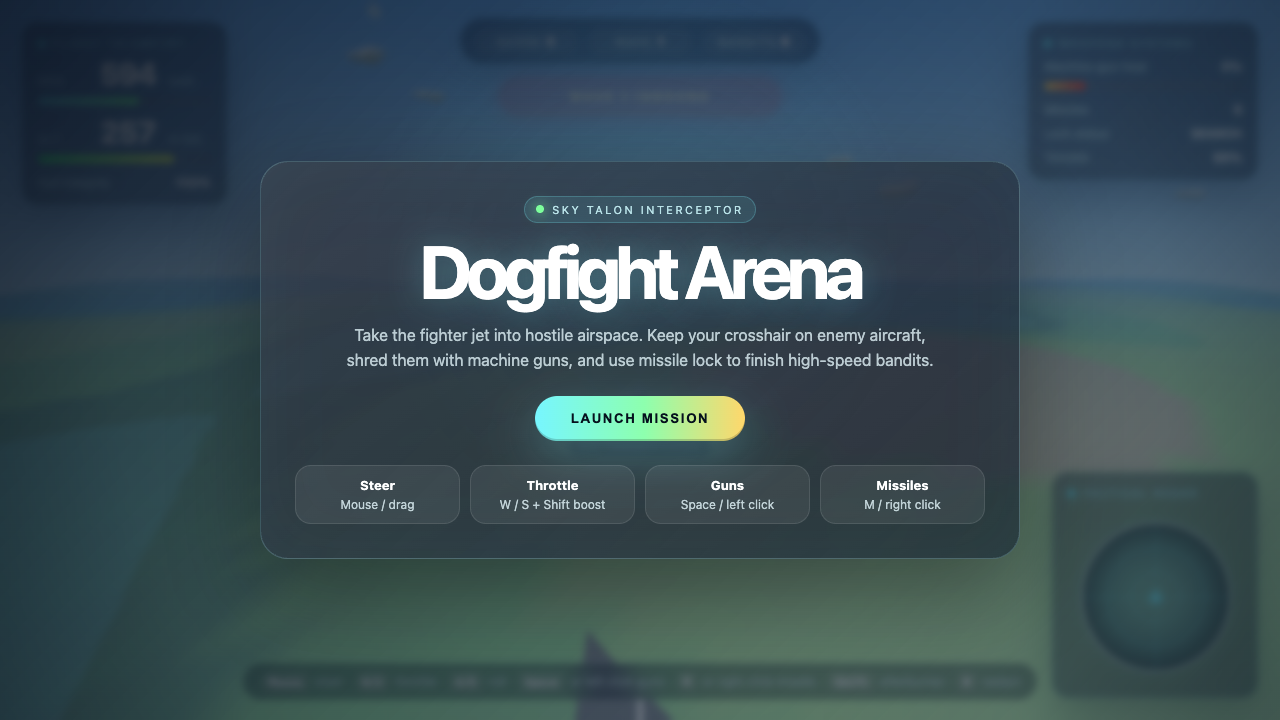
Dogfight
Game
GLM-5.2 8.0
·
Fugu Mini 6.0
(+2.0)
What I saw: 43KB · plays clean · webgl
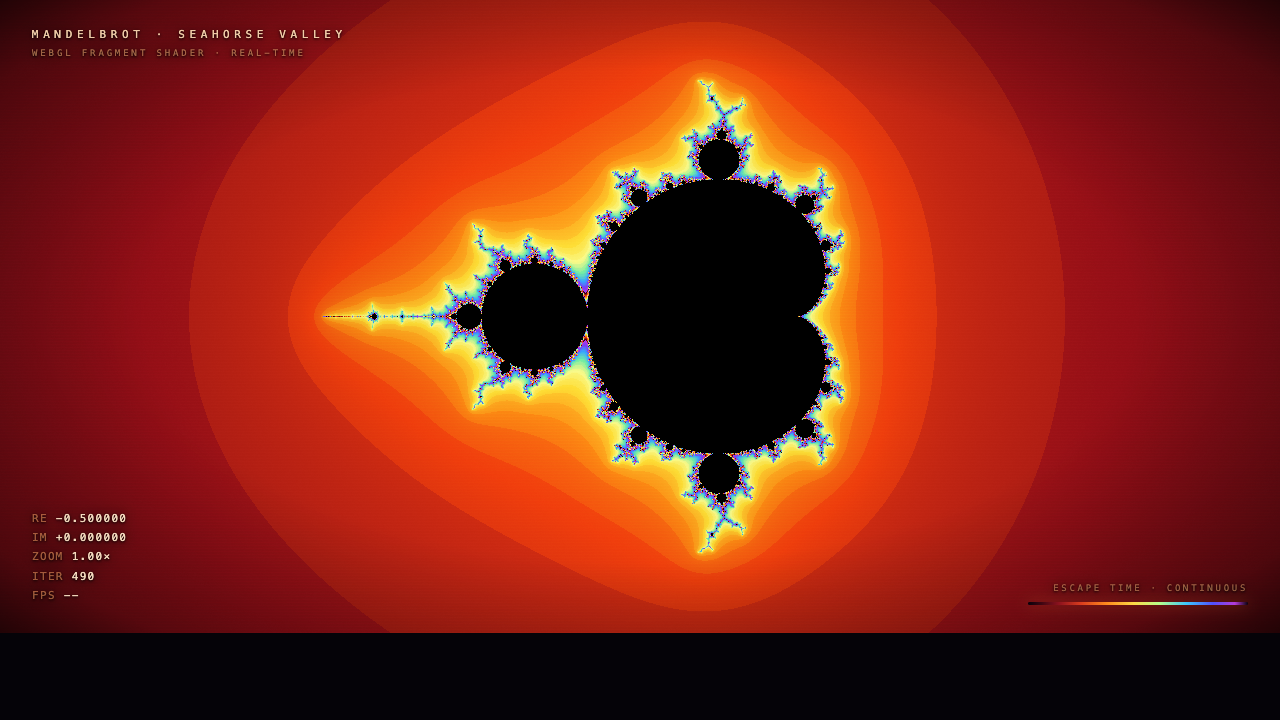
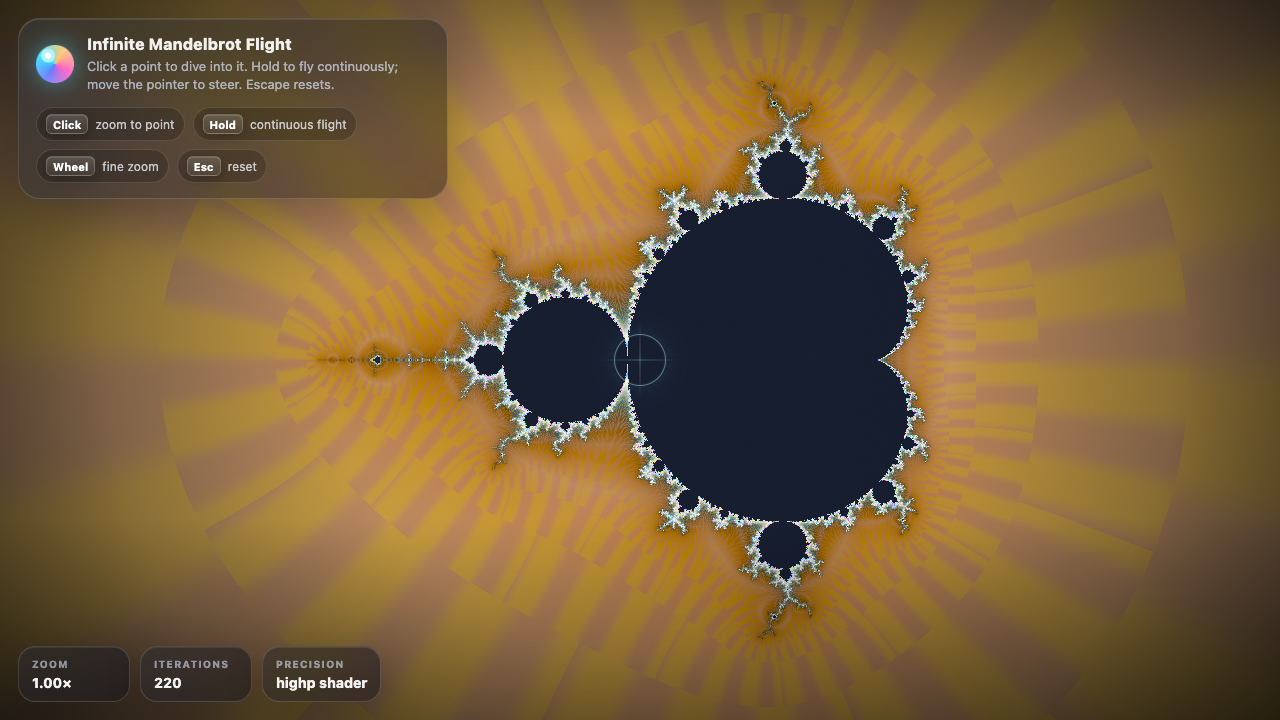
Fractal
Sim
GLM-5.2 8.0
·
Fugu Mini 6.5
(+1.5)
What I saw: All three are genuinely good. Kimi's is the jaw-dropper — a deep rainbow plunge into a seahorse spiral, dense with self-similar detail. Opus zooms smoothly into the seahorse valley with a tasteful cycling palette. GLM frames the whole iconic set in a fire palette with a live coor…
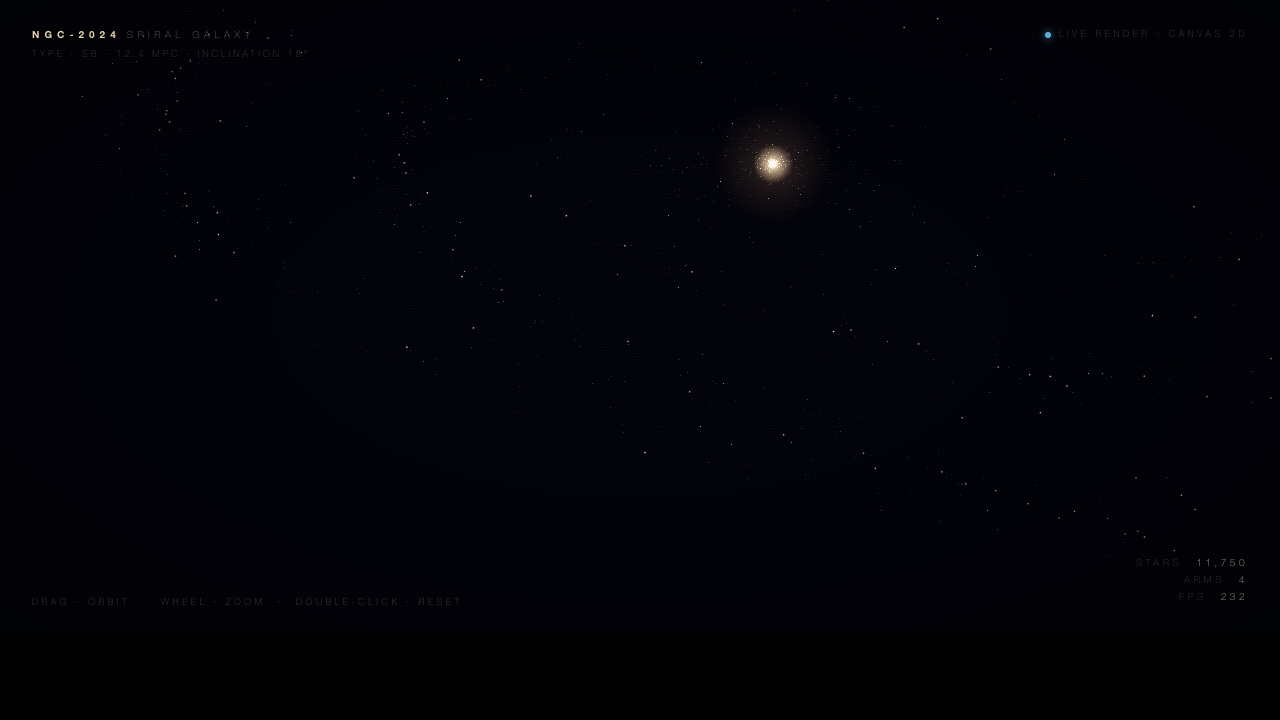
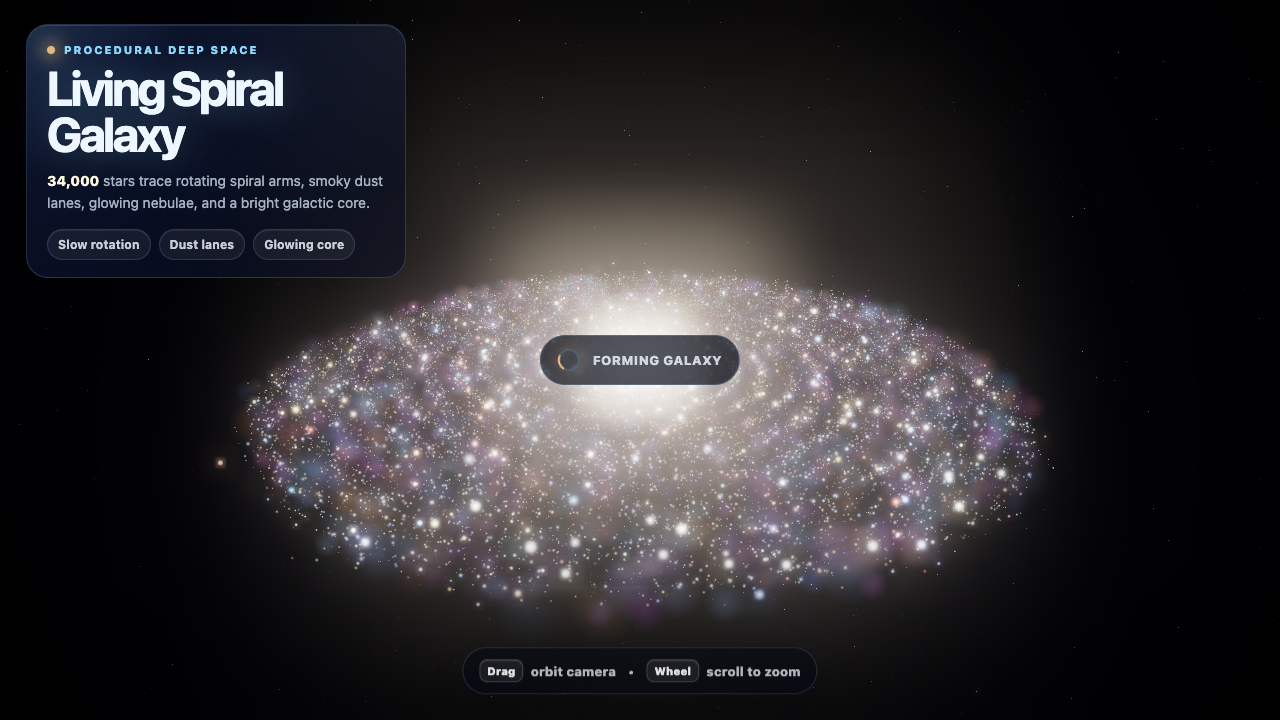
Galaxy
Sim
GLM-5.2 8.0
·
Fugu Mini 6.5
(+1.5)
What I saw: Opus built a proper interactive 3D galaxy — drag to orbit a 7,000-star cloud around a glowing core. Kimi's is the prettiest single frame: a clean tilted spiral disk with rainbow arms. GLM's runs on a canvas with a slick NGC-style HUD and zoom, just less dramatic at a glance. Thre…
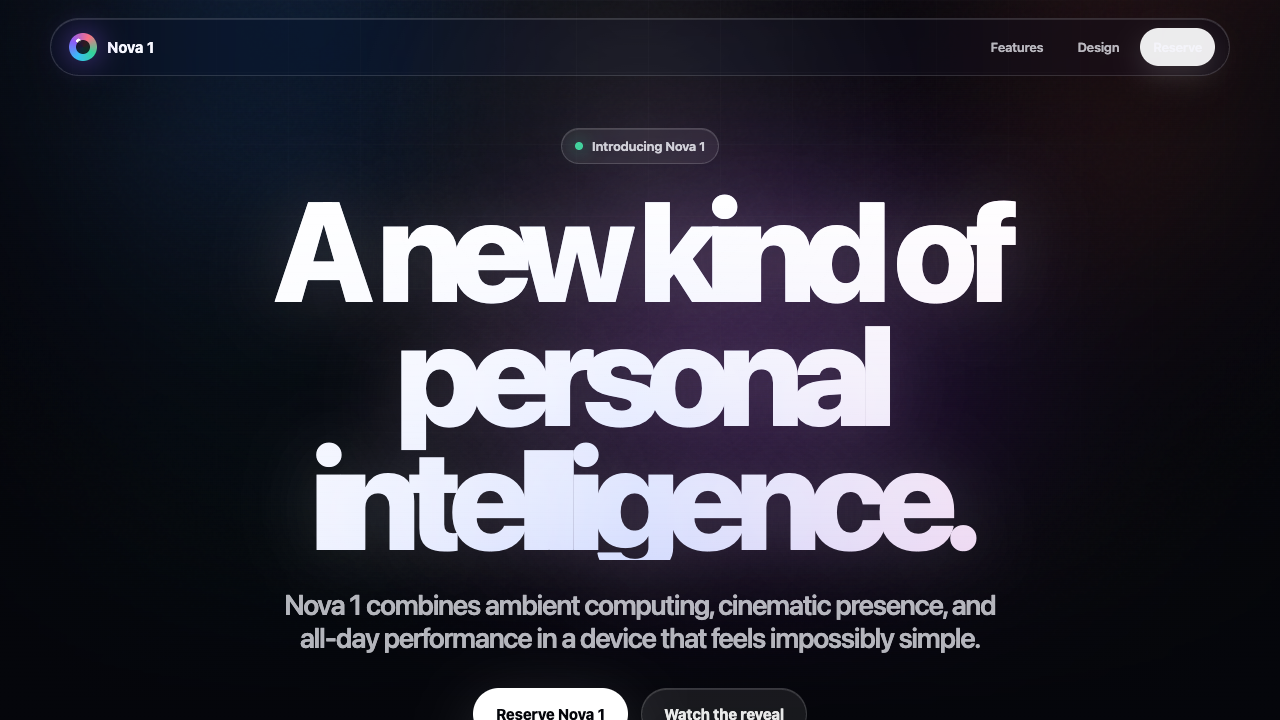
Landing
Page
GLM-5.2 9.0
·
Fugu Mini 7.5
(+1.5)
· tie · top
What I saw: Funniest result of the lot: GLM and Opus independently produced near-identical premium 'Introducing Nova 1 — Intelligence, reimagined / distilled' keynote pages — gradient hero, full nav, pricing tiers. A dead heat. Kimi's was a plainer set of feature cards.
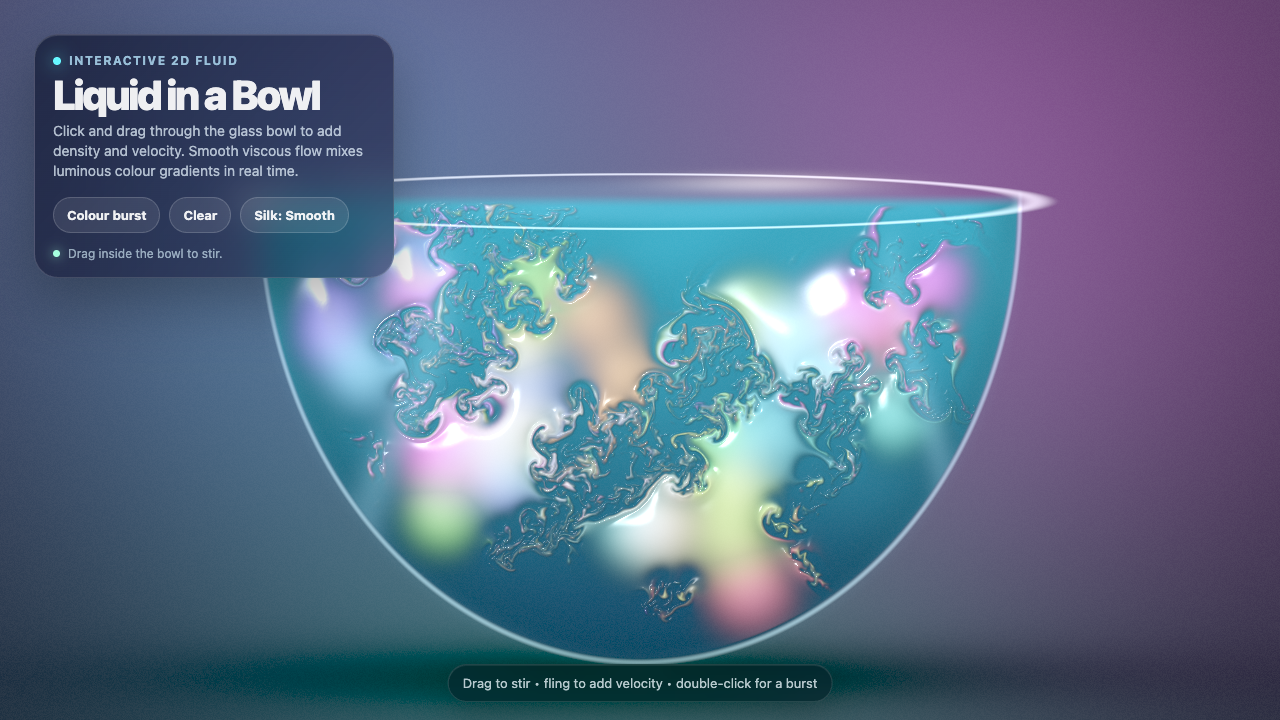
Fluid
Sim
GLM-5.2 9.0
·
Fugu Mini 8.0
(+1.0)
· winner · best liquid
What I saw: GLM filled the bowl with glowing liquid that actually sloshes — the most convincing 'liquid in a bowl'. Opus's particles glowed but clumped to the centre. Kimi's collapsed into a tiny blob.
Where Fugu Mini beat GLM-5.2
The tasks where I gave Fugu Mini a higher 0–10 score on the same prompt — with the actual commentary from my source guides.
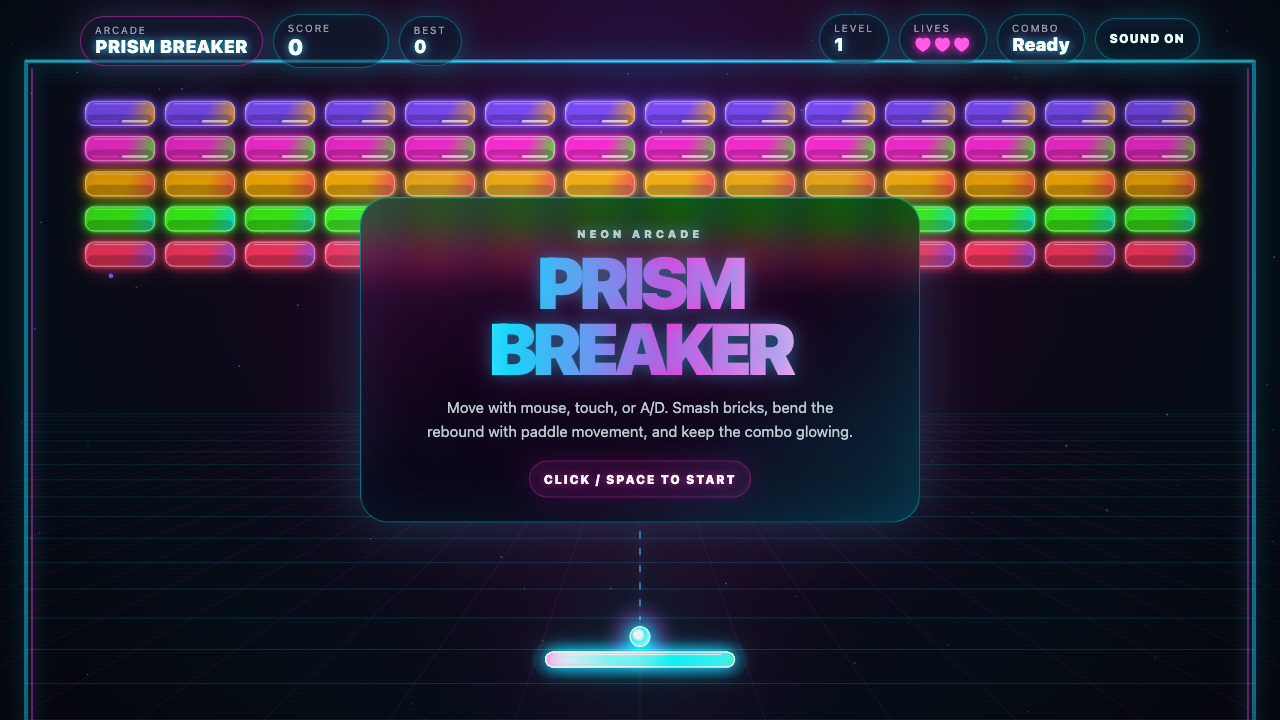
Game
Game
Fugu Mini 9.0
·
GLM-5.2 7.5
(+1.5)
· winner · biggest visual change
What I saw: Juicy browser game. Smoke-test PASS with 55% pixel diff — most reactive build in the sweep.
Terrain
Visual
Fugu Mini 8.5
·
GLM-5.2 7.0
(+1.5)
What I saw: Mini gap-fill (round 2) — Tron procedural terrain. Smoke-test PASS (8.6% diff — strong motion).
Matrix
Visual
Fugu Mini 8.0
·
GLM-5.2 7.0
(+1.0)
What I saw: Falling green Matrix rain. Smoke-test PASS, continuous animation.
Waves
Visual
Fugu Mini 8.5
·
GLM-5.2 7.5
(+1.0)
What I saw: Gerstner ocean waves with sun reflection. Smoke-test PASS (9.6% pixel diff — strong wave motion).
Arcade
Game
Fugu Mini 8.5
·
GLM-5.2 8.0
(+0.5)
What I saw: 55KB Breakout-style — paddle, ball, brick wall, particles, score HUD. Smoke-test PASS (large pixel diff after input).
Strengths & weaknesses I logged
GLM-5.2
Strengths
- 1M-token context window — best-in-class long-document and large-codebase work
- Open weights — runs locally, no vendor lock-in, no token meter
- Top of the bench for cinematic visuals (neon city, synthwave, voxel runner)
Trade-offs
- Faceplanted on the Goldie Bench raycaster — the engine was great but it spawned the player inside a wall
- First-shot reliability lags Opus by a hair on consistency
Fugu Mini
Strengths
- Zero panel orchestration — much lower latency than Ultra
- Same Sakana subscription, no extra cost
- Doesn't time out on heavy game/3D prompts where Ultra stalls
Trade-offs
- Single model only — no ensemble verdict
- Newer than Ultra — less calibration / verification
Pricing & context — the spec sheet
| Spec | GLM-5.2 | Fugu Mini |
|---|---|---|
| Vendor | Zhipu / Z.ai | Sakana AI |
| Context window | 1,000,000 tokens | Single-model variant of Sakana's Fugu — no panel orchestration. Same API endpoint, much faster per call. |
| Price | Open weights · free for individuals | Same Sakana subscription pool as Fugu Ultra |
| Pricing detail | Open-weights release: weights downloadable from Hugging Face for self-hosting, or runnable for free on z.ai for individuals (commercial use has separate licensing). | The non-Ultra `fugu` model on Sakana's API. Sakana describes it as 'Fast mini model optimized for low latency yet high quality responses.' Crucially: zero orchestration tokens per call (vs Ultra's panel of thousands). Returns in ~3 min instead of 6-15 min and doesn't time out on heavy prompts. |
| Release | 2026-06-14 | 2026-06-15 |
| Bench coverage | 47/47 scored · avg 7.77/10 | 36/37 scored · avg 7.75/10 |
The verdict — which should you pick?
Across 36 scored shared tasks, the averages are essentially tied — GLM-5.2 7.81 vs Fugu Mini 7.75. This isn't the comparison where one wins; it's the comparison where you pick based on context, pricing, and what you're actually trying to ship.
If you only run one of these inside your stack, the head-to-head average above is the call. If you can run both, my honest play is to wire GLM-5.2 and Fugu Mini both into the Agent Operating System and dispatch each from the kanban by task type — long-context agent loops — pasting a whole codebase into one prompt → GLM-5.2, agent loops where latency matters more than panel consensus → Fugu Mini. That's the same setup I run for the 4,000+ founders inside the AI Profit Boardroom.
FAQ — GLM-5.2 vs Fugu Mini
Which is better, GLM-5.2 or Fugu Mini?
On Goldie Bench, GLM-5.2 averages 7.81/10 across the shared tasks, with 5 gold, 0 silver, 0 bronze overall. Fugu Mini averages 7.75/10, with 2 gold, 0 silver, 0 bronze. Fugu Mini wins the head-to-head 17–13.
How much does GLM-5.2 cost vs Fugu Mini?
GLM-5.2: Open-weights release: weights downloadable from Hugging Face for self-hosting, or runnable for free on z.ai for individuals (commercial use has separate licensing). Fugu Mini: The non-Ultra `fugu` model on Sakana's API. Sakana describes it as 'Fast mini model optimized for low latency yet high quality responses.' Crucially: zero orchestration tokens per call (vs Ultra's panel of thousands). Returns in ~3 min instead of 6-15 min and doesn't time out on heavy prompts.
What's the context window for GLM-5.2 vs Fugu Mini?
GLM-5.2 has a 1,000,000 tokens context window. Fugu Mini has a Single-model variant of Sakana's Fugu — no panel orchestration. Same API endpoint, much faster per call. context window.
When should I pick GLM-5.2 over Fugu Mini?
Pick GLM-5.2 for: Long-context agent loops — pasting a whole codebase into one prompt; Cinematic visual builds — landing pages, voxel scenes, synthwave runners; Anyone who needs to run a frontier coder locally for $0. The trade-off is the weaknesses we logged on the bench: Faceplanted on the {{SITE_NAME}} raycaster — the engine was great but it spawned the player inside a wall; First-shot reliability lags Opus by a hair on consistency.
When should I pick Fugu Mini over GLM-5.2?
Pick Fugu Mini for: Agent loops where latency matters more than panel consensus; Quick first-drafts you'll refine downstream; Filling out a bench when Ultra is timing out. The trade-off is the weaknesses we logged on the bench: Single model only — no ensemble verdict; Newer than Ultra — less calibration / verification.
How does Goldie Bench score GLM-5.2 vs Fugu Mini?
Every demo on this page was built by Julian Goldie inside the Agent Operating System — same fixed prompt for both models, one shot, single HTML file out. Each result gets a 0–10 score on whether it ran, how close it hit the brief, and how good it looked. The highest score on each task gets gold; second gets silver; third gets bronze. See methodology for full provenance.
Related comparisons
Other head-to-heads using the same scoring system:
GLM-5.2 vs Fusion Fugu Mini vs Fusion GLM-5.2 vs Claude Opus 5 Fugu Mini vs Claude Opus 5 GLM-5.2 vs Hermes MoA Fugu Mini vs Hermes MoA GLM-5.2 vs GPT-5.6 Sol Fugu Mini vs GPT-5.6 SolFull model pages: GLM-5.2 · Fugu Mini · back to the leaderboard
The same stack Julian uses
Run this stack yourself.
Every demo on this bench was built inside the Agent Operating System — one prompt, one shot, single HTML file out. The Agent OS, the prompts, the templates, the weekly walkthroughs and 4,000+ founders shipping with it every day all live inside the AI Profit Boardroom.
4,000+founders
258documented wins
38countries
$59/momonthly