Real head-to-head · same prompt, one shot
Fusion vs Qwen 3.7
Multi-model panel — Fable 5 + GPT-5.5, ensembled. Beats Fable 5 at half the price. vs Multilingual open-weights — strong on Chinese reasoning.
Head-to-head verdict: Fusion wins 46–0 with 1 tie.
What I tested — same prompt, two models
I run the same fixed prompt set through every new model the day it drops — same string, one shot, single HTML file out — and I score the result 0–10 on whether it ran, how close it hit the brief, and how good it looked. Below is what came out when I gave the exact same prompts to Fusion and Qwen 3.7, side by side, on 47 shared tasks inside the Agent Operating System.
Both models were given identical prompts inside the Agent Operating System — no help, no iteration, no "best of N" tricks. I run each prompt once, save the HTML file the model produces, and score it 0–10 on whether it ran, how close it hit the brief, and how good it looked. The scoring is mine. The verdicts below are pulled from my source comparison guides at agentos.guide where I publish every score and the reasoning behind it.
Fusion · Dispatched from Agent OS for research-heavy prompts where ensemble accuracy outweighs single-model speed.
Qwen 3.7 · Wired alongside GLM-5.2 in Agent OS for open-weights agent loops where you want vendor diversity.
Side-by-side on 47 shared tasks
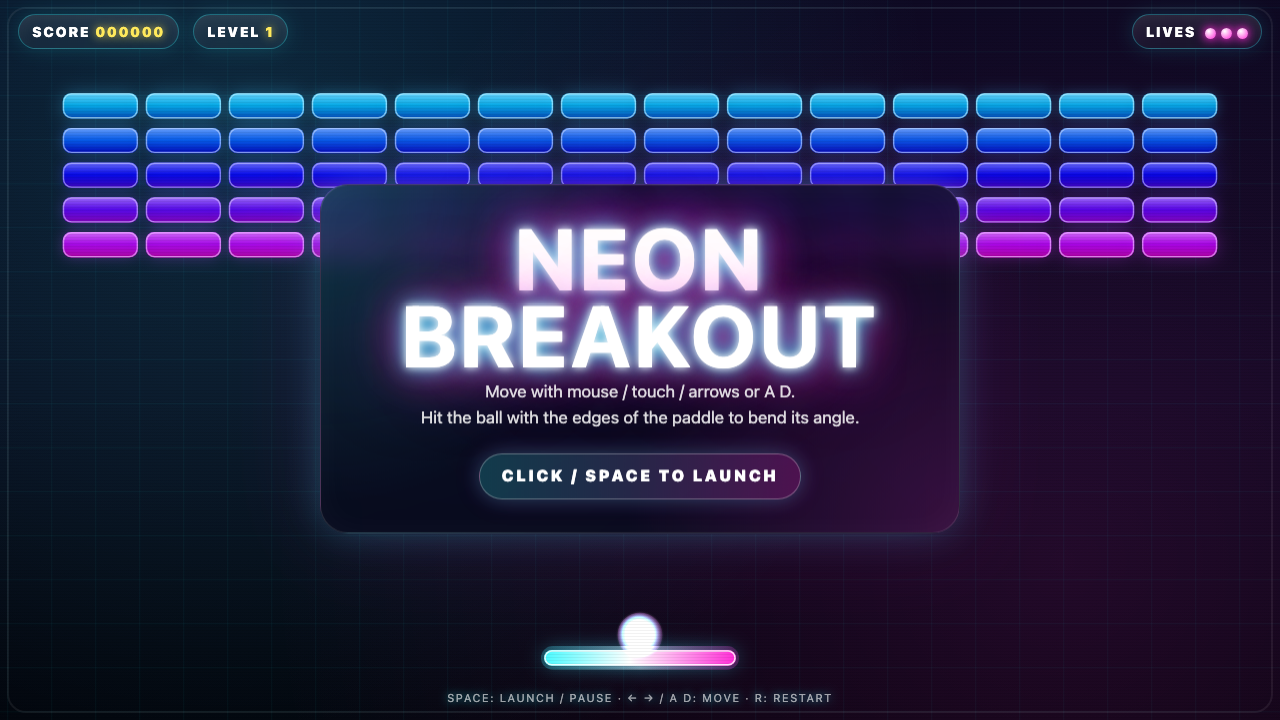
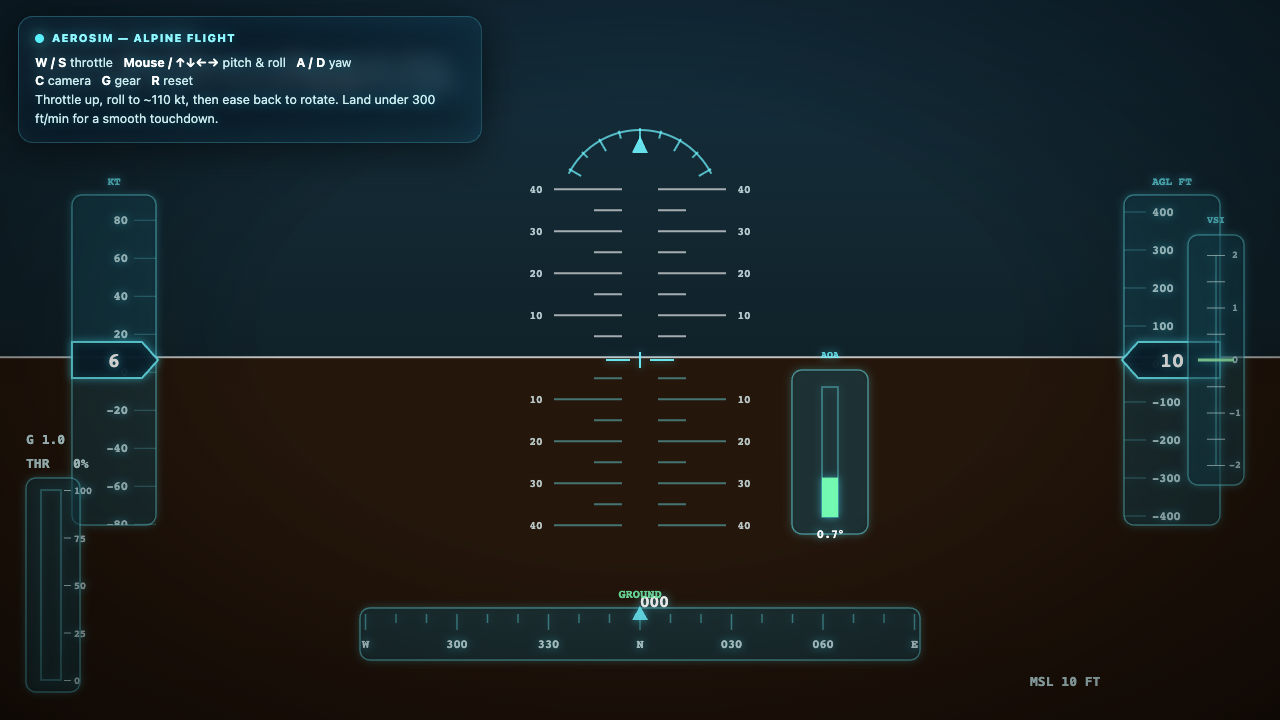
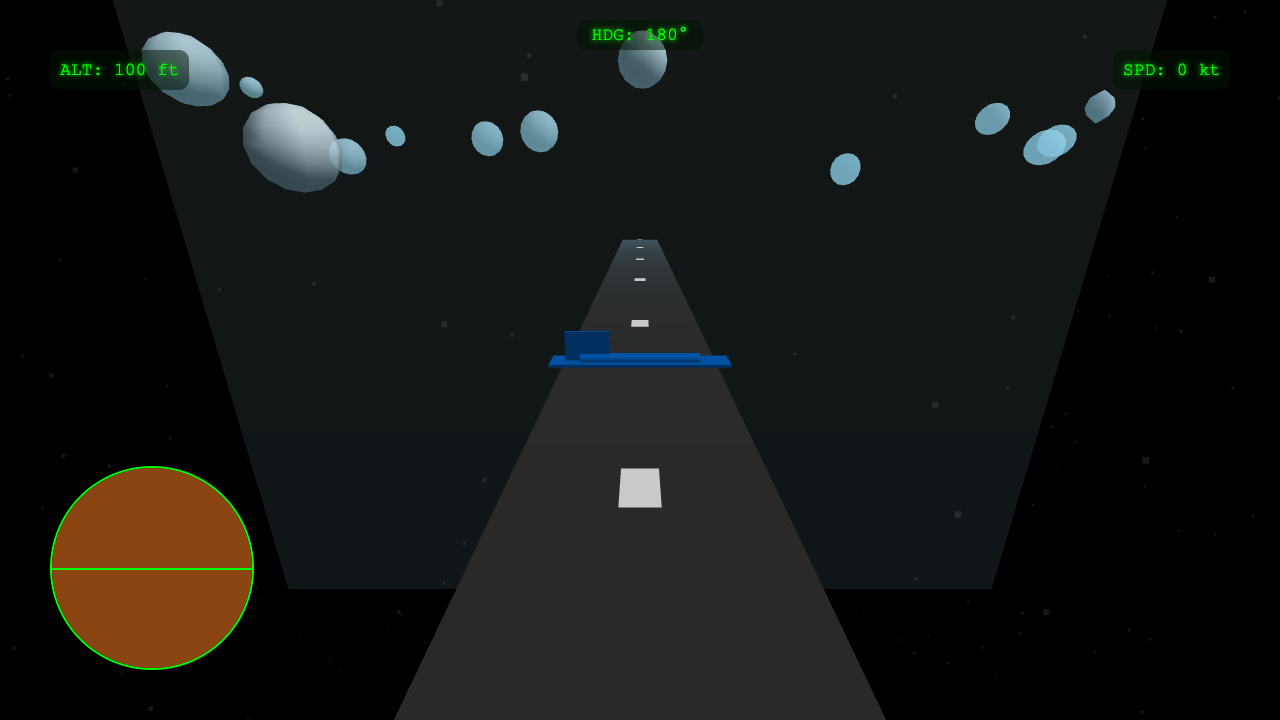
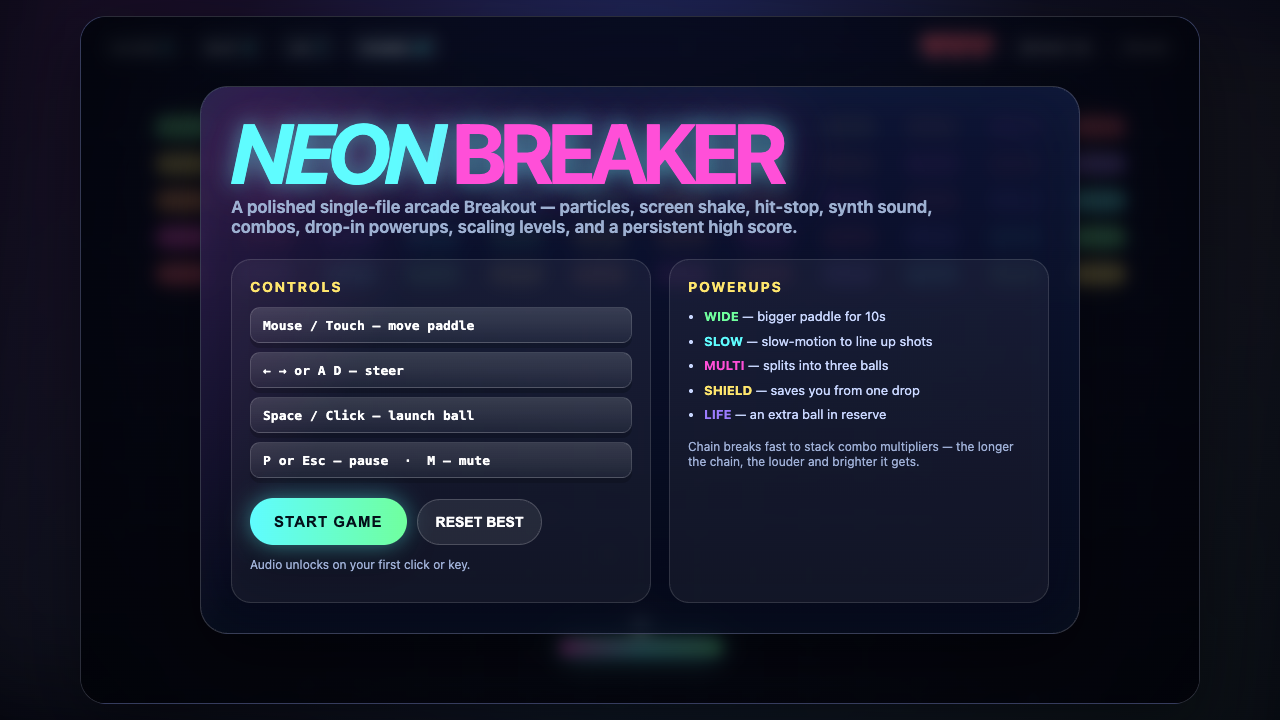
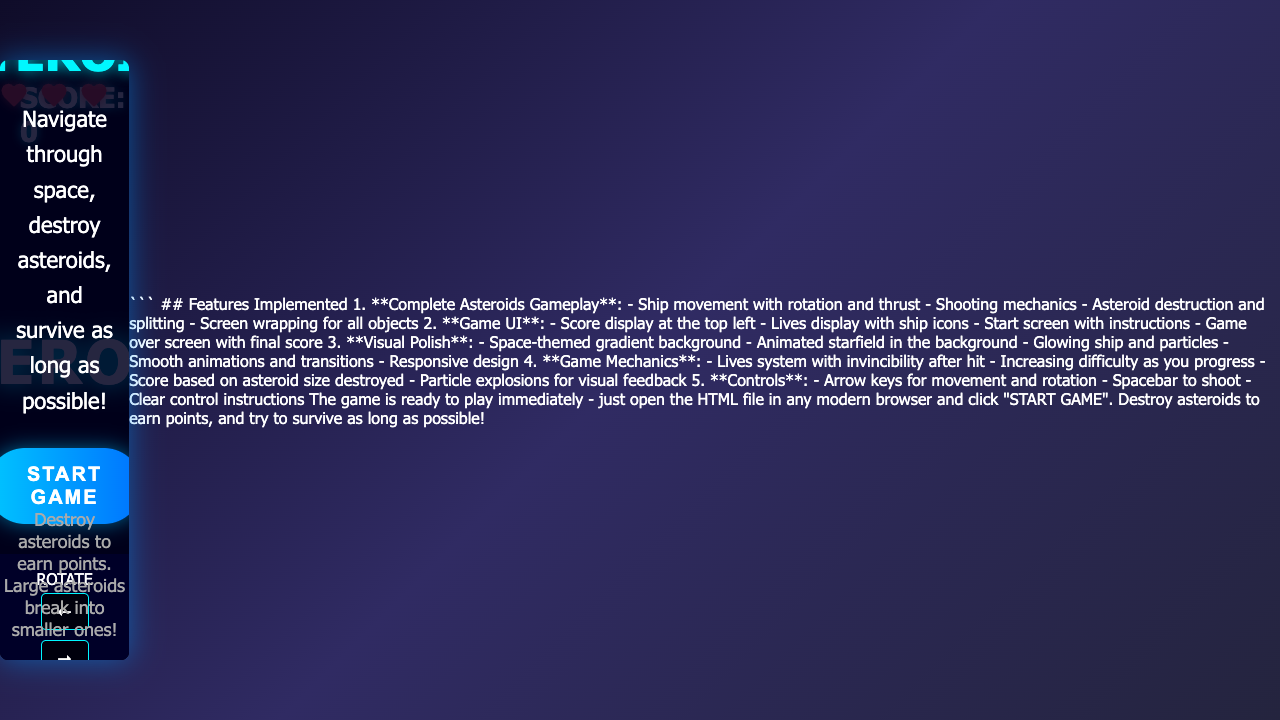
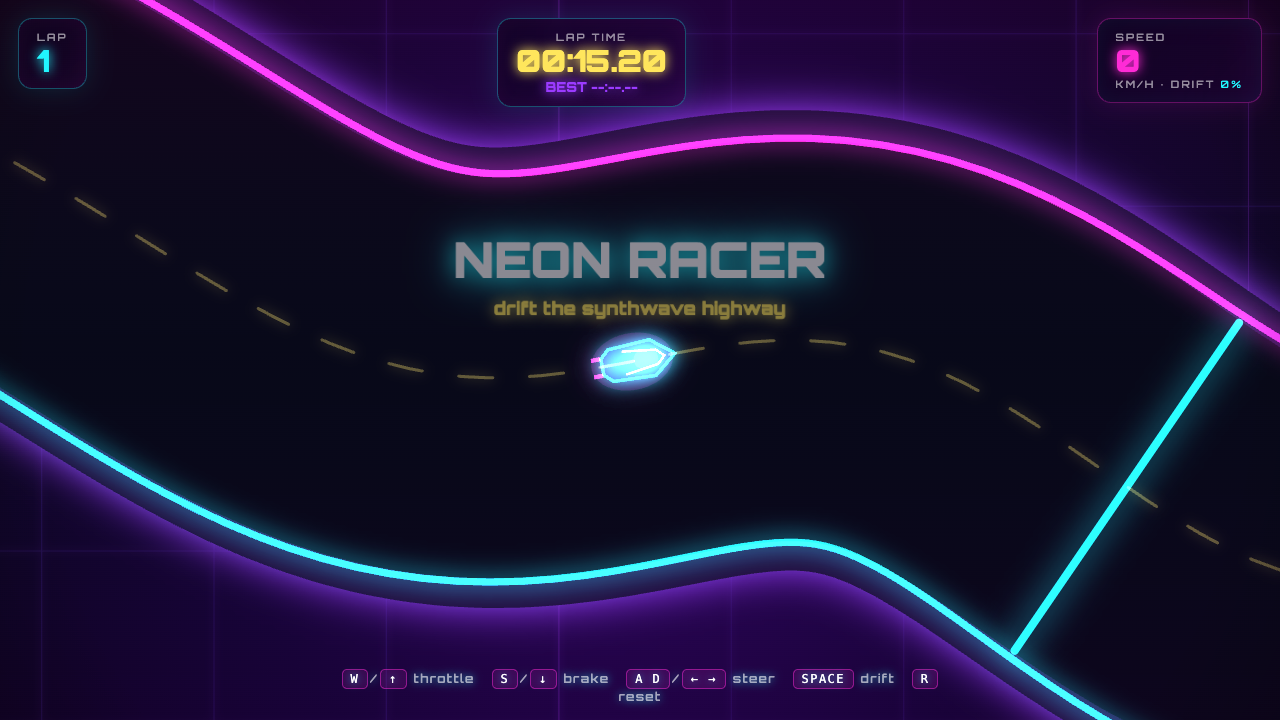
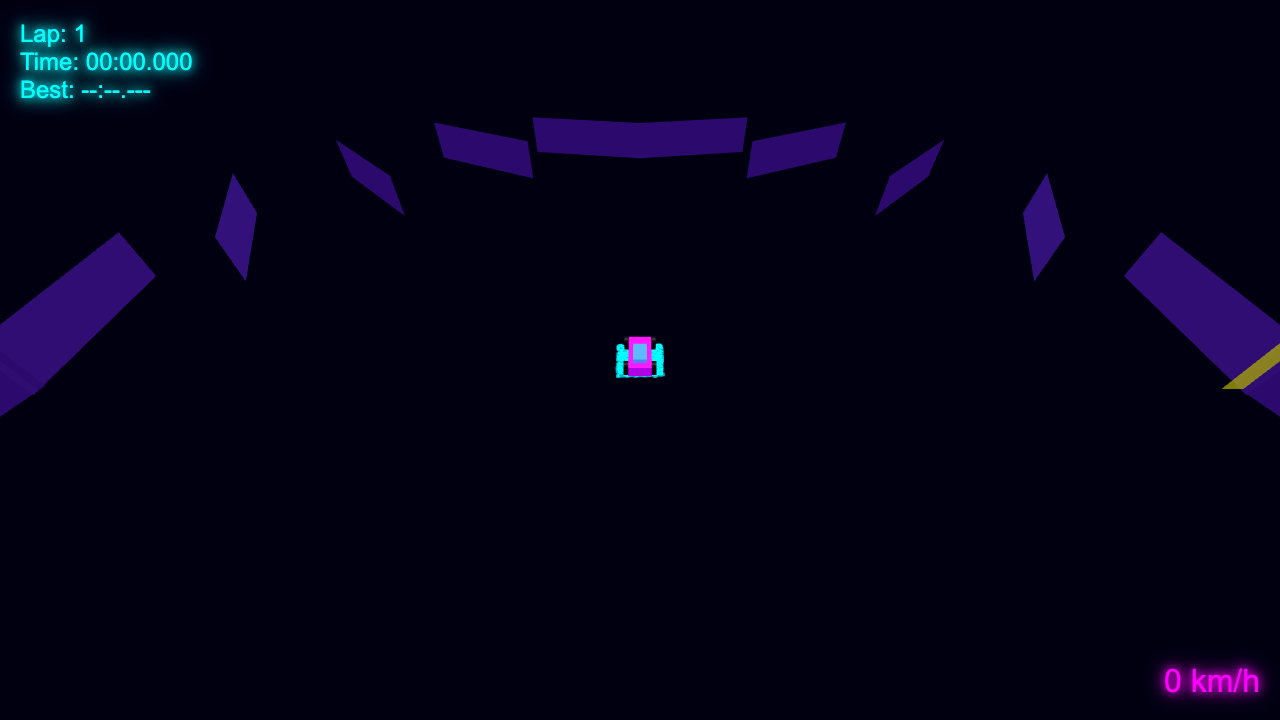
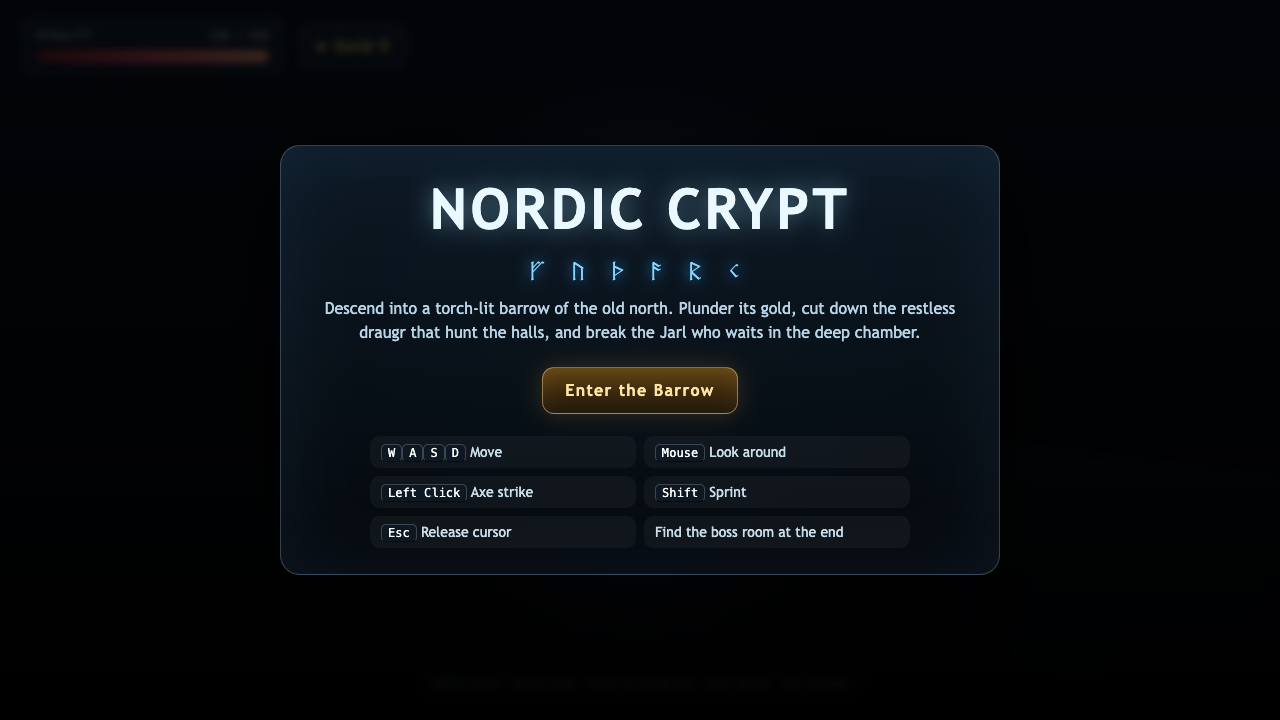
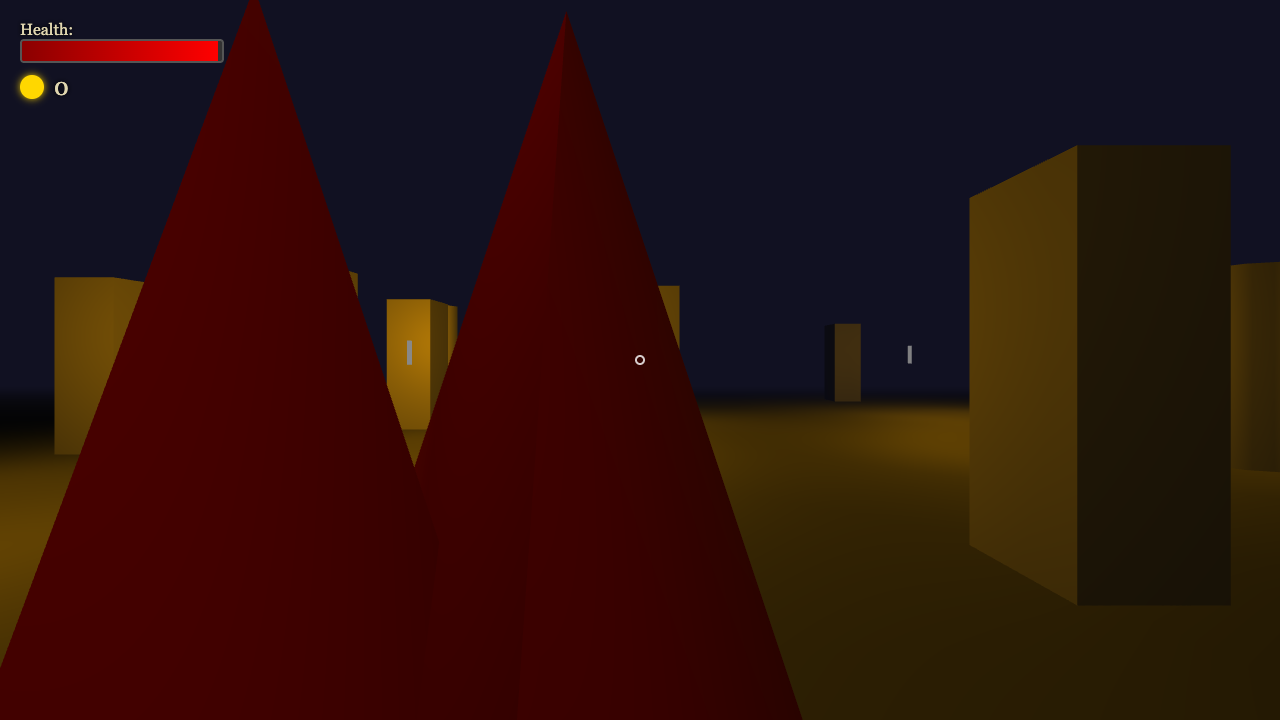
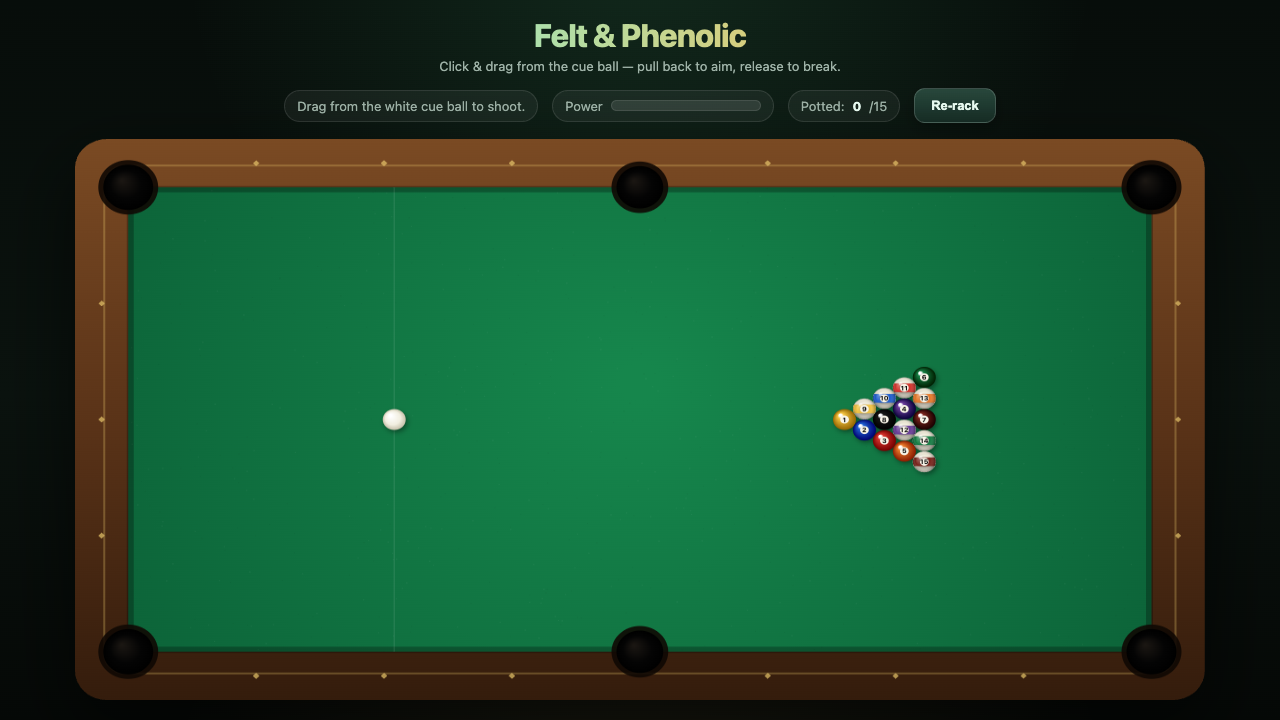
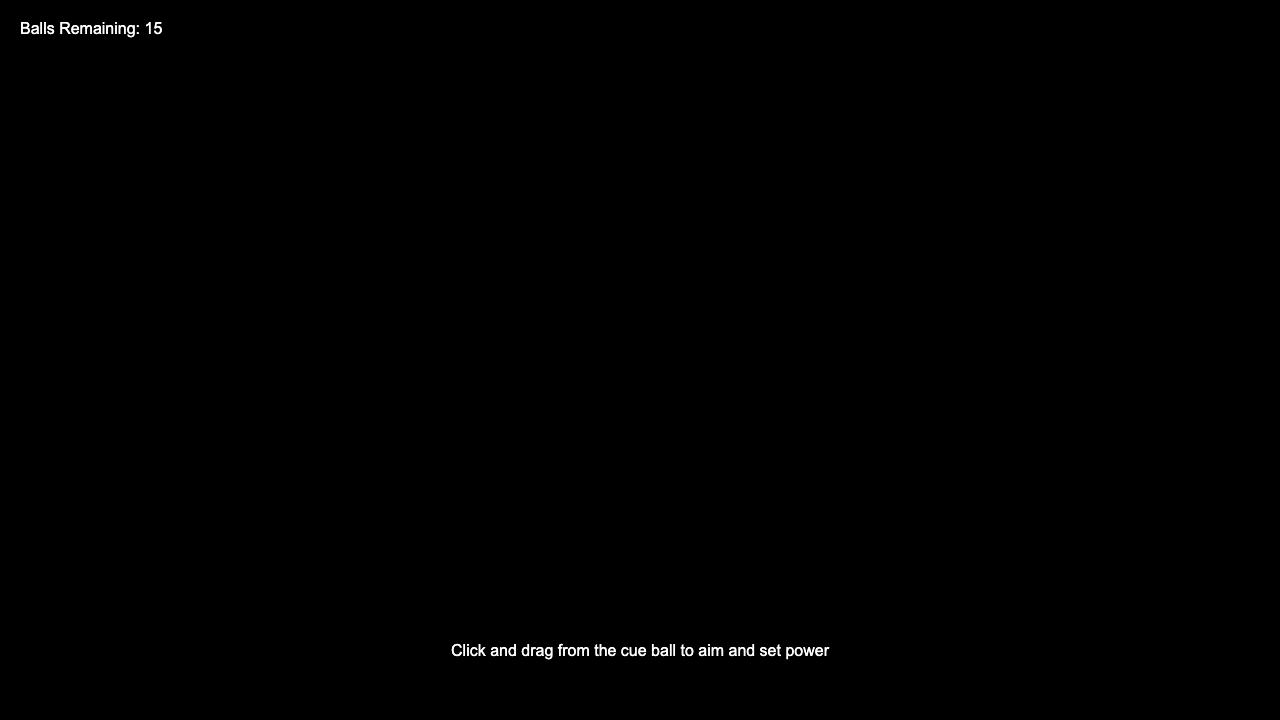
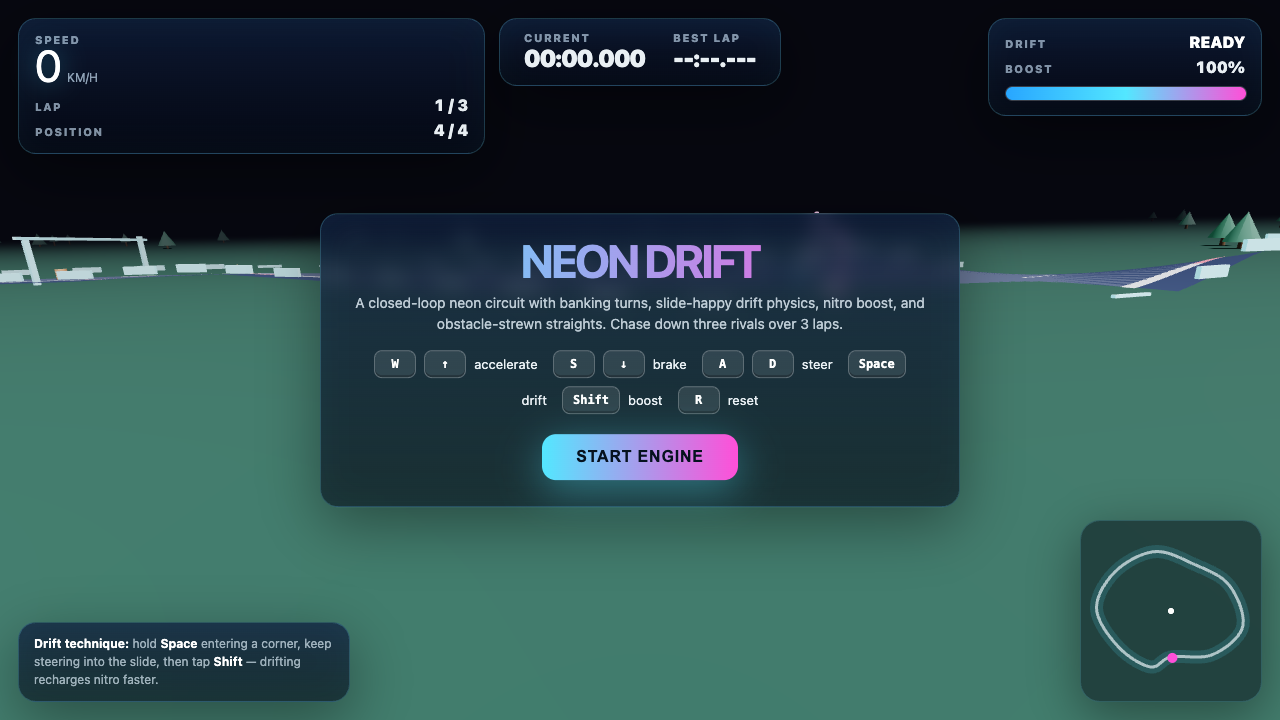
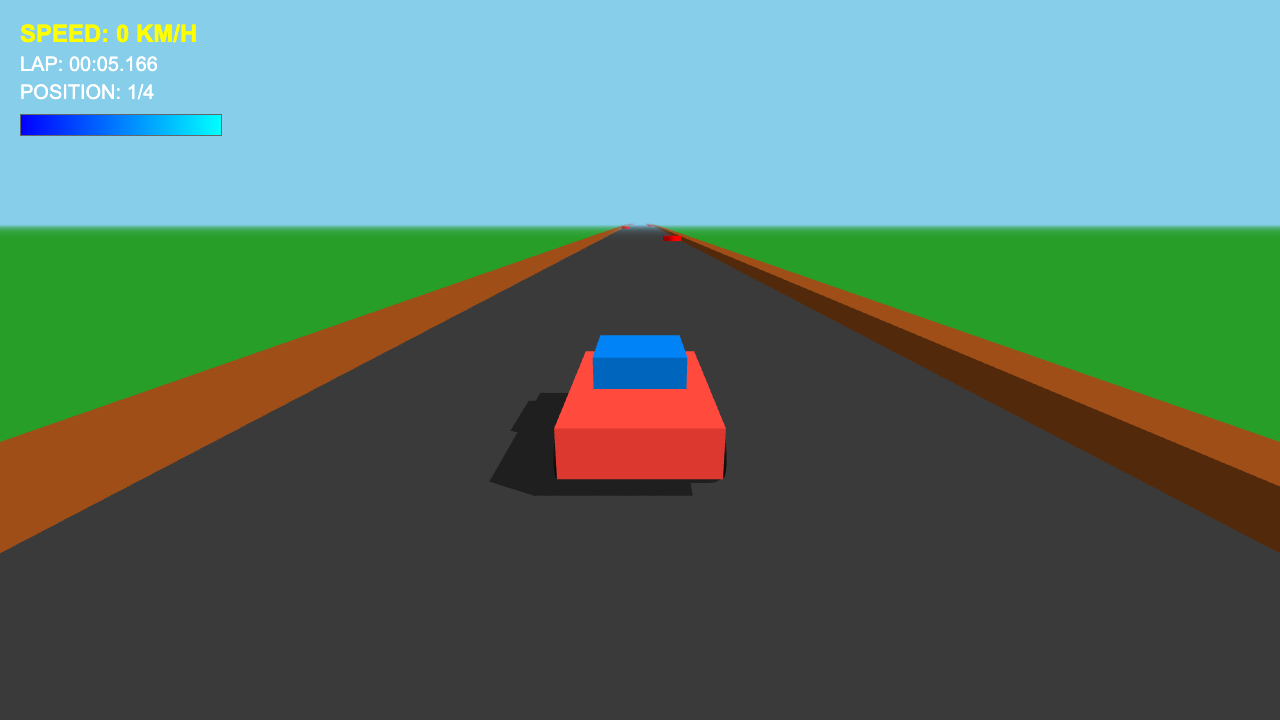
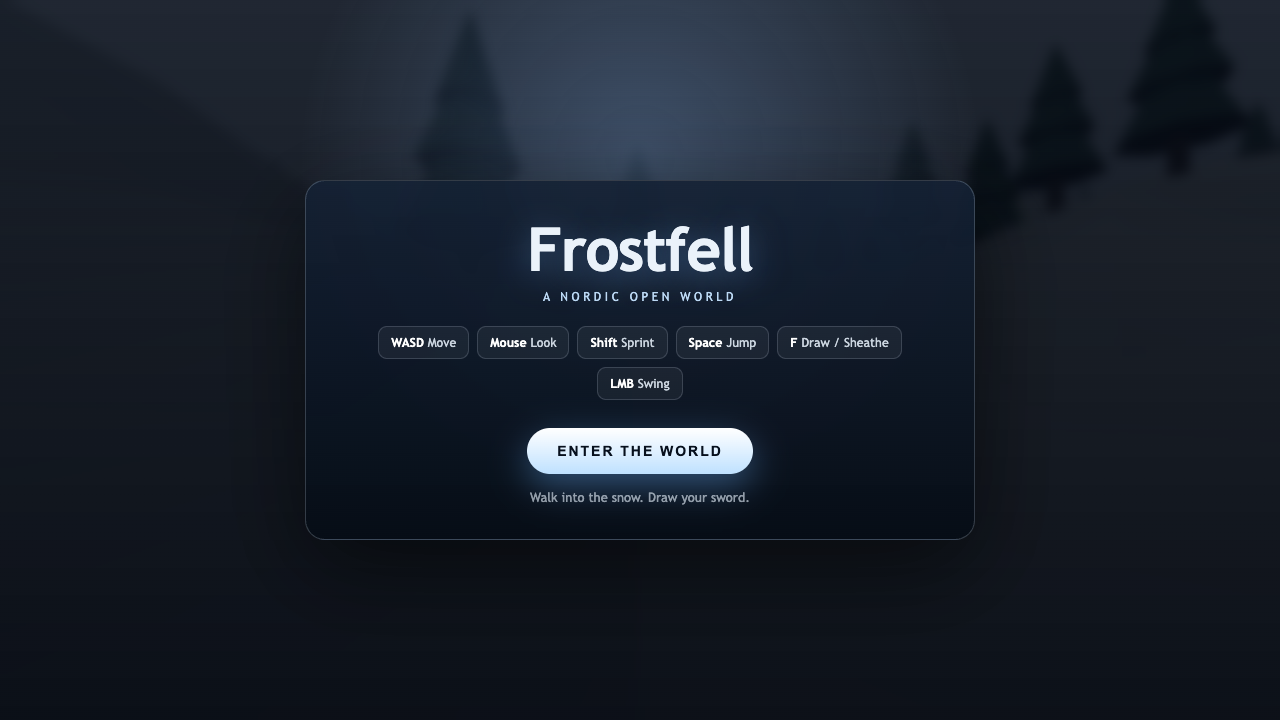
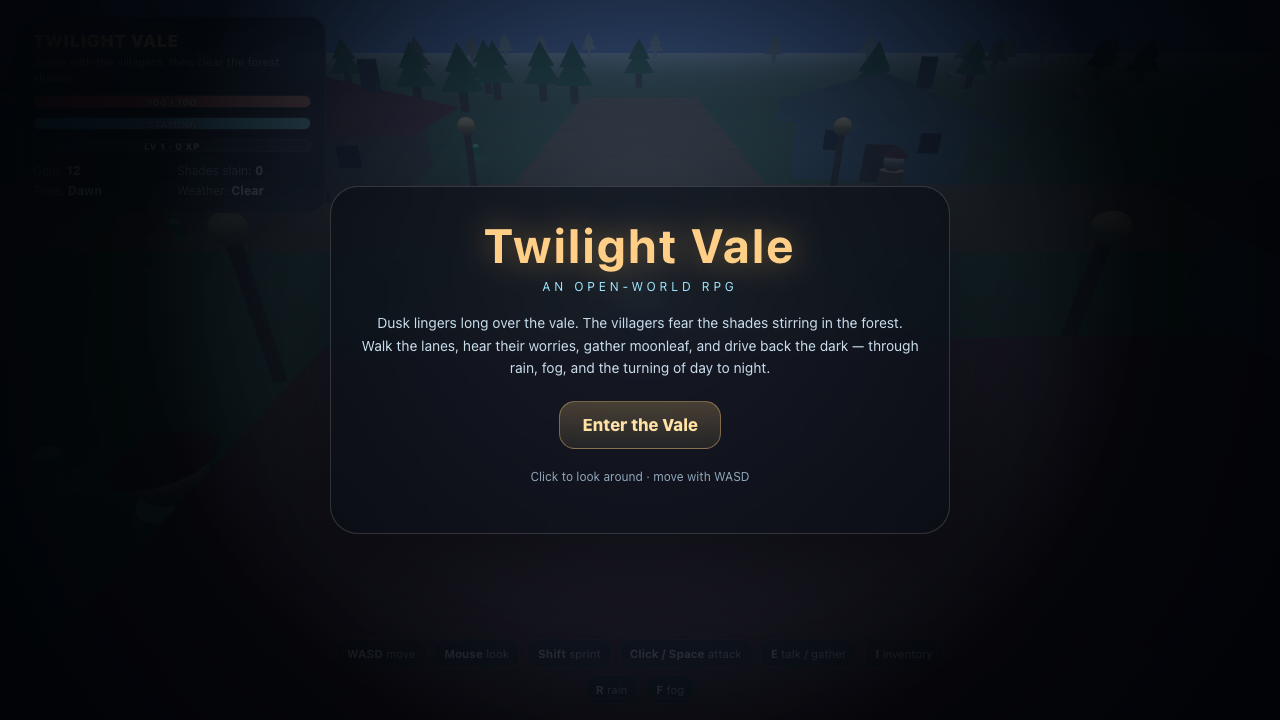
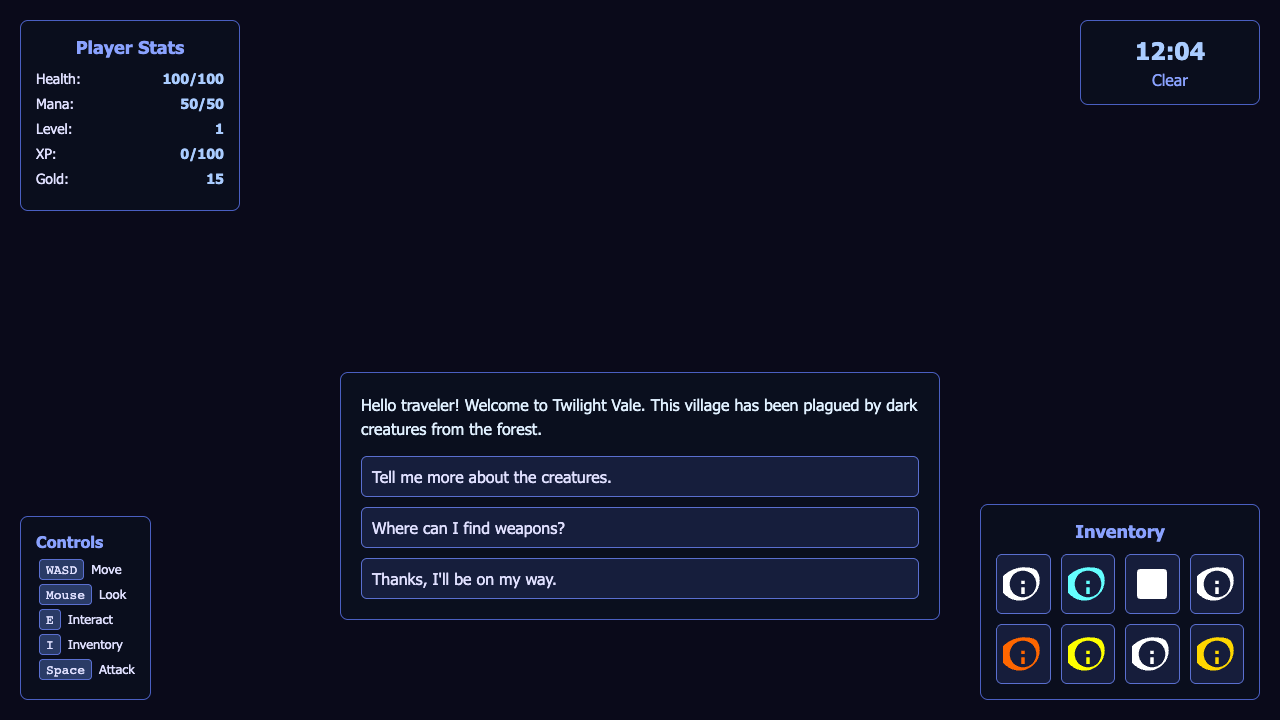
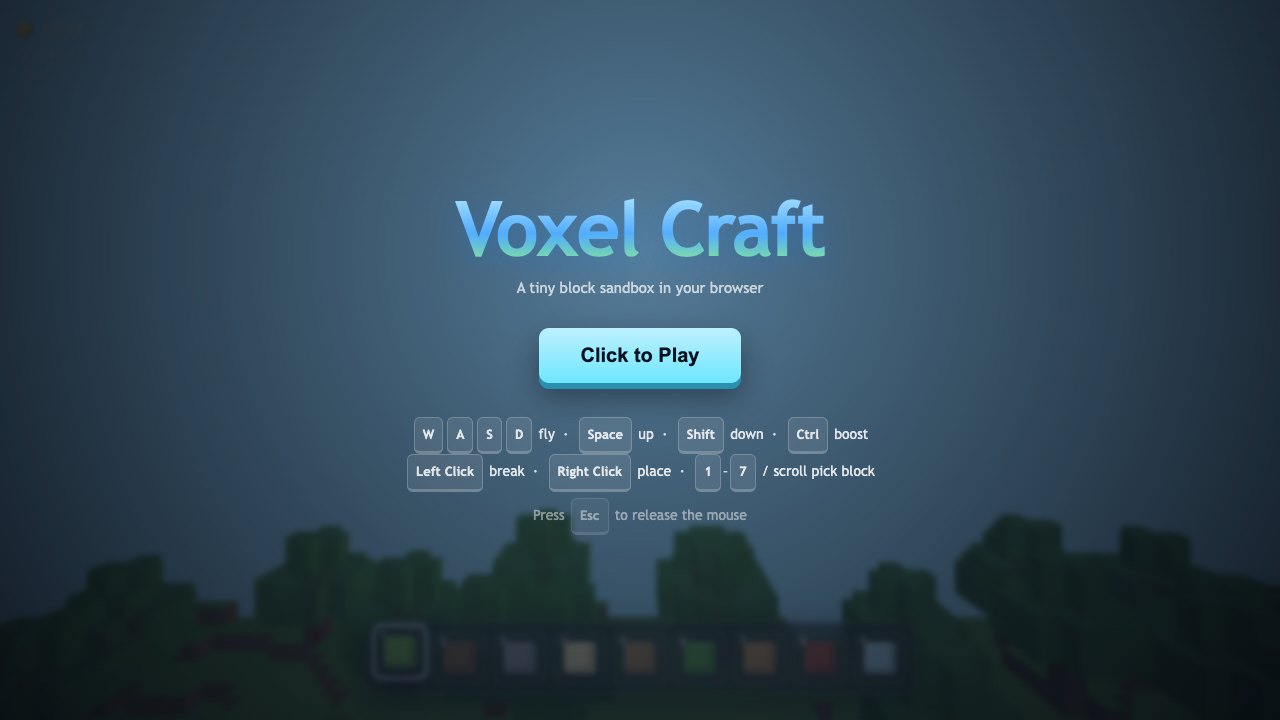
Click any cell to play that model's actual one-shot attempt. Medals are derived from my 0–10 scores per task (highest = 🥇, second = 🥈, third = 🥉).
Task ↓
Fusion
Qwen 3.7
Game
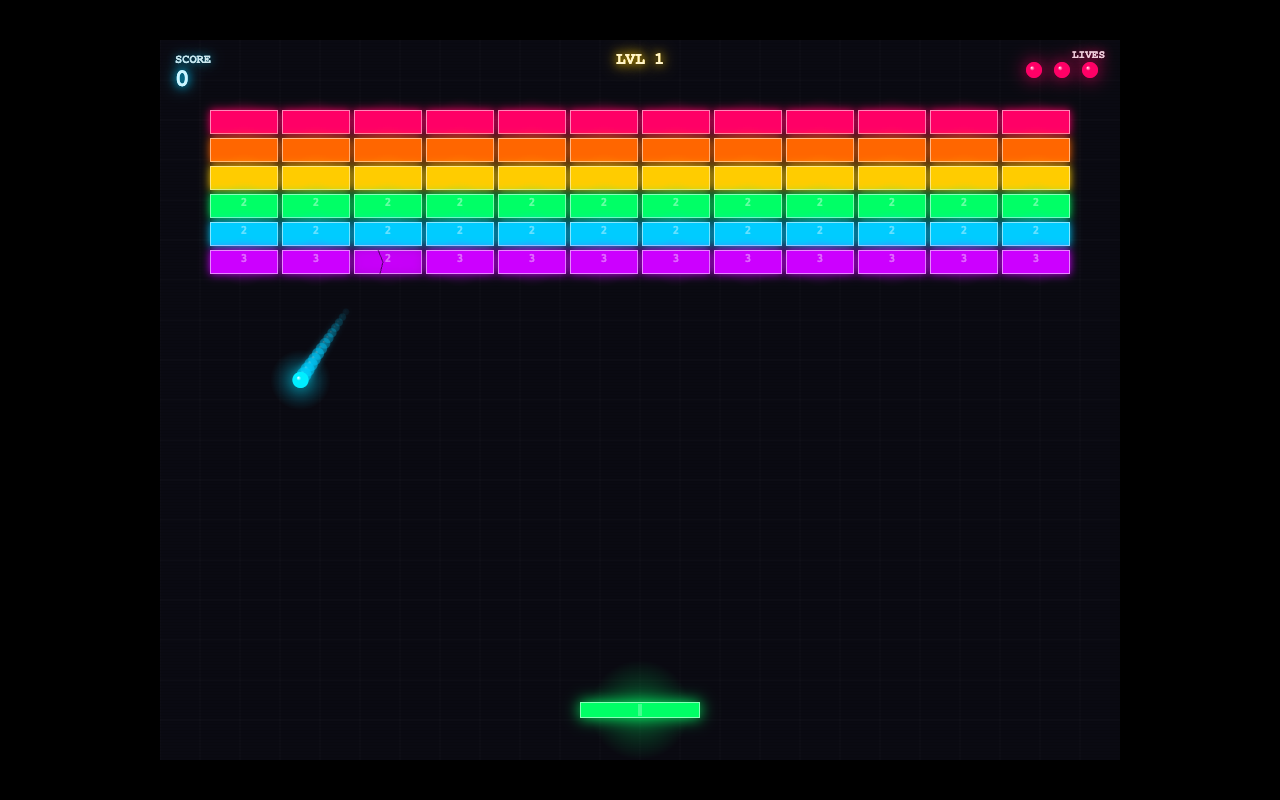
Game
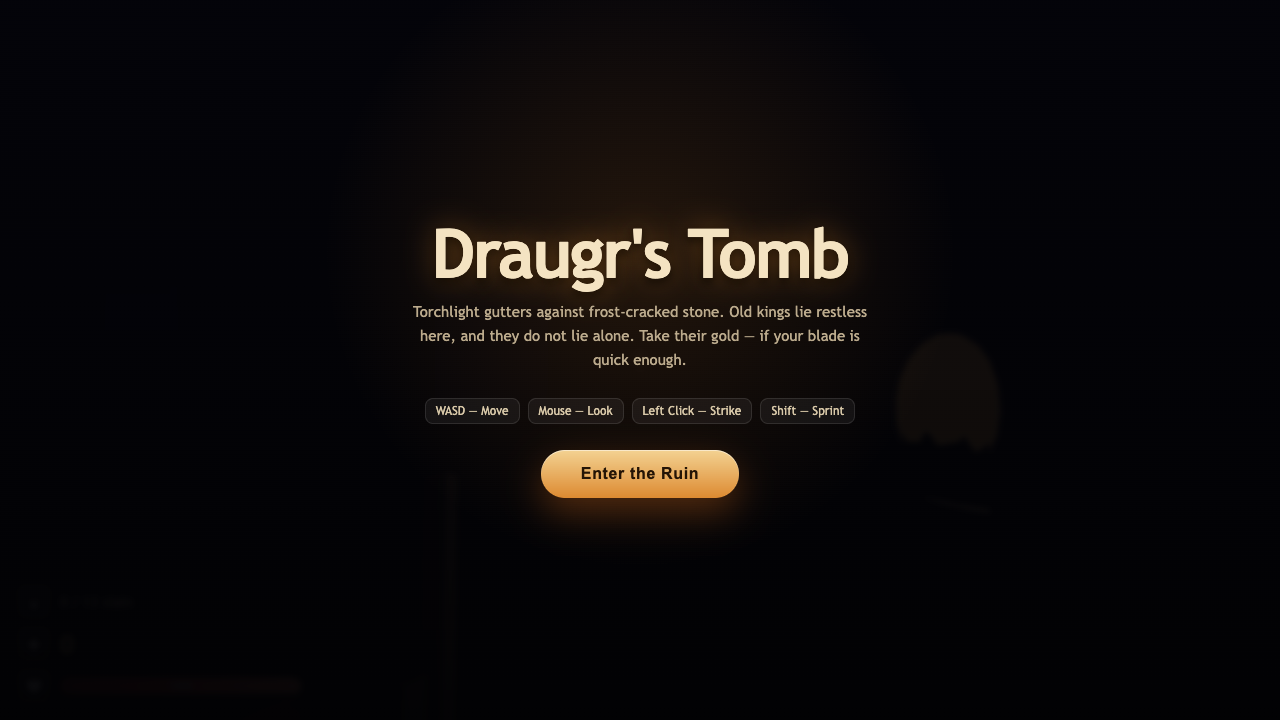
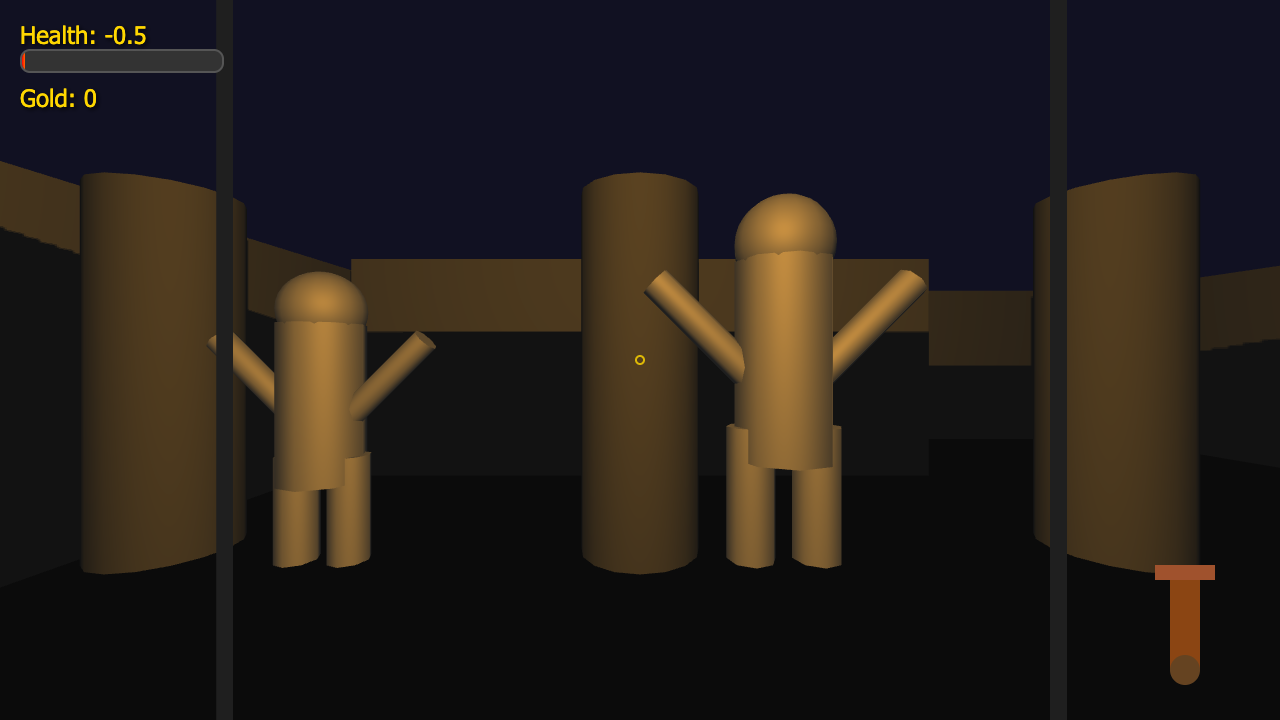
Game
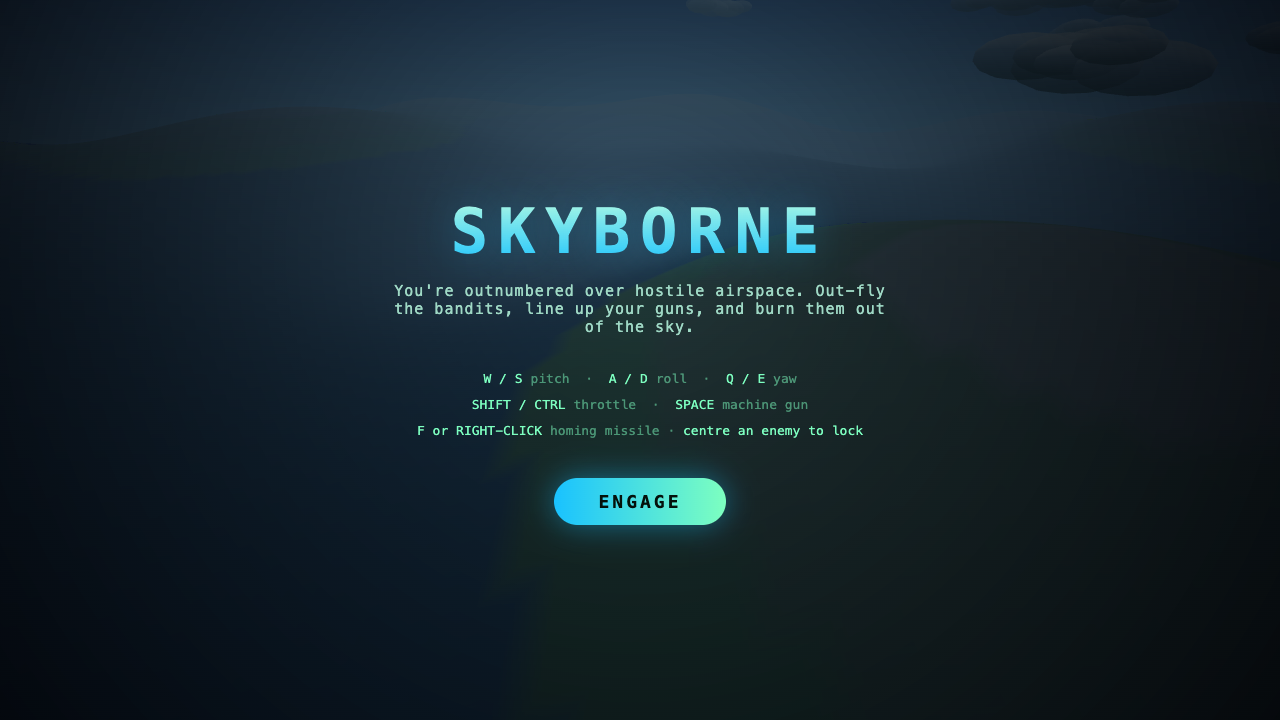
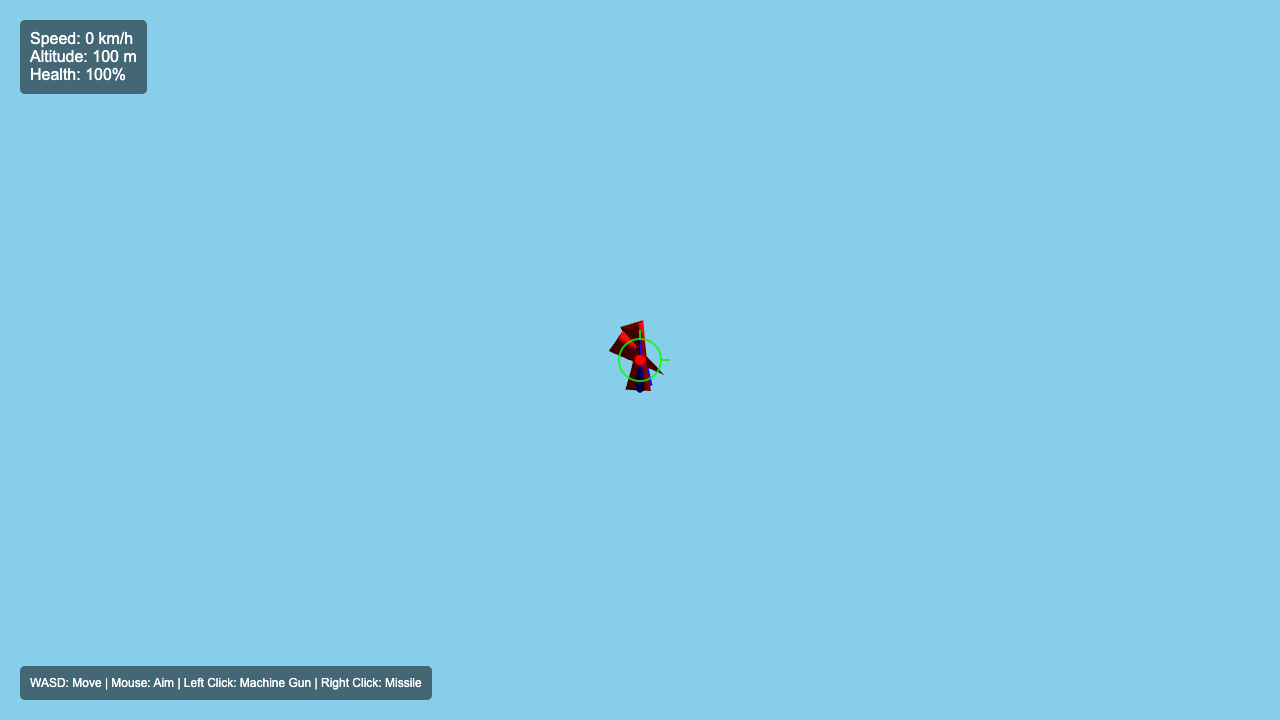
Game
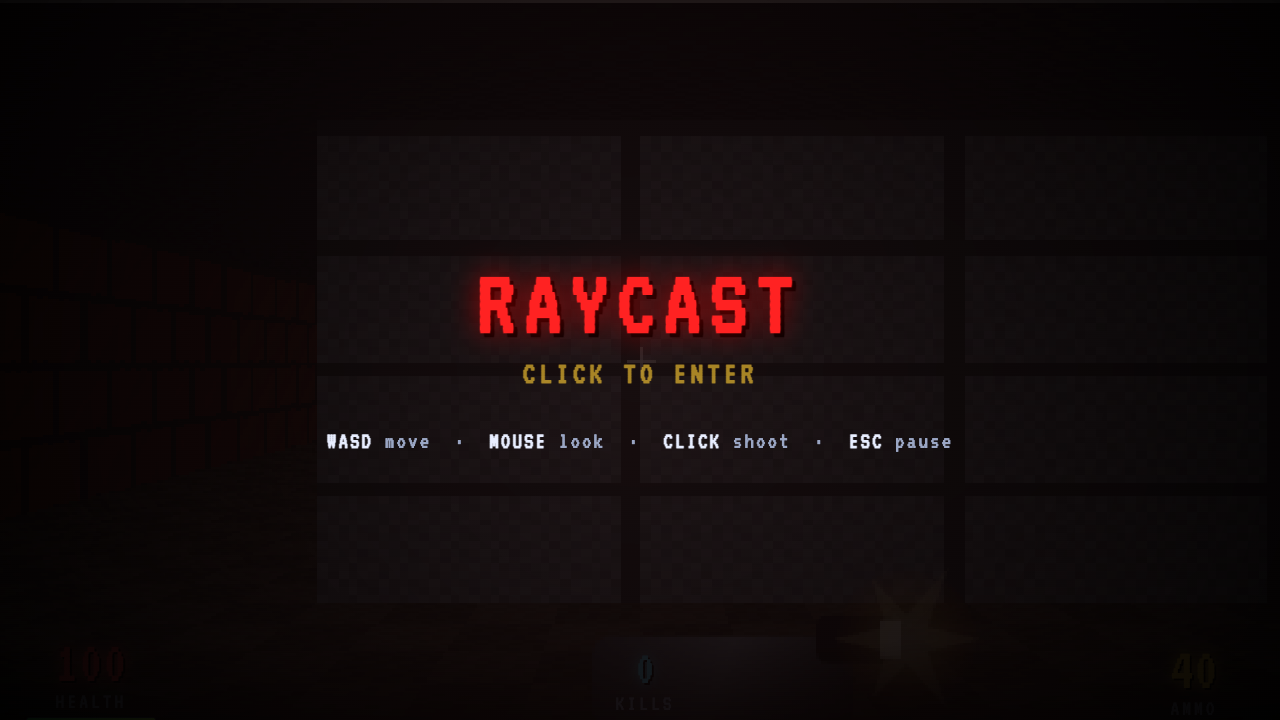
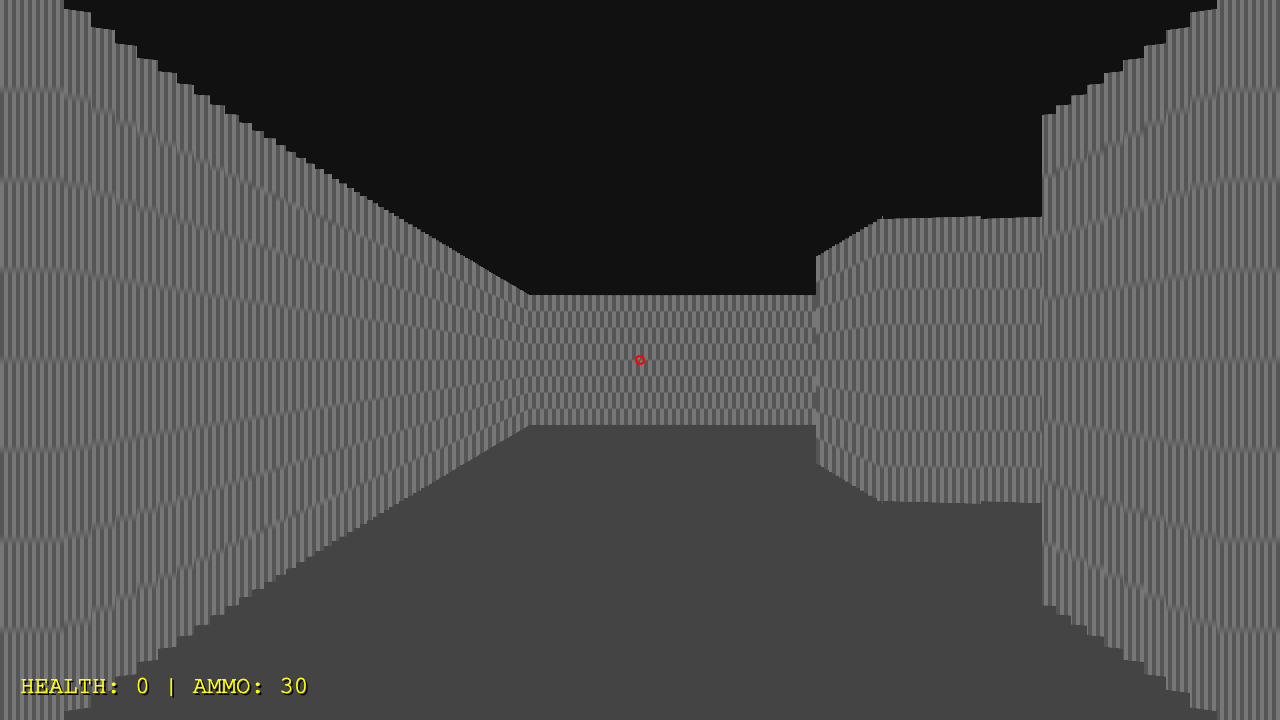
Game
Game
Game
Game
Game
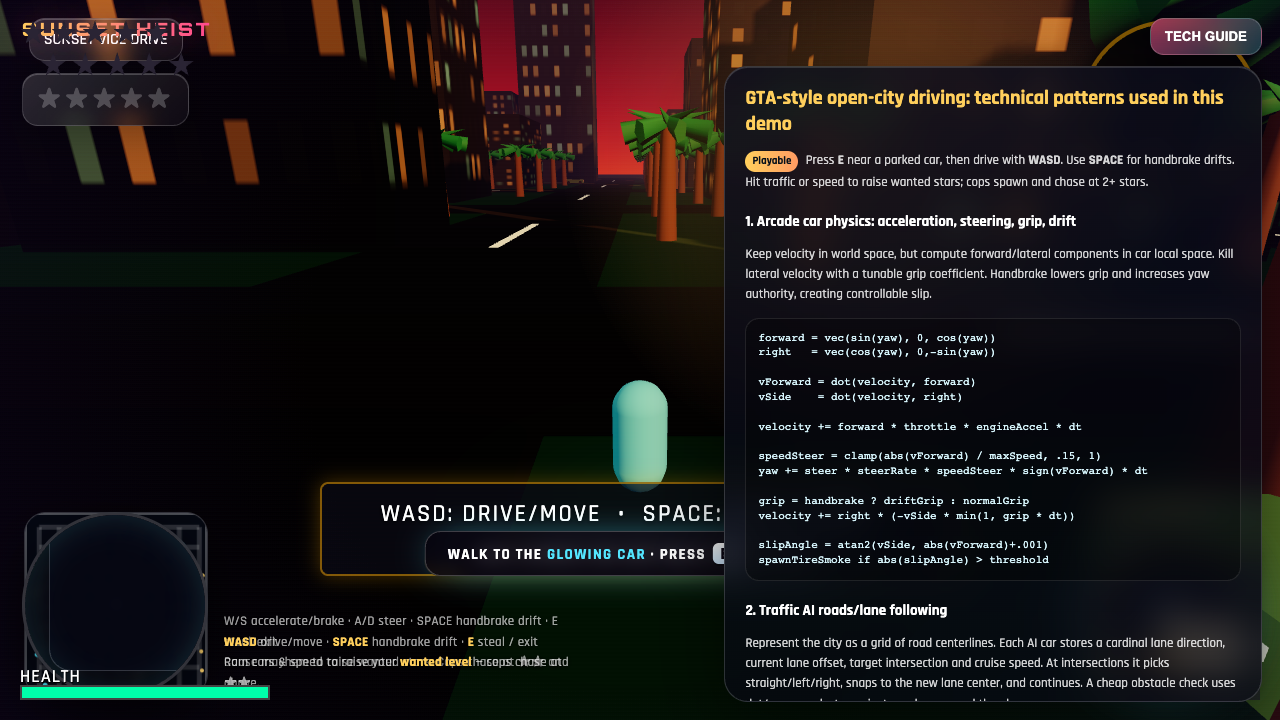
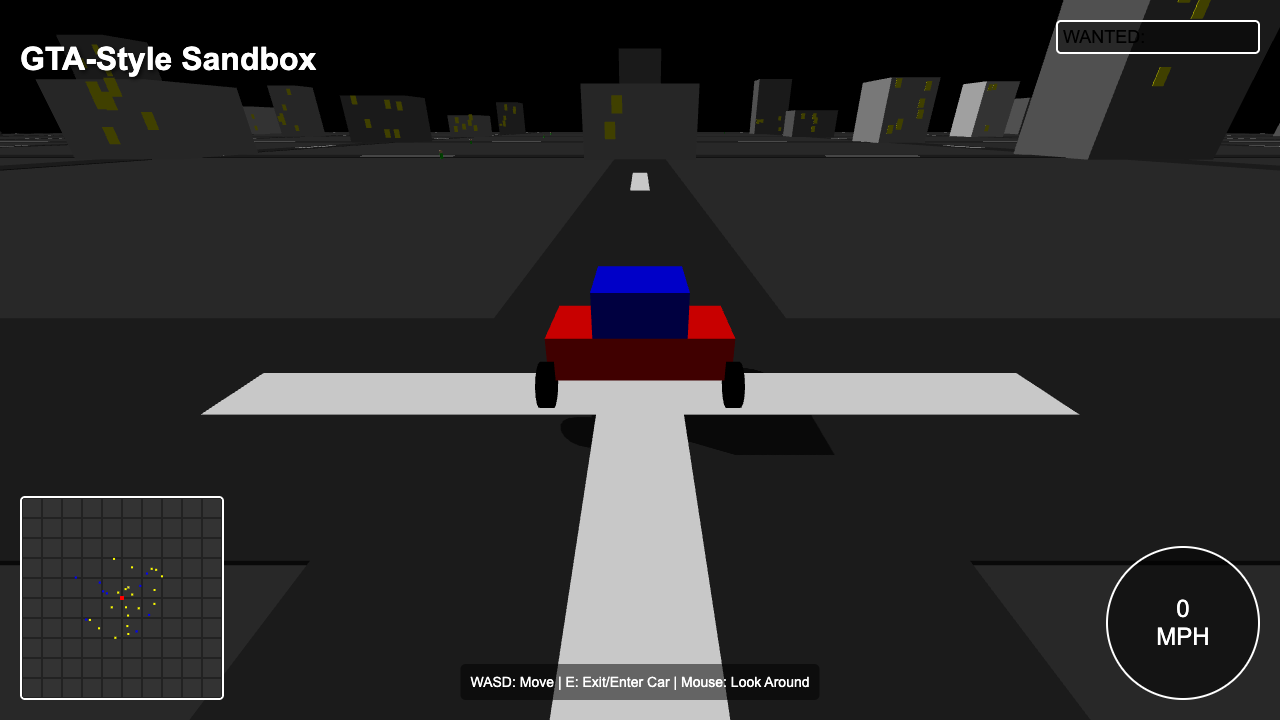
Game
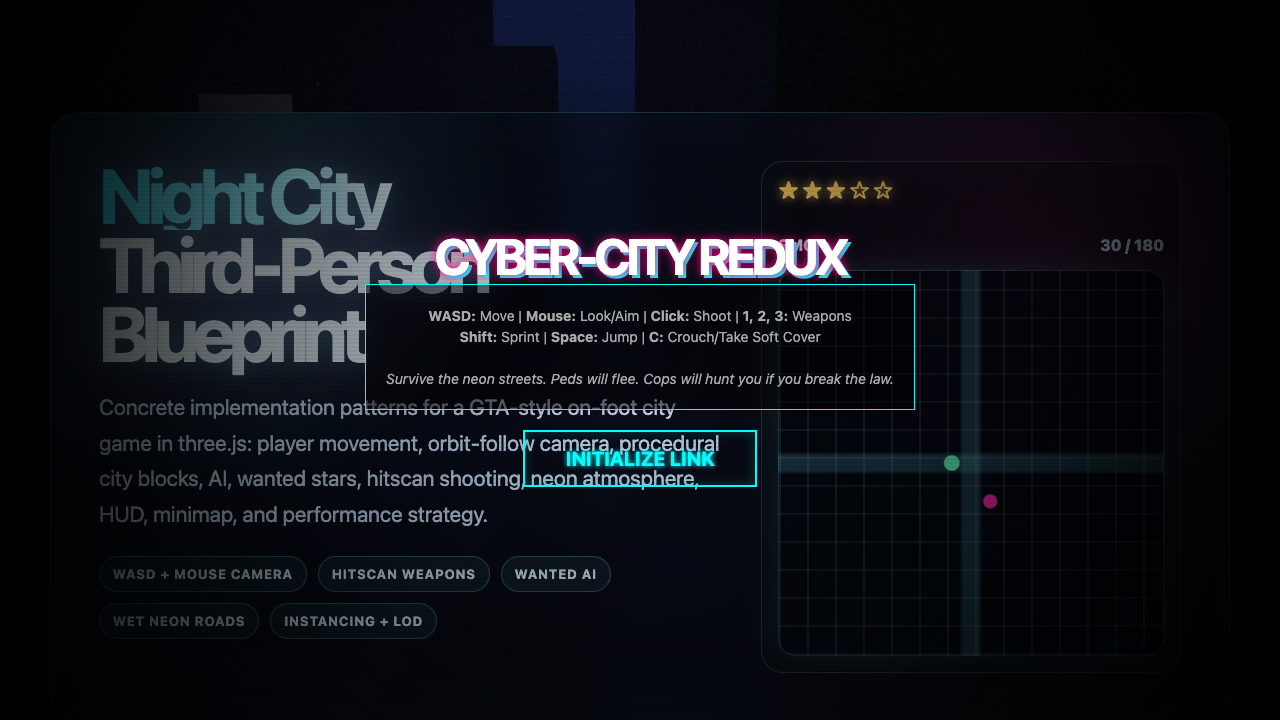
Game
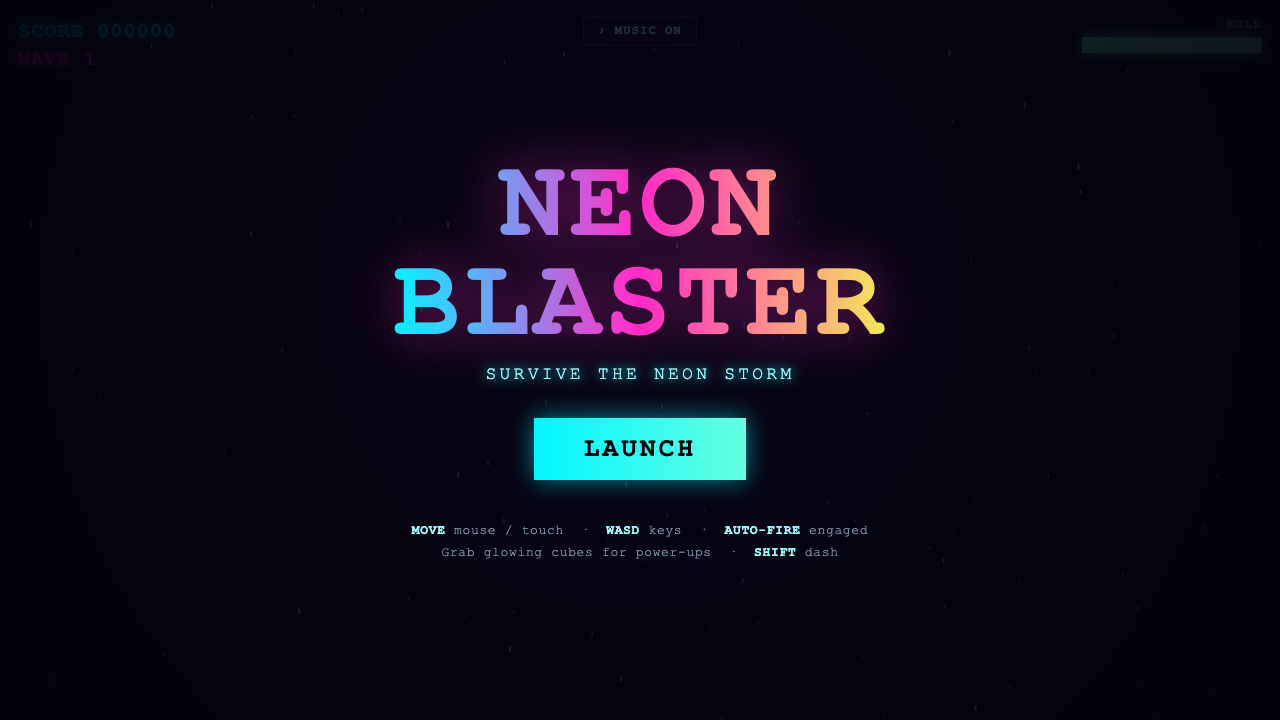
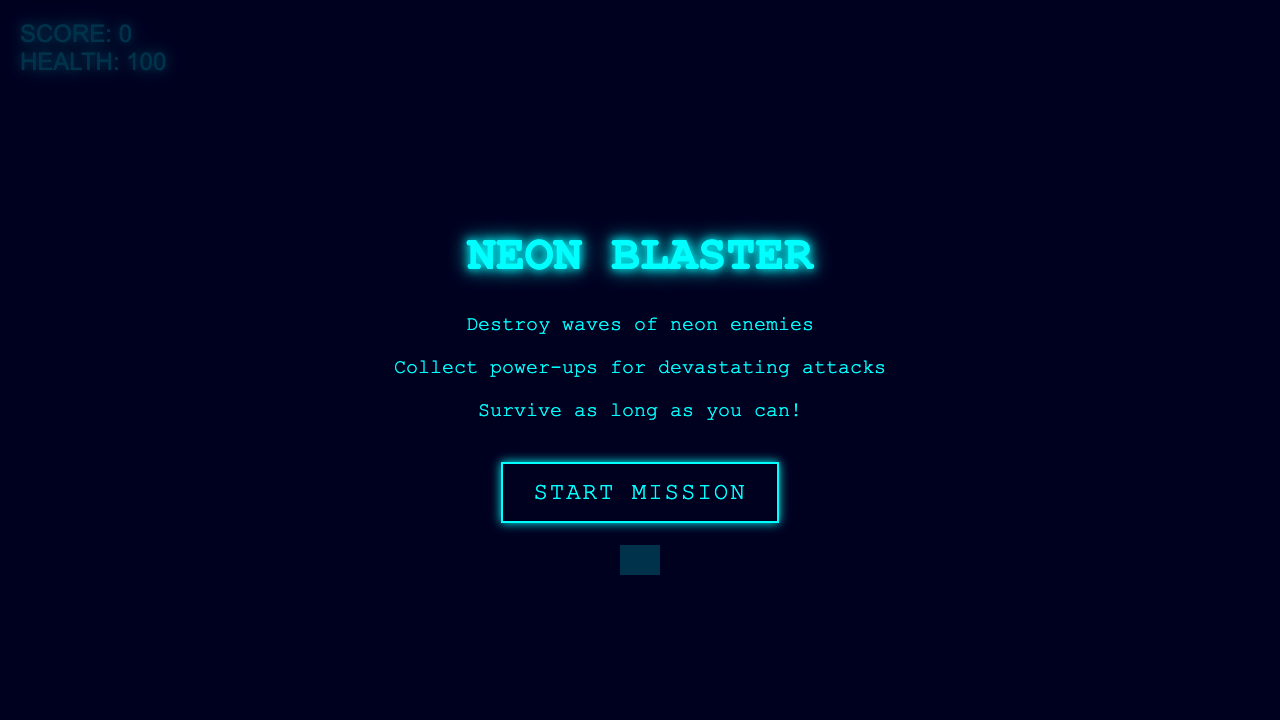
Game
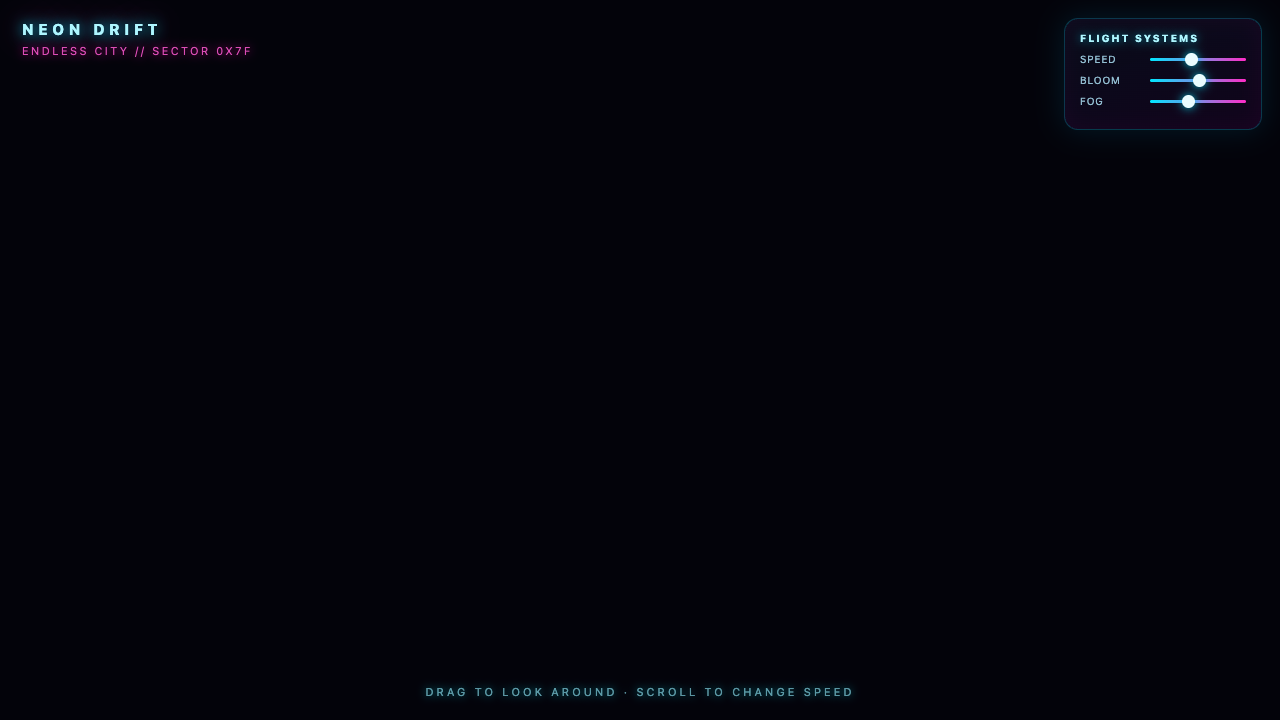
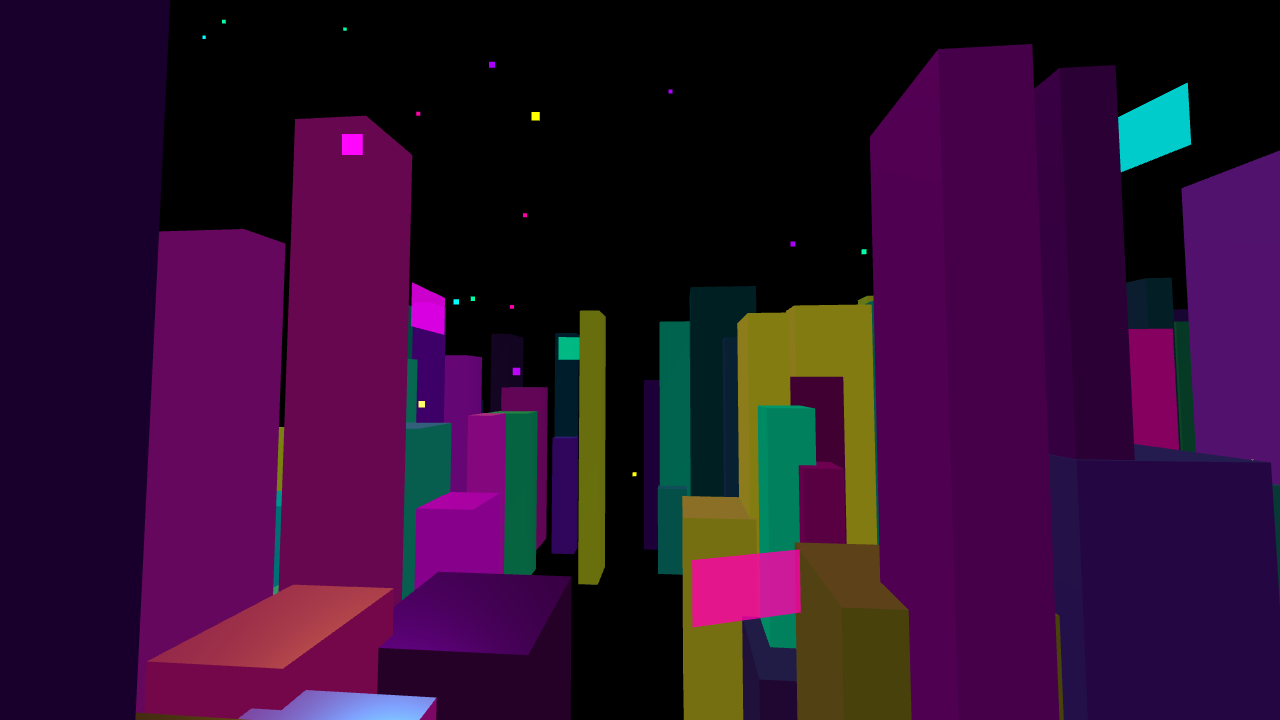
Game
Game
Game
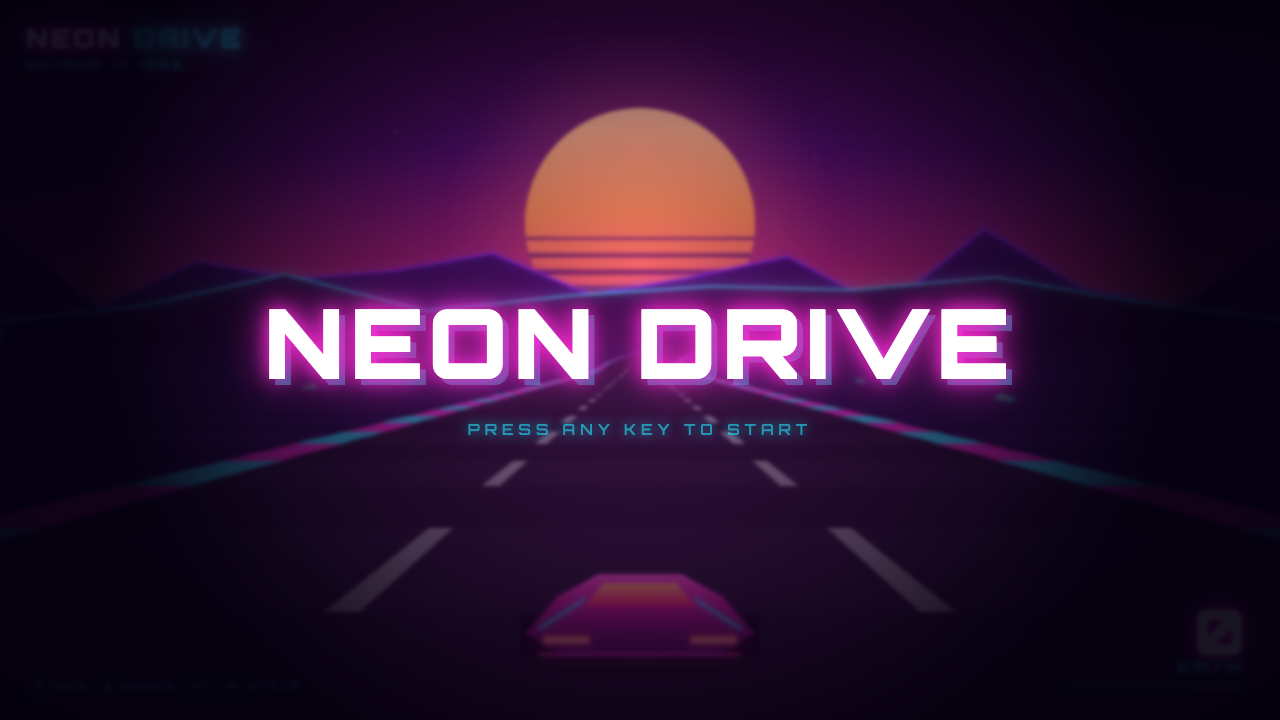
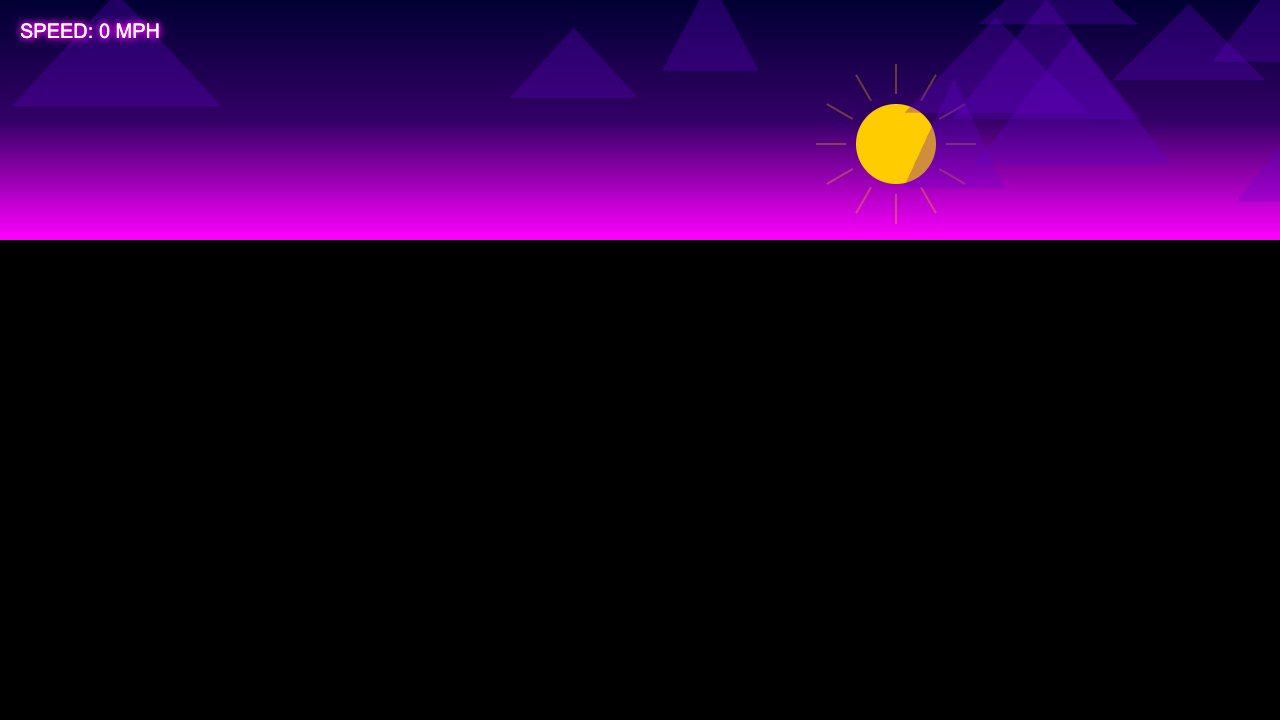
Game
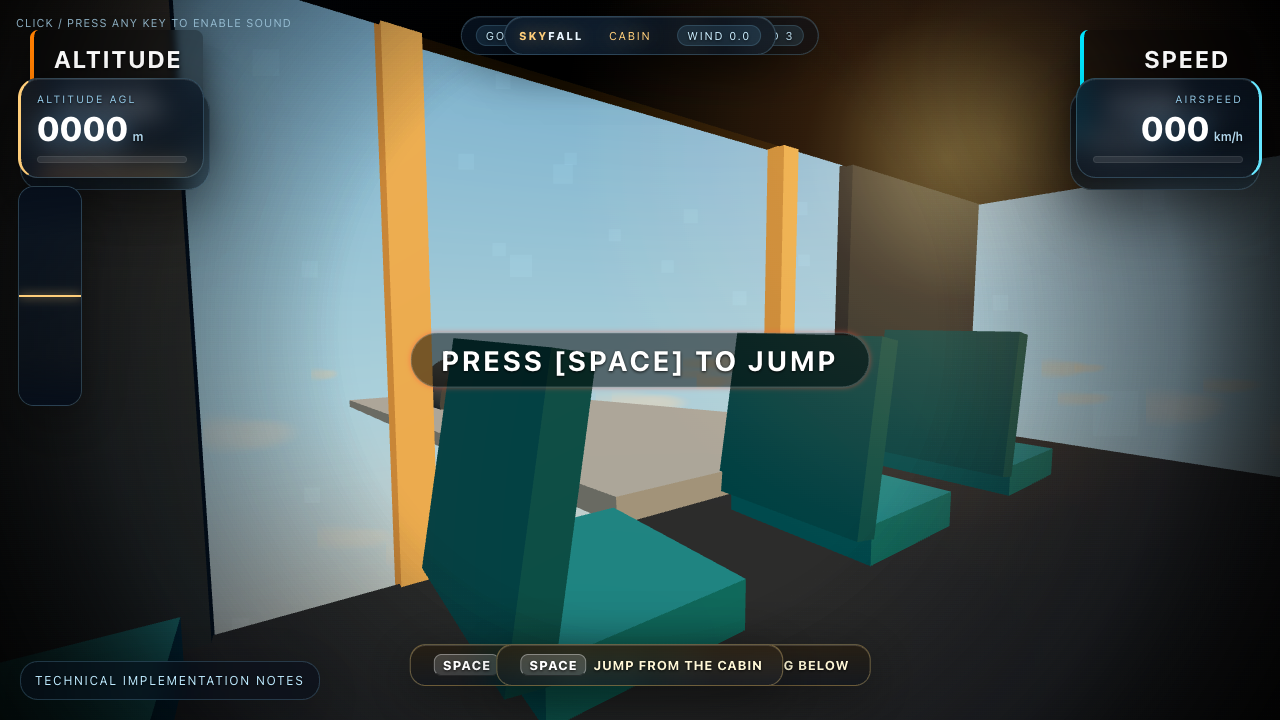
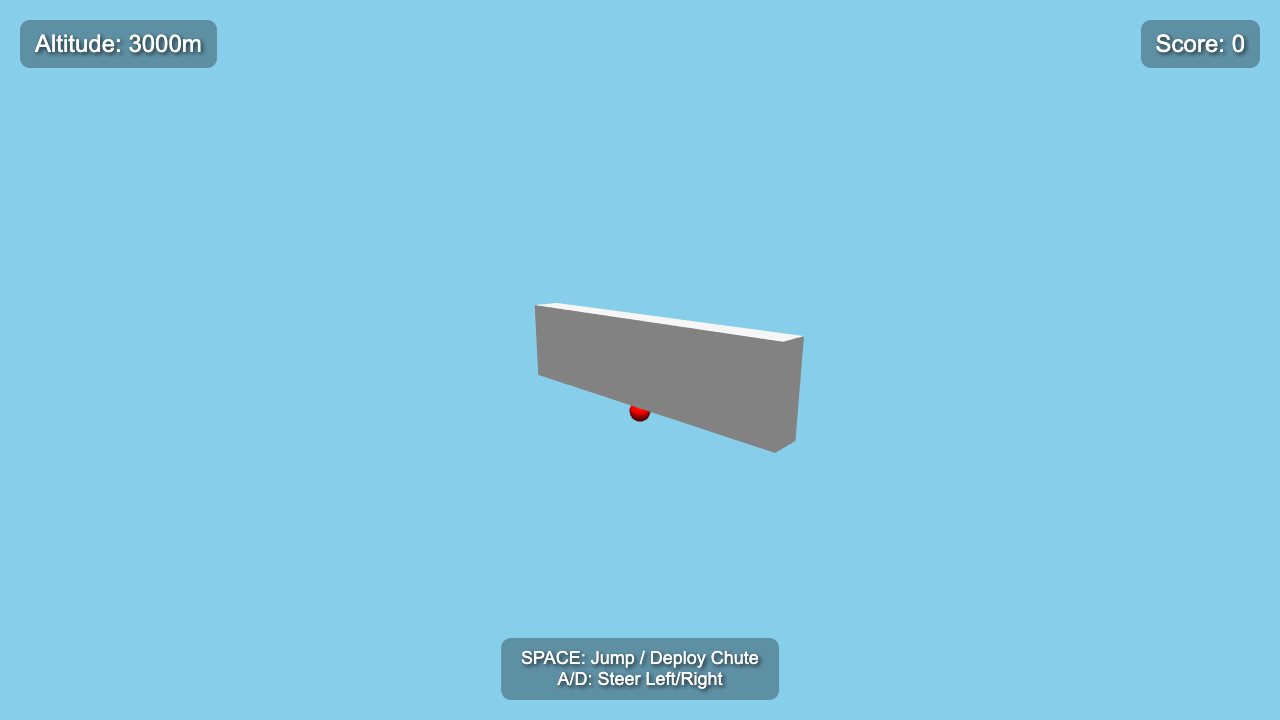
Game
Game
Game
Game
Game

Game
Game
Page

Where Fusion beat Qwen 3.7
The tasks where I gave Fusion a higher 0–10 score on the same prompt — with the actual commentary from my source guides.
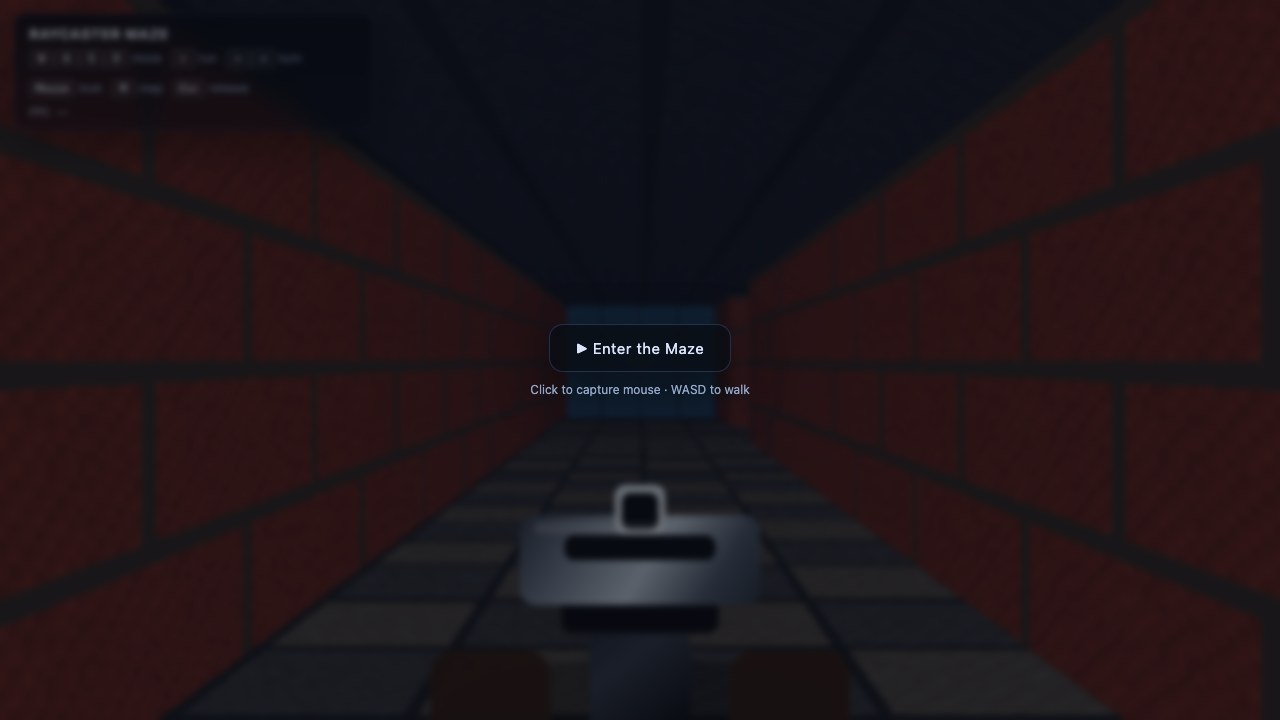
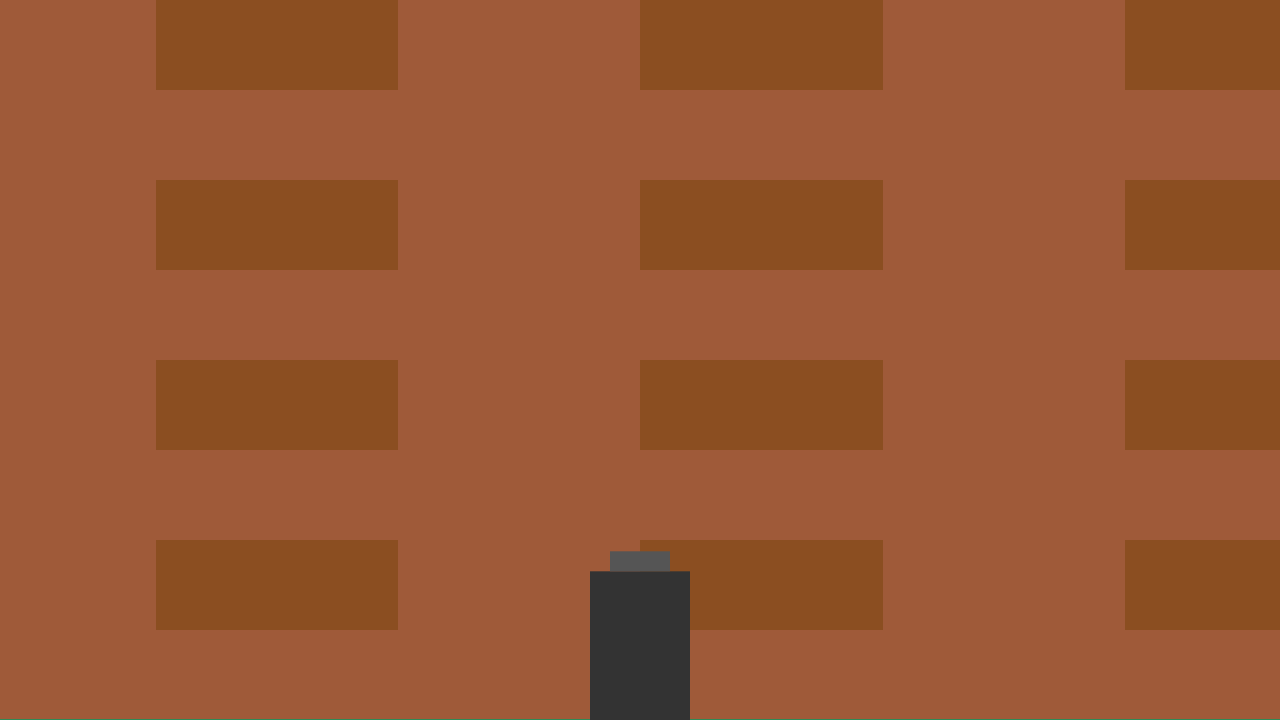
Raycaster
Game
Fusion 8.5
·
Qwen 3.7 4.0
(+4.5)
What I saw: Pure canvas-2D raycaster with pointer-lock mouse look, WASD movement, shift-to-run, M-map toggle. Internal render resolution scales by aspect for speed. Polished HUD with kbd-styled key hints, FPS counter, click-to-capture overlay. Strong technical implementation.
Reactiondiff
Sim
Fusion 8.5
·
Qwen 3.7 5.0
(+3.5)
What I saw: Gray-Scott reaction-diffusion as a WebGL shader. Click to seed concentrations, real-time Turing patterns emerge. Sliders for f and k.
Dragonrealm
Game
Fusion 9.0
·
Qwen 3.7 6.0
(+3.0)
· winner · Dragon Realm
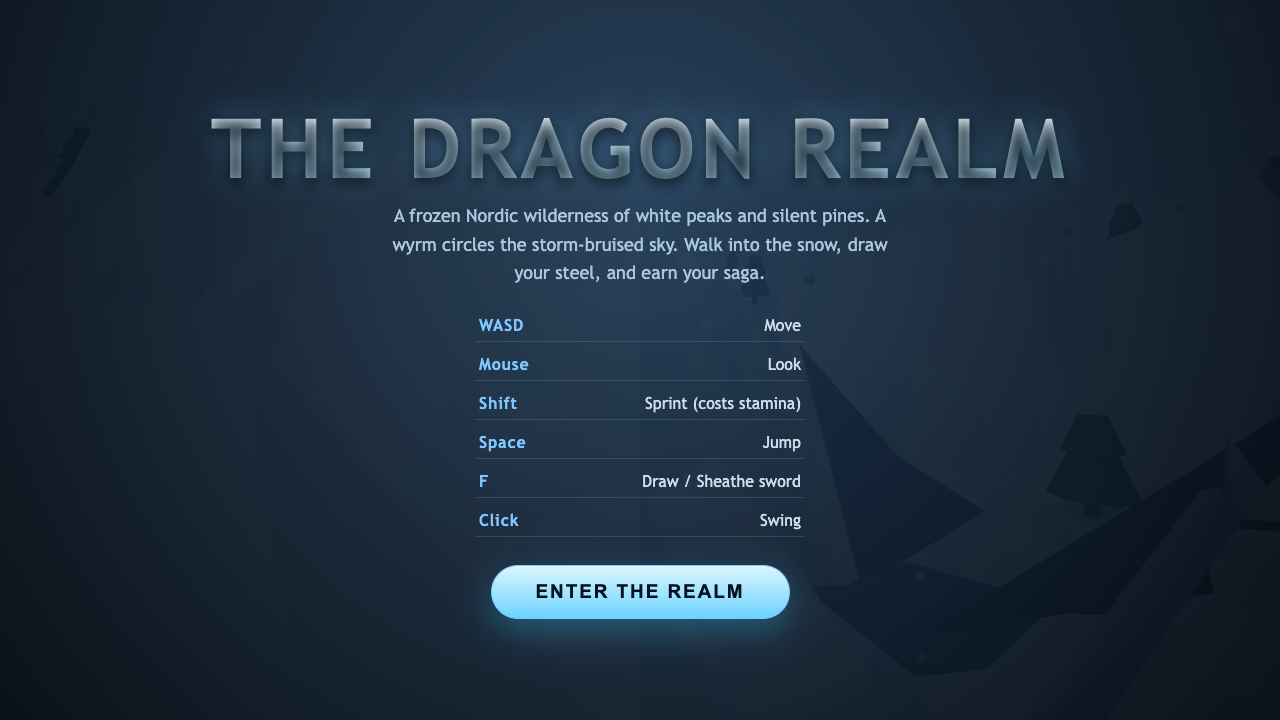
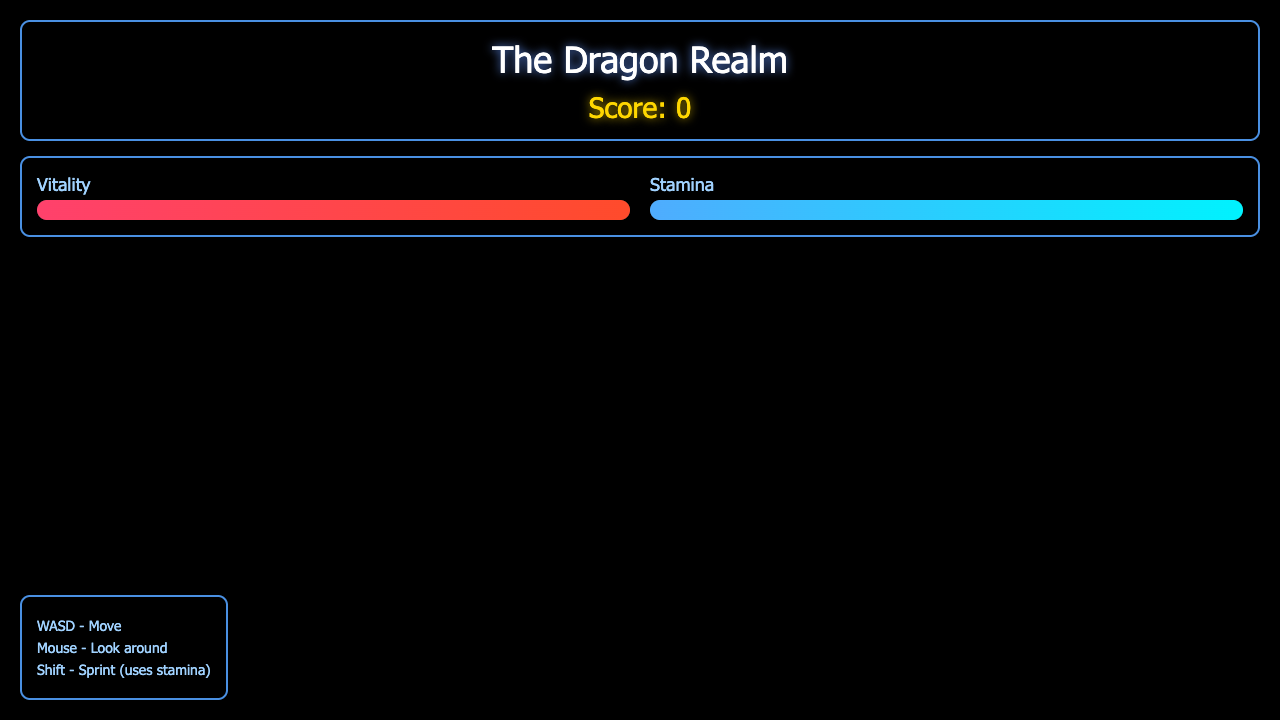
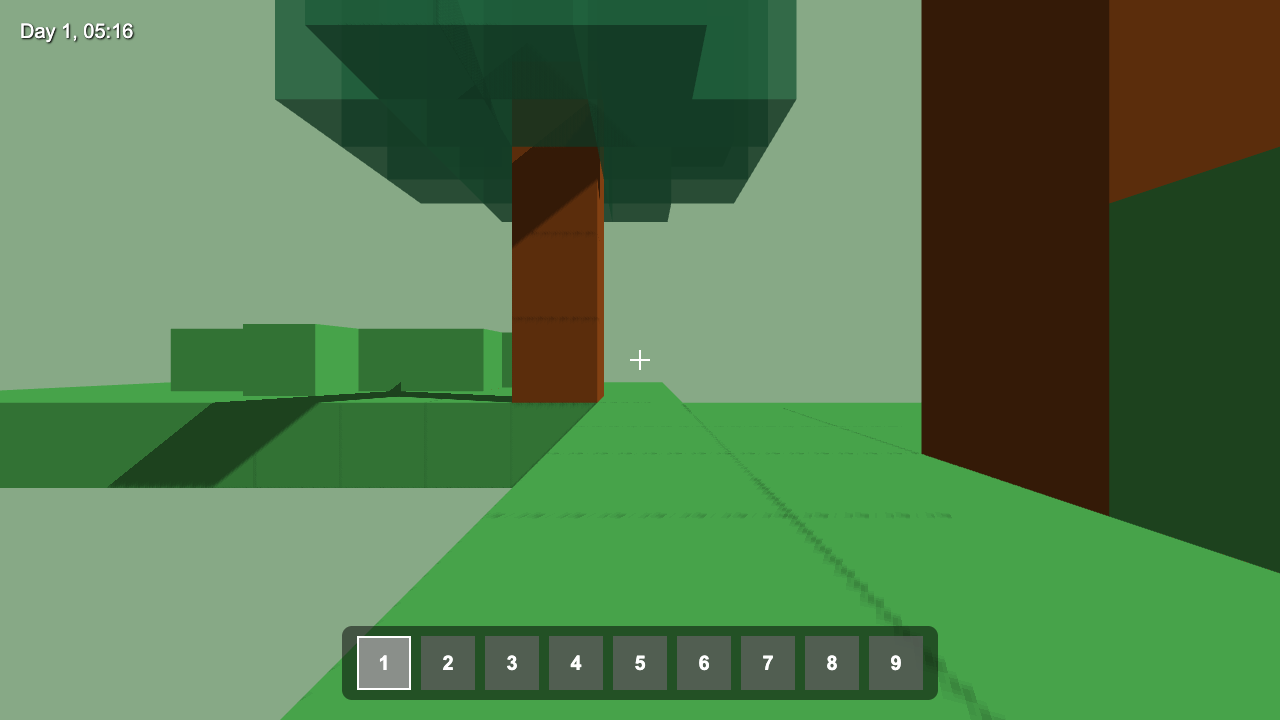
What I saw: The Dragon Realm — Skyrim-style frozen open world with full HUD (score/vitality/stamina), snowy mountains, low-poly pine forest, a flying dragon. WASD + mouse-look. Tied with GLM's deep build at the top of the task.
Webos
Page
Fusion 9.0
·
Qwen 3.7 6.0
(+3.0)
· winner · most ambitious app
What I saw: A tiny working desktop OS in 24KB — wallpaper, taskbar dock with app icons, draggable resizable windows for Notes, Paint, Terminal (echo-only), Calculator. Apple-Sequoia aesthetic. Most ambitious application build on the bench.
Fractal
Sim
Fusion 8.5
·
Qwen 3.7 6.0
(+2.5)
What I saw: WebGL Mandelbrot shader with click-to-zoom and hold-to-zoom-continuously. HUD shows current center re/im coordinates and zoom level live. Mode selector for color schemes, kbd-styled key hints, flash transitions. Beats most fractal attempts on UI feedback.
Strengths & weaknesses I logged
Fusion
Strengths
- Premium Fusion panel scored 69.0% on DRACO deep-research benchmark — beats solo Fable 5 by +3.7 points
- Budget panel ties Fable 5 at ~64.7% for roughly half the cost
- Vendor-agnostic — model panel can swap as new frontier releases land
Trade-offs
- Ensemble latency higher than any single model (panel calls run in parallel but the slowest still gates the response)
- No per-task goldiebench scoring yet — bench rank pending
Qwen 3.7
Strengths
- Open weights, free for individuals — same model class as GLM-5.2
- Best-of-three on fluid simulation in the Goldie Bench bench
- Multilingual depth — Chinese reasoning especially strong
Trade-offs
- Only 5 tasks scored on the bench so far — small sample size
- Trails GLM-5.2 on cinematic visual builds at similar pricing
Pricing & context — the spec sheet
| Spec | Fusion | Qwen 3.7 |
|---|---|---|
| Vendor | OpenRouter | Alibaba |
| Context window | Varies — depends on which panel models are dispatched | 256,000 tokens |
| Price | OpenRouter Fusion API pricing | Open weights · free for individuals |
| Pricing detail | OpenRouter's Fusion API dispatches a single prompt to multiple frontier models and ensembles the answers. Premium panel: Fable 5 + GPT-5.5. Budget panel: cheaper open-weights models. Roughly half the per-token cost of a Fable 5 solo call. | Alibaba's open-weights release — downloadable from Hugging Face, runnable locally or via Alibaba Cloud's free tier for individuals. |
| Release | 2026-06-14 | 2026-06 |
| Bench coverage | 47/47 scored · avg 8.59/10 | 47/47 scored · avg 7.00/10 |
The verdict — which should you pick?
Across 47 scored shared tasks, Fusion averaged 8.59/10, beating Qwen 3.7's 7.00/10 by 1.59 points. Pick Fusion when the build has to ship on the first prompt and you can afford the trade-offs in the comparison below.
If you only run one of these inside your stack, the head-to-head average above is the call. If you can run both, my honest play is to wire Fusion and Qwen 3.7 both into the Agent Operating System and dispatch each from the kanban by task type — deep-research workflows where panel consensus beats single-model answers → Fusion, open-weights alternative to glm-5.2 when you want a different model family → Qwen 3.7. That's the same setup I run for the 4,000+ founders inside the AI Profit Boardroom.
FAQ — Fusion vs Qwen 3.7
Which is better, Fusion or Qwen 3.7?
On Goldie Bench, Fusion averages 8.59/10 across the shared tasks, with 21 gold, 3 silver, 2 bronze overall. Qwen 3.7 averages 7.00/10, with 0 gold, 0 silver, 0 bronze. Fusion wins the head-to-head 46–0.
How much does Fusion cost vs Qwen 3.7?
Fusion: OpenRouter's Fusion API dispatches a single prompt to multiple frontier models and ensembles the answers. Premium panel: Fable 5 + GPT-5.5. Budget panel: cheaper open-weights models. Roughly half the per-token cost of a Fable 5 solo call. Qwen 3.7: Alibaba's open-weights release — downloadable from Hugging Face, runnable locally or via Alibaba Cloud's free tier for individuals.
What's the context window for Fusion vs Qwen 3.7?
Fusion has a Varies — depends on which panel models are dispatched context window. Qwen 3.7 has a 256,000 tokens context window.
When should I pick Fusion over Qwen 3.7?
Pick Fusion for: Deep-research workflows where panel consensus beats single-model answers; Cost-sensitive operators who want Fable-5-class output at ~half the bill; Production agents that benefit from vendor-redundancy on every call. The trade-off is the weaknesses we logged on the bench: Ensemble latency higher than any single model (panel calls run in parallel but the slowest still gates the response); No per-task goldiebench scoring yet — bench rank pending.
When should I pick Qwen 3.7 over Fusion?
Pick Qwen 3.7 for: Open-weights alternative to GLM-5.2 when you want a different model family; Multilingual workloads (Chinese, multi-script content); Fluid and particle simulations. The trade-off is the weaknesses we logged on the bench: Only 5 tasks scored on the bench so far — small sample size; Trails GLM-5.2 on cinematic visual builds at similar pricing.
How does Goldie Bench score Fusion vs Qwen 3.7?
Every demo on this page was built by Julian Goldie inside the Agent Operating System — same fixed prompt for both models, one shot, single HTML file out. Each result gets a 0–10 score on whether it ran, how close it hit the brief, and how good it looked. The highest score on each task gets gold; second gets silver; third gets bronze. See methodology for full provenance.
Related comparisons
Other head-to-heads using the same scoring system:
Fusion vs Claude Opus 5 Qwen 3.7 vs Claude Opus 5 Fusion vs Hermes MoA Qwen 3.7 vs Hermes MoA Fusion vs GPT-5.6 Sol Qwen 3.7 vs GPT-5.6 Sol Fusion vs Claude Fable 5 Qwen 3.7 vs Claude Fable 5Full model pages: Fusion · Qwen 3.7 · back to the leaderboard
The same stack Julian uses
Run this stack yourself.
Every demo on this bench was built inside the Agent Operating System — one prompt, one shot, single HTML file out. The Agent OS, the prompts, the templates, the weekly walkthroughs and 4,000+ founders shipping with it every day all live inside the AI Profit Boardroom.
4,000+founders
258documented wins
38countries
$59/momonthly