Real head-to-head · same prompt, one shot
Claude Opus 5.5 vs Opus 4.8
Anthropic's Opus 5.5 — benched on all 50 one-shot builds, every game playtested. vs The reasoning king — deepest thinking, premium price.
Head-to-head verdict: Claude Opus 5.5 wins 26–20 with 1 tie.
What I tested — same prompt, two models
I run the same fixed prompt set through every new model the day it drops — same string, one shot, single HTML file out — and I score the result 0–10 on whether it ran, how close it hit the brief, and how good it looked. Below is what came out when I gave the exact same prompts to Claude Opus 5.5 and Opus 4.8, side by side, on 47 shared tasks inside the Agent Operating System.
Both models were given identical prompts inside the Agent Operating System — no help, no iteration, no "best of N" tricks. I run each prompt once, save the HTML file the model produces, and score it 0–10 on whether it ran, how close it hit the brief, and how good it looked. The scoring is mine. The verdicts below are pulled from my source comparison guides at agentos.guide where I publish every score and the reasoning behind it.
Claude Opus 5.5 · Benched on all 50 GoldieBench tasks via a Claude subscription: one-shot builds, real renders, pixel-diff playtests on every game, then vision-judged.
Opus 4.8 · The default when the build has to ship on the first prompt — Opus is the safety net inside Agent OS for hard one-shots.
Side-by-side on 50 shared tasks
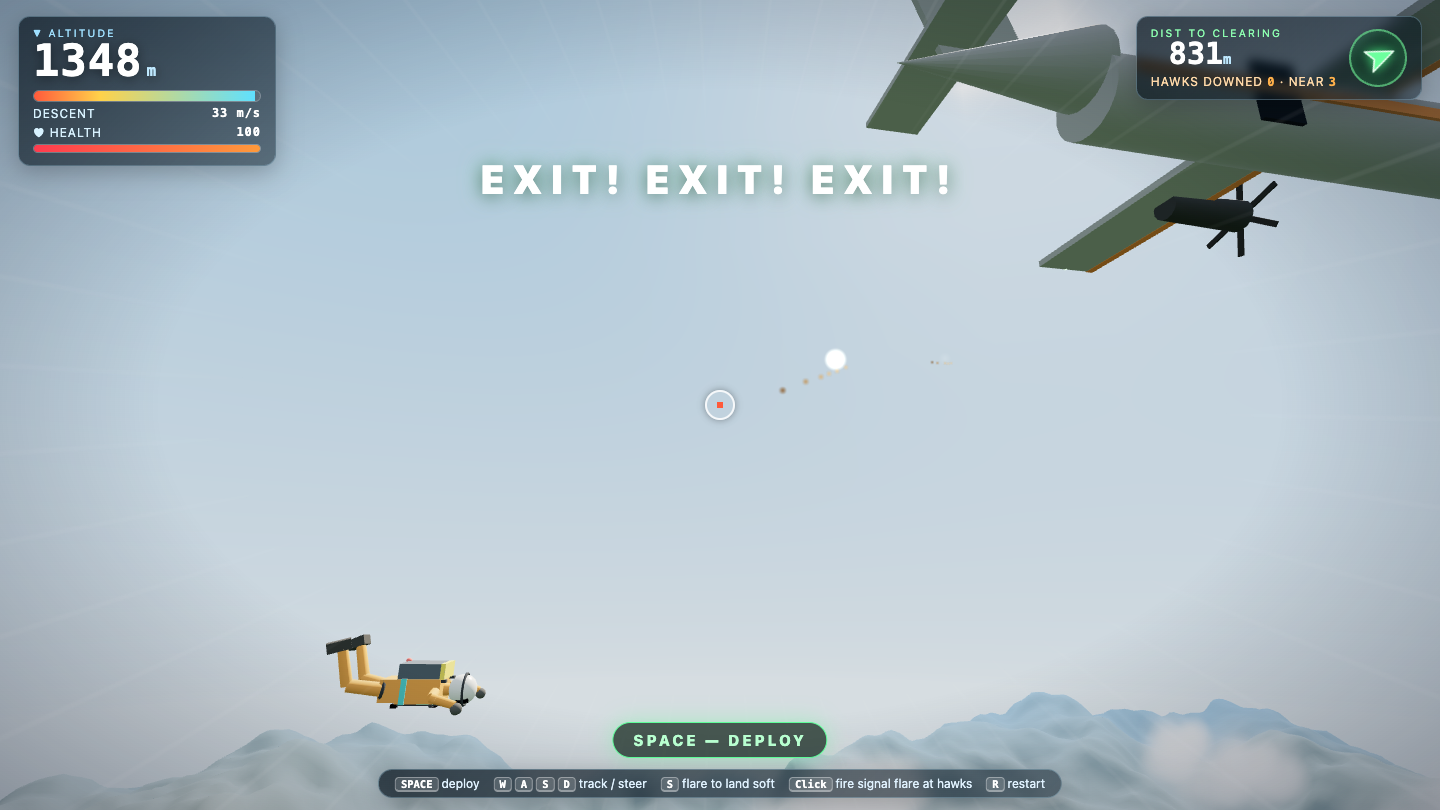
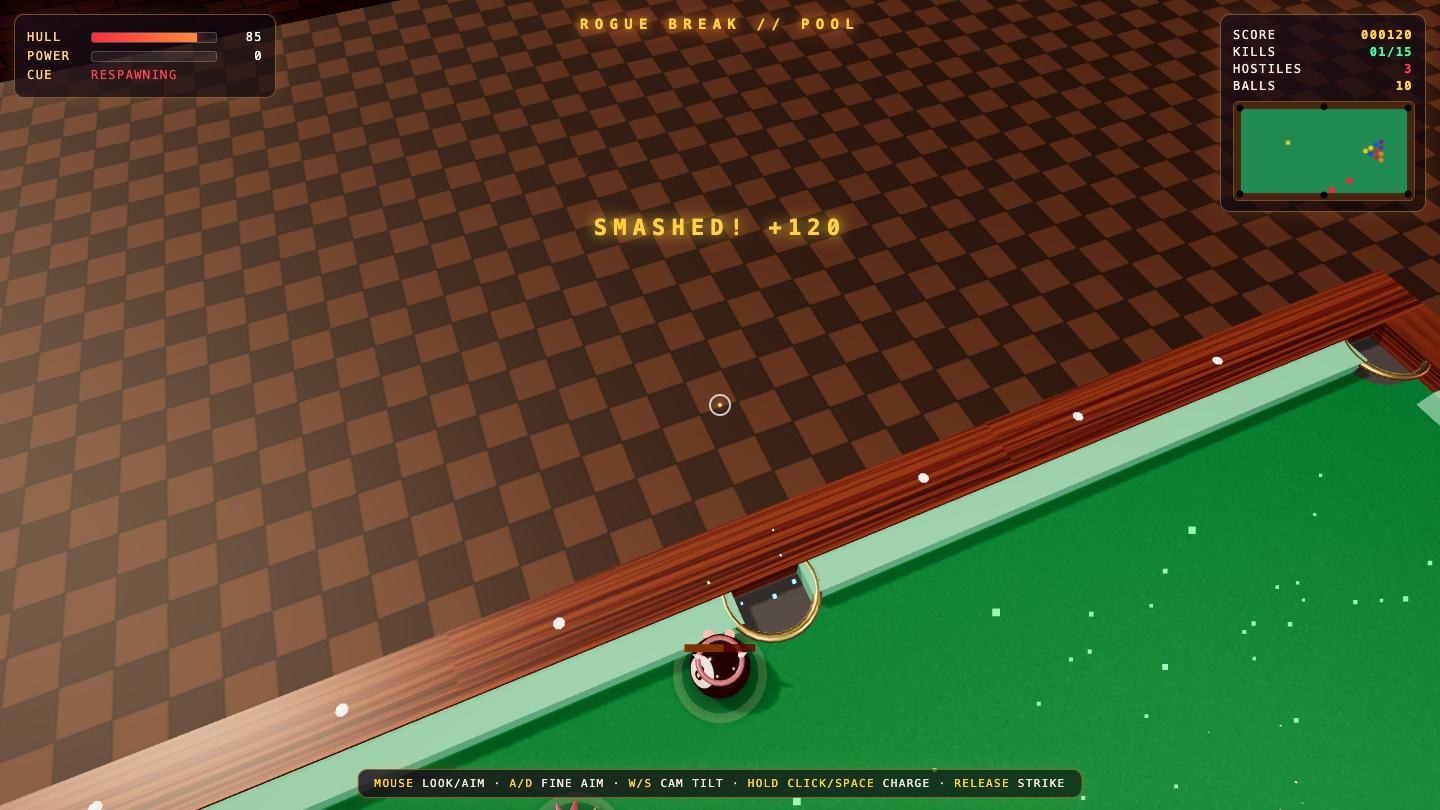
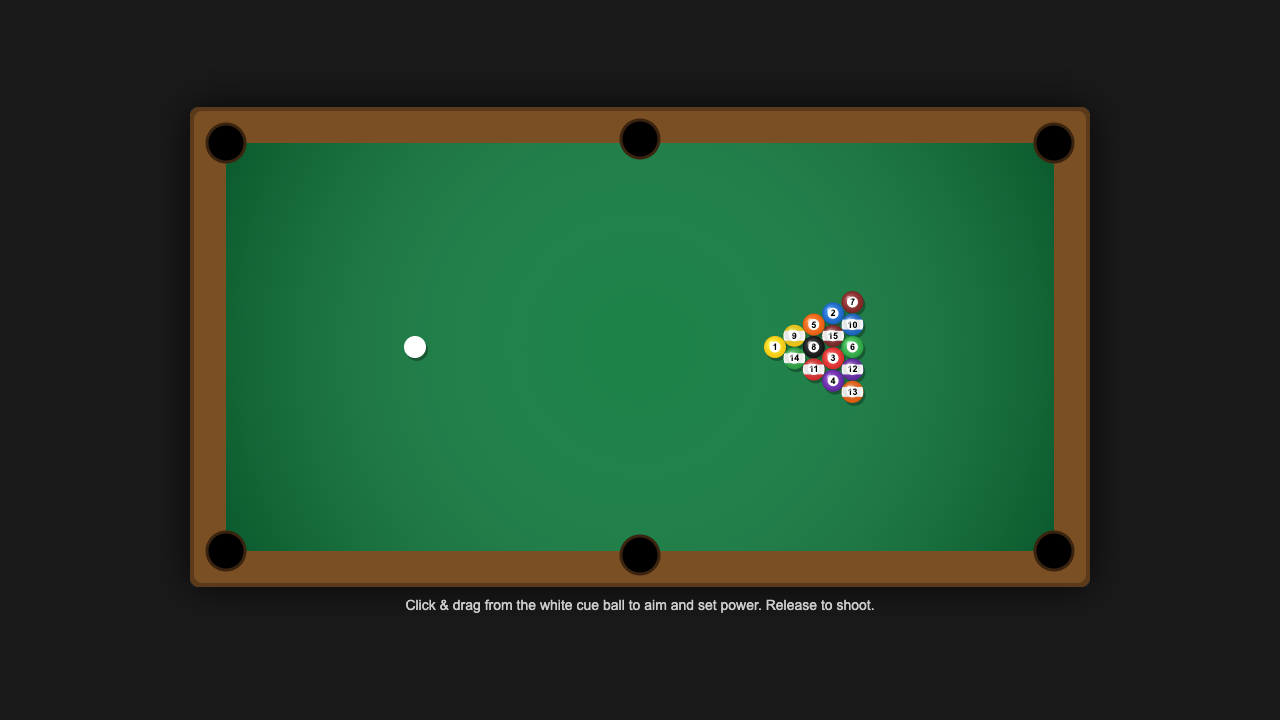
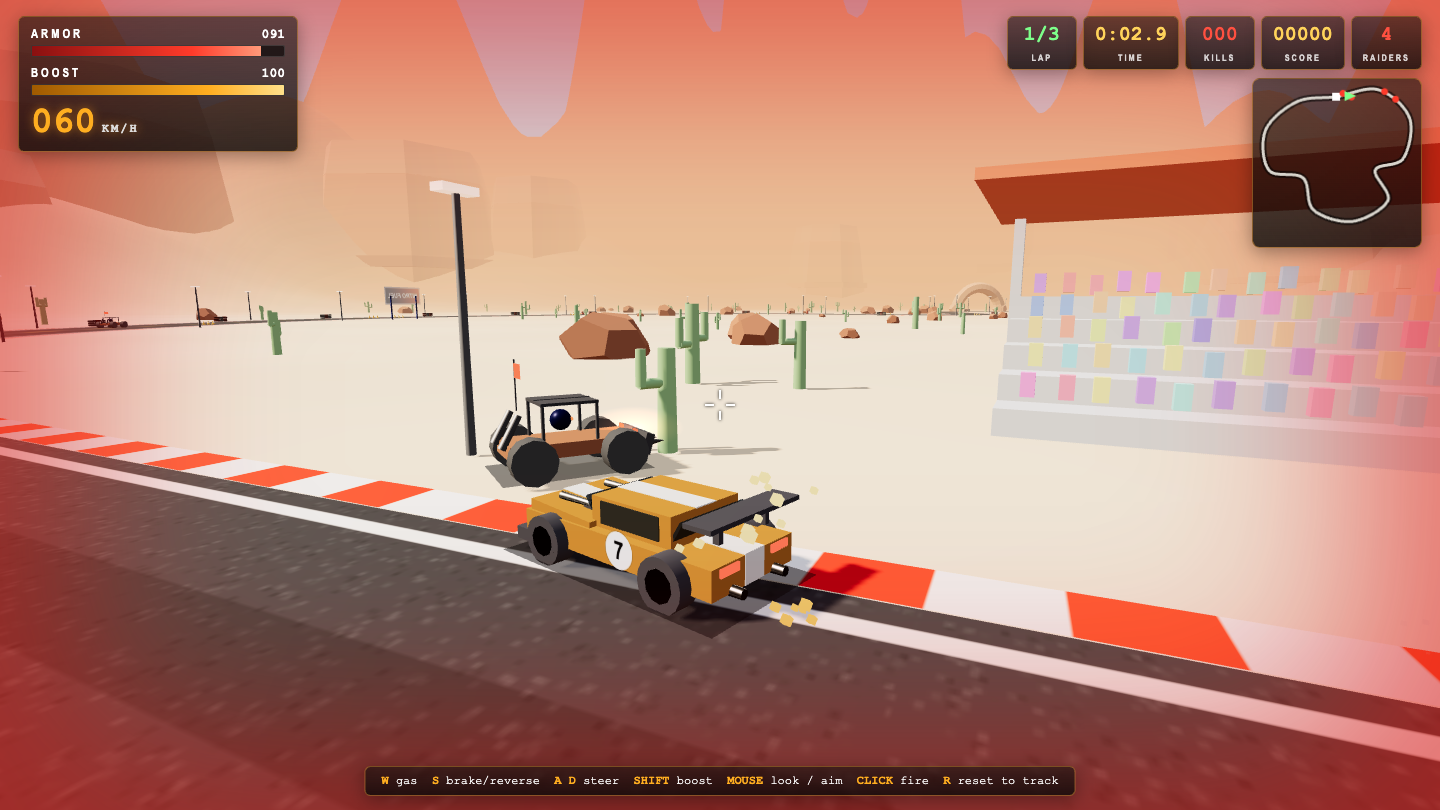
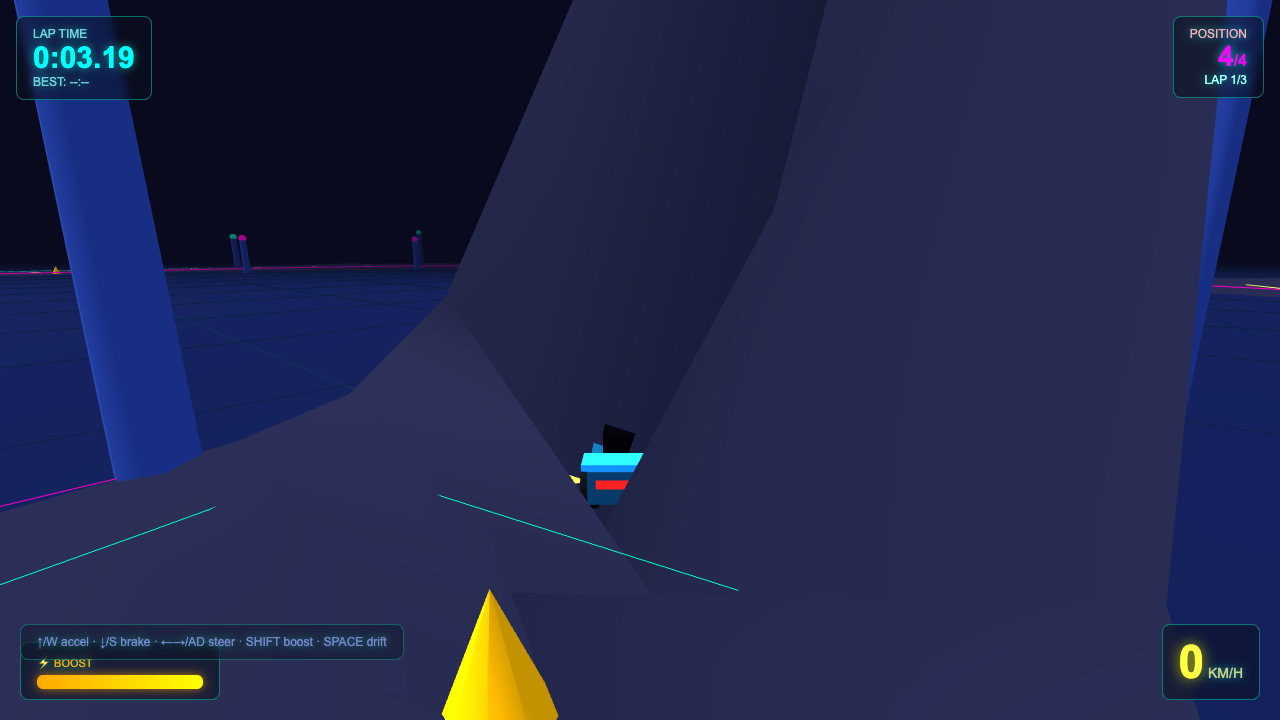
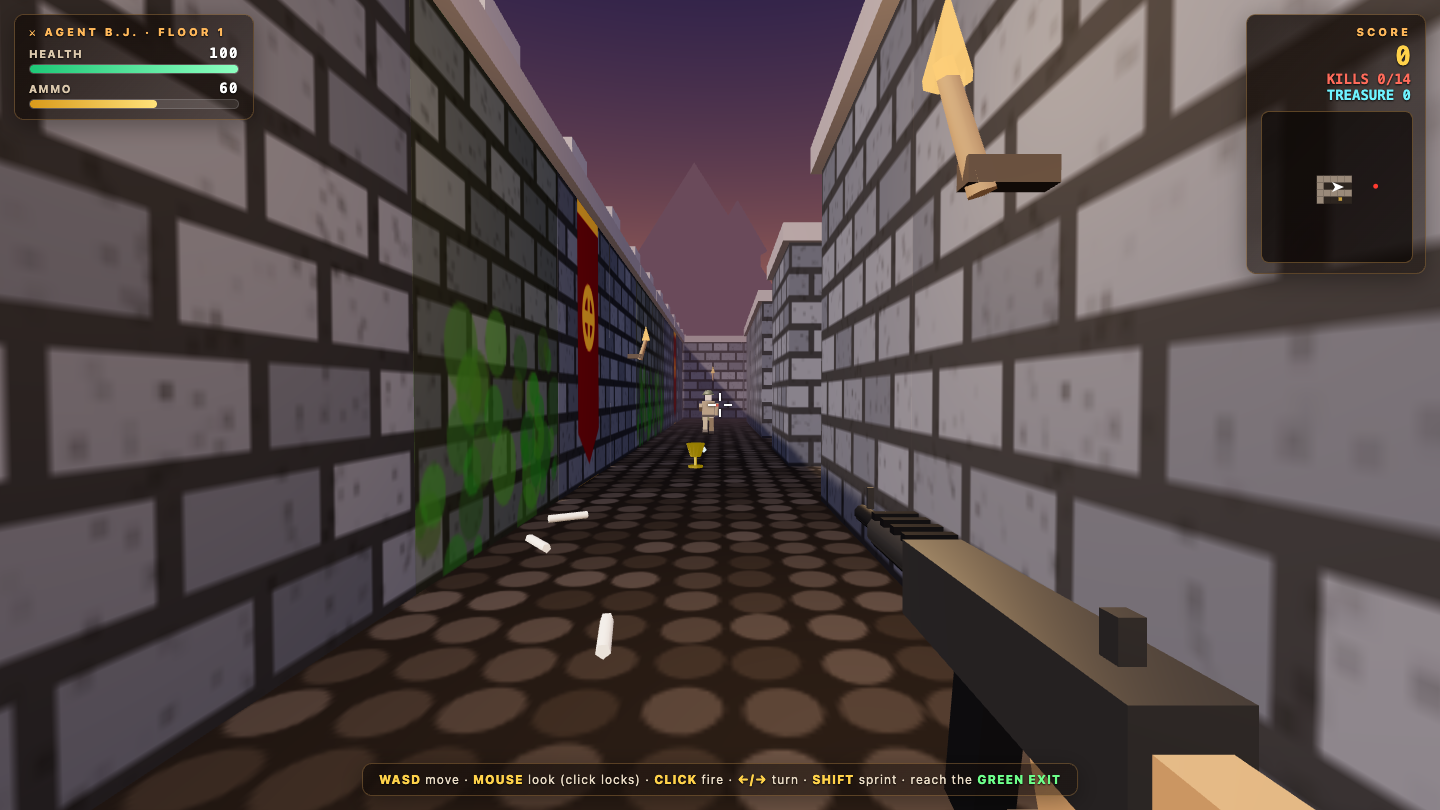
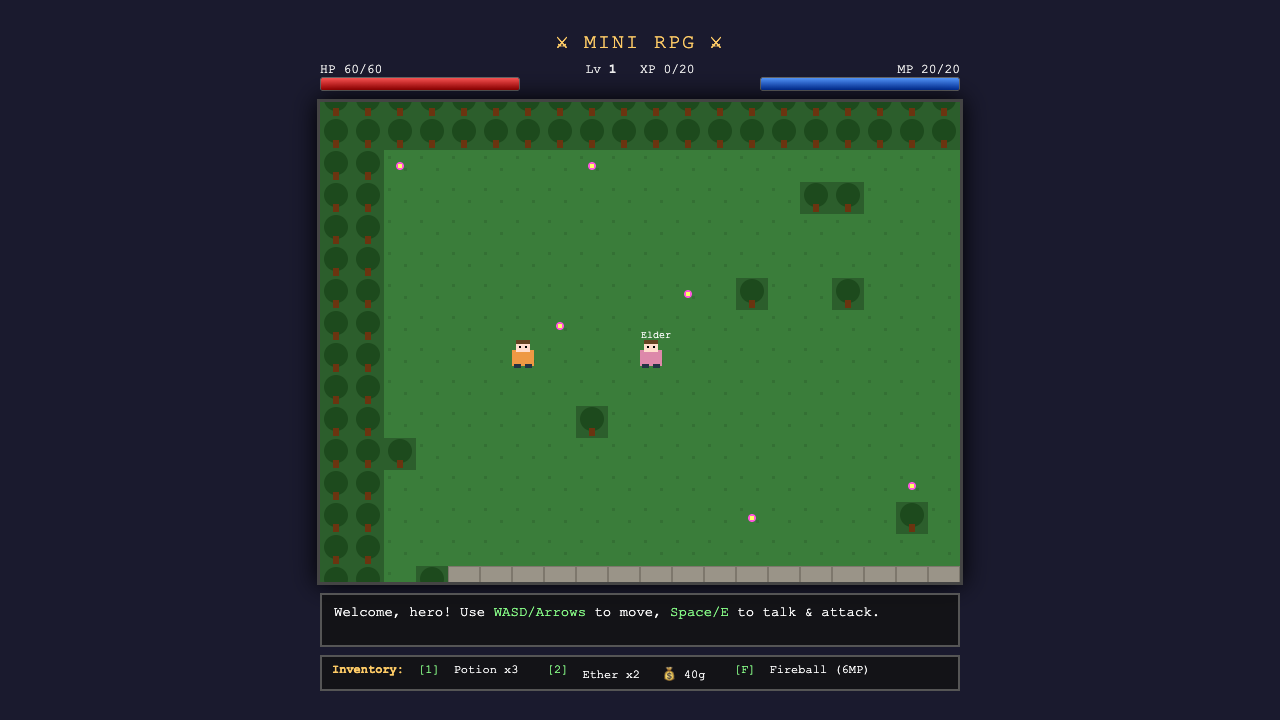
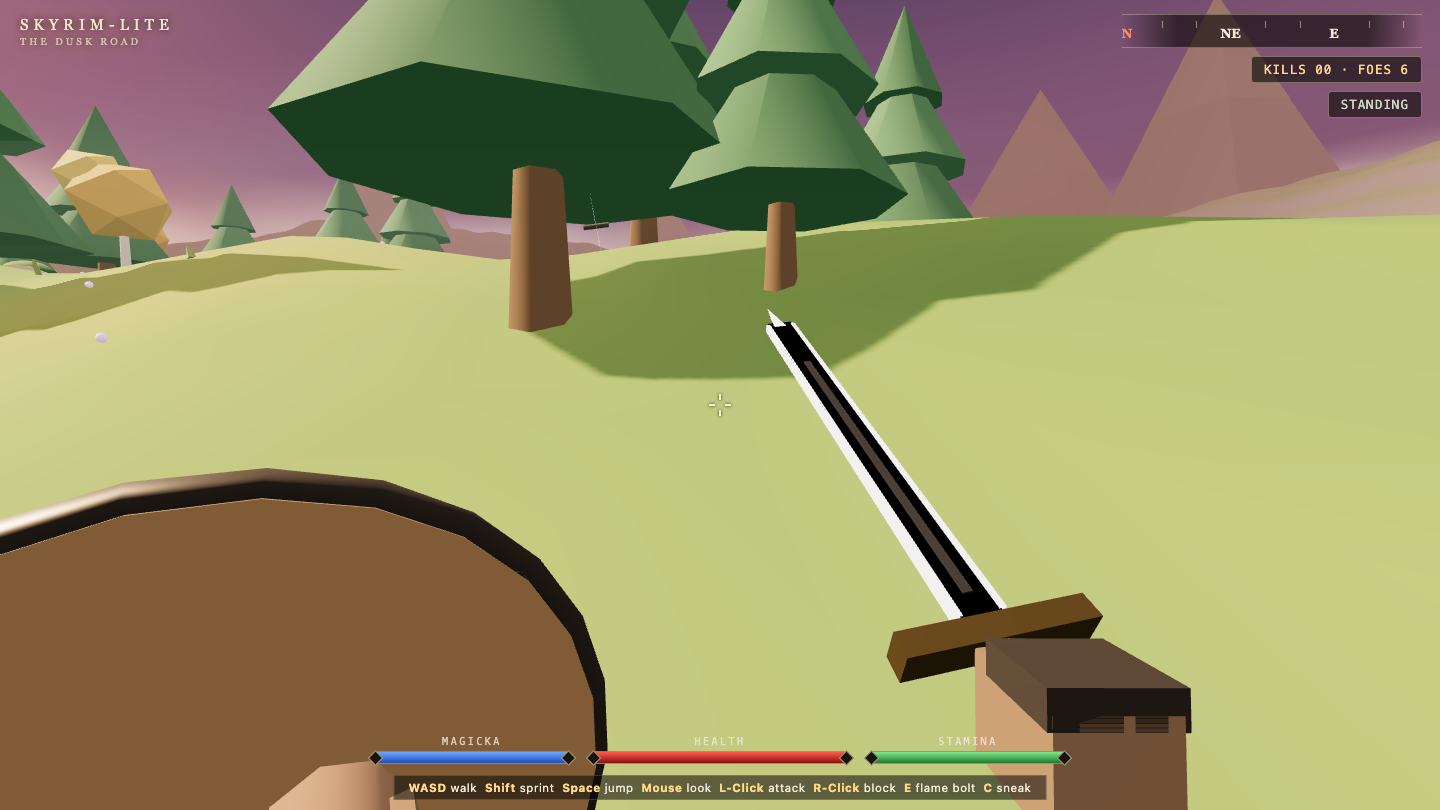
Click any cell to play that model's actual one-shot attempt. Medals are derived from my 0–10 scores per task (highest = 🥇, second = 🥈, third = 🥉).
Task ↓
Claude Opus 5.5
Opus 4.8
Game
Game
Game
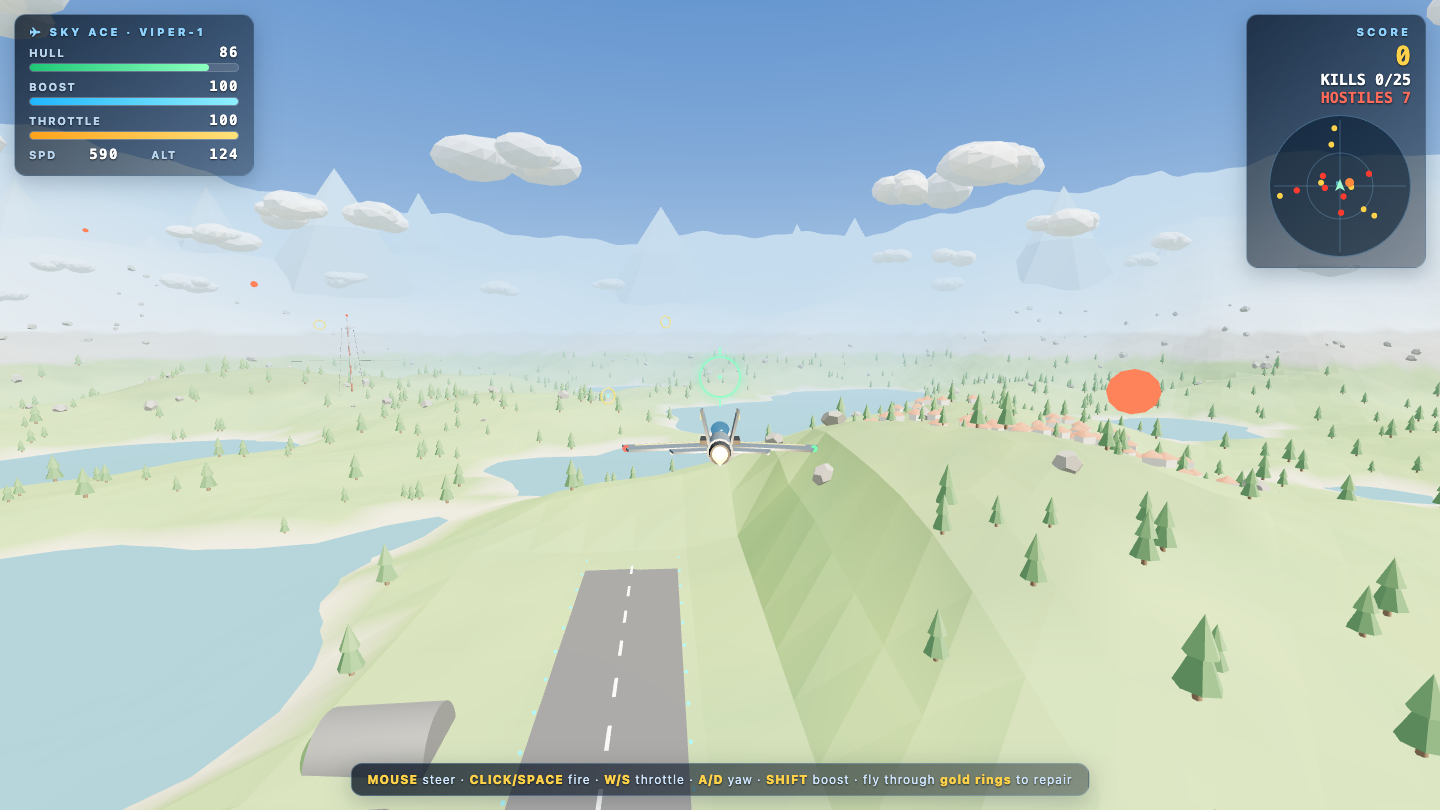
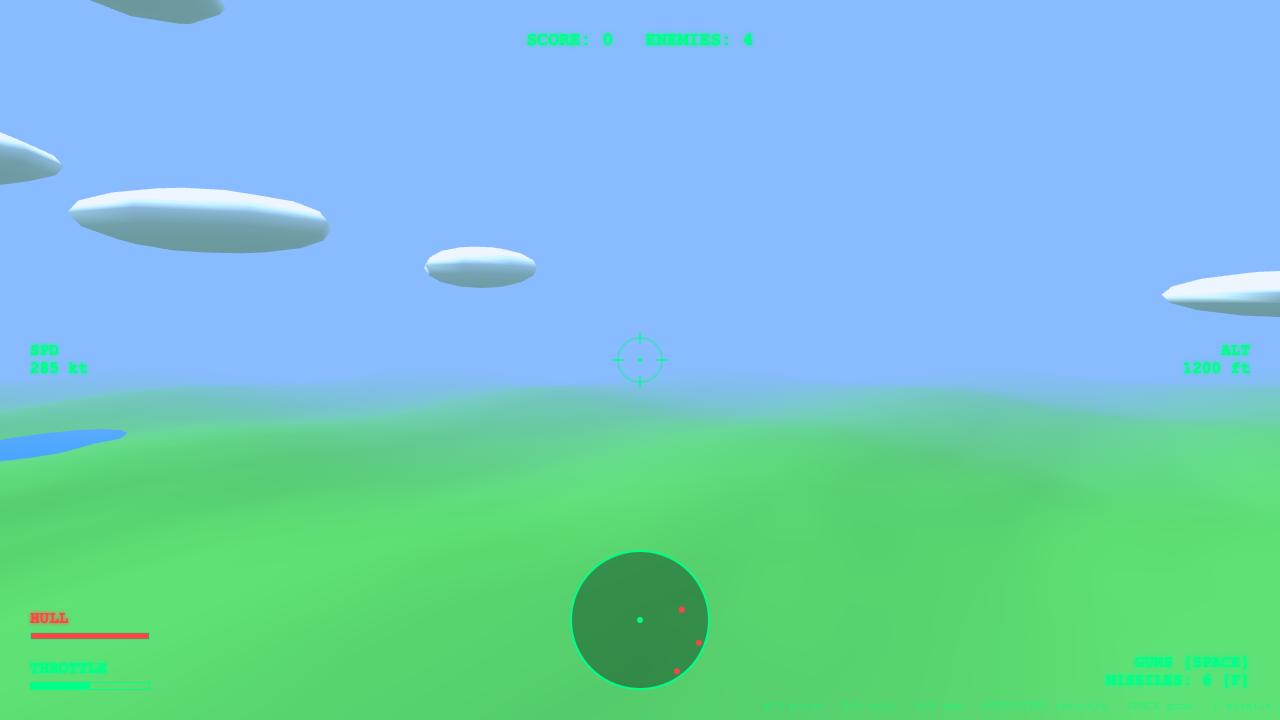
Game
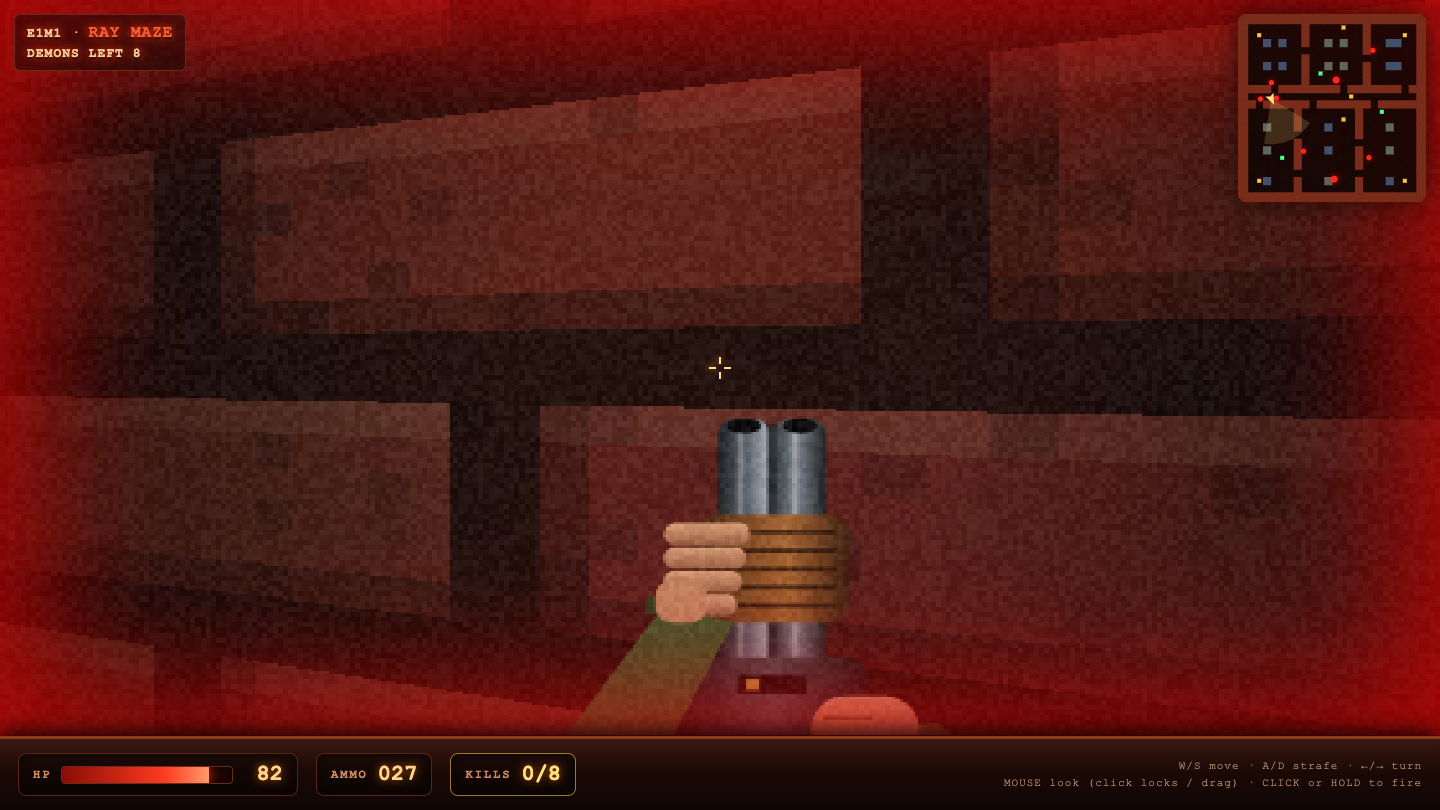
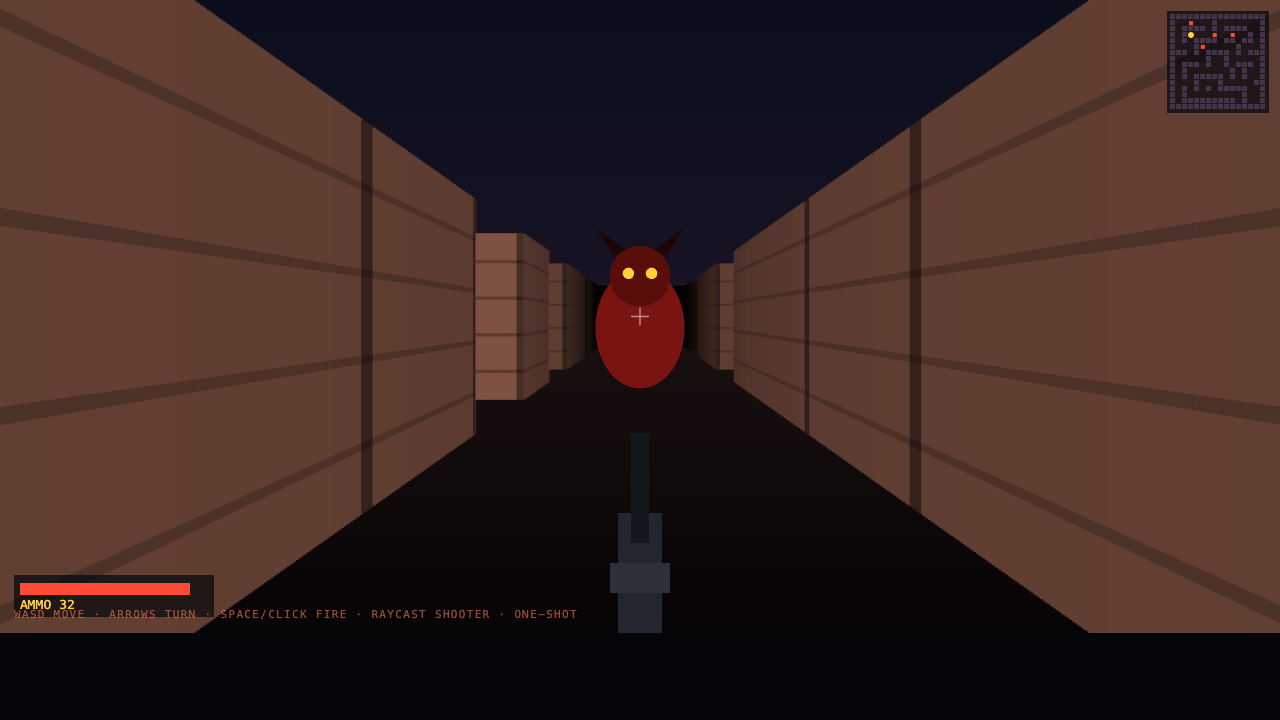
Game
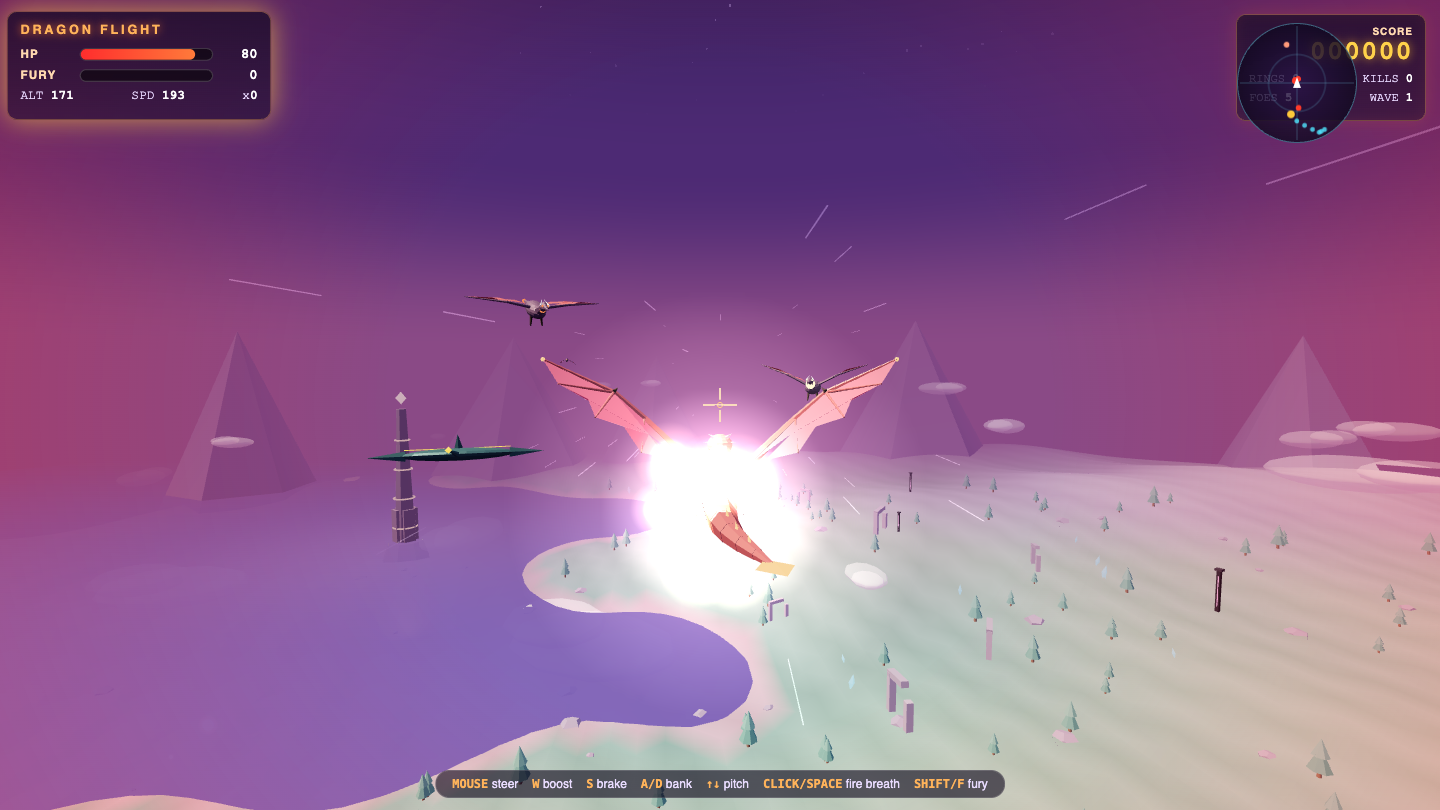
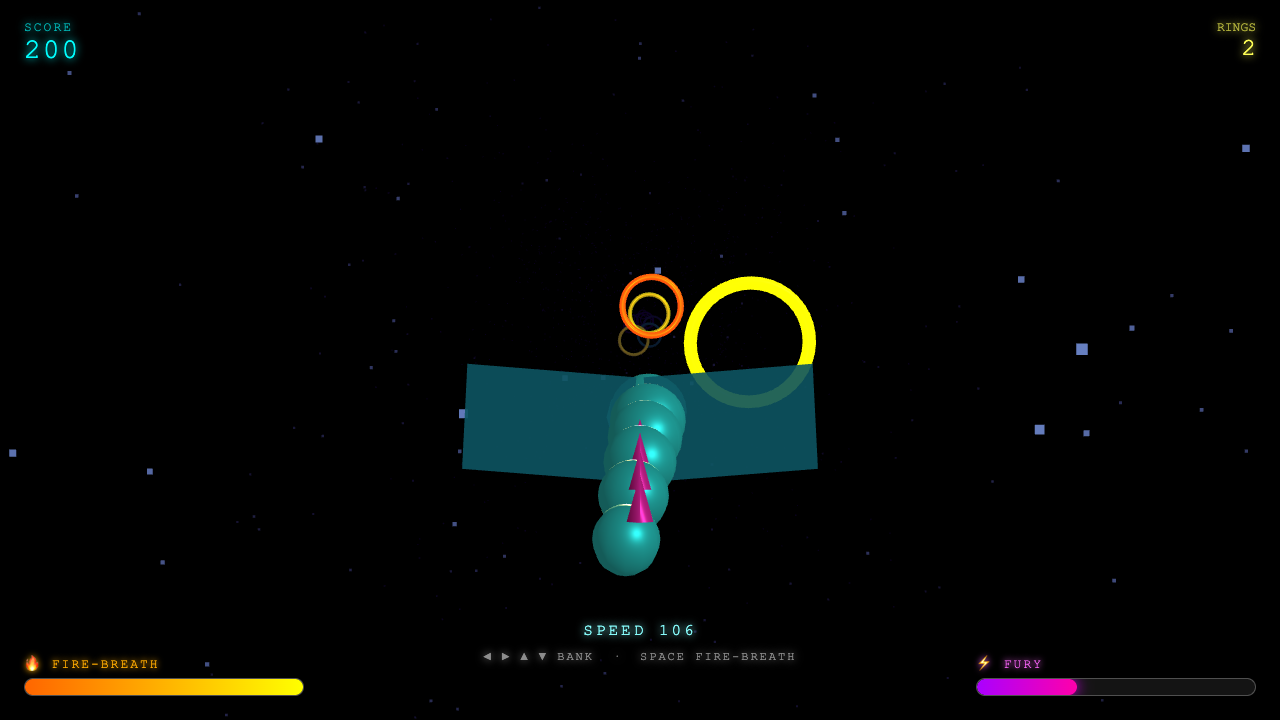
Game


Game

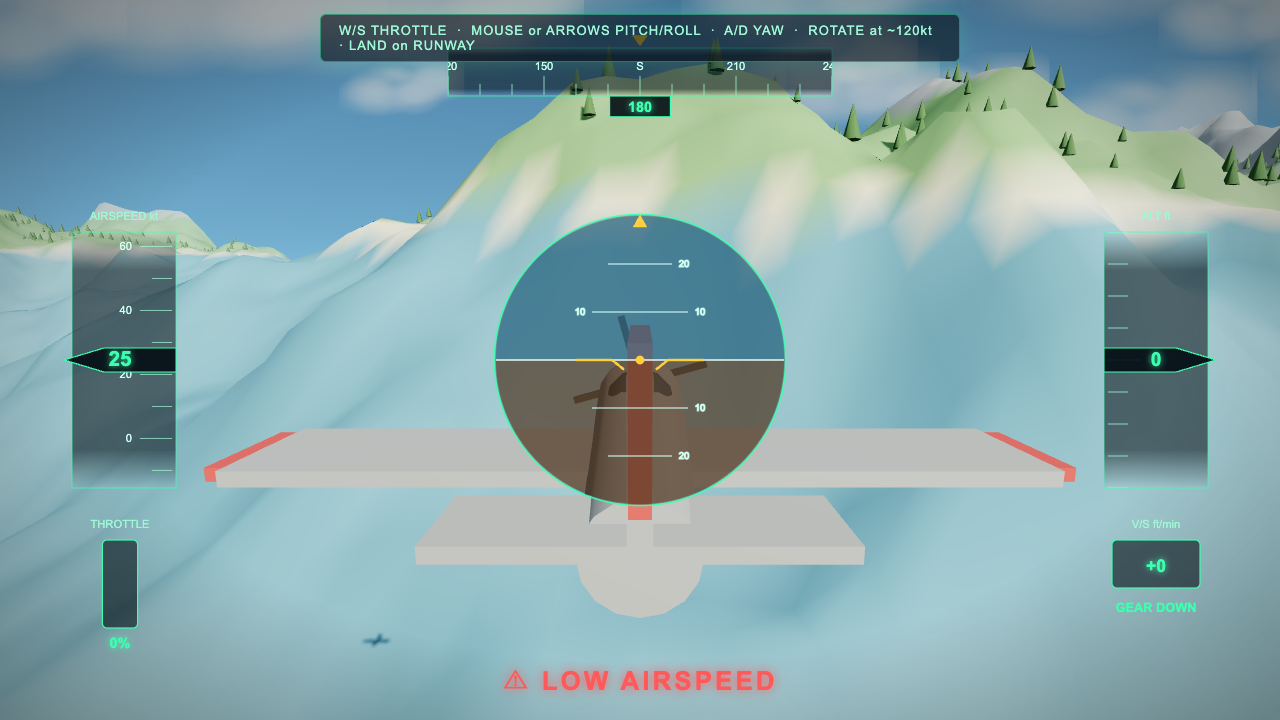
Game
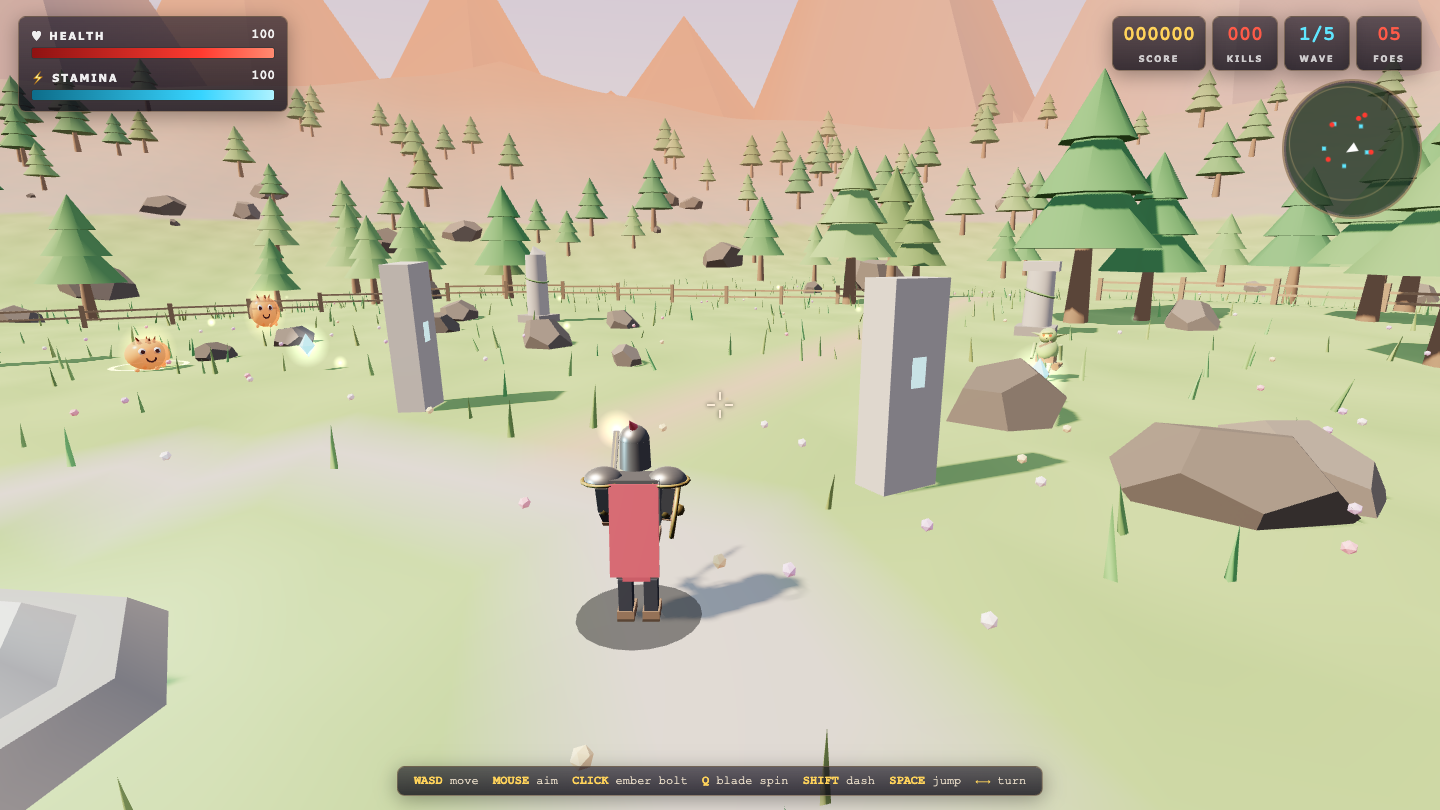
Game

Game
Game
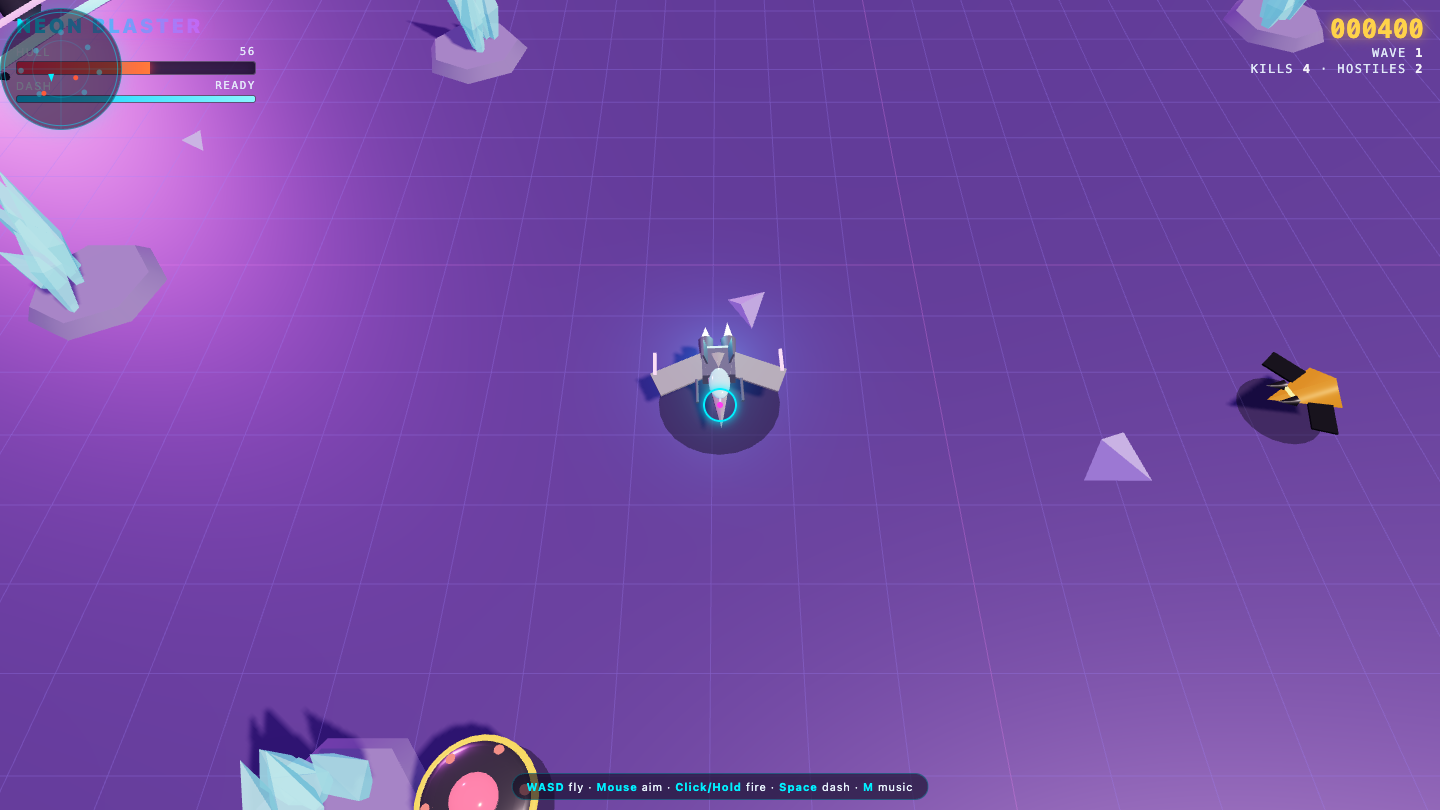
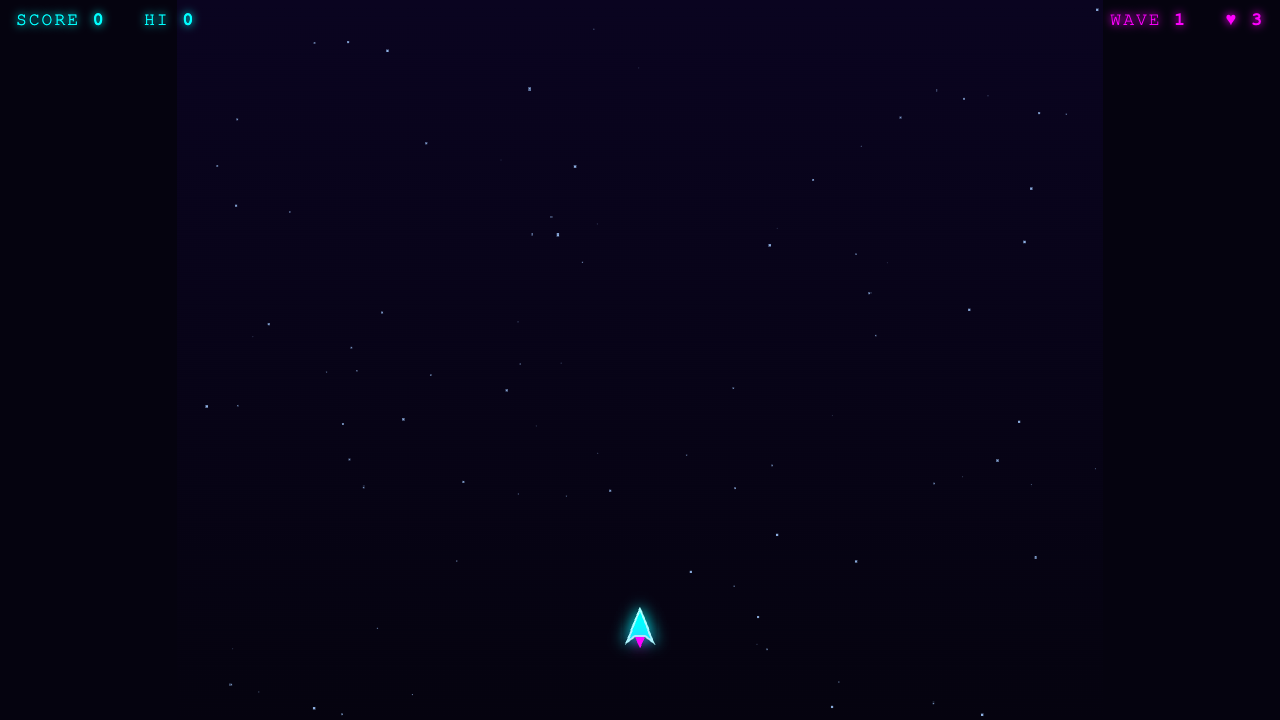
Game


Game

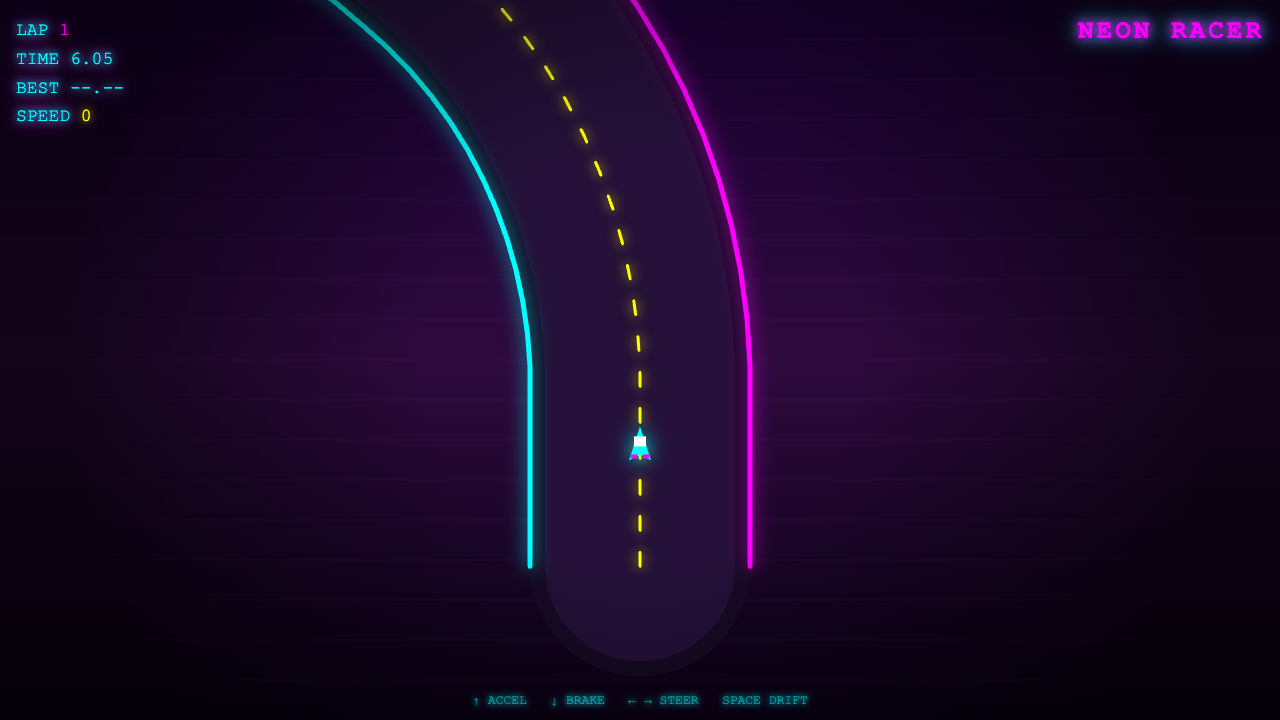
Game
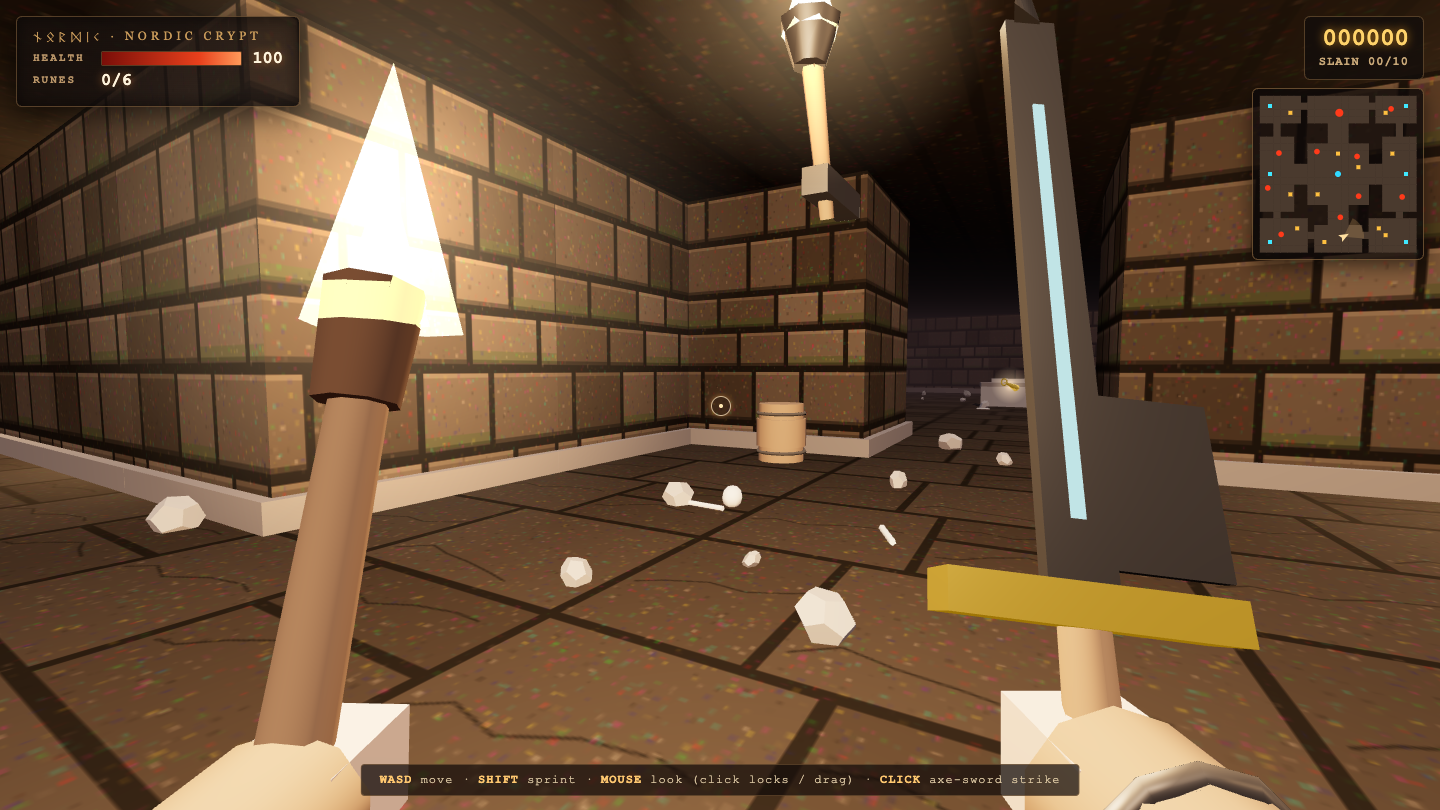
Game


Game
Game
Game
Game
Game
Game
Game

Game
Page
Where Claude Opus 5.5 beat Opus 4.8
The tasks where I gave Claude Opus 5.5 a higher 0–10 score on the same prompt — with the actual commentary from my source guides.
Webos
Page
Claude Opus 5.5 8.7
·
Opus 4.8 5.5
(+3.2)
What I saw: Polished NovaOS desktop: working Paint, Notes with a sidebar and autosave, a Terminal with neofetch/ls, a menu bar with a live clock and CPU, a side launcher and a dock with running dots, all in one cohesive macOS-like style. Very strong, but not clearly above the field's 9.0 best.
Aurora
Visual
Claude Opus 5.5 8.4
·
Opus 4.8 6.0
(+2.4)
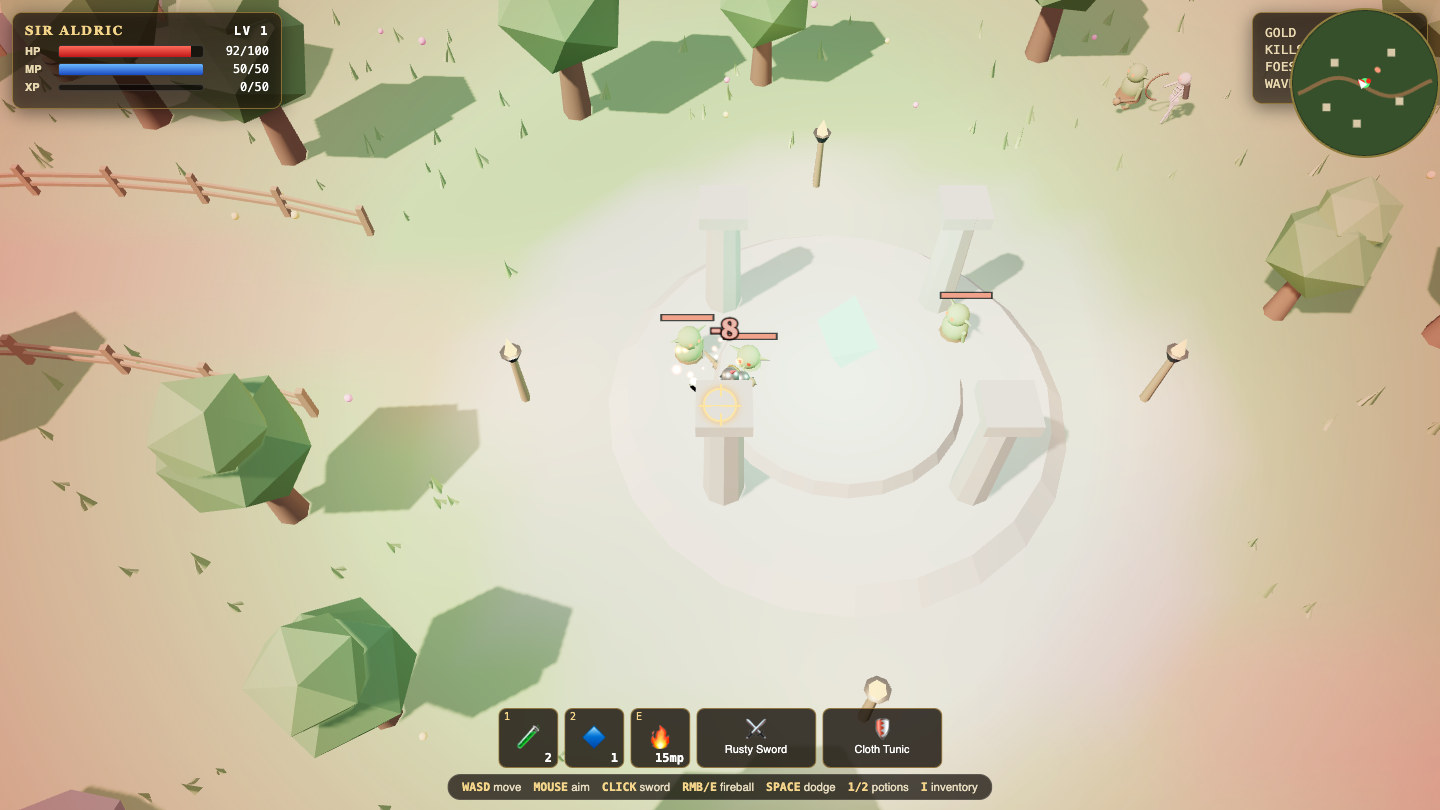
What I saw: Lovely low-poly valley: layered shader aurora curtains, snowy peaks, a glowing cabin and a mirror lake reflection, plus palette and substorm controls. The foreground snow is a flat, overexposed cyan band that eats the bottom third of the frame.
Crypt
Game
Claude Opus 5.5 8.0
·
Opus 4.8 6.0
(+2.0)
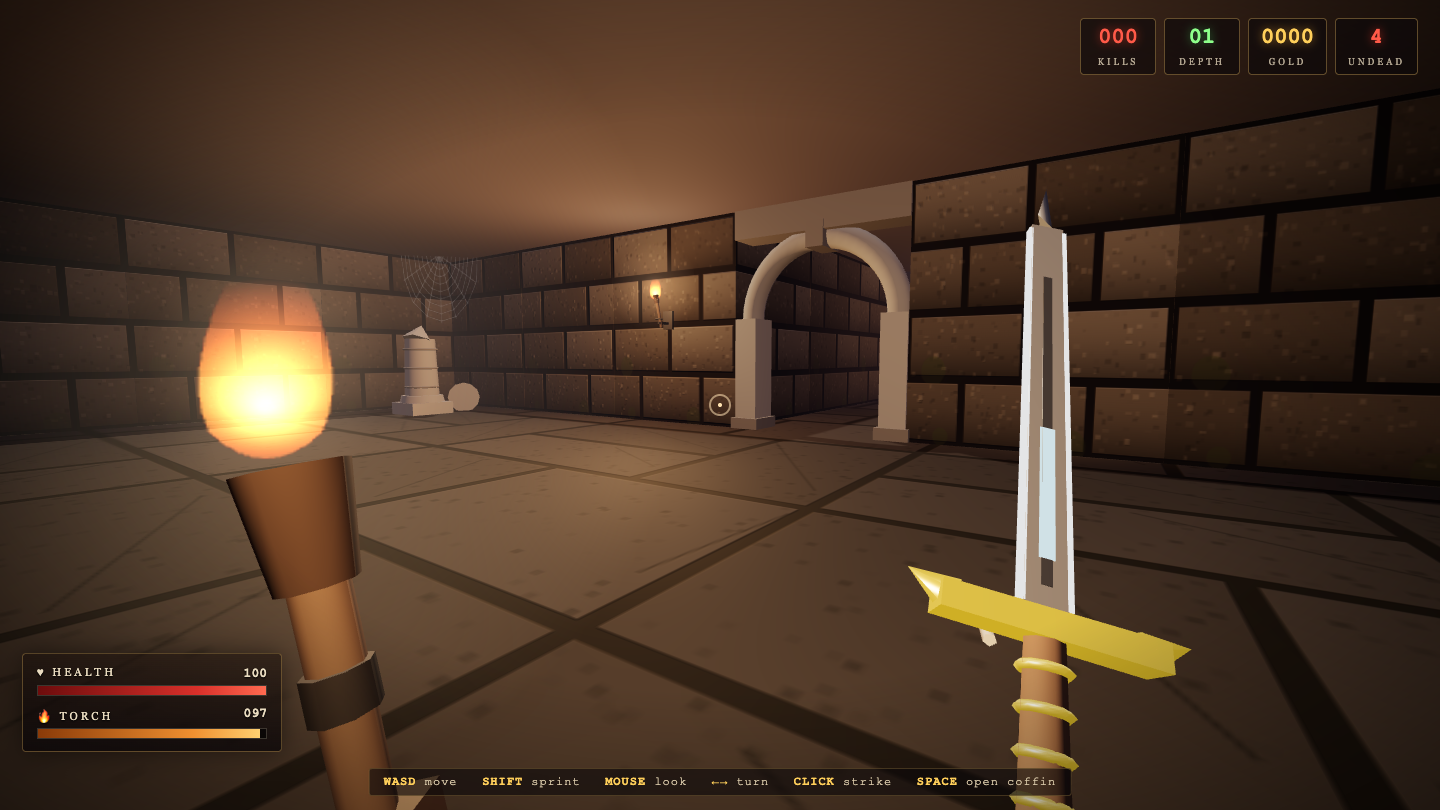
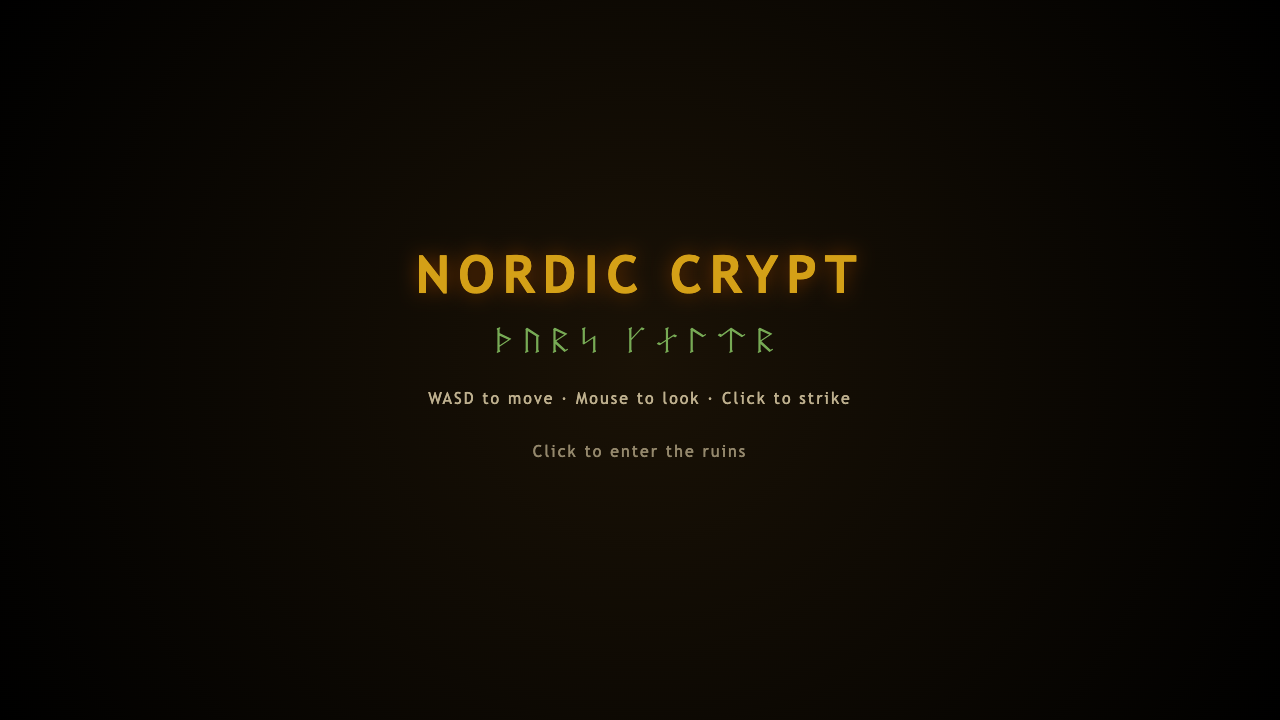
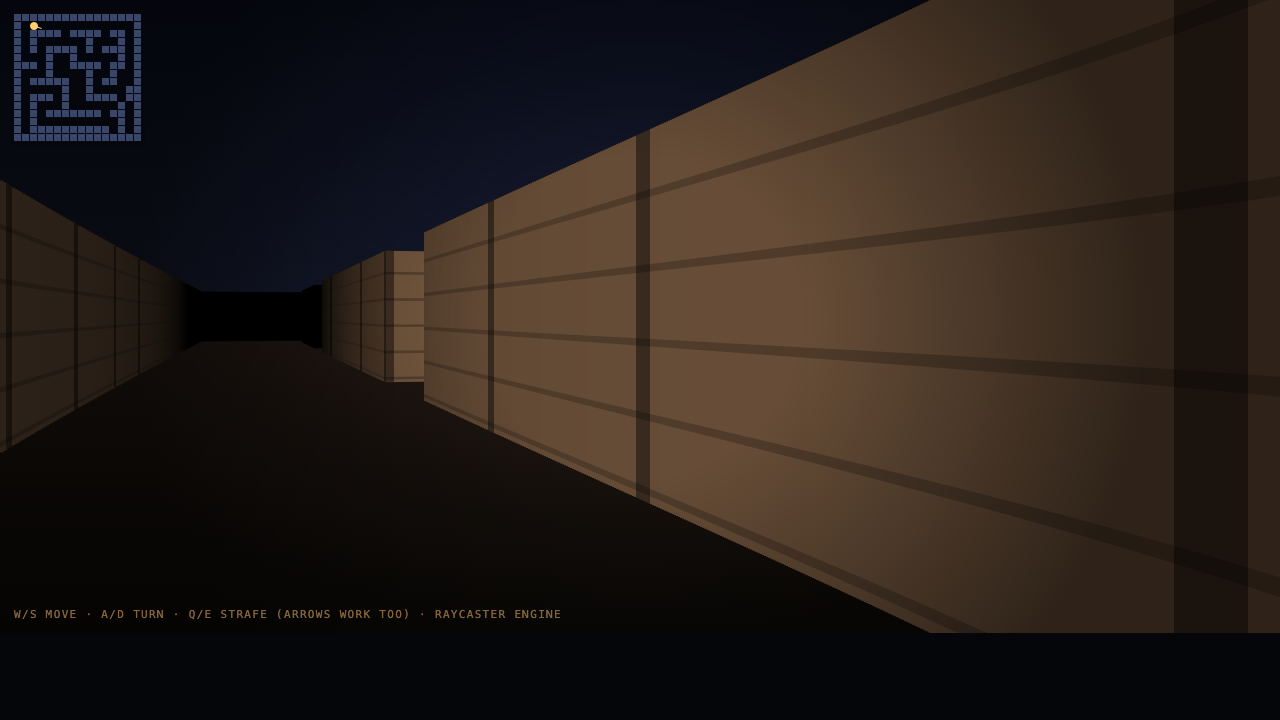
What I saw: Convincing torch-lit crypt: textured stone walls, arch, cobwebs, glowing held torch and a detailed first-person sword, with a clean HUD. No undead visible mid-play and the lighting is a bit evenly warm, so it's strong but not above the field's 9.0.
Nordiccrypt
Game
Claude Opus 5.5 7.6
·
Opus 4.8 6.0
(+1.6)
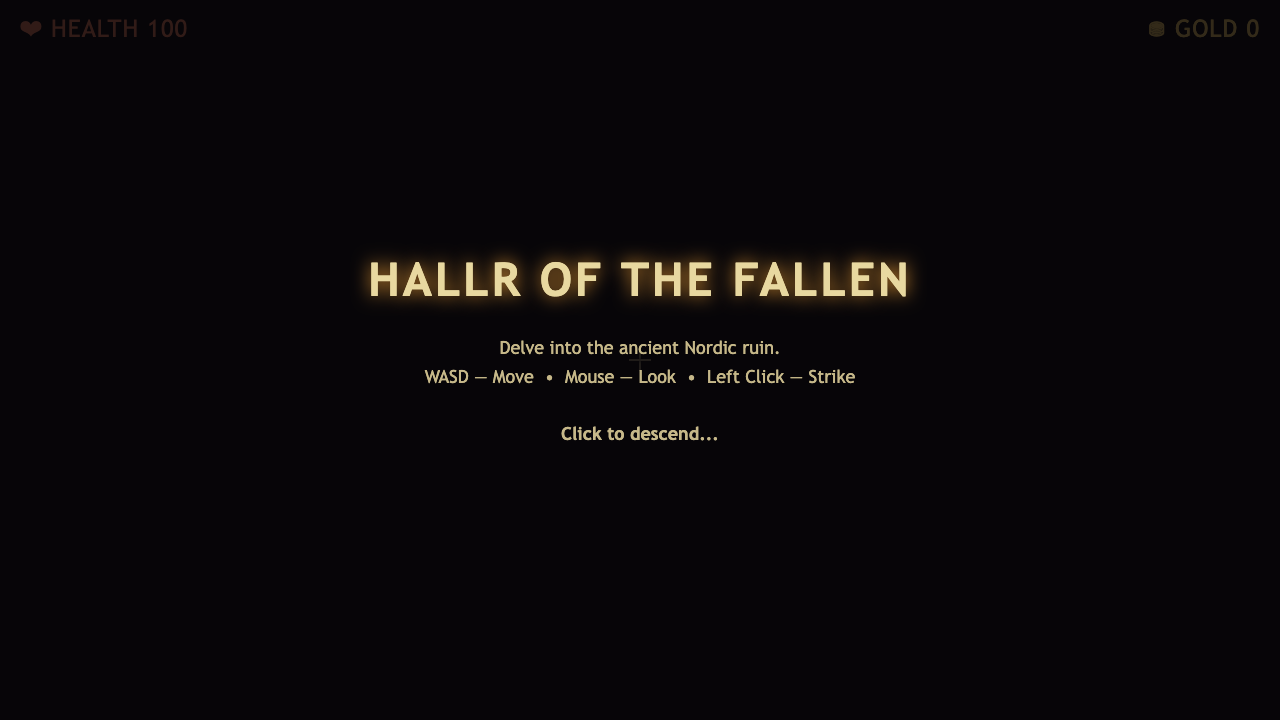
What I saw: Warm torch-lit brick corridors with bones, barrels, a rune counter, a minimap and a cohesive Nordic HUD make it a proper first-person crawler. The held torch flame is a solid white cone, the axe-sword and hands are crude flat blocks, and no draugr is in view, well short of the fi…
Fluid
Sim
Claude Opus 5.5 8.5
·
Opus 4.8 7.0
(+1.5)
What I saw: Real GPU Navier-Stokes with vorticity: vivid curling dye plumes and a dense advected particle layer read as a proper swirling fluid, and the control pills are tidy. The stats line still says a stale 'starting…', and the look is a little busy next to the field's 9.0 best.
Where Opus 4.8 beat Claude Opus 5.5
The tasks where I gave Opus 4.8 a higher 0–10 score on the same prompt — with the actual commentary from my source guides.
Doom
Game
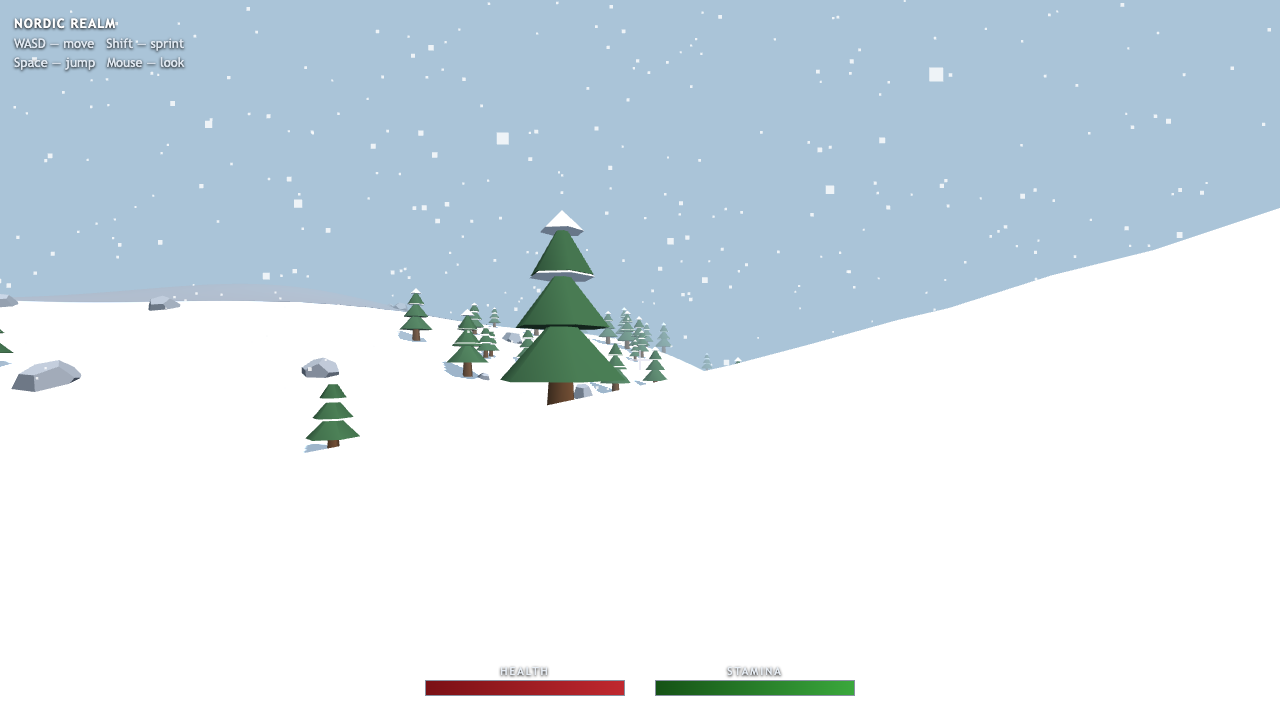
Opus 4.8 8.5
·
Claude Opus 5.5 5.8
(+2.7)
· winner · game-feel
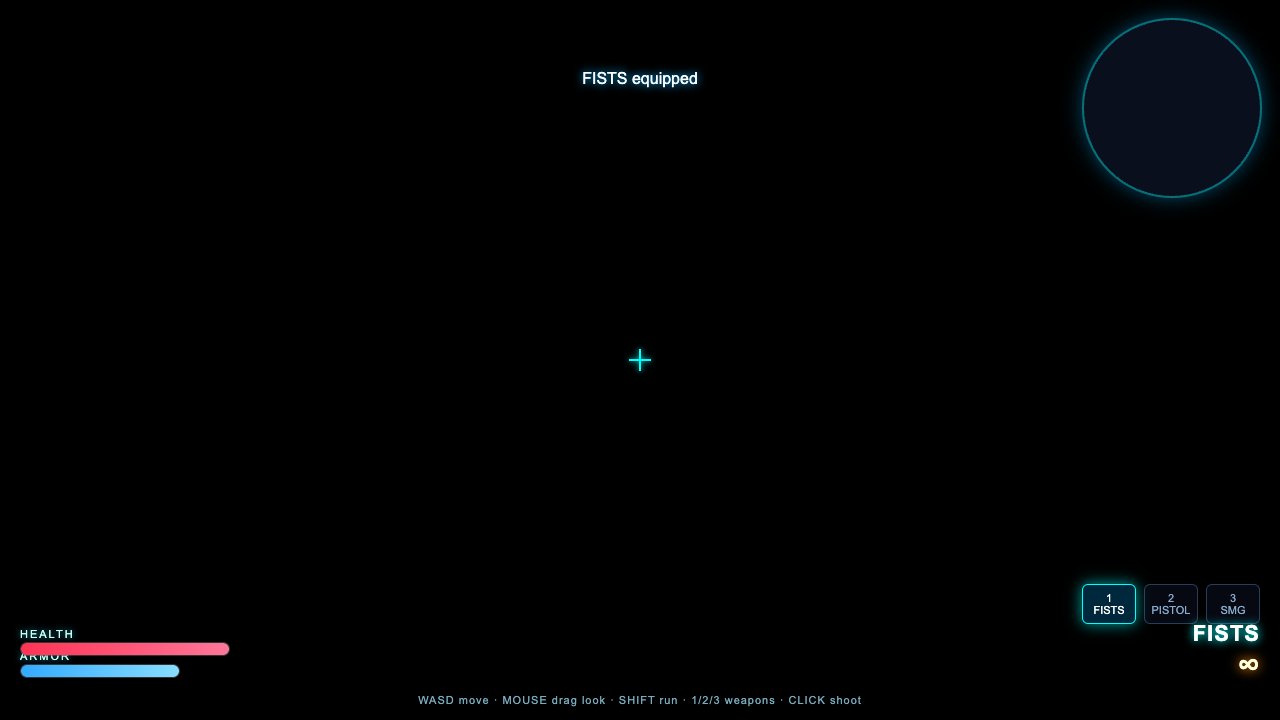
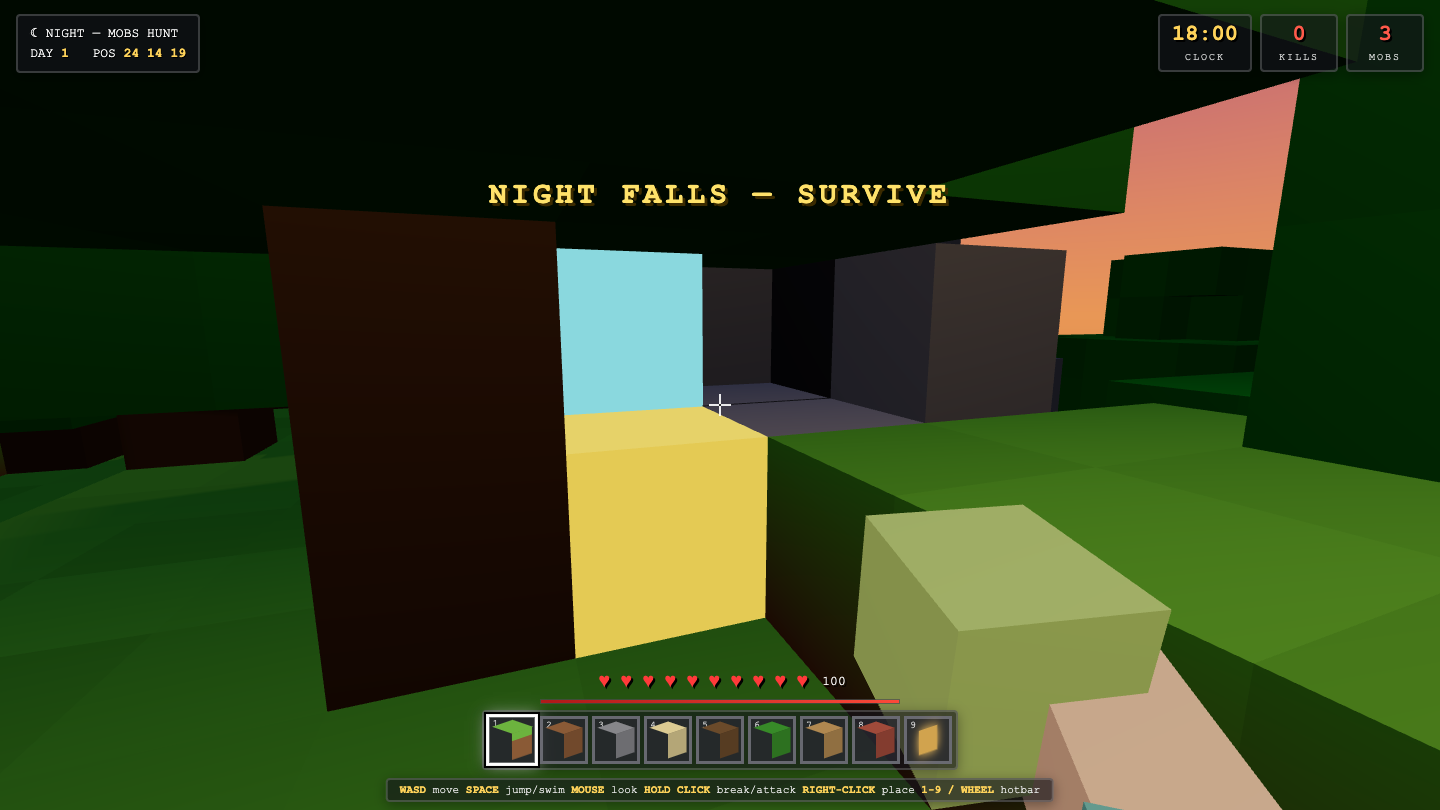
What I saw: All three are real, playable shooters. Opus drops you in a corridor with an imp dead ahead — gun, crosshair and HUD framed like a screenshot. Kimi matches it: a monster down a textured hall, health, ammo, minimap. GLM ships a gorgeous 'HAZARD PROTOCOL' title screen with a working…
Arcade
Game
Opus 4.8 8.5
·
Claude Opus 5.5 6.0
(+2.5)
· winner · game-feel
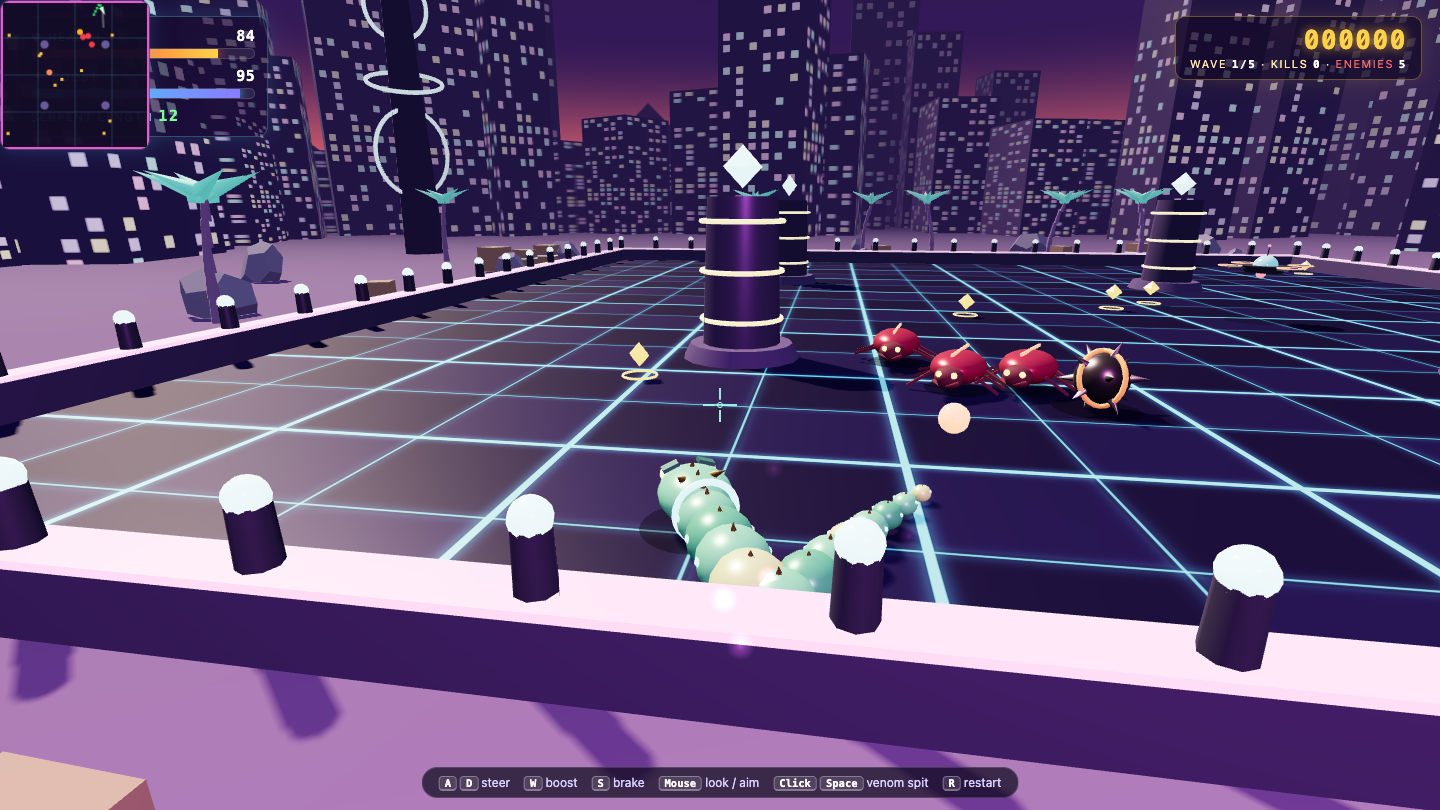
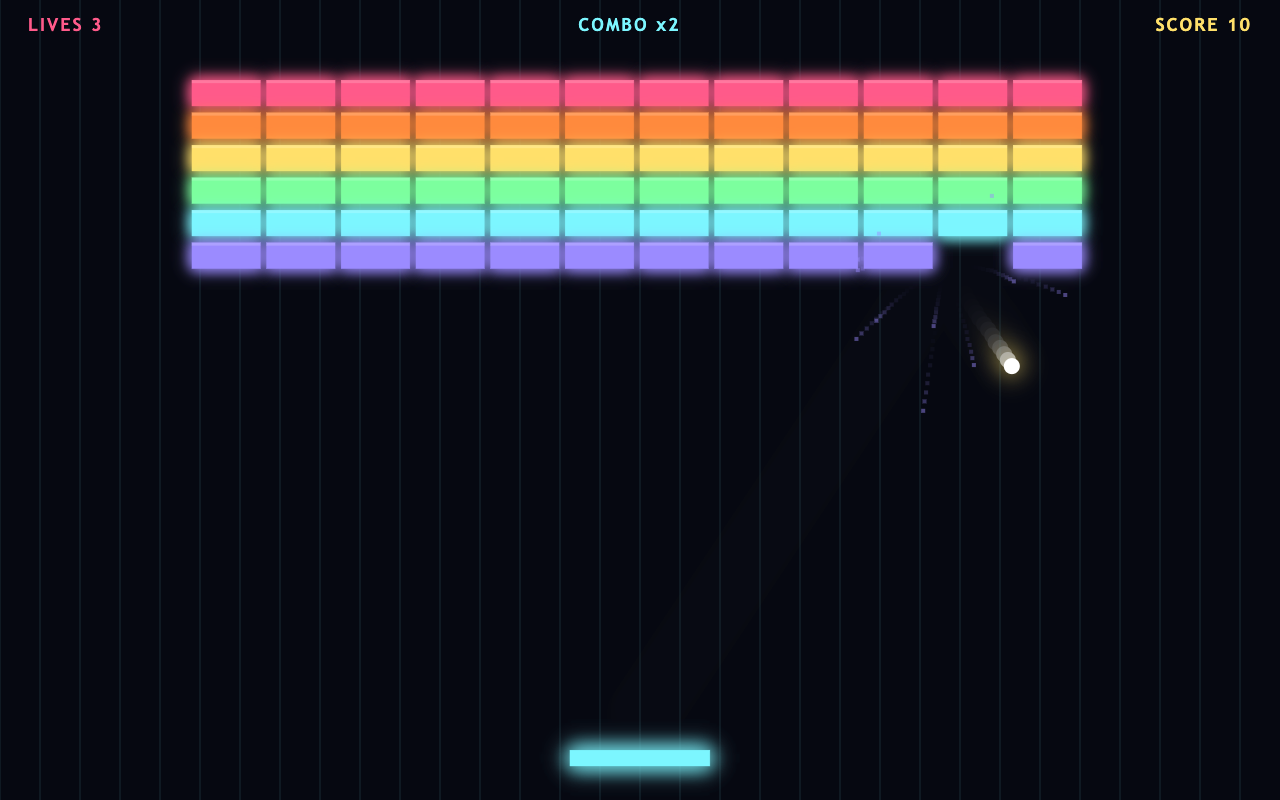
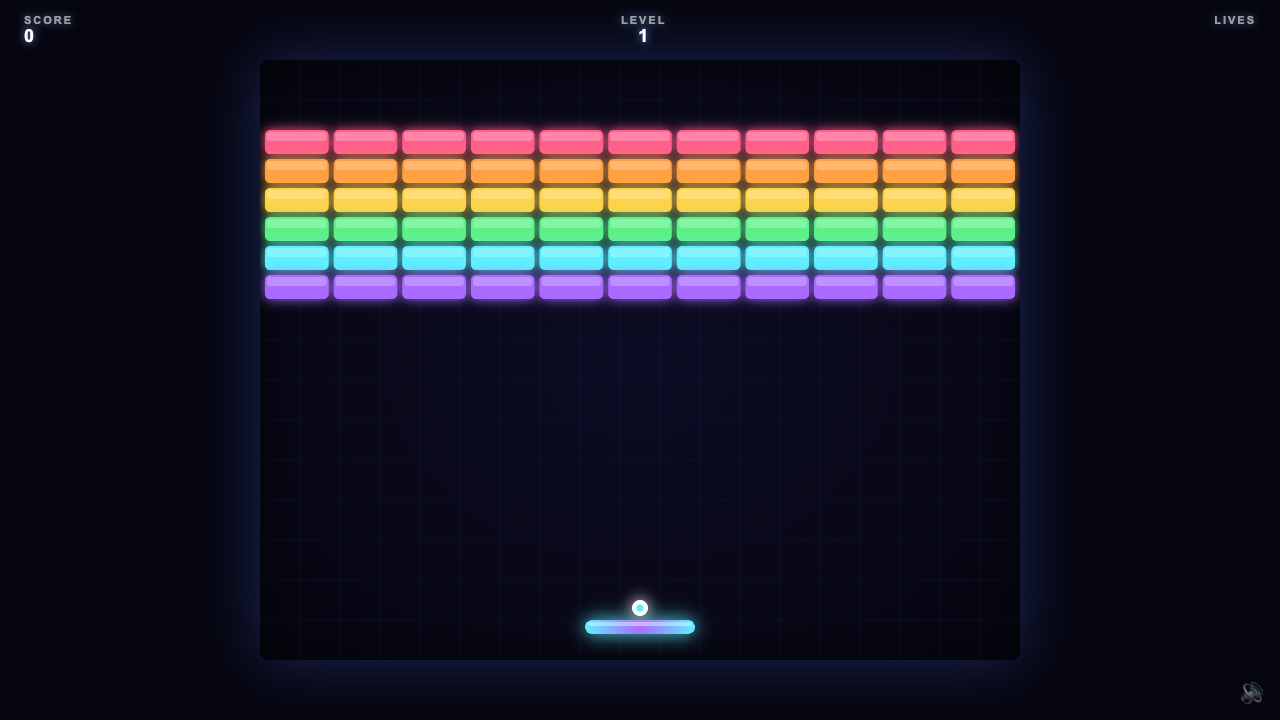
What I saw: All three shipped a genuinely juicy game. Opus's breakout had the most game-feel — particle bursts and a live combo. Kimi's breakout was clean and solid. GLM went its own way with fullscreen neon asteroids. The closest of the practical five.
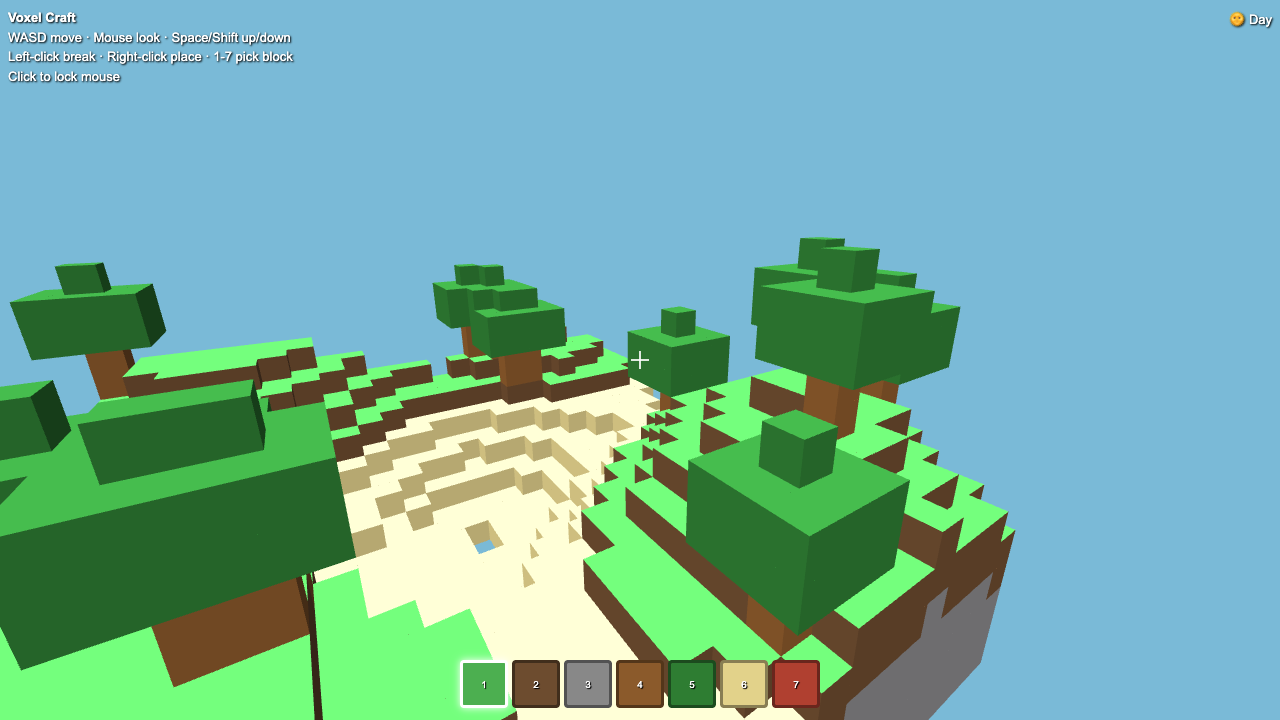
Voxelcraft
Game
Opus 4.8 8.0
·
Claude Opus 5.5 5.8
(+2.2)
What I saw: 7KB · plays clean · webgl, input, rAF
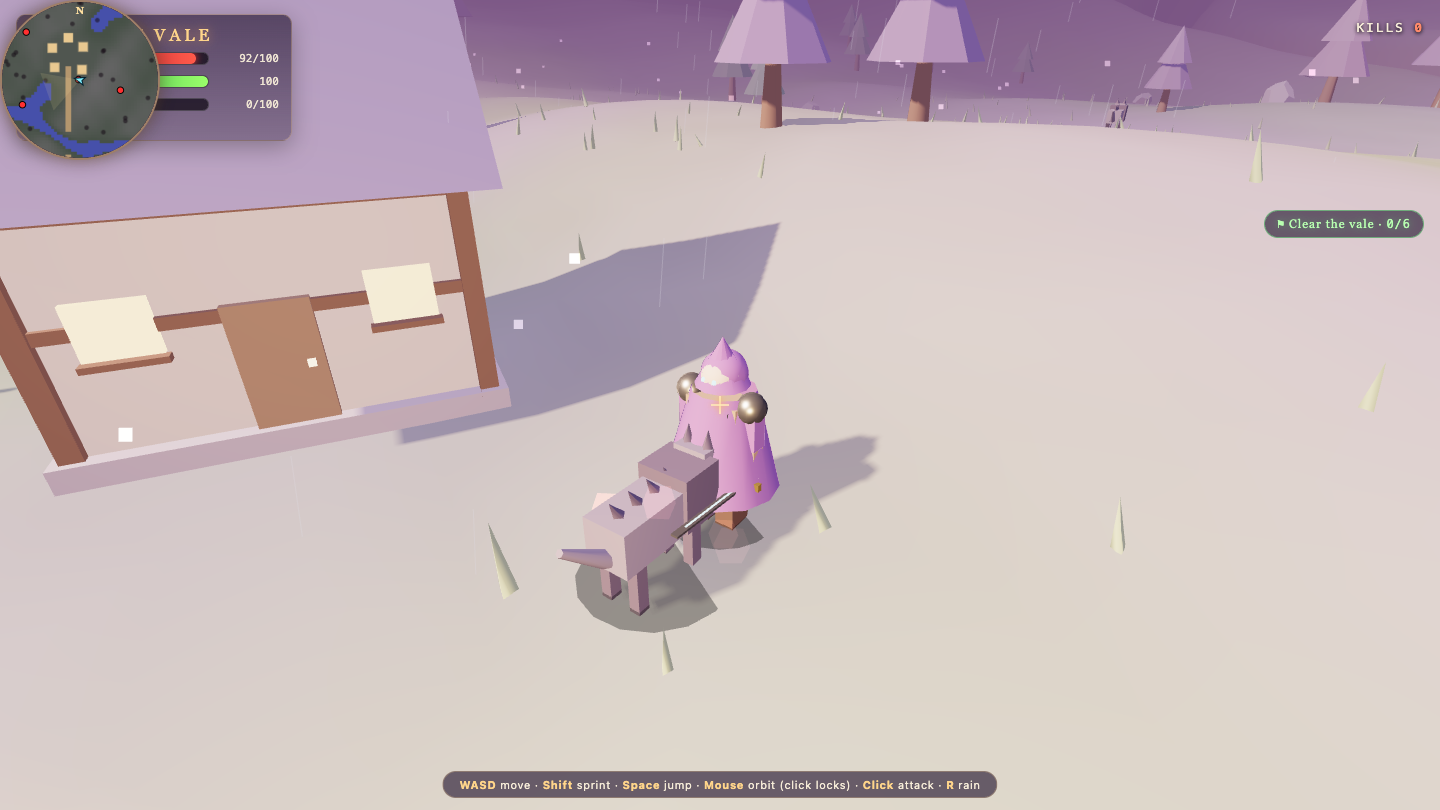
Twilightvale
Game
Opus 4.8 7.5
·
Claude Opus 5.5 5.5
(+2.0)
What I saw: 22KB · plays clean · webgl
Neonblaster
Game
Opus 4.8 7.5
·
Claude Opus 5.5 5.8
(+1.7)
What I saw: 16KB · plays clean · audio, input
Strengths & weaknesses I logged
Claude Opus 5.5
Strengths
- Frontier-class coding + agentic reasoning (Claude 5 family)
- 1M-token context — reads an entire codebase in one call
- All 50 one-shot builds rendered with zero console errors; all 23 games passed the input playtest
Trade-offs
- Premium pricing ($4/$20 per M) — route the everyday 90% to cheaper lanes
- One-shot builds can still ship logic bugs (e.g. a doom kill counter that miscounts)
Opus 4.8
Strengths
- Most consistent across the Goldie Bench bench — no weak build, 8.46/10 average
- Deepest one-shot reasoning, especially on game-feel and physics
- Extended thinking mode handles up to 1M tokens of context
Trade-offs
- 5–10× the per-token cost of every other model on the bench
- Less flair on cinematic visuals than GLM-5.2 — playing it safer wins on accuracy, costs you on showpiece moments
Pricing & context — the spec sheet
| Spec | Claude Opus 5.5 | Opus 4.8 |
|---|---|---|
| Vendor | Anthropic | Anthropic |
| Context window | 1,000,000 tokens | 200,000 tokens (1M with extended thinking) |
| Price | $4 / $20 per M | $15 / $75 per M tokens |
| Pricing detail | Anthropic's Opus 5.5 — 1M-token context, listed at $4 input / $20 output per million tokens. Benched through a Claude subscription; game tasks use our skill-infused AAA build prompts. | Premium pricing via the Anthropic API: $15 per million input tokens, $75 per million output tokens. Extended thinking is included but adds latency. |
| Release | 2026-09 | 2026-05 |
| Bench coverage | 50/50 scored · avg 7.57/10 | 47/47 scored · avg 7.51/10 |
The verdict — which should you pick?
Across 47 scored shared tasks, the averages are essentially tied — Claude Opus 5.5 7.60 vs Opus 4.8 7.51. This isn't the comparison where one wins; it's the comparison where you pick based on context, pricing, and what you're actually trying to ship.
If you only run one of these inside your stack, the head-to-head average above is the call. If you can run both, my honest play is to wire Claude Opus 5.5 and Opus 4.8 both into the Agent Operating System and dispatch each from the kanban by task type — hardest agentic builds → Claude Opus 5.5, mission-critical one-shot builds where 'has to work the first time' matters → Opus 4.8. That's the same setup I run for the 4,000+ founders inside the AI Profit Boardroom.
FAQ — Claude Opus 5.5 vs Opus 4.8
Which is better, Claude Opus 5.5 or Opus 4.8?
On Goldie Bench, Claude Opus 5.5 averages 7.60/10 across the shared tasks, with 0 gold, 0 silver, 1 bronze overall. Opus 4.8 averages 7.51/10, with 3 gold, 1 silver, 0 bronze. Claude Opus 5.5 wins the head-to-head 26–20.
How much does Claude Opus 5.5 cost vs Opus 4.8?
Claude Opus 5.5: Anthropic's Opus 5.5 — 1M-token context, listed at $4 input / $20 output per million tokens. Benched through a Claude subscription; game tasks use our skill-infused AAA build prompts. Opus 4.8: Premium pricing via the Anthropic API: $15 per million input tokens, $75 per million output tokens. Extended thinking is included but adds latency.
What's the context window for Claude Opus 5.5 vs Opus 4.8?
Claude Opus 5.5 has a 1,000,000 tokens context window. Opus 4.8 has a 200,000 tokens (1M with extended thinking) context window.
When should I pick Claude Opus 5.5 over Opus 4.8?
Pick Claude Opus 5.5 for: Hardest agentic builds; Whole-repo reasoning; Frontier one-shots. The trade-off is the weaknesses we logged on the bench: Premium pricing ($4/$20 per M) — route the everyday 90% to cheaper lanes; One-shot builds can still ship logic bugs (e.g. a doom kill counter that miscounts).
When should I pick Opus 4.8 over Claude Opus 5.5?
Pick Opus 4.8 for: Mission-critical one-shot builds where 'has to work the first time' matters; Hard reasoning tasks (planning, multi-step) where you'll pay for the depth; Anything where vendor reliability beats the per-token bill. The trade-off is the weaknesses we logged on the bench: 5–10× the per-token cost of every other model on the bench; Less flair on cinematic visuals than GLM-5.2 — playing it safer wins on accuracy, costs you on showpiece moments.
How does Goldie Bench score Claude Opus 5.5 vs Opus 4.8?
Every demo on this page was built by Julian Goldie inside the Agent Operating System — same fixed prompt for both models, one shot, single HTML file out. Each result gets a 0–10 score on whether it ran, how close it hit the brief, and how good it looked. The highest score on each task gets gold; second gets silver; third gets bronze. See methodology for full provenance.
Related comparisons
Other head-to-heads using the same scoring system:
Claude Opus 5.5 vs Fusion Opus 4.8 vs Fusion Claude Opus 5.5 vs Claude Opus 5 Opus 4.8 vs Claude Opus 5 Claude Opus 5.5 vs Hermes MoA Opus 4.8 vs Hermes MoA Claude Opus 5.5 vs GPT-5.6 Sol Opus 4.8 vs GPT-5.6 SolFull model pages: Claude Opus 5.5 · Opus 4.8 · back to the leaderboard
The same stack Julian uses
Run this stack yourself.
Every demo on this bench was built inside the Agent Operating System — one prompt, one shot, single HTML file out. The Agent OS, the prompts, the templates, the weekly walkthroughs and 4,000+ founders shipping with it every day all live inside the AI Profit Boardroom.
4,000+founders
258documented wins
38countries
$59/momonthly