Real head-to-head · same prompt, one shot
Opus 4.8 vs Qwen 3.8
The reasoning king — deepest thinking, premium price. vs Alibaba's 2.4T flagship — benched through Qoder.
Head-to-head verdict: Qwen 3.8 wins 30–8.
What I tested — same prompt, two models
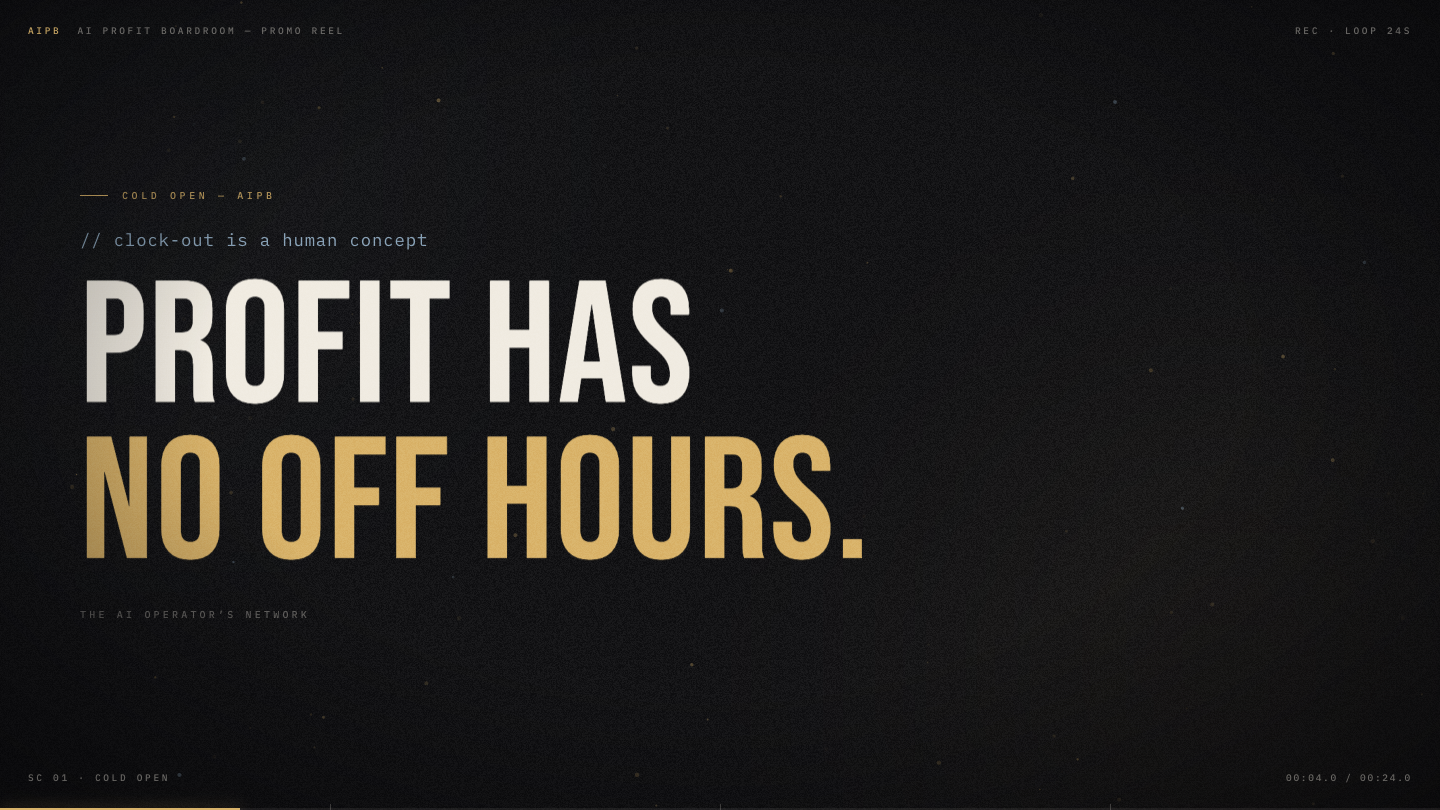
I run the same fixed prompt set through every new model the day it drops — same string, one shot, single HTML file out — and I score the result 0–10 on whether it ran, how close it hit the brief, and how good it looked. Below is what came out when I gave the exact same prompts to Opus 4.8 and Qwen 3.8, side by side, on 38 shared tasks inside the Agent Operating System.
Both models were given identical prompts inside the Agent Operating System — no help, no iteration, no "best of N" tricks. I run each prompt once, save the HTML file the model produces, and score it 0–10 on whether it ran, how close it hit the brief, and how good it looked. The scoring is mine. The verdicts below are pulled from my source comparison guides at agentos.guide where I publish every score and the reasoning behind it.
Opus 4.8 · The default when the build has to ship on the first prompt — Opus is the safety net inside Agent OS for hard one-shots.
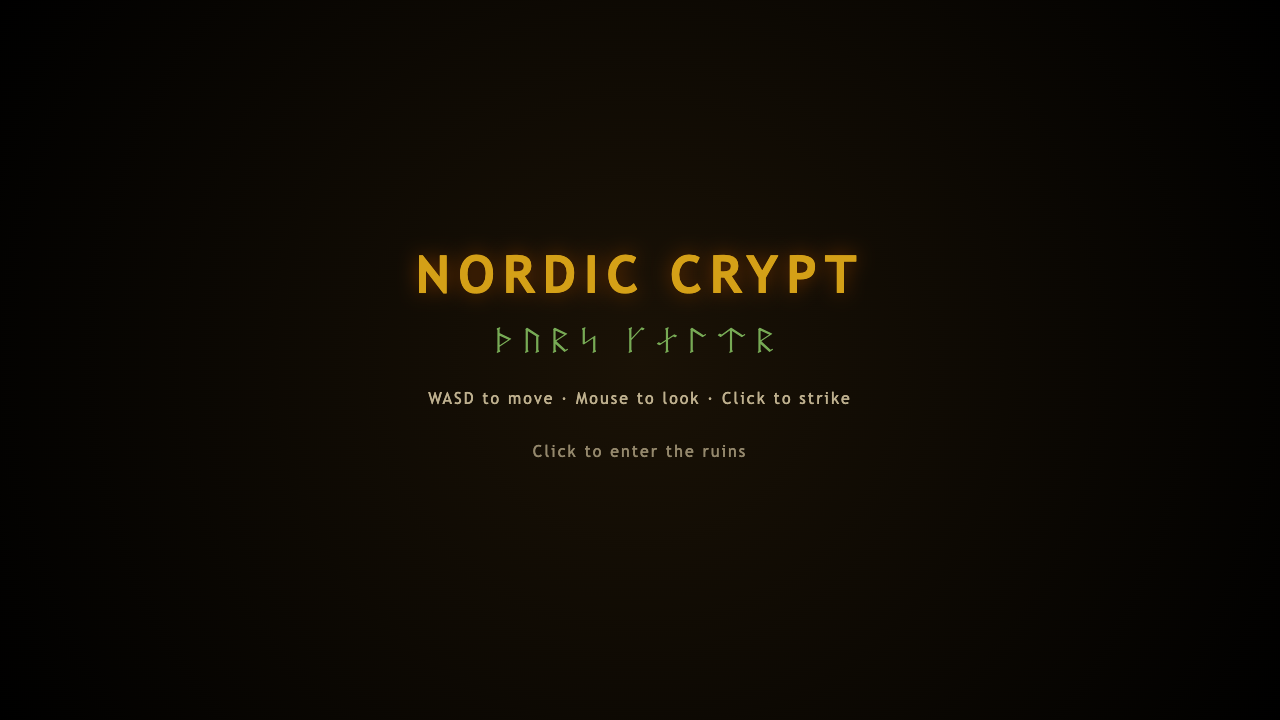
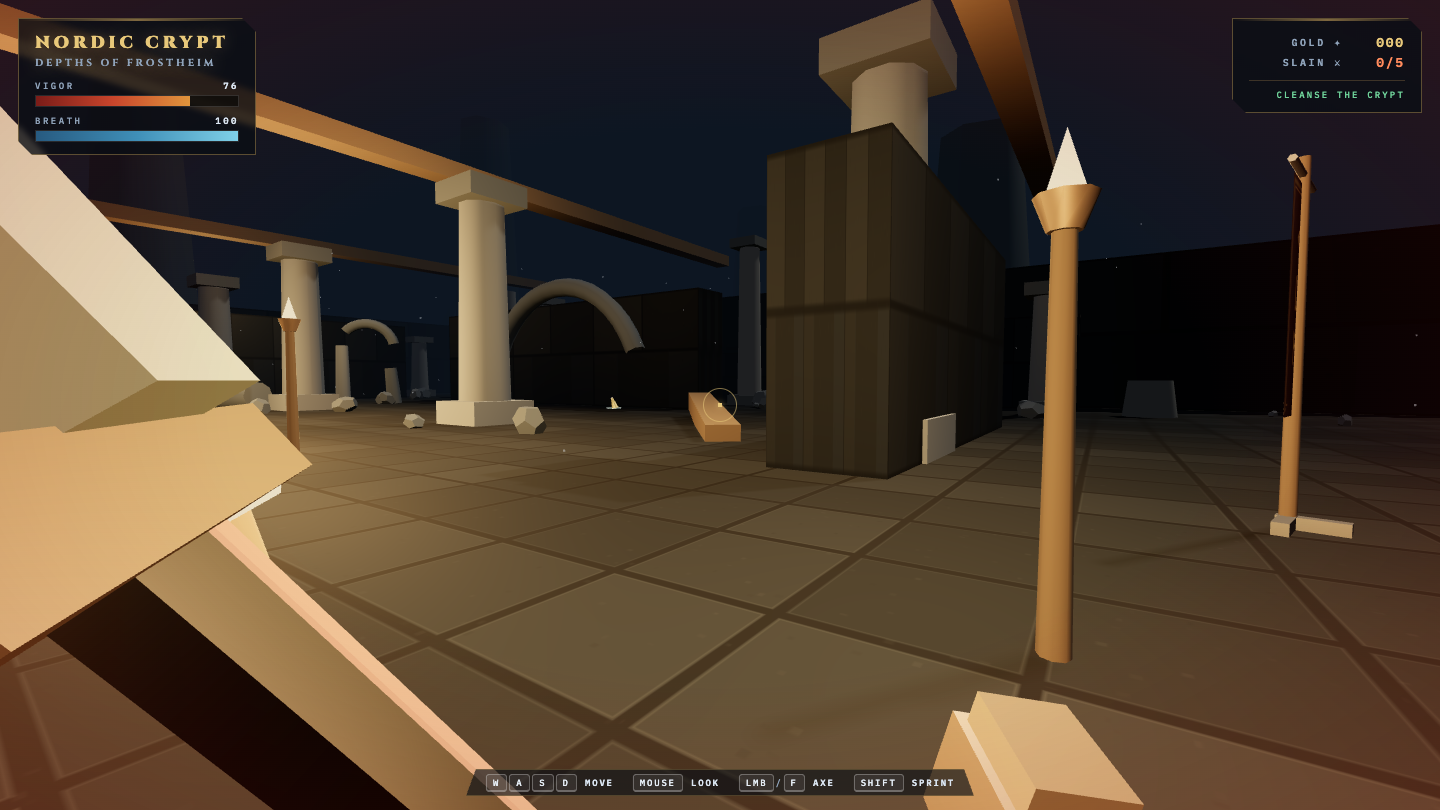
Qwen 3.8 · Benched on GoldieBench via the Qoder CLI (`qoder-qwen`, model Qwen3.8-Max-Preview) — the only door while it has no public API. Non-game tasks are one-shot like the rest of the field. GAME tasks run in Qoder's real AGENT mode: skill-infused build, then up to 2 QA fix rounds where a vision judge + live console errors are fed back and Qwen 3.8 edits its own file (it took crypt from a black-screen 3.0 to a torch-lit 7.8). Scored on a mid-play frame by the same Opus judge as everyone else. This is a partial run — the full 50-task card replaces it when the batch completes.
Side-by-side on 50 shared tasks
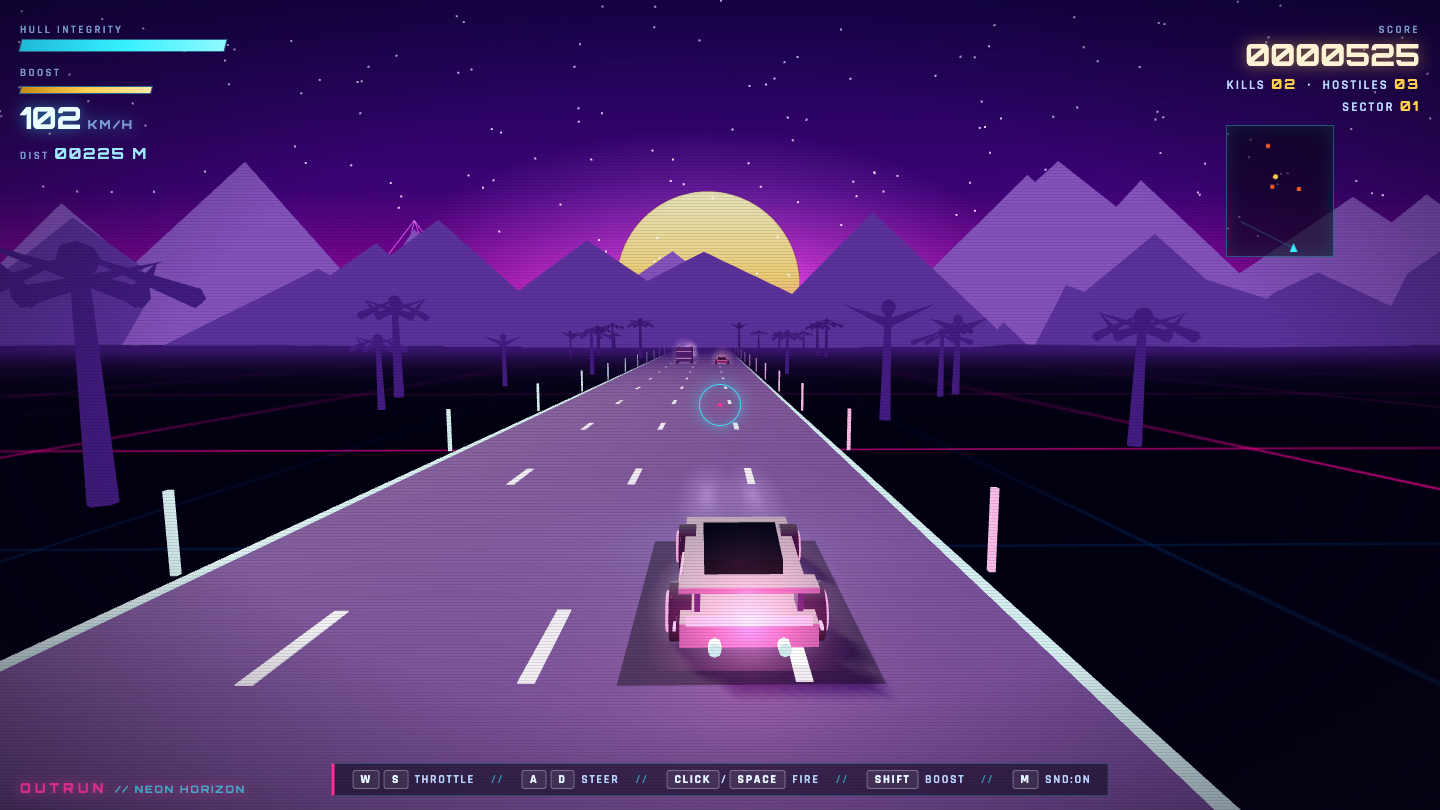
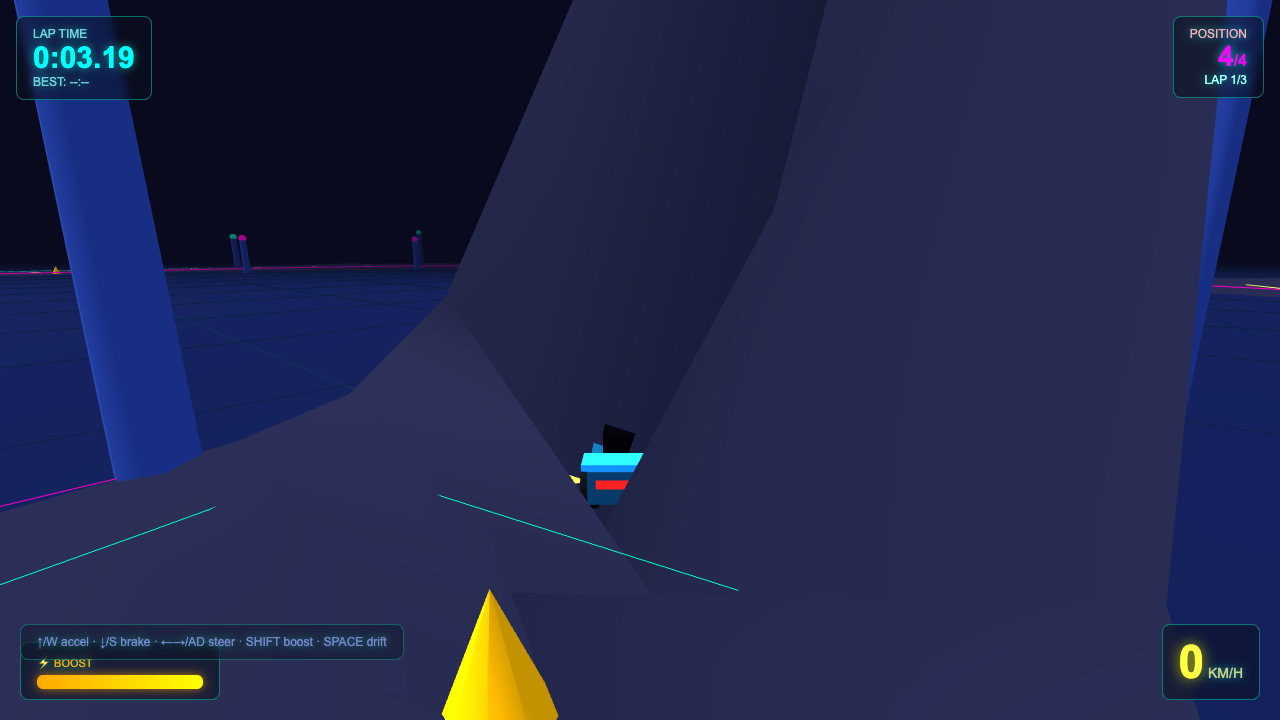
Click any cell to play that model's actual one-shot attempt. Medals are derived from my 0–10 scores per task (highest = 🥇, second = 🥈, third = 🥉).
Task ↓
Opus 4.8
Qwen 3.8
Game
Game
Game
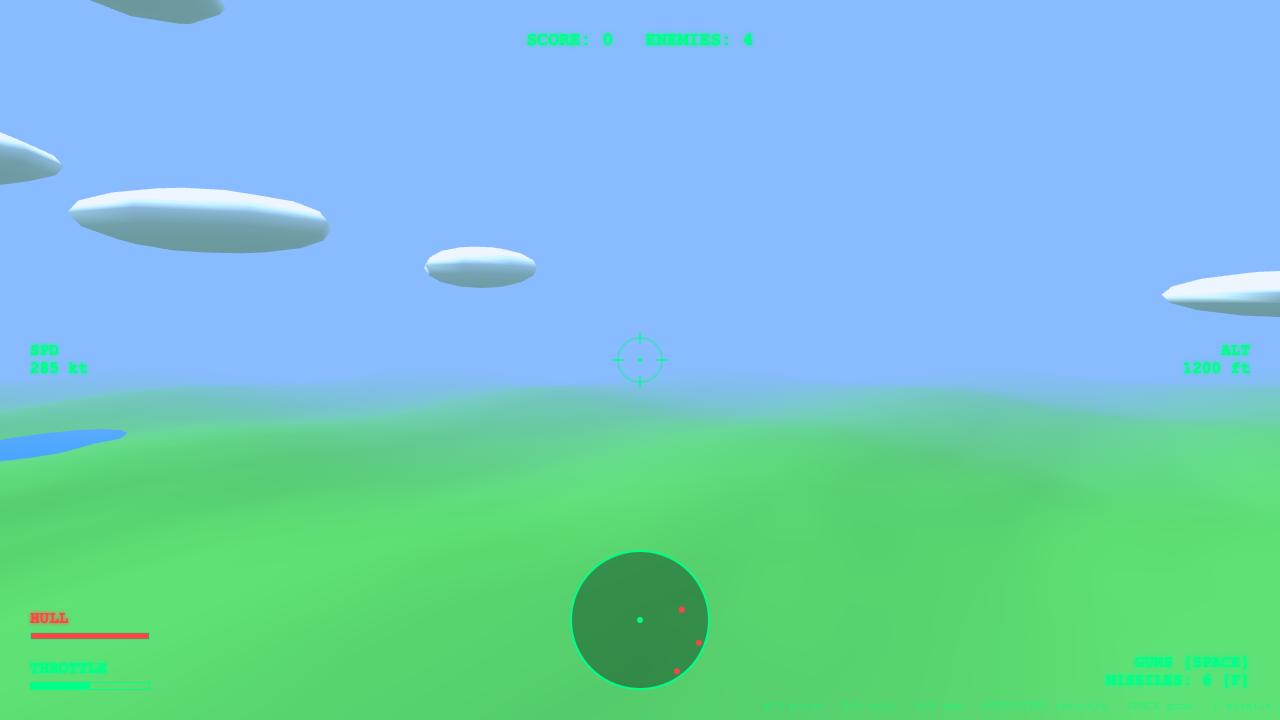
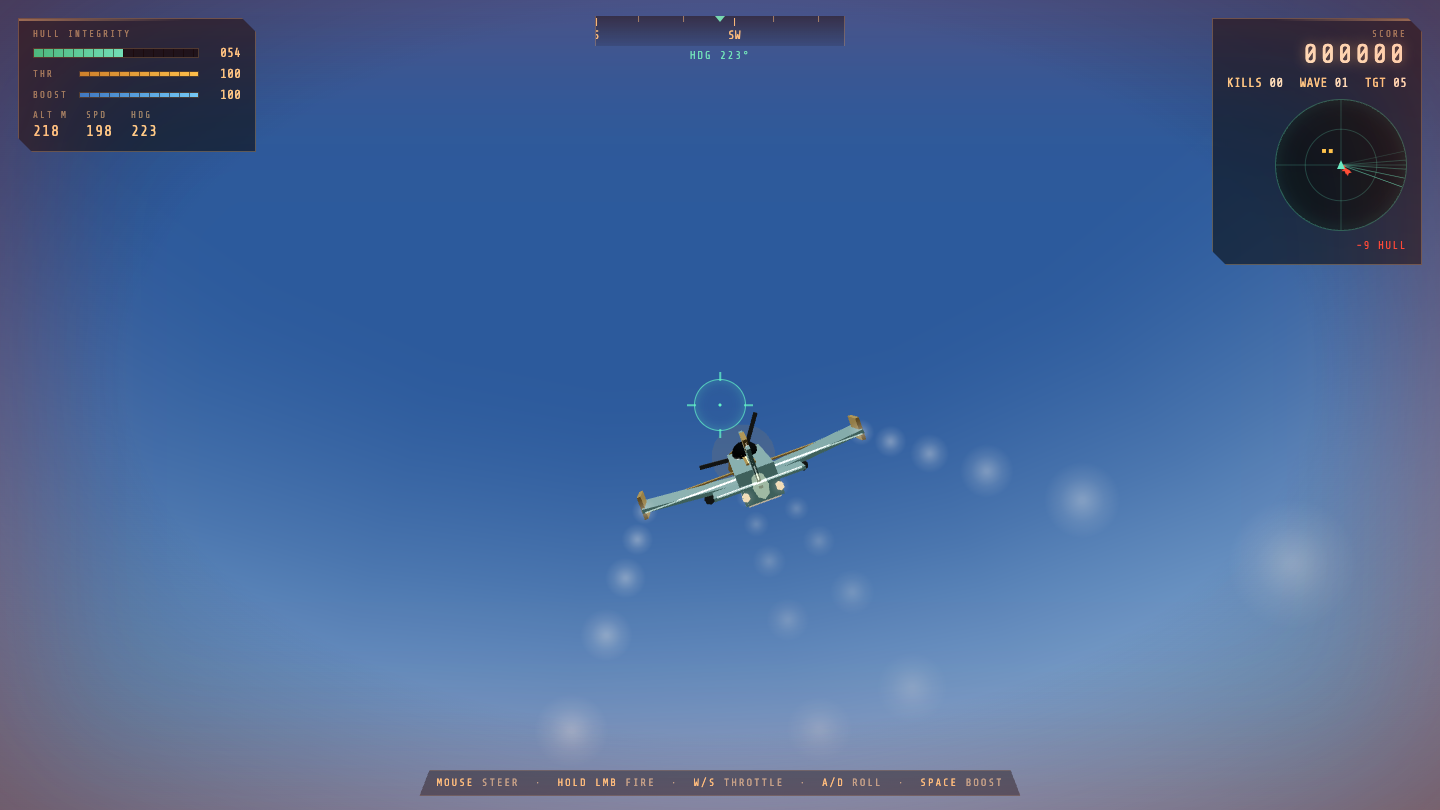
Game
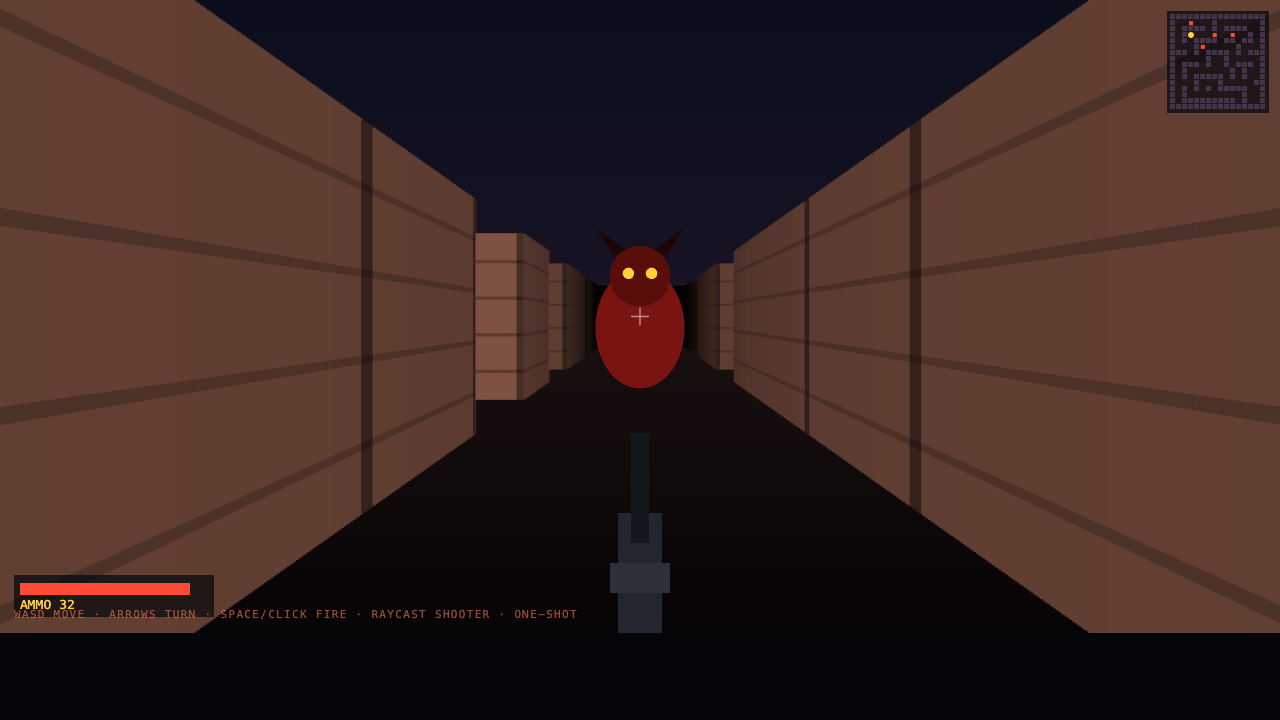
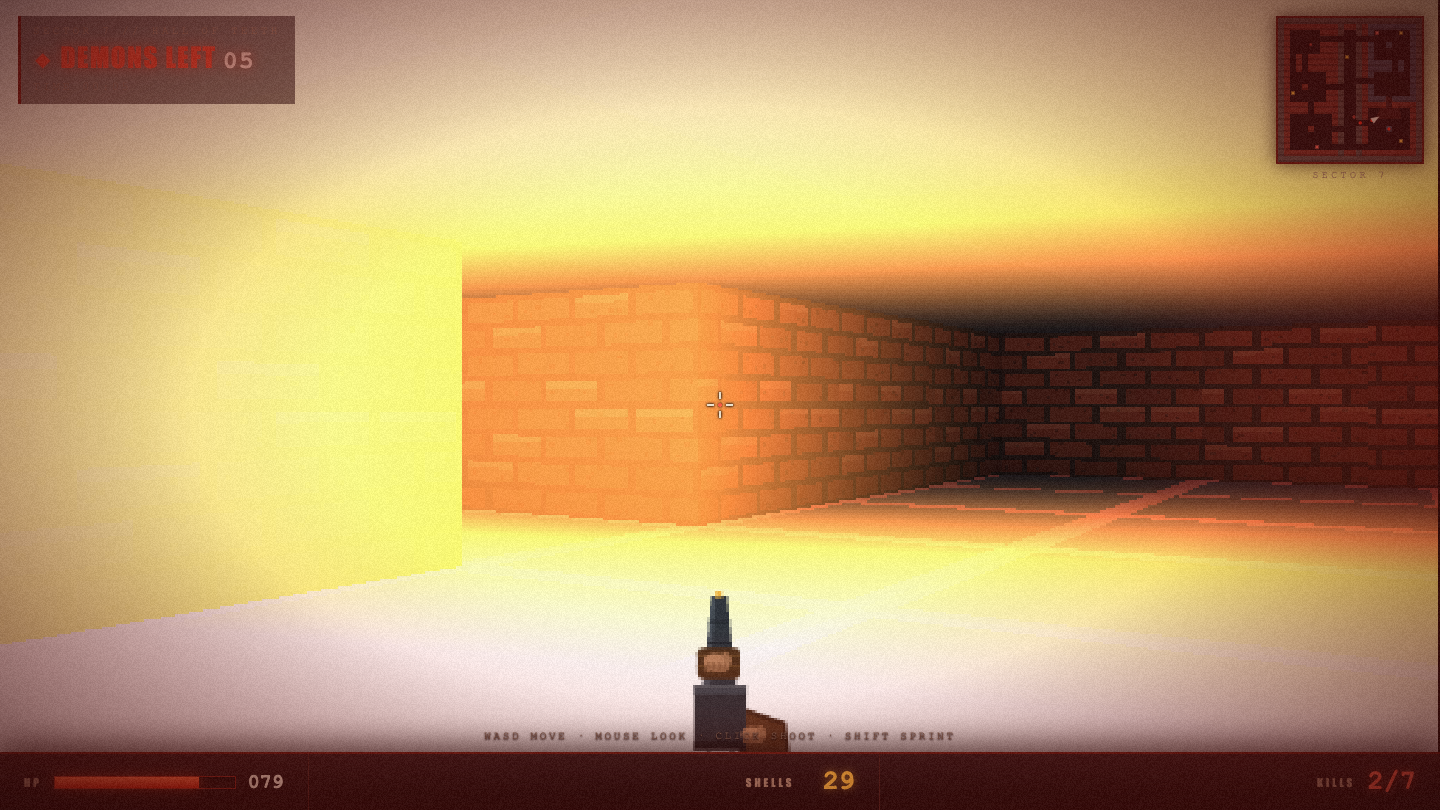
Game
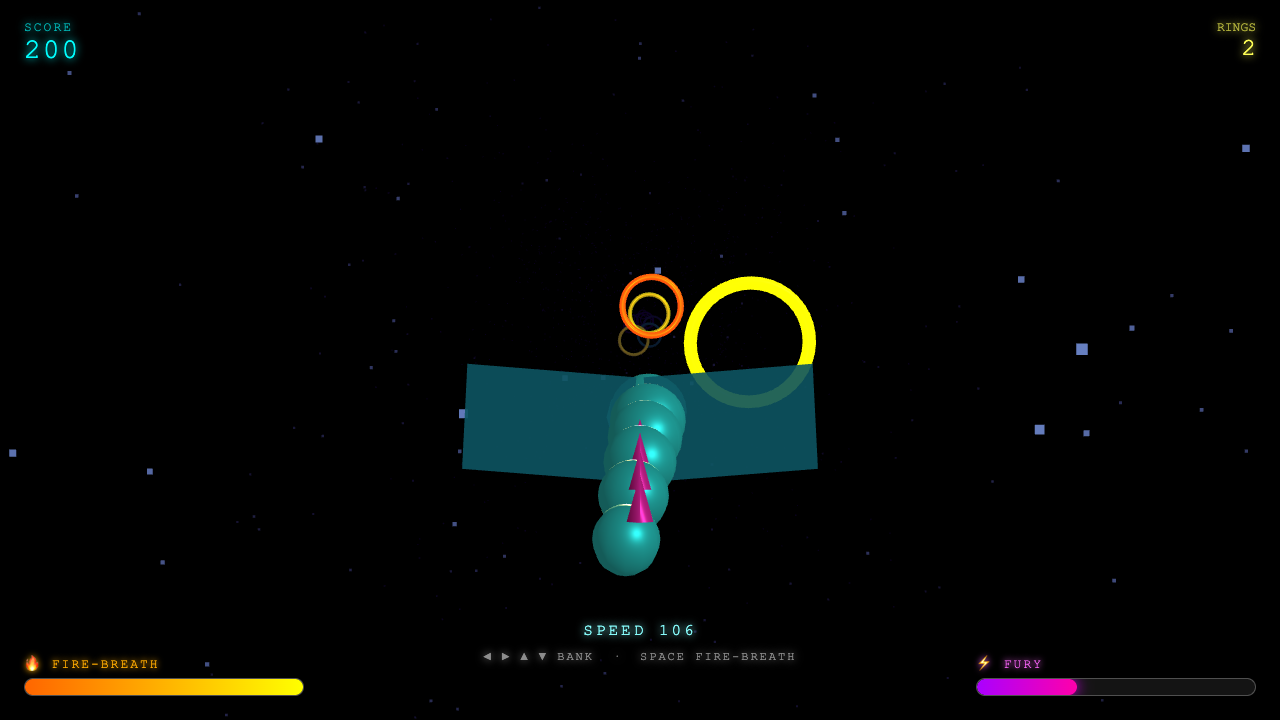
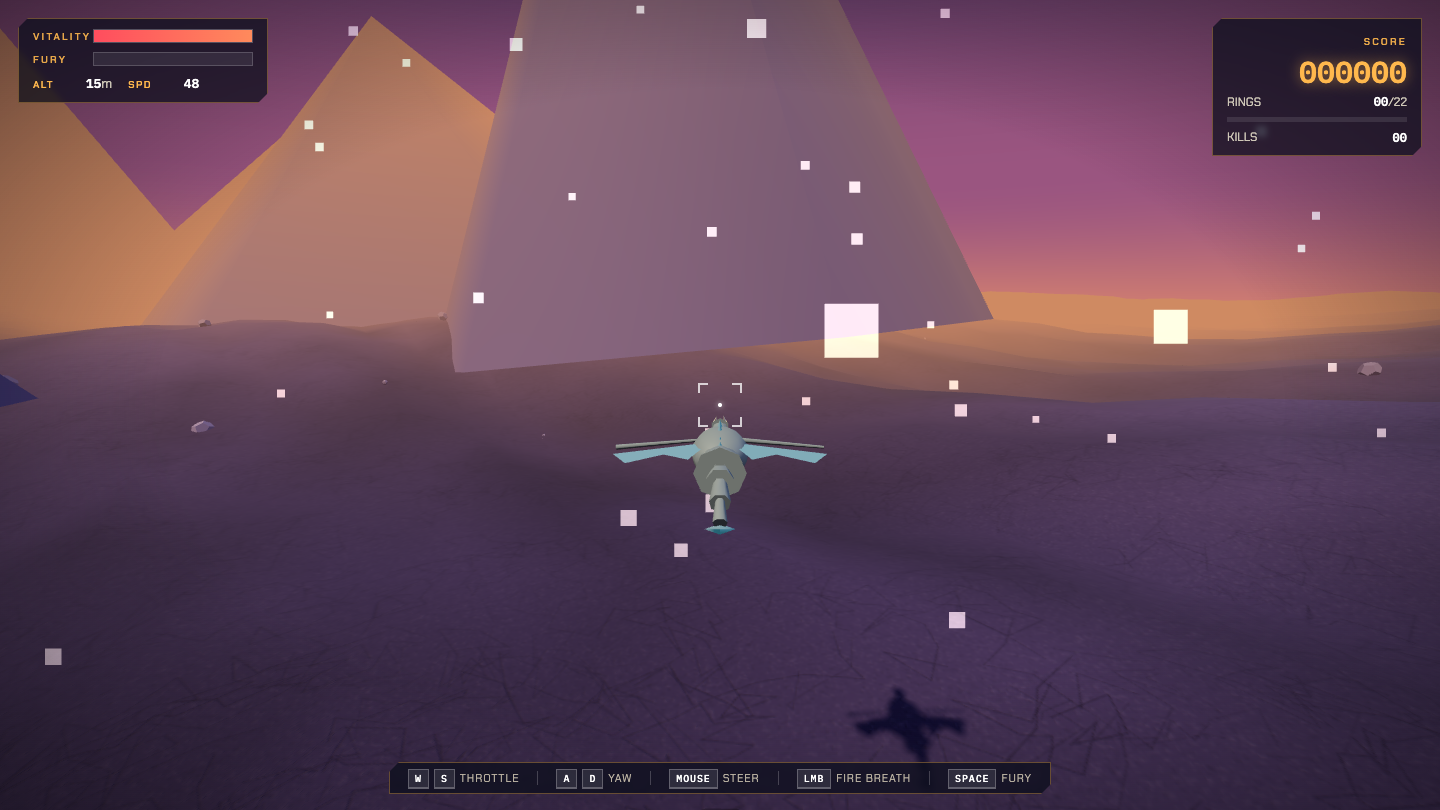
Game
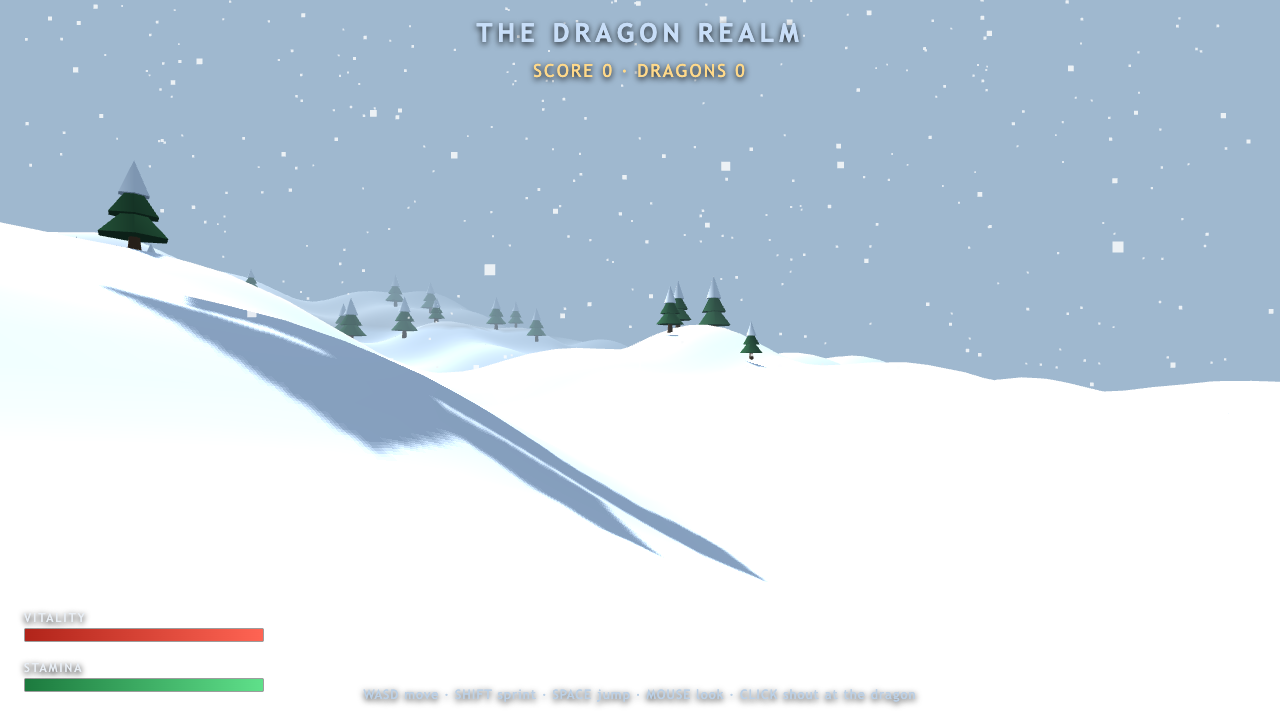
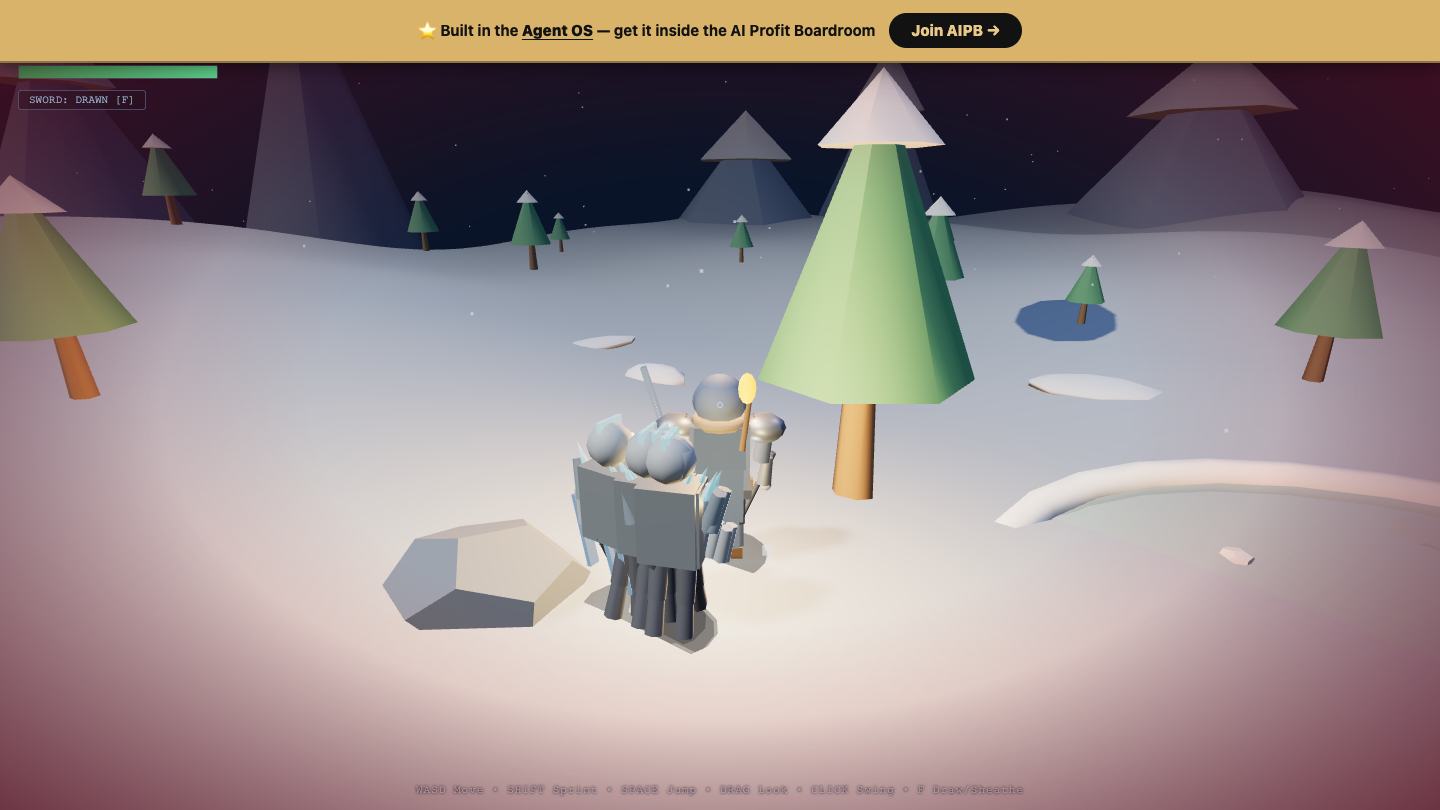
Game
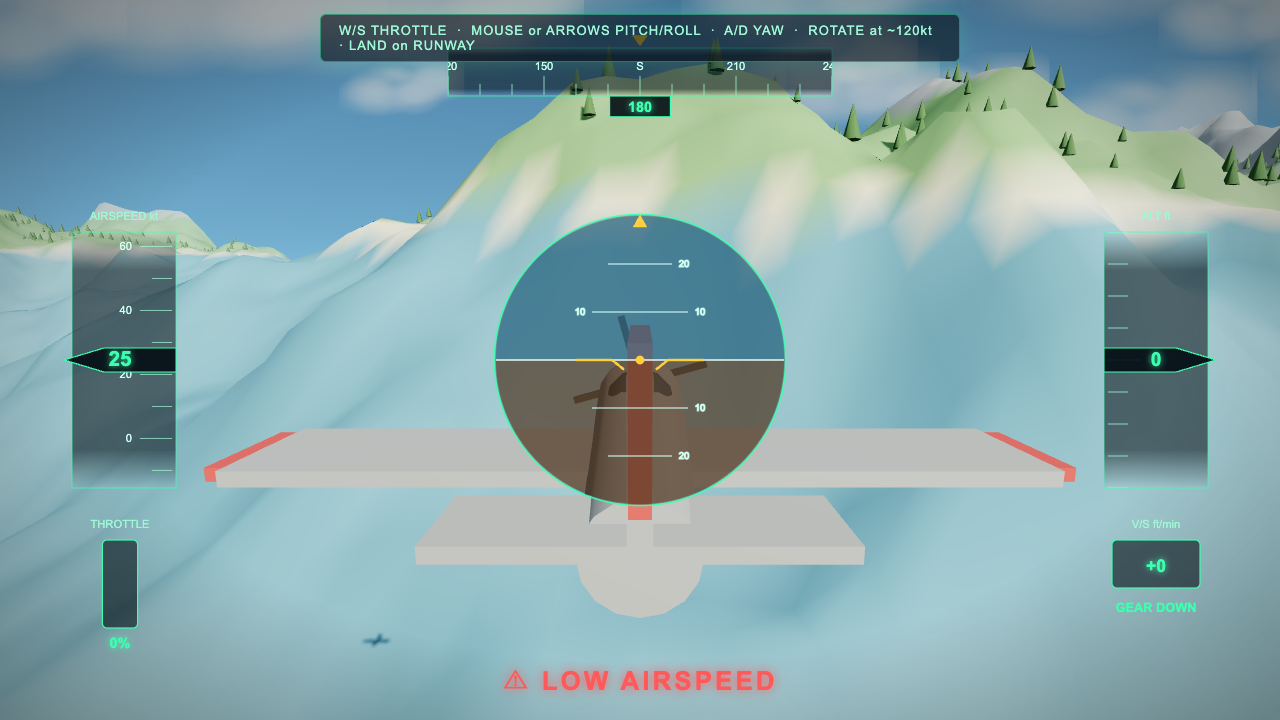
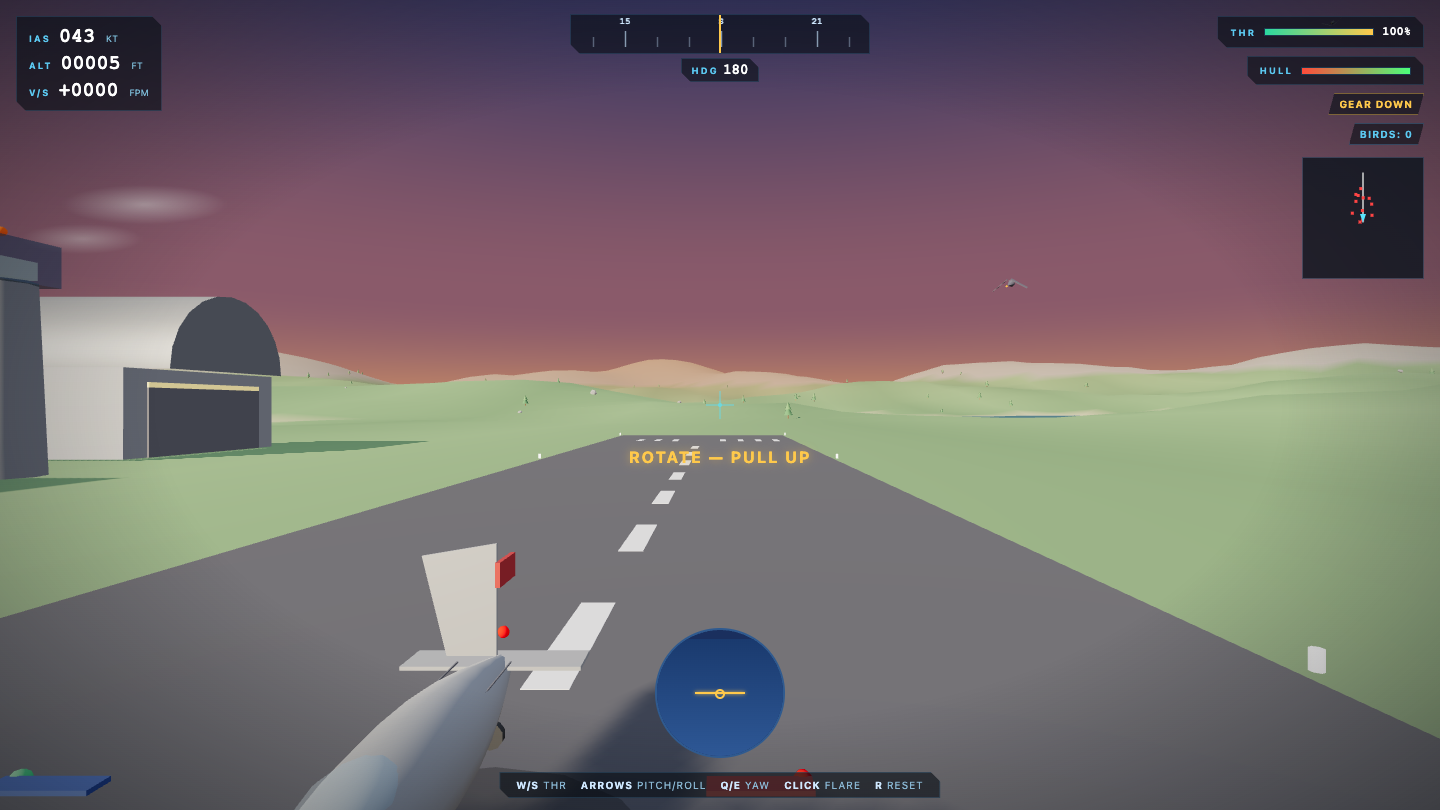
Game
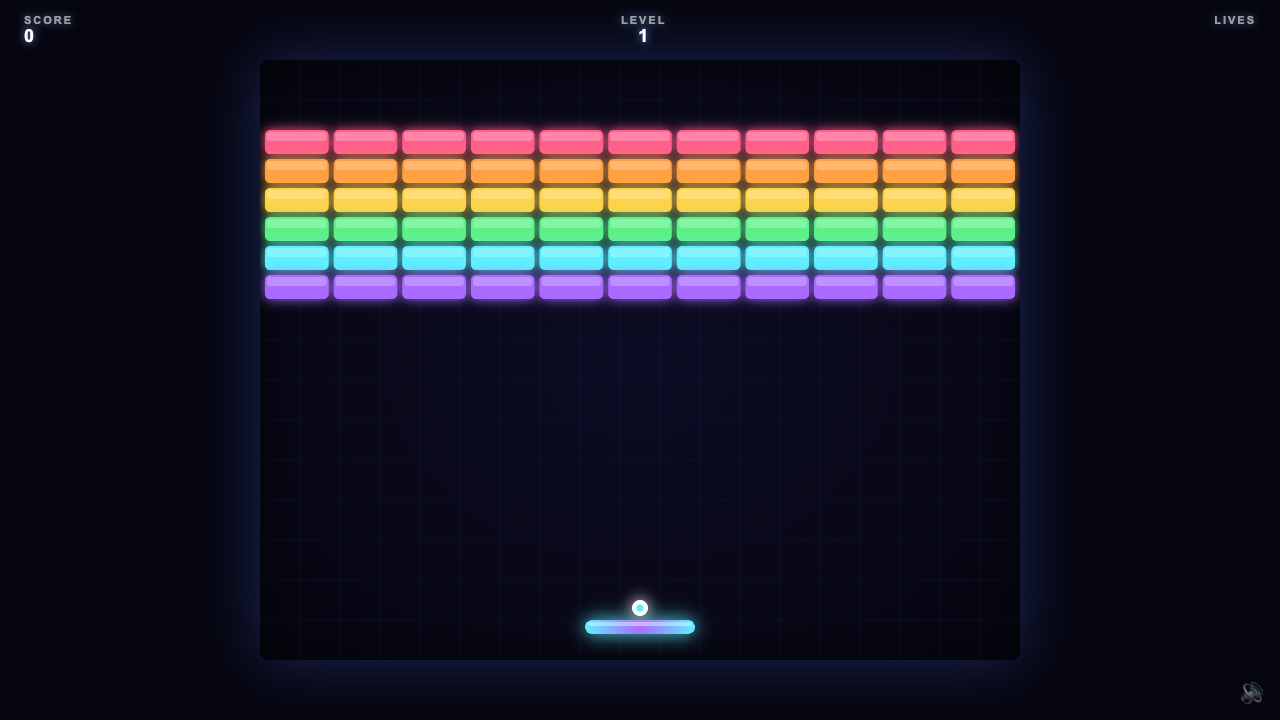
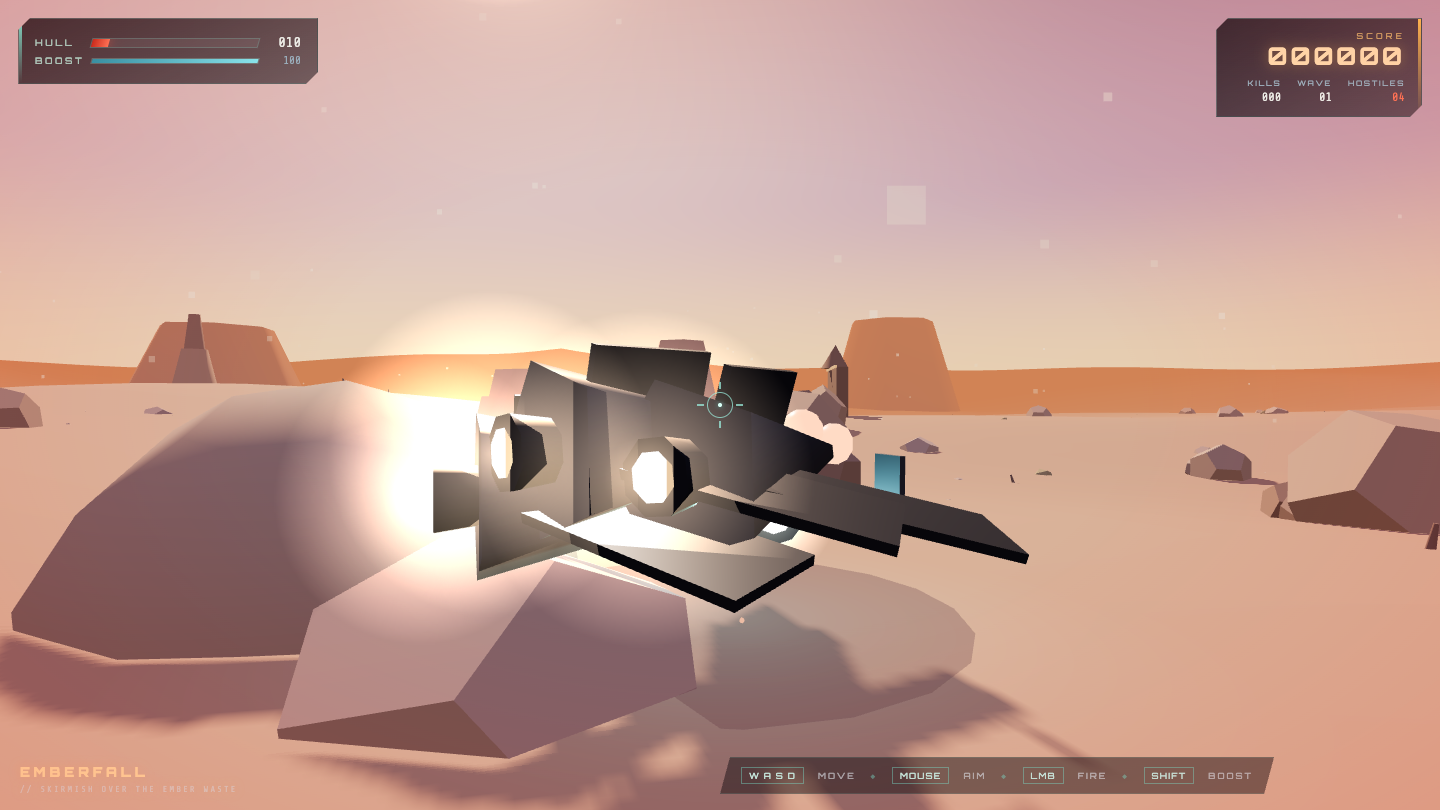
Game
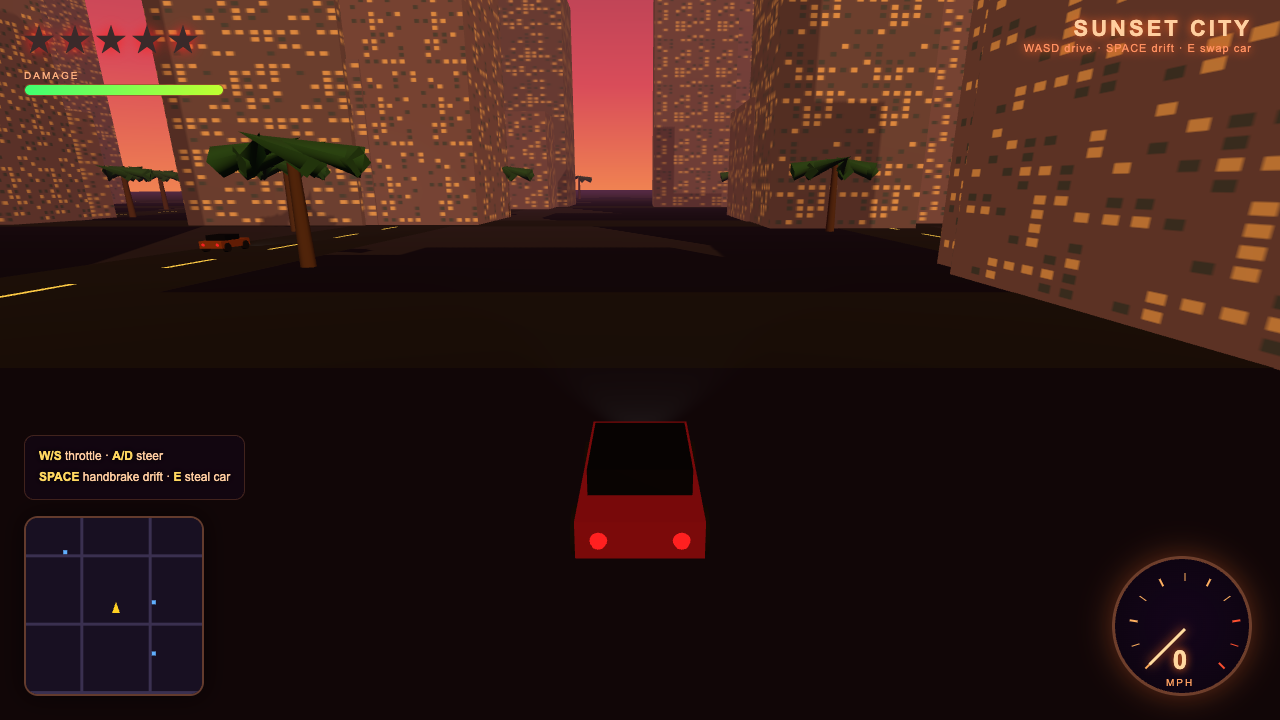
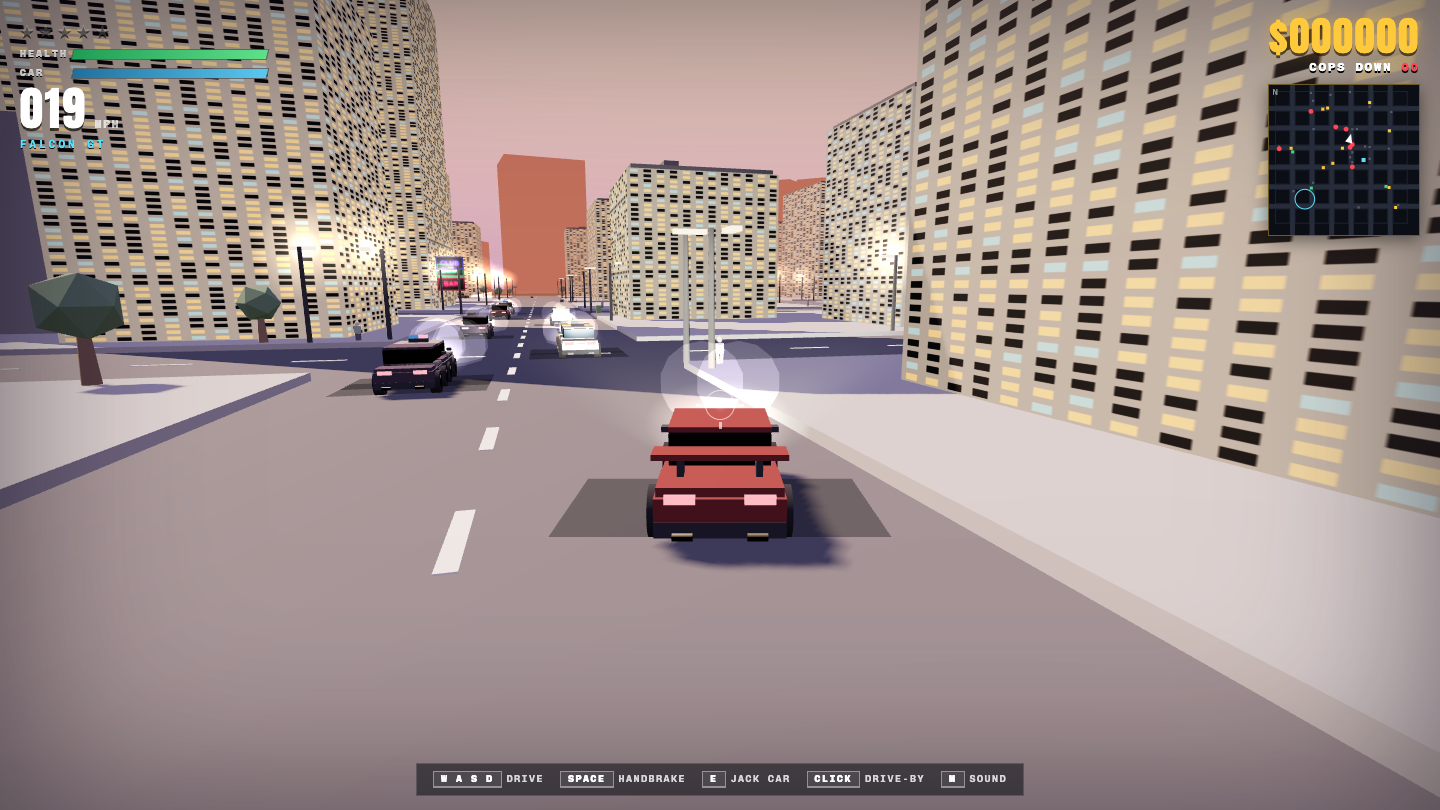
Game
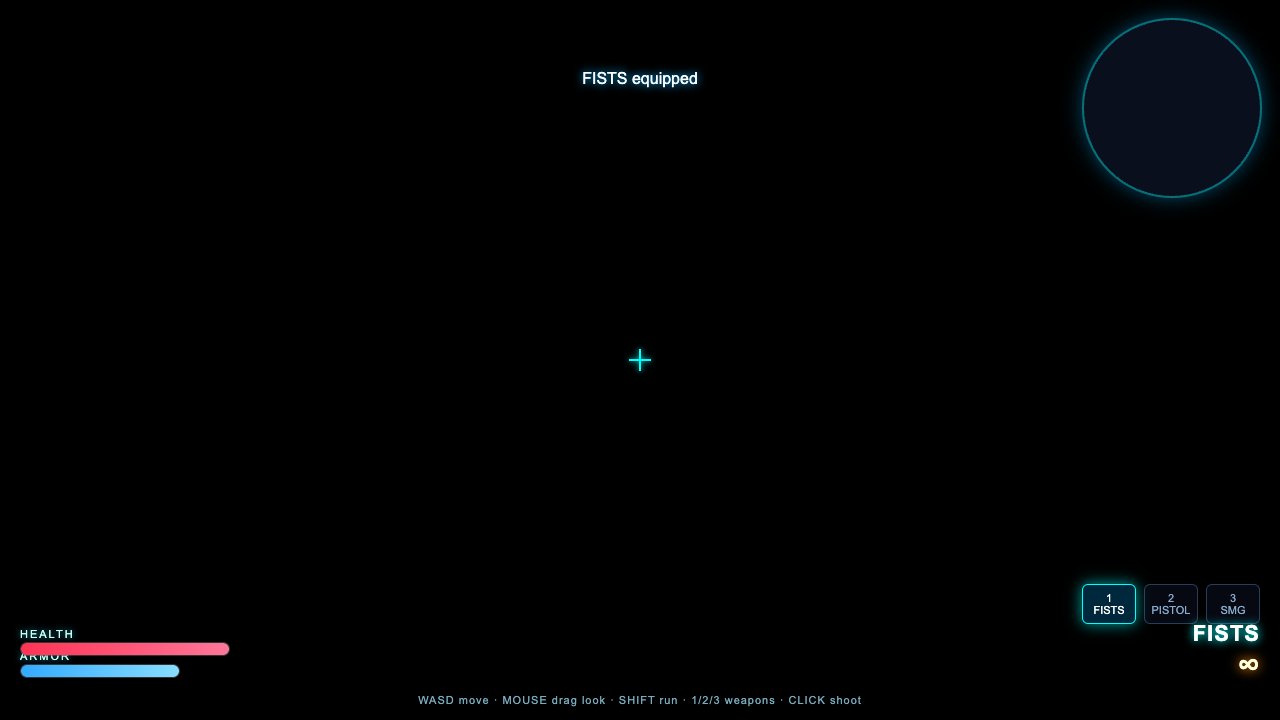
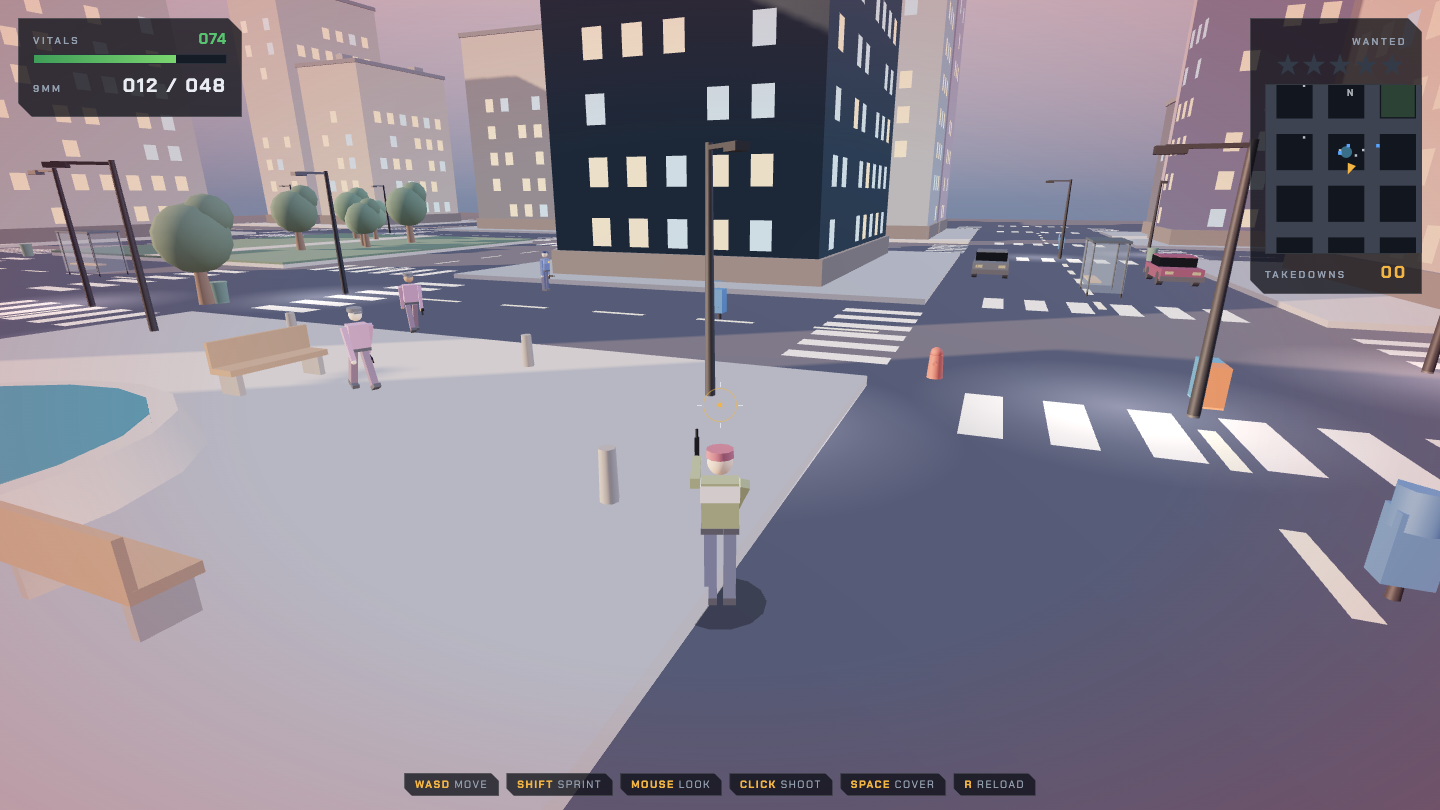
Game
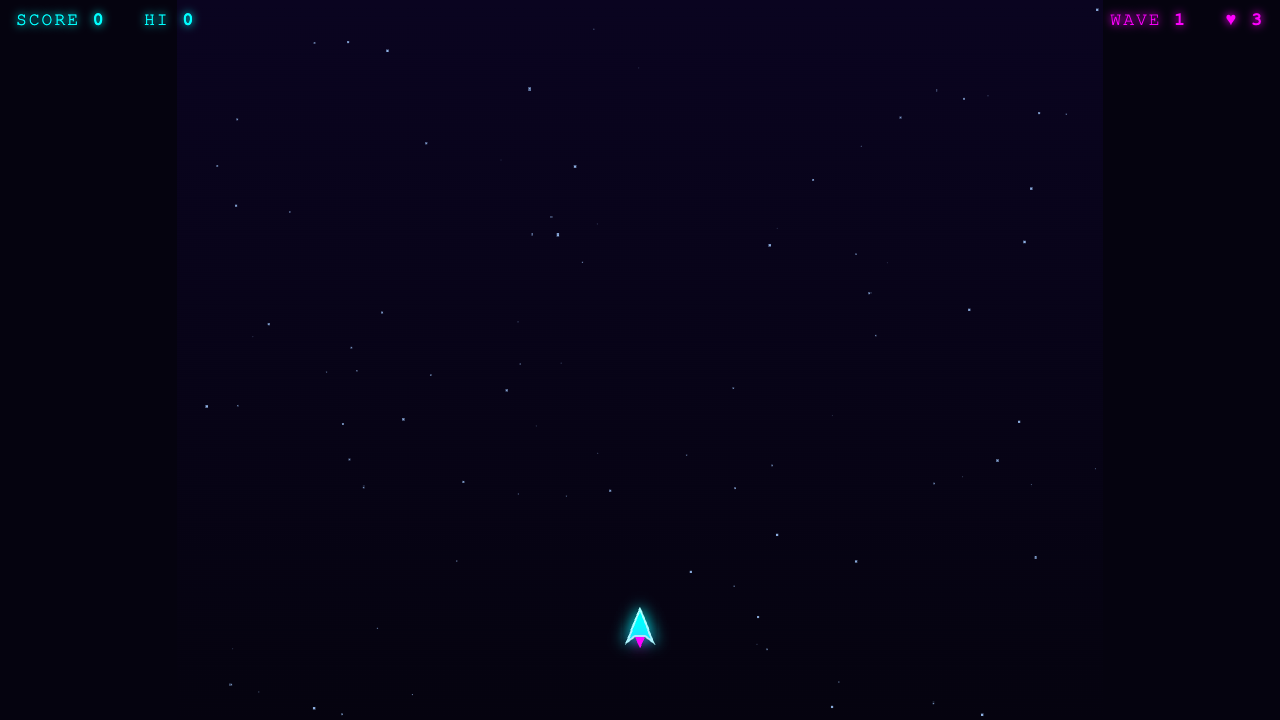
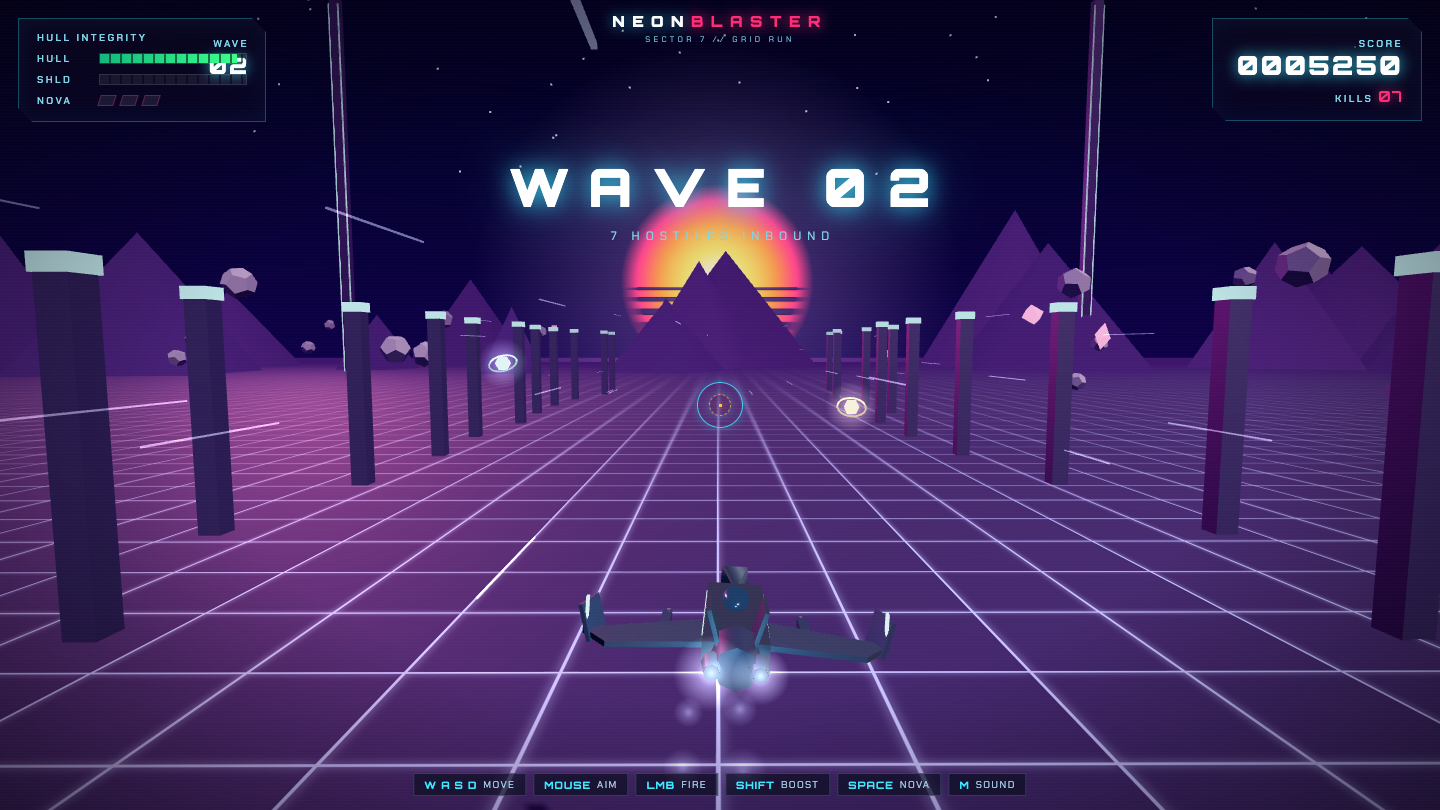
Game
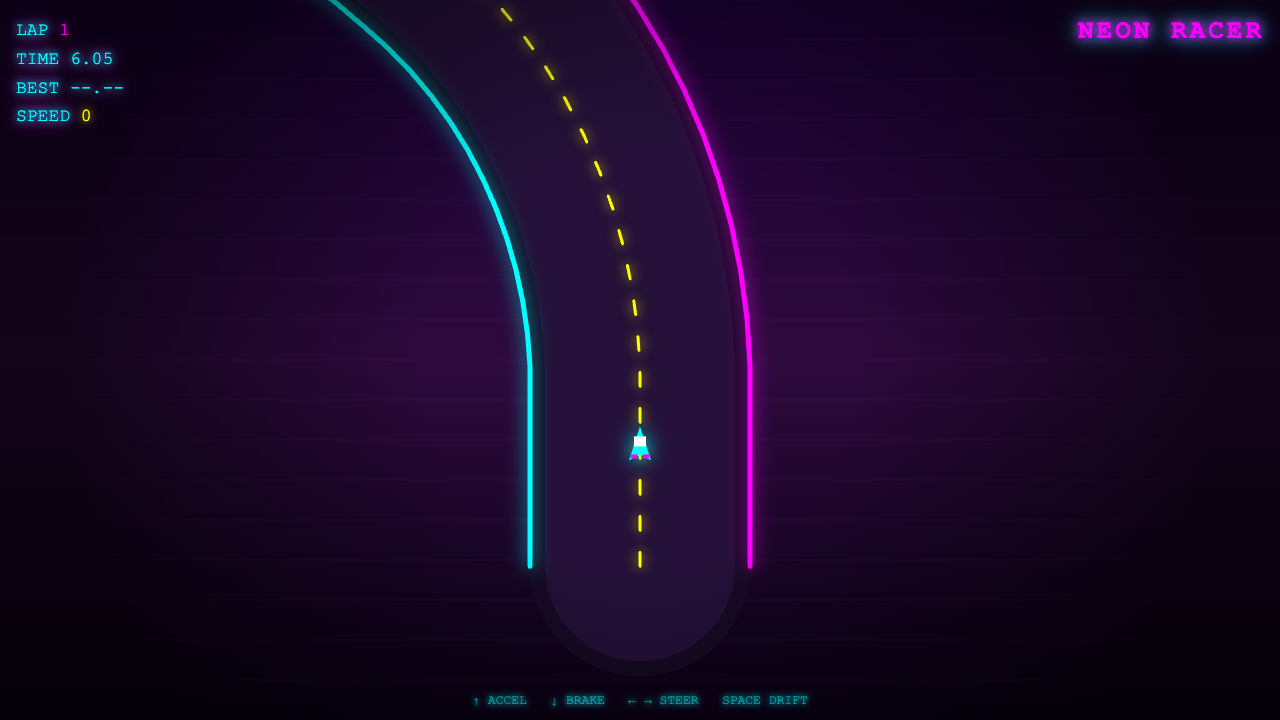
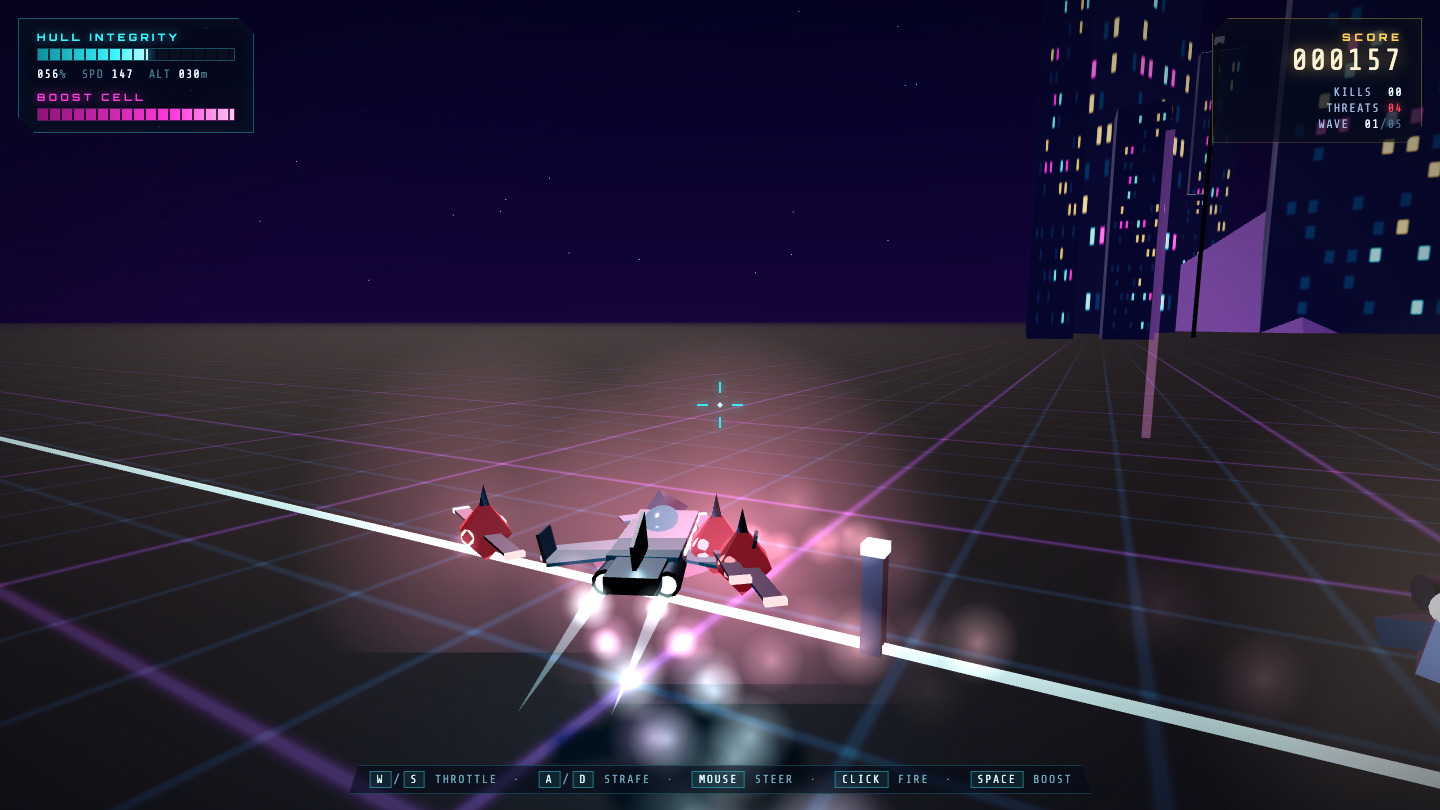
Game
Game

Game
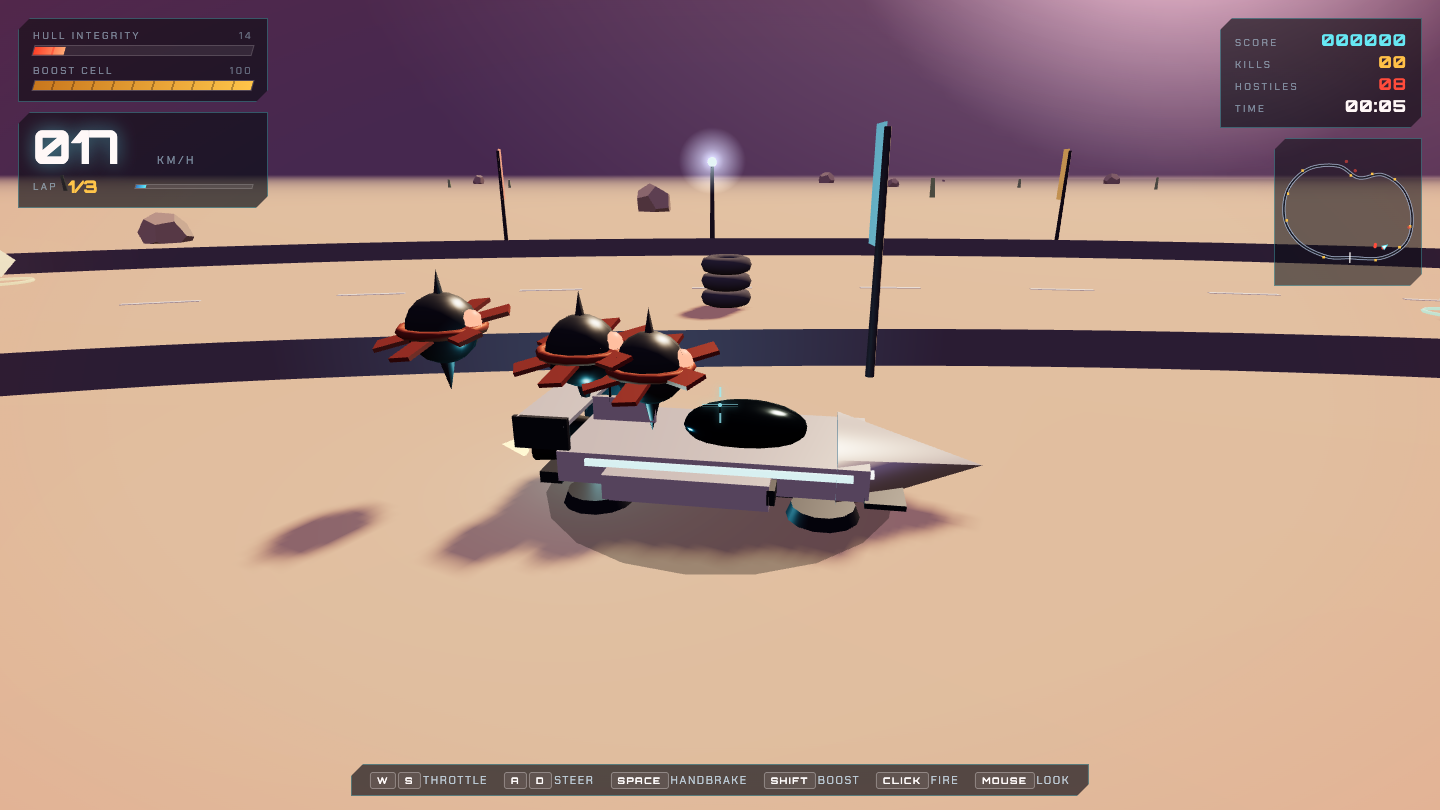
Game
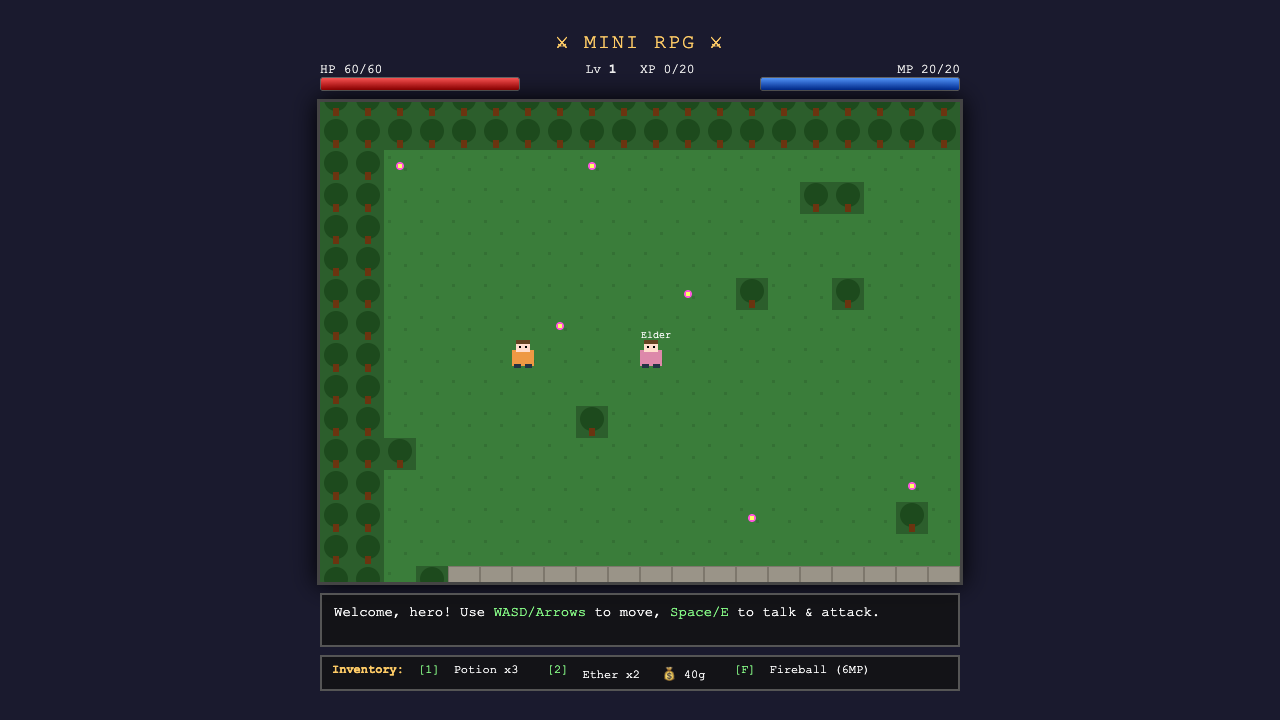
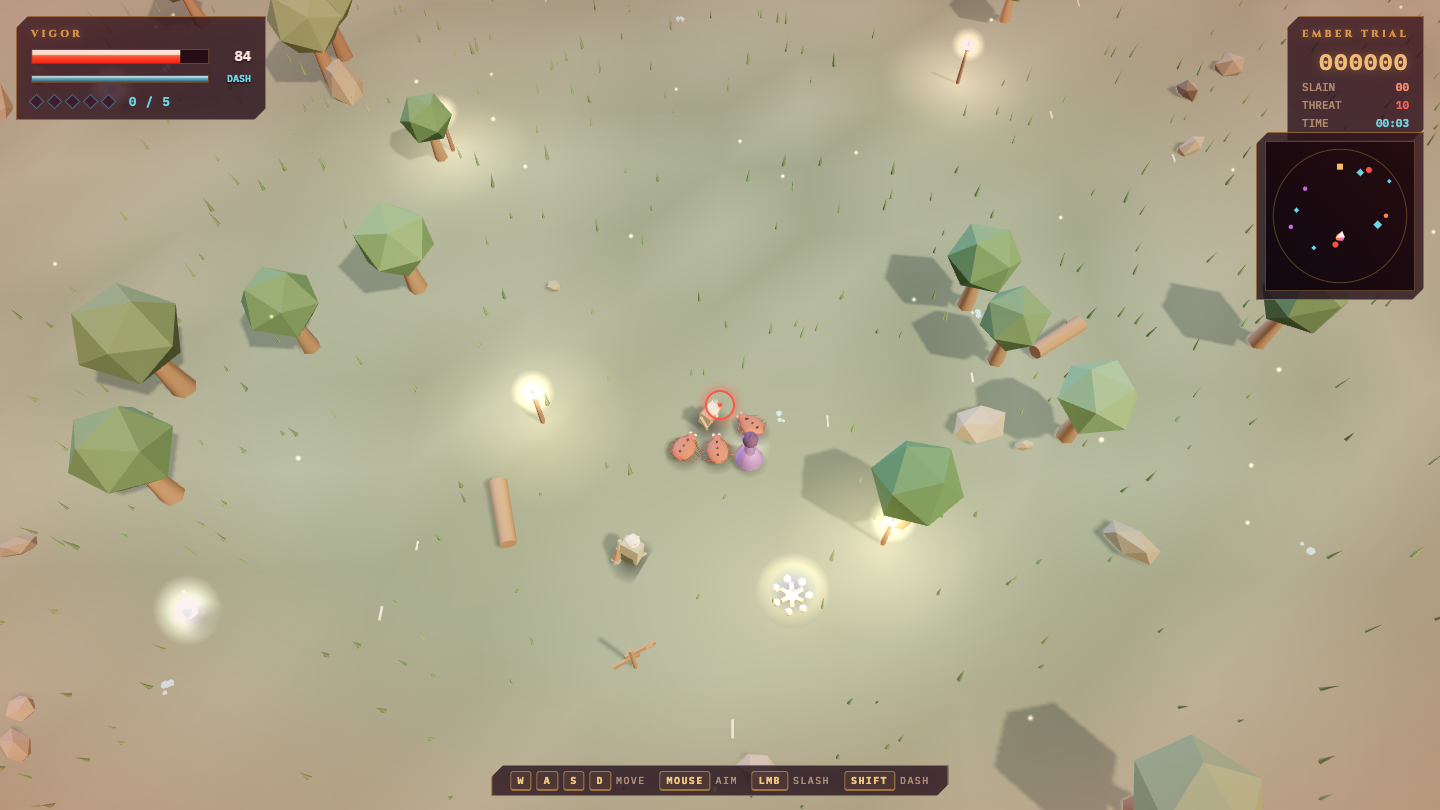
Game
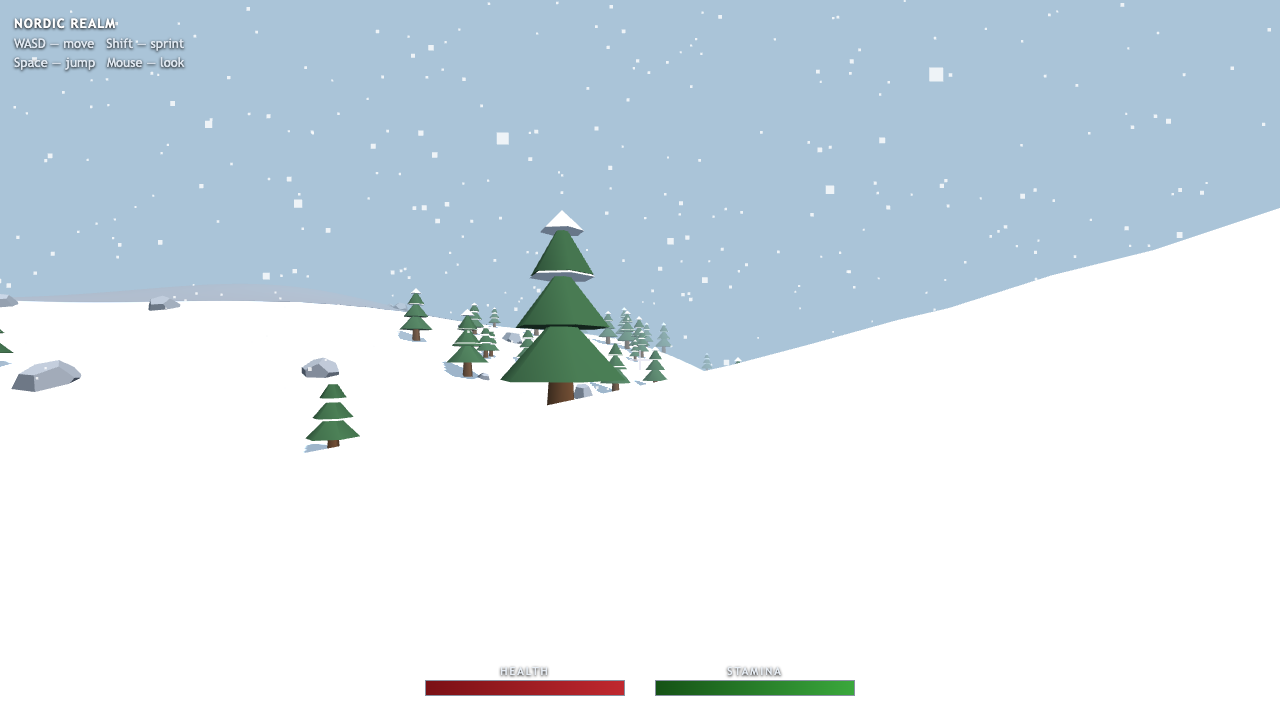
Game
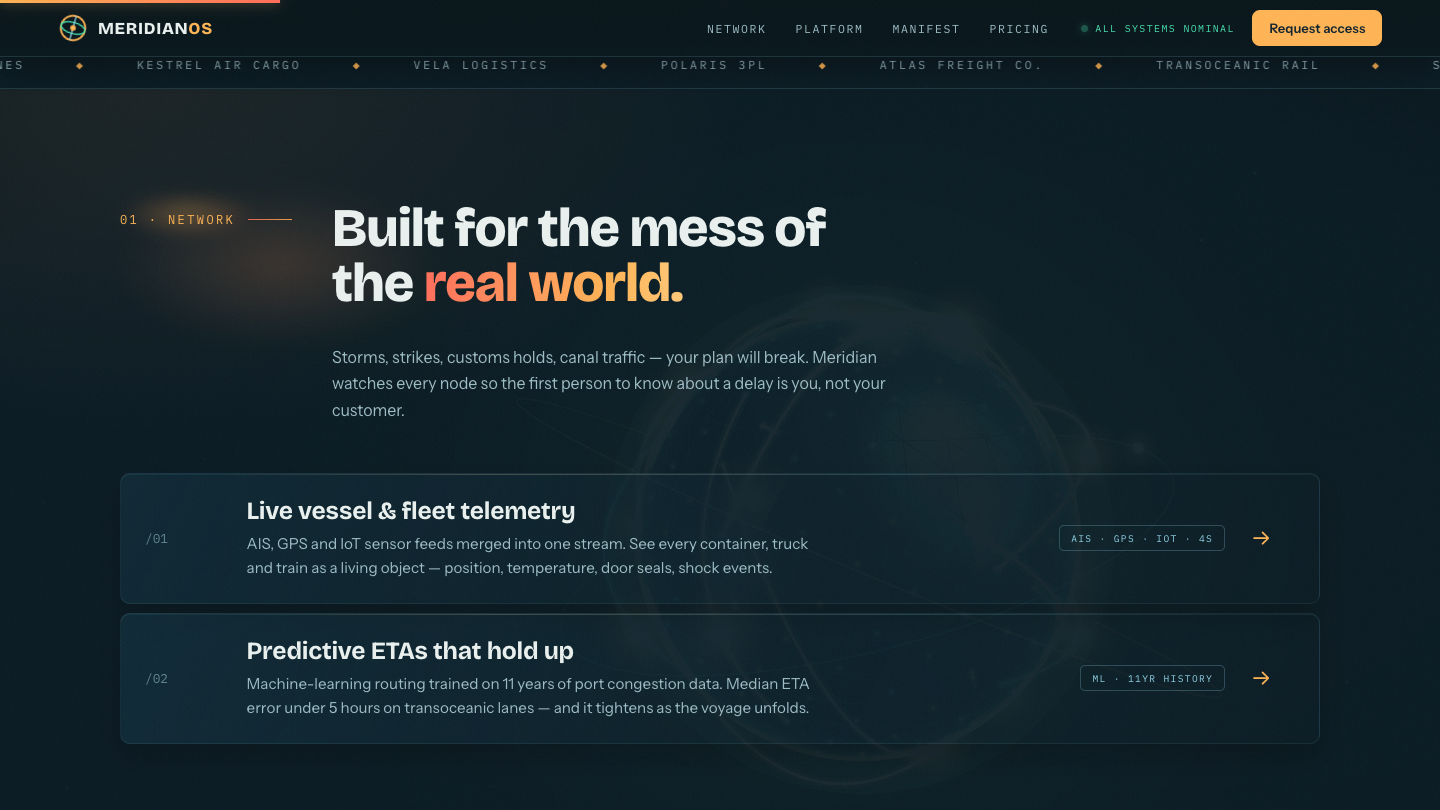
Page
Page
Sim
Sim
Sim
Sim
Where Opus 4.8 beat Qwen 3.8
The tasks where I gave Opus 4.8 a higher 0–10 score on the same prompt — with the actual commentary from my source guides.
Doom
Game
Opus 4.8 8.5
·
Qwen 3.8 7.4
(+1.1)
· winner · game-feel
What I saw: All three are real, playable shooters. Opus drops you in a corridor with an imp dead ahead — gun, crosshair and HUD framed like a screenshot. Kimi matches it: a monster down a textured hall, health, ammo, minimap. GLM ships a gorgeous 'HAZARD PROTOCOL' title screen with a working…
Arcade
Game
Opus 4.8 8.5
·
Qwen 3.8 7.8
(+0.7)
· winner · game-feel
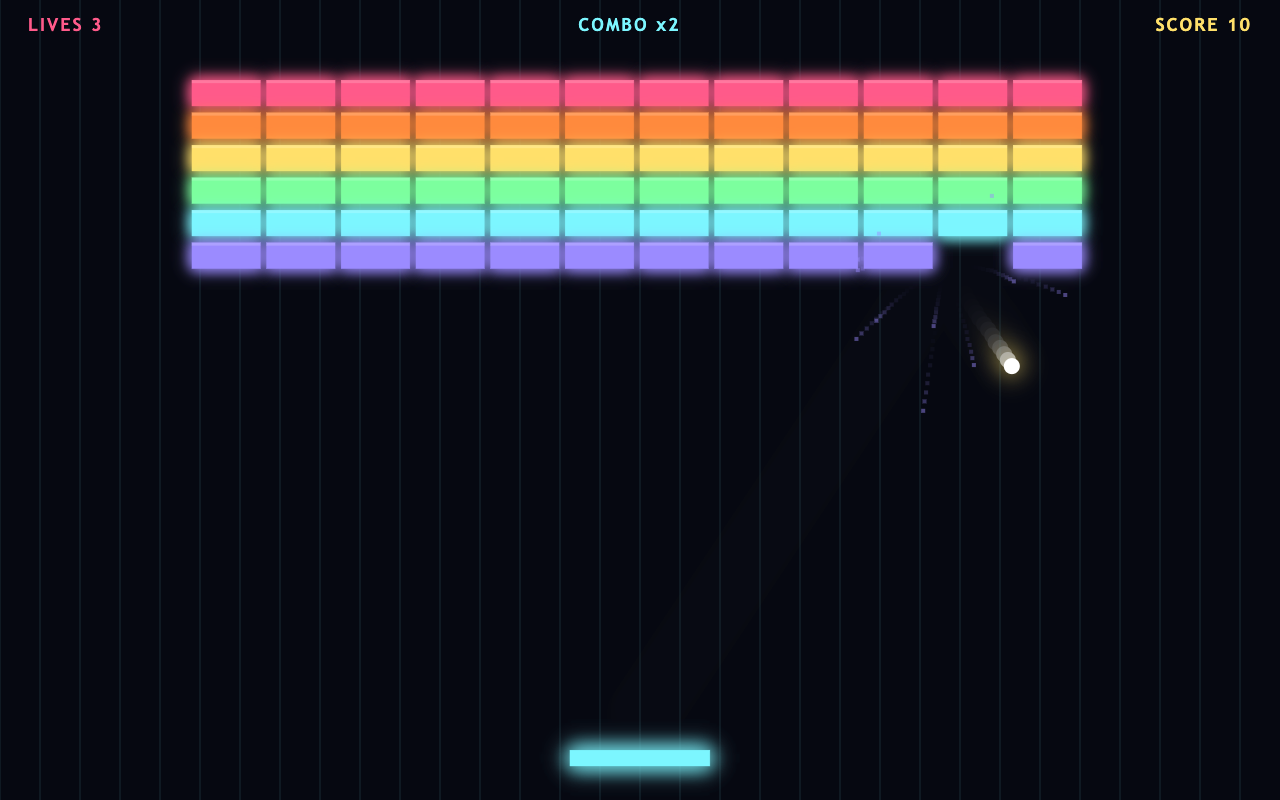
What I saw: All three shipped a genuinely juicy game. Opus's breakout had the most game-feel — particle bursts and a live combo. Kimi's breakout was clean and solid. GLM went its own way with fullscreen neon asteroids. The closest of the practical five.
Dogfight
Game
Opus 4.8 7.5
·
Qwen 3.8 6.8
(+0.7)
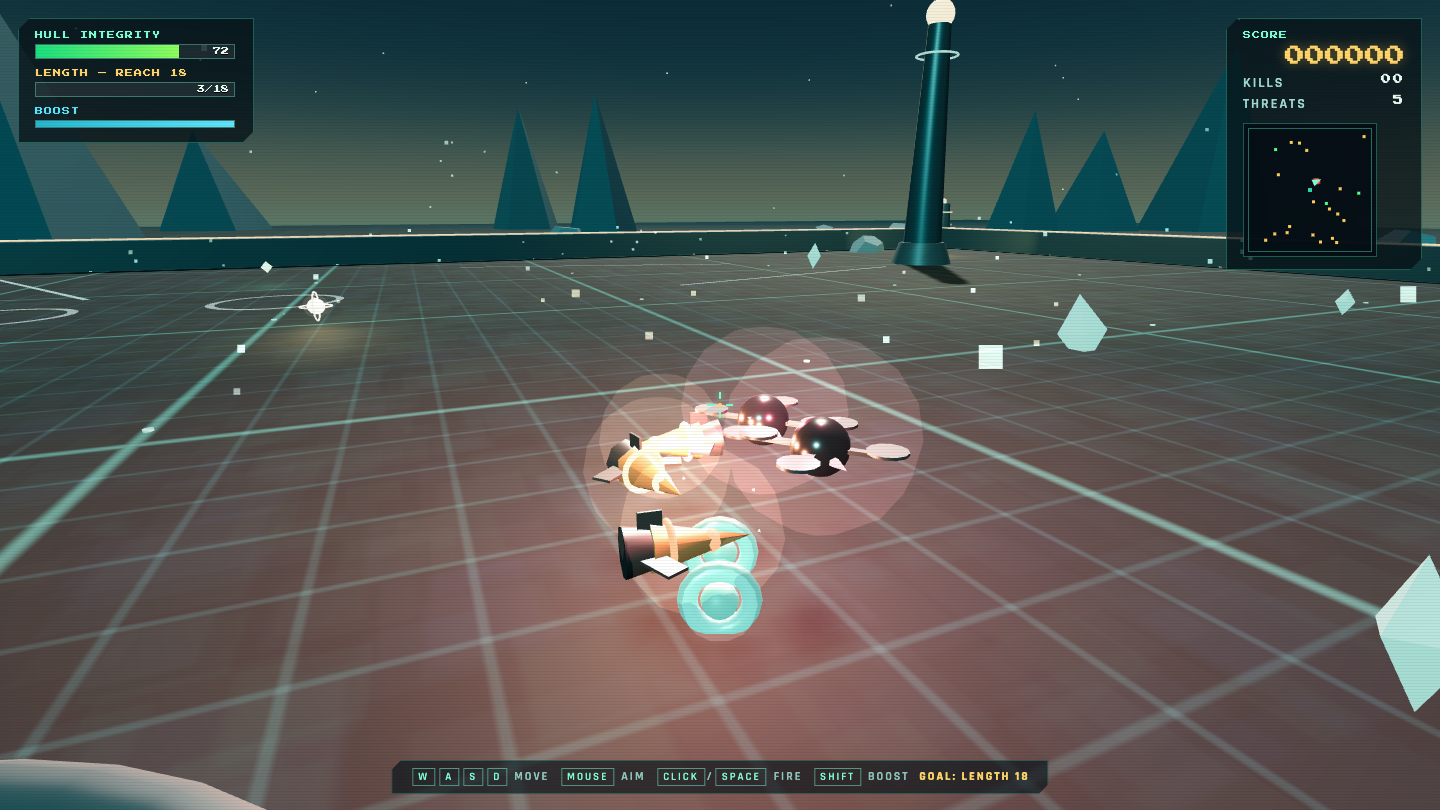
What I saw: 14KB · plays clean · webgl, input
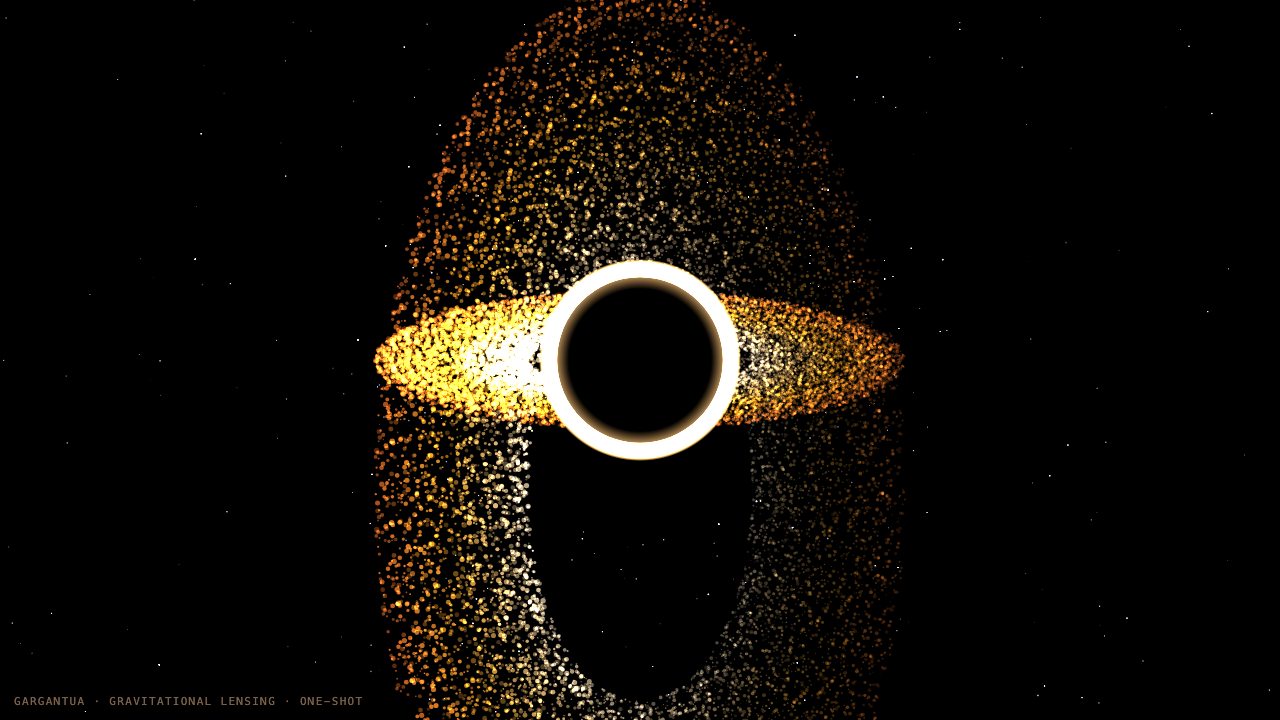
Blackhole
Sim
Opus 4.8 9.0
·
Qwen 3.8 8.4
(+0.6)
· winner · hit the brief
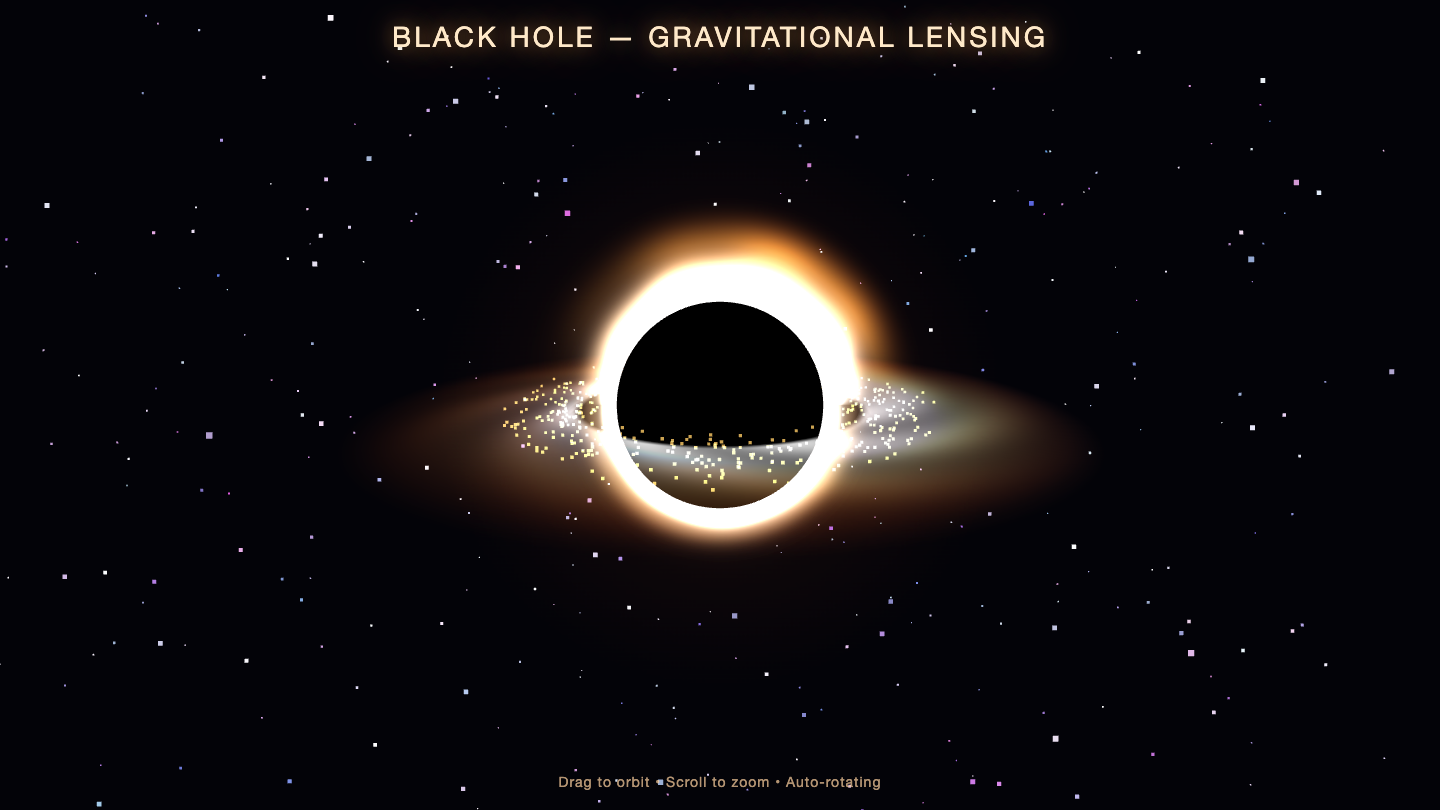
What I saw: Opus nailed it — a pure-black event horizon, a bright photon ring, and the disk bent up and over the top exactly like the film's lensing. GLM came in strong with a clean ring and a starfield warping past the hole. Kimi's disk is fine, but the background is a soft grey blur instea…
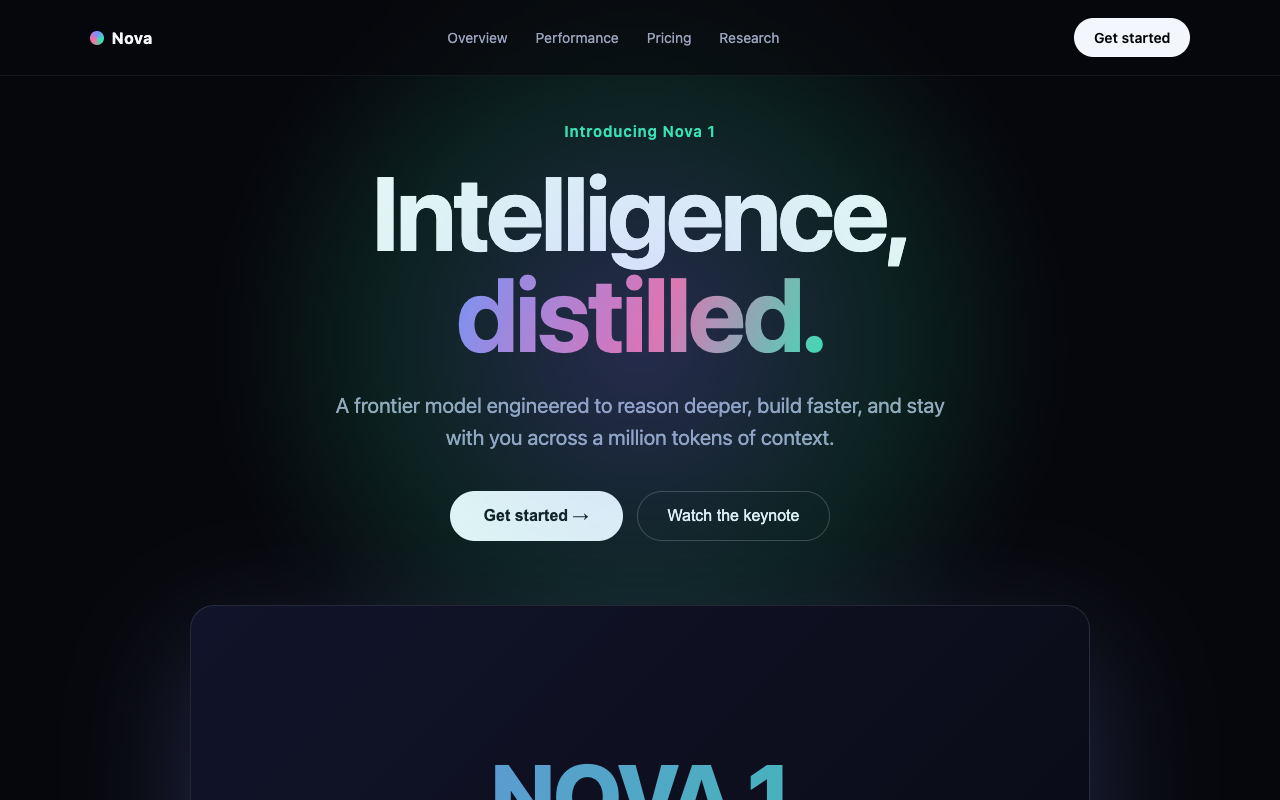
Landing
Page
Opus 4.8 9.0
·
Qwen 3.8 8.4
(+0.6)
· tie · top
What I saw: Funniest result of the lot: GLM and Opus independently produced near-identical premium 'Introducing Nova 1 — Intelligence, reimagined / distilled' keynote pages — gradient hero, full nav, pricing tiers. A dead heat. Kimi's was a plainer set of feature cards.
Where Qwen 3.8 beat Opus 4.8
The tasks where I gave Qwen 3.8 a higher 0–10 score on the same prompt — with the actual commentary from my source guides.
Aurora
Visual
Qwen 3.8 8.6
·
Opus 4.8 6.0
(+2.6)
· Layered luminous curtains
What I saw: Gorgeous multi-ribbon aurora with convincing teal-to-violet gradients, glowing hems, vertical light shafts, twinkling stars and layered mountain ridges — polished and clearly on-brief. Only minor nit is the slightly stark ridge silhouettes, but the overall composition and depth t…
Fireworks
Visual
Qwen 3.8 9.0
·
Opus 4.8 7.0
(+2.0)
· harbor skyline fireworks
What I saw: Gorgeous multi-burst scene with dense sparks, long flowing trails, hue-tinted flashes, and a full city skyline with lit windows plus mirrored water reflections — the teal/magenta glow band and shimmer sell the harbor atmosphere. Strong interactivity (click/tap + auto-fire) and va…
Crypt
Game
Qwen 3.8 7.8
·
Opus 4.8 6.0
(+1.8)
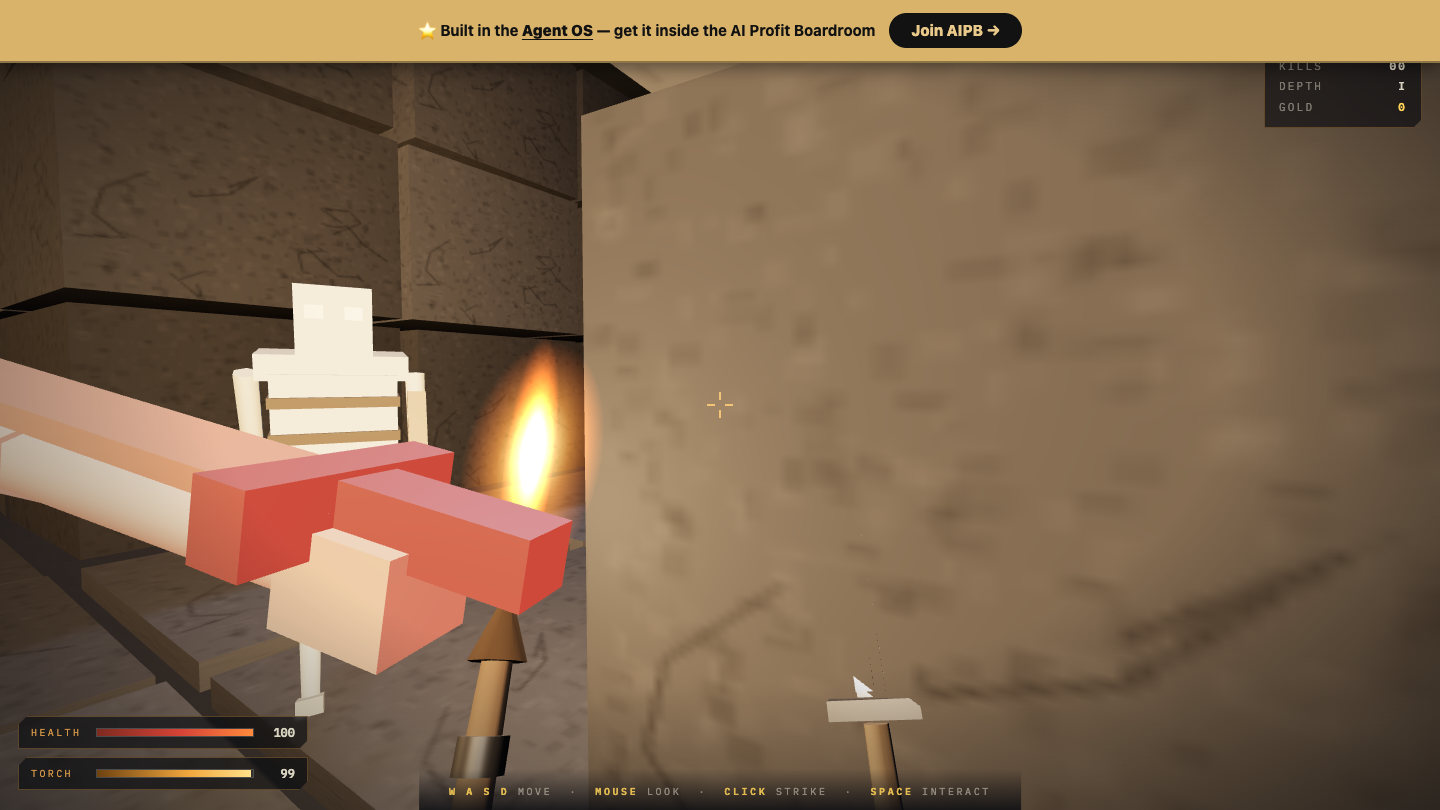
What I saw: Strong torch-lit atmosphere with warm flickering light, stone/rune textures, a polished chamfered HUD (health/torch/kills/depth/gold) and a visible skeleton enemy plus first-person weapon — genuinely on-brief. Held back by the oddly framed/oversized weapon dominating the view and…
Cloth
Sim
Qwen 3.8 8.7
·
Opus 4.8 7.0
(+1.7)
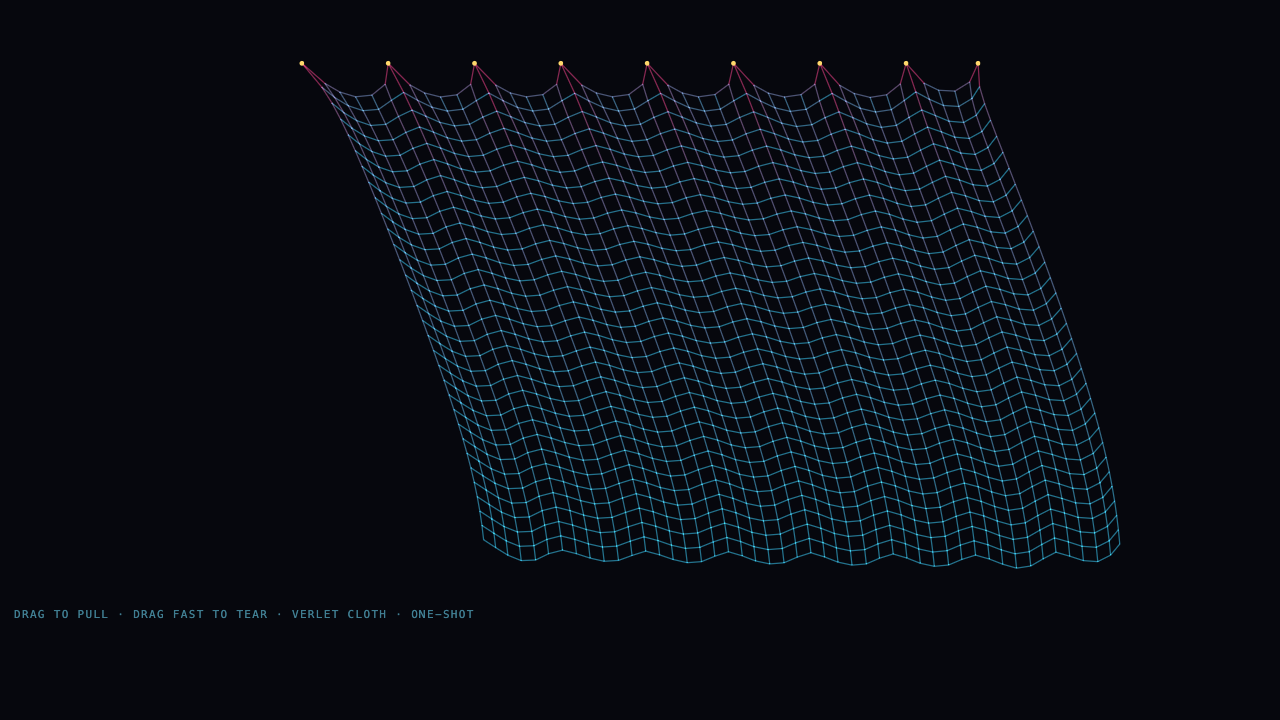
· Elegant draped cloth
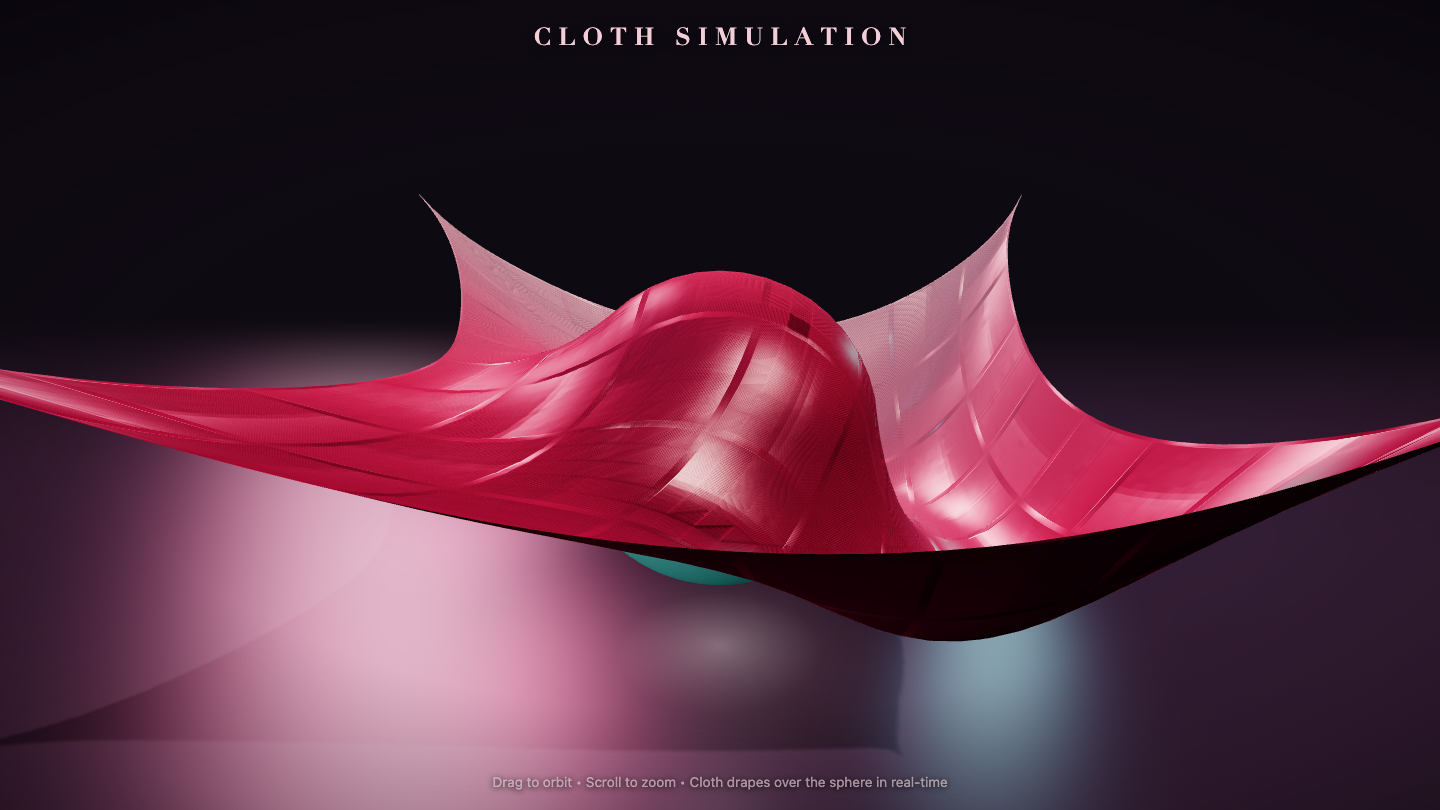
What I saw: Gorgeous, dramatic drape with visible weave texture, corner-pinned peaks and the teal sphere reading clearly through the fabric — cinematic lighting and vignette elevate it above the field; only minor nit is the cloth resolution/collision looks slightly coarse at the sphere contact.
Boids
Sim
Qwen 3.8 8.6
·
Opus 4.8 7.0
(+1.6)
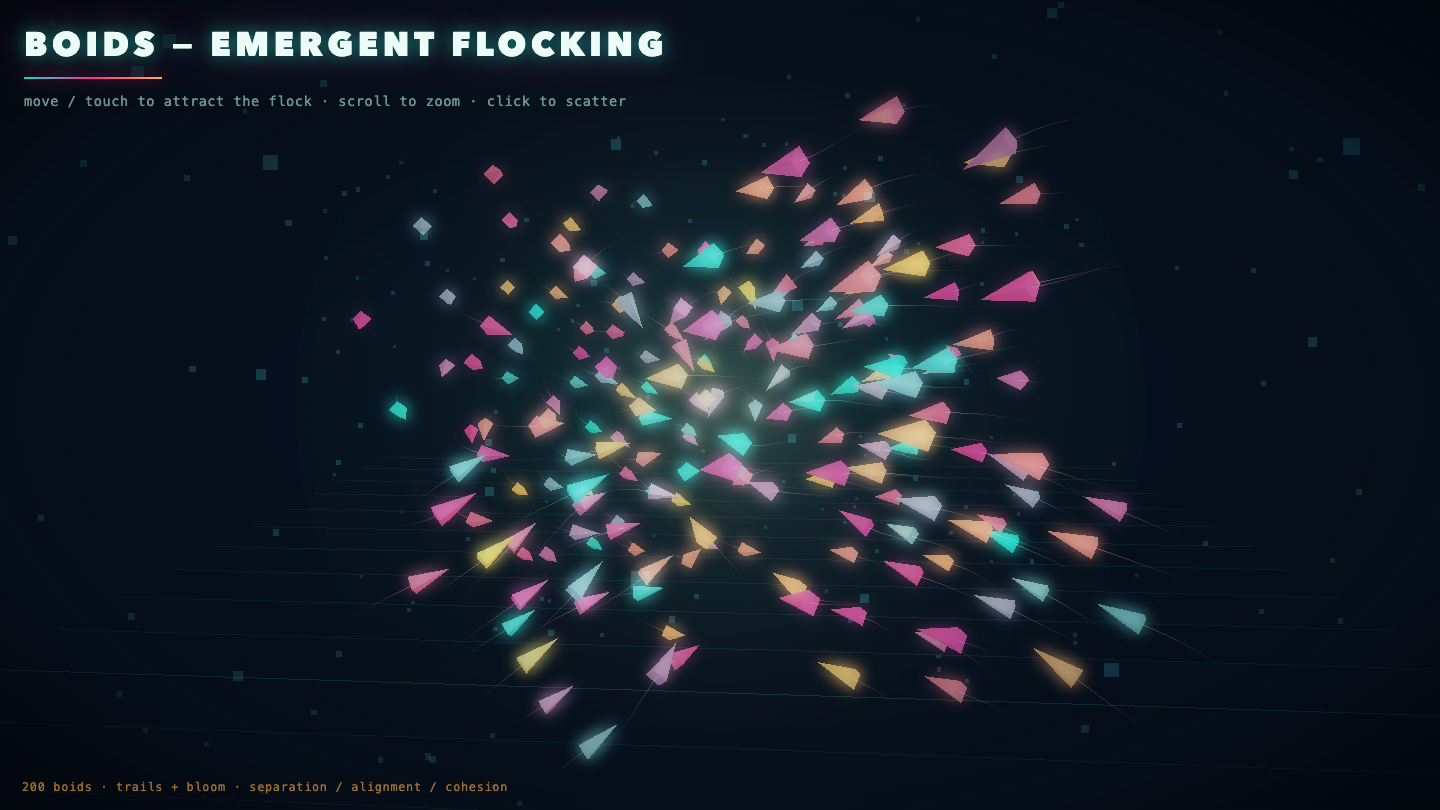
· 3D bloom flock
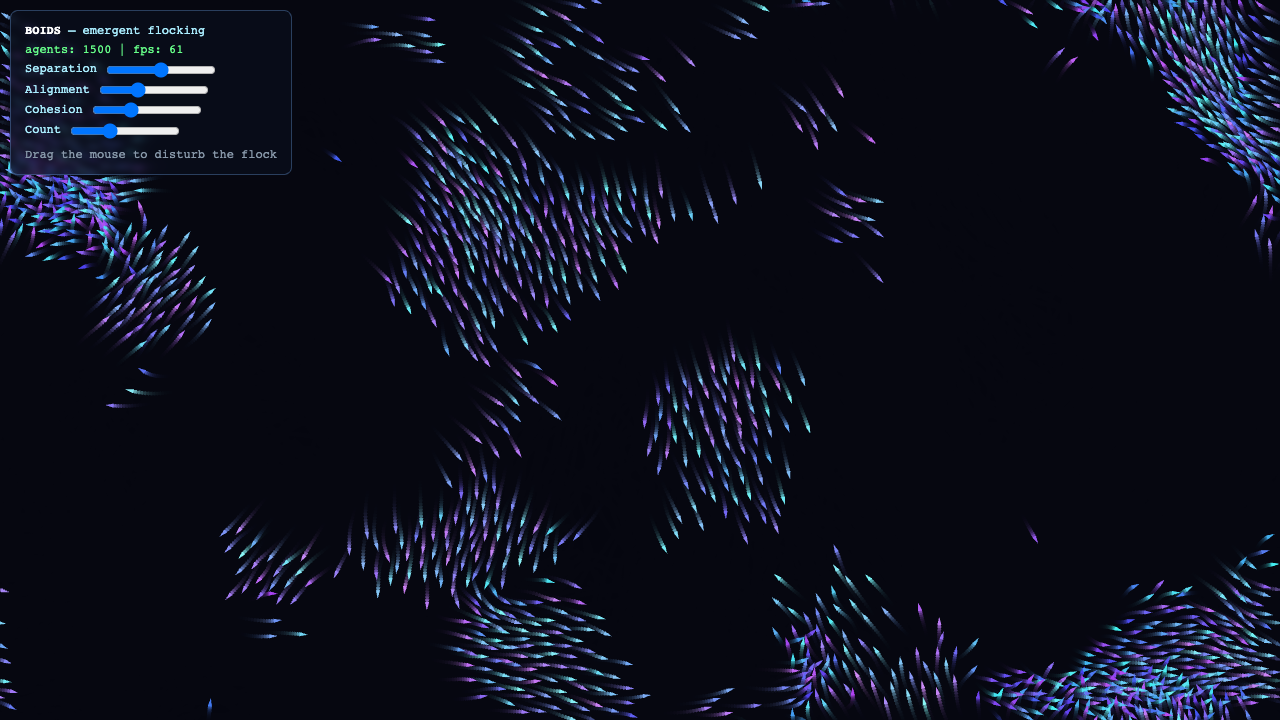
What I saw: Strong 3D boids with full separation/alignment/cohesion, cone birds, trails, bloom post-processing, and a polished neon-on-dark aesthetic that reads immediately as an emergent flock; only minor knock is the still frame can't confirm cohesion feels less clumped mid-scatter, but th…
Strengths & weaknesses I logged
Opus 4.8
Strengths
- Most consistent across the Goldie Bench bench — no weak build, 8.46/10 average
- Deepest one-shot reasoning, especially on game-feel and physics
- Extended thinking mode handles up to 1M tokens of context
Trade-offs
- 5–10× the per-token cost of every other model on the bench
- Less flair on cinematic visuals than GLM-5.2 — playing it safer wins on accuracy, costs you on showpiece moments
Qwen 3.8
Strengths
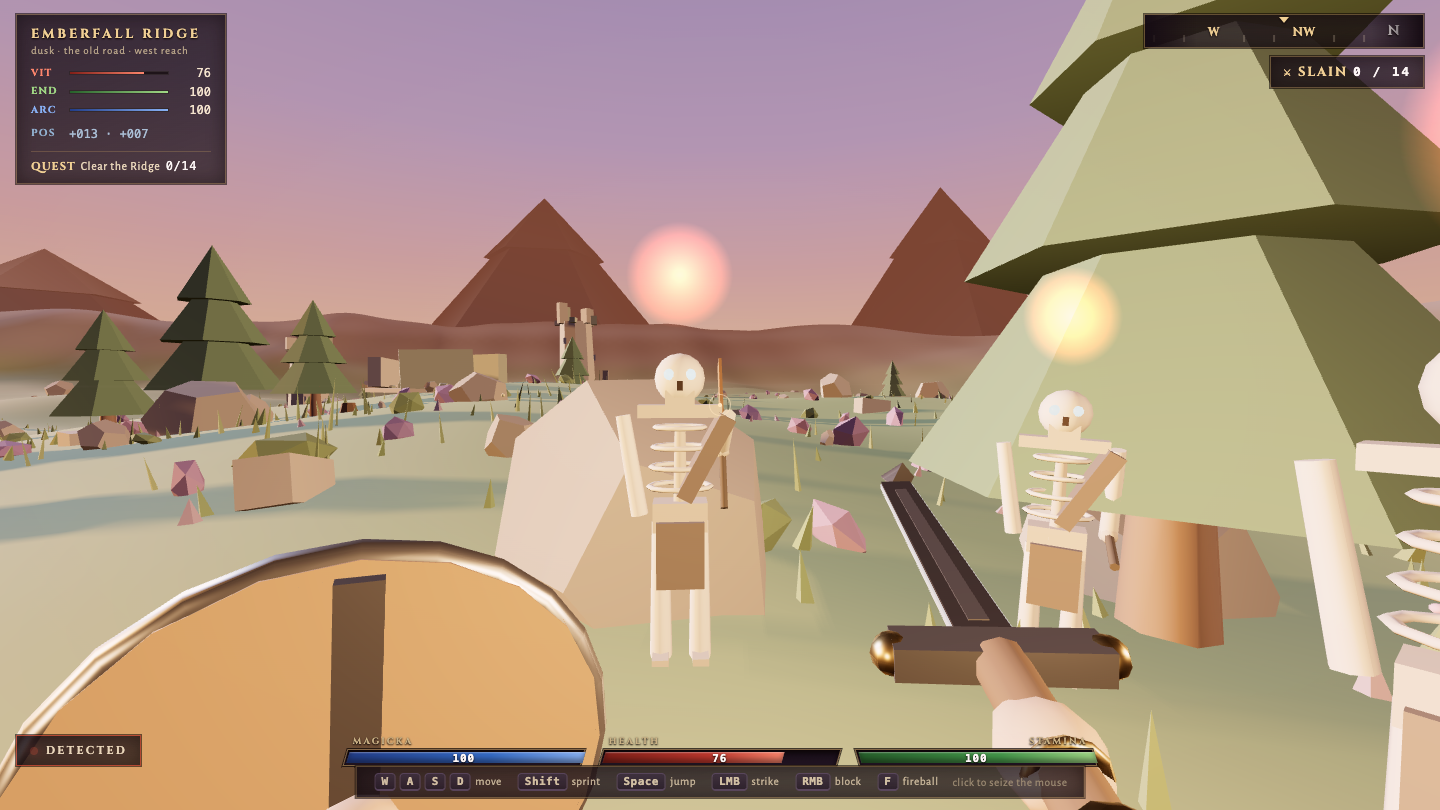
- Skyrim-style open worlds — the Dragon Realm build rendered a lit snowfield, first-person sword and working roaming enemies (7.8)
- Held up across game genres early — voxel sandbox and Doom raycaster both came out shippable
- Runs as a real agentic coder inside Qoder (writes + iterates on files), not just a chat model
Trade-offs
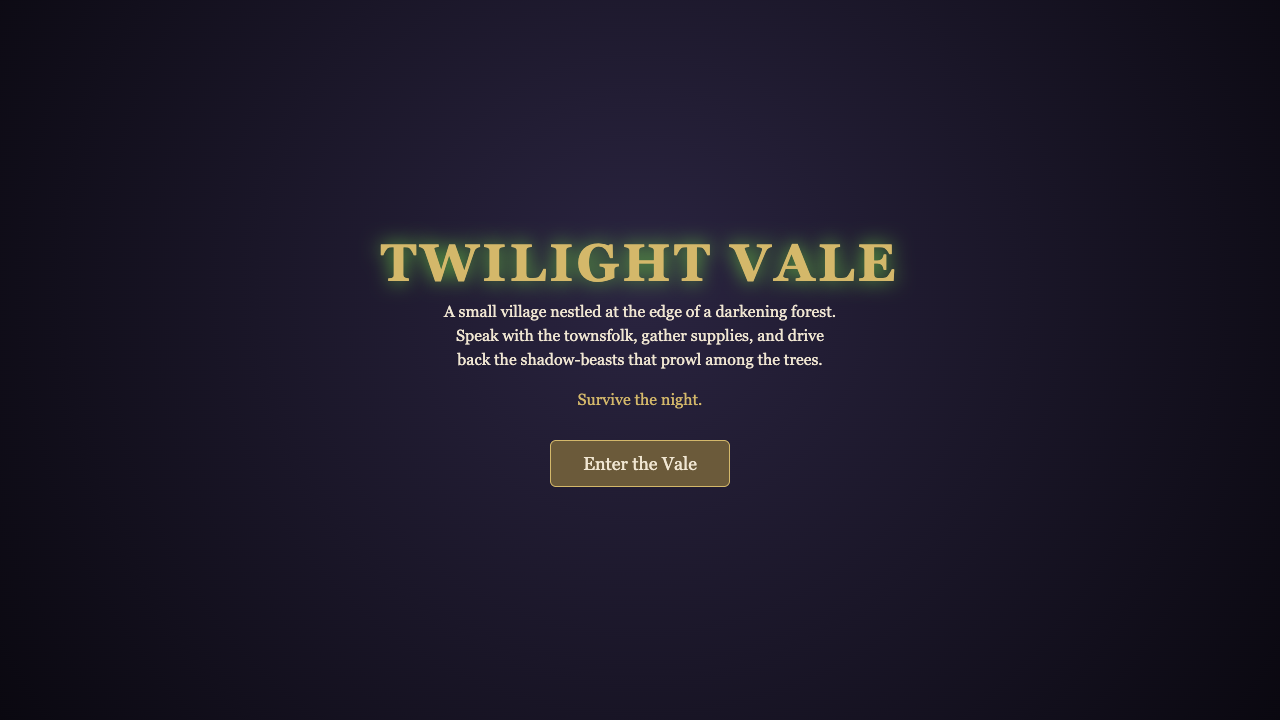
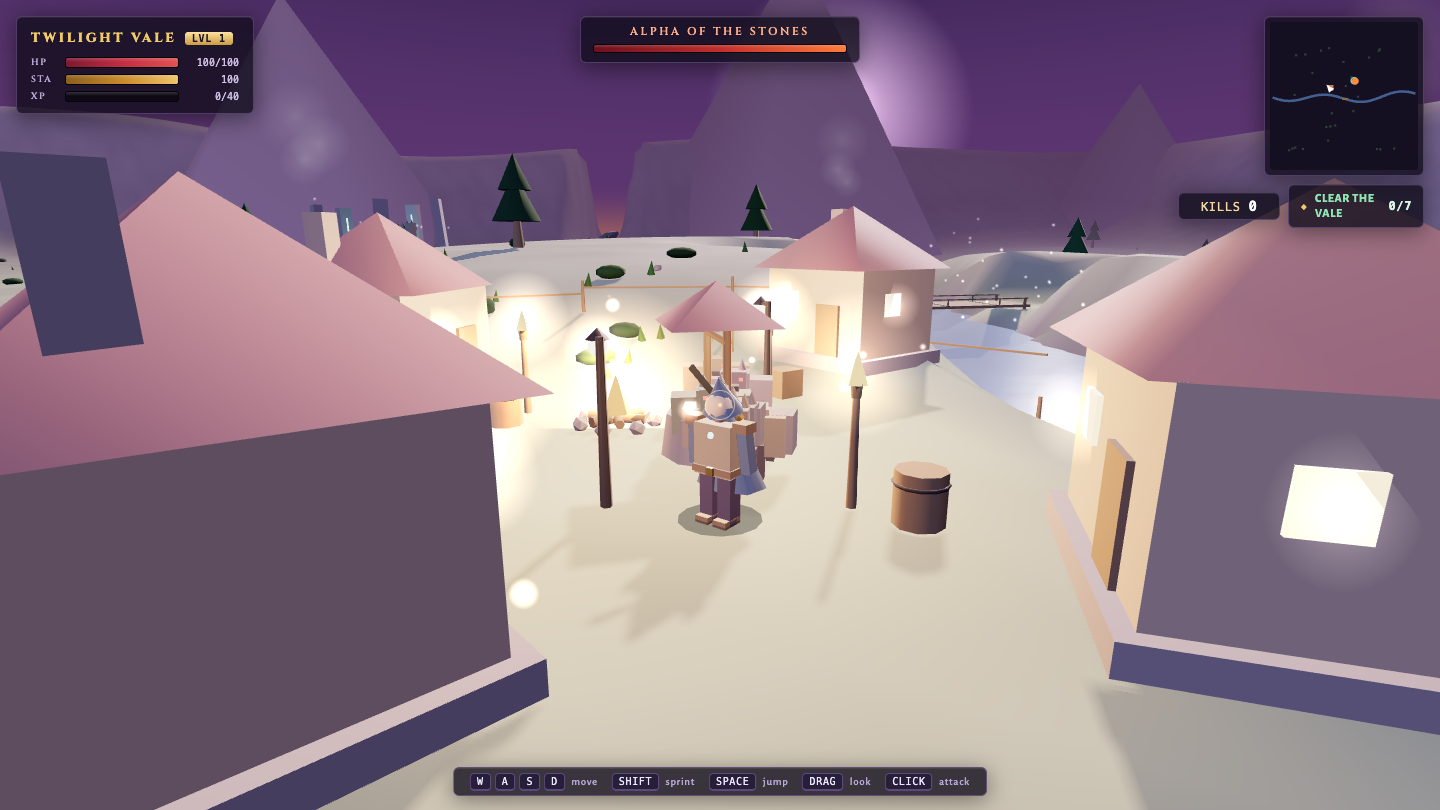
- Torch-lit dungeon (crypt) came out generic (6.3); one open-world RPG one-shot black-screened (twilightvale 2.5) — classic three.js r128 API drift
- Preview is Qoder / Token-Plan only — no OpenRouter or public API, so it can't be routed into an app the way the OpenRouter models can
Pricing & context — the spec sheet
| Spec | Opus 4.8 | Qwen 3.8 |
|---|---|---|
| Vendor | Anthropic | Alibaba |
| Context window | 200,000 tokens (1M with extended thinking) | Served through Alibaba's Qoder agent platform; the 3.8-Max preview has no standalone public context window yet. |
| Price | $15 / $75 per M tokens | Qoder plan |
| Pricing detail | Premium pricing via the Anthropic API: $15 per million input tokens, $75 per million output tokens. Extended thinking is included but adds latency. | Qwen3.8-Max-Preview is Alibaba's ~2.4T-parameter flagship, positioned just behind Claude Fable 5. It is NOT on OpenRouter or a public API yet — the only access today is inside Qoder (Alibaba's agentic coding platform, free 2-week Pro trial). Benched here via the Qoder CLI on model `Qwen3.8-Max-Preview`, one-shot. |
| Release | 2026-05 | 2026-07 |
| Bench coverage | 47/47 scored · avg 7.51/10 | 41/41 scored · avg 8.22/10 |
The verdict — which should you pick?
Across 38 scored shared tasks, Qwen 3.8 averaged 8.24/10, beating Opus 4.8's 7.51/10 by 0.73 points. Pick Qwen 3.8 when the build has to ship on the first prompt and you can afford the trade-offs in the comparison below.
If you only run one of these inside your stack, the head-to-head average above is the call. If you can run both, my honest play is to wire Opus 4.8 and Qwen 3.8 both into the Agent Operating System and dispatch each from the kanban by task type — mission-critical one-shot builds where 'has to work the first time' matters → Opus 4.8, one-shot 3d game and world prototypes where atmosphere matters → Qwen 3.8. That's the same setup I run for the 4,000+ founders inside the AI Profit Boardroom.
FAQ — Opus 4.8 vs Qwen 3.8
Which is better, Opus 4.8 or Qwen 3.8?
On Goldie Bench, Opus 4.8 averages 7.51/10 across the shared tasks, with 3 gold, 1 silver, 1 bronze overall. Qwen 3.8 averages 8.24/10, with 10 gold, 9 silver, 5 bronze. Qwen 3.8 wins the head-to-head 30–8.
How much does Opus 4.8 cost vs Qwen 3.8?
Opus 4.8: Premium pricing via the Anthropic API: $15 per million input tokens, $75 per million output tokens. Extended thinking is included but adds latency. Qwen 3.8: Qwen3.8-Max-Preview is Alibaba's ~2.4T-parameter flagship, positioned just behind Claude Fable 5. It is NOT on OpenRouter or a public API yet — the only access today is inside Qoder (Alibaba's agentic coding platform, free 2-week Pro trial). Benched here via the Qoder CLI on model `Qwen3.8-Max-Preview`, one-shot.
What's the context window for Opus 4.8 vs Qwen 3.8?
Opus 4.8 has a 200,000 tokens (1M with extended thinking) context window. Qwen 3.8 has a Served through Alibaba's Qoder agent platform; the 3.8-Max preview has no standalone public context window yet. context window.
When should I pick Opus 4.8 over Qwen 3.8?
Pick Opus 4.8 for: Mission-critical one-shot builds where 'has to work the first time' matters; Hard reasoning tasks (planning, multi-step) where you'll pay for the depth; Anything where vendor reliability beats the per-token bill. The trade-off is the weaknesses we logged on the bench: 5–10× the per-token cost of every other model on the bench; Less flair on cinematic visuals than GLM-5.2 — playing it safer wins on accuracy, costs you on showpiece moments.
When should I pick Qwen 3.8 over Opus 4.8?
Pick Qwen 3.8 for: One-shot 3D game and world prototypes where atmosphere matters; Anyone already in the Qoder IDE/CLI wanting a near-frontier model free on the Pro trial; A cheaper stand-in for Fable 5 on creative-visual builds. The trade-off is the weaknesses we logged on the bench: Torch-lit dungeon (crypt) came out generic (6.3); one open-world RPG one-shot black-screened (twilightvale 2.5) — classic three.js r128 API drift; Preview is Qoder / Token-Plan only — no OpenRouter or public API, so it can't be routed into an app the way the OpenRouter models can.
How does Goldie Bench score Opus 4.8 vs Qwen 3.8?
Every demo on this page was built by Julian Goldie inside the Agent Operating System — same fixed prompt for both models, one shot, single HTML file out. Each result gets a 0–10 score on whether it ran, how close it hit the brief, and how good it looked. The highest score on each task gets gold; second gets silver; third gets bronze. See methodology for full provenance.
Related comparisons
Other head-to-heads using the same scoring system:
Opus 4.8 vs Fusion Qwen 3.8 vs Fusion Opus 4.8 vs Hermes MoA Qwen 3.8 vs Hermes MoA Opus 4.8 vs GPT-5.6 Sol Qwen 3.8 vs GPT-5.6 Sol Opus 4.8 vs Claude Fable 5 Qwen 3.8 vs Claude Fable 5Full model pages: Opus 4.8 · Qwen 3.8 · back to the leaderboard
The same stack Julian uses
Run this stack yourself.
Every demo on this bench was built inside the Agent Operating System — one prompt, one shot, single HTML file out. The Agent OS, the prompts, the templates, the weekly walkthroughs and 4,000+ founders shipping with it every day all live inside the AI Profit Boardroom.
4,000+founders
258documented wins
38countries
$59/momonthly