Real head-to-head · same prompt, one shot
Opus 4.8 vs Muse Spark 1.2
The reasoning king — deepest thinking, premium price. vs Meta's coding reasoning model — co-trained with its own agent, 1M-token window.
Head-to-head verdict: Muse Spark 1.2 wins 28–19.
What I tested — same prompt, two models
I run the same fixed prompt set through every new model the day it drops — same string, one shot, single HTML file out — and I score the result 0–10 on whether it ran, how close it hit the brief, and how good it looked. Below is what came out when I gave the exact same prompts to Opus 4.8 and Muse Spark 1.2, side by side, on 47 shared tasks inside the Agent Operating System.
Both models were given identical prompts inside the Agent Operating System — no help, no iteration, no "best of N" tricks. I run each prompt once, save the HTML file the model produces, and score it 0–10 on whether it ran, how close it hit the brief, and how good it looked. The scoring is mine. The verdicts below are pulled from my source comparison guides at agentos.guide where I publish every score and the reasoning behind it.
Opus 4.8 · The default when the build has to ship on the first prompt — Opus is the safety net inside Agent OS for hard one-shots.
Muse Spark 1.2 · Cloud coder via OpenRouter; the Muse Code agent (one-command install) is its native harness.
Side-by-side on 50 shared tasks
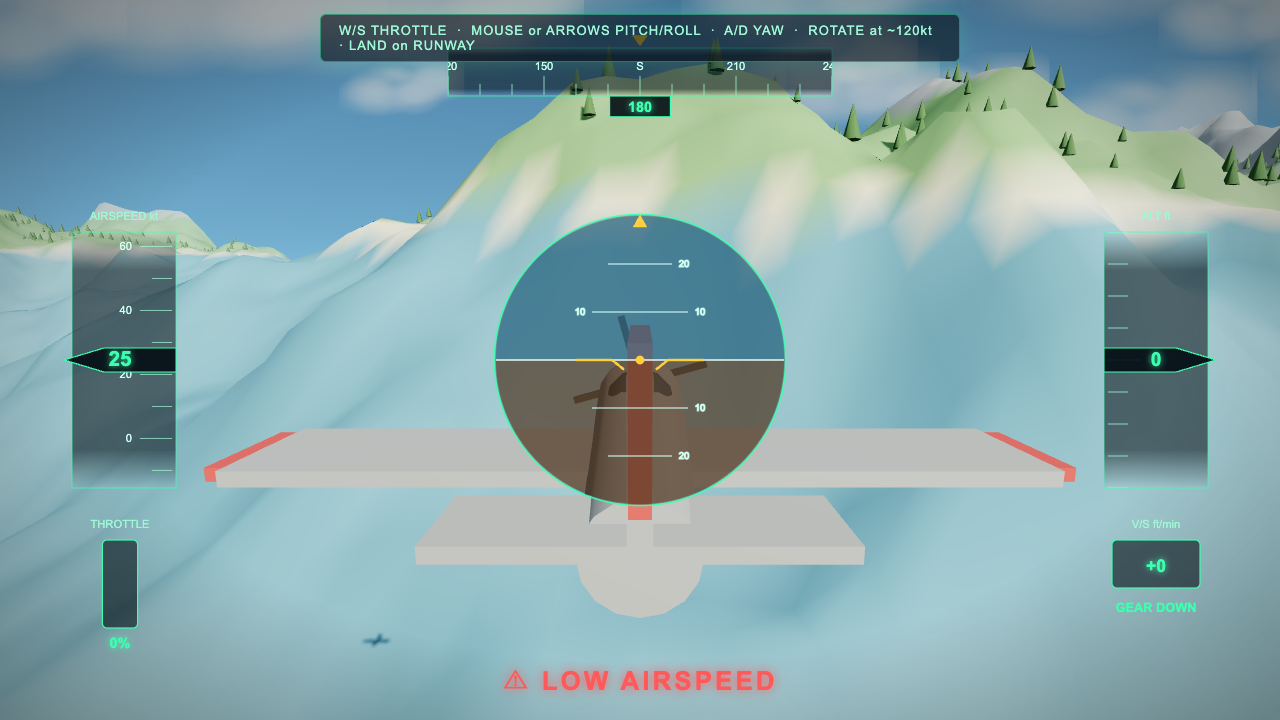
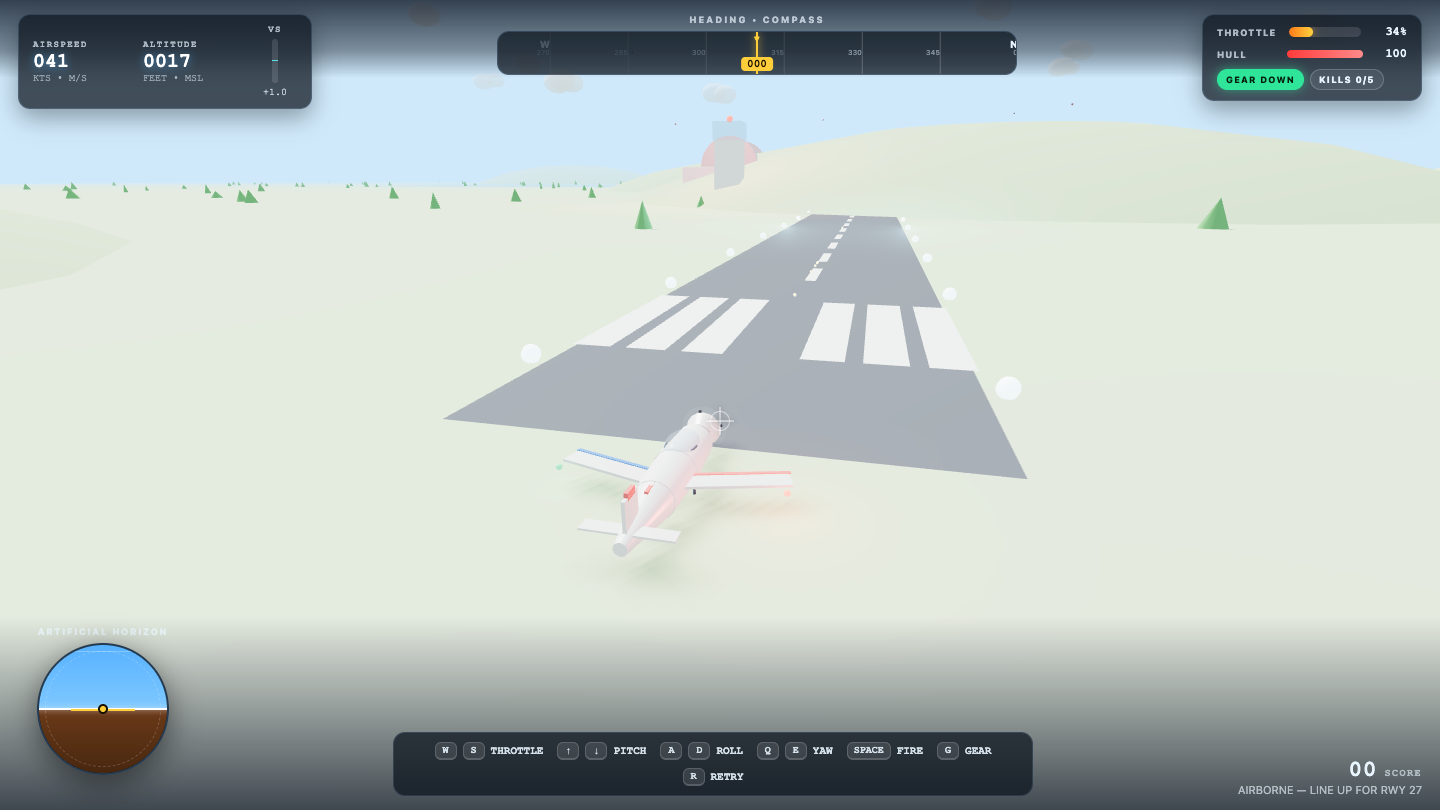
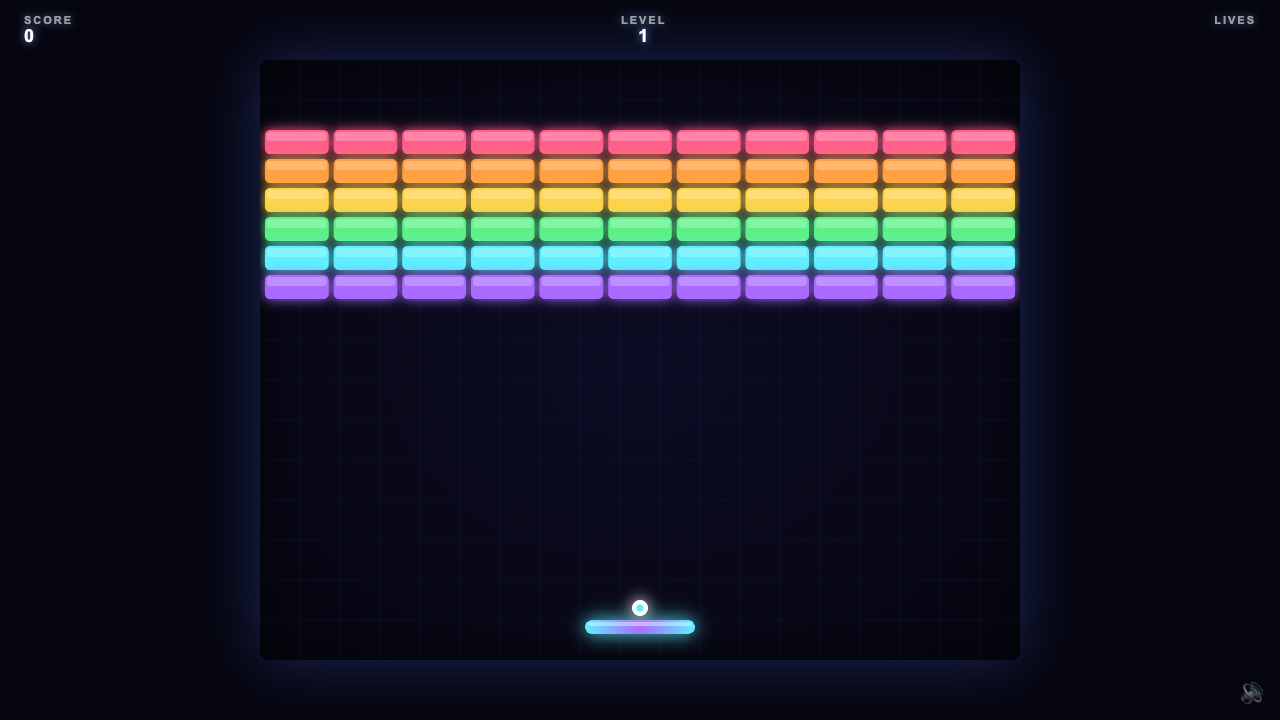
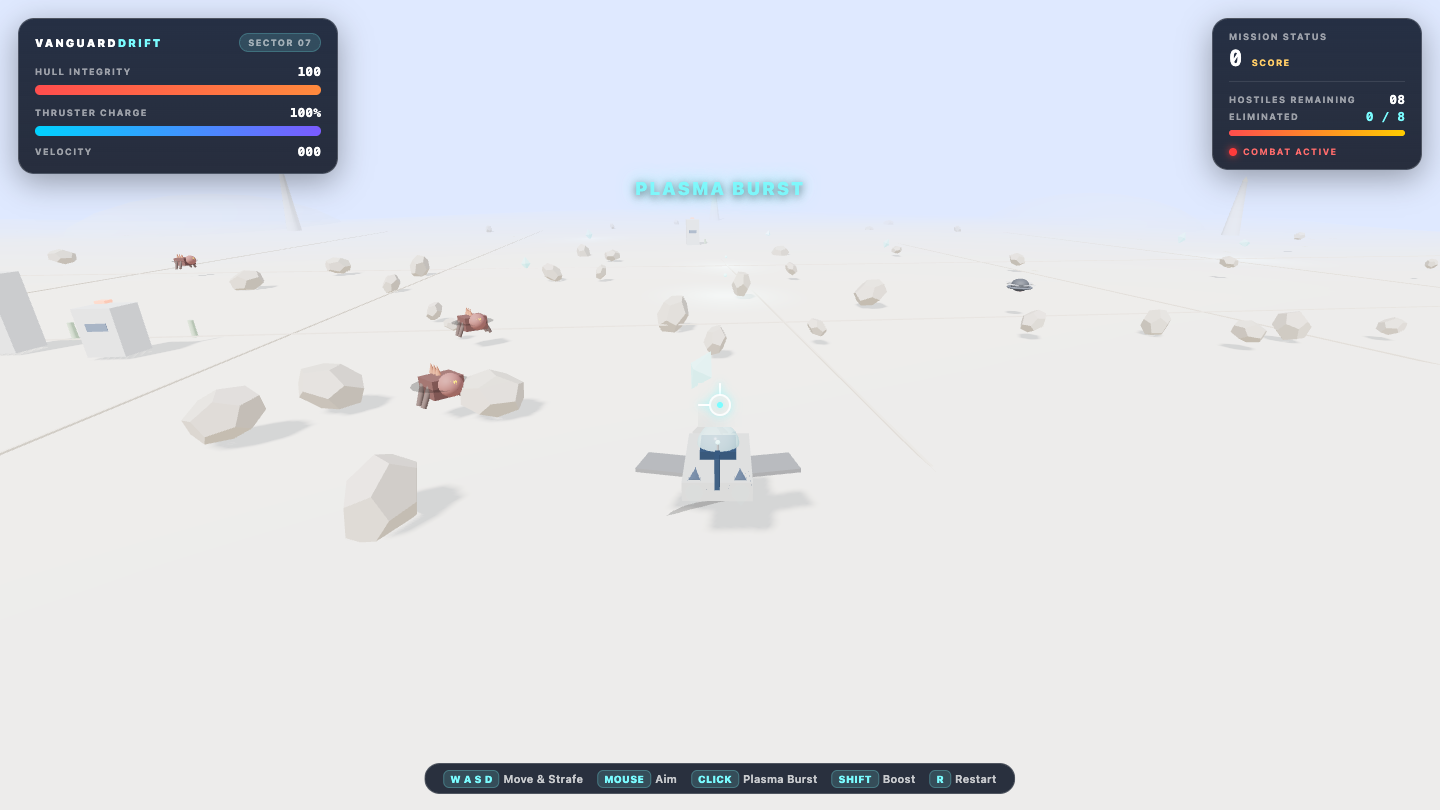
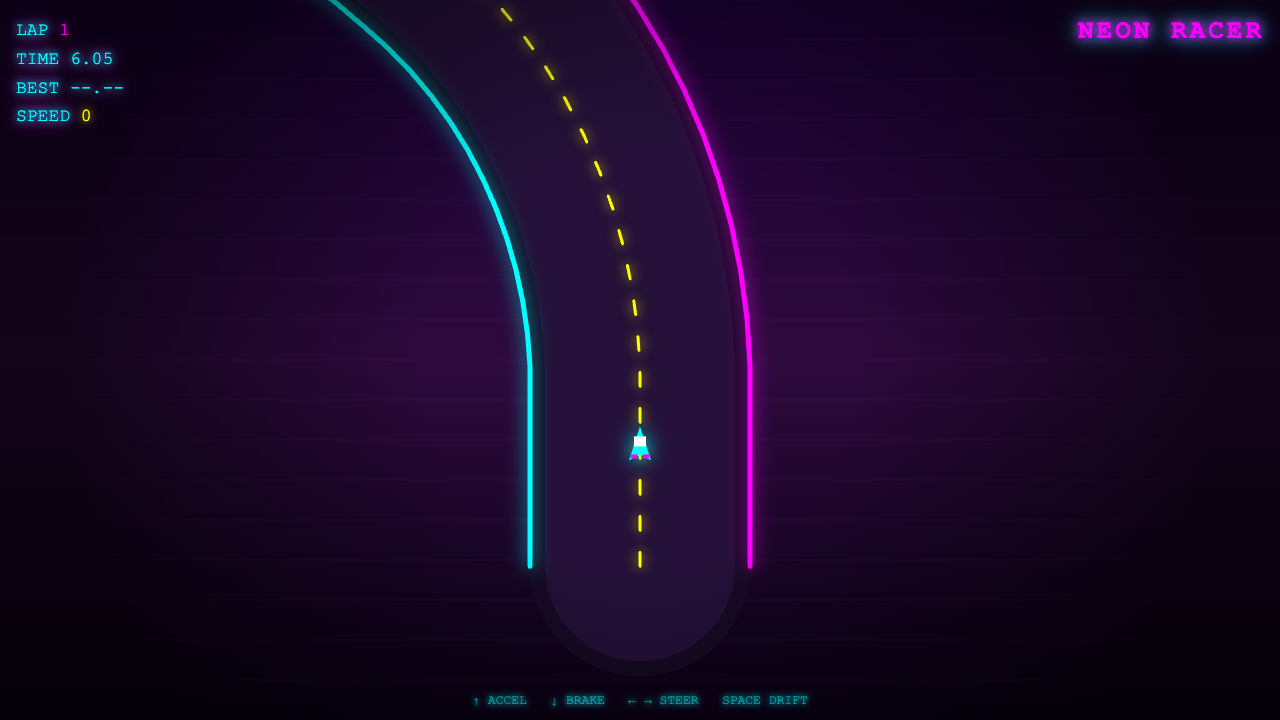
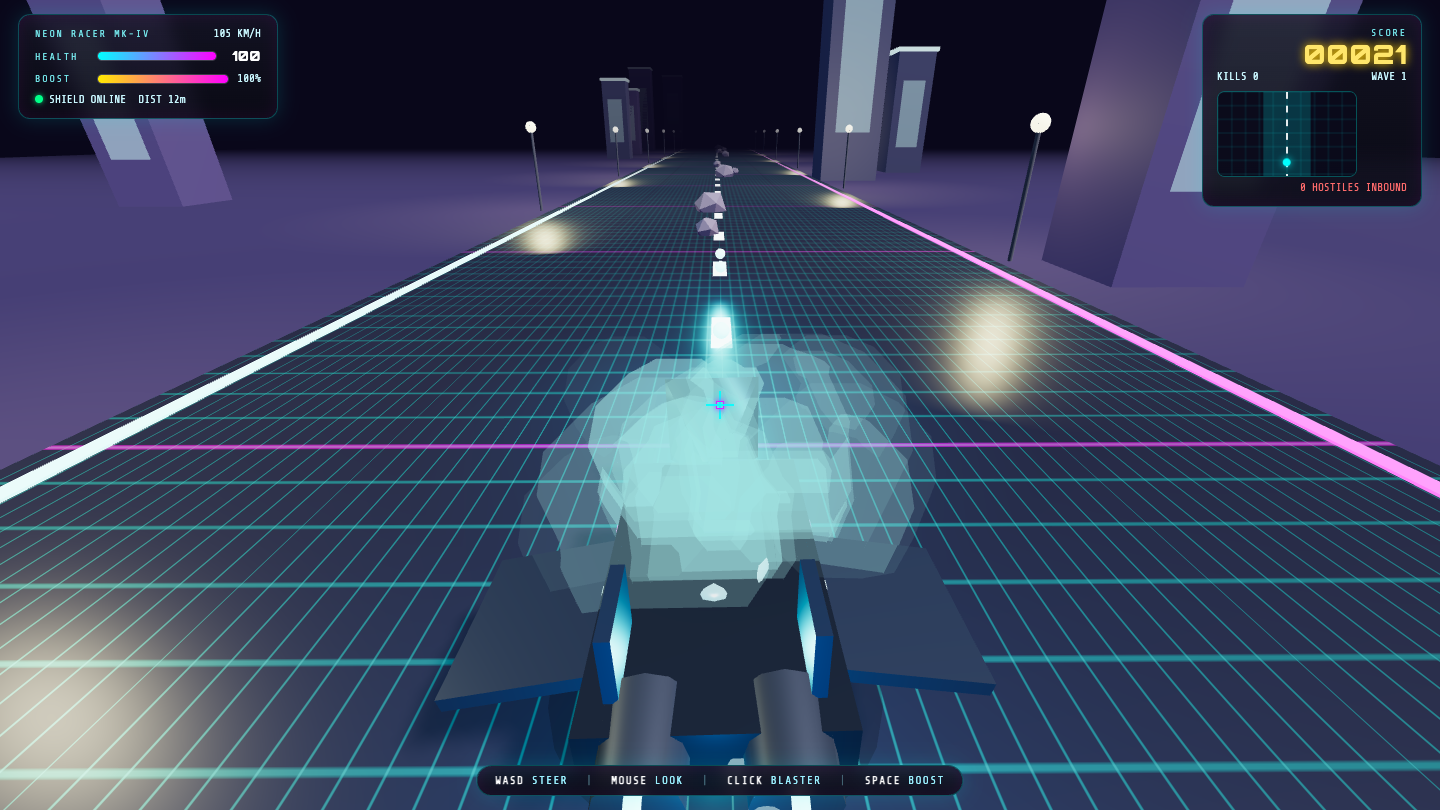
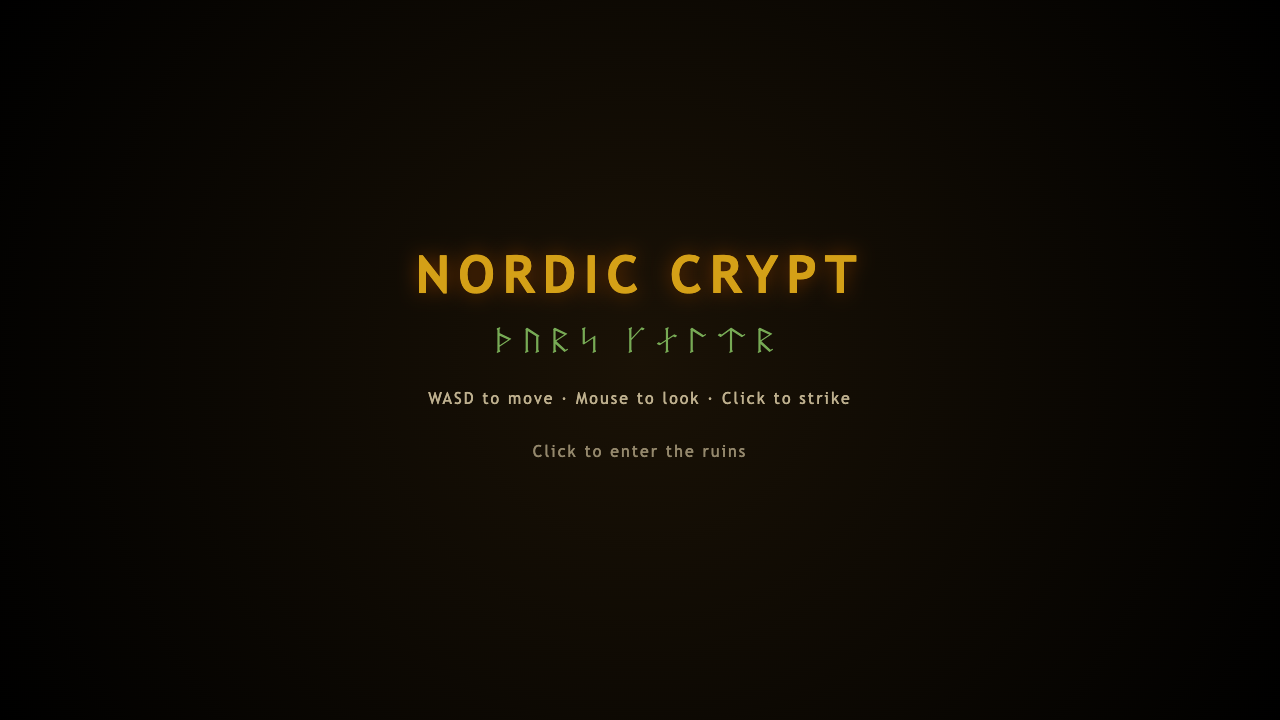
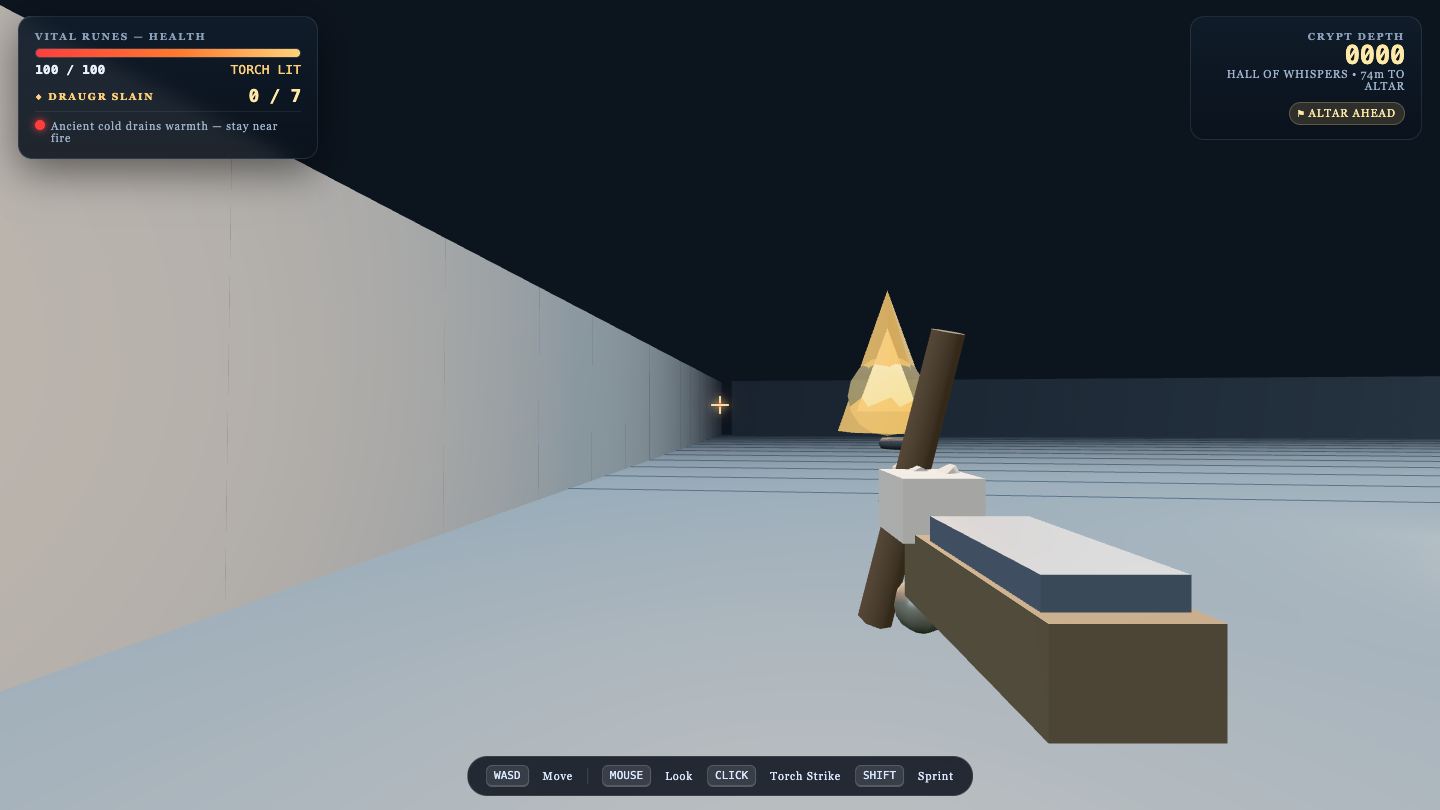
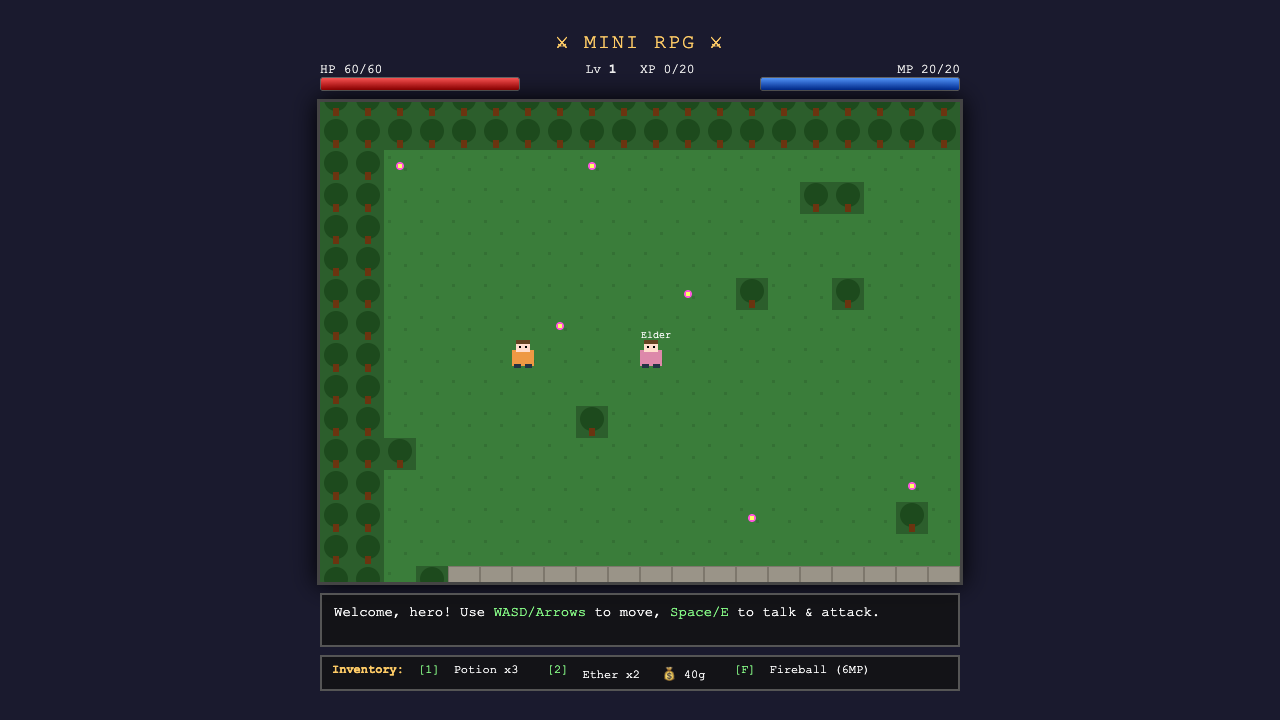
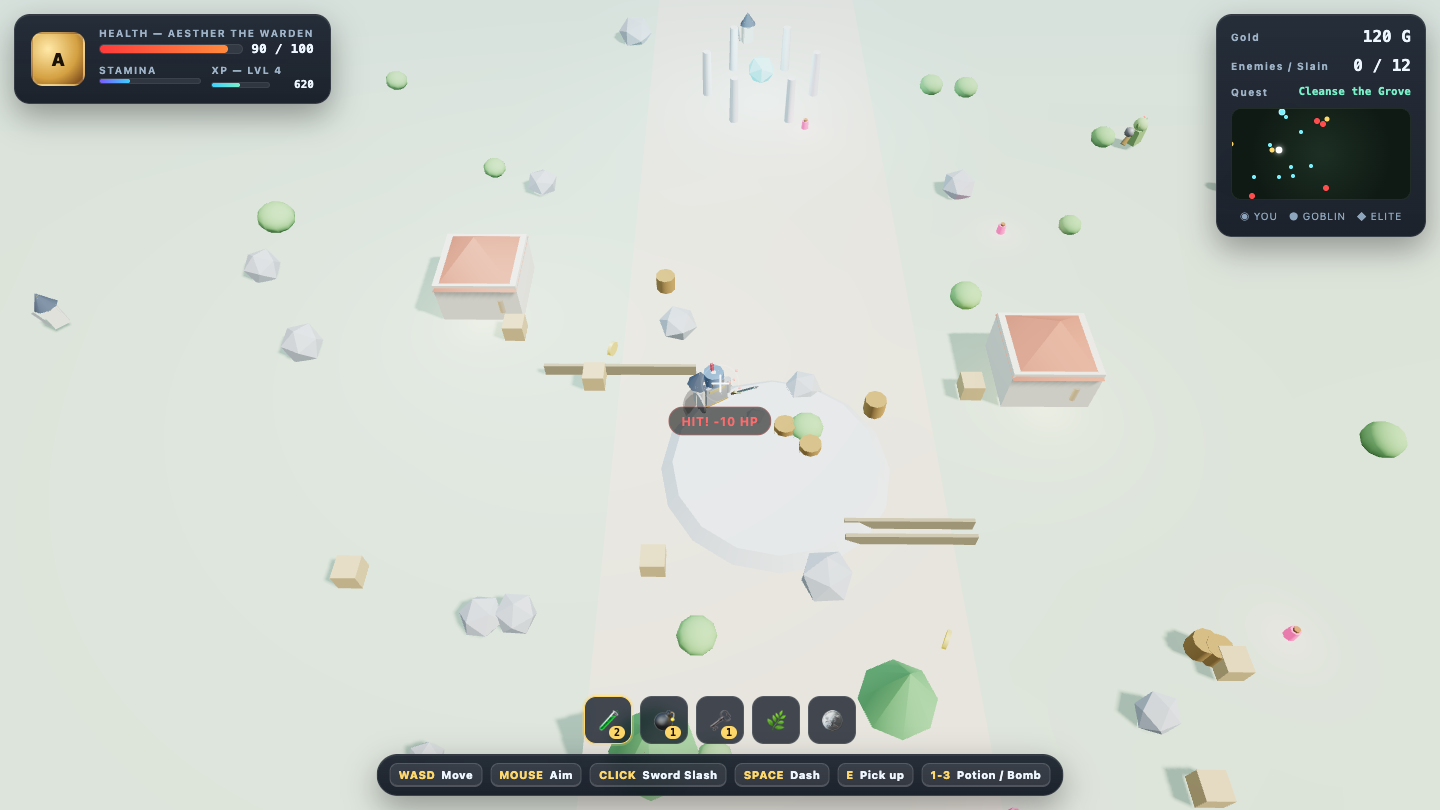
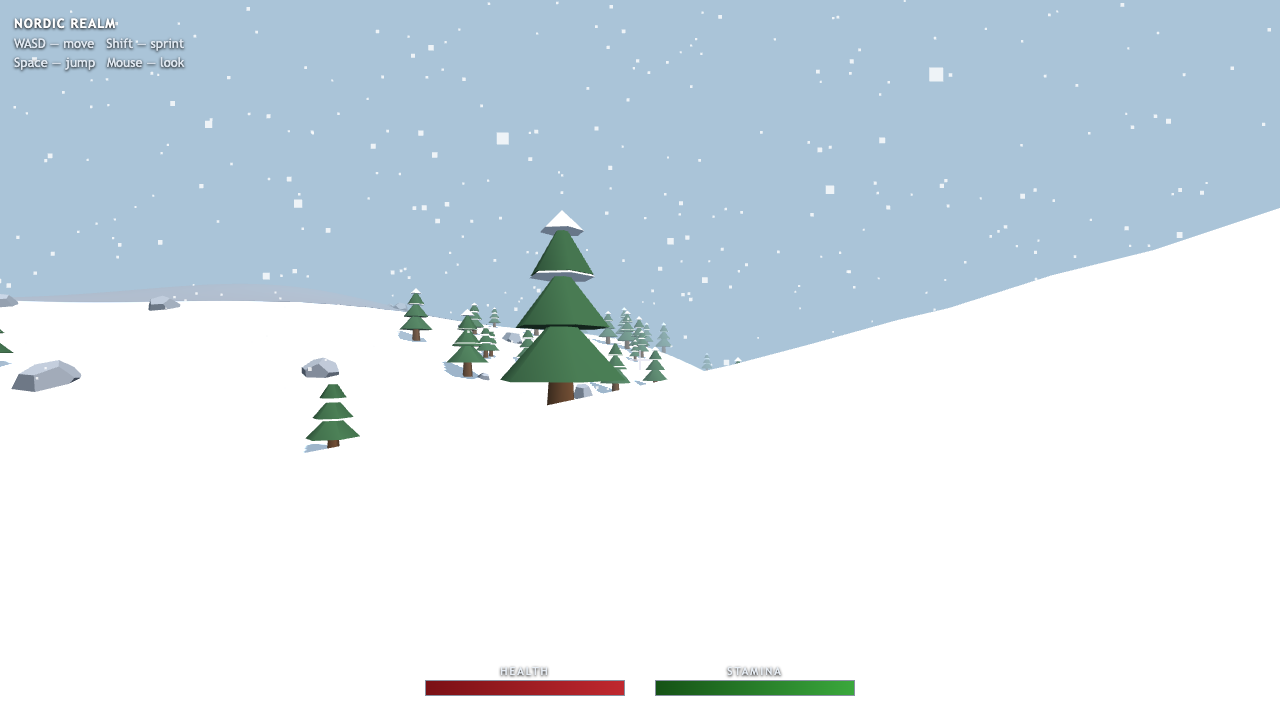
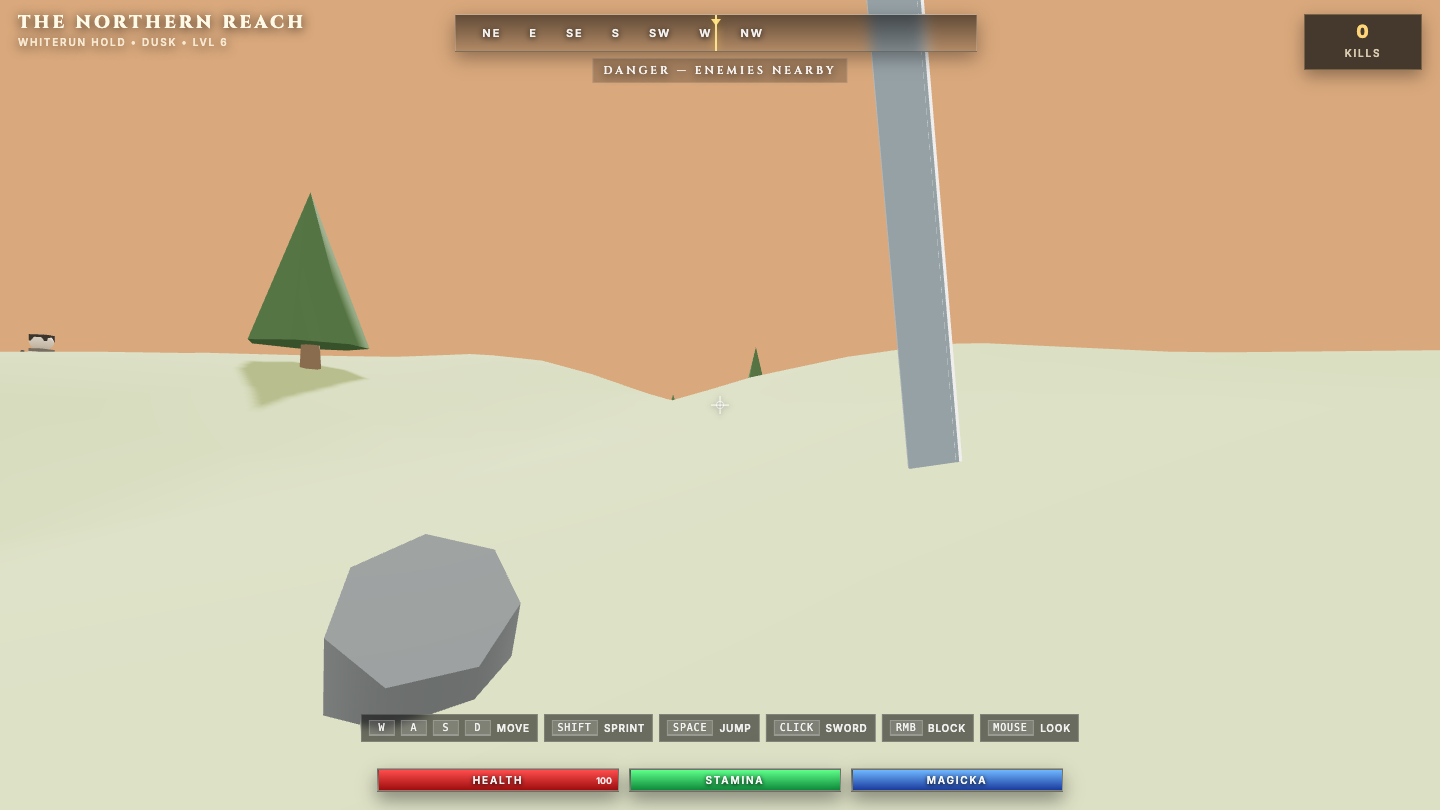
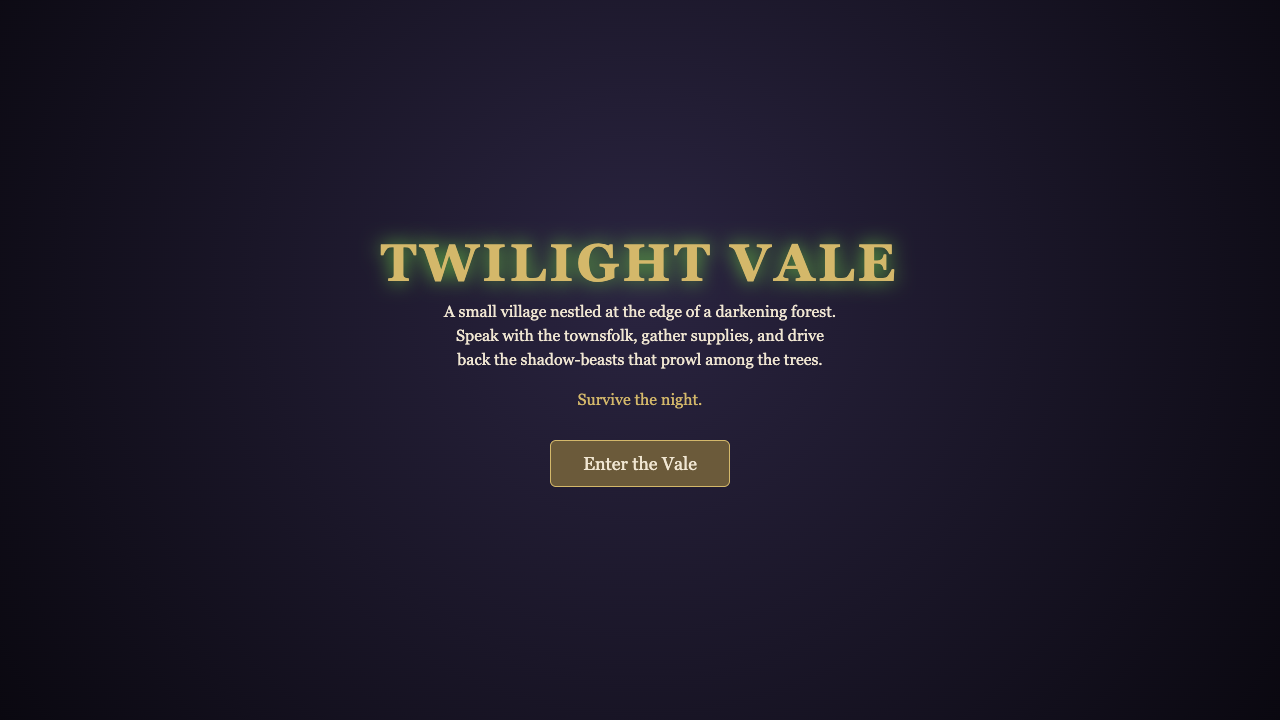
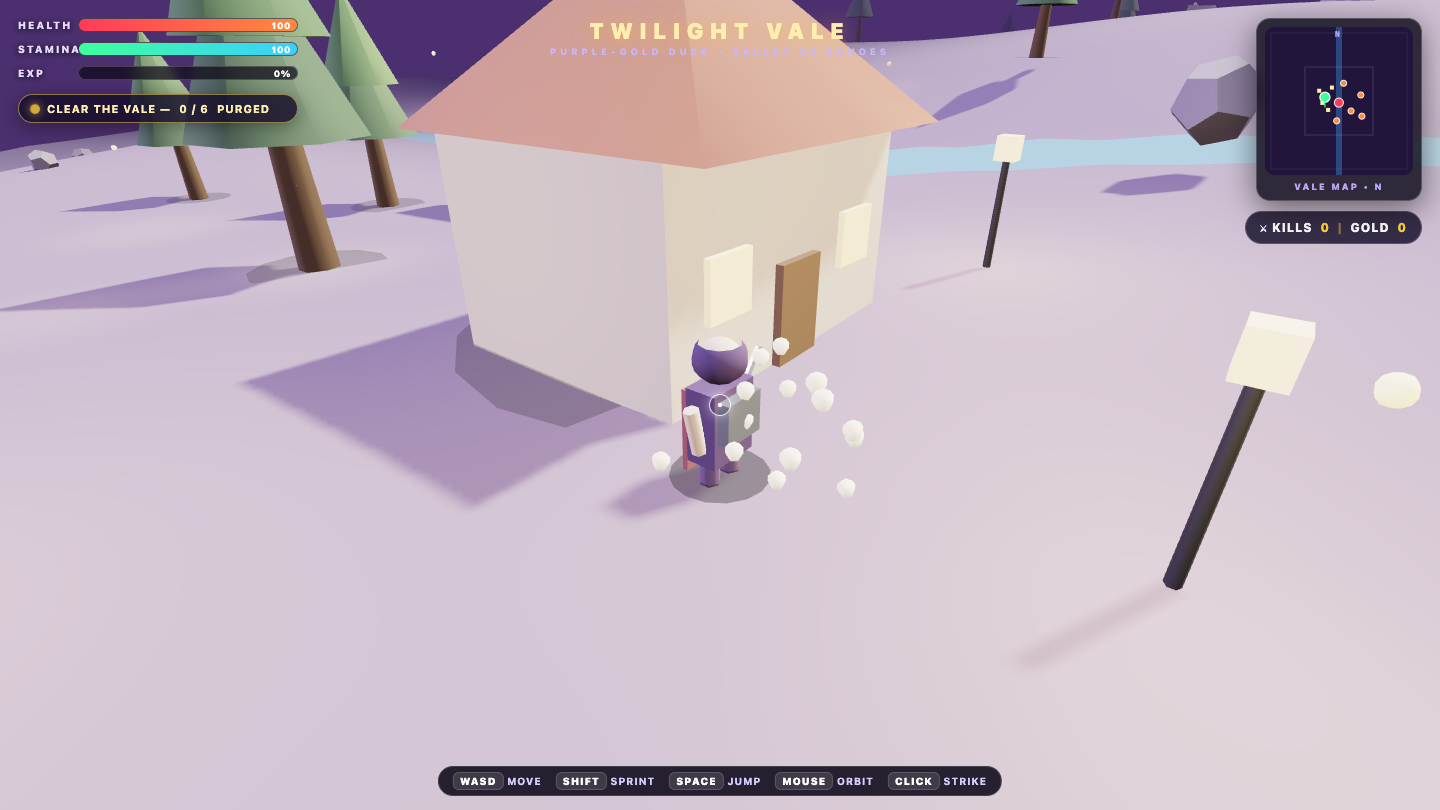
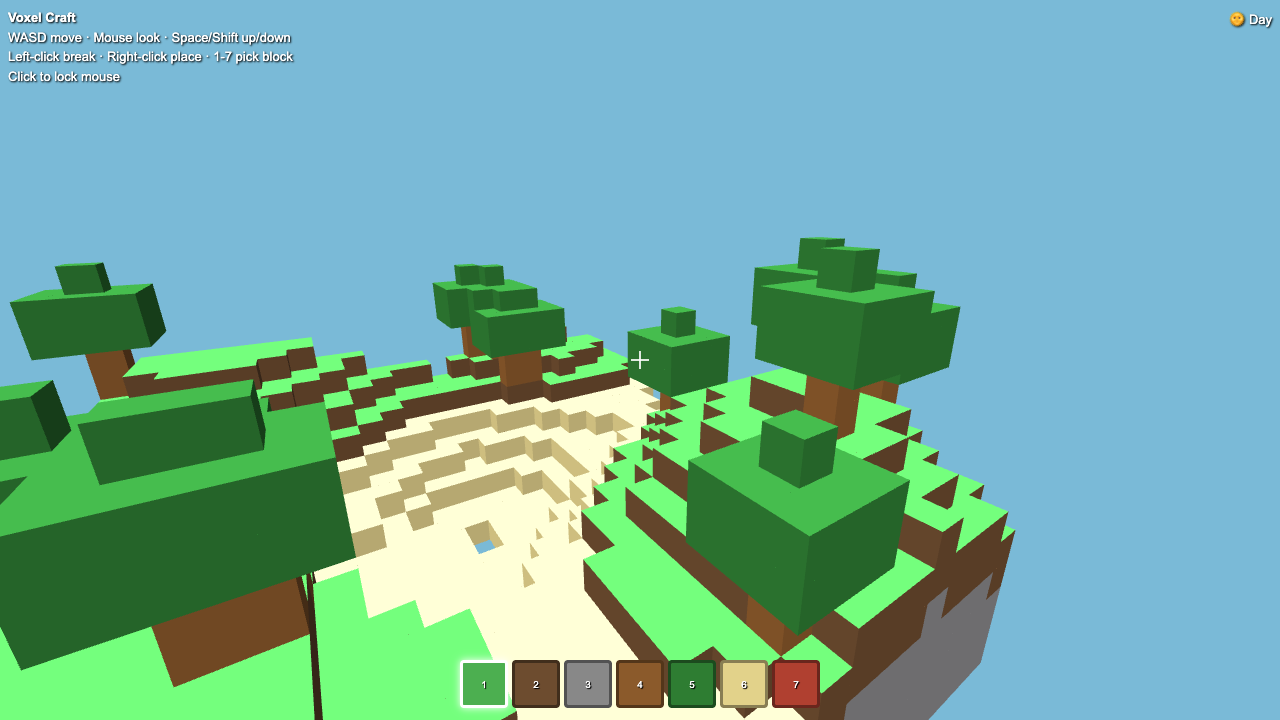
Click any cell to play that model's actual one-shot attempt. Medals are derived from my 0–10 scores per task (highest = 🥇, second = 🥈, third = 🥉).
Task ↓
Opus 4.8
Muse Spark 1.2
Game
Game
Game
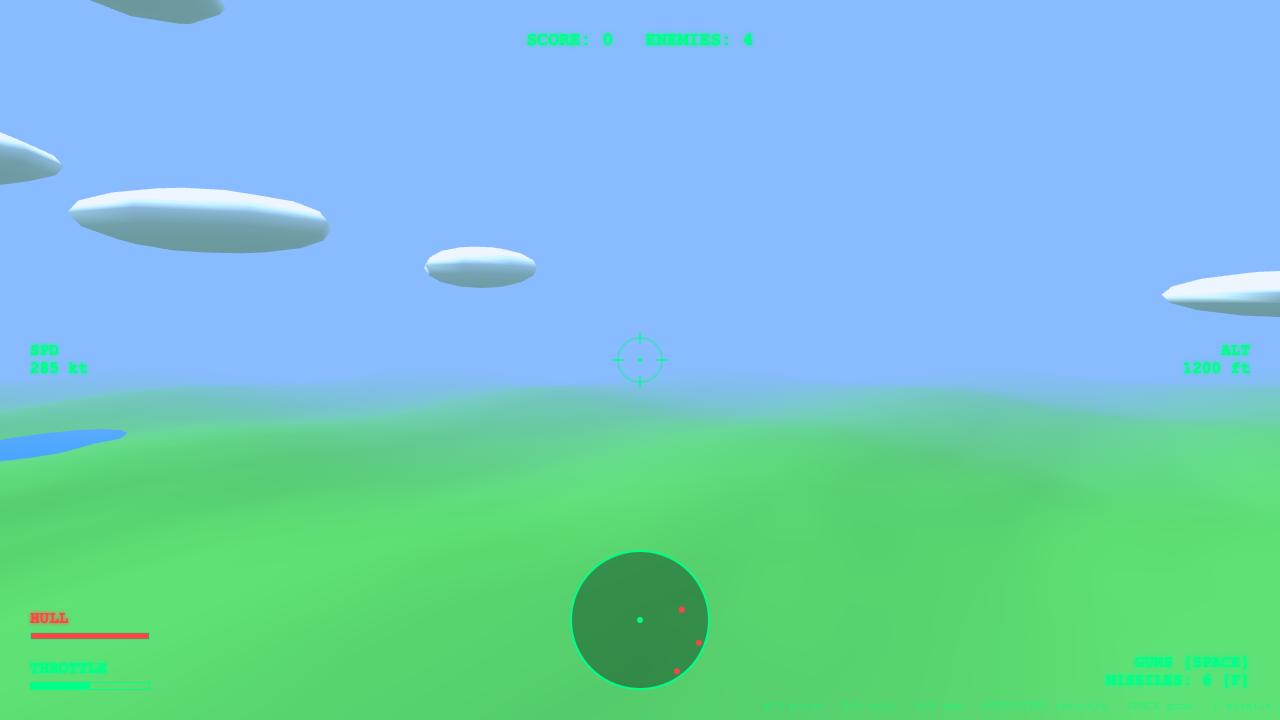
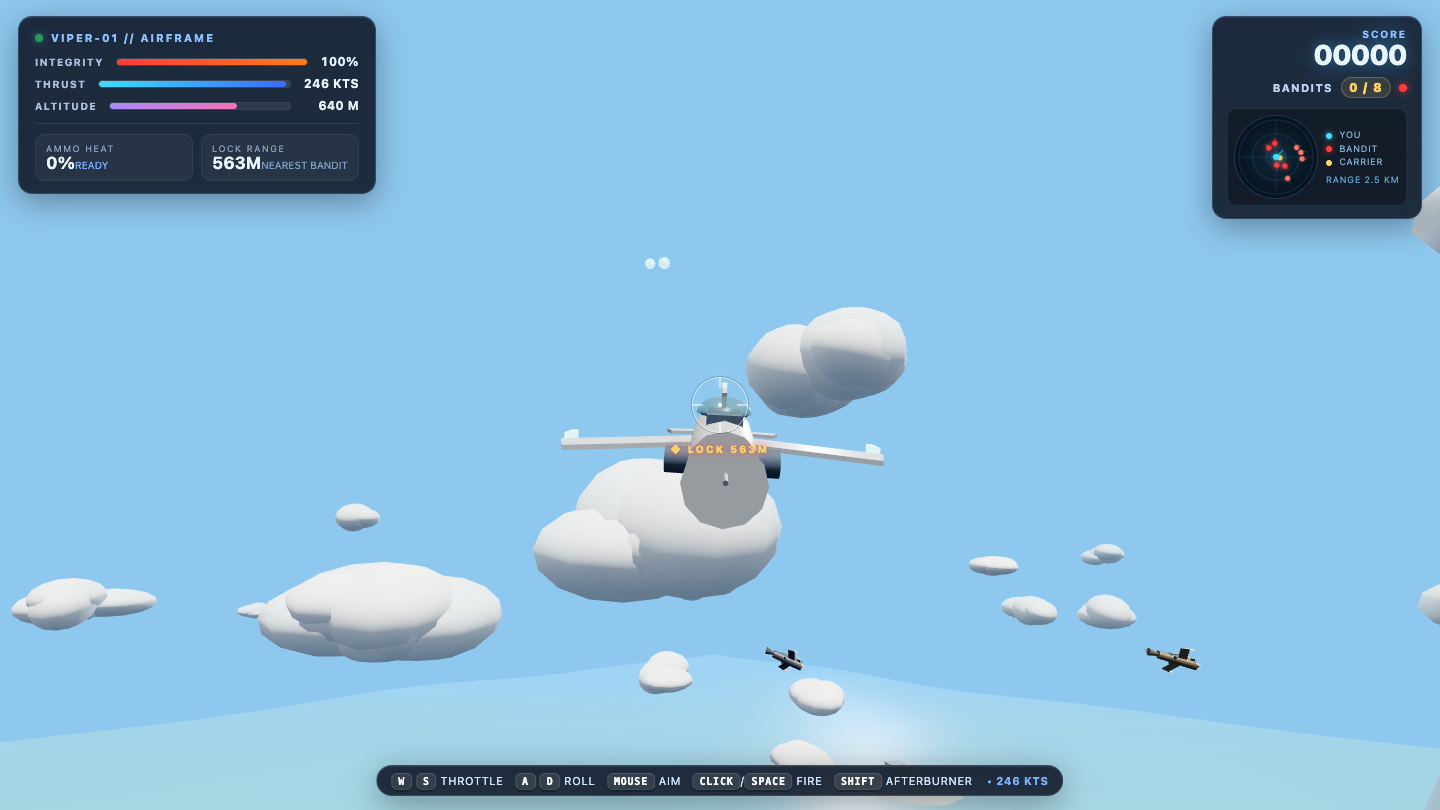
Game
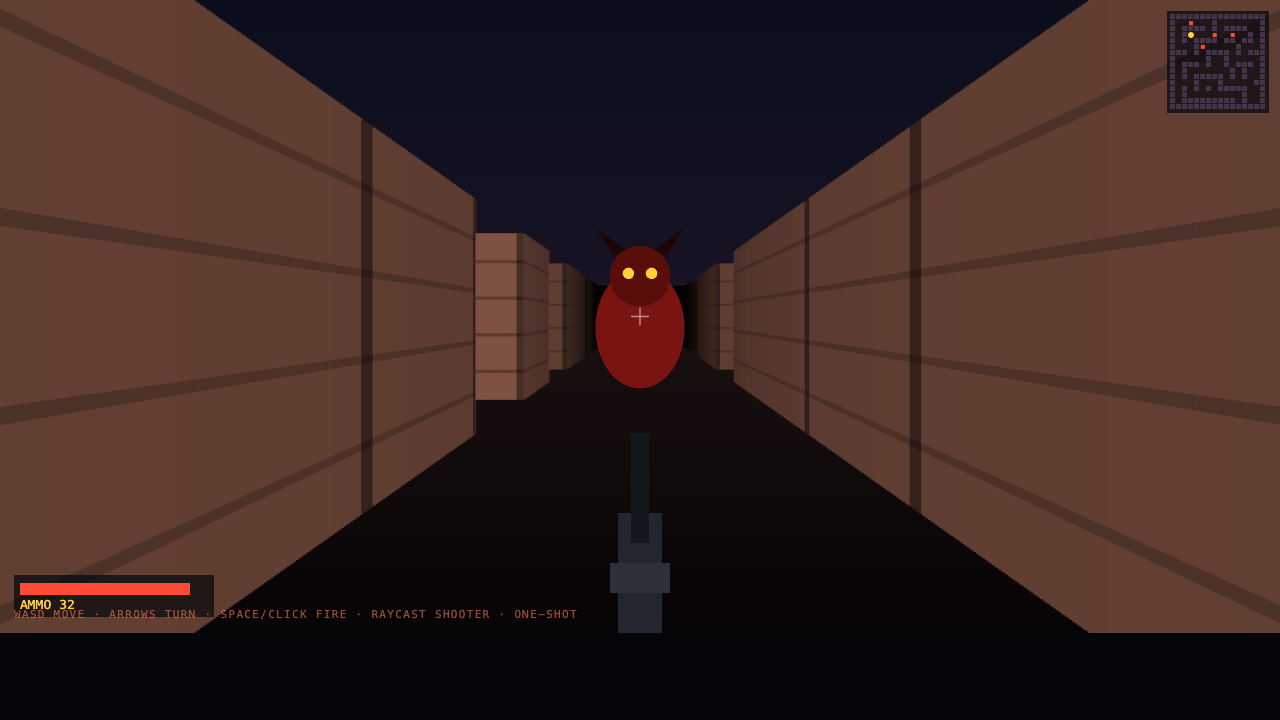
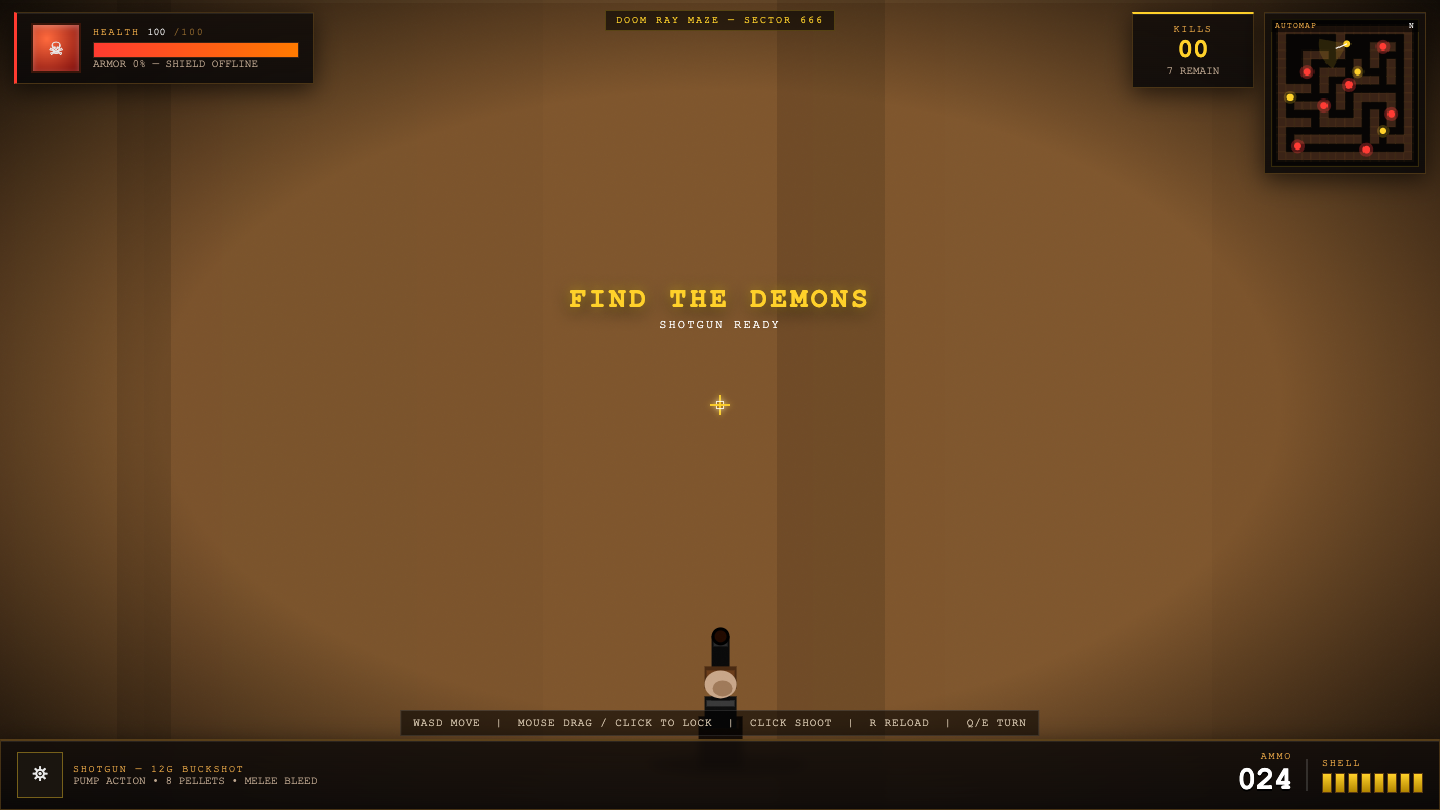
Game
Game
Game
Game
Game
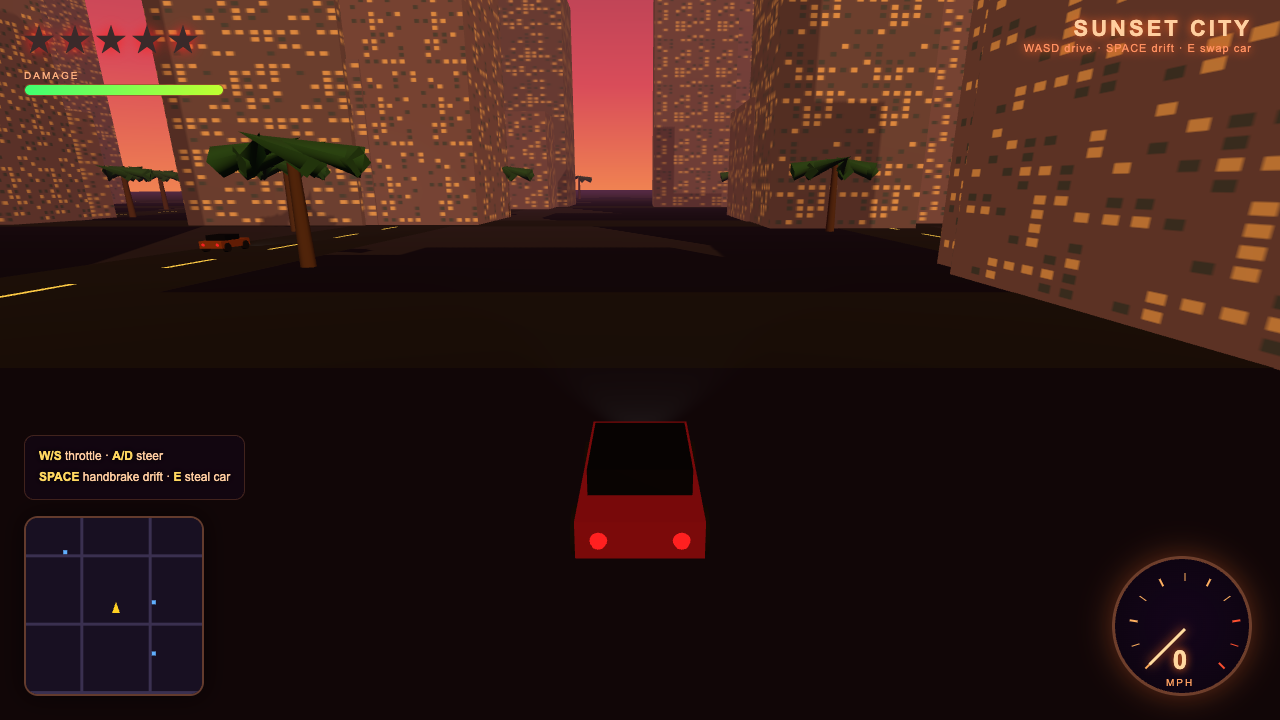
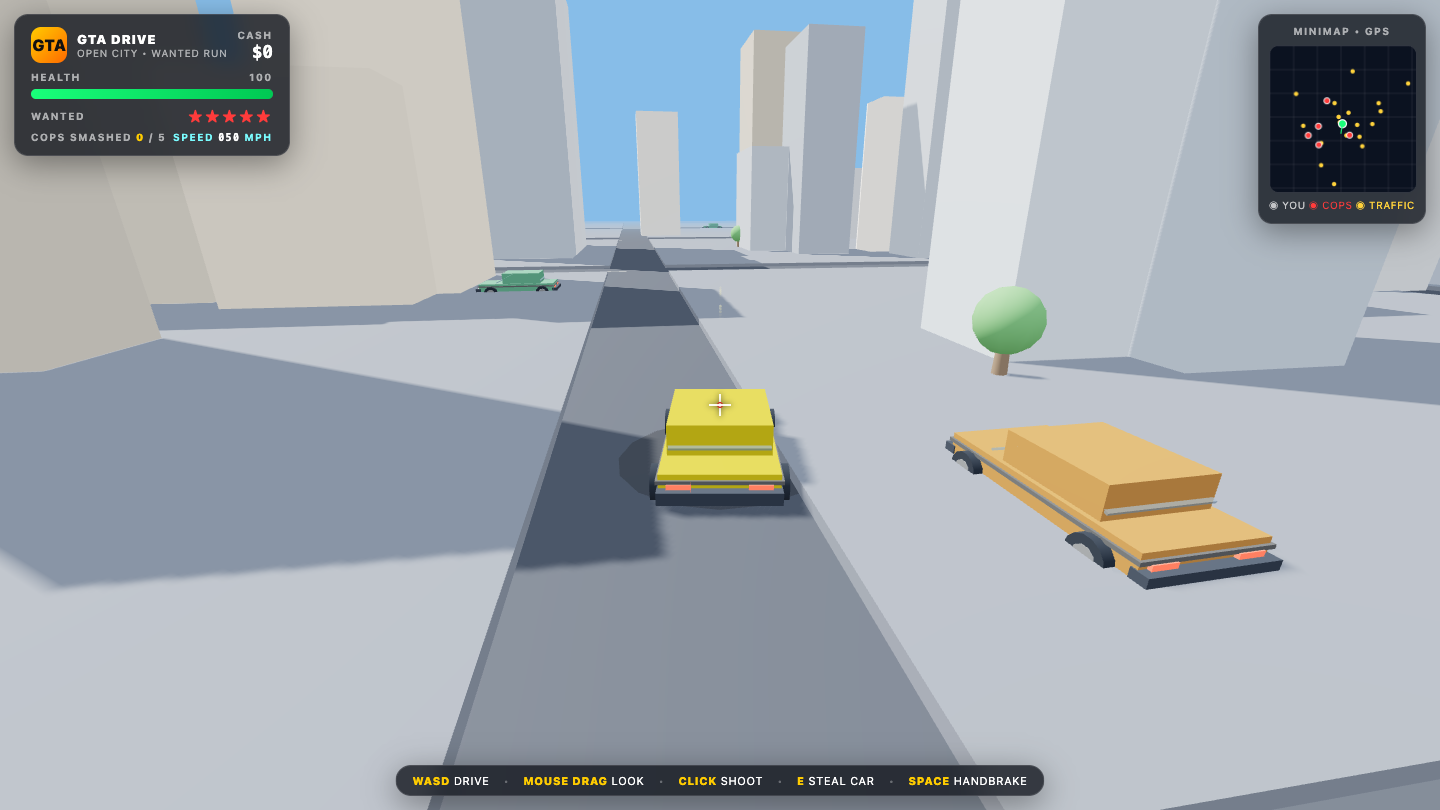
Game
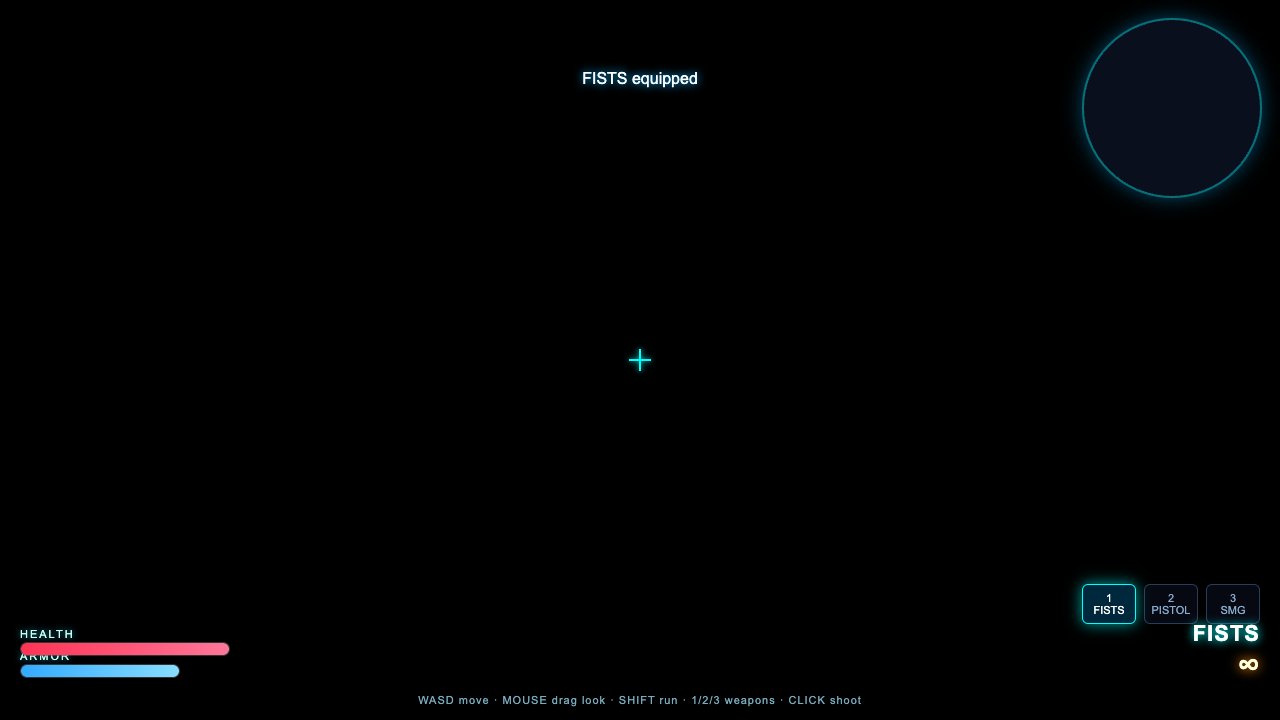
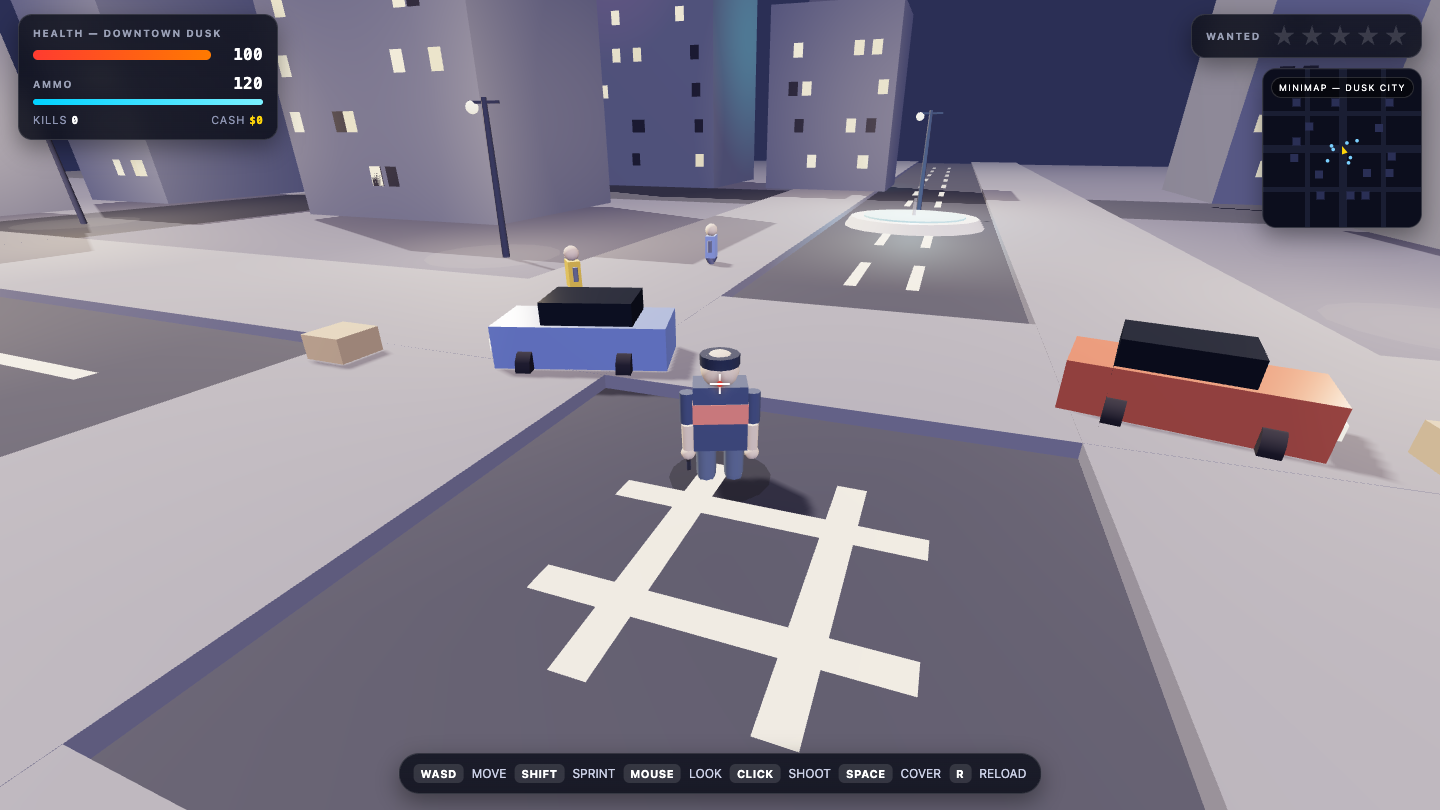
Game
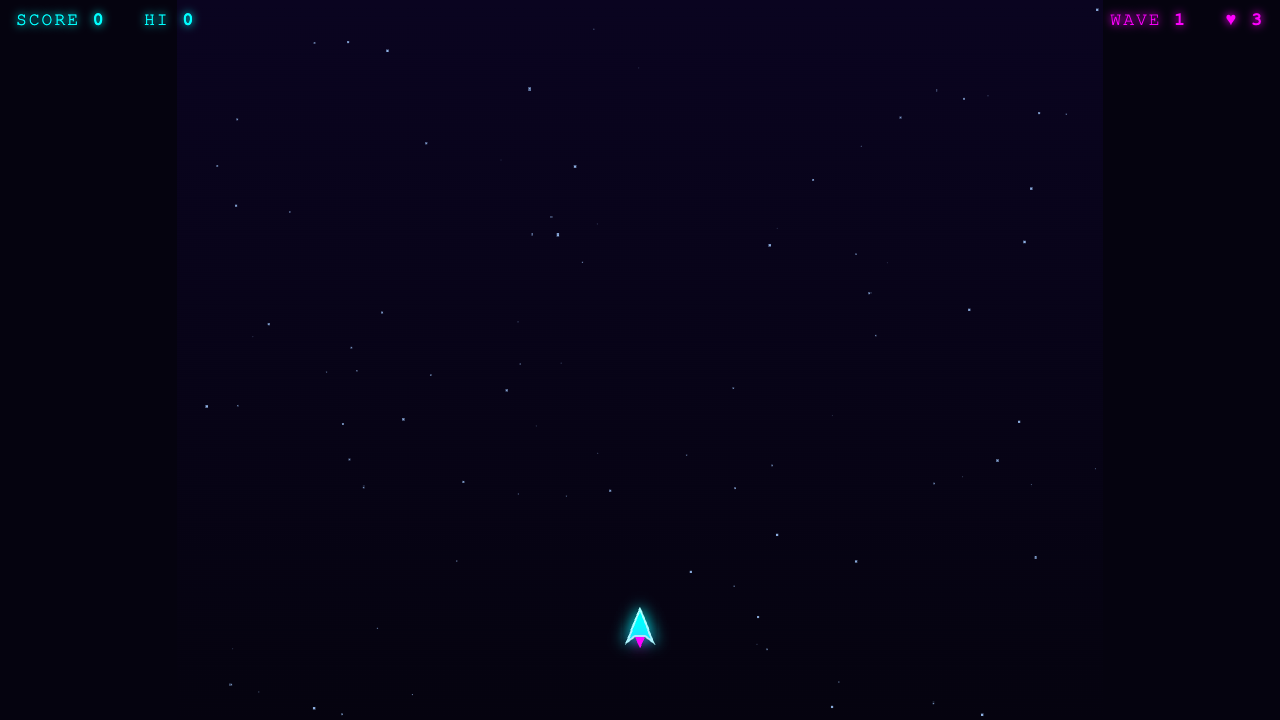
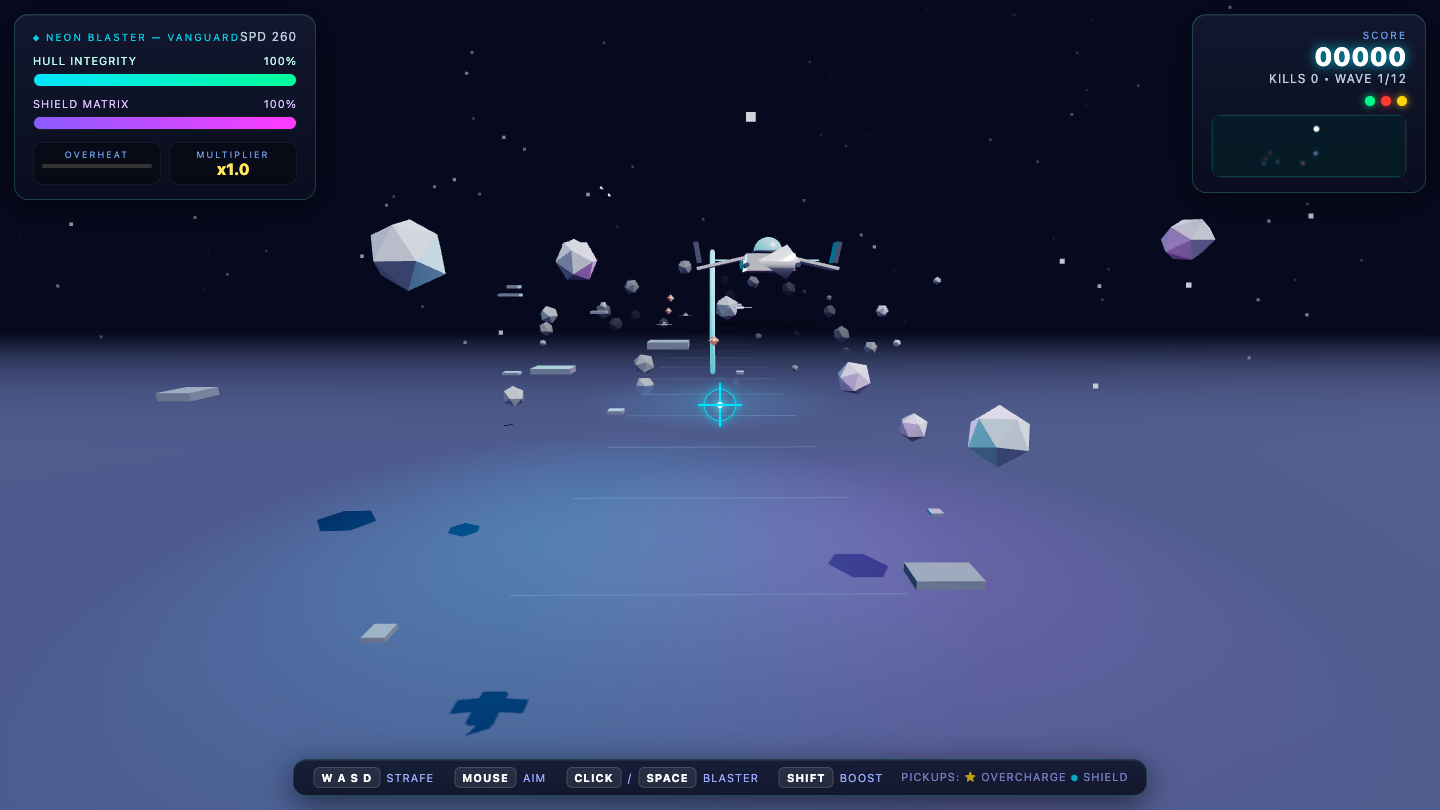
Game
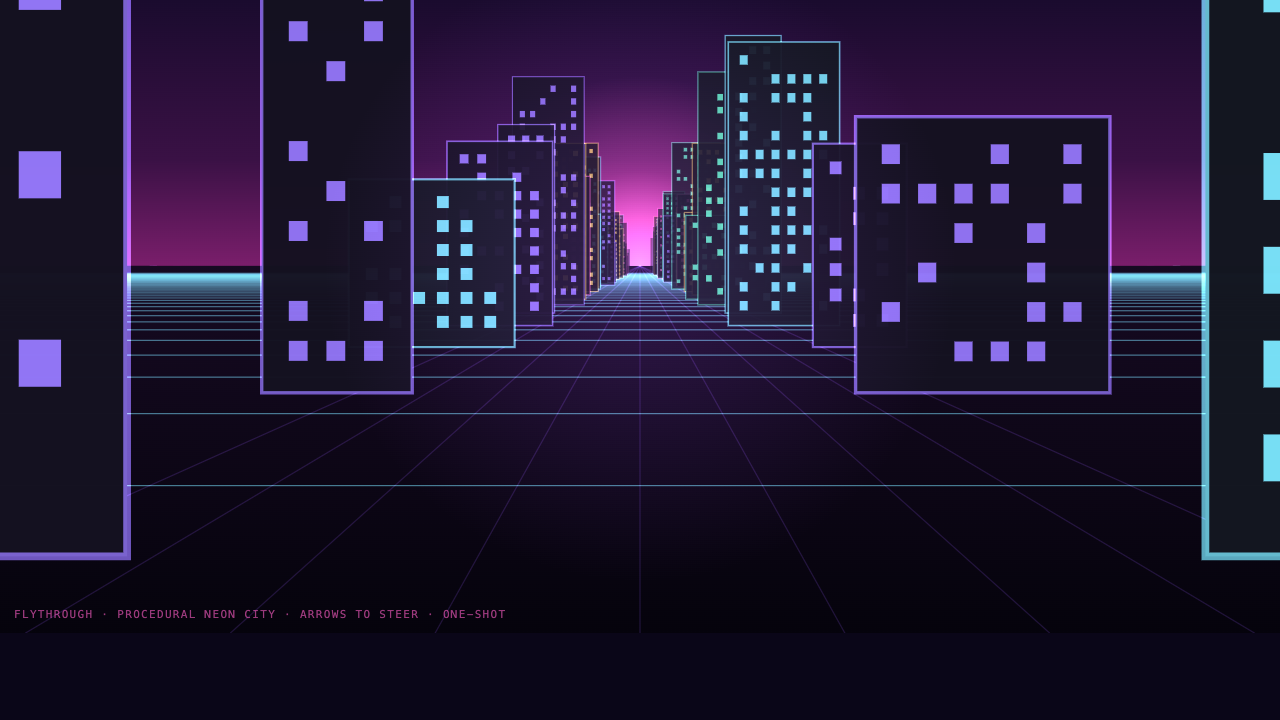
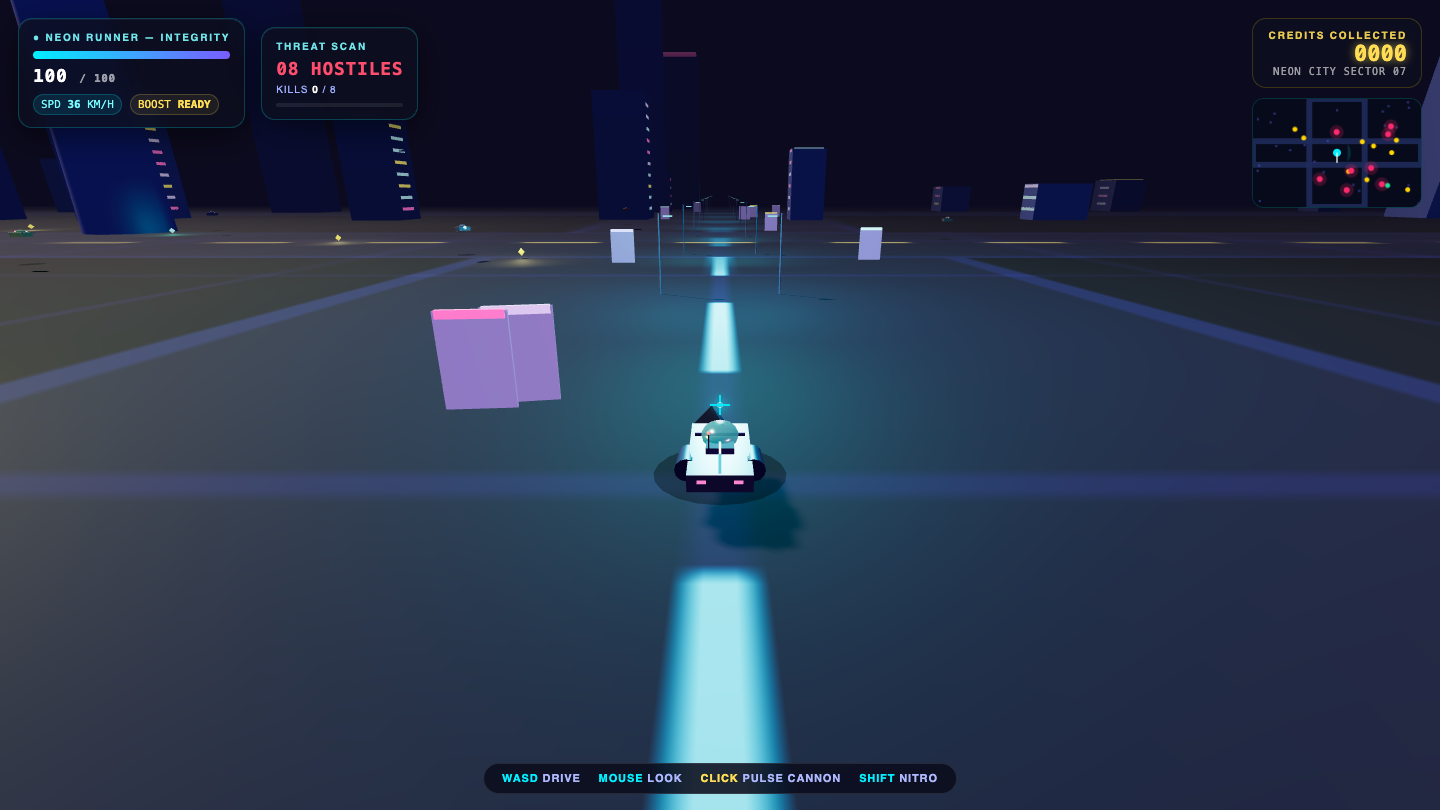
Game
Game
Game

Game
Game
Game
Game
Game
Game
Game
Game
Page
Where Opus 4.8 beat Muse Spark 1.2
The tasks where I gave Opus 4.8 a higher 0–10 score on the same prompt — with the actual commentary from my source guides.
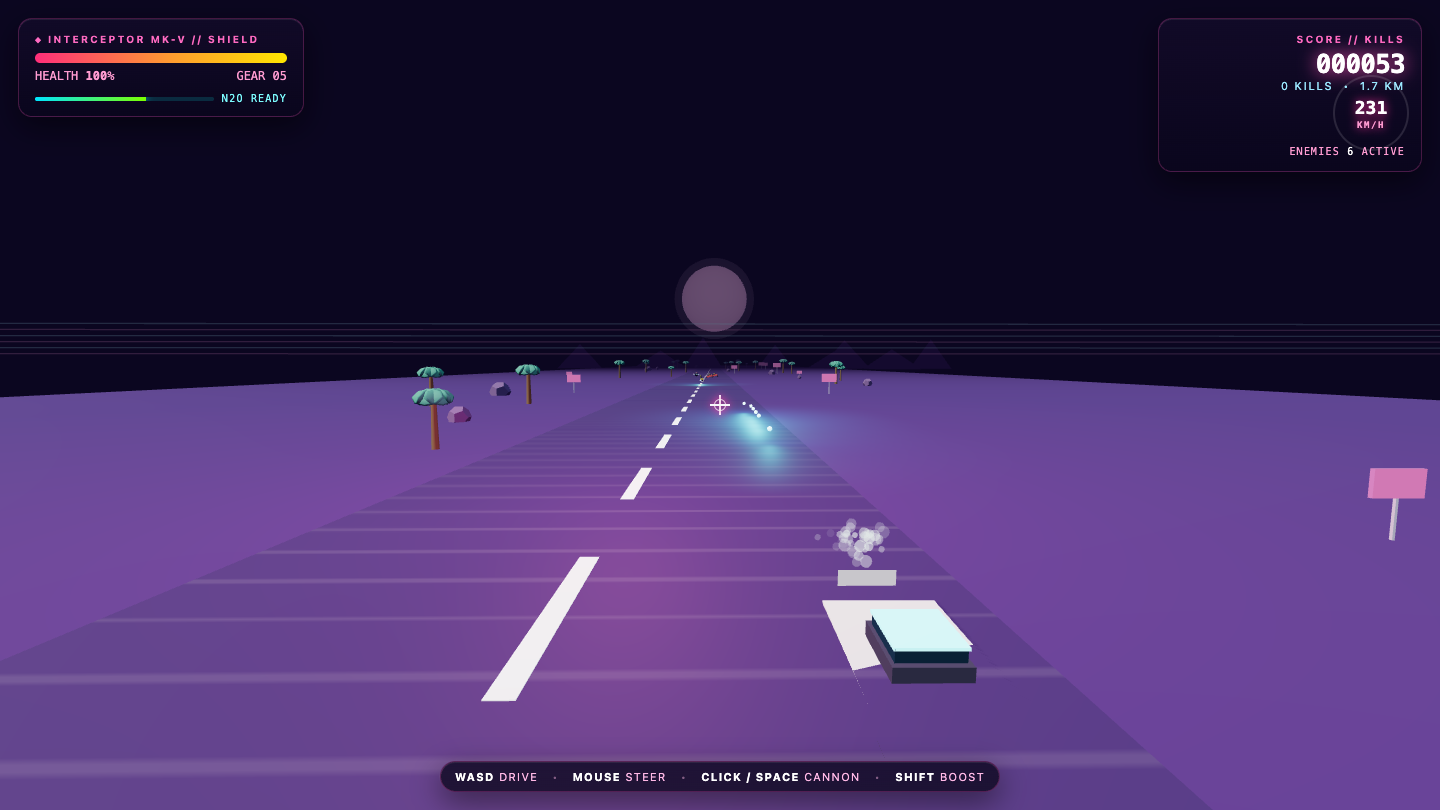
Outrun
Game
Opus 4.8 8.5
·
Muse Spark 1.2 3.2
(+5.3)
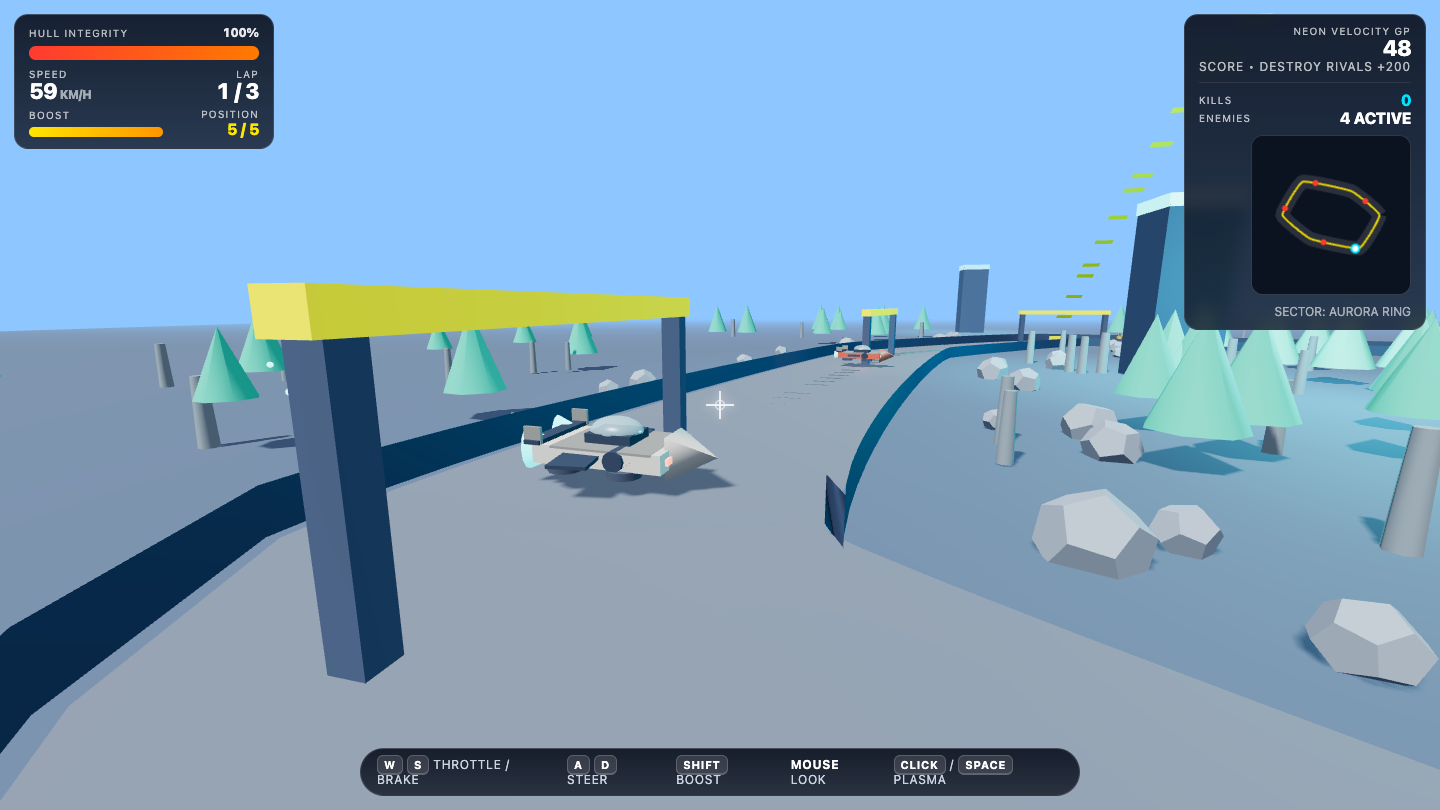
What I saw: GLM shipped the full arcade package — an 'OUTRUN 2086' title, gear, RPM and velocity dials, mountains, the car cruising at 90+. Opus's road curves hard past rumble strips and palms into a scanline sun. Kimi's 'NEON OUTRUN' is clean and on-brief. GLM edges it on sheer completeness.
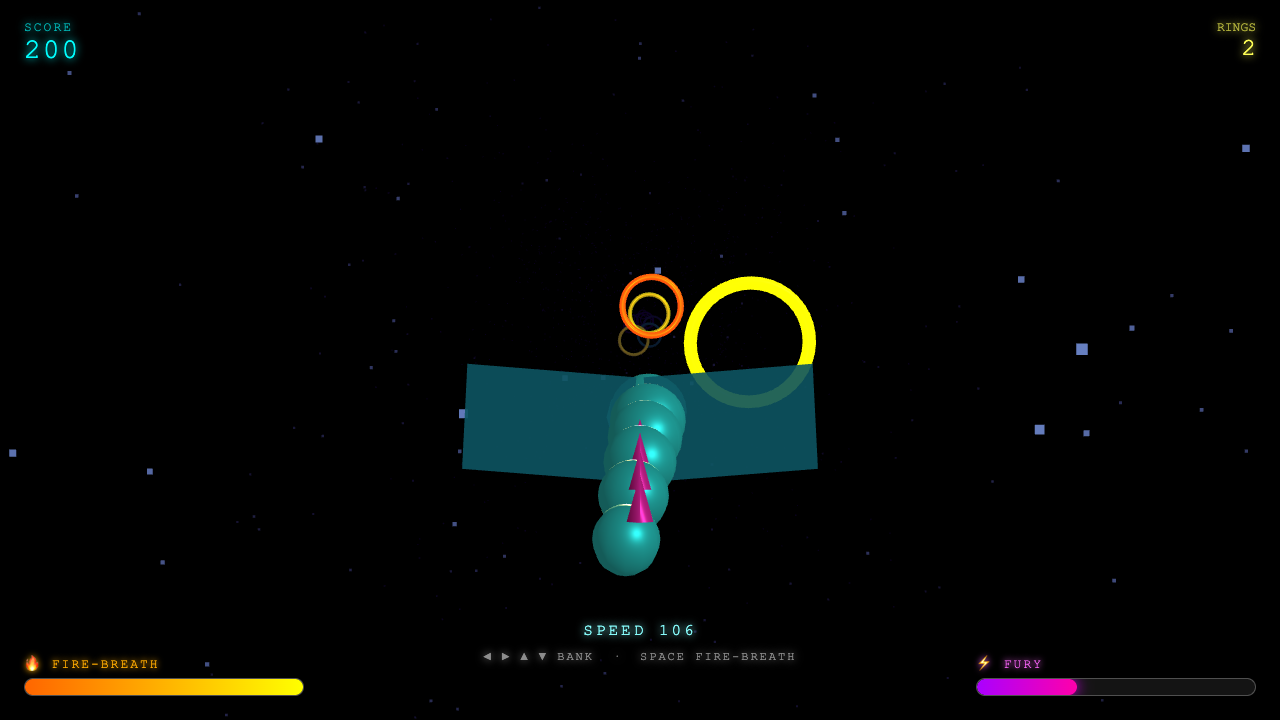
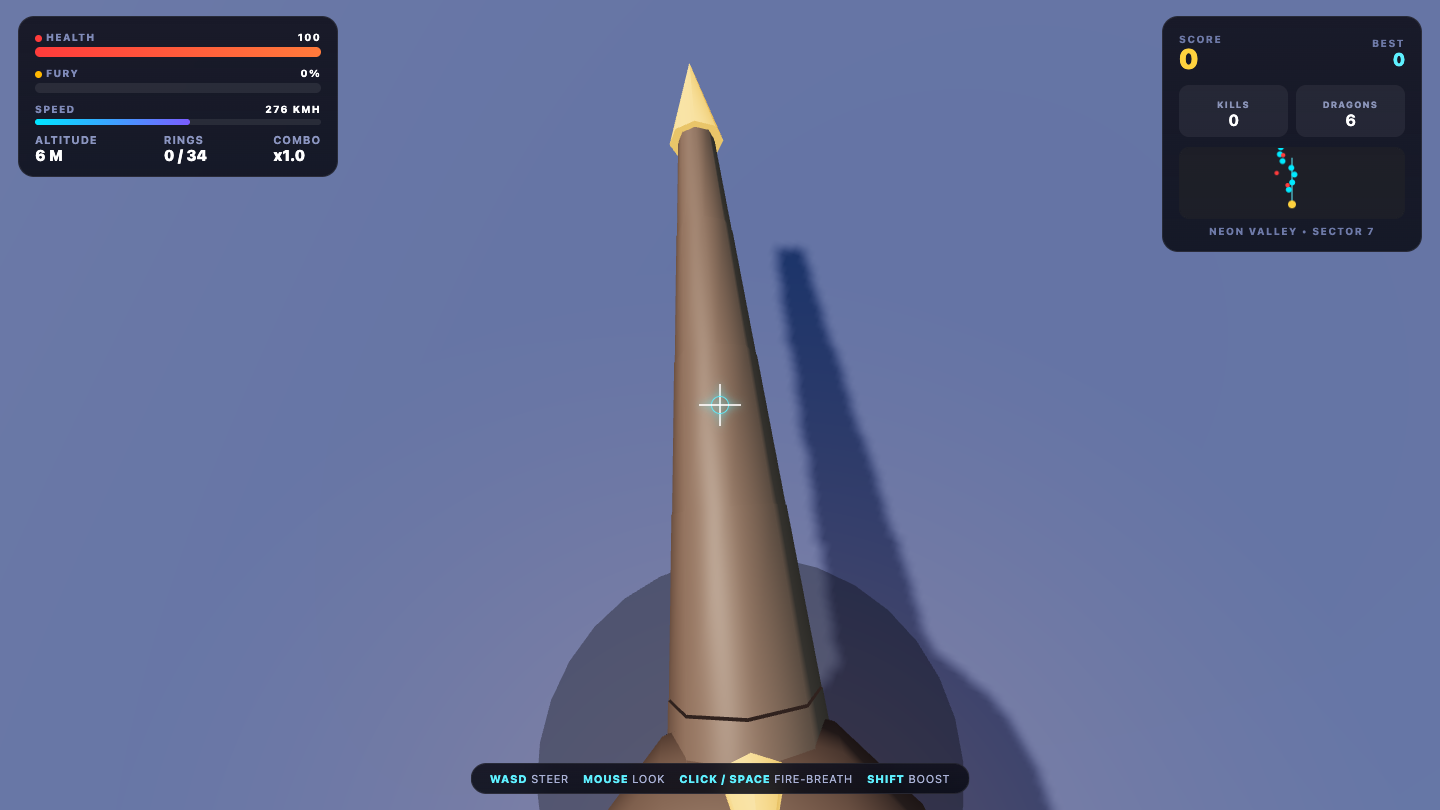
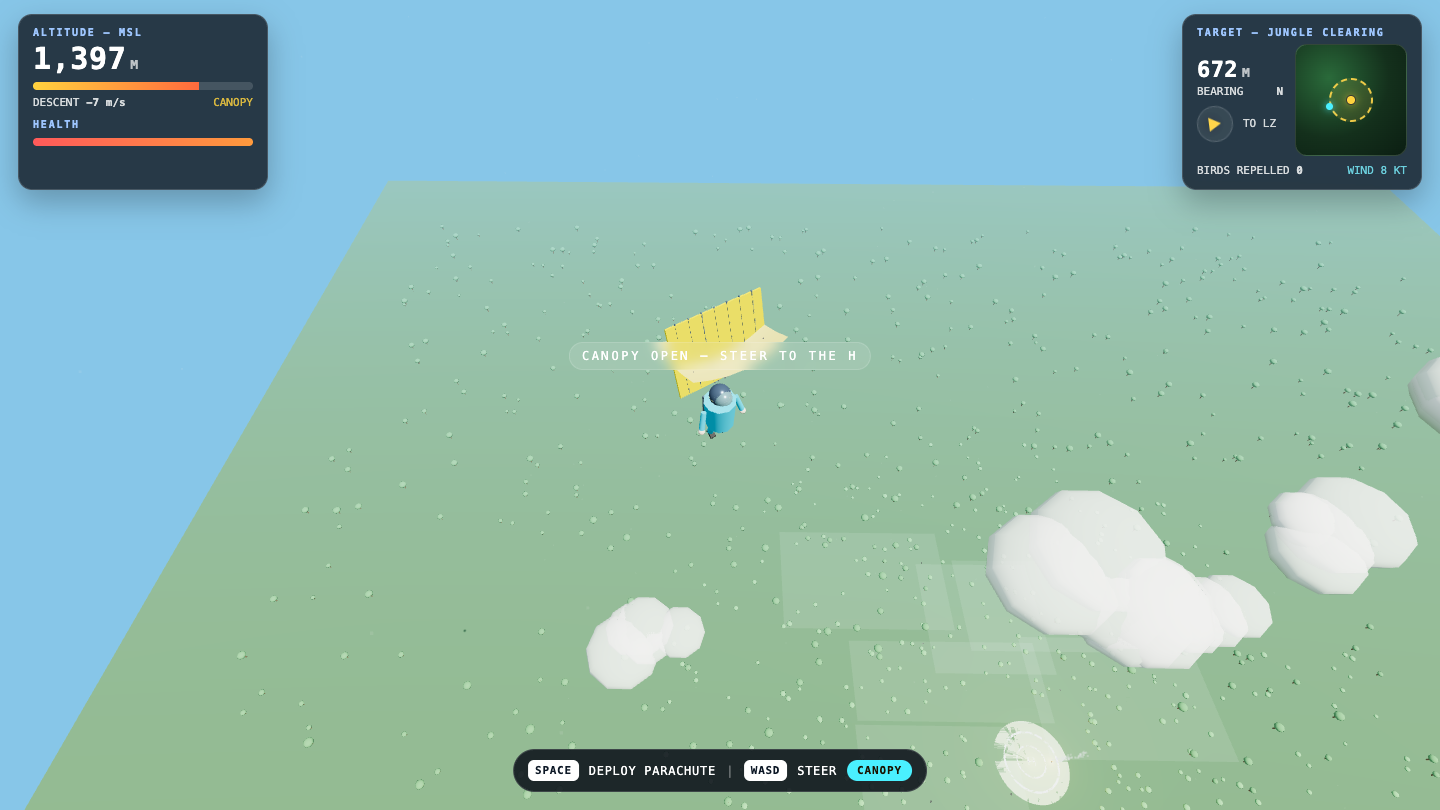
Dragonflight
Game
Opus 4.8 7.5
·
Muse Spark 1.2 4.2
(+3.3)
What I saw: 12KB · plays clean · webgl, input
Doom
Game
Opus 4.8 8.5
·
Muse Spark 1.2 5.5
(+3.0)
· winner · game-feel
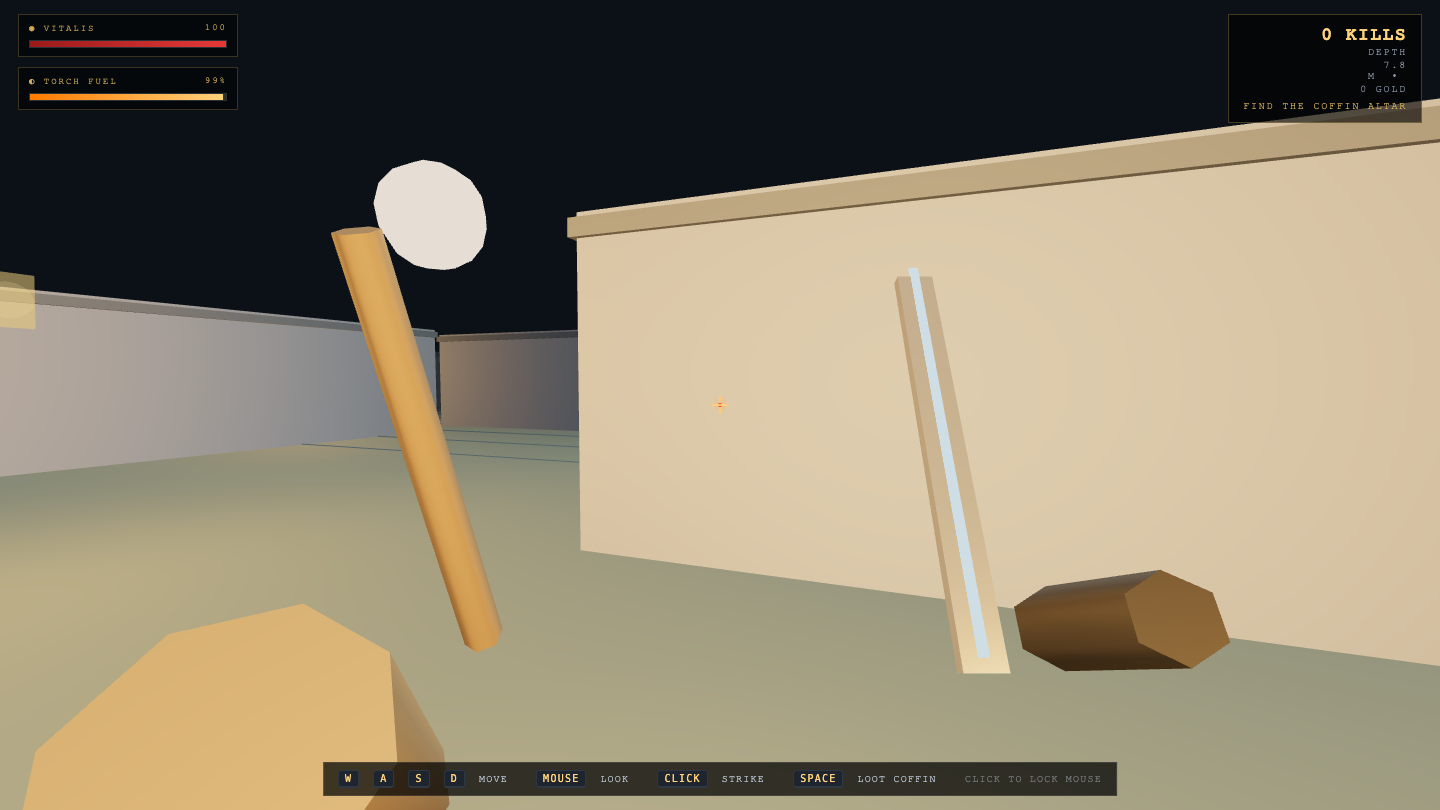
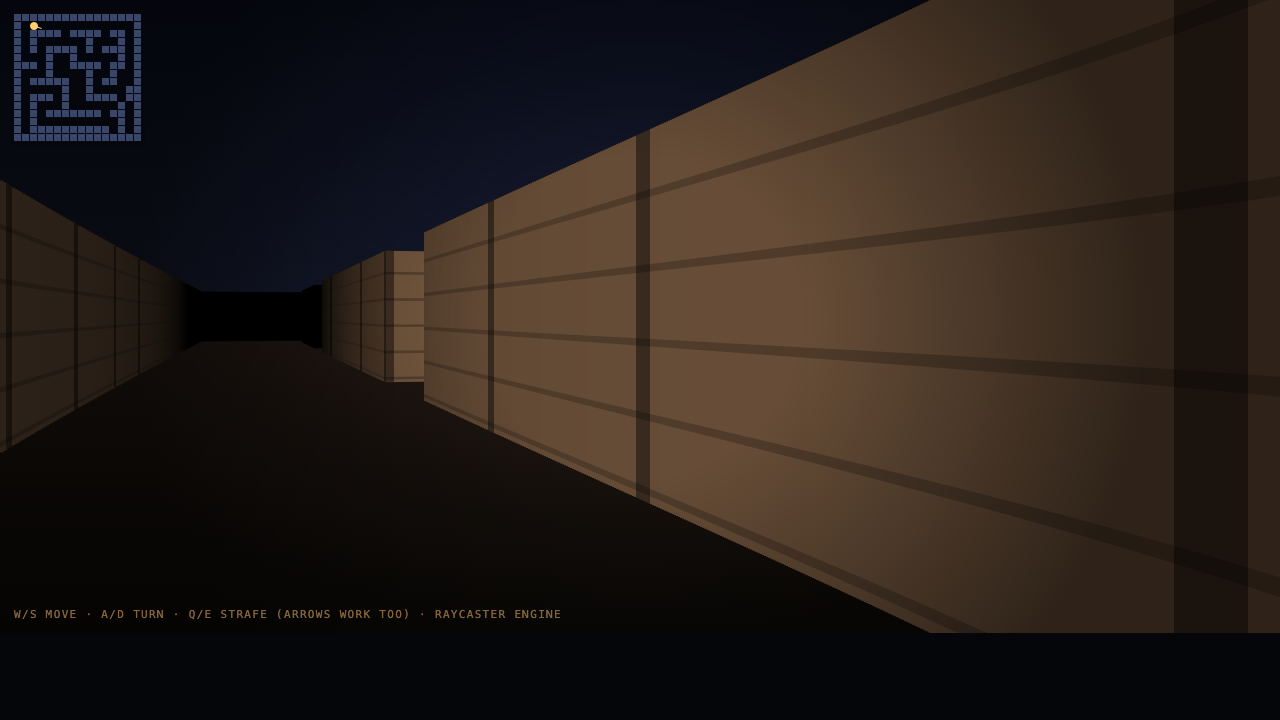
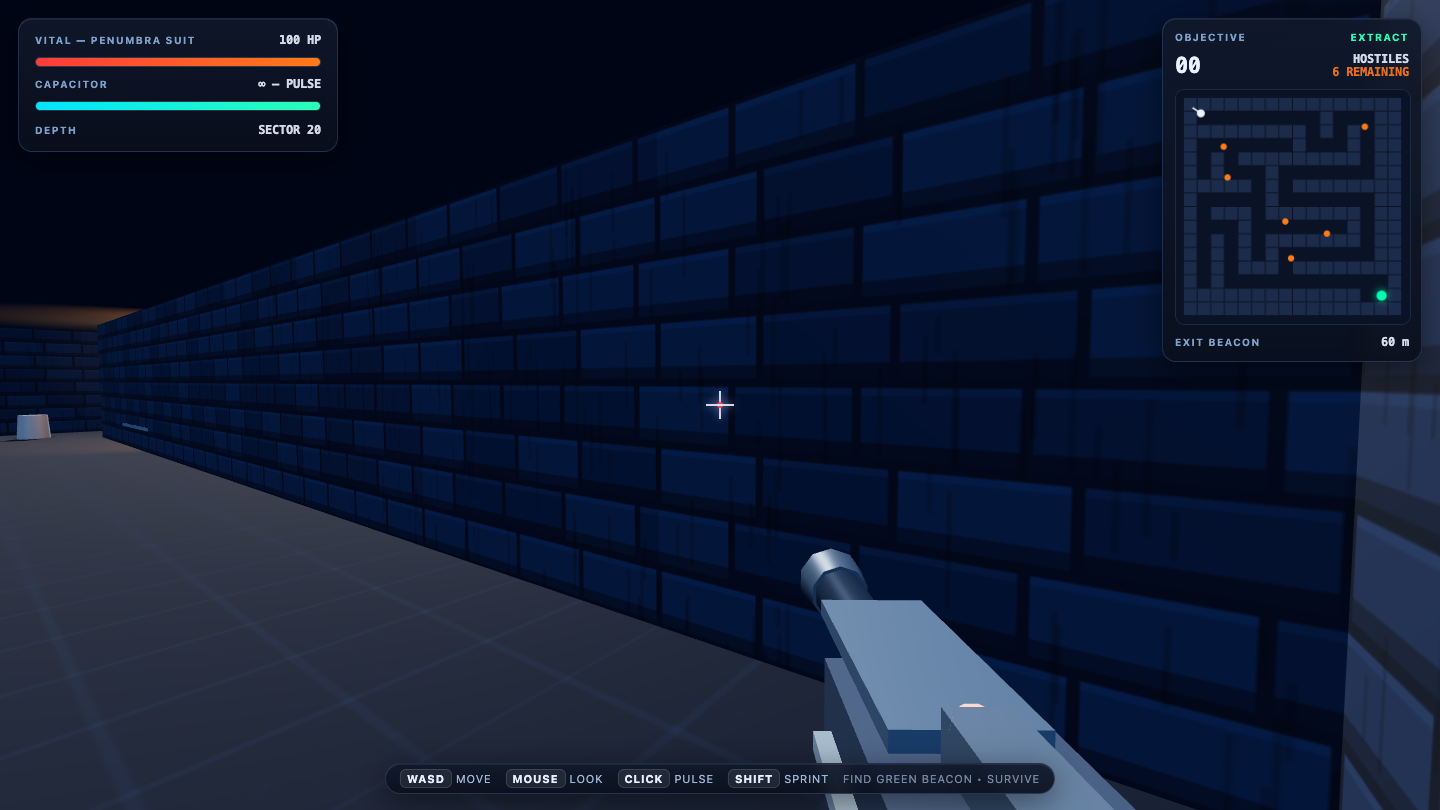
What I saw: All three are real, playable shooters. Opus drops you in a corridor with an imp dead ahead — gun, crosshair and HUD framed like a screenshot. Kimi matches it: a monster down a textured hall, health, ammo, minimap. GLM ships a gorgeous 'HAZARD PROTOCOL' title screen with a working…
Skyrim
Game
Opus 4.8 7.0
·
Muse Spark 1.2 4.2
(+2.8)
What I saw: 11KB · plays clean · webgl
Arcade
Game
Opus 4.8 8.5
·
Muse Spark 1.2 6.5
(+2.0)
· winner · game-feel
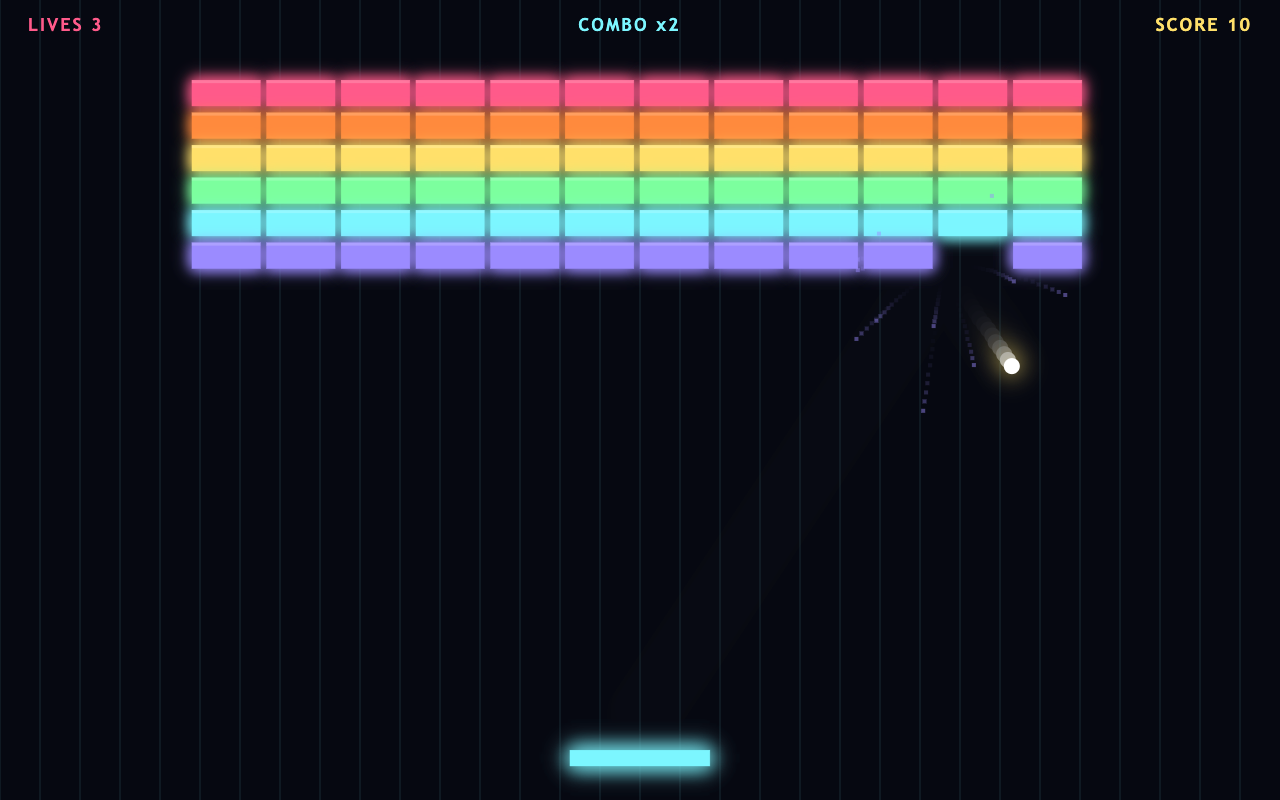
What I saw: All three shipped a genuinely juicy game. Opus's breakout had the most game-feel — particle bursts and a live combo. Kimi's breakout was clean and solid. GLM went its own way with fullscreen neon asteroids. The closest of the practical five.
Where Muse Spark 1.2 beat Opus 4.8
The tasks where I gave Muse Spark 1.2 a higher 0–10 score on the same prompt — with the actual commentary from my source guides.
Webos
Page
Muse Spark 1.2 8.6
·
Opus 4.8 5.5
(+3.1)
· polished macOS desktop
What I saw: Strong, cohesive macOS-style build with all three apps functional and visible (Notes with toolbar, Paint with working strokes/palette, Terminal responding to ls/echo), plus a Files app, glossy dock, topbar with live clock, and a gorgeous animated gradient wallpaper. Only minor ni…
Aurora
Visual
Muse Spark 1.2 8.6
·
Opus 4.8 6.0
(+2.6)
· Full arctic scene
What I saw: Strong 3D scene with vivid, silky aurora curtains over snowy dunes, silhouetted pine trees, moon and a frozen lake, plus a polished glassy HUD with Kp badge and control chips. Rich composition and glowing shader ray detail push it past the field's best; only minor nit is the some…
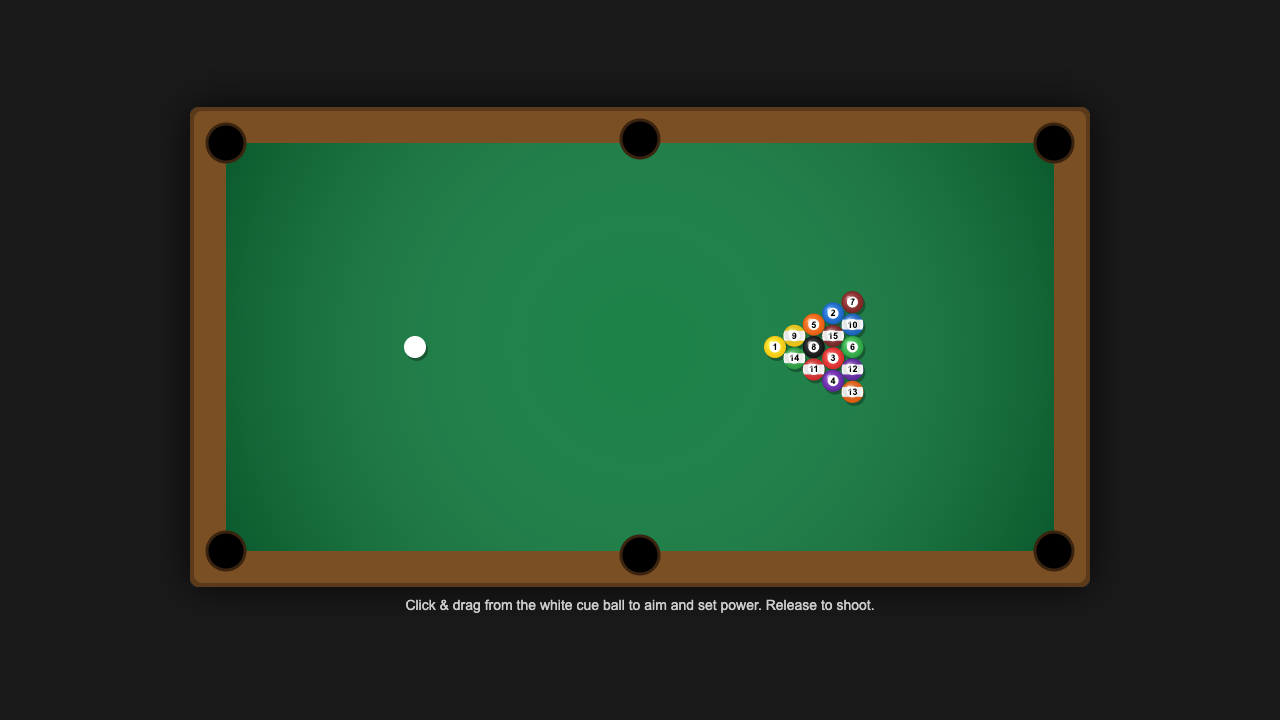
Pool
Game
Muse Spark 1.2 7.2
·
Opus 4.8 5.5
(+1.7)
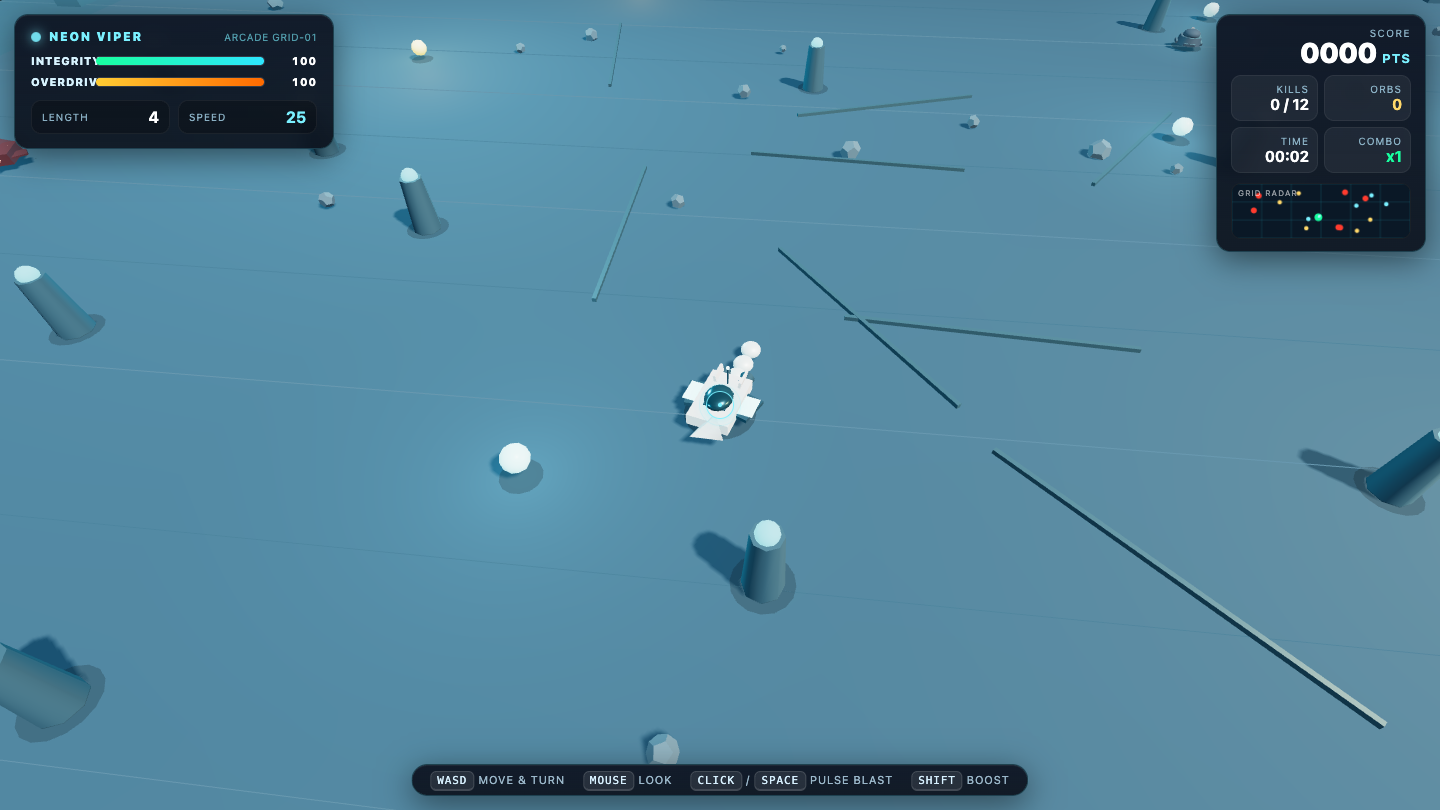
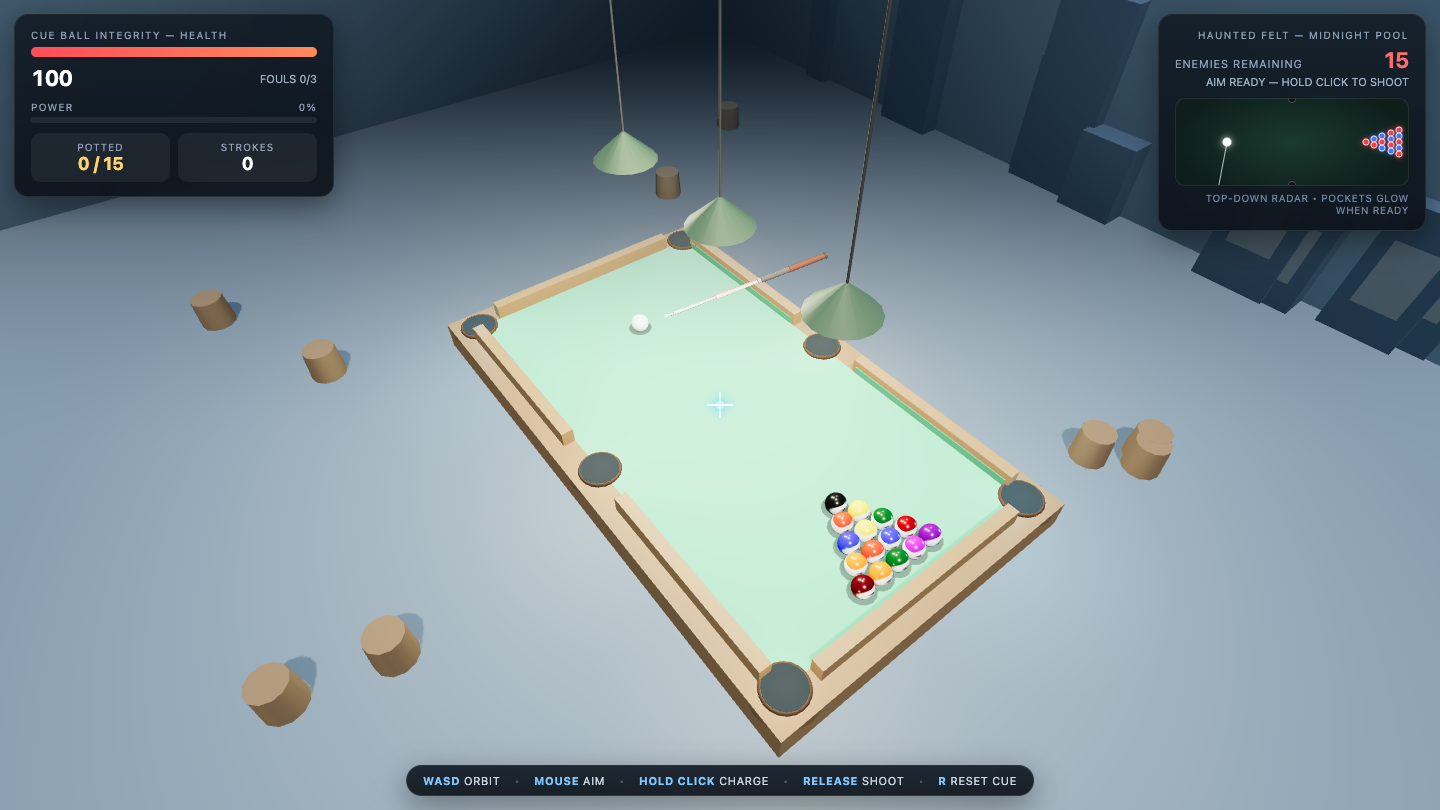
What I saw: Renders a clean 3D pool table with properly racked colorful balls, cue ball, pockets, radar minimap, and a polished HUD — clearly on-brief and playable. Weakened by an odd flat teal background/environment, an off-kilter cue prop, and gimmicky 'HP/ENEMIES/haunted' framing that add…
Matrix
Visual
Muse Spark 1.2 8.6
·
Opus 4.8 7.0
(+1.6)
· polished matrix HUD
What I saw: Gorgeous dense rain with bright white heads, proper katakana glyphs, and a cohesive cyberpunk HUD (stream status, carrier signal, control bar) that elevates it well past a generic canvas demo. Strong glow, vignette, and interactivity hooks make it a task winner; the only minor ni…
Boids
Sim
Muse Spark 1.2 8.4
·
Opus 4.8 7.0
(+1.4)
· 3D flocking birds
What I saw: Strong 3D boids with visible flock clustering, distinct bird meshes, a red hawk predator, bounding box, grid ground and a polished control/telemetry UI; slightly held back by 32 FPS and somewhat loose clustering rather than tight emergent flocks.
Strengths & weaknesses I logged
Opus 4.8
Strengths
- Most consistent across the Goldie Bench bench — no weak build, 8.46/10 average
- Deepest one-shot reasoning, especially on game-feel and physics
- Extended thinking mode handles up to 1M tokens of context
Trade-offs
- 5–10× the per-token cost of every other model on the bench
- Less flair on cinematic visuals than GLM-5.2 — playing it safer wins on accuracy, costs you on showpiece moments
Muse Spark 1.2
Strengths
- Generative art & shader-feel scenes (fractal 8.7, aurora/galaxy/matrix/synthwave 8.6)
- Full app chrome one-shot (macOS-clone desktop 8.6)
- Fast one-shots — most builds landed in 45-80s
- 1M context for whole-repo work
Trade-offs
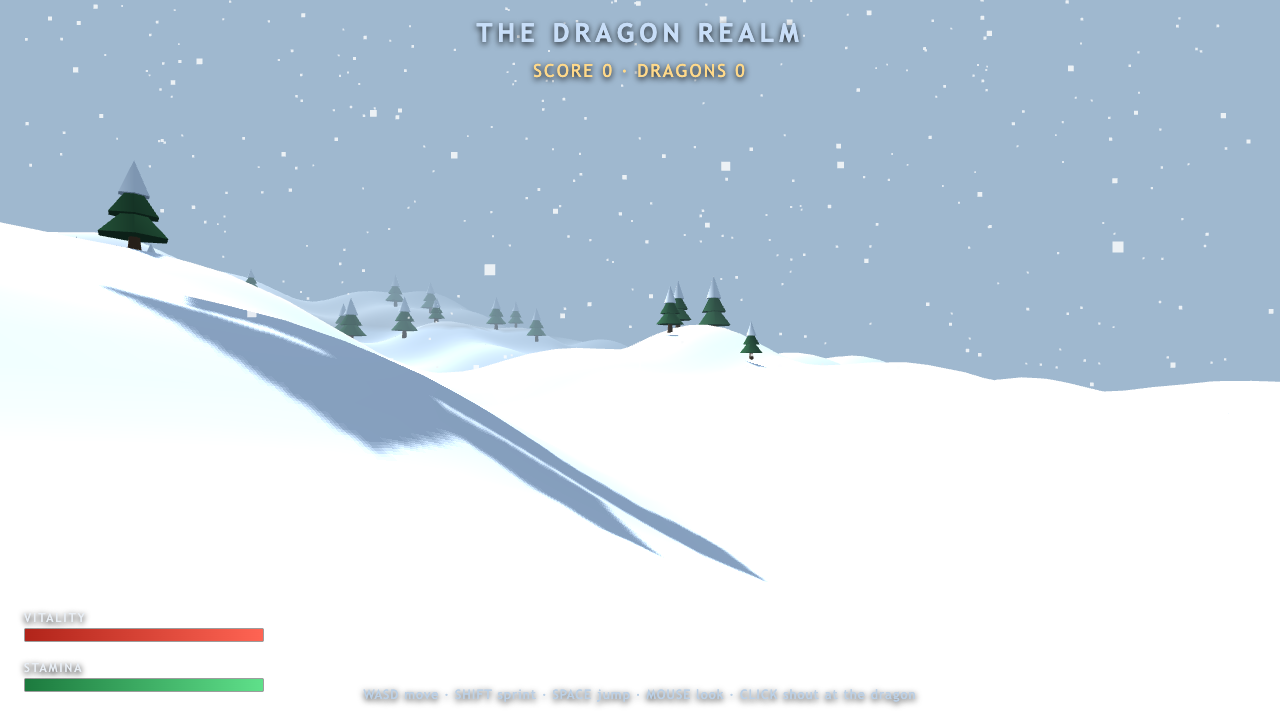
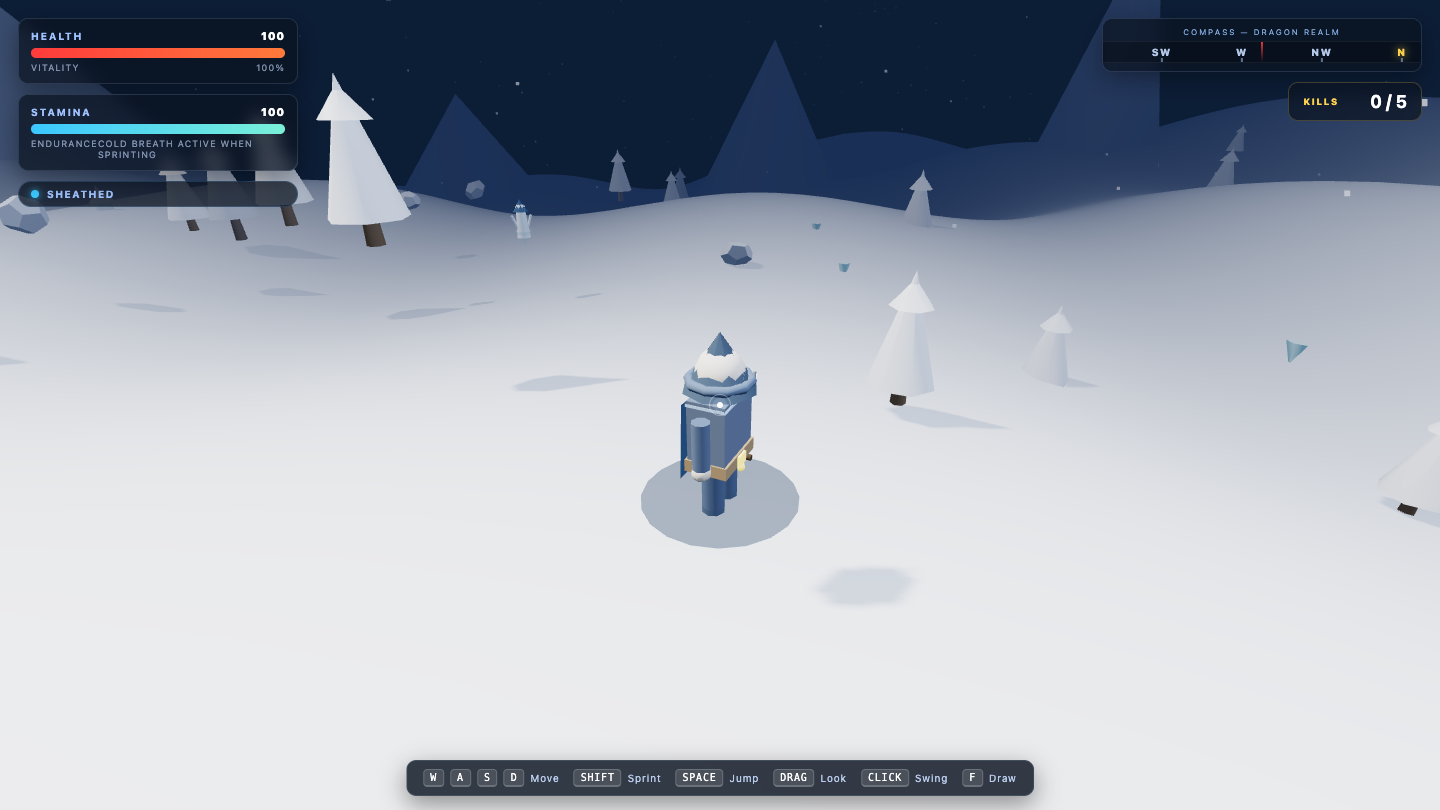
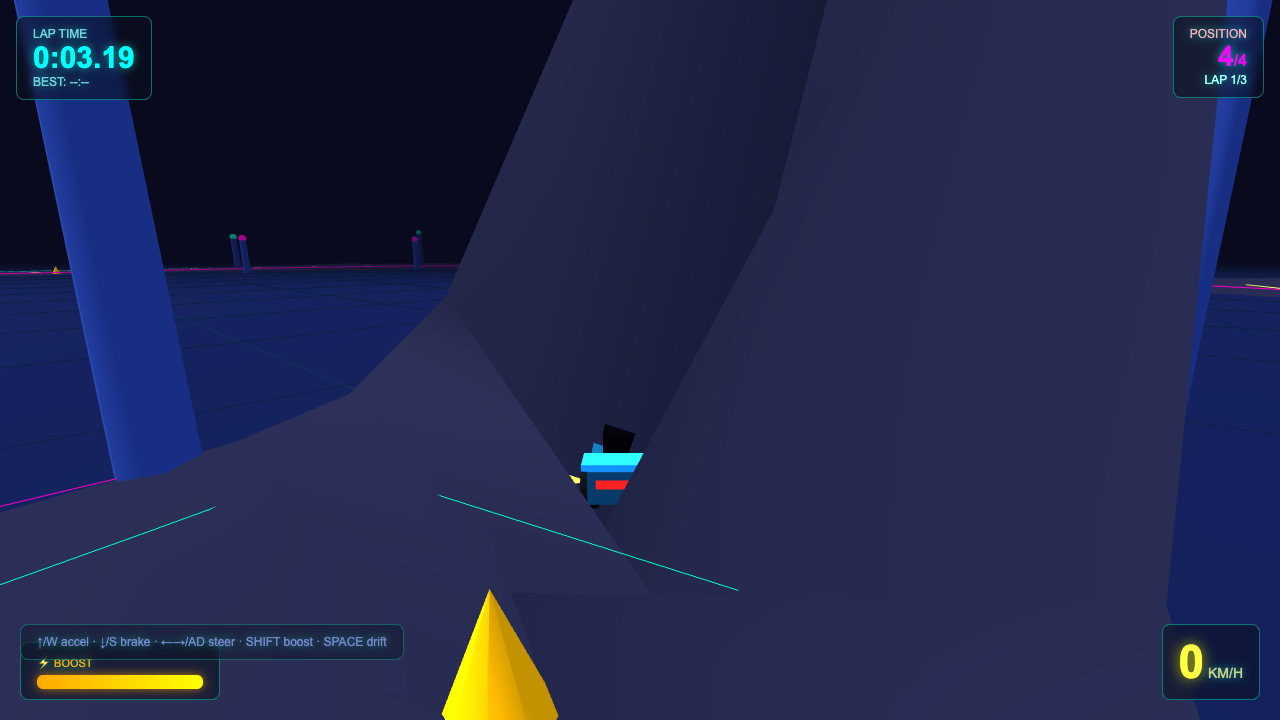
- 3D game worlds often render black/empty (dragonrealm 2.5, dogfight 3.0, doom 3.5)
- Open-world briefs collapse to HUD-only shells
- Reasoning tokens billed as output
Pricing & context — the spec sheet
| Spec | Opus 4.8 | Muse Spark 1.2 |
|---|---|---|
| Vendor | Anthropic | Meta |
| Context window | 200,000 tokens (1M with extended thinking) | 1,000,000 tokens |
| Price | $15 / $75 per M tokens | $1.25 in / $4.25 out per 1M |
| Pricing detail | Premium pricing via the Anthropic API: $15 per million input tokens, $75 per million output tokens. Extended thinking is included but adds latency. | Meta's coding-optimized reasoning model, released 2026-08-05 beside the Muse Code agent. $0.15/1M cached input. Contributor tier is token-rate-limited in a rolling 5-hour window. Benched release-day via OpenRouter (meta/muse-spark-1.2, first-party listing); Opus 4.8 judged every real rendered poster, same rubric as the whole field. |
| Release | 2026-05 | 2026-08-05 |
| Bench coverage | 47/47 scored · avg 7.51/10 | 50/50 scored · avg 7.47/10 |
The verdict — which should you pick?
Across 47 scored shared tasks, the averages are essentially tied — Opus 4.8 7.51 vs Muse Spark 1.2 7.50. This isn't the comparison where one wins; it's the comparison where you pick based on context, pricing, and what you're actually trying to ship.
If you only run one of these inside your stack, the head-to-head average above is the call. If you can run both, my honest play is to wire Opus 4.8 and Muse Spark 1.2 both into the Agent Operating System and dispatch each from the kanban by task type — mission-critical one-shot builds where 'has to work the first time' matters → Opus 4.8, generative-art visuals → Muse Spark 1.2. That's the same setup I run for the 4,000+ founders inside the AI Profit Boardroom.
FAQ — Opus 4.8 vs Muse Spark 1.2
Which is better, Opus 4.8 or Muse Spark 1.2?
On Goldie Bench, Opus 4.8 averages 7.51/10 across the shared tasks, with 3 gold, 1 silver, 1 bronze overall. Muse Spark 1.2 averages 7.50/10, with 0 gold, 3 silver, 4 bronze. Muse Spark 1.2 wins the head-to-head 28–19.
How much does Opus 4.8 cost vs Muse Spark 1.2?
Opus 4.8: Premium pricing via the Anthropic API: $15 per million input tokens, $75 per million output tokens. Extended thinking is included but adds latency. Muse Spark 1.2: Meta's coding-optimized reasoning model, released 2026-08-05 beside the Muse Code agent. $0.15/1M cached input. Contributor tier is token-rate-limited in a rolling 5-hour window. Benched release-day via OpenRouter (meta/muse-spark-1.2, first-party listing); Opus 4.8 judged every real rendered poster, same rubric as the whole field.
What's the context window for Opus 4.8 vs Muse Spark 1.2?
Opus 4.8 has a 200,000 tokens (1M with extended thinking) context window. Muse Spark 1.2 has a 1,000,000 tokens context window.
When should I pick Opus 4.8 over Muse Spark 1.2?
Pick Opus 4.8 for: Mission-critical one-shot builds where 'has to work the first time' matters; Hard reasoning tasks (planning, multi-step) where you'll pay for the depth; Anything where vendor reliability beats the per-token bill. The trade-off is the weaknesses we logged on the bench: 5–10× the per-token cost of every other model on the bench; Less flair on cinematic visuals than GLM-5.2 — playing it safer wins on accuracy, costs you on showpiece moments.
When should I pick Muse Spark 1.2 over Opus 4.8?
Pick Muse Spark 1.2 for: Generative-art visuals; Dashboard & app-shell one-shots; Long-context refactors (1M window). The trade-off is the weaknesses we logged on the bench: 3D game worlds often render black/empty (dragonrealm 2.5, dogfight 3.0, doom 3.5); Open-world briefs collapse to HUD-only shells; Reasoning tokens billed as output.
How does Goldie Bench score Opus 4.8 vs Muse Spark 1.2?
Every demo on this page was built by Julian Goldie inside the Agent Operating System — same fixed prompt for both models, one shot, single HTML file out. Each result gets a 0–10 score on whether it ran, how close it hit the brief, and how good it looked. The highest score on each task gets gold; second gets silver; third gets bronze. See methodology for full provenance.
Related comparisons
Other head-to-heads using the same scoring system:
Opus 4.8 vs Fusion Muse Spark 1.2 vs Fusion Opus 4.8 vs Claude Opus 5 Muse Spark 1.2 vs Claude Opus 5 Opus 4.8 vs Hermes MoA Muse Spark 1.2 vs Hermes MoA Opus 4.8 vs GPT-5.6 Sol Muse Spark 1.2 vs GPT-5.6 SolFull model pages: Opus 4.8 · Muse Spark 1.2 · back to the leaderboard
The same stack Julian uses
Run this stack yourself.
Every demo on this bench was built inside the Agent Operating System — one prompt, one shot, single HTML file out. The Agent OS, the prompts, the templates, the weekly walkthroughs and 4,000+ founders shipping with it every day all live inside the AI Profit Boardroom.
4,000+founders
258documented wins
38countries
$59/momonthly