Real head-to-head · same prompt, one shot
Opus 4.8 vs Grok 4.5
The reasoning king — deepest thinking, premium price. vs xAI's Grok 4.5 — the coding/agentic model, default in Grok Build. Tops SWE Marathon, ~4x more token-efficient than Opus 4.8, ~80 TPS.
Head-to-head verdict: Grok 4.5 wins 22–21 with 3 ties.
What I tested — same prompt, two models
I run the same fixed prompt set through every new model the day it drops — same string, one shot, single HTML file out — and I score the result 0–10 on whether it ran, how close it hit the brief, and how good it looked. Below is what came out when I gave the exact same prompts to Opus 4.8 and Grok 4.5, side by side, on 46 shared tasks inside the Agent Operating System.
Both models were given identical prompts inside the Agent Operating System — no help, no iteration, no "best of N" tricks. I run each prompt once, save the HTML file the model produces, and score it 0–10 on whether it ran, how close it hit the brief, and how good it looked. The scoring is mine. The verdicts below are pulled from my source comparison guides at agentos.guide where I publish every score and the reasoning behind it.
Opus 4.8 · The default when the build has to ship on the first prompt — Opus is the safety net inside Agent OS for hard one-shots.
Grok 4.5 · Benched one-shot on the same GoldieBench game prompts as the field, with the threejs-game-director patterns baked into each prompt; weak builds iterated by Grok 4.5 itself (the model authors every fix, never hand-patched). Wired into the Agent OS as the newest engine.
Side-by-side on 49 shared tasks
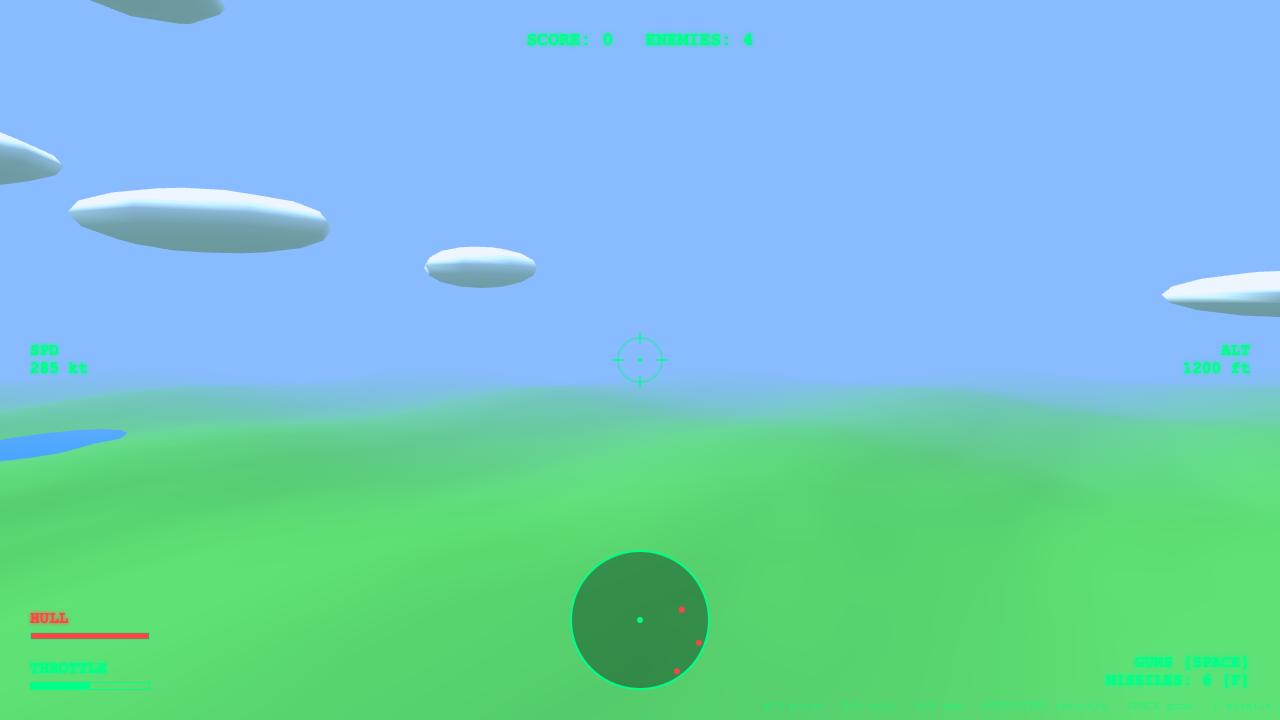
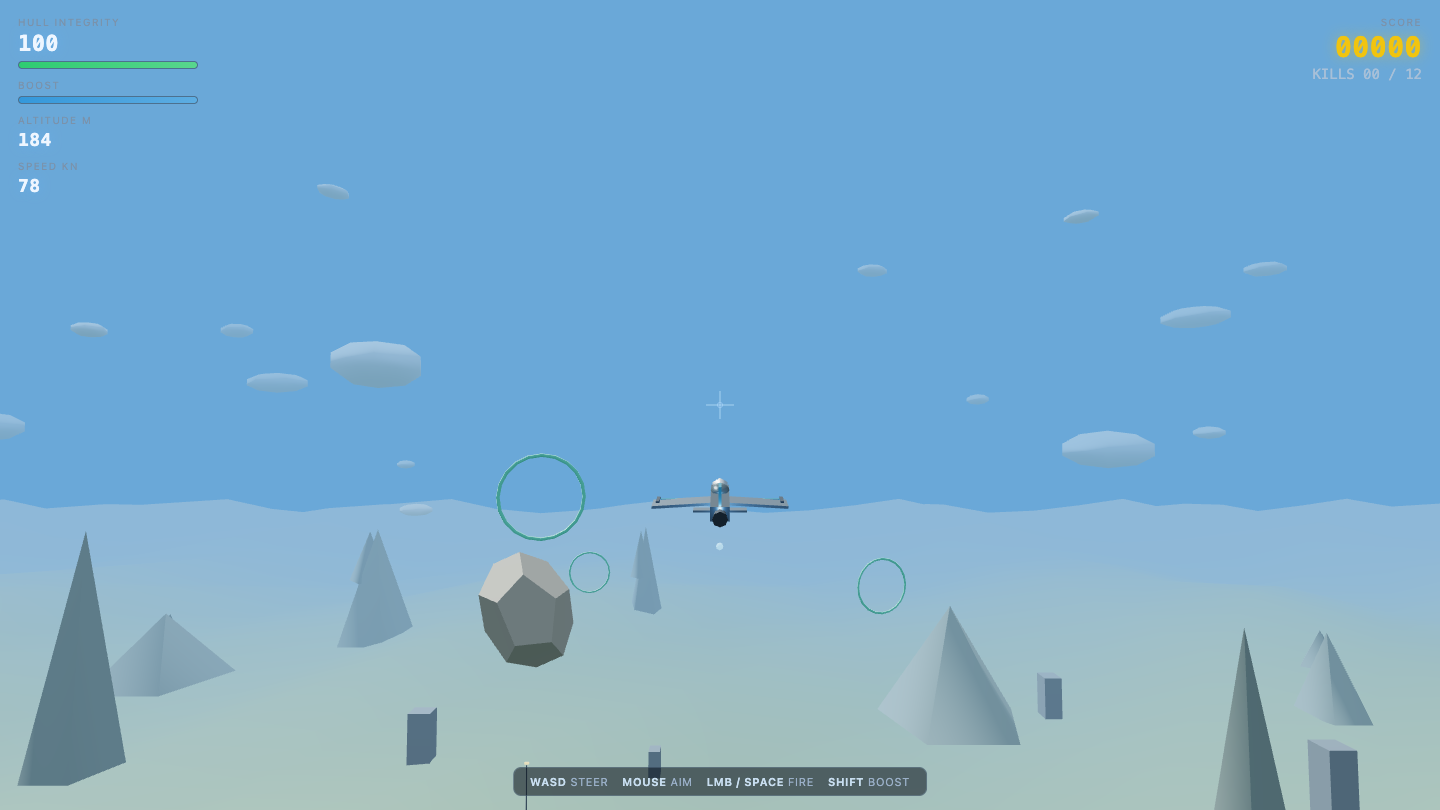
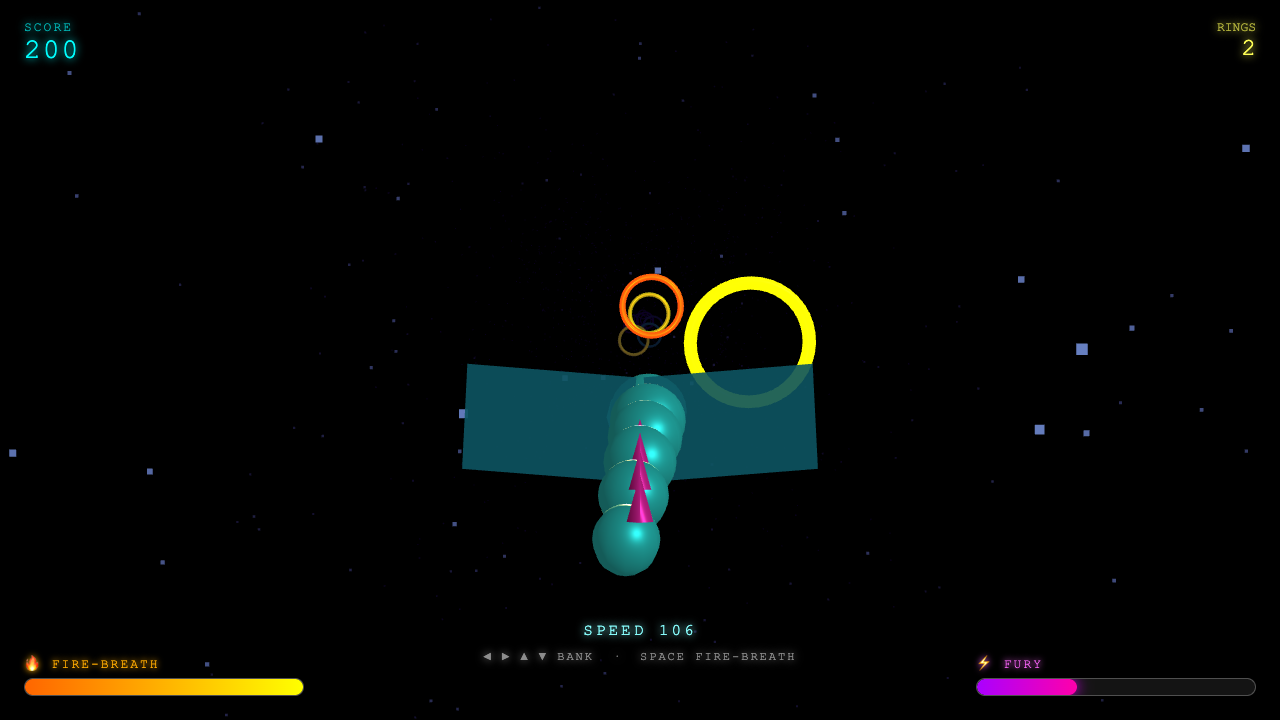
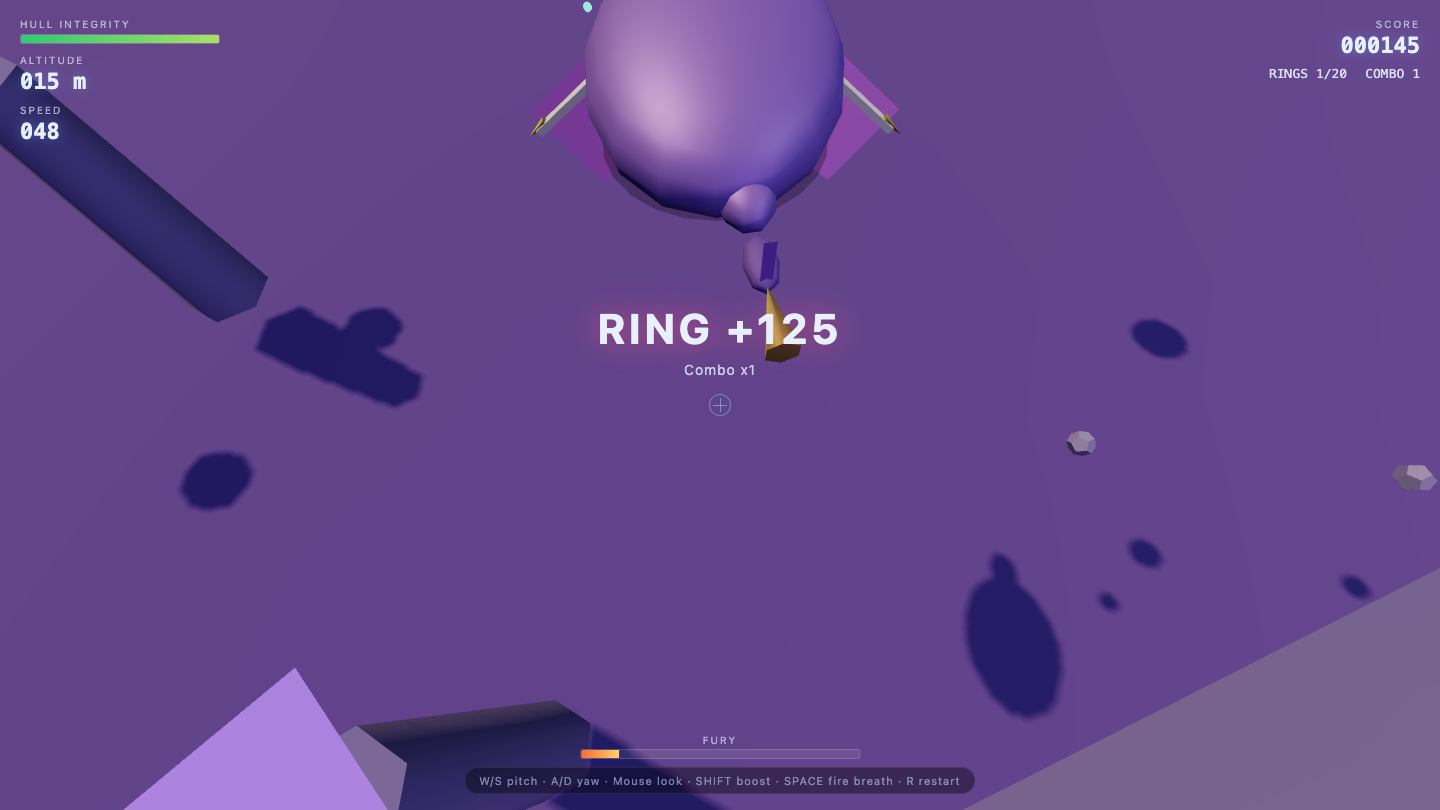
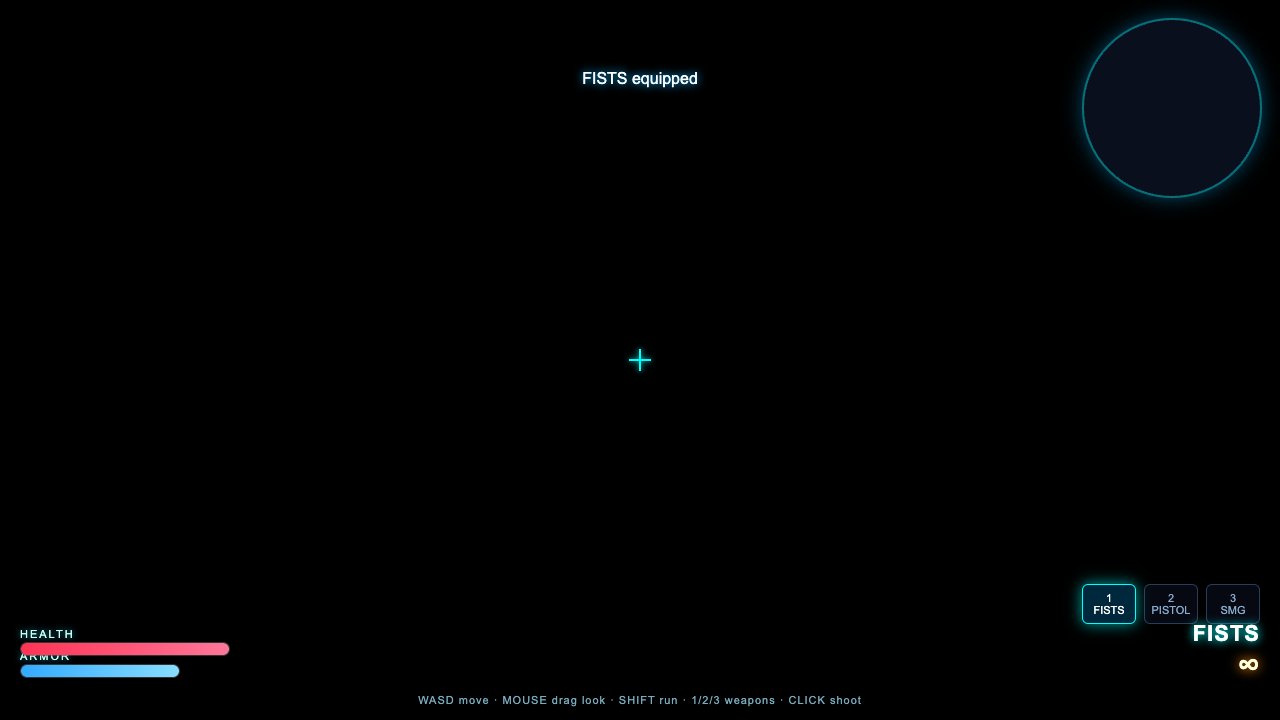
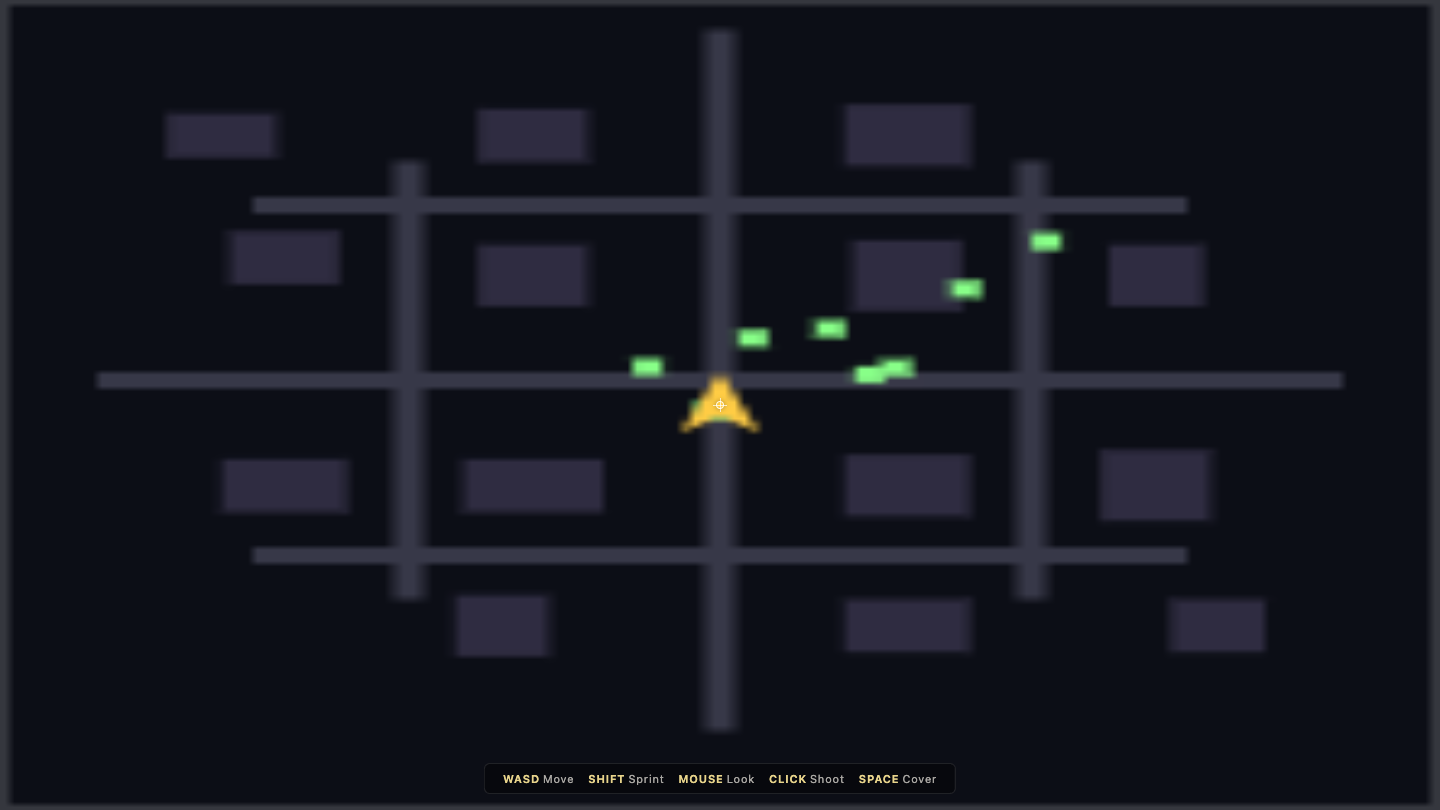
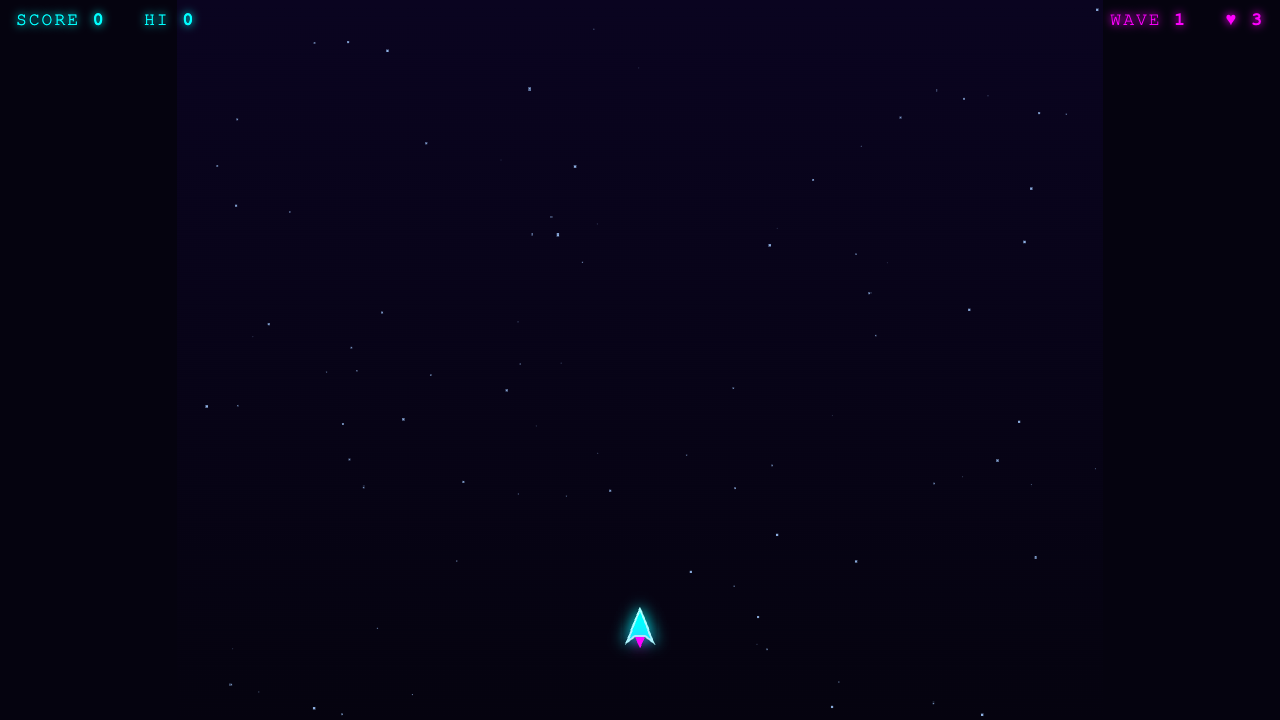
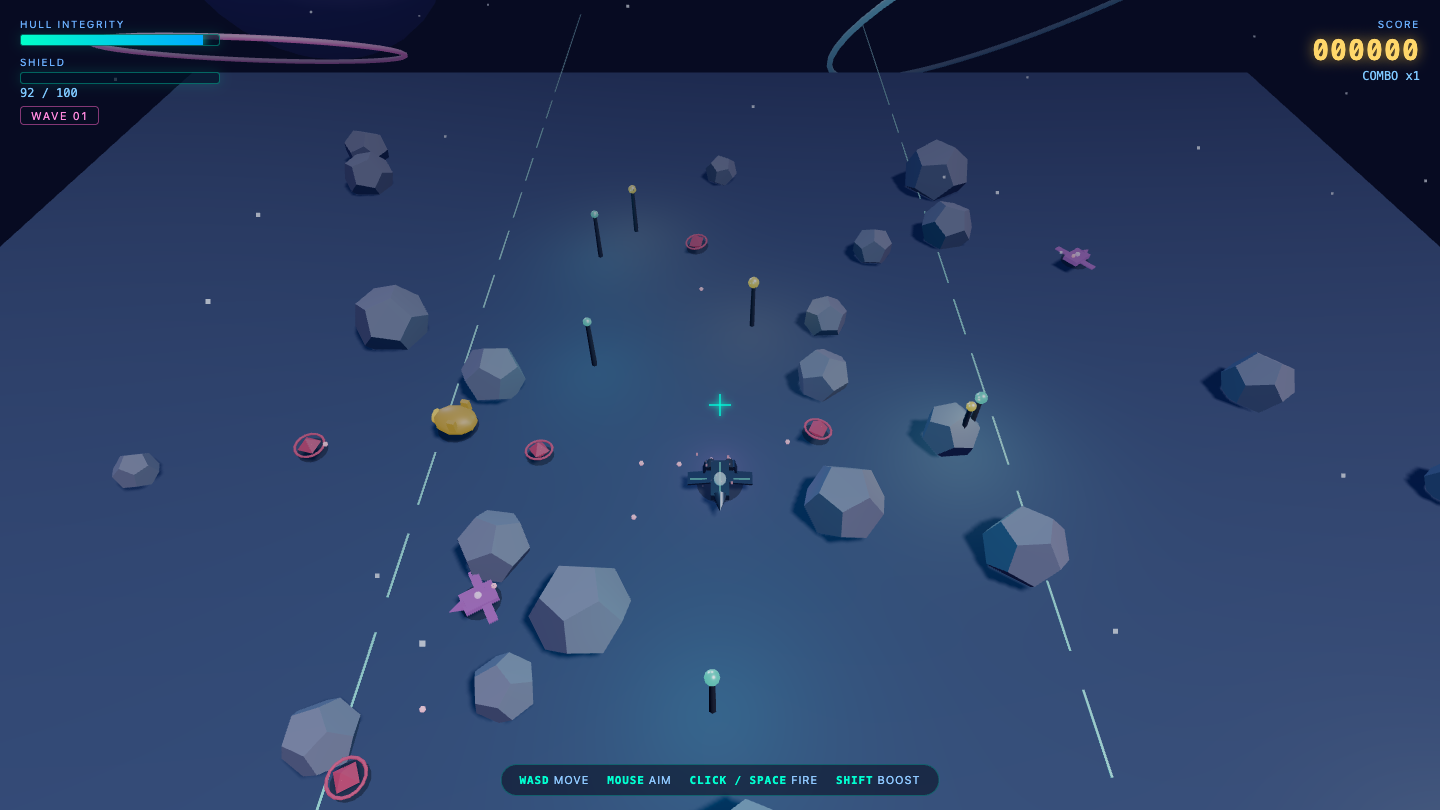
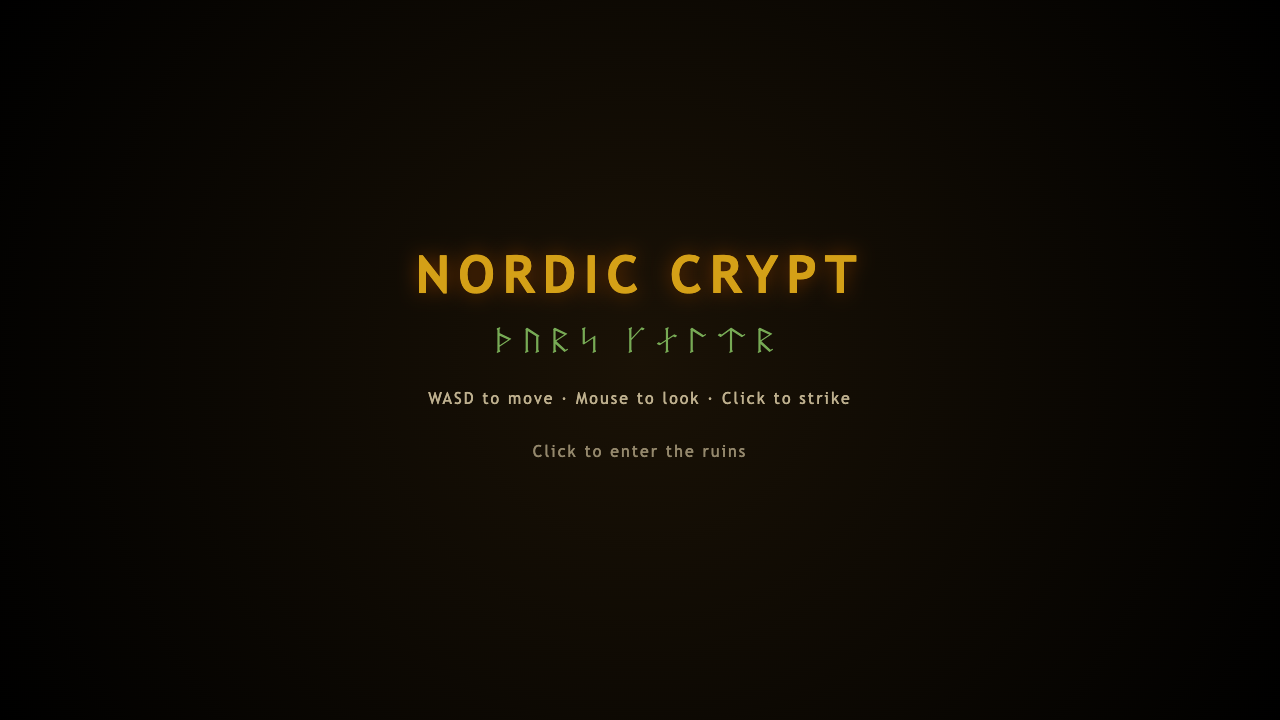
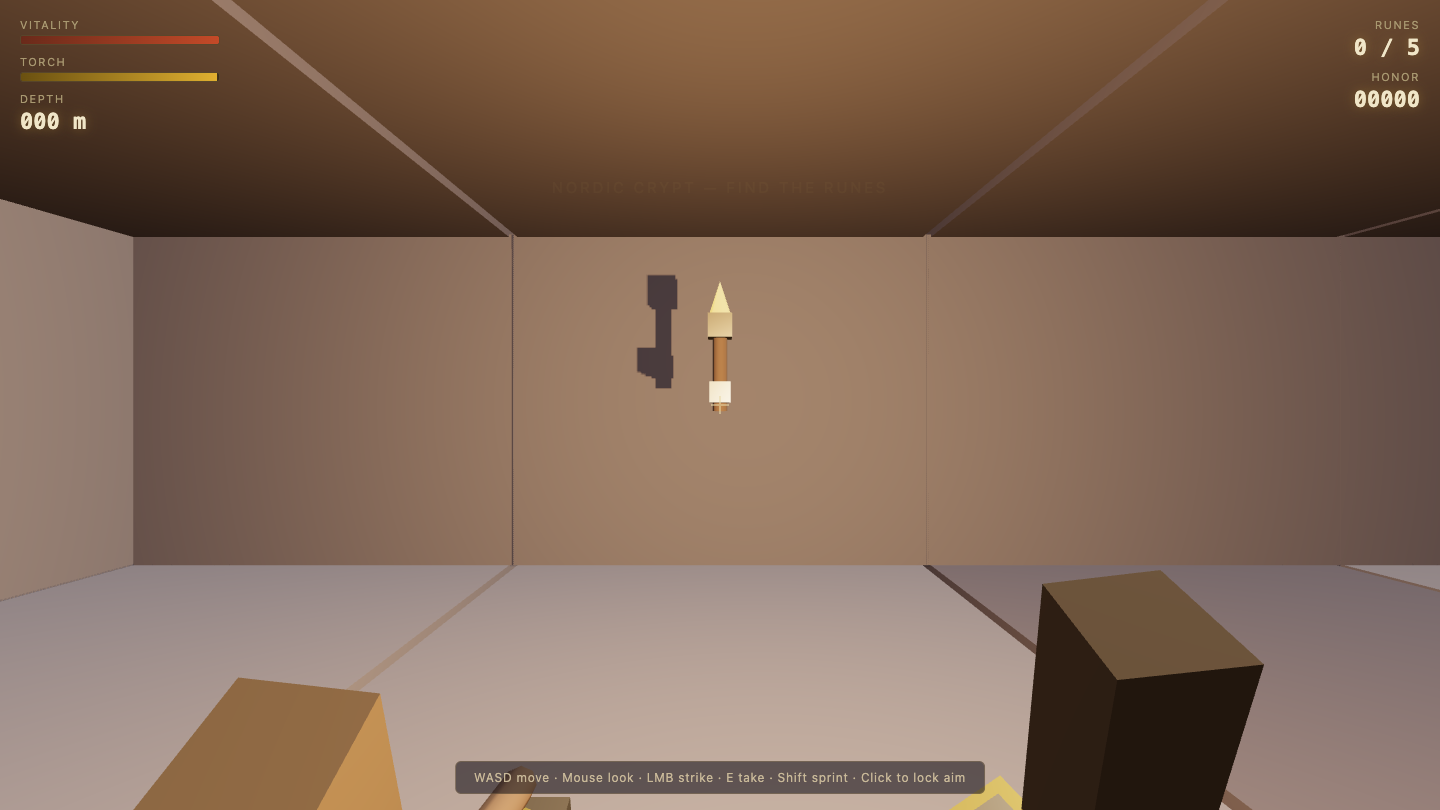
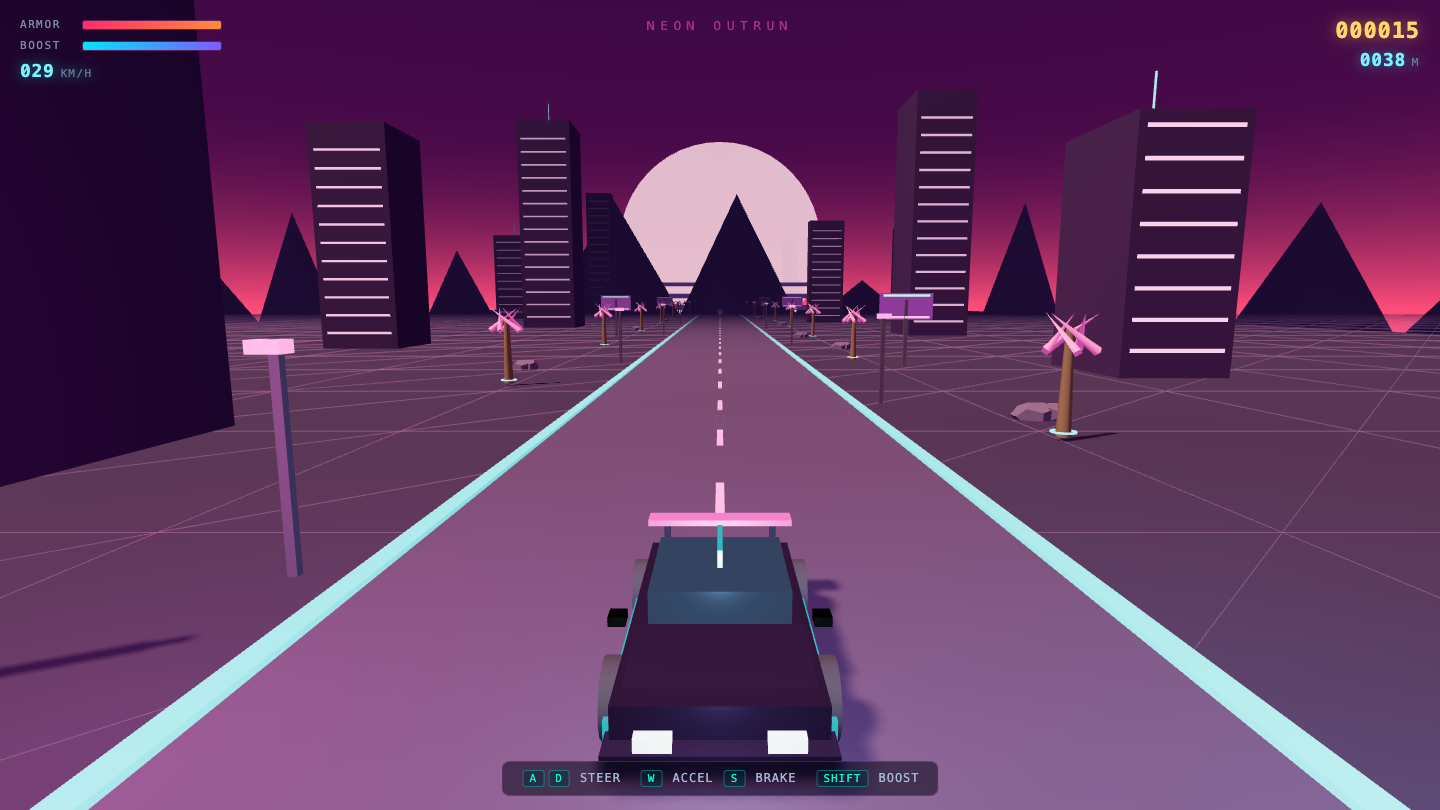
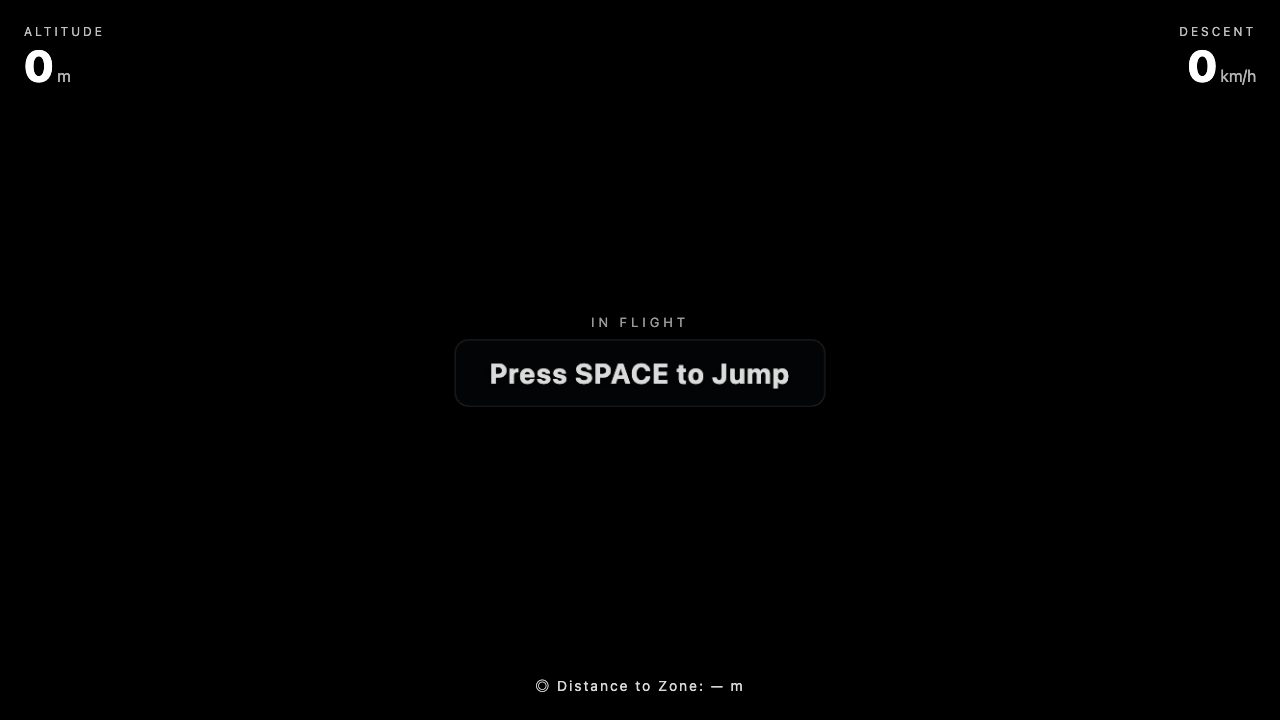
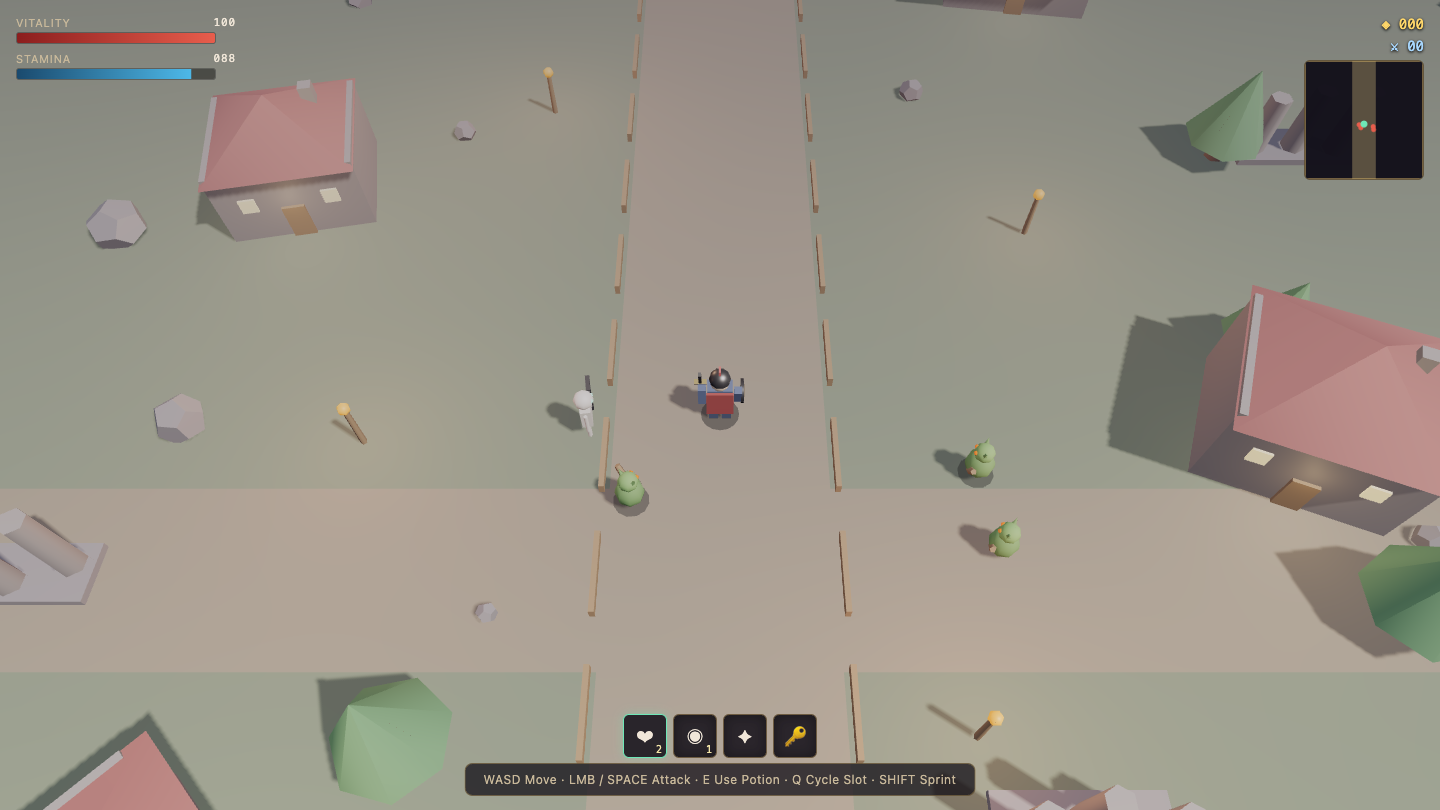
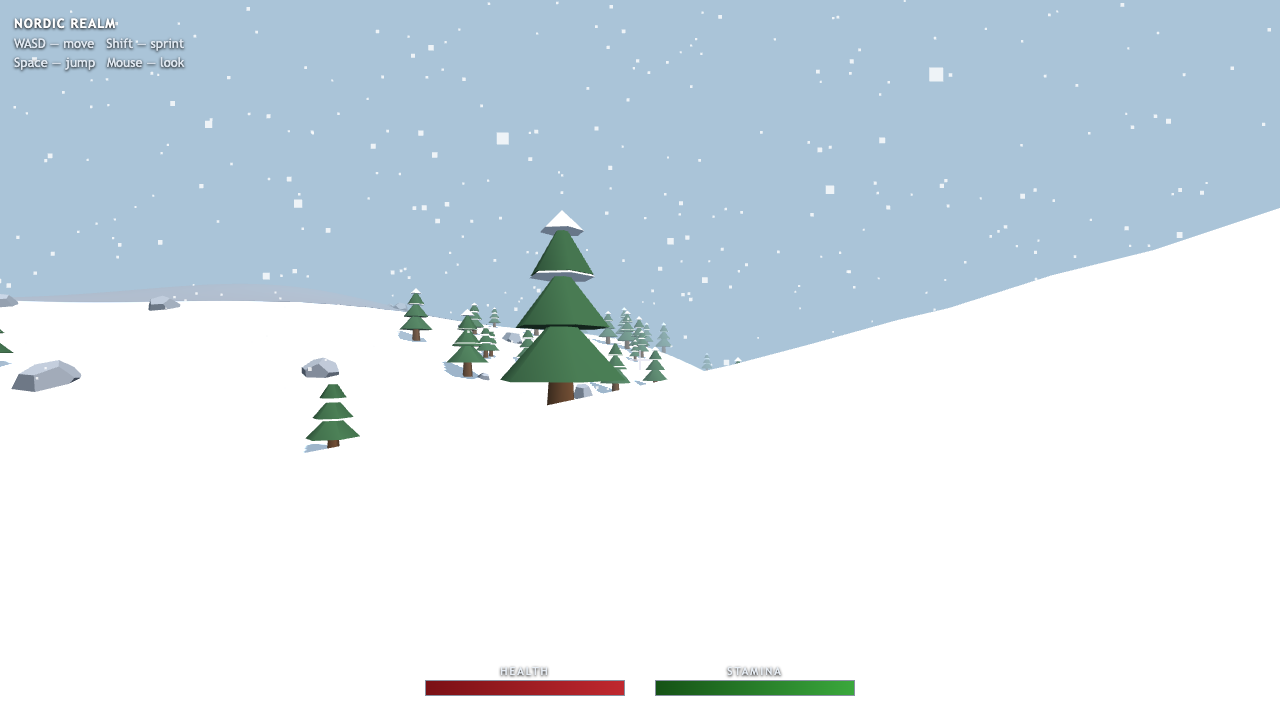
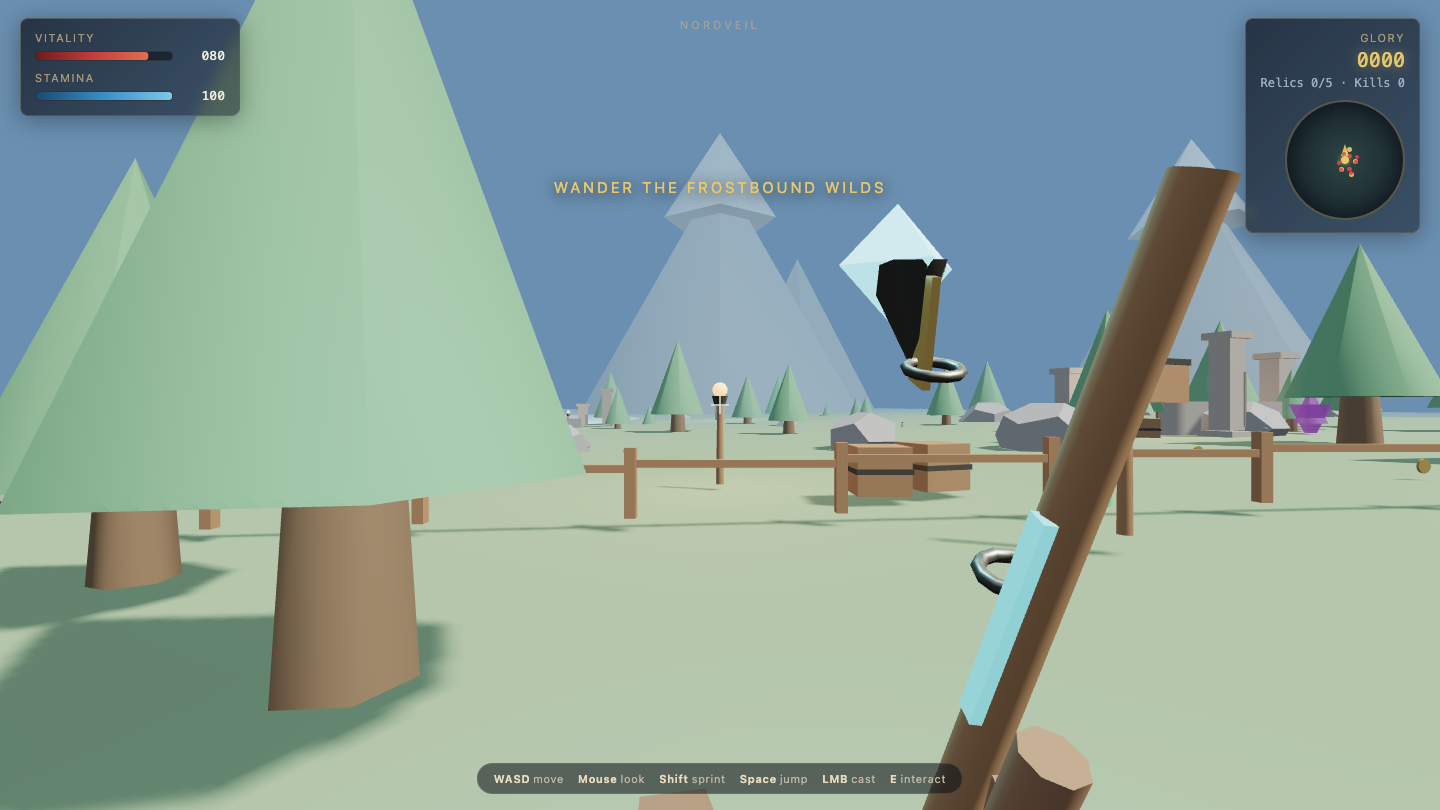
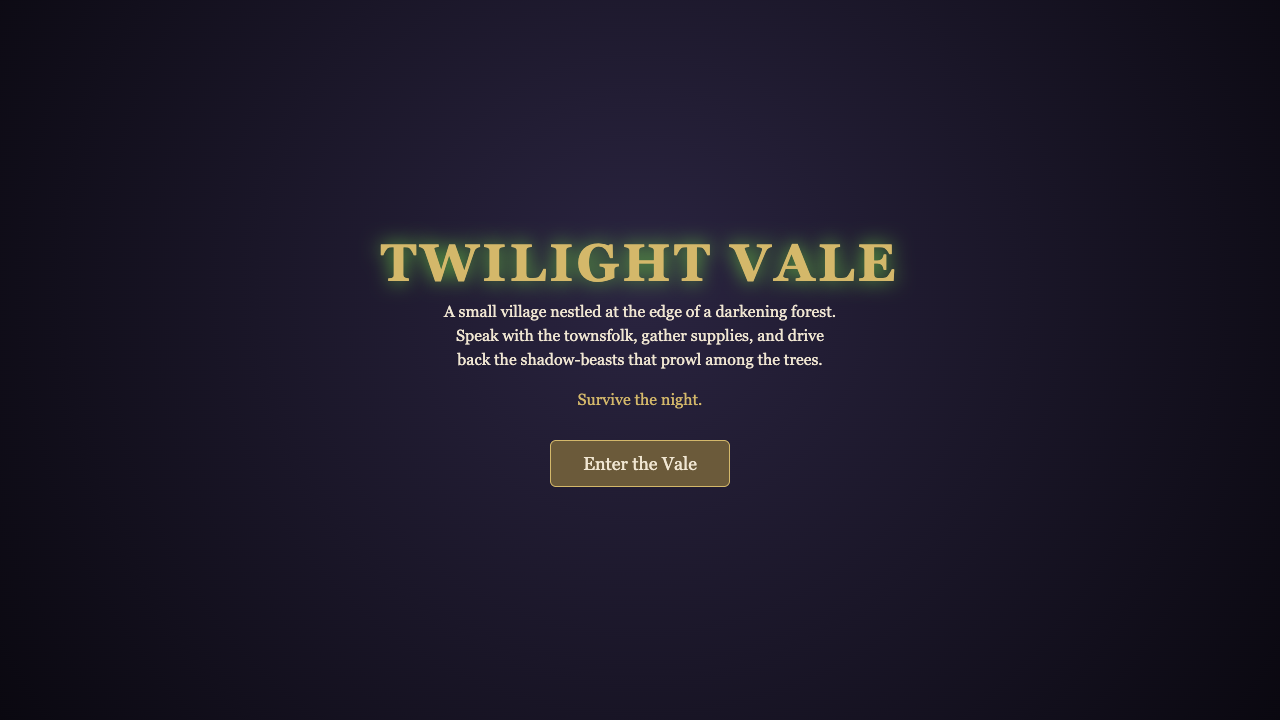
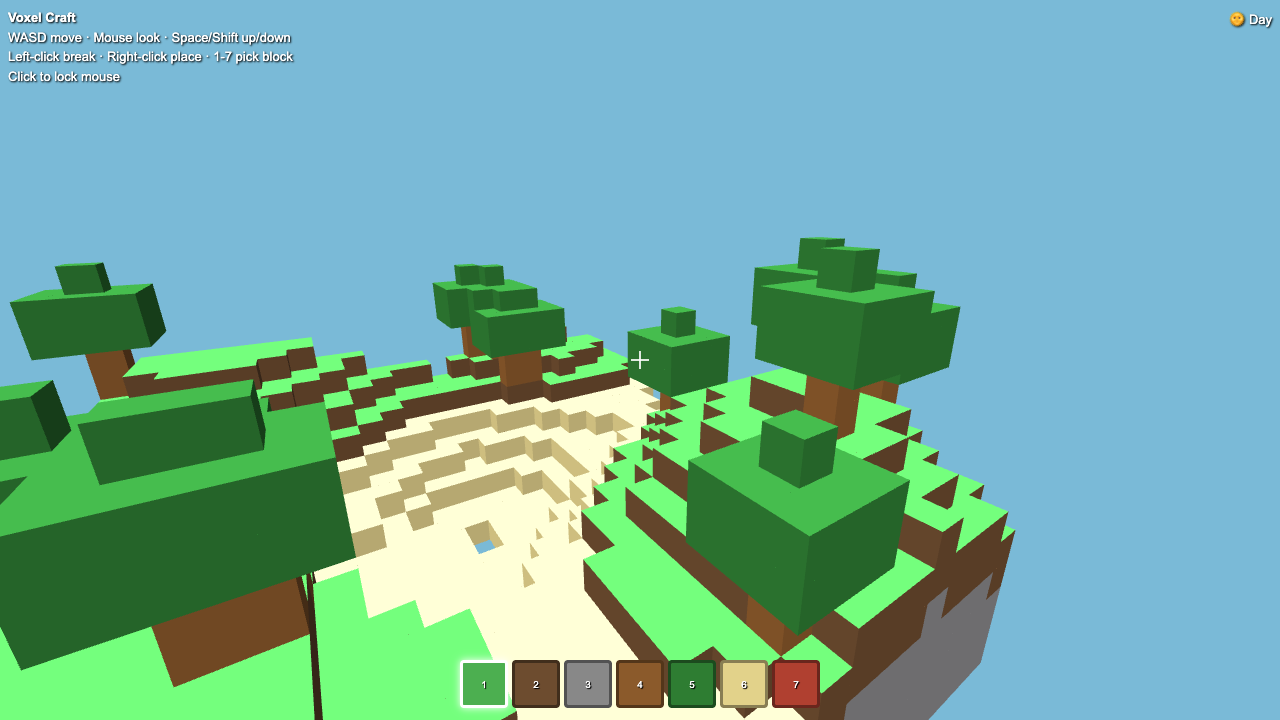
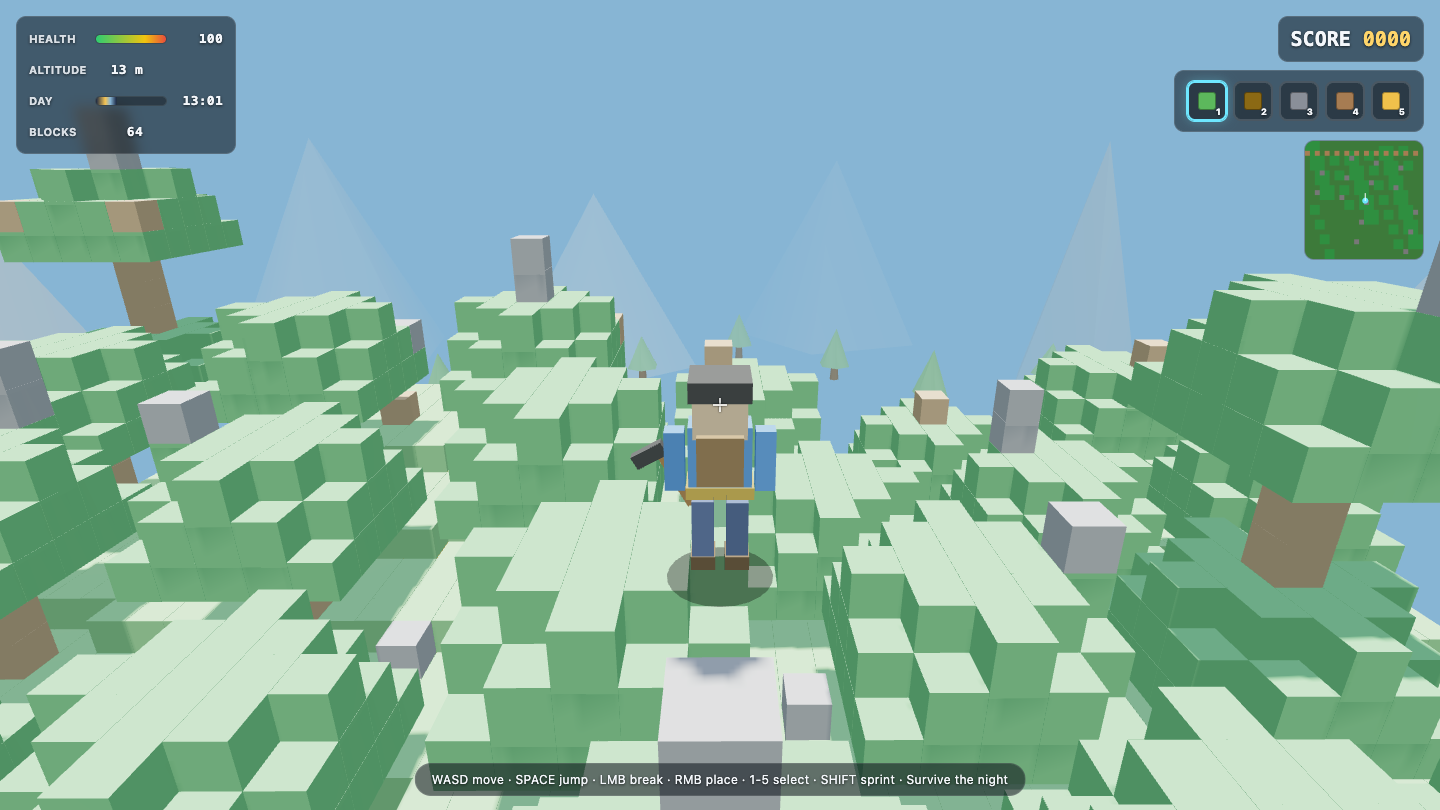
Click any cell to play that model's actual one-shot attempt. Medals are derived from my 0–10 scores per task (highest = 🥇, second = 🥈, third = 🥉).
Task ↓
Opus 4.8
Grok 4.5
Game
Game
Game
Game
Game
Game
Game
Game
Game
Game
Game
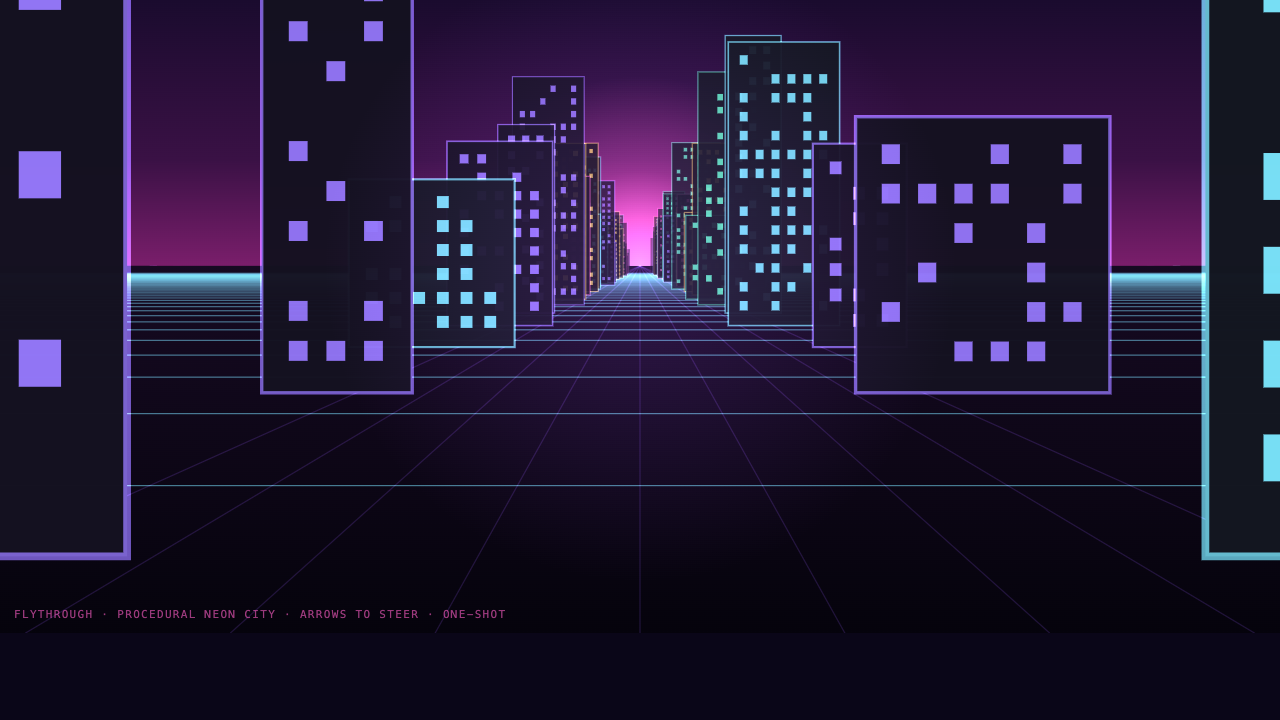
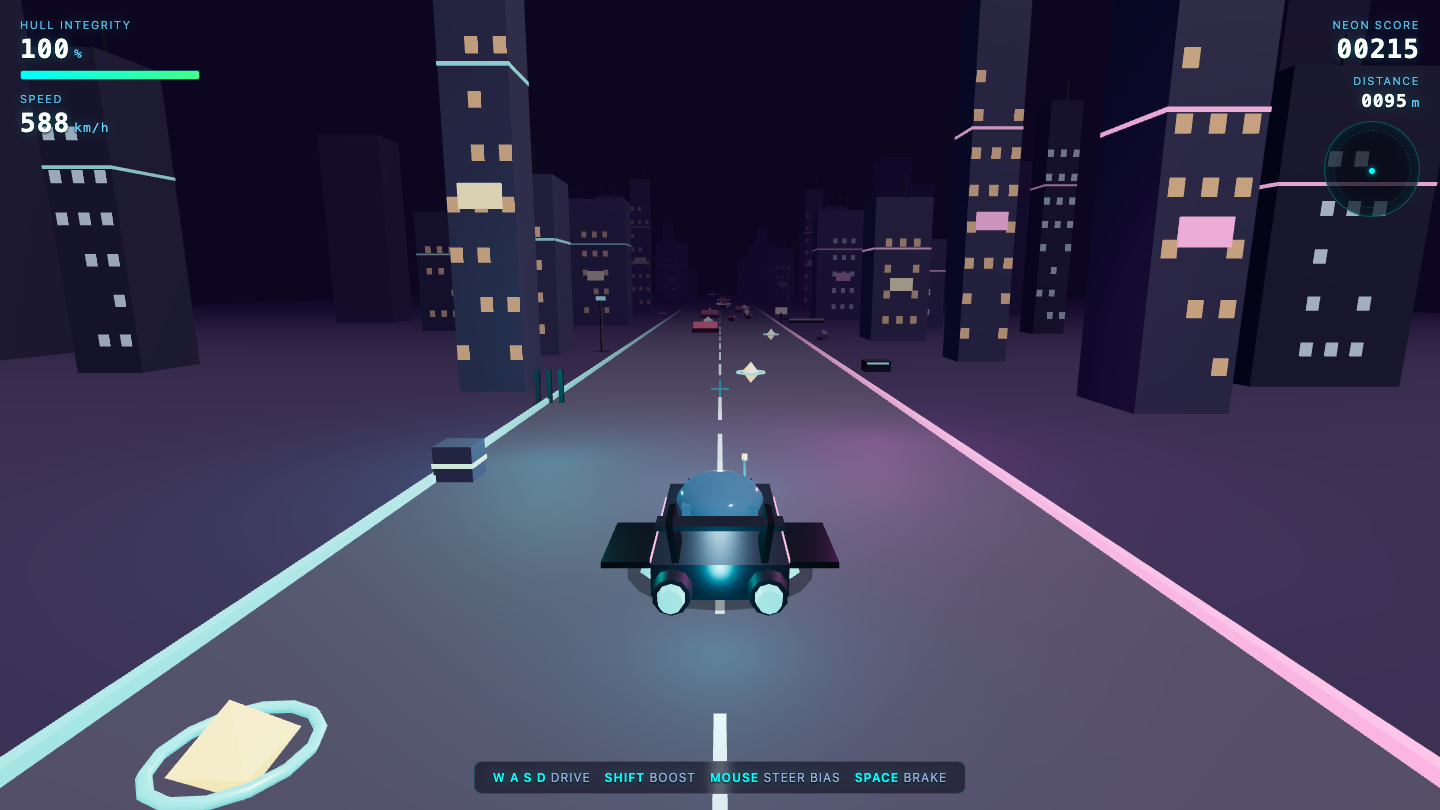
Game
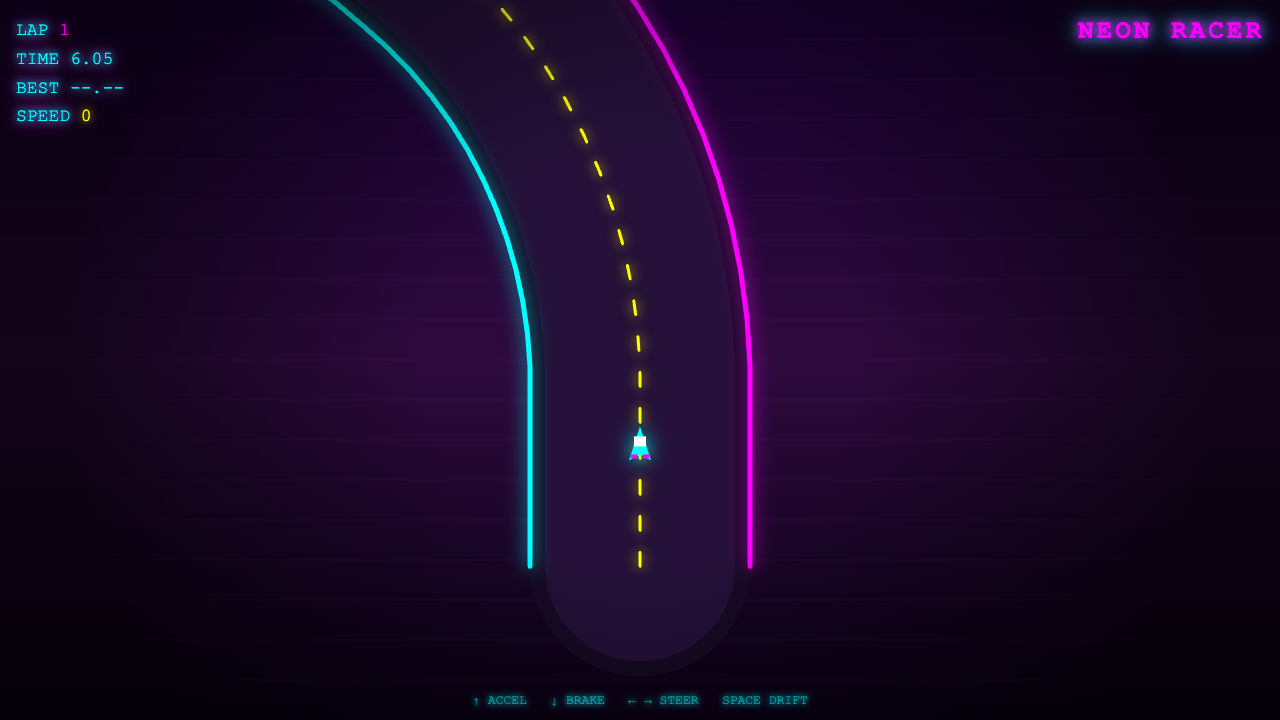
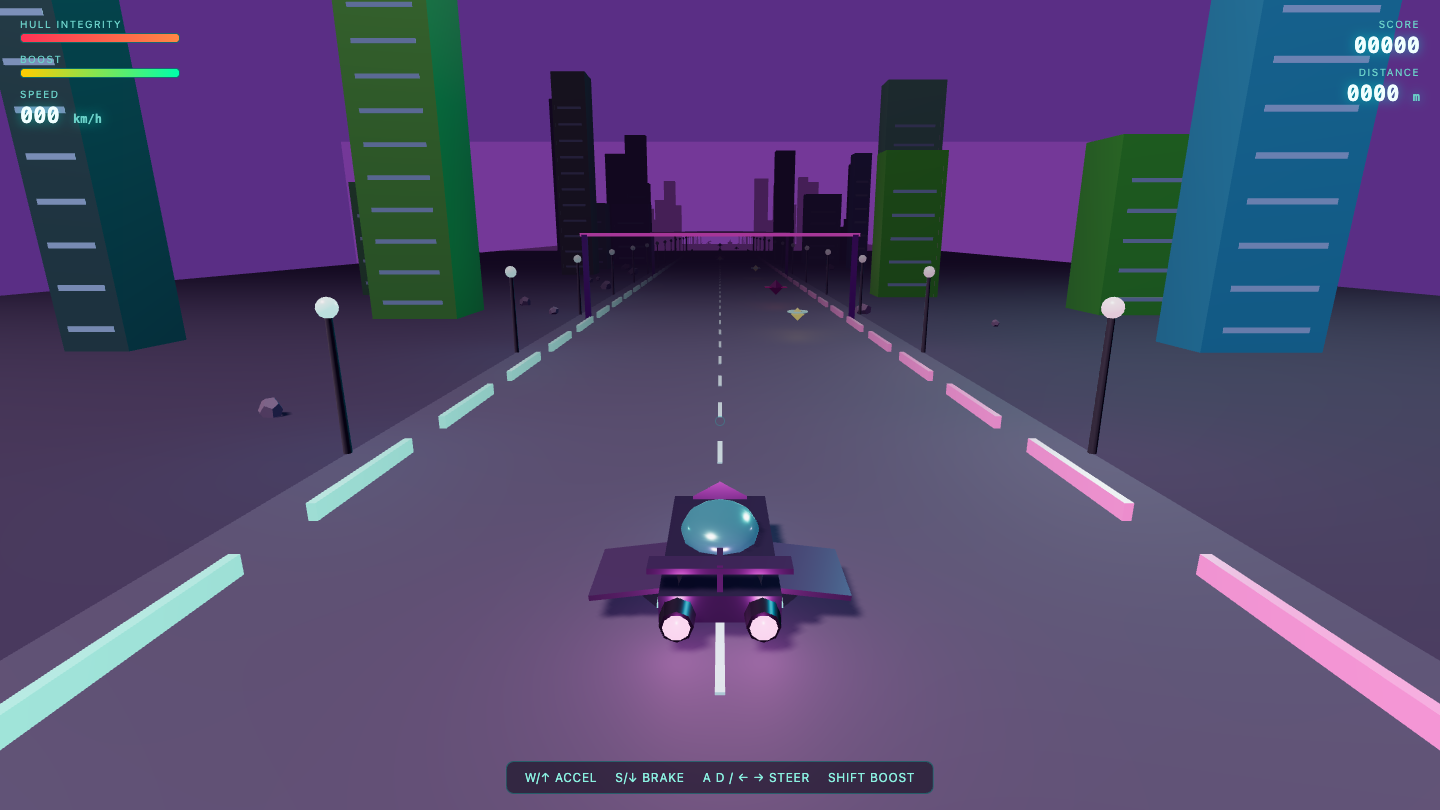
Game
Game

Game
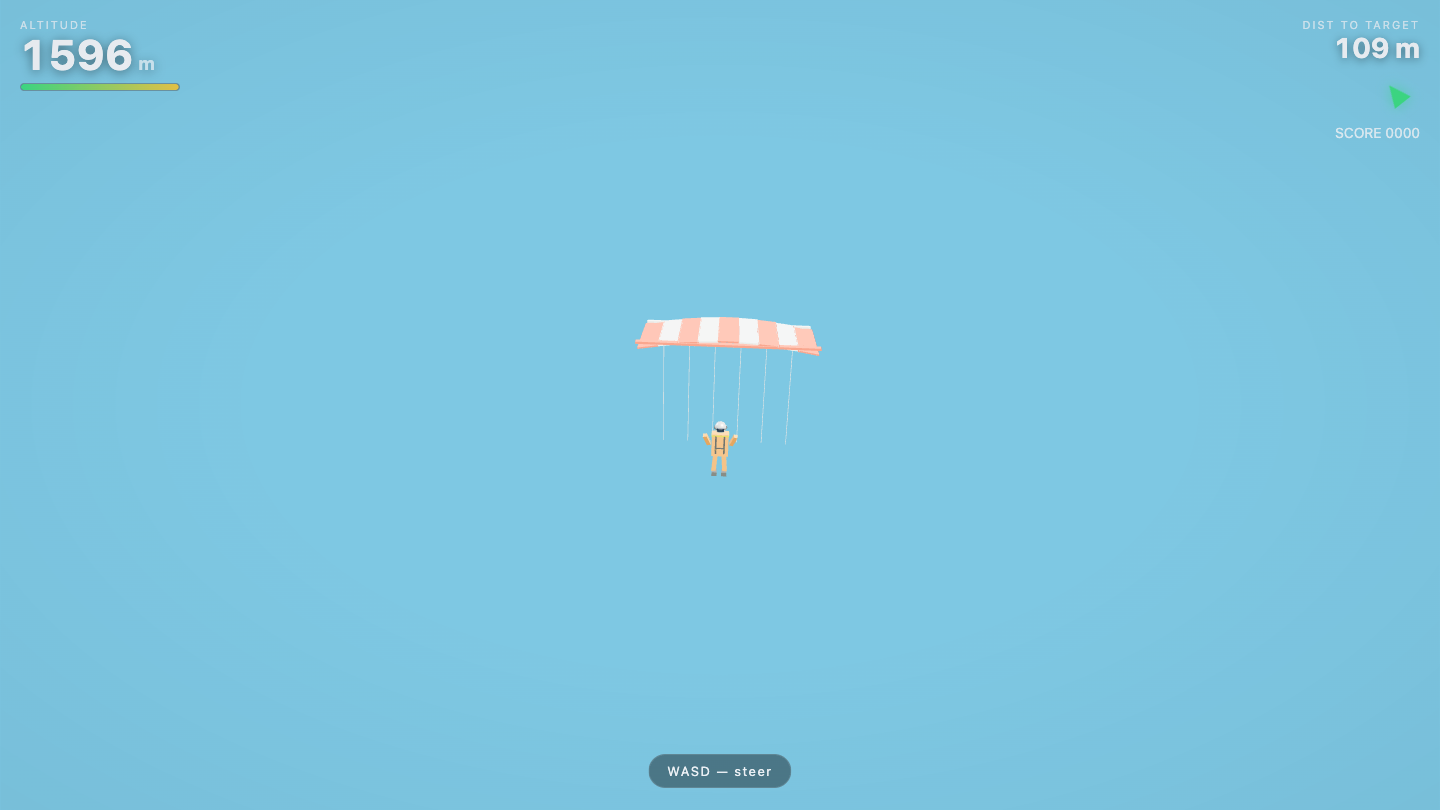
Game
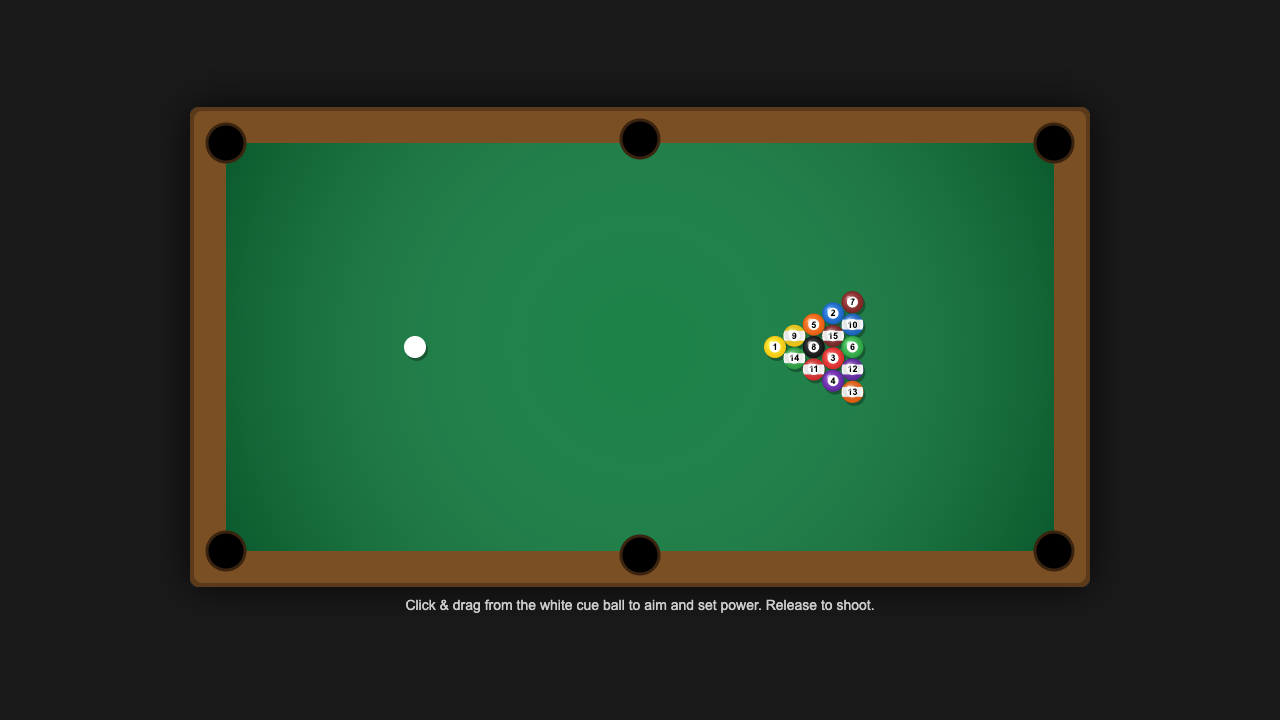
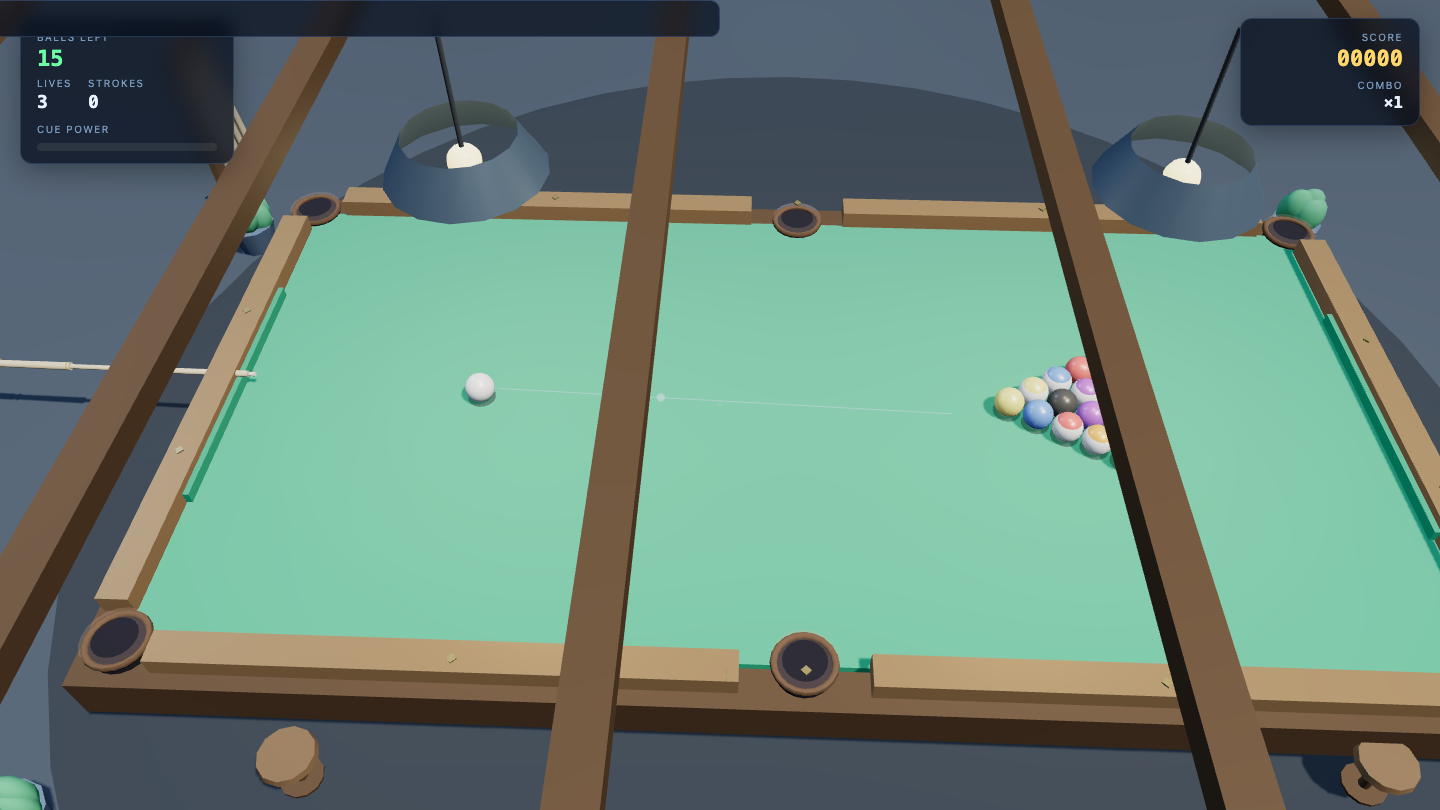
Game
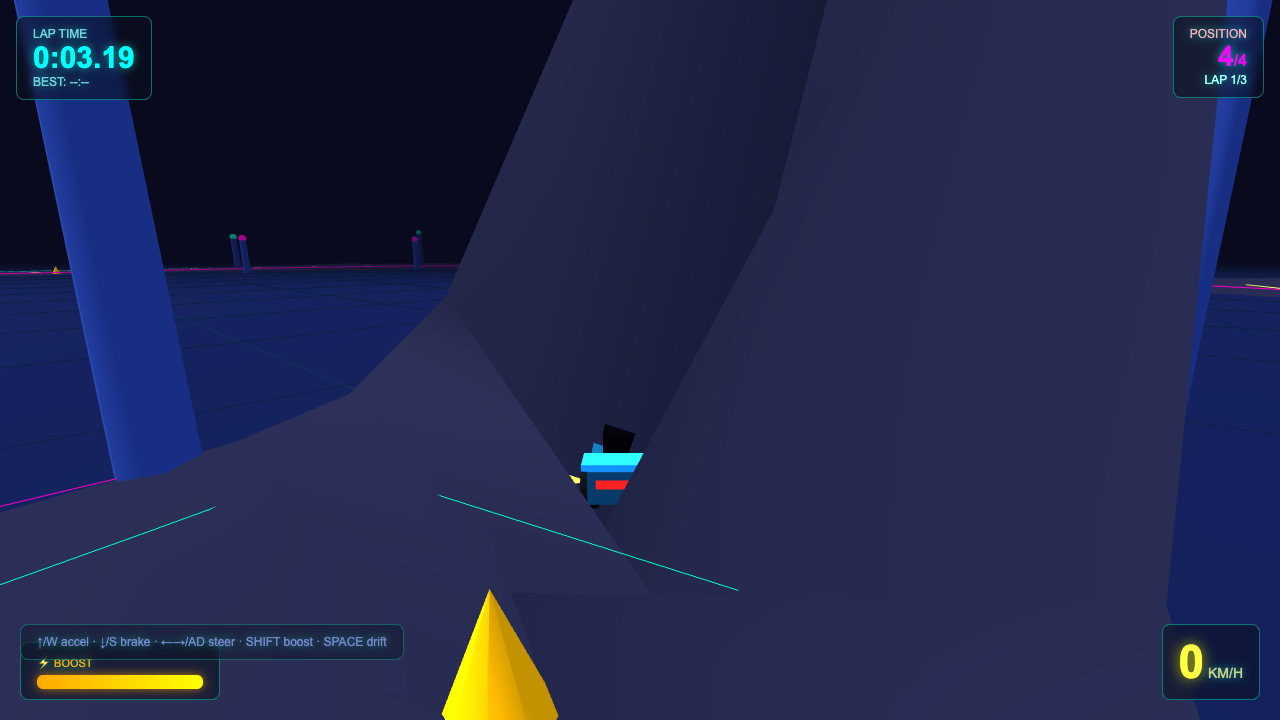
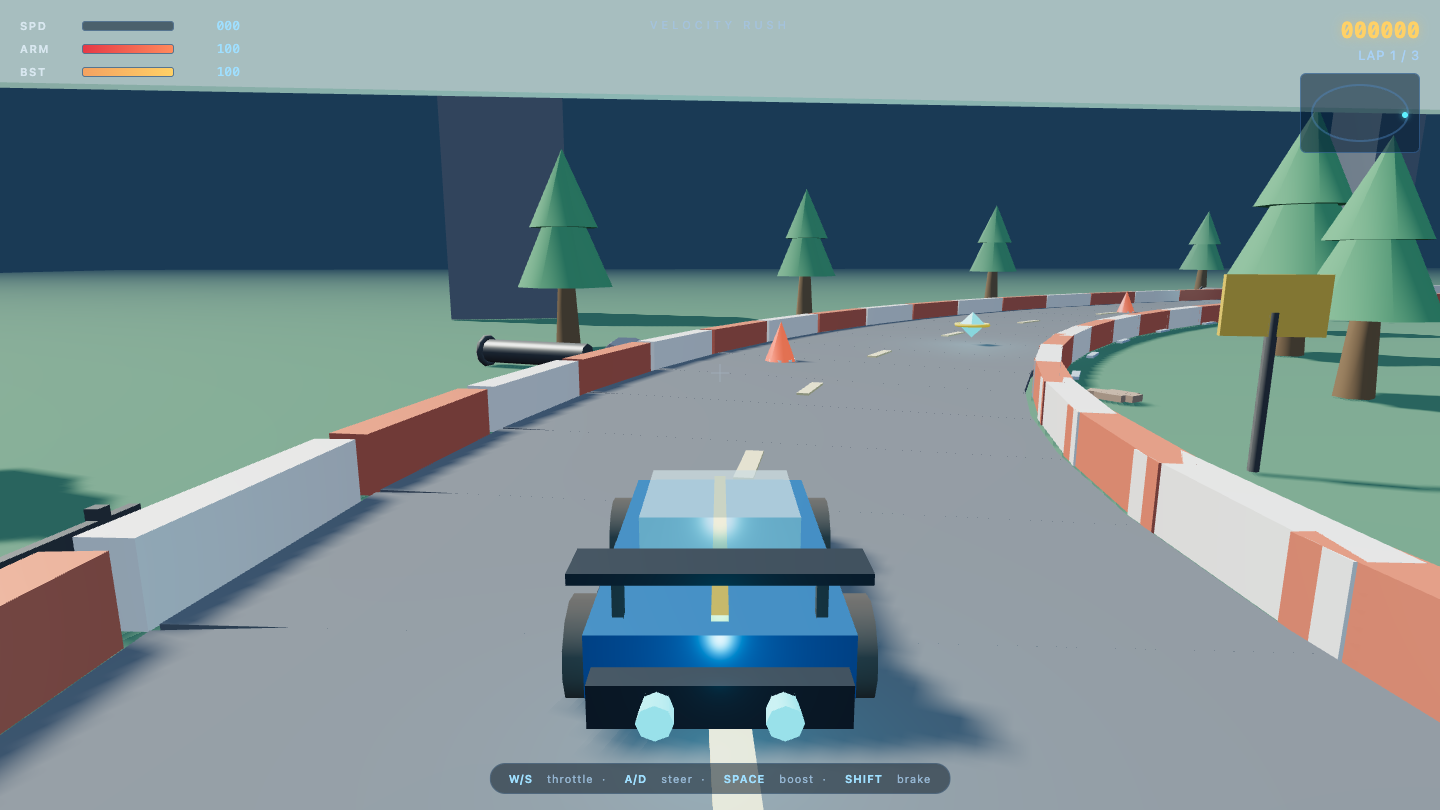
Game
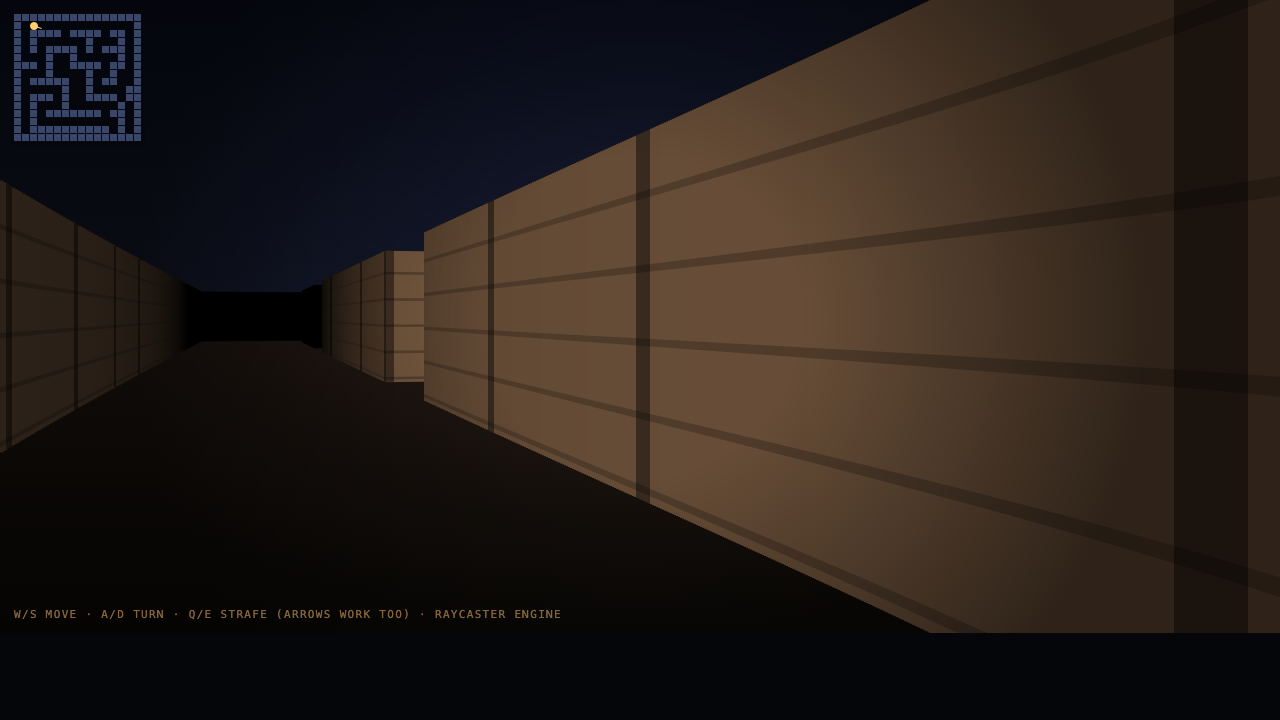
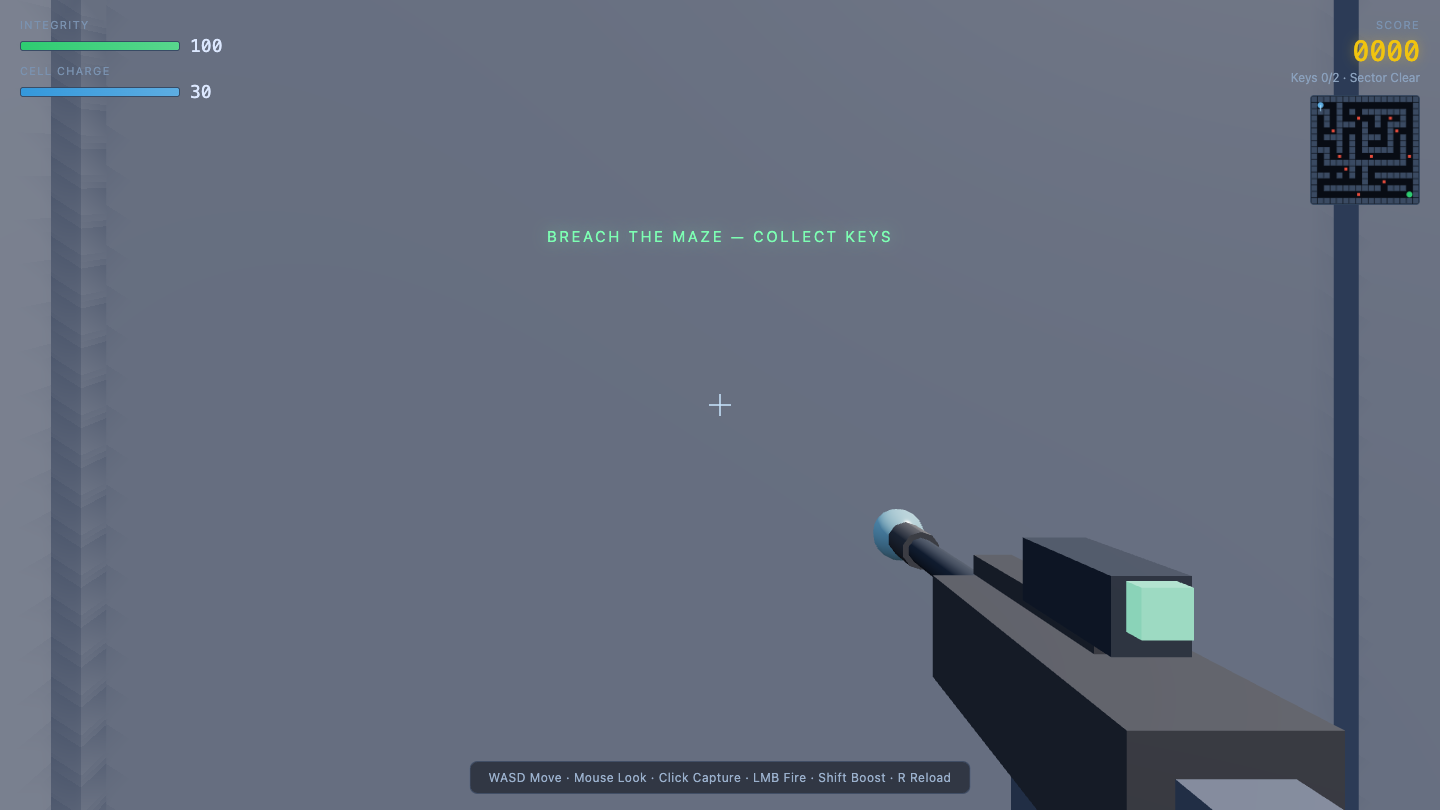
Game
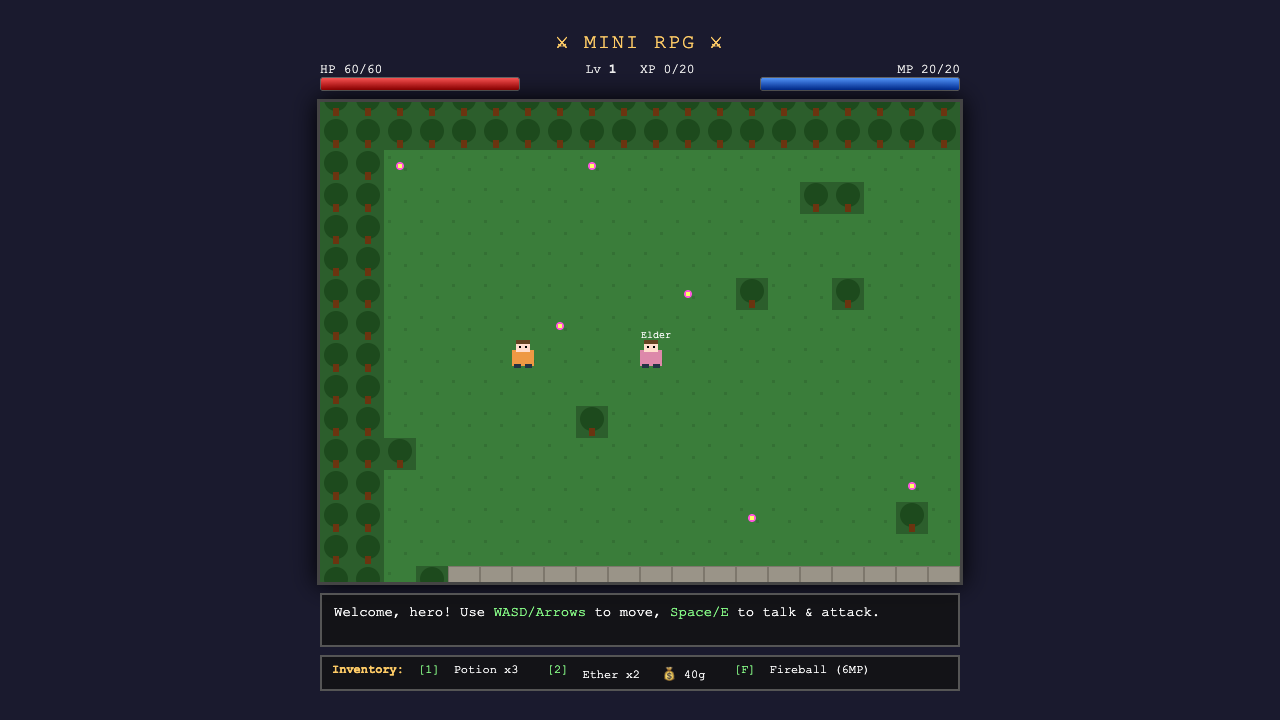
Game
Game
Game
Page
Page
Where Opus 4.8 beat Grok 4.5
The tasks where I gave Opus 4.8 a higher 0–10 score on the same prompt — with the actual commentary from my source guides.
Gtafoot
Game
Opus 4.8 7.5
·
Grok 4.5 5.5
(+2.0)
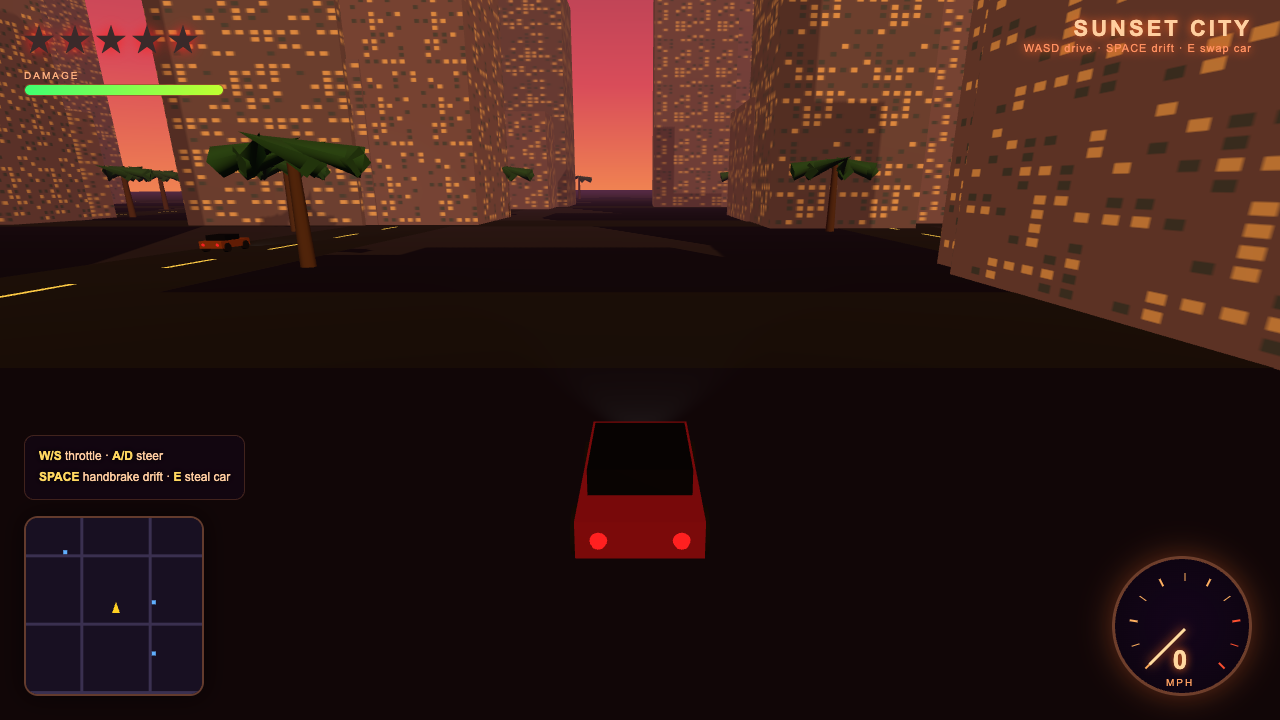
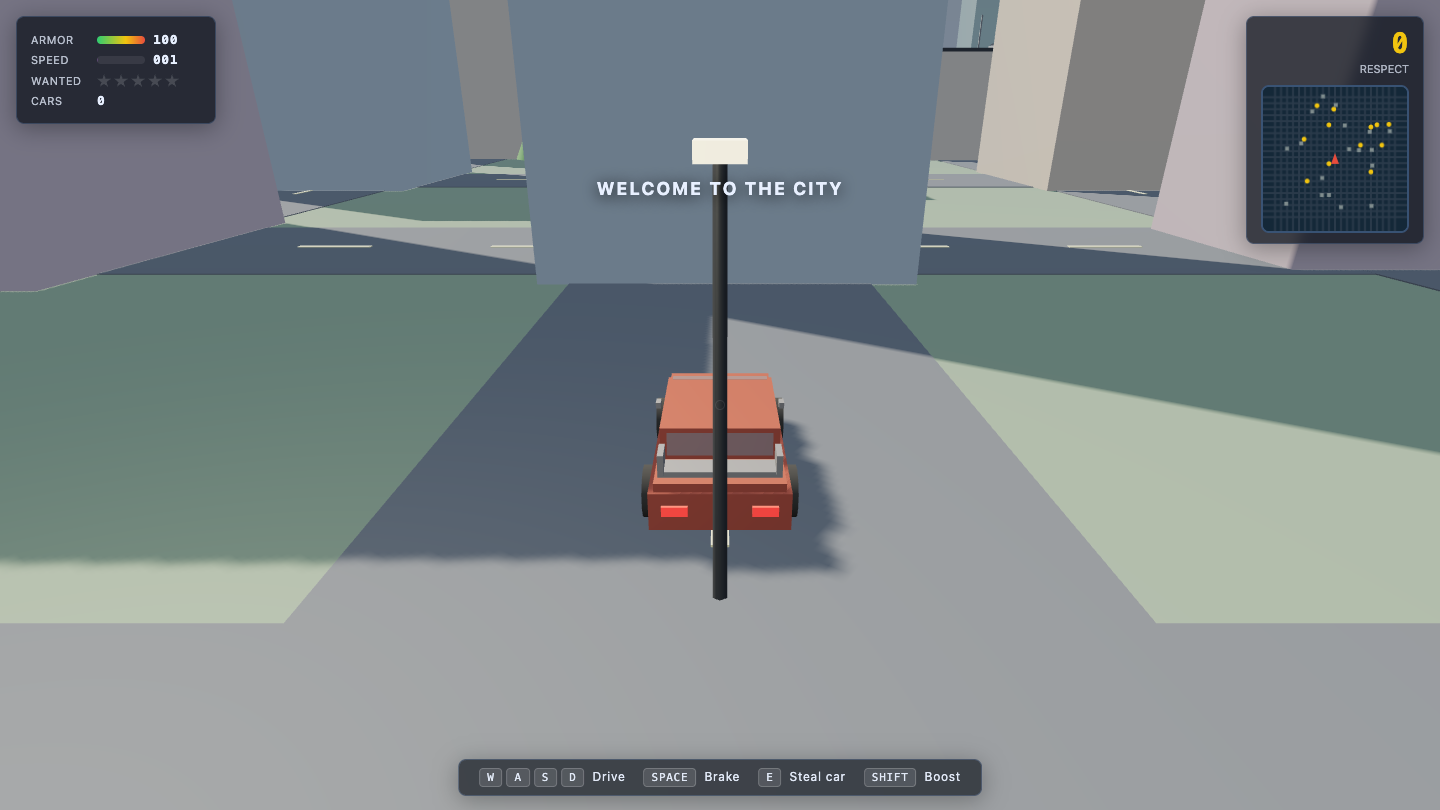
What I saw: 20KB · plays clean · three, webgl (re-rolled)
Landing
Page
Opus 4.8 9.0
·
Grok 4.5 7.6
(+1.4)
· tie · top
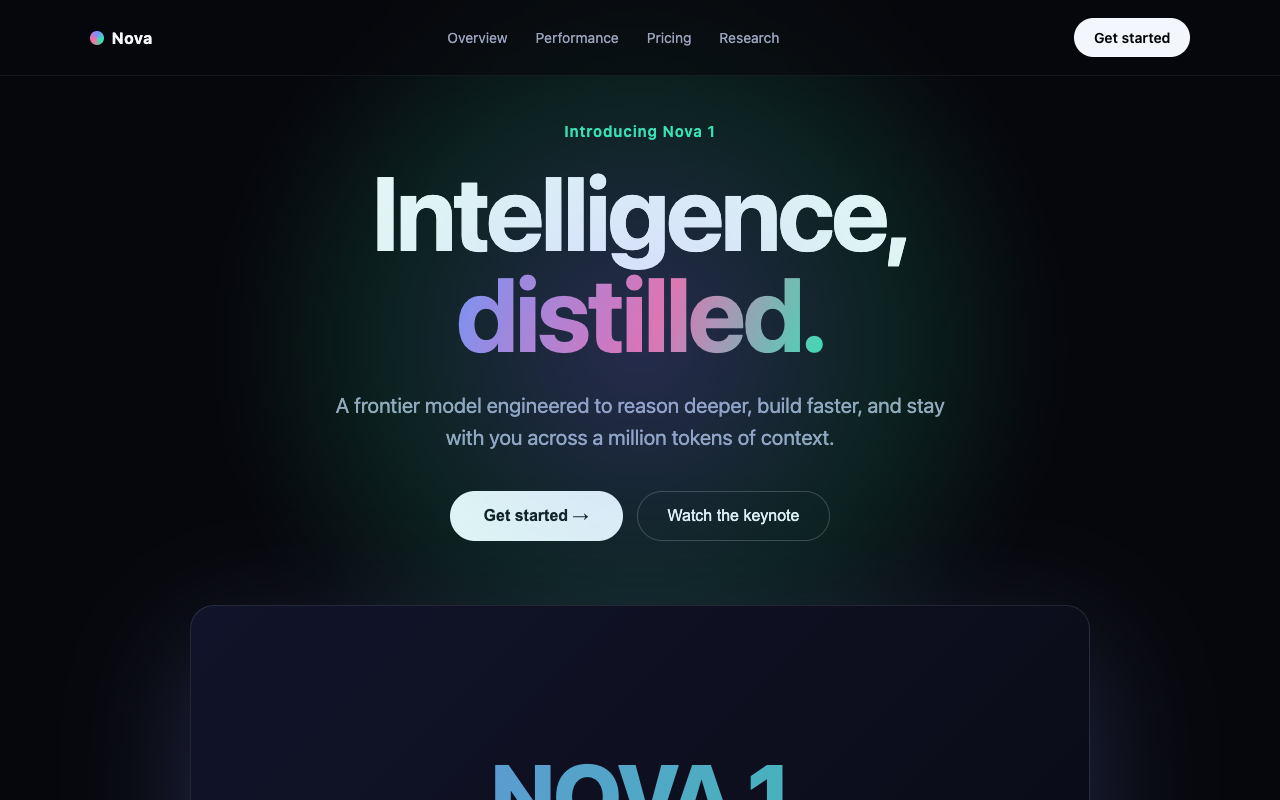
What I saw: Funniest result of the lot: GLM and Opus independently produced near-identical premium 'Introducing Nova 1 — Intelligence, reimagined / distilled' keynote pages — gradient hero, full nav, pricing tiers. A dead heat. Kimi's was a plainer set of feature cards.
Orbit
Sim
Opus 4.8 9.0
·
Grok 4.5 7.8
(+1.2)
· winner · accuracy
What I saw: Opus nailed the brief — labelled planet orbits, a real NEO / close-pass panel, a sim clock. GLM went for drama: a glowing nebula swirl that's gorgeous but reads more galaxy than orbit map. Kimi's is accurate but dim and sparse.
Arcade
Game
Opus 4.8 8.5
·
Grok 4.5 7.5
(+1.0)
· winner · game-feel
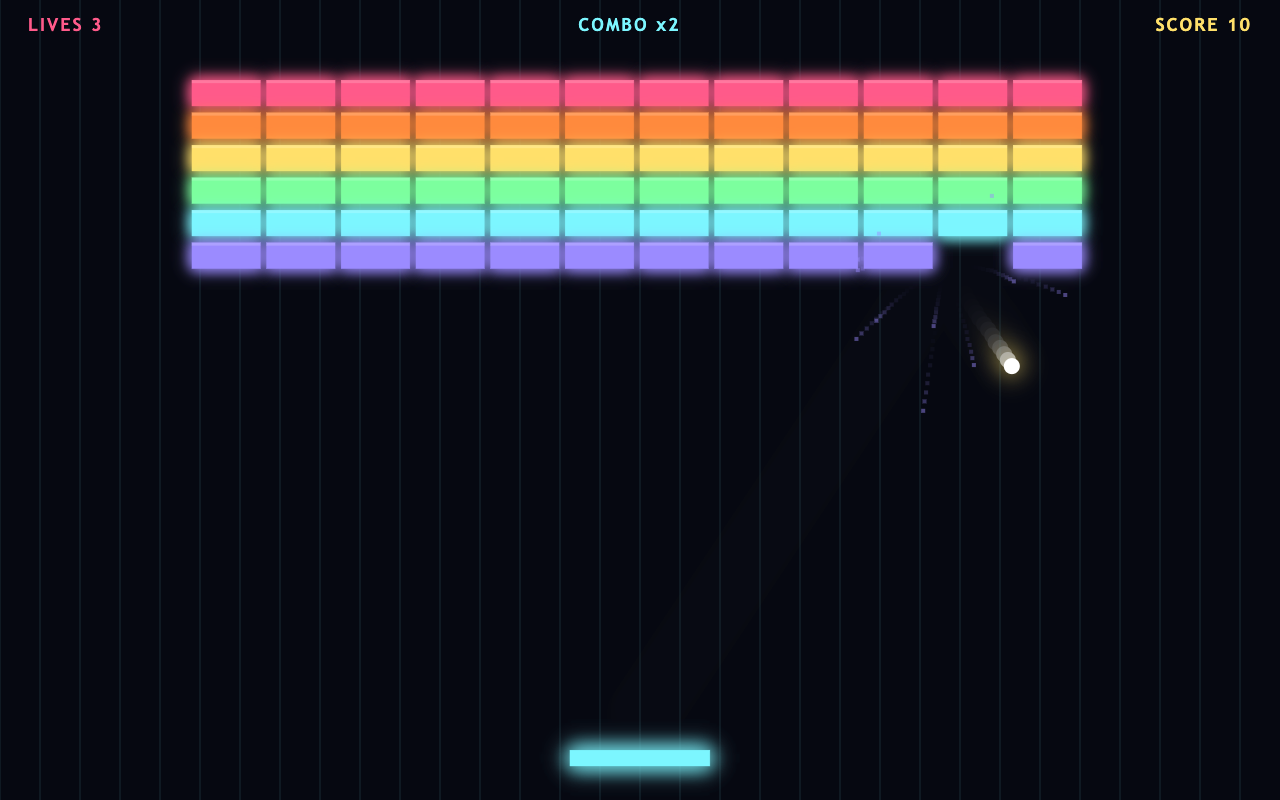
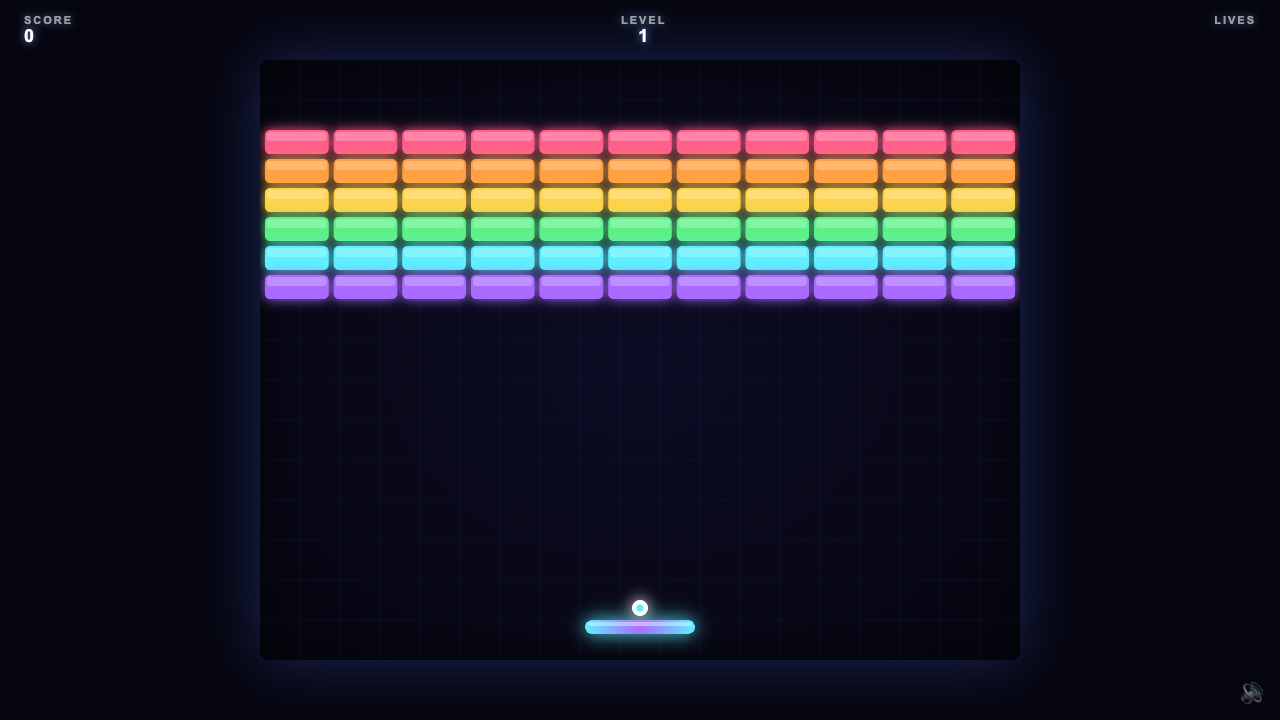
What I saw: All three shipped a genuinely juicy game. Opus's breakout had the most game-feel — particle bursts and a live combo. Kimi's breakout was clean and solid. GLM went its own way with fullscreen neon asteroids. The closest of the practical five.
Fractal
Sim
Opus 4.8 8.5
·
Grok 4.5 7.7
(+0.8)
What I saw: All three are genuinely good. Kimi's is the jaw-dropper — a deep rainbow plunge into a seahorse spiral, dense with self-similar detail. Opus zooms smoothly into the seahorse valley with a tasteful cycling palette. GLM frames the whole iconic set in a fire palette with a live coor…
Where Grok 4.5 beat Opus 4.8
The tasks where I gave Grok 4.5 a higher 0–10 score on the same prompt — with the actual commentary from my source guides.
Pool
Game
Grok 4.5 7.8
·
Opus 4.8 5.5
(+2.3)
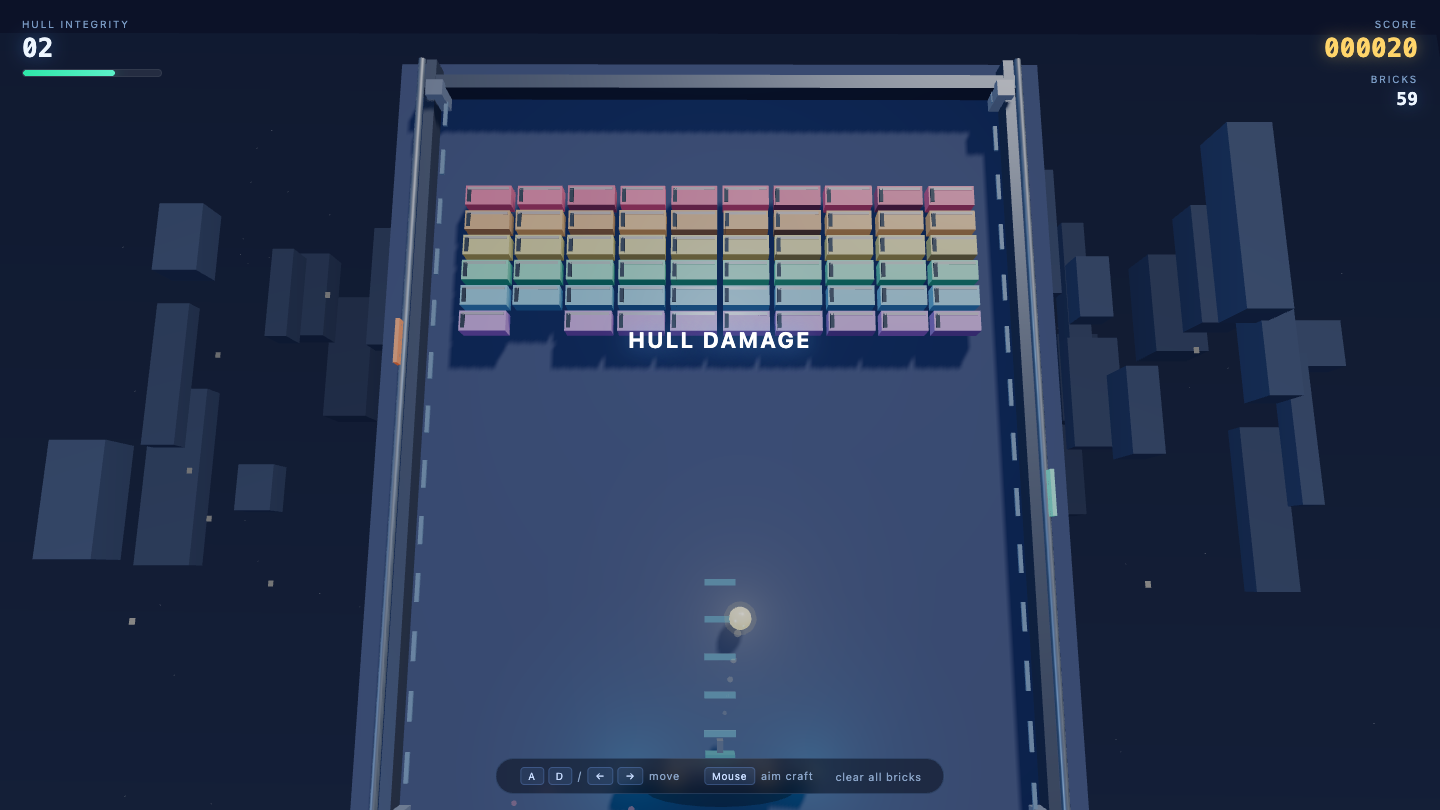
What I saw: One-shot: 3D pool table — racked balls, cue, pockets, STROKE/POWER HUD.
Aurora
Visual
Grok 4.5 8.2
·
Opus 4.8 6.0
(+2.2)
What I saw: One-shot: beautiful animated northern-lights over mountains, intensity/flow sliders, atmospheric.
Webos
Page
Grok 4.5 7.6
·
Opus 4.8 5.5
(+2.1)
What I saw: One-shot: 'Aether OS' web desktop — dock, draggable window, menu bar; polished.
Crypt
Game
Grok 4.5 7.8
·
Opus 4.8 6.0
(+1.8)
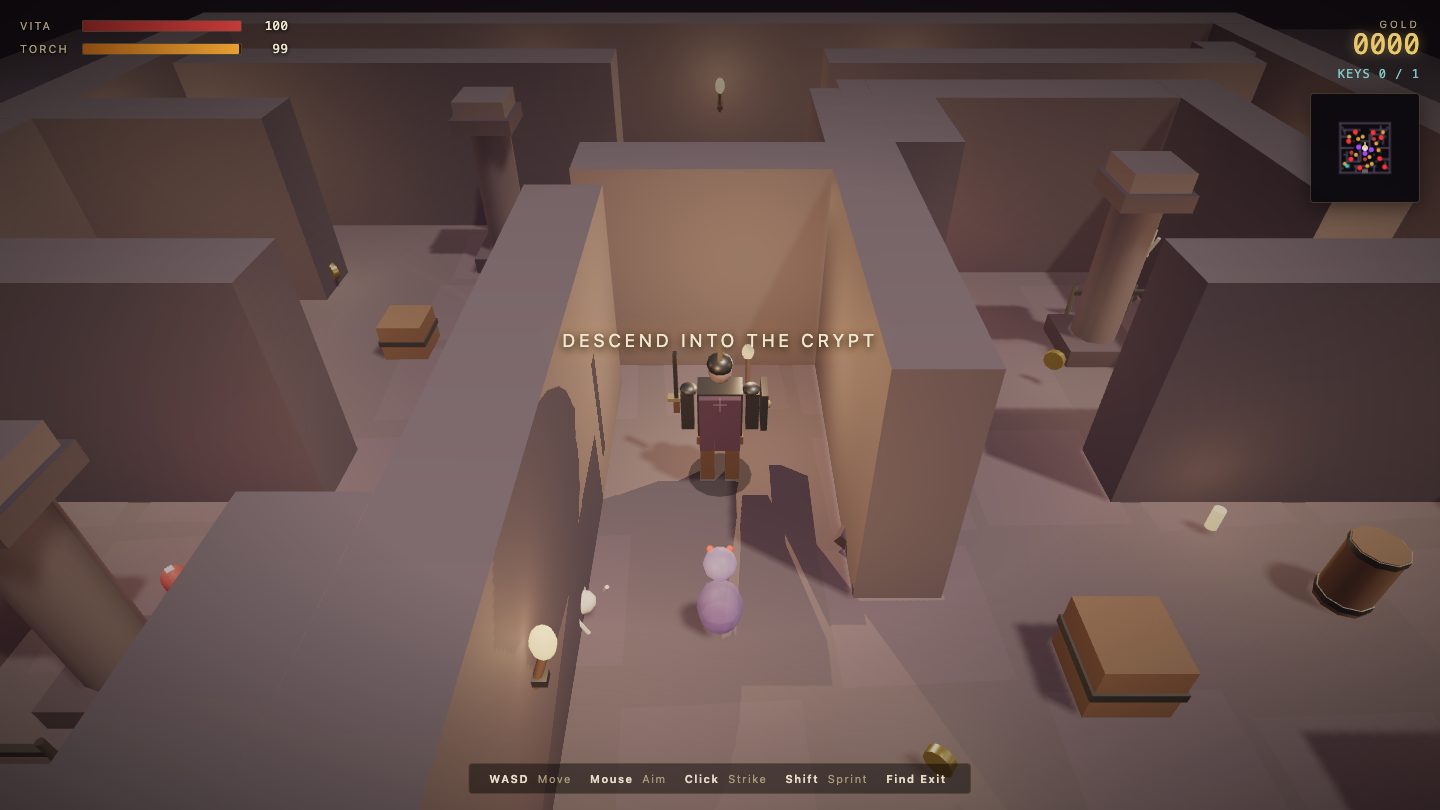
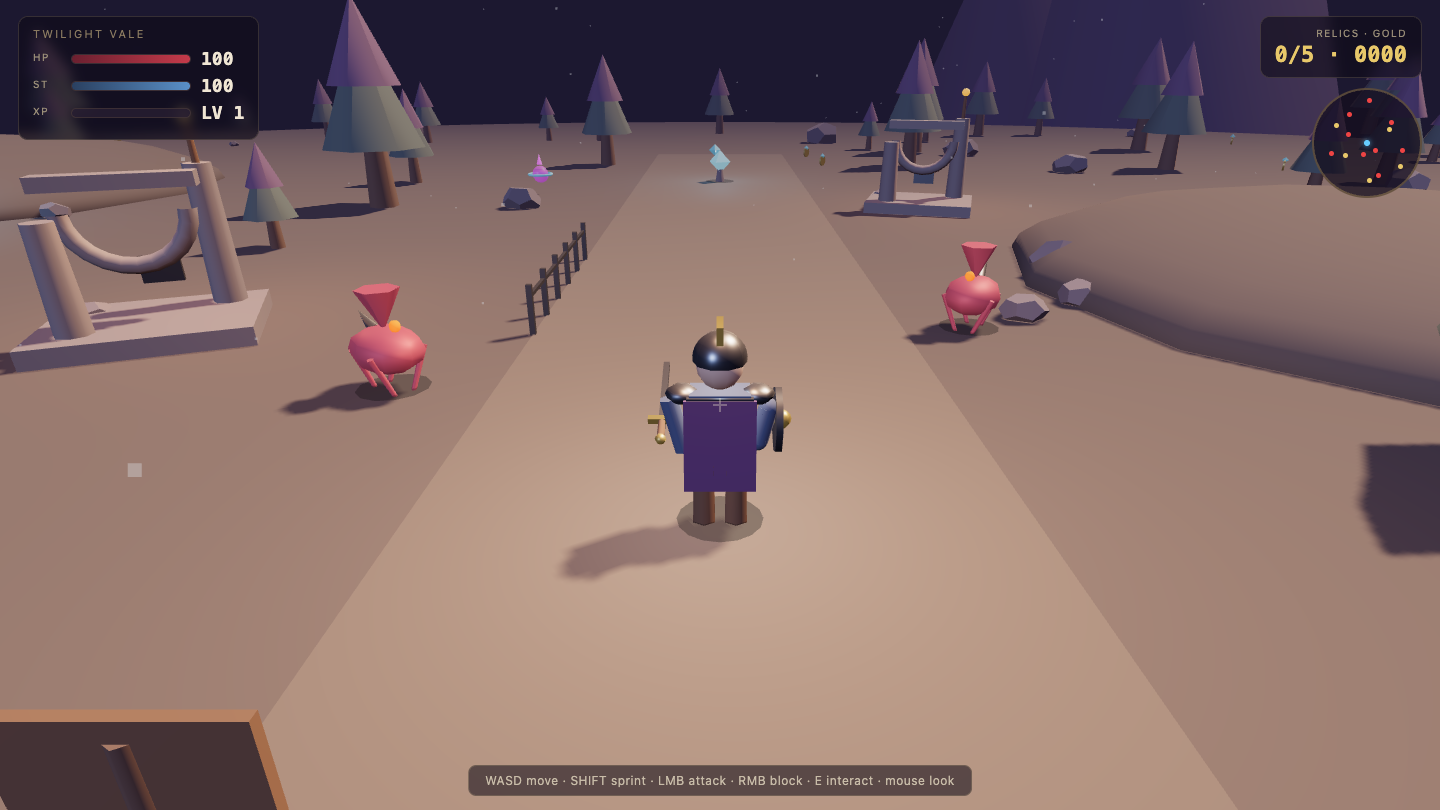
What I saw: One-shot: isometric torch-lit dungeon crawler — multi-part knight (helmet, shield, tome), maze walls, wall torch, ghost + slime enemies, minimap, VITA/TORCH/GOLD/KEYS HUD. Lit, cohesive, real models. Strong.
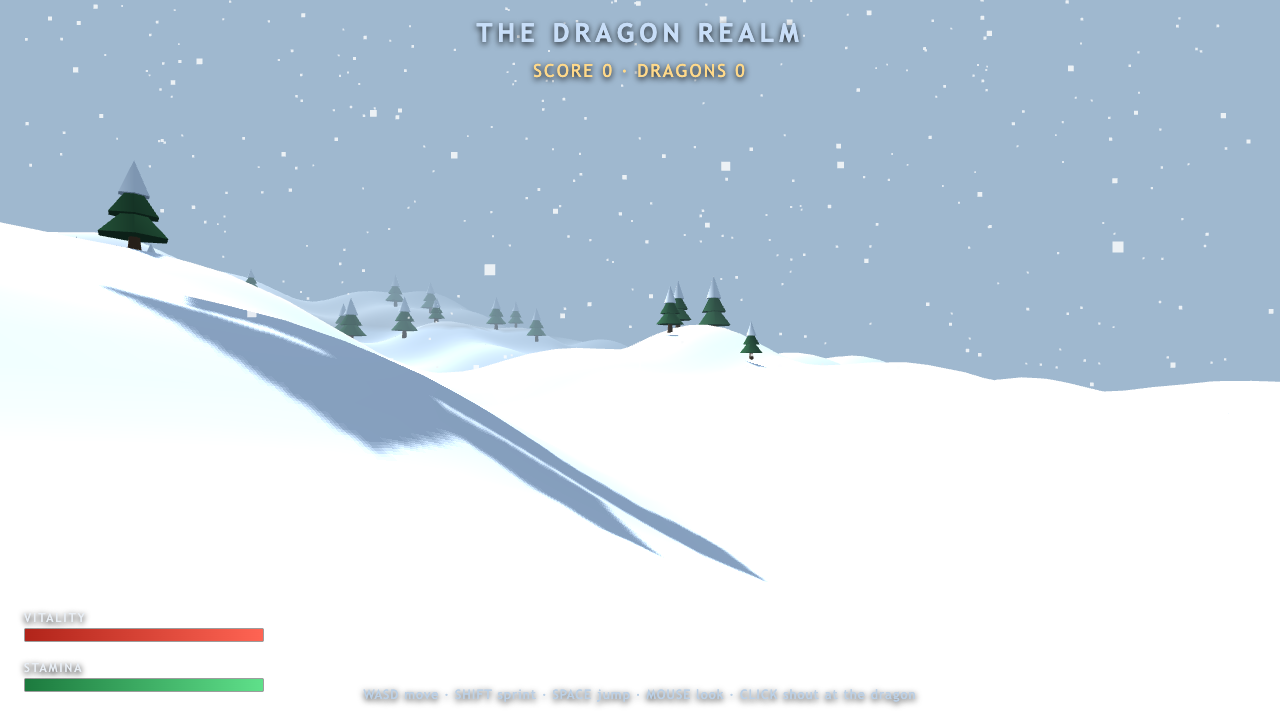
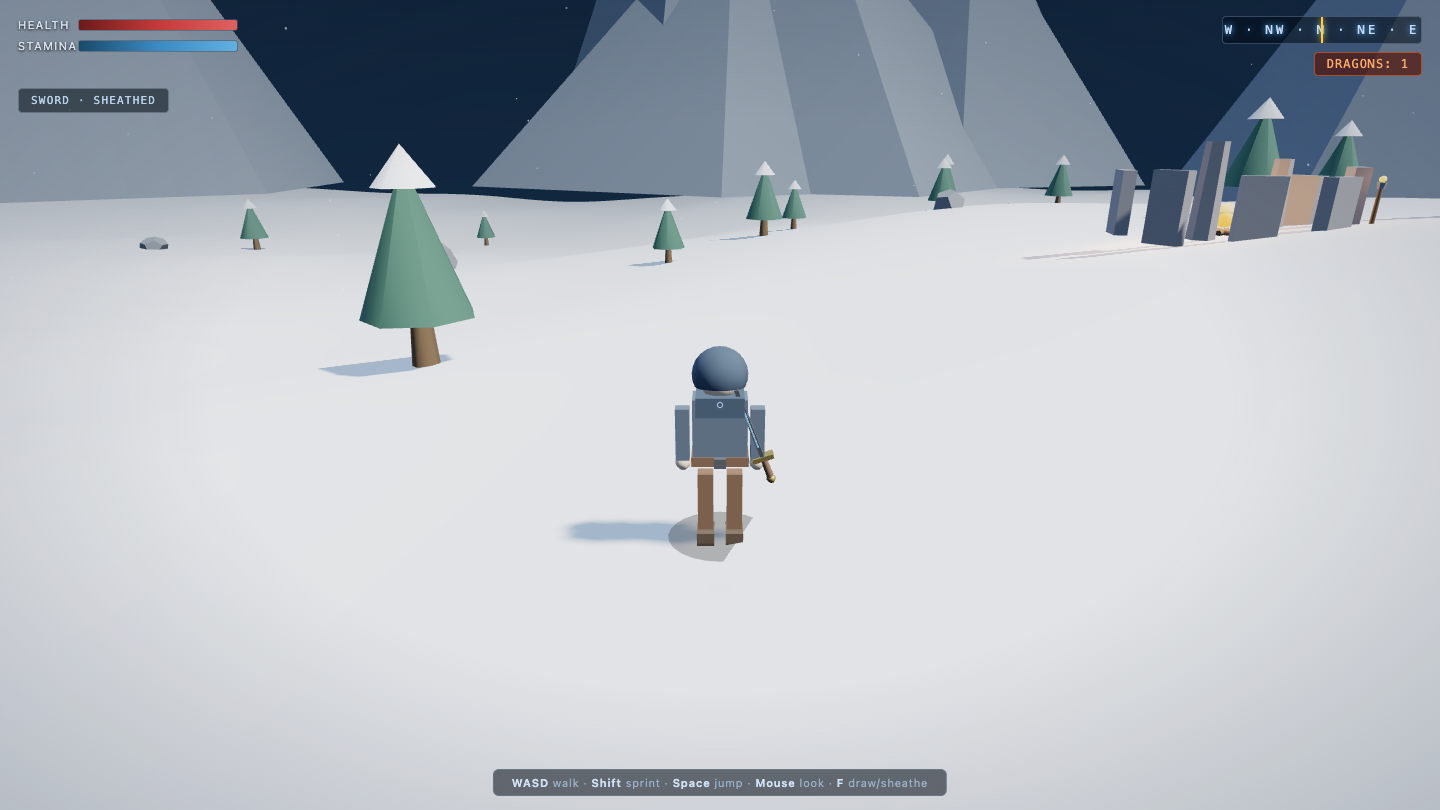
Dragonrealm
Game
Grok 4.5 8.2
·
Opus 4.8 7.0
(+1.2)
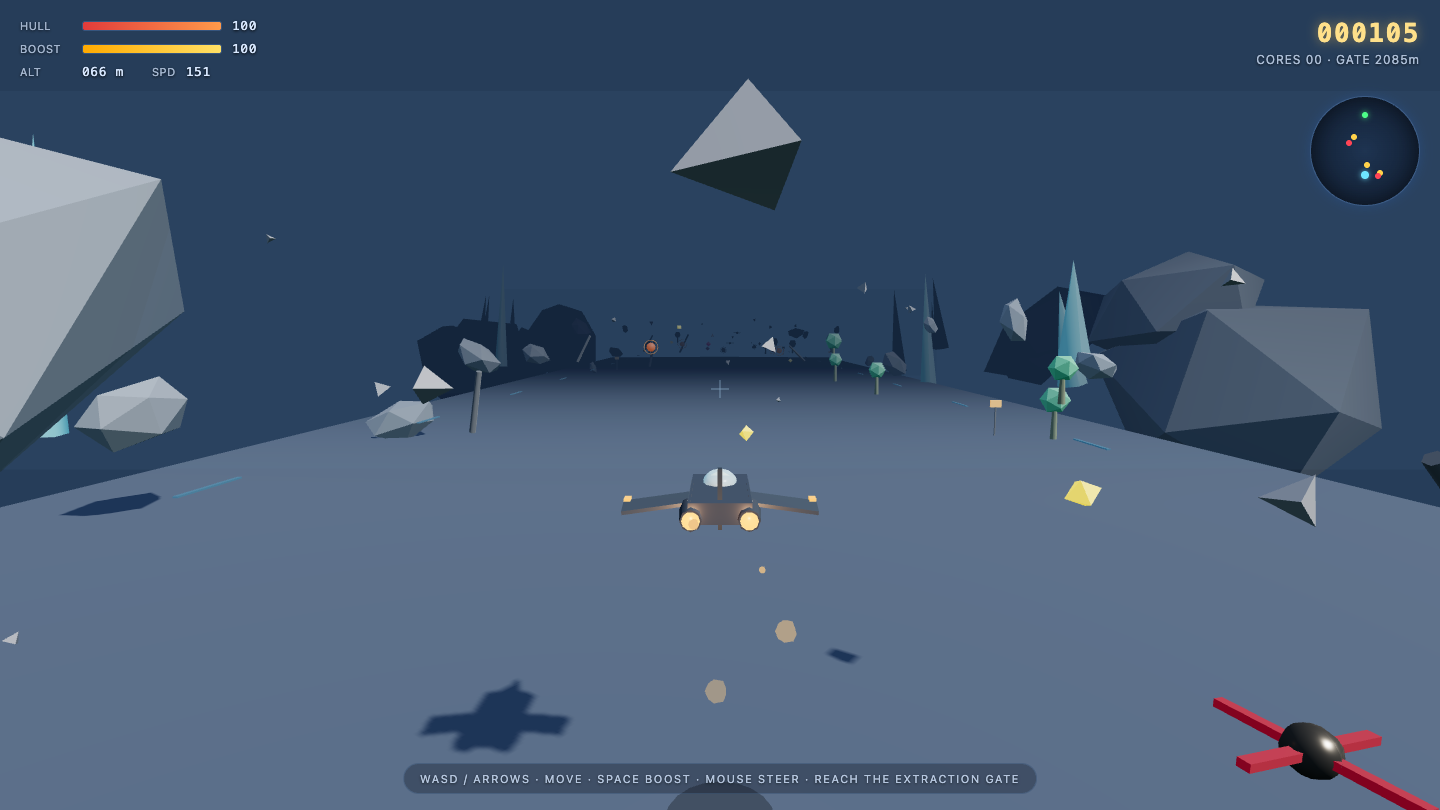
What I saw: One-shot: Skyrim-style frozen open world that actually walks — multi-part third-person adventurer (hooded head, belt torso, arms, legs, sheathed sword), rolling snow terrain, near/mid/far low-poly pines, mountain silhouettes, health/stamina meters + compass + sword-state chip + d…
Strengths & weaknesses I logged
Opus 4.8
Strengths
- Most consistent across the Goldie Bench bench — no weak build, 8.46/10 average
- Deepest one-shot reasoning, especially on game-feel and physics
- Extended thinking mode handles up to 1M tokens of context
Trade-offs
- 5–10× the per-token cost of every other model on the bench
- Less flair on cinematic visuals than GLM-5.2 — playing it safer wins on accuracy, costs you on showpiece moments
Grok 4.5
Strengths
- SWE Marathon resolution #1: 29.0% (Opus 4.8 26.0, Fable 24.0)
- ~4.2x more token-efficient than Opus 4.8 on SWE-Bench Pro (15,954 vs 67,020 avg output tokens); ~80 TPS
- Strong one-shot game builds: gorgeous multi-part heroes + layered worlds + cohesive HUDs first try (dragonrealm, crypt, skyrim)
Trade-offs
- Raycaster/FPS (doom) under-renders + walks out of bounds one-shot; needed multiple self-fix passes
- Occasional TDZ/init bug blanks a build to black (racing) — recovered by the model itself in one pass
- Not available in the EU until mid-July 2026
Pricing & context — the spec sheet
| Spec | Opus 4.8 | Grok 4.5 |
|---|---|---|
| Vendor | Anthropic | xAI · Grok Build |
| Context window | 200,000 tokens (1M with extended thinking) | xAI's smartest model, built for coding + agentic tasks; trained alongside Cursor. Default model in Grok Build. Benched here via OpenRouter (x-ai/grok-4.5). |
| Price | $15 / $75 per M tokens | $2 / 1M input · $6 / 1M output |
| Pricing detail | Premium pricing via the Anthropic API: $15 per million input tokens, $75 per million output tokens. Extended thinking is included but adds latency. | ~4.2x fewer output tokens than Opus 4.8 on SWE-Bench Pro (15,954 vs 67,020 avg) and served at ~80 TPS, so real cost/latency is well below the sticker. Free for a limited time in Grok Build + Cursor. |
| Release | 2026-05 | 2026-07-08 |
| Bench coverage | 47/47 scored · avg 7.51/10 | 48/50 scored · avg 7.60/10 |
The verdict — which should you pick?
Across 46 scored shared tasks, the averages are essentially tied — Opus 4.8 7.49 vs Grok 4.5 7.61. This isn't the comparison where one wins; it's the comparison where you pick based on context, pricing, and what you're actually trying to ship.
If you only run one of these inside your stack, the head-to-head average above is the call. If you can run both, my honest play is to wire Opus 4.8 and Grok 4.5 both into the Agent Operating System and dispatch each from the kanban by task type — mission-critical one-shot builds where 'has to work the first time' matters → Opus 4.8, one-shot end-to-end app + game builds from a single prompt → Grok 4.5. That's the same setup I run for the 4,000+ founders inside the AI Profit Boardroom.
FAQ — Opus 4.8 vs Grok 4.5
Which is better, Opus 4.8 or Grok 4.5?
On Goldie Bench, Opus 4.8 averages 7.49/10 across the shared tasks, with 3 gold, 7 silver, 2 bronze overall. Grok 4.5 averages 7.61/10, with 12 gold, 34 silver, 2 bronze. Grok 4.5 wins the head-to-head 22–21.
How much does Opus 4.8 cost vs Grok 4.5?
Opus 4.8: Premium pricing via the Anthropic API: $15 per million input tokens, $75 per million output tokens. Extended thinking is included but adds latency. Grok 4.5: ~4.2x fewer output tokens than Opus 4.8 on SWE-Bench Pro (15,954 vs 67,020 avg) and served at ~80 TPS, so real cost/latency is well below the sticker. Free for a limited time in Grok Build + Cursor.
What's the context window for Opus 4.8 vs Grok 4.5?
Opus 4.8 has a 200,000 tokens (1M with extended thinking) context window. Grok 4.5 has a xAI's smartest model, built for coding + agentic tasks; trained alongside Cursor. Default model in Grok Build. Benched here via OpenRouter (x-ai/grok-4.5). context window.
When should I pick Opus 4.8 over Grok 4.5?
Pick Opus 4.8 for: Mission-critical one-shot builds where 'has to work the first time' matters; Hard reasoning tasks (planning, multi-step) where you'll pay for the depth; Anything where vendor reliability beats the per-token bill. The trade-off is the weaknesses we logged on the bench: 5–10× the per-token cost of every other model on the bench; Less flair on cinematic visuals than GLM-5.2 — playing it safer wins on accuracy, costs you on showpiece moments.
When should I pick Grok 4.5 over Opus 4.8?
Pick Grok 4.5 for: One-shot end-to-end app + game builds from a single prompt; Cost/latency-sensitive agentic coding loops (token-efficient + fast); Office-work automation (Excel/PowerPoint/Word via Grok Build). The trade-off is the weaknesses we logged on the bench: Raycaster/FPS (doom) under-renders + walks out of bounds one-shot; needed multiple self-fix passes; Occasional TDZ/init bug blanks a build to black (racing) — recovered by the model itself in one pass; Not available in the EU until mid-July 2026.
How does Goldie Bench score Opus 4.8 vs Grok 4.5?
Every demo on this page was built by Julian Goldie inside the Agent Operating System — same fixed prompt for both models, one shot, single HTML file out. Each result gets a 0–10 score on whether it ran, how close it hit the brief, and how good it looked. The highest score on each task gets gold; second gets silver; third gets bronze. See methodology for full provenance.
Related comparisons
Other head-to-heads using the same scoring system:
Opus 4.8 vs Fusion Grok 4.5 vs Fusion Opus 4.8 vs Hermes MoA Grok 4.5 vs Hermes MoA Opus 4.8 vs Claude Fable 5 Grok 4.5 vs Claude Fable 5 Opus 4.8 vs Grok (X real-time) Grok 4.5 vs Grok (X real-time)Full model pages: Opus 4.8 · Grok 4.5 · back to the leaderboard
The same stack Julian uses
Run this stack yourself.
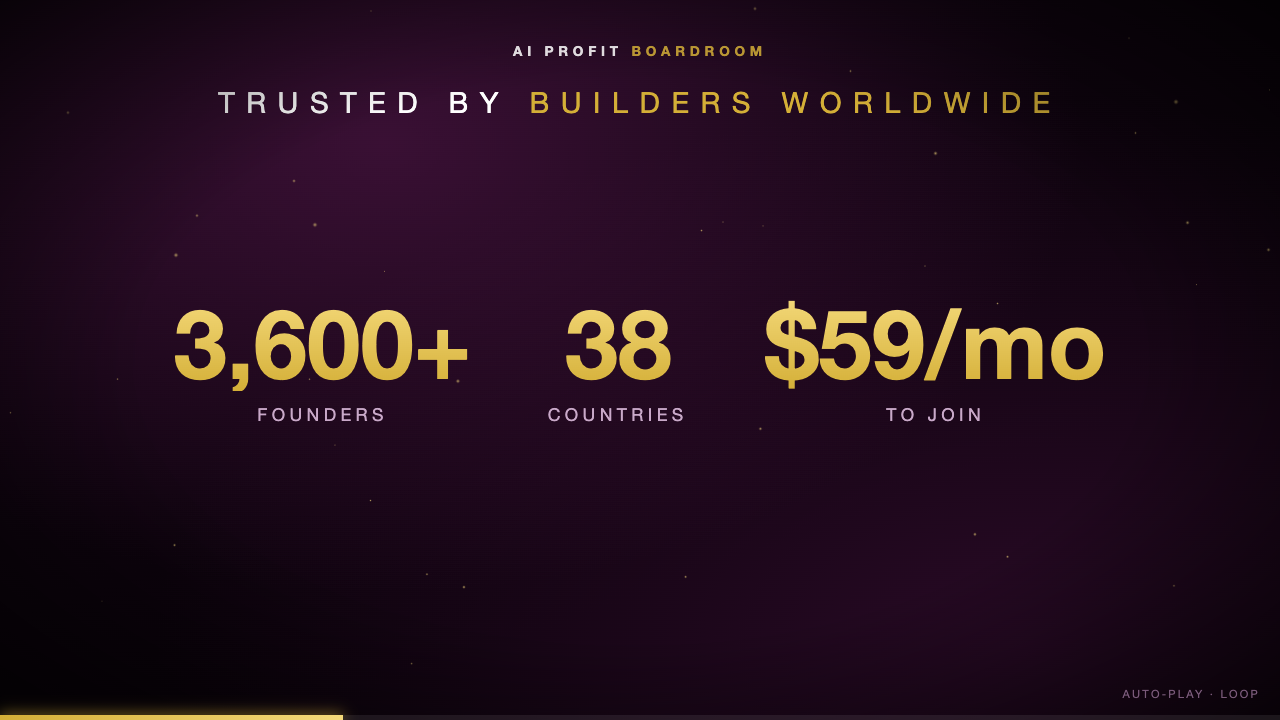
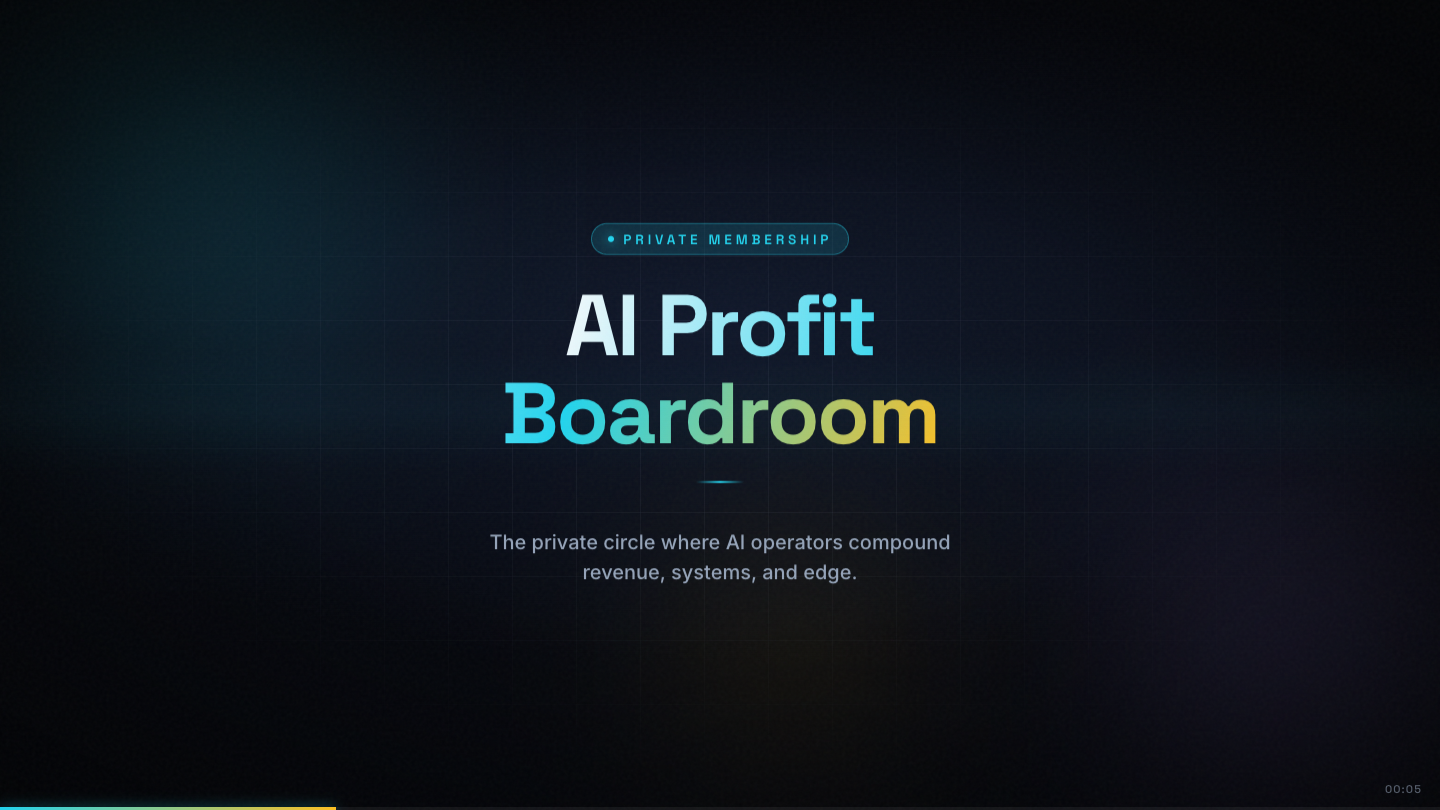
Every demo on this bench was built inside the Agent Operating System — one prompt, one shot, single HTML file out. The Agent OS, the prompts, the templates, the weekly walkthroughs and 4,000+ founders shipping with it every day all live inside the AI Profit Boardroom.
4,000+founders
258documented wins
38countries
$59/momonthly