Real head-to-head · same prompt, one shot
Opus 4.8 vs DeepSeek V4 Flash
The reasoning king — deepest thinking, premium price. vs DeepSeek's cheap tier, retrained for agents — same size, sharper loops.
What I tested — same prompt, two models
I run the same fixed prompt set through every new model the day it drops — same string, one shot, single HTML file out — and I score the result 0–10 on whether it ran, how close it hit the brief, and how good it looked. Below is what came out when I gave the exact same prompts to Opus 4.8 and DeepSeek V4 Flash, side by side, on 47 shared tasks inside the Agent Operating System.
Both models were given identical prompts inside the Agent Operating System — no help, no iteration, no "best of N" tricks. I run each prompt once, save the HTML file the model produces, and score it 0–10 on whether it ran, how close it hit the brief, and how good it looked. The scoring is mine. The verdicts below are pulled from my source comparison guides at agentos.guide where I publish every score and the reasoning behind it.
Opus 4.8 · The default when the build has to ship on the first prompt — Opus is the safety net inside Agent OS for hard one-shots.
DeepSeek V4 Flash · Wired into the Agent OS three ways: a `deepseek` Hermes profile, the DeepSeek Coder tab (official API, V4 Flash 0731 / V4 Pro picker, live preview), and the OpenCode model dropdown. Benched on all 50 GoldieBench tasks via api.deepseek.com — the endpoint the 0731 beta shipped on — with the skill-infused threejs-game-director prompt on game tasks and a model-driven fix round on any build that failed the render check.
Side-by-side on 50 shared tasks
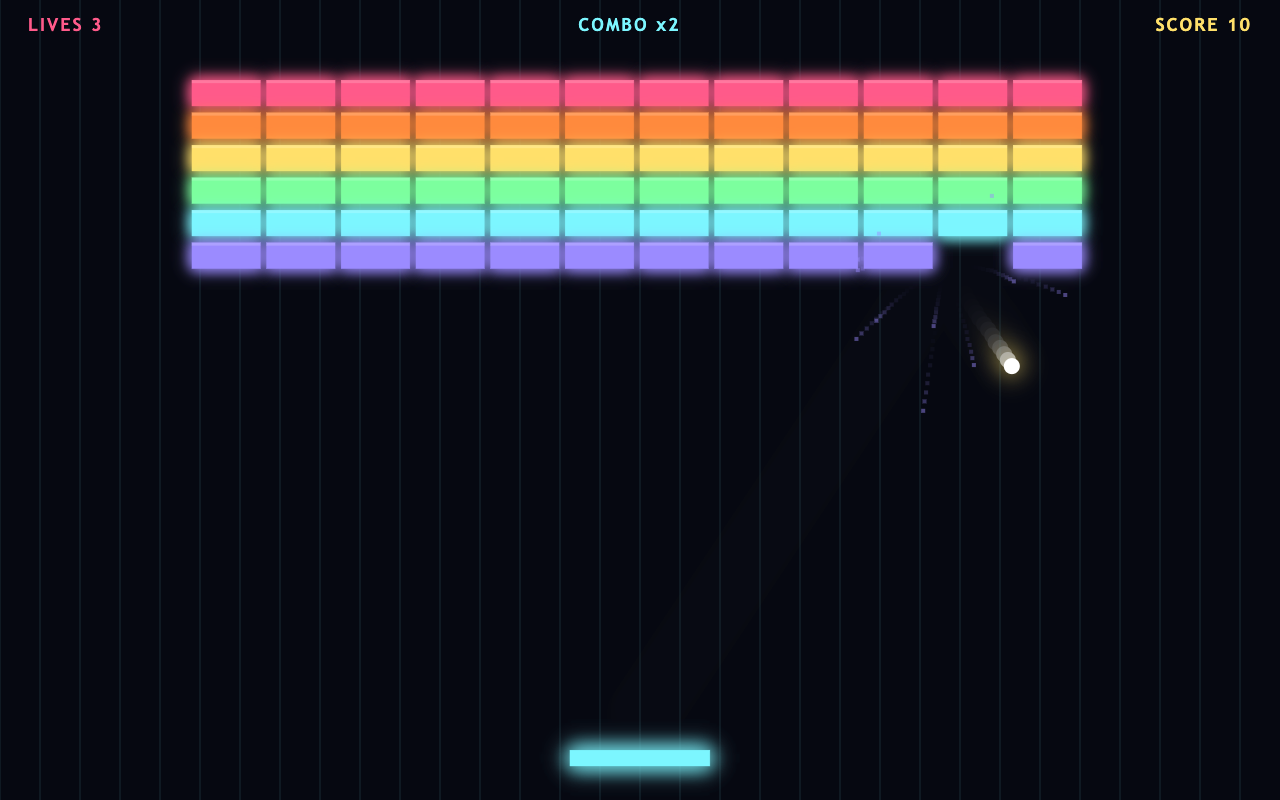
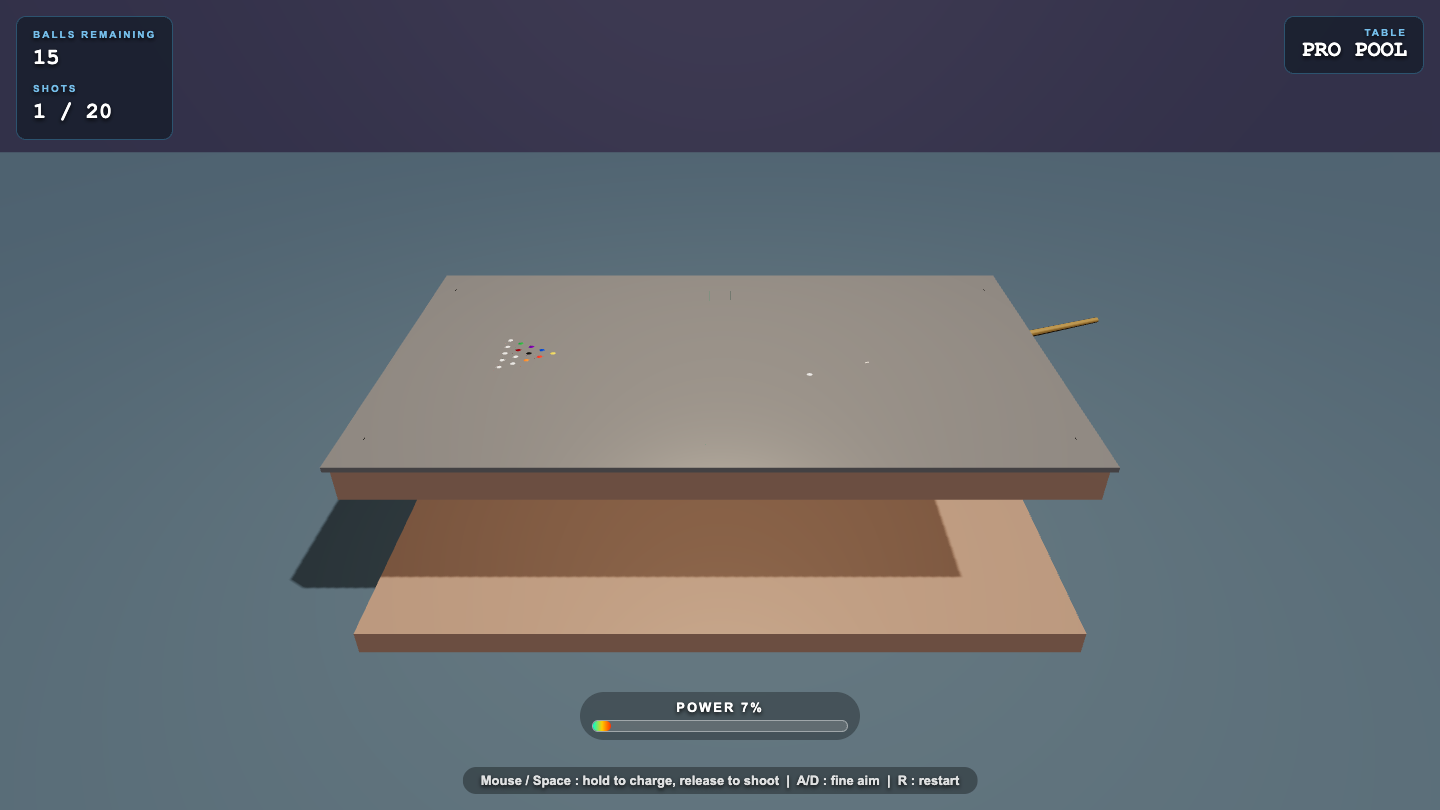
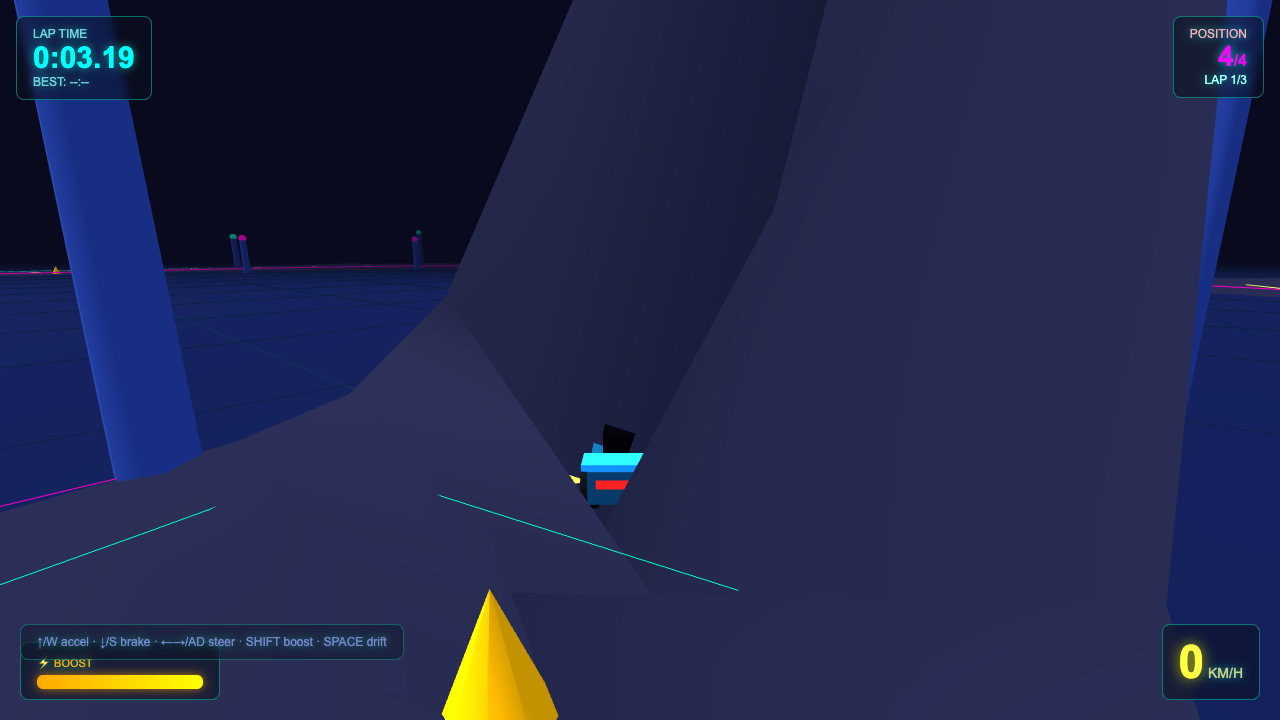
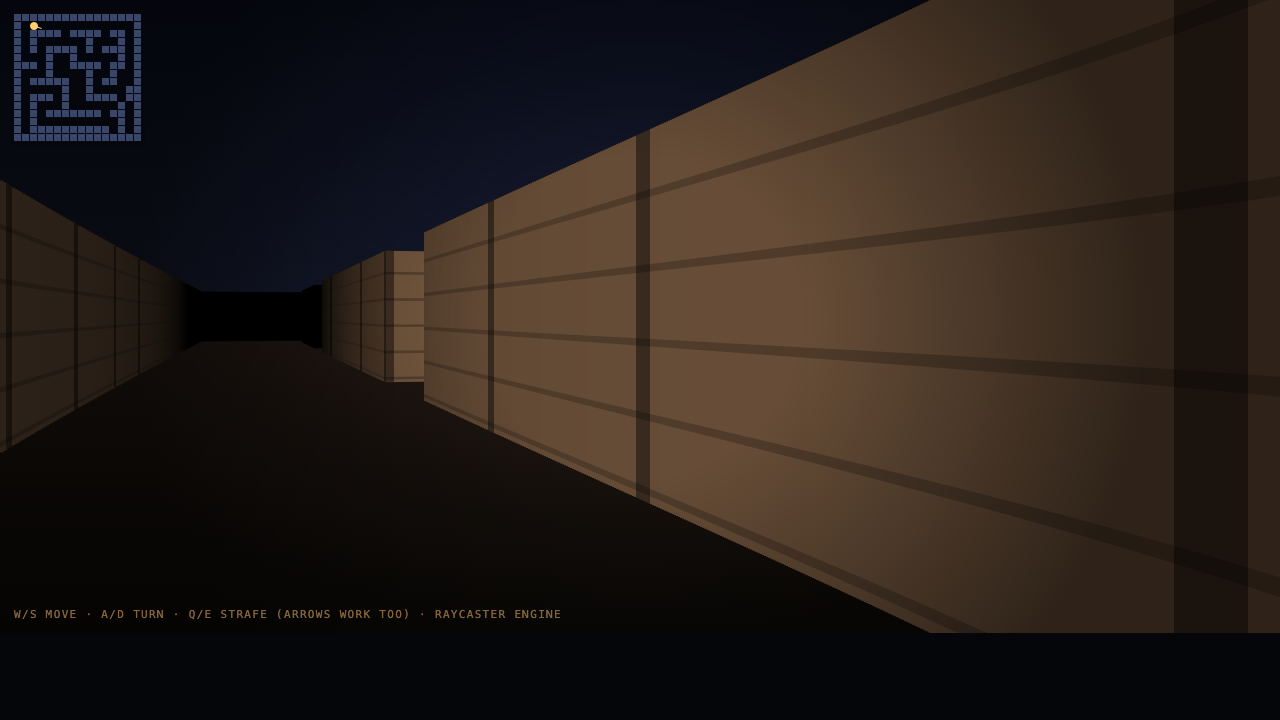
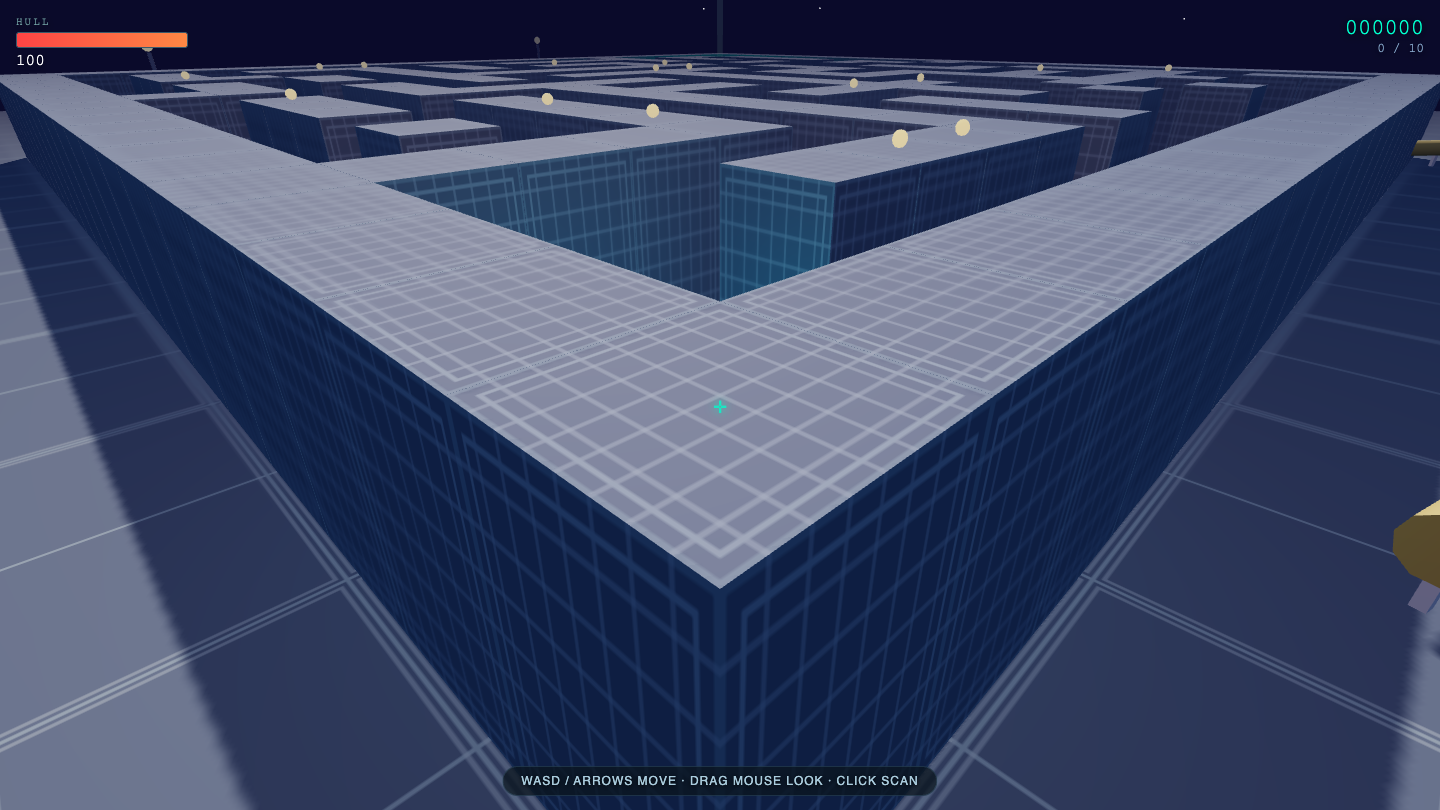
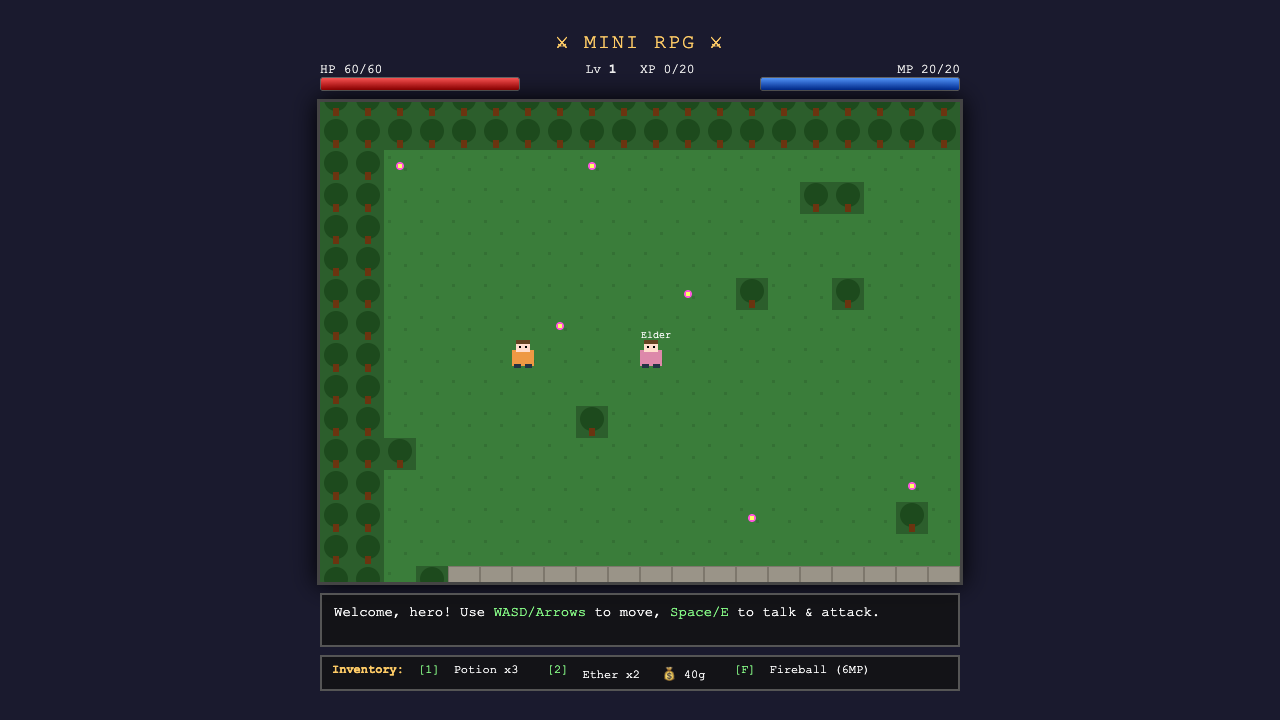
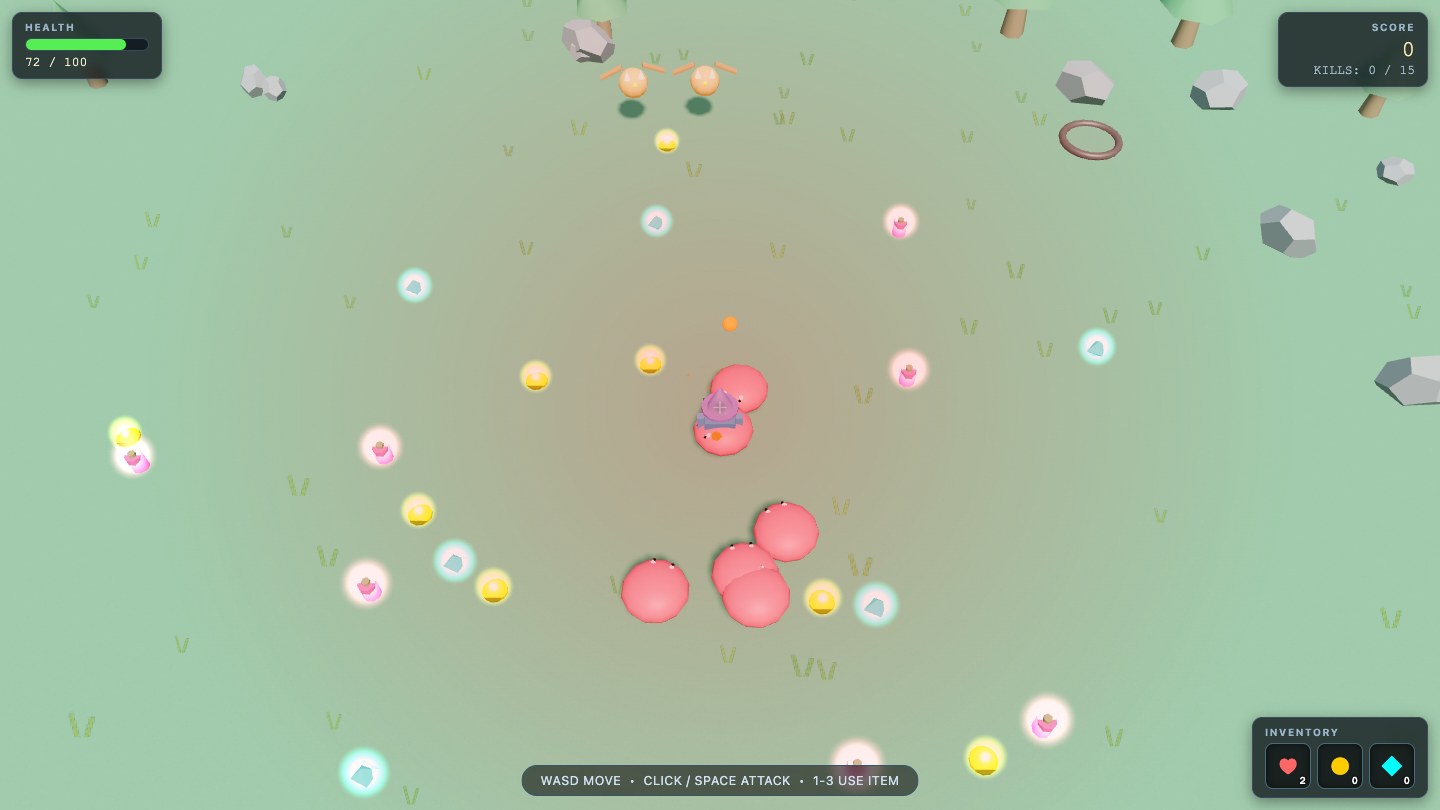
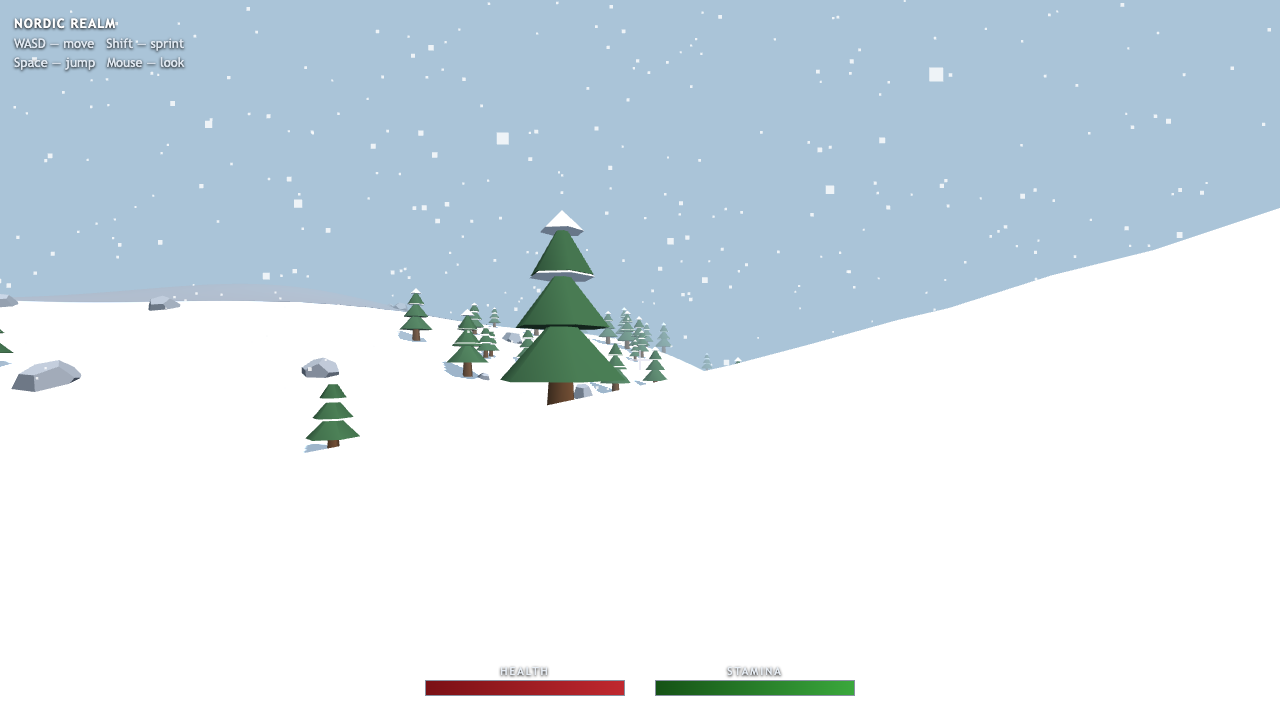
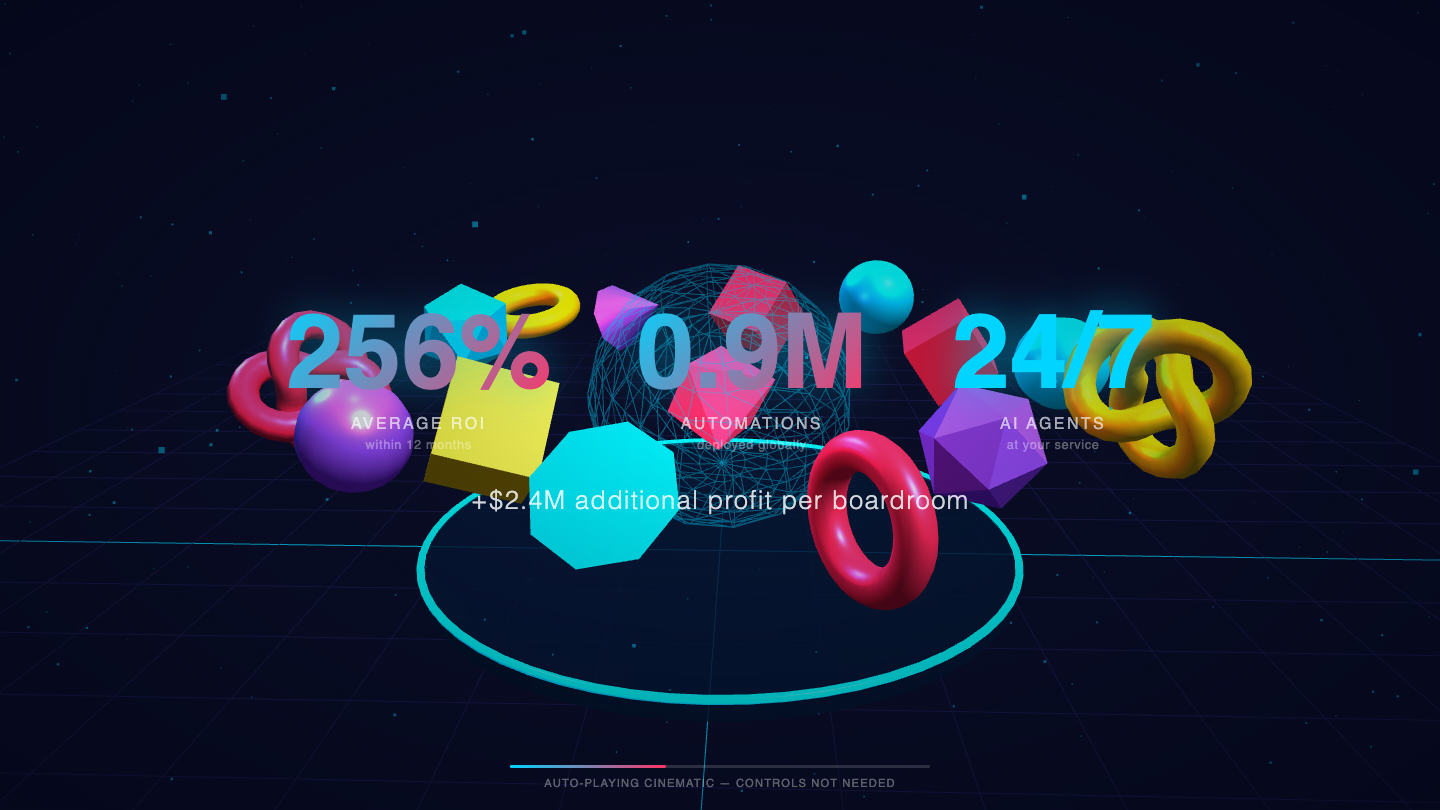
Click any cell to play that model's actual one-shot attempt. Medals are derived from my 0–10 scores per task (highest = 🥇, second = 🥈, third = 🥉).
Task ↓
Opus 4.8
DeepSeek V4 Flash
Game
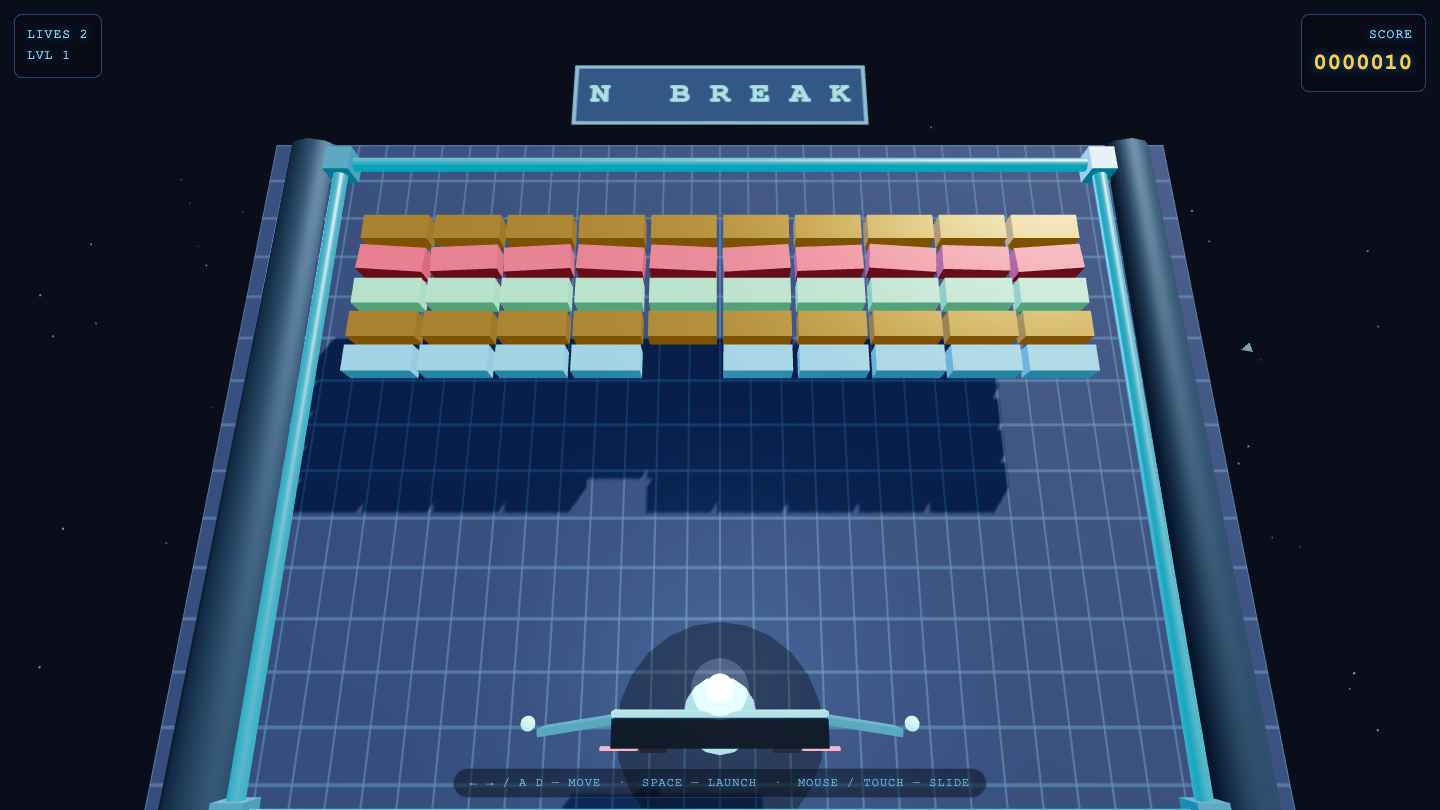
Game
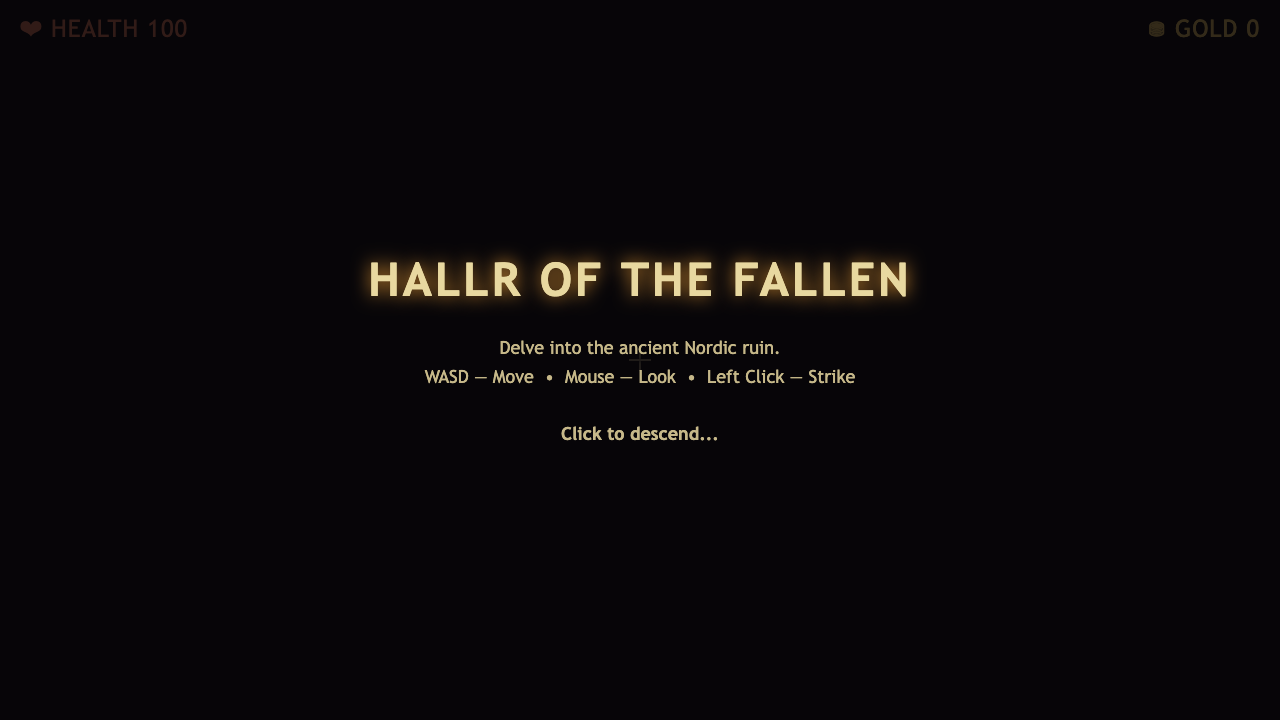
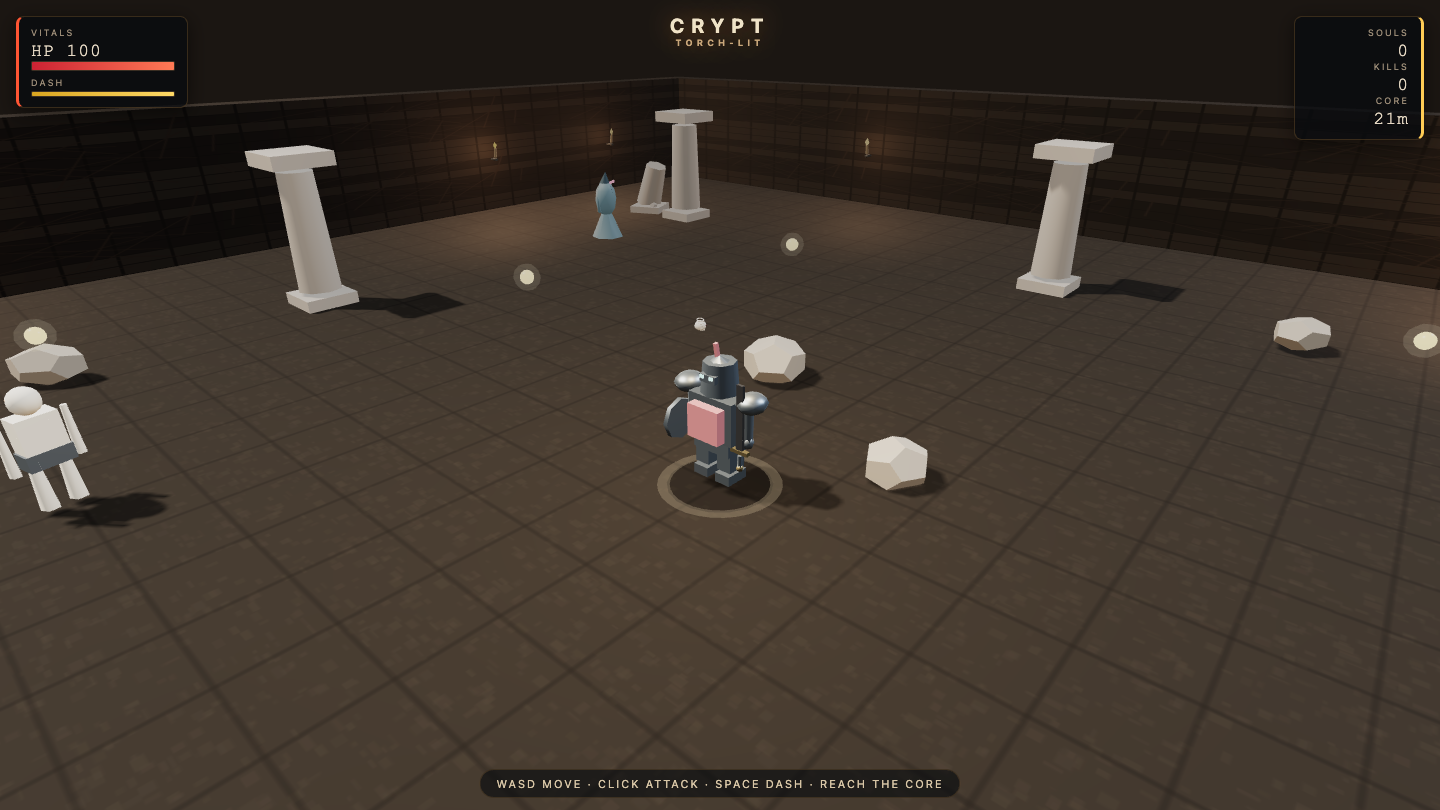
Game
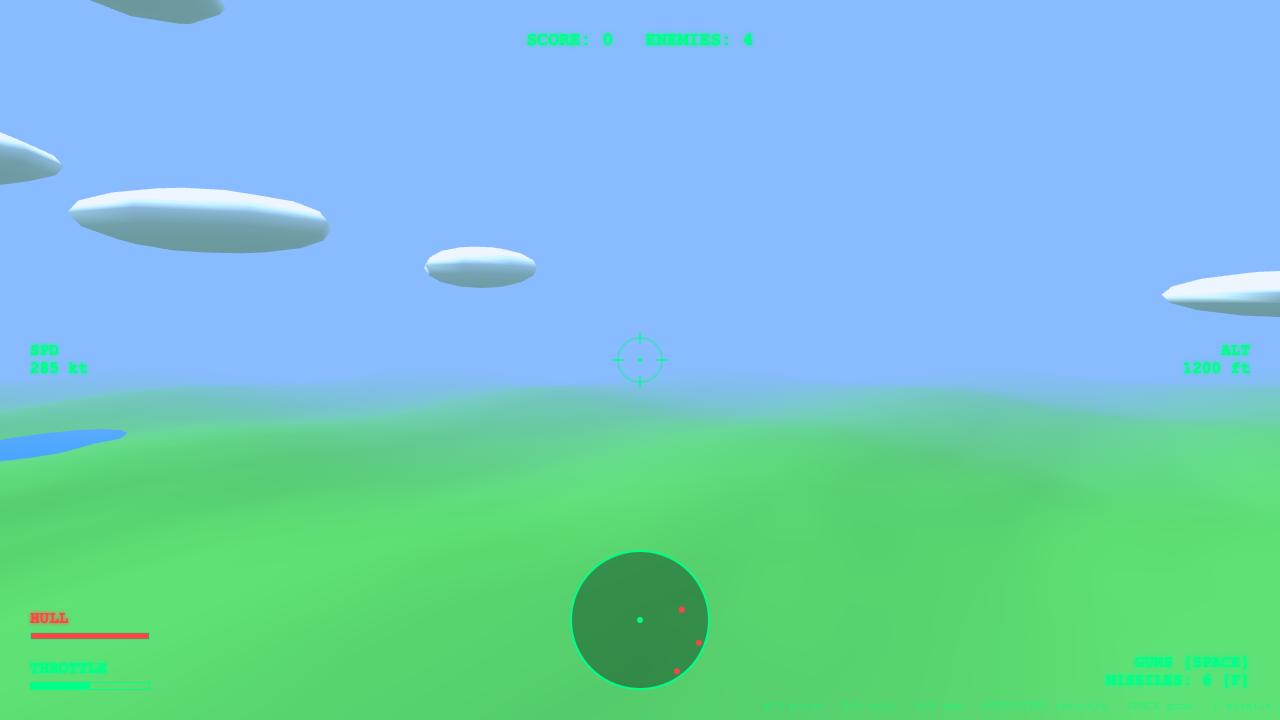
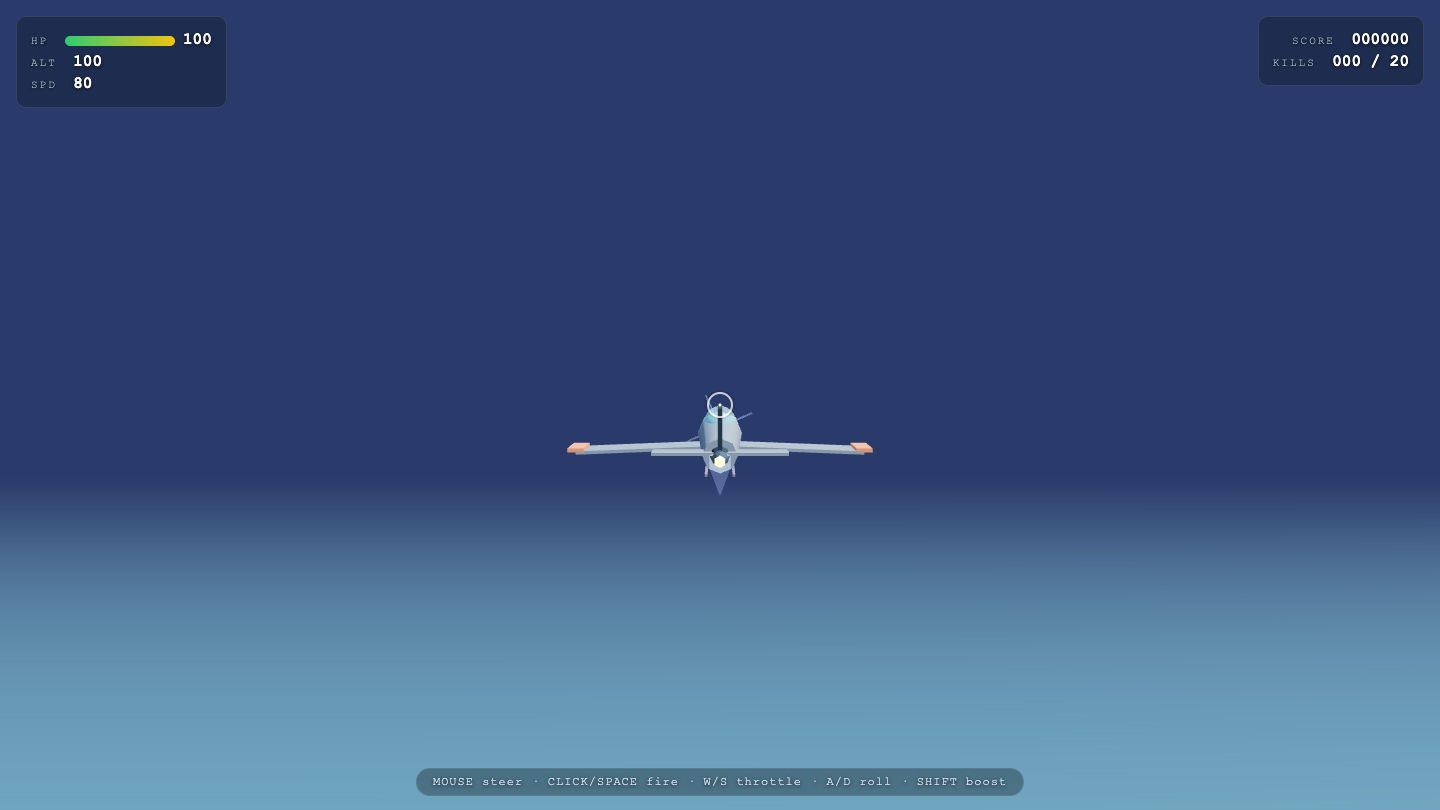
Game
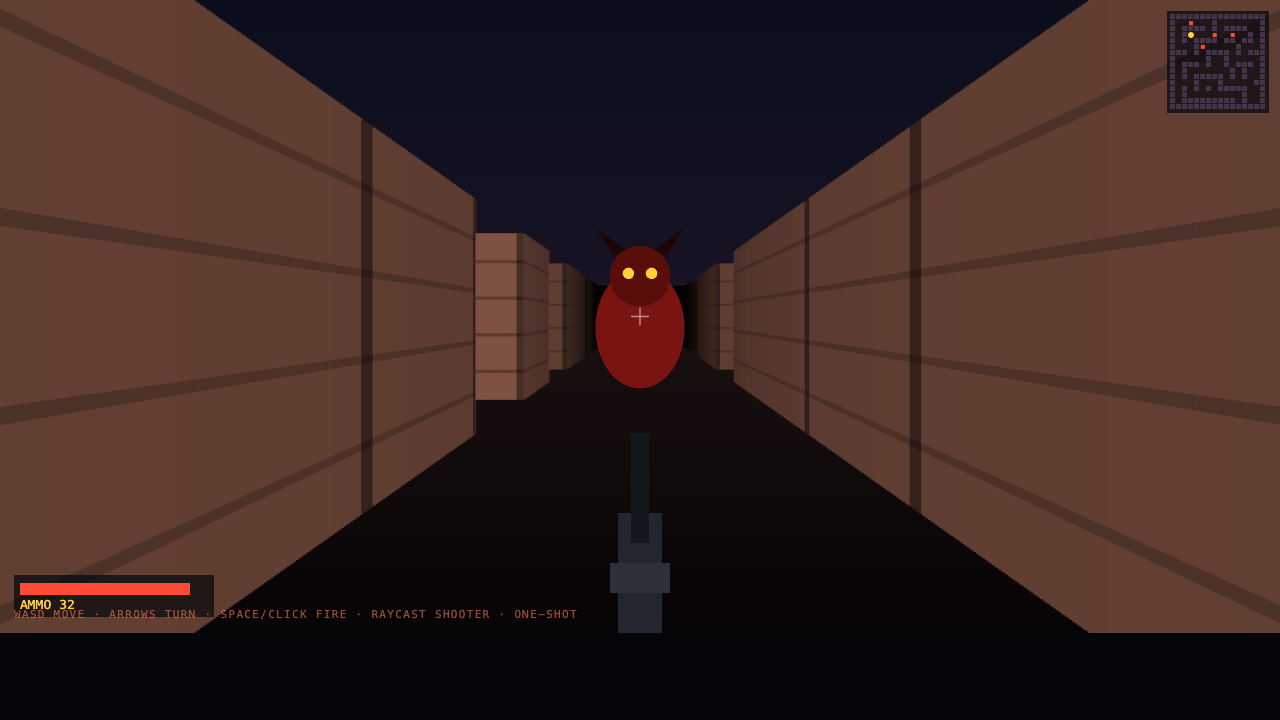
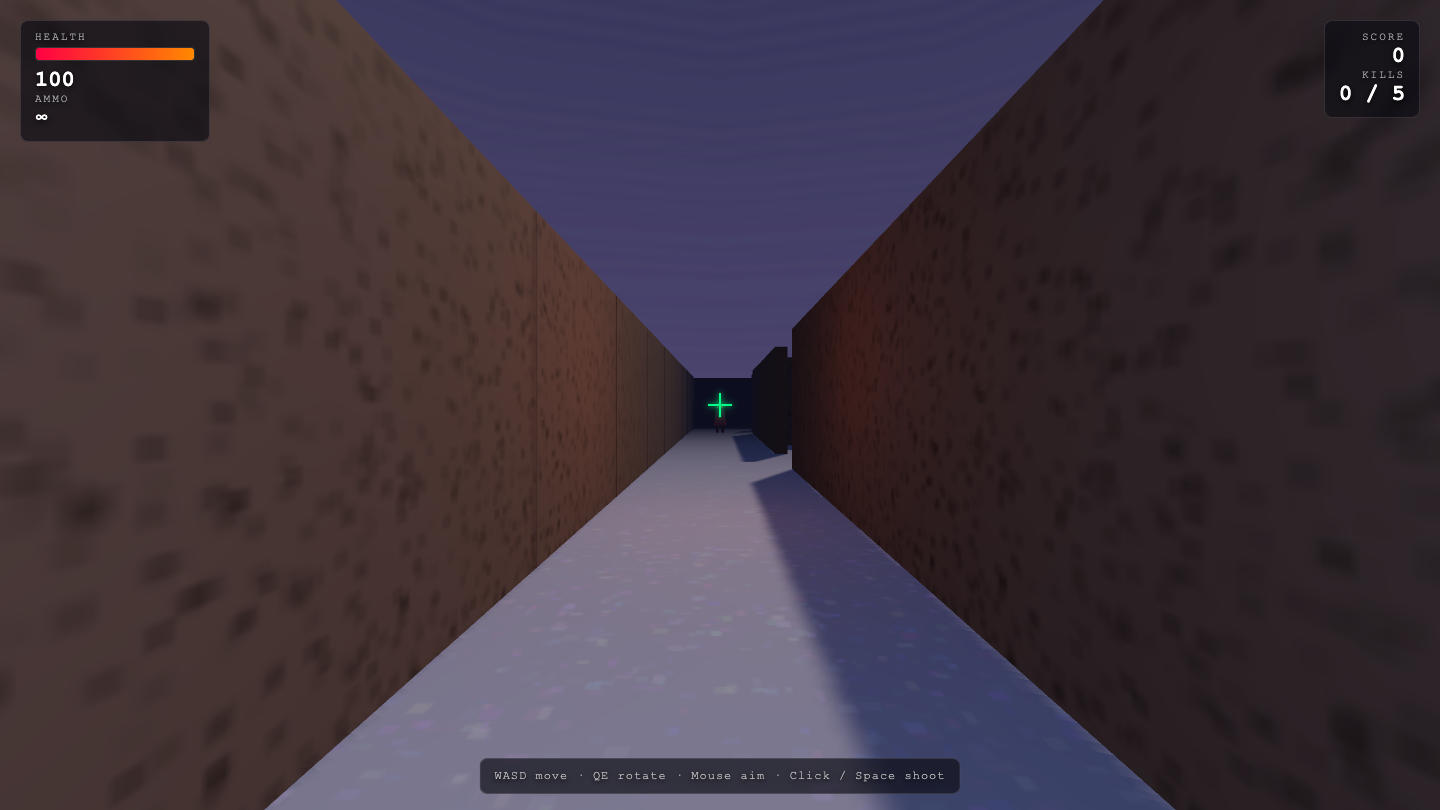
Game
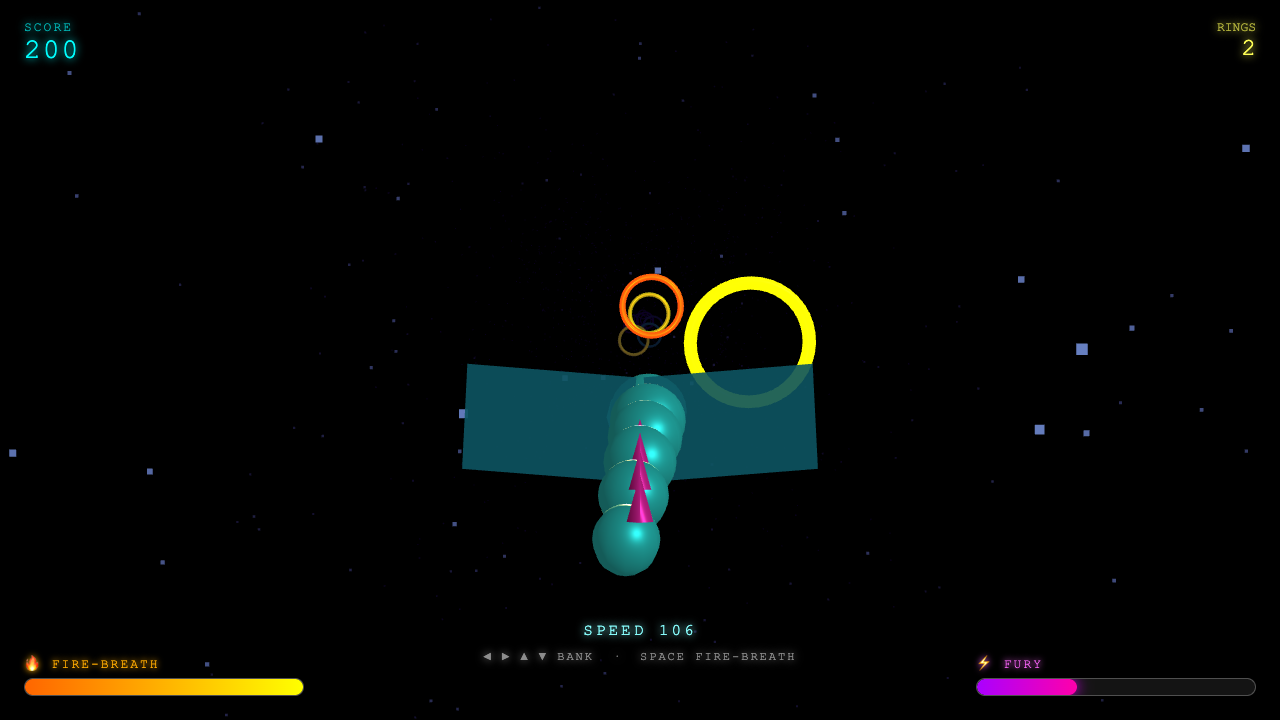
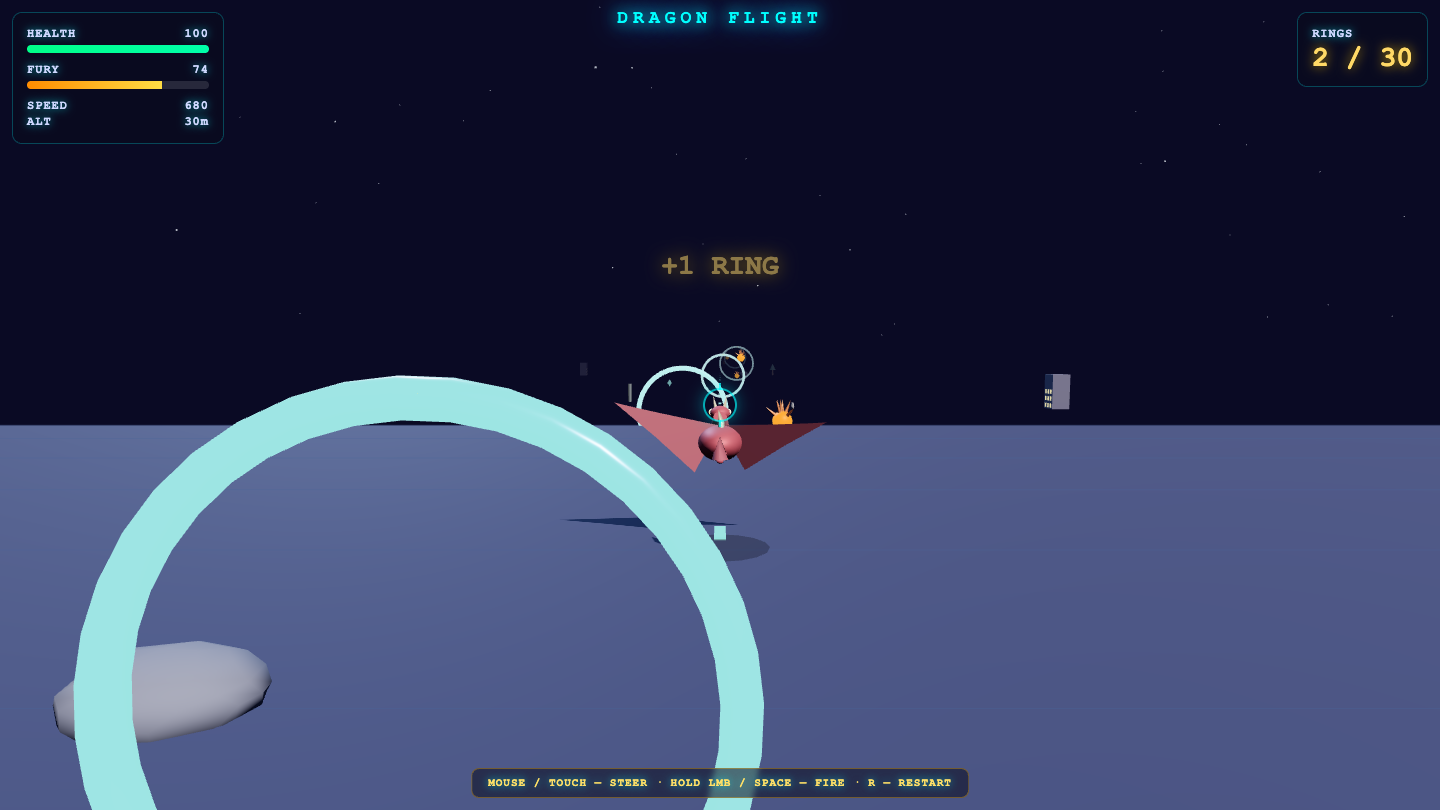
Game
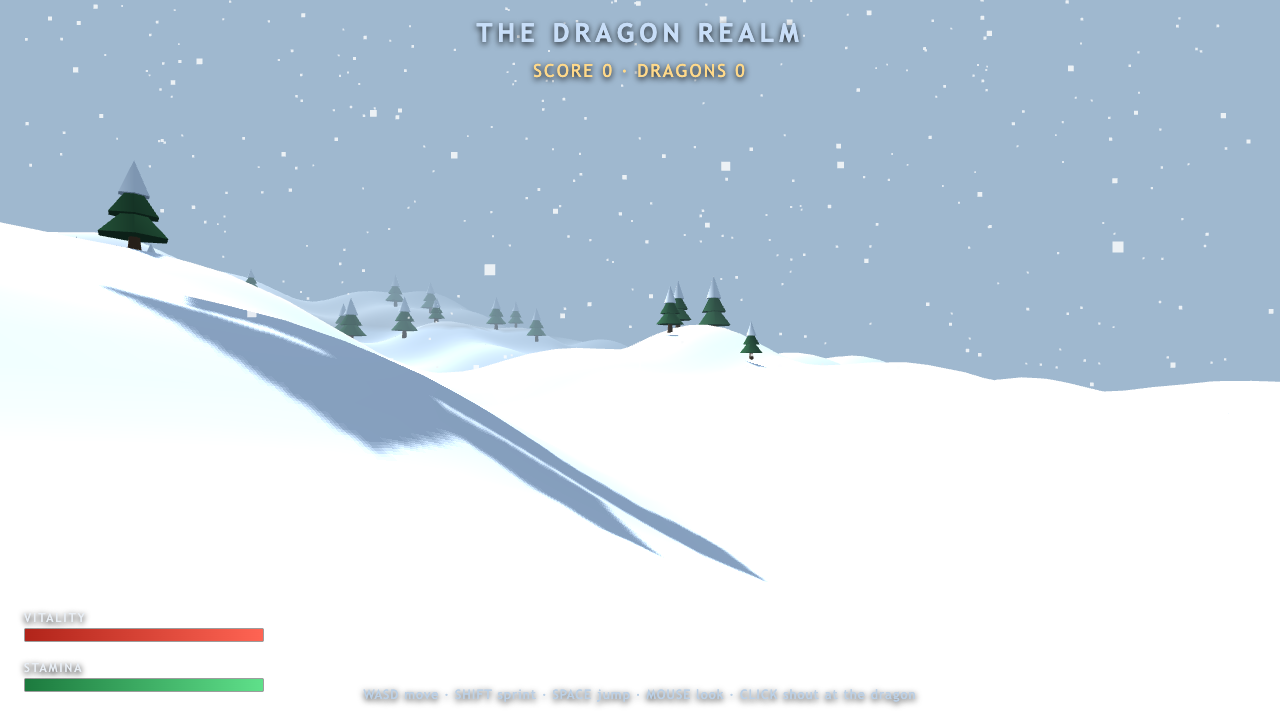
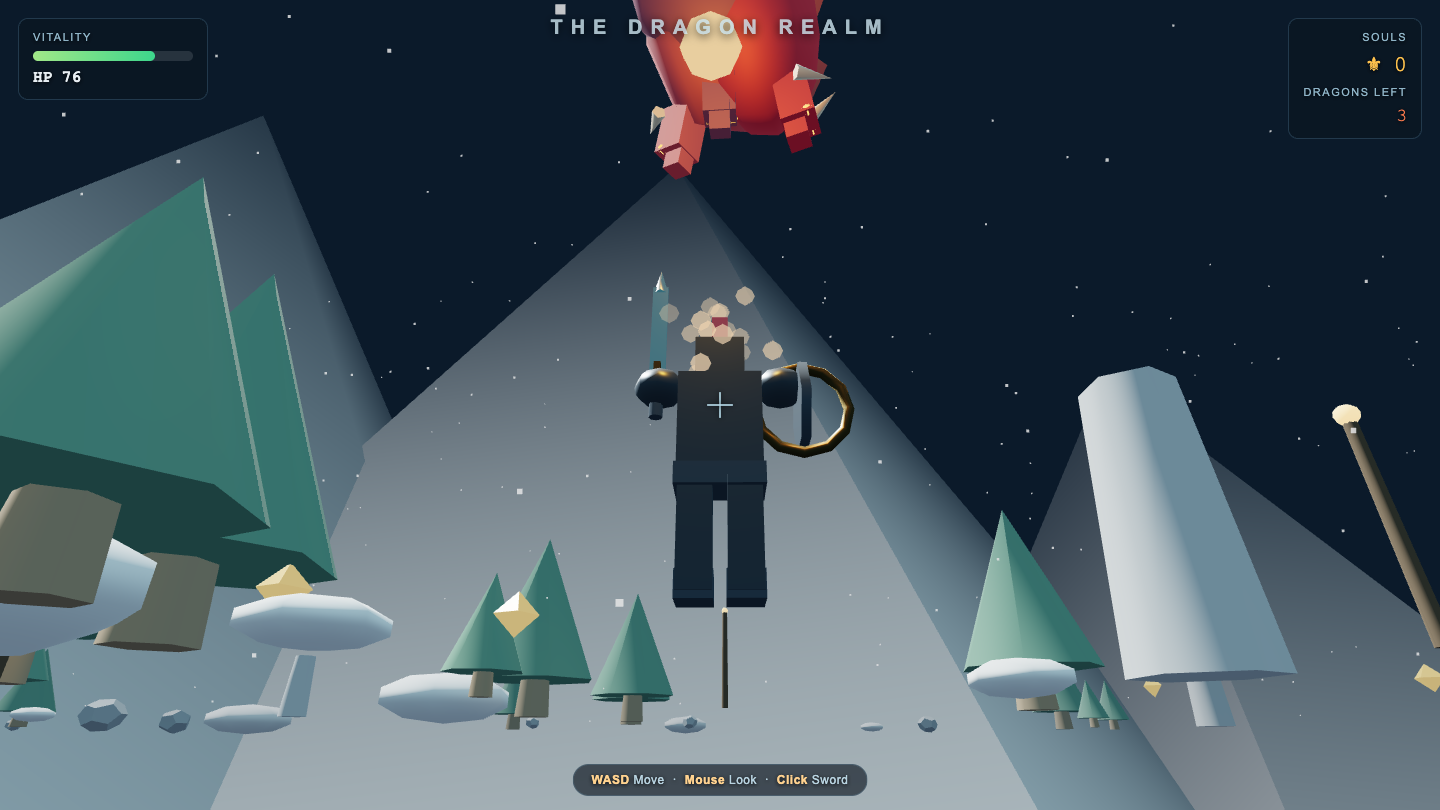
Game
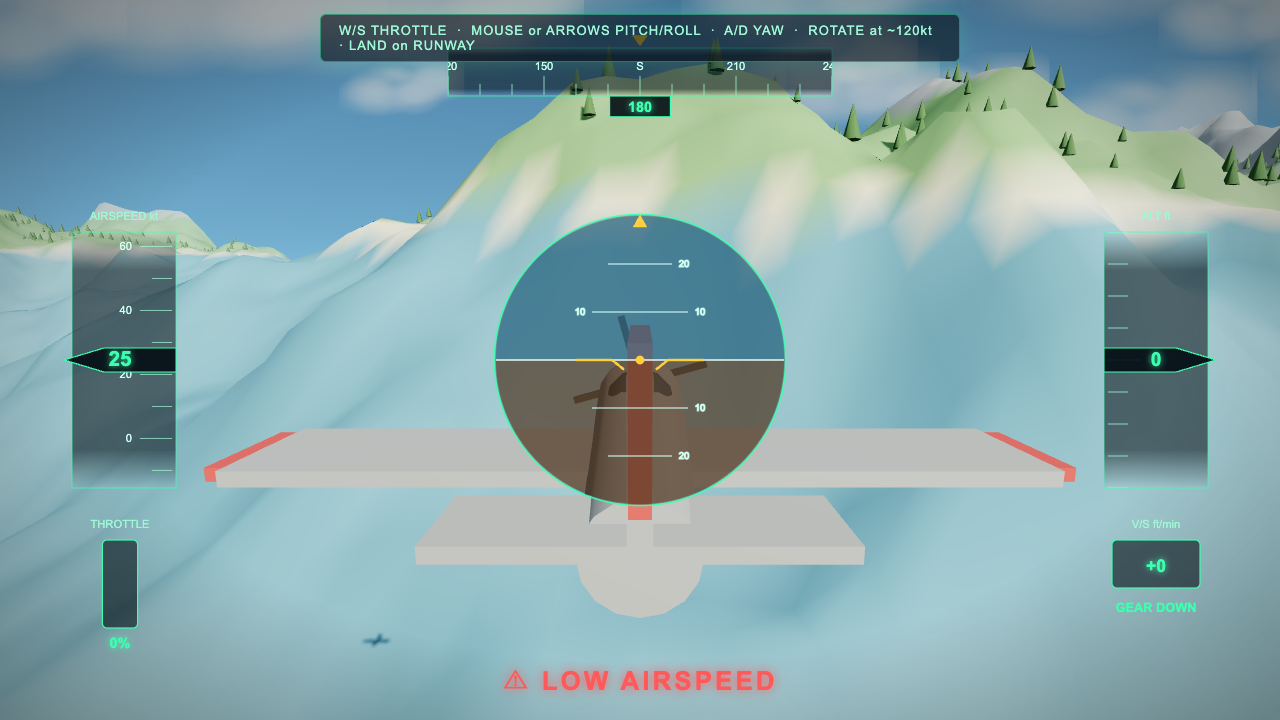
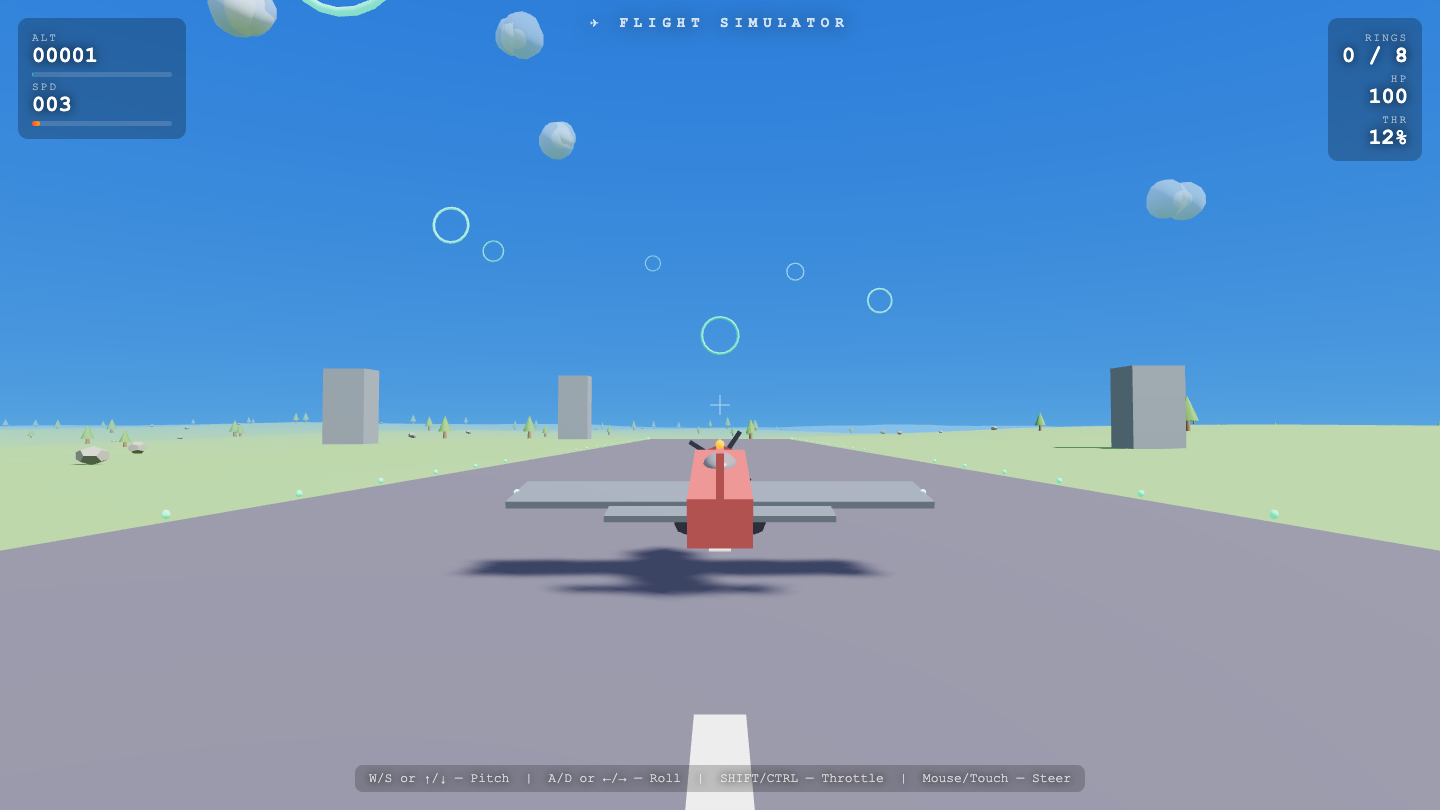
Game
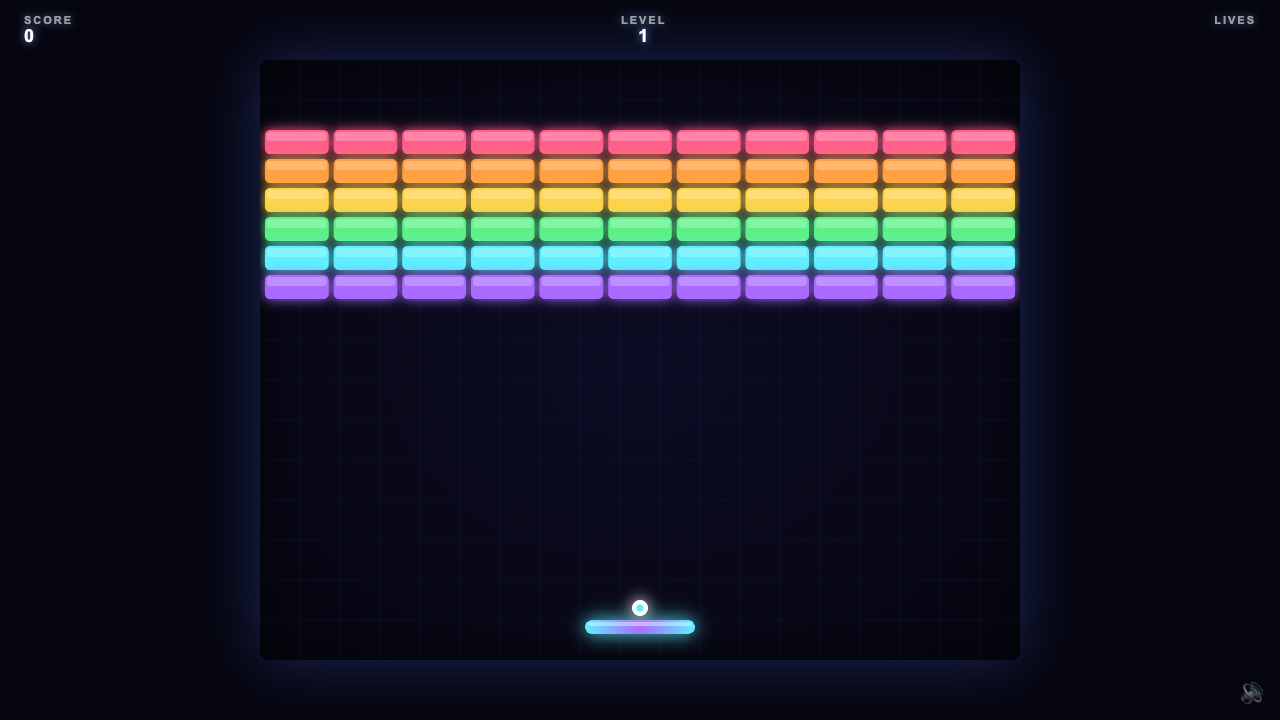
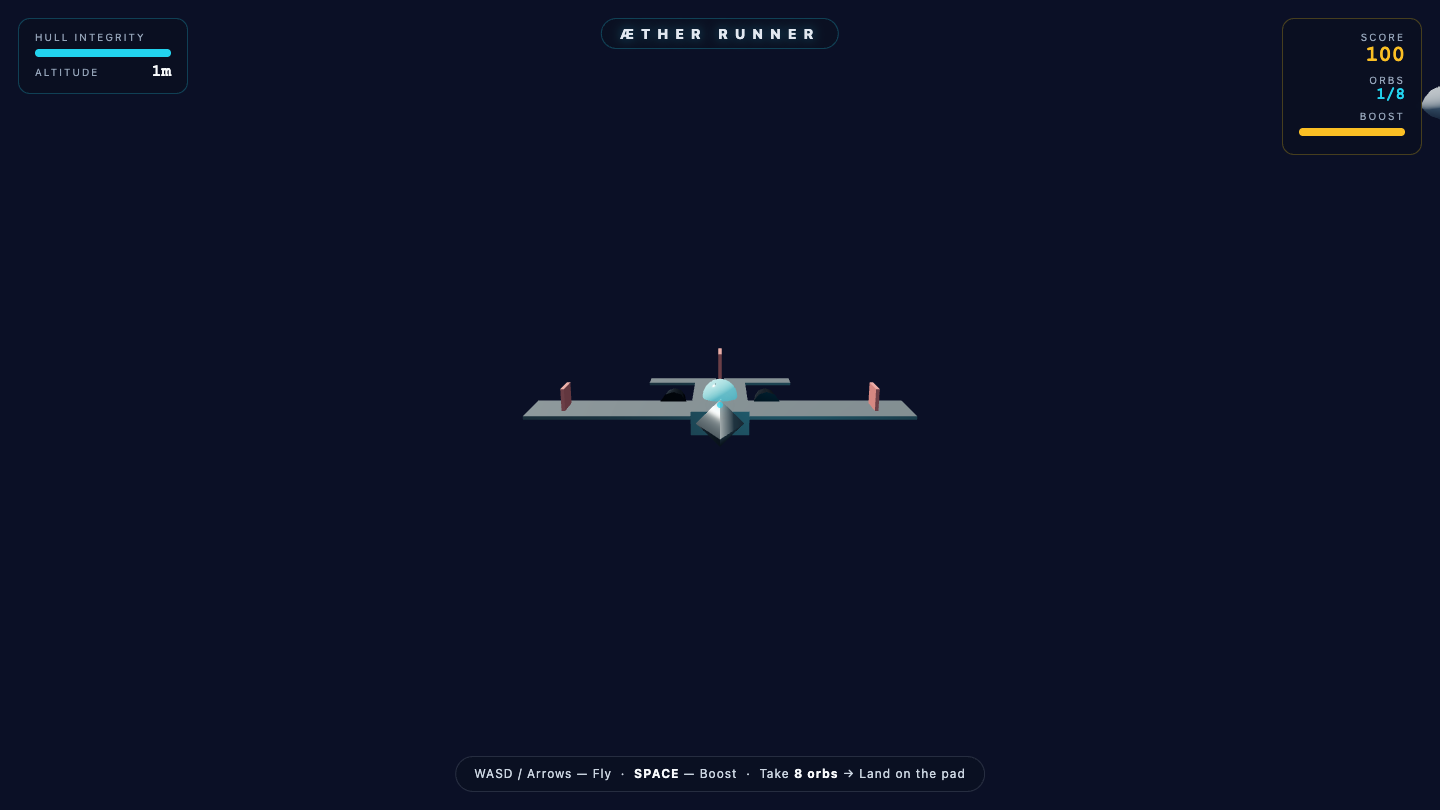
Game
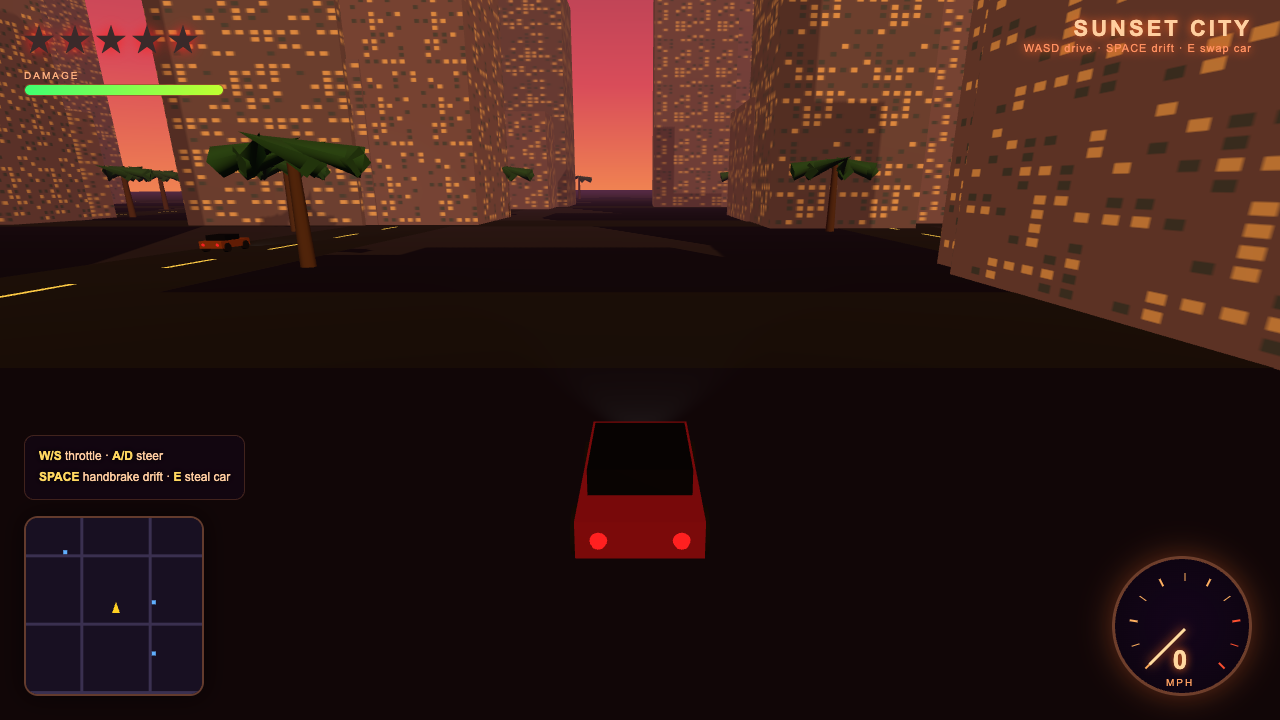
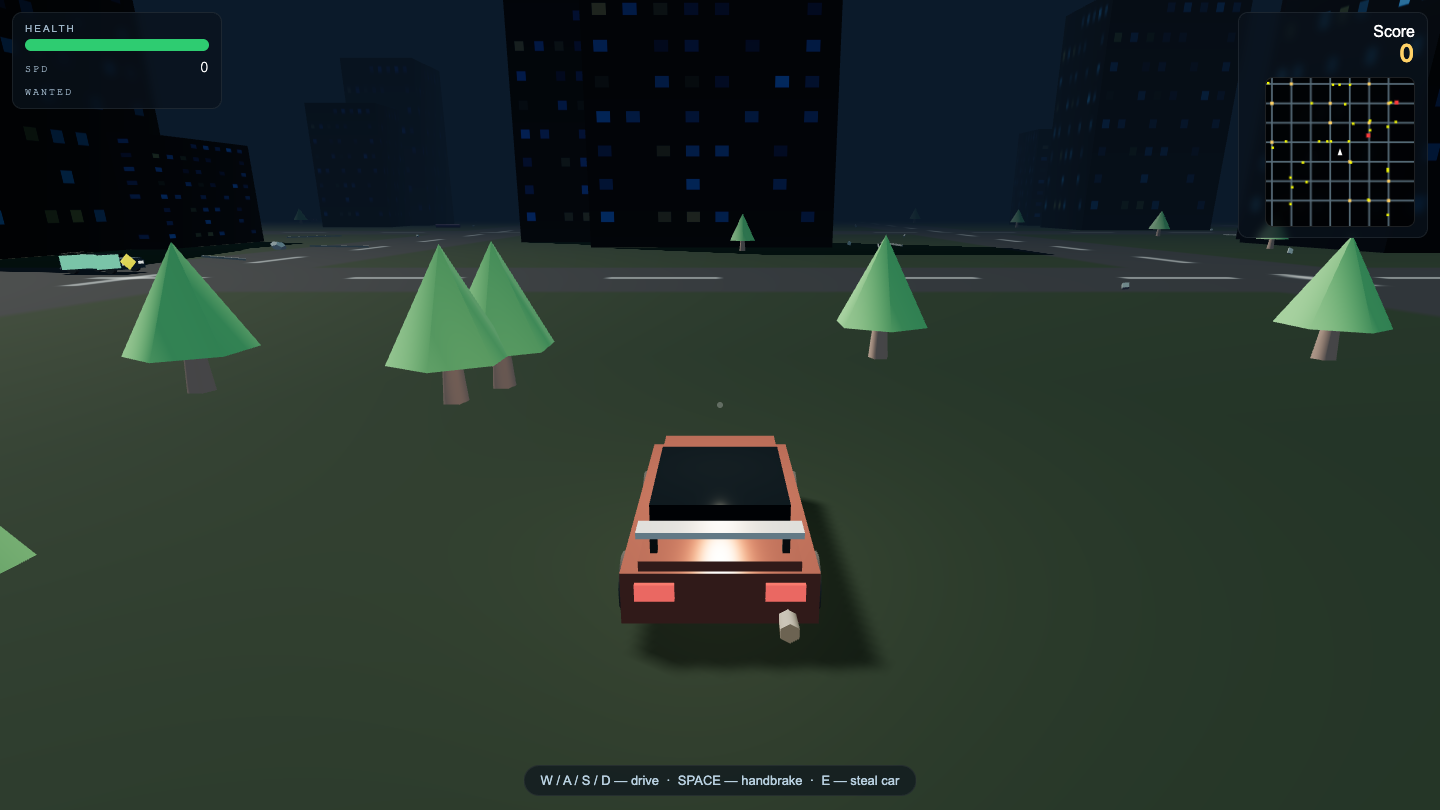
Game
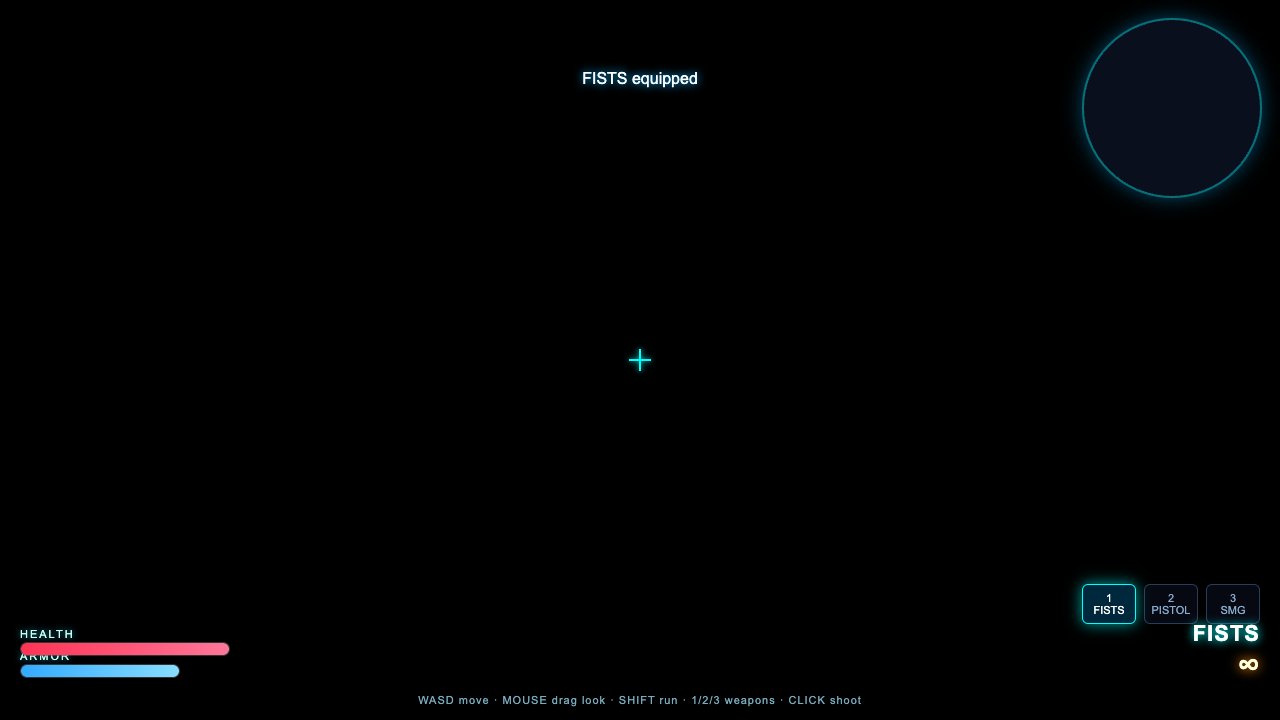
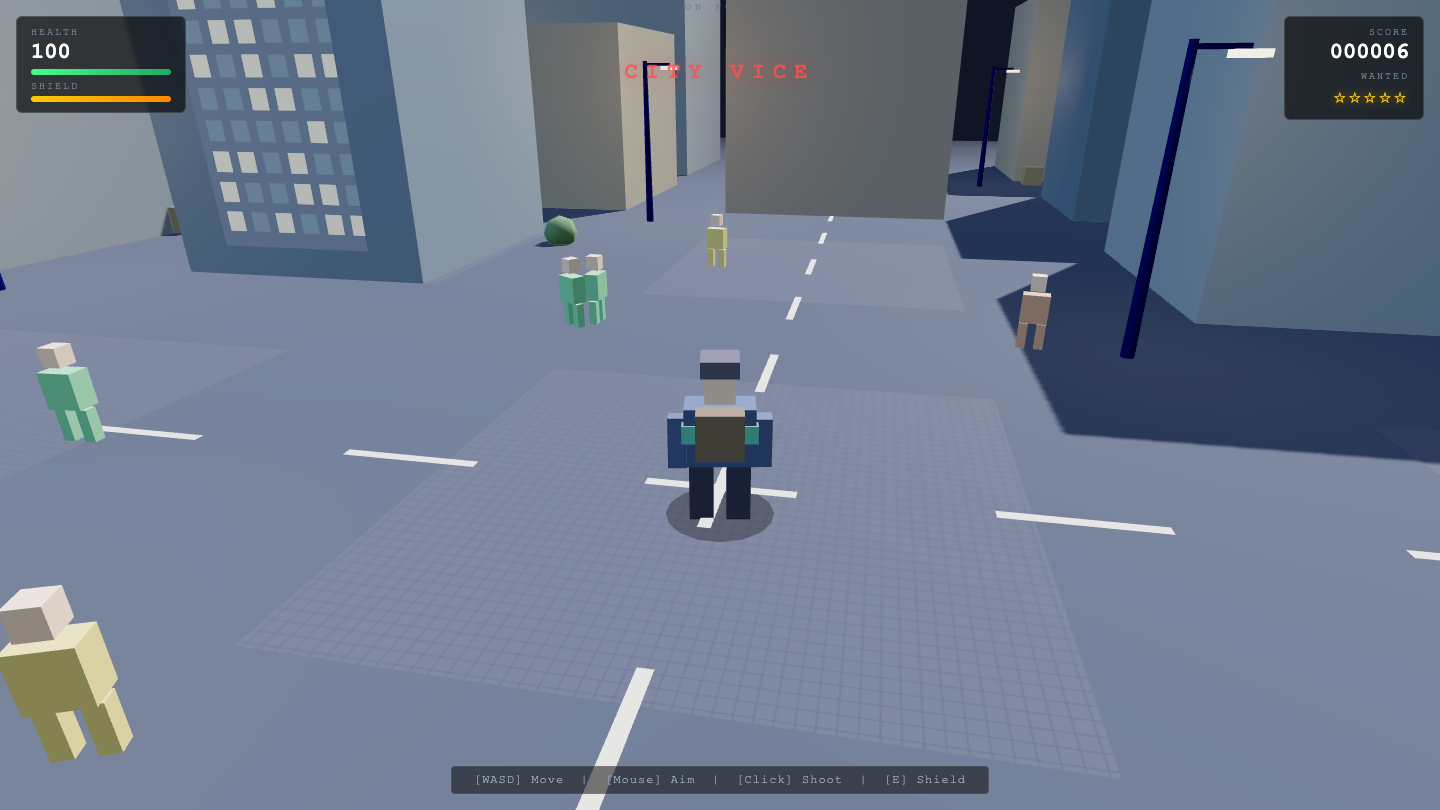
Game
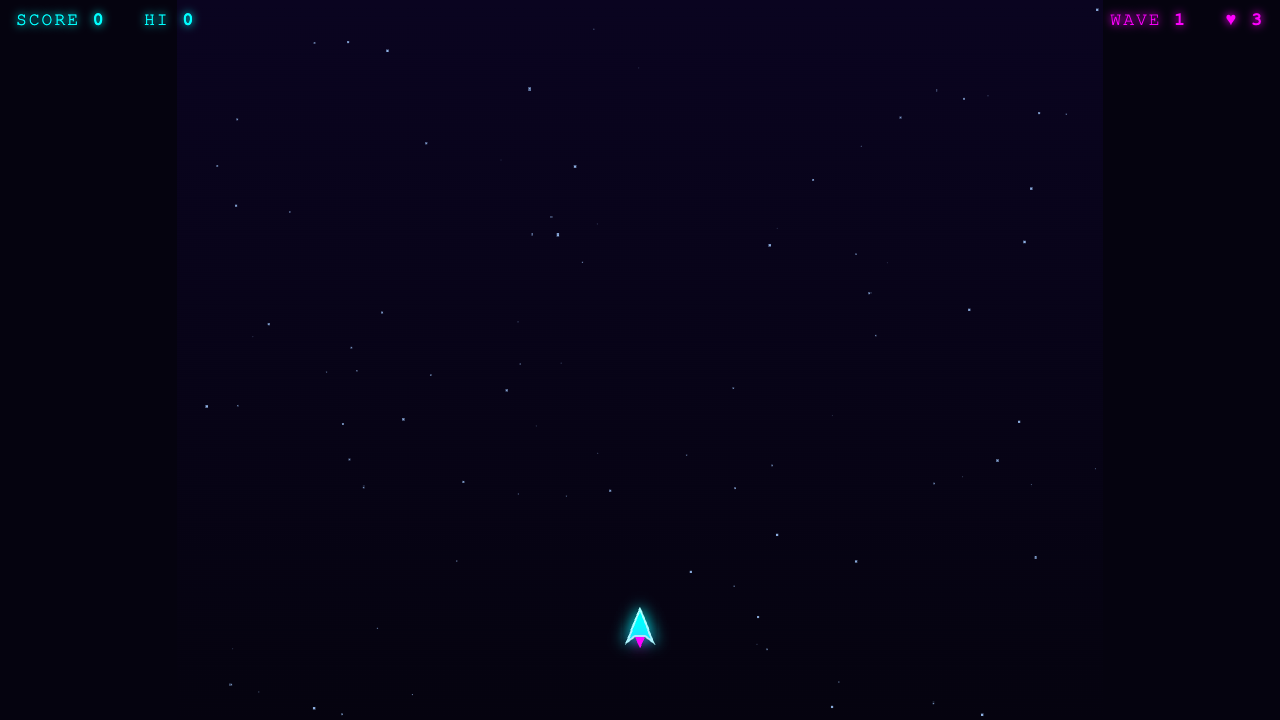
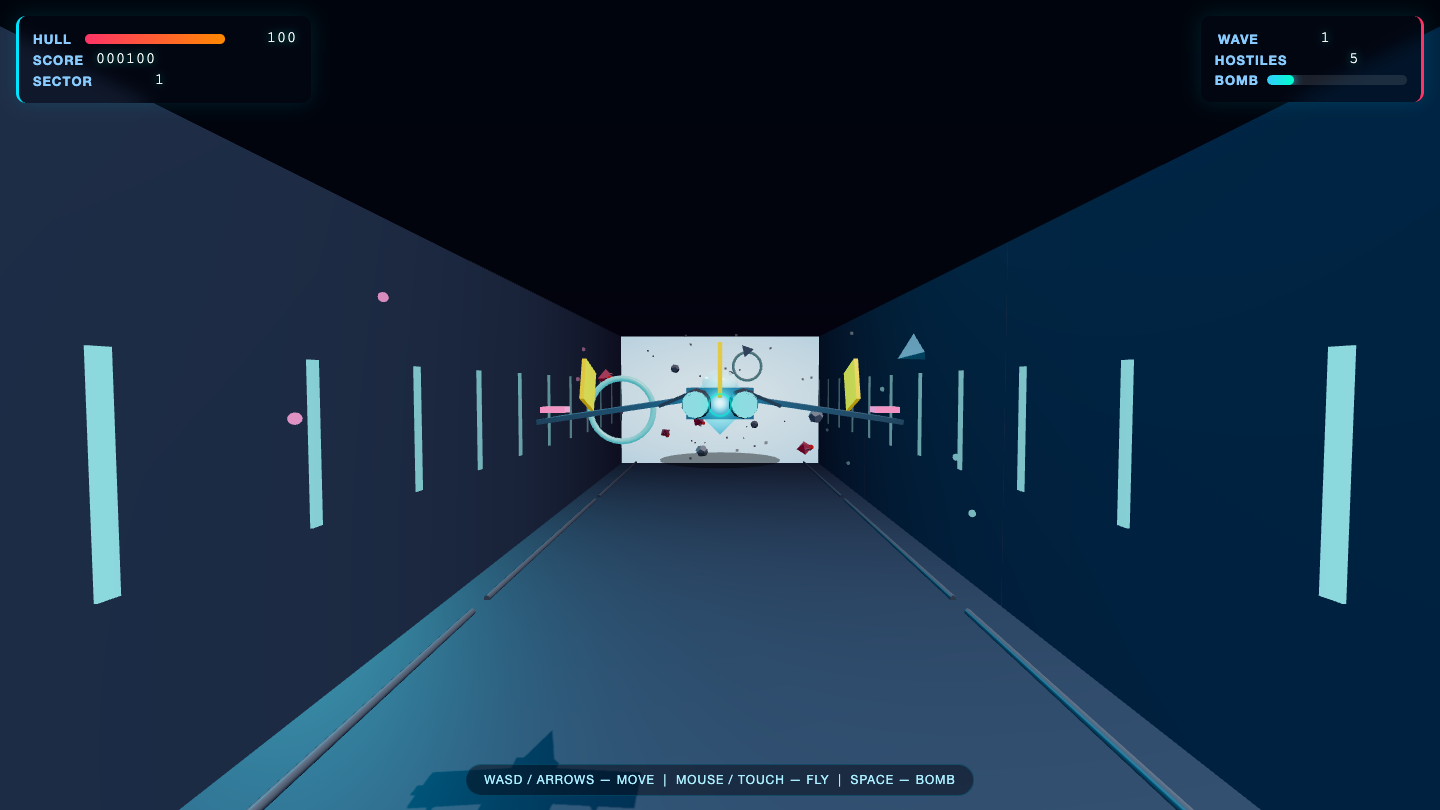
Game
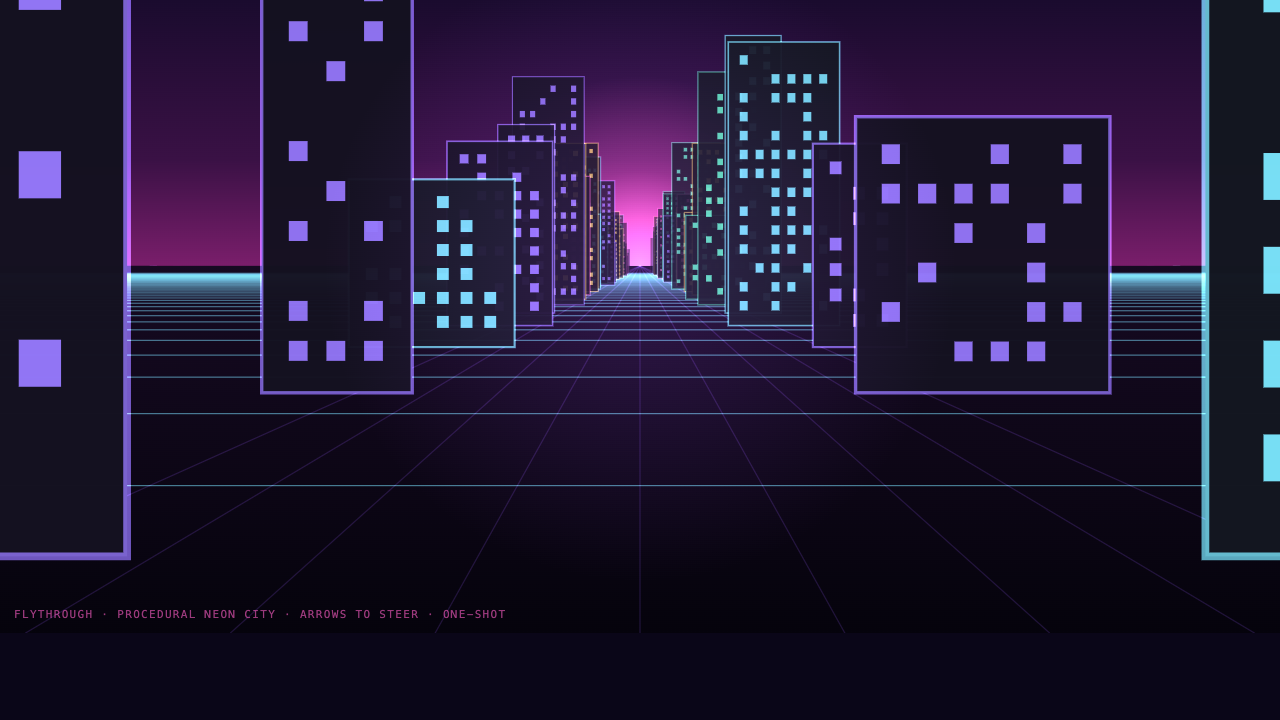
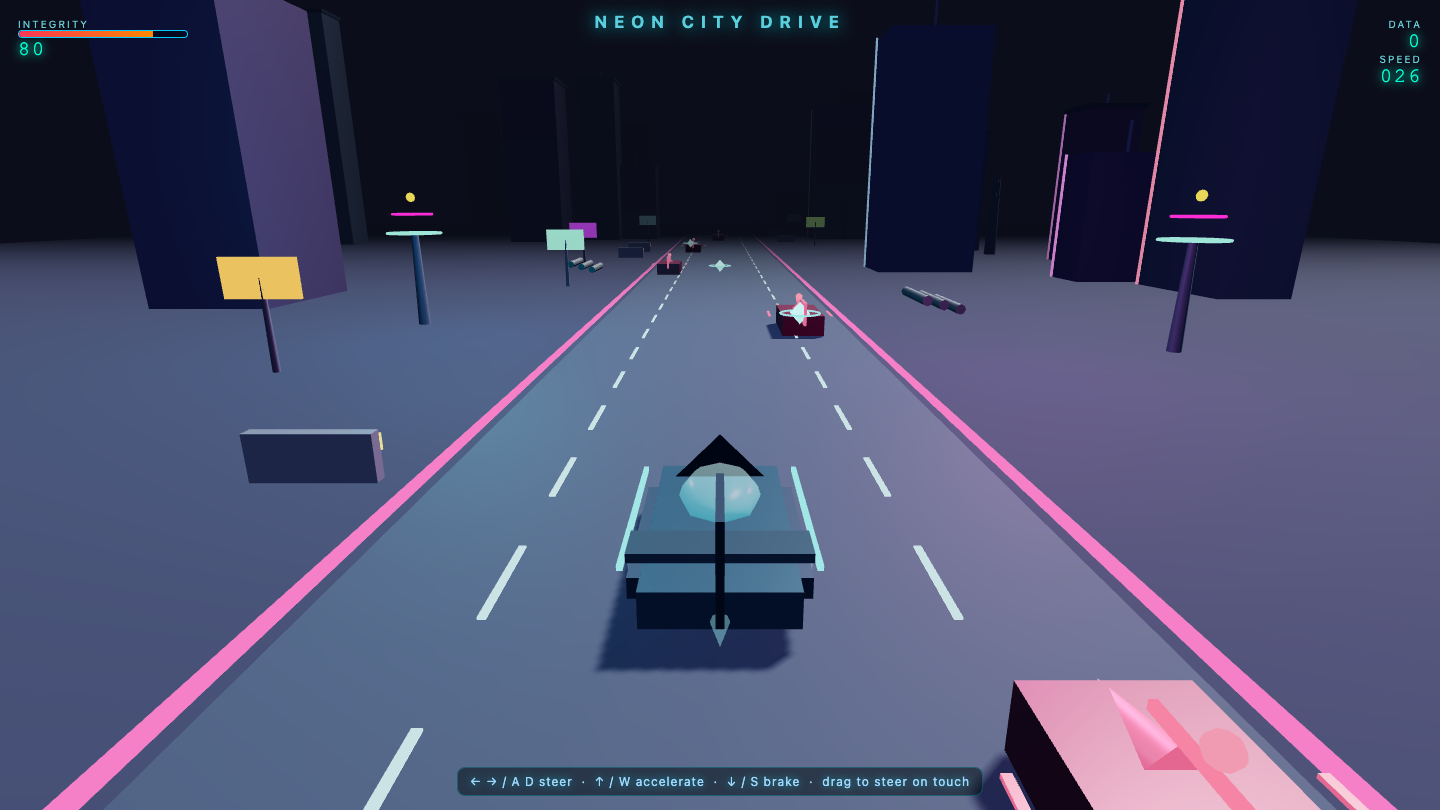
Game
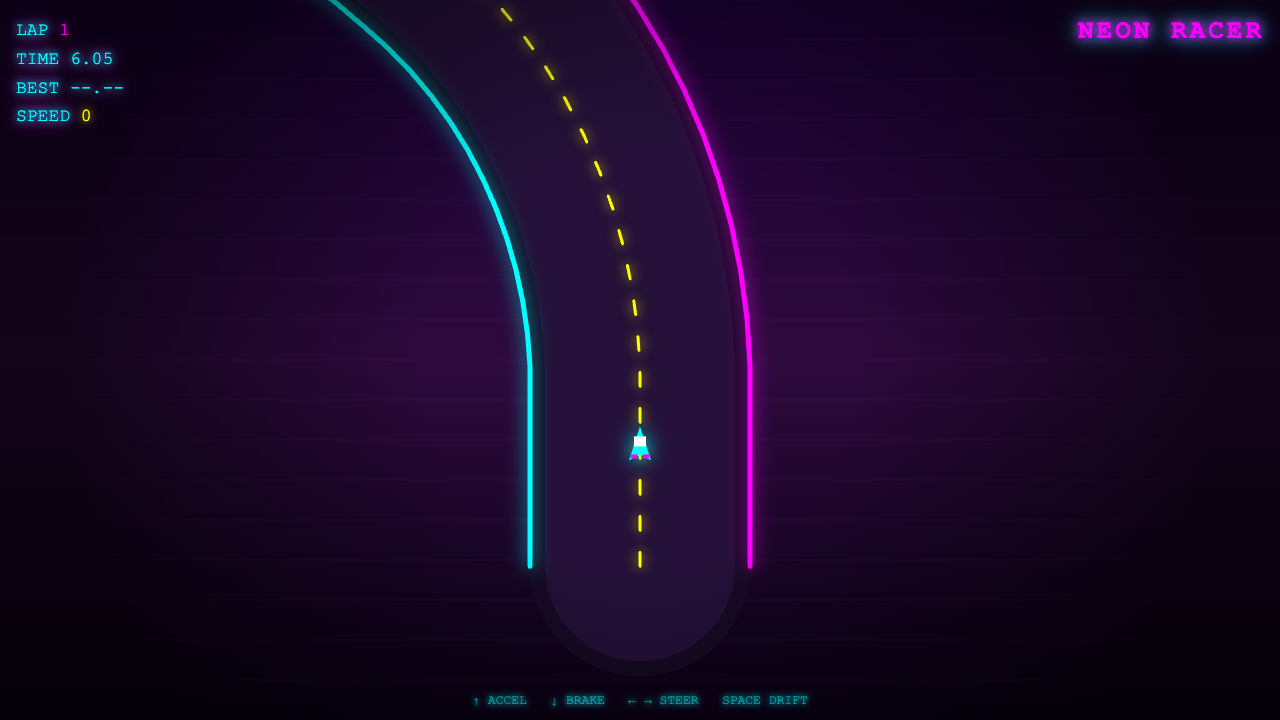
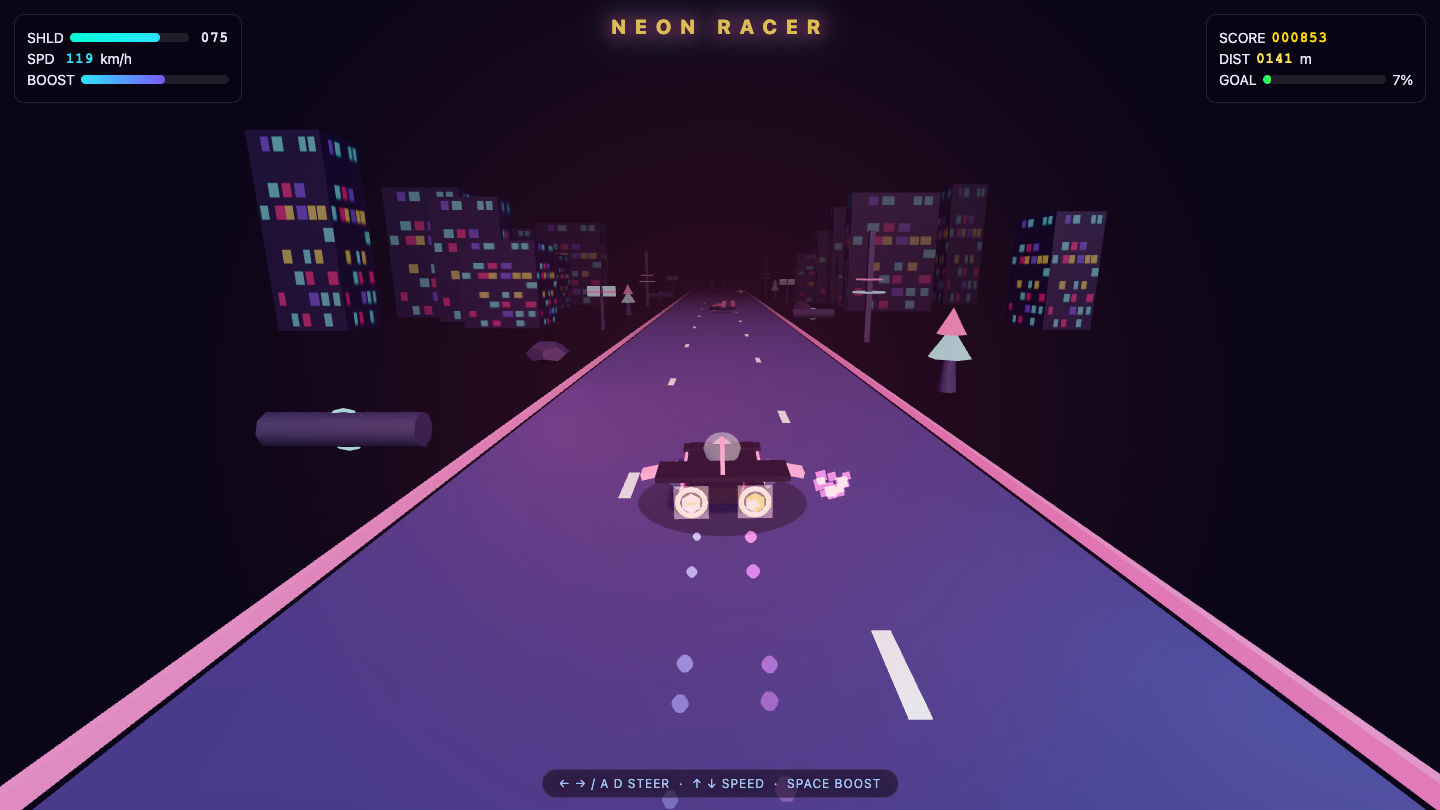
Game
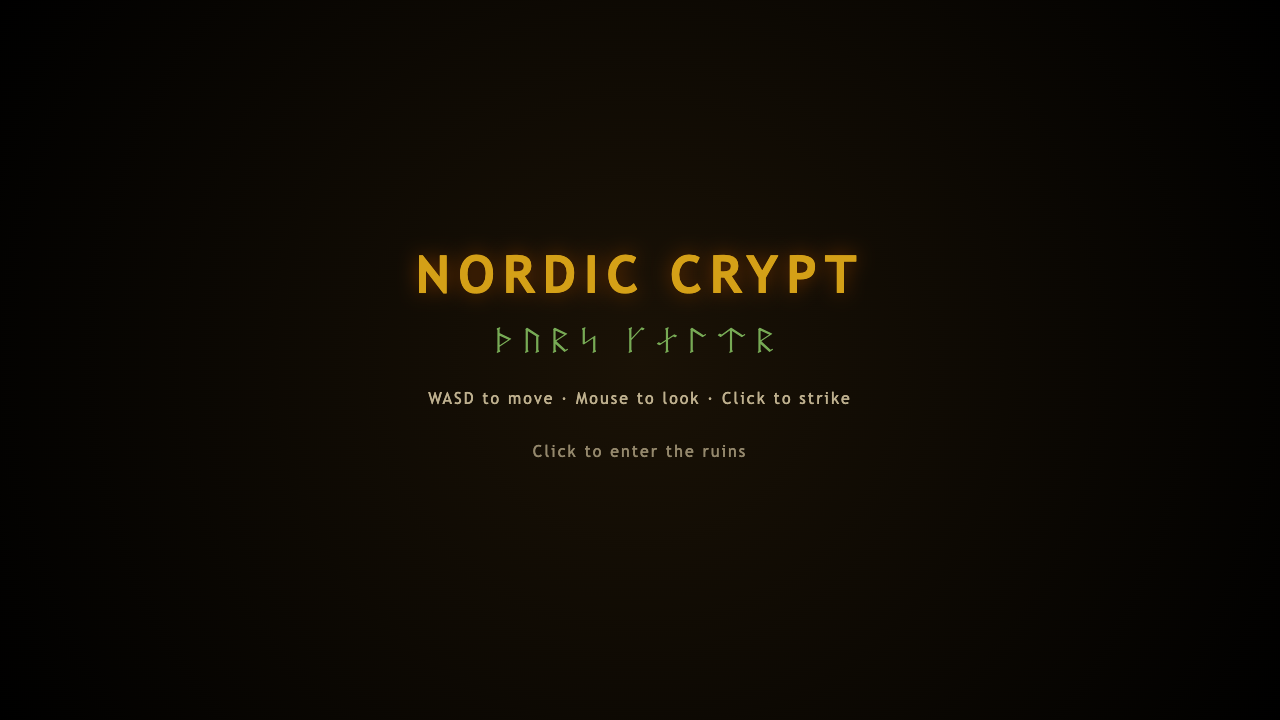
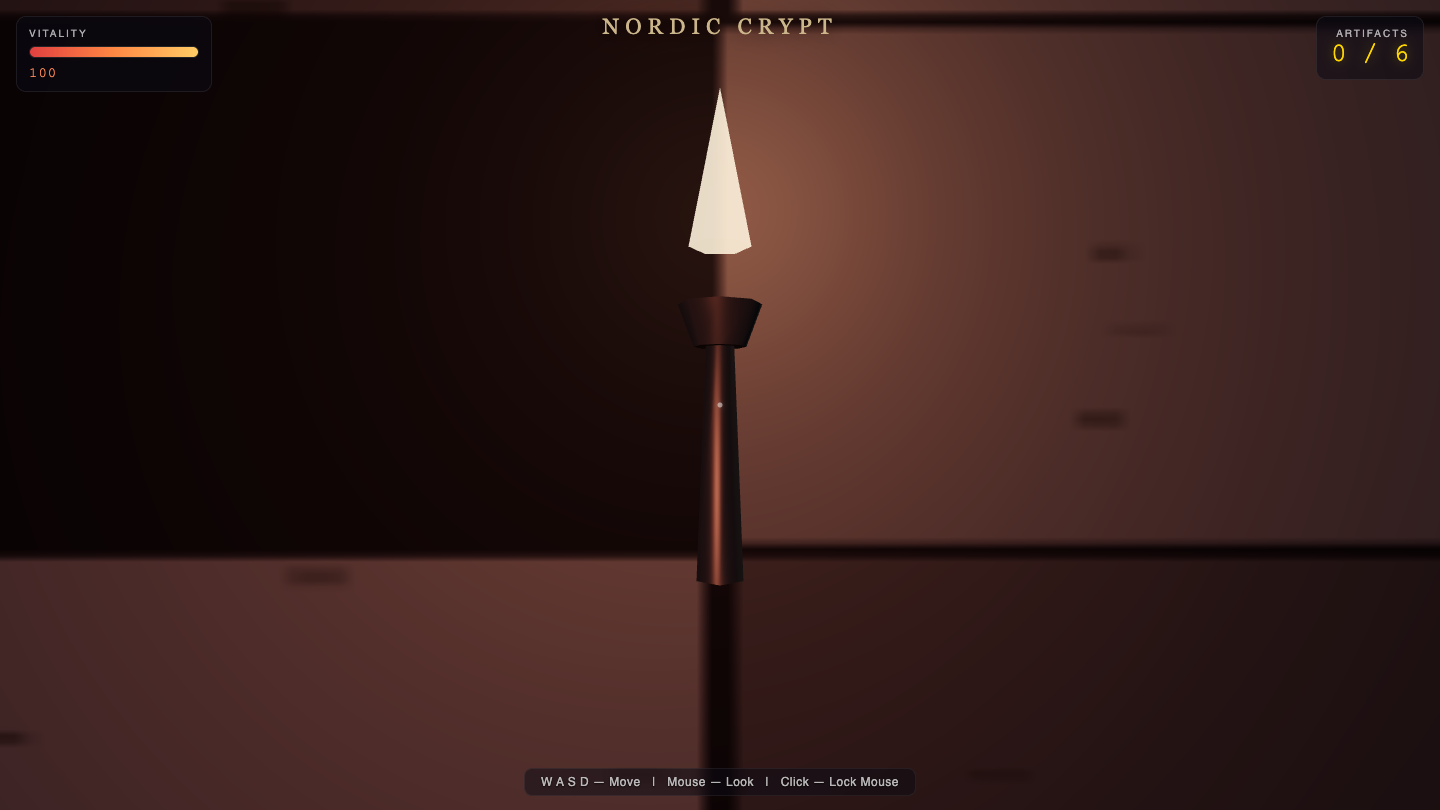
Game

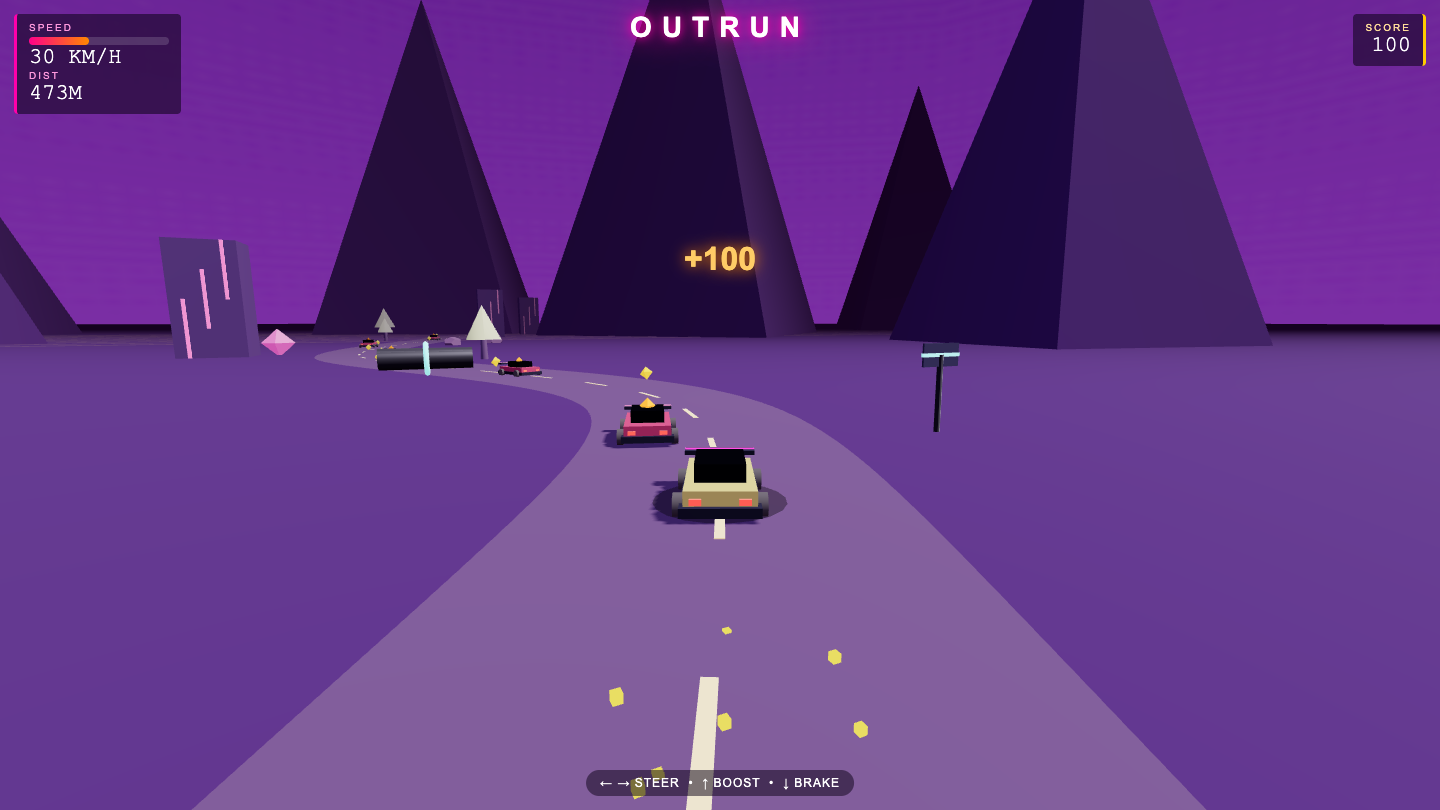
Game
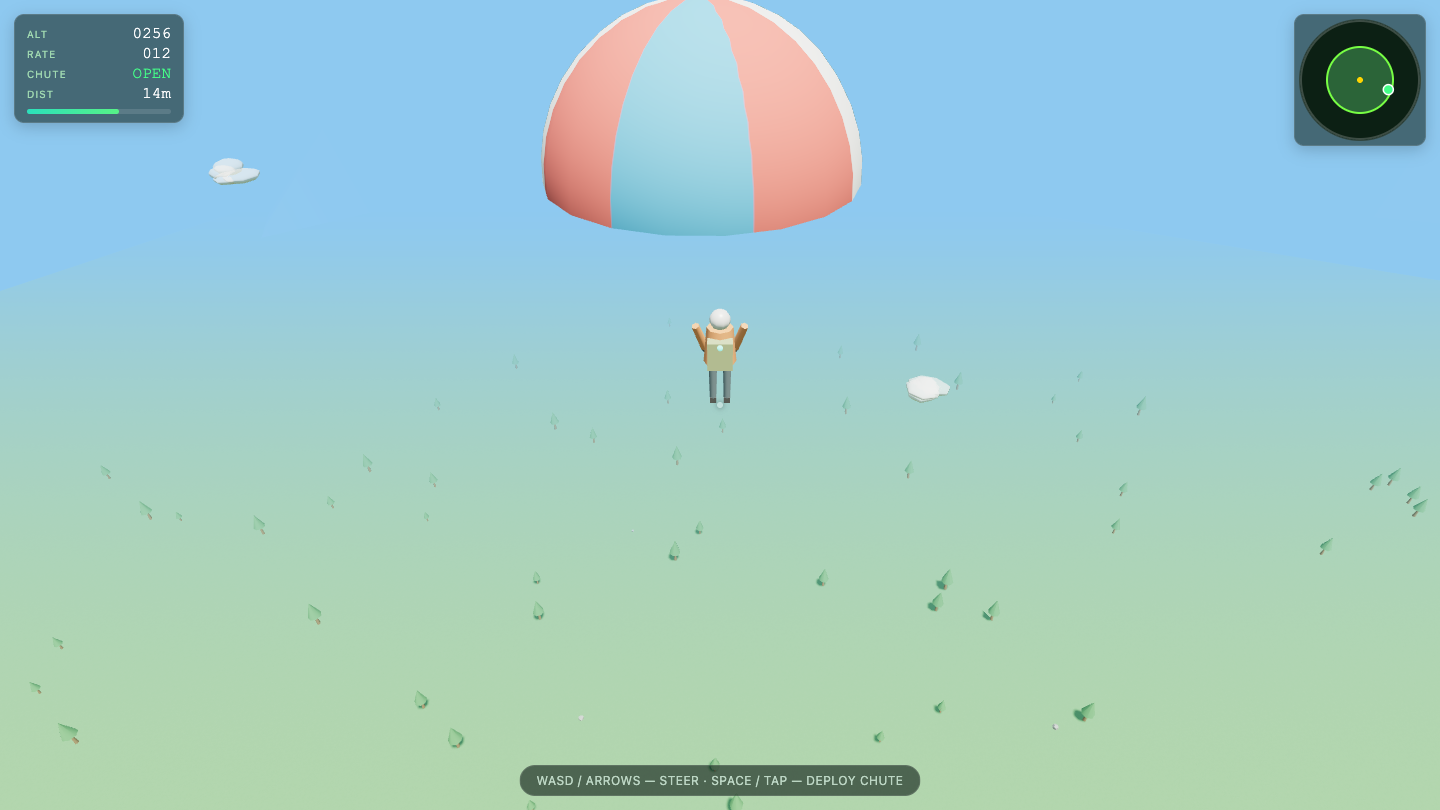
Game
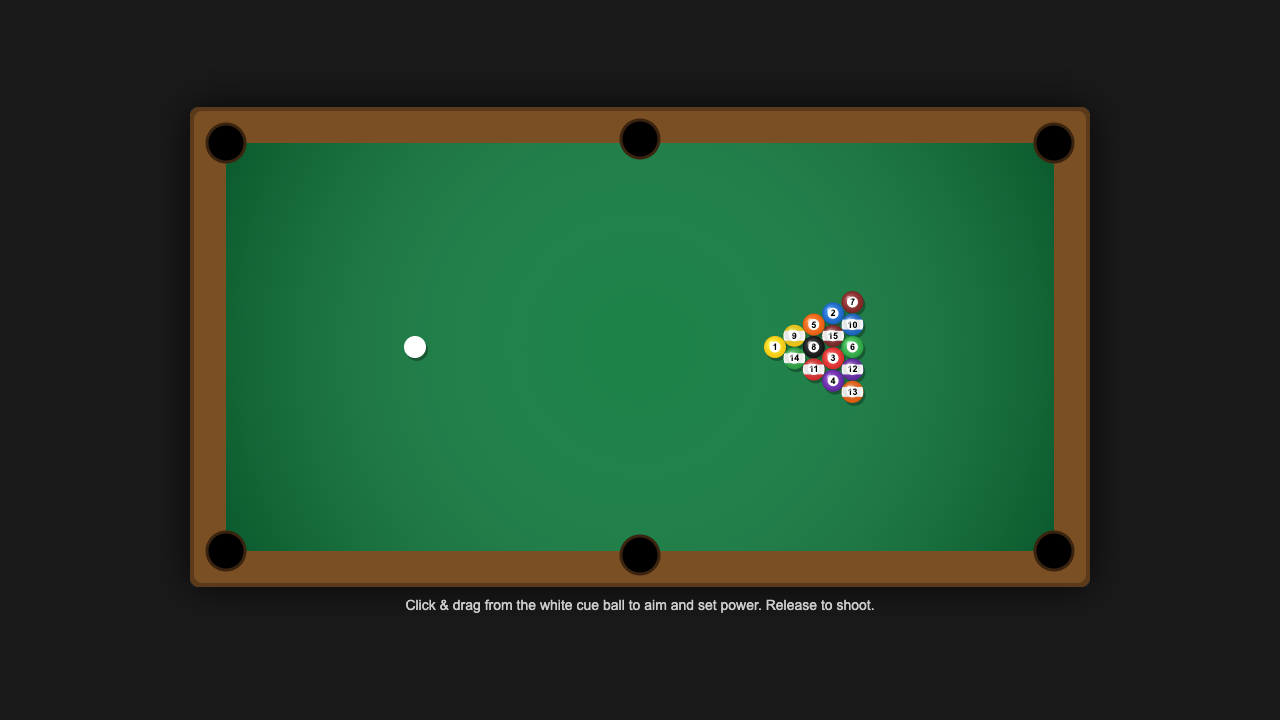
Game
Game
Game
Game
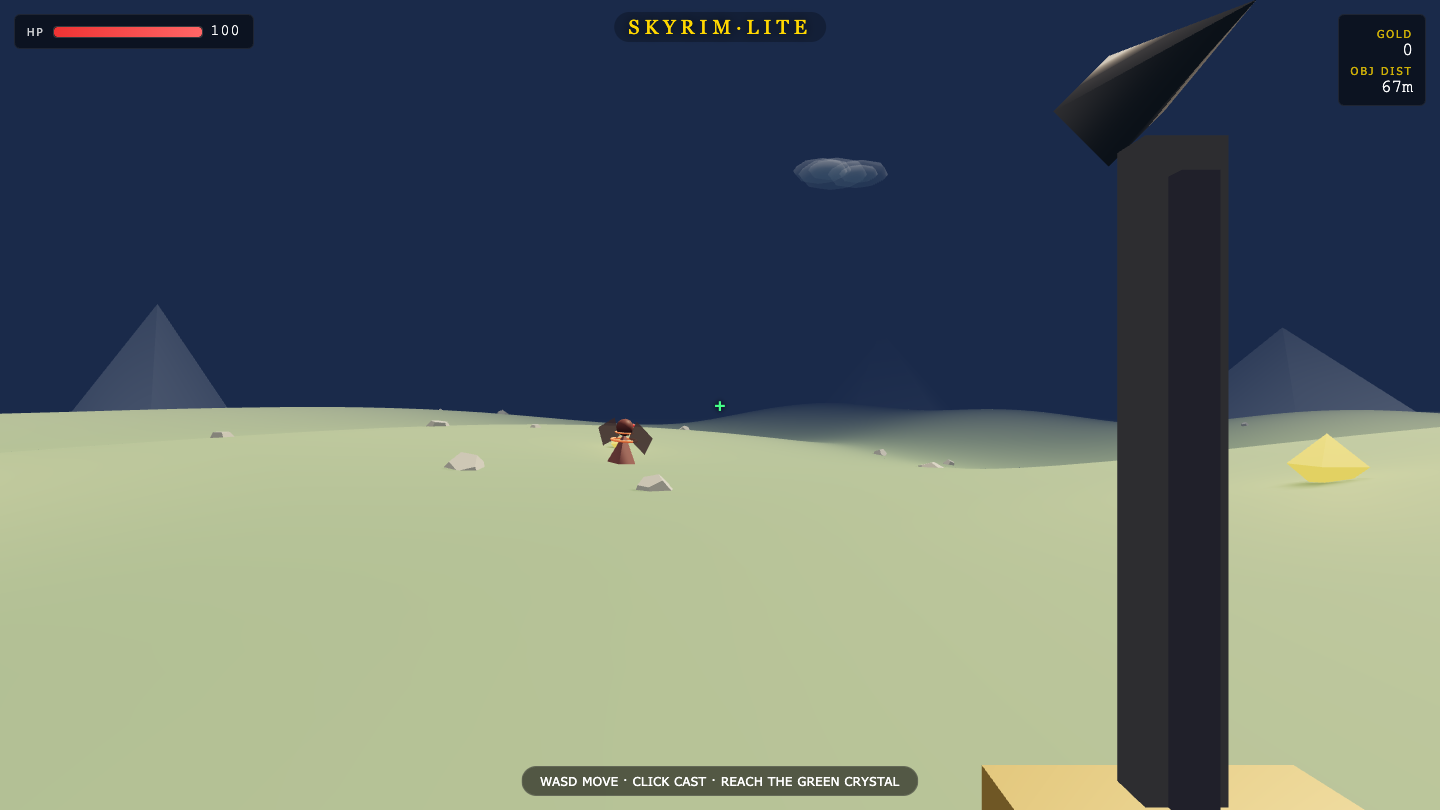
Game
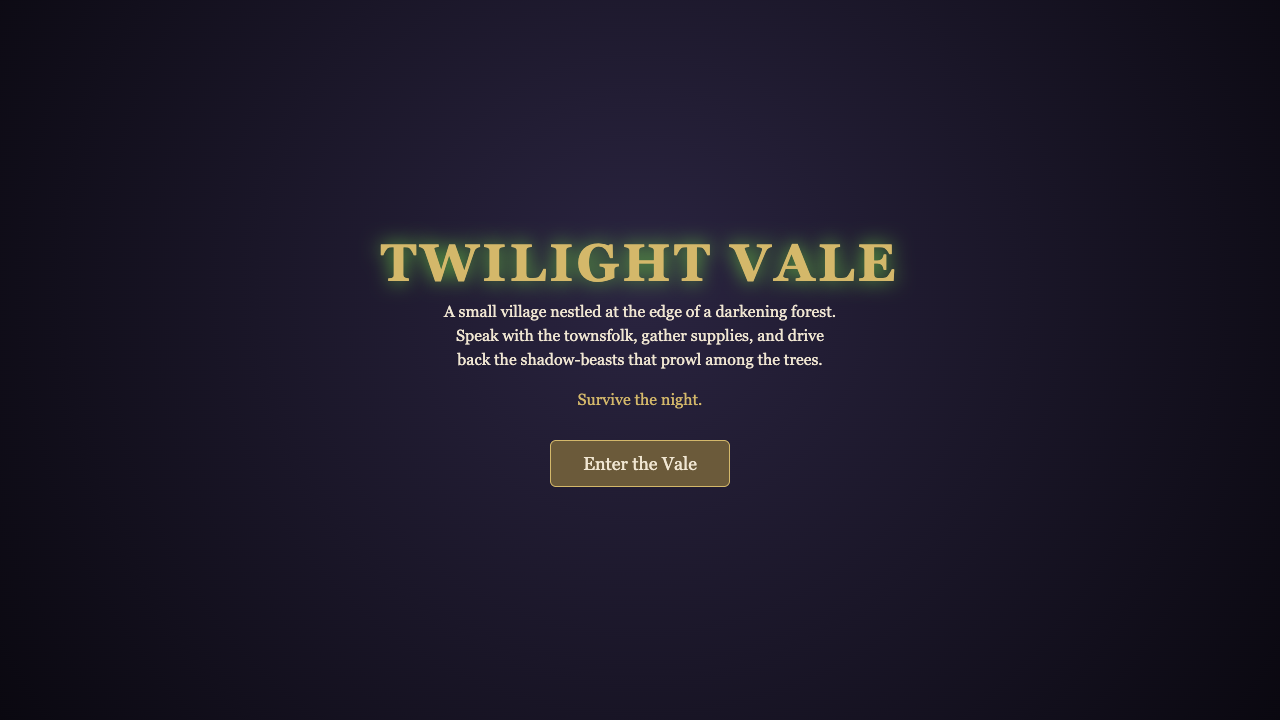
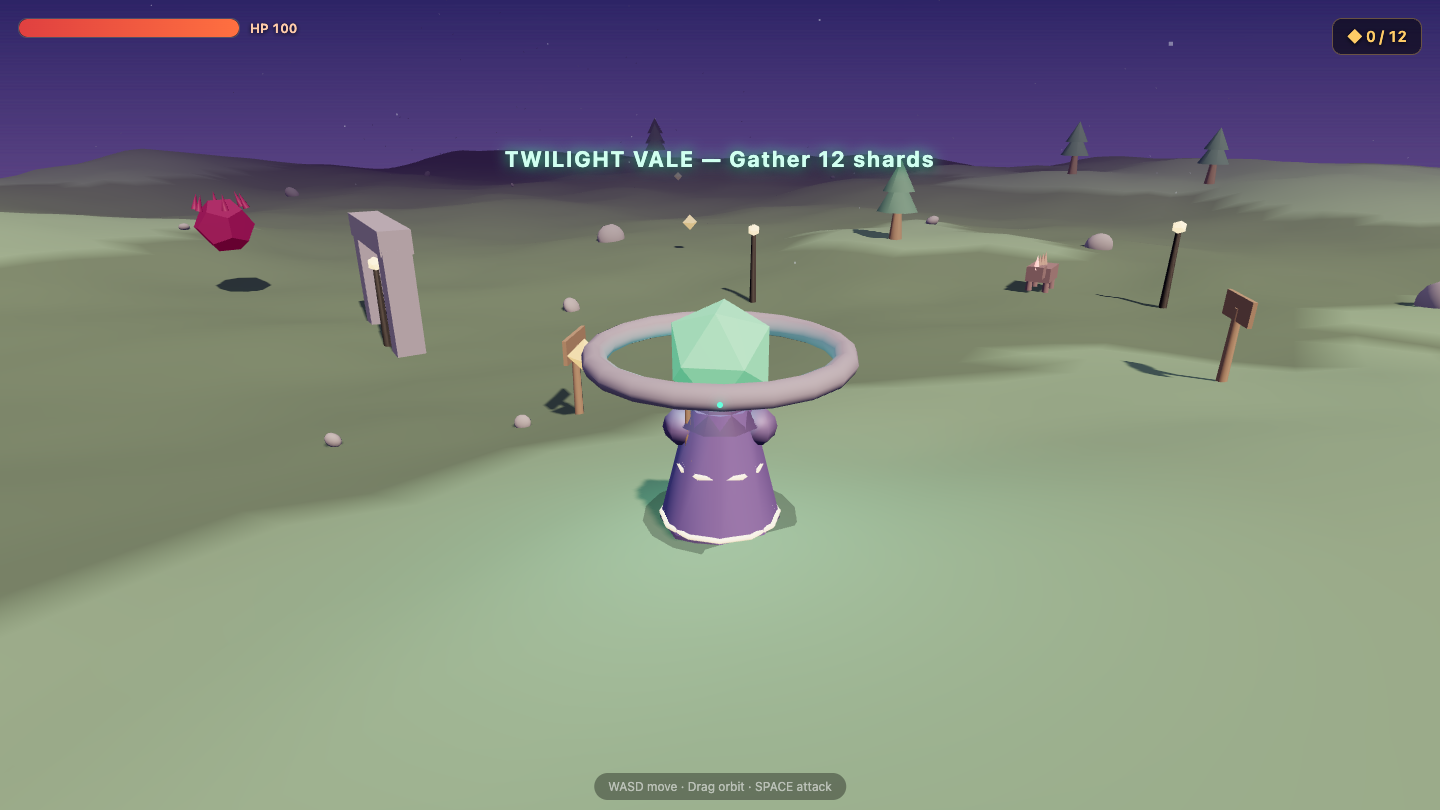
Game
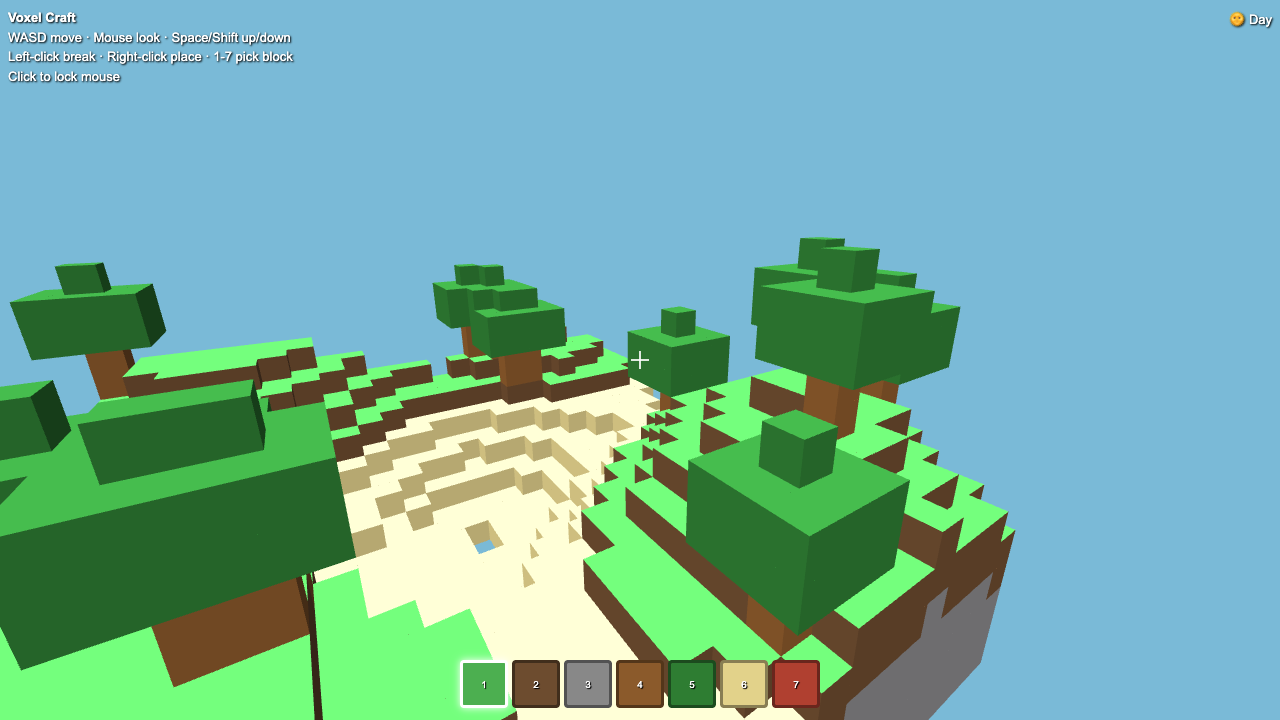
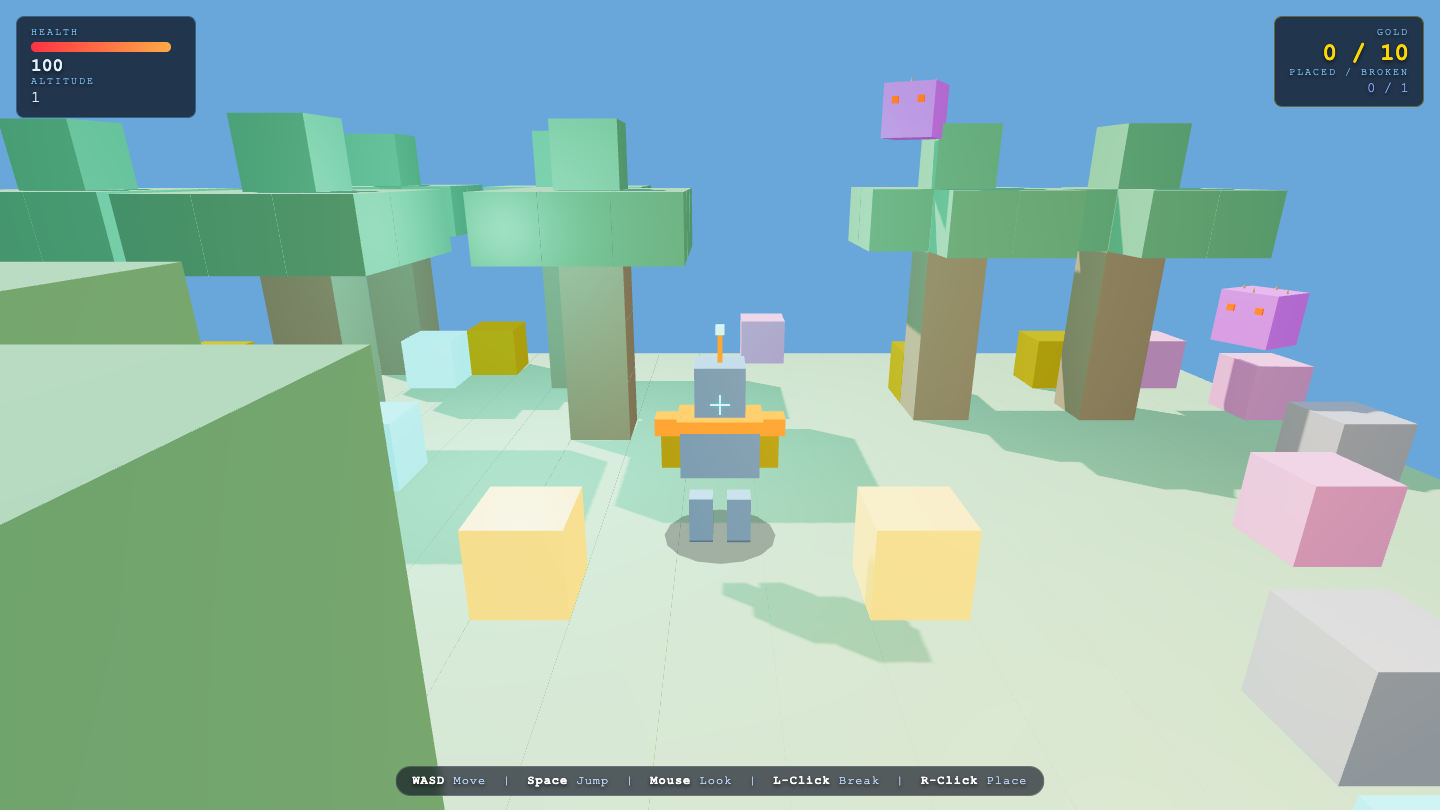
Page
Strengths & weaknesses I logged
Opus 4.8
Strengths
- Most consistent across the Goldie Bench bench — no weak build, 8.46/10 average
- Deepest one-shot reasoning, especially on game-feel and physics
- Extended thinking mode handles up to 1M tokens of context
Trade-offs
- 5–10× the per-token cost of every other model on the bench
- Less flair on cinematic visuals than GLM-5.2 — playing it safer wins on accuracy, costs you on showpiece moments
DeepSeek V4 Flash
Strengths
- 50/50 one-shot builds returned complete, valid, closing HTML — zero truncations
- 42/50 rendered clean first time; all 8 dark builds were repaired by the model itself in one fix round
- 1M-token context on the cheap tier — whole codebases fit in a single call
Trade-offs
- Unranked — the 50 builds are on the bench but not yet scored by the Opus vision judge
- Reasons at length before writing (a full 3D game build ran ~4-8 minutes), so it is not a fast-draft model
- 8 of 50 first-pass builds rendered black or near-black before the fix round
Pricing & context — the spec sheet
| Spec | Opus 4.8 | DeepSeek V4 Flash |
|---|---|---|
| Vendor | Anthropic | DeepSeek |
| Context window | 200,000 tokens (1M with extended thinking) | 1,000,000-token context window |
| Price | $15 / $75 per M tokens | API · cheap tier |
| Pricing detail | Premium pricing via the Anthropic API: $15 per million input tokens, $75 per million output tokens. Extended thinking is included but adds latency. | Benched on the DeepSeek-V4-Flash-0731 public beta, launched 2026-07-31 on DeepSeek's official API. DeepSeek describe it as a major upgrade to agent capabilities whose benchmark scores now surpass their previous V4-Pro-Preview, using the exact same model architecture and size as the preview — the gain is post-training, not scale. Natively supports the Responses API format and is adapted for Codex-style coding loops. Benched against api.deepseek.com directly because third-party routes list "v4-flash" undated and may still serve the older preview build. |
| Release | 2026-05 | 2026-07 |
| Bench coverage | 47/47 scored · avg 7.51/10 | 0/50 scored · avg — |
The verdict — which should you pick?
Not enough scored shared tasks yet for a head-to-head average. The live demos for both are on the matrix above — play them and form your own opinion.
If you only run one of these inside your stack, the head-to-head average above is the call. If you can run both, my honest play is to wire Opus 4.8 and DeepSeek V4 Flash both into the Agent Operating System and dispatch each from the kanban by task type — mission-critical one-shot builds where 'has to work the first time' matters → Opus 4.8, long agent loops and codex-style write-run-fix work, which is what the 0731 upgrade targets → DeepSeek V4 Flash. That's the same setup I run for the 4,000+ founders inside the AI Profit Boardroom.
FAQ — Opus 4.8 vs DeepSeek V4 Flash
Which is better, Opus 4.8 or DeepSeek V4 Flash?
On Goldie Bench, Opus 4.8 averages no scored verdicts yet across the shared tasks, with 3 gold, 1 silver, 0 bronze overall. DeepSeek V4 Flash averages no scored verdicts yet, with 0 gold, 0 silver, 0 bronze. Not enough scored shared tasks yet to call a winner.
How much does Opus 4.8 cost vs DeepSeek V4 Flash?
Opus 4.8: Premium pricing via the Anthropic API: $15 per million input tokens, $75 per million output tokens. Extended thinking is included but adds latency. DeepSeek V4 Flash: Benched on the DeepSeek-V4-Flash-0731 public beta, launched 2026-07-31 on DeepSeek's official API. DeepSeek describe it as a major upgrade to agent capabilities whose benchmark scores now surpass their previous V4-Pro-Preview, using the exact same model architecture and size as the preview — the gain is post-training, not scale. Natively supports the Responses API format and is adapted for Codex-style coding loops. Benched against api.deepseek.com directly because third-party routes list "v4-flash" undated and may still serve the older preview build.
What's the context window for Opus 4.8 vs DeepSeek V4 Flash?
Opus 4.8 has a 200,000 tokens (1M with extended thinking) context window. DeepSeek V4 Flash has a 1,000,000-token context window context window.
When should I pick Opus 4.8 over DeepSeek V4 Flash?
Pick Opus 4.8 for: Mission-critical one-shot builds where 'has to work the first time' matters; Hard reasoning tasks (planning, multi-step) where you'll pay for the depth; Anything where vendor reliability beats the per-token bill. The trade-off is the weaknesses we logged on the bench: 5–10× the per-token cost of every other model on the bench; Less flair on cinematic visuals than GLM-5.2 — playing it safer wins on accuracy, costs you on showpiece moments.
When should I pick DeepSeek V4 Flash over Opus 4.8?
Pick DeepSeek V4 Flash for: Long agent loops and Codex-style write-run-fix work, which is what the 0731 upgrade targets; Whole-repo or whole-document tasks that need the 1M context on a cheap tier; Volume build work where you would rather wait a few minutes than pay a flagship. The trade-off is the weaknesses we logged on the bench: Unranked — the 50 builds are on the bench but not yet scored by the Opus vision judge; Reasons at length before writing (a full 3D game build ran ~4-8 minutes), so it is not a fast-draft model; 8 of 50 first-pass builds rendered black or near-black before the fix round.
How does Goldie Bench score Opus 4.8 vs DeepSeek V4 Flash?
Every demo on this page was built by Julian Goldie inside the Agent Operating System — same fixed prompt for both models, one shot, single HTML file out. Each result gets a 0–10 score on whether it ran, how close it hit the brief, and how good it looked. The highest score on each task gets gold; second gets silver; third gets bronze. See methodology for full provenance.
Related comparisons
Other head-to-heads using the same scoring system:
Opus 4.8 vs Fusion DeepSeek V4 Flash vs Fusion Opus 4.8 vs Claude Opus 5 DeepSeek V4 Flash vs Claude Opus 5 Opus 4.8 vs Hermes MoA DeepSeek V4 Flash vs Hermes MoA Opus 4.8 vs GPT-5.6 Sol DeepSeek V4 Flash vs GPT-5.6 SolFull model pages: Opus 4.8 · DeepSeek V4 Flash · back to the leaderboard
The same stack Julian uses
Run this stack yourself.
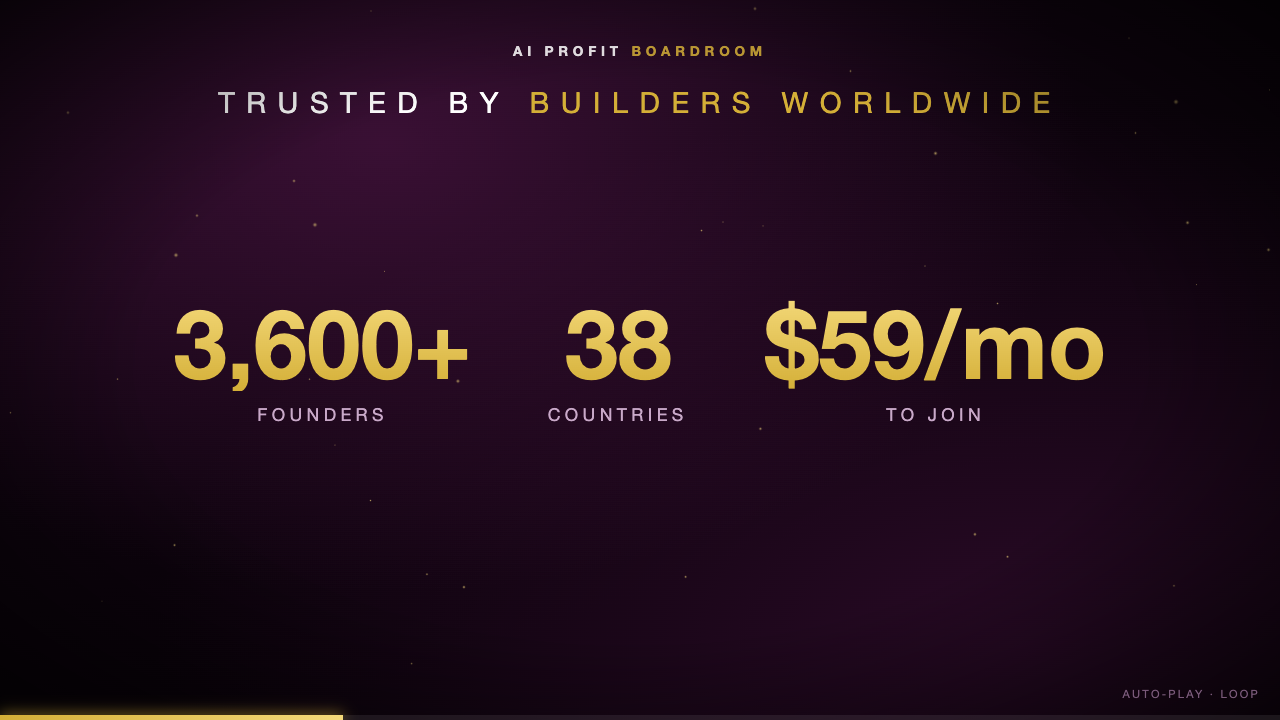
Every demo on this bench was built inside the Agent Operating System — one prompt, one shot, single HTML file out. The Agent OS, the prompts, the templates, the weekly walkthroughs and 4,000+ founders shipping with it every day all live inside the AI Profit Boardroom.
4,000+founders
258documented wins
38countries
$59/momonthly