Real head-to-head · same prompt, one shot
Hermes MoA vs Fugu Ultra 1.1
A panel of frontier models, merged by a chair. The model doesn't matter — the system does. vs Sakana's multi-agent orchestrator, v1.1 — routes experts per request.
Head-to-head verdict: Hermes MoA wins 14–8 with 1 tie.
What I tested — same prompt, two models
I run the same fixed prompt set through every new model the day it drops — same string, one shot, single HTML file out — and I score the result 0–10 on whether it ran, how close it hit the brief, and how good it looked. Below is what came out when I gave the exact same prompts to Hermes MoA and Fugu Ultra 1.1, side by side, on 24 shared tasks inside the Agent Operating System.
Both models were given identical prompts inside the Agent Operating System — no help, no iteration, no "best of N" tricks. I run each prompt once, save the HTML file the model produces, and score it 0–10 on whether it ran, how close it hit the brief, and how good it looked. The scoring is mine. The verdicts below are pulled from my source comparison guides at agentos.guide where I publish every score and the reasoning behind it.
Hermes MoA · Run from the Mixture tab in the Hermes Agent OS. On this bench the panel built each demo and the aggregator merged the best of every draft.
Fugu Ultra 1.1 · Benched on GoldieBench via Sakana's Responses API (fugu-ultra-v1.1, xhigh reasoning). Game tasks use the skill-infused threejs-game-director prompt plus a controls+graphics fix loop with an anti-regression clamp, judged on a real mid-play frame by the same Opus judge as the field.
Side-by-side on 47 shared tasks
Click any cell to play that model's actual one-shot attempt. Medals are derived from my 0–10 scores per task (highest = 🥇, second = 🥈, third = 🥉).
Task ↓
Hermes MoA
Fugu Ultra 1.1
Game
Game
Game
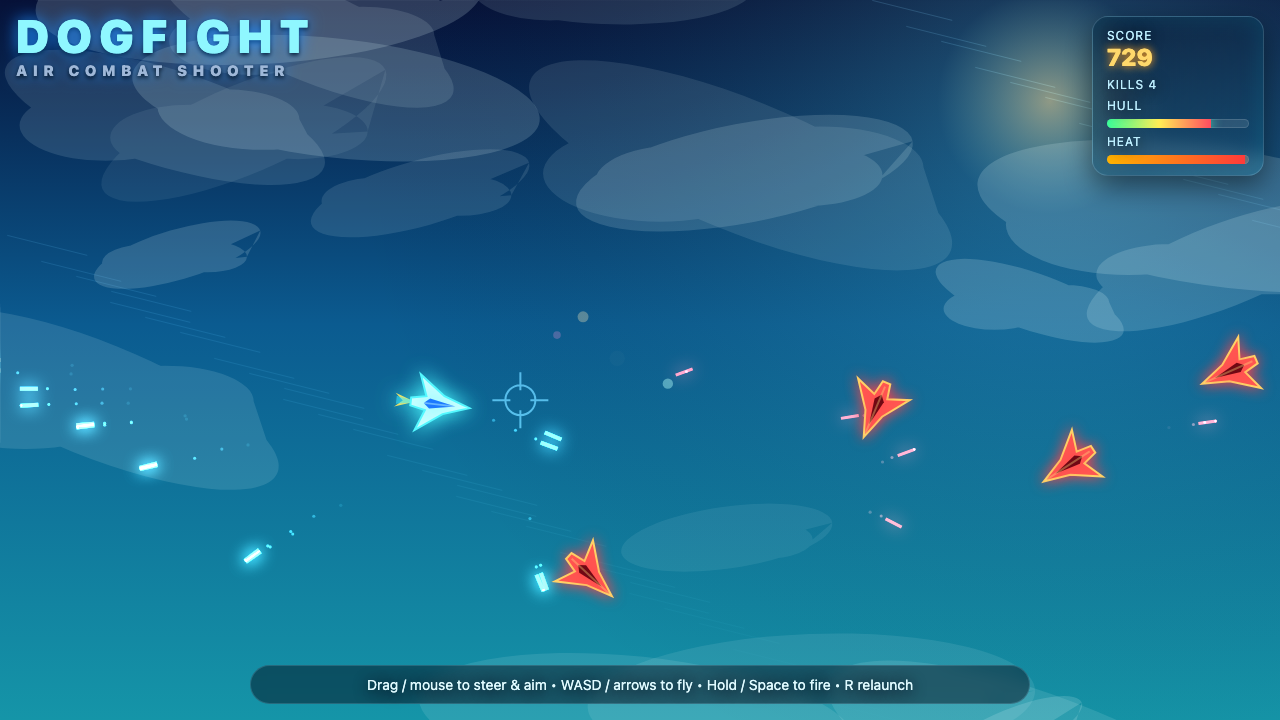
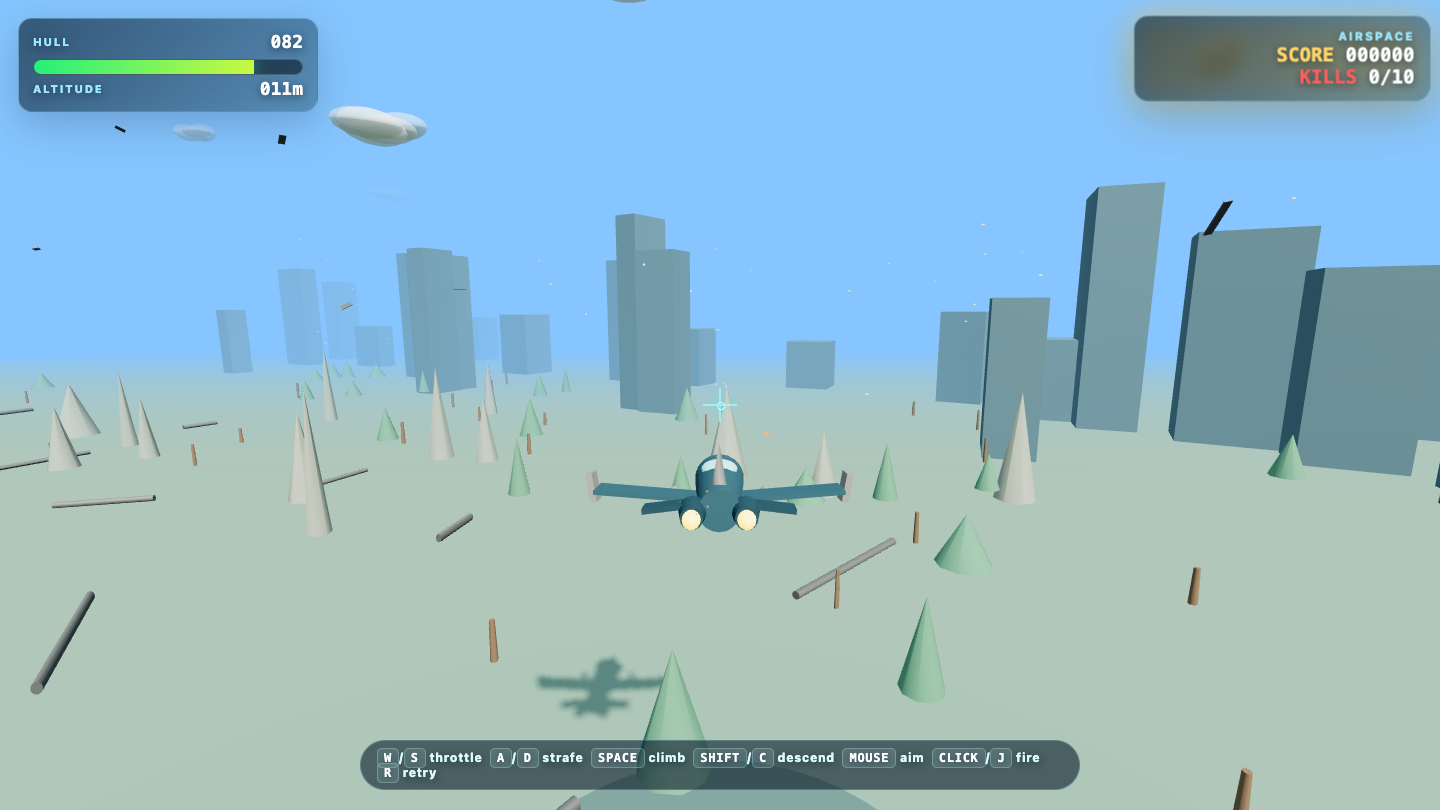
Game
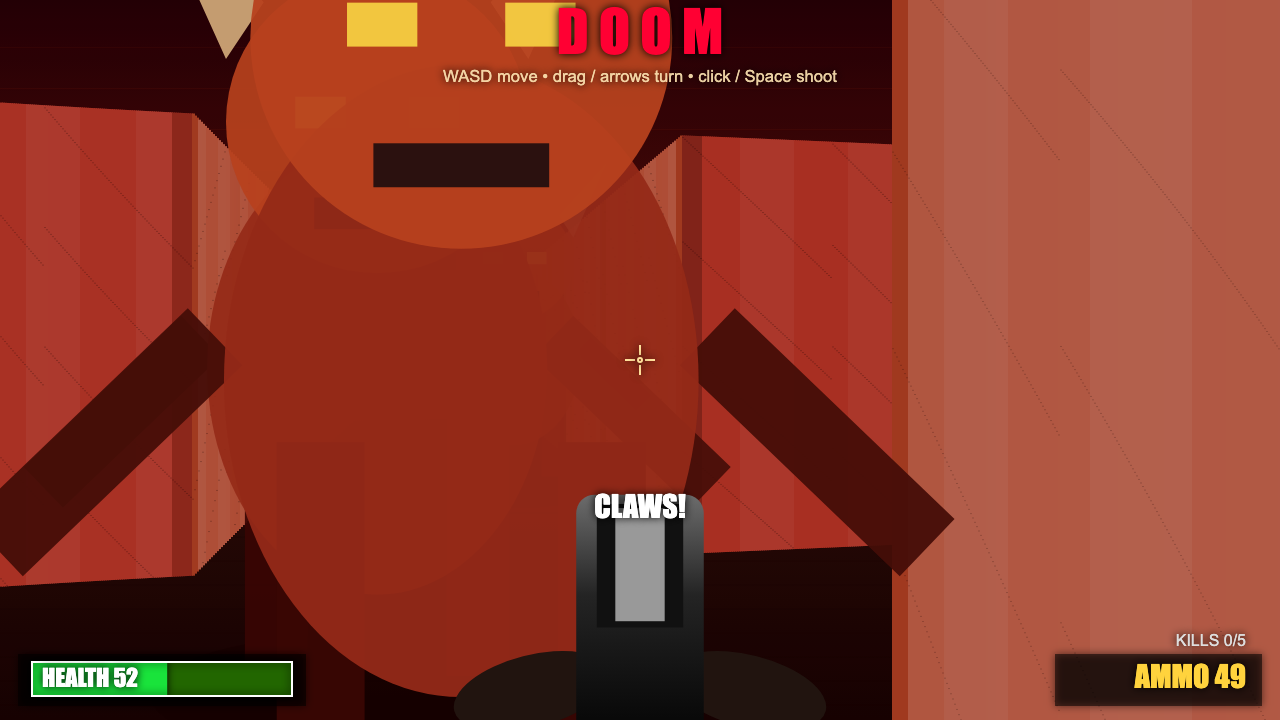
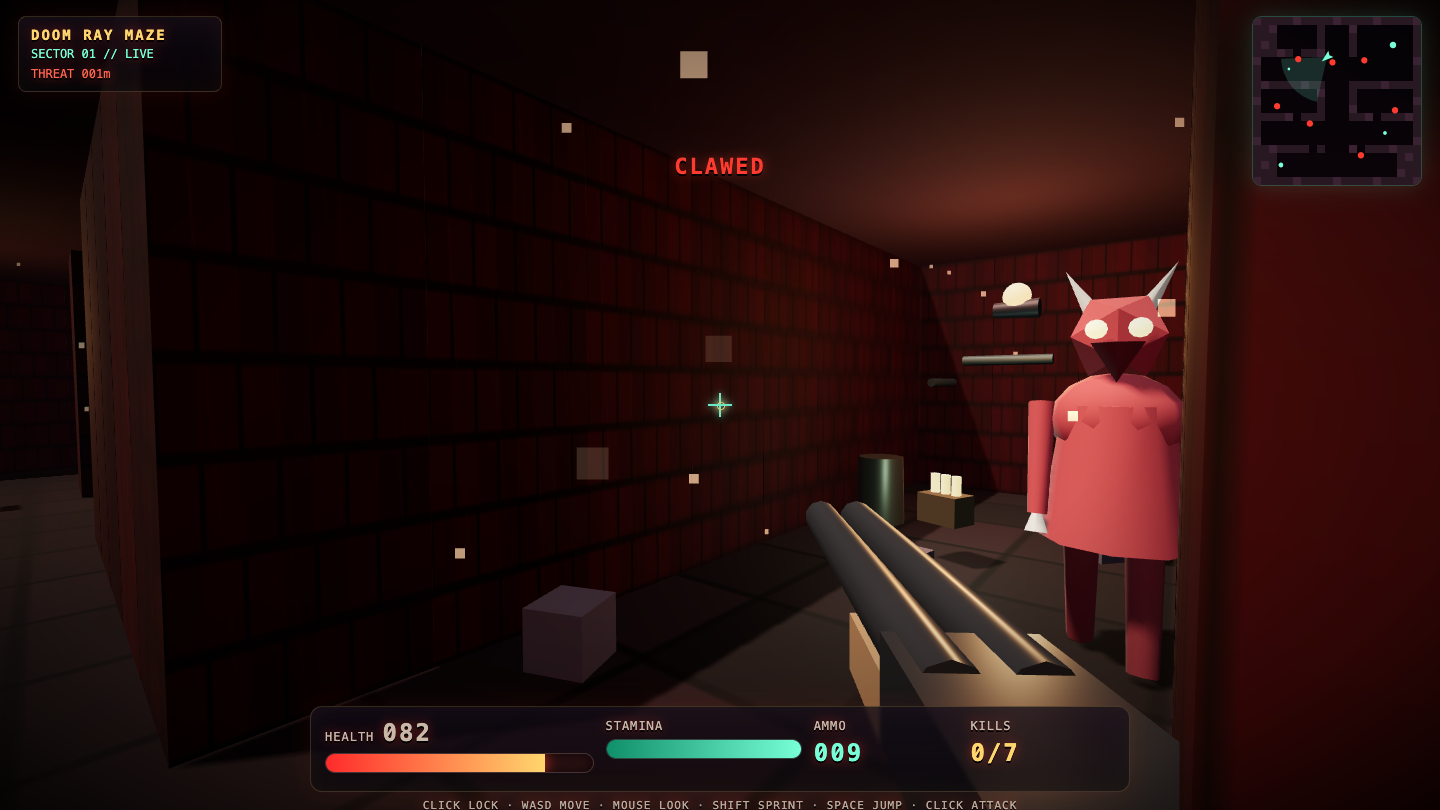
Game
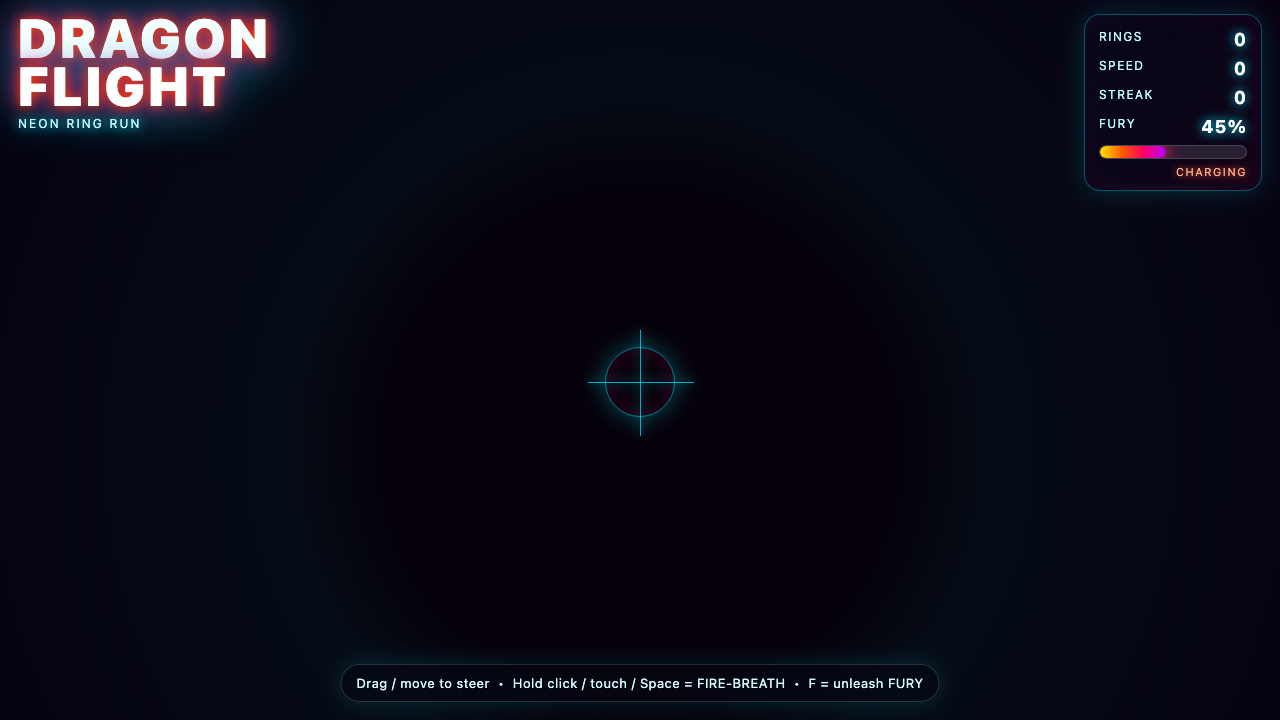
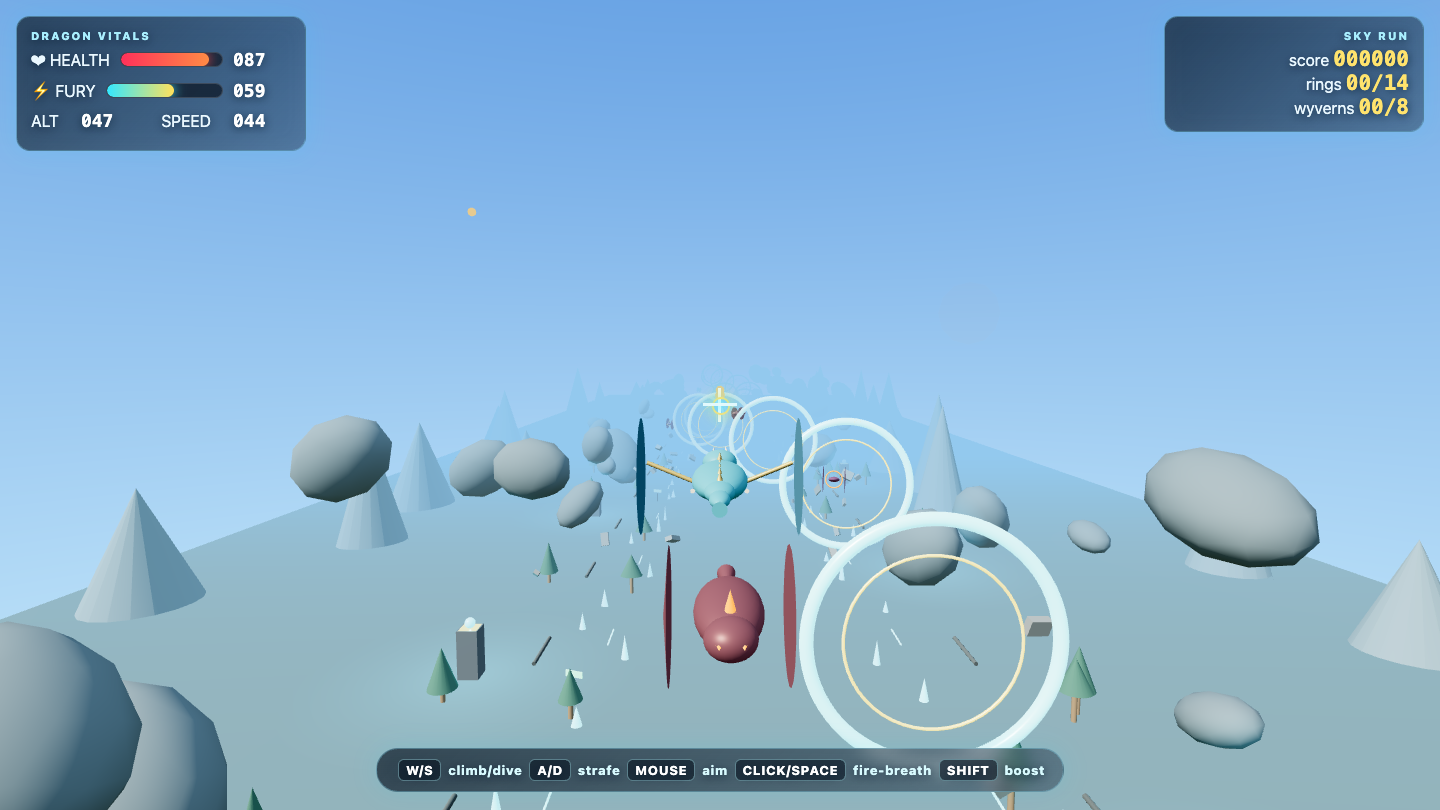
Game

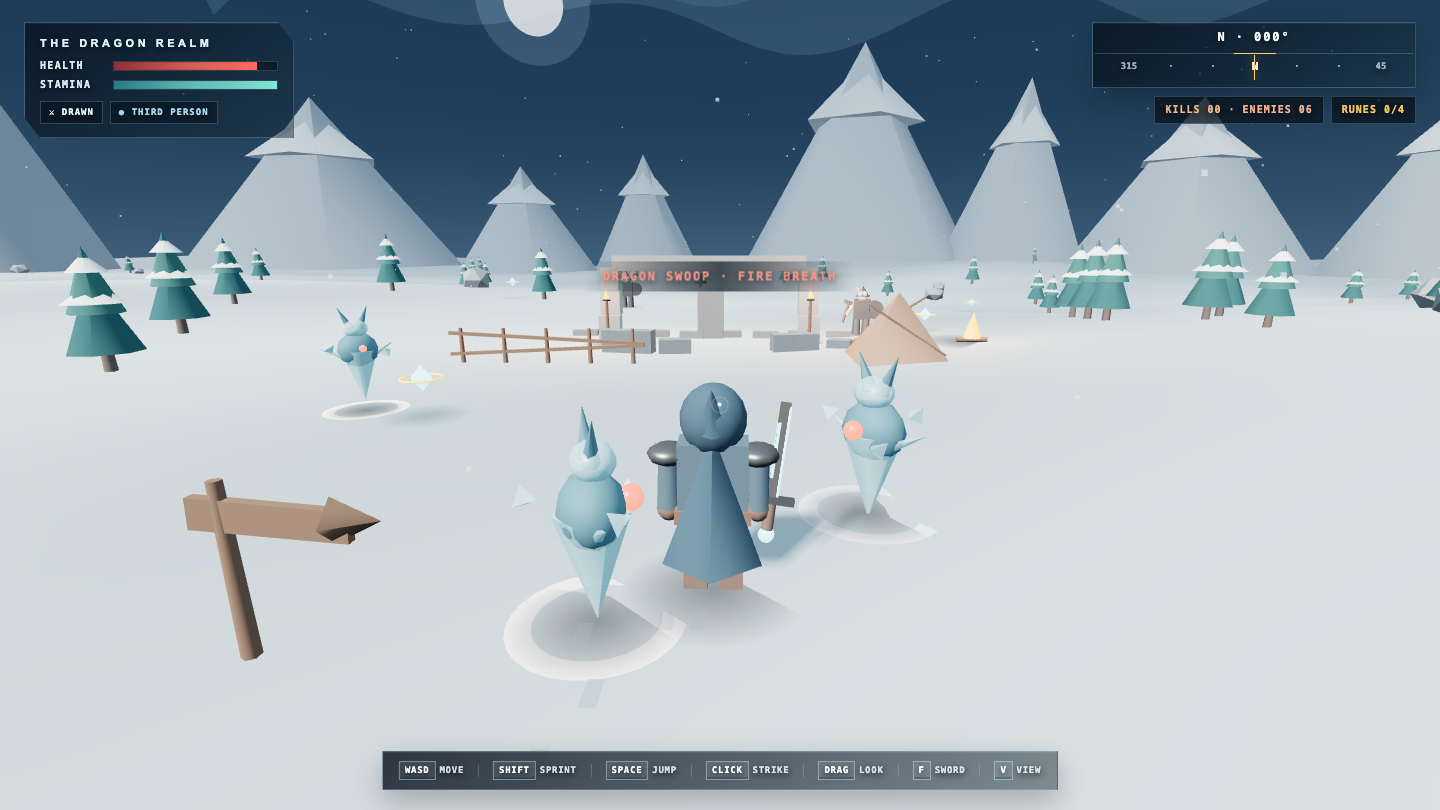
Game
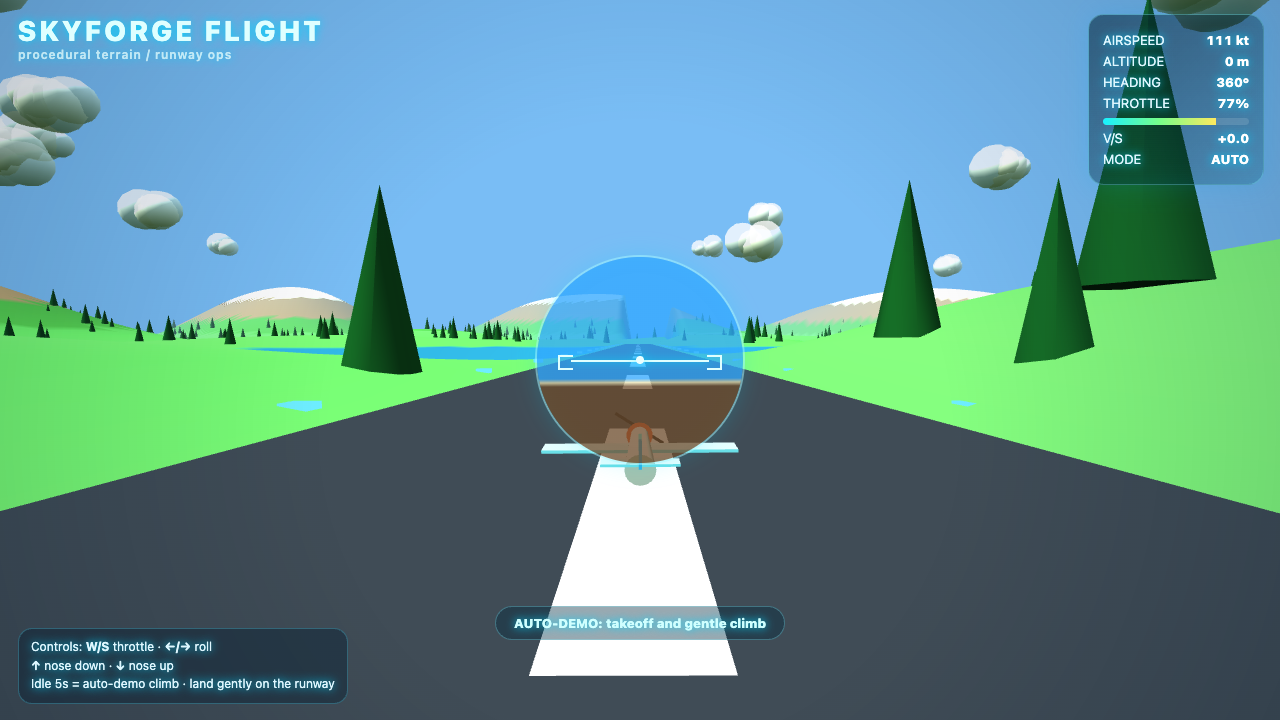
Game
Game
Game
Game
Game
Game
Game
Game
Game
Game
Game
Game
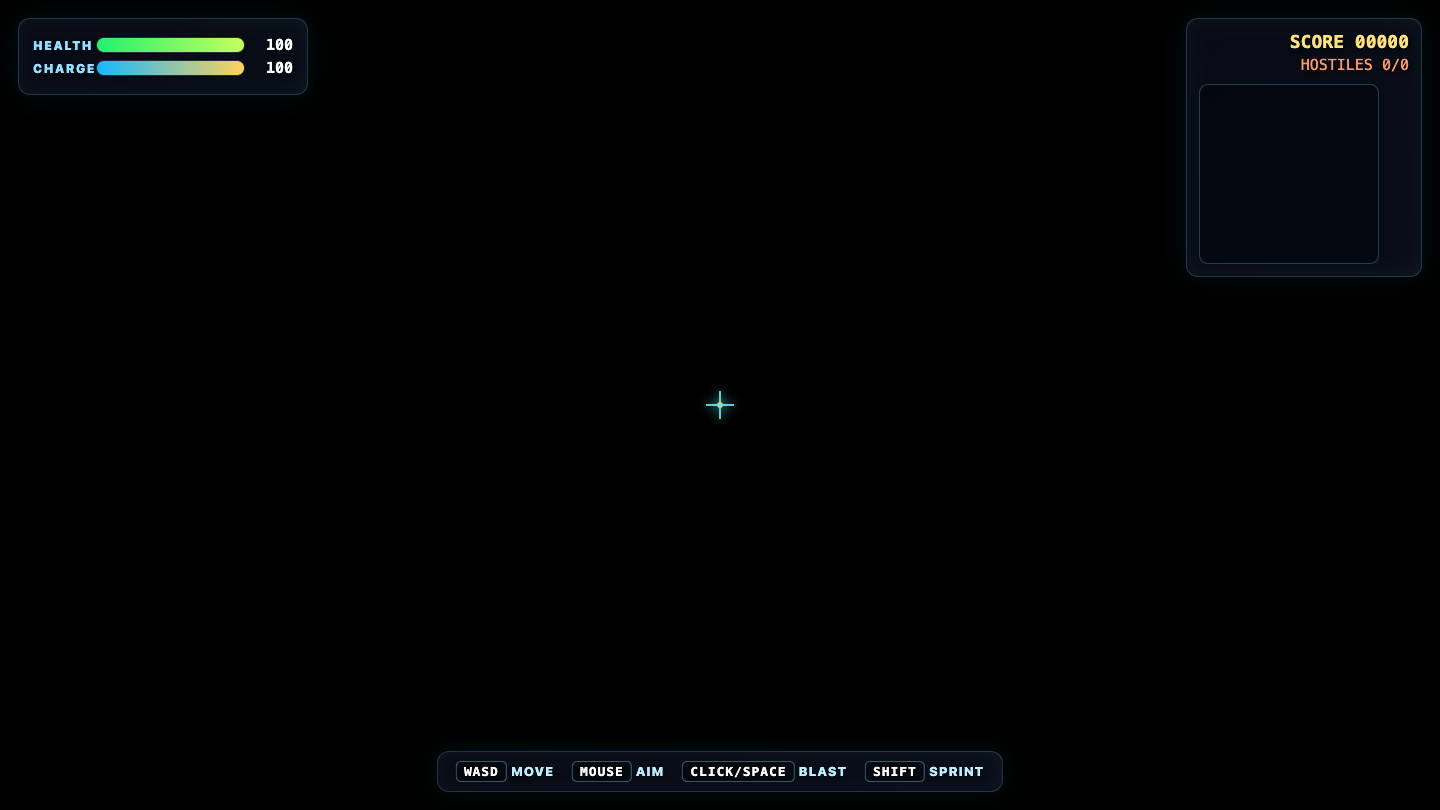
Game
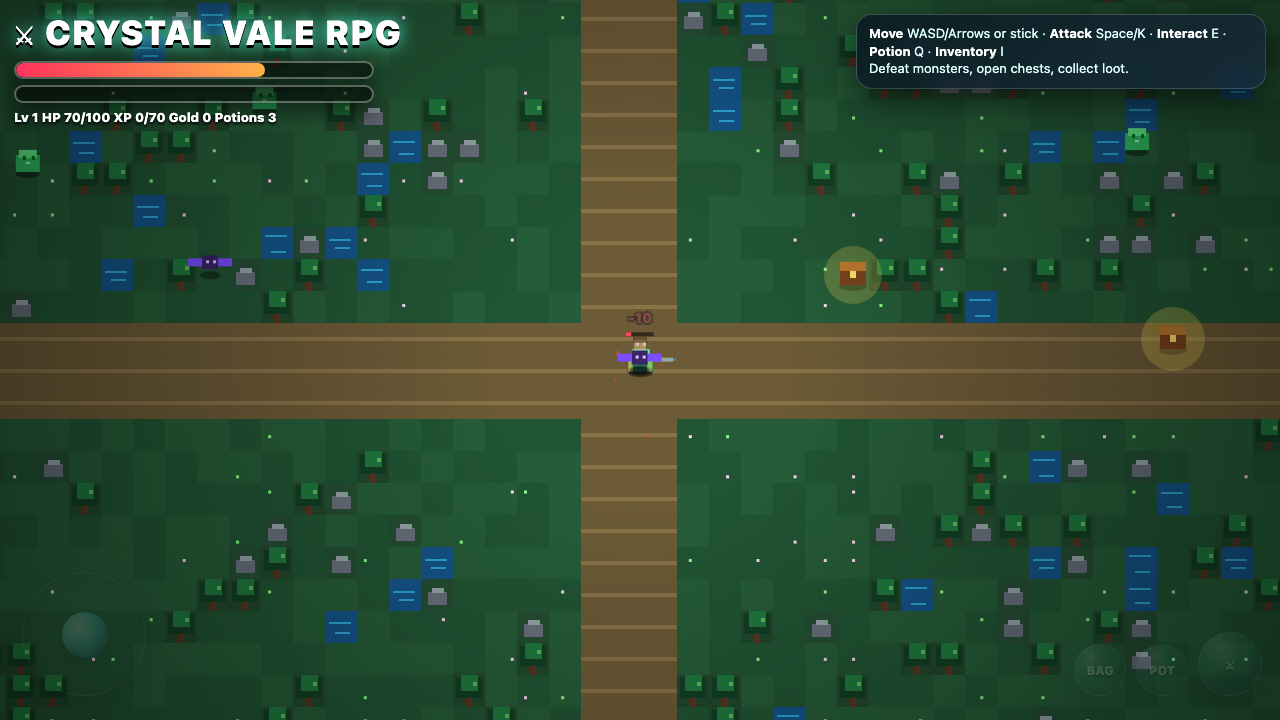
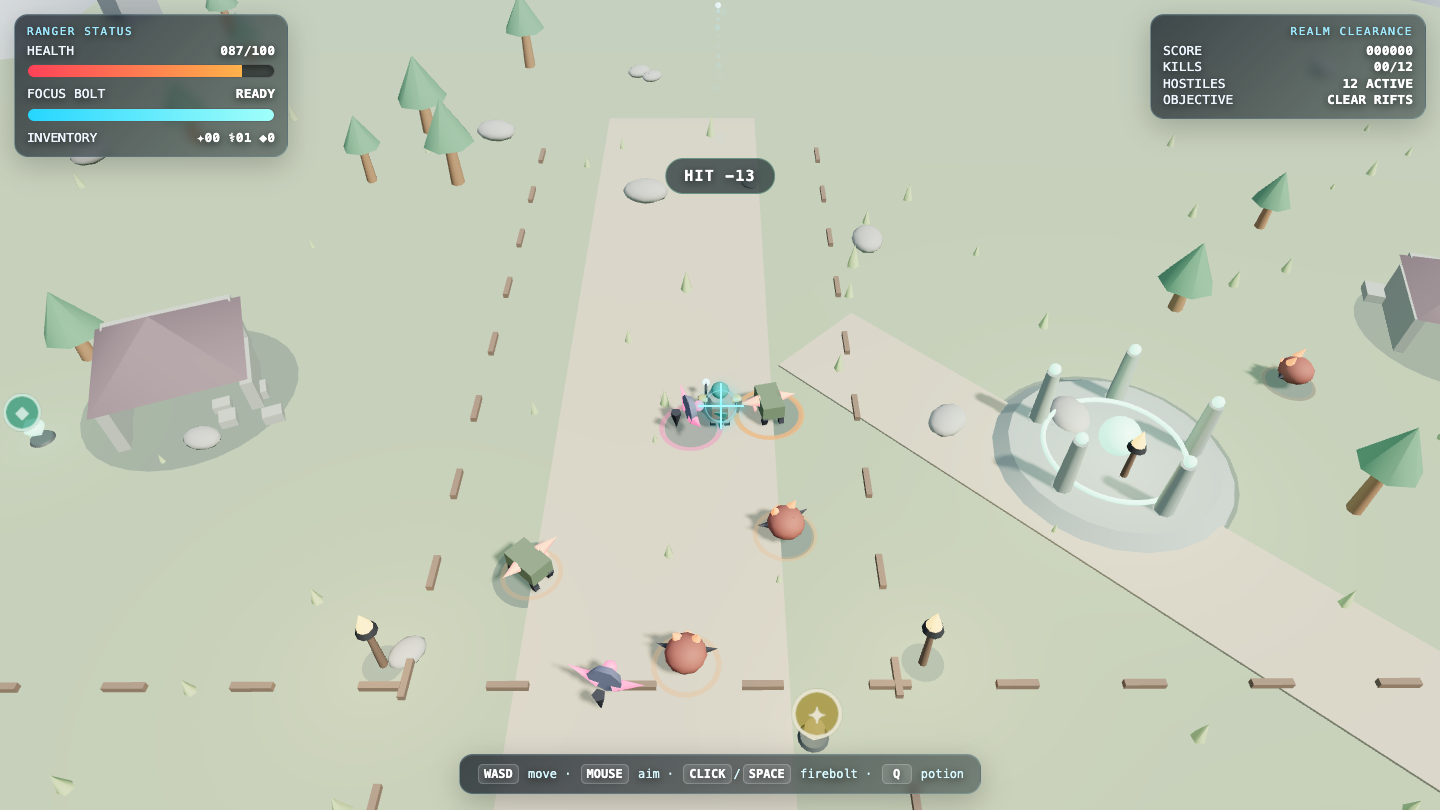
Game
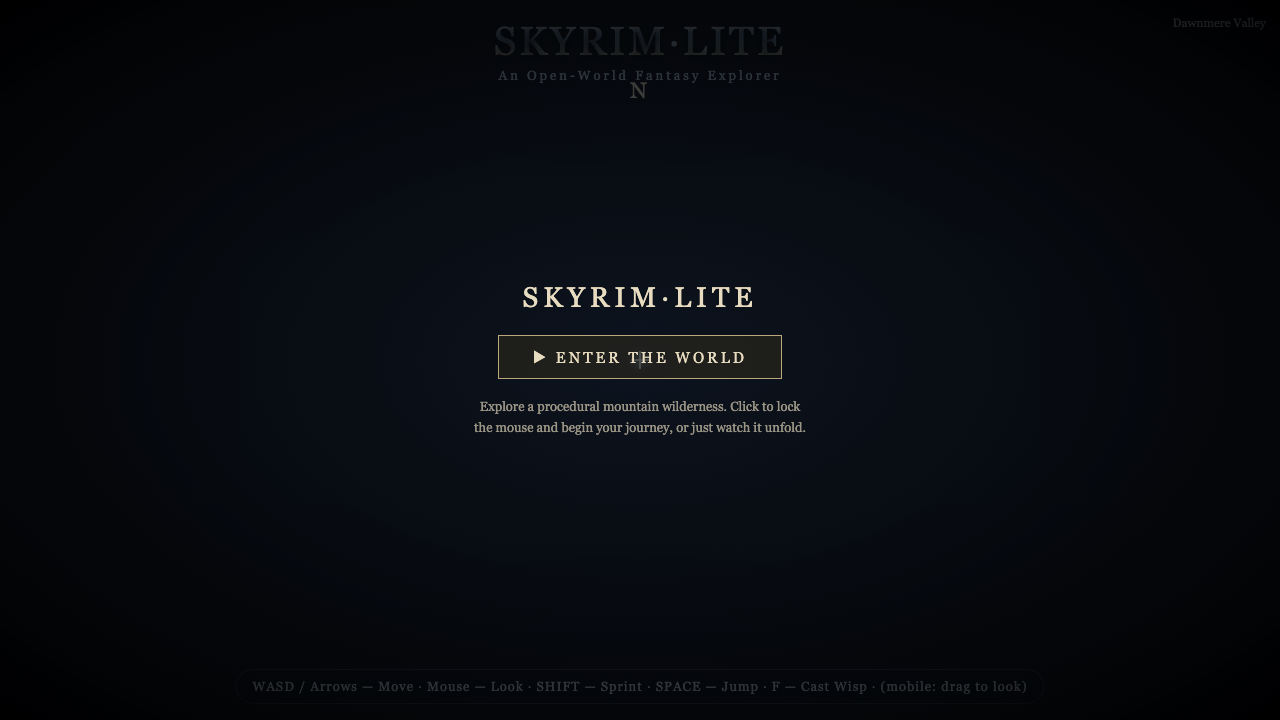
Game
Page
Visual

Where Hermes MoA beat Fugu Ultra 1.1
The tasks where I gave Hermes MoA a higher 0–10 score on the same prompt — with the actual commentary from my source guides.
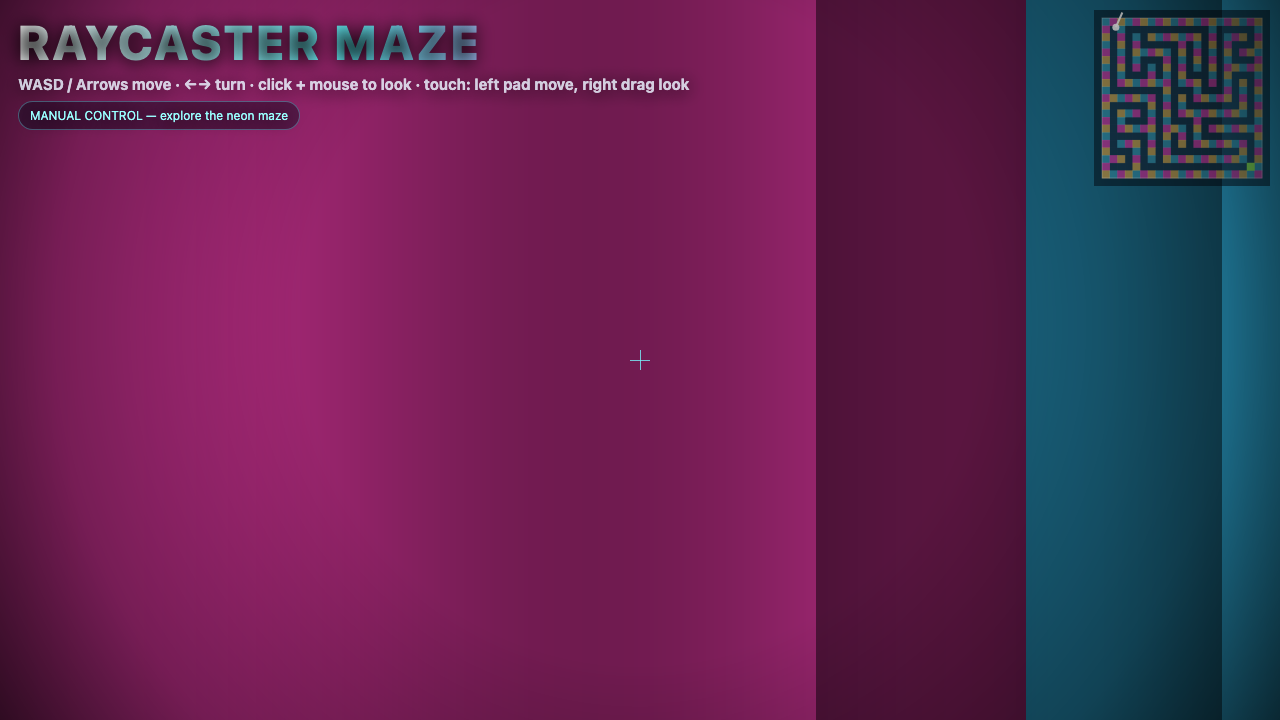
Raycaster
Game
Hermes MoA 8.4
·
Fugu Ultra 1.1 2.0
(+6.4)
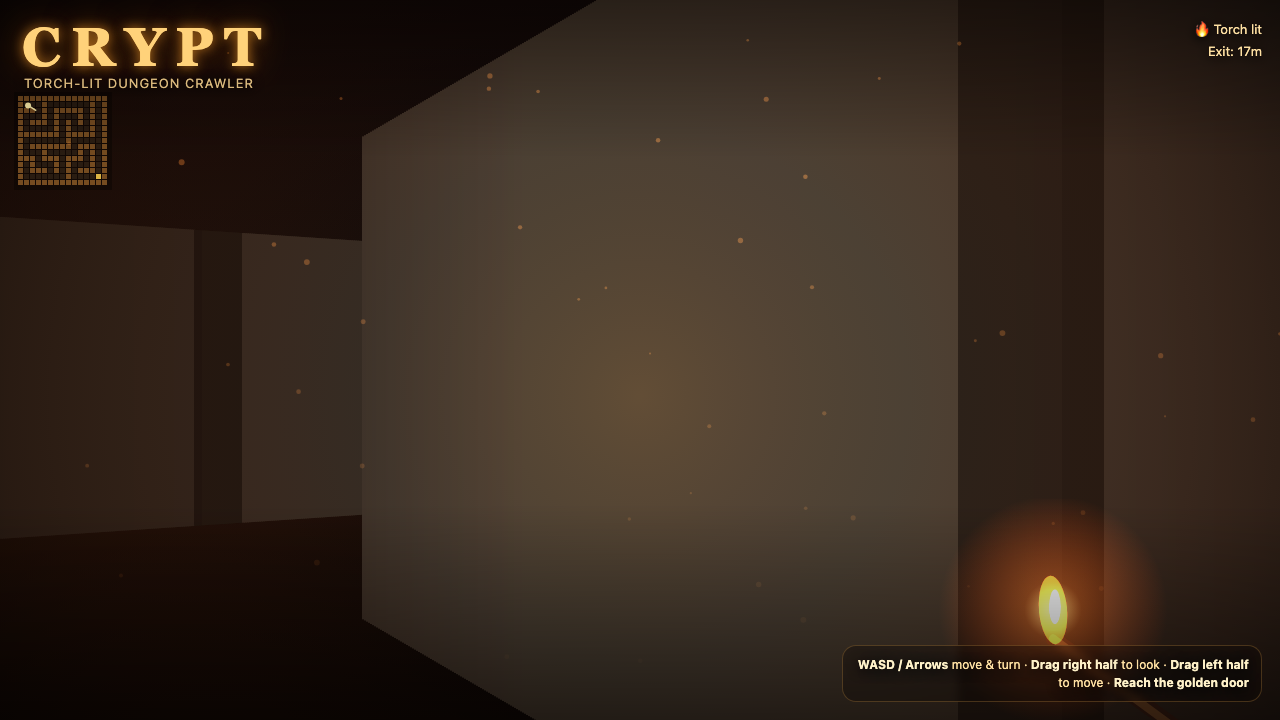
What I saw: Polished neon raycaster with recursive-backtracker maze gen, DDA casting, distance fog + edge shading, animated exit beacon, regenerating mazes, full mobile touch joystick, and an auto-tour idle mode — more feature-complete than SOLO Opus 4.8 (8.0) and edges close to Fusion/Kimi …
Neoncity
Game
Hermes MoA 8.4
·
Fugu Ultra 1.1 2.3
(+6.1)
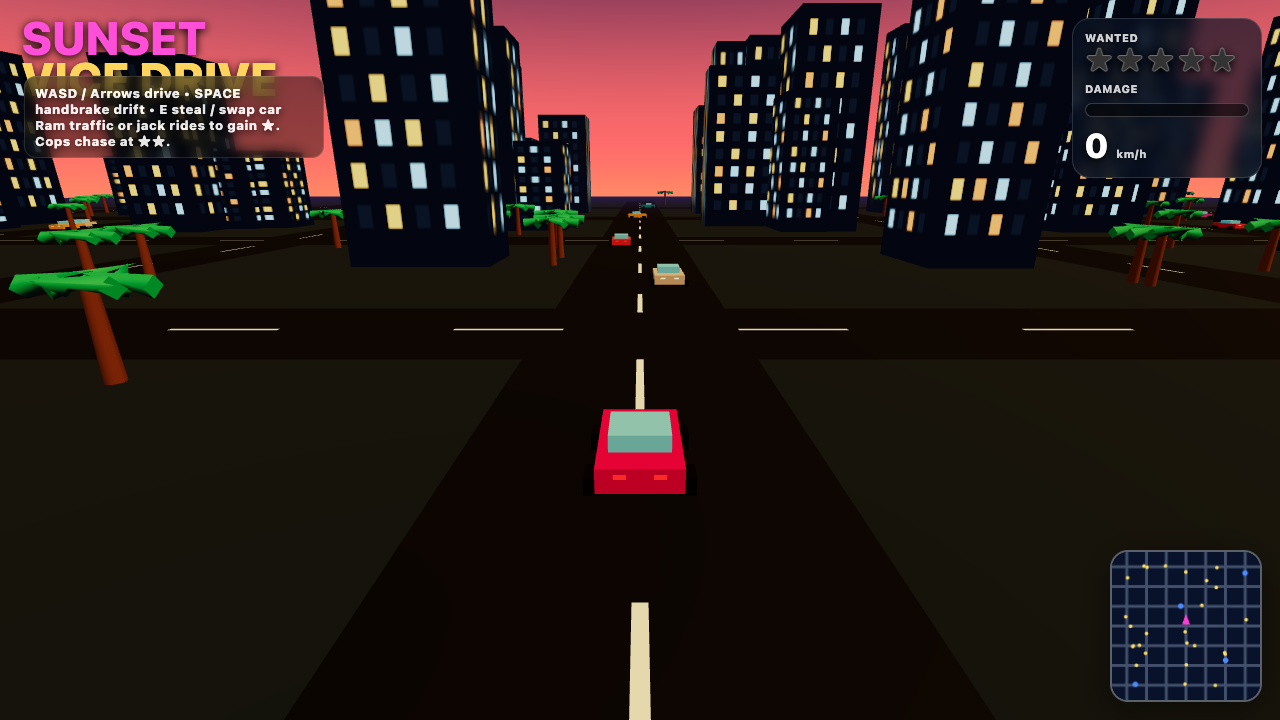
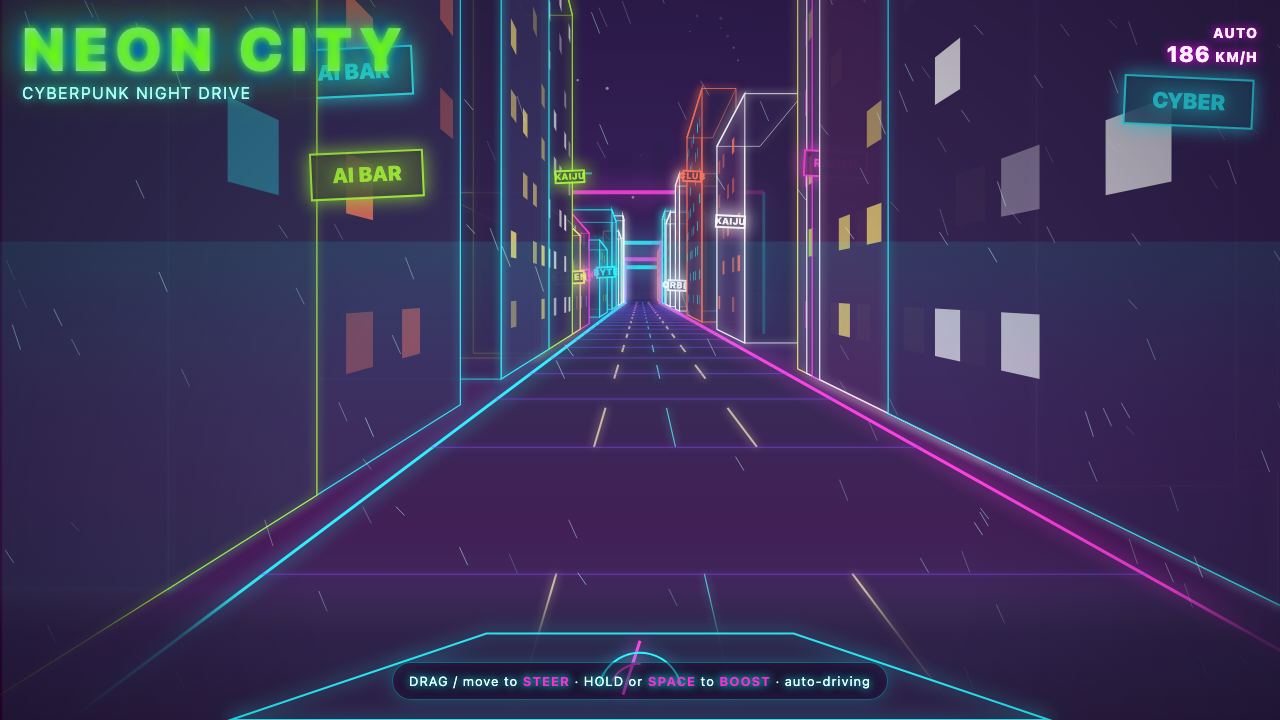
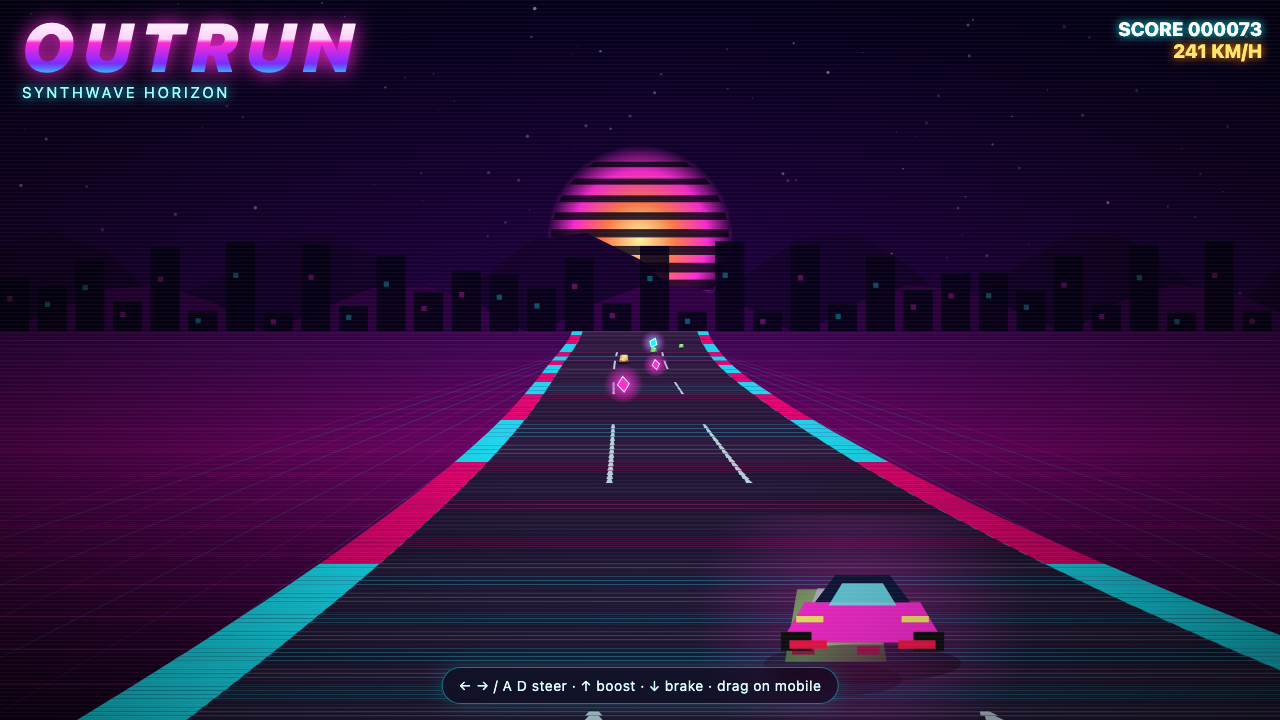
What I saw: A polished pure-canvas (no three.js) cyberpunk night-drive with pseudo-3D projection, neon road edges, lit windows, animated signage, rain, a car hood/HUD speedo and steerable boost — genuinely interactive and atmospheric, edging past Opus 4.8/Fusion's flythroughs on playability …
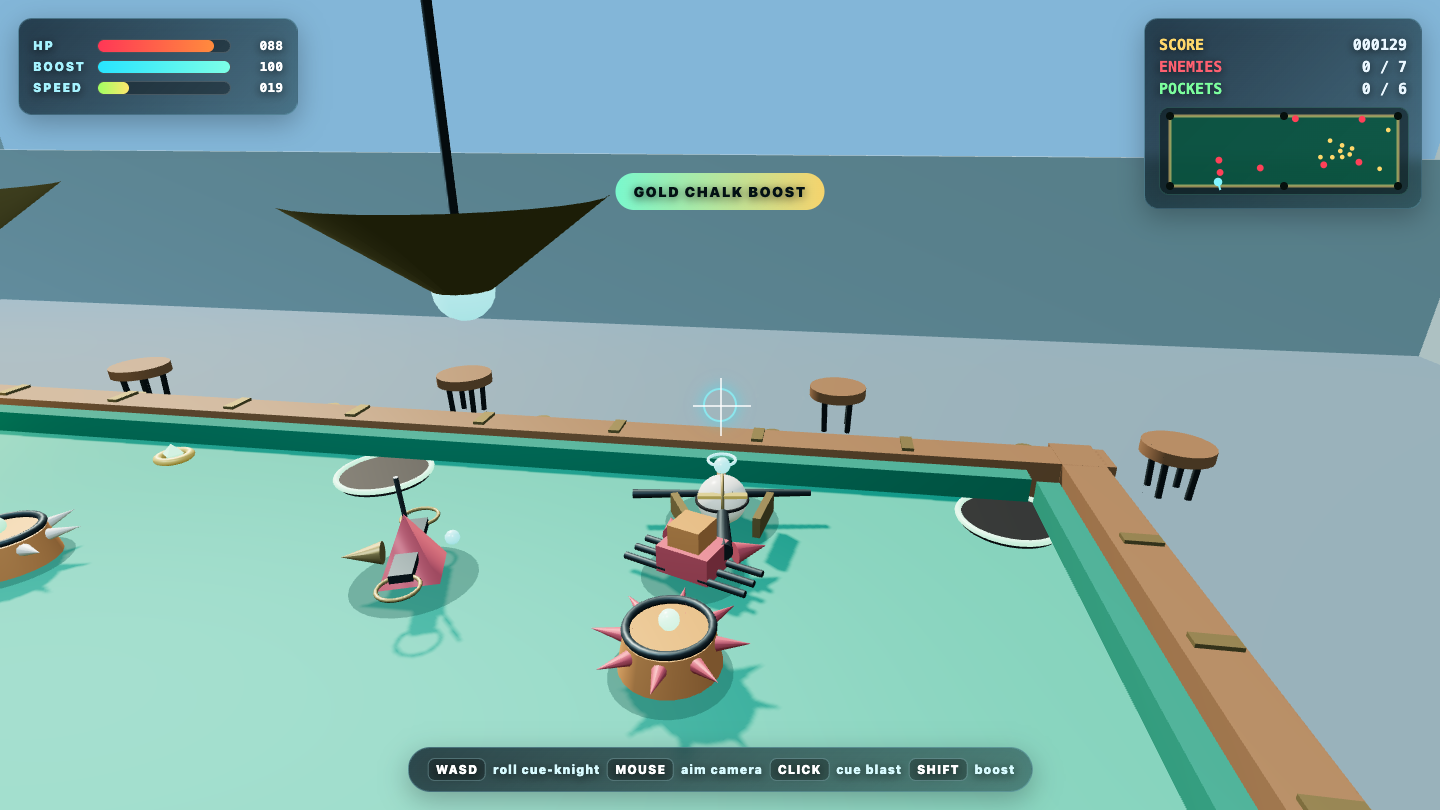
Pool
Game
Hermes MoA 8.4
·
Fugu Ultra 1.1 4.5
(+3.9)
· hermes
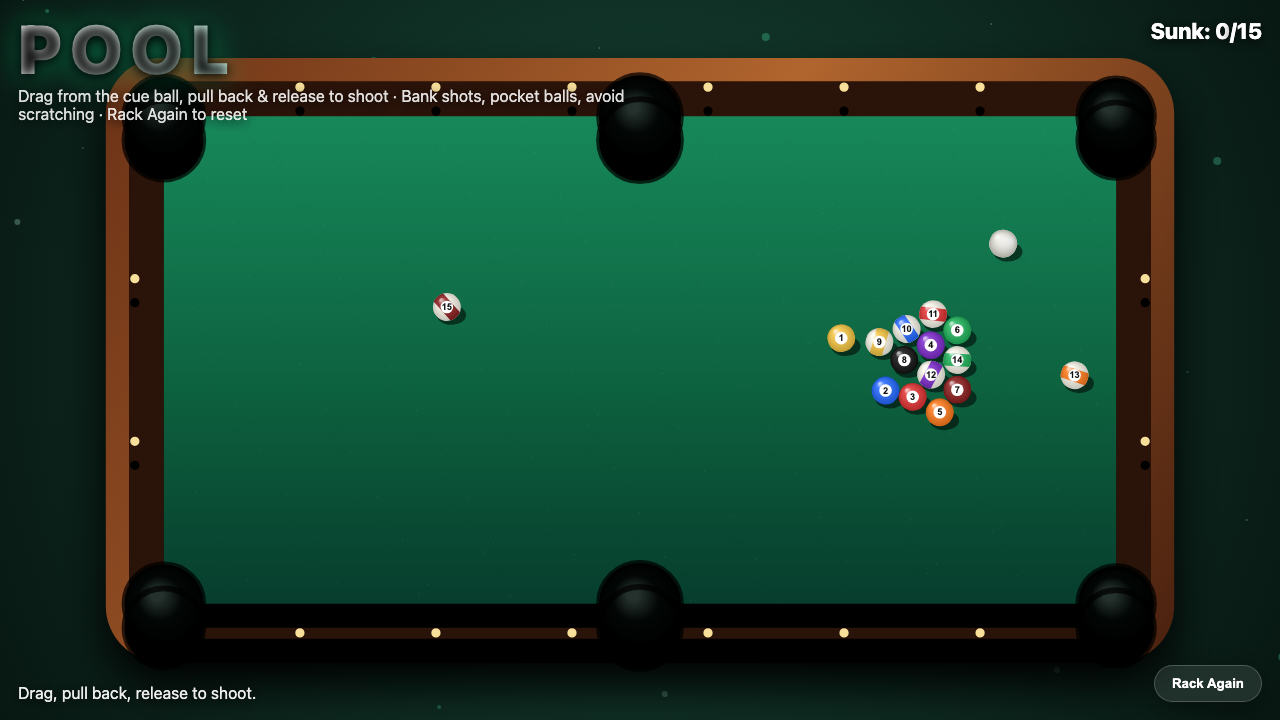
What I saw: Polished Canvas2D billiards with full 16-ball physics, substepped collision resolution, pocket-suction zones, scratch respotting, auto-break, particle effects and a clean drag-power cue with predictive line — clearly edges Fusion/Grok (8.0) on physics fidelity and presentation, a…
Arcade
Game
Hermes MoA 8.6
·
Fugu Ultra 1.1 5.5
(+3.1)
· hermes_moa
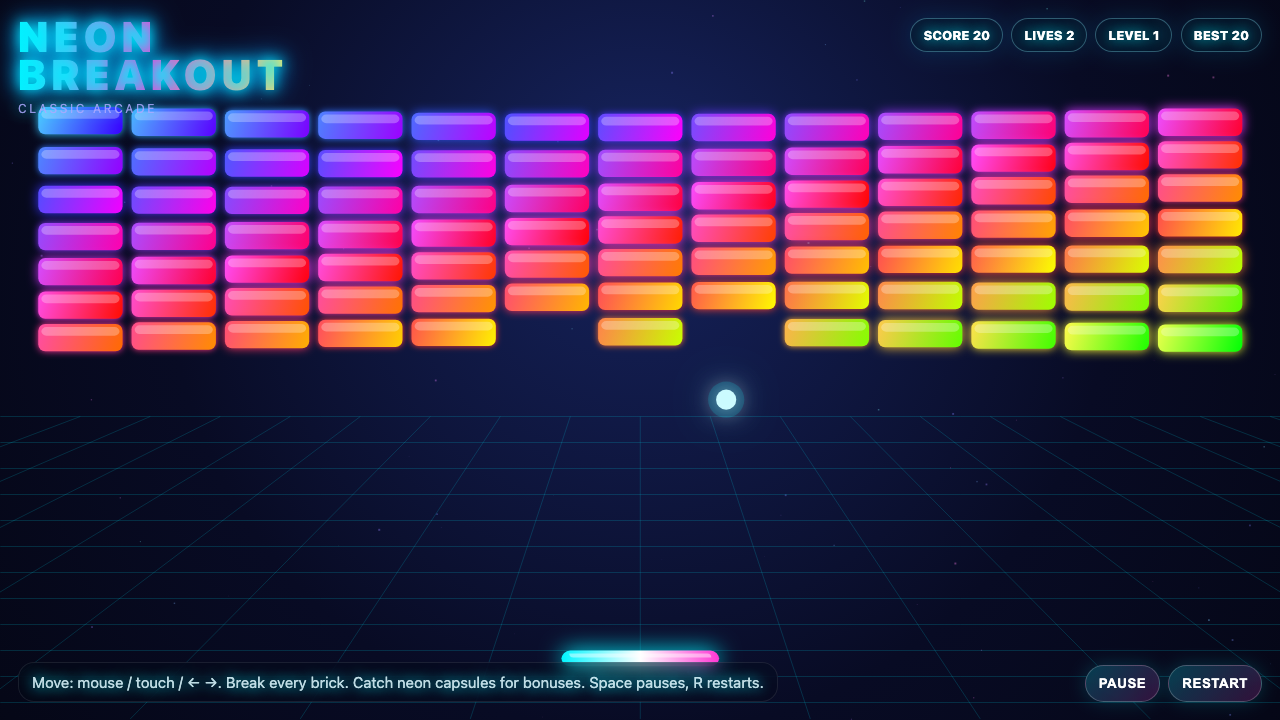
What I saw: A polished Neon Breakout with HP bricks, multi-type capsule power-ups (WIDE/SLOW/LIFE), level progression with speed-up, screen shake, flash, lighter-blend particles, starfield, perspective grid, best-score persistence, and full mouse/touch/keyboard control with pause/restart — t…
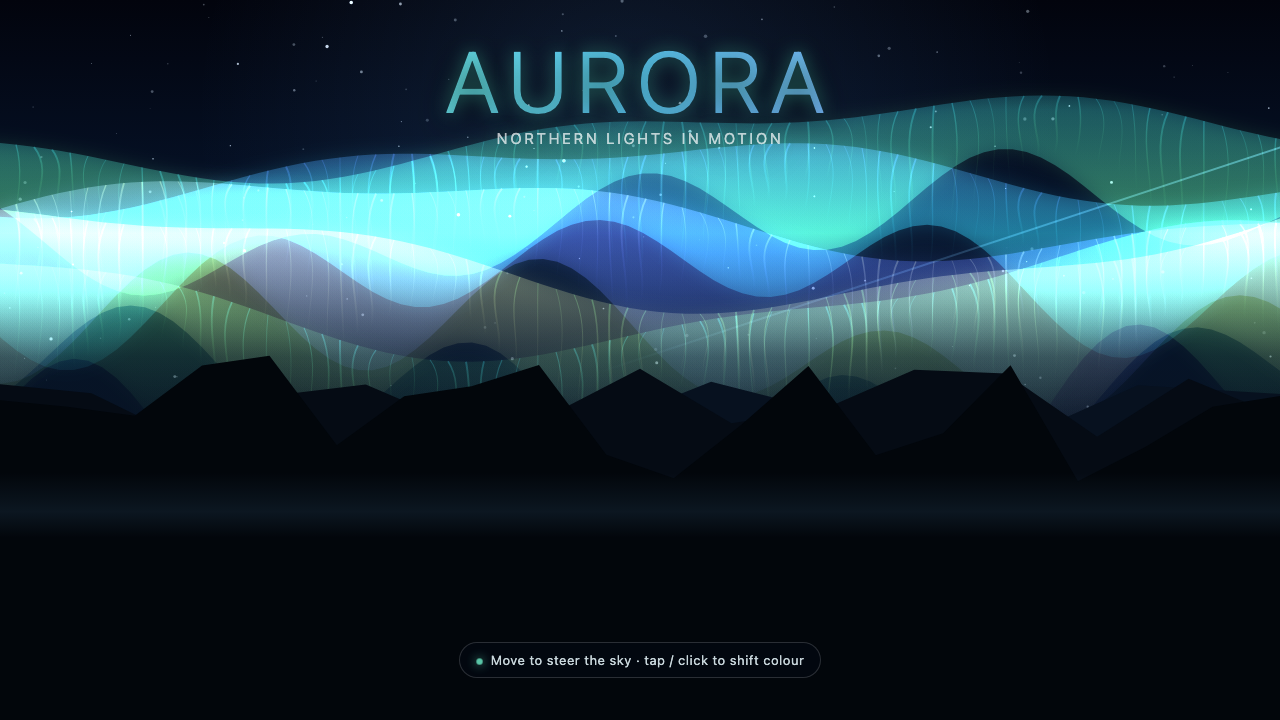
Aurora
Visual
Hermes MoA 8.6
·
Fugu Ultra 1.1 5.5
(+3.1)
· most_detailed
What I saw: The richest aurora build in the field: layered ribbons with composite-lit gradients, vertical light rays, twinkling stars, a lake reflection (mirrored aurora + ripple shimmer), layered mountain silhouettes, occasional meteors, and smooth pointer-steering with color-shift on click…
Where Fugu Ultra 1.1 beat Hermes MoA
The tasks where I gave Fugu Ultra 1.1 a higher 0–10 score on the same prompt — with the actual commentary from my source guides.
Gtafoot
Game
Fugu Ultra 1.1 6.8
·
Hermes MoA 4.5
(+2.3)
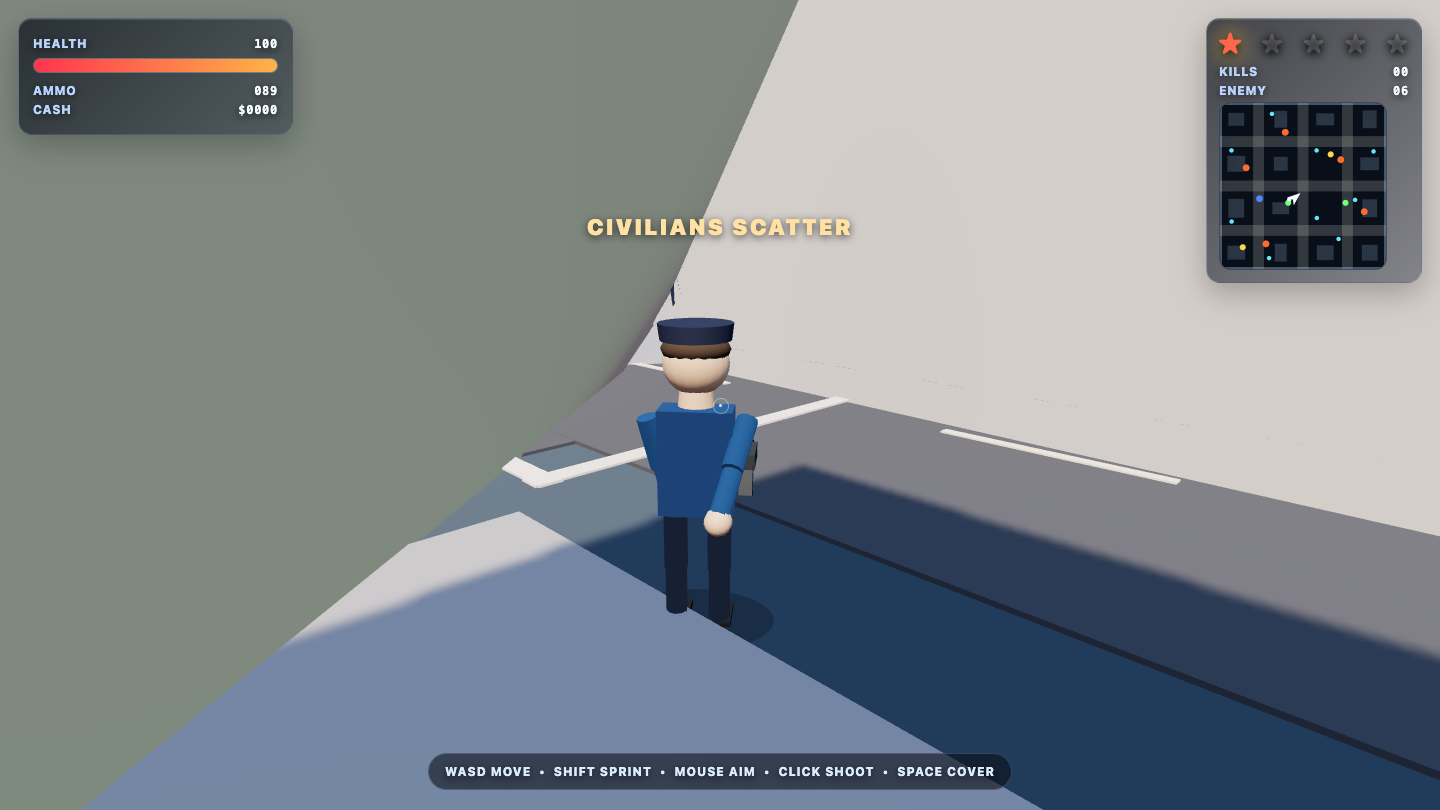
What I saw: Polished HUD (health/ammo/wanted stars/minimap with tracked entities) and a well-modeled character with active shooting (ammo already at 089, 'CIVILIANS SCATTER' banner), but the camera is clipped hard into a building wall showing mostly empty geometry and no visible enemies/comb…
Parachute
Game
Fugu Ultra 1.1 8.6
·
Hermes MoA 6.5
(+2.1)
· combat parachute drop
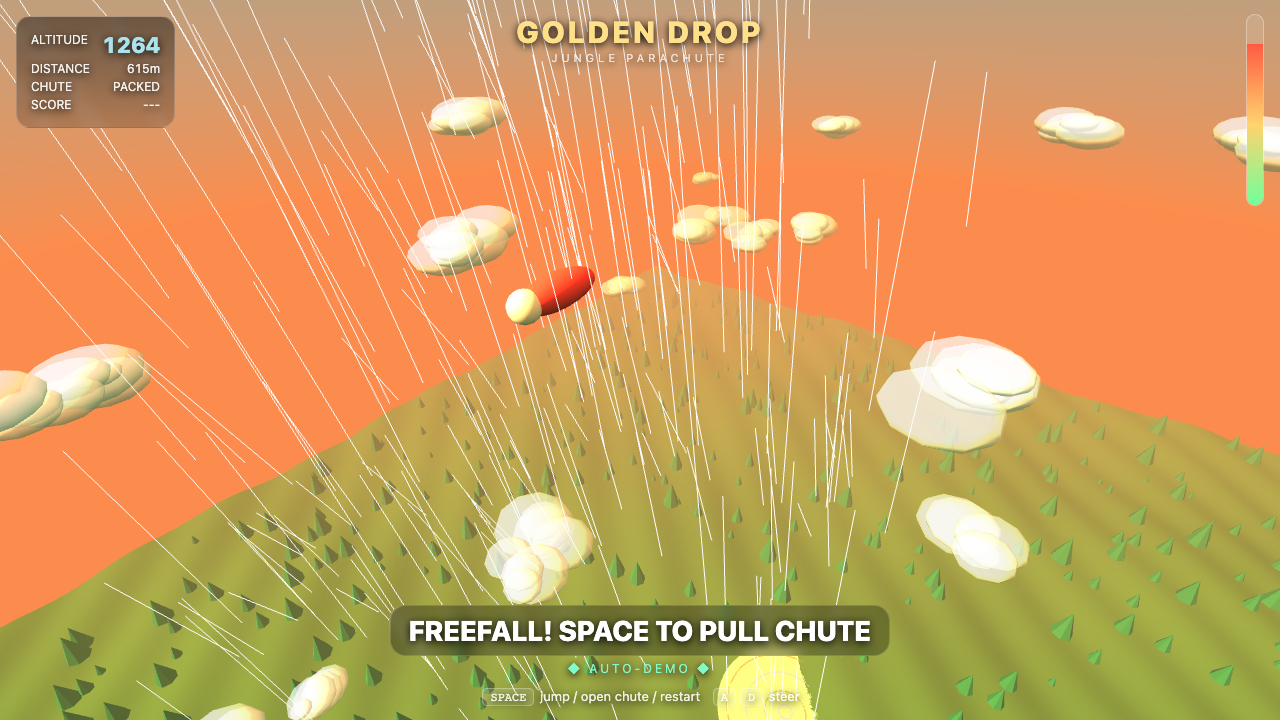
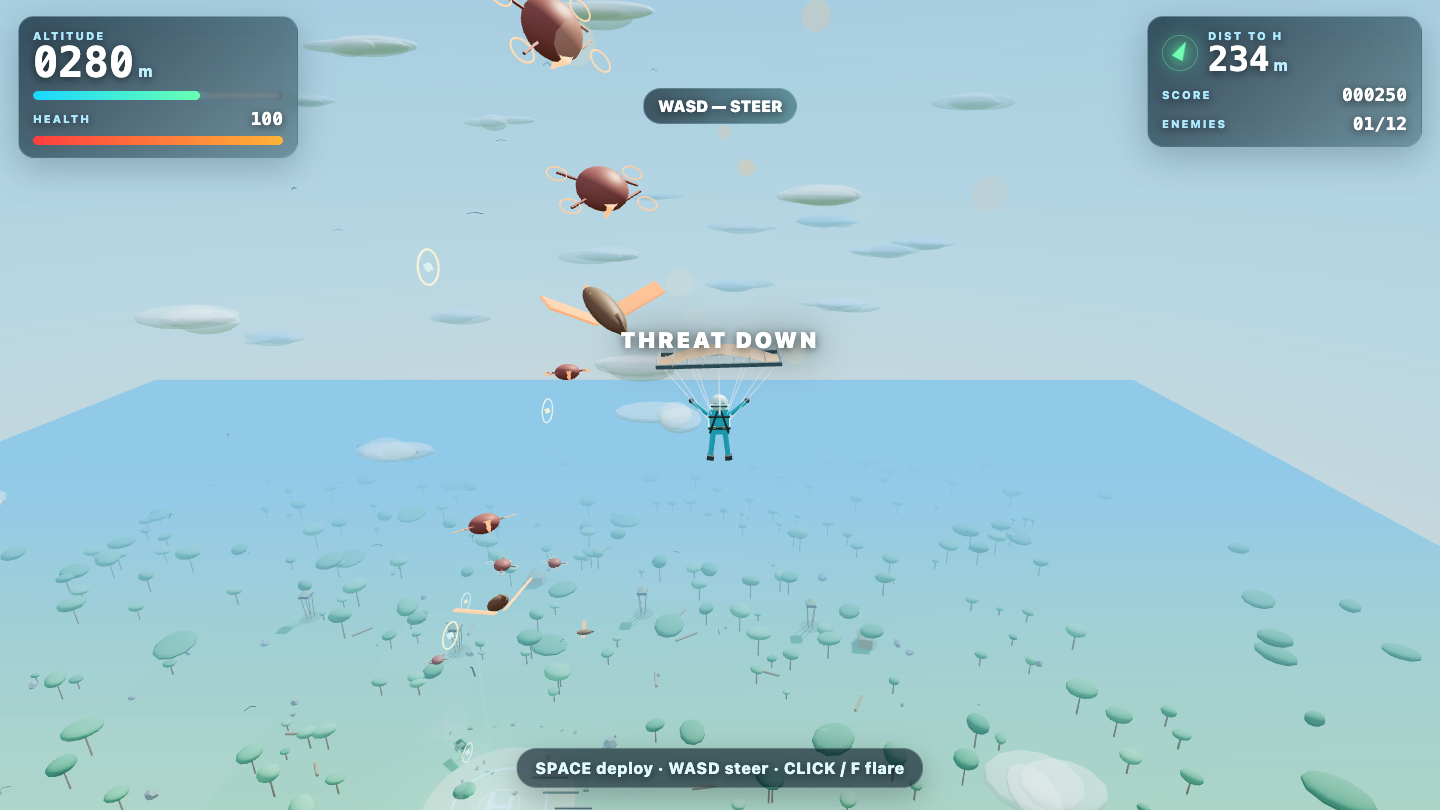
What I saw: Strong deployed-chute skydiver over a jungle canopy with a polished HUD (altitude, dist-to-H, score) plus active drone enemies, flare combat, and 'THREAT DOWN' kill feedback — it delivers the full jump/steer/land loop AND working combat, edging past a bland walking sim.
Flightsim
Game
Fugu Ultra 1.1 8.4
·
Hermes MoA 6.5
(+1.9)
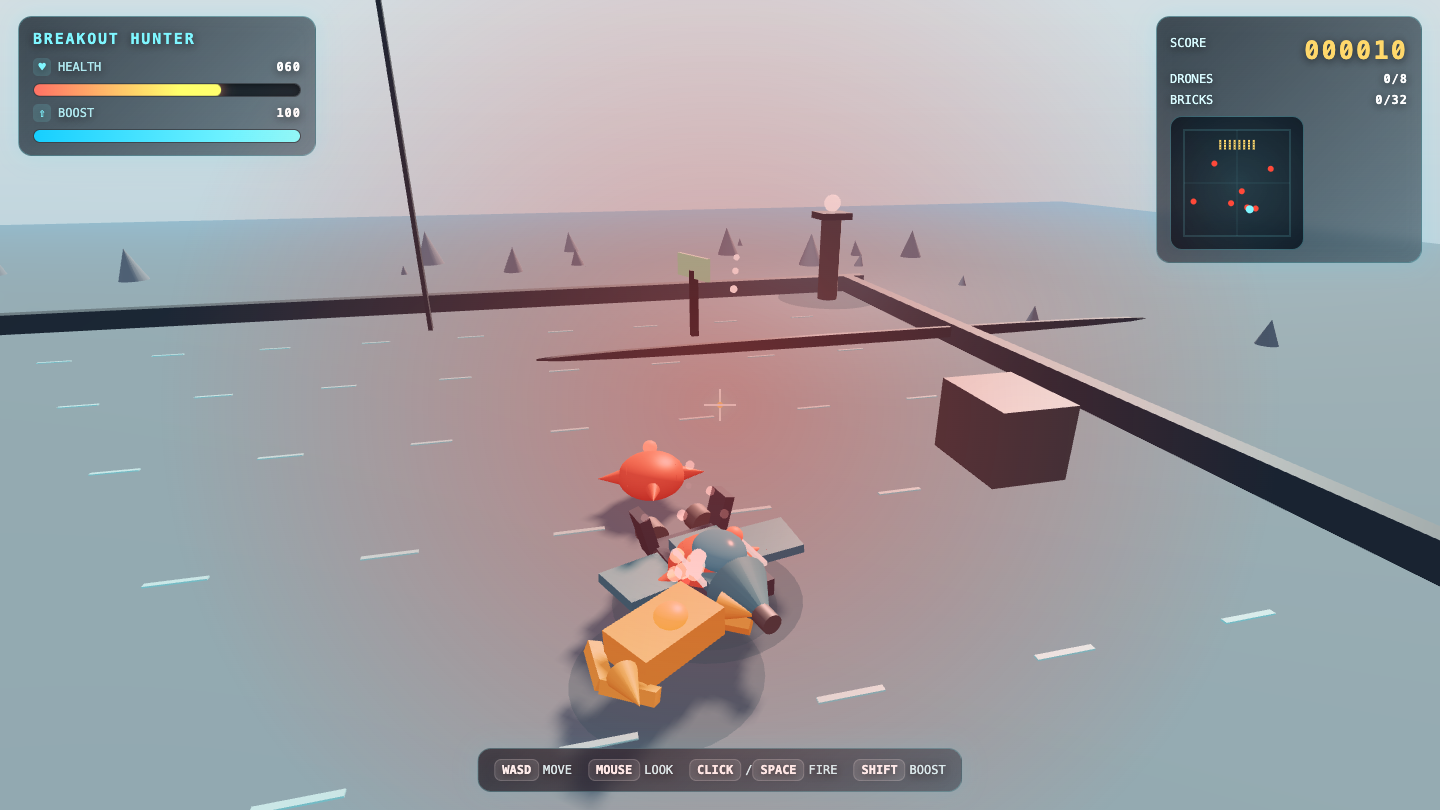
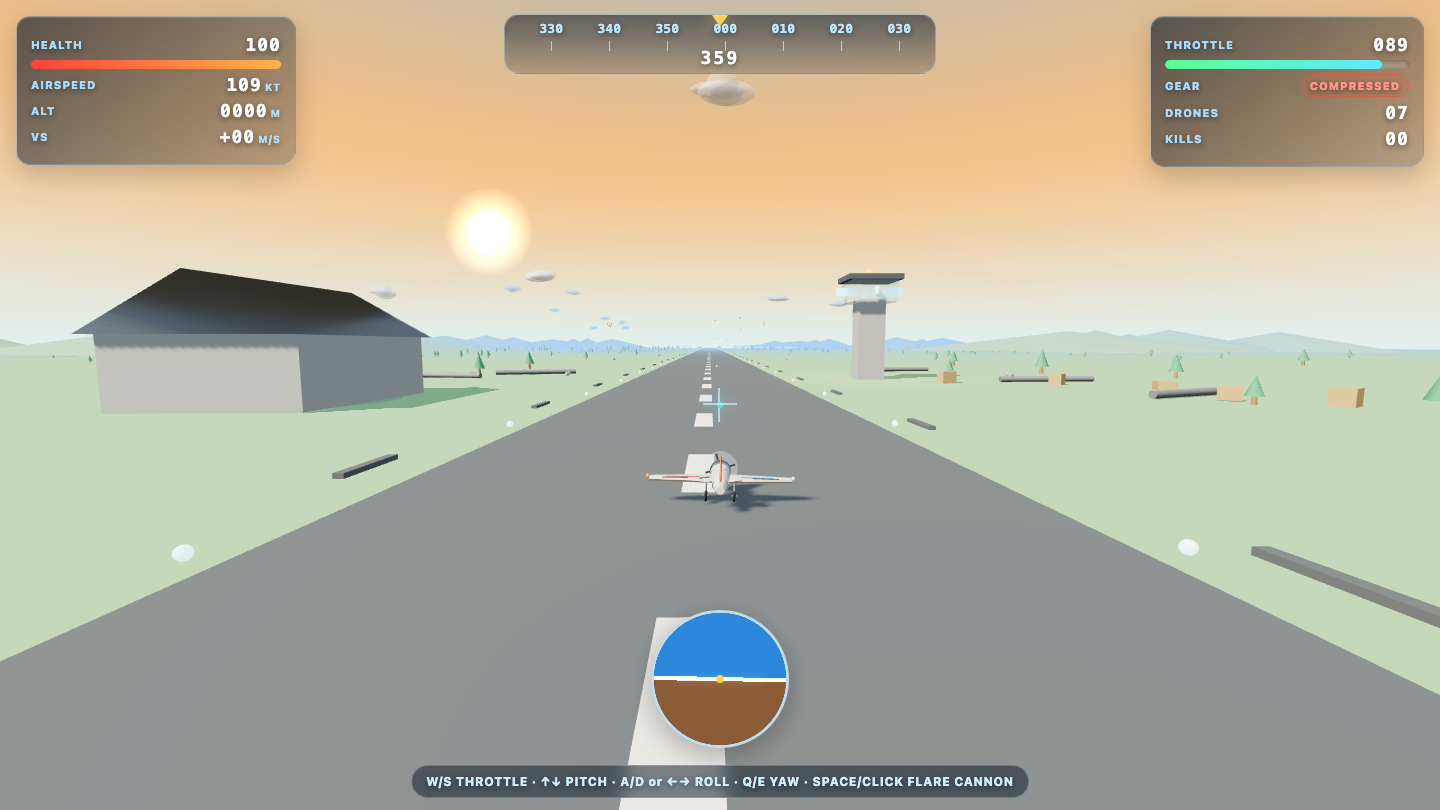
What I saw: Polished flight sim with a detailed aircraft model, full HUD (airspeed/alt/VS/heading tape/attitude indicator), runway with markings, hangar, control tower and terrain — plus a combat layer with visible drones and cannon reticle. Very strong and shippable, but the enemy at this f…
Dragonrealm
Game
Fugu Ultra 1.1 8.6
·
Hermes MoA 7.8
(+0.8)
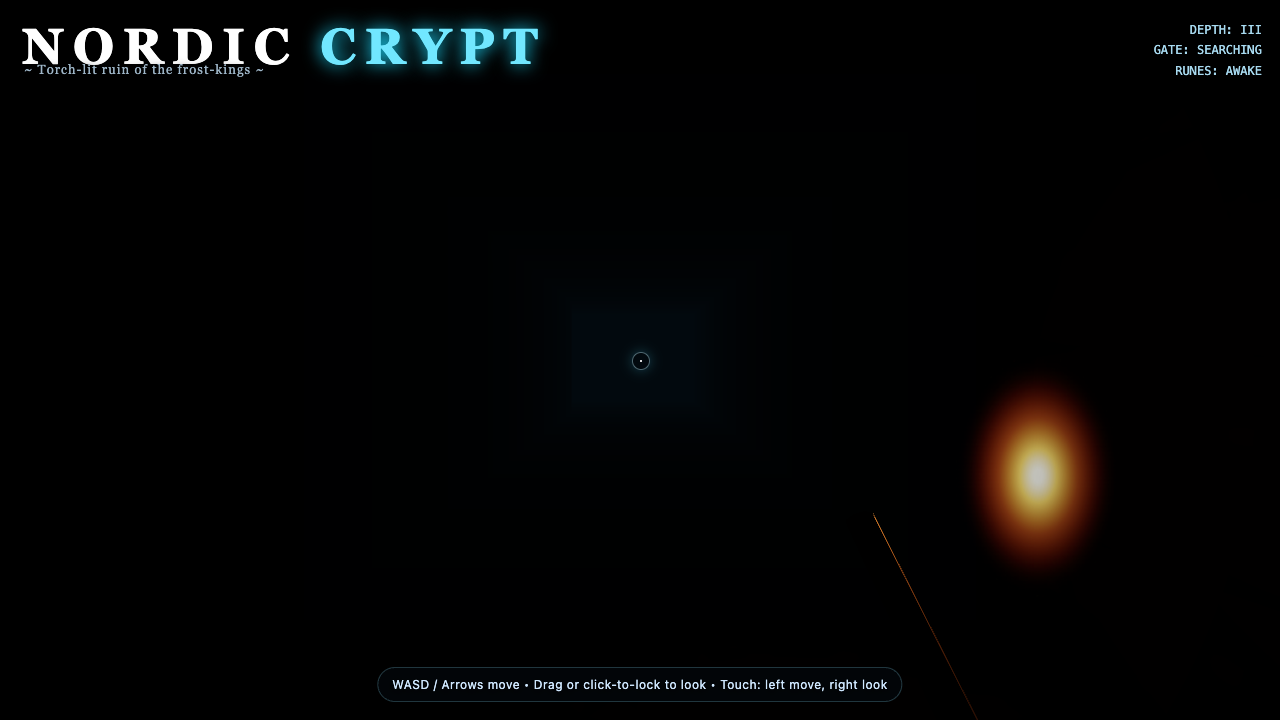
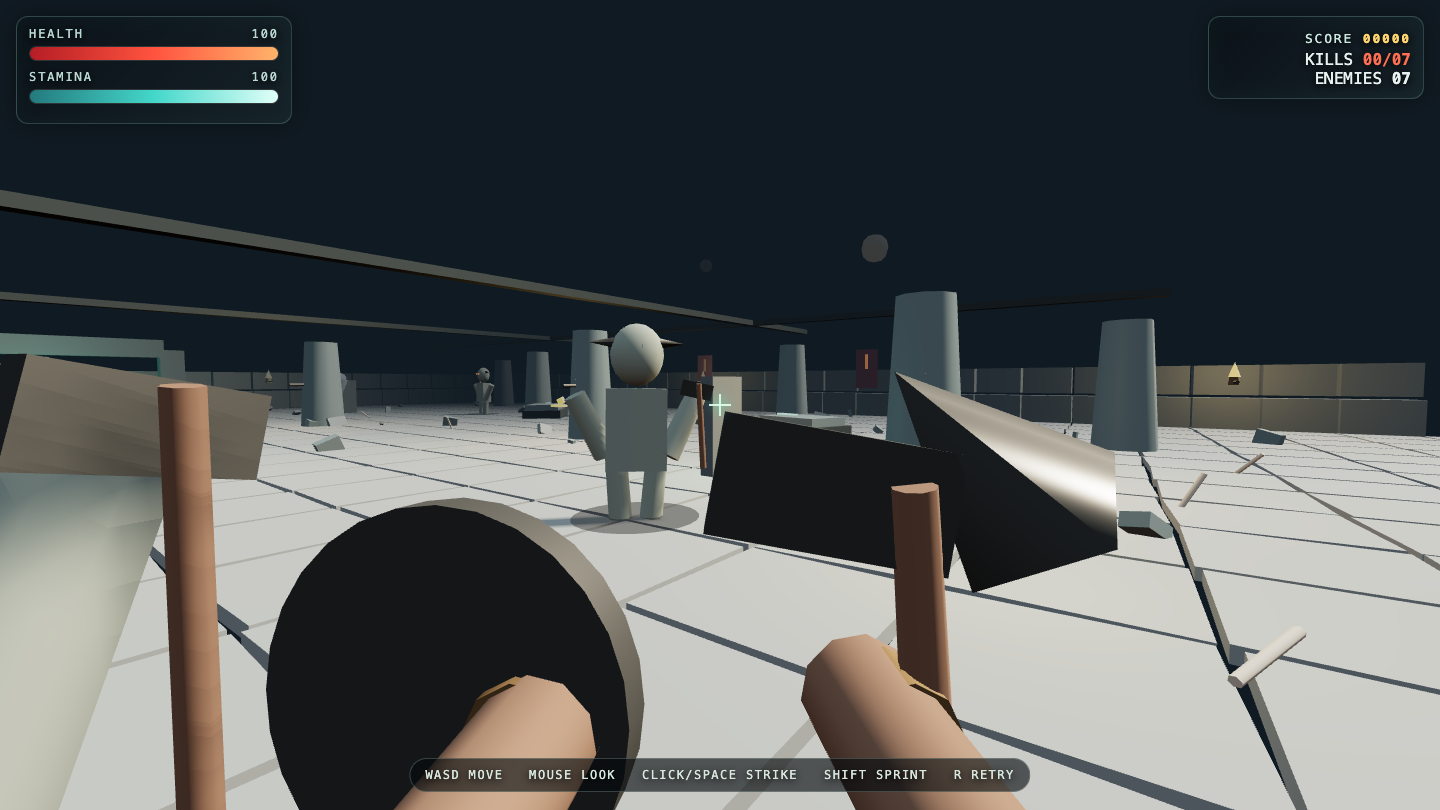
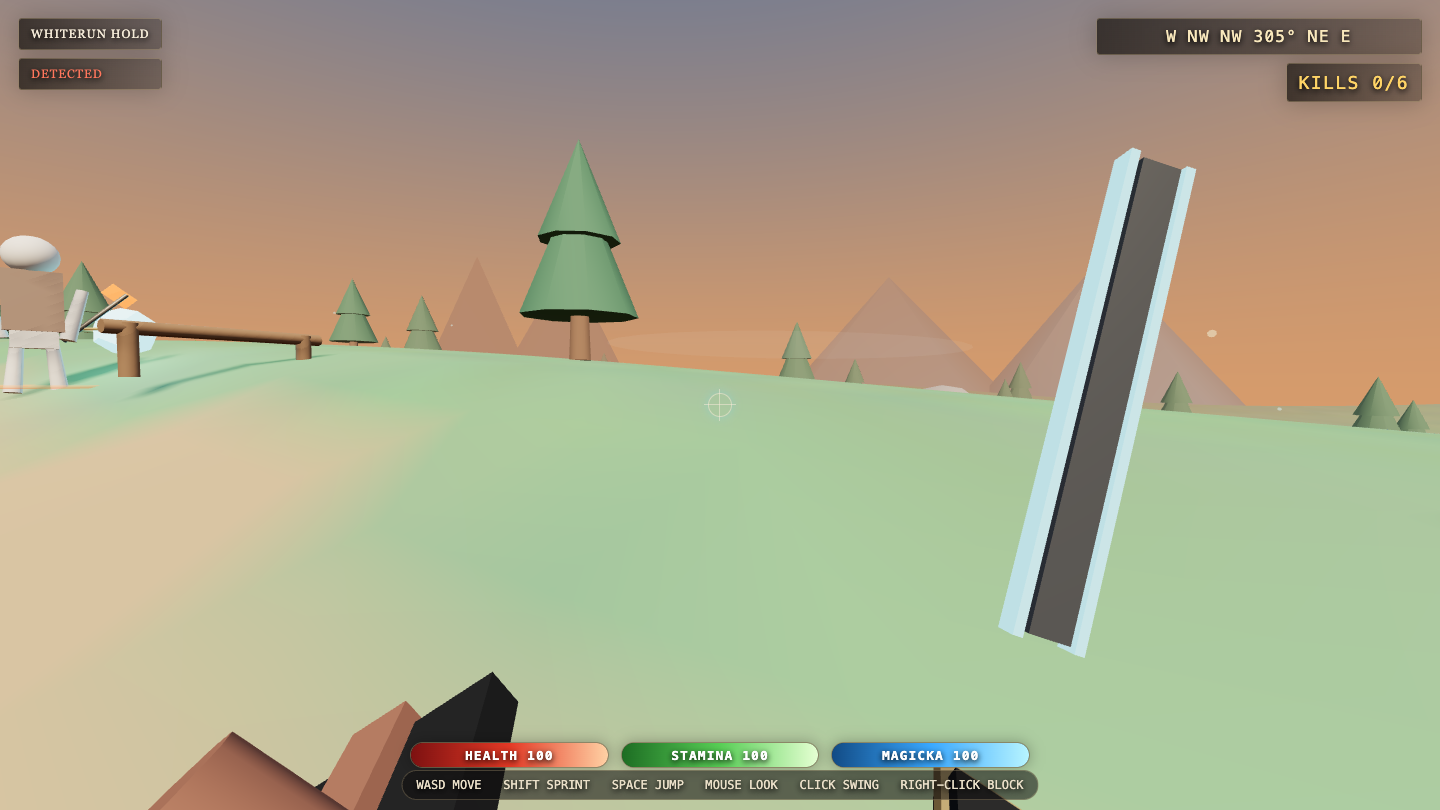
· Frozen combat realm
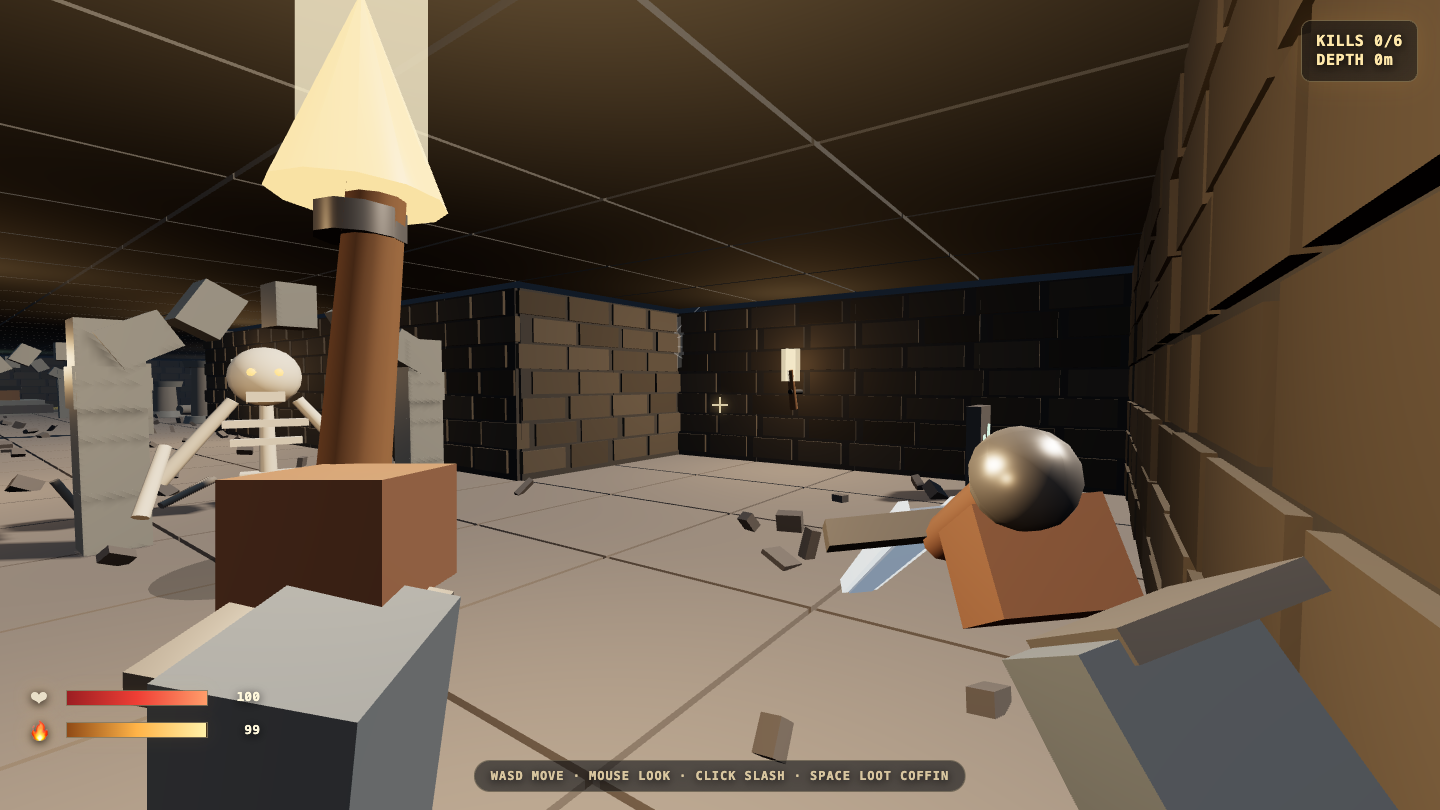
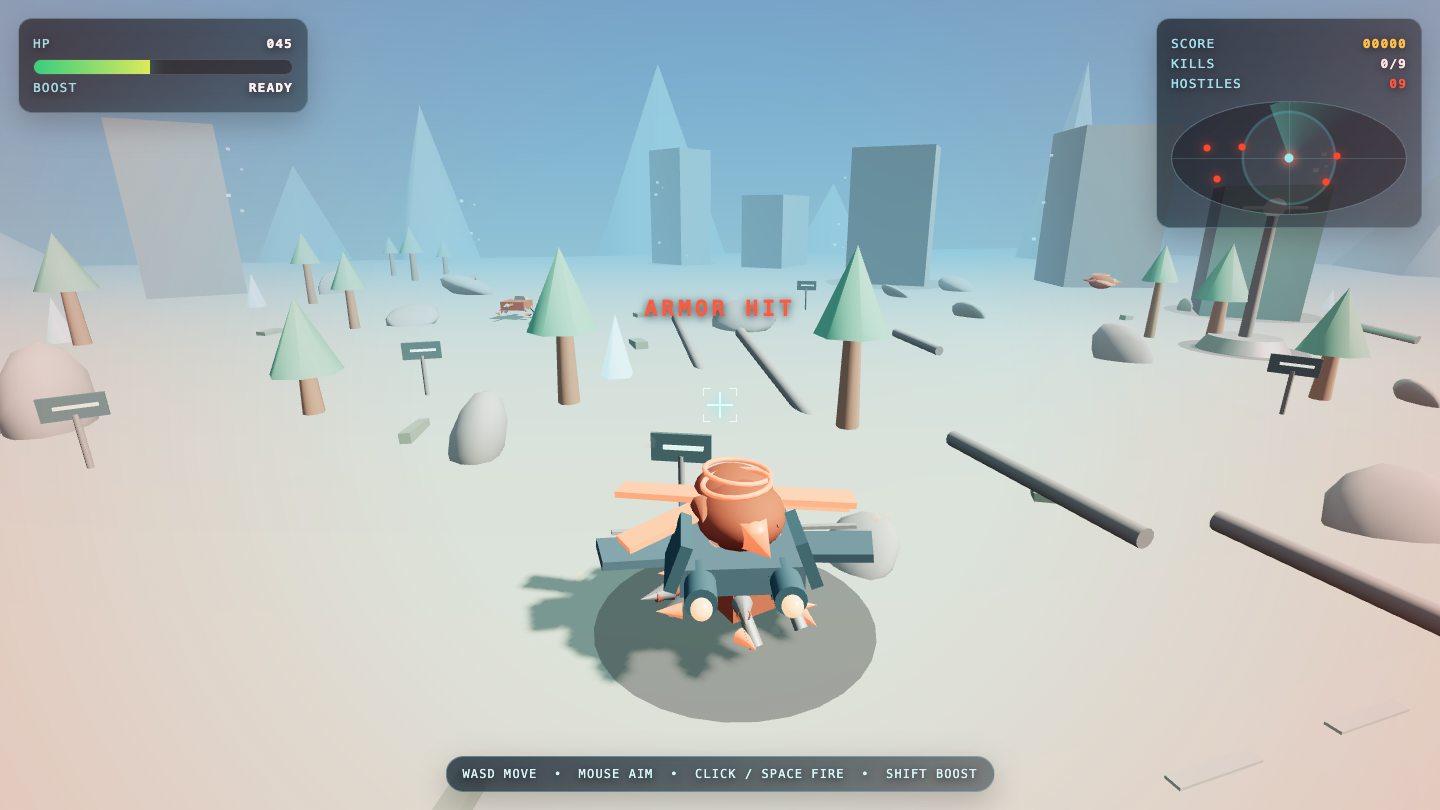
What I saw: Strong Skyrim-vibe frozen open world with layered snowy mountains, a player with visible sword, multiple approaching enemies with health orbs, runes, an event banner ('DRAGON SWOOP · FIRE BREATH') and polished HUD/compass — clearly beats the empty-walking-sim trap. Enemy models a…
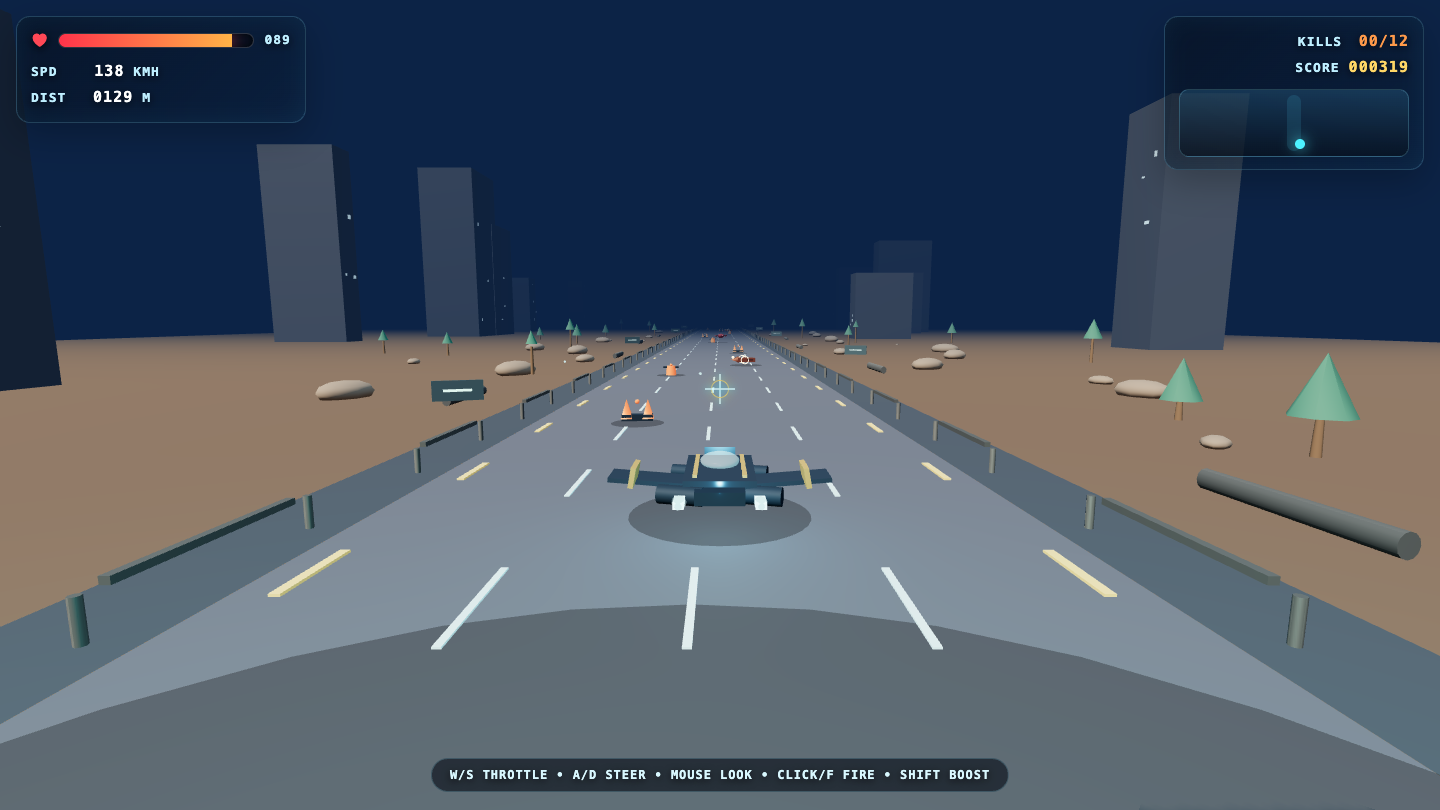
Racing
Game
Fugu Ultra 1.1 8.6
·
Hermes MoA 7.8
(+0.8)
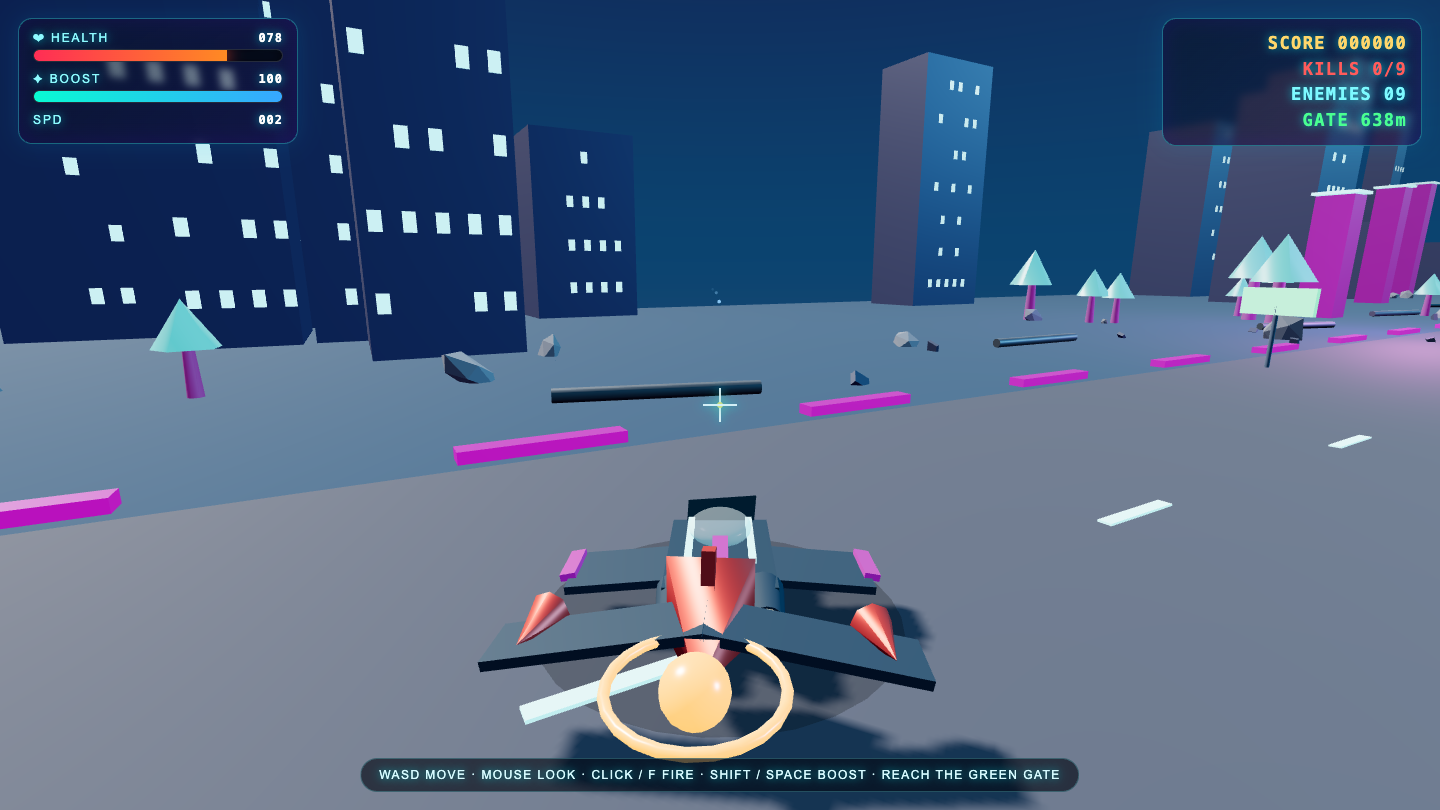
· Neon combat racer
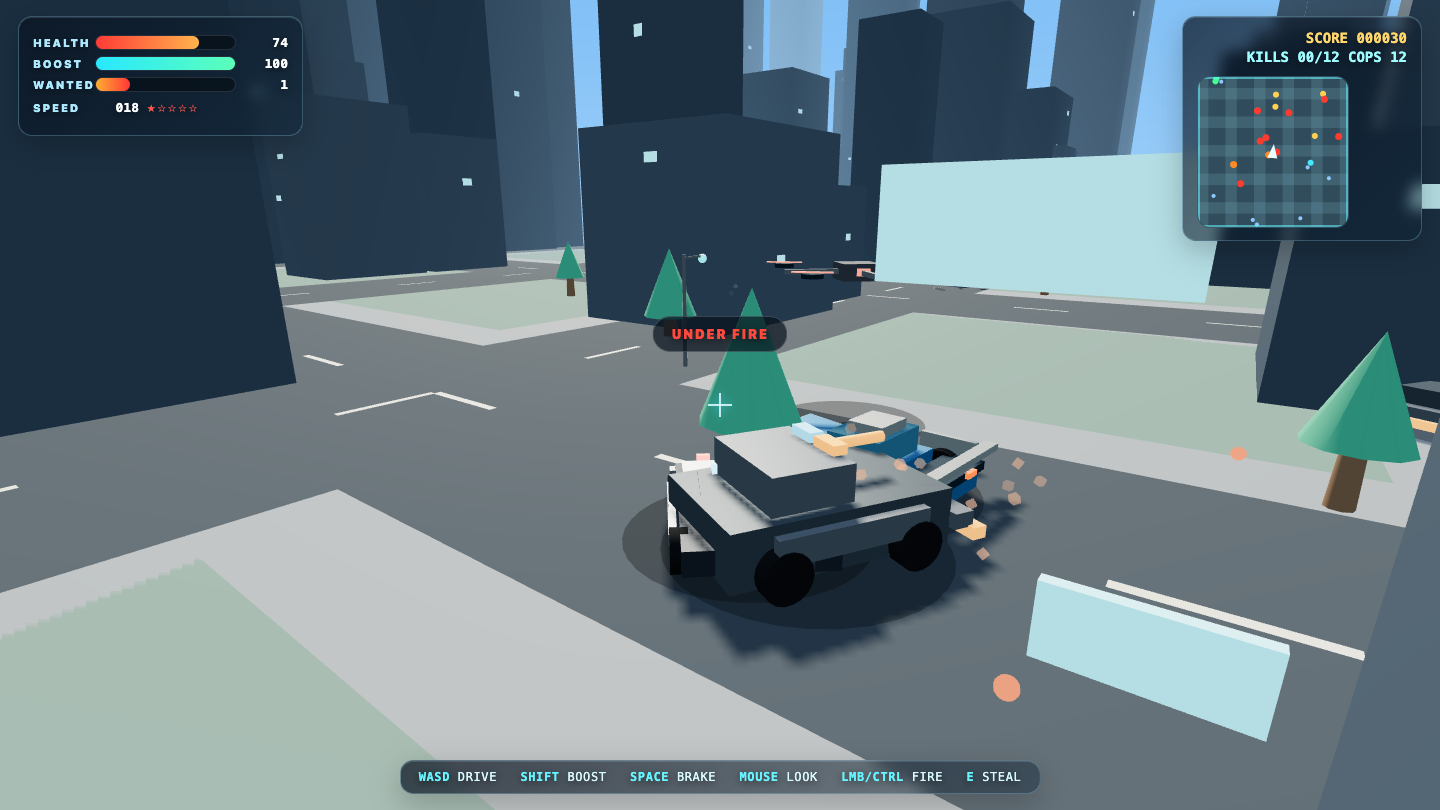
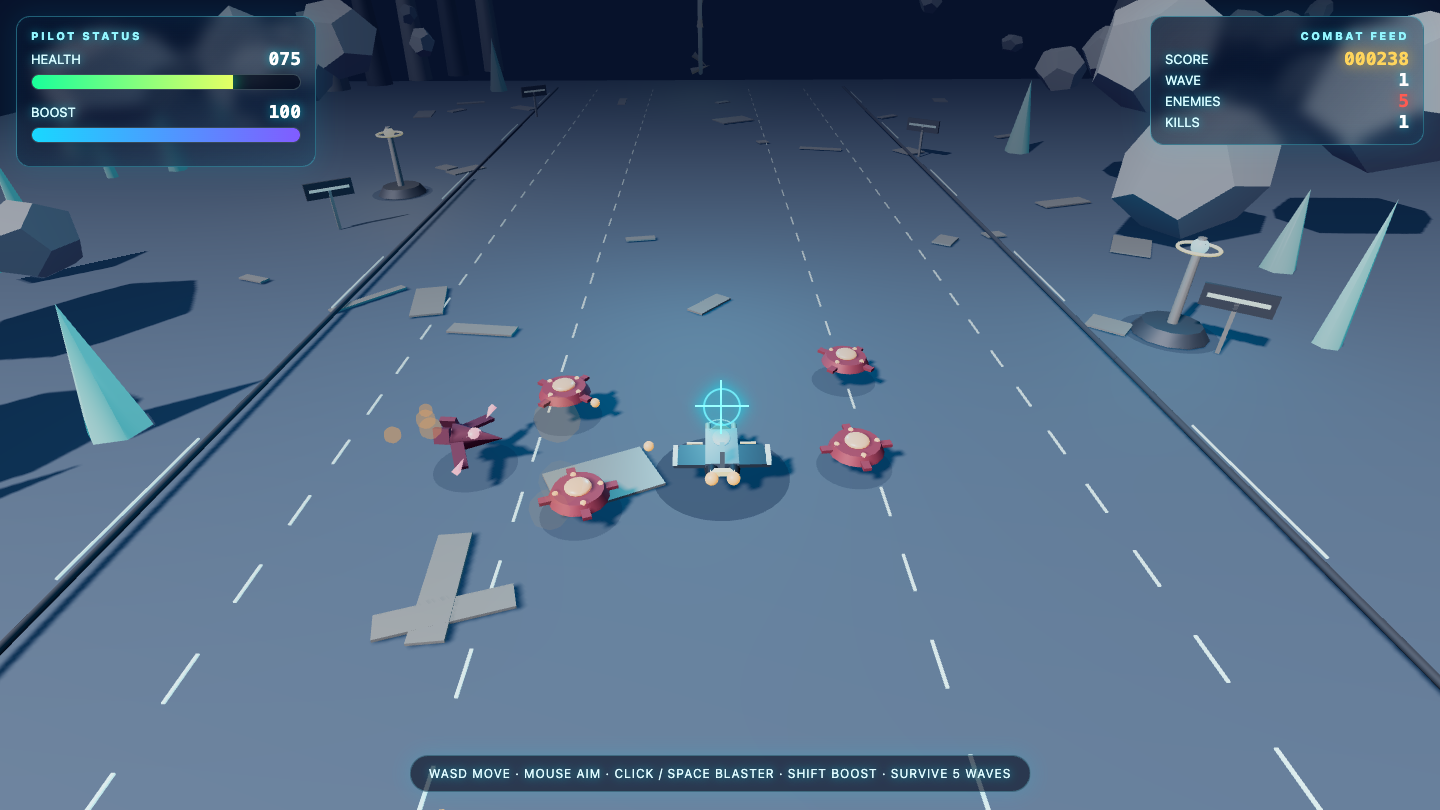
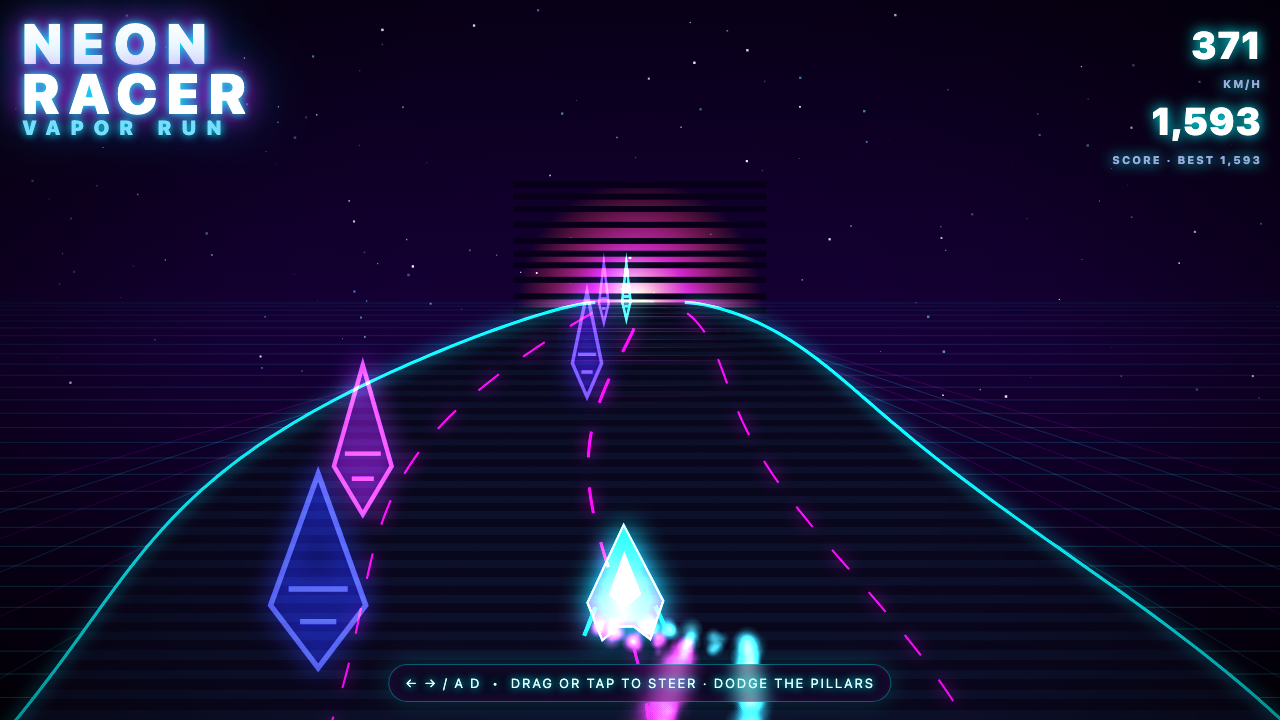
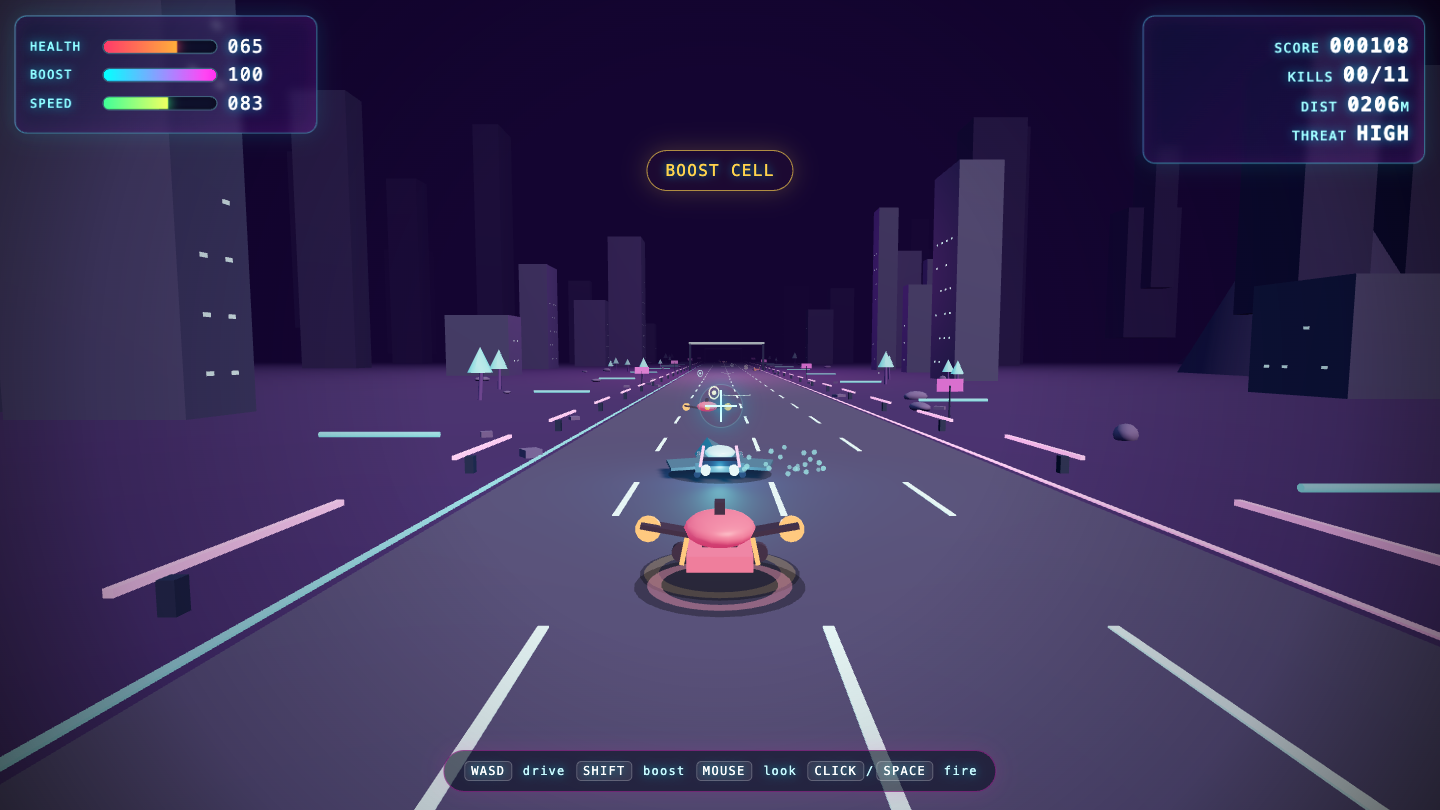
What I saw: Gorgeous polished third-person racer with a clear track, guardrails, trees/rocks/buildings, obstacle cones, a slick craft with ground shadow, and combat layered in (crosshair, KILLS 0/12, visible enemies/targets ahead) plus rich HUD with minimap — strong shippable build; only min…
Strengths & weaknesses I logged
Hermes MoA
Strengths
- On GoldieBench, the MoA panel's galaxy edged solo Opus 4.8 — 8.6 vs 8.5 — with a denser 24k-particle spiral (the system beats the model)
- Two gold + one silver across its first three one-shot builds (galaxy, fireworks, arcade)
- Vendor-agnostic — swap any OpenRouter model into a panel or aggregator slot without touching the workflow
Trade-offs
- Latency is the panel's slowest draft plus the aggregator pass — ~110–140s per single-file build vs a solo model's one call
- Costs more per task than any single model (every panel slot + the aggregator are separate calls)
- Only 3 of 42 bench tasks run so far — a representative slice, not the full board
Fugu Ultra 1.1
Strengths
- Orchestrates 1-3 expert agents per request and synthesises their answers
- Reported SWE-Bench Pro 73.7 — above Opus 4.8 and GPT-5.5 on Sakana's table
- OpenAI- and Anthropic-compatible API — drop-in for Codex and Claude Code
Trade-offs
- Benched as a partial run until the full 50-task batch completes
- Region-locked: unavailable across the EU/EEA/UK/CH — access depends on where you are
Pricing & context — the spec sheet
| Spec | Hermes MoA | Fugu Ultra 1.1 |
|---|---|---|
| Vendor | Hermes · Mixture of Agents | Sakana AI |
| Context window | Varies — the sum of the panel models' contexts (Opus 4.8 + GPT-5.5) | 1,000,000-token context window |
| Price | Panel + aggregator calls (via OpenRouter) | API · orchestration billed |
| Pricing detail | Hermes Mixture of Agents dispatches one prompt to a configurable panel of frontier models in parallel, then a named aggregator reads every draft and writes one better final answer. Default panel: Claude Opus 4.8 + GPT-5.5, aggregated by Opus 4.8 — all via the OpenRouter key. Unlike a black-box ensemble, every slot is yours to swap from the Mixture tab in the Agent OS. | Sakana's Fugu Ultra v1.1 — a multi-agent system served as a model: an orchestrator routes each request across one to three expert agents and synthesises the answer. Reported (v1.0): SWE-Bench Pro 73.7, LiveCodeBench 93.2, GPQA Diamond 95.5. NOTE: Sakana geo-blocks the EU/EEA/UK/Switzerland pending GDPR compliance — benched from an allowed region. |
| Release | 2026-06-28 | 2026-07 |
| Bench coverage | 47/47 scored · avg 8.17/10 | 23/24 scored · avg 6.94/10 |
The verdict — which should you pick?
Across 23 scored shared tasks, Hermes MoA averaged 7.97/10, beating Fugu Ultra 1.1's 6.94/10 by 1.03 points. Pick Hermes MoA when the build has to ship on the first prompt and you can afford the trade-offs in the comparison below.
If you only run one of these inside your stack, the head-to-head average above is the call. If you can run both, my honest play is to wire Hermes MoA and Fugu Ultra 1.1 both into the Agent Operating System and dispatch each from the kanban by task type — high-stakes single prompts where ensemble quality beats single-model speed → Hermes MoA, hard, high-stakes coding and reasoning where answer quality beats latency → Fugu Ultra 1.1. That's the same setup I run for the 3,400+ founders inside the AI Profit Boardroom.
FAQ — Hermes MoA vs Fugu Ultra 1.1
Which is better, Hermes MoA or Fugu Ultra 1.1?
On Goldie Bench, Hermes MoA averages 7.97/10 across the shared tasks, with 3 gold, 10 silver, 2 bronze overall. Fugu Ultra 1.1 averages 6.94/10, with 0 gold, 1 silver, 1 bronze. Hermes MoA wins the head-to-head 14–8.
How much does Hermes MoA cost vs Fugu Ultra 1.1?
Hermes MoA: Hermes Mixture of Agents dispatches one prompt to a configurable panel of frontier models in parallel, then a named aggregator reads every draft and writes one better final answer. Default panel: Claude Opus 4.8 + GPT-5.5, aggregated by Opus 4.8 — all via the OpenRouter key. Unlike a black-box ensemble, every slot is yours to swap from the Mixture tab in the Agent OS. Fugu Ultra 1.1: Sakana's Fugu Ultra v1.1 — a multi-agent system served as a model: an orchestrator routes each request across one to three expert agents and synthesises the answer. Reported (v1.0): SWE-Bench Pro 73.7, LiveCodeBench 93.2, GPQA Diamond 95.5. NOTE: Sakana geo-blocks the EU/EEA/UK/Switzerland pending GDPR compliance — benched from an allowed region.
What's the context window for Hermes MoA vs Fugu Ultra 1.1?
Hermes MoA has a Varies — the sum of the panel models' contexts (Opus 4.8 + GPT-5.5) context window. Fugu Ultra 1.1 has a 1,000,000-token context window context window.
When should I pick Hermes MoA over Fugu Ultra 1.1?
Pick Hermes MoA for: High-stakes single prompts where ensemble quality beats single-model speed; Squeezing frontier-plus output from models you already have while Fable 5 / GPT-5.6 are still in preview; Production agents that want a configurable panel + vendor-redundancy on every call. The trade-off is the weaknesses we logged on the bench: Latency is the panel's slowest draft plus the aggregator pass — ~110–140s per single-file build vs a solo model's one call; Costs more per task than any single model (every panel slot + the aggregator are separate calls); Only 3 of 42 bench tasks run so far — a representative slice, not the full board.
When should I pick Fugu Ultra 1.1 over Hermes MoA?
Pick Fugu Ultra 1.1 for: Hard, high-stakes coding and reasoning where answer quality beats latency; Agentic workflows in Codex / Claude Code via the drop-in provider config; One-shot builds you want a panel of experts on, not a single model. The trade-off is the weaknesses we logged on the bench: Benched as a partial run until the full 50-task batch completes; Region-locked: unavailable across the EU/EEA/UK/CH — access depends on where you are.
How does Goldie Bench score Hermes MoA vs Fugu Ultra 1.1?
Every demo on this page was built by Julian Goldie inside the Agent Operating System — same fixed prompt for both models, one shot, single HTML file out. Each result gets a 0–10 score on whether it ran, how close it hit the brief, and how good it looked. The highest score on each task gets gold; second gets silver; third gets bronze. See methodology for full provenance.
Related comparisons
Other head-to-heads using the same scoring system:
Hermes MoA vs Fusion Fugu Ultra 1.1 vs Fusion Hermes MoA vs Claude Opus 5 Fugu Ultra 1.1 vs Claude Opus 5 Hermes MoA vs GPT-5.6 Sol Fugu Ultra 1.1 vs GPT-5.6 Sol Hermes MoA vs Claude Fable 5 Fugu Ultra 1.1 vs Claude Fable 5Full model pages: Hermes MoA · Fugu Ultra 1.1 · back to the leaderboard
The same stack Julian uses
Run this stack yourself.
Every demo on this bench was built inside the Agent Operating System — one prompt, one shot, single HTML file out. The Agent OS, the prompts, the templates, the weekly walkthroughs and 3,400+ founders shipping with it every day all live inside the AI Profit Boardroom.
3,400+founders
258documented wins
38countries
$69/momonthly