Real head-to-head · same prompt, one shot
Kimi K3 vs Kilo Code
Moonshot's 2.8T flagship — 1M context, tuned for long-horizon agent work. vs Fable 5-class intelligence at ~59% less. The split-the-cost play.
What I tested — same prompt, two models
I run the same fixed prompt set through every new model the day it drops — same string, one shot, single HTML file out — and I score the result 0–10 on whether it ran, how close it hit the brief, and how good it looked. Below is what came out when I gave the exact same prompts to Kimi K3 and Kilo Code, side by side, on 0 shared tasks inside the Agent Operating System.
Both models were given identical prompts inside the Agent Operating System — no help, no iteration, no "best of N" tricks. I run each prompt once, save the HTML file the model produces, and score it 0–10 on whether it ran, how close it hit the brief, and how good it looked. The scoring is mine. The verdicts below are pulled from my source comparison guides at agentos.guide where I publish every score and the reasoning behind it.
Kimi K3 · Wired into the Agent OS as the `kimi-k3` Hermes profile and a K3 speed-toggle in the Kimi Code tab — used for long unattended agent runs where a slow-but-right model beats a fast-but-forgetful one.
Kilo Code · Used inside Agent OS as a routing layer: Fable 5 generates the plan, cheaper models execute. Bench scoring pending a head-to-head comparison.
Side-by-side on 50 shared tasks
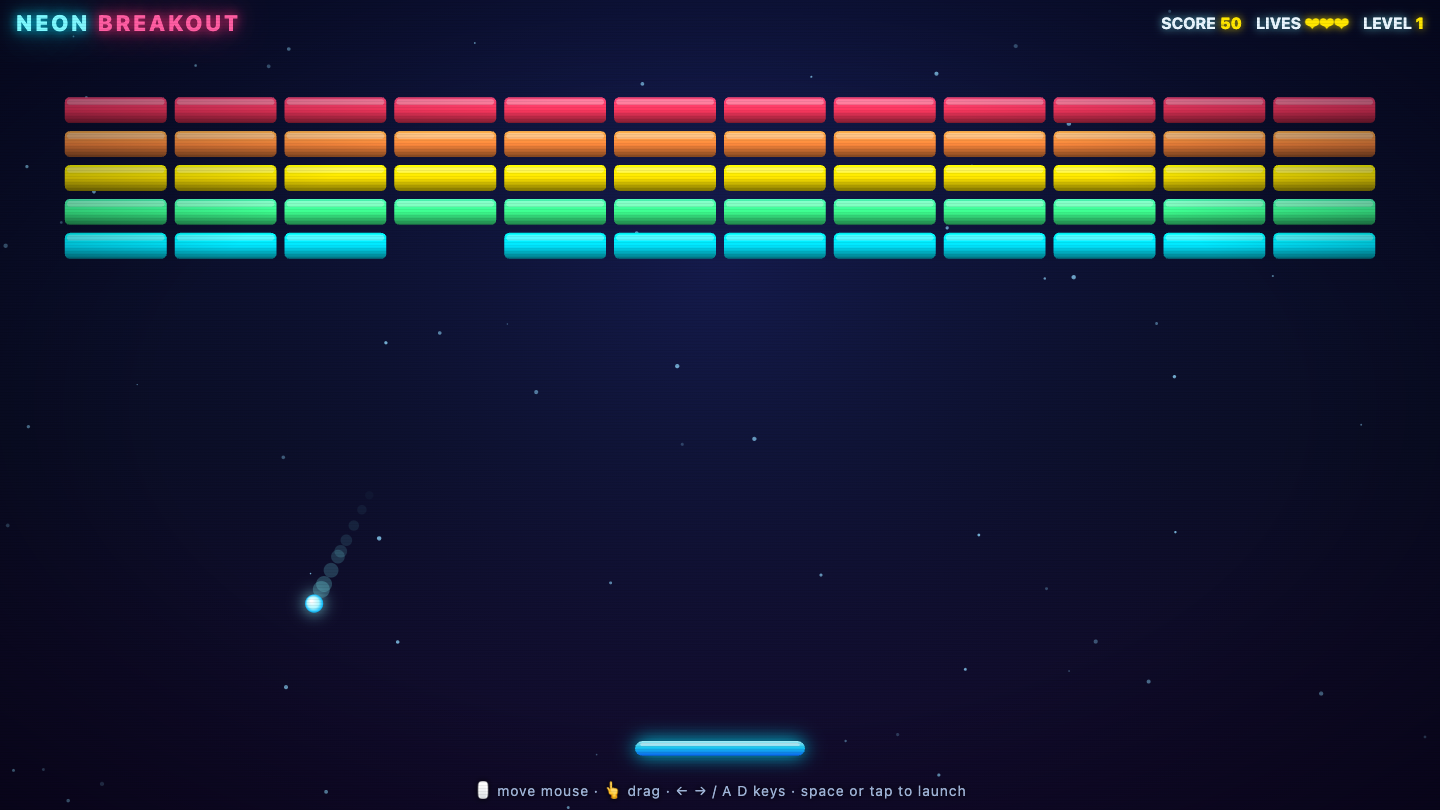
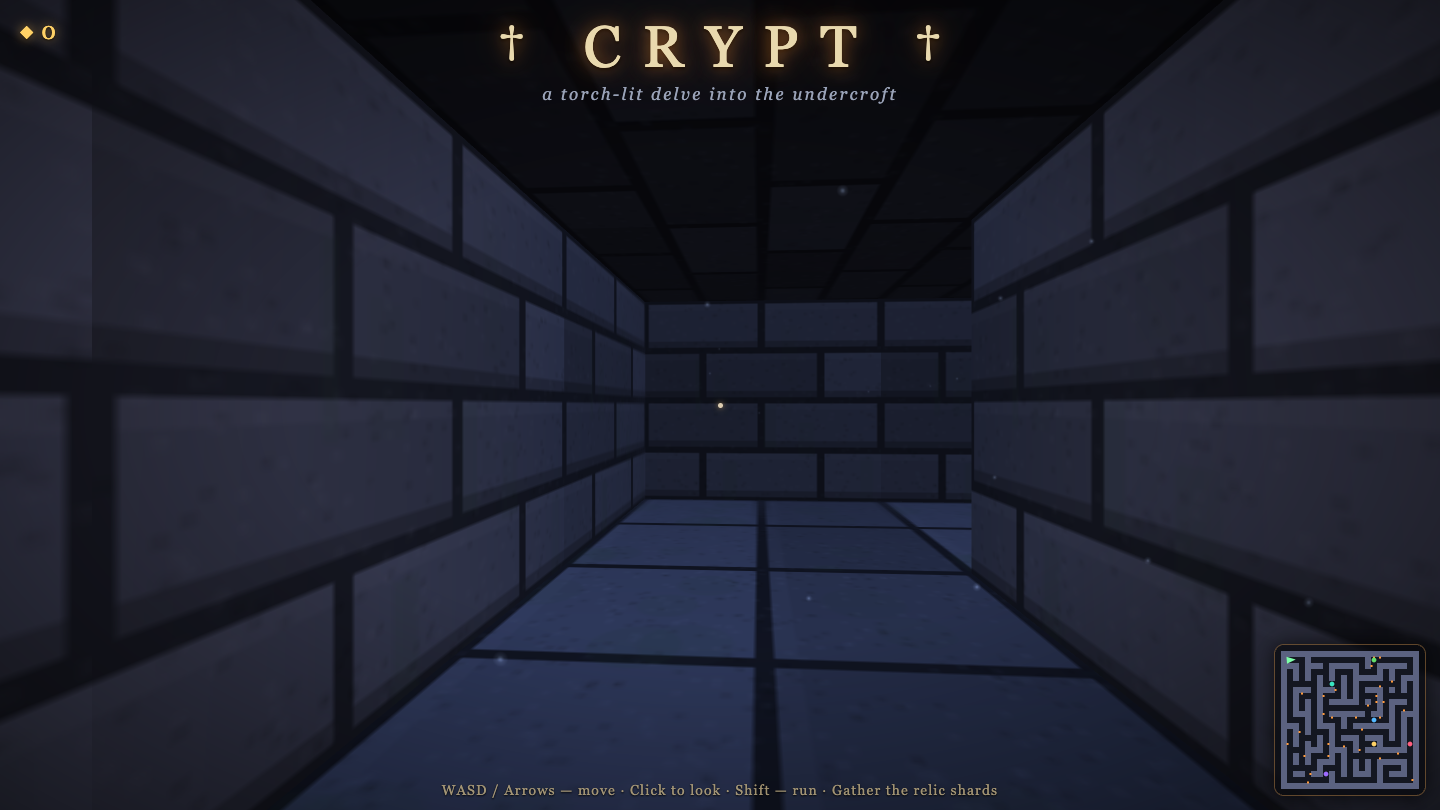
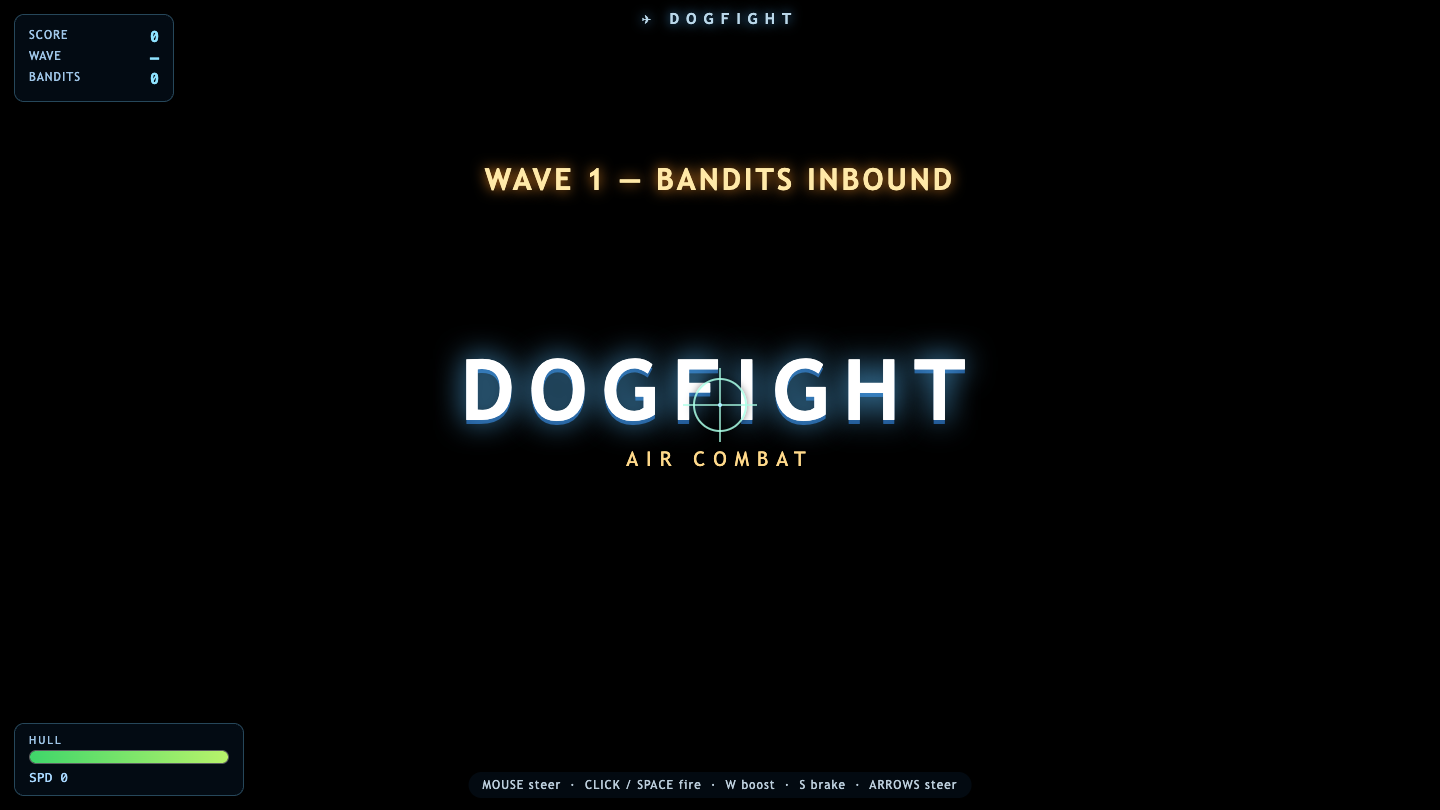
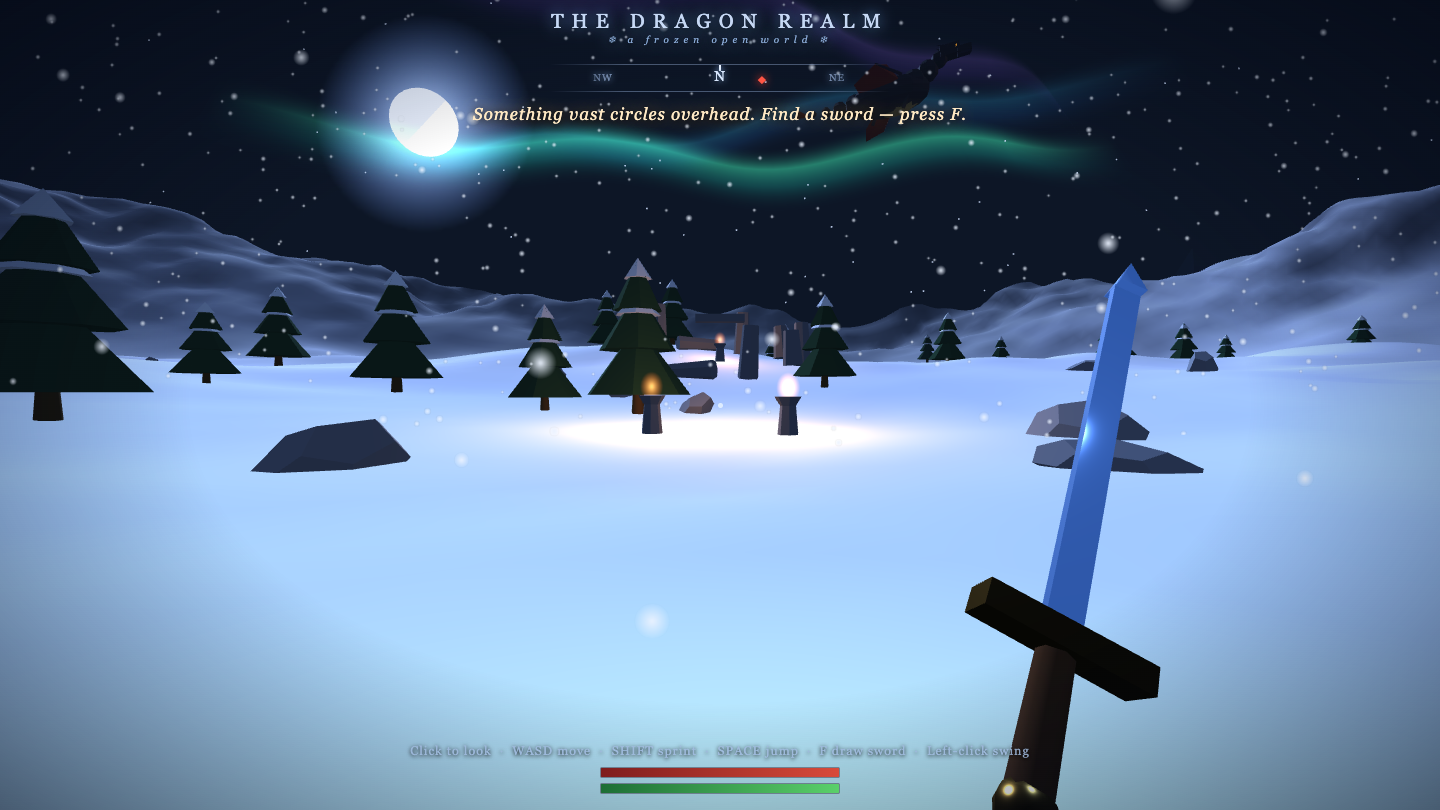
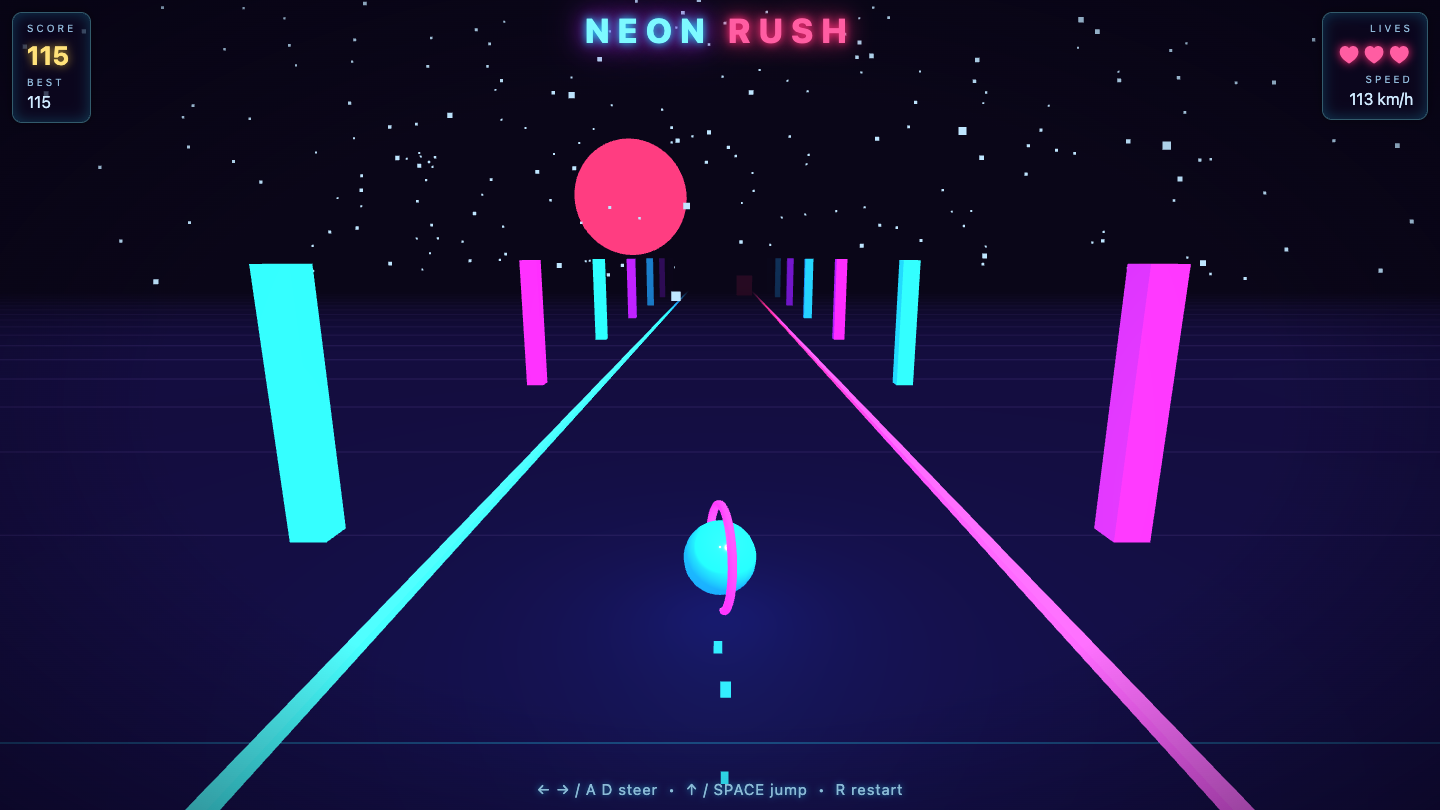
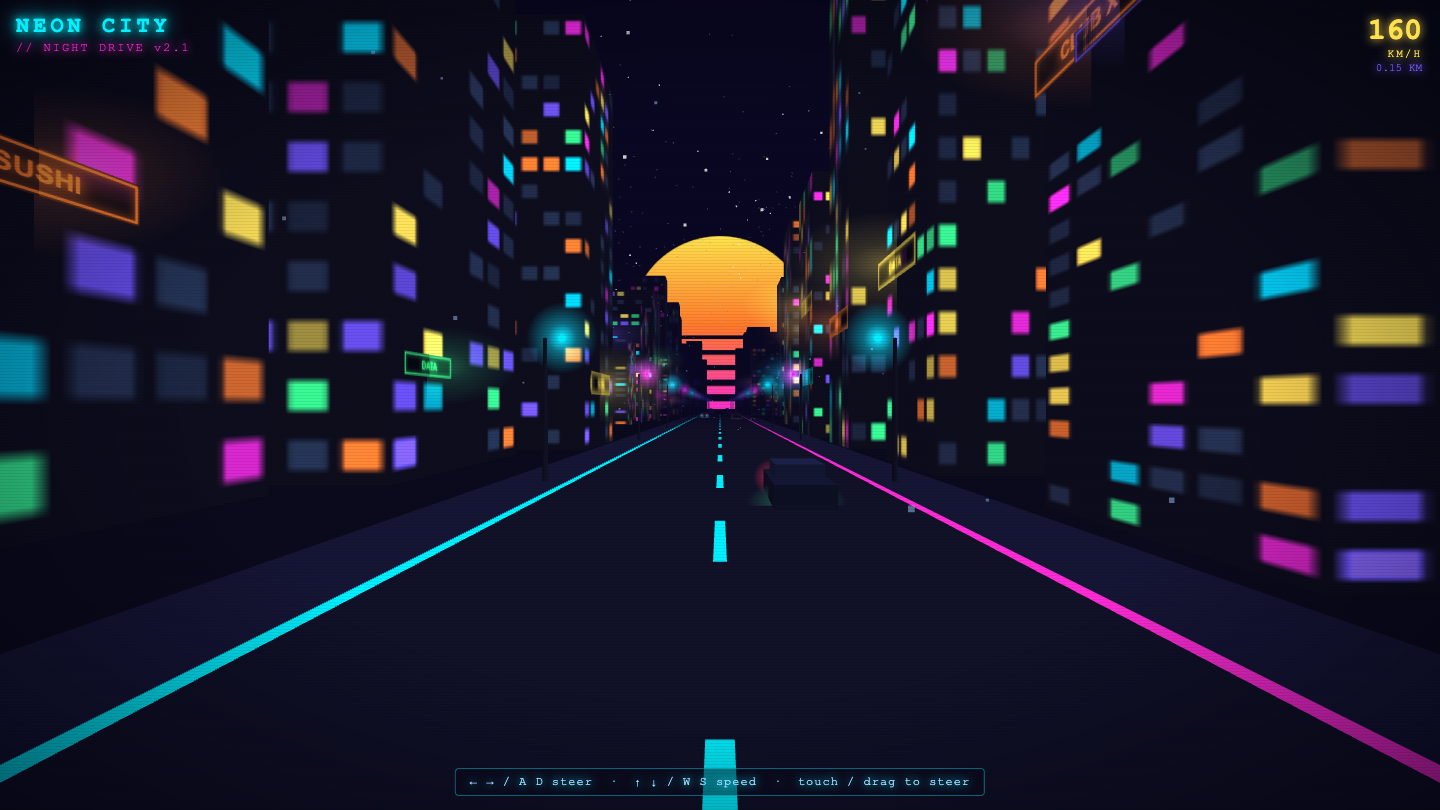
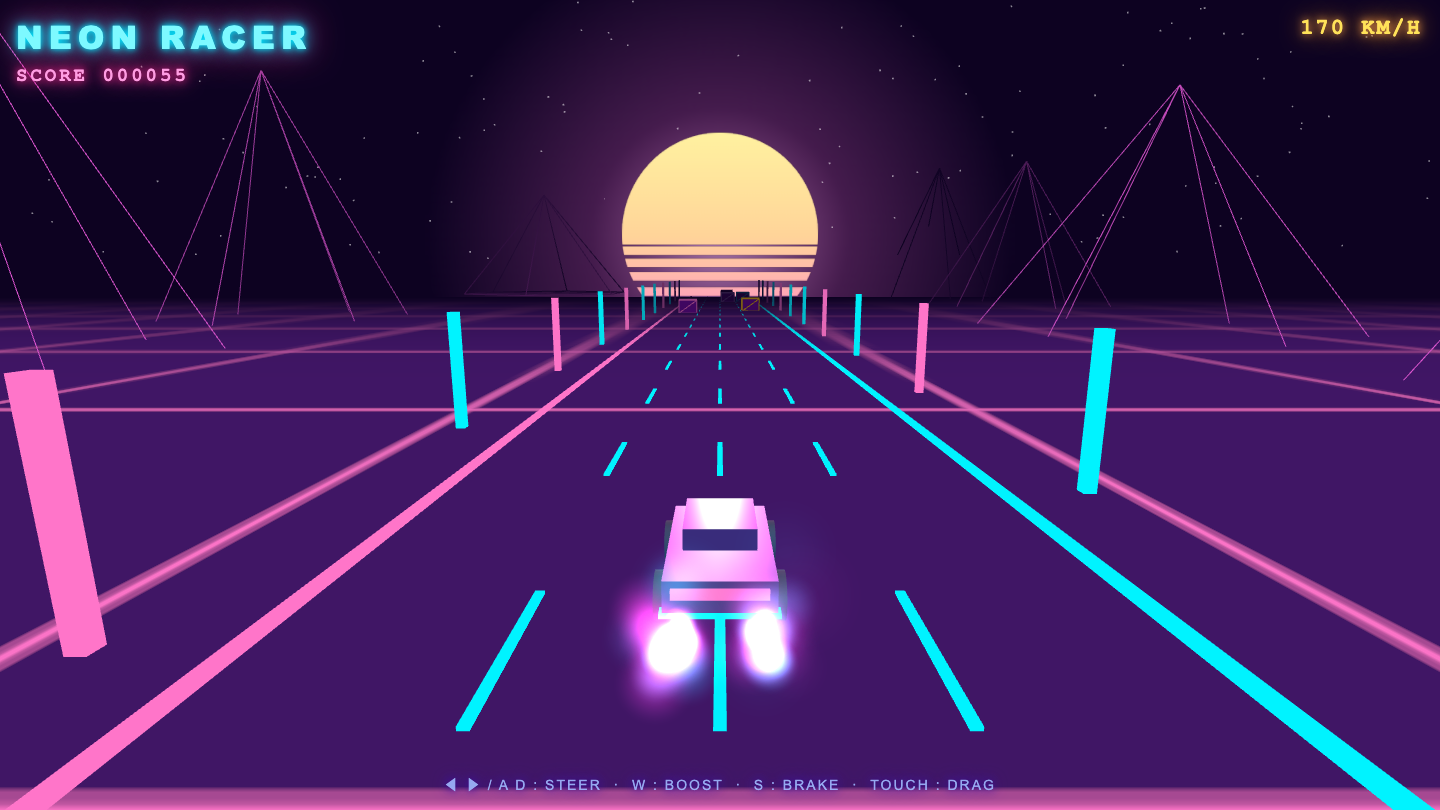
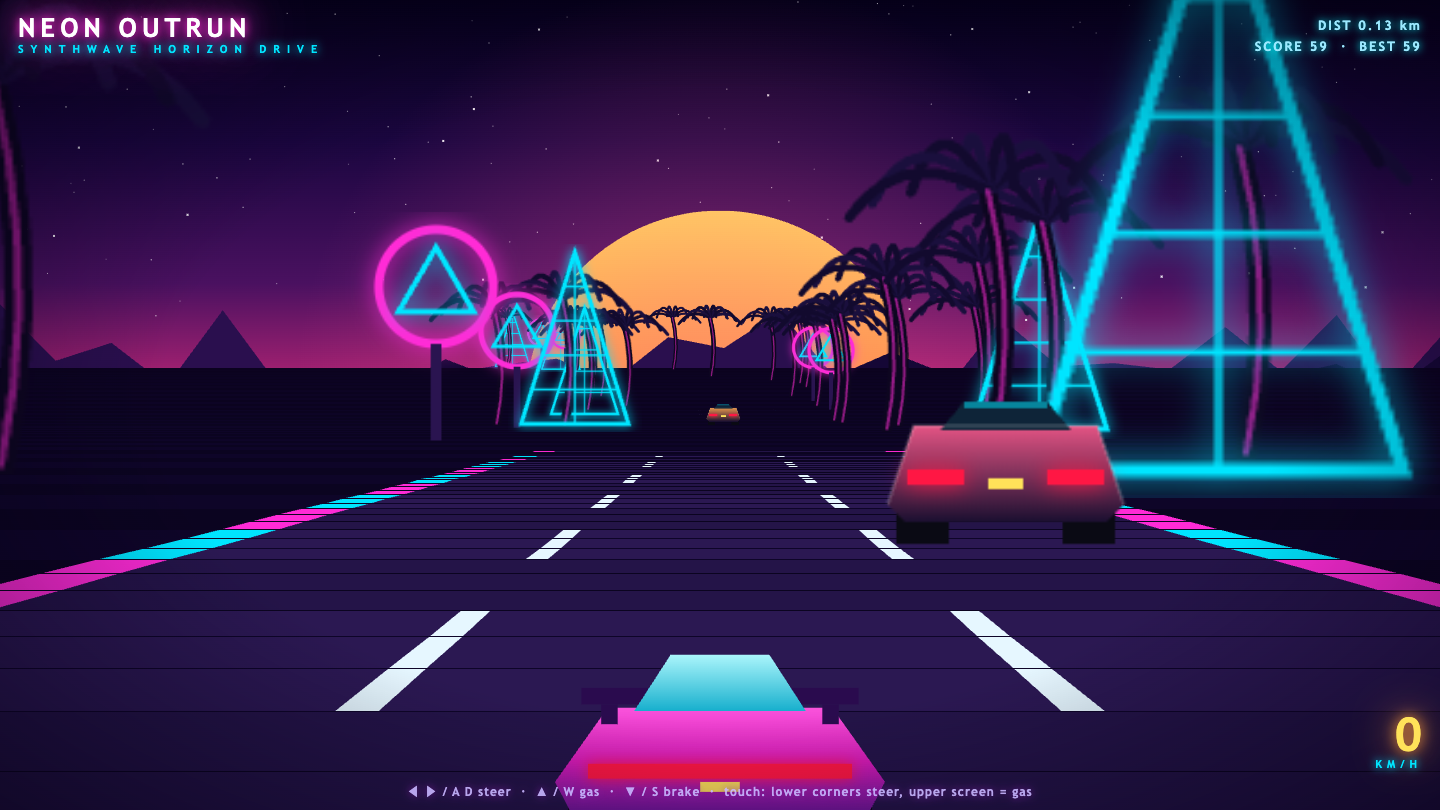
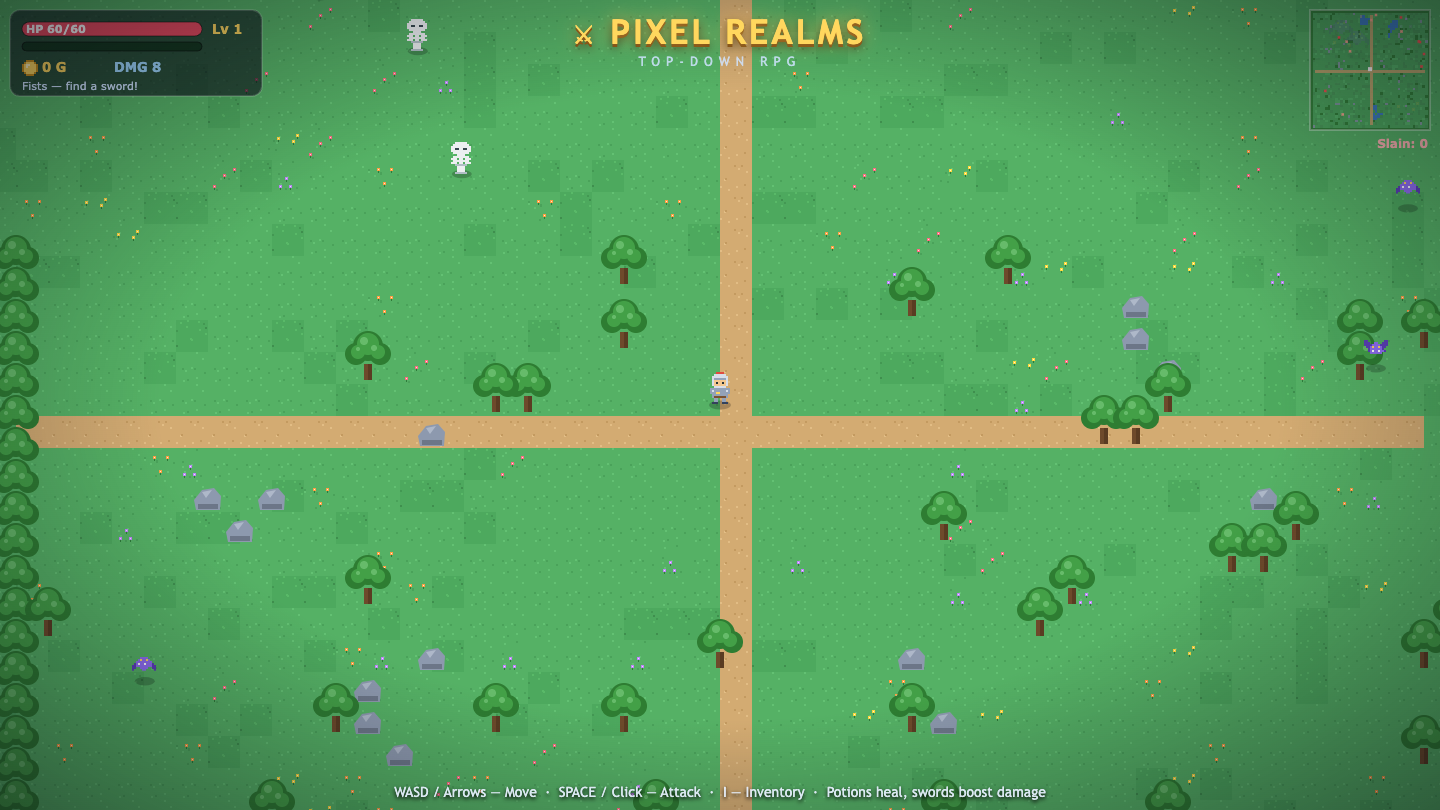
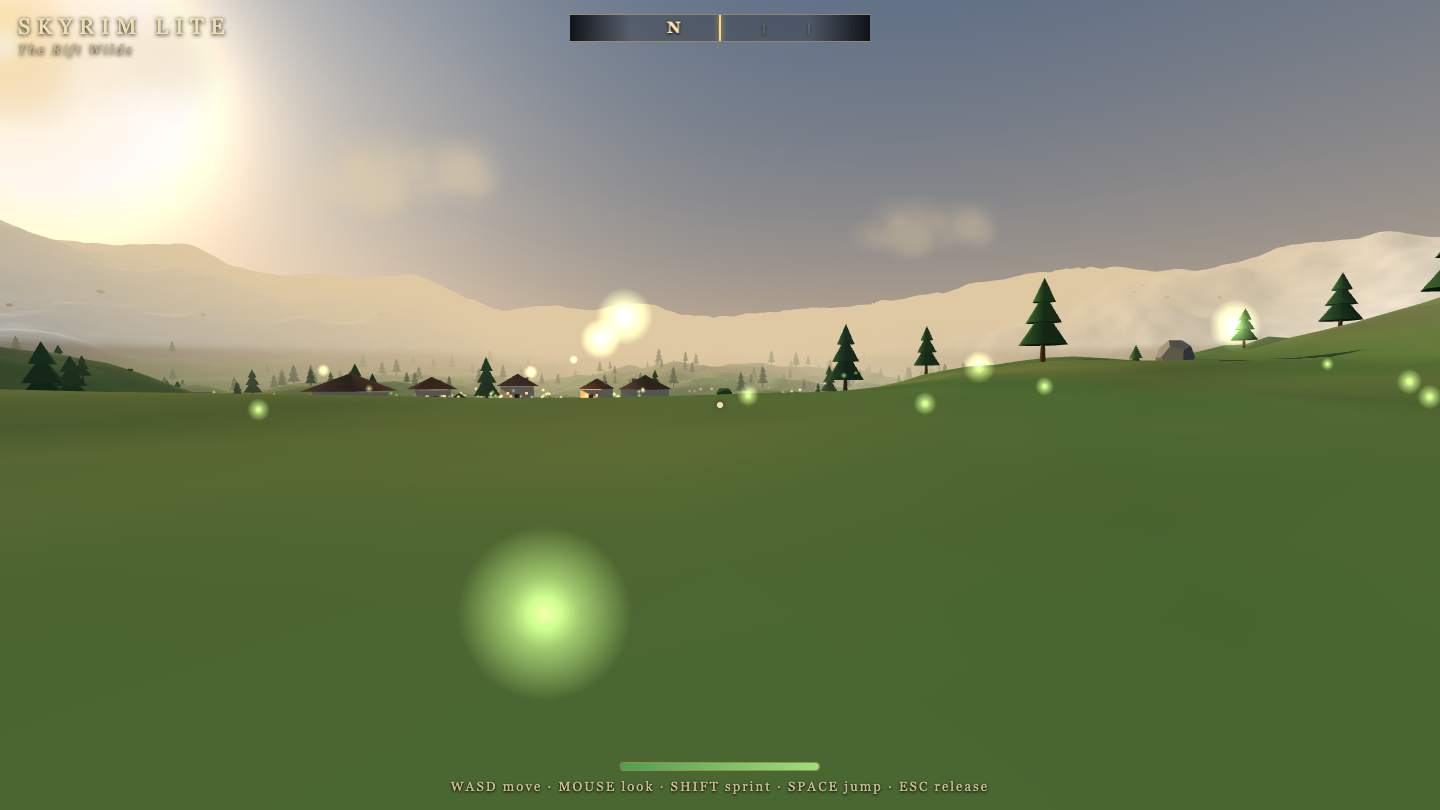
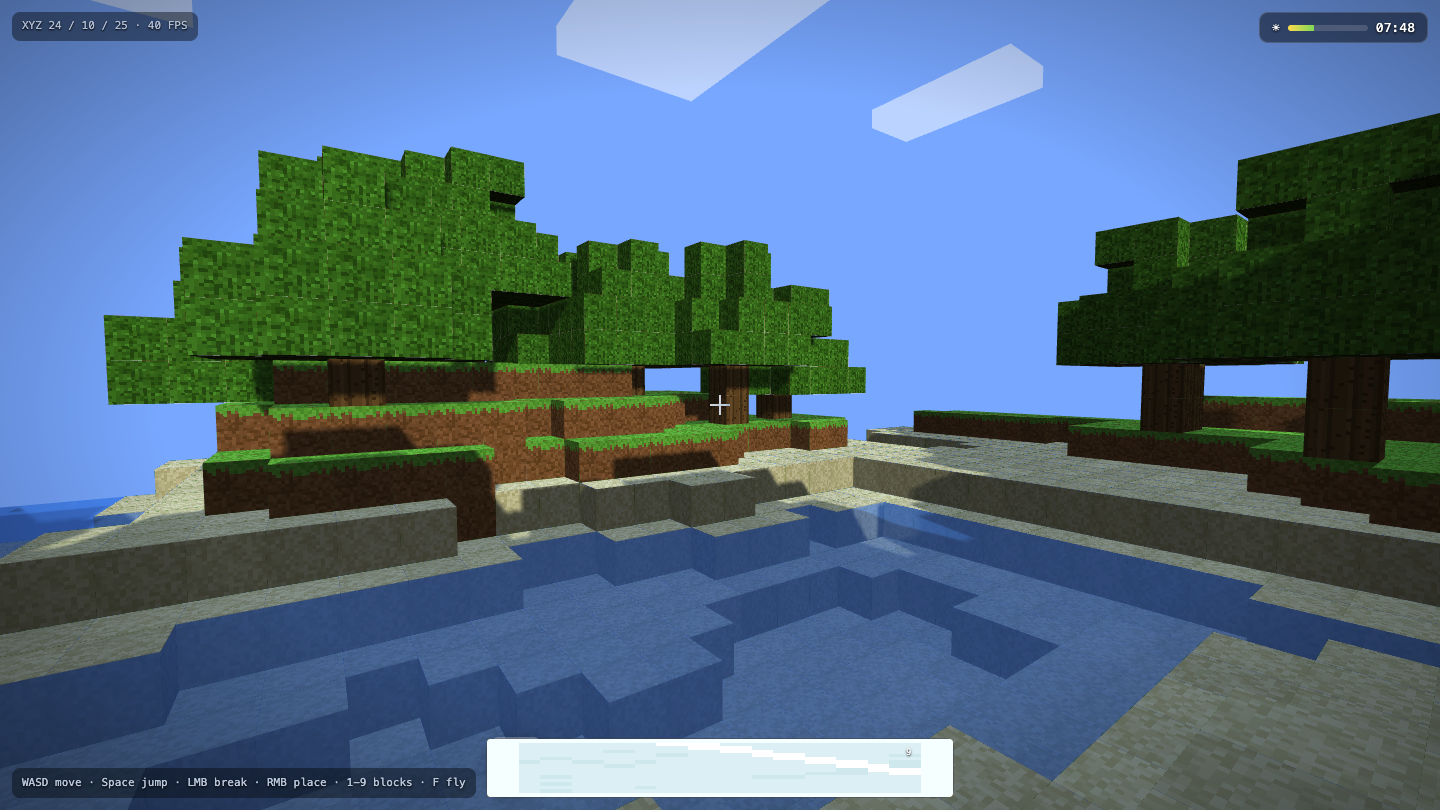
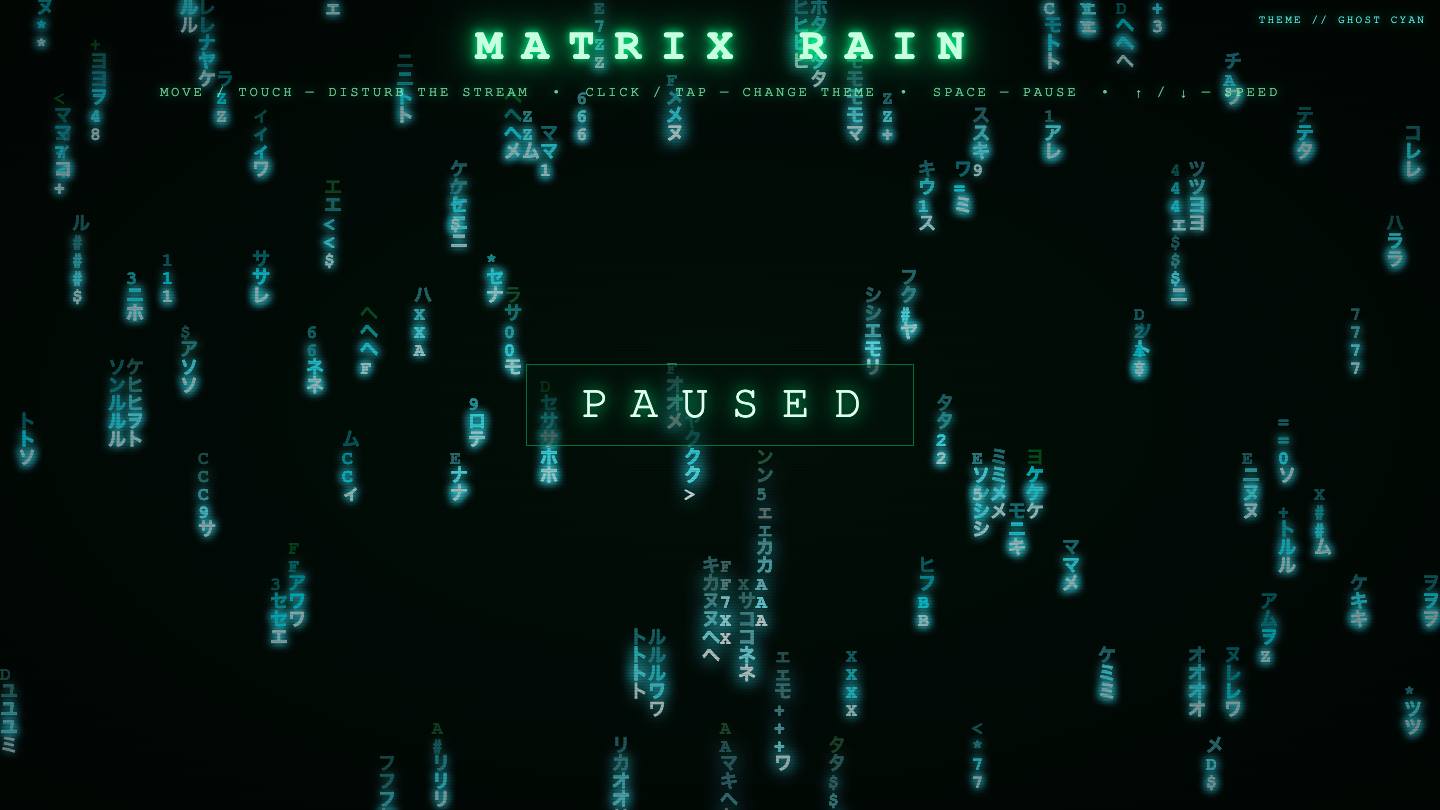
Click any cell to play that model's actual one-shot attempt. Medals are derived from my 0–10 scores per task (highest = 🥇, second = 🥈, third = 🥉).
Task ↓
Kimi K3
Kilo Code
Game
— not attempted —
Game
— not attempted —
Game
— not attempted —
Game

— not attempted —
Game

— not attempted —
Game
— not attempted —
Game

— not attempted —
Game
— not attempted —
Game

— not attempted —
Game

— not attempted —
Game

— not attempted —
Game
— not attempted —
Game
— not attempted —
Game

— not attempted —
Game
— not attempted —
Game

— not attempted —
Game

— not attempted —
Game

— not attempted —
Game

— not attempted —
Game
— not attempted —
Game
— not attempted —
Game

— not attempted —
Game
— not attempted —
Other
— not attempted —
Strengths & weaknesses I logged
Kimi K3
Strengths
- Launch-day benchmarks put it around the Fable/Sol tier, with Terminal Bench (agentic terminal-driving) the standout
- 1M-token context verified on this bench's needle test: exact recall from 162k tokens of noise in 18s
- One-shot builds run long but land complete — its first bench game (13.4 min of thinking, 30,880 tokens) playtested with zero JS errors
- Included in the Kimi coding plan — frontier tier without a new bill
Trade-offs
- Slow on hard tasks — early testers report up to ~35 minutes at max reasoning; this bench saw 13+ minute single builds
- Launch-day rate limits on OpenRouter (429s) — the coding-plan endpoint was the reliable route
- Self-reports as K2.7 if you ask it — verify the served model via the API response, not the model's word
Kilo Code
Strengths
- Kilo's own rubric: Fable 5 plan = 9.1/10, GPT-5.5 plan = 8.3/10 — Kilo isolates where the intelligence actually lives
- Plan quality stays high while execution cost drops
- Drop-in for Agent OS — Kilo Split framework already wired
Trade-offs
- Adds routing complexity — two model providers in one workflow
- No per-task goldiebench head-to-heads yet
Pricing & context — the spec sheet
| Spec | Kimi K3 | Kilo Code |
|---|---|---|
| Vendor | Moonshot AI | Kilo |
| Context window | 1,048,576 tokens — a full codebase in working memory | Varies — Kilo splits planning from execution across multiple models |
| Price | $3 / M in | ~59% less than Fable 5 solo |
| Pricing detail | Launched July 16, 2026. 2.8T-param MoE (Moonshot's quickstart corrected the circulating 2.5T estimate). $3/M input on OpenRouter at launch; included at no extra cost in the Kimi coding plan (`k3` on the coding endpoint). | Kilo Code is a routing layer that splits planning (heavy model) from execution (cheaper model) so you get Fable-5-class plans driving GPT-5.5-class builds. Total spend lands at ~59% less than running Fable 5 end-to-end. |
| Release | 2026-07-16 | 2026-06-16 |
| Bench coverage | 50/50 scored · avg 7.89/10 | 0/0 scored · avg — |
The verdict — which should you pick?
Not enough scored shared tasks yet for a head-to-head average. The live demos for both are on the matrix above — play them and form your own opinion.
If you only run one of these inside your stack, the head-to-head average above is the call. If you can run both, my honest play is to wire Kimi K3 and Kilo Code both into the Agent Operating System and dispatch each from the kanban by task type — long-horizon agent runs → Kimi K3, cost-conscious operators who run high-volume agent loops → Kilo Code. That's the same setup I run for the 3,400+ founders inside the AI Profit Boardroom.
FAQ — Kimi K3 vs Kilo Code
Which is better, Kimi K3 or Kilo Code?
On Goldie Bench, Kimi K3 averages no scored verdicts yet across the shared tasks, with 8 gold, 3 silver, 7 bronze overall. Kilo Code averages no scored verdicts yet, with 0 gold, 0 silver, 0 bronze. Not enough scored shared tasks yet to call a winner.
How much does Kimi K3 cost vs Kilo Code?
Kimi K3: Launched July 16, 2026. 2.8T-param MoE (Moonshot's quickstart corrected the circulating 2.5T estimate). $3/M input on OpenRouter at launch; included at no extra cost in the Kimi coding plan (`k3` on the coding endpoint). Kilo Code: Kilo Code is a routing layer that splits planning (heavy model) from execution (cheaper model) so you get Fable-5-class plans driving GPT-5.5-class builds. Total spend lands at ~59% less than running Fable 5 end-to-end.
What's the context window for Kimi K3 vs Kilo Code?
Kimi K3 has a 1,048,576 tokens — a full codebase in working memory context window. Kilo Code has a Varies — Kilo splits planning from execution across multiple models context window.
When should I pick Kimi K3 over Kilo Code?
Pick Kimi K3 for: long-horizon agent runs; whole-repo context work; terminal-driving agents. The trade-off is the weaknesses we logged on the bench: Slow on hard tasks — early testers report up to ~35 minutes at max reasoning; this bench saw 13+ minute single builds; Launch-day rate limits on OpenRouter (429s) — the coding-plan endpoint was the reliable route; Self-reports as K2.7 if you ask it — verify the served model via the API response, not the model's word.
When should I pick Kilo Code over Kimi K3?
Pick Kilo Code for: Cost-conscious operators who run high-volume agent loops; Multi-step workflows where the plan is the expensive part; Teams already paying for Fable 5 who want to keep the plan but drop the execution bill. The trade-off is the weaknesses we logged on the bench: Adds routing complexity — two model providers in one workflow; No per-task goldiebench head-to-heads yet.
How does Goldie Bench score Kimi K3 vs Kilo Code?
Every demo on this page was built by Julian Goldie inside the Agent Operating System — same fixed prompt for both models, one shot, single HTML file out. Each result gets a 0–10 score on whether it ran, how close it hit the brief, and how good it looked. The highest score on each task gets gold; second gets silver; third gets bronze. See methodology for full provenance.
Related comparisons
Other head-to-heads using the same scoring system:
Kimi K3 vs Fusion Kilo Code vs Fusion Kimi K3 vs Claude Opus 5 Kilo Code vs Claude Opus 5 Kimi K3 vs Hermes MoA Kilo Code vs Hermes MoA Kimi K3 vs GPT-5.6 Sol Kilo Code vs GPT-5.6 SolFull model pages: Kimi K3 · Kilo Code · back to the leaderboard
The same stack Julian uses
Run this stack yourself.
Every demo on this bench was built inside the Agent Operating System — one prompt, one shot, single HTML file out. The Agent OS, the prompts, the templates, the weekly walkthroughs and 3,400+ founders shipping with it every day all live inside the AI Profit Boardroom.
3,400+founders
258documented wins
38countries
$69/momonthly