Real head-to-head · same prompt, one shot
MiniMax M3 vs Claude Opus 5.5
1M-context frontier model at $0.30/M tokens — cheapest big-context model on the bench. vs Anthropic's Opus 5.5 — benched on all 50 one-shot builds, every game playtested.
Head-to-head verdict: MiniMax M3 wins 28–17 with 2 ties.
What I tested — same prompt, two models
I run the same fixed prompt set through every new model the day it drops — same string, one shot, single HTML file out — and I score the result 0–10 on whether it ran, how close it hit the brief, and how good it looked. Below is what came out when I gave the exact same prompts to MiniMax M3 and Claude Opus 5.5, side by side, on 47 shared tasks inside the Agent Operating System.
Both models were given identical prompts inside the Agent Operating System — no help, no iteration, no "best of N" tricks. I run each prompt once, save the HTML file the model produces, and score it 0–10 on whether it ran, how close it hit the brief, and how good it looked. The scoring is mine. The verdicts below are pulled from my source comparison guides at agentos.guide where I publish every score and the reasoning behind it.
MiniMax M3 · Bench prompts dispatched via OpenRouter. Scored by Claude judge against the same 42 prompts every other model ran.
Claude Opus 5.5 · Benched on all 50 GoldieBench tasks via a Claude subscription: one-shot builds, real renders, pixel-diff playtests on every game, then vision-judged.
Side-by-side on 50 shared tasks
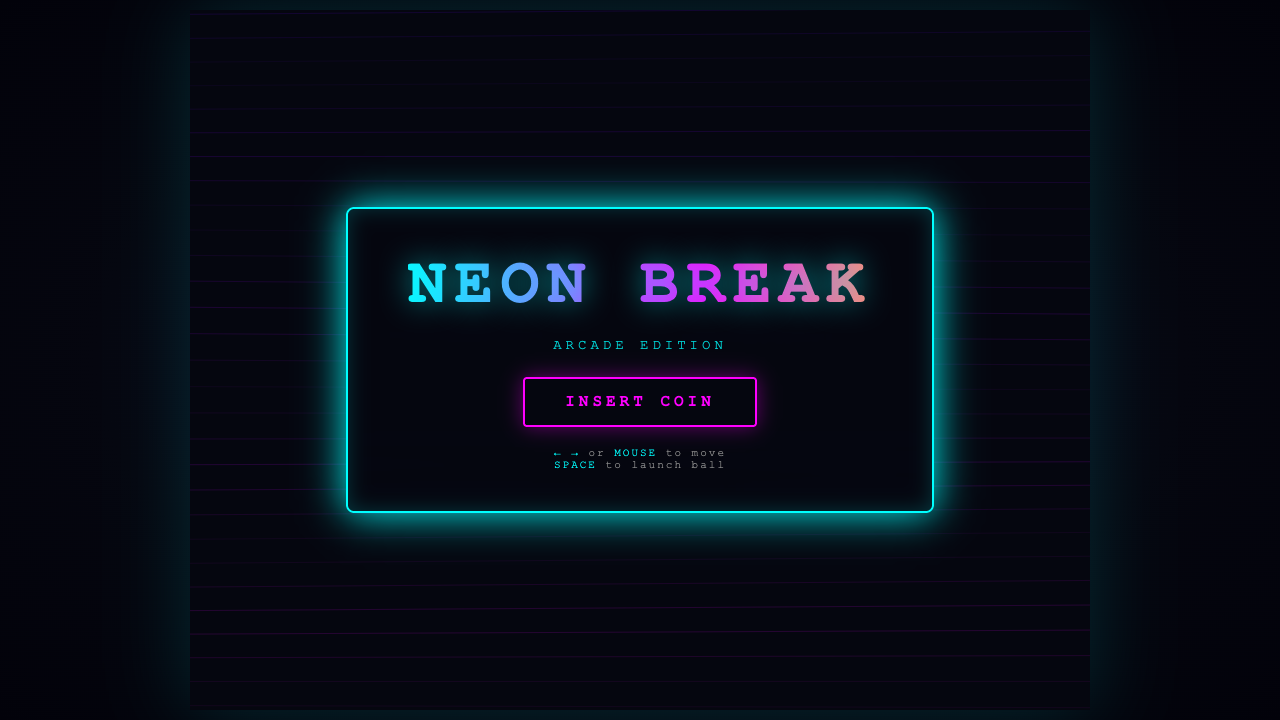
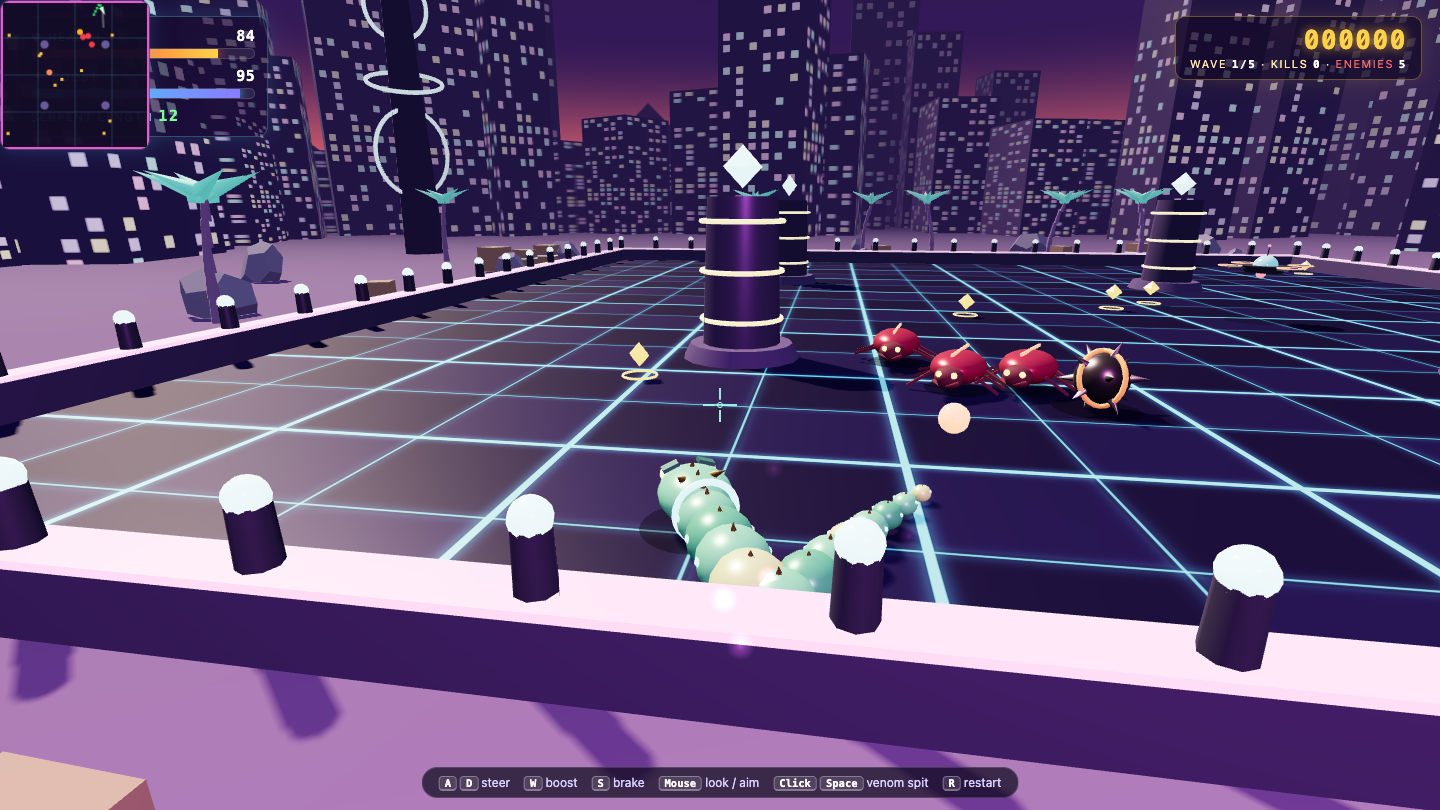
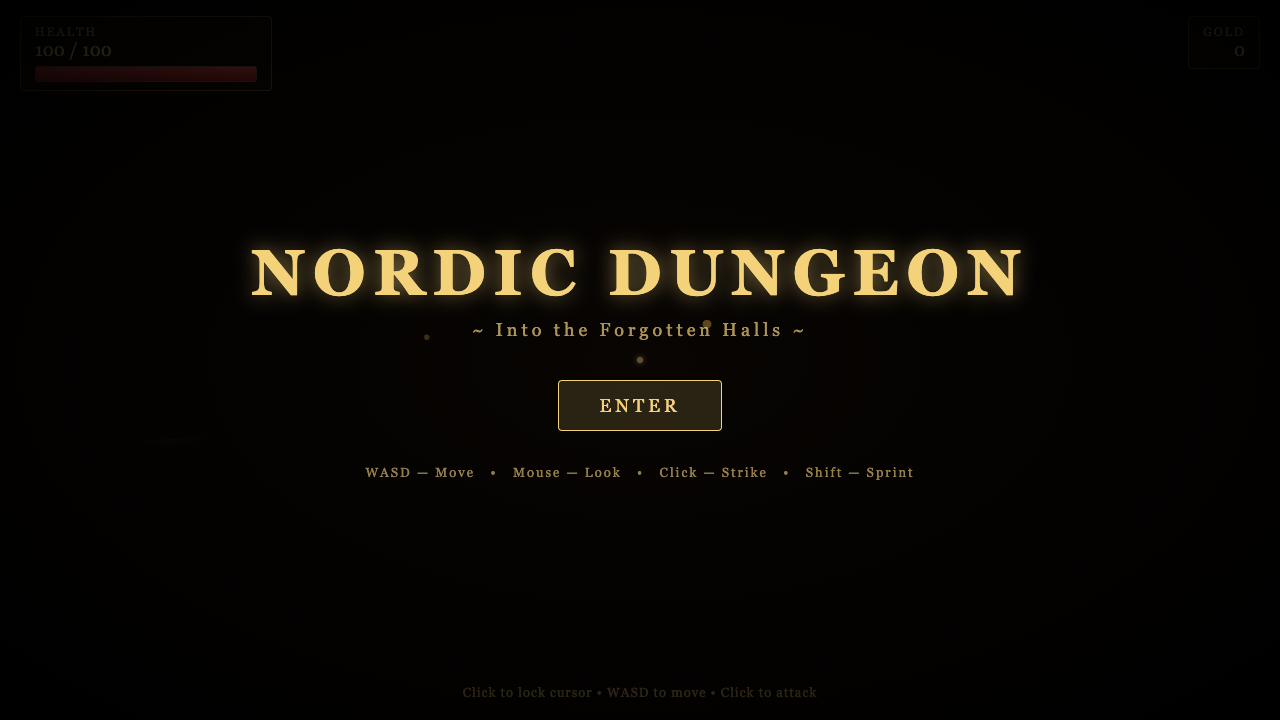
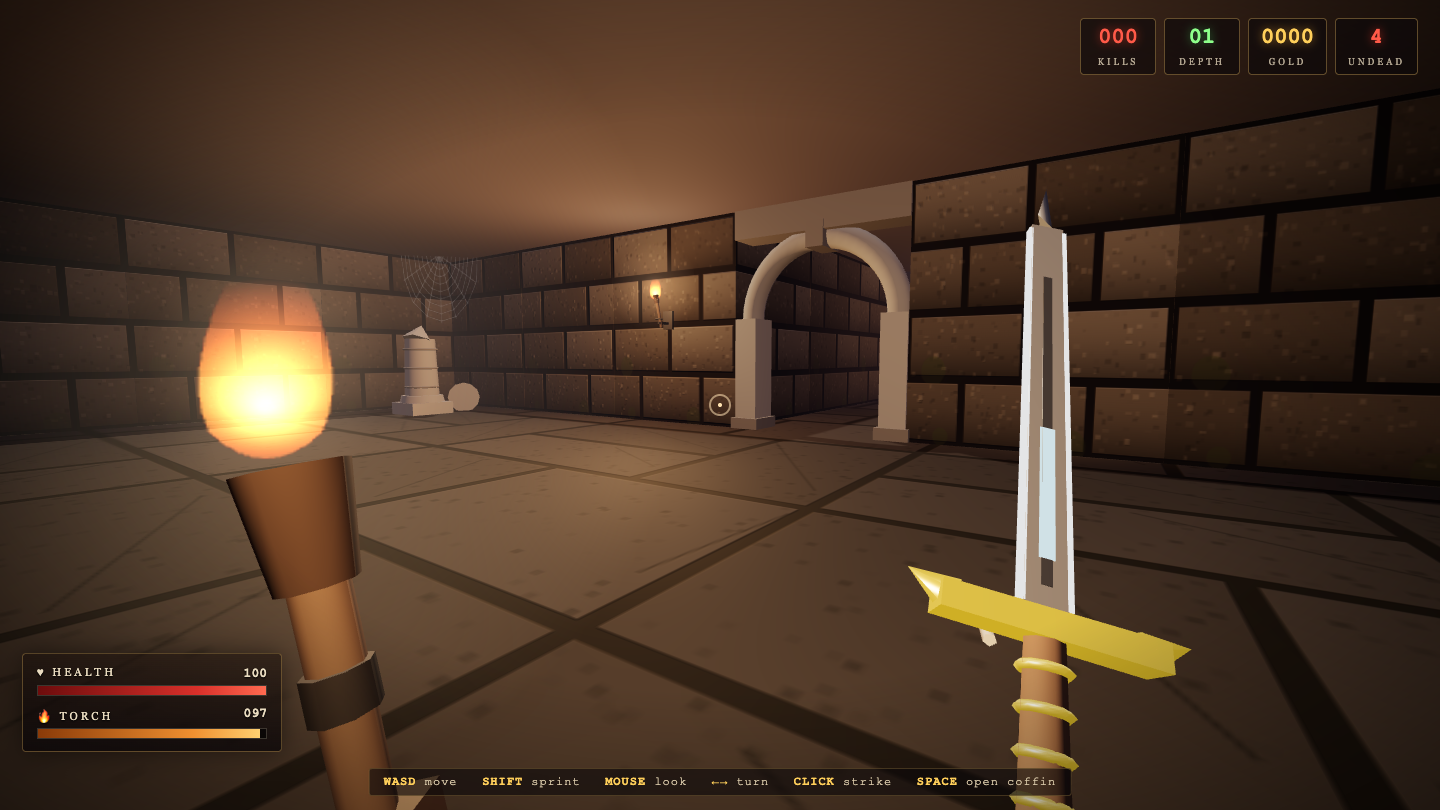
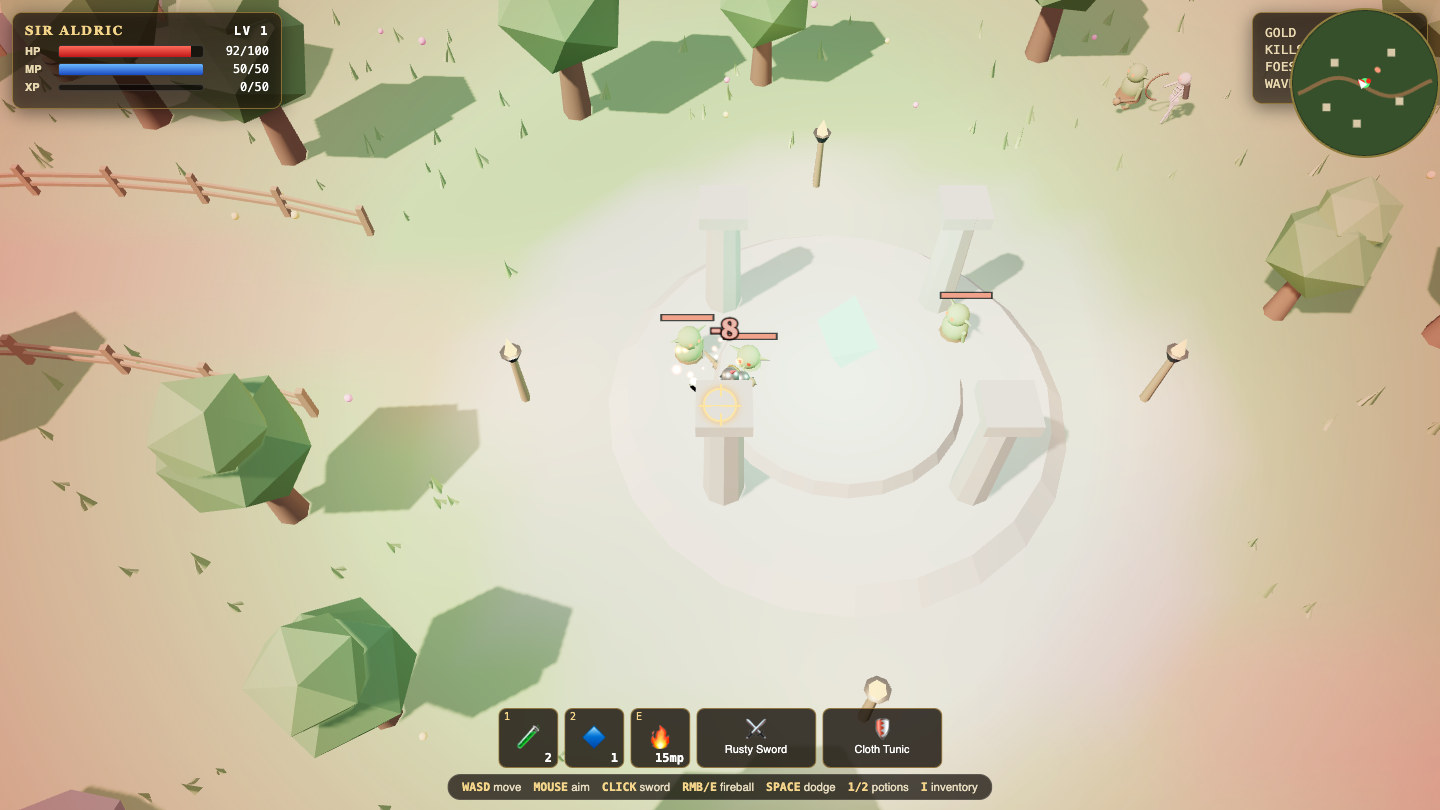
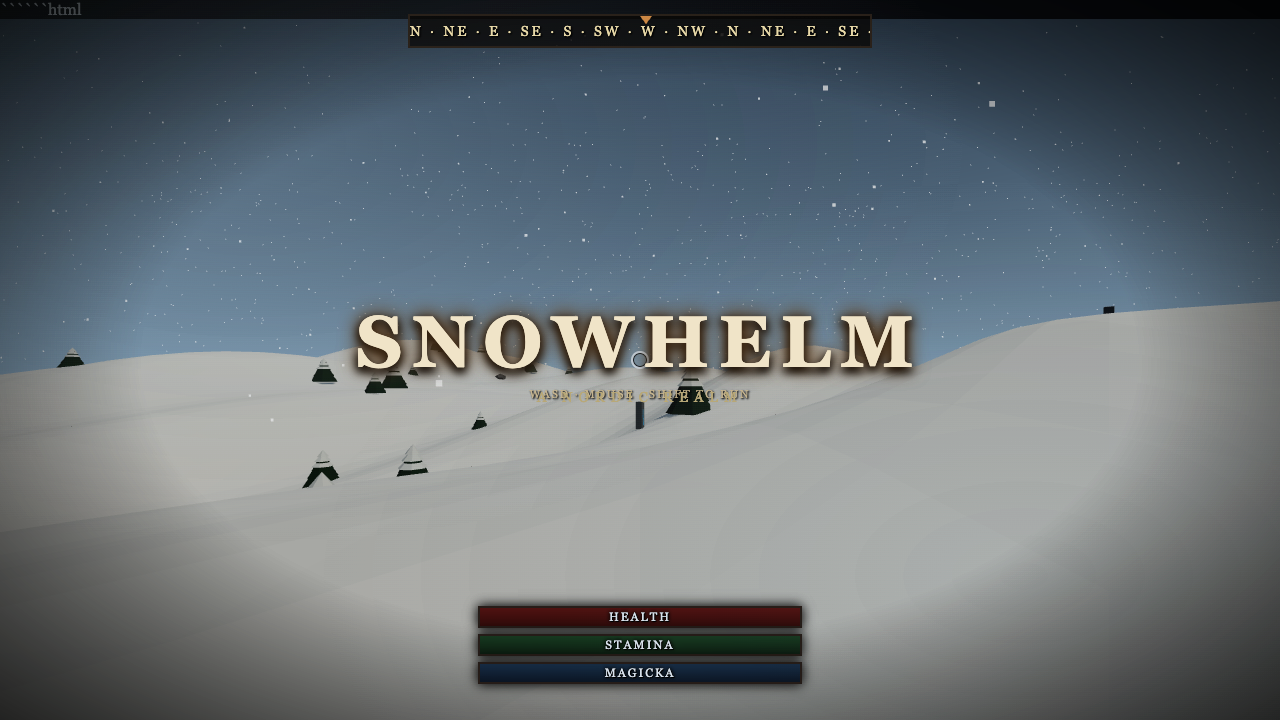
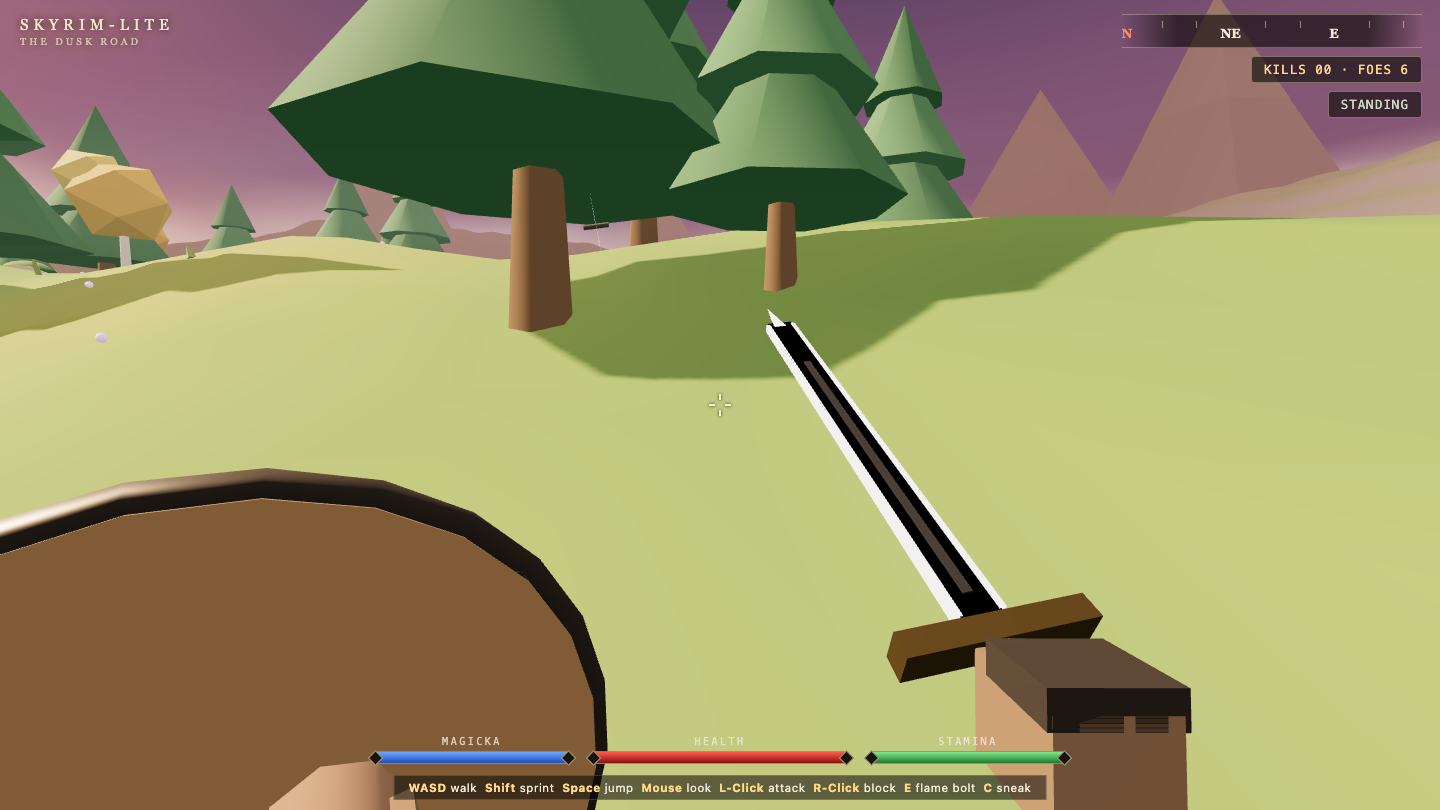
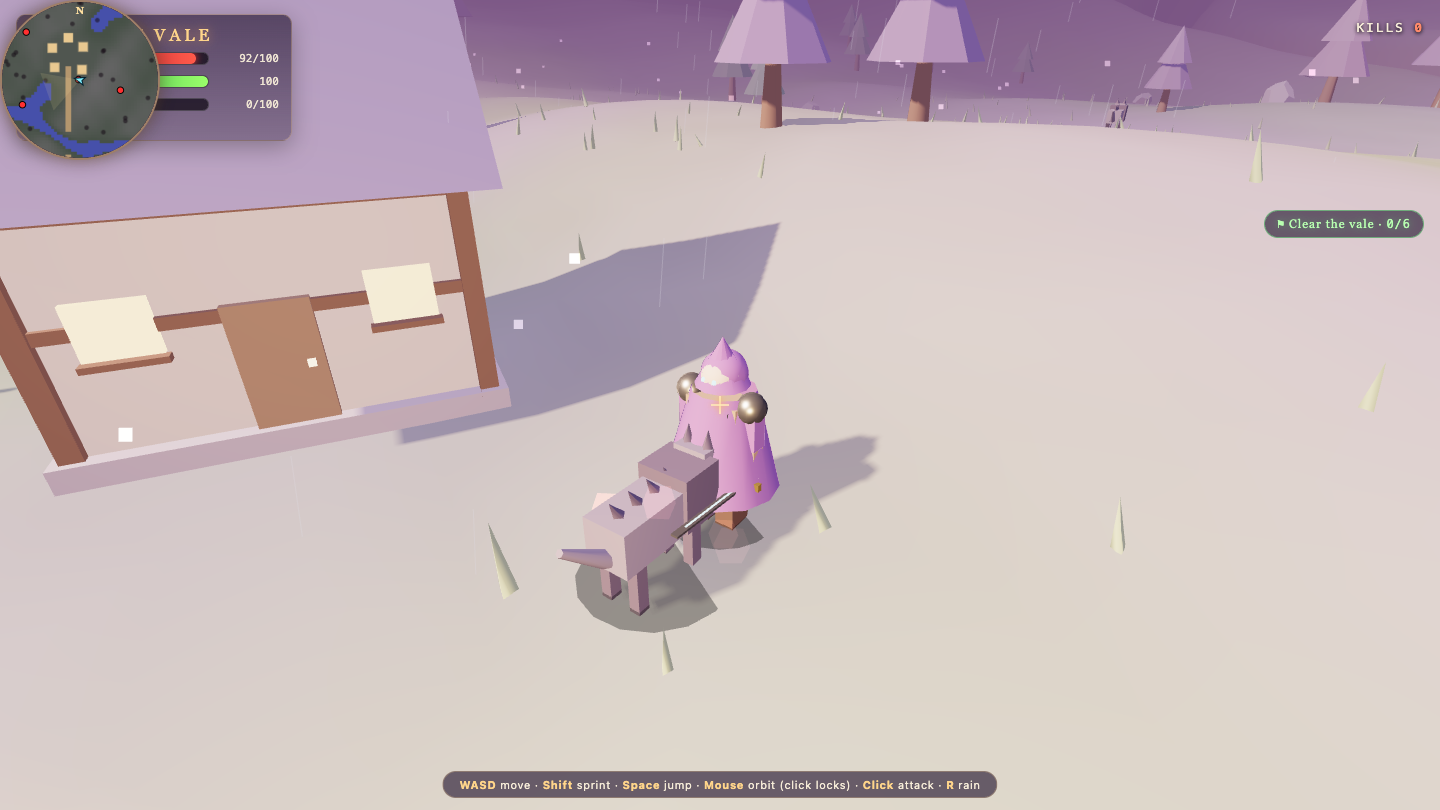
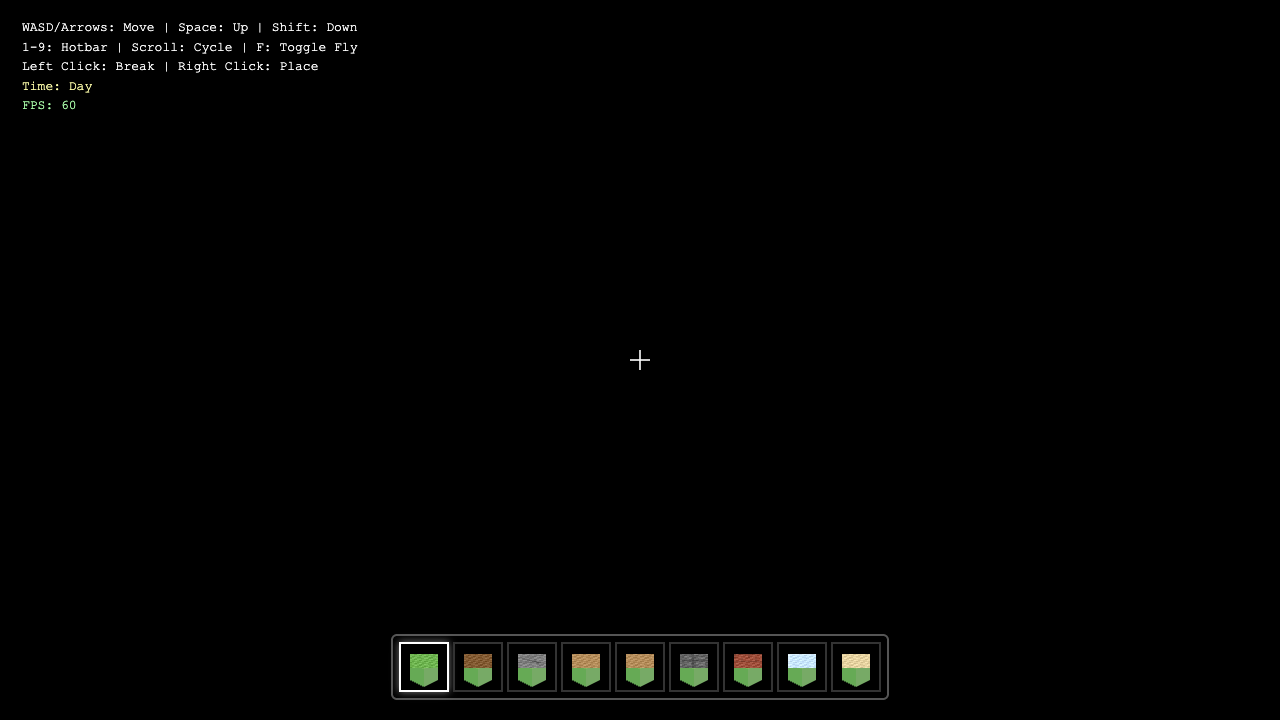
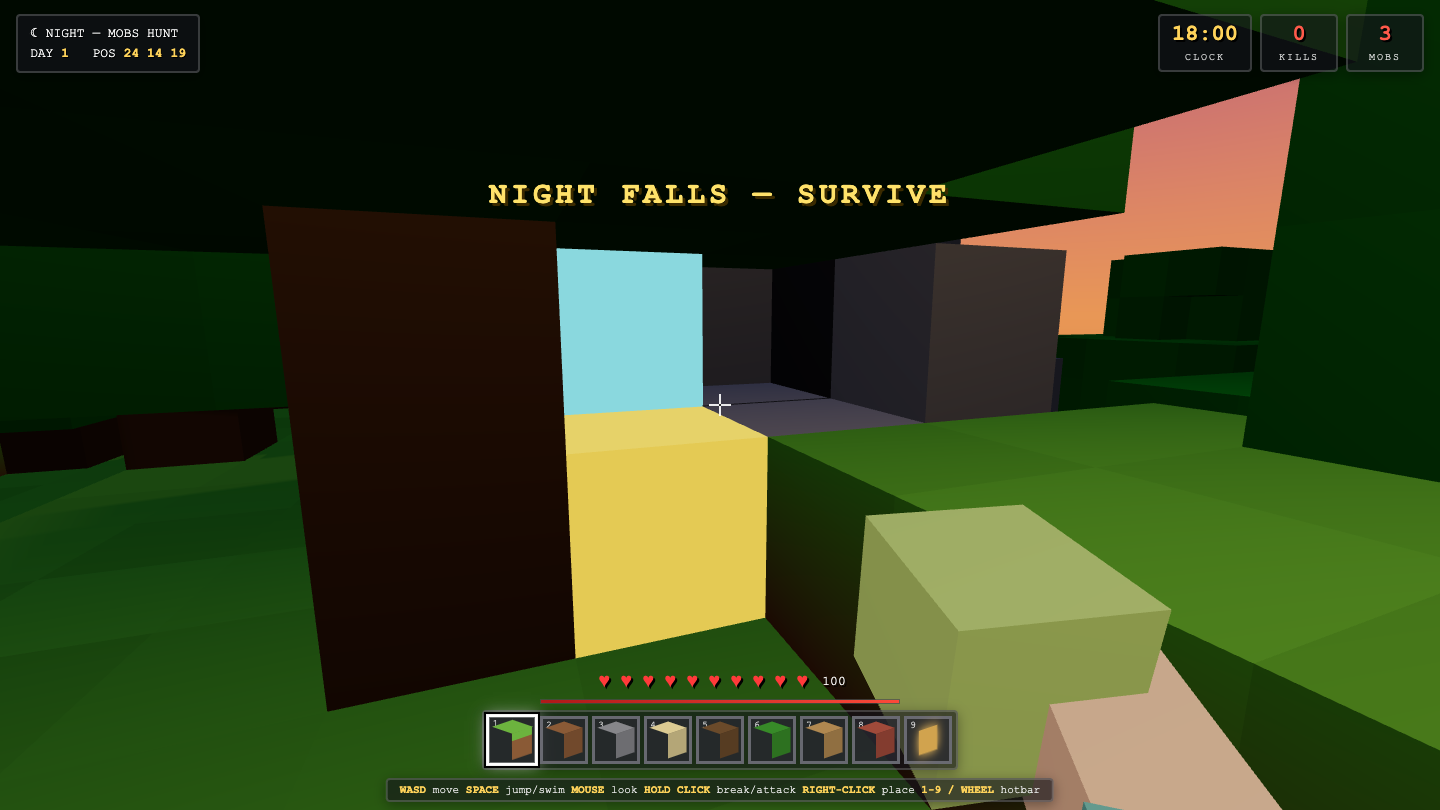
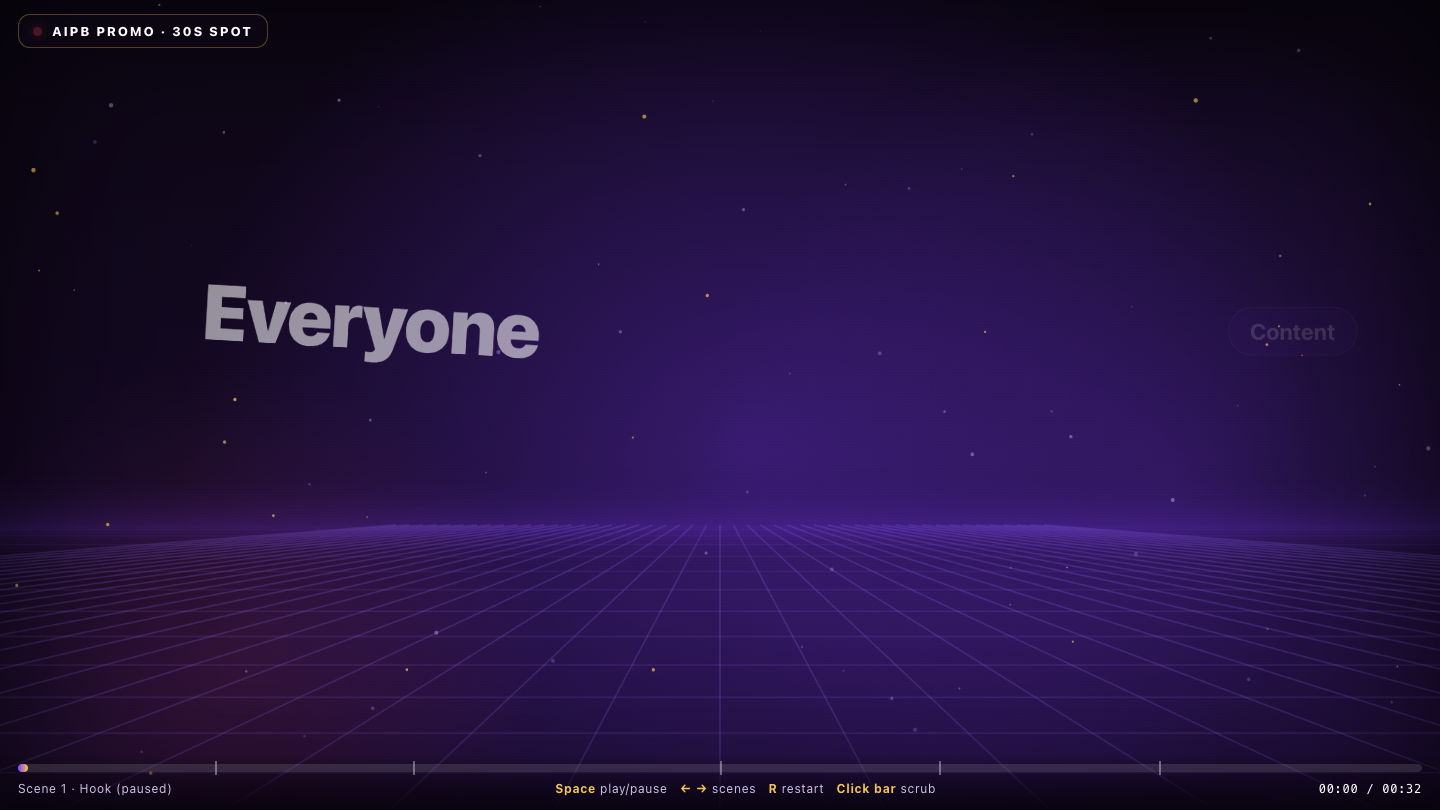
Click any cell to play that model's actual one-shot attempt. Medals are derived from my 0–10 scores per task (highest = 🥇, second = 🥈, third = 🥉).
Task ↓
MiniMax M3
Claude Opus 5.5
Game
Game
Game
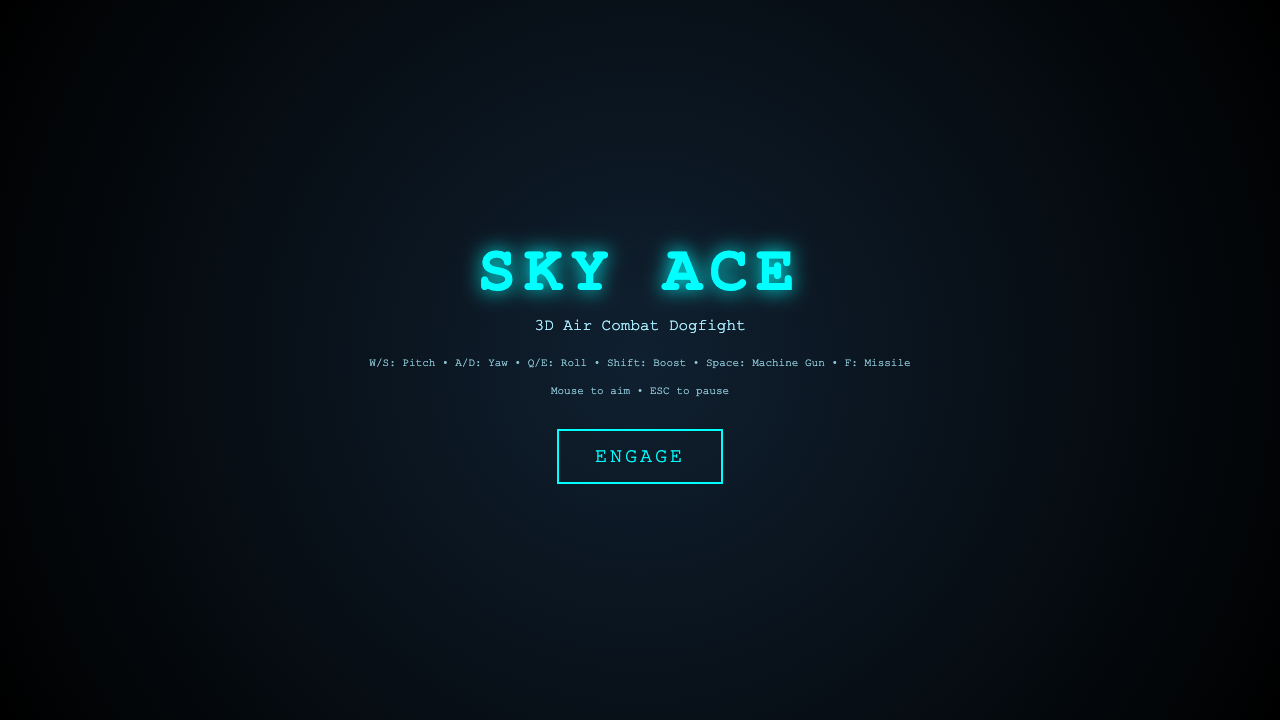
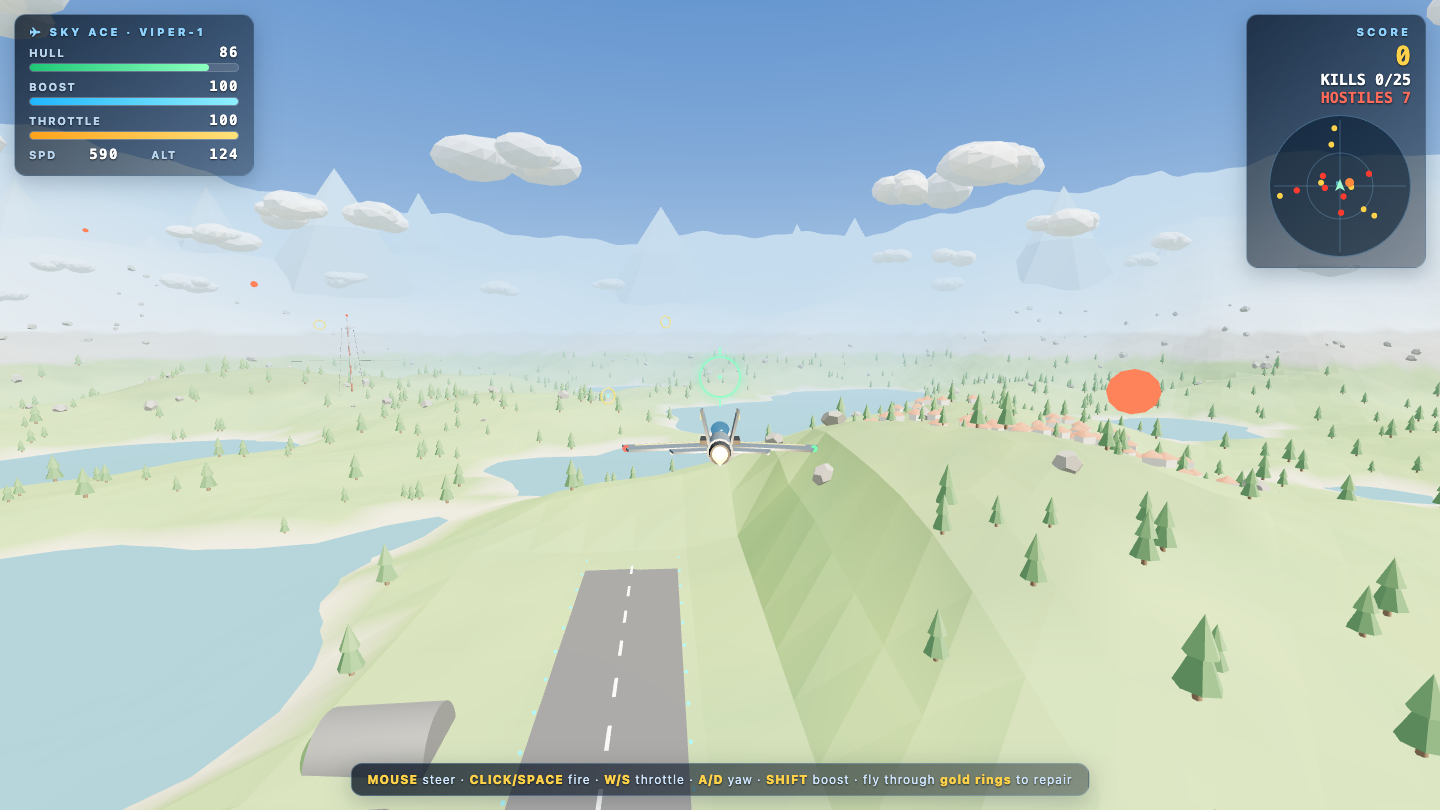
Game
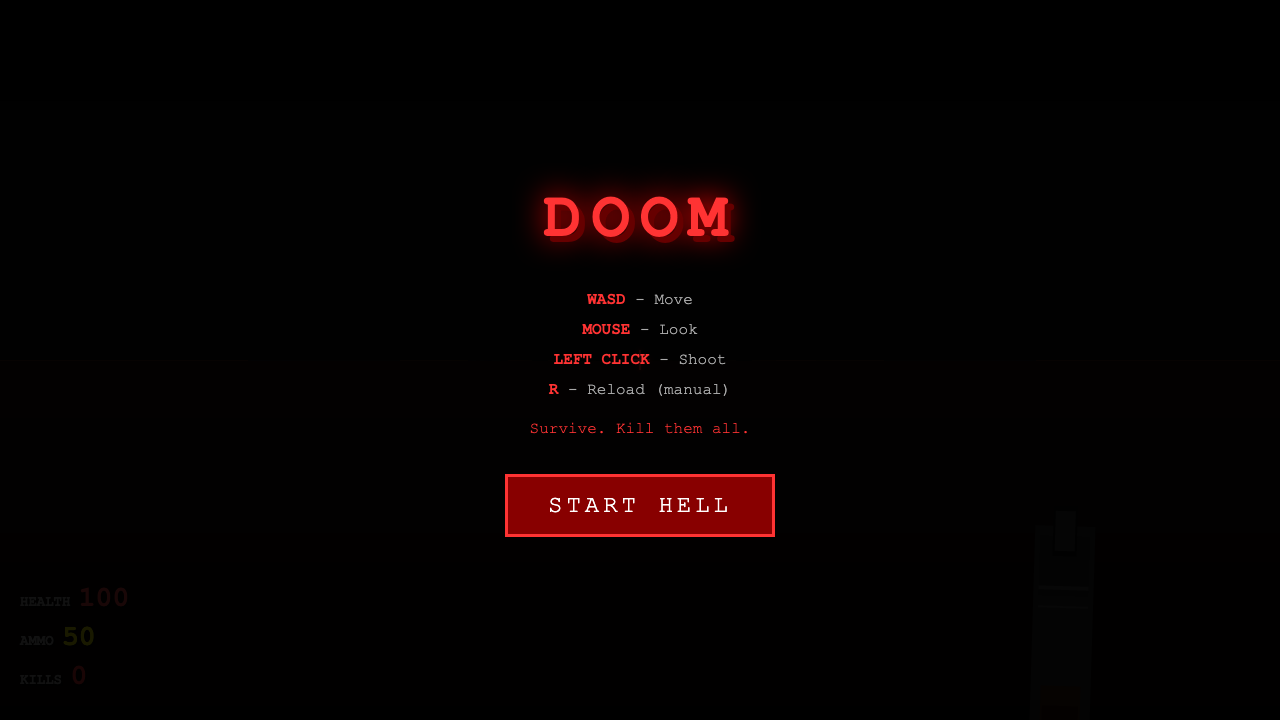
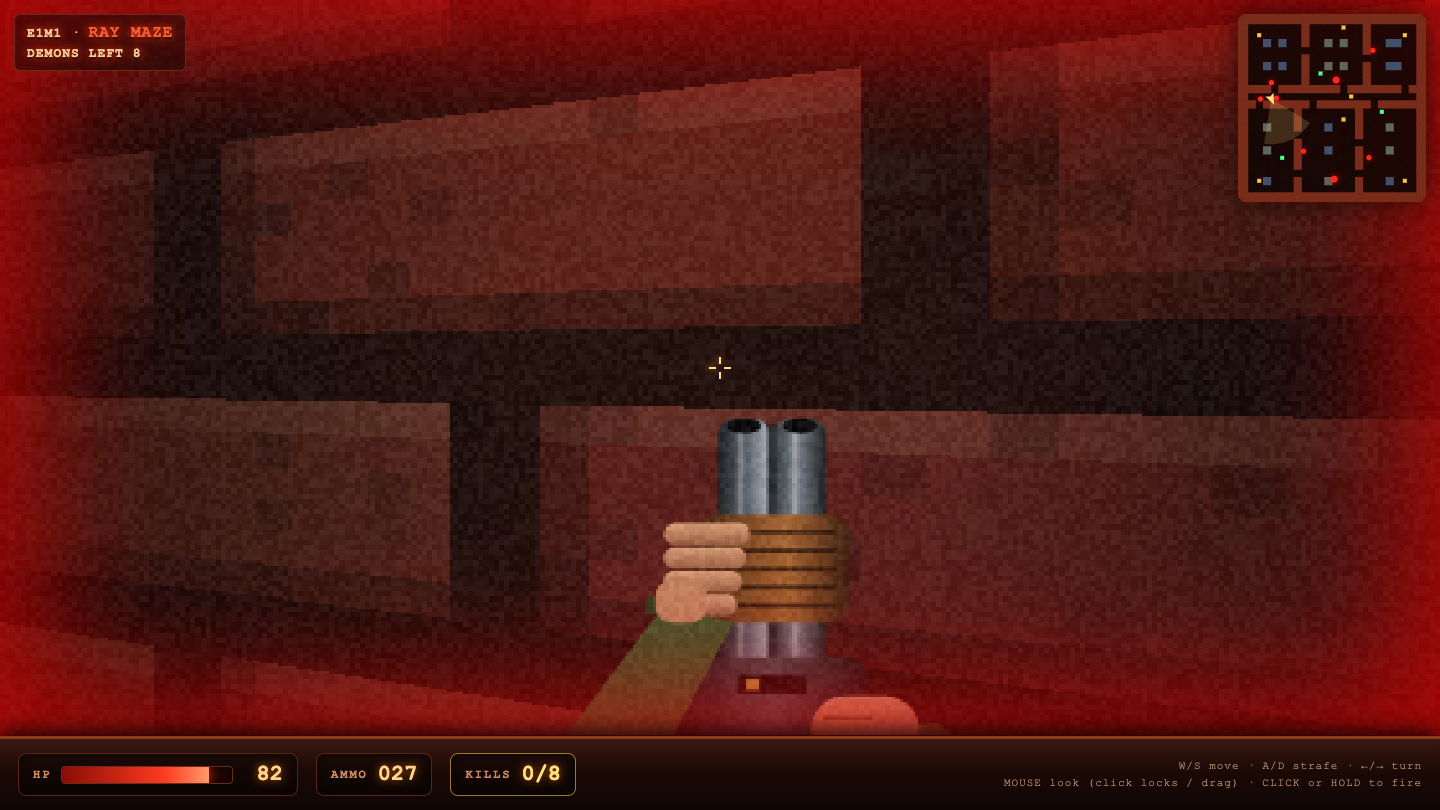
Game
Game


Game

Game
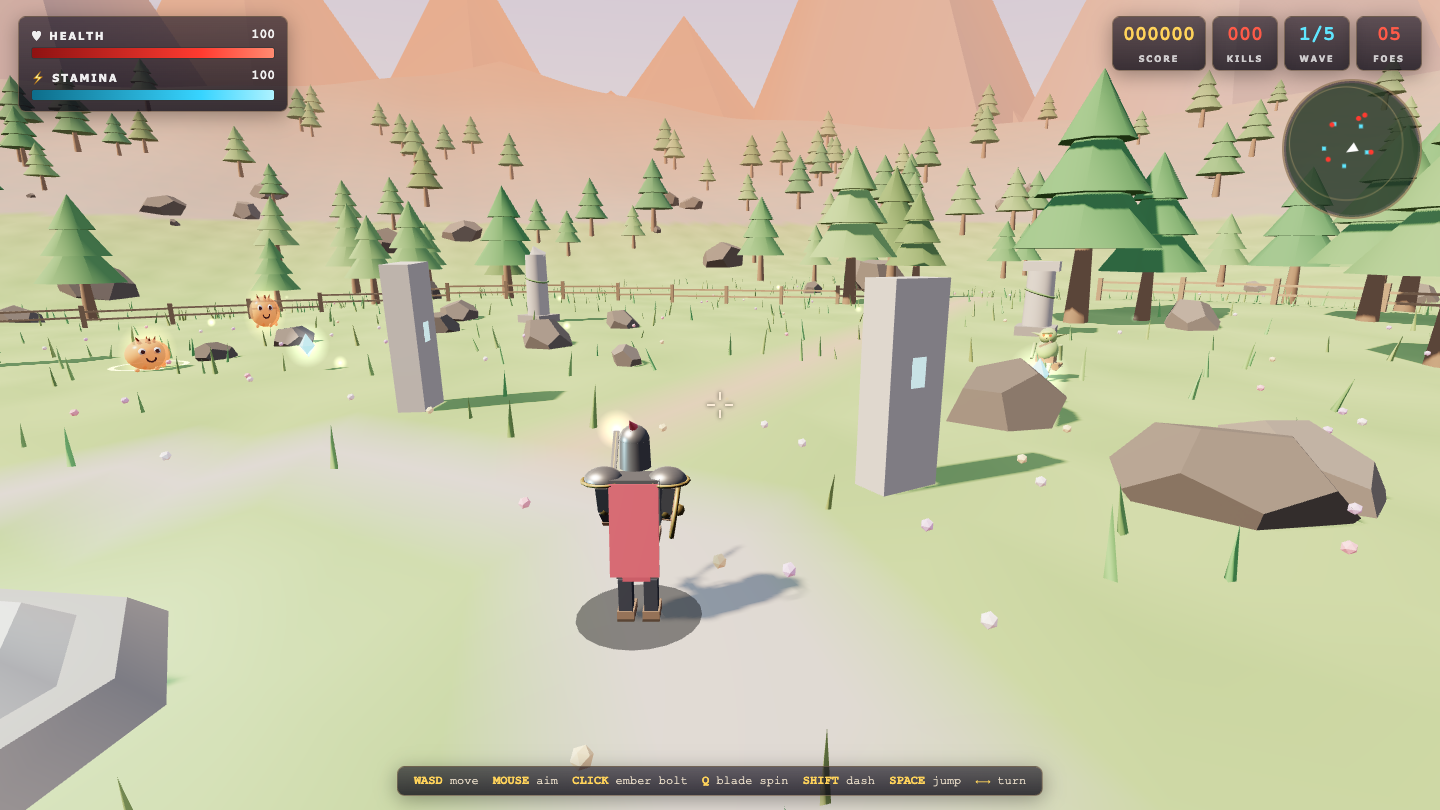
Game
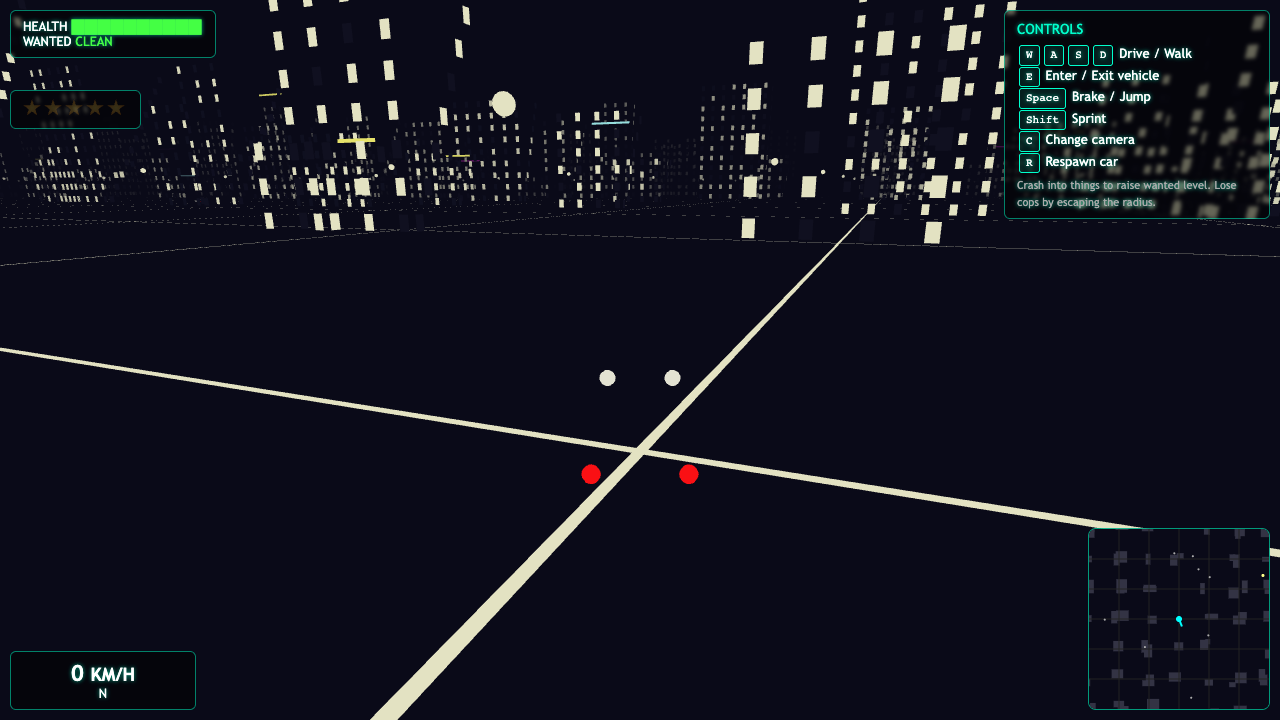

Game
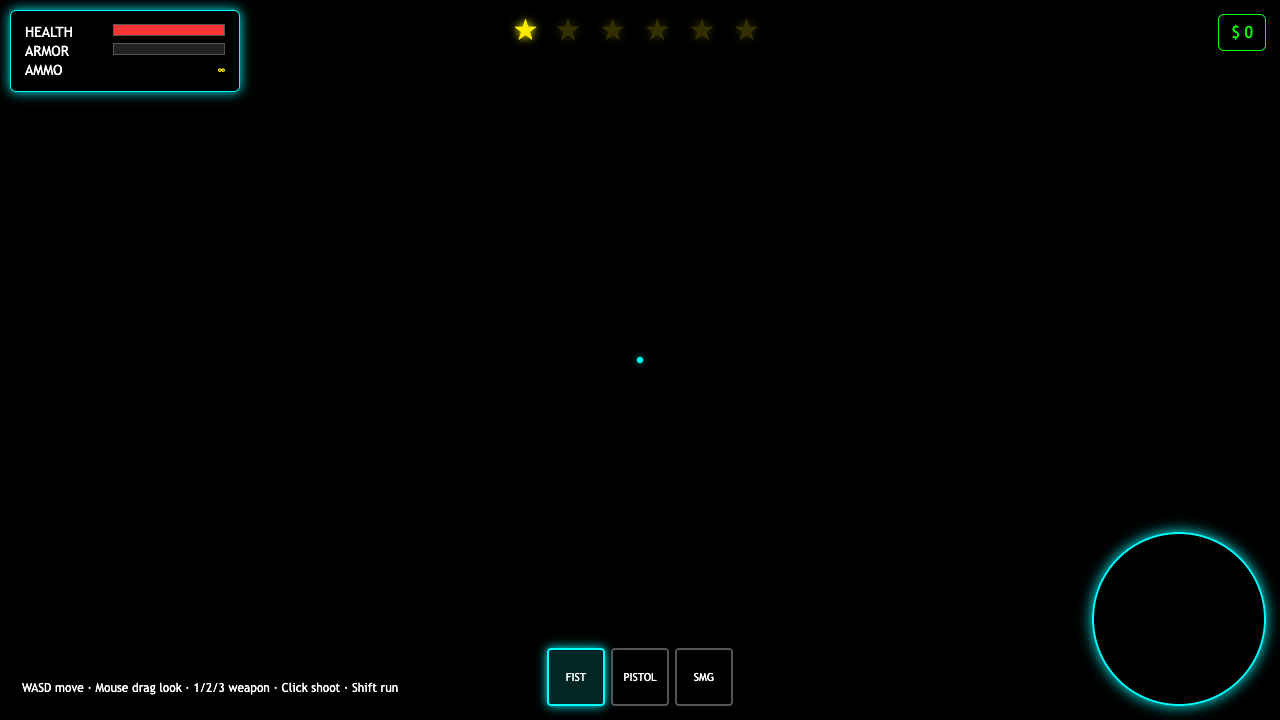
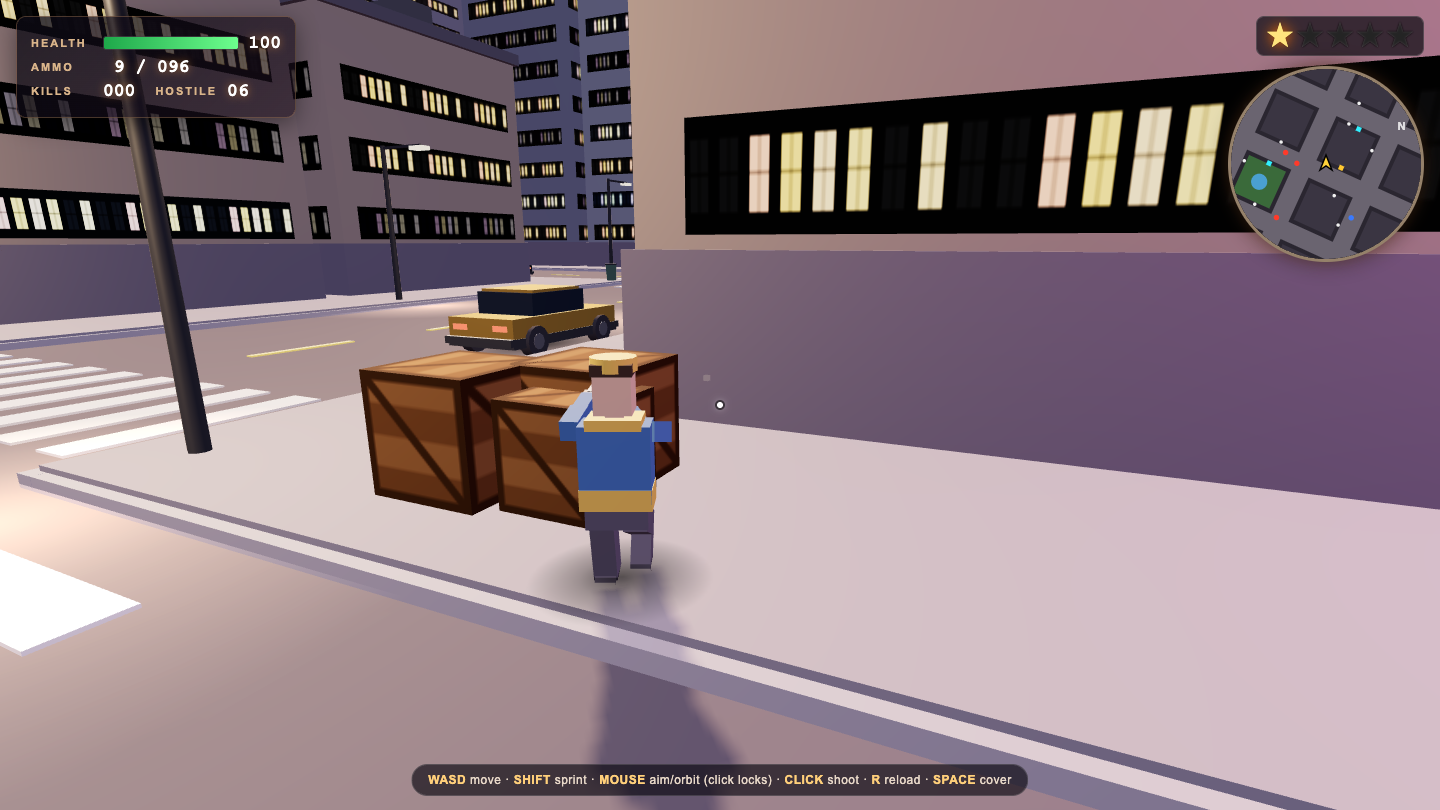
Game
Game

Game

Game
Game

Game
Game
Game
Game
Game
Game
Game

Game
Page

Where MiniMax M3 beat Claude Opus 5.5
The tasks where I gave MiniMax M3 a higher 0–10 score on the same prompt — with the actual commentary from my source guides.
Twilightvale
Game
MiniMax M3 9.0
·
Claude Opus 5.5 5.5
(+3.5)
· winner · biggest open world
What I saw: 47KB — densest open-world. Village, NPCs, combat, day/night, weather, inventory.
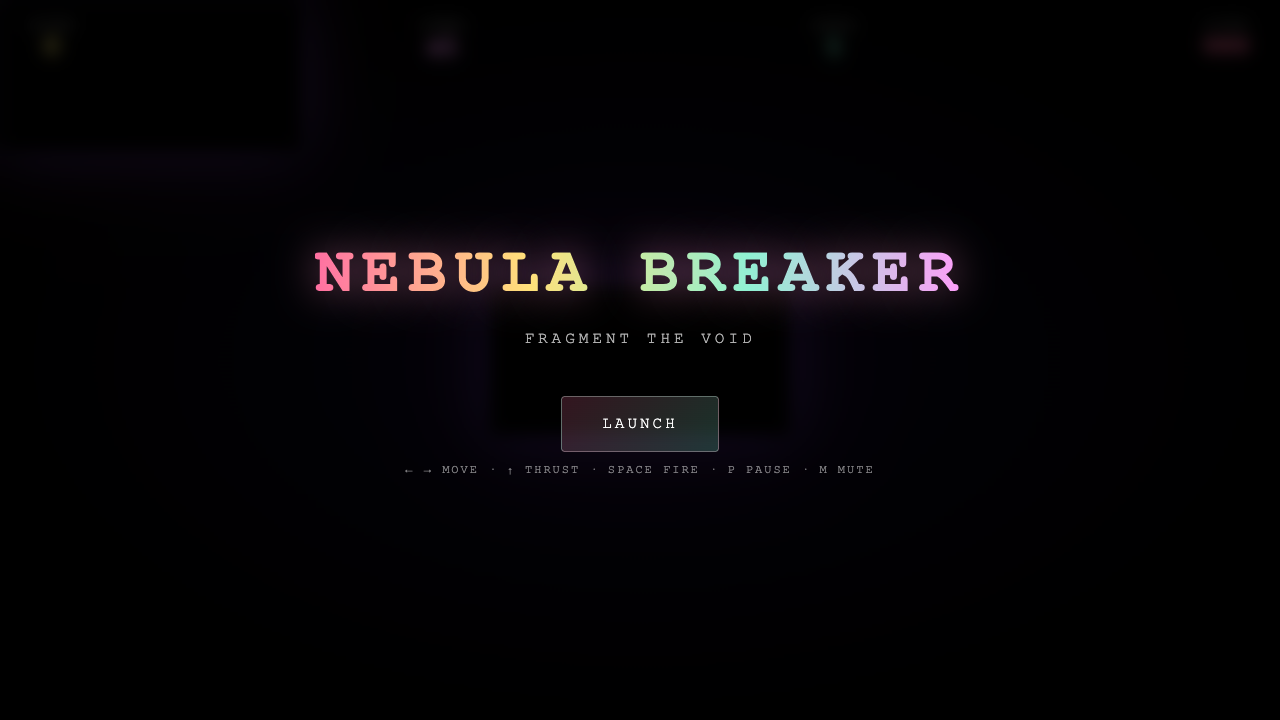
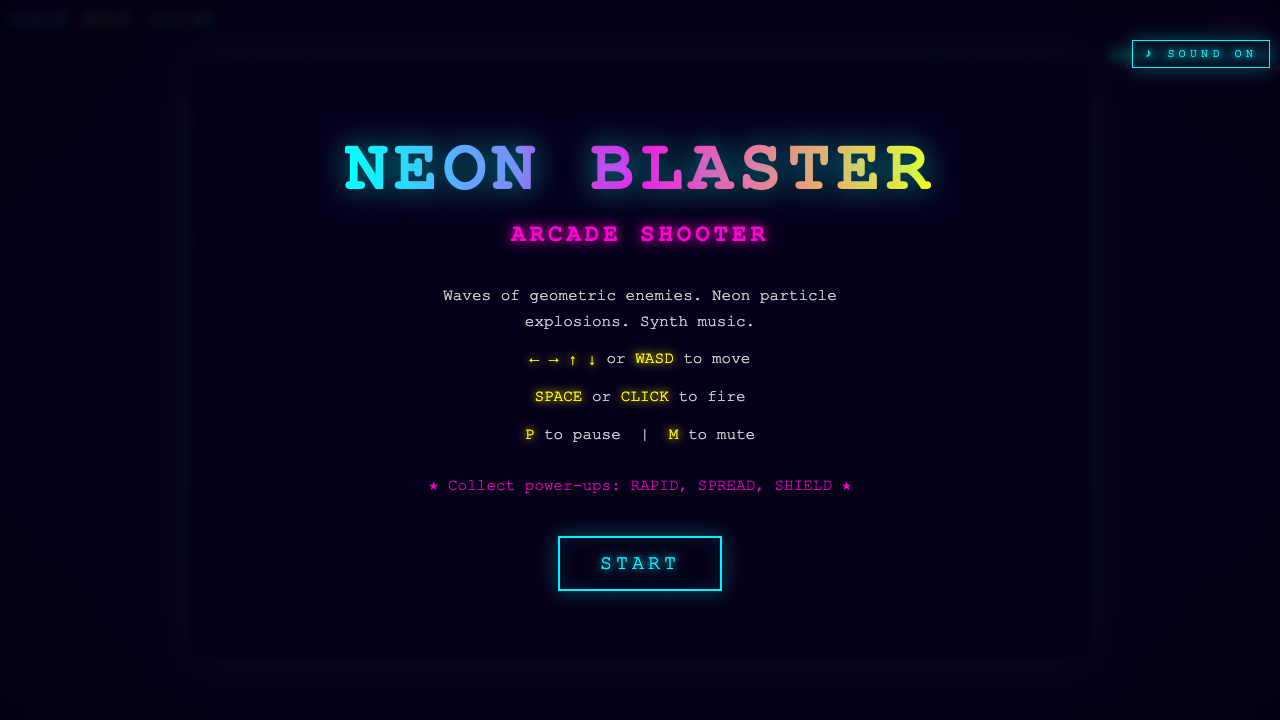
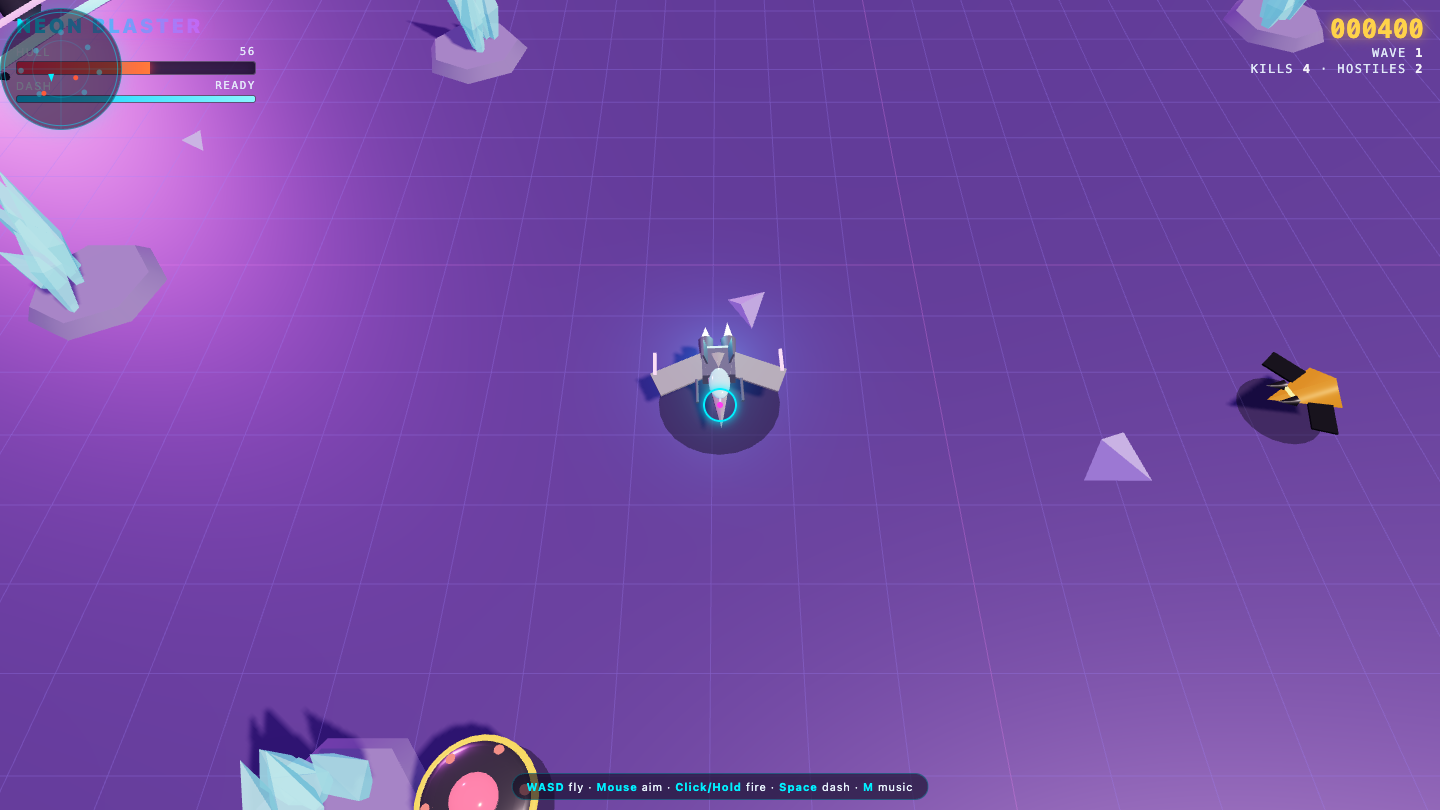
Neonblaster
Game
MiniMax M3 8.5
·
Claude Opus 5.5 5.8
(+2.7)
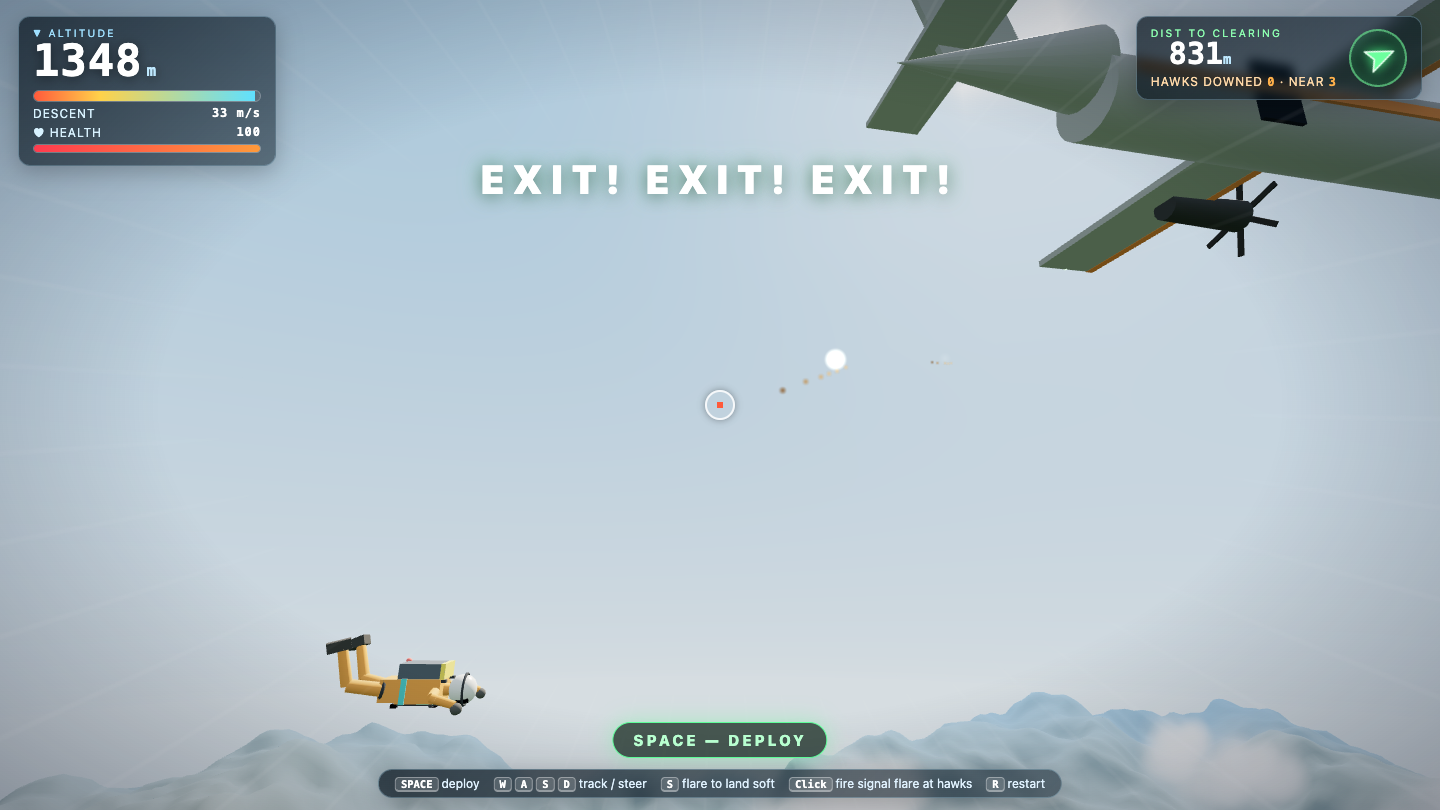
What I saw: 30KB neon space shooter — waves, bosses, power-ups, screen-shake.
Voxelcraft
Game
MiniMax M3 8.5
·
Claude Opus 5.5 5.8
(+2.7)
What I saw: 27KB Minecraft-style sandbox — break/place blocks, hotbar, day/night cycle.
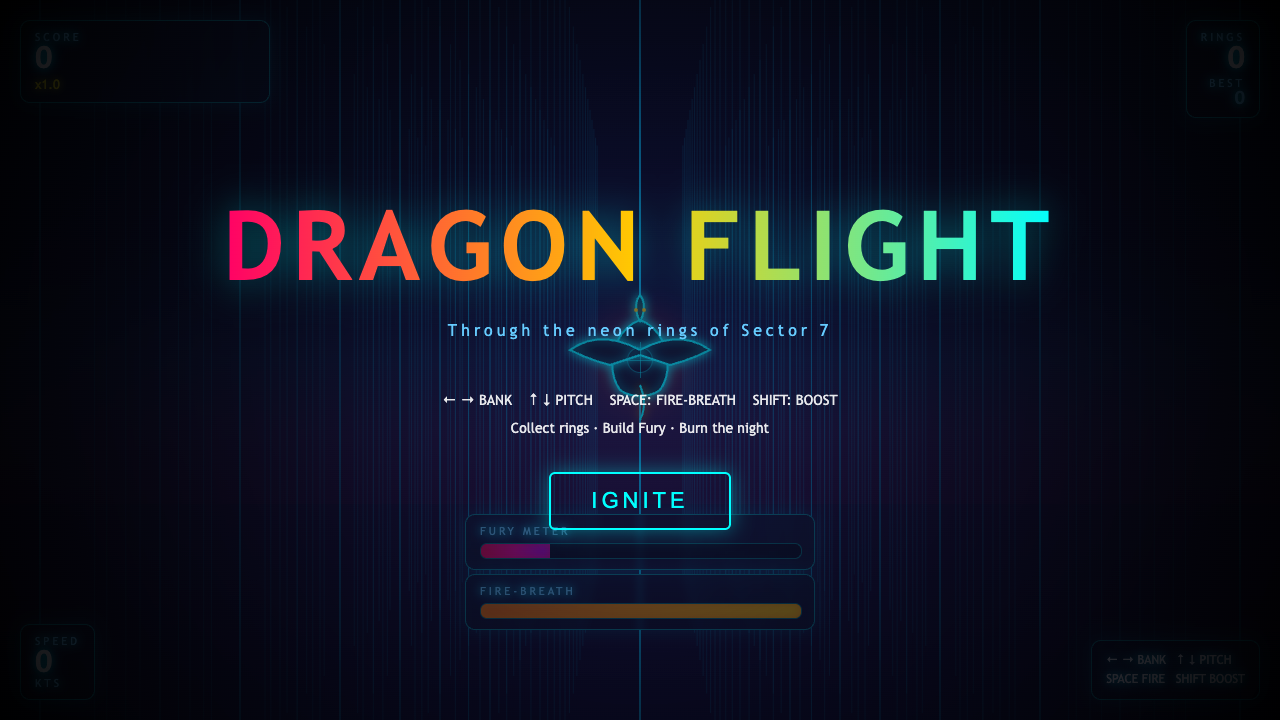
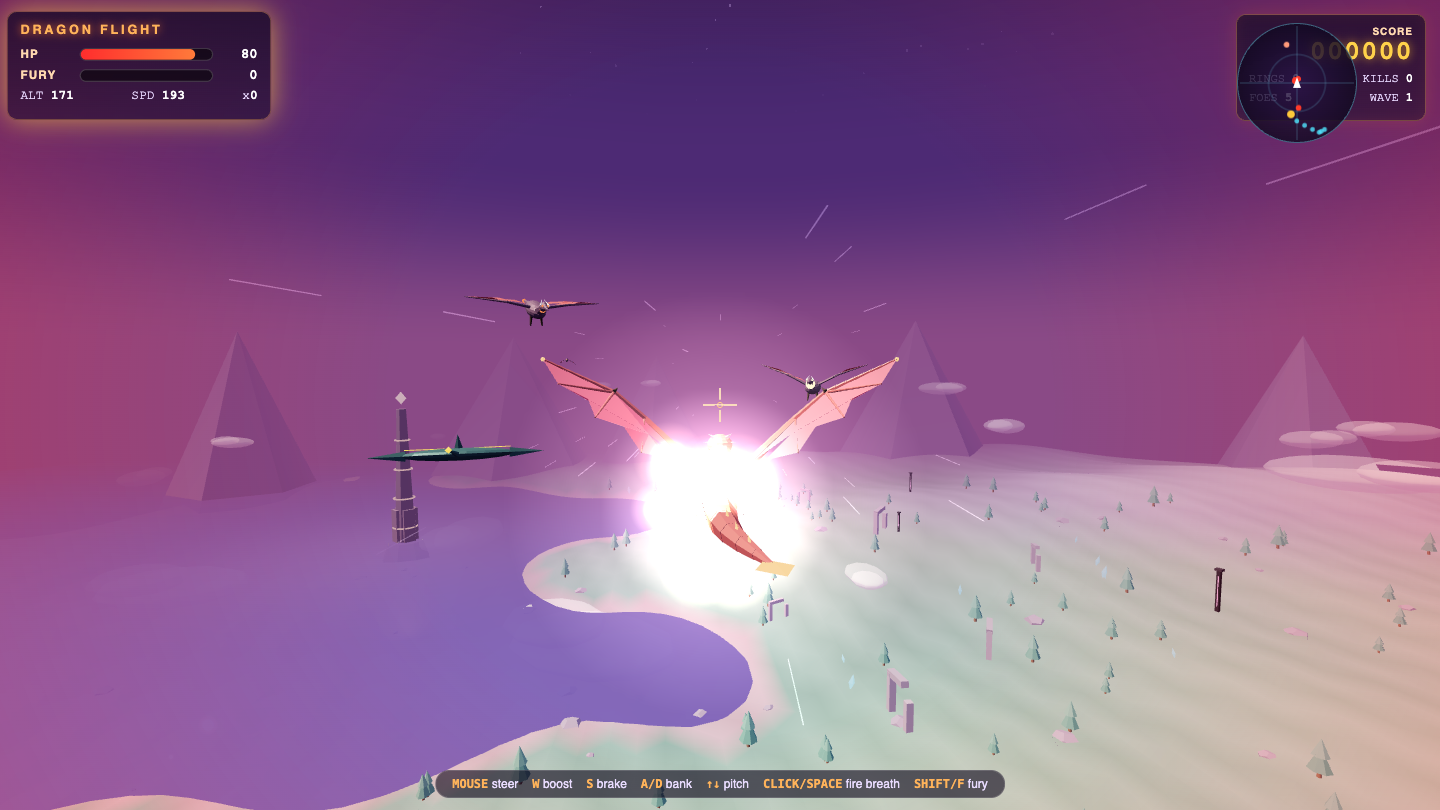
Dragonflight
Game
MiniMax M3 8.5
·
Claude Opus 5.5 6.0
(+2.5)
What I saw: Fly a dragon through neon rings — full HUD, score, fire-breath gauge.
Rpg
Game
MiniMax M3 8.0
·
Claude Opus 5.5 5.5
(+2.5)
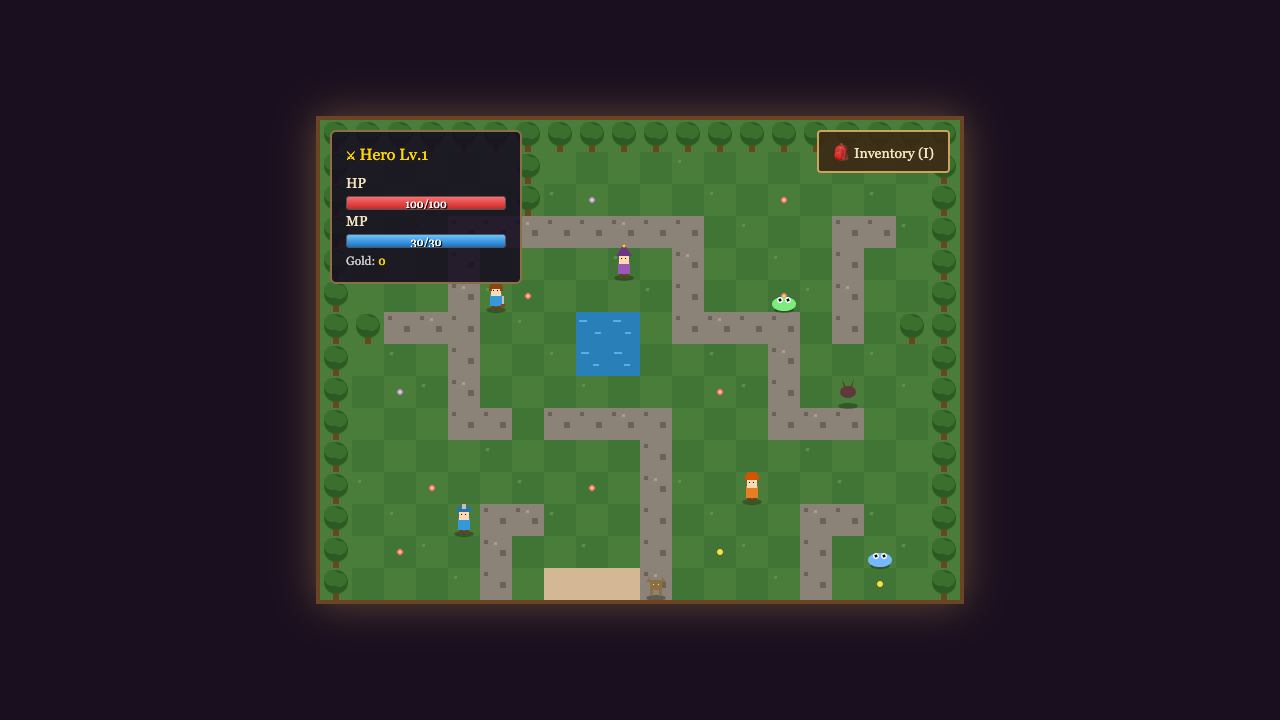
What I saw: 29KB top-down RPG with tilemap, NPCs, combat, inventory.
Where Claude Opus 5.5 beat MiniMax M3
The tasks where I gave Claude Opus 5.5 a higher 0–10 score on the same prompt — with the actual commentary from my source guides.
Plasma
Visual
Claude Opus 5.5 8.2
·
MiniMax M3 6.0
(+2.2)
What I saw: Smooth, hypnotic GPU plasma with 8 palette swatches, speed/scale/warp sliders and a visible click ripple, all in tidy minimal UI. It is on-brief and polished but not quite the field-best wow.
Blackhole
Sim
Claude Opus 5.5 8.8
·
MiniMax M3 7.0
(+1.8)
What I saw: Striking real ray-marched Schwarzschild lensing: the Einstein ring bends over the top, the photon ring is thin and bright, the disk is Doppler-beamed and the streaked starfield looks good; controls are clean. Right up with the field's best, though the disk's banded ripple texture…
Raycaster
Game
Claude Opus 5.5 8.3
·
MiniMax M3 7.0
(+1.3)
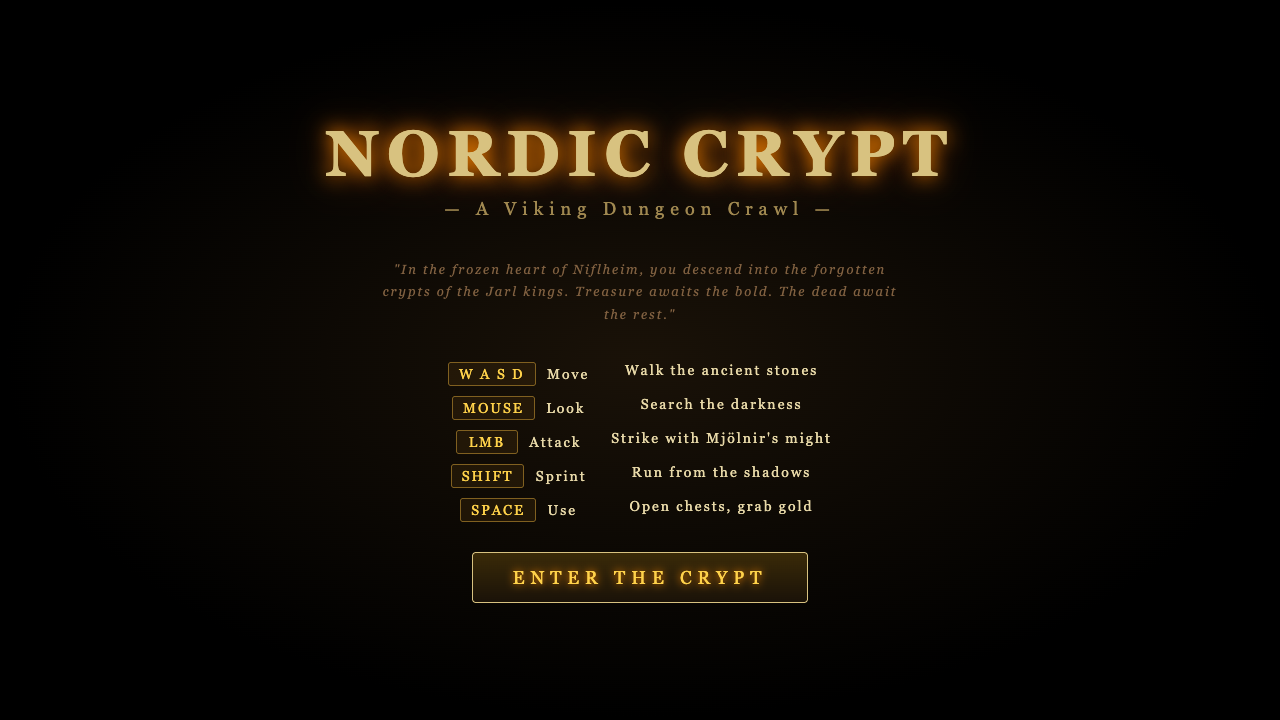
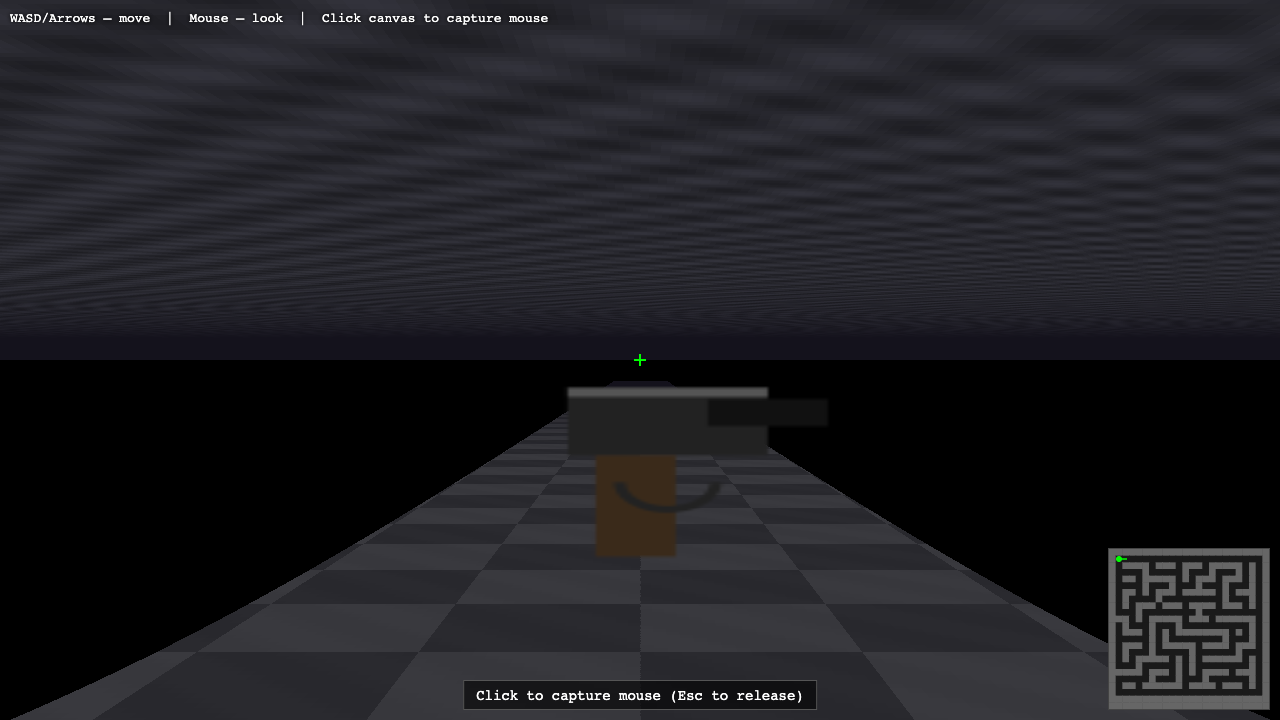
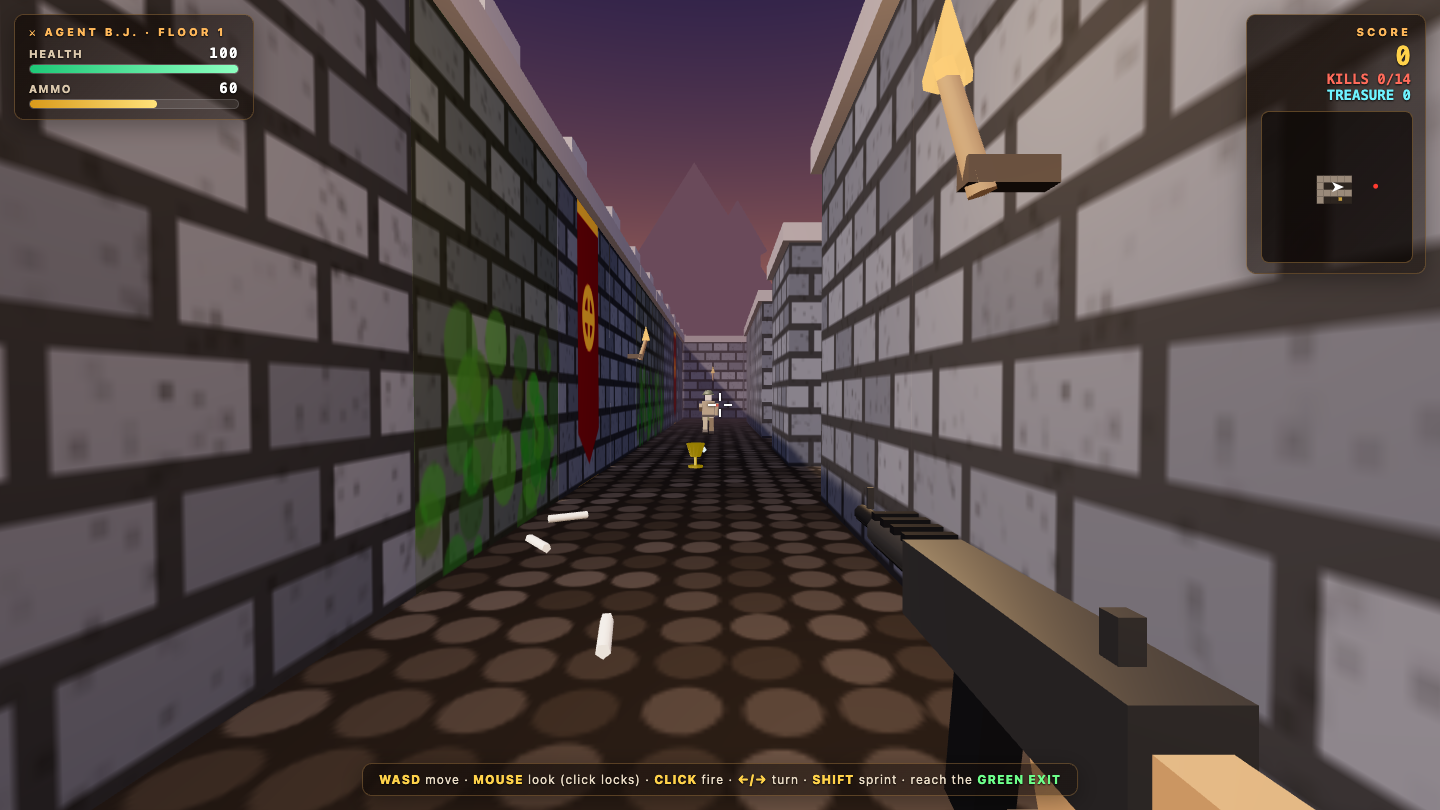
What I saw: Convincing Wolfenstein mood: textured stone corridors, red eagle banners, moss, torches, a cobbled floor, a guard, a treasure chalice and a first-person gun, with a cohesive HUD and minimap. It is a full three.js scene rather than a true raycaster, and the gun and hand are blocky boxes.
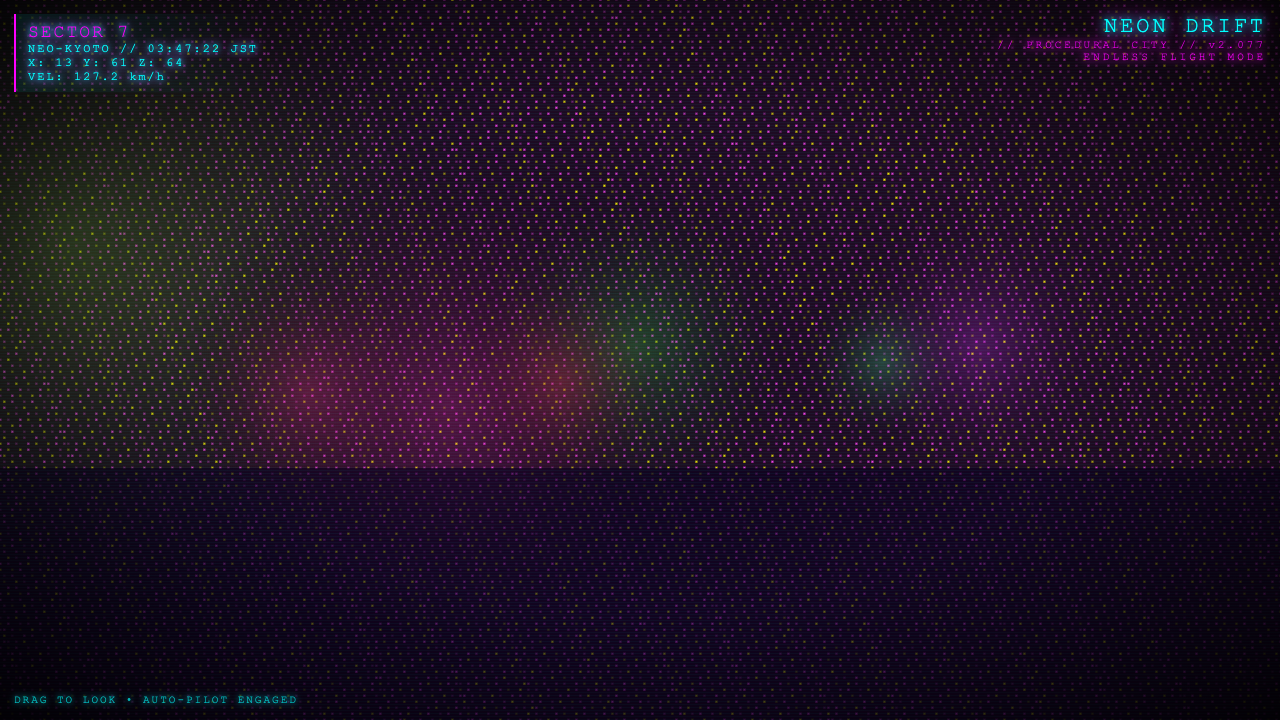
Synthwave
Visual
Claude Opus 5.5 8.6
·
MiniMax M3 7.5
(+1.1)
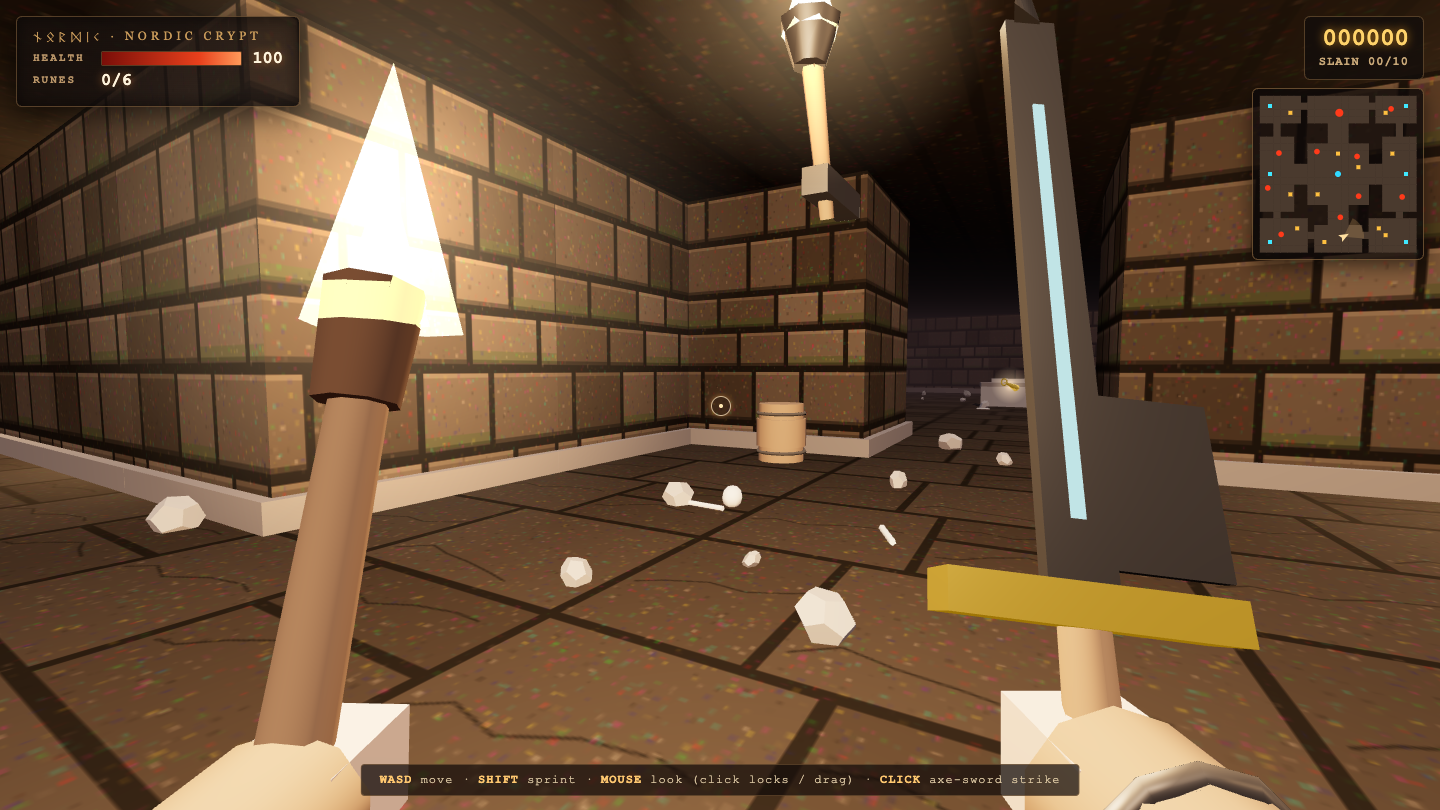
What I saw: Nails the look: a striped setting sun, neon wireframe mountains, palm-lined highway, a car with neon tail-lights, a chrome title and synth music on M. It is close to the field best but not clearly above it. The car is a dark low-detail silhouette.
Fluid
Sim
Claude Opus 5.5 8.5
·
MiniMax M3 7.5
(+1.0)
What I saw: Real GPU Navier-Stokes with vorticity: vivid curling dye plumes and a dense advected particle layer read as a proper swirling fluid, and the control pills are tidy. The stats line still says a stale 'starting…', and the look is a little busy next to the field's 9.0 best.
Strengths & weaknesses I logged
MiniMax M3
Strengths
- 1M token context — full repo / full deep-research corpus fits in one call
- $0.30/M input is roughly 1/30th of Opus 4.8 — built for high-volume agent loops
- Solid one-shot HTML output — clean structure on game and visual prompts
Trade-offs
- Less polished than Fusion's panel-ensembled output on the toughest deep builds
- Newer model — less community calibration vs Fable 5 / Opus 4.8
Claude Opus 5.5
Strengths
- Frontier-class coding + agentic reasoning (Claude 5 family)
- 1M-token context — reads an entire codebase in one call
- All 50 one-shot builds rendered with zero console errors; all 23 games passed the input playtest
Trade-offs
- Premium pricing ($4/$20 per M) — route the everyday 90% to cheaper lanes
- One-shot builds can still ship logic bugs (e.g. a doom kill counter that miscounts)
Pricing & context — the spec sheet
| Spec | MiniMax M3 | Claude Opus 5.5 |
|---|---|---|
| Vendor | MiniMax | Anthropic |
| Context window | 1,048,576-token context — matches GLM-5.2 and Fable 5 | 1,000,000 tokens |
| Price | $0.30 / 1M input tokens, $1.50 / 1M output | $4 / $20 per M |
| Pricing detail | MiniMax M3 is the cheapest 1M-context frontier model on the bench — roughly 1/200th the per-call cost of OpenRouter Fusion and 1/30th of Claude Opus 4.8. Designed for high-volume agent workloads where context length matters but per-call budget is tight. | Anthropic's Opus 5.5 — 1M-token context, listed at $4 input / $20 output per million tokens. Benched through a Claude subscription; game tasks use our skill-infused AAA build prompts. |
| Release | 2026-06-18 | 2026-09 |
| Bench coverage | 47/47 scored · avg 7.97/10 | 50/50 scored · avg 7.57/10 |
The verdict — which should you pick?
Across 47 scored shared tasks, MiniMax M3 averaged 7.97/10, beating Claude Opus 5.5's 7.60/10 by 0.37 points. Pick MiniMax M3 when the build has to ship on the first prompt and you can afford the trade-offs in the comparison below.
If you only run one of these inside your stack, the head-to-head average above is the call. If you can run both, my honest play is to wire MiniMax M3 and Claude Opus 5.5 both into the Agent Operating System and dispatch each from the kanban by task type — high-volume agent workflows where per-call cost dominates → MiniMax M3, hardest agentic builds → Claude Opus 5.5. That's the same setup I run for the 4,000+ founders inside the AI Profit Boardroom.
FAQ — MiniMax M3 vs Claude Opus 5.5
Which is better, MiniMax M3 or Claude Opus 5.5?
On Goldie Bench, MiniMax M3 averages 7.97/10 across the shared tasks, with 2 gold, 1 silver, 3 bronze overall. Claude Opus 5.5 averages 7.60/10, with 0 gold, 0 silver, 1 bronze. MiniMax M3 wins the head-to-head 28–17.
How much does MiniMax M3 cost vs Claude Opus 5.5?
MiniMax M3: MiniMax M3 is the cheapest 1M-context frontier model on the bench — roughly 1/200th the per-call cost of OpenRouter Fusion and 1/30th of Claude Opus 4.8. Designed for high-volume agent workloads where context length matters but per-call budget is tight. Claude Opus 5.5: Anthropic's Opus 5.5 — 1M-token context, listed at $4 input / $20 output per million tokens. Benched through a Claude subscription; game tasks use our skill-infused AAA build prompts.
What's the context window for MiniMax M3 vs Claude Opus 5.5?
MiniMax M3 has a 1,048,576-token context — matches GLM-5.2 and Fable 5 context window. Claude Opus 5.5 has a 1,000,000 tokens context window.
When should I pick MiniMax M3 over Claude Opus 5.5?
Pick MiniMax M3 for: High-volume agent workflows where per-call cost dominates; 1M-context tasks (whole-repo refactors, deep-research synthesis); Drop-in cheaper alternative to GLM-5.2 with comparable 1M context. The trade-off is the weaknesses we logged on the bench: Less polished than Fusion's panel-ensembled output on the toughest deep builds; Newer model — less community calibration vs Fable 5 / Opus 4.8.
When should I pick Claude Opus 5.5 over MiniMax M3?
Pick Claude Opus 5.5 for: Hardest agentic builds; Whole-repo reasoning; Frontier one-shots. The trade-off is the weaknesses we logged on the bench: Premium pricing ($4/$20 per M) — route the everyday 90% to cheaper lanes; One-shot builds can still ship logic bugs (e.g. a doom kill counter that miscounts).
How does Goldie Bench score MiniMax M3 vs Claude Opus 5.5?
Every demo on this page was built by Julian Goldie inside the Agent Operating System — same fixed prompt for both models, one shot, single HTML file out. Each result gets a 0–10 score on whether it ran, how close it hit the brief, and how good it looked. The highest score on each task gets gold; second gets silver; third gets bronze. See methodology for full provenance.
Related comparisons
Other head-to-heads using the same scoring system:
MiniMax M3 vs Fusion Claude Opus 5.5 vs Fusion MiniMax M3 vs Claude Opus 5 Claude Opus 5.5 vs Claude Opus 5 MiniMax M3 vs Hermes MoA Claude Opus 5.5 vs Hermes MoA MiniMax M3 vs GPT-5.6 Sol Claude Opus 5.5 vs GPT-5.6 SolFull model pages: MiniMax M3 · Claude Opus 5.5 · back to the leaderboard
The same stack Julian uses
Run this stack yourself.
Every demo on this bench was built inside the Agent Operating System — one prompt, one shot, single HTML file out. The Agent OS, the prompts, the templates, the weekly walkthroughs and 4,000+ founders shipping with it every day all live inside the AI Profit Boardroom.
4,000+founders
258documented wins
38countries
$59/momonthly