Real head-to-head · same prompt, one shot
Fusion vs Inkling
Multi-model panel — Fable 5 + GPT-5.5, ensembled. Beats Fable 5 at half the price. vs A 975B open-weights frontier model — yours to own and run.
Head-to-head verdict: Fusion wins 45–2.
What I tested — same prompt, two models
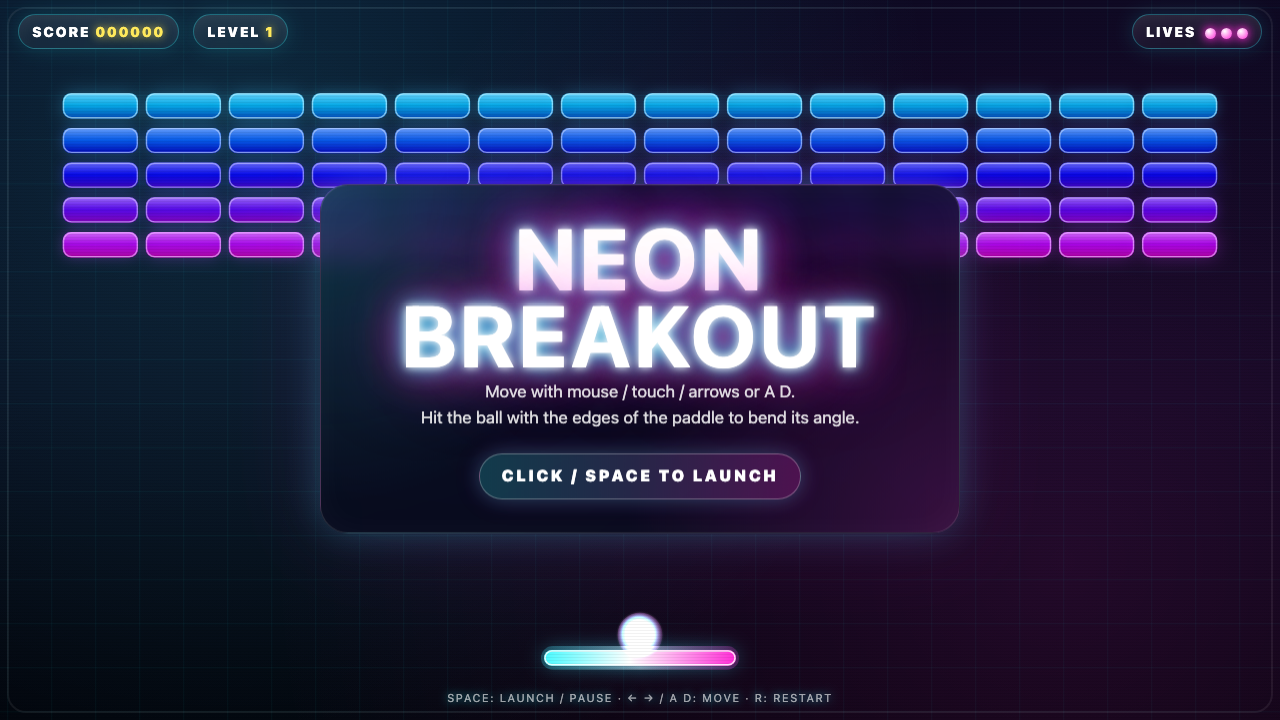
I run the same fixed prompt set through every new model the day it drops — same string, one shot, single HTML file out — and I score the result 0–10 on whether it ran, how close it hit the brief, and how good it looked. Below is what came out when I gave the exact same prompts to Fusion and Inkling, side by side, on 47 shared tasks inside the Agent Operating System.
Both models were given identical prompts inside the Agent Operating System — no help, no iteration, no "best of N" tricks. I run each prompt once, save the HTML file the model produces, and score it 0–10 on whether it ran, how close it hit the brief, and how good it looked. The scoring is mine. The verdicts below are pulled from my source comparison guides at agentos.guide where I publish every score and the reasoning behind it.
Fusion · Dispatched from Agent OS for research-heavy prompts where ensemble accuracy outweighs single-model speed.
Inkling · Benched on GoldieBench one-shot through Tinker's OpenAI-compatible endpoint at medium reasoning effort, then headless-playtested on the same rubric as the whole field. In the Agent OS it's wired into the opencode tab on your own Tinker key — the Ink Machine.
Side-by-side on 50 shared tasks
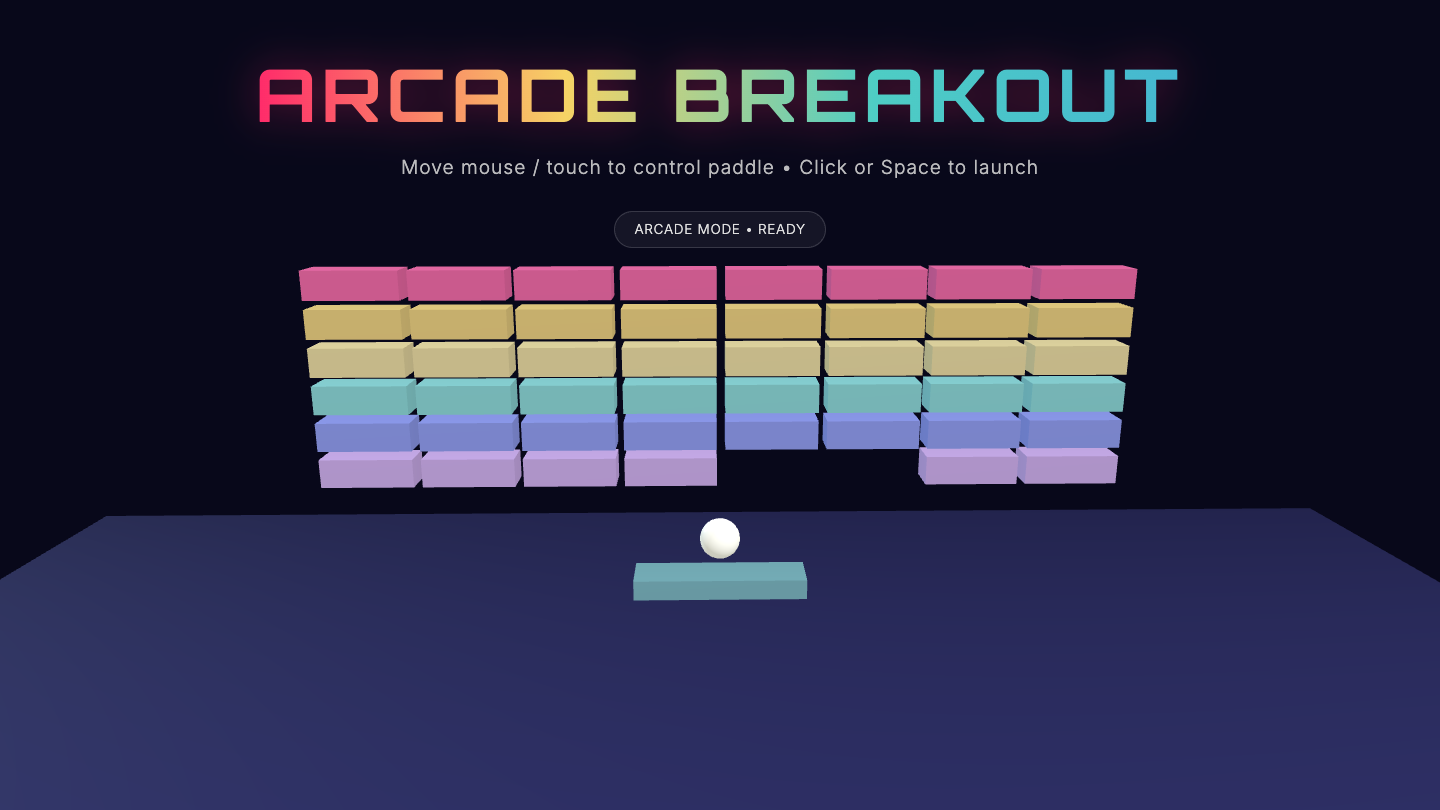
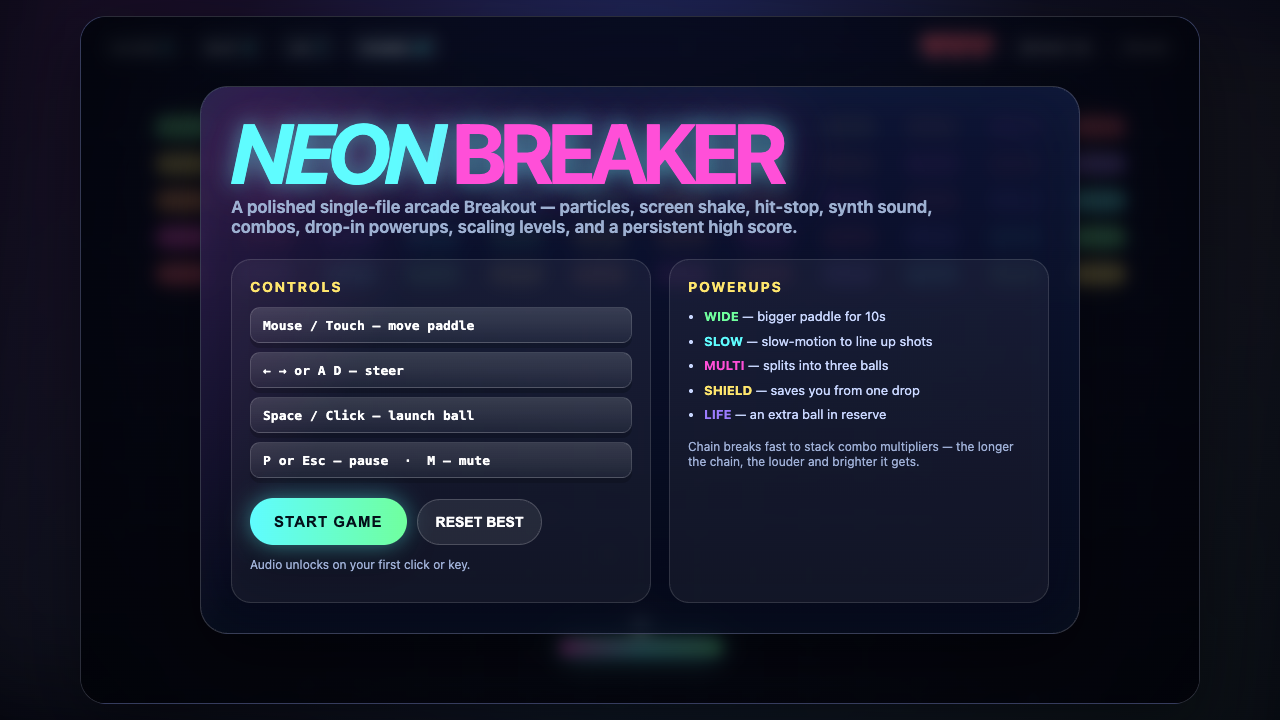
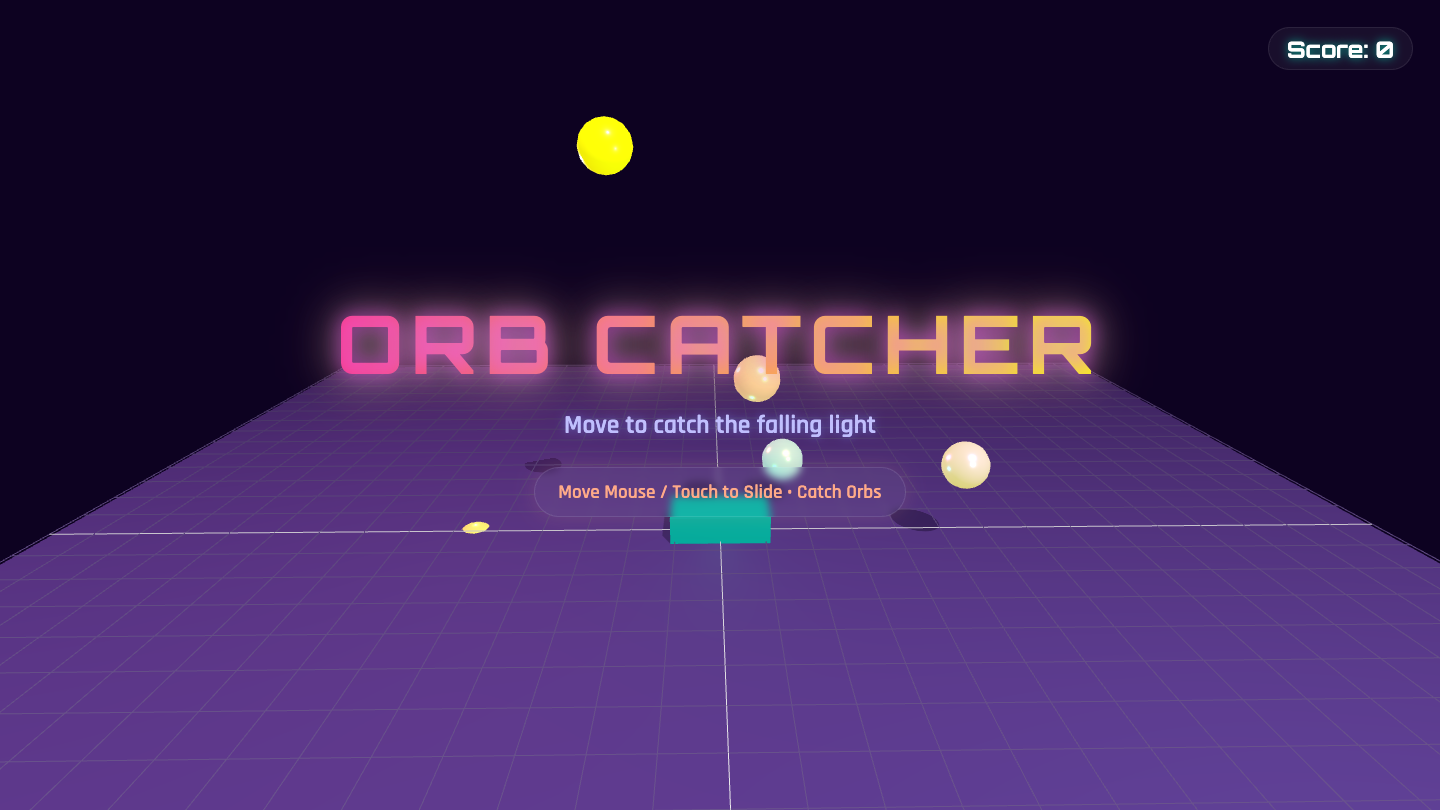
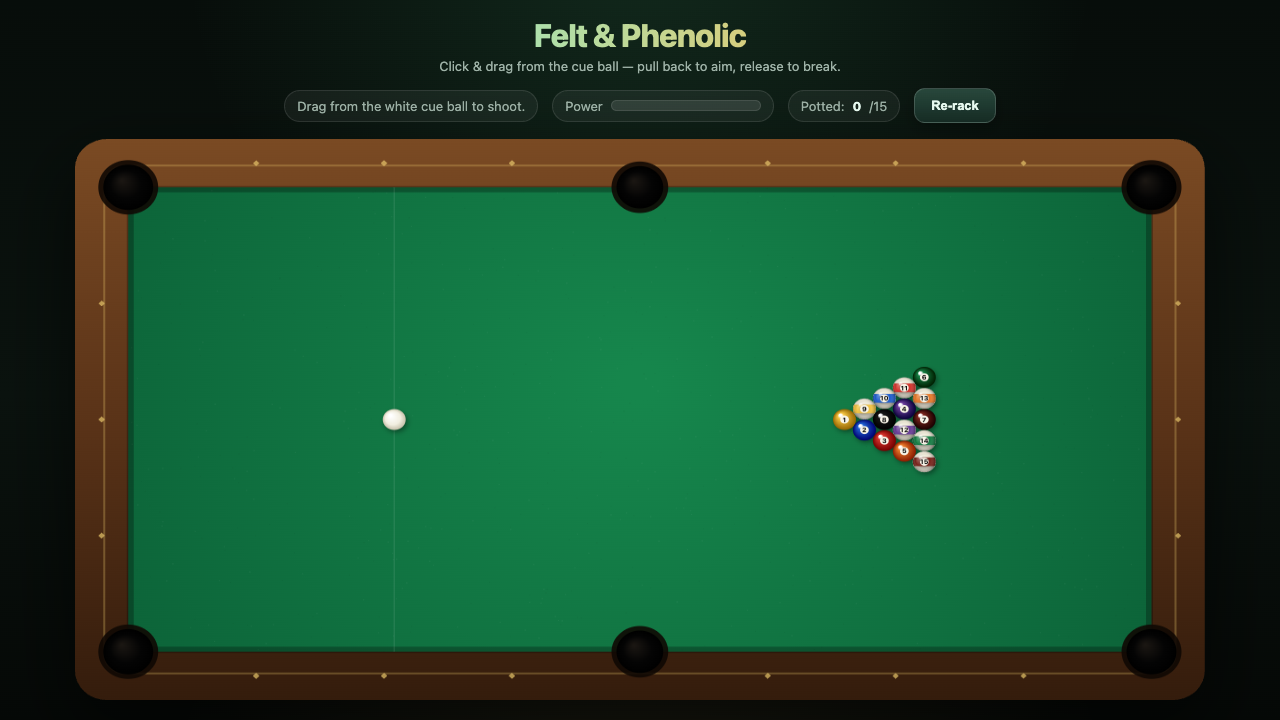
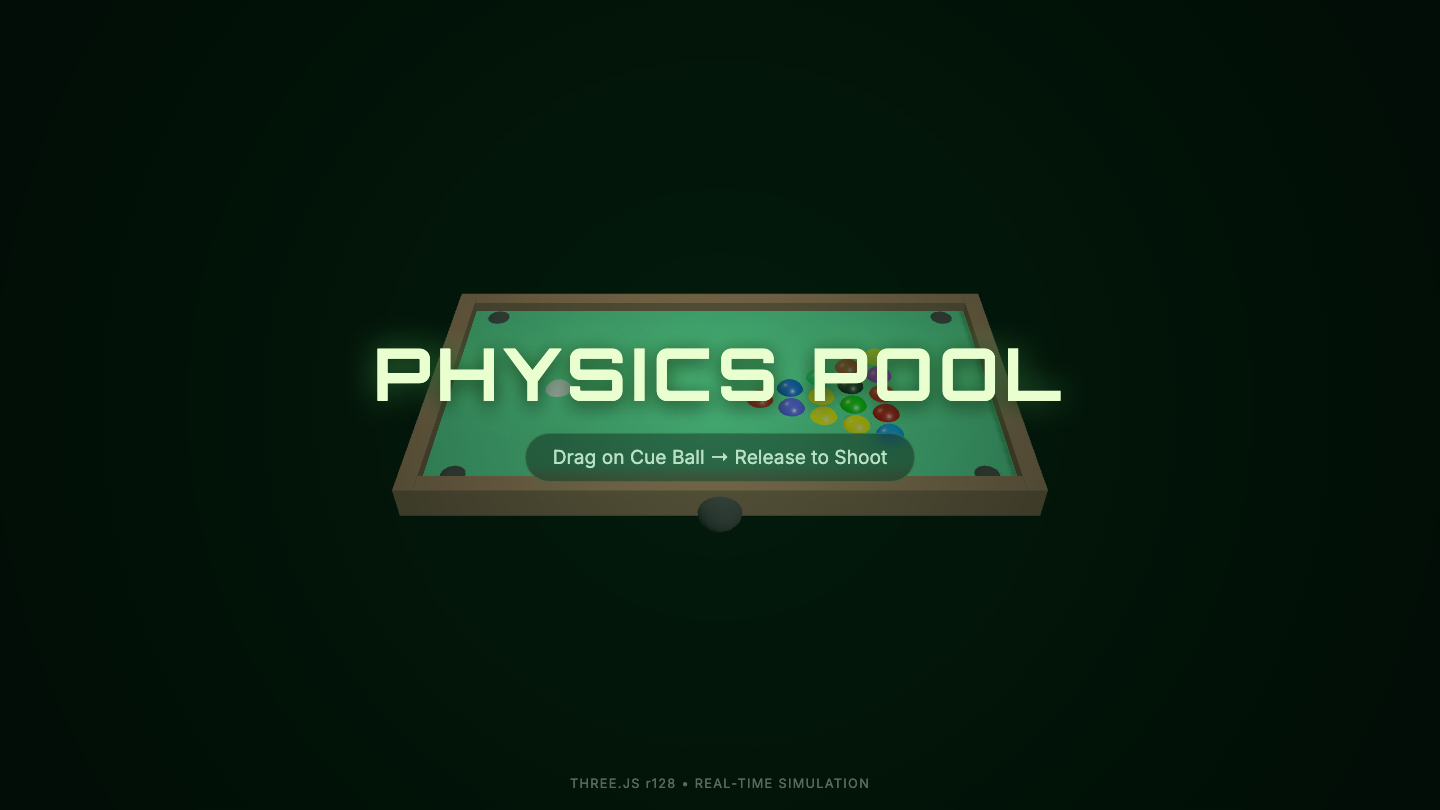
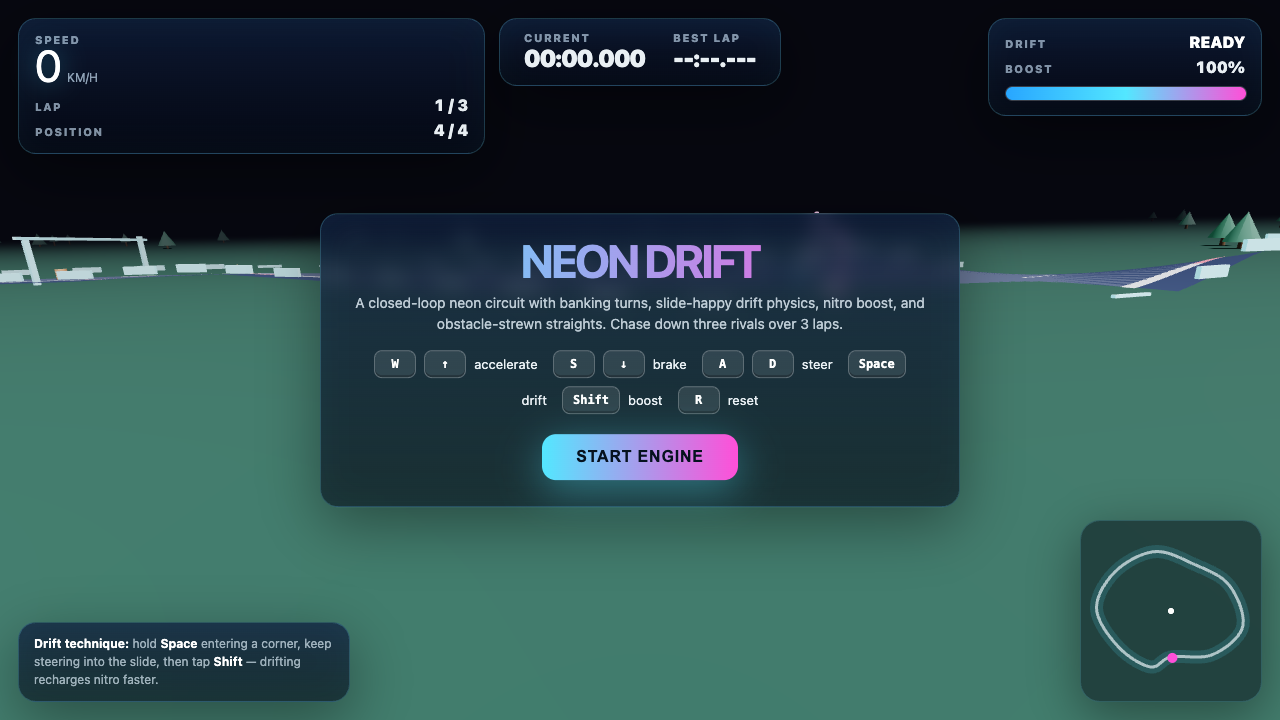
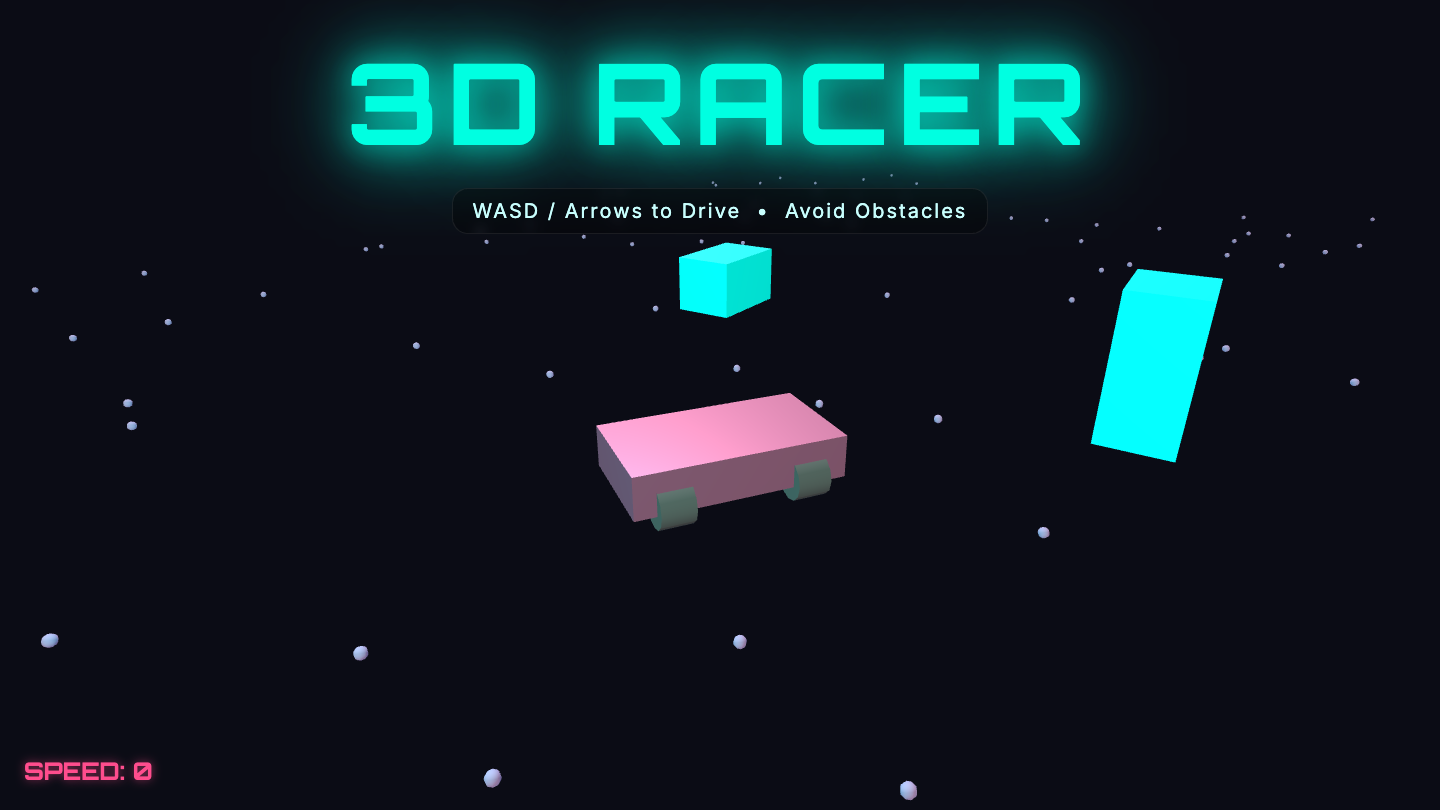
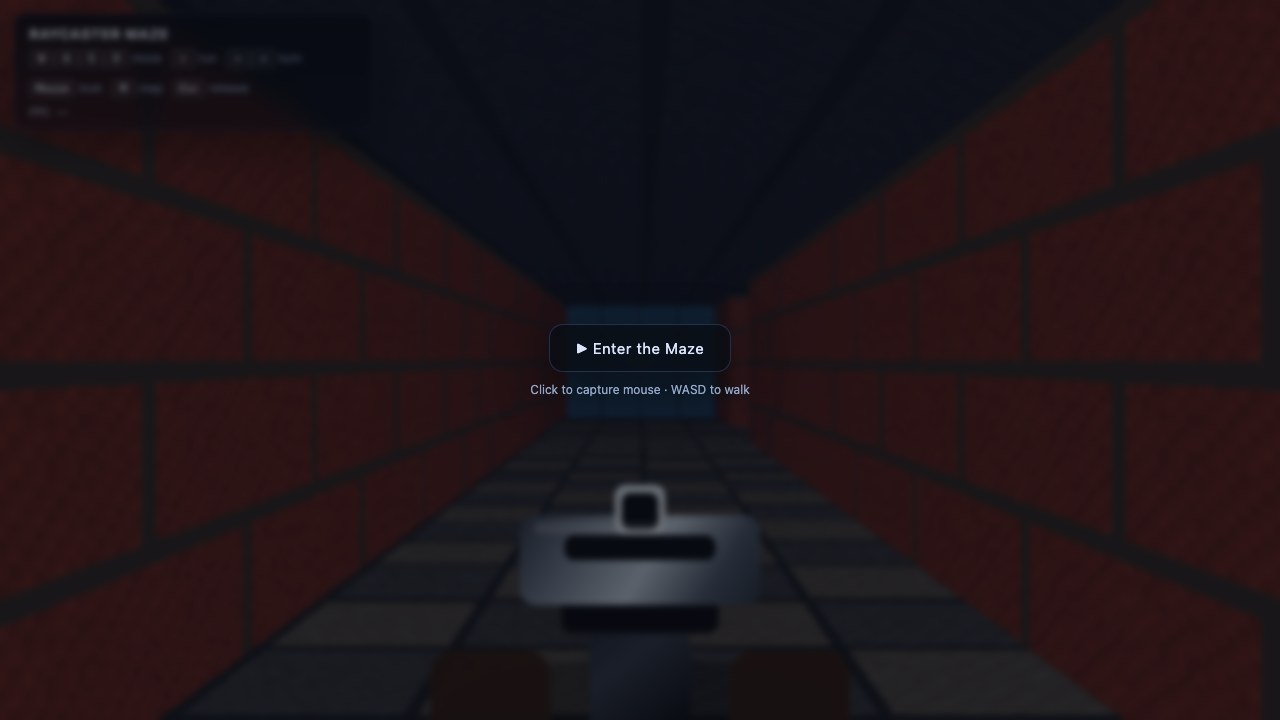
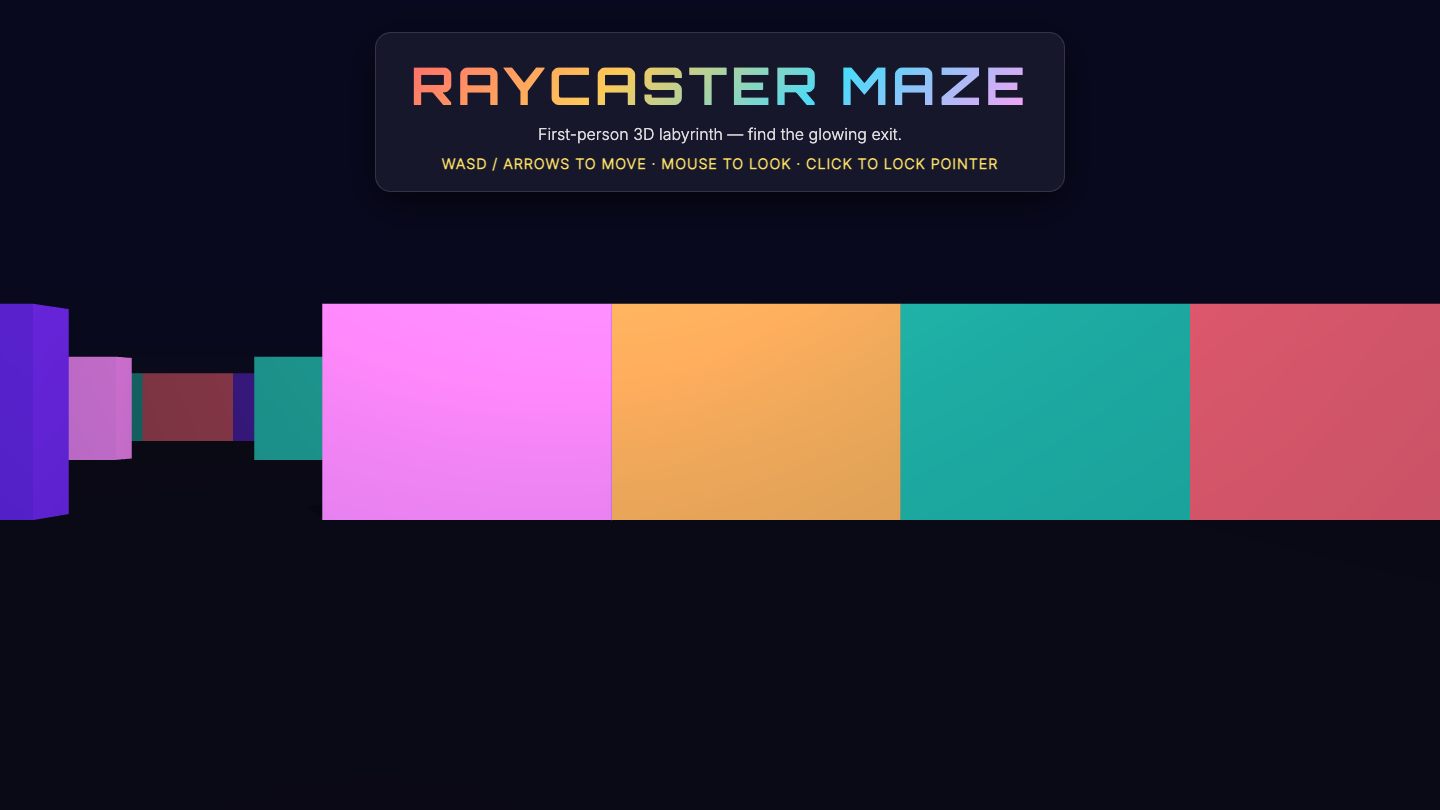
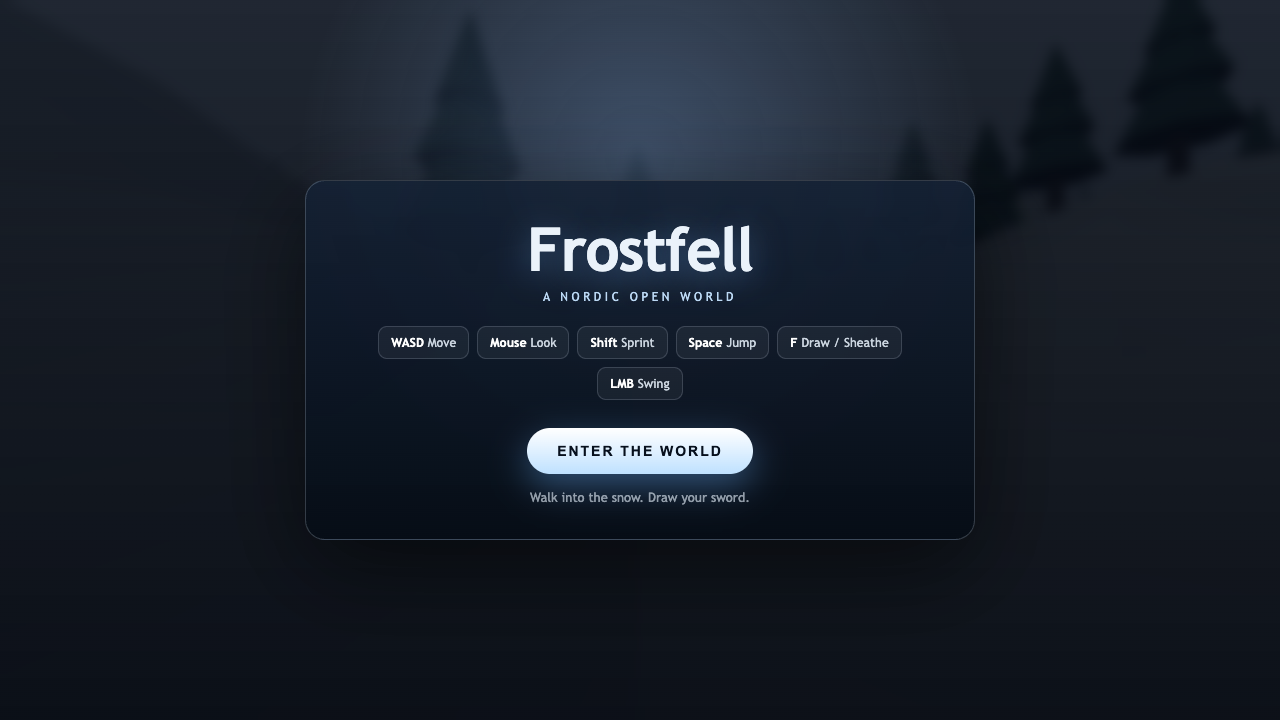
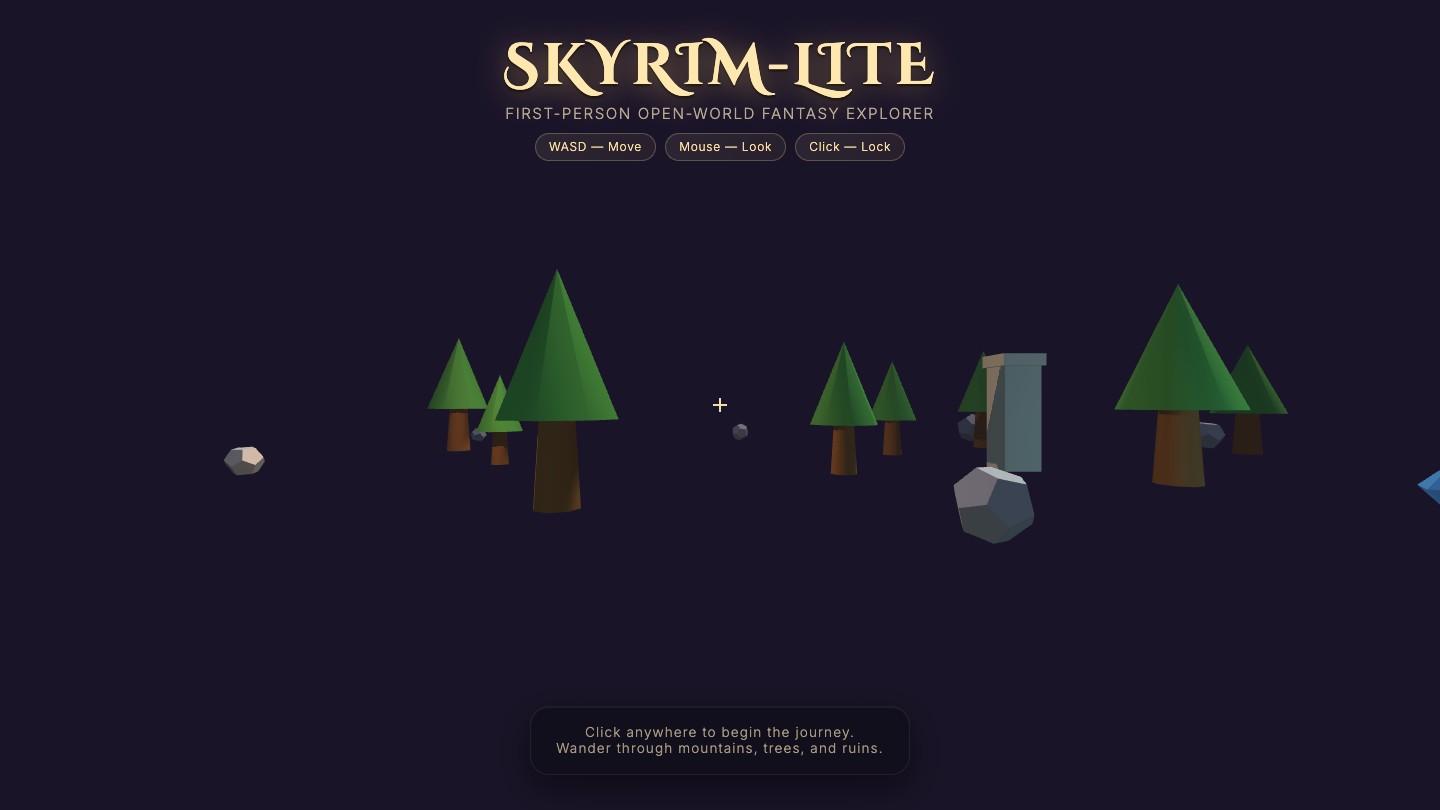
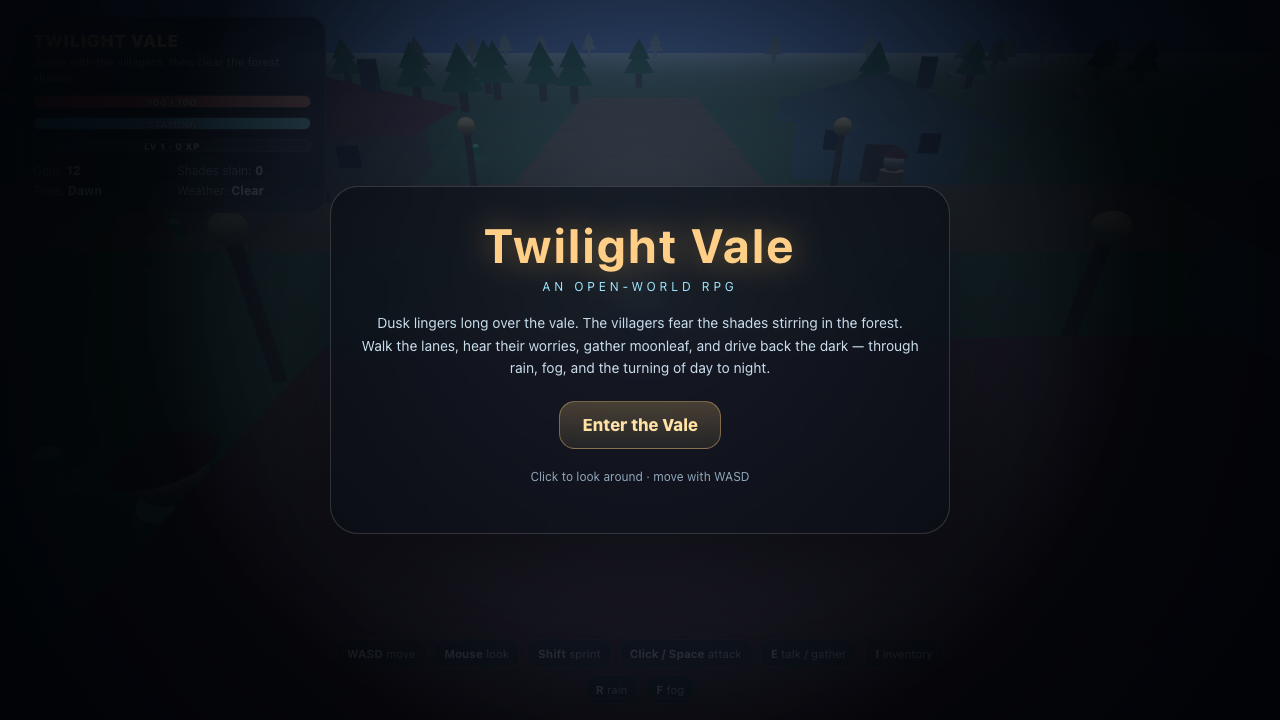
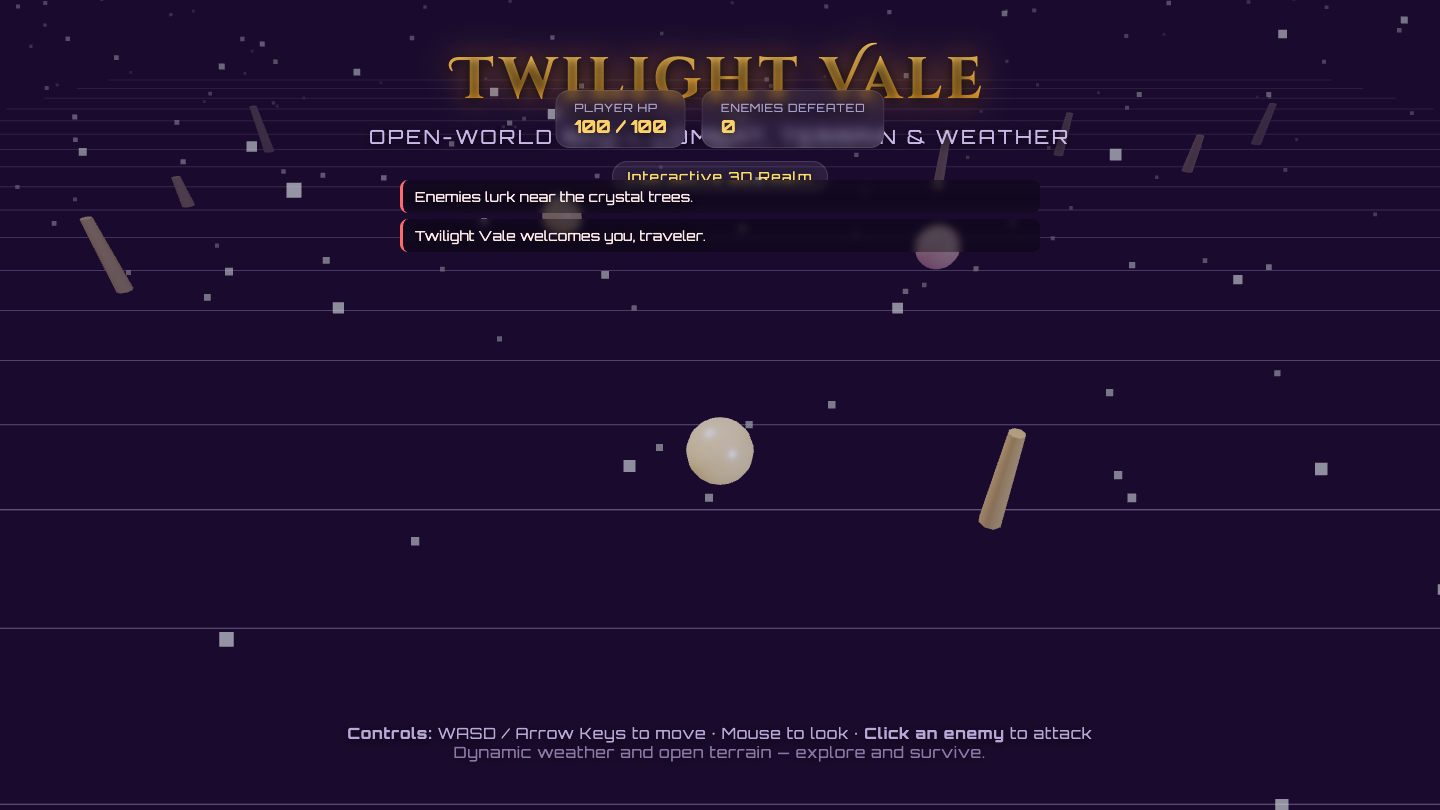
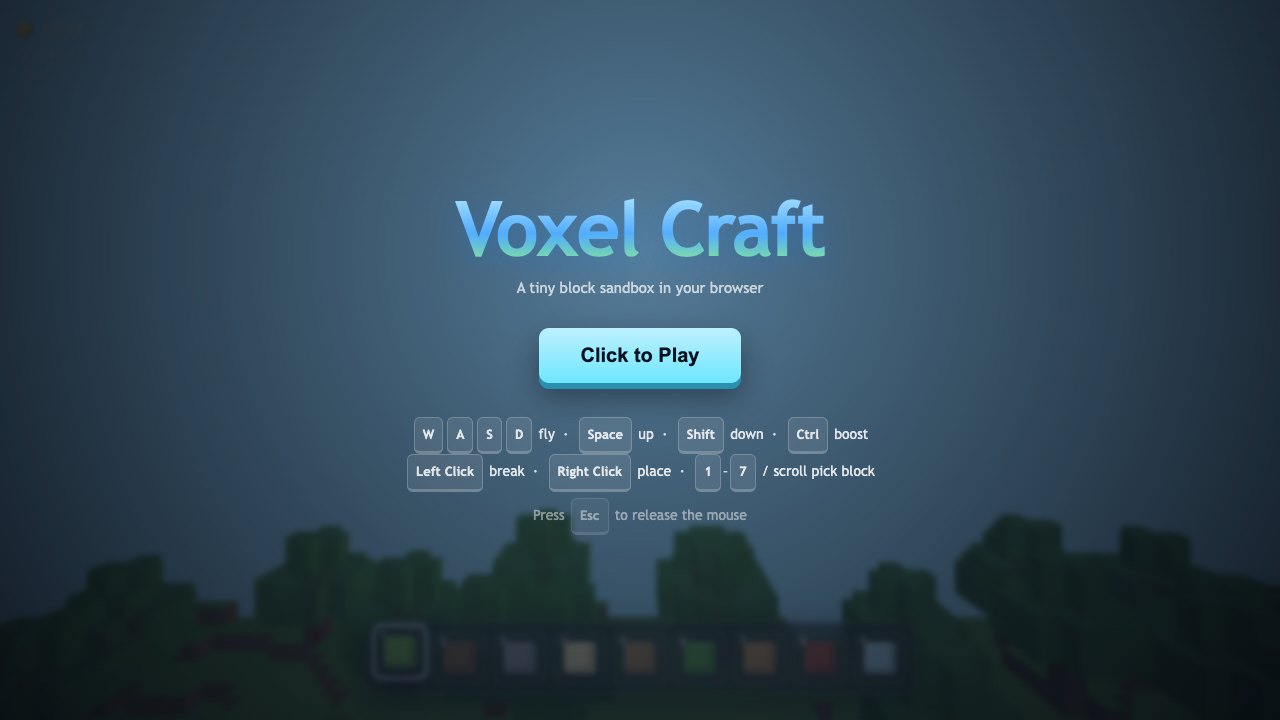
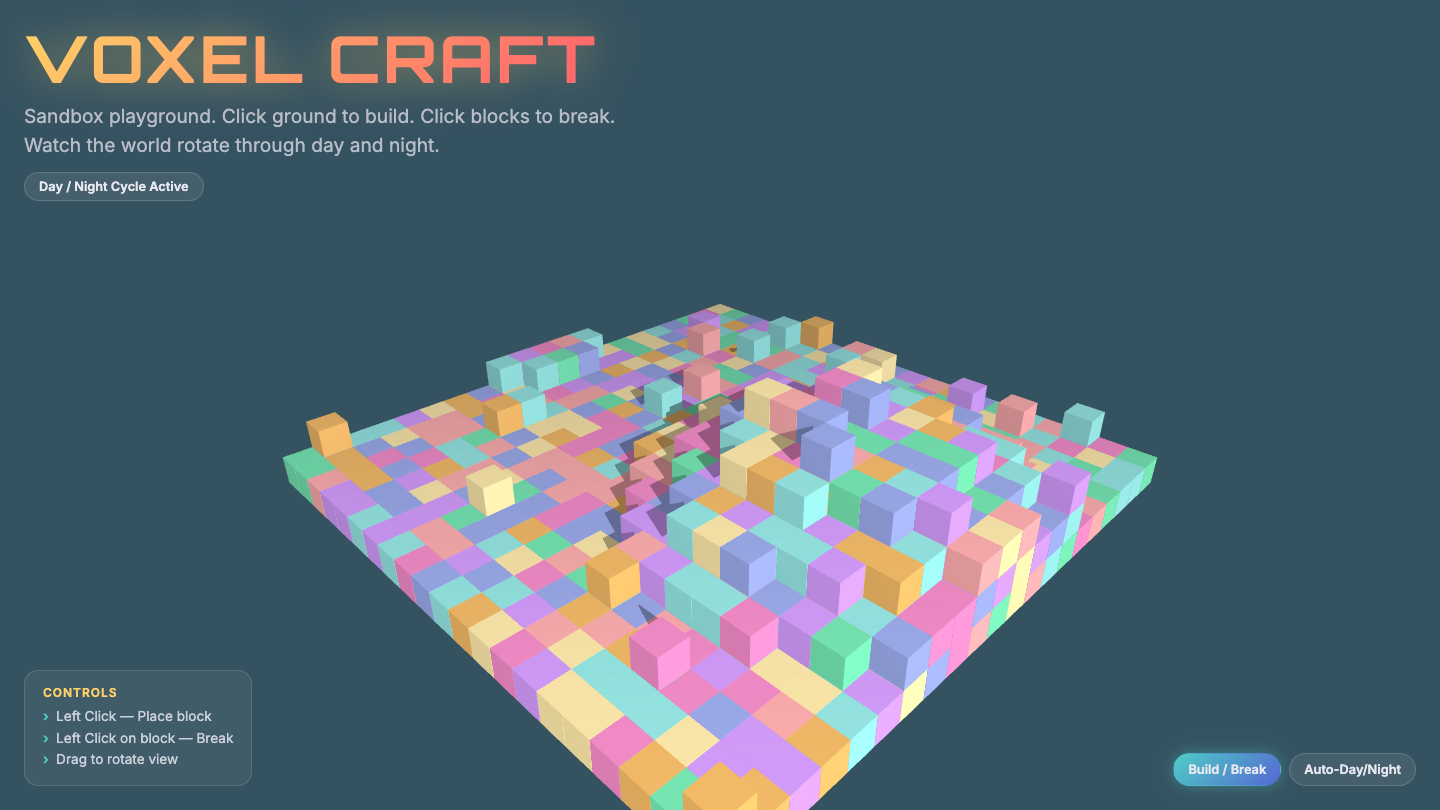
Click any cell to play that model's actual one-shot attempt. Medals are derived from my 0–10 scores per task (highest = 🥇, second = 🥈, third = 🥉).
Task ↓
Fusion
Inkling
Game
Game
Game
Game
Game
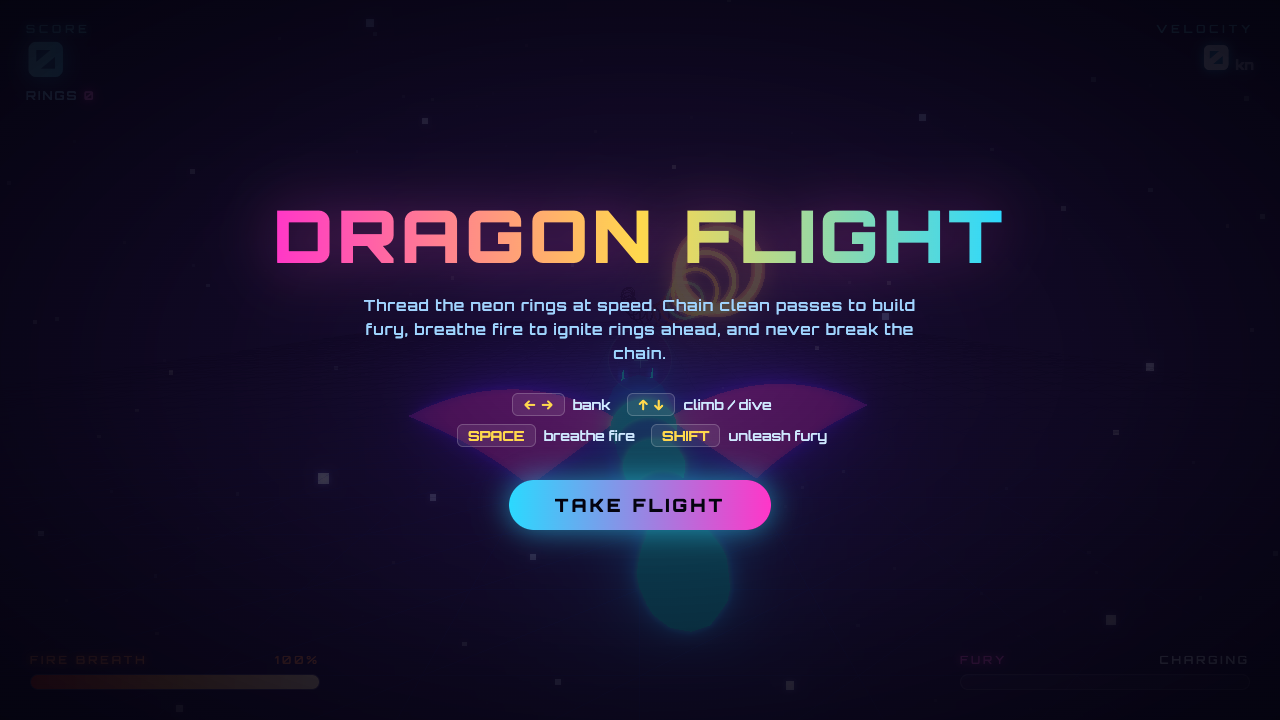
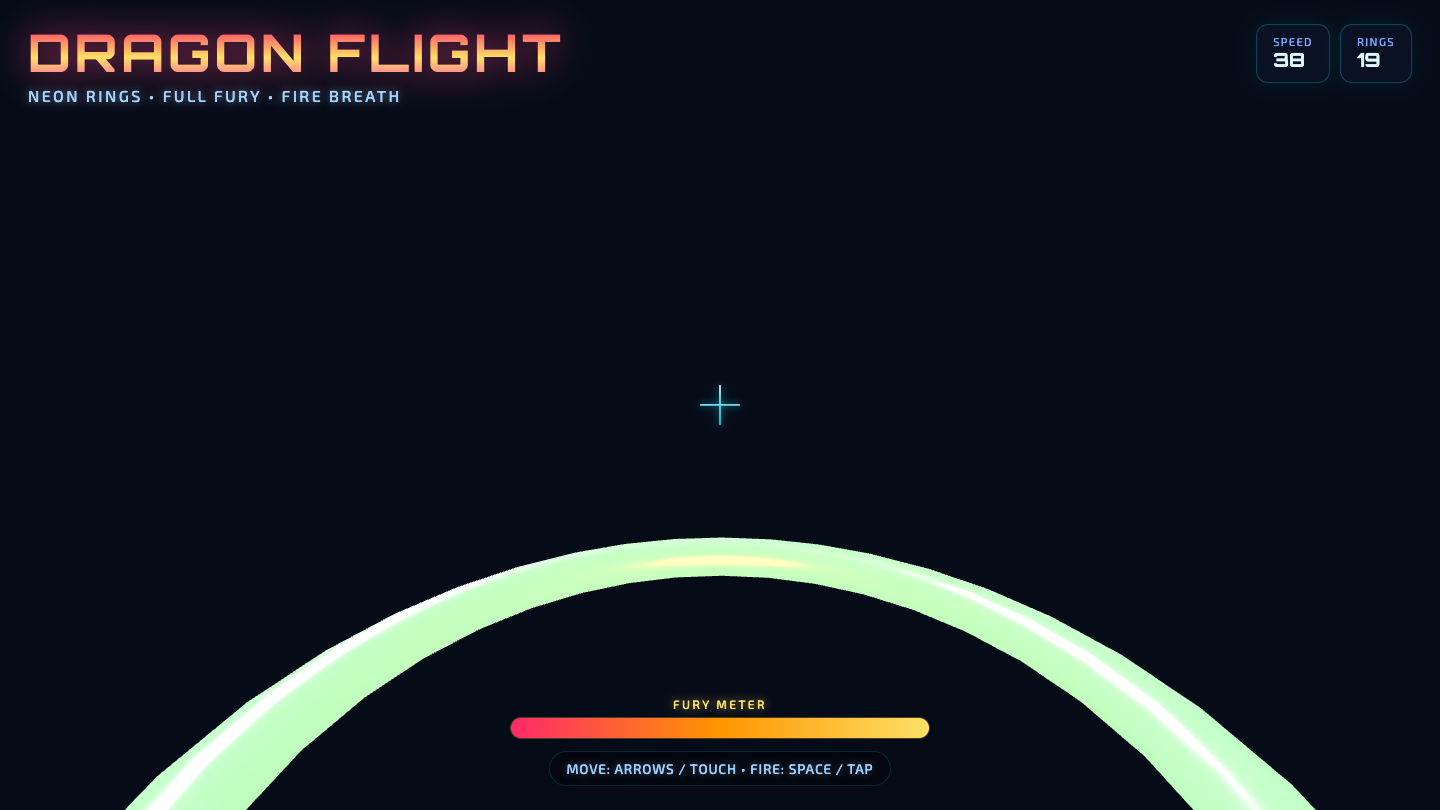
Game
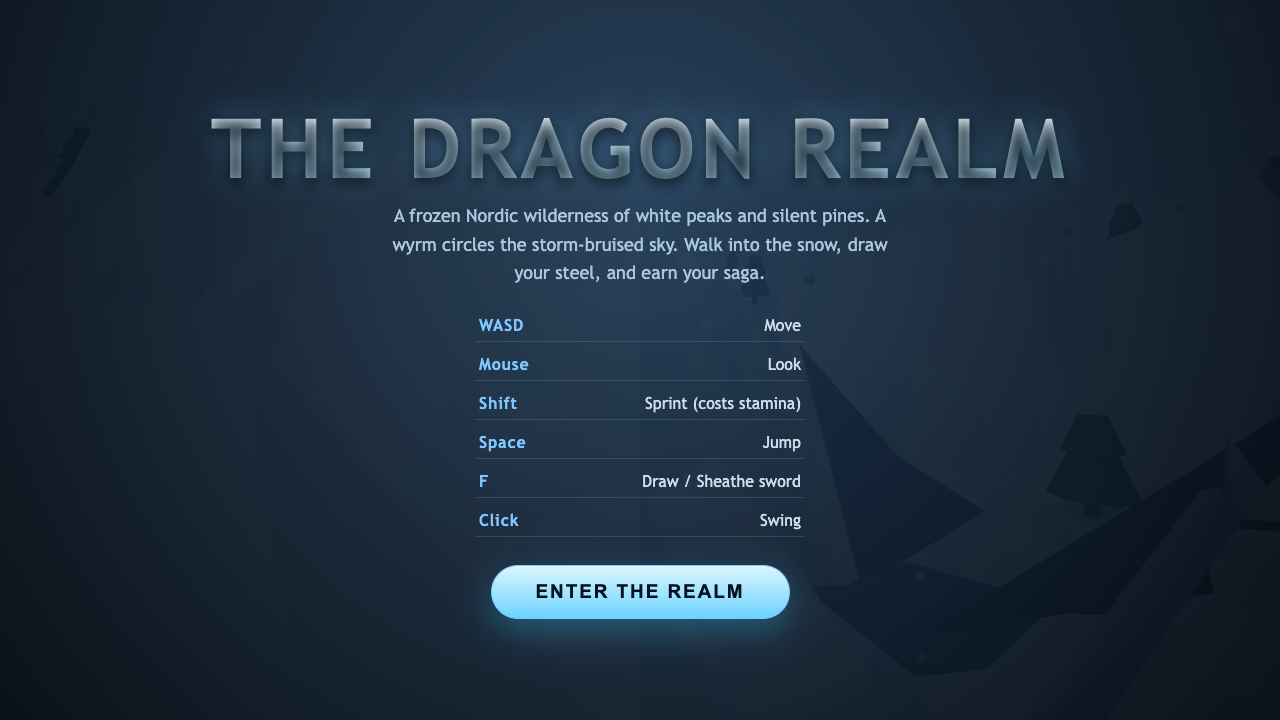
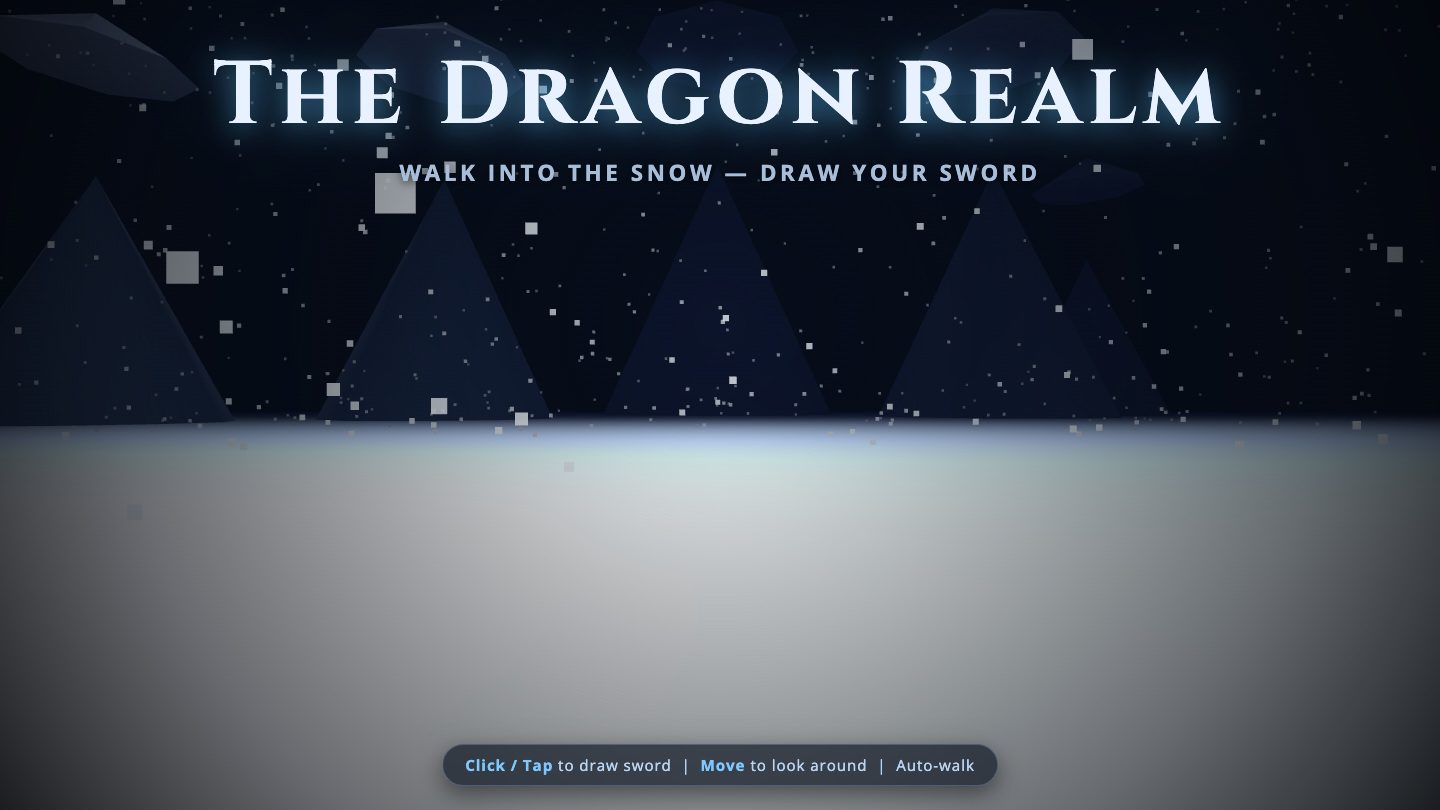
Game
Game
Game
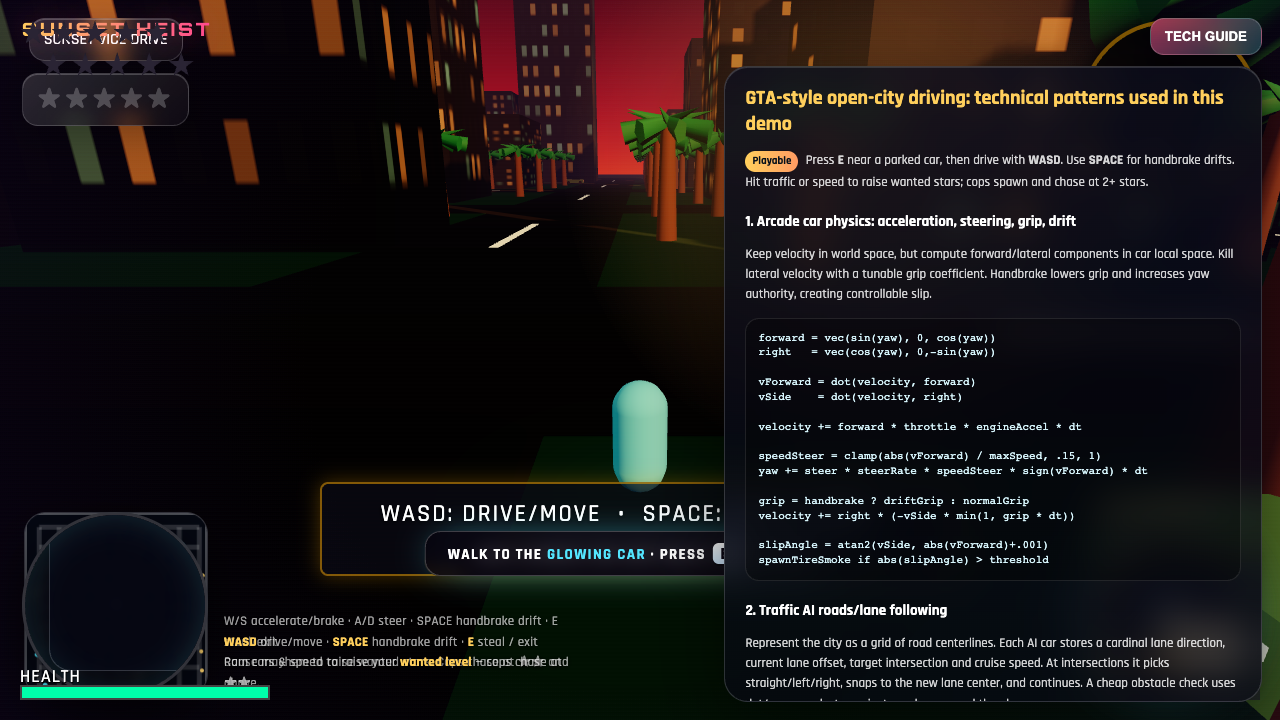
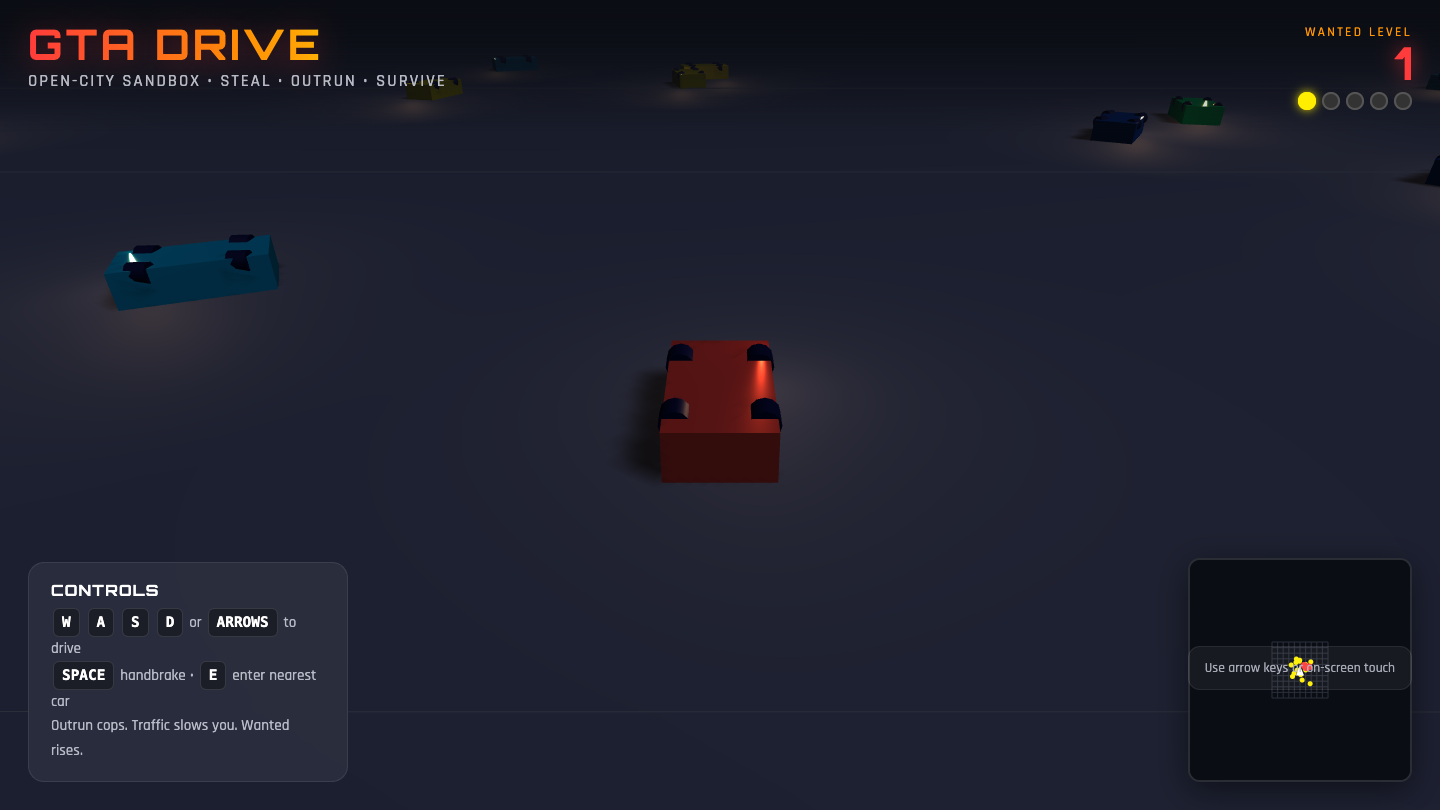
Game
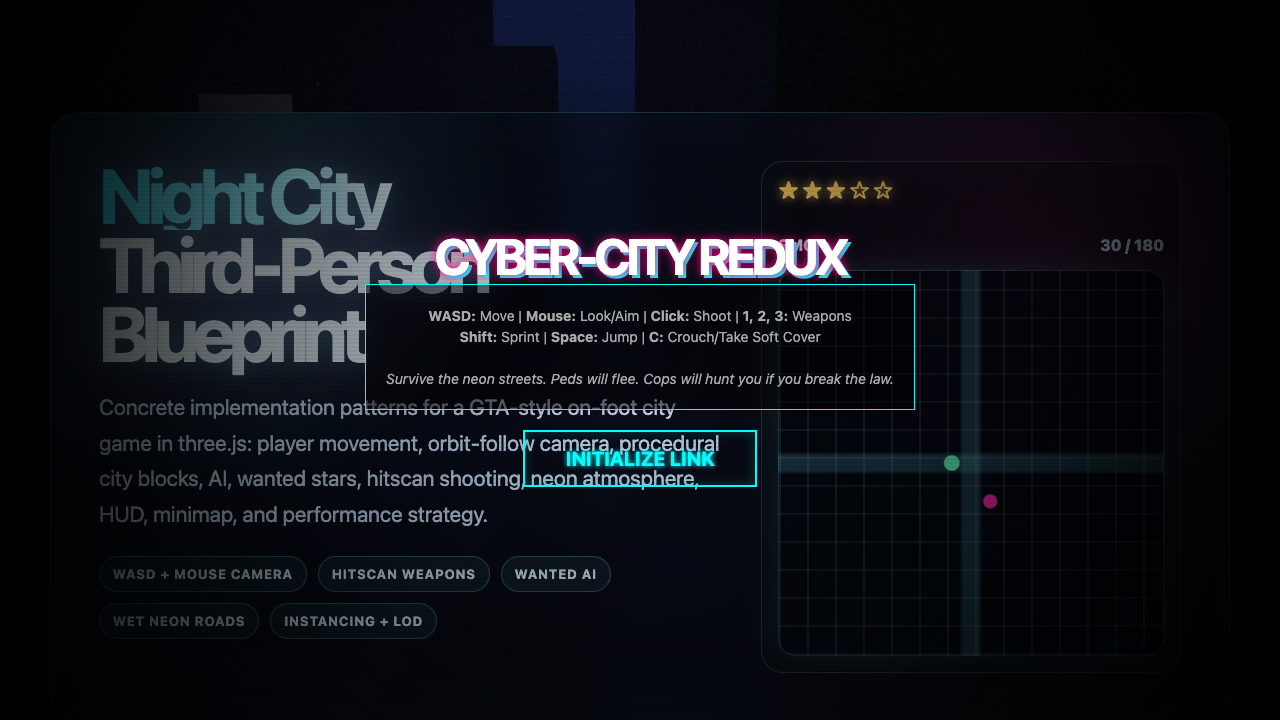
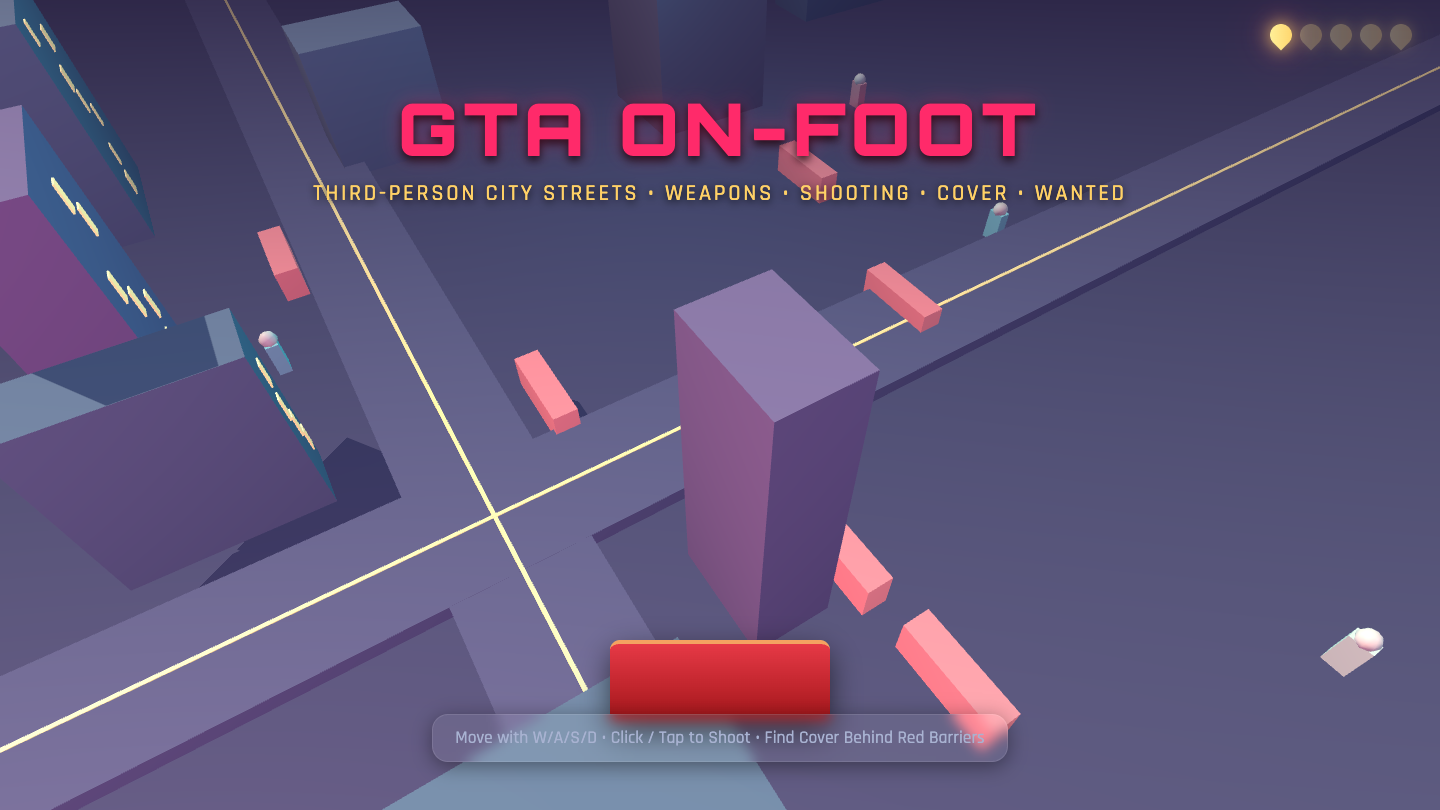
Game
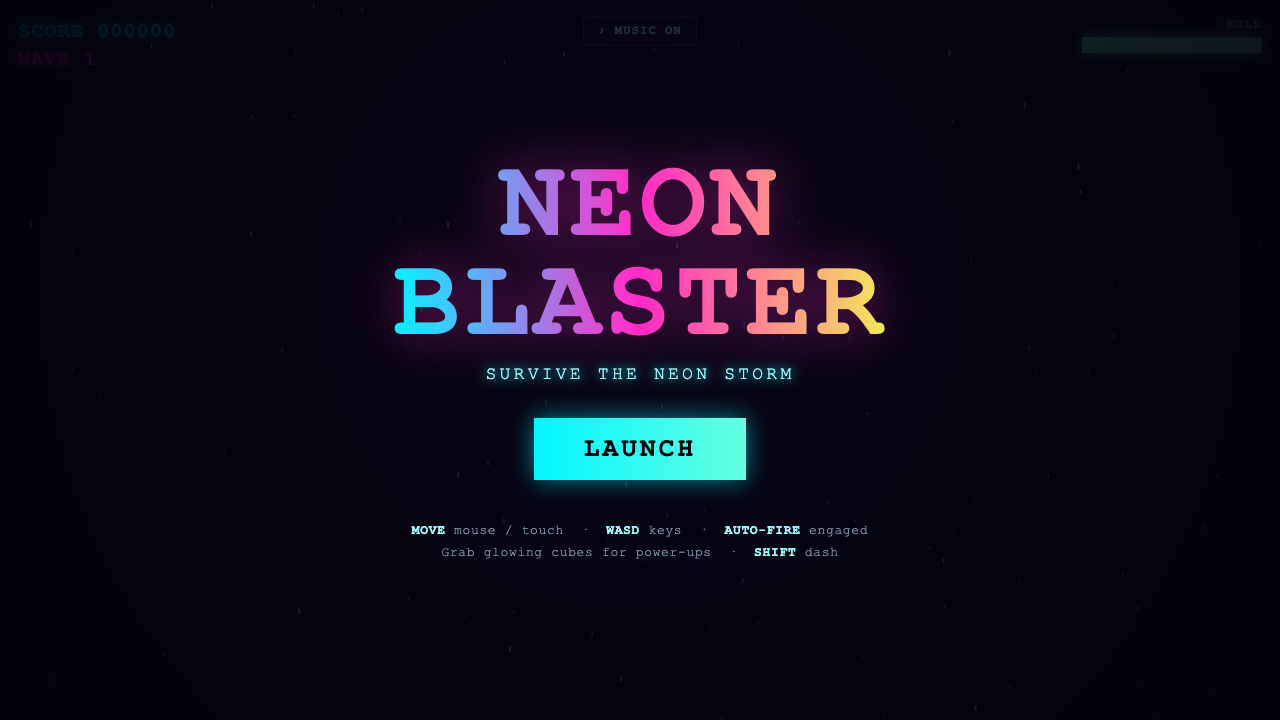
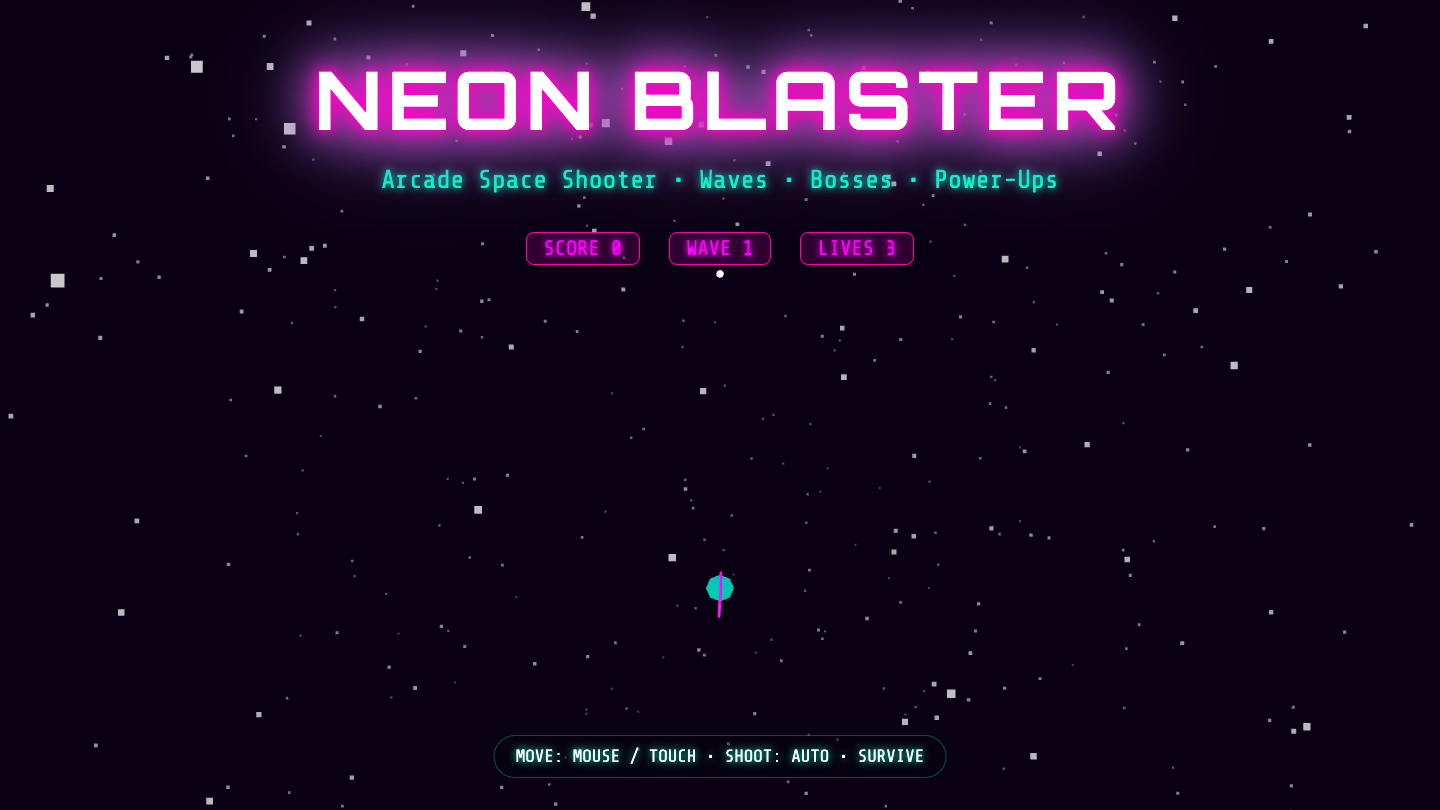
Game
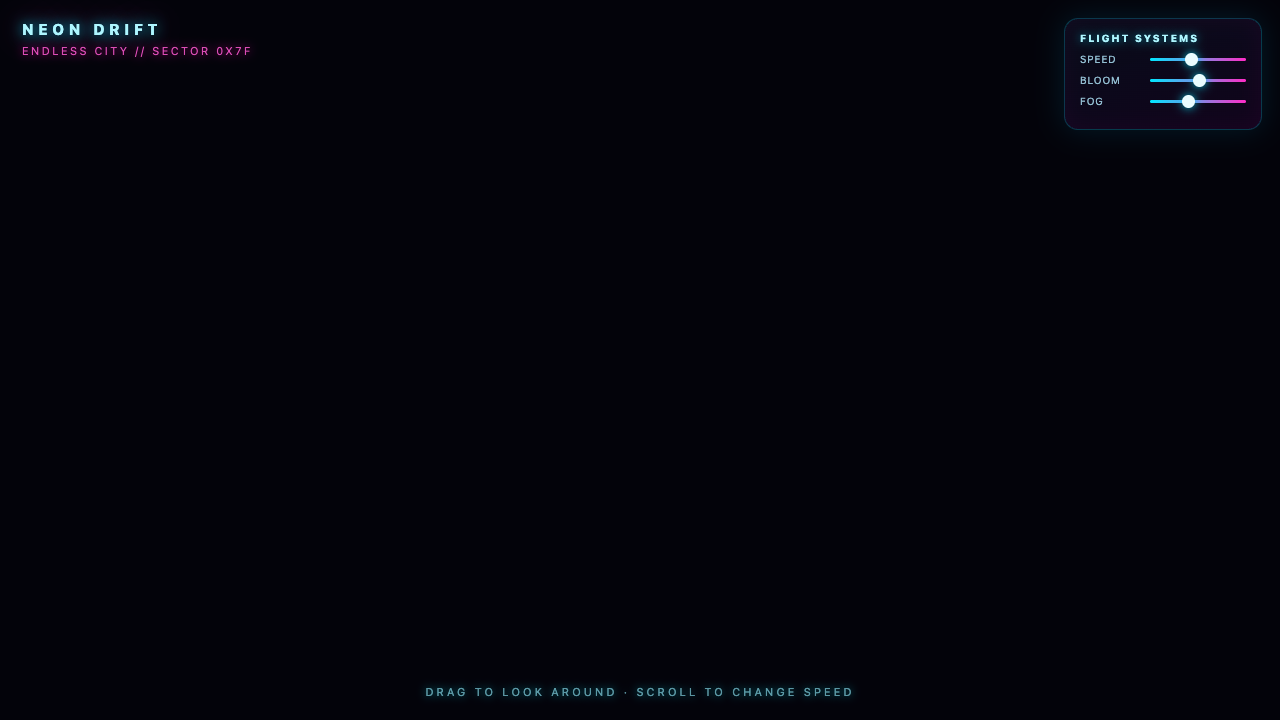
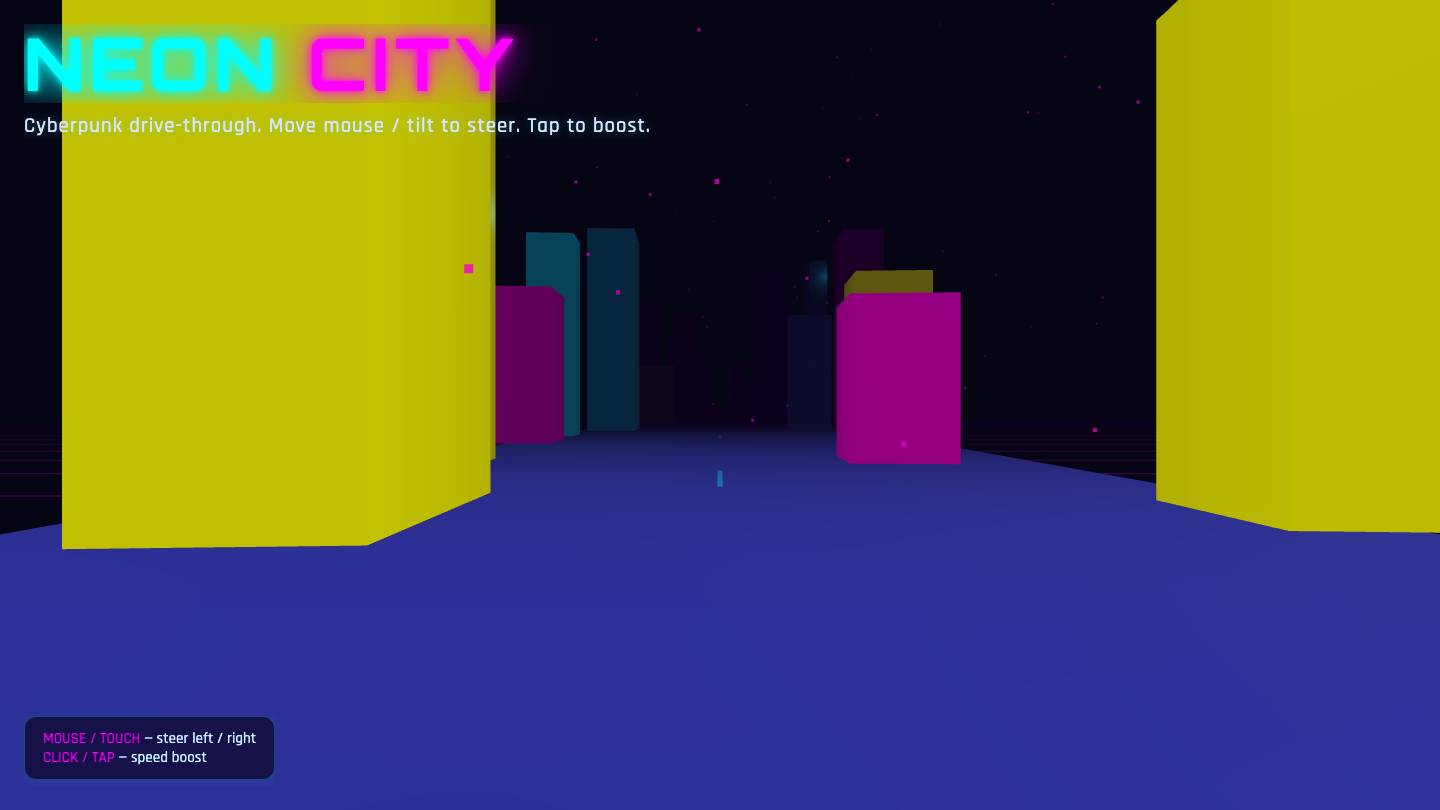
Game
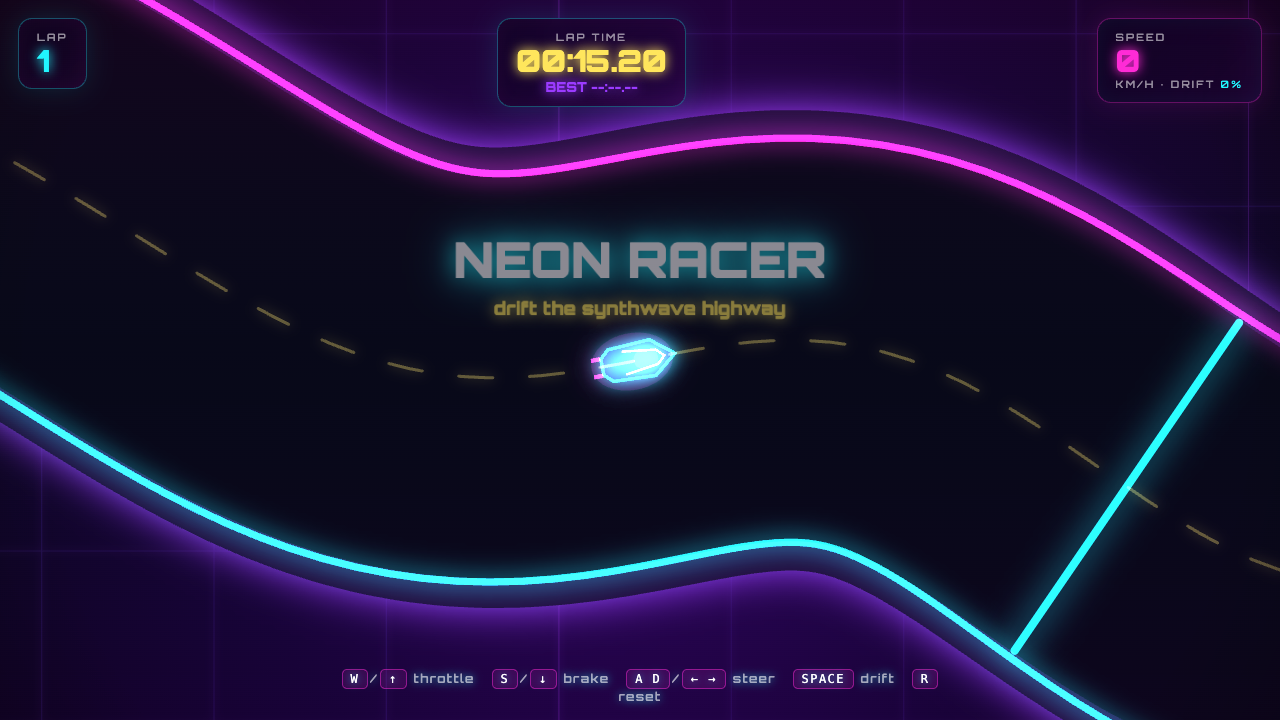
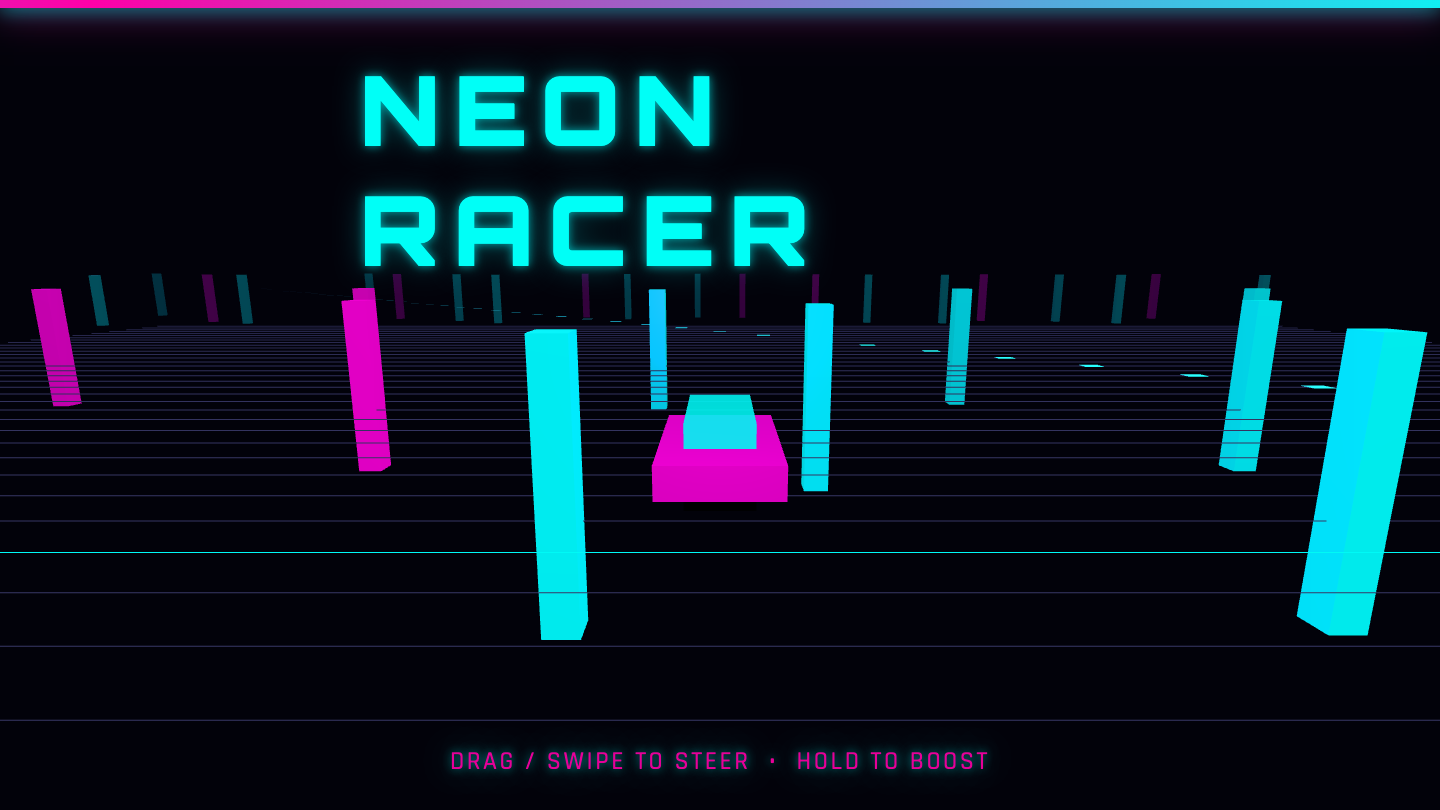
Game
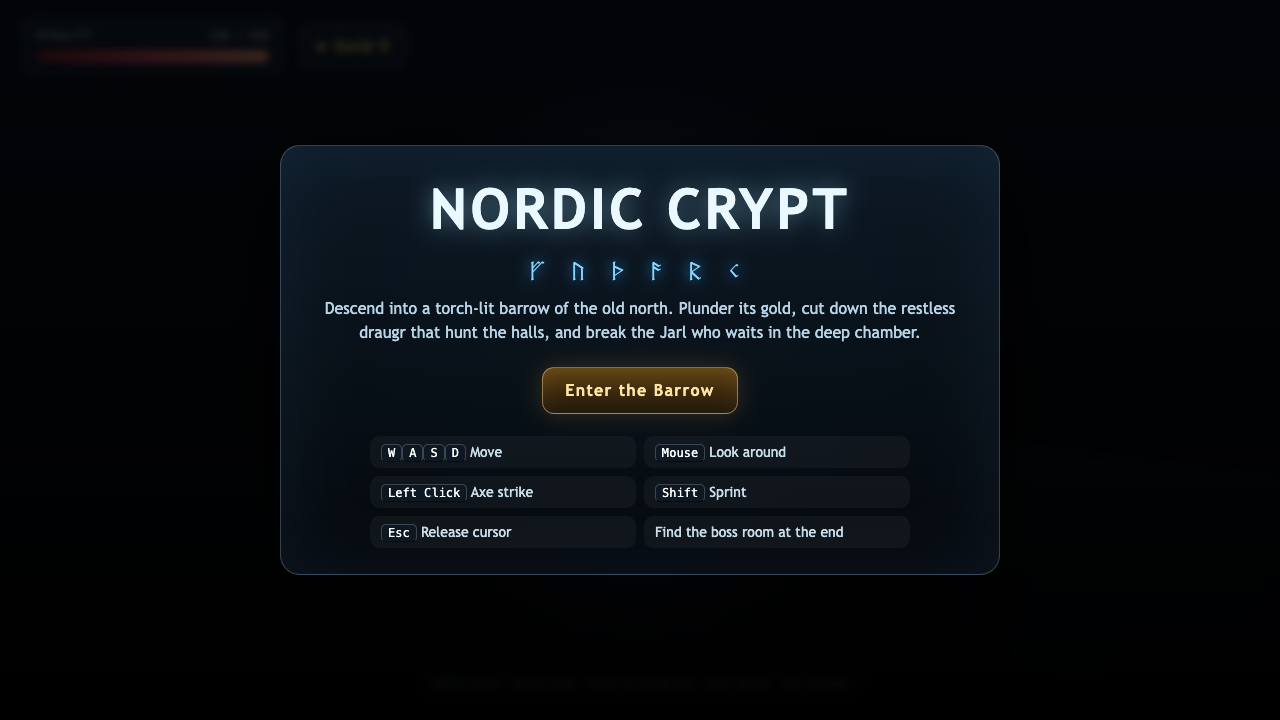
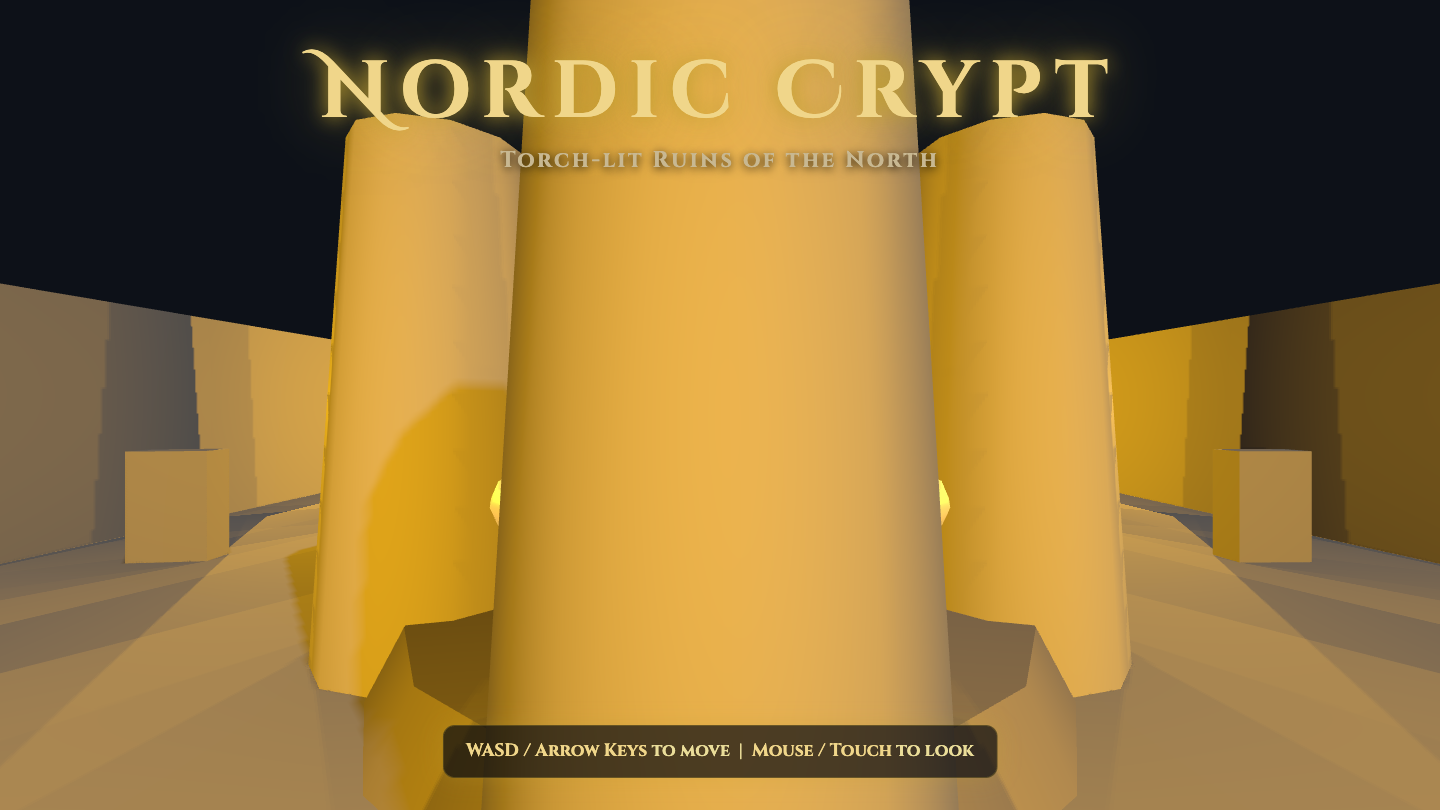
Game
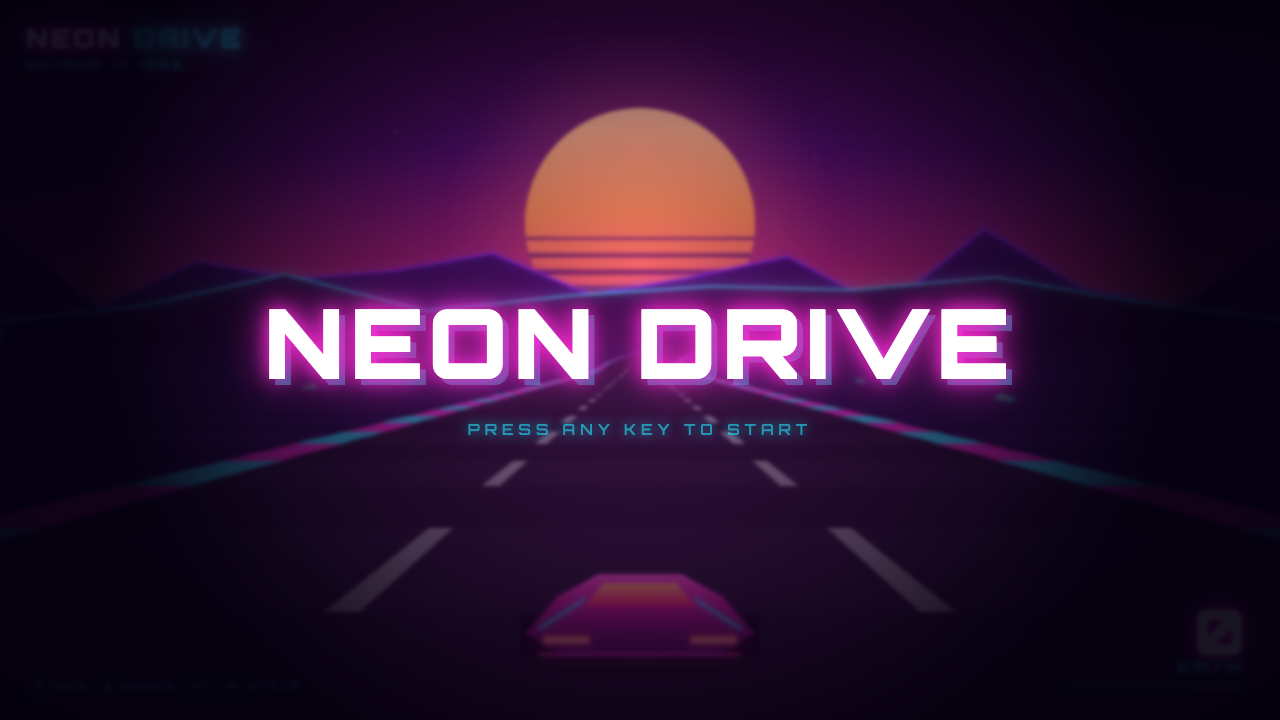
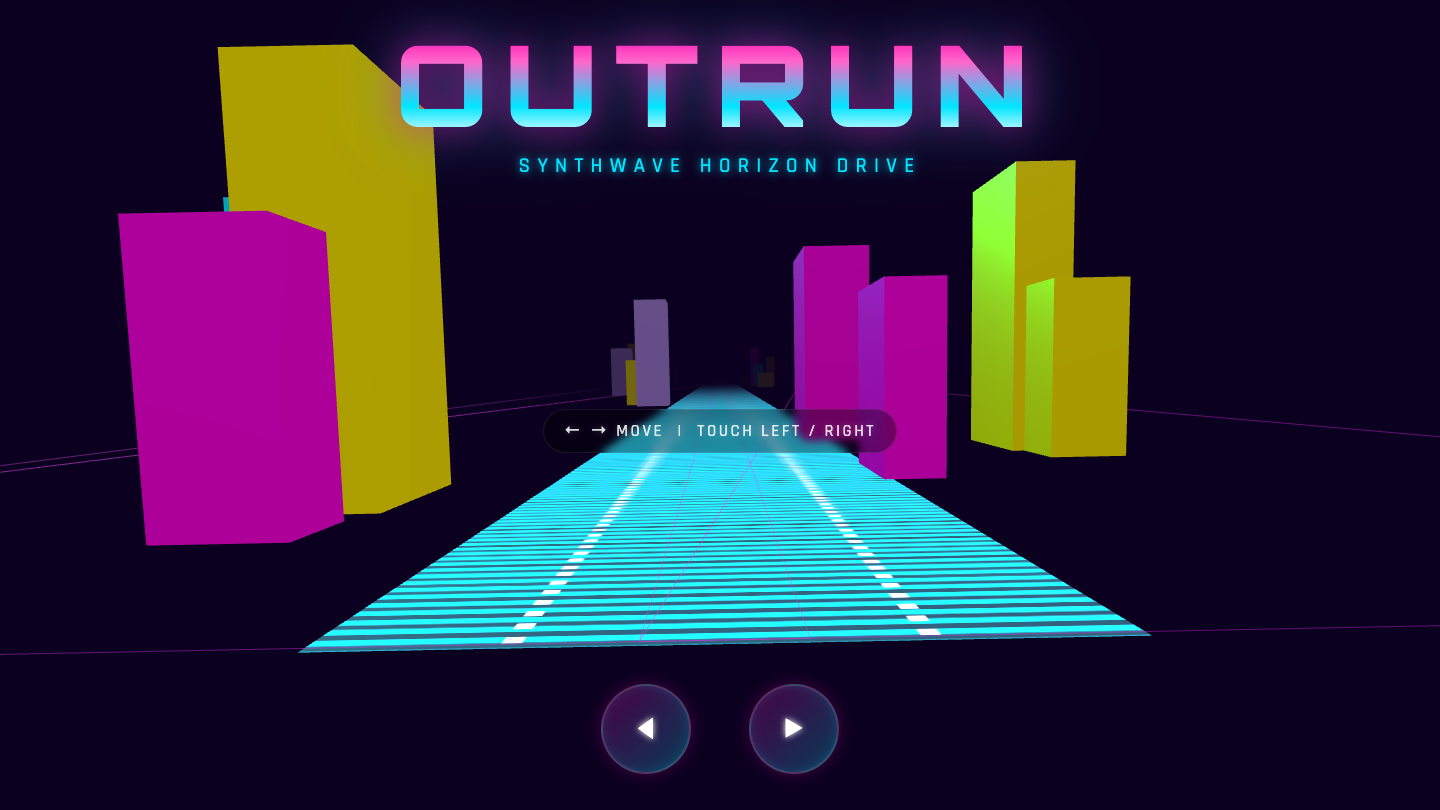
Game
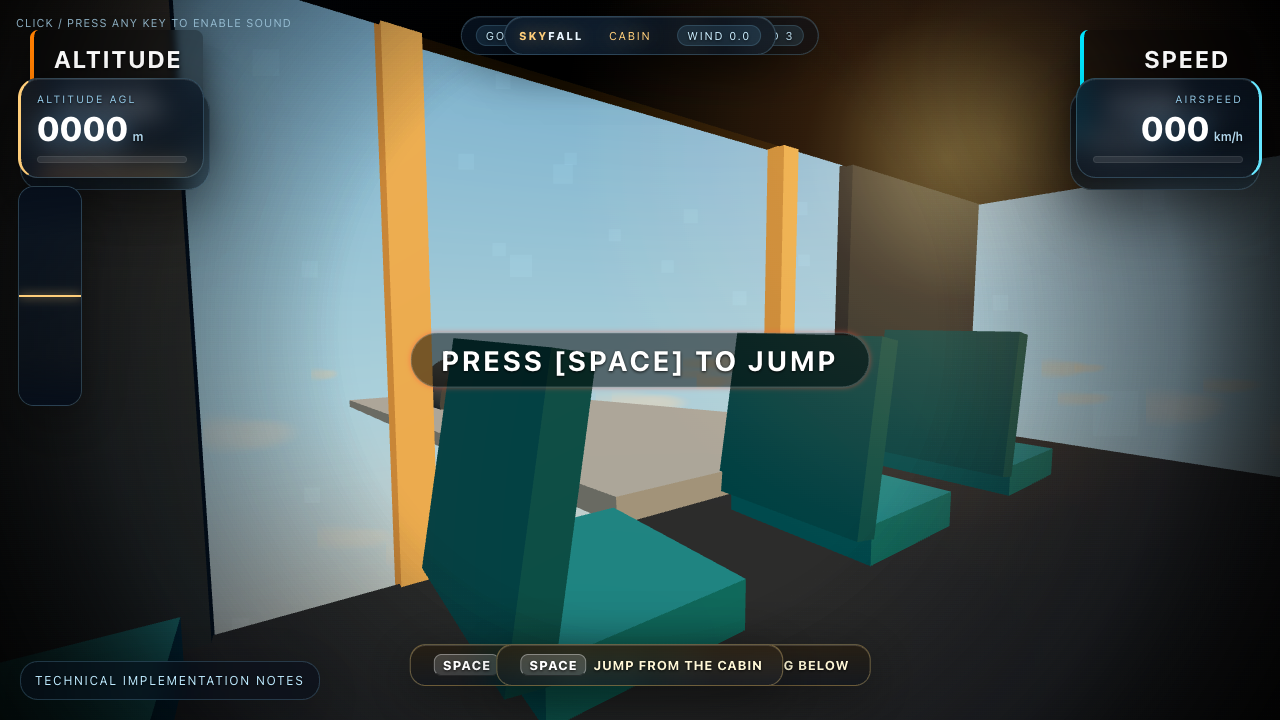
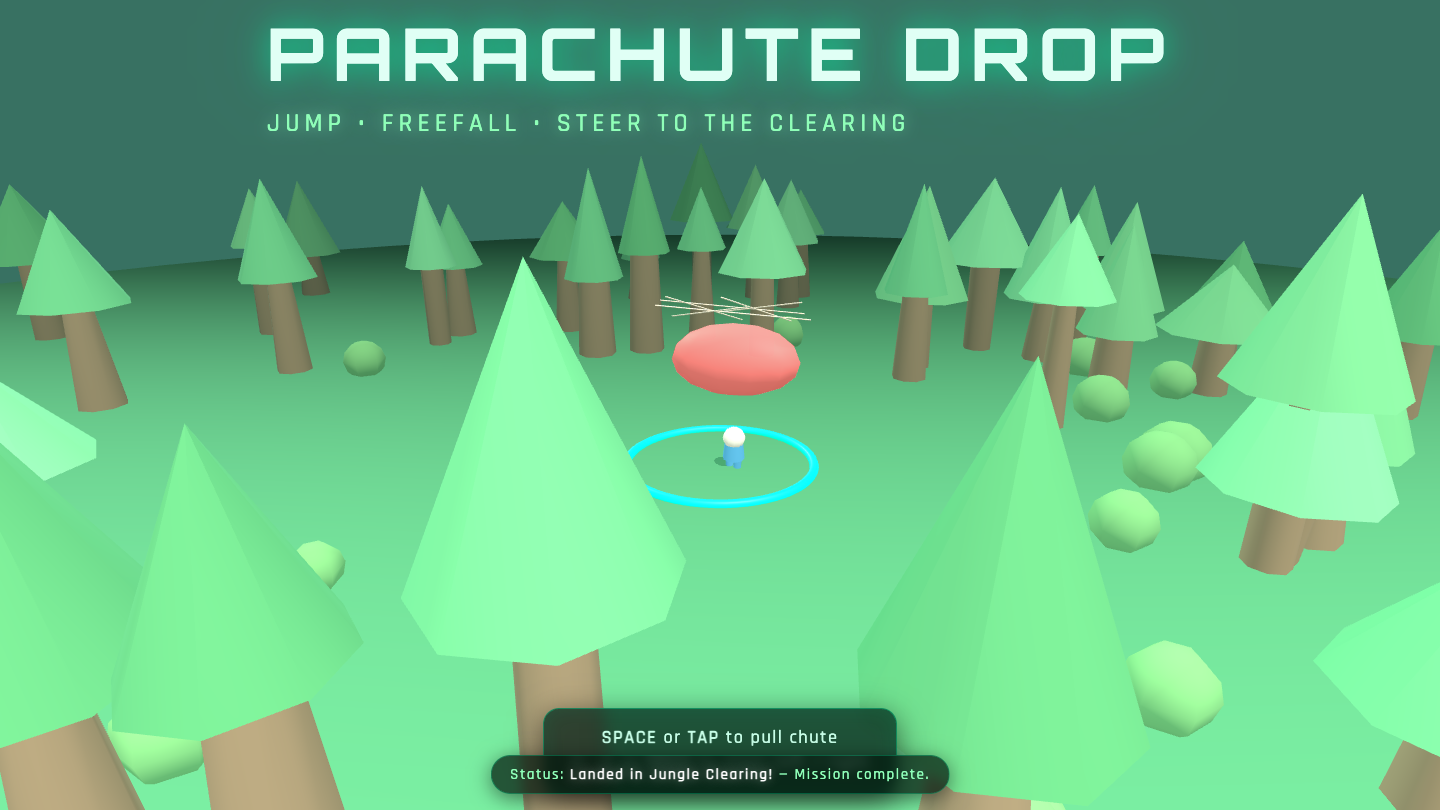
Game
Game
Game
Game
Game
Game
Game
Page

Where Fusion beat Inkling
The tasks where I gave Fusion a higher 0–10 score on the same prompt — with the actual commentary from my source guides.
Blackhole
Sim
Fusion 9.0
·
Inkling 2.3
(+6.7)
· winner · physically motivated
What I saw: Photon back-tracing through a curved-space metric (claims as much in the code) for actual gravitational lensing — disk's far side lifted over and under the shadow. Loading screen says "computing space-time metric…" Range-slider parameter panel for spin/disk tilt/exposure. Most am…
Crypt
Game
Fusion 9.0
·
Inkling 2.5
(+6.5)
· winner · dungeon crawler
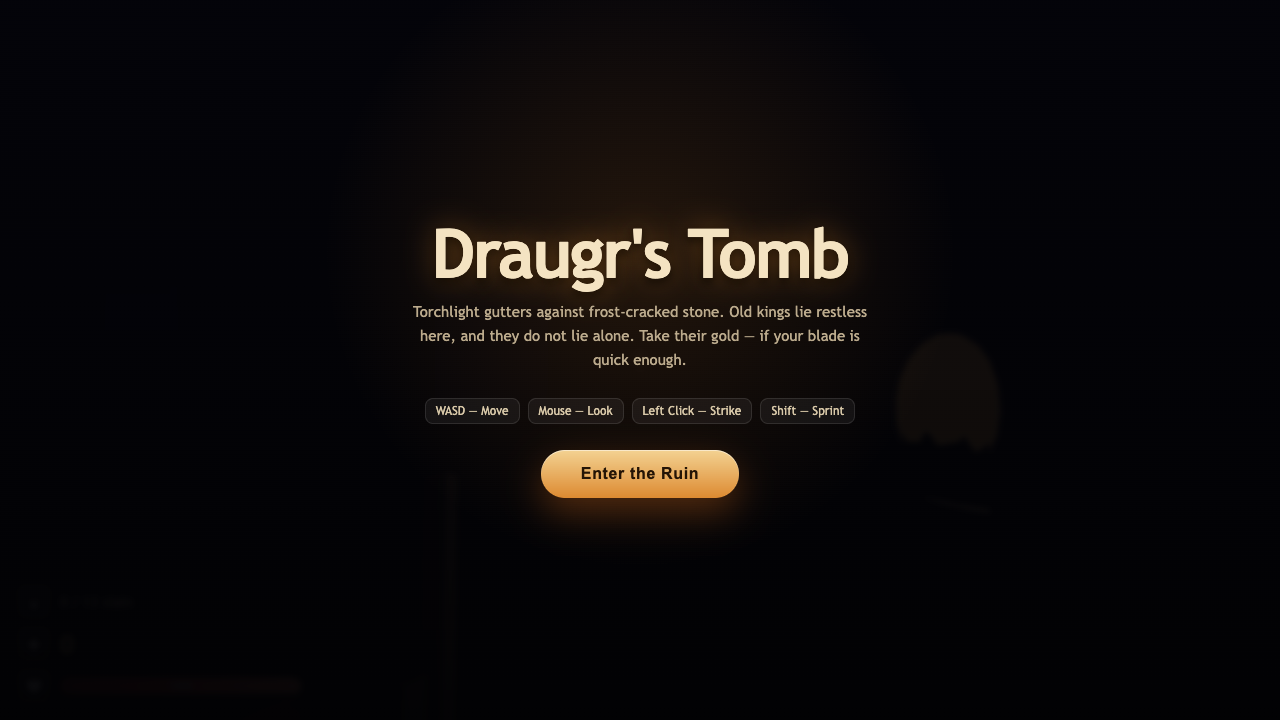
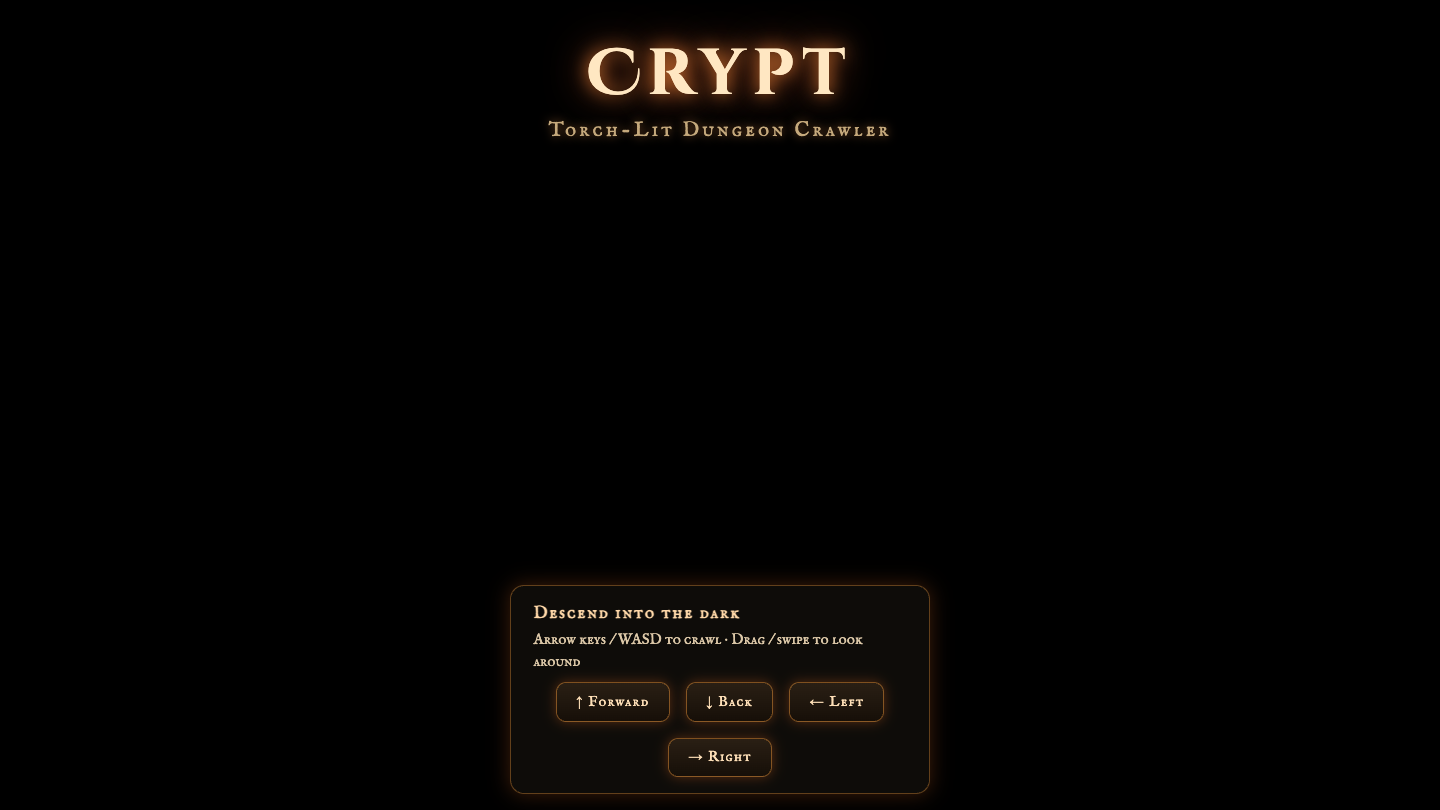
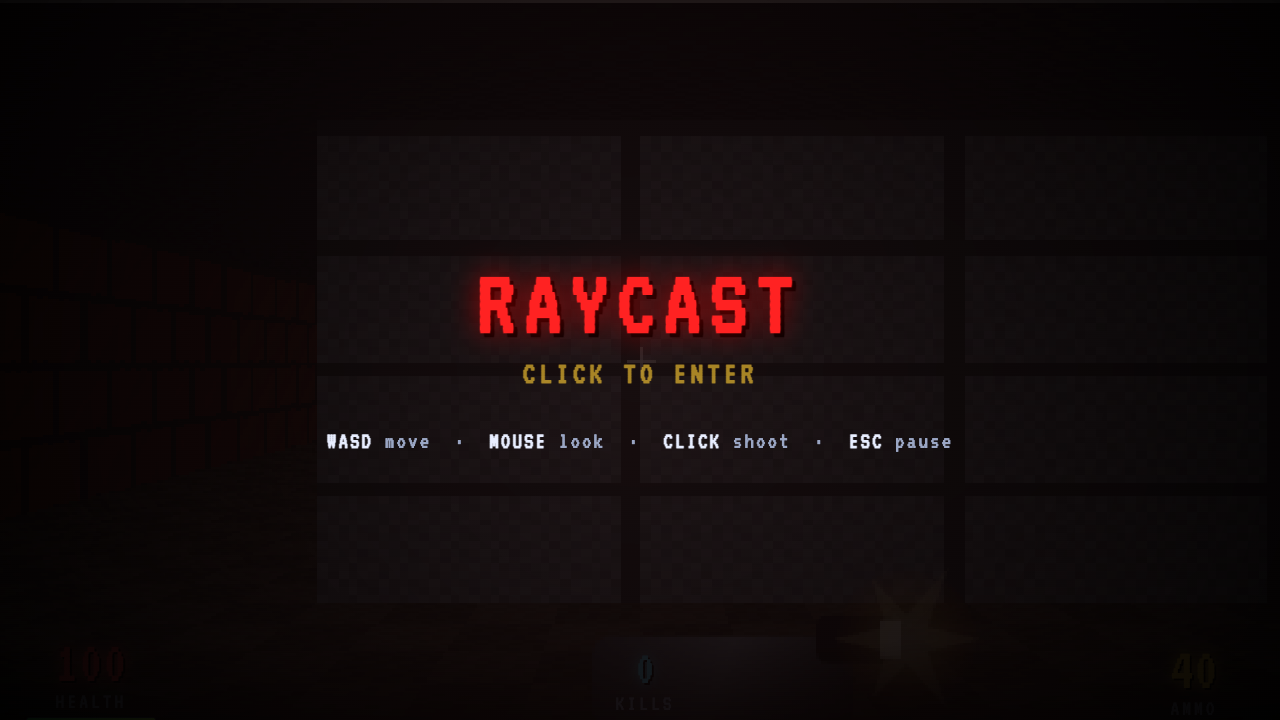
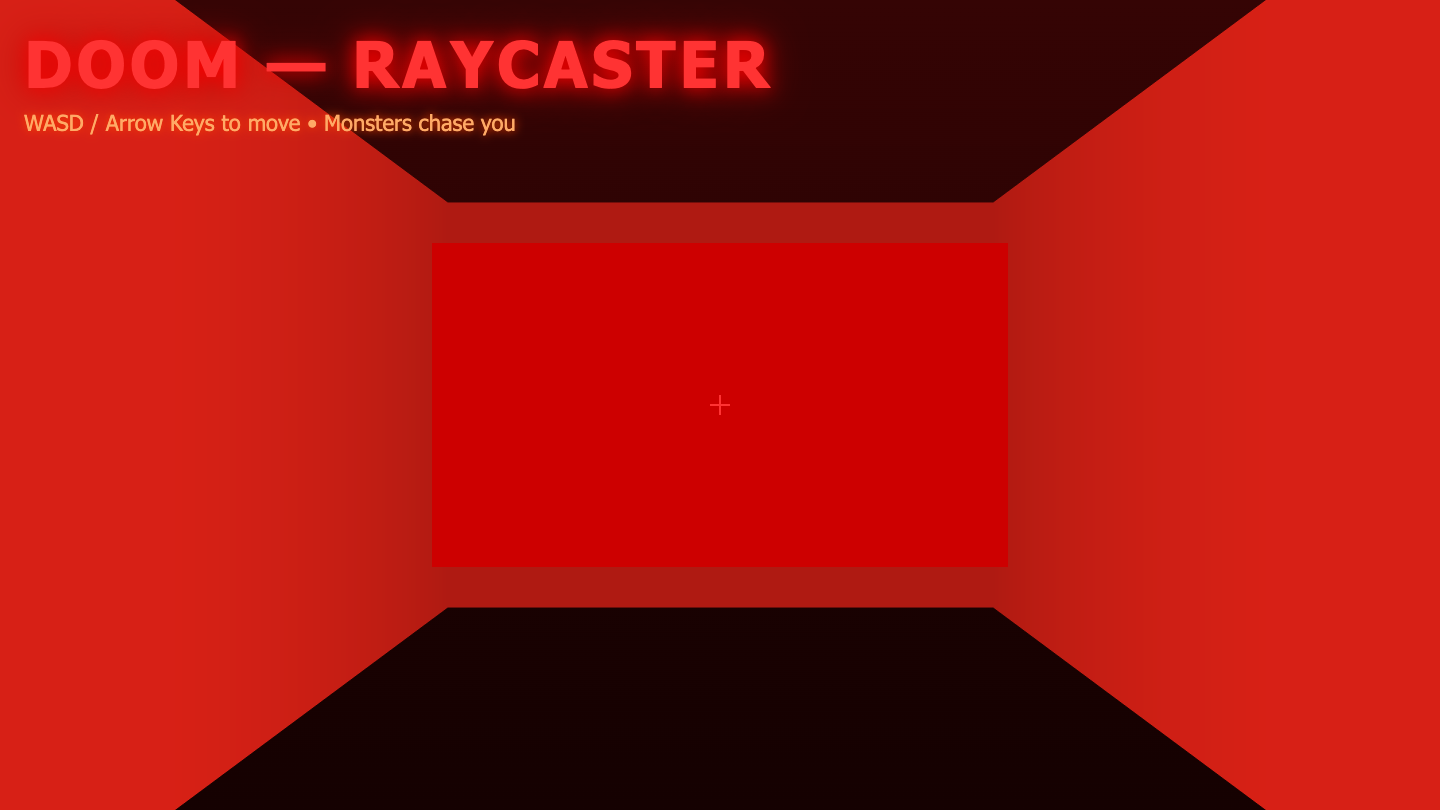
What I saw: First-person Nordic dungeon on three.js with PointerLockControls + WebGL. Torch-lit corridors, held torch, skeletons to strike, health + gold HUD. The crypt Julian wanted.
Plasma
Visual
Fusion 8.5
·
Inkling 2.3
(+6.2)
What I saw: Hypnotic full-screen plasma effect with 5 palettes, click anywhere to create a ripple. Smooth slow motion. 13KB but the brief is fully met.
Particleforge
Sim
Fusion 8.5
·
Inkling 3.2
(+5.3)
What I saw: Particle Forge — sculpt swirling particle systems with mouse gravity. Multiple presets (vortex/attractor/repulsor/magnet), colour schemes, FPS counter. 19KB.
Flightsim
Game
Fusion 8.7
·
Inkling 3.5
(+5.2)
· showcase · game-director
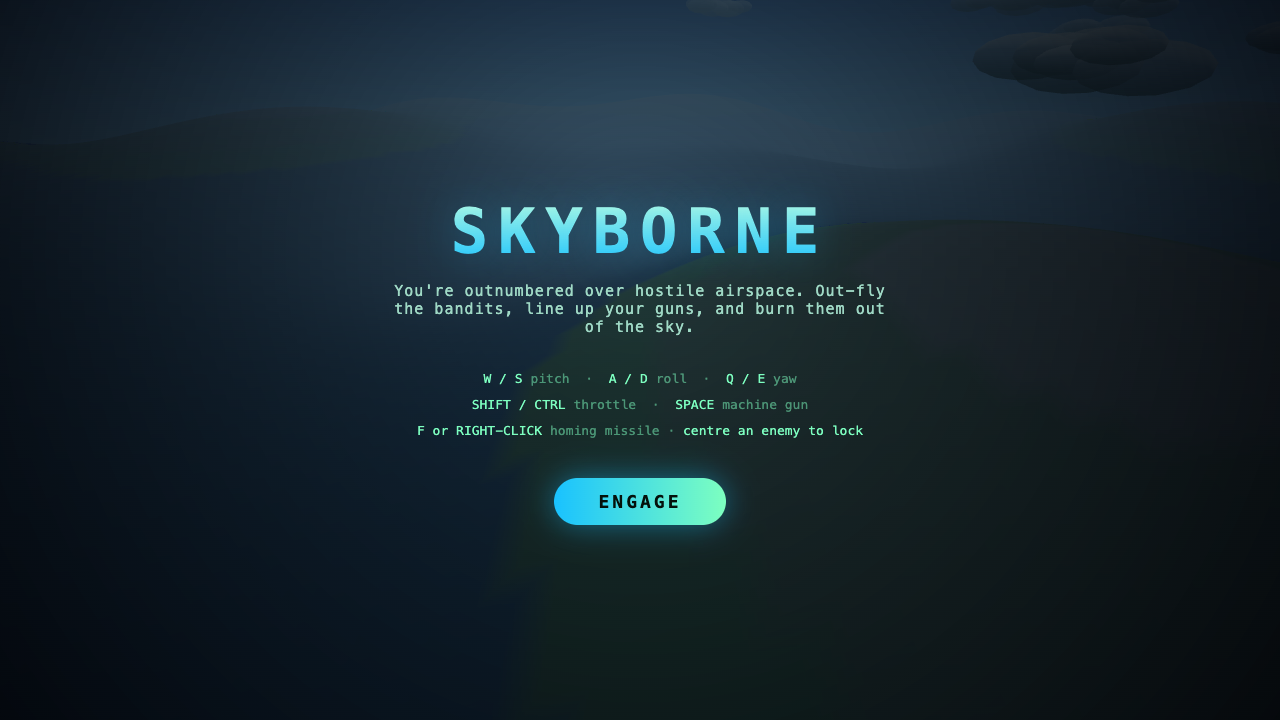
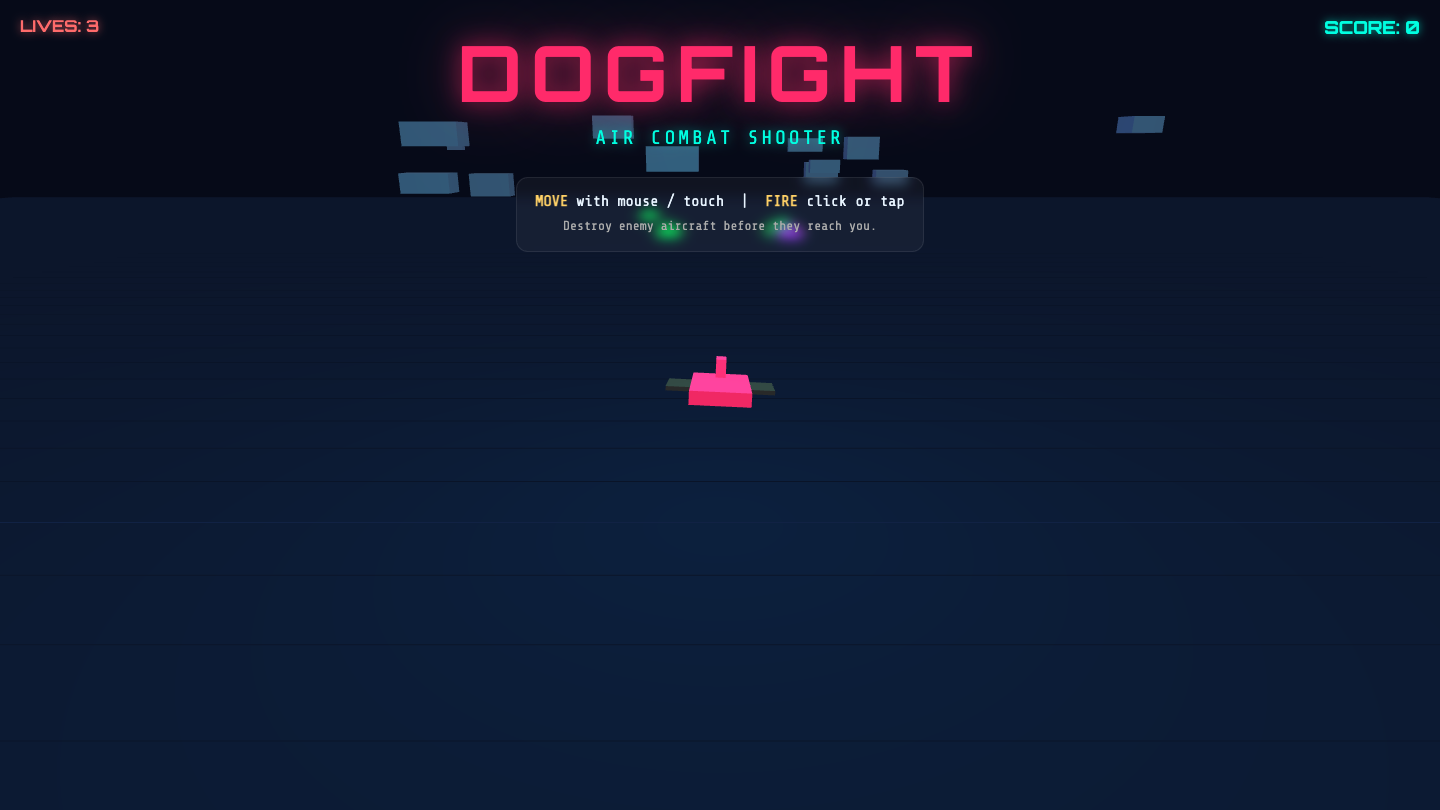
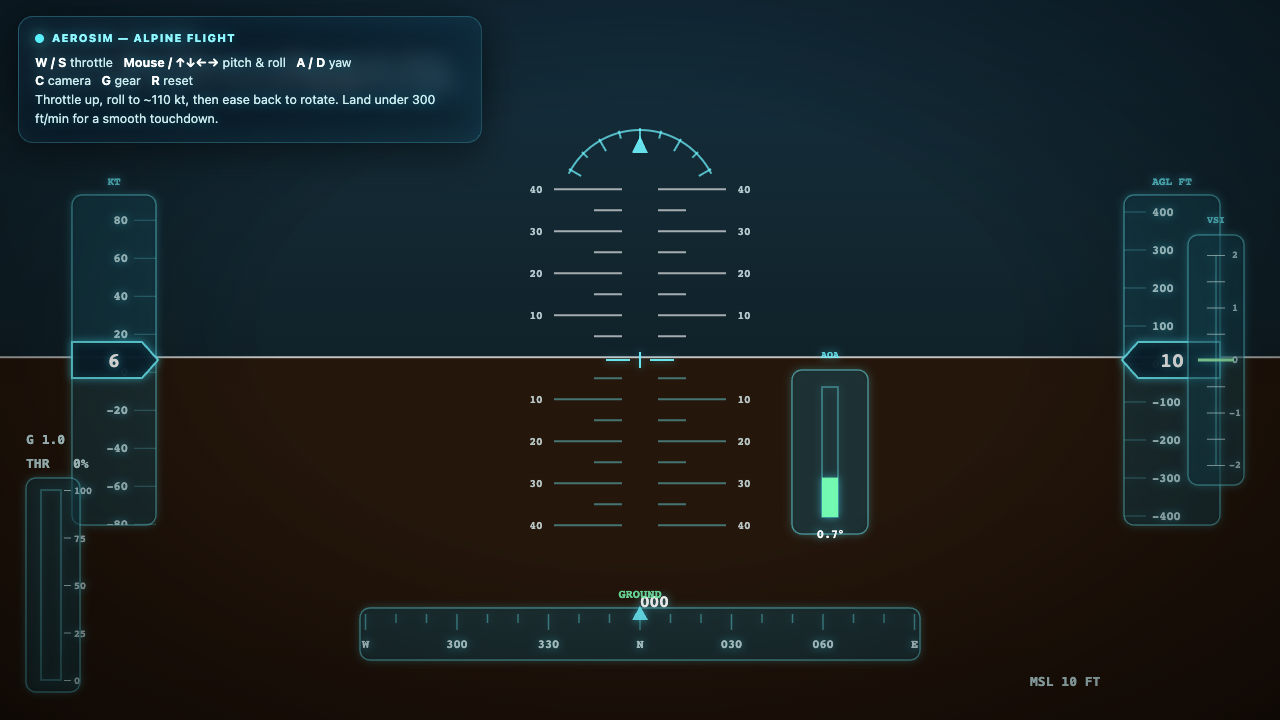
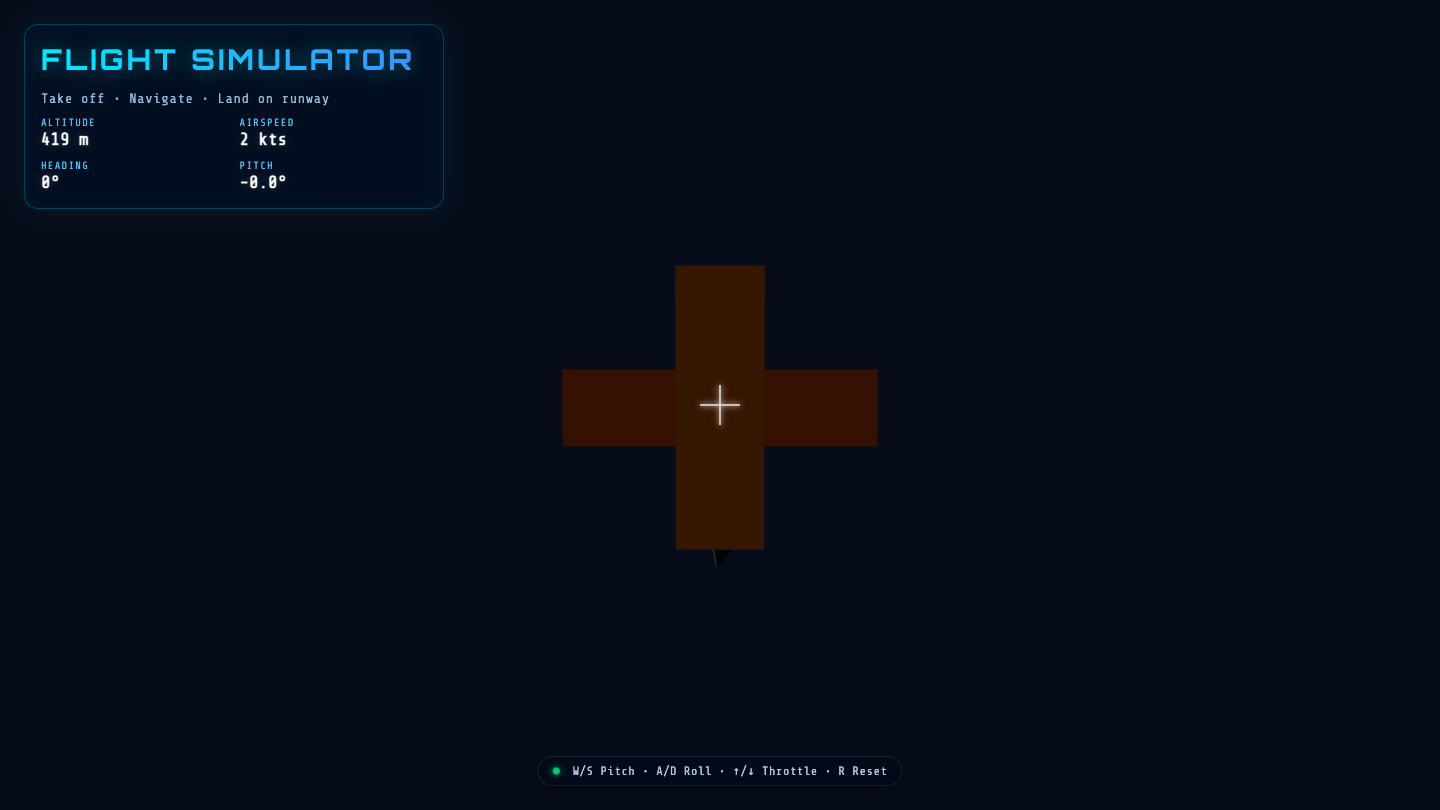
What I saw: SHOWCASE BUILD (threejs-game-director): livery aircraft w/ animated control surfaces + prop blur, real flight model (stall/ground effect/graded landings), canvas runway + PAPI + windsock airport, glass-cockpit strip (IAS/ALT tapes, horizon, heading), auto-demo. Eyeball-gate passed.
Where Inkling beat Fusion
The tasks where I gave Inkling a higher 0–10 score on the same prompt — with the actual commentary from my source guides.
Matrix
Visual
Inkling 8.4
·
Fusion 8.0
(+0.4)
· polished neon rain
What I saw: Gorgeous dense glyph rain with katakana/symbol mix, glowing trails, and an Orbitron title that reads beautifully; the hue-shifting green-to-blue gradient is striking but drifts slightly from canonical Matrix green, keeping it just shy of the top.
Aurora
Visual
Inkling 7.8
·
Fusion 7.5
(+0.3)
What I saw: Renders a vivid, colorful WebGL aurora curtain with clean green/cyan/purple bands, ground plane, and tasteful title overlay — clearly on-brief and polished; but the curtain reads as a contained rectangular slab rather than a sky-spanning flowing veil, and the mountain silhouette …
Strengths & weaknesses I logged
Fusion
Strengths
- Premium Fusion panel scored 69.0% on DRACO deep-research benchmark — beats solo Fable 5 by +3.7 points
- Budget panel ties Fable 5 at ~64.7% for roughly half the cost
- Vendor-agnostic — model panel can swap as new frontier releases land
Trade-offs
- Ensemble latency higher than any single model (panel calls run in parallel but the slowest still gates the response)
- No per-task goldiebench scoring yet — bench rank pending
Inkling
Strengths
- Genuinely open-weights — the full 975B model is public on Hugging Face; run it on your own key, no black box
- Best one-shot builds are 2D / animation / web — a matrix-rain that topped its task (8.4), plus arcade, fractal, aurora and a mini web-OS all judged shippable (7.6–8.2)
- Frontier-class agentic coding for an open model — 77.6% SWE-bench Verified, ahead of Nemotron 3 Ultra
- 1M-token context, native multimodal (text/image/audio), and a controllable thinking-effort dial
Trade-offs
- One-shot 3D games are weak — three.js dungeons/racers render a title screen but no playable scene, like most open models (crypt 2.5)
- Physics and particle sims are hit-or-miss — black-hole, plasma and cloth one-shots often render dark or static (2.3–3.5)
- Not the strongest overall — the closed frontier (Fable 5) still tops the raw benchmarks; Inkling trades peak for ownership
Pricing & context — the spec sheet
| Spec | Fusion | Inkling |
|---|---|---|
| Vendor | OpenRouter | Thinking Machines |
| Context window | Varies — depends on which panel models are dispatched | 1,000,000 tokens |
| Price | OpenRouter Fusion API pricing | $0.33 / M |
| Pricing detail | OpenRouter's Fusion API dispatches a single prompt to multiple frontier models and ensembles the answers. Premium panel: Fable 5 + GPT-5.5. Budget panel: cheaper open-weights models. Roughly half the per-token cost of a Fable 5 solo call. | Inkling is open-weights — a 975B-parameter (41B active) Mixture-of-Experts model whose full weights are public on Hugging Face. You run it on your own key through Tinker's OpenAI-compatible endpoint (usage-based, ~$0.33/M sampling, 50% off at launch), or via Together / Fireworks / Modal / Databricks / Baseten. Benched here one-shot at medium reasoning effort via Tinker. |
| Release | 2026-06-14 | 2026-07 |
| Bench coverage | 47/47 scored · avg 8.59/10 | 50/50 scored · avg 6.07/10 |
The verdict — which should you pick?
Across 47 scored shared tasks, Fusion averaged 8.59/10, beating Inkling's 6.00/10 by 2.59 points. Pick Fusion when the build has to ship on the first prompt and you can afford the trade-offs in the comparison below.
If you only run one of these inside your stack, the head-to-head average above is the call. If you can run both, my honest play is to wire Fusion and Inkling both into the Agent Operating System and dispatch each from the kanban by task type — deep-research workflows where panel consensus beats single-model answers → Fusion, owning a frontier model instead of renting one — on your own key, pennies per build → Inkling. That's the same setup I run for the 3,400+ founders inside the AI Profit Boardroom.
FAQ — Fusion vs Inkling
Which is better, Fusion or Inkling?
On Goldie Bench, Fusion averages 8.59/10 across the shared tasks, with 21 gold, 3 silver, 1 bronze overall. Inkling averages 6.00/10, with 0 gold, 0 silver, 0 bronze. Fusion wins the head-to-head 45–2.
How much does Fusion cost vs Inkling?
Fusion: OpenRouter's Fusion API dispatches a single prompt to multiple frontier models and ensembles the answers. Premium panel: Fable 5 + GPT-5.5. Budget panel: cheaper open-weights models. Roughly half the per-token cost of a Fable 5 solo call. Inkling: Inkling is open-weights — a 975B-parameter (41B active) Mixture-of-Experts model whose full weights are public on Hugging Face. You run it on your own key through Tinker's OpenAI-compatible endpoint (usage-based, ~$0.33/M sampling, 50% off at launch), or via Together / Fireworks / Modal / Databricks / Baseten. Benched here one-shot at medium reasoning effort via Tinker.
What's the context window for Fusion vs Inkling?
Fusion has a Varies — depends on which panel models are dispatched context window. Inkling has a 1,000,000 tokens context window.
When should I pick Fusion over Inkling?
Pick Fusion for: Deep-research workflows where panel consensus beats single-model answers; Cost-sensitive operators who want Fable-5-class output at ~half the bill; Production agents that benefit from vendor-redundancy on every call. The trade-off is the weaknesses we logged on the bench: Ensemble latency higher than any single model (panel calls run in parallel but the slowest still gates the response); No per-task goldiebench scoring yet — bench rank pending.
When should I pick Inkling over Fusion?
Pick Inkling for: Owning a frontier model instead of renting one — on your own key, pennies per build; Generative visuals, data-viz and single-file web builds you want one-shot; A customizable open base you can fine-tune on Tinker for your own domain. The trade-off is the weaknesses we logged on the bench: One-shot 3D games are weak — three.js dungeons/racers render a title screen but no playable scene, like most open models (crypt 2.5); Physics and particle sims are hit-or-miss — black-hole, plasma and cloth one-shots often render dark or static (2.3–3.5); Not the strongest overall — the closed frontier (Fable 5) still tops the raw benchmarks; Inkling trades peak for ownership.
How does Goldie Bench score Fusion vs Inkling?
Every demo on this page was built by Julian Goldie inside the Agent Operating System — same fixed prompt for both models, one shot, single HTML file out. Each result gets a 0–10 score on whether it ran, how close it hit the brief, and how good it looked. The highest score on each task gets gold; second gets silver; third gets bronze. See methodology for full provenance.
Related comparisons
Other head-to-heads using the same scoring system:
Fusion vs Claude Opus 5 Inkling vs Claude Opus 5 Fusion vs Hermes MoA Inkling vs Hermes MoA Fusion vs GPT-5.6 Sol Inkling vs GPT-5.6 Sol Fusion vs Claude Fable 5 Inkling vs Claude Fable 5Full model pages: Fusion · Inkling · back to the leaderboard
The same stack Julian uses
Run this stack yourself.
Every demo on this bench was built inside the Agent Operating System — one prompt, one shot, single HTML file out. The Agent OS, the prompts, the templates, the weekly walkthroughs and 3,400+ founders shipping with it every day all live inside the AI Profit Boardroom.
3,400+founders
258documented wins
38countries
$69/momonthly