Real head-to-head · same prompt, one shot
Fugu Ultra vs Kimi K2.7 · No-Think
Sakana's multi-agent answer to Fusion — frontier ensemble without single-vendor risk. vs Pure execution mode — no chain of thought.
What I tested — same prompt, two models
I run the same fixed prompt set through every new model the day it drops — same string, one shot, single HTML file out — and I score the result 0–10 on whether it ran, how close it hit the brief, and how good it looked. Below is what came out when I gave the exact same prompts to Fugu Ultra and Kimi K2.7 · No-Think, side by side, on 42 shared tasks inside the Agent Operating System.
Both models were given identical prompts inside the Agent Operating System — no help, no iteration, no "best of N" tricks. I run each prompt once, save the HTML file the model produces, and score it 0–10 on whether it ran, how close it hit the brief, and how good it looked. The scoring is mine. The verdicts below are pulled from my source comparison guides at agentos.guide where I publish every score and the reasoning behind it.
Fugu Ultra · Dispatched from Agent OS as the panel-ensemble alternative to OpenRouter Fusion. Bench scored by Claude judge against the same 42 prompts as every other model.
Kimi K2.7 · No-Think · Reserved for templated transforms where the plan is already in the prompt — the model just executes.
Side-by-side on 47 shared tasks
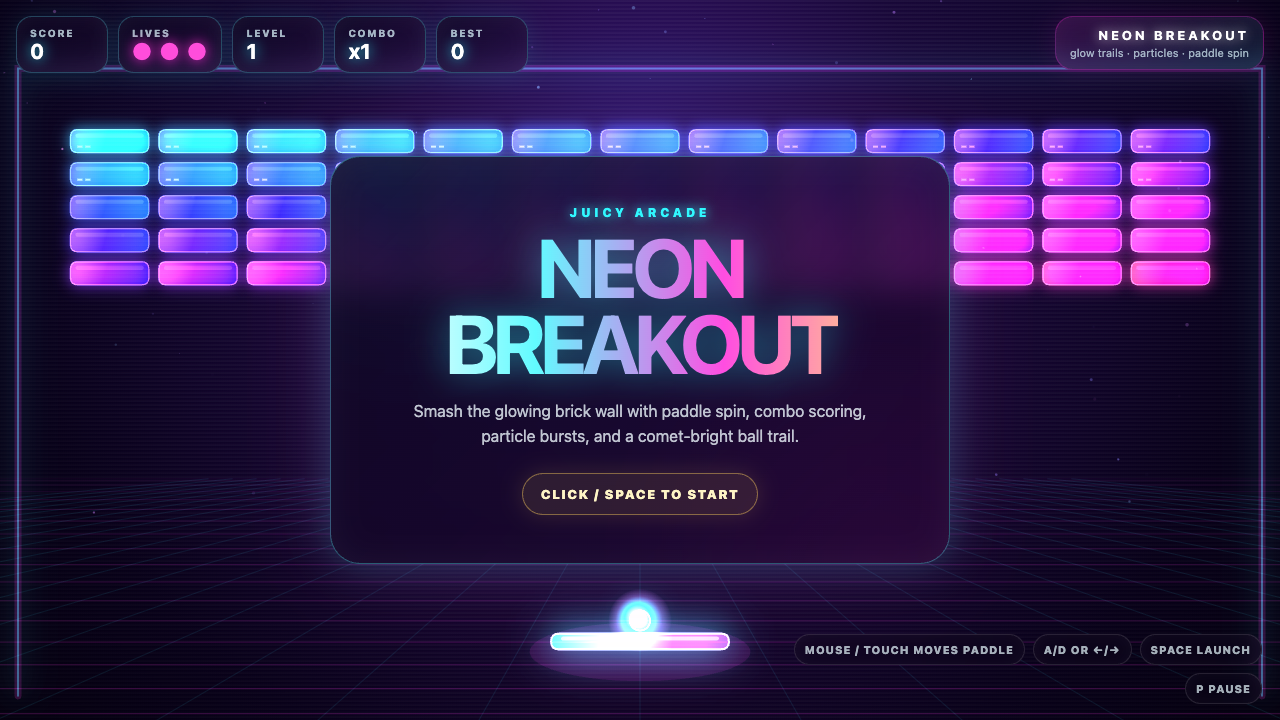
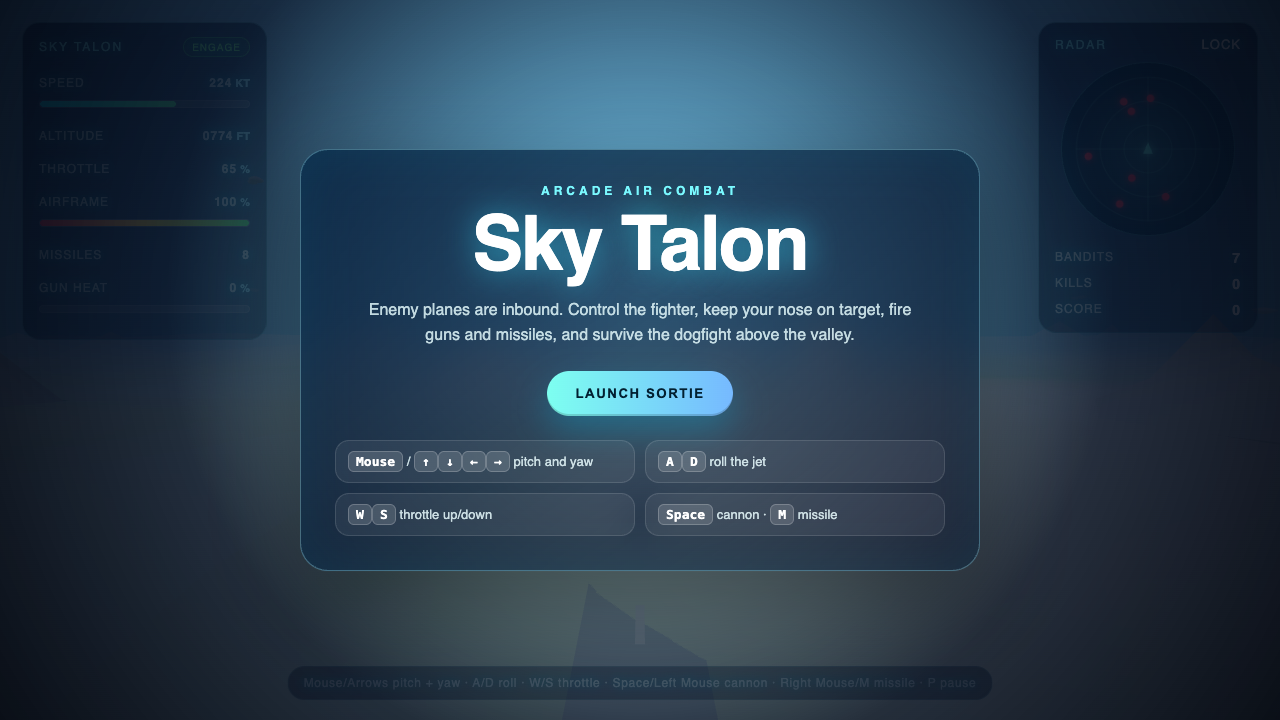
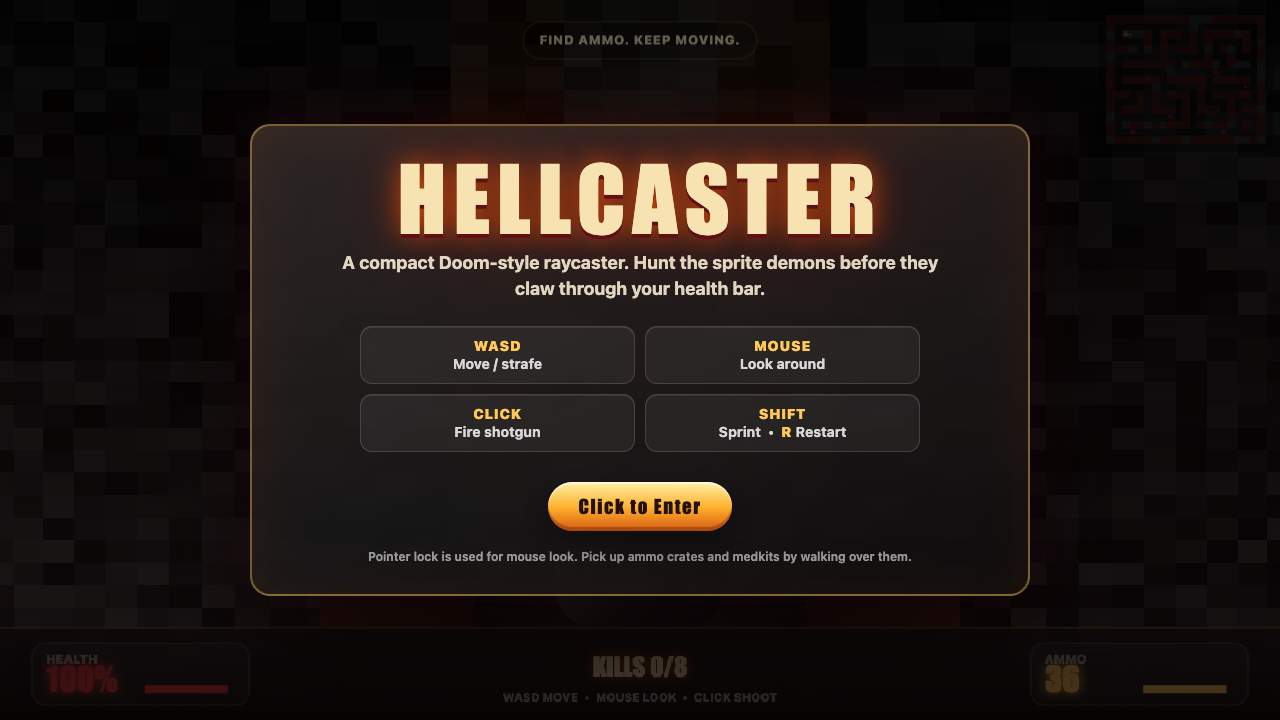
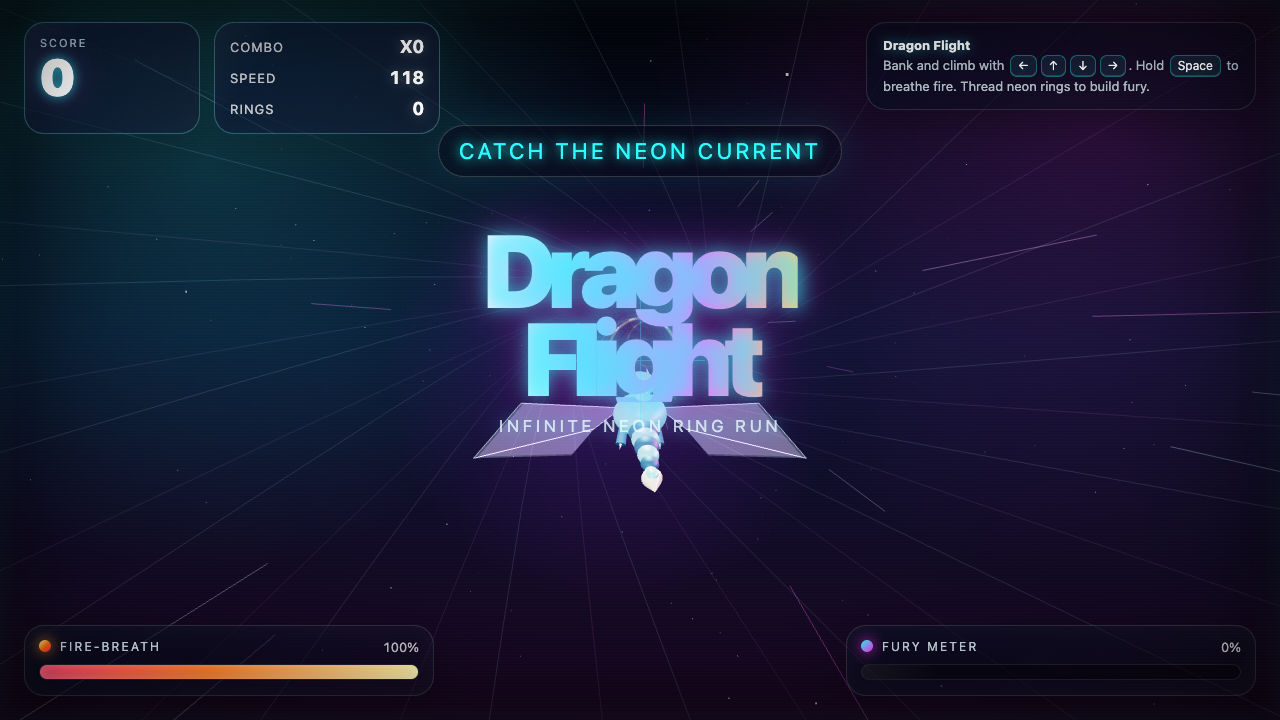
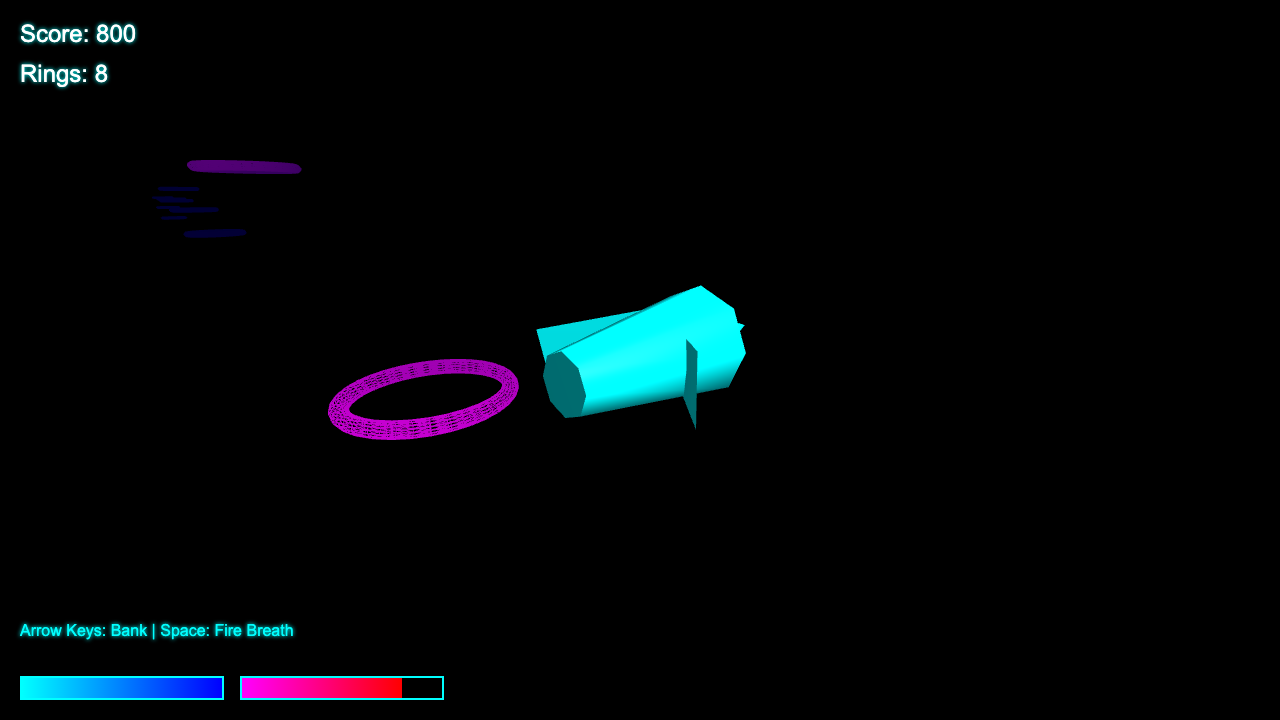
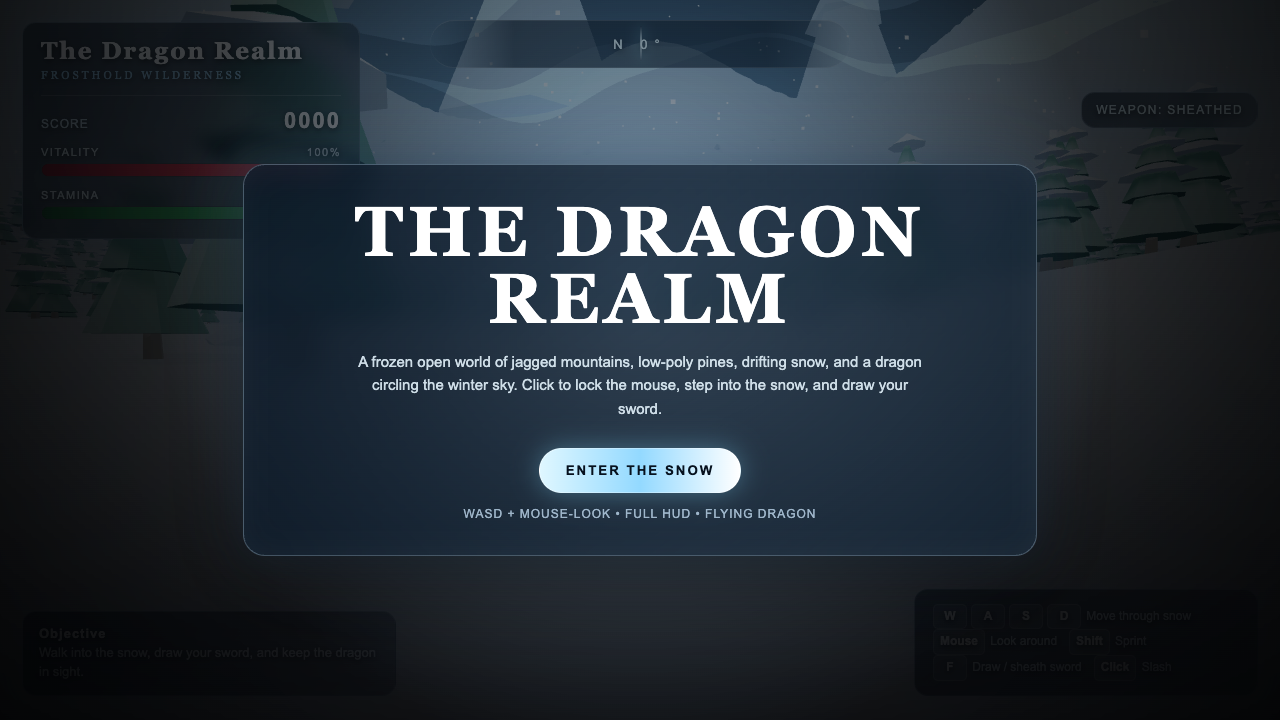
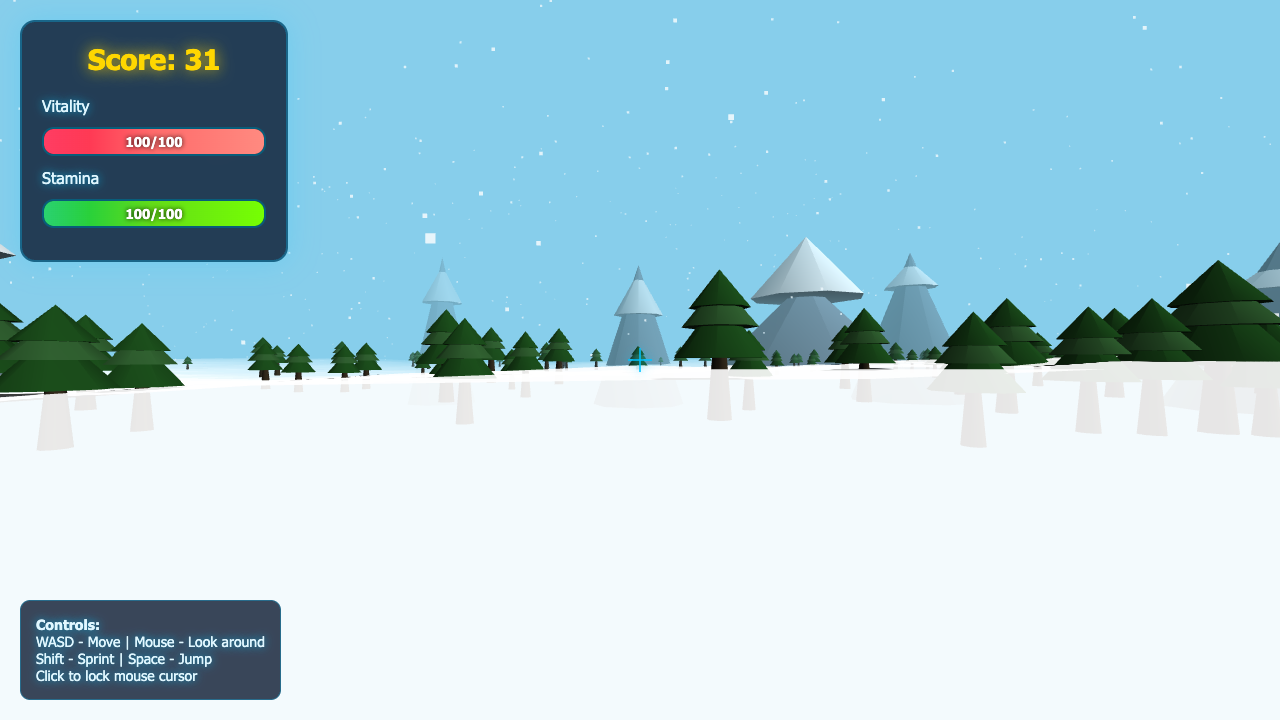
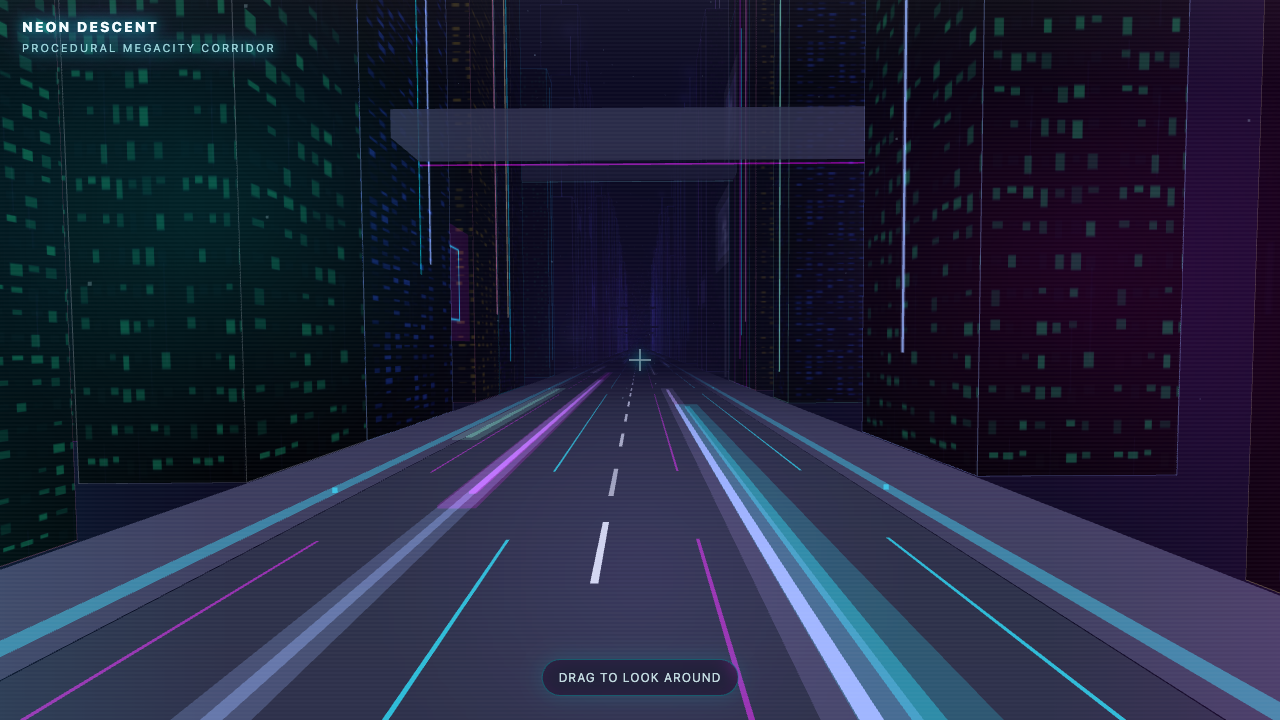
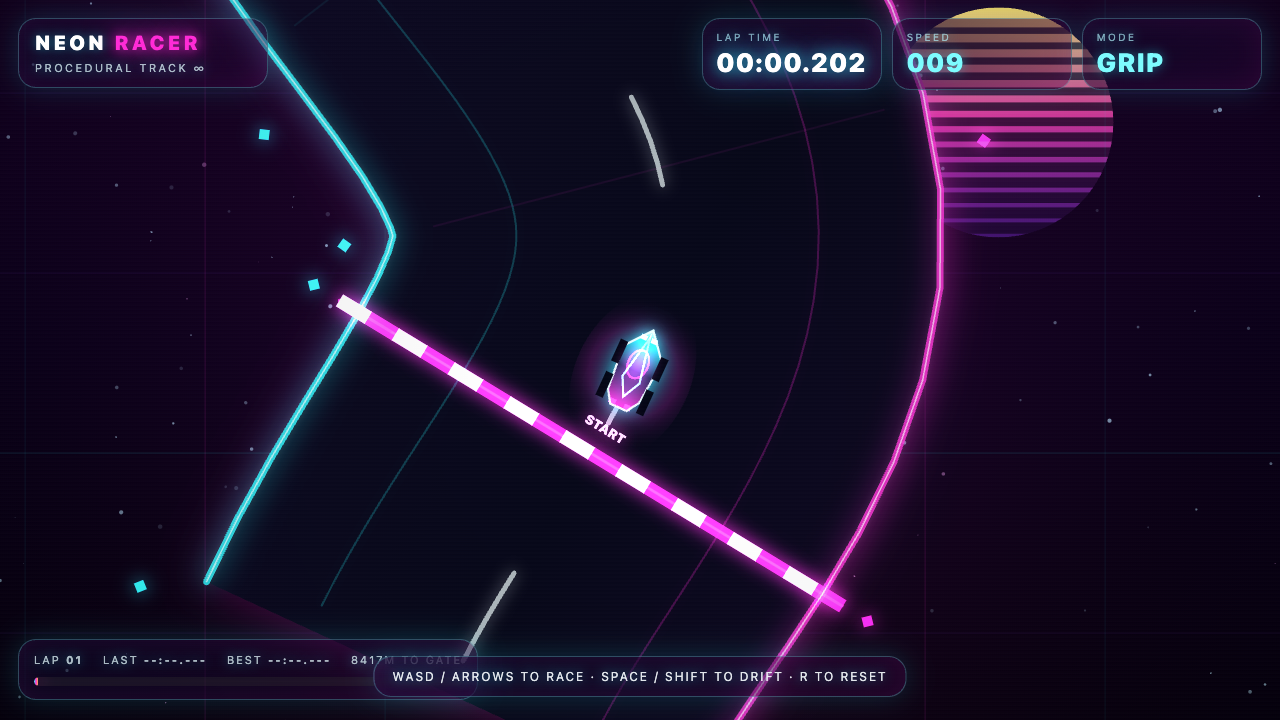
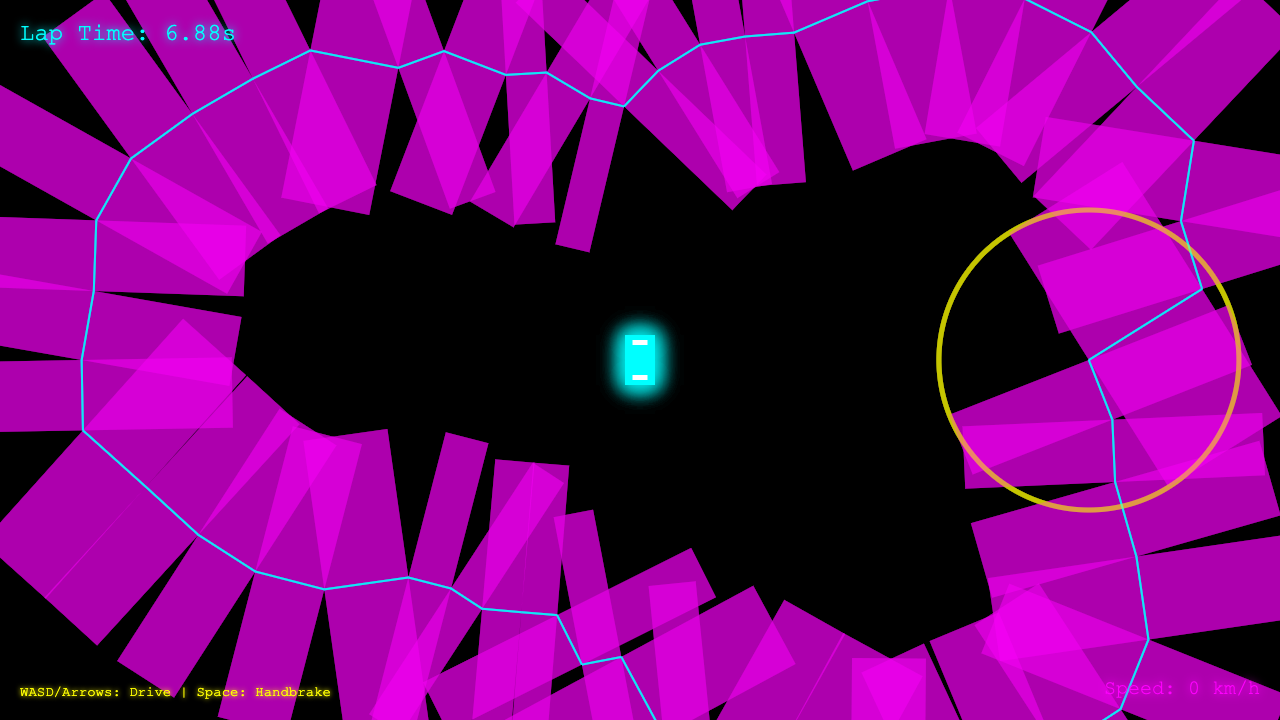
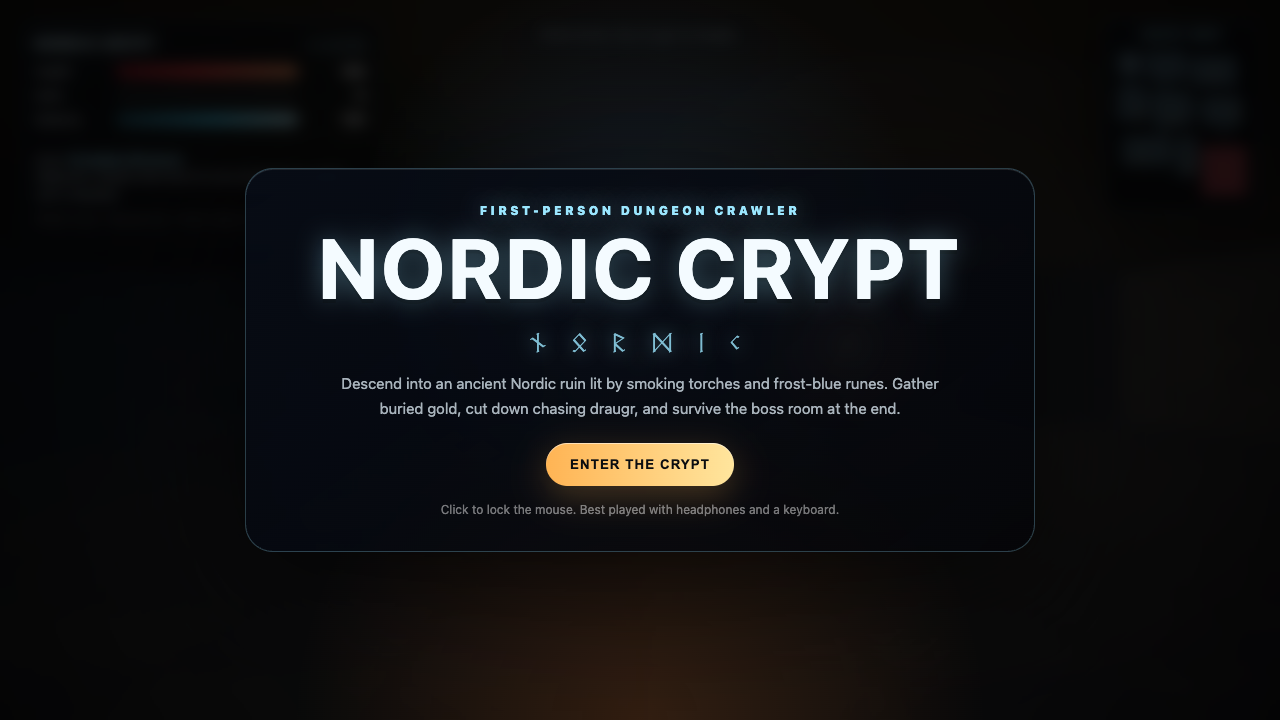
Click any cell to play that model's actual one-shot attempt. Medals are derived from my 0–10 scores per task (highest = 🥇, second = 🥈, third = 🥉).
Task ↓
Fugu Ultra
Kimi K2.7 · No-Think
Game
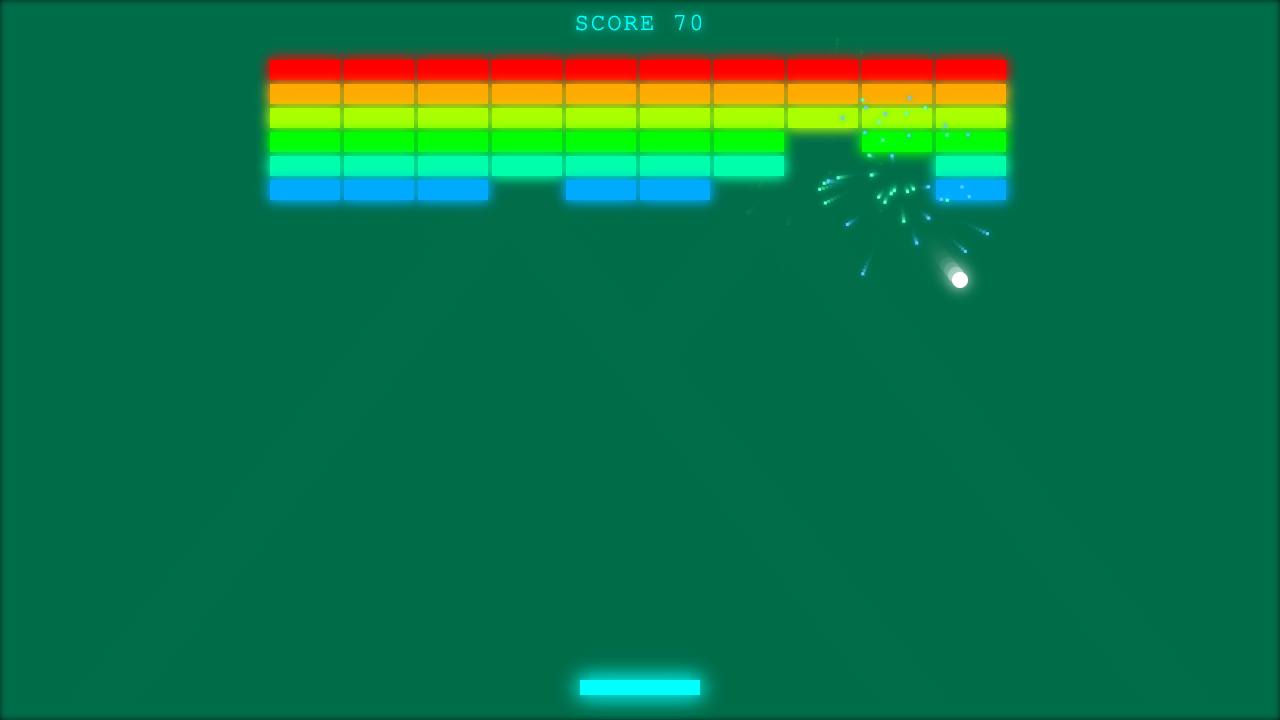
Game
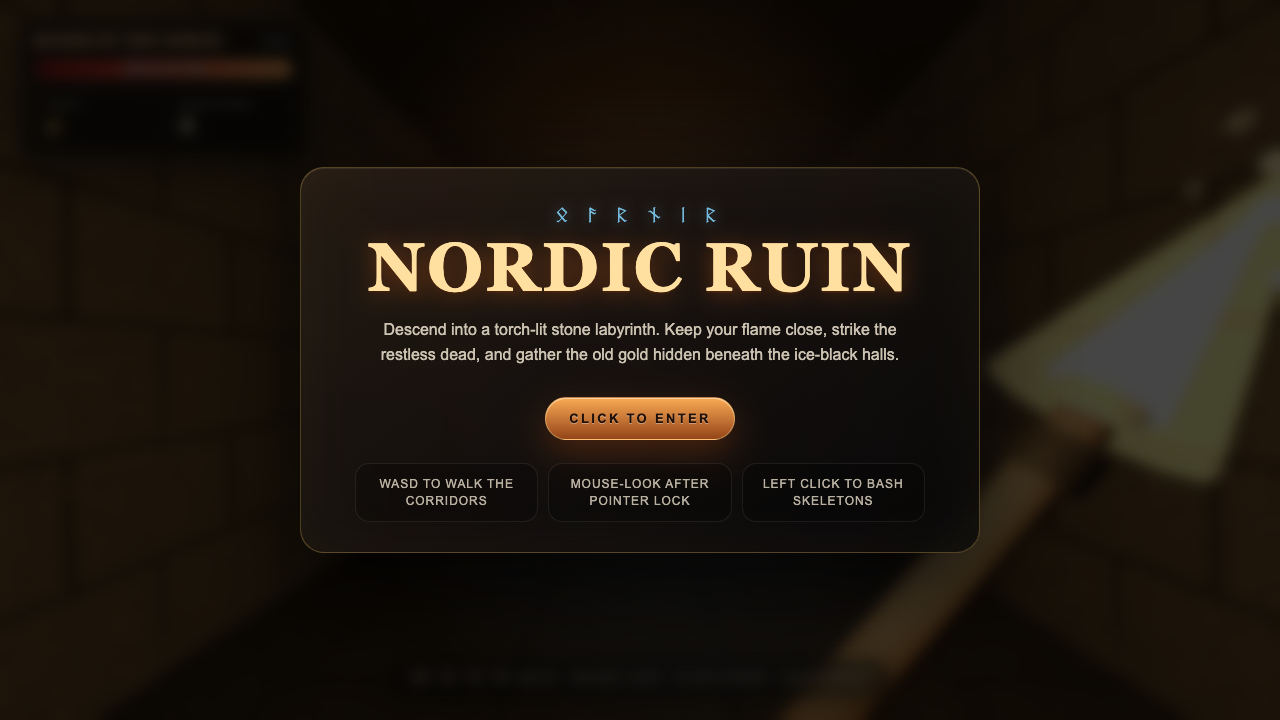
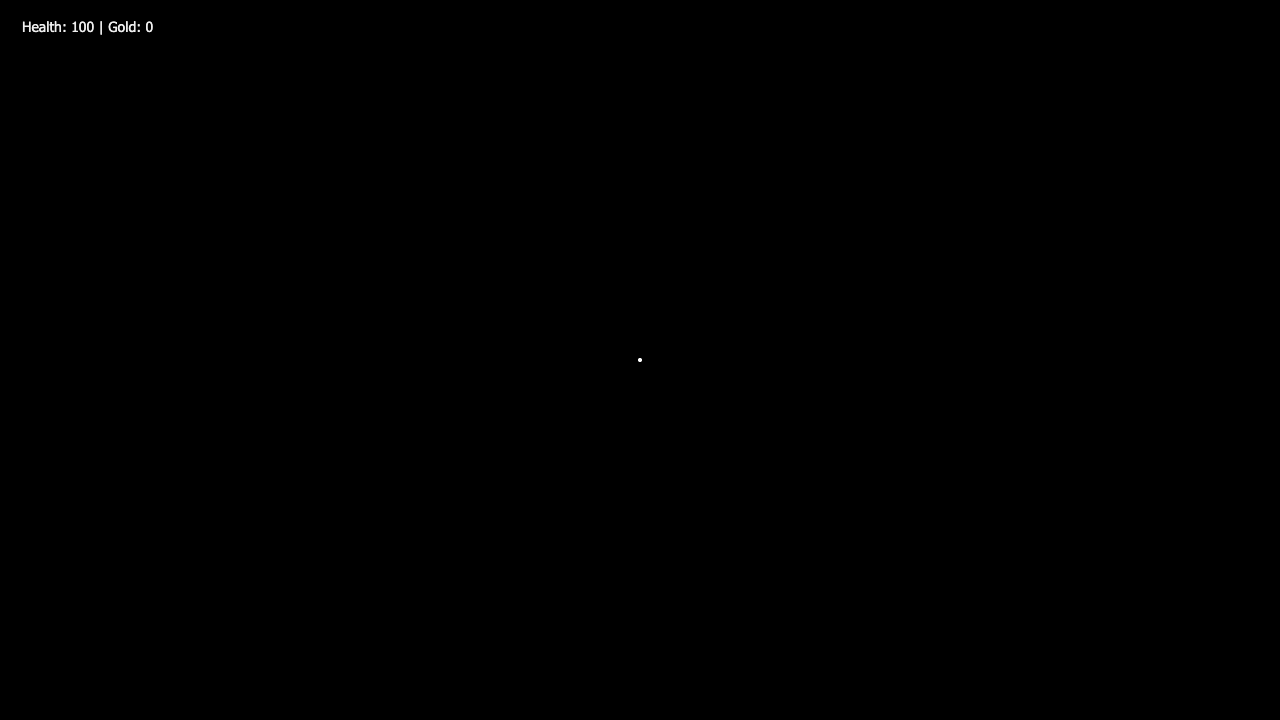
Game
Game
Game
Game
Game
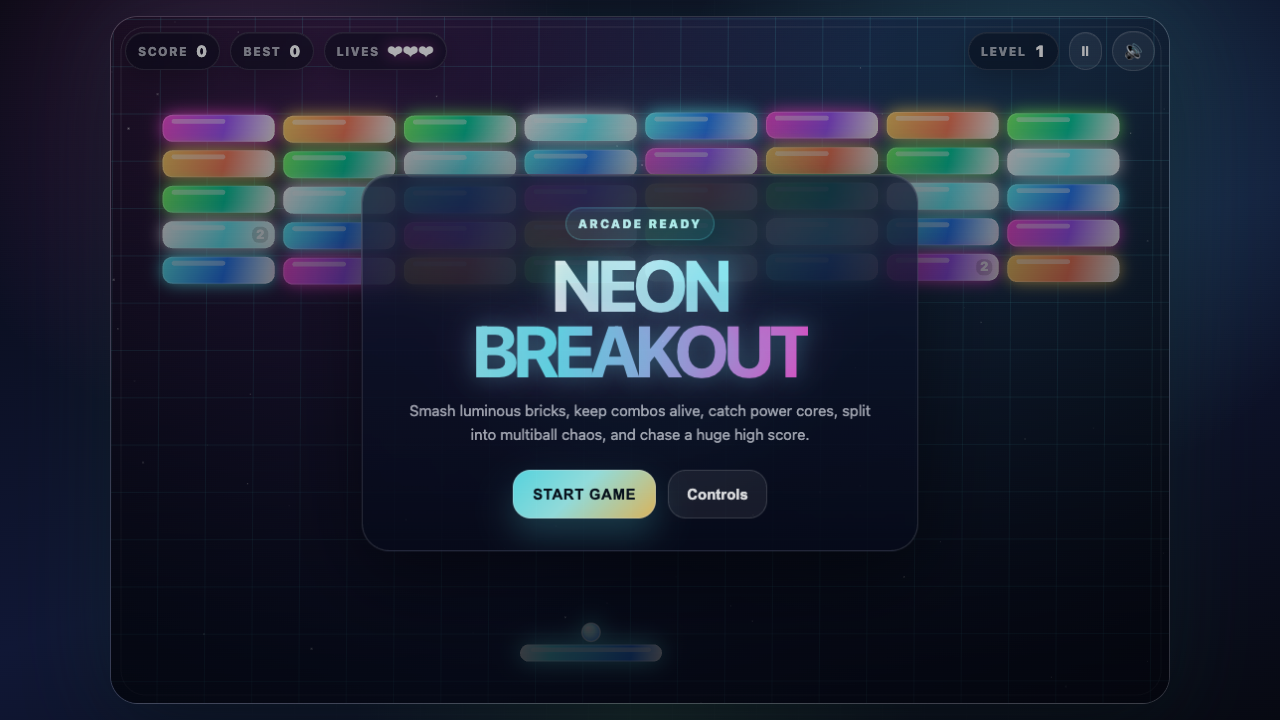
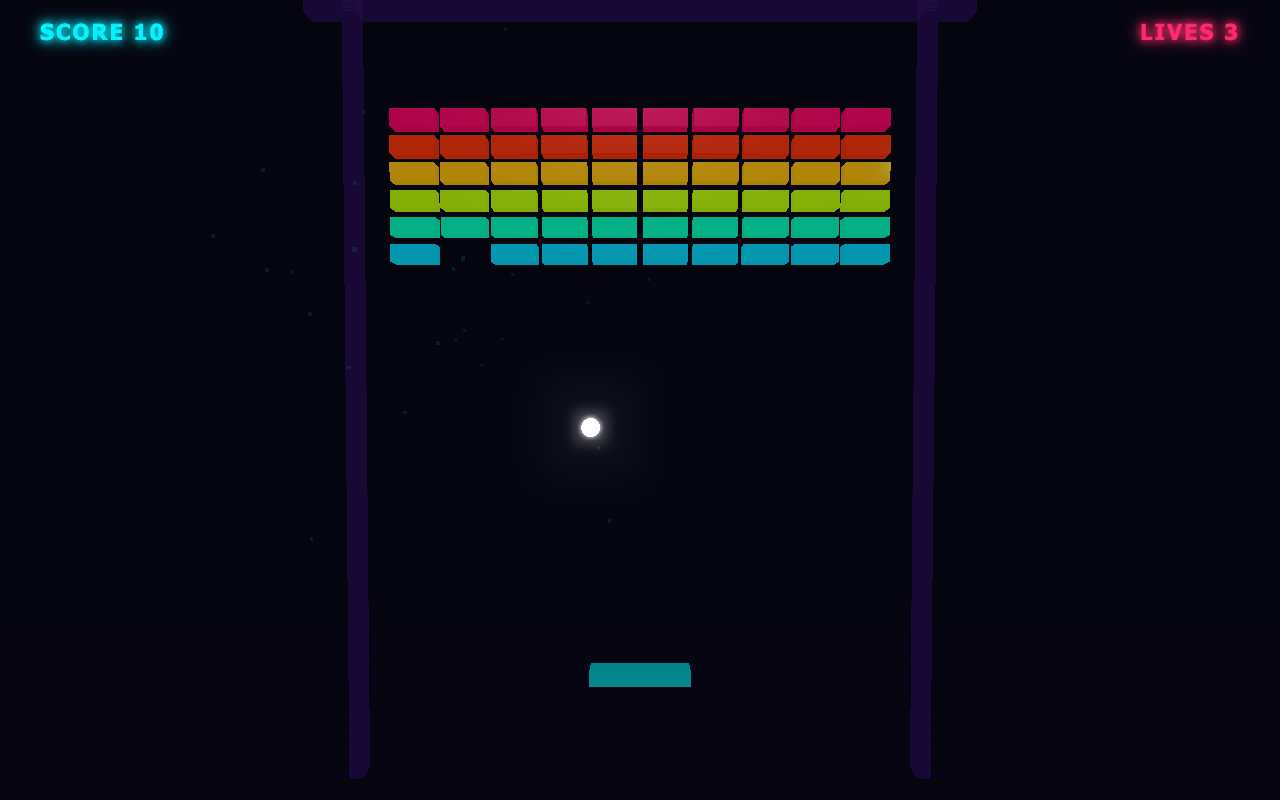
Game
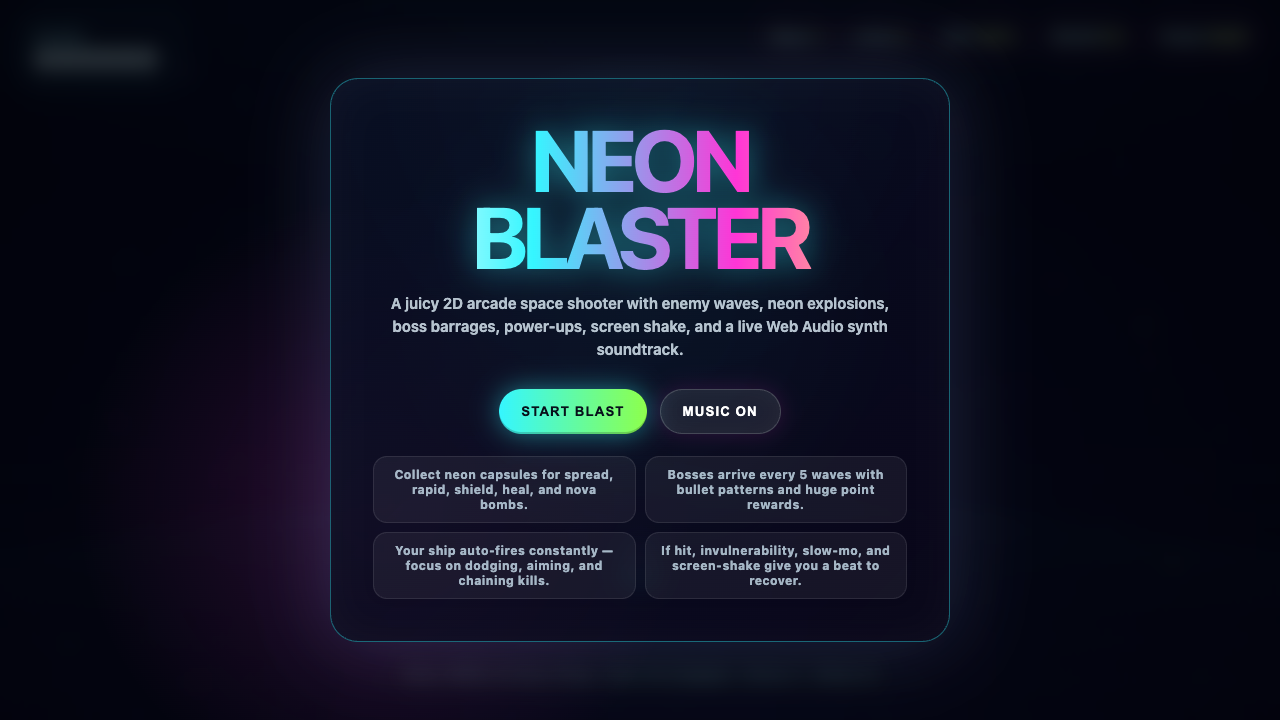
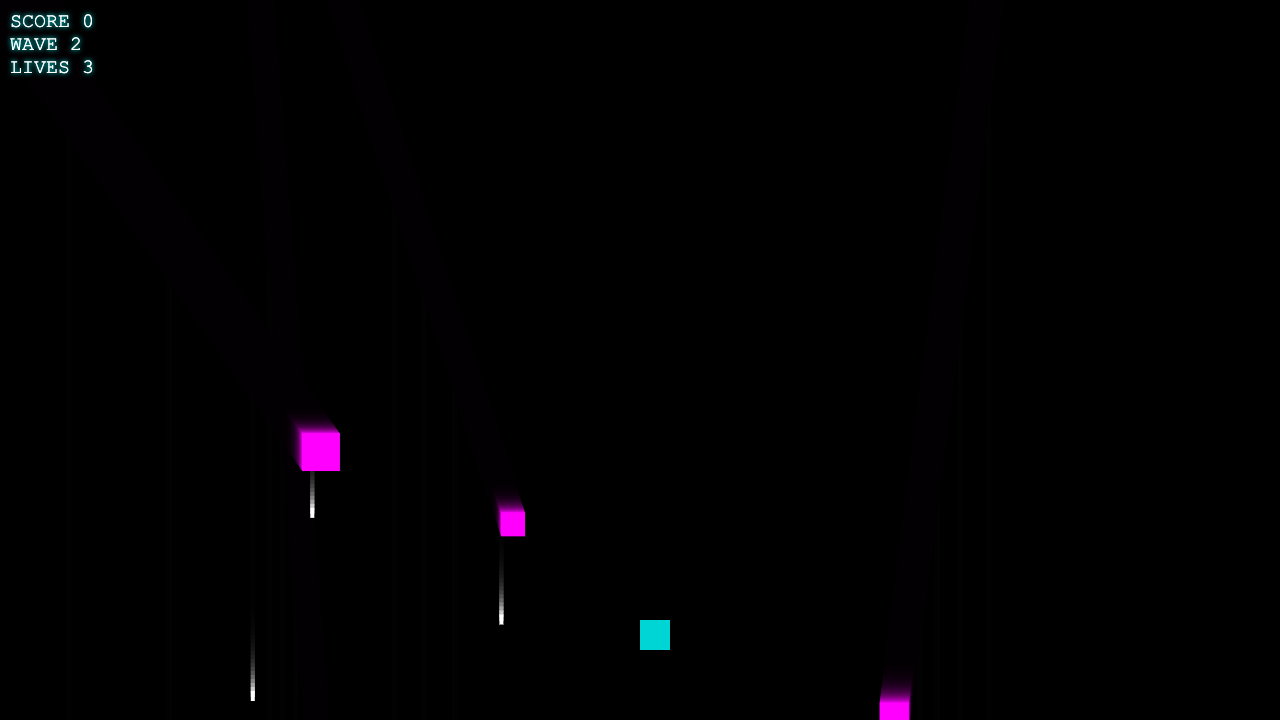
Game

Game
Game
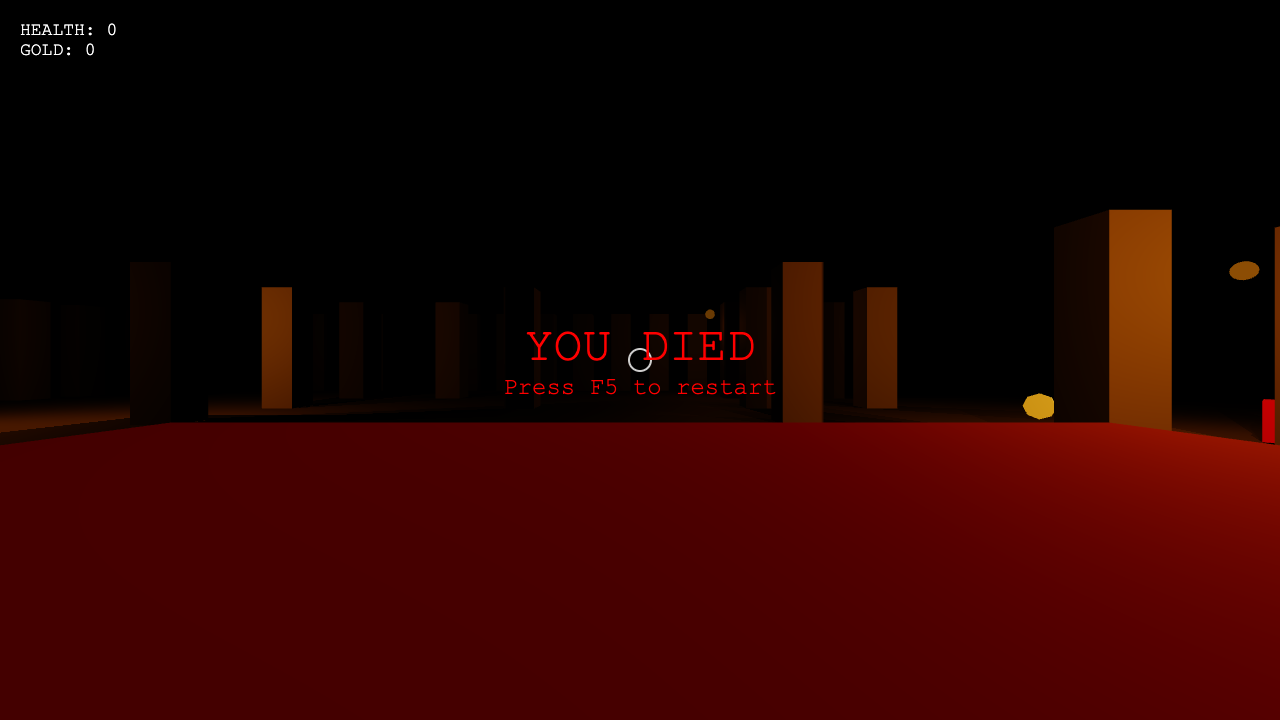
Game
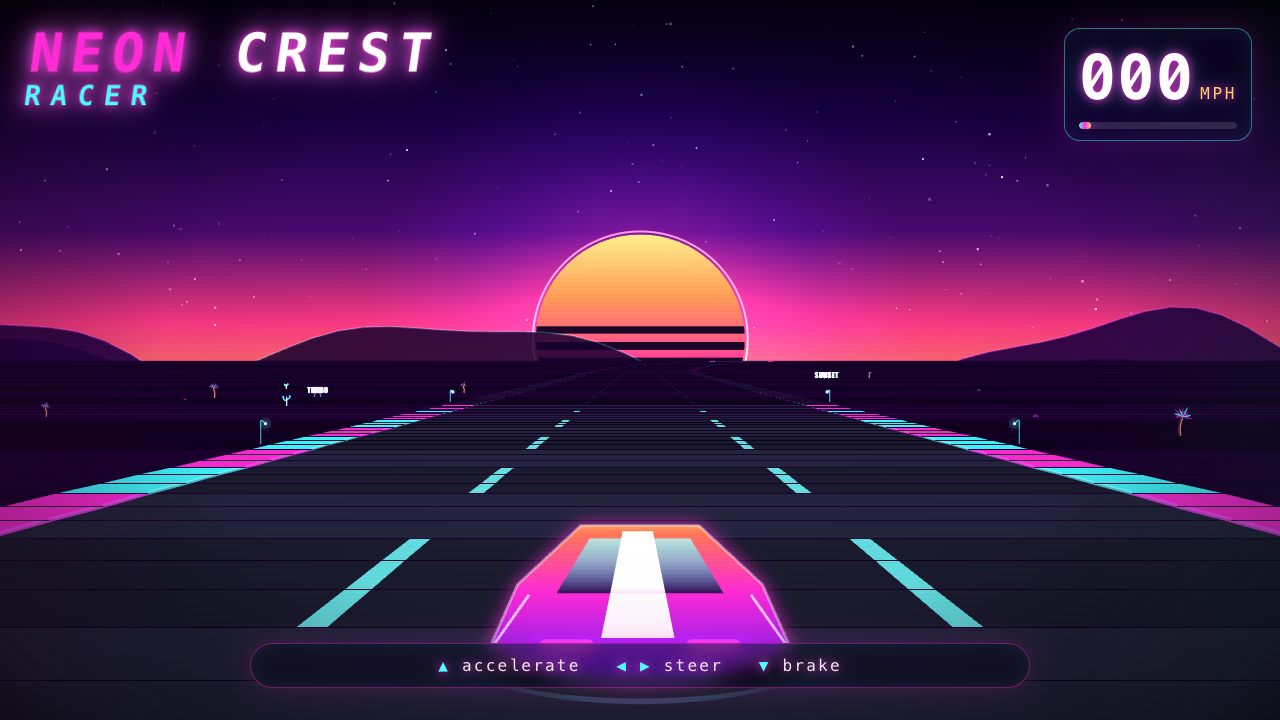
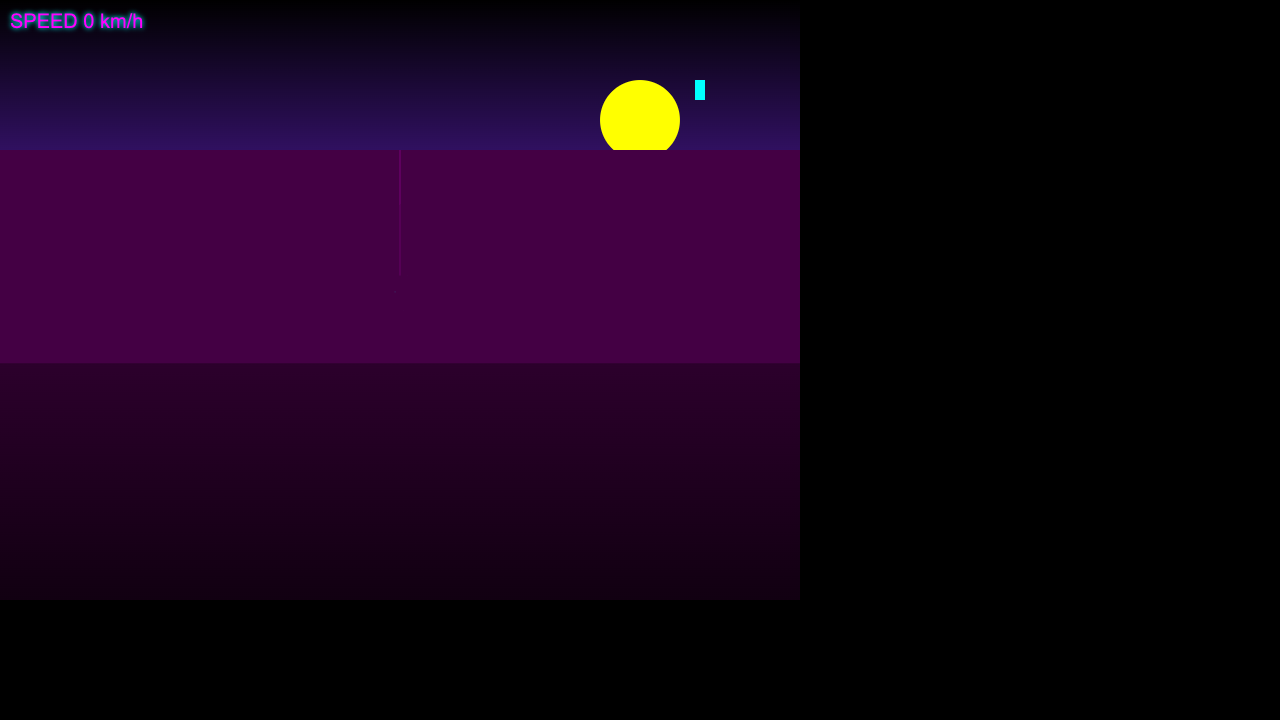
Game
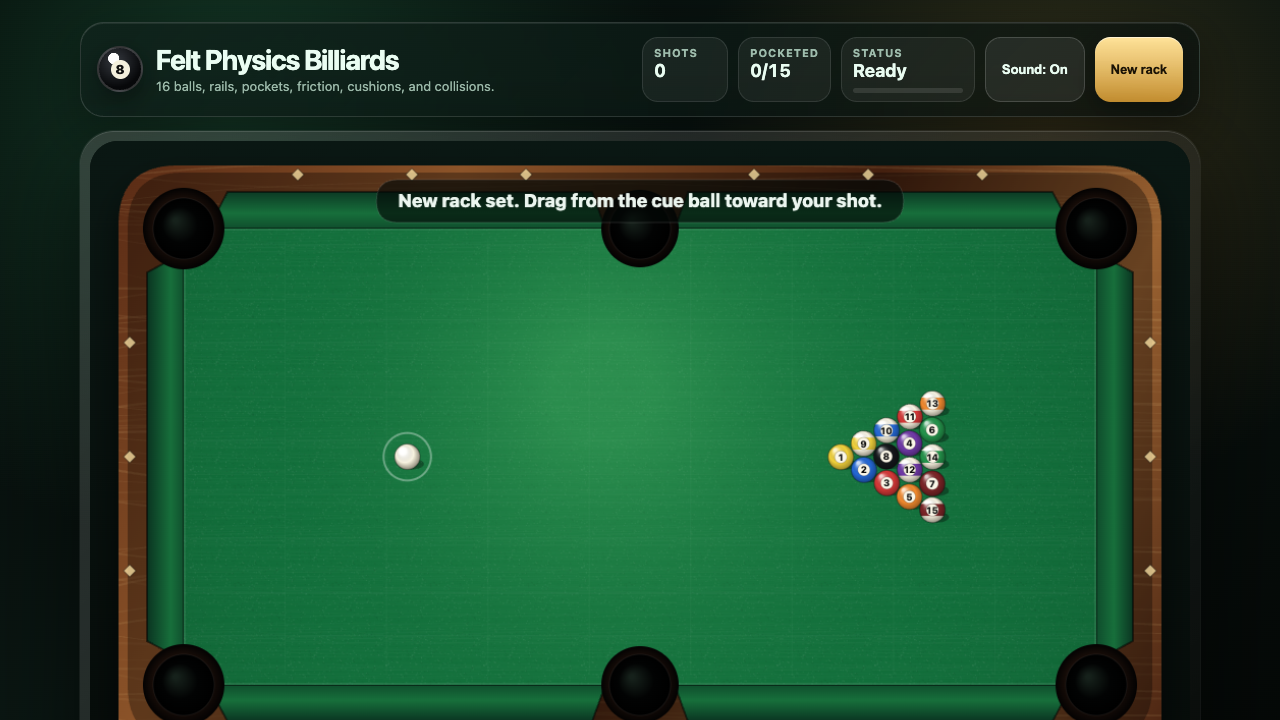

Game
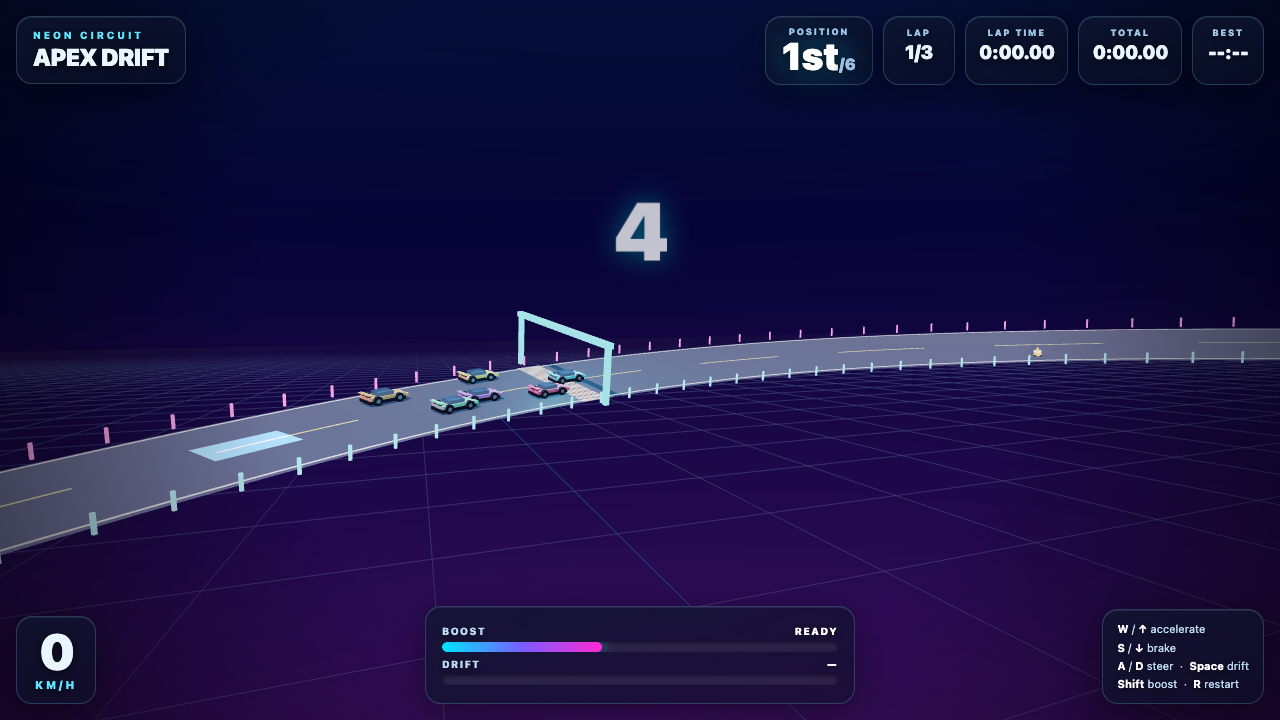
Game
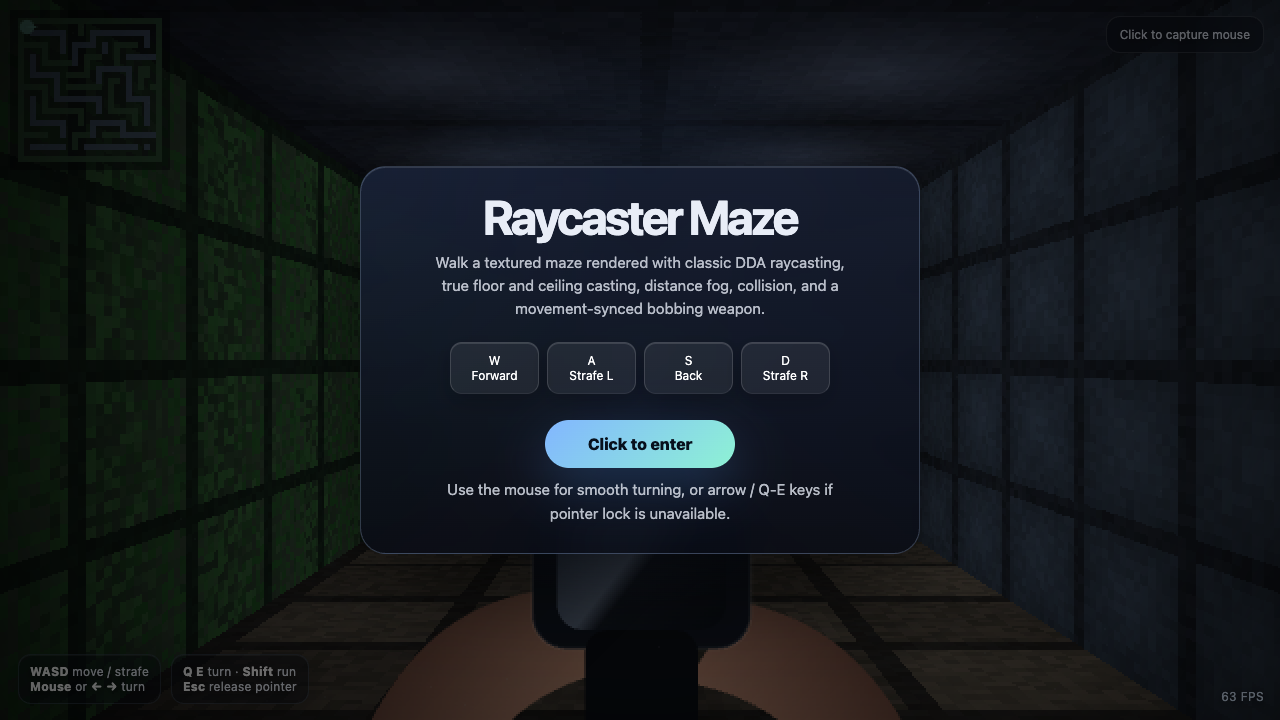
Game
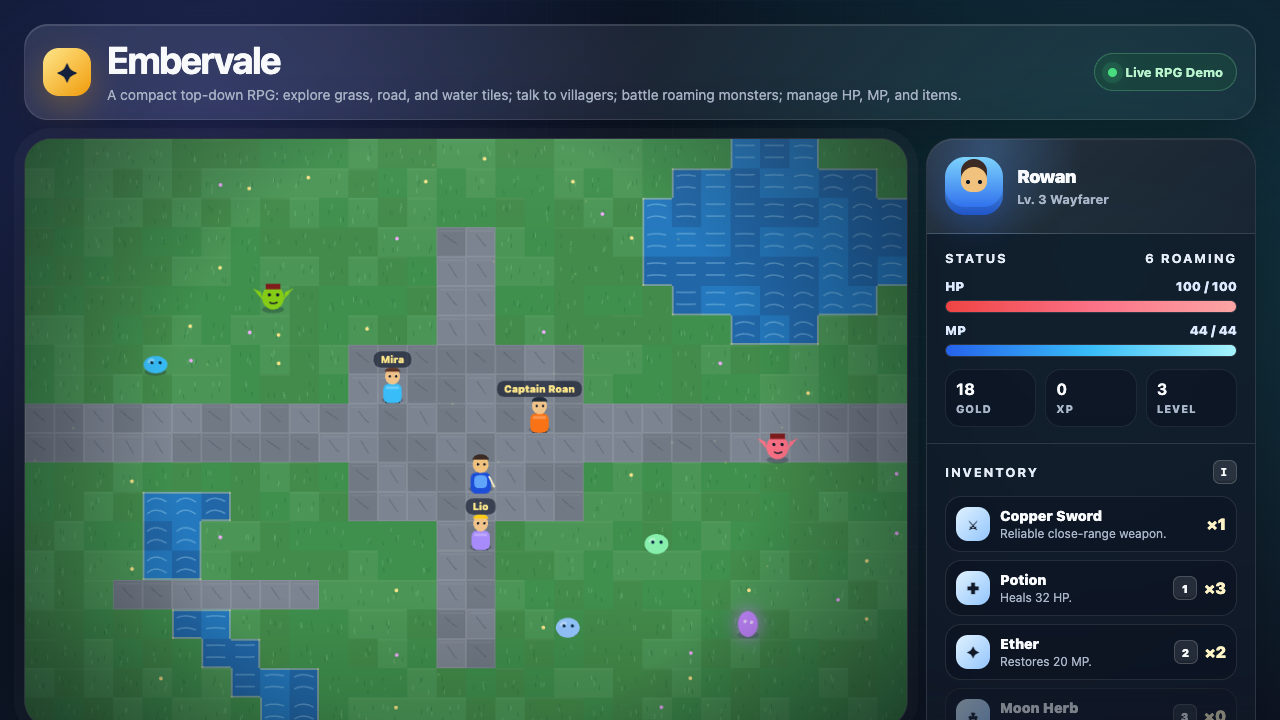
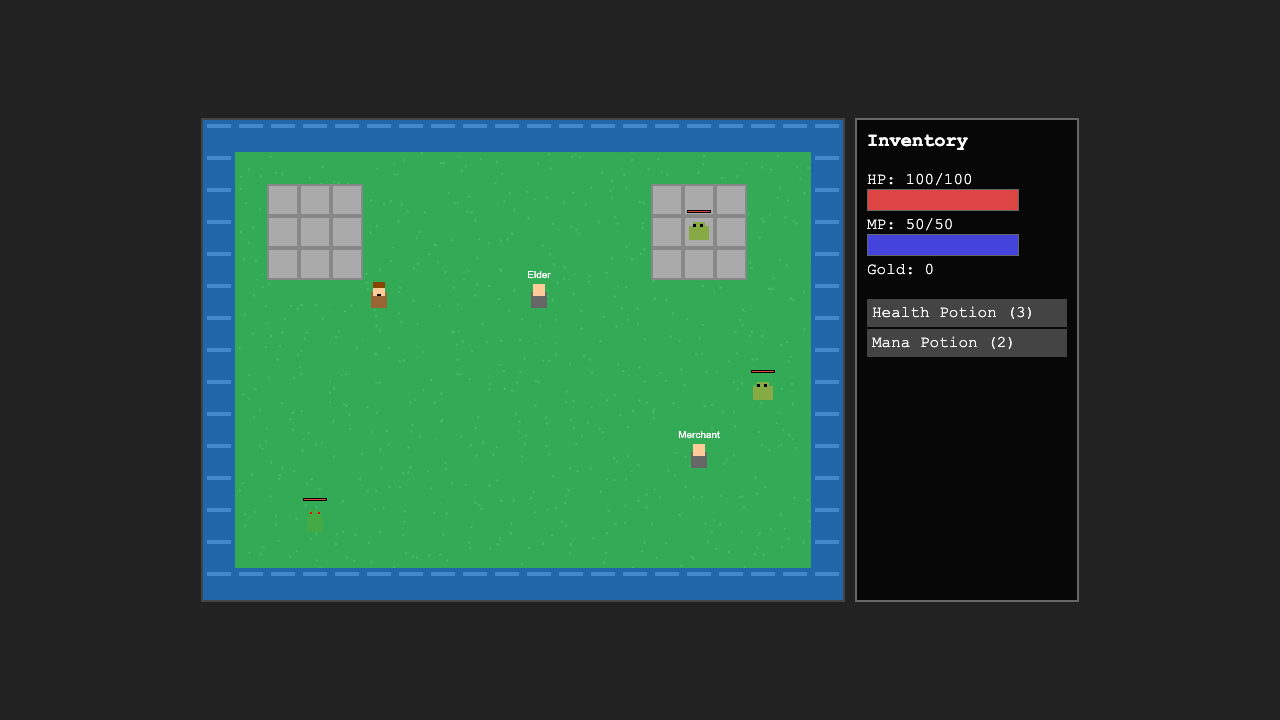
Game
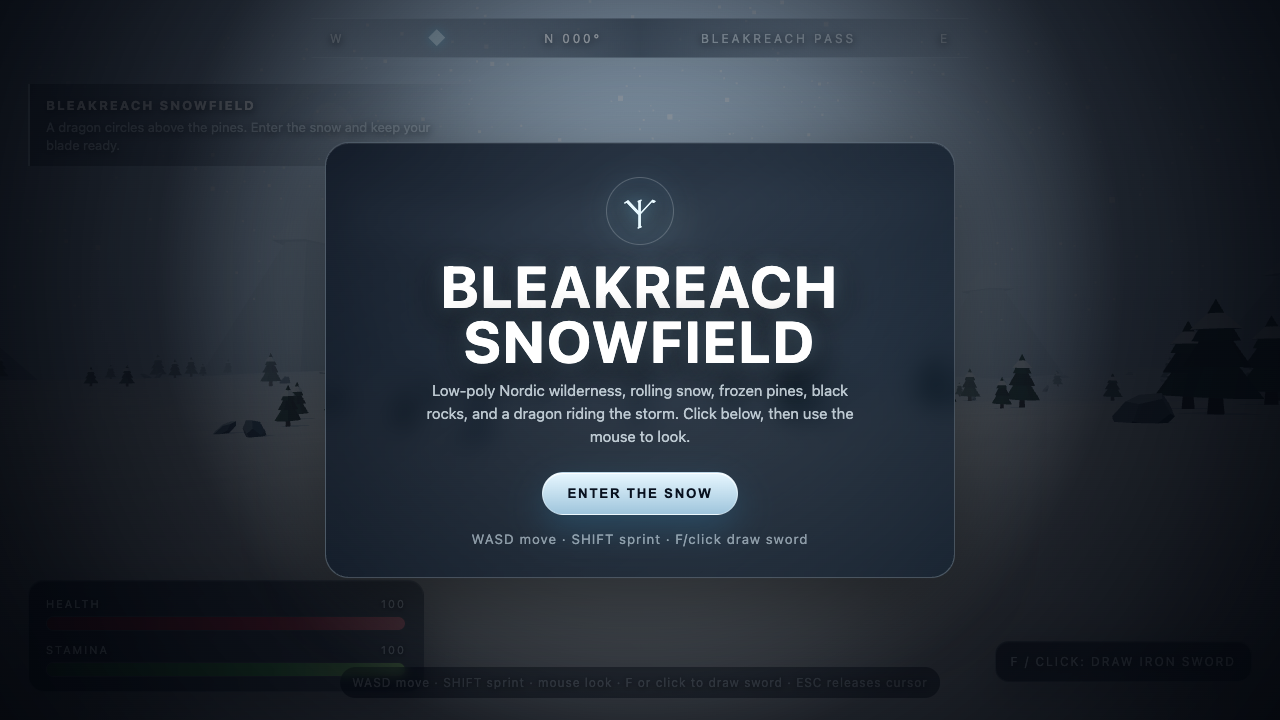
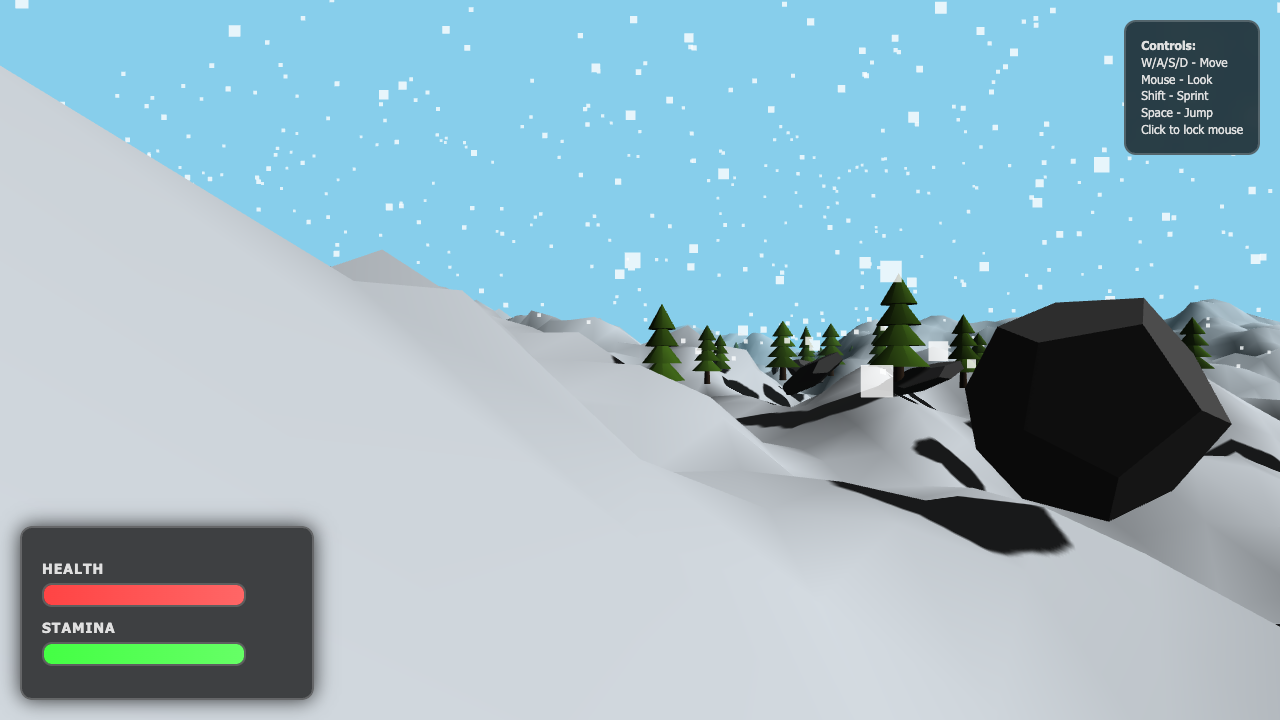
Game
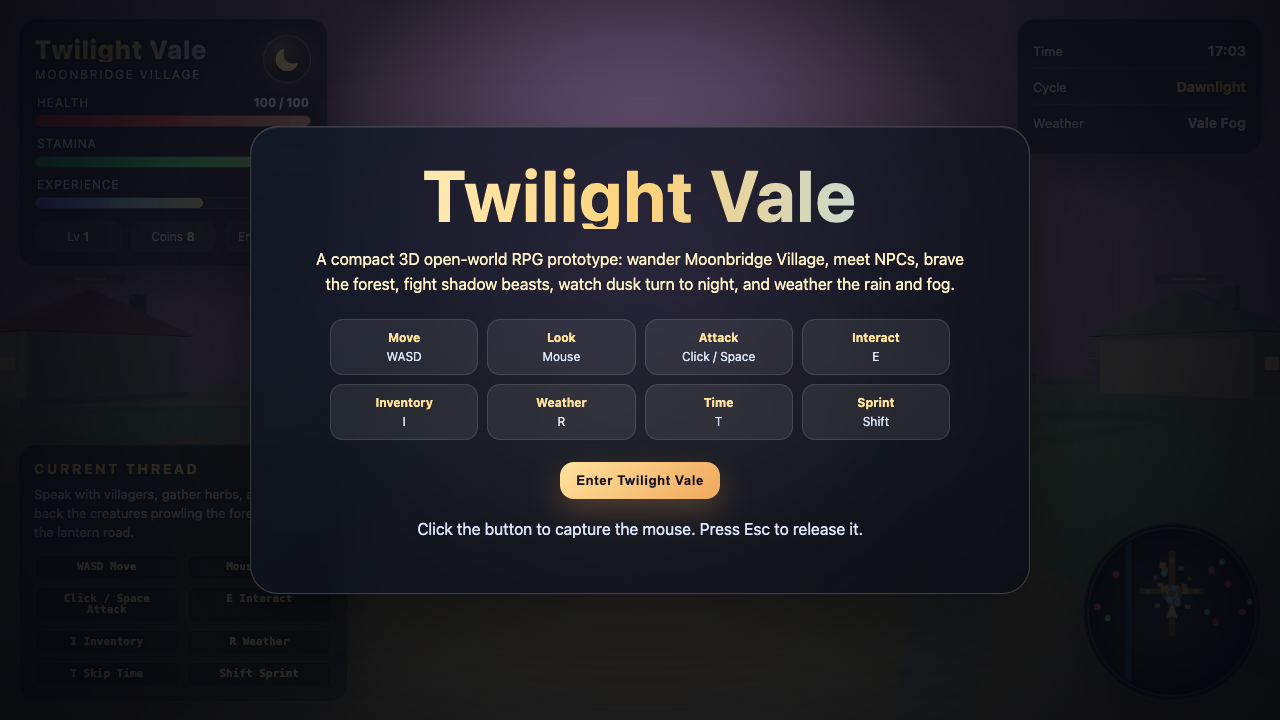
Game
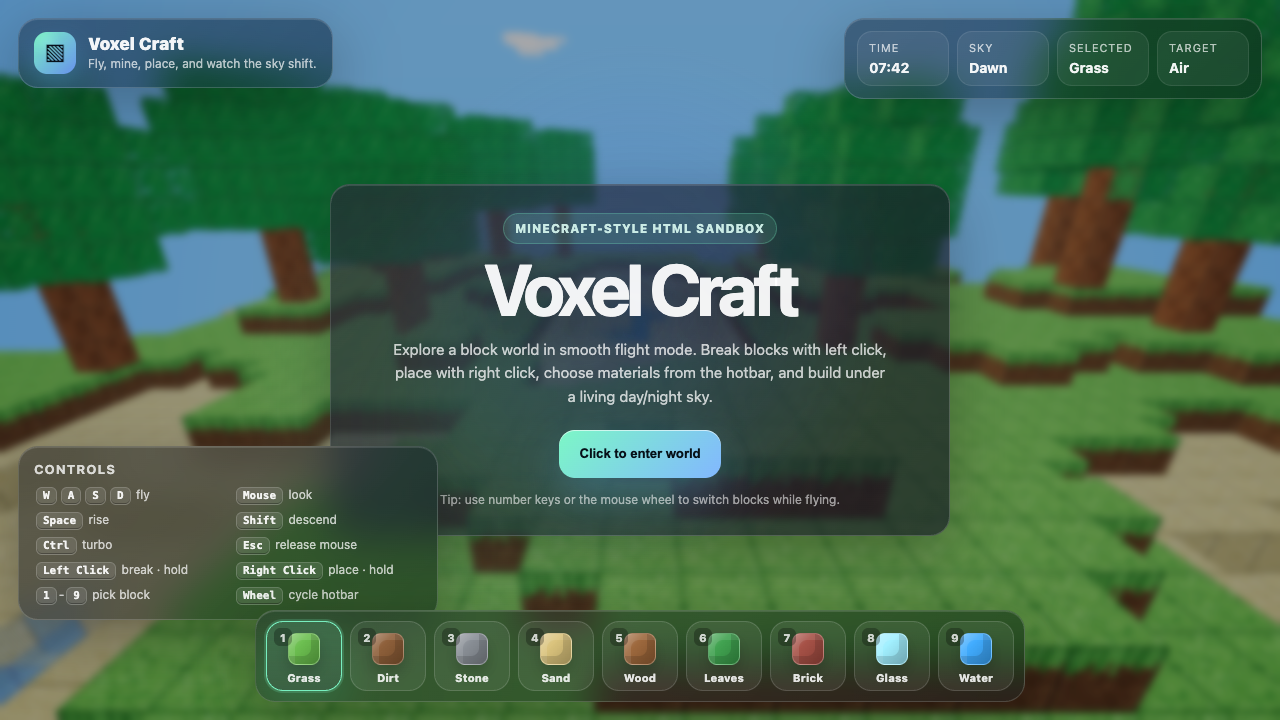
Page
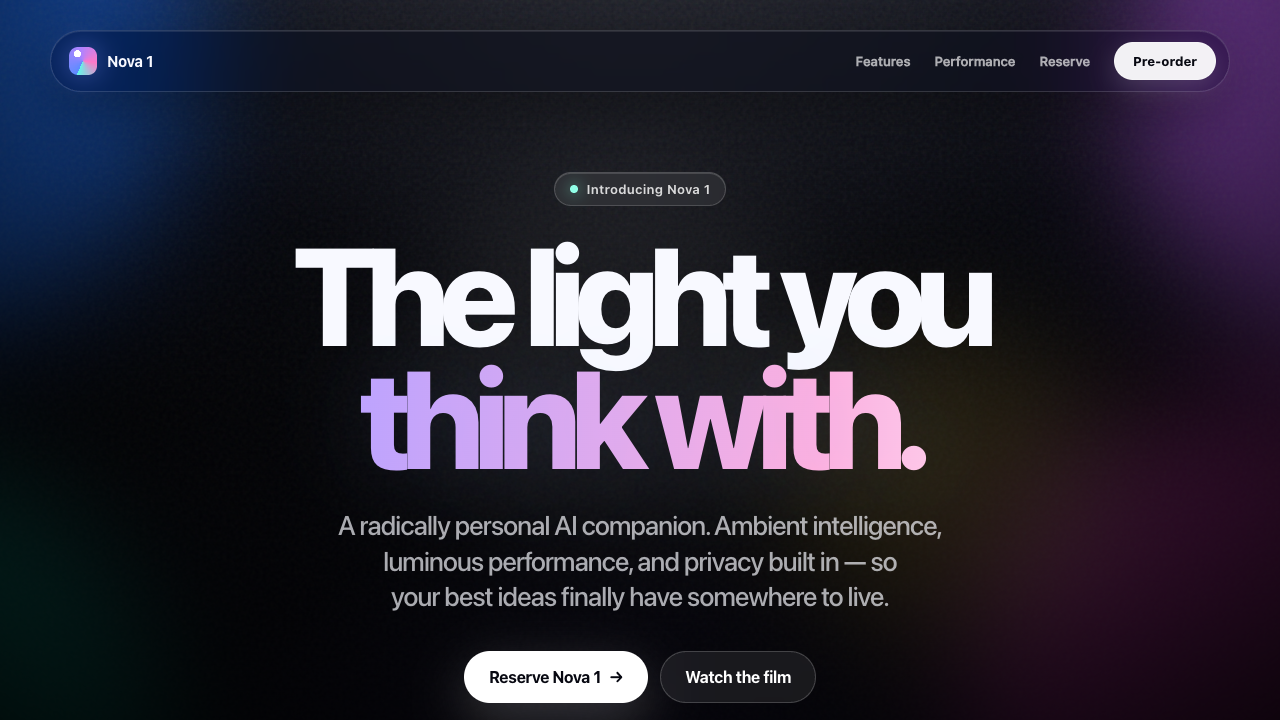
Page
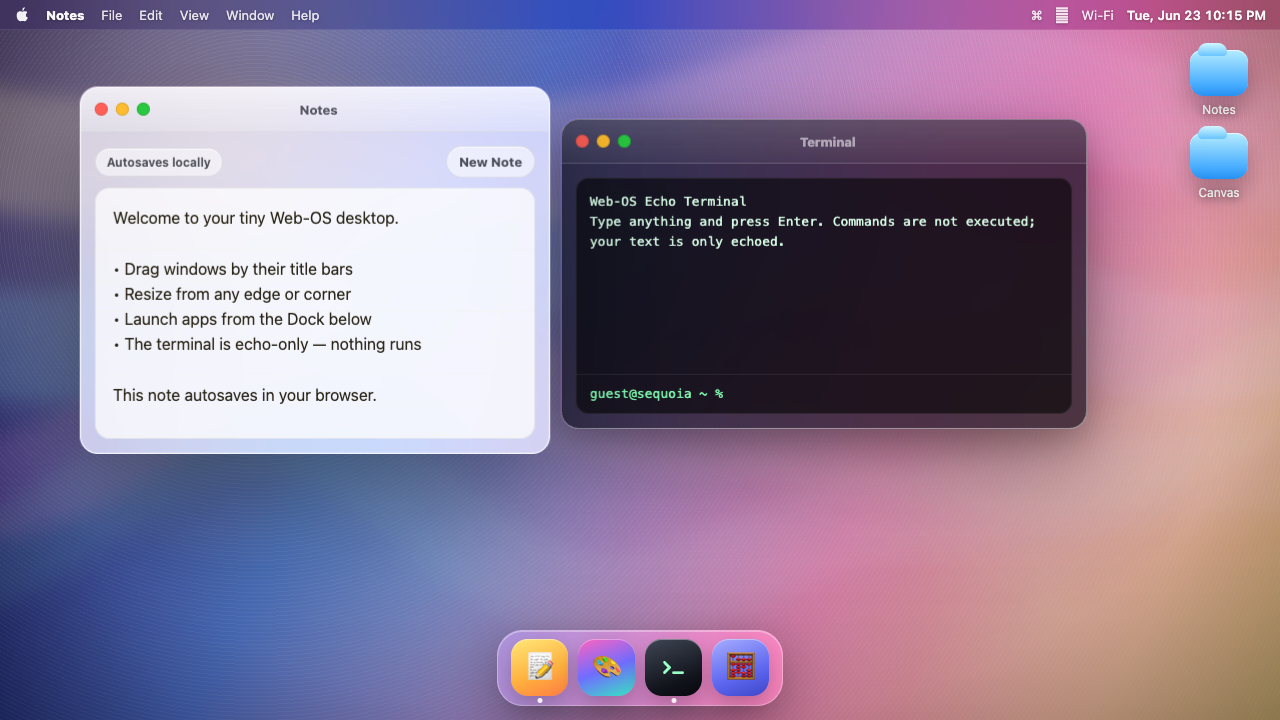
Sim
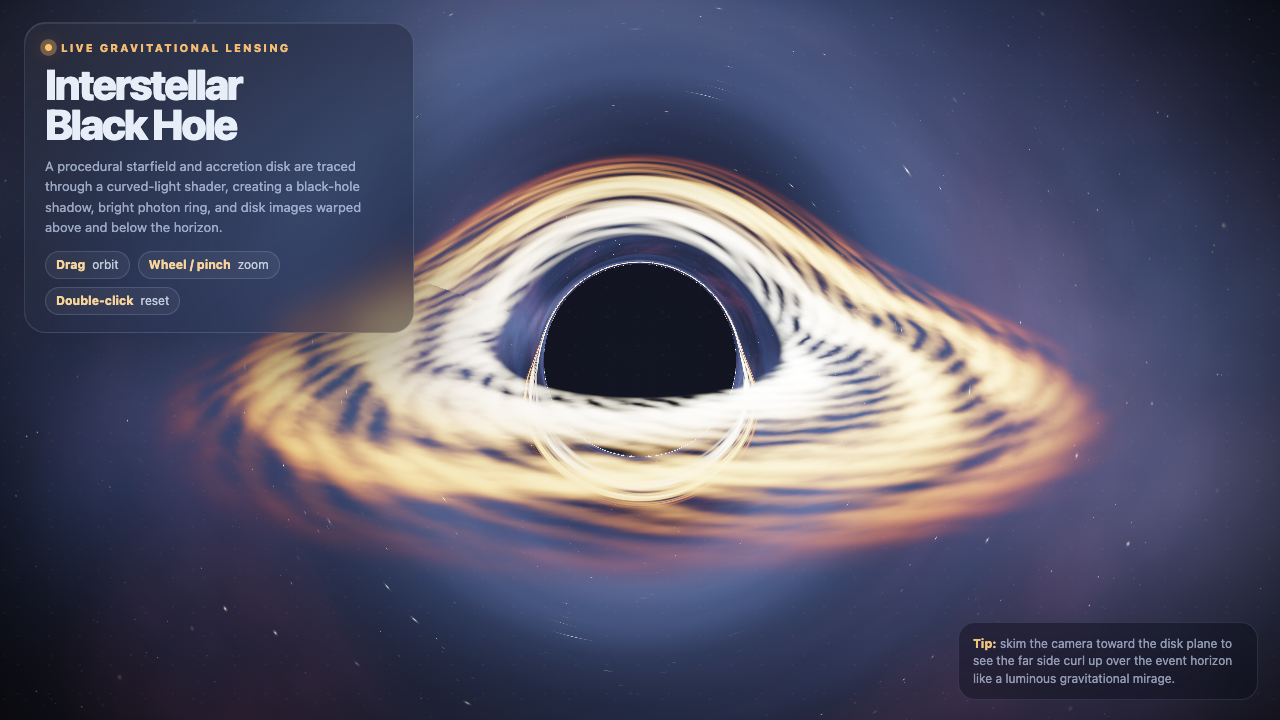

Sim
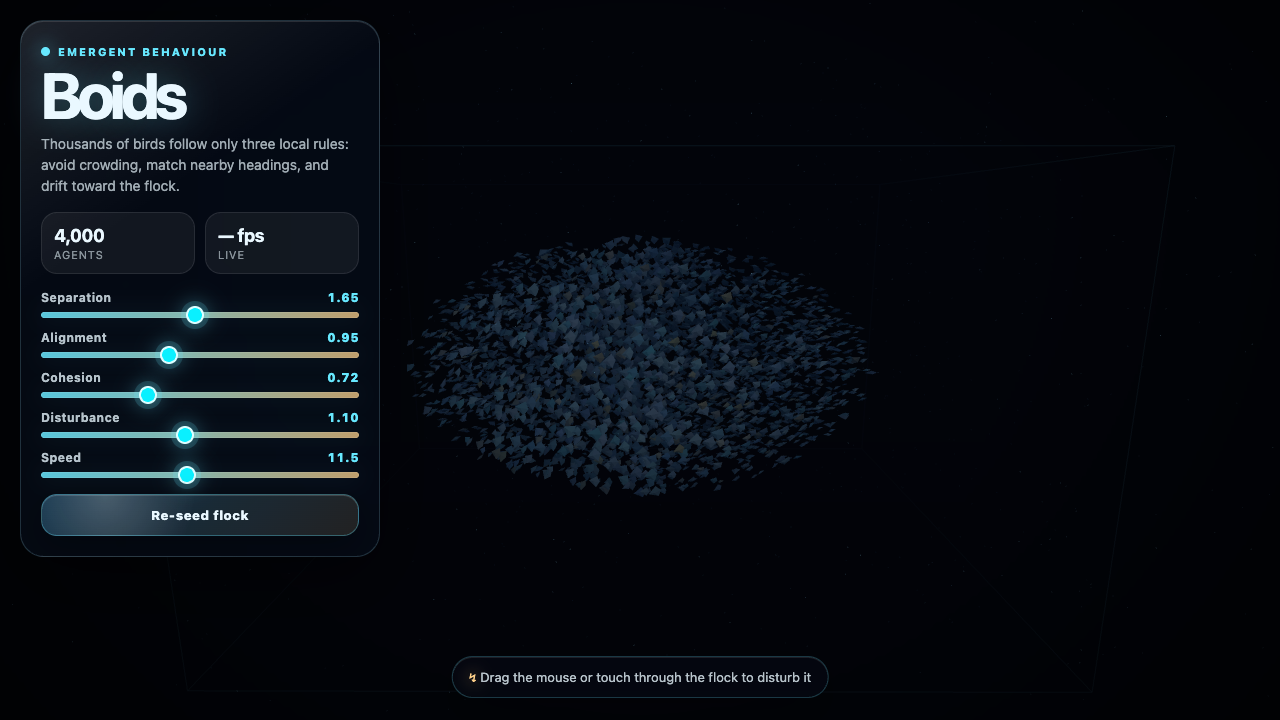

Sim
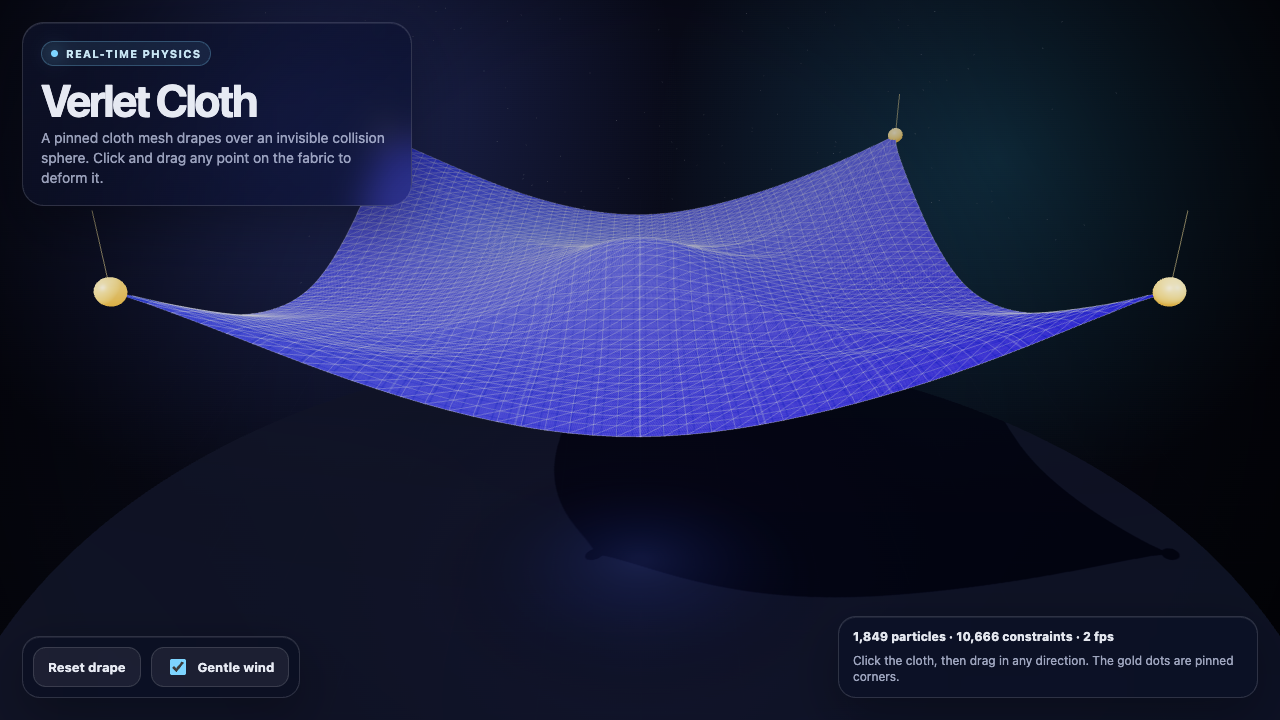

Strengths & weaknesses I logged
Fugu Ultra
Strengths
- SWE Bench Pro 73.7 · GPQA-D 95.5 · MRCRv2 93.6 — Sakana's published frontier-tier benchmark scores
- Vendor-agnostic ensemble — opt out of specific providers for compliance / export-control
- OpenAI-compatible API at api.sakana.ai — drop-in for existing tooling
Trade-offs
- Panel orchestration adds latency — even a 'pong' burns ~2k orchestration tokens
- Newer than Fusion; less community calibration on long-tail prompts
Kimi K2.7 · No-Think
Strengths
- Skips planning to ship straight to code
- Useful when you've already done the reasoning in the prompt
- Predictable latency for batched jobs
Trade-offs
- Loses ground on multi-step tasks that benefit from planning
- Not scored on the standalone bench — see methodology
Pricing & context — the spec sheet
| Spec | Fugu Ultra | Kimi K2.7 · No-Think |
|---|---|---|
| Vendor | Sakana AI | Moonshot AI |
| Context window | 272,000 tokens with the standard rate. Calls exceeding 272K context are billed at the higher 'long-context' rates. | 256,000 tokens |
| Price | $5 / 1M input · $30 / 1M output (Fugu Ultra) | Flat plan (no per-token bill) |
| Pricing detail | Sakana's multi-agent orchestration: a single API call internally dispatches to multiple frontier models and synthesises the answer. Subscription plans run $20-$200/mo (Standard / Pro / Max); PAYG is $5/M input + $30/M output for Fugu Ultra. Direct competitor to OpenRouter Fusion's panel approach. | Same flat-rate plan as standard Kimi K2.7 — No-Think disables the chain-of-thought layer at runtime. Vendor: Moonshot AI (moonshot.ai). |
| Release | 2026-06-15 | 2026-06 |
| Bench coverage | 42/42 scored · avg 7.94/10 | 0/47 scored · avg — |
The verdict — which should you pick?
Not enough scored shared tasks yet for a head-to-head average. The live demos for both are on the matrix above — play them and form your own opinion.
If you only run one of these inside your stack, the head-to-head average above is the call. If you can run both, my honest play is to wire Fugu Ultra and Kimi K2.7 · No-Think both into the Agent Operating System and dispatch each from the kanban by task type — teams that want fusion-class quality but need a different vendor risk profile → Fugu Ultra, templated transforms where the plan is in the prompt → Kimi K2.7 · No-Think. That's the same setup I run for the 4,000+ founders inside the AI Profit Boardroom.
FAQ — Fugu Ultra vs Kimi K2.7 · No-Think
Which is better, Fugu Ultra or Kimi K2.7 · No-Think?
On Goldie Bench, Fugu Ultra averages no scored verdicts yet across the shared tasks, with 5 gold, 2 silver, 2 bronze overall. Kimi K2.7 · No-Think averages no scored verdicts yet, with 0 gold, 0 silver, 0 bronze. Not enough scored shared tasks yet to call a winner.
How much does Fugu Ultra cost vs Kimi K2.7 · No-Think?
Fugu Ultra: Sakana's multi-agent orchestration: a single API call internally dispatches to multiple frontier models and synthesises the answer. Subscription plans run $20-$200/mo (Standard / Pro / Max); PAYG is $5/M input + $30/M output for Fugu Ultra. Direct competitor to OpenRouter Fusion's panel approach. Kimi K2.7 · No-Think: Same flat-rate plan as standard Kimi K2.7 — No-Think disables the chain-of-thought layer at runtime. Vendor: Moonshot AI (moonshot.ai).
What's the context window for Fugu Ultra vs Kimi K2.7 · No-Think?
Fugu Ultra has a 272,000 tokens with the standard rate. Calls exceeding 272K context are billed at the higher 'long-context' rates. context window. Kimi K2.7 · No-Think has a 256,000 tokens context window.
When should I pick Fugu Ultra over Kimi K2.7 · No-Think?
Pick Fugu Ultra for: Teams that want Fusion-class quality but need a different vendor risk profile; Operators avoiding export-controlled providers (Sakana emphasises this in their pitch); Deep-research workflows where ensemble verdicts beat single-model answers. The trade-off is the weaknesses we logged on the bench: Panel orchestration adds latency — even a 'pong' burns ~2k orchestration tokens; Newer than Fusion; less community calibration on long-tail prompts.
When should I pick Kimi K2.7 · No-Think over Fugu Ultra?
Pick Kimi K2.7 · No-Think for: Templated transforms where the plan is in the prompt; Batched code generation jobs; Workflows where you want the model to stop second-guessing. The trade-off is the weaknesses we logged on the bench: Loses ground on multi-step tasks that benefit from planning; Not scored on the standalone bench — see methodology.
How does Goldie Bench score Fugu Ultra vs Kimi K2.7 · No-Think?
Every demo on this page was built by Julian Goldie inside the Agent Operating System — same fixed prompt for both models, one shot, single HTML file out. Each result gets a 0–10 score on whether it ran, how close it hit the brief, and how good it looked. The highest score on each task gets gold; second gets silver; third gets bronze. See methodology for full provenance.
Related comparisons
Other head-to-heads using the same scoring system:
Fugu Ultra vs Fusion Kimi K2.7 · No-Think vs Fusion Fugu Ultra vs Claude Opus 5 Kimi K2.7 · No-Think vs Claude Opus 5 Fugu Ultra vs Hermes MoA Kimi K2.7 · No-Think vs Hermes MoA Fugu Ultra vs GPT-5.6 Sol Kimi K2.7 · No-Think vs GPT-5.6 SolFull model pages: Fugu Ultra · Kimi K2.7 · No-Think · back to the leaderboard
The same stack Julian uses
Run this stack yourself.
Every demo on this bench was built inside the Agent Operating System — one prompt, one shot, single HTML file out. The Agent OS, the prompts, the templates, the weekly walkthroughs and 4,000+ founders shipping with it every day all live inside the AI Profit Boardroom.
4,000+founders
258documented wins
38countries
$59/momonthly