Real head-to-head · same prompt, one shot
Fugu Ultra vs GLM-5.2
Sakana's multi-agent answer to Fusion — frontier ensemble without single-vendor risk. vs The never-forgets agent — 1M context, open weights.
Head-to-head verdict: Fugu Ultra wins 23–15 with 4 ties.
What I tested — same prompt, two models
I run the same fixed prompt set through every new model the day it drops — same string, one shot, single HTML file out — and I score the result 0–10 on whether it ran, how close it hit the brief, and how good it looked. Below is what came out when I gave the exact same prompts to Fugu Ultra and GLM-5.2, side by side, on 42 shared tasks inside the Agent Operating System.
Both models were given identical prompts inside the Agent Operating System — no help, no iteration, no "best of N" tricks. I run each prompt once, save the HTML file the model produces, and score it 0–10 on whether it ran, how close it hit the brief, and how good it looked. The scoring is mine. The verdicts below are pulled from my source comparison guides at agentos.guide where I publish every score and the reasoning behind it.
Fugu Ultra · Dispatched from Agent OS as the panel-ensemble alternative to OpenRouter Fusion. Bench scored by Claude judge against the same 42 prompts as every other model.
GLM-5.2 · Default model inside Agent OS for any task that touches a long context — codebase Q&A, multi-file refactors, agent memory replay.
Side-by-side on 47 shared tasks
Click any cell to play that model's actual one-shot attempt. Medals are derived from my 0–10 scores per task (highest = 🥇, second = 🥈, third = 🥉).
Task ↓
Fugu Ultra
GLM-5.2
Game
Game
Game
Game
Game

Game


Game
Game

Game
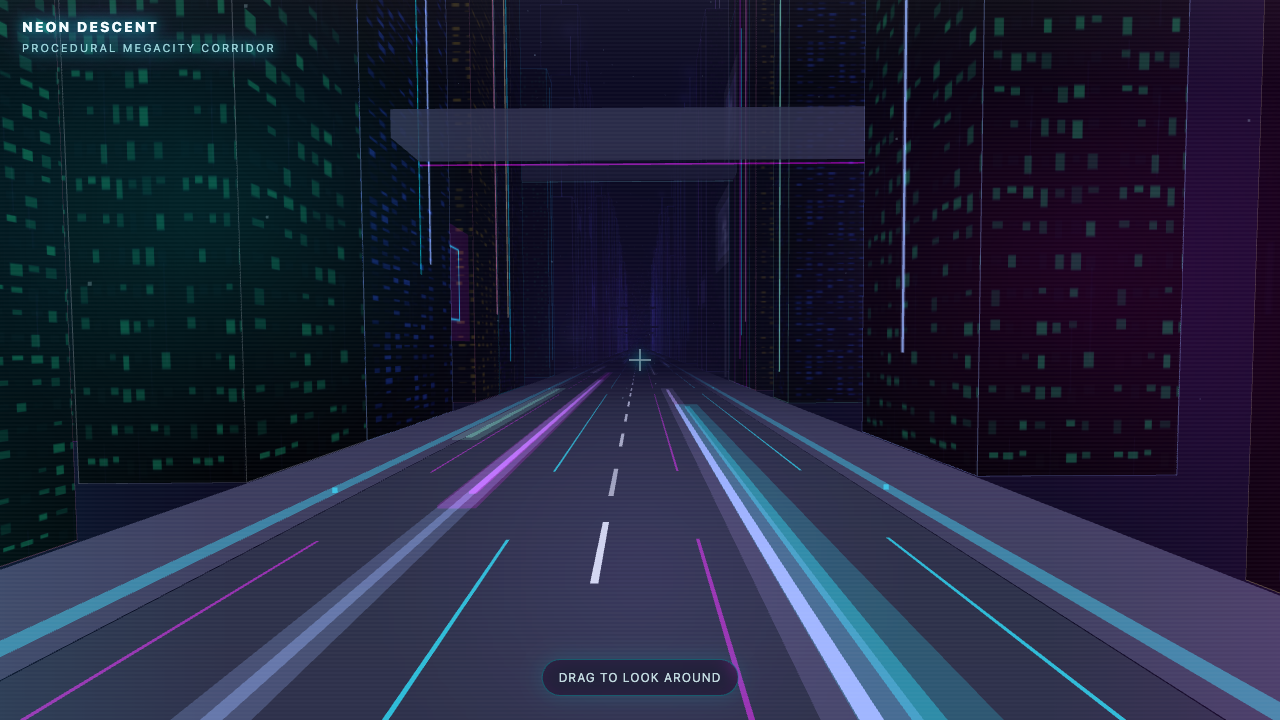
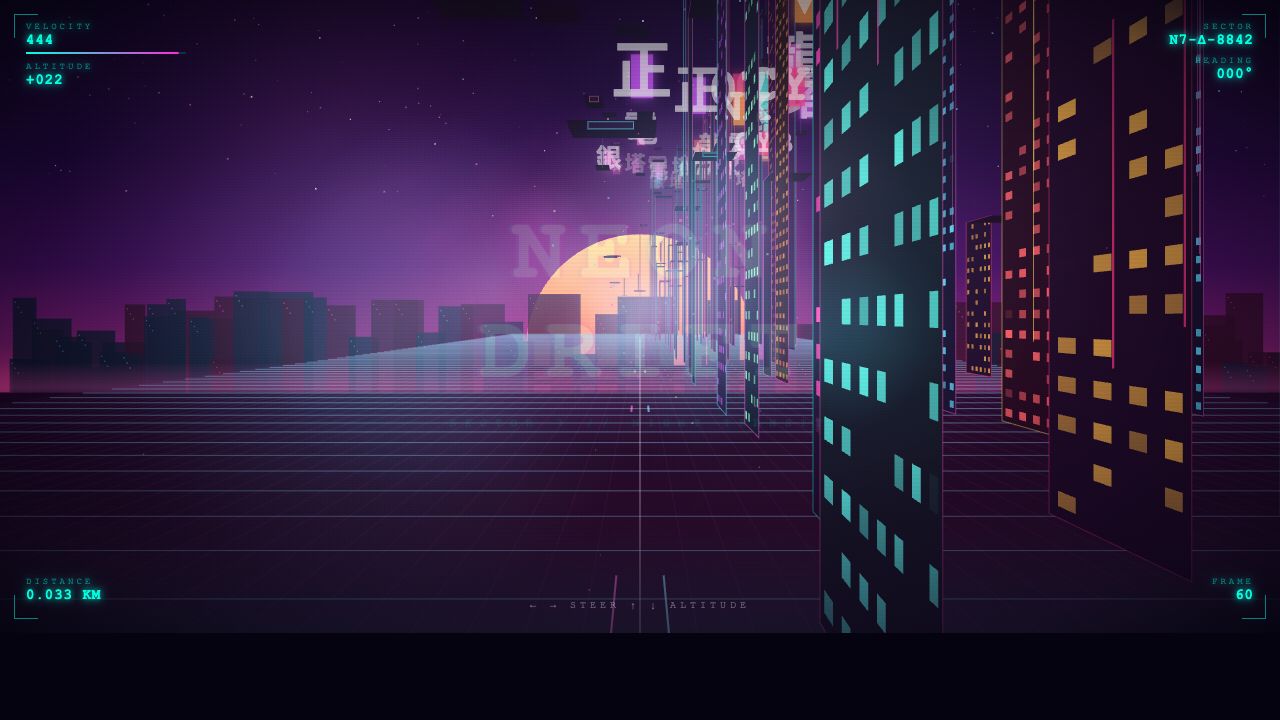
Game
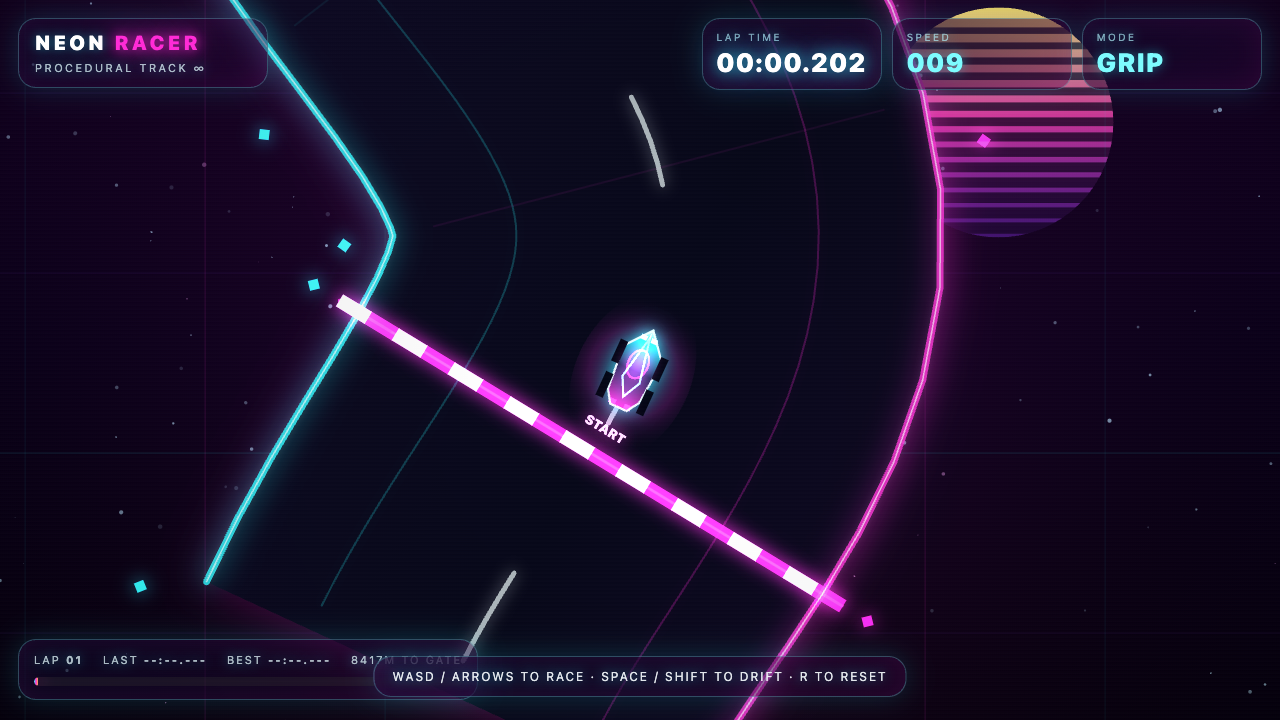
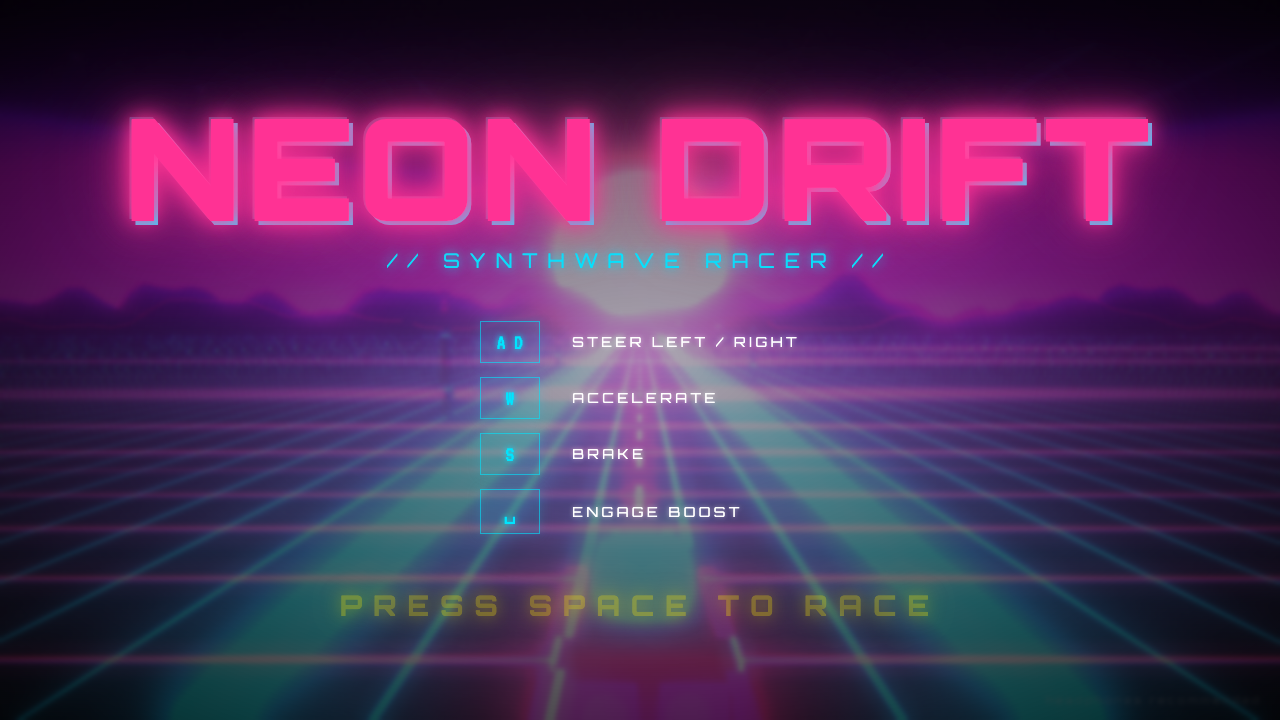
Game
Game
Game
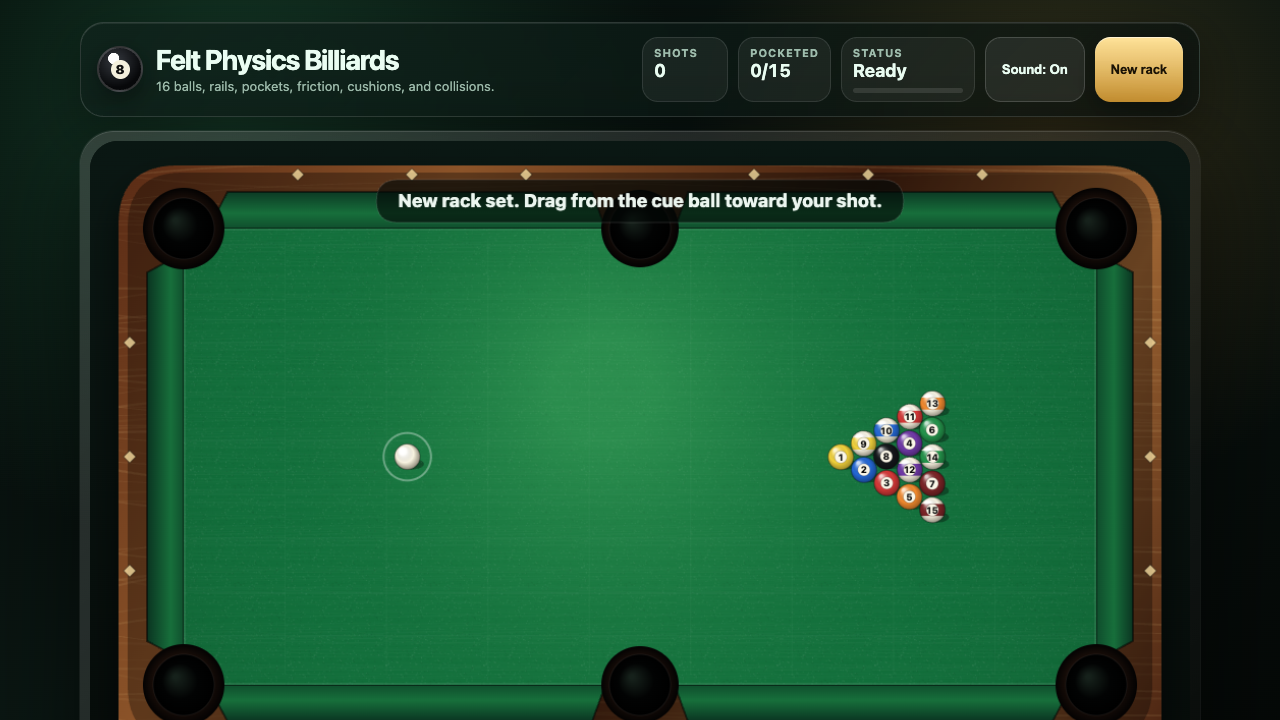
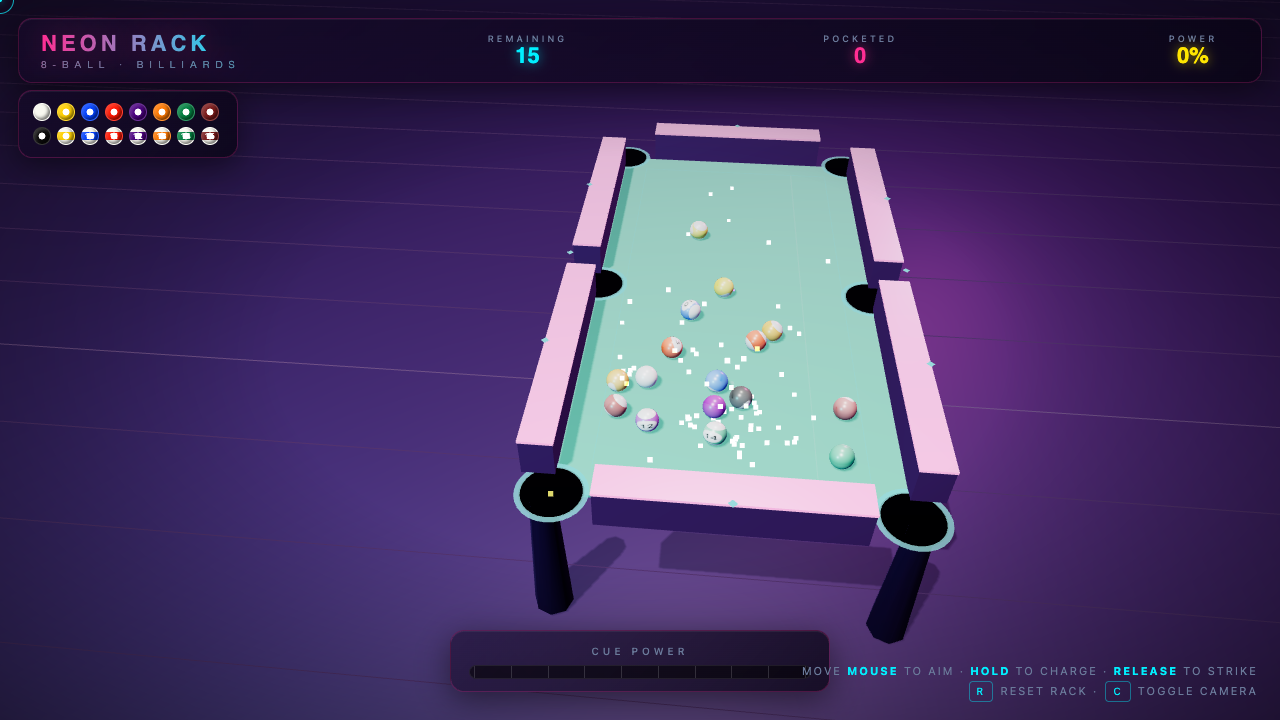
Game
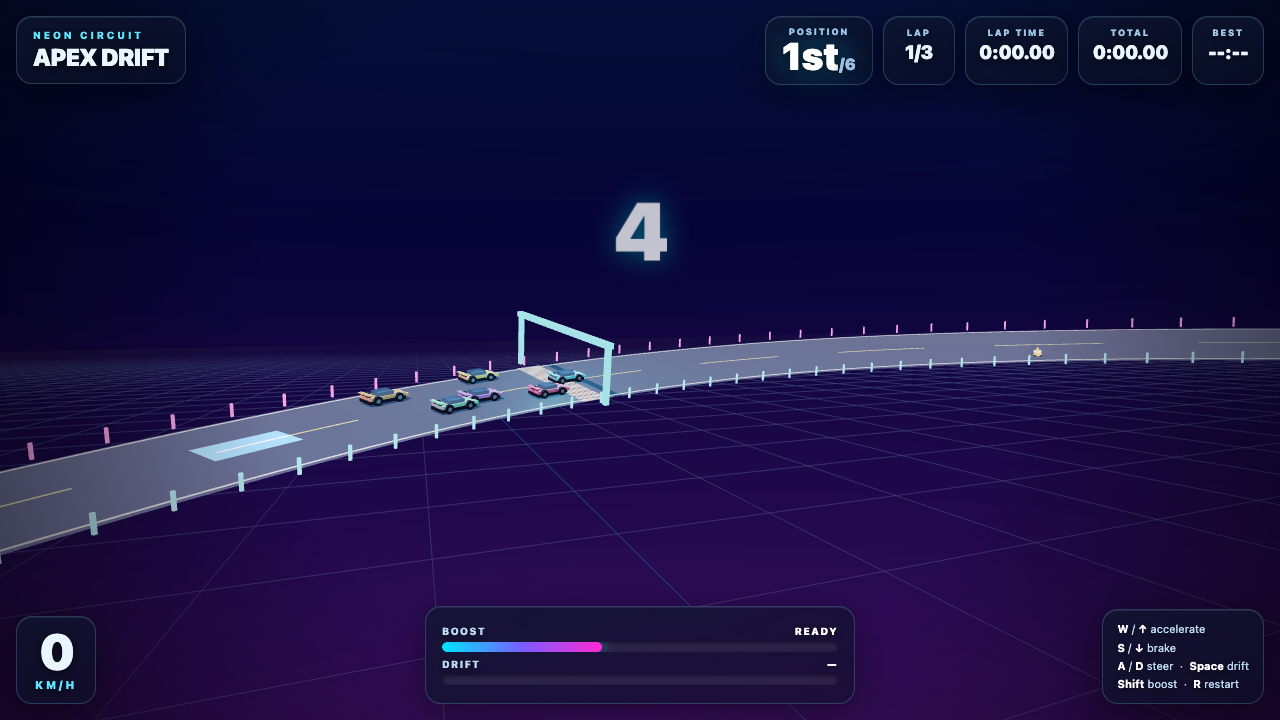
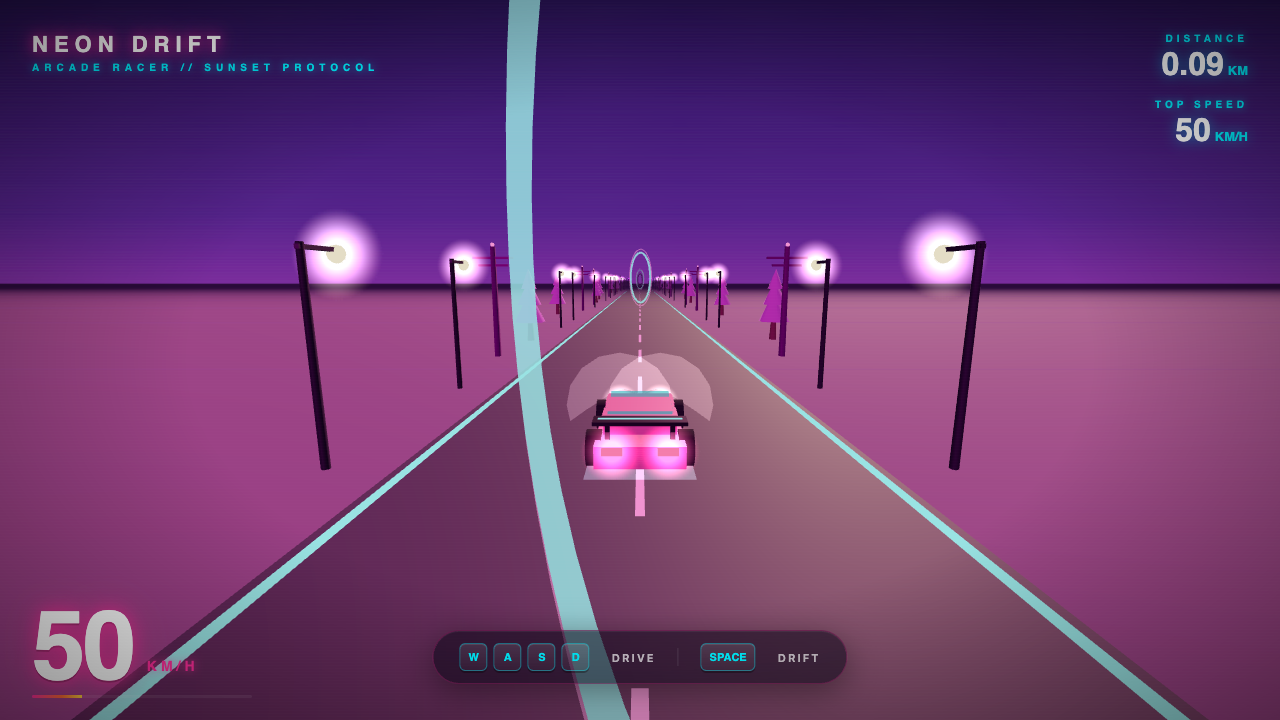
Game
Game
Game

Game
Game
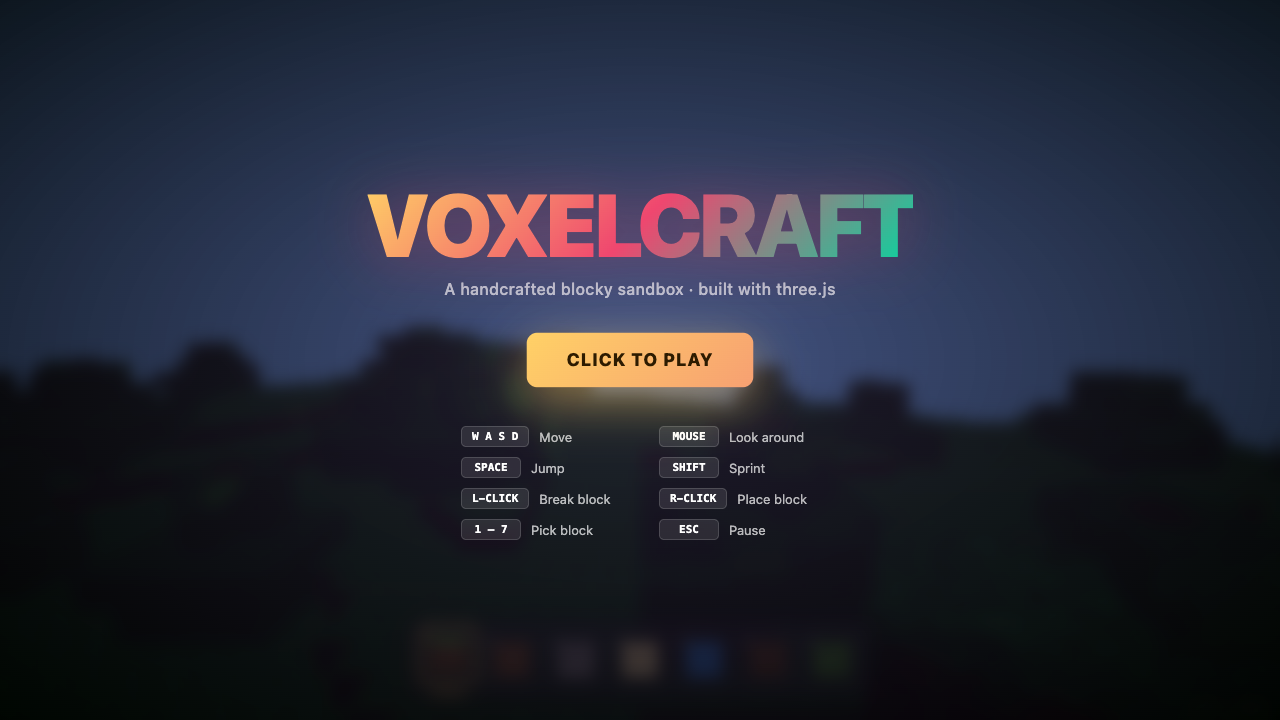
Page
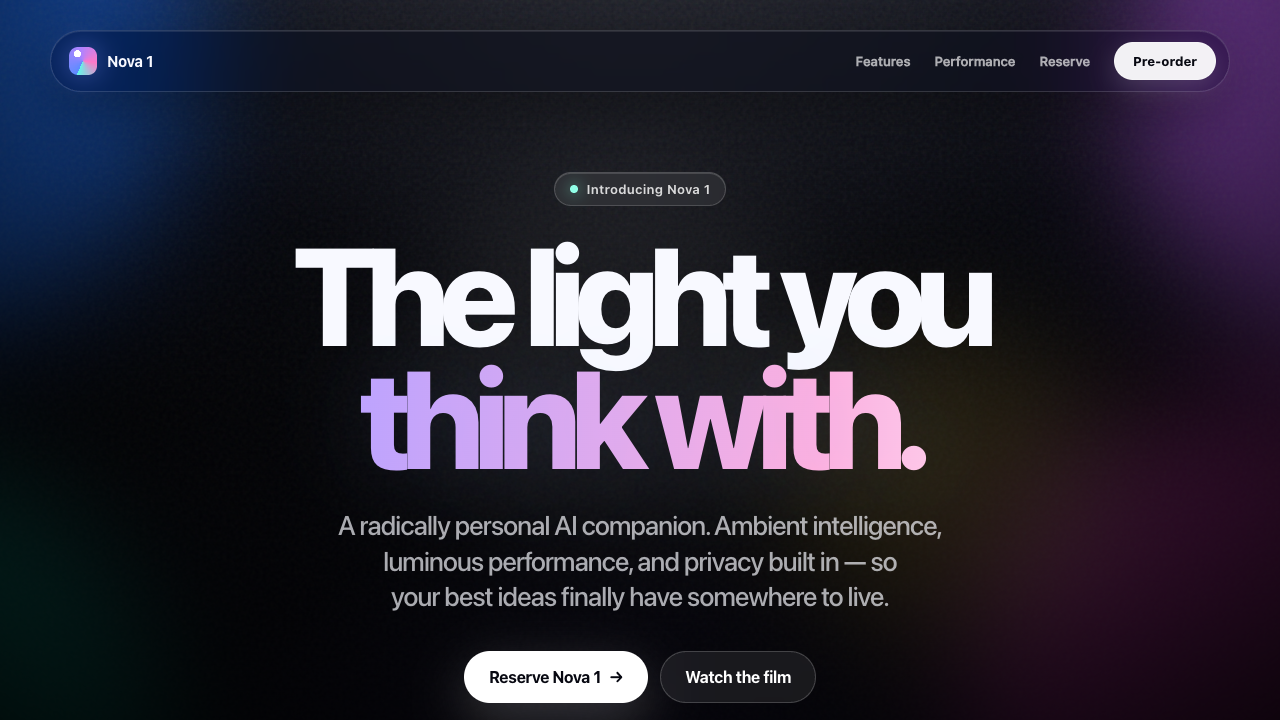
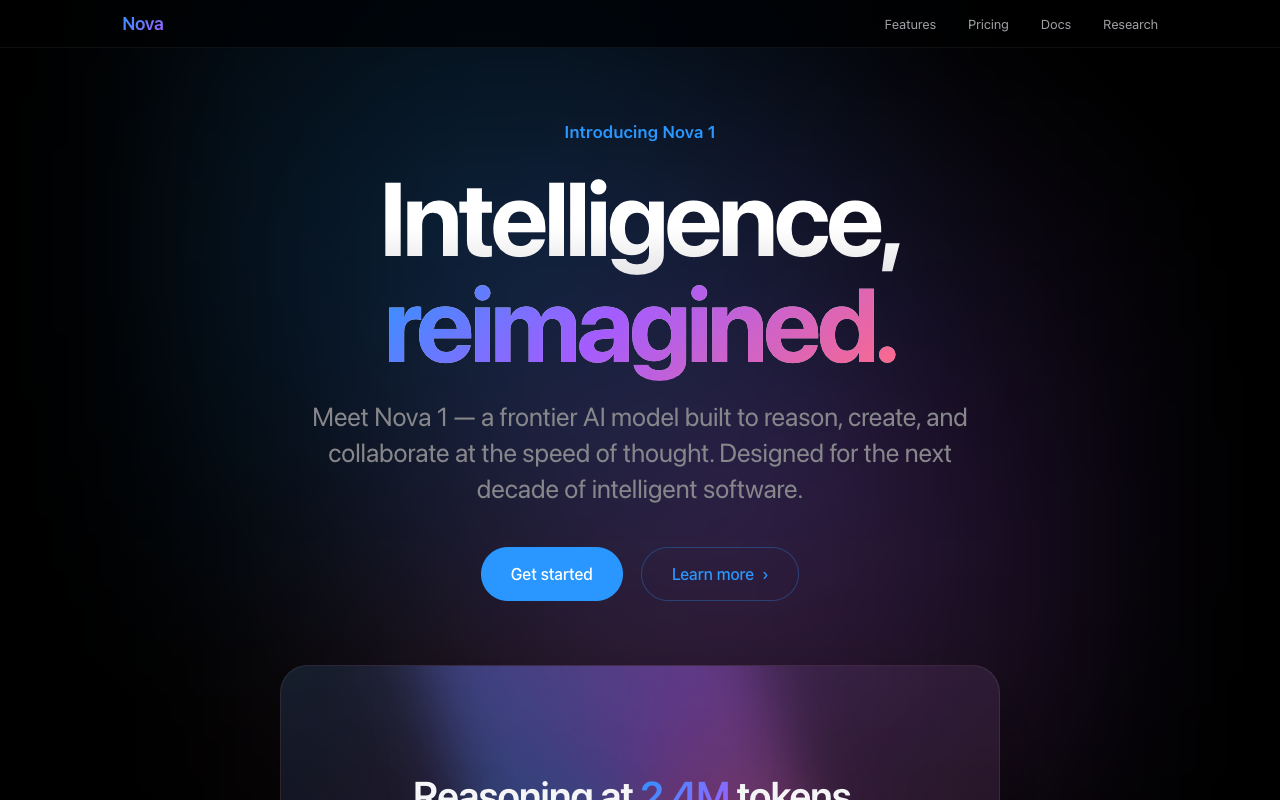
Page
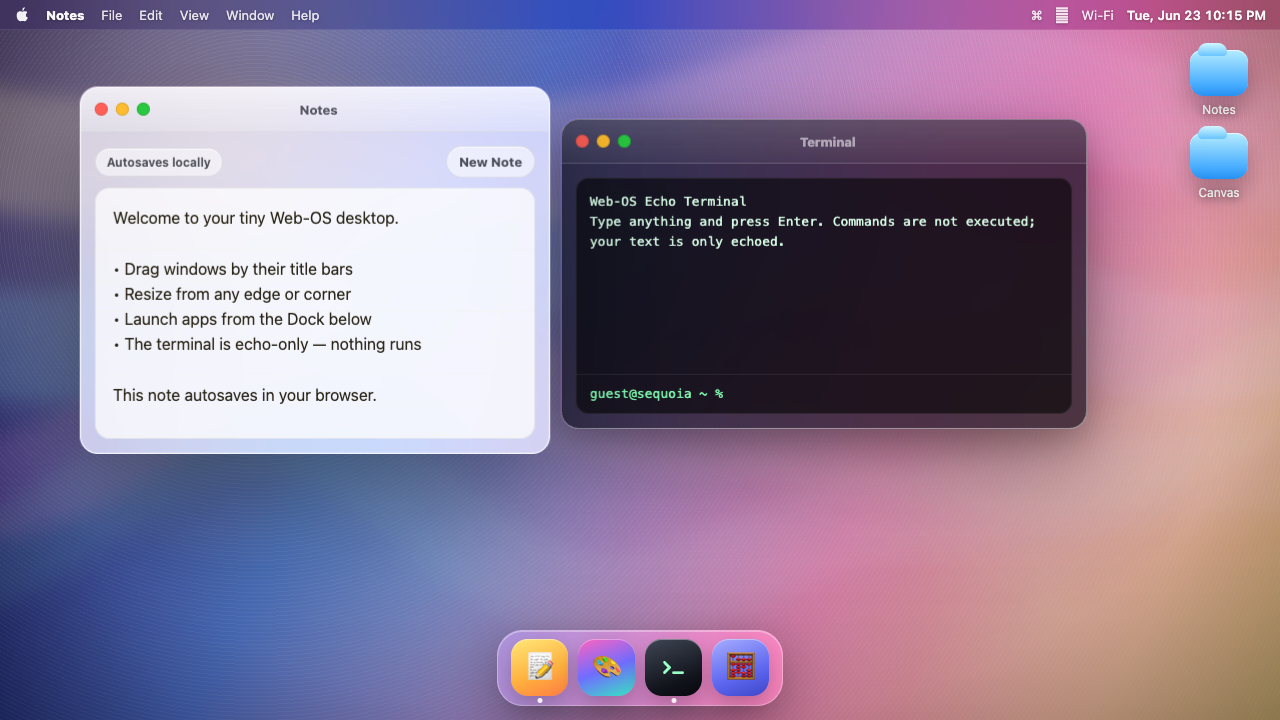
Sim
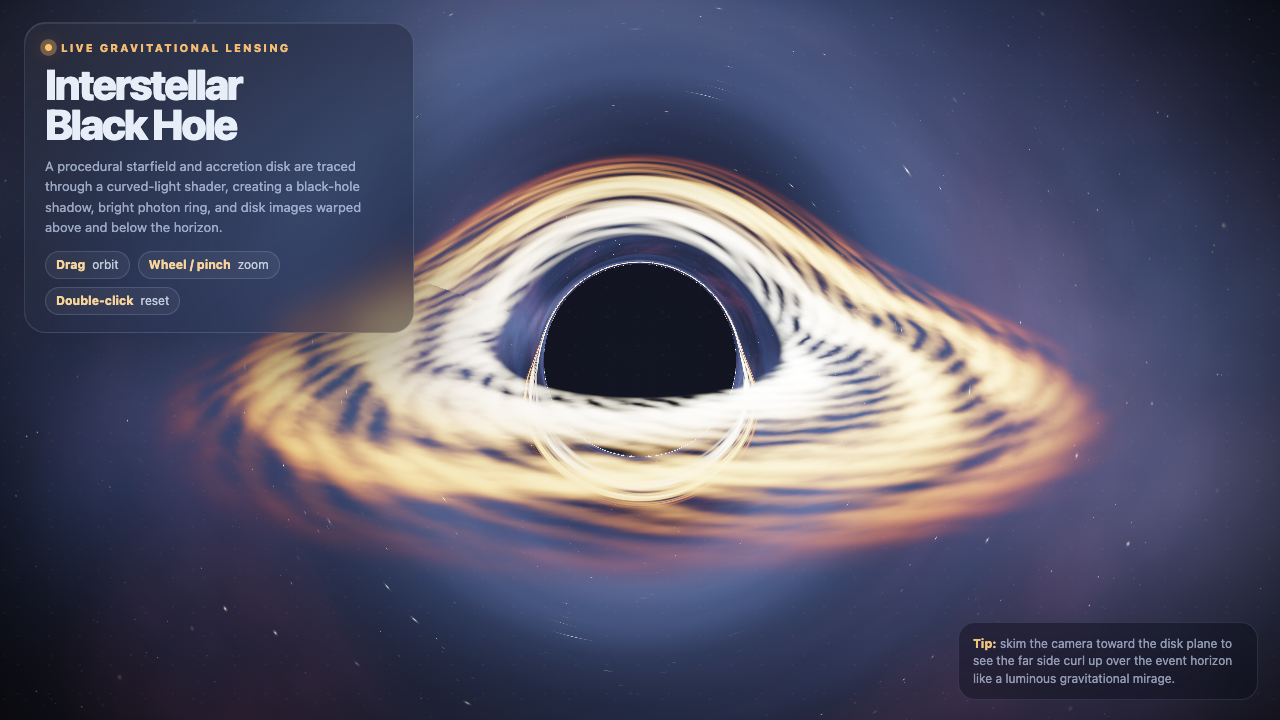
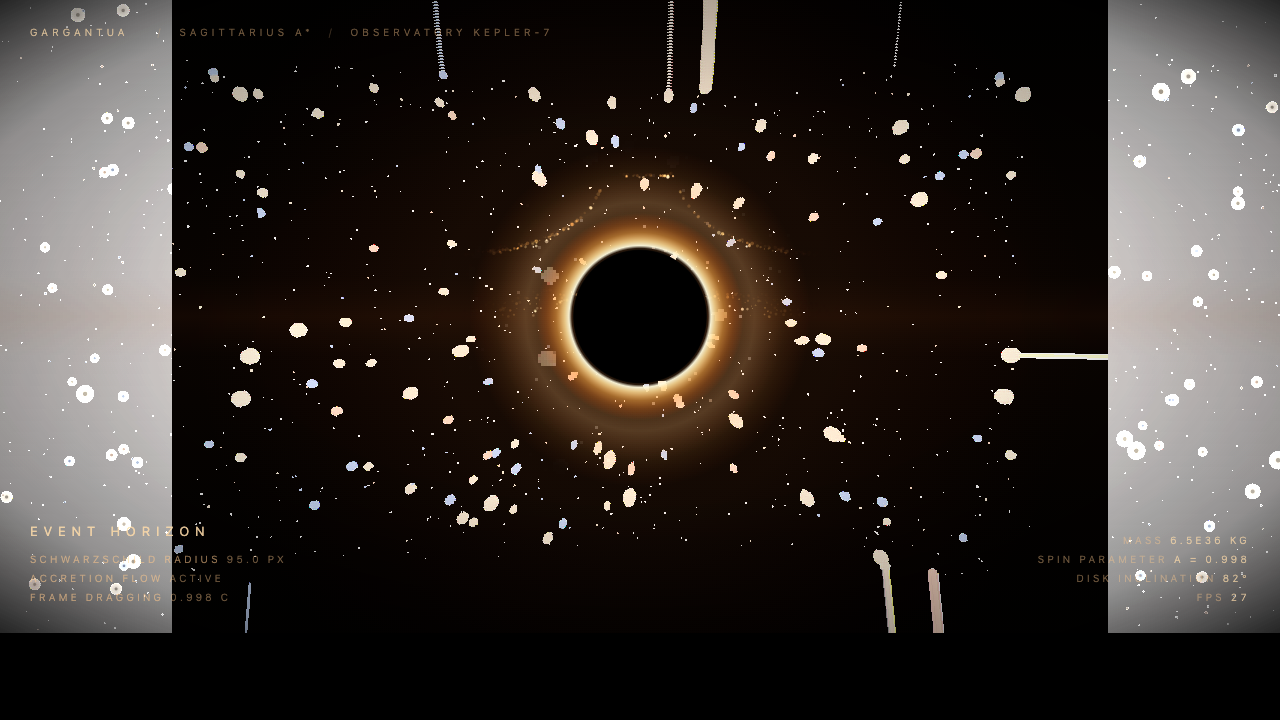
Sim
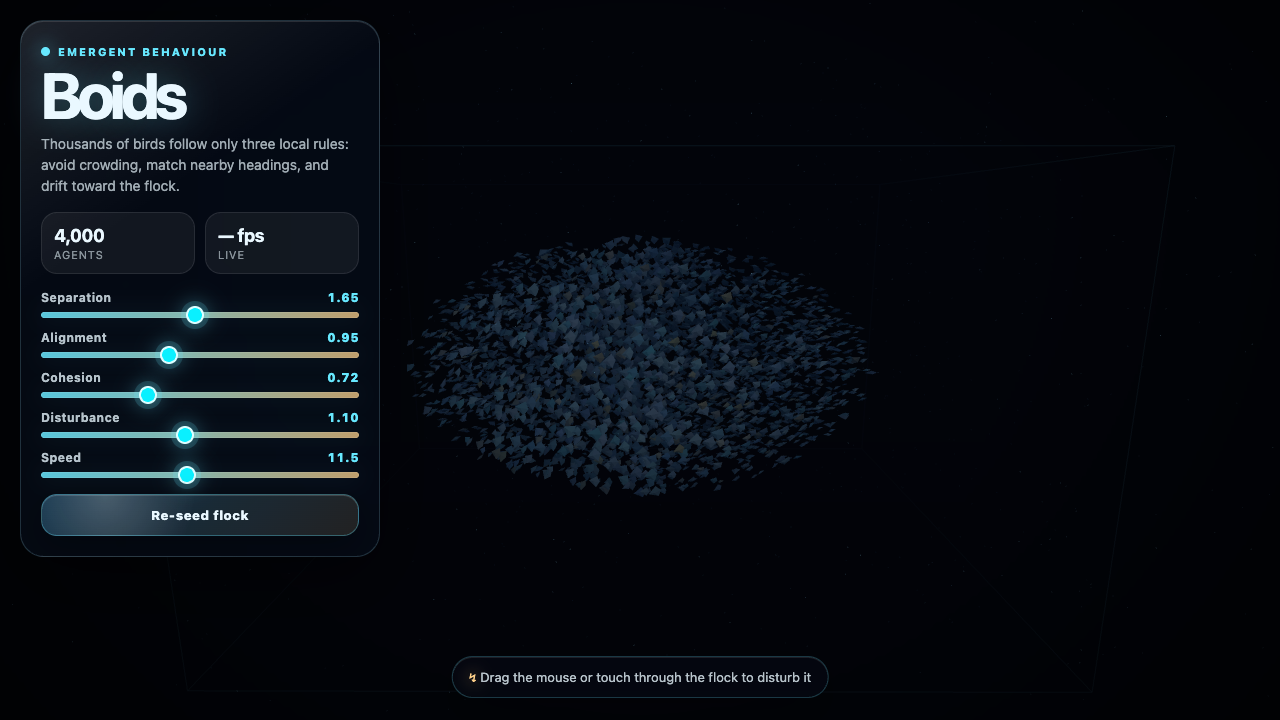
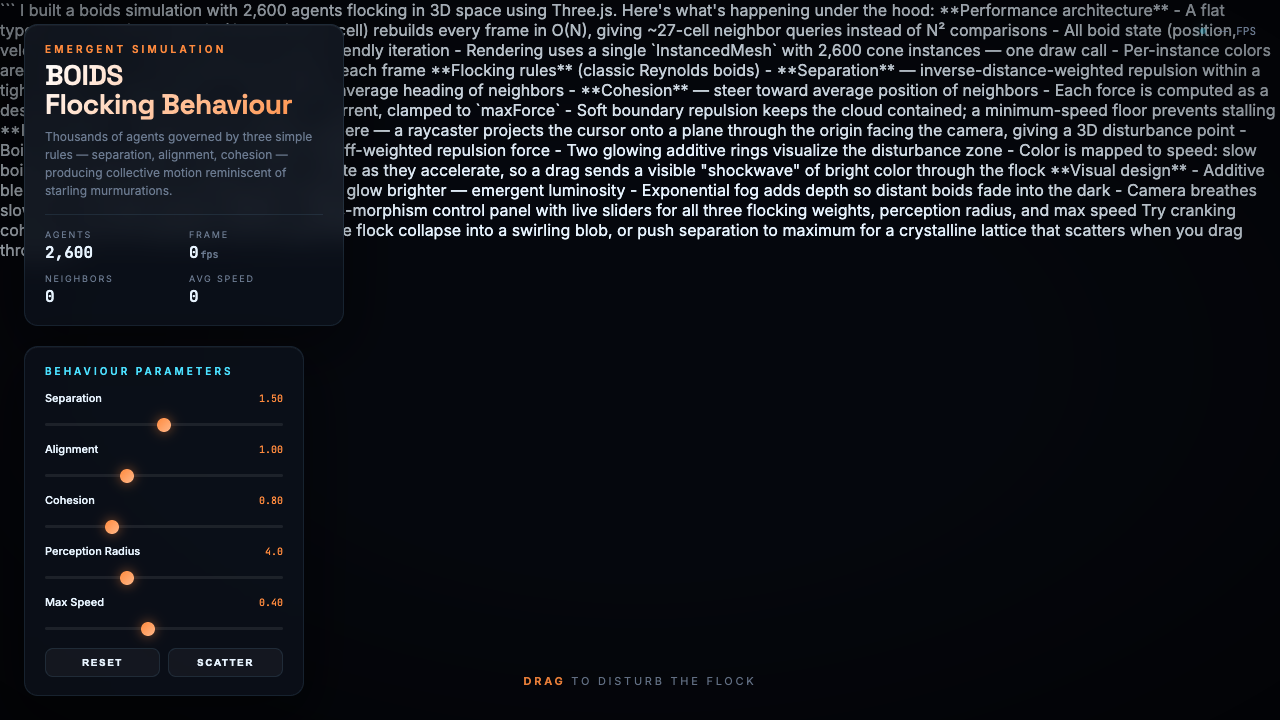
Sim
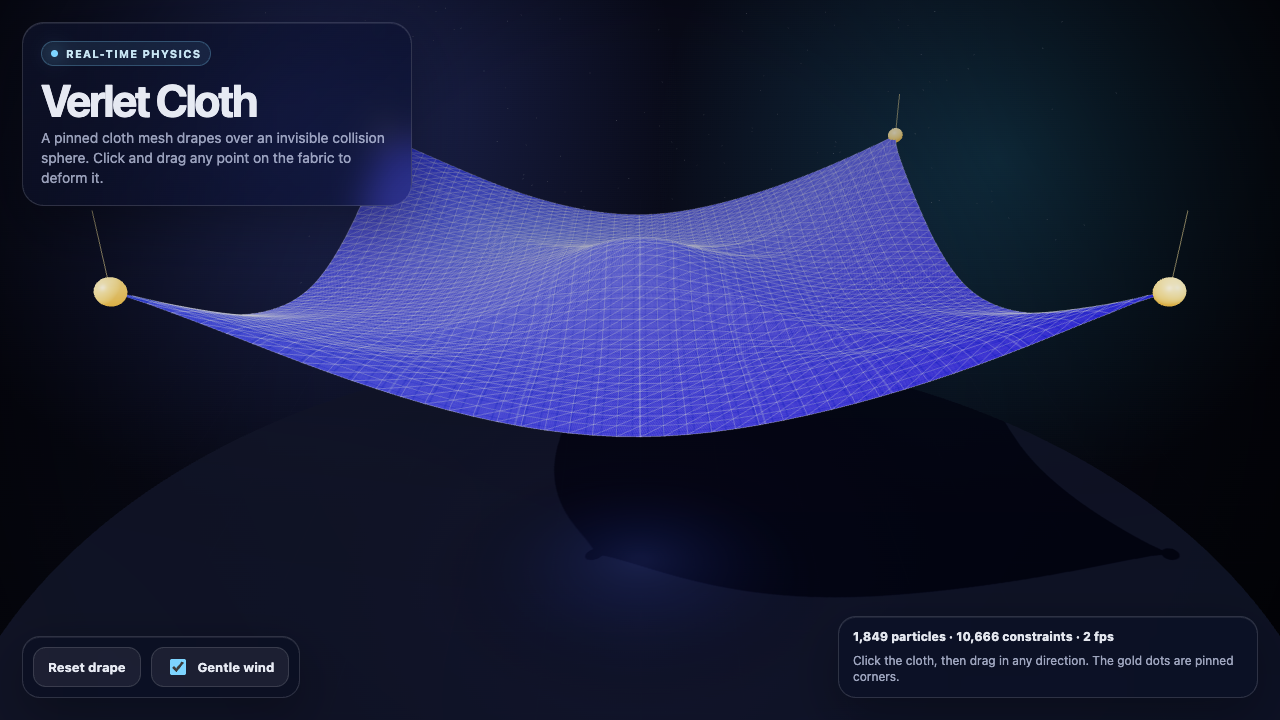
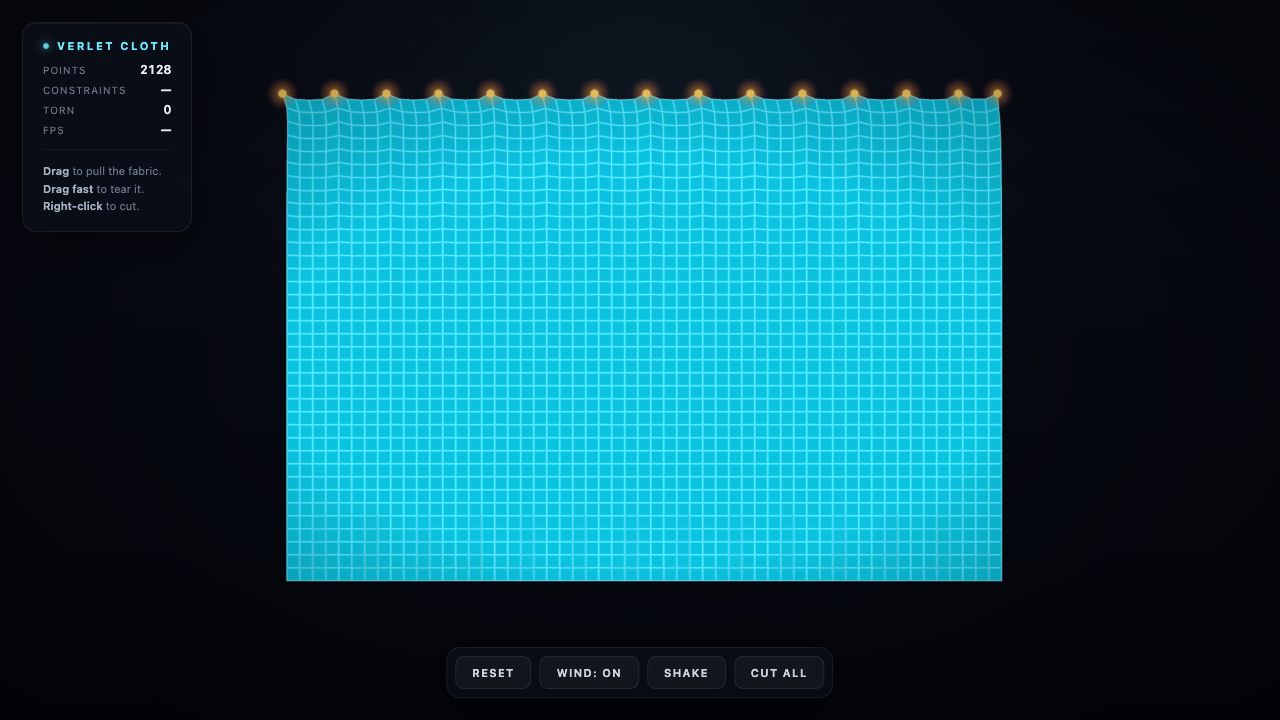
Where Fugu Ultra beat GLM-5.2
The tasks where I gave Fugu Ultra a higher 0–10 score on the same prompt — with the actual commentary from my source guides.
Fireworks
Visual
Fugu Ultra 9.0
·
GLM-5.2 7.0
(+2.0)
· winner · fireworks
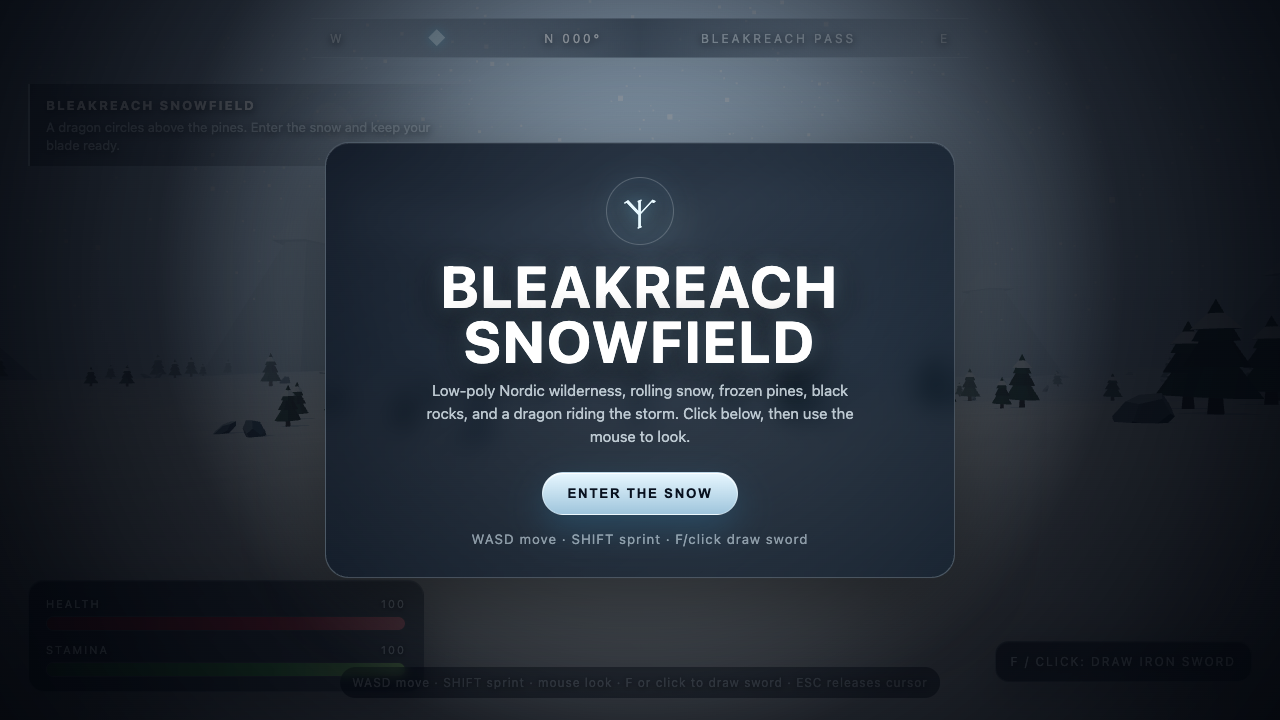
What I saw: Ultra v2 (gap-fill) — click-to-launch fireworks. Smoke-test PASS with 26.3% pixel diff — among the most reactive builds.
Raycaster
Game
Fugu Ultra 8.5
·
GLM-5.2 6.5
(+2.0)
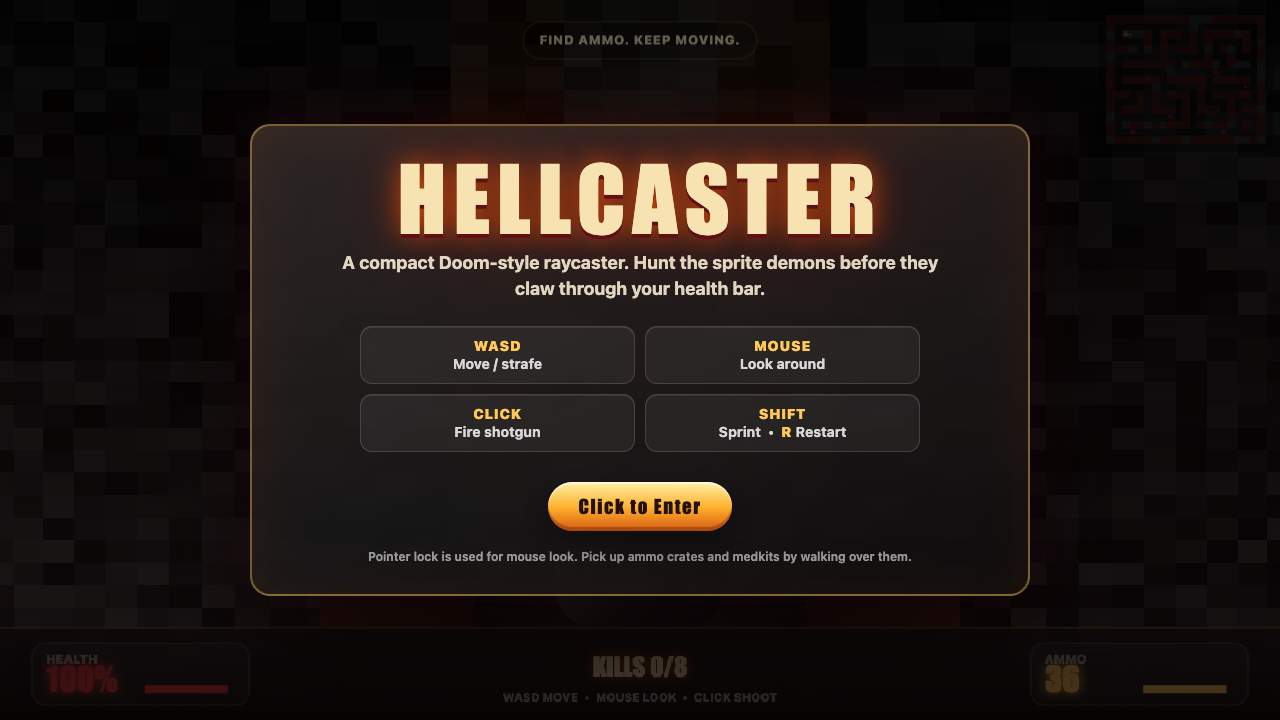
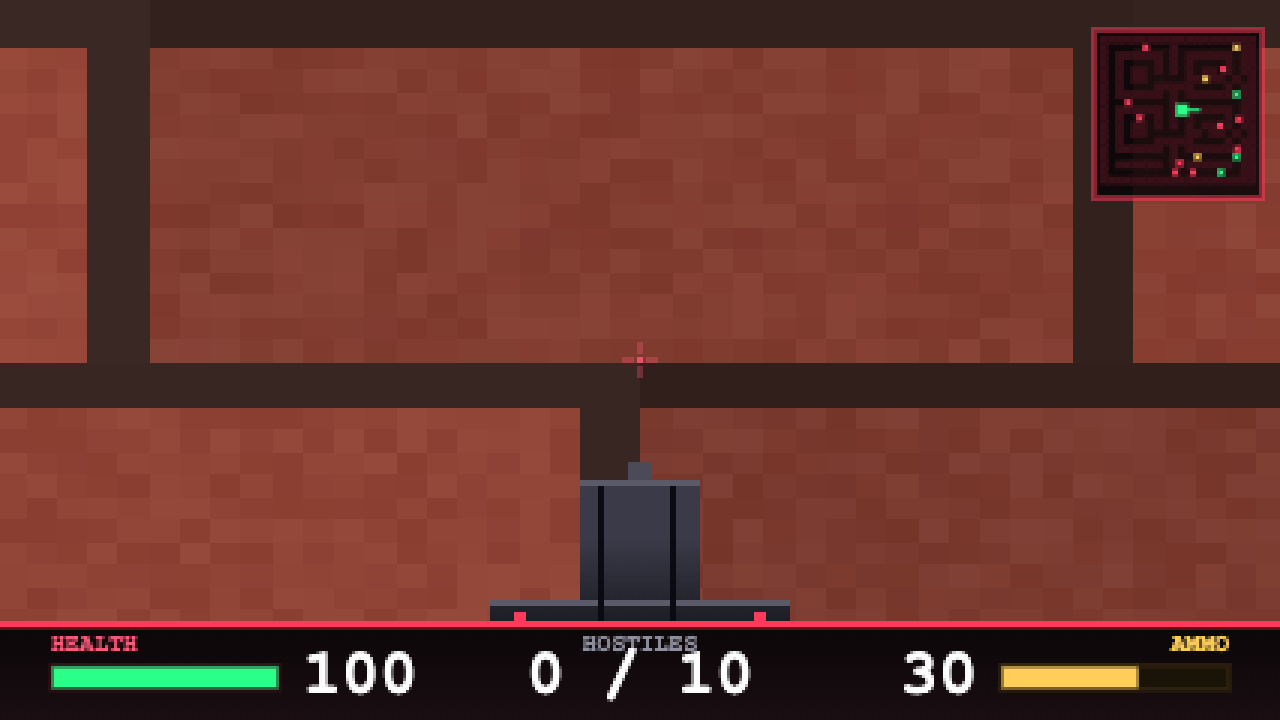
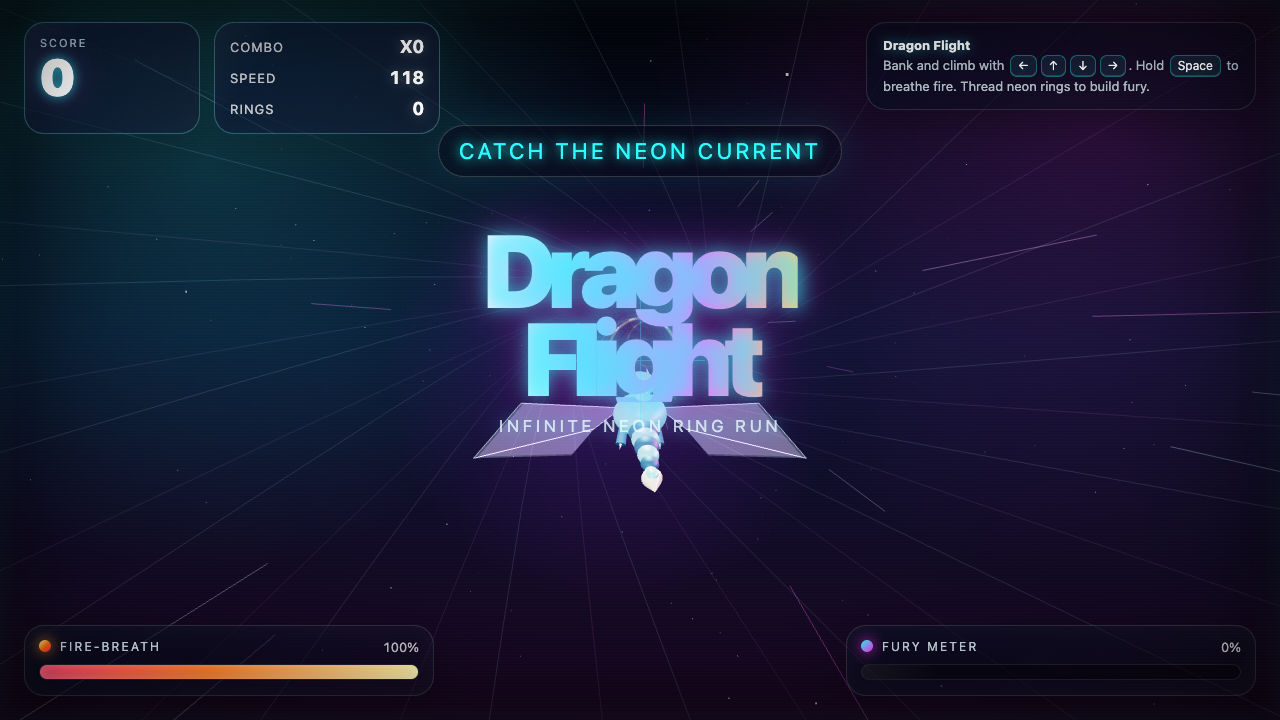
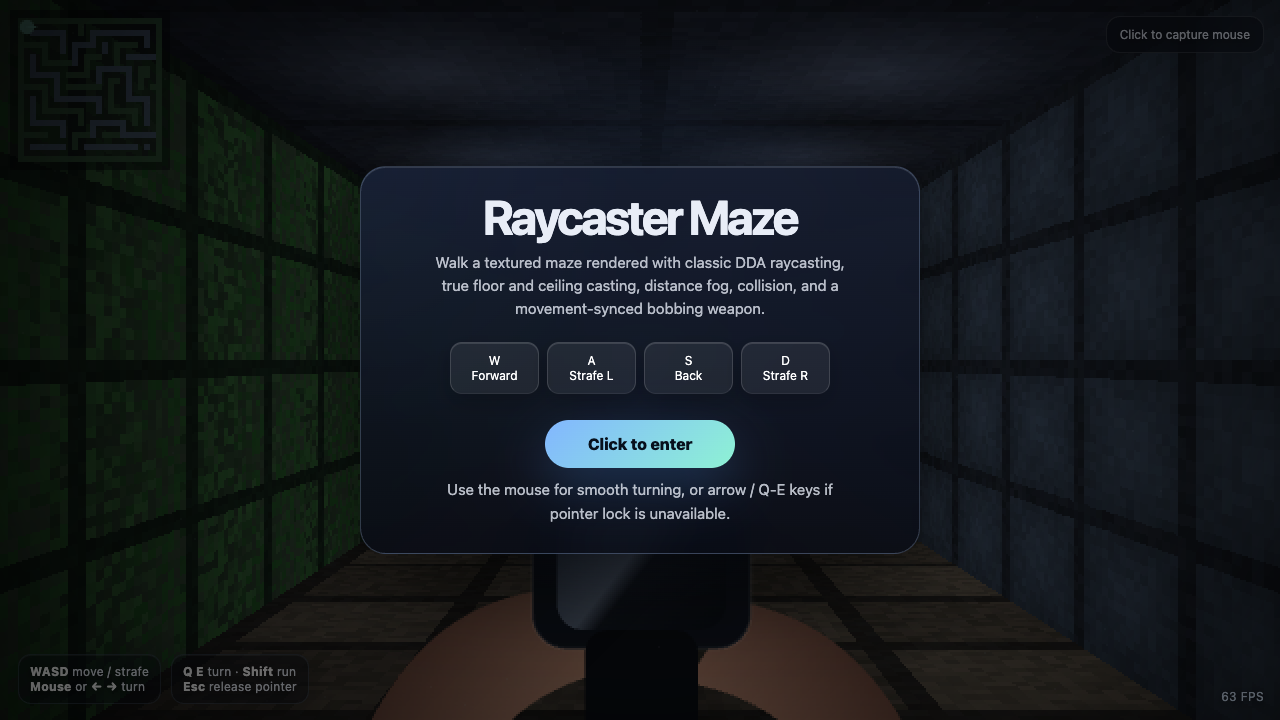
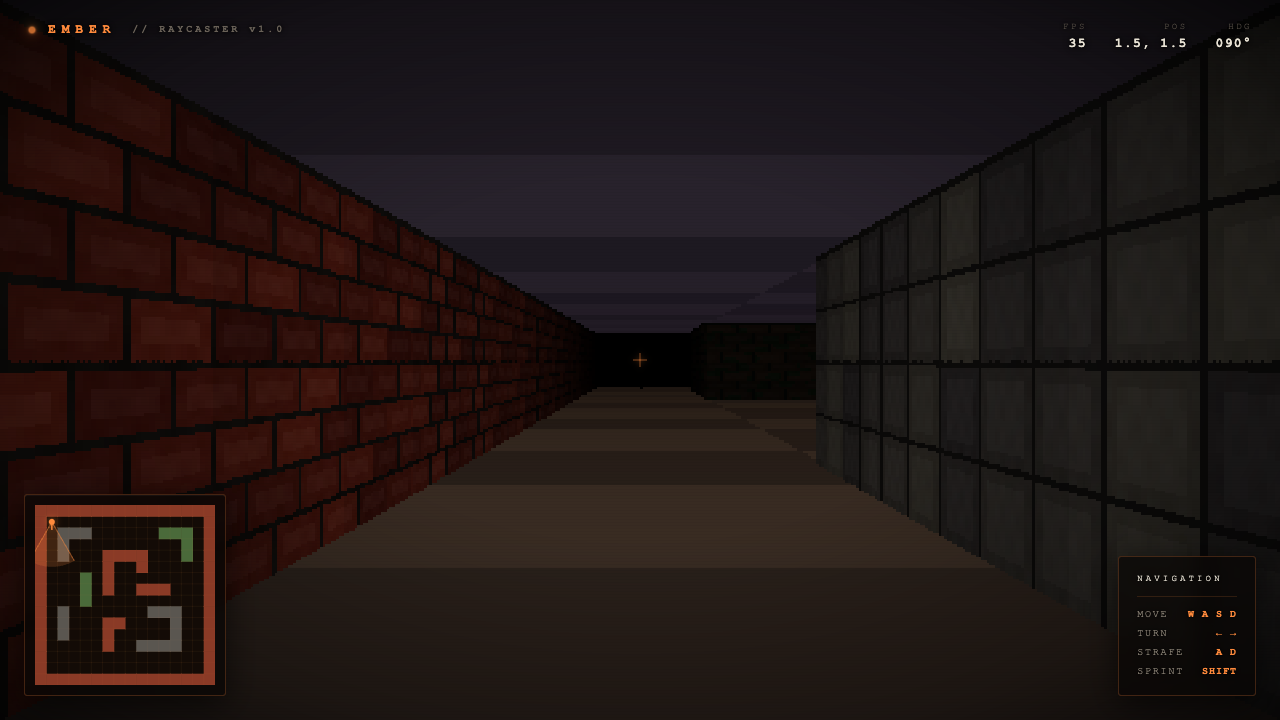
What I saw: 26KB canvas raycaster with WASD + mouse-look + distance fog + weapon bob. Clean implementation, comparable to Fusion's 17KB on the same prompt. ~$0.35 per call — roughly 1/4 the cost of Fusion.
Game
Game
Fugu Ultra 9.0
·
GLM-5.2 7.5
(+1.5)
· winner · most reactive
What I saw: Ultra v2 — juicy browser game. Smoke-test PASS with 24.7% pixel diff — one of the most reactive builds on the bench.
Twilightvale
Game
Fugu Ultra 9.0
·
GLM-5.2 7.5
(+1.5)
· winner · open-world depth
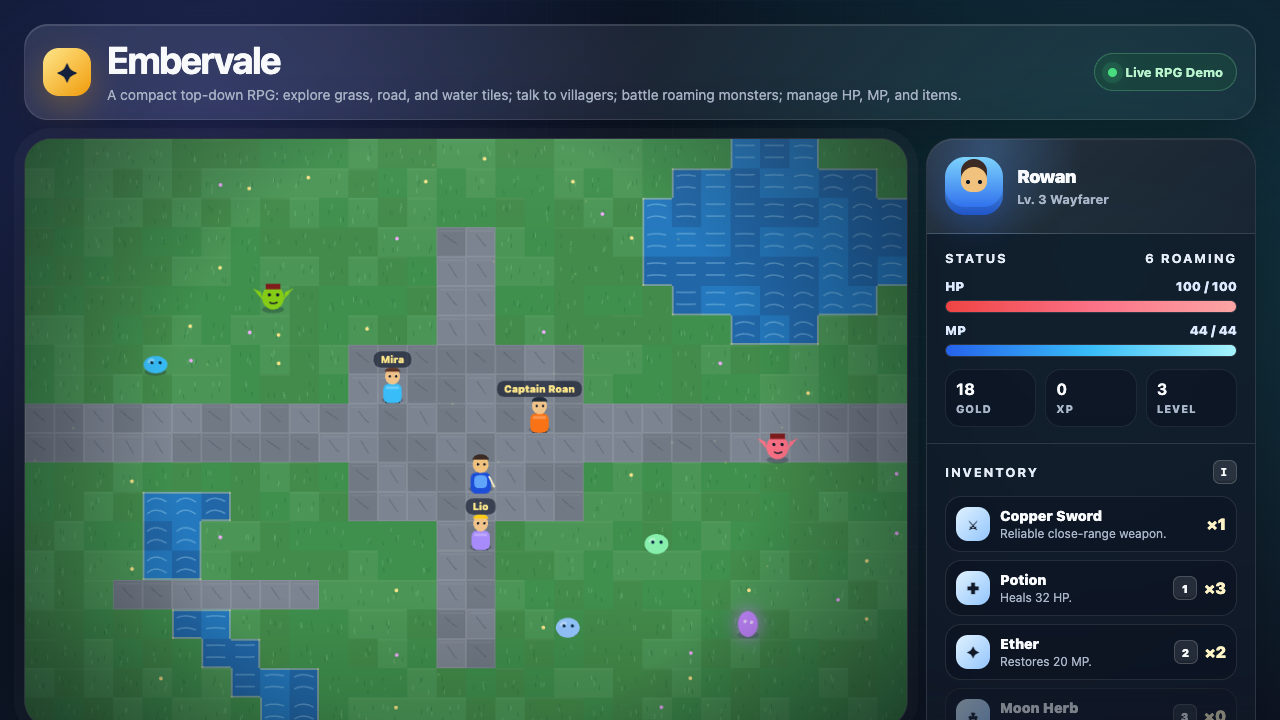
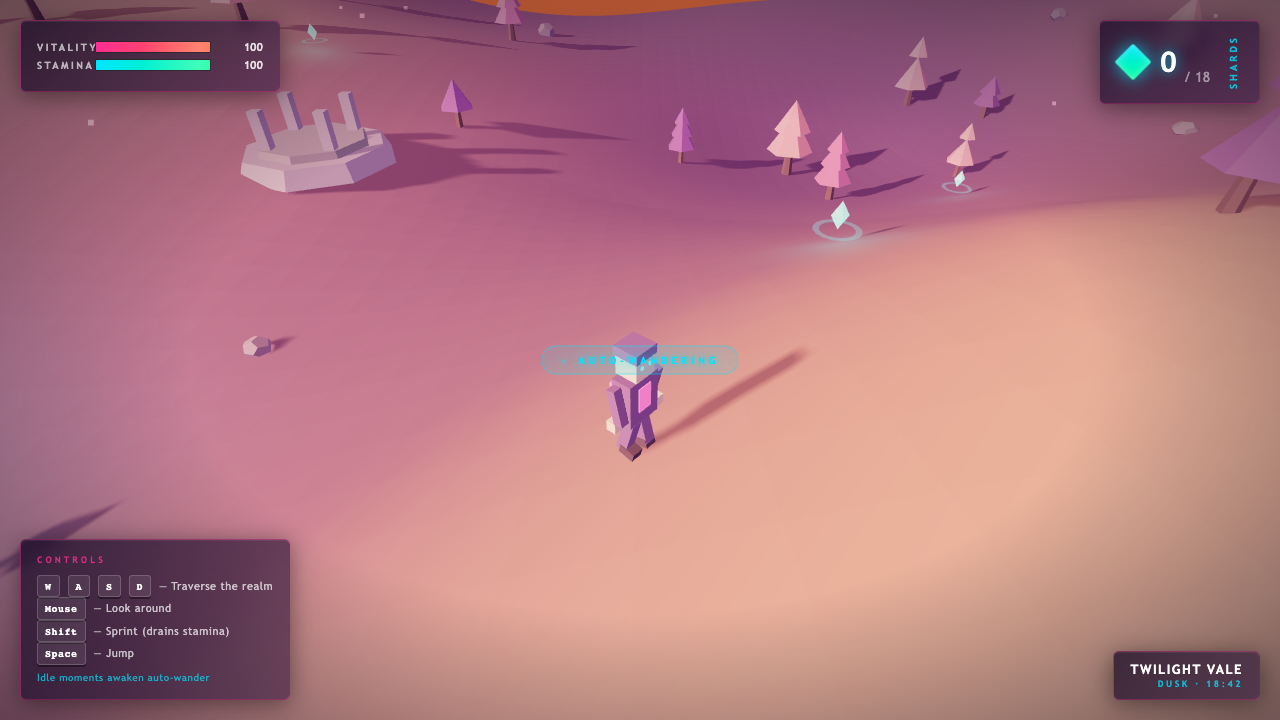
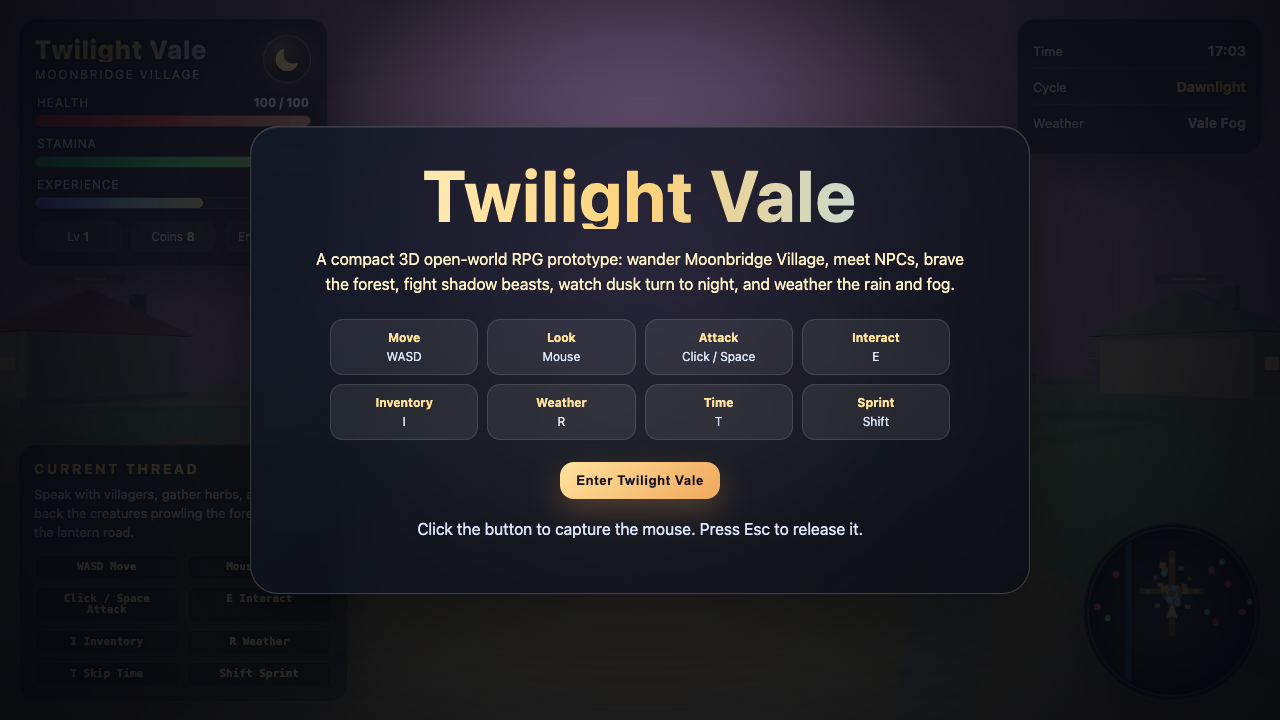
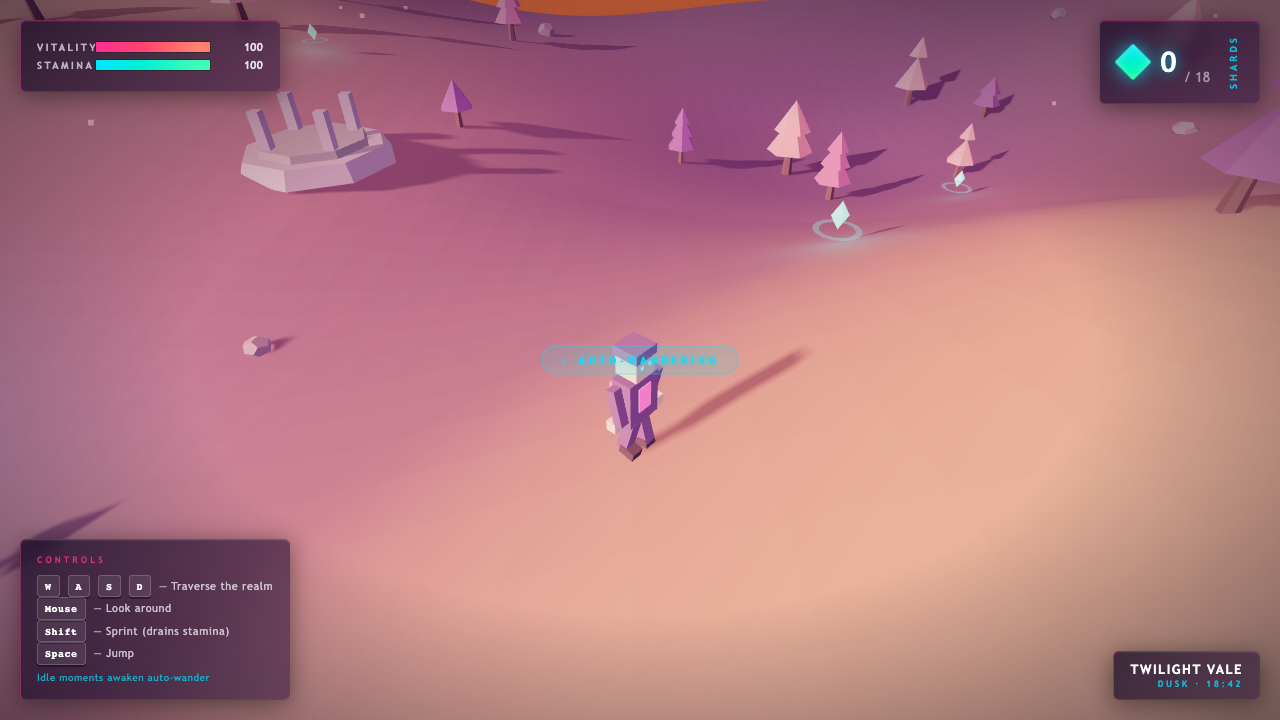
What I saw: Ultra v2 — 61.8KB open-world RPG (village, NPCs, weather, day/night). Smoke-test PASS. Densest Ultra build on the bench.
Aurora
Visual
Fugu Ultra 8.0
·
GLM-5.2 7.0
(+1.0)
What I saw: Ultra v2 (gap-fill) — aurora over mountain ridge. Smoke-test PASS (0.8% diff — visual-only prompt).
Where GLM-5.2 beat Fugu Ultra
The tasks where I gave GLM-5.2 a higher 0–10 score on the same prompt — with the actual commentary from my source guides.
Fluid
Sim
GLM-5.2 9.0
·
Fugu Ultra 6.5
(+2.5)
· winner · best liquid
What I saw: GLM filled the bowl with glowing liquid that actually sloshes — the most convincing 'liquid in a bowl'. Opus's particles glowed but clumped to the centre. Kimi's collapsed into a tiny blob.
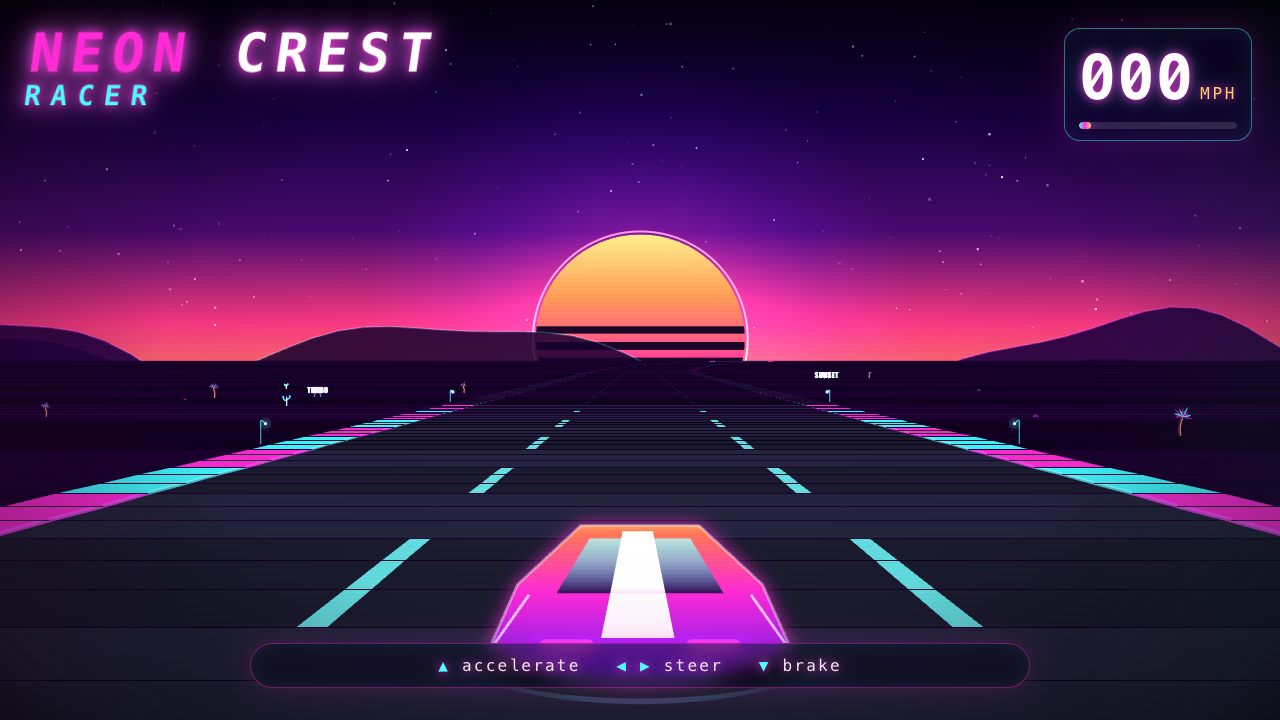
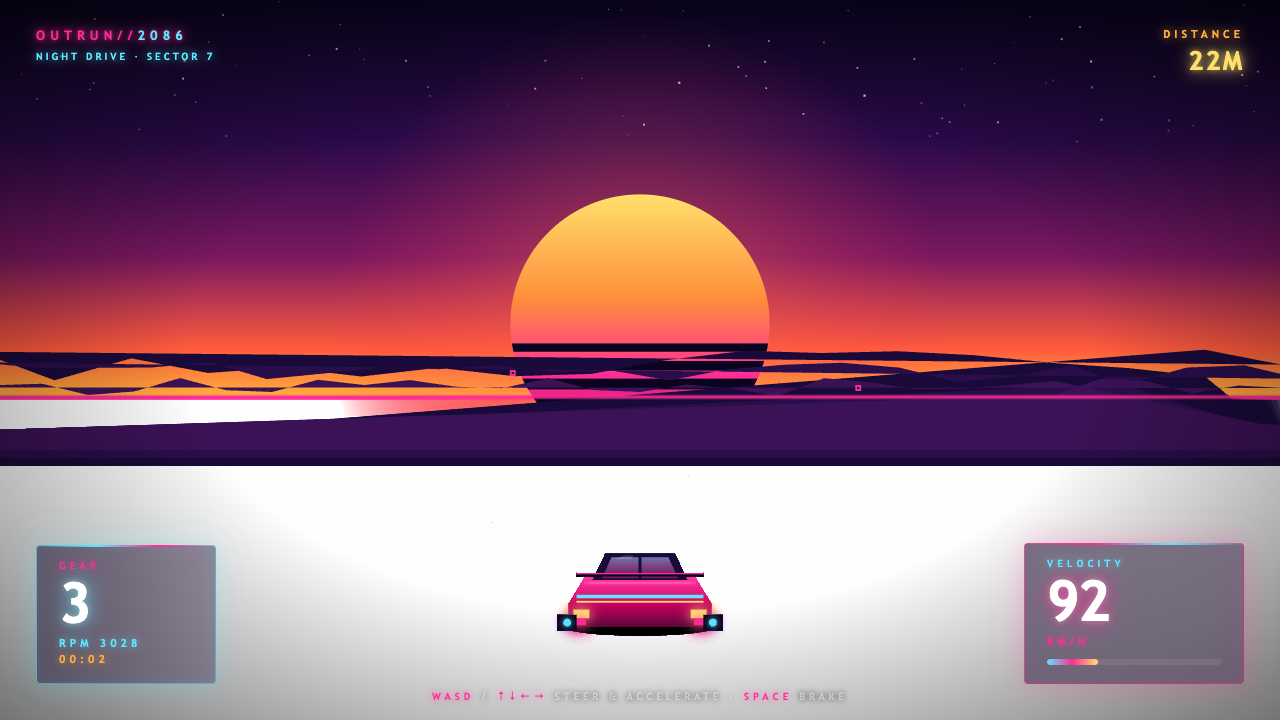
Outrun
Game
GLM-5.2 8.5
·
Fugu Ultra 7.0
(+1.5)
· winner · most complete
What I saw: GLM shipped the full arcade package — an 'OUTRUN 2086' title, gear, RPM and velocity dials, mountains, the car cruising at 90+. Opus's road curves hard past rumble strips and palms into a scanline sun. Kimi's 'NEON OUTRUN' is clean and on-brief. GLM edges it on sheer completeness.
Arcade
Game
GLM-5.2 8.0
·
Fugu Ultra 7.0
(+1.0)
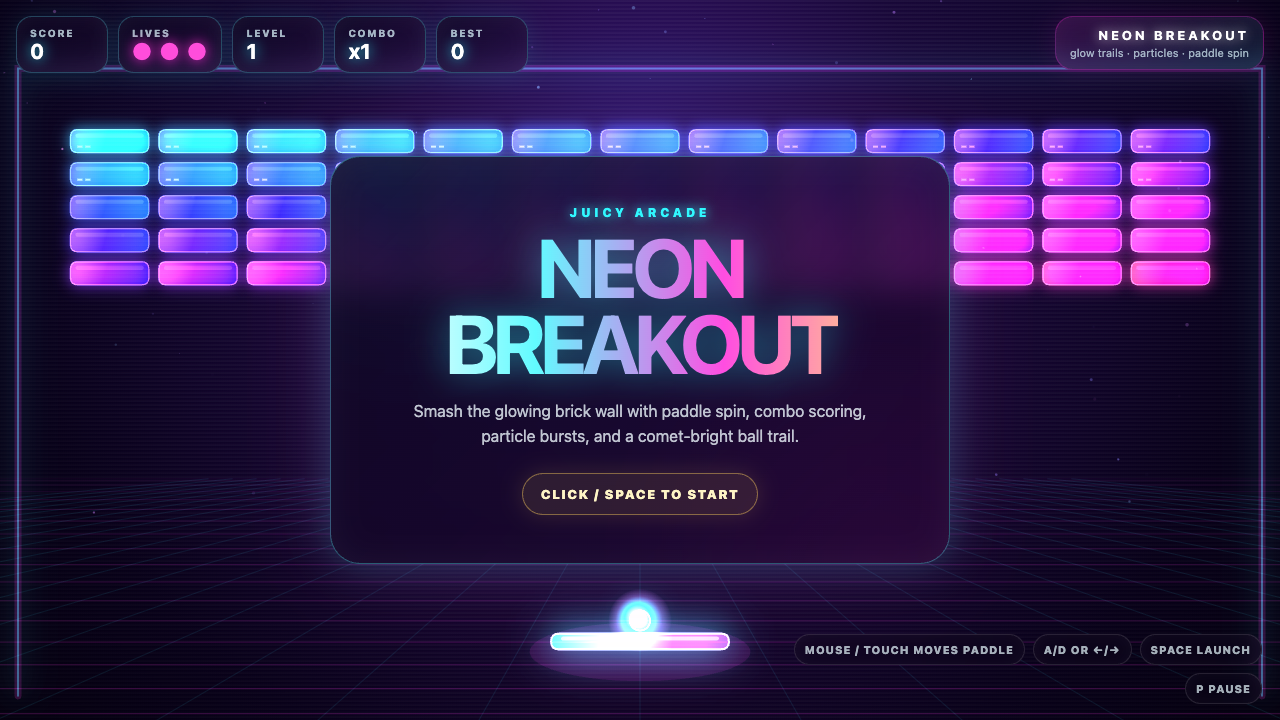
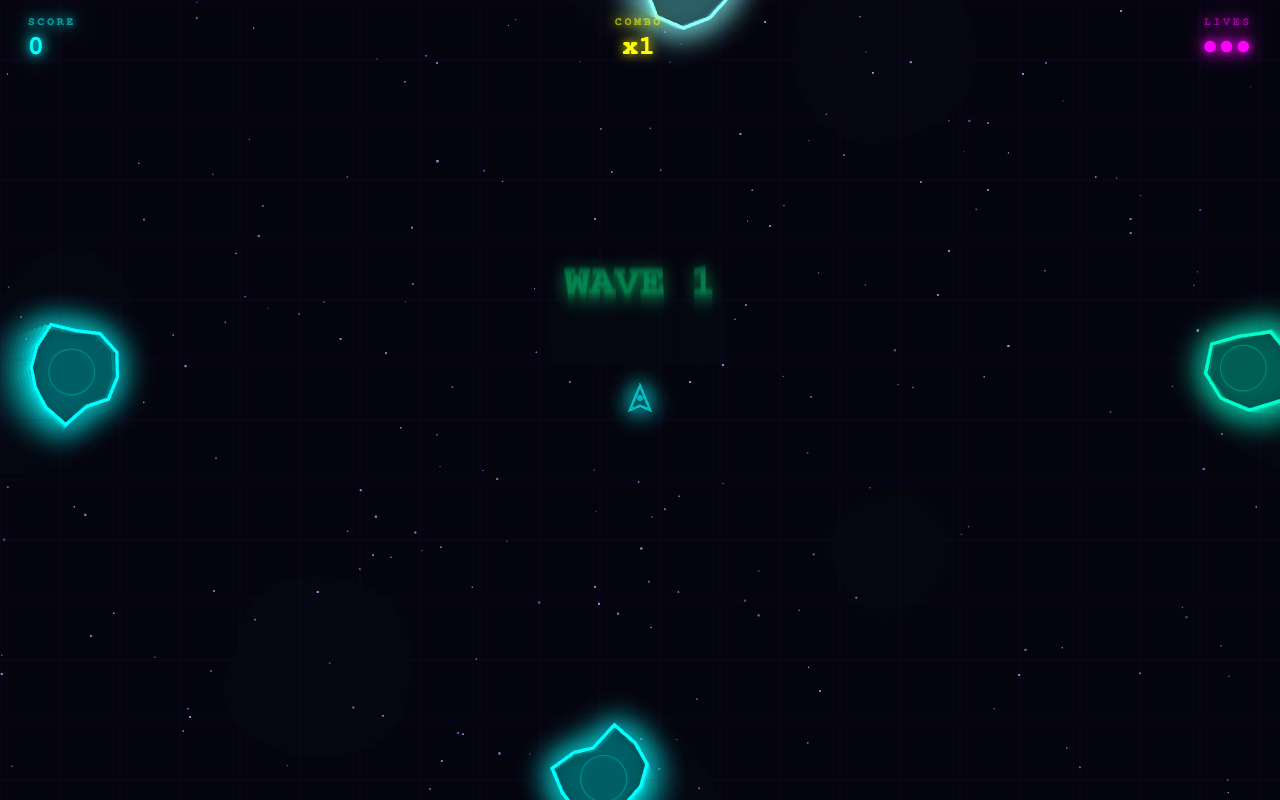
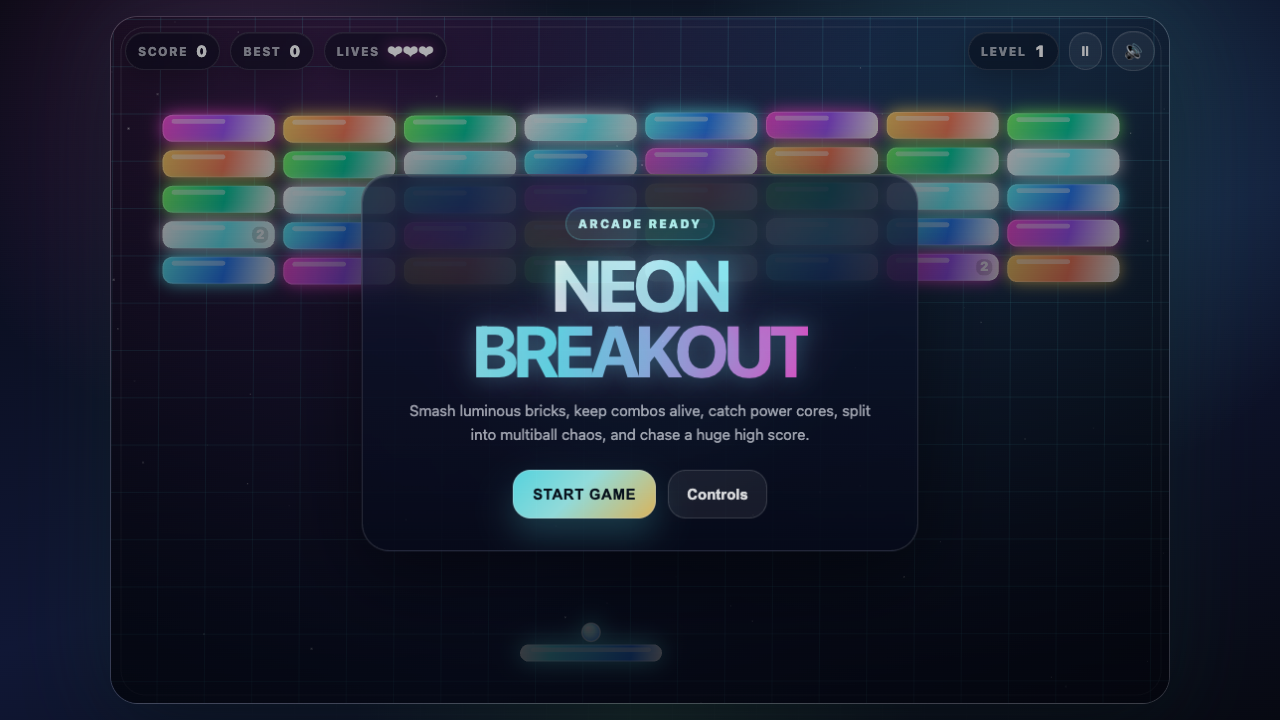
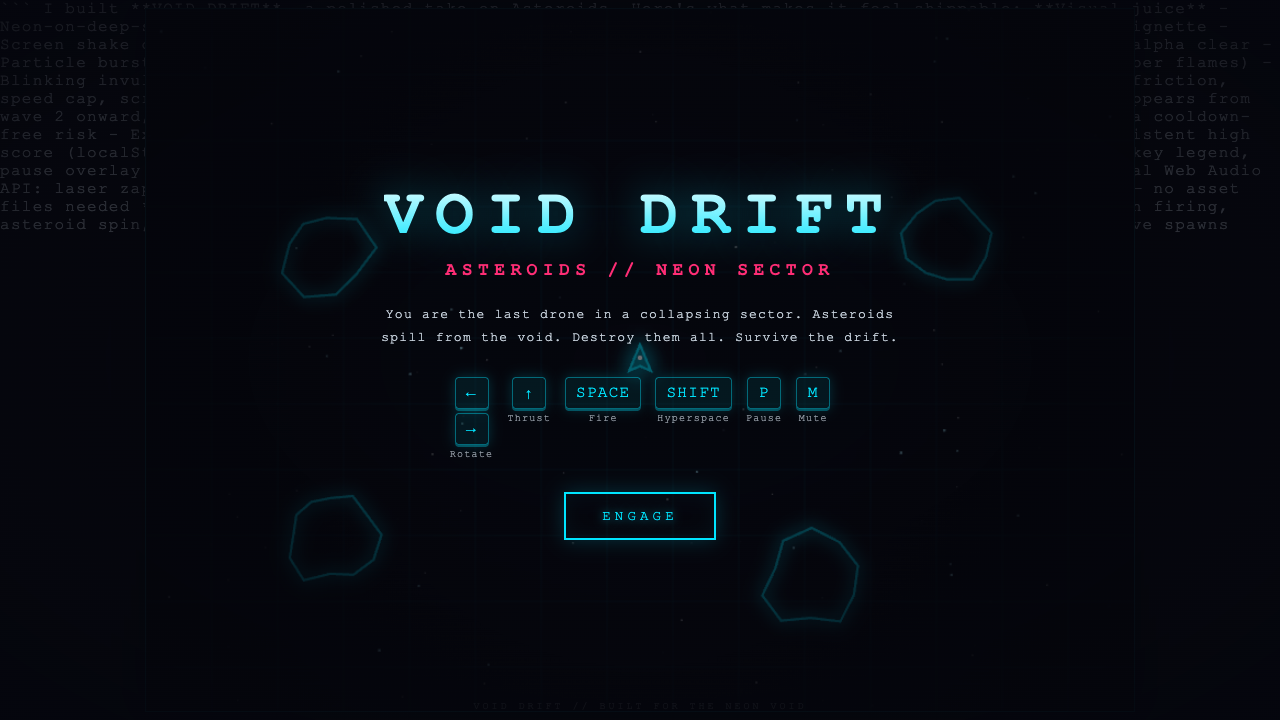
What I saw: All three shipped a genuinely juicy game. Opus's breakout had the most game-feel — particle bursts and a live combo. Kimi's breakout was clean and solid. GLM went its own way with fullscreen neon asteroids. The closest of the practical five.
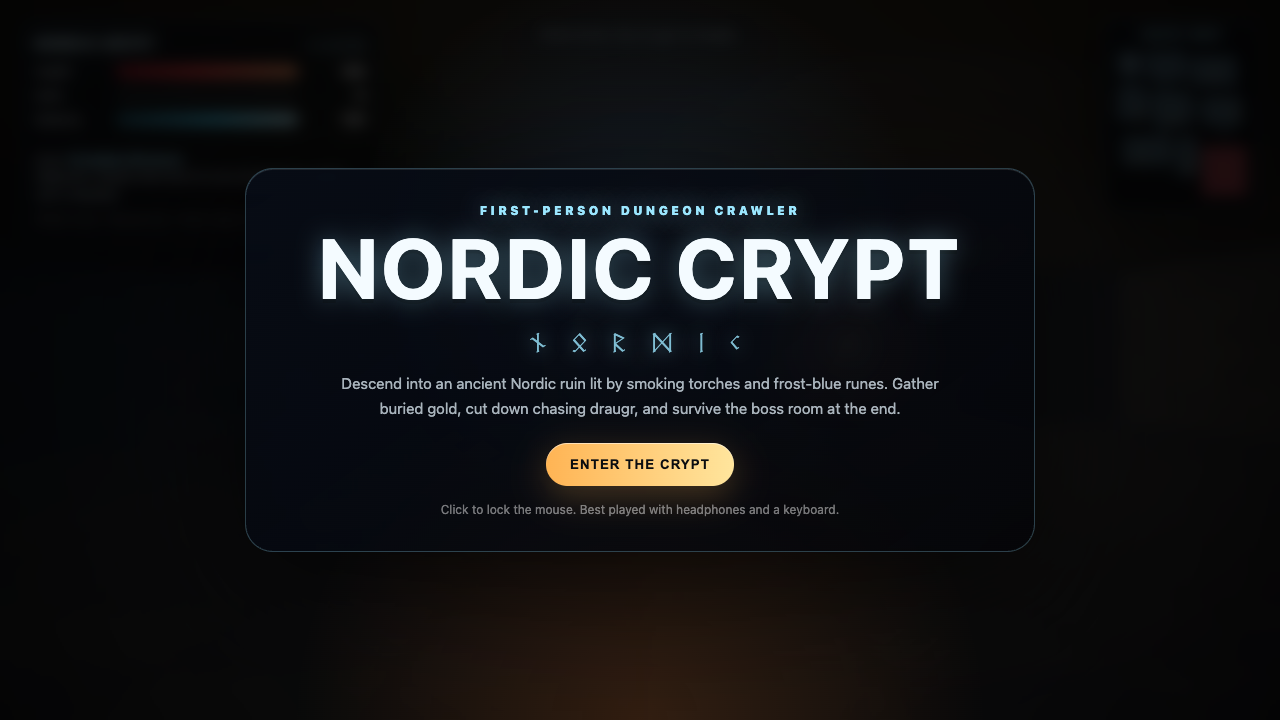
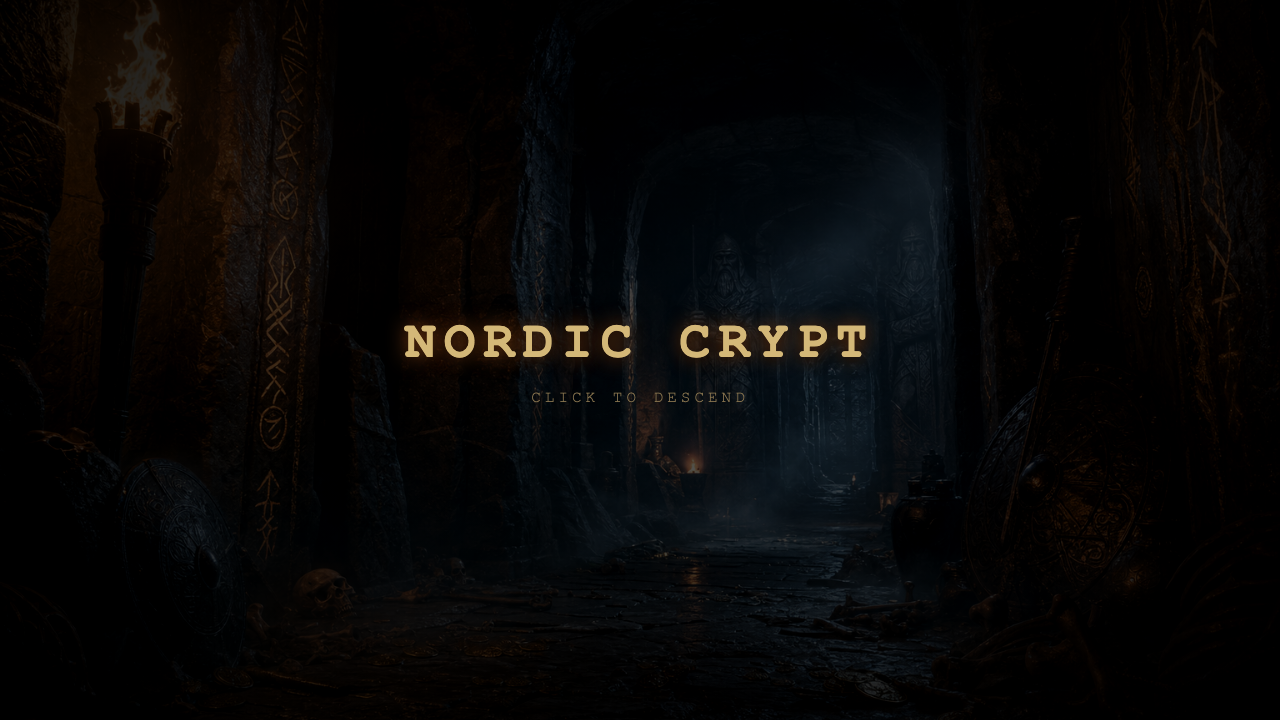
Crypt
Game
GLM-5.2 8.0
·
Fugu Ultra 7.0
(+1.0)
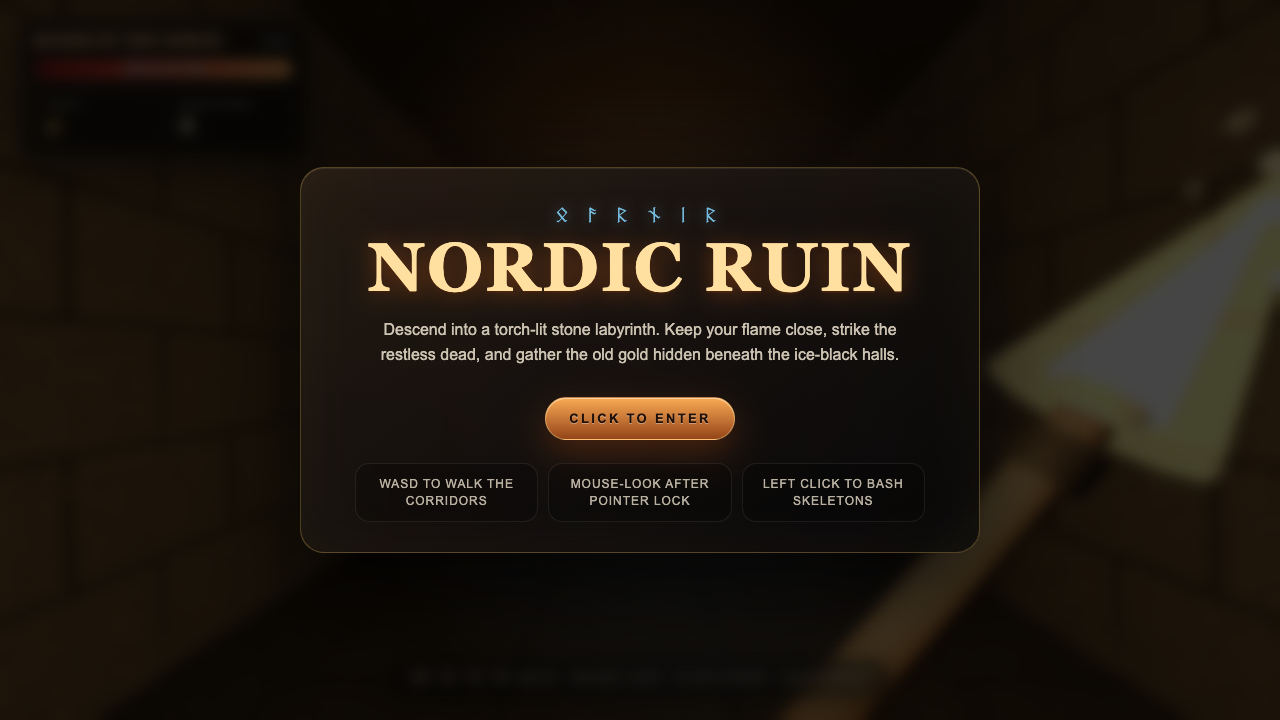
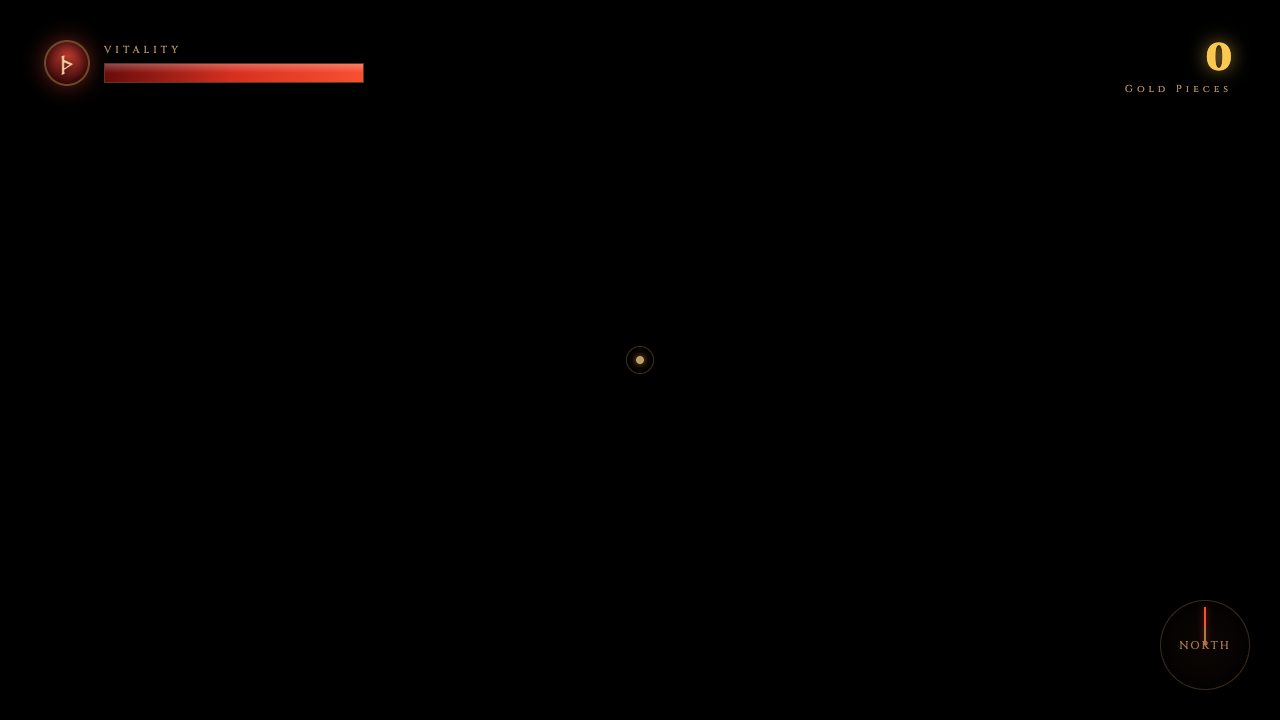
What I saw: 29KB · plays clean · three, webgl, pointer-lock
Dogfight
Game
GLM-5.2 8.0
·
Fugu Ultra 7.0
(+1.0)
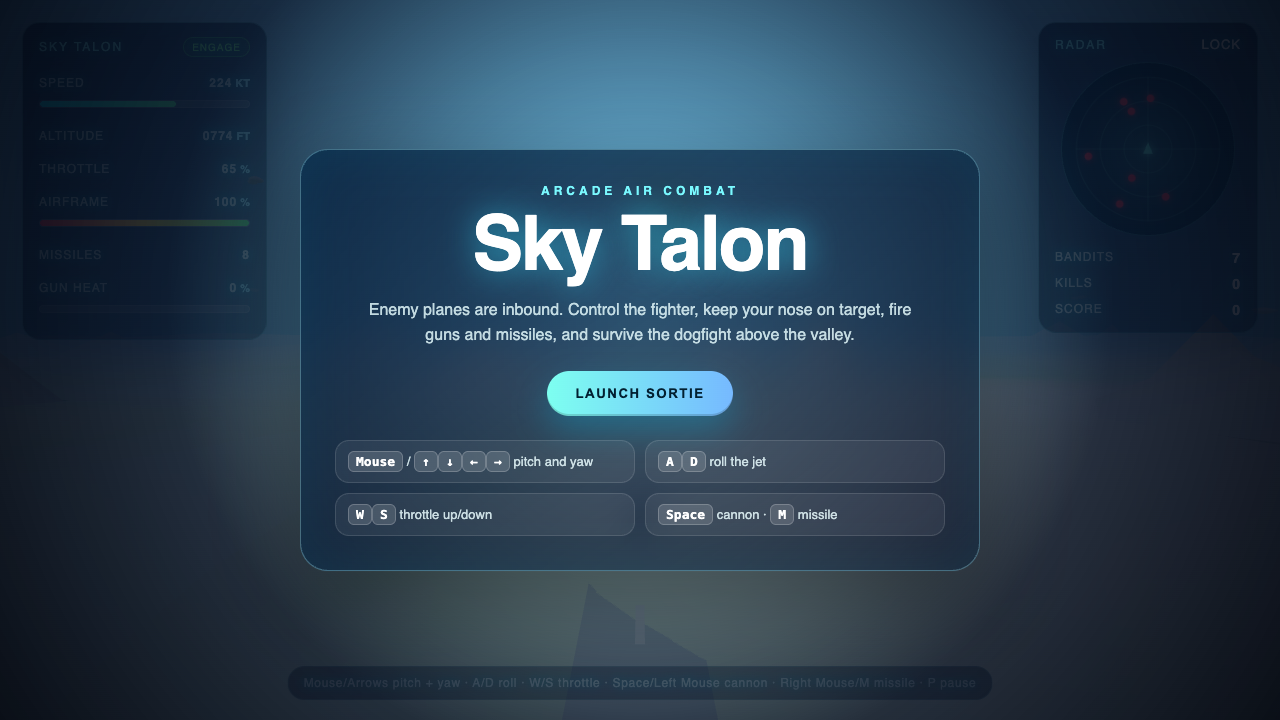
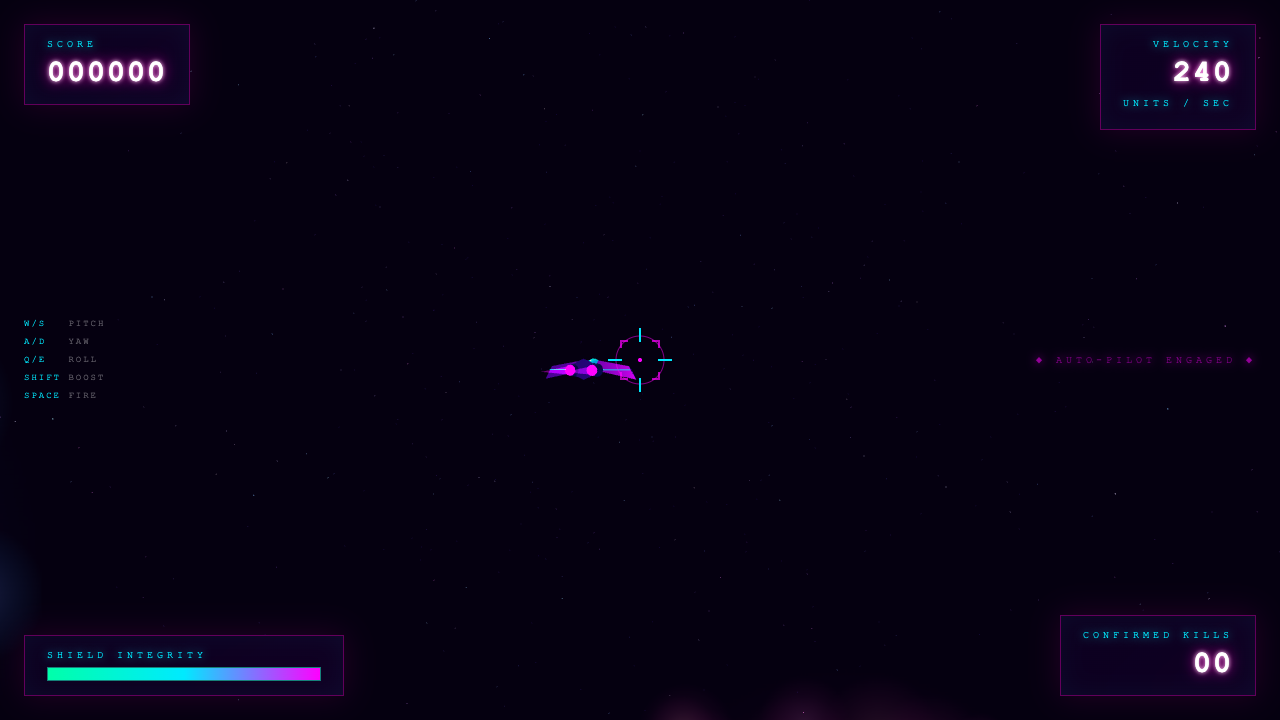
What I saw: 43KB · plays clean · webgl
Strengths & weaknesses I logged
Fugu Ultra
Strengths
- SWE Bench Pro 73.7 · GPQA-D 95.5 · MRCRv2 93.6 — Sakana's published frontier-tier benchmark scores
- Vendor-agnostic ensemble — opt out of specific providers for compliance / export-control
- OpenAI-compatible API at api.sakana.ai — drop-in for existing tooling
Trade-offs
- Panel orchestration adds latency — even a 'pong' burns ~2k orchestration tokens
- Newer than Fusion; less community calibration on long-tail prompts
GLM-5.2
Strengths
- 1M-token context window — best-in-class long-document and large-codebase work
- Open weights — runs locally, no vendor lock-in, no token meter
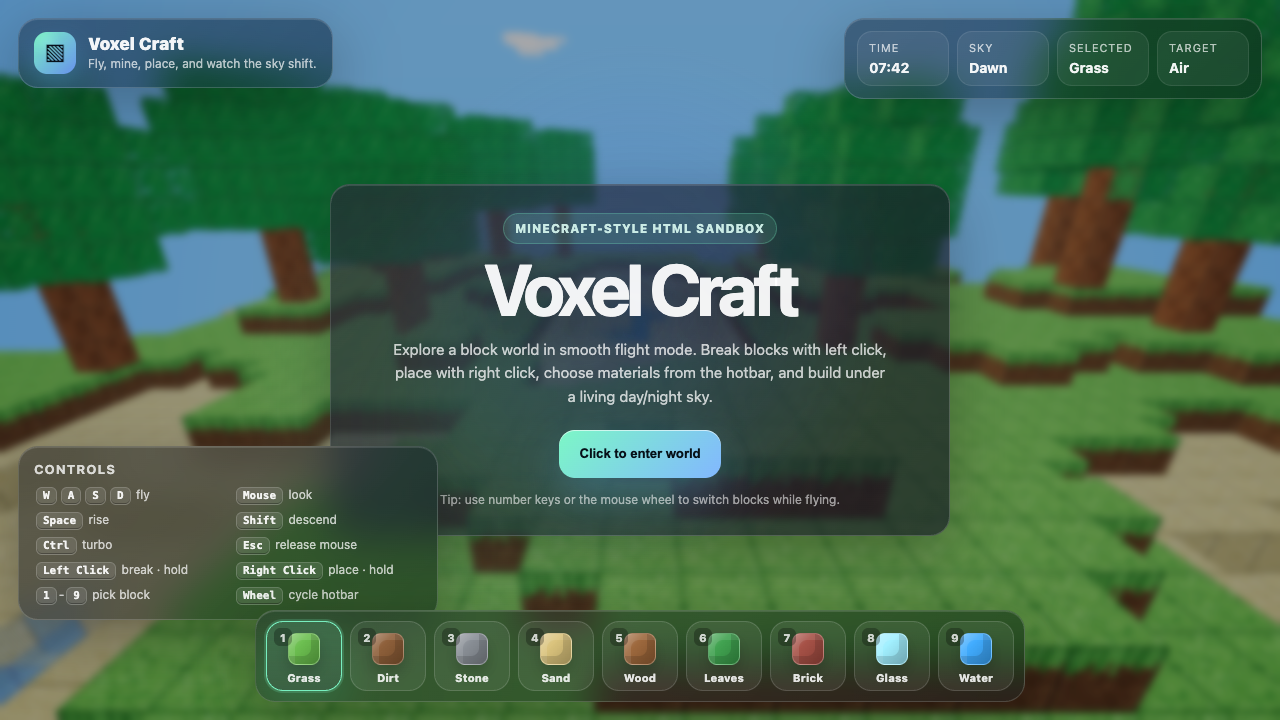
- Top of the bench for cinematic visuals (neon city, synthwave, voxel runner)
Trade-offs
- Faceplanted on the Goldie Bench raycaster — the engine was great but it spawned the player inside a wall
- First-shot reliability lags Opus by a hair on consistency
Pricing & context — the spec sheet
| Spec | Fugu Ultra | GLM-5.2 |
|---|---|---|
| Vendor | Sakana AI | Zhipu / Z.ai |
| Context window | 272,000 tokens with the standard rate. Calls exceeding 272K context are billed at the higher 'long-context' rates. | 1,000,000 tokens |
| Price | $5 / 1M input · $30 / 1M output (Fugu Ultra) | Open weights · free for individuals |
| Pricing detail | Sakana's multi-agent orchestration: a single API call internally dispatches to multiple frontier models and synthesises the answer. Subscription plans run $20-$200/mo (Standard / Pro / Max); PAYG is $5/M input + $30/M output for Fugu Ultra. Direct competitor to OpenRouter Fusion's panel approach. | Open-weights release: weights downloadable from Hugging Face for self-hosting, or runnable for free on z.ai for individuals (commercial use has separate licensing). |
| Release | 2026-06-15 | 2026-06-14 |
| Bench coverage | 42/42 scored · avg 7.94/10 | 47/47 scored · avg 7.77/10 |
The verdict — which should you pick?
Across 42 scored shared tasks, the averages are essentially tied — Fugu Ultra 7.94 vs GLM-5.2 7.77. This isn't the comparison where one wins; it's the comparison where you pick based on context, pricing, and what you're actually trying to ship.
If you only run one of these inside your stack, the head-to-head average above is the call. If you can run both, my honest play is to wire Fugu Ultra and GLM-5.2 both into the Agent Operating System and dispatch each from the kanban by task type — teams that want fusion-class quality but need a different vendor risk profile → Fugu Ultra, long-context agent loops — pasting a whole codebase into one prompt → GLM-5.2. That's the same setup I run for the 4,000+ founders inside the AI Profit Boardroom.
FAQ — Fugu Ultra vs GLM-5.2
Which is better, Fugu Ultra or GLM-5.2?
On Goldie Bench, Fugu Ultra averages 7.94/10 across the shared tasks, with 5 gold, 2 silver, 2 bronze overall. GLM-5.2 averages 7.77/10, with 5 gold, 0 silver, 0 bronze. Fugu Ultra wins the head-to-head 23–15.
How much does Fugu Ultra cost vs GLM-5.2?
Fugu Ultra: Sakana's multi-agent orchestration: a single API call internally dispatches to multiple frontier models and synthesises the answer. Subscription plans run $20-$200/mo (Standard / Pro / Max); PAYG is $5/M input + $30/M output for Fugu Ultra. Direct competitor to OpenRouter Fusion's panel approach. GLM-5.2: Open-weights release: weights downloadable from Hugging Face for self-hosting, or runnable for free on z.ai for individuals (commercial use has separate licensing).
What's the context window for Fugu Ultra vs GLM-5.2?
Fugu Ultra has a 272,000 tokens with the standard rate. Calls exceeding 272K context are billed at the higher 'long-context' rates. context window. GLM-5.2 has a 1,000,000 tokens context window.
When should I pick Fugu Ultra over GLM-5.2?
Pick Fugu Ultra for: Teams that want Fusion-class quality but need a different vendor risk profile; Operators avoiding export-controlled providers (Sakana emphasises this in their pitch); Deep-research workflows where ensemble verdicts beat single-model answers. The trade-off is the weaknesses we logged on the bench: Panel orchestration adds latency — even a 'pong' burns ~2k orchestration tokens; Newer than Fusion; less community calibration on long-tail prompts.
When should I pick GLM-5.2 over Fugu Ultra?
Pick GLM-5.2 for: Long-context agent loops — pasting a whole codebase into one prompt; Cinematic visual builds — landing pages, voxel scenes, synthwave runners; Anyone who needs to run a frontier coder locally for $0. The trade-off is the weaknesses we logged on the bench: Faceplanted on the {{SITE_NAME}} raycaster — the engine was great but it spawned the player inside a wall; First-shot reliability lags Opus by a hair on consistency.
How does Goldie Bench score Fugu Ultra vs GLM-5.2?
Every demo on this page was built by Julian Goldie inside the Agent Operating System — same fixed prompt for both models, one shot, single HTML file out. Each result gets a 0–10 score on whether it ran, how close it hit the brief, and how good it looked. The highest score on each task gets gold; second gets silver; third gets bronze. See methodology for full provenance.
Related comparisons
Other head-to-heads using the same scoring system:
Fugu Ultra vs Fusion GLM-5.2 vs Fusion Fugu Ultra vs Claude Opus 5 GLM-5.2 vs Claude Opus 5 Fugu Ultra vs Hermes MoA GLM-5.2 vs Hermes MoA Fugu Ultra vs GPT-5.6 Sol GLM-5.2 vs GPT-5.6 SolFull model pages: Fugu Ultra · GLM-5.2 · back to the leaderboard
The same stack Julian uses
Run this stack yourself.
Every demo on this bench was built inside the Agent Operating System — one prompt, one shot, single HTML file out. The Agent OS, the prompts, the templates, the weekly walkthroughs and 4,000+ founders shipping with it every day all live inside the AI Profit Boardroom.
4,000+founders
258documented wins
38countries
$59/momonthly