Real head-to-head · same prompt, one shot
Kimi K2.7 vs Fugu Ultra 1.1
The heavy lifter — frontier coder at flat-rate. vs Sakana's multi-agent orchestrator, v1.1 — routes experts per request.
Head-to-head verdict: Kimi K2.7 wins 6–5 with 1 tie.
What I tested — same prompt, two models
I run the same fixed prompt set through every new model the day it drops — same string, one shot, single HTML file out — and I score the result 0–10 on whether it ran, how close it hit the brief, and how good it looked. Below is what came out when I gave the exact same prompts to Kimi K2.7 and Fugu Ultra 1.1, side by side, on 24 shared tasks inside the Agent Operating System.
Both models were given identical prompts inside the Agent Operating System — no help, no iteration, no "best of N" tricks. I run each prompt once, save the HTML file the model produces, and score it 0–10 on whether it ran, how close it hit the brief, and how good it looked. The scoring is mine. The verdicts below are pulled from my source comparison guides at agentos.guide where I publish every score and the reasoning behind it.
Kimi K2.7 · Wired into the Agent OS as the heavy-lifter for game/sim prototypes and Kanban-dispatched code work. Mode toggled per task: Quality for one-shot games, Fast for short bursts.
Fugu Ultra 1.1 · Benched on GoldieBench via Sakana's Responses API (fugu-ultra-v1.1, xhigh reasoning). Game tasks use the skill-infused threejs-game-director prompt plus a controls+graphics fix loop with an anti-regression clamp, judged on a real mid-play frame by the same Opus judge as the field.
Side-by-side on 47 shared tasks
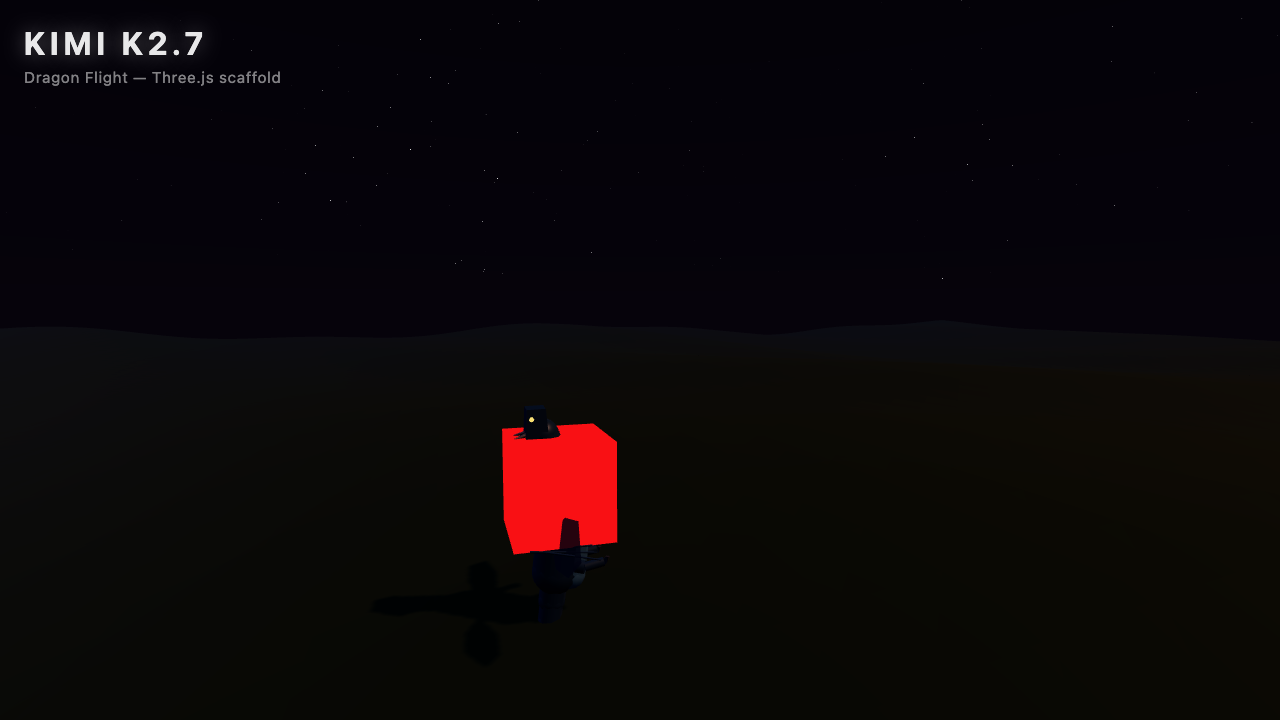
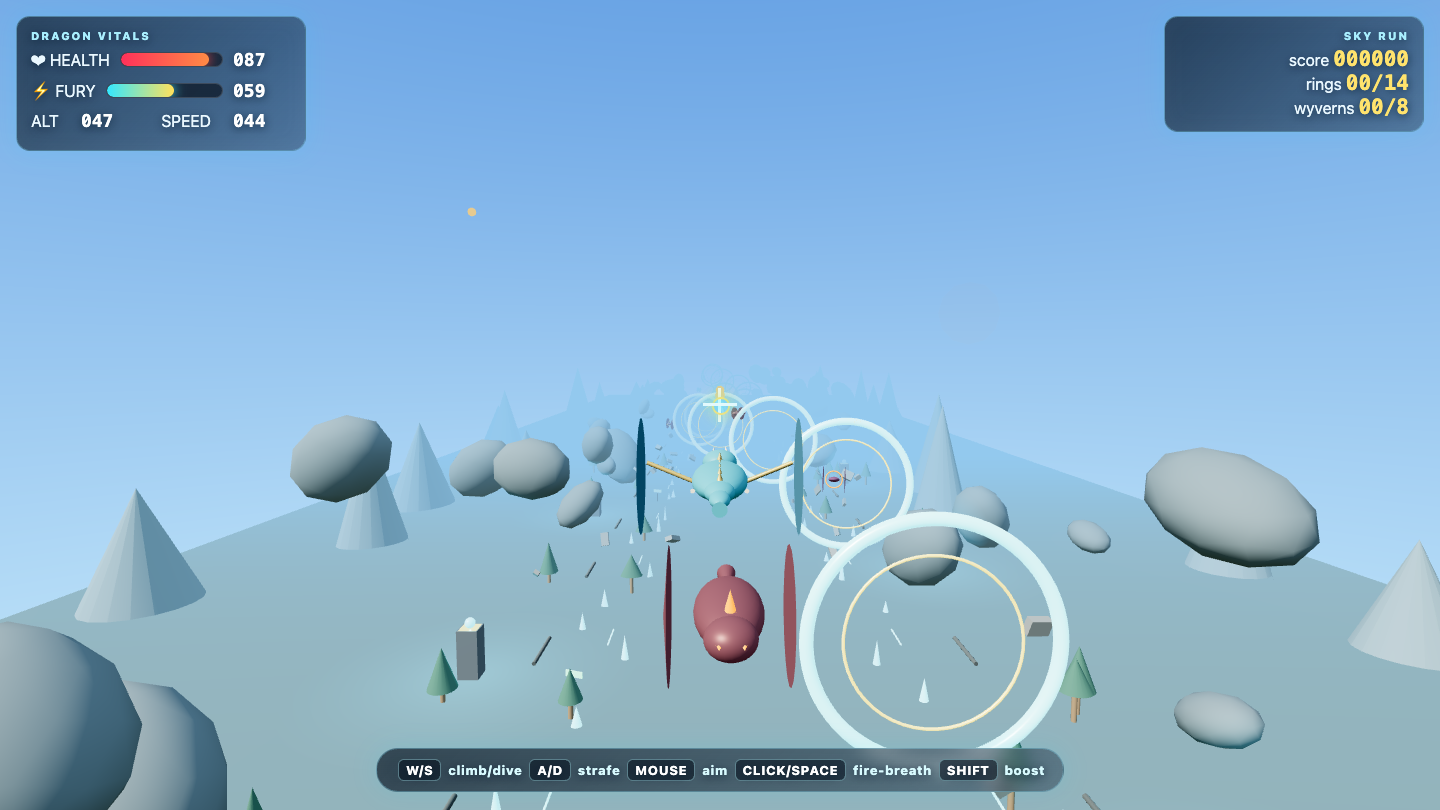
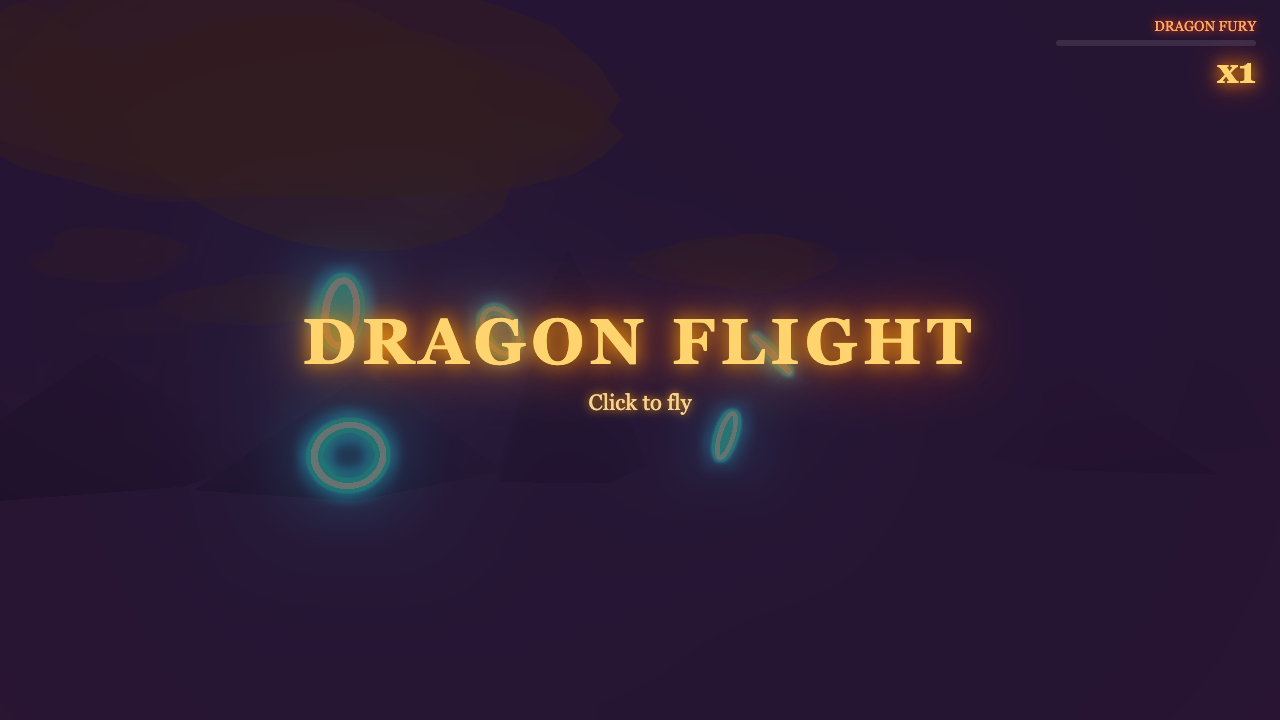
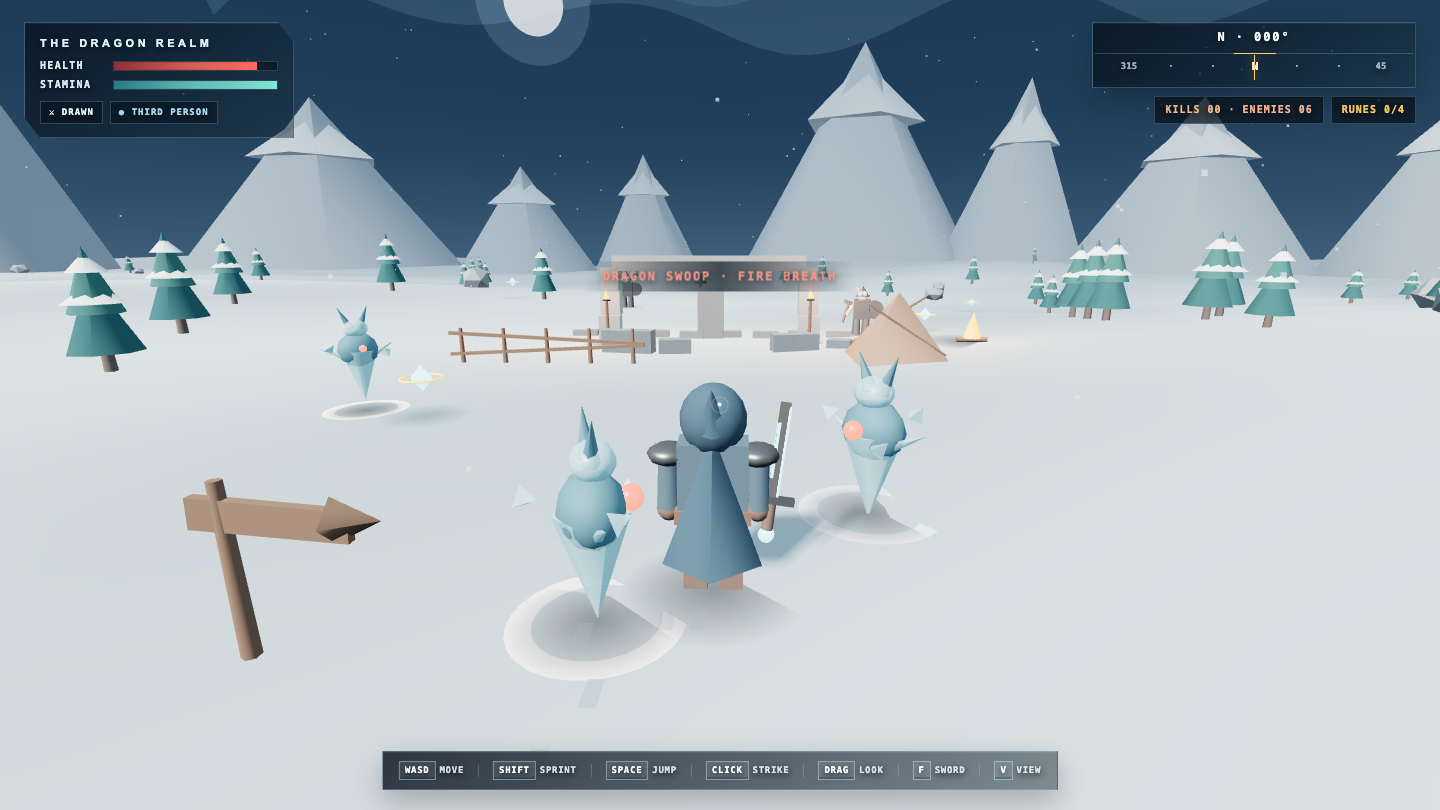
Click any cell to play that model's actual one-shot attempt. Medals are derived from my 0–10 scores per task (highest = 🥇, second = 🥈, third = 🥉).
Task ↓
Kimi K2.7
Fugu Ultra 1.1
Game
Game
Game
Game
Game
Game
Game
Game
Game
Game
Game
Game
Game
Game
Game
Game
Game
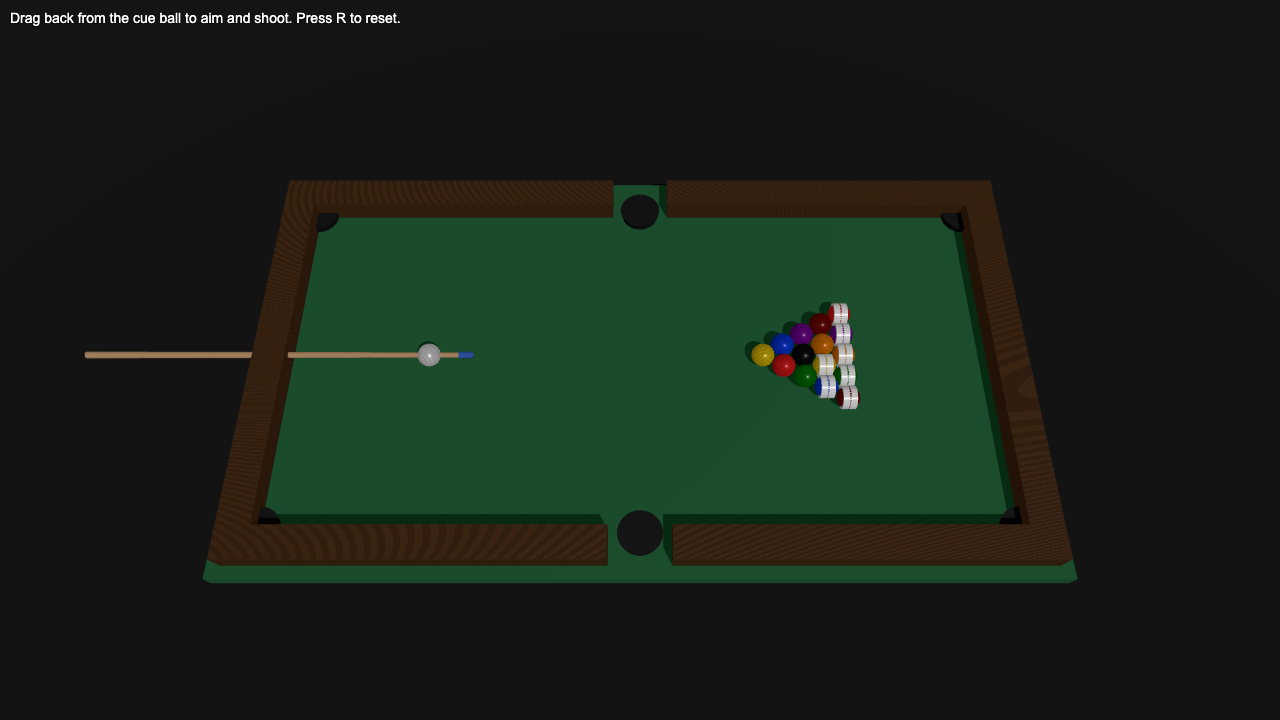
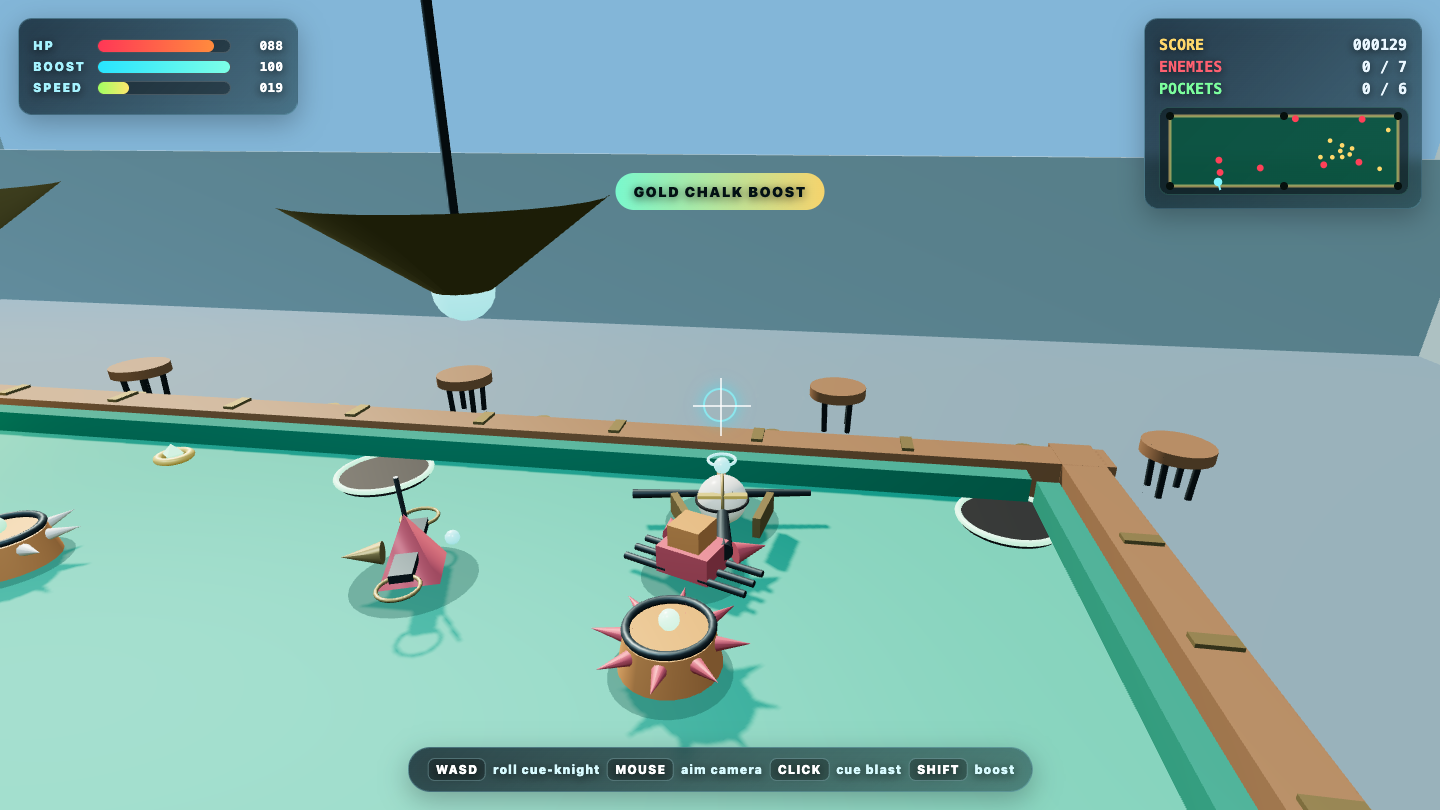
Game
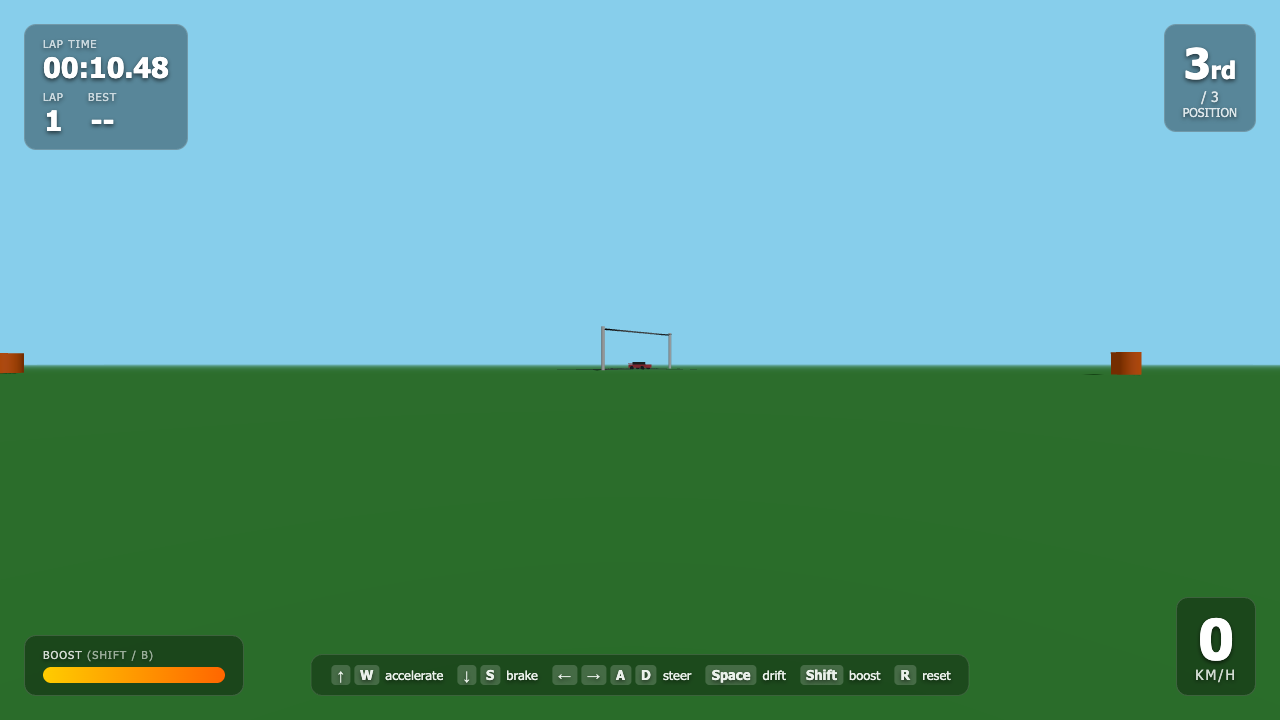
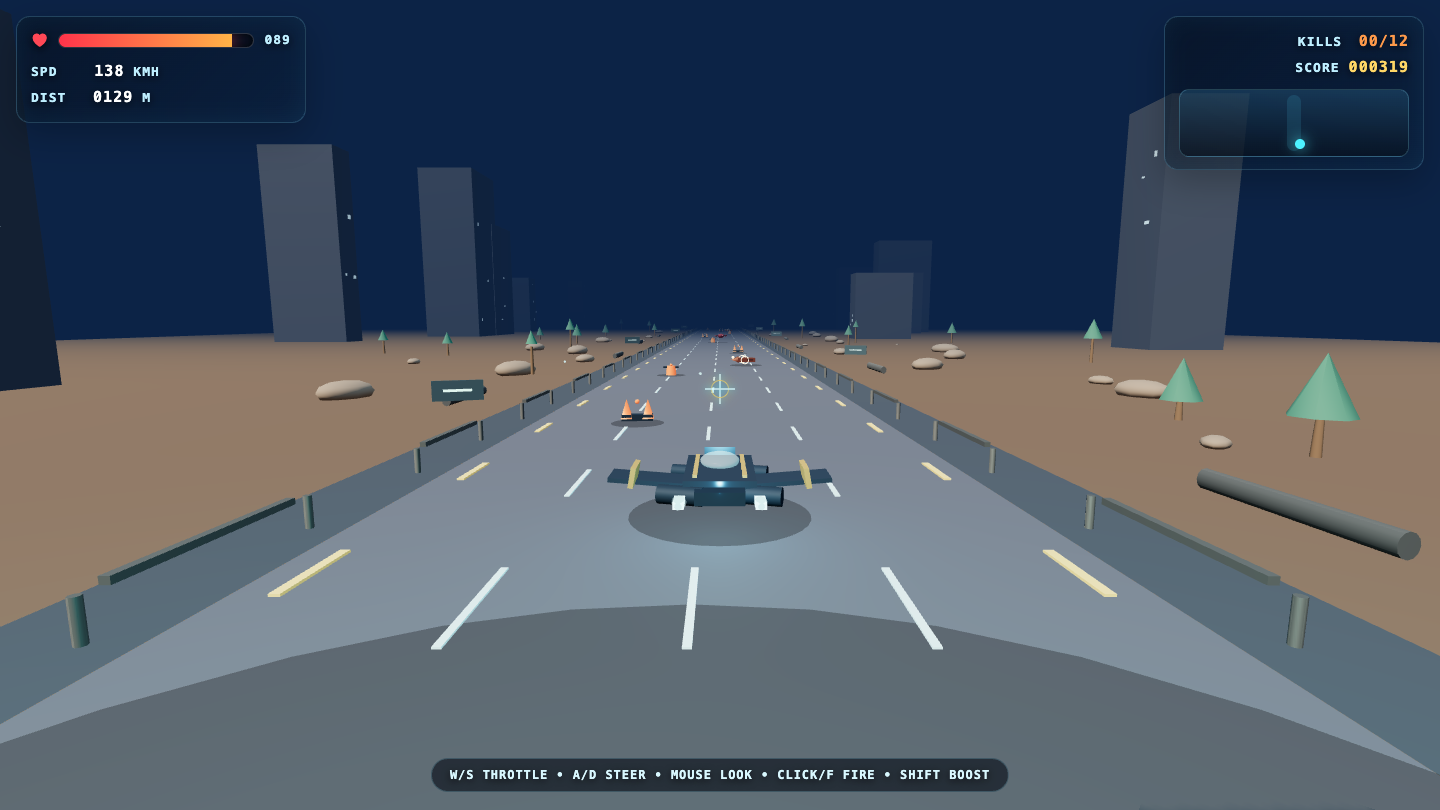
Game
Game
Game
Game
Page
Visual

Where Kimi K2.7 beat Fugu Ultra 1.1
The tasks where I gave Kimi K2.7 a higher 0–10 score on the same prompt — with the actual commentary from my source guides.
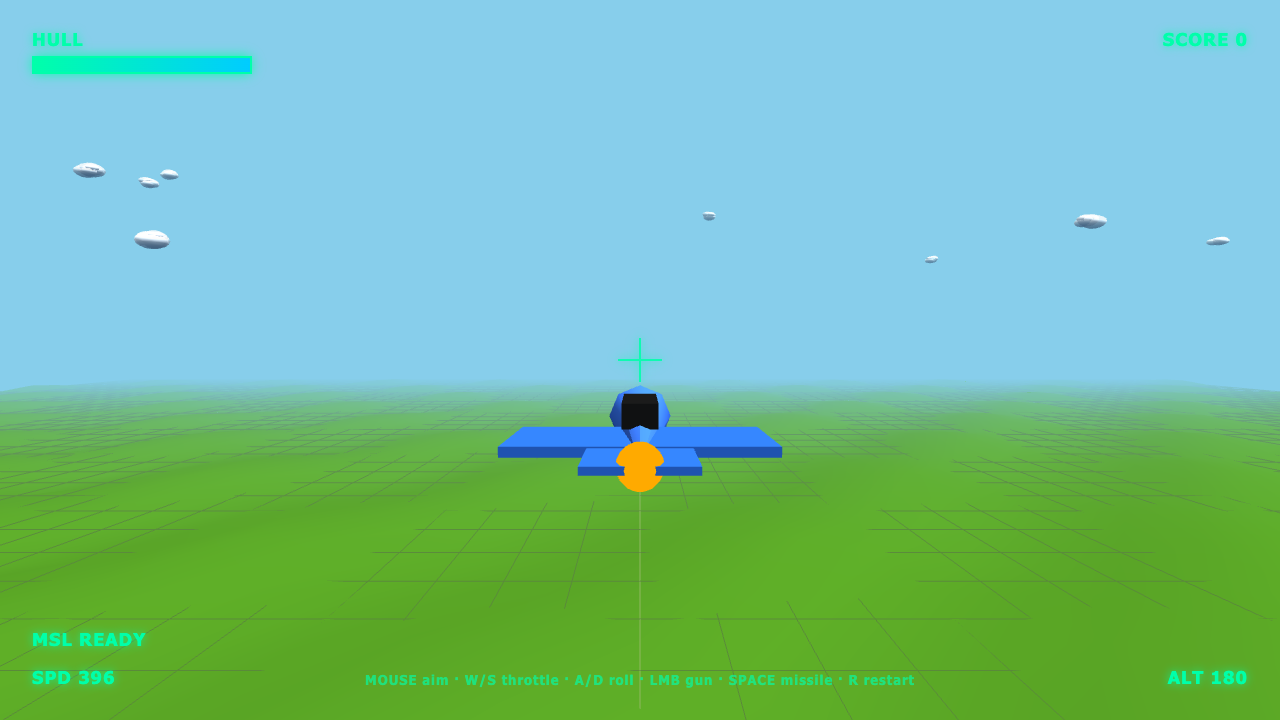
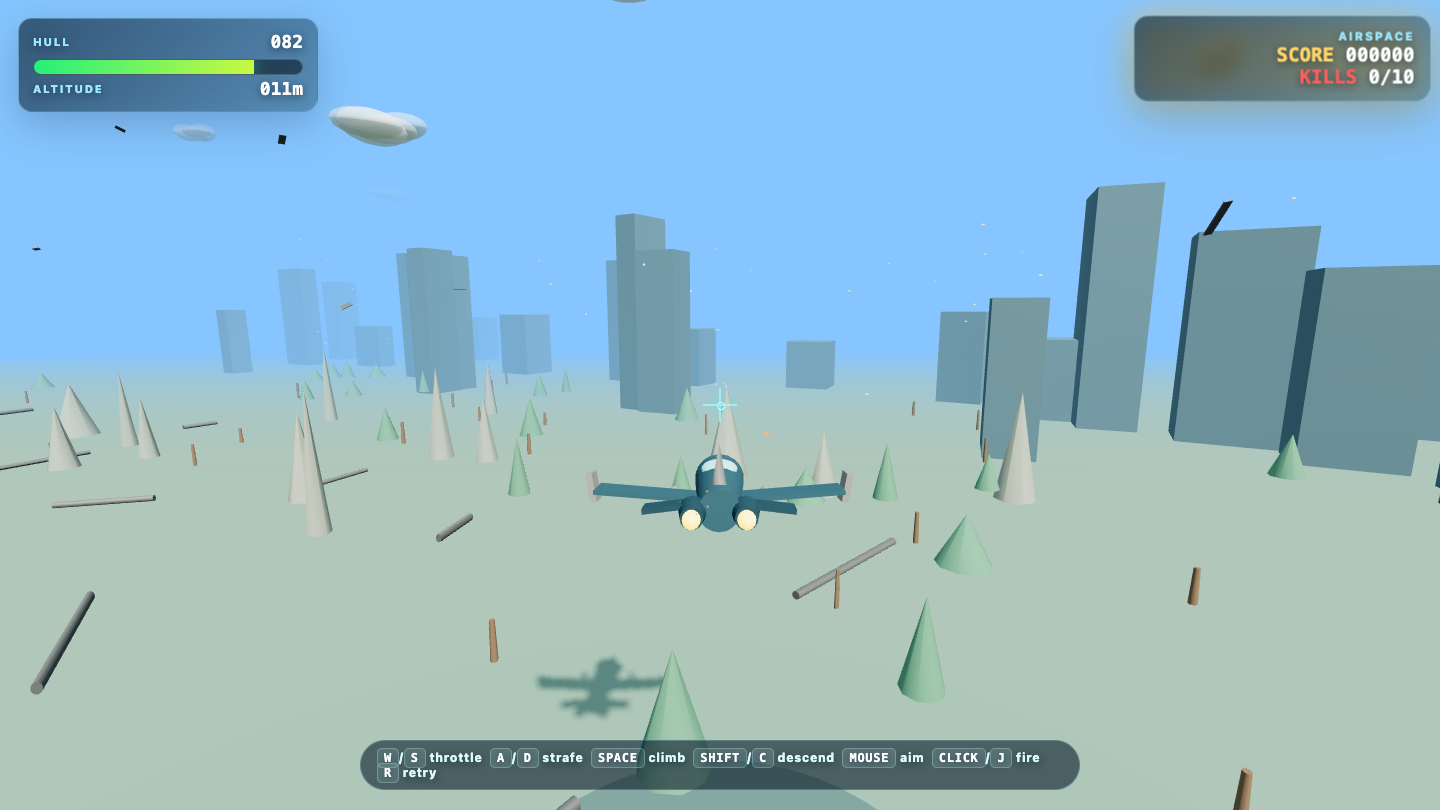
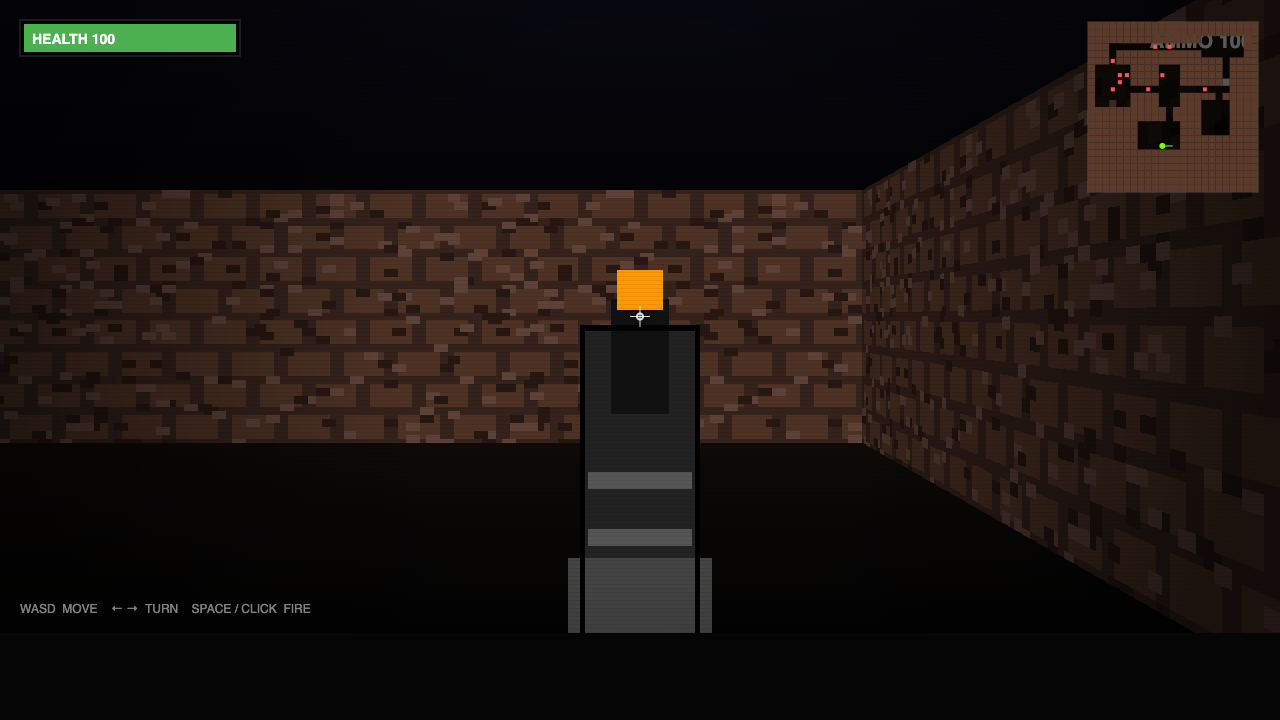
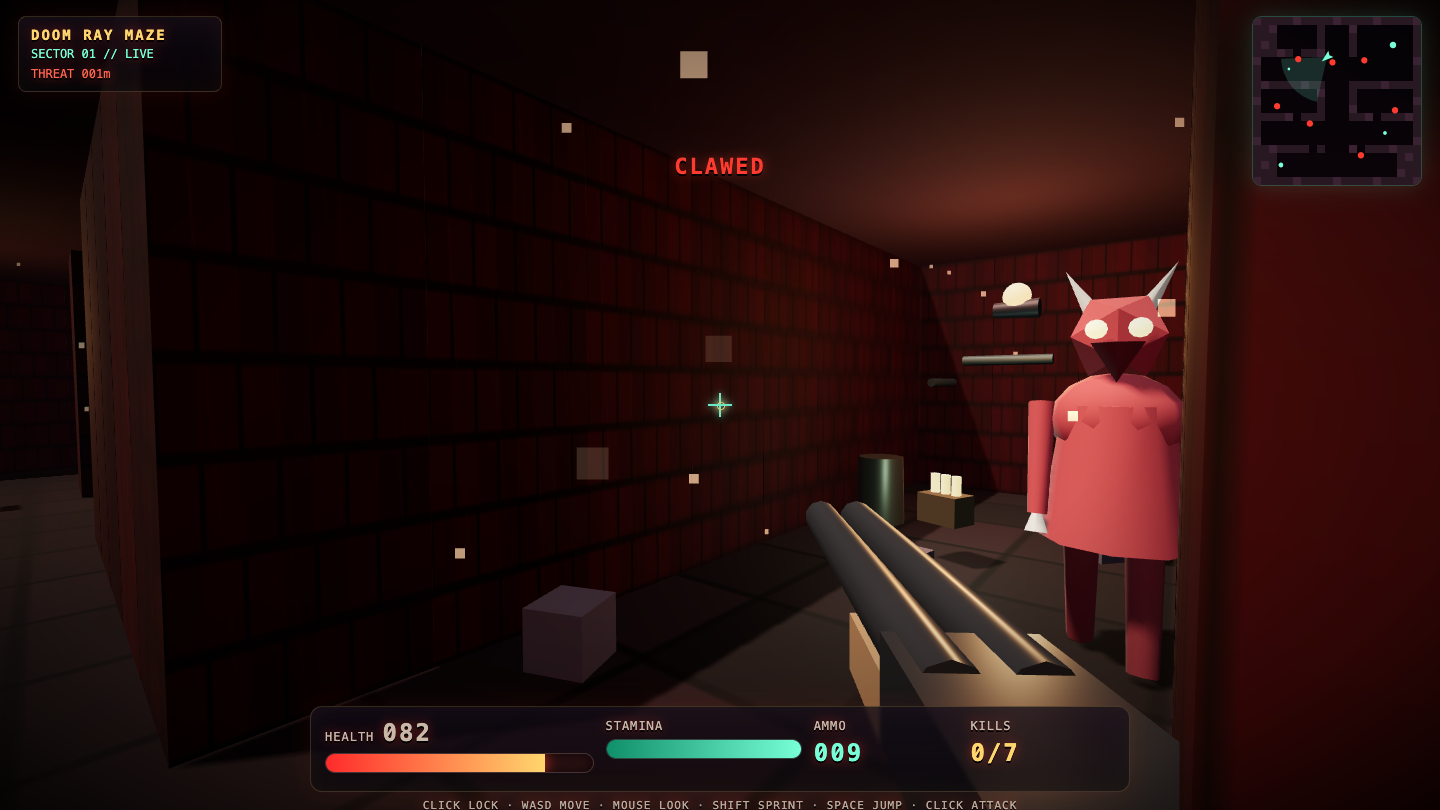
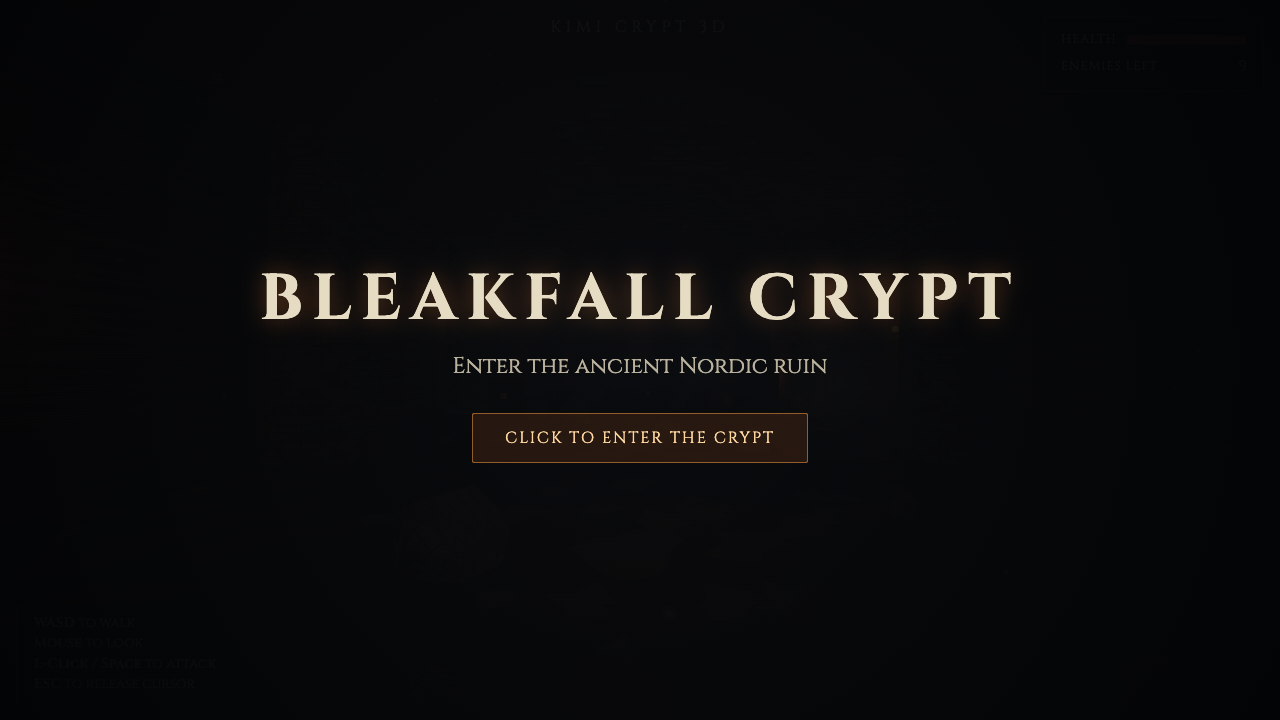
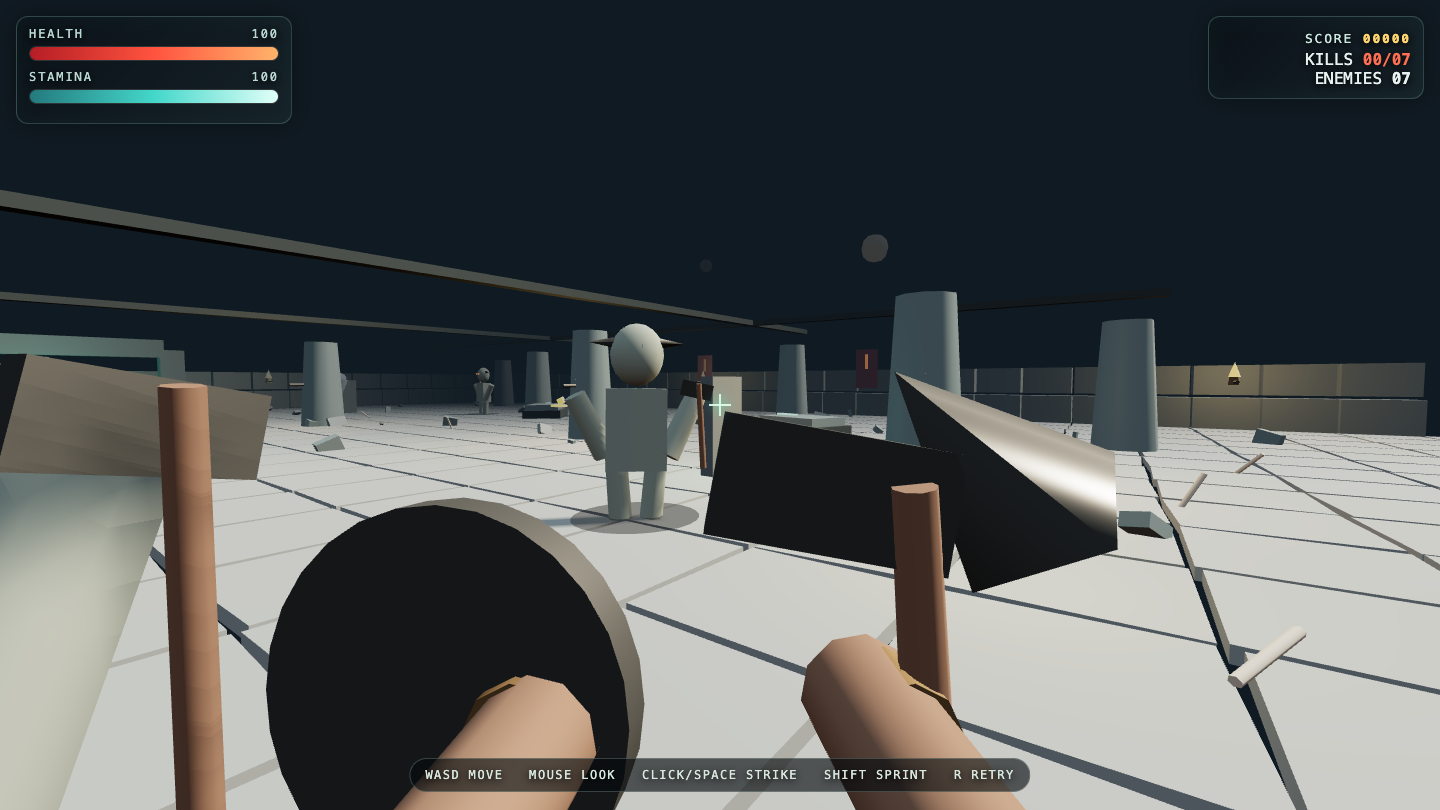
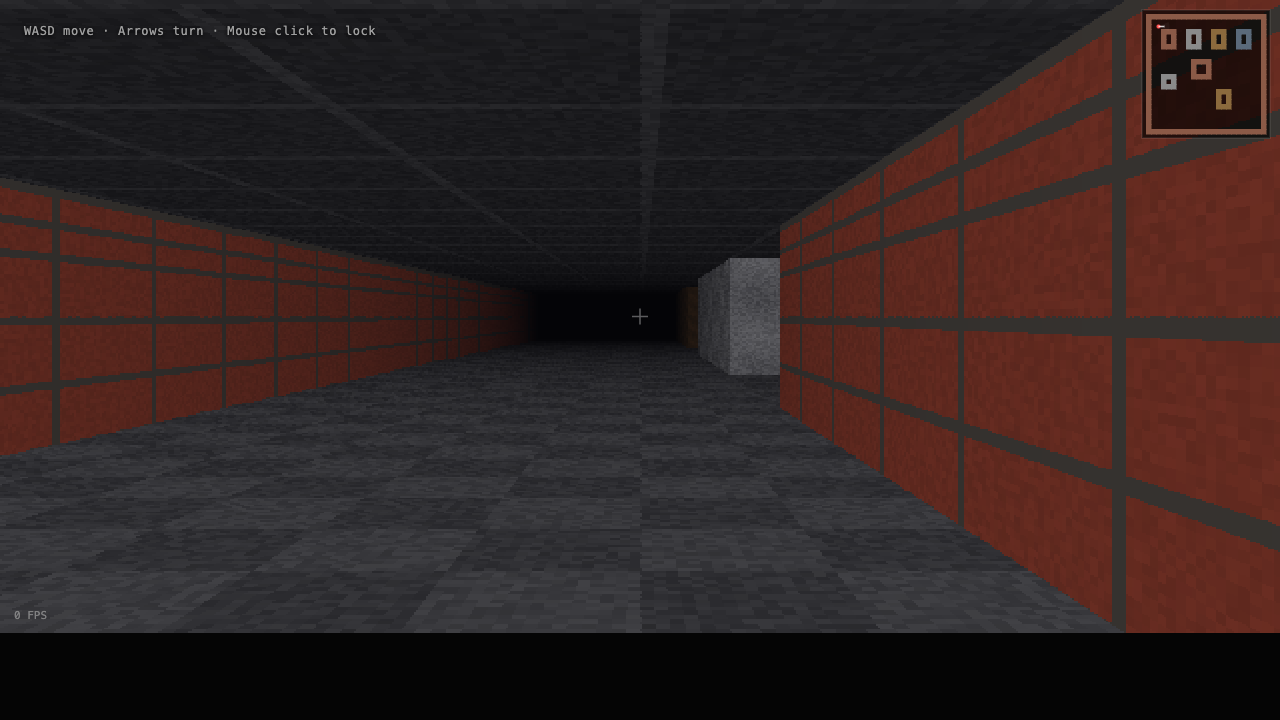
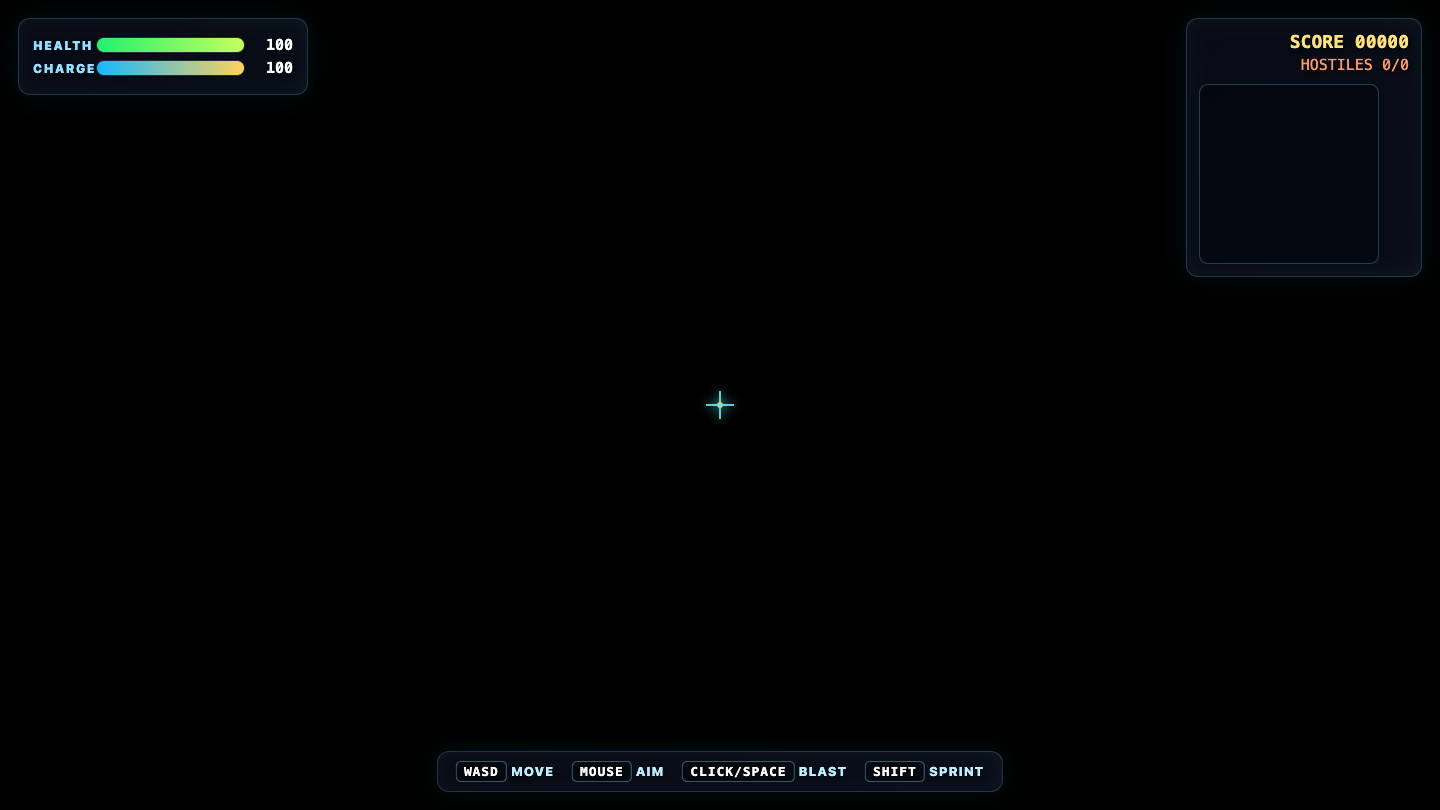
Raycaster
Game
Kimi K2.7 8.5
·
Fugu Ultra 1.1 2.0
(+6.5)
· winner · cleanest
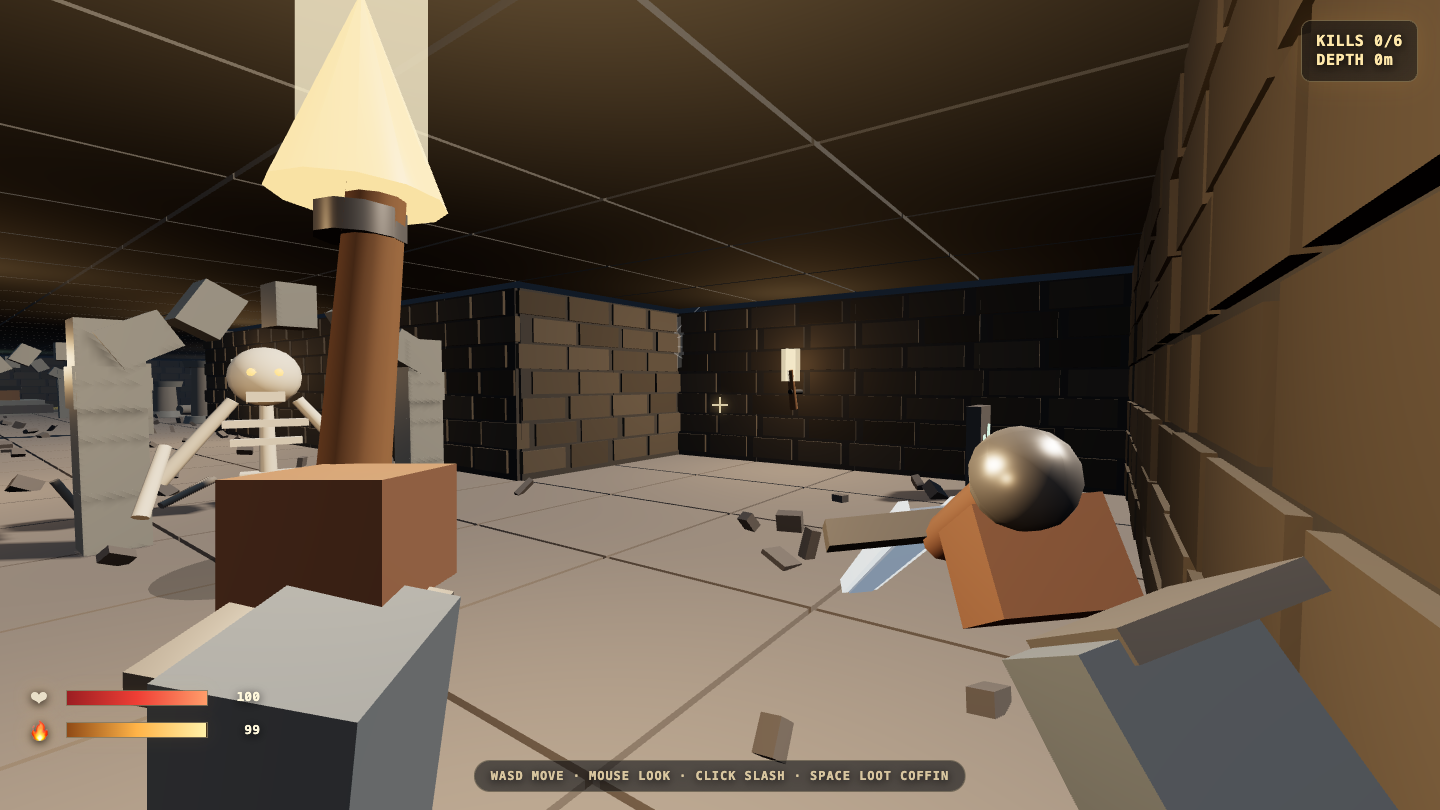
What I saw: Kimi nailed it — brick walls, a checkered floor, a clean minimap, textbook Wolfenstein, runs clean out of the box. Opus's is close and more atmospheric: warm fog and a vignette down a stone corridor (A/D to turn, W/S to move). GLM's engine is genuinely good — brick and mossy-ston…
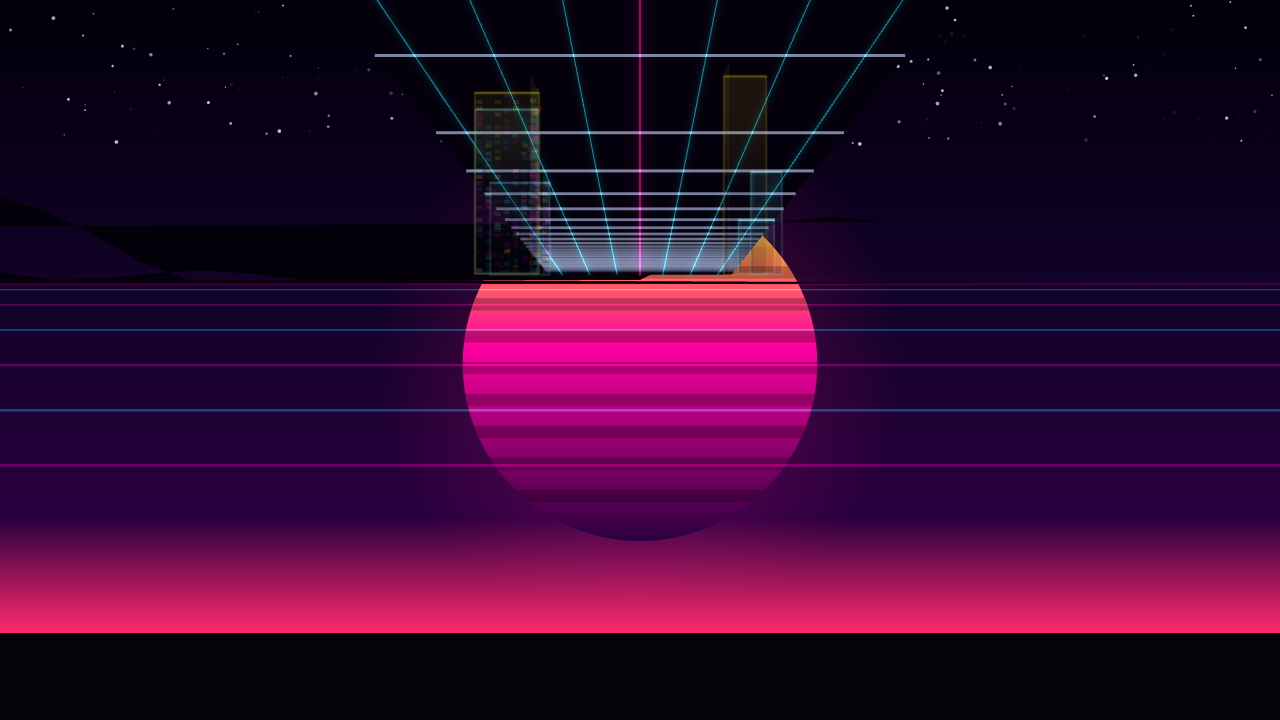
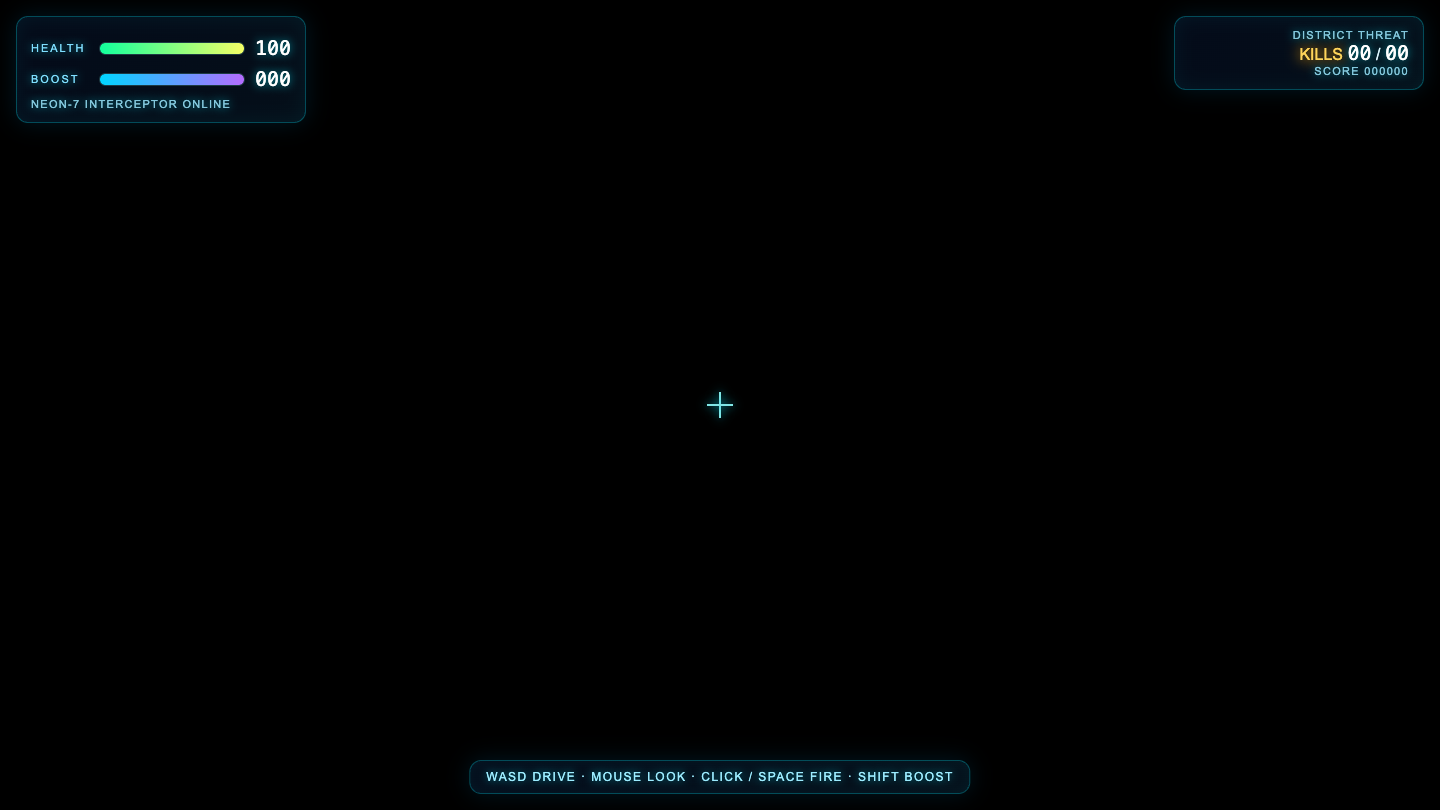
Neoncity
Game
Kimi K2.7 7.5
·
Fugu Ultra 1.1 2.3
(+5.2)
What I saw: GLM's is the most cinematic — neon towers, a setting sun, Japanese signage and a flight HUD, like a frame from a film. Opus's is a clean canyon of lit skyscrapers racing to a vanishing point. Kimi leaned into the synthwave sun and grid more than the city itself. GLM wins the skyline.
Arcade
Game
Kimi K2.7 8.0
·
Fugu Ultra 1.1 5.5
(+2.5)
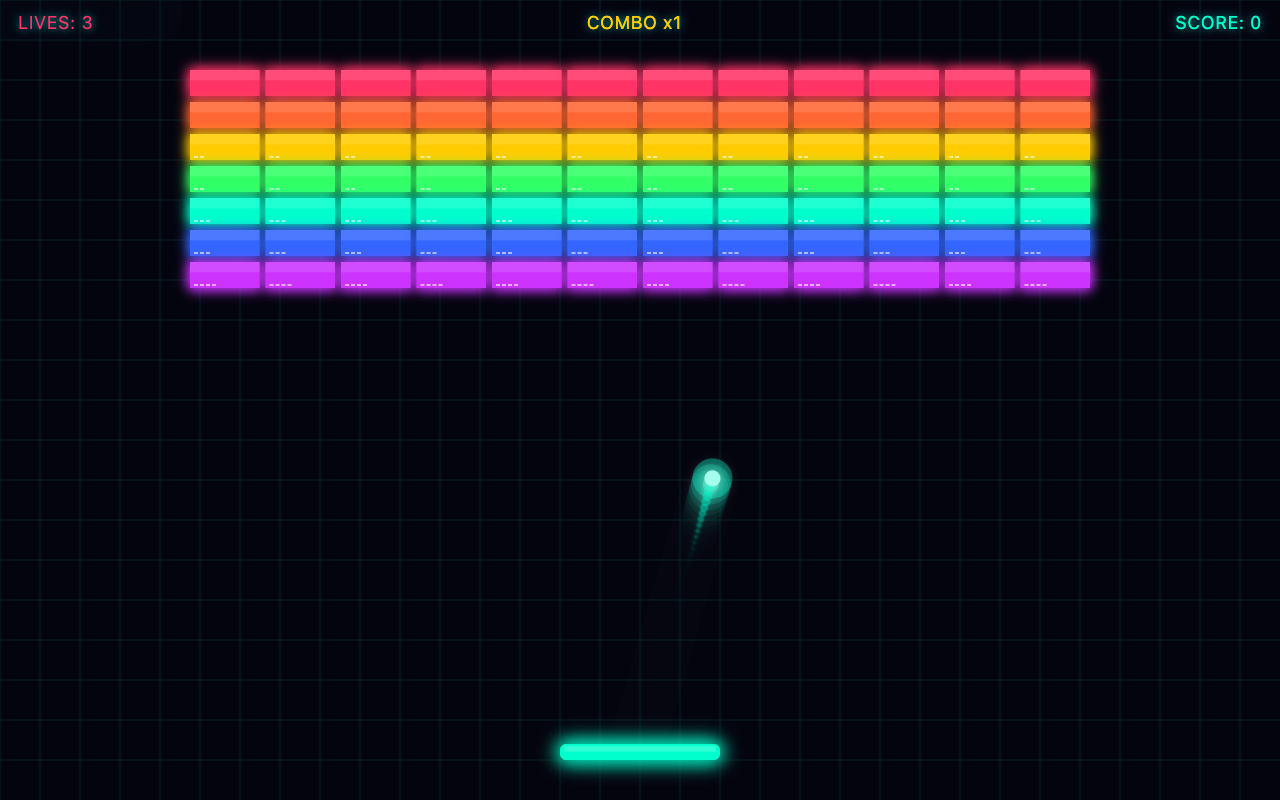
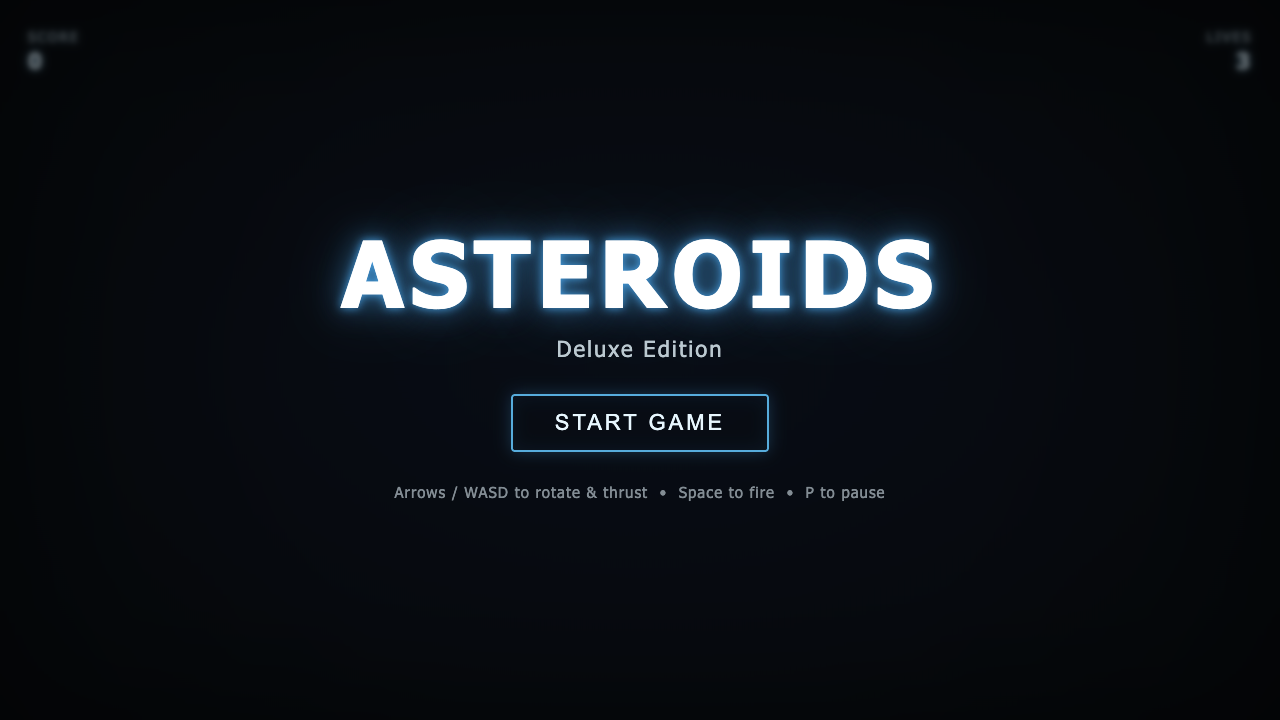
What I saw: All three shipped a genuinely juicy game. Opus's breakout had the most game-feel — particle bursts and a live combo. Kimi's breakout was clean and solid. GLM went its own way with fullscreen neon asteroids. The closest of the practical five.
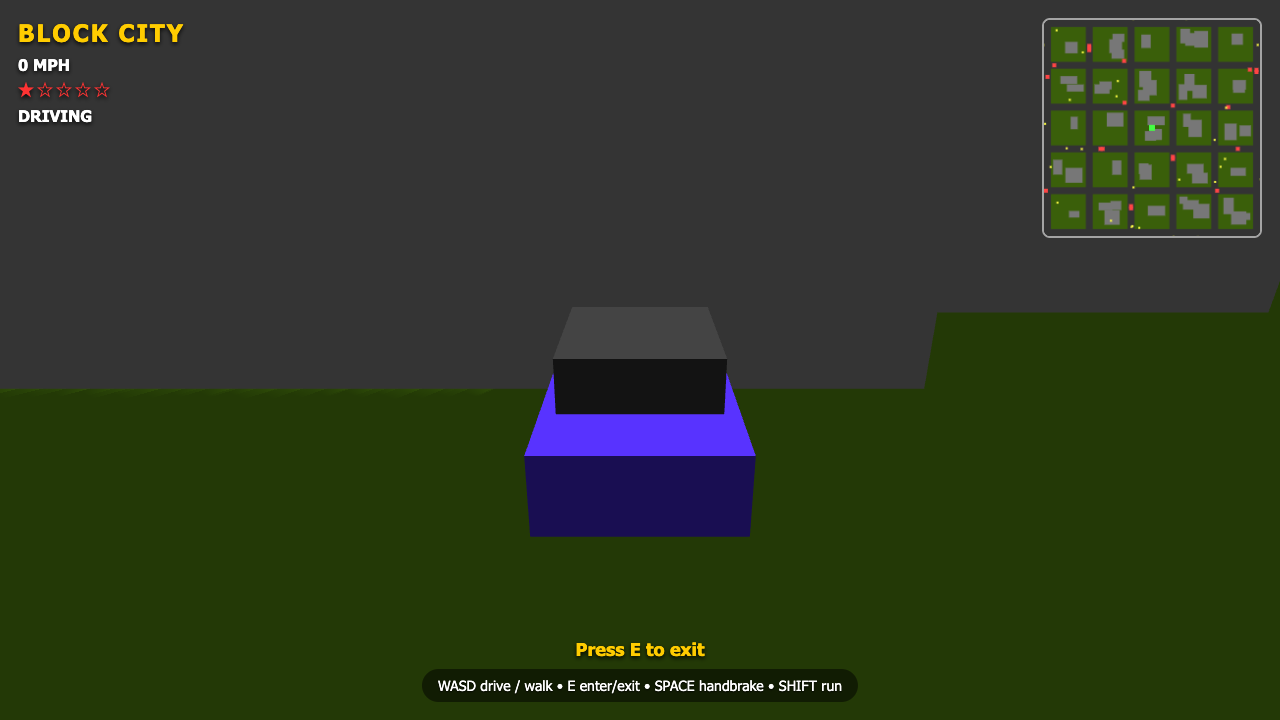
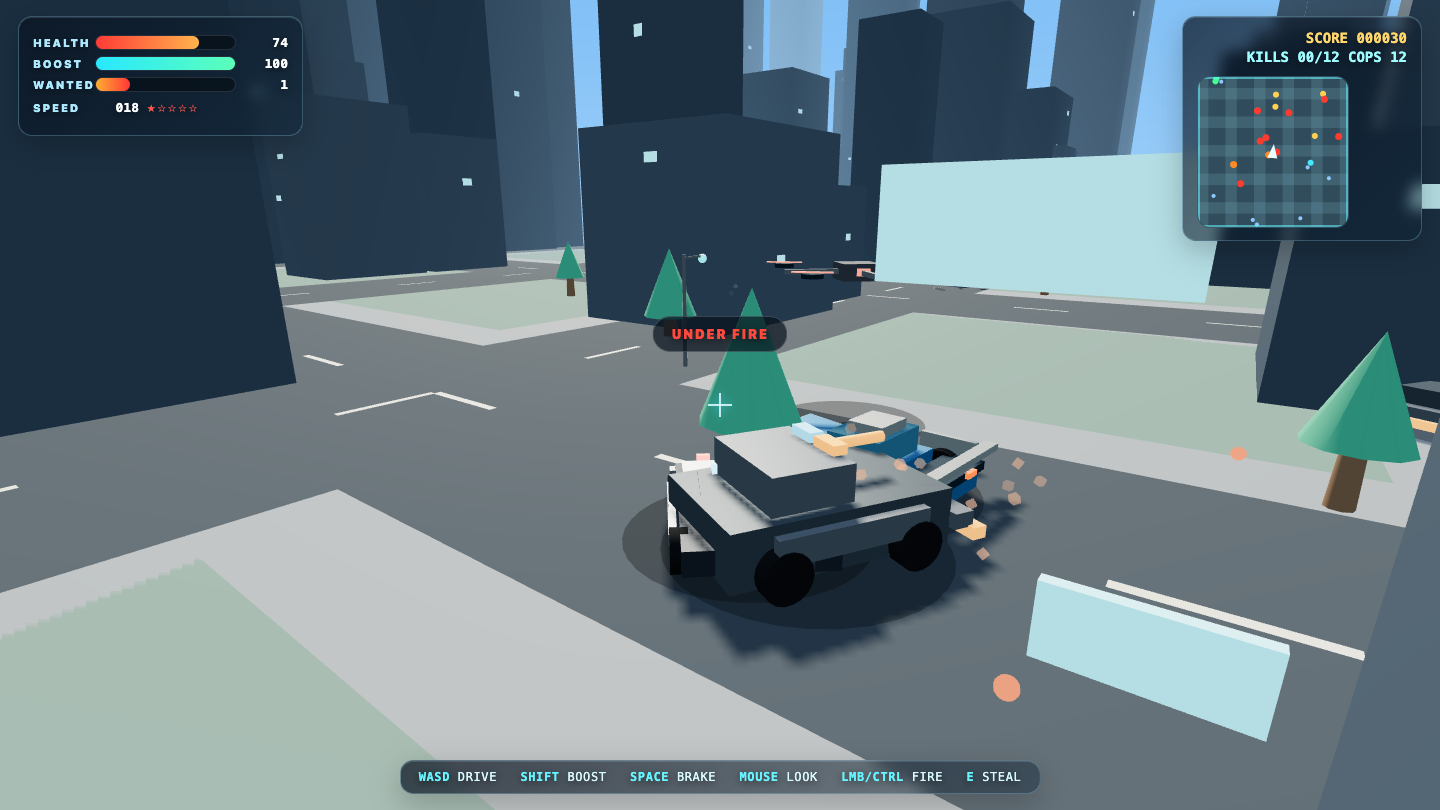
Gtafoot
Game
Kimi K2.7 7.5
·
Fugu Ultra 1.1 6.8
(+0.7)
What I saw: 35KB · plays clean · three (re-rolled)
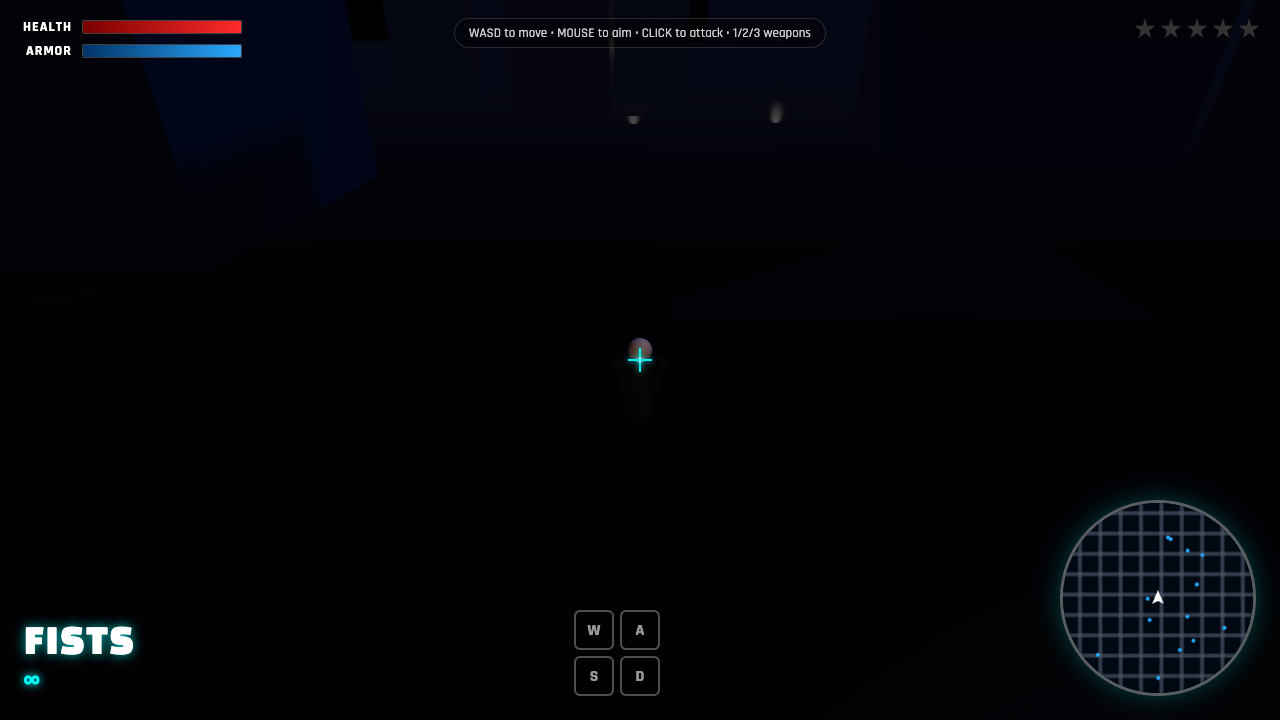
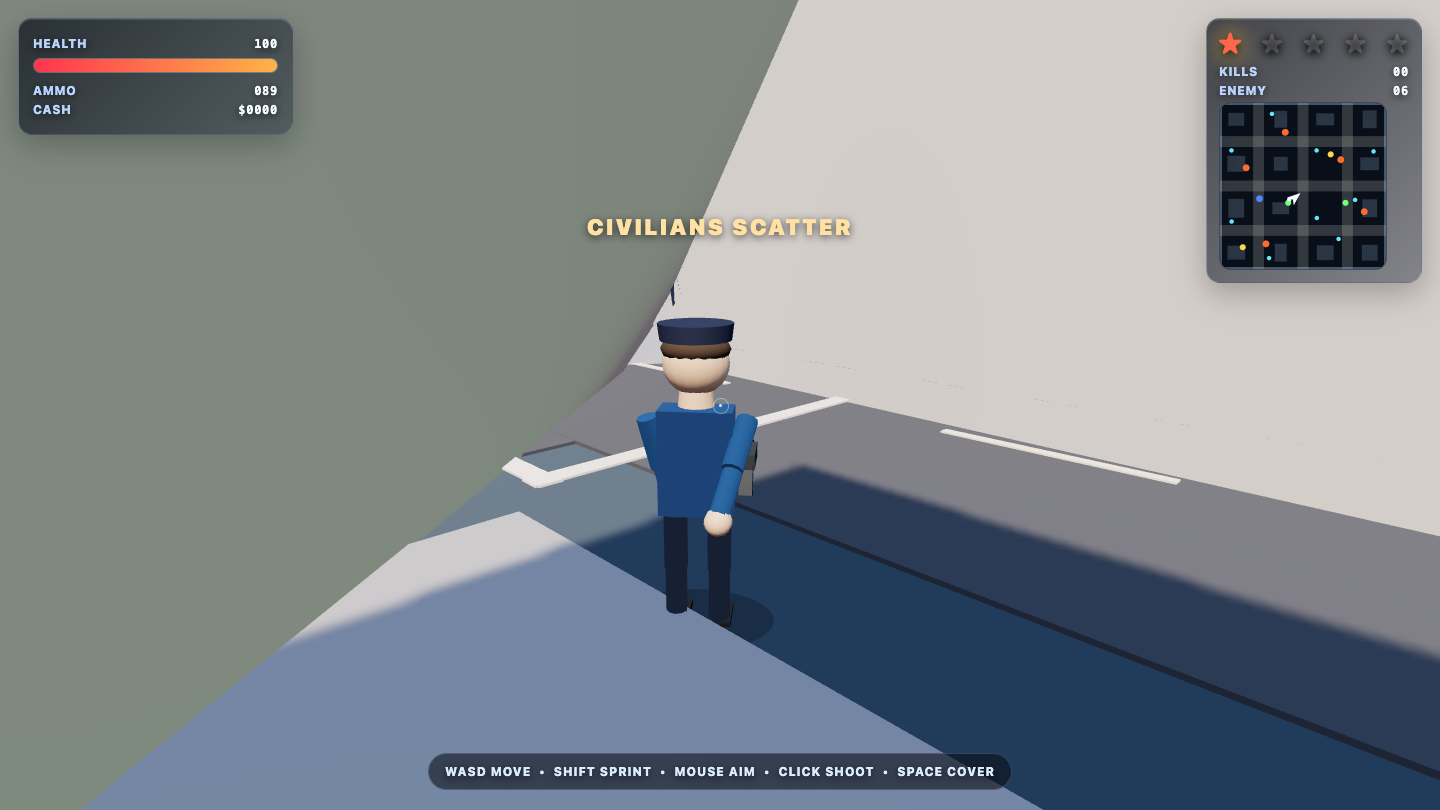
Gtadrive
Game
Kimi K2.7 8.0
·
Fugu Ultra 1.1 7.4
(+0.6)
What I saw: 23KB · plays clean · three, webgl
Where Fugu Ultra 1.1 beat Kimi K2.7
The tasks where I gave Fugu Ultra 1.1 a higher 0–10 score on the same prompt — with the actual commentary from my source guides.
Parachute
Game
Fugu Ultra 1.1 8.6
·
Kimi K2.7 7.5
(+1.1)
· combat parachute drop
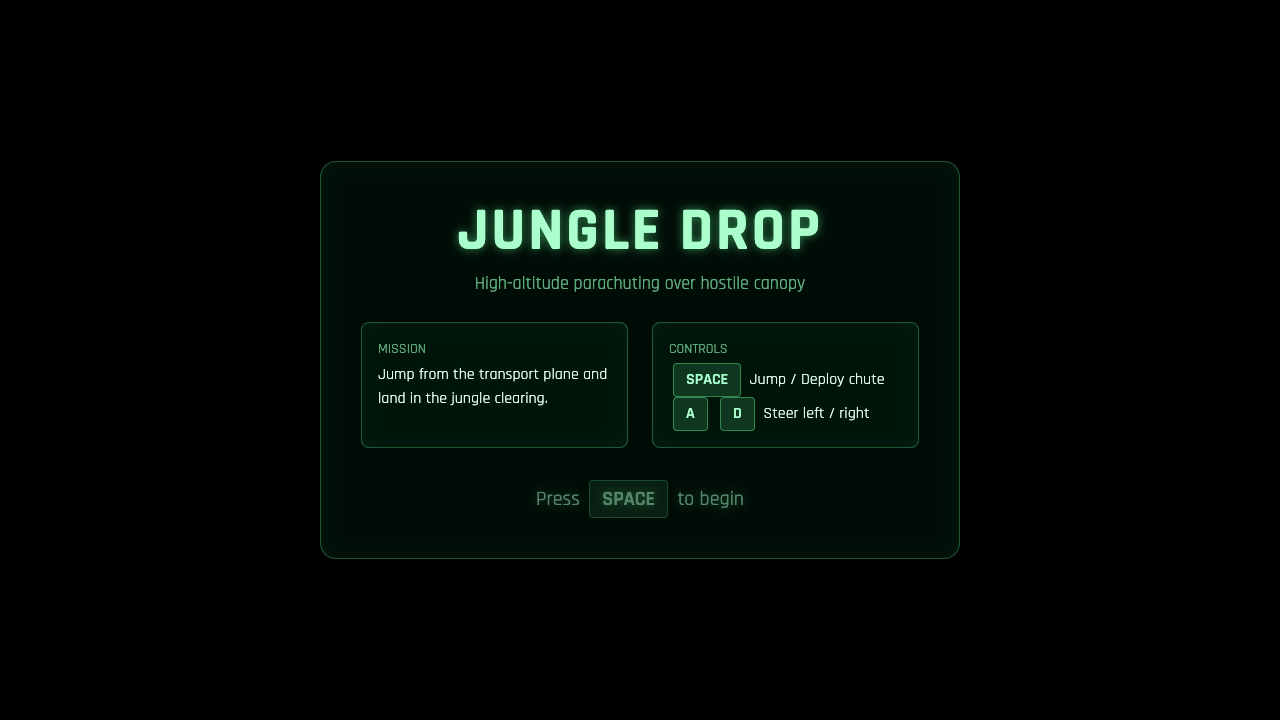
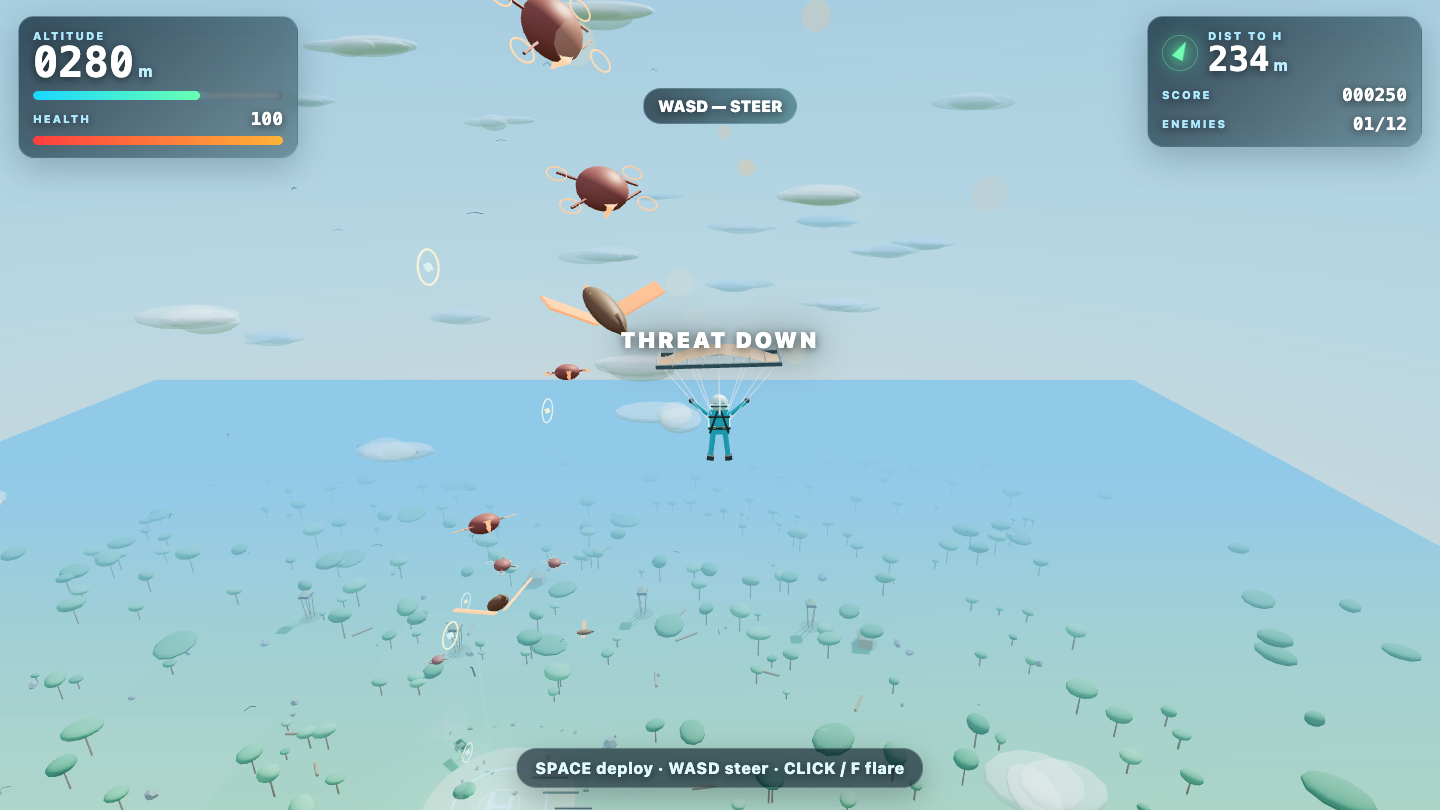
What I saw: Strong deployed-chute skydiver over a jungle canopy with a polished HUD (altitude, dist-to-H, score) plus active drone enemies, flare combat, and 'THREAT DOWN' kill feedback — it delivers the full jump/steer/land loop AND working combat, edging past a bland walking sim.
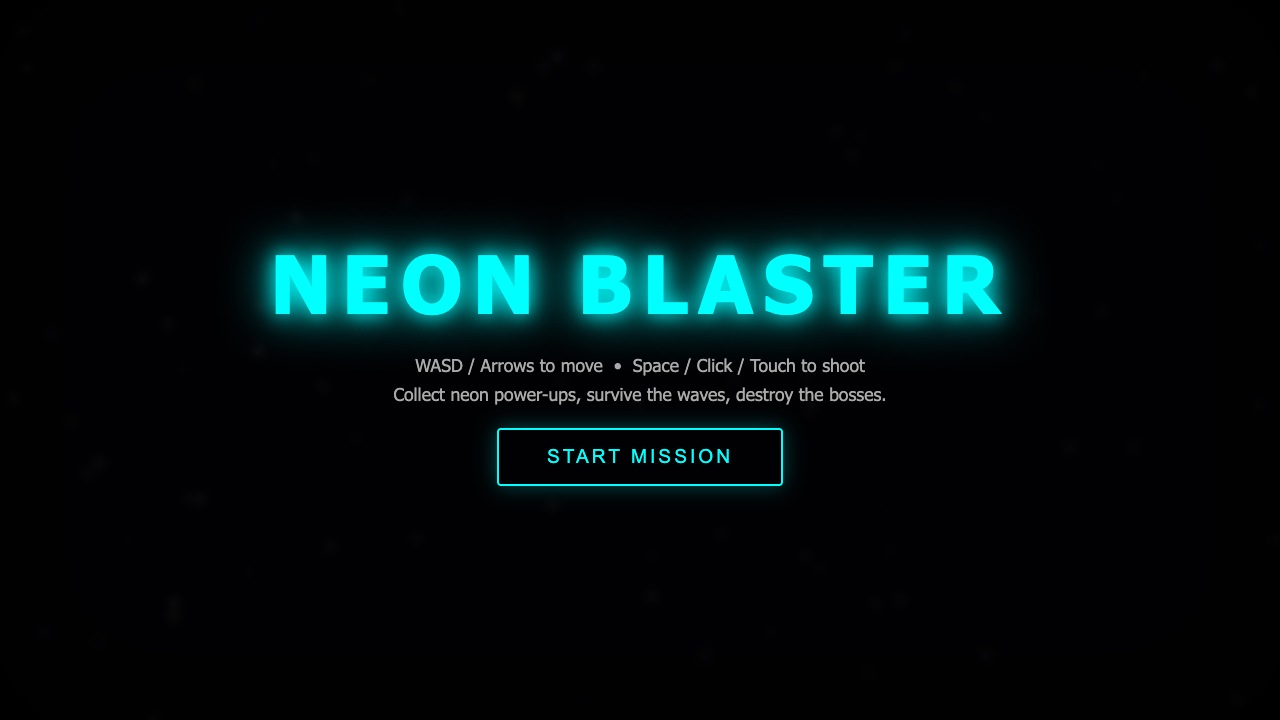
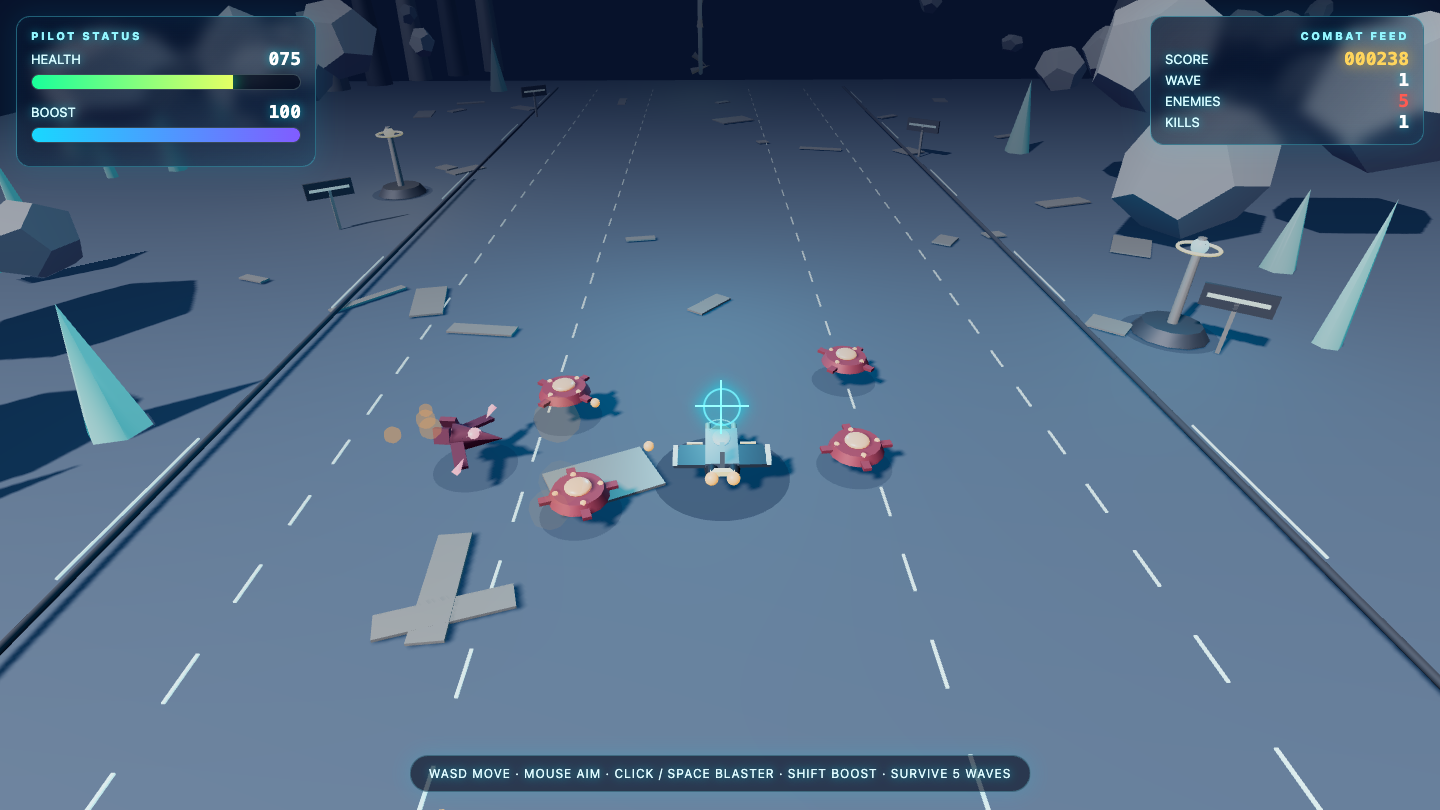
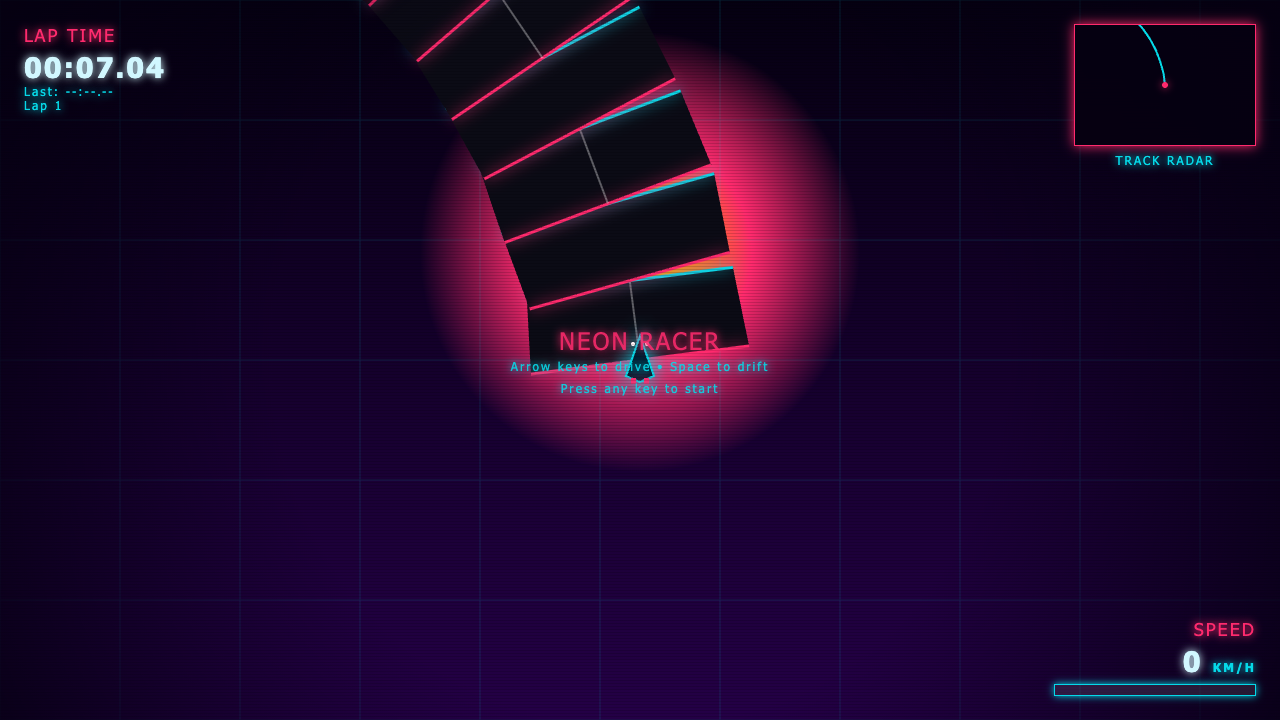
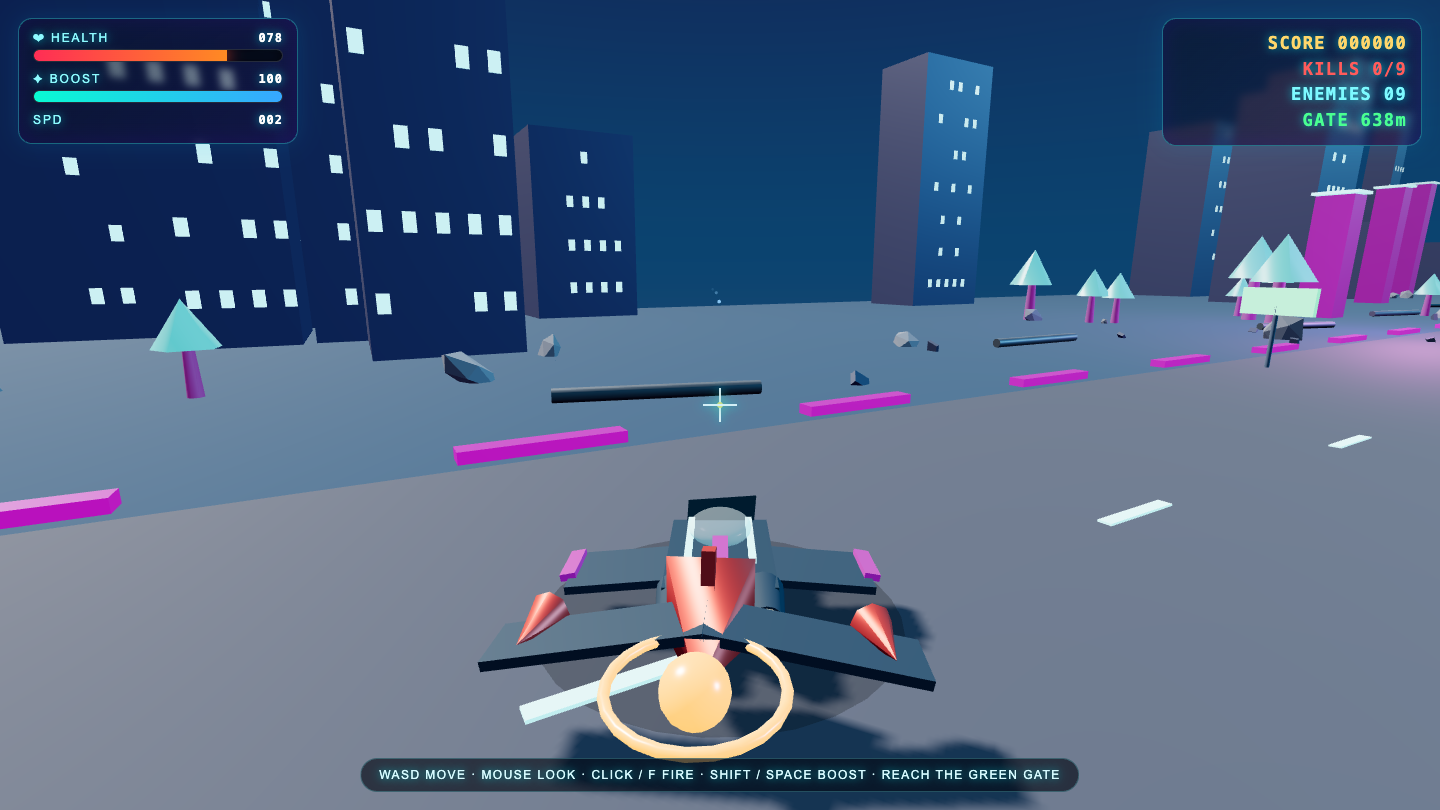
Neonblaster
Game
Fugu Ultra 1.1 8.2
·
Kimi K2.7 7.5
(+0.7)
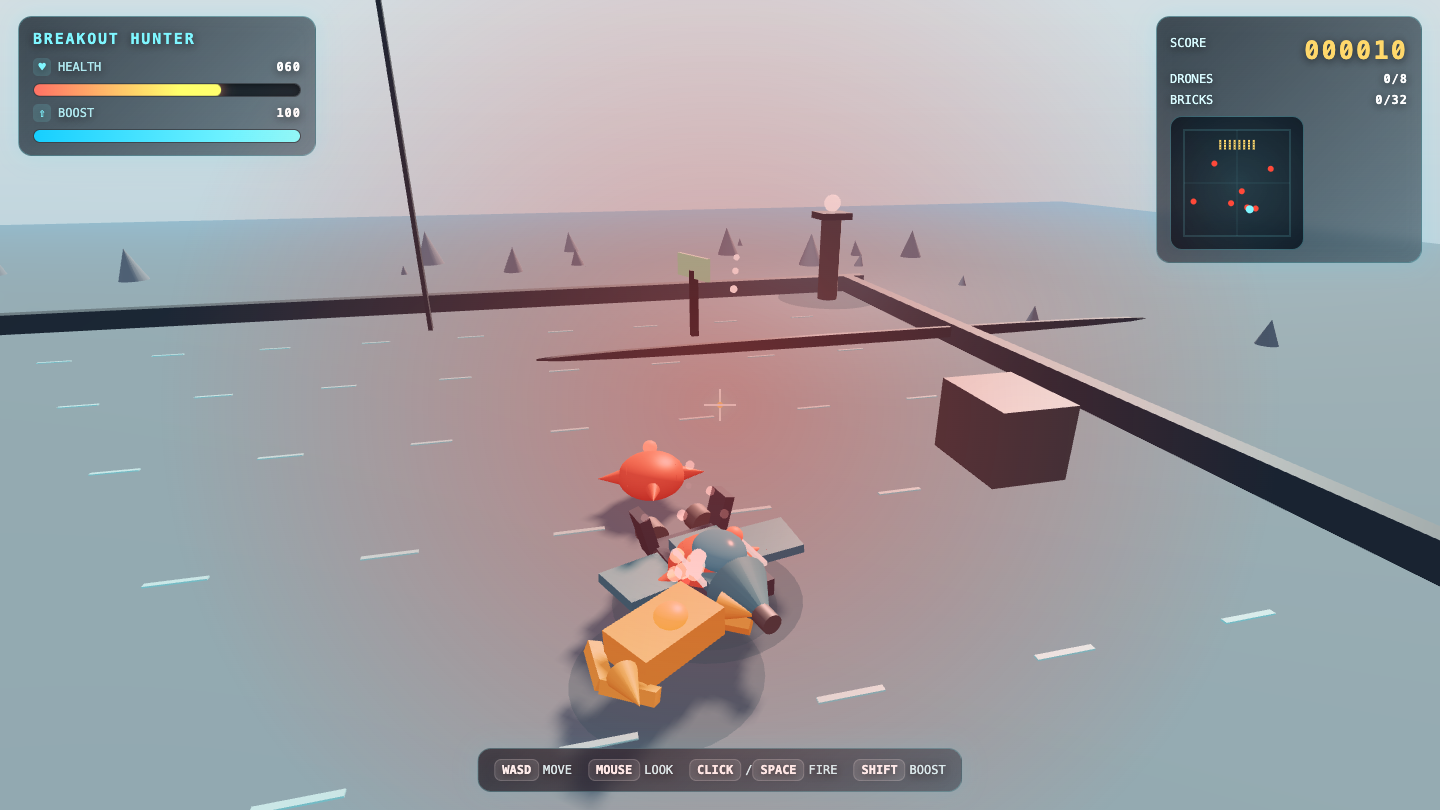
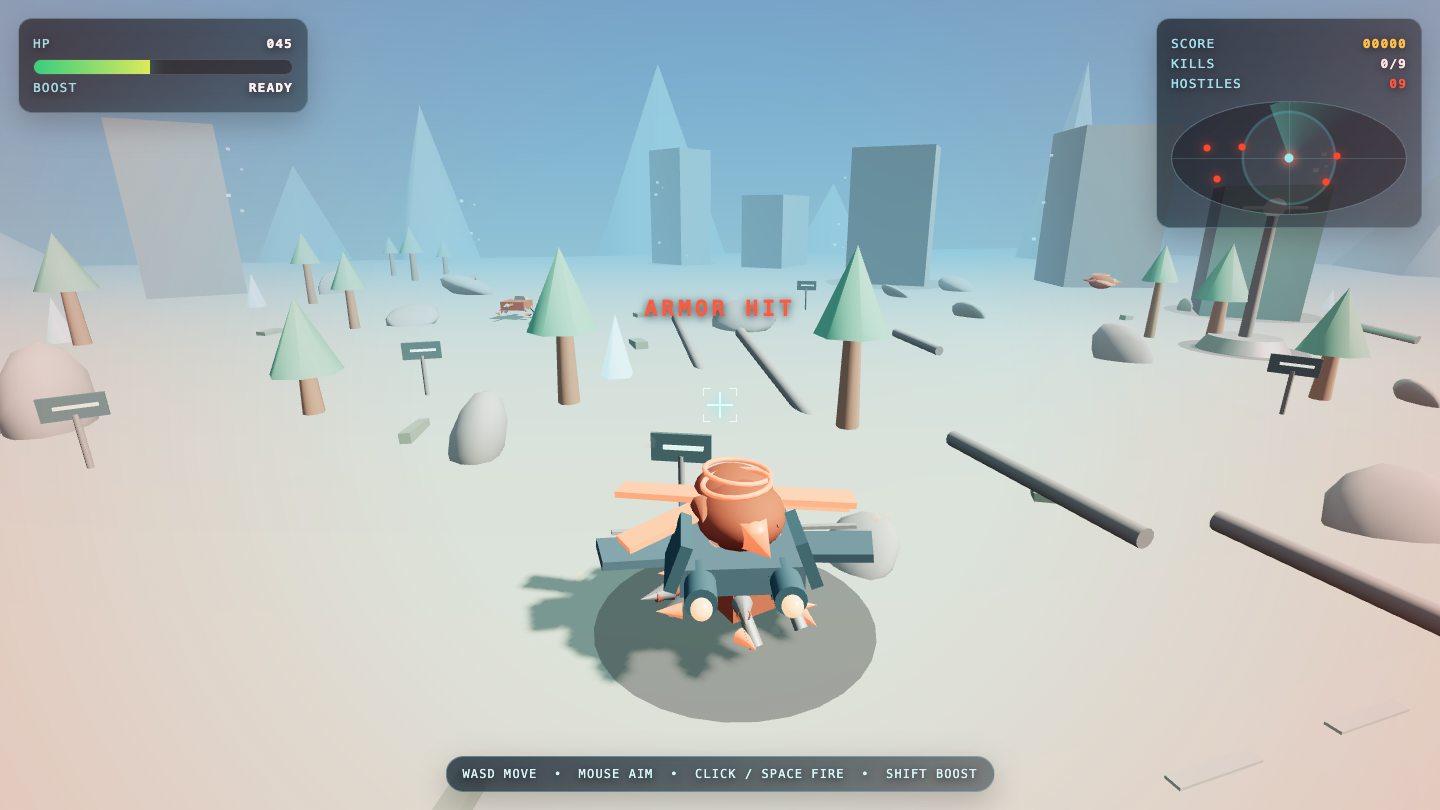
What I saw: Polished 3D low-poly arcade shooter with visible enemies, active combat state (score 238, kills 1, health 75, 5 enemies), power-up pickups, crystals/asteroids scenery and a clean neon HUD — clearly functional and juicy; slightly generic ground-based feel rather than a true space …
Outrun
Game
Fugu Ultra 1.1 8.6
·
Kimi K2.7 8.0
(+0.6)
· neon combat runner
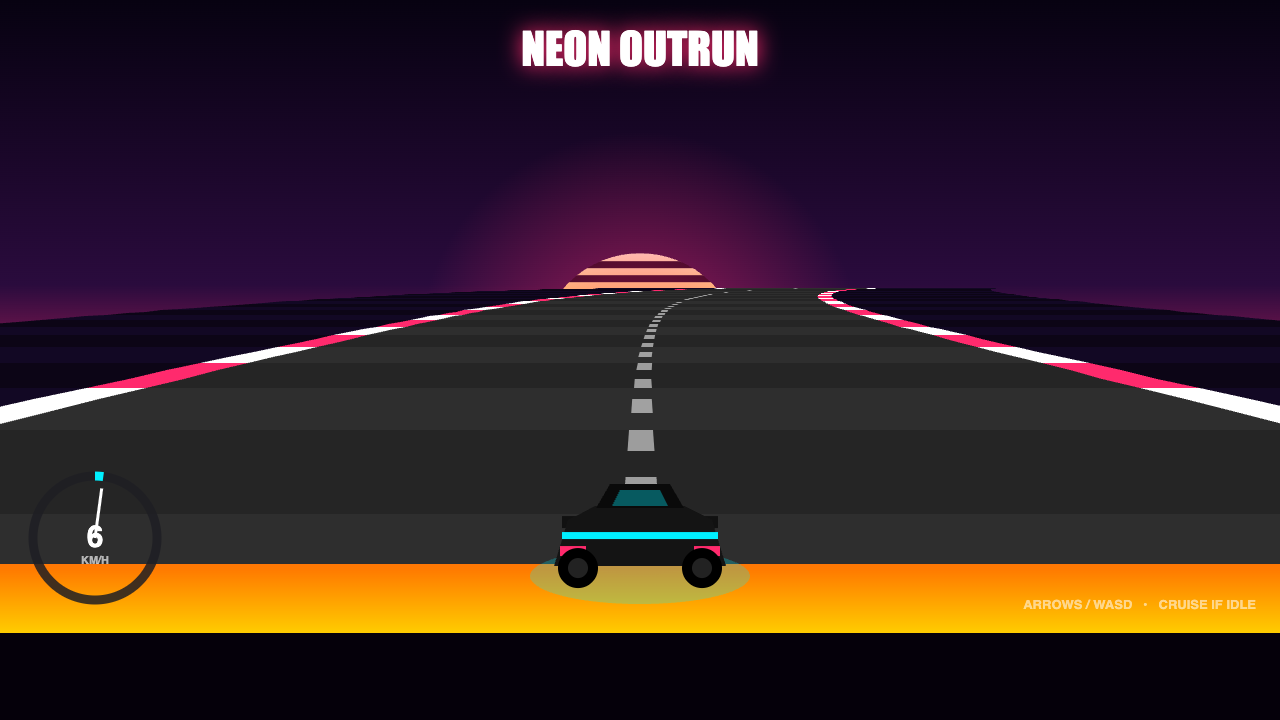
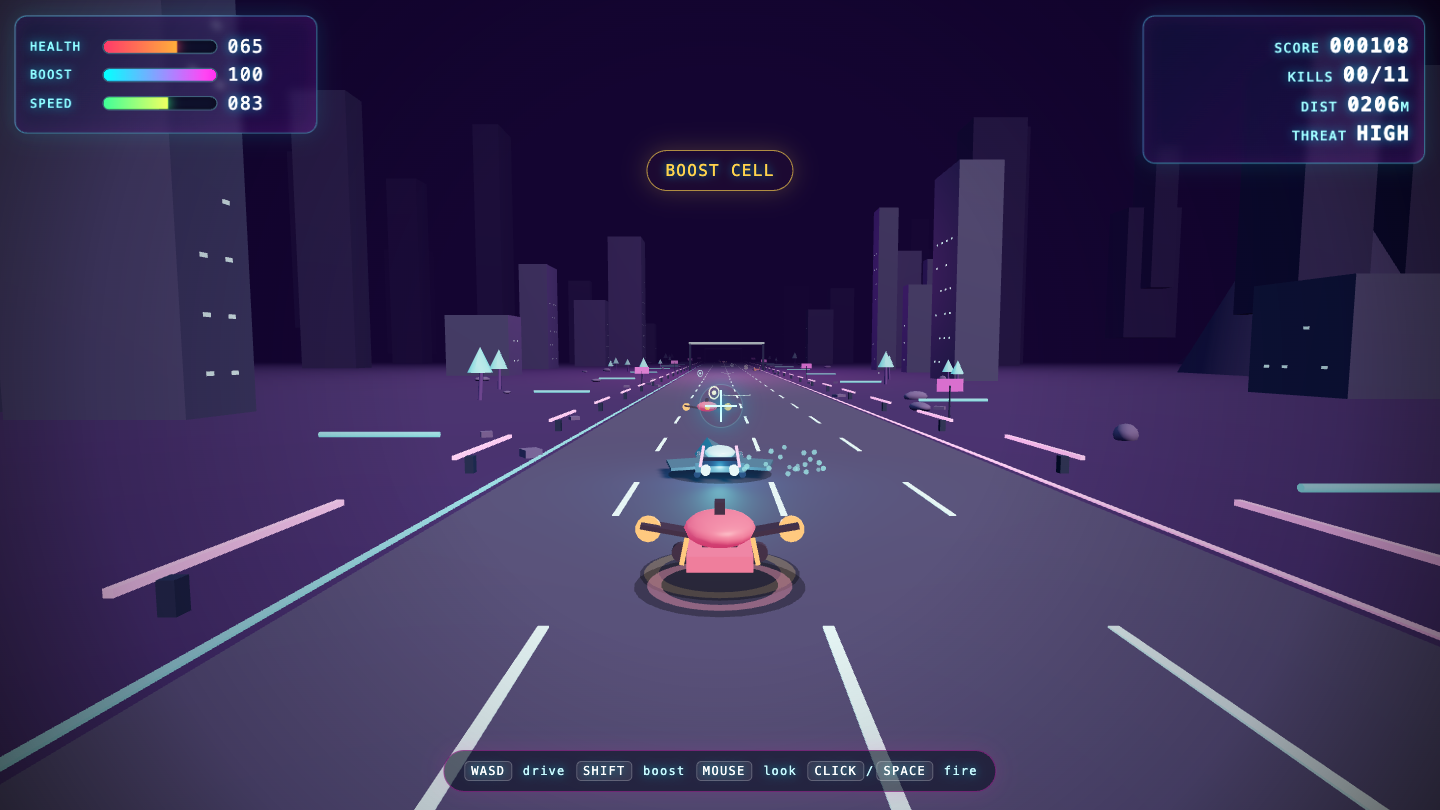
What I saw: Gorgeous synthwave city with pseudo-3D road, glowing hero craft on a contact disc, and a visible enemy vehicle ahead with combat HUD (KILLS, THREAT HIGH, crosshair) — clearly a combat runner not an empty walking sim. Polished vignette, meters, and banner elevate it above the fiel…
Flightsim
Game
Fugu Ultra 1.1 8.4
·
Kimi K2.7 8.0
(+0.4)
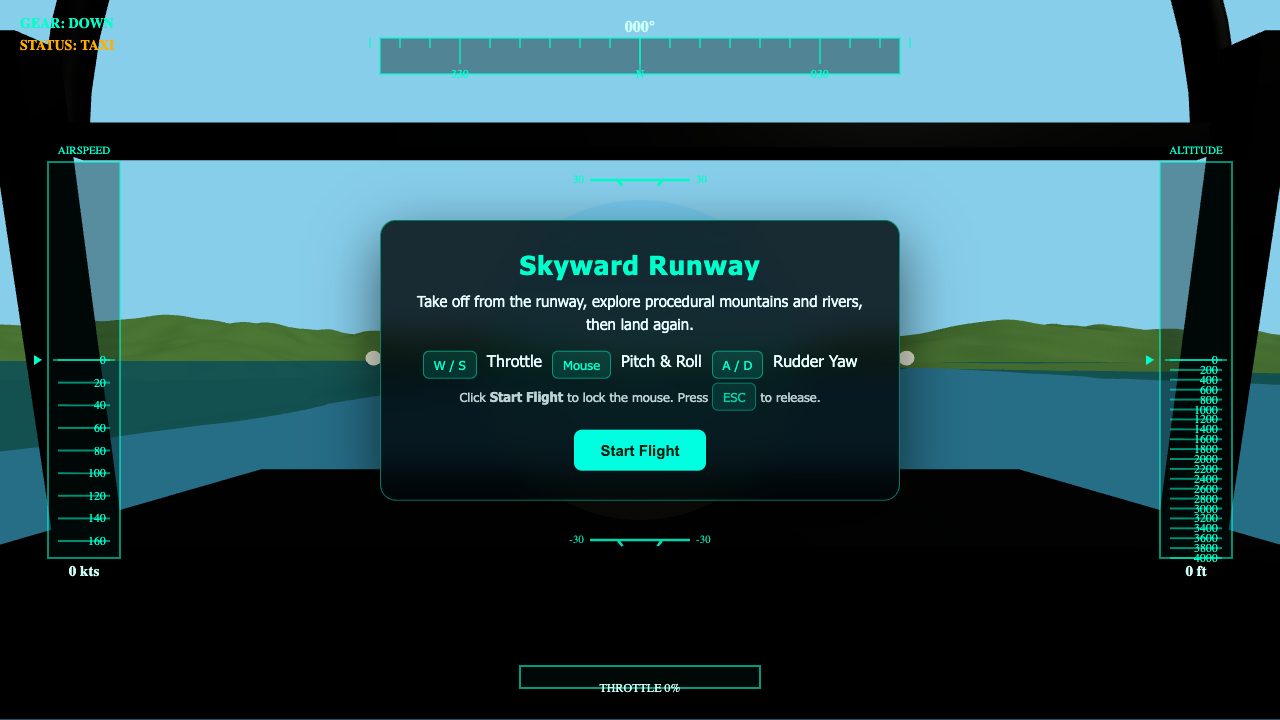
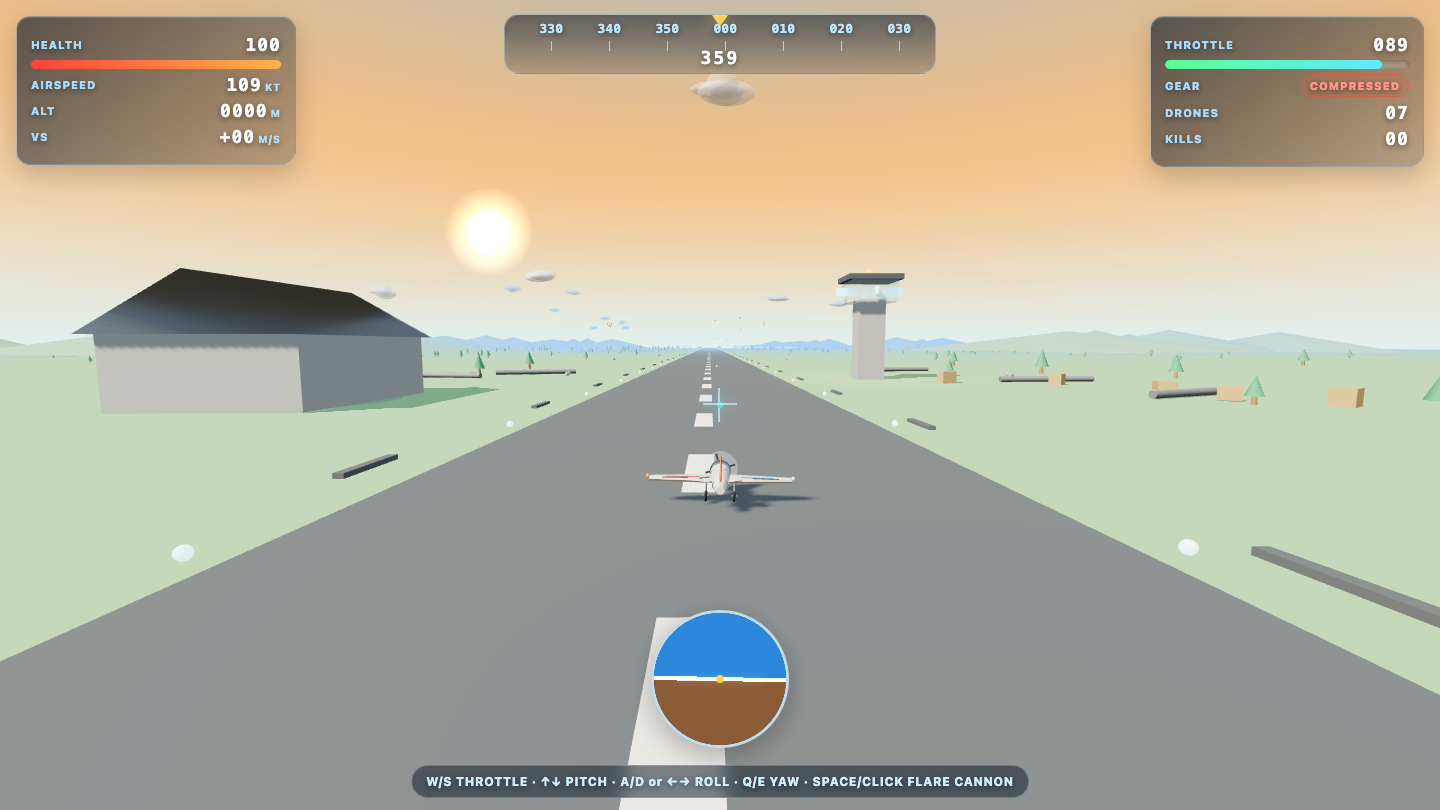
What I saw: Polished flight sim with a detailed aircraft model, full HUD (airspeed/alt/VS/heading tape/attitude indicator), runway with markings, hangar, control tower and terrain — plus a combat layer with visible drones and cannon reticle. Very strong and shippable, but the enemy at this f…
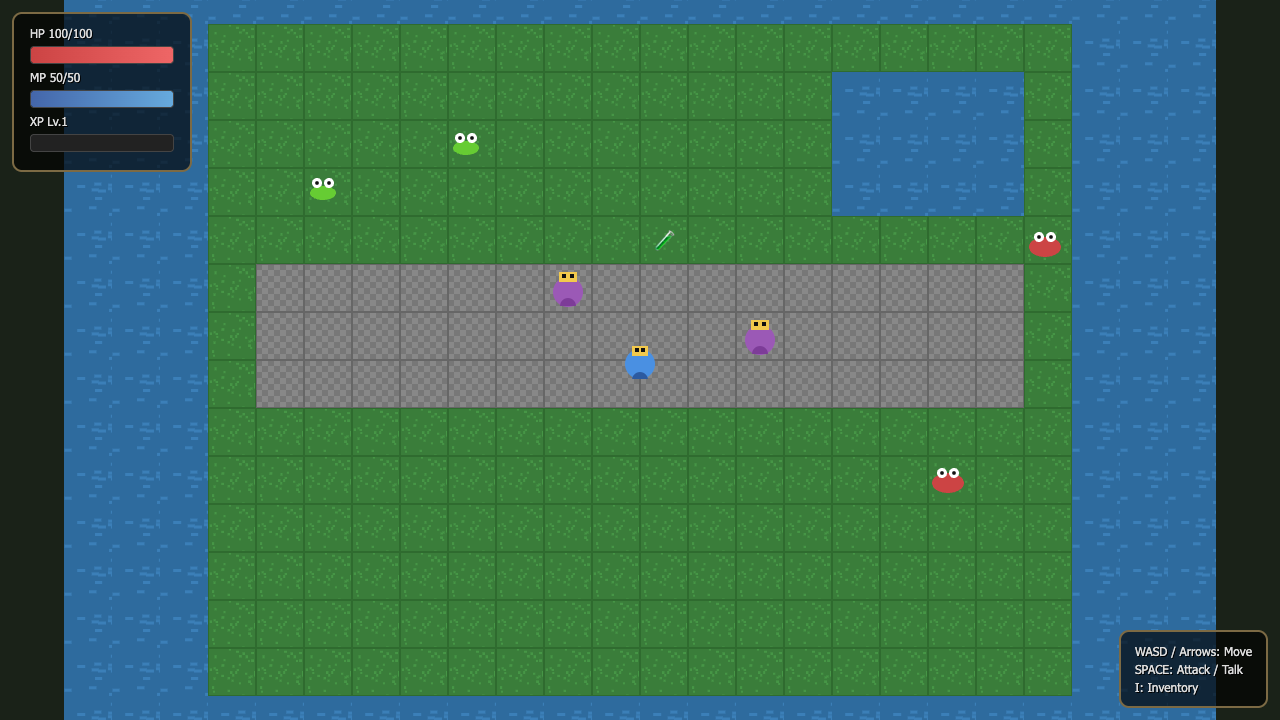
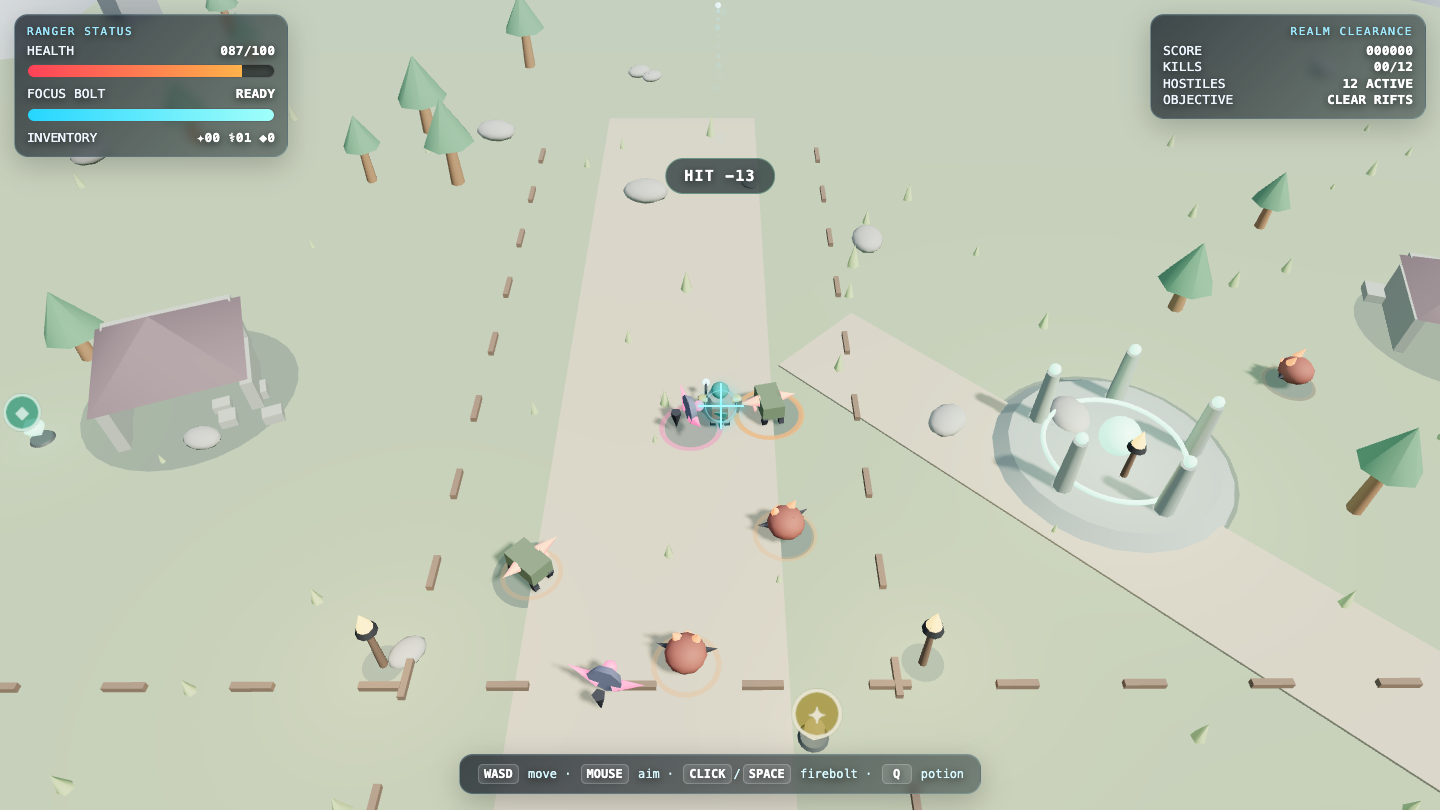
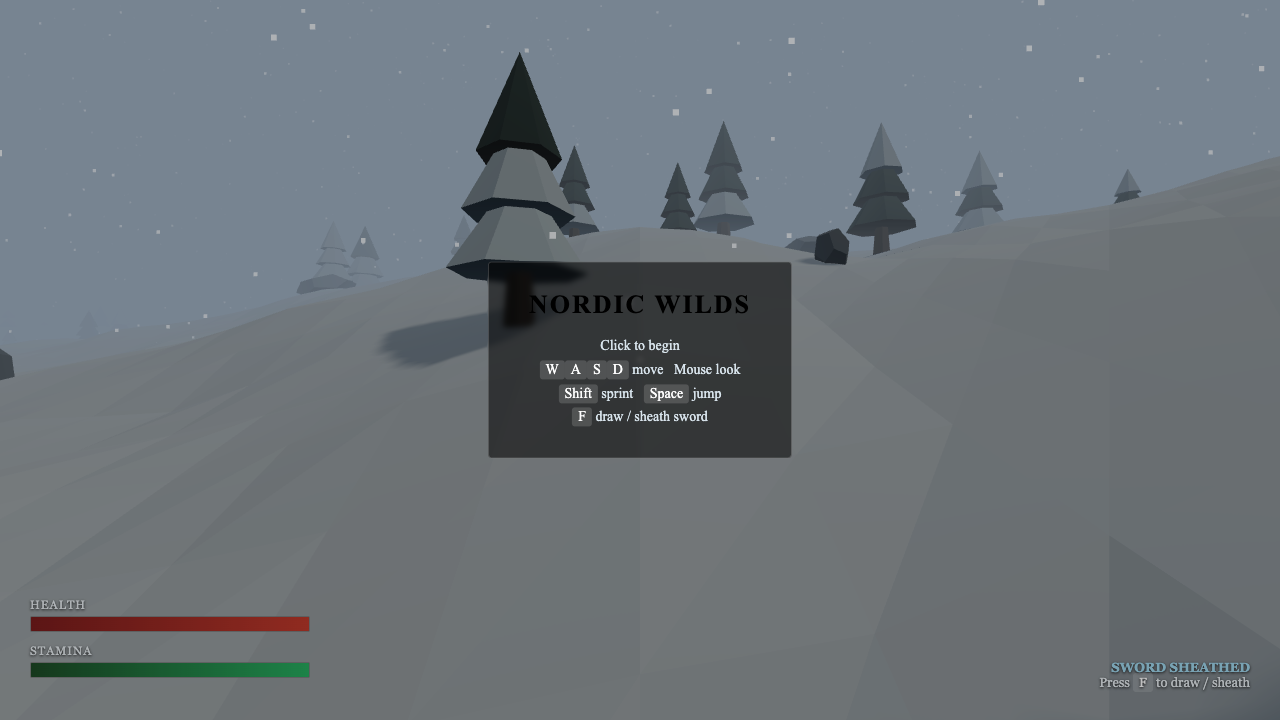
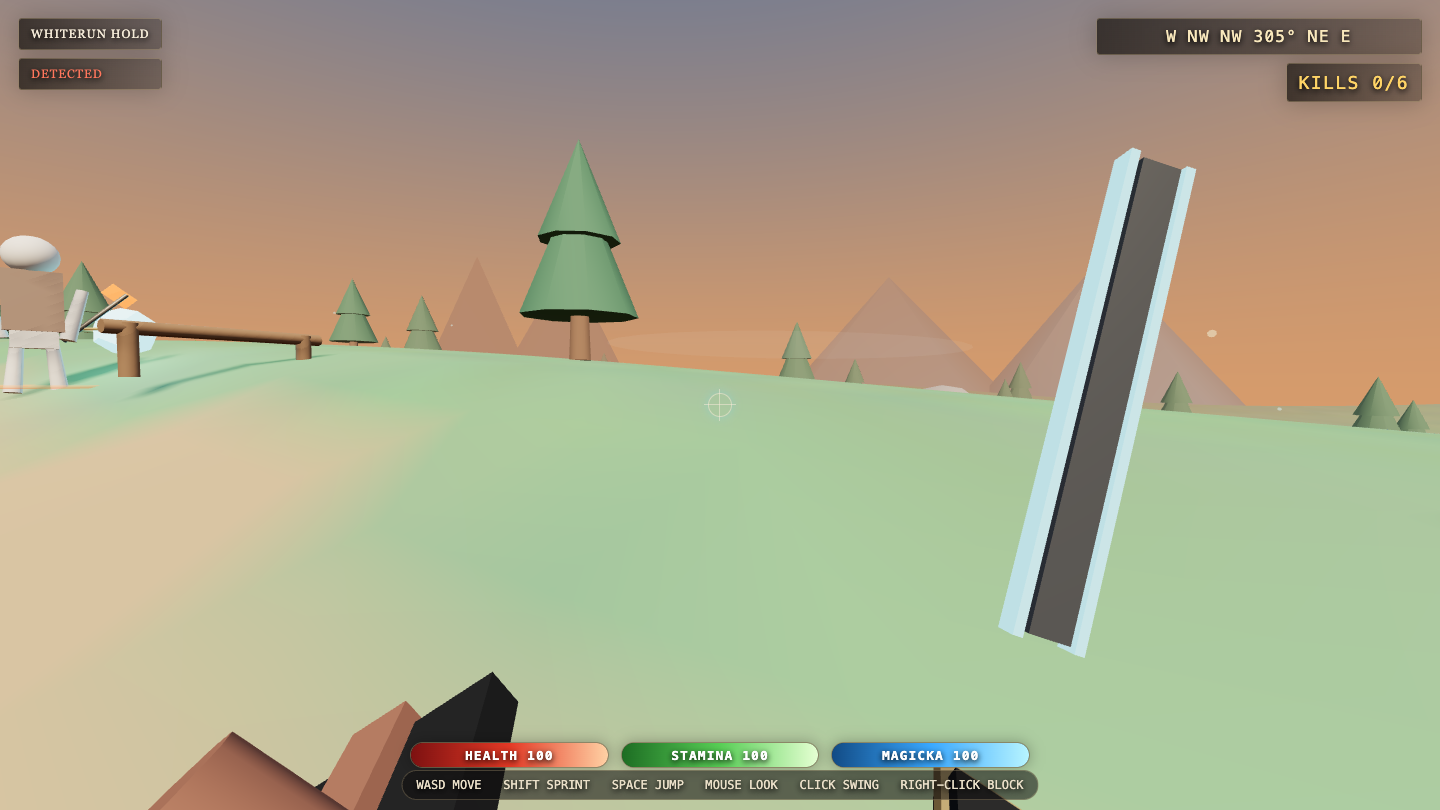
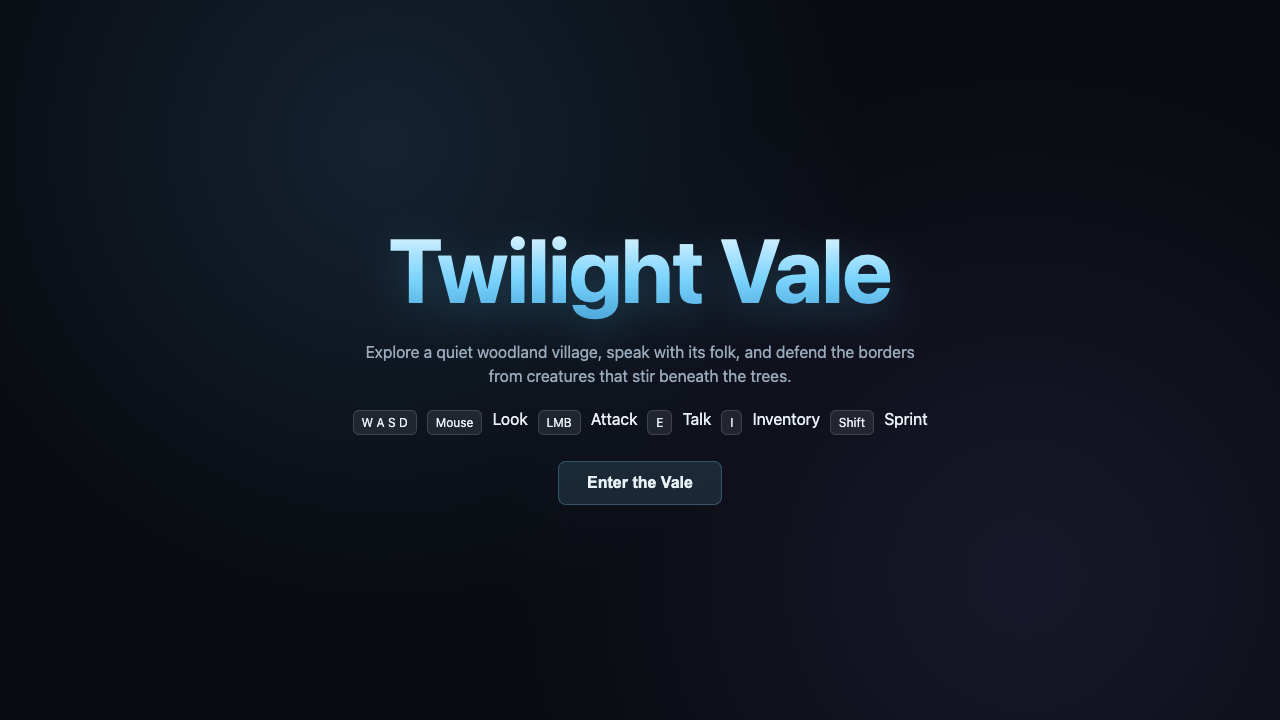
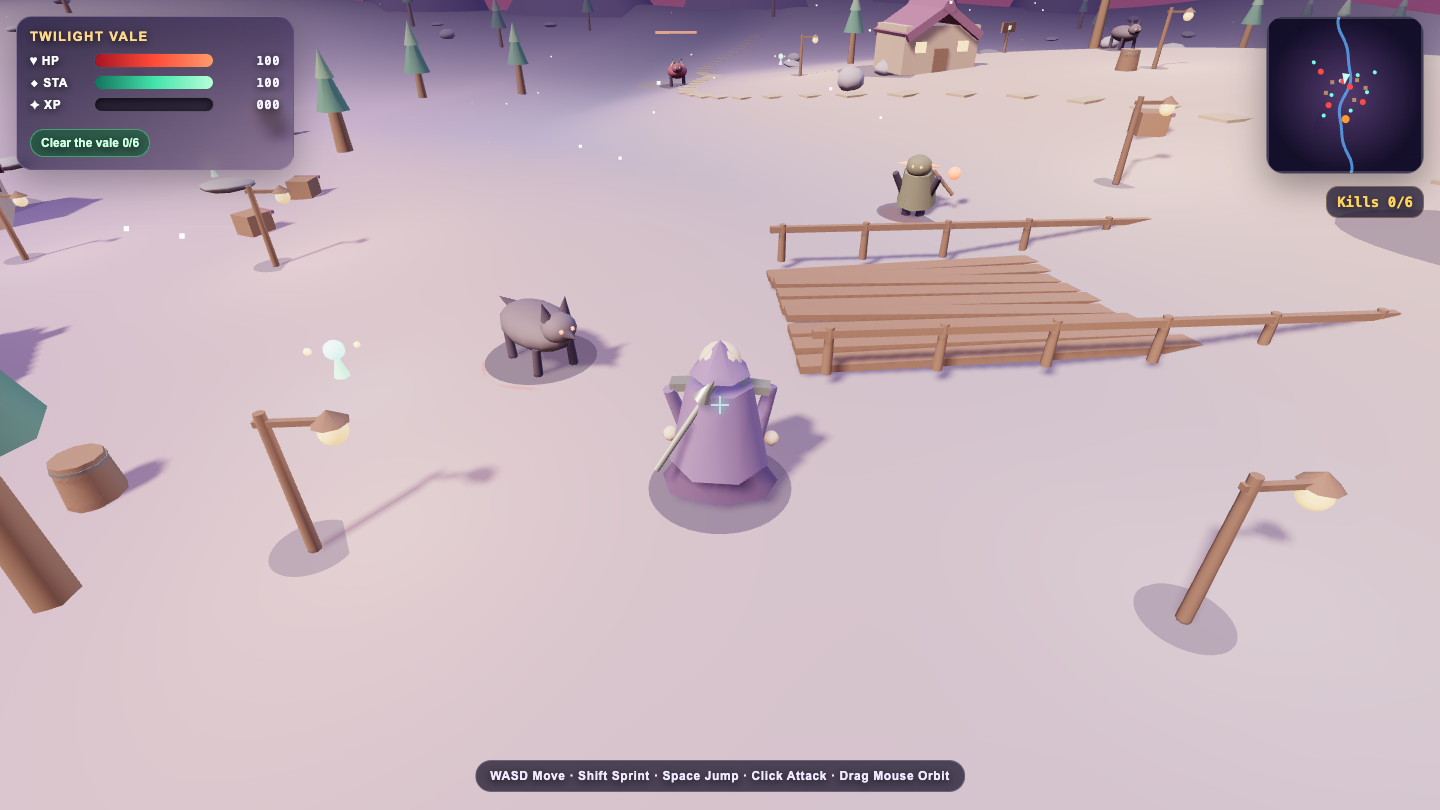
Twilightvale
Game
Fugu Ultra 1.1 8.6
·
Kimi K2.7 8.5
(+0.1)
· Atmospheric RPG World
What I saw: Gorgeous cohesive twilight scene with detailed hero holding a weapon, visible enemies (creature + humanoid), wooden bridge, lampposts, cottage, river, pickups and a working minimap/HUD with quest and kill tracker. Strong art direction and populated world with combat framing; only…
Strengths & weaknesses I logged
Kimi K2.7
Strengths
- Best-of-three on interactive games — raycaster, DOOM, monster AI
- Three speed modes (Fast / No-Think / Quality) you can swap per task
- Flat-rate plan eliminates the per-token meter, so iteration is free
Trade-offs
- Plays plainest on abstract visual prompts — synthwave grids, fluid sims, aurora — where GLM and Opus add more flair
- Bronze average on the Goldie Bench bench despite the gold-medal games — its visual builds are accurate but understated
Fugu Ultra 1.1
Strengths
- Orchestrates 1-3 expert agents per request and synthesises their answers
- Reported SWE-Bench Pro 73.7 — above Opus 4.8 and GPT-5.5 on Sakana's table
- OpenAI- and Anthropic-compatible API — drop-in for Codex and Claude Code
Trade-offs
- Benched as a partial run until the full 50-task batch completes
- Region-locked: unavailable across the EU/EEA/UK/CH — access depends on where you are
Pricing & context — the spec sheet
| Spec | Kimi K2.7 | Fugu Ultra 1.1 |
|---|---|---|
| Vendor | Moonshot AI | Sakana AI |
| Context window | 256,000 tokens | 1,000,000-token context window |
| Price | Flat plan (no per-token bill) | API · orchestration billed |
| Pricing detail | Available on Moonshot's flat-rate subscription plan — no per-token billing for individual builders. The plan covers all three speed modes (Fast, No-Think, Quality). Vendor: Moonshot AI (moonshot.ai), based in Beijing. | Sakana's Fugu Ultra v1.1 — a multi-agent system served as a model: an orchestrator routes each request across one to three expert agents and synthesises the answer. Reported (v1.0): SWE-Bench Pro 73.7, LiveCodeBench 93.2, GPQA Diamond 95.5. NOTE: Sakana geo-blocks the EU/EEA/UK/Switzerland pending GDPR compliance — benched from an allowed region. |
| Release | 2026-06 | 2026-07 |
| Bench coverage | 25/47 scored · avg 7.46/10 | 23/24 scored · avg 6.94/10 |
The verdict — which should you pick?
Across 12 scored shared tasks, Kimi K2.7 averaged 7.96/10, beating Fugu Ultra 1.1's 6.90/10 by 1.06 points. Pick Kimi K2.7 when the build has to ship on the first prompt and you can afford the trade-offs in the comparison below.
If you only run one of these inside your stack, the head-to-head average above is the call. If you can run both, my honest play is to wire Kimi K2.7 and Fugu Ultra 1.1 both into the Agent Operating System and dispatch each from the kanban by task type — interactive game prototypes you want shippable on the first prompt → Kimi K2.7, hard, high-stakes coding and reasoning where answer quality beats latency → Fugu Ultra 1.1. That's the same setup I run for the 3,400+ founders inside the AI Profit Boardroom.
FAQ — Kimi K2.7 vs Fugu Ultra 1.1
Which is better, Kimi K2.7 or Fugu Ultra 1.1?
On Goldie Bench, Kimi K2.7 averages 7.96/10 across the shared tasks, with 1 gold, 2 silver, 0 bronze overall. Fugu Ultra 1.1 averages 6.90/10, with 0 gold, 1 silver, 1 bronze. Kimi K2.7 wins the head-to-head 6–5.
How much does Kimi K2.7 cost vs Fugu Ultra 1.1?
Kimi K2.7: Available on Moonshot's flat-rate subscription plan — no per-token billing for individual builders. The plan covers all three speed modes (Fast, No-Think, Quality). Vendor: Moonshot AI (moonshot.ai), based in Beijing. Fugu Ultra 1.1: Sakana's Fugu Ultra v1.1 — a multi-agent system served as a model: an orchestrator routes each request across one to three expert agents and synthesises the answer. Reported (v1.0): SWE-Bench Pro 73.7, LiveCodeBench 93.2, GPQA Diamond 95.5. NOTE: Sakana geo-blocks the EU/EEA/UK/Switzerland pending GDPR compliance — benched from an allowed region.
What's the context window for Kimi K2.7 vs Fugu Ultra 1.1?
Kimi K2.7 has a 256,000 tokens context window. Fugu Ultra 1.1 has a 1,000,000-token context window context window.
When should I pick Kimi K2.7 over Fugu Ultra 1.1?
Pick Kimi K2.7 for: Interactive game prototypes you want shippable on the first prompt; High-iteration agent loops where per-token cost would dominate; Long-context refactors using the 256K window inside Agent OS. The trade-off is the weaknesses we logged on the bench: Plays plainest on abstract visual prompts — synthwave grids, fluid sims, aurora — where GLM and Opus add more flair; Bronze average on the {{SITE_NAME}} bench despite the gold-medal games — its visual builds are accurate but understated.
When should I pick Fugu Ultra 1.1 over Kimi K2.7?
Pick Fugu Ultra 1.1 for: Hard, high-stakes coding and reasoning where answer quality beats latency; Agentic workflows in Codex / Claude Code via the drop-in provider config; One-shot builds you want a panel of experts on, not a single model. The trade-off is the weaknesses we logged on the bench: Benched as a partial run until the full 50-task batch completes; Region-locked: unavailable across the EU/EEA/UK/CH — access depends on where you are.
How does Goldie Bench score Kimi K2.7 vs Fugu Ultra 1.1?
Every demo on this page was built by Julian Goldie inside the Agent Operating System — same fixed prompt for both models, one shot, single HTML file out. Each result gets a 0–10 score on whether it ran, how close it hit the brief, and how good it looked. The highest score on each task gets gold; second gets silver; third gets bronze. See methodology for full provenance.
Related comparisons
Other head-to-heads using the same scoring system:
Kimi K2.7 vs Fusion Fugu Ultra 1.1 vs Fusion Kimi K2.7 vs Claude Opus 5 Fugu Ultra 1.1 vs Claude Opus 5 Kimi K2.7 vs Hermes MoA Fugu Ultra 1.1 vs Hermes MoA Kimi K2.7 vs GPT-5.6 Sol Fugu Ultra 1.1 vs GPT-5.6 SolFull model pages: Kimi K2.7 · Fugu Ultra 1.1 · back to the leaderboard
The same stack Julian uses
Run this stack yourself.
Every demo on this bench was built inside the Agent Operating System — one prompt, one shot, single HTML file out. The Agent OS, the prompts, the templates, the weekly walkthroughs and 3,400+ founders shipping with it every day all live inside the AI Profit Boardroom.
3,400+founders
258documented wins
38countries
$69/momonthly