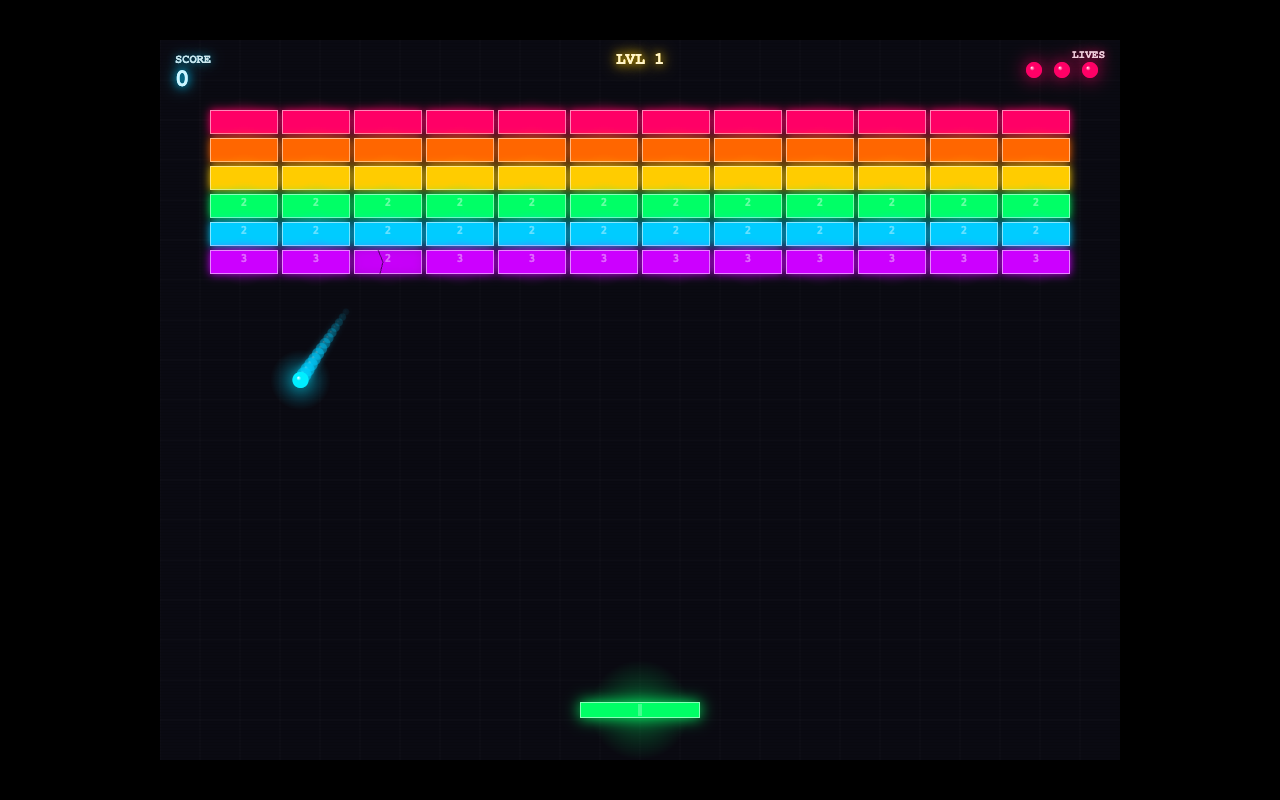
Real head-to-head · same prompt, one shot
Qwen 3.7 vs Kimi K2.7
Multilingual open-weights — strong on Chinese reasoning. vs The heavy lifter — frontier coder at flat-rate.
Head-to-head verdict: Qwen 3.7 wins 4–0 with 1 tie.
What I tested — same prompt, two models
I run the same fixed prompt set through every new model the day it drops — same string, one shot, single HTML file out — and I score the result 0–10 on whether it ran, how close it hit the brief, and how good it looked. Below is what came out when I gave the exact same prompts to Qwen 3.7 and Kimi K2.7, side by side, on 5 shared tasks inside the Agent Operating System.
Both models were given identical prompts inside the Agent Operating System — no help, no iteration, no "best of N" tricks. I run each prompt once, save the HTML file the model produces, and score it 0–10 on whether it ran, how close it hit the brief, and how good it looked. The scoring is mine. The verdicts below are pulled from my source comparison guides at agentos.guide where I publish every score and the reasoning behind it.
Qwen 3.7 · Wired alongside GLM-5.2 in Agent OS for open-weights agent loops where you want vendor diversity.
Kimi K2.7 · Wired into the Agent OS as the heavy-lifter for game/sim prototypes and Kanban-dispatched code work. Mode toggled per task: Quality for one-shot games, Fast for short bursts.
Side-by-side on 23 shared tasks
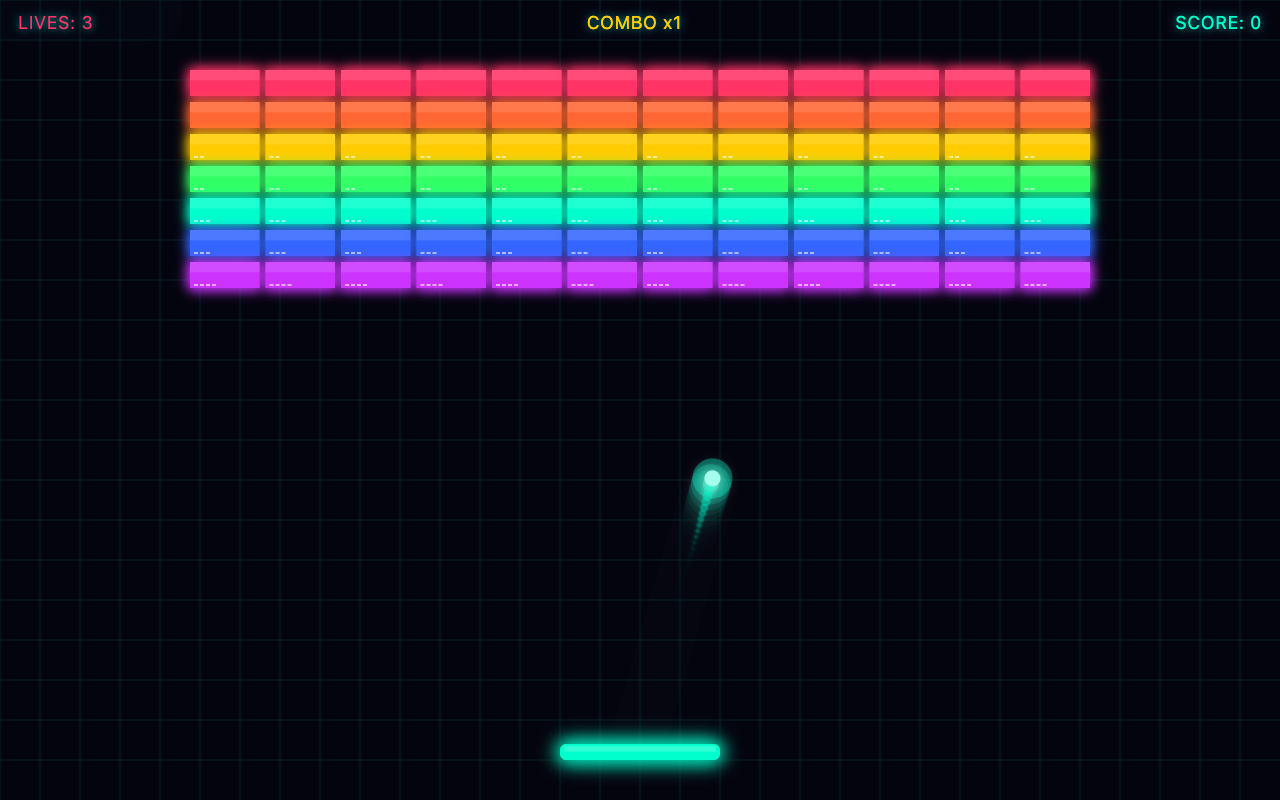
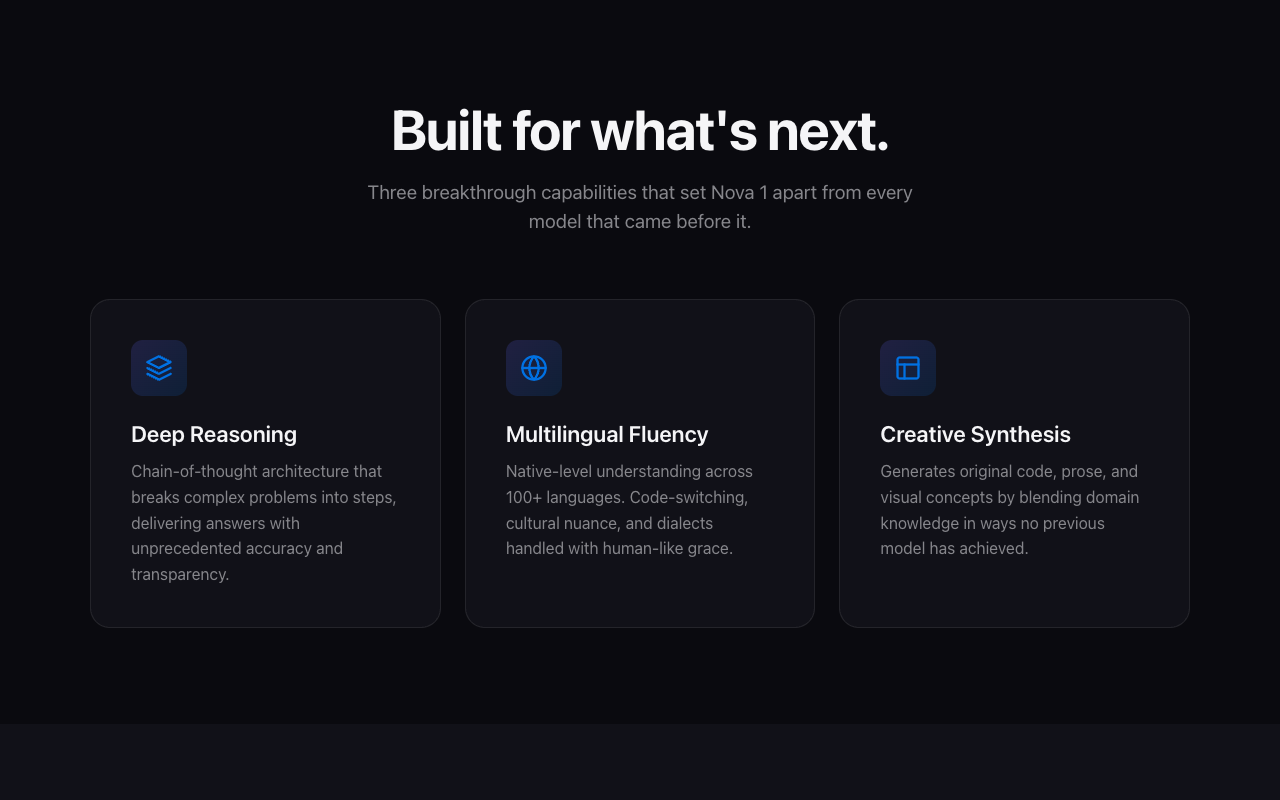
Click any cell to play that model's actual one-shot attempt. Medals are derived from my 0–10 scores per task (highest = 🥇, second = 🥈, third = 🥉).
Task ↓
Qwen 3.7
Kimi K2.7
Game
Page
Sim
Sim
Visual
Game
— not attempted —
Game
— not attempted —
Game
— not attempted —
Game
— not attempted —
Sim
— not attempted —
Sim
— not attempted —
Sim
— not attempted —
Sim
— not attempted —
Sim
— not attempted —
Sim
— not attempted —
Sim
— not attempted —
Visual
— not attempted —

Visual
— not attempted —
Visual
— not attempted —
Visual
— not attempted —
Visual
— not attempted —
Visual
— not attempted —
Visual
— not attempted —
Where Qwen 3.7 beat Kimi K2.7
The tasks where I gave Qwen 3.7 a higher 0–10 score on the same prompt — with the actual commentary from my source guides.
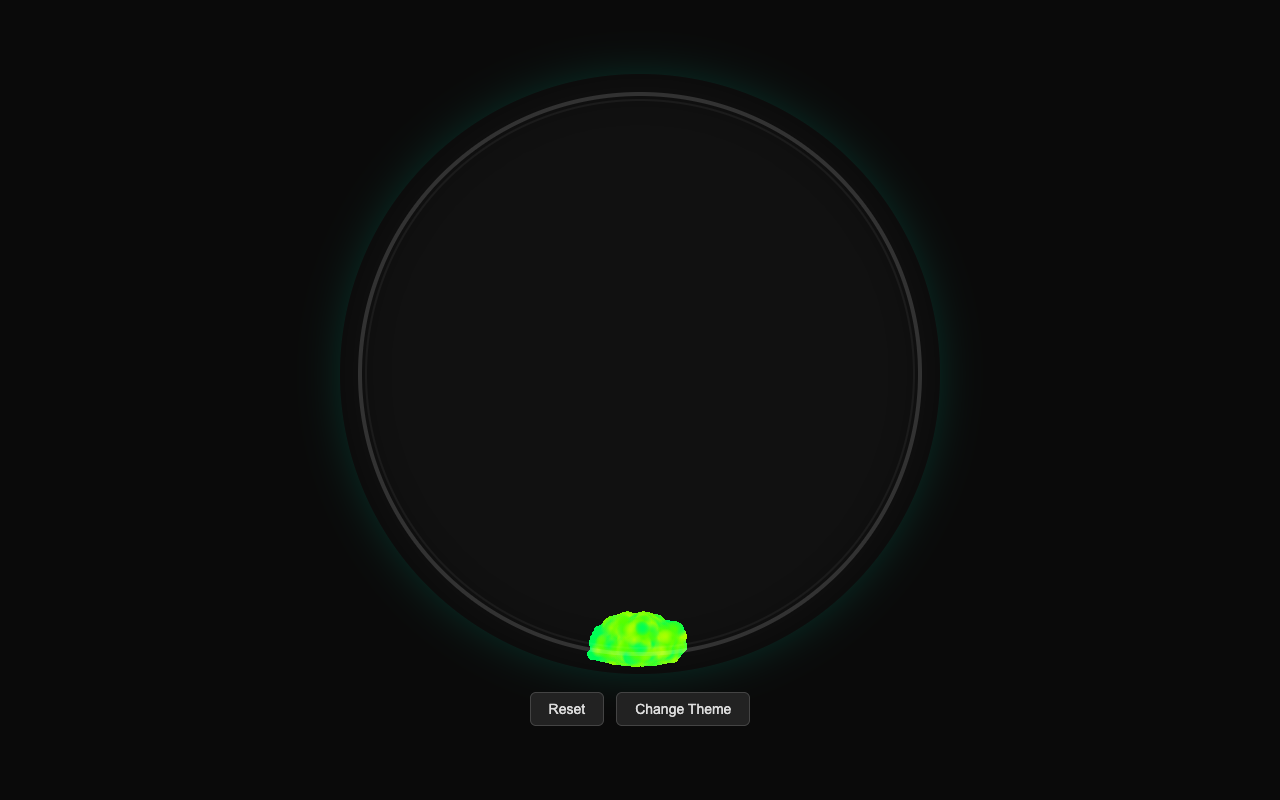
Fluid
Sim
Qwen 3.7 7.0
·
Kimi K2.7 5.0
(+2.0)
What I saw: GLM filled the bowl with glowing liquid that genuinely sloshes — the most convincing of the three. Opus's particles glowed but clumped to the centre, and Qwen's is a solid working sim but reads thinner. Play them and tilt — GLM's is the one that feels like fluid.
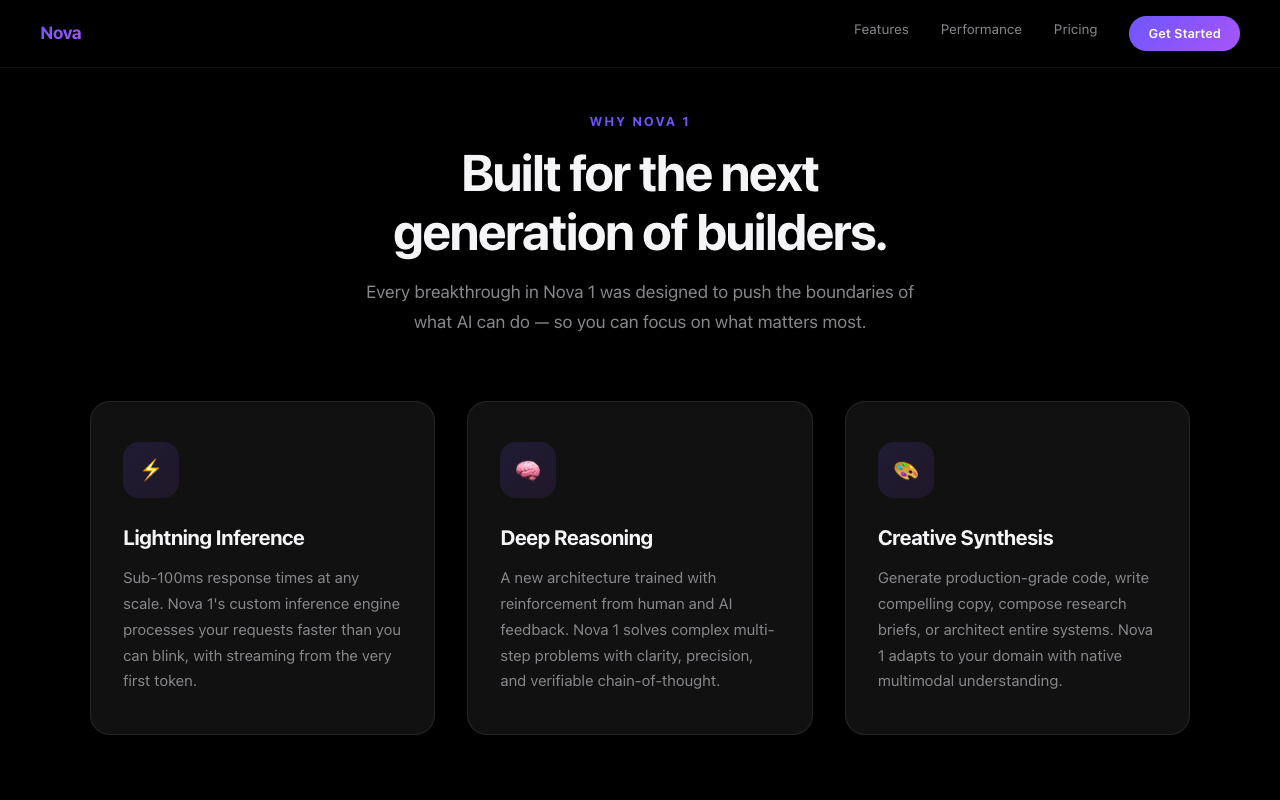
Landing
Page
Qwen 3.7 8.0
·
Kimi K2.7 6.5
(+1.5)
What I saw: GLM and Opus both produced premium gradient 'Intelligence, reimagined / distilled' keynote heroes — basically a tie. Qwen's is clean and well-built (proper nav + three feature cards) but the headline ('Built for the next generation of builders') lands flatter than the gradient heroes.
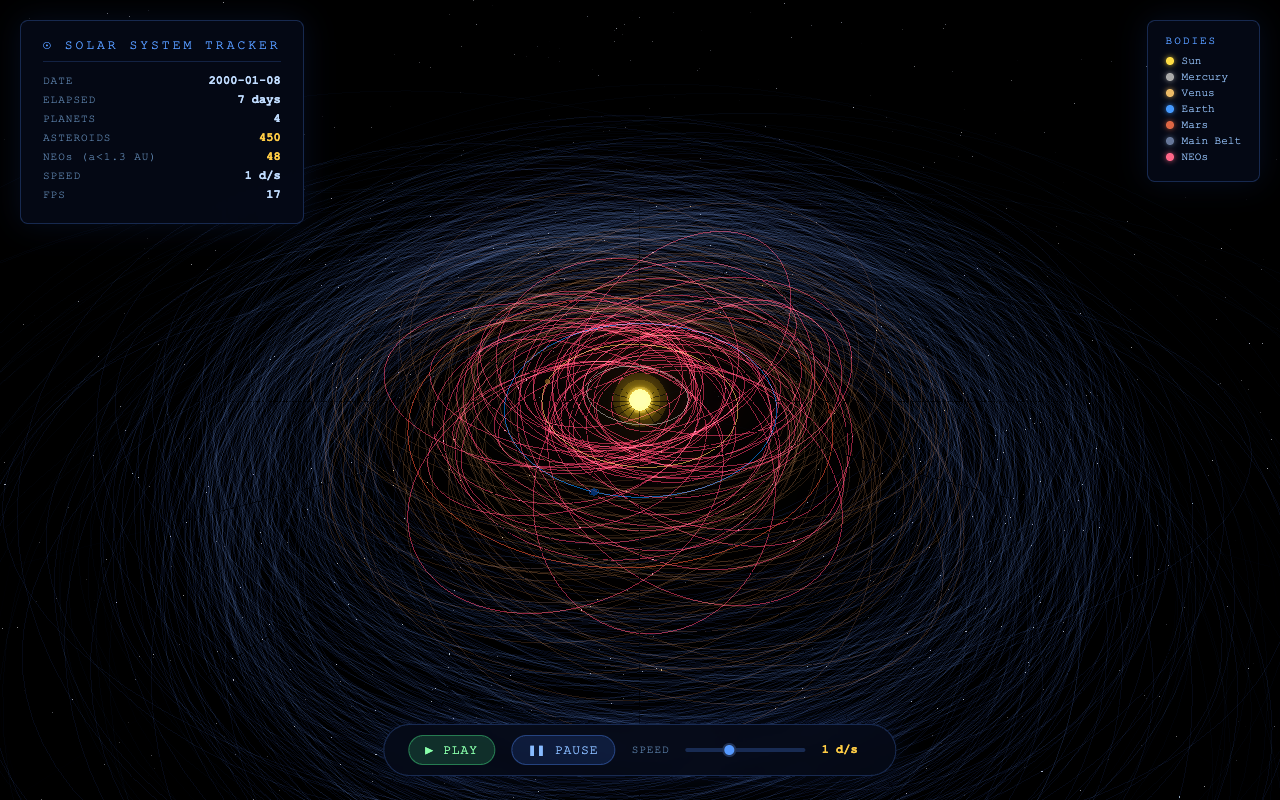
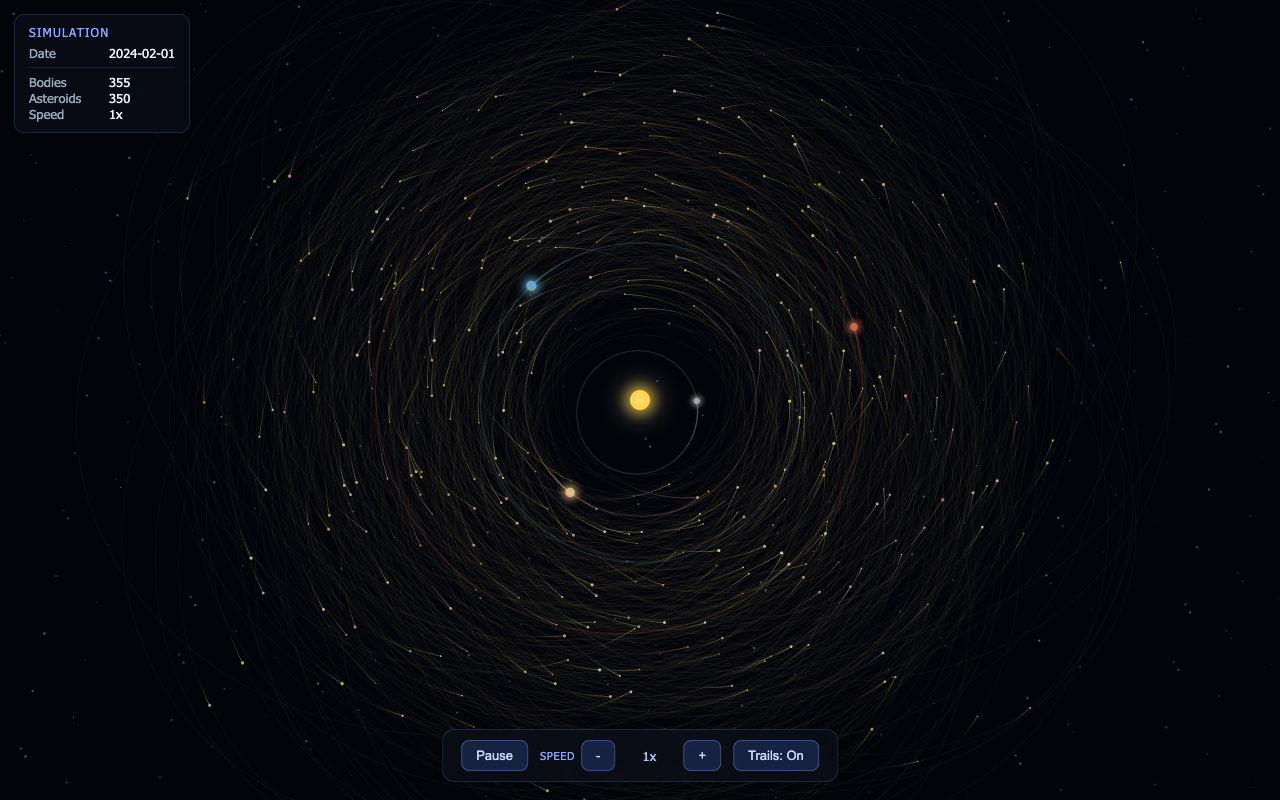
Orbit
Sim
Qwen 3.7 7.5
·
Kimi K2.7 6.0
(+1.5)
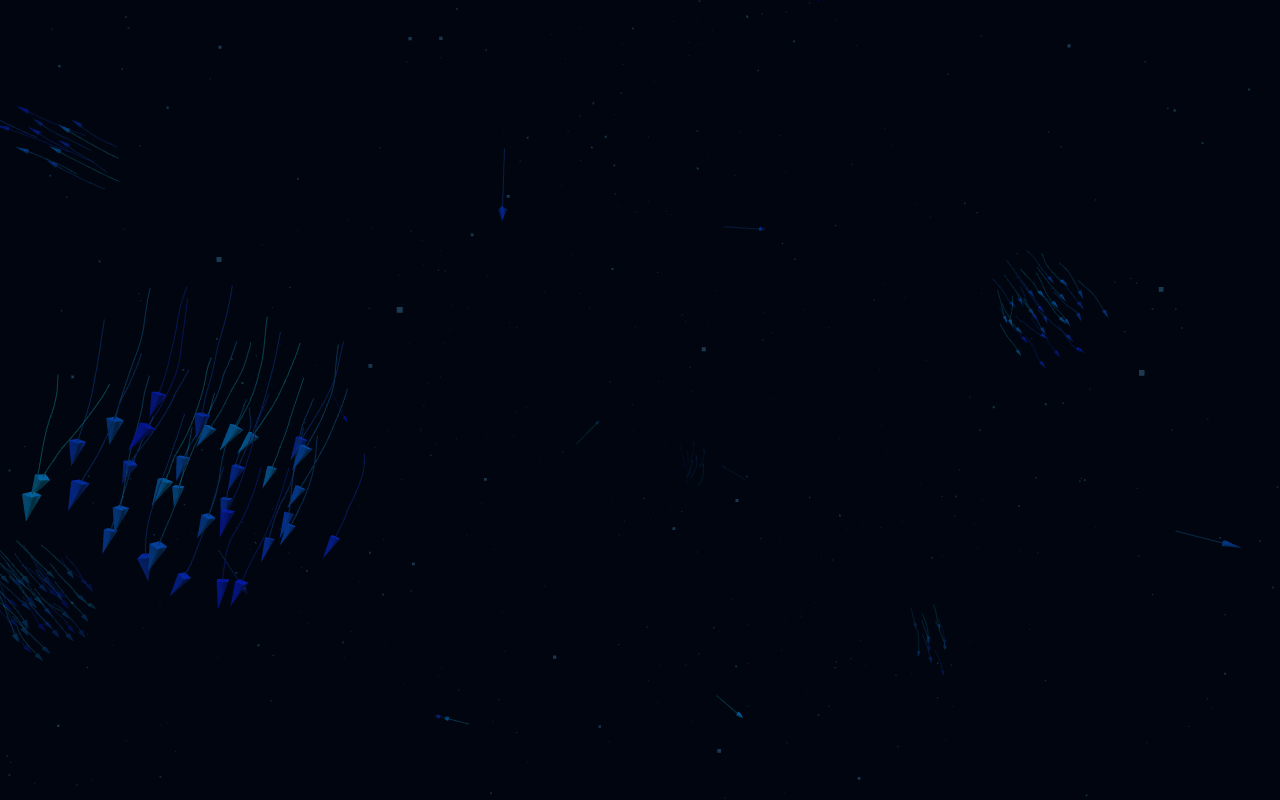
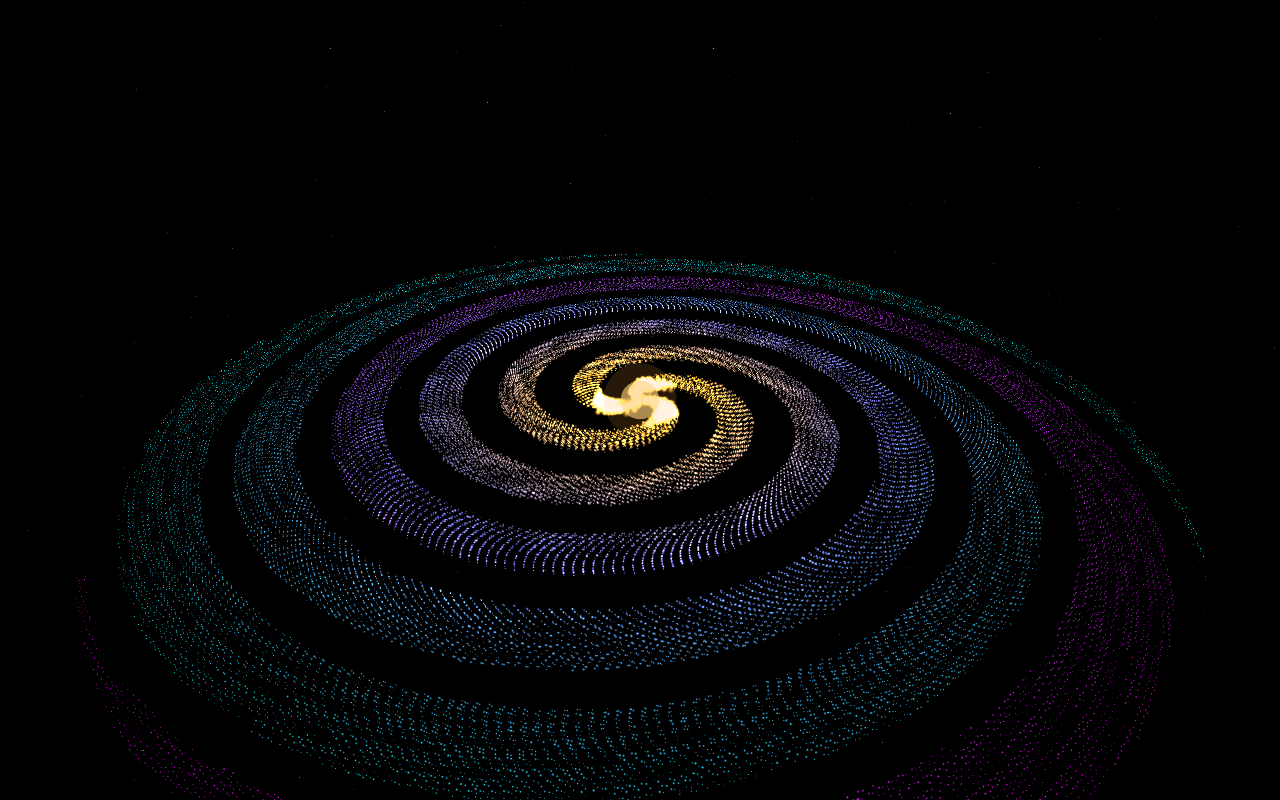
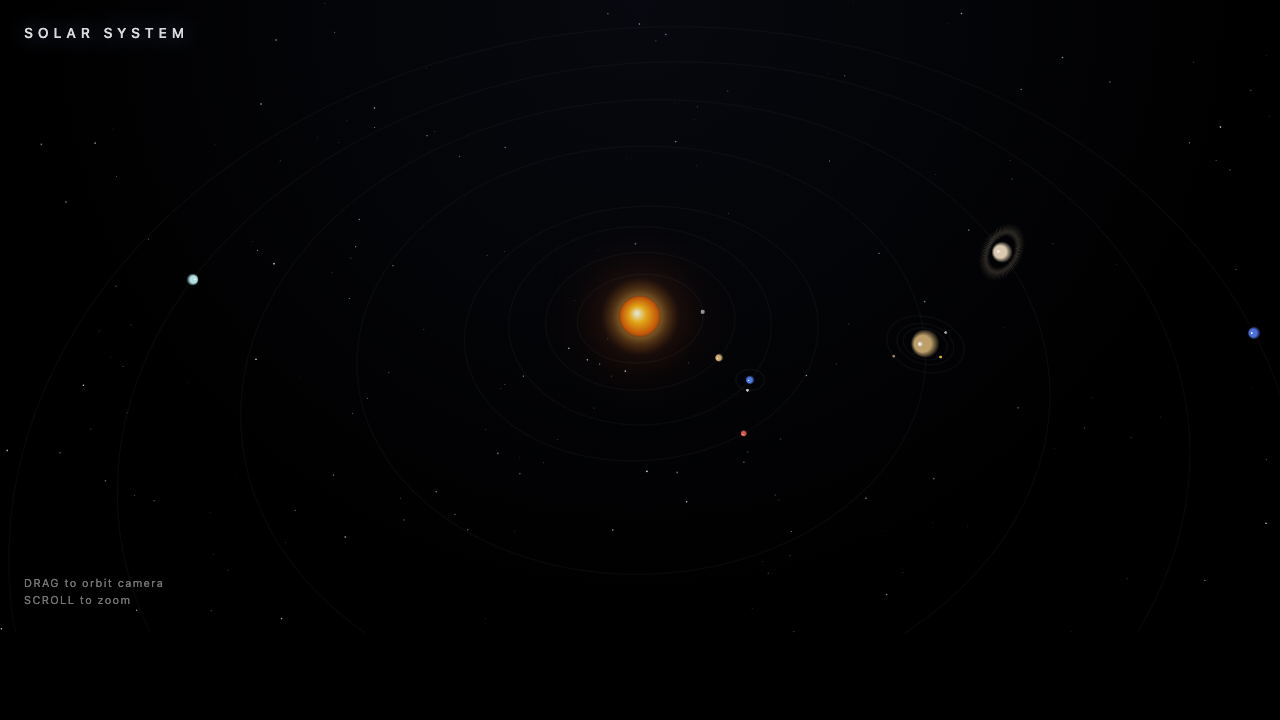
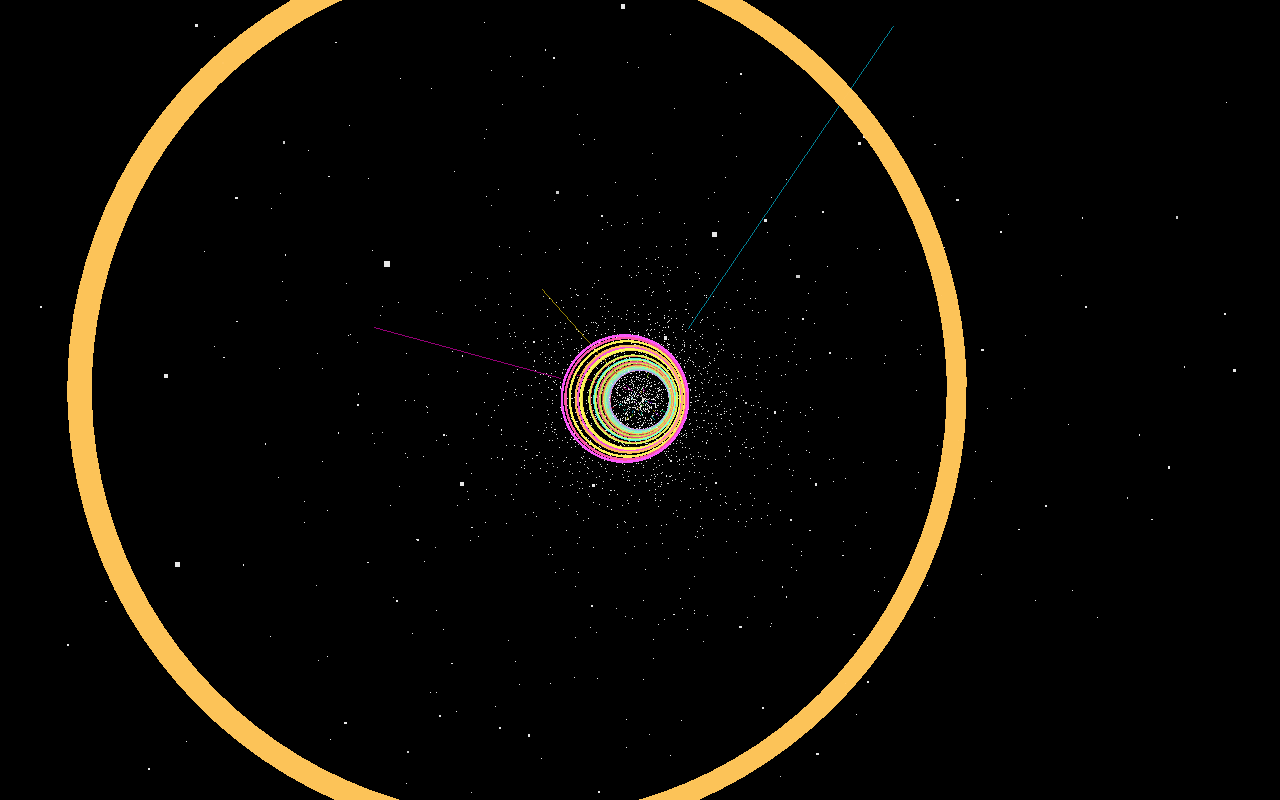
What I saw: Opus nailed the brief — distinct labelled planet orbits, a real NEO panel, a sim clock. GLM went dramatic with a glowing nebula swirl (gorgeous, but more galaxy than orbit map). Qwen drew a dense, busy orbital swarm — structurally orbit-like but dimmer and harder to read.
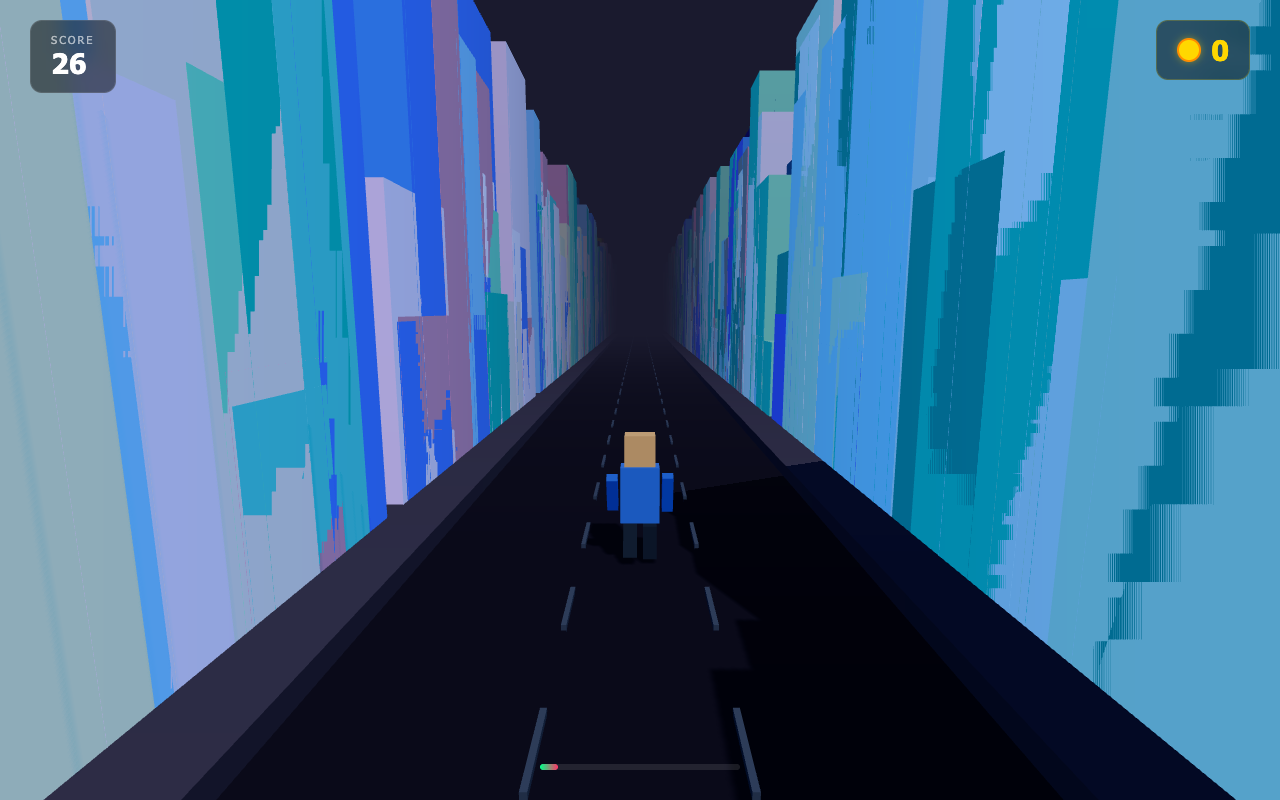
Voxel
Visual
Qwen 3.7 7.0
·
Kimi K2.7 6.0
(+1.0)
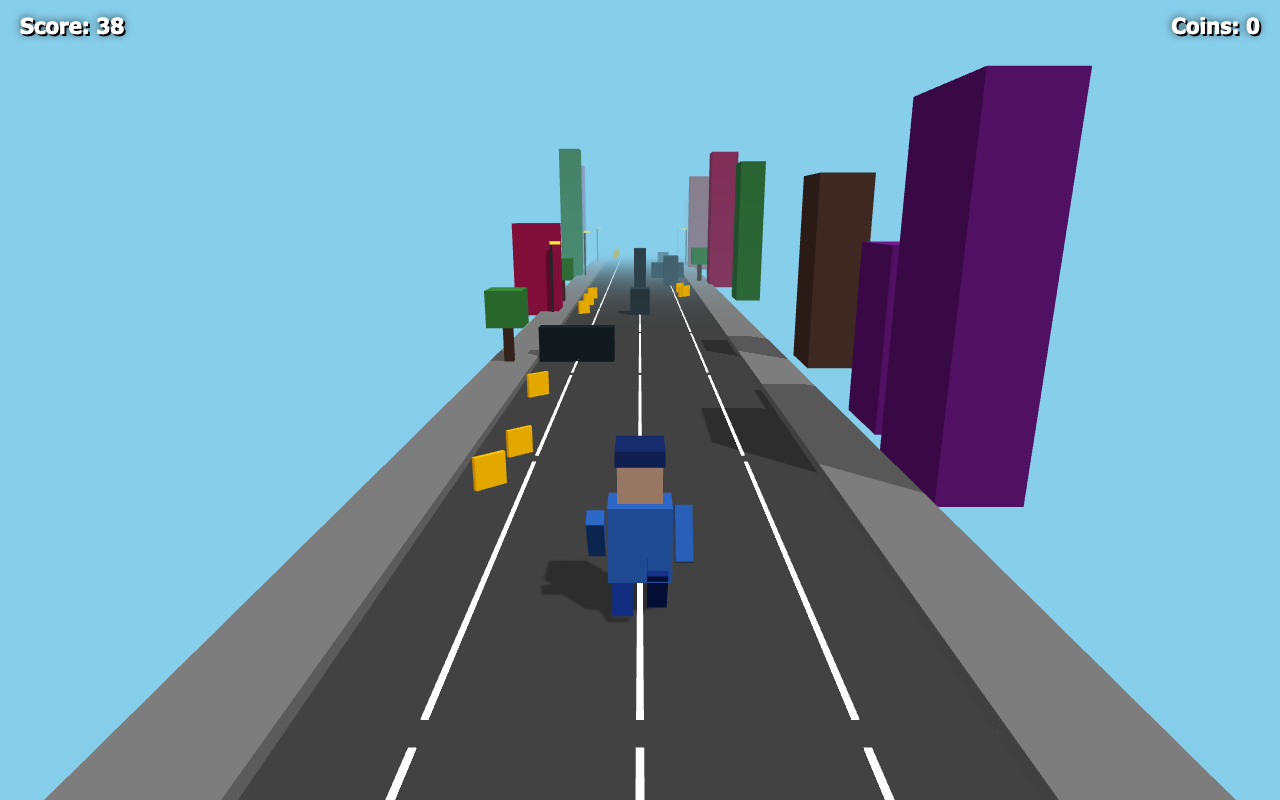
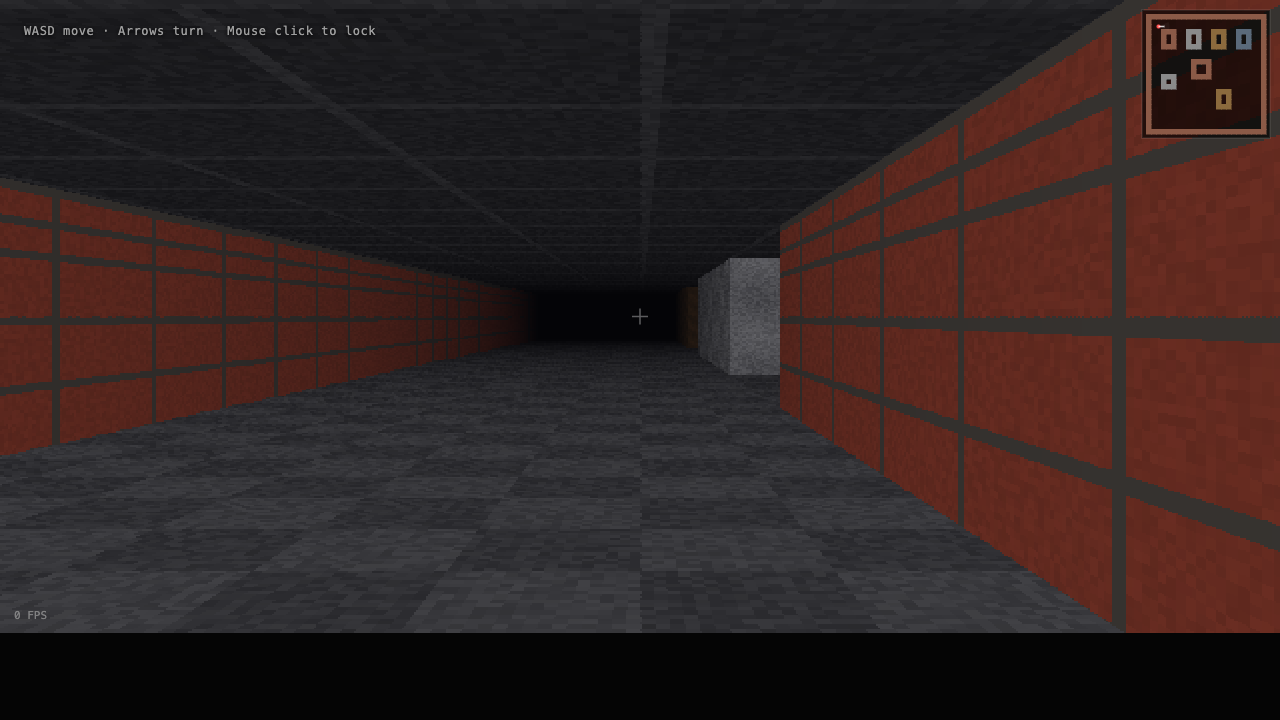
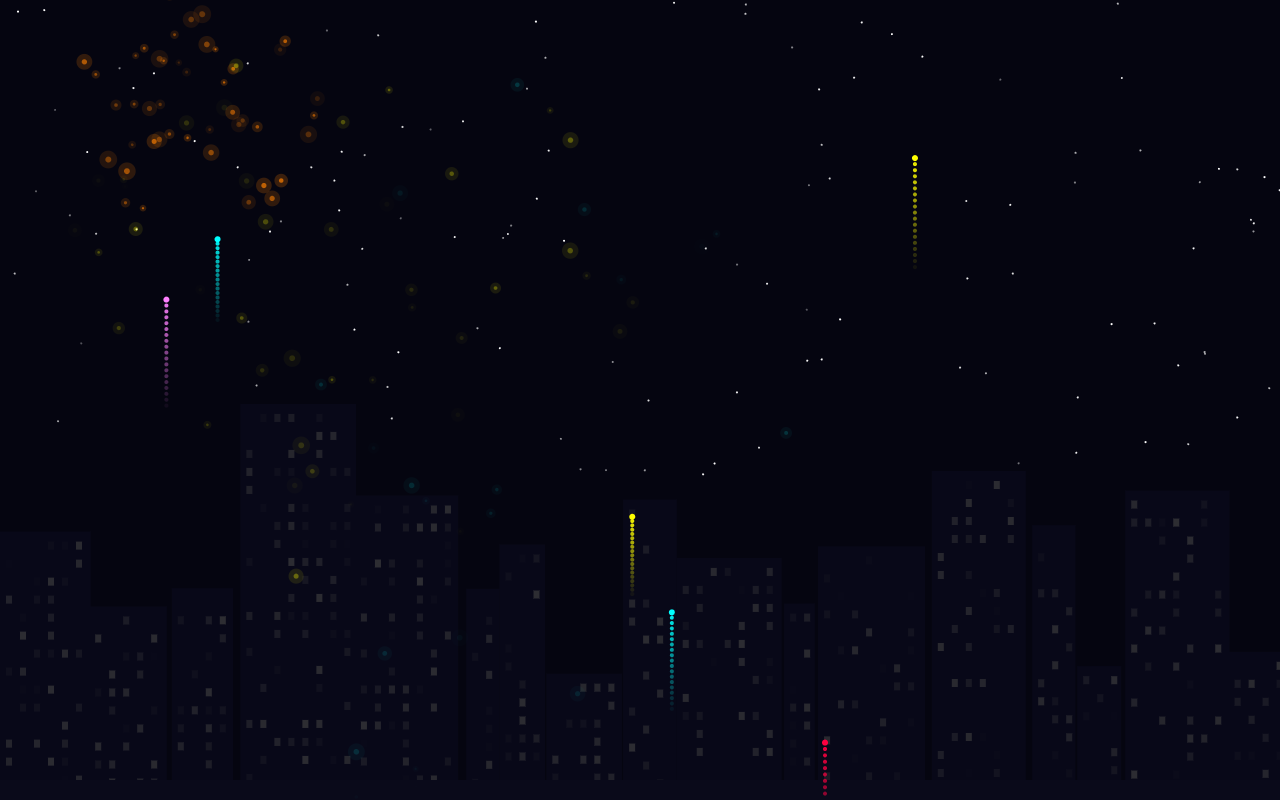
What I saw: GLM built the densest, most colourful city (windowed skyscrapers + speed/coins HUD). Opus ran the furthest with the cleanest motion. Qwen's is atmospheric — a foggy tunnel of buildings — but more muted and it crashes quicker.
Strengths & weaknesses I logged
Qwen 3.7
Strengths
- Open weights, free for individuals — same model class as GLM-5.2
- Best-of-three on fluid simulation in the Goldie Bench bench
- Multilingual depth — Chinese reasoning especially strong
Trade-offs
- Only 5 tasks scored on the bench so far — small sample size
- Trails GLM-5.2 on cinematic visual builds at similar pricing
Kimi K2.7
Strengths
- Best-of-three on interactive games — raycaster, DOOM, monster AI
- Three speed modes (Fast / No-Think / Quality) you can swap per task
- Flat-rate plan eliminates the per-token meter, so iteration is free
Trade-offs
- Plays plainest on abstract visual prompts — synthwave grids, fluid sims, aurora — where GLM and Opus add more flair
- Bronze average on the Goldie Bench bench despite the gold-medal games — its visual builds are accurate but understated
Pricing & context — the spec sheet
| Spec | Qwen 3.7 | Kimi K2.7 |
|---|---|---|
| Vendor | Alibaba | Moonshot AI |
| Context window | 256,000 tokens | 256,000 tokens |
| Price | Open weights · free for individuals | Flat plan (no per-token bill) |
| Pricing detail | Alibaba's open-weights release — downloadable from Hugging Face, runnable locally or via Alibaba Cloud's free tier for individuals. | Available on Moonshot's flat-rate subscription plan — no per-token billing for individual builders. The plan covers all three speed modes (Fast, No-Think, Quality). |
| Release | 2026-06 | 2026-06 |
| Bench coverage | 5/5 scored · avg 7.50/10 | 14/23 scored · avg 7.25/10 |
The verdict — which should you pick?
Across 5 scored shared tasks, Qwen 3.7 averaged 7.50/10, beating Kimi K2.7's 6.30/10 by 1.20 points. Pick Qwen 3.7 when the build has to ship on the first prompt and you can afford the trade-offs in the comparison below.
If you only run one of these inside your stack, the head-to-head average above is the call. If you can run both, my honest play is to wire Qwen 3.7 and Kimi K2.7 both into the Agent Operating System and dispatch each from the kanban by task type — open-weights alternative to glm-5.2 when you want a different model family → Qwen 3.7, interactive game prototypes you want shippable on the first prompt → Kimi K2.7. That's the same setup I run for the 3,600+ founders inside the AI Profit Boardroom.
FAQ — Qwen 3.7 vs Kimi K2.7
Which is better, Qwen 3.7 or Kimi K2.7?
On Goldie Bench, Qwen 3.7 averages 7.50/10 across the shared tasks, with 0 gold, 3 silver, 2 bronze overall. Kimi K2.7 averages 6.30/10, with 3 gold, 2 silver, 9 bronze. Qwen 3.7 wins the head-to-head 4–0.
How much does Qwen 3.7 cost vs Kimi K2.7?
Qwen 3.7: Alibaba's open-weights release — downloadable from Hugging Face, runnable locally or via Alibaba Cloud's free tier for individuals. Kimi K2.7: Available on Moonshot's flat-rate subscription plan — no per-token billing for individual builders. The plan covers all three speed modes (Fast, No-Think, Quality).
What's the context window for Qwen 3.7 vs Kimi K2.7?
Qwen 3.7 has a 256,000 tokens context window. Kimi K2.7 has a 256,000 tokens context window.
When should I pick Qwen 3.7 over Kimi K2.7?
Pick Qwen 3.7 for: Open-weights alternative to GLM-5.2 when you want a different model family; Multilingual workloads (Chinese, multi-script content); Fluid and particle simulations. The trade-off is the weaknesses we logged on the bench: Only 5 tasks scored on the bench so far — small sample size; Trails GLM-5.2 on cinematic visual builds at similar pricing.
When should I pick Kimi K2.7 over Qwen 3.7?
Pick Kimi K2.7 for: Interactive game prototypes you want shippable on the first prompt; High-iteration agent loops where per-token cost would dominate; Long-context refactors using the 256K window inside Agent OS. The trade-off is the weaknesses we logged on the bench: Plays plainest on abstract visual prompts — synthwave grids, fluid sims, aurora — where GLM and Opus add more flair; Bronze average on the {{SITE_NAME}} bench despite the gold-medal games — its visual builds are accurate but understated.
How does Goldie Bench score Qwen 3.7 vs Kimi K2.7?
Every demo on this page was built by Julian Goldie inside the Agent Operating System — same fixed prompt for both models, one shot, single HTML file out. Each result gets a 0–10 score on whether it ran, how close it hit the brief, and how good it looked. The highest score on each task gets gold; second gets silver; third gets bronze. See methodology for full provenance.
Related comparisons
Other head-to-heads using the same scoring system:
Qwen 3.7 vs Opus 4.8 Kimi K2.7 vs Opus 4.8 Qwen 3.7 vs GLM-5.2 Kimi K2.7 vs GLM-5.2Full model pages: Qwen 3.7 · Kimi K2.7 · back to the leaderboard
The same stack Julian uses
Run this stack yourself.
Every demo on this bench was built inside the Agent Operating System — one prompt, one shot, single HTML file out. The Agent OS, the prompts, the templates, the weekly walkthroughs and 3,600+ founders shipping with it every day all live inside the AI Profit Boardroom.
3,600+founders
258documented wins
38countries
$100k+/mocommunity MRR