GoldieBench Blog · 5 min read
OpenClaw 2.0 vs Hermes Agent: Release Scale, Community Size and Which Model to Run in Each
The data on two open-source agent frameworks, and how to pick a model for either.

OpenClaw 2.0 vs Hermes is a framework comparison, not a model one, so GoldieBench's scores do not rank either directly: both agents run whichever model you plug in, and the model sets the ceiling on build quality.
Book a free SEO strategy session →
This page compares the two on the numbers that do exist, release scale, community size and features, and explains how to use our model scores to get the best from either.
To see how we pick tools for SEO work, book a free SEO strategy session.
Figures come from the OpenClaw 2.0 release notes, OpenClaw on GitHub and the Hermes Agent repository.
The numbers side by side
| Measure | OpenClaw | Hermes Agent |
|---|---|---|
| GitHub stars (approx., 18 Nov) | 395K | 264K |
| Flagship release | v2026.8.1 (OpenClaw 2.0) | v0.23.0 Hearth |
| Flagship release scale | 16,977 PRs, 698 direct commits, 987 contributors | Plugin catalog from about 600 to 1,050+ |
| Latest patch window | v2026.11.5 on 17 Nov | About 1,989 PRs into v0.23.2 on 16 Nov |
| Licence | MIT | MIT |
Both are among the most active open-source projects in AI right now.
Why the model matters more than the framework
On the GoldieBench leaderboard, the gap between top and mid-table models on one-shot builds is far larger than any difference a framework adds.
Claude Opus 5 averages 8.27 at #2, Claude Fable 5 8.10 at #5 and Claude Opus 5.5 7.57 at #13.
Whichever agent you choose, pick its model from the top of the board for build work.
Feature differences that affect agent work
- Hosting: OpenClaw is self-hosted; Hermes adds Hermes Cloud on paid plans.
- Skills: OpenClaw applies learned skills at once with undo; Hermes asks for approval first.
- Computer use: OpenClaw 2.0 supports paired Macs and enabled Windows machines.
- Resilience: Hermes v0.23.2 added subagents that survive a gateway restart.
- Fallbacks: Hermes supports fallback model chains and a readiness check.
Book a free SEO strategy session →
Switching between them
Hermes imports OpenClaw setups with one command, as covered in our Hermes import-agent guide, and OpenClaw documents a path from Hermes in its own docs.
What OpenClaw 2.0 changed, by area
| Area | Change |
|---|---|
| Sessions | Moved into SQLite, searchable by exact words |
| Web UI | Rebuilt Control UI centred on conversations |
| Memory | Recall from the same agent's other private conversations |
| Skills | Skill Workshop for proposals, checks and history |
| Computer use | Paired Macs and enabled Windows machines |
| Plugins | Install and manage from the Control UI |
| Security | Approvals bound to exact requests; credentials kept out of model text |
Of the release's changes, 6,364 primarily affected maintainers, such as CI, tests and internal refactors, per the release notes.
What Hermes v0.23 changed, by area
| Area | Change |
|---|---|
| Interface | Webapp added in v0.23.0 Hearth |
| Gateway | One gateway owns every conversation |
| Plugins | Catalog from about 600 to 1,050+ |
| Subagents | Durable across gateway restarts (v0.23.2) |
| Fallbacks | hermes fallback check; Gemini safety blocks move to fallback |
| Models | Gemini Interactions API by default for Gemini 3+; fast mode for Mythos 5.2 |
Details are in the Hermes release notes.
How we would bench a framework
- Same model in both, picked from our top ten.
- Same ten agent tasks: research, file edits, a scheduled report and a small build.
- Score completion, interventions needed and time to finish.
- Publish logs alongside the scores, as we do for model runs.
Until then, the framework choice rests on features and hosting, and the build quality on the model.
Credentials and approvals
OpenClaw 2.0 binds every approval to the exact request, command, session and person, and keeps protected credentials out of model-visible text.
Hermes imports OpenClaw keys only when you pass --migrate-secrets, per its migration guide, and gates self-written skills behind approval.
For any agent that runs builds unattended, both safeguards are worth turning on.
Picking a model for each framework
Both frameworks connect to many providers, compatible endpoints and local models.
For build-heavy agent work, start with a model from the top ten on our board and keep a cheaper one as a fallback for routine steps.
Hermes's fallback chains make that split easy to configure, and OpenClaw lets you set a primary model with fallbacks too, which the Hermes importer carries across.
Verdict
Choose the framework on hosting and control, then choose the model from the leaderboard.
For a Hermes-based Agent OS with model routing built in, see the AI Profit Boardroom.
Book a free SEO strategy session →
Pick the framework for hosting, the model from the board, and OpenClaw 2.0 vs Hermes works either way; for data-led SEO, book a free SEO strategy session.
FAQ
Does GoldieBench rank OpenClaw or Hermes?
No. We rank models. Both frameworks run the model you choose, which sets build quality.
Which framework has more stars?
OpenClaw, at about 395K against about 264K for Hermes Agent as of 18 November 2026.
What model should I use in either?
For build work, one from the top of the GoldieBench leaderboard, such as Claude Opus 5 or Claude Fable 5.
Keep reading
 Grok Bot vs OpenClaw: Which AI Models To Run, With Real GoldieBench Scores
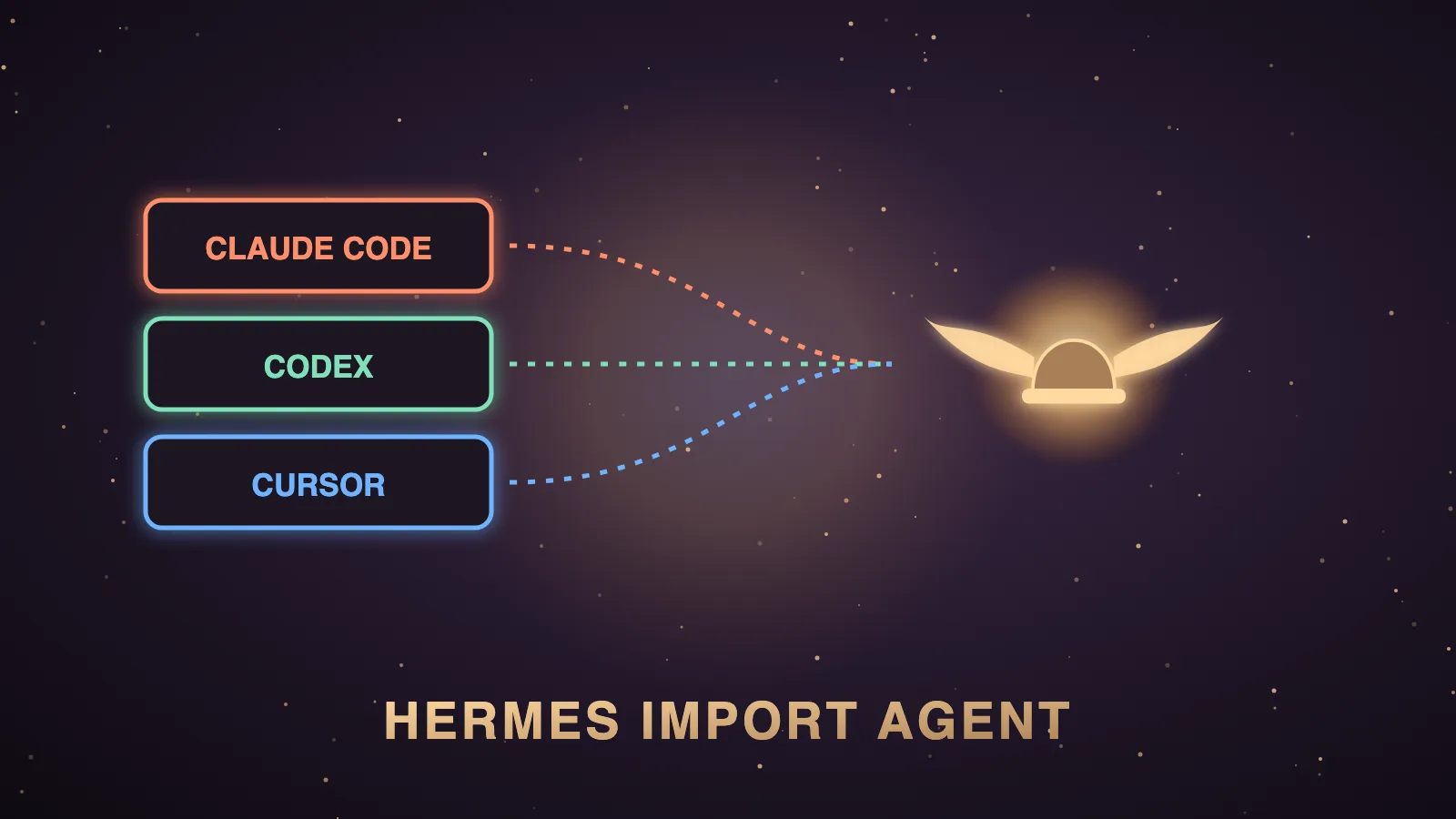 Hermes Import Agent: What It Moves From Claude Code And Codex, How To Use It, And The Model To Run Afterwards
 The Best Hermes Agent Alternative: 12 Ranked, Then The Models That Power Them
🌐 Sister-site take:
- 📺 Video notes + links to the tools
- 🆓 Get a FREE AI course + community + 1,000 AI agents
- 🎥 Learn how I make these videos